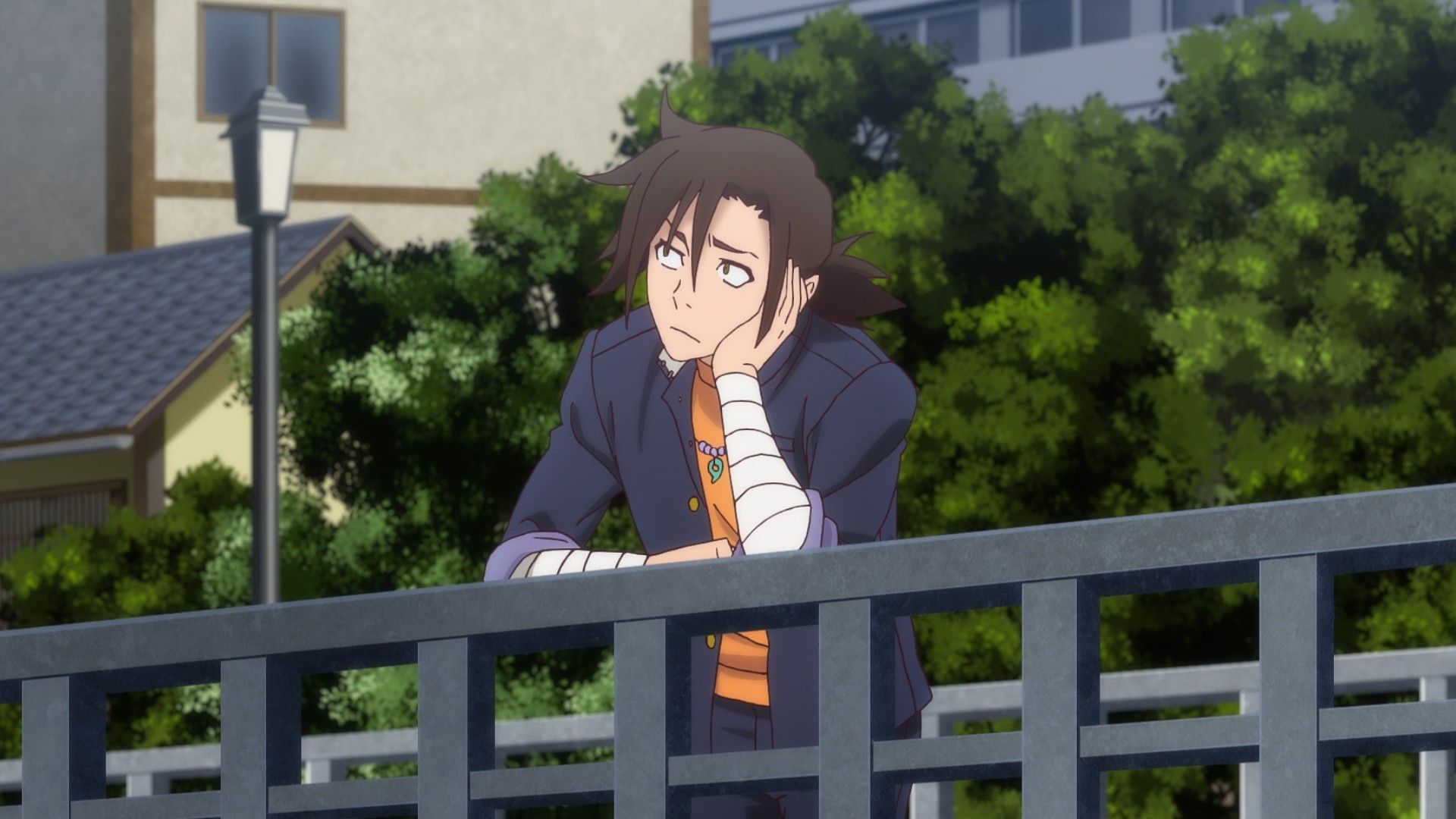
Fuyuzora Kogarashi has the ability to see supernatural beings, which meant he was often possessed as a child and caused plenty of trouble for the people around him. He eventually decided to confront the problem and learn how to fight evil spirits. Unfortunately, the earlier incidents left him penniless and without a roof over his head. Wandering from town to town, he eventually arrived in a small place famous for its hot springs. There he found an offer to rent a room at a bargain price in one of the traditional inns. The low rent did come with a certain drawback, however—the property had a poor reputation because of an urban legend about a malicious spirit haunting its rooms at night. Kogarashi decides to put his skills at sending evil spirits to the afterlife to the test while taking advantage of the cheap accommodation. Once there, instead of an evil demon, he meets a completely harmless spirit in the form of a sweet young girl named Yuuna!
Yuragi-sou no Yuuna-san (2018) – Visual Design
Video
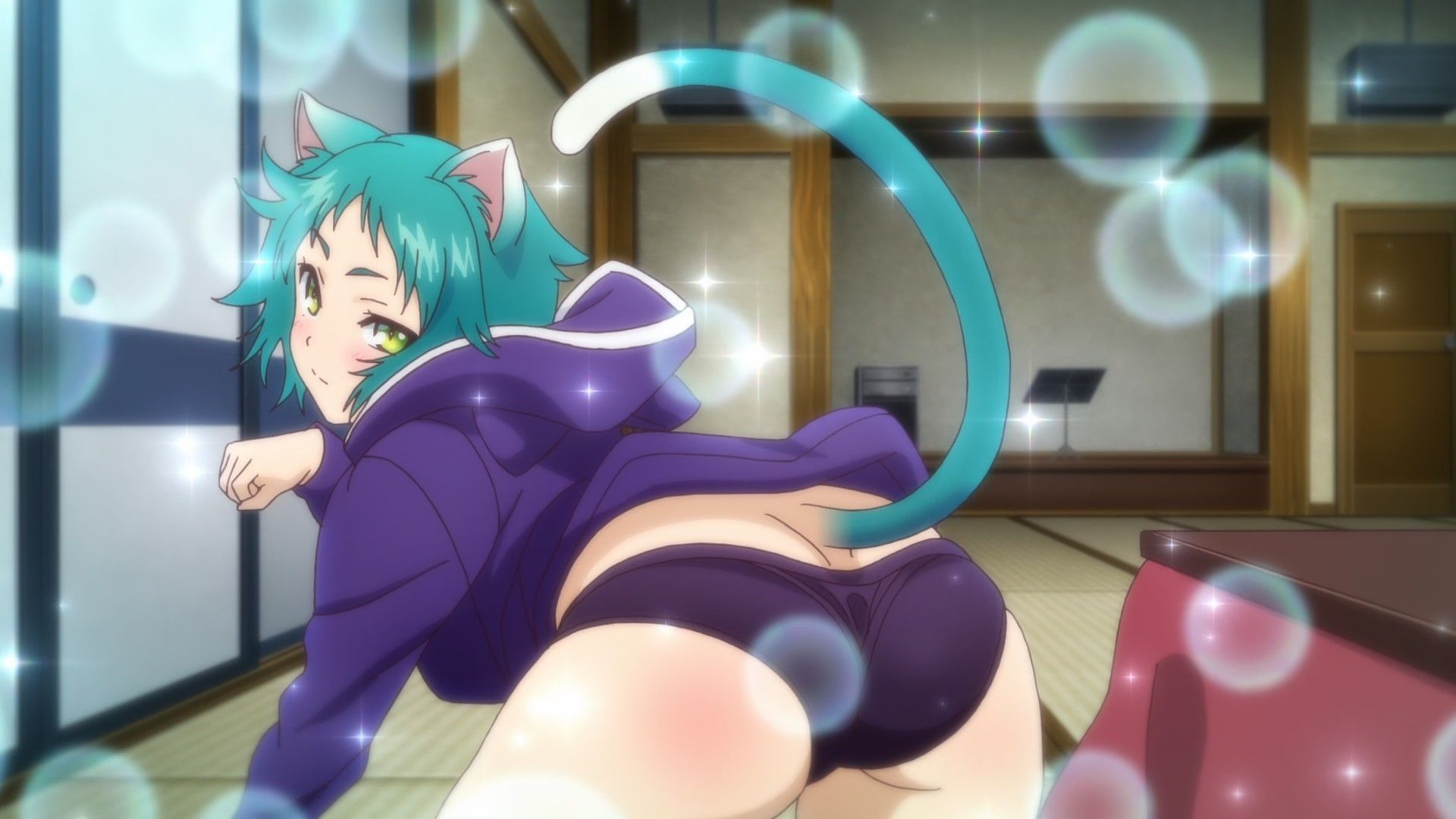
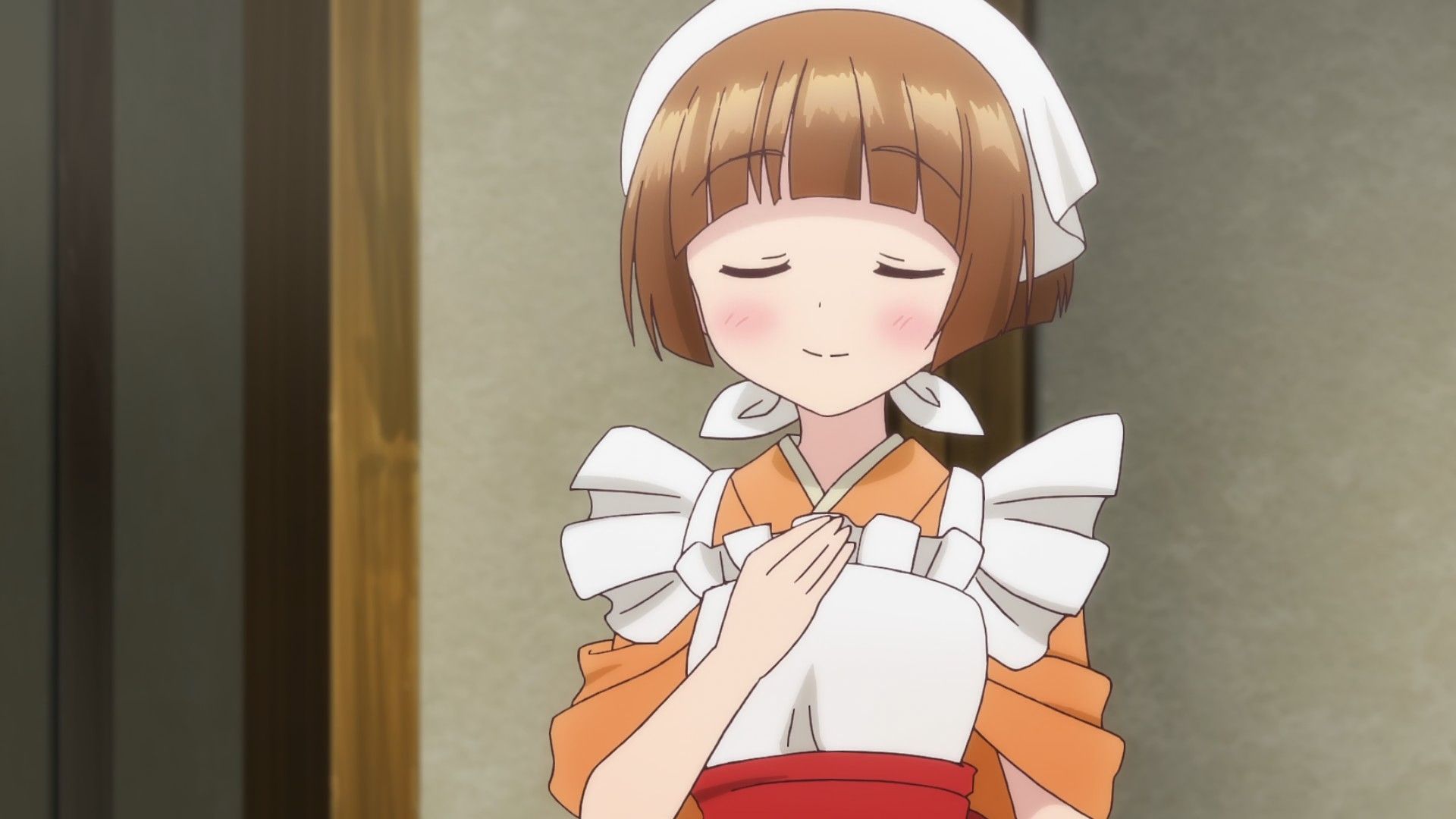
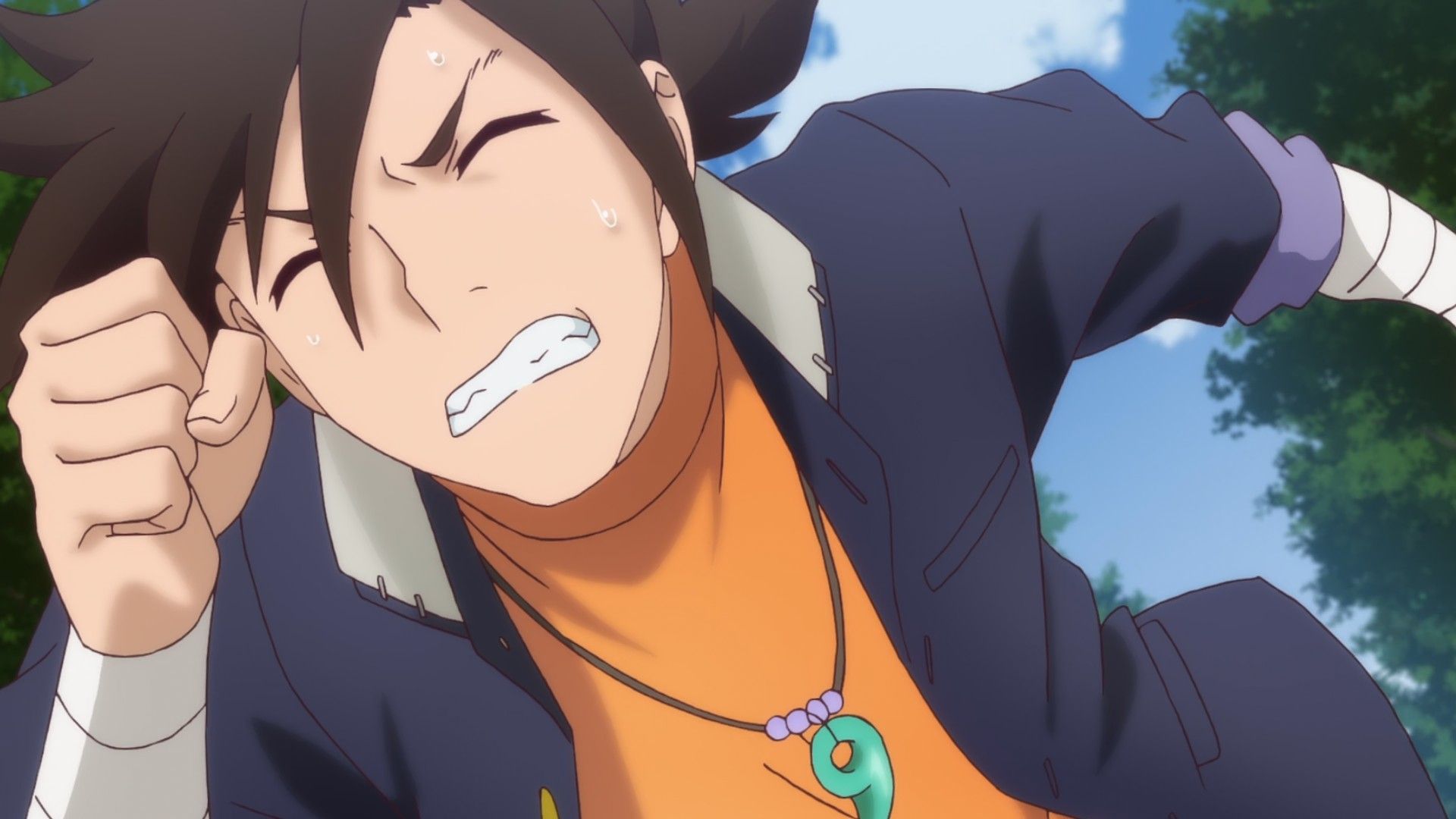
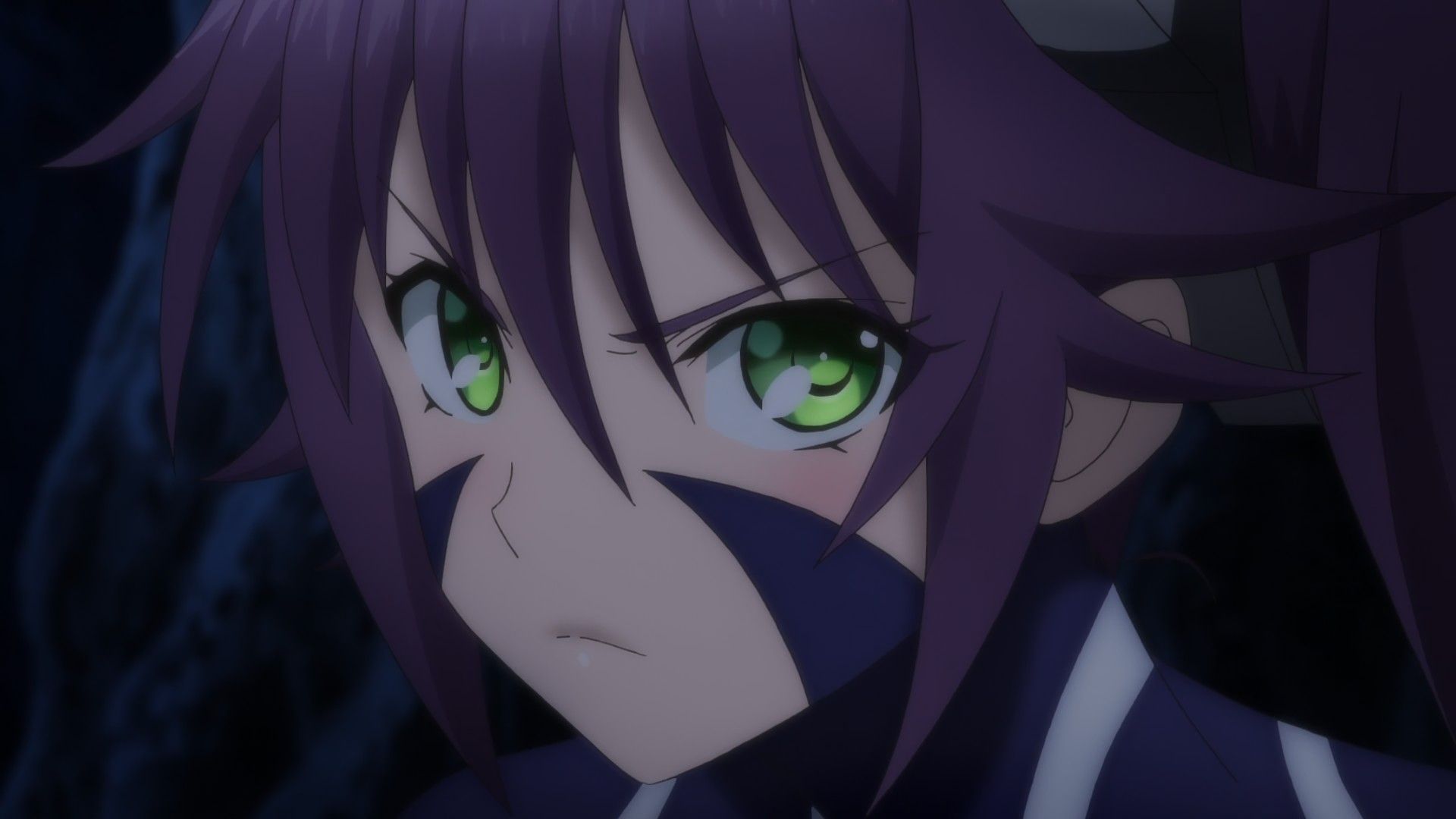
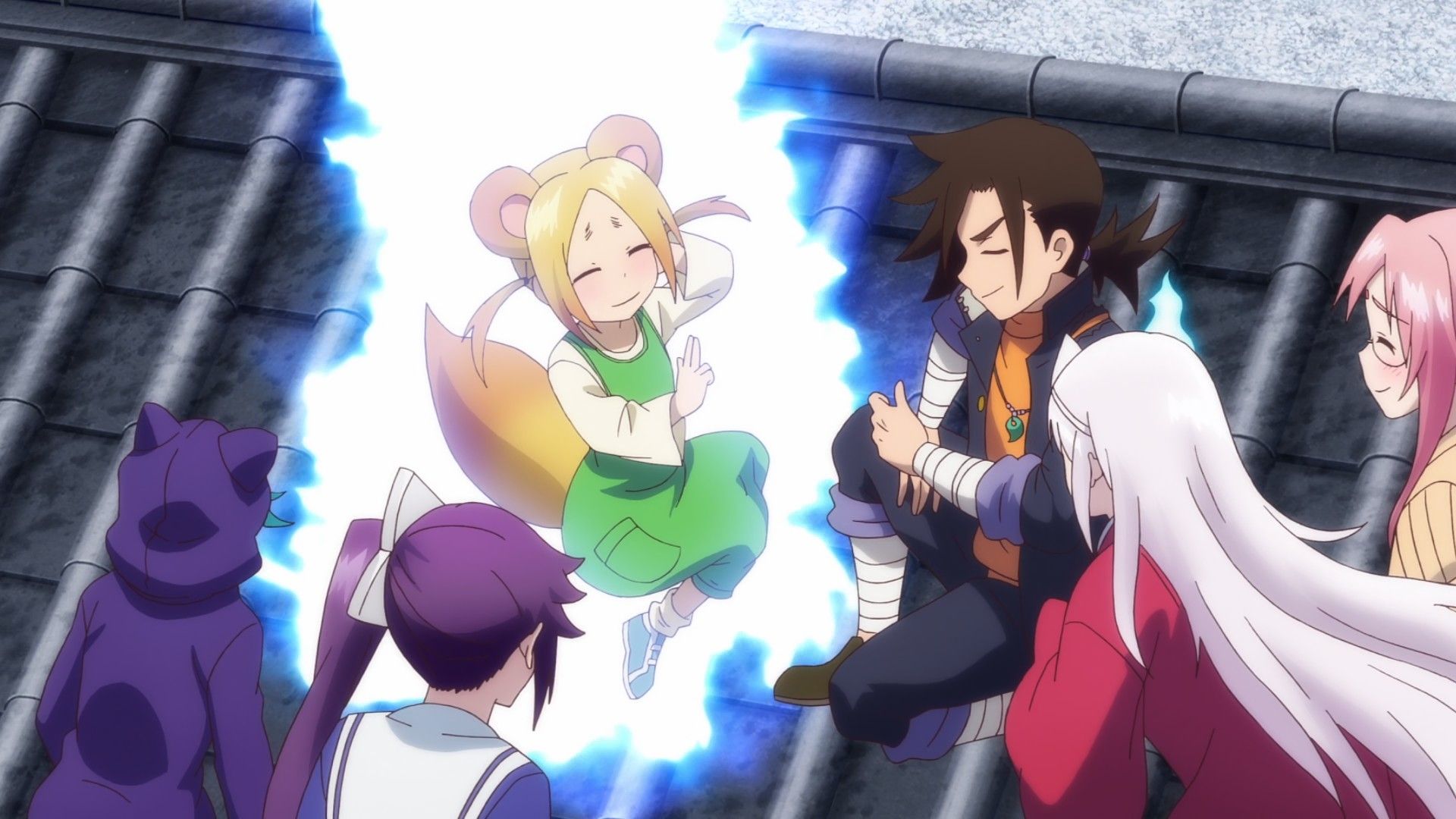
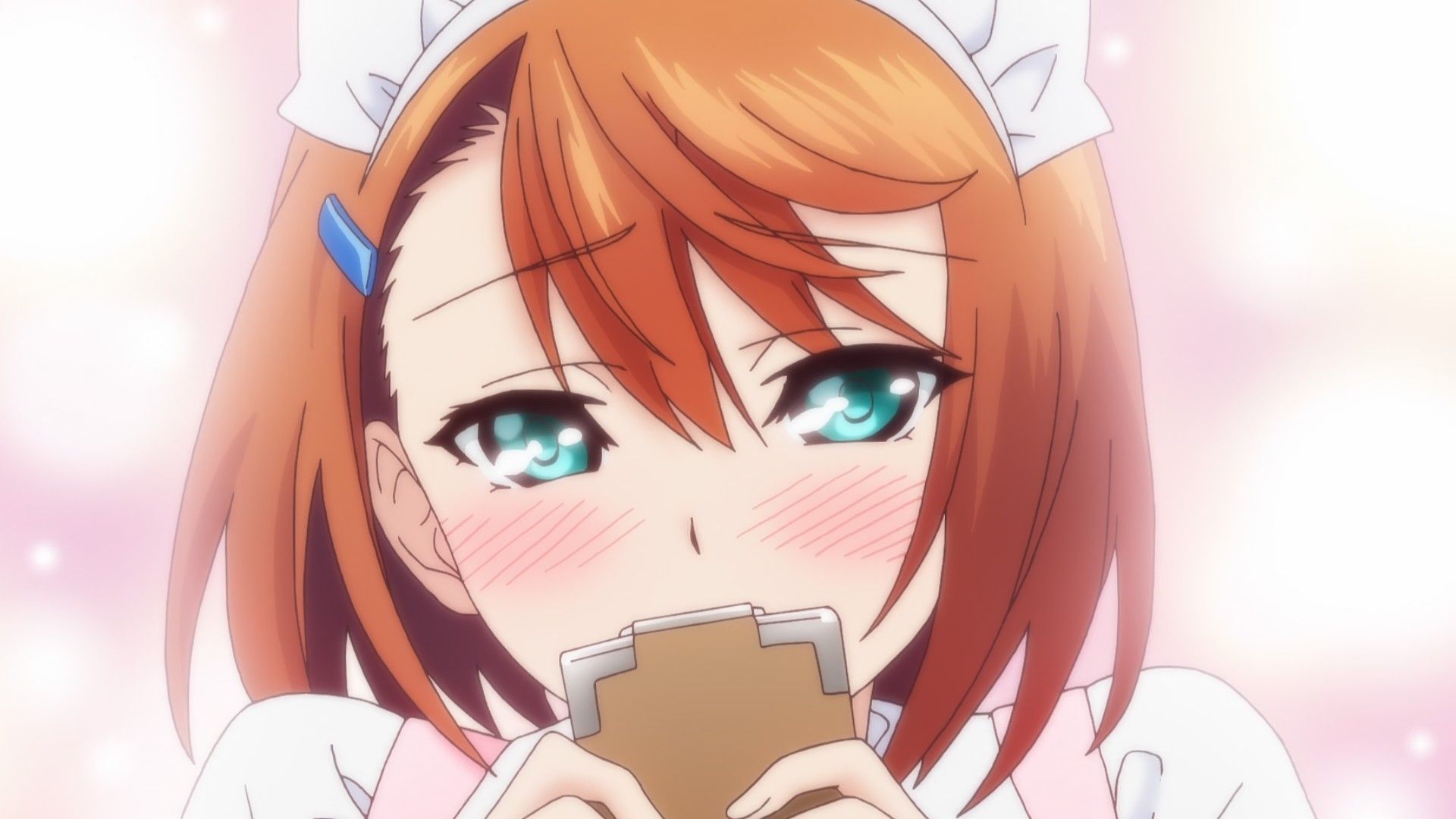
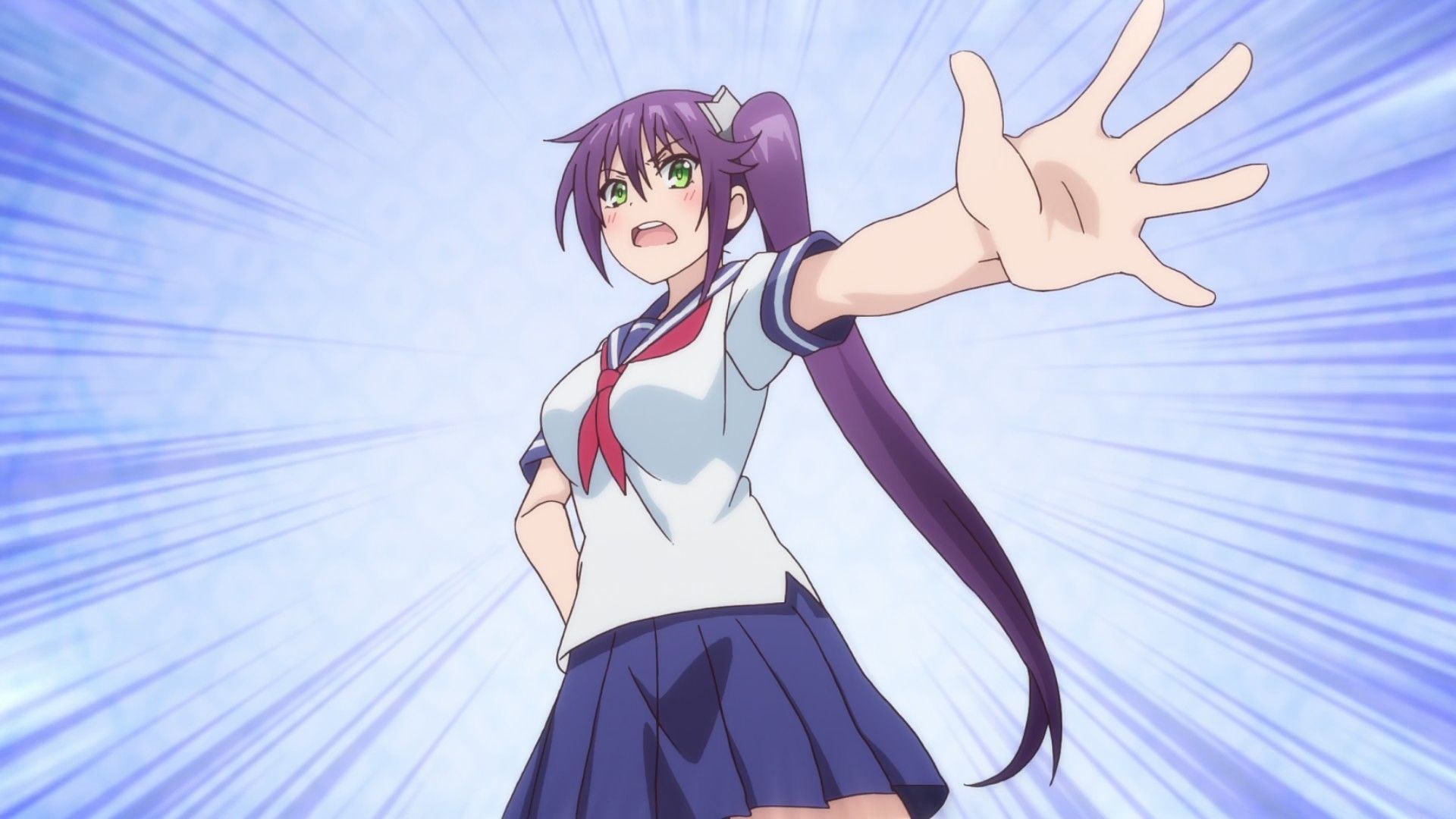
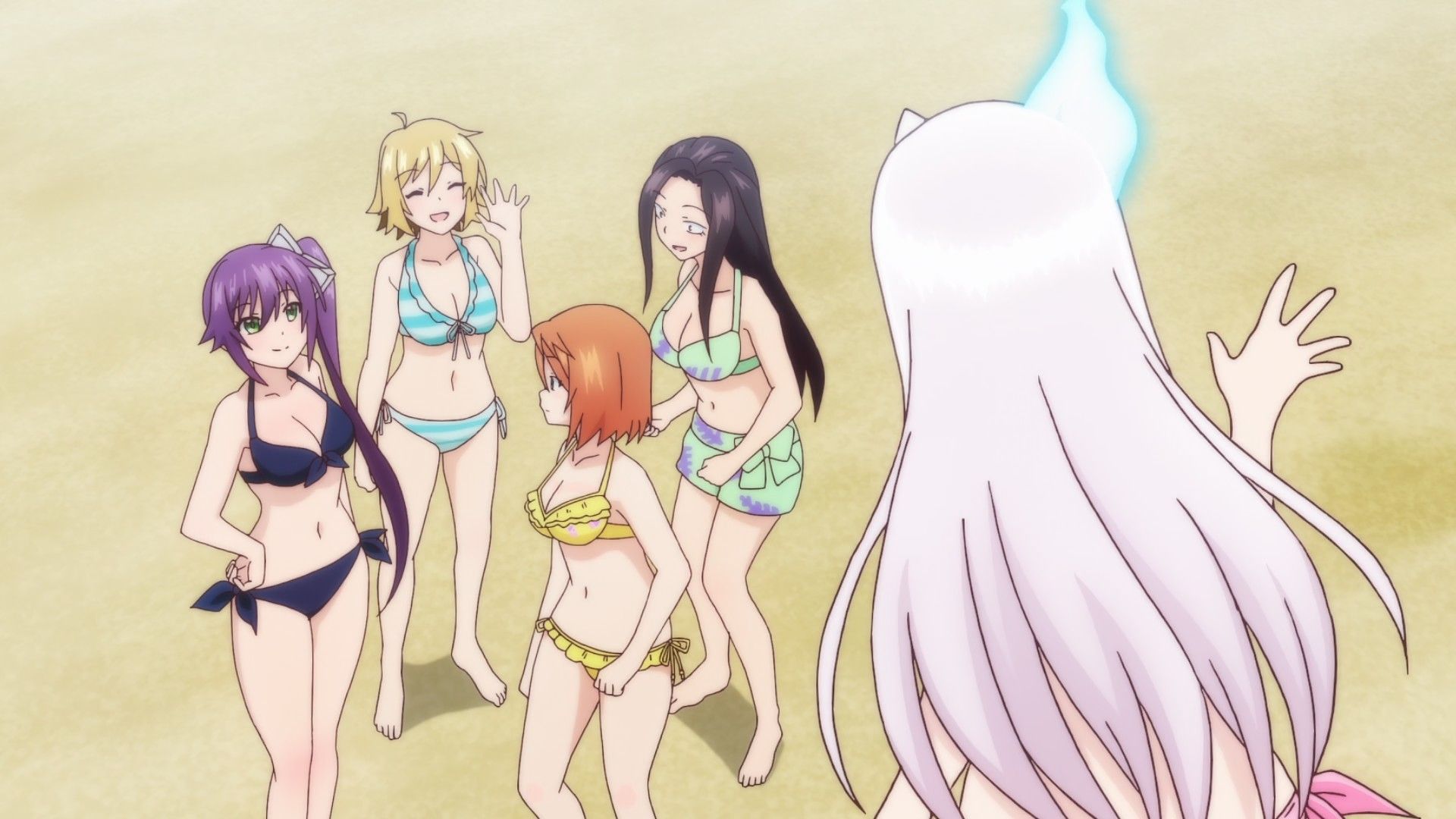
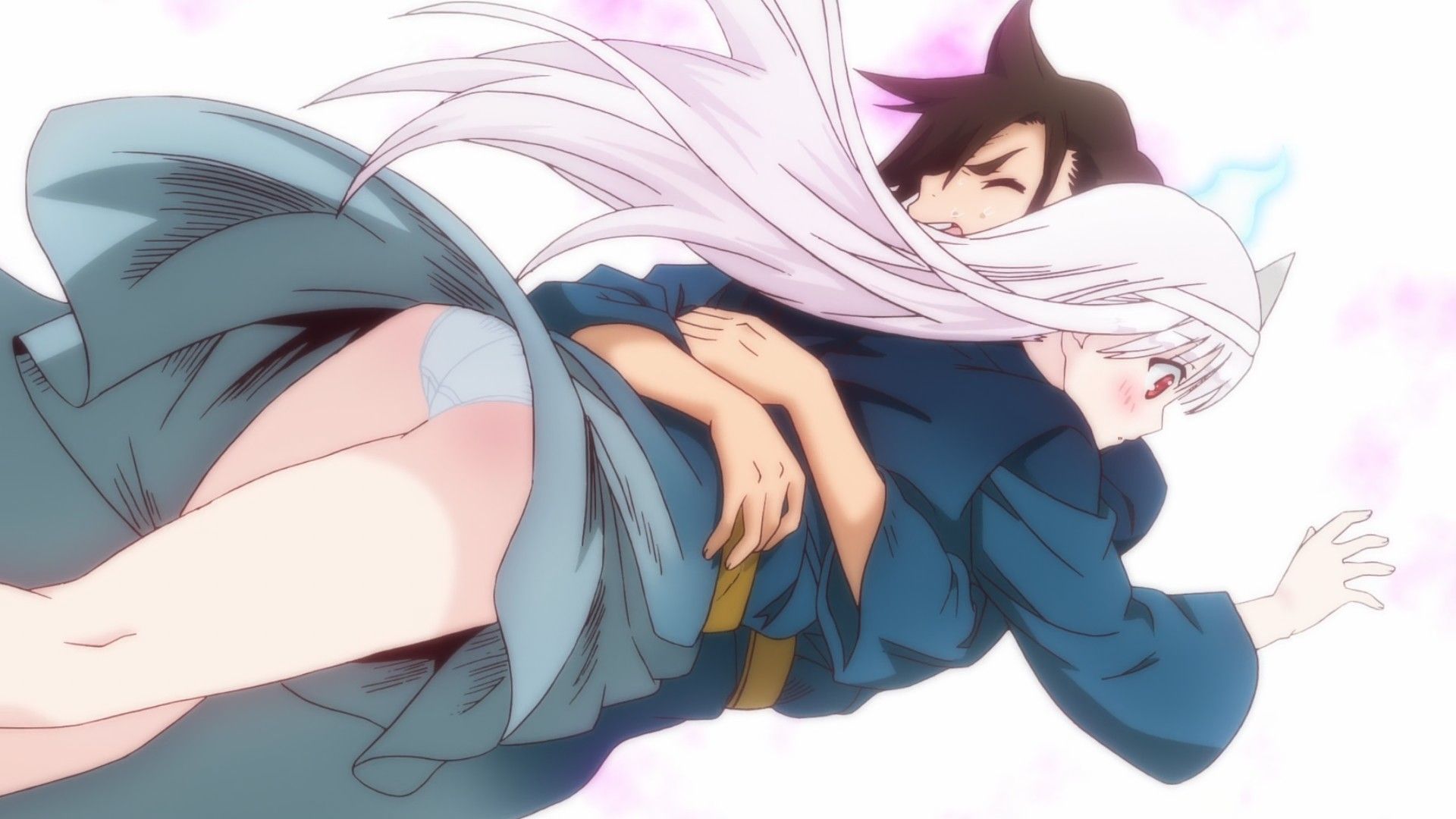
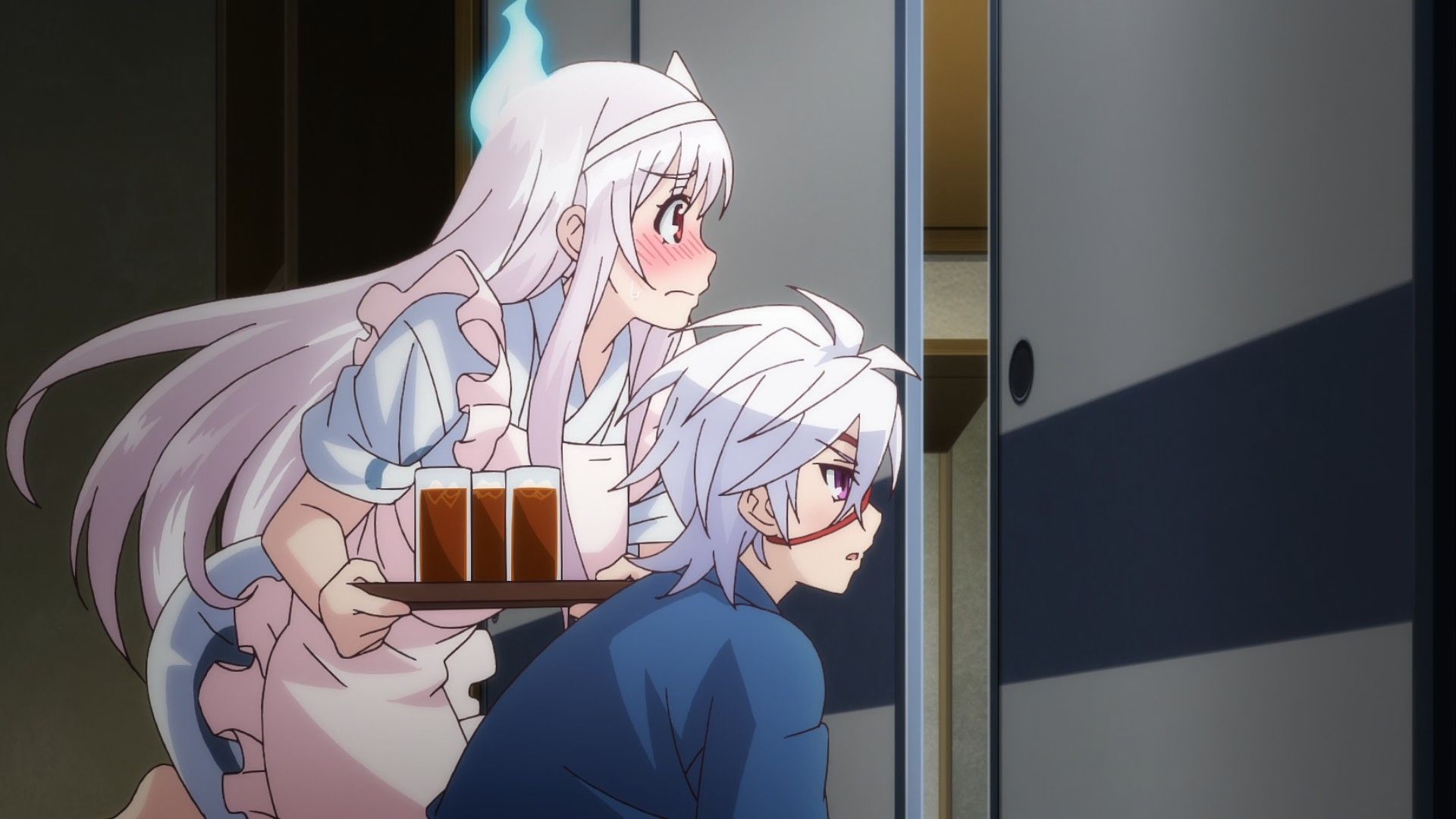
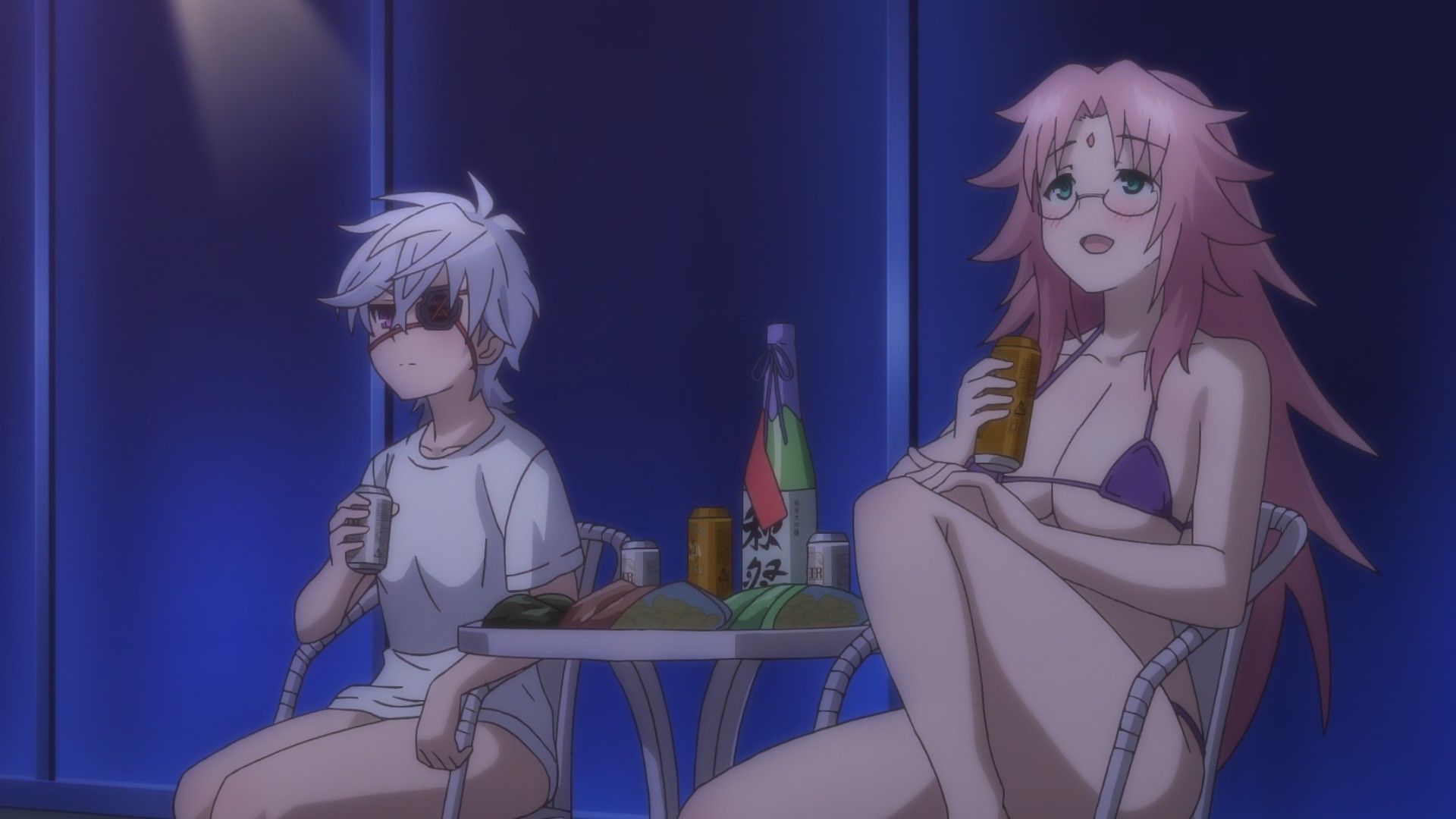
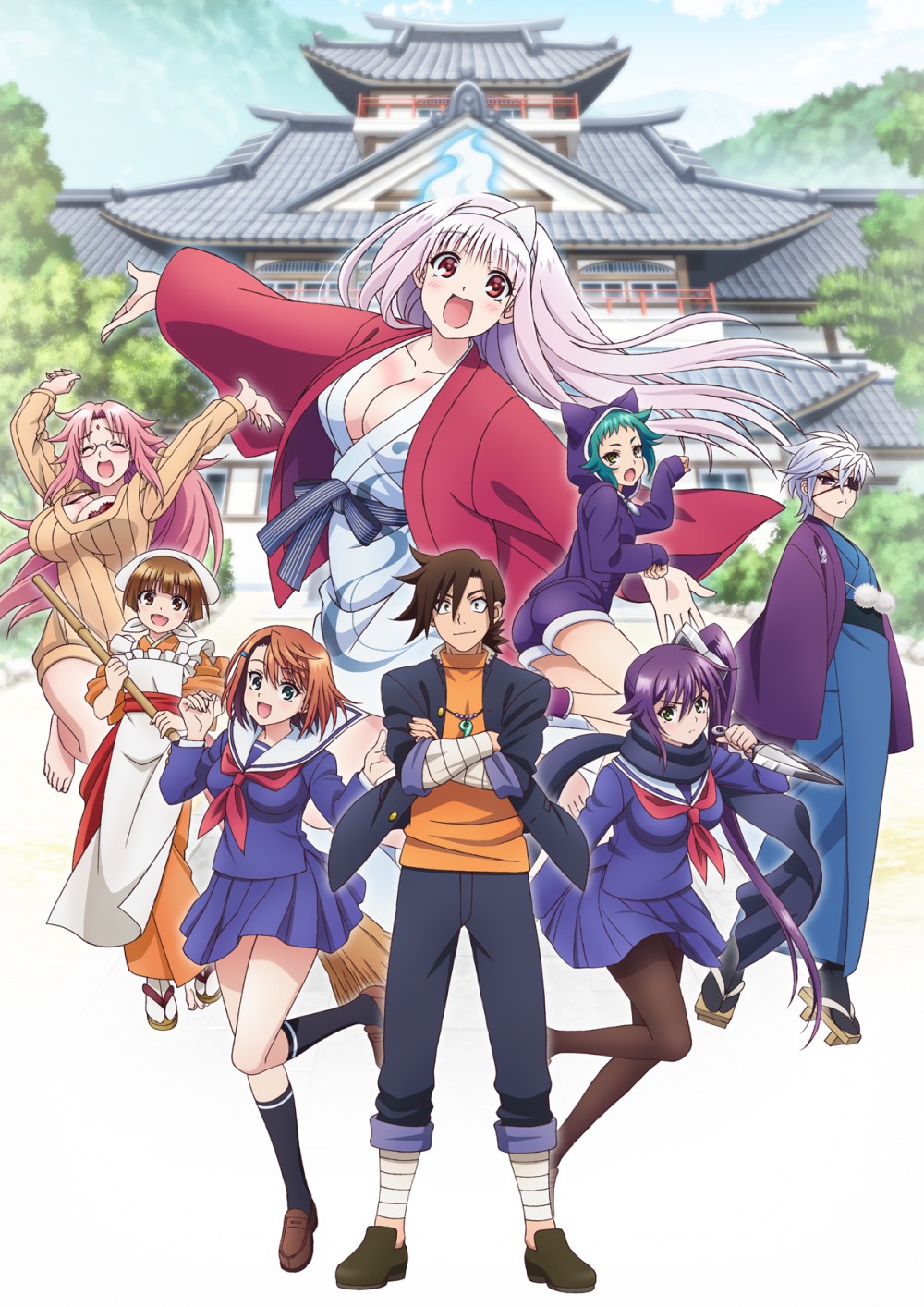
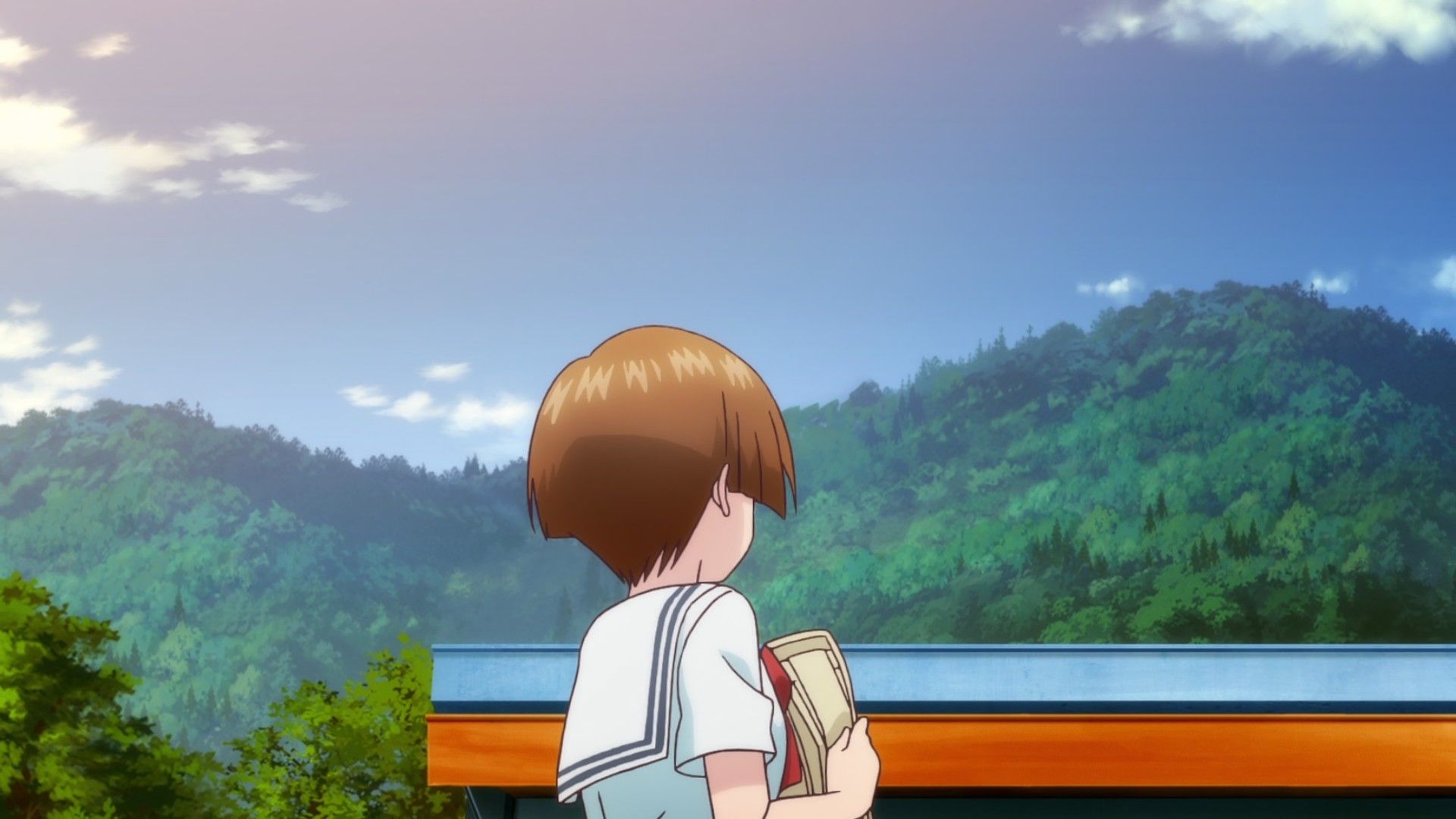
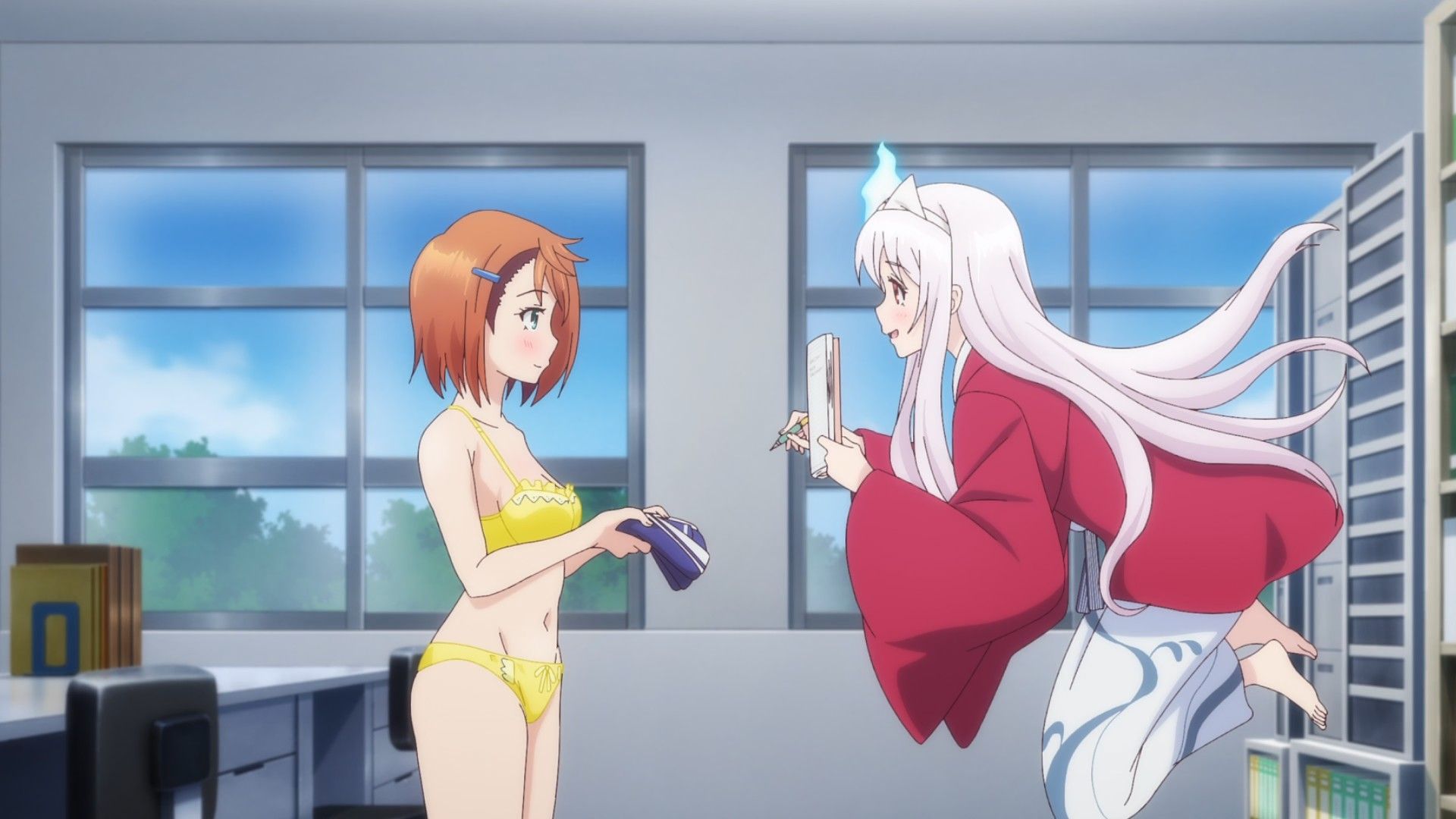
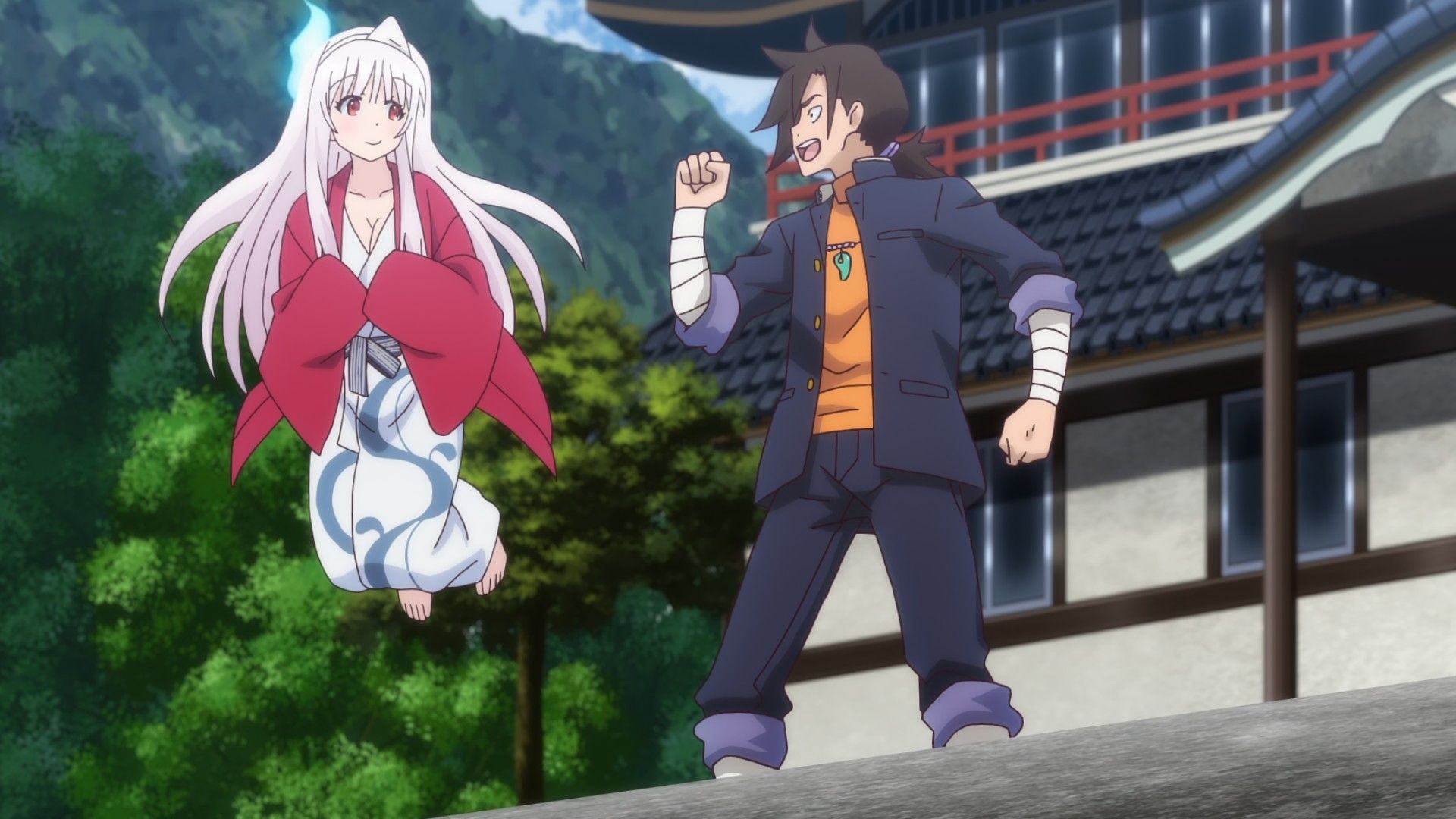
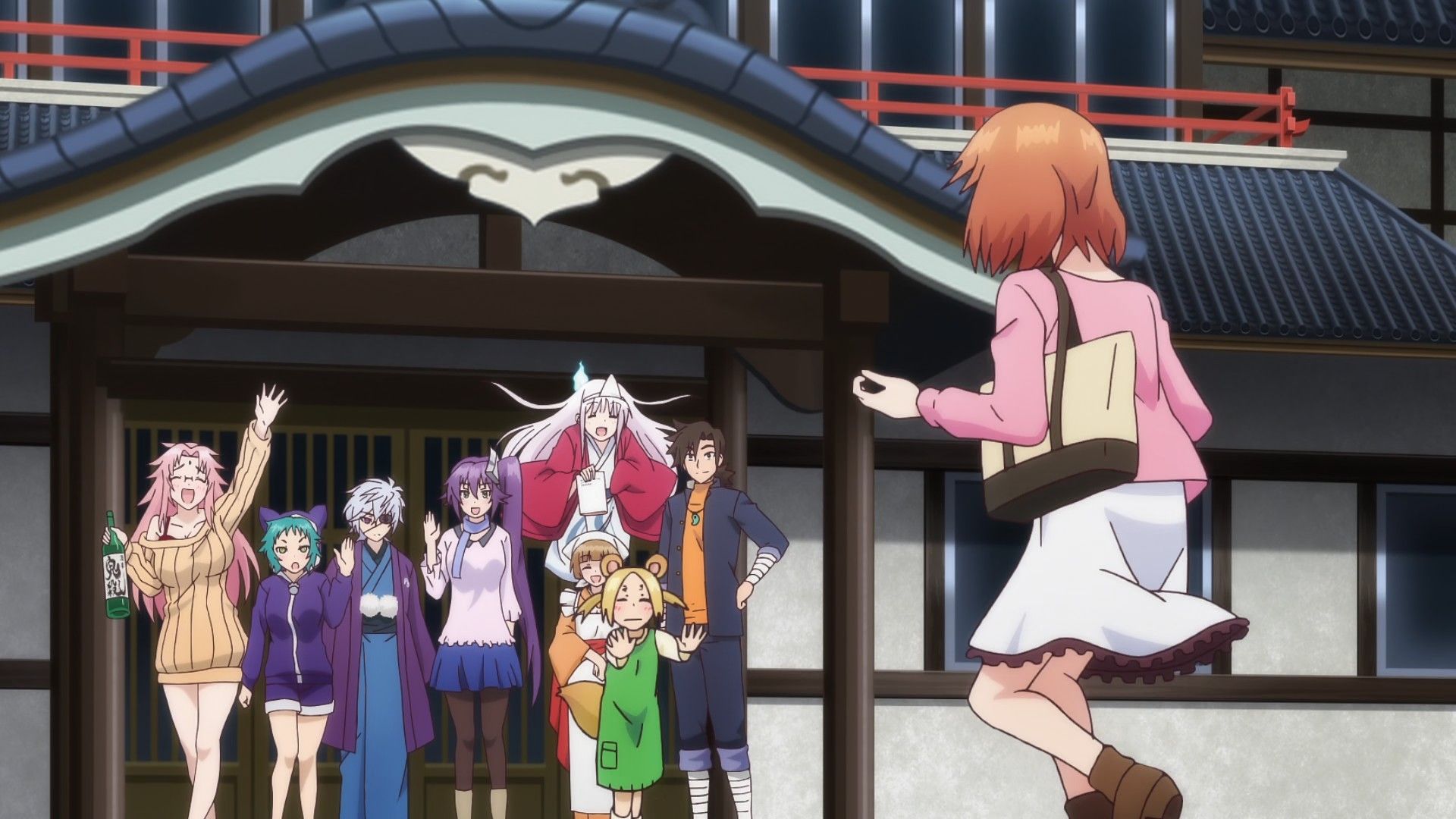
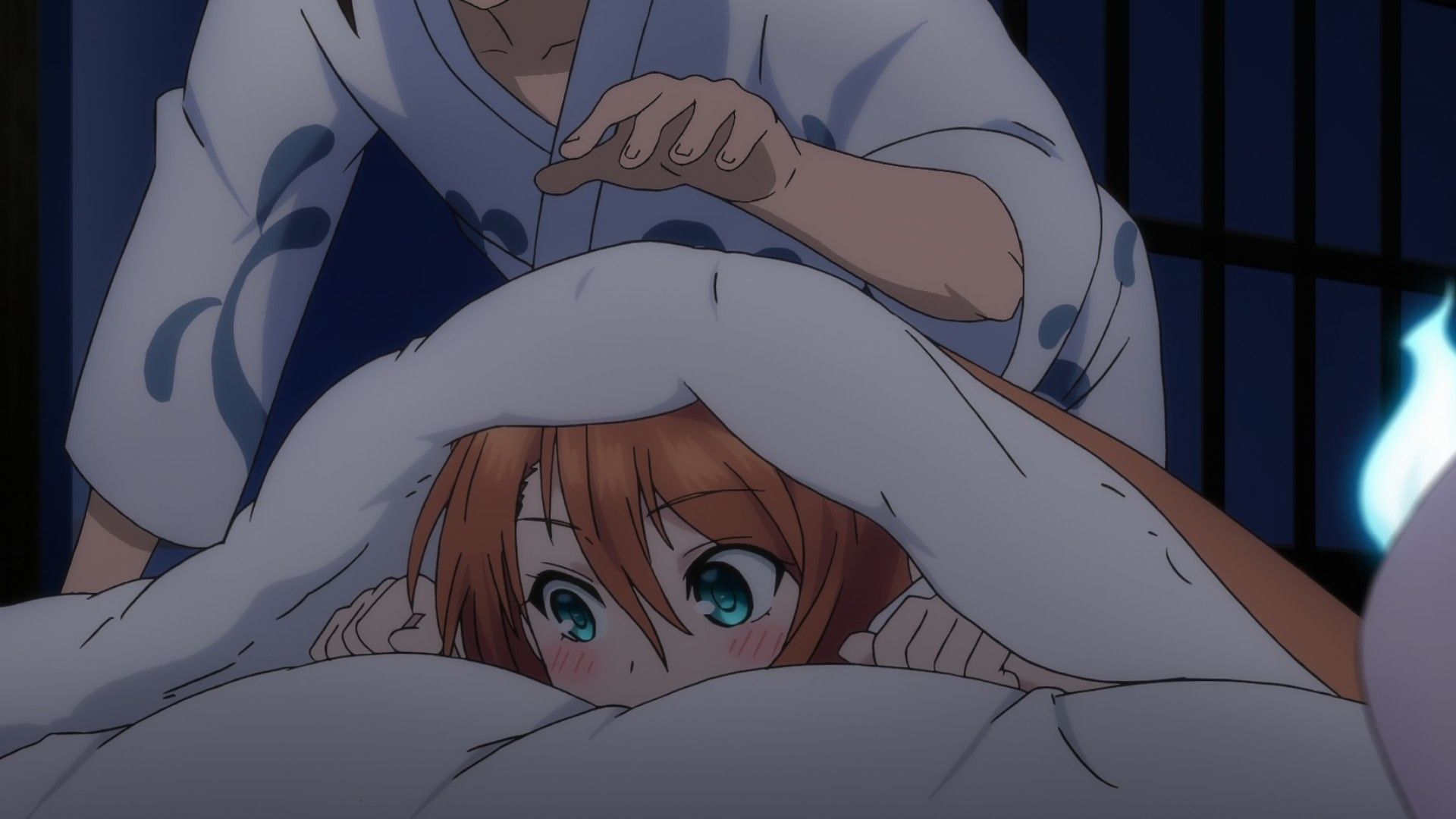
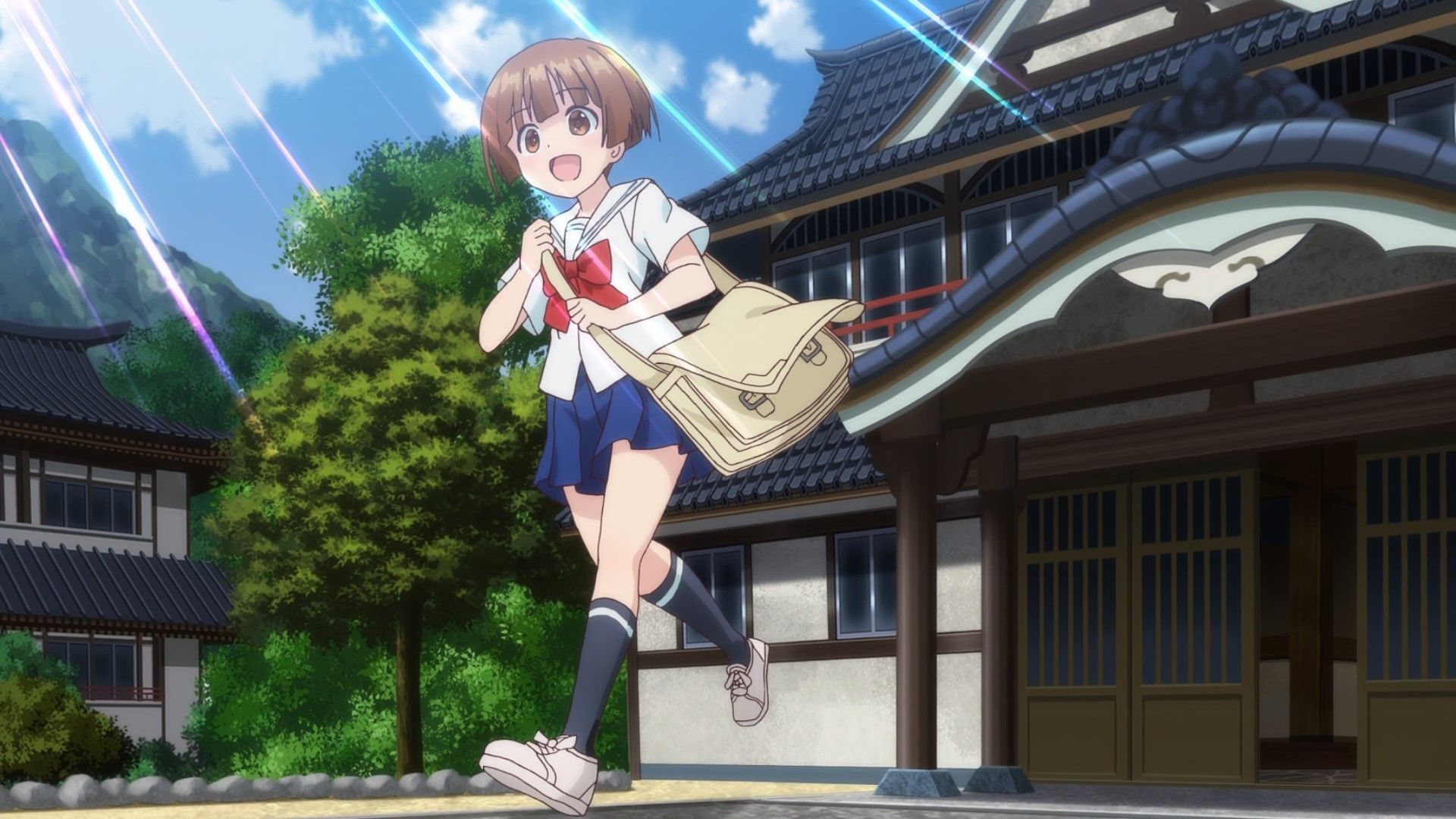
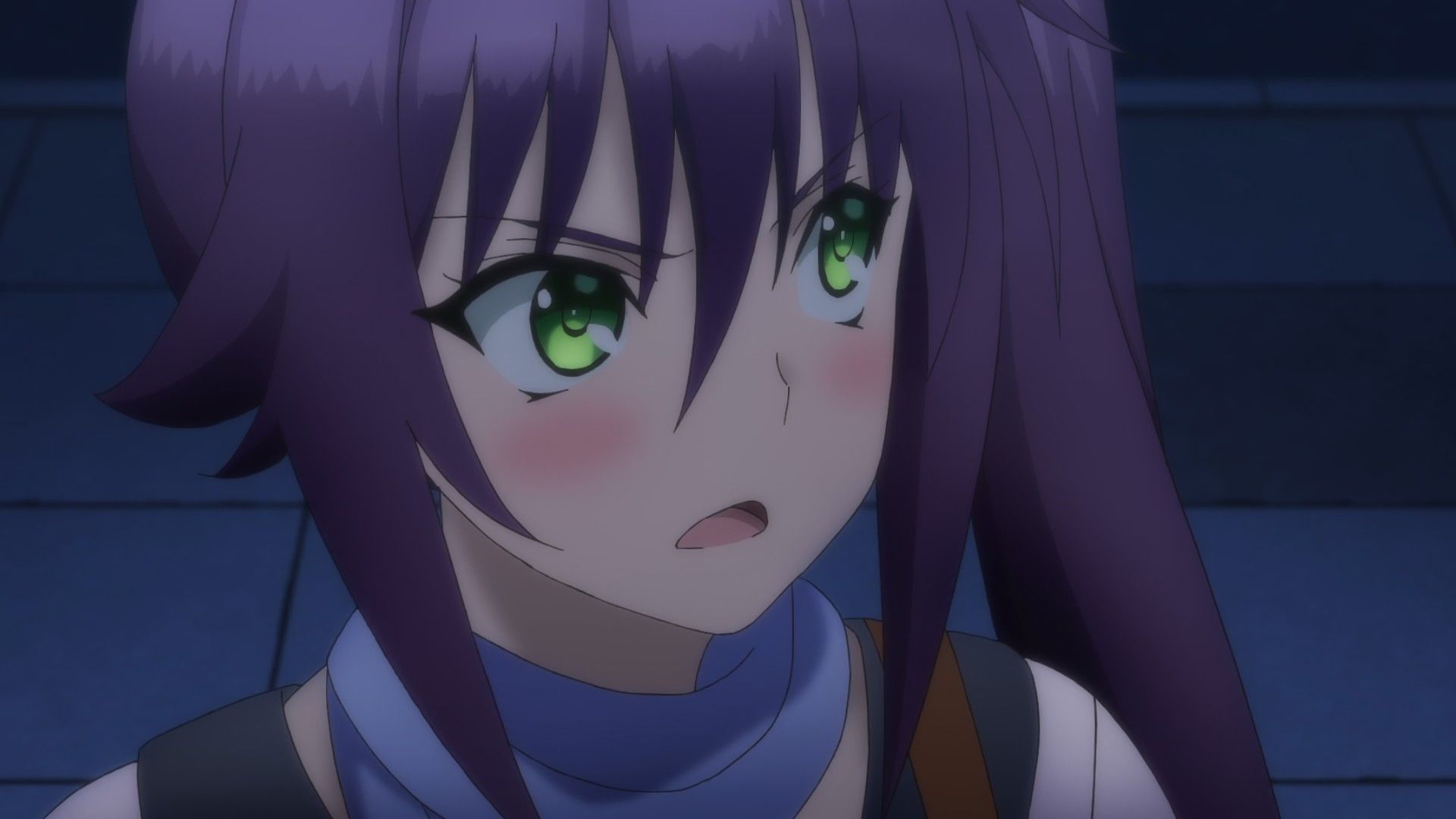
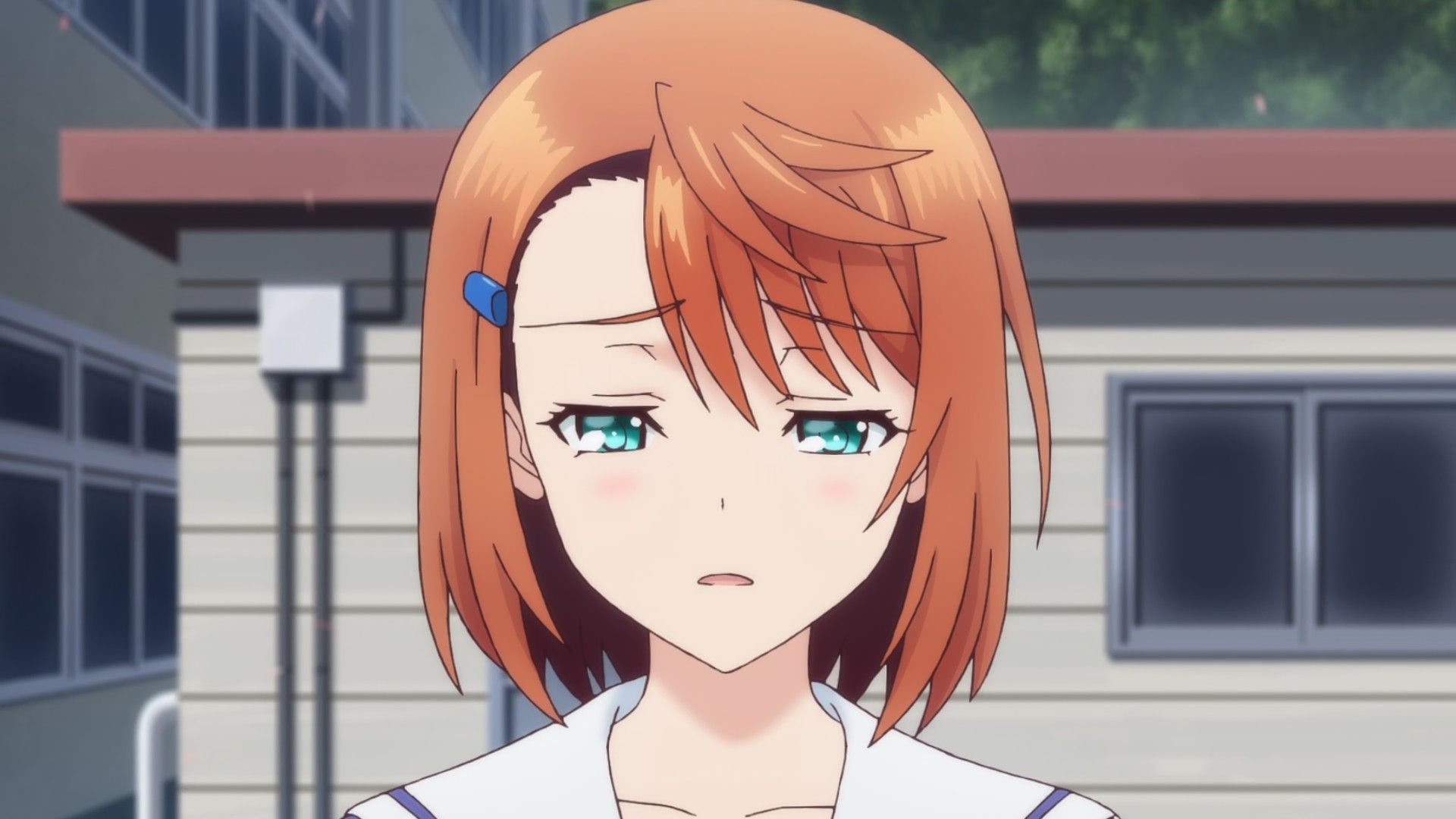
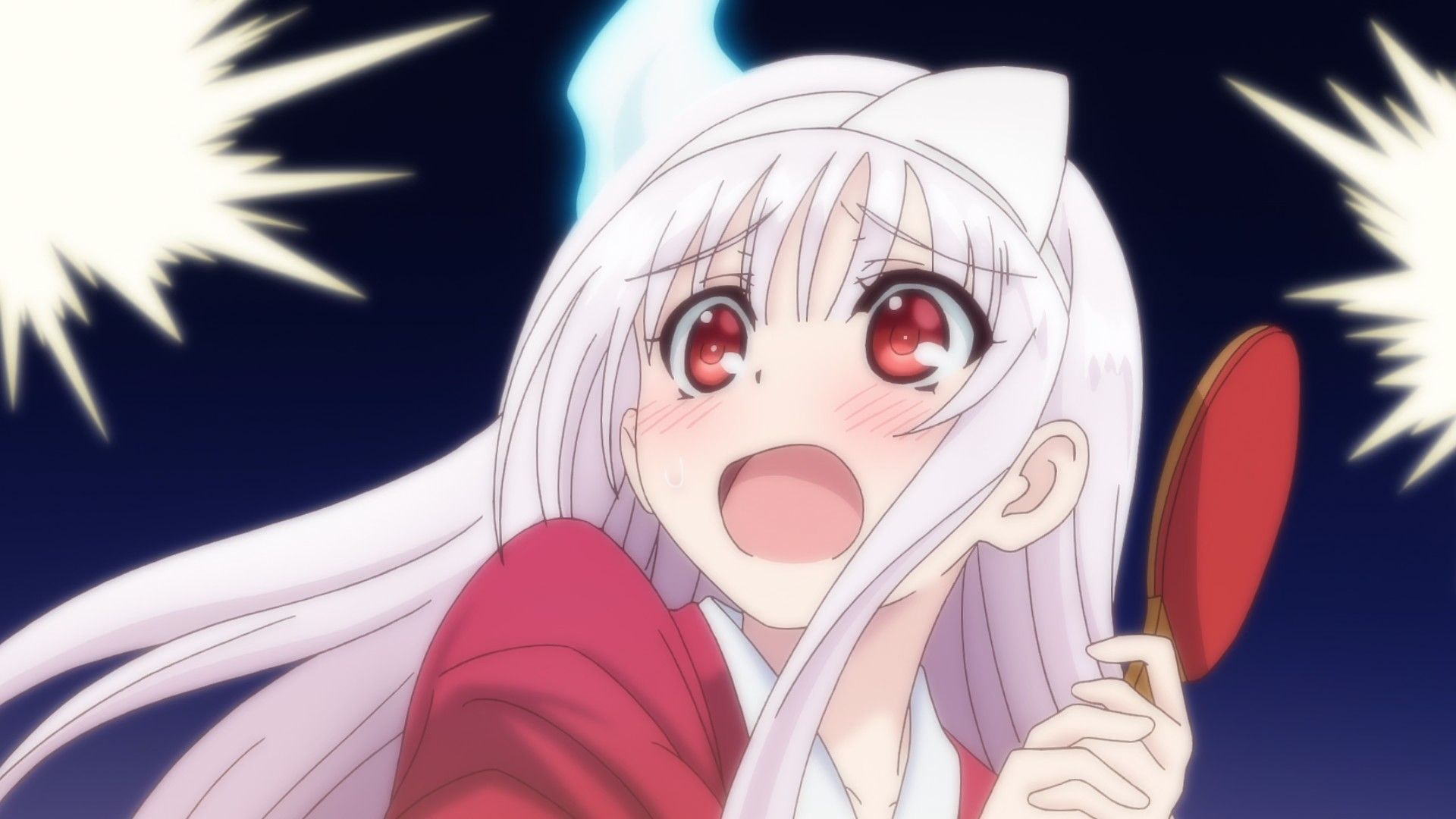
From the very first episode, the visual presentation of Yuragi-sou no Yuuna-san was exactly to my taste. This is precisely the kind of aesthetic I expect from a light romantic comedy with a large cast of beautiful heroines. The character designs are very pleasant to look at, expressive, and varied enough that even with a fairly large cast, it is difficult to confuse anyone with anyone else. Each girl has her own look that suits her personality. Hairstyles, color palettes, and body types also play a major role here, giving the entire cast plenty of variety while maintaining a consistent visual style. Takeya Kyouko was responsible for the anime’s character designs, while the animation itself was produced by the sadly now-defunct studio XEBEC under the direction of Nagasawa Tsuyoshi.
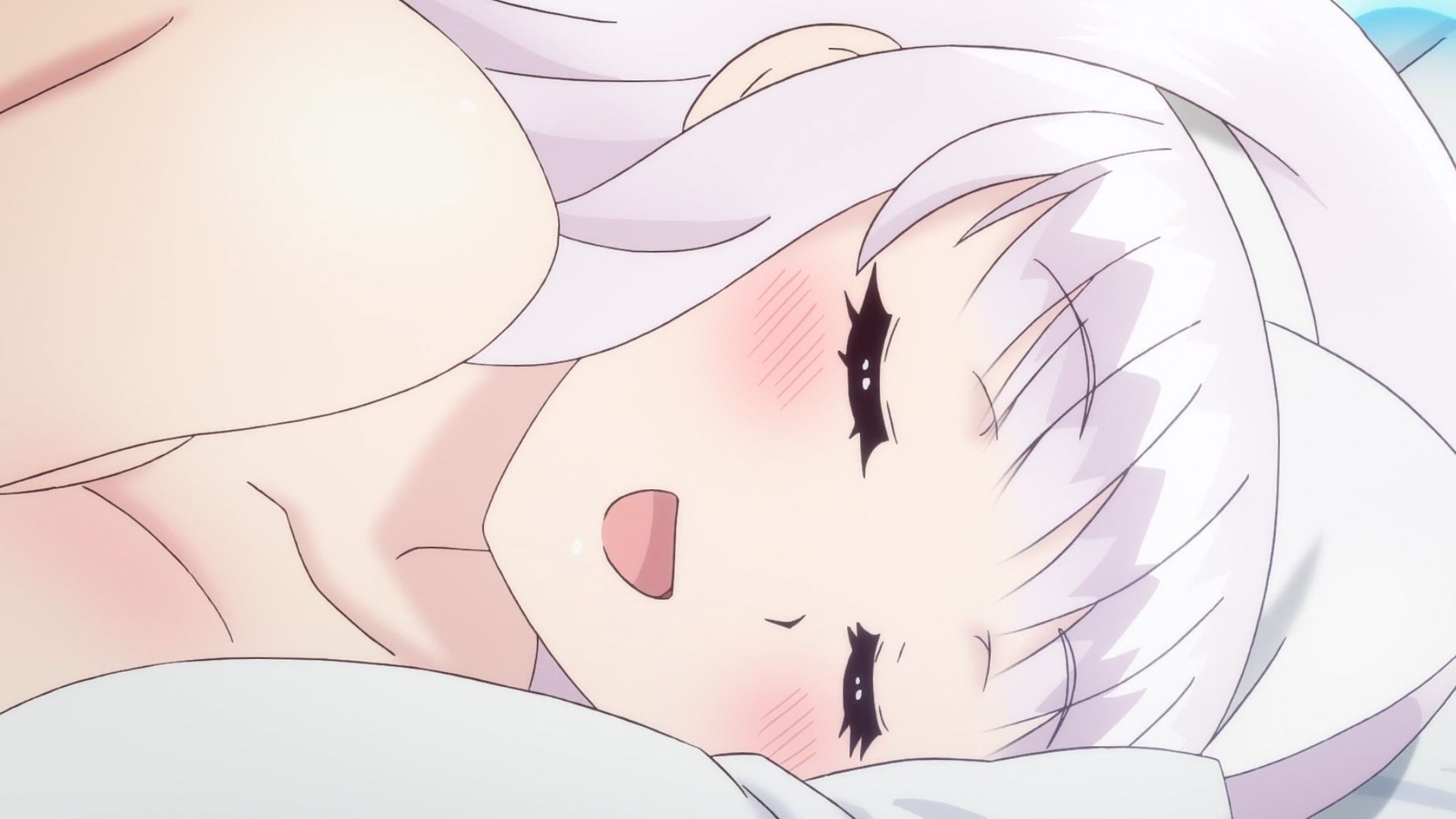
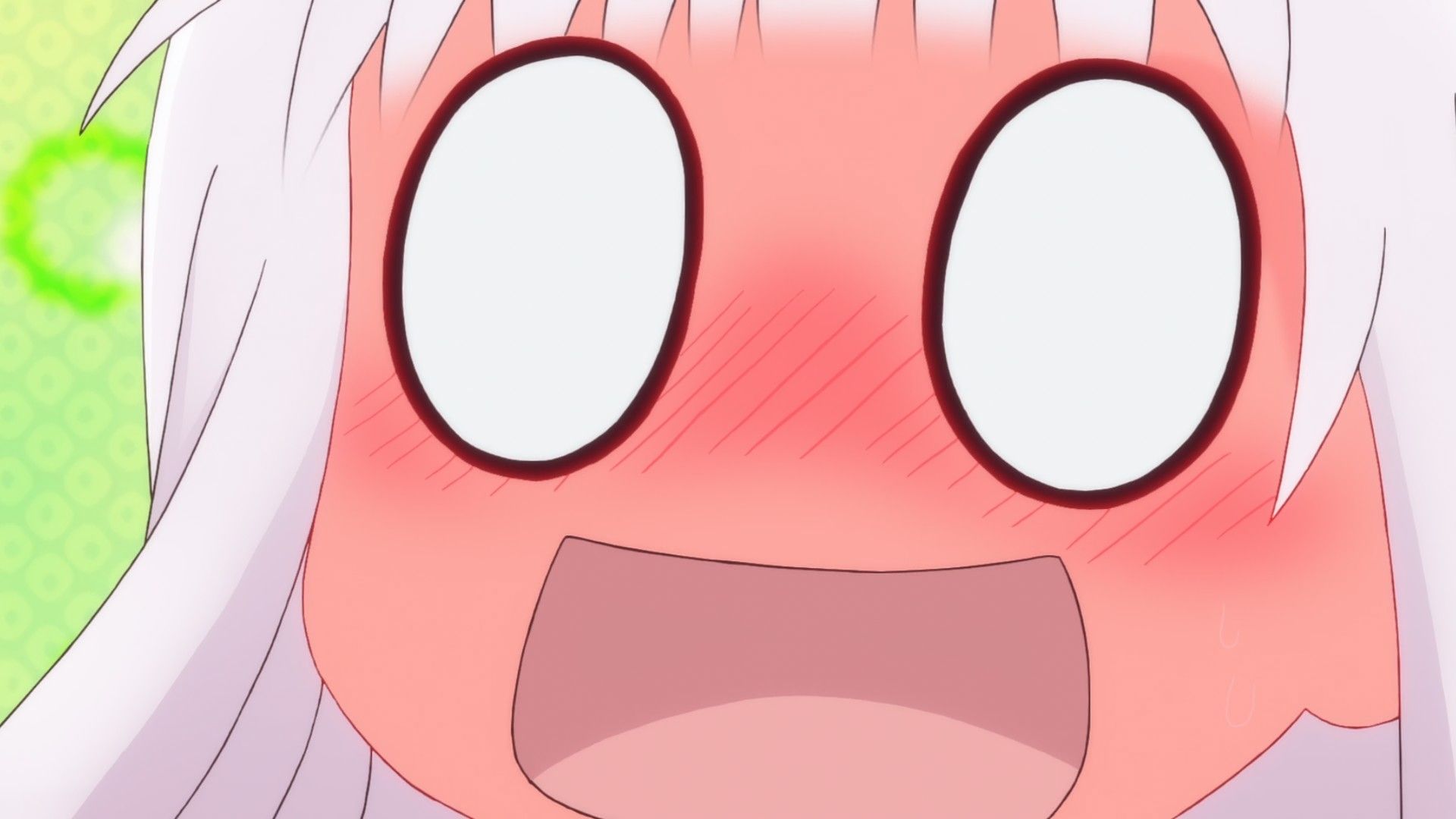
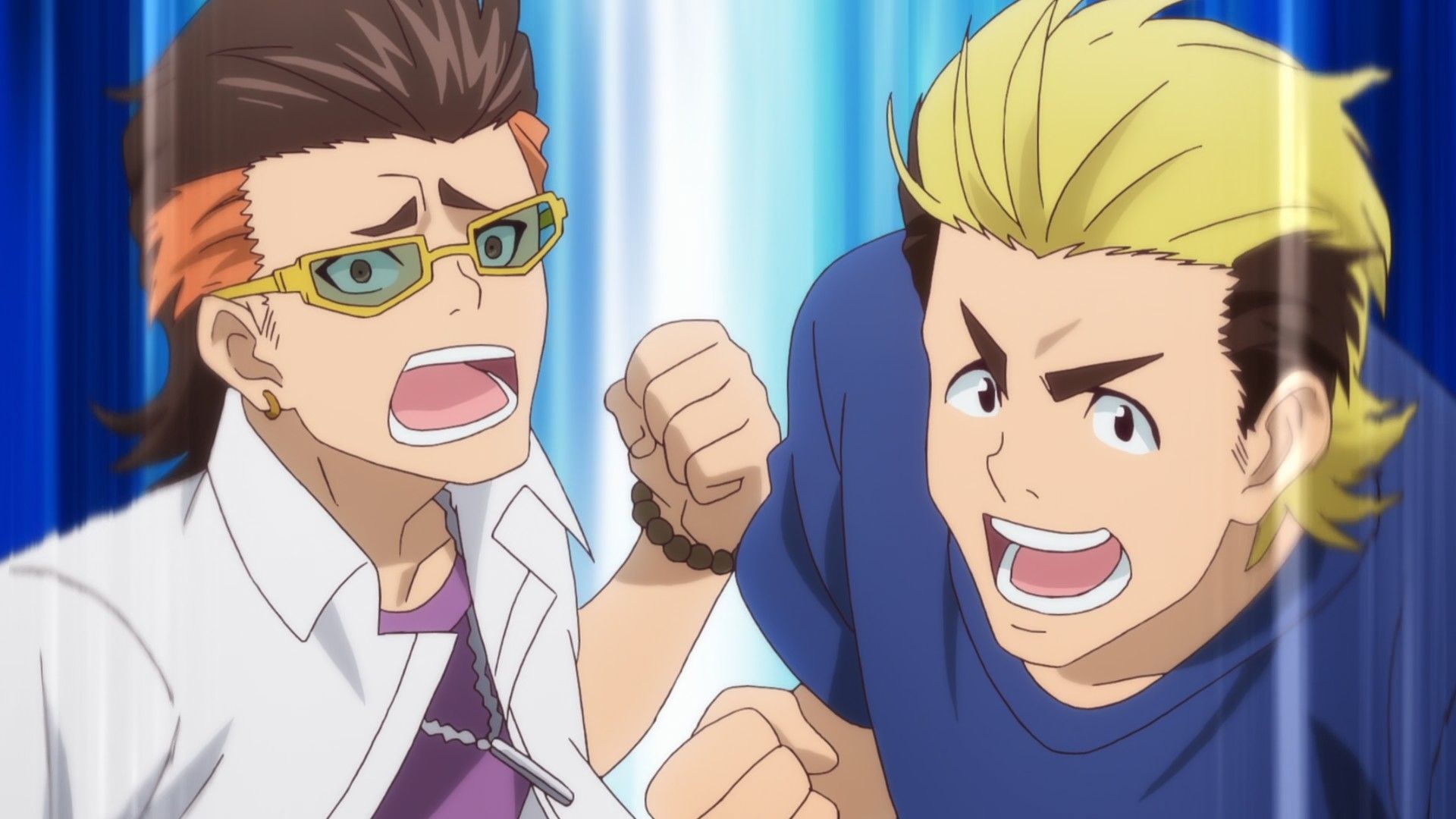
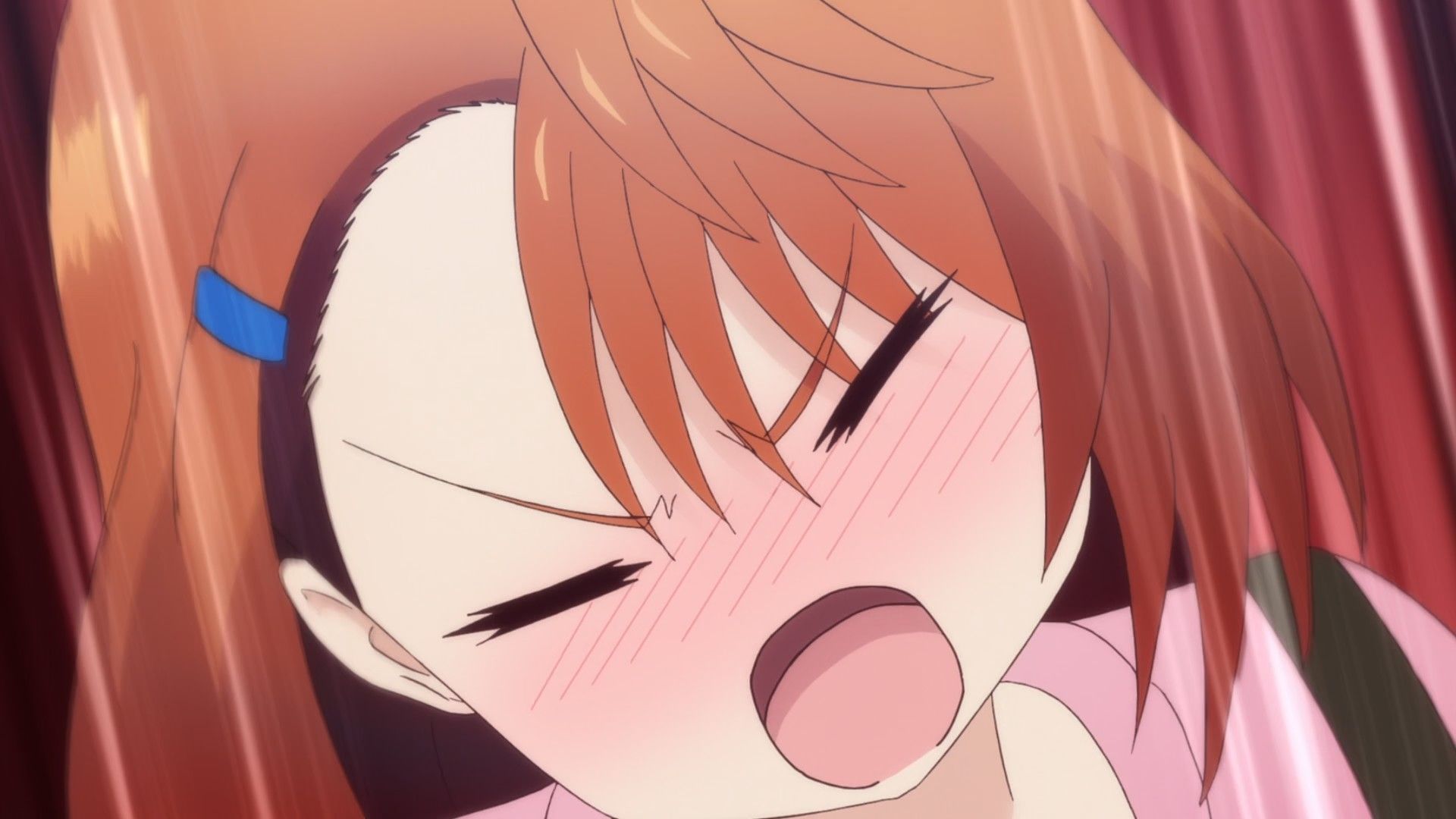
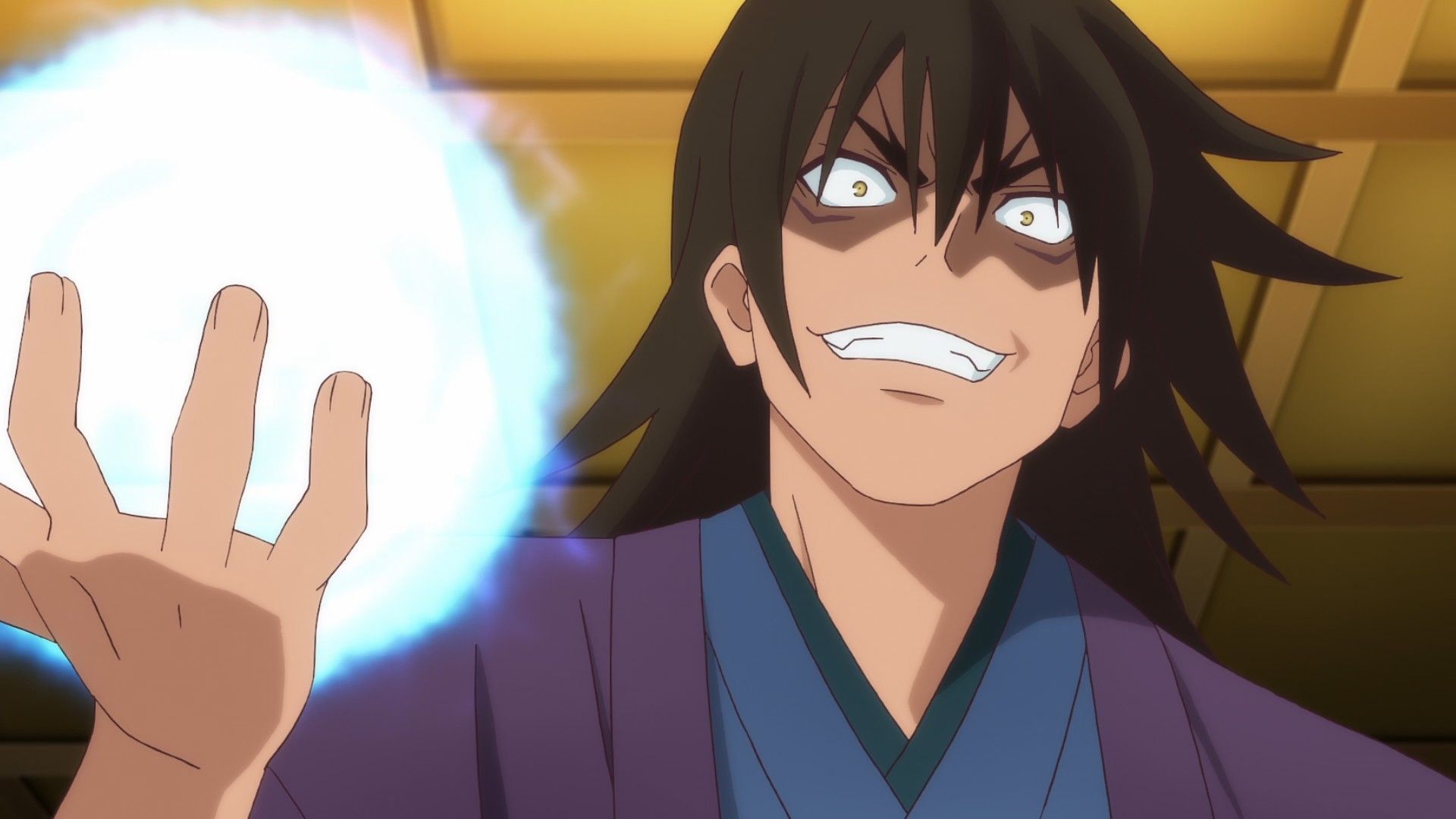
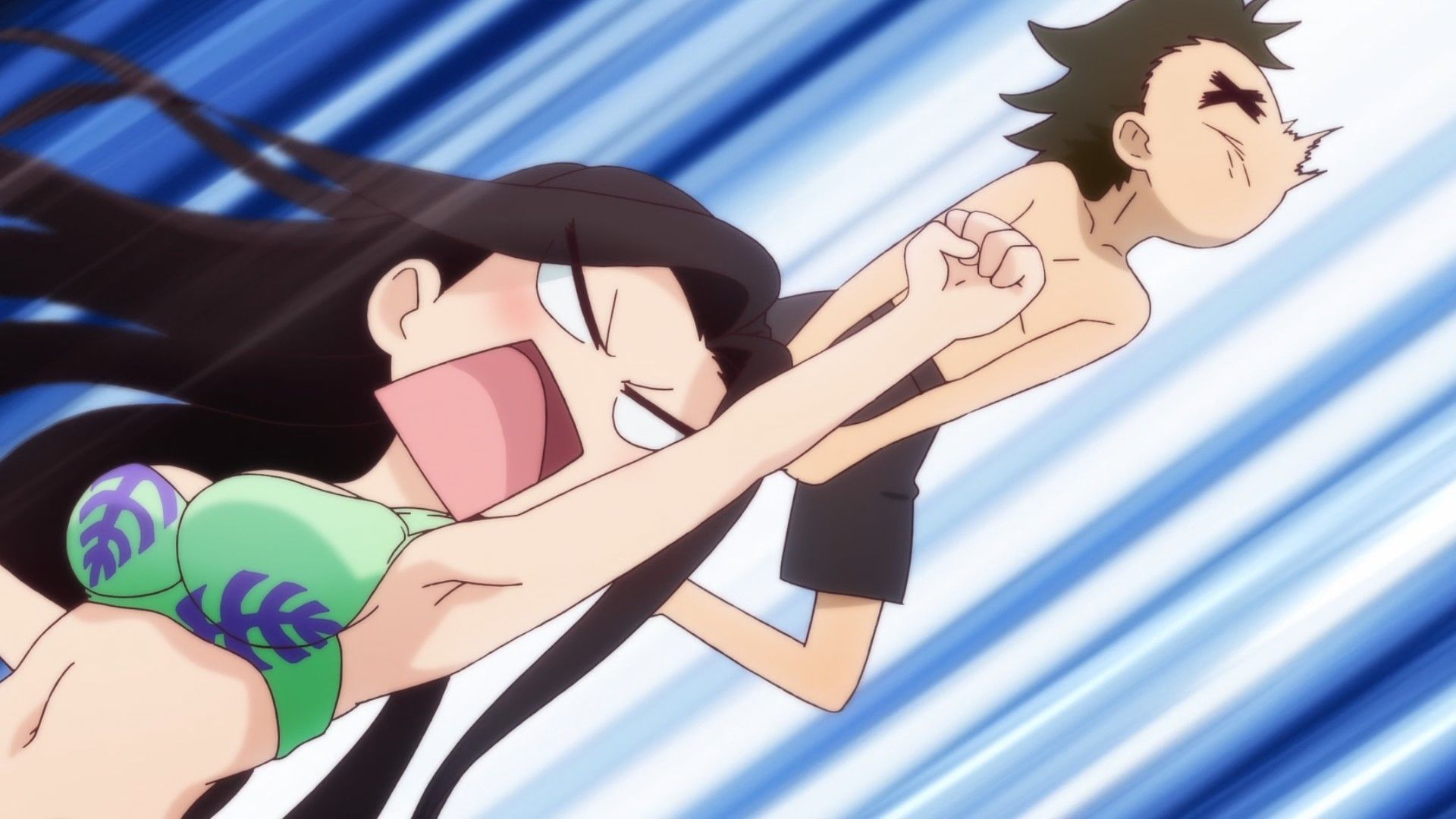
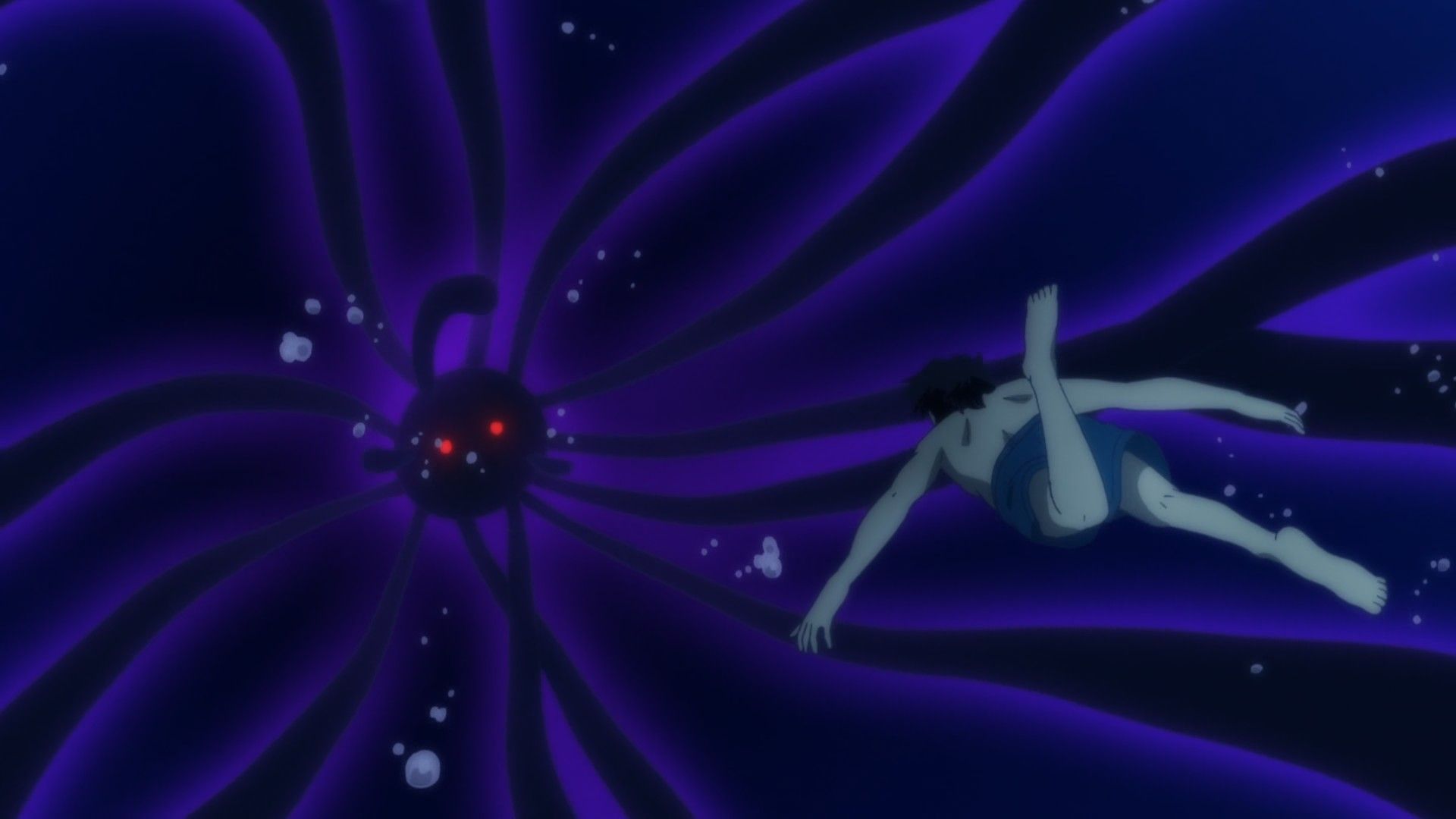
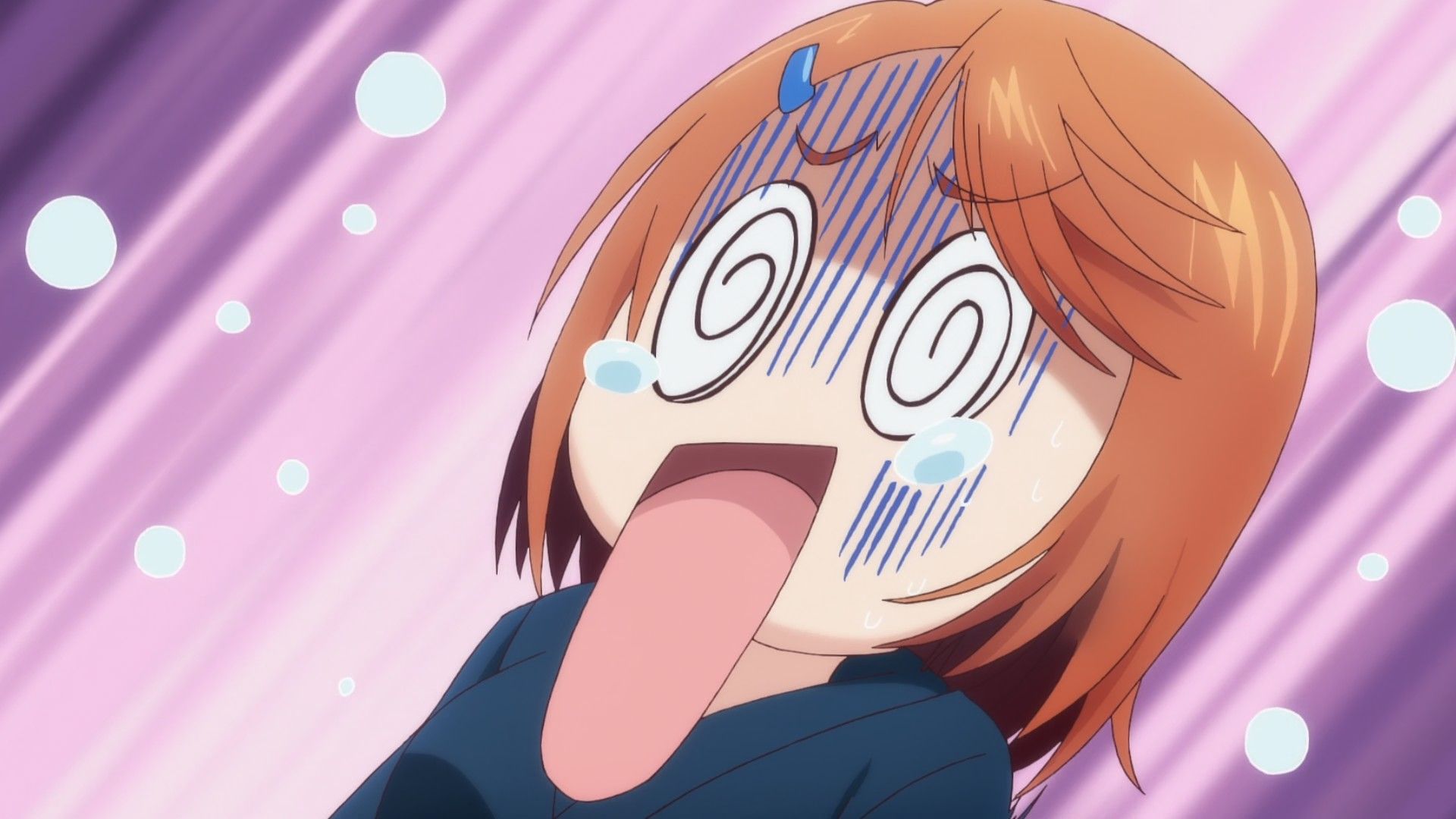
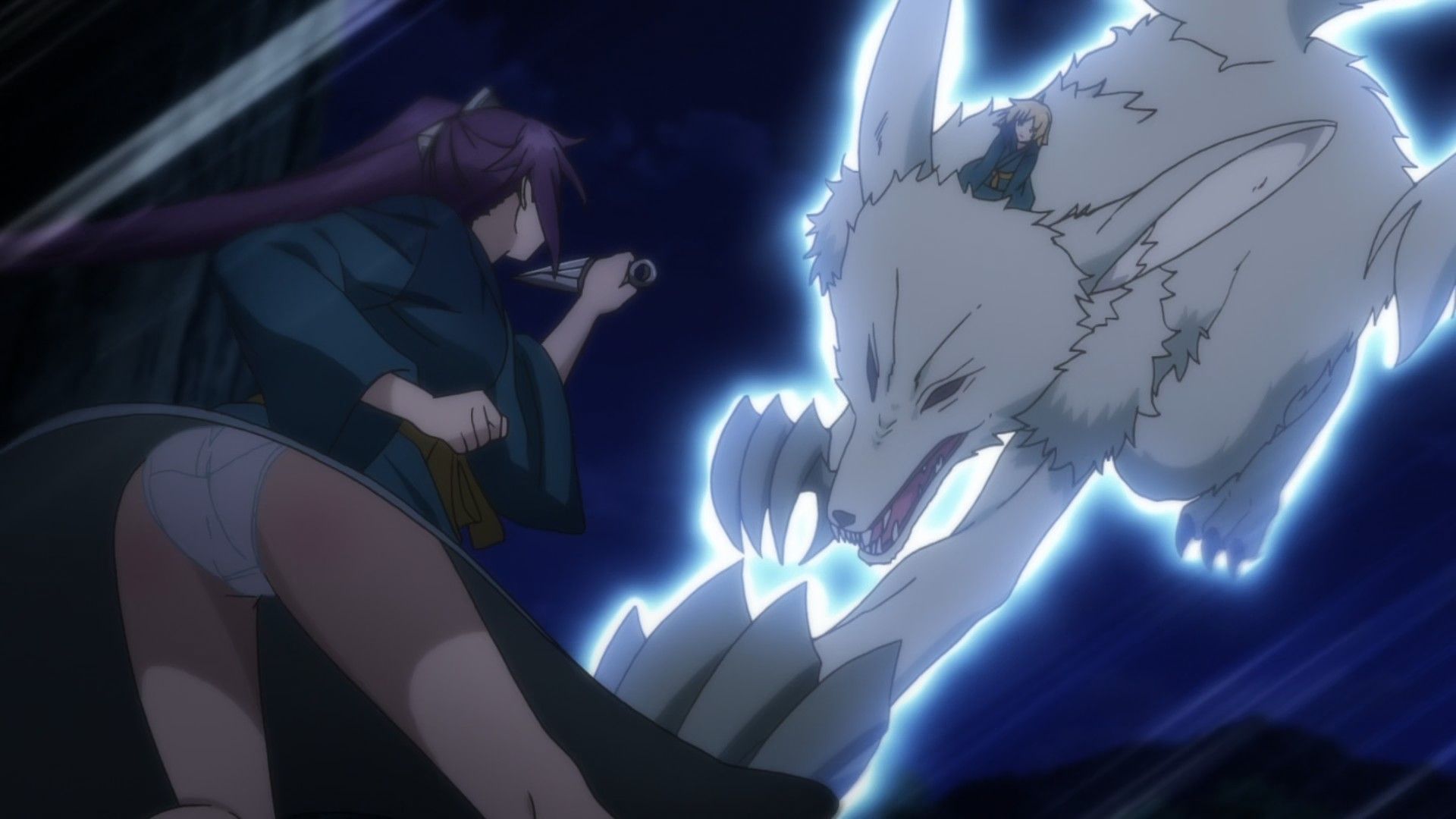
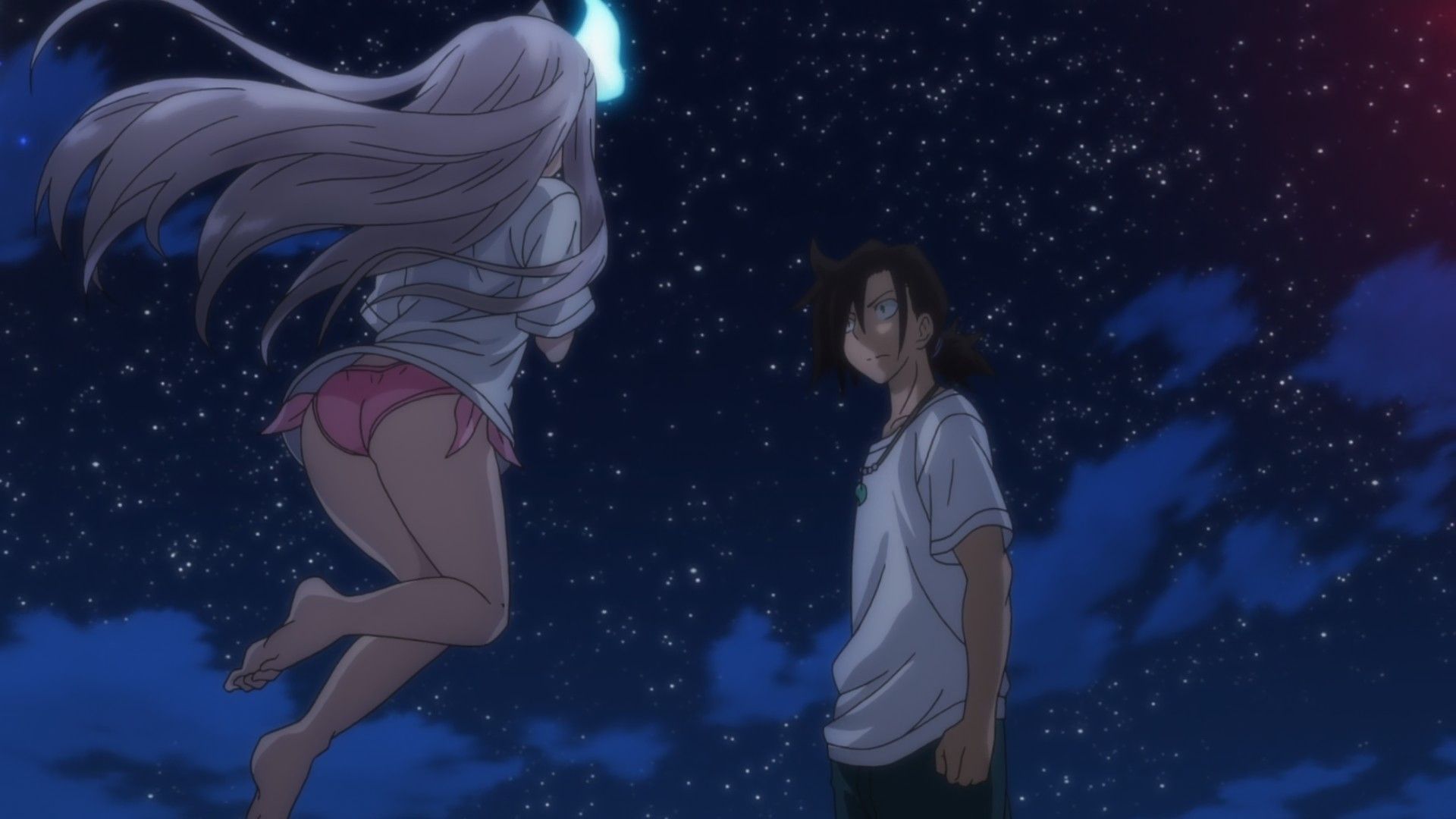
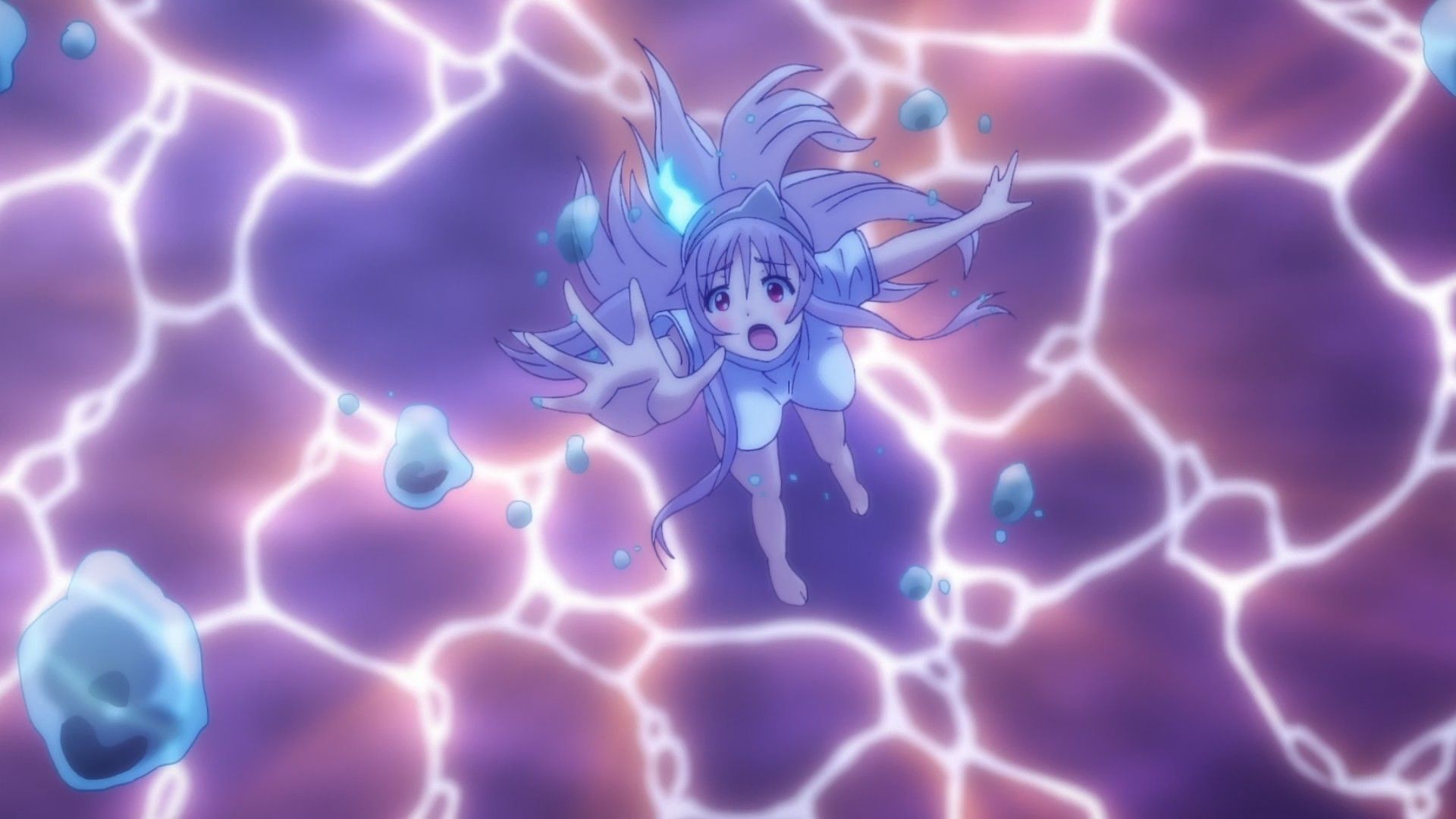
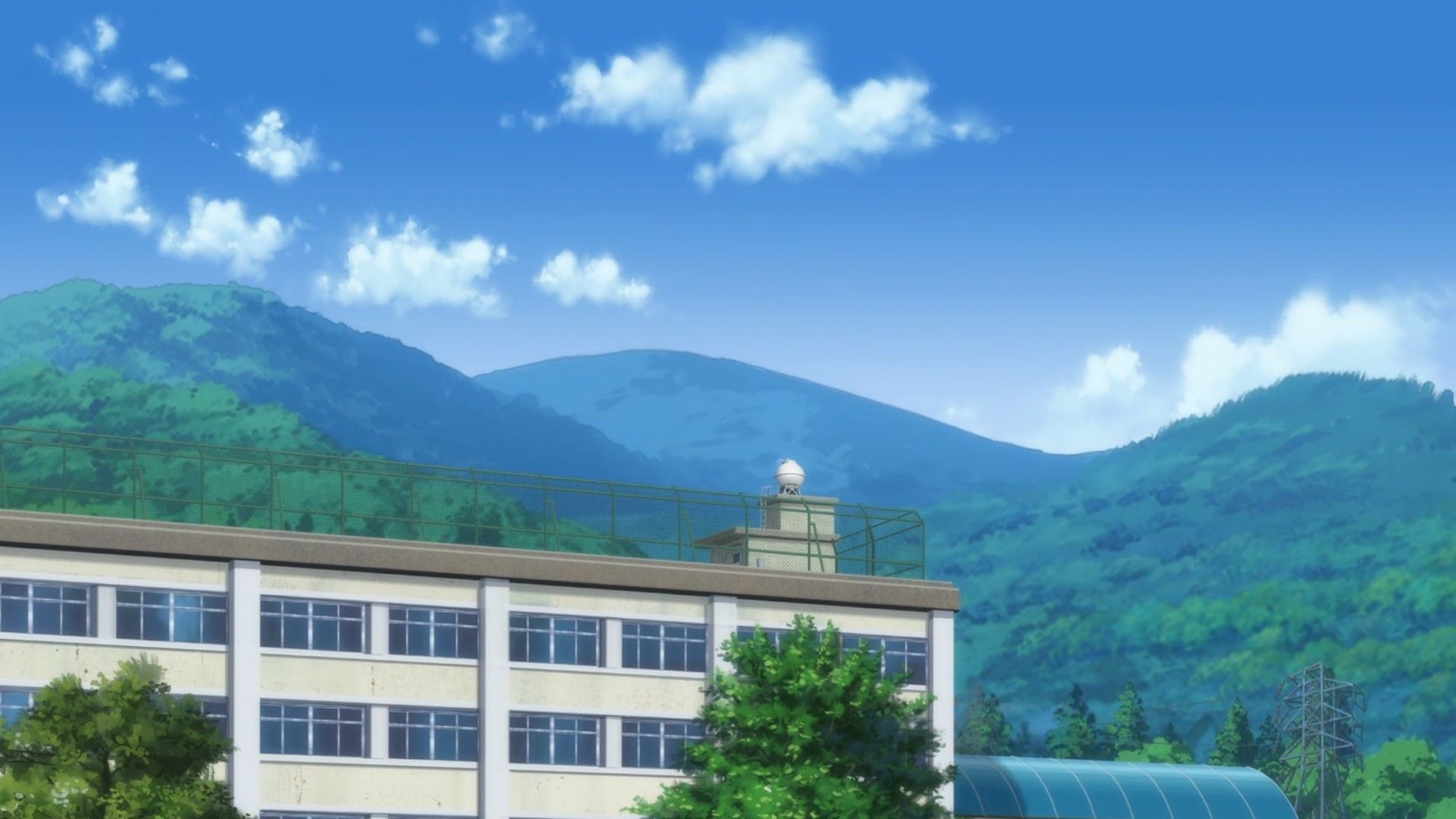
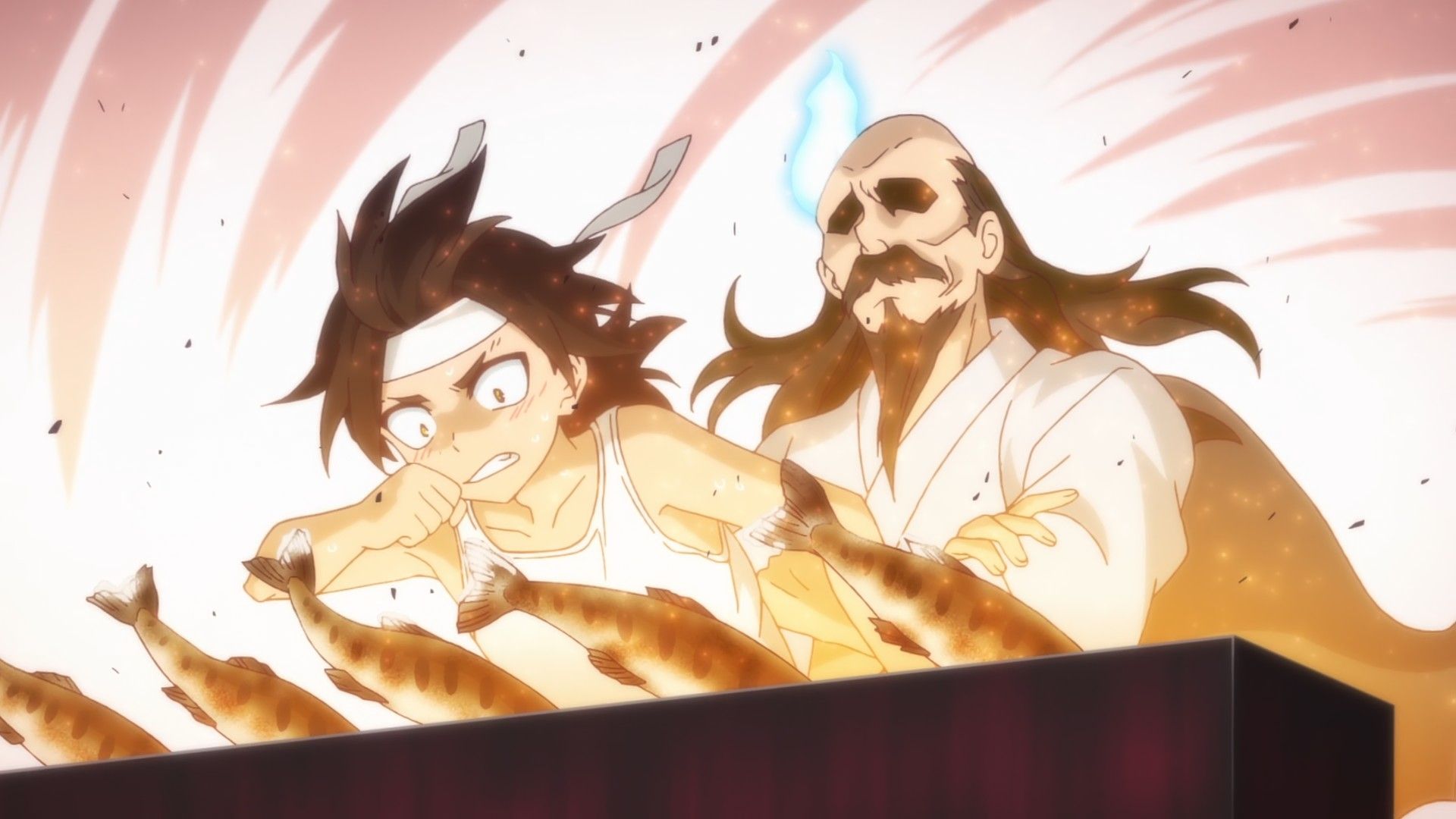
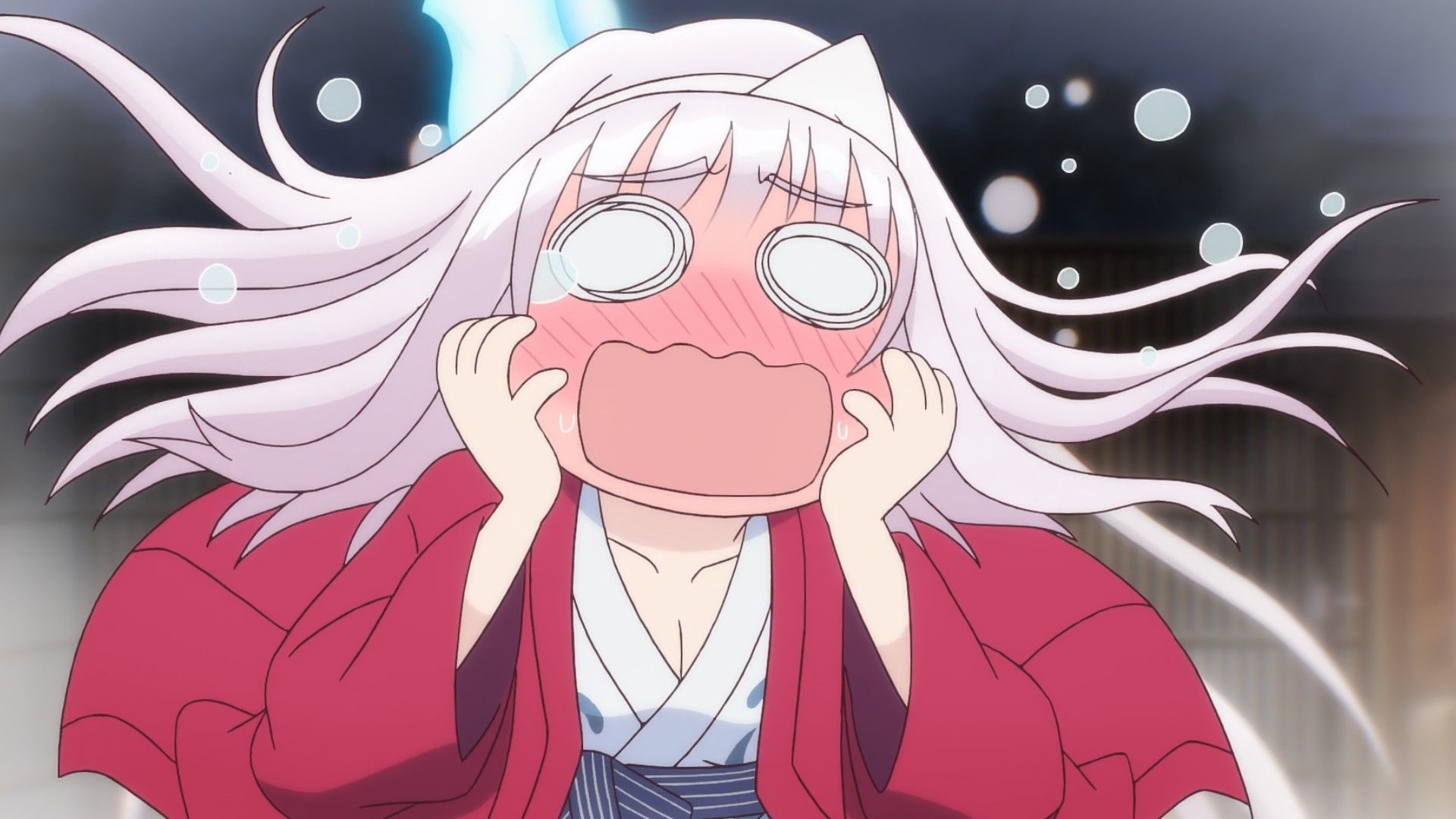
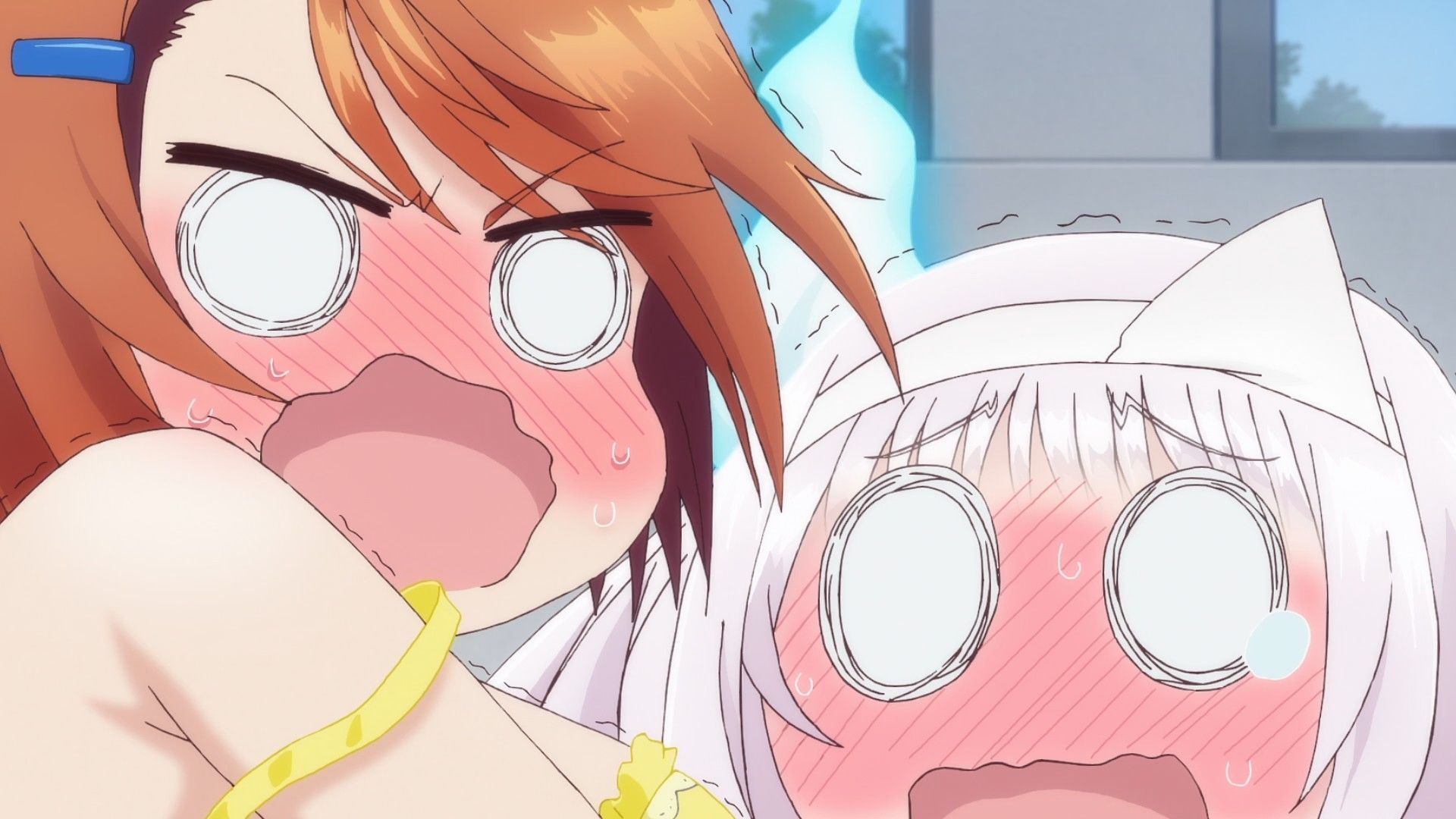
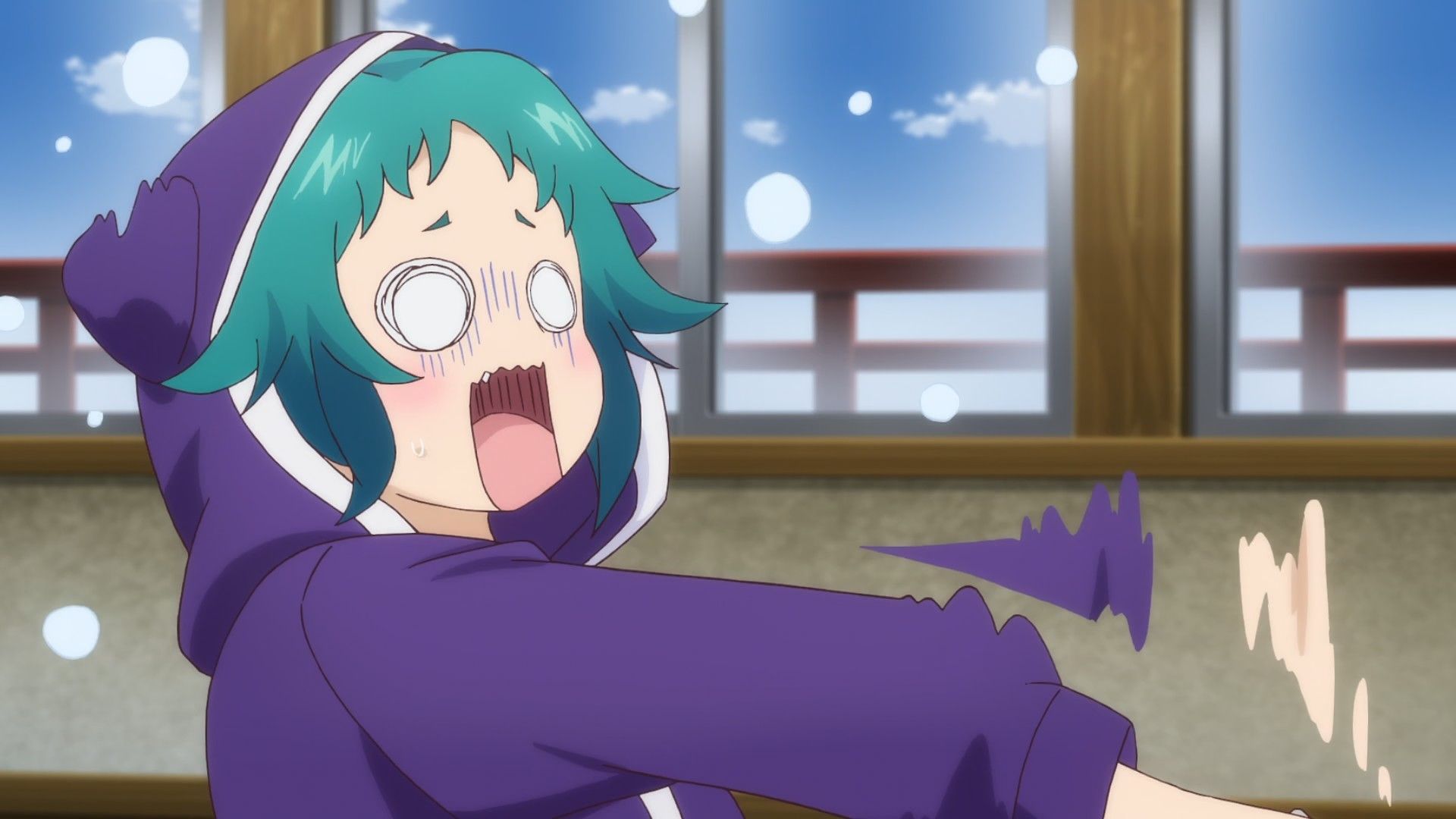
The expressiveness of the characters caught my attention just as quickly. Yuragi-sou no Yuuna-san is a comedy in which character reactions account for a large part of the humor, so it is a good thing that the animators did not rigidly stick to a single way of drawing faces. When the situation calls for it, expressions can become heavily exaggerated, with the kinds of deformations typical of anime, intense blushing, and sudden changes in facial expression. The color palette maintains the same warm and lighthearted character. Everything is bright and colorful, but not so saturated that it becomes tiring to look at. Outdoor scenes, evening shots, and moments when the setting sun gives the characters and surroundings warmer hues look especially nice. Scenes involving supernatural phenomena, meanwhile, make use of more contrasting effects. This division of color fits a story that can shift in an instant from an ordinary conversation over a meal to a fight with youkai.
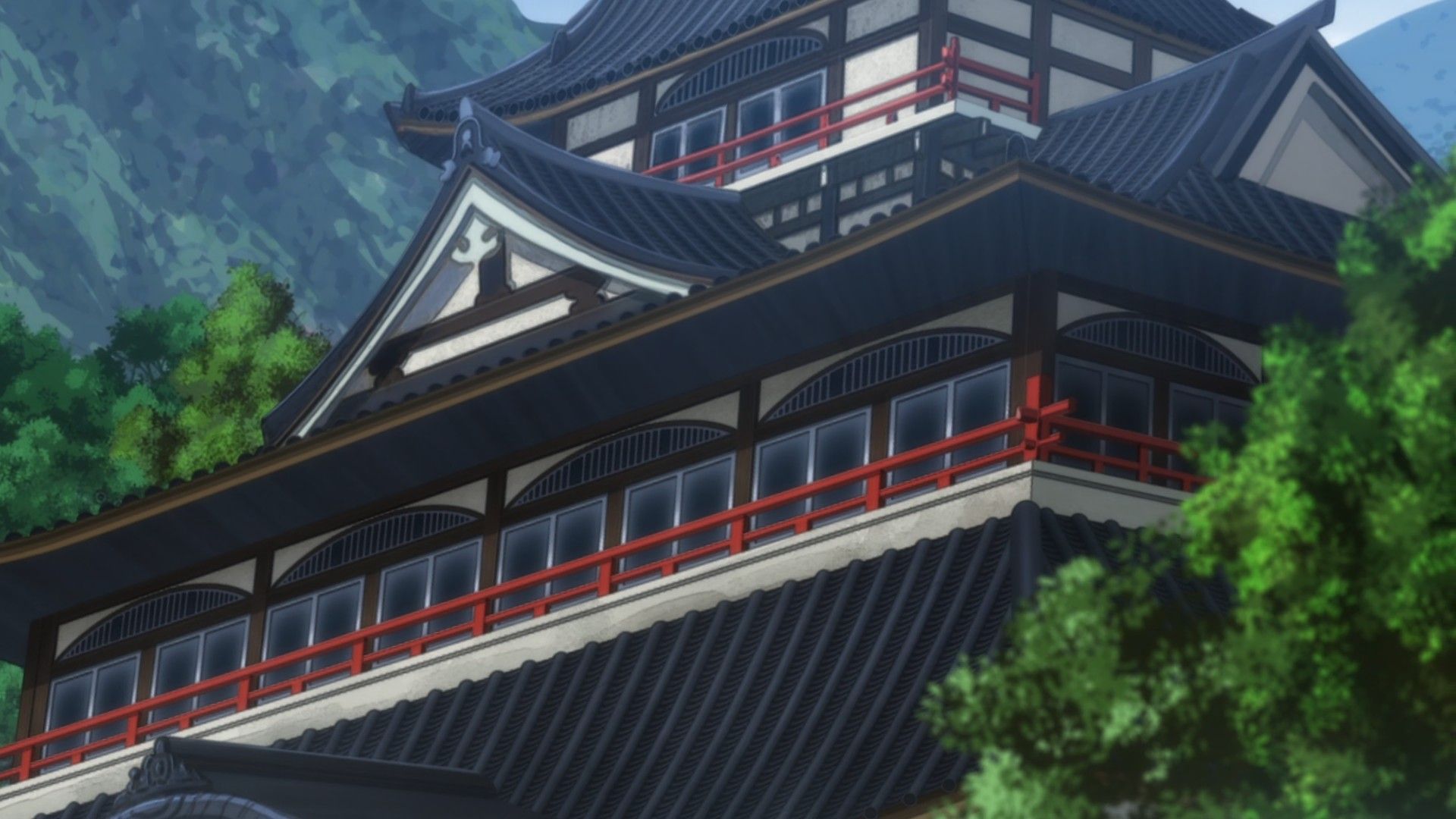
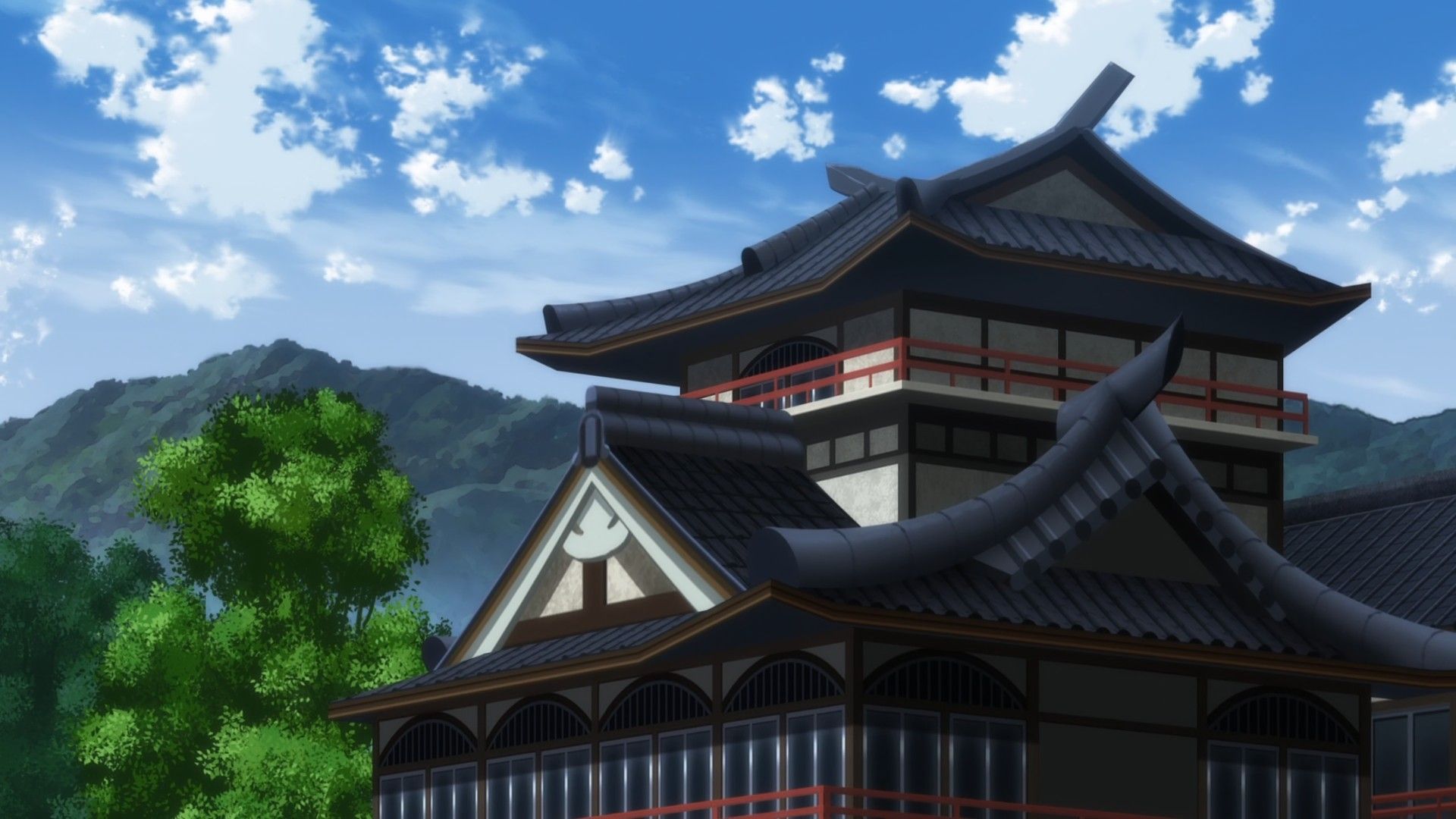
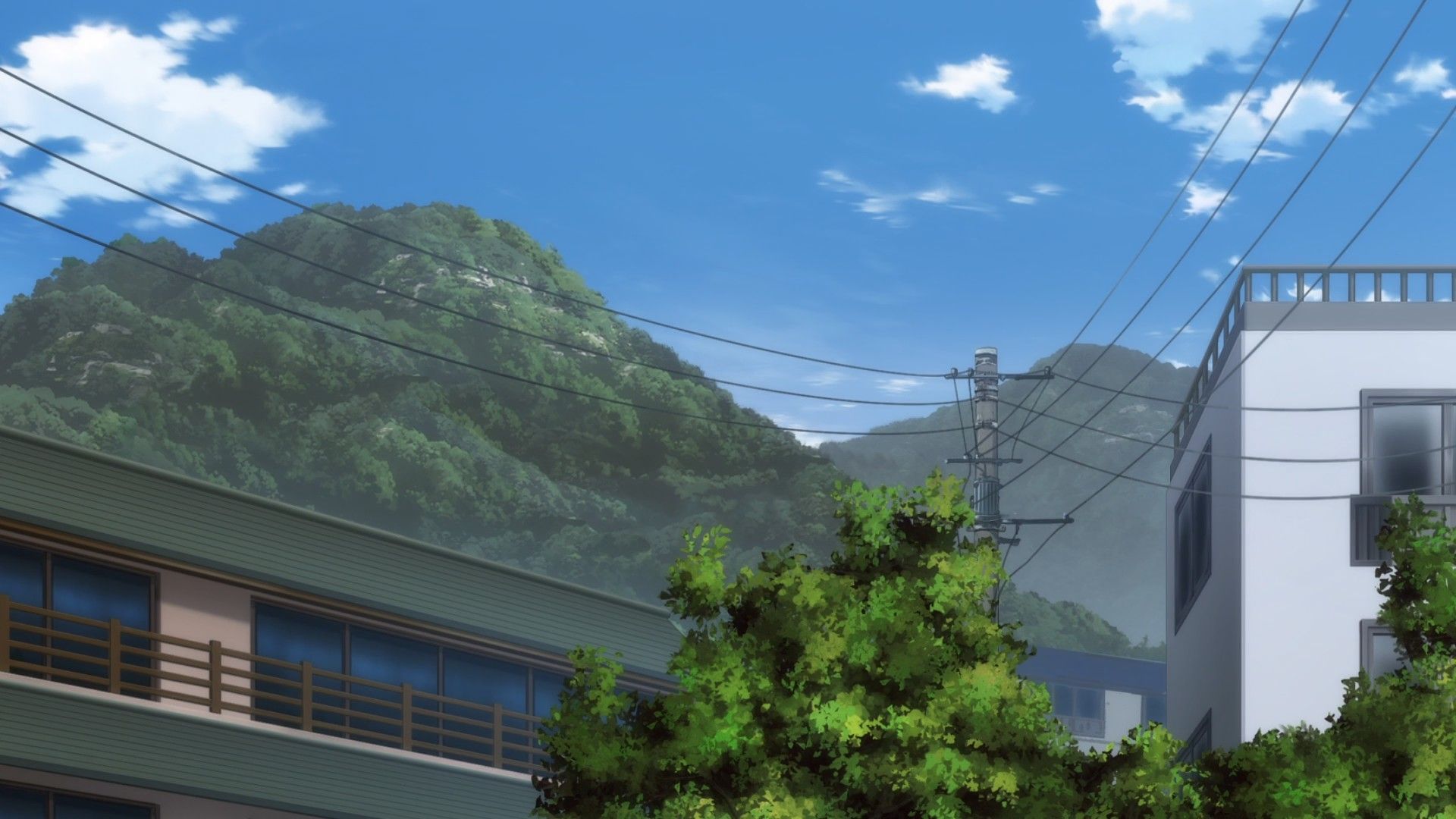
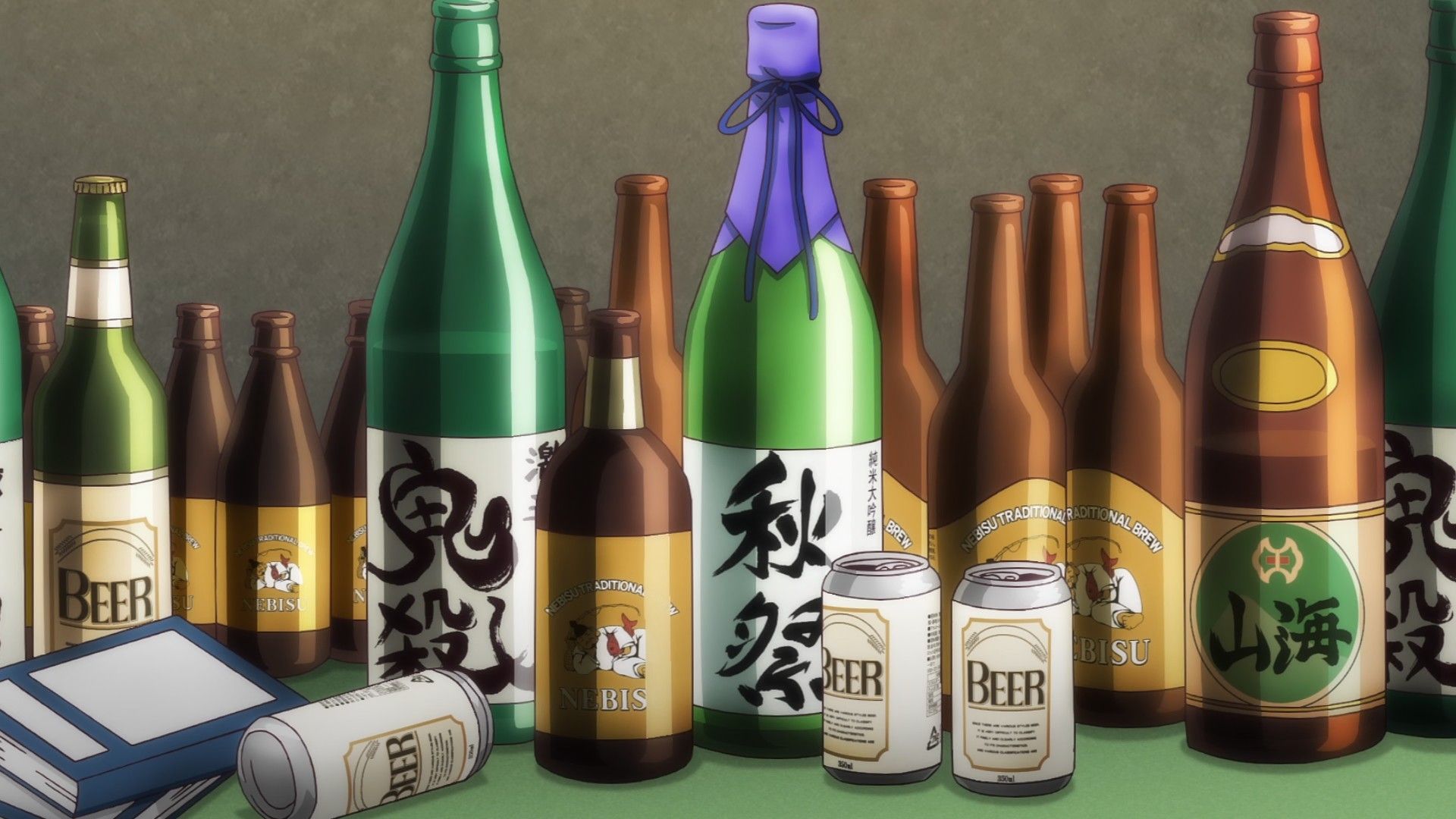
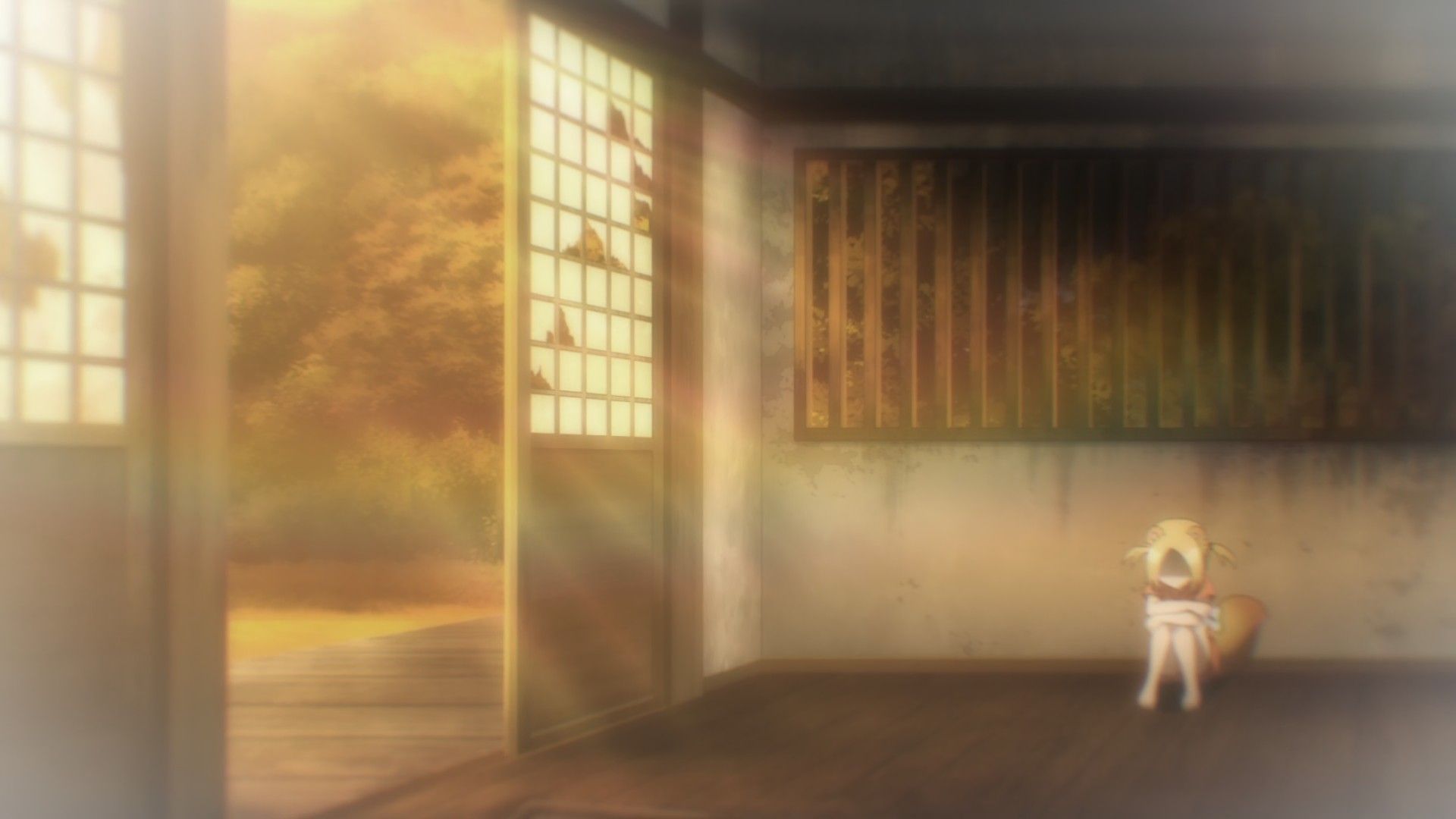
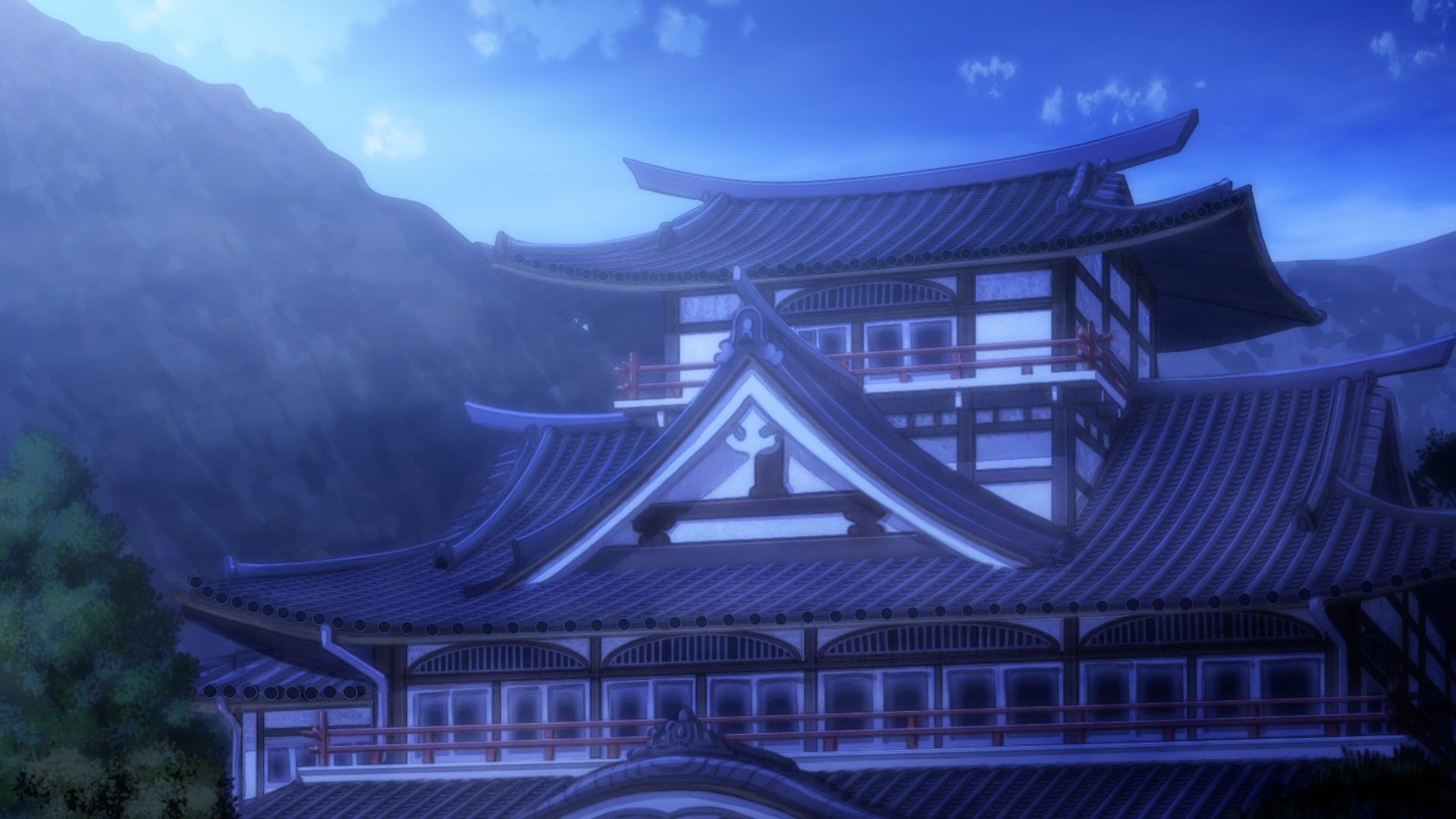
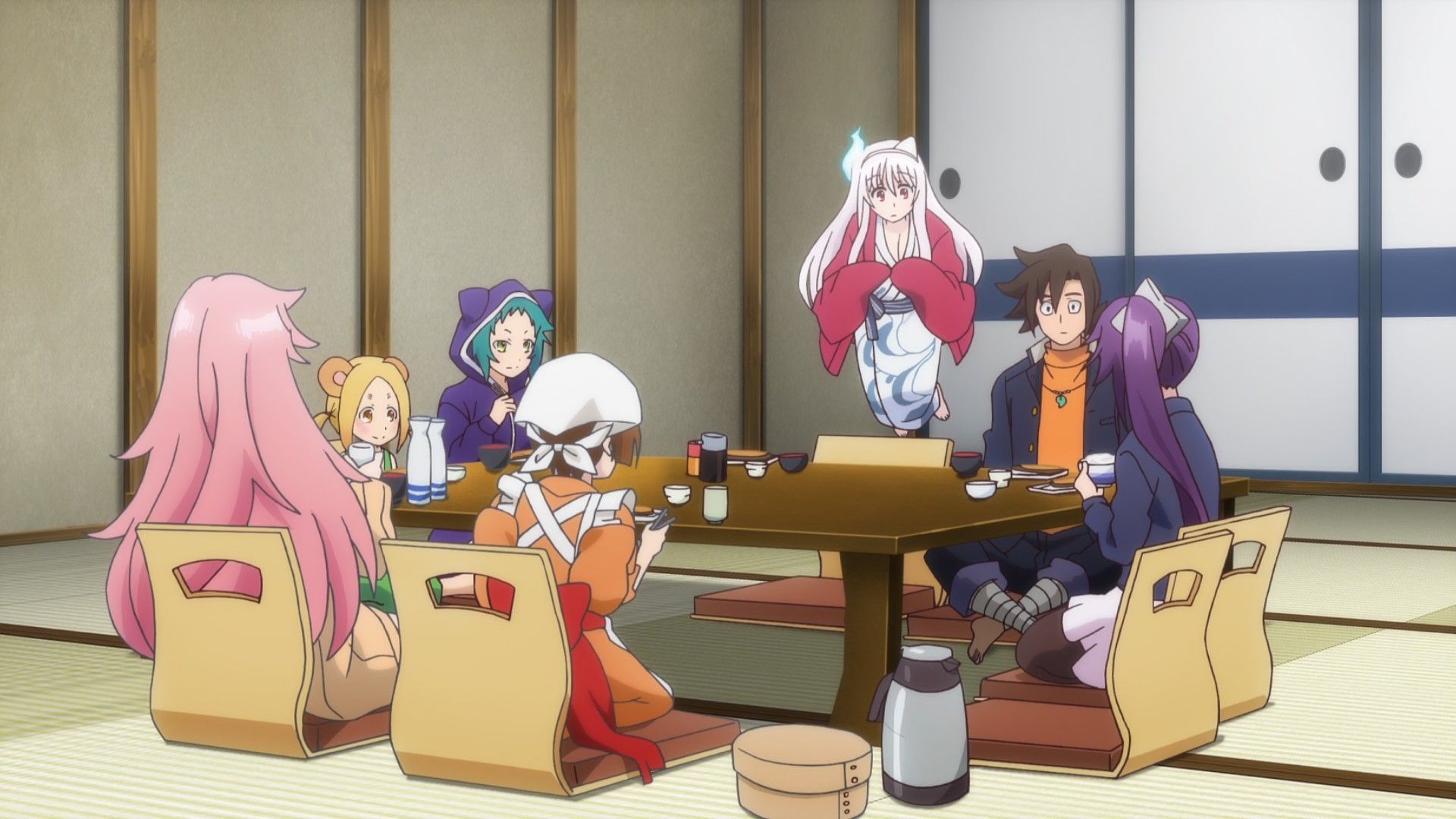
The backgrounds combine more traditional Japanese architecture with an ordinary contemporary setting. Yuragi-sou itself, with its wooden interiors, shouji, and the distinctive atmosphere of an old onsen inn, makes for a genuinely pleasant setting that very quickly becomes inseparable from the characters. The characters’ movement is just as enjoyable to watch, even outside the more dynamic scenes involving Kogarashi’s abilities or those of the other supernatural characters. Small movements, reactions, and the way the characters shift their poses during ordinary conversations add a great deal of charm.
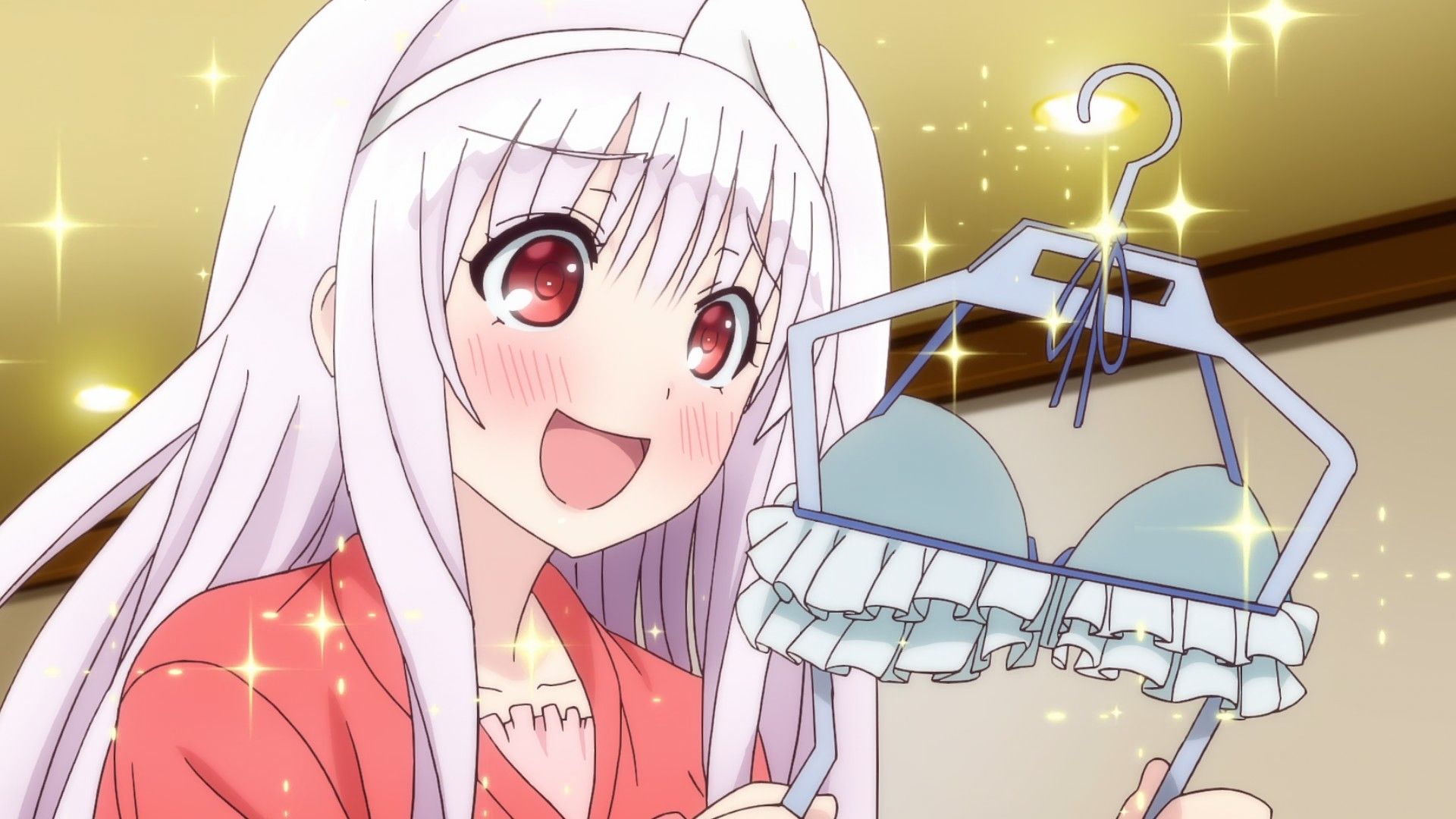
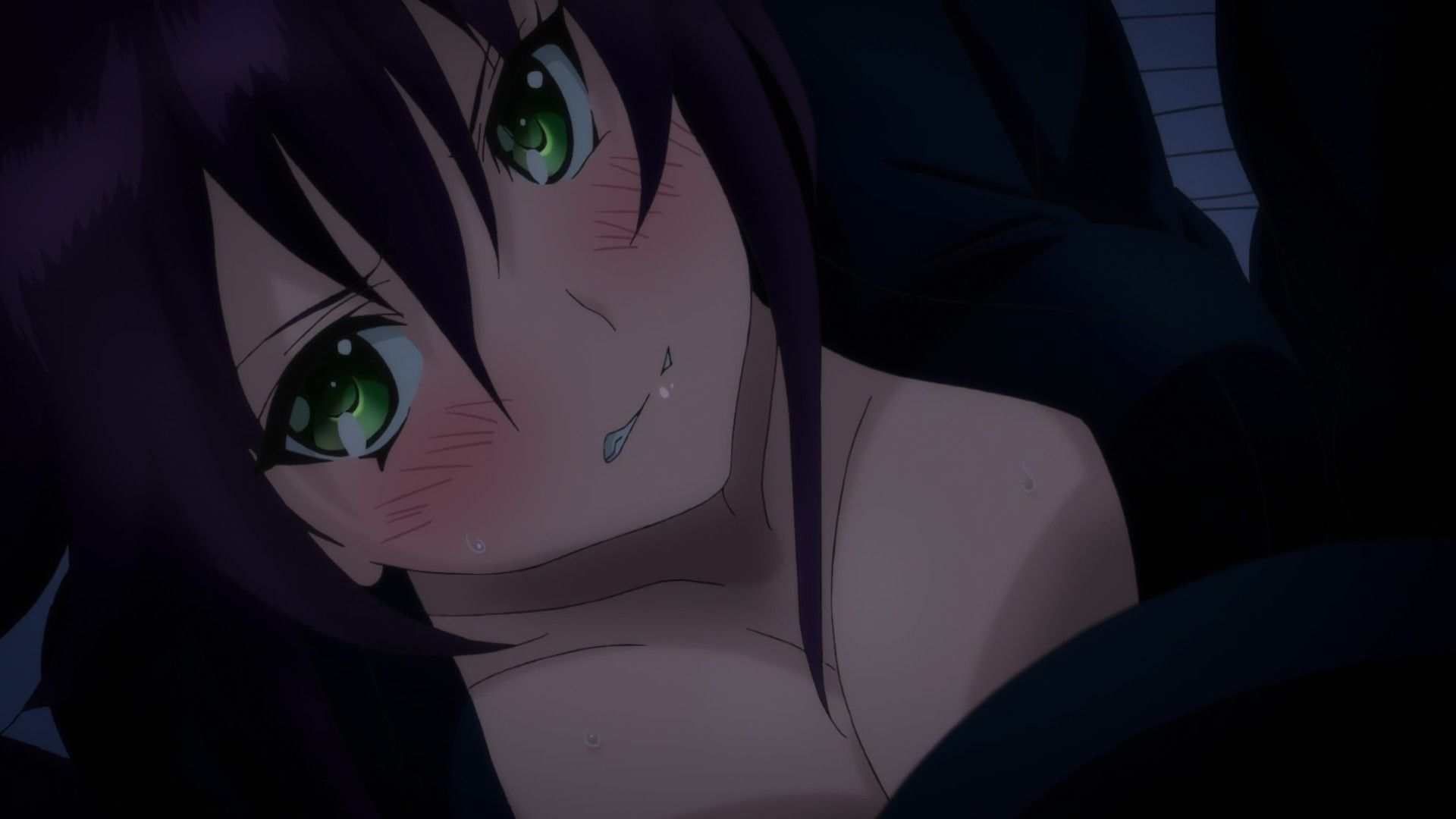
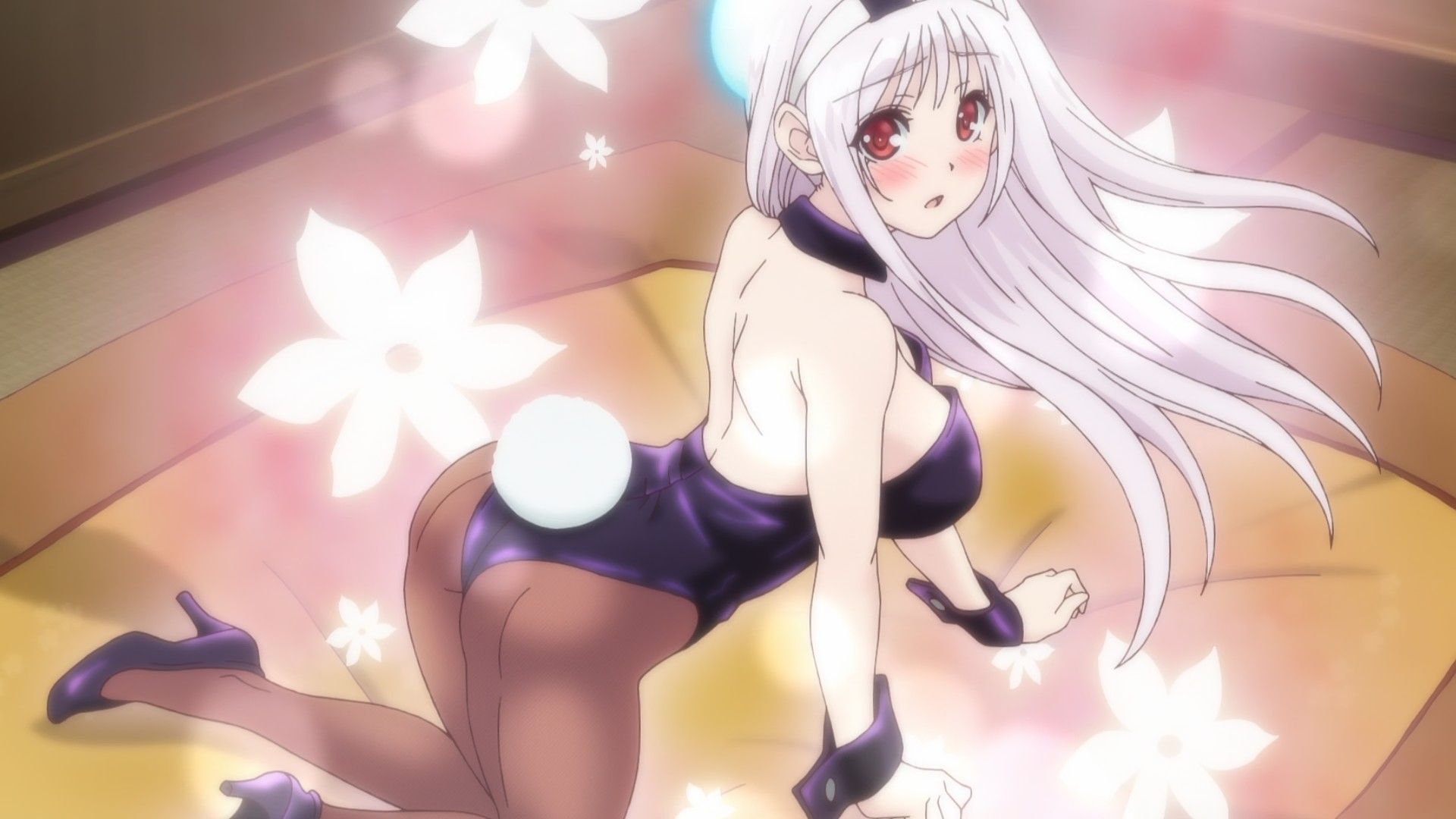
Fanservice is naturally a very visible part of the visual presentation, and in my case it definitely works in the series’ favor. The very first episode clearly establishes the convention of a light romantic comedy with strong ecchi elements, so the later onsen scenes, beach scenes, and successive accidental close encounters do not come out of nowhere. The heroines have attractive designs, and the framing often takes advantage of that. The fanservice has a solid foundation to build on here, because the comedy, relationships, and characterization already work alongside it. If a large portion of those scenes were removed, there would still be an interesting group of characters and a very likable central relationship. Personally, though, I see no reason to get rid of it, because it simply adds even more charm to the whole thing.
Audio
The seiyuu cast quickly became almost inseparable from the characters in my mind. Fuyuzora Kogarashi is voiced by Ono Yuuki, Yunohana Yuuna by Shimabukuro Miyuri, Miyazaki Chisaki by Suzuki Eri, Ameno Sagiri by Takahashi Rie, Arahabaki Nonko by Kakuma Ai, Fushiguro Yaya by Ogura Yui, Nakai Chitose by Harada Sayaka, Shintou Oboro by Komatsu Mikako, and Shigaraki Koyuzu by Haruno Anzu. Aketagawa Jin handled sound direction, while the music was composed by Kikuya Tomoki.
Shimabukuro Miyuri gets the most material to work with here. Yuuna is almost constantly balancing her cheerful, very warm personality with an extraordinary tendency to become embarrassed. She can be enthusiastic and energetic, then uncertain, worried, or simply flustered by whatever has just happened between her and Kogarashi. In her case, even comedic reactions contribute to her characterization, because Yuuna’s emotions can literally trigger poltergeist phenomena. Her voice brings out the character’s gentleness very well, while quieter scenes let her sound completely different from how she does during yet another embarrassing misunderstanding. Yuuna’s personality and the sheer range of her reactions are among the most important elements of the series.
Ono Yuuki gives Kogarashi exactly the kind of calmness the character needed. The protagonist required a voice that could sound convincing in fights and more forceful moments on the one hand, while still feeling suitably natural in comedy on the other. Kogarashi is, after all, someone who—after everything he has experienced with spirits—reacts to absurd supernatural phenomena almost as though they were simply part of everyday life. His characteristic composure contrasts wonderfully with the situations in which even he genuinely has no idea how he is supposed to react anymore. At the same time, when it comes to protecting Yuuna or any of the other residents of Yuragi-sou, the way he speaks can instantly take on an entirely different strength.
The other actresses were also given roles that make excellent use of the differences between the heroines. Takahashi Rie gives Ameno Sagiri the discipline and sharpness she needs (a fairly unusual role for this actress). The moments when the character suddenly loses her confidence become all the funnier as a result. Kakuma Ai fits effortlessly into the carefree, teasing, perpetually relaxed Arahabaki Nonko. Ogura Yui uses a completely different style as Fushiguro Yaya, since her character says little and usually keeps it very brief, making even small shifts in tone more meaningful. Suzuki Eri gives Miyazaki Chisaki a more ordinary, everyday kind of energy, while Komatsu Mikako gets material as Shintou Oboro that lets her deliver lines with absurd seriousness even when they are a source of complete chaos for everyone else.
OP/ED
The opening theme is 桃色タイフーン (Momoiro Taifuun), performed by Haruna Luna. The song is very lively and has a distinctly Japanese flavor, which immediately matches the energy of the anime. Haruna Luna herself described it on the official website as a song created to suit the cute character of Yuragi-sou no Yuuna-san.
The ending theme, Happen Kogarashi ni Fukarete, is performed jointly by Yunohana Yuuna, Miyazaki Chisaki, and Ameno Sagiri—that is, Shimabukuro Miyuri, Suzuki Eri, and Takahashi Rie, respectively. Ending themes sung by the voice actresses of the main heroines always have an extra charm for me. The choice is especially fitting here because all three are among the most important people surrounding Kogarashi in the first season. The official releases of the song also included separate versions sung by each of them.
Yuragi-sou no Yuuna-san (2018) – Plot and Characters
Introduction
Yuragi-sou no Yuuna-san pulled me in almost from the very first episode. Even then, the atmosphere turned out to be exactly what I was in the mood for. The humor suited my taste, and the characters needed very little time before I started to like them. The atmosphere of an old inn full of people, spirits, youkai, and other supernatural beings quickly began to work like a magnet. I simply wanted to watch each new episode so I could spend a little more time with them again.
Fanservice is deeply woven into the character of this story from the beginning, and here I am completely fine with that. Many modern productions of this kind try to tone down elements that for years were a natural part of Japanese romantic comedies. Yuragi-sou no Yuuna-san embraces them without embarrassment. What stayed with me the longest, however, were the heroines’ personalities and their relationships with one another, so the visual appeal and ecchi are an extra layer on top of something that already works on its own.
A Brief Overview of the Yuragi-sou no Yuuna-san (2018) Plot
Fuyuzora Kogarashi is a young medium with a rather unusual specialty. For most of his life, he has been vulnerable to possession by all kinds of spirits. This caused him an enormous number of problems, but at the same time gave him many unexpected skills. His financial situation eventually forces him to find an exceptionally cheap place to live. That is how he ends up at Yuragi-sou, a former hot-spring inn that now operates as a boarding house. The price is unusually attractive for one very simple reason—the place has a reputation for being haunted.
For Kogarashi, however, having a spirit where he lives is not much of a problem in itself. At first, he simply assumes that he will get rid of the malicious entity and then enjoy an exceptionally cheap room in peace. Once there, he quickly discovers that the local ghost is Yunohana Yuuna—an incredibly likable girl in a yukata who bears no resemblance whatsoever to a dangerous onryou or any other vengeful spirit. Yuuna is bound to room number four (not without reason, as the number itself is associated with death through one of its readings—shi), remembers neither her life nor the circumstances of her death, and does not even know what unfinished purpose is keeping her on this side.

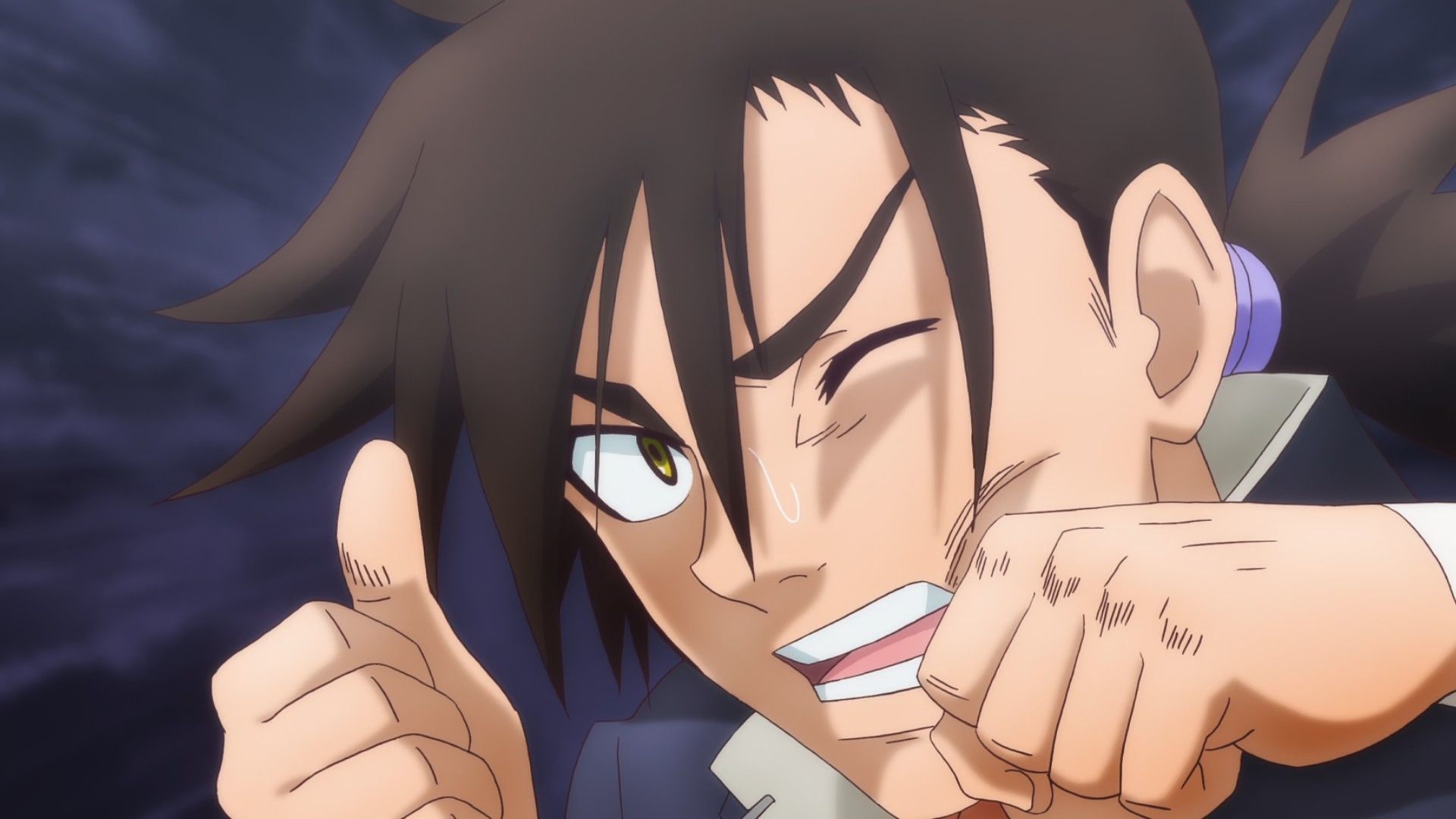
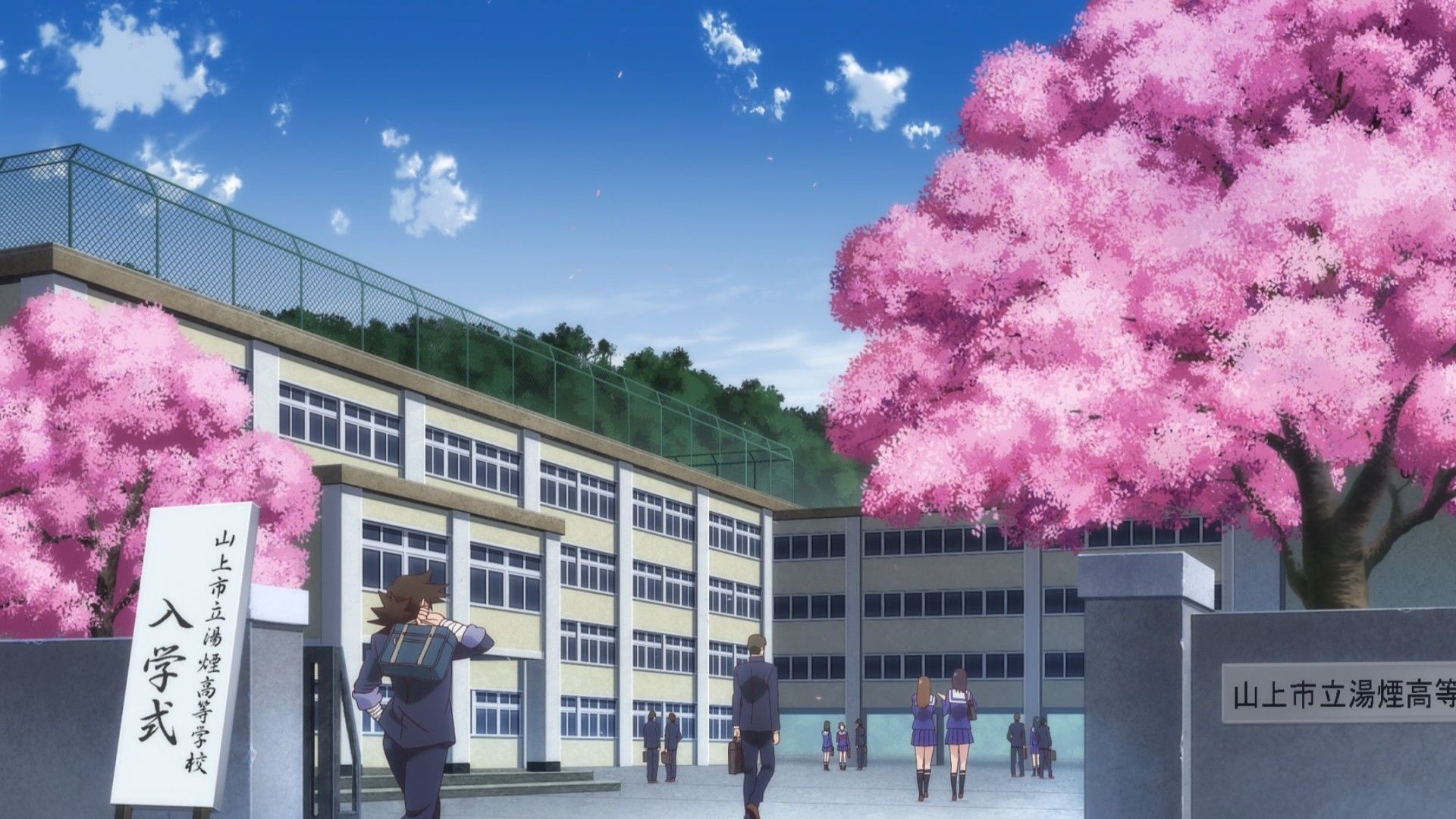
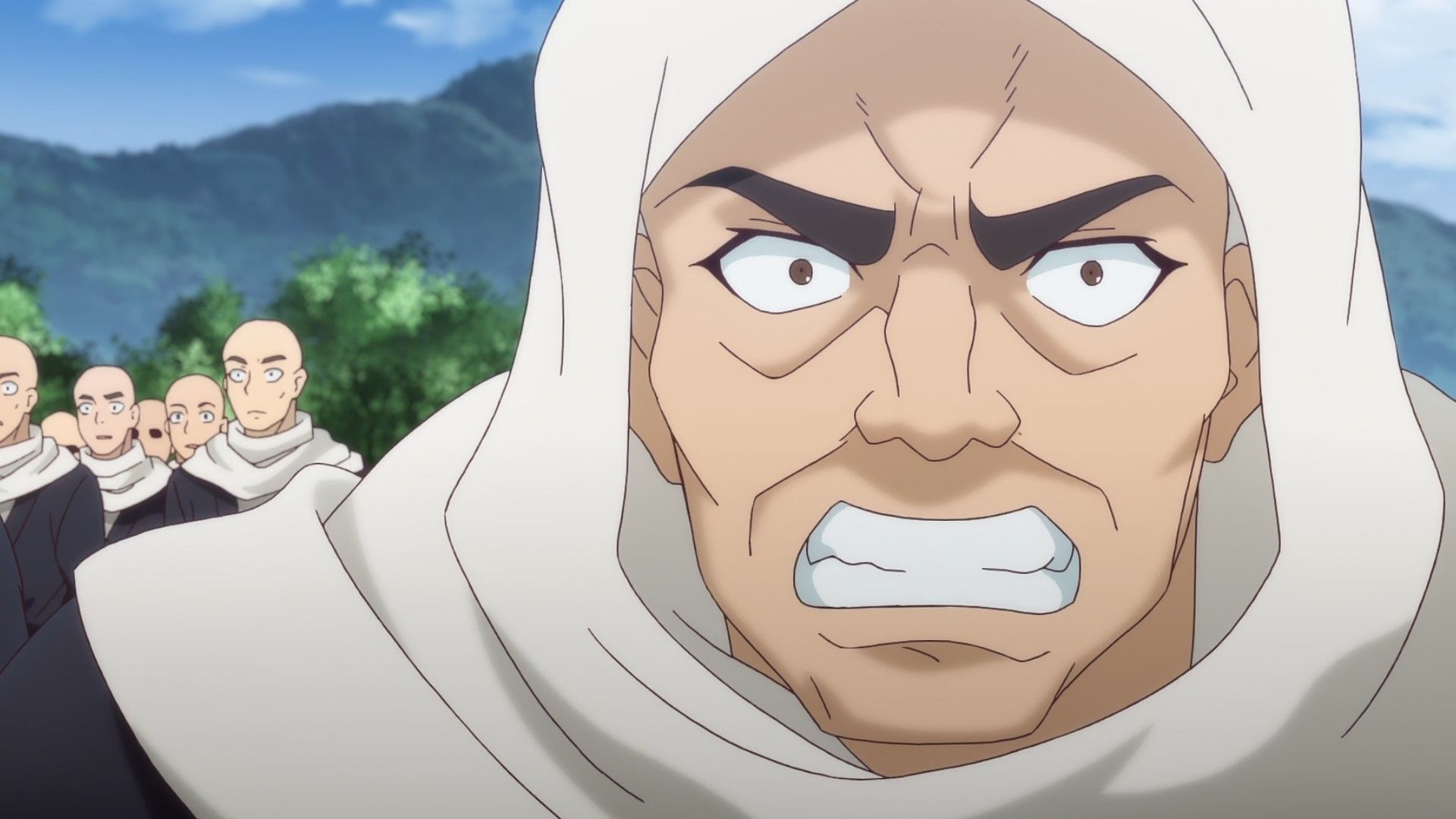
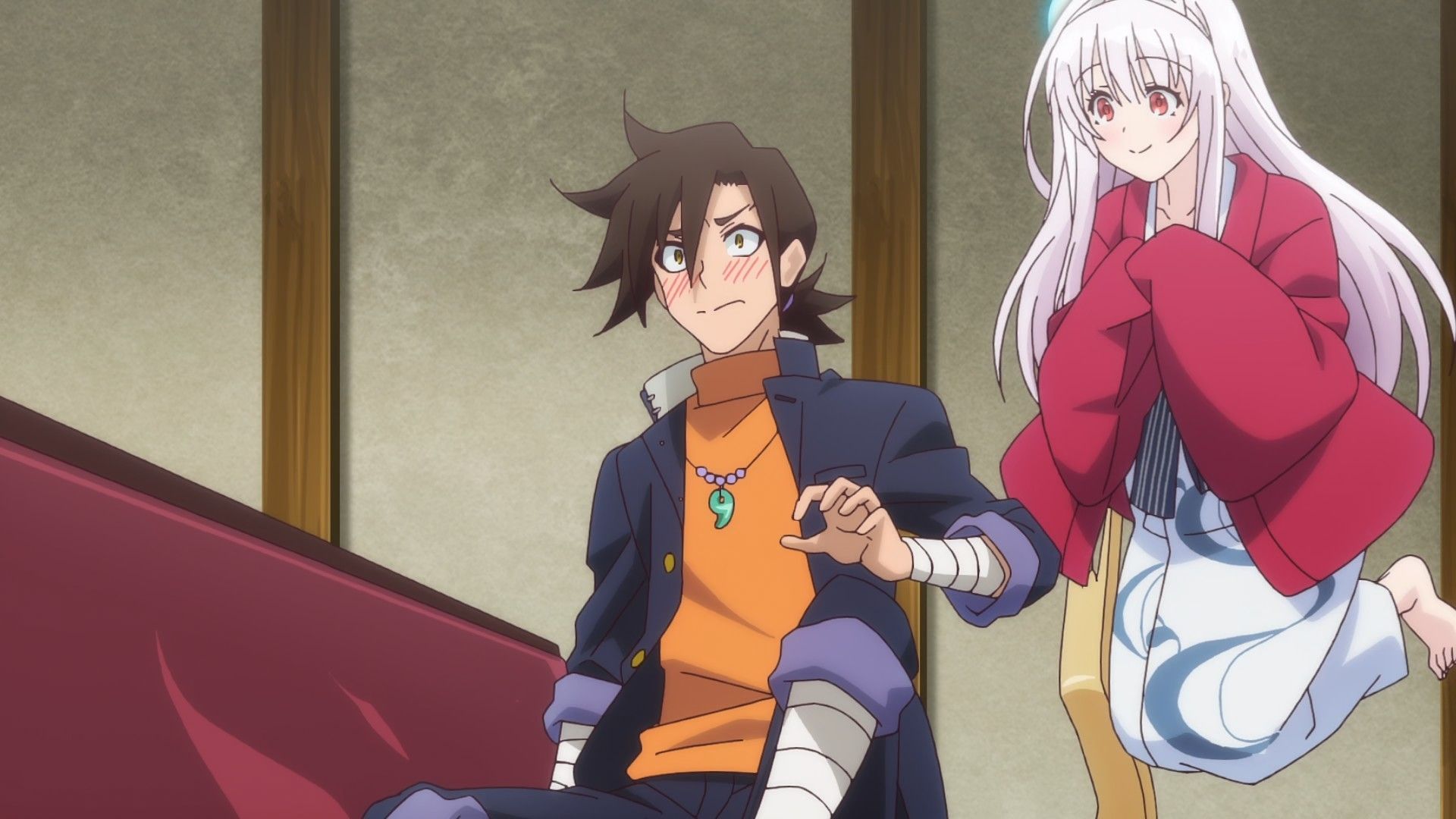
Kogarashi realizes that remaining a ghost for too long could end very badly for Yuuna. Instead of exorcising her by force, however, he promises to help her discover the lingering regret or unfulfilled desire that will allow her to pass on peacefully. One of the protagonist’s most important traits is already apparent here. Despite a lifetime filled with problems caused by spirits, he does not treat every supernatural being as something that must immediately be eliminated. He first tries to understand who he is dealing with.
The problem is that Yuuna is not the only person Kogarashi starts living with. Yuragi-sou is home to an entire group of unusual girls: the youkai-hunting ninja Ameno Sagiri, the powerful oni descendant and mangaka Arahabaki Nonko, Fushiguro Yaya, who is linked to Nekogami-sama, and Nakai Chitose, who manages the inn. Over time, the group expands to include, among others, Shigaraki Koyuzu and Shintou Oboro. Outside Yuragi-sou itself, Kogarashi’s high-school classmate Miyazaki Chisaki also begins to play an important role.
What is the series about
The first episodes focus mainly on introducing the individual residents, their personalities, and the rules governing the supernatural world. The creators do not immediately throw everyone into some huge conflict. We get plenty of time simply spent together at Yuragi-sou—meals, baths, school life, small problems, and increasingly absurd misunderstandings. As a result, when genuinely dangerous situations appear later on, the characters no longer feel like random people the viewer recognizes only from the opening.
At the same time, Yuuna’s main storyline remains somewhere in the background throughout. Kogarashi has promised to help her leave this world. Yet the more time they spend together, the more important one simple problem becomes: what will happen when he actually succeeds? At first, he approaches the matter almost practically. Yuuna is a ghost with some unfinished purpose, so they need to find it and help her pass on peacefully. Later, he begins to realize that the very thought of her leaving simply makes him sad. That fits the way Kogarashi has been written from the beginning. He shows his feelings through his actions far more often than through long monologues. He spends time with Yuuna, takes her to places she could not normally experience as a ghost, protects her regardless of the opponent, and consistently treats her like an ordinary girl. Even sharing a single room eventually becomes completely natural for both of them.
Later Events
A larger conflict involving Ryuuga Genshirou appears in the later part of the season. Yuuna is taken away by an extraordinarily powerful being who wants to make her his wife. This is where we can best see just how sharply the supernatural world can contrast with the everyday calm of Yuragi-sou. Ameno Sagiri knows perfectly well how powerful an opponent they are dealing with. Even her own organization refuses to get involved in a fight against a being classified as a deity. Kogarashi, however, does not need much time to think. What matters more to him is that Yuuna was taken against her will. In this situation, Yuuna herself also shows much more than her usual gentleness.
She does not go along with everything because she lacks a will of her own. She decides to leave with Genshirou because she wants to protect Koyuzu and prevent anyone else from being hurt. It sums up her character well. She is extraordinarily cheerful and charming, but that does not mean she lacks courage. When necessary, she is willing to bear the consequences herself as long as someone else remains safe.
This storyline also leads to Shintou Oboro joining the group, which immediately changes part of the harem dynamic completely. After her master’s defeat, Oboro concludes that the best way to strengthen his bloodline would be to have a child with Kogarashi. She approaches the matter with absolute seriousness and determination, so her arrival generates one absurd situation after another. Best of all, it is during her direct attempts to seduce Kogarashi that he explains he is not interested in physical intimacy without genuine feelings behind it. It is a small scene, but one that fits perfectly with the consistent way Kogarashi is characterized.
Ending
The final part of the season returns to a more everyday atmosphere, but it does not forget the main storyline. The story of the spirits Ami and Yasuhisa becomes a very effective reflection of Yuuna’s situation. Both of them died while remaining bound to different places, unable to meet again. Kogarashi helps reunite them, after which they can pass on together. Yuuna watches all of this deeply moved. Soon afterward, we learn the most important thing about her entire situation—she genuinely does not remember her own life or the cause of her death. She is not hiding her unfinished desire. She simply does not know what she should be looking for.
The end of the season left me with exactly the kind of curiosity I expect after the first part of a story. At the same time, Yuuna admits that right now she is simply happy. She has friends, a place she considers home, and Kogarashi, who can see her, hear her, touch her, and treats her like any other person. Her past remains a huge unknown, but her present is no longer lonely. Because of that, the finale does not need a huge cliffhanger. The simple fact that we still do not know what is keeping Yuuna in this world is enough to leave me extremely curious about what happens next. Unfortunately, even if some studio decides to adapt the later volumes of the manga in the future, I do not think it will be able to match the level presented by studio XEBEC.
Characters
Fuyuzora Kogarashi
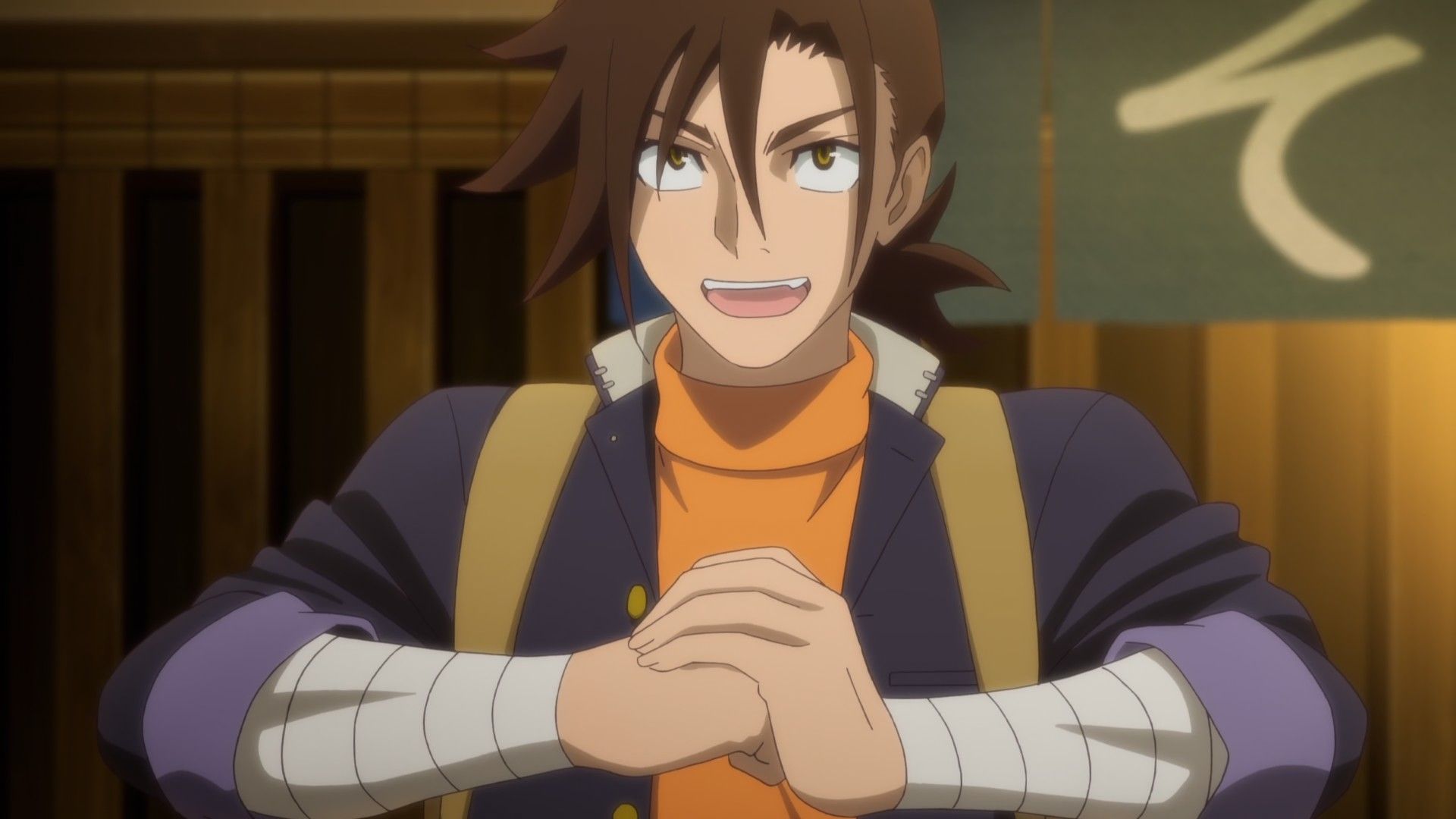
His entire childhood and youth were tied to spirits and all kinds of possession. Because of that, he learned a huge number of things that an ordinary high-school student would probably never be able to do. At the same time, those experiences caused him countless problems and eventually even led to homelessness and serious financial trouble. None of that turned him into a bitter person. Kogarashi is quick to help others without expecting grand declarations of gratitude in return. He is a good cook and simply prepares food whenever the situation calls for it.
Then there is his enormous strength. Kogarashi is a medium who prefers a very physical way of dealing with dangerous spirits. If talking does not work and a fight is necessary, then, put simply, he punches his opponent. It sounds absurd and becomes the source of many jokes, but later battles show that there really is tremendous power behind it. I liked that the author did not try to turn this into some complicated system with dozens of techniques and names. In a world full of ninja, spirits, deities, and youkai, Kogarashi is the guy whose solution to many problems simply turns out to be an exceptionally powerful fist.
His personal rule that he does not hit women adds even more character to this. It is not discarded the first time it becomes inconvenient. When Oboro turns out to be a woman, it genuinely becomes a tactical problem for him. Kogarashi could probably make many situations easier for himself if he abandoned his principles, but he does not. That consistency makes his rules actually mean something instead of existing only until the plot finds them inconvenient.
Kogarashi x Yuuna
His relationship with Yuuna remains the most important of all, however. At first, Kogarashi has a very specific goal. He is supposed to help her pass on peacefully before remaining on this side begins to have disastrous consequences for her. As time goes by, the goal itself remains exactly the same, but his attitude toward the outcome changes. The more accustomed he becomes to living together, the less indifferent he feels about the prospect of the day when Yuuna disappears from his room forever.
Despite his own attachment, he does not try to keep her by his side. This is where it becomes clearest just how much he cares about her. The best outcome for Yuuna is to pass on safely. So even when Kogarashi begins to suffer at the very thought of that happening, he does not back away from the promise he made. His own comfort remains secondary. Kogarashi can also behave completely normally around girls. Of course, he gets embarrassed, lands in the typical situations associated with stories of this kind, and more than once becomes completely overwhelmed by what is happening around him. But he is not a character who becomes totally paralyzed simply because he is talking to an attractive girl. He can tell Ameno Sagiri that she looks cute when that is genuinely what he thinks. He can also reject Oboro clearly and explain what he expects from real intimacy. As a result, his interactions with the heroines do not feel one-sided.
Yunohana Yuuna
Yuuna is unquestionably the emotional center of the whole series. Above all, she is simply difficult not to like. She is cheerful, polite, a little clumsy at times, and very easy to embarrass. At the same time, her situation is quite sad in itself. She does not know who she was. She remembers neither her life nor her death, nor why she is still in the world of the living. Her awareness effectively begins from the moment she woke up as a ghost in Yuragi-sou. Despite that, Yuuna remains cheerful most of the time and genuinely enjoys everything she is able to experience now. Kogarashi quickly becomes important to her beyond mere romantic interest as well. Someone has appeared who can see her normally and with whom she shares a room. Someone for whom she is neither a mysterious paranormal phenomenon nor a problem requiring immediate exorcism.
When Yuuna becomes extremely embarrassed or emotionally overwhelmed, the surroundings can react along with her, usually to Kogarashi’s great misfortune. It is of course a running gag, but also one of those things that gradually becomes inseparable from a particular character. The more accustomed Yuuna becomes to Kogarashi’s presence and the more his words and actions come to matter to her, the funnier her attempts to remain calm become.
Yuuna also actively searches for a place in the lives of the other characters. She accompanies Kogarashi at school, wants to help, and takes an interest in things she could not normally experience. Over time, she begins forming relationships with people outside Yuragi-sou as well. Her friendship with Miyazaki Chisaki is especially charming. Chisaki cannot normally see Yuuna, so the two have to rely on things such as writing and touch. Something as ordinary as taking a photo together therefore takes on a completely different meaning. Yuuna appears only faintly in the picture, but Chisaki does not react with fear—for her, it is still a photo of a friend.
The most interesting thing, of course, remains her lack of memories. For almost the entire season, the question is: what unfinished regret is keeping Yuuna in this world? Only in the finale do Kogarashi and the viewer realize that Yuuna is not avoiding the answer. She literally has no access to it. That makes her simple statement that she is very happy now all the more interesting. She does not remember the life she lost, but she has created another place where she belongs.
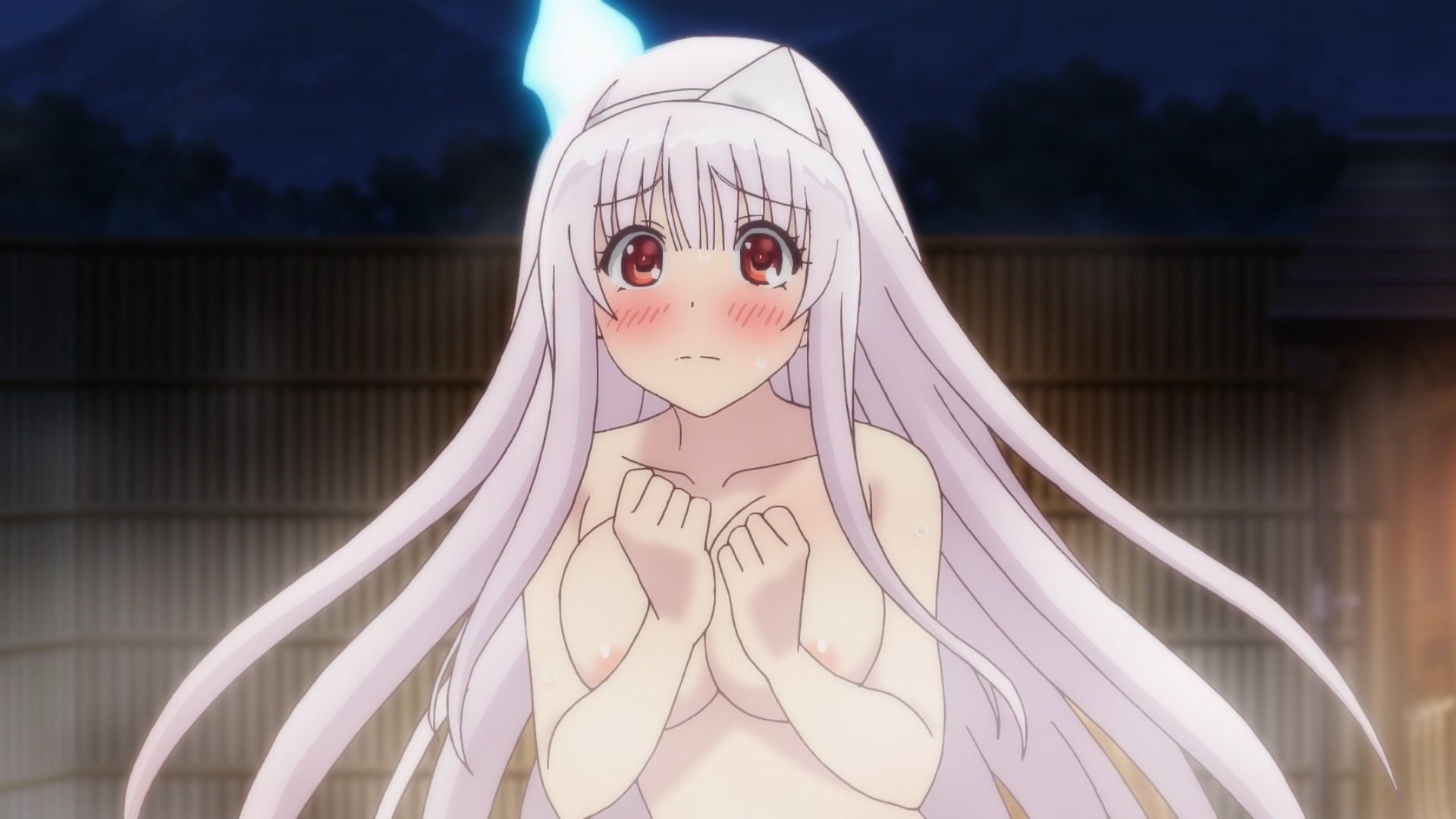
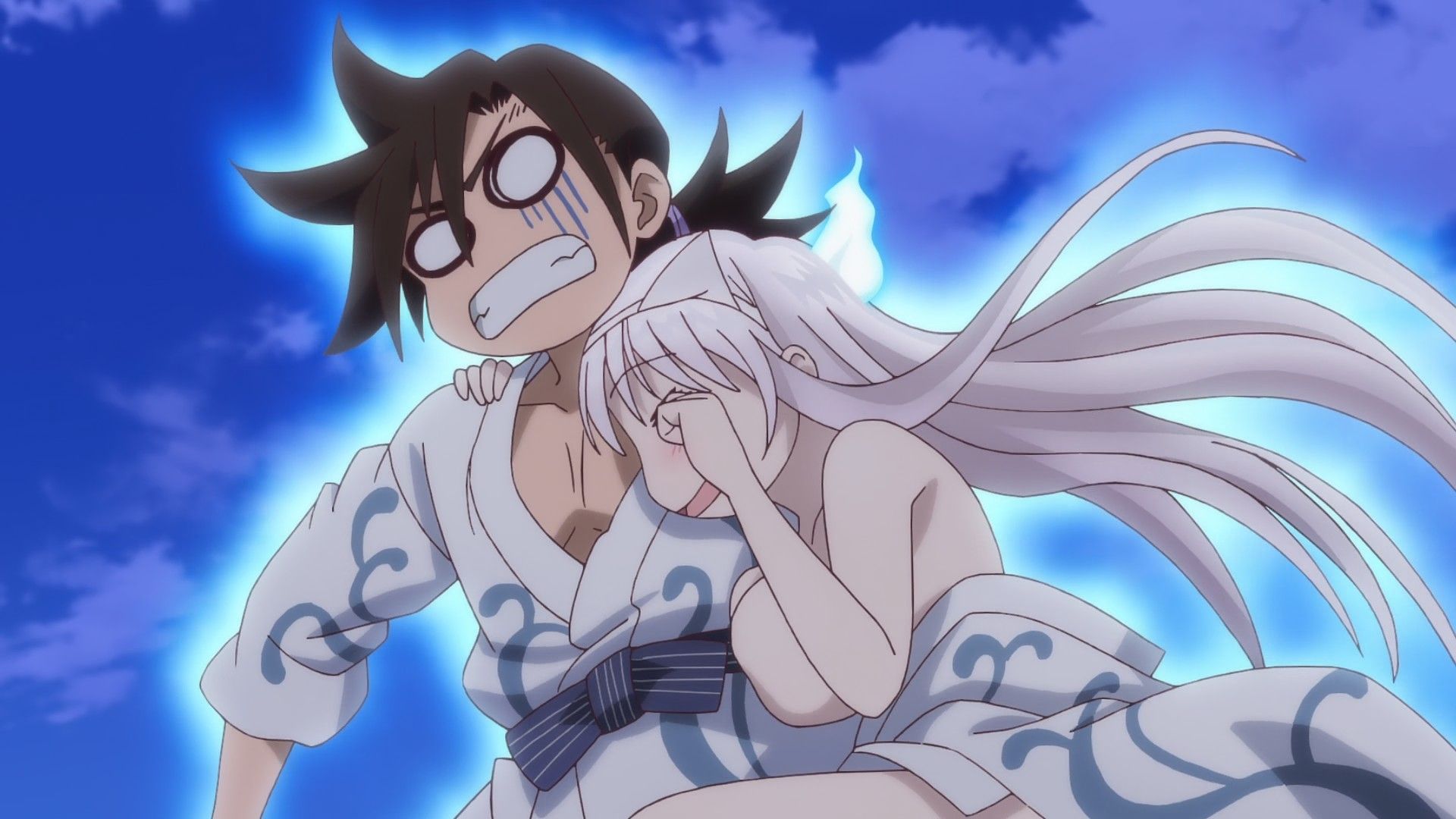
Ameno Sagiri
At first, she is definitely the person most distant toward Kogarashi. As a trained ninja who fights youkai, she approaches supernatural matters in a much more professional manner. She is serious, disciplined, and very particular about maintaining the proper rules at Yuragi-sou. Kogarashi, who suddenly moves into a place full of women and from the very first minutes gets dragged into a series of compromising situations, naturally arouses her suspicion.
Over time, however, it turns out that beneath Sagiri’s very serious facade is a rather insecure girl. This is especially easy to notice in matters connected with her femininity. She grew up in an environment focused on training and combat, so ordinary situations that require more girlish behavior can throw her completely off balance. A mission in which she has to pretend to be a couple with Kogarashi initially feels like nothing more than an assignment to her. Very quickly, though, she starts worrying about whether she looks feminine enough. A simple compliment from Kogarashi stays in her mind much longer than she would like to admit.
Her involvement in rescuing Yuuna is even more interesting. Sagiri understands the scale of the threat perfectly and knows that her organization does not want to fight Ryuuga Genshirou. She helps anyway. Friendship turns out to matter more to her than safely sticking to official rules. This probably shows better than anything else how her attitude toward the residents of Yuragi-sou changes.
Naturally, the classic love-potion motif could not be left out. Under its influence, Sagiri begins behaving toward Kogarashi in a way she would normally never allow herself to. The funniest part, however, is the later explanation that the potion only worked if the person already had certain feelings for its target. Her reaction afterward more or less speaks for itself.
Miyazaki Chisaki
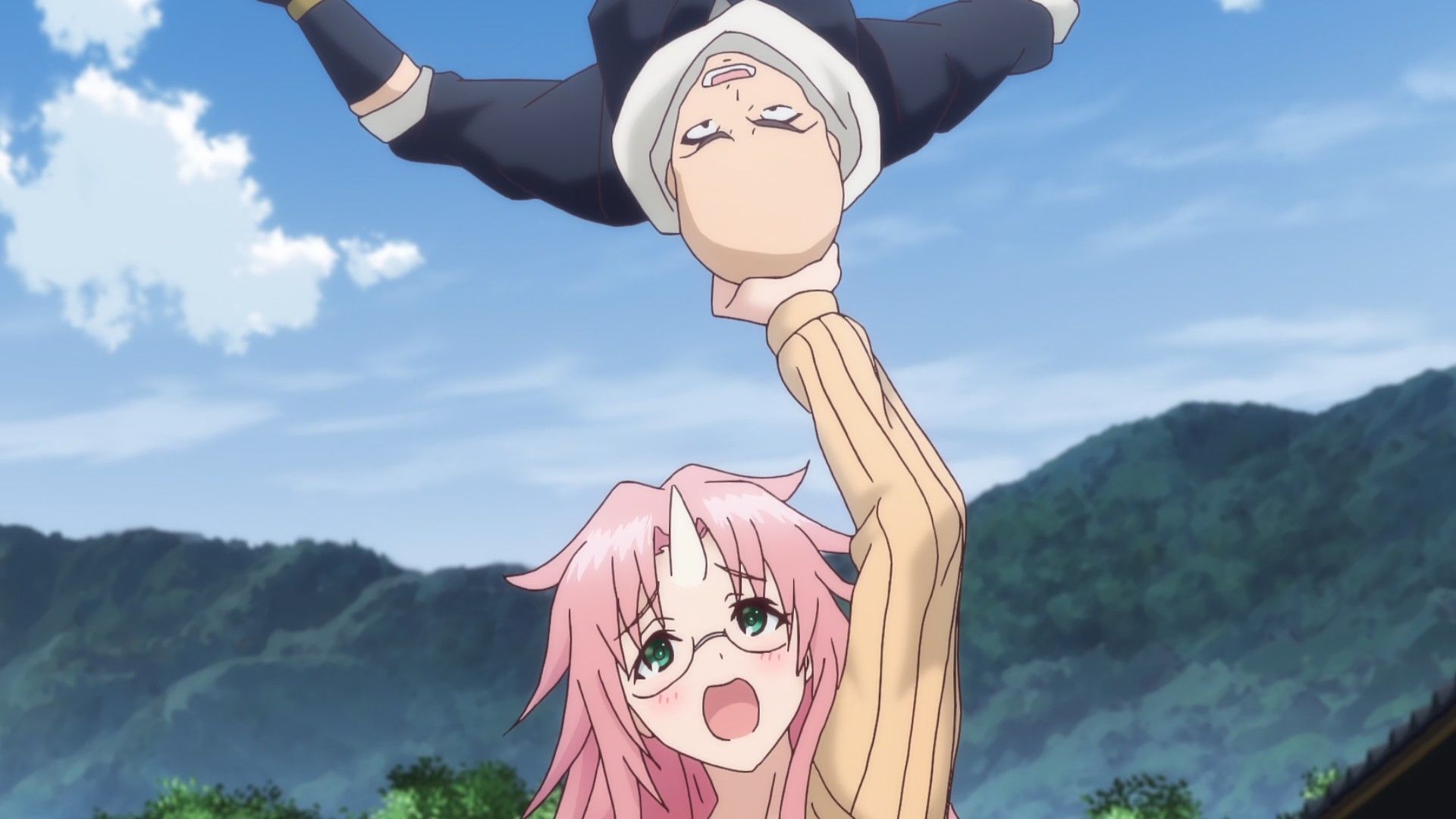
She fills a much-needed role in the cast. Unlike the residents of Yuragi-sou, she is an ordinary girl from Kogarashi’s school and initially has little experience with the world of spirits or youkai. Her gradual entry into this part of Kogarashi’s life therefore provides a completely different perspective. Their first encounters do not exactly help her form the best opinion of Kogarashi, mainly because of incidents caused by Yuuna, who is invisible to her. She very quickly begins to realize, however, that her first impression was misleading. When she asks him for help with possessed plush toys, Kogarashi genuinely tries to solve the problem. The whole situation then leads them to meet Shigaraki Koyuzu.
Chisaki’s openness quickly becomes apparent in her relationship with Yuuna. She cannot see her, but has little trouble looking for other ways to communicate. Writing, attempts at physical contact, or taking a photo together are enough for her to accept her new friend. The photo scene in particular connects strongly with Yuuna’s entire story. A spirit who worries about how others will perceive her meets someone who sees only a faint figure in a photograph and still reacts positively.
Over time, Chisaki also becomes increasingly comfortable around Kogarashi himself. Staying overnight at Yuragi-sou naturally leads to an entire collection of misunderstandings. In the end, however, it lets her see even more clearly what the protagonist is really like. Later, she even tries to help him gain more acceptance among their classmates by arranging a situation during a test of courage that is meant to prove his abilities. The plan does not work out as she intended, but Kogarashi’s reaction is probably more important—he lets her know that the simple fact she believes him is more than enough.

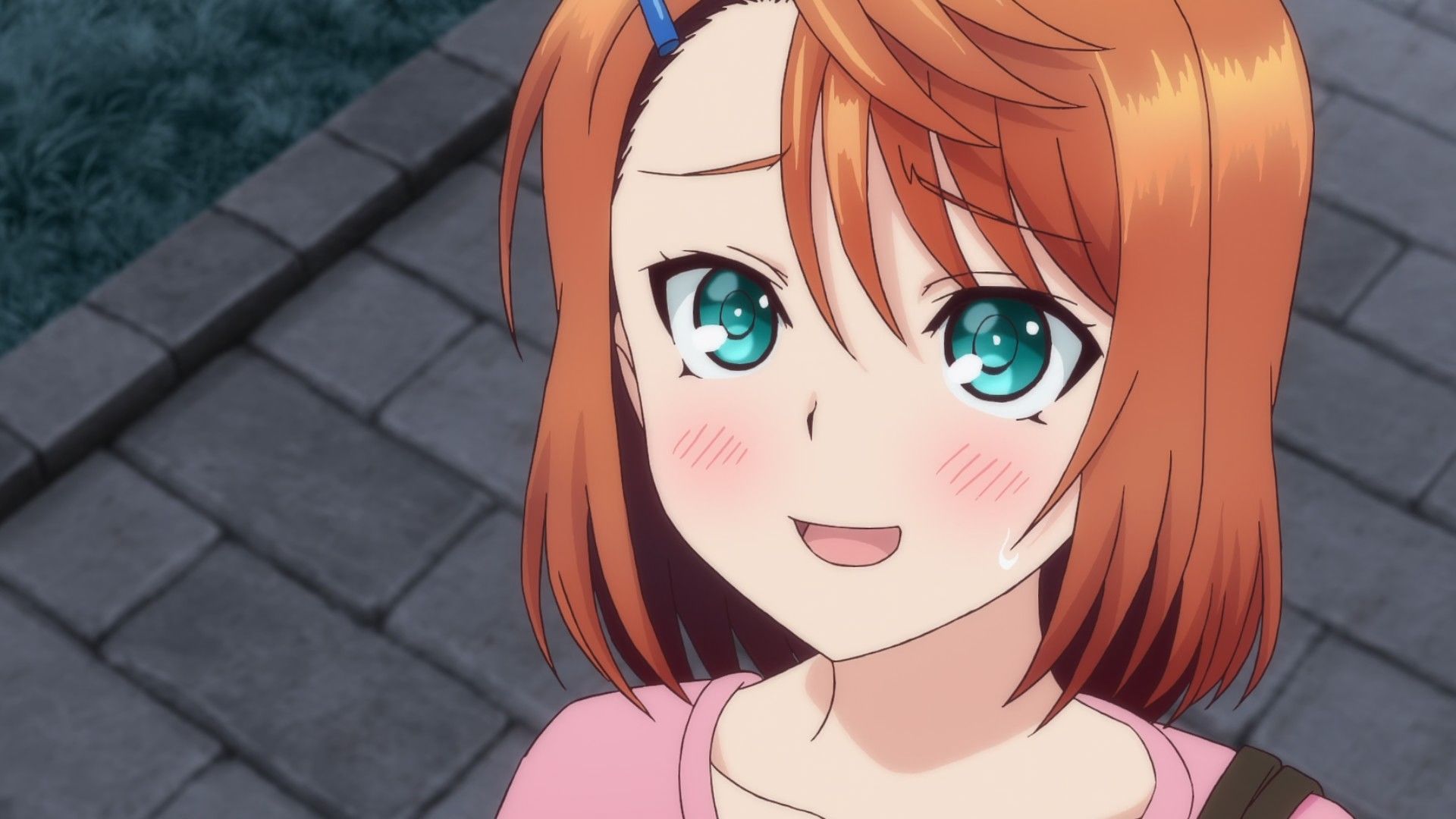
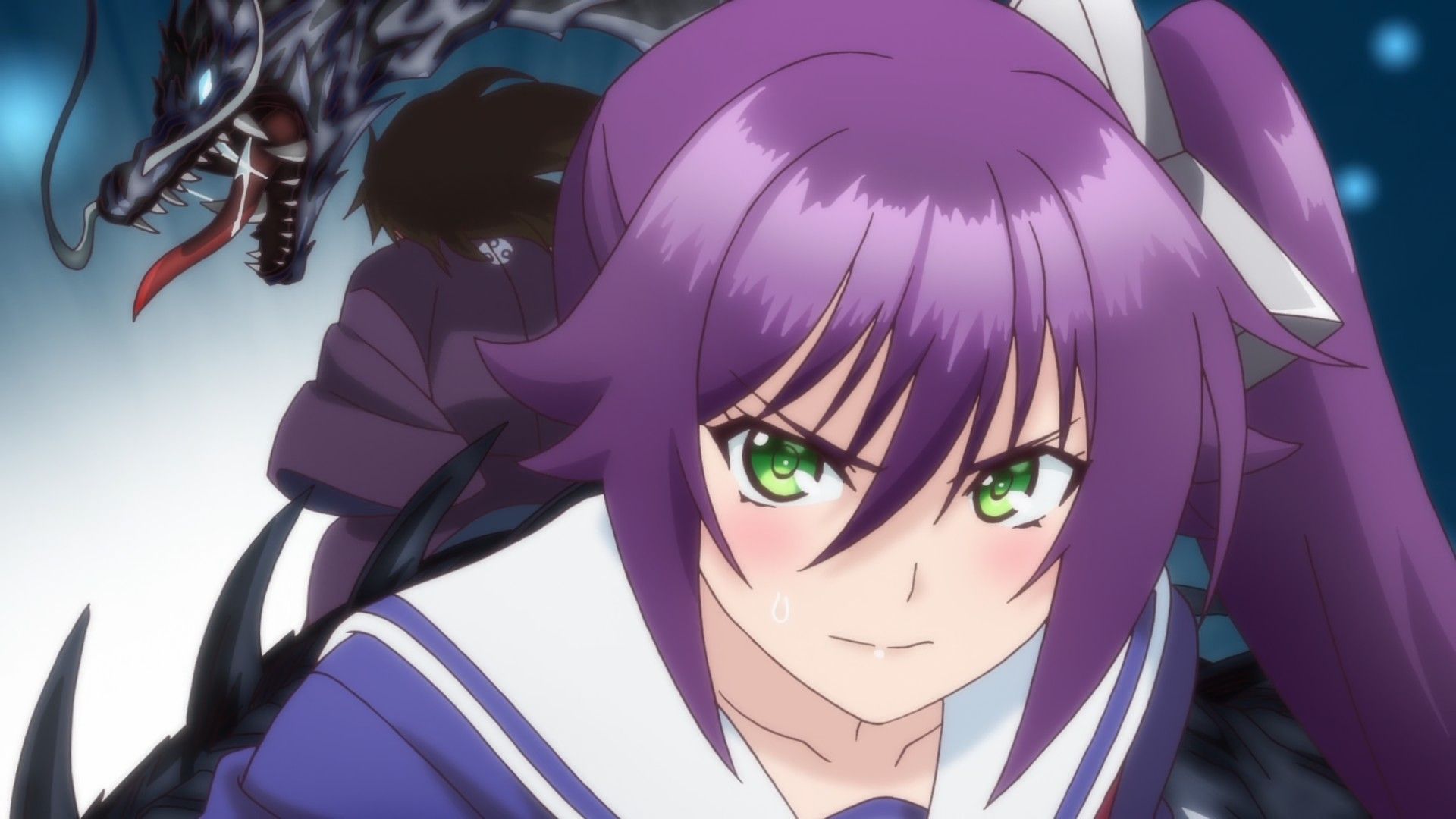
Nakai Chitose
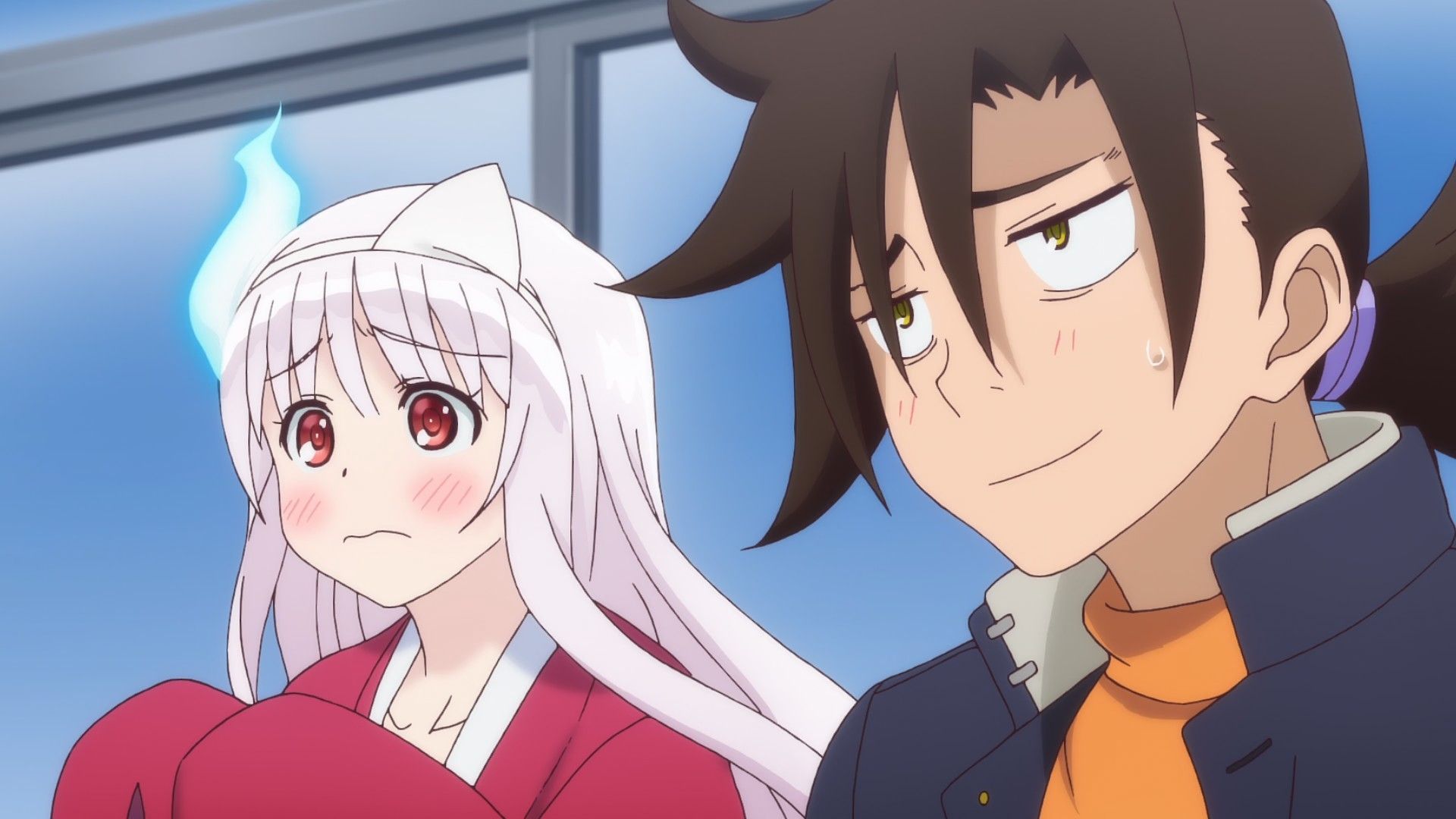
Nakai Chitose looks like the youngest person in all of Yuragi-sou, but the reality is almost the exact opposite. She is the household’s guardian deity as well as the person who manages the inn. She is the one who makes sure this unusual group somehow continues to function. She cooks, organizes the residents’ daily lives, and despite her childlike appearance often behaves like the most mature person in the room. A very charming addition to her character is the fact that she secretly attends school. Chitose simply wants to experience part of the normal childhood she could not previously have as a supernatural being. She even uses her own luck-related powers to keep the matter secret. The problem is that her ability does not let her hand out good fortune without consequences. Positive events have to be balanced out somehow. Her presence gives Yuragi-sou a much-needed warmth.
Arahabaki Nonko
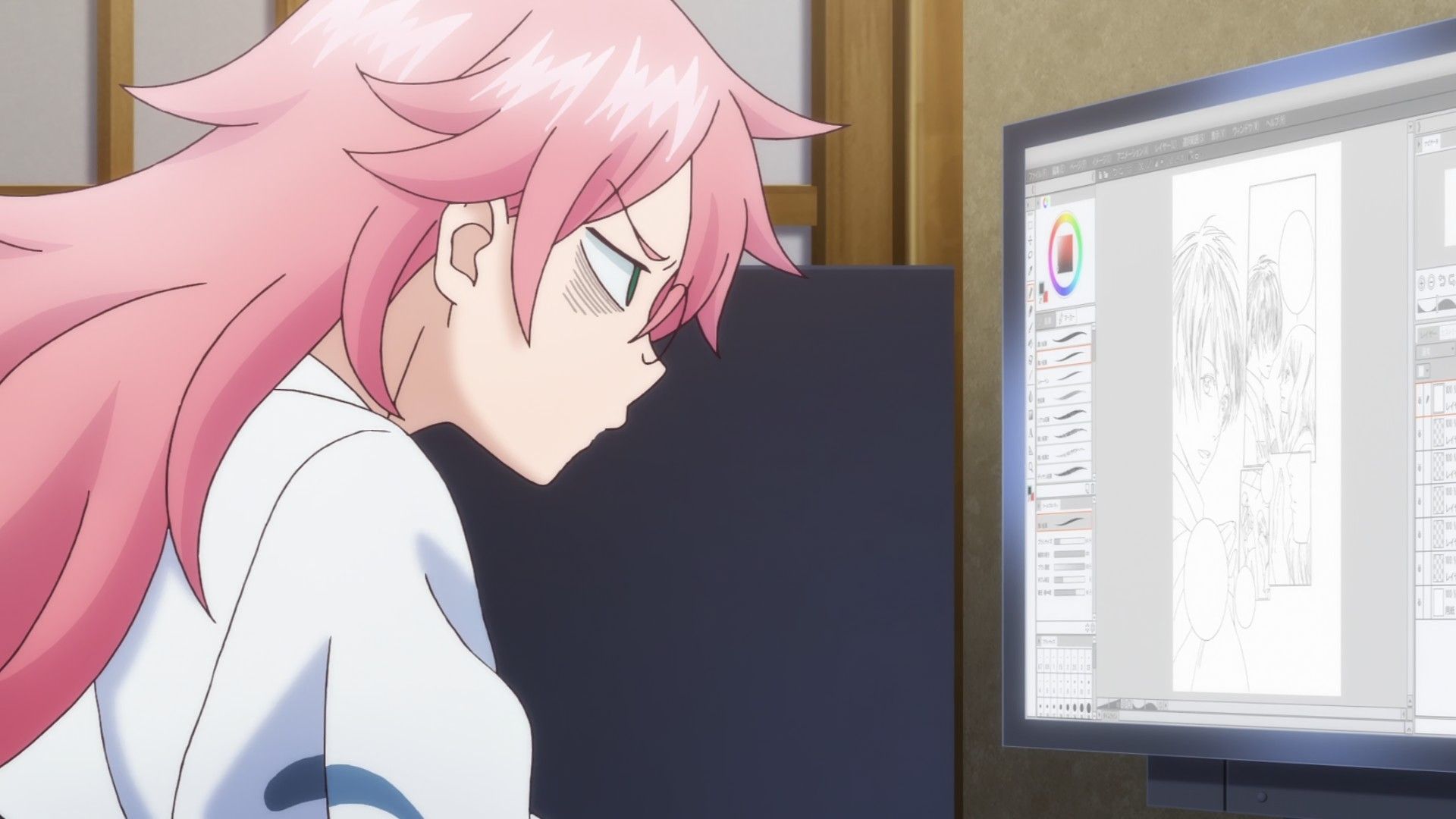
At first glance, Arahabaki Nonko may be remembered primarily as the very attractive older resident of Yuragi-sou who loves alcohol and approaches most things with tremendous ease. Her carefree attitude contrasts wonderfully with the more uptight Sagiri or the easily embarrassed Yuuna, but there is more to her role than that. She is a descendant of Shuten-douji, and the more alcohol she drinks, the stronger she becomes. She used to hunt youkai. After a serious battle, however, she began wondering whether she was really living the way she herself wanted. Instead of continuing down the path dictated by her lineage, she chose her own dream and became a mangaka.
Fushiguro Yaya
Yaya, meanwhile, is one of those characters who needs very few words to become likable. She is constantly sleepy, speaks briefly, and most of the time seems more interested in resting peacefully than in the commotion caused by the other residents. She is accompanied by Nekogami-sama, with whom she shares a very close, symbiotic relationship. Her friendship with Kogarashi develops through something incredibly simple—food. Kogarashi prepares fish that she really likes, and Yaya wants to share it with Nekogami-sama as well. Later, she starts taking more interest in his cooking and even asks him to make something for her again. For most other characters, this would be a small detail. With Yaya, who generally says little and does not show much, details like these are exactly what matter most.
Shintou Oboro
Oboro brings a completely different kind of energy to the group. In her case, subtlety practically does not exist. She is a blade spirit tied to the Ryuuga clan, and after Genshirou’s defeat she decides that Kogarashi is the ideal candidate to strengthen their bloodline. Her solution is equally direct—she intends to have a child with him. The funniest part is that, at first, Oboro does not treat this as romantic seduction at all. To her, it is a logically selected goal and a mission that simply needs to be carried out effectively. The problem is that she has no understanding of normal human relationships. As a result, she starts drawing on knowledge from Nonko’s manga, among other things, which naturally leads to one disaster after another.
Her presence is a great catalyst for the reactions of the other girls. When someone starts trying to get into Kogarashi’s bed this shamelessly, it becomes much harder for the others to pretend they do not care at all. Oboro therefore works very well both as a character in her own right and as a way of throwing all of Yuragi-sou into even greater chaos.
The Group as a Whole
For me, however, the cast is at its most charming when treated as a whole. Yuragi-sou begins to function like a very unusual family. We have a formerly homeless medium, a ghost with no memories, a ninja, a descendant of an oni, a girl linked to a cat deity, a young bakedanuki, and several other people who for various reasons do not lead entirely ordinary lives. In this one place, however, none of them has to pretend to be someone else. Later, when one of them is genuinely in danger, the viewer does not need an explanation for why the others rush to help. We have already spent enough time watching them live together.
Everyday Life, Humor, Fanservice, and the Supernatural
One of the elements that kept me with Yuragi-sou no Yuuna-san for so long was the way it combines the supernatural with ordinary life. Kogarashi is not dragged into an endless succession of battles simply because he possesses enormous power. In one episode he may face a dangerous youkai, and not long afterward he can be helping Nonko meet a deadline, cooking for the residents, or wondering how to handle a school trip with Yuuna, who is invisible to everyone else.
Youkai, deities, spirits, ninja, and Kogarashi’s abilities are all important parts of the story, but in the end what remains most interesting is how they affect everyday relationships. Yuuna can walk through walls and trigger supernatural phenomena, yet at the same time she simply wants to go to school with Kogarashi. Chitose manipulates luck, but uses her abilities in part to protect the secret of her own normal school life. Yaya lives with a cat deity, yet the easiest way to reach her is through a well-prepared fish. Kogarashi’s attitude toward spirits follows naturally from his own experiences. His enormous strength does not mean every encounter ends with the immediate destruction of his opponent.
Whenever possible, he tries to find out why a particular being is still lingering in this world. Of course, if someone tries to hurt his friends, he can switch to more direct methods very quickly. The story of Ami and Yasuhisa in the finale, however, shows best that for him, helping a spirit means first and foremost solving the problem that prevents it from passing on.
The humor is built primarily around the characters’ personalities, which is why it relatively quickly starts working even better than it did at the very beginning. Many comedic situations also arise directly from Yuuna’s particular circumstances. Ordinary people cannot see her. Kogarashi, meanwhile, sees her perfectly and can make physical contact with her. That alone is enough for the writers to keep throwing him into situations that look completely absurd from an outsider’s perspective. The school scenes make especially good use of this idea. Kogarashi has to function in two realities at once—the ordinary one shared by his classmates and the one in which an invisible Yuuna may be standing beside him at any moment.
The fanservice works wonderfully for me. There is plenty of it, and it would be difficult to pretend that it sits somewhere on the sidelines, but that is exactly what I expect from a title like this. Yuragi-sou is a former onsen inn, most of the cast lives under one roof, and the protagonist shares a room with a beautiful ghost girl. The very structure of the story practically invites scenes of this kind. The fanservice complements something that already works. If a large portion of those scenes were removed, there would still be a likable comedy about the shared life of an unusual group of characters, with Kogarashi and Yuuna’s central relationship and a fairly interesting supernatural world. Personally, though, I see absolutely no reason to remove it. It is part of the character of Yuragi-sou no Yuuna-san and simply makes the series even more enjoyable to watch. The considerable variety of personalities also serves the harem structure itself very well.
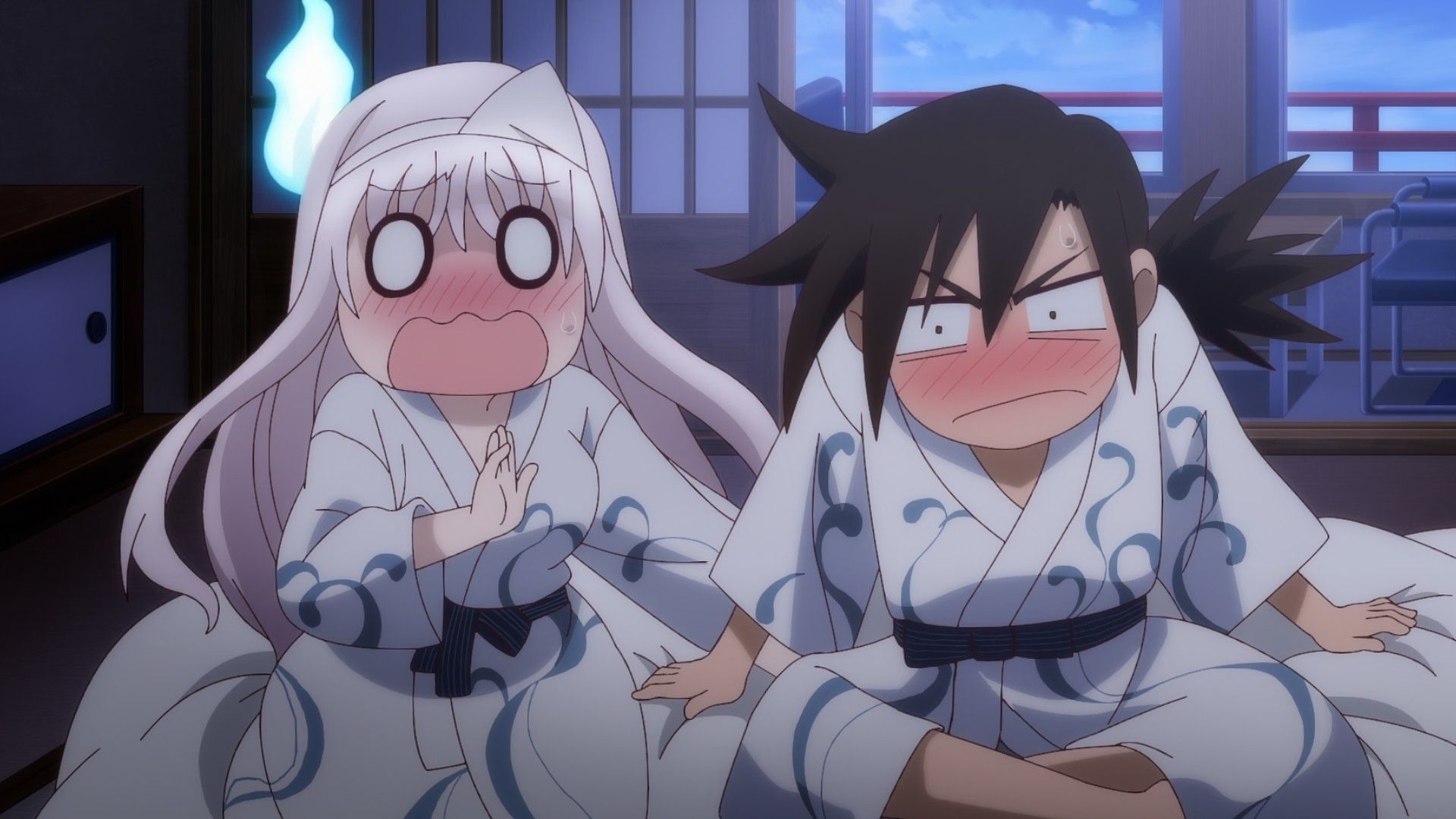
The typical tropes do not bother me at all here. I like it when an author takes familiar elements and uses them with characters I genuinely want to watch. I do not need every new romantic comedy to try at all costs to reinvent the entire genre. Good personalities, chemistry, and pleasant everyday life can mean much more. The setting itself also contributes a great deal. Yuragi-sou is distinctive enough that it quickly stops feeling like an ordinary backdrop. It is the place the characters return to after school, missions, or other events. They eat, bathe, work, rest, and get into more trouble together. As a result, when the residents of Yuragi-sou are referred to as a group, it genuinely sounds like one cohesive unit rather than a collection of random characters the script happened to put in the same building.
Yuragi-sou no Yuuna-san (2018) – Evaluation and Summary
I liked Yuragi-sou no Yuuna-san from the very first episode, and right through to the end I never really found a reason to change my mind. It was funny, the characters clicked with me from the beginning, and with every new episode I grew increasingly accustomed to having them around. After a while, the biggest attraction for me was not even any particular storyline, but simply the prospect of spending another twenty-something minutes with the residents of Yuragi-sou.
The fanservice takes exactly the form I expect from a good romantic comedy of this kind. It is aesthetically pleasing, frequent, and naturally woven into the setting of the story. The characters, humor, and their relationships could easily have carried Yuragi-sou no Yuuna-san with far fewer scenes like these, but personally I see no reason to take away an element that contributes so strongly to the series’ character.
The visual presentation also stayed with me after I finished the season. Attractive character designs, pleasing colors, good-looking outdoor scenery, expressive faces, and animation that can be genuinely satisfying to watch in the most important moments all come together into a very enjoyable whole. The voice cast is also so well chosen that after a few episodes it becomes difficult to separate the individual seiyuu’s voices from their characters. The official cast includes, among others, Ono Yuuki, Shimabukuro Miyuri, Suzuki Eri, Takahashi Rie, Kakuma Ai, Ogura Yui, Harada Sayaka, Komatsu Mikako, and Haruno Anzu, while XEBEC handled the animation, Kikuya Tomoki composed the music, and Aketagawa Jin was responsible for sound direction.
At the same time, the finale leaves enough unanswered questions behind. Above all, we still do not know Yuuna’s past or what really kept her in this world. What we do learn, however, is something perhaps just as important—she is happy in the present. The story of Ami and Yasuhisa shows what a peaceful resolution to a spirit’s unfinished business can look like, while Kogarashi’s nightmare about Yuuna’s fate only confirms how deeply he has come to care about her.
For me, Yuragi-sou no Yuuna-san is above all a very successful romantic comedy, with a generous amount of beautiful fanservice and a likable supernatural world. What stayed with me most, however, were the characters themselves: their conversations, fooling around, shared meals, baths, school events, trips, and all the small scenes between the larger storylines. I simply enjoyed being in their company. In anime of this kind, that is one of the most important things the creators can achieve for me.
Finalny werdykt
Final evaluation

Which translation do I recommend to watch Yuragi-sou no Yuuna-san (2018)?
- Asakura – an excellent translation that I would genuinely struggle to find fault with even if I tried very hard.
Gallery