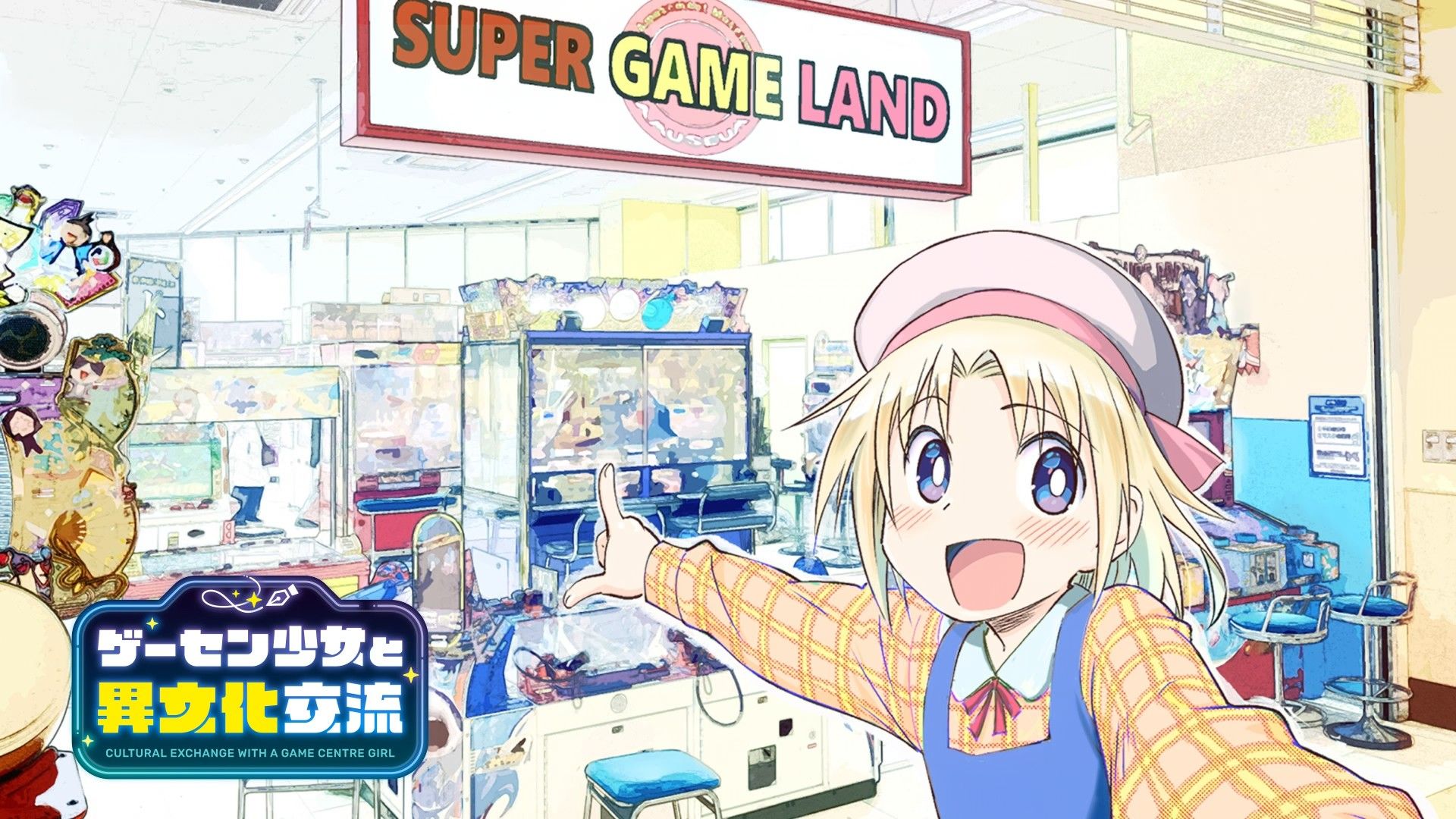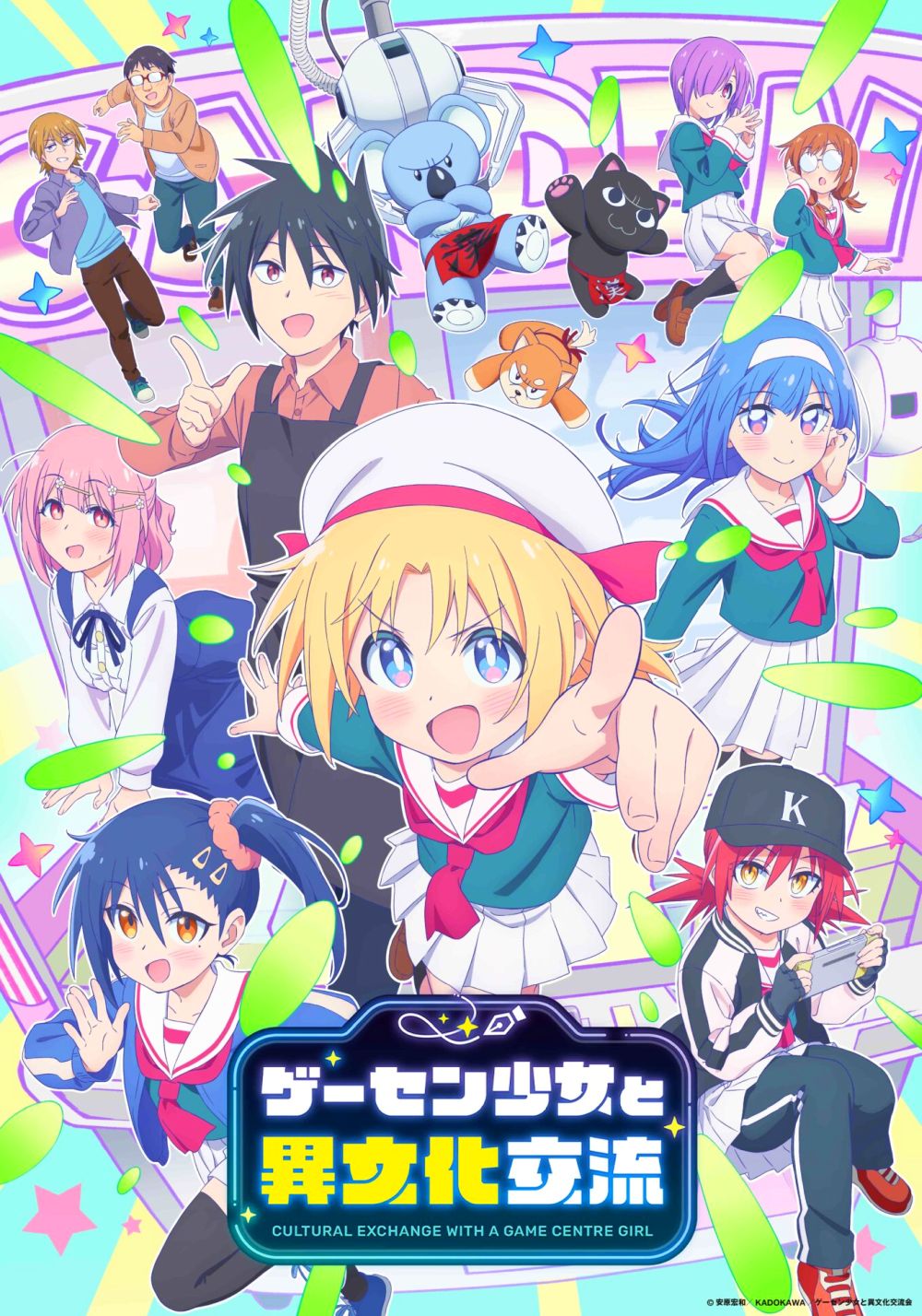
Kusakabe Renji spends Valentine’s Day at work, keeping an eye on the machines at the arcade, when a petite, stubborn foreign girl catches his attention. She has been battling a crane game for hours, trying in vain to win a plush koala. After his shift, Renji walks over, puts in a single coin, and manages to pull out the plush on his first try, then hands it to a stunned Lily Baker, who only speaks English. The unexpected act of kindness catches her off guard, and an embarrassed Renji blurts out the first thing that comes to mind: It’s a Valentine’s Day present. For Lily, raised with British Valentine’s Day customs, those words sound like a subtle confession of love. The next day, she gives him a present with a note attached: Be my valentine! And so begins their sweet relationship, sparked by a single innocent misunderstanding.
Game Center Shoujo to Ibunka Kouryuu (2025) – Audiovisual Design
Video
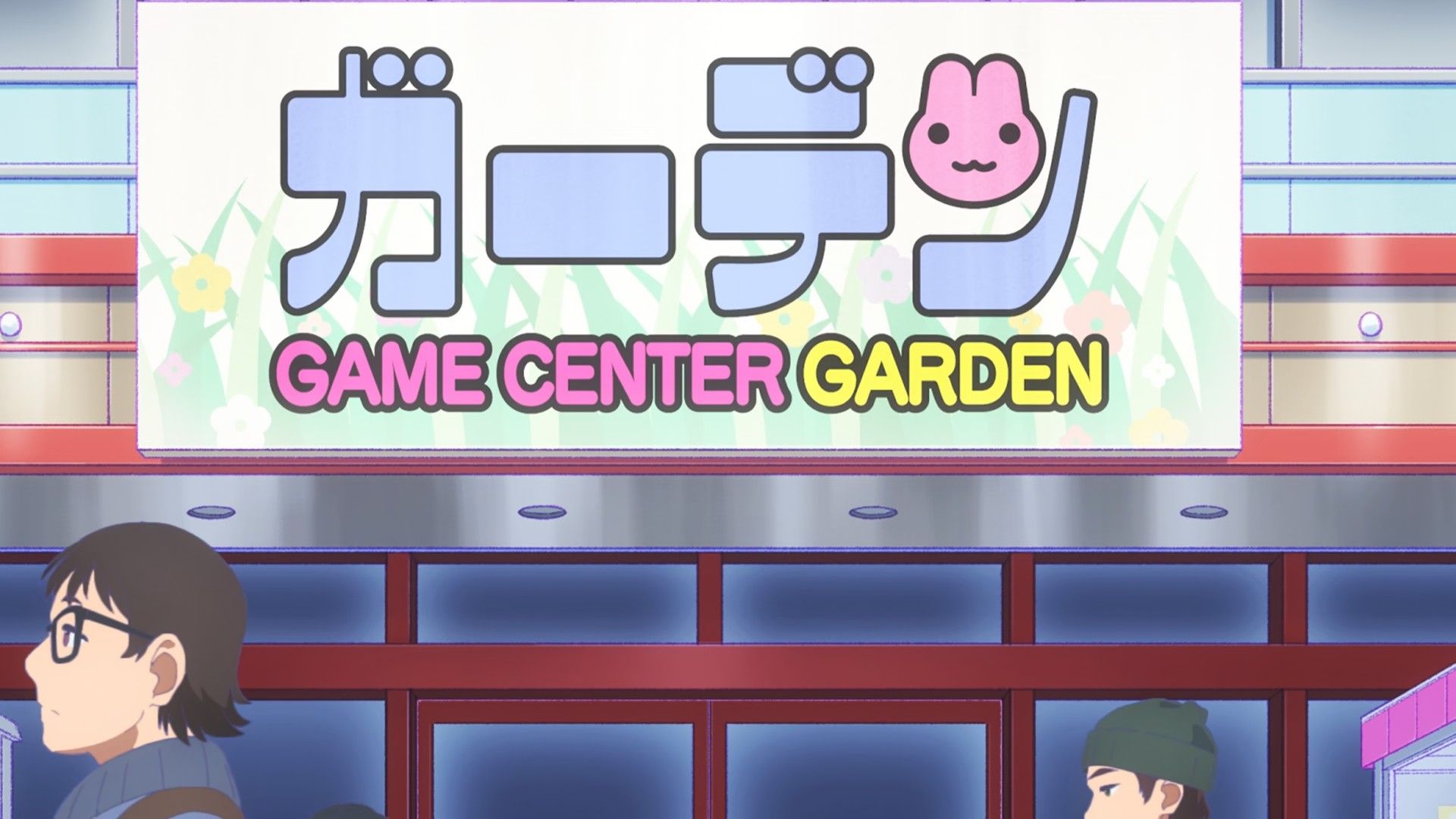
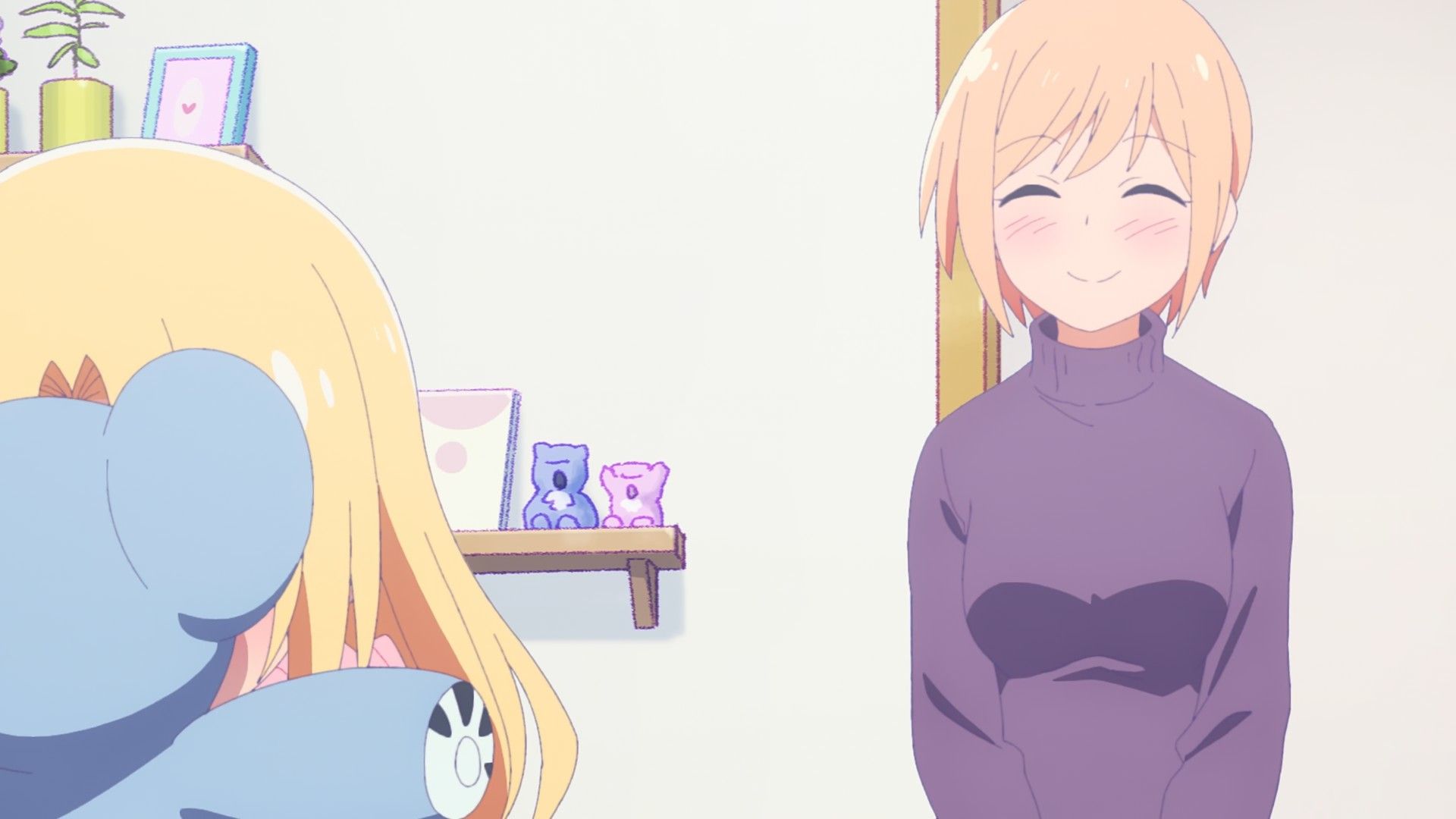
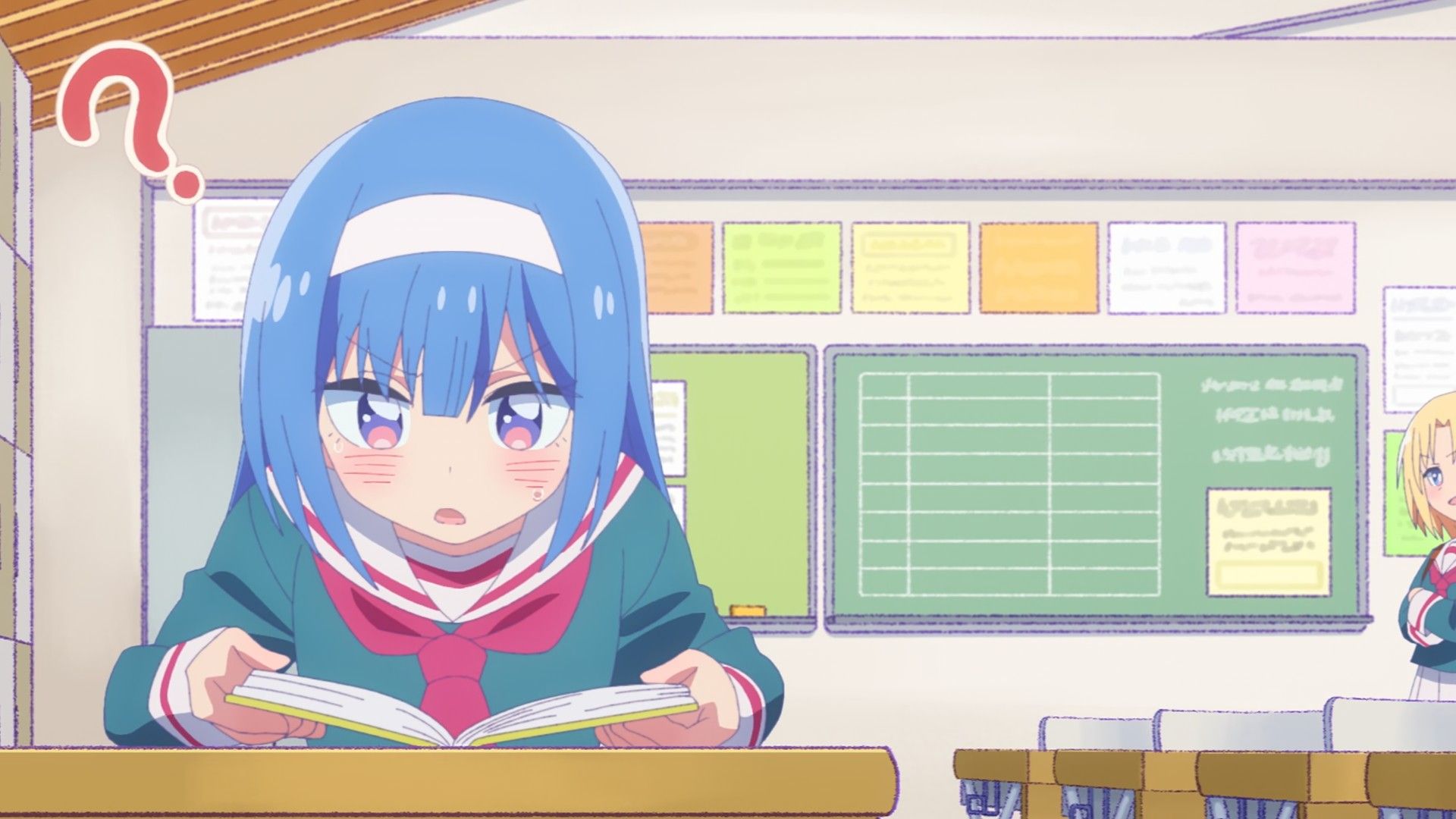
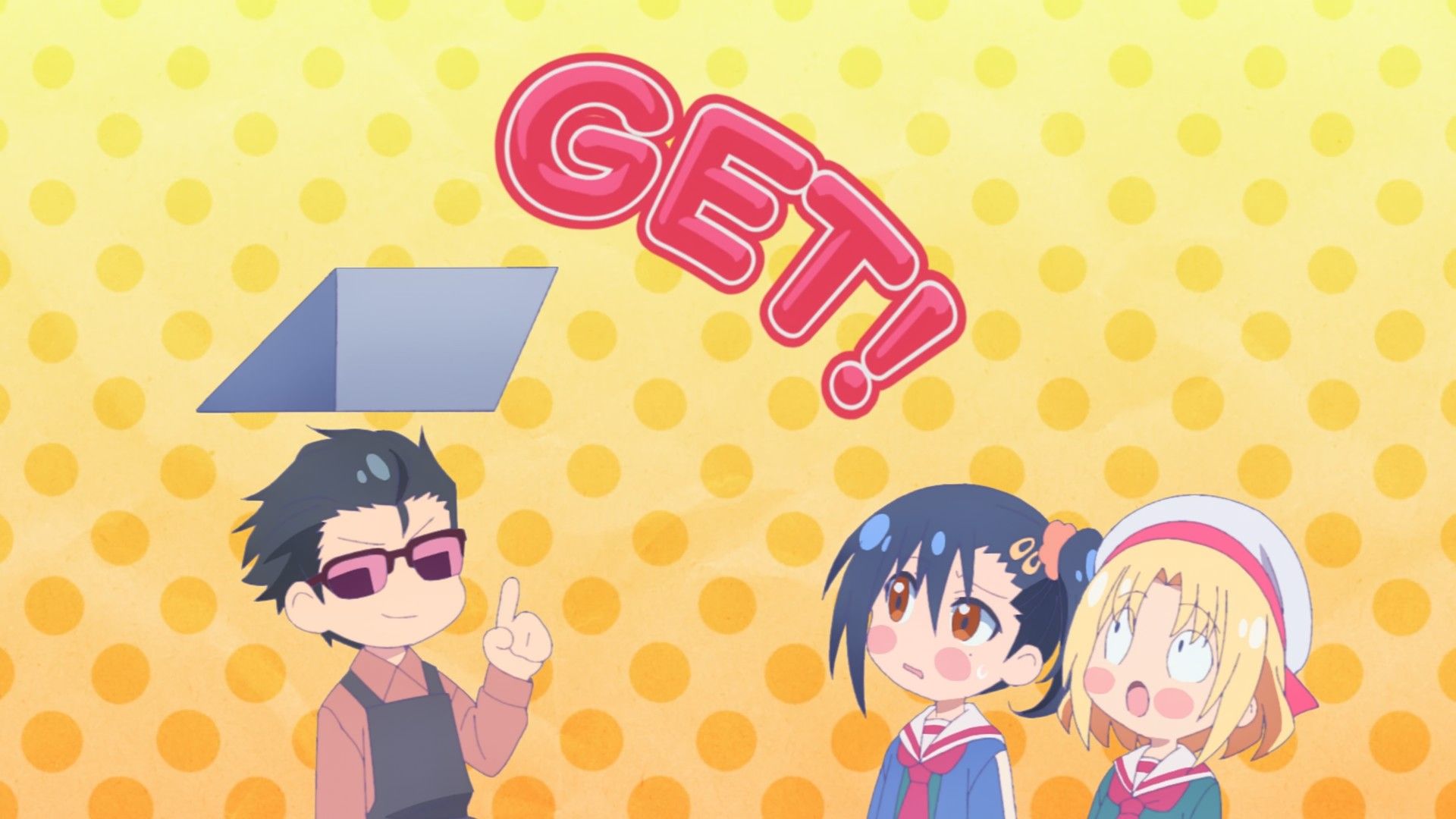
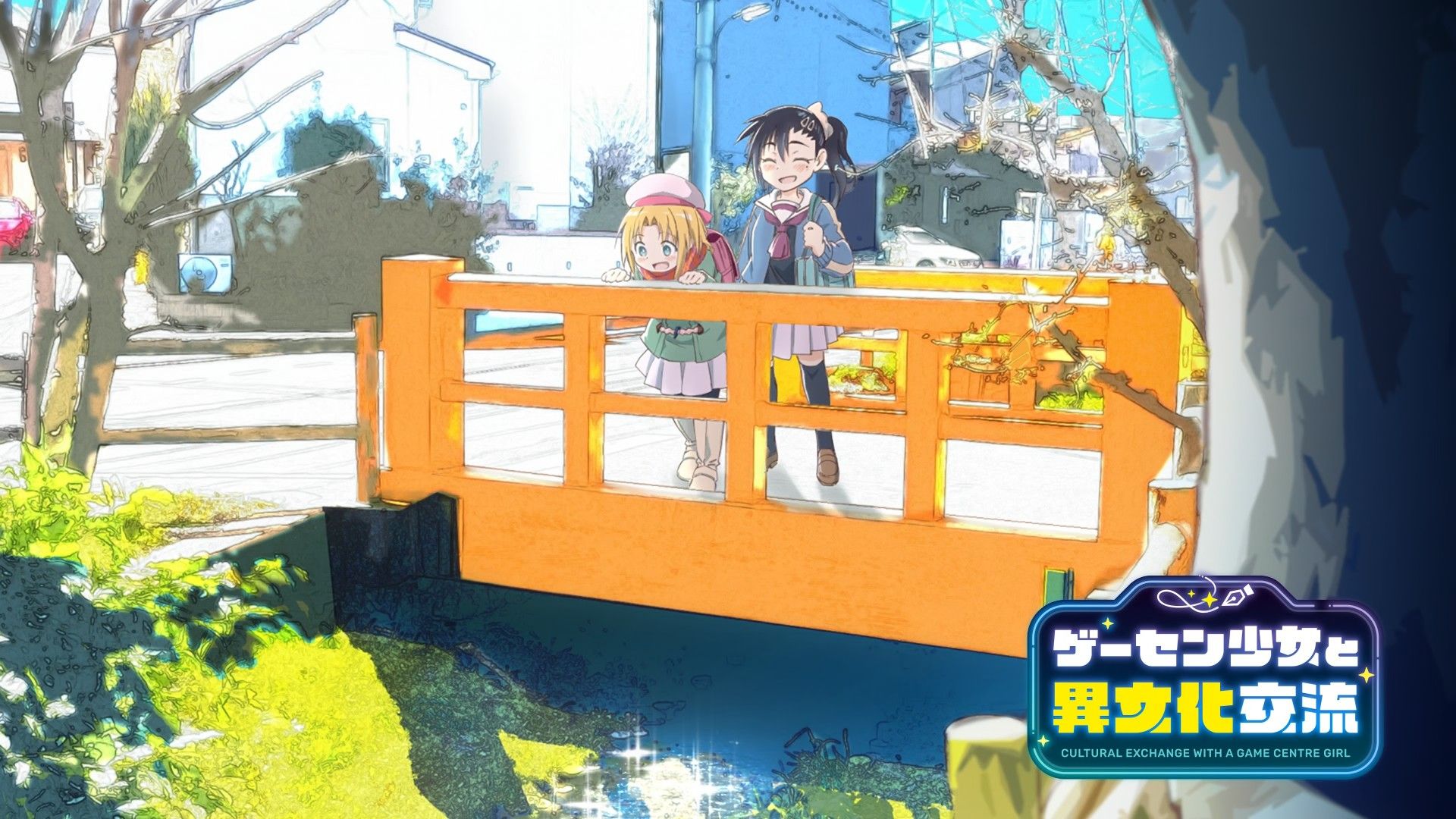
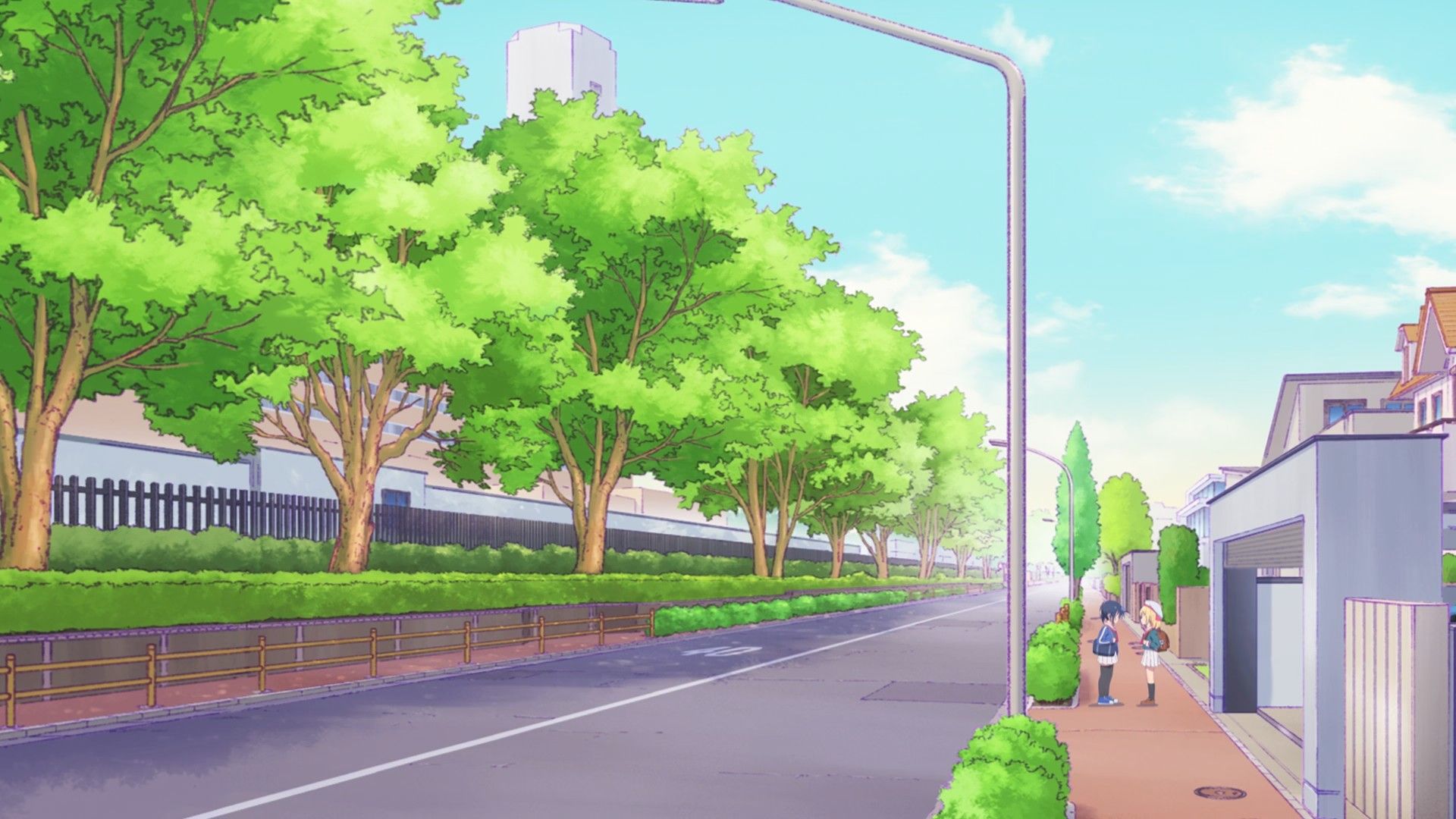
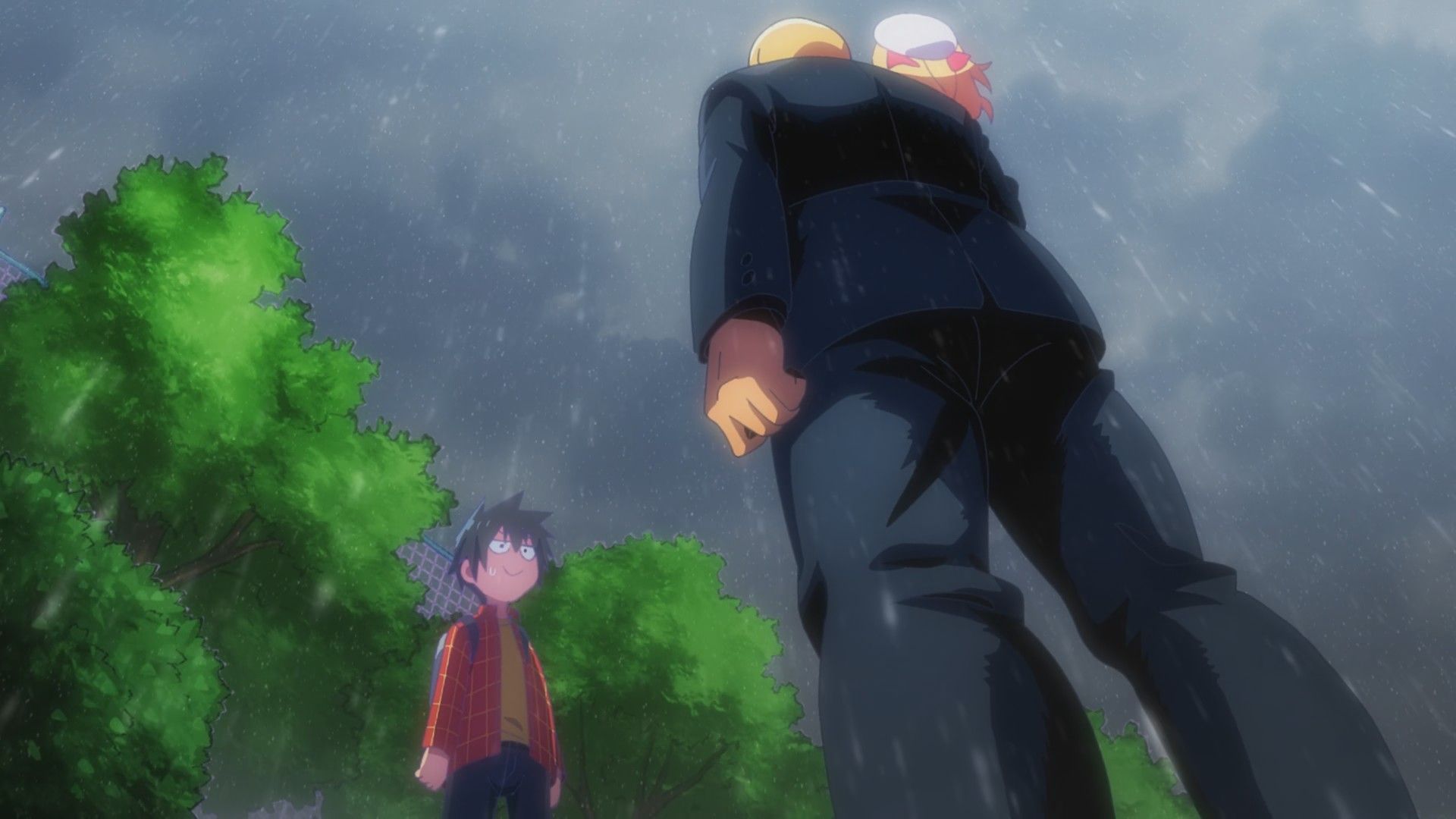
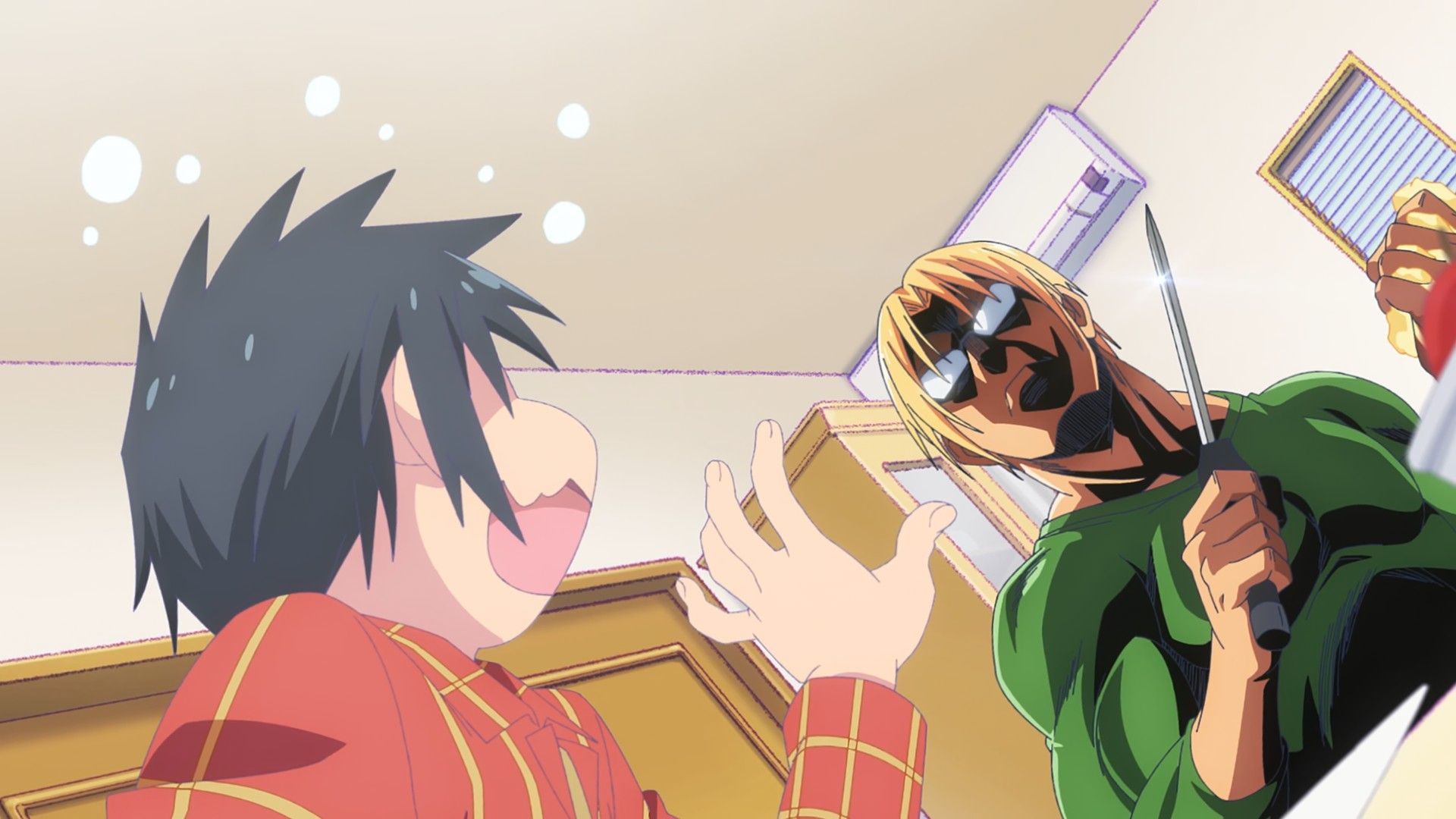
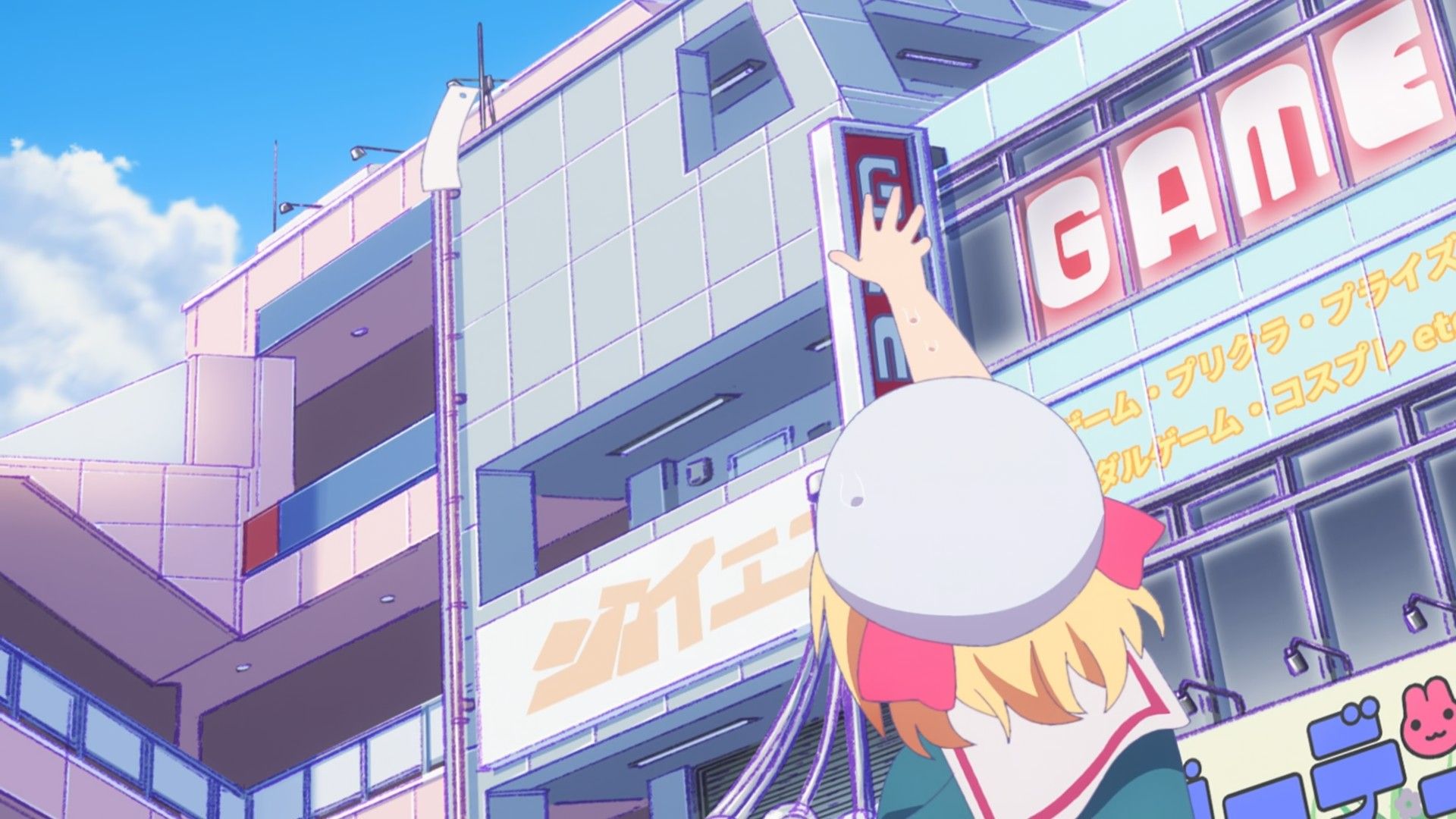
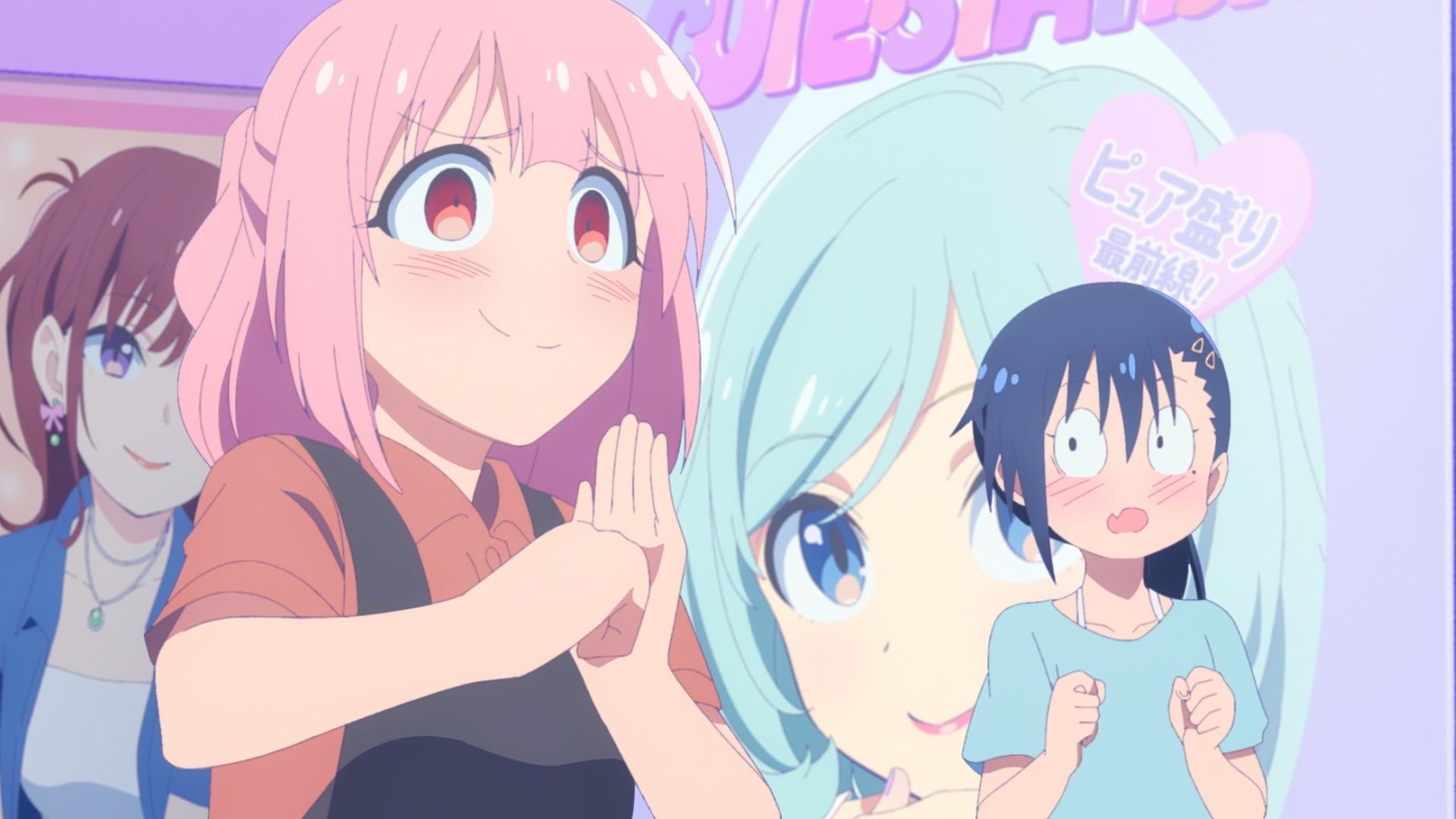
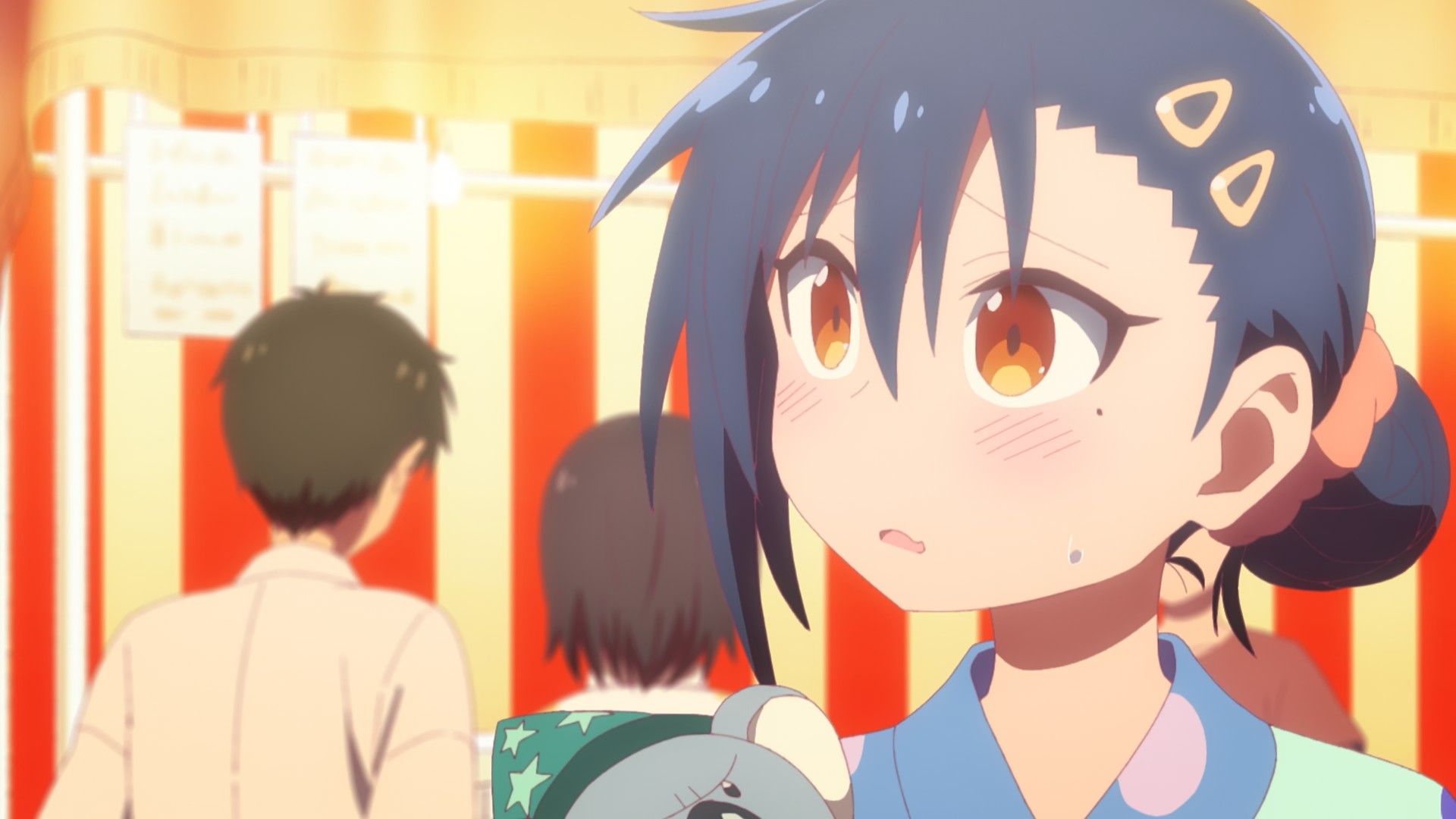
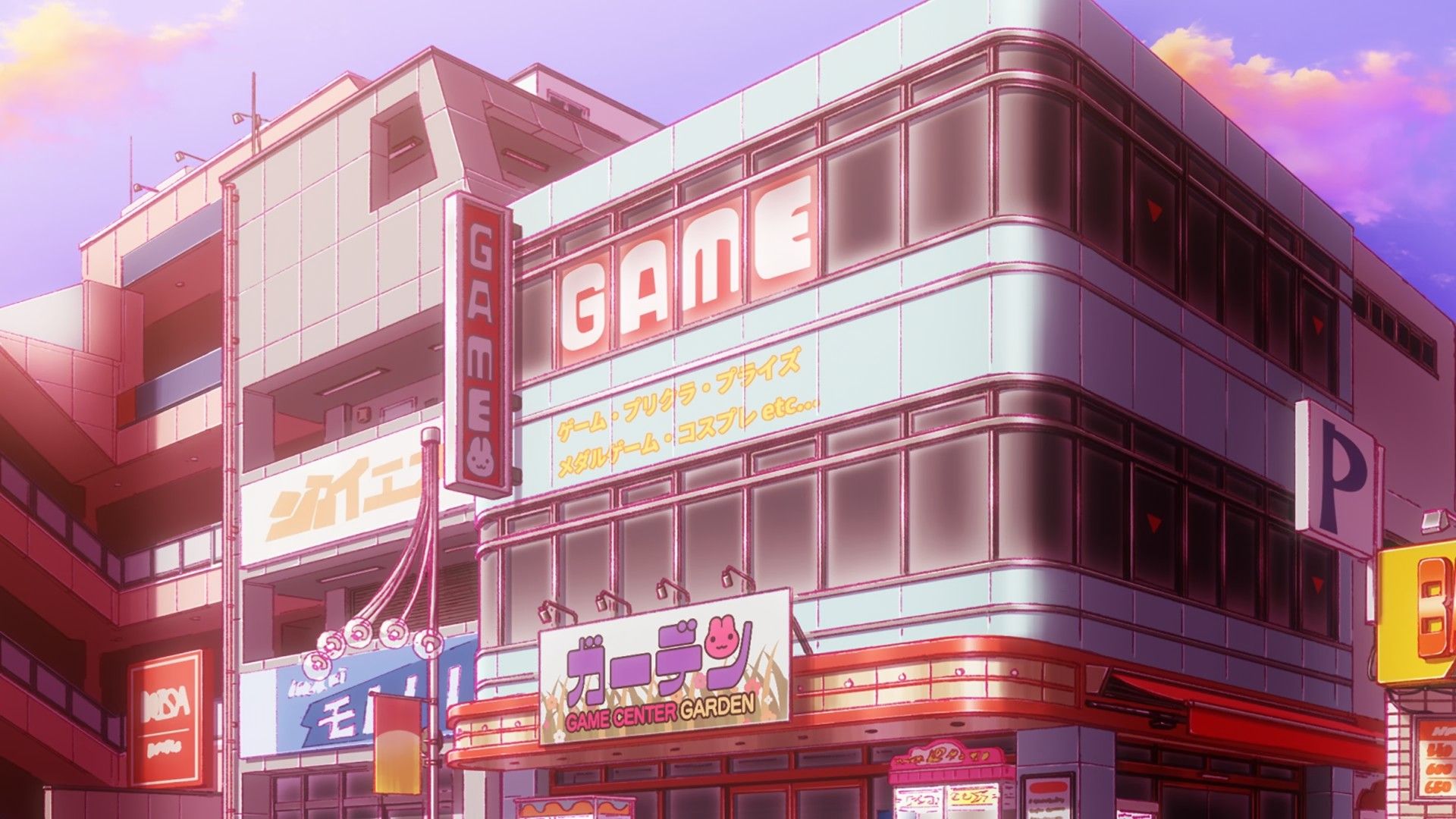
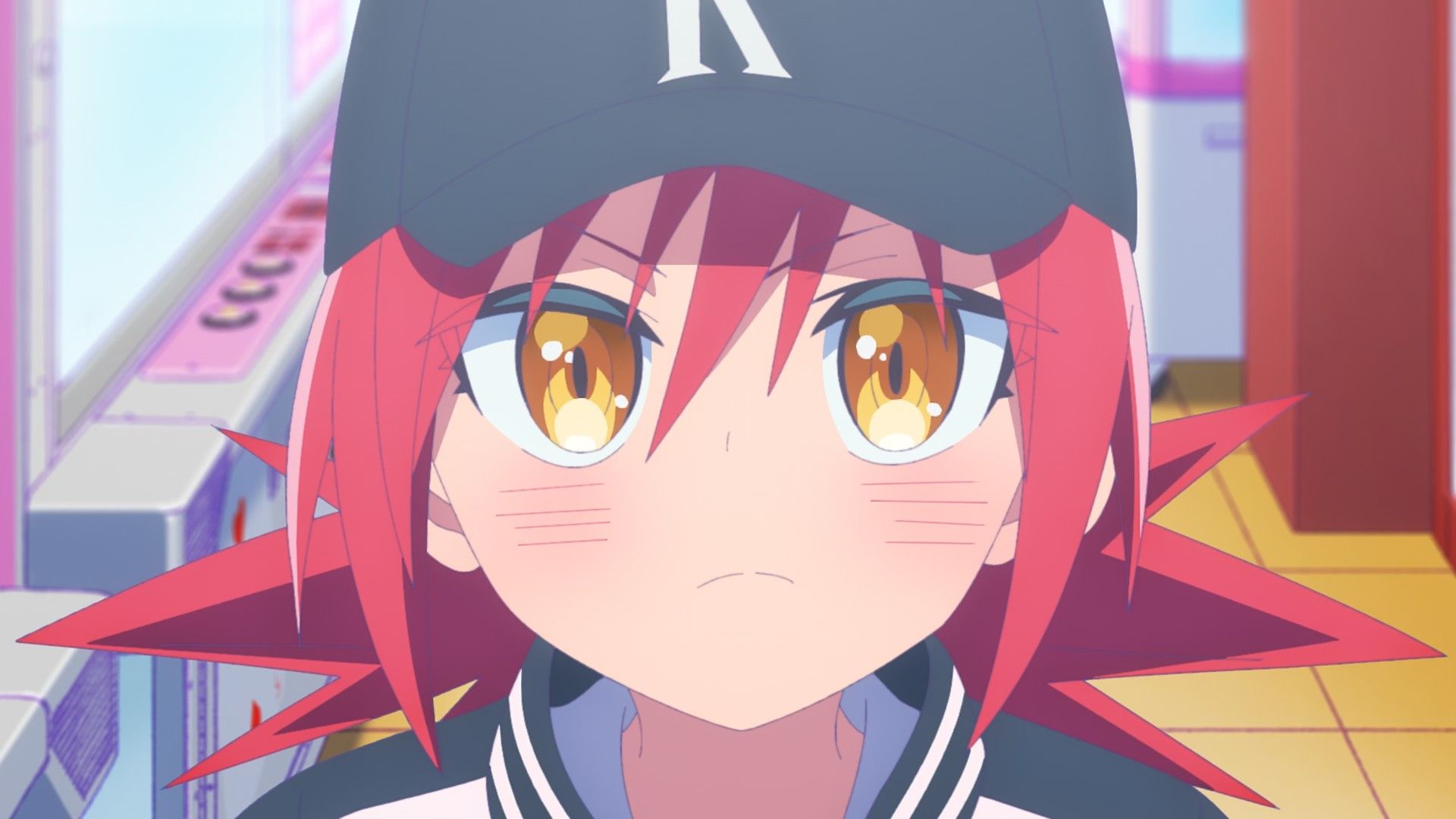
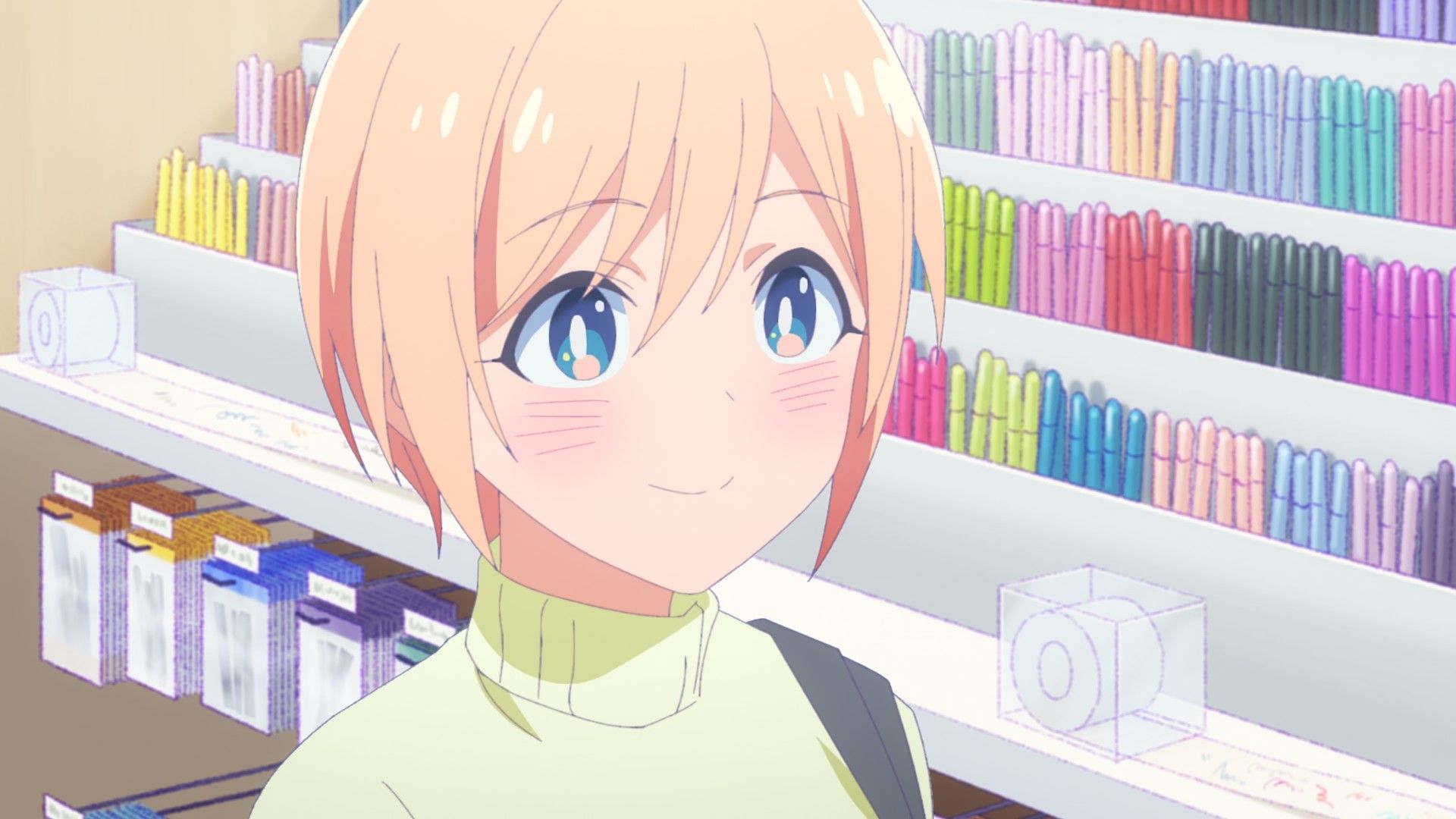
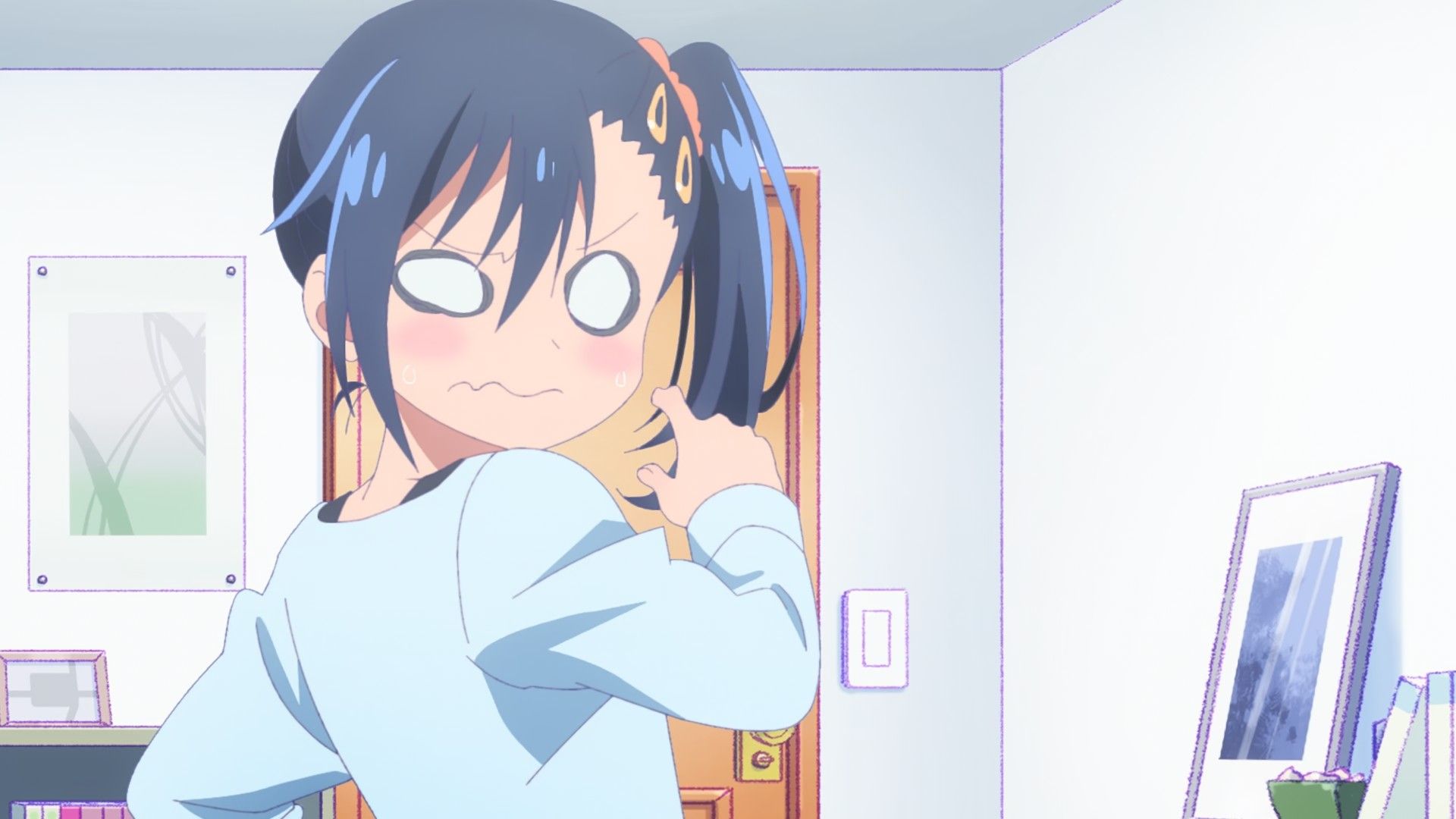
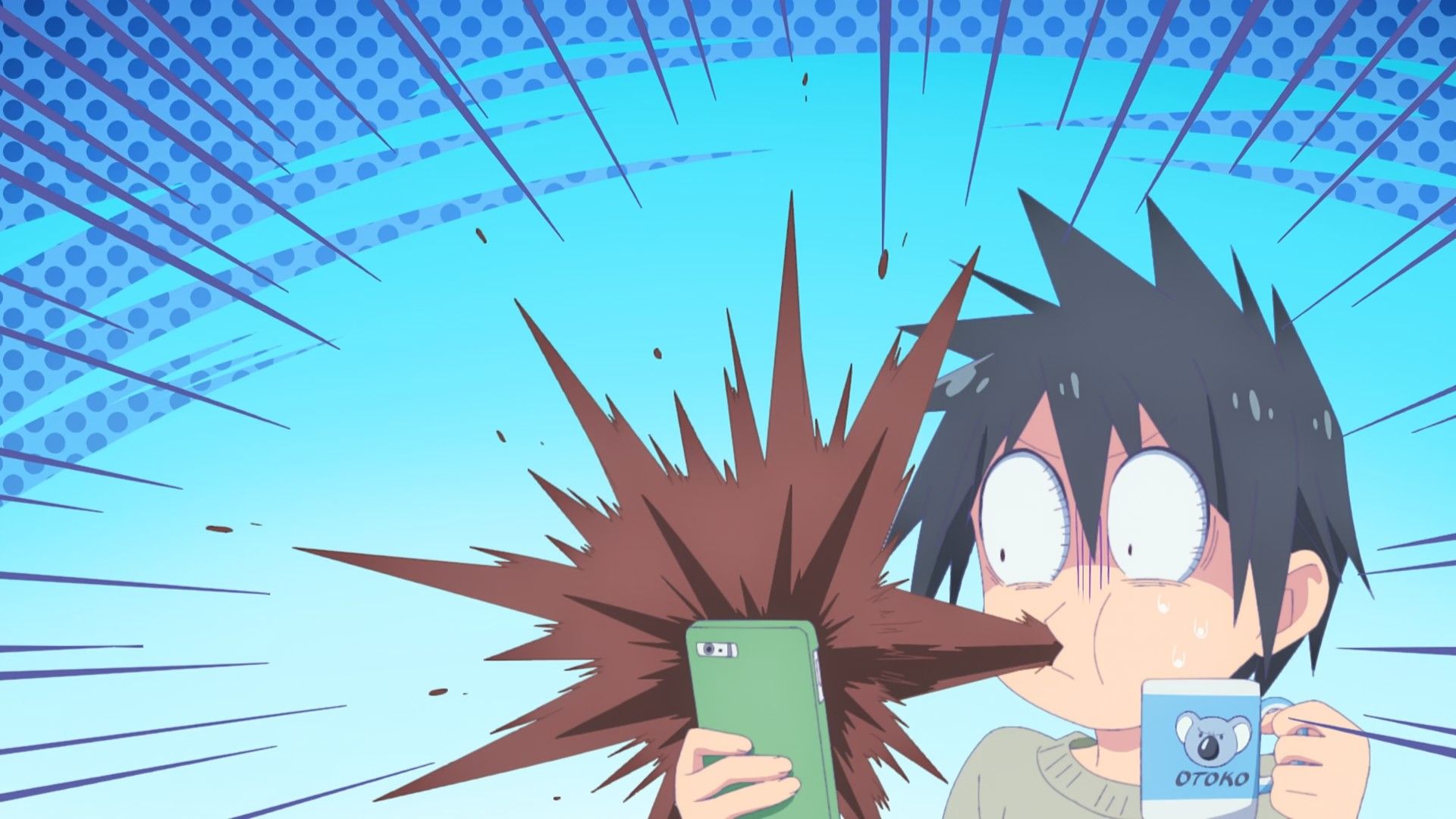
The very first episode of Game Center Shoujo to Ibunka Kouryuu made a strong visual impression on me. I wasn’t expecting spectacular action scenes or constant animation showpieces, because in a story like this, aesthetics, character designs, facial expressions, and the look of the places where the characters spend most of their time matter much more to me. In that respect, Nomad’s work exceeded my expectations.
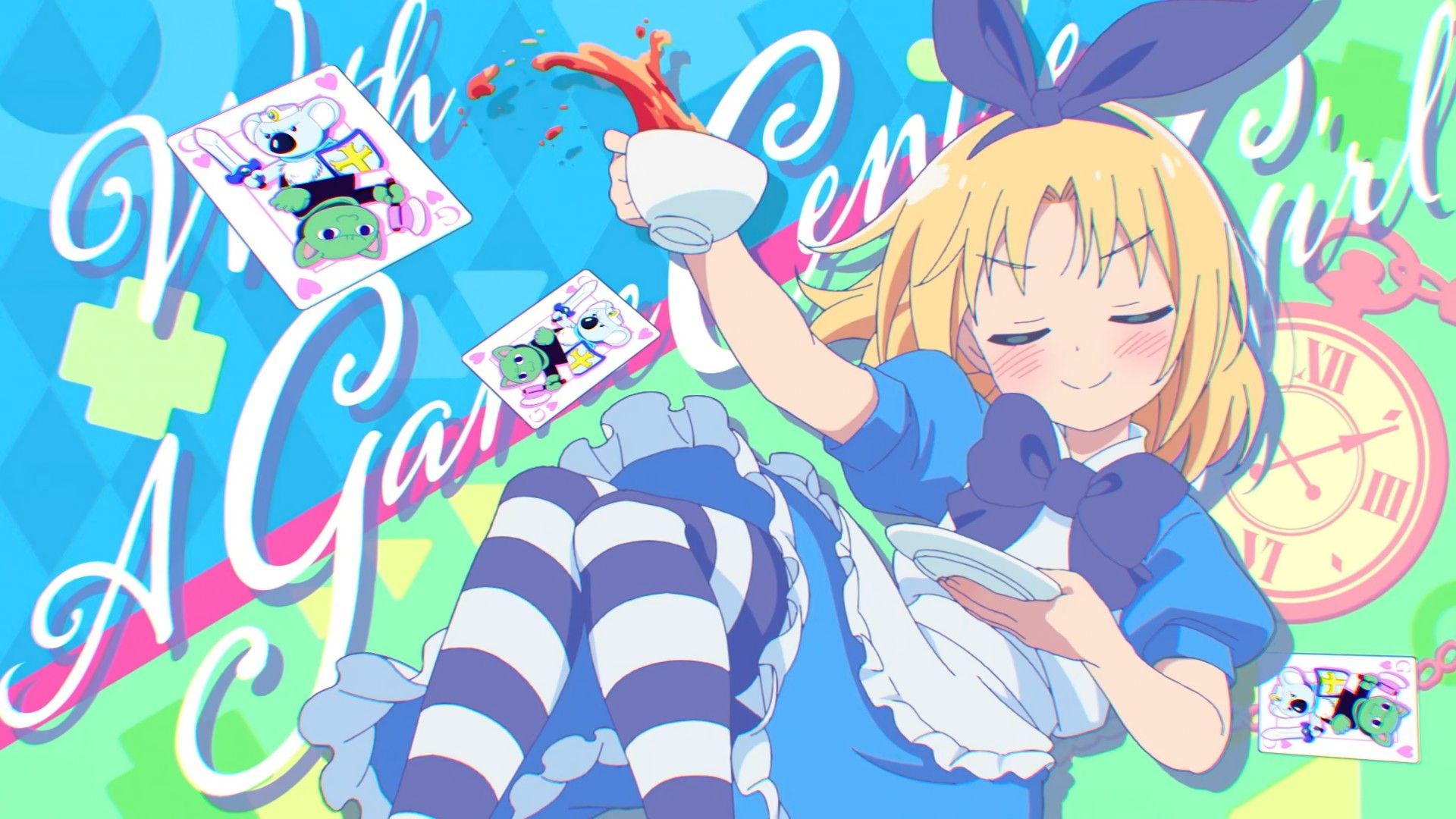
The entire series has a very warm visual style that meshes perfectly with a light comedy centered on everyday life and developing relationships. It’s simply one of those anime that is pleasant to look at whether a scene is built around something more lively and playful or just an ordinary conversation beside an arcade machine. Nomad handled the animation production, while Okano Rikiya was responsible for the character designs.
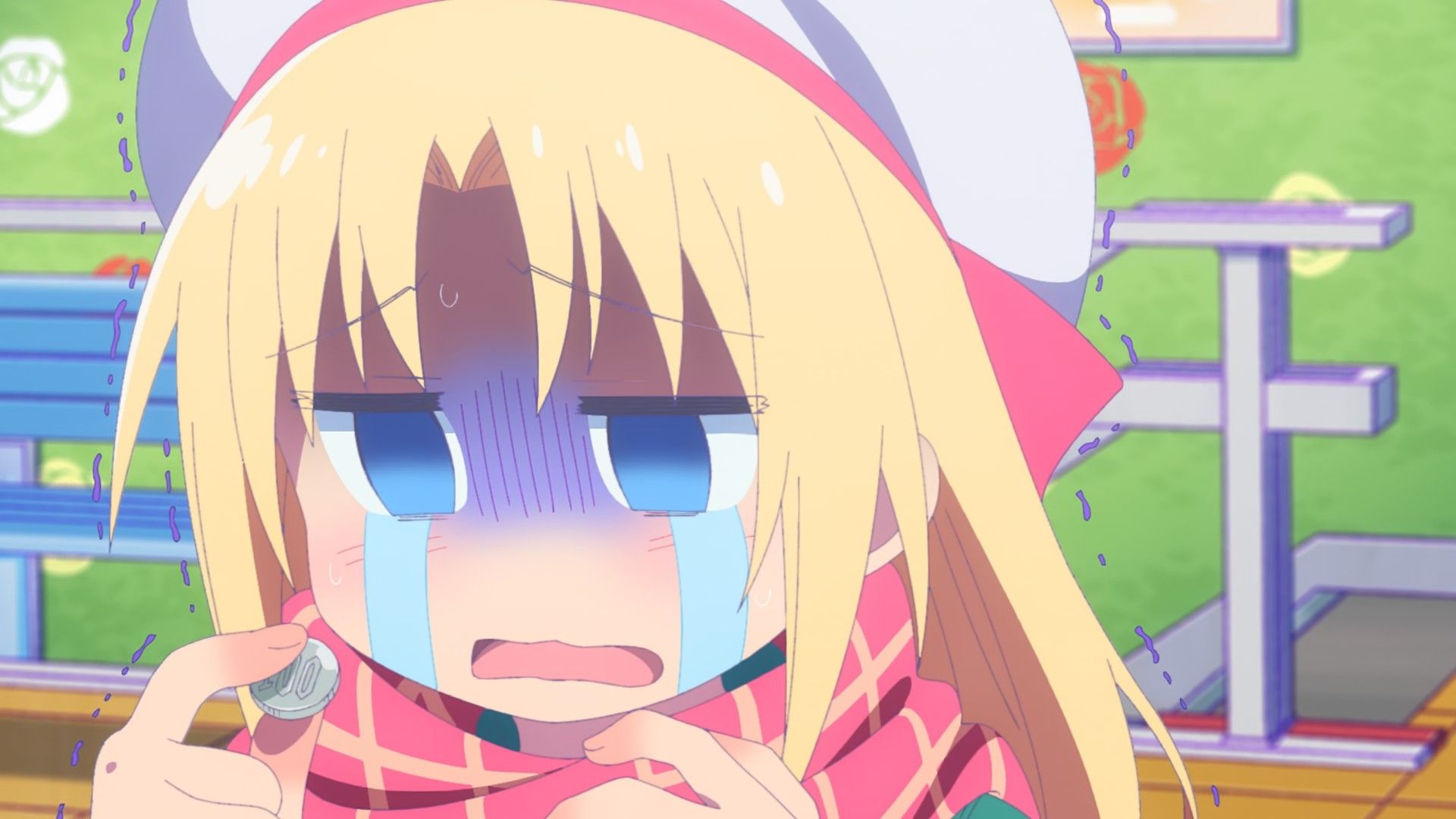
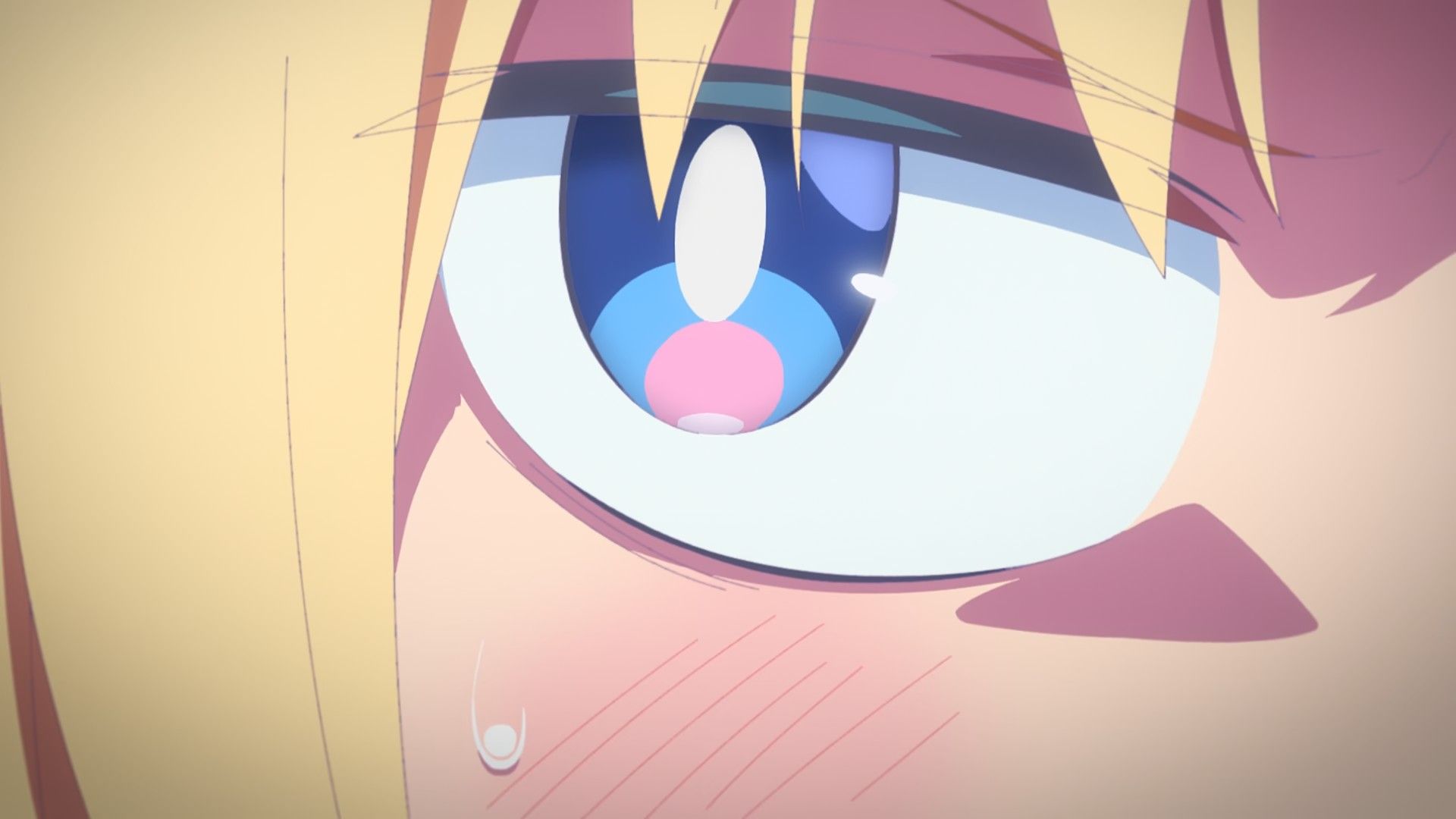
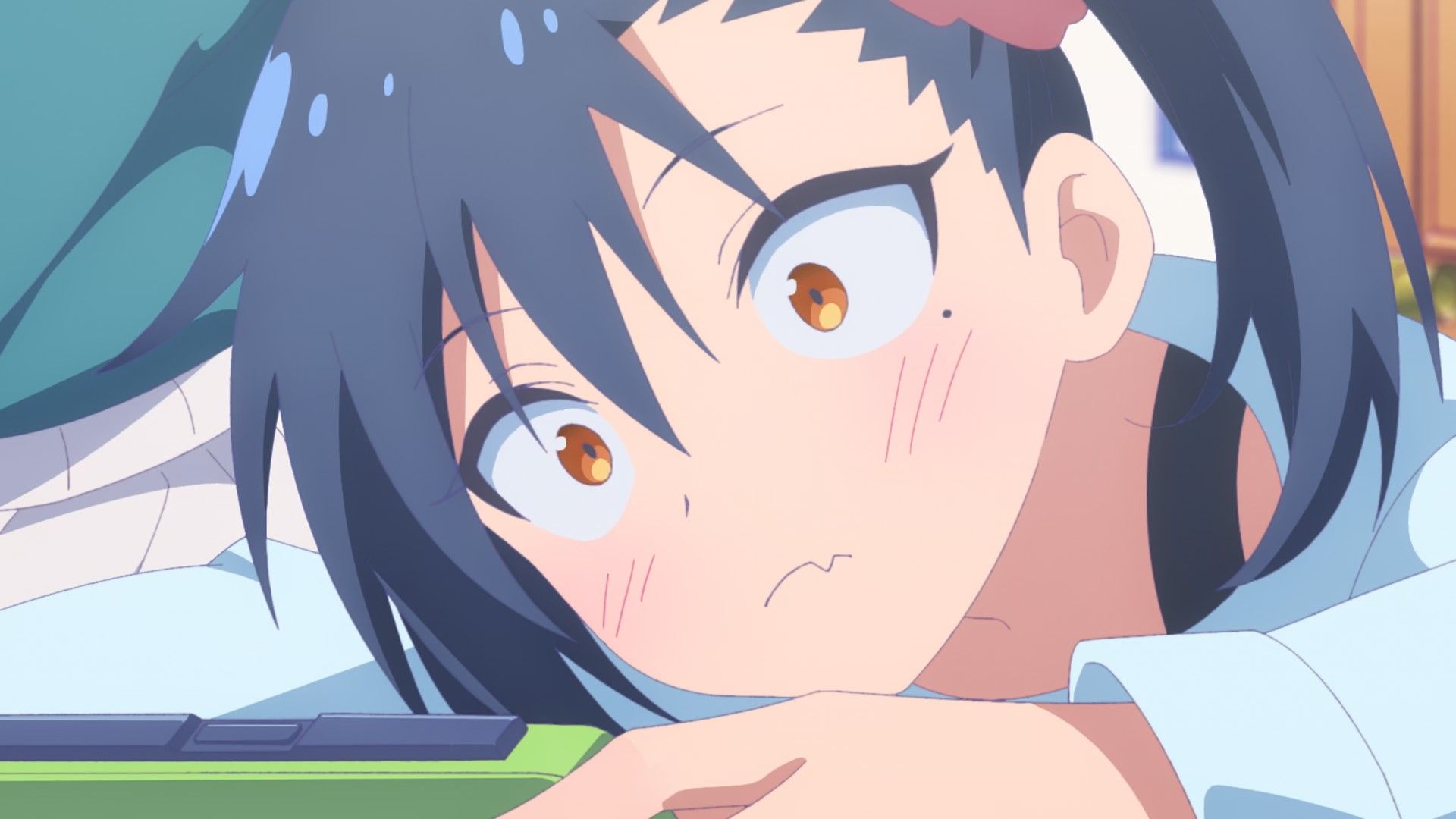
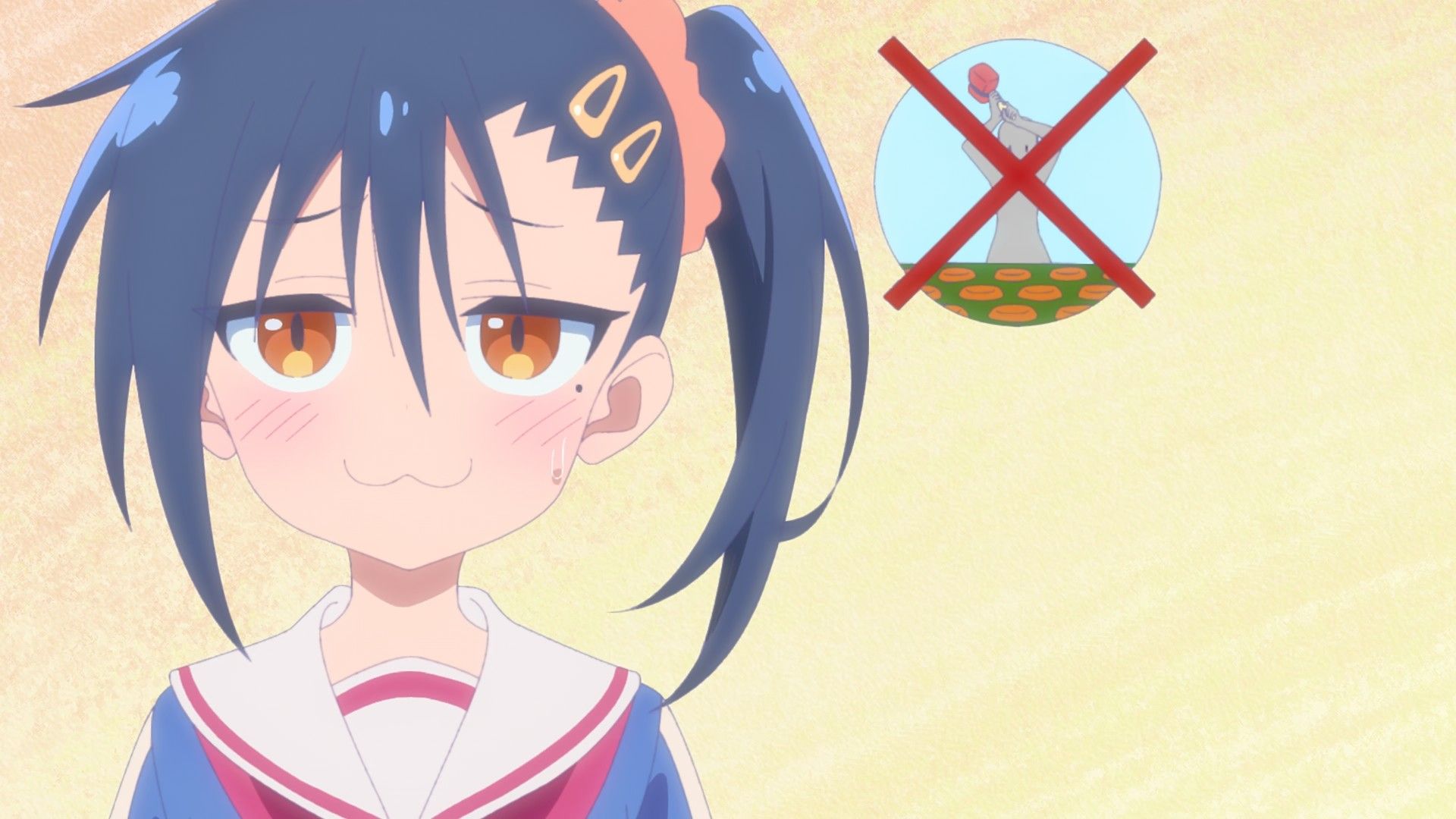
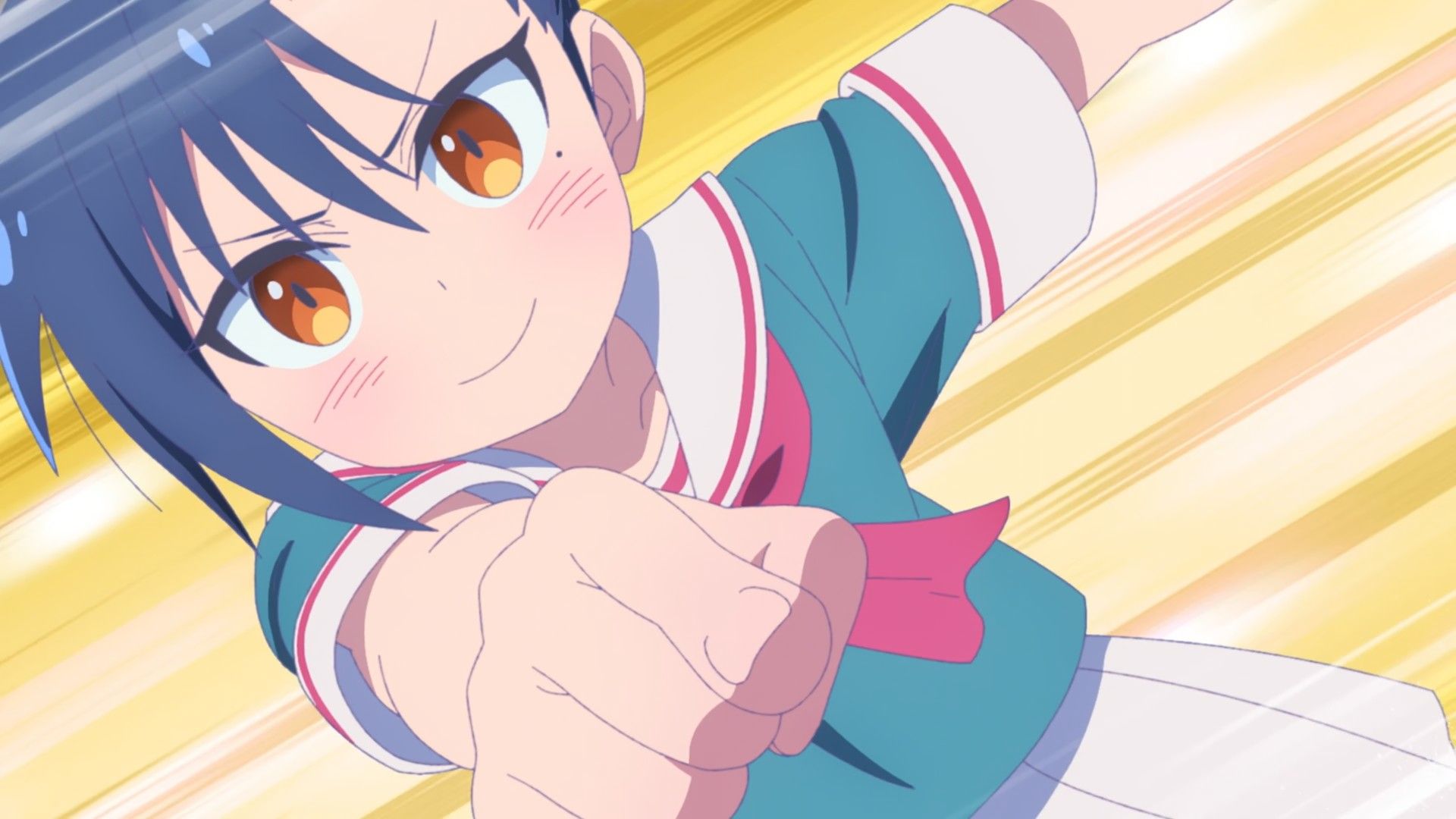
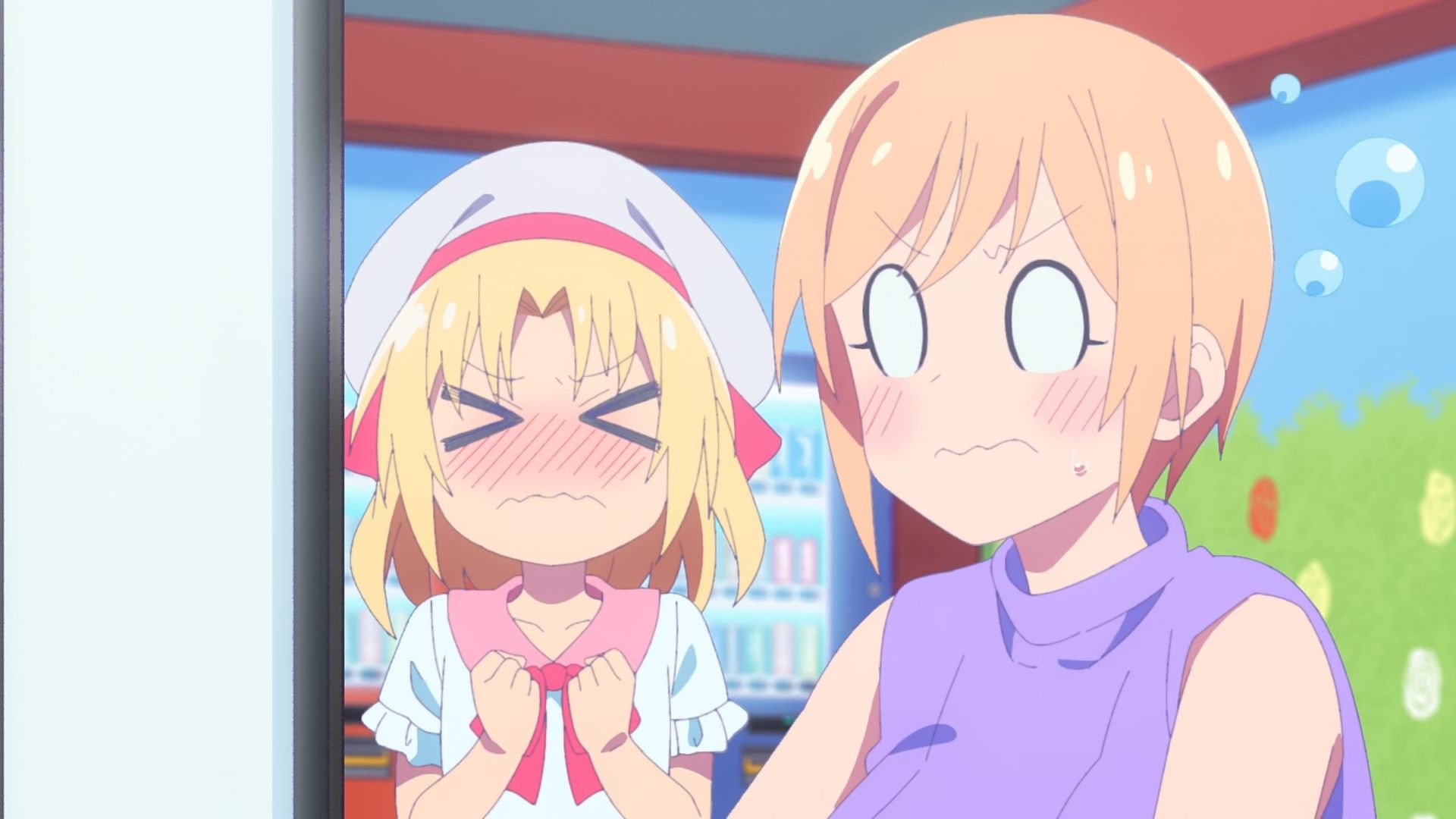
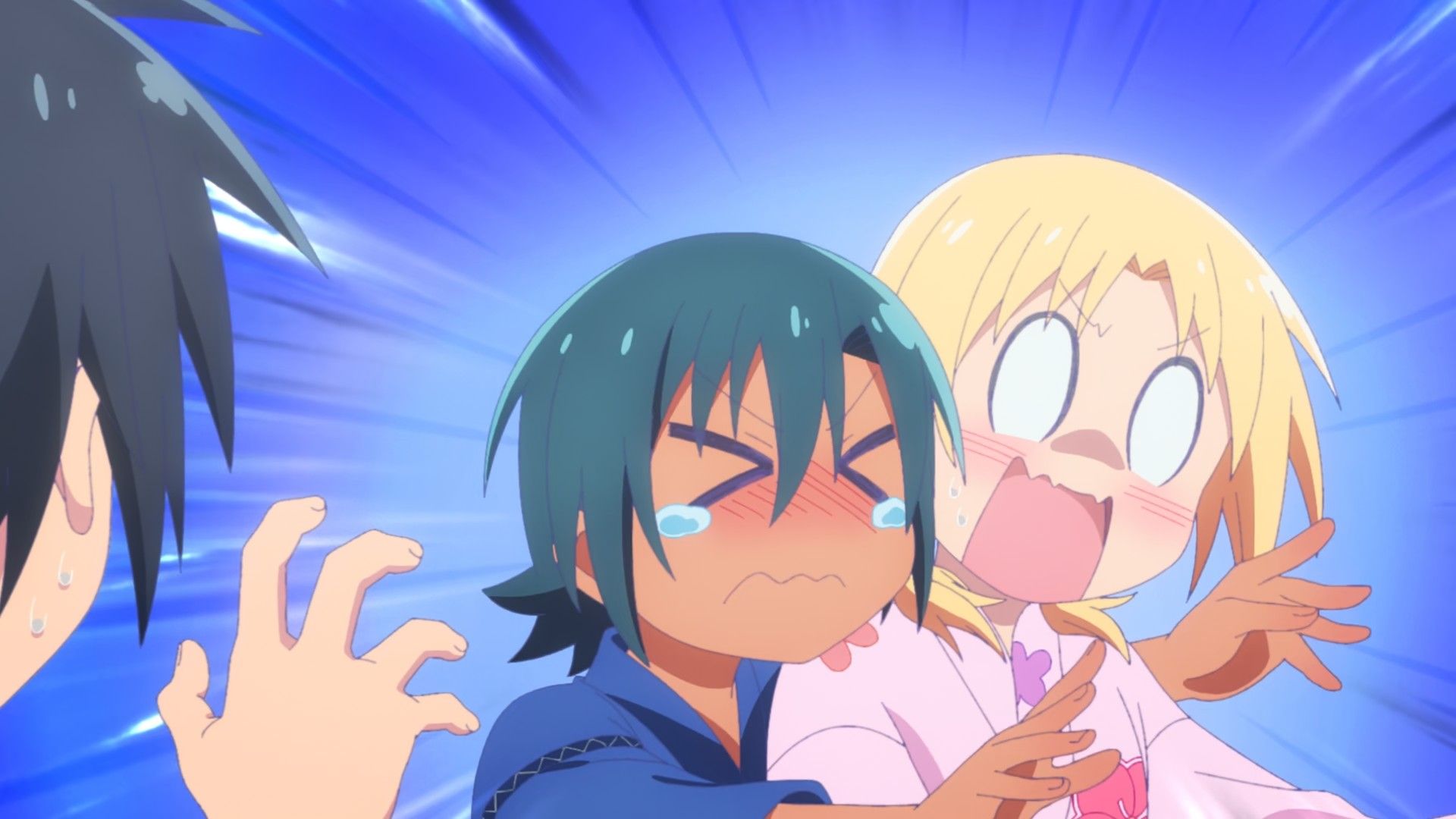
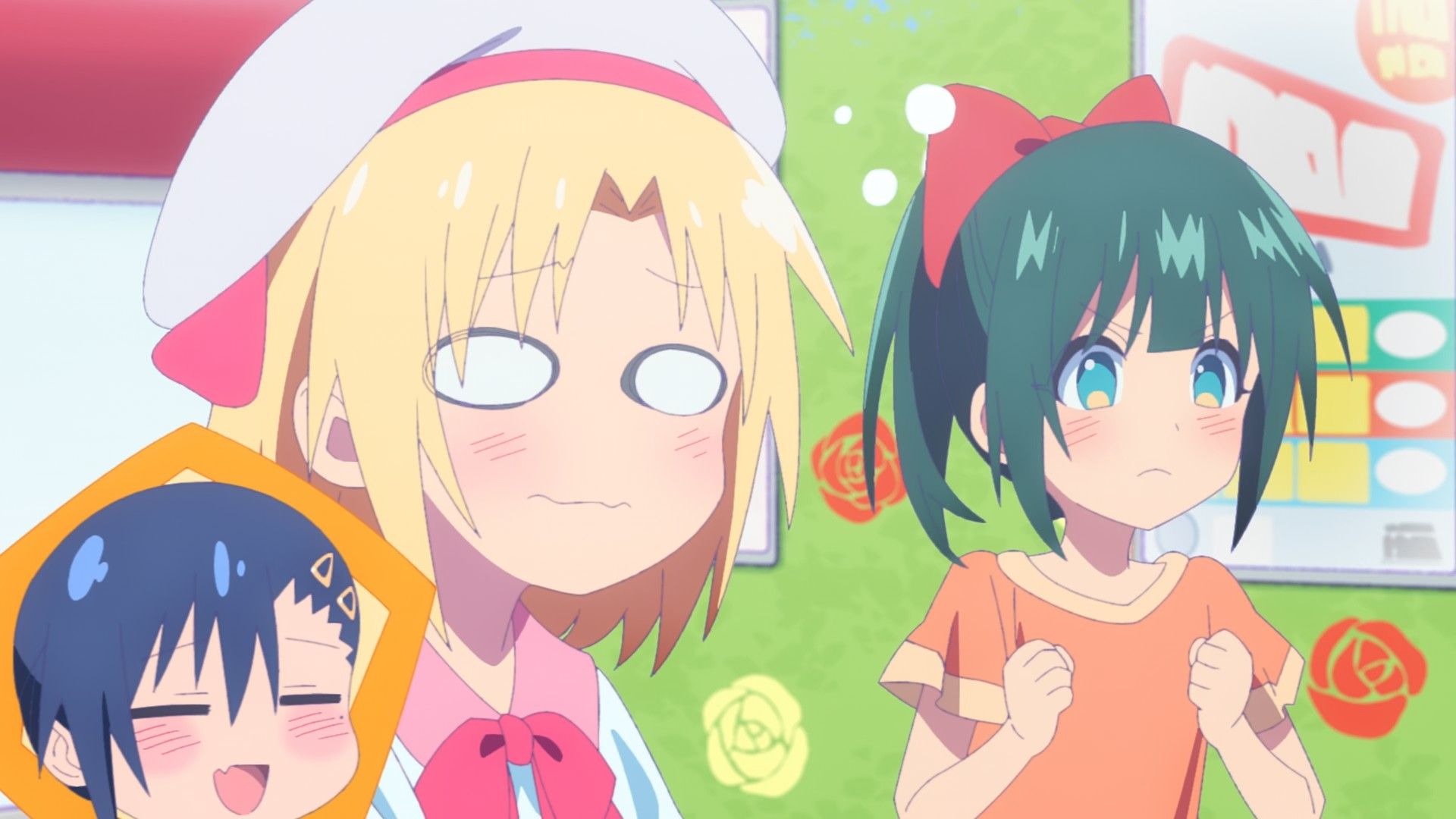
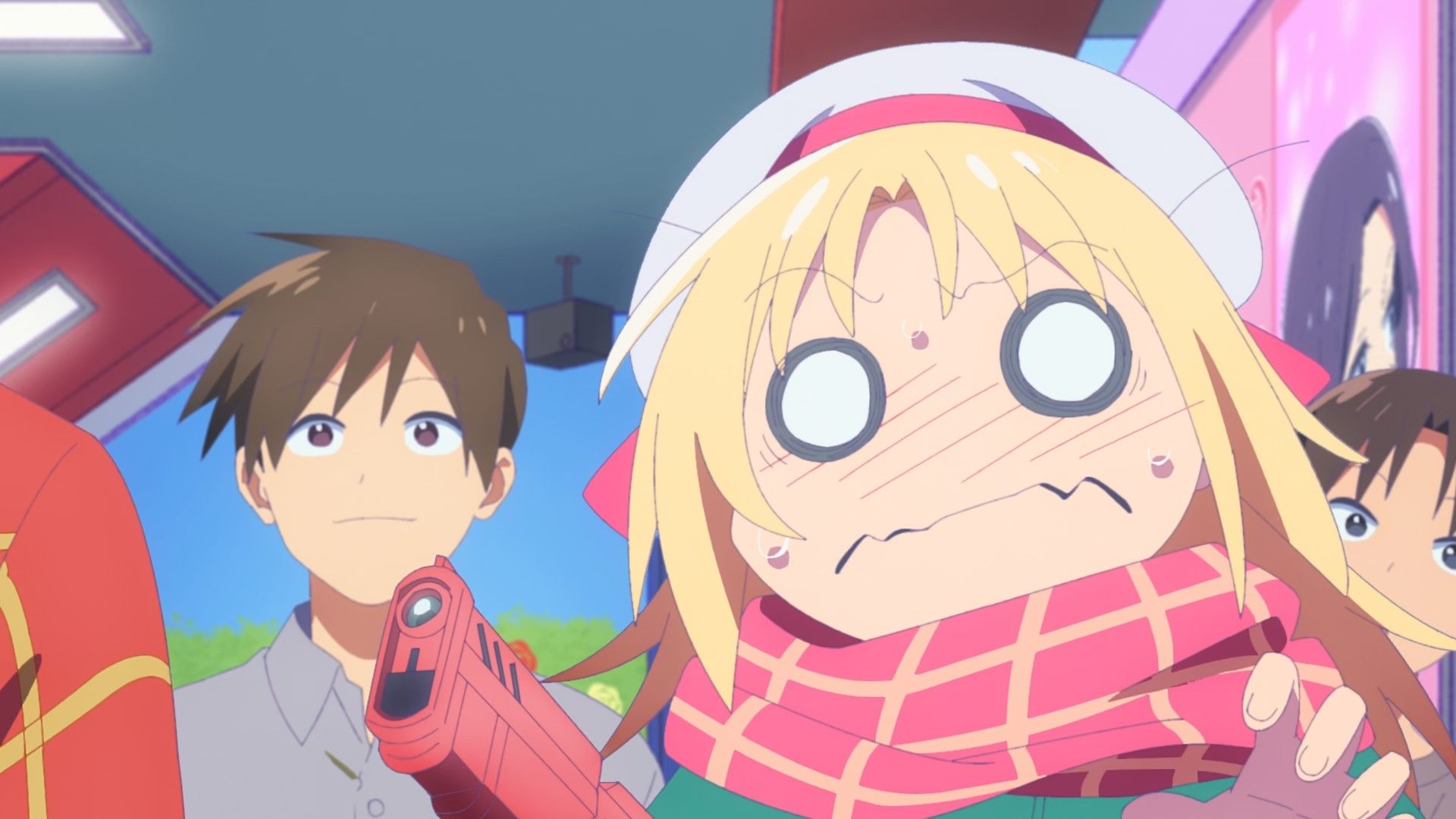
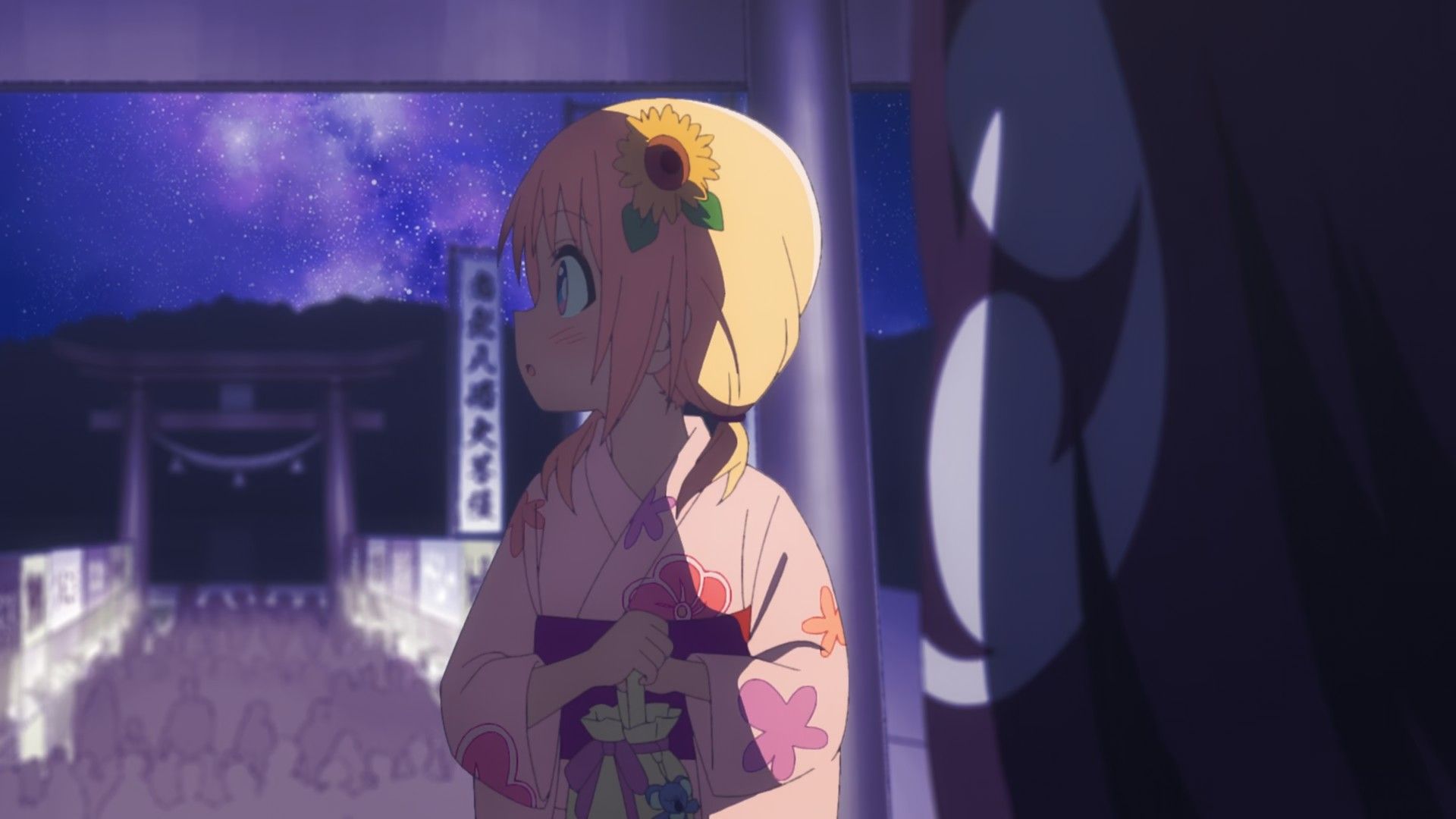
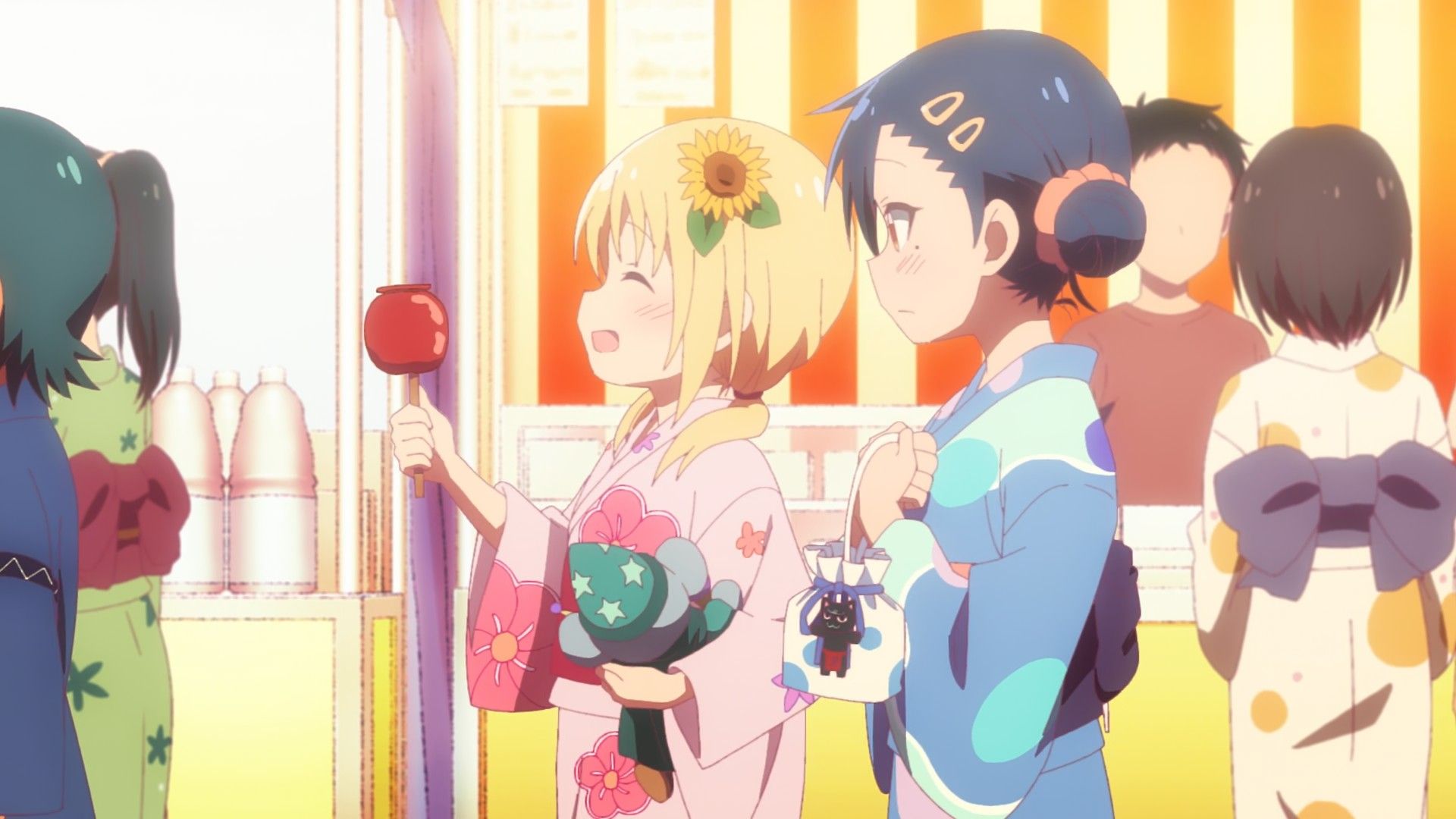
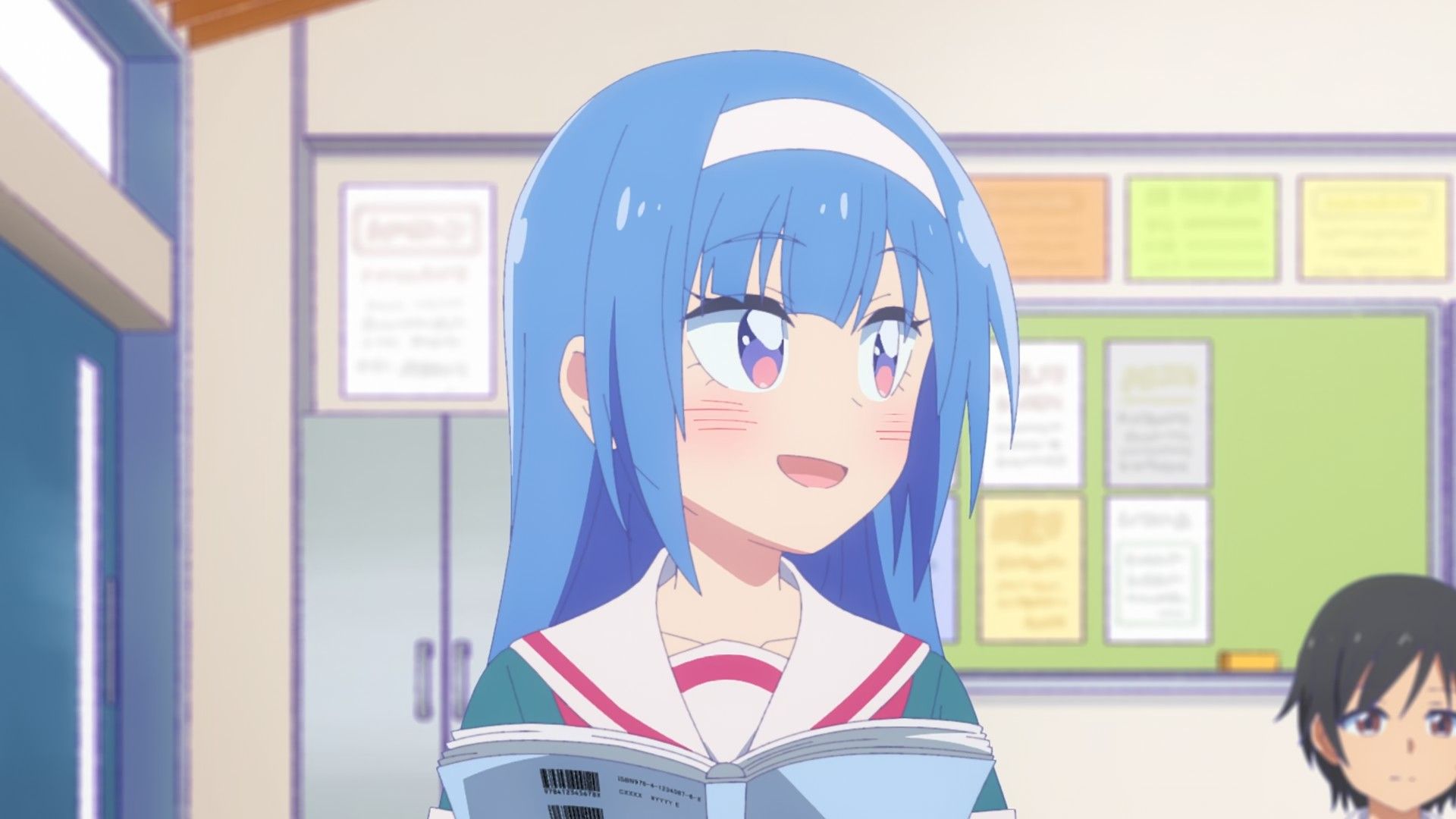
What I liked most were the character designs. Lily Baker is the kind of character whose expressiveness can carry a large part of the comedy. She is practically incapable of hiding her reactions. Delight, embarrassment, anger, jealousy, a momentary collapse after yet another loss, or a sudden burst of determination all show on her face immediately.






Audio
As far as voice acting goes, Game Center Shoujo to Ibunka Kouryuu gives its cast plenty to work with. The main cast consists of Amaki Sally as Lily Baker, Chiba Shouya as Kusakabe Renji, Osanai Reo as Kusakabe Aoi, Yuikawa Asaki as Kaga Karin, Ishihara Kaori as Katsuragi Hotaru, and Kayano Ai as Mochizuki Momoko.
Amaki Sally deserves by far the most attention. Lily isn’t a character you can simply give a cute voice and call the job done. She speaks both English and Japanese, and the language differences are an integral part of her relationship with Renji. On top of that, she is enormously expressive. Within a single conversation, Lily can go from exuberant excitement to embarrassment, sulking, jealousy, or total devastation after losing a game. Characters like this give an actor tremendous room to perform, but they are just as easy to overplay, turning a naturally charming girl into a walking collection of exaggerated reactions.
Chiba Shouya’s Kusakabe Renji sits at the exact opposite end of the expressiveness scale. He doesn’t try to match Lily’s energy, because that simply wouldn’t fit the character. Renji is calmer, often slightly bewildered, and his reactions to Lily’s latest ideas regularly serve as the punchline to her much livelier behavior.
The rest of the cast also complements the pair well. Osanai Reo gives Kusakabe Aoi the necessary, sometimes almost excessive energy of a younger sister and friend who is very eager to meddle in other people’s affairs. Yuikawa Asaki is a good fit for the feisty, competitive Kaga Karin.
Game Center Shoujo to Ibunka Kouryuu (2025) – Plot and Characters
Introduction
Game Center Shoujo to Ibunka Kouryuu won me over pretty much from the first episode. I immediately clicked with the characters, the humor was right up my alley, and Lily turned out to be one of those characters who only needs a few scenes before I start looking forward to her next appearance on screen.
In series like this, I’m much more interested in personalities, chemistry, and simply watching the characters spend time together than in major plot twists. If I can spend a dozen or so minutes watching characters play, talk, tease one another, and gradually get to know each other better, only for the episode to end before I even notice the time passing, that is usually a very good sign. Those same kinds of elements have regularly mattered most to me in other romances and slice-of-life series as well.
I did have one fairly serious concern, though. The title leaves little doubt about where the main focus of the story will be. So I wondered how many times the series could make use of an arcade before another crane game, another round of play, or another attempt to win a plush started to look exactly the same. It quickly turned out that I had worried for no reason at all. The game center gives the story its starting point, but from the beginning, the real substance lies in the characters. The games create new situations, and as the group grows, so does the range of possibilities.
A Brief Overview of the Game Center Shoujo to Ibunka Kouryuu (2025) Plot
Kusakabe Renji is a university student who works part-time at an arcade. On Valentine’s Day, he notices a girl stubbornly trying to win an Otokogi Koala plush from a crane game. Attempt after attempt ends in failure, but Lily Baker has absolutely no intention of giving up. After finishing work, Renji decides to help her. He wins the plush she has been after and hands it to her. A simple act of kindness, however, quickly leads to a major misunderstanding born from cultural differences.
Lily is from the United Kingdom and has only recently moved to Japan. Renji doesn’t realize how she will interpret his Valentine’s Day gesture. Soon afterward, he receives a message from Lily: Be My Valentine. She took the whole situation much more romantically than he intended, and even after things are cleared up, she has no intention of backing down. She makes it clear that she is going to make him genuinely fall in love with her.
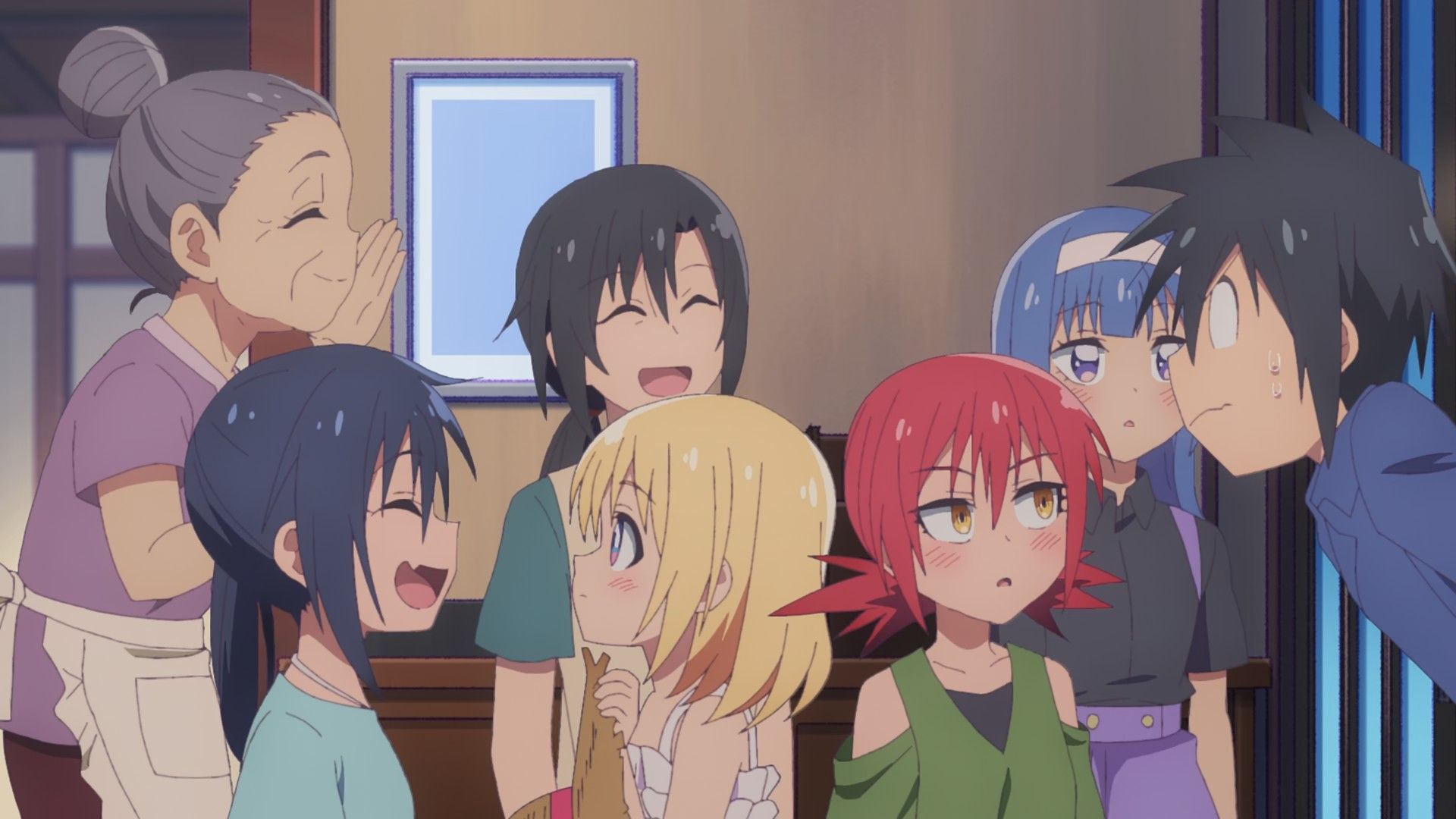
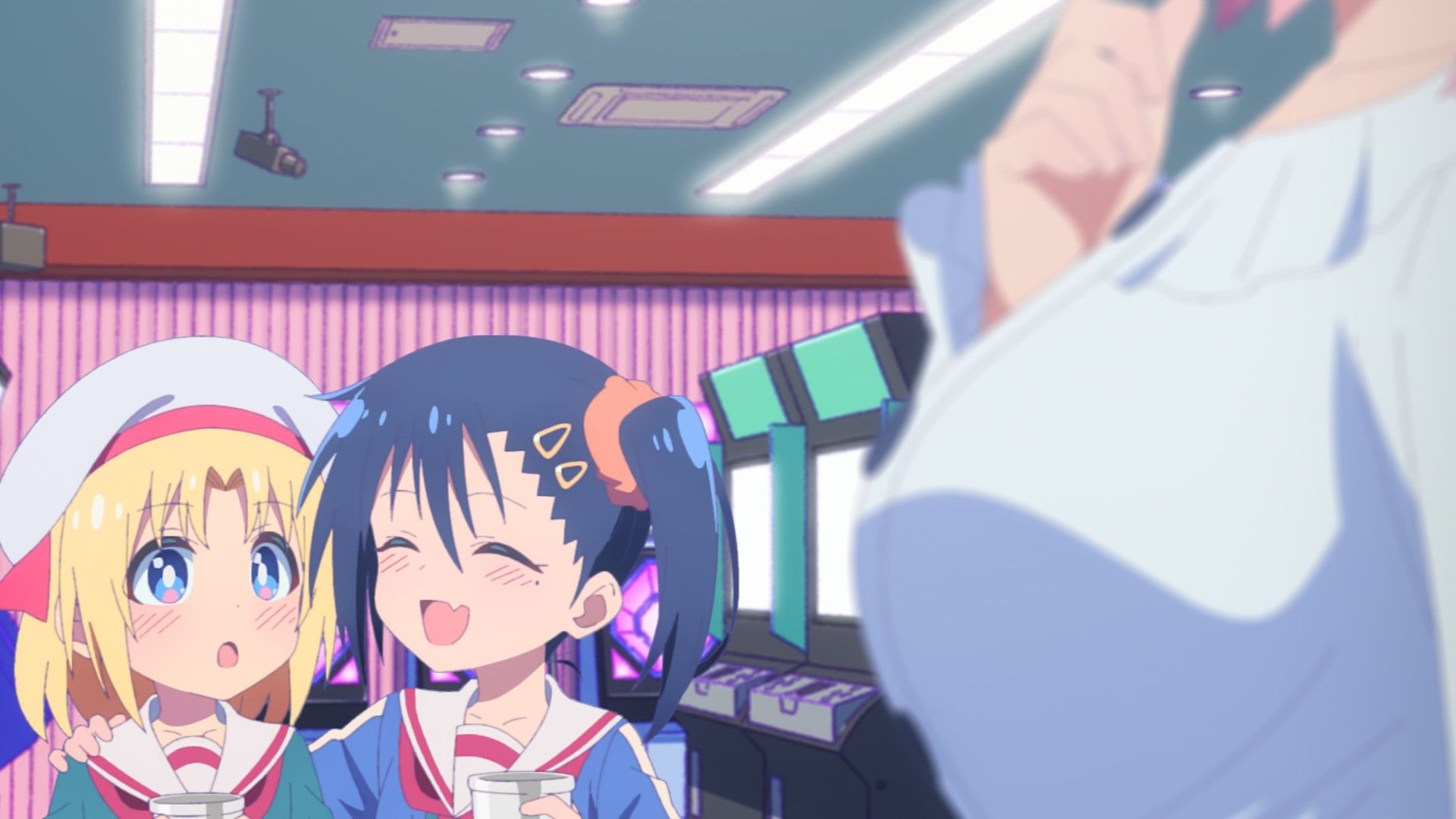
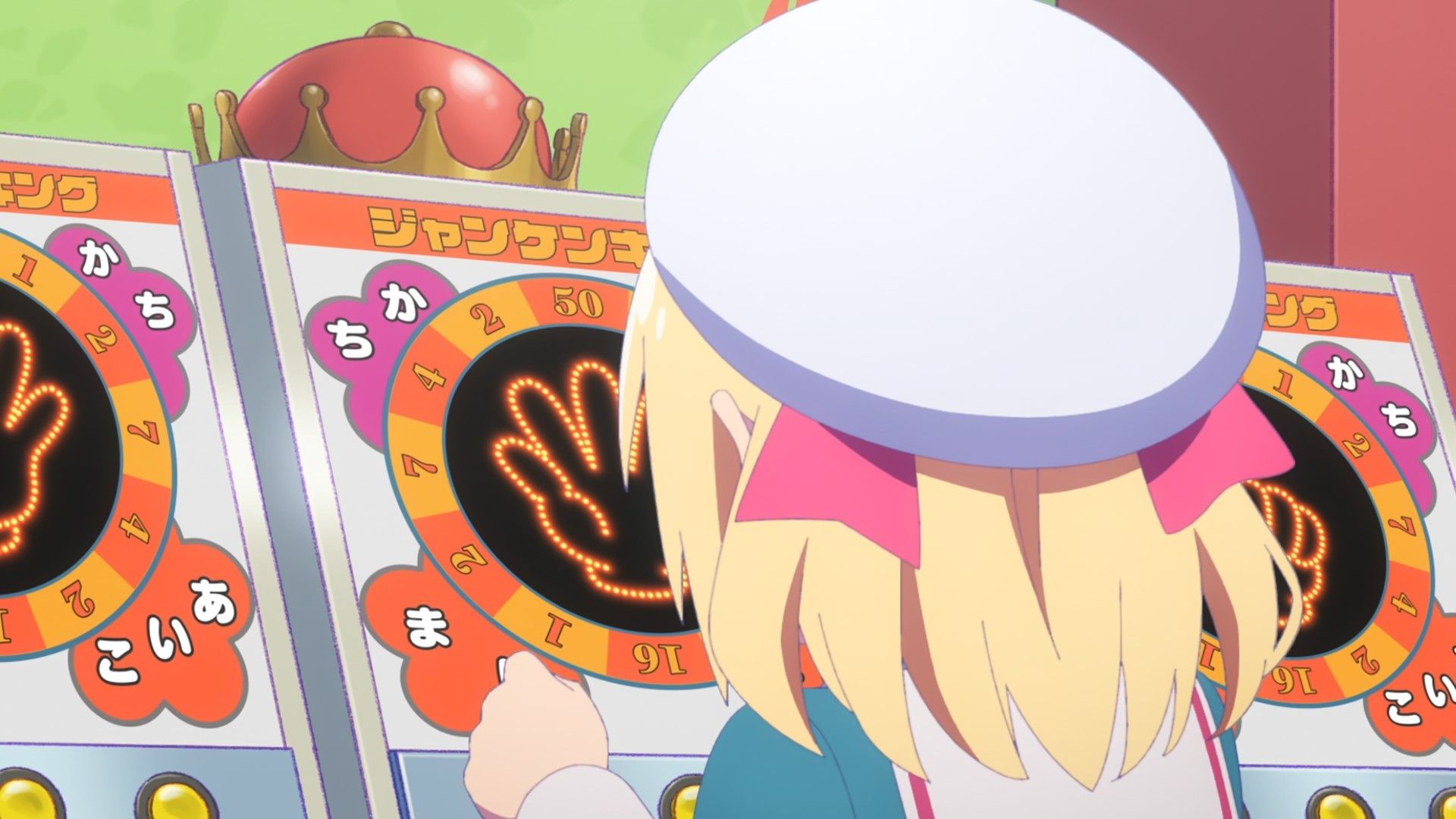
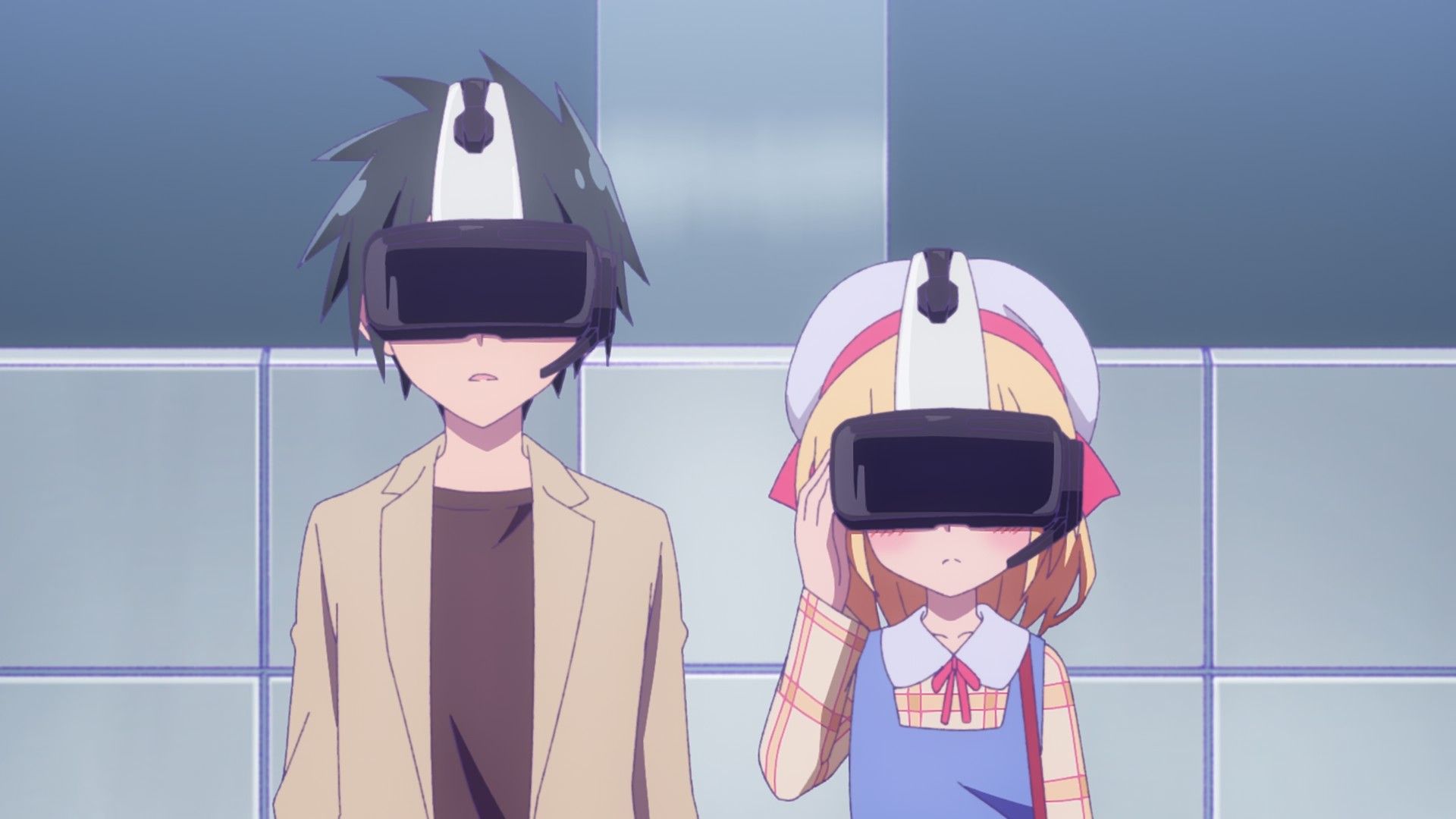
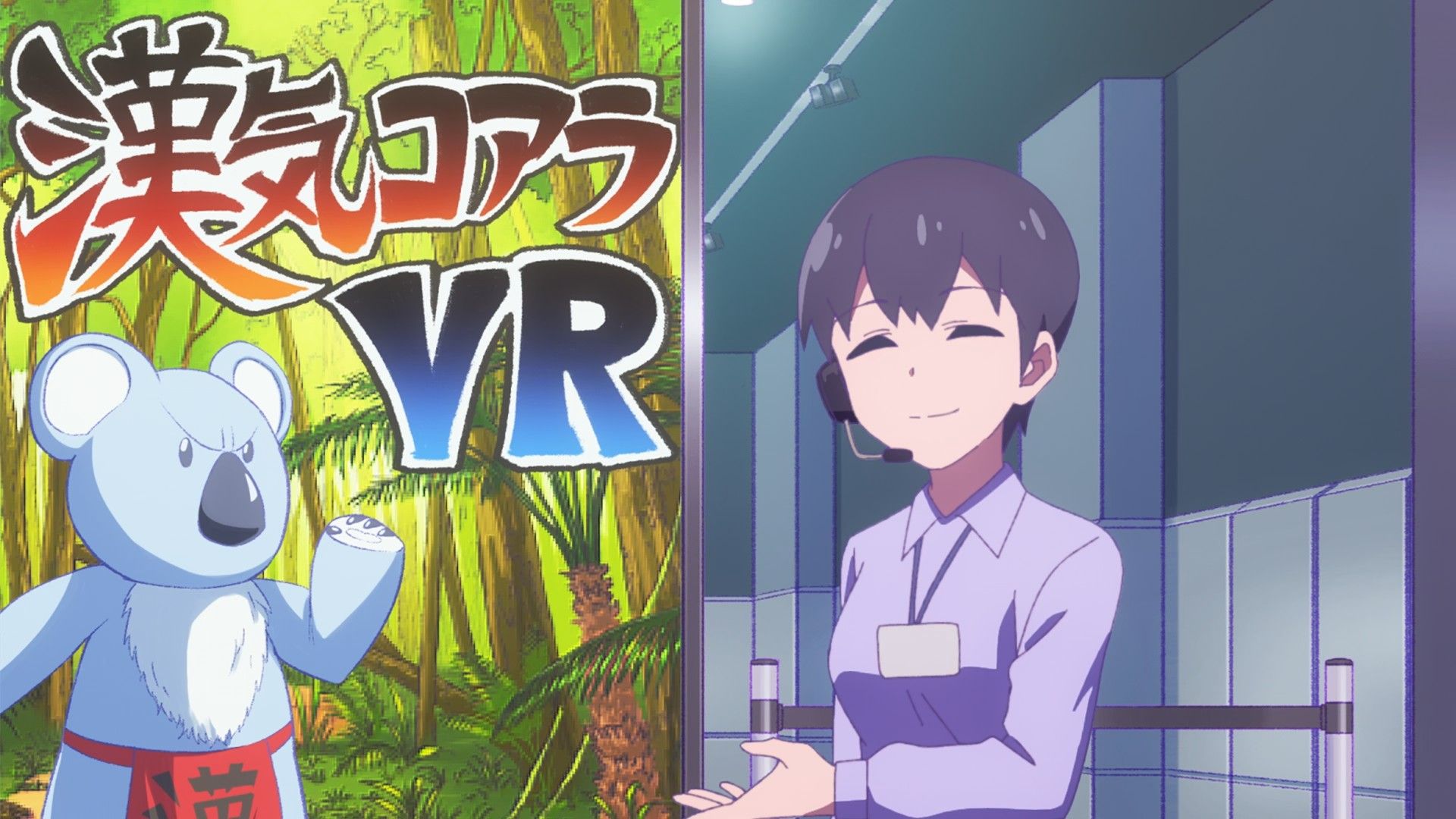
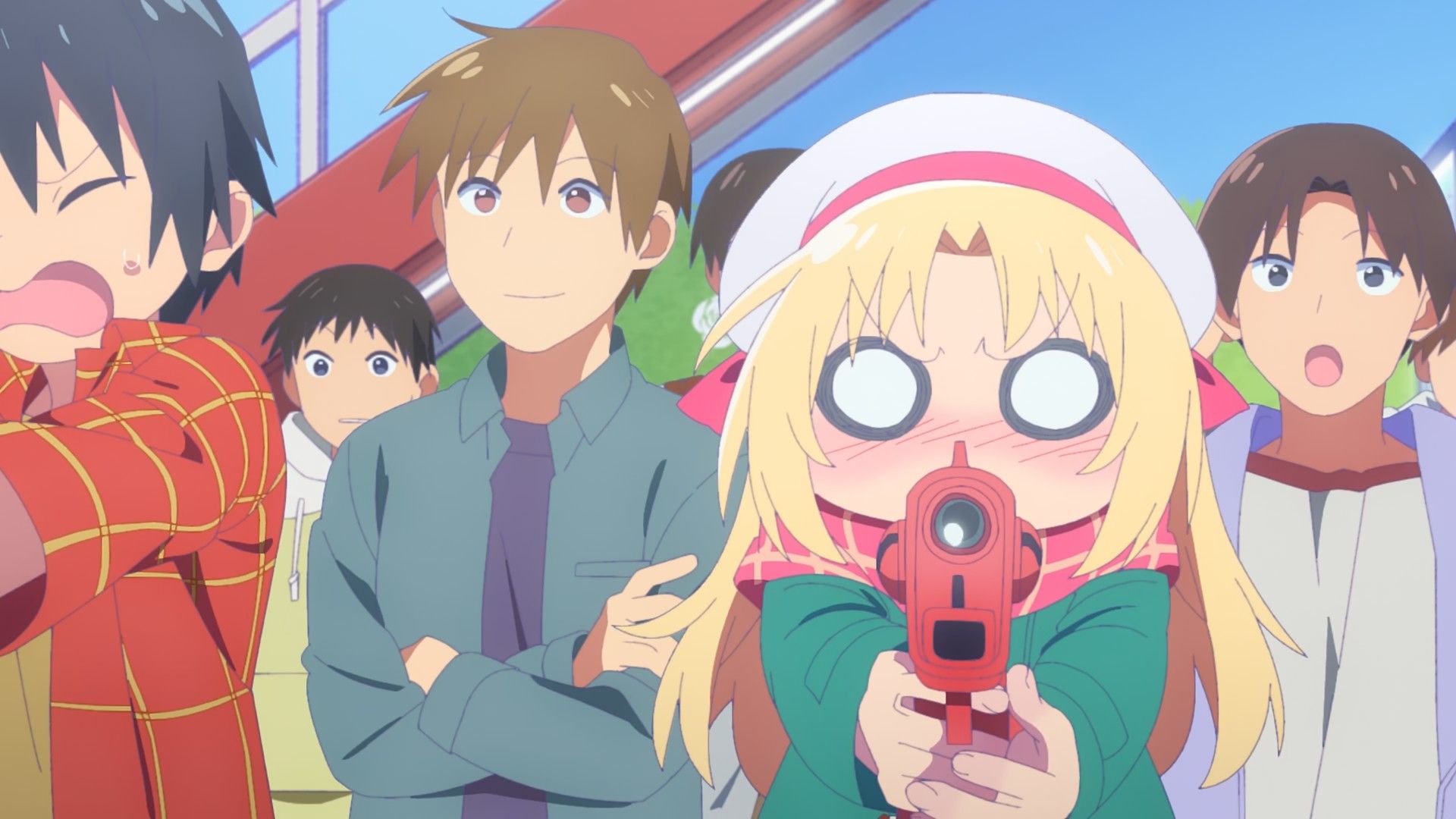
Renji doesn’t want to toss out empty answers just to escape an awkward situation. So he comes up with the idea of creating a notebook for their own cultural exchange. It lets them get to know each other at a calmer pace, explain different customs to one another, and work around the language barrier. Lily wants to learn more about Renji, while also wanting him to get to know her better. All it takes are questions, short answers, more time spent together, and a whole string of situations in which one learns something about the other. Their relationship grows out of exactly these small things over all twelve episodes.
What is the series about
The crane game from the first episode starts the story, but the creators quickly begin drawing on the other possibilities an arcade offers. The characters try different kinds of machines, fighting games, rhythm games, and VR, take part in a tournament, and sometimes use the arcade simply as a place to meet. Over time, the events also move outside it more and more often, so the central motif never once wore me out, even though that was what I feared most before I started watching.
The individual games are chosen primarily to serve the characters’ interactions. The crane game is perfect for Lily because, right in the first episode, it shows just how unwilling she is to give up. Fighting games open the door for Kaga Karin and her rivalry with Renji. The tournament brings several very different personalities together and lets Mochizuki Momoko’s surprising skills come into play.
The Series Title in the Context of the Story
Over time, the game center starts to feel like a place the characters genuinely enjoy returning to. Renji works there, of course, but Lily comes of her own accord. Karin has her own goals tied to fighting games, Aoi ends up there because of Lily and Renji, Hotaru initially comes with an entirely different attitude, and Momoko eventually starts working there herself. Everyone finds their own reason to be there, which keeps subsequent visits from feeling artificially forced by the plot.
Cultural exchange, which is also part of the series’ title, matters just as much. I’m glad it wasn’t limited to a single joke in the first episode. Valentine’s Day sets the whole story in motion, but later Lily encounters more customs she had never experienced before, while her friends learn about traditions she brought with her from the United Kingdom. They also talk about holidays dedicated to parents.
I also liked the decision to show Lily’s progress in communication gradually. At first, the language barrier matters quite a bit, so the notebook she shares with Renji is genuinely necessary, but she becomes increasingly capable over time. One of the clearest signs of her growth comes when she helps a foreign tourist at the arcade, acting as an intermediary in the conversation herself. It’s a small detail, but it very clearly shows how far she has come since the early episodes.
Plot Progression
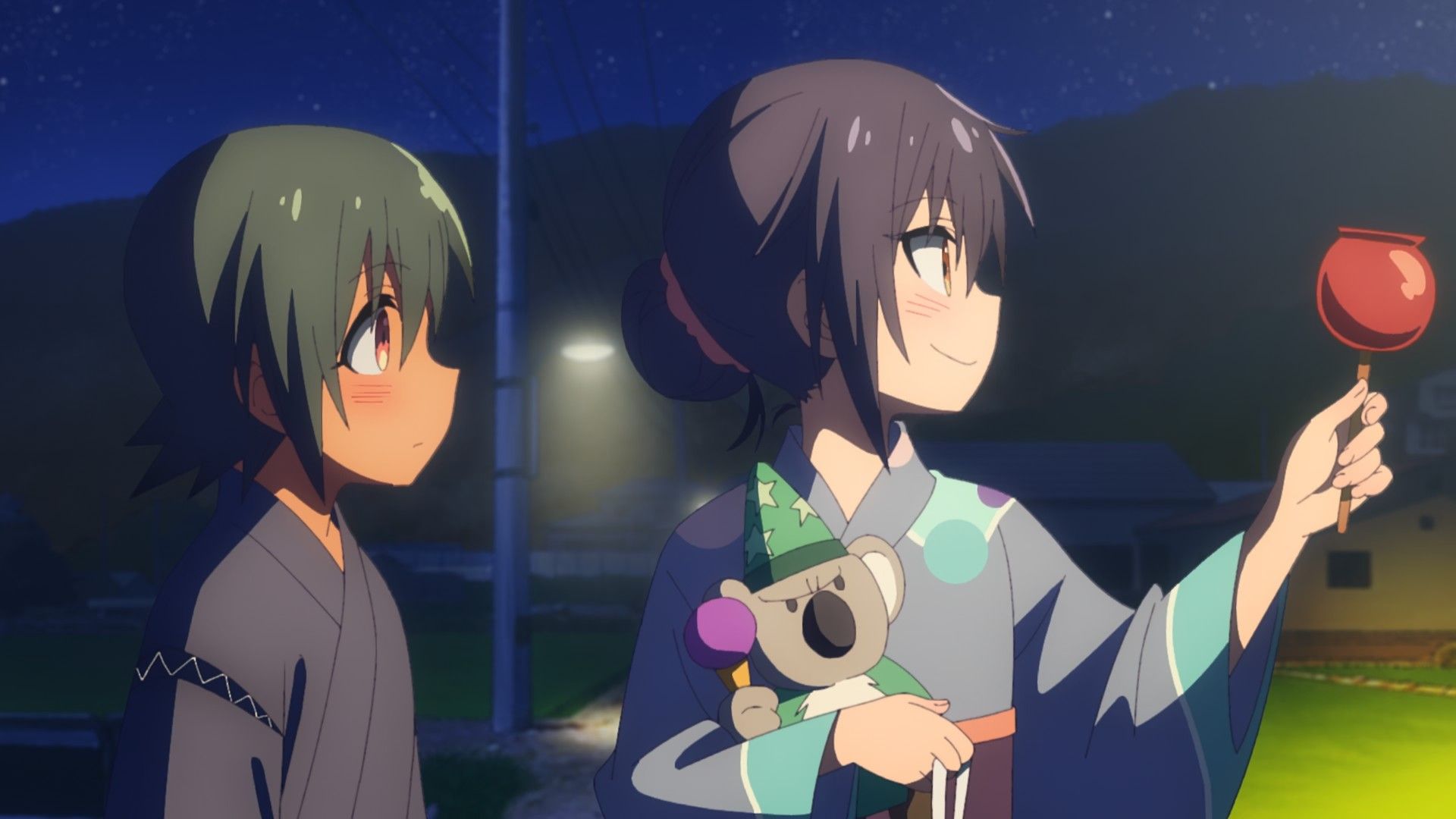
The second half of the series lets the characters leave the arcade more often at just the right time. Lily’s birthday is an especially good example. She invites her friends, differences in how the day is celebrated come up, there are costumes, and there are plenty of opportunities to see everyone in a more private setting. Renji dressed as Otokogi Koala is exactly the kind of idea I had come to expect from this series. The countryside trip arrives at a similarly good moment, when a change of scenery is already very welcome. A little local train, older arcade machines in a candy shop, building their own hideout together, and simply discovering new places create a wonderfully summery atmosphere, and everything is a fresh experience for Lily again, allowing her natural enthusiasm to take center stage.
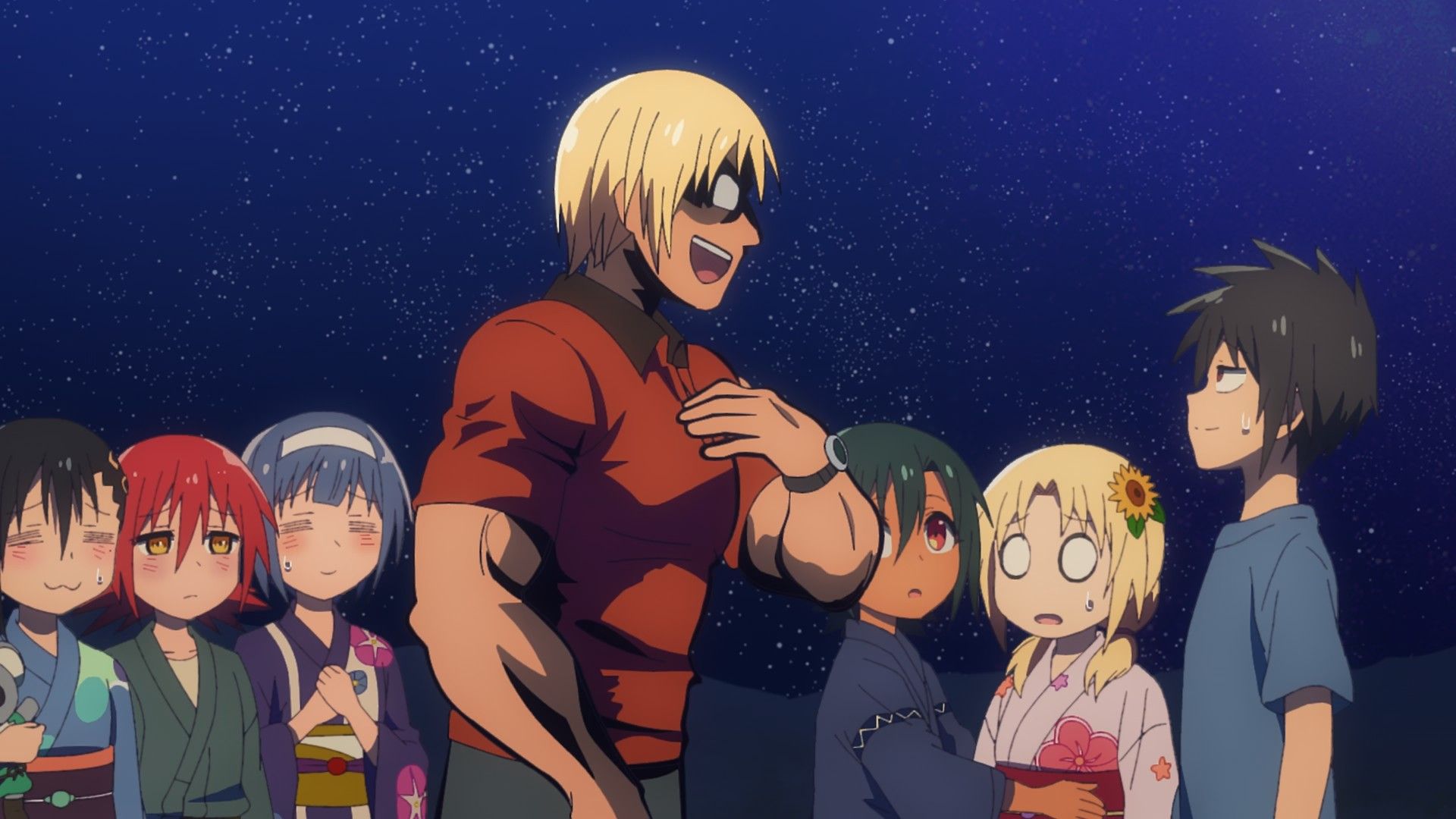
The summer festival and fireworks display bring the season to a very satisfying close. Over twelve episodes, each shared experience has built the bonds between the characters, so the finale can comfortably center on the group, a local story passed down by the grandmother, and Lily once again trying to work up the courage to tell Renji how she feels. Their relationship isn’t artificially accelerated just because the season has reached its final episode. Above all, the finale shows where they have arrived after all those months spent together. Each successive episode left behind something small—a new friend, another situation, a change in behavior, or greater ease in conversation.
Characters
Lily Baker
I have little doubt that Lily is the character who made Game Center Shoujo to Ibunka Kouryuu win me over so quickly. She has exactly the kind of personality that works wonderfully in slice-of-life comedy. She is energetic, honest, highly expressive, and stubborn in just the right way. Once she sets her mind on something, she usually has no intention of giving up just because the first, fifth, or any later attempt ends in failure. Her battle with the crane game in the very first episode says far more about her personality than a long character-introduction monologue ever could.
You can read her mood almost instantly. When something delights her, she looks as though she has just discovered the greatest thing in the world. When Momoko appears and the word rival lights up in Lily’s head, you immediately know what is happening. The same goes for her disappointment after losing, or when Renji completely fails to pick up on a signal in the way she had planned. That emotional transparency makes even very small situations funny.
Under all that energy, however, is also a girl trying to find her place in a new environment. She moved to a new country and still can’t communicate freely in the language around her, so forming closer friendships doesn’t come easily at first. The arcade becomes a place where she can do something she enjoys without needing complicated conversations. From there, her circle of friends gradually begins to expand.
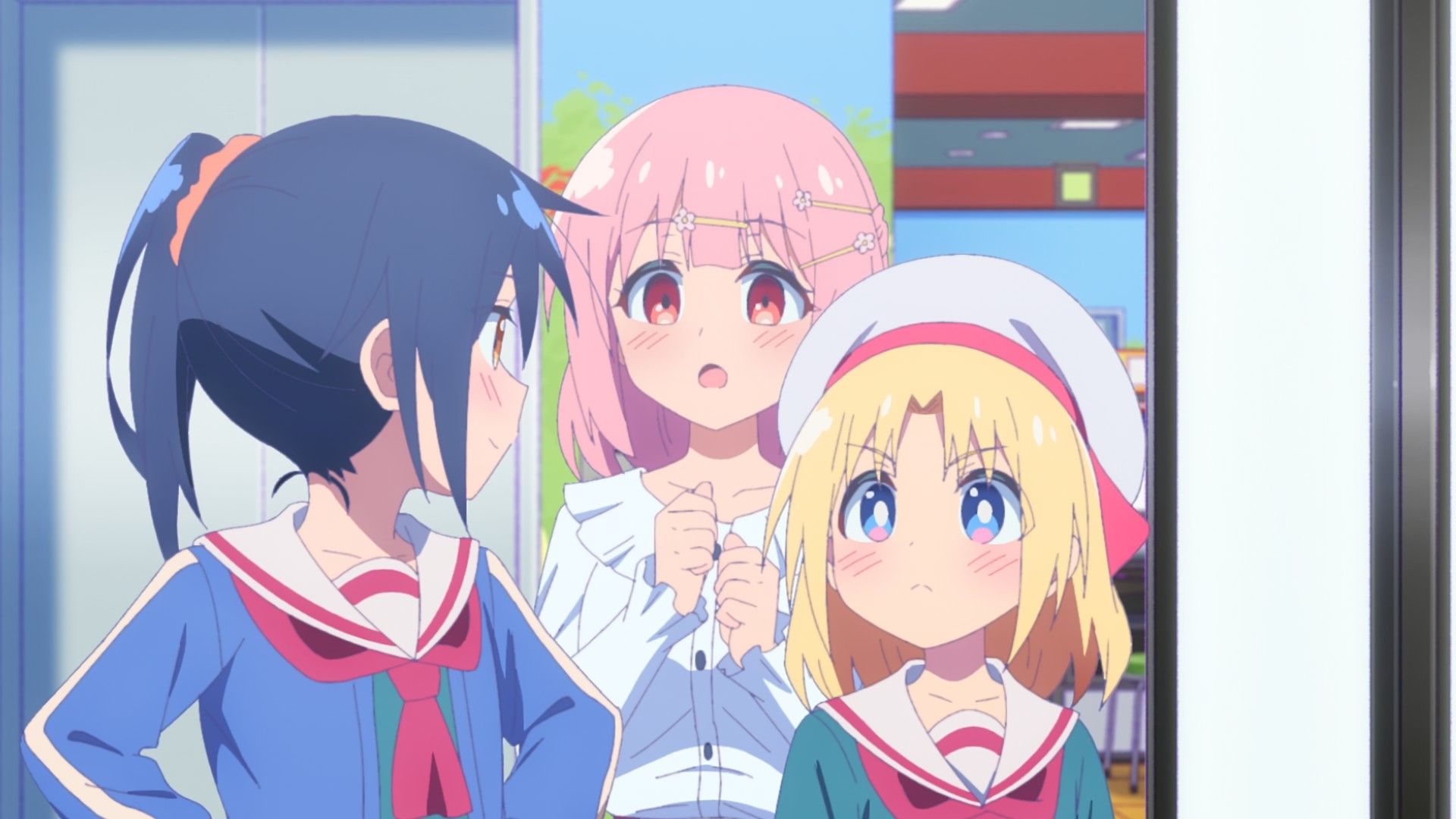
That makes her relationship with Aoi especially important. For Lily, this is her first truly close friendship with someone her own age after the move, and Aoi quickly starts taking her problems seriously. Of course, the fact that the girl in love with Aoi’s brother is also her best friend later leads to plenty of funny complications. Even after the whole misunderstanding is resolved, though, their friendship works perfectly well on its own and doesn’t need Renji to be the constant topic of every conversation.
Lily’s feelings for Renji also fit her personality very well. She isn’t the kind of heroine who spends three seasons denying everything to herself. From the start, she makes it clear what she wants. Even if the initial spark comes from a cultural misunderstanding, she doesn’t suddenly decide the whole matter is over once it has been cleared up. Her initial crush gradually gains one reason after another to grow into something much stronger. Her jealousy also fits the situation. Momoko is part of Renji’s world in a way Lily herself does not have full access to. They study together, are closer in age, and can meet outside the context of the arcade, so it’s hardly surprising that Lily briefly starts imagining the worst possible scenario. At the same time, the whole situation never turns into a drawn-out war between two girls. Lily quickly gets the chance to see Momoko’s real personality, and when it turns out that her supposed great rival is simply a nice person, she is able to change her attitude.
Lily’s stubbornness also comes through beautifully in games. She doesn’t have to be the best; in fact, her repeated defeats are often the source of the comedy. What matters is that she wants to try again. Meeting Karin could easily put her off fighting games, because the skill gap between them is enormous. She has no problem admitting she doesn’t know how to do something as long as she can learn it. Then there is her fondness for Otokogi Koala. It is just a mascot, but it very quickly becomes directly associated with Lily. Her relationship with Renji begins with it, then more games and merchandise built around the character appear, until Renji himself ends up dragged into wearing the costume for her birthday. By the time the series returns to her feelings for Renji near the end, we are no longer watching a lonely girl whom one kind employee helped win a plush. You can feel the entire weight of all the experiences they shared between that scene and the finale.
Kusakabe Renji
Renji is calm, patient, and genuinely at home in the arcade, while still having enough awkward moments to keep his relationship with Lily from becoming too smooth. One of his best qualities is the way he shows that he cares. Instead of making grand declarations, he usually does something. He helps Lily win the plush, comes up with the notebook when free-flowing conversation turns out to be difficult, walks her home, looks out for her during their outings, helps her with games, and pays attention to her reactions. His exceptional gaming skills don’t take over his entire personality either. Renji treats the arcade as a normal workplace he is responsible for during his shift. He can help a customer, explain the rules, or support a new coworker, and he doesn’t stop doing his job just because someone wants to challenge him.
Renji isn’t the kind of completely dense protagonist found in some romcoms. He understands that the girl likes him. He doesn’t always know exactly what to do with that knowledge, and he doesn’t catch every signal, but over these twelve episodes he is definitely not living in another universe. His caution seems to come more from not wanting to give a careless answer to something this important. Lily is much quicker to express her feelings, while Renji responds mainly through his presence and repeated gestures. Over time, spending time with her stops being merely an extension of his work at the arcade. He starts taking part in her life of his own accord: he meets her family, attends her birthday, joins the group trip, and shares in the events that follow. You don’t need a line of dialogue announcing that Lily has become important to him when the series has already shown it in so many different ways.
His relationship with Aoi also works well. They are siblings, so they naturally know how to annoy each other, and Aoi has little hesitation about barging into his life. At the same time, you can feel that they can rely on each other. Oliver is another very good test of Renji’s character. It is hard to imagine a less comfortable situation than finding yourself in front of the overprotective father of a girl who openly shows you how she feels. Renji is understandably nervous, which leads to some of the funnier scenes, but he doesn’t suddenly try to become someone he isn’t.
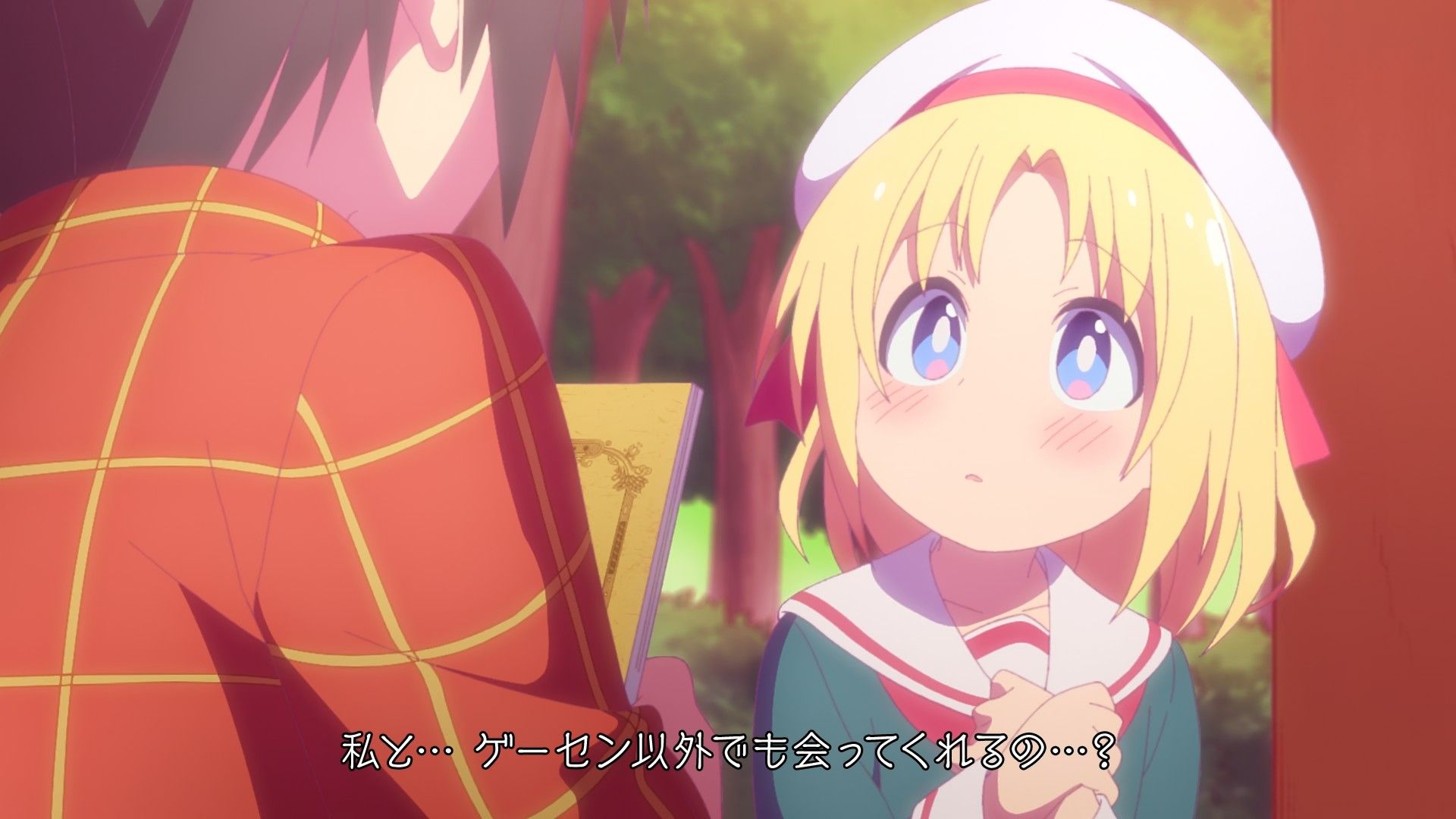

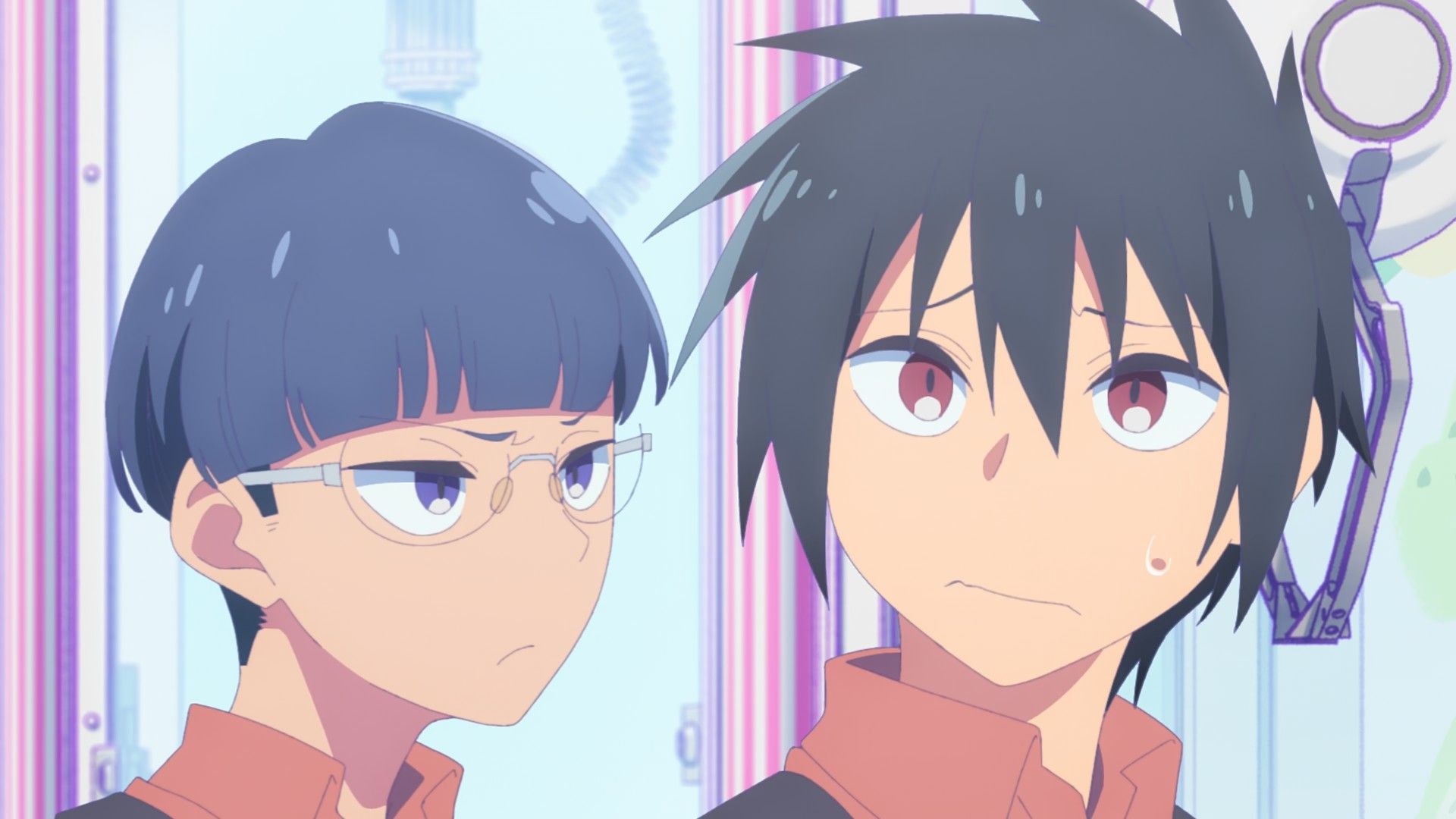

Lily Baker and Kusakabe Renji
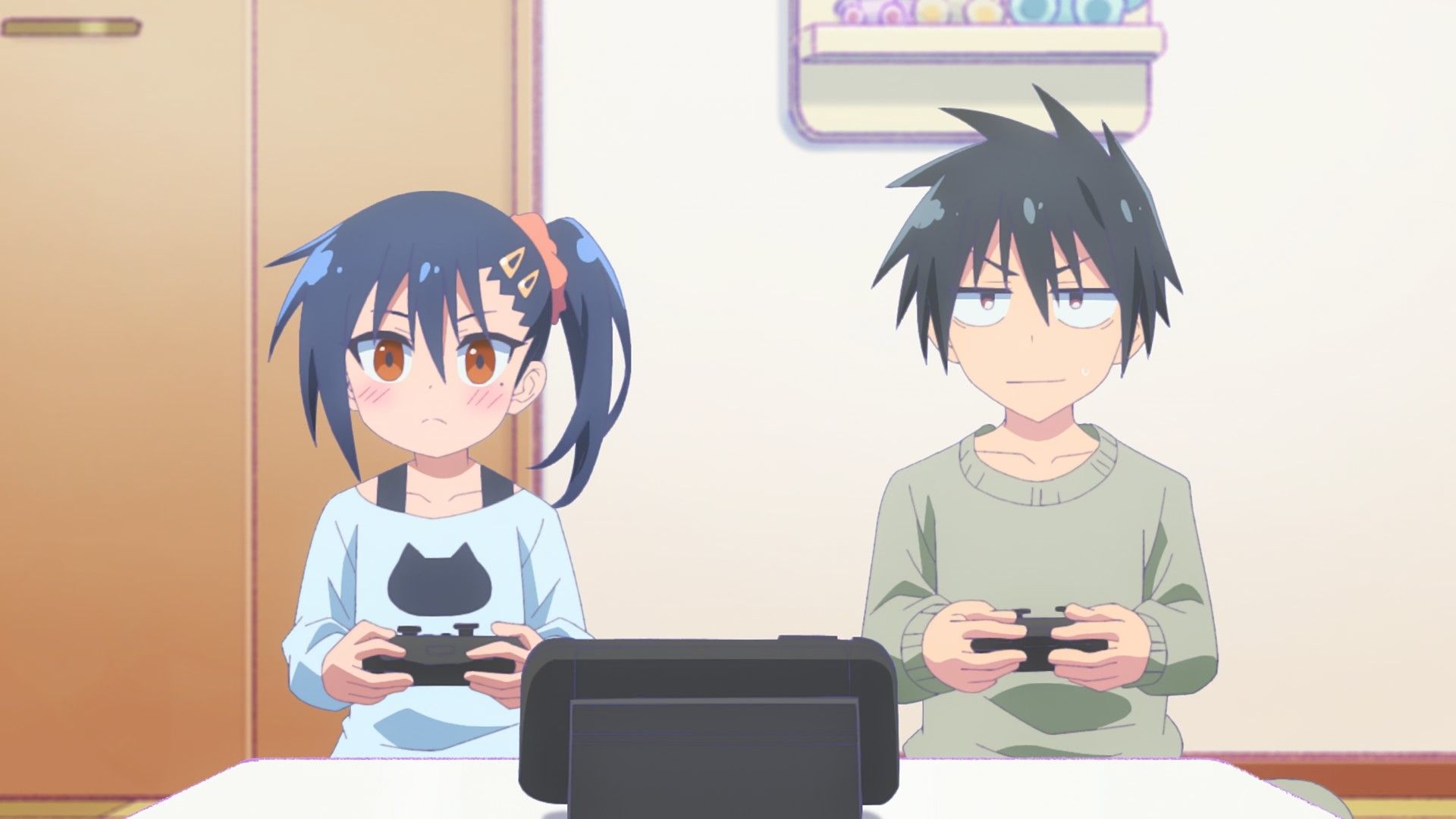
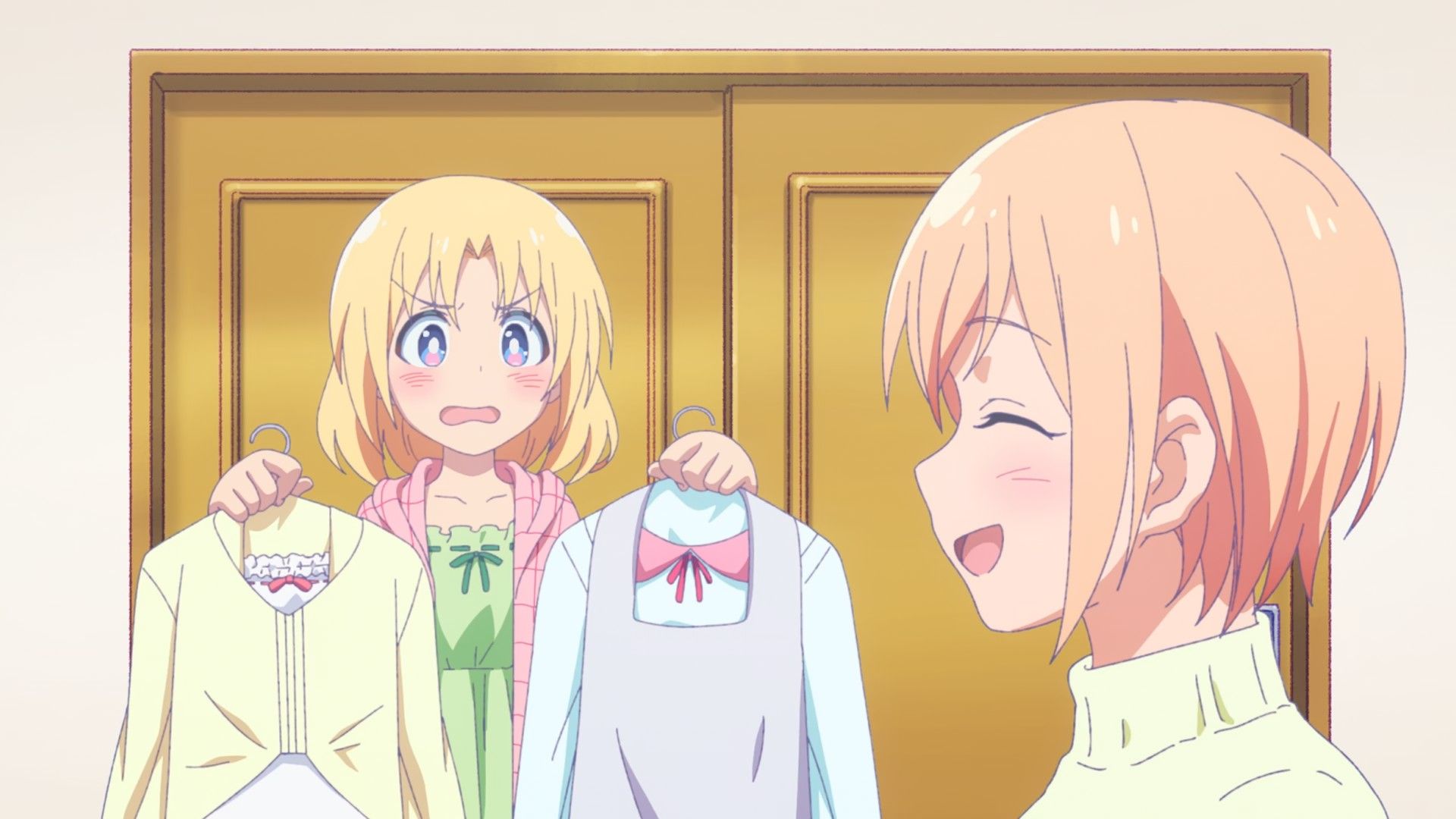
Both are very likable characters on their own, but of course they are the most fun to watch together. The chemistry works almost from the start, largely because their personalities complement each other so well. Lily walks into a room and immediately raises the energy level, while Renji then has to figure out how to respond to her latest idea. She plans to make him fall for her; he wonders how he ended up in this situation in the first place.
They also very quickly develop their own way of communicating. The notebook is the most obvious example, but later it is joined by recurring games, familiarity with each other’s reactions, and small habits. Renji gets better and better at knowing what will make Lily happy, while Lily becomes increasingly comfortable seeking out his company. There doesn’t need to be a major breakthrough in every episode for it to be obvious that they are closer than they were a few meetings earlier.
Lily can become bolder while still getting completely embarrassed when something goes differently from the way she planned. Renji grows more accustomed to her presence, but certain things can still throw him off balance. Their relationship doesn’t exist in a vacuum, either. Aoi, Karin, Momoko, Hotaru, and Lily’s parents all shape the situations the two of them find themselves in. That lets Lily watch Renji interact with other people, while he gradually learns more and more about her life. Their affection for each other therefore isn’t sustained solely by a handful of romantic scenes per episode.
The fireworks finale is, above all, a reward for all those earlier little moments. Lily remains honest about her feelings, Renji remains his calmer self, and both of them know far more about each other than they did when the Valentine’s Day misunderstanding set the whole story in motion.



Kusakabe Aoi
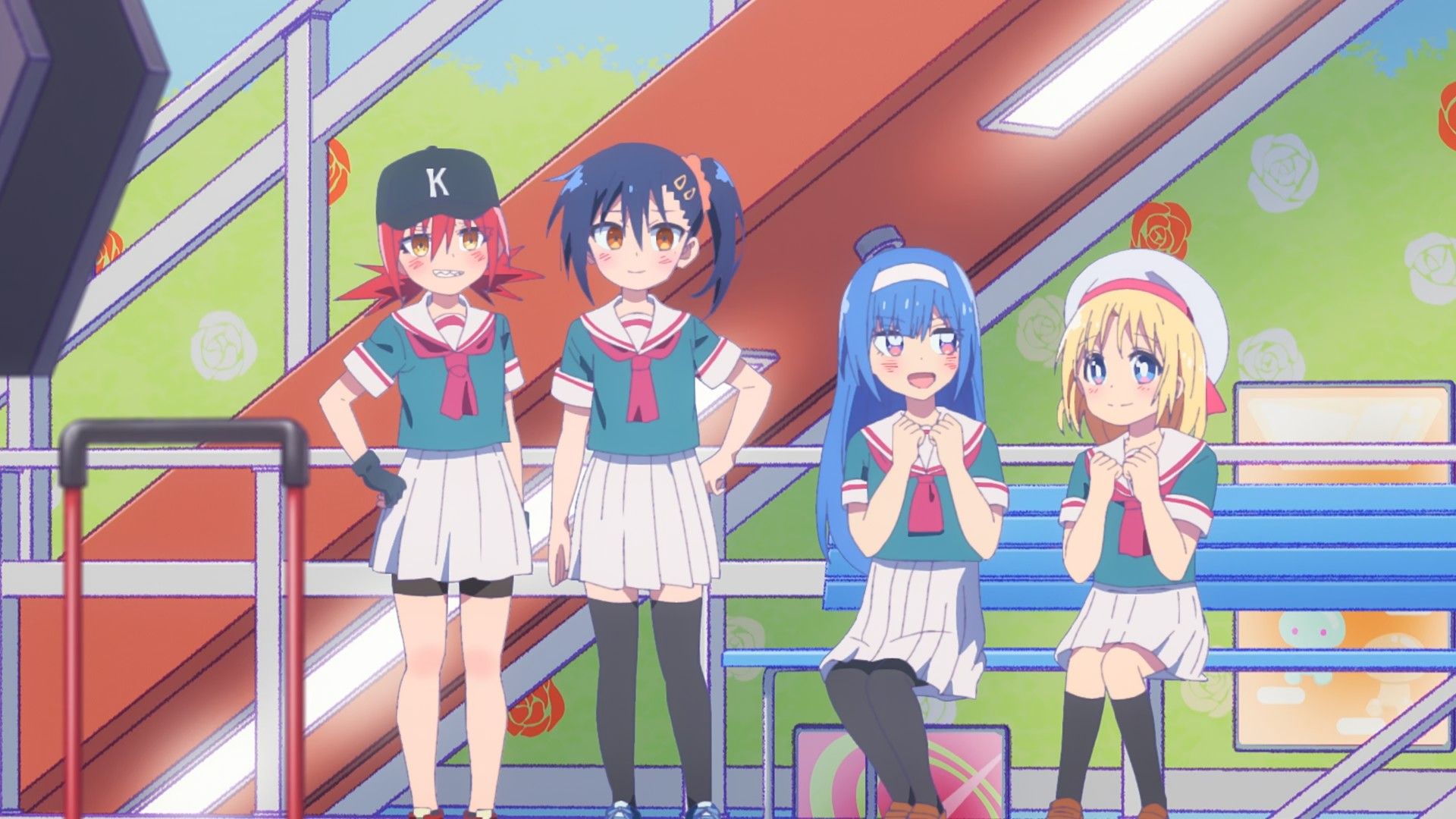
Aoi is a character without whom much of the humor wouldn’t work nearly as well. She is energetic, curious, and willing enough to meddle in other people’s affairs to regularly set new situations in motion, while also quickly becoming friends with Lily and genuinely caring about her problems. The funniest part, of course, is how long it takes her to put all the pieces of the Renji puzzle together. She knows Lily is interested in a certain arcade employee, and can even give her advice and help with her latest plans, but she has no idea that this mysterious person is her own older brother.
Once the truth comes out, her position becomes even more interesting. She knows both of them very well, though each from a completely different side. She is Renji’s younger sister and Lily’s friend, which lets her be a source of jokes, support, and a kind of intermediary all at once. In the end, her attitude is very simple: if Lily matters to her, then her brother had better make sure he doesn’t hurt her.
Oliver and Sheryl Baker
Lily’s parents complement her character well. Sheryl is calmer and warm, and quickly gives her daughter the support she needs, while Oliver sits almost at the opposite end of the expressiveness scale. He is overprotective, suspicious of Renji, and has a remarkable talent for turning simple situations into events of far greater importance. At the same time, both parents leave Lily enough room to be herself. Sheryl can support her, Oliver can worry too much, but Lily still has her own personality and her own relationships. As a result, the family scenes show another side of her rather than taking away her central role in her own story.
Supporting Characters
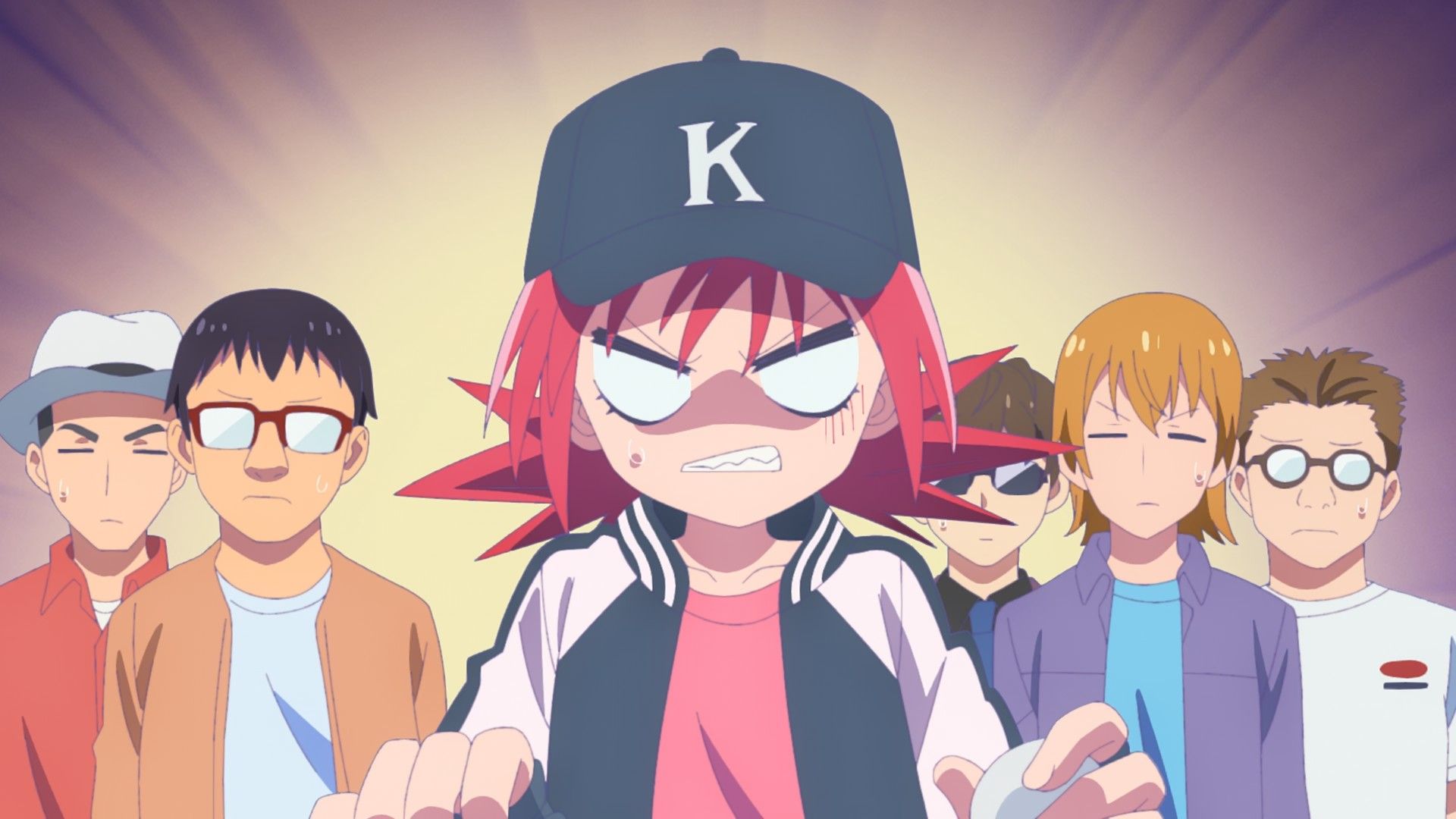
Kaga Karin is probably the best example of a character who could have been a one-off gimmick but was developed further instead. Her entrance is forceful and deliberately over-the-top. She arrives with a bang after a past loss to Renji and practically defines herself by her desire for a rematch.
Mochizuki Momoko is introduced as one of Renji’s university classmates, which naturally makes the romantic angle kick in immediately, but it quickly turns out that Momoko herself is a much more likable character than the stereotypical rival whose only purpose is to cause more misunderstandings. She has a gentle personality and is fairly shy at first, while her kendo experience gives her surprisingly good reflexes and intuition in games.
Katsuragi Hotaru has a simpler arc, but a very pleasant one. As the class representative, she initially regards her classmates’ visits to the arcade with suspicion, but all it takes is letting her try a few games herself for that serious facade to start cracking. She still likes to justify her own actions logically, but with each attempt it becomes increasingly obvious that she is simply having fun. Her determination in quizzes and crane games also reveals a competitive side of her personality that she previously had few chances to show.
Quite a few other people pass through the story over the twelve episodes: the Kusakabe family, the grandmother, Himari, arcade regulars, other employees, young Nana, and Jody, a foreign tourist. Not every one of these characters needs a separate storyline, but their presence keeps the world from feeling like a set inhabited by six people.

Game Center Shoujo to Ibunka Kouryuu (2025) – Evaluation and Summary
My biggest concern about Game Center Shoujo to Ibunka Kouryuu turned out to be completely unfounded. I was almost certain that game center as the central motif would quickly become repetitive. How many times can you watch characters pull prizes out of machines or play yet another game? As it turns out, for a very long time—provided the people on the other side of the screen or machine remain what matters most each time. Lily Baker very quickly became one of those heroines who can make me want to start the next episode all by herself. Her expressiveness, stubbornness, honesty, and enormous enthusiasm produced plenty of great comedy, while beneath all that energy was a girl trying to find her place in a new environment.
It was especially satisfying to watch her gradually become better at speaking Japanese and, above all, surround herself with more and more people she can feel comfortable around. Kusakabe Renji turned out to be an excellent screen partner for her. His much calmer personality contrasts nicely with her energy, and Renji usually shows that he cares through actions rather than grand words. That makes it easy to understand why Lily’s initial crush doesn’t fade once the Valentine’s Day misunderstanding is cleared up. With every episode, she gets another reason to want to spend time with him.
The titular ibunka kouryuu also has real meaning. It begins with the Valentine’s Day misunderstanding, then returns in conversations about holidays, family, birthdays, language, and ordinary everyday situations. The best moments are those in which something completely normal to one person is new to another. The differences between Lily and her friends become new topics of conversation and help them get to know each other better.
Summary
After finishing the twelfth episode, I wasn’t thinking about any single arcade machine or specific game-related gimmick. I remembered Lily trying everything with almost absurd enthusiasm, Renji reacting to her latest ideas, Aoi caught between her friend and her own brother, and Karin taking Lily under her wing. I remembered Momoko surprising everyone with her talent, Hotaru discovering that sometimes it is fine to simply have fun, Oliver looking at Renji with less and less suspicion, and the whole group that barely existed at the beginning but by the end felt like people who naturally sought out each other’s company.
That’s probably the best compliment I can give a series like this. The game center really is its central motif, and without it the story would look completely different. But the reason I was always so happy to return to it was never the machines themselves. It was the characters standing on the other side of them.
Finalny werdykt
Final evaluation

Which translation do I recommend to watch Game Center Shoujo to Ibunka Kouryuu (2025)?
- Crunchyroll (official) – an excellent translation that I’d genuinely have a hard time finding fault with, even if I tried very hard.
Gallery