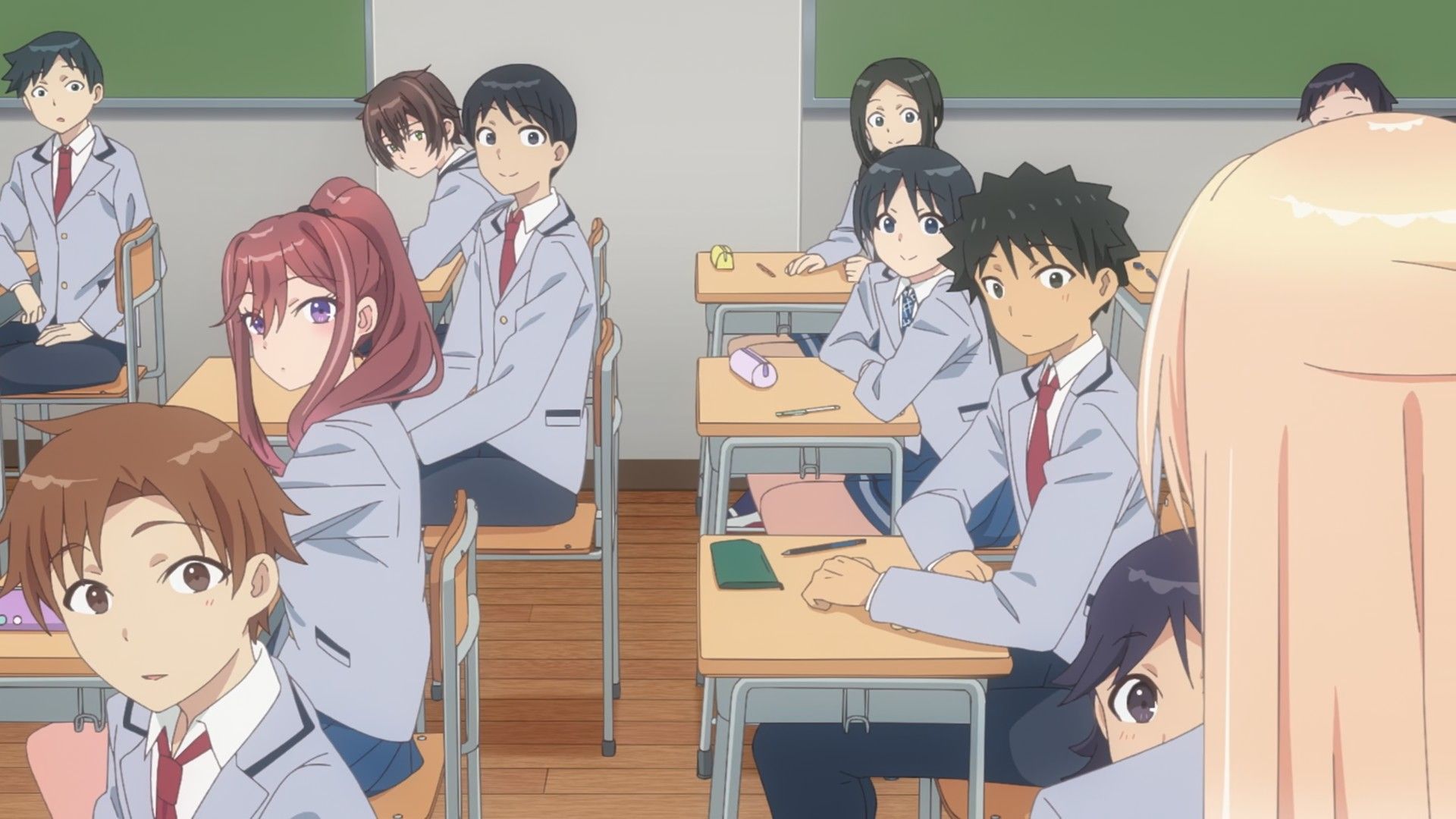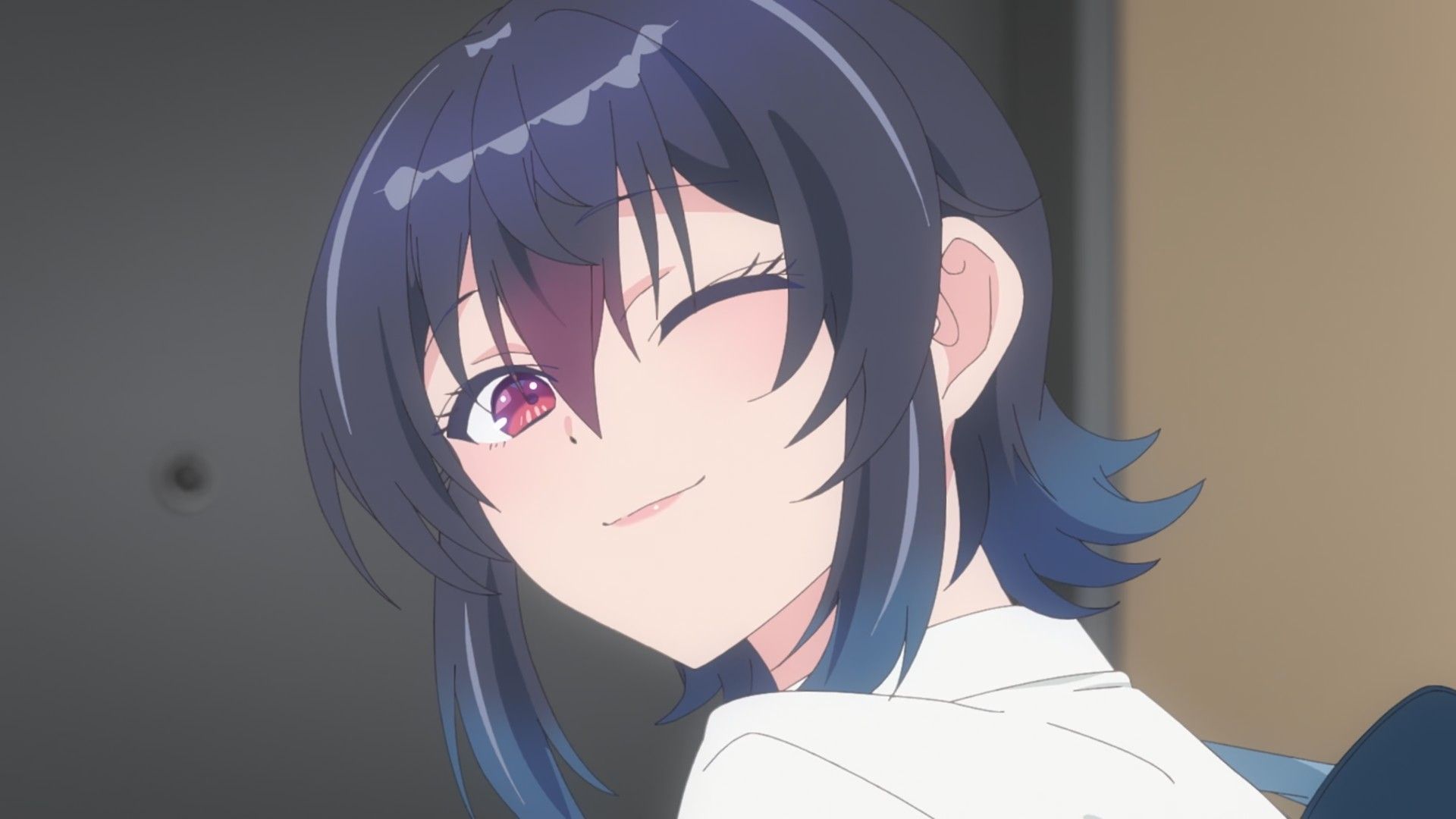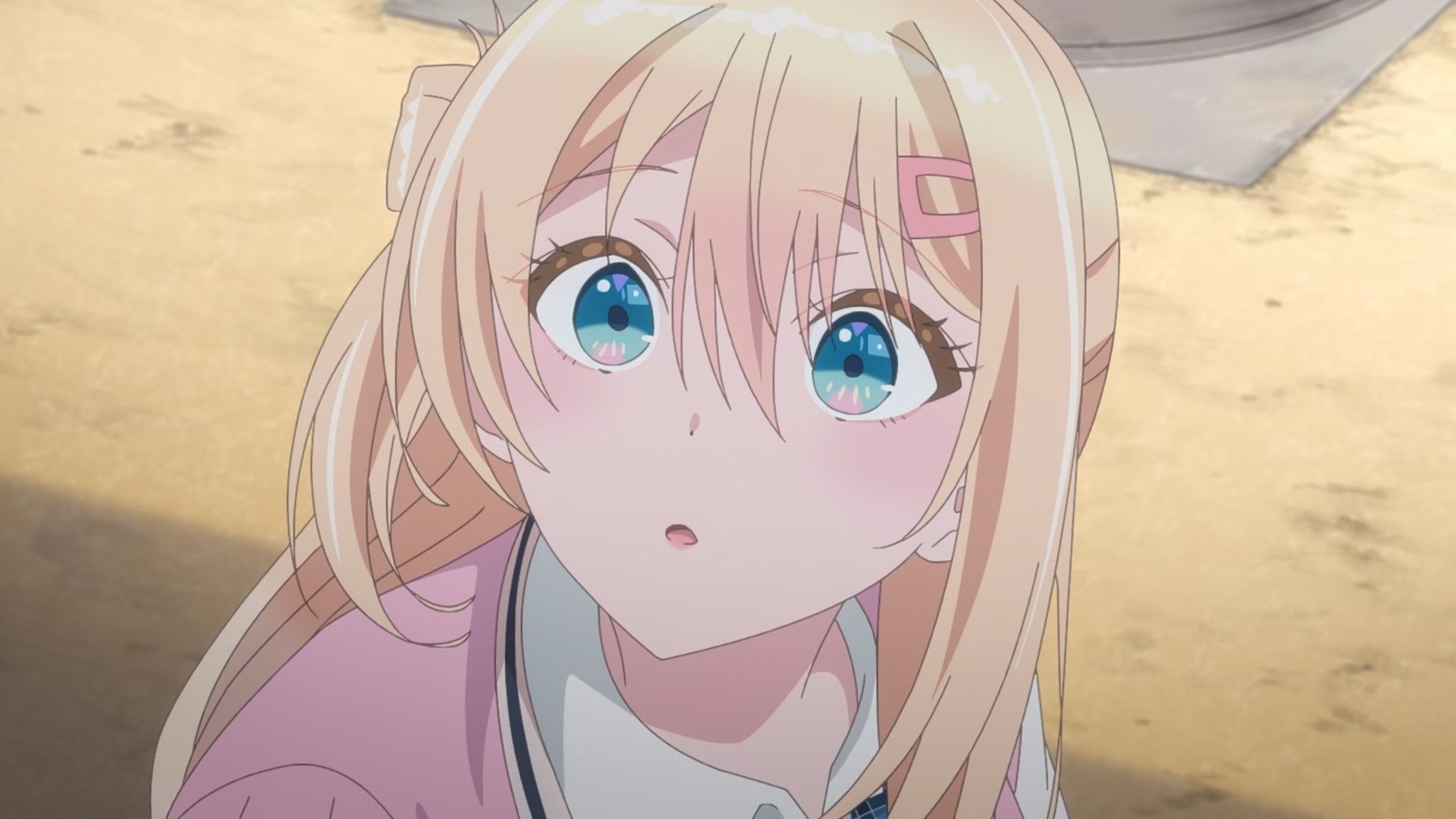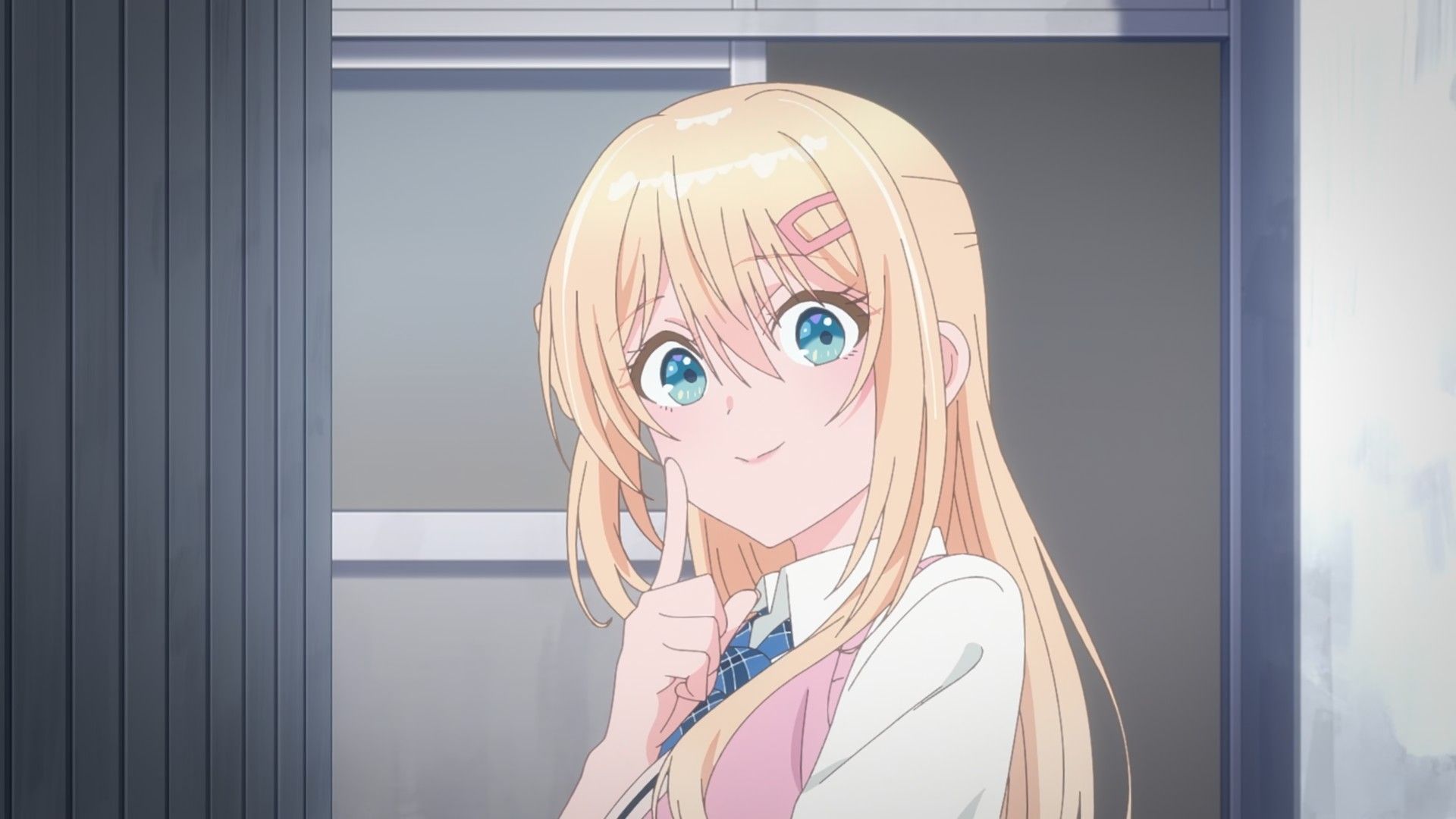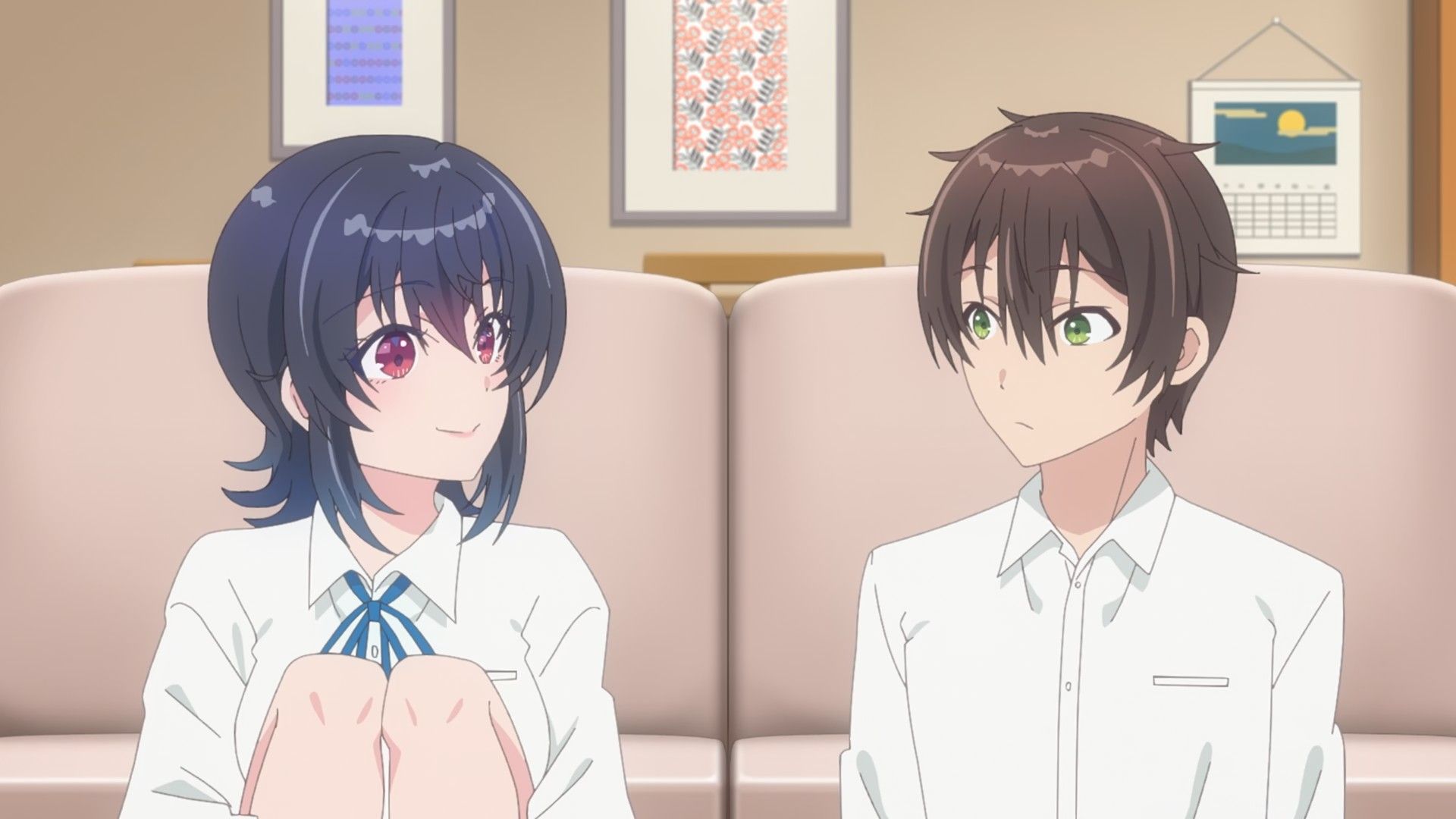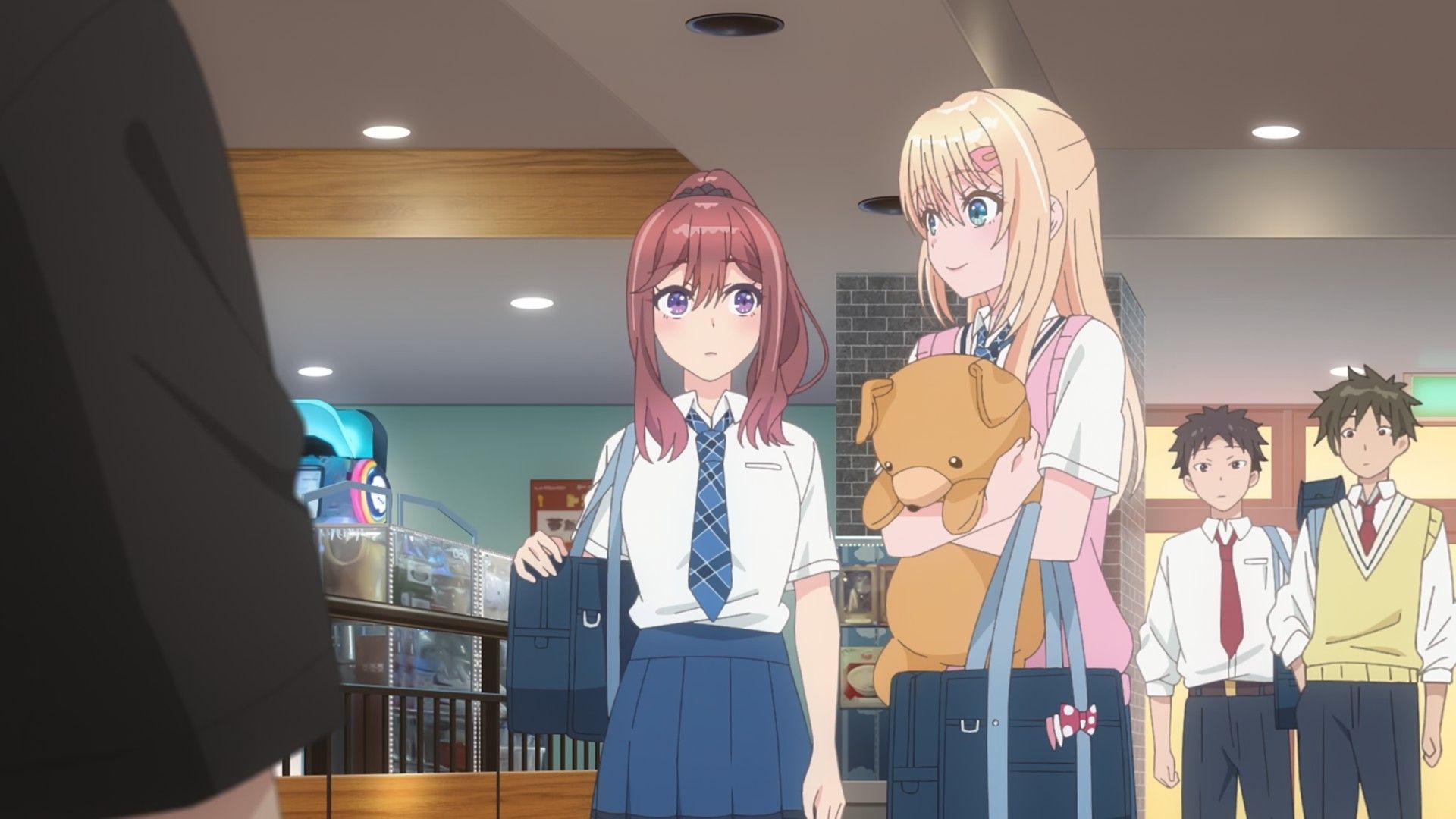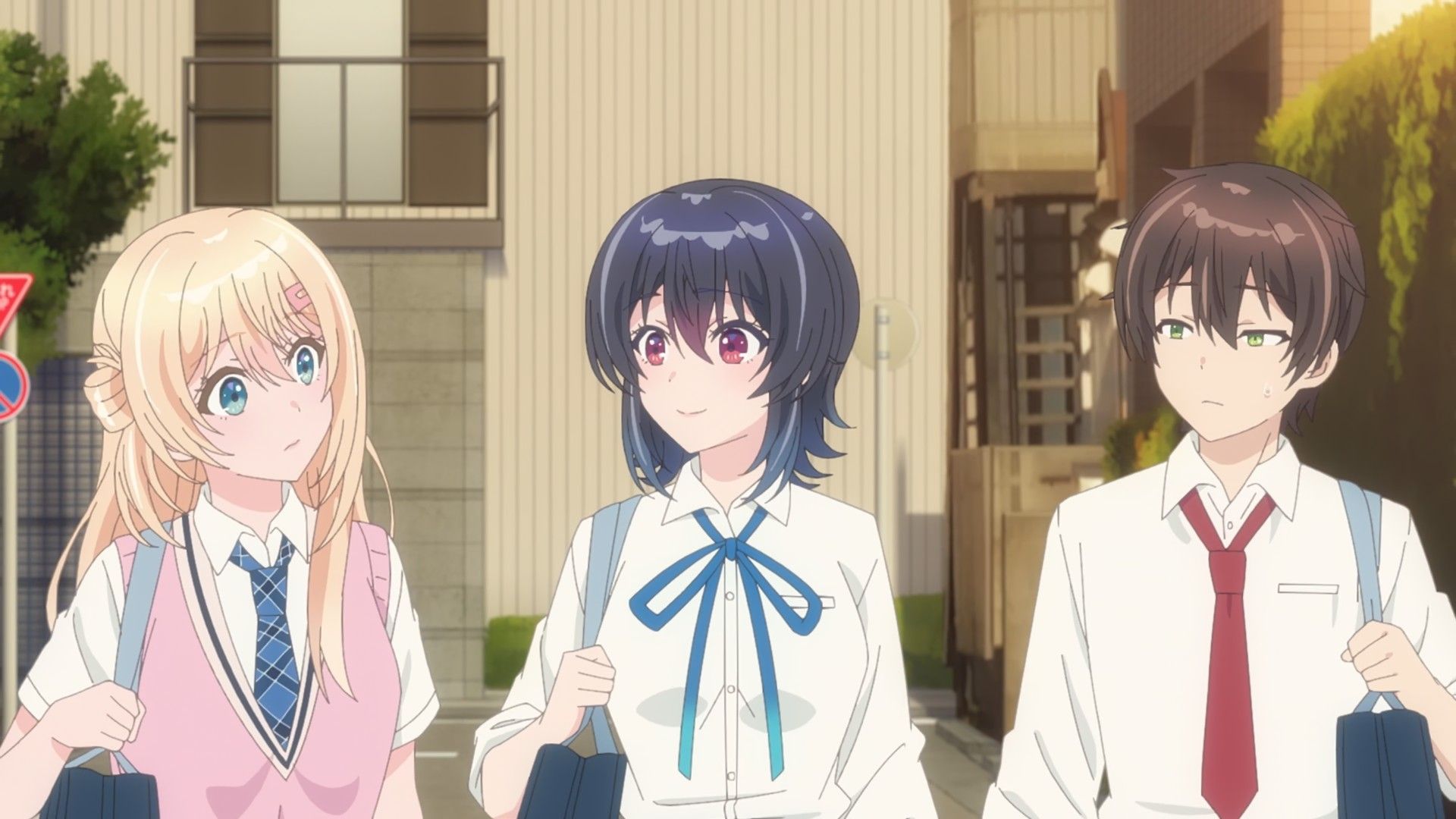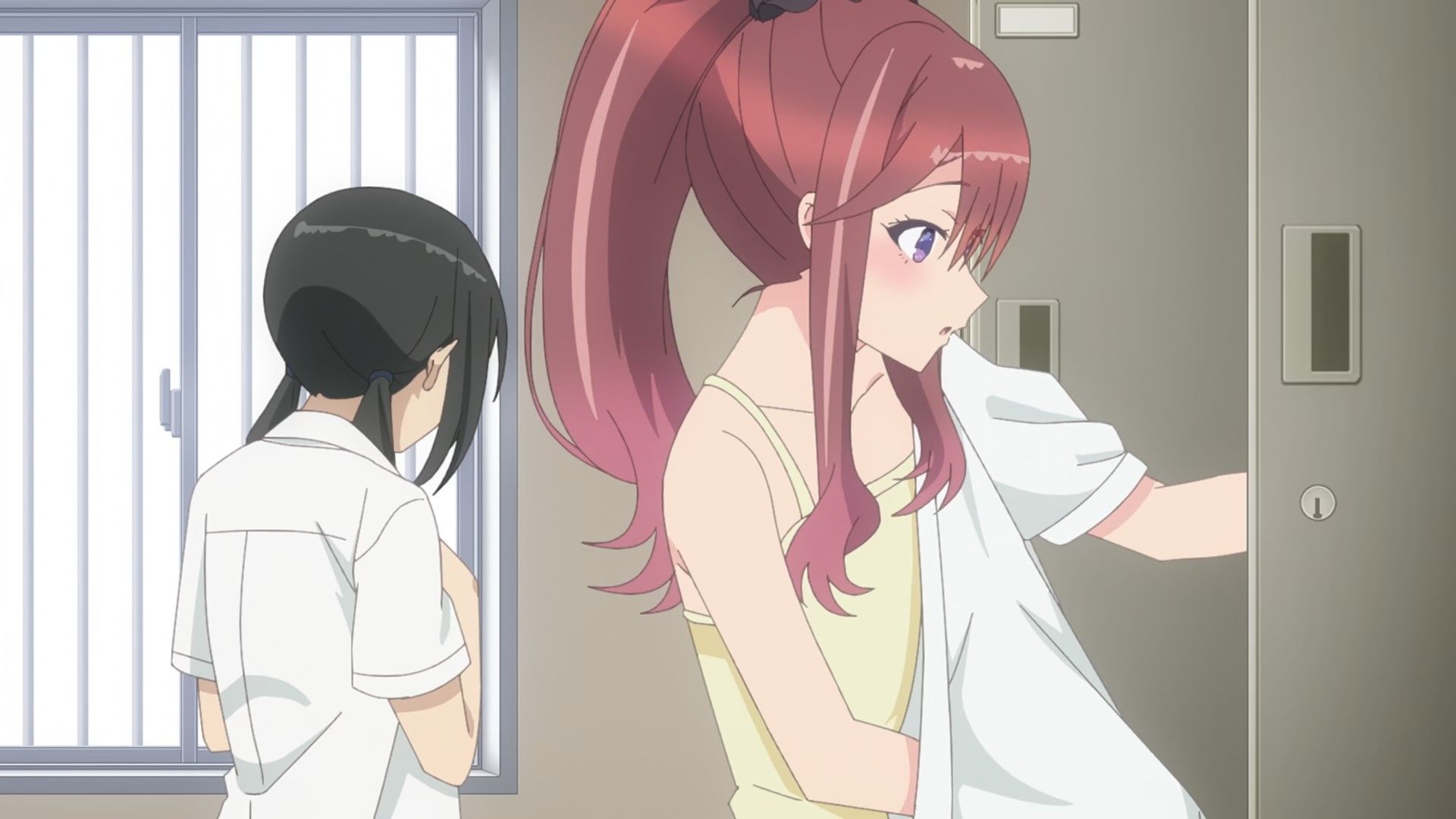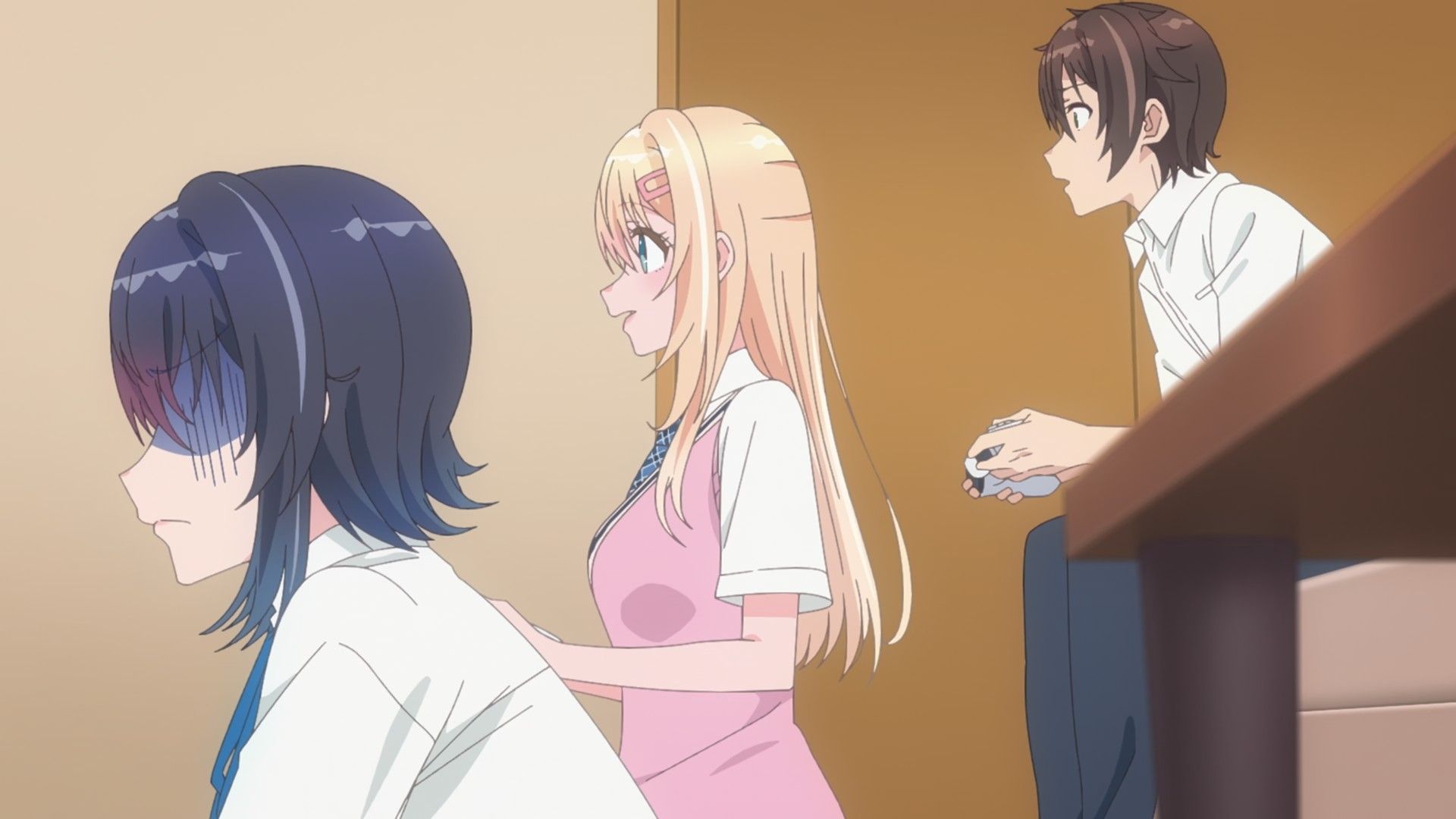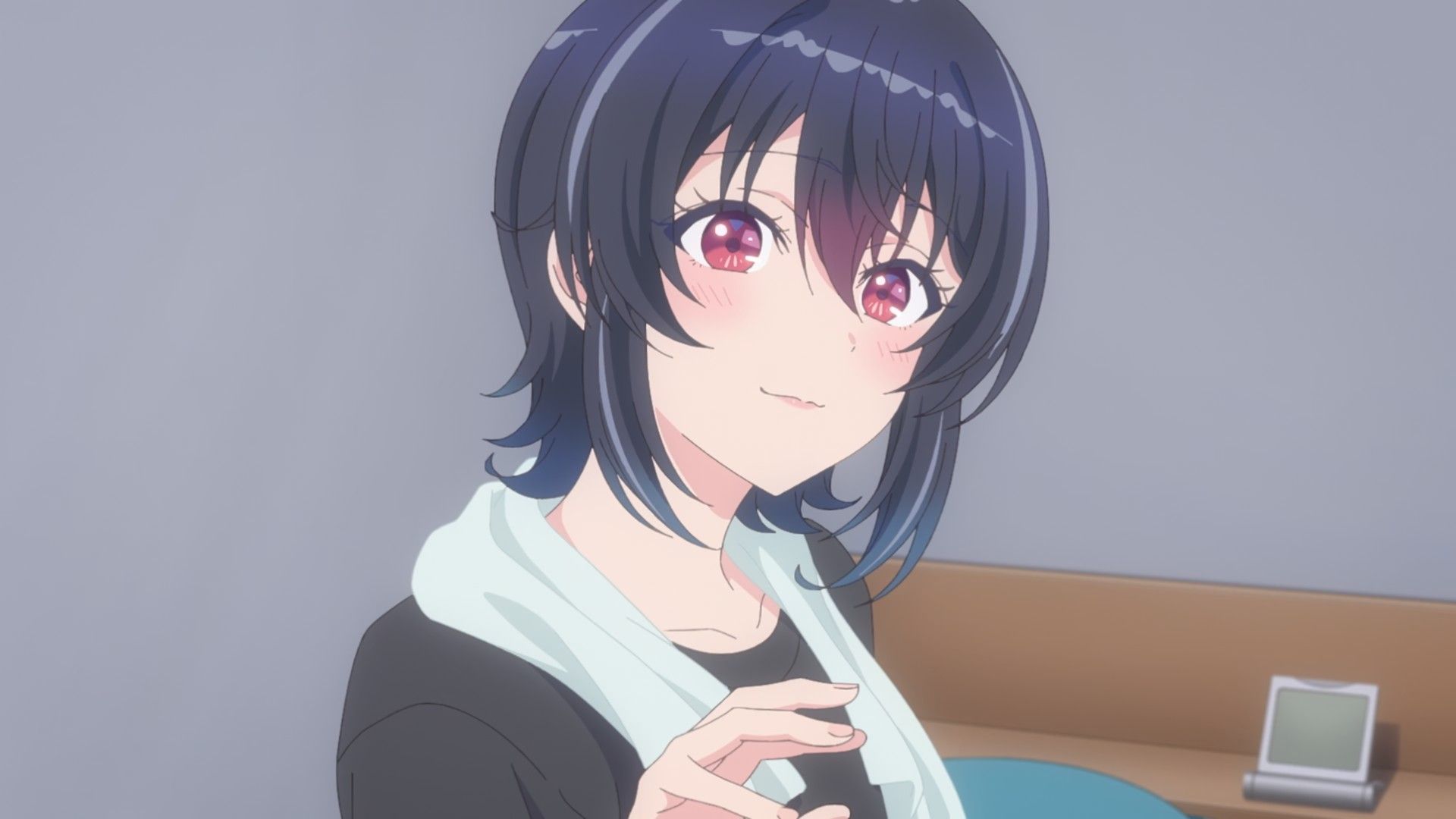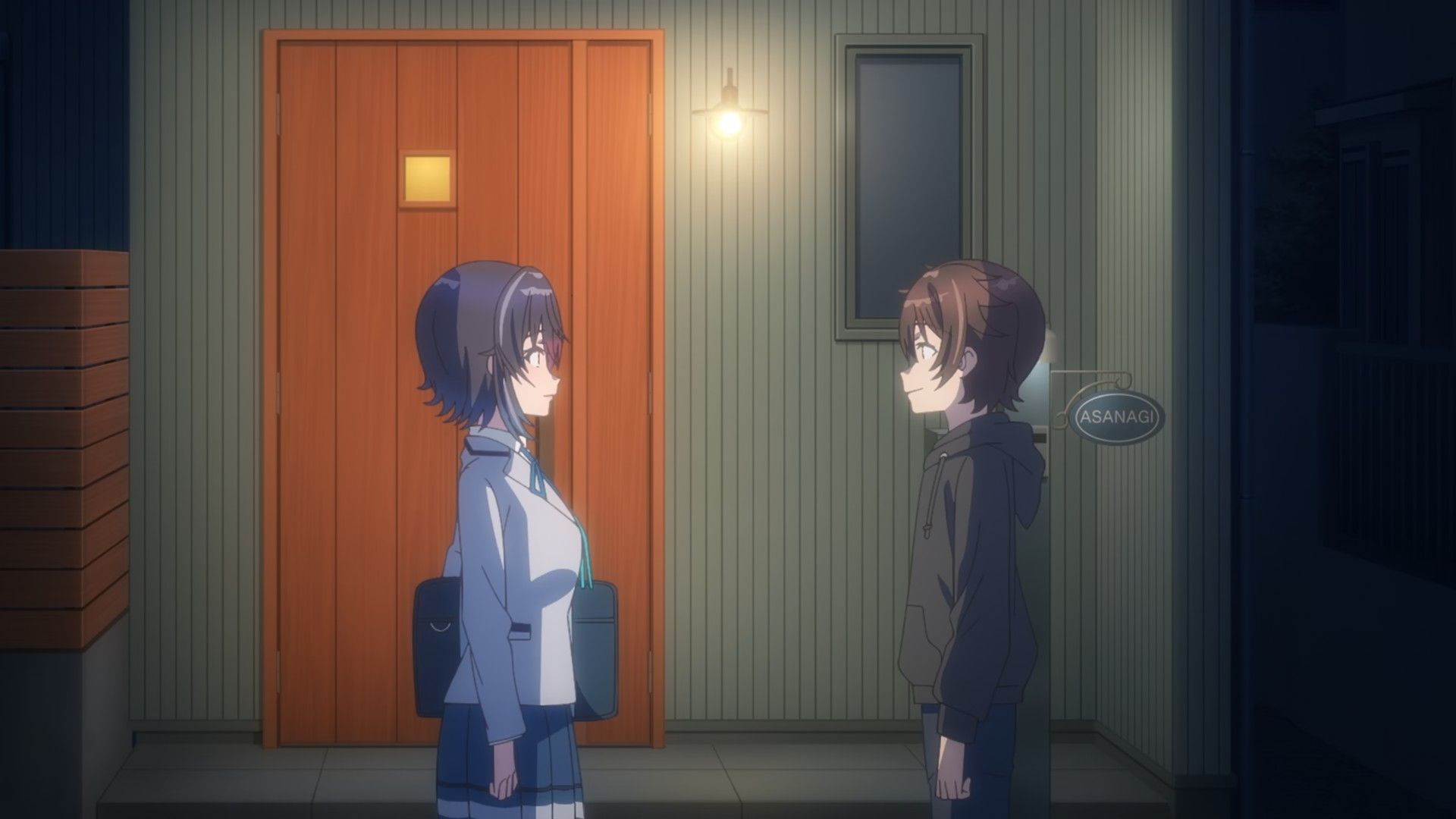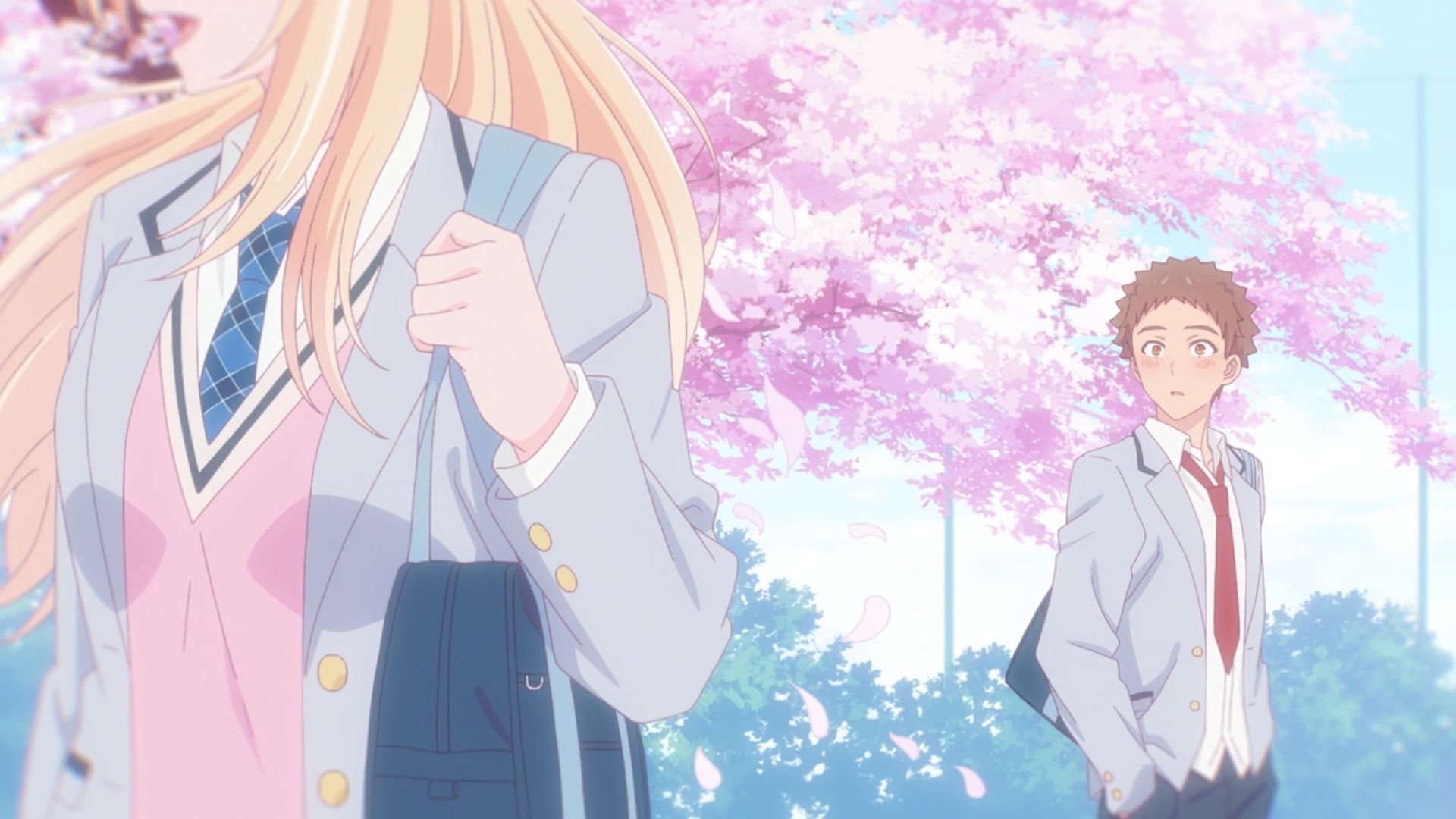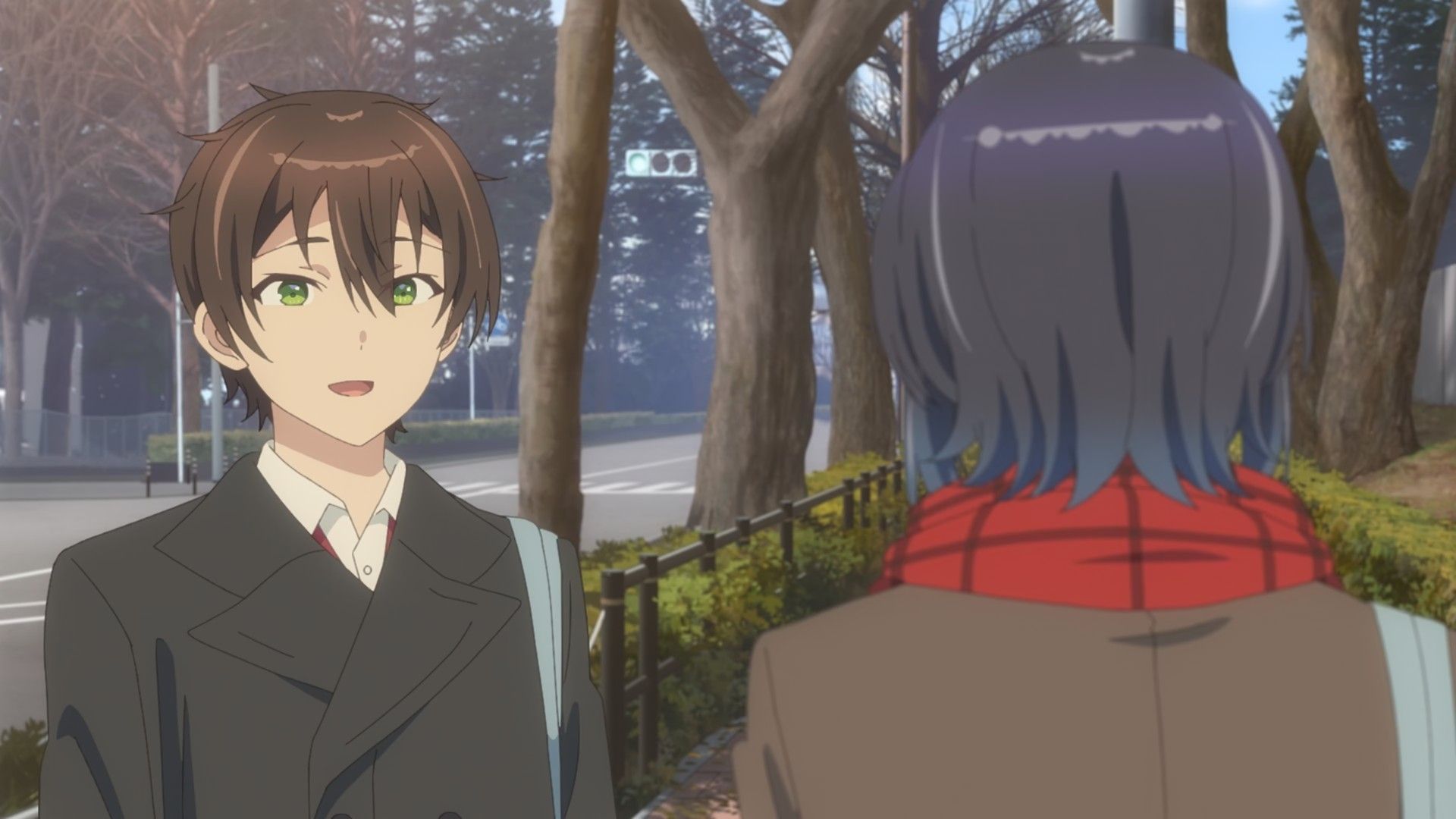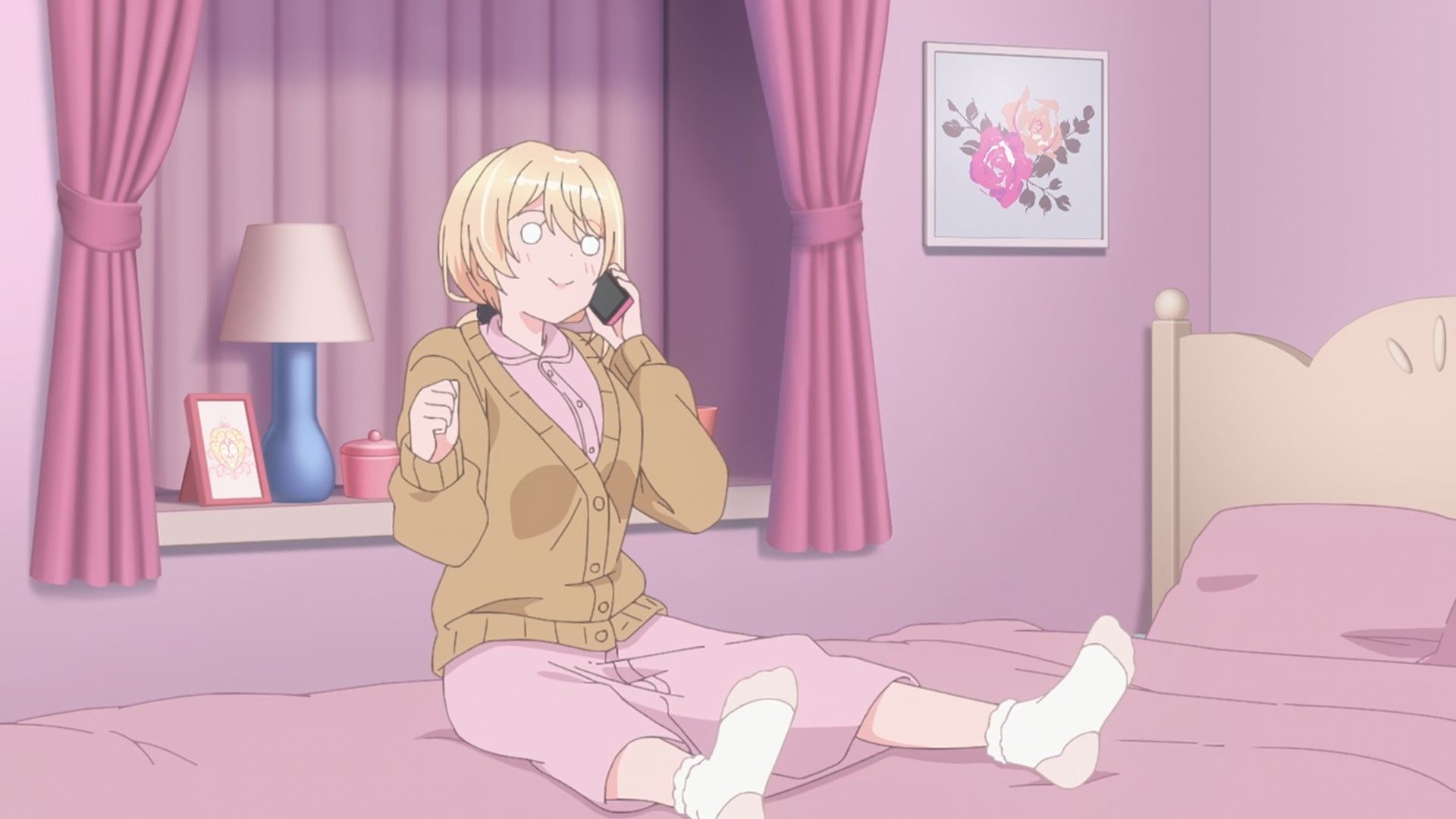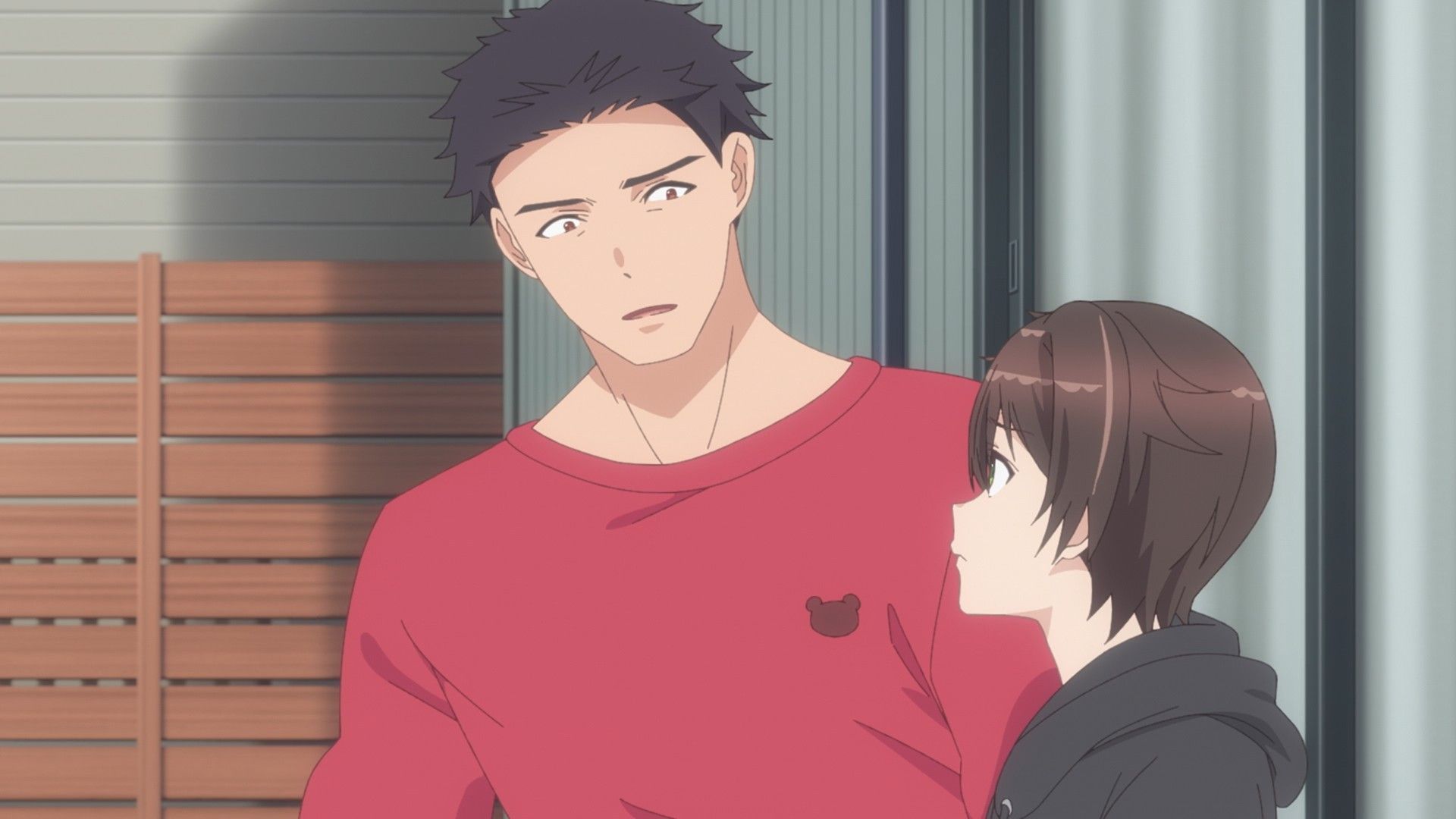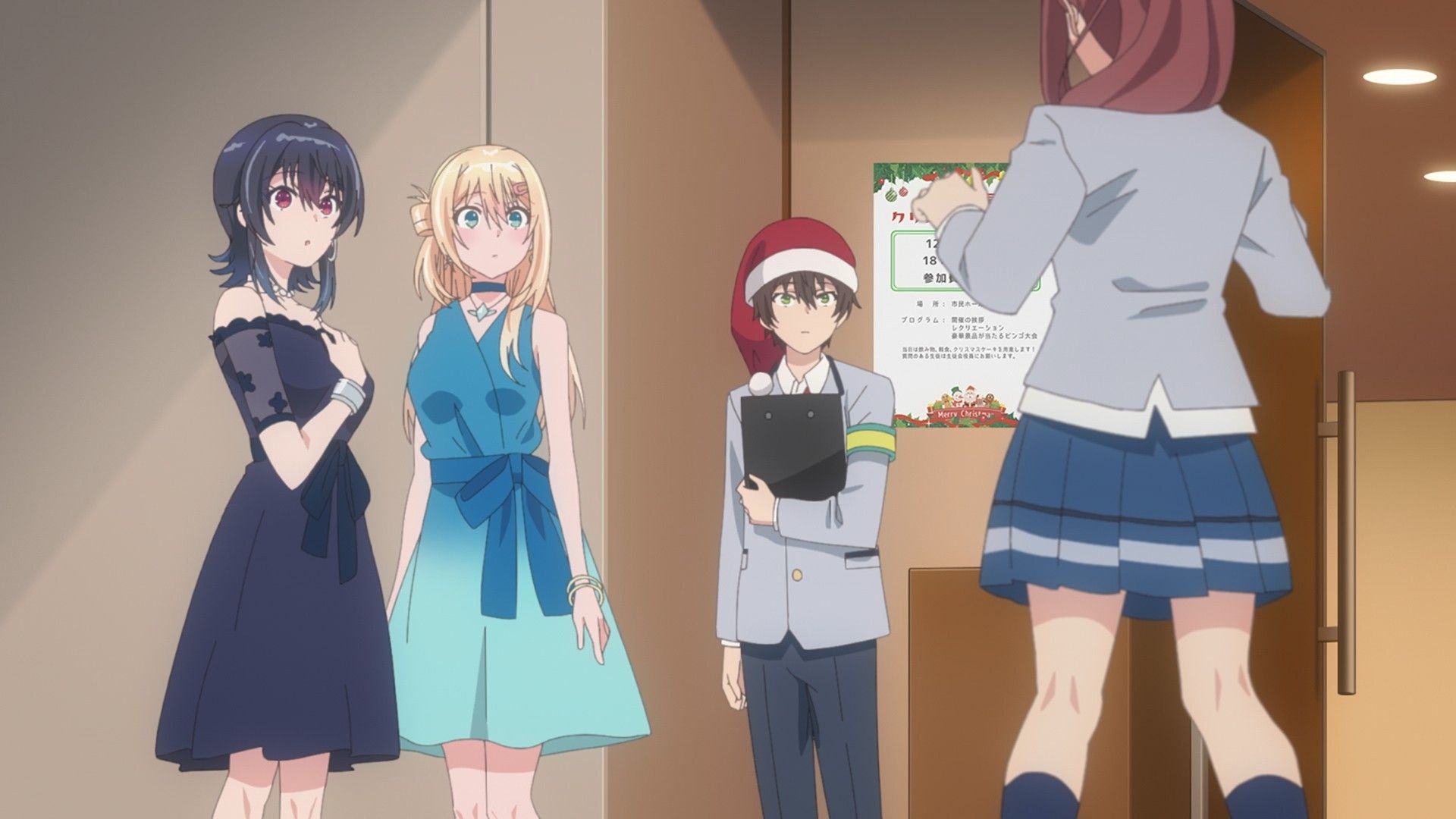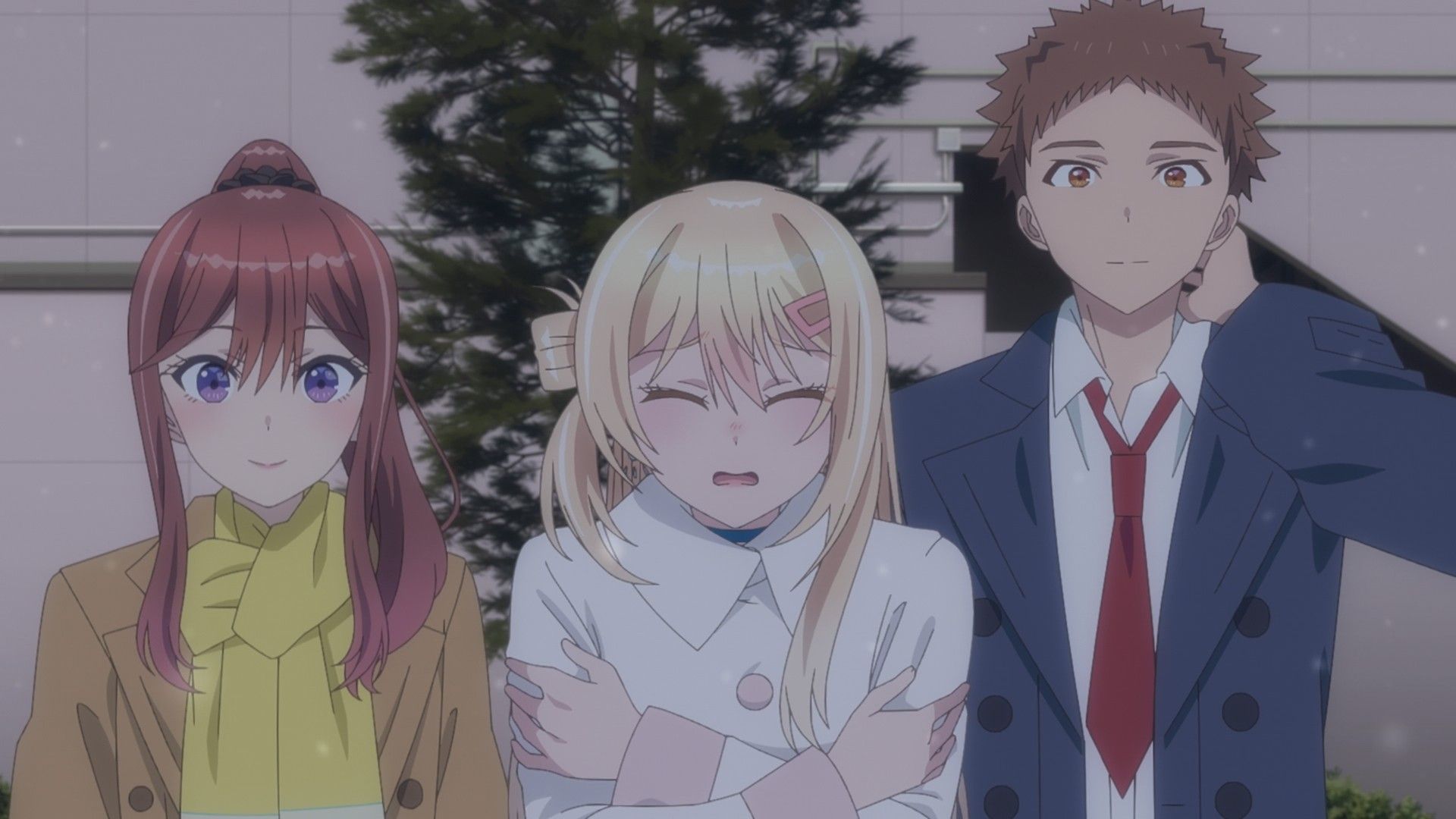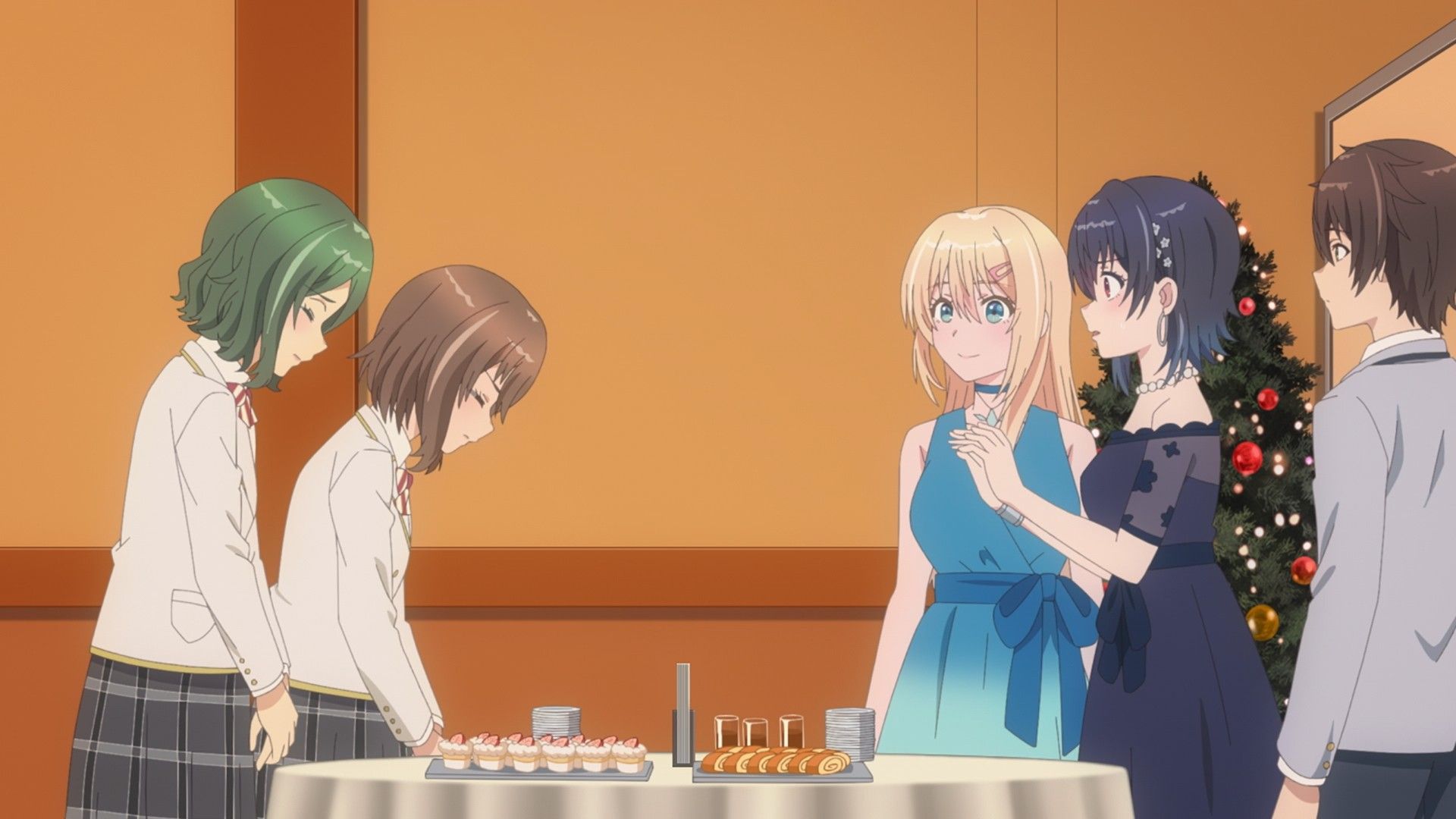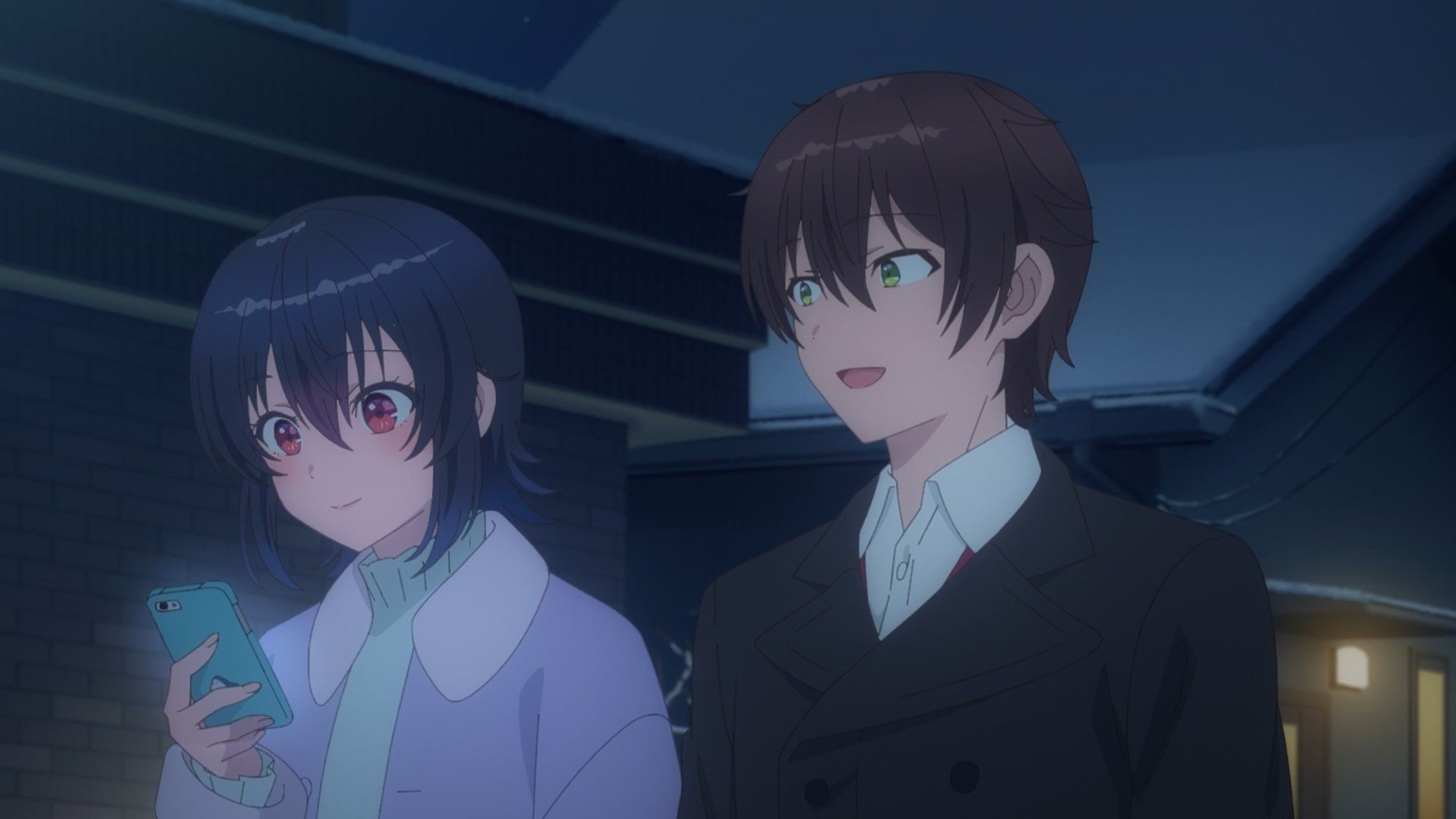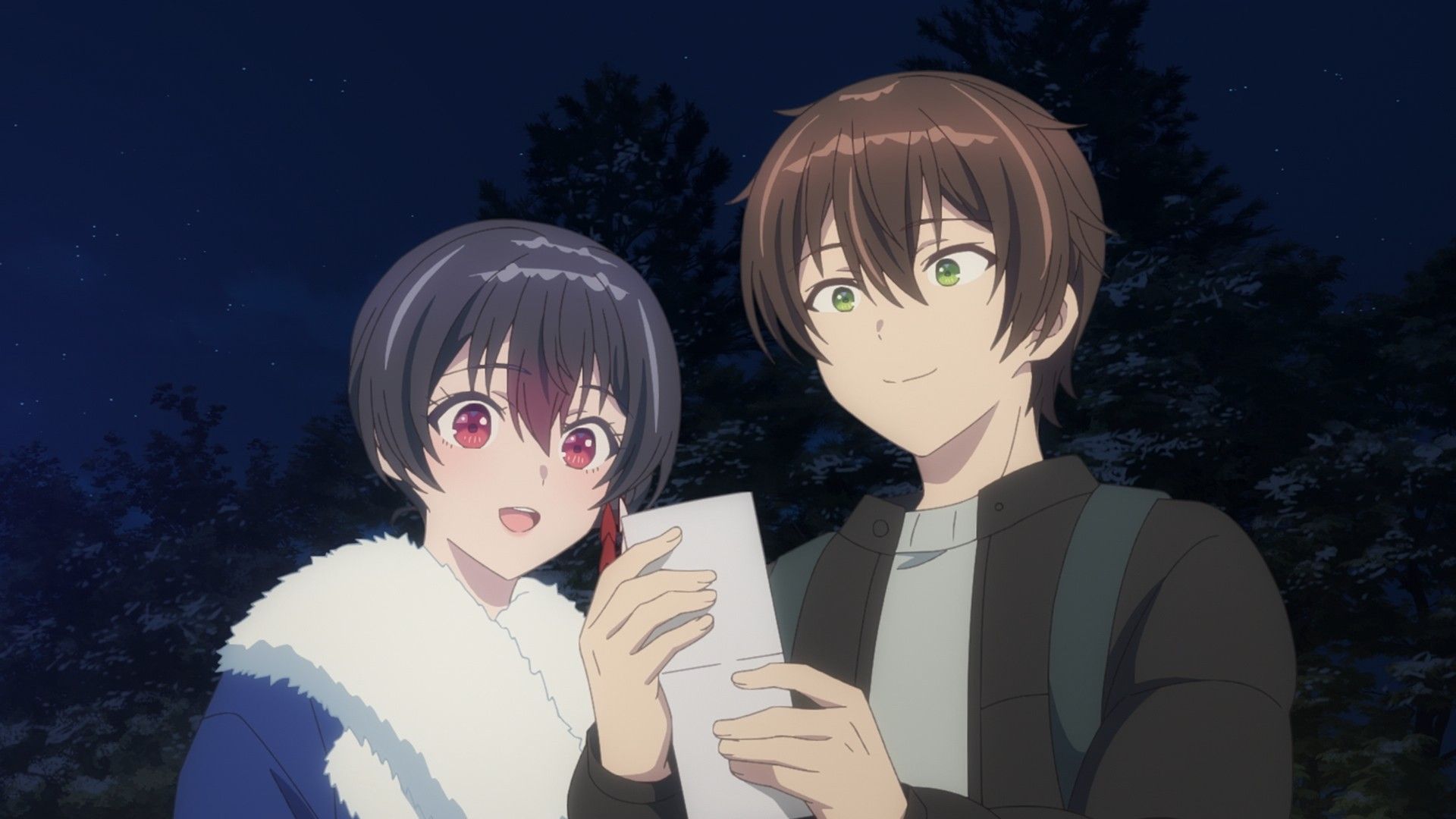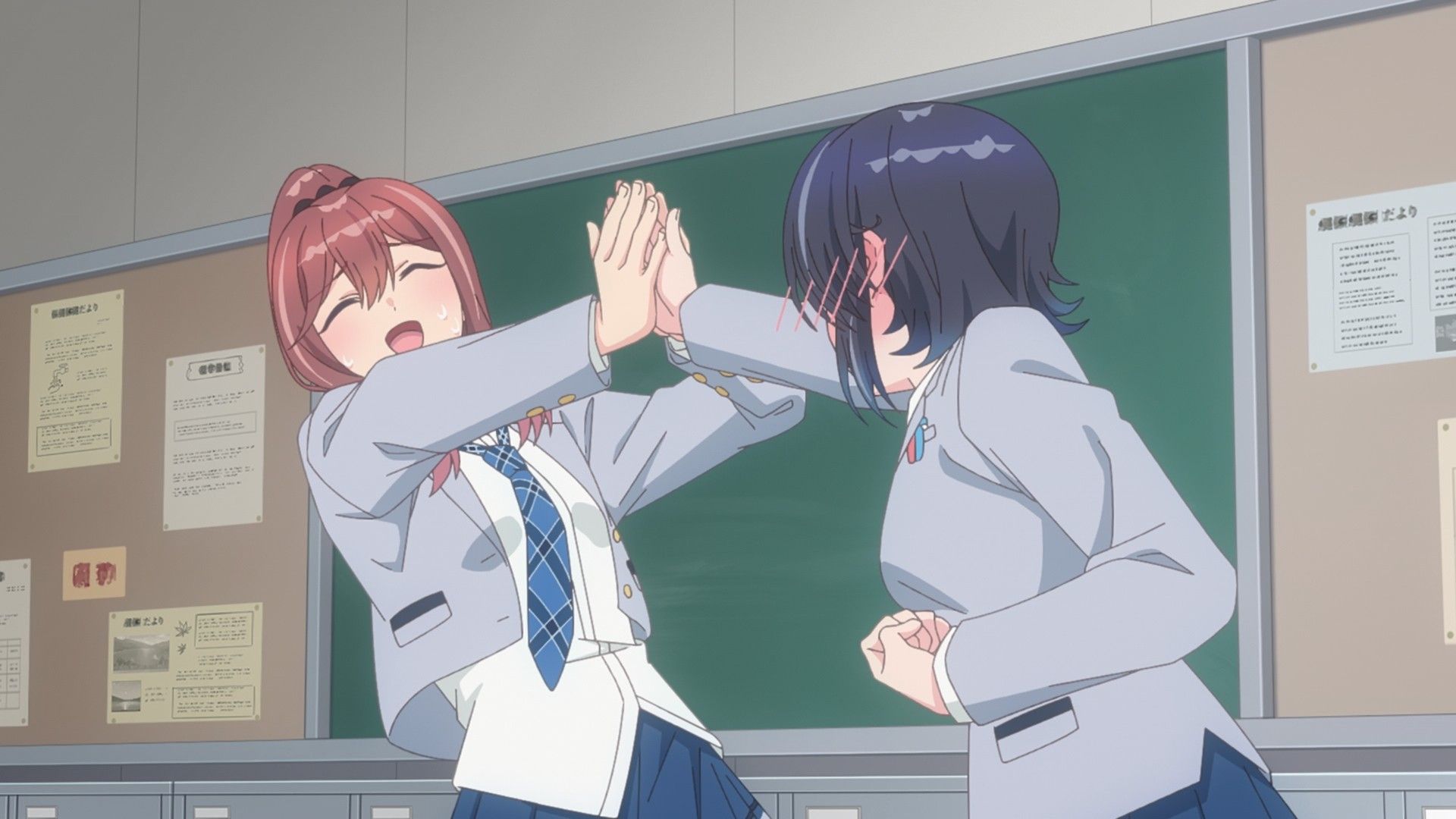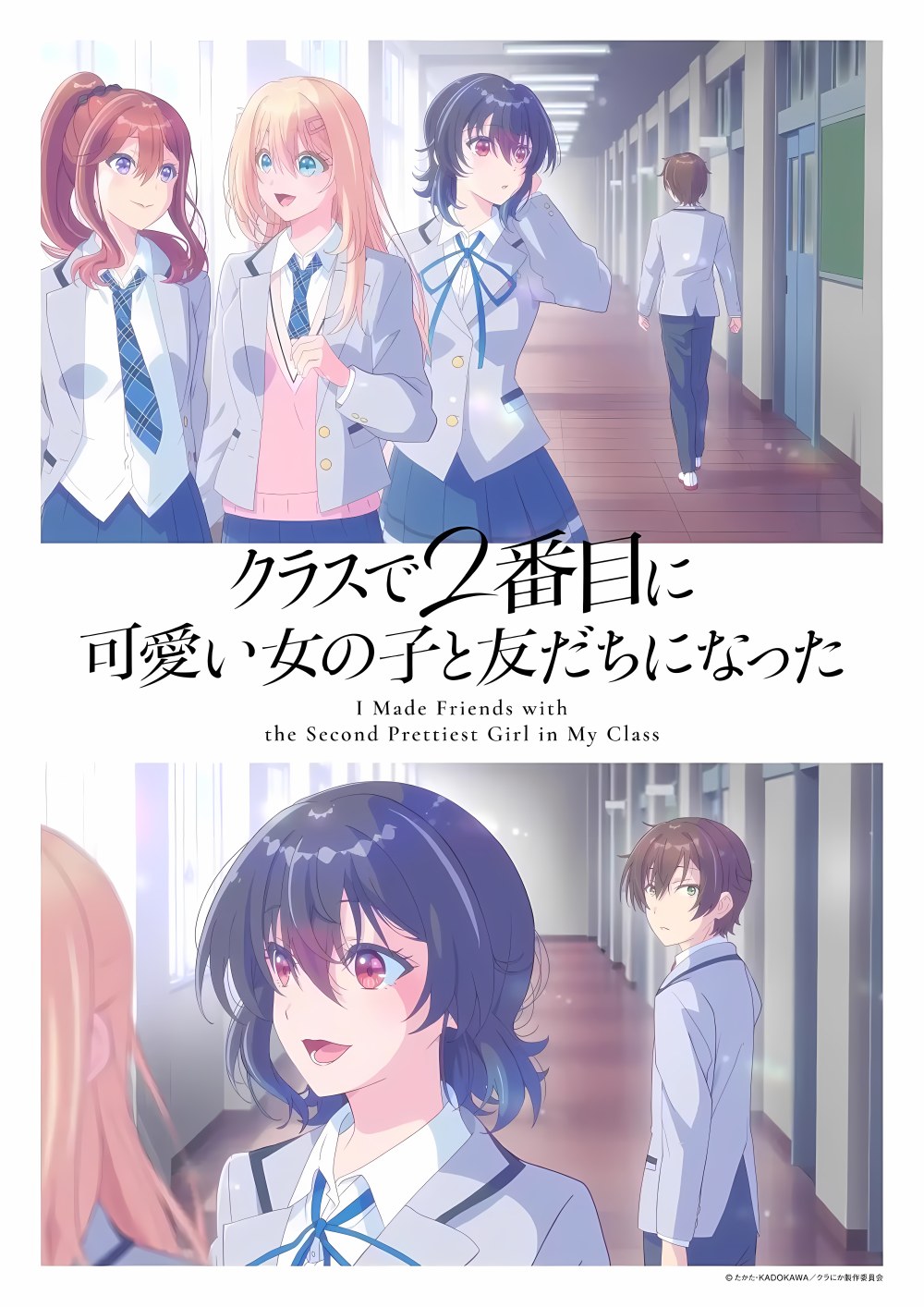
Every class has its shining stars and its quiet loners. Maehara Maki definitely belongs to the latter group. A reserved student who avoids attention, he is perfectly content to spend his weekends completely alone in his apartment, indulging in his favorite hobbies: playing games, ordering junk food, and watching B-movies. At the exact opposite end of the school hierarchy are Amami Yuu, an angelic social butterfly seemingly loved by everyone, and her loyal best friend, Asanagi Umi. Although Umi is exceptionally beautiful in her own right, she often remains in the shadow of Yuu’s overwhelmingly radiant presence. Unofficially, that makes her the second-cutest girl in the class.
Those rigid social divisions are turned completely upside down when Umi unexpectedly strikes up a conversation with Maki at a local video rental store. It turns out that this elegant, popular girl shares his peculiar tastes. Remembering the candid things he said during his self-introduction in class, Umi shows him her real side. She is a huge fan of absurd B-movies and competitive video games. United by their shared love of Kung-Fu Shark, the two strike up an unusual, secret friendship.
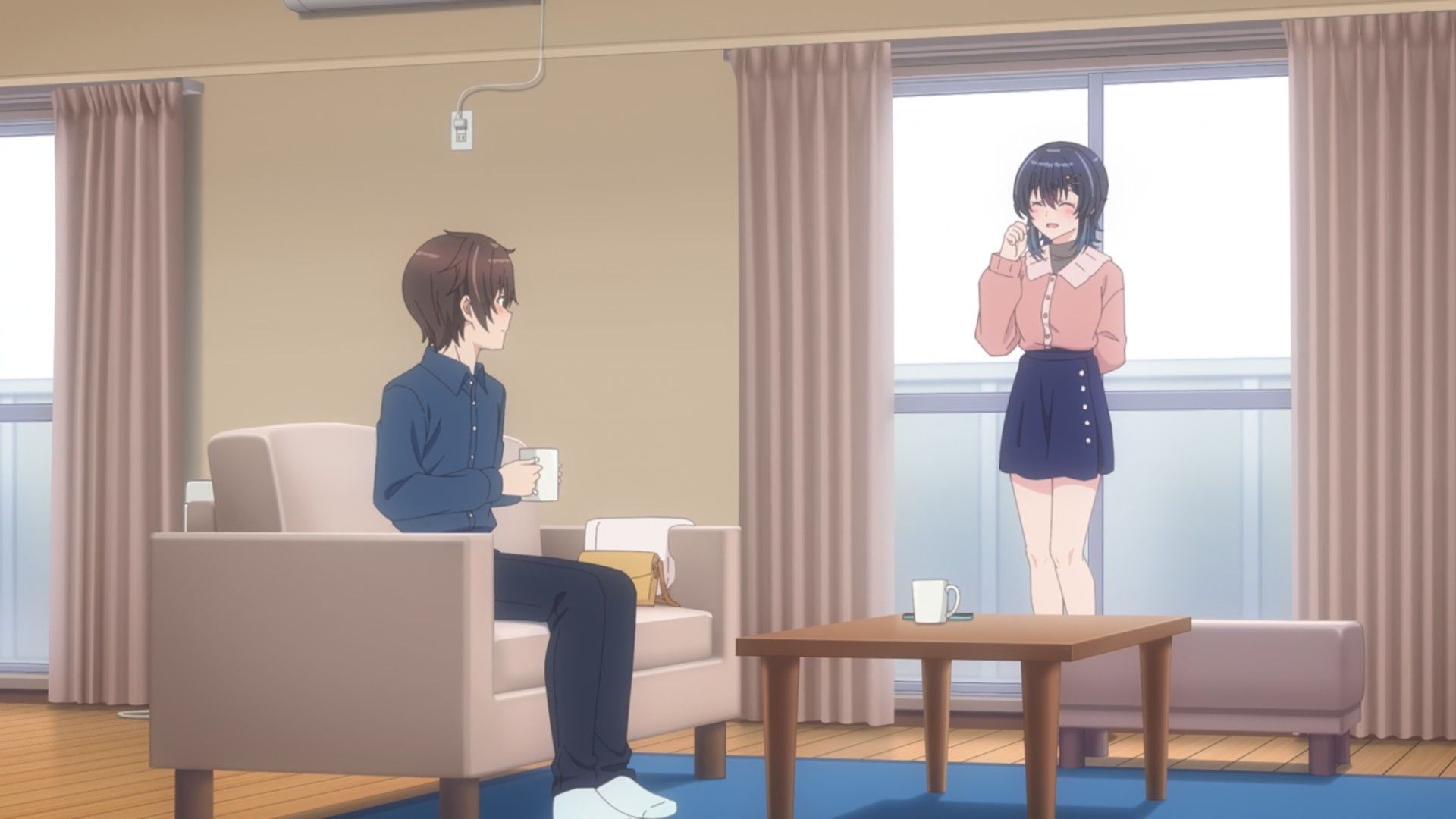
Before long, Umi becomes a regular visitor to Maki’s apartment, sneaking away for private Friday get-togethers filled with heated PvP matches and pizza. Determined to keep their relationship secret and avoid the inevitable school gossip, the two have to carefully maintain their radically different public images.
Class de 2-banme ni Kawaii Onnanoko to Tomodachi ni Natta (2026) – Audiovisual Design
Video
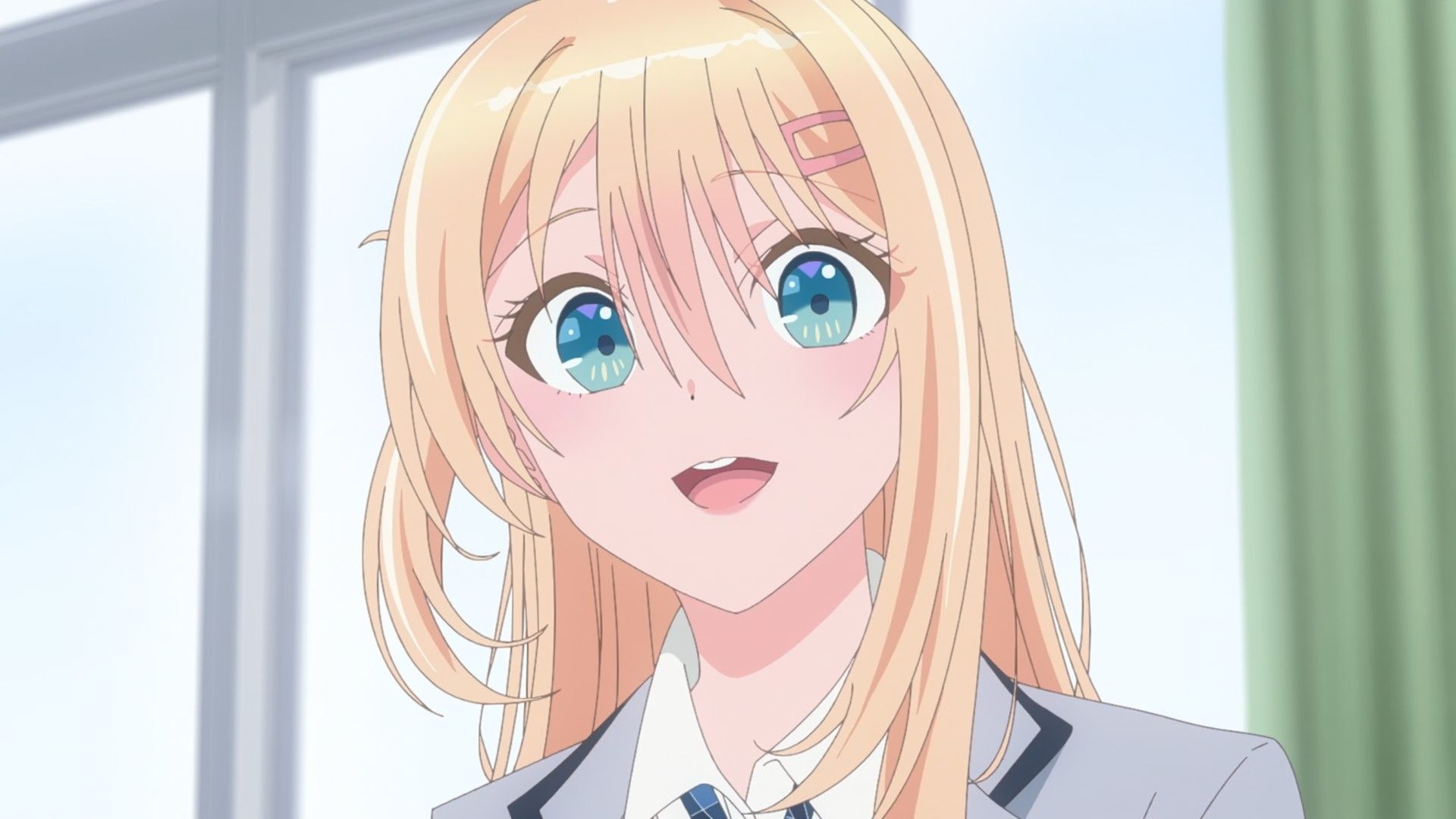
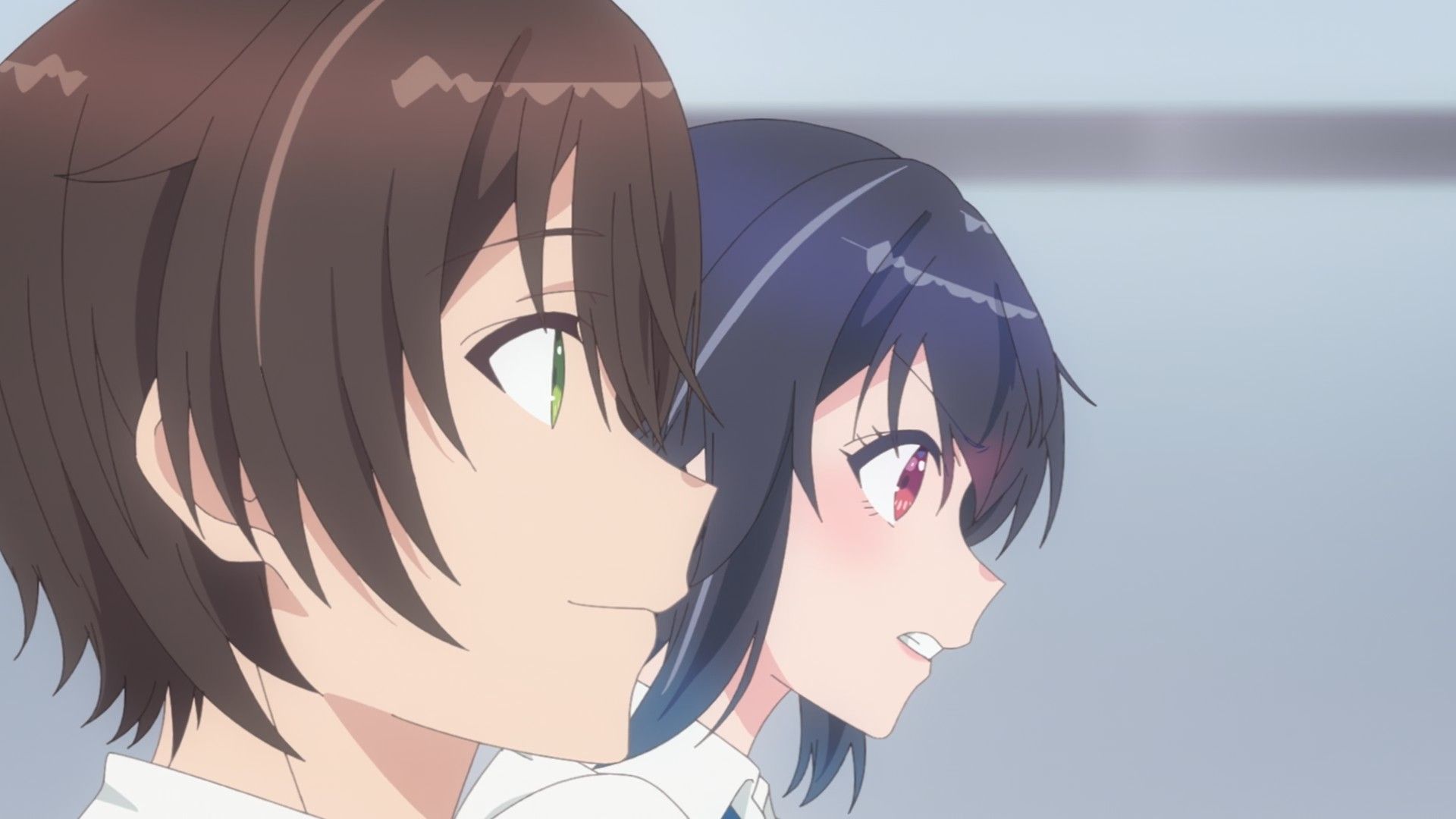
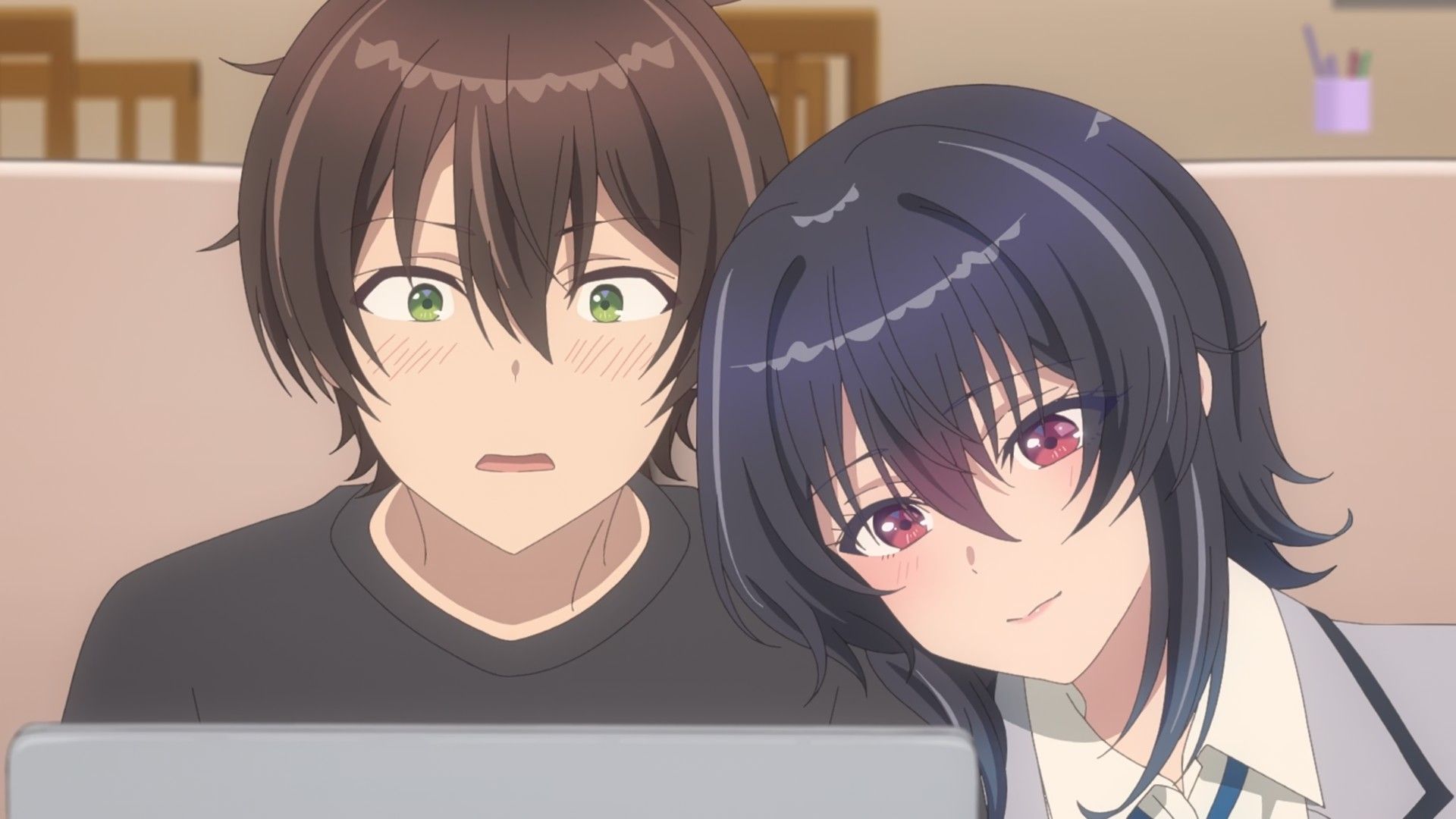
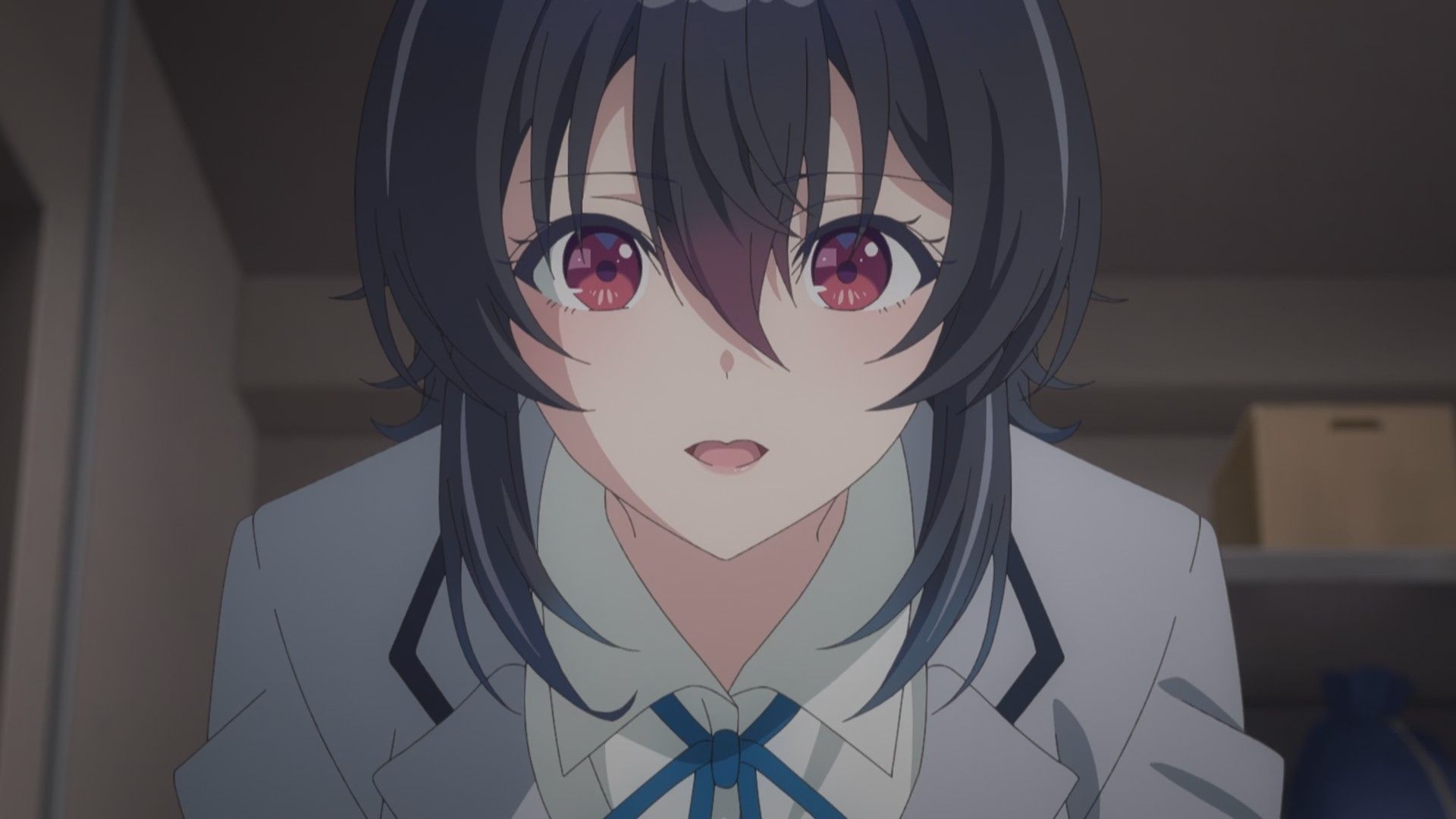
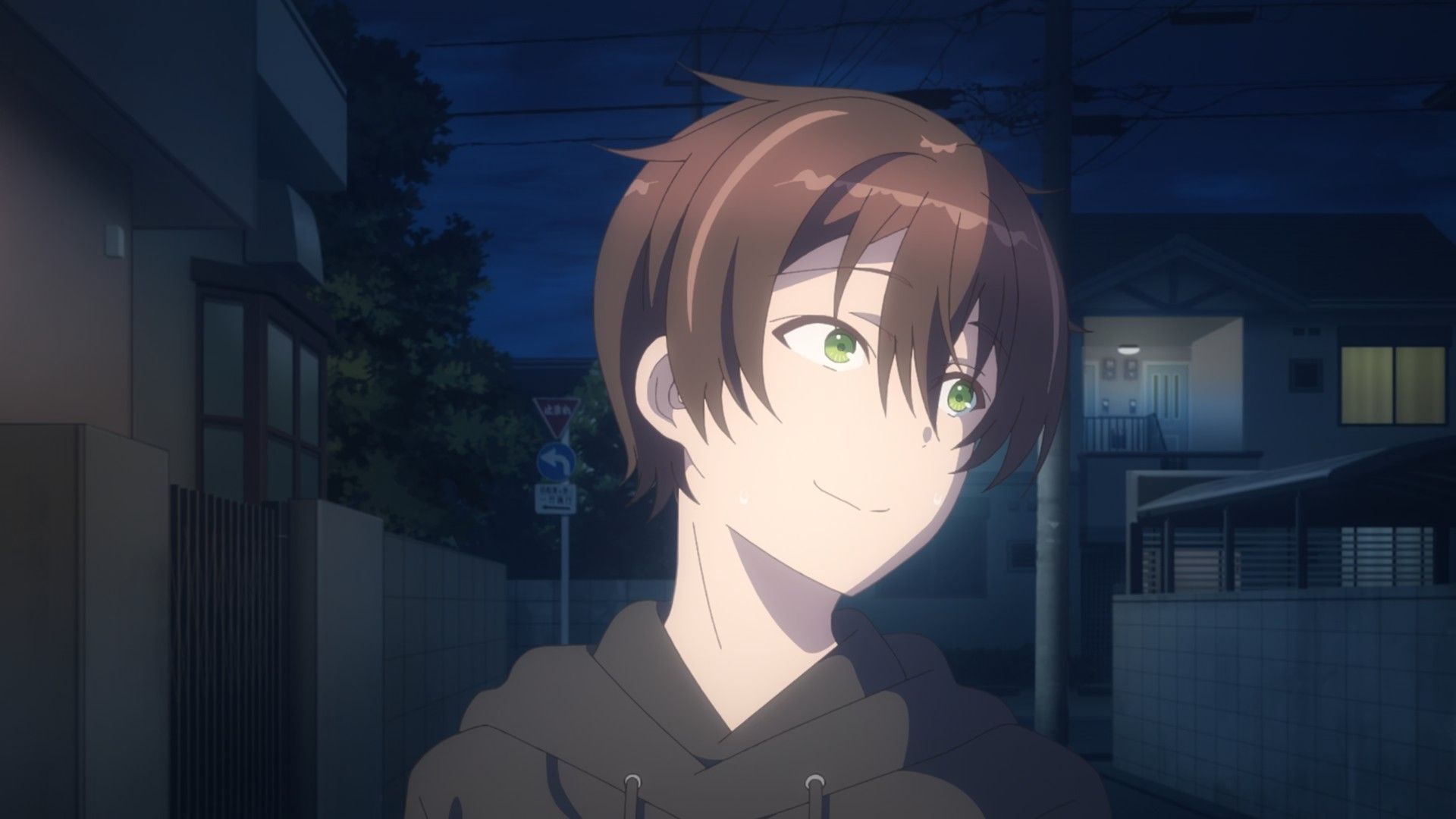
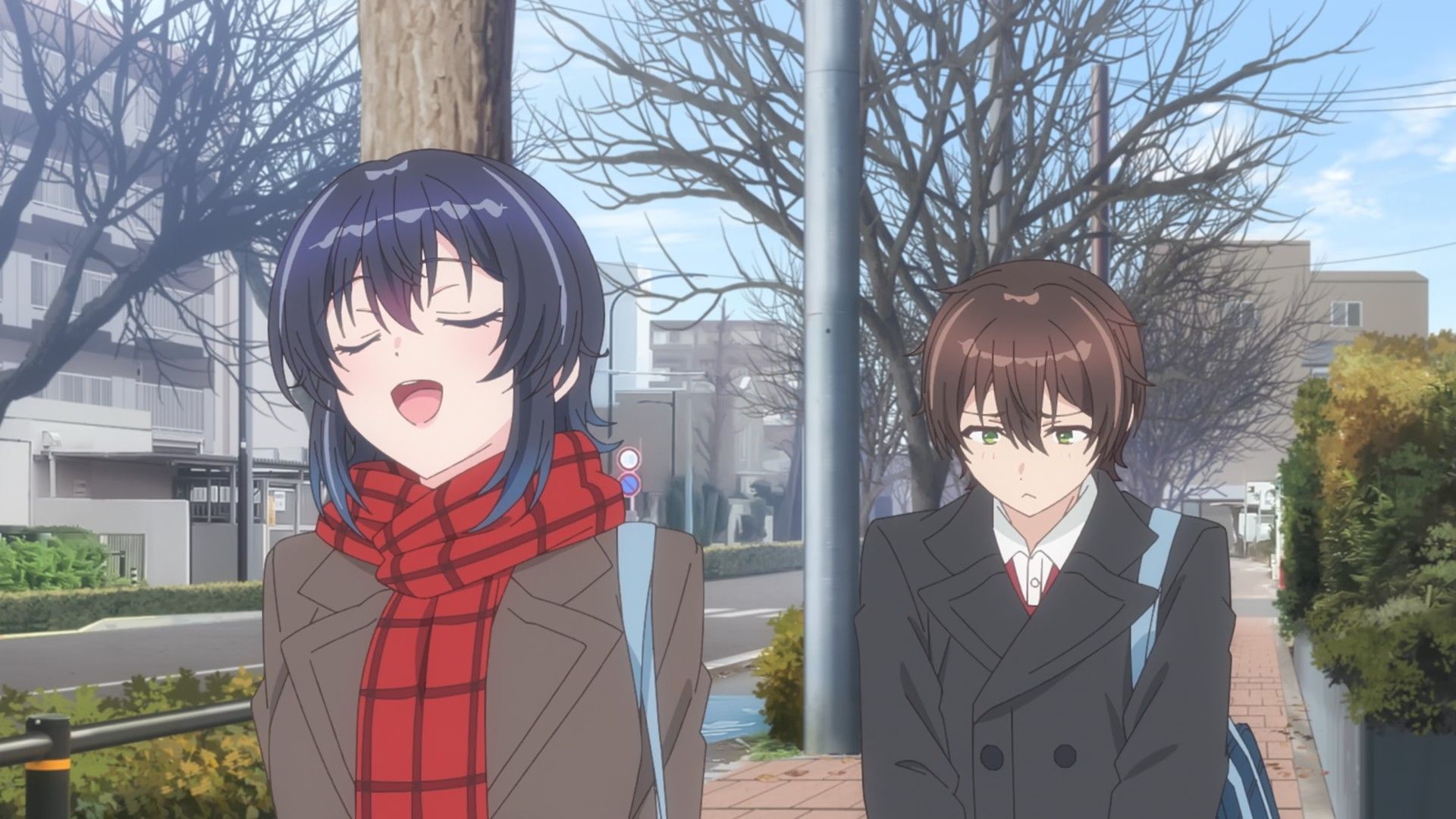
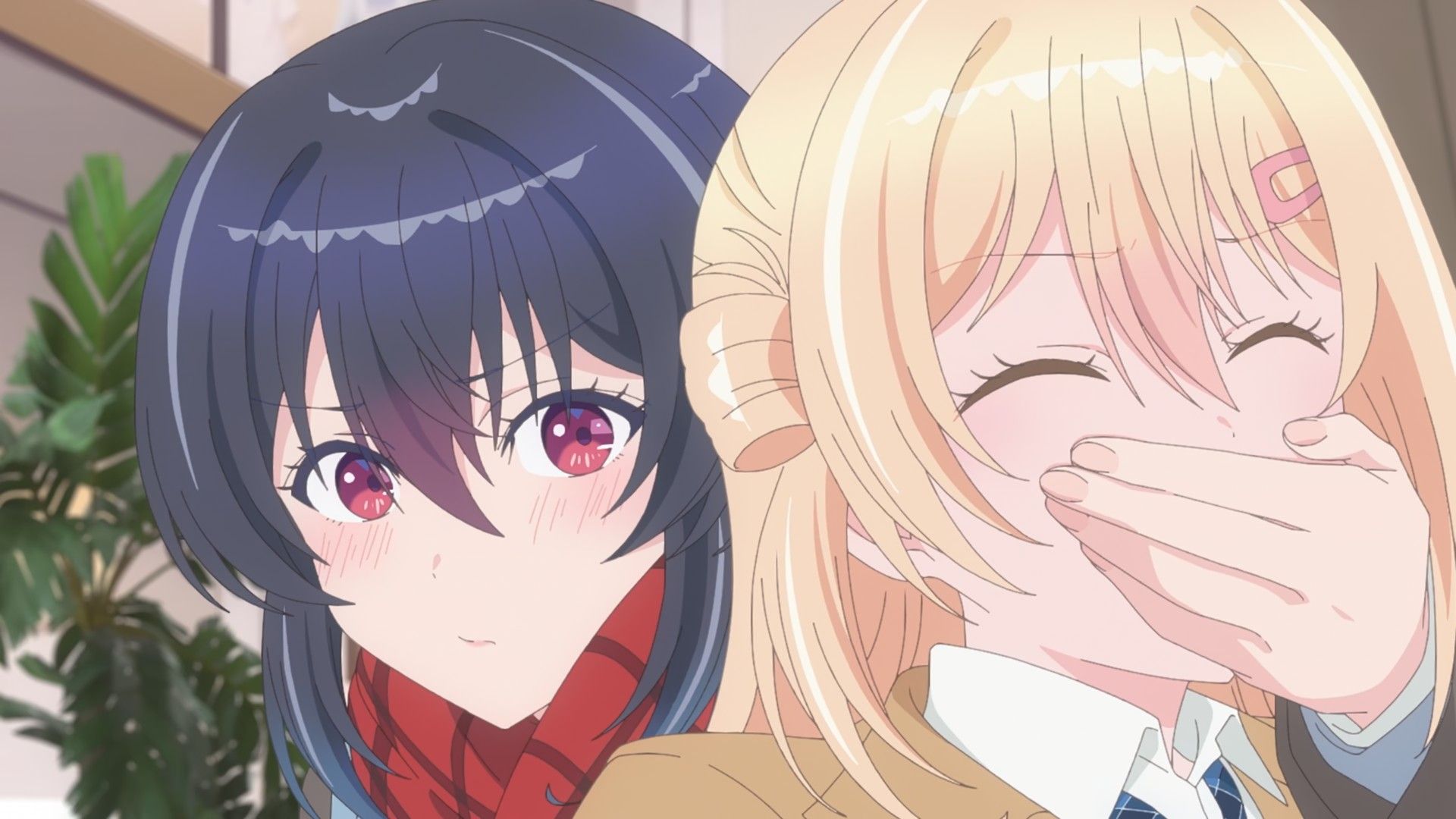
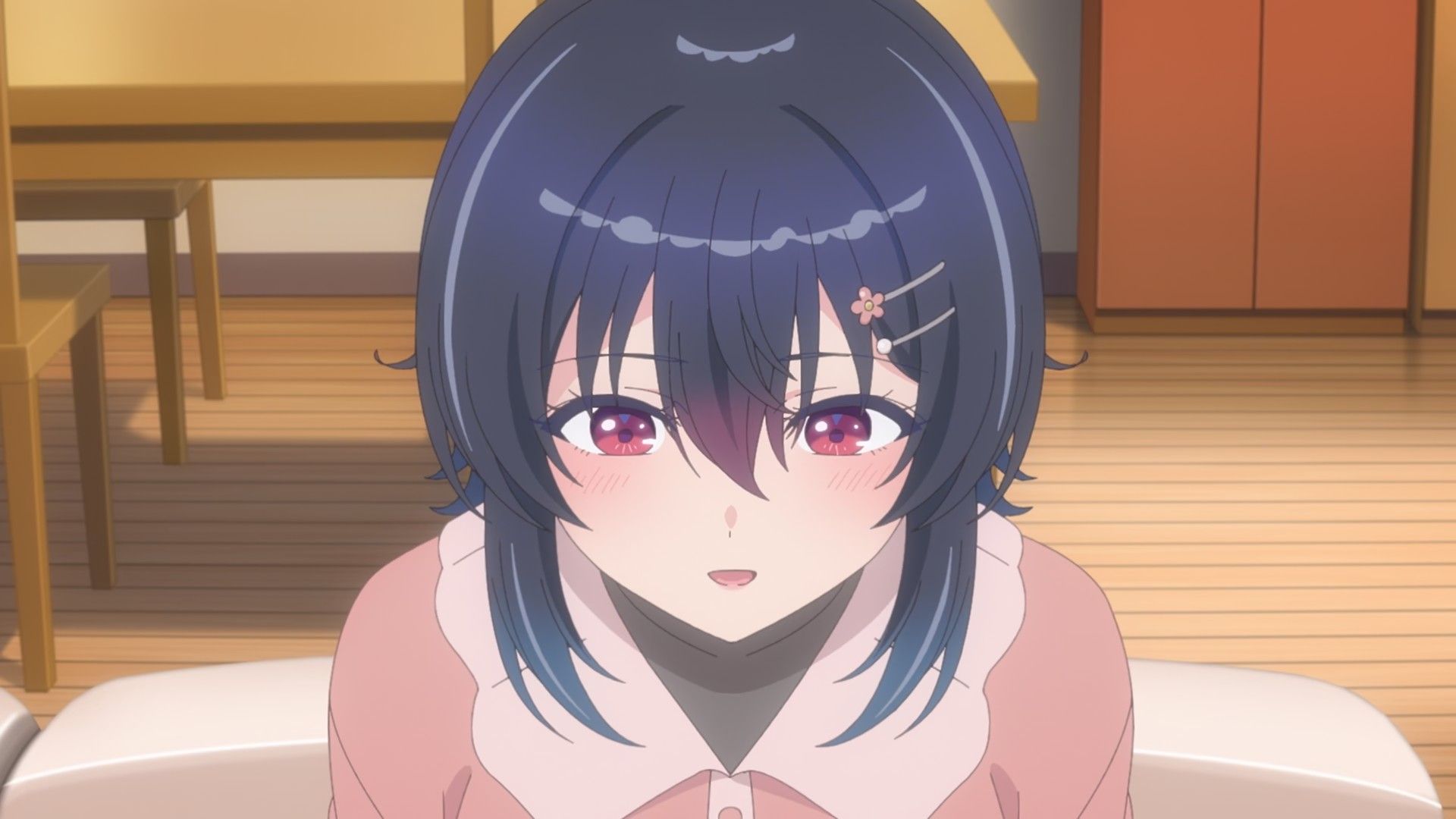
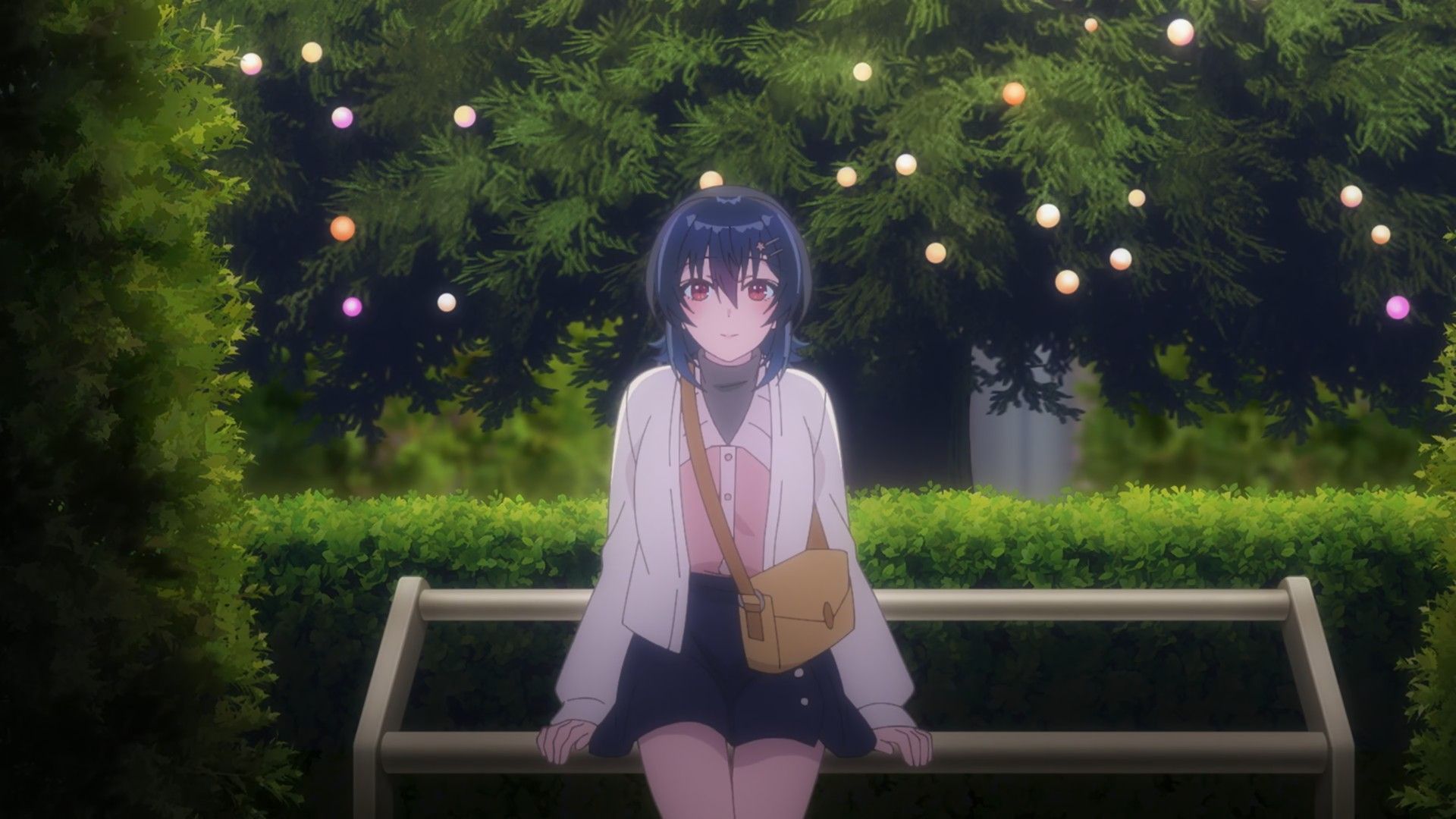
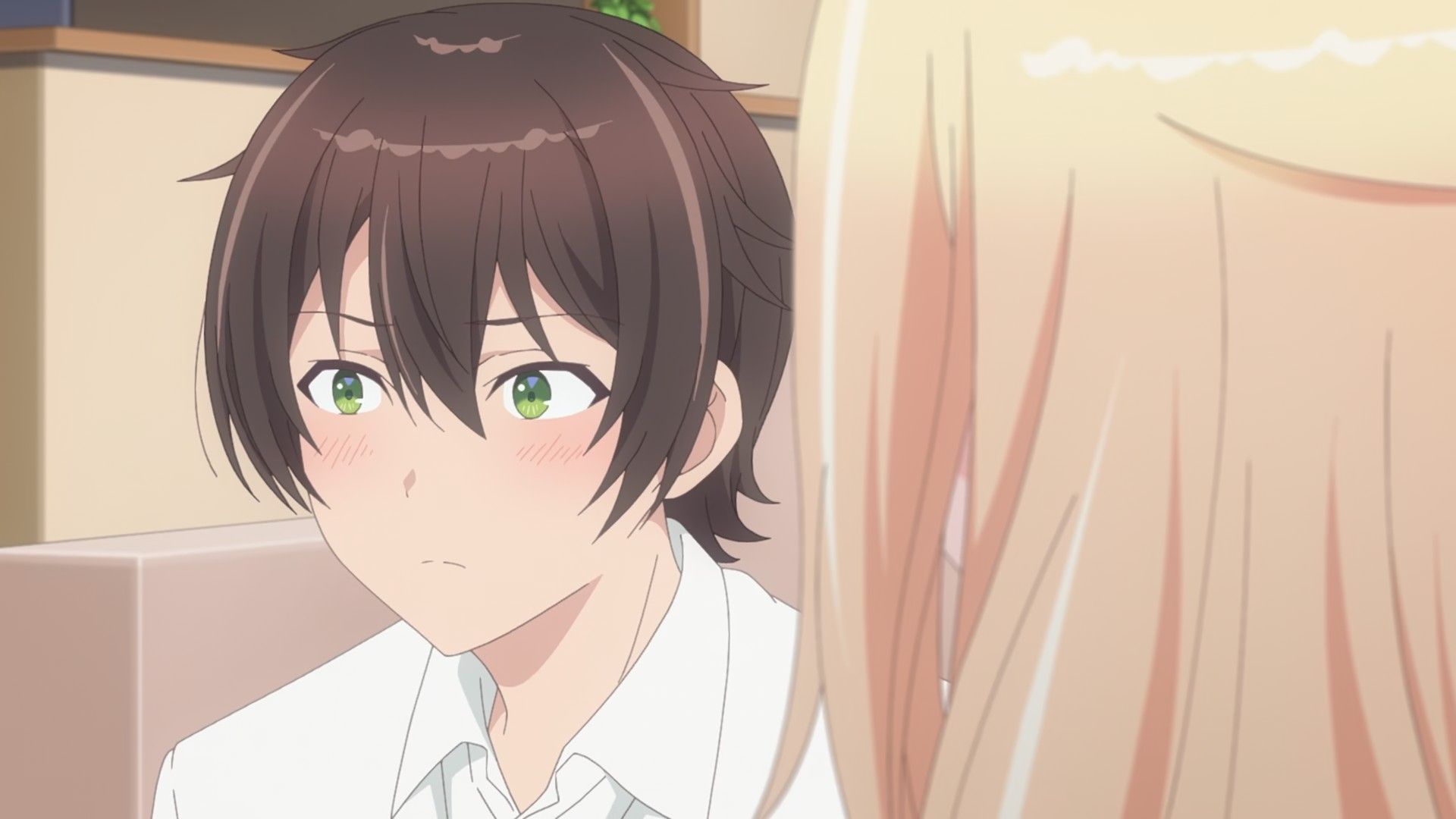
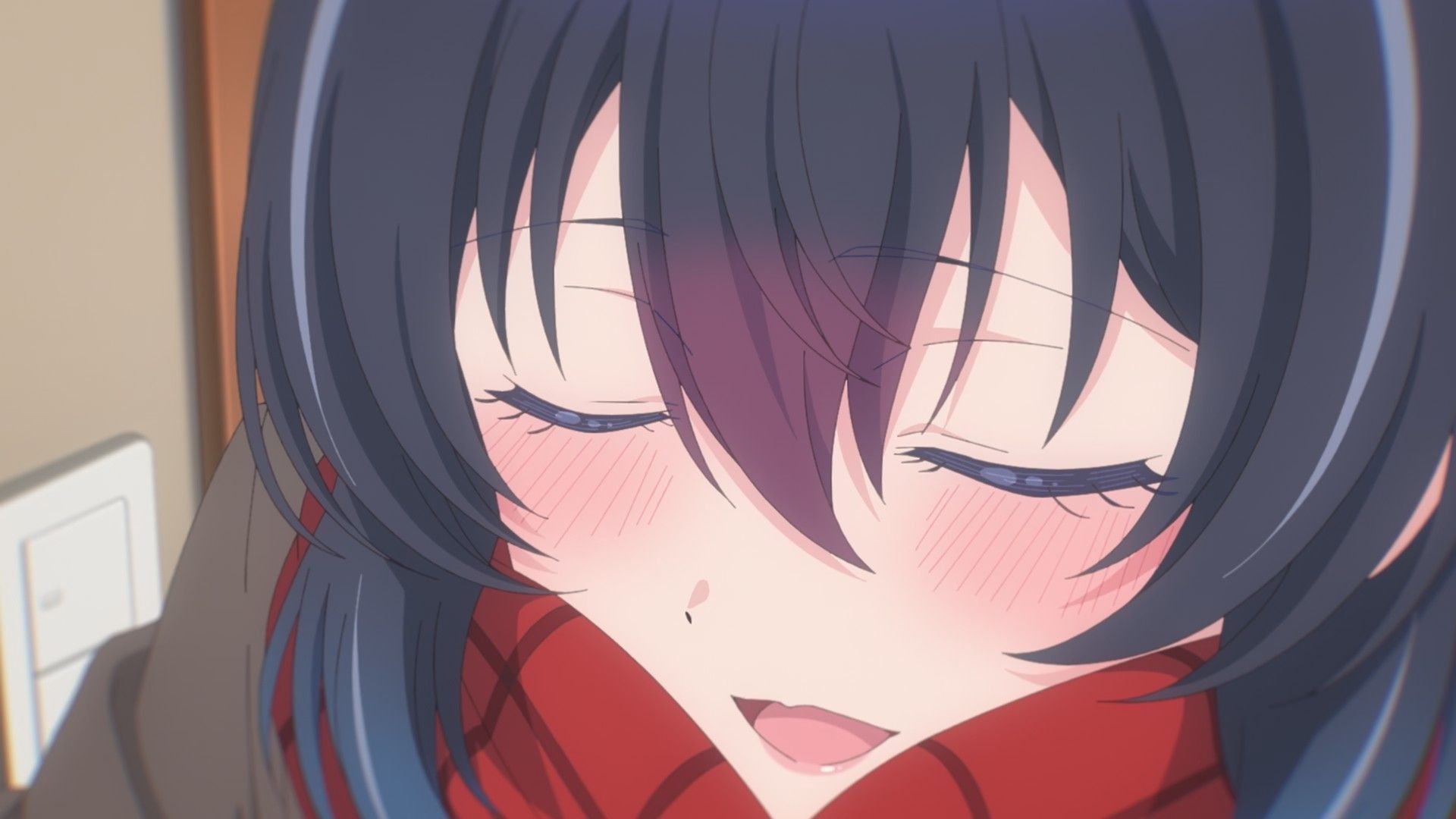
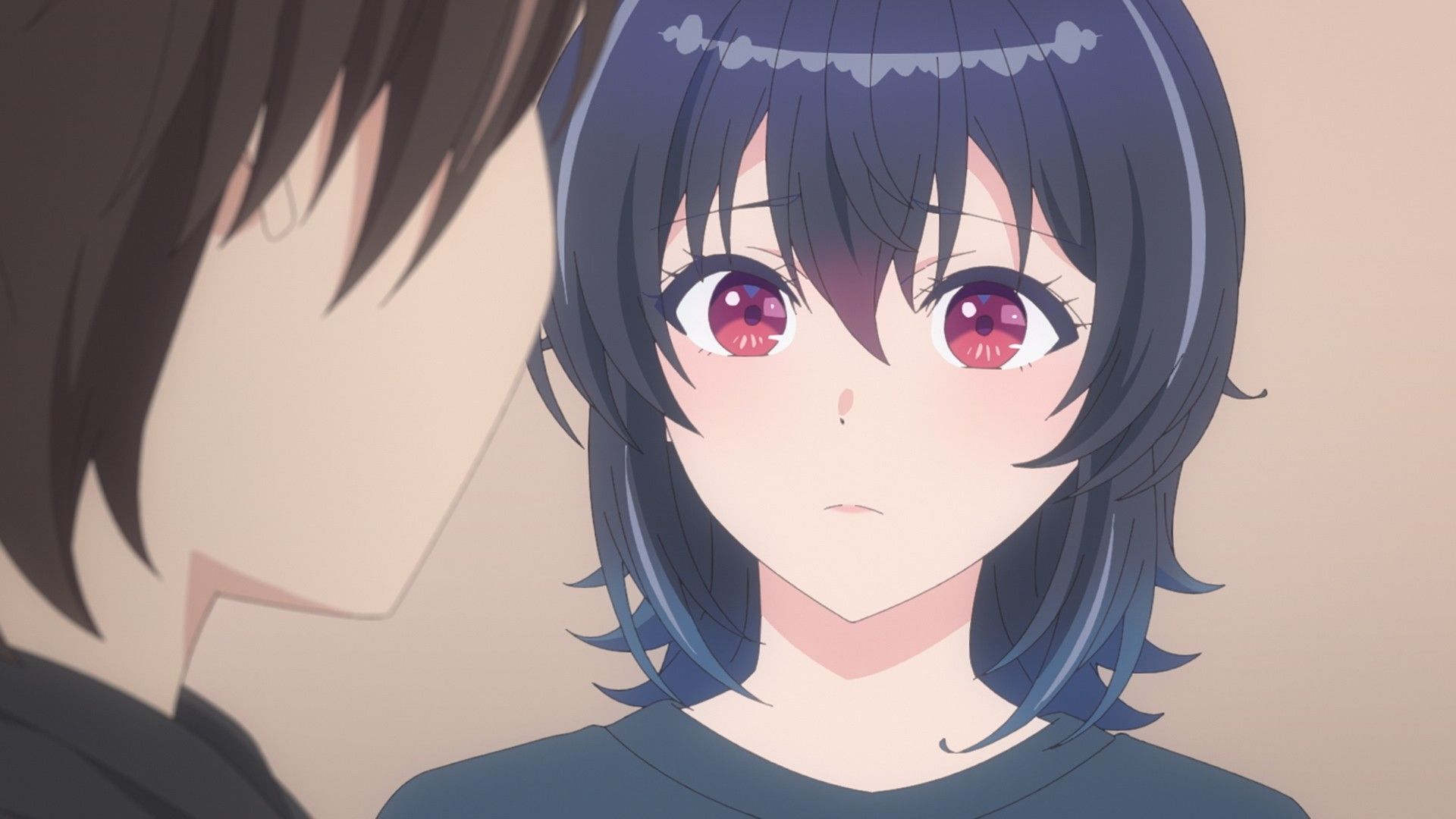
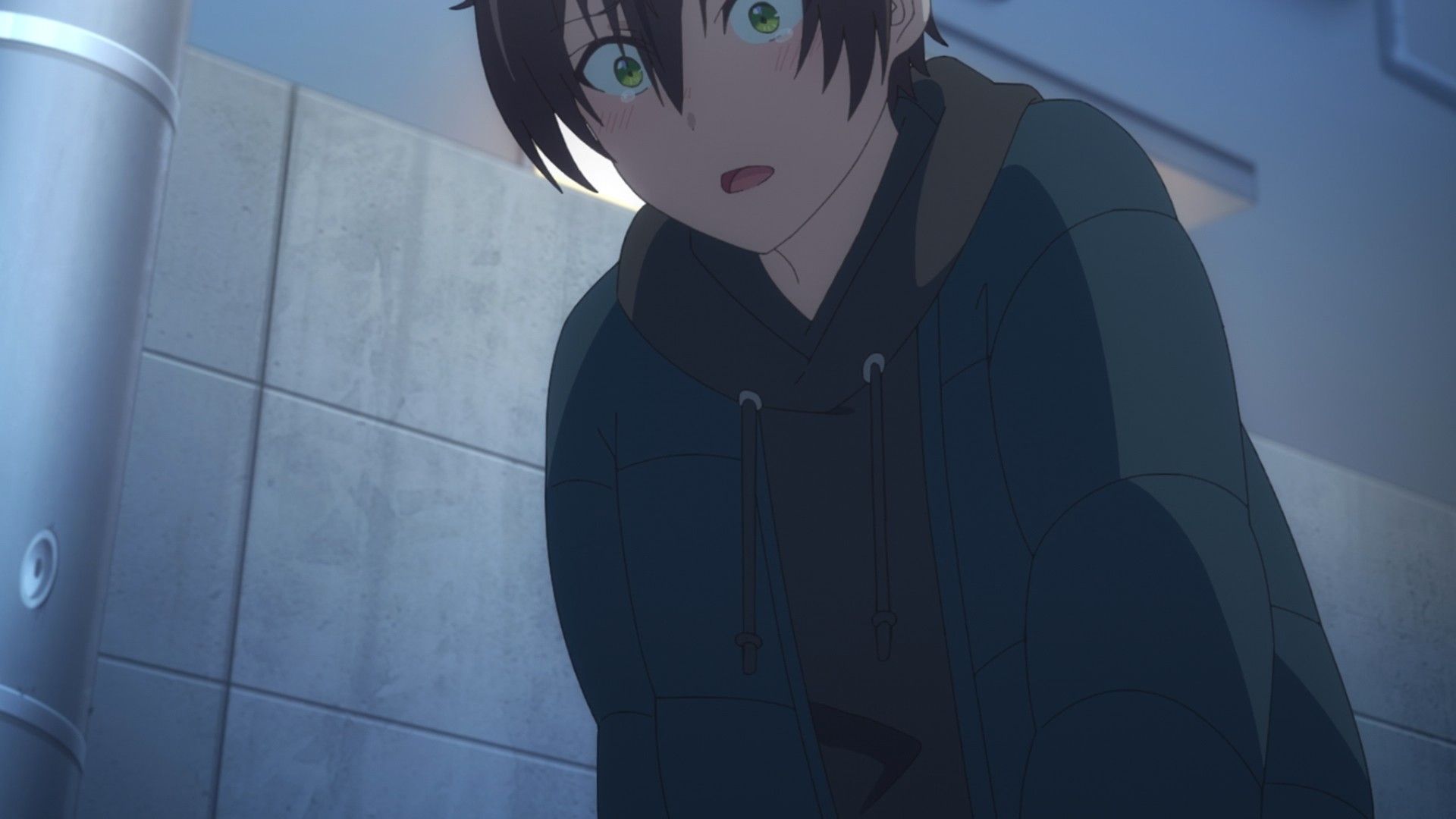
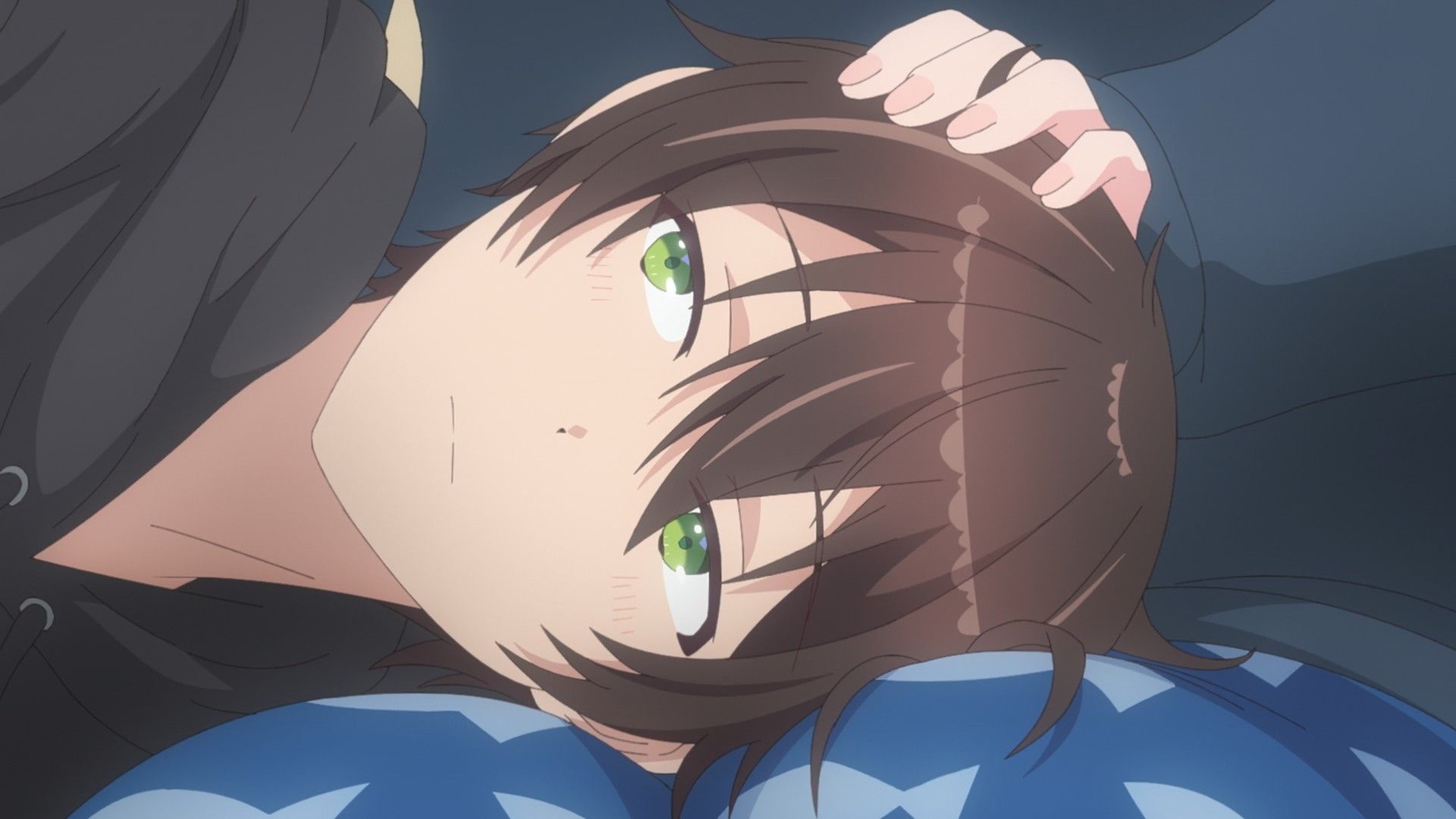
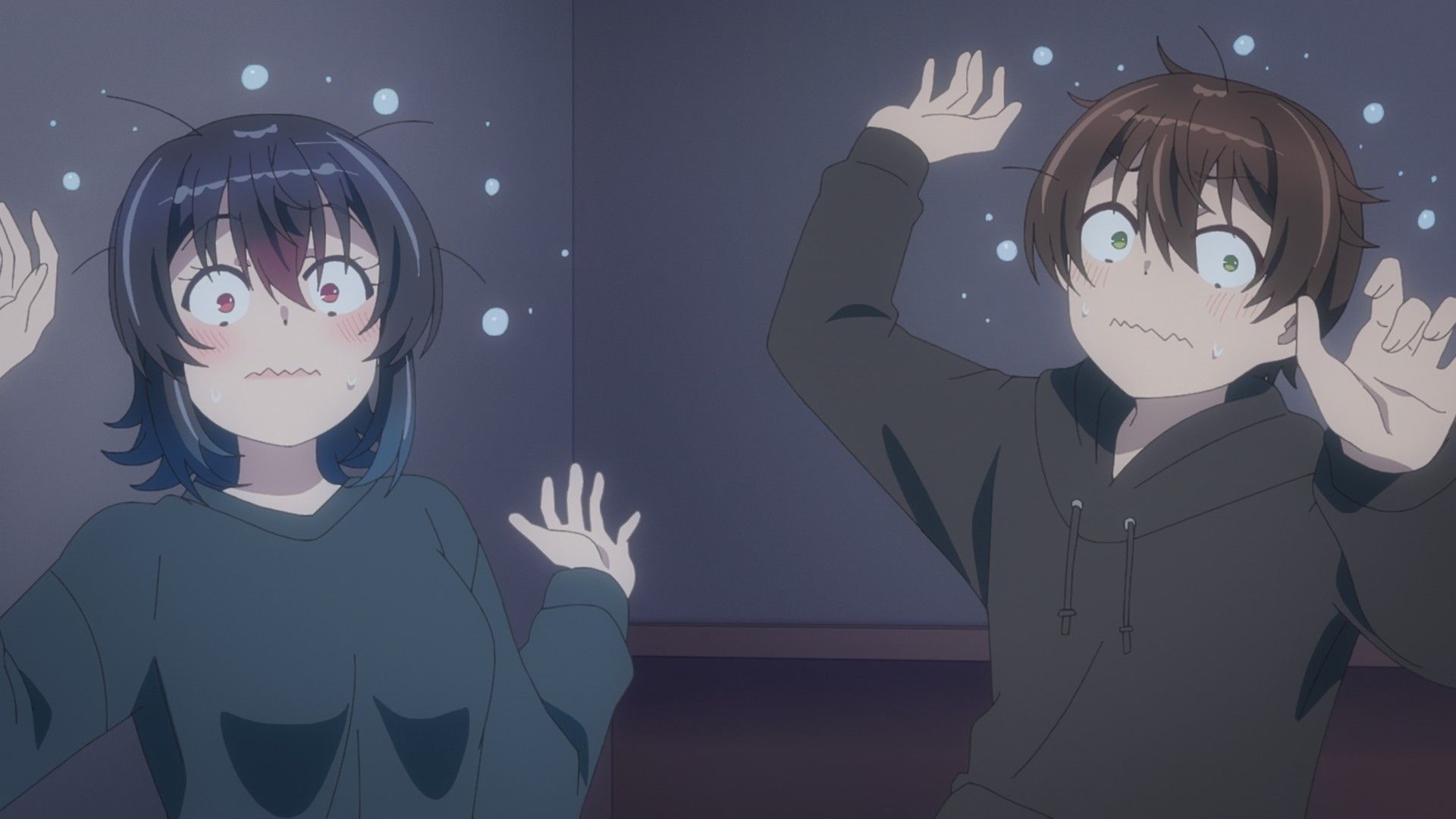
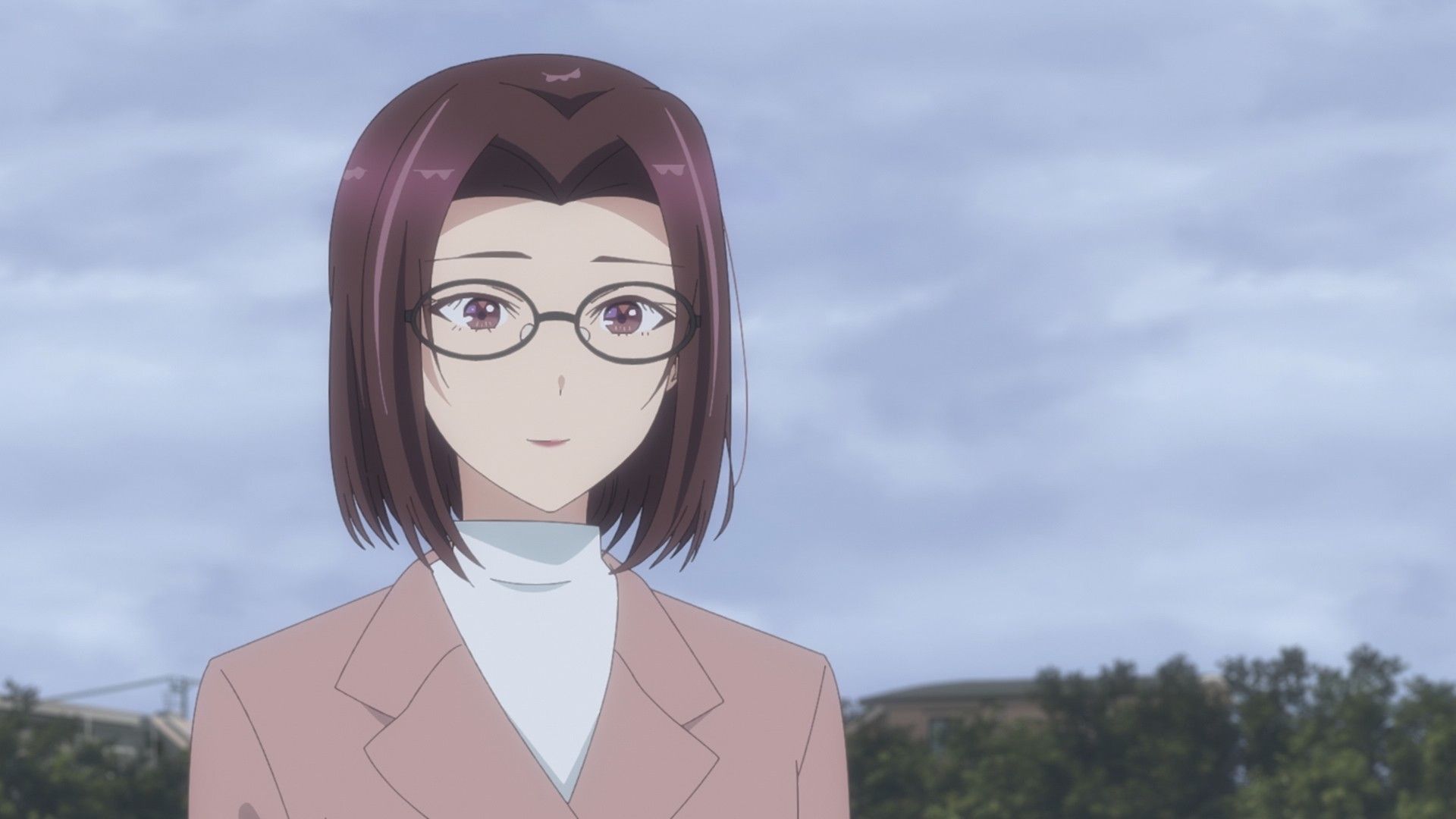
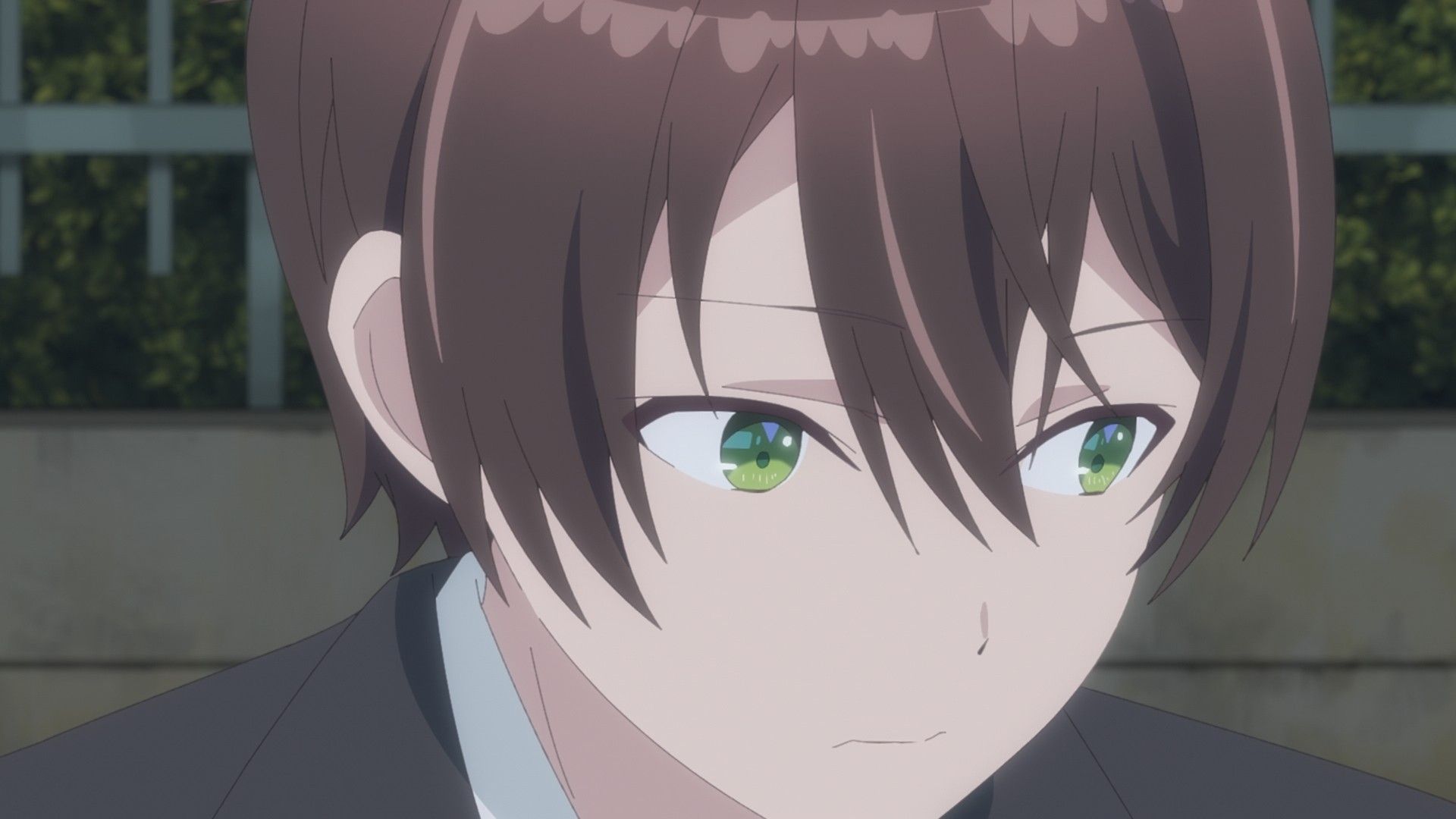
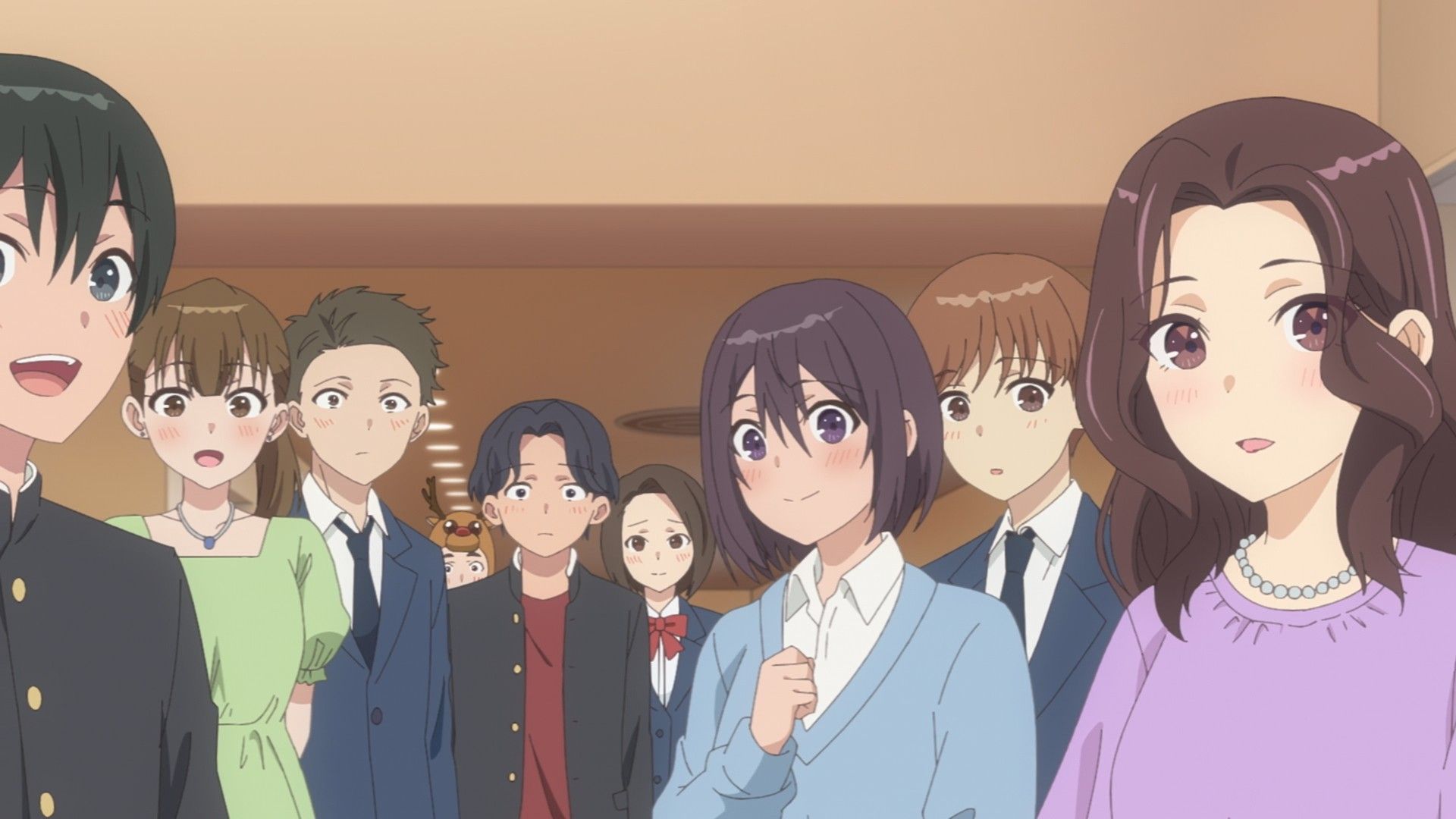
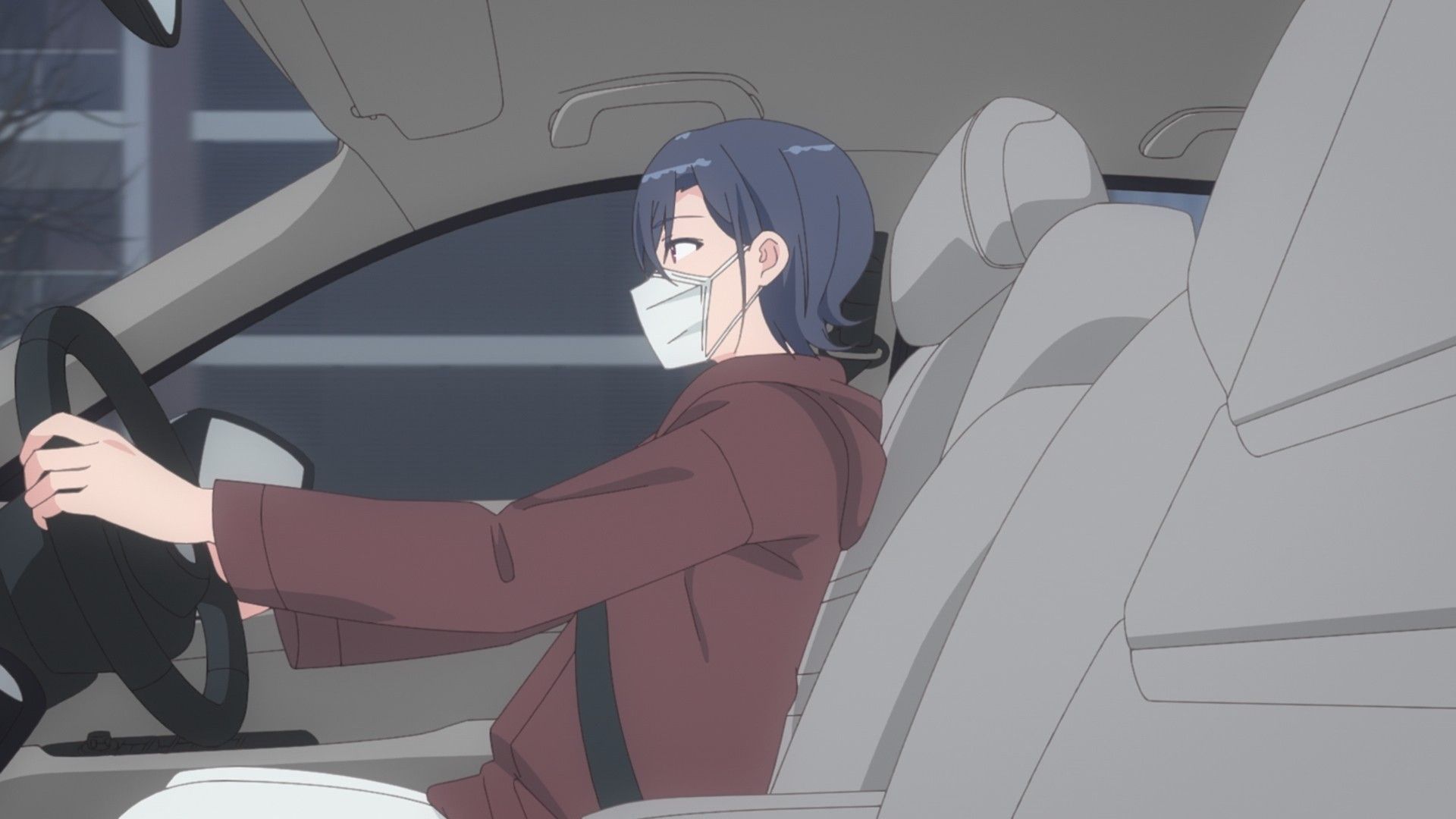
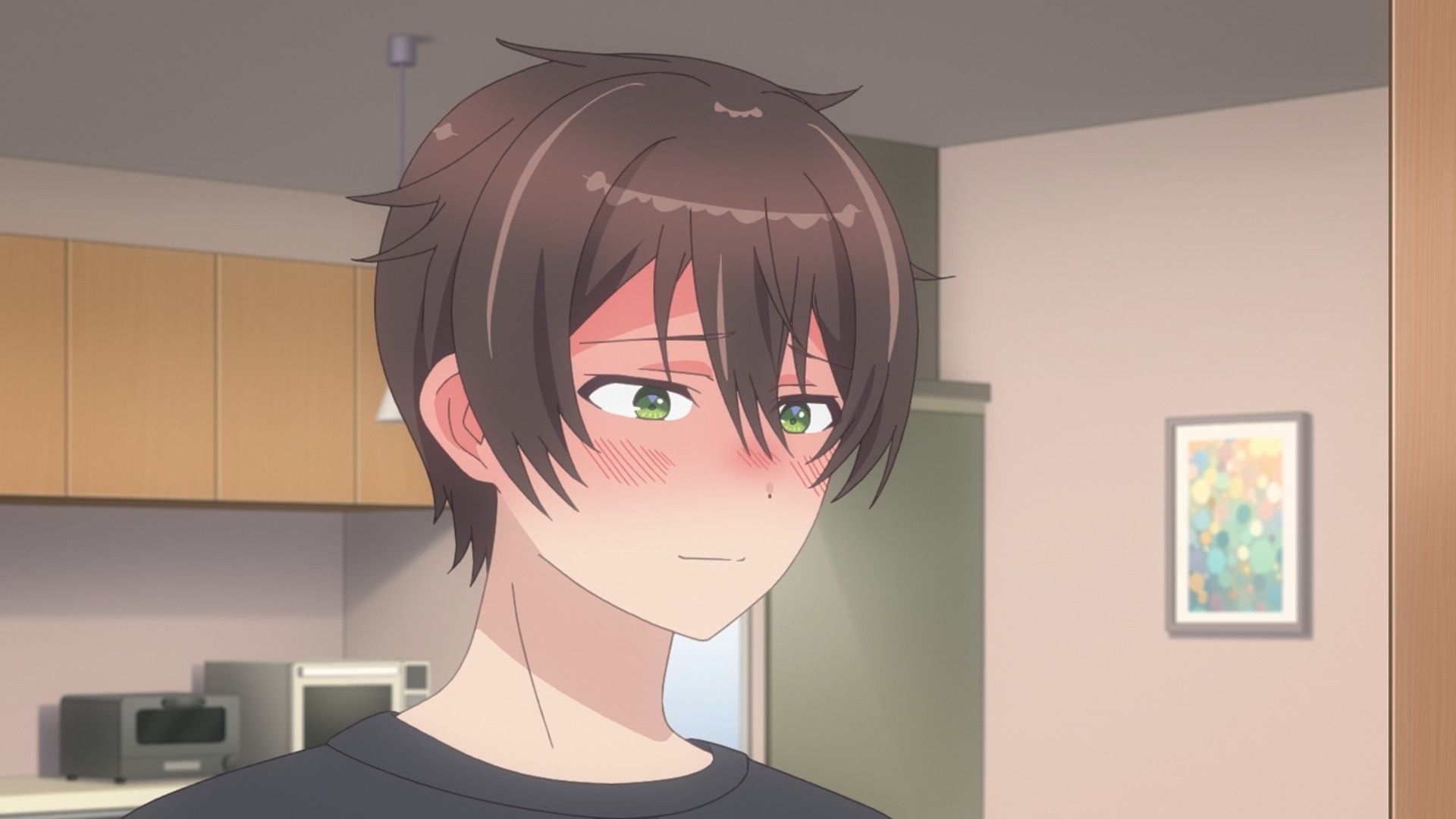
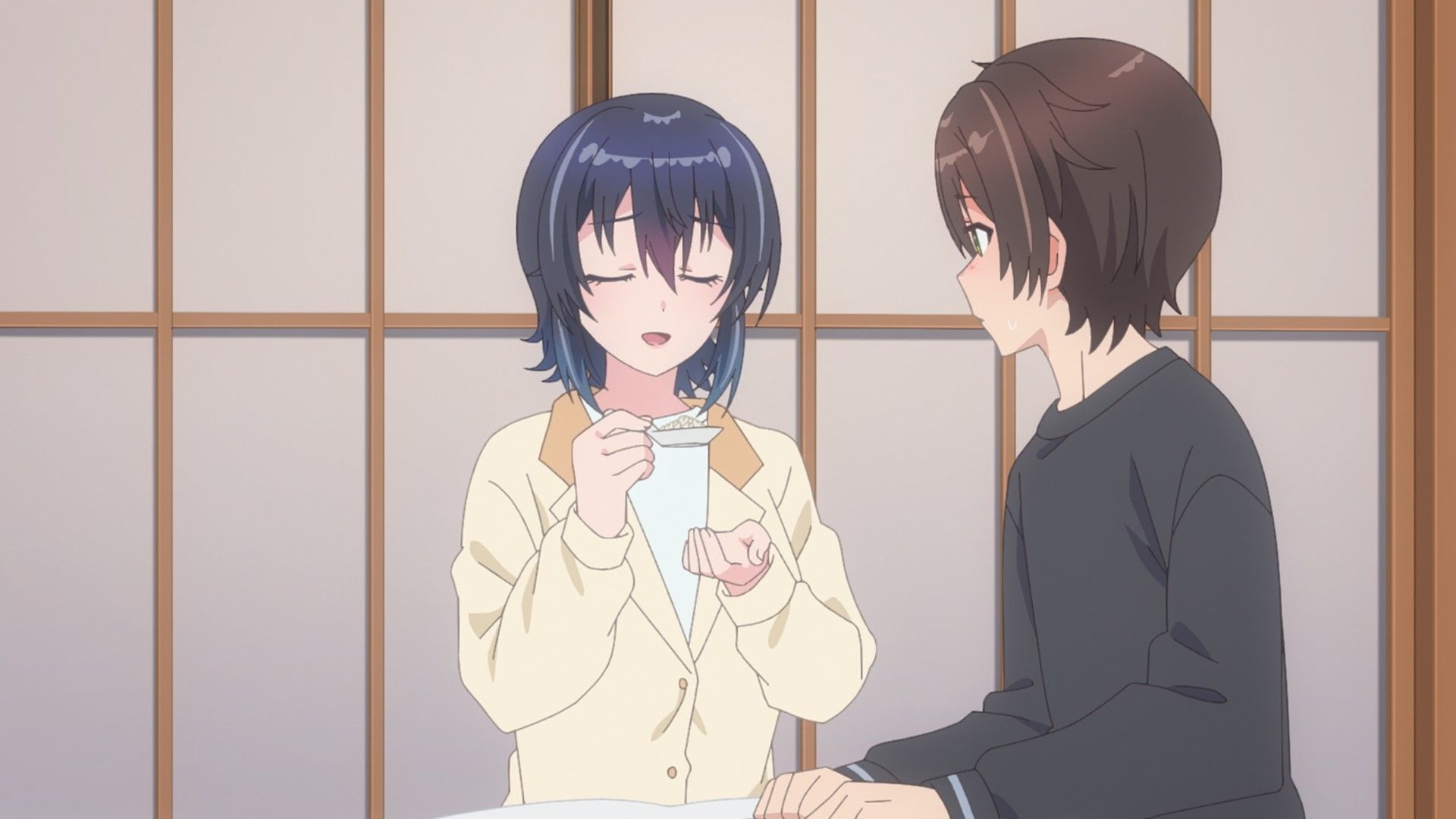
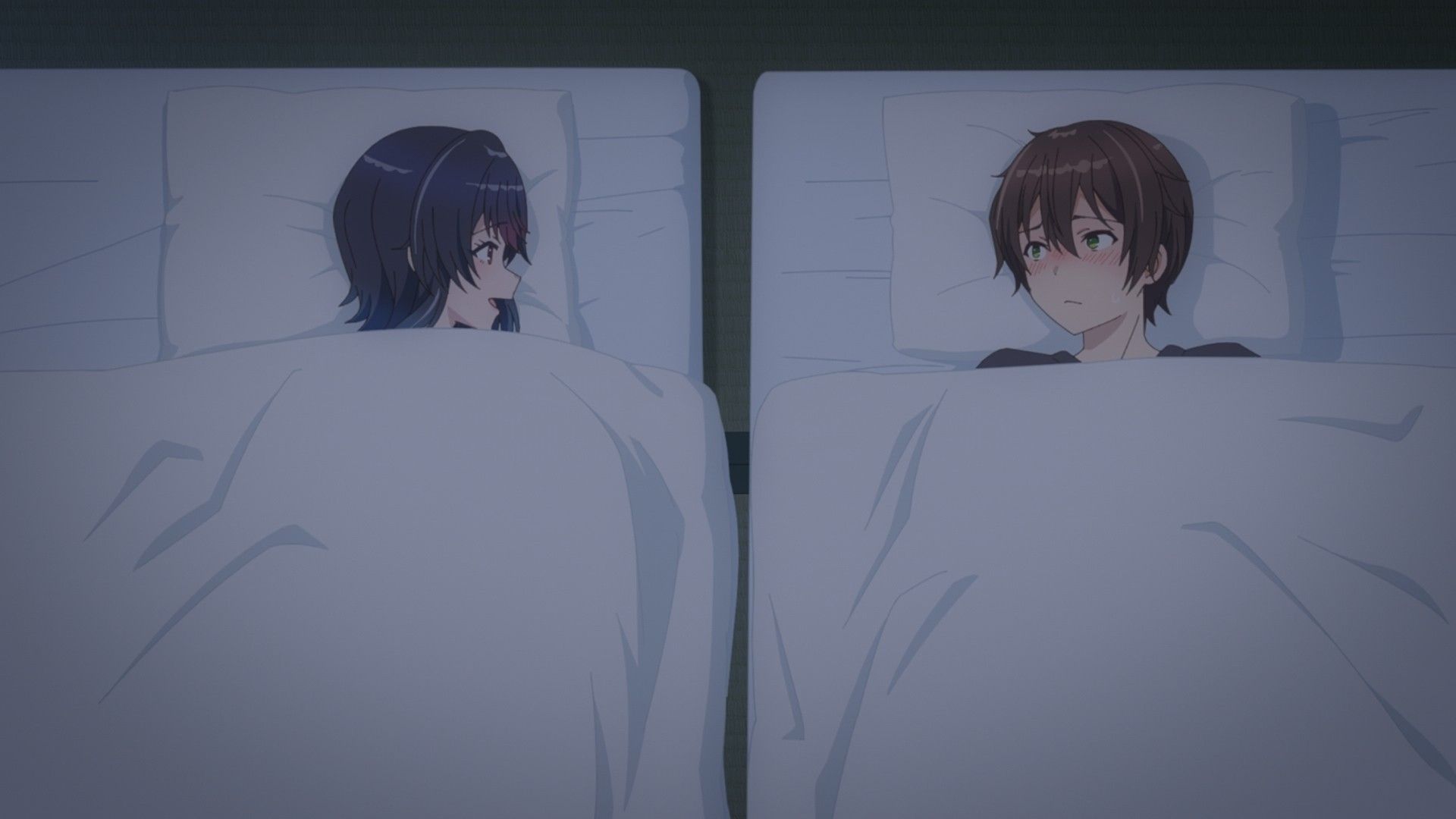
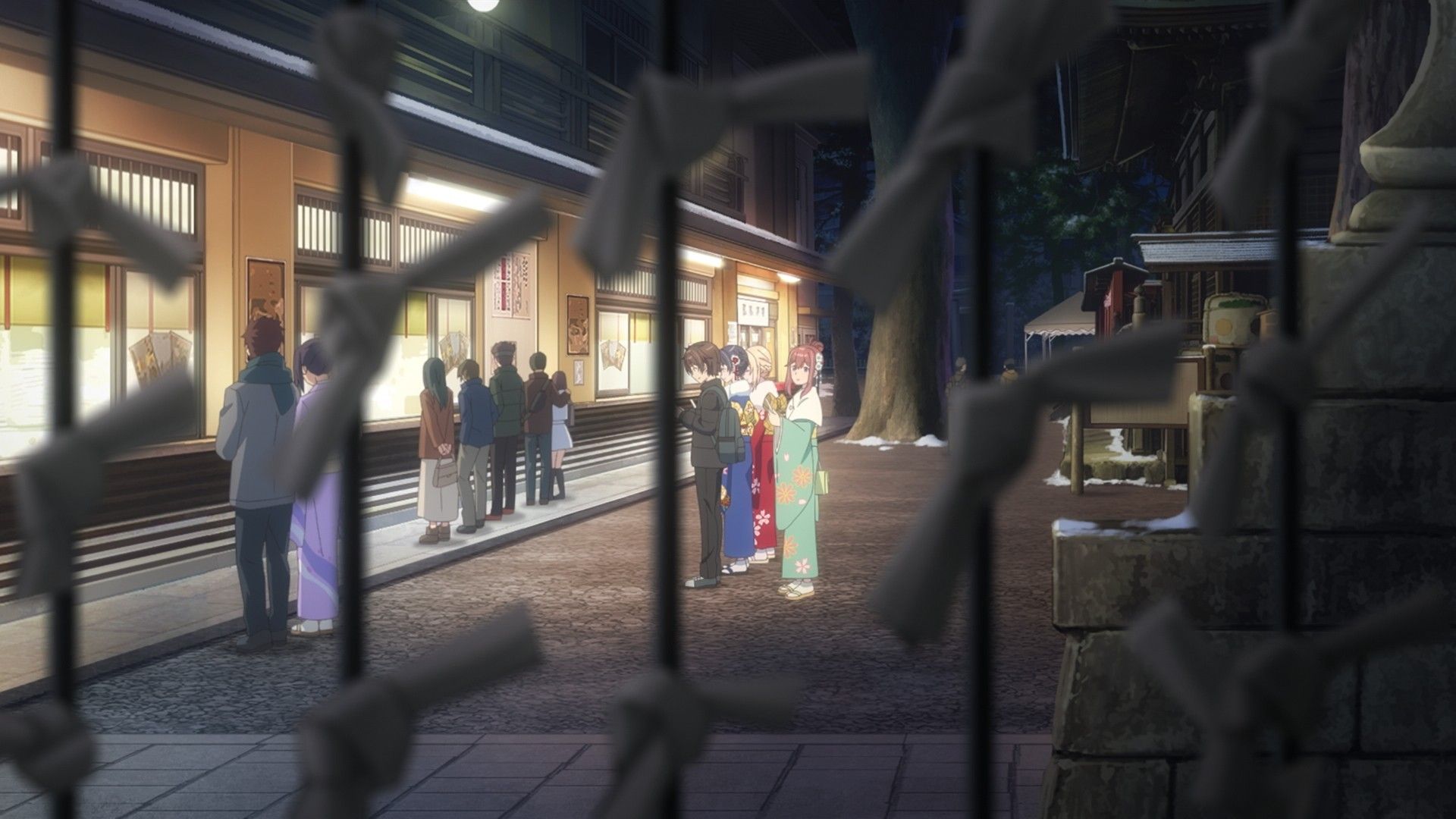
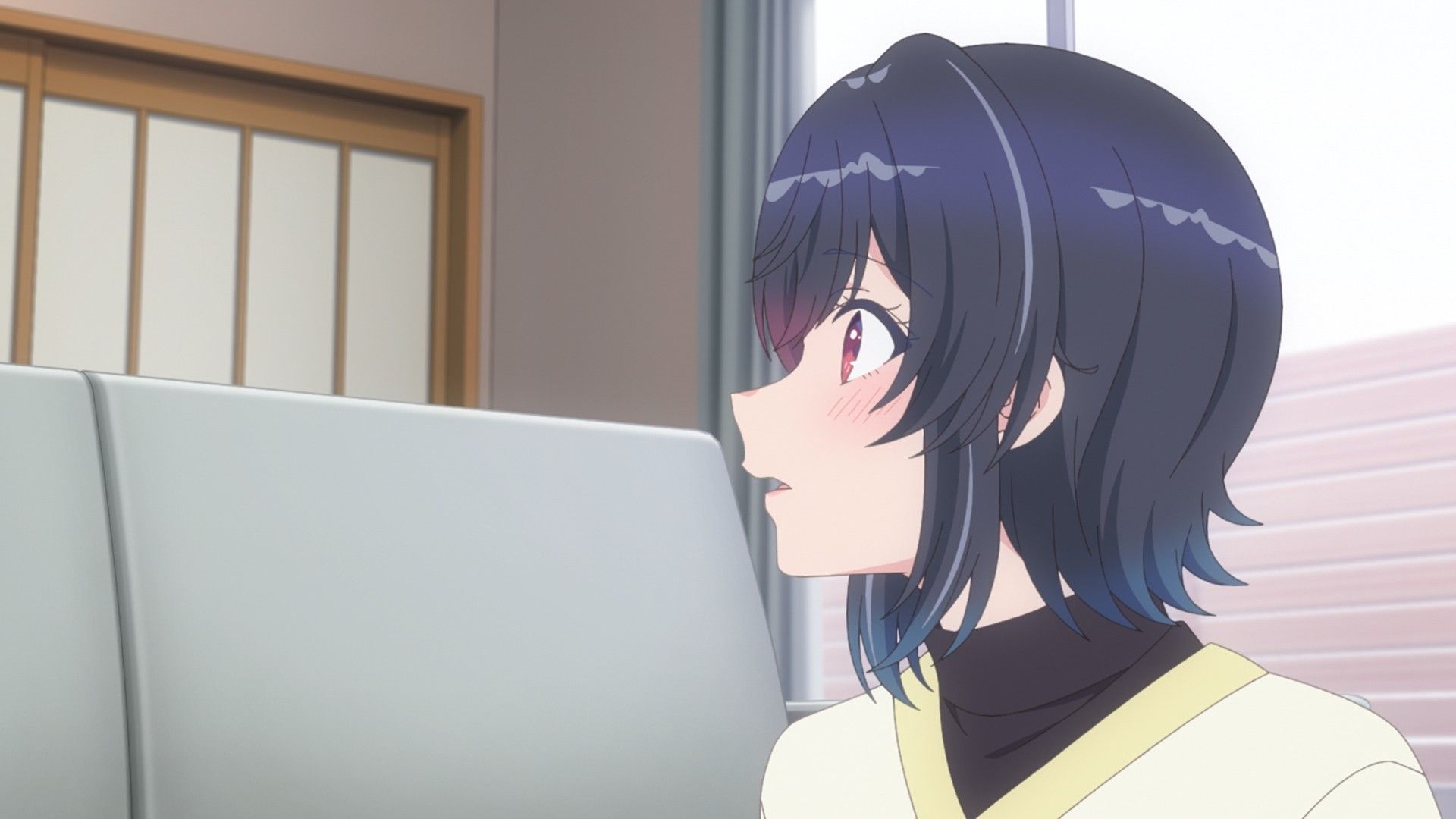
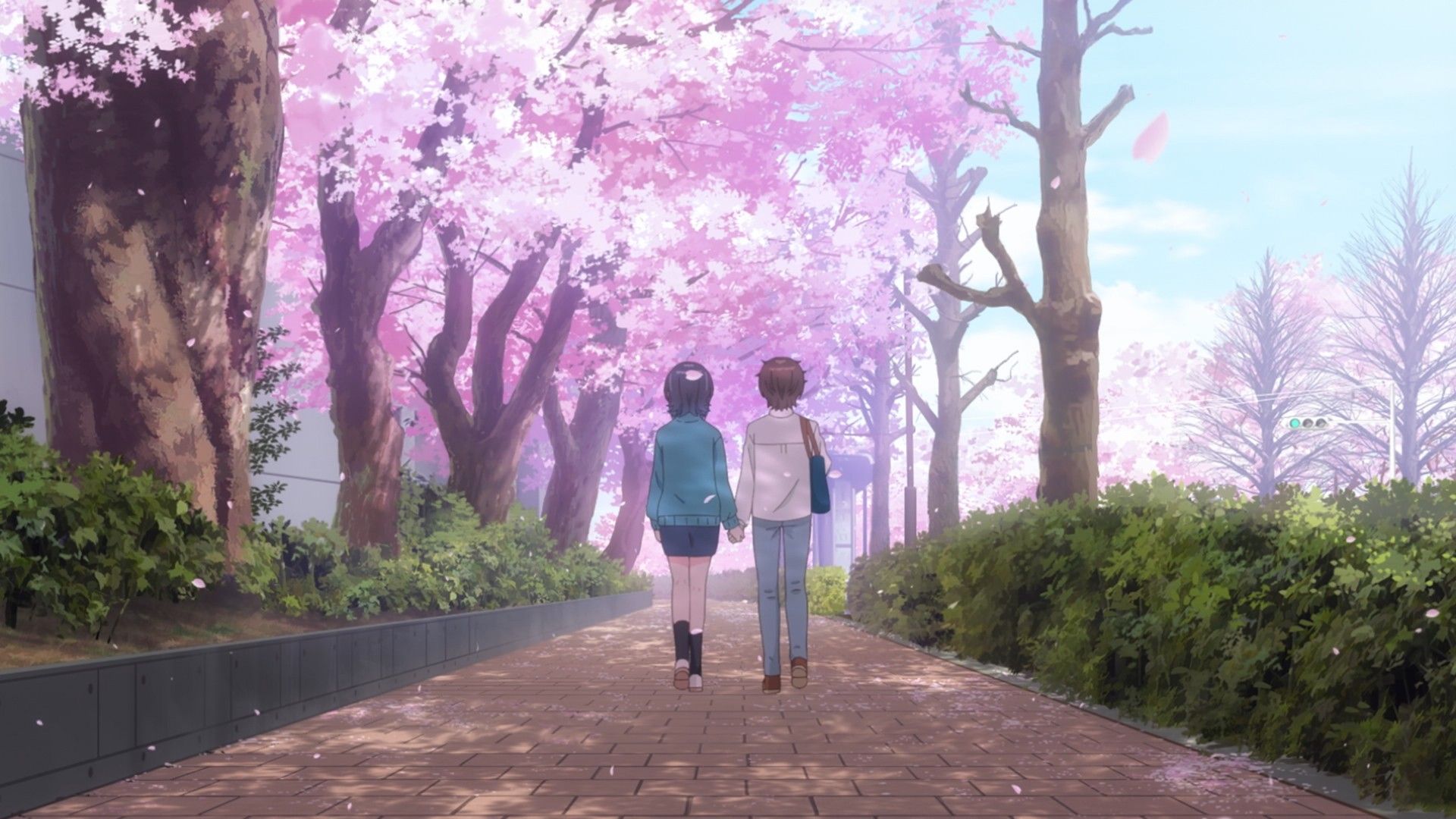
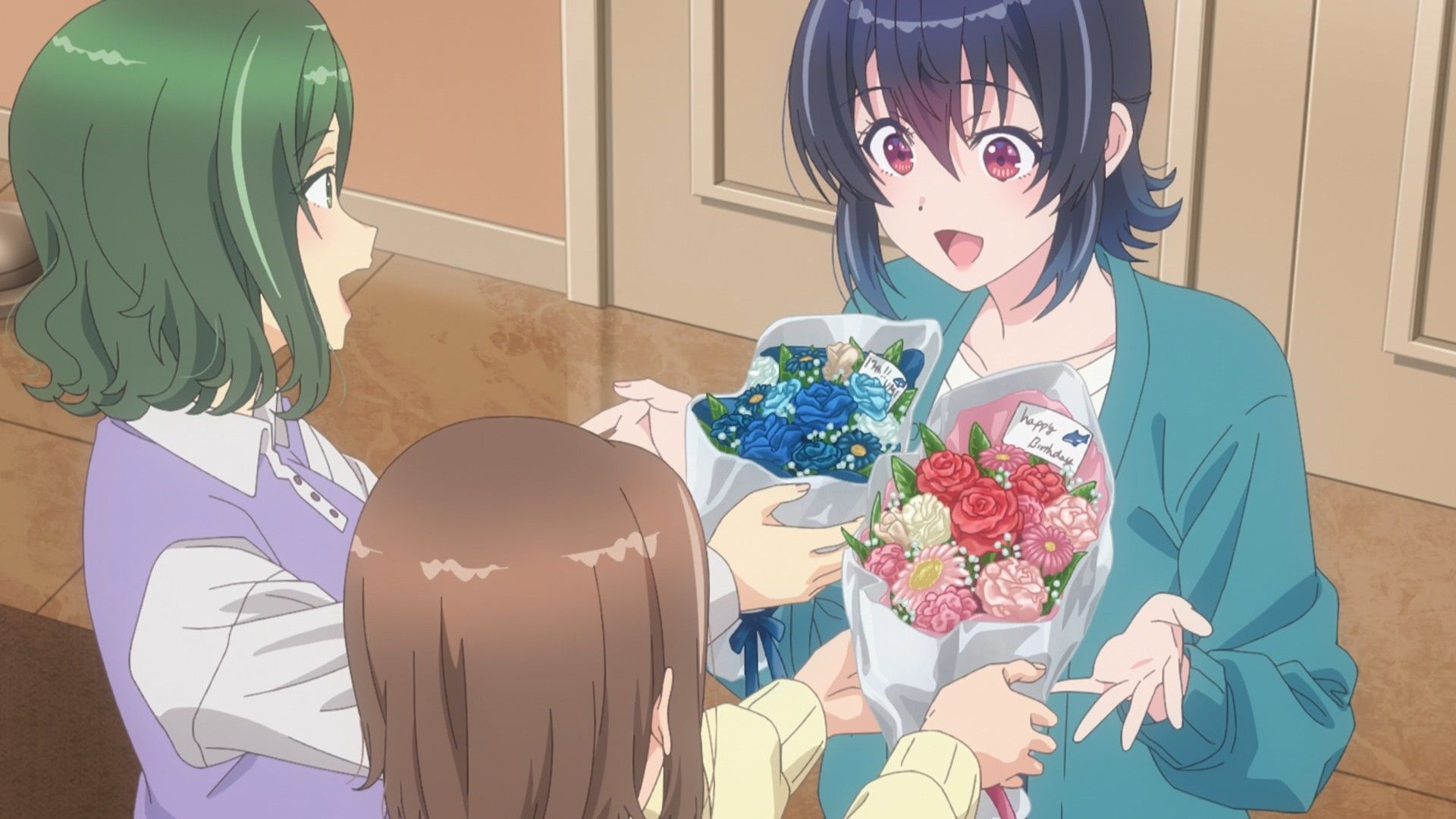
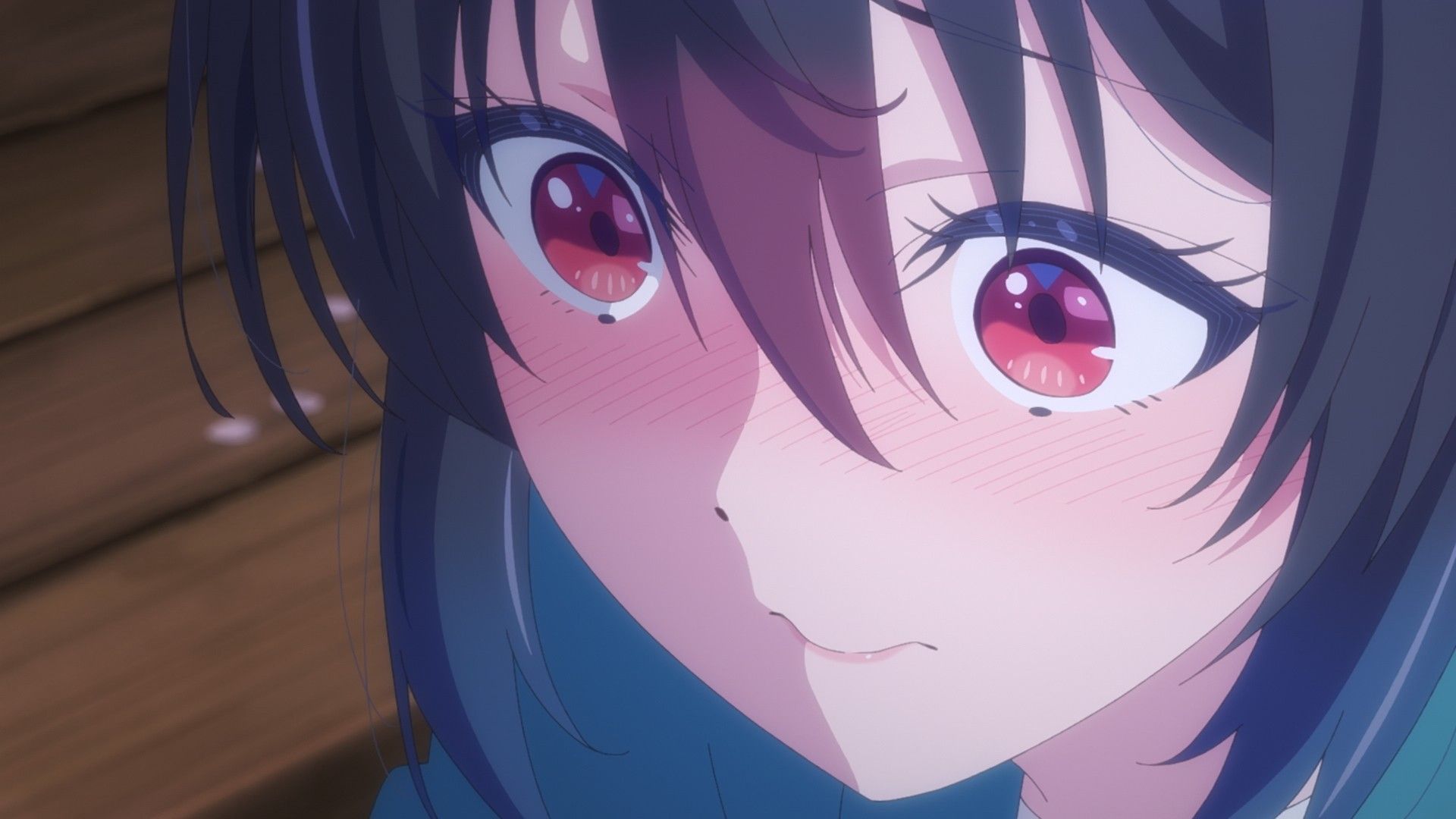
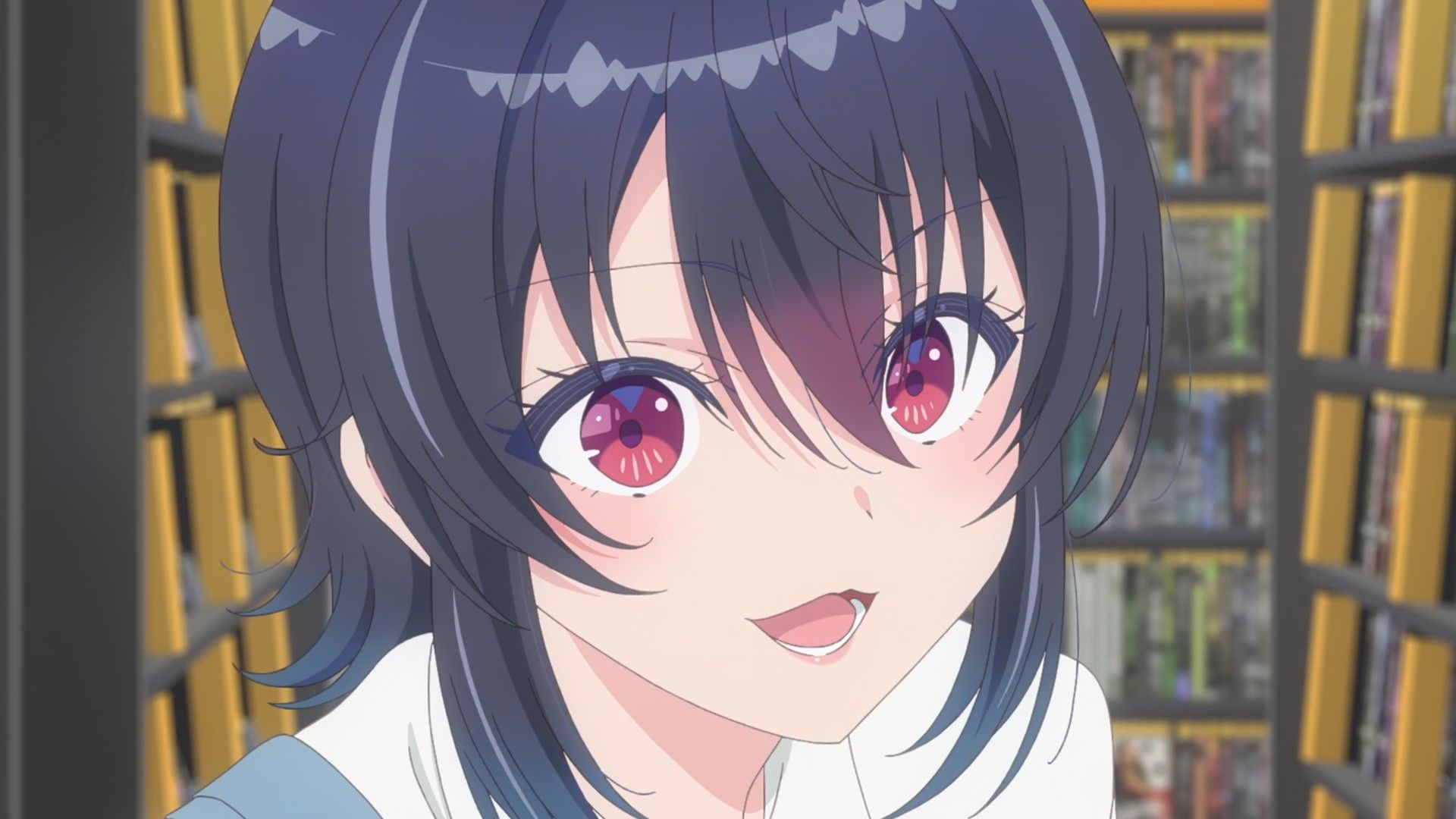
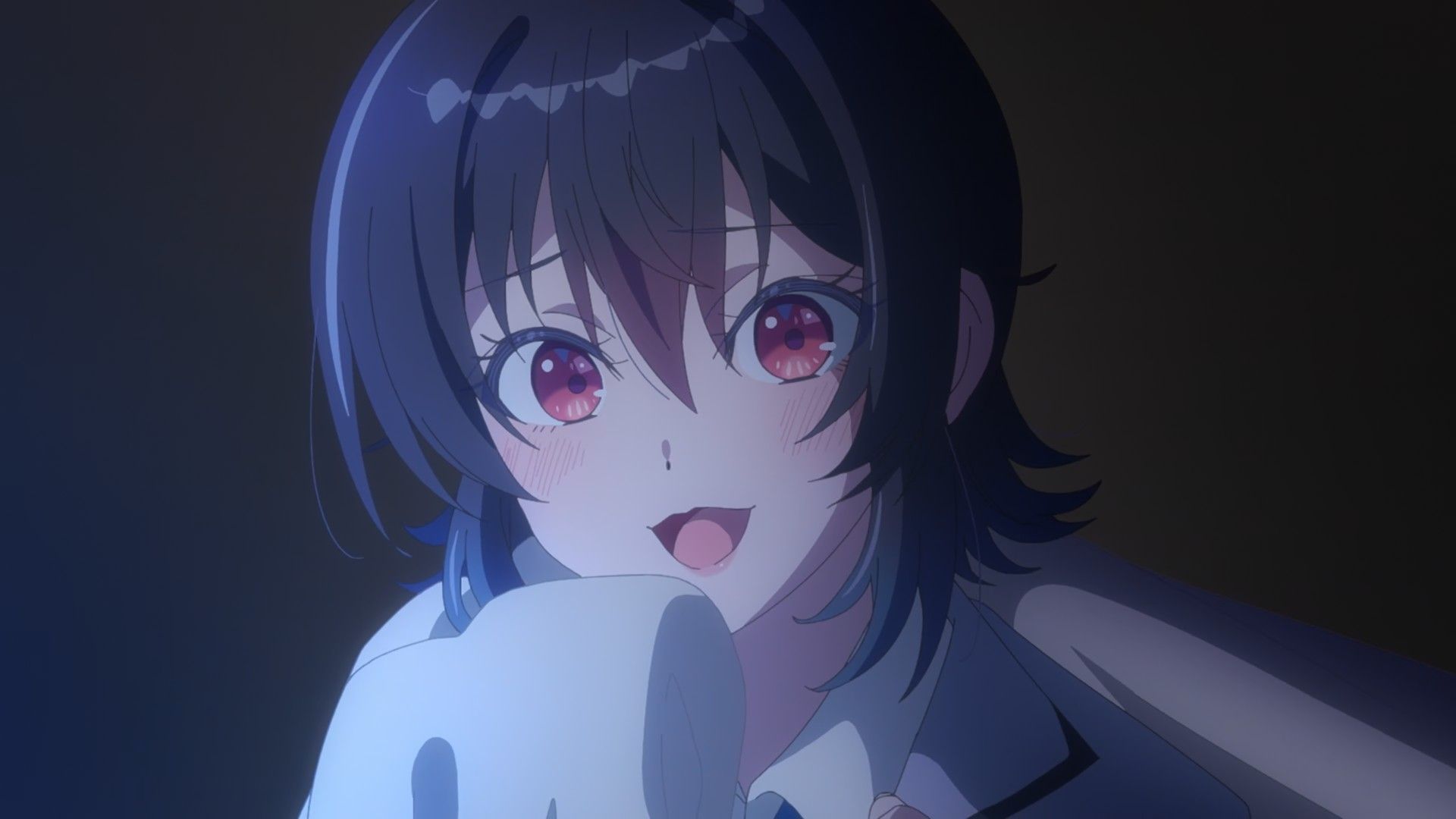
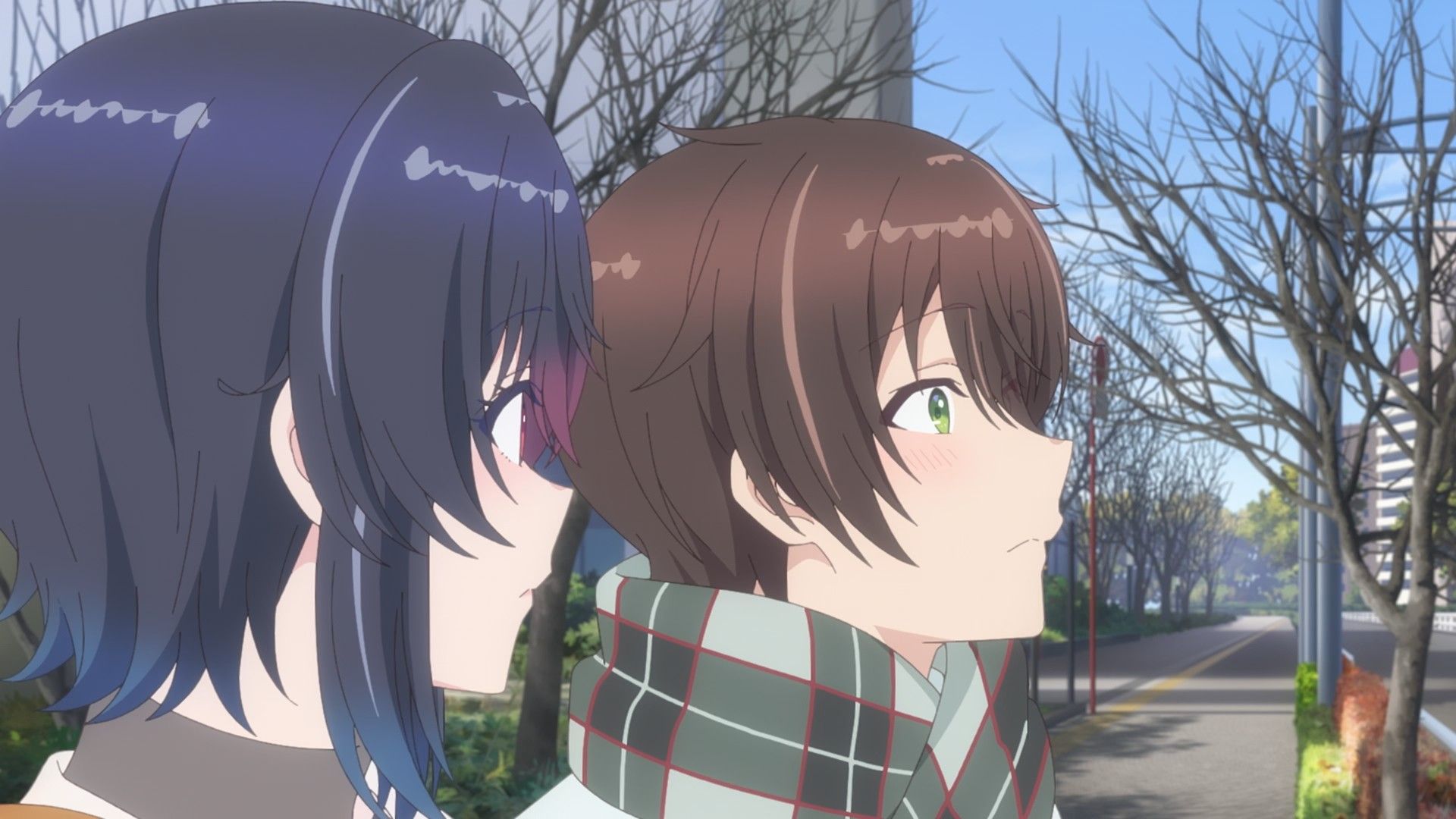
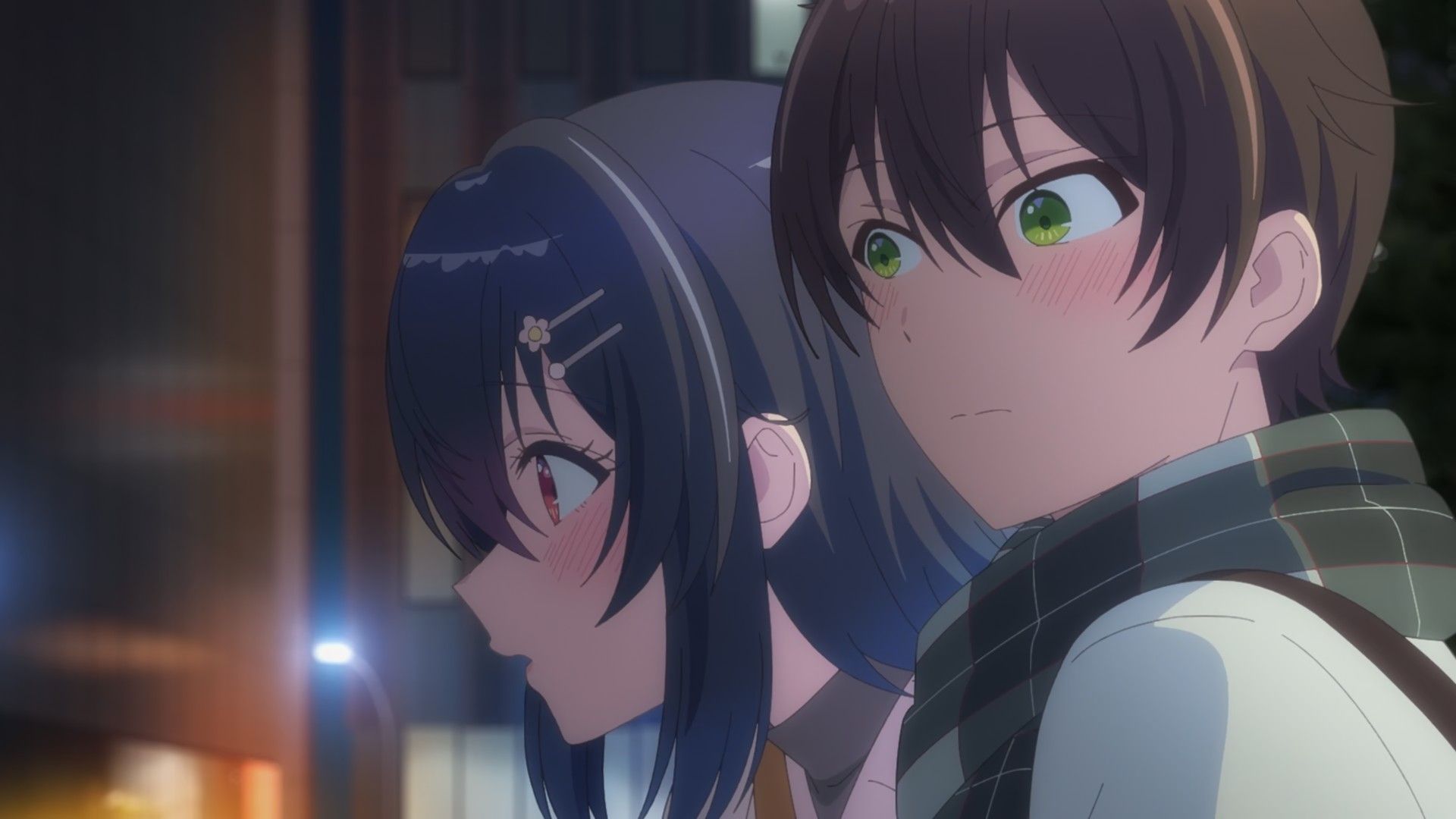
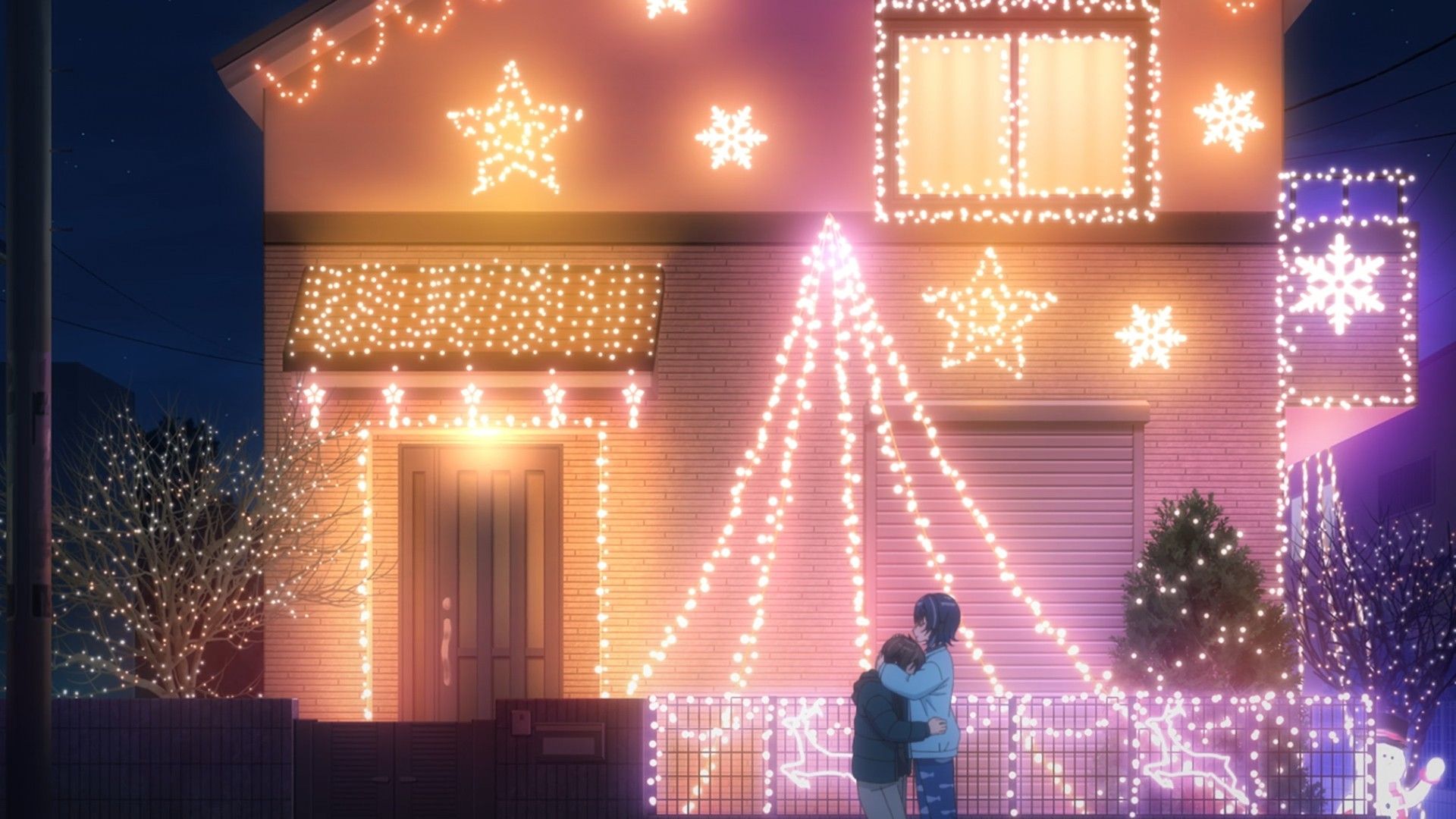
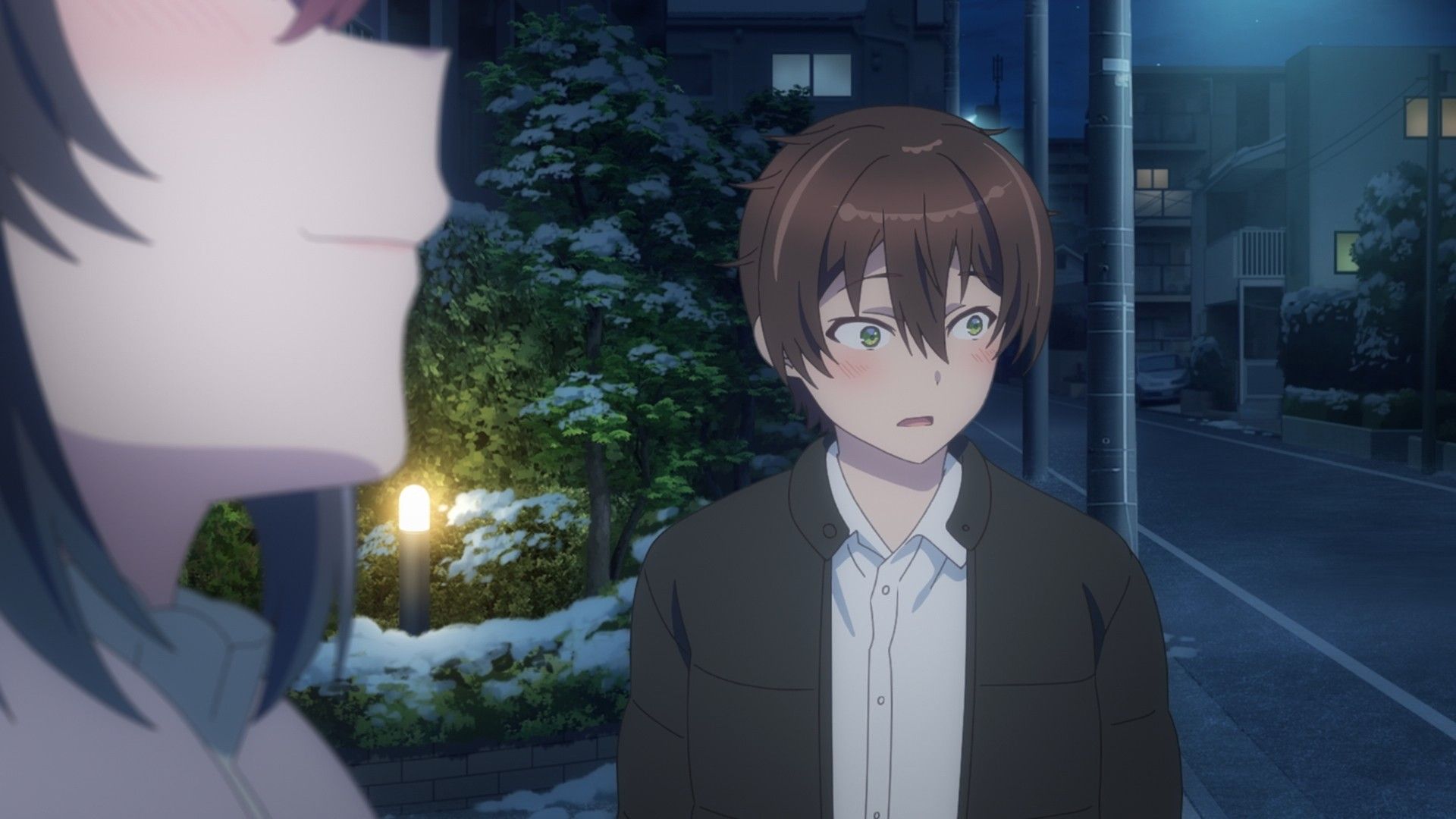
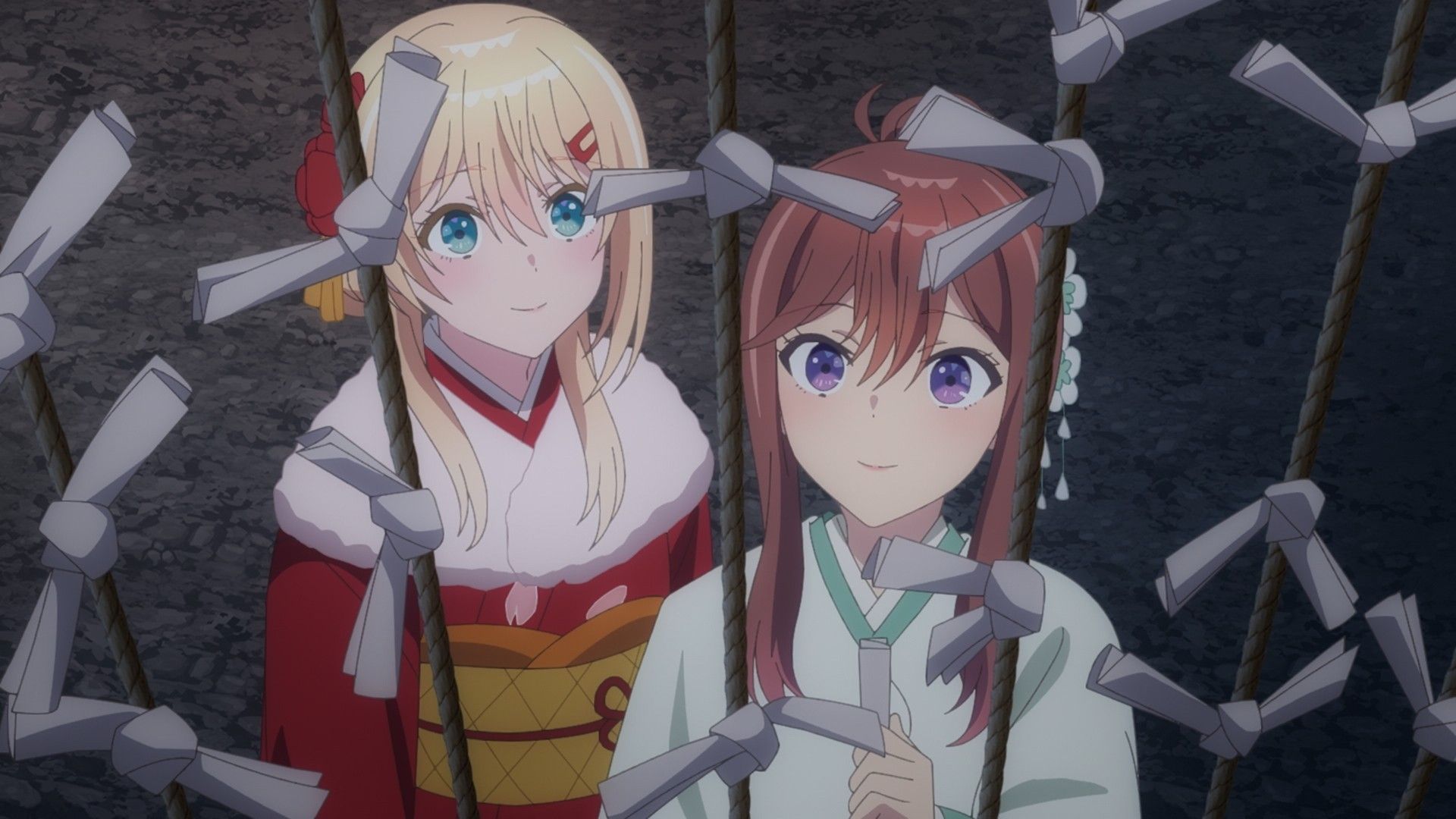
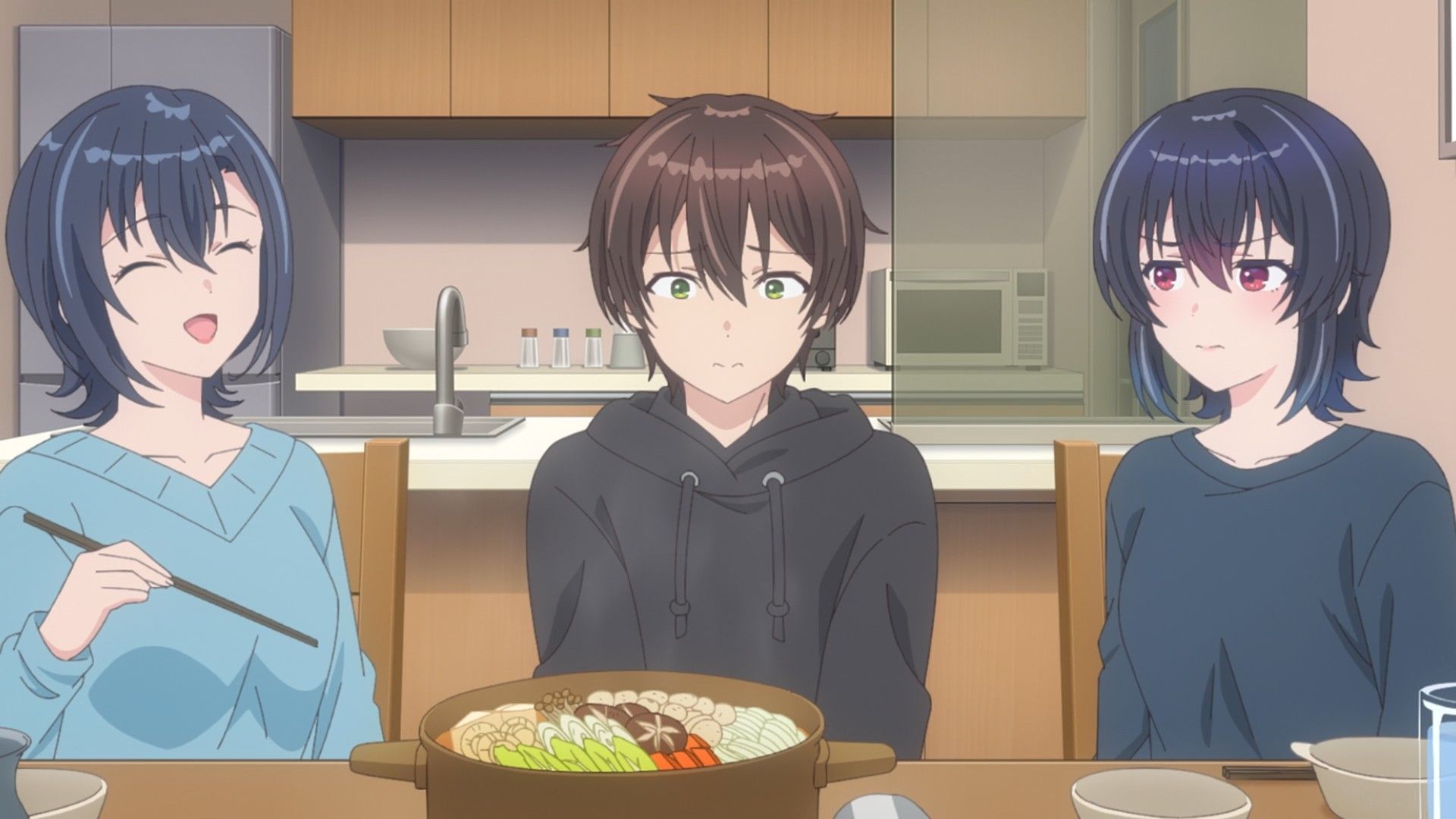
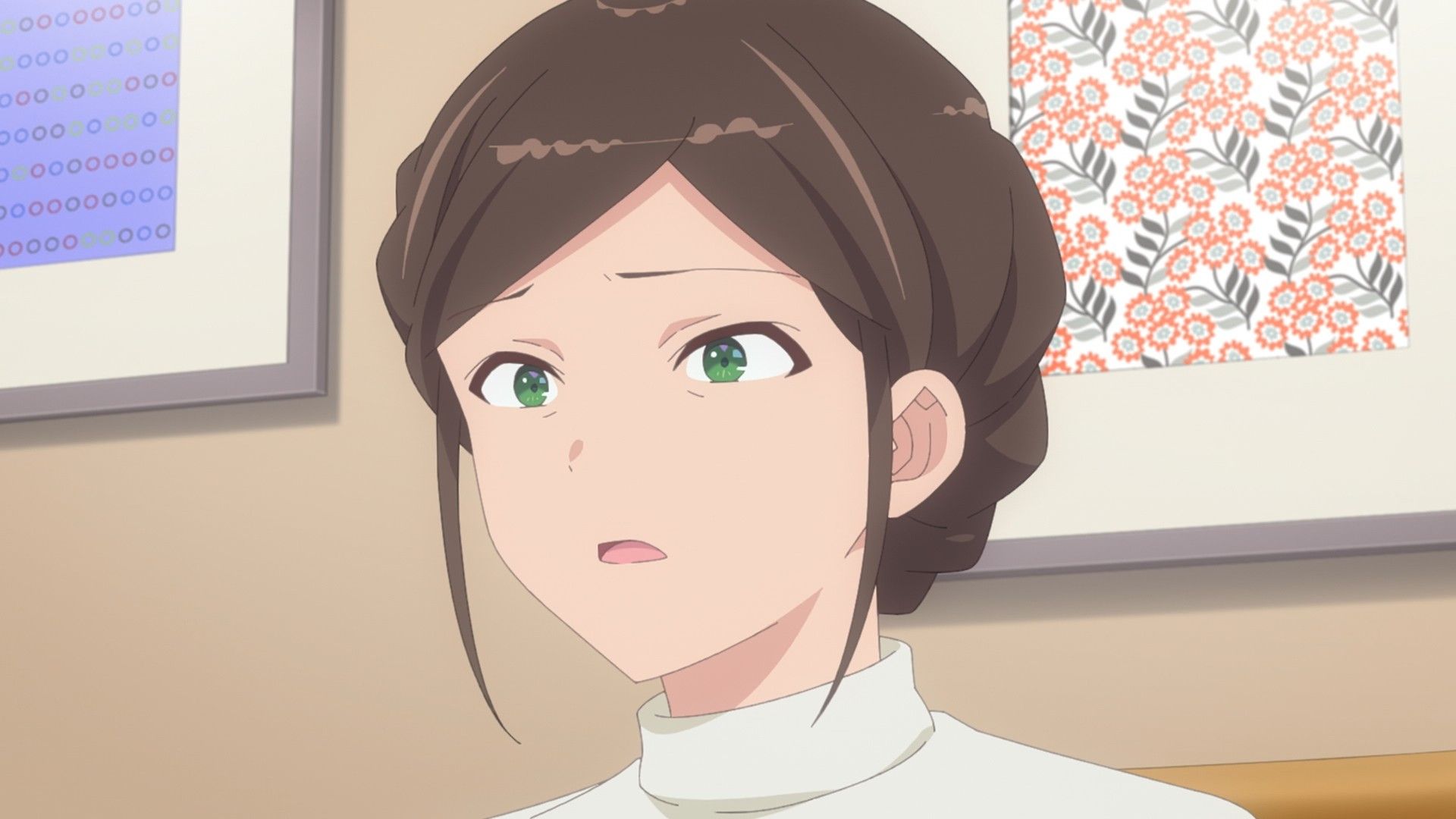
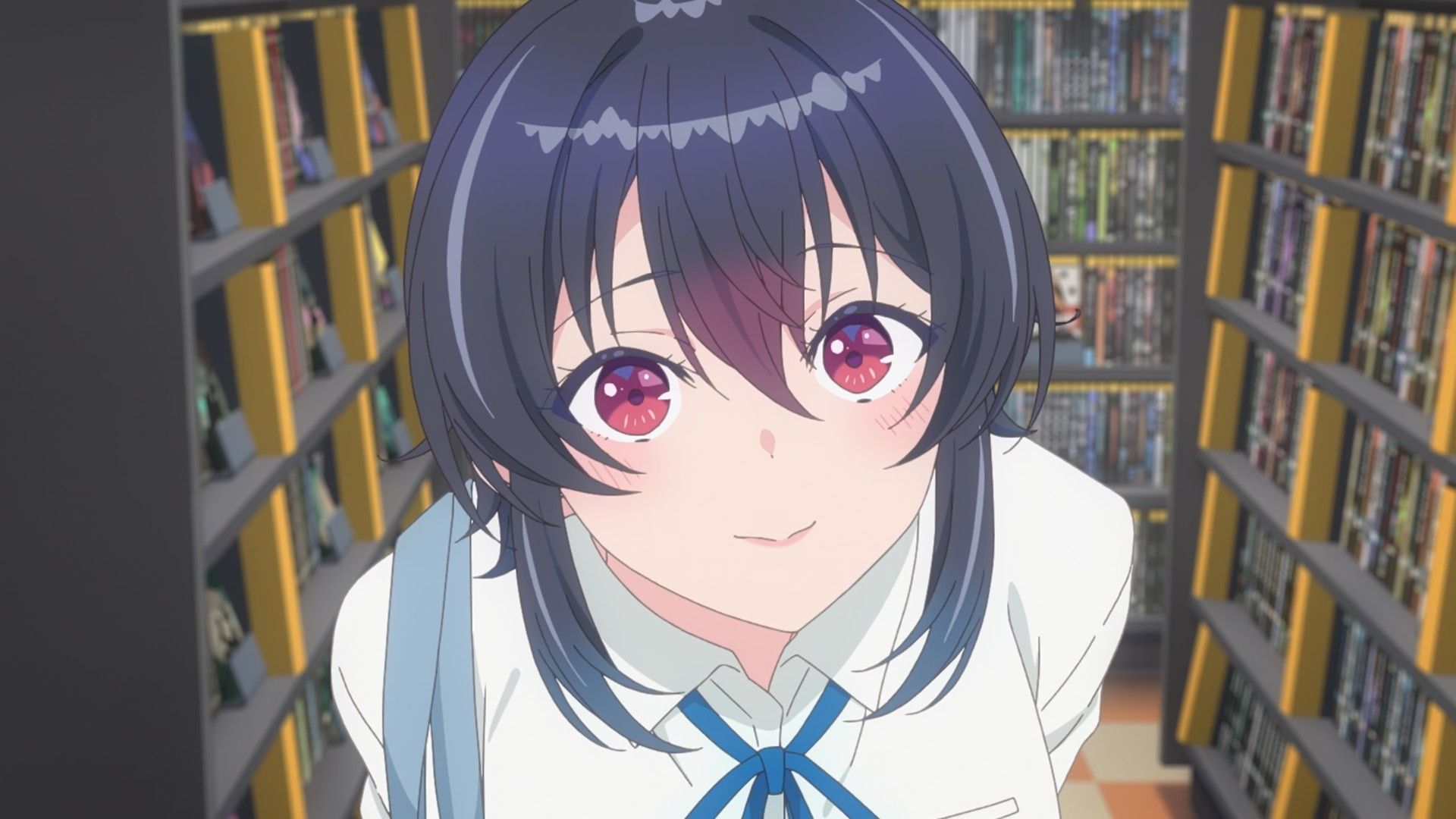
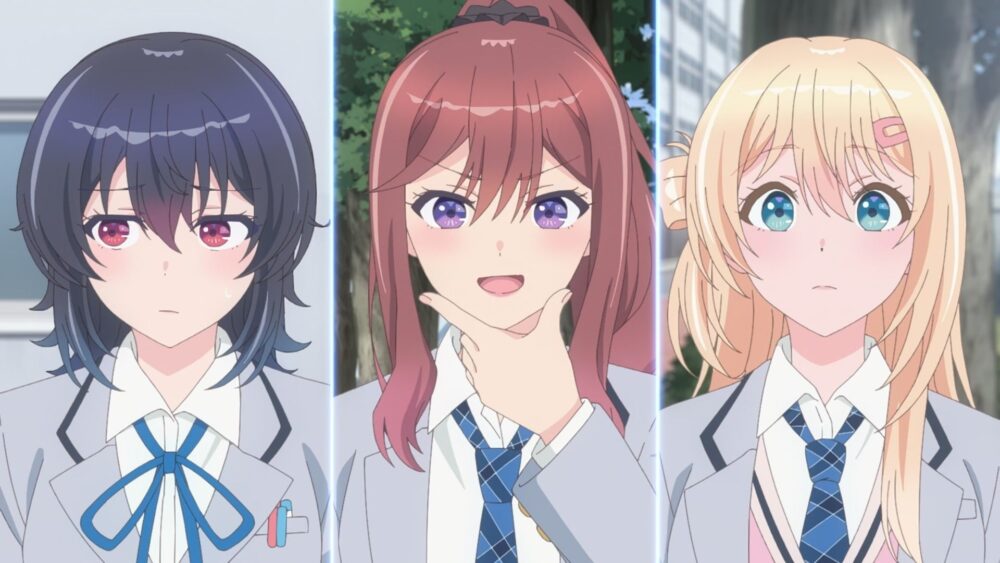
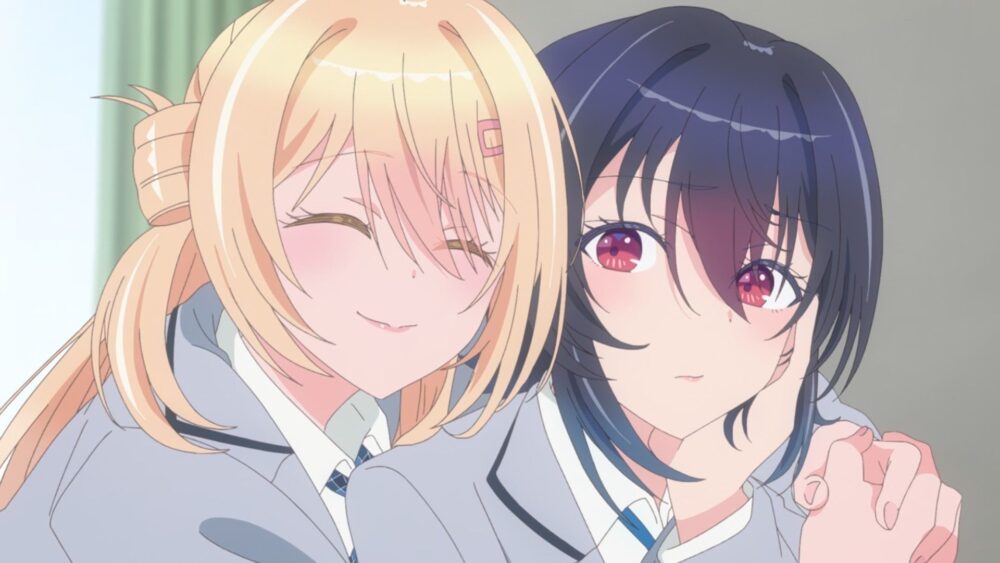
Visually, Class de 2-banme ni Kawaii Onnanoko to Tomodachi ni Natta puts its strongest emphasis on appealing compositions, soft lighting, and the characters’ faces. There is not much especially showy animation here, and most scenes simply do not need it. Far more important are the glances, subtle changes in expression, and the way the characters are framed during more intimate conversations. The character designs look excellent, while the distinctive lighting often gives the image a slightly nostalgic, at times almost unreal softness.
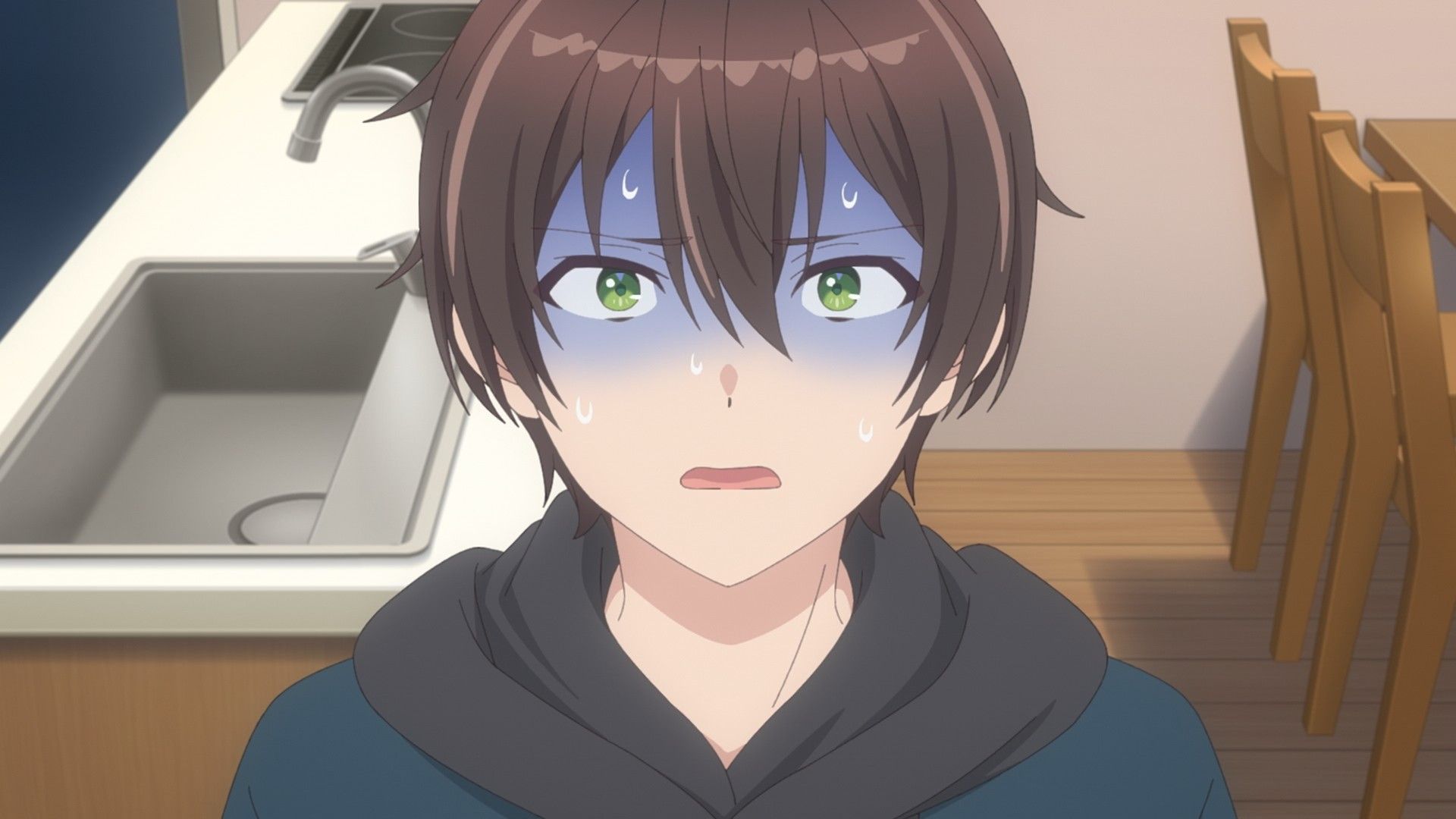
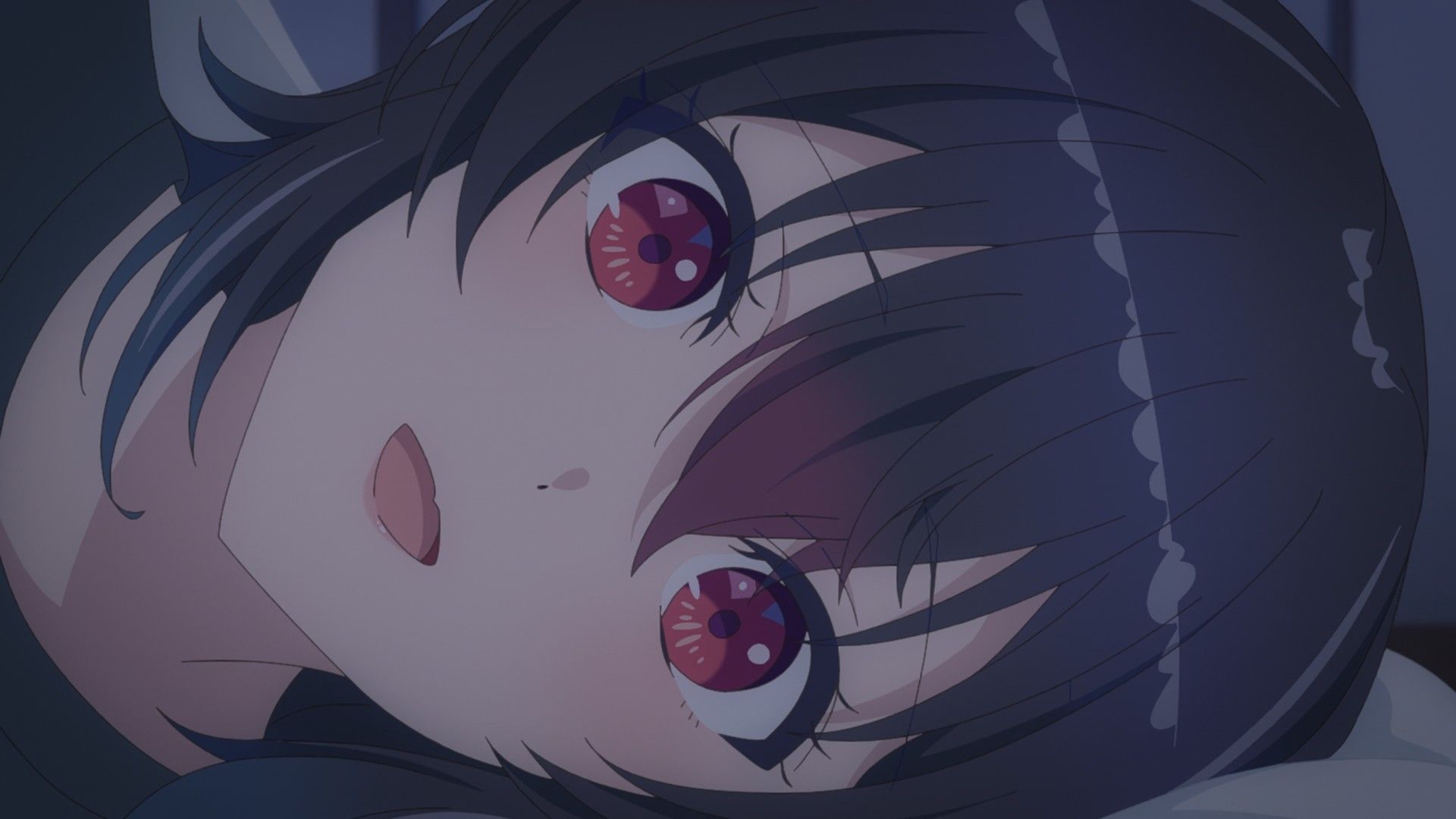
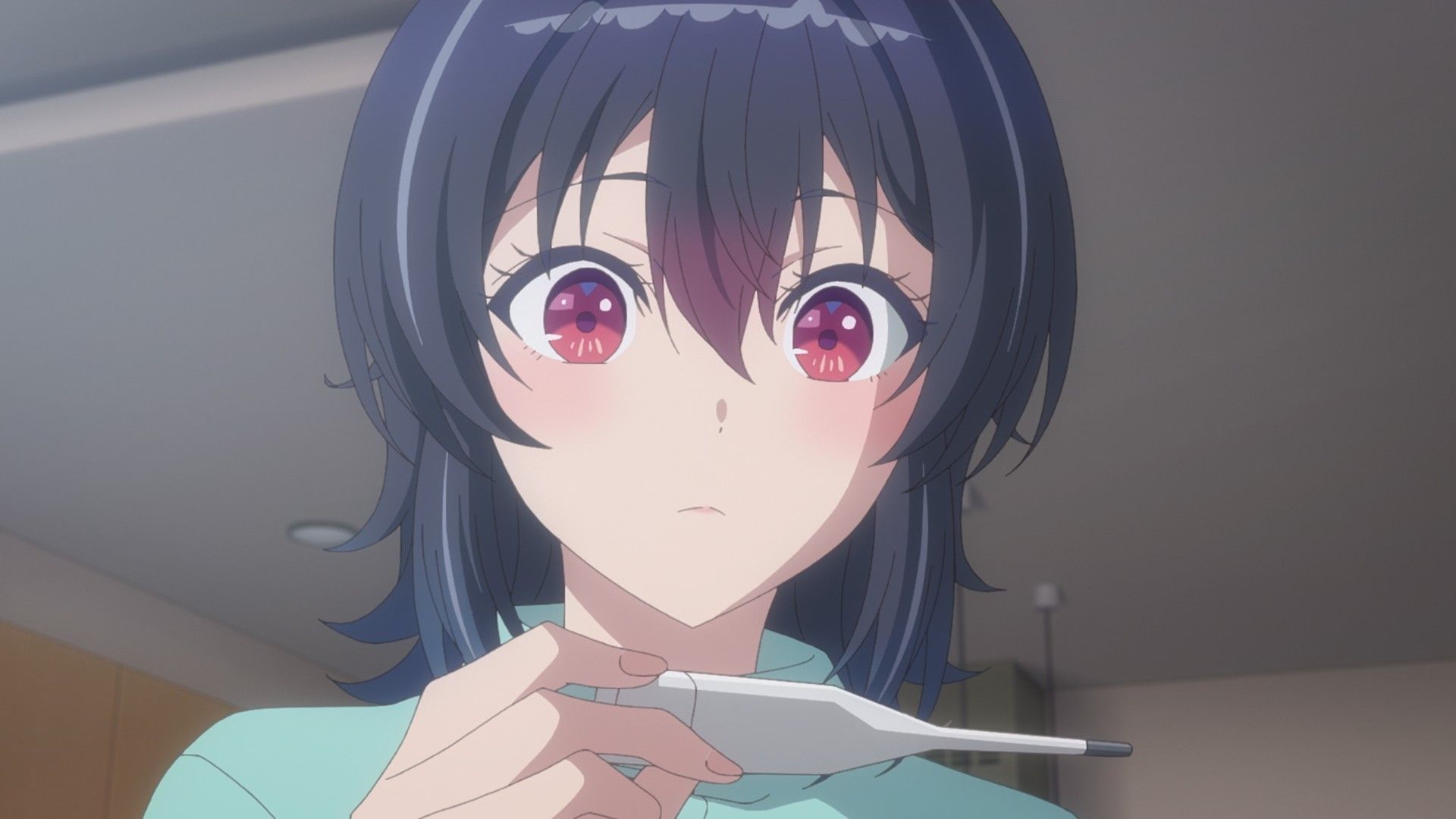
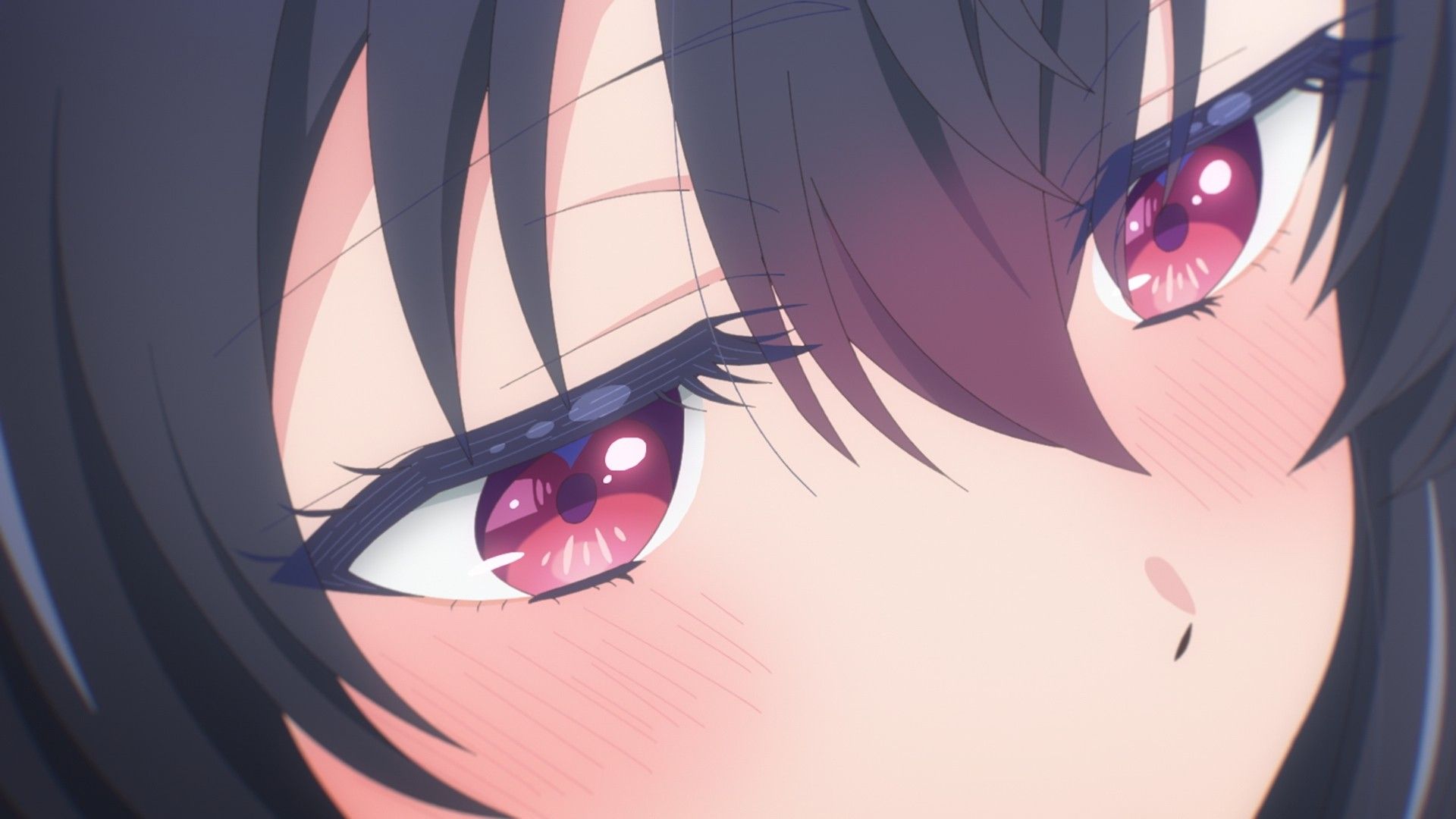
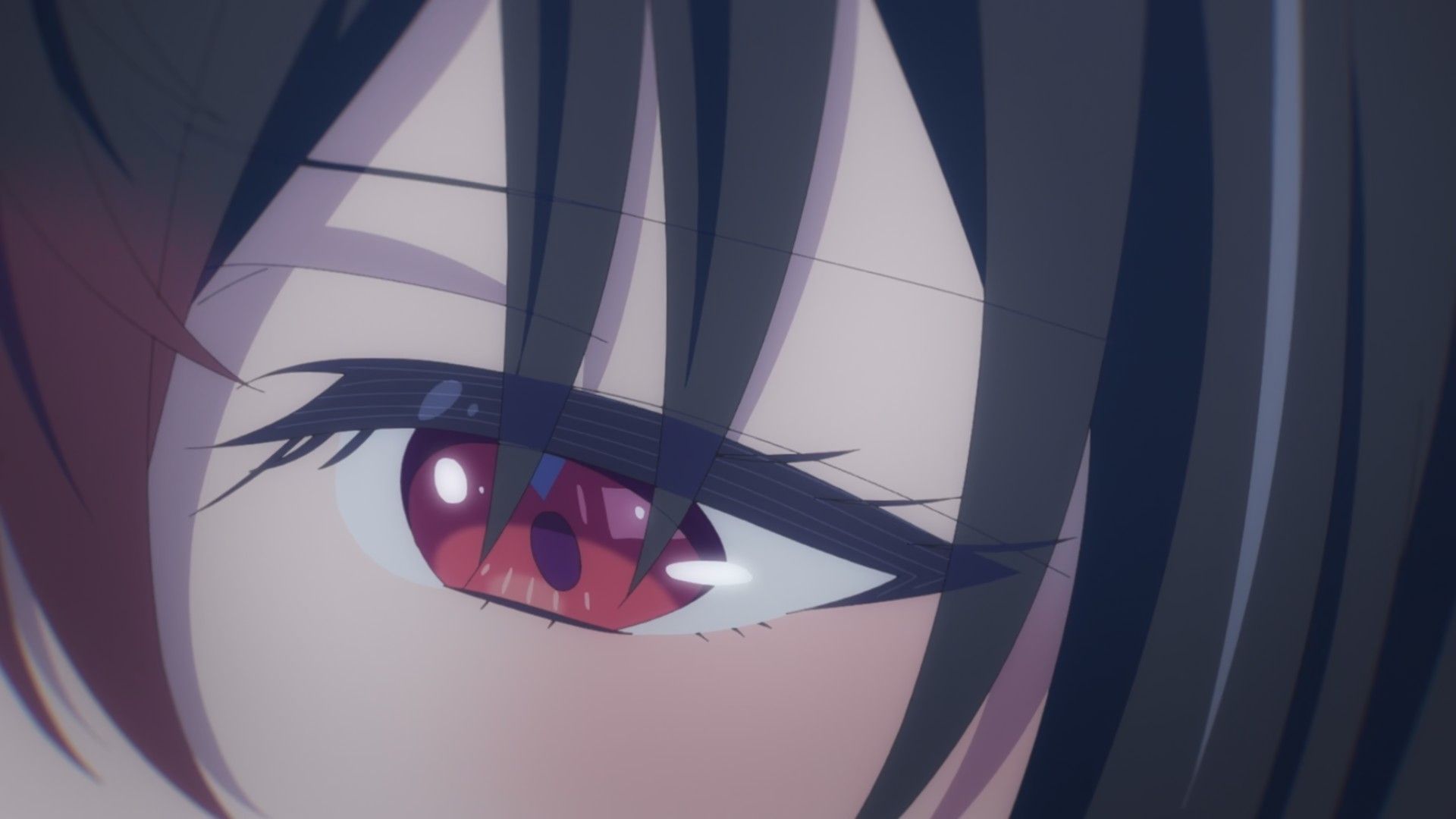
I particularly liked the use of what is often called eye acting. The eyes are a crucial part of facial expression and often let you catch a shift in mood before a character says a single word. This matters especially with Umi, who spends much of the series trying to act normally even when something is clearly eating at her. The same is true of Maki: his embarrassment or uncertainty often appears on his face before it comes through in his dialogue. In a story built so heavily around two people gradually growing closer, details like these really make a difference.
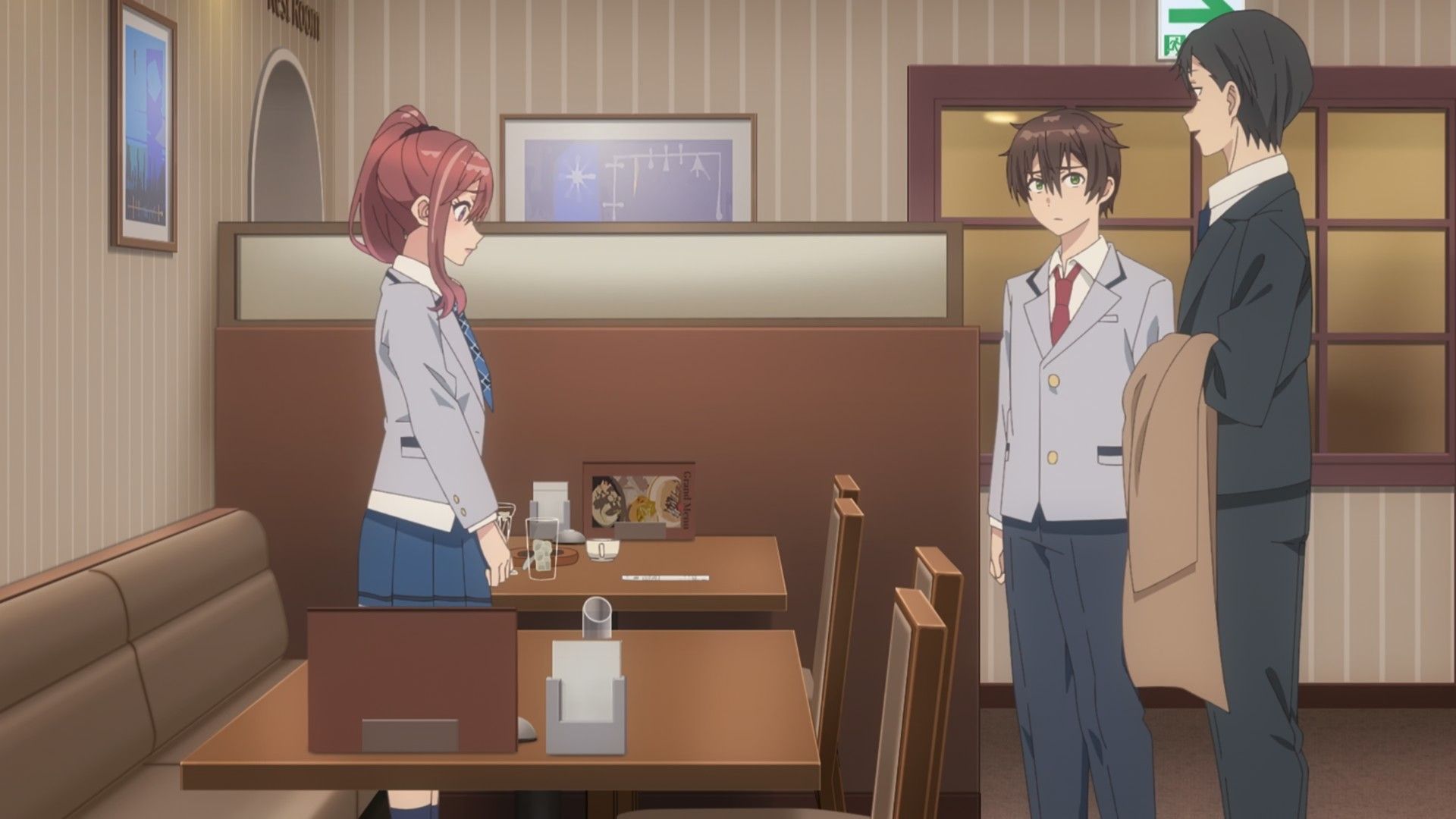
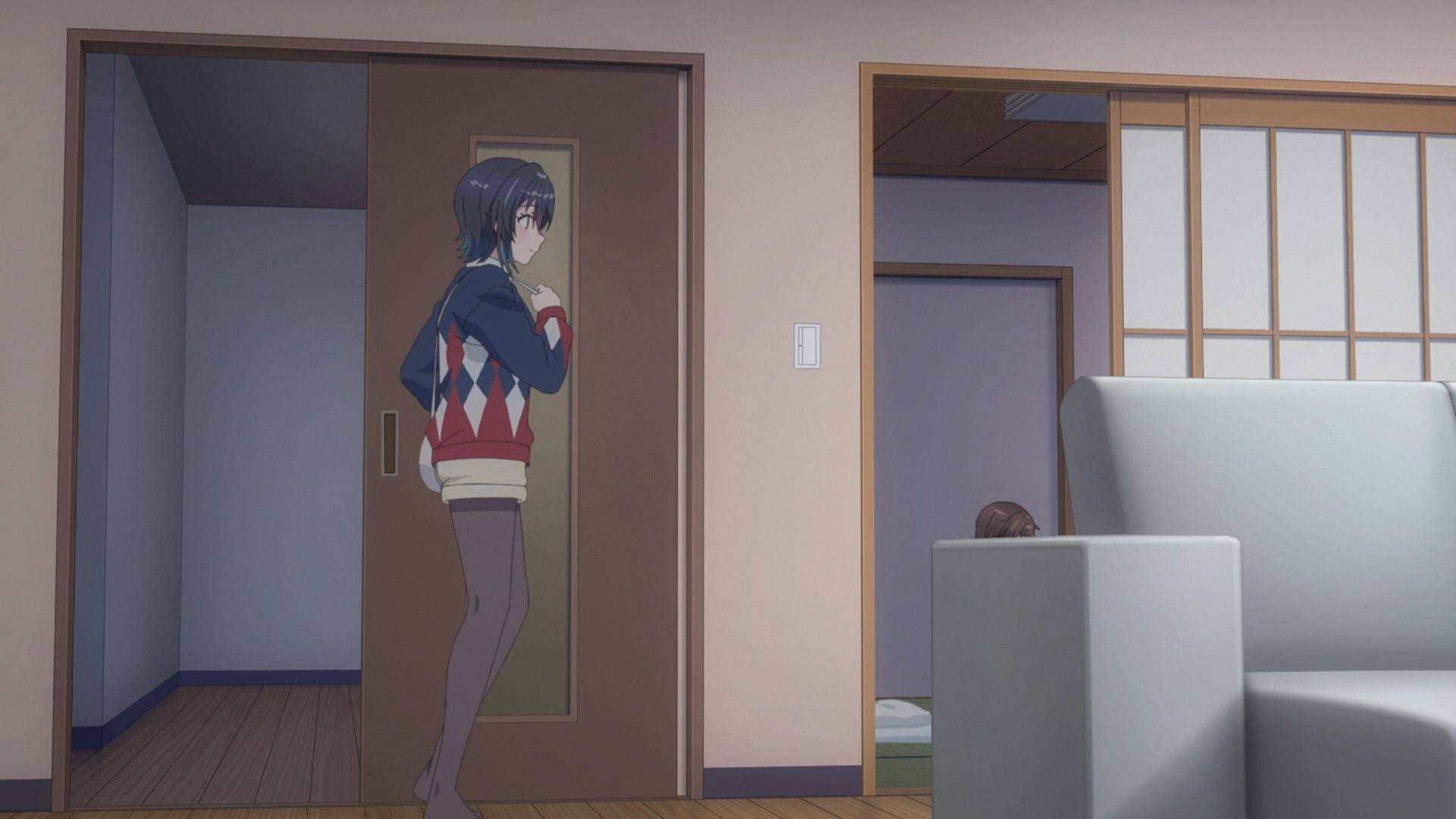
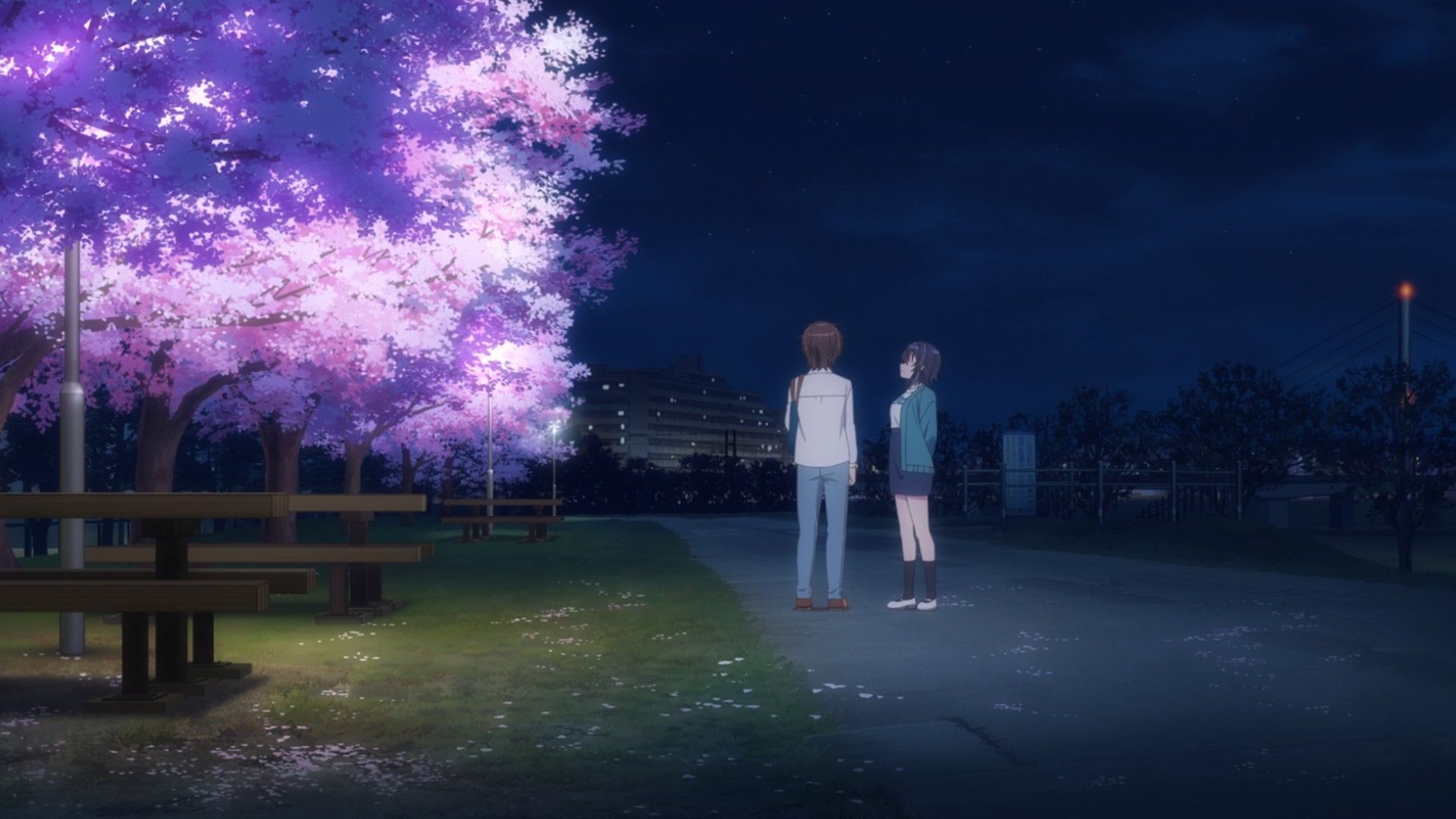
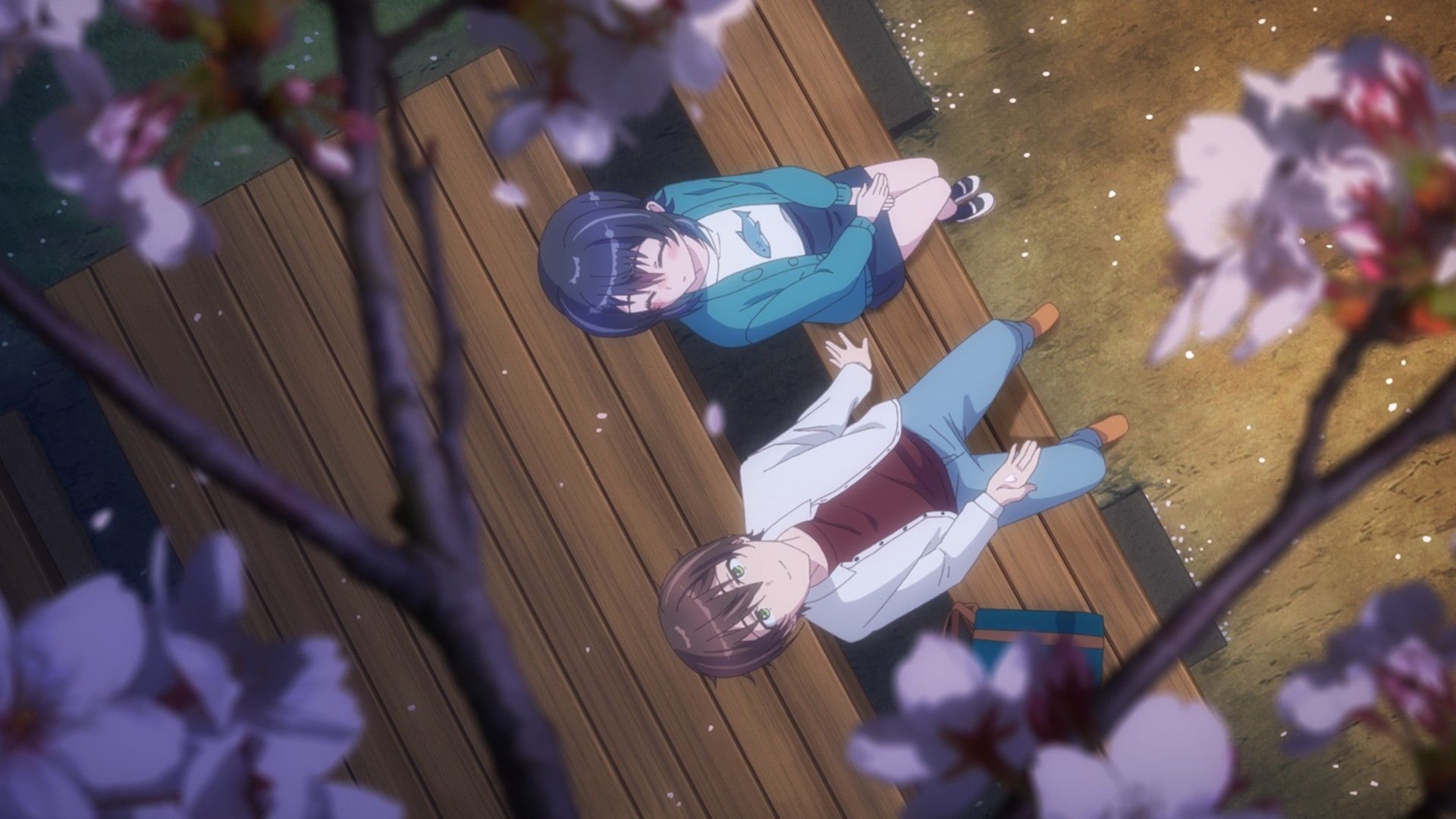
The color palette and lighting also complement the mood of individual scenes. The school and quieter moments at home are usually bright and soft, while more intimate or heavier scenes are more likely to use cooler colors or, conversely, very warm lighting that feels a little like an idealized memory. Not everything is on the same level, of course. It is clear that more work went into the key close-ups than into making every movement-heavy scene equally fluid. The backgrounds are often primarily functional, although they can be gorgeous in key scenes, and the visual direction in some episodes is fairly conservative. That never bothered me much, because whenever the visuals need to carry the characters’ emotions directly, the most important shots usually deliver.

Audio
The main cast includes Ishiya Haruki as Maehara Maki, Iwami Manaka as Asanagi Umi, Suzushiro Sayumi as Amami Yuu, and Hasegawa Ikumi as Nitta Nina. Naturally, the actors get the most room to show what they can do during the more emotional parts of the story. Scenes of crying, confessions, helplessness, or much quieter intimacy sound convincing and capture just how much the characters spend most of their time trying to keep bottled up.
Small changes in vocal tone are especially important here. Some of the most interesting conversations revolve around things the characters are not yet able to say outright. The performances have to communicate far more than the words on the page alone. With Maki, you can clearly hear when his usual uncertainty starts turning into genuine emotional overload. Umi, meanwhile, can move within a single conversation from teasing confidence to obvious hesitation or helplessness. Moments like these give the cast plenty of room to show how strong they are.
The opening is Submarine Youth by reGretGirl, while Koresawa performs the ending, Zutto Ichiban ni Shitene. Both songs fit Maki and Umi’s slightly awkward relationship, which spends a while suspended somewhere between friendship and romance. The two quickly become very close, but it takes much longer before they can openly put a name to what is actually happening between them. The music fits this atmosphere of half-spoken feelings, embarrassment, and emotions that so often appear in gestures and glances before they are ever expressed in words.
Class de 2-banme ni Kawaii Onnanoko to Tomodachi ni Natta – Plot and Characters
Introduction
Class de 2-banme ni Kawaii Onnanoko to Tomodachi ni Natta begins in a way that will be instantly familiar to fans of school romances. Maehara Maki sits somewhere on the fringes of the class hierarchy. Asanagi Umi is considered one of the prettiest girls in the class. A chance discovery of their shared interests leads to a friendship that they initially keep secret. It does not take long for the first signs to appear that this is not going to remain ordinary friendship for very long. The premise is hardly especially original, but it does not need to be, and I never expected it to be. That quickly stopped mattering to me anyway, because after Maki and Umi’s first few scenes together I was far more interested in how naturally they feel around each other and how much can be read from the way they behave toward one another.
The two occupy completely different places in the class, yet in many ways they turn out to be surprisingly alike. Maki has grown used to being alone and has more or less accepted the role of someone other people barely notice. From the outside, Umi has no trouble navigating social situations: she is popular and gives the impression that she has everything under control. Over time, however, it becomes clear how much maintaining that image costs her. She carries plenty of things she has never been able to discuss honestly even with her closest friend, and for years she has grown accustomed to living in the shadow of constant comparisons with someone else. When she starts spending time with Maki, she gets a relationship that belongs to her alone for the first time in a long while, one in which she does not have to keep thinking about where she stands in relation to everyone else.
Of course, a huge part of the story’s charm is simply that Maki and Umi are adorable together. Their evenings, embarrassment, little jabs at each other, and increasingly bold gestures would easily be enough to build a very enjoyable romance on their own. The best scenes, however, arrive when they begin discovering not only that lighter side of each other, but also everything the other person normally keeps hidden. Jealousy, insecurity, family wounds, and the fear of losing the people they care about all rise to the surface. The more comfortable they become around each other, the less they need to guard the image they present to the world. That gradually earned sense of freedom is what made me start rooting so strongly for their relationship so quickly.
A Brief Overview of the Class de 2-banme ni Kawaii Onnanoko to Tomodachi ni Natta (2026) Plot
Right from the start of high school, Maehara Maki sees himself as part of the classroom background. He is withdrawn, struggles to make new friends, and assumes in advance that he is unlikely to make a good impression in social situations. On top of that, he carries the consequences of his parents’ divorce and the emotional emptiness left behind by the breakup of his family. His new school therefore seems set to become just another stage of a fairly lonely everyday life. Things begin to change after a particularly disastrous self-introduction in front of the class, during which Maki mentions his fondness for cheap B-horror movies and games. Most of the students barely pay attention. Asanagi Umi reacts very differently. It turns out that she enjoys the same kinds of things and unexpectedly finds in this unassuming boy someone she genuinely has something to talk about with.
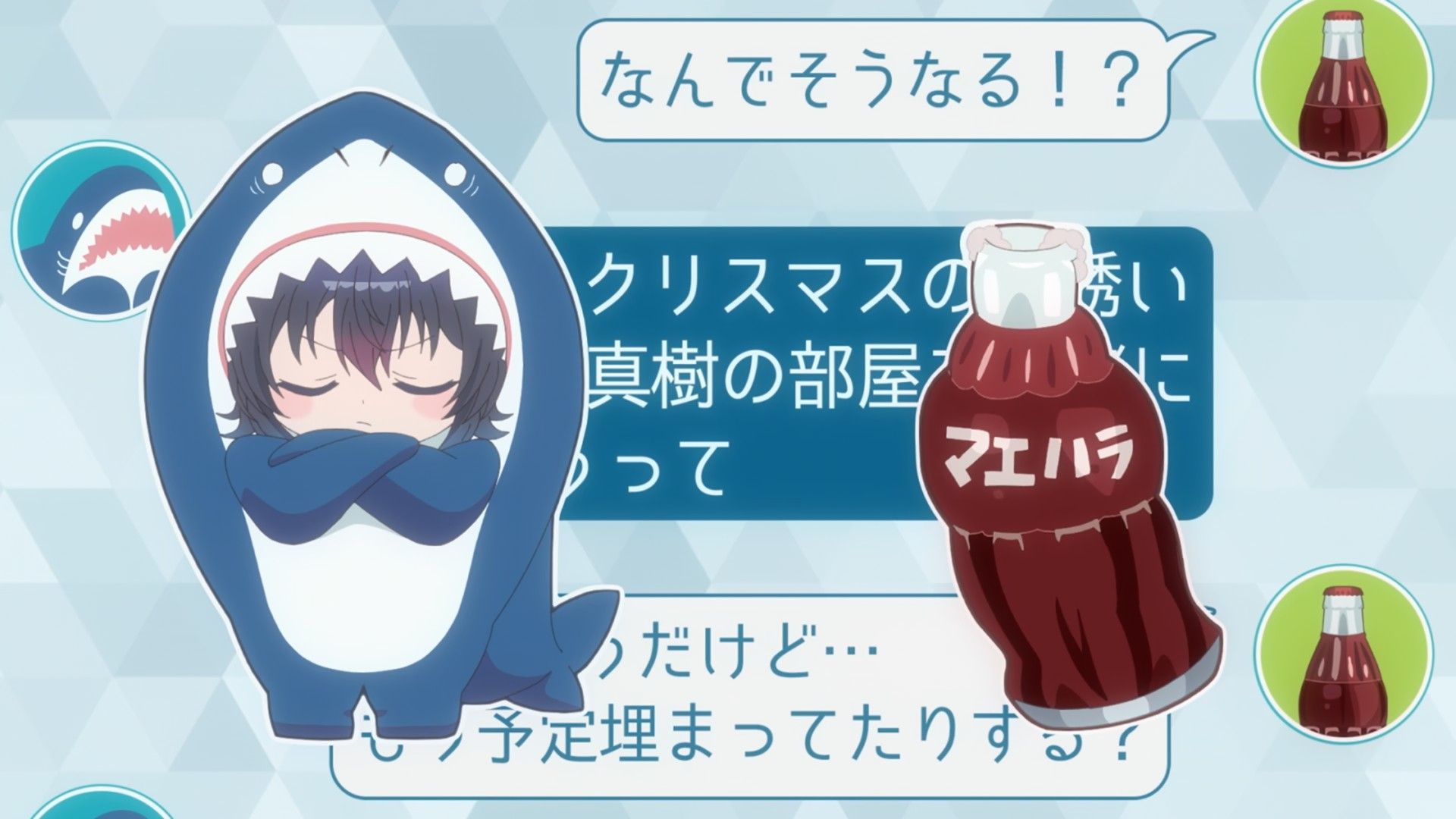
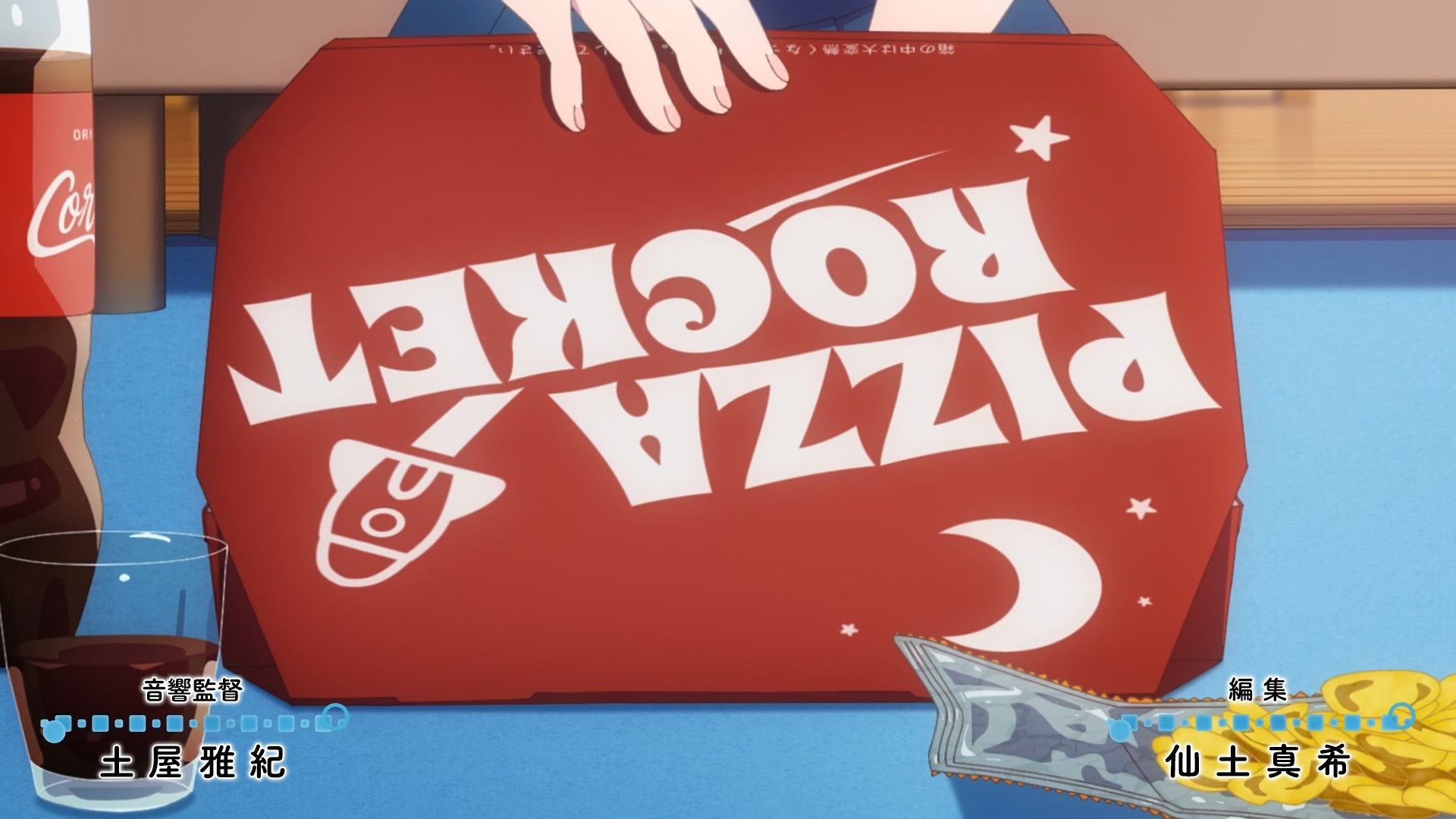
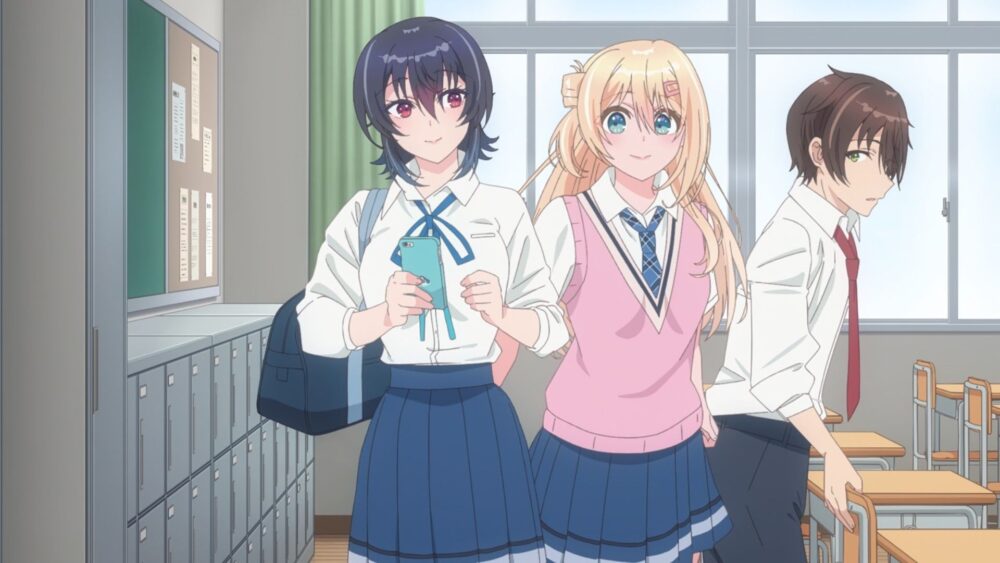
For a while, their friendship remains secret. They meet outside school, play games together, order pizza, drink cola, and watch B-movies. What stood out to me was how much these seemingly ordinary evenings matter to both of them. Maki does not have to worry about how he comes across to other people. Umi can forget for a few hours about all the social baggage attached to her position in the class. Both of them become much more relaxed, and from those very first meetings you can already feel that they have found something they had been badly missing.
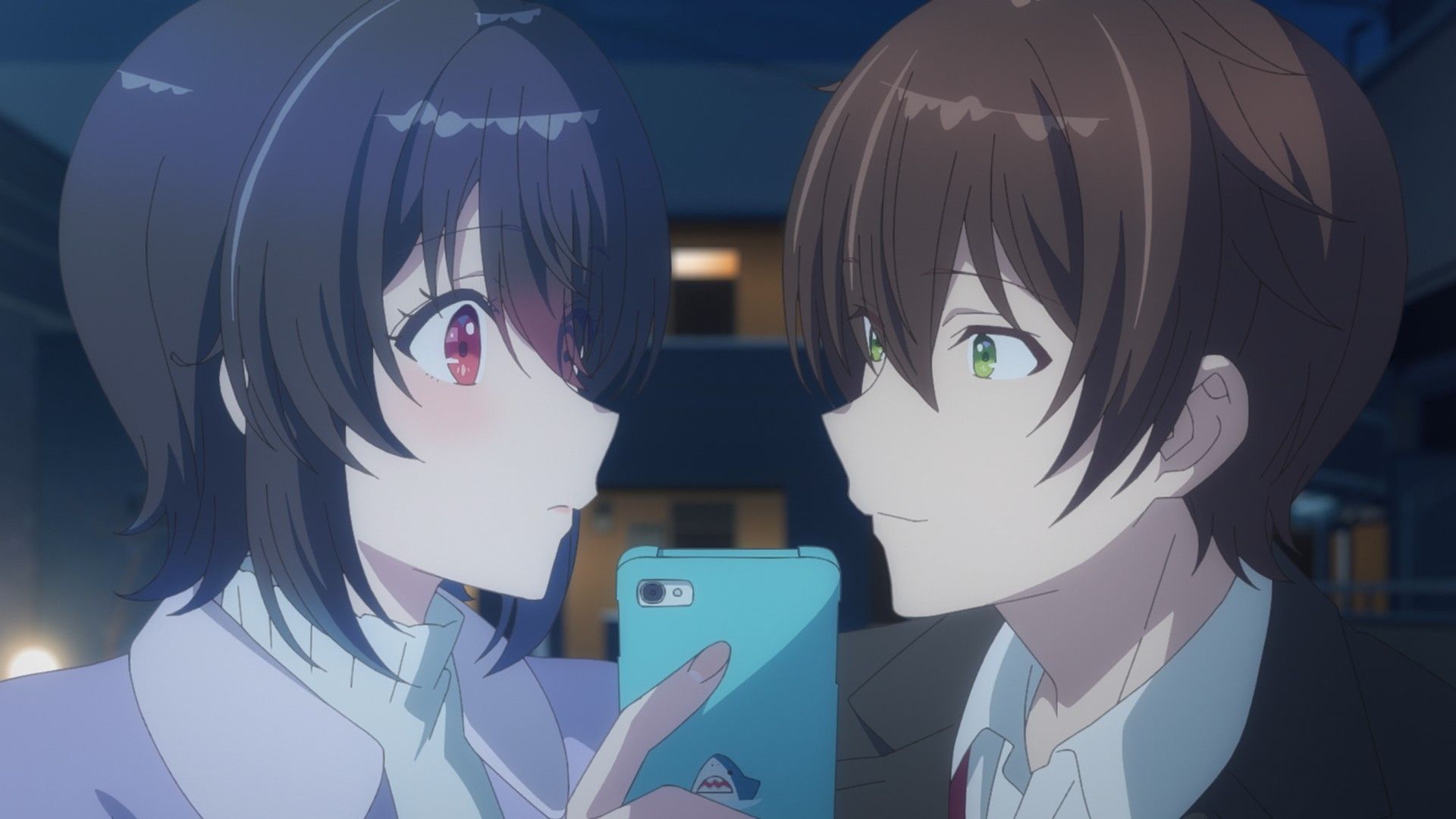
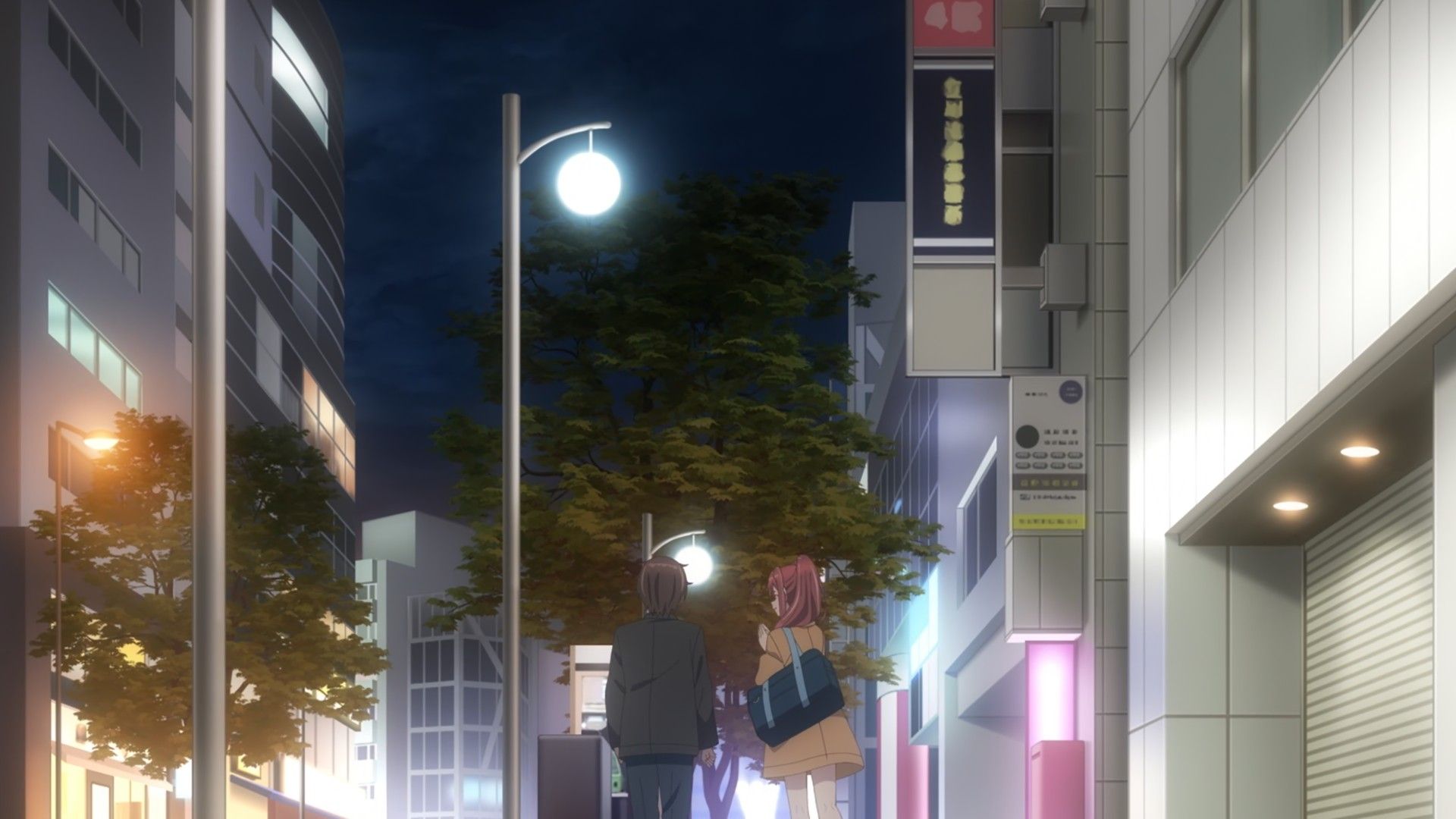
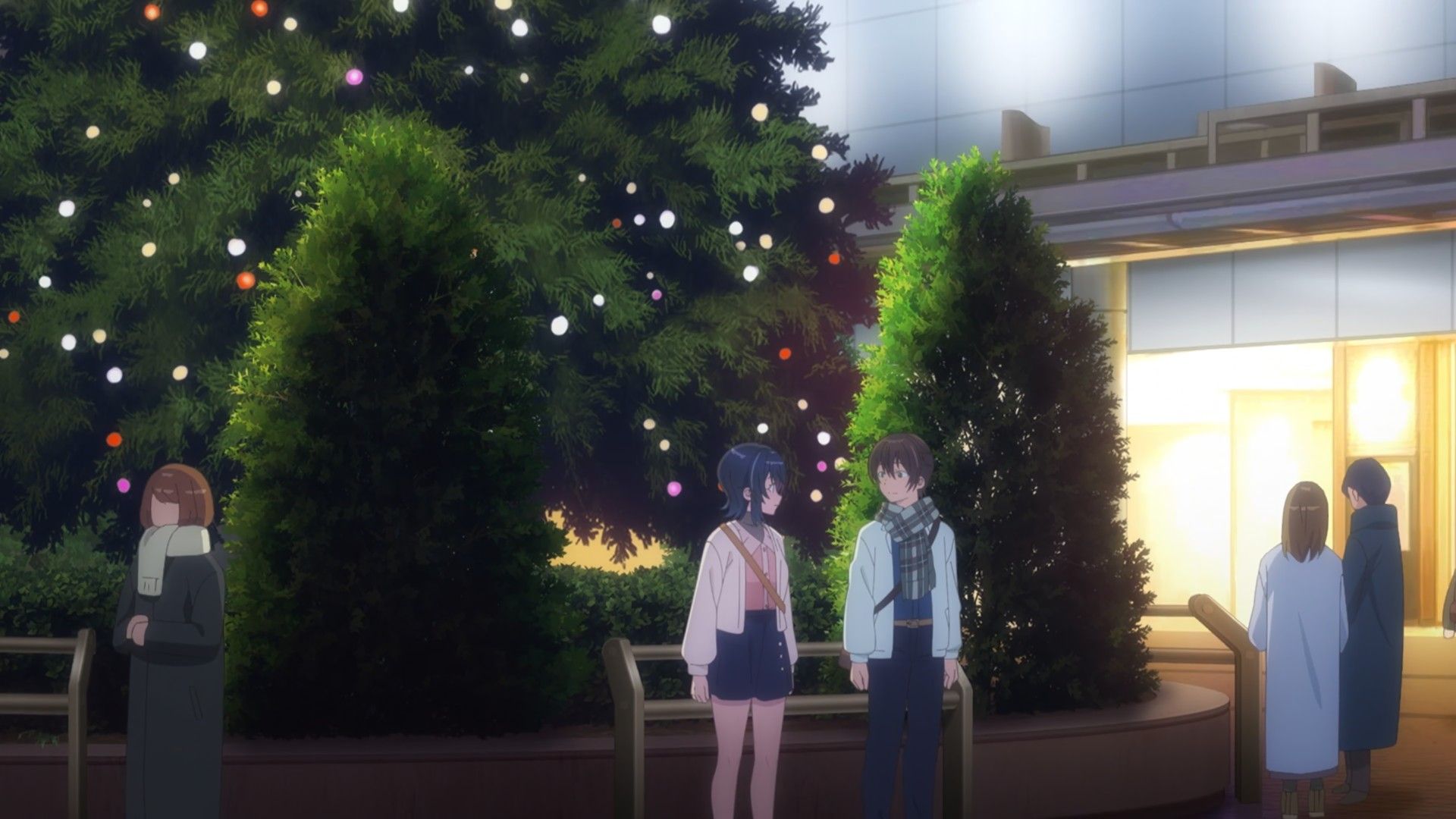
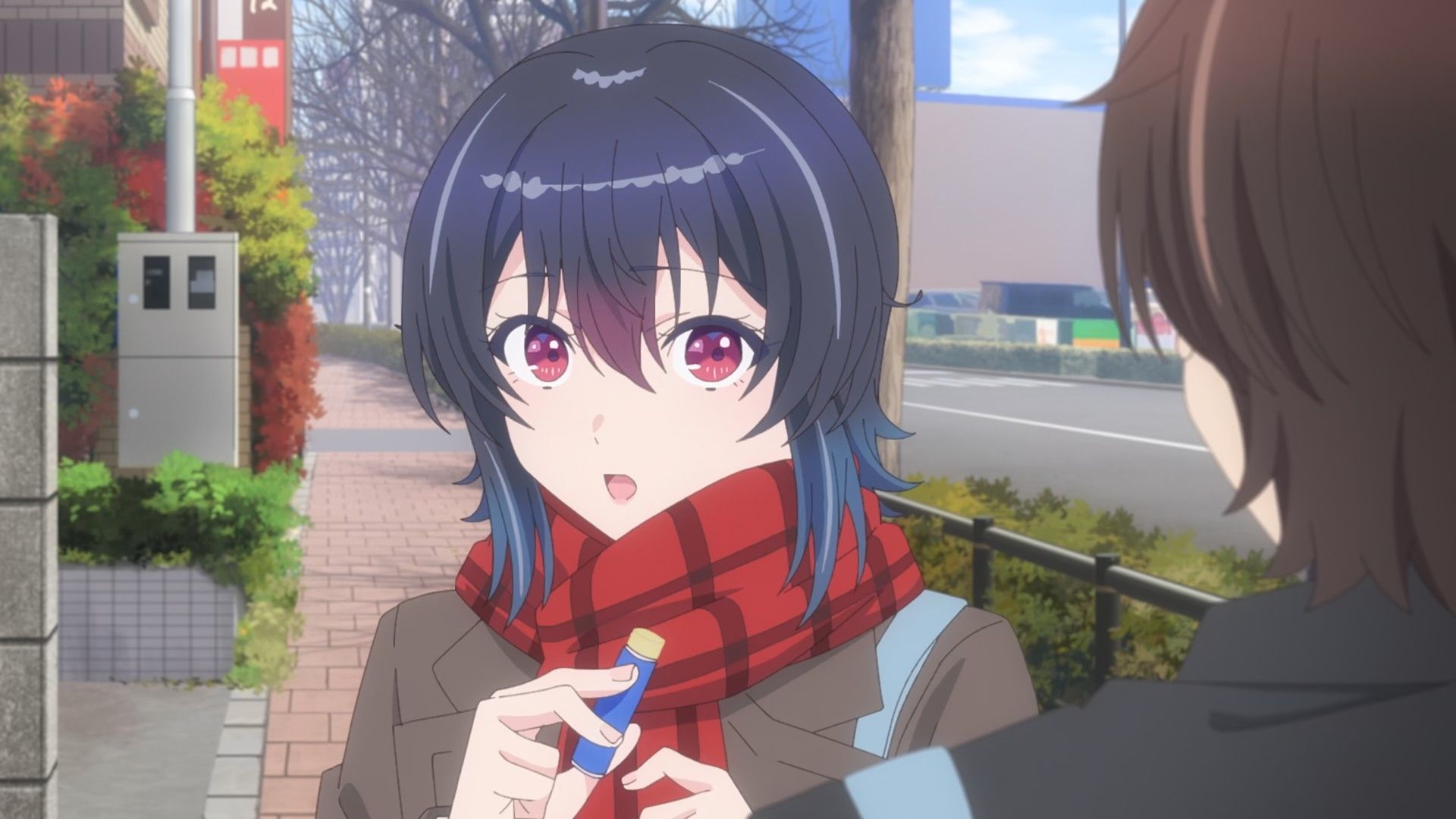
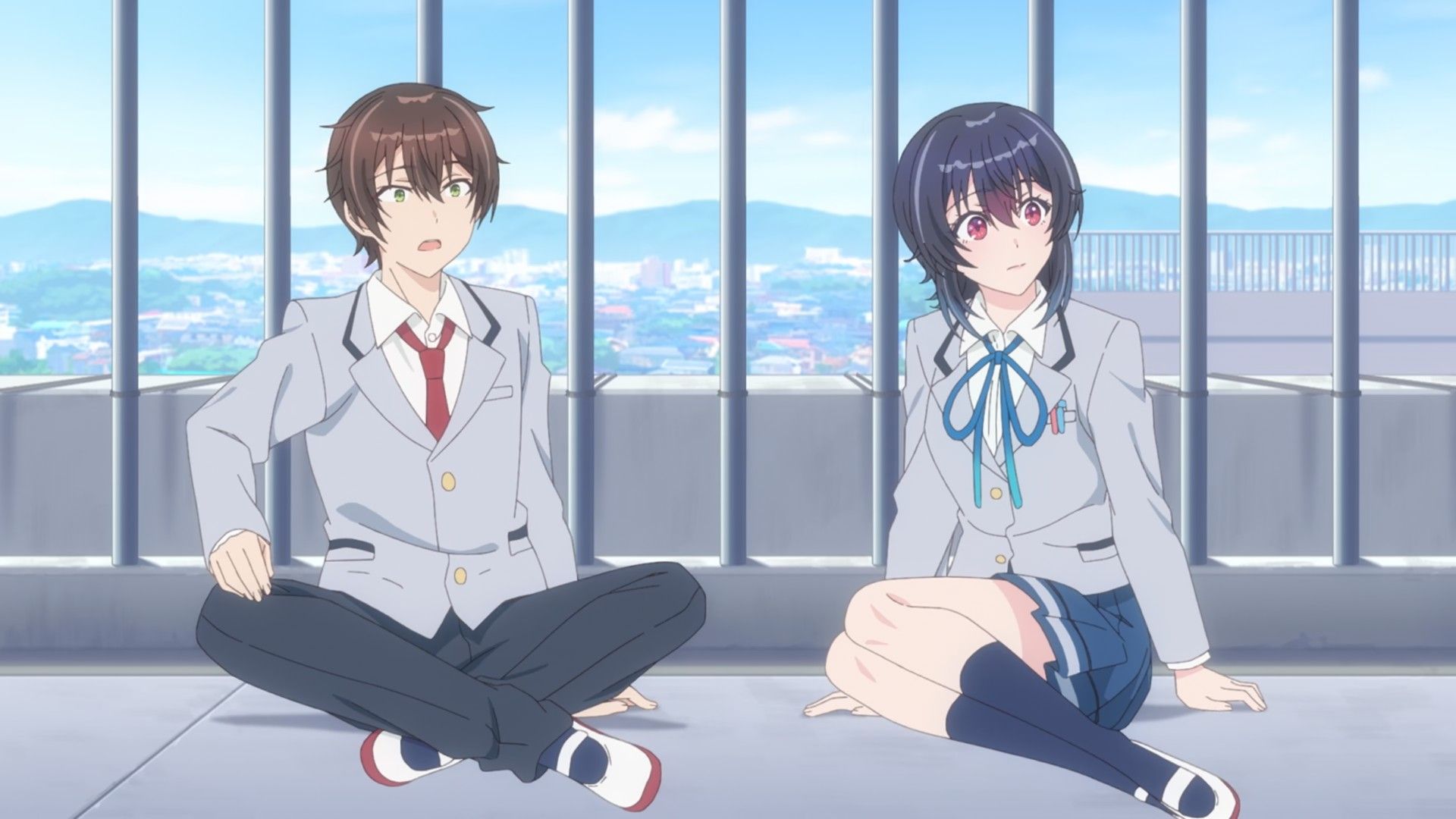
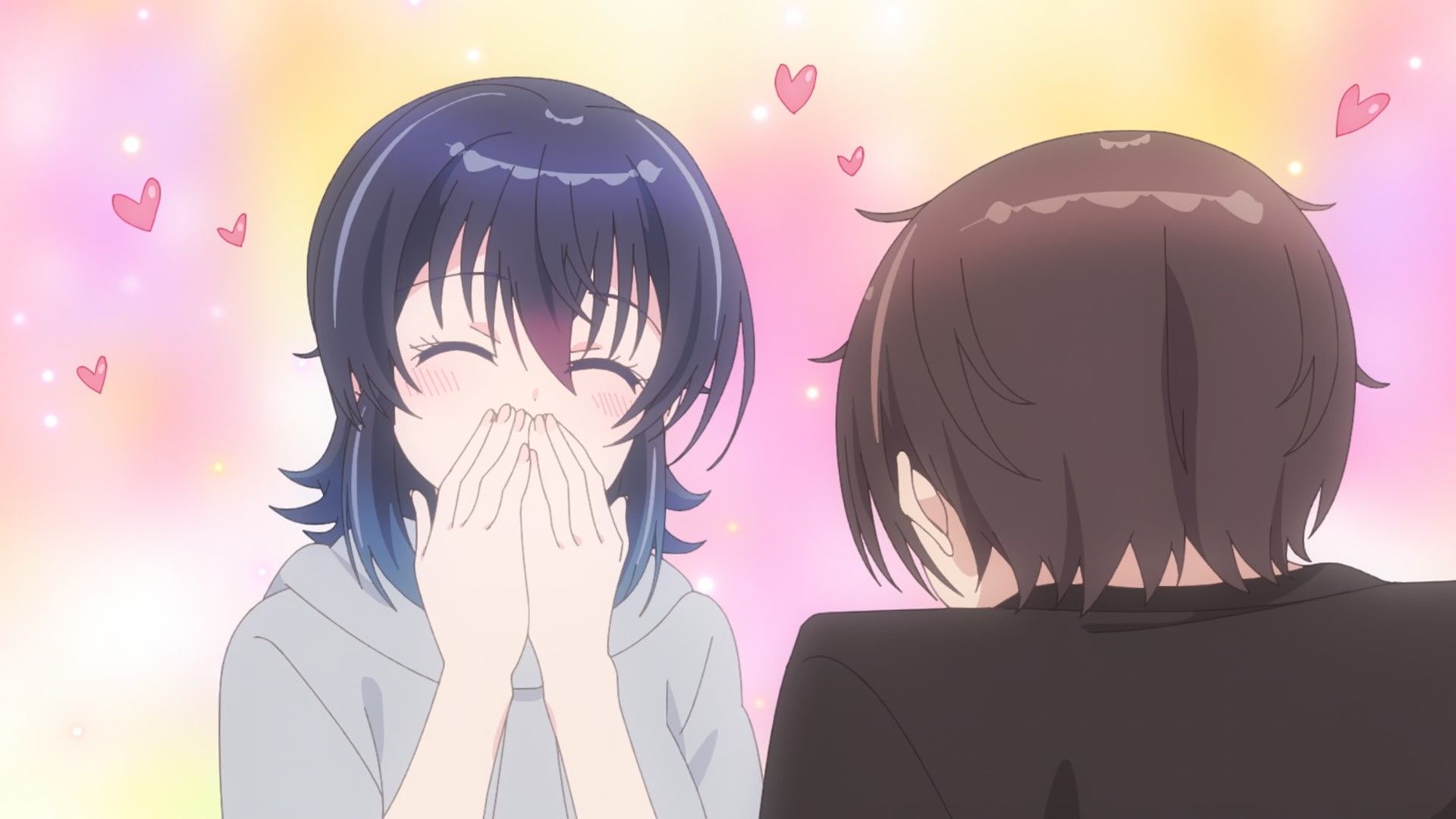
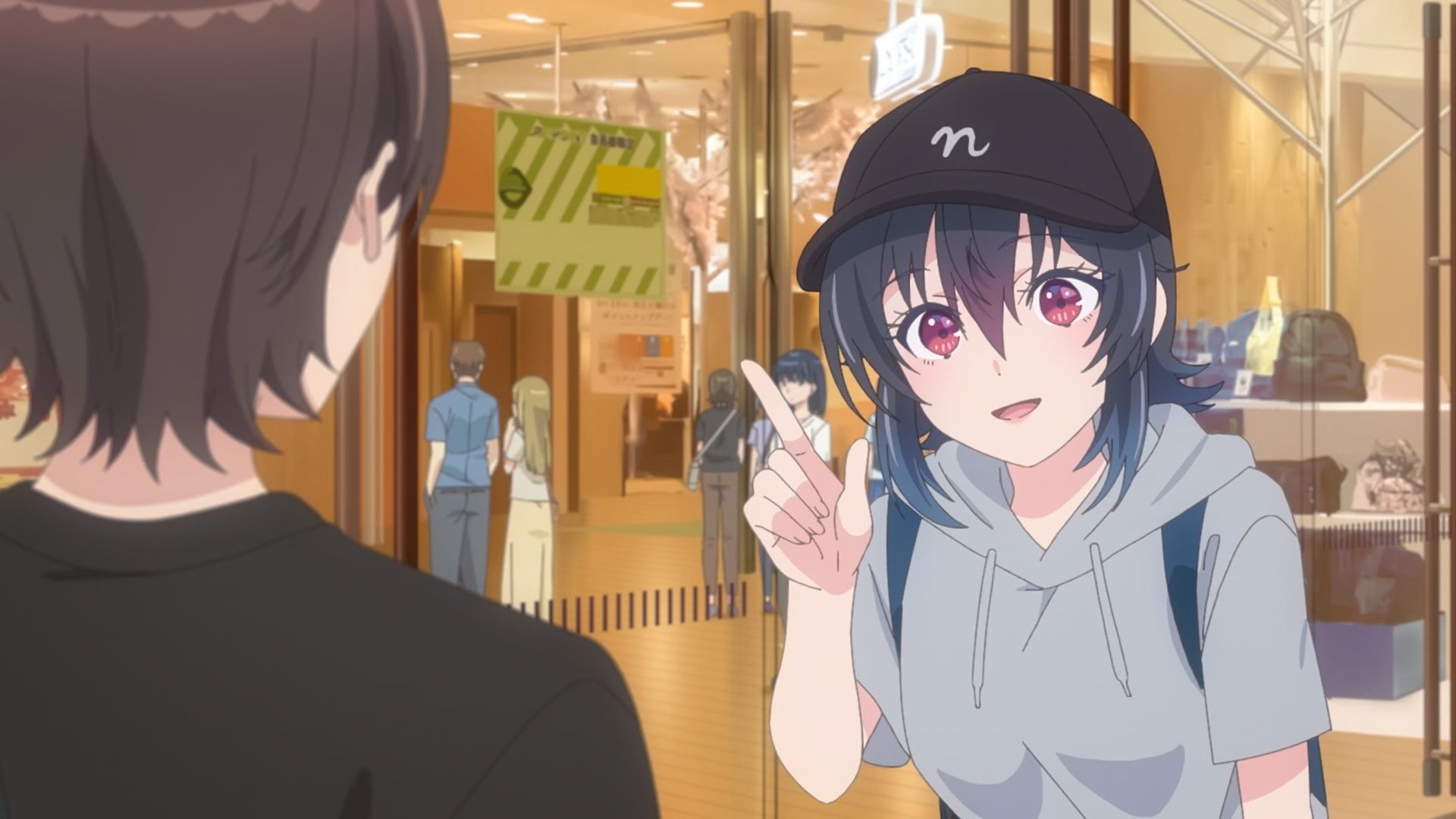
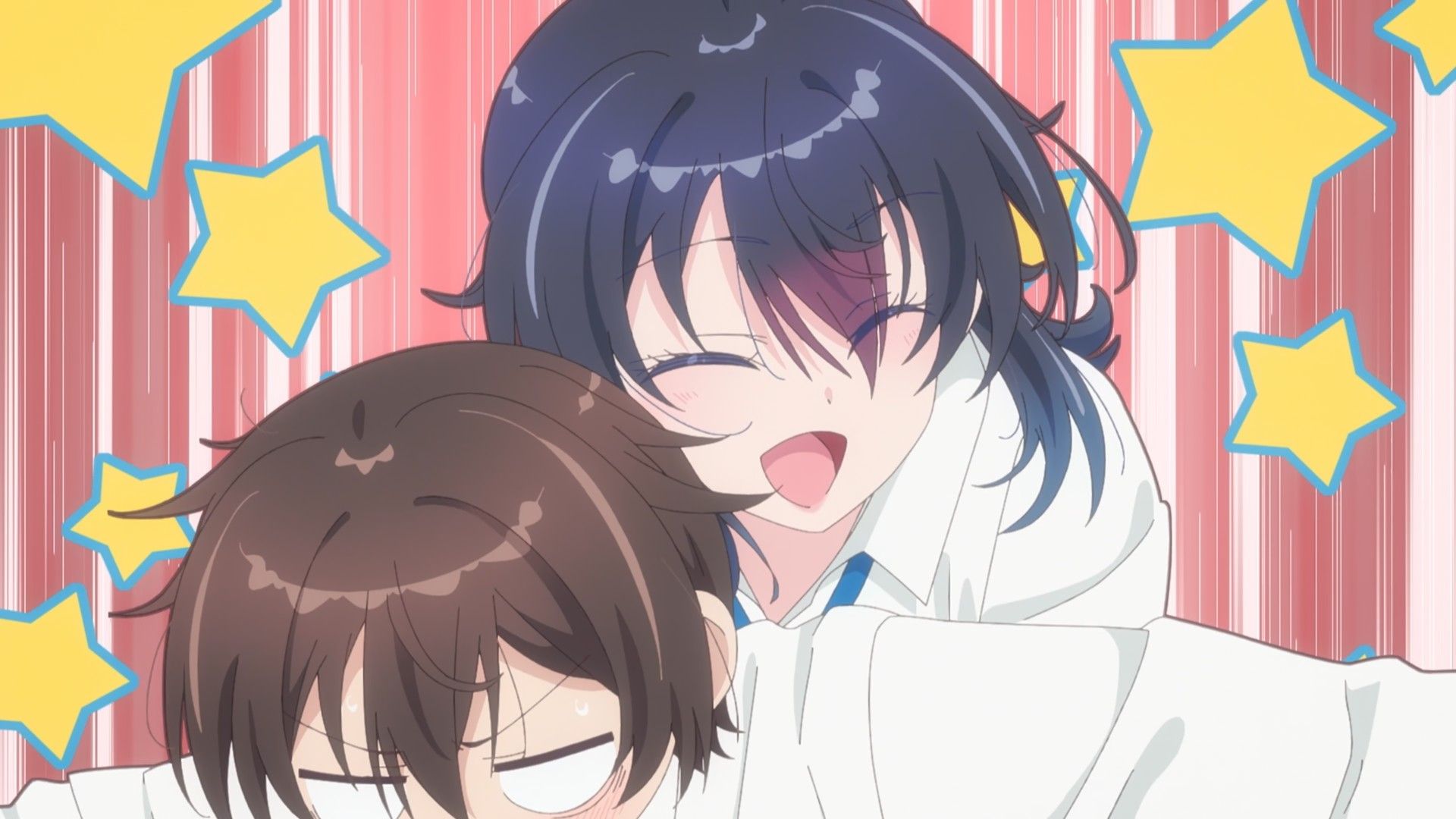
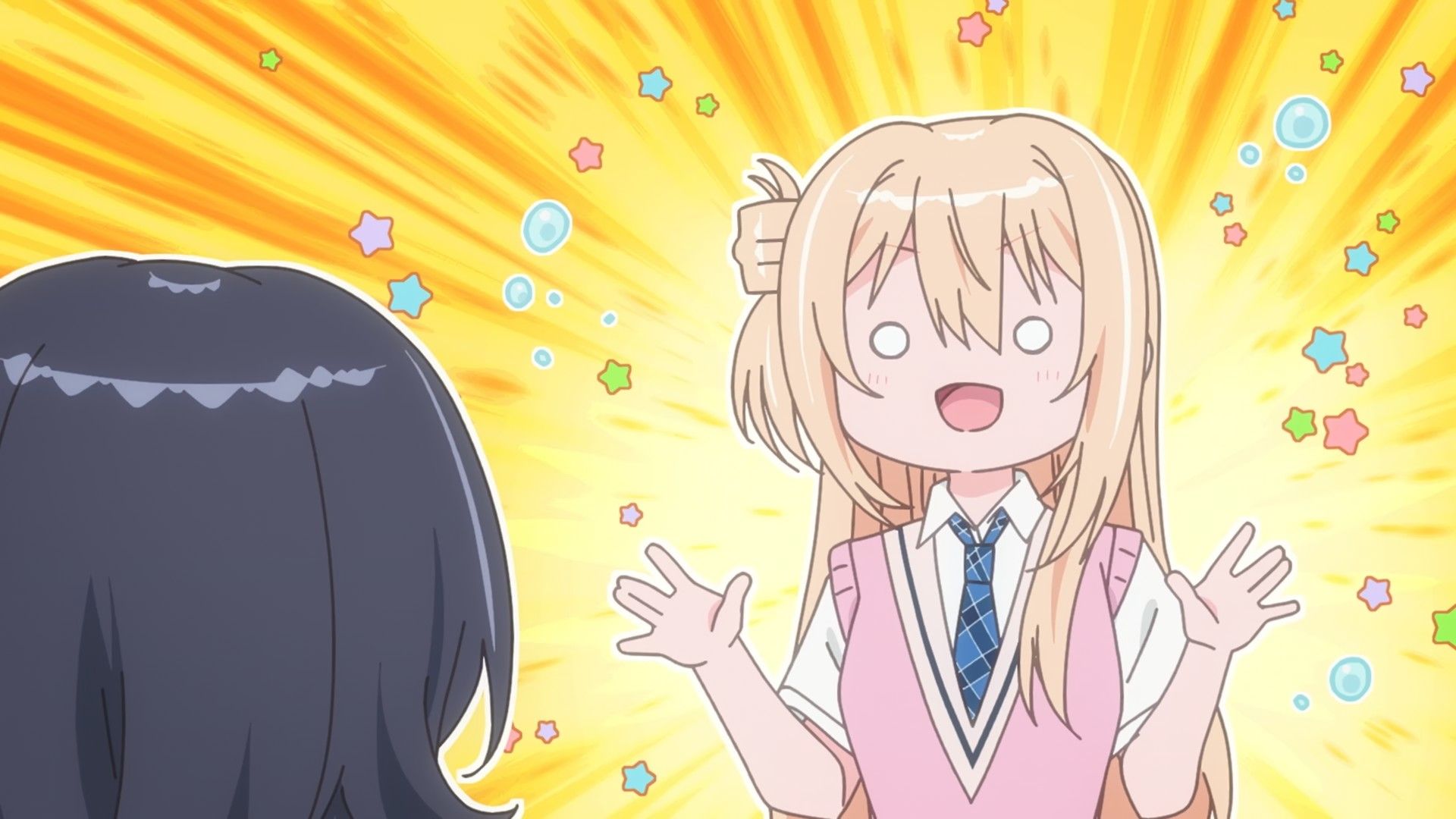
That makes every subsequent change in their relationship feel remarkably natural. Even small gestures gradually start to carry real weight because we have already had the chance to see how long the two spent building mutual trust. Maki and Umi do not fall in love simply because the genre demands it. They spend more and more time together, learn each other’s habits, learn how the other reacts, and increasingly seek out each other’s company. This is exactly the kind of everyday intimacy I enjoy most in romances.
Much heavier issues also remain present in the background throughout the series. Maki is dealing with the consequences of his parents’ divorce. Umi carries complicated feelings connected to Amami Yuu, while both of them struggle with self-worth and a fear of losing the people close to them. All of this is interwoven with quieter moments, playful bickering, embarrassment, and the simple pleasure of spending time together. The balance is excellent. When the drama hits harder, it has the weight it needs. Afterward, however, there is still room to breathe and return to the characters’ everyday lives.
Maki’s family storyline adds a great deal to the series. His parents’ divorce left a far deeper mark on him than you might initially expect, and its influence becomes increasingly visible in the way he approaches relationships with other people. Maki lives with the belief that closeness can fall apart at any moment and that it is better to keep his own problems to himself so he does not become a burden to anyone else. That gives his visit to Umi’s home particular significance. The warmth, jokes, ordinary family affection, and the sense that home can be somewhere you genuinely want to return to are almost alien to him. Spending time with the Asanagi family lets him see up close something he has not had for a long time, and it later has a powerful effect on his relationship with Umi as well.
What is the series about
Maki and Umi’s relationship develops in small steps through virtually the entire series, and that gradual progression was what I liked most about the way their story is told. Their first meetings lead to evenings spent together, those give them more and more freedom around each other, and that freedom eventually brings a willingness to talk about more personal matters. Because of this, the next stages of their relationship rarely feel forced. Even a small gesture or an innocent sentence can later mean a great deal because the series has already given us enough time to understand how they were behaving toward each other only a few episodes earlier.
I liked the contrast between Maki and Umi as we see them in the classroom and those same two people during their private meetings. At school, Maki functions almost like a shadow, while Umi has been given the label of the second-prettiest girl. That titular second place quickly comes to mean much more than a position in an absurd beauty ranking. Umi has spent years being compared with Yuu and has grown used to standing beside someone who effortlessly draws more attention. During her time with Maki, she does not have to think about any of that. It is something new for him as well: around Umi, he stops being the invisible boy from class and starts to feel that his presence genuinely matters to a specific person.
The secrecy surrounding their friendship also fits both of their personalities. Maki has long avoided drawing attention to himself, so keeping such a personal relationship away from the class comes completely naturally to him. For Umi, Yuu complicates things further, along with the fear of losing yet another thing that has become genuinely important to her. Her earlier experiences left her with a great deal of jealousy and fear that someone close to her might once again end up closer to Yuu while she herself is pushed off to the side. When the truth about her friendship with Maki finally comes out, the tension grows primarily from everything Umi had already been carrying inside her.
Umi and Yuu’s relationship is actually one of my favorite parts of the entire story. Umi genuinely loves her friend, and it is easy to see how much that bond means to her. At the same time, years of frustration have built up around it. Yuu naturally draws people toward her, easily becomes the center of a group, and usually does not even have to try. As a result, Umi has repeatedly found herself pushed into the background. Over time, she began to feel that in relationships with other people she would always be little more than an addition to someone more noticeable.
The best part is that her jealousy is not treated as a trait the audience is supposed to automatically condemn. Umi knows perfectly well that some of her feelings are not especially pretty, yet she cannot simply switch them off. That makes her feel very human. You can love another person, be happy for them, and still resent them for things that are not really their fault.
Yuu cannot be reduced to the person responsible for Umi’s pain either. She is cheerful, warm, and genuinely devoted to her friend. For a long time, she simply had no idea what their shared history looked like from the other side. When the two finally have an honest conversation, what hurts most is the realization that they could have been so close for so many years and yet never told each other something this important. Their conflict grows out of emotions that are understandable on both sides, which gives it far more weight than yet another argument built around a single stupid misunderstanding.
Maki’s family storyline later carries a similar weight. For much of the story, he does everything he can to avoid burdening anyone with his own problems and treats his situation almost like something he simply needs to learn to live with. Only when the pressure finally breaks does years’ worth of suppressed anger, sadness, and helplessness pour out of him. The most moving part is the simplicity of what he actually wanted. Maki simply wanted his parents to still be together. At the right moment, a thought that simple can hit far harder than any elaborate speech, because all this time we have been watching a boy who barely even allowed himself to admit how deeply the situation had hurt him.
Characters
Maehara Maki
Maki has his own interests, habits, insecurities, and a very specific way of reacting to other people. He is introverted, very quick to assume the worst possible scenario, and can spiral into his own negative thinking within moments. He is usually perfectly aware that he does it. He knows that he distances himself from people and often does so before anyone has even had the chance to give him a real reason to withdraw. Beneath the surface, however, are plenty of qualities that only begin to emerge once he starts feeling safe around someone.
Maki is considerate, attentive to other people, and very capable when it comes to cooking and everyday chores. He also has a dry sense of humor and can be surprisingly sharp-tongued, something you would barely guess from his first interactions with the class. Umi very quickly starts bringing that side of him out. The more time they spend together, the more relaxed he becomes, and the easier it is to see how much of his earlier withdrawal came from fear and a simple habit of being alone.
Maki does not suddenly have a ready-made answer to every one of Umi’s problems, nor does he turn into someone who delivers the perfect speech every time she starts crying. He can listen to her, stay by her side, and accept emotions that she herself is sometimes ashamed of. At other times, Umi takes on a similar role when Maki is the one who stops coping. His family situation, however, reveals the most about him. His parents’ divorce clearly affected both his self-worth and the way he approaches closeness.
He has grown used to suppressing his own feelings because he does not want to add more problems to the lives of people who already have enough of them. That is why his later outburst matters so much. For the first time in a long while, he lets himself say out loud that something hurts and that he also had the right to want something from his family. This later affects the way he approaches Umi as well, because it becomes easier for him to accept that intimacy sometimes means allowing another person to see your weakness.
Amami Yuu
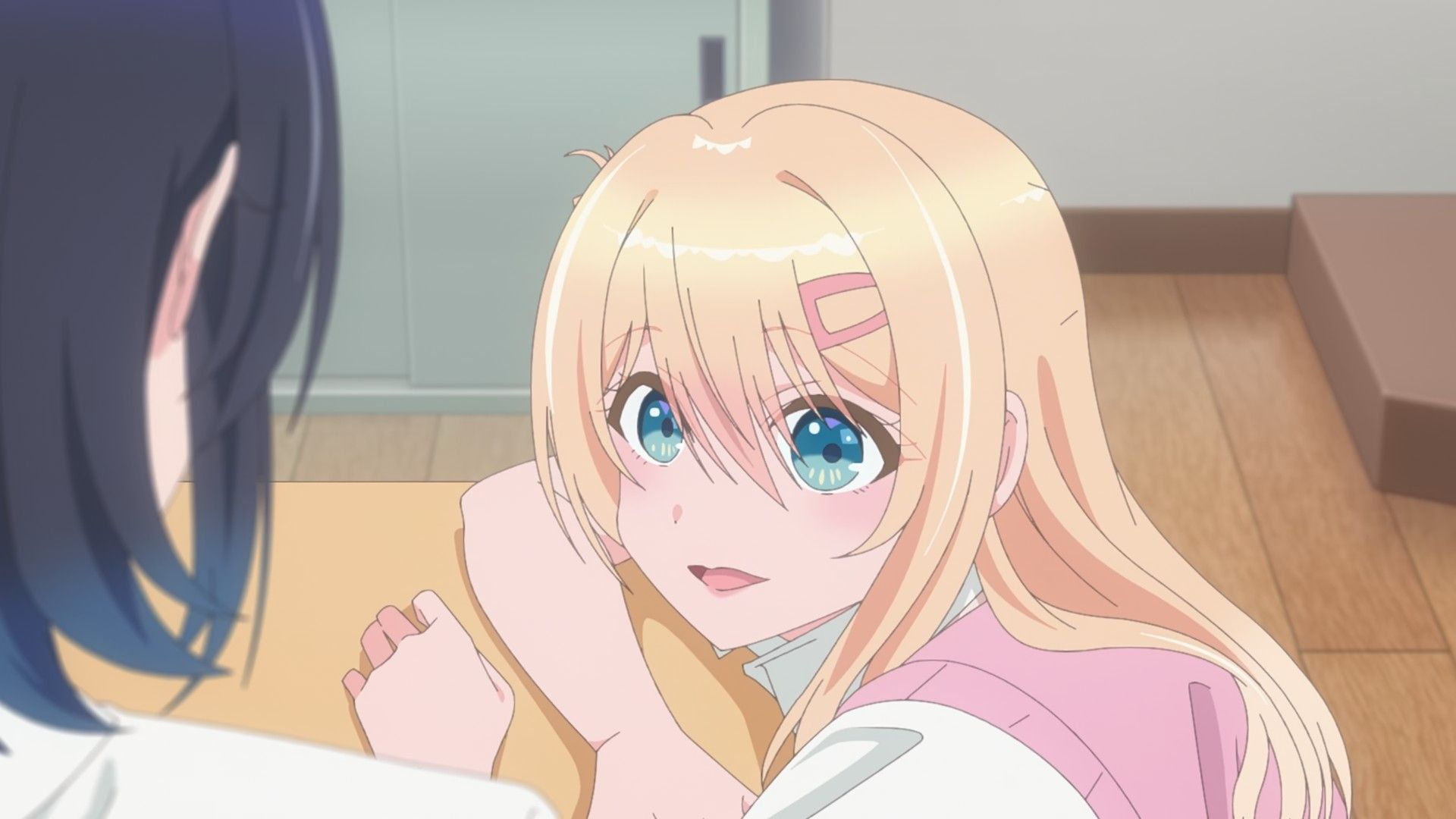
At first, she may look like a very typical prettiest girl in the class. She is cheerful, lively, warm, and draws people toward her with almost no effort. That natural ease in forming relationships, however, is enormously important to her history with Umi. Yuu never had to consciously push her friend into the background for Umi to start feeling less visible beside her. It was enough for people to gather around Yuu on their own while she remained largely unaware of what that looked like from the perspective of the person standing next to her.
That makes it difficult to frame their conflict in simple terms of blame. Yuu genuinely values Umi and spent years assuming that their bond was equally obvious to both of them. Umi also treasures their friendship, but at the same time carries resentment and jealousy that she was unable to put into words for a long time. Their honest confrontation hurts precisely because neither of them ever wanted to hurt the other. They were extremely close for years, and yet something enormous existed between them that they had essentially never talked about.
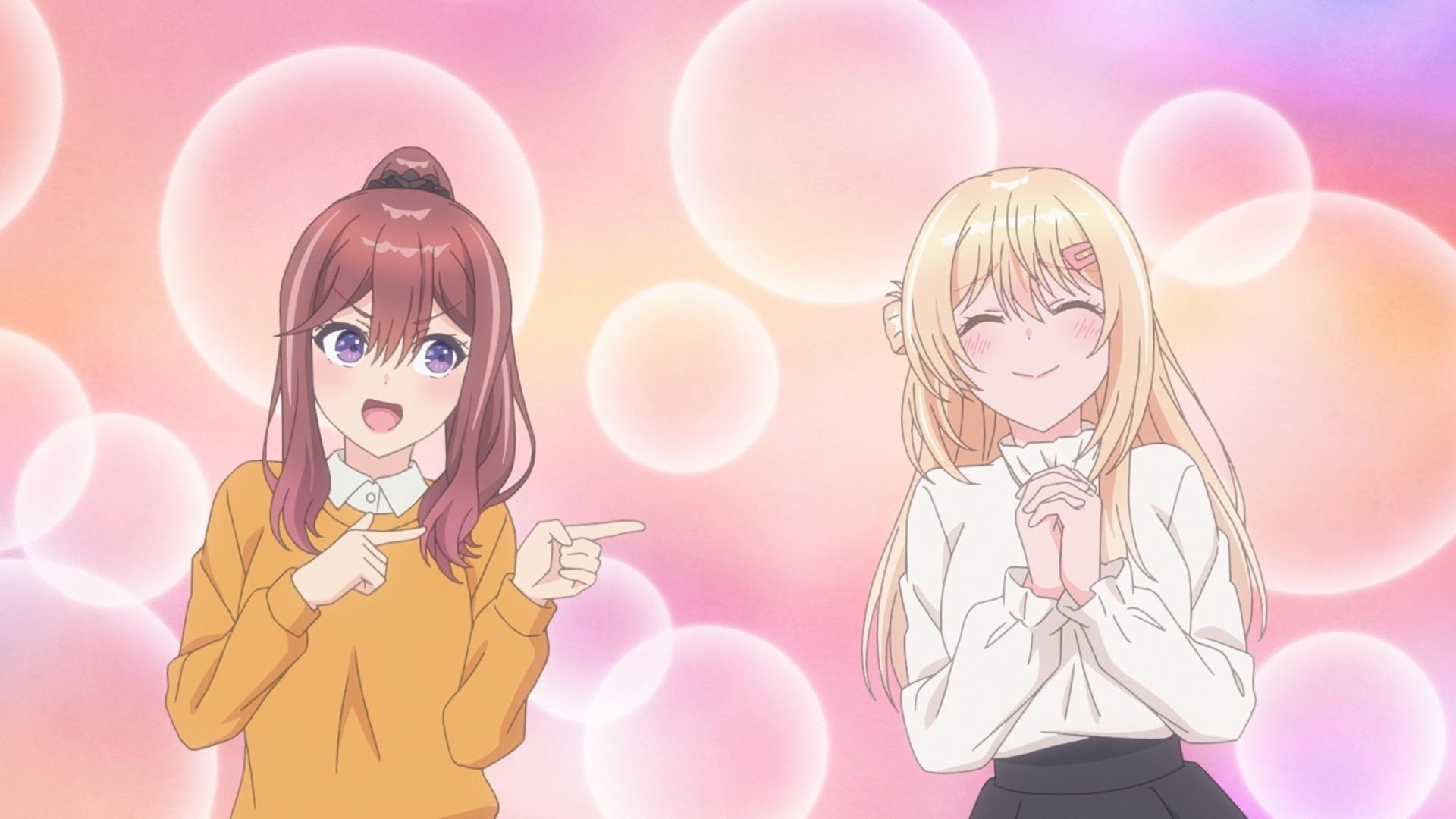
With Maki, Yuu’s more open personality changes the group dynamic and pushes both main characters a little farther beyond their closed, private world. At the same time, I never once felt that her presence existed only to construct another obligatory love triangle. She can support both Umi and Maki, while also helping us understand why Umi values a relationship in which she finally does not feel compared with her own best friend.
Nitta Nina and Seki Nozomu
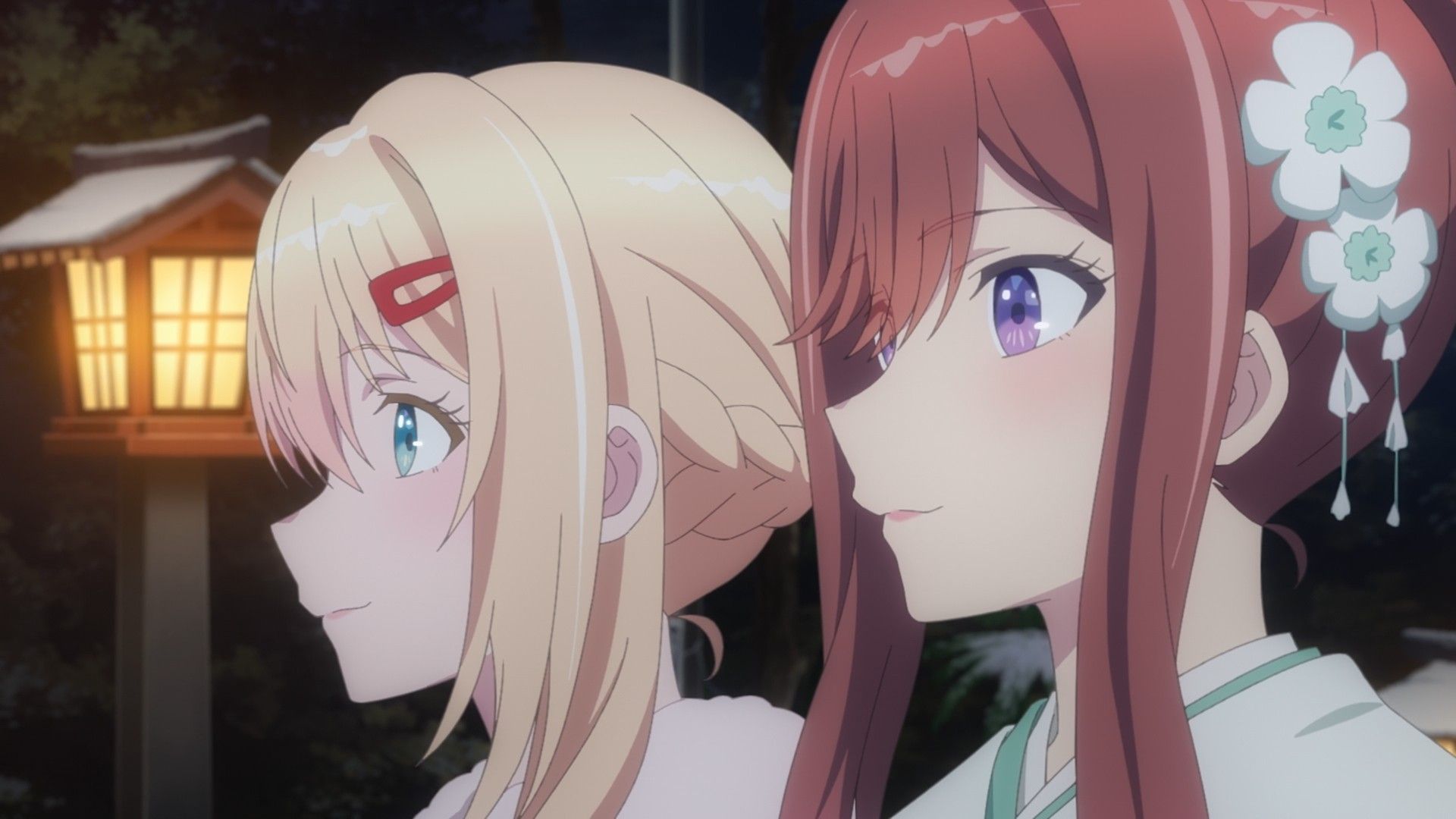
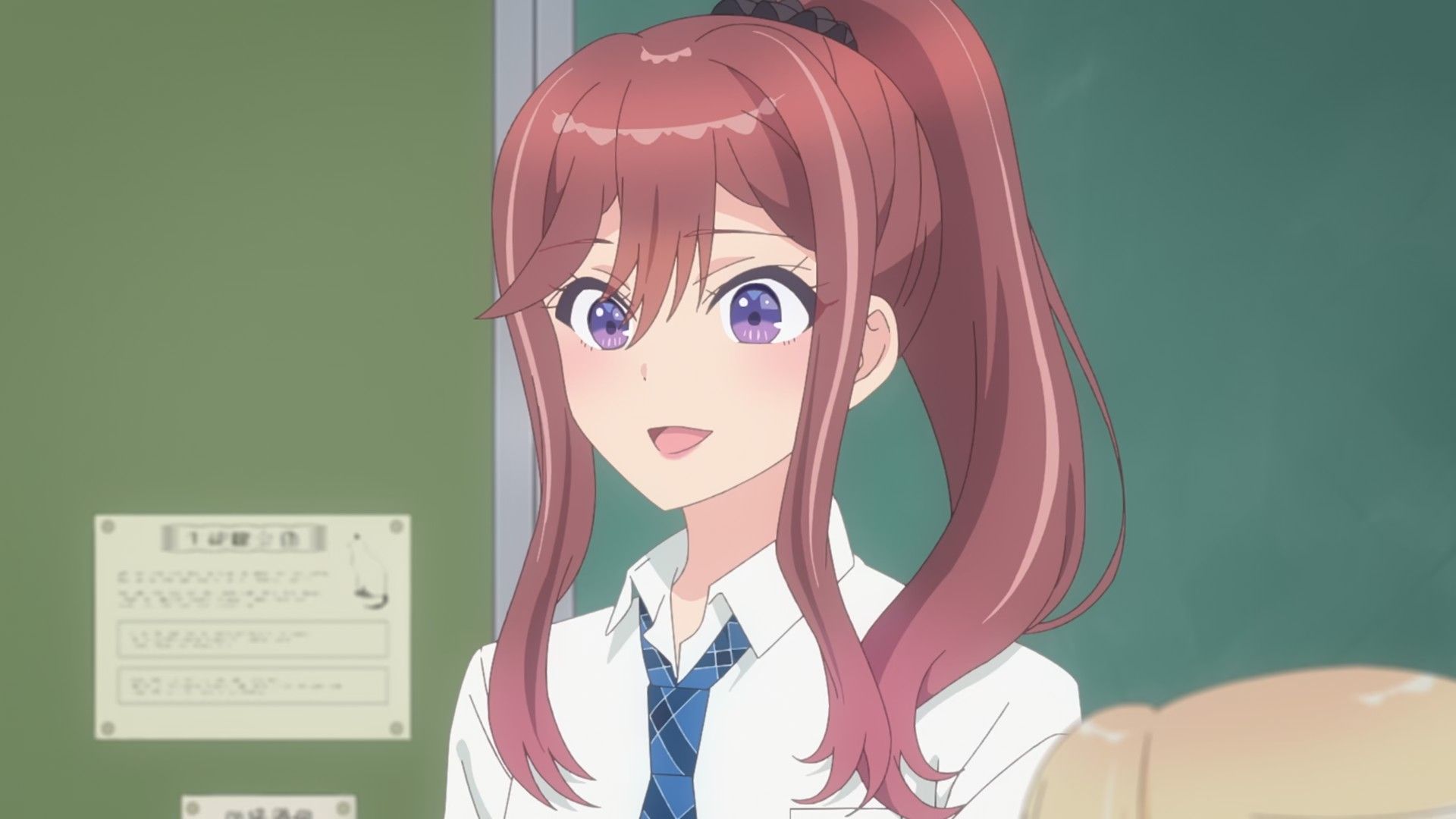
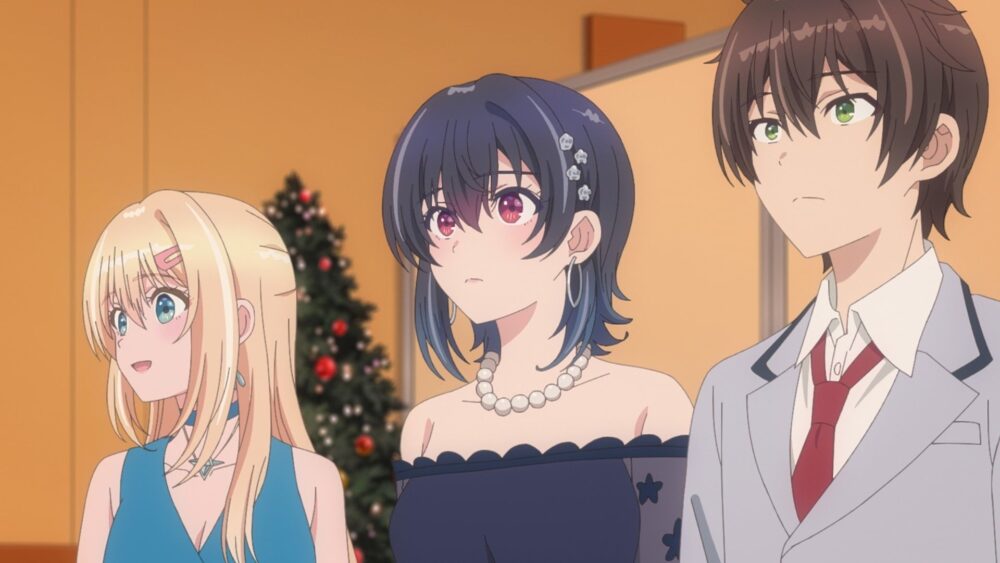
Nitta Nina draws attention very quickly. She is direct, a little nosy, and usually figures out what is going on faster than the people actually involved. She has a sharp tongue and very little patience for people who are obviously feeling something but stubbornly keep trying to convince themselves that nothing is happening. Beneath all of that, however, she is fiercely loyal to her friends. Her comments can sting, but they usually come from genuinely caring about the people she is talking to. That gives the group plenty of energy without reducing her to a walking source of sarcastic one-liners.
Seki Nozomu, meanwhile, fills the much-needed role of Maki’s ordinary male friend. School romances can easily surround their protagonist entirely with girls, until practically every important relationship he has becomes connected to romance in some way. Here, Maki also gets a male friend with whom he can simply behave normally. Nozomu is straightforward, honest, and a little clumsy when it comes to feelings, which fits naturally alongside Maki’s own difficulties. His side romance never takes over the main story, while also offering another perspective on similar issues. Both boys struggle with their own feelings, although they deal with them in completely different ways.
Parents and the Broader Emotional Context
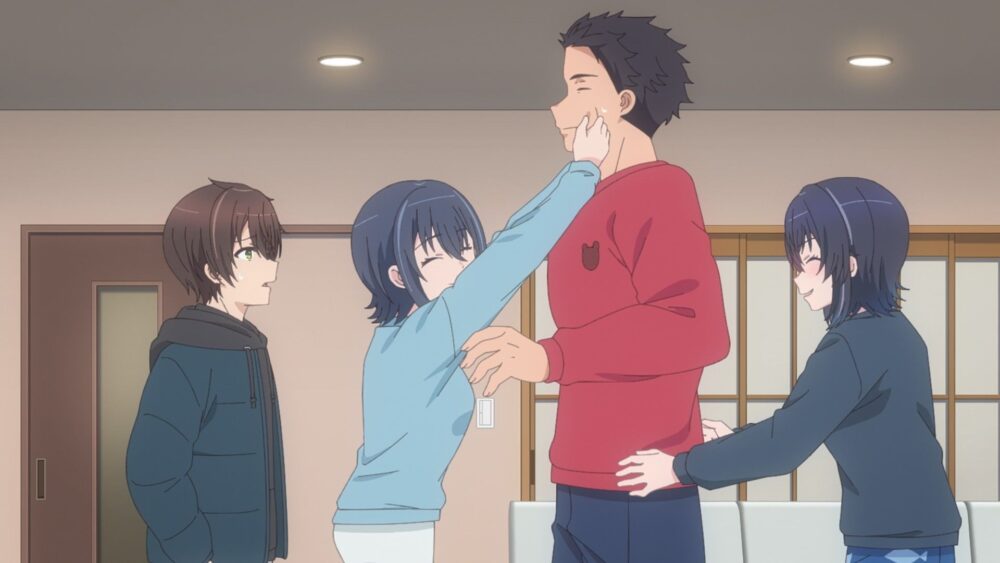
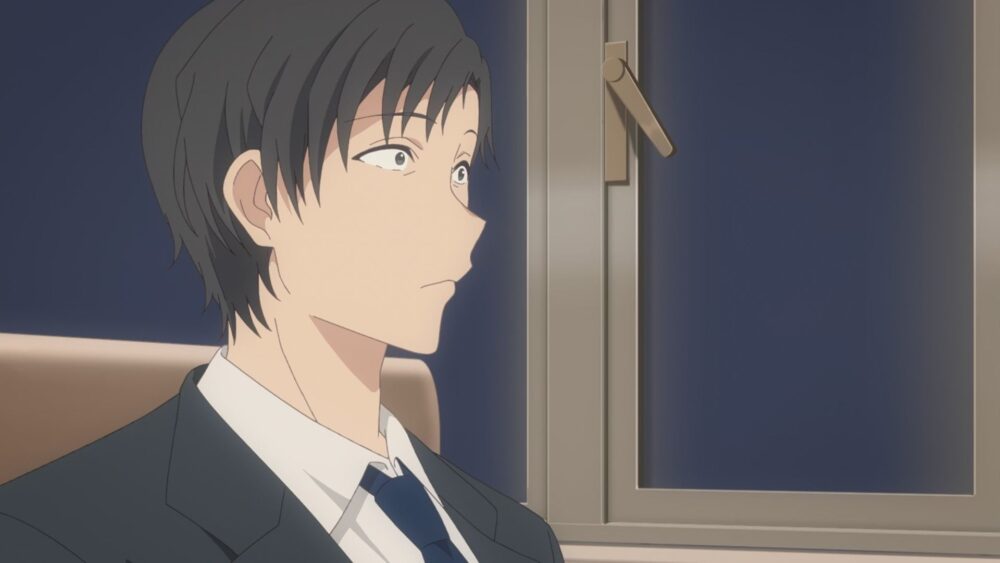
The older characters matter more here than they often do in similar romances. Maehara Masaki, Maehara Itsuki, Asanagi Sora, and Asanagi Daichi all shape the way we see Maki and Umi, while the contrast between the two households quickly becomes one of the more important elements of their story. The Maehara home is marked by silence, exhaustion, unspoken resentment, and the remains of a family that has fallen apart. The Asanagi household is much warmer. The parents joke, family members tease one another, and closeness between them feels completely ordinary.
For Maki, that difference is enormous. Spending time with Umi’s family means much more to him than simply another opportunity to be with her. For the first time in a long while, he finds himself in a home where warmth between family members feels natural rather than like a memory of something that has already fallen apart. It also helps explain much more clearly why he becomes so attached both to Umi and to the sense of safety he begins to associate with the people around her.
I was also glad that Maki’s family problems are not wrapped up with a simple solution that erases everything that happened before. Some things simply cannot be undone, and he has to learn to live with that. Because of this, his emotional outburst does not lose its significance the moment that storyline ends. The warm moments with Umi carry even more weight afterward, as Maki gradually learns to accept another person’s care without constantly expecting that sooner or later he will lose that too.

Class de 2-banme ni Kawaii Onnanoko to Tomodachi ni Natta (2026) – Evaluation and Summary
Class de 2-banme ni Kawaii Onnanoko to Tomodachi ni Natta turned out to be a very successful school romance. There are plenty of scenes designed simply to make you smile, feel a little secondhand embarrassment, and enjoy watching two characters become increasingly bad at hiding how much they are starting to care about each other. That alone is great fun, because Maki and Umi have fantastic chemistry and are simply enjoyable to spend time with. What stayed with me, however, went far beyond the romantic moments themselves.
For a long time, Maki needed someone around whom he could stop treating his own feelings as a burden to others. Umi found someone with whom she does not have to be the titular second-prettiest, the responsible friend, or the girl standing slightly outside someone else’s spotlight. Their initially secret meetings therefore begin to mean something special to both of them very quickly. They get a space of their own where they can simply be themselves, and over time they begin letting the other person into the parts of their lives that are much harder to show anyone.
A Light Romance with a Touch of Drama
The series maintains an excellent balance between light romance and heavier emotions. You can enjoy Maki and Umi’s bickering, their movie nights, embarrassment, and increasingly obvious flirting, then only a few scenes later get a conversation that hits one of the characters in an especially painful place. The quiet, warm moments consequently begin to mean even more, because over time we understand better what both of them have already been through and why the simple presence of another person can matter so much. The pairing alone would have been enough to make me like this story. Ultimately, though, I will also remember it for Umi trying to reconcile her enormous affection for Yuu with her own jealousy, for Maki finally allowing himself to say how deeply the breakup of his family hurt him, and for the way both of them learn to accept another person’s care without constantly fearing that they are about to lose it.
Class de 2-banme ni Kawaii Onnanoko to Tomodachi ni Natta has plenty of sweetness, excellent chemistry between its central pair, and a great deal of simple, pleasant everyday life. At the same time, the characters have enough problems, flaws, and emotional baggage of their own to keep the relationship from becoming nothing more than a collection of cute scenes. That mixture is what left me with far more than just the memory of another pleasant school romance once the series was over.
Finalny werdykt
Final evaluation

Which translation do I recommend to watch Class de 2-banme ni Kawaii Onnanoko to Tomodachi ni Natta?
- Crunchyroll (official) – an excellent translation that I would genuinely struggle to find fault with even if I tried hard.
Gallery