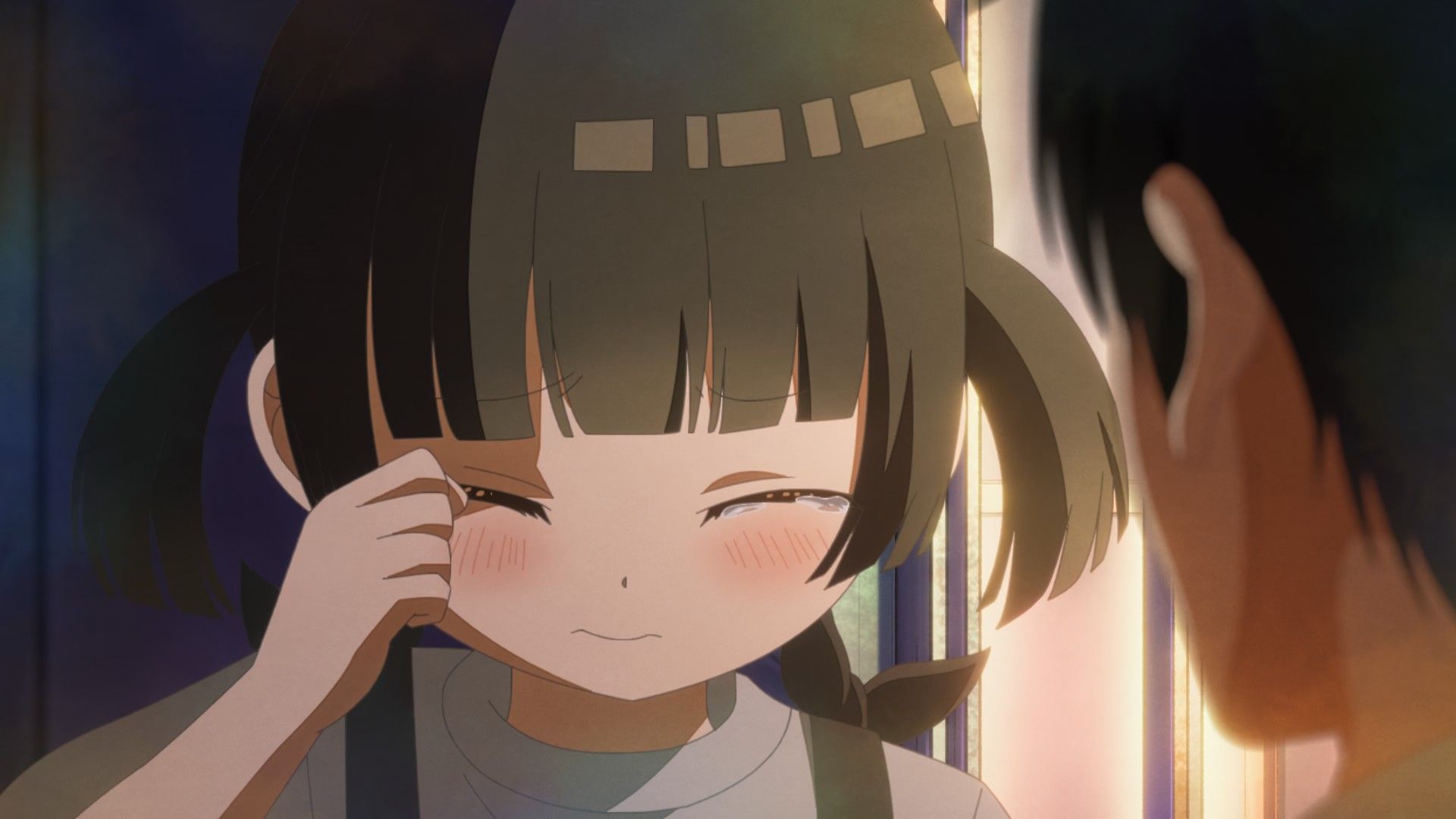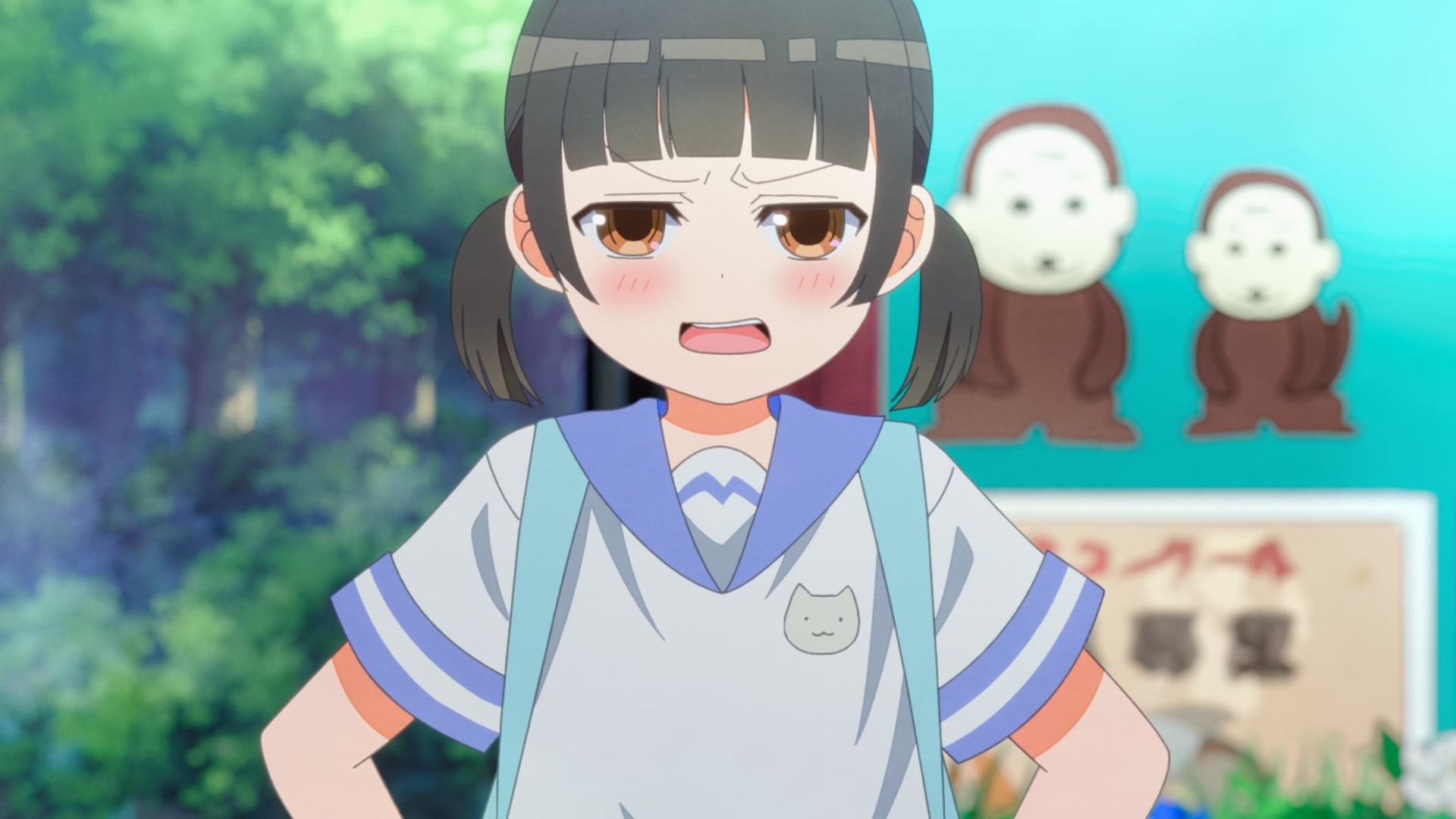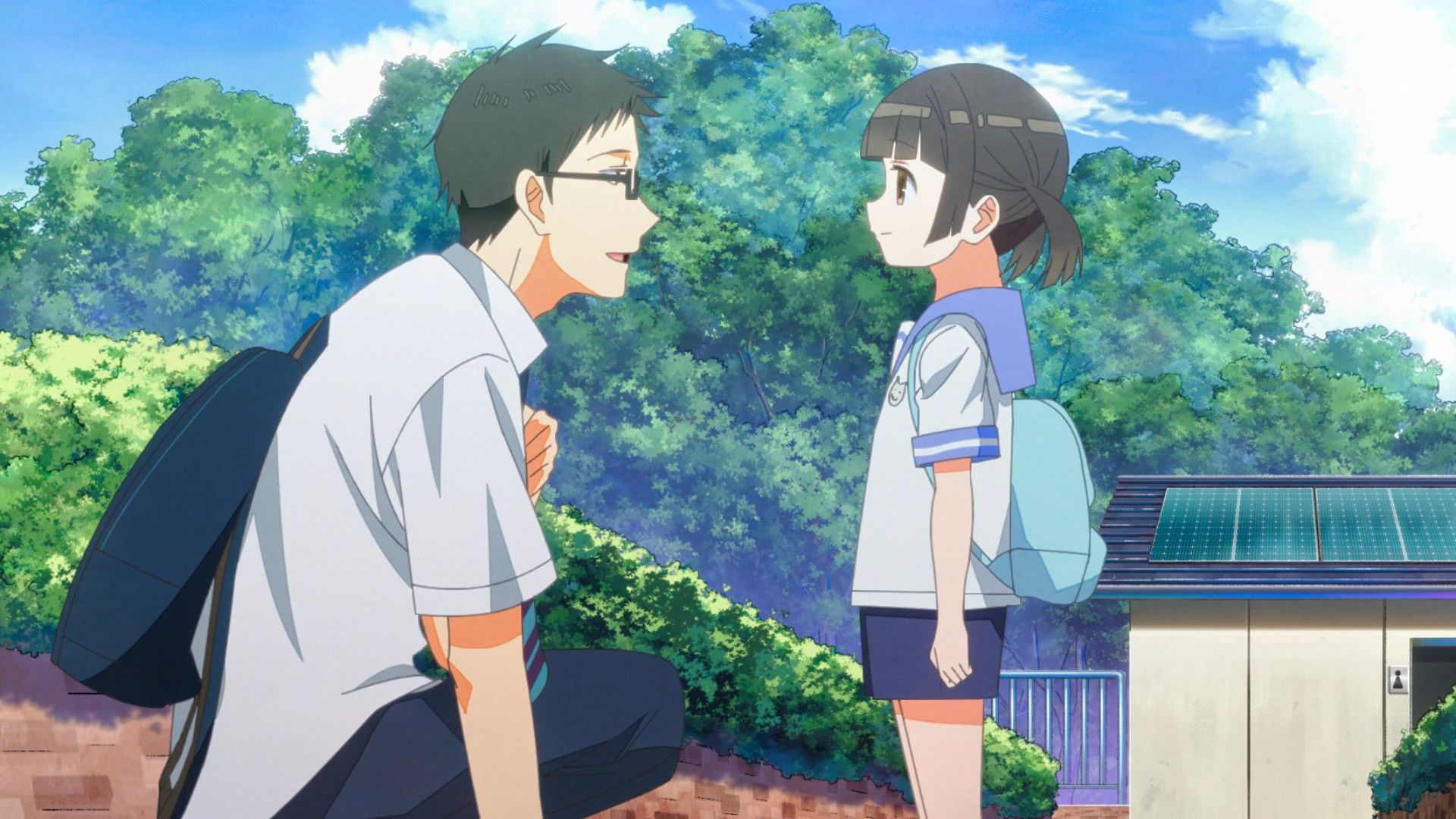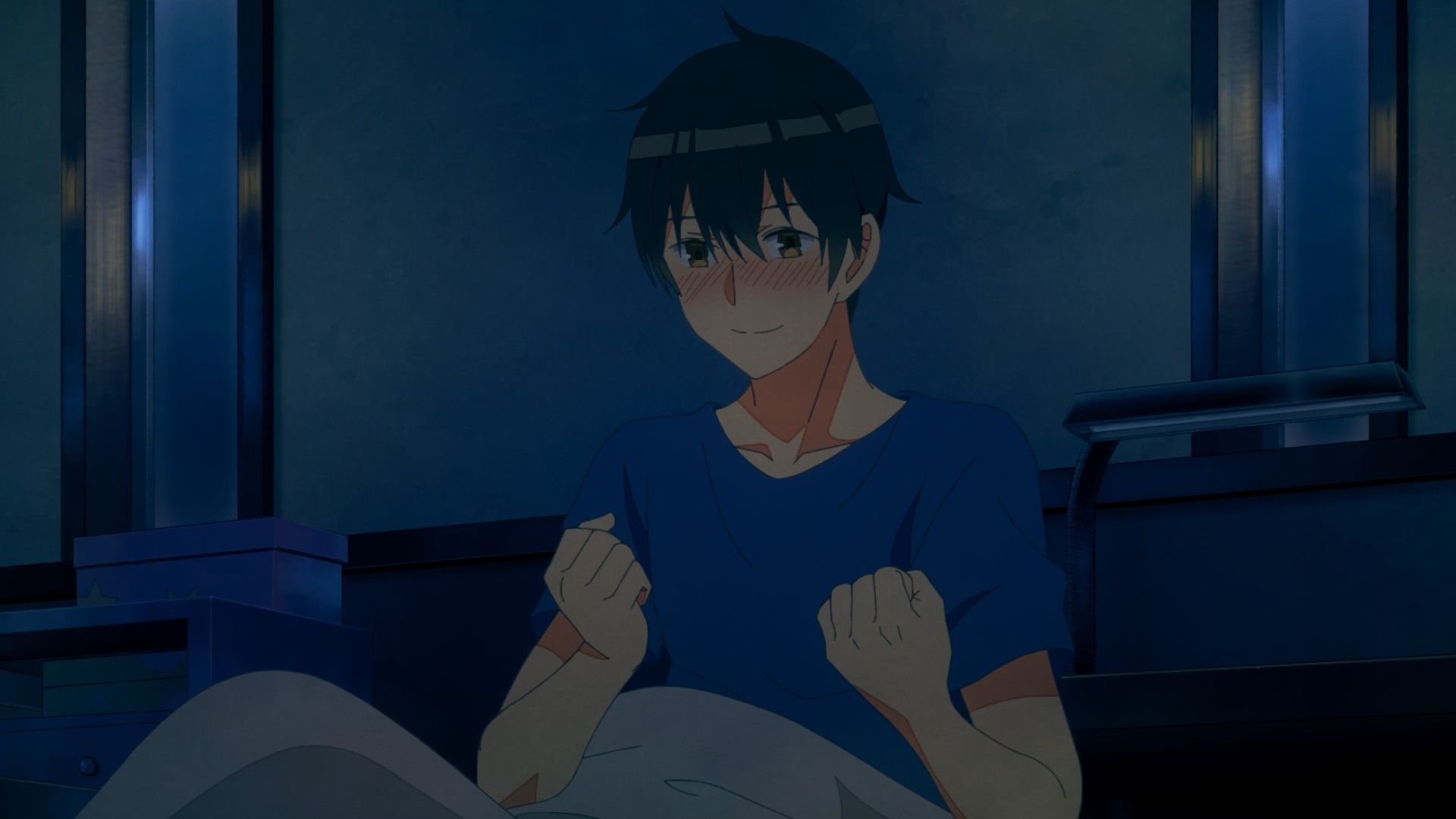
Two years ago, Watari Naoto lost his parents and became the sole guardian of his younger sister, Watari Suzushiro, whom he affectionately calls Suzu. Since then, his life has revolved entirely around her. He does not belong to any clubs. He does not spend time with his peers. As a result, at his new school he ends up with the nickname siscon. For Naoto, however, none of that matters—as long as Suzu is safe and happy, he does not care what anyone says.
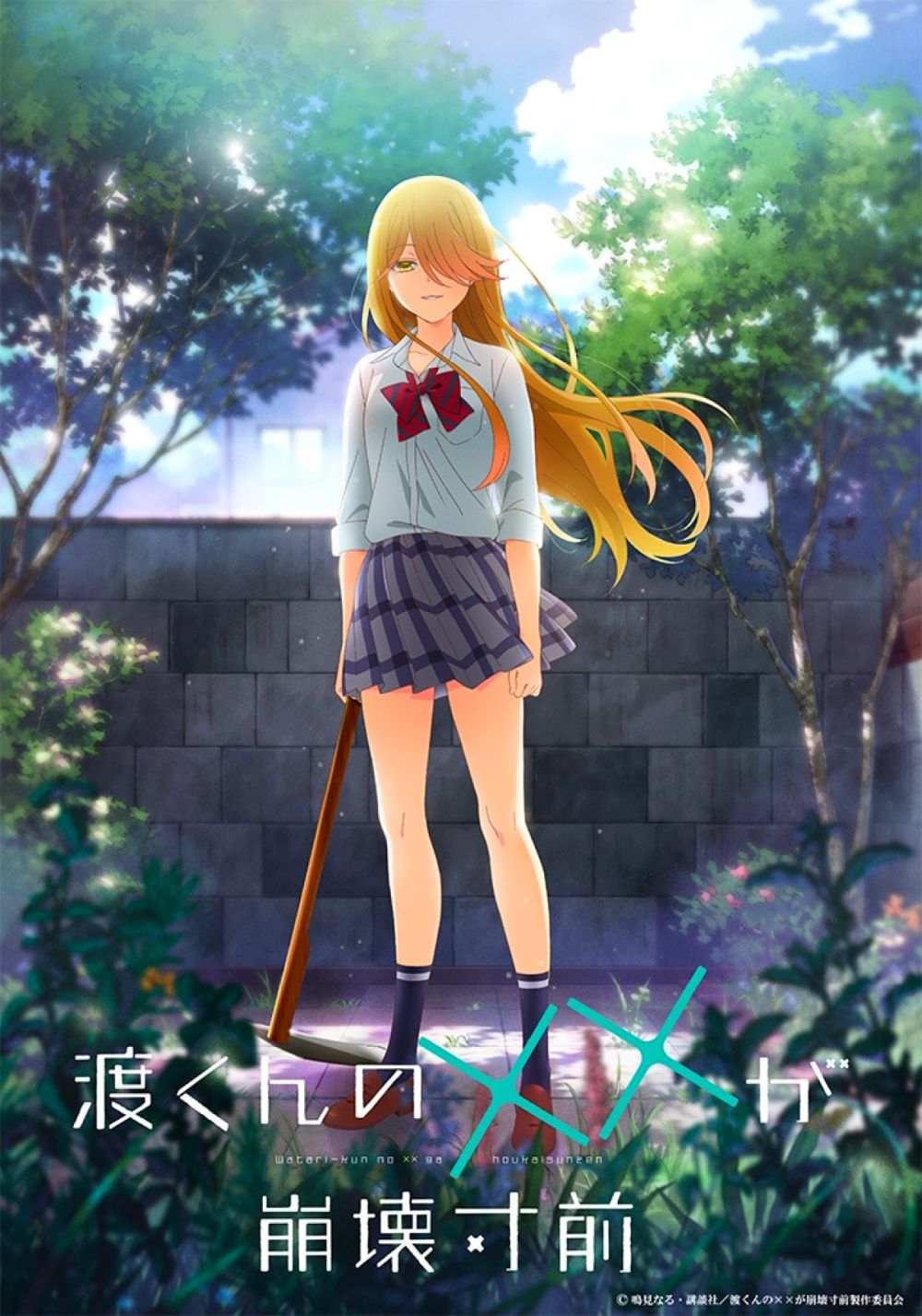
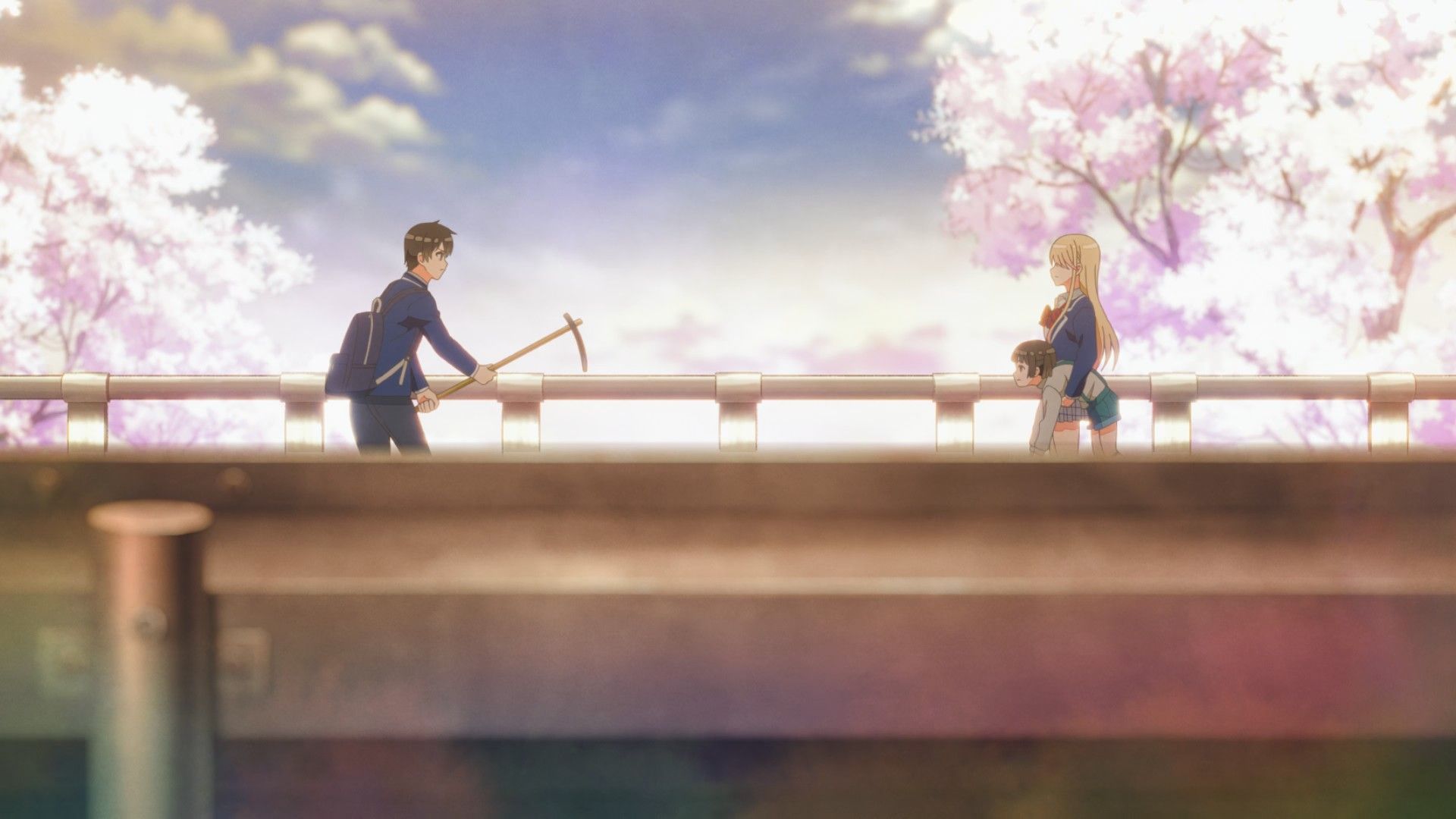
His peaceful days come to an end when Tachibana Satsuki appears in his class—a girl tied to his painful past. Their reunion awakens traumatic memories in him, and with her arrival, secrets Naoto had never known begin to come to light. Armed with a garden hoe, the girl will stop at nothing to reclaim what may once have belonged only to her.
Watari-kun no xx ga Houkai Sunzen (2025) – Audiovisual Design
Video
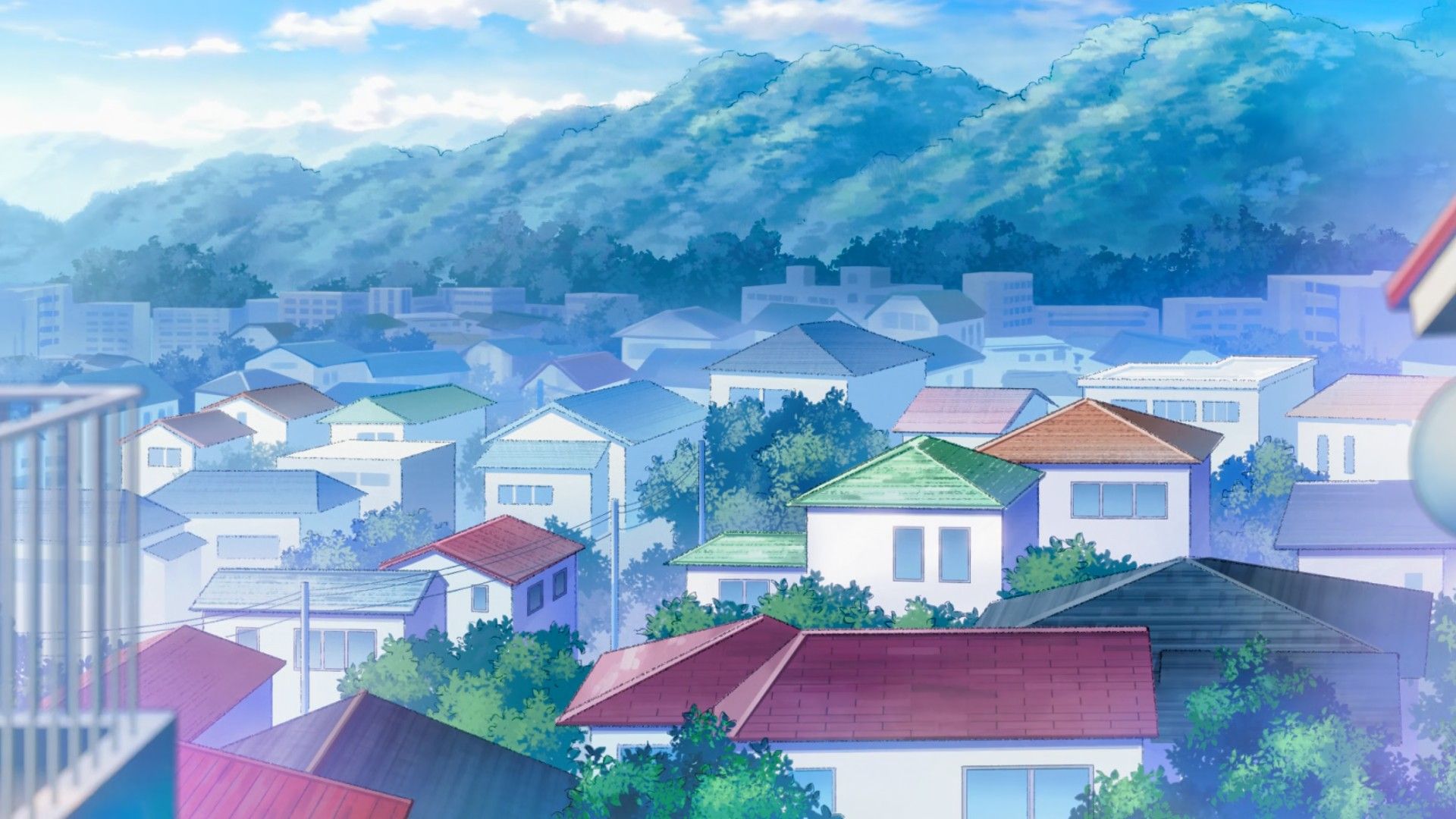
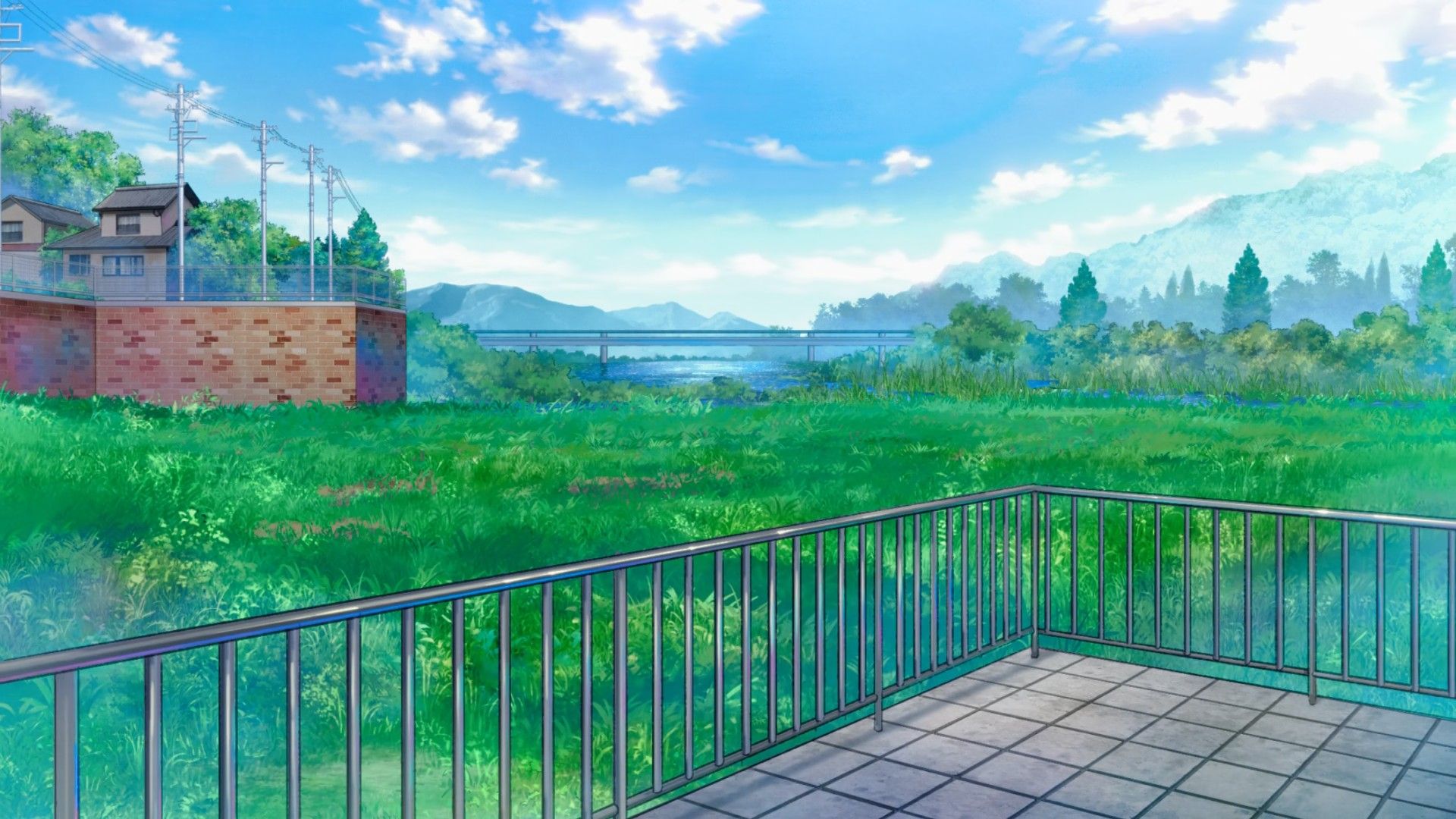
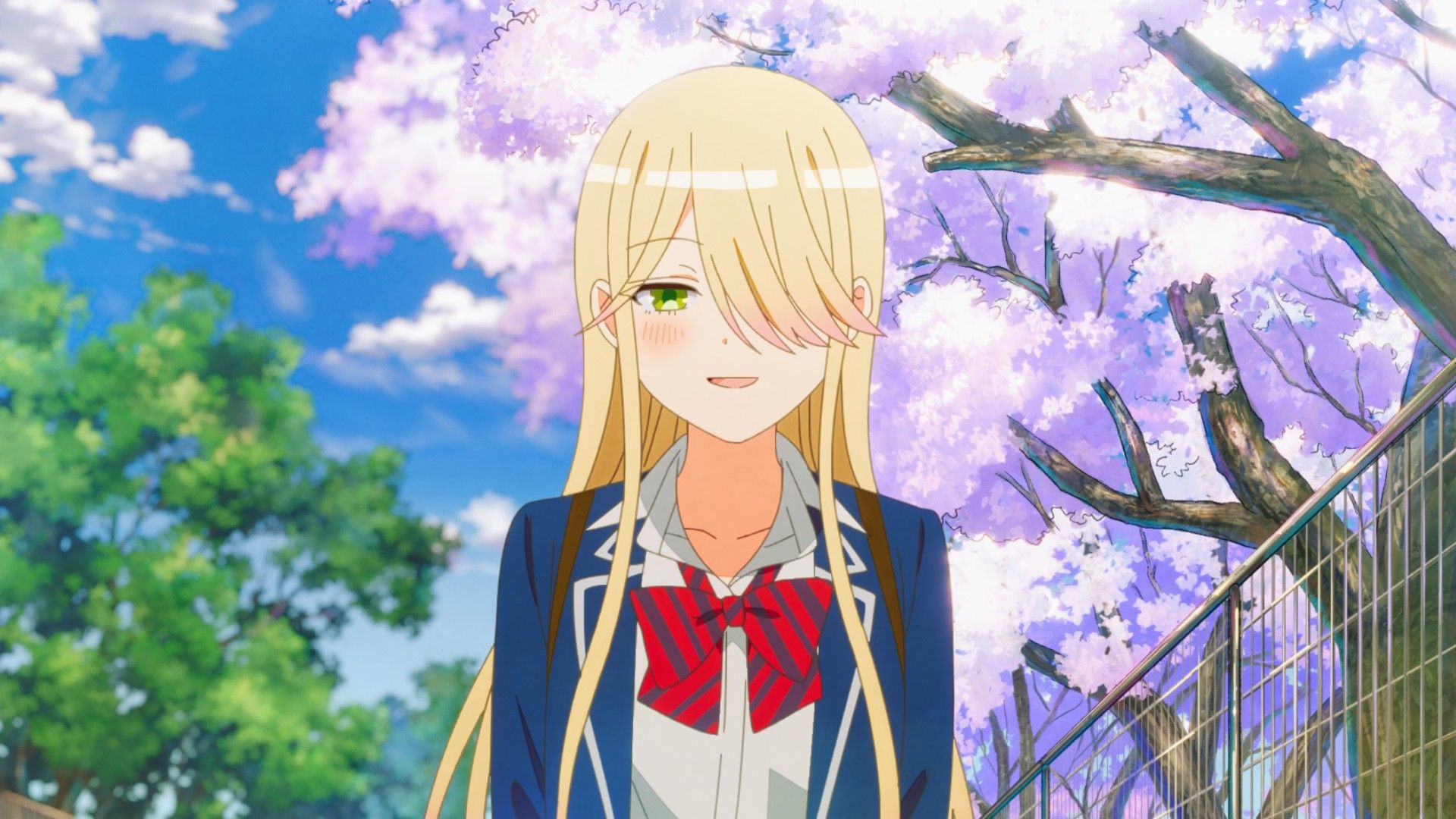
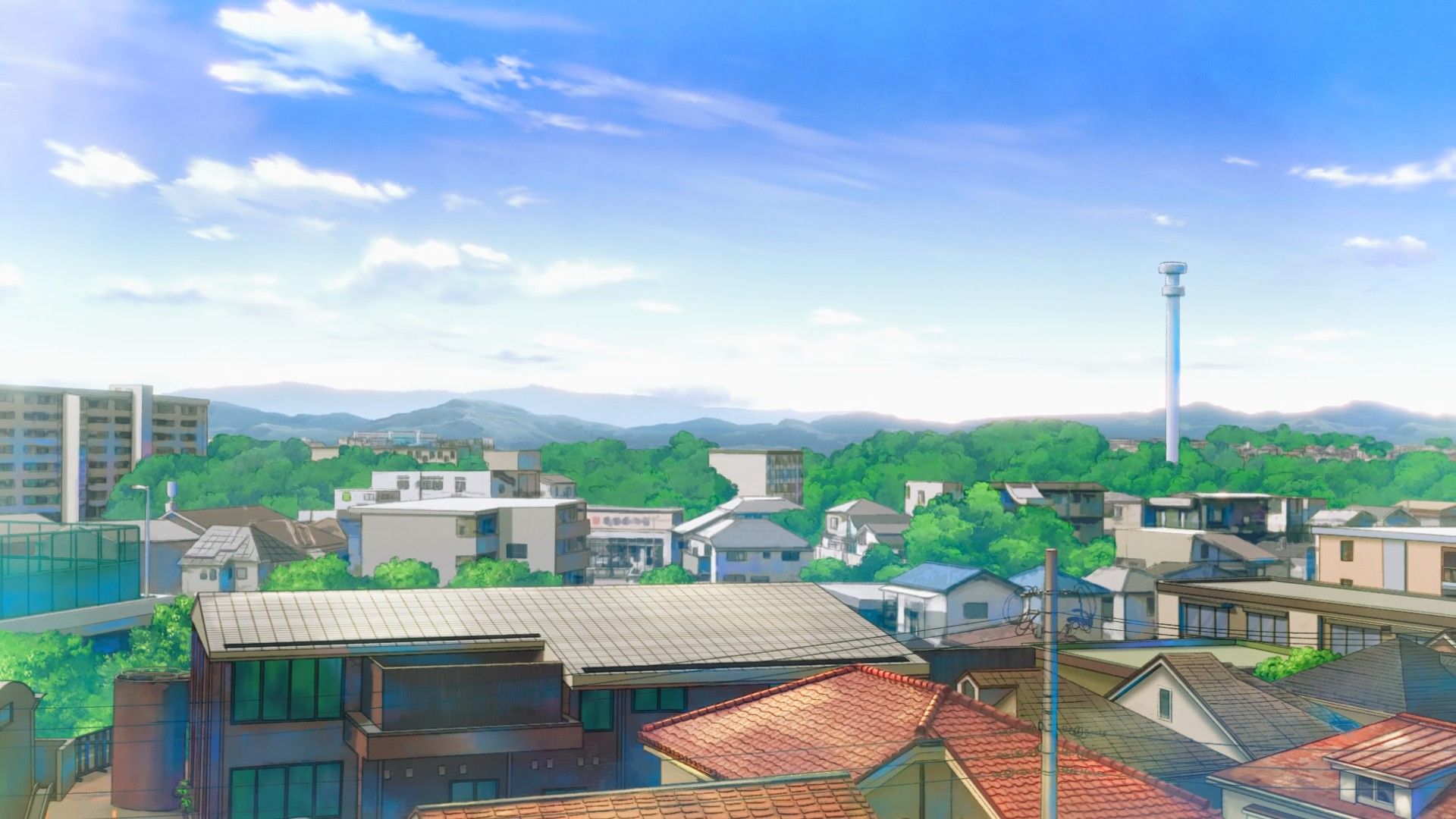
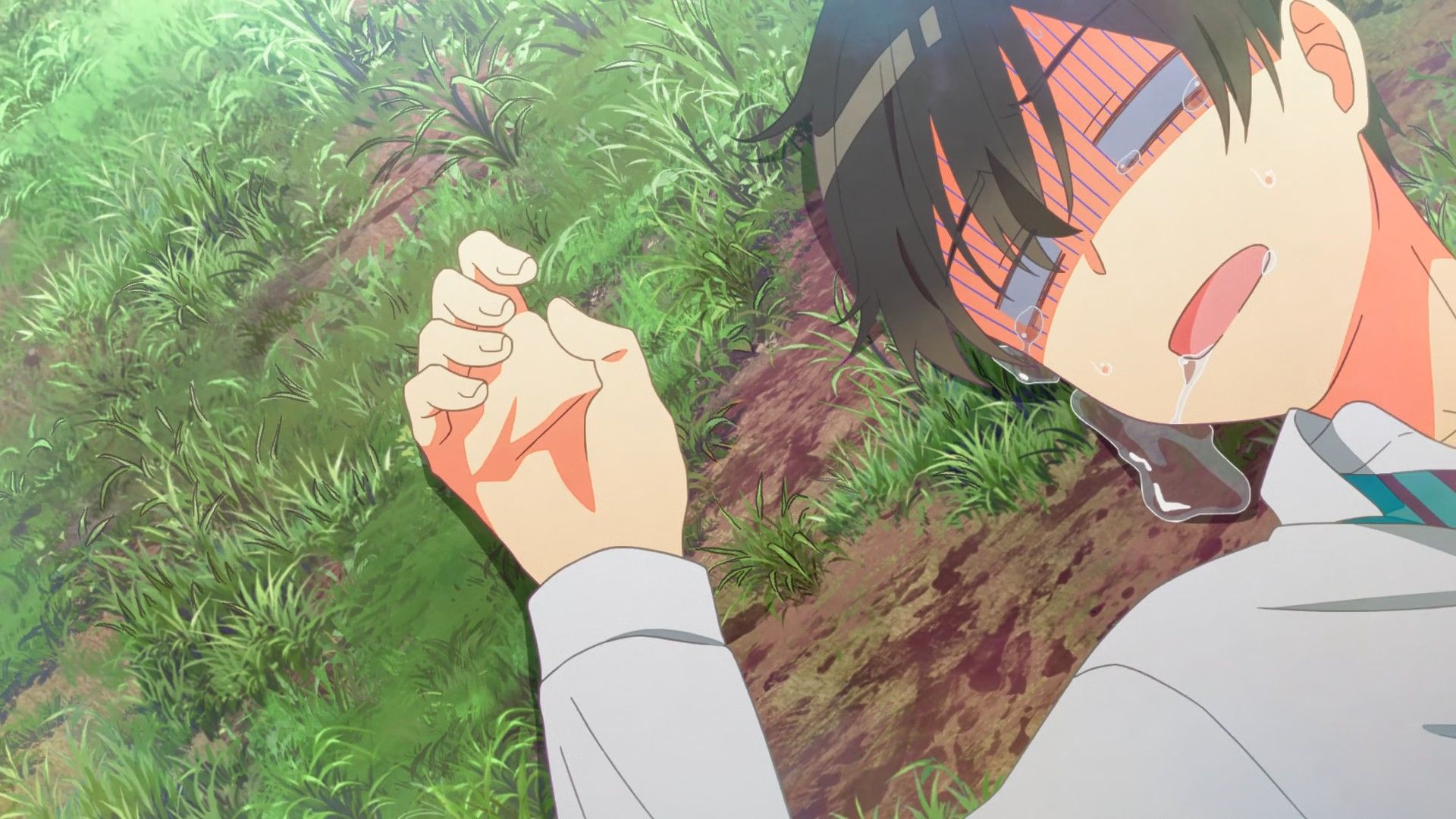
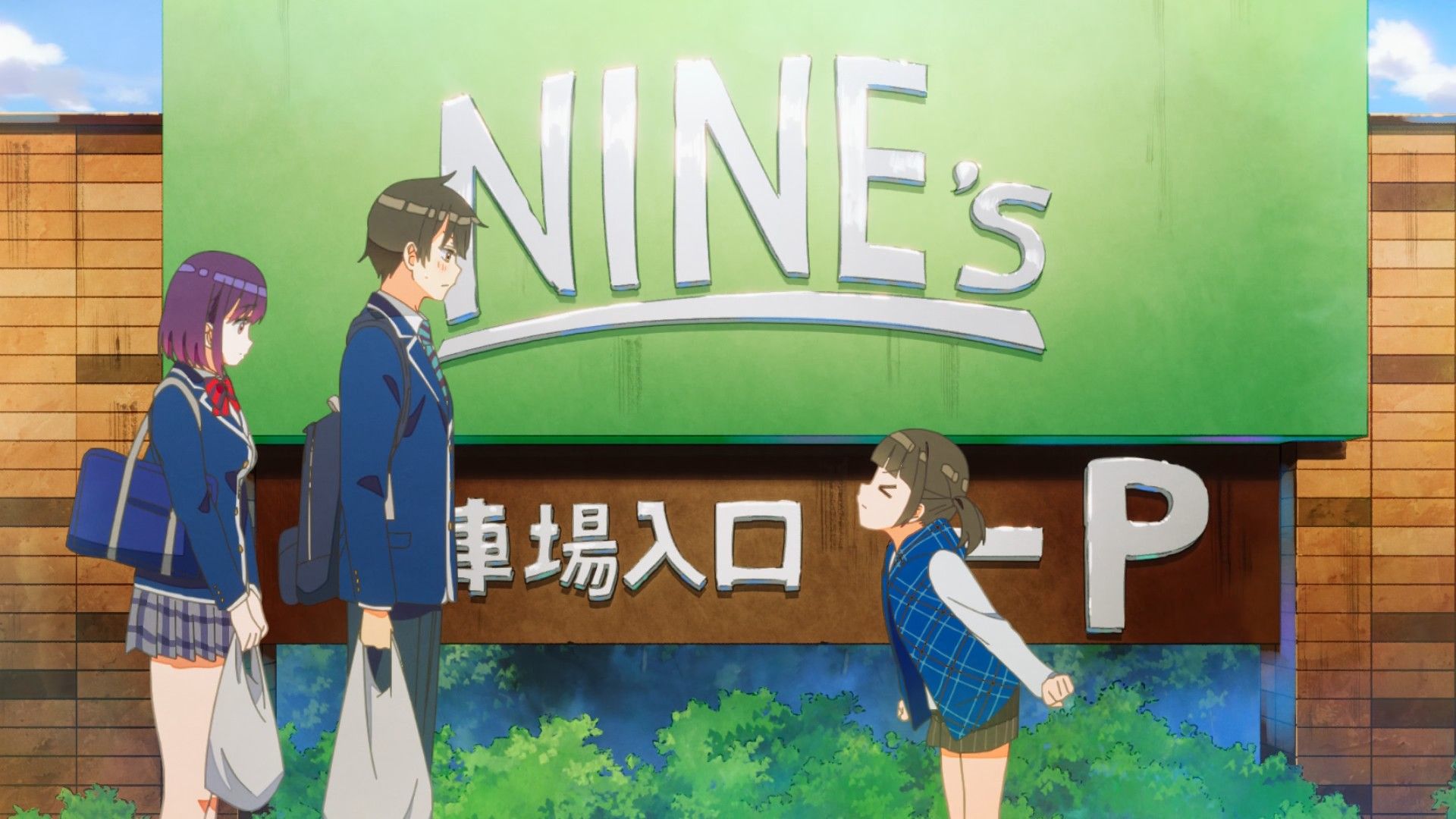
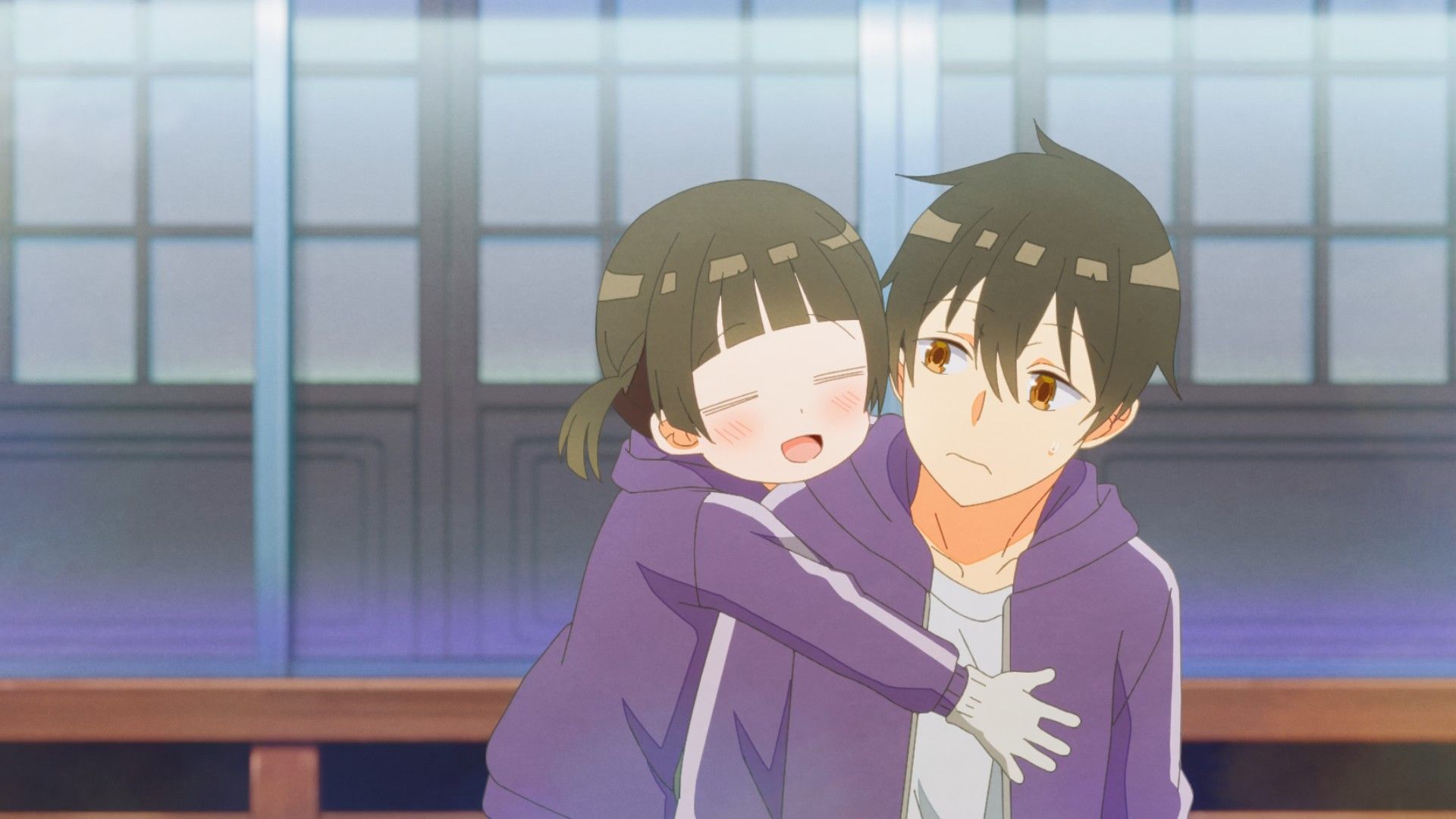
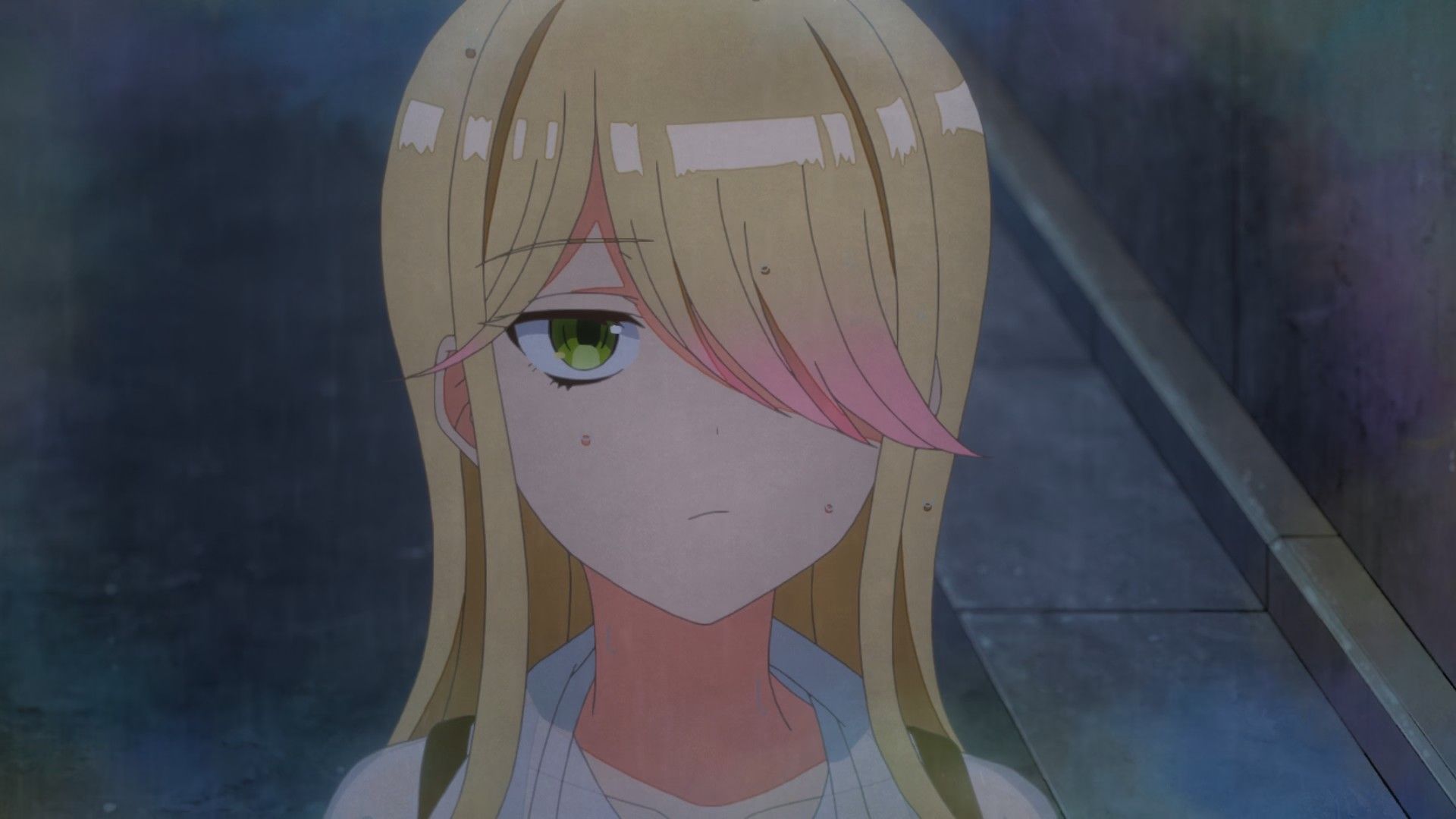
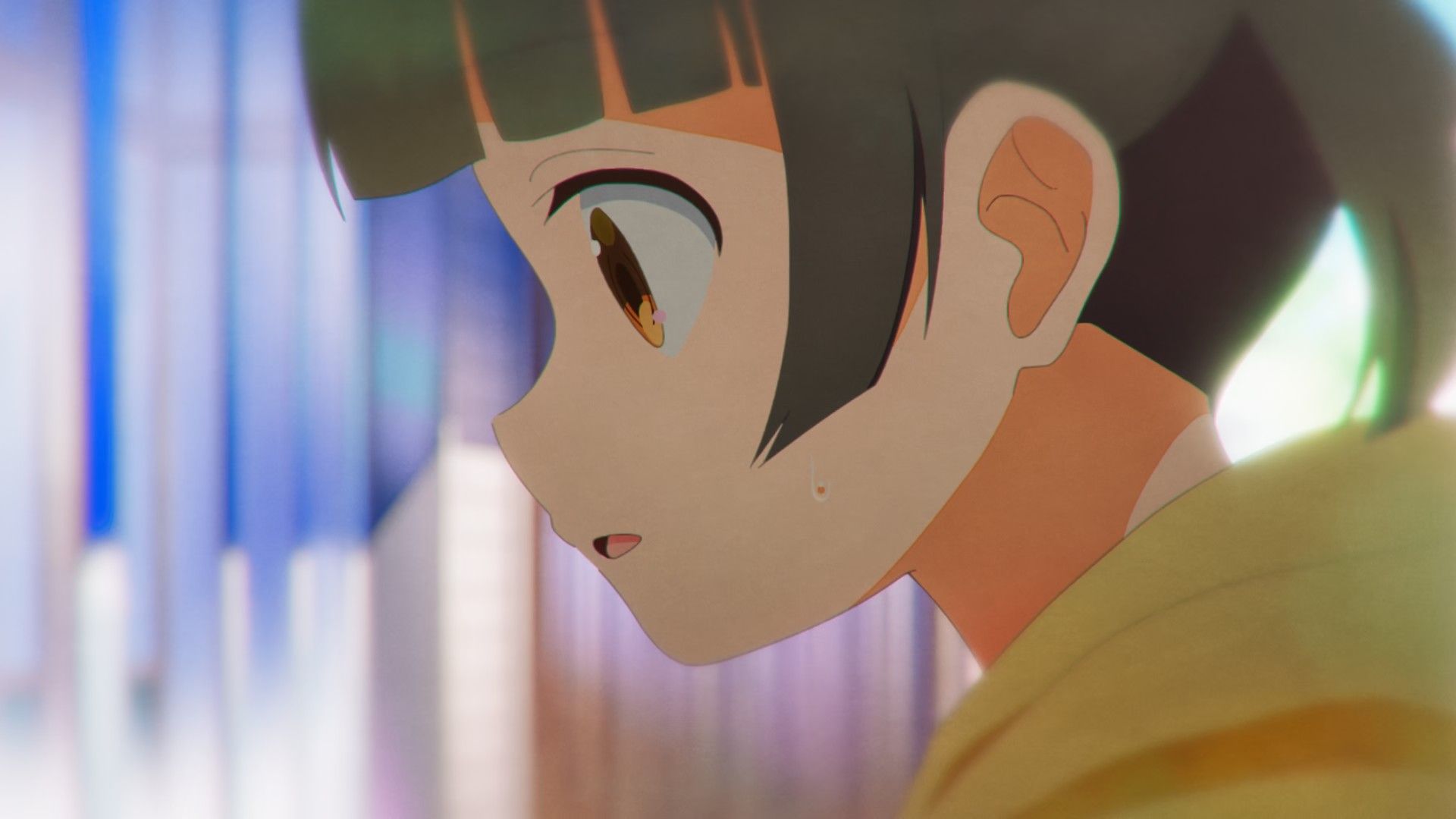
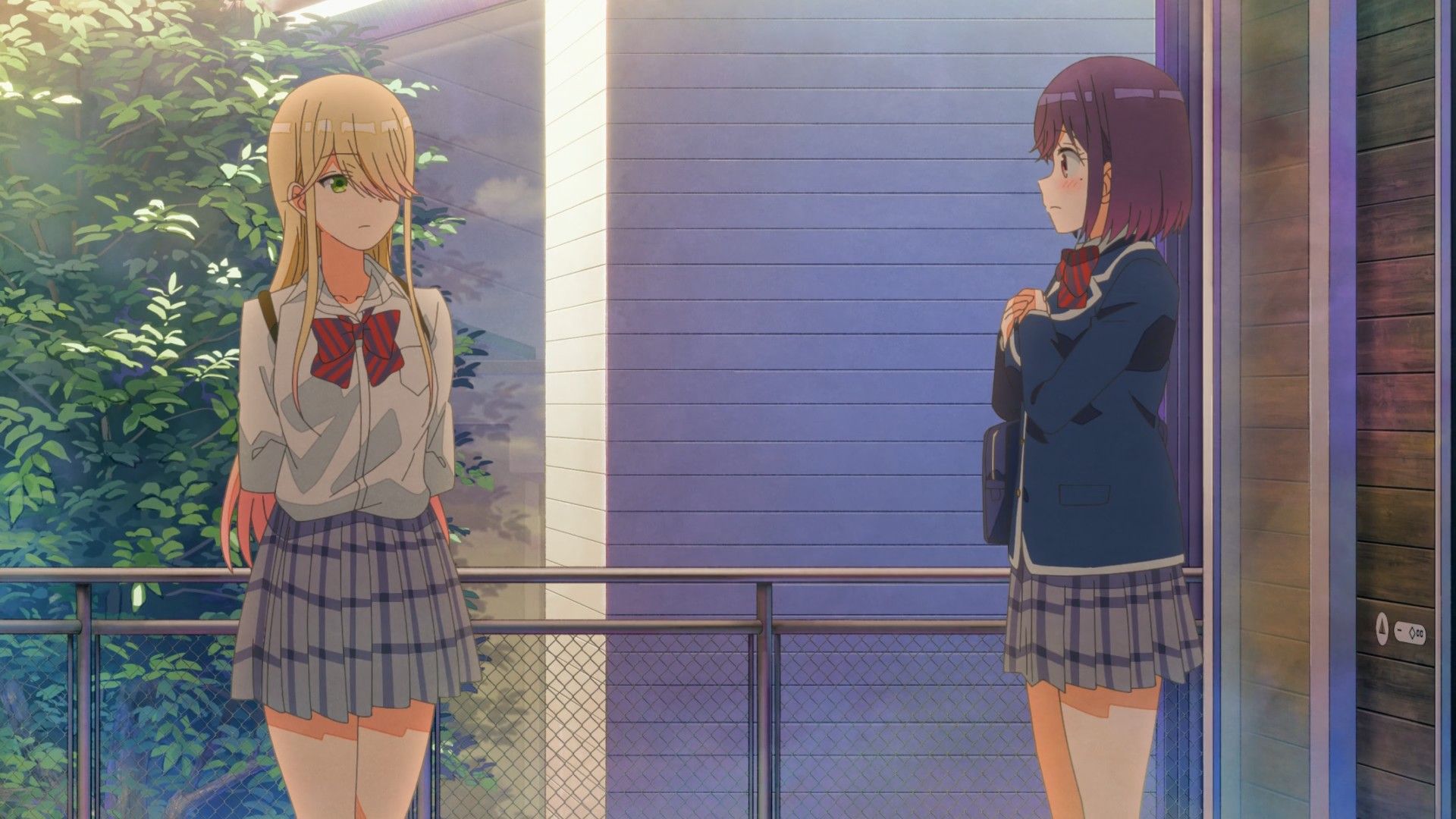
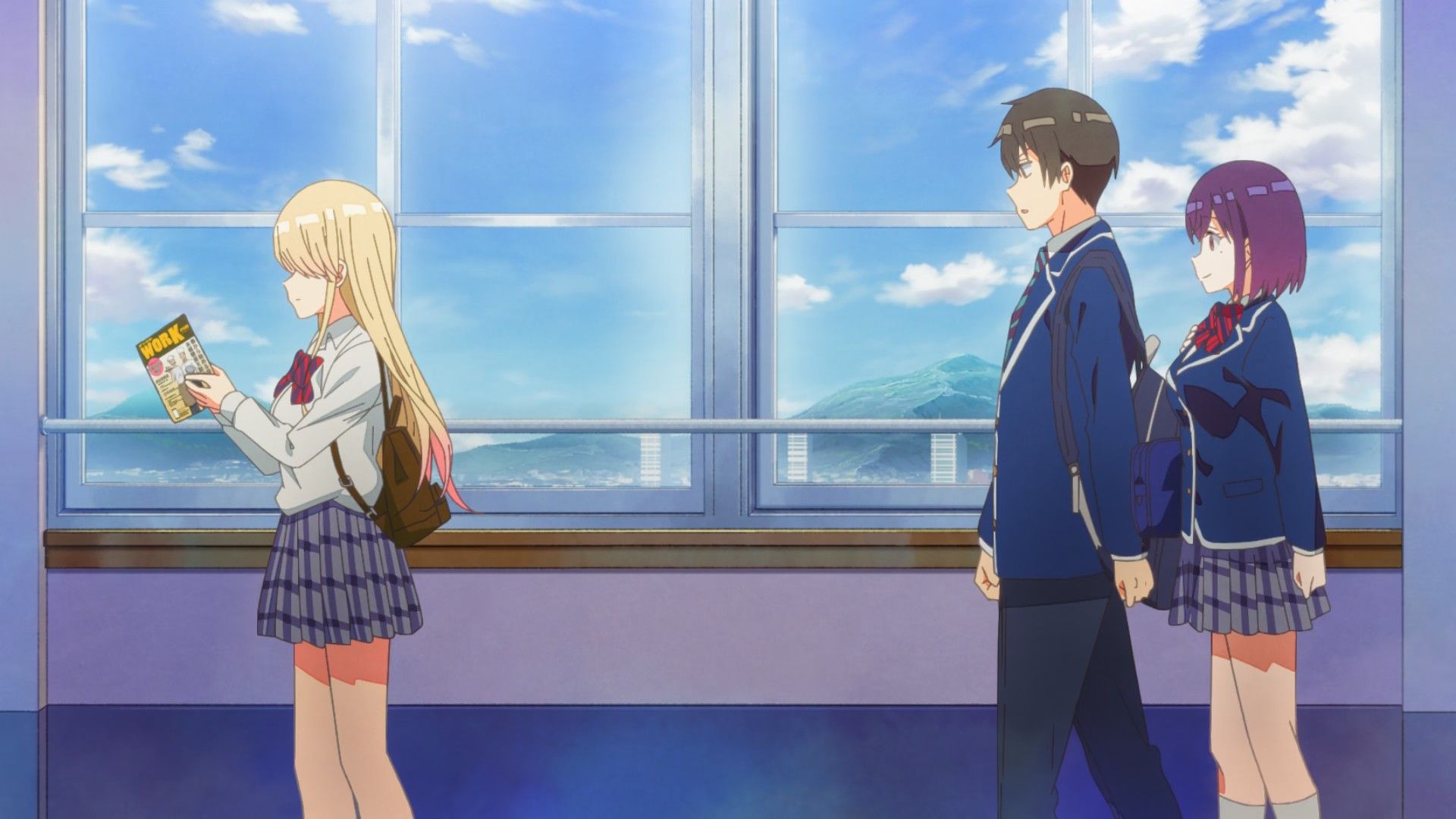
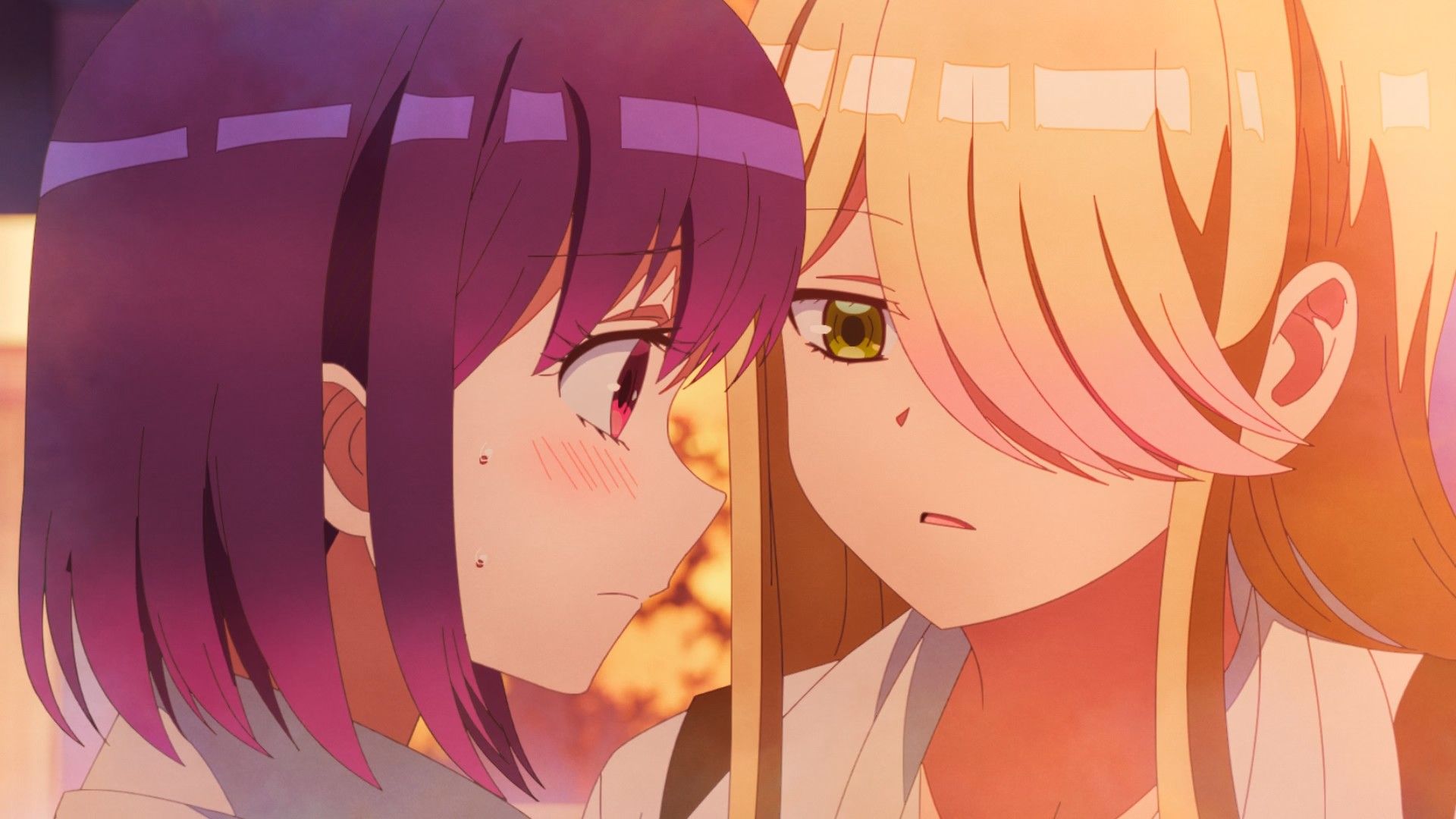
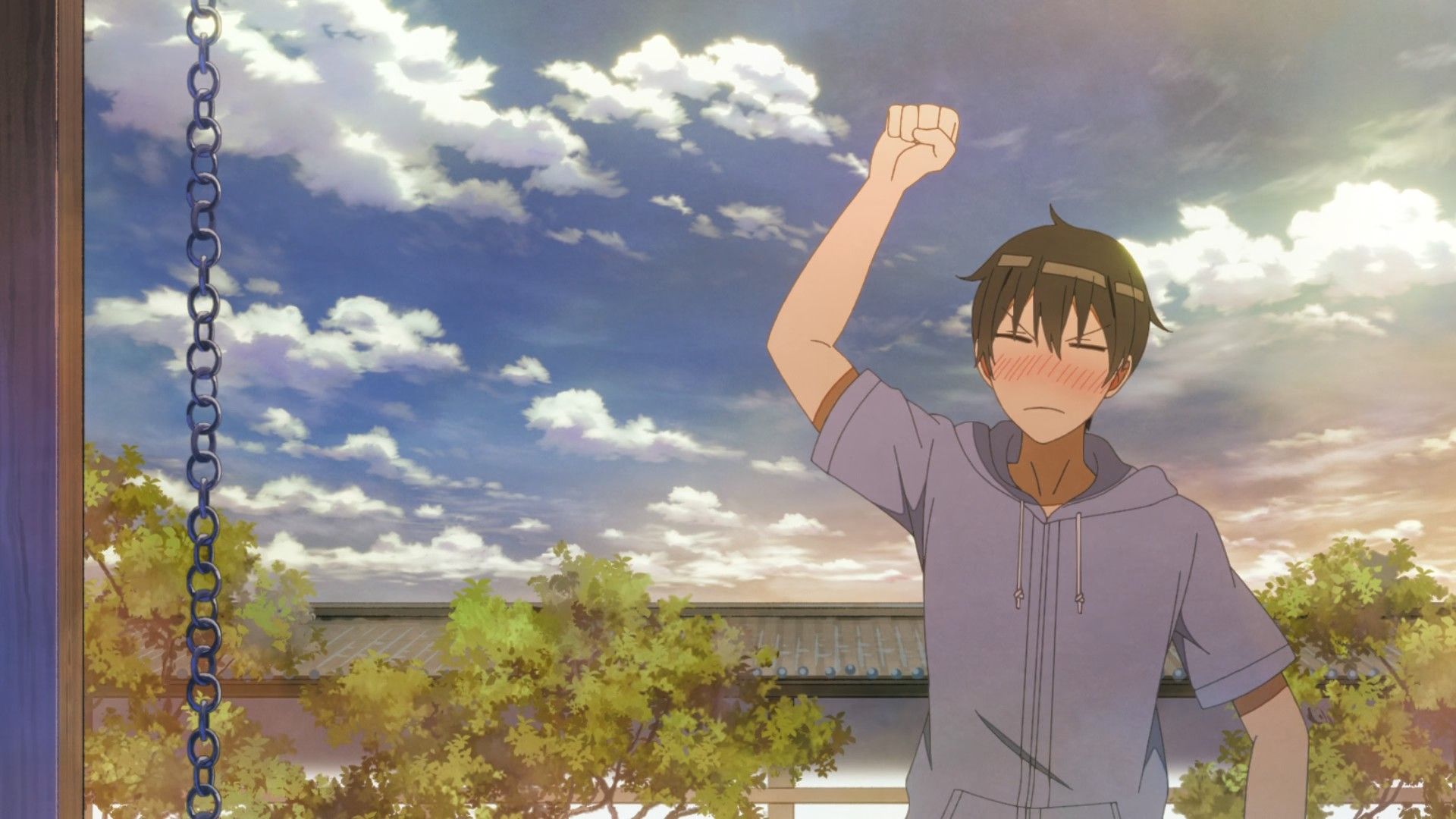
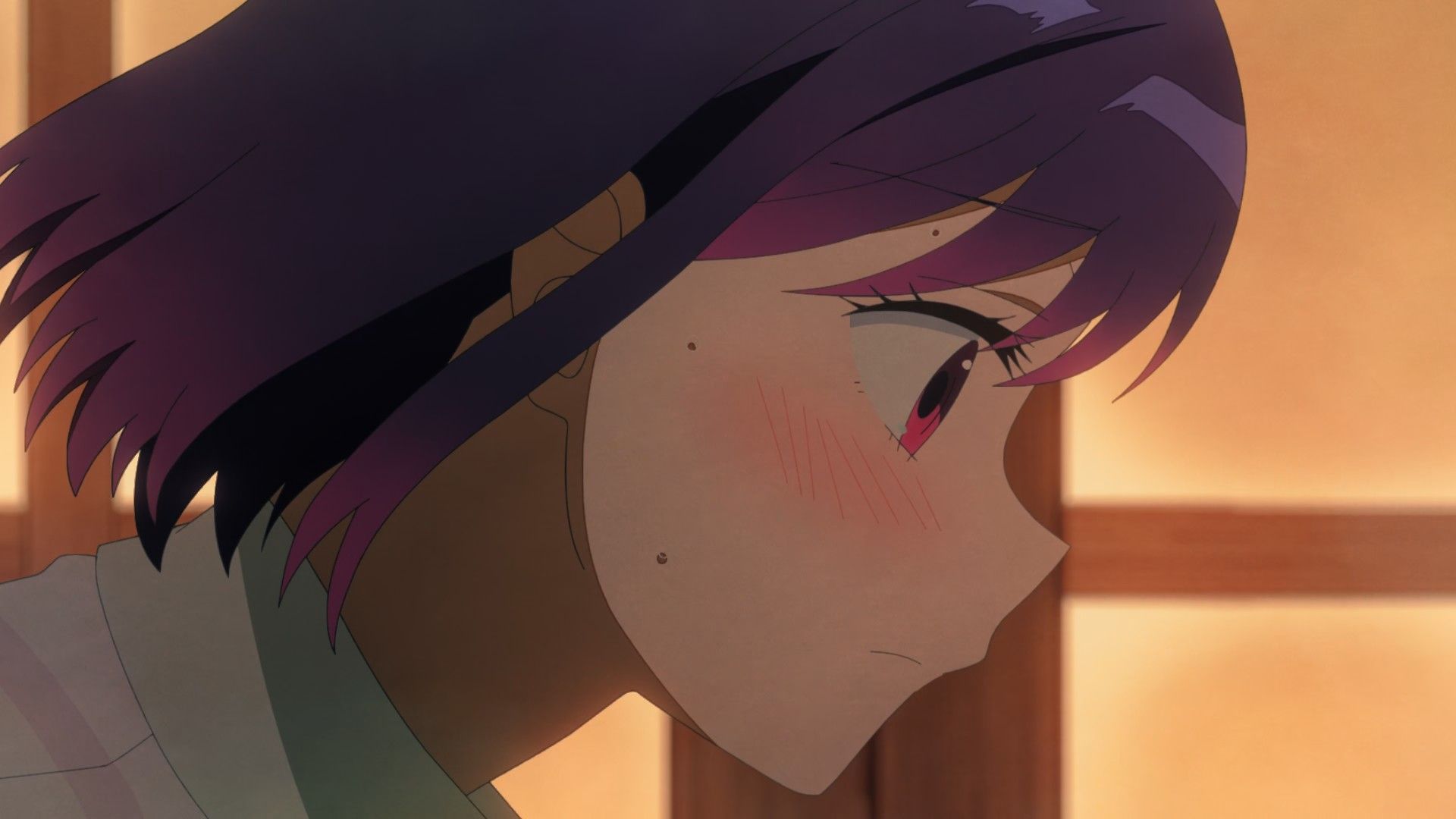
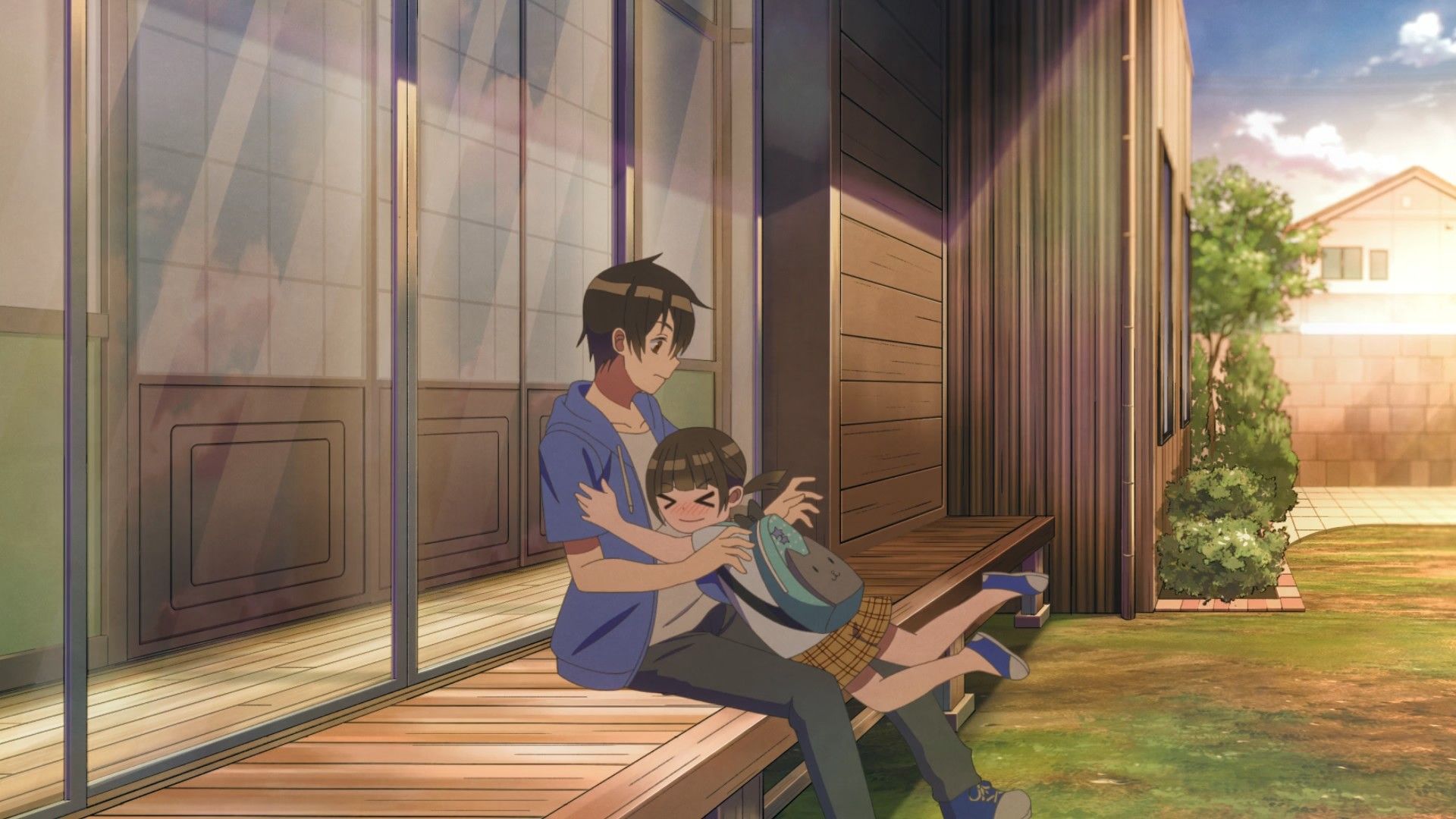
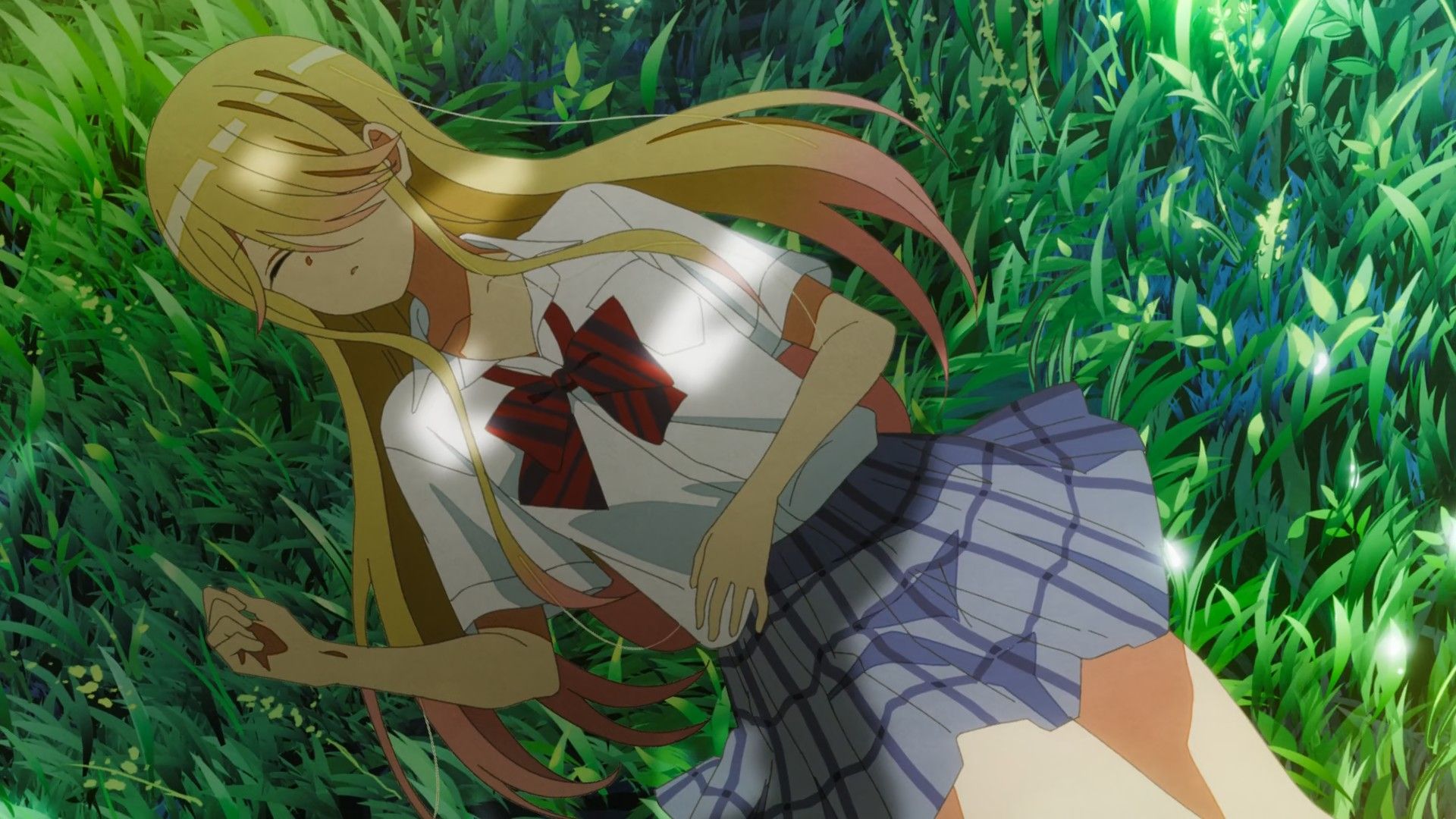
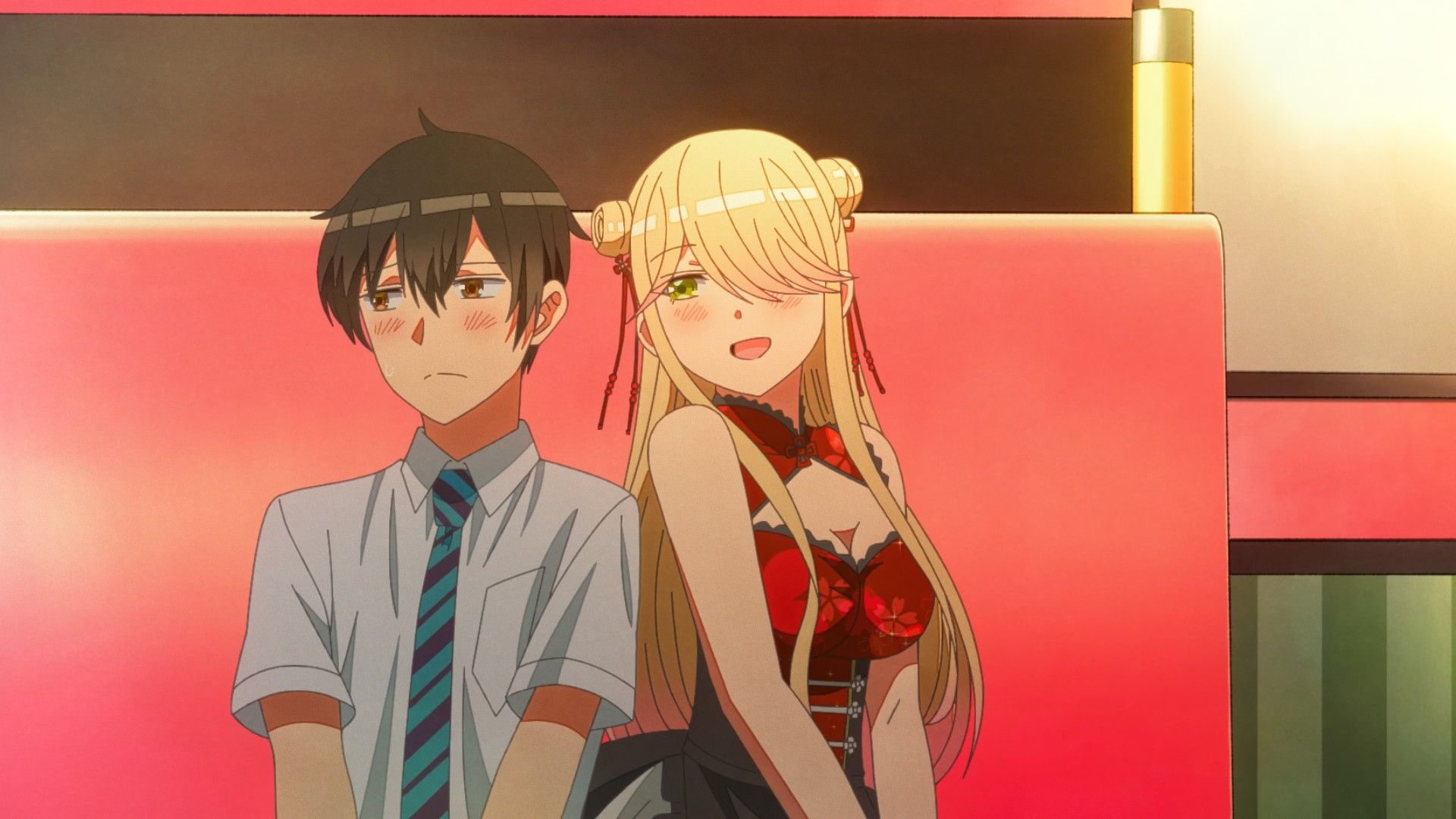
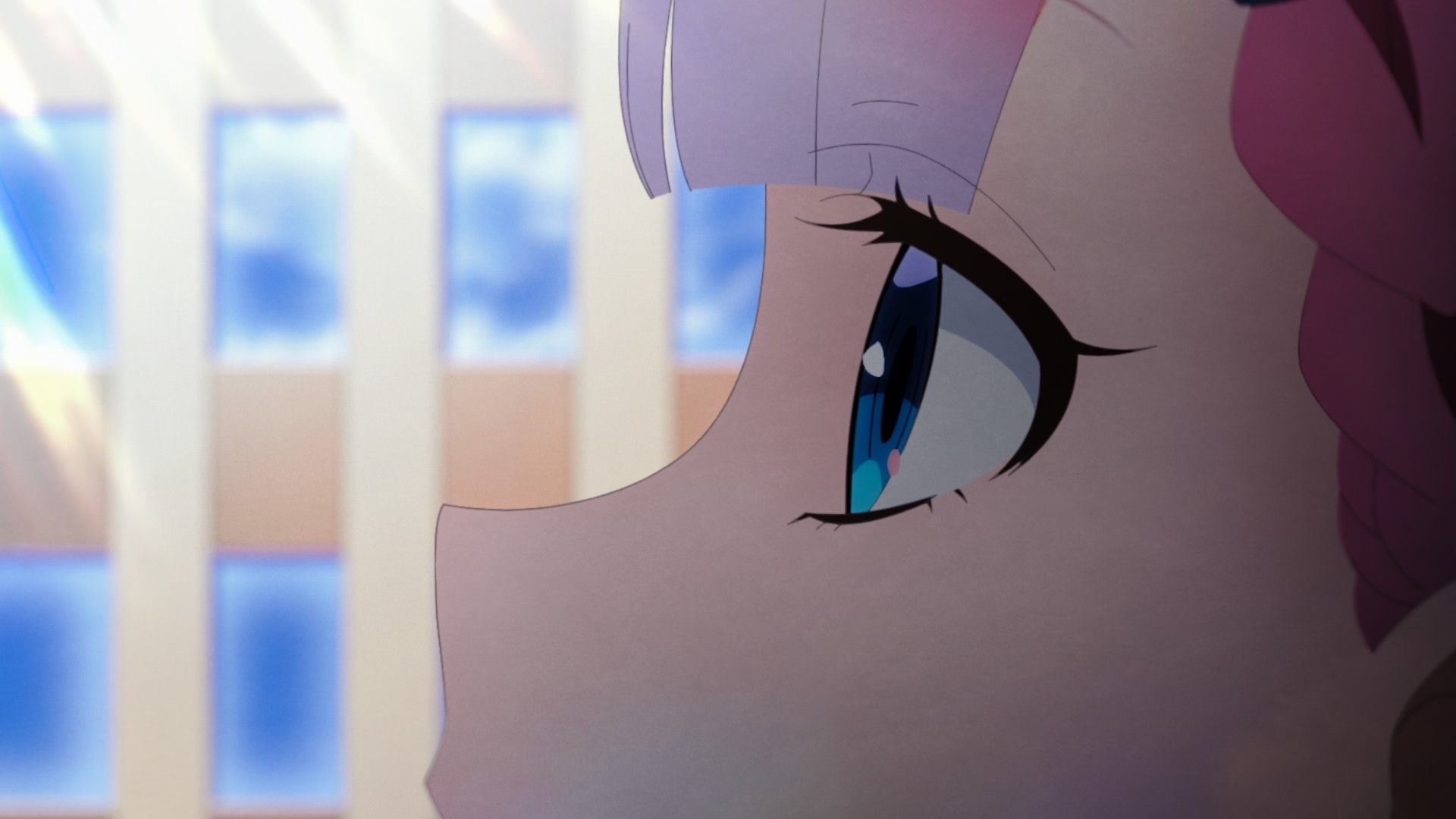
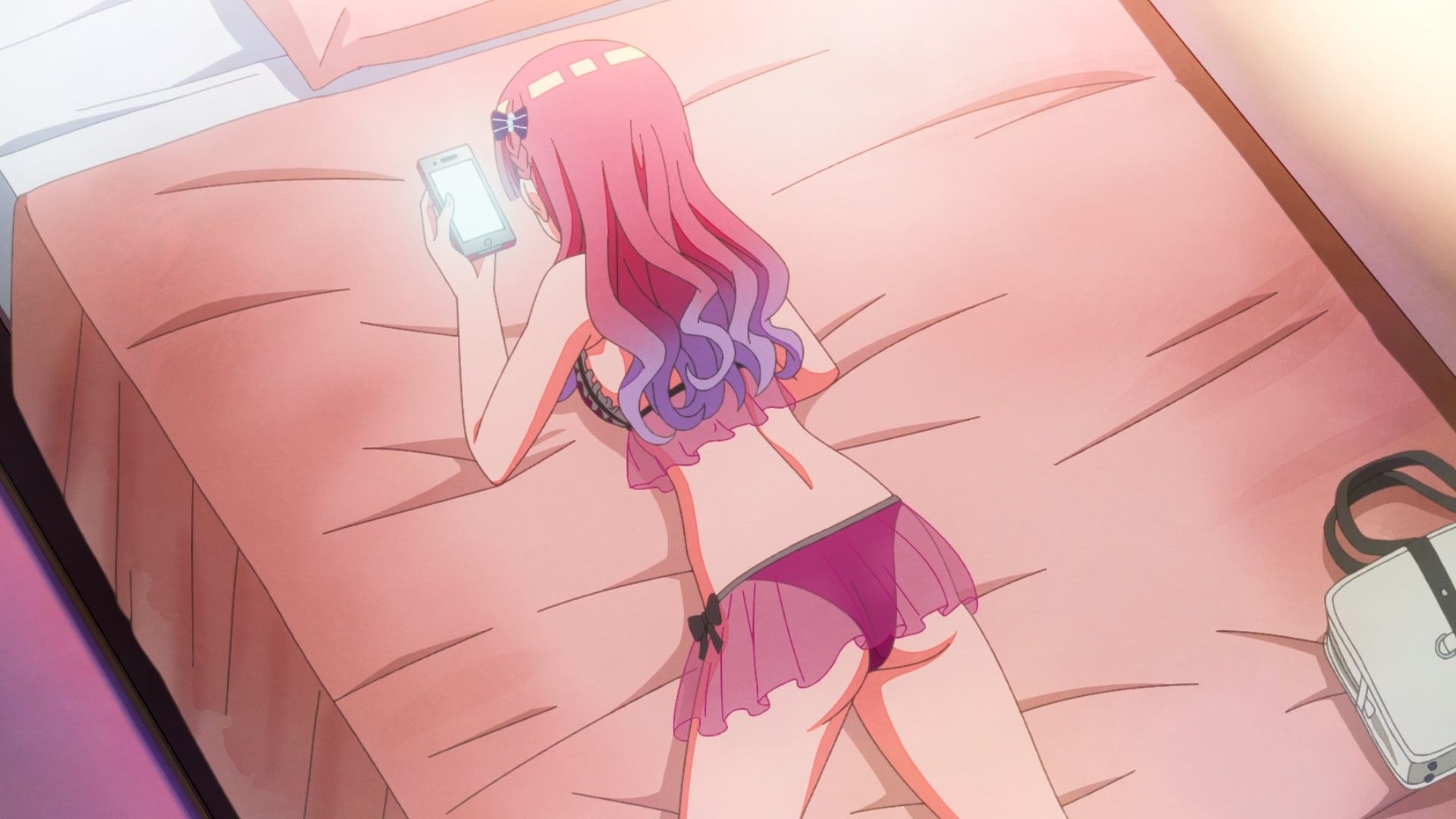
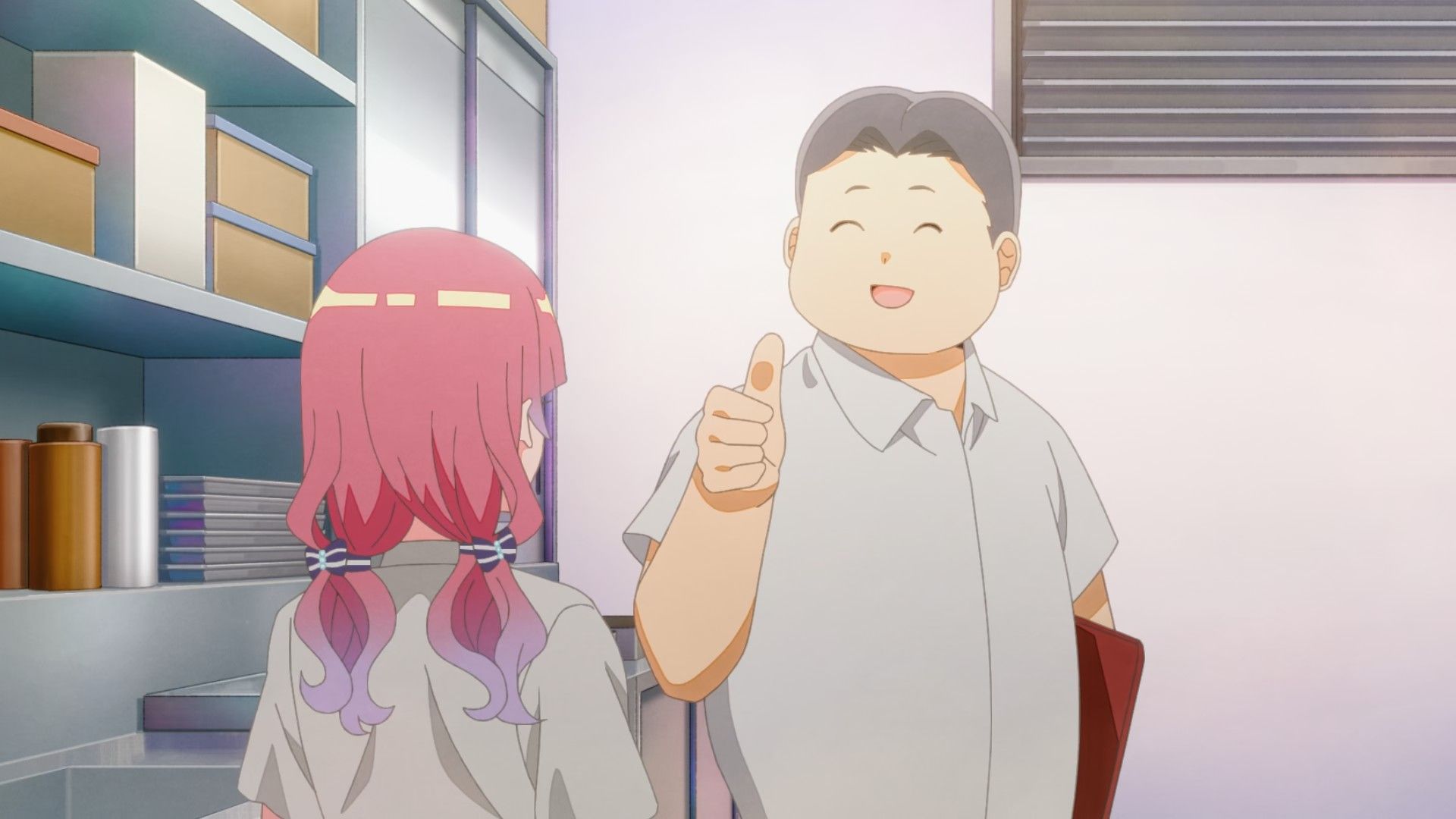
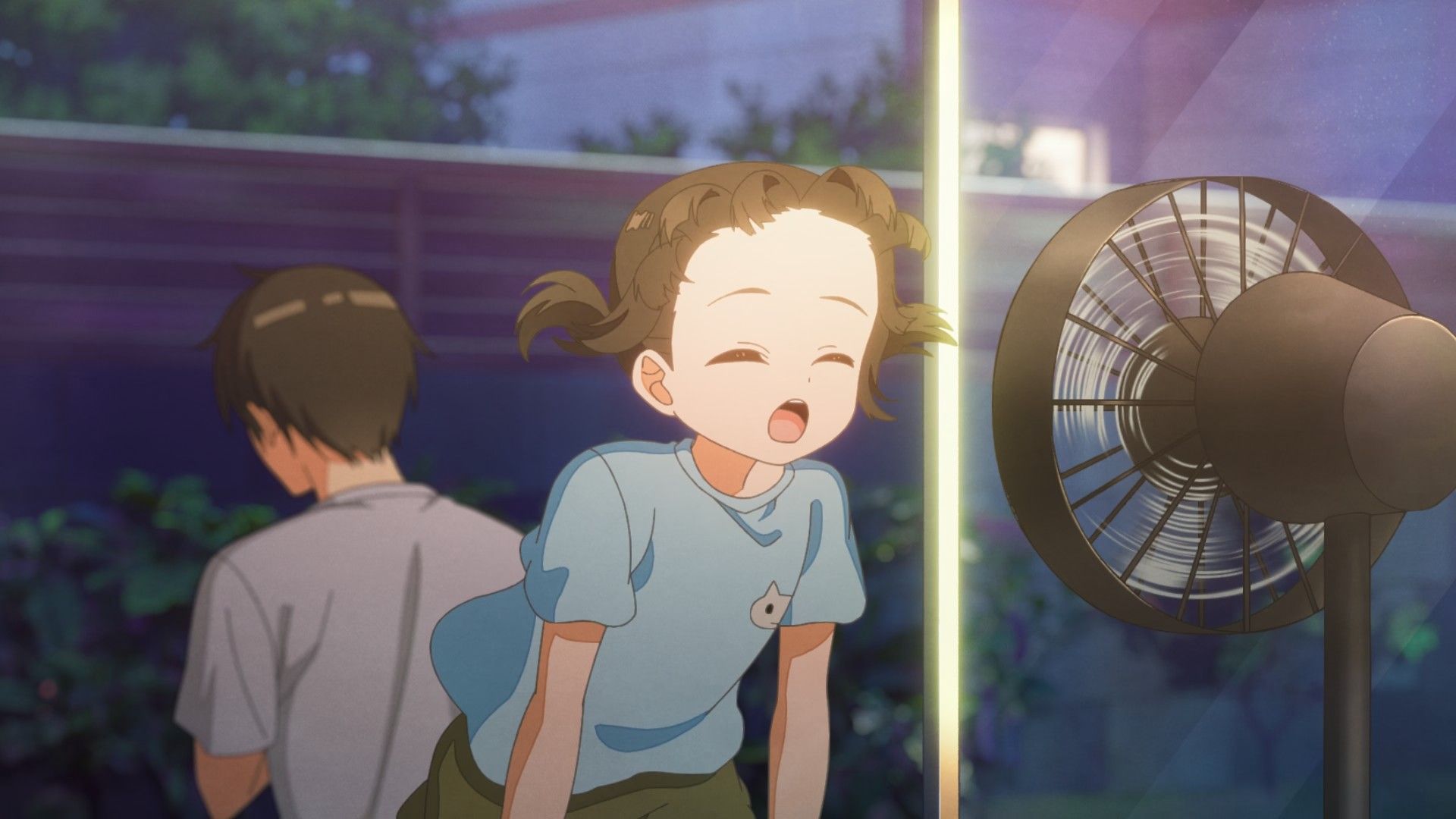
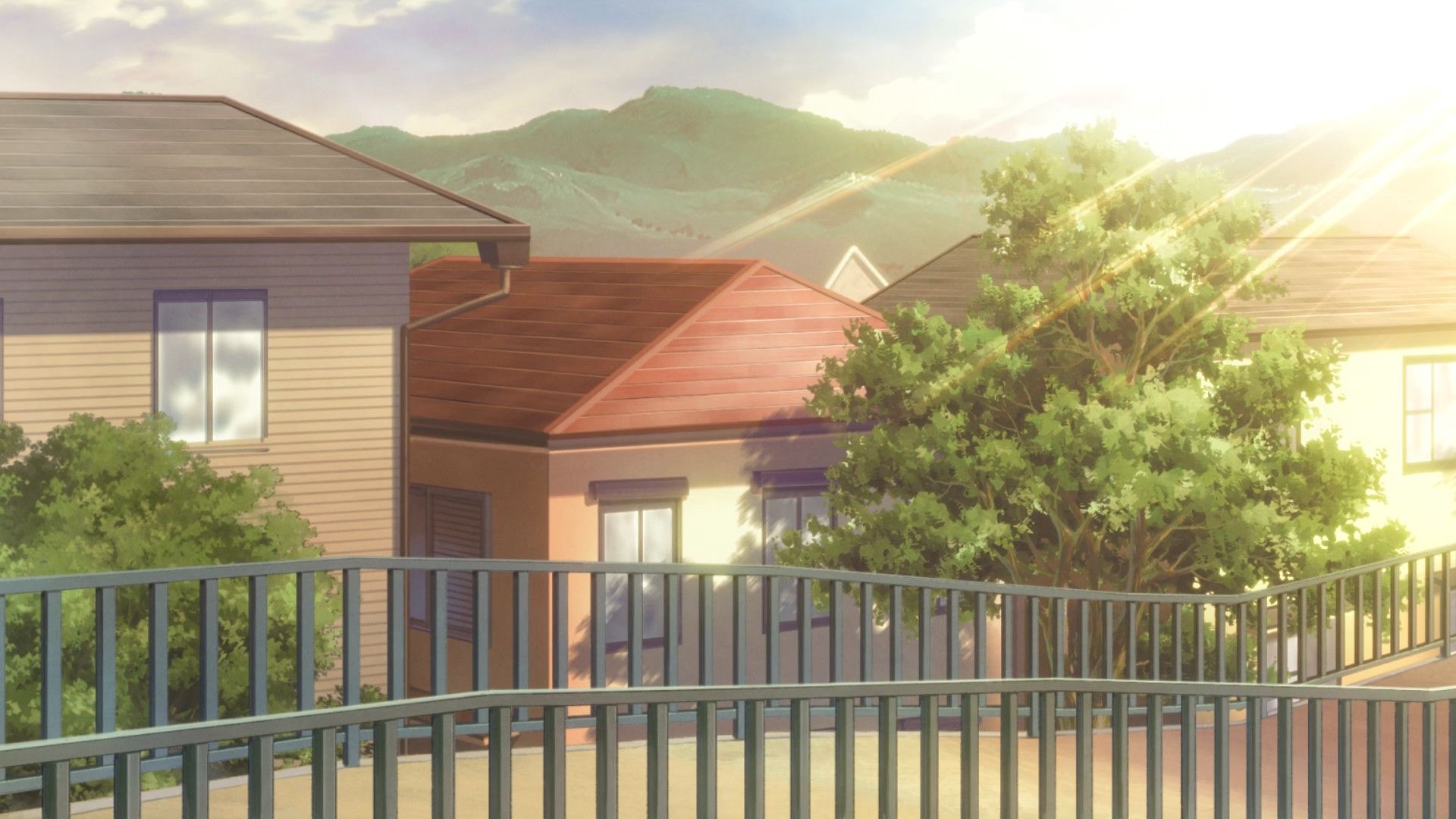
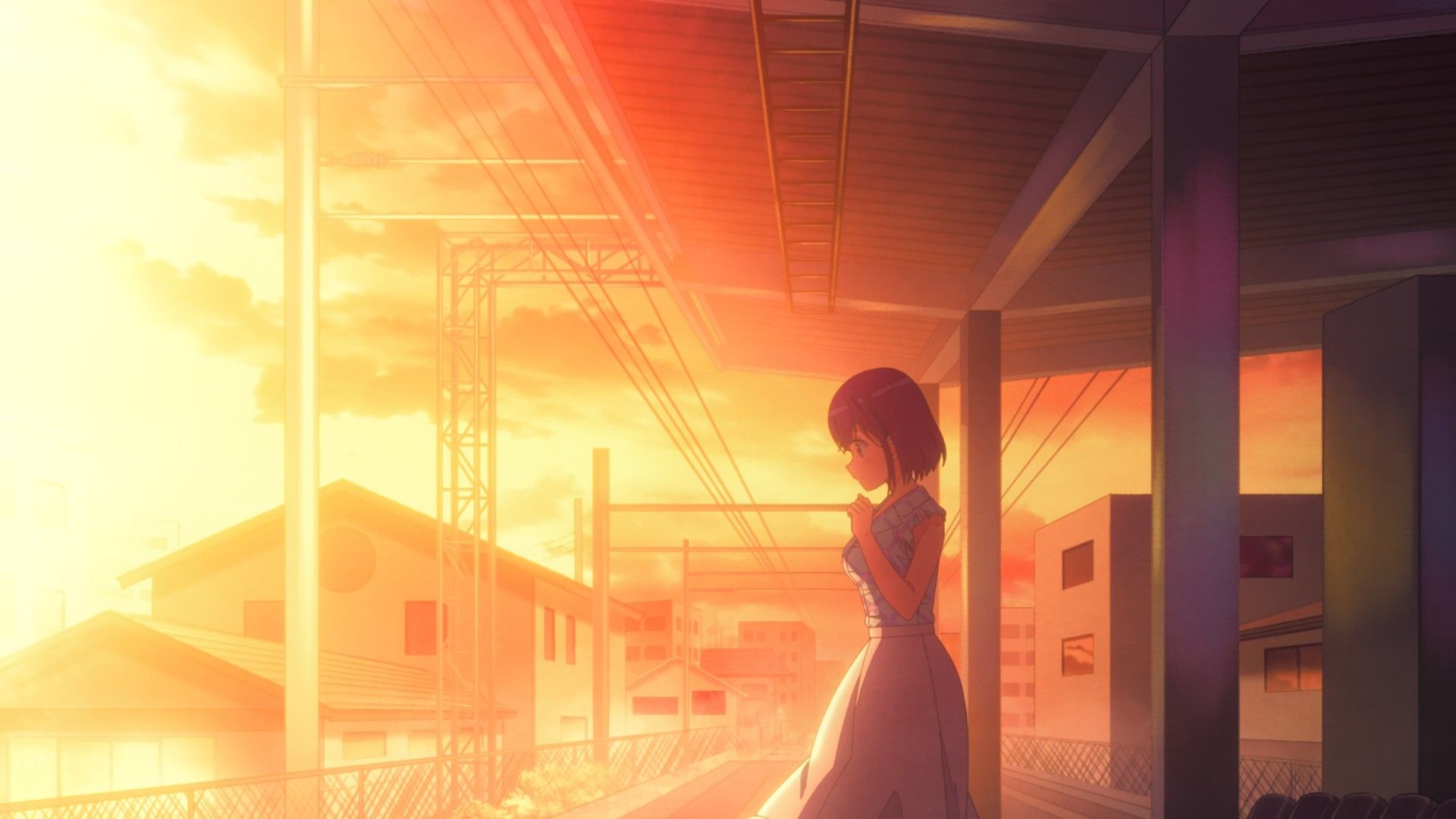
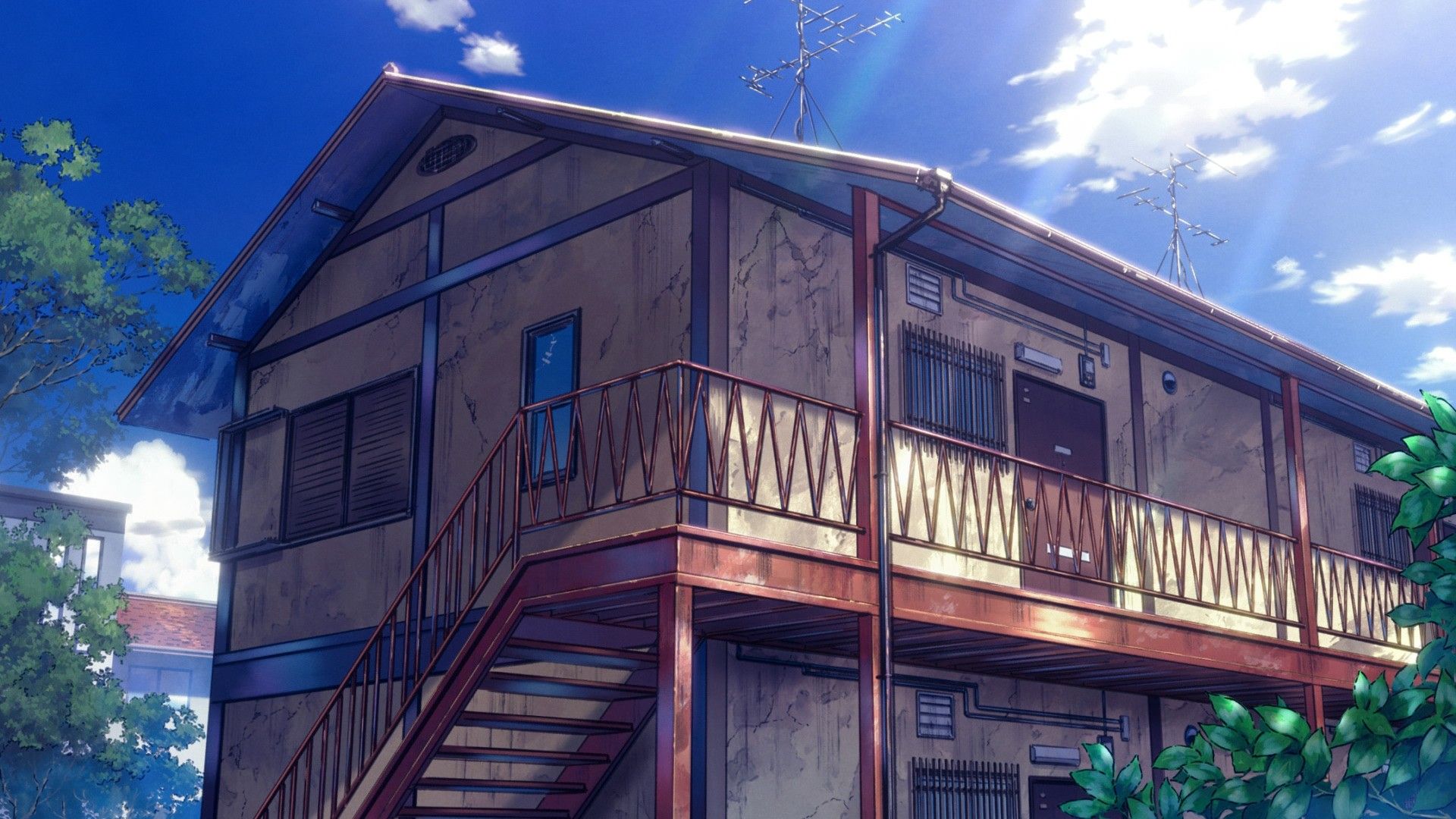
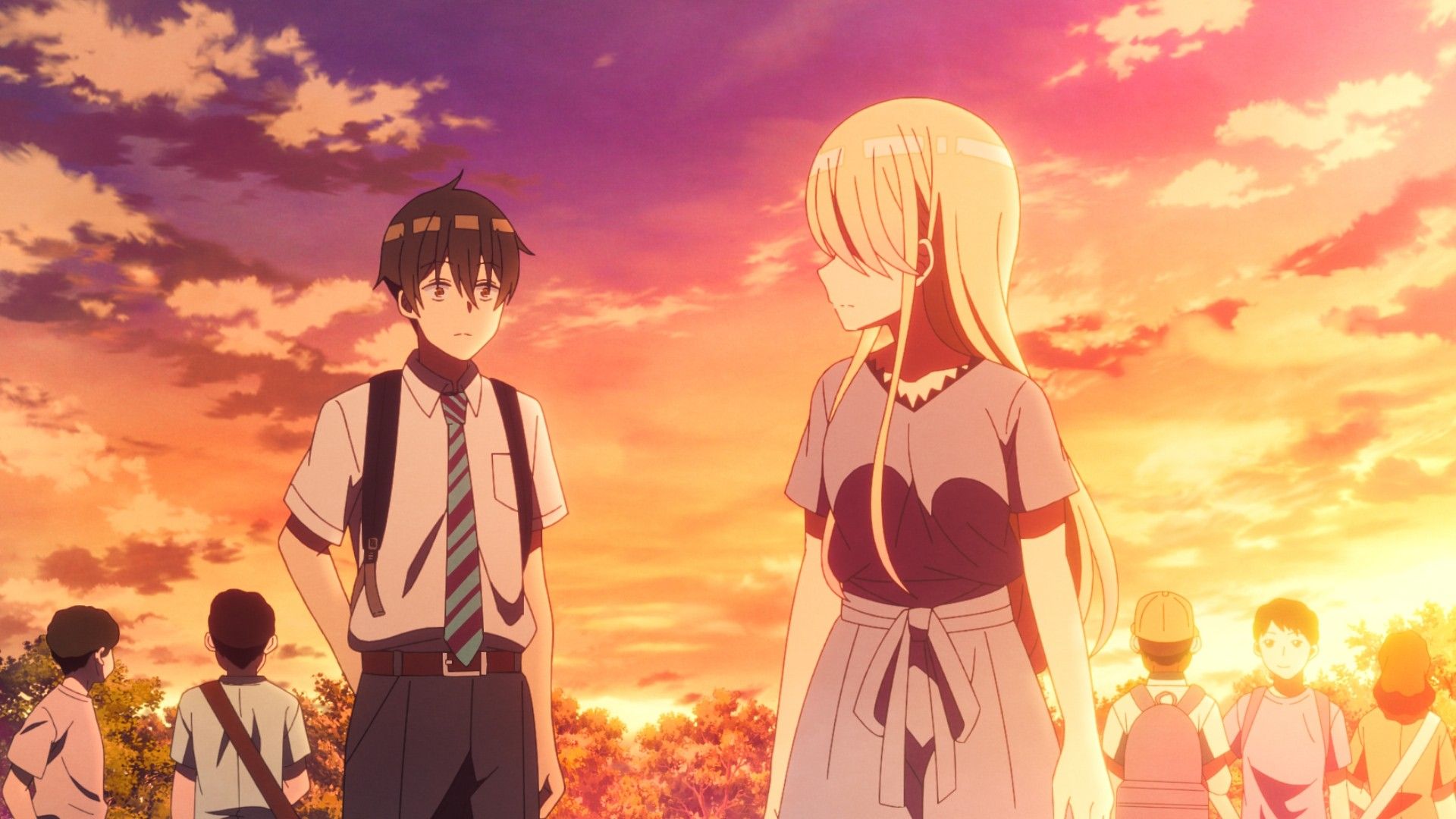
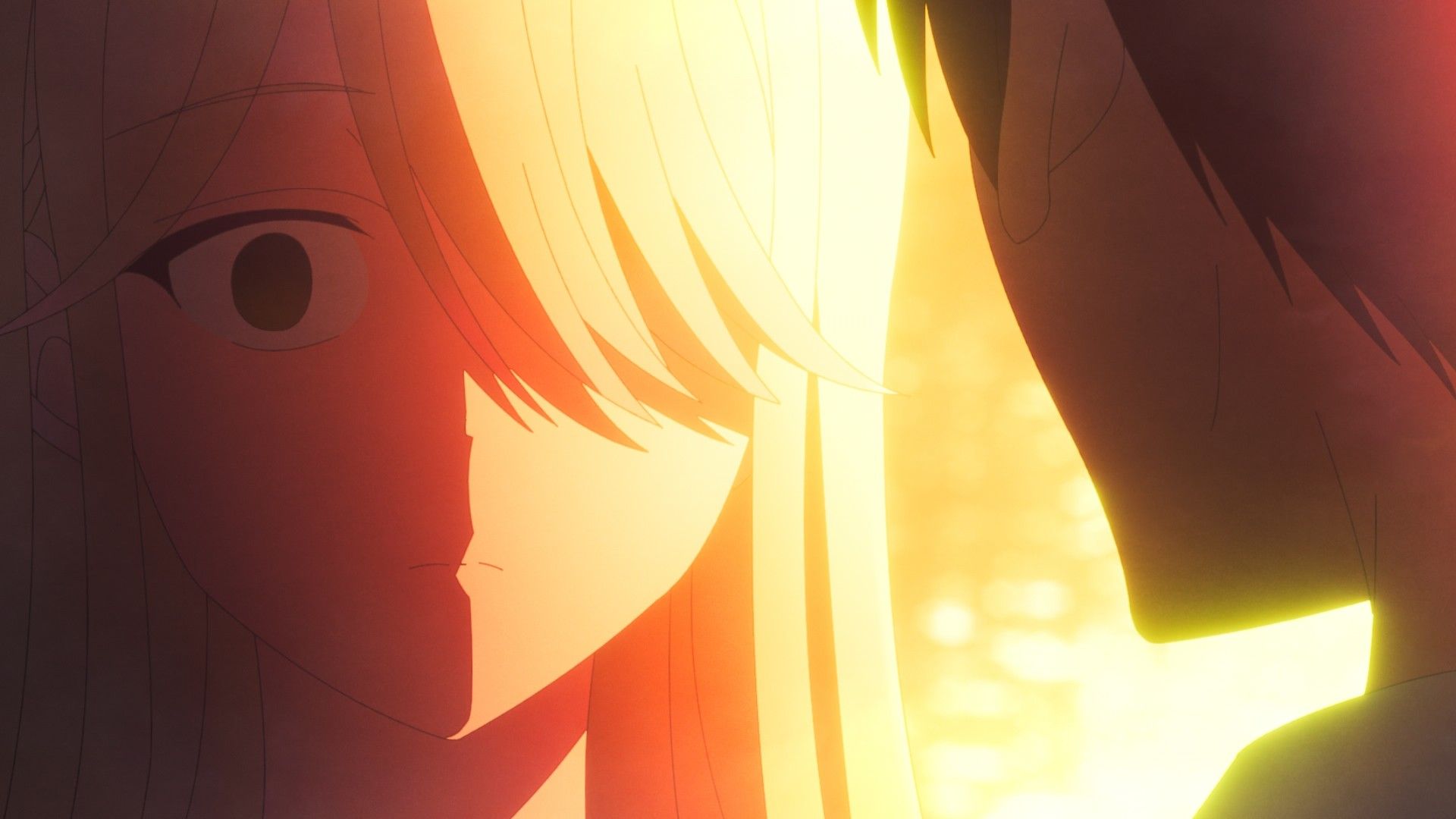
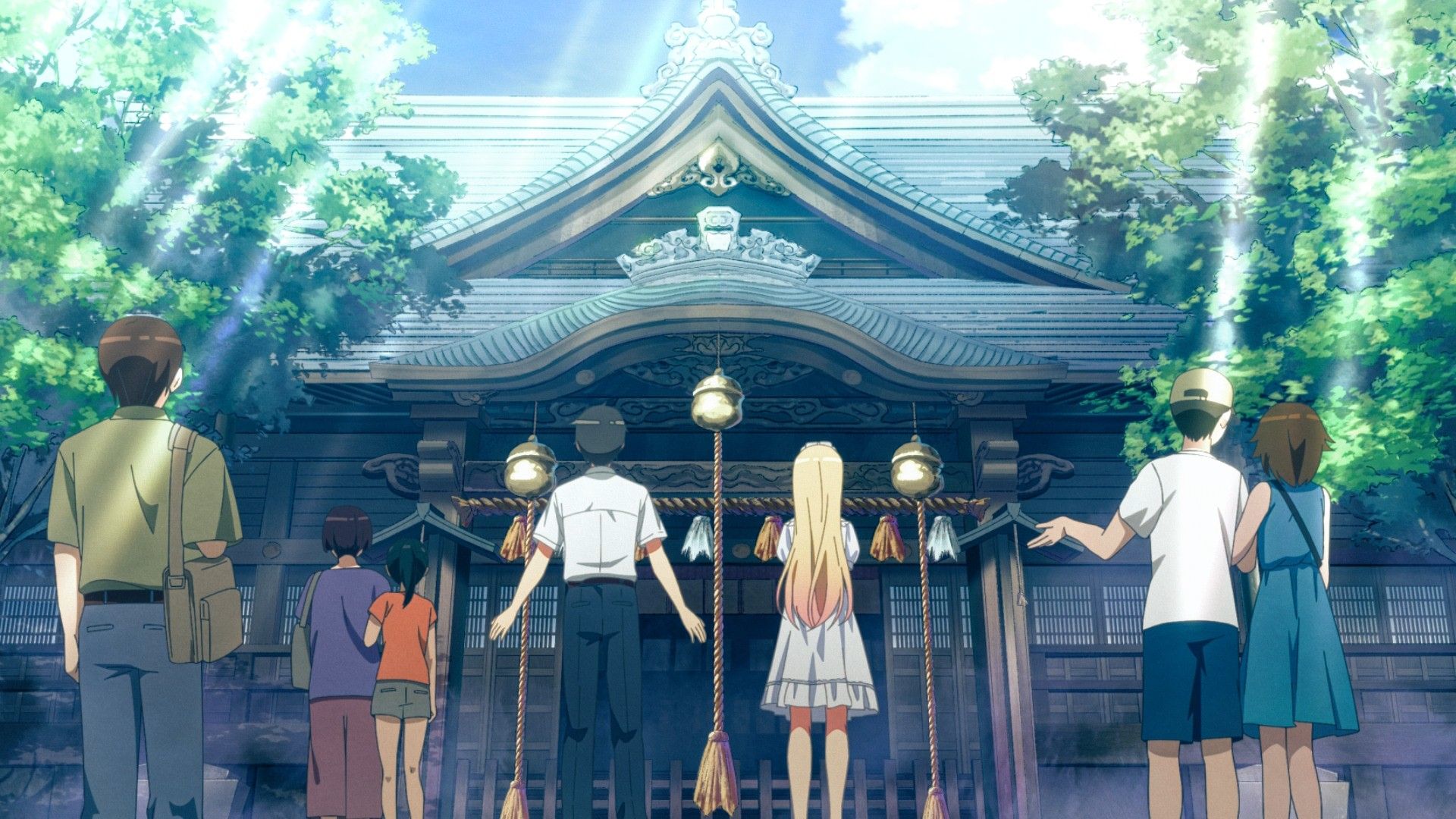
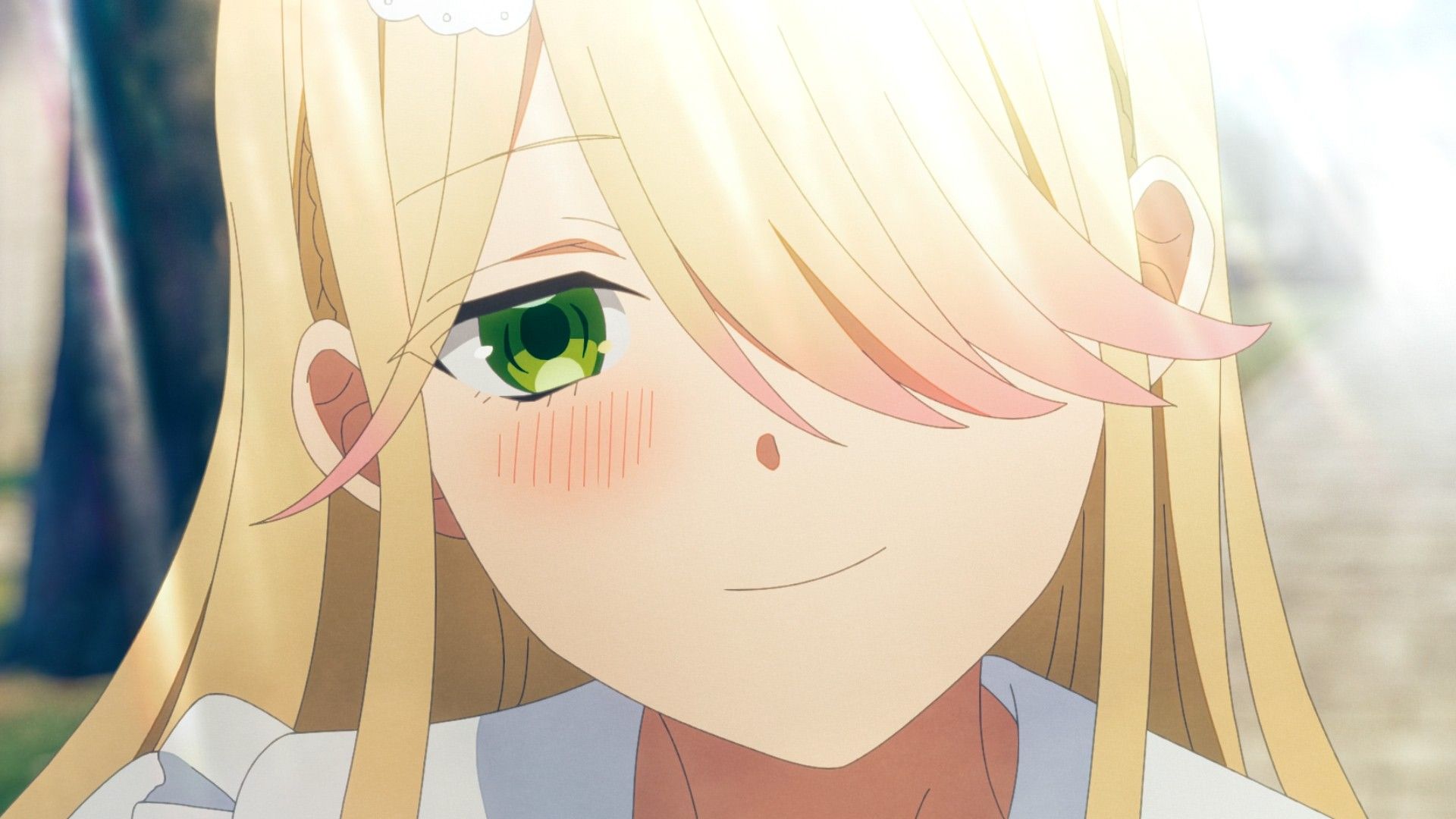
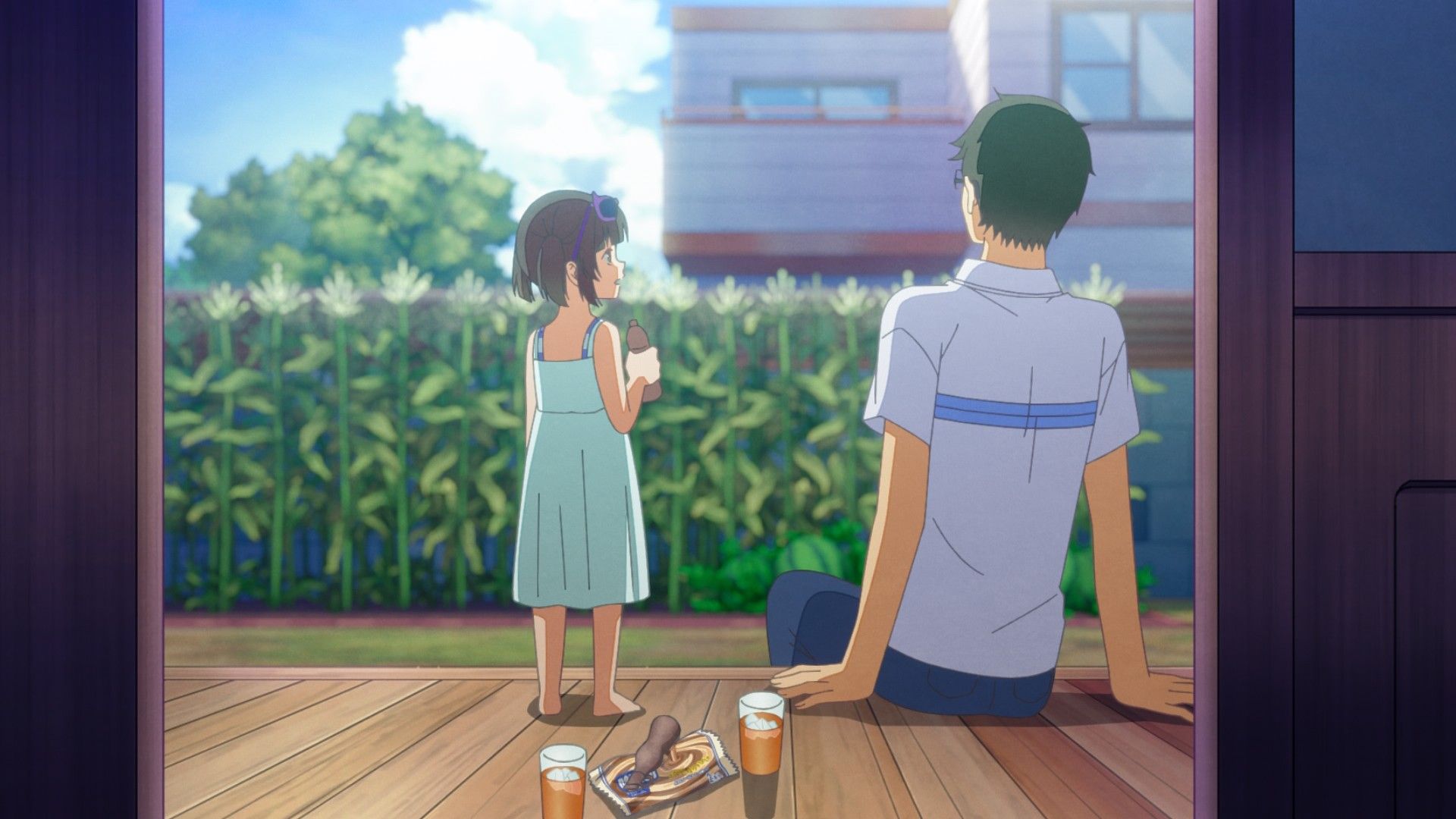
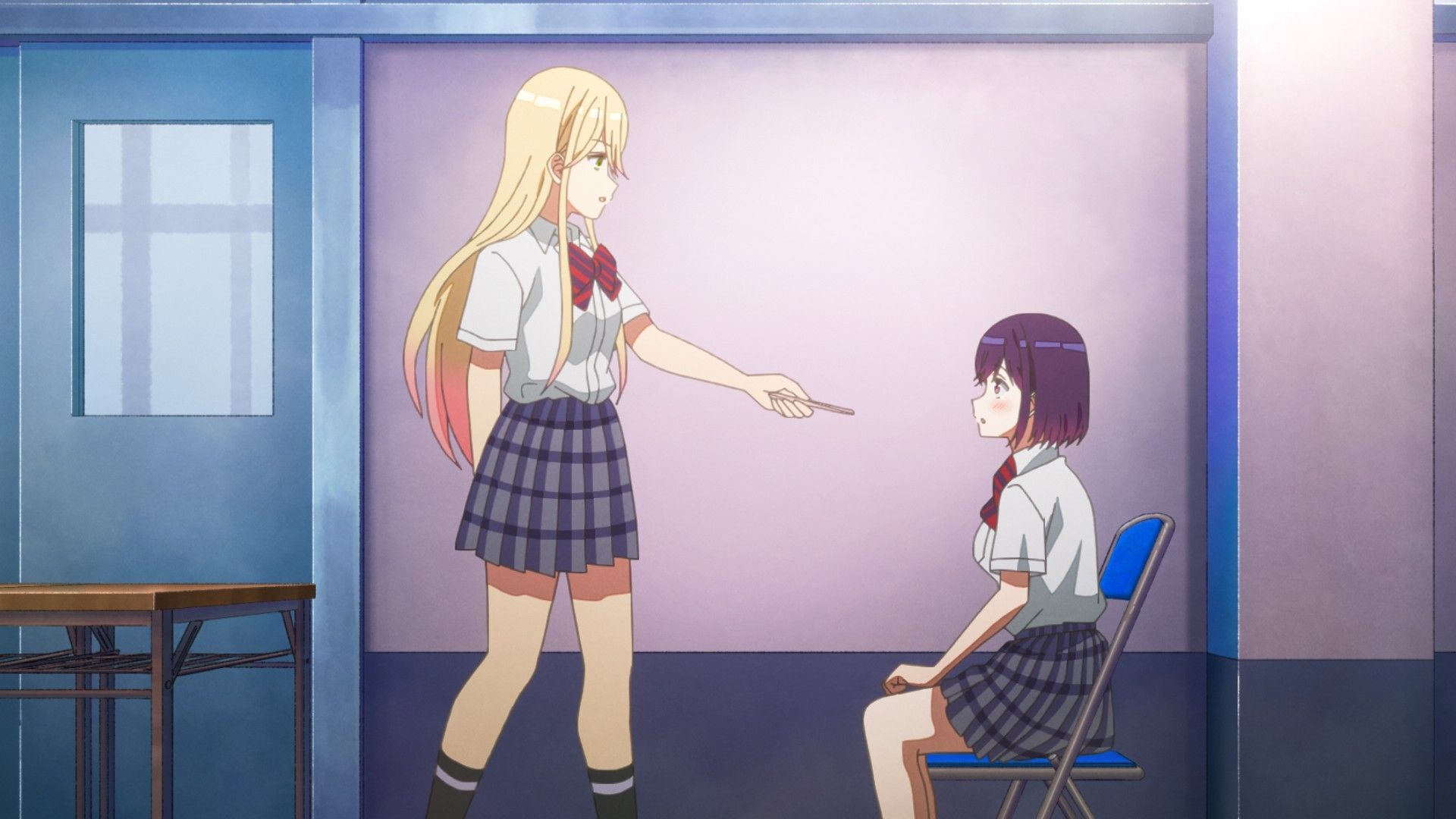
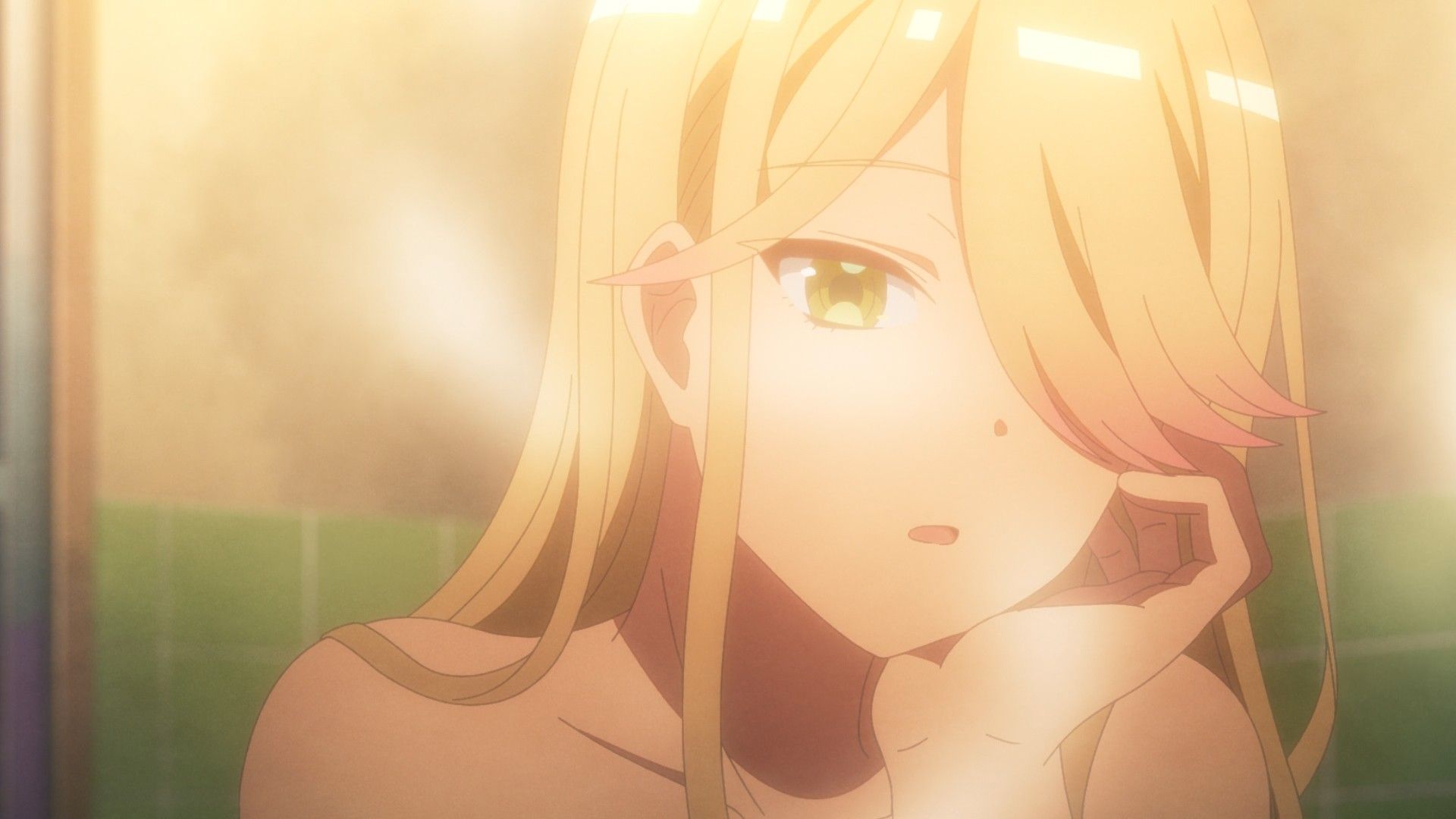
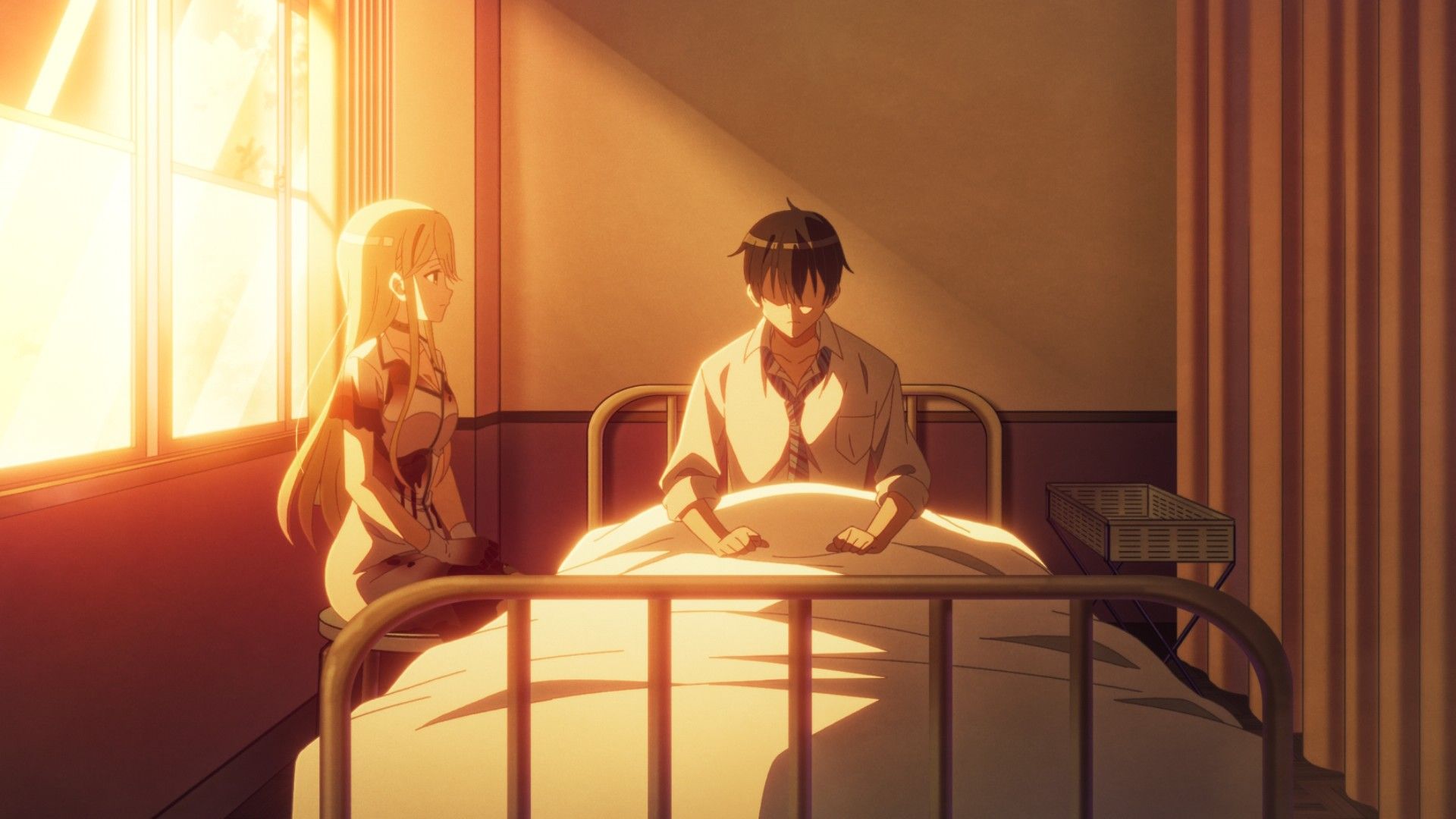
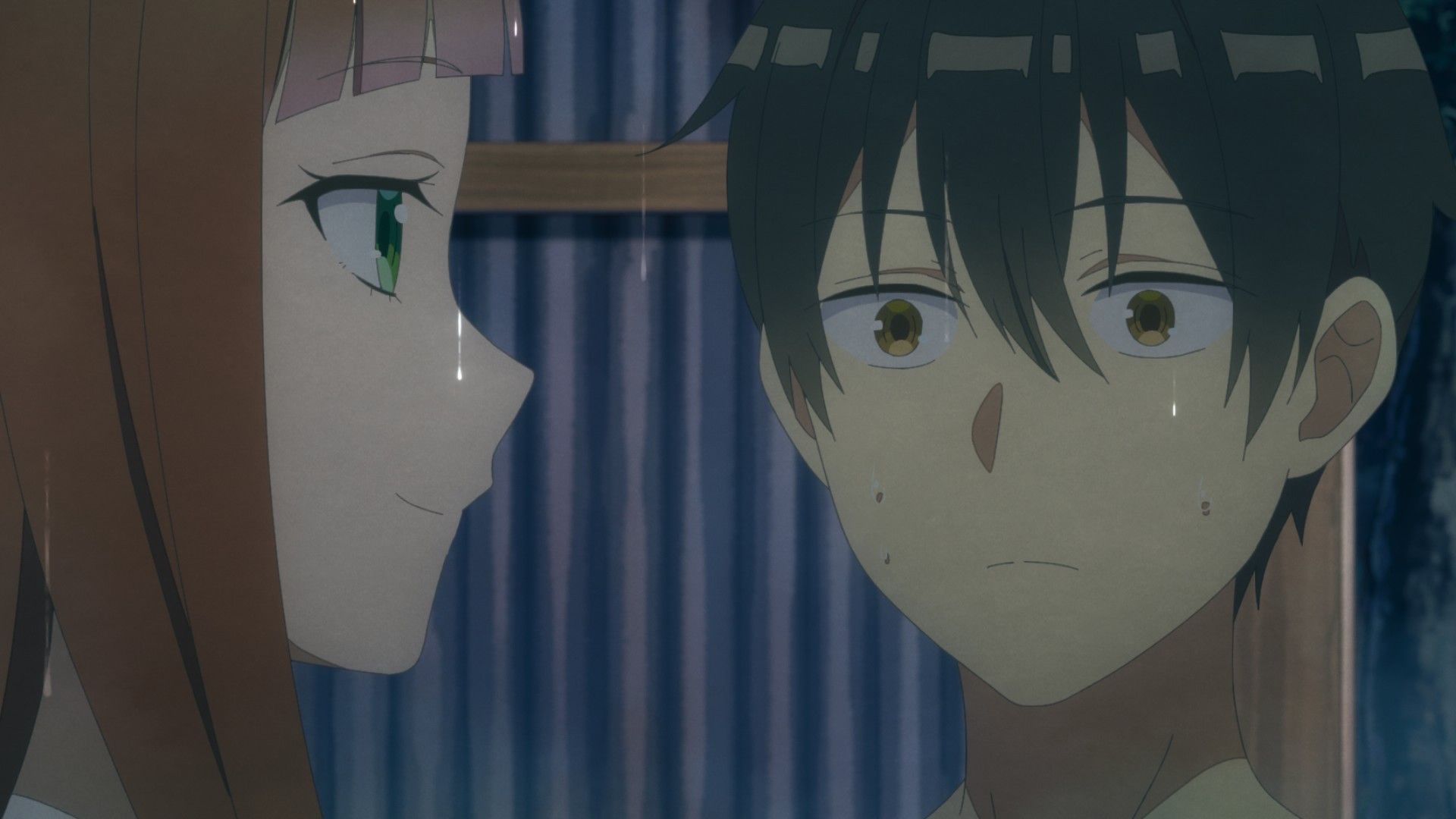
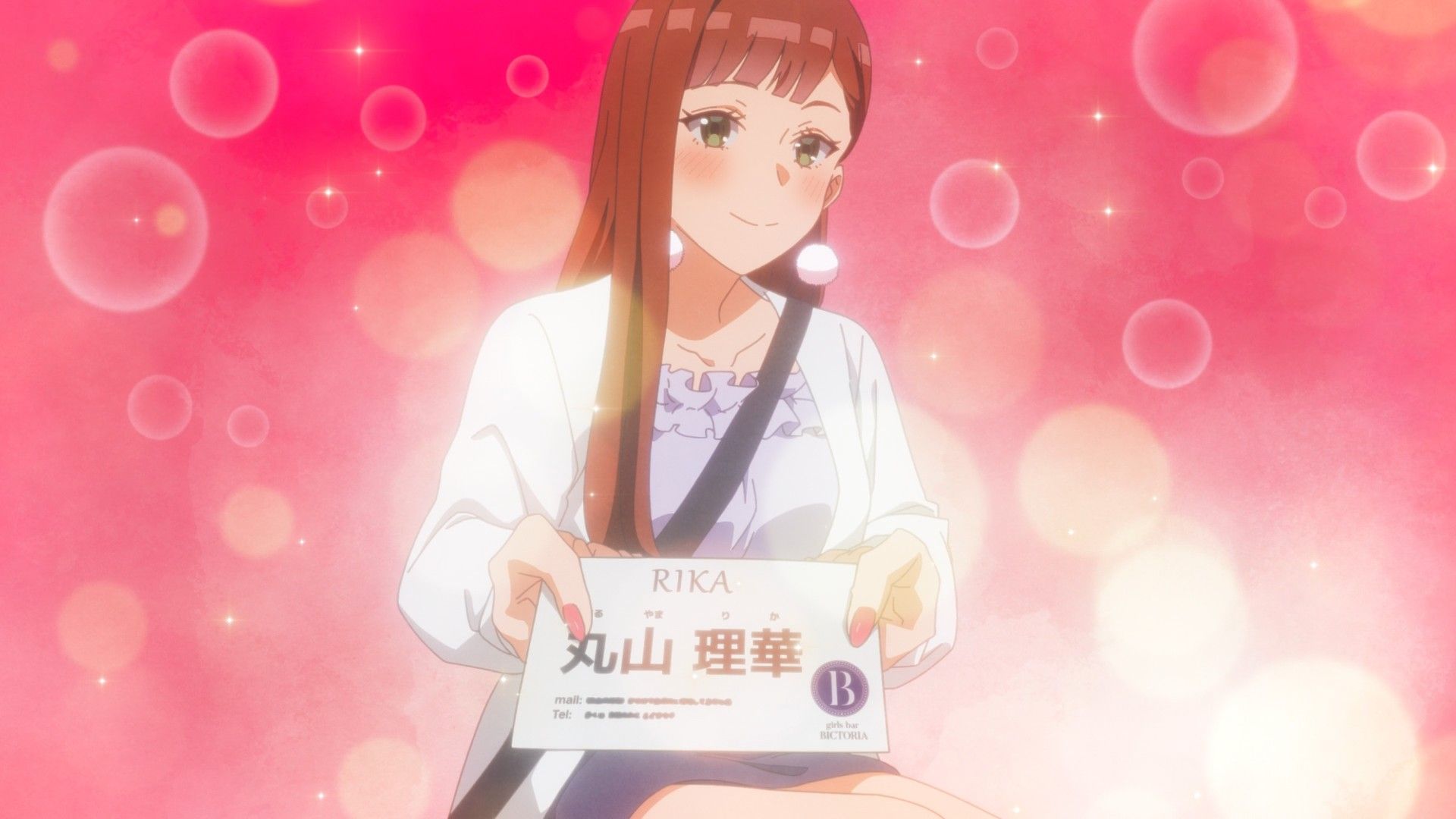
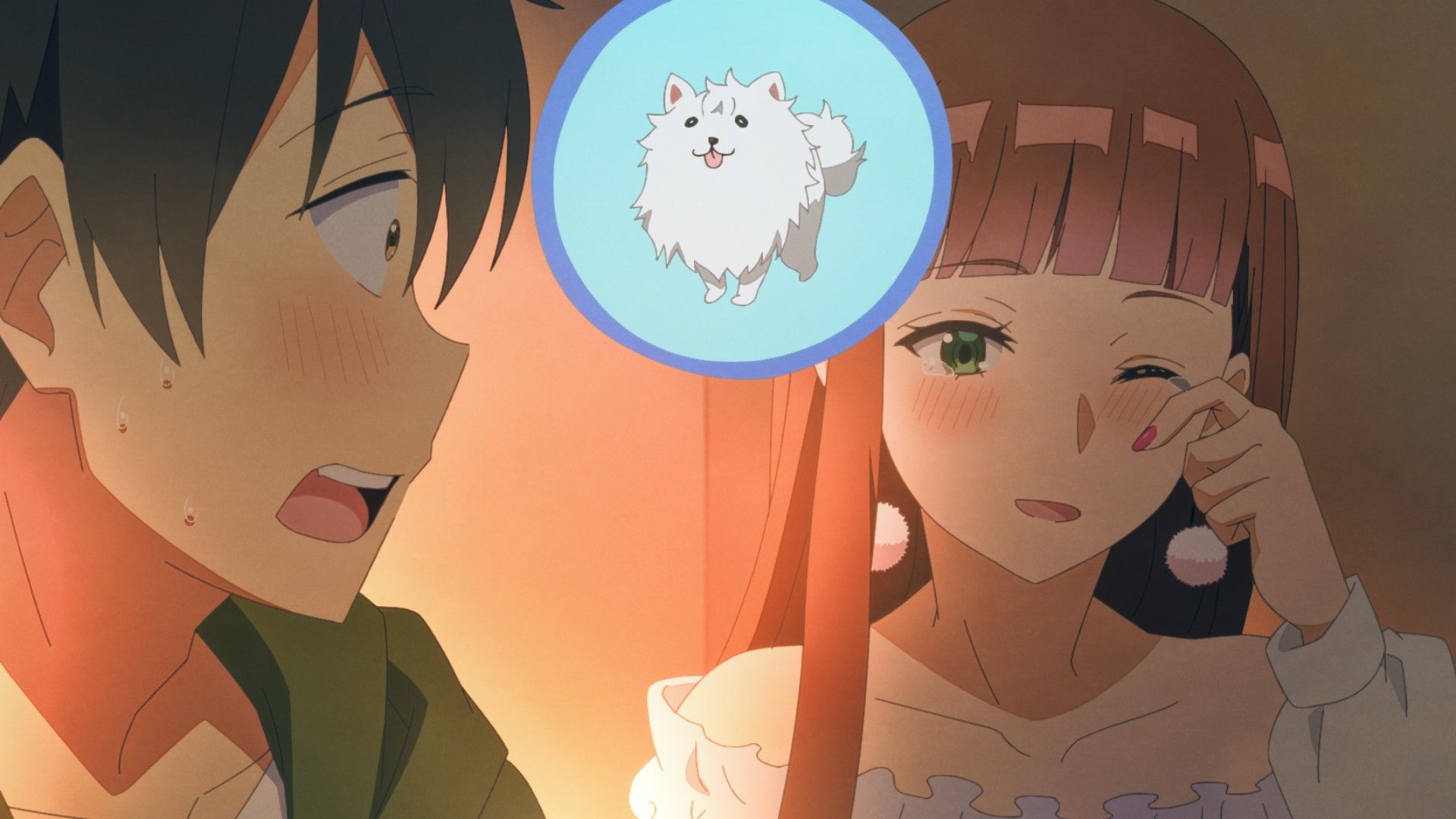
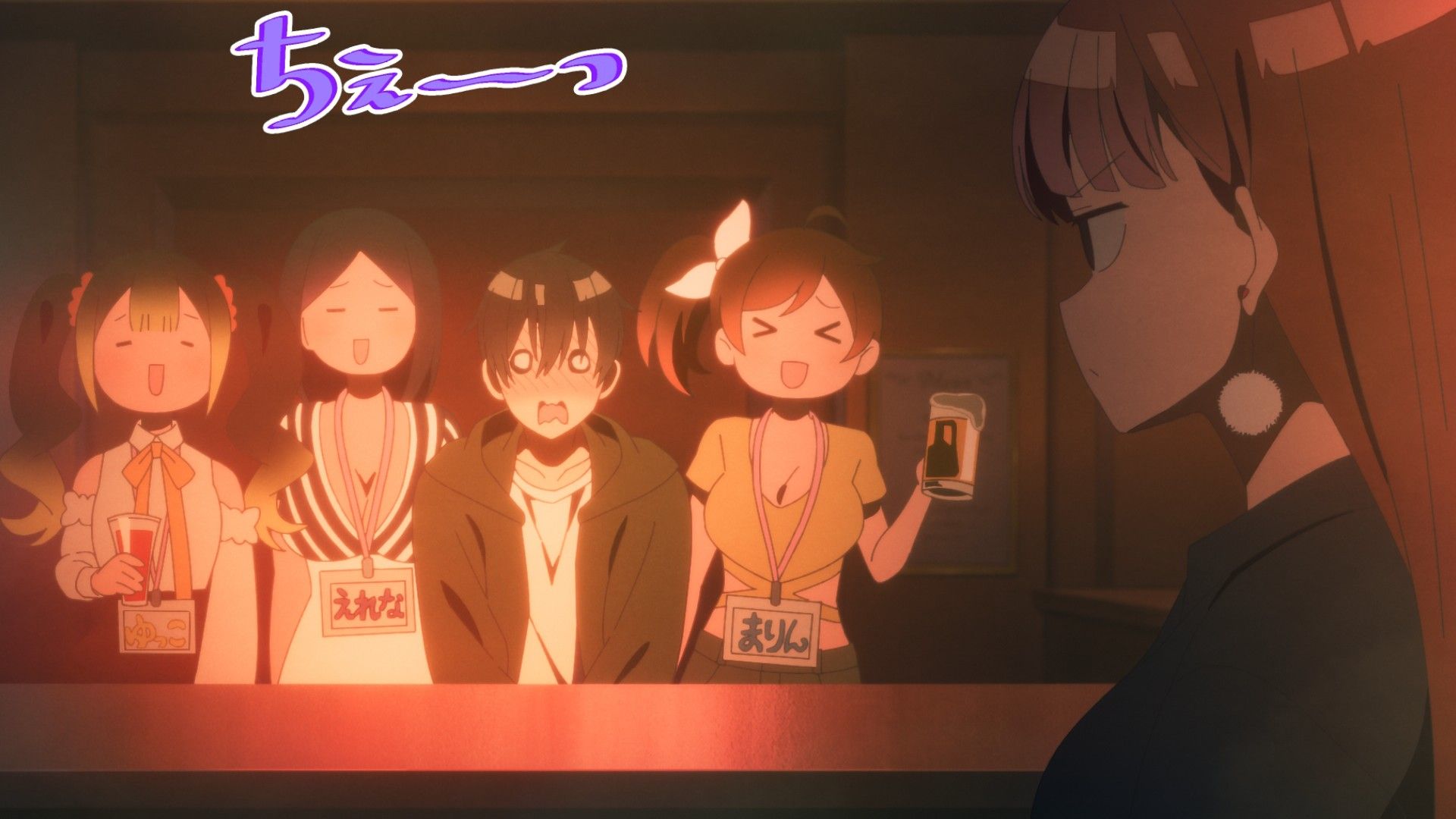
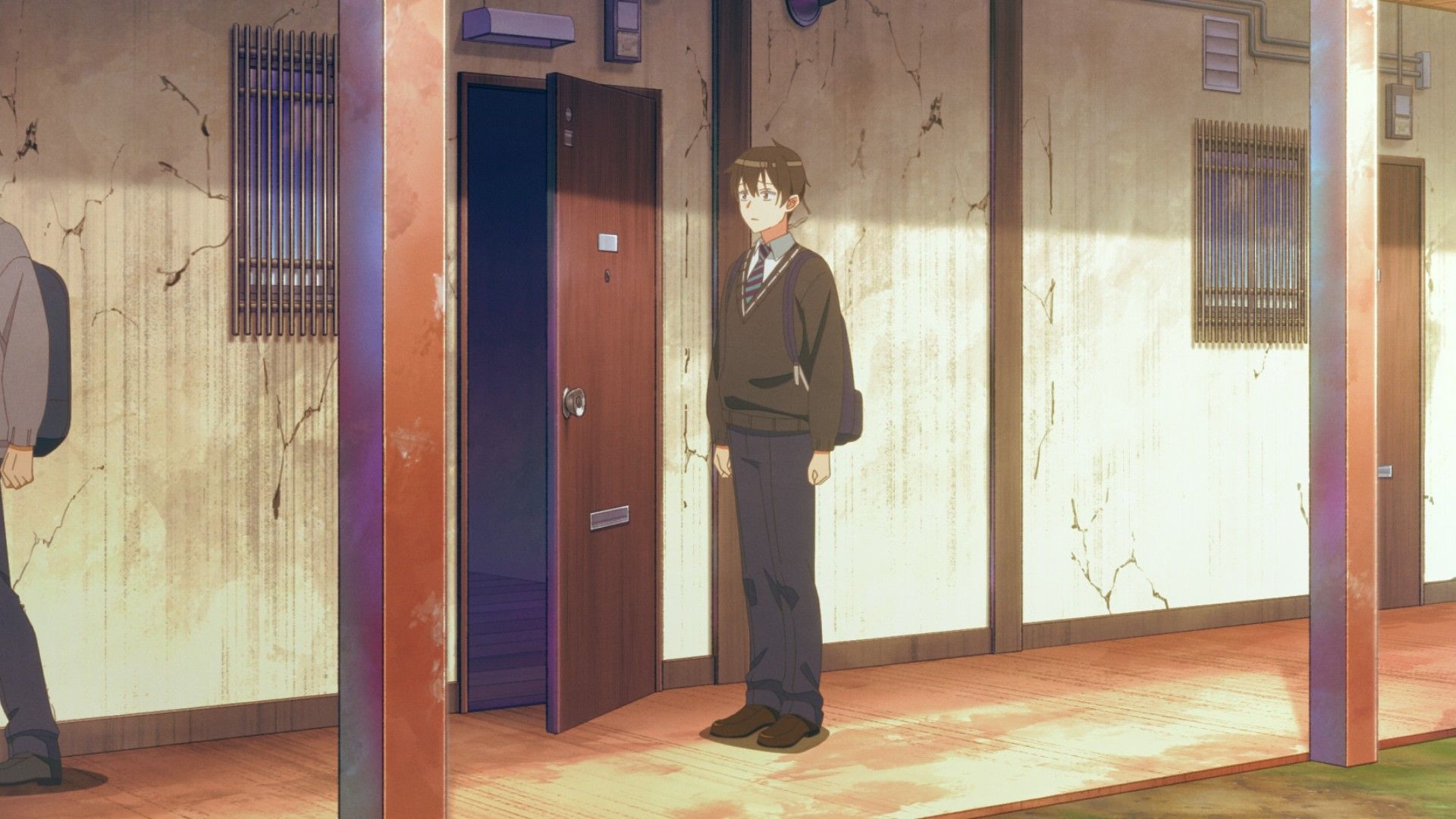
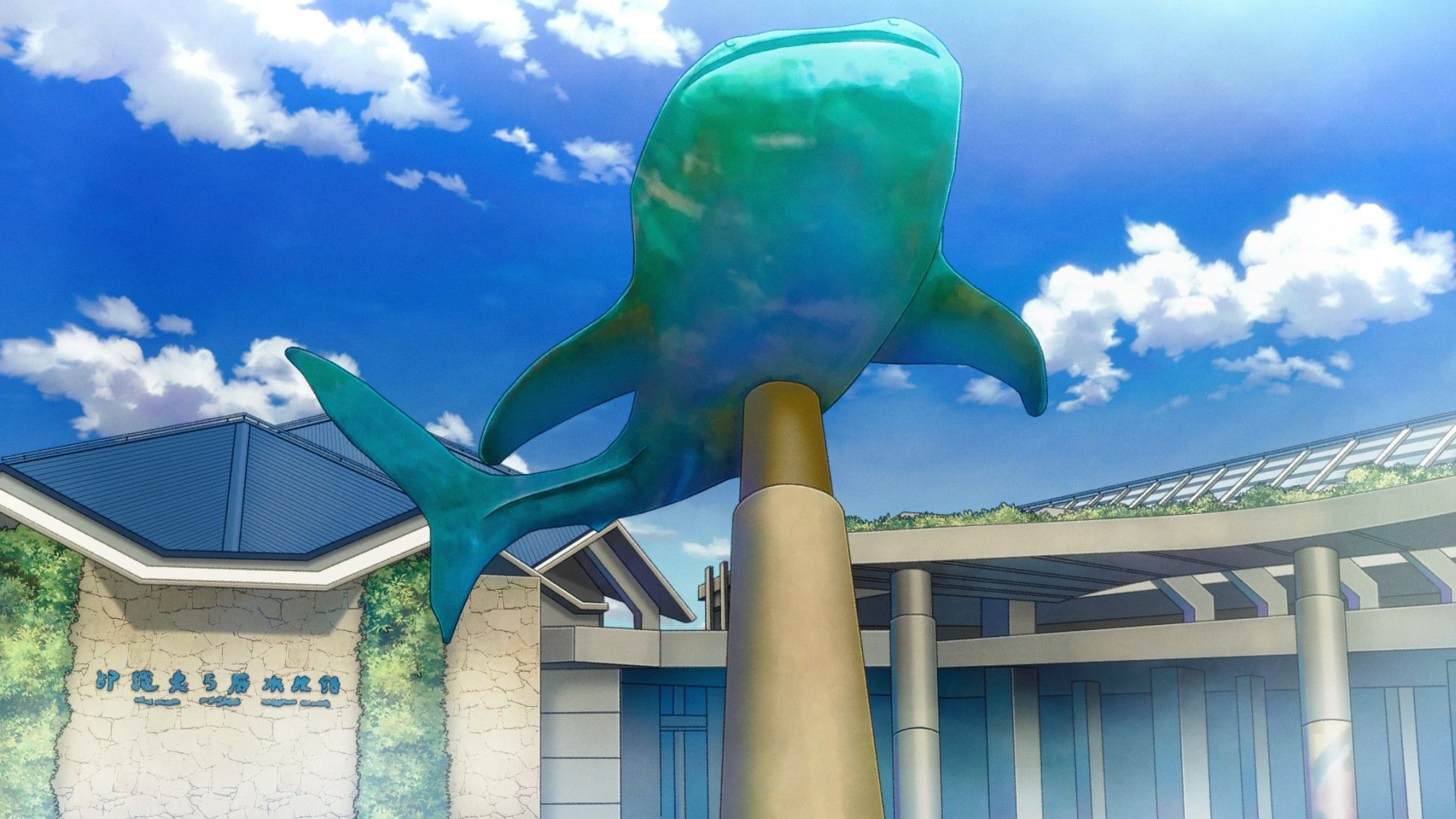
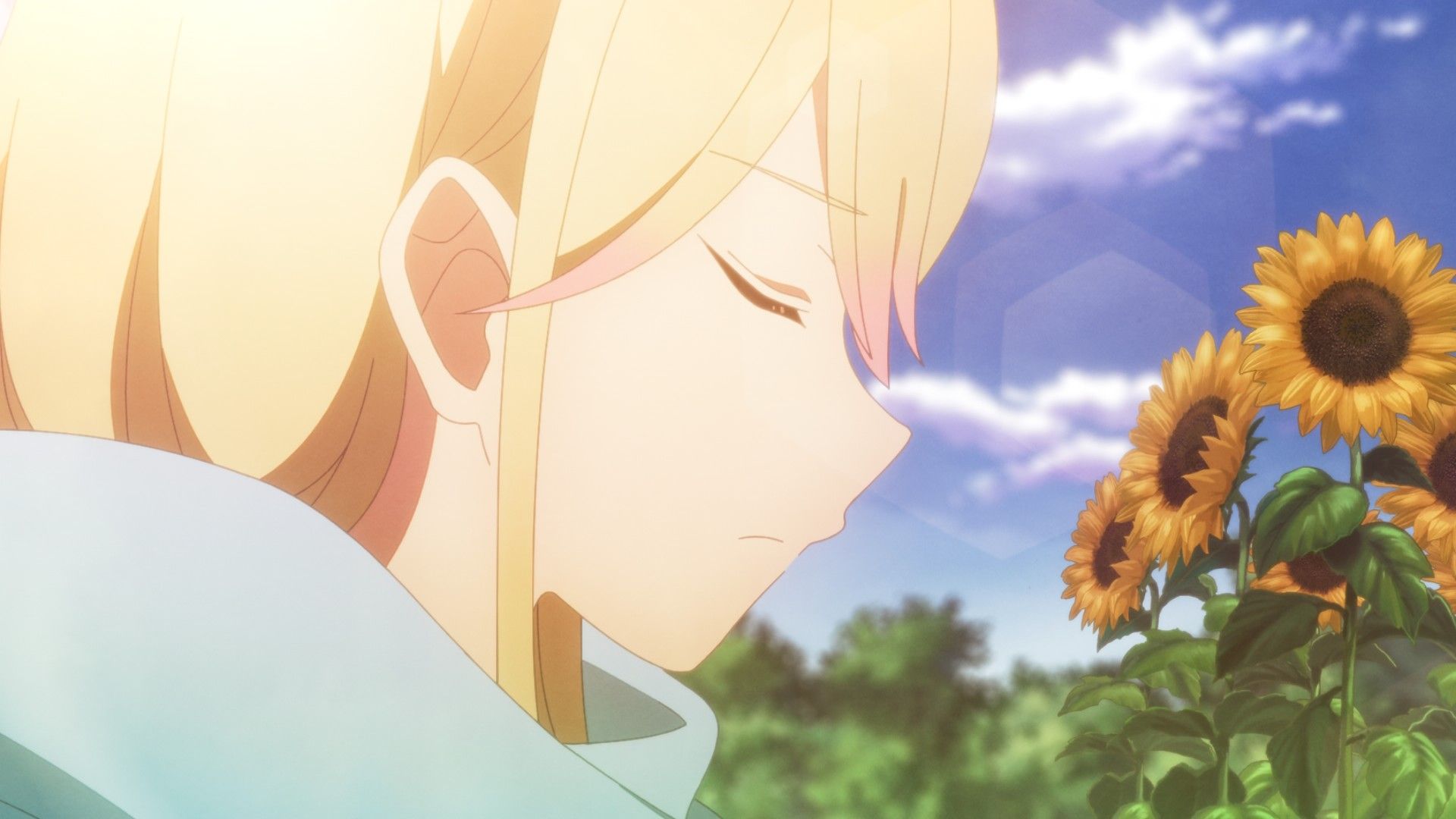
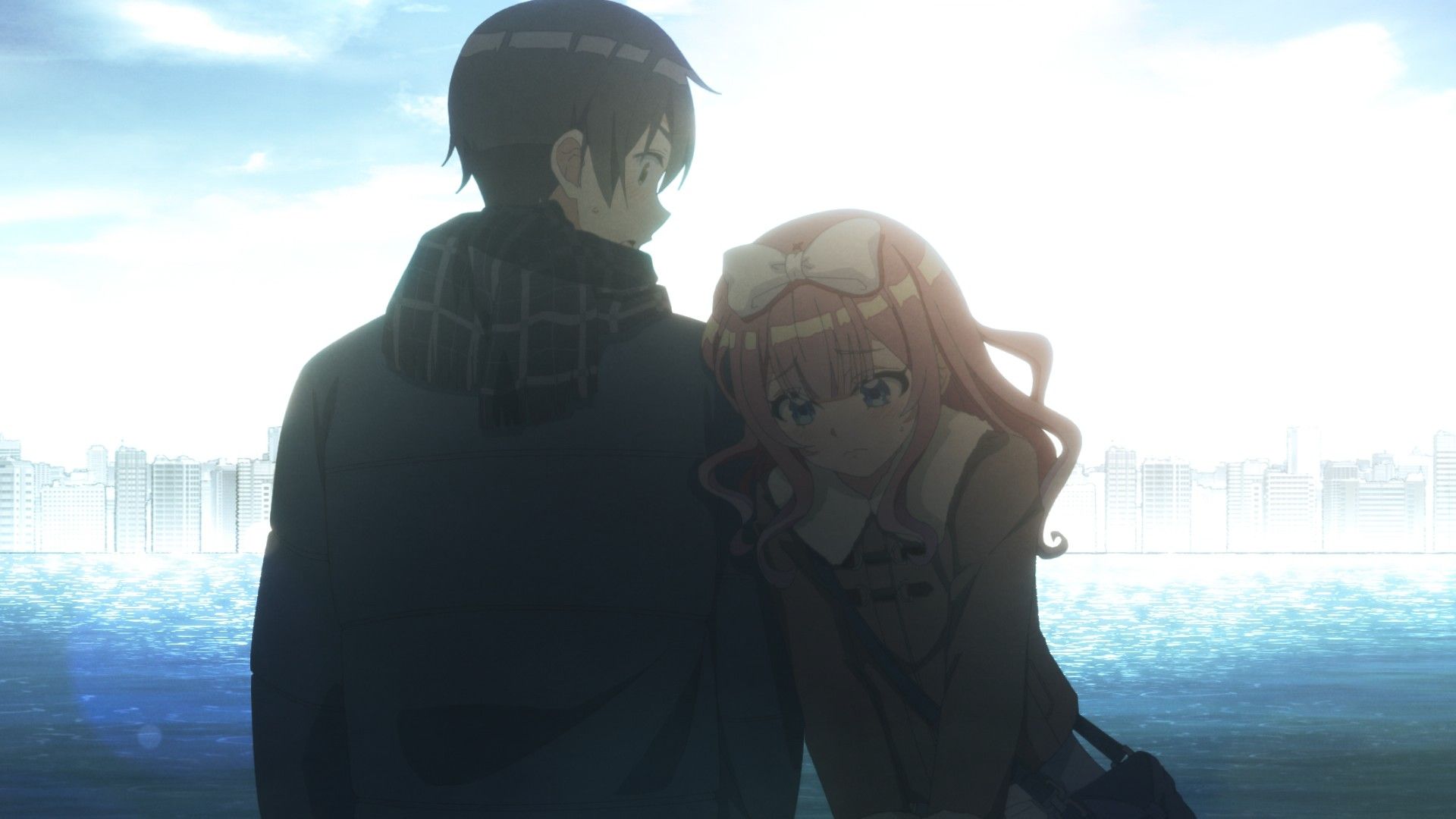
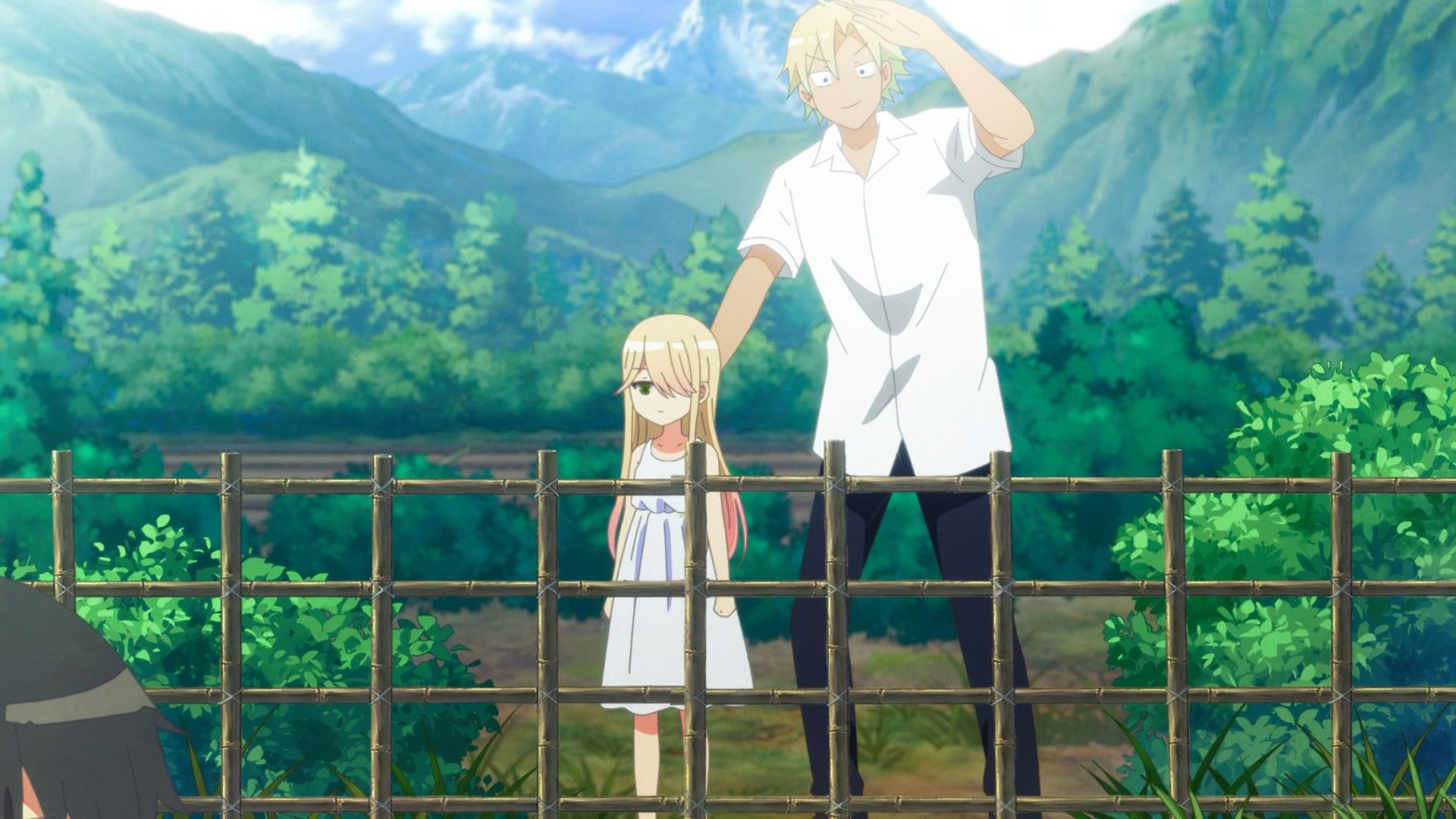
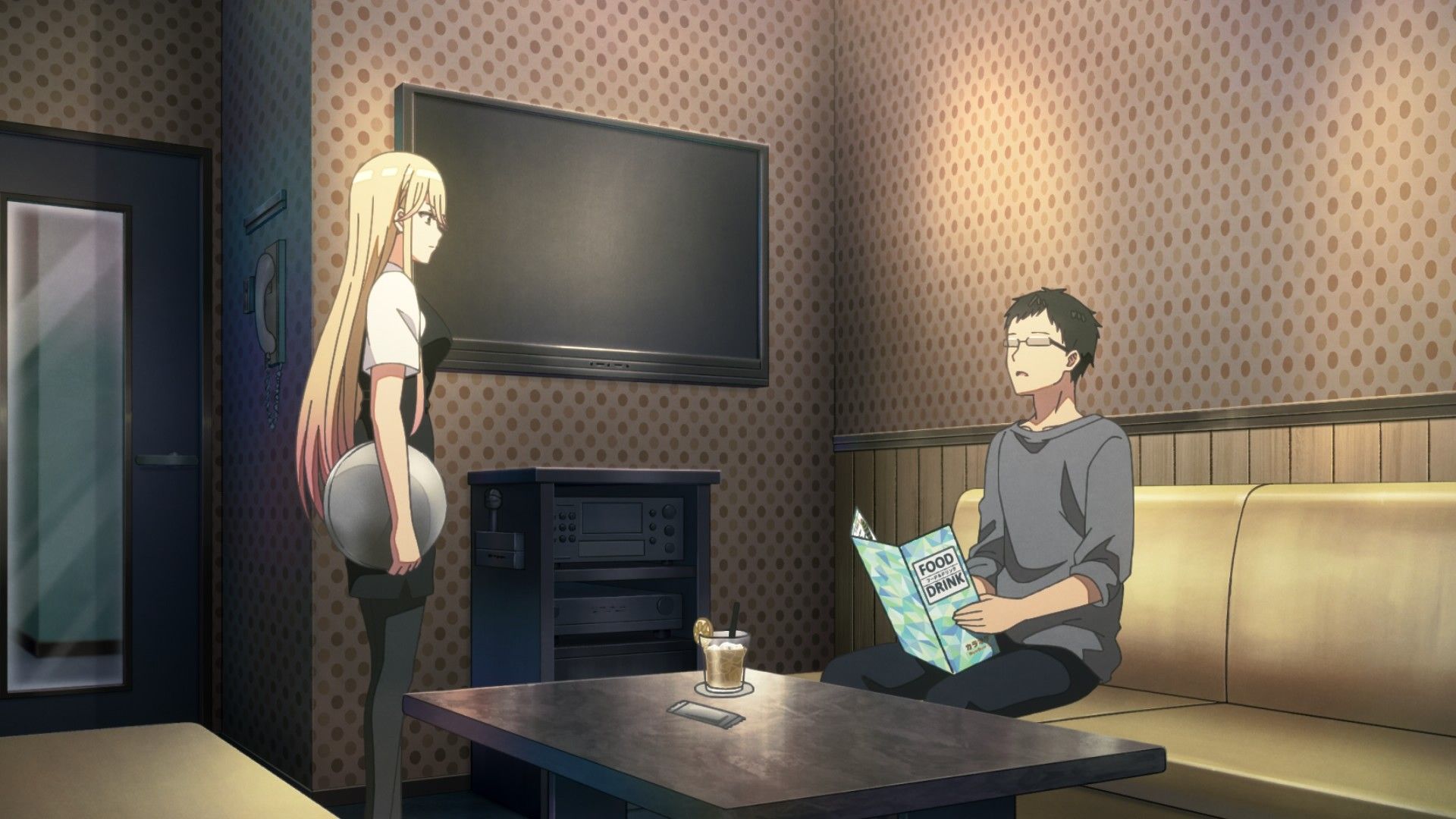
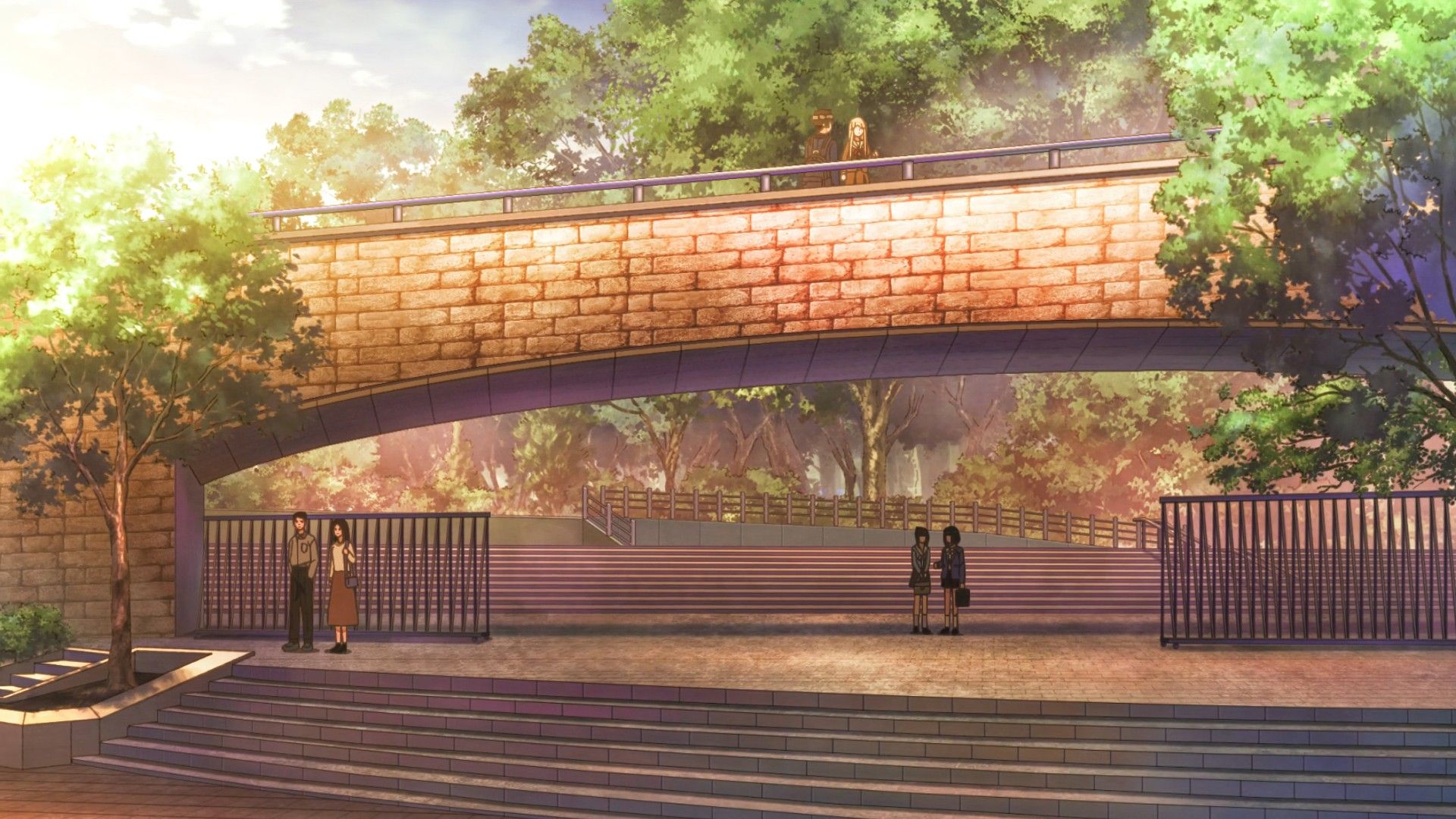
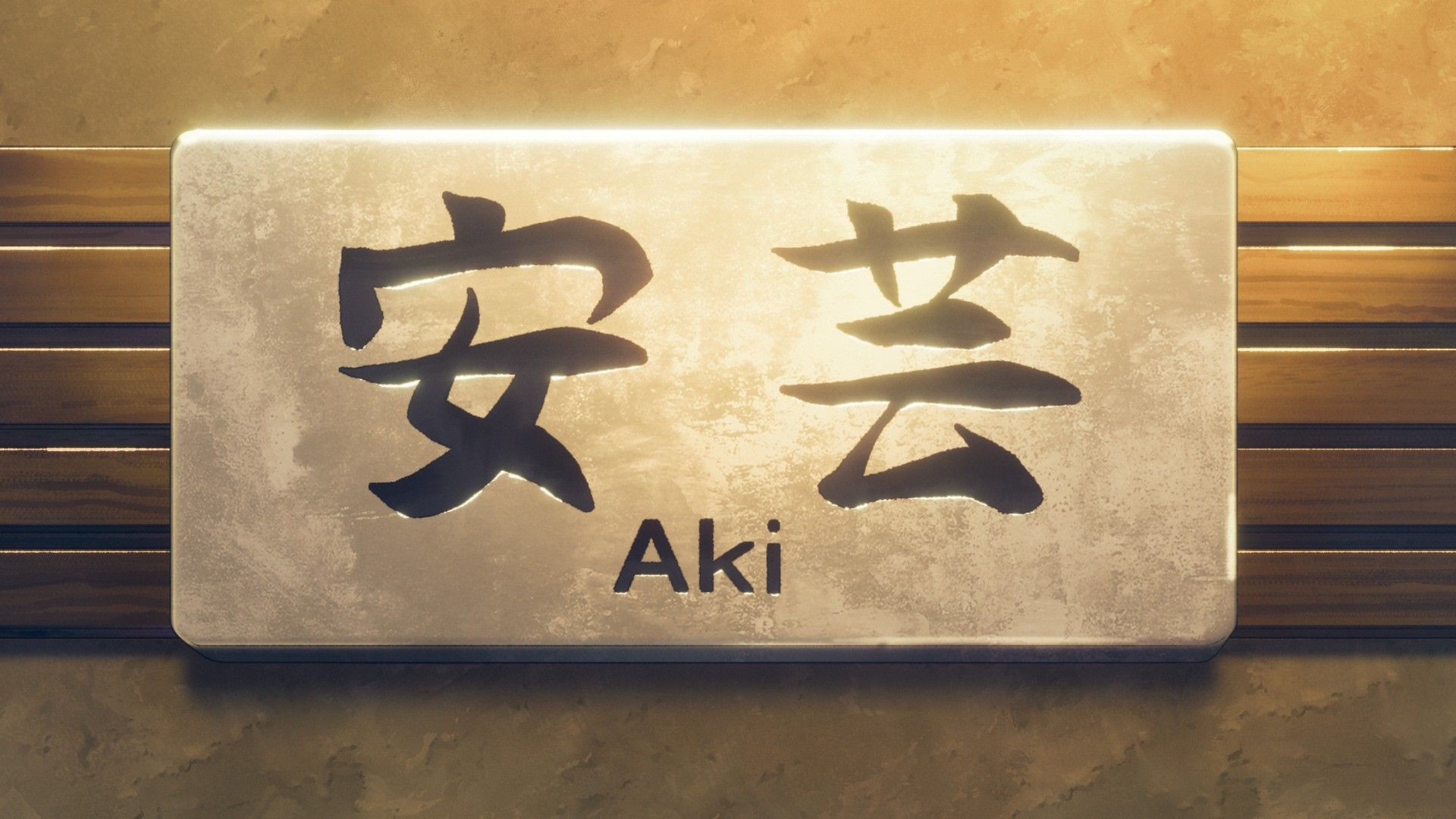
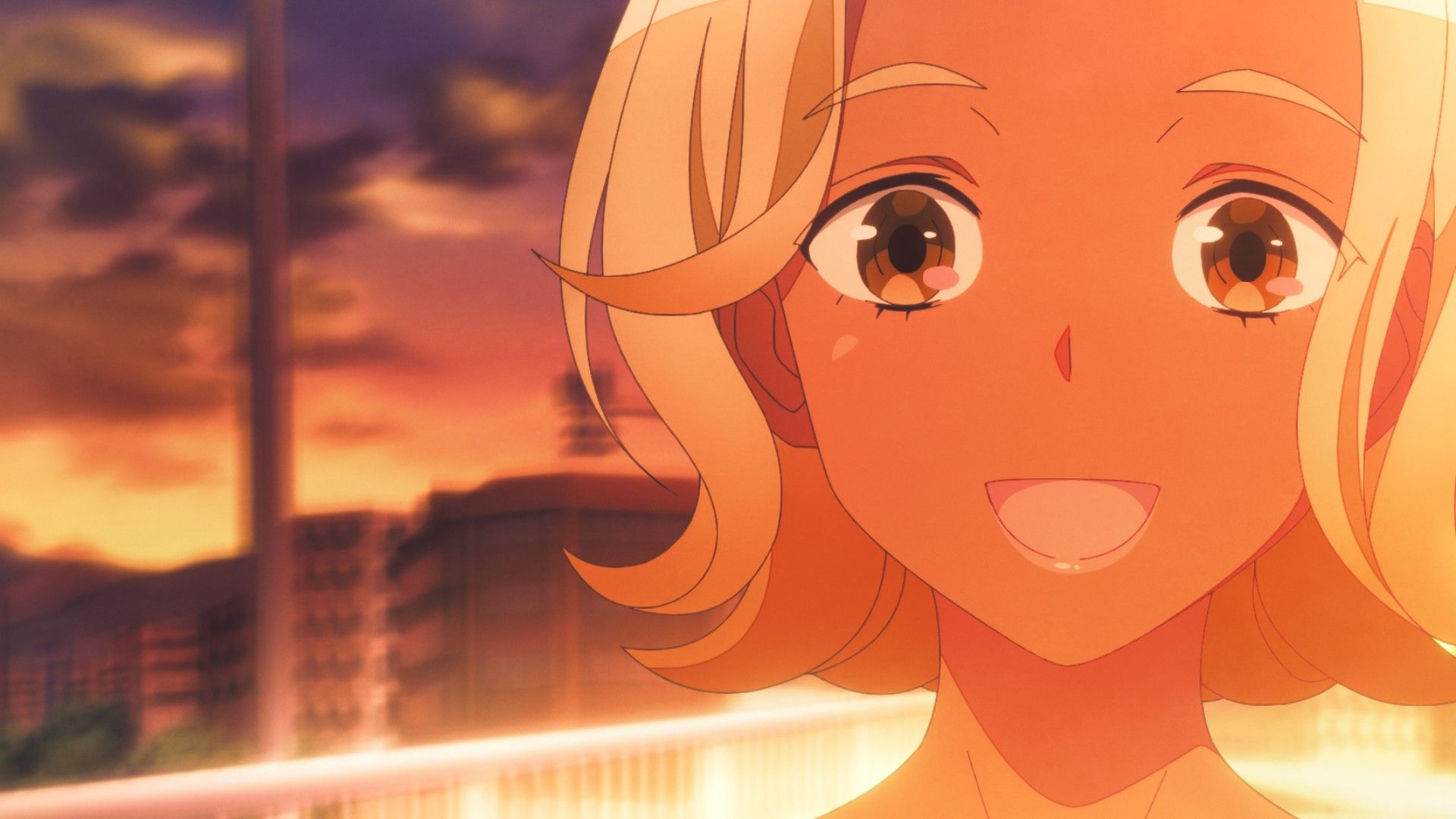
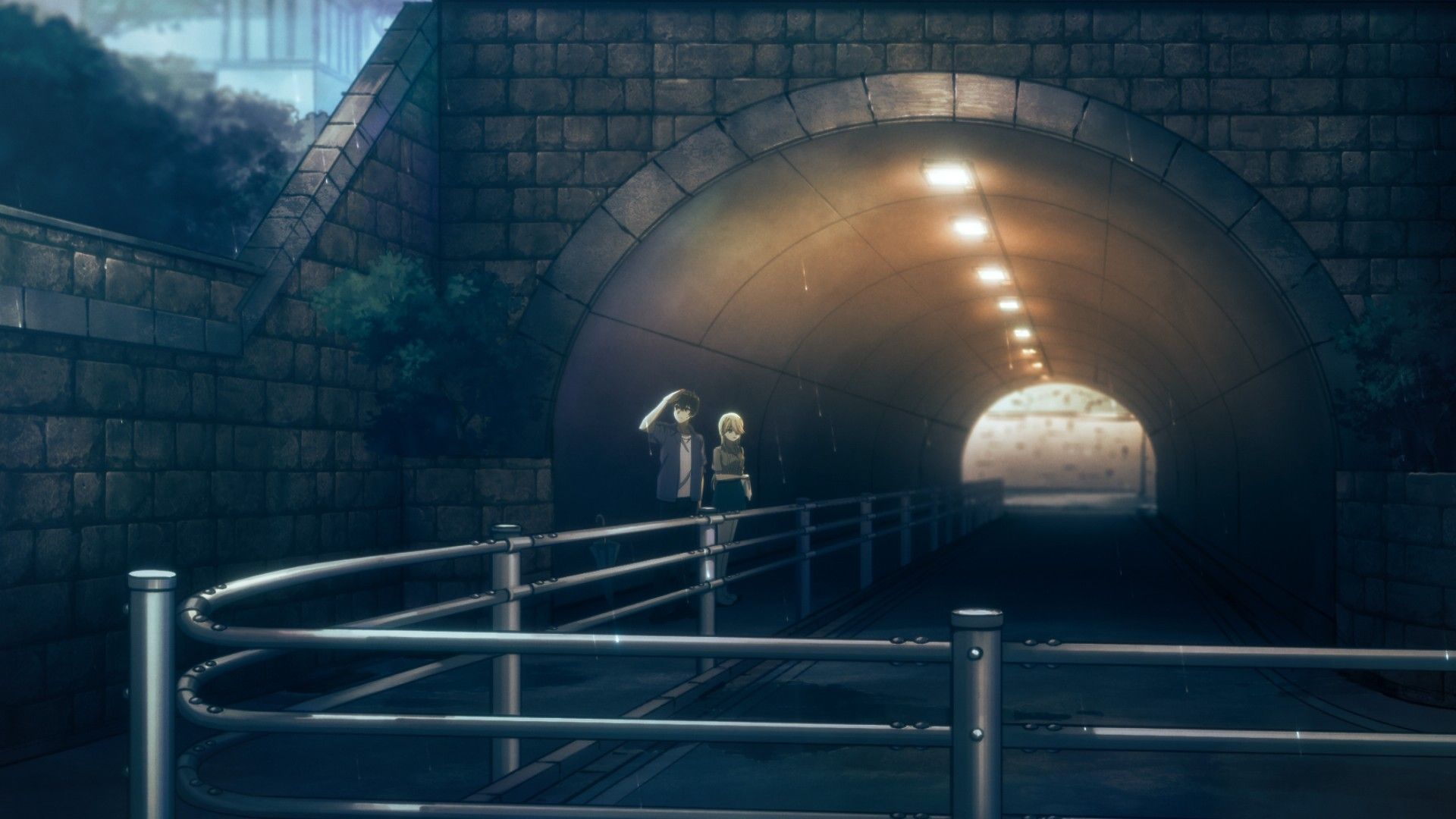
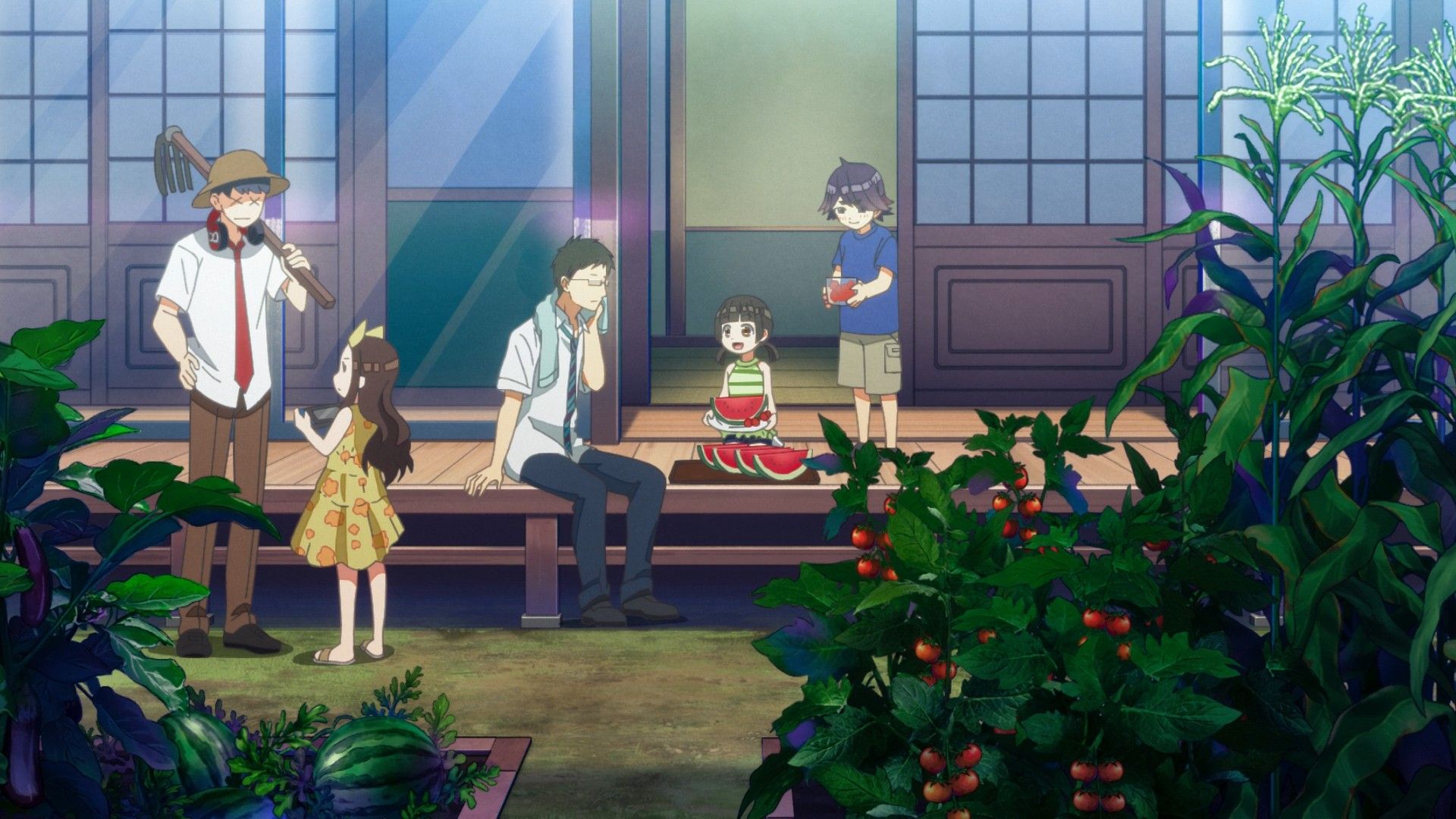
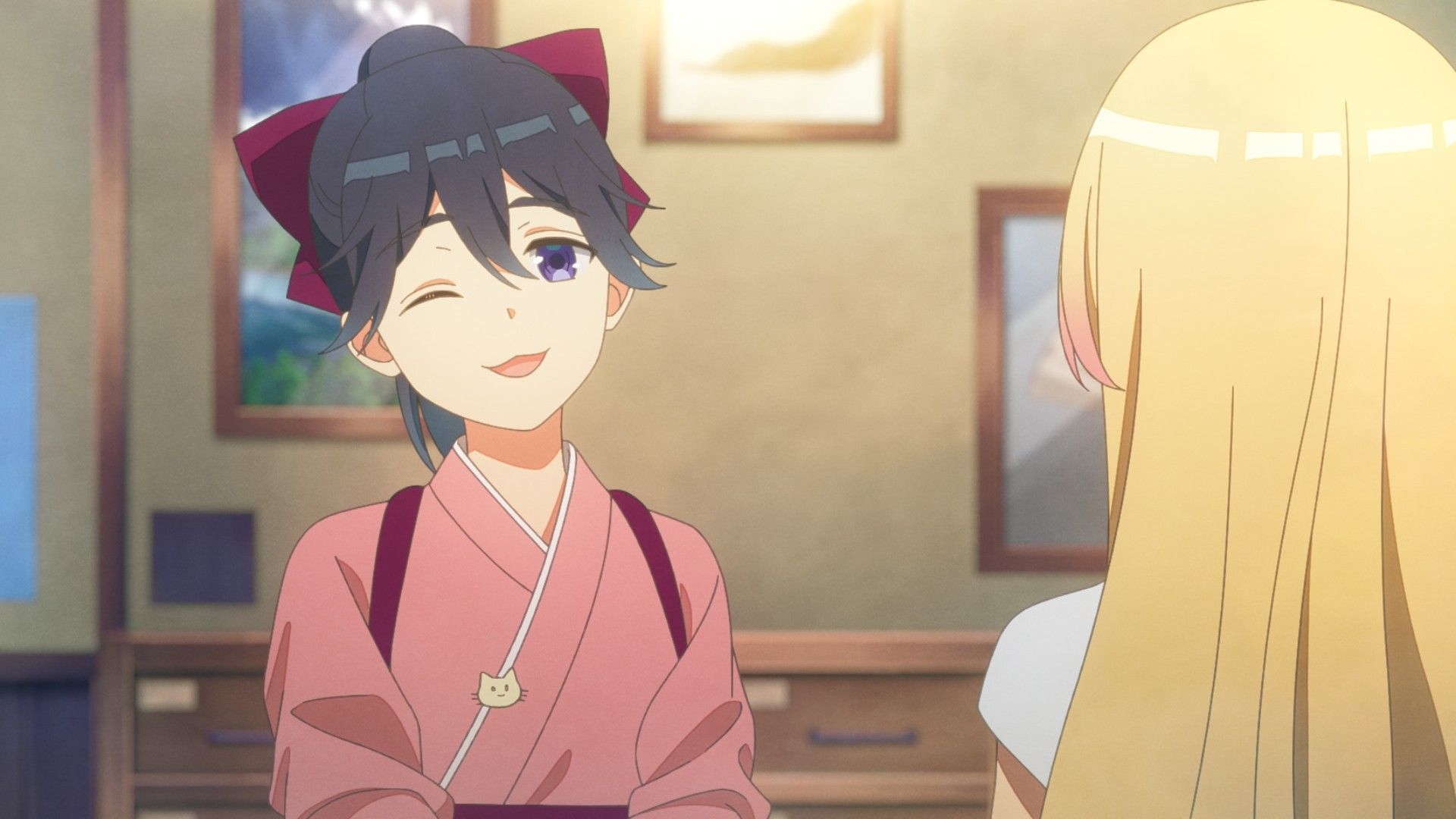
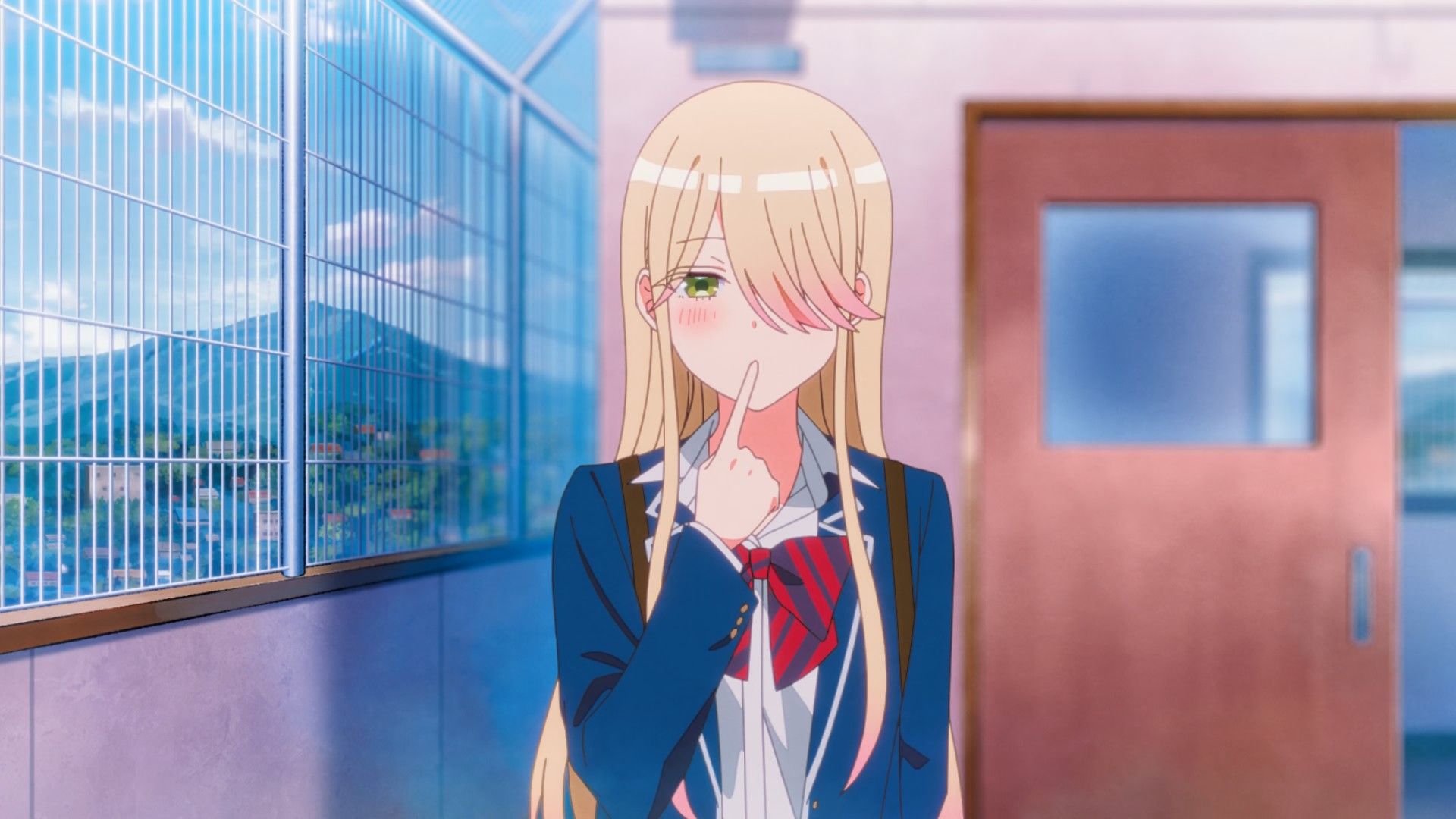
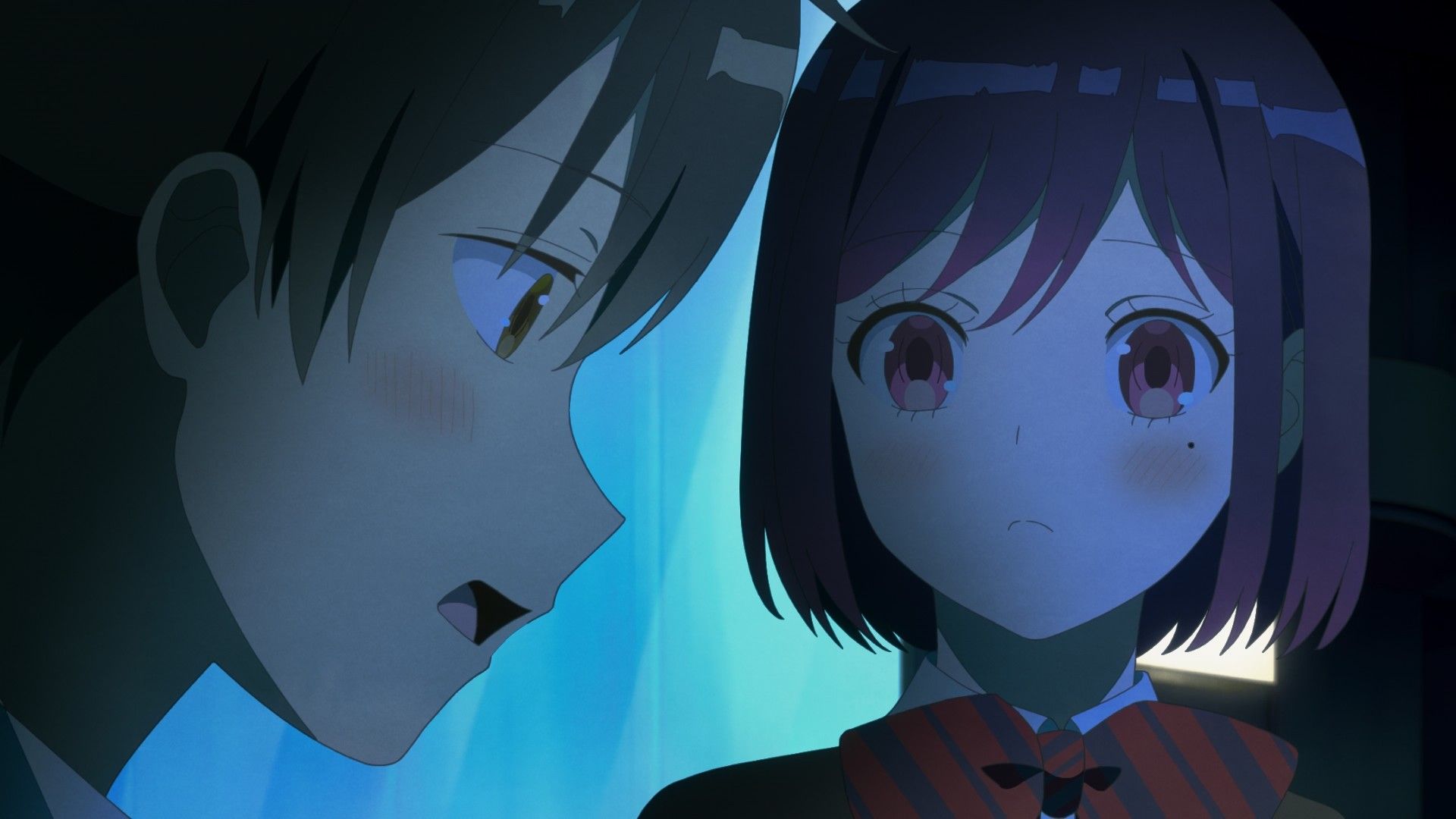
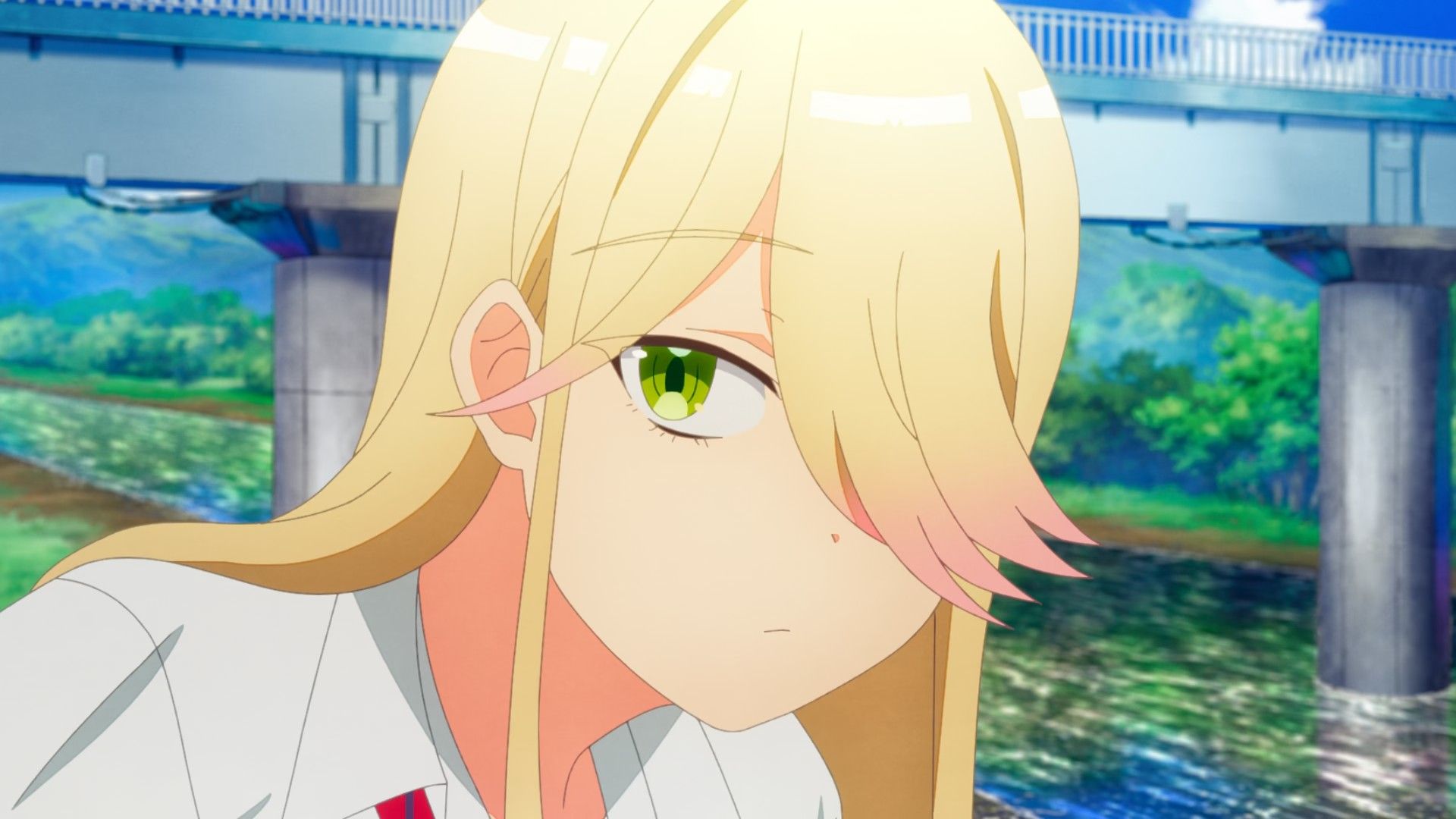
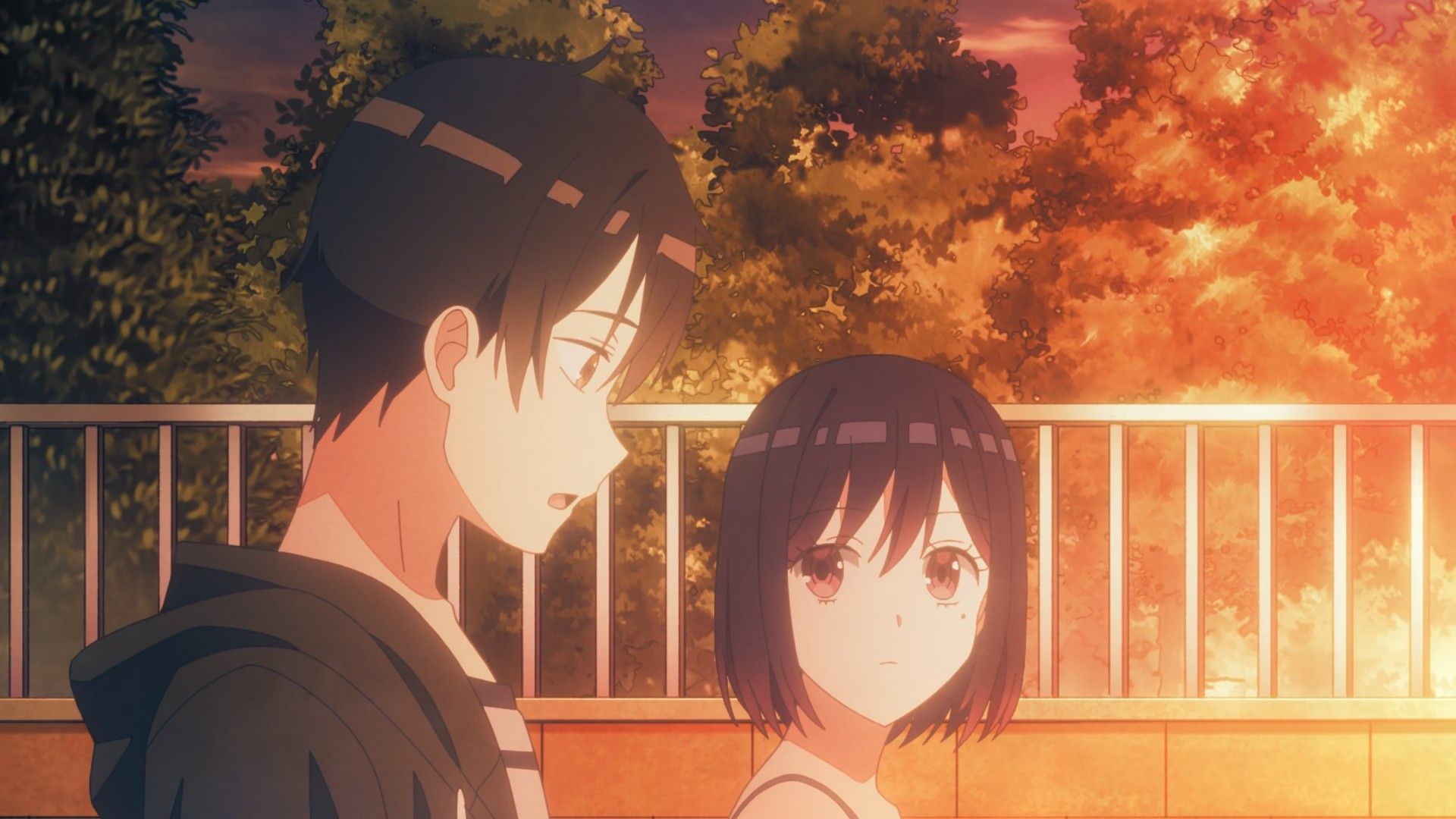
I was very pleasantly surprised by how this series looks. It is not a production built around flashy, highly dynamic animation, and that is not really where its strength lies. Even so, the characters and the entire environment are genuinely pleasing to the eye. The creators went for a strongly atmospheric visual style here. There is plenty of soft light, a slightly diffused glow, warm colors, and a distinctive sheen that gives ordinary conversations, the walk home, or scenes in the garden a romantic, melancholic weight. In practice, it simply works very well, because it matches the tone of this story beautifully. On top of that, the amount of detail in many scenes is genuinely impressive.
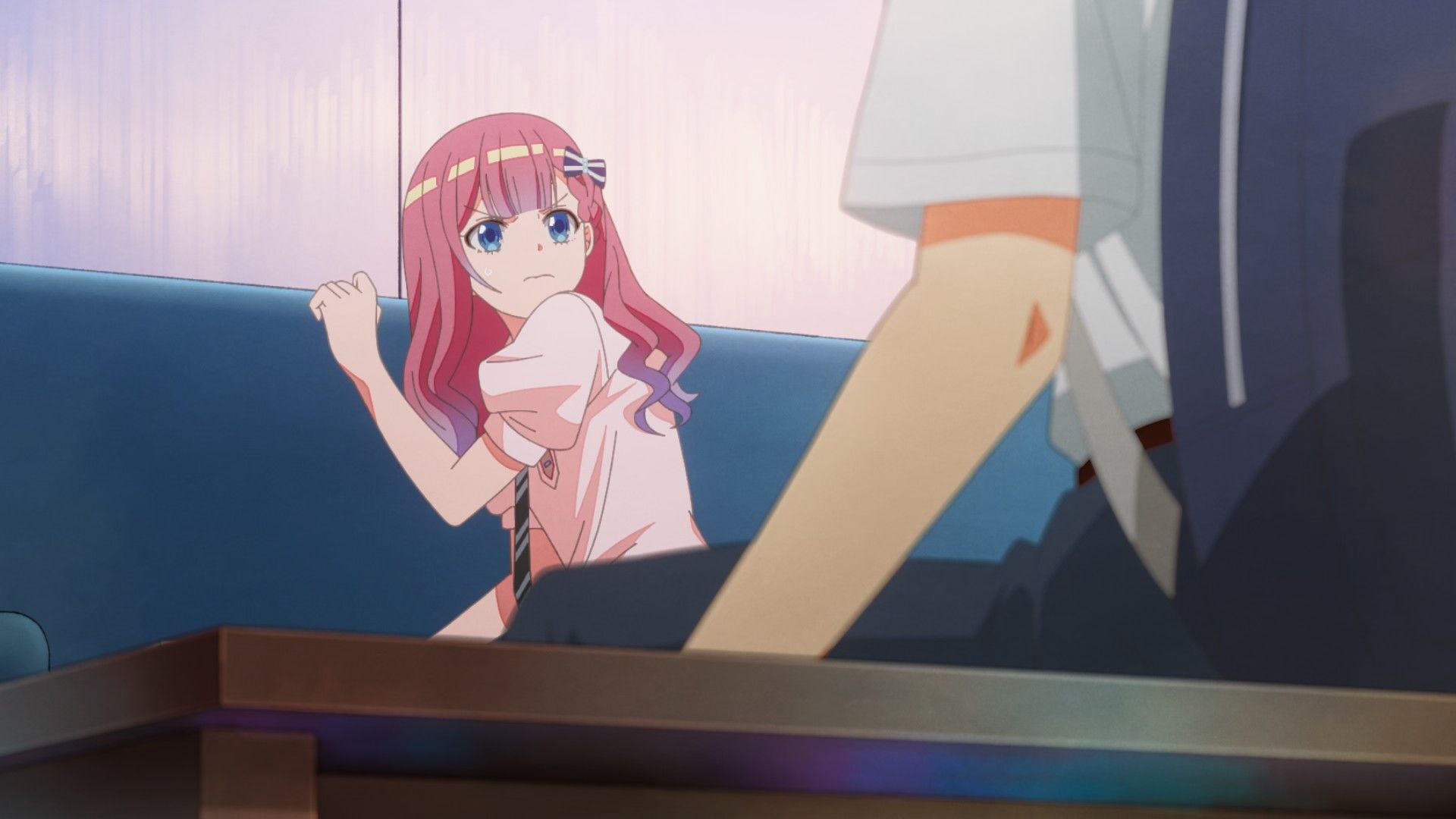
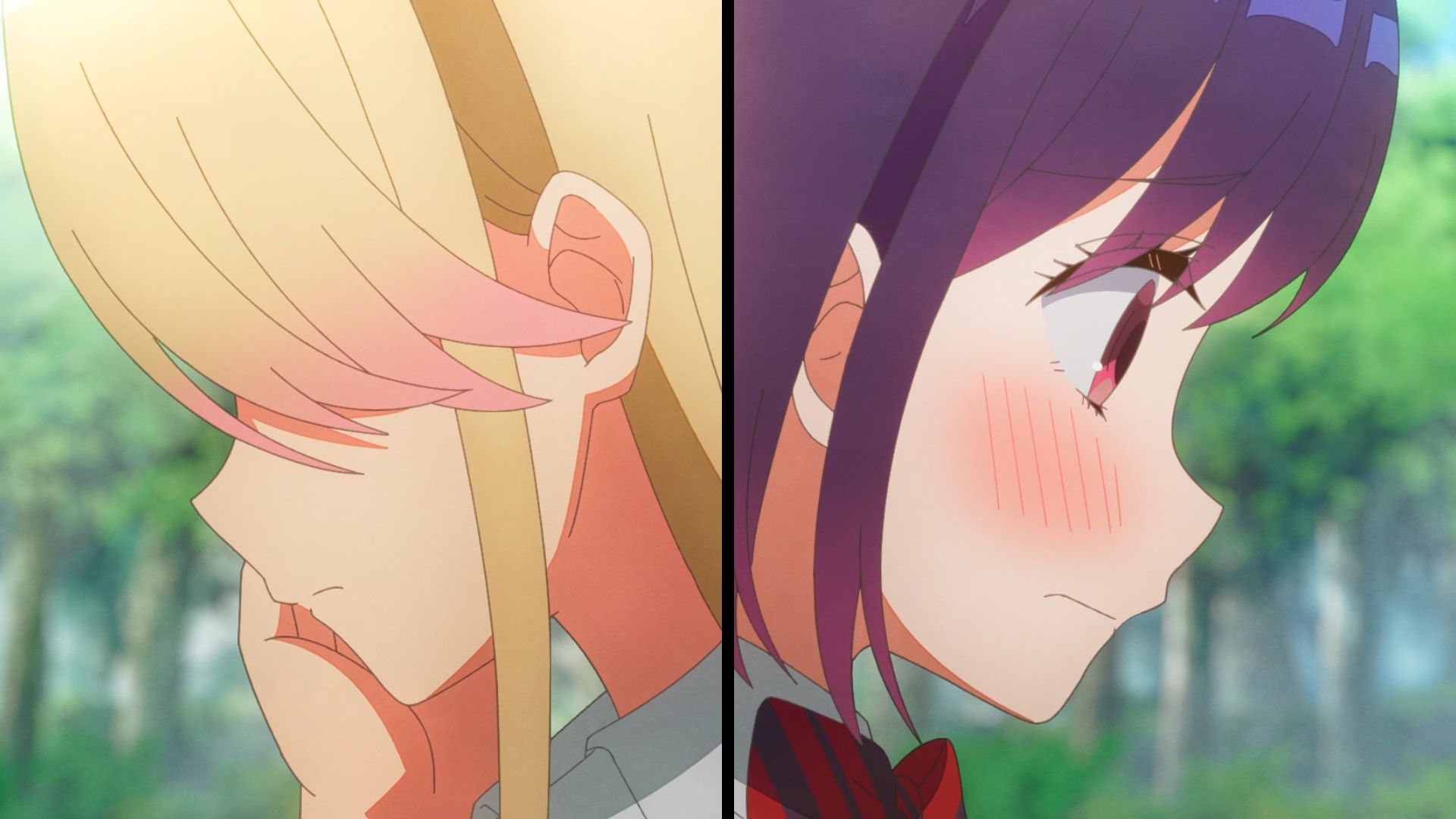
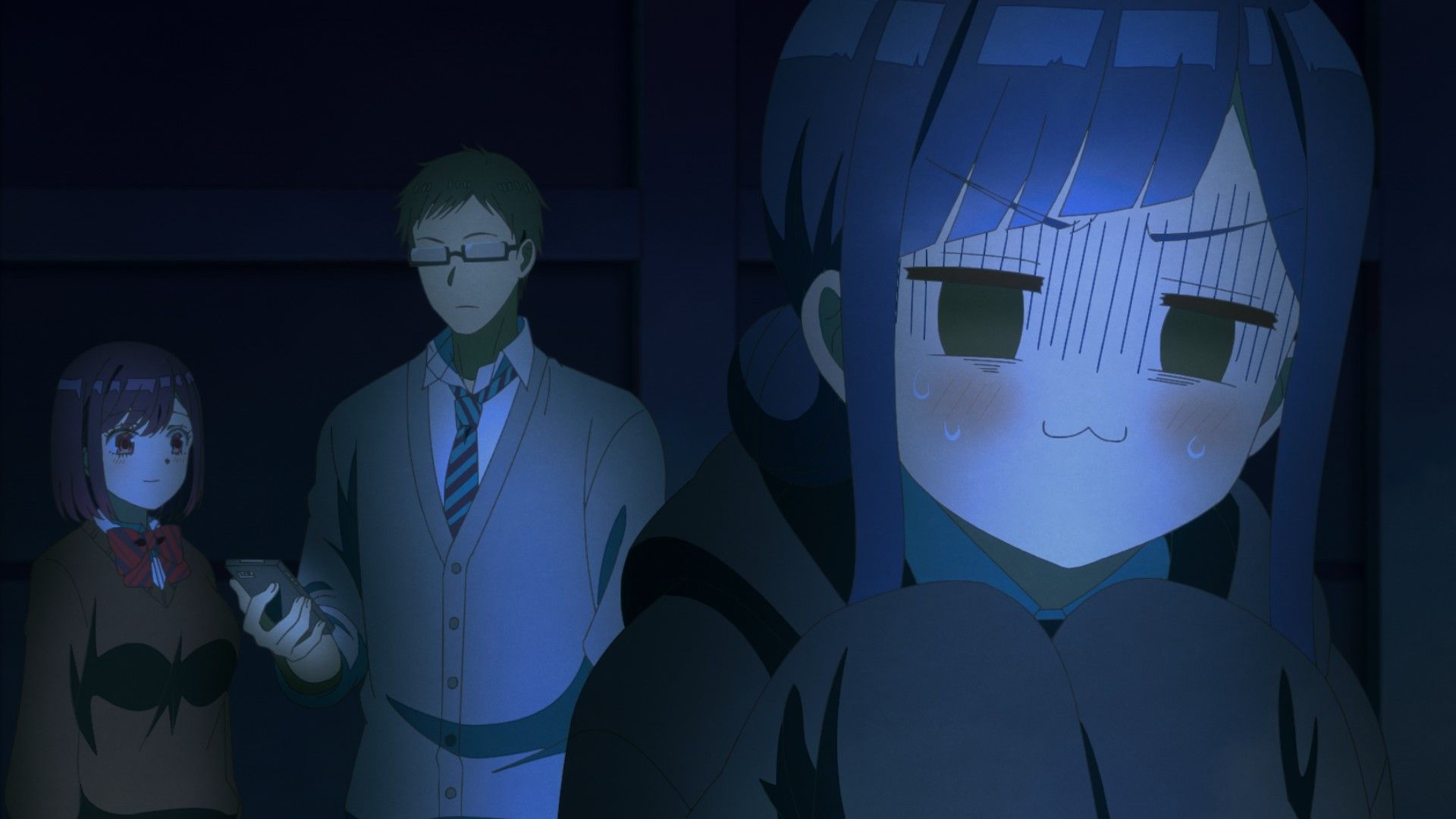
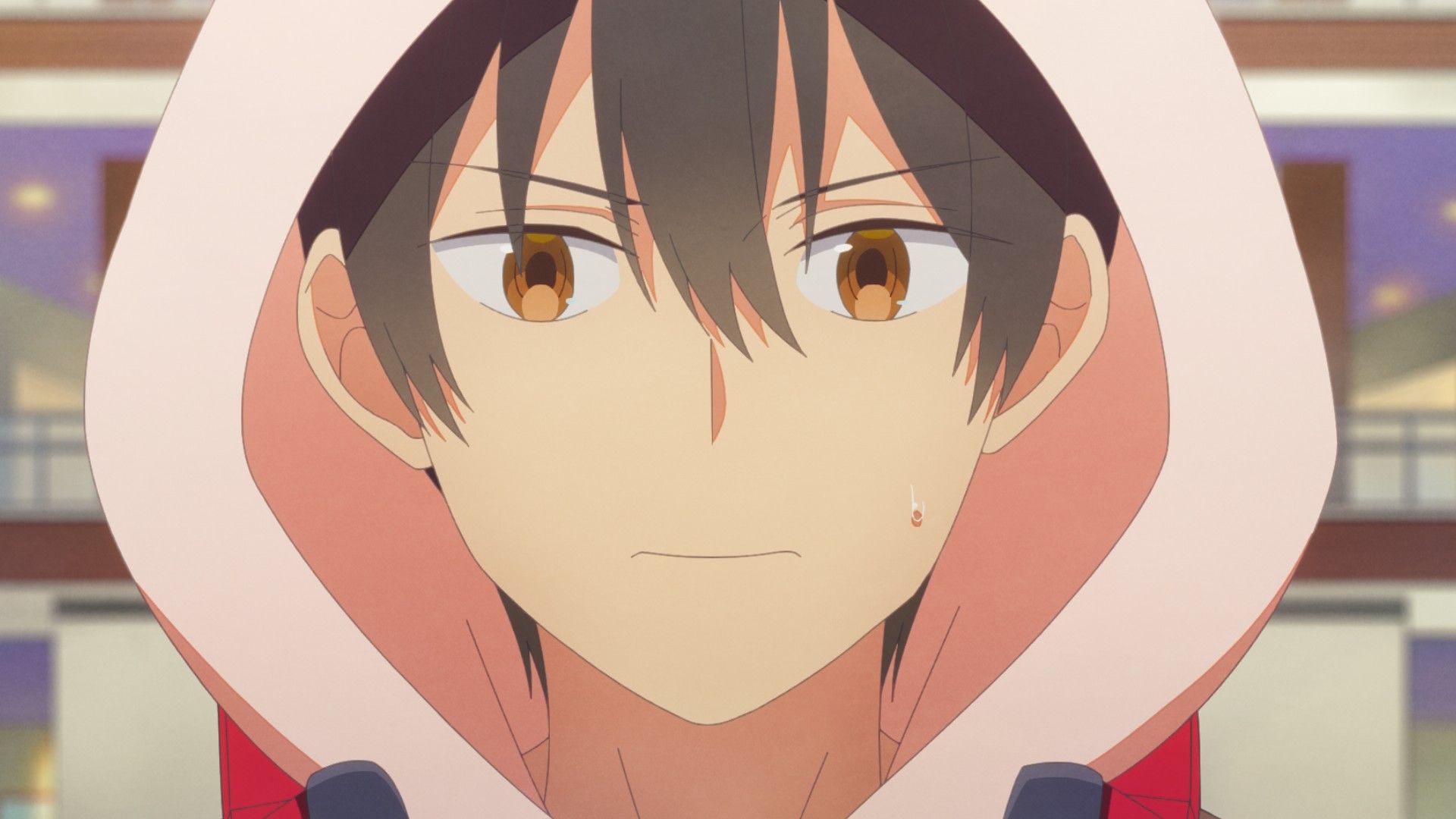
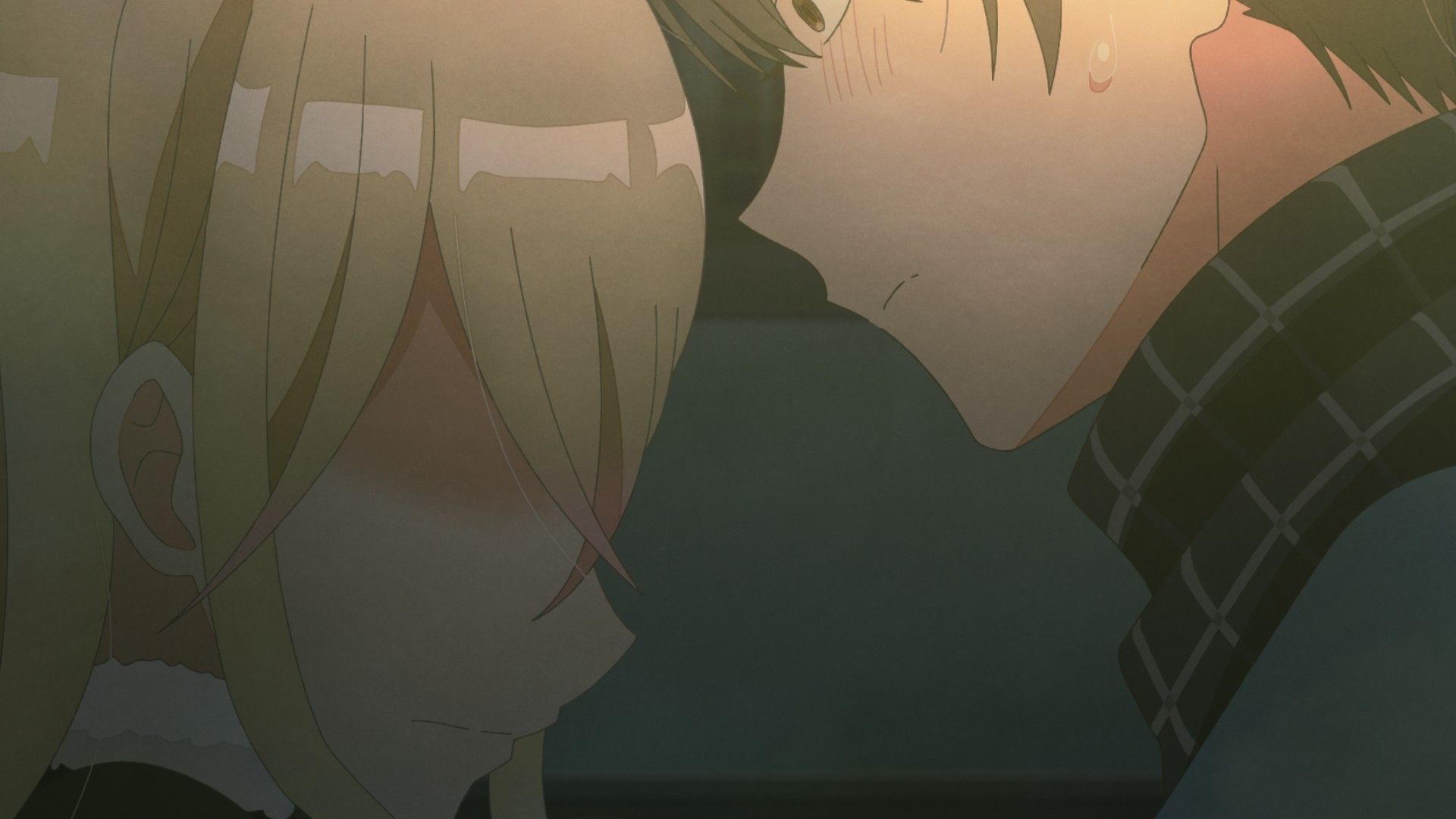
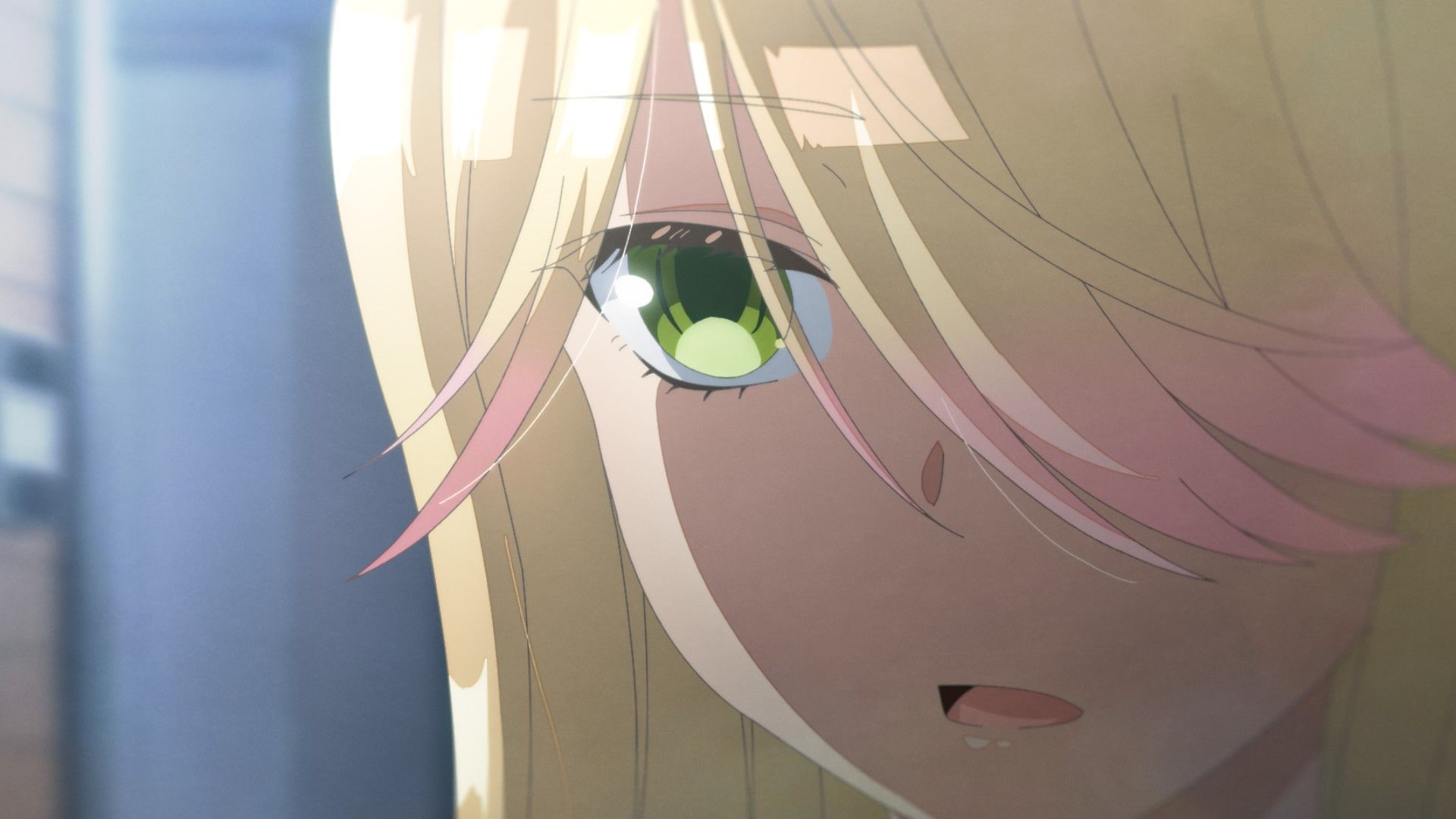
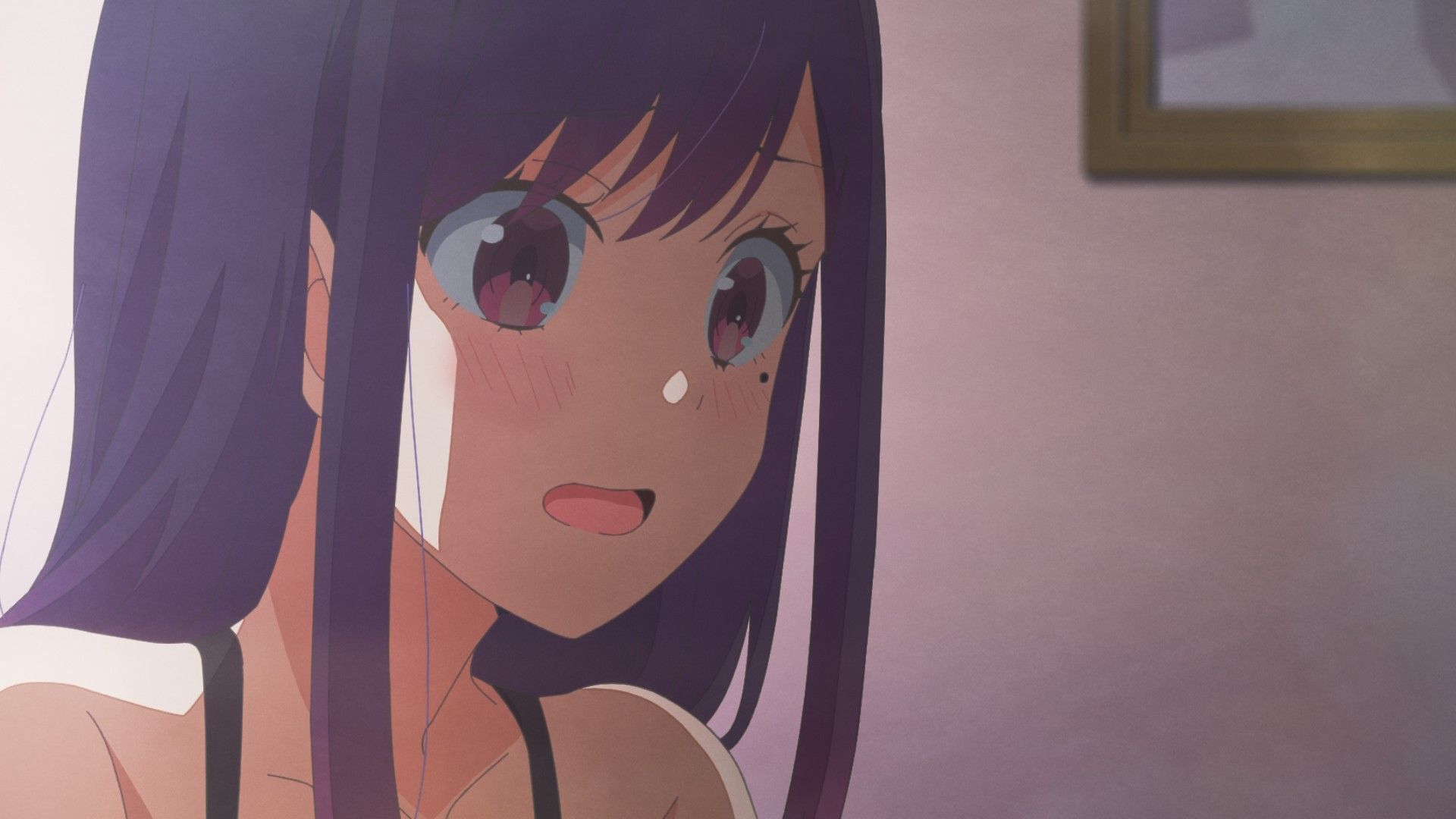
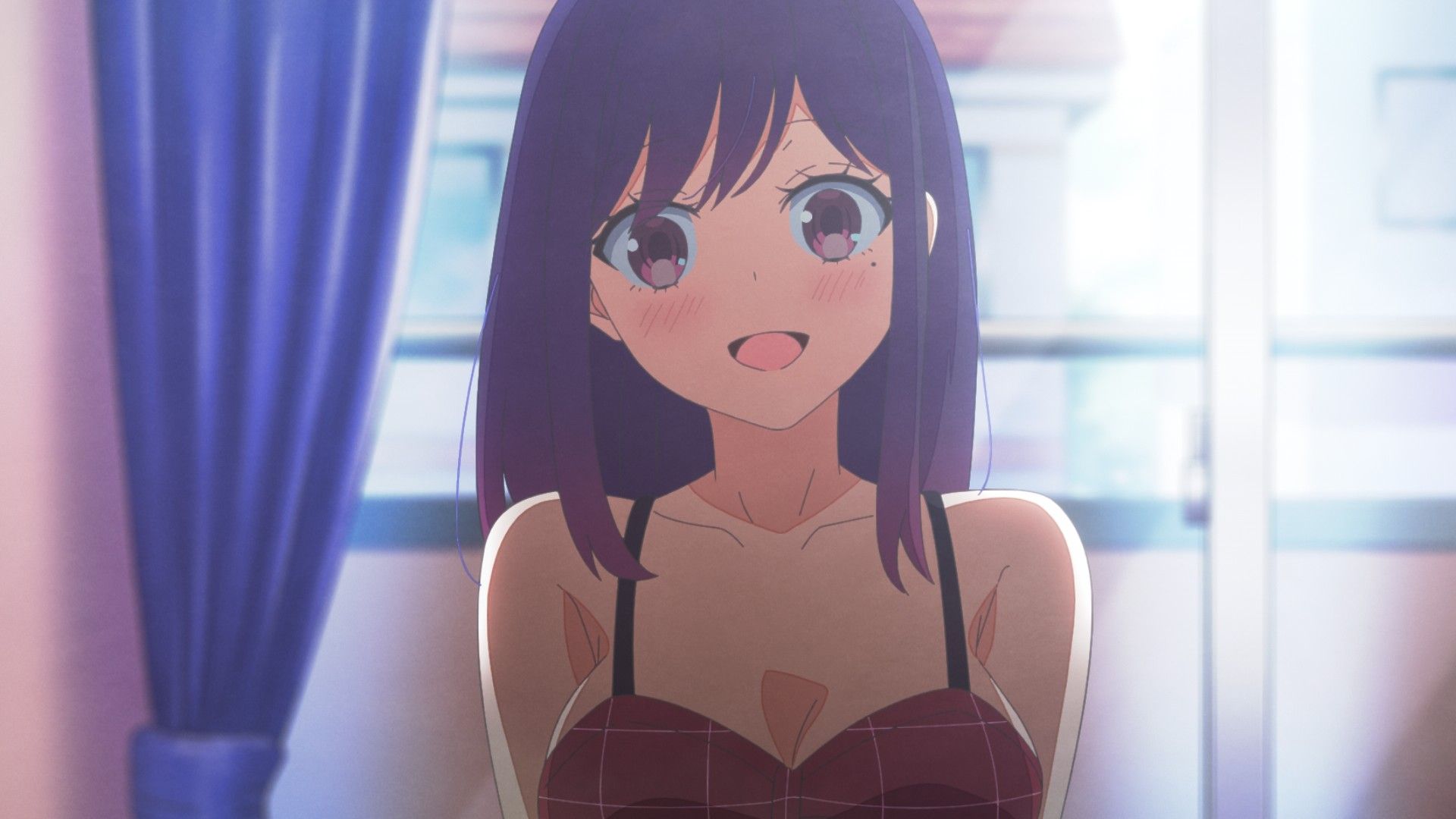
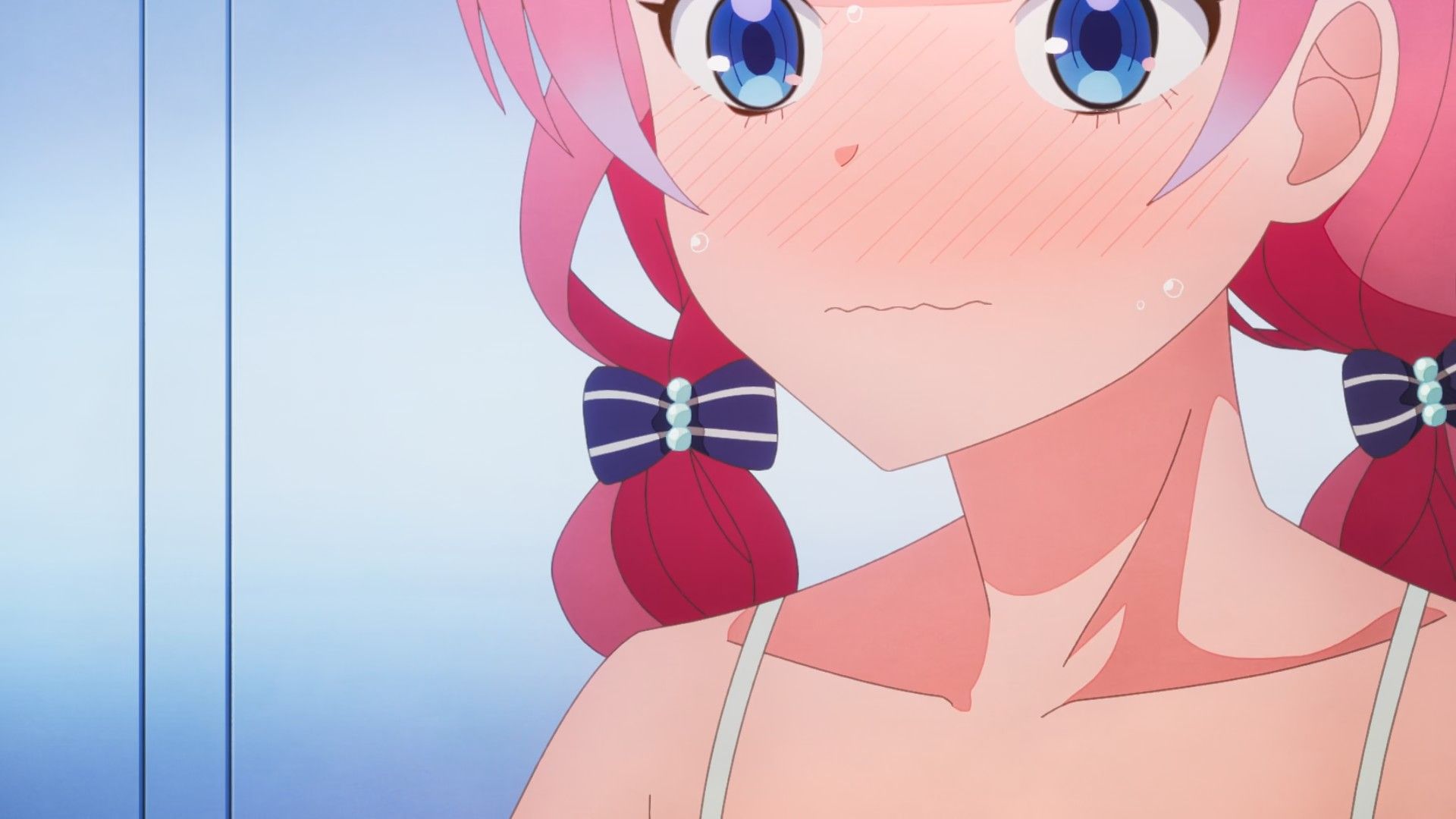
I also liked how often the series builds its mood through framing alone. There are shots from farther away, overhead views, blurred foregrounds, and small inserts focused on hands, hair, or subtle body movements. Thanks to details like these, even the quieter, more static scenes never feel lifeless. Quite the opposite—they carry tension, embarrassment, or the simple delicacy of the moment. The characters’ facial expressions also come across very well. The series lives through glances, hesitations, and tiny shifts in expression, so the fact that this was polished the most is a major plus in my book.
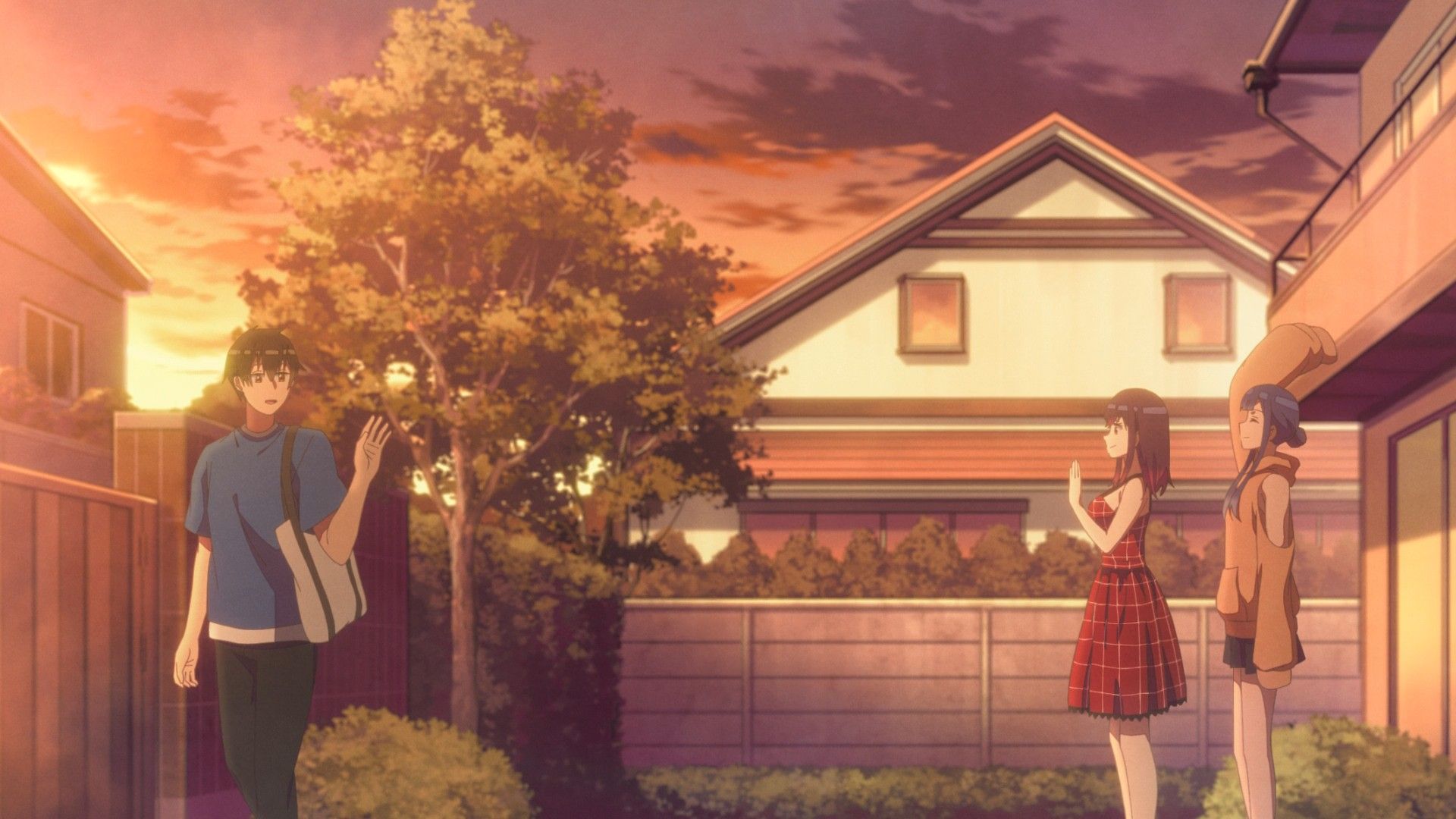
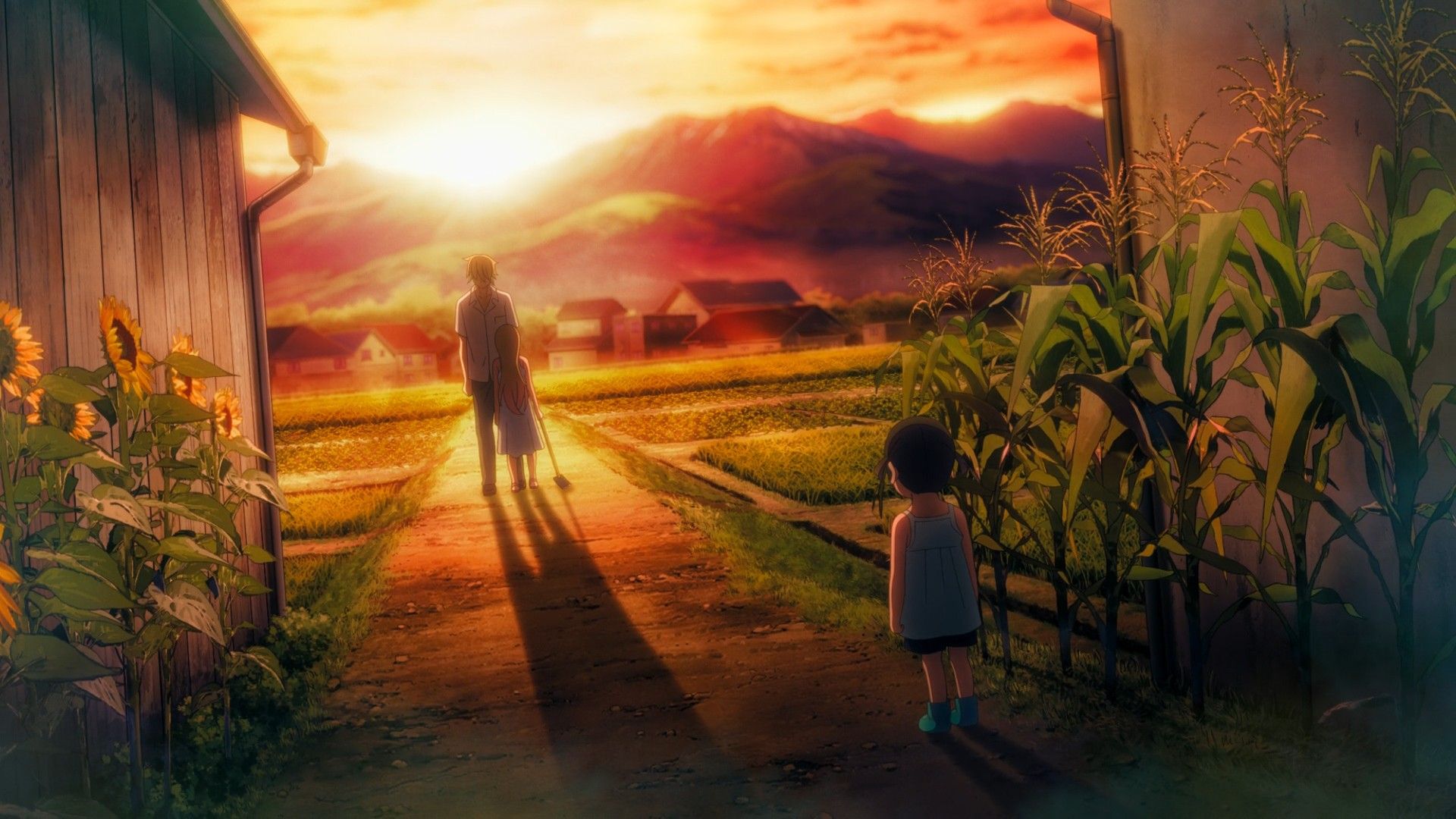
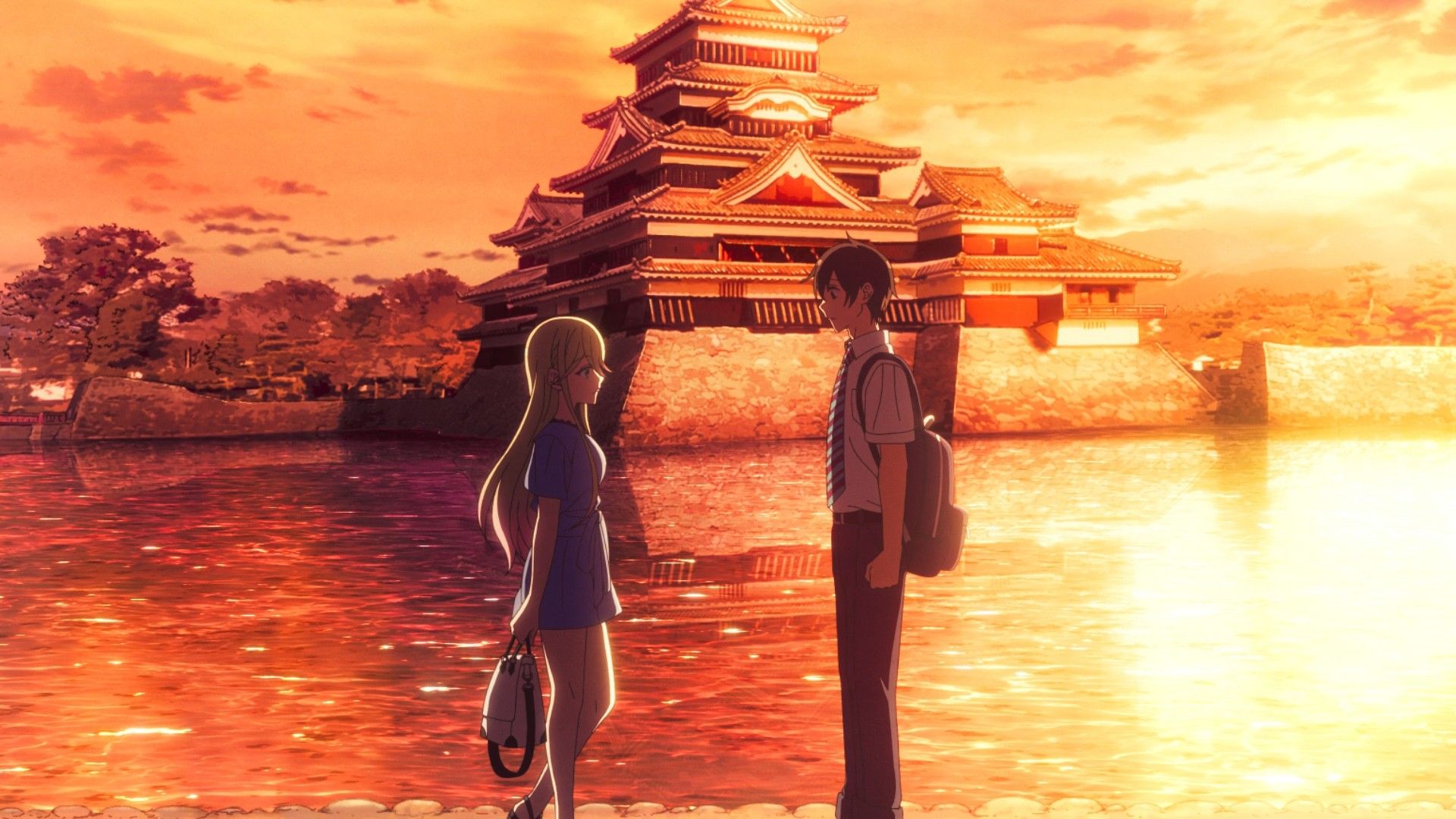
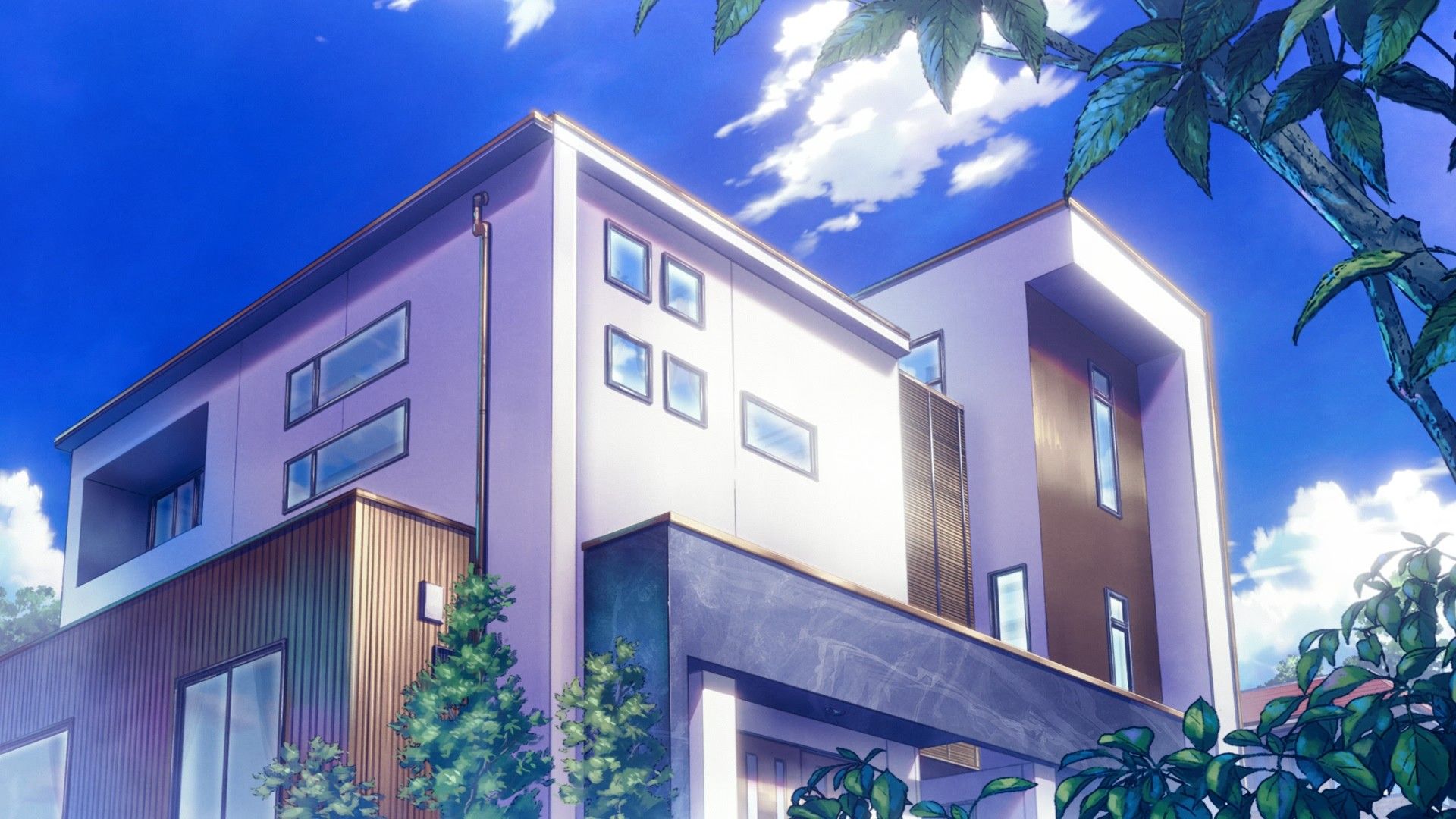
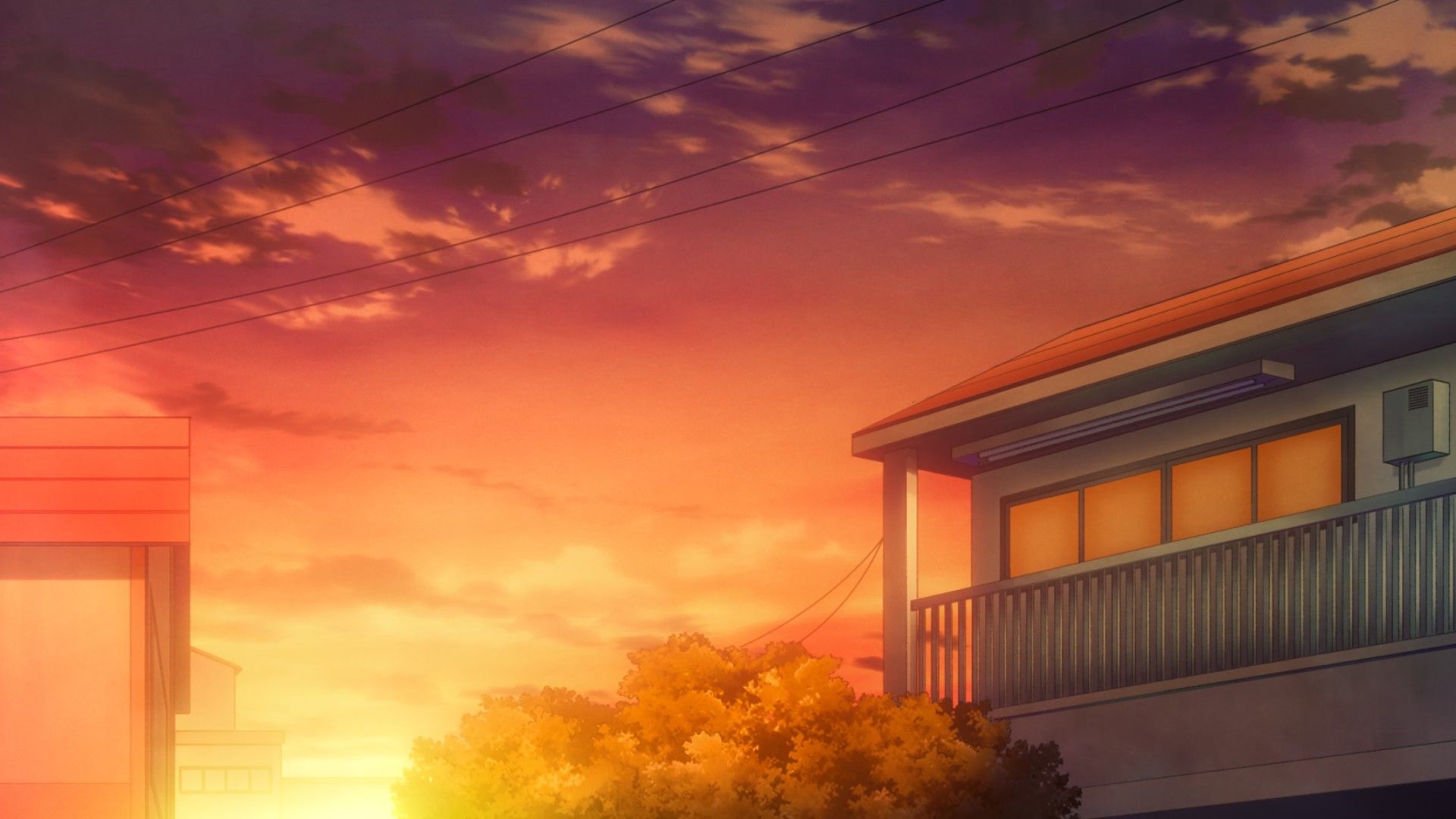
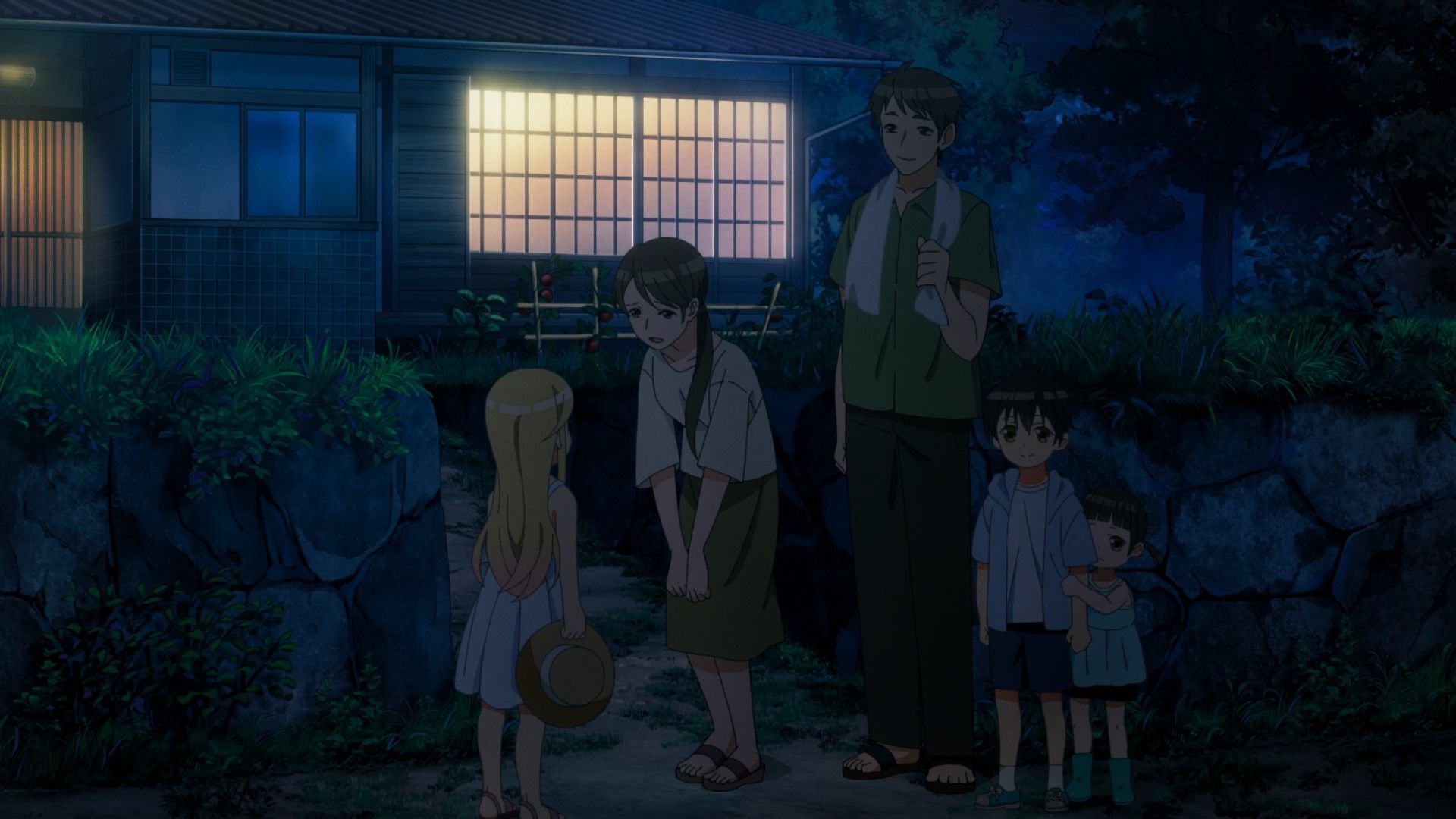
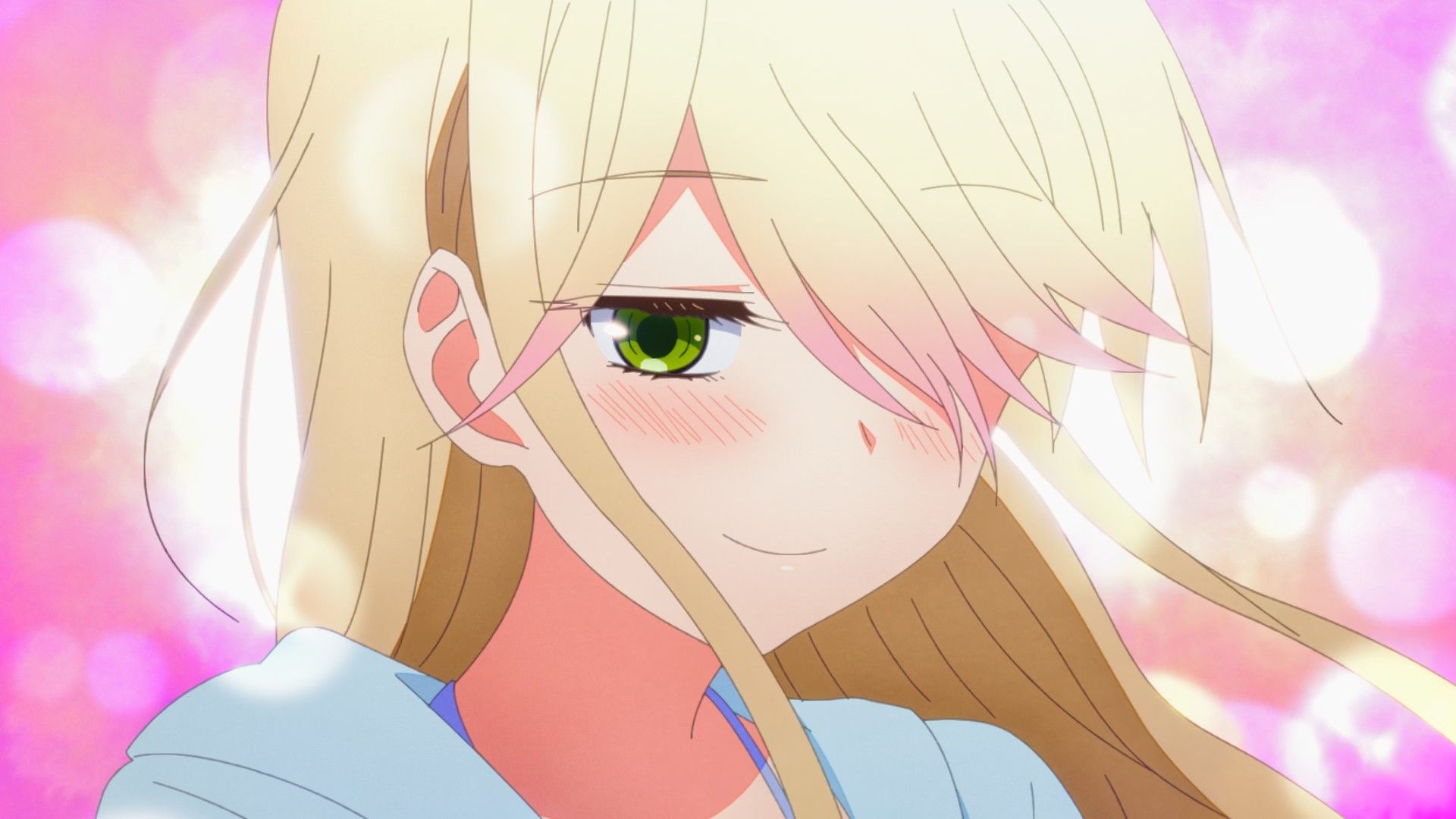
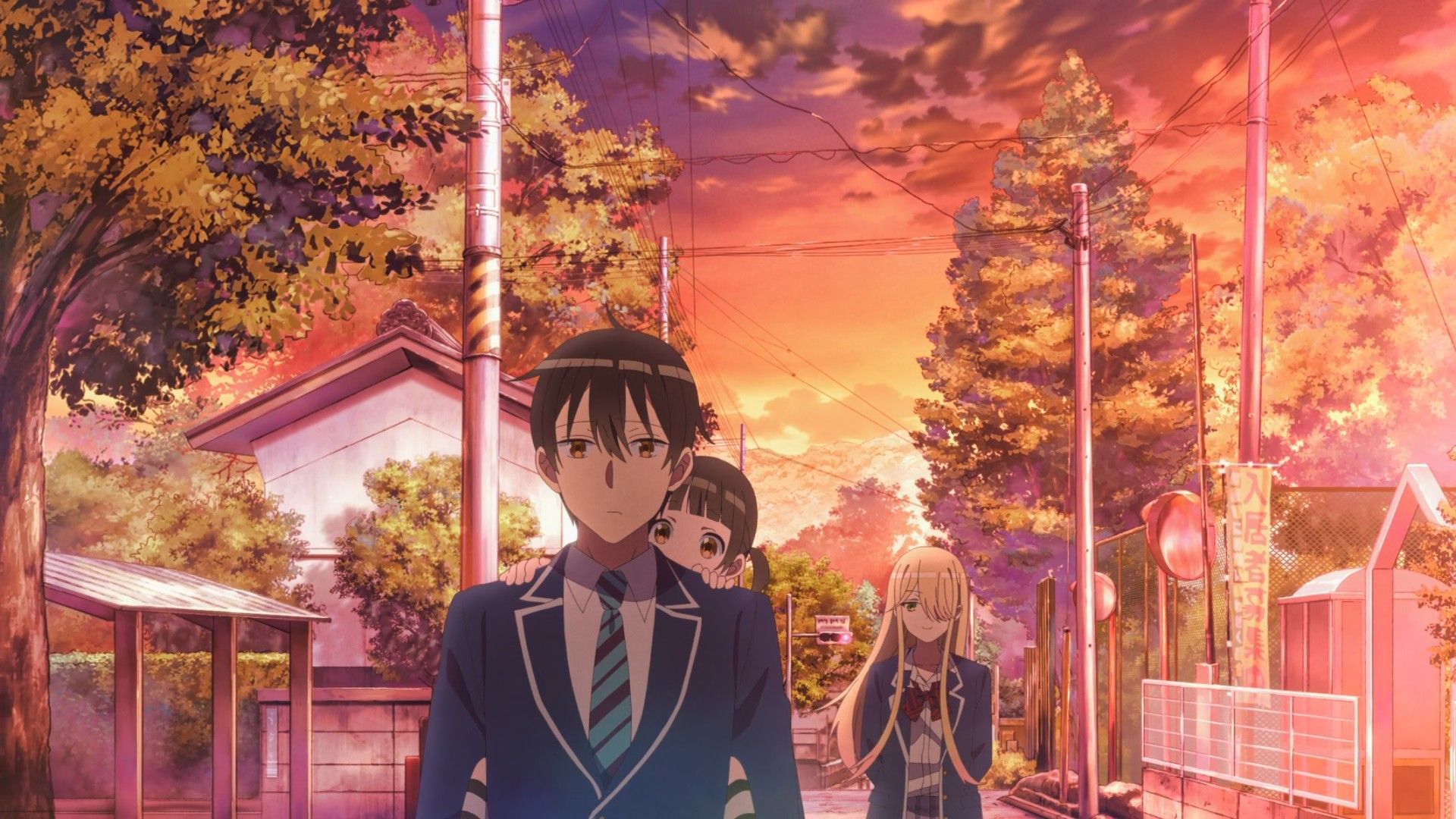
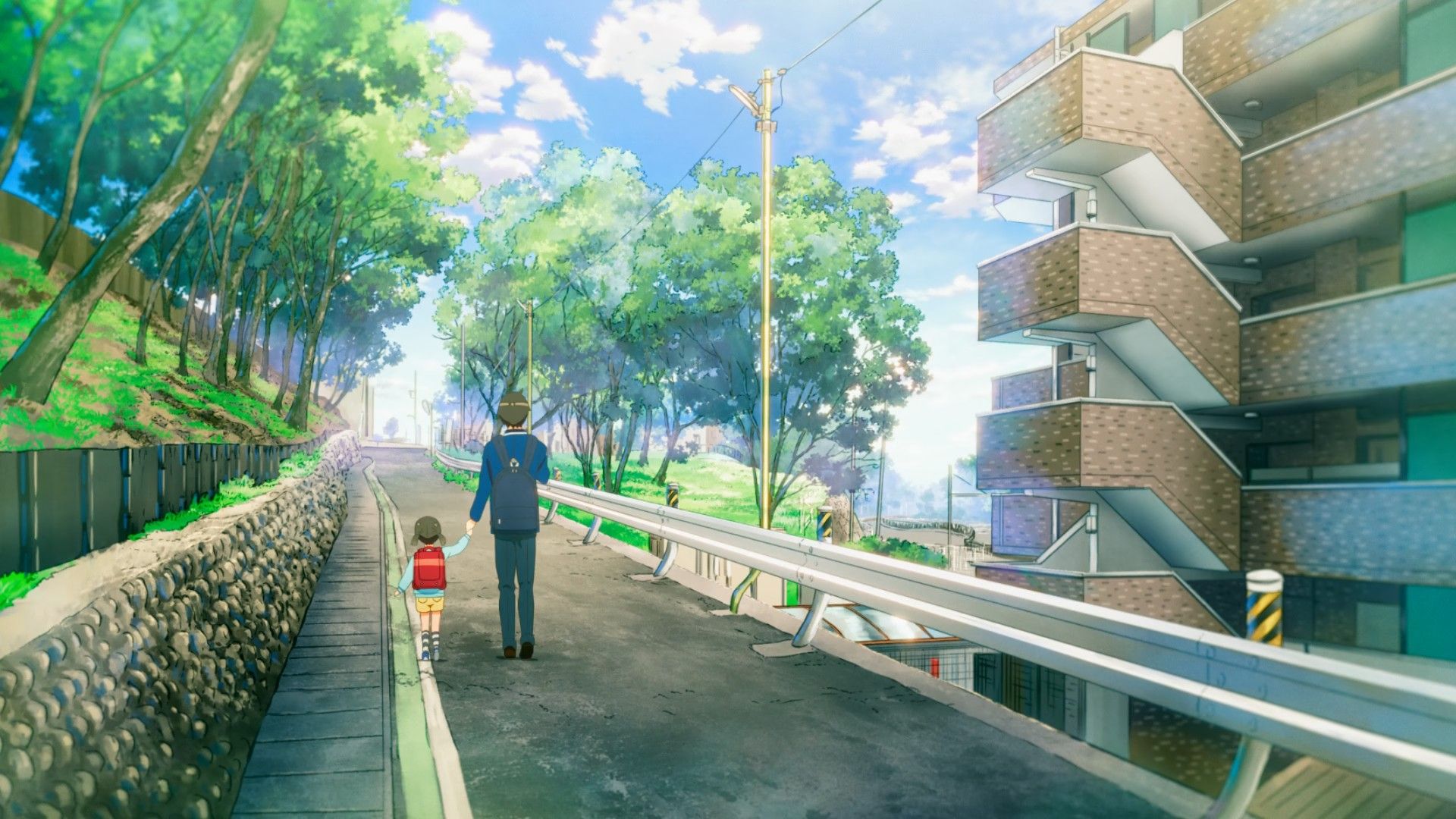
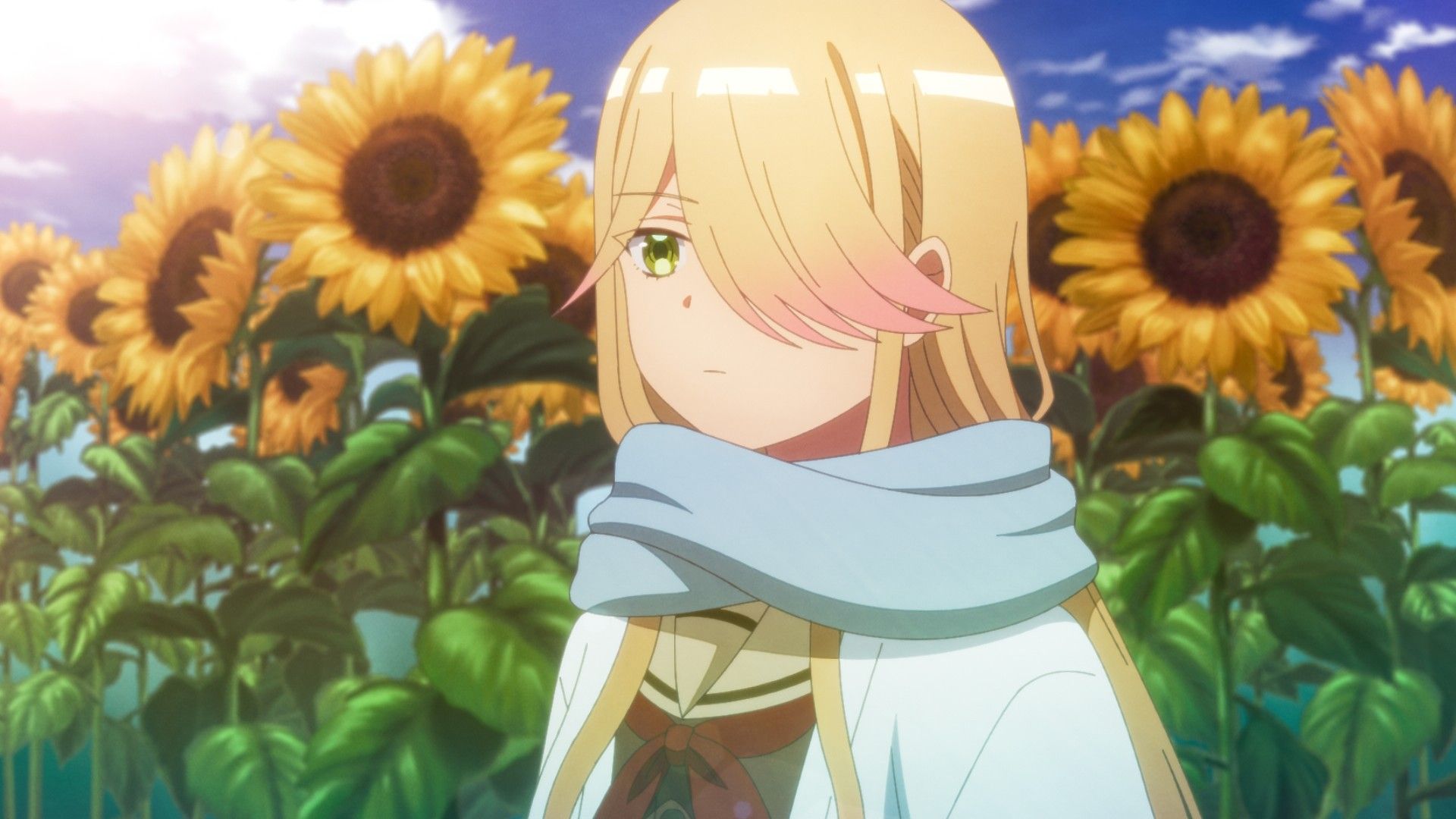
The outdoor scenery and all scenes connected with nature look the best, especially the garden and shots bathed in warm light. The interiors are more modest, at times even a little utilitarian in feel, but this does not hurt the overall impression.
Audio
Of course, what would a story built around the characters’ emotions and relationships be if the voice actors—or the sound directors themselves—failed to deliver? In Japanese works, that essentially never happens. As you might expect, Watari-kun no xx ga Houkai Sunzen has no such problem. Interestingly, the roles of the two main heroines went to actresses who do not yet have a huge amount of experience. Their names appear in only a few series, and mostly in supporting or even tertiary roles. I am talking about Yano Yumika (Satsuki) and Igoma Yurie (Yukari), who had already been brilliant as Hoshino Ruby (Oshi no Ko), so her talent, at least, is beyond question.
The main character, meanwhile, is played by Umeda Shuuichirou. He already has much more experience and several very good lead roles to his name. The more recognizable names appear only in supporting roles: Nakajima Yoshiki, Yasuno Kiyono, Saitou Souma, Oozora Naomi, and Ichimichi Mao.
The soundtrack did not stand out in any particular way. It is exactly what you tend to get in series of this type from the post-2010 era, where composers unfortunately leaned more toward generic background mood-setting than uniqueness, a distinctive sound, or unforgettable compositions that fans can recognize years after release. The soundtrack does its job, but nothing beyond that.
Watari-kun no xx ga Houkai Sunzen (2025) – Plot and Characters
Introduction
I picked this series to watch while choosing titles from the summer 2025 lineup. What caught my interest most were the poster, the subject matter, and the PV, which set the bar rather high right from the start.
A Brief Overview of the Watari-kun no xx ga Houkai Sunzen (2025) Plot
Watari Naoto is a second-year high school student who, after his parents’ death, essentially devoted his entire life to caring for his younger sister, Watari Suzushiro. The two of them live with their aunt, Watari Tamayo. Naoto himself functions in the school environment more as a guardian and a person burdened with responsibilities than as an ordinary teenager. His everyday life is turned upside down, however, when Tachibana Satsuki returns to school. She is a childhood friend who, six years earlier, destroyed a garden important to his family and then suddenly vanished from his life. At the same time, Ishihara Yukari also begins to grow closer to him. She is the school beauty whom Naoto has long admired from a distance. Over time, Umezawa Makina complicates the situation even further, and the story turns into an emotionally dense web of relationships where everyone feels something, everyone fears something, and no one knows how to say everything outright.
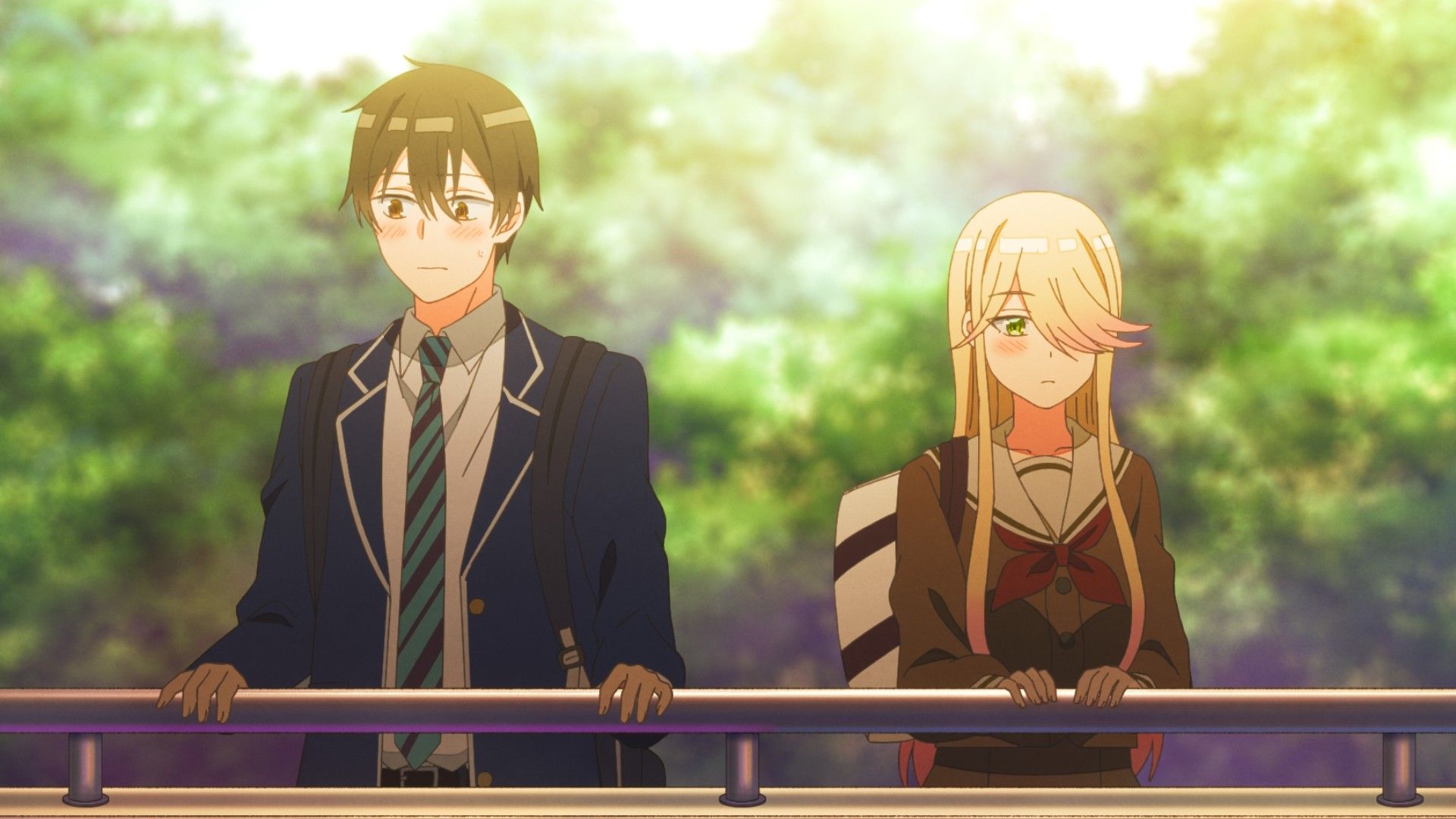
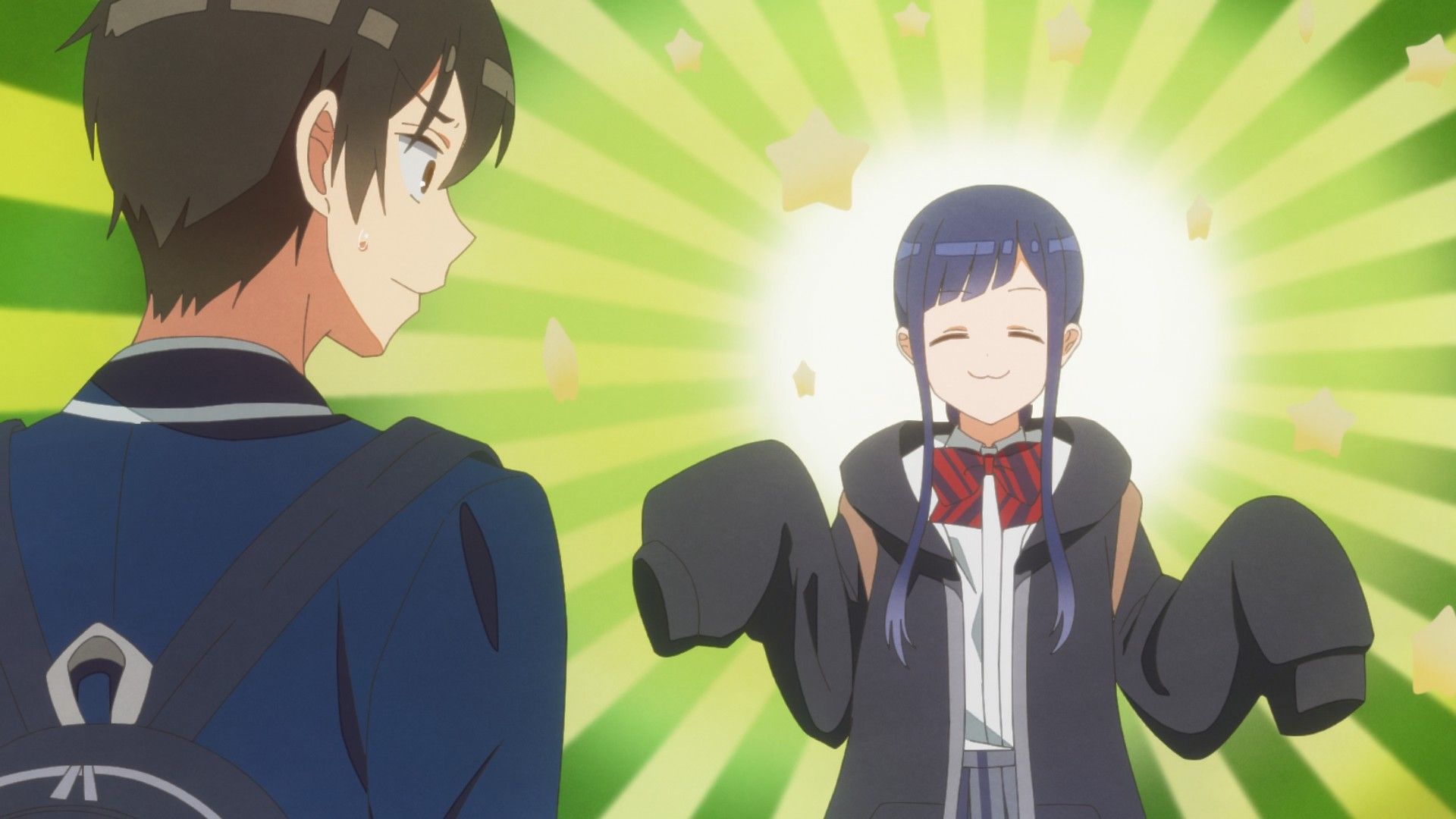
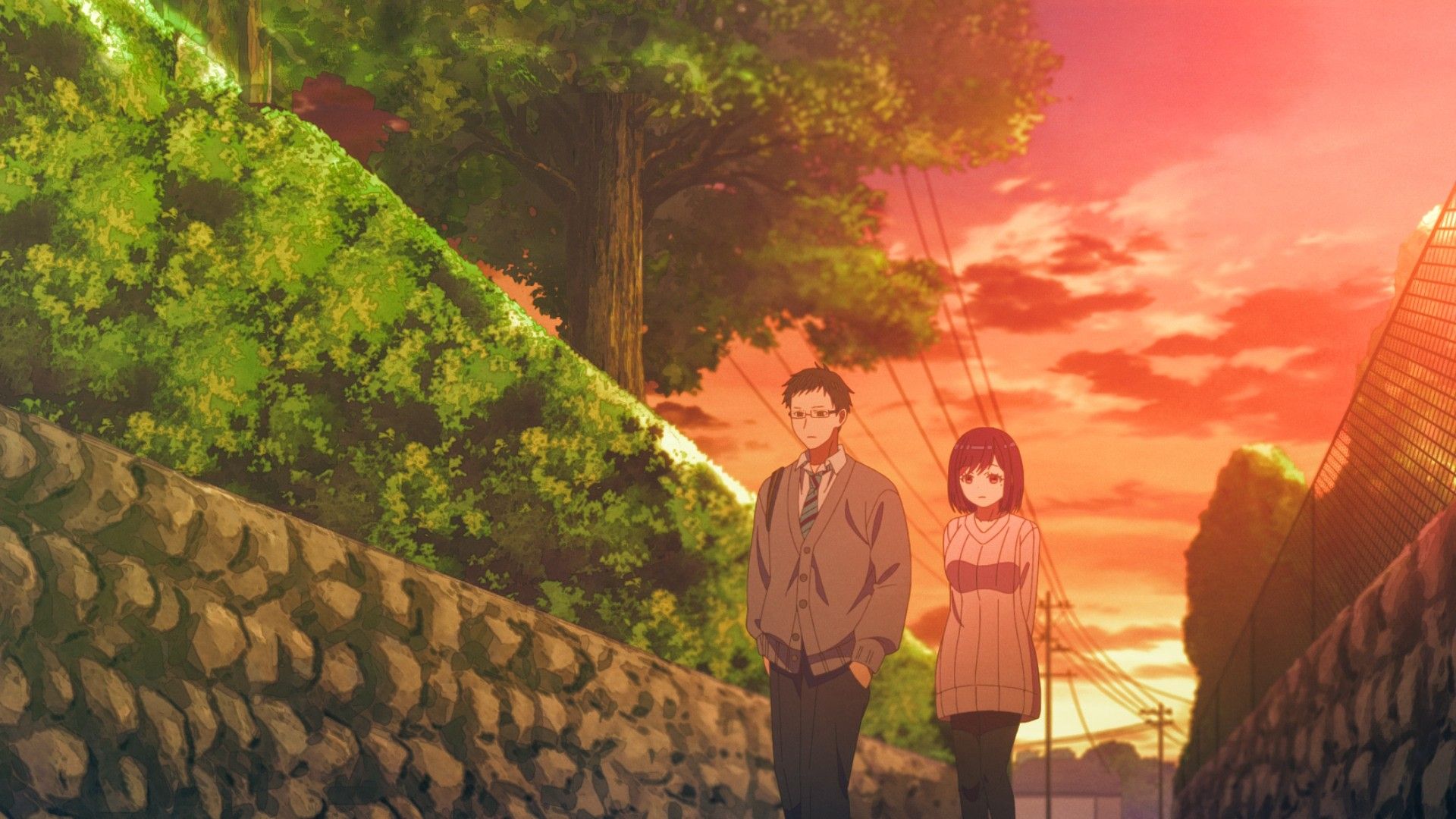
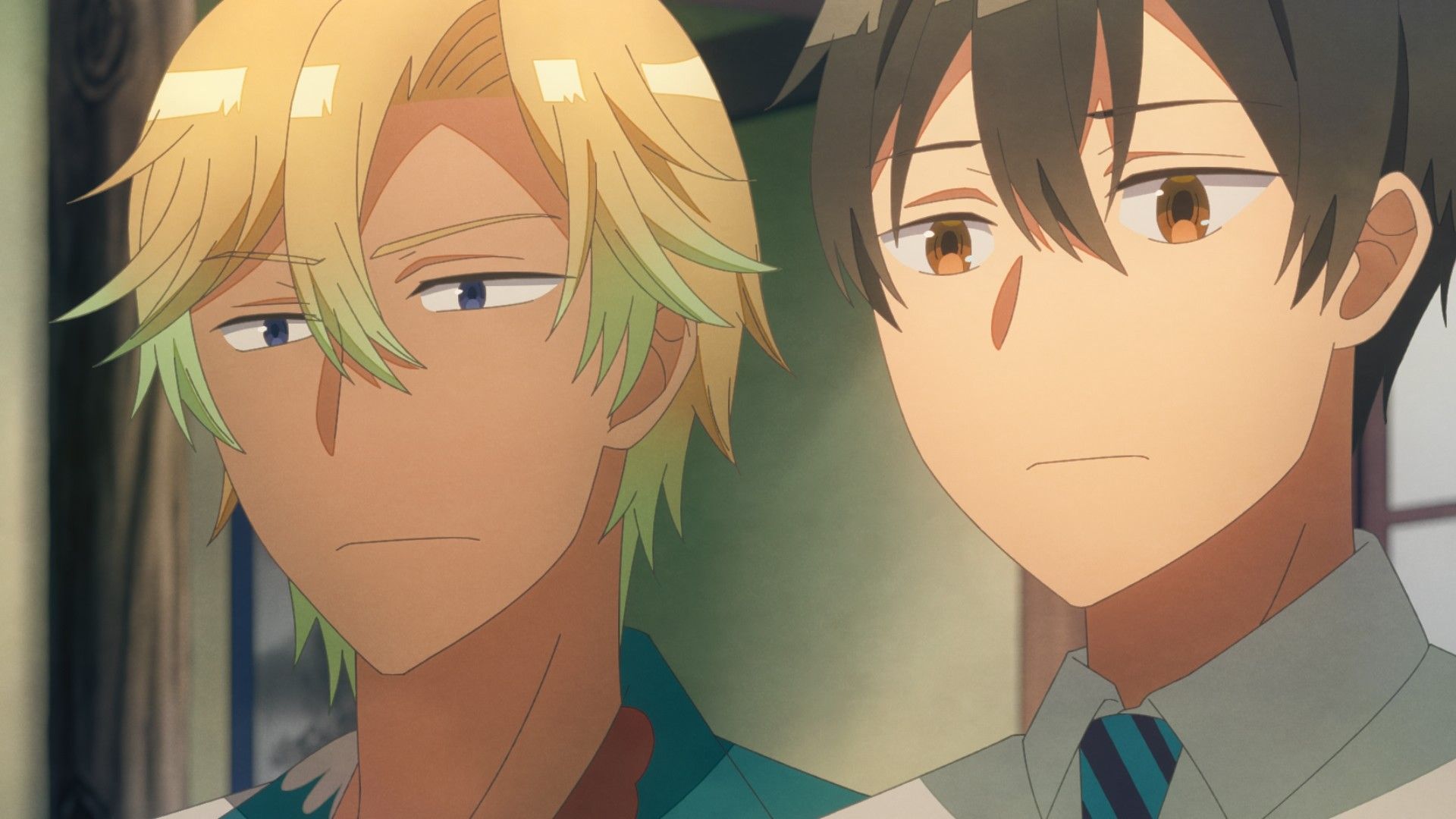
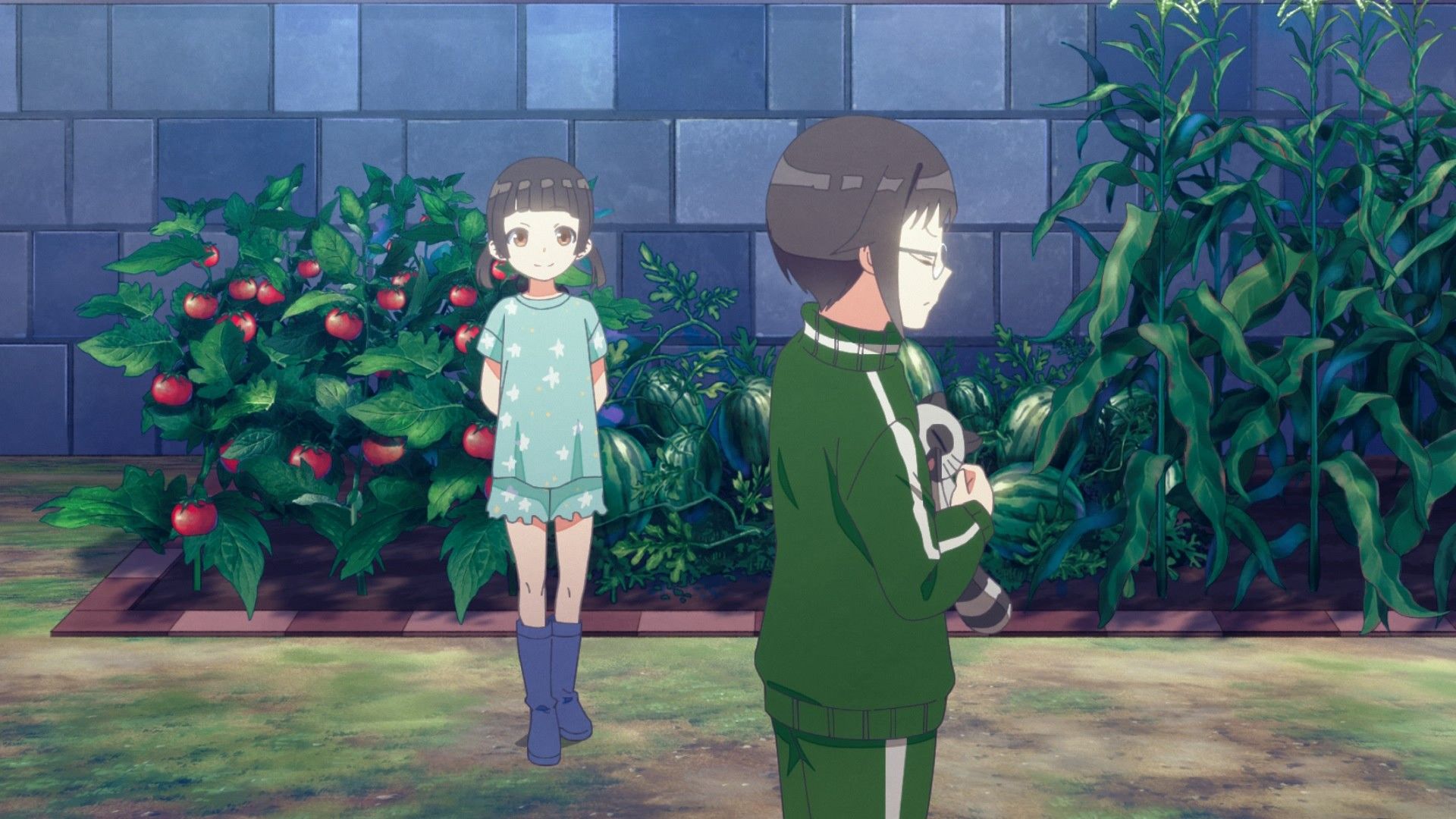
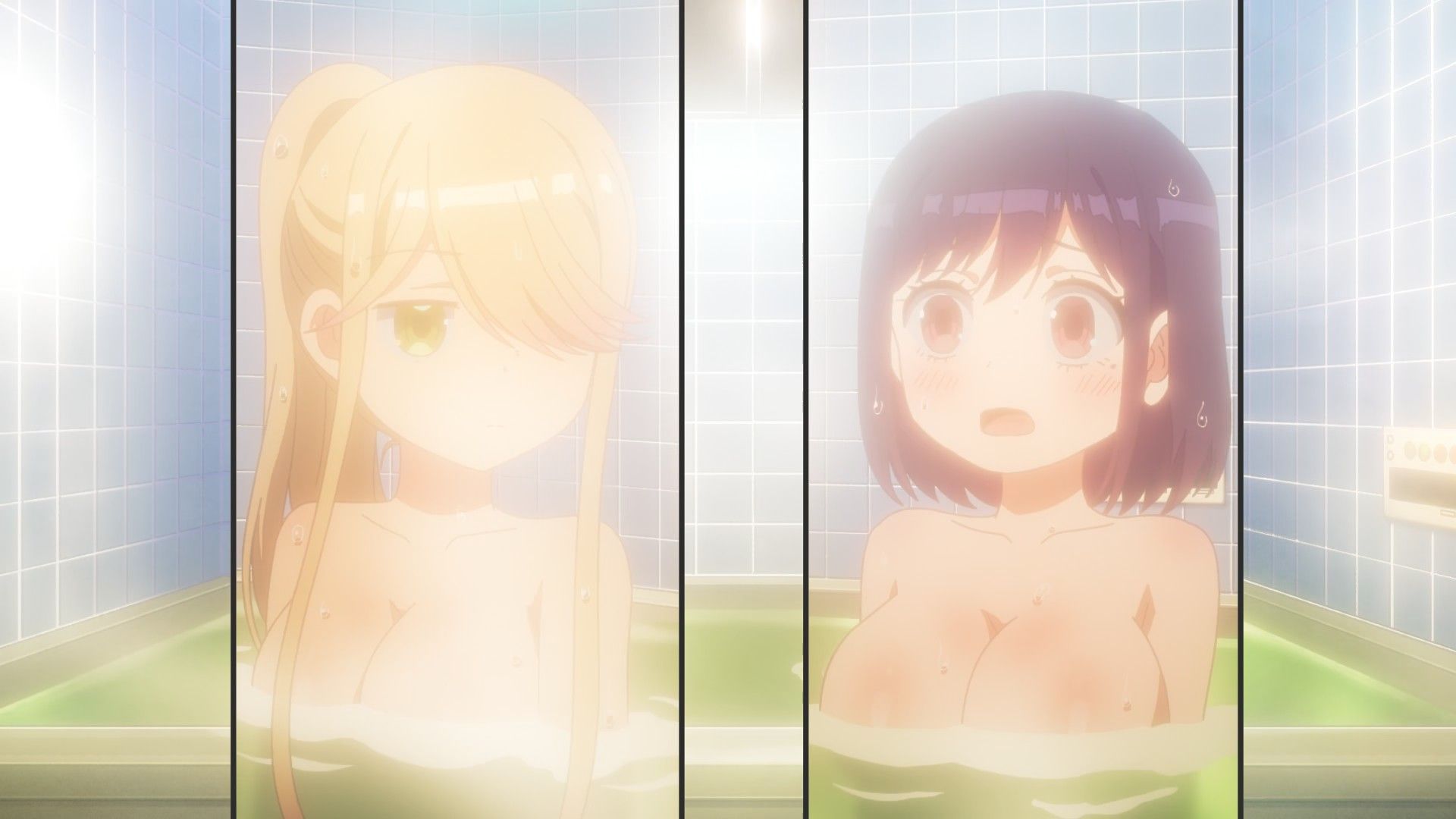
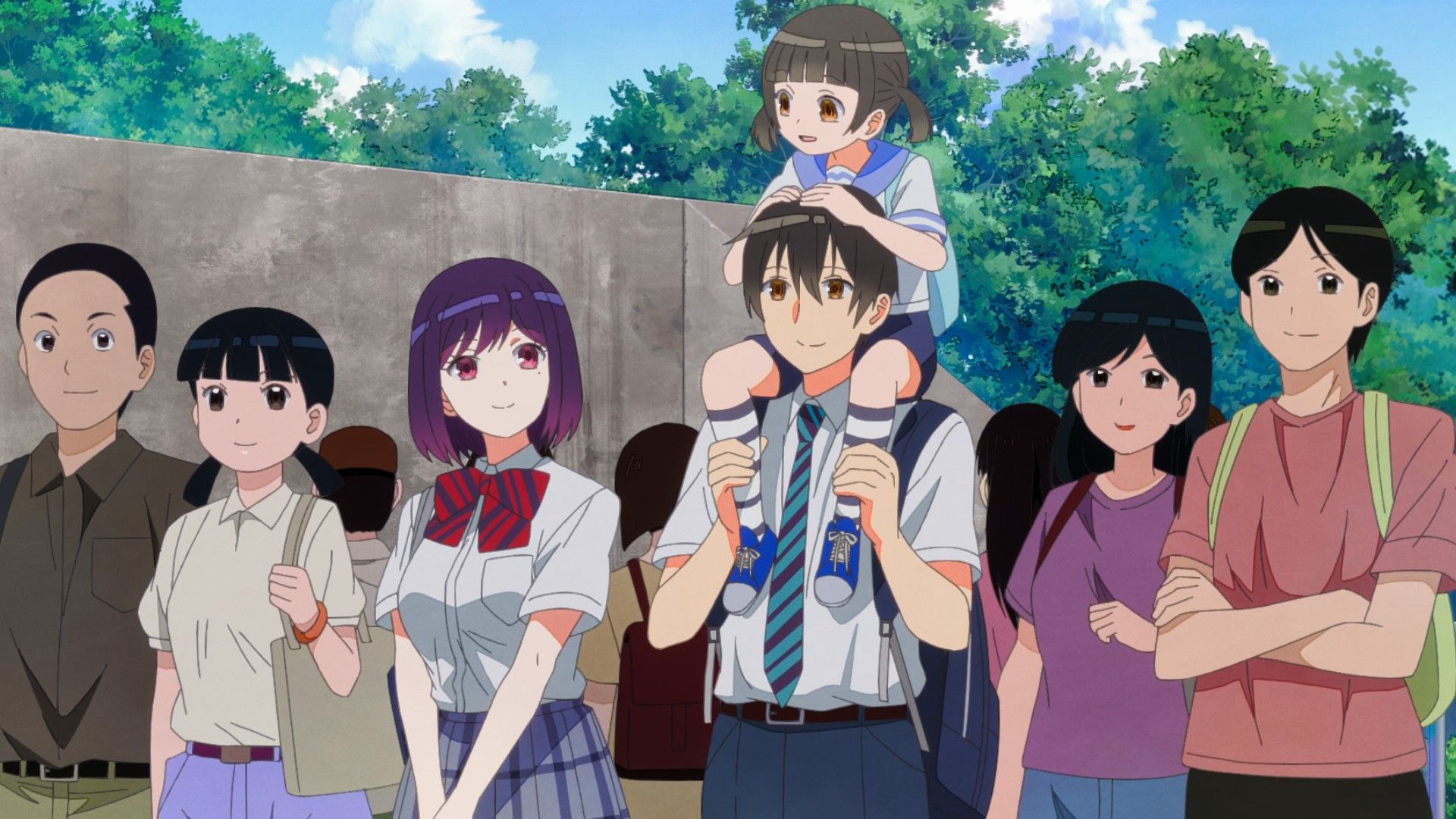
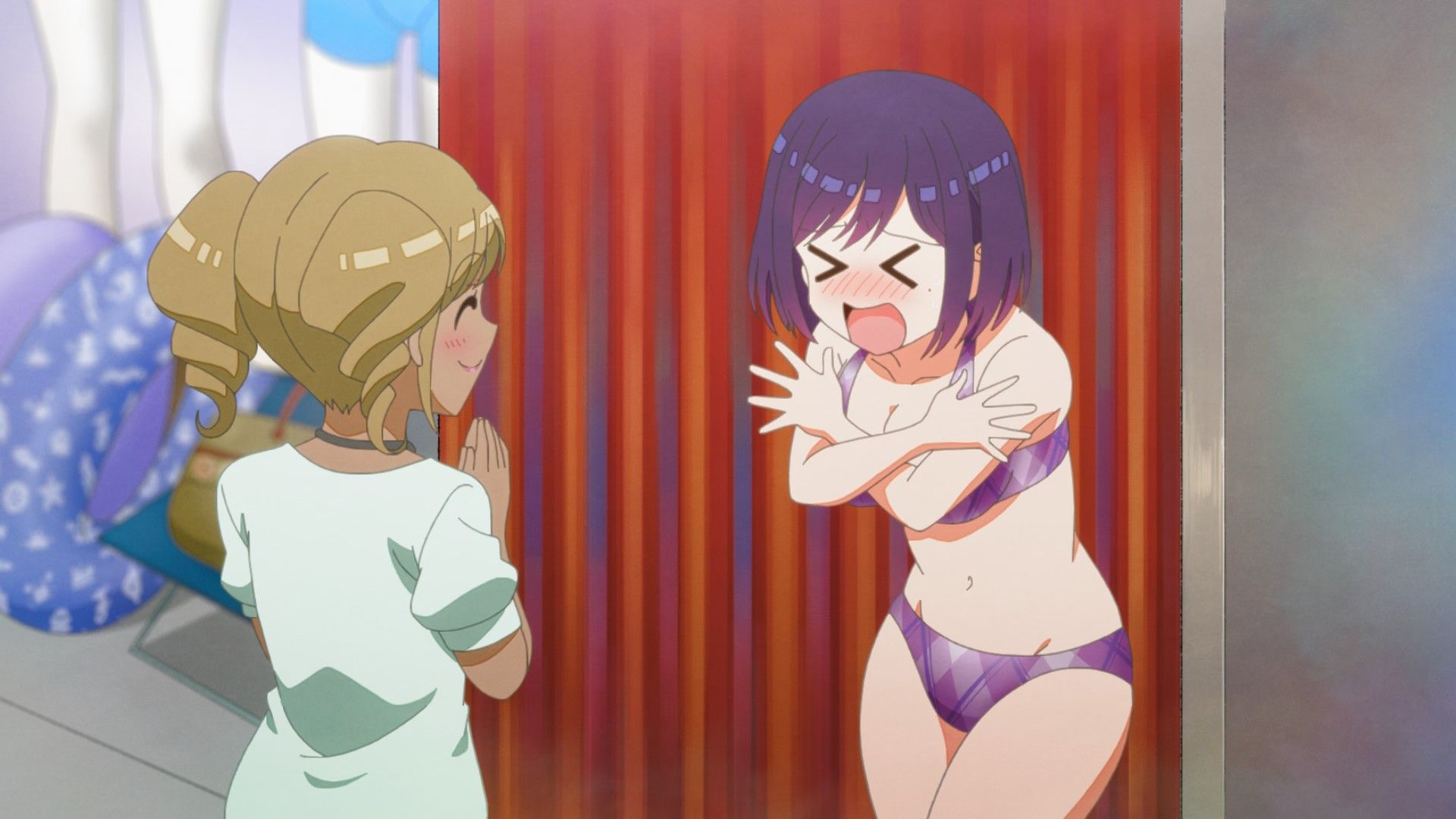
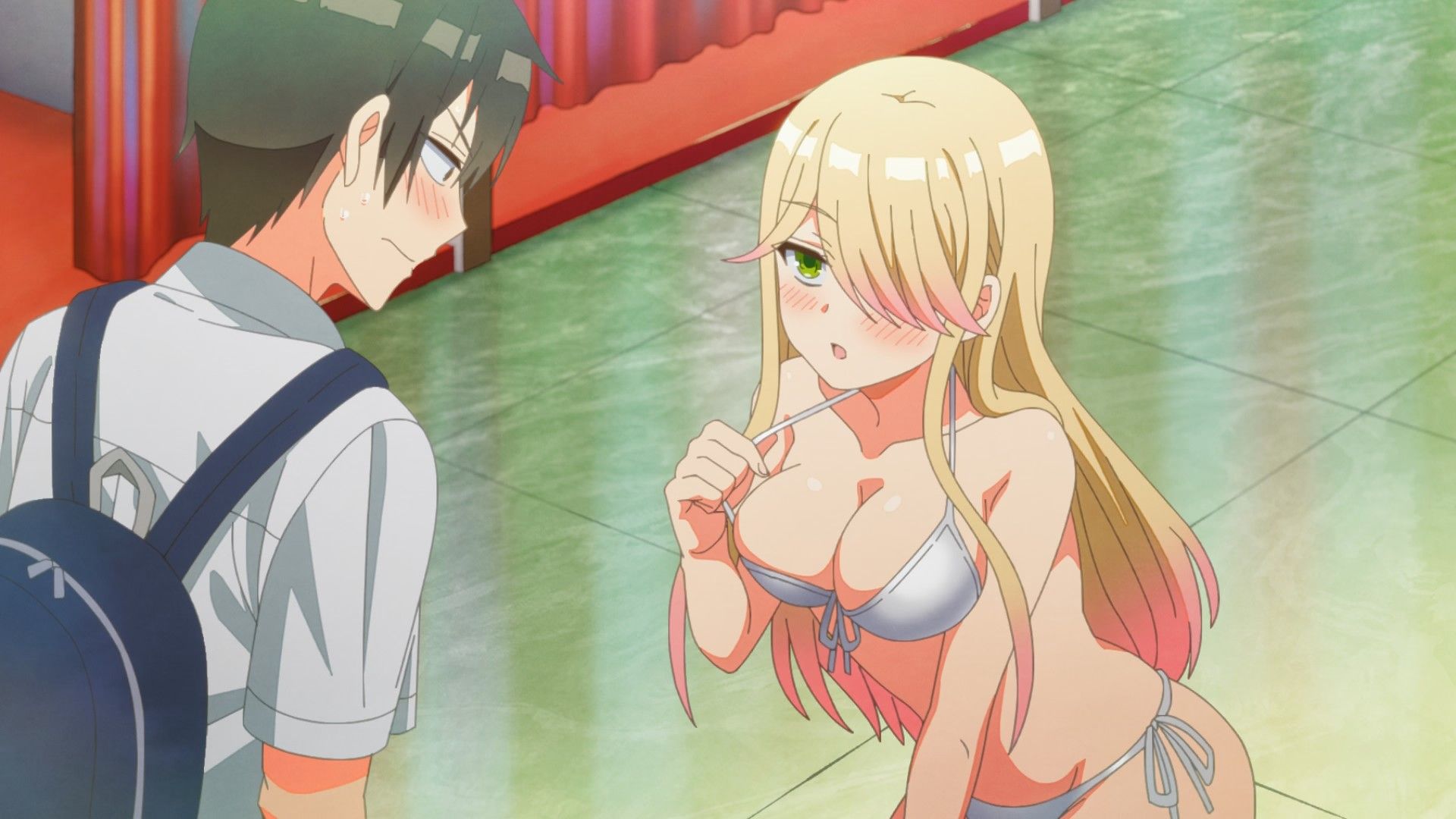
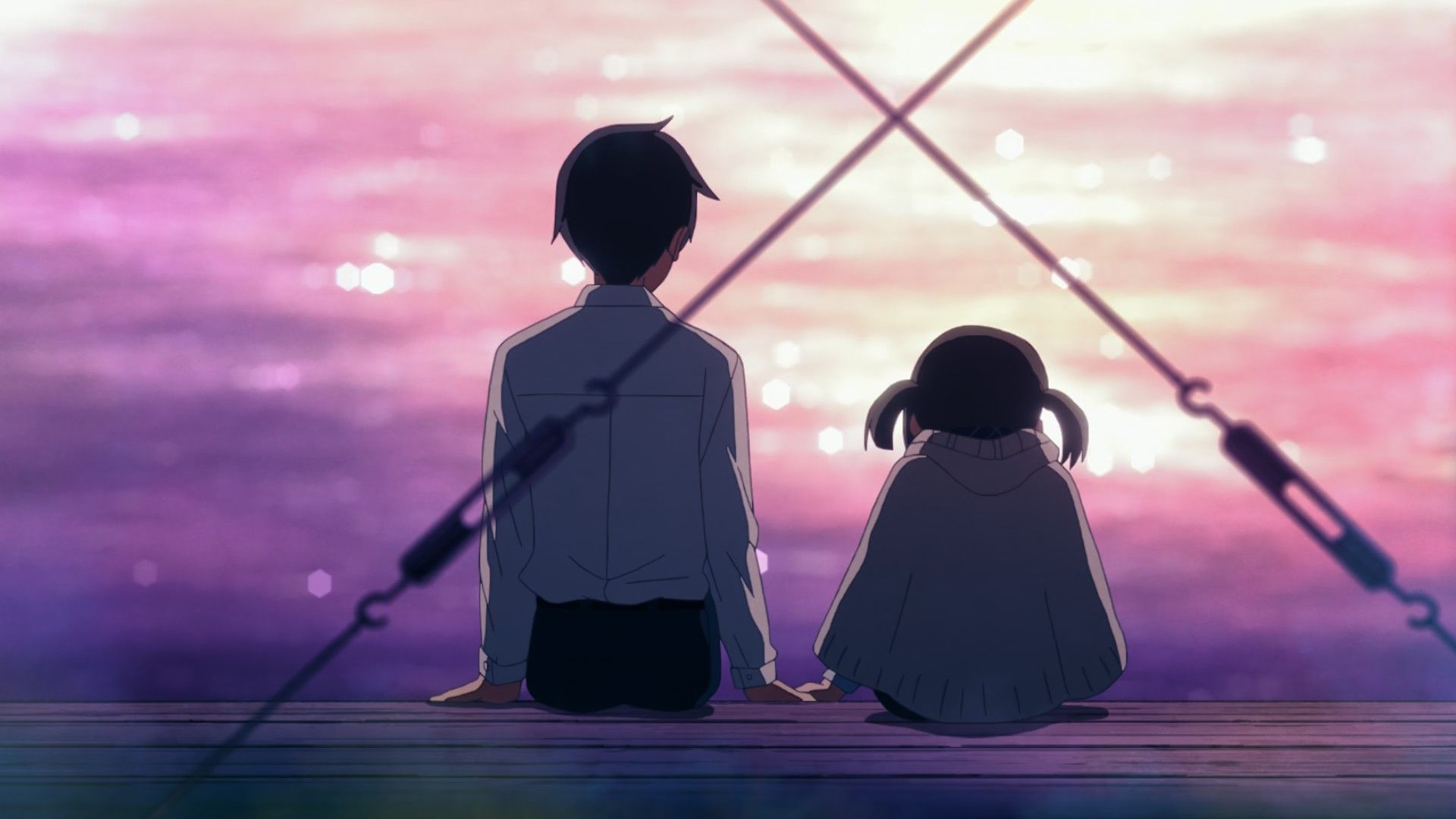
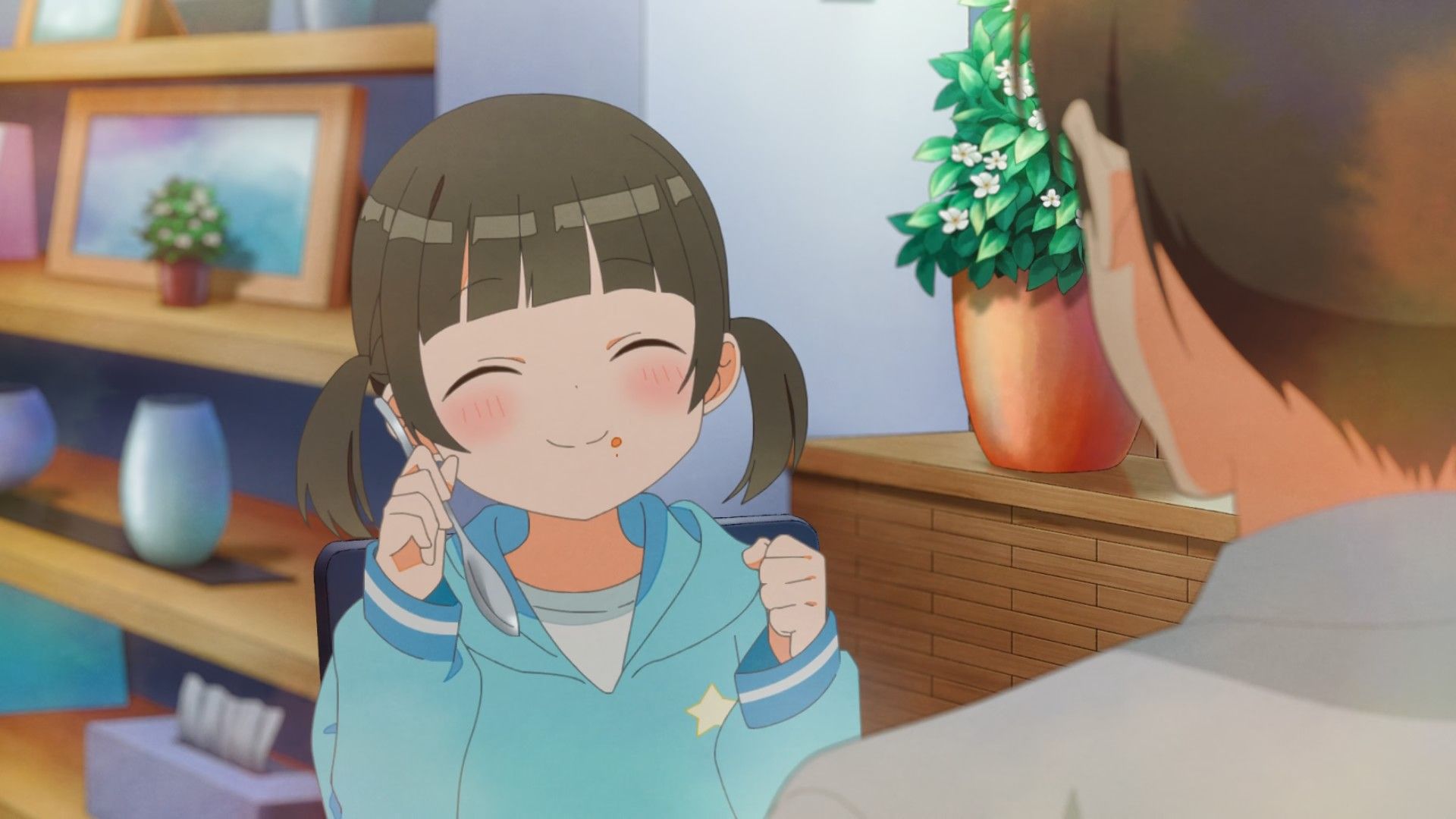
On paper, this sounds like material for a classic romance anime with a dash of fanservice and a standard love polygon. Which, in itself, is obviously nothing bad. To put it simply—that was the main reason this title caught my attention. In practice, however, Watari-kun no xx ga Houkai Sunzen fairly quickly begins to play a different game. Rather than the intrigue itself, it is more interested in why the characters are the way they are, where their behavior comes from, and how deeply the past can distort the way someone looks at love, family, and intimacy.
What is the series about
What I liked most was that the strength of this story is not even the content itself, understood as what happens, but the way each event exposes the characters’ psychology. Watari Naoto is not simply an indecisive protagonist who cannot choose anyone because the script needs him to stay that way. His problem has a specific source. He grew up in the shadow of his parents’ tragedy. He stepped into the role of guardian very early and learned to treat his own needs as something potentially dangerous. Because of that, every serious emotional decision grows in his mind to the scale of a disaster. It is no longer even about rejecting one person. It is more about a panicked fear that once he makes a choice, it will destroy something irreversibly. That is precisely why his wavering, though irritating at times, makes sense and comes from his character.
Relationships Between the Characters
The contrast between two completely different types of relationships also works very well. On one side, we have a feeling built on idealization, distance, and imagination. On the other, a relationship that from the very beginning is covered in old wounds, guilt, strange tension, and chaos. And that clash does a tremendous amount of work here. The series shows very accurately that love based on an image of another person, even a beautiful one, may simply not survive contact with reality. Equally strong is the idea that true closeness often begins only when you have to accept someone’s cracks, not just the traits that are easy to love.
The garden motif is also far from insignificant. Here, the garden essentially becomes the emotional center of the series. It is a place tied to childhood, family, loss, but also to the gradual rebuilding of bonds. The very idea of plants supporting one another works surprisingly well as a metaphor for the relationships between the characters. It is not delivered with a heavy hand, but it is clear enough to stay in the memory. I was also genuinely moved by the fact that, as the story progresses, the garden stops being the private symbol of a single conflict and becomes something more shared. In this place, you can really feel that the series thinks about family more broadly than just through blood ties.
Fanservice and Physicality
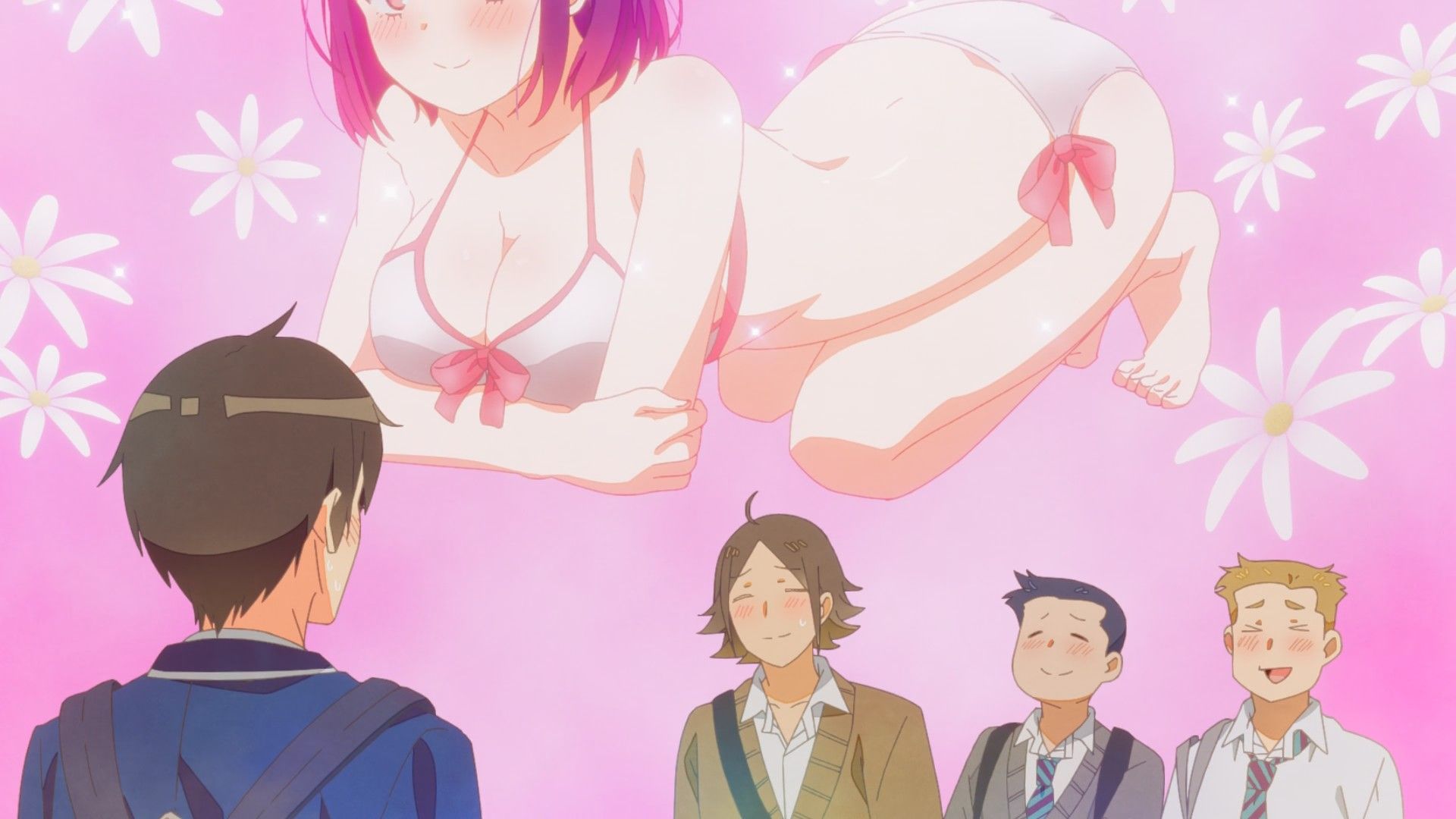
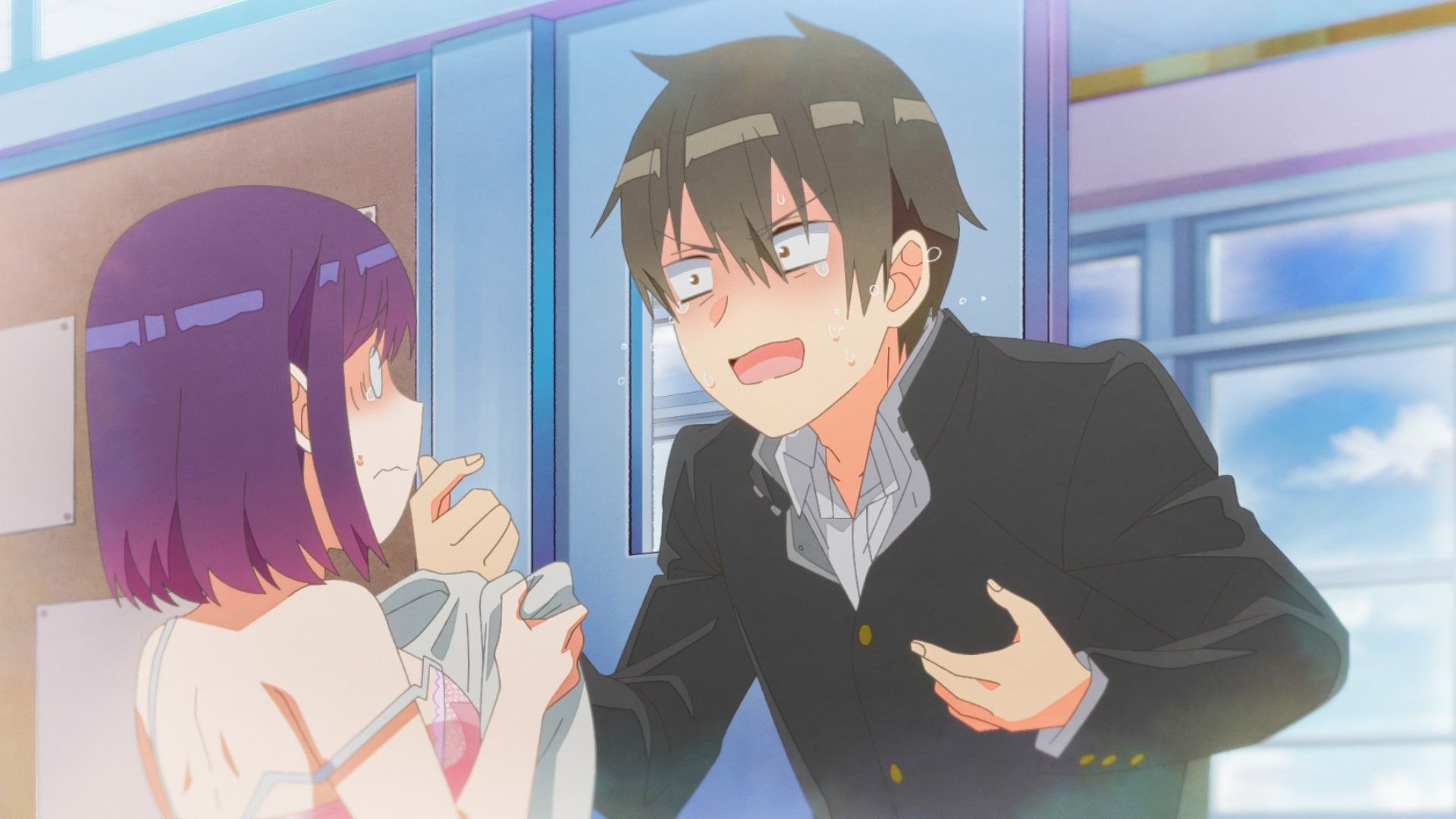
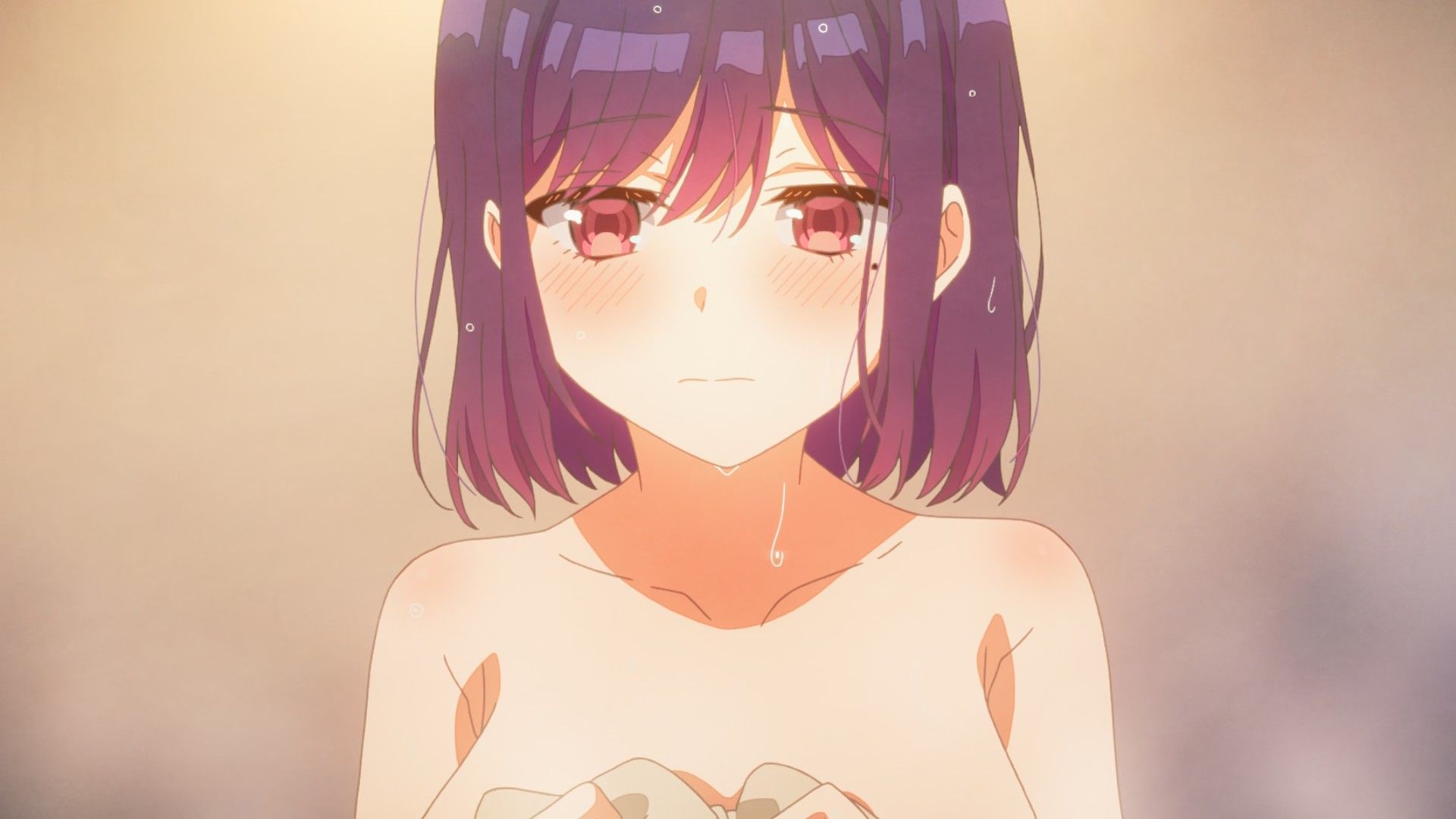
At first glance, it is easy to get the impression that the series will use fanservice mainly in a provocative or comedic way. Again, that is not bad in itself. This element can genuinely make a series more enjoyable to watch and, as an addition to everything else, simply enrich the title. In the end, however, this thread also works in a much more mature way. Desire, embarrassment, fear of one’s own body, or using physical closeness as a protective shield are not empty decoration here. They say something very specific about the characters. As a result, even scenes that in another title might serve purely as fanservice carry clear emotional weight here.
Pacing
The pacing can be slow. At times, it even feels stubborn in how it lingers on the characters’ hesitations, but that actually suits this type of story. Pushing this plot too quickly from point A to point B would destroy a large part of its meaning. Here, what matters is that every silence means something. Every step backward comes from something, and when a more genuine move forward finally happens, it has the right weight. Not everything follows the most obvious path, and that is exactly what worked so well for me. The characters’ decisions truly come from who they are, not from a genre formula.
Characters
The series handles characterization and the way it presents relationships really well. The characters are not just clusters of archetypes whose only purpose is to play their roles in a love polygon. The archetypes are, of course, present here—because why reinvent the wheel when they simply work? Still, each character has their own defense mechanisms, their own wounds, and their own way of speaking or not speaking about their feelings. As a result, their interactions do not feel like scenes written according to a genre checklist, but like something far more organic. One person idealizes, another provokes, a third manipulates their own dependence, and a fourth tries to understand everything from the sidelines. It is precisely through this clash of temperaments that the story feels so alive. From episode to episode, you increasingly feel that you are watching not so much romantic banter as people trying to build closeness while still being unable to carry their own emotions in a healthy way.
Watari Naoto
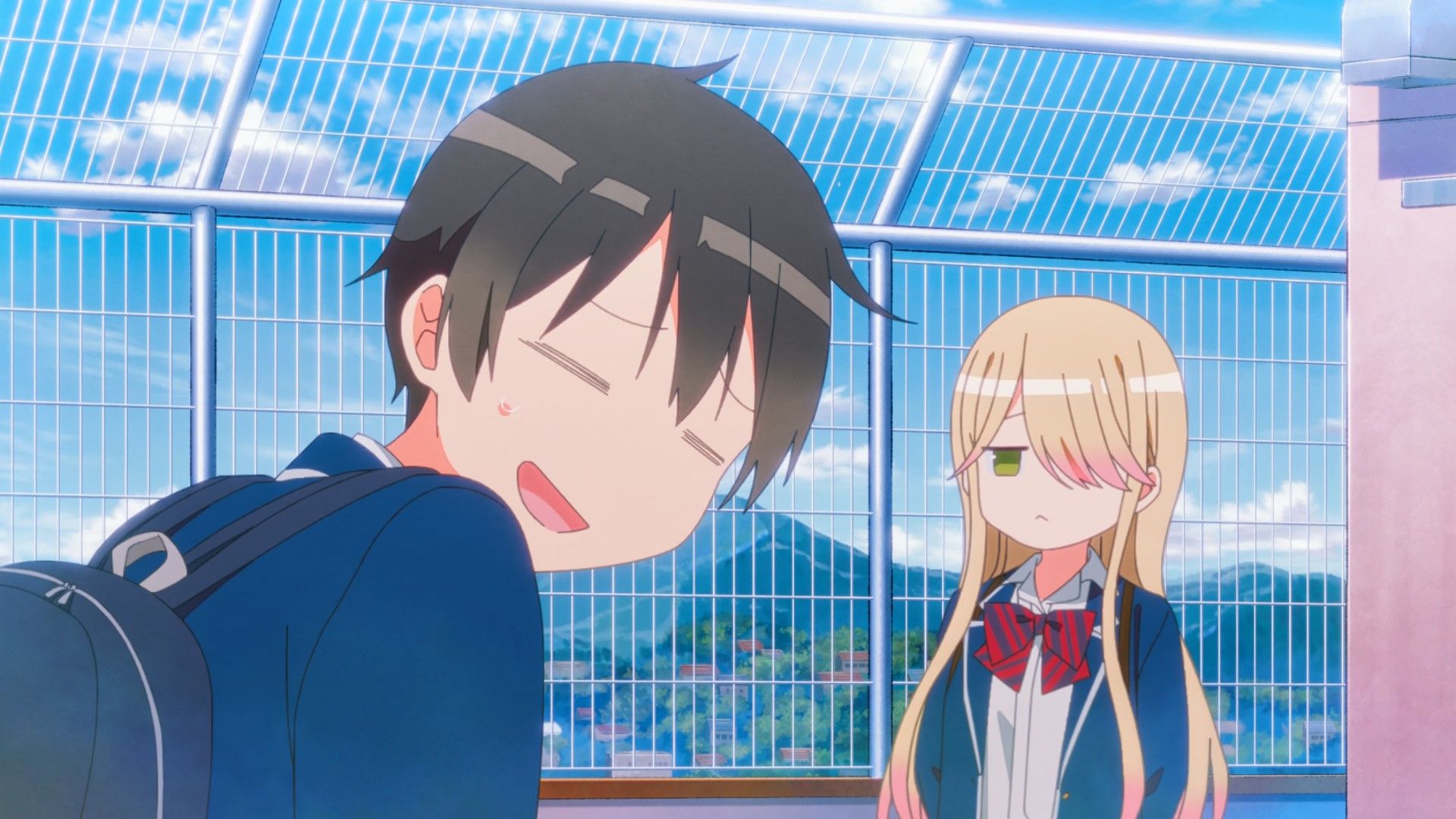
He is a character who would be very easy to dismiss as yet another insecure protagonist. For a long time, he behaves in ways that can sometimes be irritating because of his indecisiveness. In his case, however, that attitude has genuinely solid foundations. Naoto is deeply responsible, used to sacrificing himself, and at the same time completely unprepared to experience his own feelings in a healthy way. He does not so much live for Watari Suzushiro as hide behind that role a little. Thanks to it, he does not have to risk entering into a real relationship.
Tachibana Satsuki
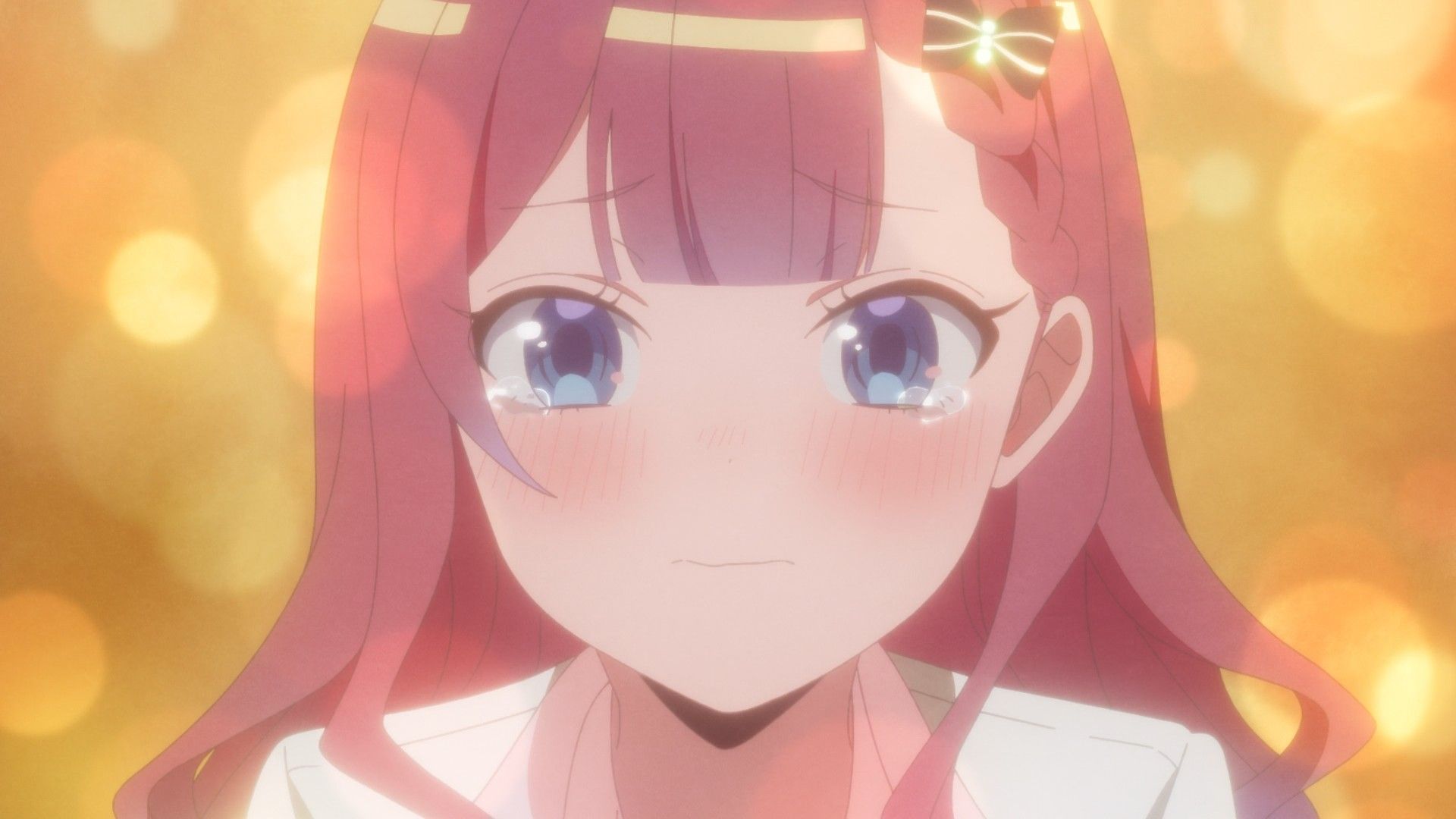
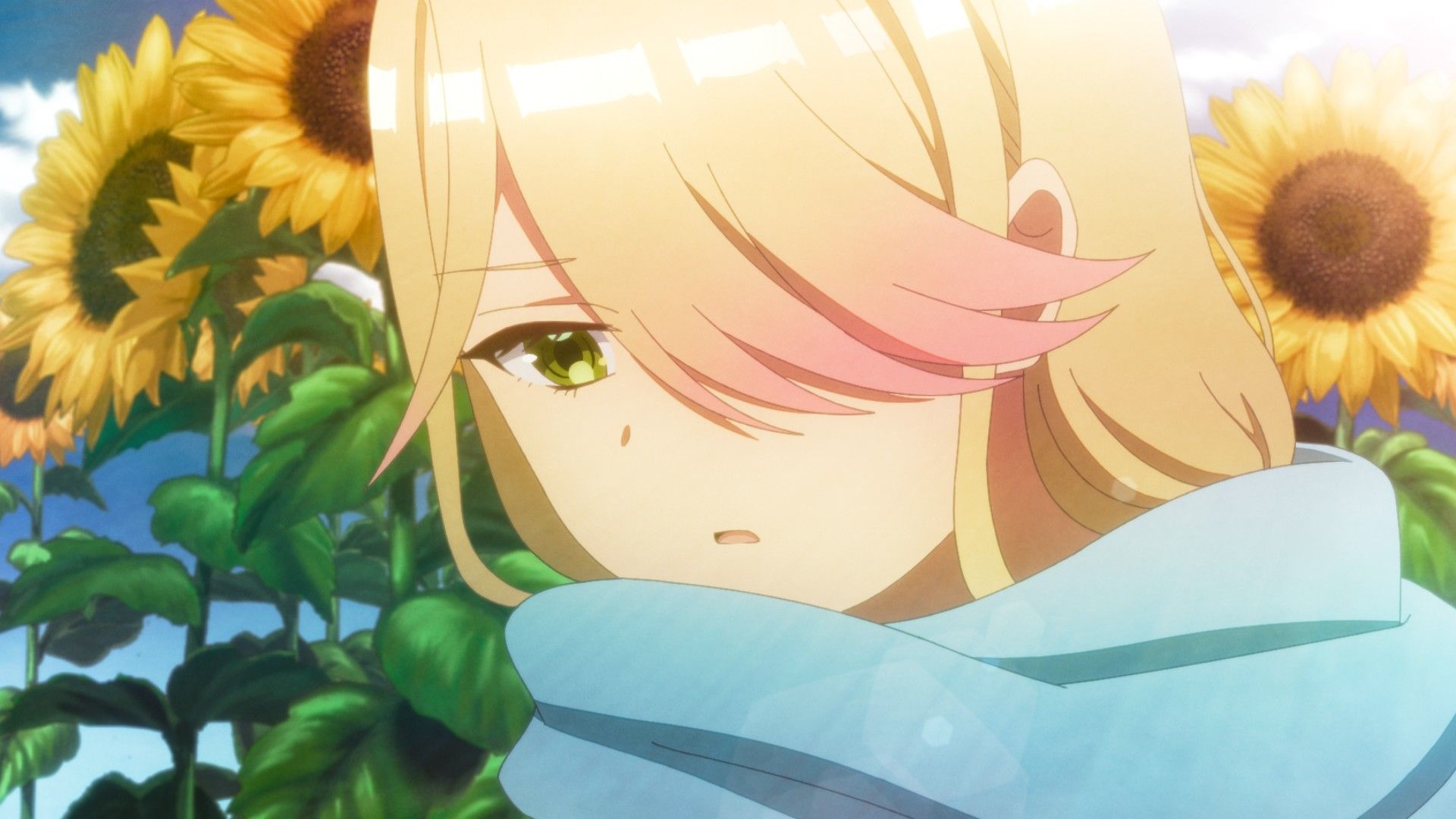
One of those characters who carries a huge part of the entire series’ weight on her back. She makes the strongest first impression, but she also gains the most when the creators present her more fully. Her cheekiness, physical directness, boundary-crossing, and even her strange indifference toward her own body may look at first like ordinary provocation. The deeper the story goes, however, the clearer it becomes that all of this is a kind of armor. Satsuki does not act this way because relationships mean nothing to her. Quite the opposite—she does it because she is terrified of rejection and has learned to strike first.
Ishihara Yukari
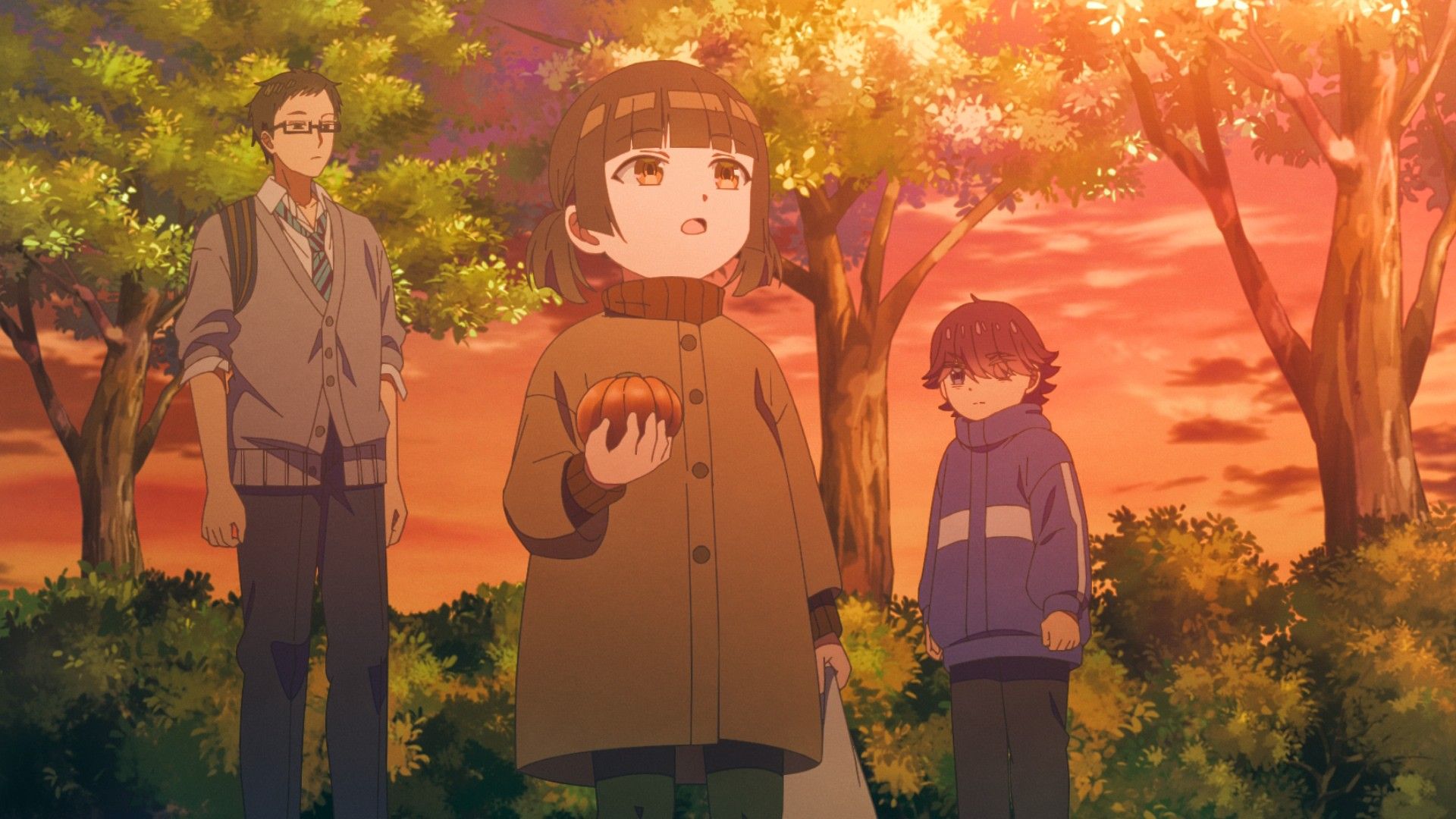
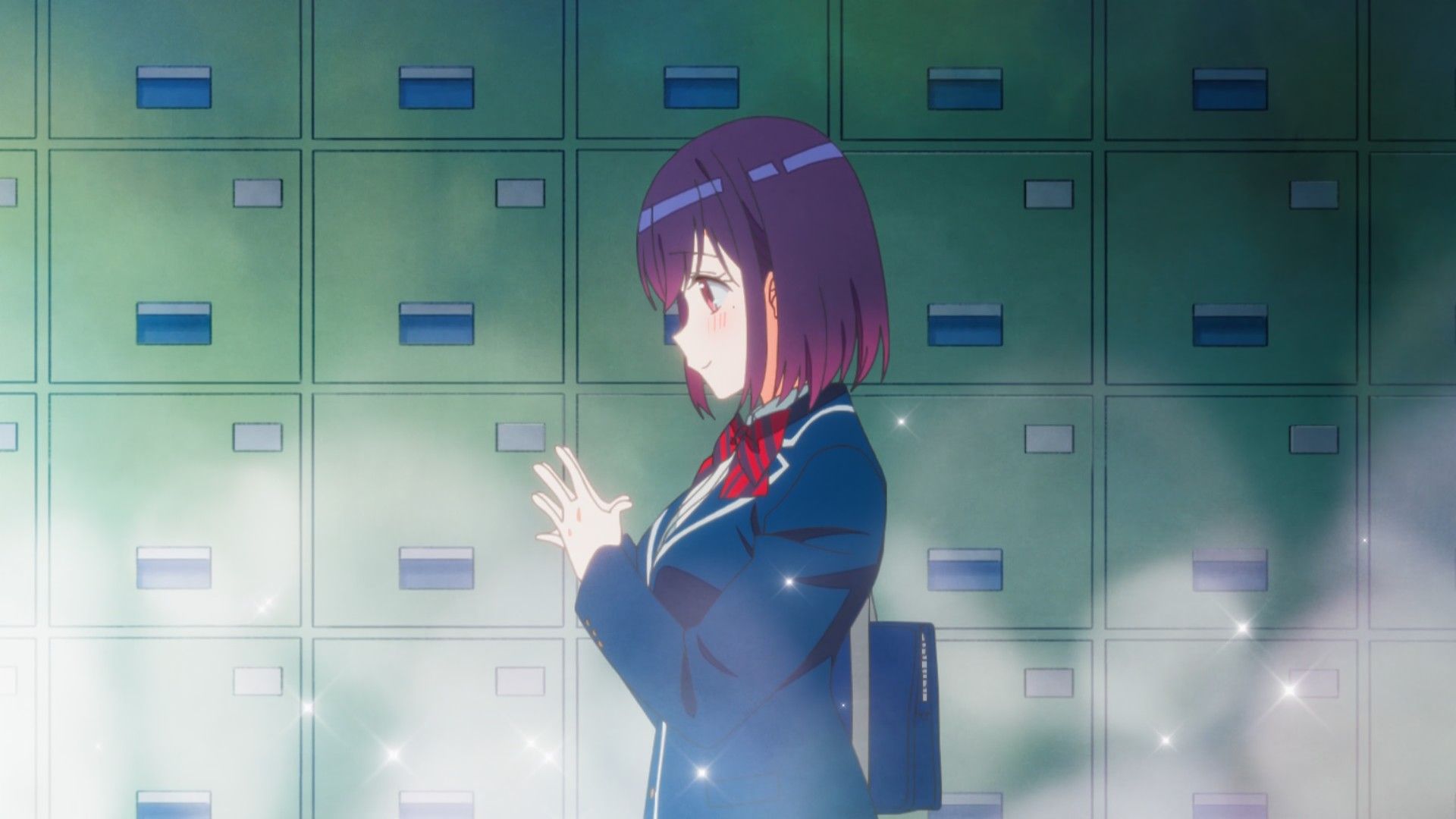
On paper, she is the type of heroine who could easily have been written as the school beauty, the object of longing, the model of femininity, the girl out of your league. Ishihara Yukari turns out to be perhaps one of the saddest characters in the entire series. She is someone everyone looks at, but very few people truly see. Her problem is not just jealousy or insecurity. What is much more interesting is that she has spent her whole life being forced into the role of an ideal and has herself begun to believe that this is exactly how she should be loved. Only when her feelings no longer fit inside that convenient shape do all the cracks come to the surface.
Watari Suzushiro
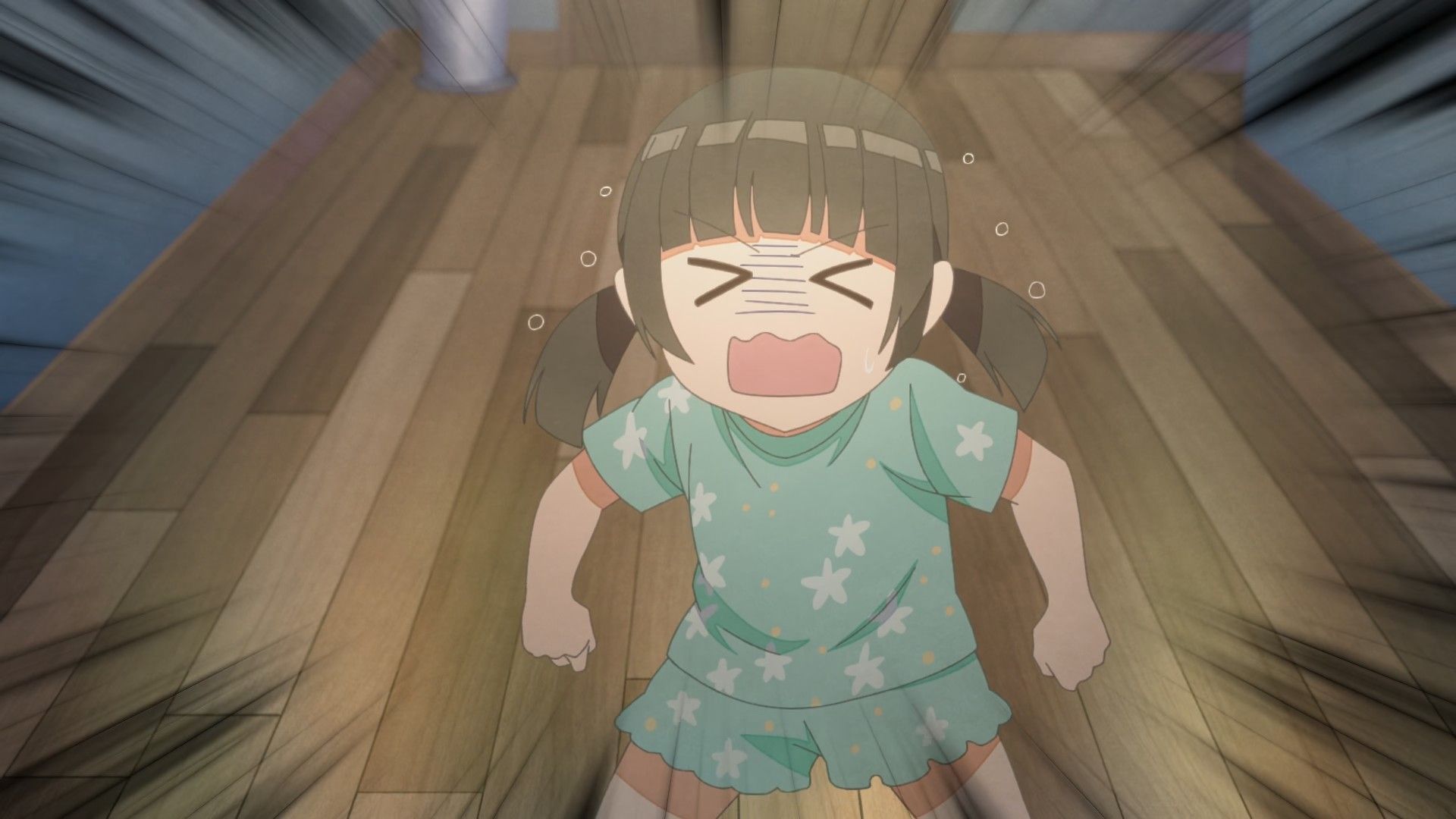
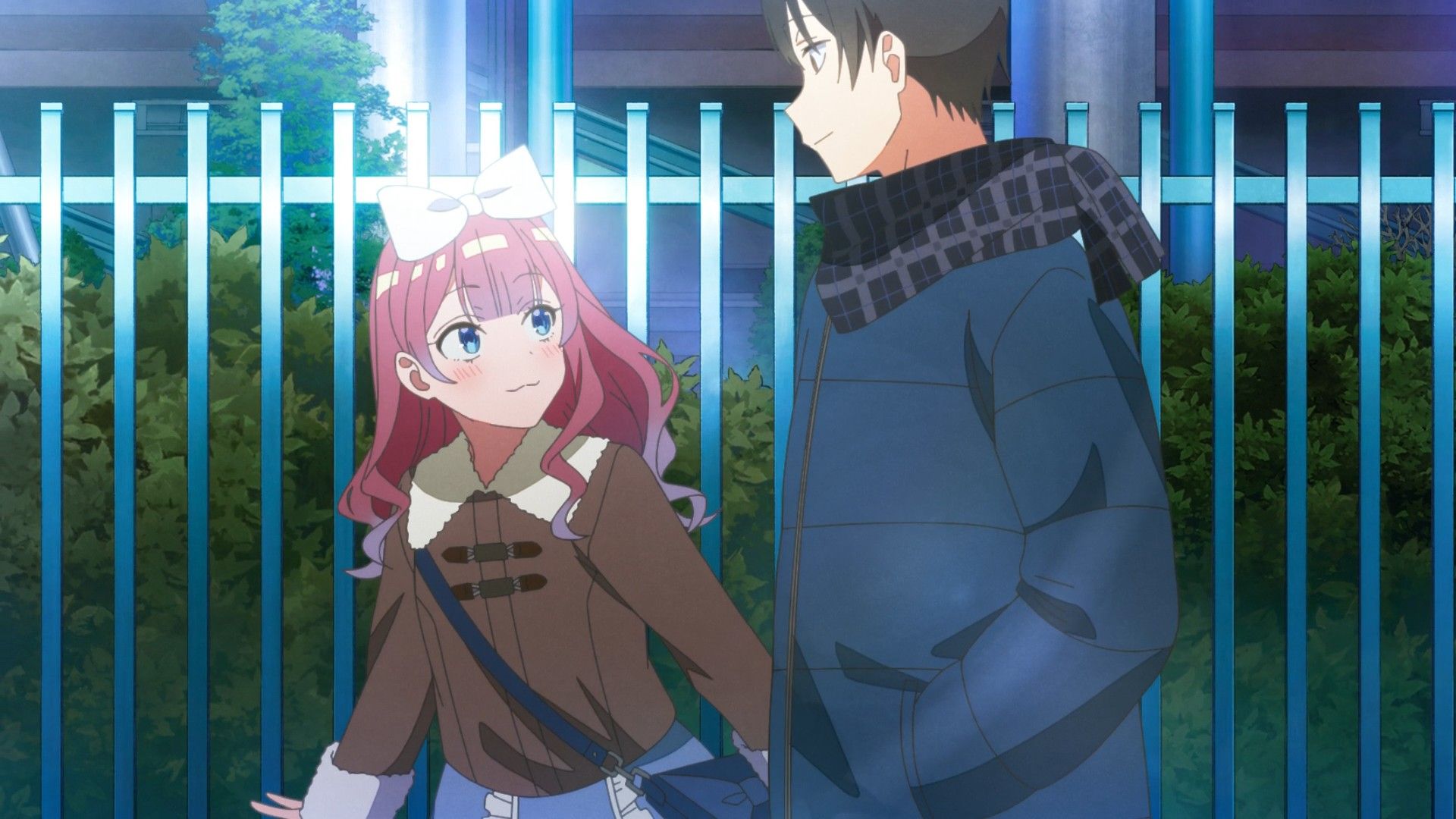
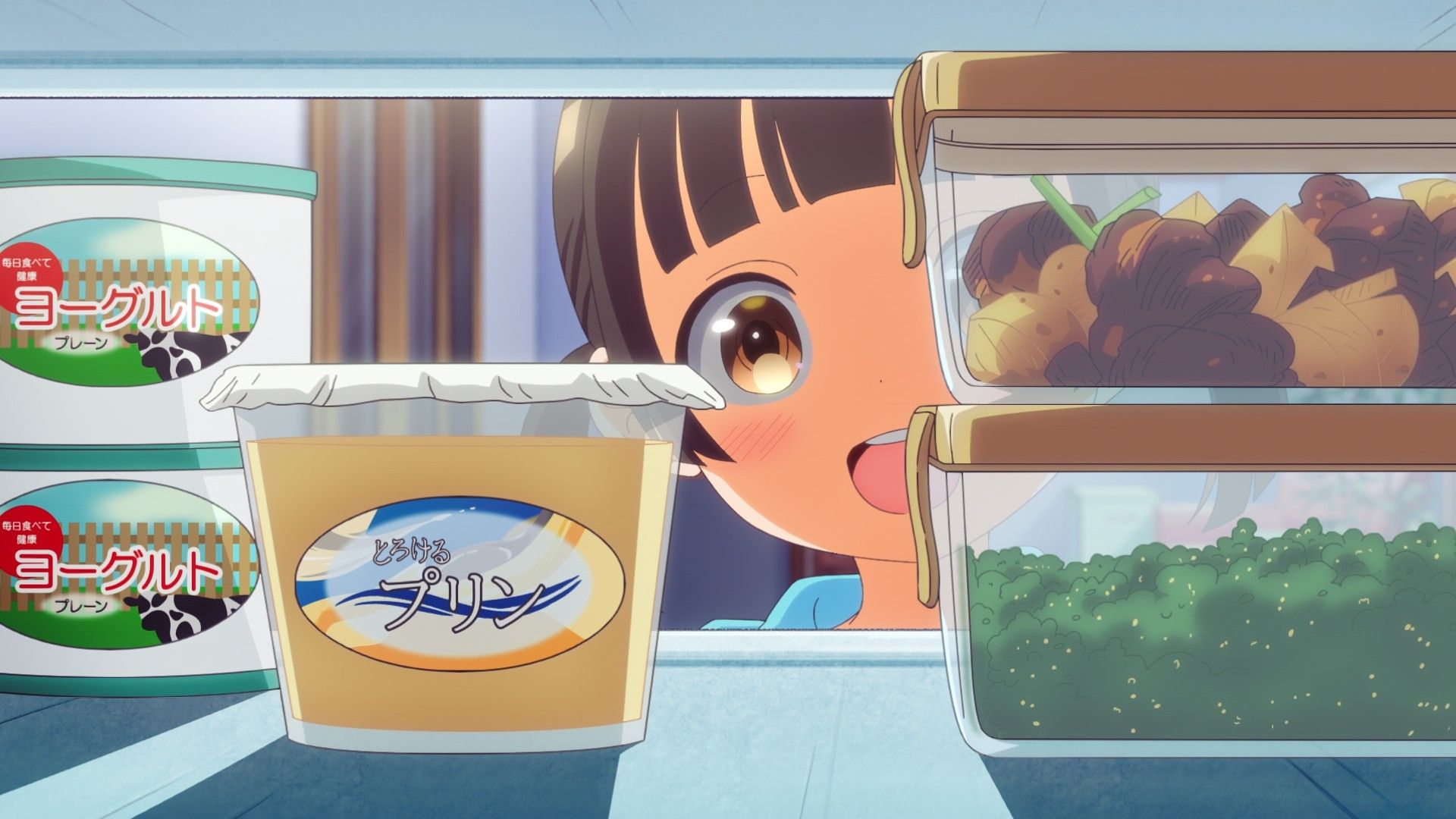
It would have been easy to make her nothing more than a clingy younger sister whose purpose is to be a cute extra or a source of humor. And again, there is nothing wrong with heroines of that type. They usually add sweetness to a series. Suzu, however, is far sharper, more independent, and more emotionally mature than Naoto wants to admit for a long time. There is love, fear, selfishness, guilt, and a gradual maturing in her behavior as she learns to take a step back and let her brother live his own life. Because of that, their relationship is not merely background for the romance, but one of the foundations of the entire series. And honestly, without Suzu, this series definitely would not be what it is.
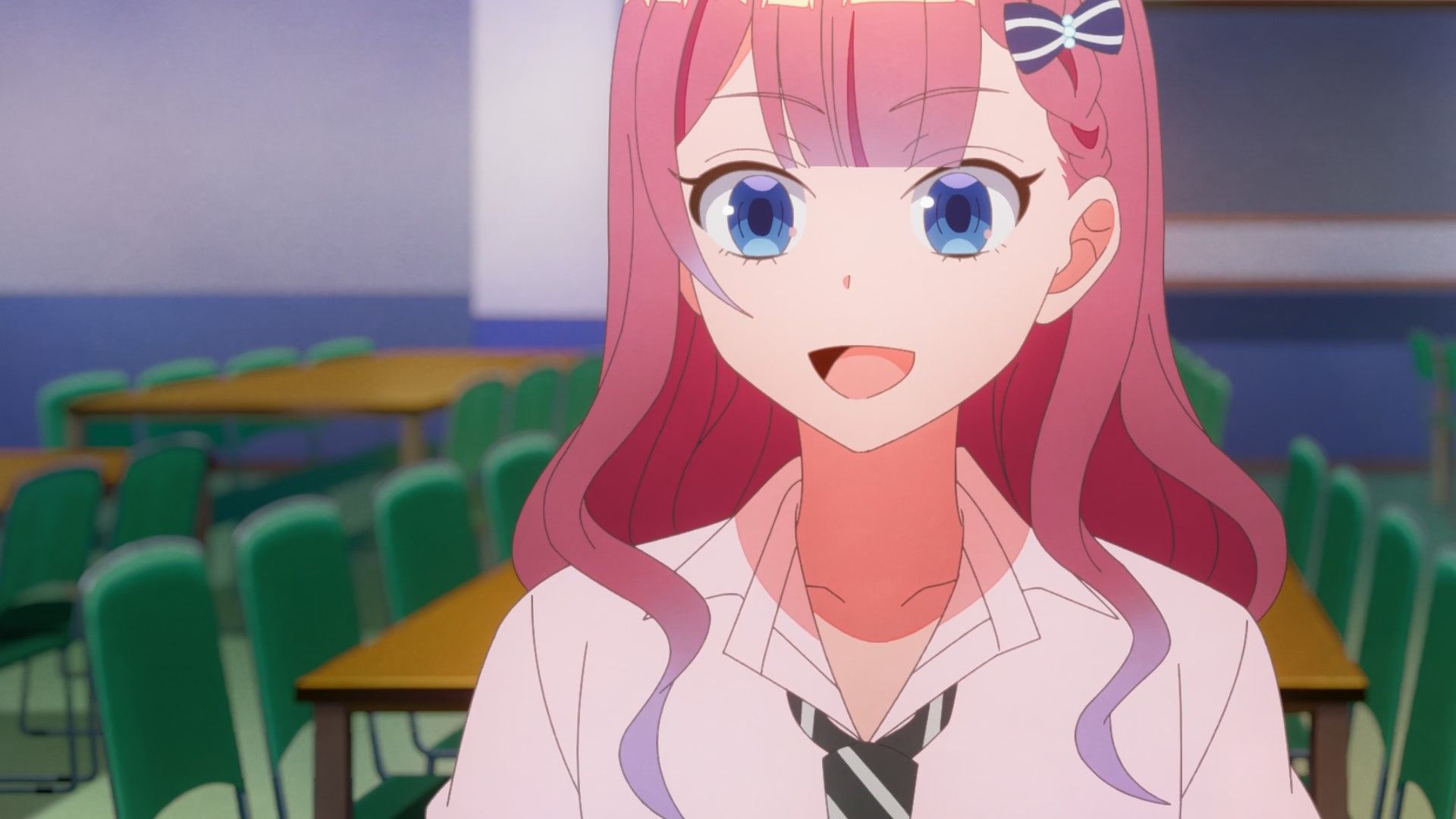
Supporting Characters
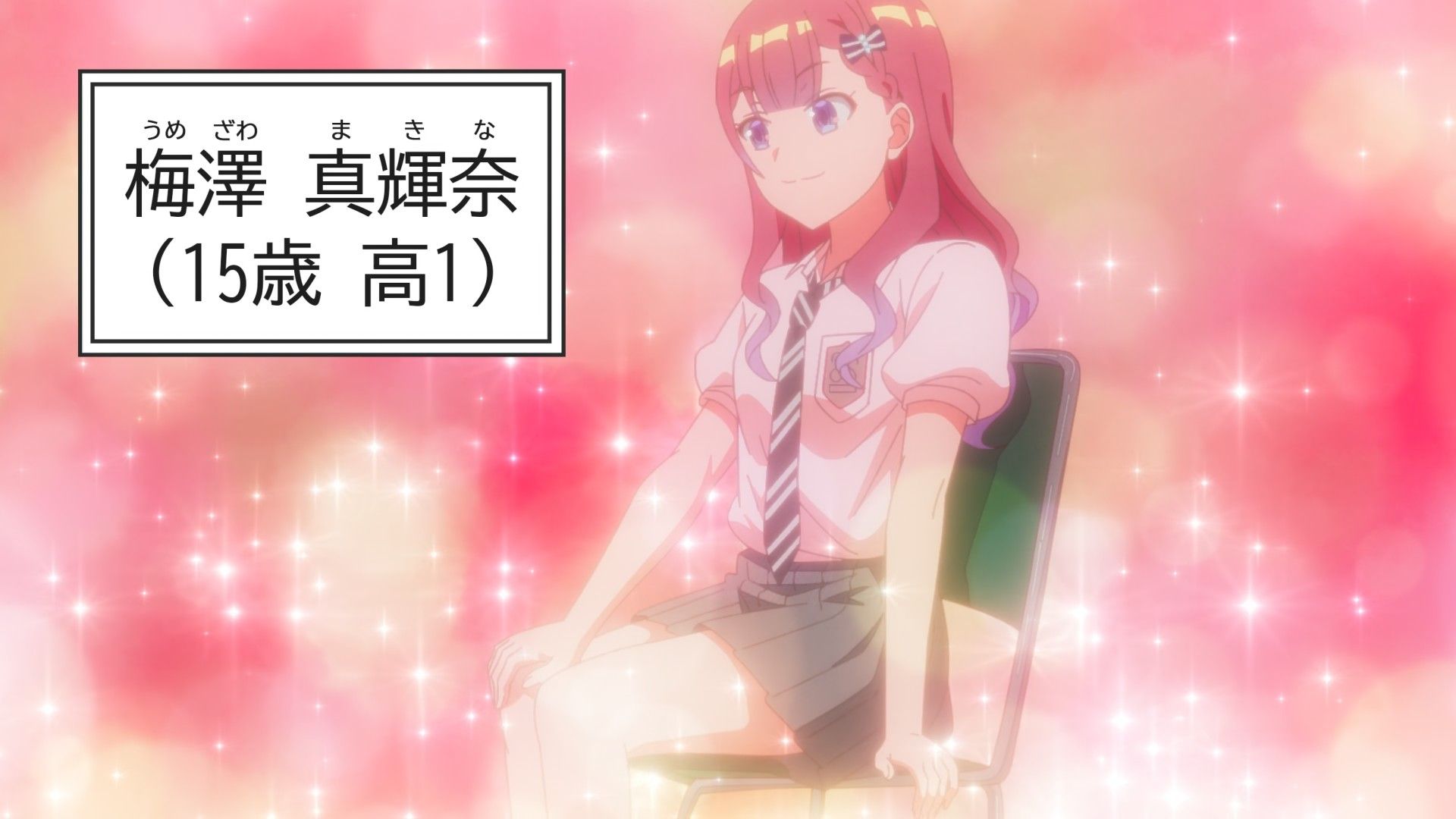
Umezawa Makina, Tokui Shigenobu, and Watari Tamayo are, in turn, a very good example of how the supporting characters also have a real function here. Umezawa Makina brings a different kind of energy to the story. More direct, a little desperate, but all the more necessary because she confronts Naoto’s indecision with someone who simply tries to reach for what she wants. Tokui Shigenobu, meanwhile, is not just the usual good friend whose job is to steer the protagonist onto the right path. He has his own emotional baggage, his own failures, and that is exactly why his presence means something. Watari Tamayo, on the other hand, quietly and unobtrusively builds her bond with the family. At first, she seems cold and distant, but over time it becomes increasingly clear that she, too, carries a lot of pain inside.
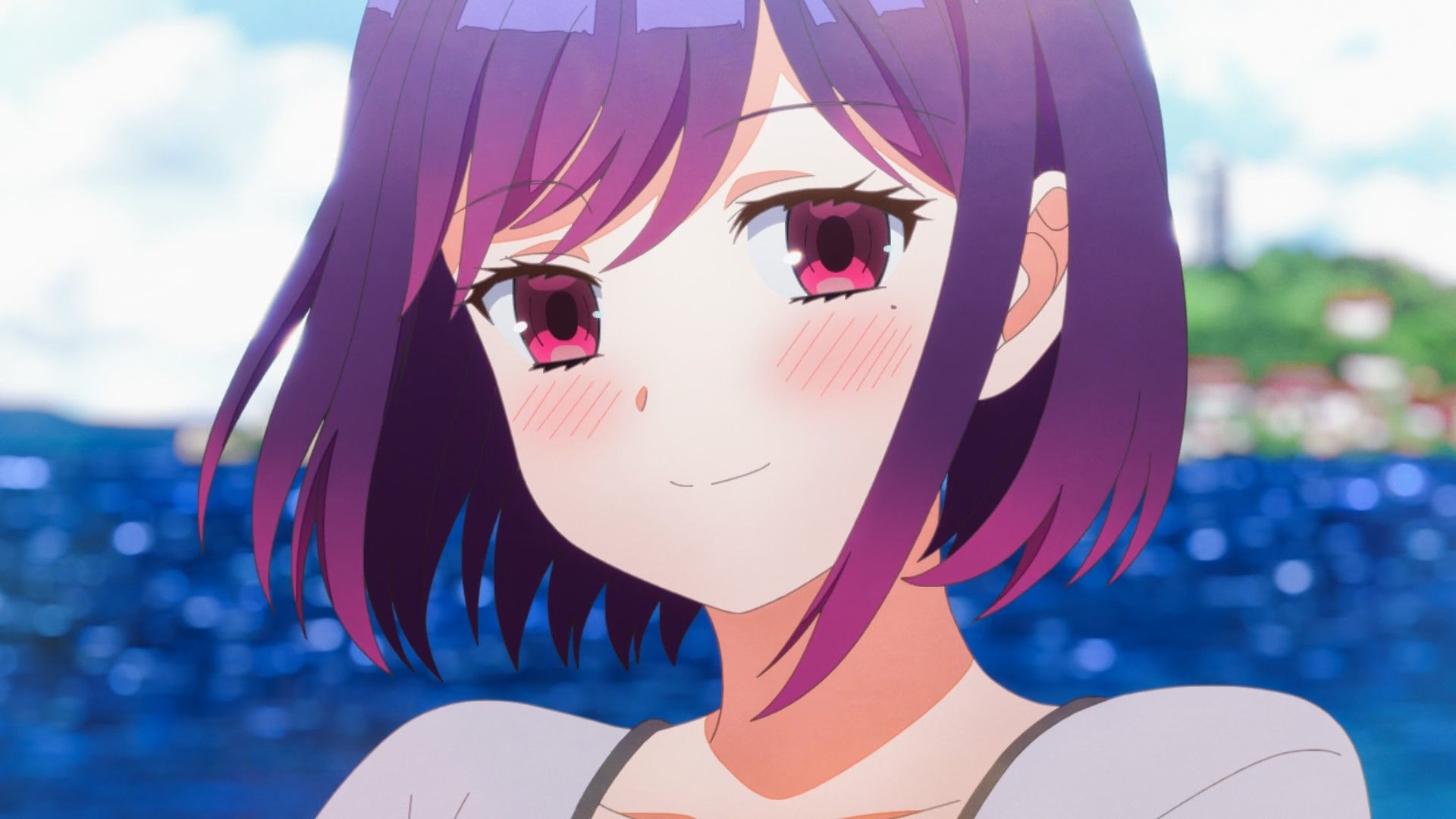
That is why she hides behind covers for so long. Not because she has nothing of her own to say. Because her own voice is the thing most exposed to being hurt. That is exactly why her relationship with Arisu works so well. He does not only push her toward singing originals, but also gives her something like a point of support, thanks to which she no longer has to sing for everyone. She can sing for the people who truly matter to her. That shift in perspective does a tremendous amount of work here.
Watari-kun no xx ga Houkai Sunzen (2025) – Evaluation and Summary
Watari-kun no xx ga Houkai Sunzen turned out to be a much better series than I expected. To be clear—my expectations were already quite high from the outset. The deeper I got into the plot, the more I appreciated how well it had been written on an emotional level. For me, the greatest strength of the whole thing is the characters and the fact that their relationships genuinely develop, grow more complicated, and painfully collide with the past. On top of that, there is very pleasant visual design which, while it may not impress with its dynamism, sells the mood, details, emotions, intimacy, and that slightly melancholic atmosphere of the series very well.
I was also strongly taken by how the central romantic conflict was handled. I will not go into spoilers, but it has been a long time since I watched a title like this and felt that the final direction of the relationship followed so well from the characterization and the characters’ entire journey. More importantly, the main character’s choice not only surprised me, but was also the outcome I simply preferred for many reasons. It is rare for me, with stories like this, to have such a clear sense that emotional logic won out over the most obvious formula.
Finalny werdykt
Final evaluation

Which translation do I recommend to watch Watari-kun no xx ga Houkai Sunzen (2025)?
- Crunchyroll (official) – an excellent translation that I would genuinely struggle to criticize, even if I tried hard.
Gallery