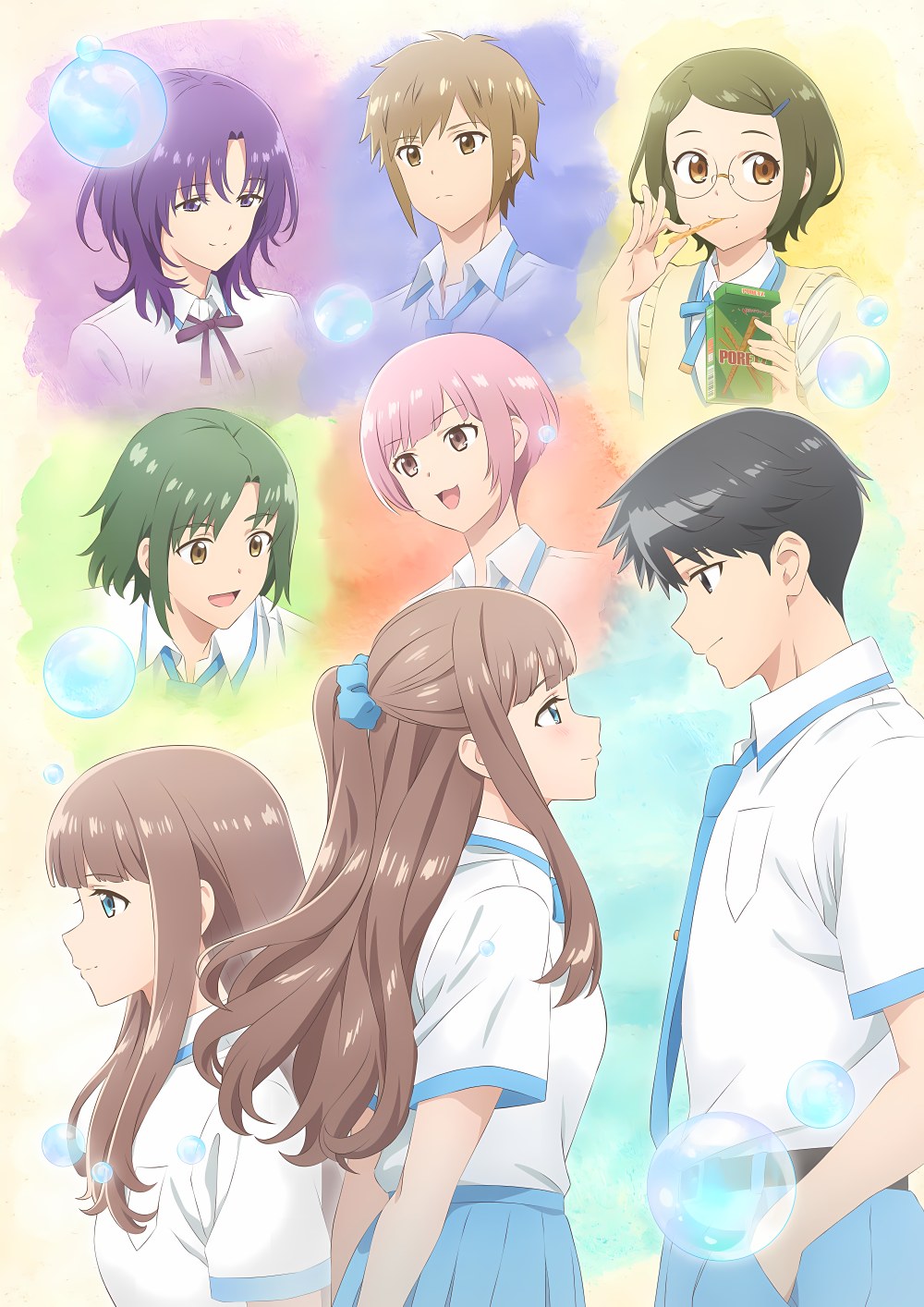
To the rest of the world, Aikawa Sunao is an ordinary high school student. In reality, however, she is Nao — a supernatural replica born from the regret of a seven-year-old girl. She was brought into being only because the real Sunao lacked the courage to apologize to her childhood friend. Nao now lives solely as a convenient substitute. Summoned on a whim to take exams, do everyday household chores, or attend classes when Sunao does not feel up to going, Nao accepts her fate as a copy without protest. After all, she believes a replica is nothing more than a replacement: someone with no right to feel desires, let alone have dreams.
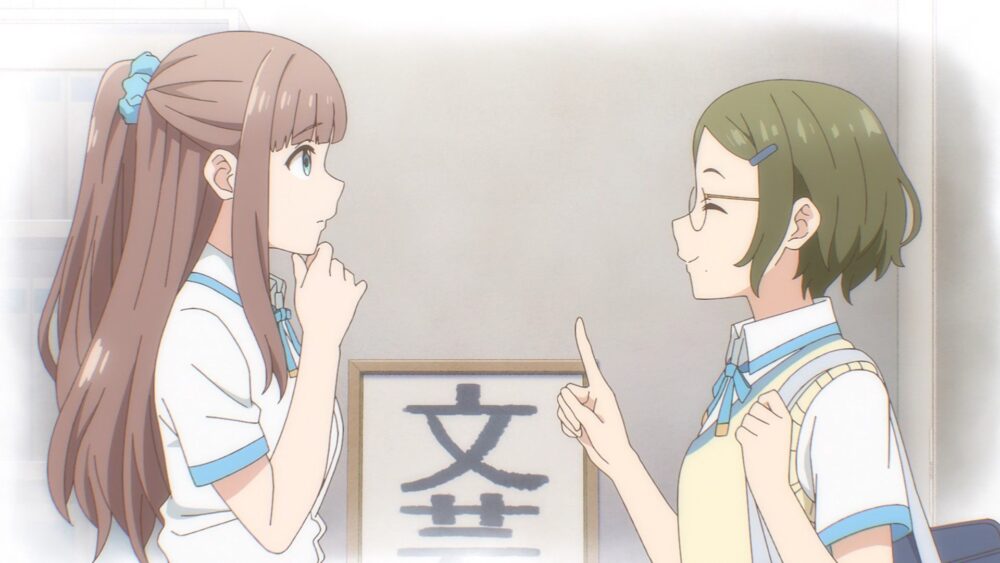
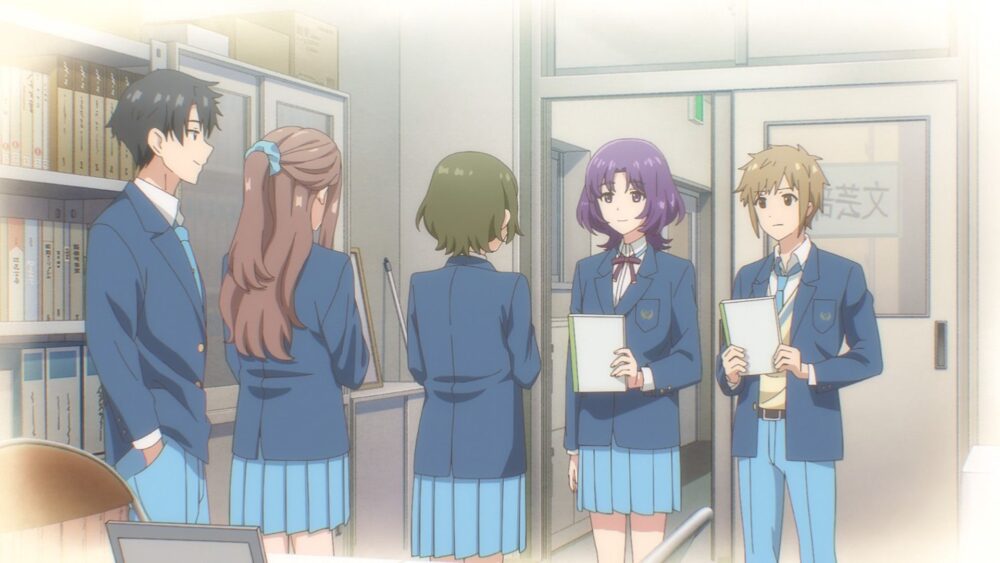
While living at school as Sunao, Nao finds her quiet refuge in the stuffy, underfunded literature club alongside that same childhood friend, Hironaka Ritsuko. Yet Nao’s carefully balanced and predictable routine is unexpectedly disrupted by the arrival of Sanada Shuuya. Once a rising star and basketball ace, Shuuya was forced to give up the court because of a tragic injury just before the tournament qualifiers. Searching for a new place for himself and a sense of belonging, he unexpectedly applies to join the literature club on a trial basis.
As Nao helps Shuuya rediscover an appreciation for Japanese classics and continues reviewing Ritsuko’s amateur novels, she begins to experience a vivid, fleeting youth that, in truth, does not belong to her at all. Though Nao keeps telling herself that her fate cannot change, her own distinct heart has already begun to beat faster.
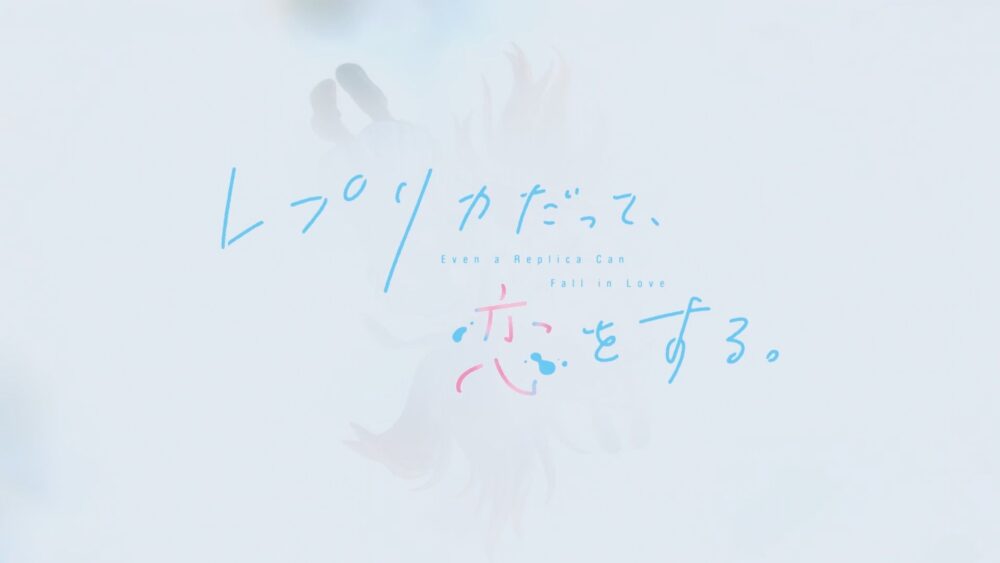
Replica datte, Koi wo Suru (2026) – Audiovisual Design
Video
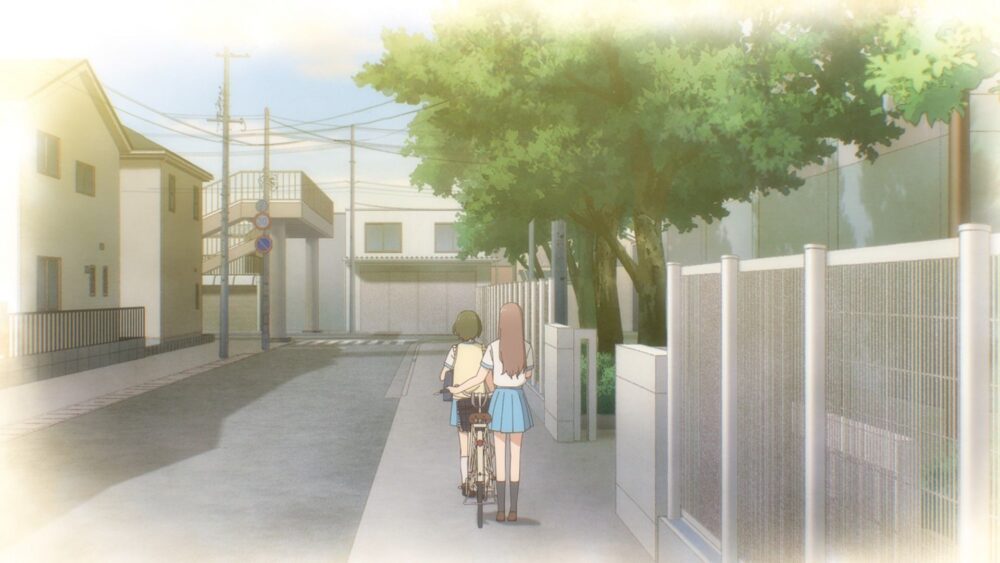
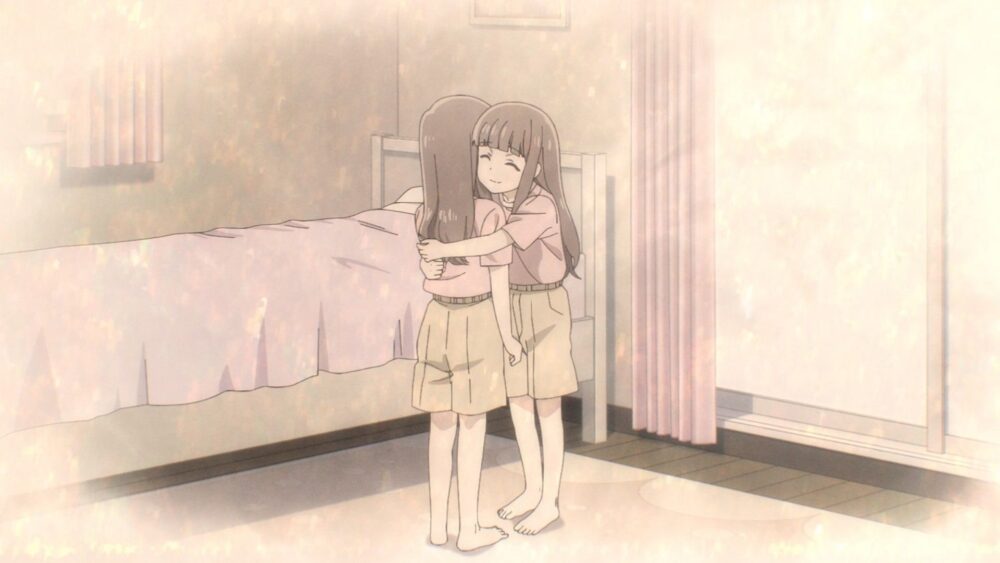
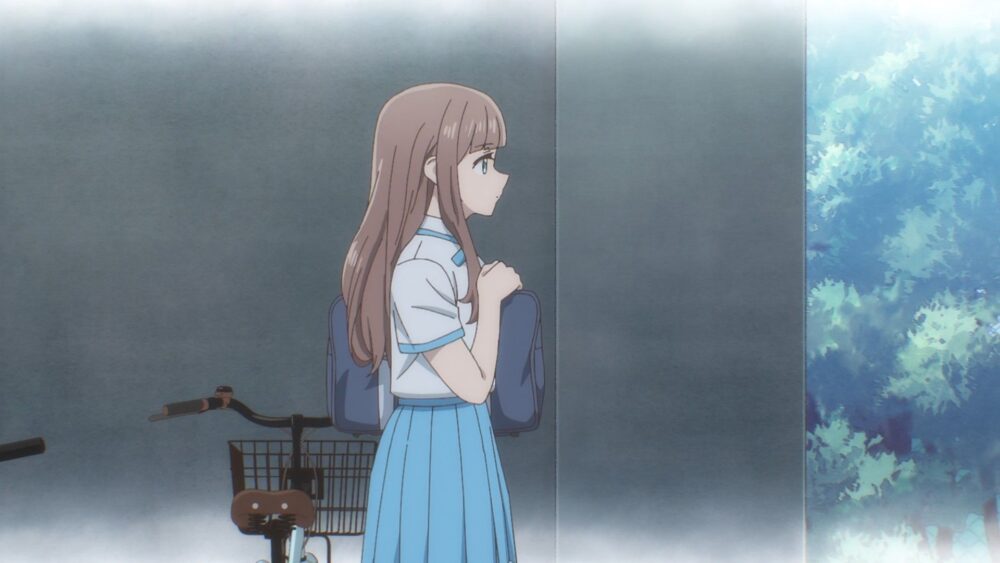
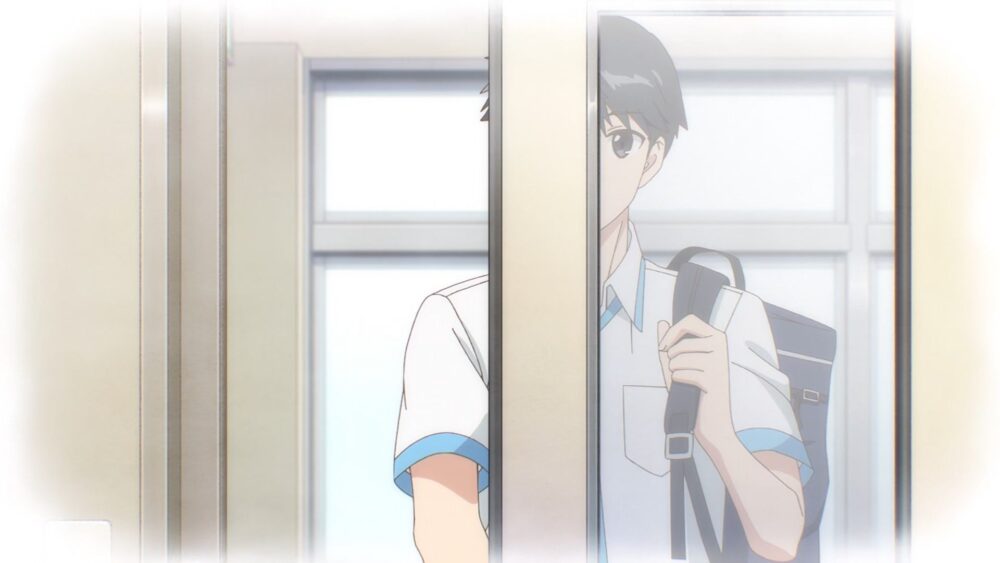
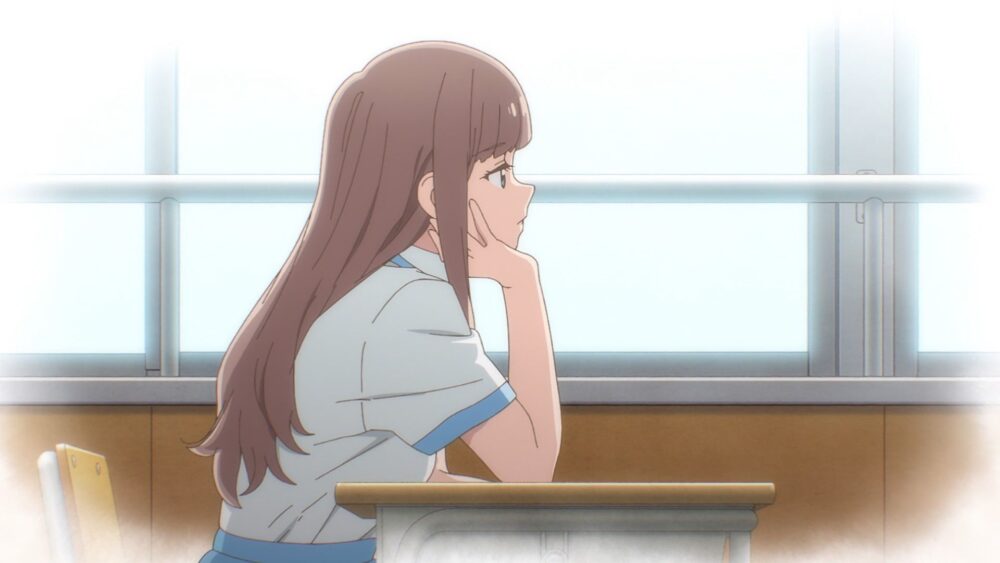
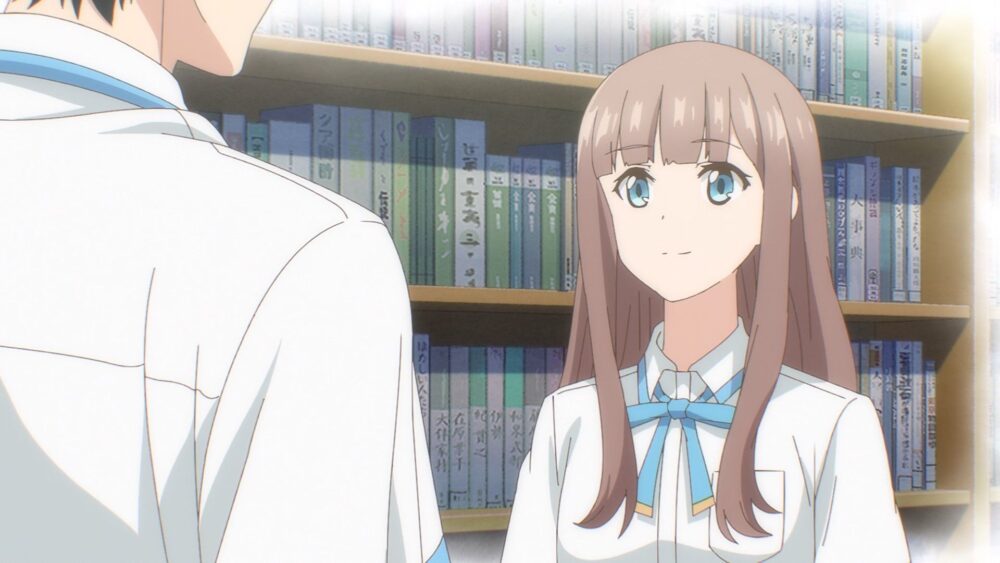
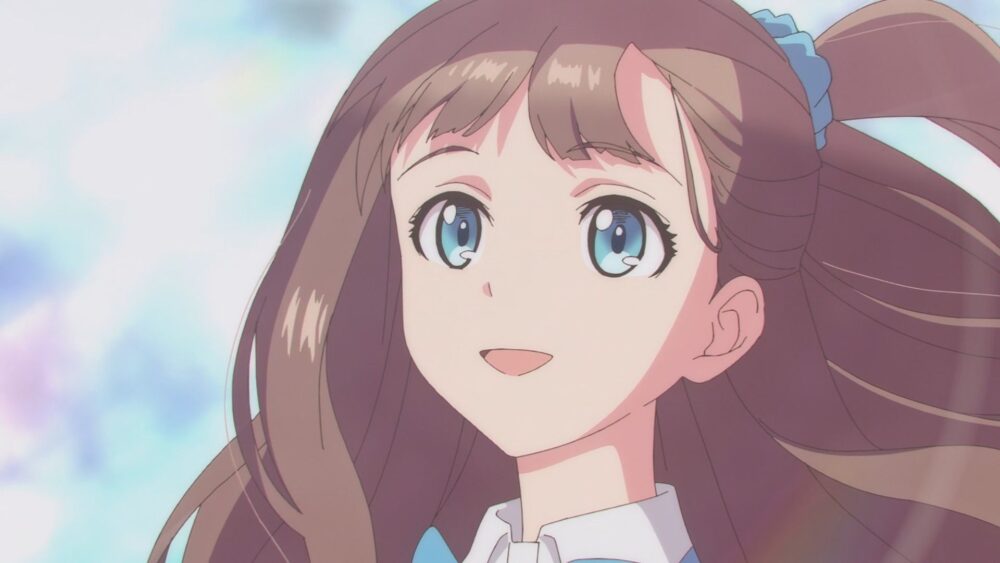
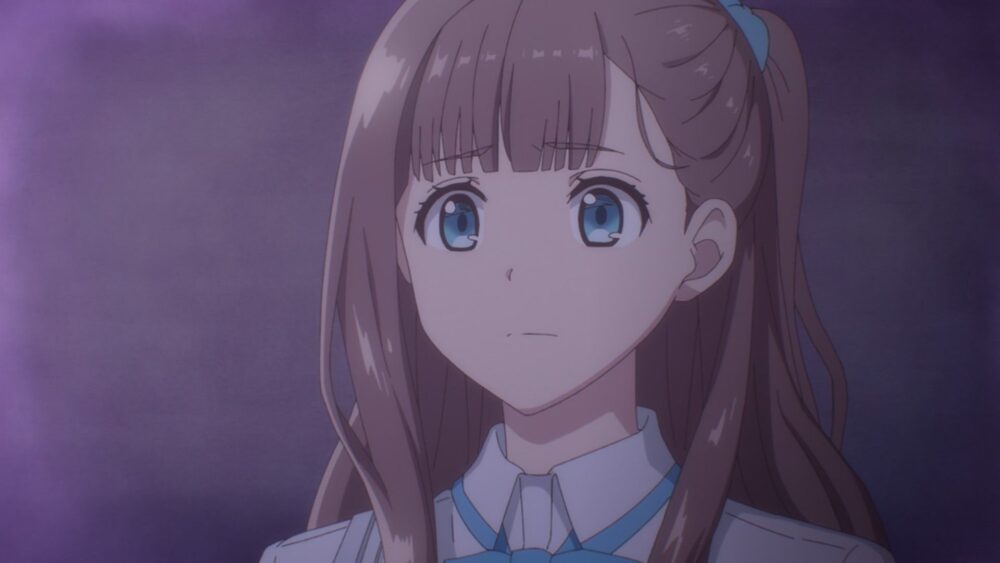
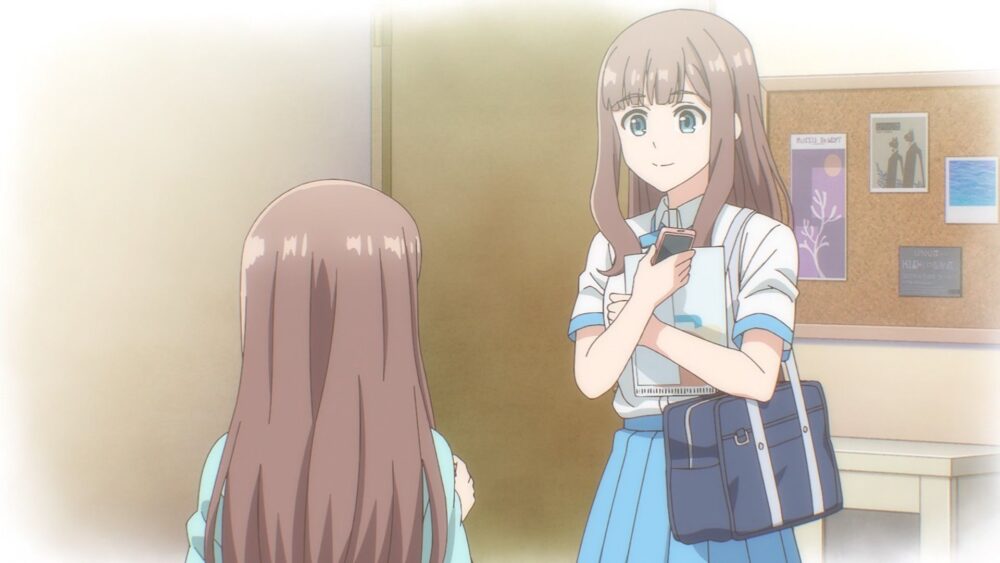
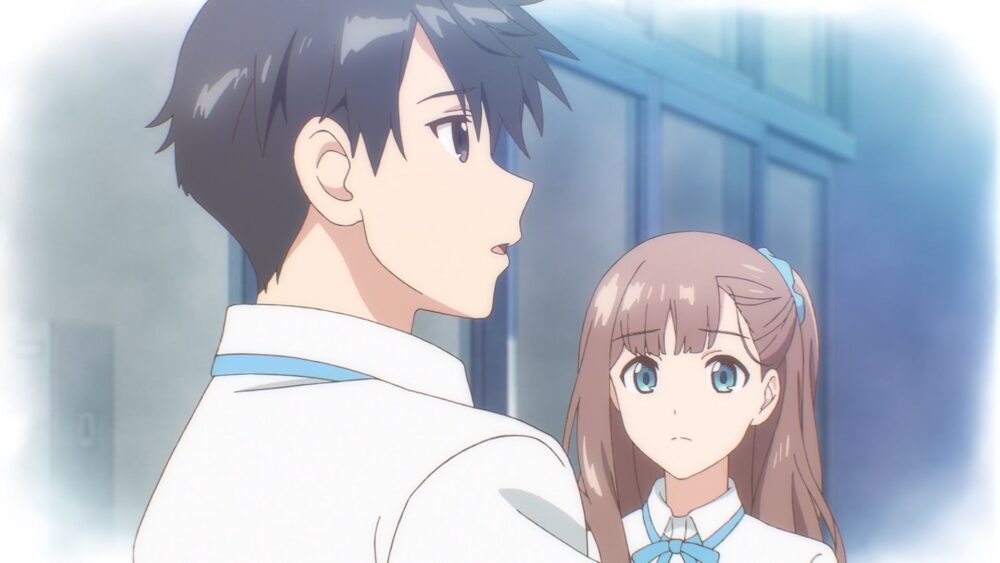
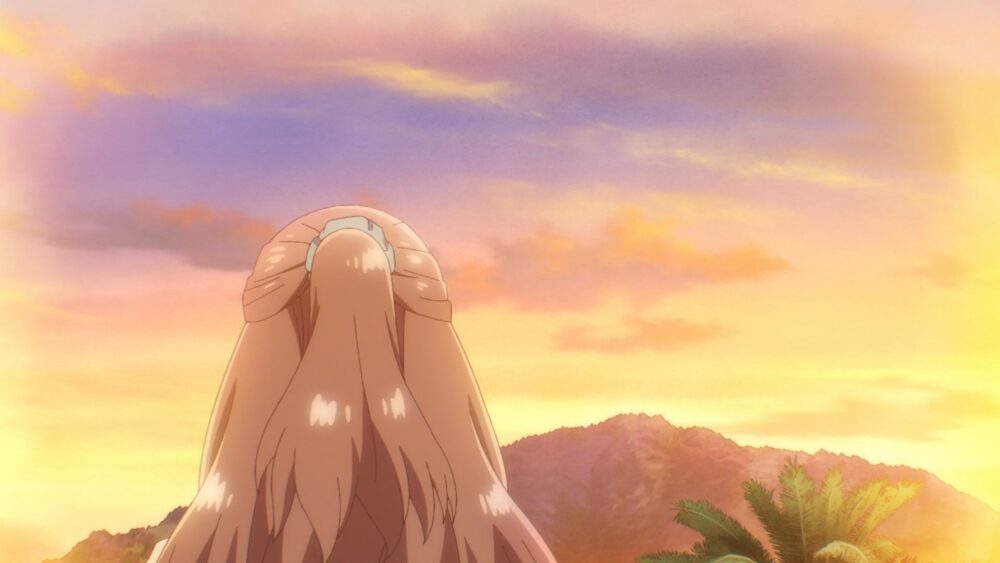
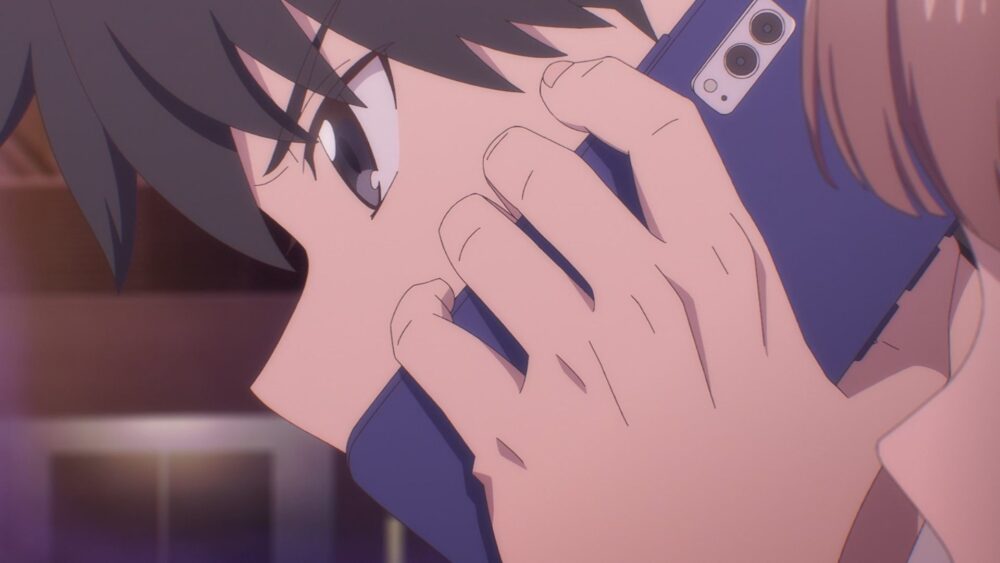
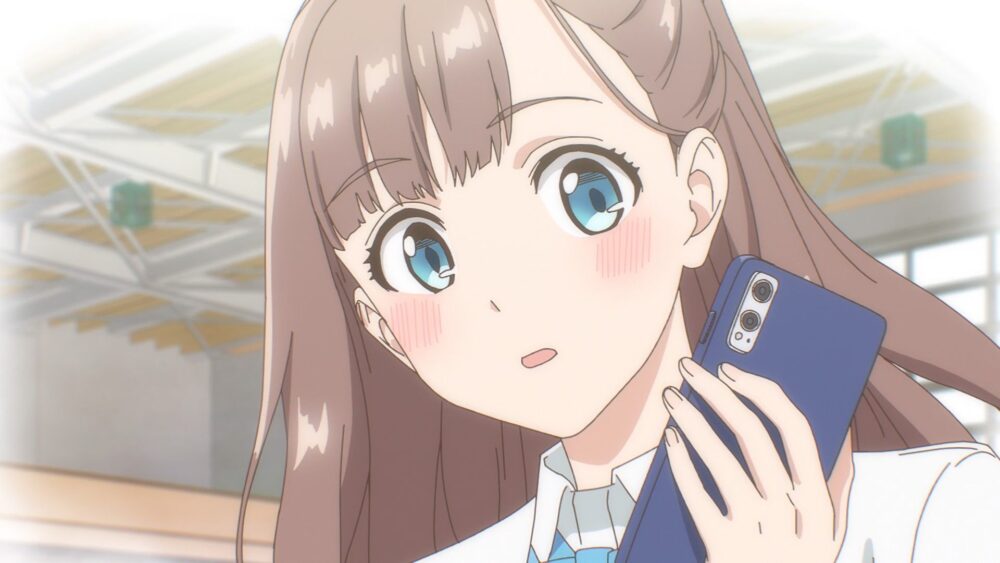
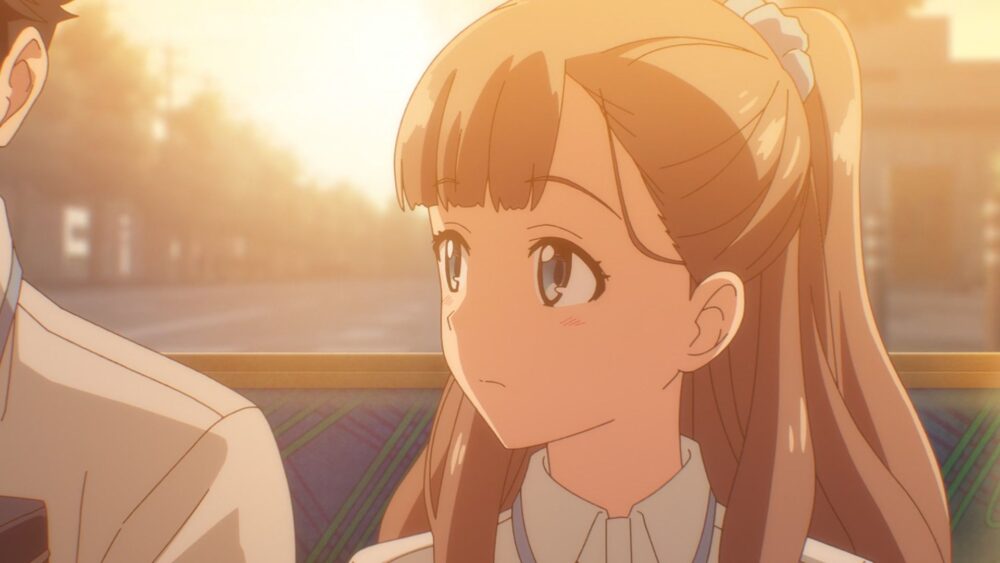
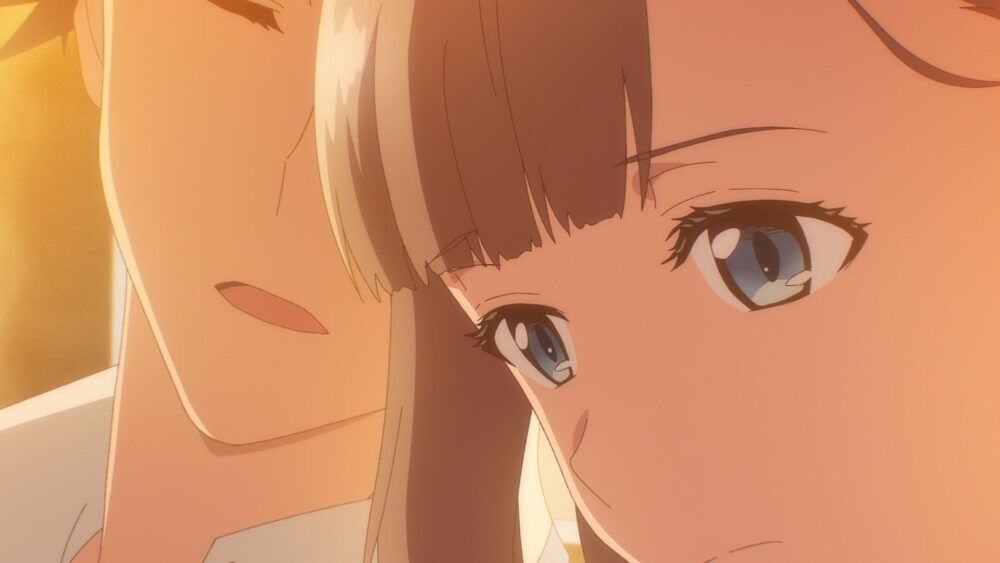
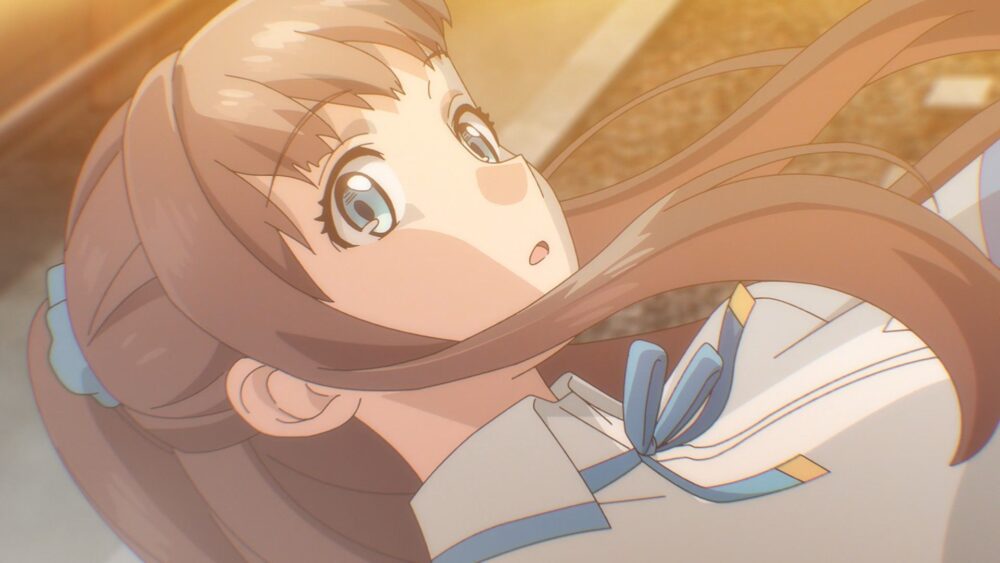
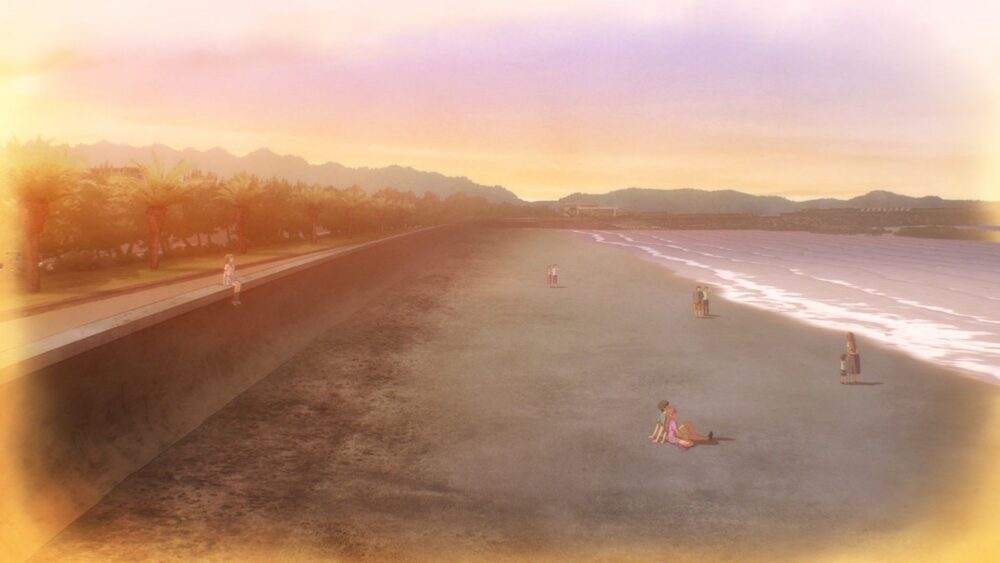
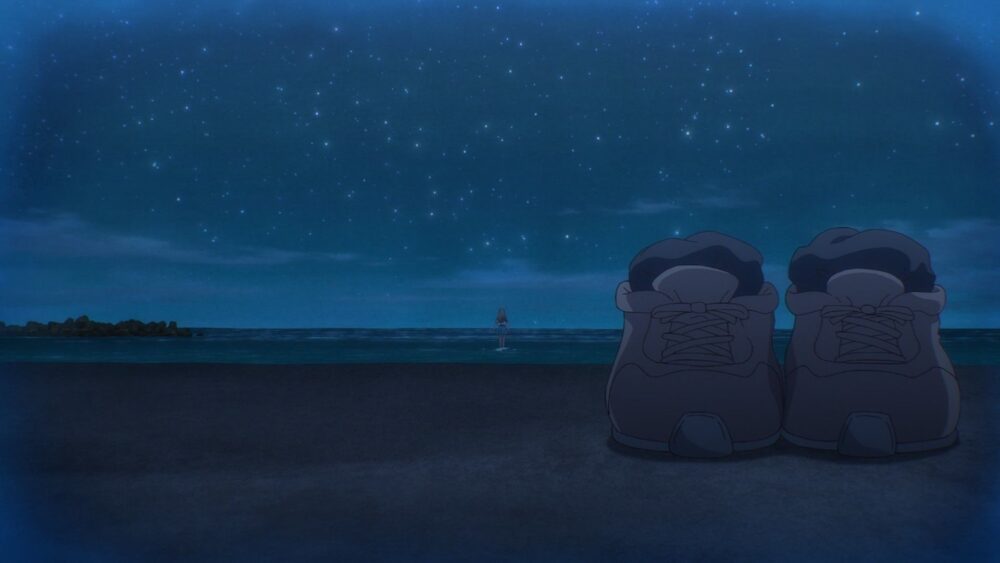
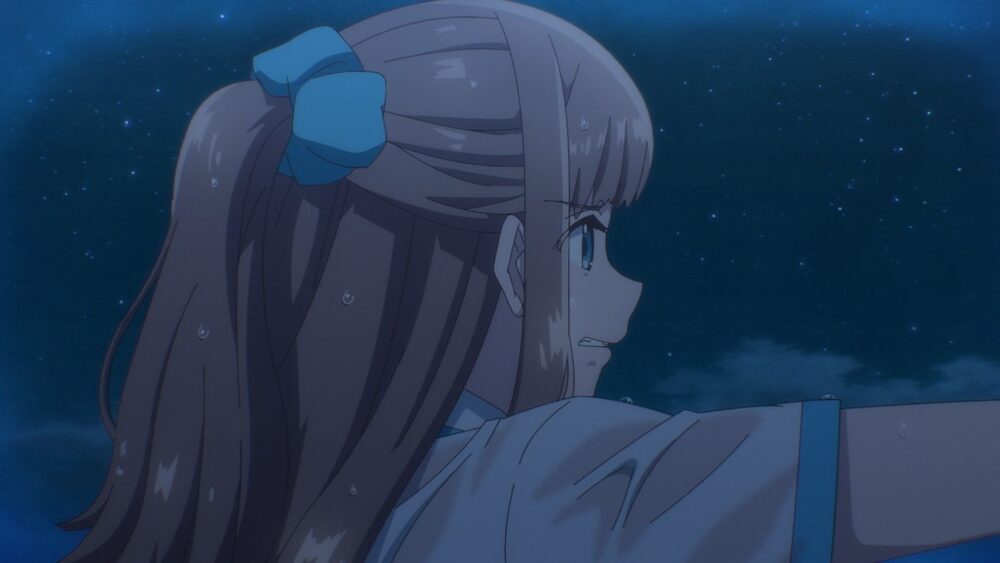
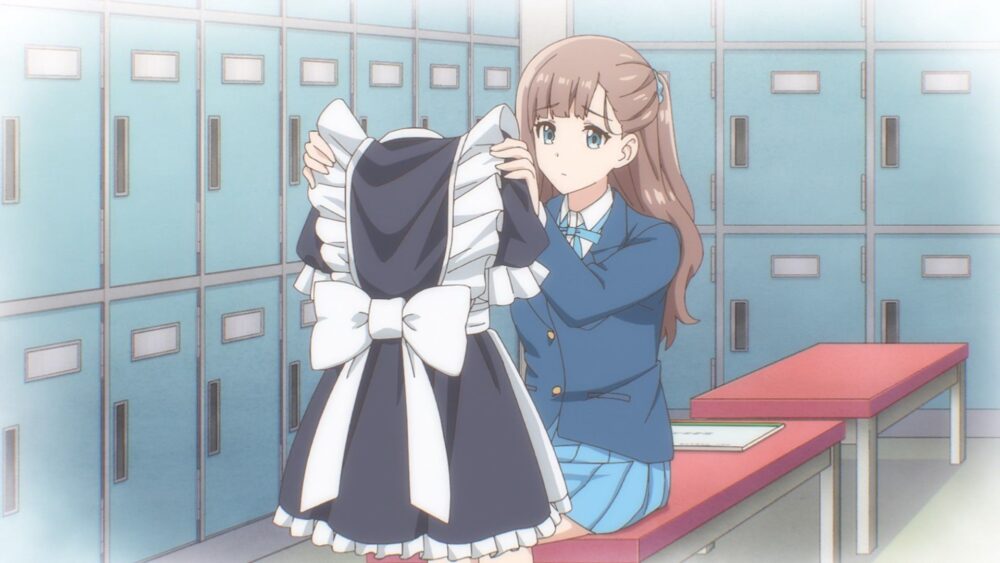
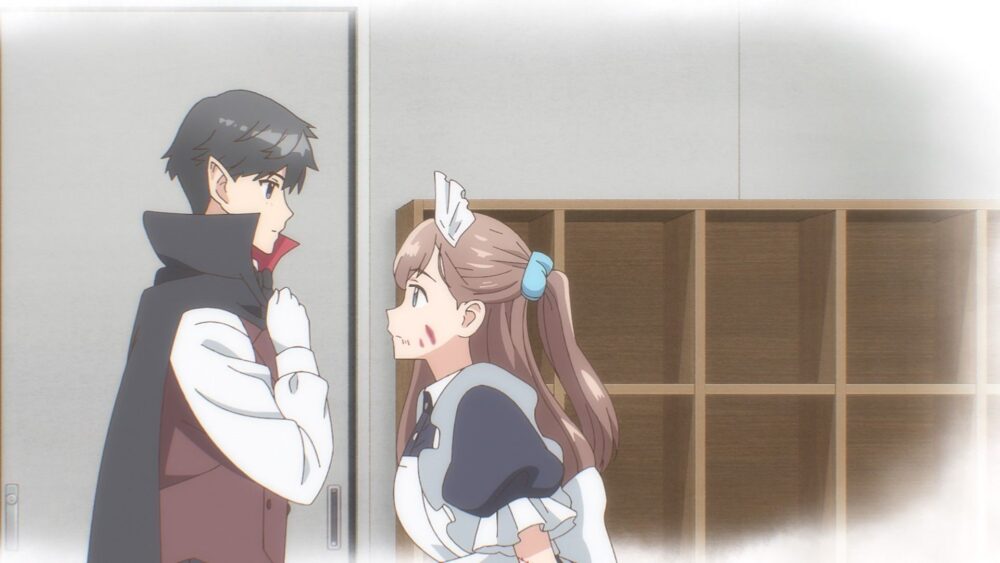
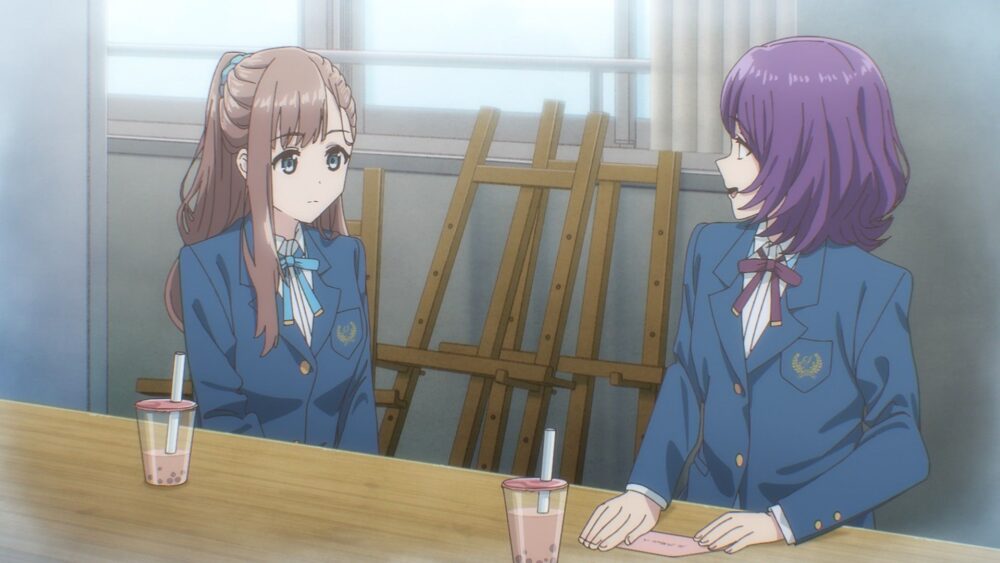
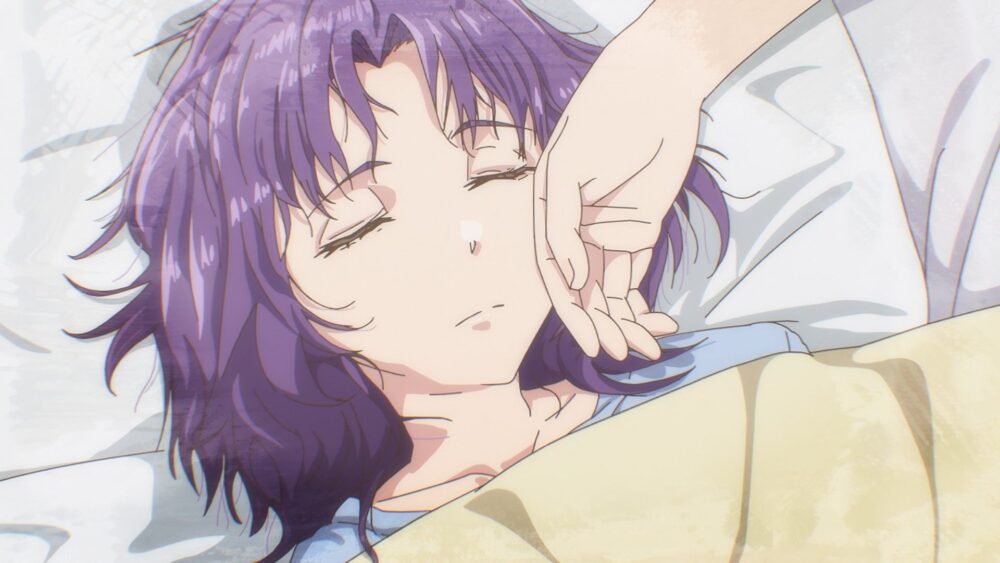
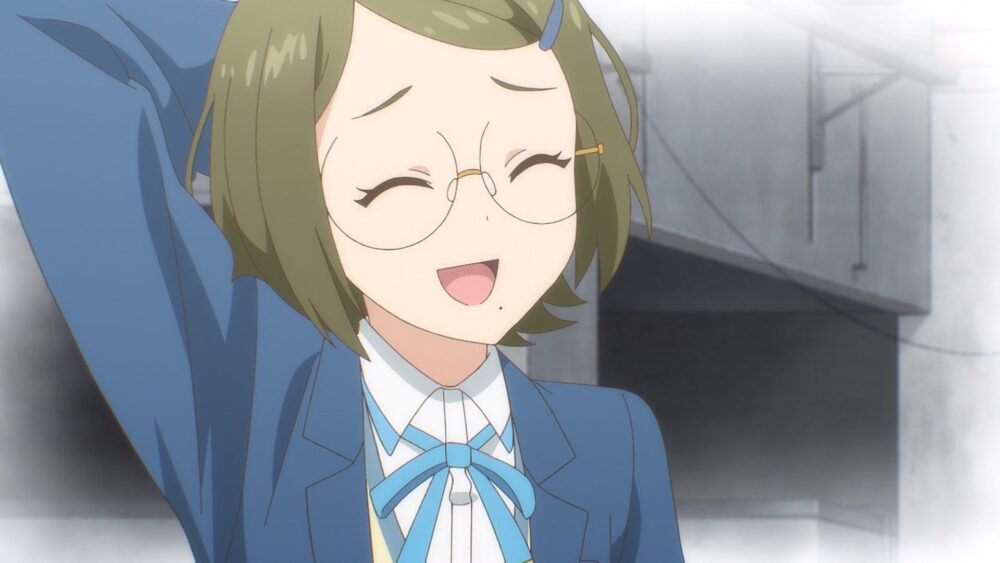
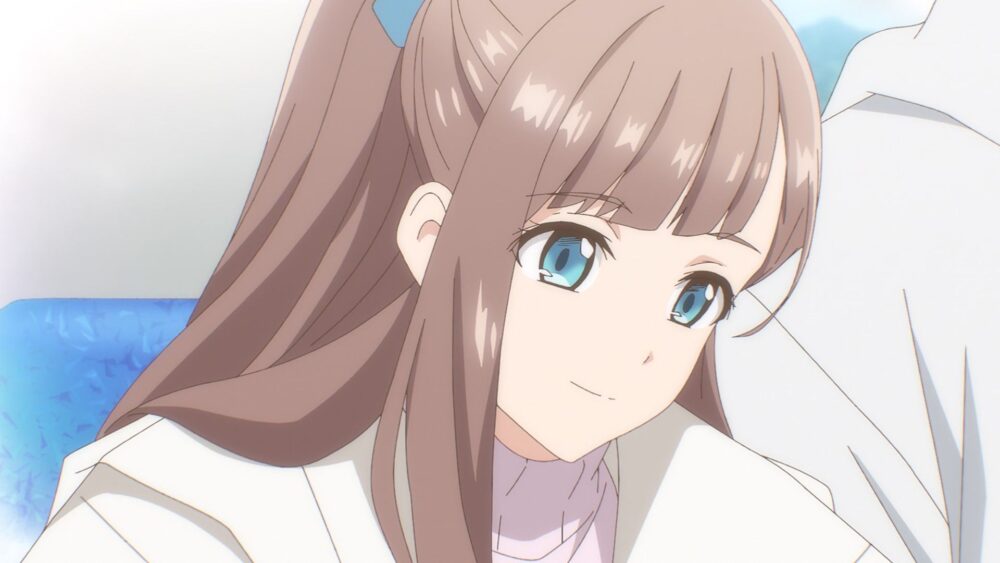
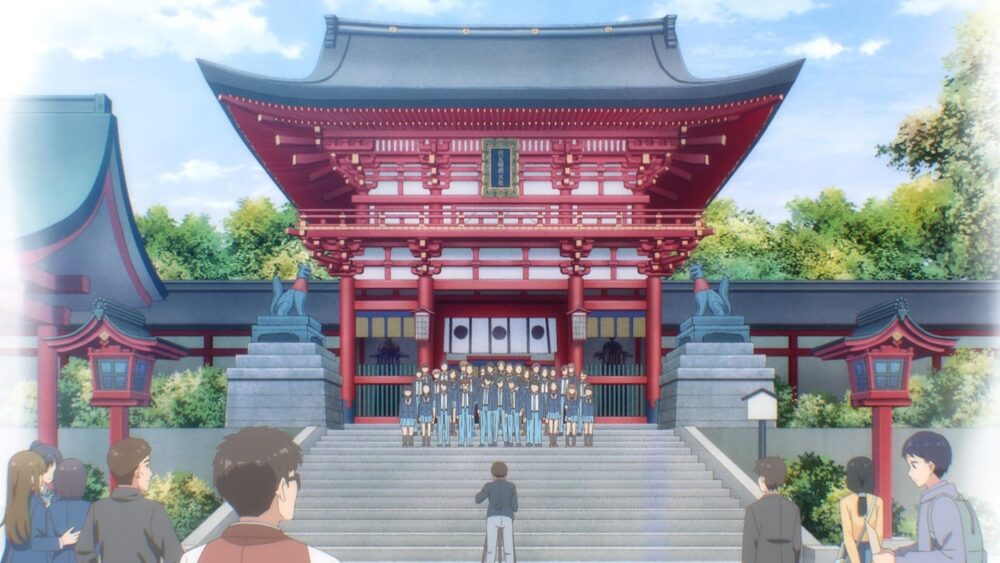
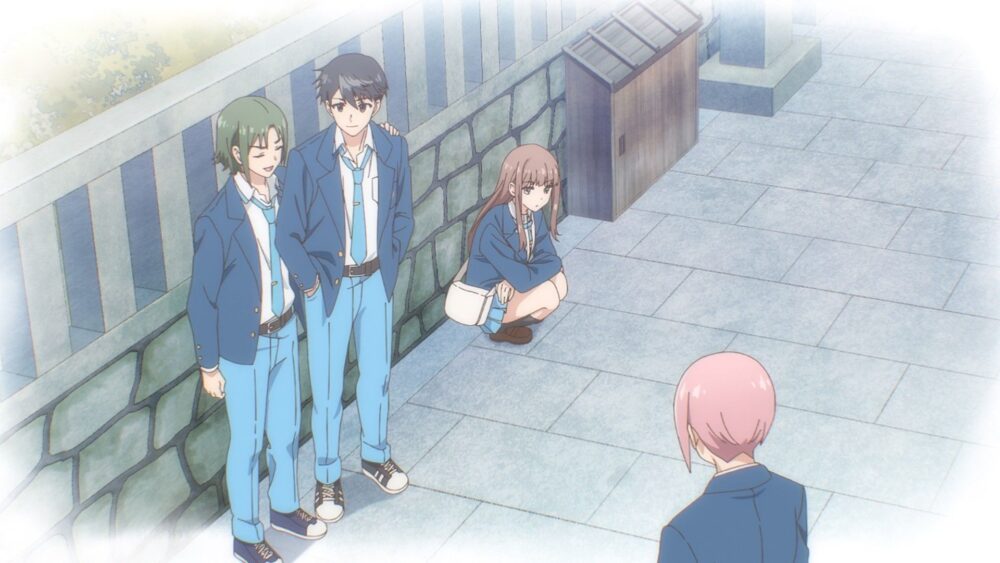
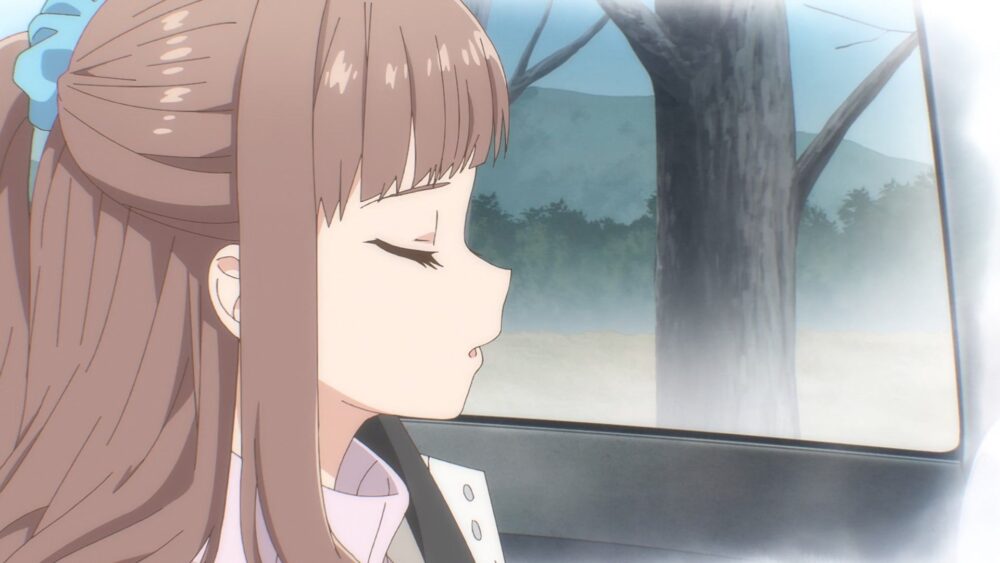
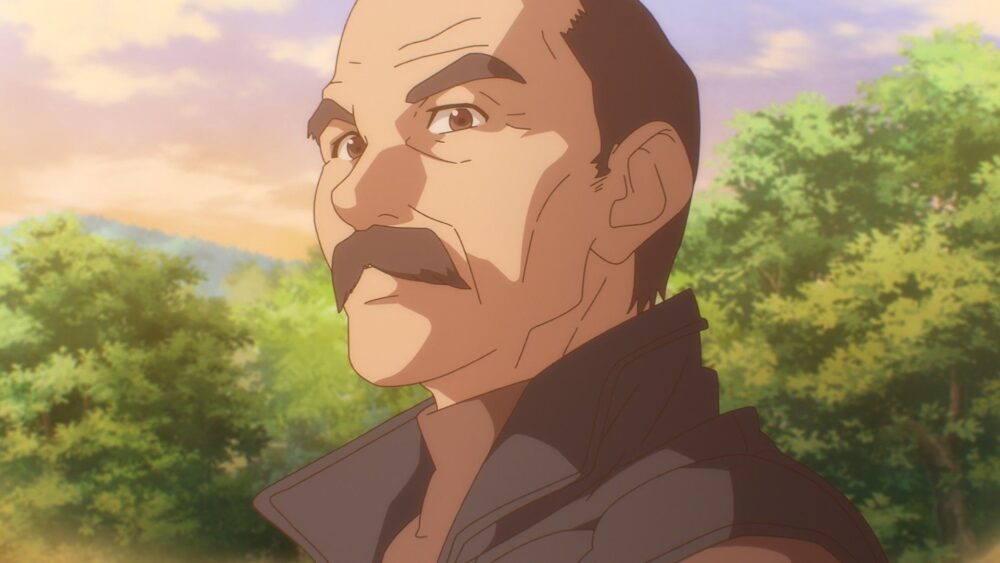
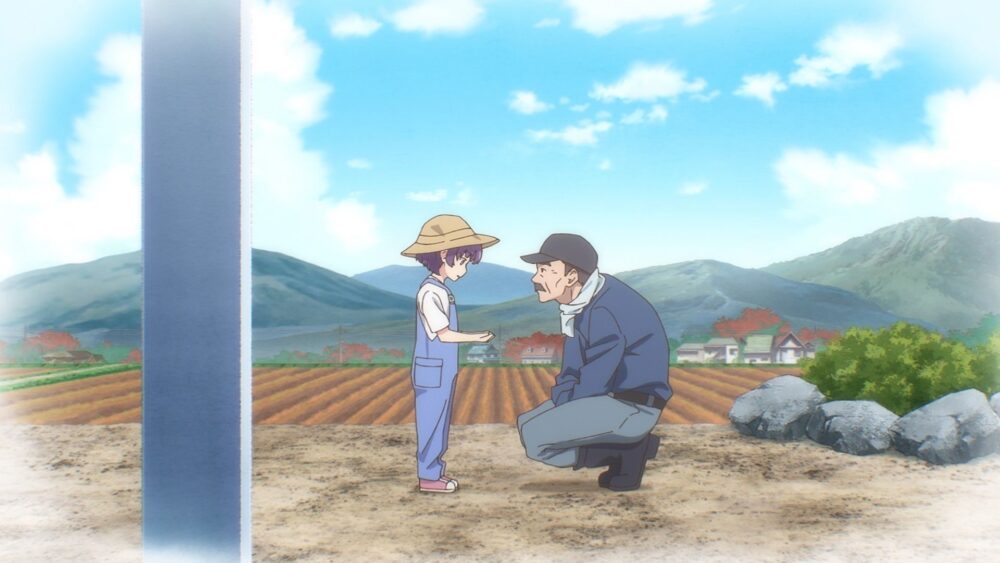
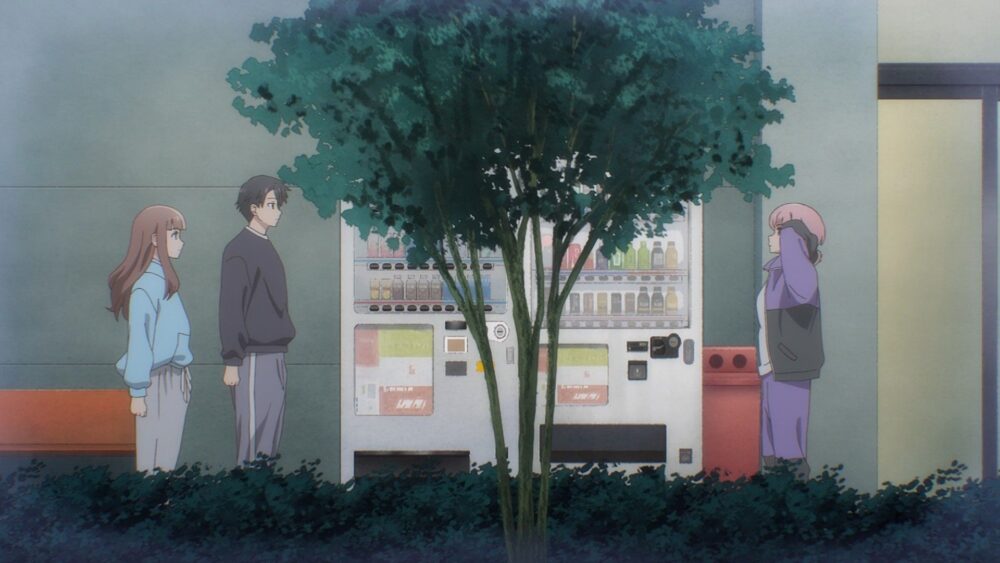
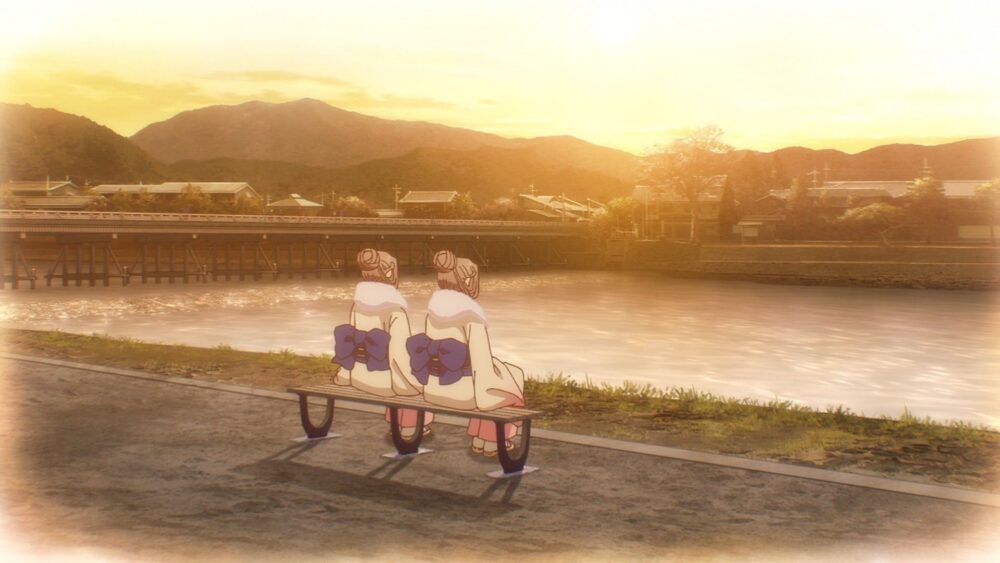
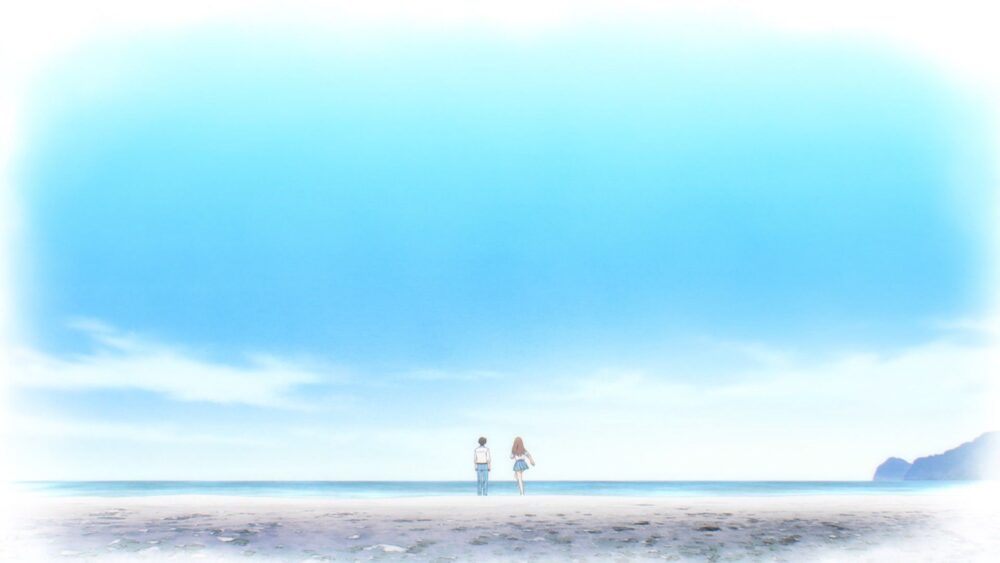
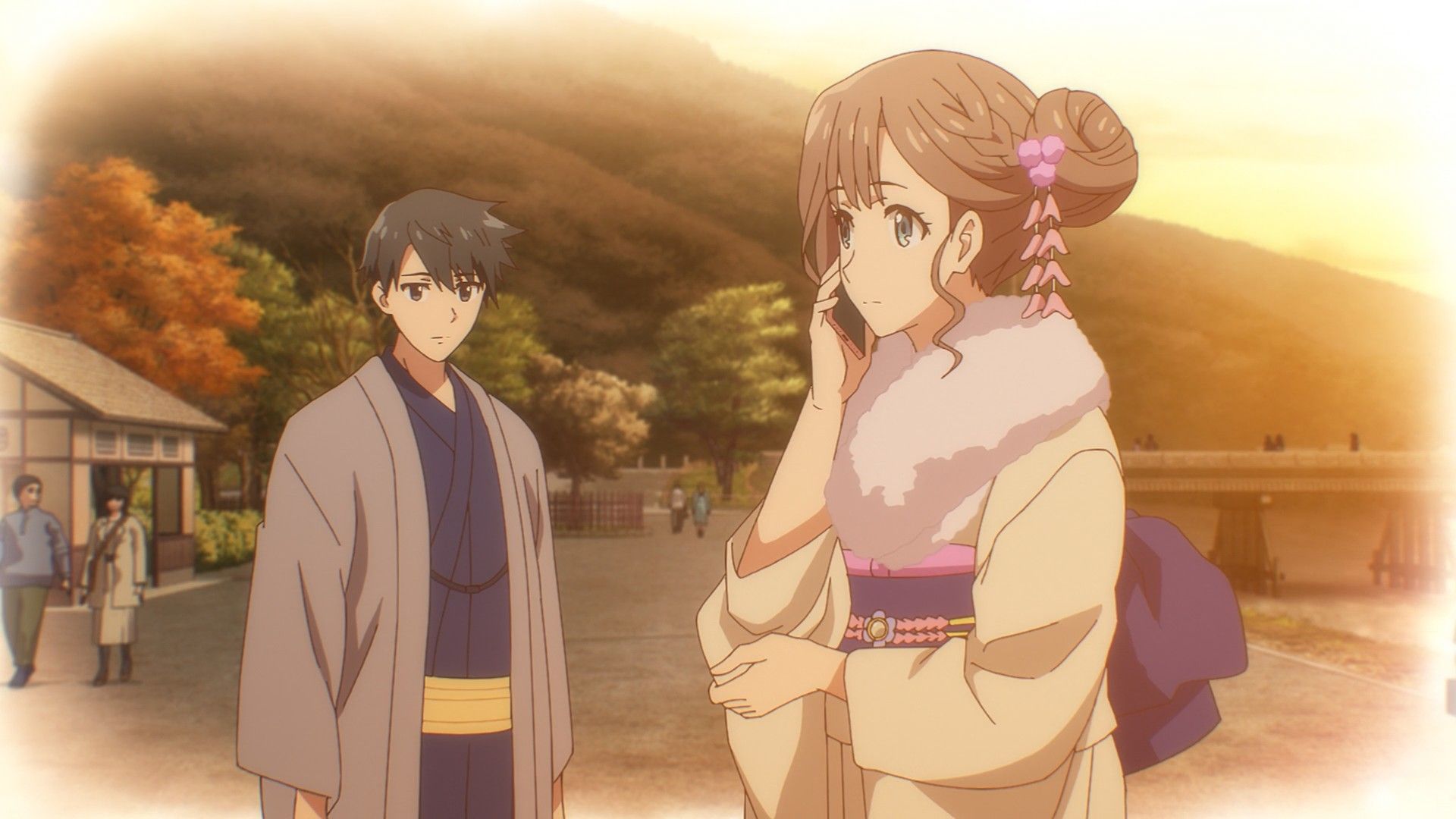
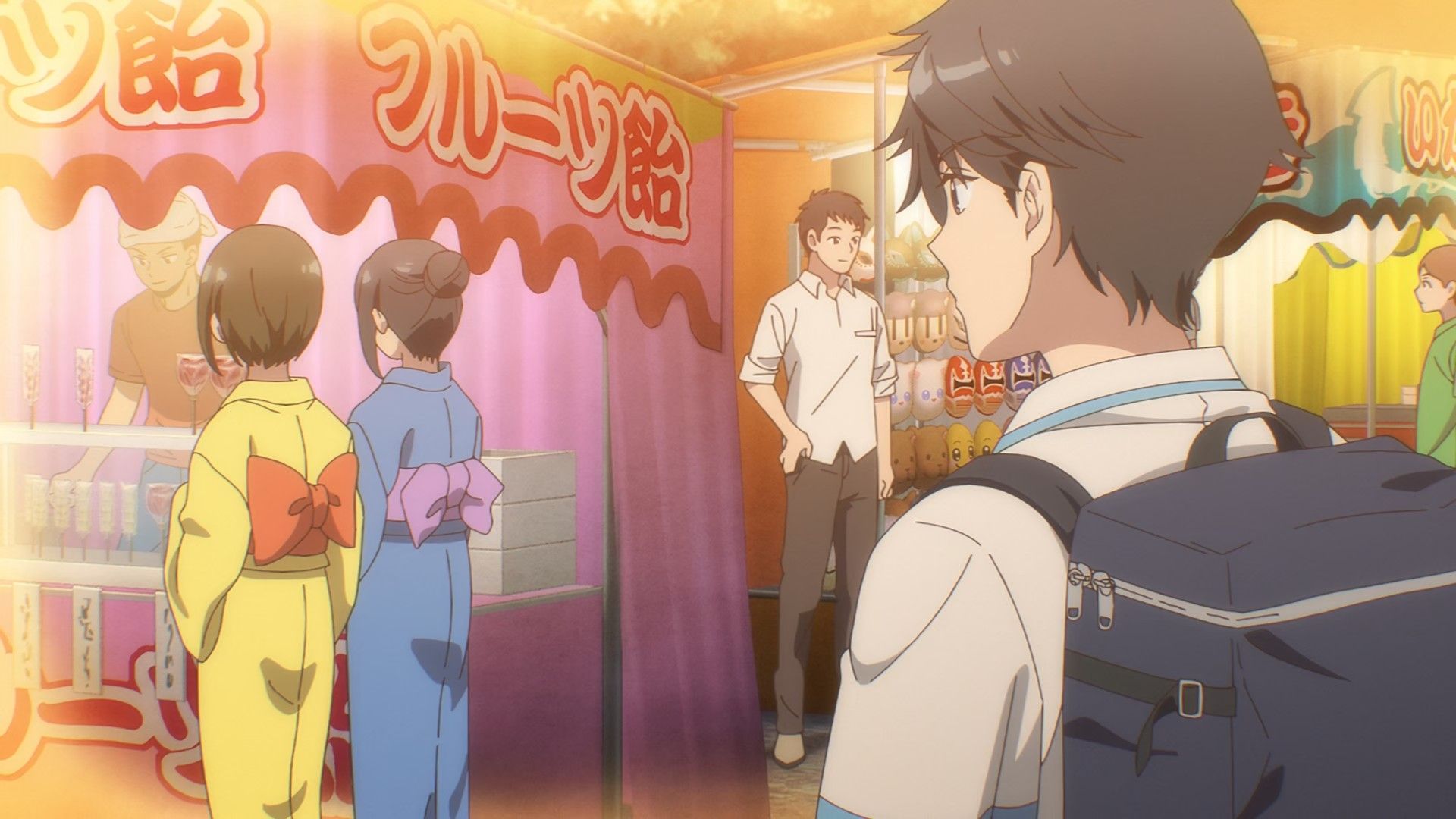
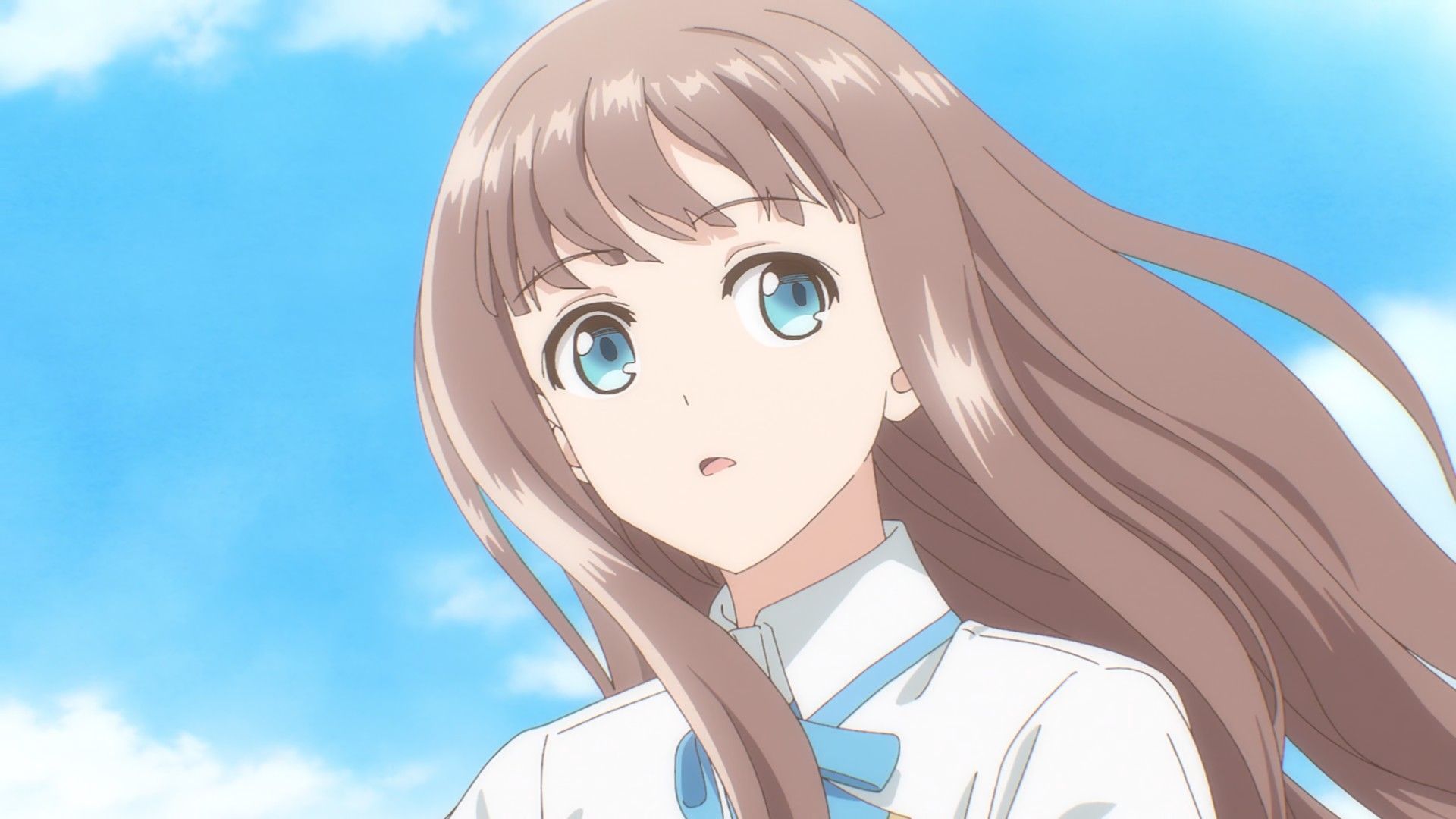
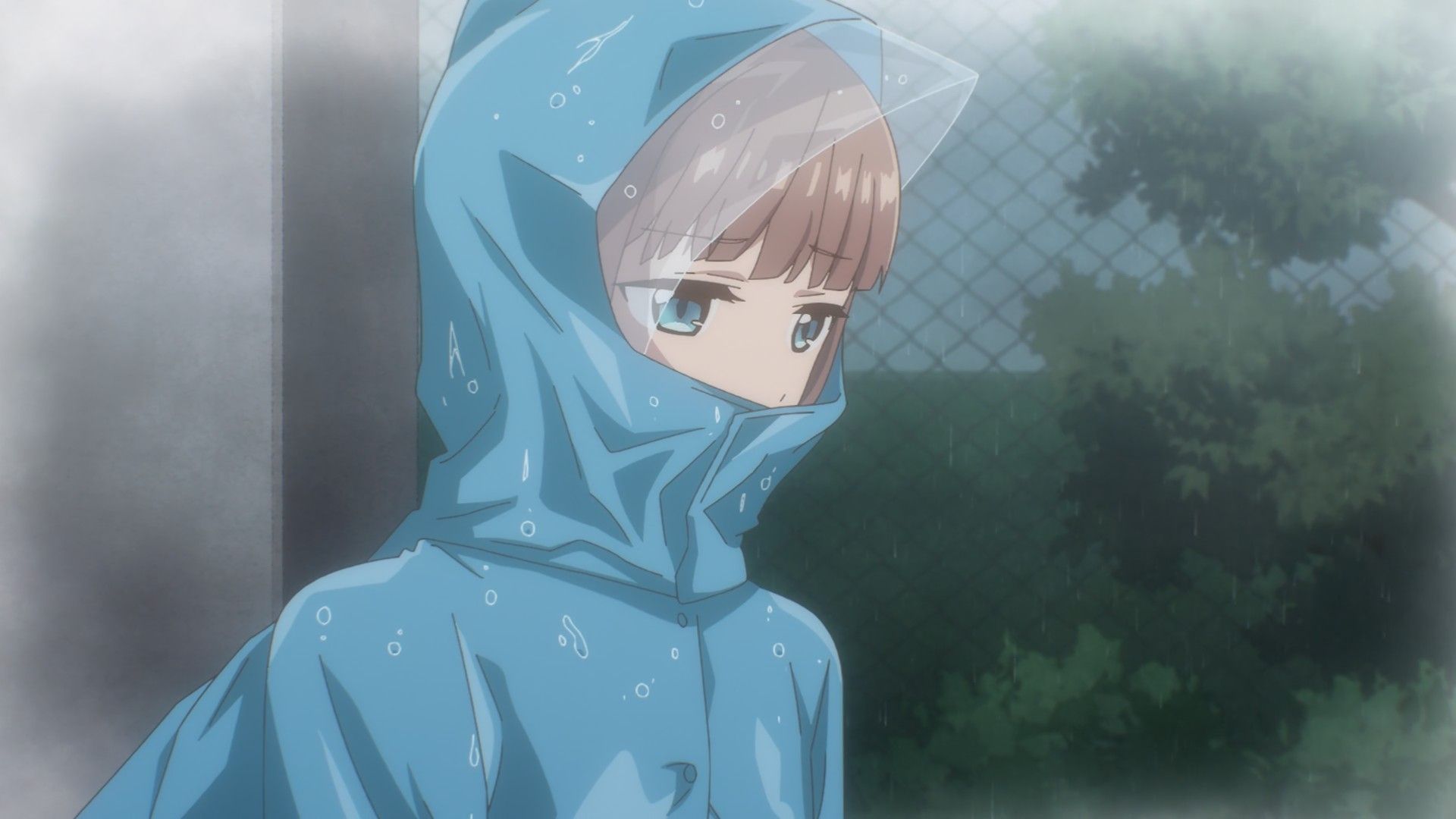
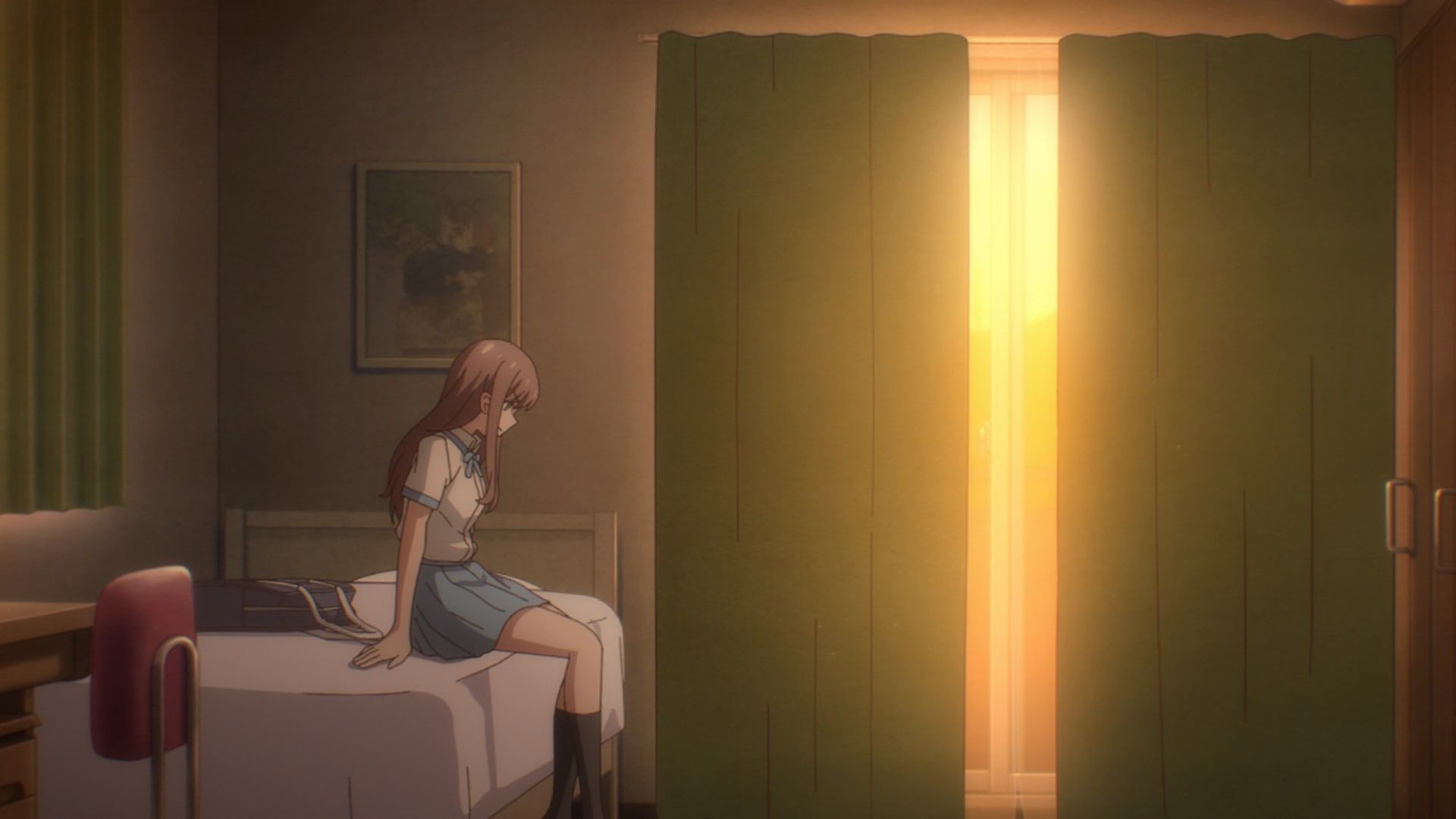
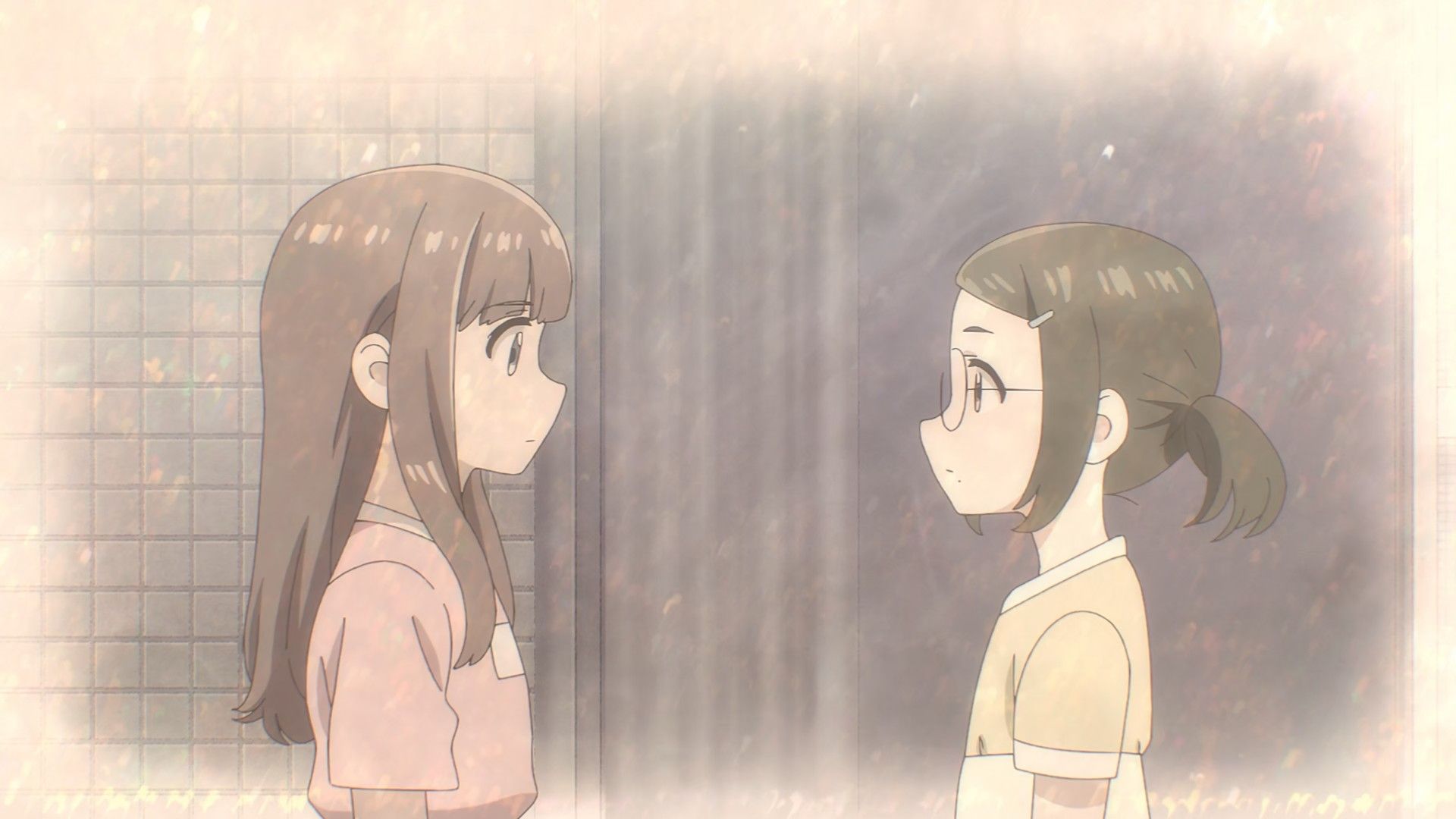
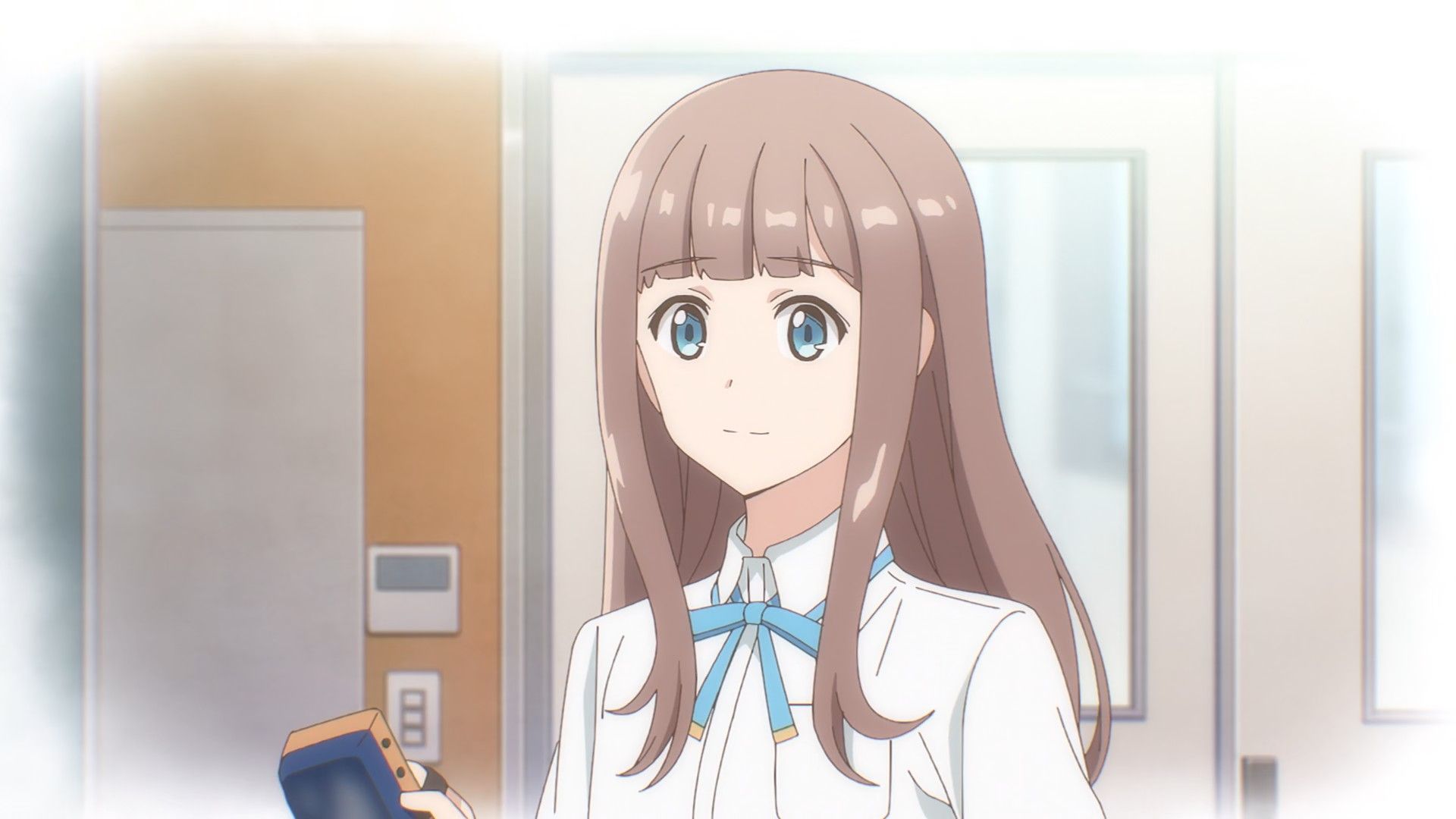
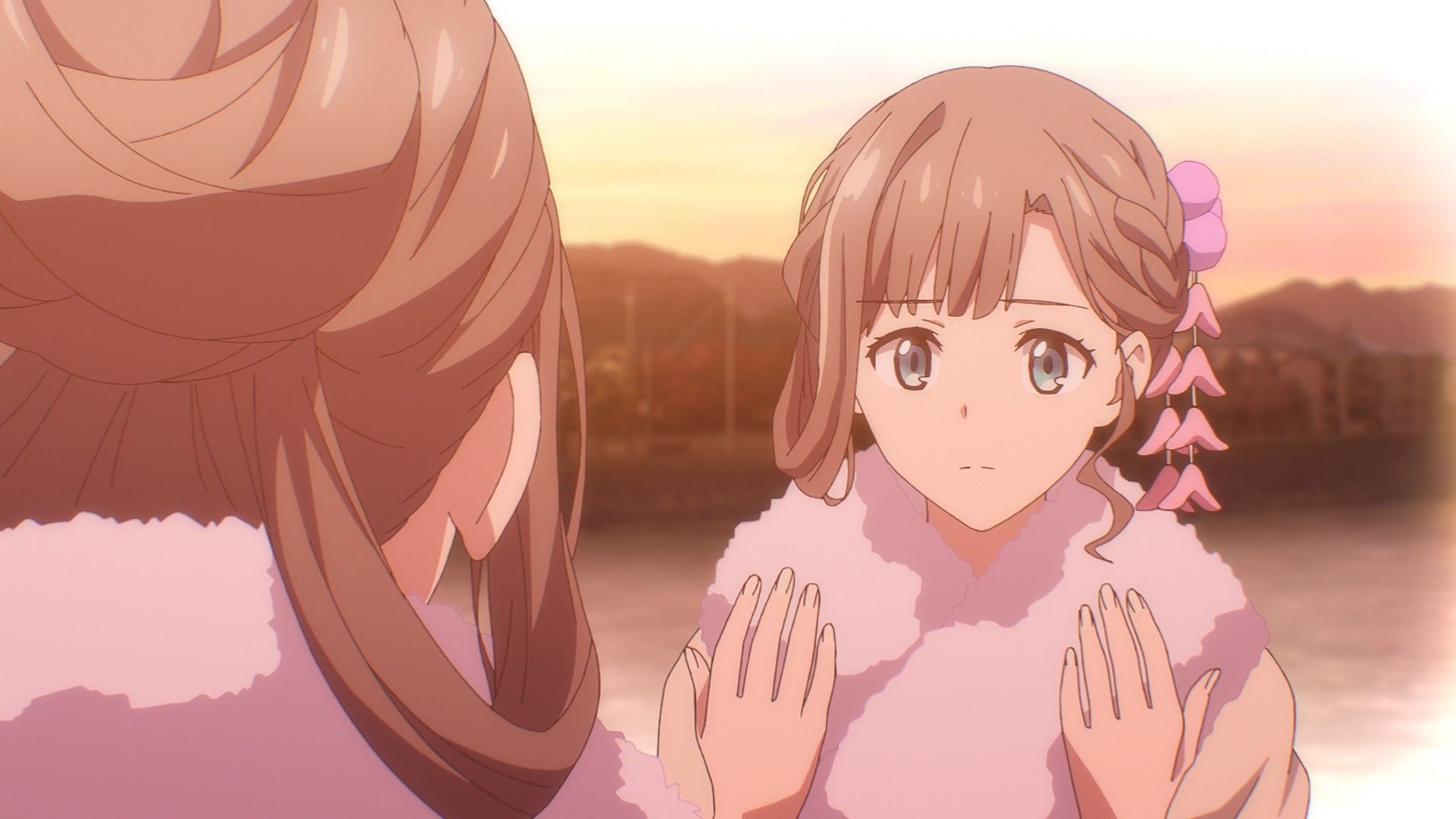
Because the story is largely told from Nao’s perspective — from the point of view of a being who questions her own reality — the visual blurring of the world reflects her subjective, uncertain perception of it. The screen looks as if it were bathed in the fog of memory, which fits perfectly with the motif of transience. This effect is used from the very beginning of the series, though I only noticed it (or rather, noticed that it is not present all the time) later in the show, when Sunao receives more screen time. The lighting direction is divided into three precisely defined modes, each corresponding to a specific emotional state of the characters.
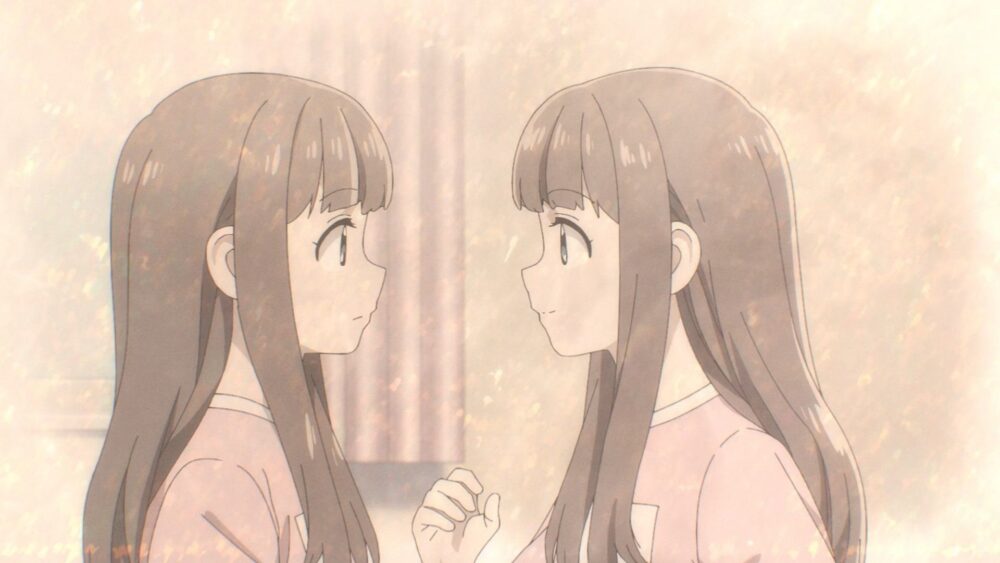
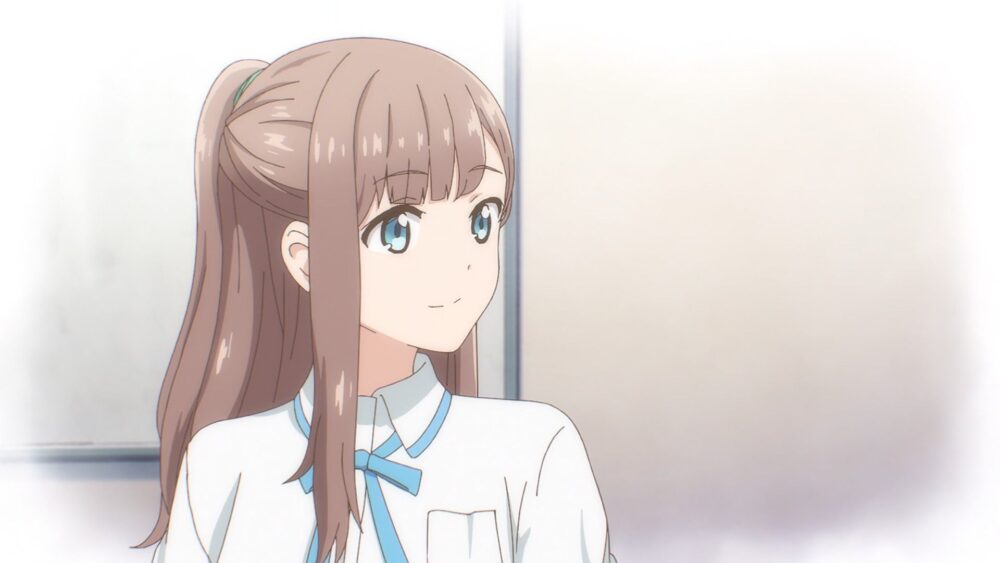
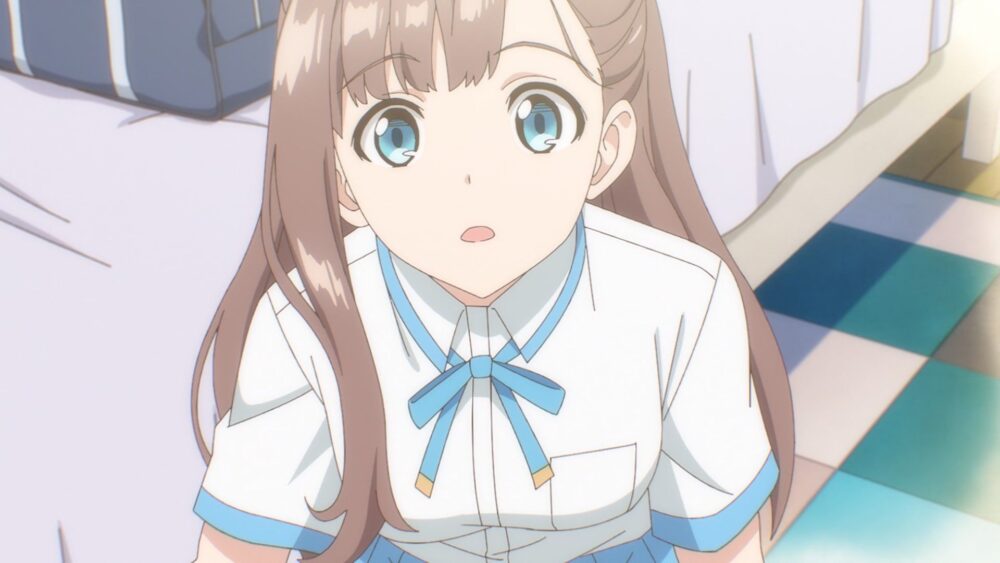
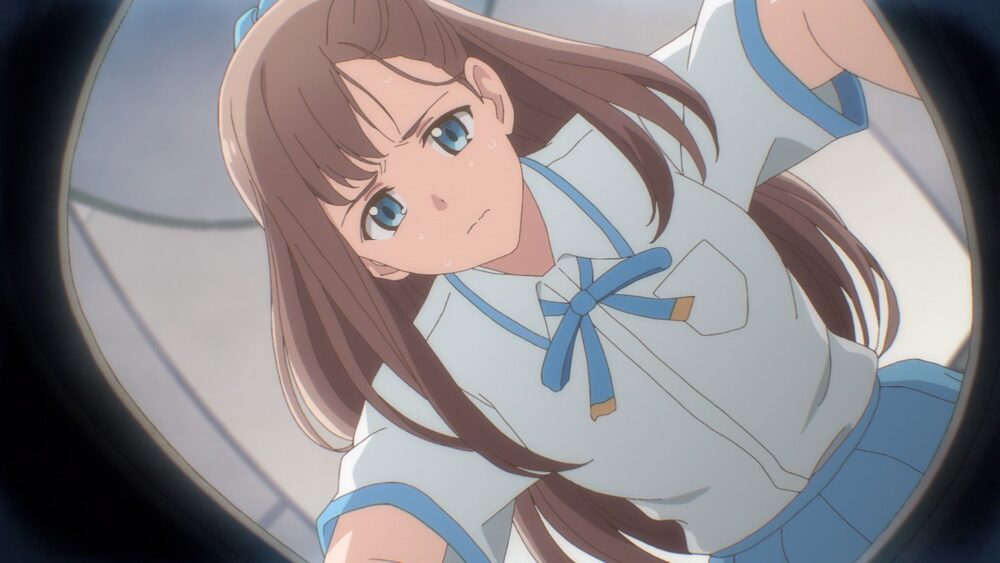
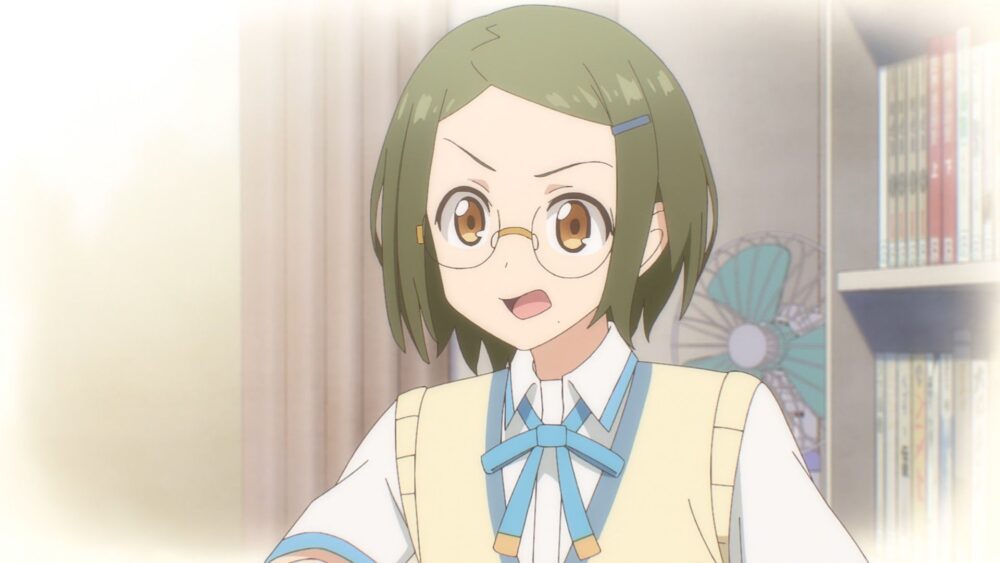
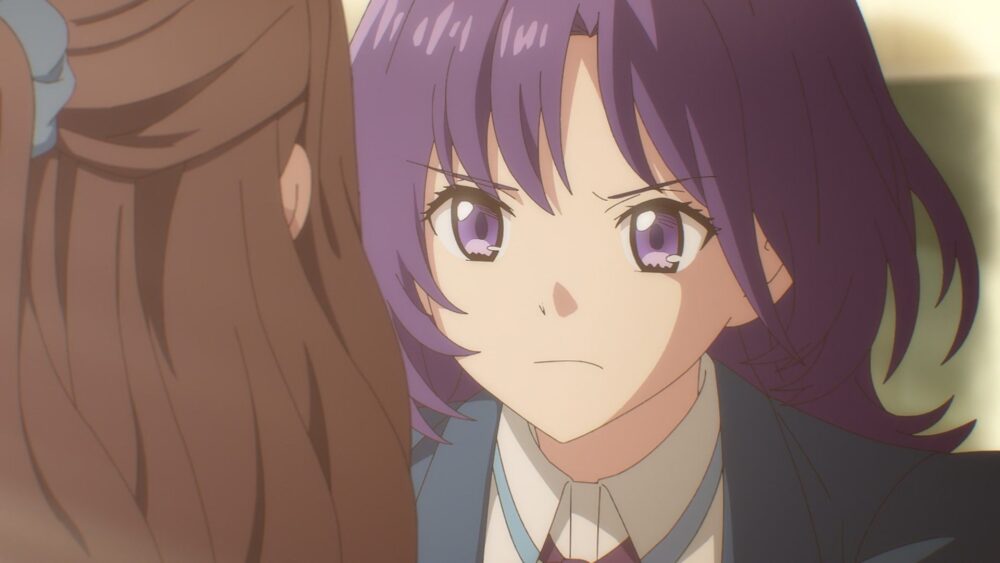
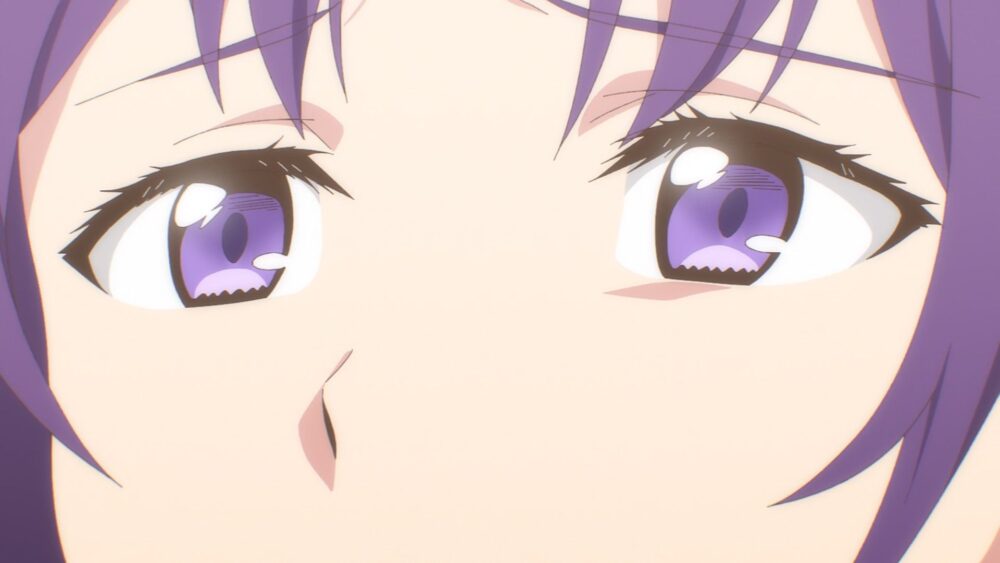
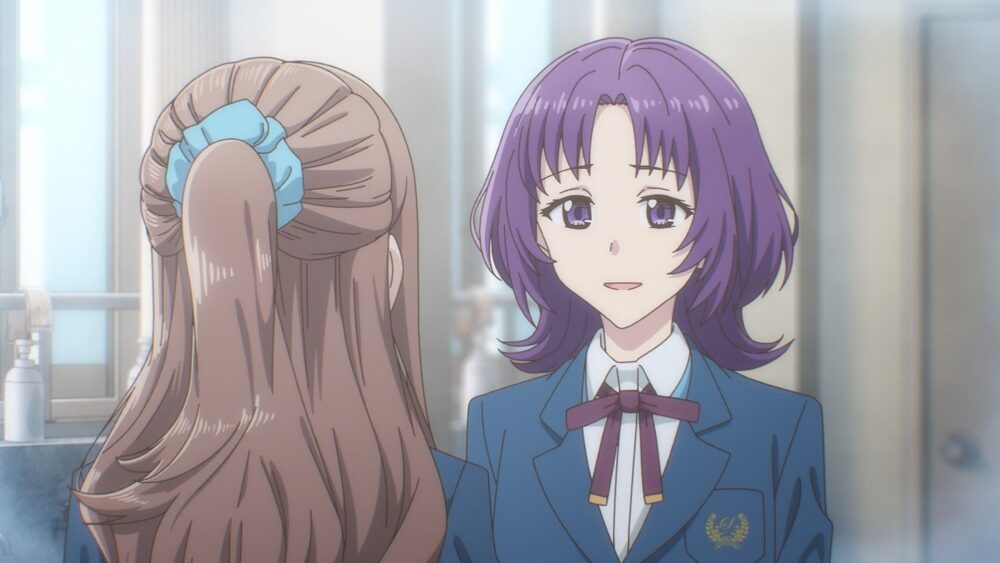
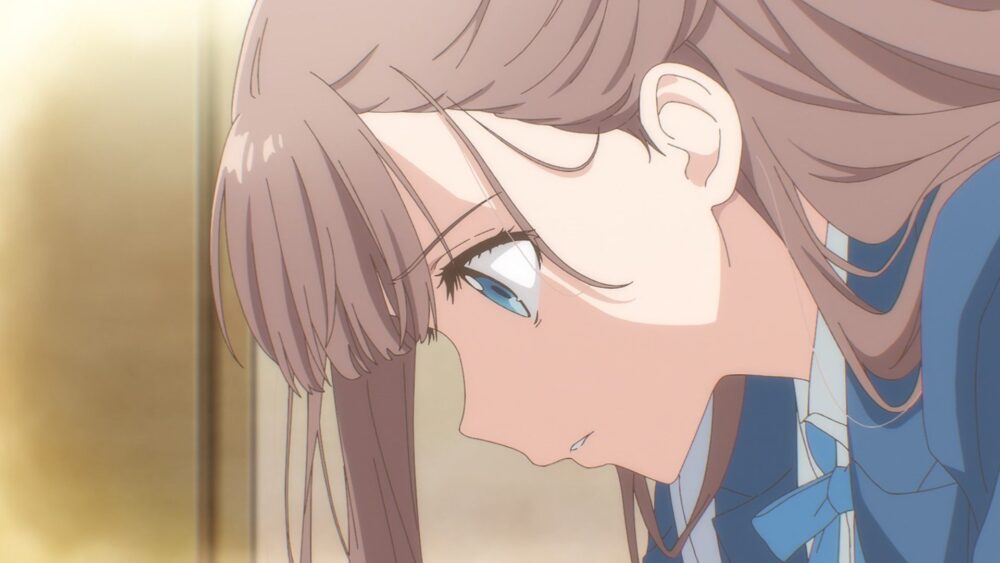
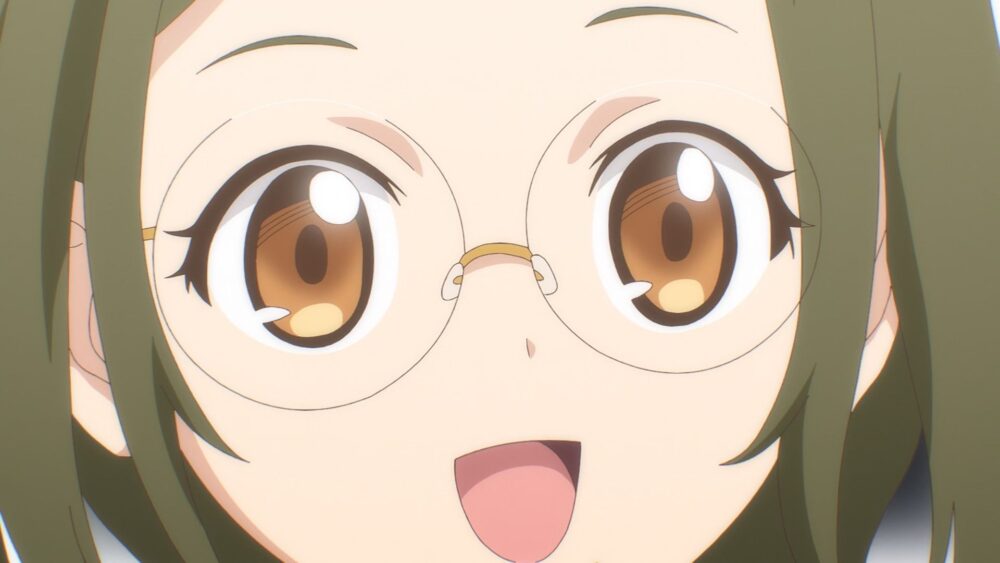
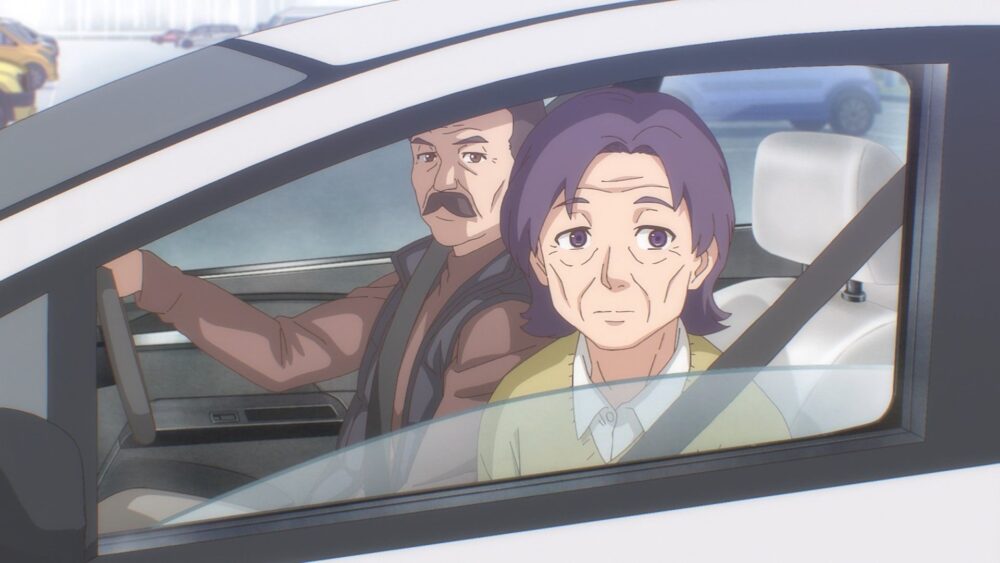
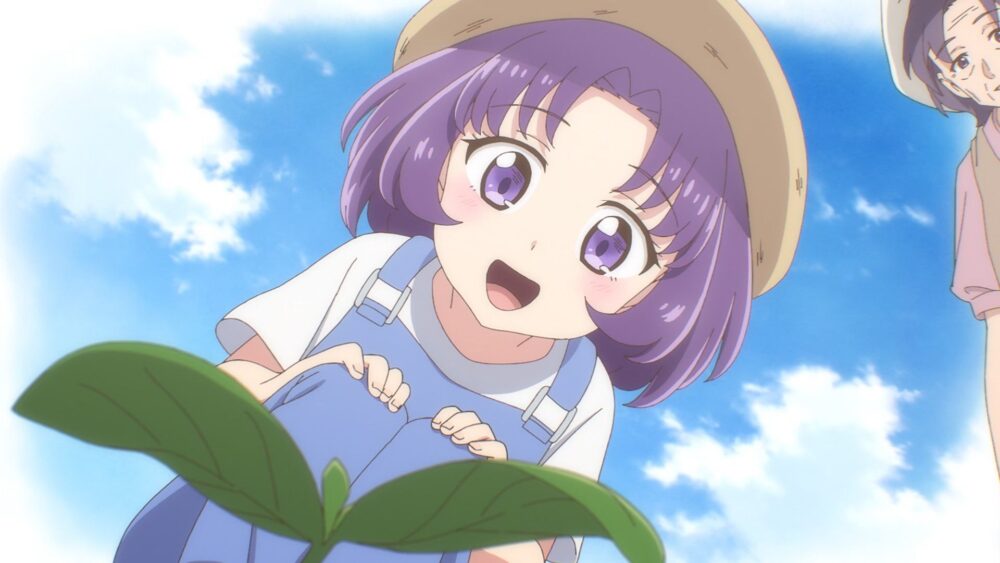
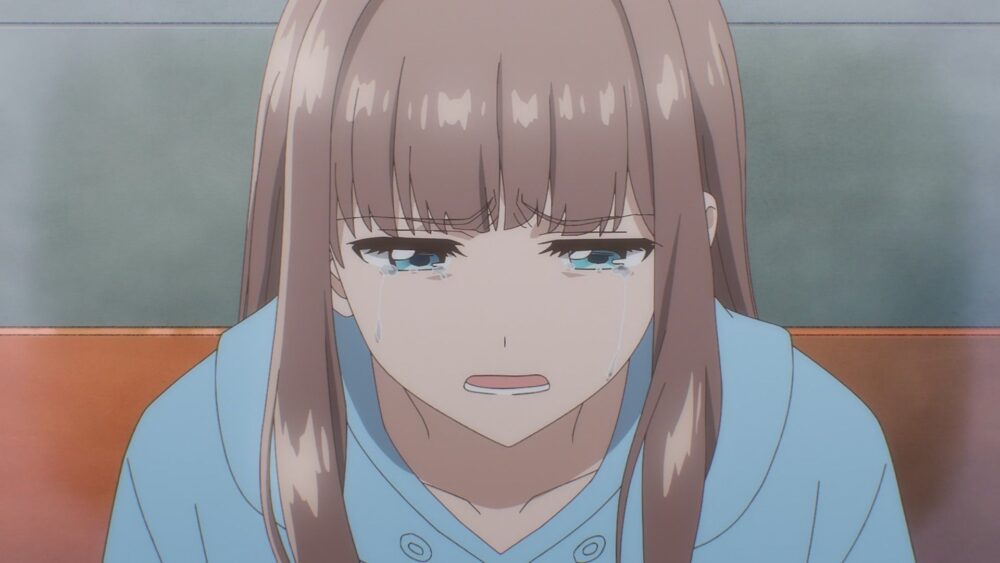
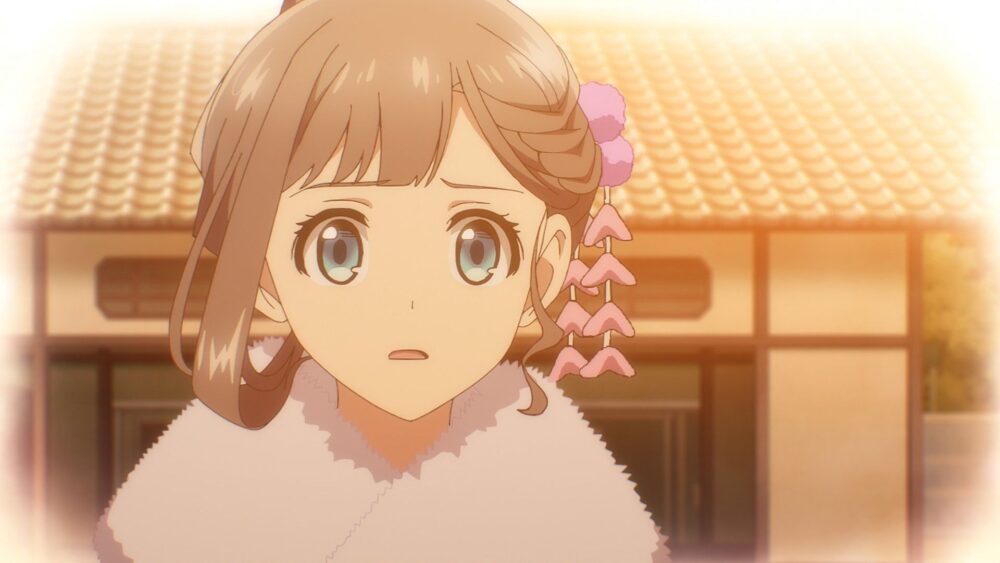
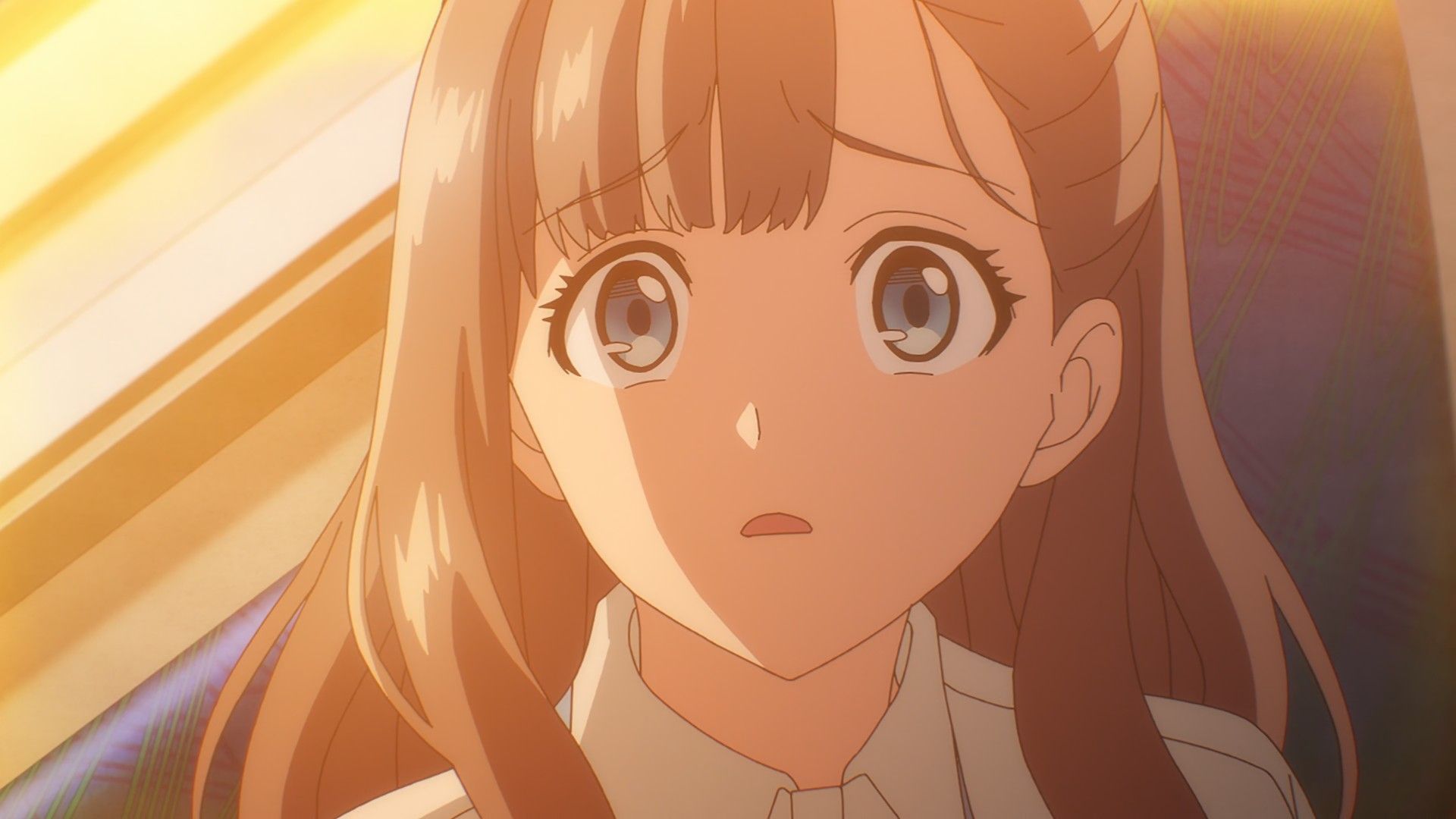
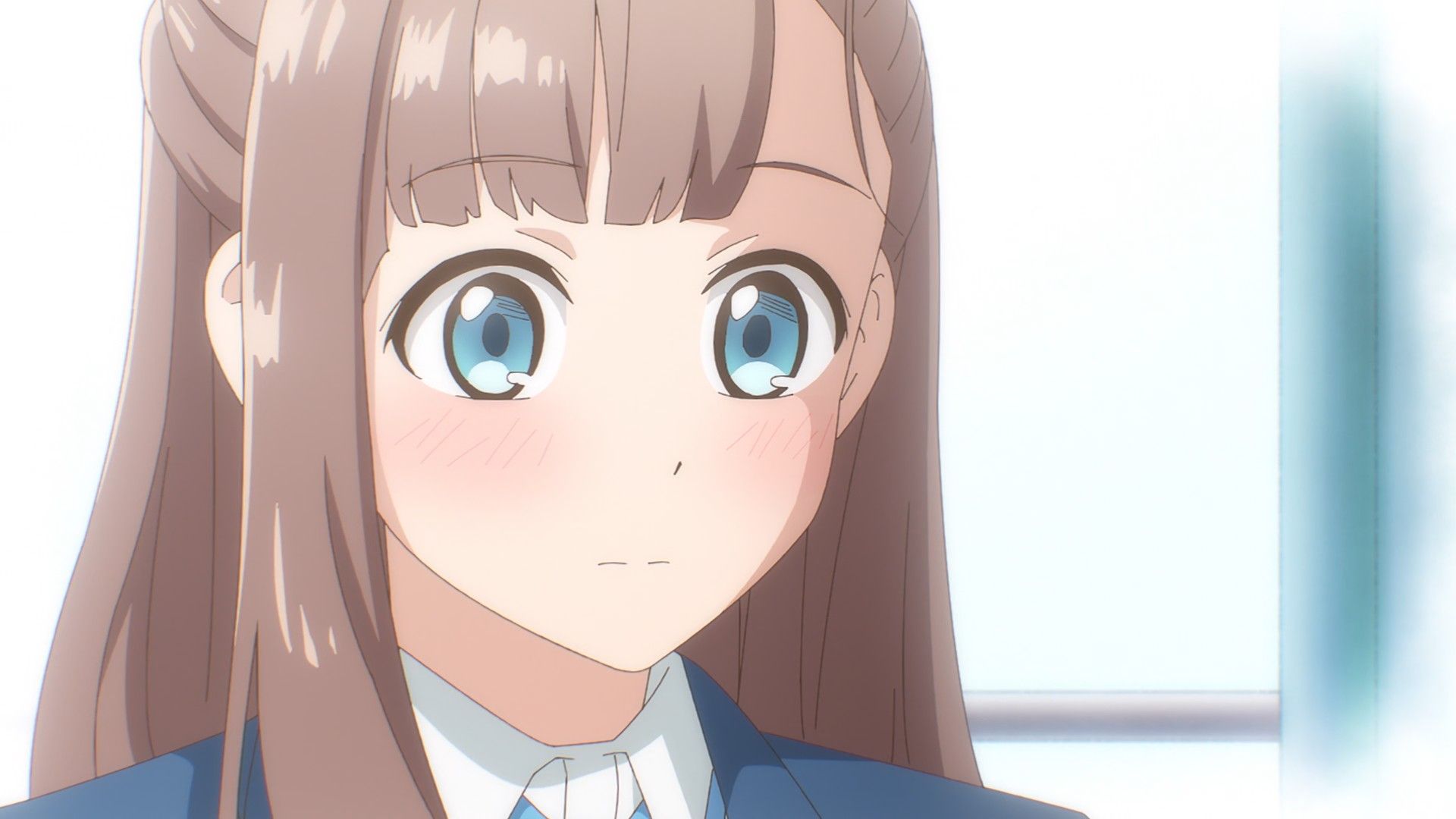
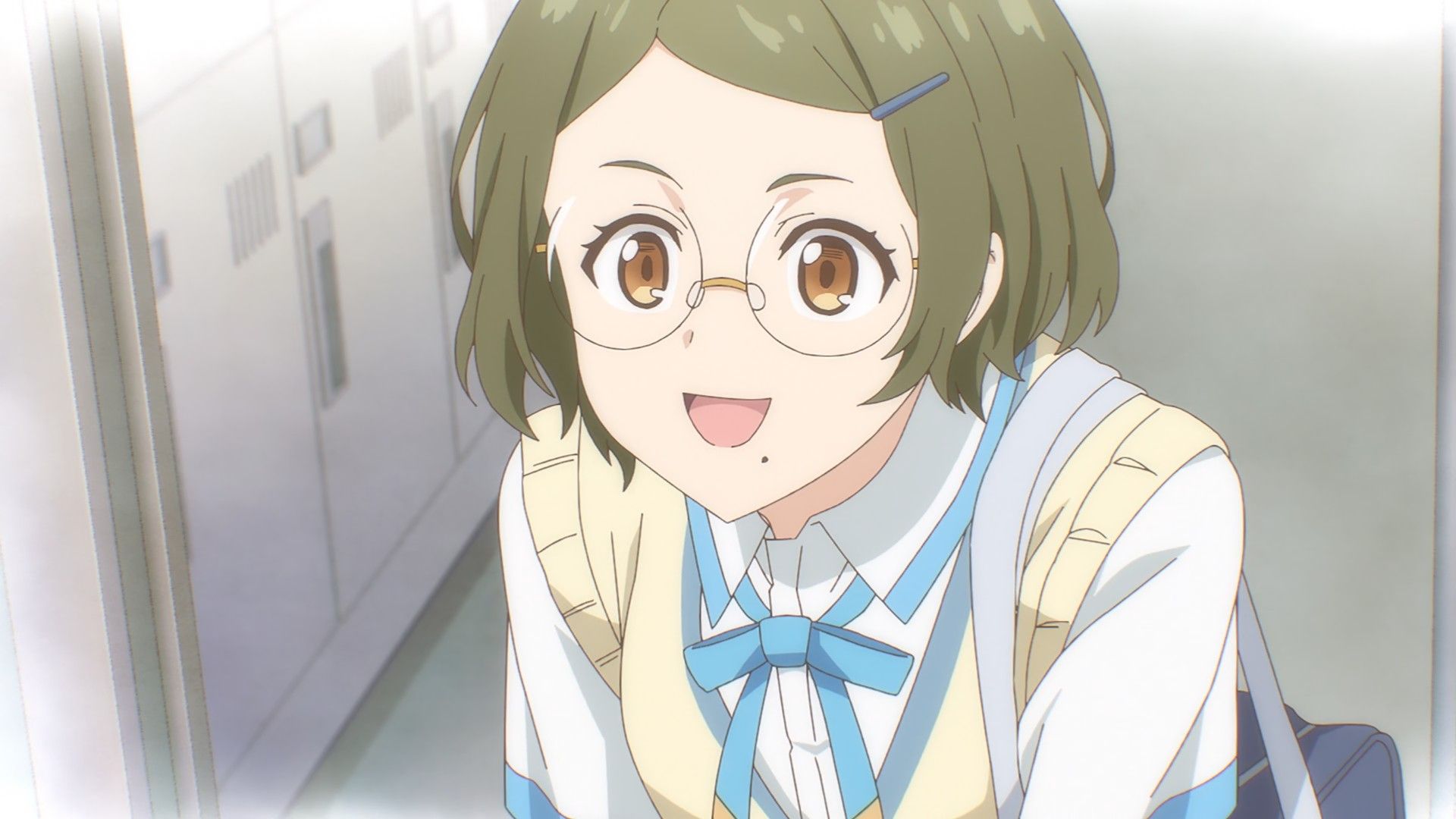
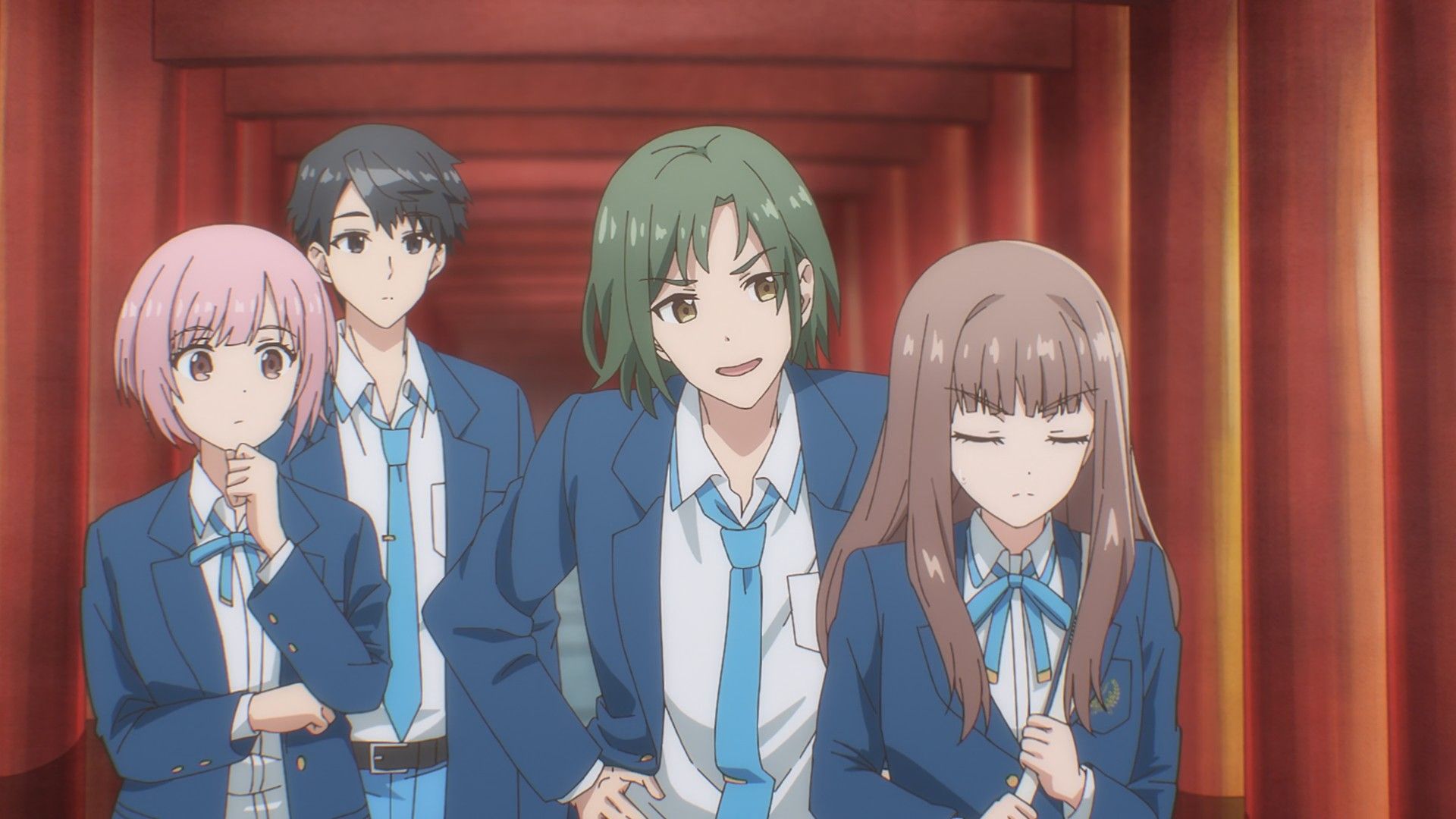
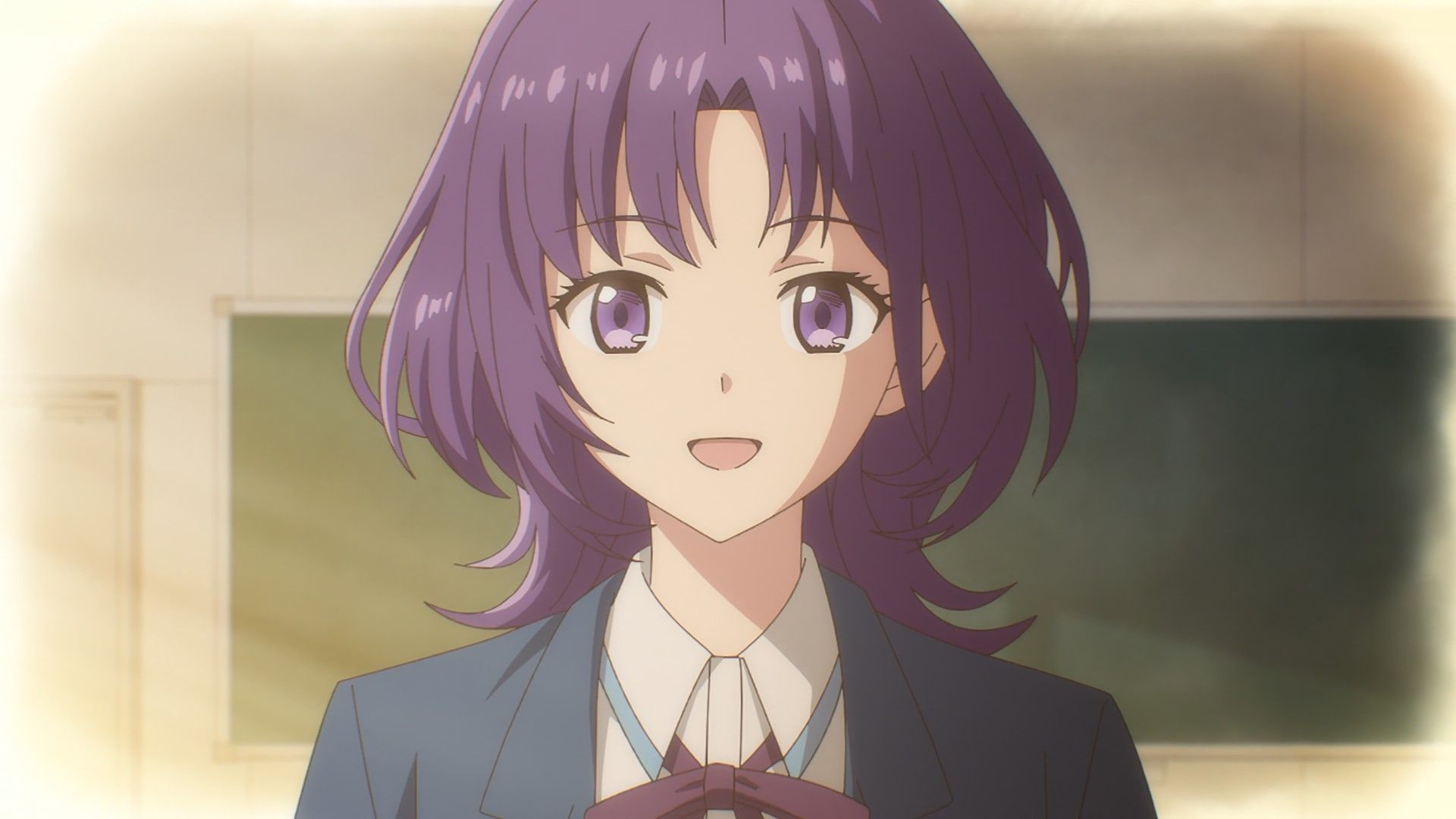
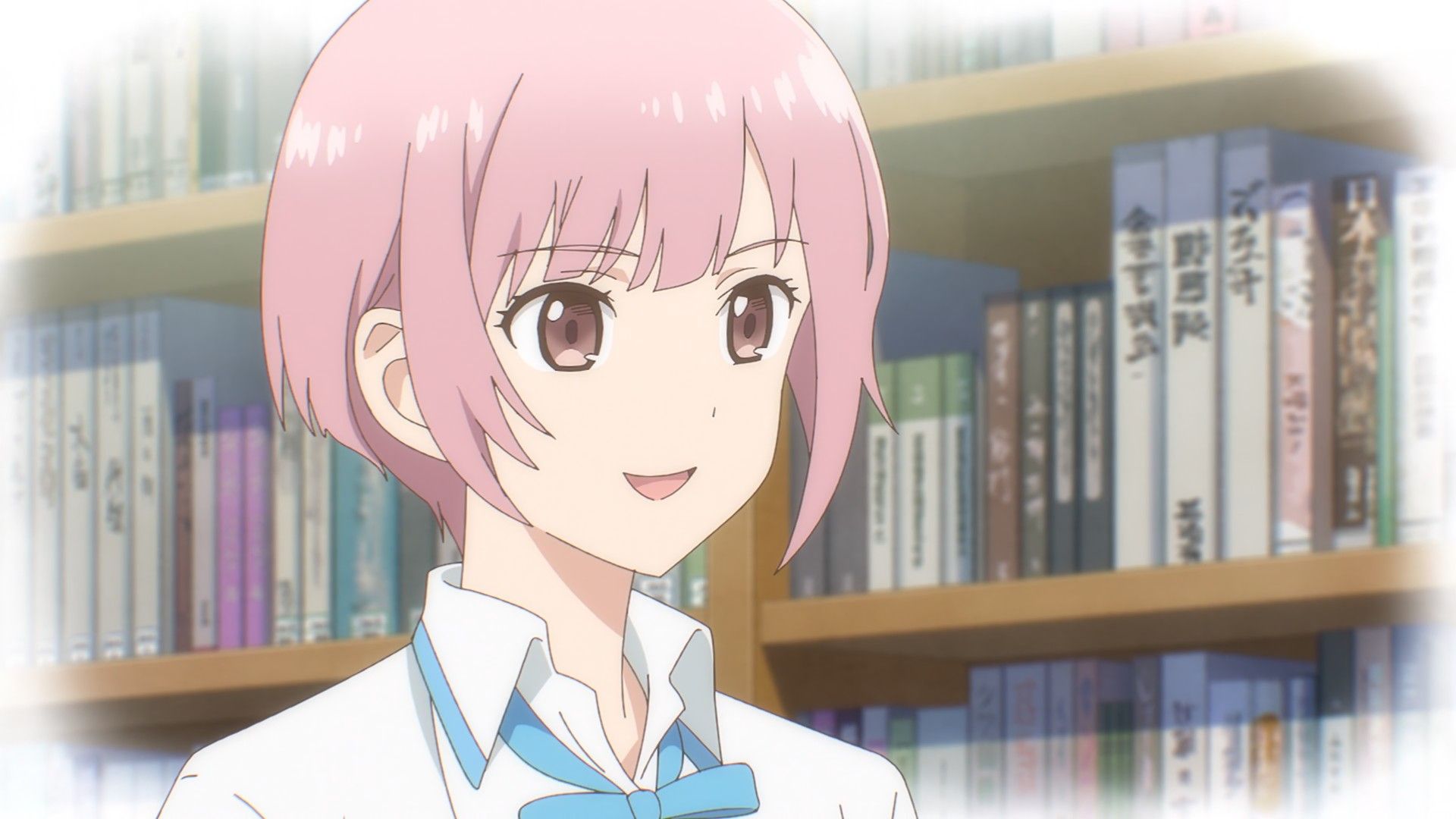
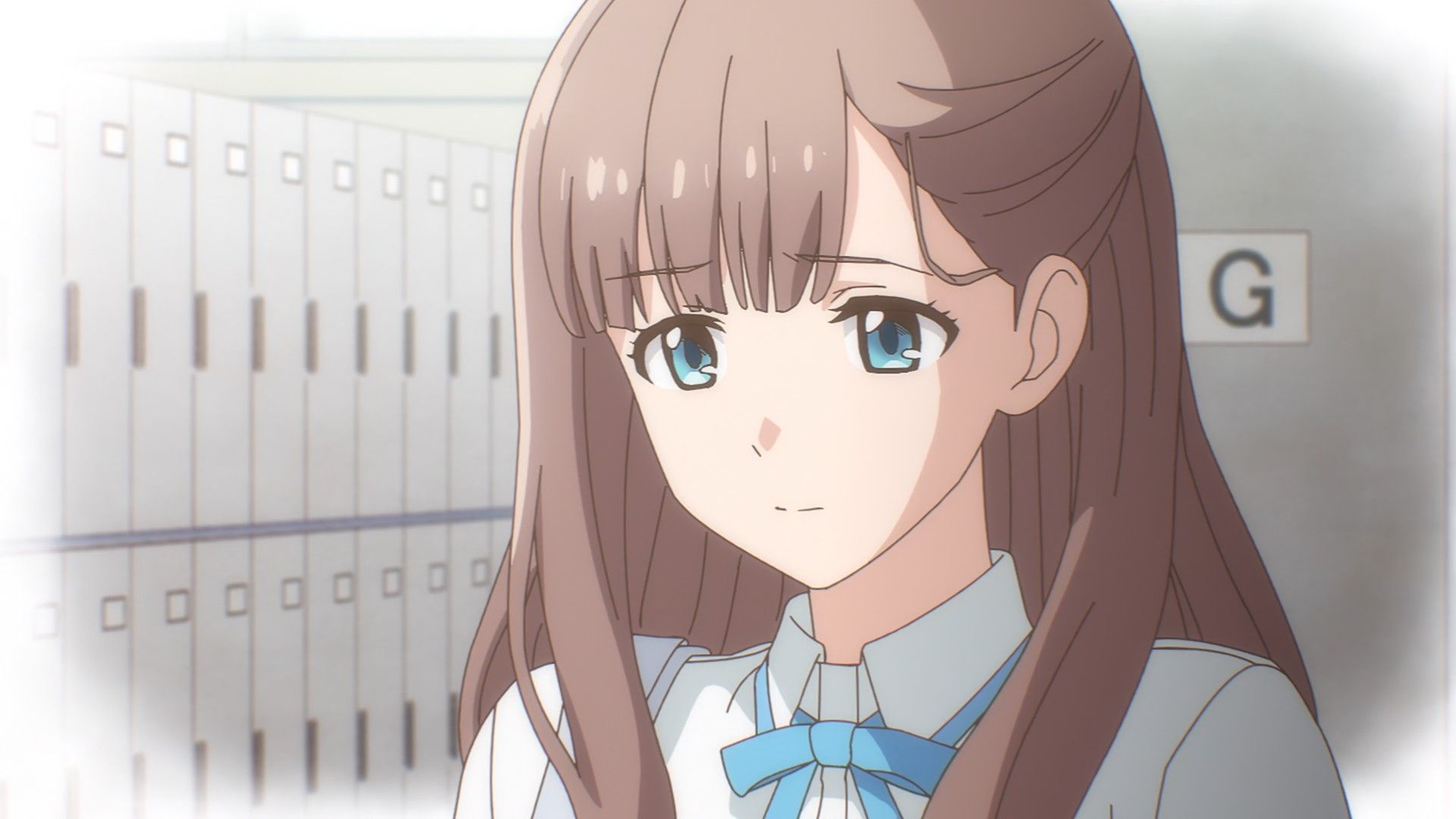
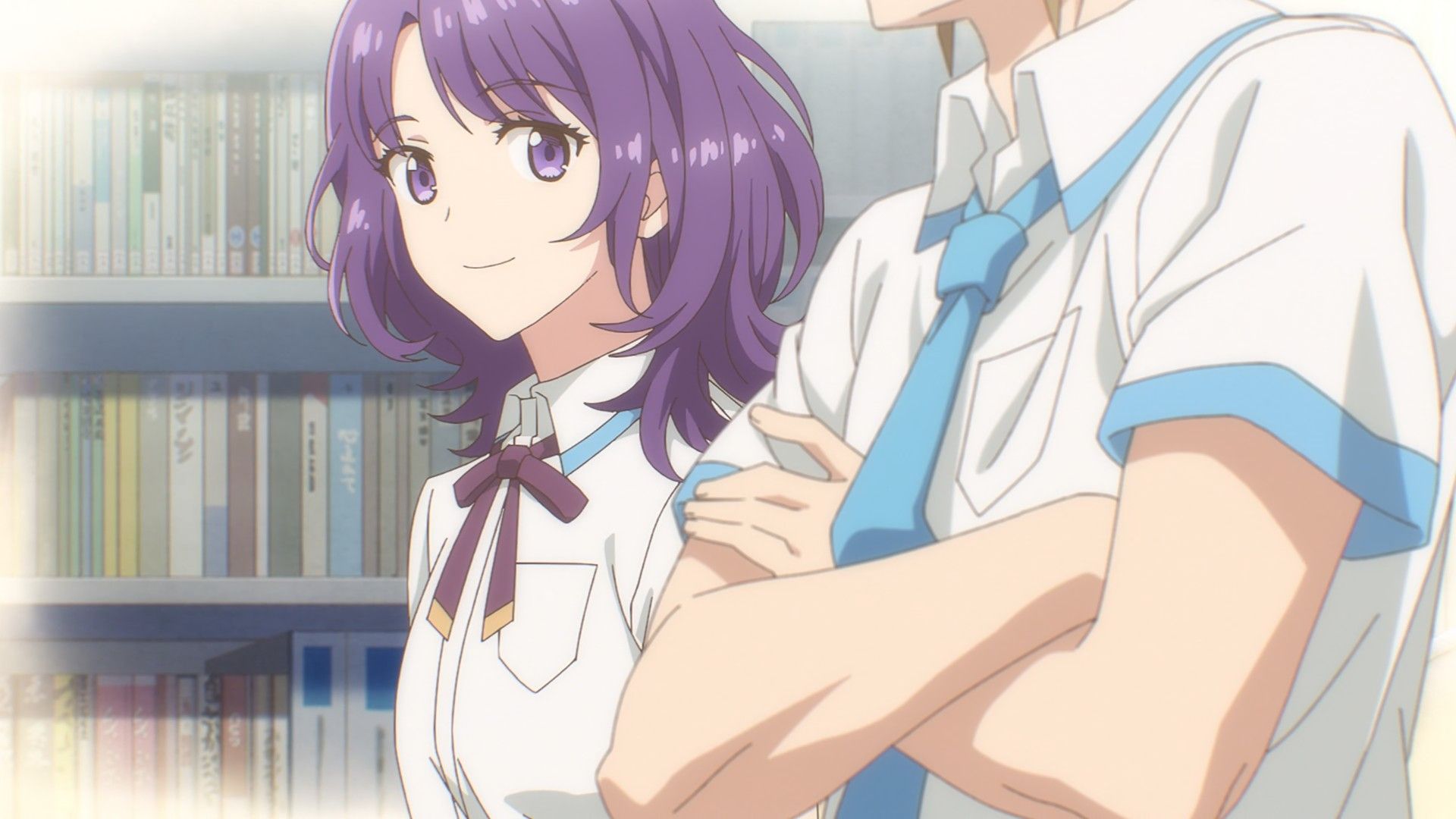
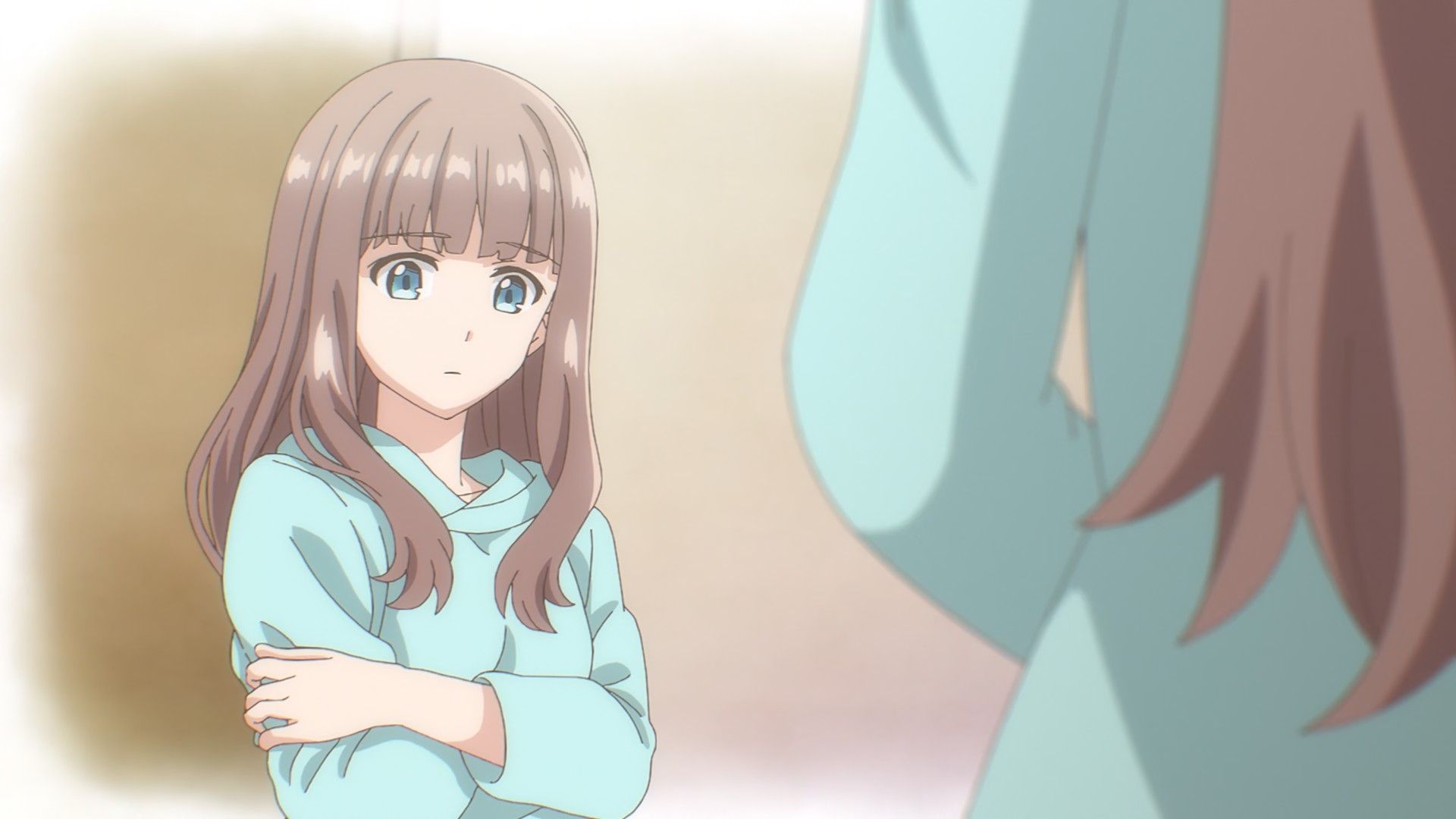
Abiko Eiji’s designs are a nod to the past. The real craftsmanship, however, is visible in the eyes. They are large, rich with multi-toned gradients, and filled with highlights typical of the 2000s canon. In a series that avoids broad gestures and dynamic body language, it is these highly expressive eyes that carry the emotional weight. As a result, the character design does more than evoke that nostalgia for the early 2000s. It is also fundamentally tied to the introverted nature of the two main heroines — Nao and Sunao.
The animation itself falls below common standards in some scenes, but there were genuinely very few moments that were actually hard on the eyes.
Audio
As befits a classic, contemplative anime, the soundtrack avoids excessive pathos. It is built around recurring, minimalist motifs that do not dominate the dialogue, but instead fill the space between words. In this case, however, those motifs are also distinctive enough to gain an identity of their own and become recognizable. That is a major strength, and another element that, in my opinion, strongly recalls productions from the 2000s.
The opening and ending themes were chosen very precisely for the subject matter. The OP Refrain by Shytaupe, especially its vocals, was very much to my taste. Meanwhile, the ED Awa (Foam), performed by asmi, directly strikes the mermaid motif, summing up the tragedy of the replicas while also being my favorite ending of the spring season.
What elevates the audio layer, however, is the absolutely phenomenal voice acting. Morohoshi Sumire, playing the dual role of Nao and Sunao, rose to remarkable heights. Voice acting in Japan is already at an extremely high level, but differentiating one character (who physically has the same voice) into two diametrically different personalities requires real skill. Through subtle changes in intonation, Morohoshi made the viewer forget that both characters were speaking with the same voice.
Replica datte, Koi wo Suru – Plot and Characters
Introduction
The spring 2026 anime season brought us a work that very consciously and deliberately breaks away from contemporary production patterns. The adaptation of Harunadon’s light novel Replica datte, Koi wo Suru, winner of the prestigious 29th Dengeki Novel Prize, immediately caught my attention. The reason, however, was not an explosion of animation budget or dynamic action scenes, but something far more unique. The recreation of the specific vibe and atmosphere of anime adaptations from the first half of the 2000s.
Replica datte, Koi wo Suru lies in a perfect marriage of nostalgic direction, visual aesthetics from a bygone era, and a narrative in which a dose of mystery and supernatural phenomena subtly intertwine with the prose of everyday life. Despite the animation’s noticeable technical limitations in some places, the direction of many scenes gives the impression of communing with classic psychological romances from the 2000s.
The starting point is simple, but it carries a surprising amount of weight. Someone creates their own replica to run away in their place from anything difficult, painful, or simply too exhausting. The idea sounds interesting enough on its own. Yet the series’ greatest strength is that it does not stop at the level of the concept itself. Instead, from beginning to end, it tells its story primarily through feelings, relationships, and the question of who someone truly is when they were created only to live in another person’s place.
Building Mystery in the Ordinary
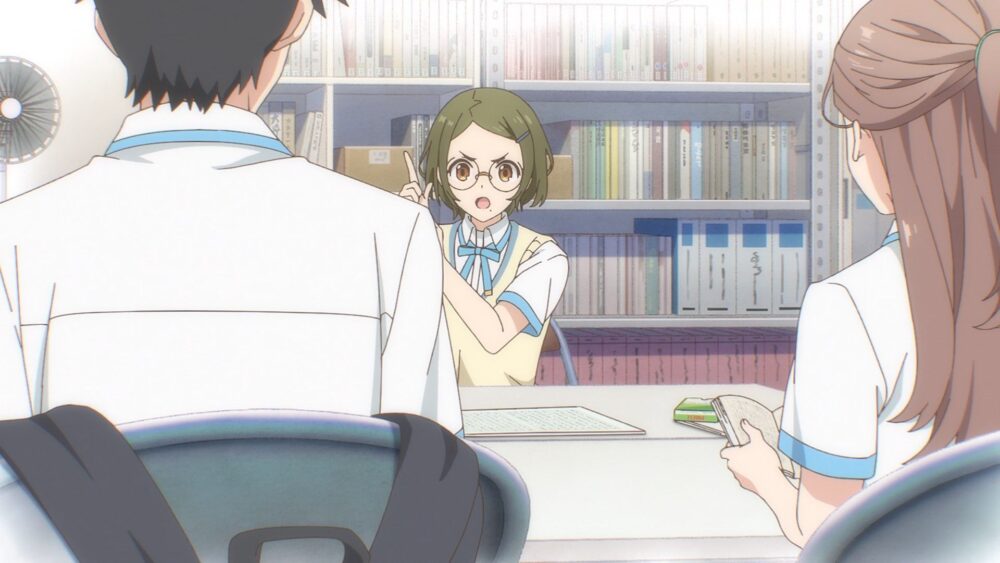
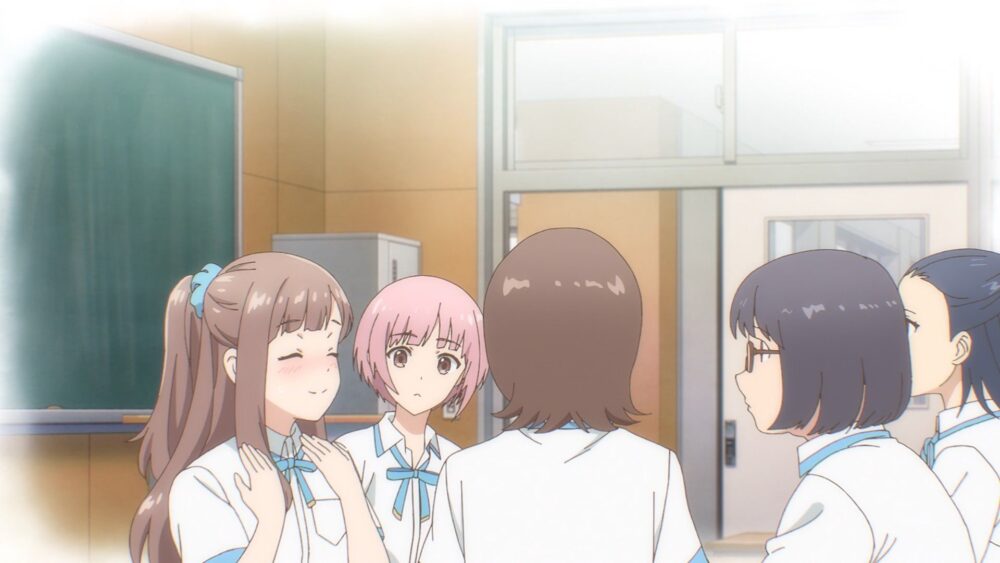
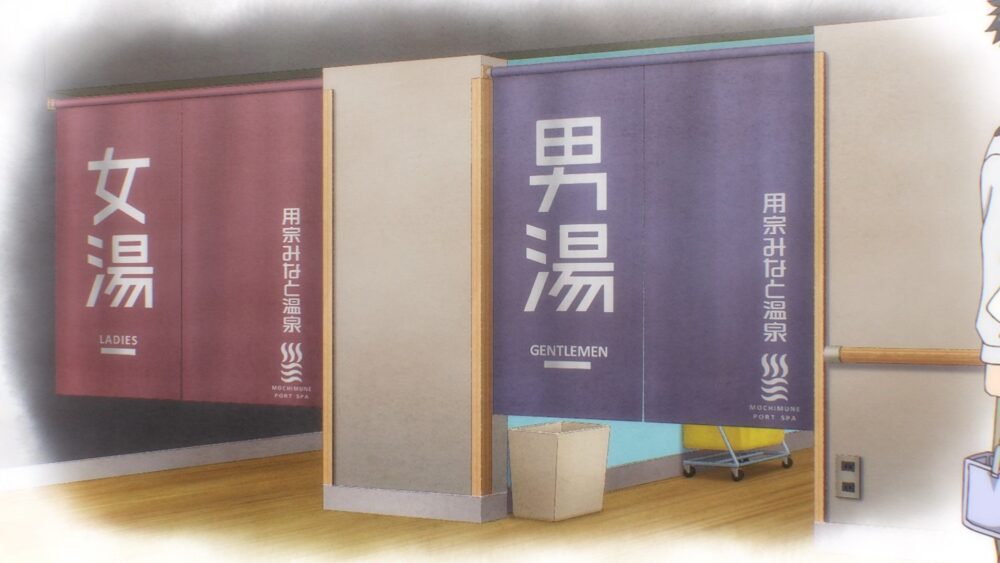
One characteristic element of anime from the beginning of the century (for example, early urban fantasy works or dramas with supernatural elements) is the clash between completely down-to-earth school problems and paranormal elements and romance. Replicas go to school, study for exams, and work as class duty officers. Supernatural phenomena are hidden here beneath the surface of routine. The director uses shots that emphasize this ordinariness.
A Brief Overview of the Replica datte, Koi wo Suru (2026) Plot
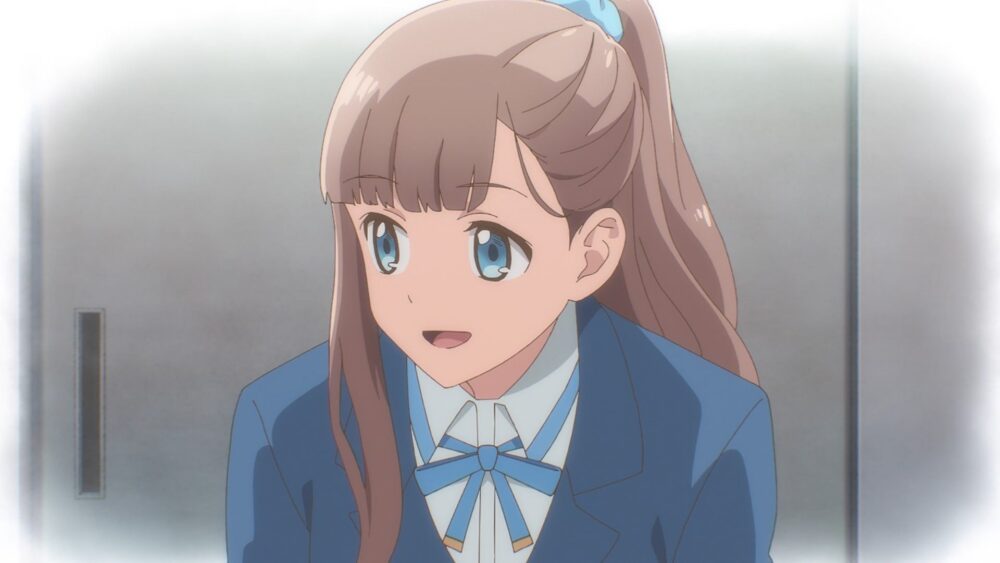
The main heroine is Nao, a replica of Aikawa Sunao. She was created back in childhood, when Aikawa Sunao needed someone to apologize to her friend after an argument in her place. Over time, this unusual mechanism began to play a much larger role. When Aikawa Sunao does not want to go to school, lacks the strength to endure daily life, or simply wants to run away from her own existence, she sends Nao instead. It is Nao who appears in class, meets people, forms relationships, tries to make a good impression, and takes on everything that the original either does not want to bear or cannot bear. This premise alone sets the tone for the entire story. From the very beginning, Nao exists as someone who is needed, but not necessarily recognized as a full-fledged person.
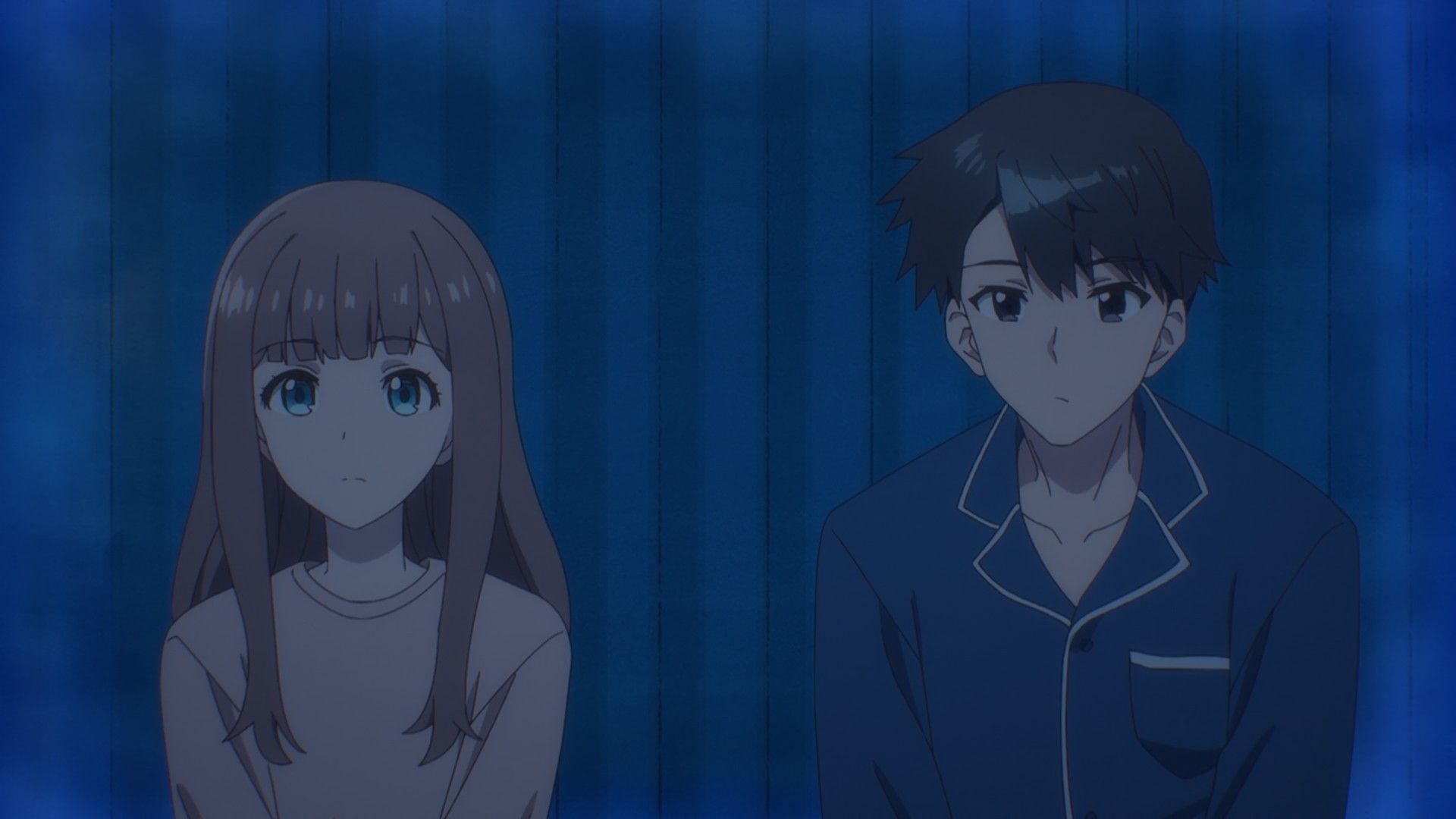
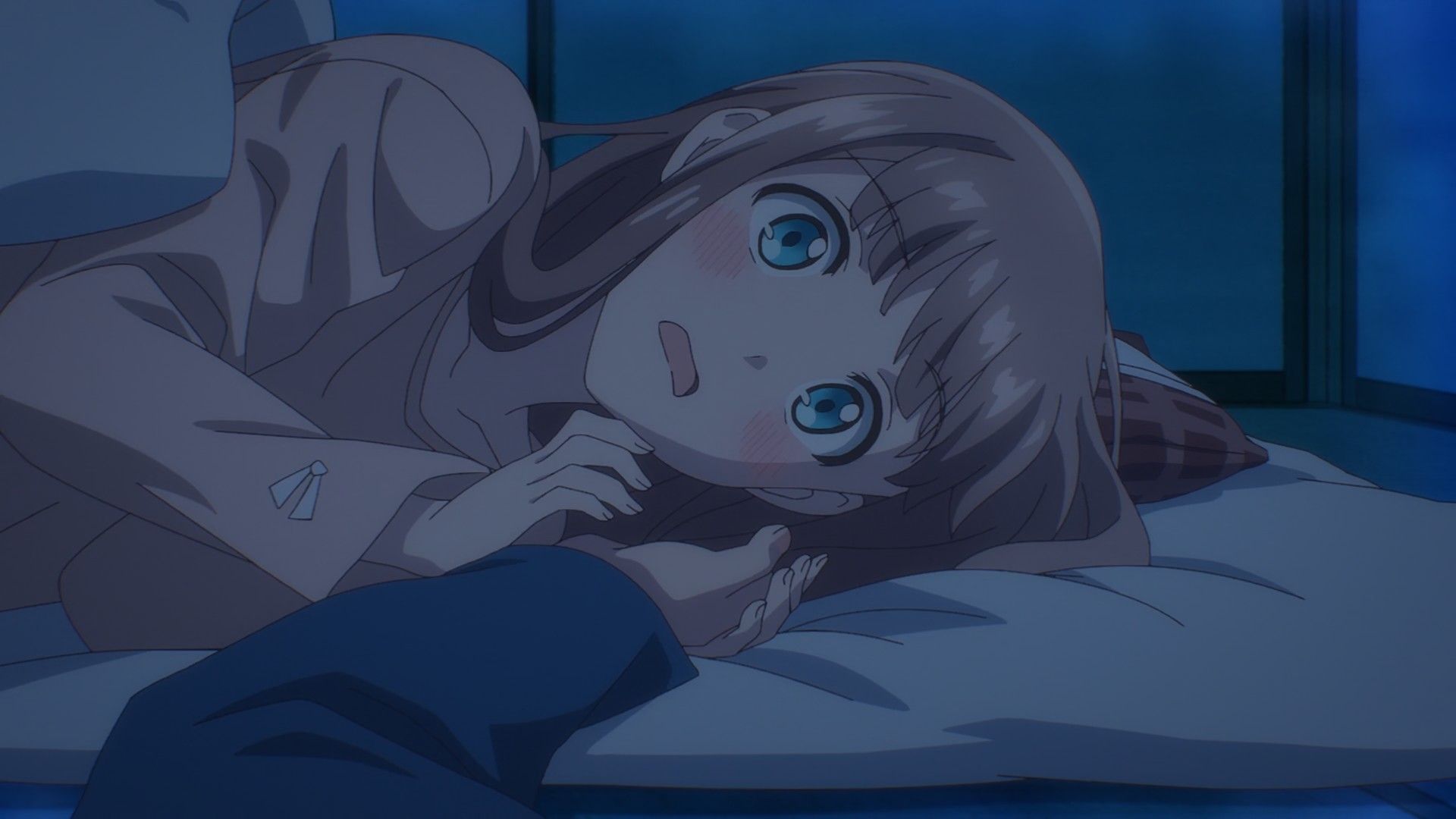
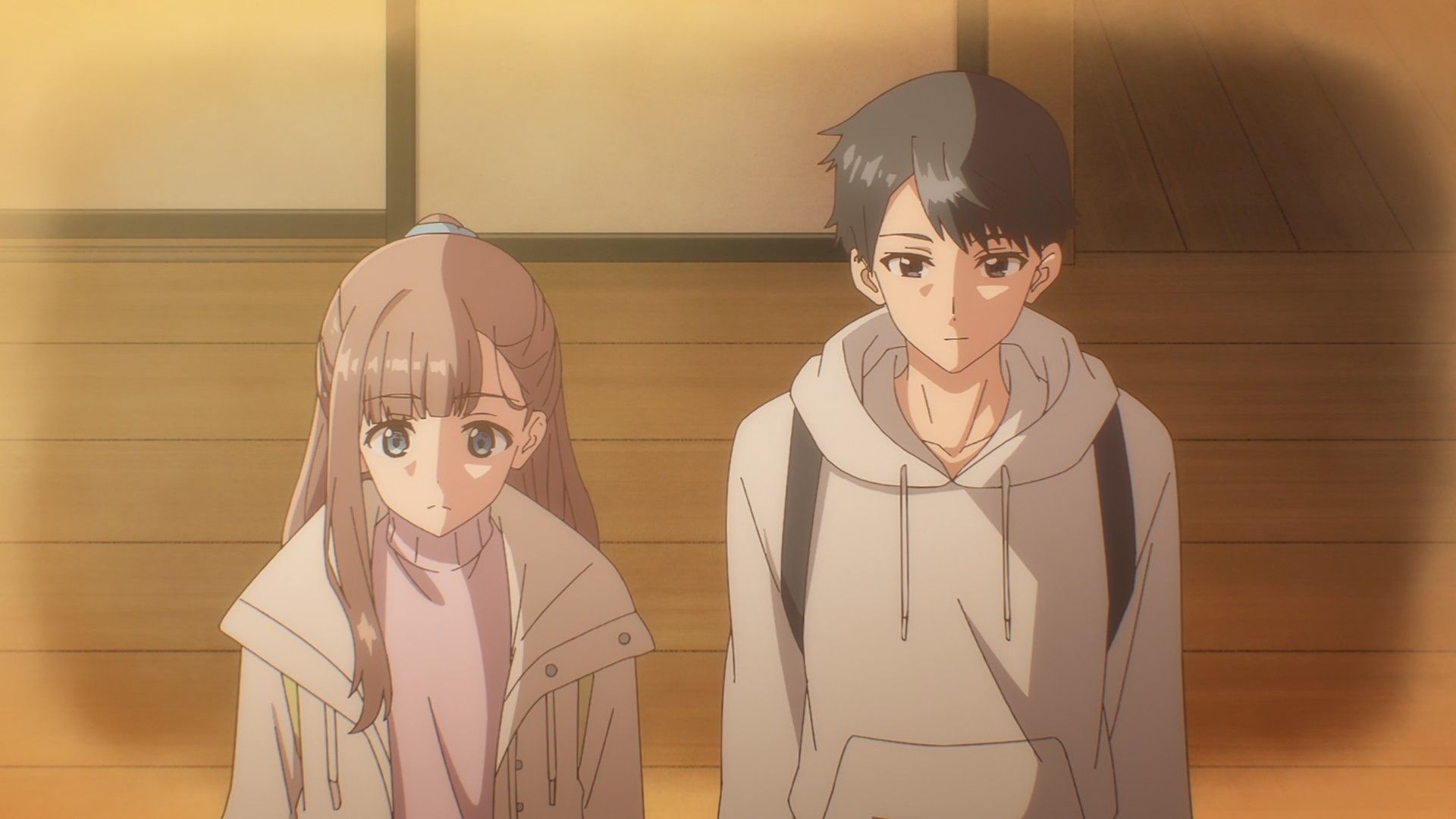
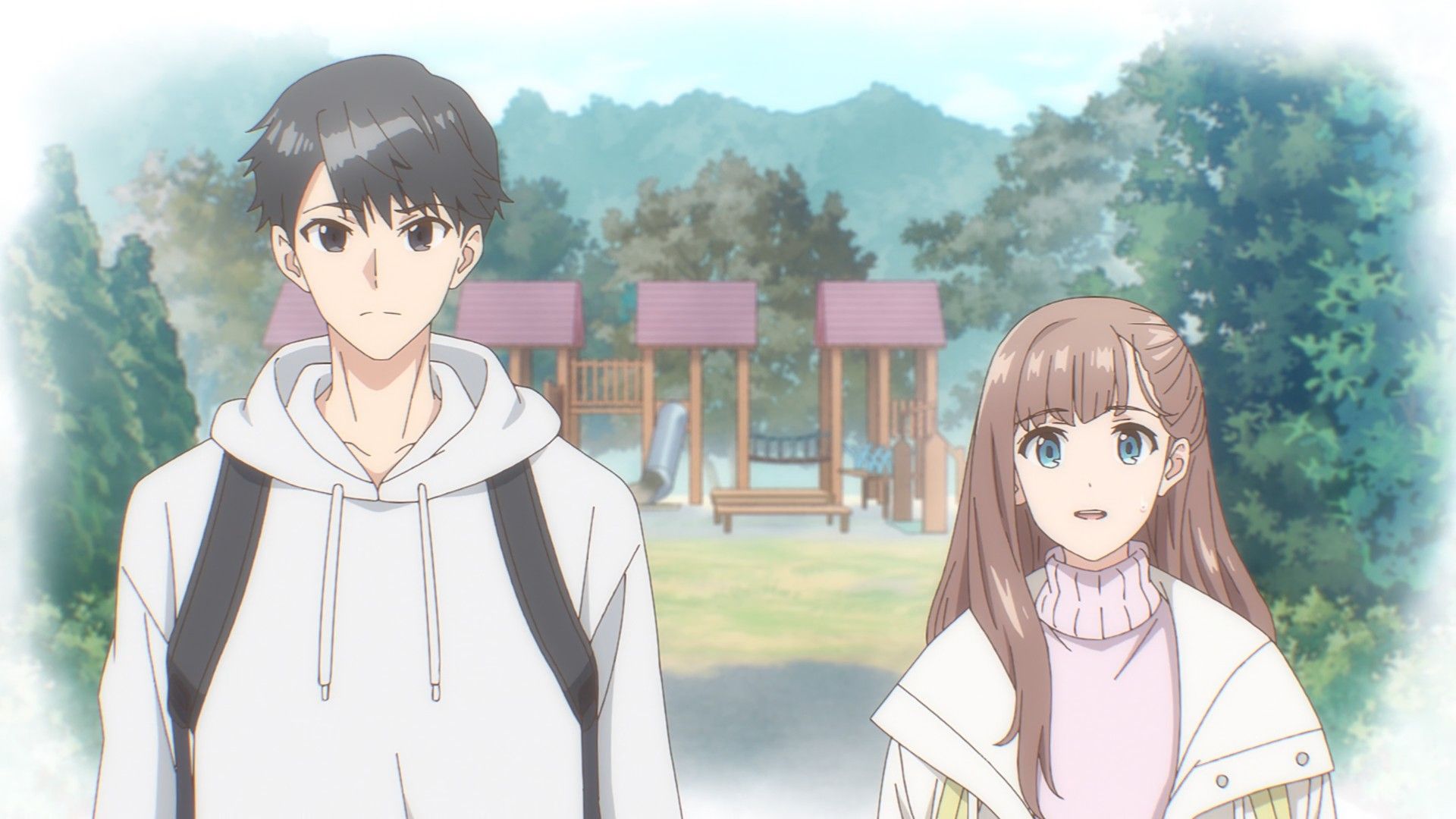
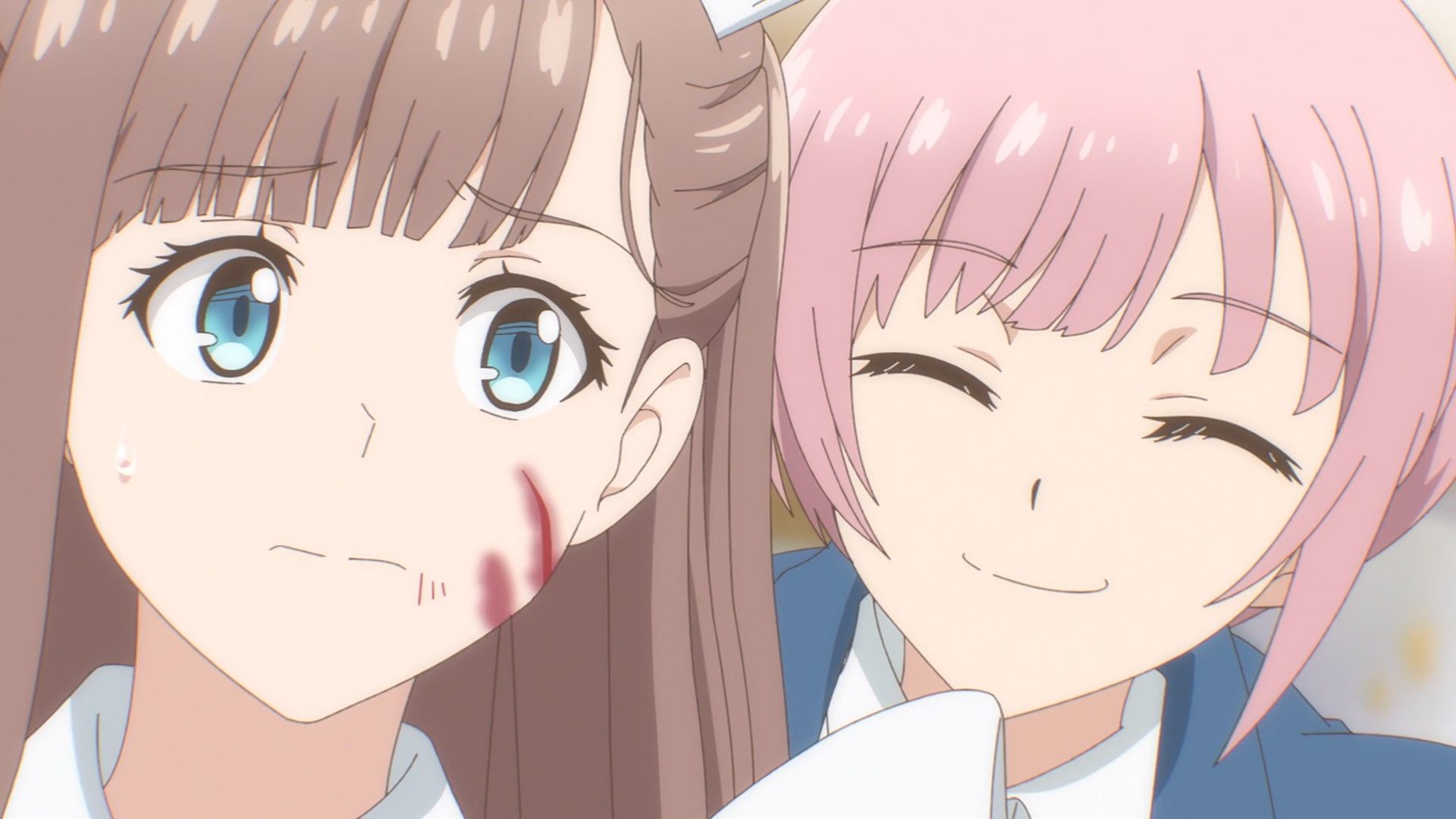
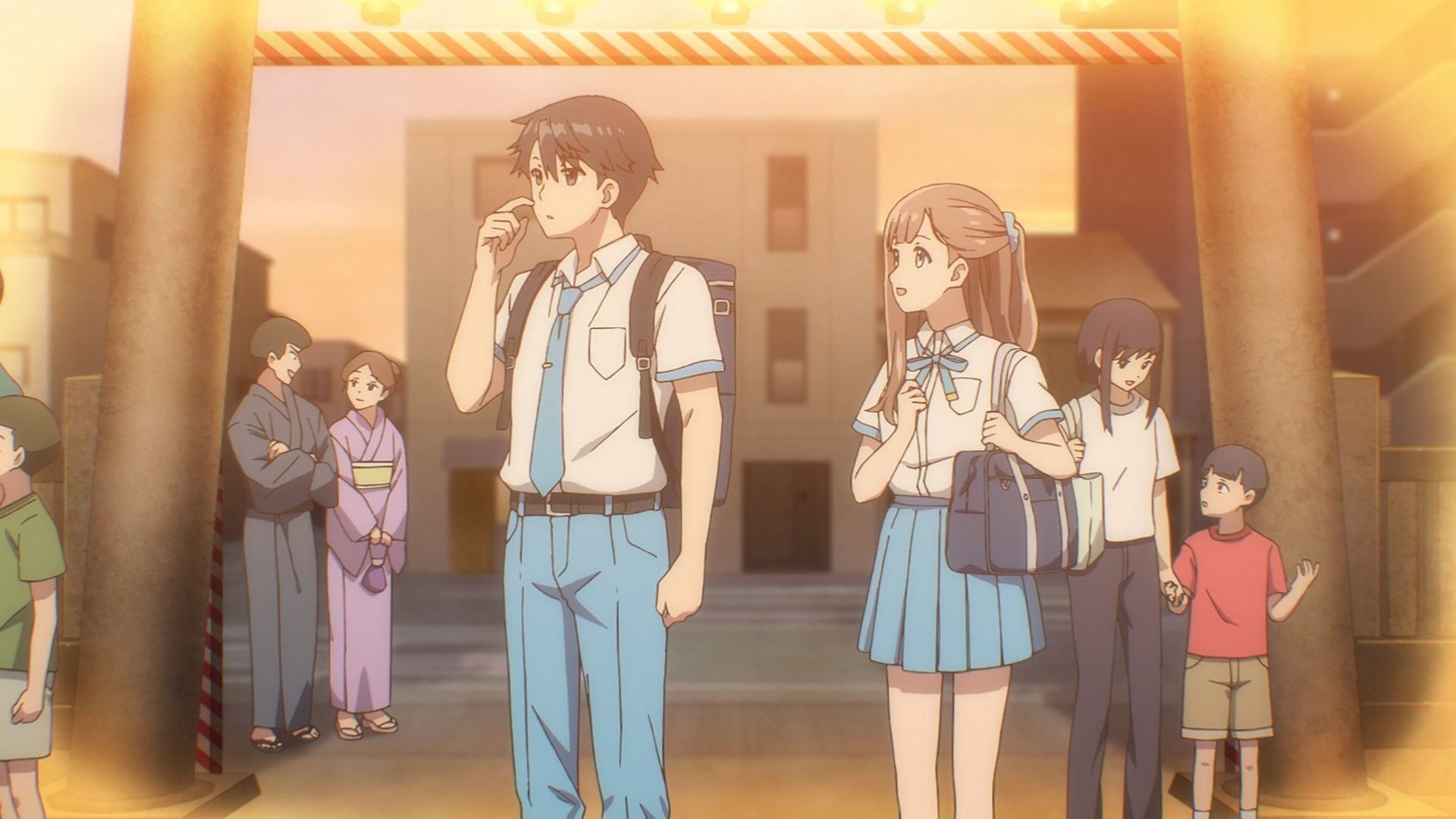
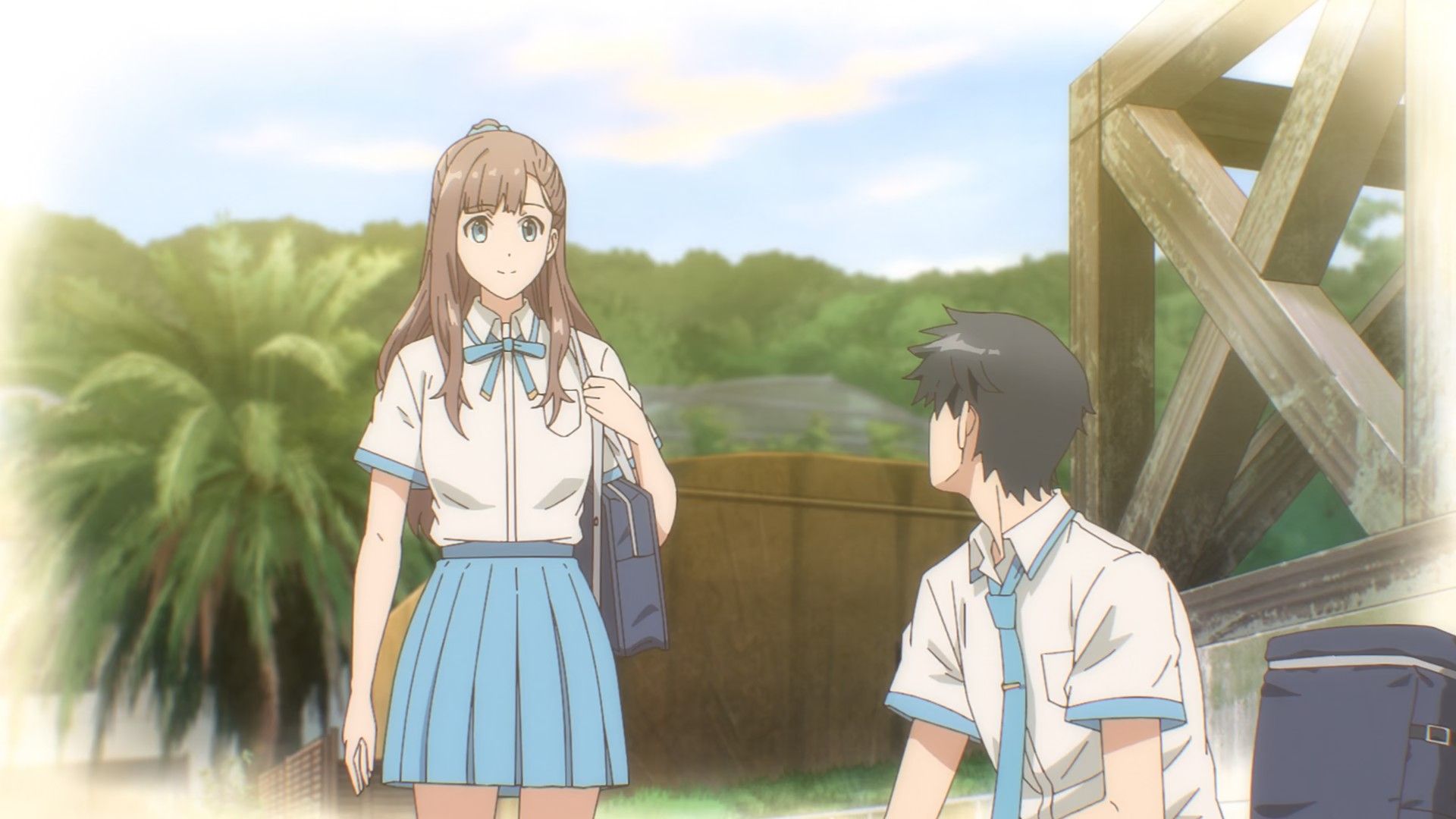
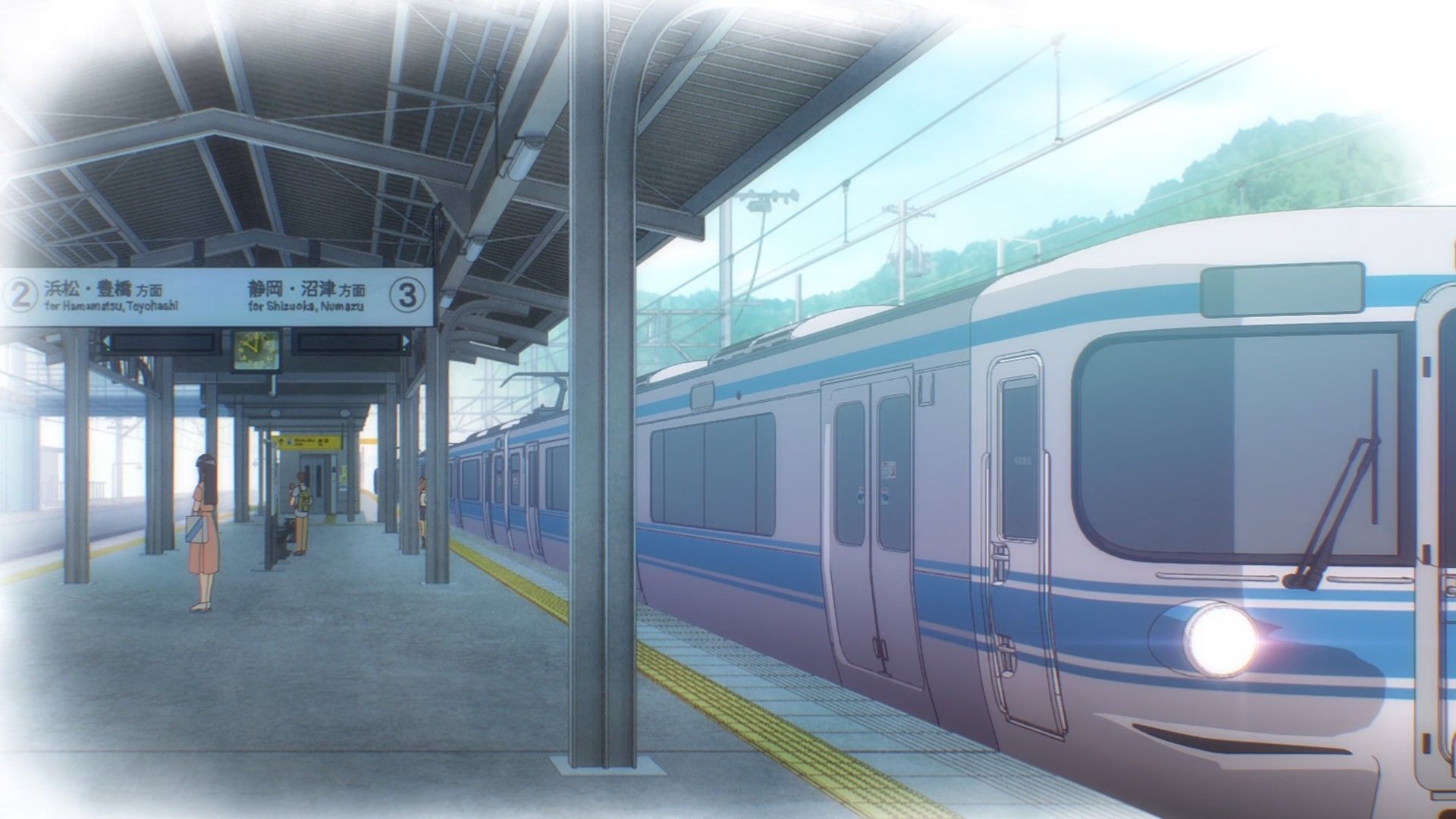
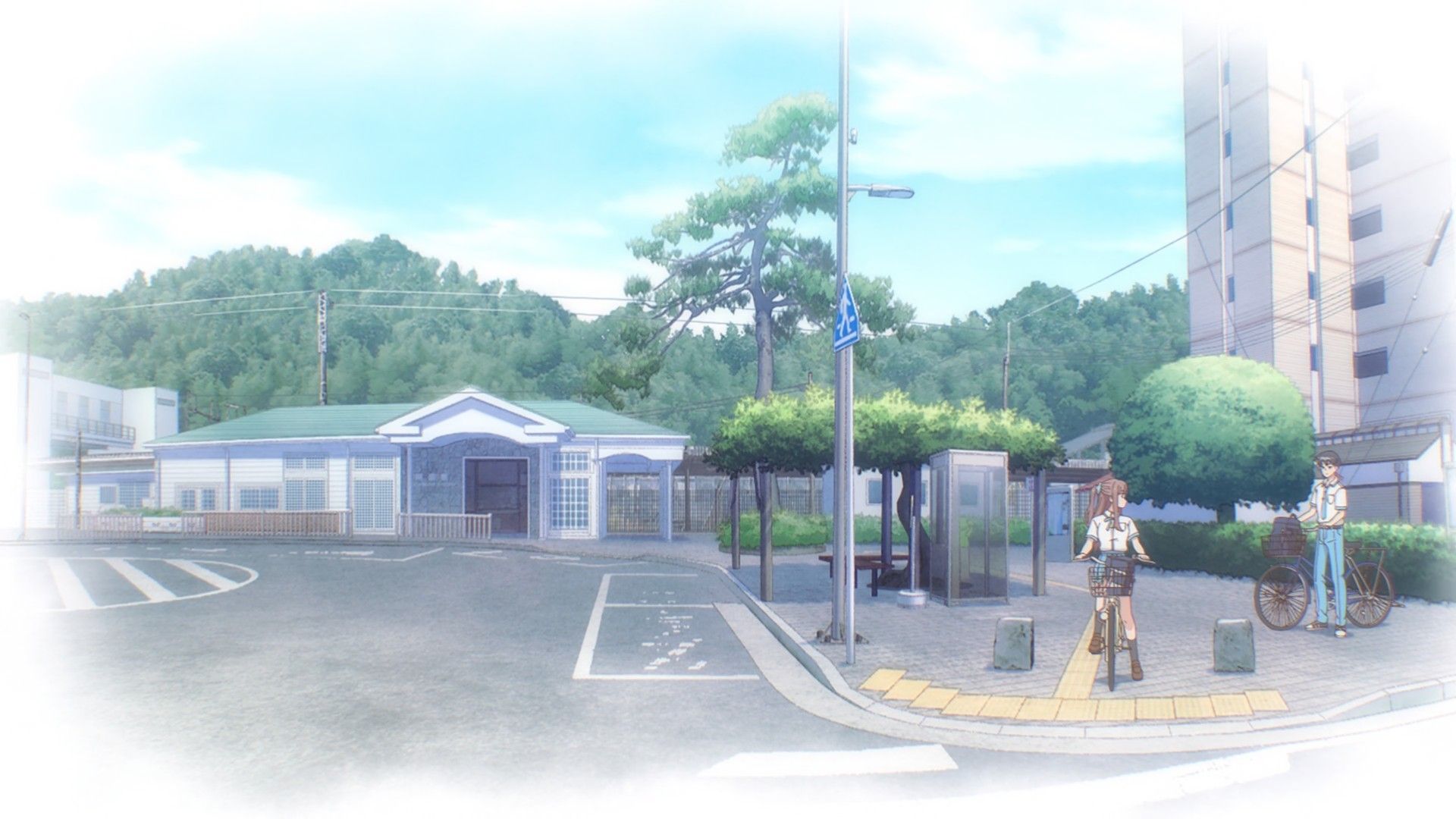
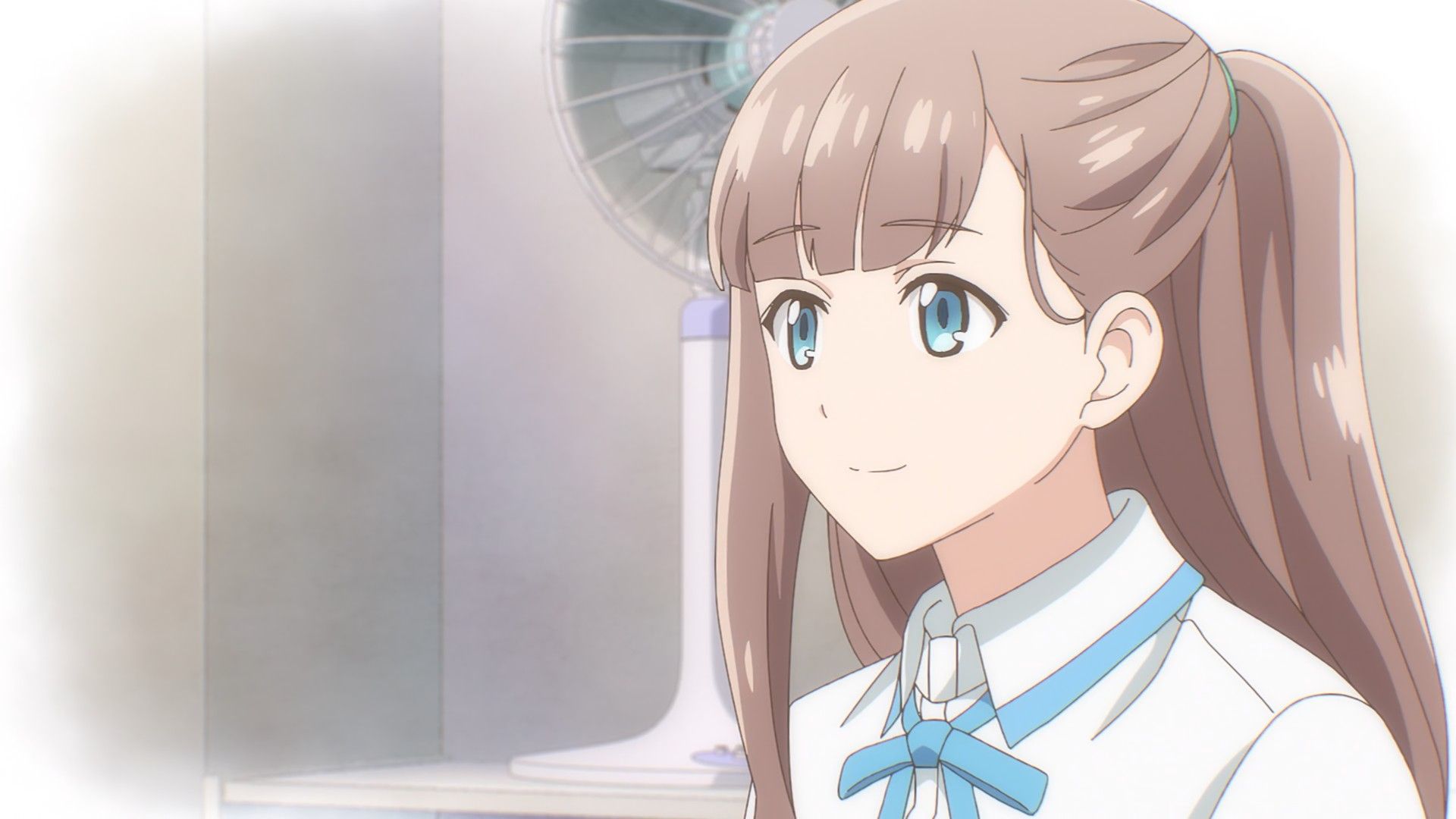
The situation begins to grow complicated when Aki enters Nao’s daily life more and more deeply. Along with him come feelings that can no longer be so easily shoved into the role of a substitute life. Over time, the series also expands its world to include other characters. Because of that, the central motif stops being merely the private drama of Sunao and Nao. Replica datte, Koi wo Suru is not only about forbidden or impossible love, but also about the dependence between original and copy, the feeling of incompleteness, the need to be seen, and how easily using someone’s existence can be mistaken for closeness. The culmination of the entire story brings these questions to a very strong close and leaves behind an impression that is more bittersweet than easily comforting.
What is the series about
At the heart of Replica datte, Koi wo Suru is a psychological drama. As the thirteen-episode narrative progresses (especially in the final episodes), the phenomenon of doppelgängers is stripped of the horror usually associated with this trope (known from urban legends or the classic motif of ikiryou — living spirits) and placed within the framework of depth psychology, reminiscent of Carl Gustav Jung’s ideas. Replicas in this universe are not mechanical clones. Nor are they separate beings in the strict sense of the word. They are separated aspects of the original’s personality. The creation of a replica is a defensive mechanism of the psyche: an act of dissociation performed at a moment of extreme stress, pain, or inability to cope with a situation.
This philosophical foundation reframes the entire story. The tragedy does not lie in monsters stealing people’s lives. Rather, it lies in people wounding themselves out of fear. This split leads to a paradox. The repressed part of the psyche (the replica) gains its own consciousness, forms relationships, falls in love, and begins to live. The wounded original, in turn, suffers from a chronic sense of inferiority (impostor syndrome) while looking at a better, more perfect version of themselves. Integration — that is, the reunification of both beings — is desirable from a therapeutic point of view, but morally terrifying, because it means the death of the replica’s conscious self. The creators offer no cheap or easy solutions here, forcing the viewer into difficult reflection.
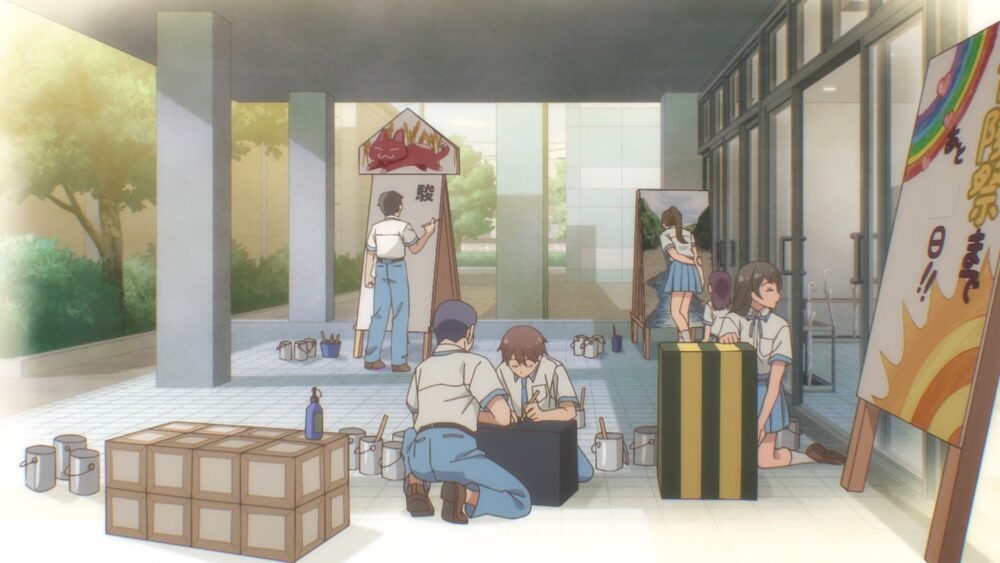
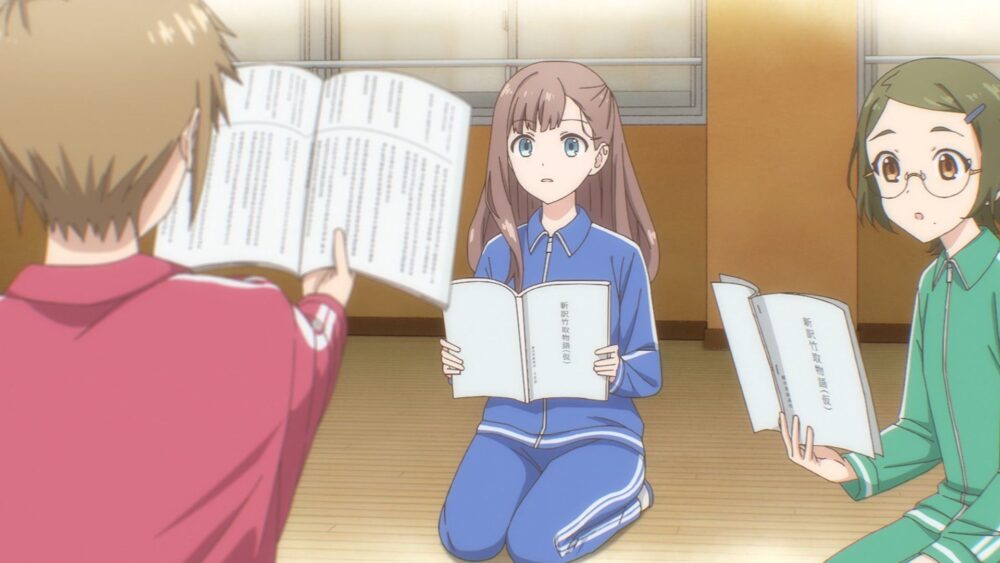
The middle section of the series, connected with the school festival and the performance of Taketori Monogatari, also works wonderfully. This is not an ordinary school event thrown in simply to tick off an obligatory story beat (which, in itself, would not even be a negative trait). In this case, the play very clearly mirrors the fate of the replicas, while Nao’s improvised words take on an almost manifesto-like significance. It is one of the best moments in the entire series. It beautifully shows how the content and the characters’ emotions begin to merge with the role being performed. In moments like these, Replica datte, Koi wo Suru can be surprisingly subtle while remaining extremely clear in what it wants to convey.
Characters
This section contains major spoilers, so I do not recommend reading it if you have not watched the series yet. At the same time, I cannot write about the characters in any other way. In this series’ case, I want to go a bit further than the usual generalities and a simple presentation of the cast.
Aikawa Nao and Aikawa Sunao: Slavery and Impostor Syndrome
Nao and Sunao’s bond is an asymmetric relationship built on domination, dependence, guilt, and hidden love. Nao is at Sunao’s beck and call. She feels an inner, organic compulsion to be useful, which is a tragic echo of the fact that she was created solely to smooth over a problem. Nao does household chores for small coins, which she carefully saves in a cookie tin. It takes her years to accumulate over 190,000 yen, but those coins are everything she actually owns. They symbolize her desperate desire for autonomy in a world where even her body and name (Nao is a fragment of Sunao’s name) belong to someone else.
From Sunao’s perspective, the situation is just as tragic. Shut away in her room and ordering Nao to go to school for her, she does not exactly like her replica. Sunao sees Nao as the ideal girl: liked, smiling, successful. Sunao later admits that it is Nao who is the real Aikawa Sunao.
The turning point comes when Sunao, moved by Nao’s despair after Ryou’s death, decides to return to school. The process of her rehabilitation, quiet studying for exams, and confrontation with her peers during the school trip to Kyoto becomes a path toward reclaiming her agency.
Aikawa Nao and Sanada Aki: Two Halves of a Borrowed Life
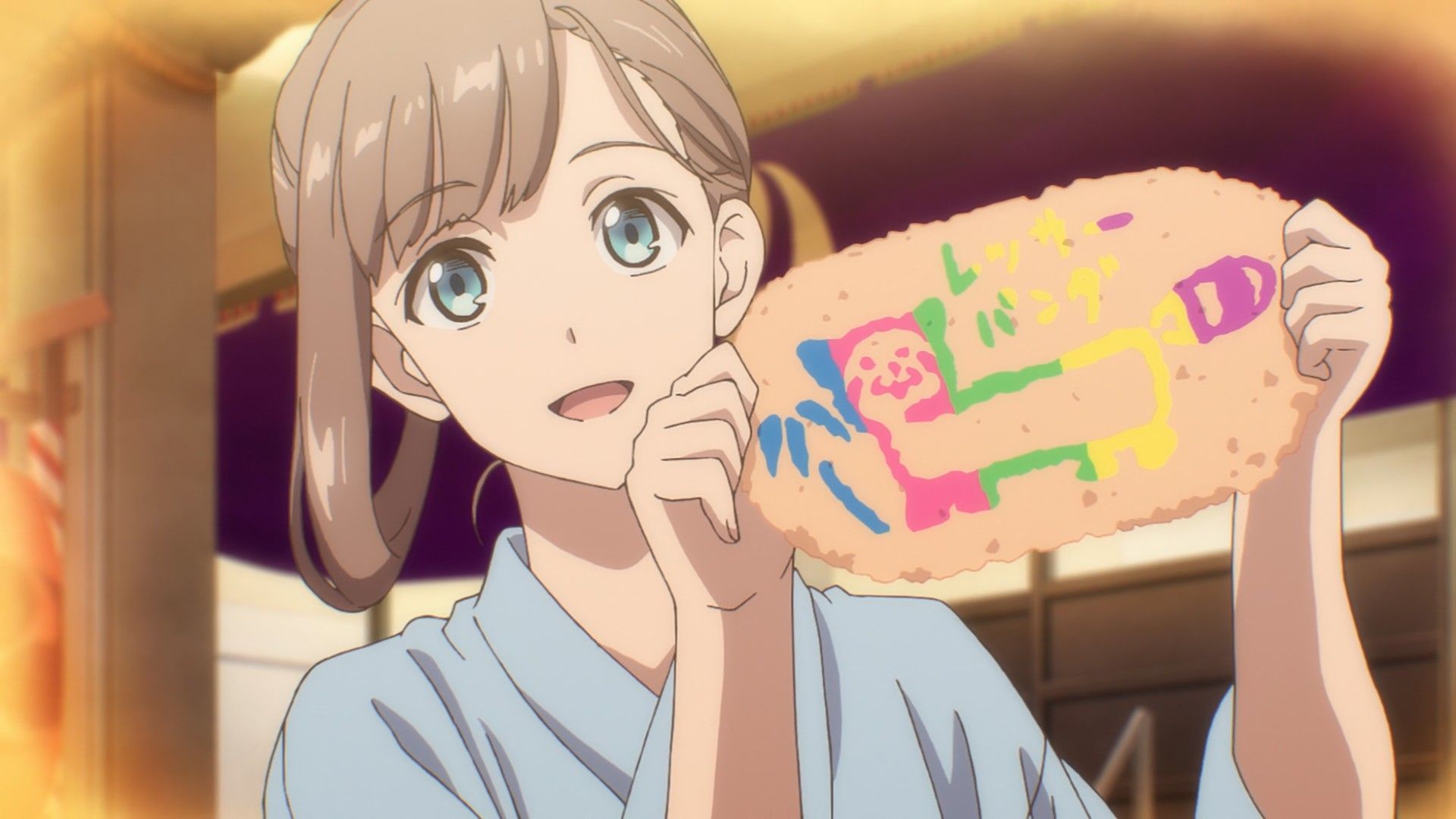
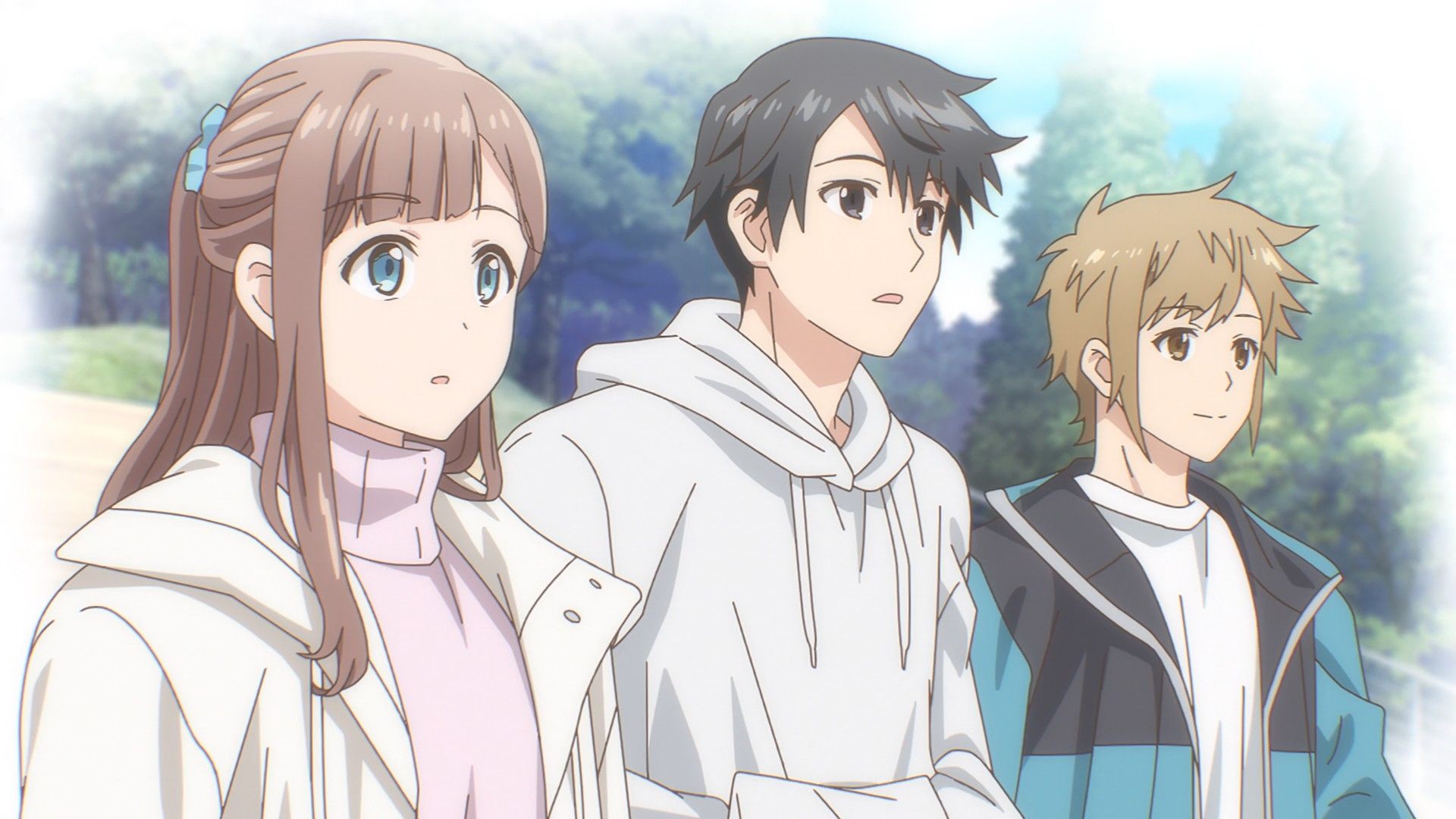
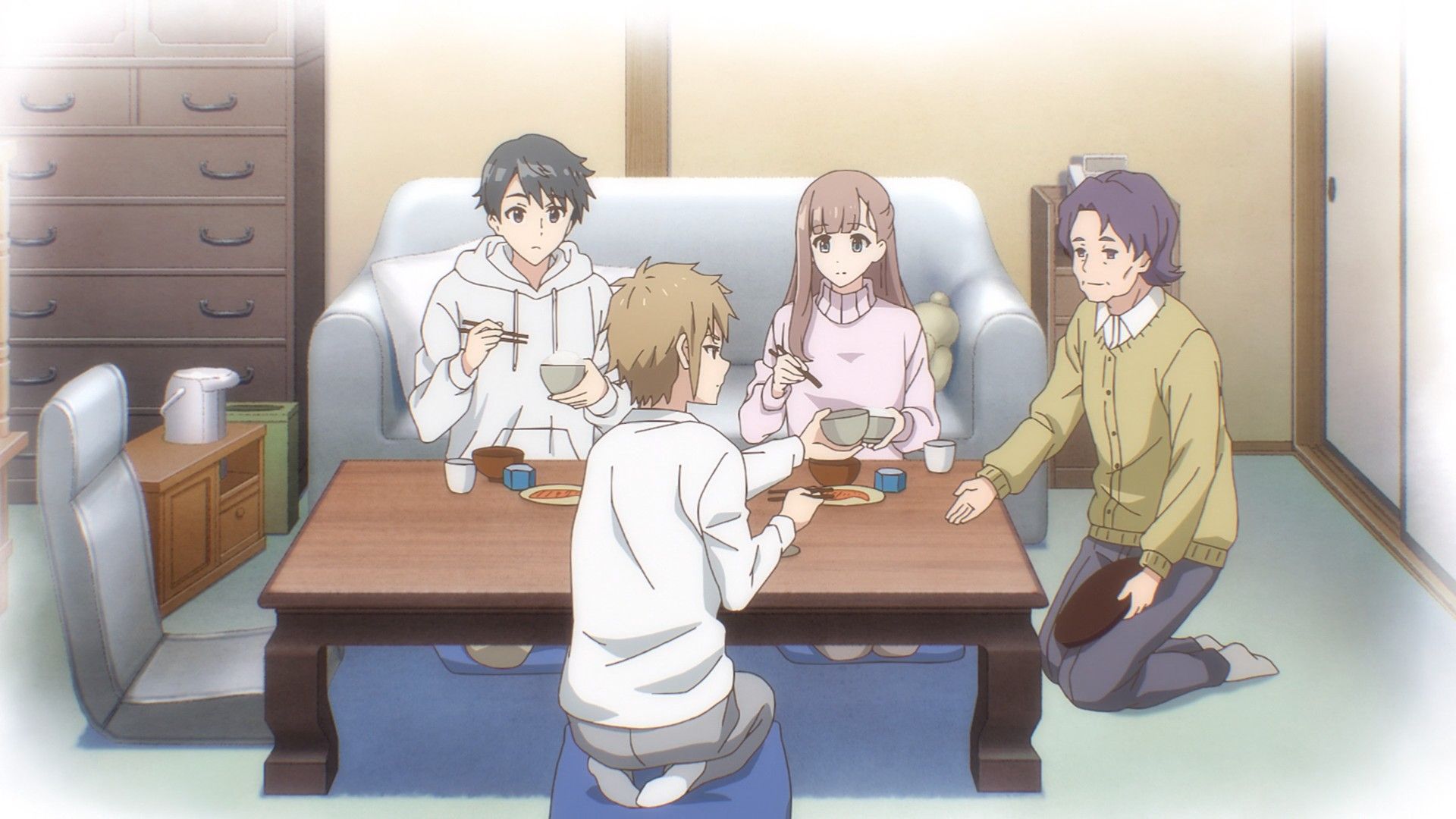
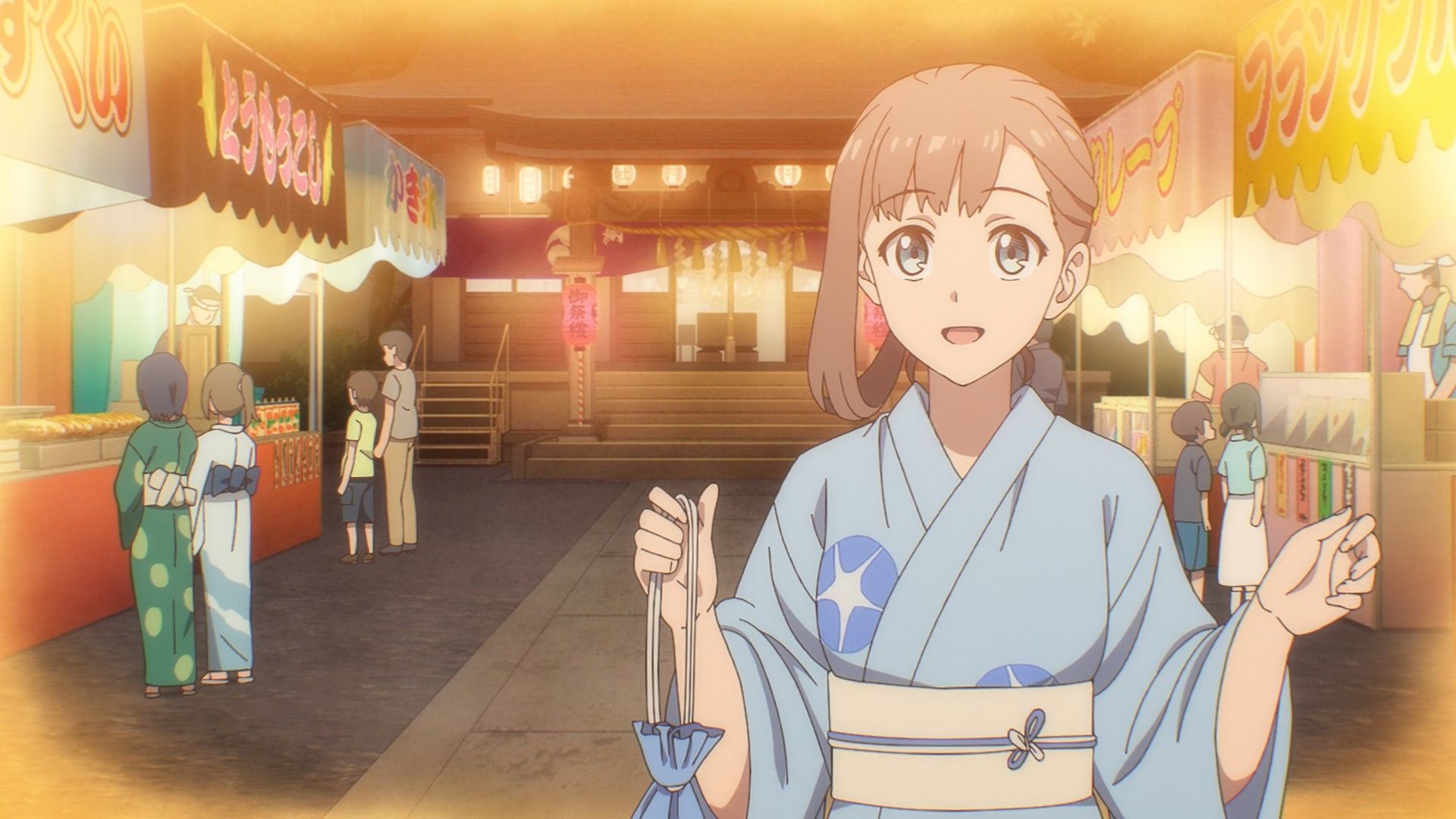
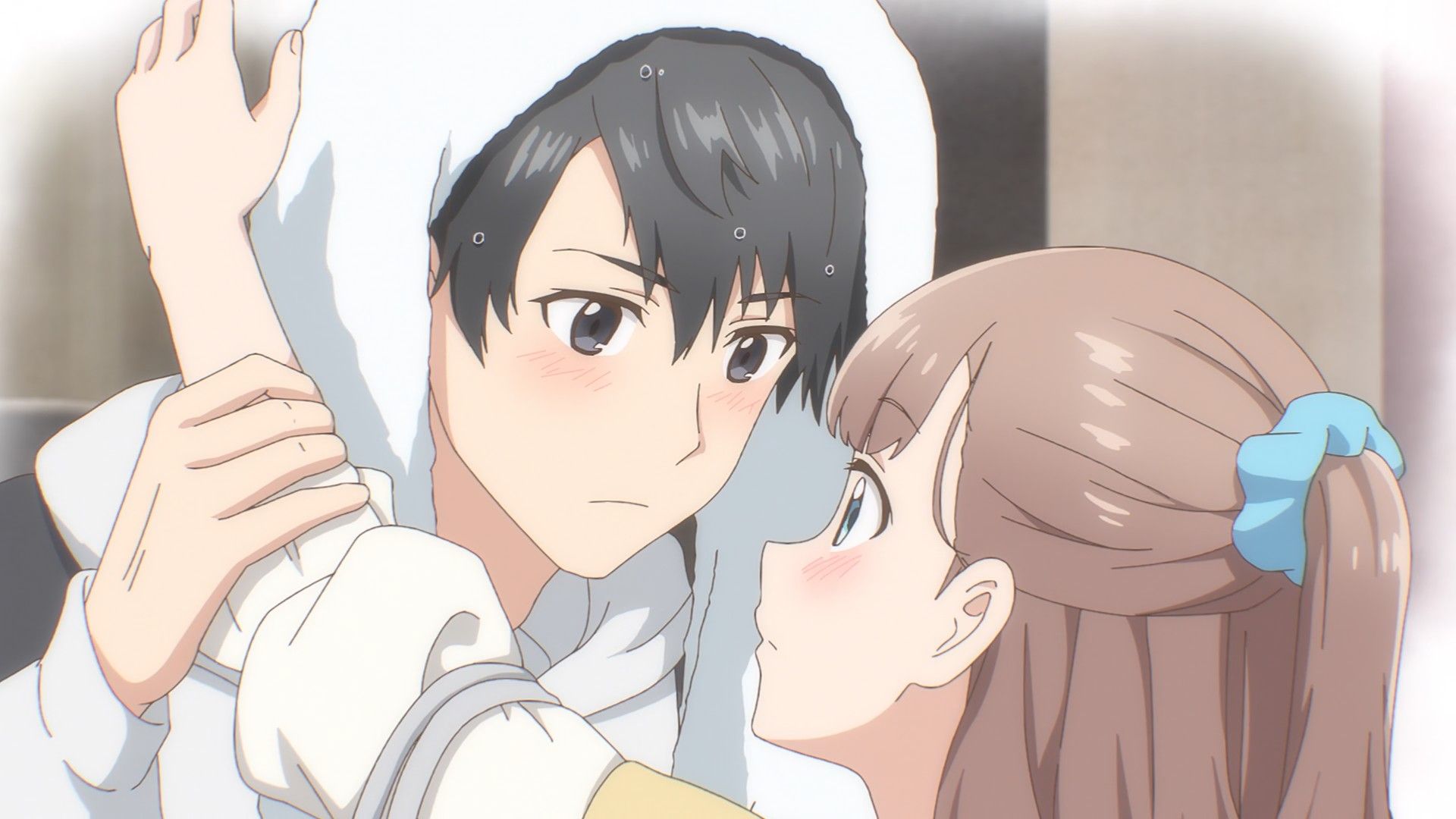
The romantic thread between Nao and Aki is the heart of the series. The meeting of two replicas who discover their true nature creates an intimate space in which they can be honest with each other. Their relationship develops slowly through everyday experiences: a trip to the zoo, pretending to wear yukata and eating kakigoori during the summer festival, and a visit to the aquarium.
Aki is a remarkably gentle character. Unlike Nao, who is constantly summoned and dismissed (which resets the continuity of her consciousness), Aki is manifested by Shuuya almost without interruption, allowing him to build a more stable sense of self. When he learns of Shuuya’s plan — that he created him only to brutally beat his tormentor and secure an alibi for himself — Aki rebels and decides to deal with the original’s problem in his own way.
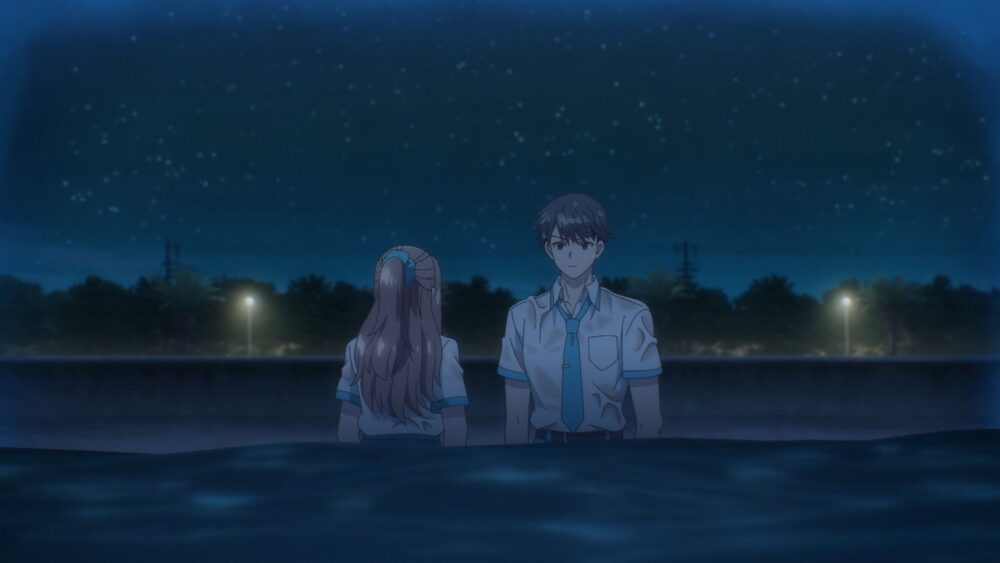
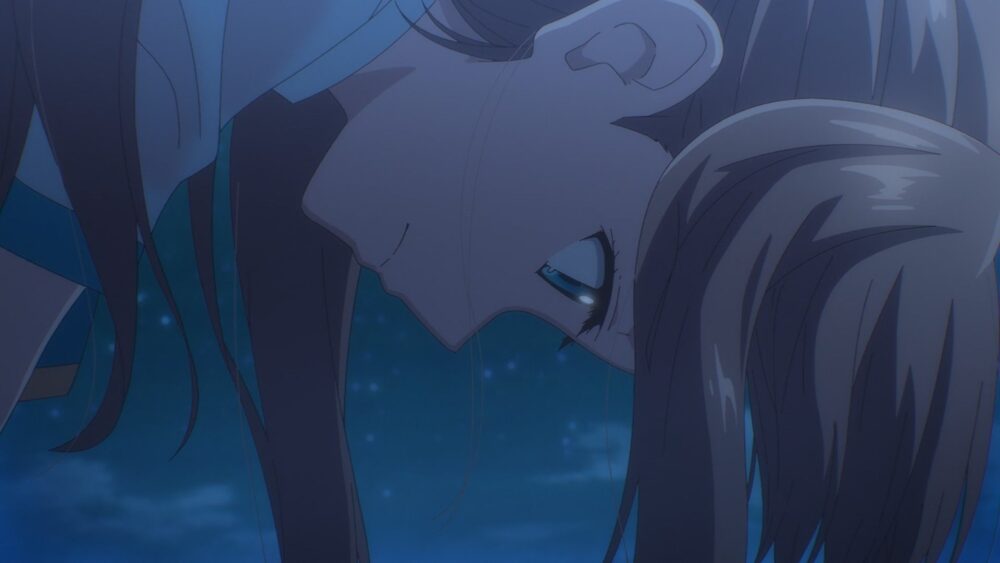
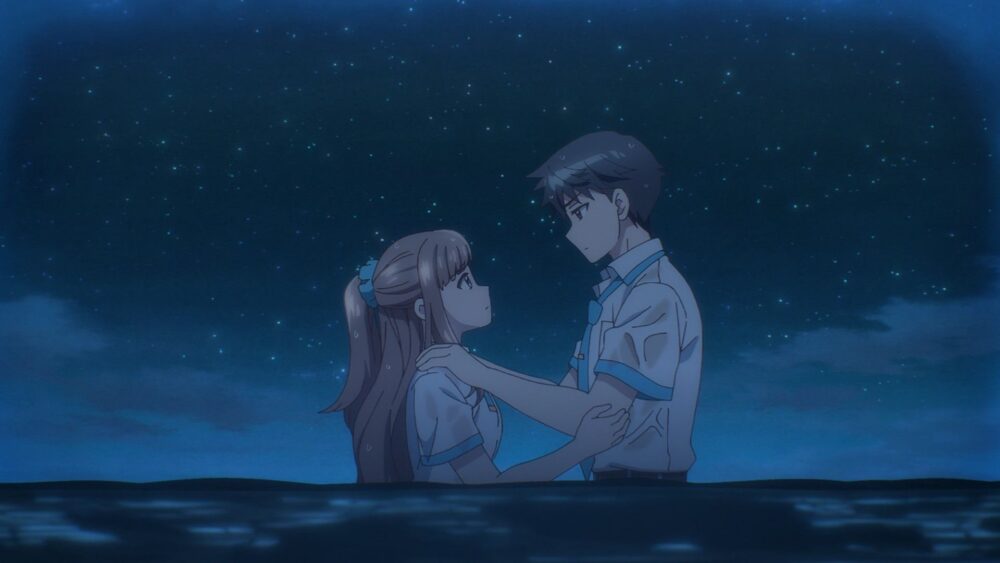
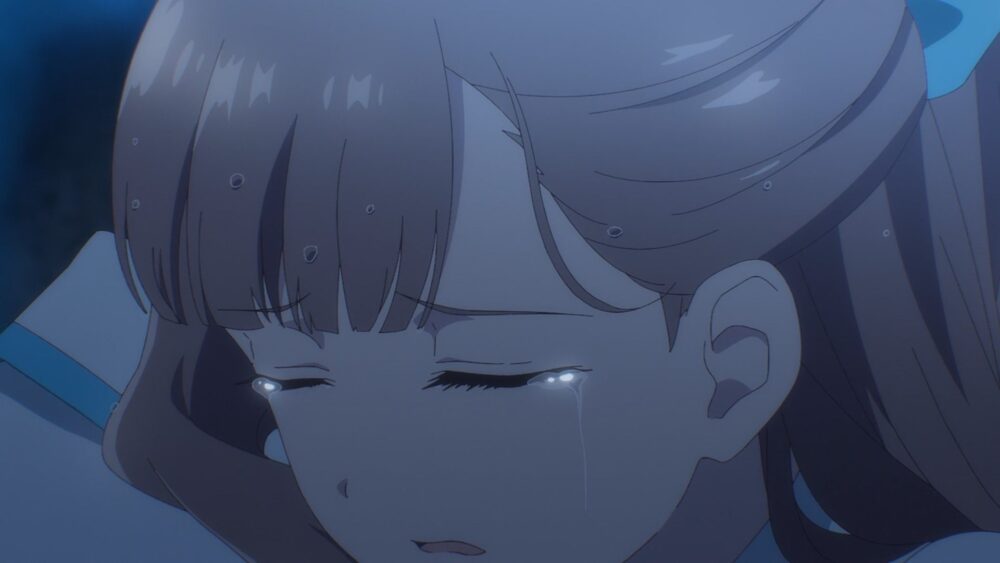
Aki and Nao’s love is marked by the specter of sudden, total annihilation. The strongest point in their relationship is the moment when Nao dies after being pushed in front of a train and is immediately restored by a panicking Sunao. The realization of her own immortality as a thing strikes Nao with devastating force. When she stands knee-deep in the ocean, intending to dissolve into nothingness, she is saved by Aki. His raw, desperate confession gives Nao a purpose — her existence has meaning because someone loves her. Understanding this only heightens the tragedy of the finale, in which Nao, in an act of ultimate devotion, decides to help Sunao, thanking Aki for being her boyfriend.
Mori Suzumi and Ryo: The Tragedy of Separation
The third original-replica pair introduces a dark, merciless tone to the series. Created at the age of five, Ryou was sent by her terrified mother to her grandparents in Fujinomiya for 13 years. When the original (Suzumi) falls into a coma, her mother brings Ryou back, forcing her to play the role of a daughter whose life Ryou knows nothing about.
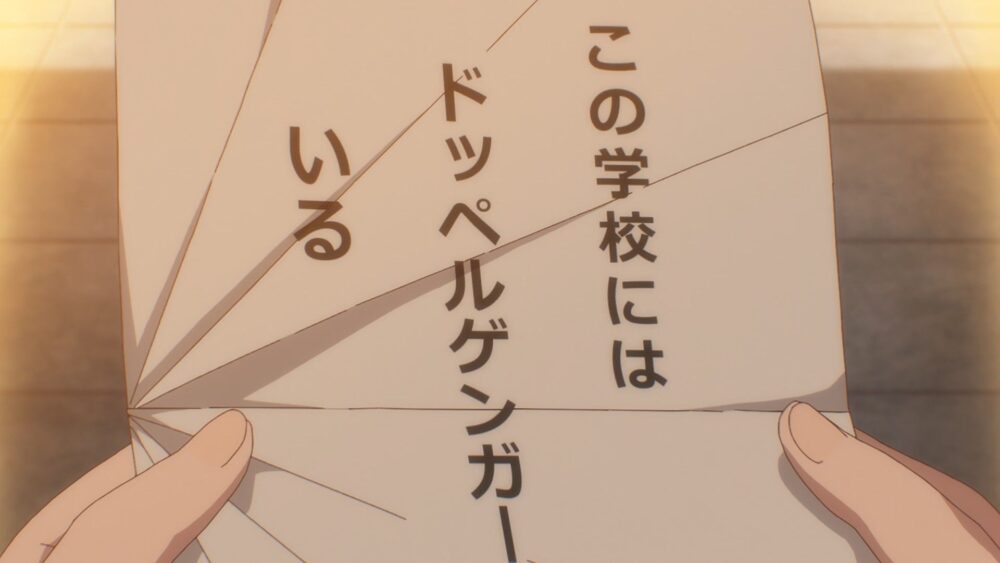
Ryo is an artist struggling with a powerful sense of alienation. Her relationship with Suzumi is complicated. On one hand, she feels abandoned; on the other, she confesses to Nao that her feelings for Suzumi resemble an almost romantic obsession. Ryou scatters flyers around the school asking about doppelgängers, begging for someone to notice her and see through her mother’s lie.
The moment when, after Suzumi’s death, Ryo disappears forever is the cruelest scene in the series. It makes visible what Nao and Aki had been subconsciously afraid of. No matter how much a replica develops its own self, biologically it feeds on the original’s life force. The death of the original means the absolute end of the replica.
Supporting Characters
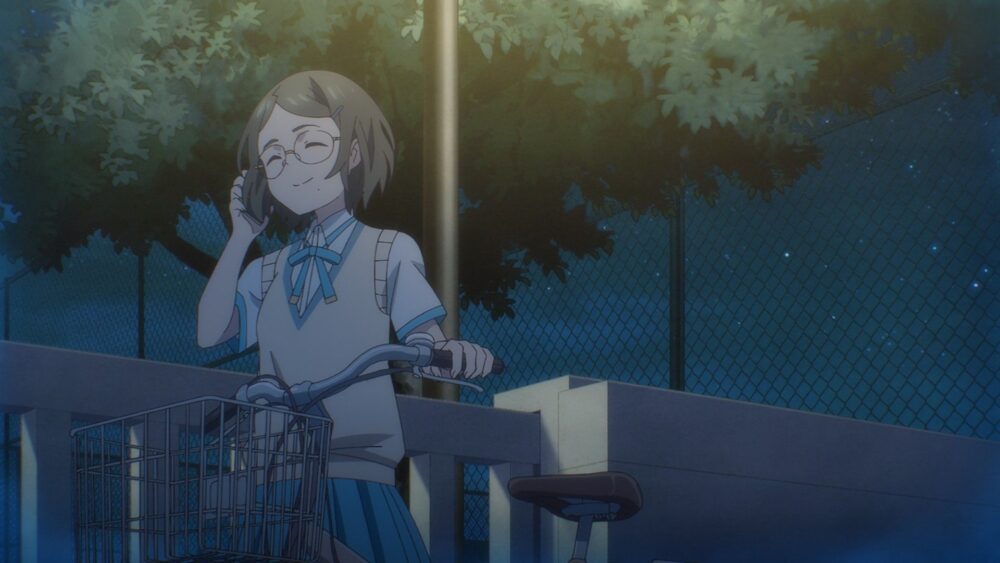
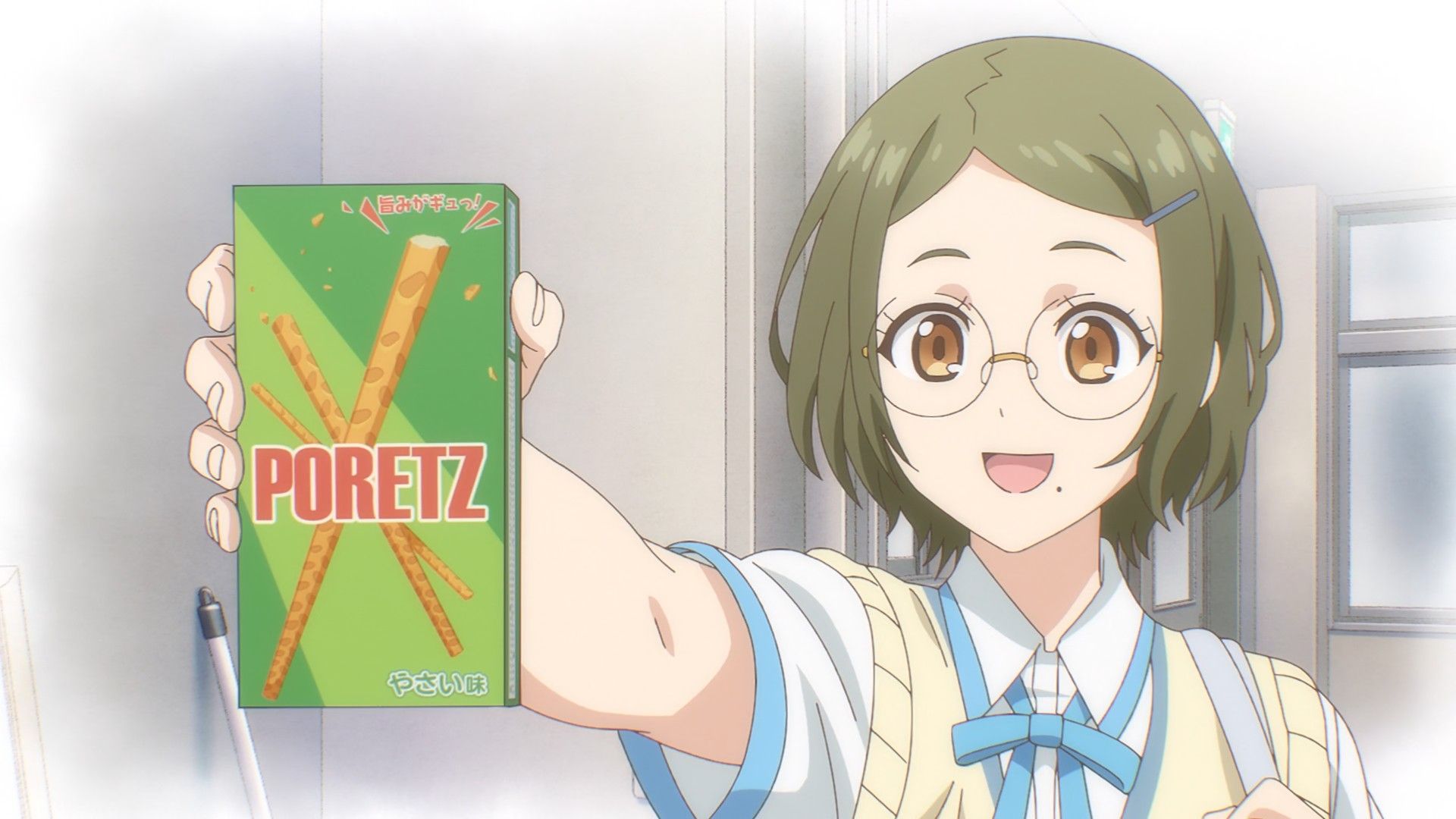
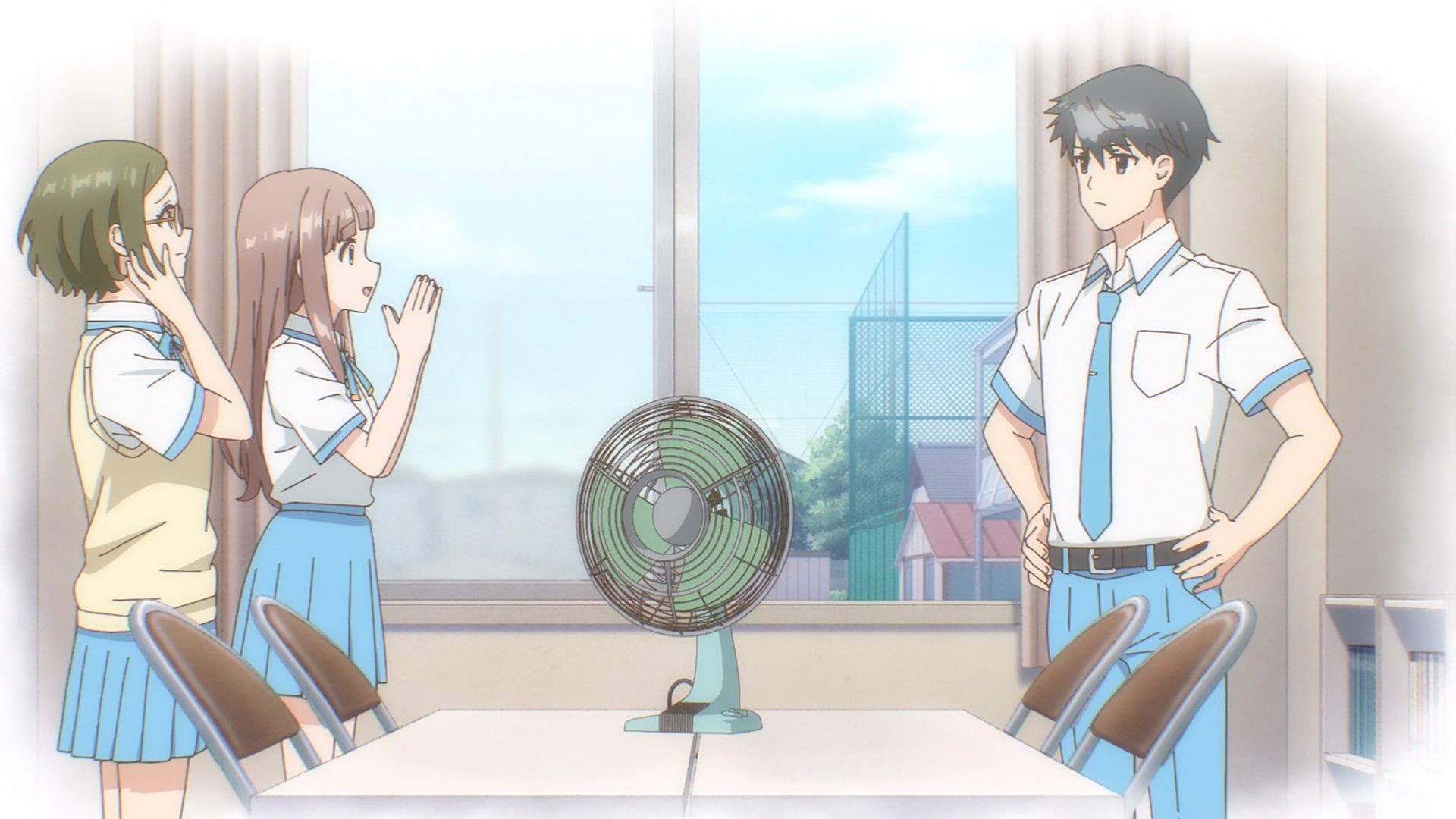
Hironaka Ritsuko (Ricchan) is an aspiring writer and a member of the literature club. Ricchan is an outstanding character precisely because of her ordinariness. She realizes on her own that Nao and Sunao are two different people, and then accepts that fact without the slightest trace of fear. She is the driving force behind many of Nao’s decisions. Satou Kozue — the class representative — provides the intellectual framework of the story. She herself also created a replica in the past in order to stand up to her bullies, after which that replica never returned to her. Her theory that replicas borrow the body and exist on another plane when the original is nearby ties the series’ entire supernatural layer together well. Despite her own trauma, Satou offers Sunao tremendous support during her nervous breakdown, proving that real bonds can be built despite mistakes from the past.
Symbolism
Water is everywhere in the series — from the fictional novel Ricchan reads, to trips to the aquarium, to Nao’s desperate attempt to drown herself. The series uses the motif of The Little Mermaid and the contract with the sea witch as a symbol of exchanged roles and lost identity. In Andersen’s fairy tale, the mermaid sacrifices herself for the prince, turning into sea foam. Nao is aware of this fate. Foam embodies the Japanese idea of mono no aware (the transience of things) — beauty born from fragility and an inevitable end. Accepting that fate is not easy.
The choice of the school festival play — Taketori Monogatari — is a masterful move by the writers. The story of Princess Kaguya, who, as a being not of this world (from the Moon), is raised by an earthly couple only to be ultimately forced to leave them and return to her true form, is a mirror of a replica’s life. When Nao improvises on stage and rejects the script, begging Kaguya (played by Ryou) to stay on Earth and reject her fate, the boundary between art and life begins to blur. Ryou’s tears and her decision to modify the script are the highest expression of a replica’s free will. Unfortunately, that beautiful illusion shatters later that same day when Ryou disappears, reminding viewers of the merciless rules governing this universe.
Replica datte, Koi wo Suru (2026) – Evaluation and Summary
The phenomenon of this series lies at its core — this is not a simple story about ghosts or doubles. It is an analysis of human weakness, defense mechanisms, alienation, and the fear of confronting one’s own life. Through the lens of the replicas — Nao, Aki, Ryo — the series forces reflection on what identity really is. It asks a fundamental question: by casting away what is difficult within us (but also what is best, such as courage or kindness), do we not lose our own humanity?
Despite visible budget-related technical compromises and occasional shortcomings in animation fluidity/continuity, the direction more than makes up for those weaknesses. The choice of static frames, the play with perspective, the use of color, and the beautiful character designs create a real sense of immersion. This reveals the skill of a creative team that knew where to allocate limited resources: into outstanding voice acting and the direction of slice-of-life scenes. The juxtaposition of magical, ephemeral phenomena with painfully ordinary school problems against the backdrop of authentic locations in Shizuoka Prefecture builds a believability that many pure fantasy works lack. It is precisely this kind of atmosphere that gives anime from the 2000s so much magic.
Replica datte, Koi wo Suru is proof that, in an age of constant adaptations, there is still room in the Japanese animation market for subtlety, mystery, and art hidden in the prose of everyday life. For anyone who has missed the specific vibe of the classic 2000s, this work is a true journey into the past.
Finalny werdykt
Final evaluation

Which translation do I recommend to watch Replica datte, Koi wo Suru?
- Crunchyroll (official) – a perfectly decent translation. Although I could take issue with a few decisions, they do not disrupt the overall experience too much, so I can recommend it without hesitation.
Gallery