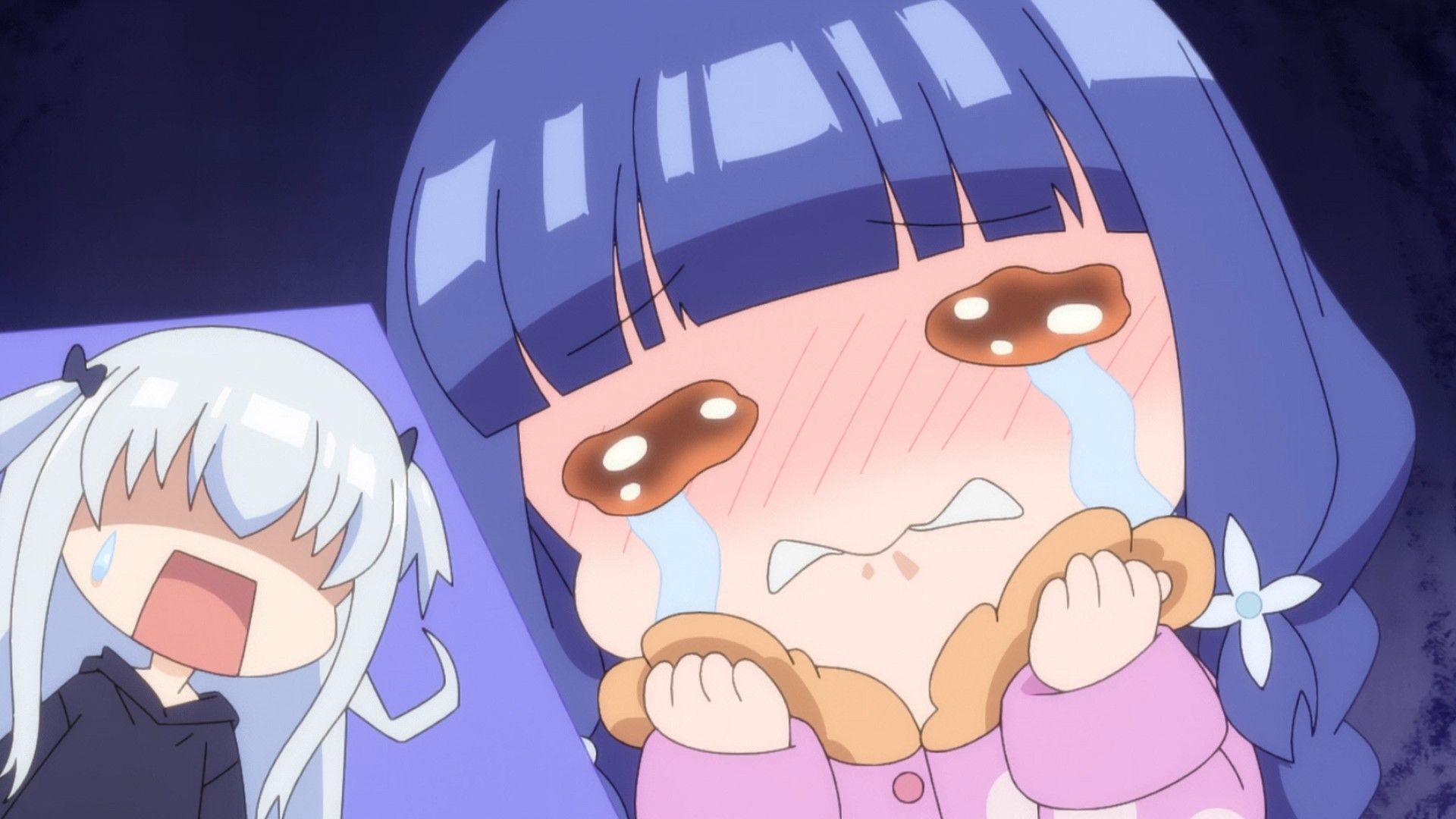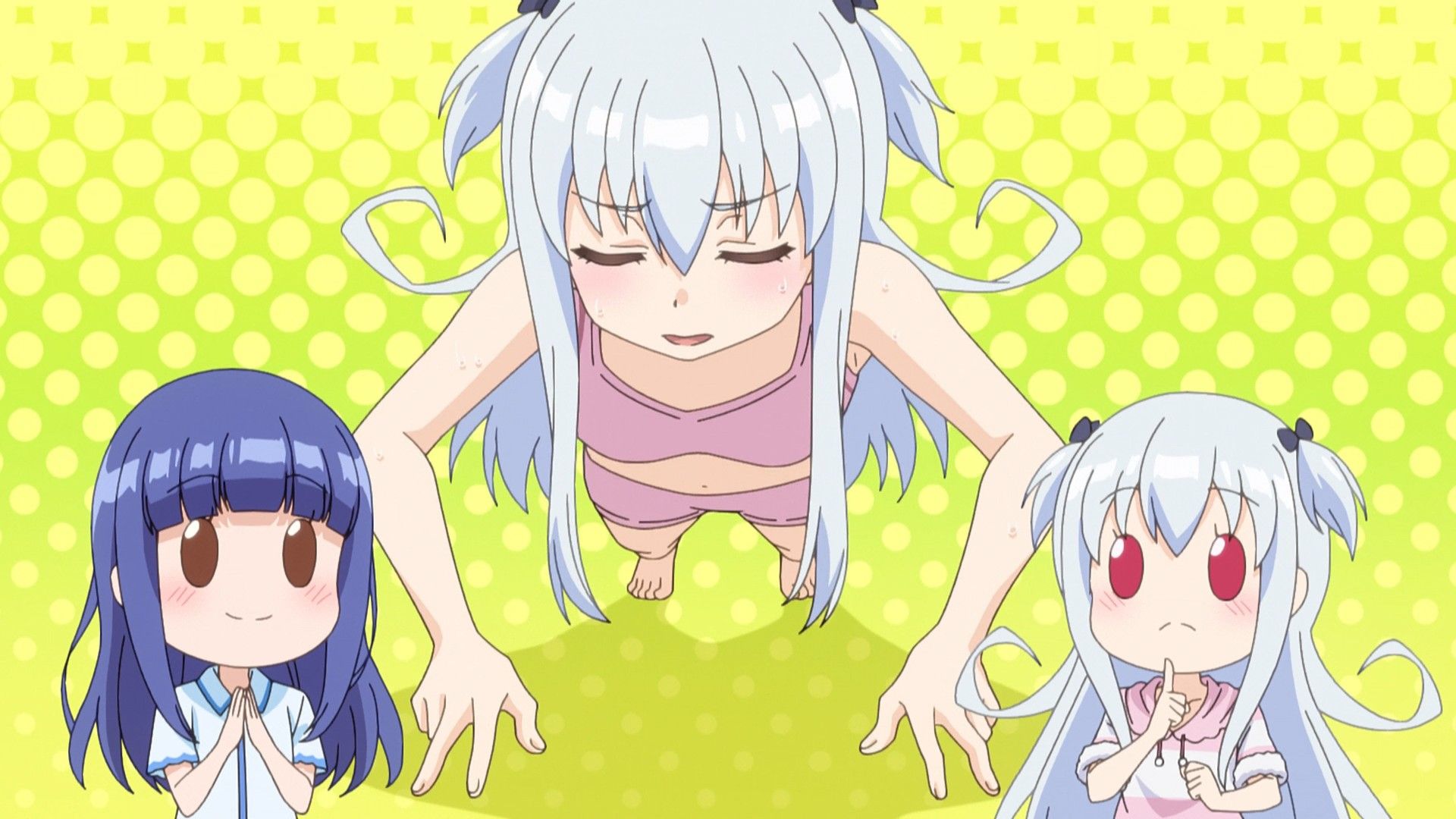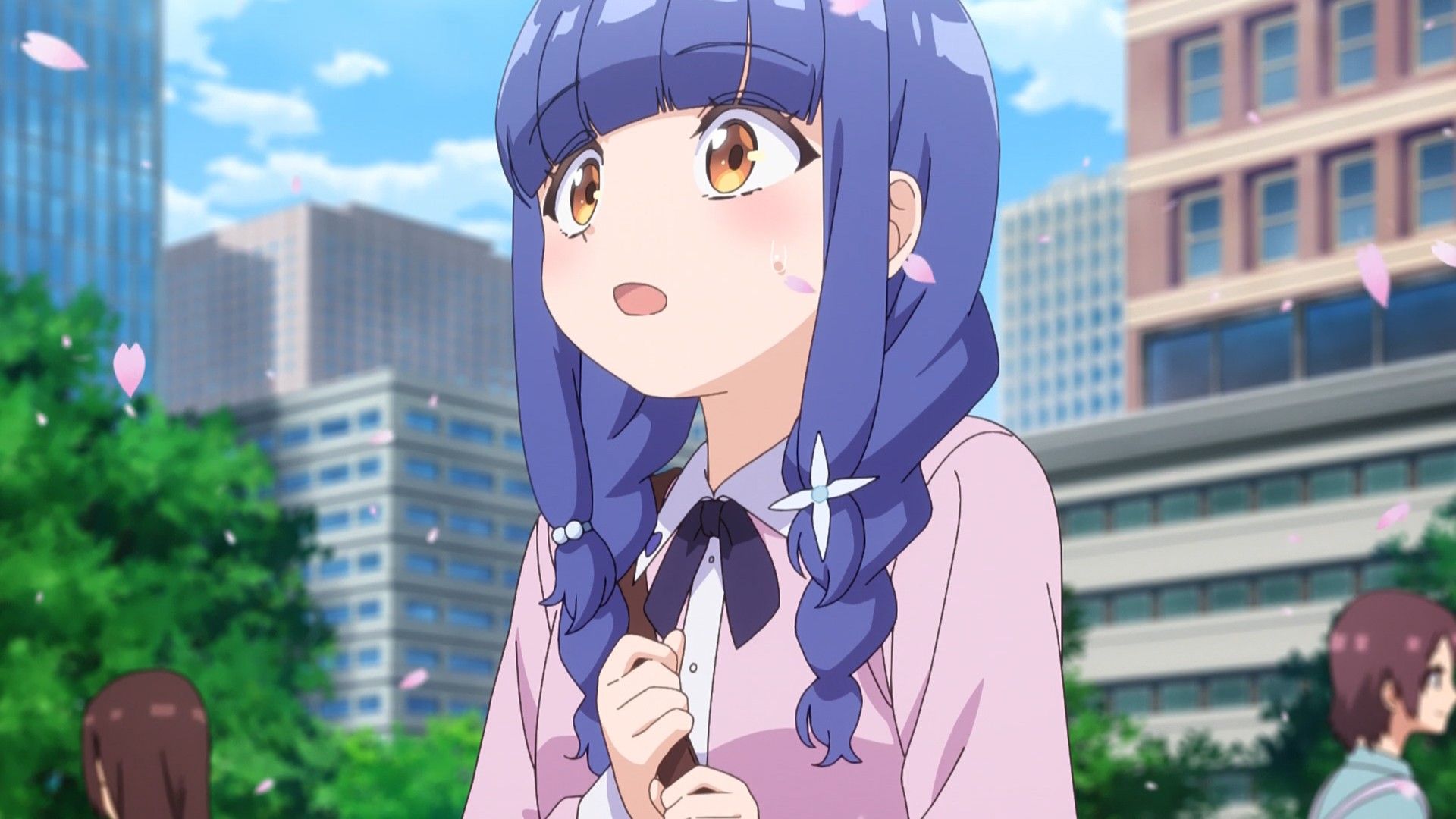
With her large countryside family’s difficult financial situation in mind, Morita Meiko, a rural girl, impulsively applies for a scholarship and a transfer to the prestigious Amamiya Girls’ Academy. To her complete surprise, she is accepted.
After arriving in Tokyo, however, Meiko quickly discovers that her new, luxurious dormitory is actually a manga café. Her admission to the school also comes with one detail she never expected. It turns out she was accepted only because she was mistaken for a brilliant mangaka with exactly the same full name. Terrified by the prospect of ending up on the streets of a huge city without a penny to her name, and unable to face her family if she were expelled, Meiko decides to keep going along with the misunderstanding.
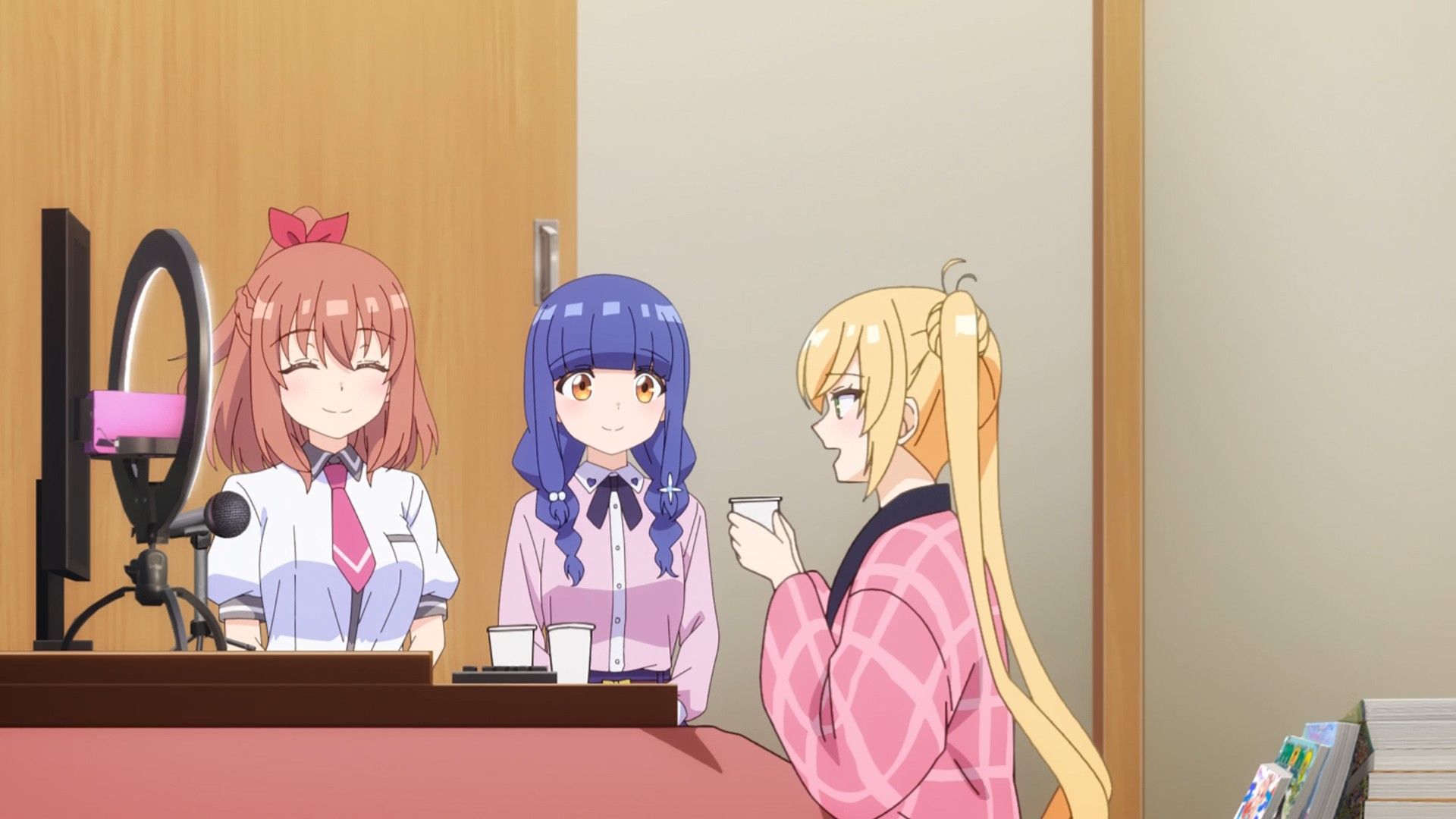
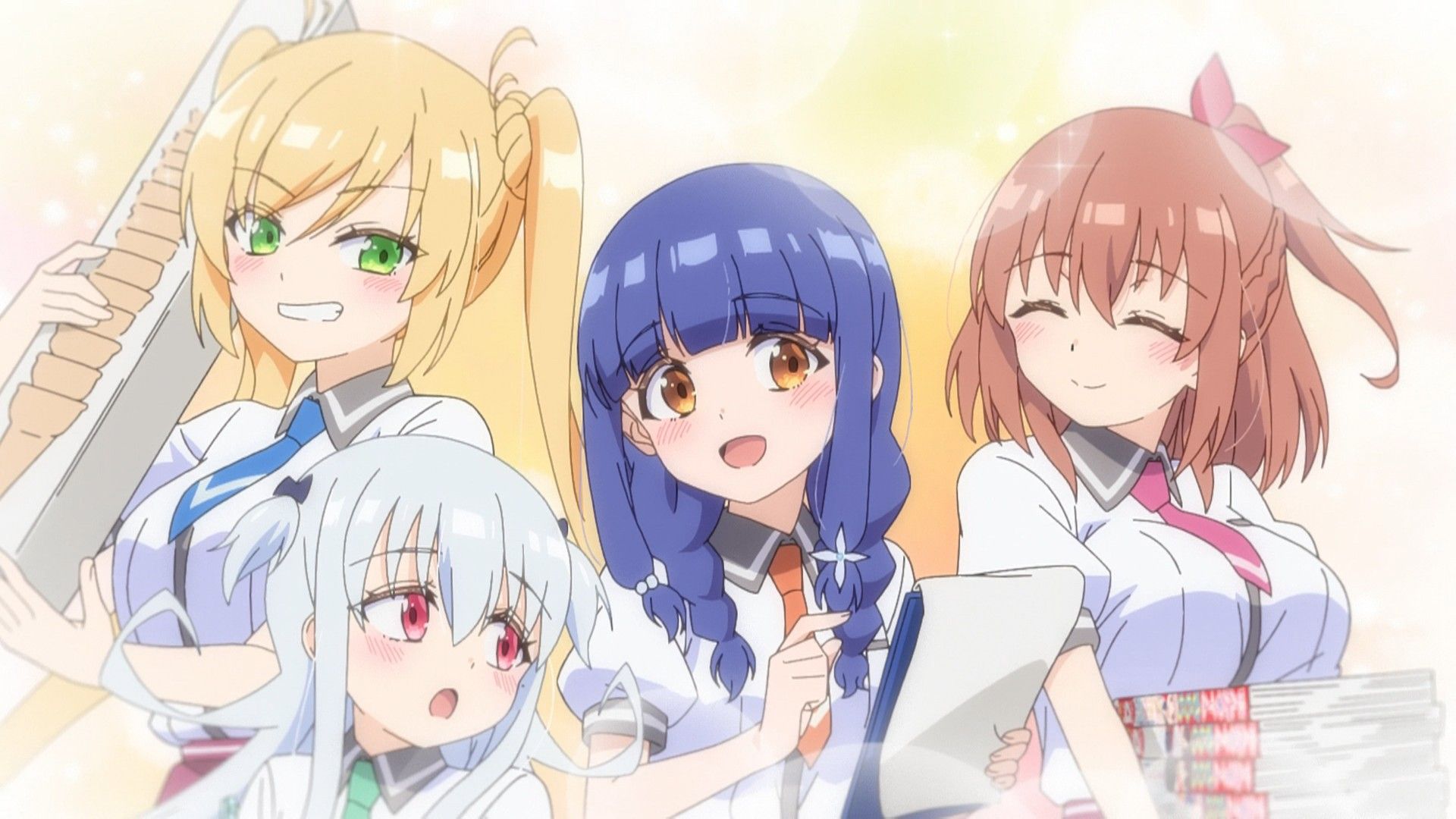
Keeping her true identity a secret will not be easy, especially in the company of her highly eccentric roommates. Meiko has to find her footing in this new reality while living under the same roof as Amamiya Rie, the wealthy dorm manager, daughter of the school principal, and a girl consumed by her obsession with manga. The group also includes Suzuki Marika, who leads a double life as a wildly popular streamer on MyuTube, as well as Nakano Neo, an aspiring professional gamer who immediately awakens Meiko’s strong big-sister instincts.
Ichijouma Mankitsugurashi! (2026) – Audiovisual Design
Video
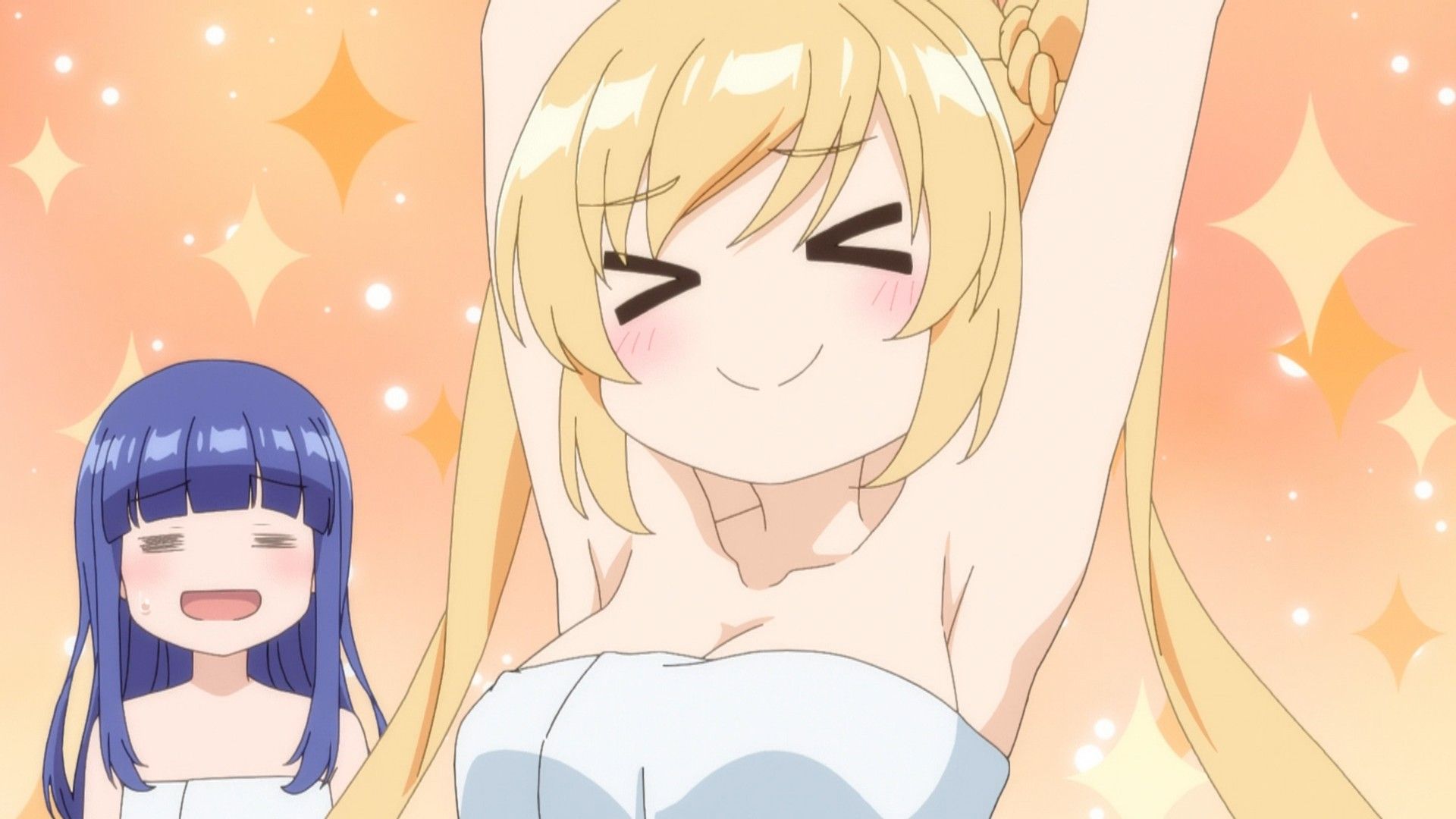
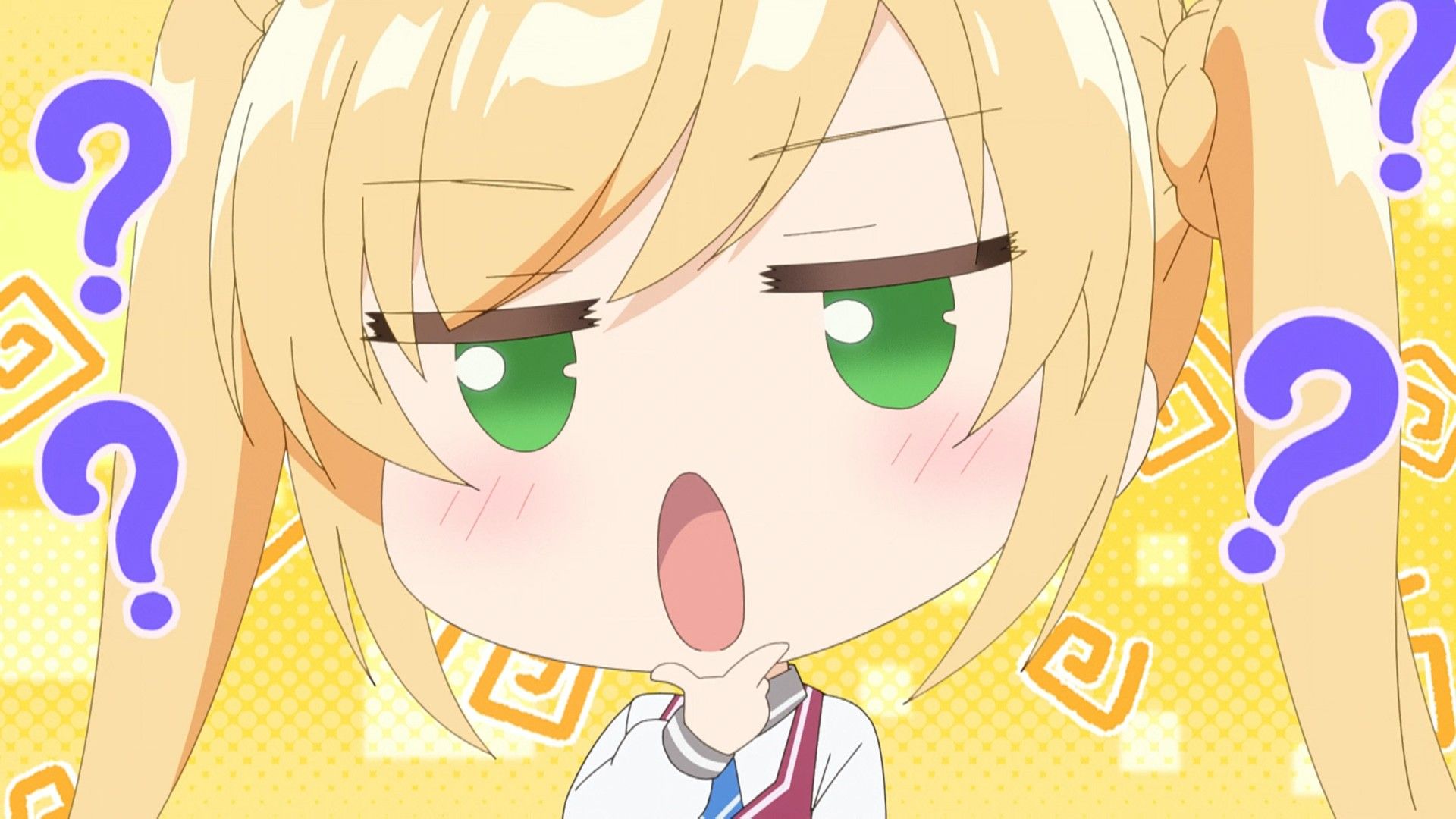
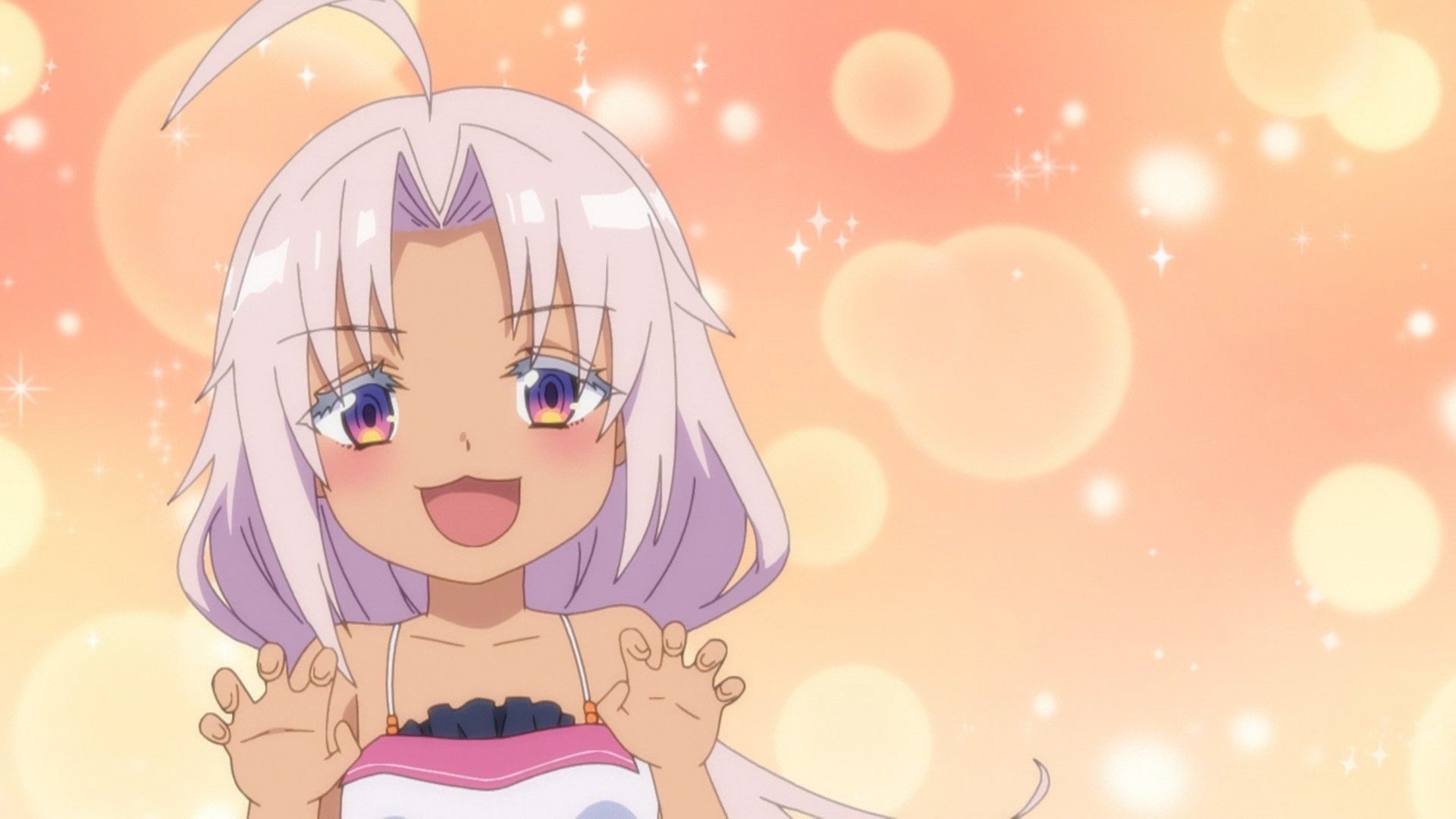
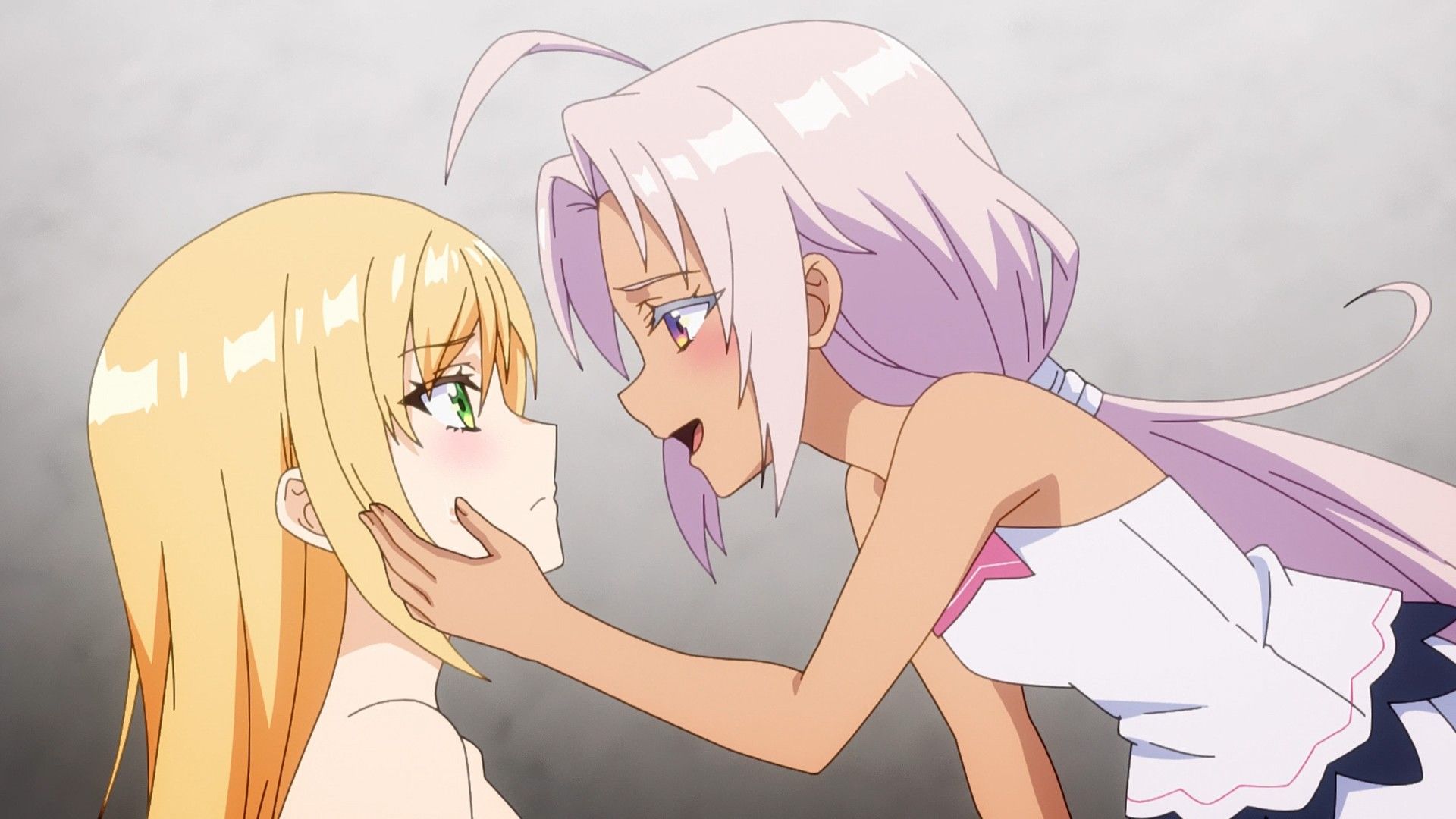
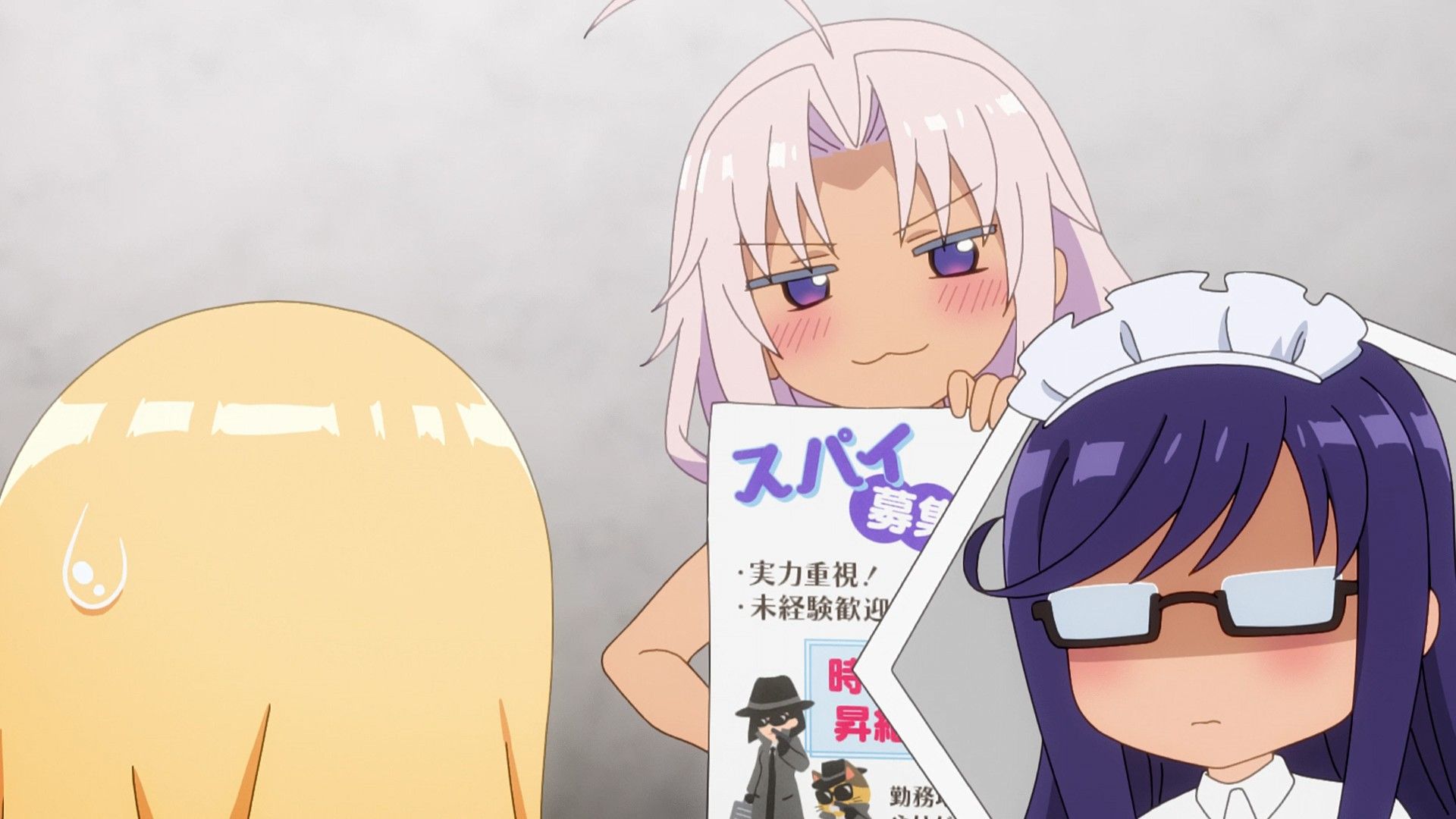
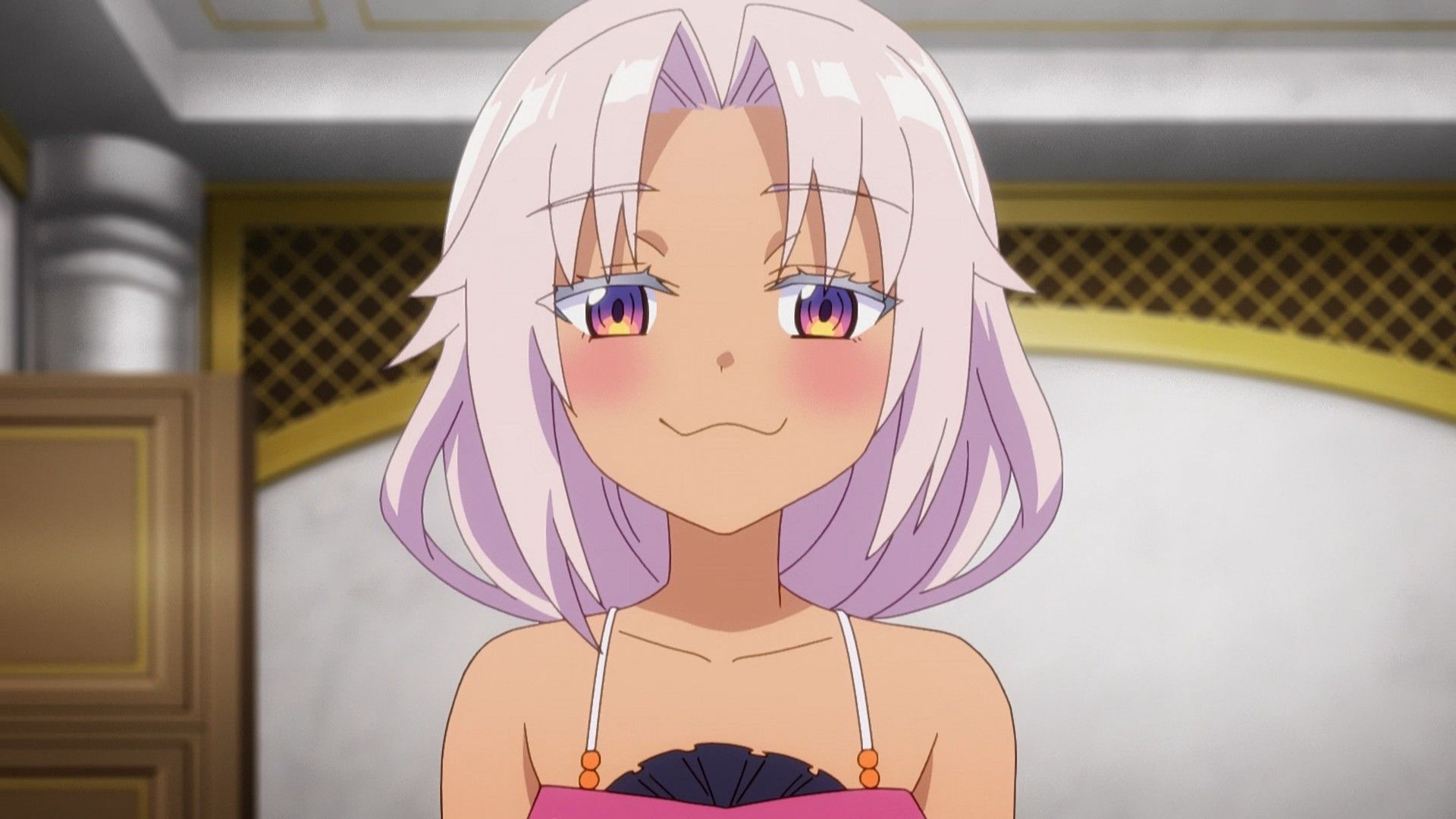
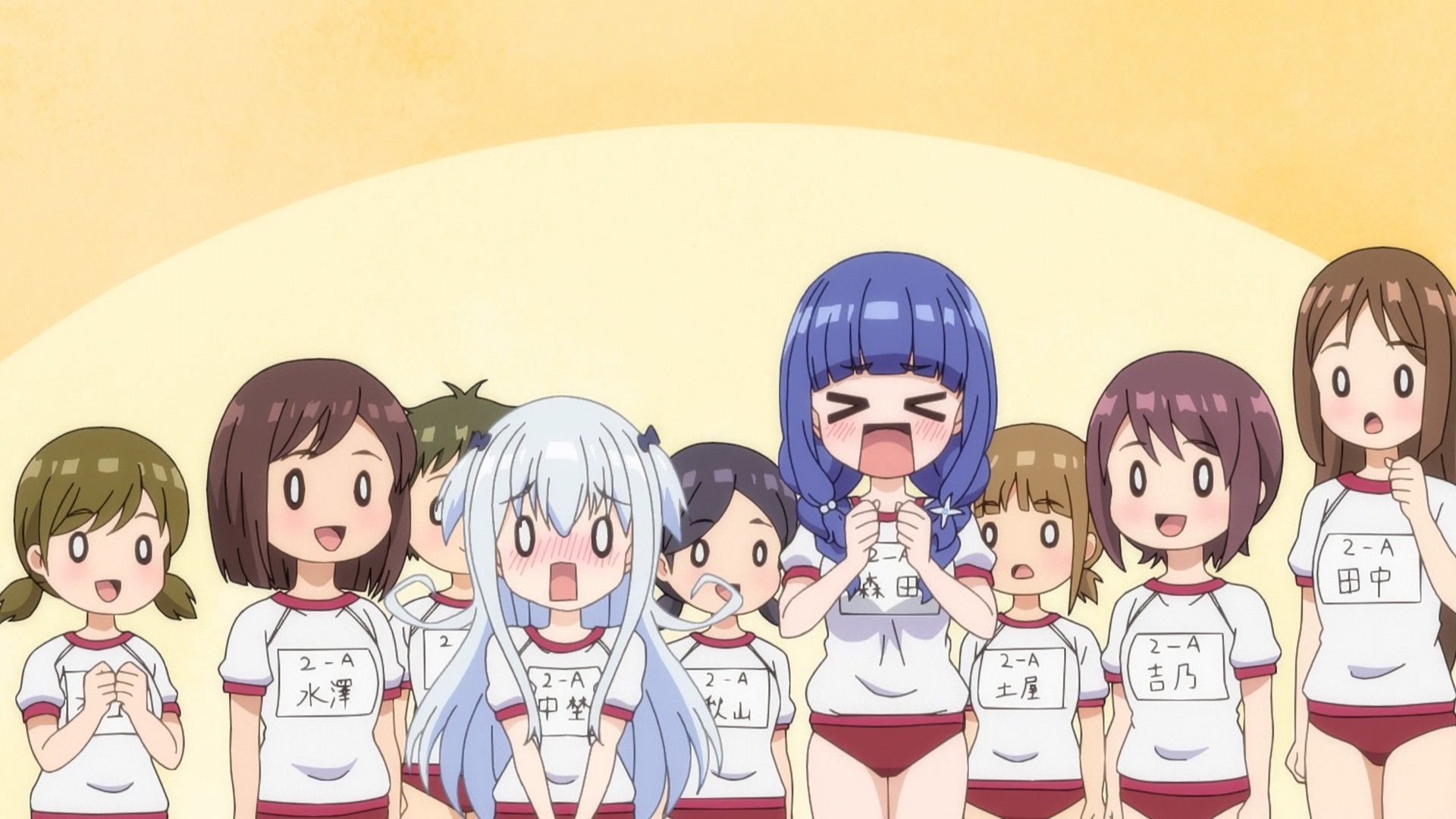
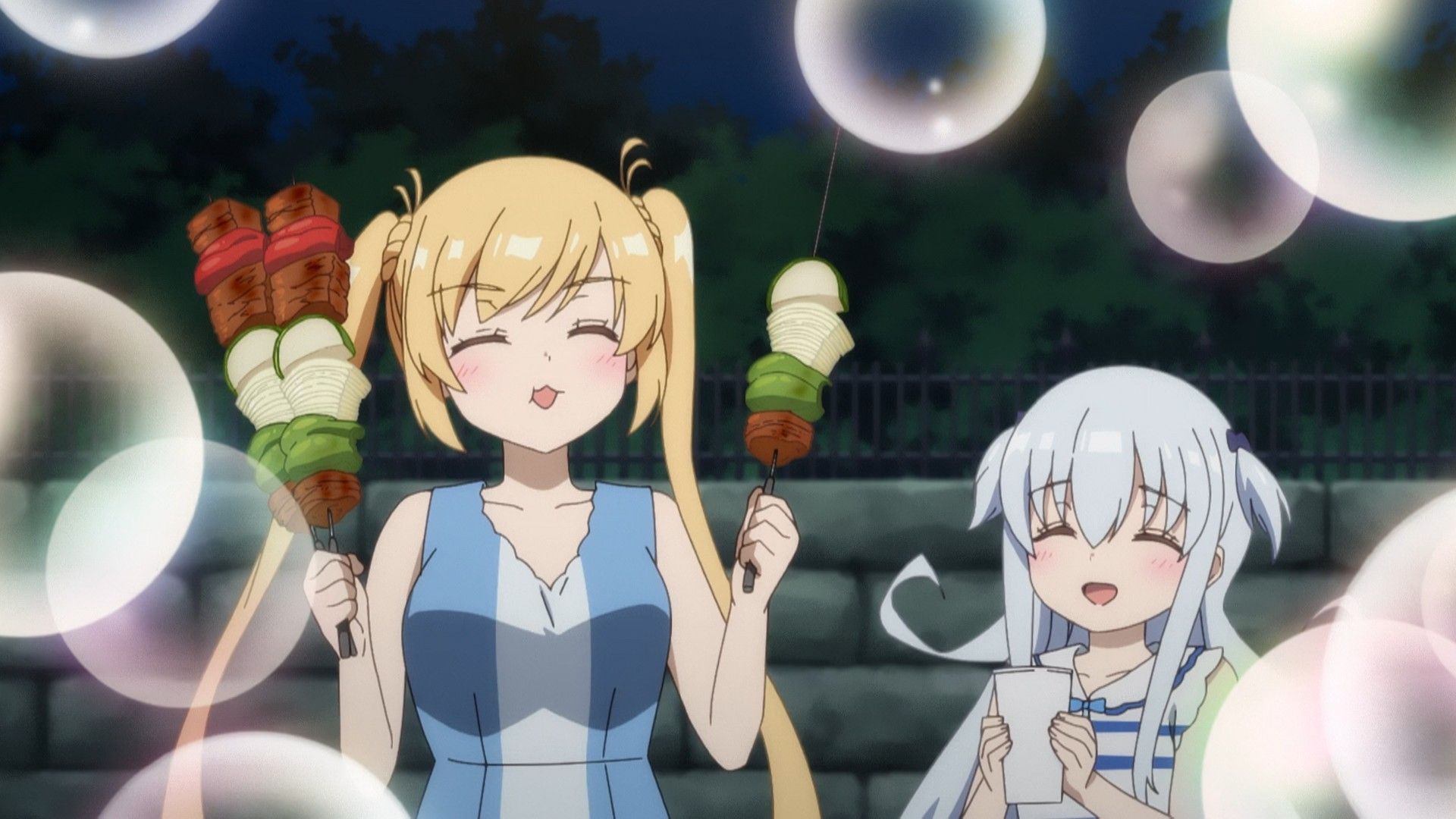
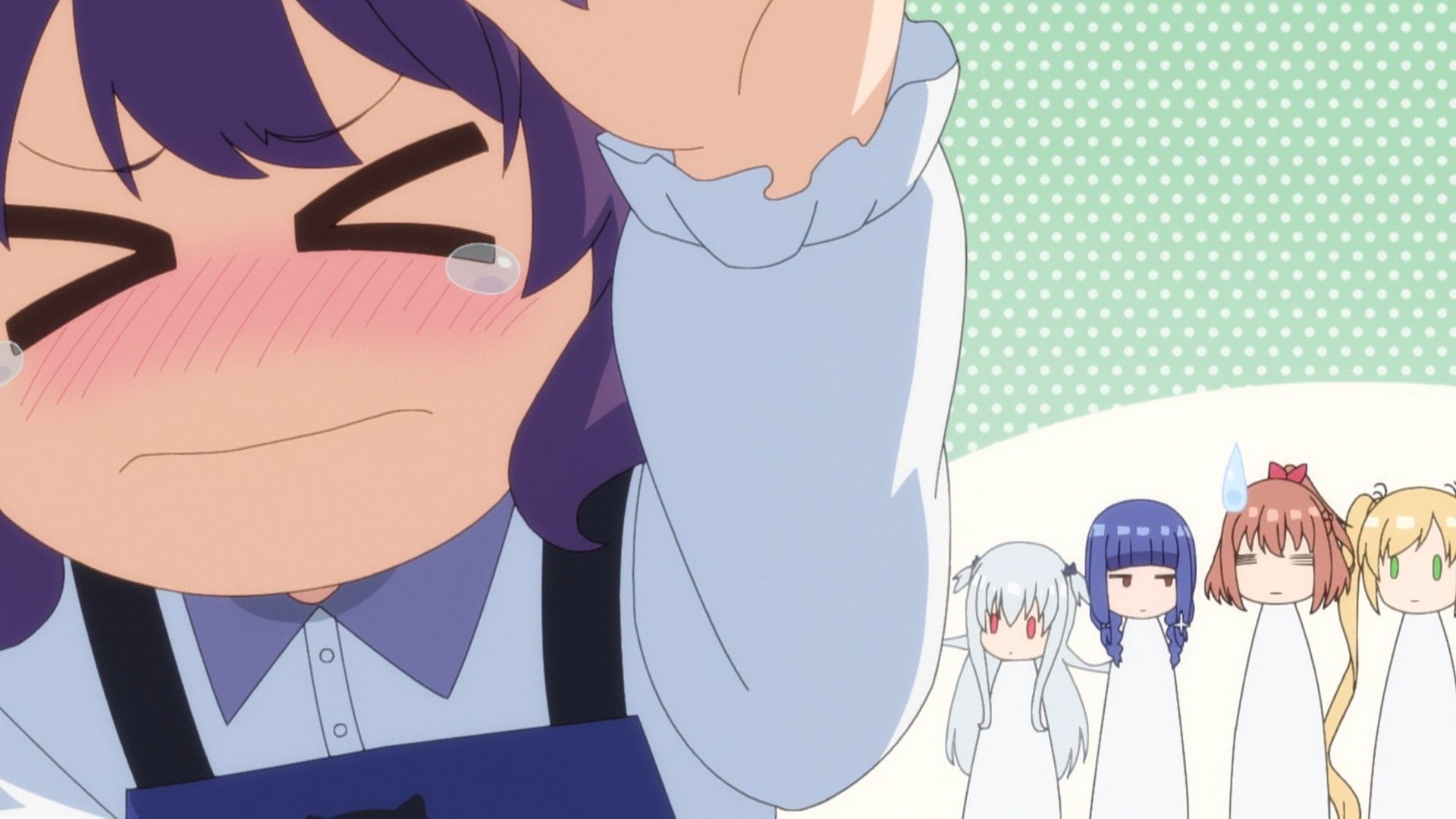
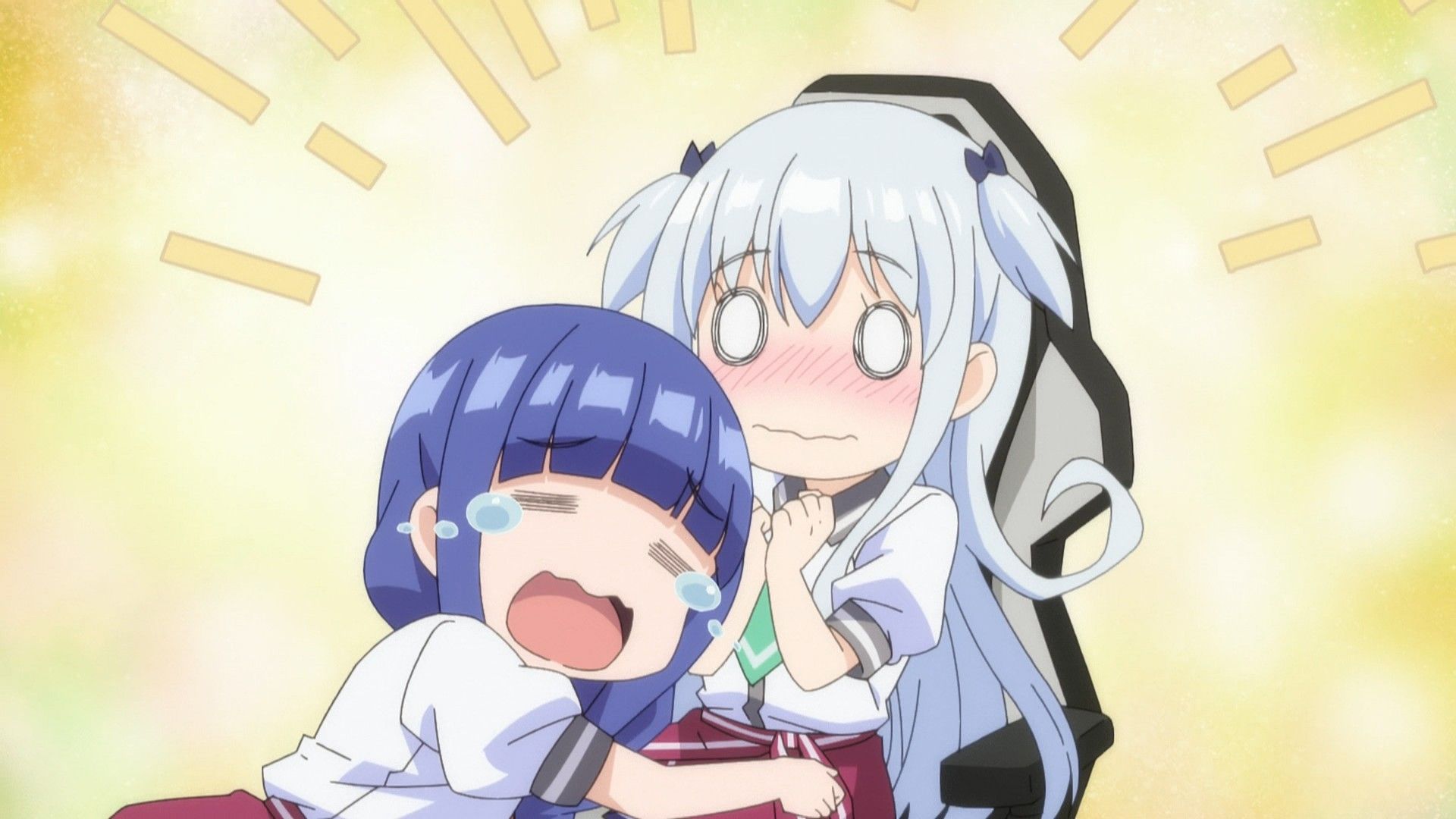
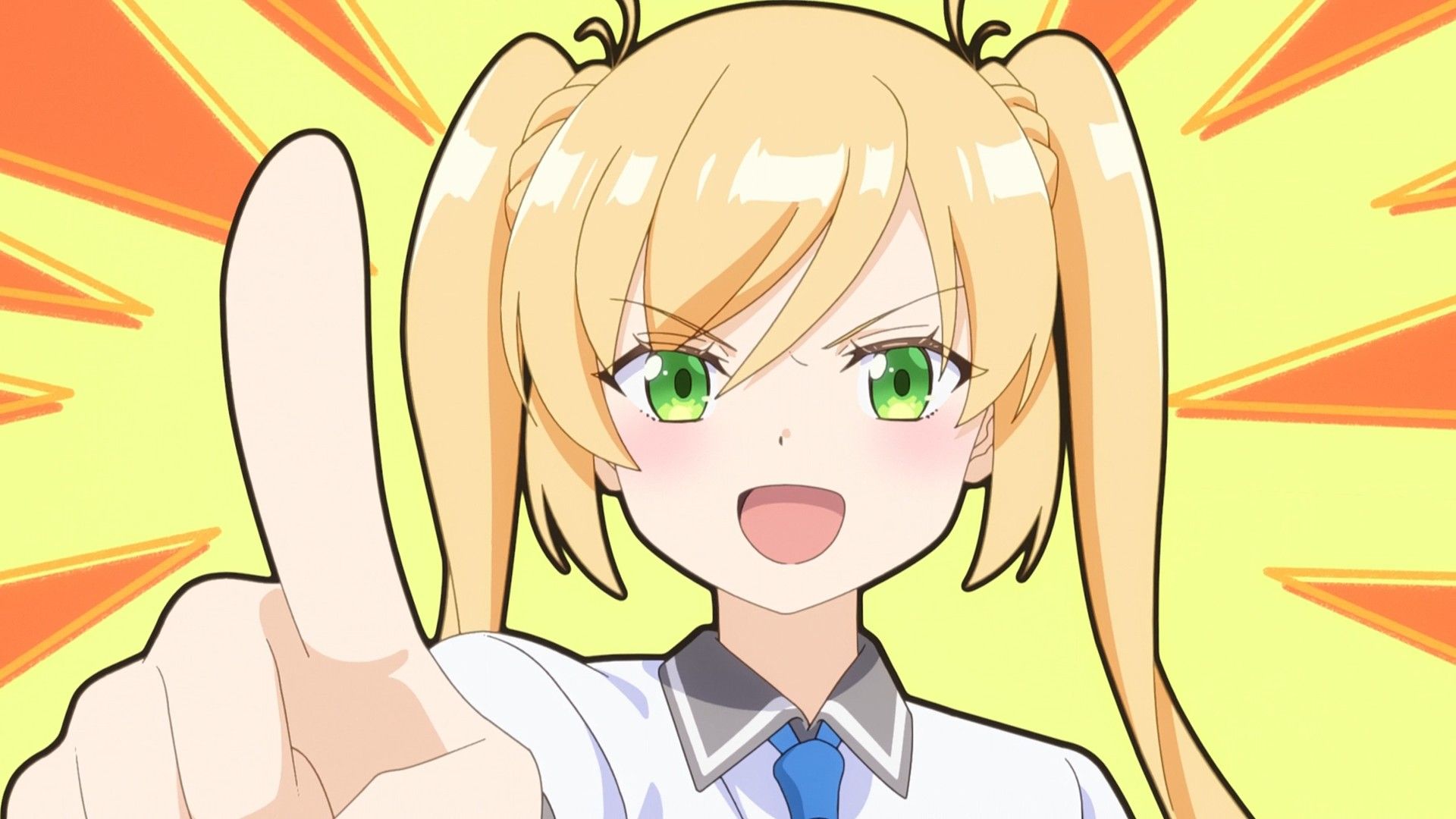
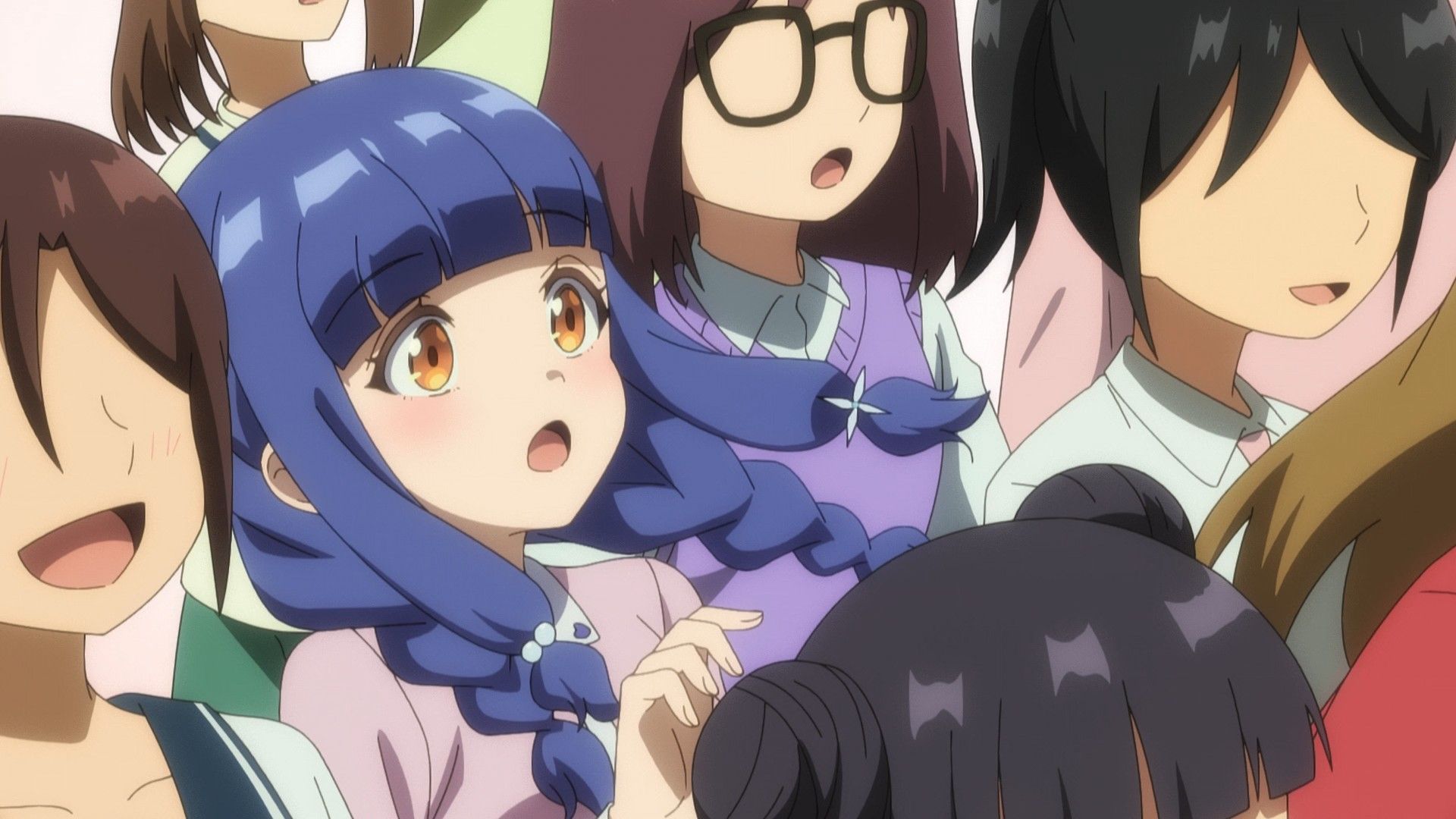
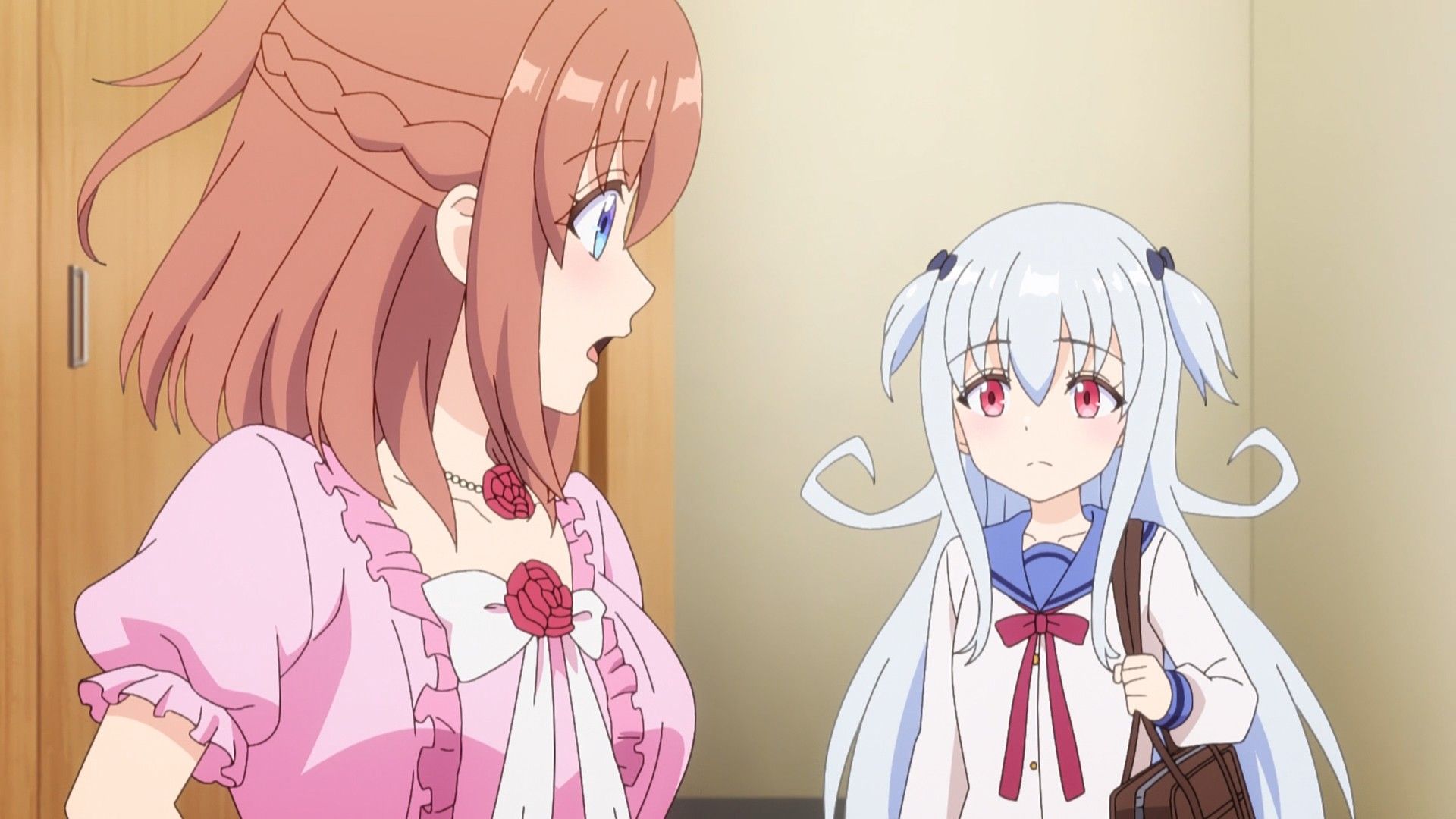
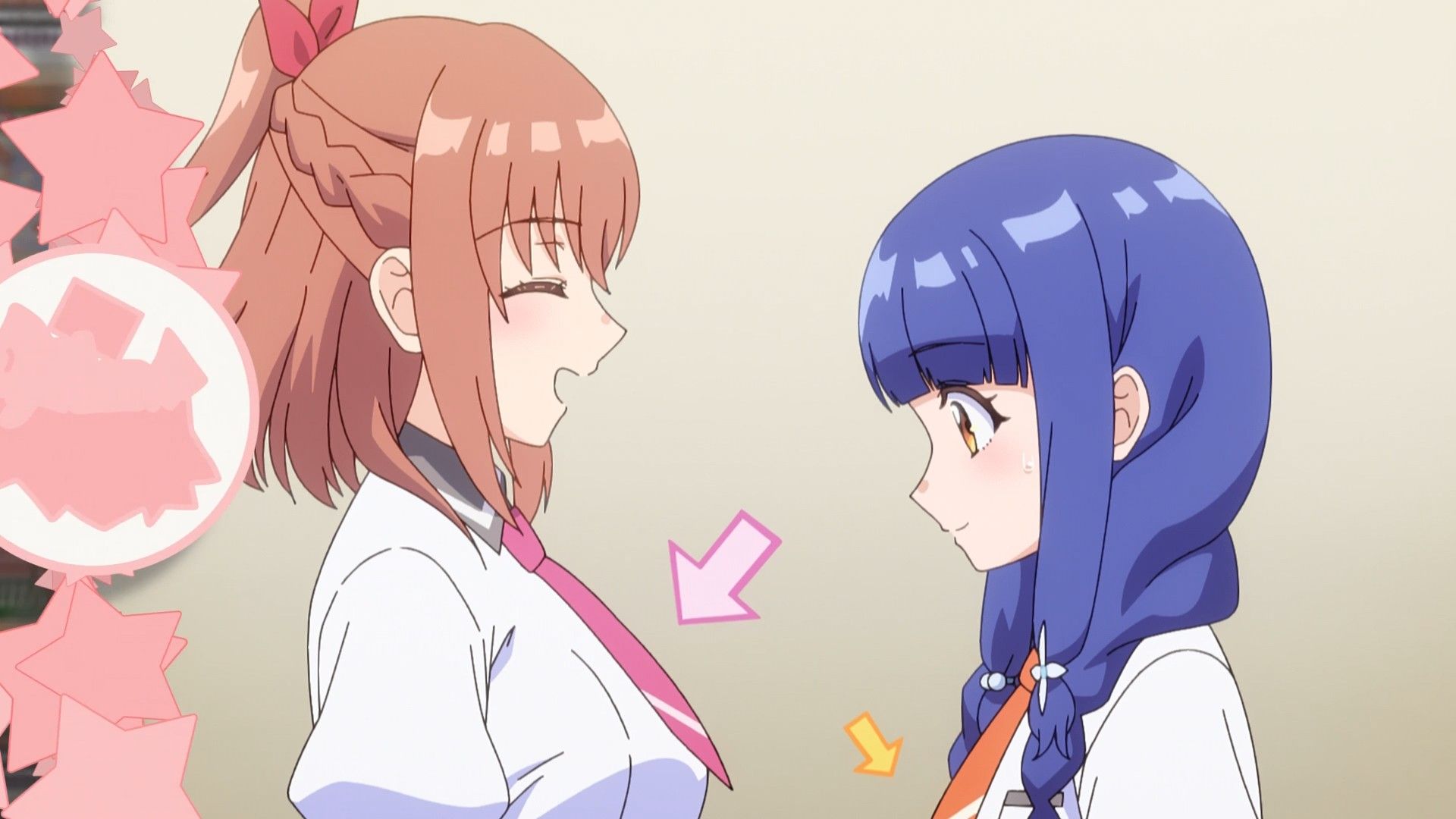
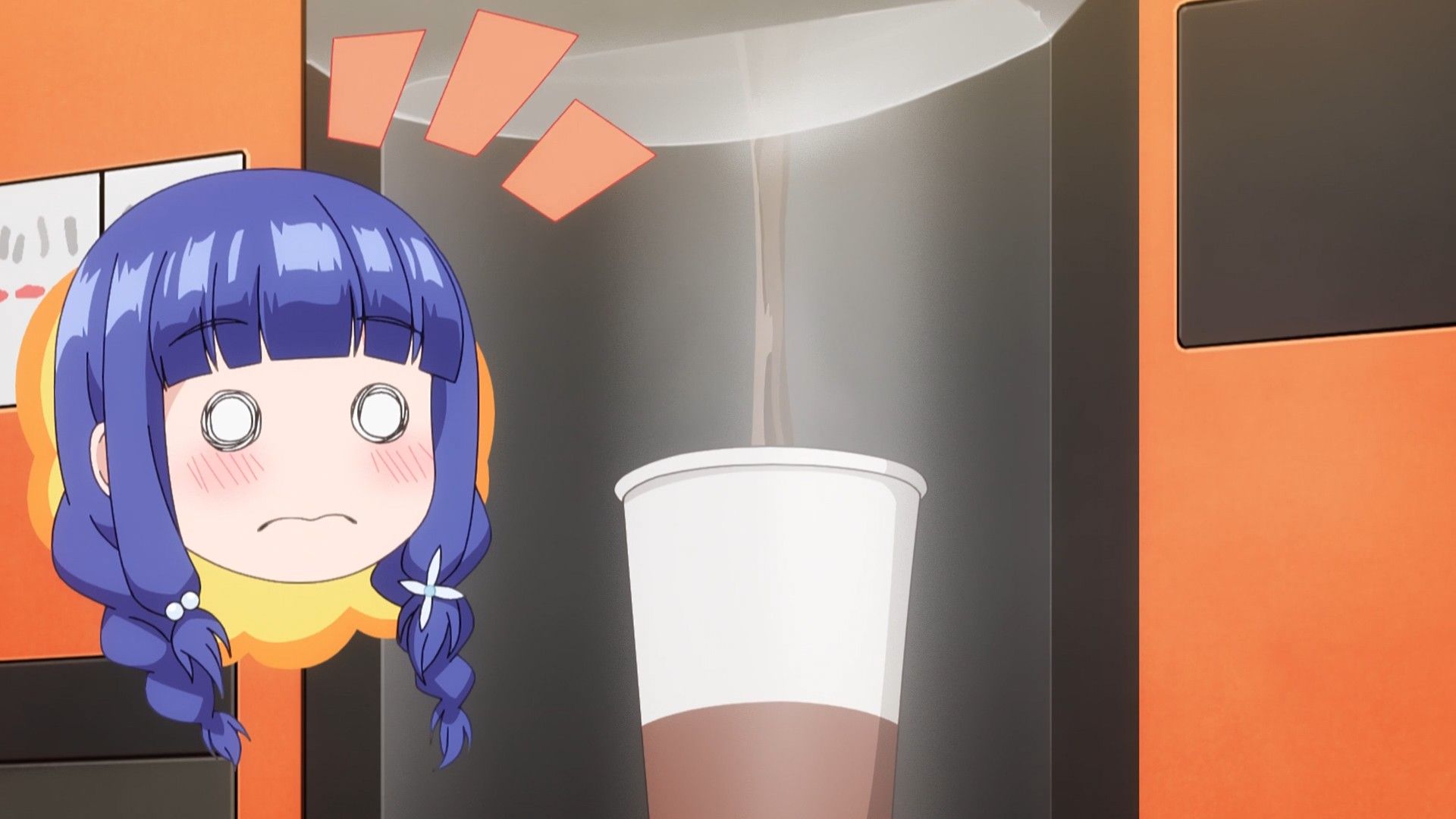
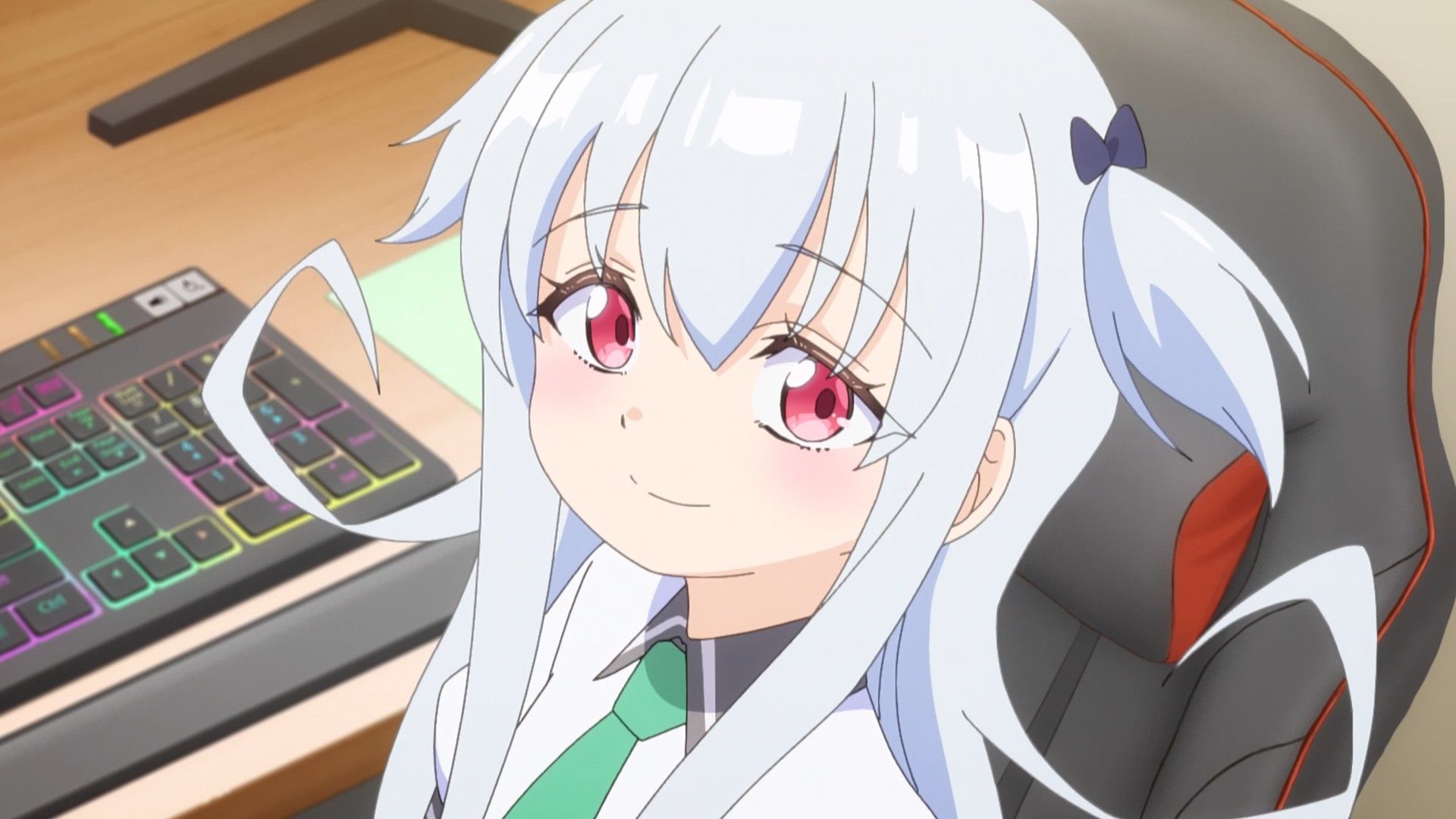
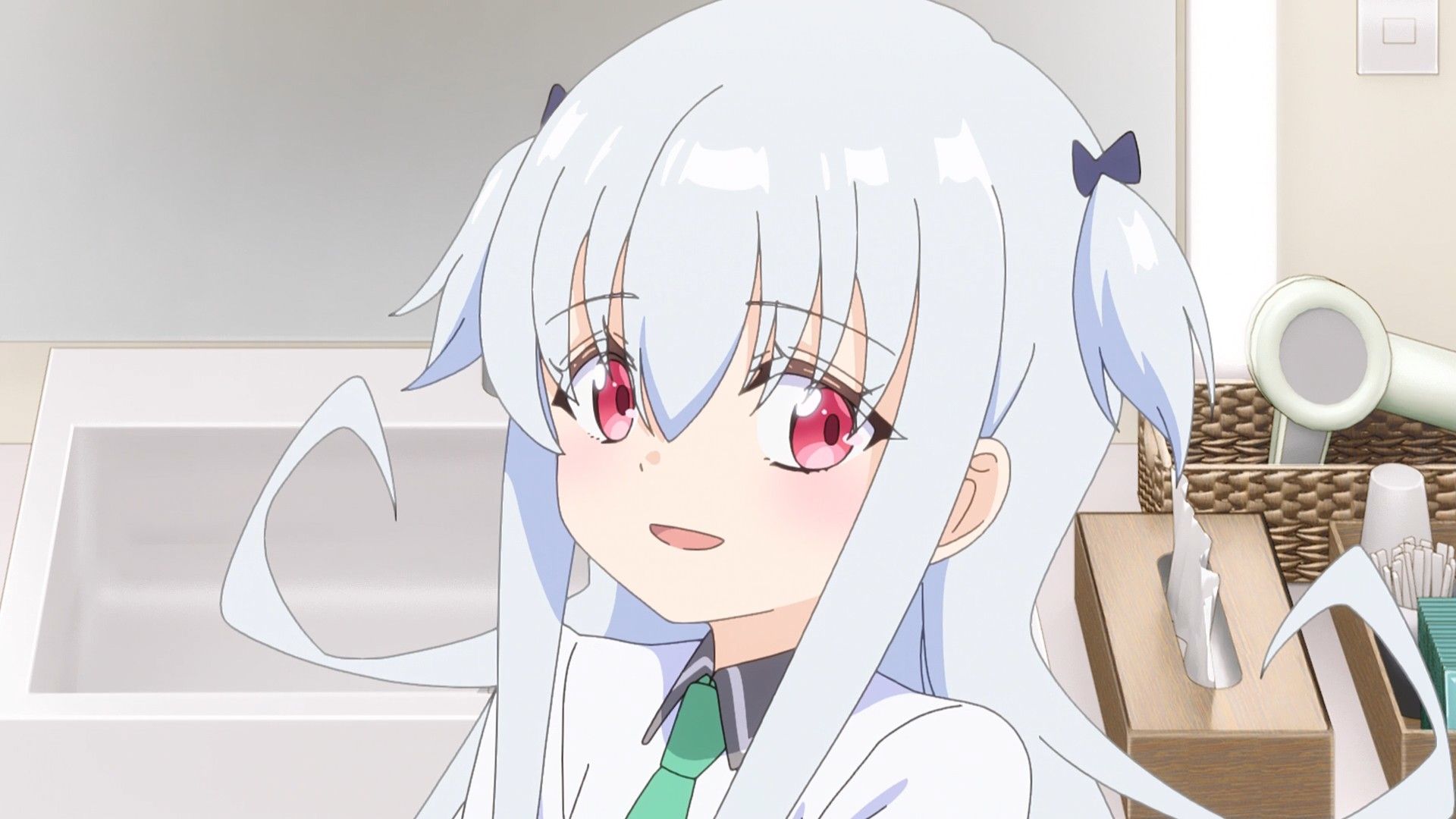
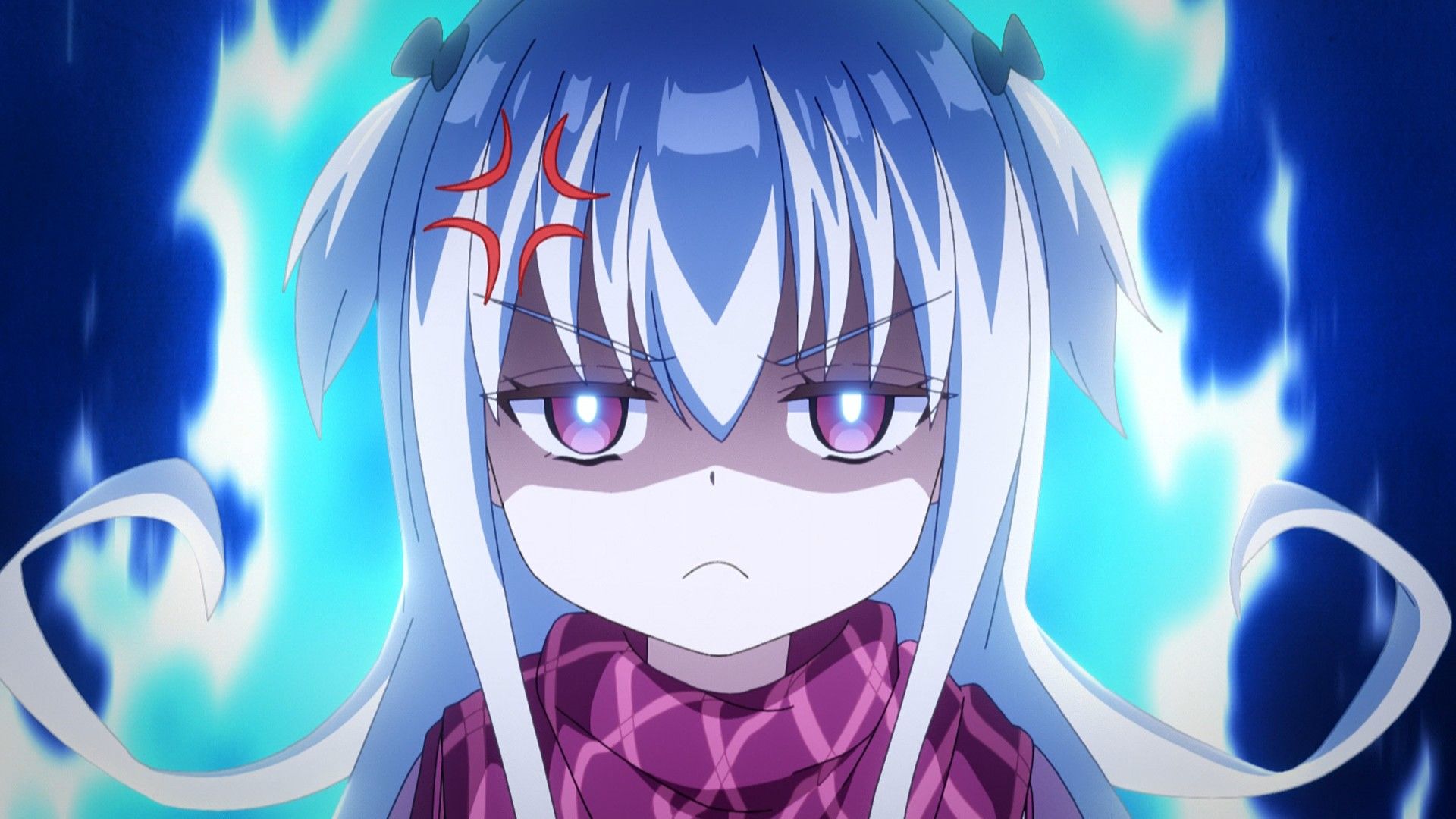
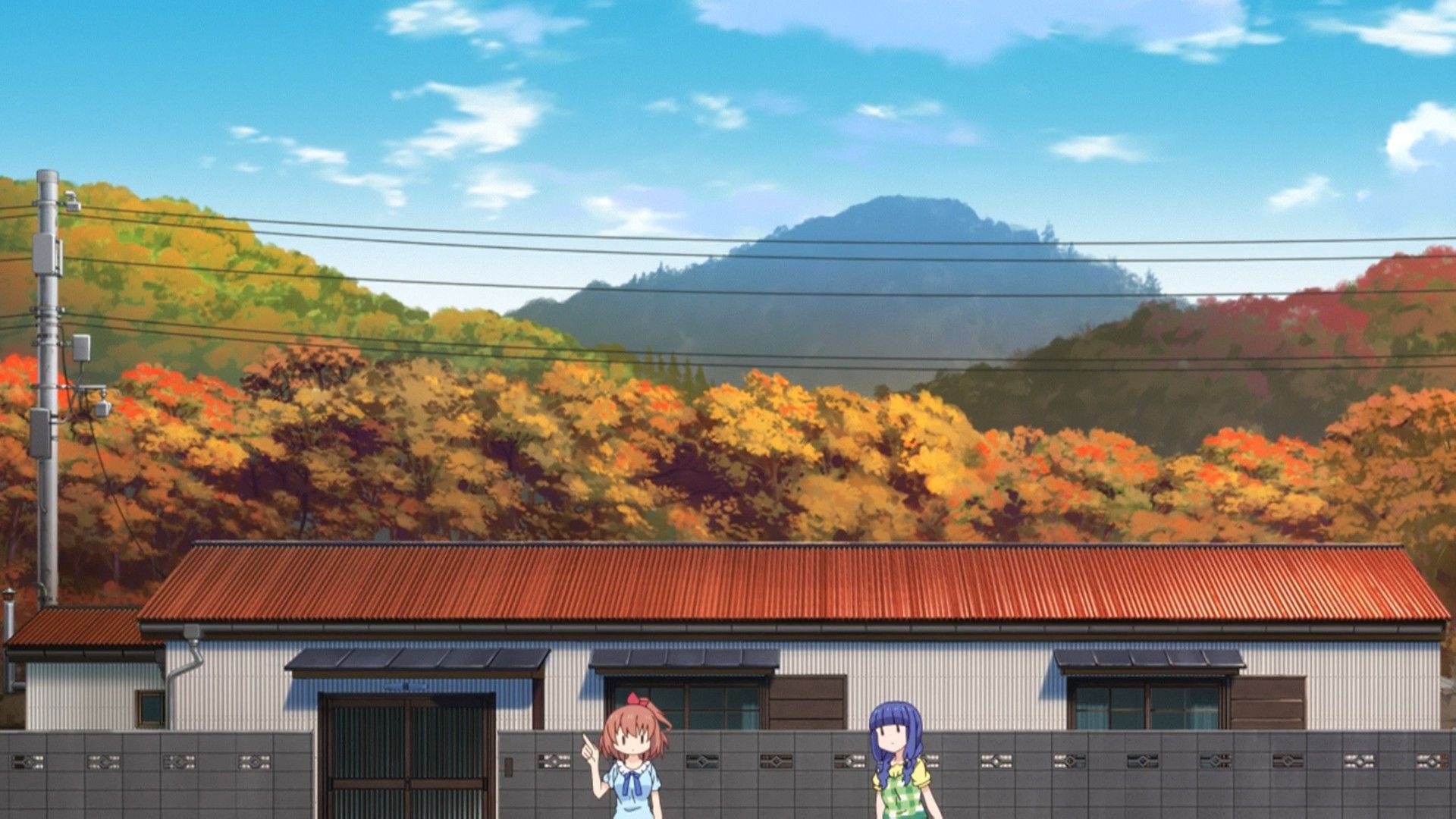
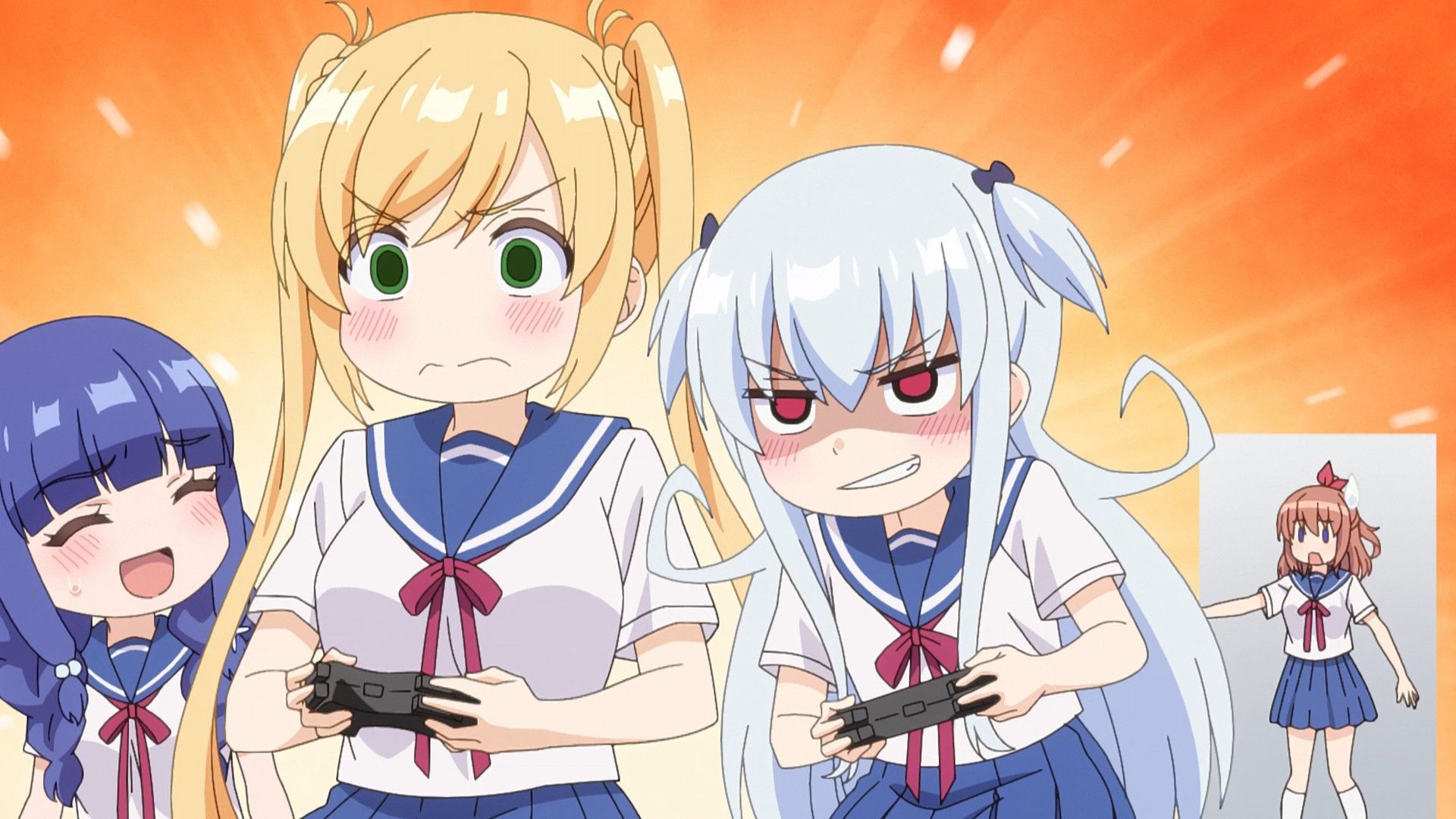
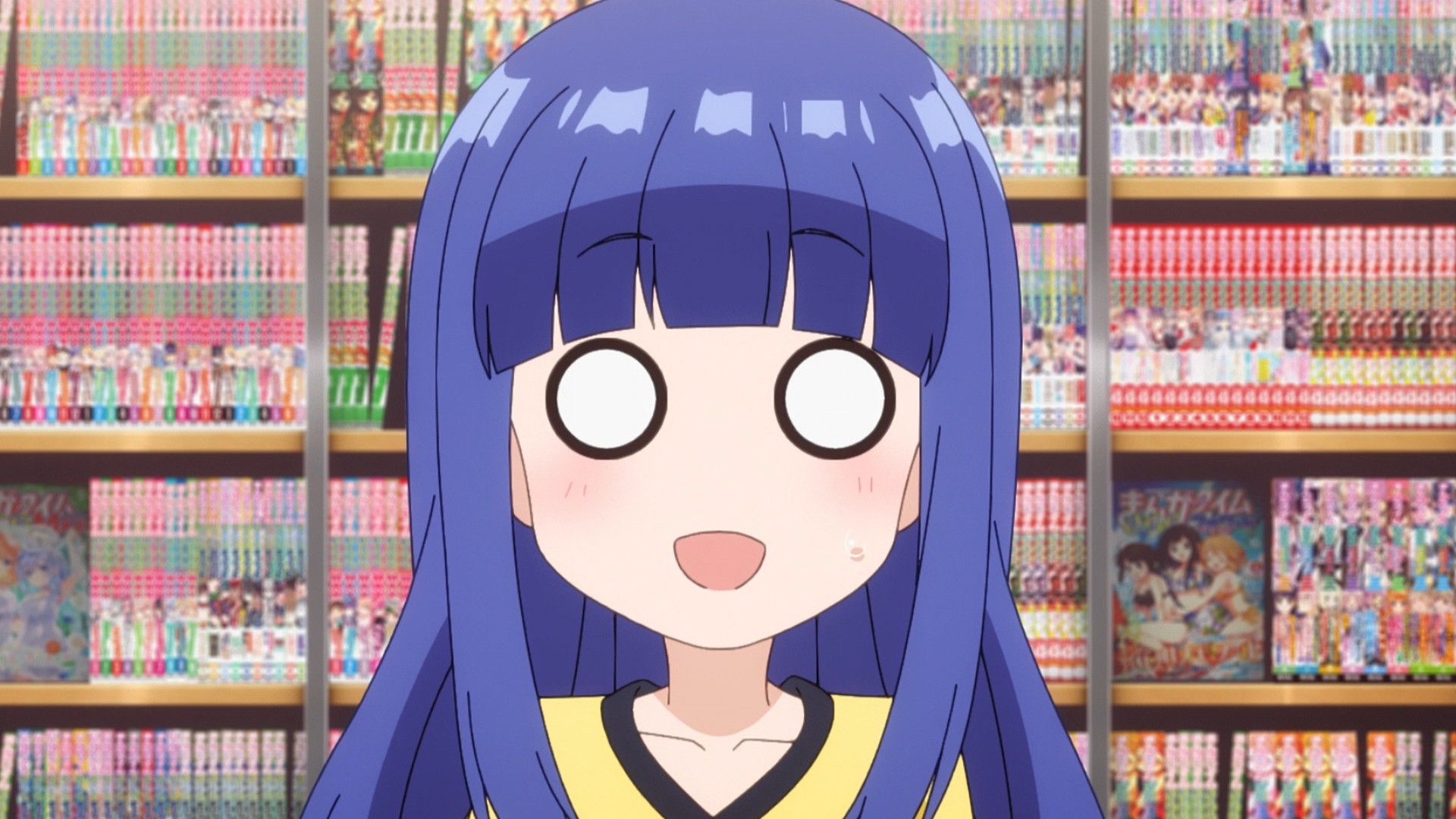
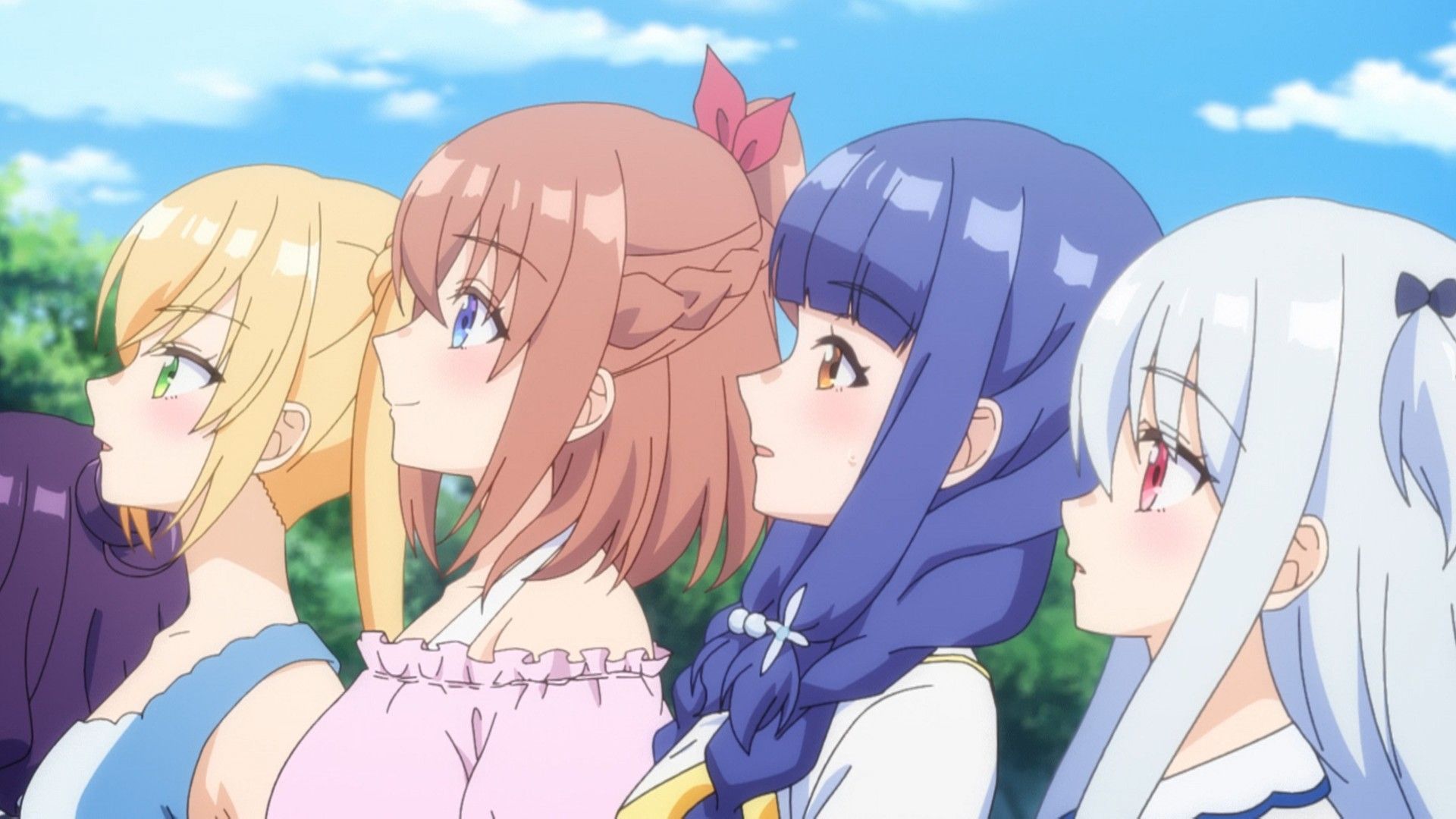
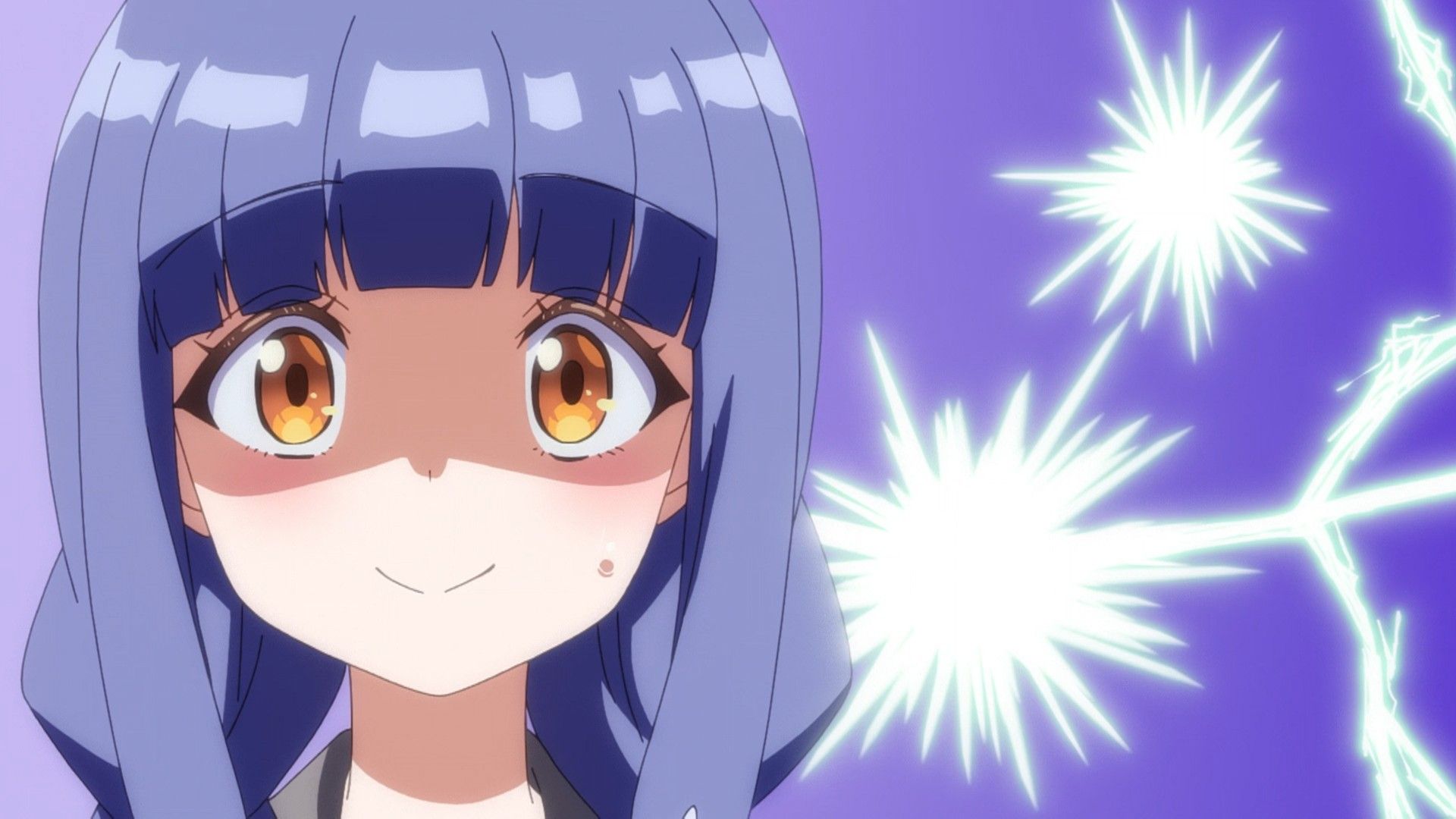
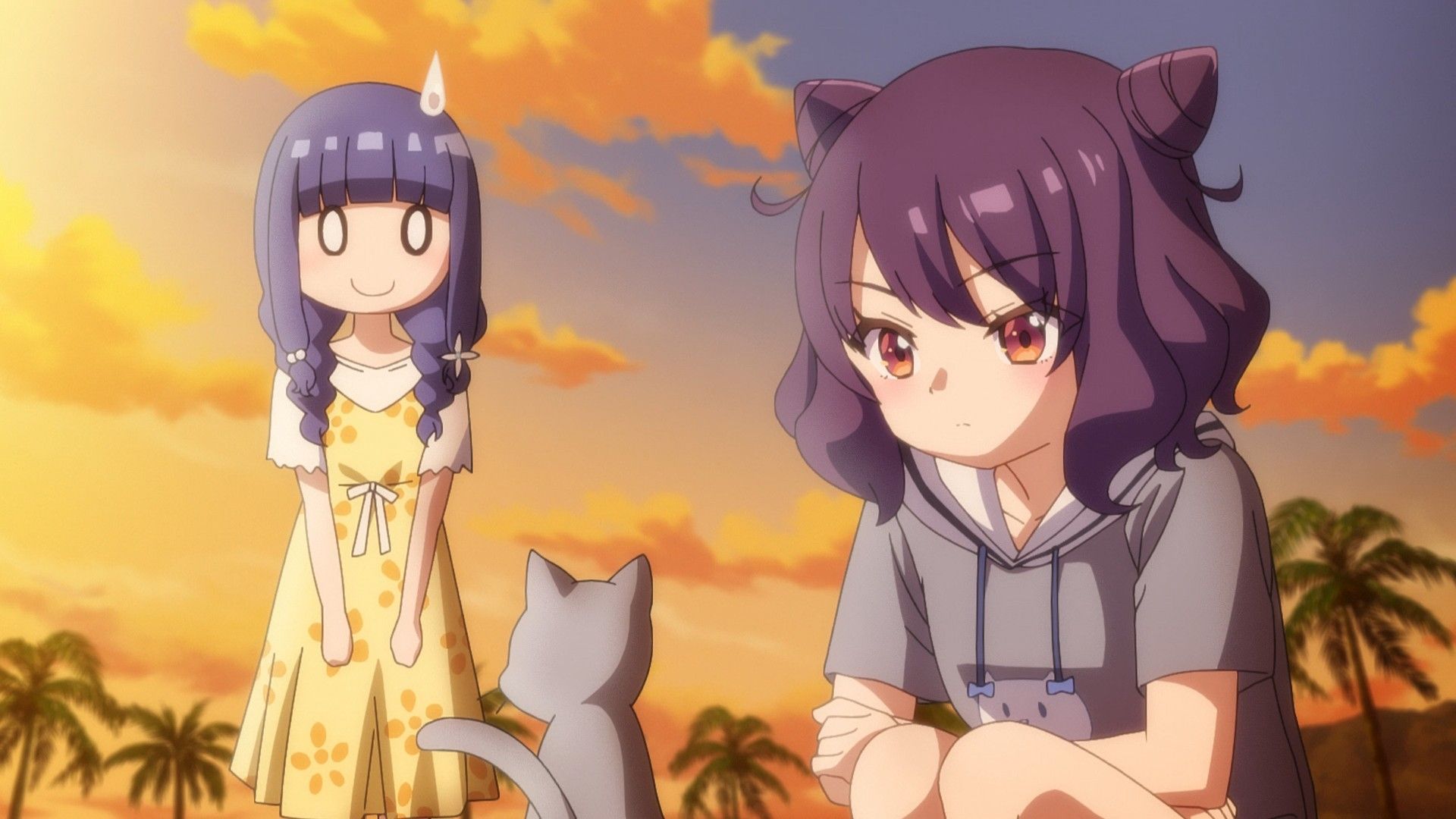
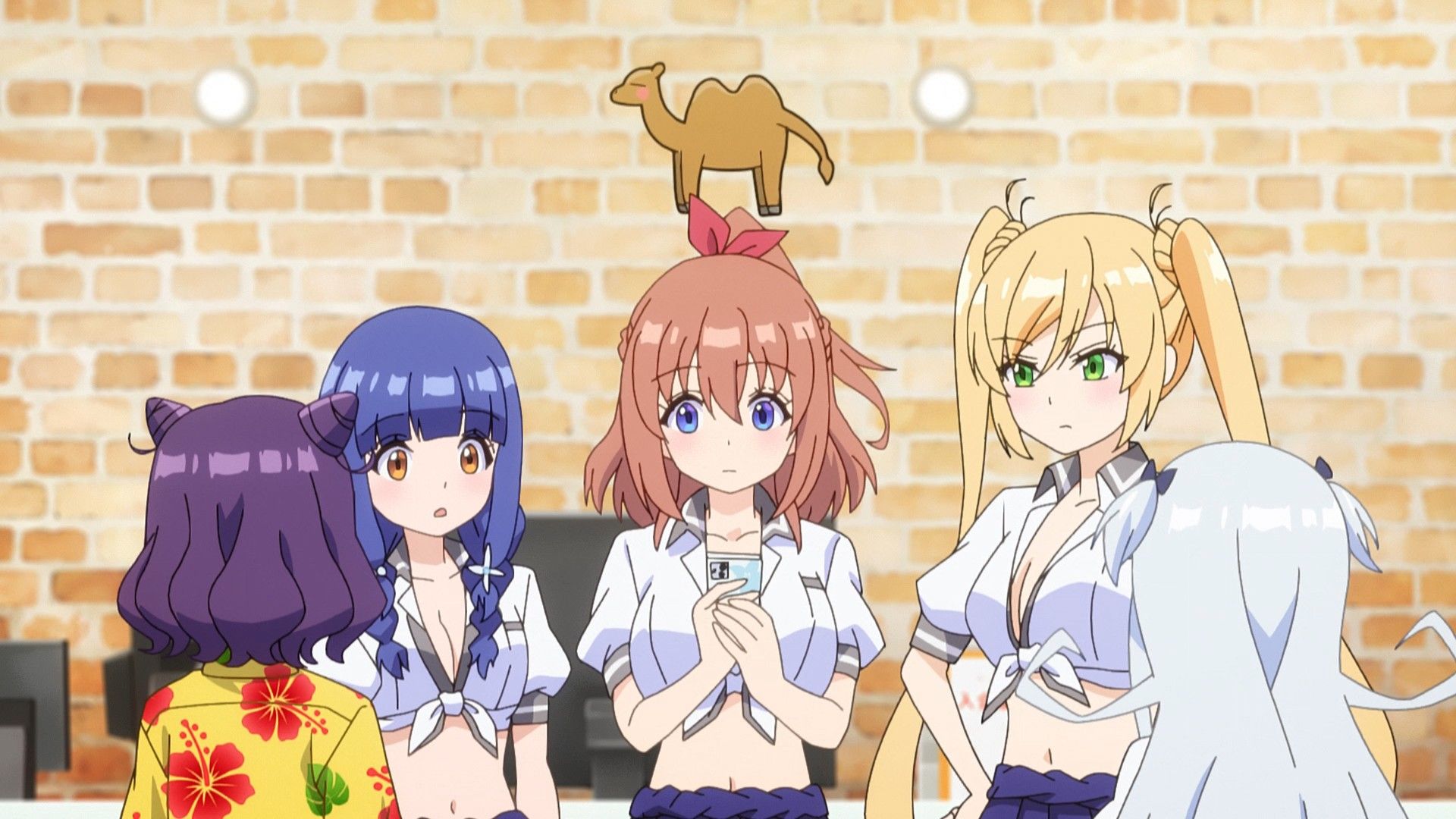
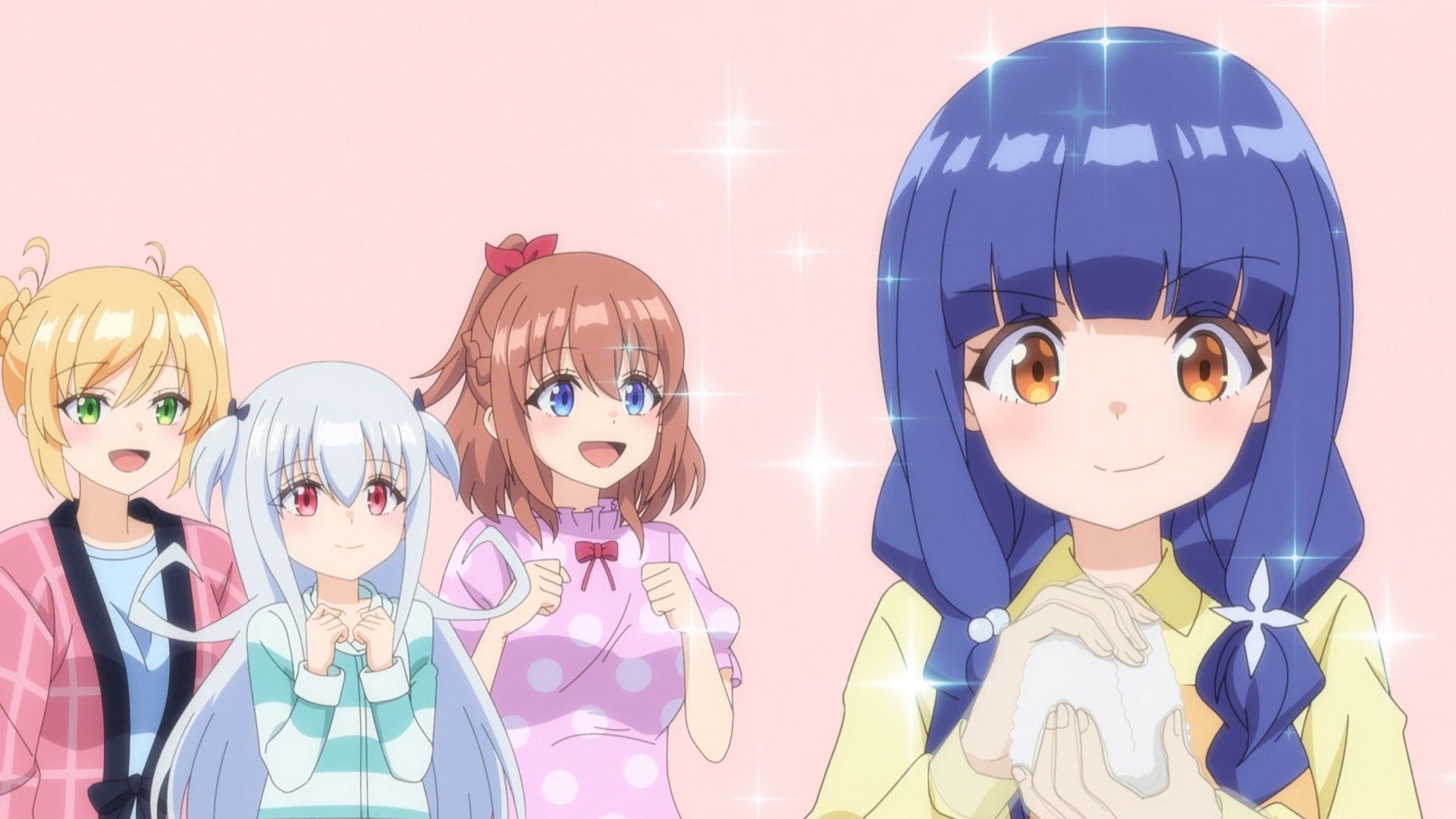
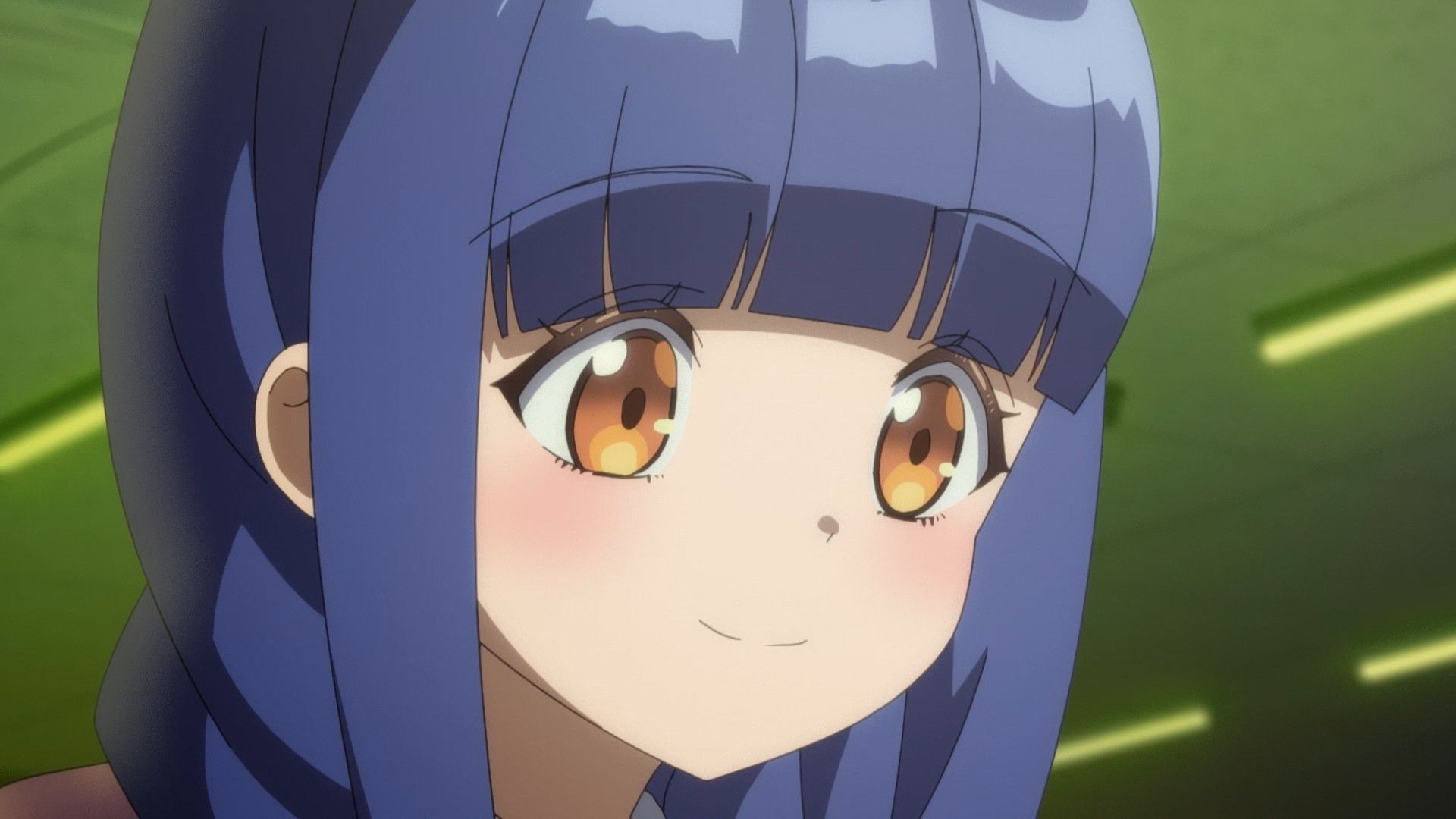
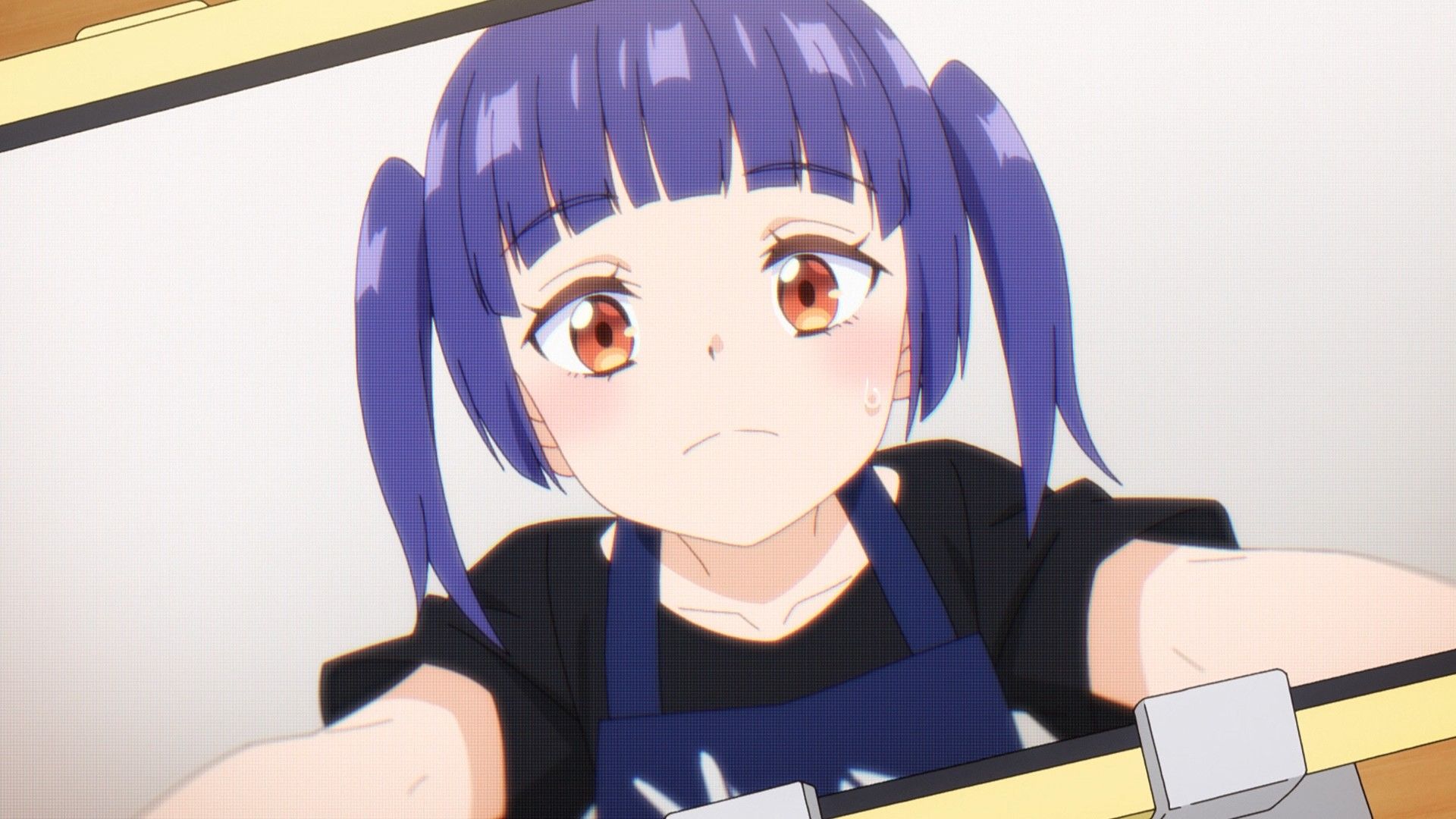
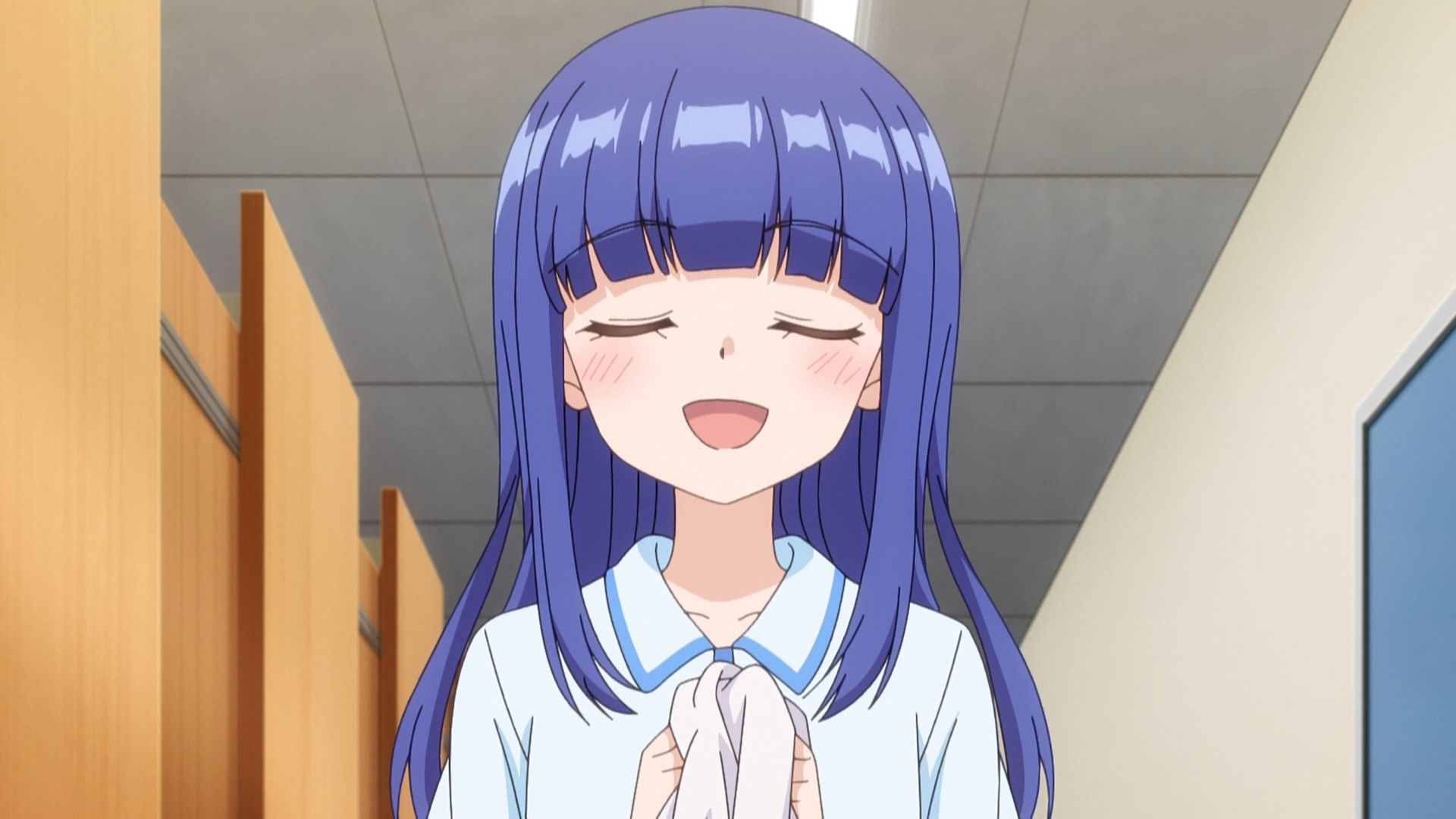
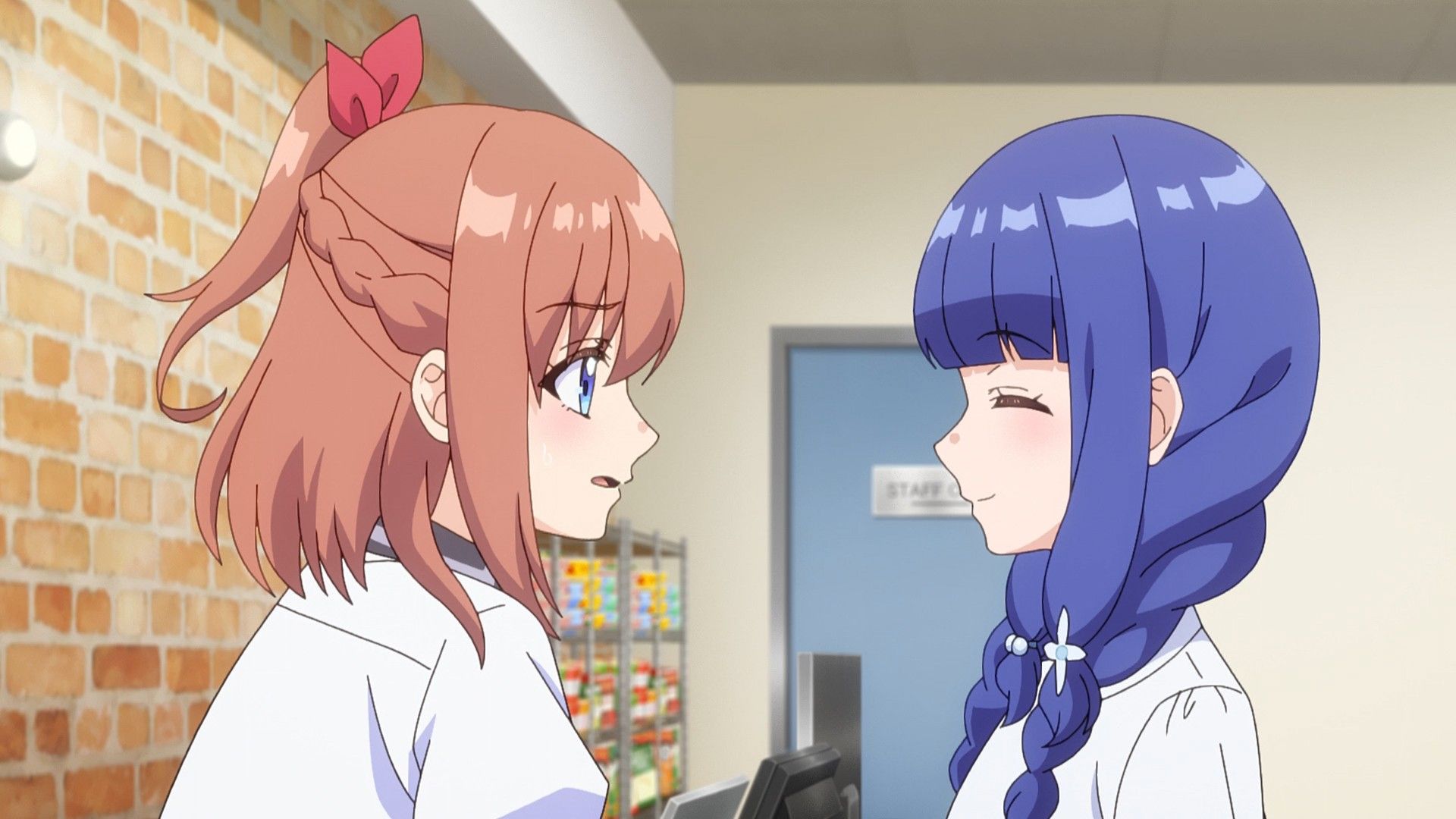
Visually, Ichijouma Mankitsugurashi comes off very well. What stands out most is how much emphasis is placed on the heroines’ expressiveness. Facial expressions, reactions, comedic distortions — all of it works with the rhythm of the scenes and does a great deal for the characterization itself. The series has a bright, pleasant color palette and a clean aesthetic that clearly prioritizes character appeal and emotional clarity. On top of that, there is warmer lighting, soft background blur in the right moments, and a fairly high level of detail where it truly matters. Most importantly, though, the visuals never work against the content; they support it. This world is meant to feel cozy, slightly exaggerated, and at the same time full of warmth — and that is exactly what it is.
Audio
As for the seiyuu, the cast fits the temperament of each character very well. The main roles are performed by Hishikawa Hana as Morita Meiko, Shirasu Saho as Amamiya Rie, Chiharu as Suzuki Marika, Nemoto Miyari as Nakano Neo, Terasawa Momoka as Narumi Michika, Murakami Natsumi as Morita Miori, Saitou Chiwa as Gao, and Koba Ran as Berna. The list of names alone already suggests that the creators understood how important the right vocal color and the ability to distinguish personalities would be here. And that is exactly what you can hear.
The voices bring out what is already written into the characters themselves: Meiko’s softness and insecurity, Rie’s liveliness, Marika’s shameless freedom, Neo’s quiet intensity, and Michika’s prickliness. As a result, even ordinary conversations have the right weight, while the comedic exaggeration never kills the naturalness. In titles like this, that is truly half the battle.
Ichijouma Mankitsugurashi! – Plot and Characters
Introduction
Ichijouma Mankitsugurashi is exactly the kind of series that, at first glance, seems like nothing more than a light comedy about a few peculiar girls living together, only to quickly start working through something much more pleasant and lasting. It is not just about the concept of a manga-kissa combined with a dormitory, though that alone has plenty of charm. What matters most is how naturally this title builds a bond with its heroines, and how quickly it makes ordinary everyday scenes begin to carry their own emotional weight.
I also really like that Ichijouma Mankitsugurashi does not rely solely on a single gag or one easy plot hook. Yes, the starting point is strong and immediately catches the eye, but the series genuinely knows how to make use of that idea afterward. From episode to episode, the relationships between the heroines become increasingly important: their small habits, weaknesses, complexes, and the way they influence one another’s lives. Thanks to this, the whole thing never feels like a sequence of loosely connected skits, but rather like a proper story about finding a place of one’s own.
When I was choosing series to watch in spring 2026, this title caught my attention right away. As soon as I saw that it was an adaptation of a manga published in Manga Time Kirara, I was sold, and I knew it could become one of the best titles of the season.
A Brief Overview of the Ichijouma Mankitsugurashi! (2026) Plot
The starting point is Morita Meiko, a calm and warm girl from Akita who receives a tremendous chance in life and enters a prestigious school in Tokyo. Very quickly, however, it turns out that everything rests on a misunderstanding. Amamiya Rie takes her for a talented mangaka with the same name, and Meiko herself, paralyzed by fear and by the awareness of how much this opportunity means to her, cannot bring herself to correct the mistake right away. The entire axis of the story grows out of this simple but very effective premise. After all, this is not merely about a secret that must eventually come to light, but above all about how a genuine bond is born from something so fragile and awkward.
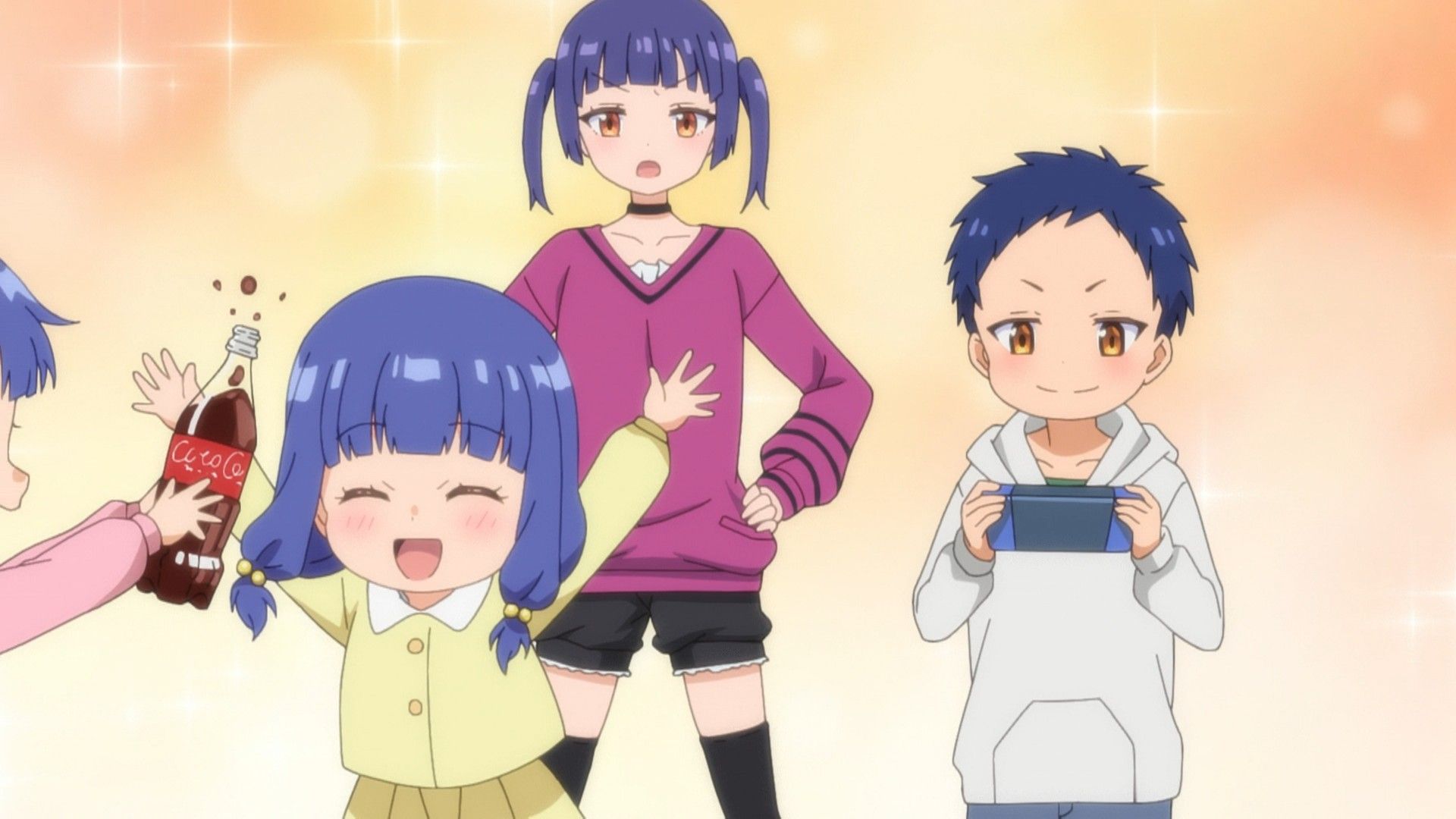
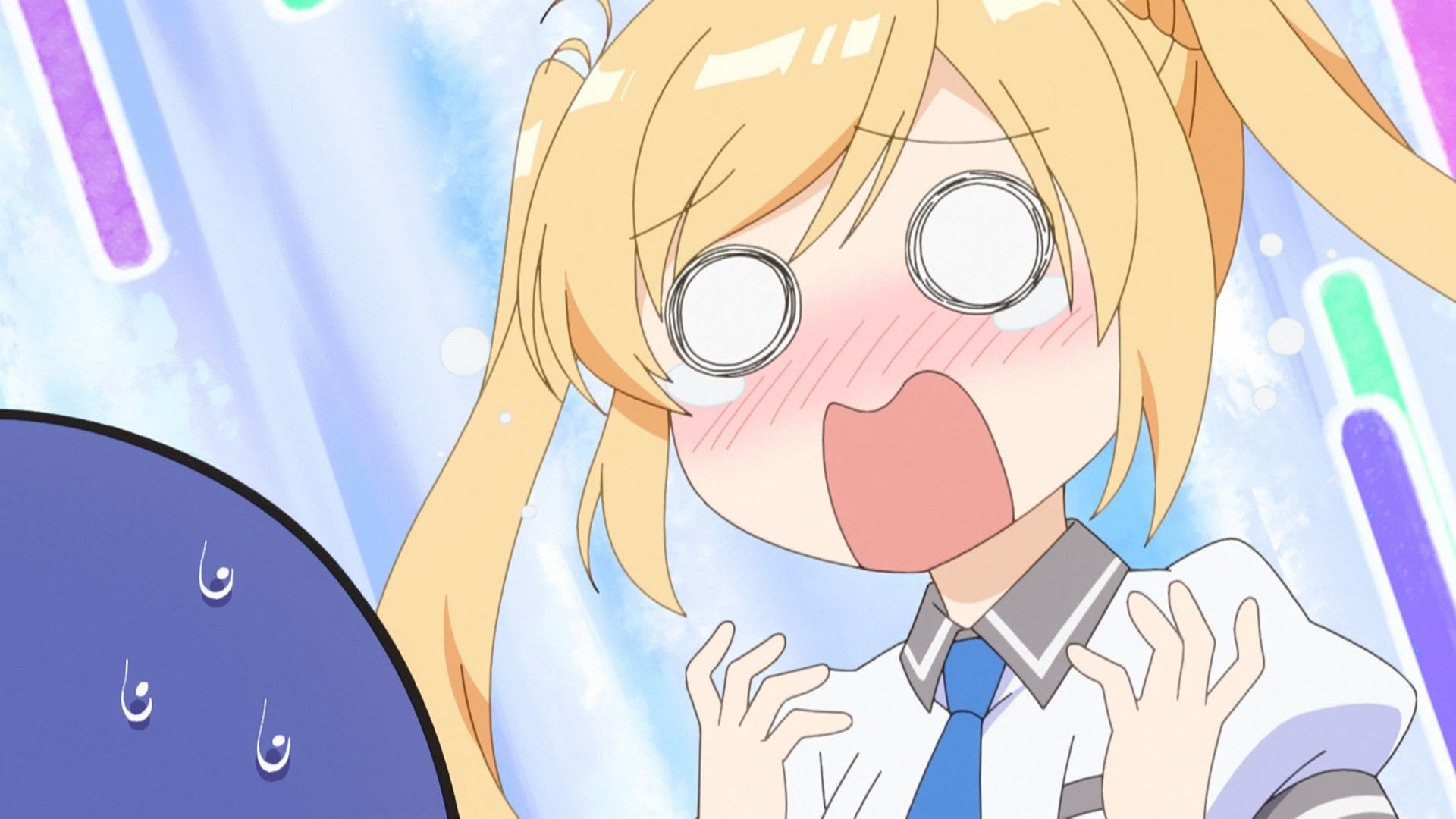
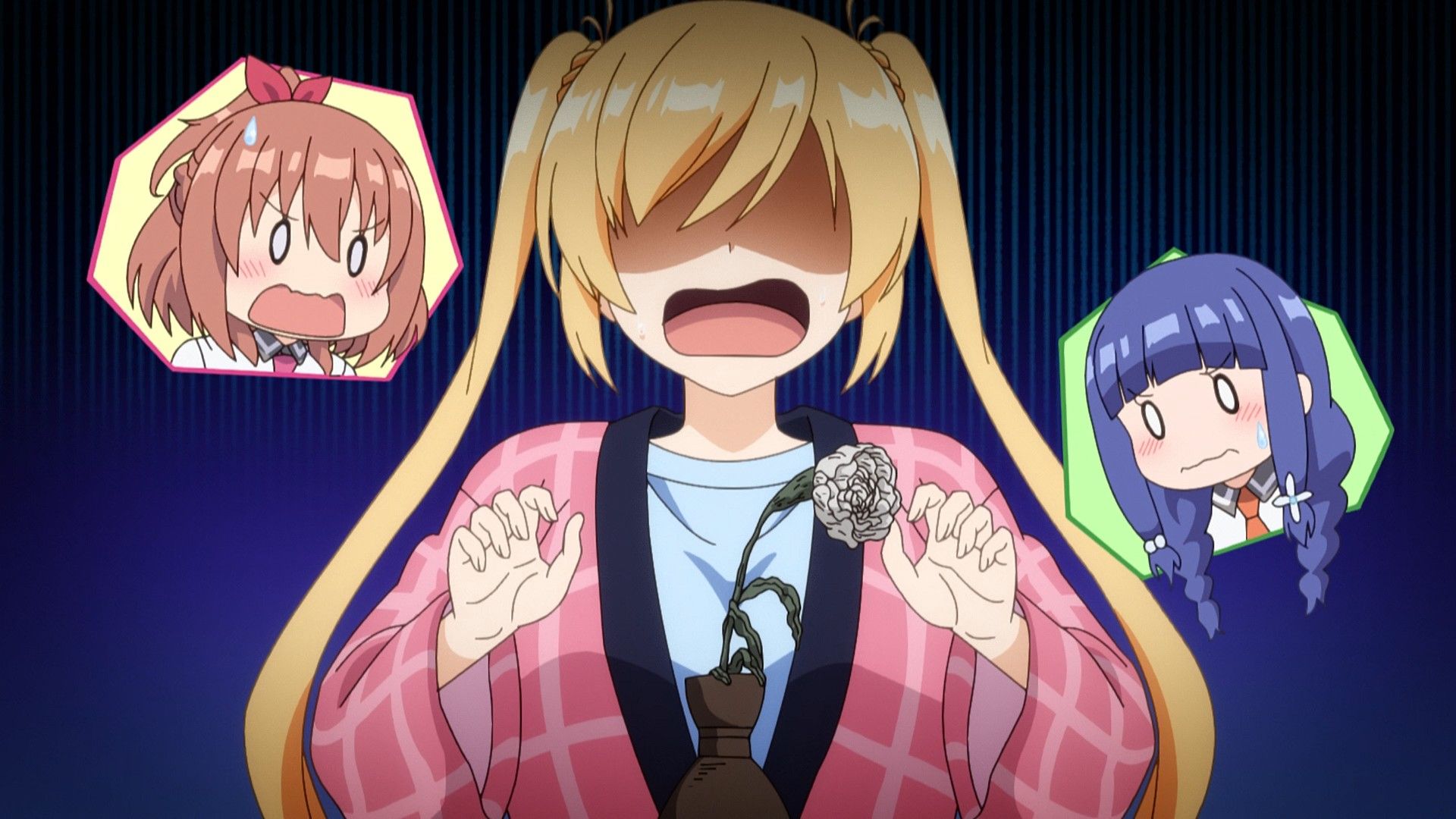
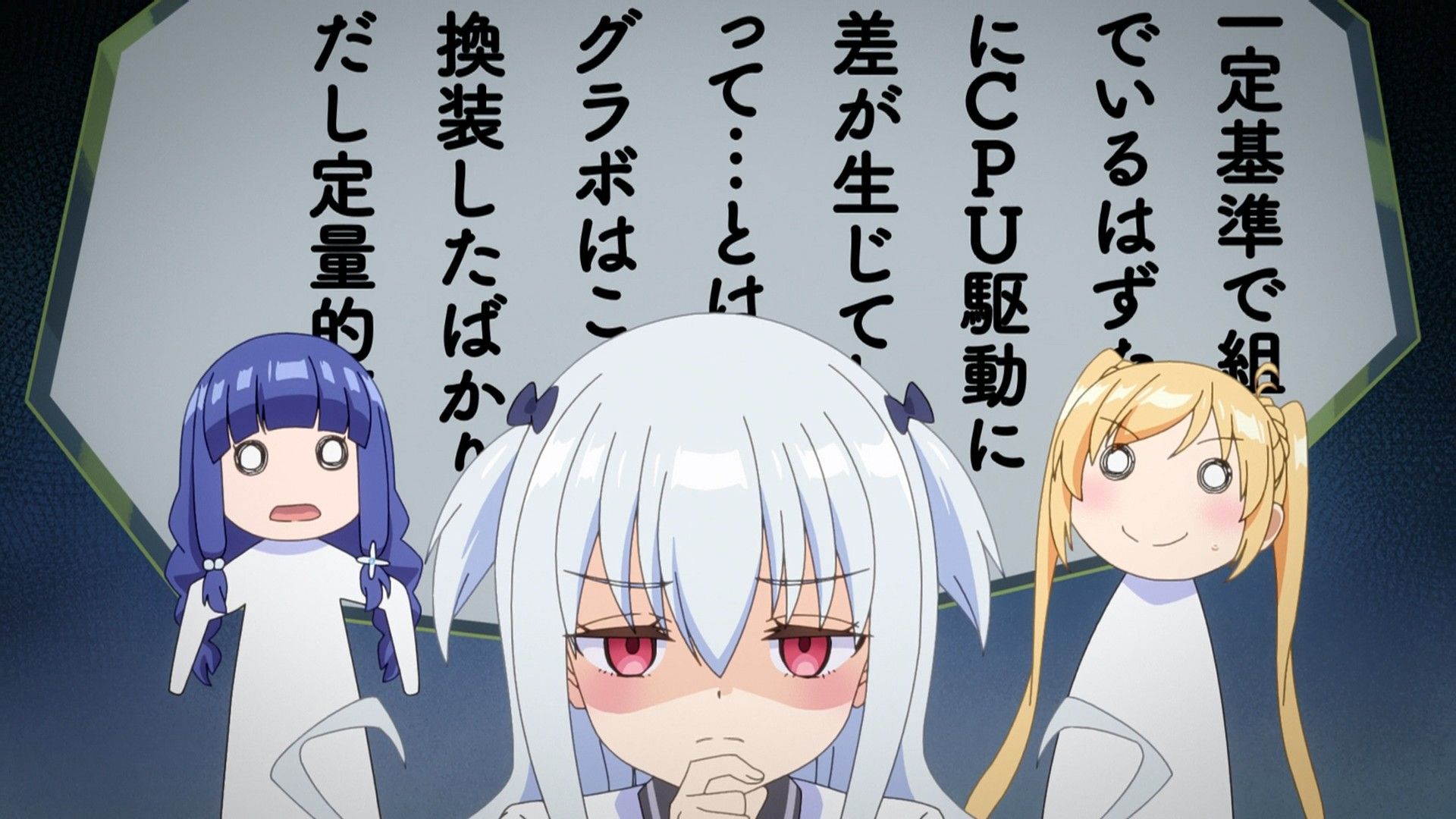
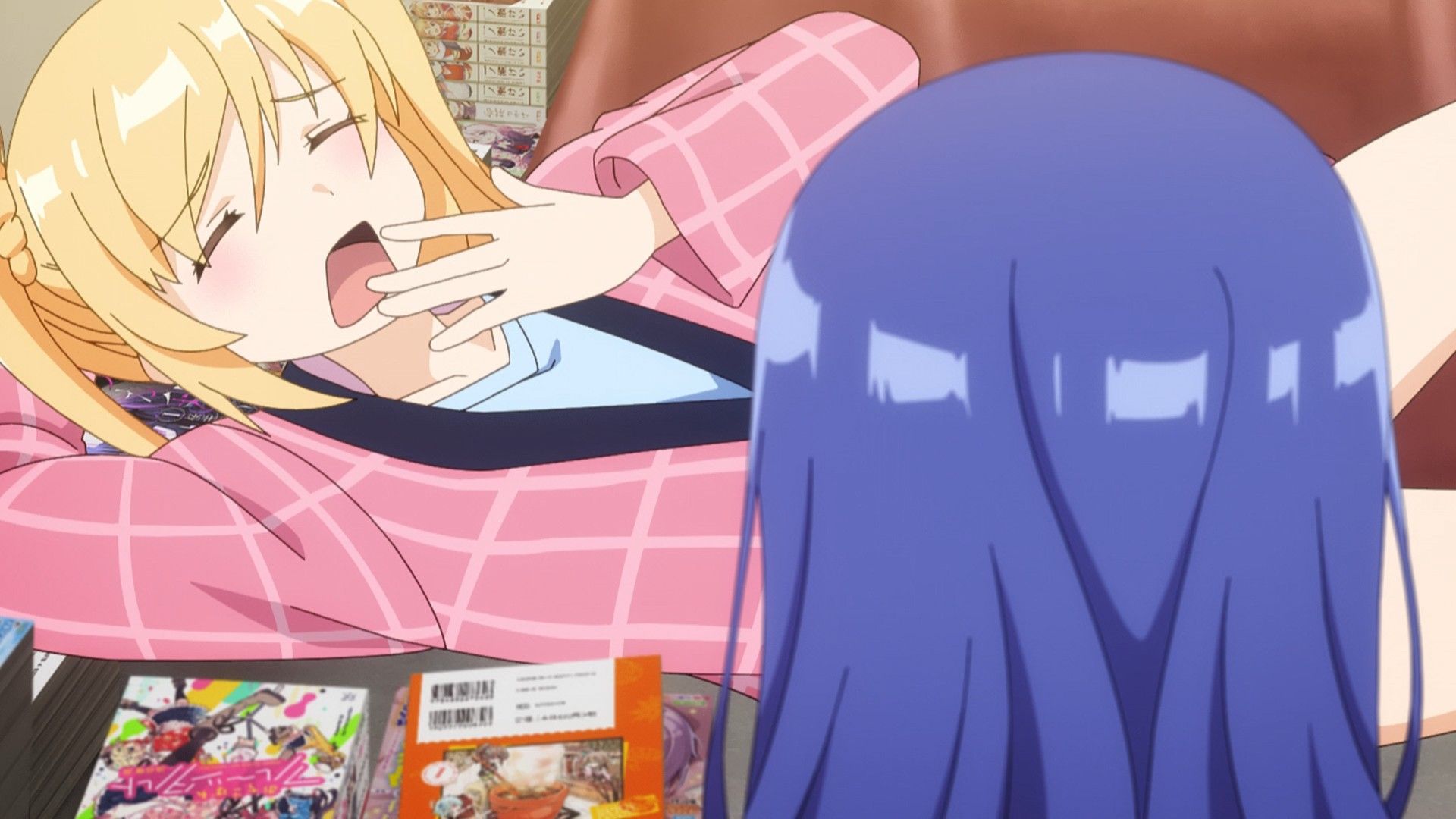

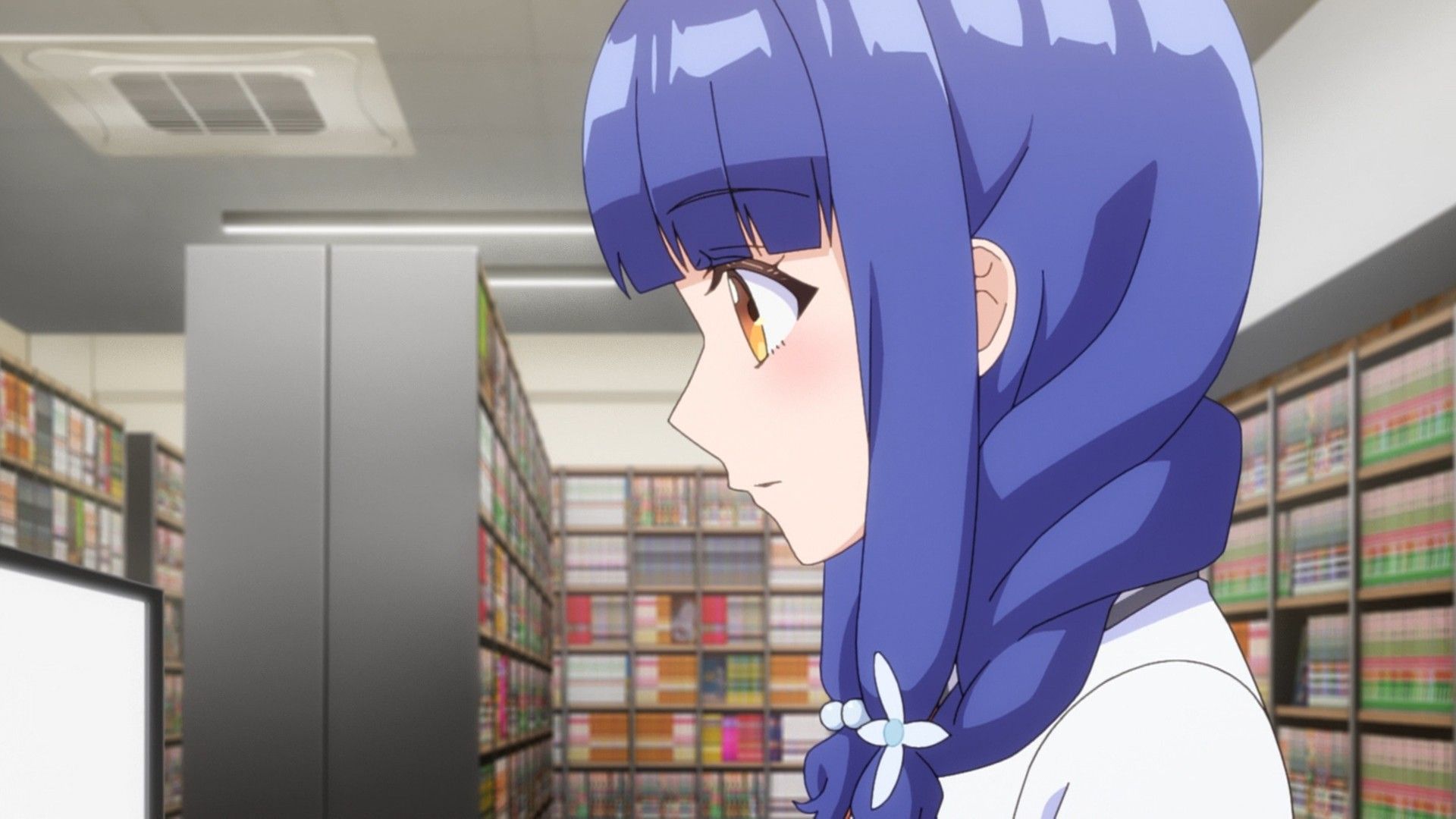
The setting is Hedgehog, a manga-kissa that also serves as a dormitory. That alone gives the series a very distinctive atmosphere. It has everyday life, gentle absurdity, a bit of otaku energy, and the feeling of a closed, warm space where different personalities not only clash, but also complement one another remarkably well. Meiko arrives there among girls so different that it would be easy to reduce them to a simple set of archetypes. Fortunately, Ichijouma Mankitsugurashi goes a step further. It makes sure that behind each of these traits there is something more than just a comedic function.
What is the series about
The series understands perfectly where its real strength lies. Everything here works because the heroines are at the center, along with ordinary situations that allow their personalities to play off one another. Sometimes it is saving the café together; at other times it is a trip, studying, a crisis connected to one’s own passion, or simply a conversation that might seem trivial to someone on the outside. This series is built from precisely those small things, and that is exactly why it is so enjoyable to watch.
The tone of the story also works very well. Ichijouma Mankitsugurashi is light, but not empty. Smiles and warmth go hand in hand with a subtle sense of uncertainty that constantly hangs over Morita Meiko. Her secret is not just a pretext for a comedy of errors, but something that genuinely affects her behavior and the way she sees herself. Because of that, even when the series plays with genre tropes and lets its heroines behave in more exaggerated ways, it still keeps an emotional core.
A lot of space is also devoted to the very sense of community. Hedgehog very quickly stops being just a setting. It becomes a home. Not in the sense of an empty slogan, but as a place that genuinely means something to the heroines. Meiko arrives in Tokyo with a very specific weight on her heart, but over time she begins to build a second family for herself. The series lets this bond mature calmly, through small gestures, everyday responsibilities, shared silliness, and moments of support.
The series does not limit itself solely to Meiko’s relationship with the rest of the cast. Each of the girls brings her own temperament and energy to Hedgehog. One functions through her streaming persona, another through her love of games, and another through a warm kind of distance. Thanks to that, even though the core of the plot is very simple, the writing never feels thin.
Characters
The greatest strength of the heroines of Ichijouma Mankitsugurashi is that each of them represents a clear type, but none of them ends at that type. In series like this, the archetype is a starting point, not the goal in itself. Here, each girl gets moments in which she can show something more: her own ambitions, complexes, attachment to others, need for recognition, or simple loneliness. Thanks to that, watching their life together is simply satisfying. You feel as if you are spending time with a group that is truly alive, rather than merely watching characters perform a set of assigned functions.
Morita Meiko
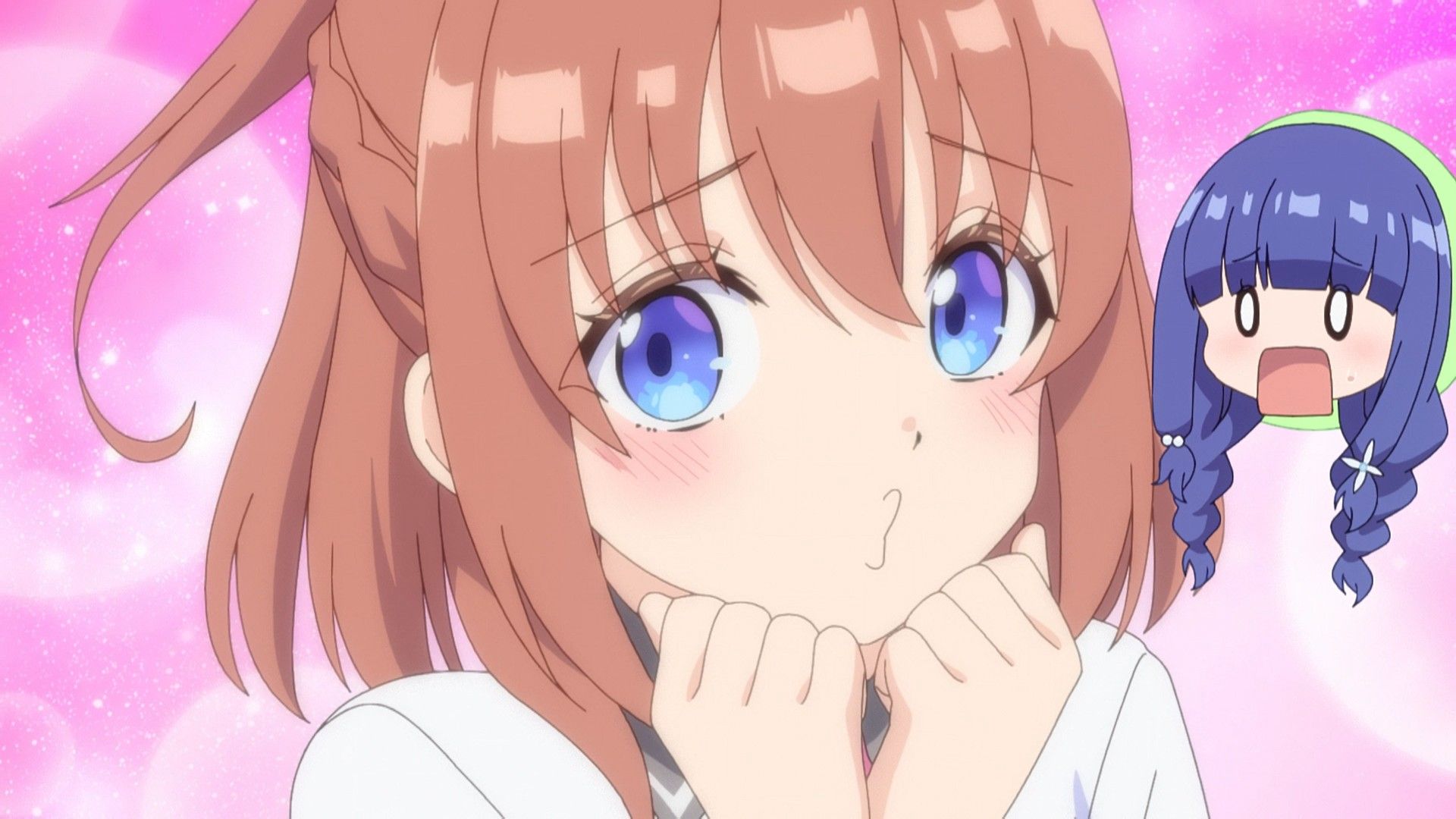
She is without question the heart of all of Ichijouma Mankitsugurashi. She is a heroine who is very easy to like from her very first scenes. Her strength lies not only in the fact that she is kind, hardworking, and warm. What matters most is how well the series shows her internal struggles. On the one hand, Meiko has a natural caring instinct, almost a reflex to look after others. On the other, she spends almost the entire time carrying the belief that she does not deserve the place she has found herself in. Meiko is neither passive nor bland. She is someone who constantly gives something to others, while at the same time being unable to look honestly at her own worth.
Amamiya Rie
At first, she can be read mainly through the lens of an eccentric ojou-sama with an otaku obsession and a completely warped sense of scale when it comes to money. And of course, that aspect gives the series plenty of charm, because Rie is the one most often responsible for the comedic exaggeration of situations. At the same time, it becomes clear very quickly that she is not a one-dimensional character. Her attachment to Meiko is not reduced solely to the identity mix-up. The further the story goes, the more strongly you feel that Rie truly needed someone like Meiko by her side — someone who brings ordinariness, warmth, and genuine interest in another person into her life.
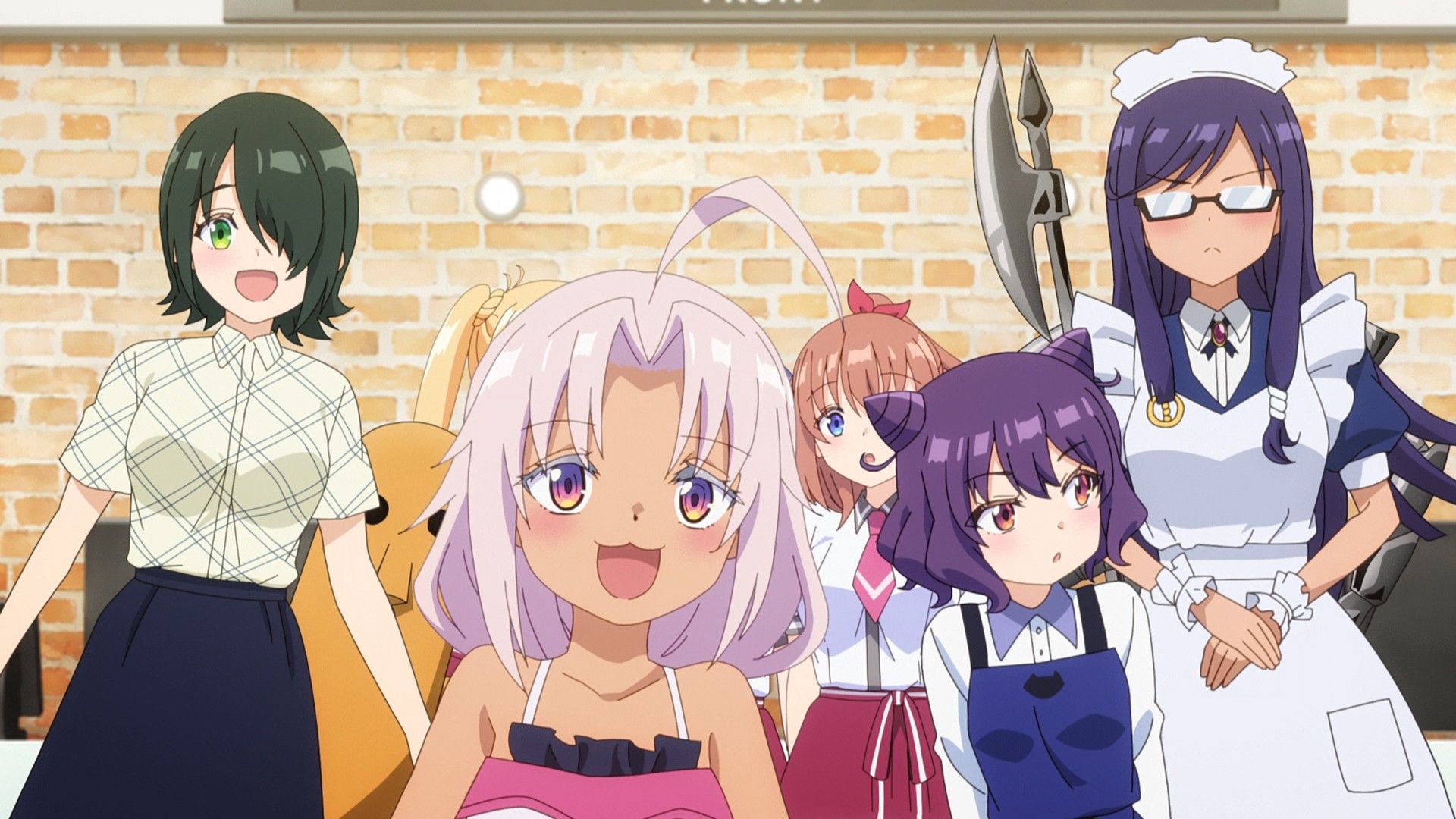
Suzuki Marika
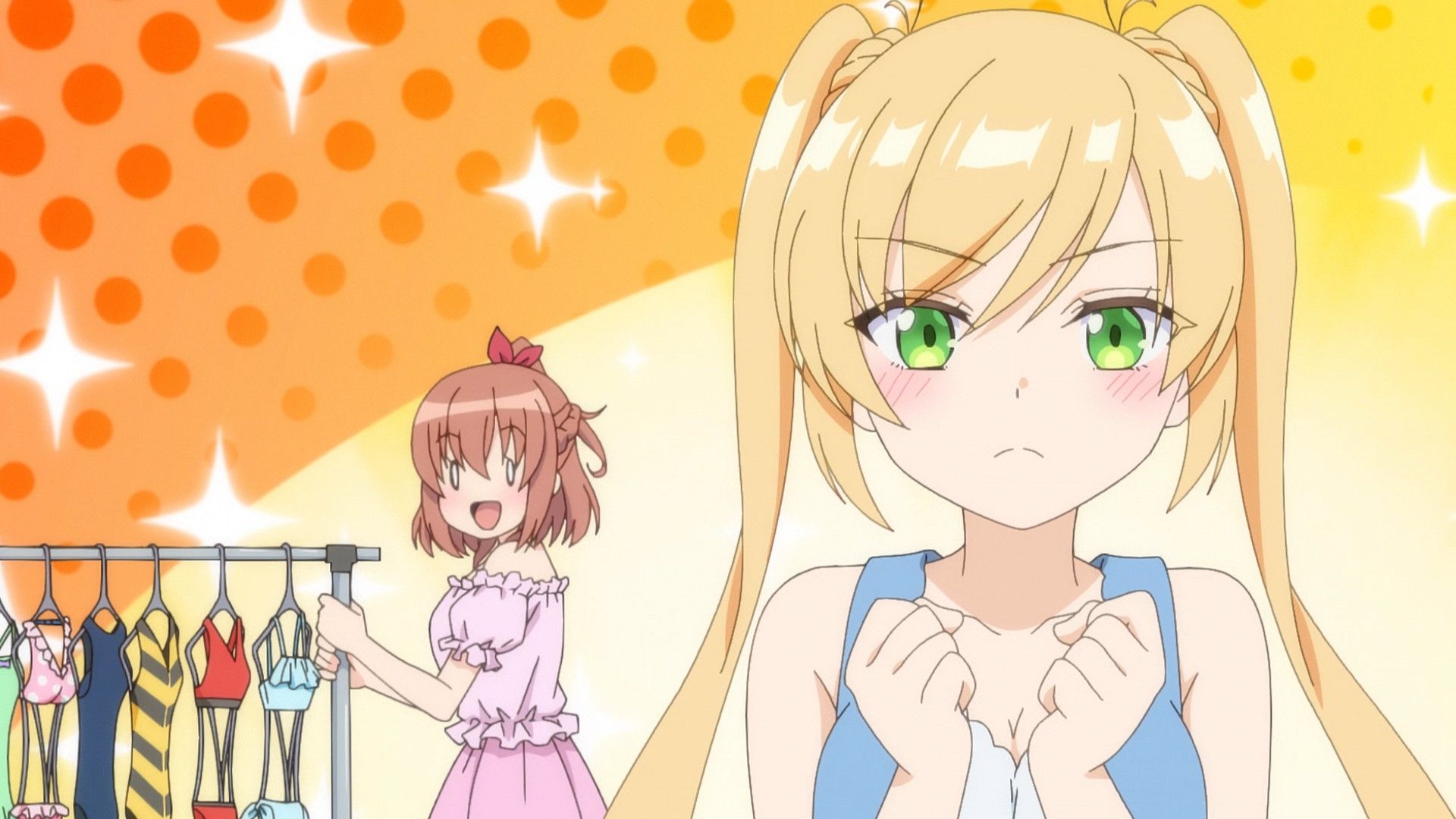
She is chaotic, loud, a little shameless, and very online in the way she behaves. At the same time, she is not limited to the role of gag generator. Behind that outer barrier, after all, is a character who in a certain sense also builds her own self for display. She is looking for a place for herself and does not want to be forced into her family’s expectations. I like the contrast between her free, slightly brazen manner and the moments when her insecurity comes through, along with her need to be accepted as she is now, rather than as others would like to see her.
Nakano Neo
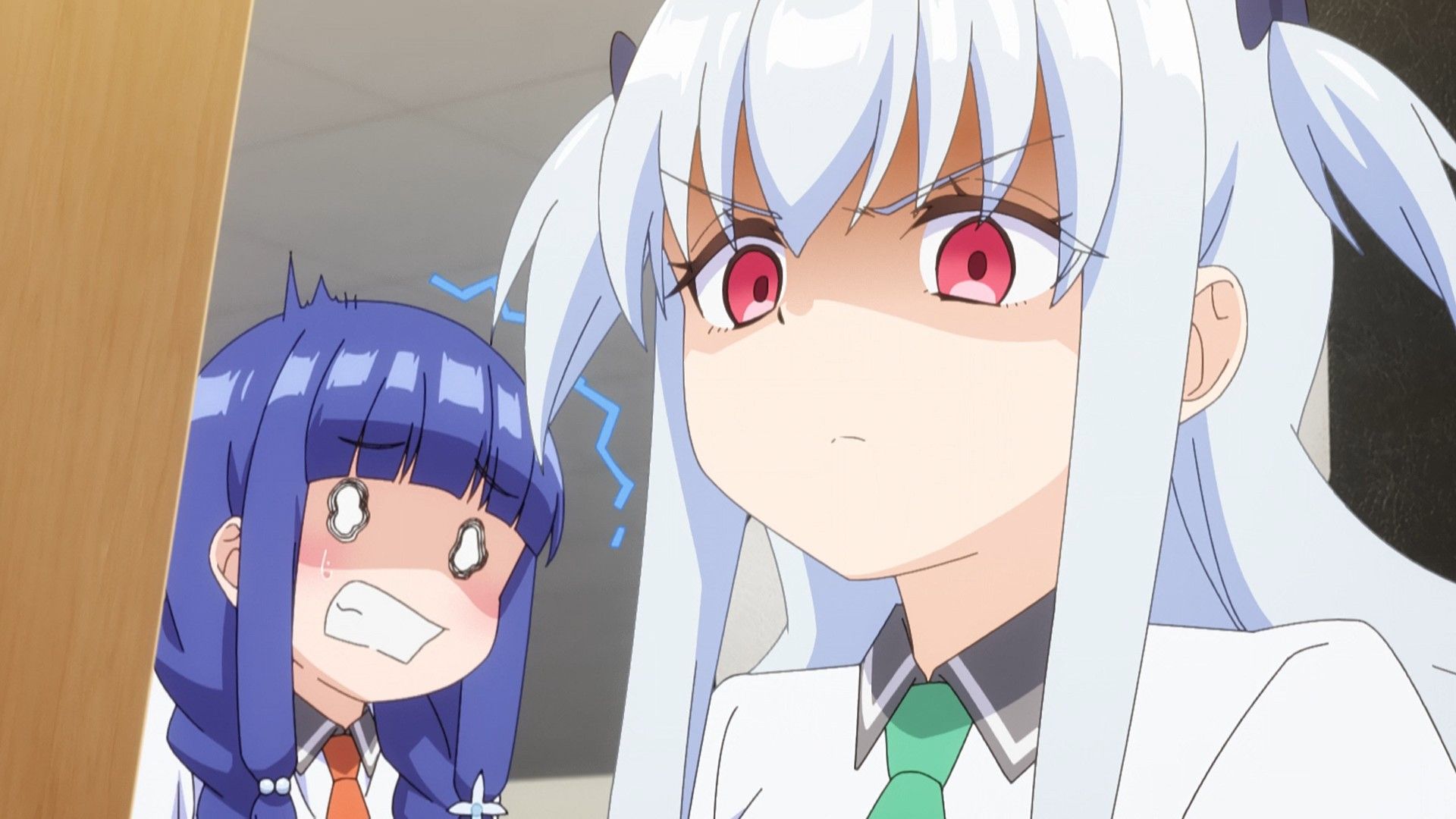
Her charm comes not only from her appearance or way of speaking, but above all from the contrast between her everyday, subdued presence and the way she changes completely while gaming. This other side of Neo is not just an addition thrown in for cheap effect. It complements the whole character very well. As a result, Neo does not come off as yet another decorative kuudere, but as someone genuinely layered, ambitious, and in need of acceptance also for that sharper, less sweet part of herself. Her relationship with Meiko also works very well, because it is around Meiko that you can most clearly see how much Neo needed the presence of someone like an older sister
Narumi Michika
It is clear from the very beginning that she represents the tsundere archetype. Her roughness and obvious pride are already apparent in her first scenes. The series, however, is very sensible in how it spaces out the moments when genuine care emerges from beneath that prickliness. This works especially well in scenes with Meiko, when Michika can unexpectedly say something truly perceptive. This type of heroine is very easy to ruin if the creators overdo it in one direction or the other. But well-executed tsundere characters are pure gold.
Morita Miori
Although she remains somewhat on the margins of the main flow of events for much of the time, her presence weighs heavily on the entire story. Thanks to her, the conflict connected to Meiko’s identity is not merely a simple misunderstanding, but something also rooted in a family relationship. Miori, however, is not treated as an afterthought. You can see both her own personality and her bond with her sister, which is neither overly sweet nor banal. There is some roughness, some admiration, and some things left unsaid, but that is exactly what shows how deep the bond between the sisters is.
Ichijouma Mankitsugurashi! (2026) – Evaluation and Summary
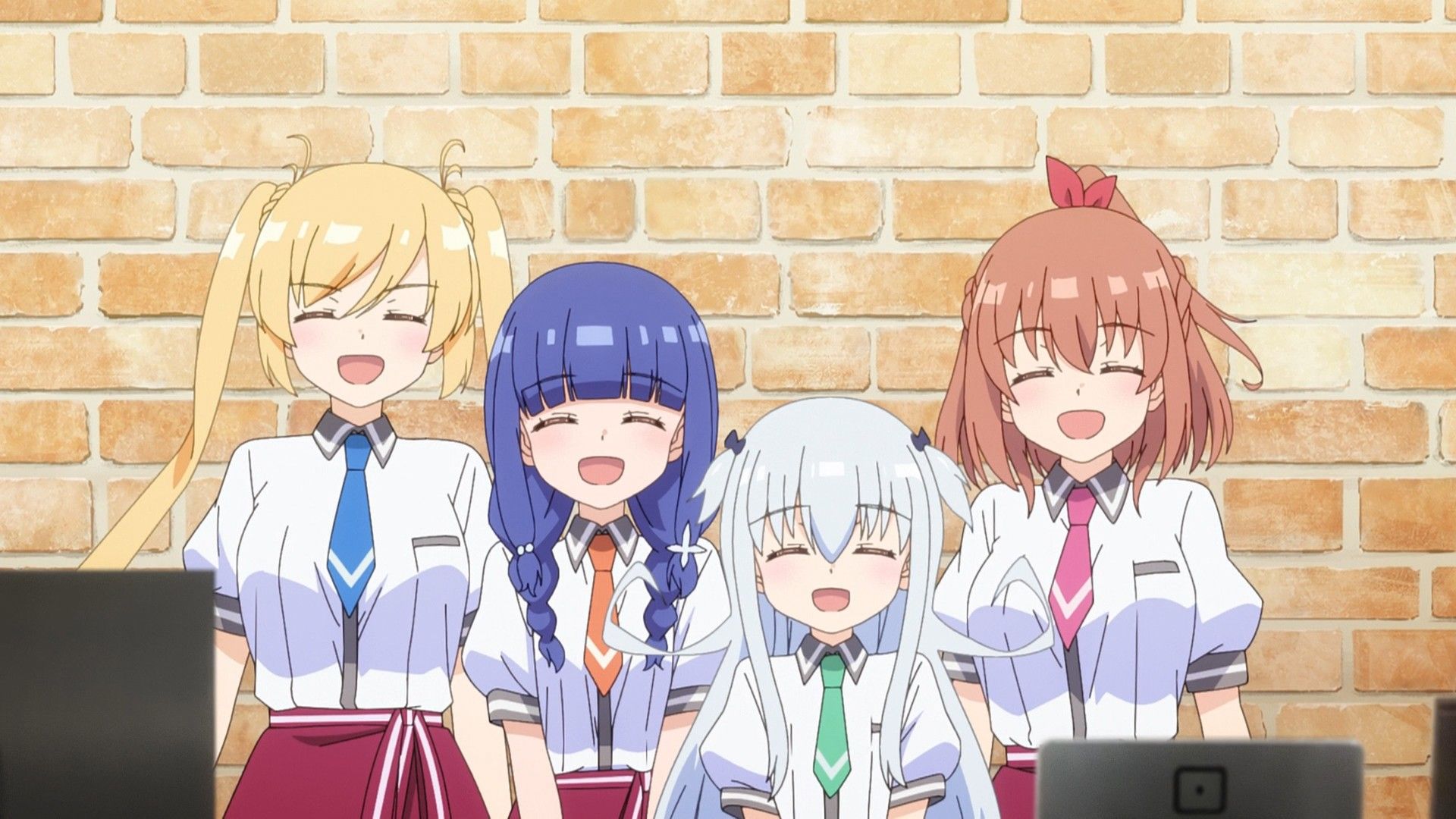
Ichijouma Mankitsugurashi is a series very aware of its own nature. It does not try to force complexity onto a simple premise, and at the same time it manages to draw a great deal of warmth, humor, and emotional sincerity from it. This is a title created by people who understand perfectly what the strongest assets of this kind of story are, and who use every tool available to present them well. The group of heroines is, of course, what works best here. They are the ones who carry the series from beginning to end. Their mutual relationships, small clashes, everyday closeness, and the increasingly clear sense that Hedgehog is becoming something more to them than just a place to live build the full value of this story.
It is also one of those titles in which it is exceptionally easy to grow attached to someone. Morita Meiko as the emotional center, Amamiya Rie as the driving force behind many events, Suzuki Marika, Nakano Neo, Narumi Michika, and Morita Miori as heroines who give the group real variety — all of this simply comes together into a very satisfying whole. If I had to sum up the greatest strength of Ichijouma Mankitsugurashi in one sentence, I would put it this way: it is a series that understands perfectly that in stories like this, what matters most is not grand declarations, but the everyday presence of the characters beside one another. And that is exactly why it is such a pleasure to watch. This is exactly what I expect from a good adaptation of a title that debuted in Manga Time Kirara.
Finalny werdykt
Final evaluation

Which translation do I recommend for watching Ichijouma Mankitsugurashi!?
- Unfortunately, there is no good translation of this series. The official English translation from ADN is very weak. Localizing jokes, names, and suffixes in an adaptation of a comedy published in Manga Time Kirara is simply some kind of misunderstanding.
Gallery