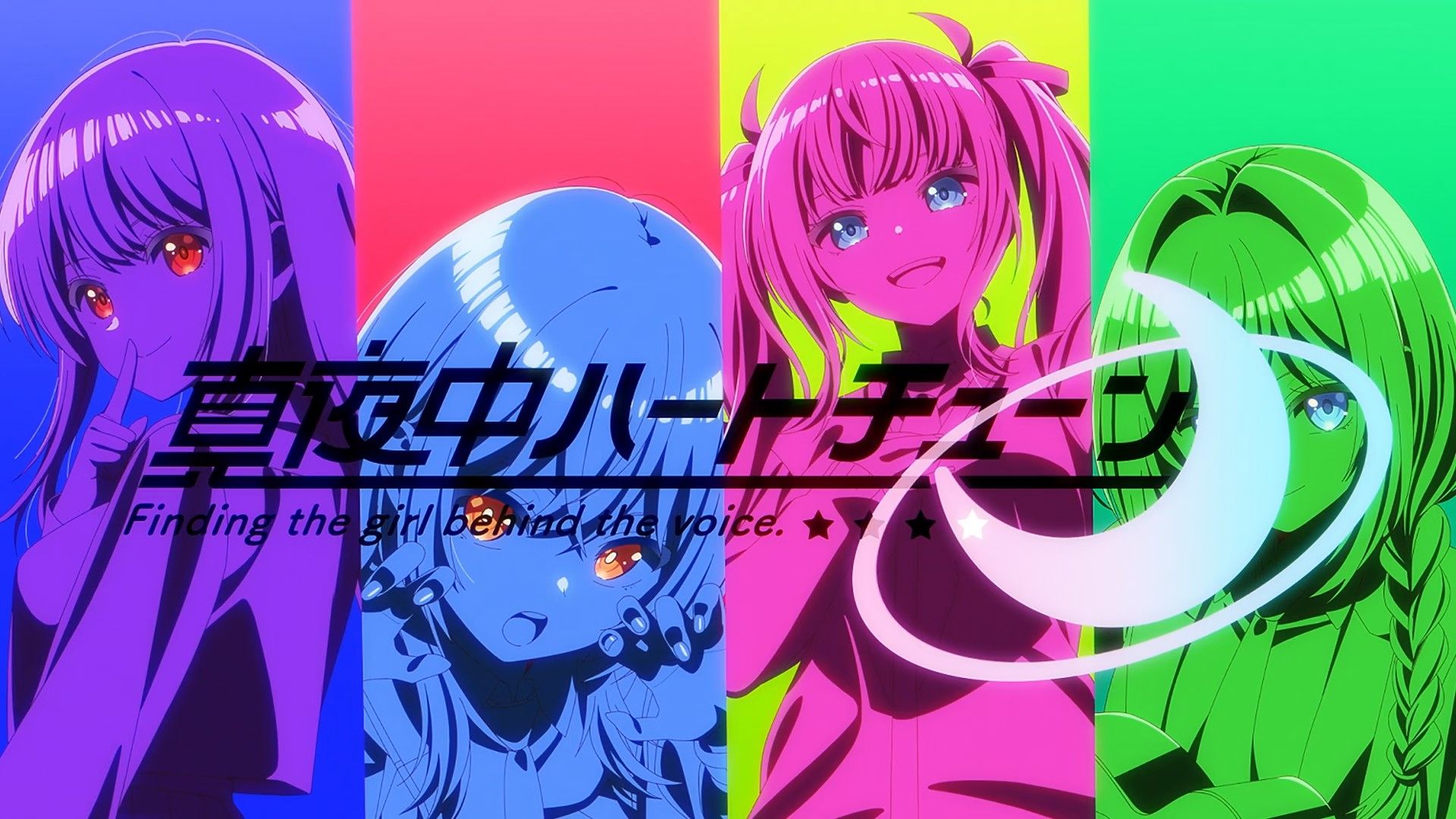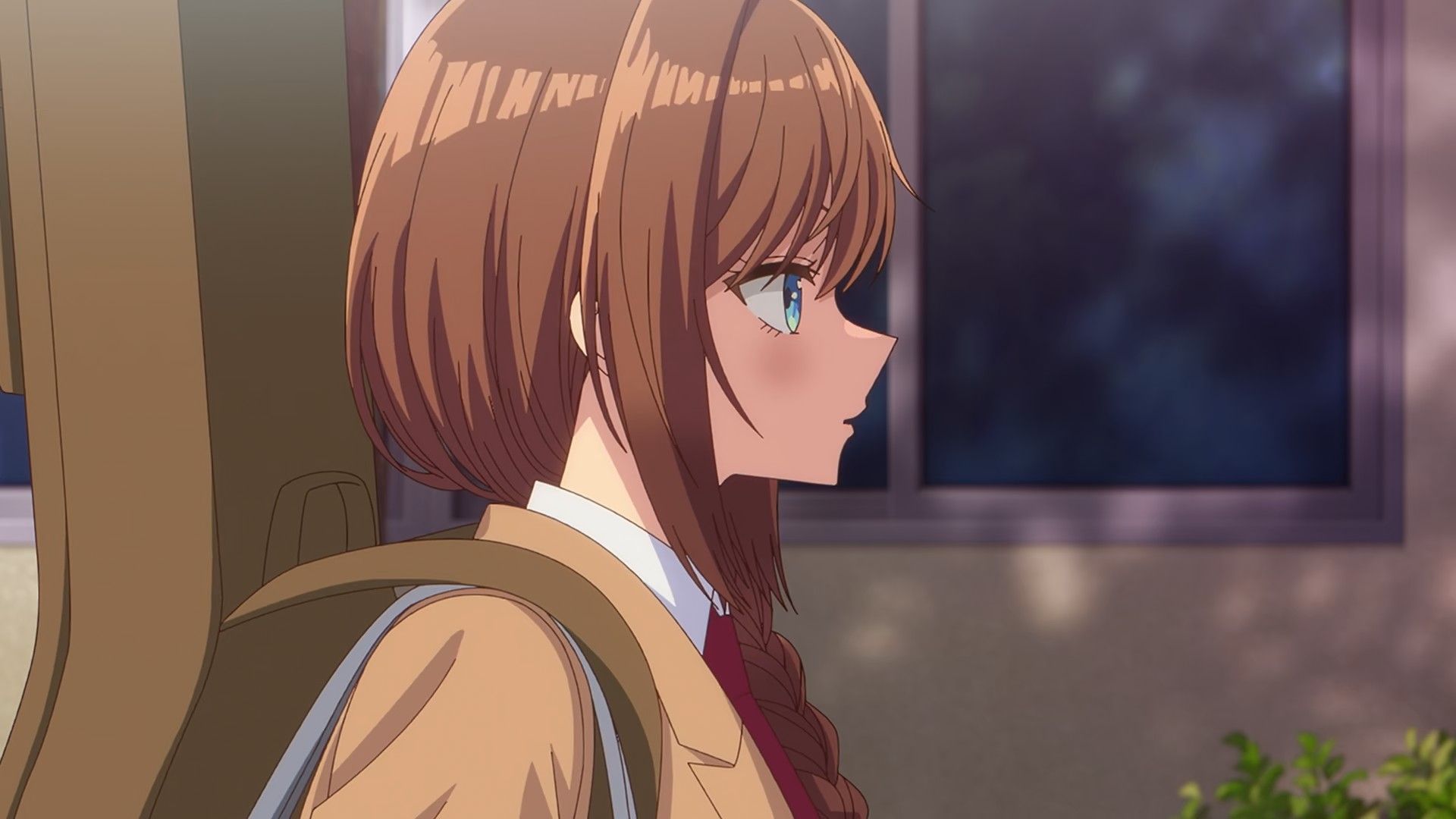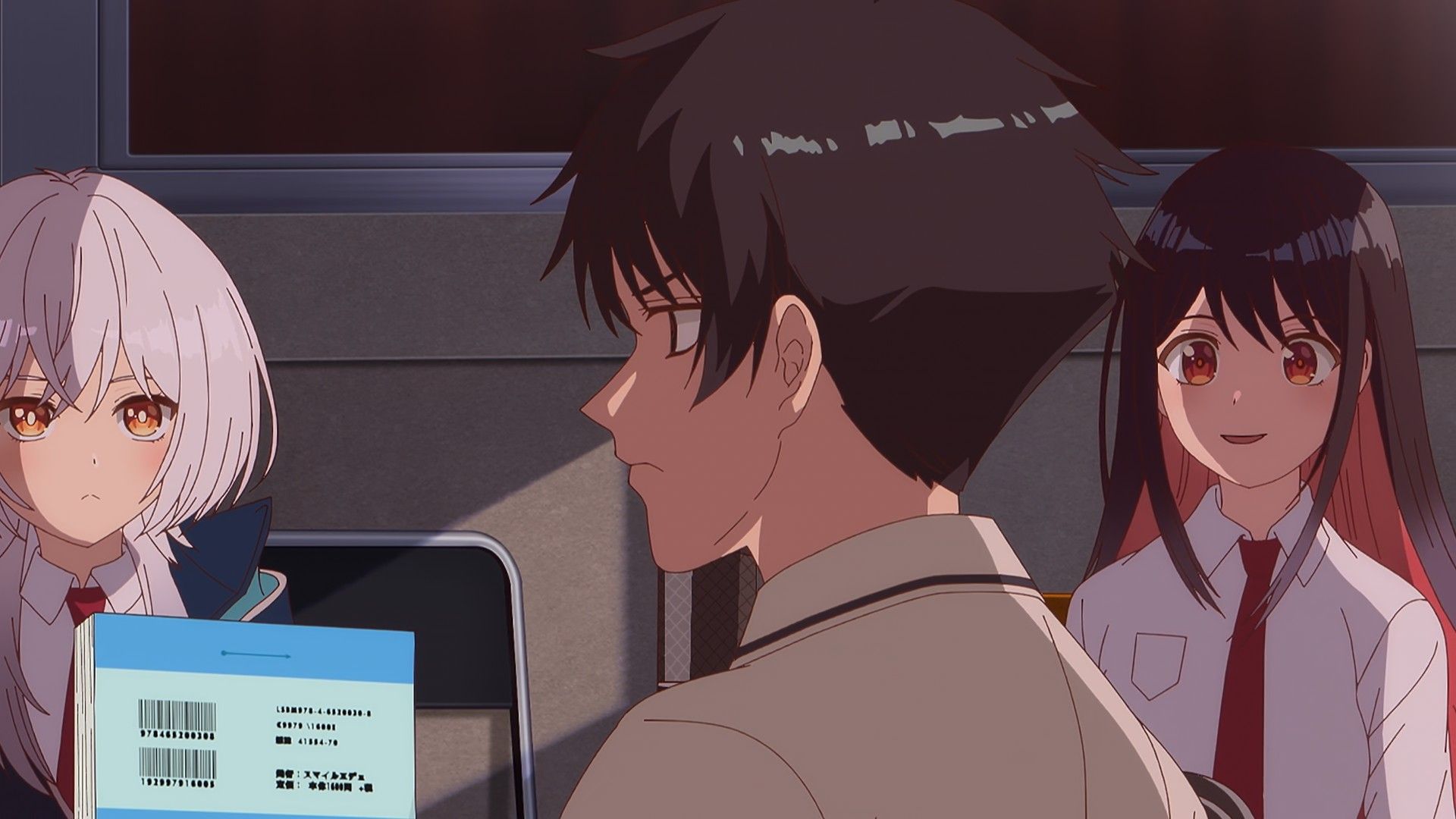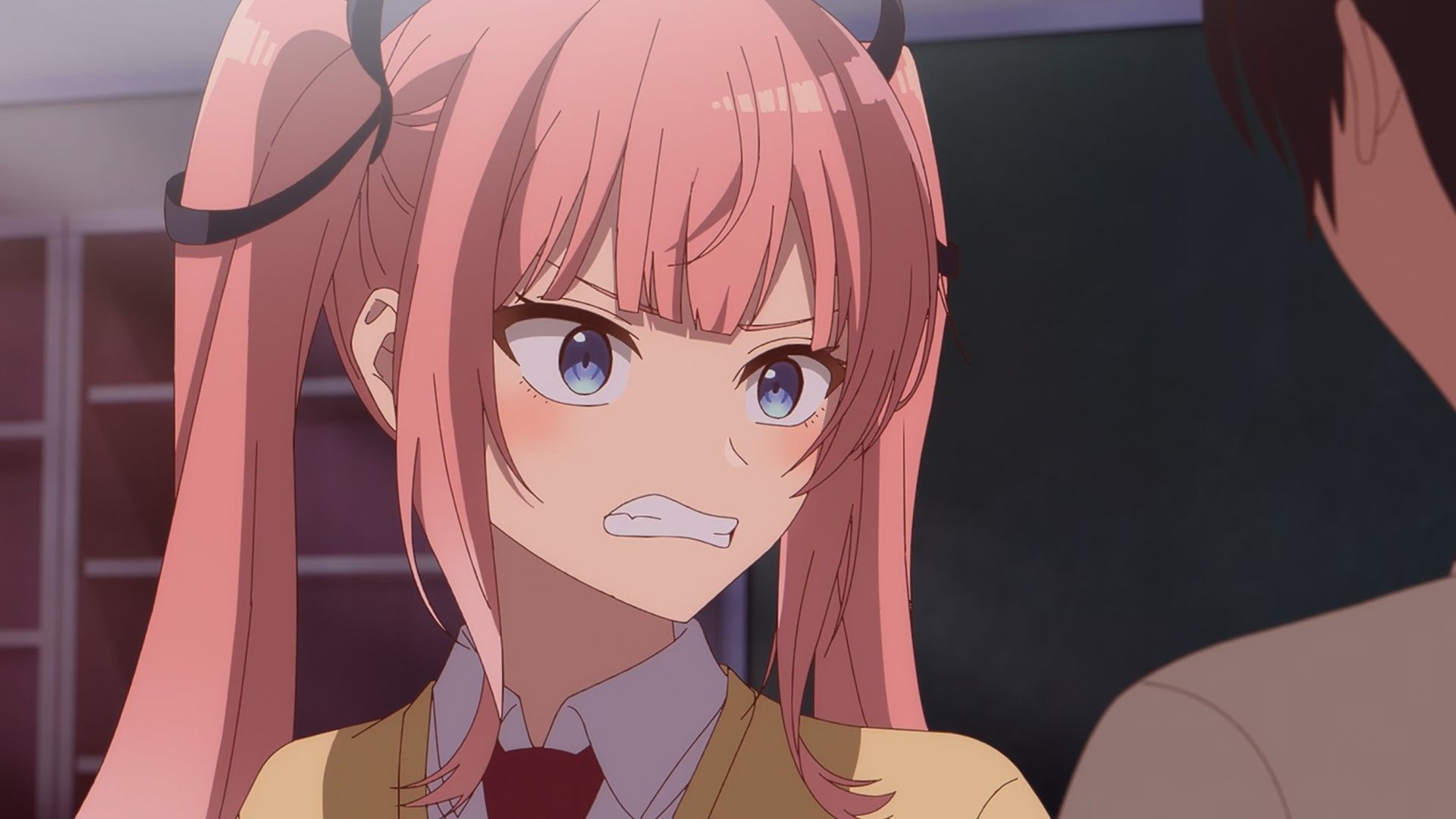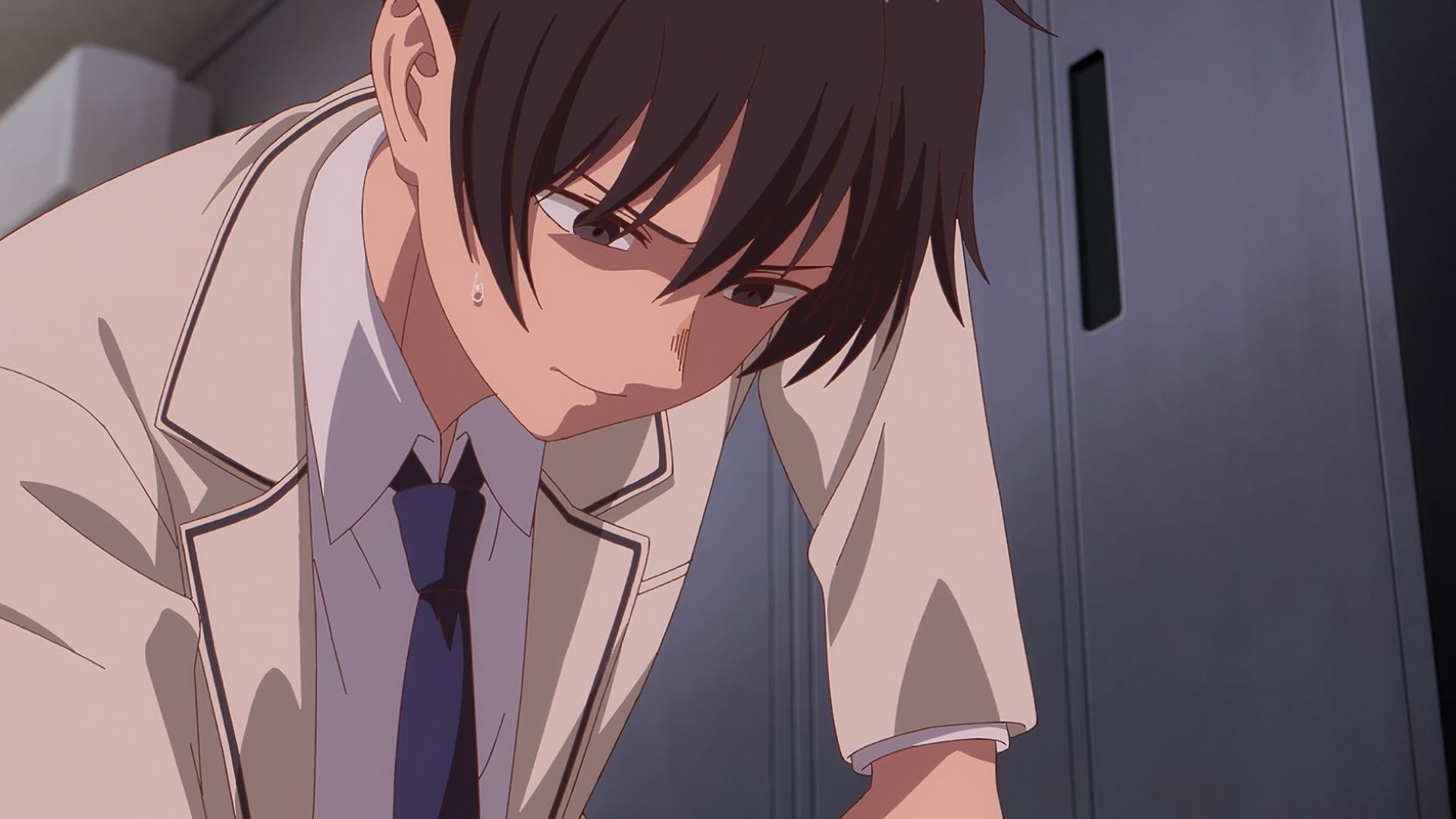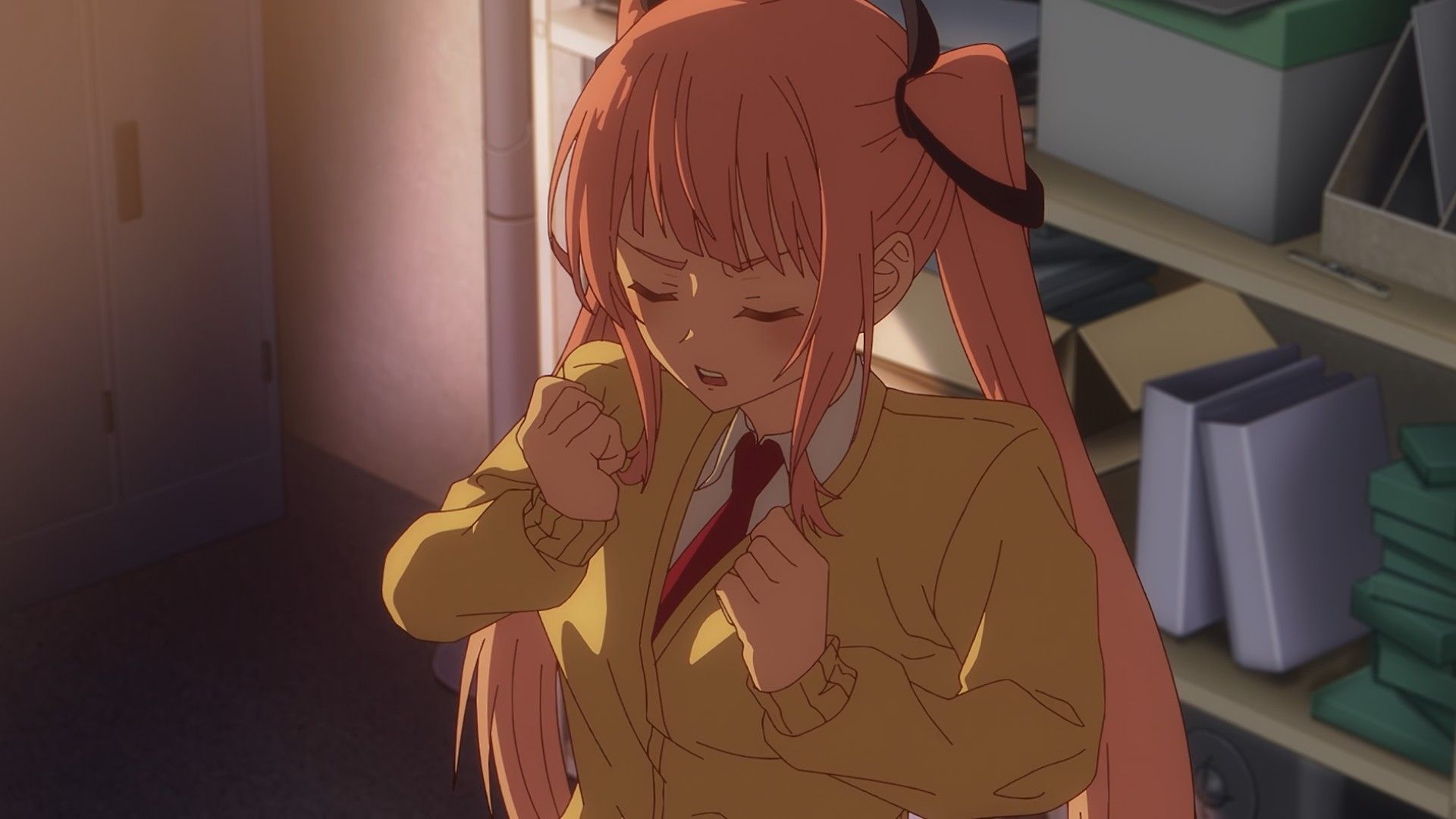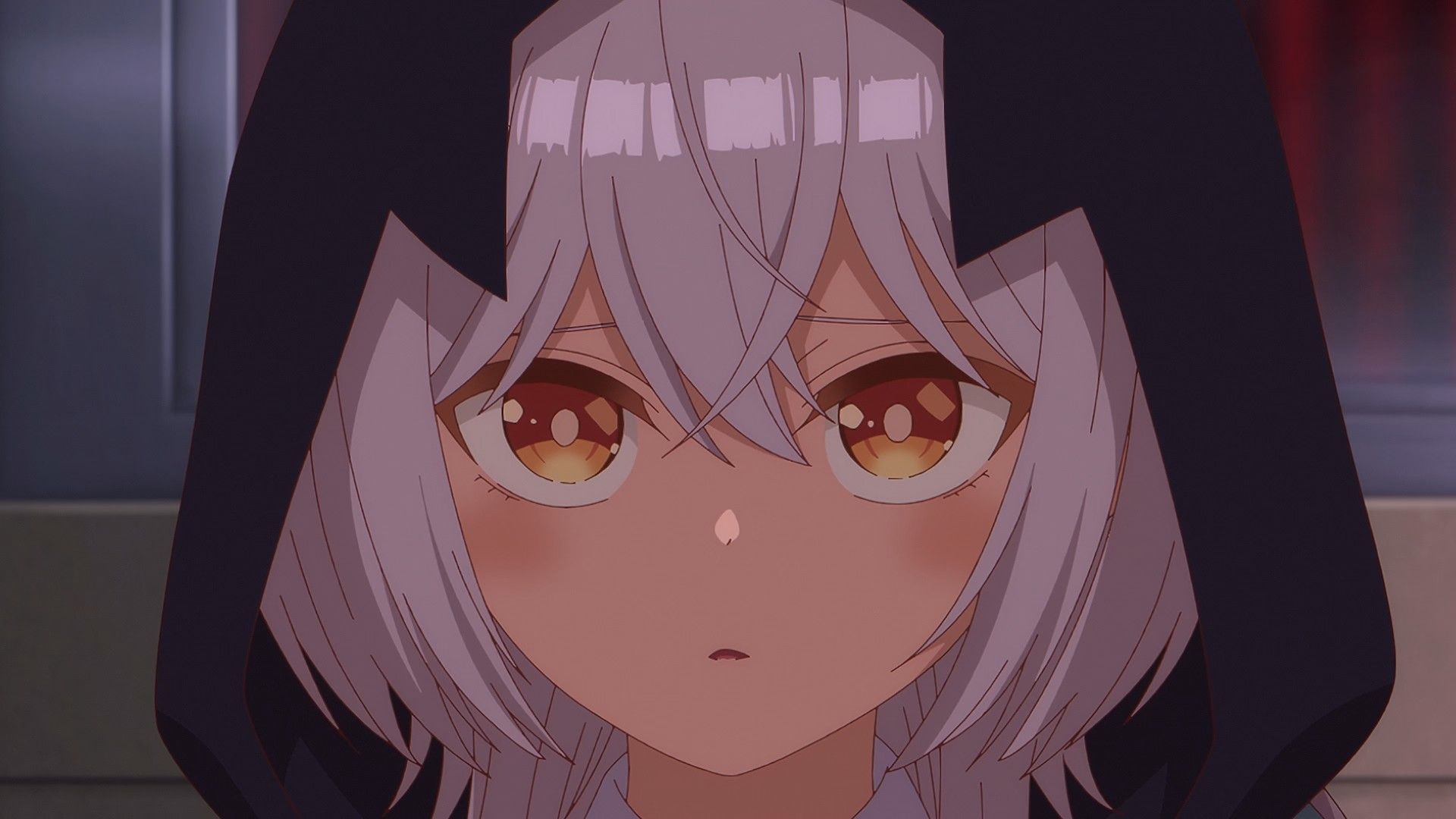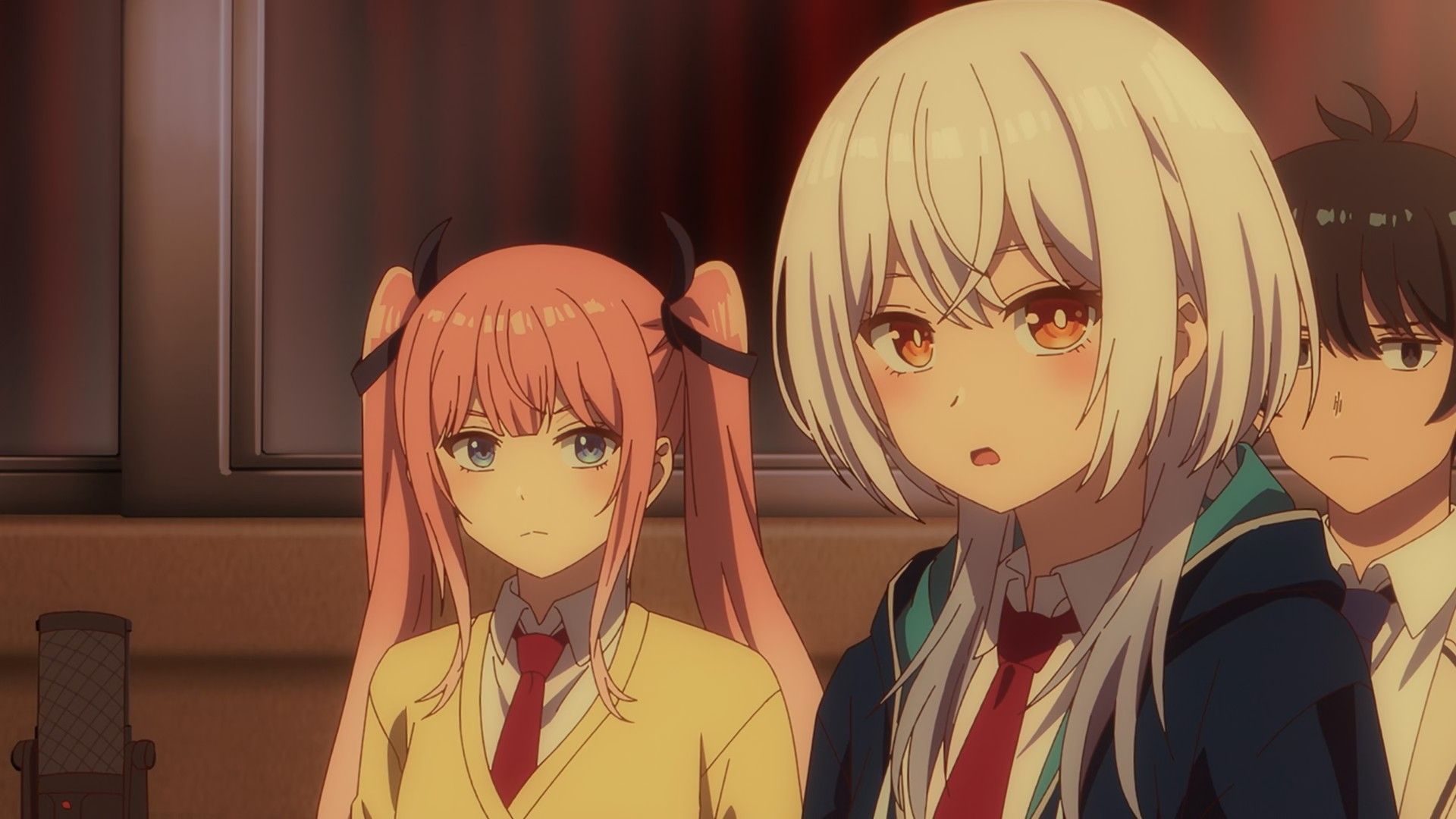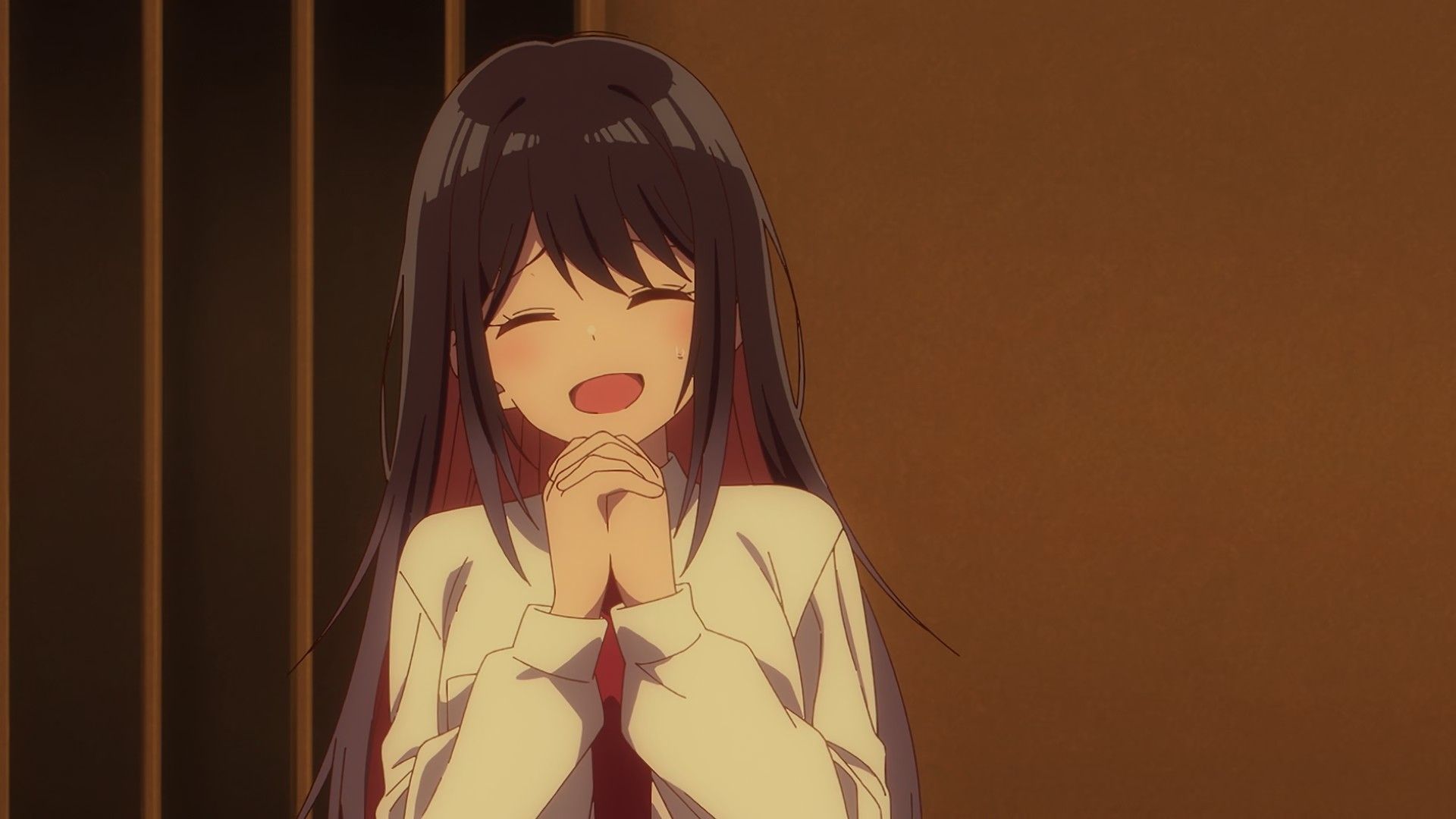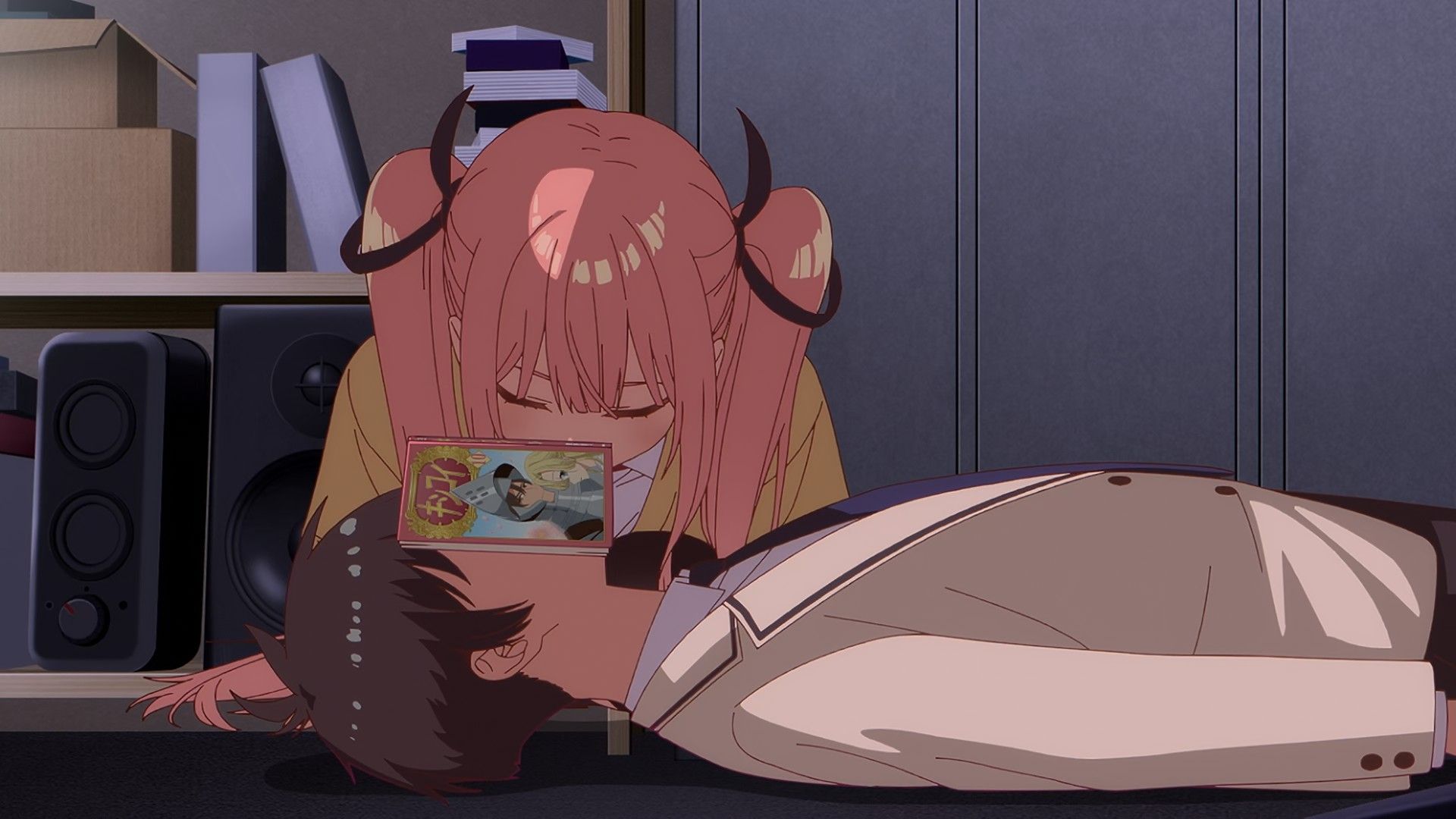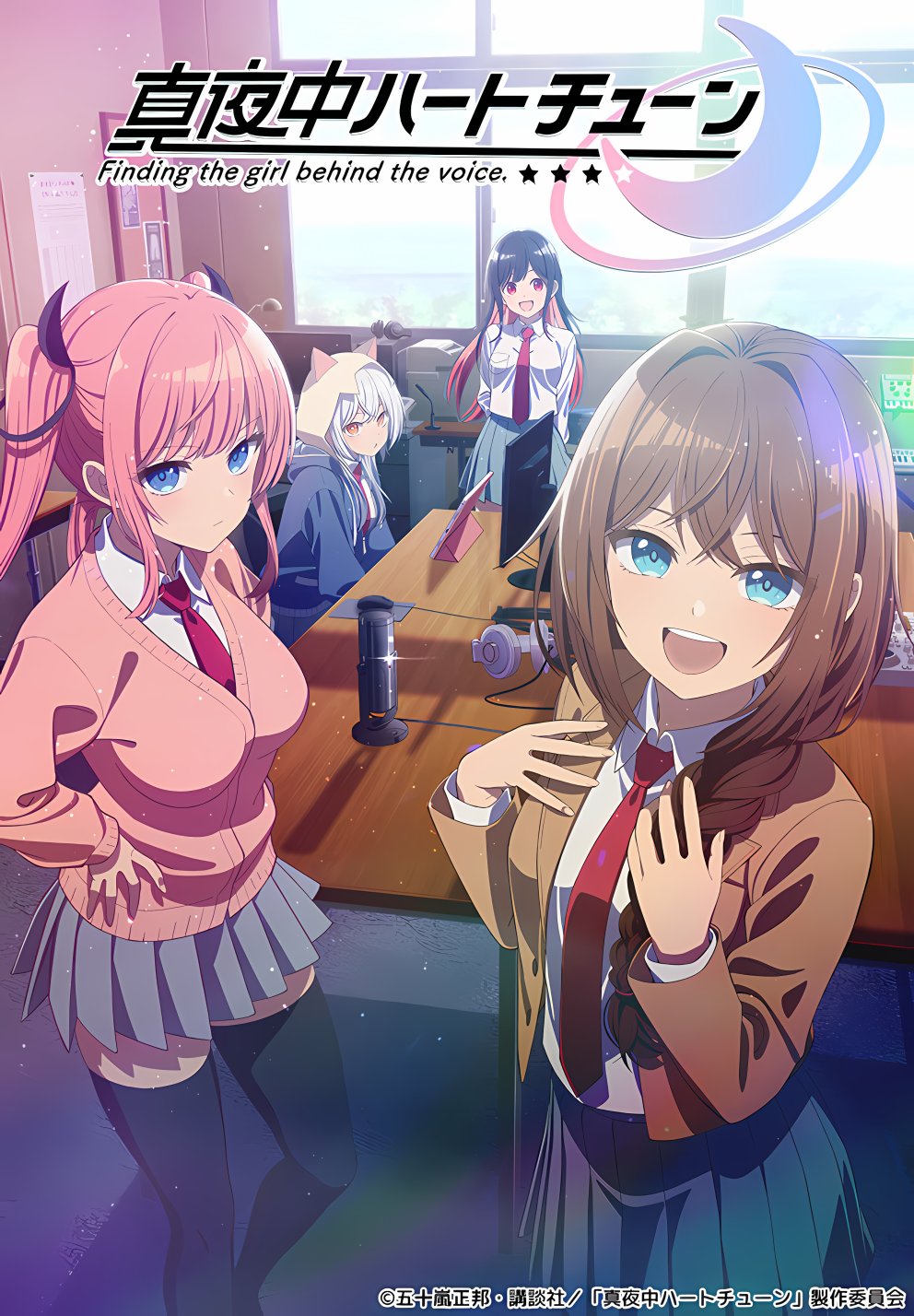
Yamabuki Arisu is a second-year high school student and heir to the wealthy Yamabuki Group, a boy who considers himself an absolute perfectionist. Convinced that he has already reached 99% perfection, he transfers to Furin, a school that only recently became coeducational, in search of the missing 1% that will make him complete — love. His search is not random, however, because he wants to find one specific girl: Apollo, the host of the late-night radio show Mayonaka Heart Tune.
During his lonely days at his previous school, her voice was his only comfort, and during one of her final broadcasts, the two of them promised to pursue careers built around voice work. Using his intellect, Arisu deduced her location from her wish to attend a school with a view of the ocean, pinpointing Furin as her hiding place.
Mayonaka Heart Tune (2026) – Audiovisual Design
Video
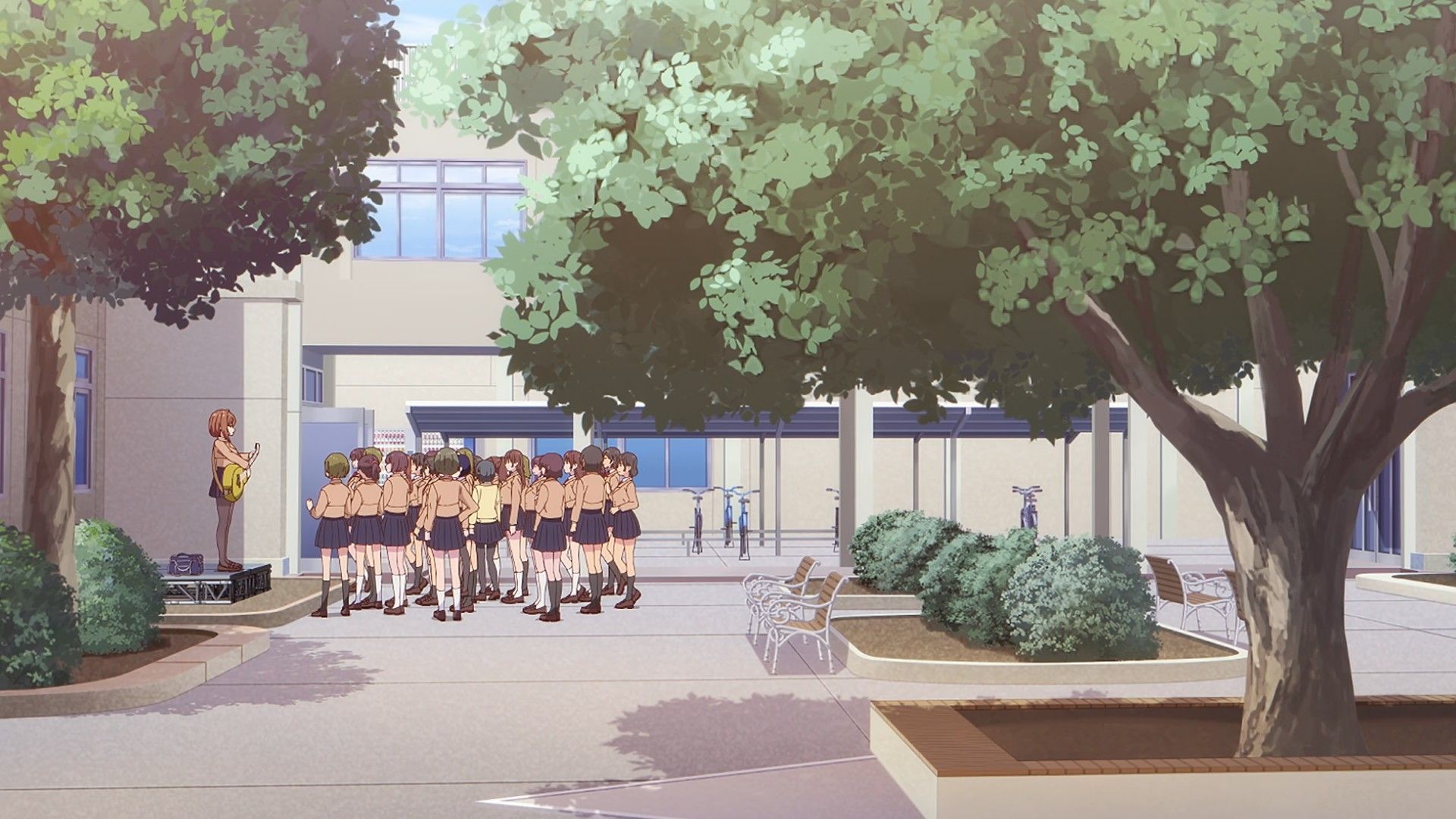
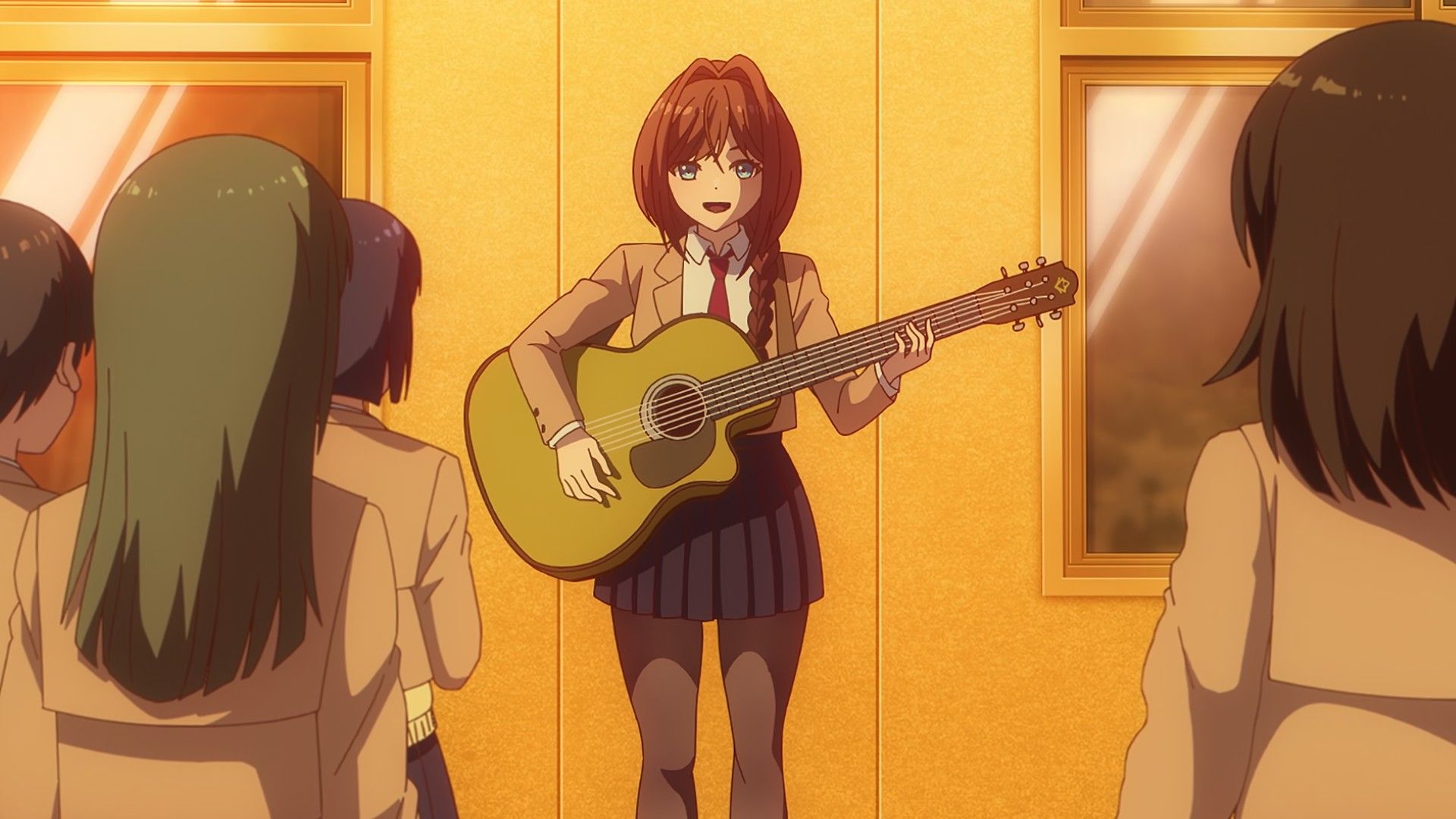
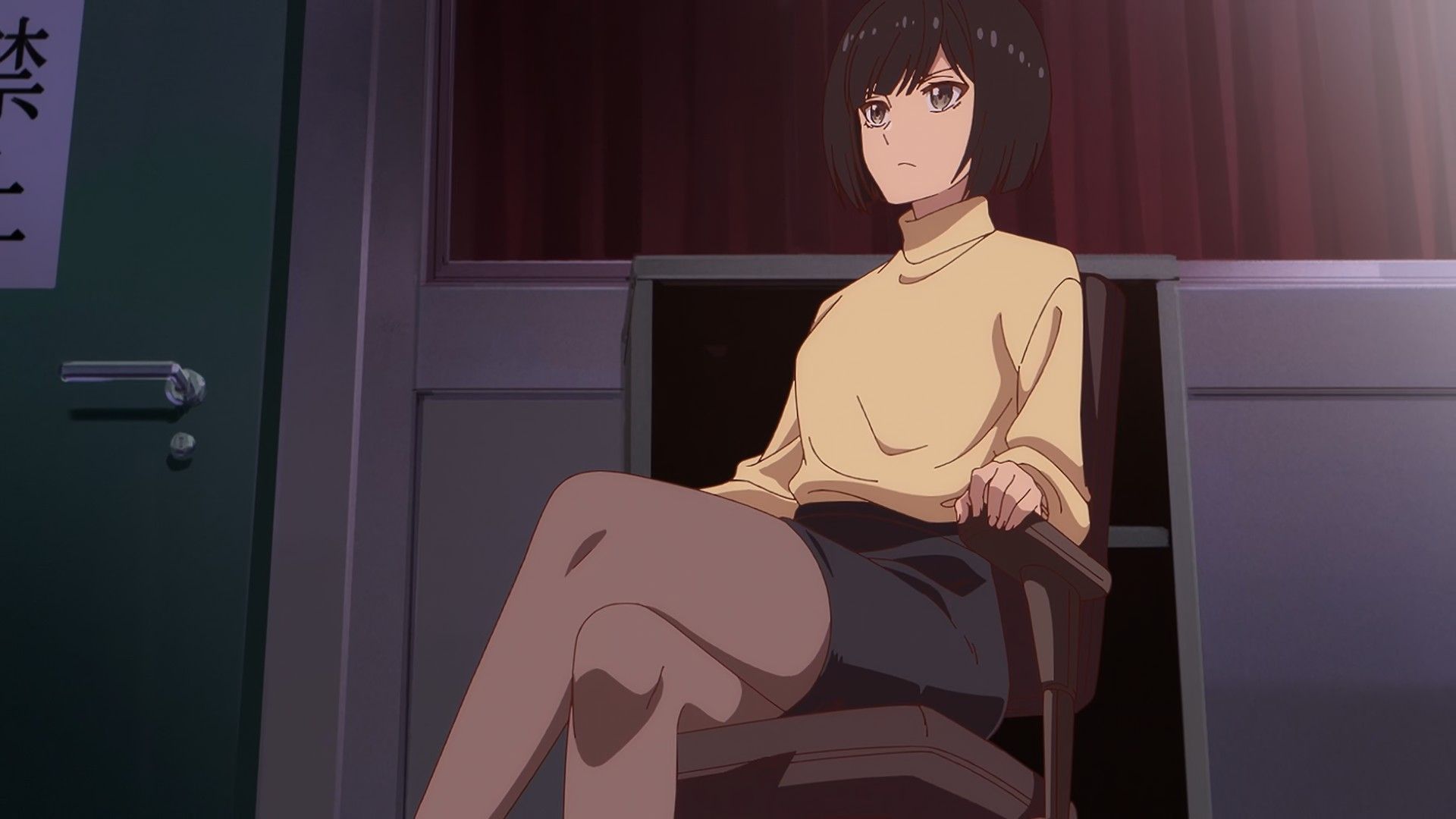
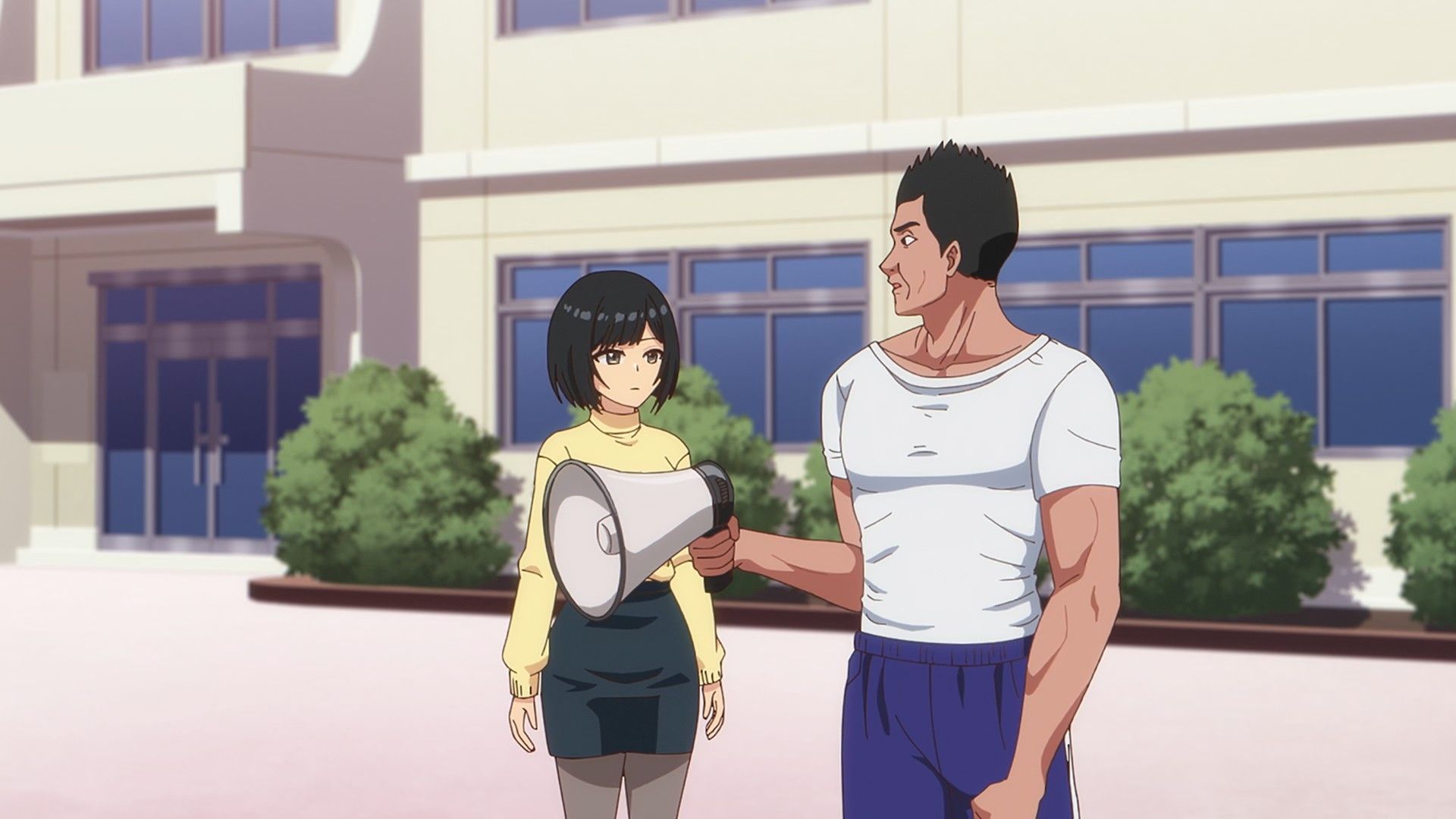
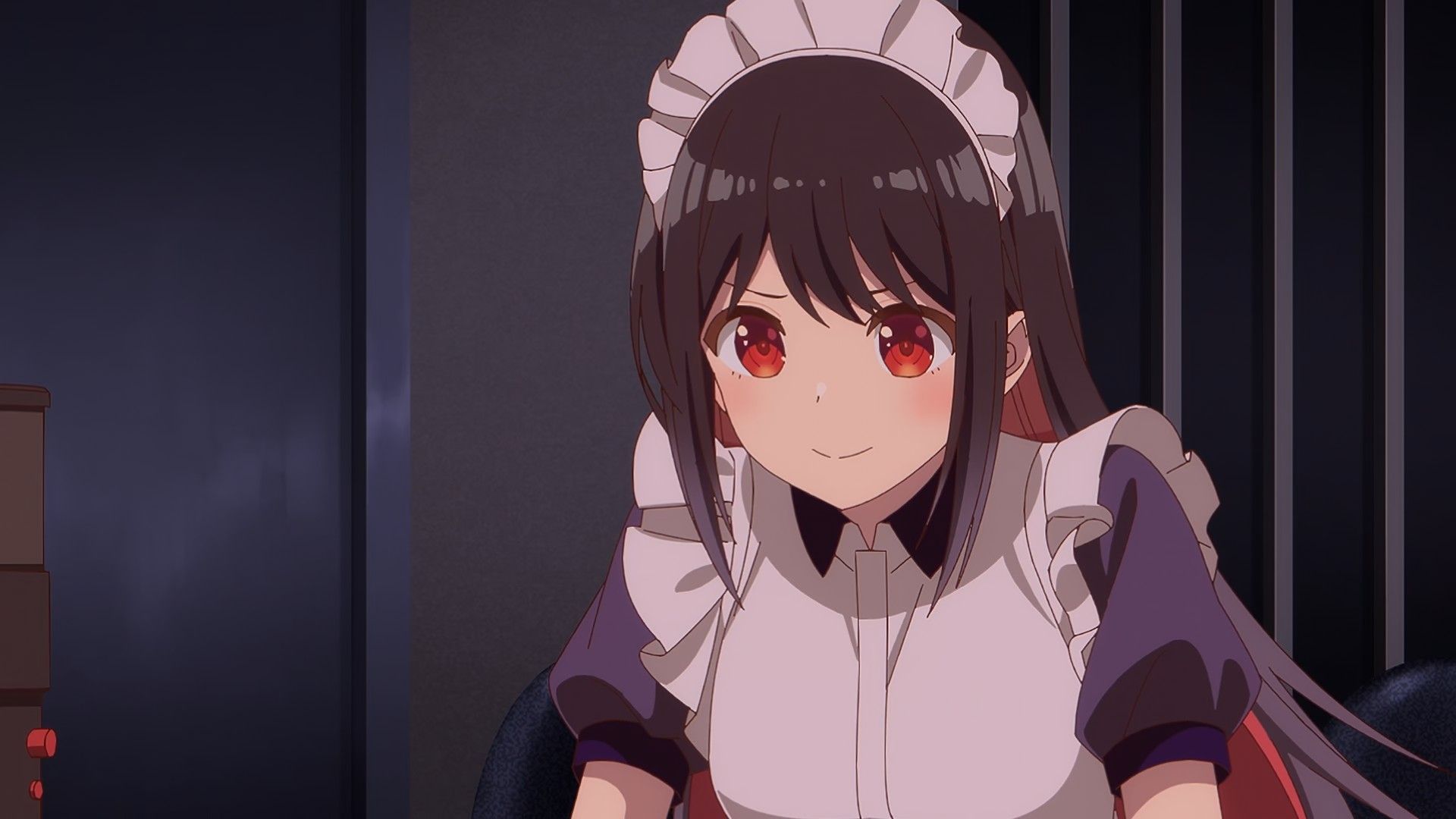
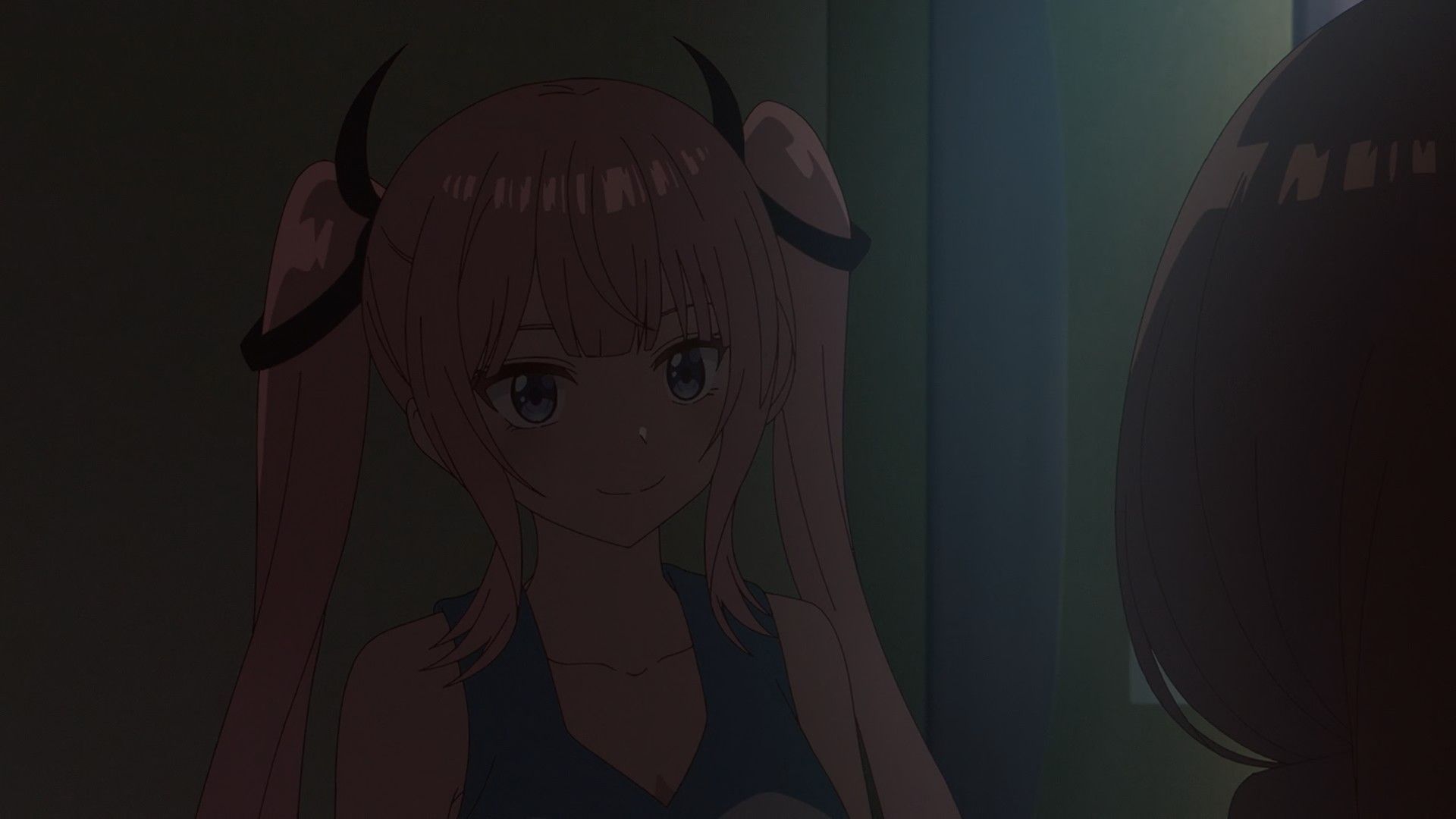
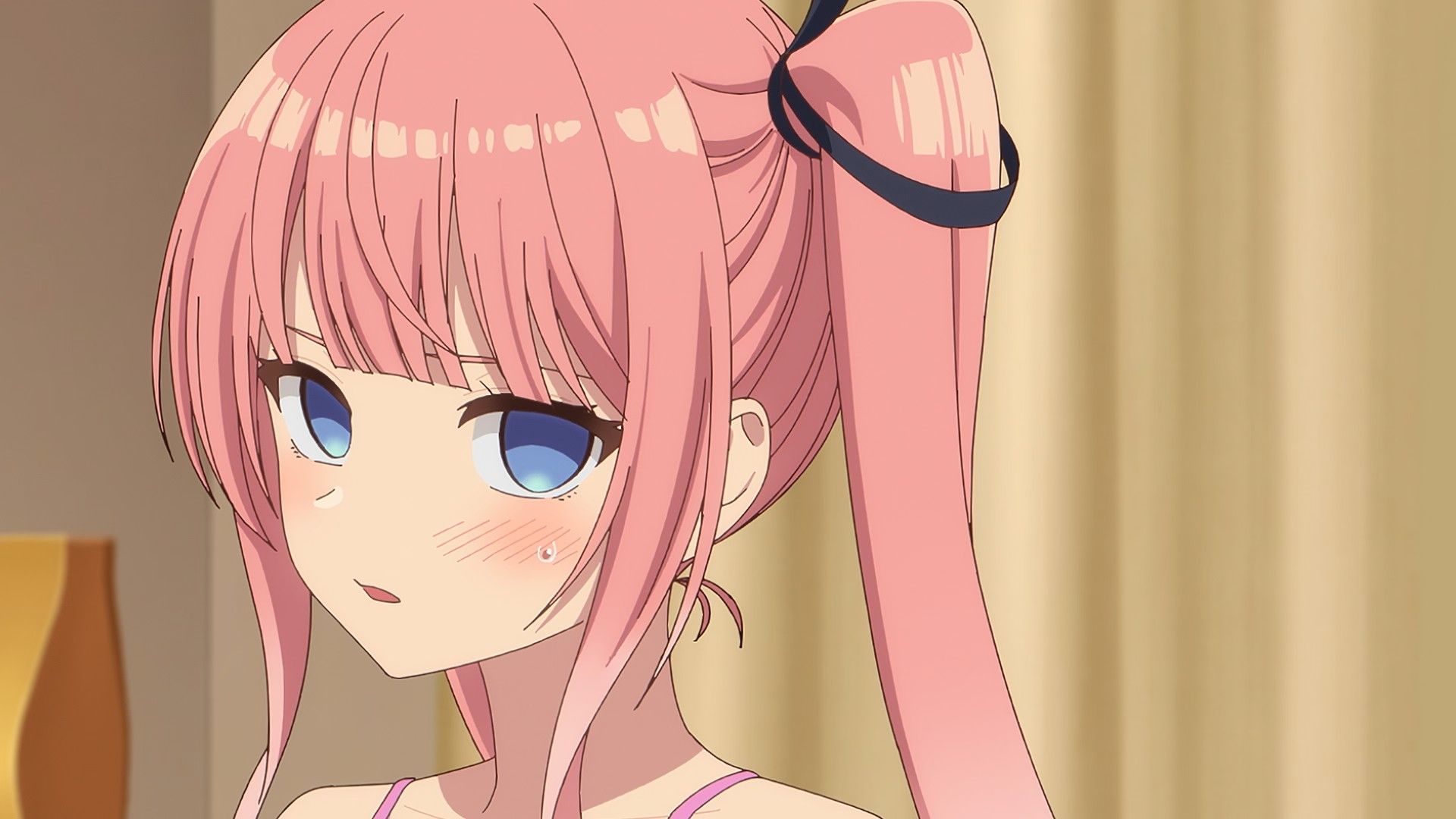
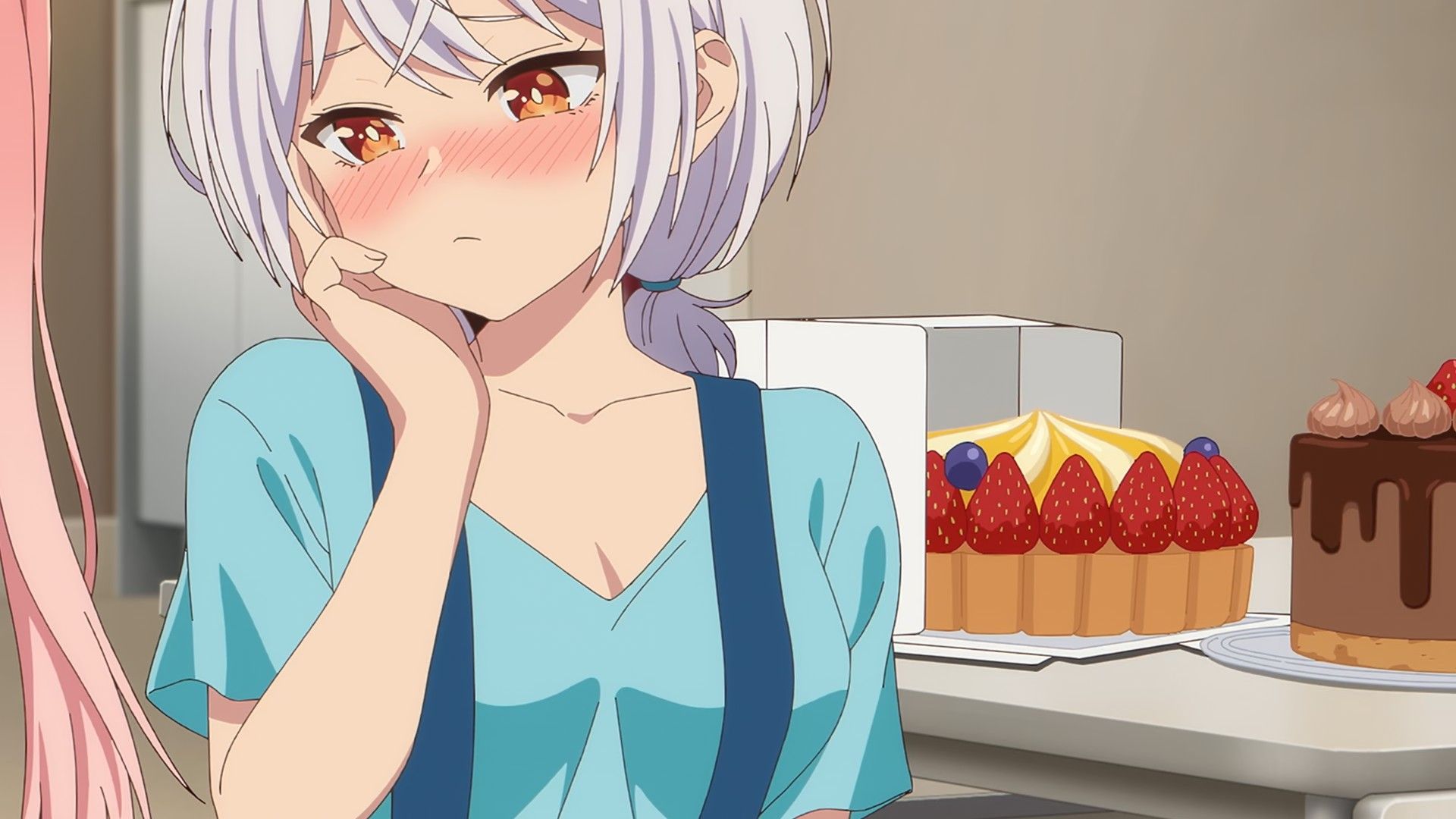
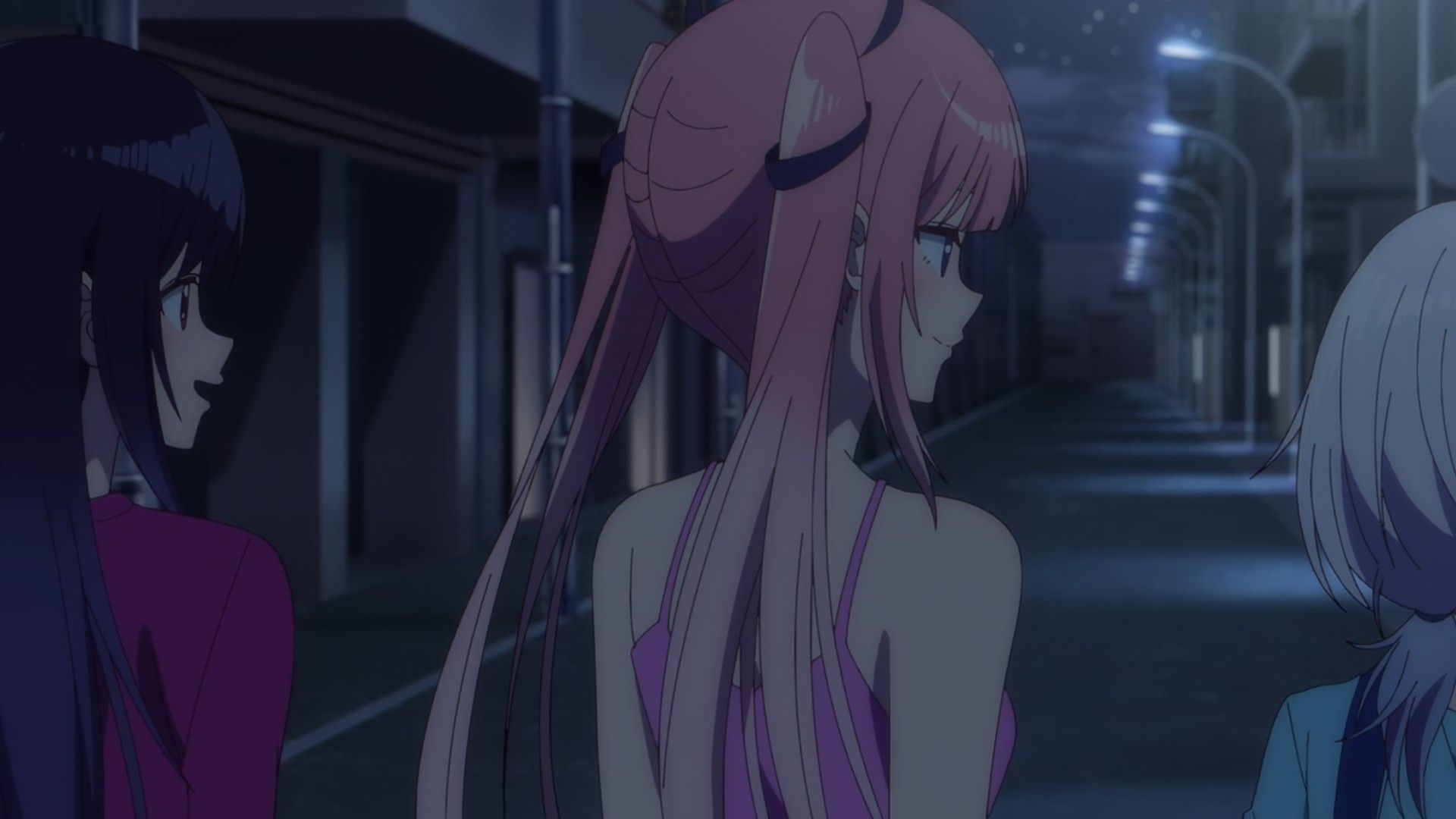
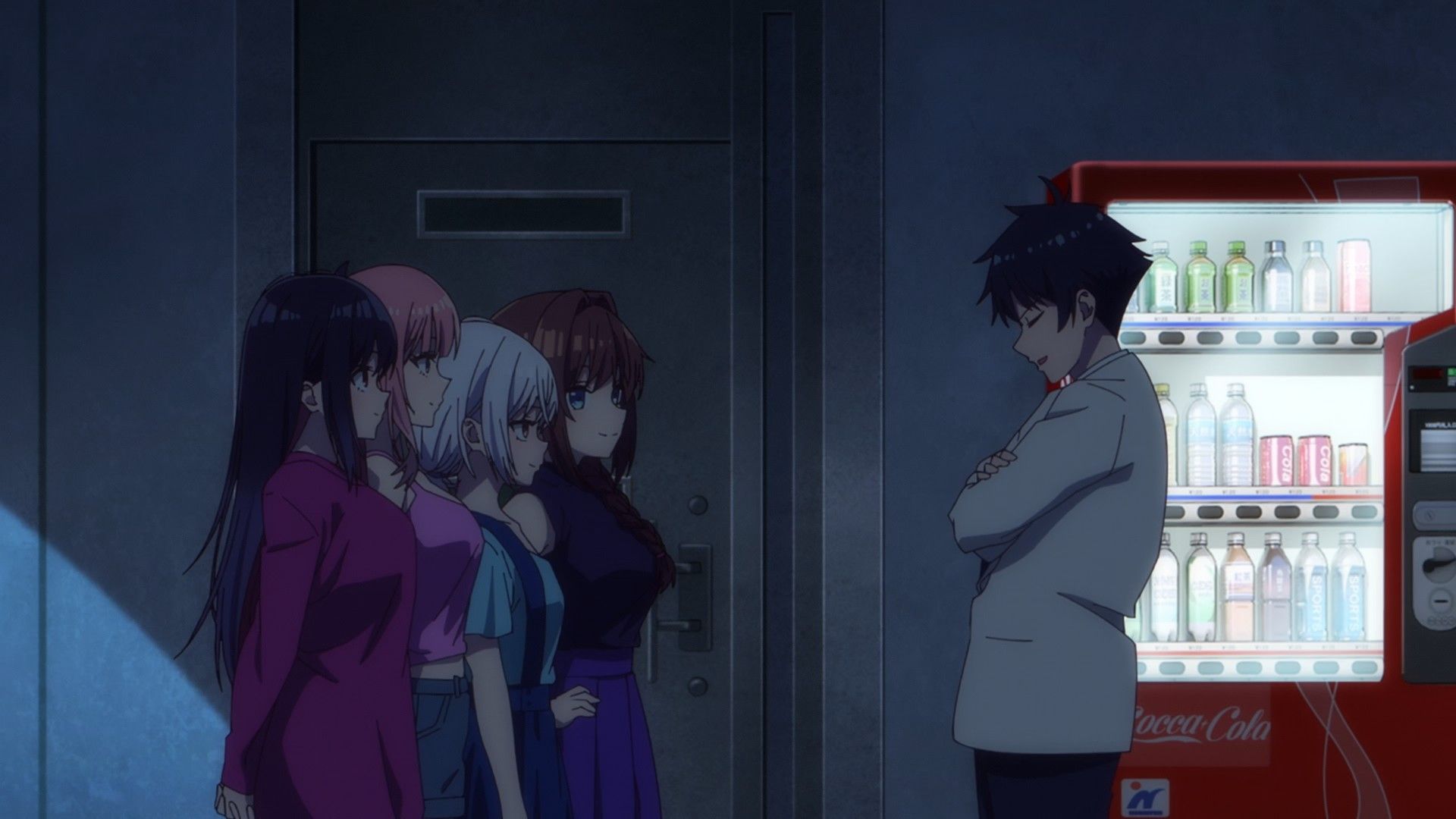
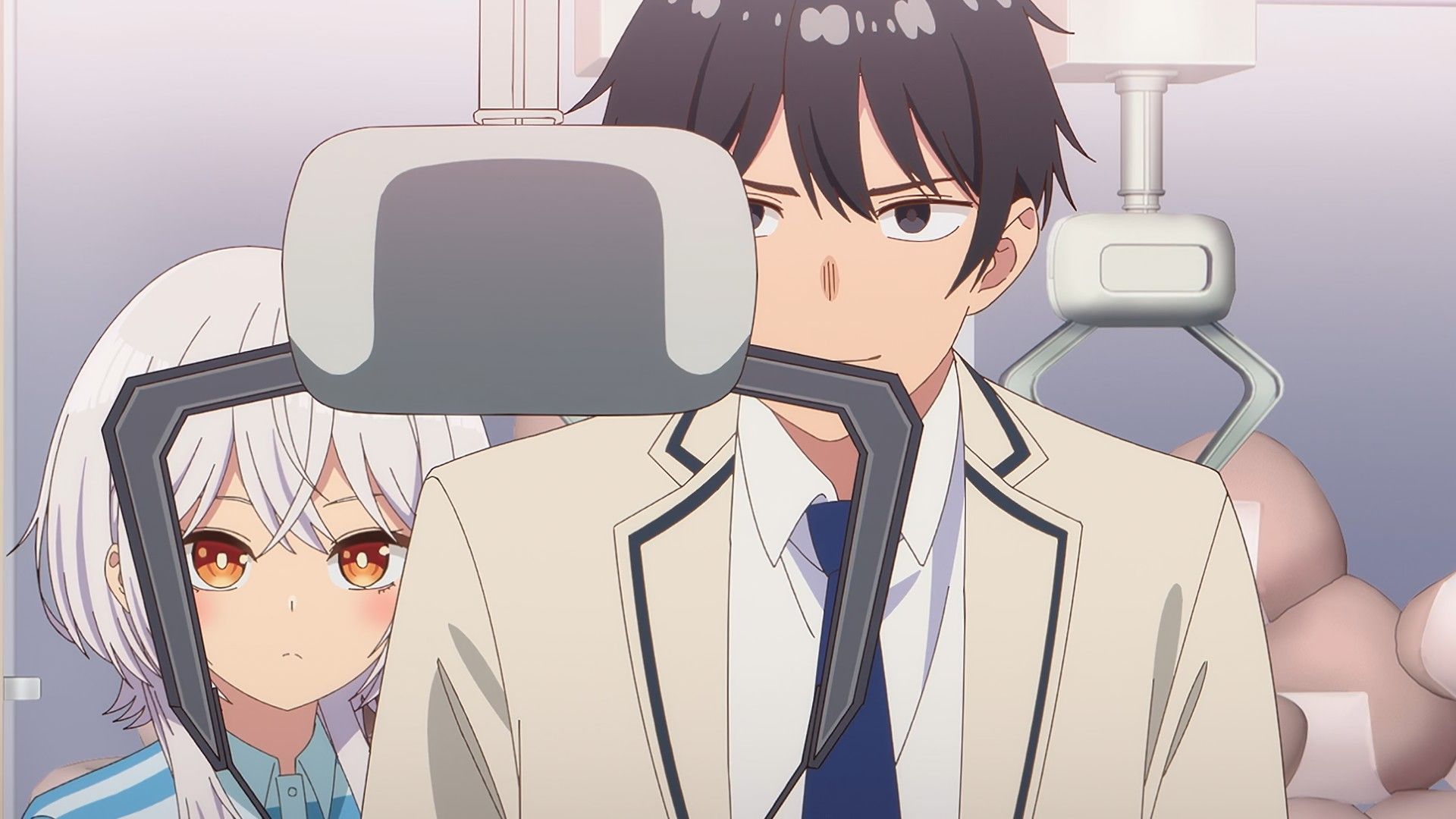
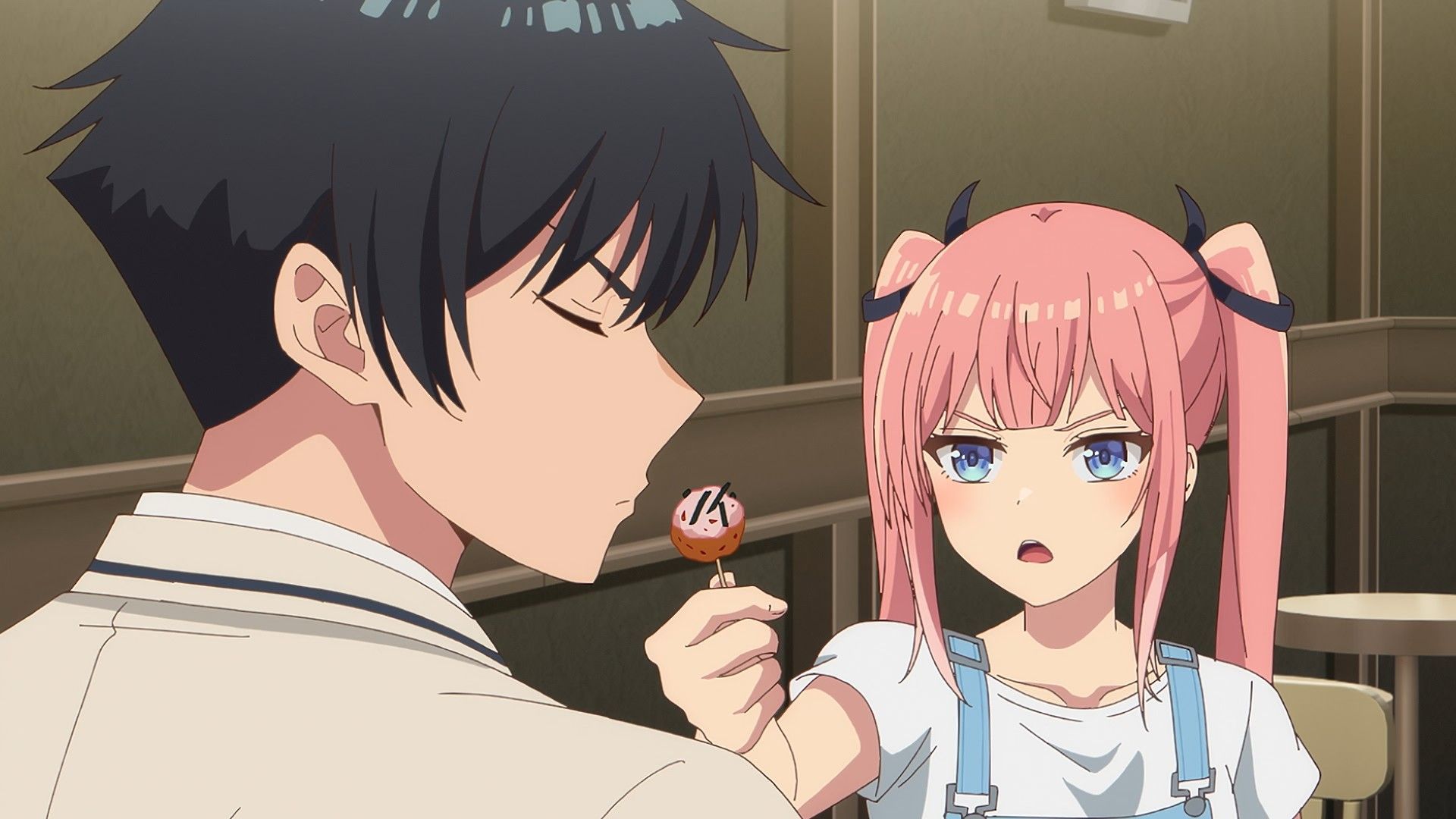
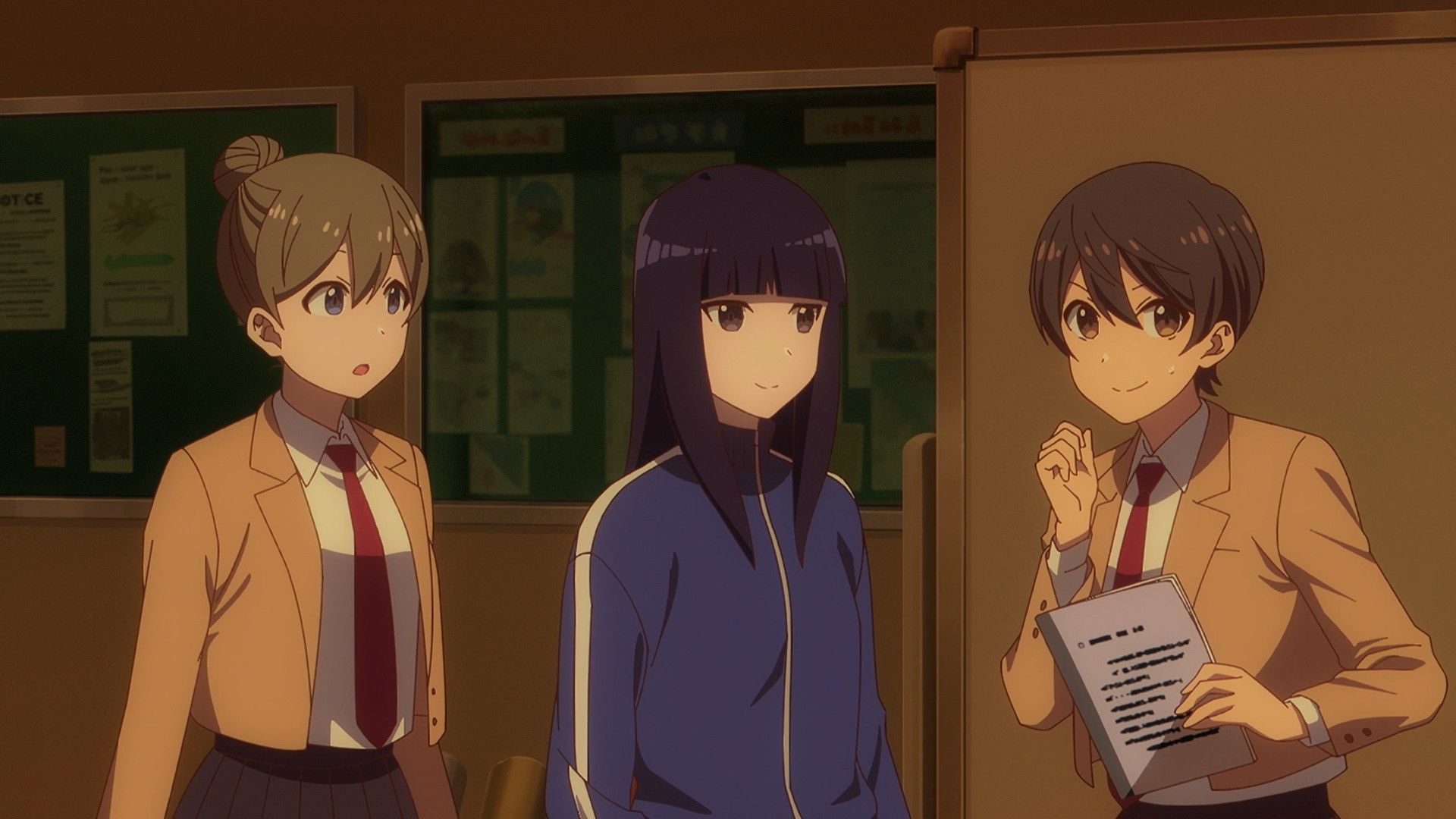
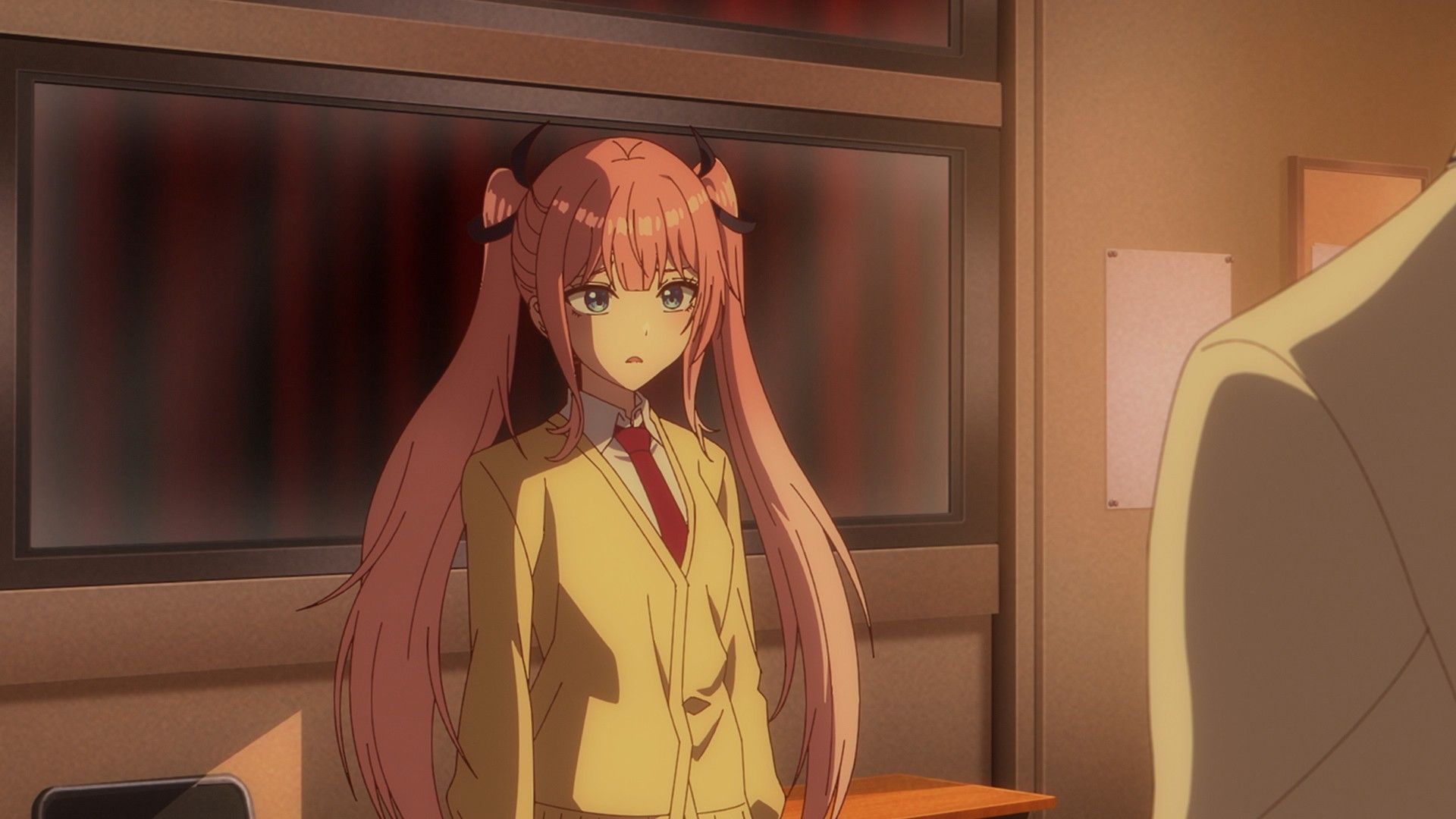
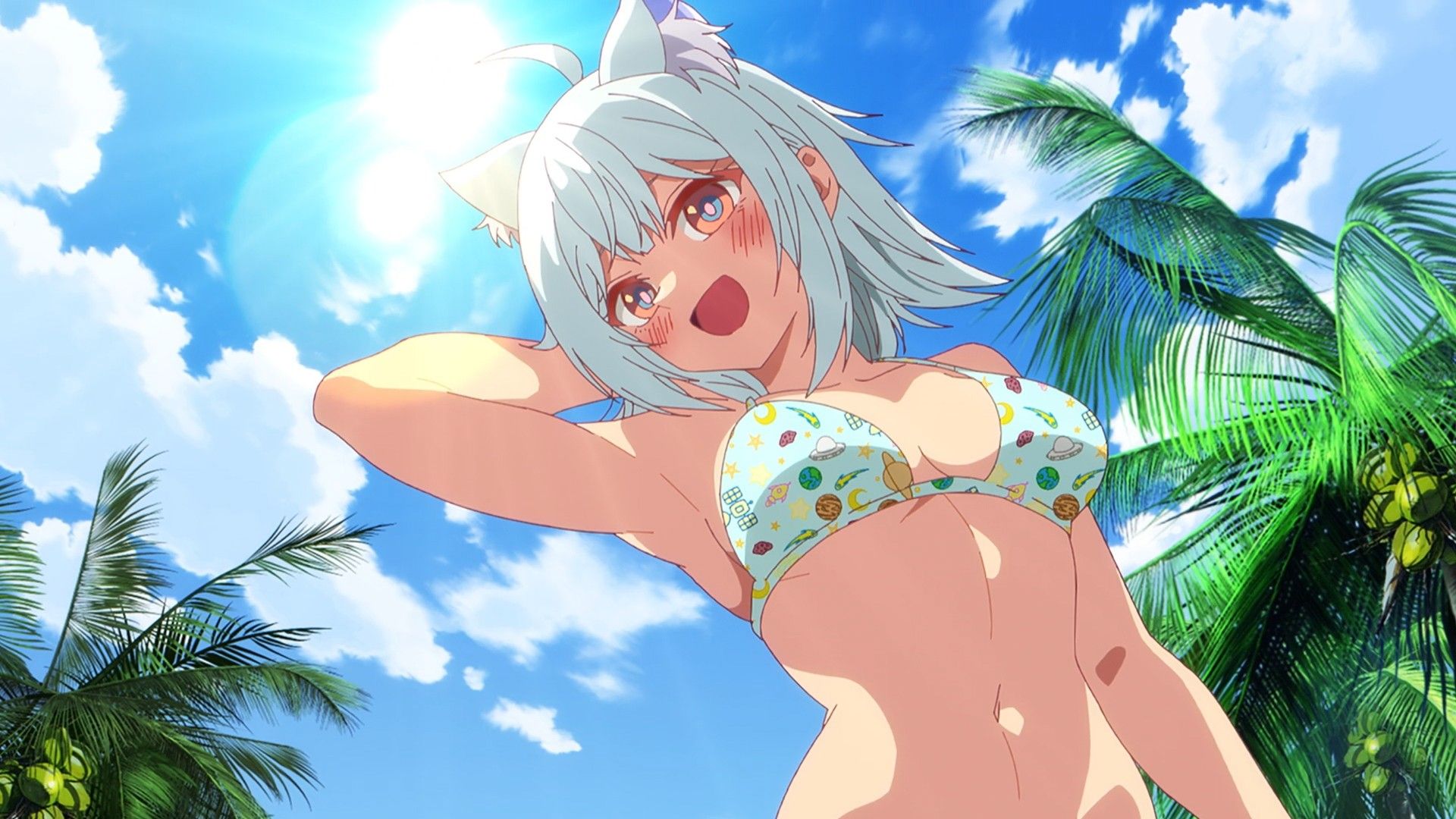
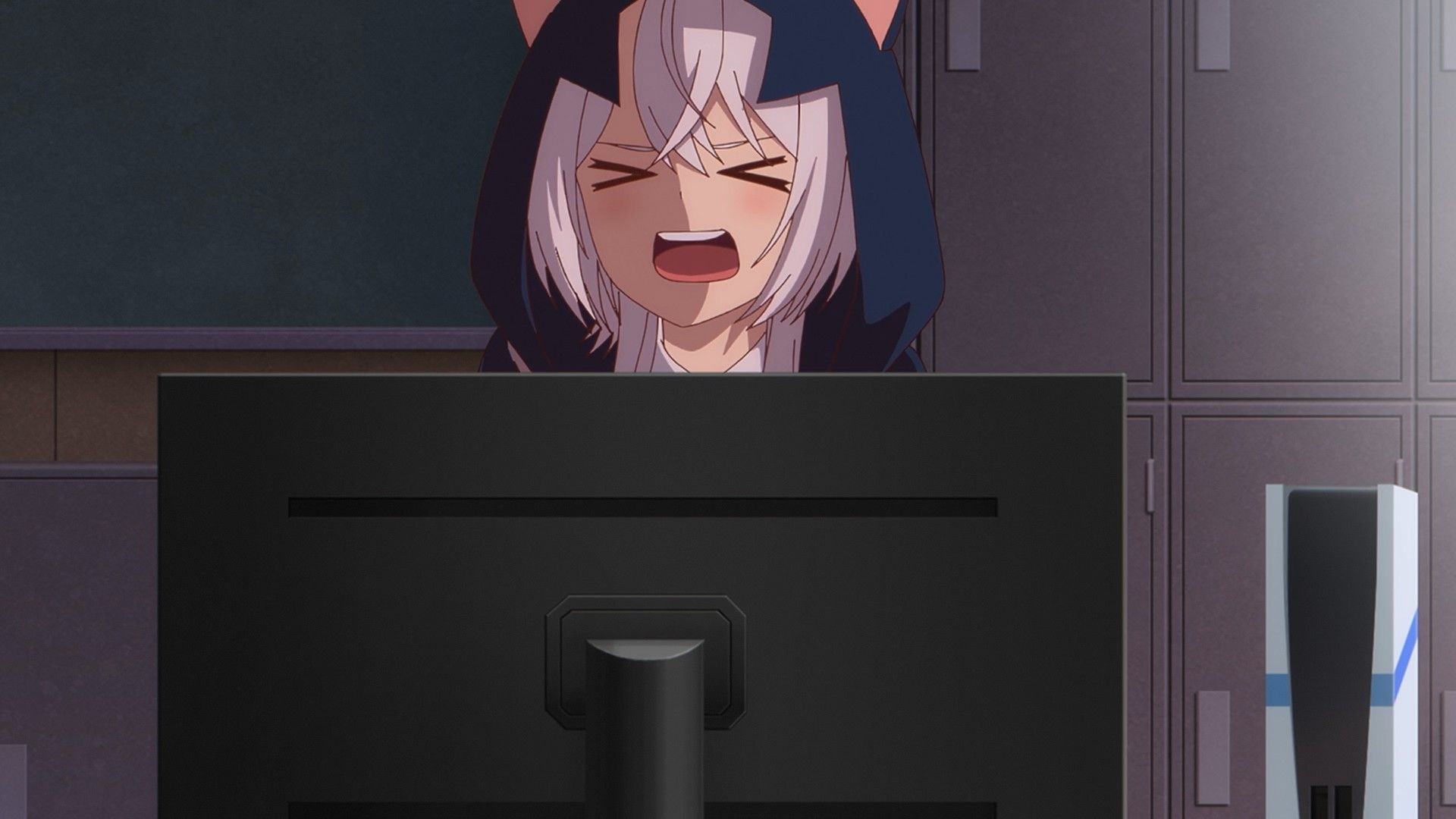
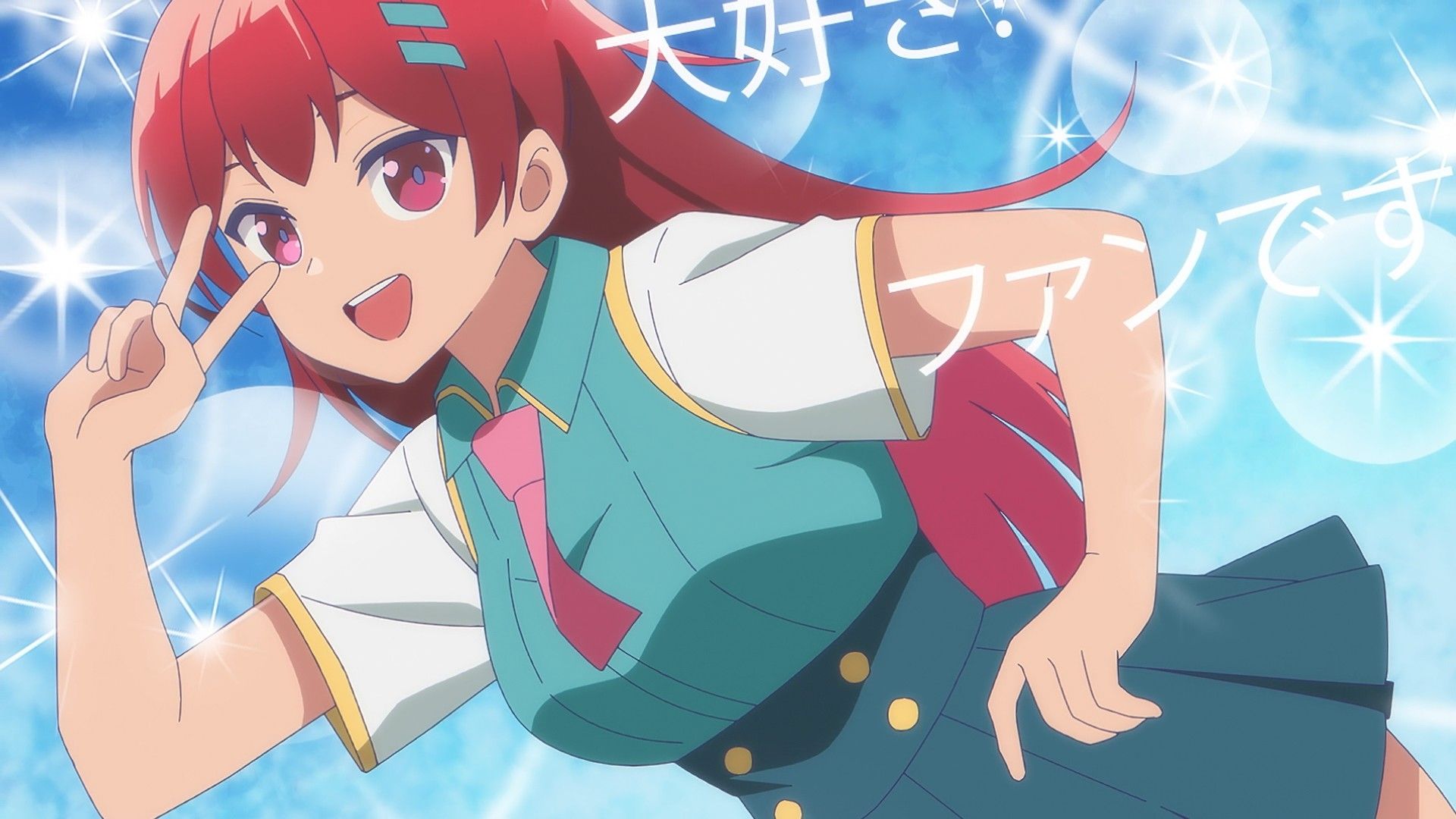
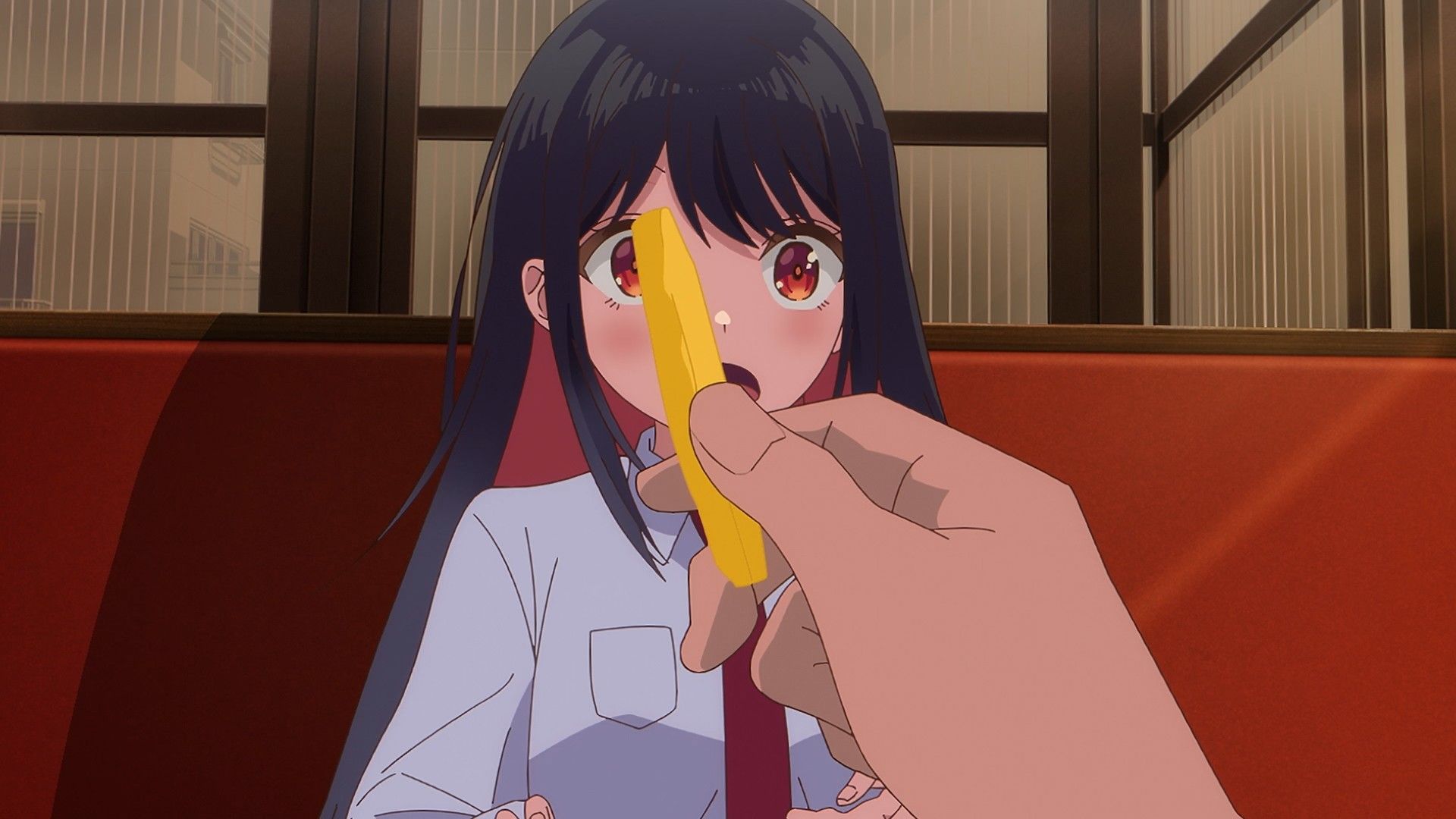
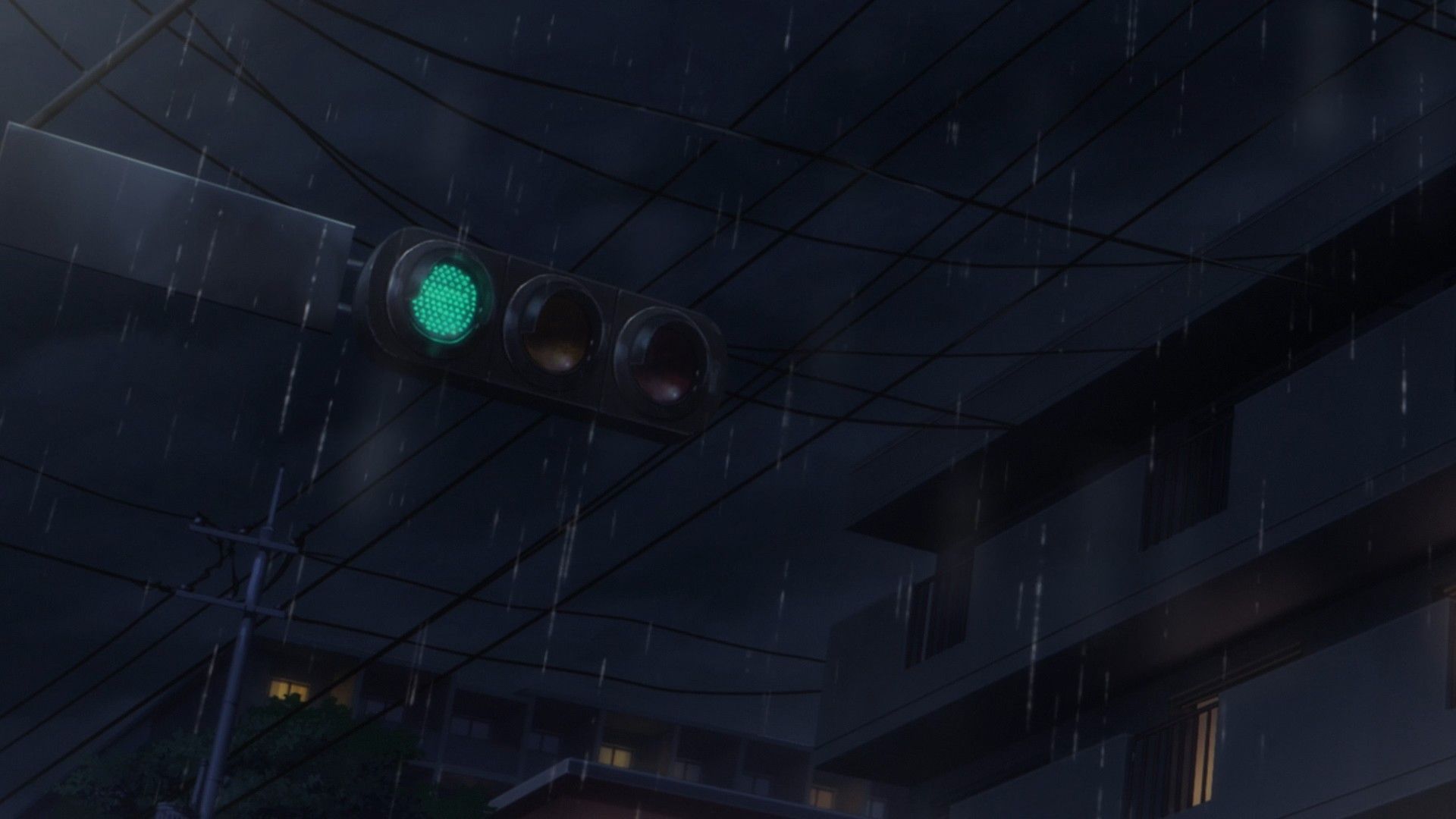
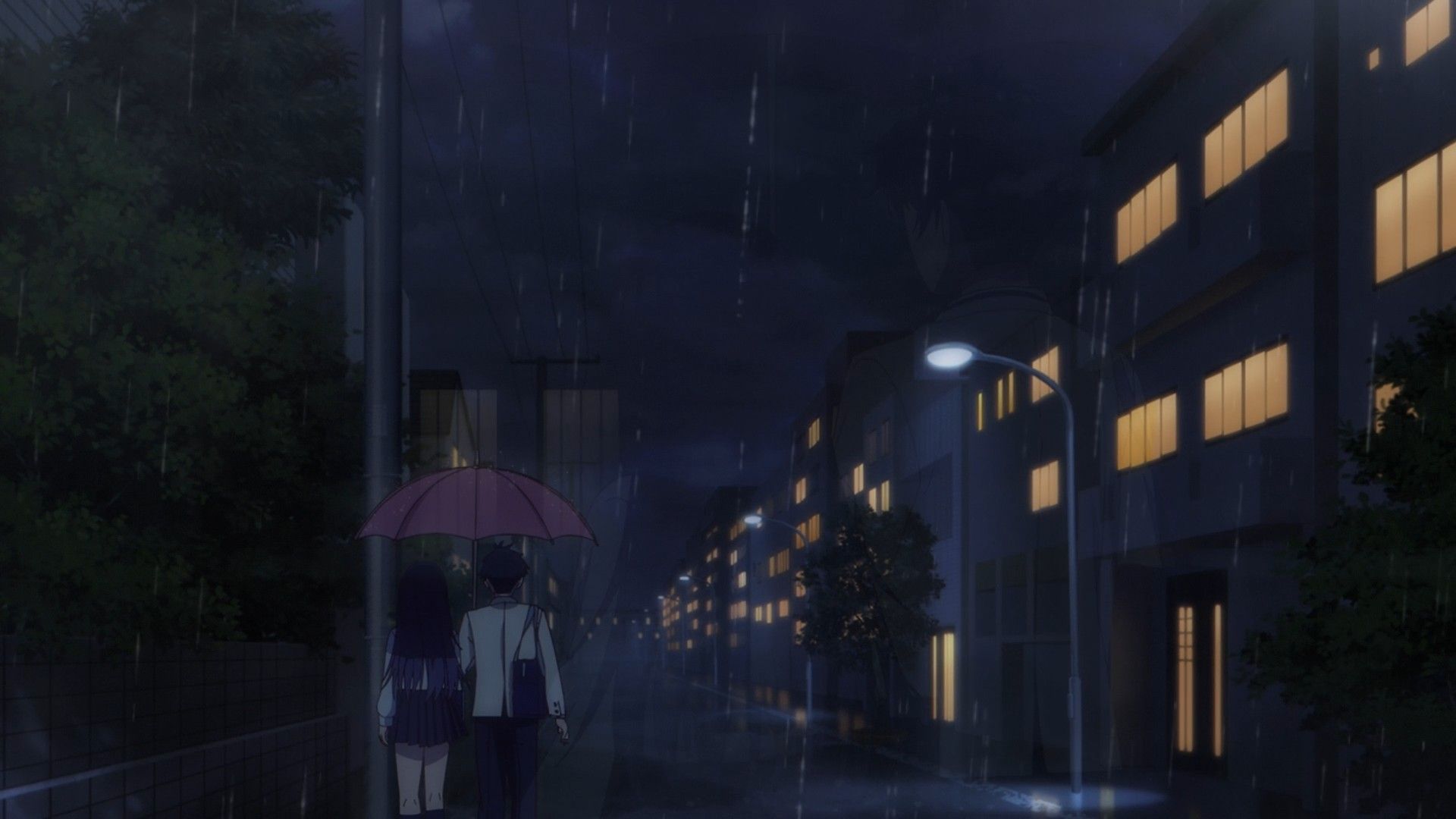
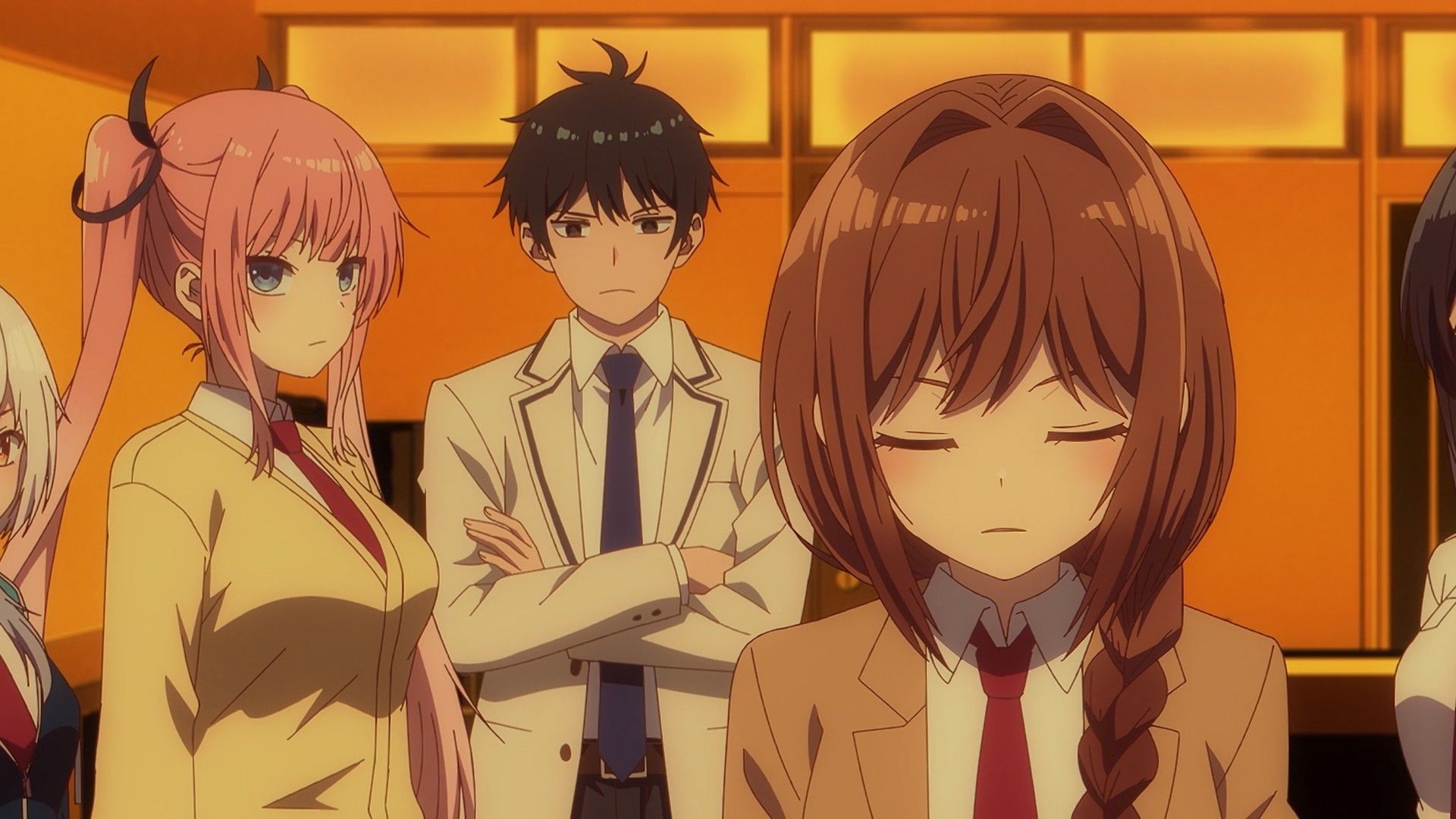
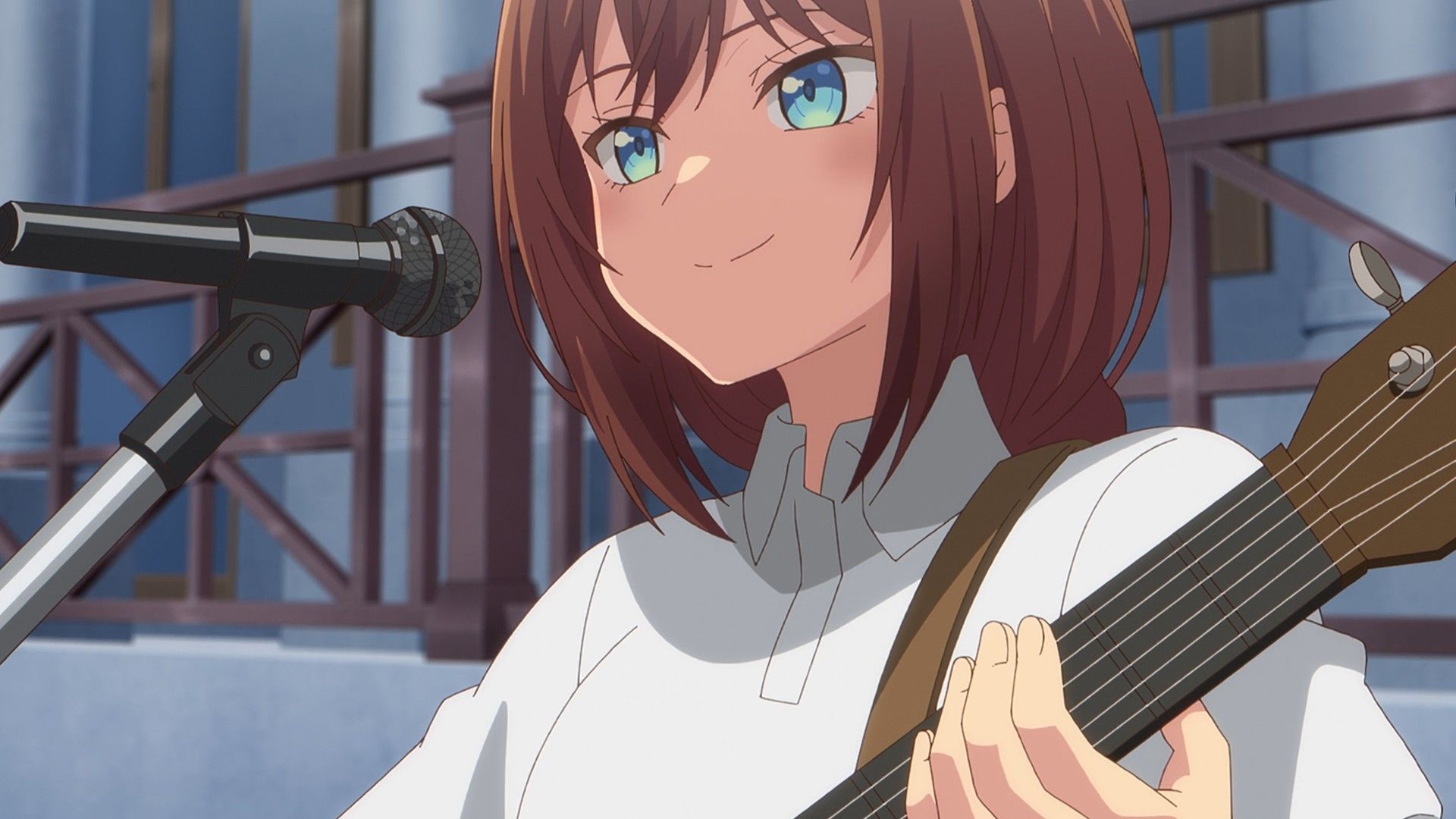
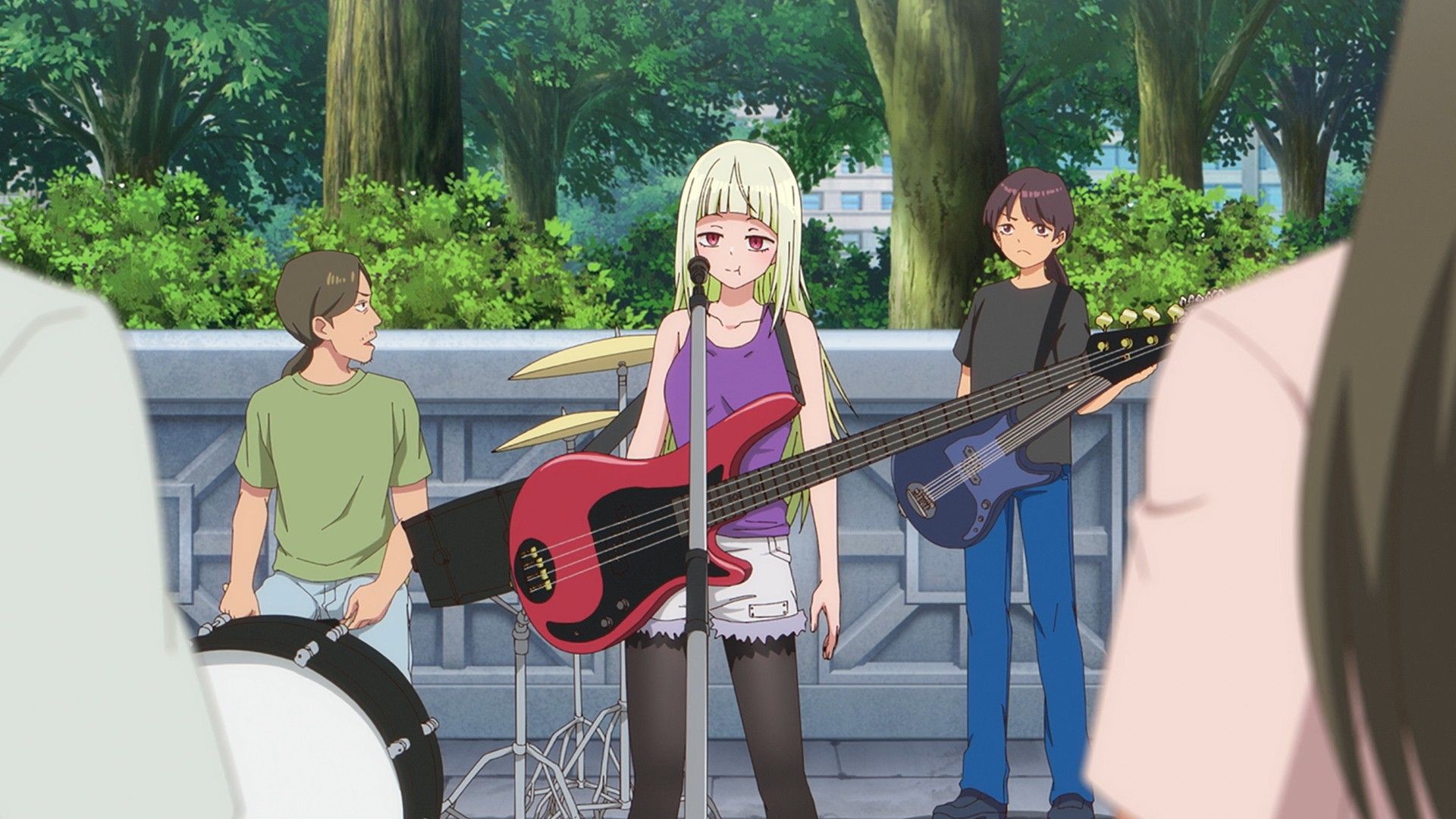
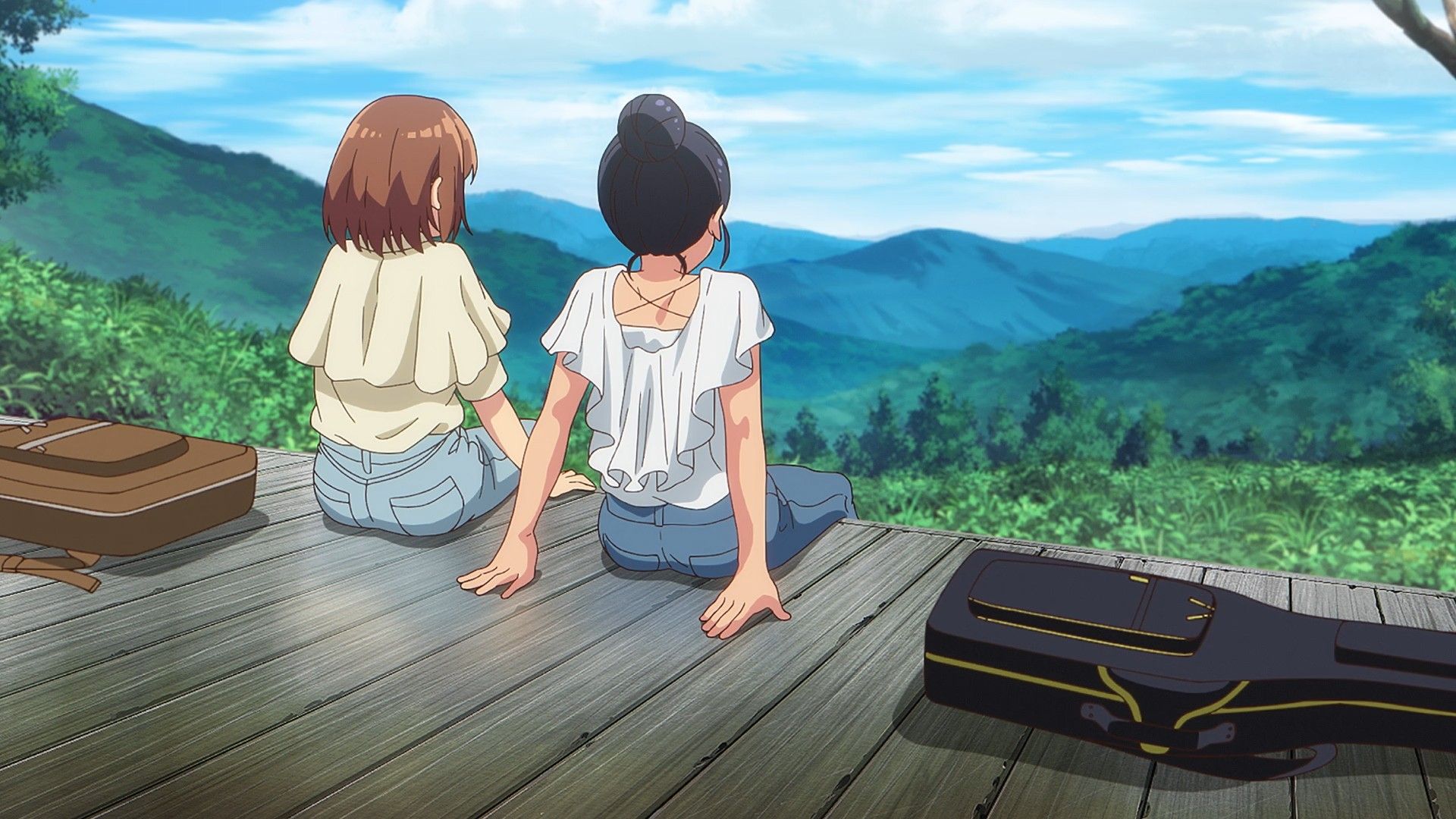
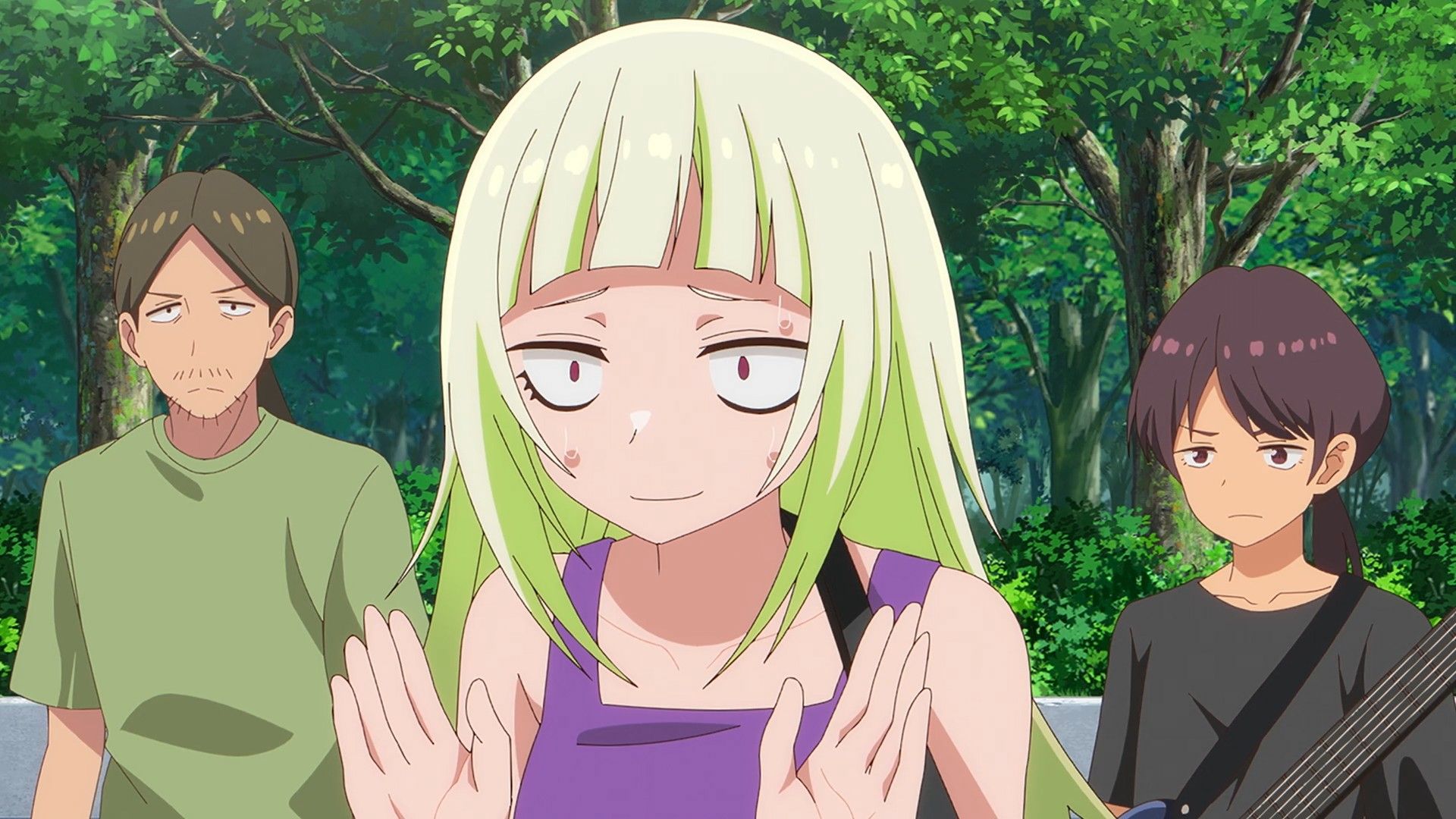
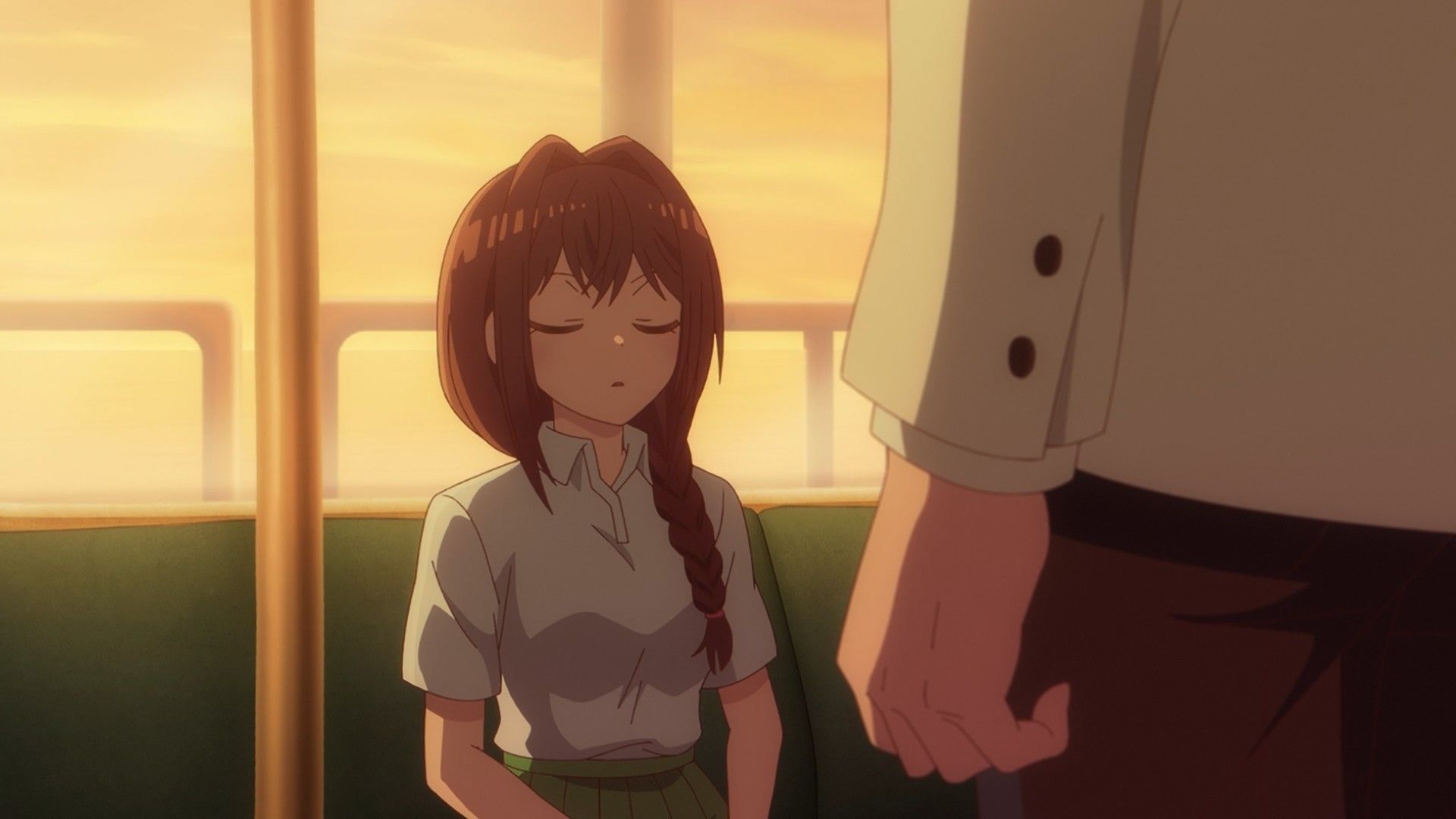
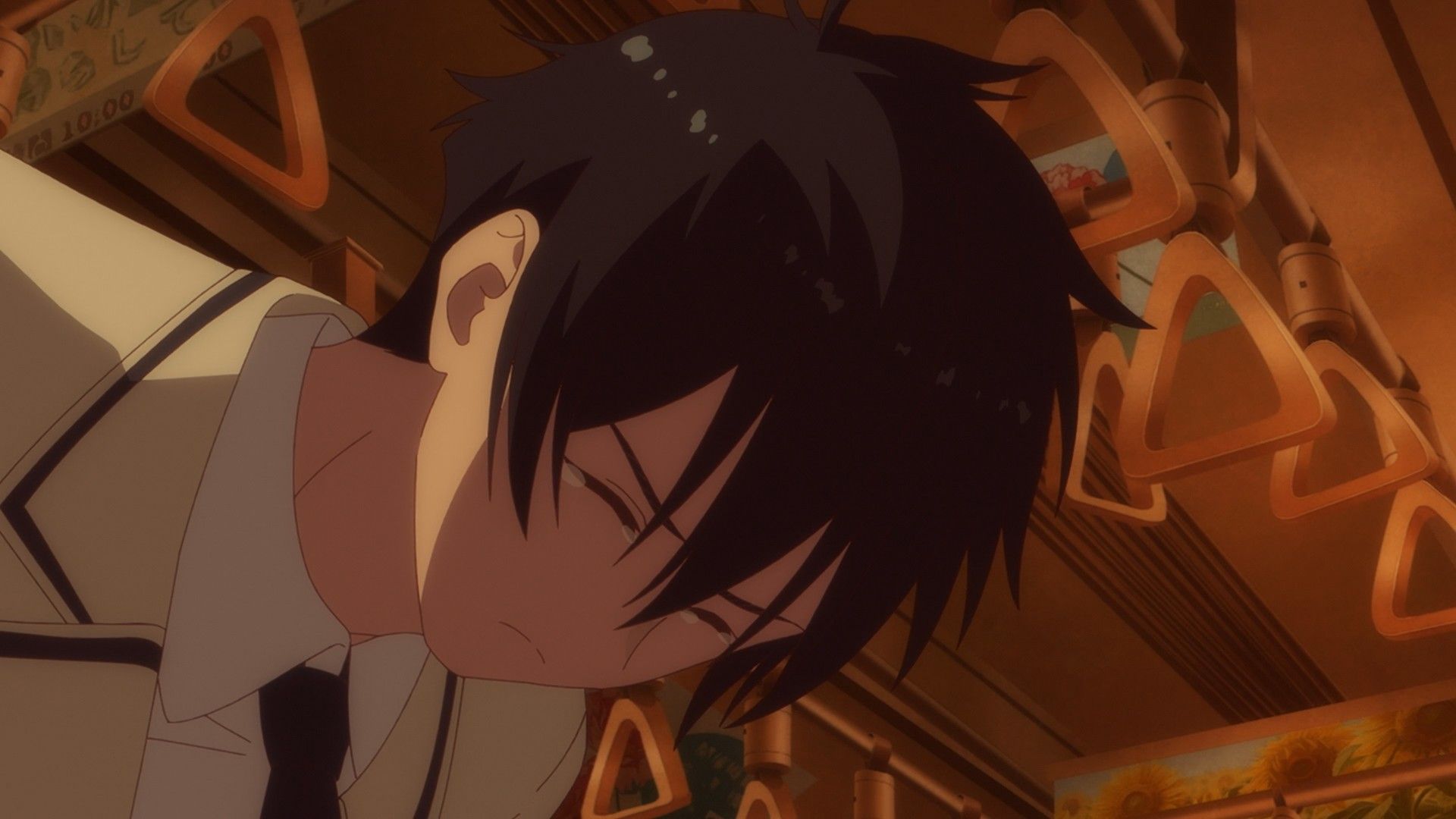
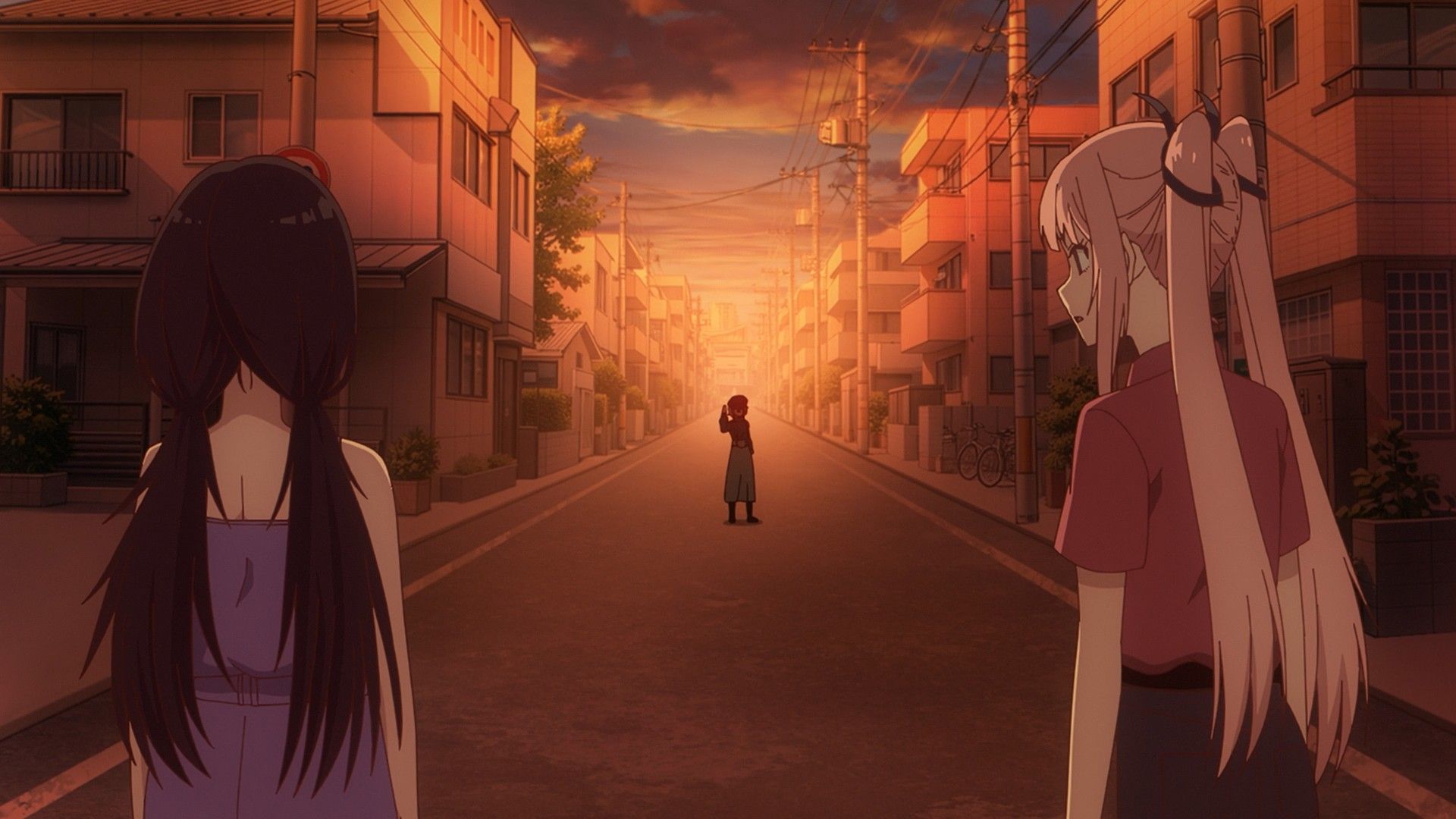
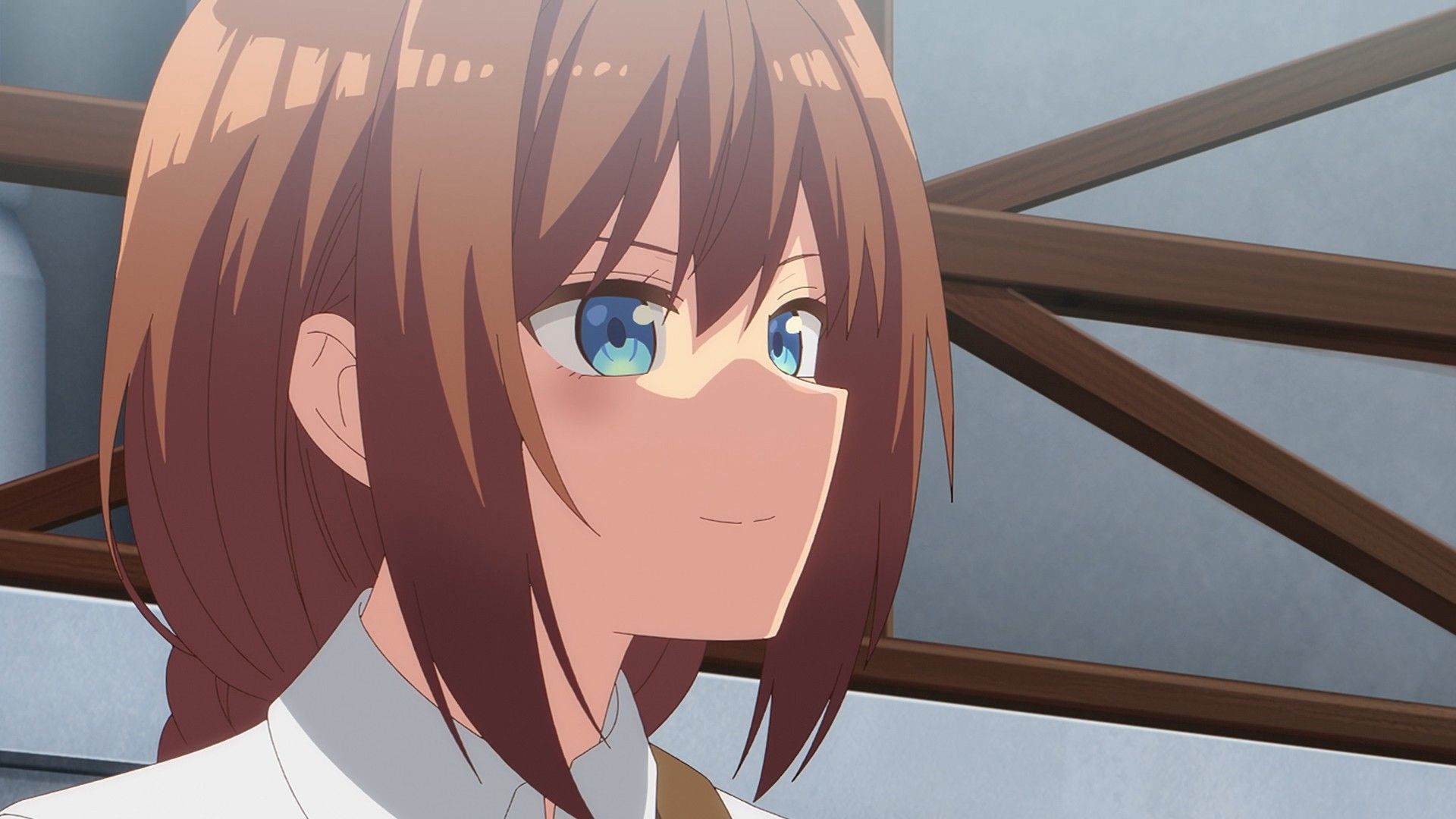
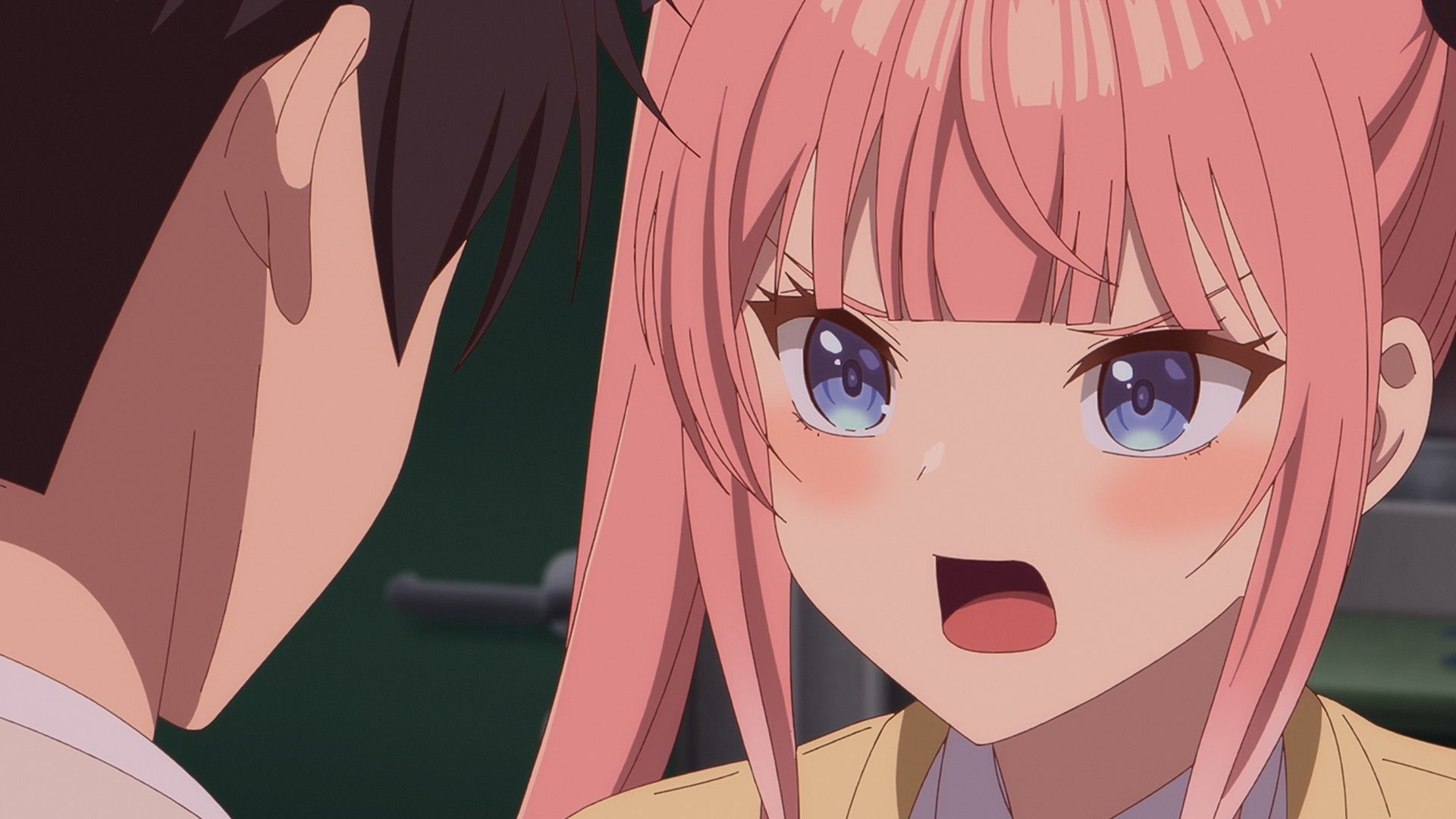
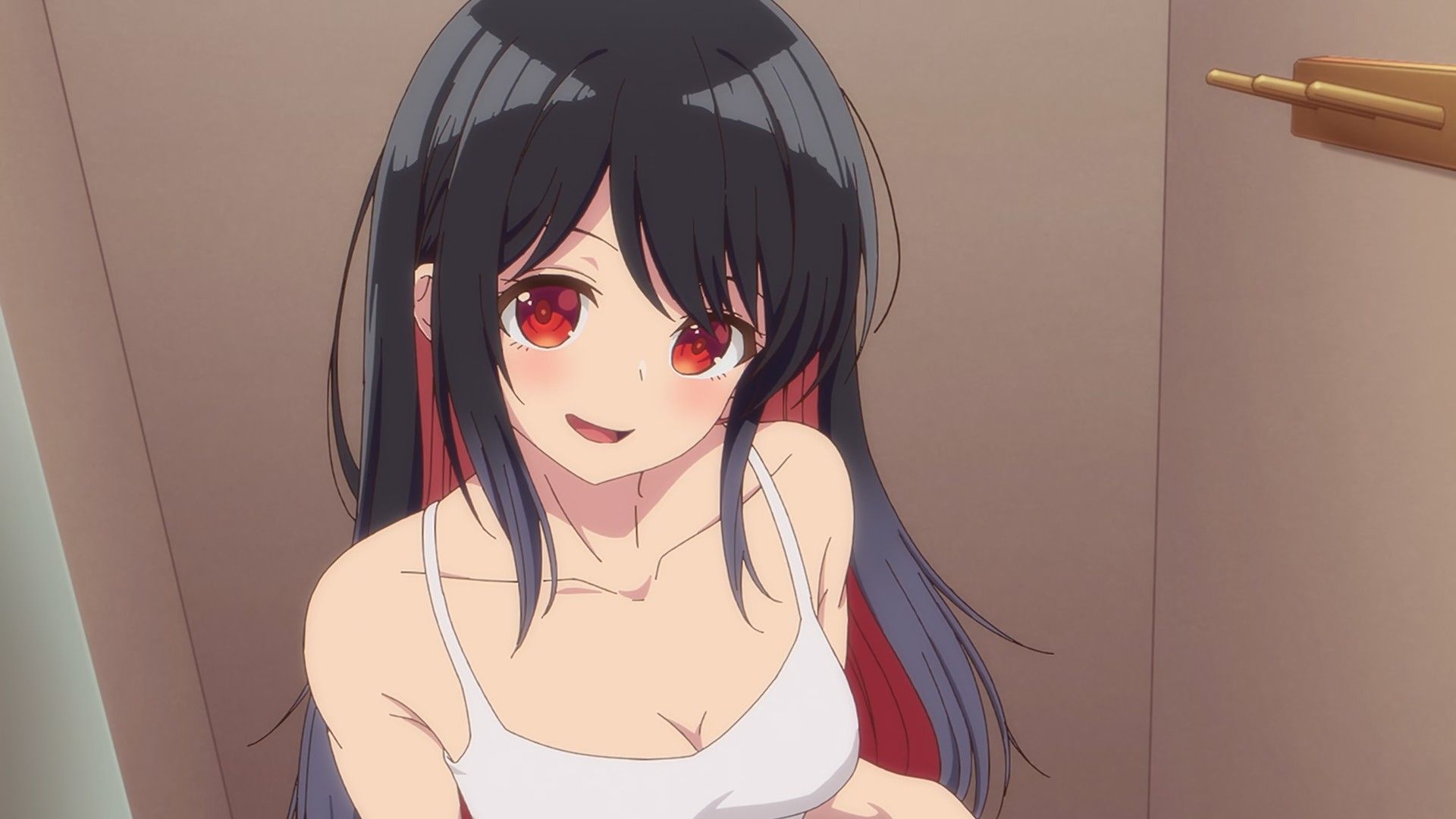
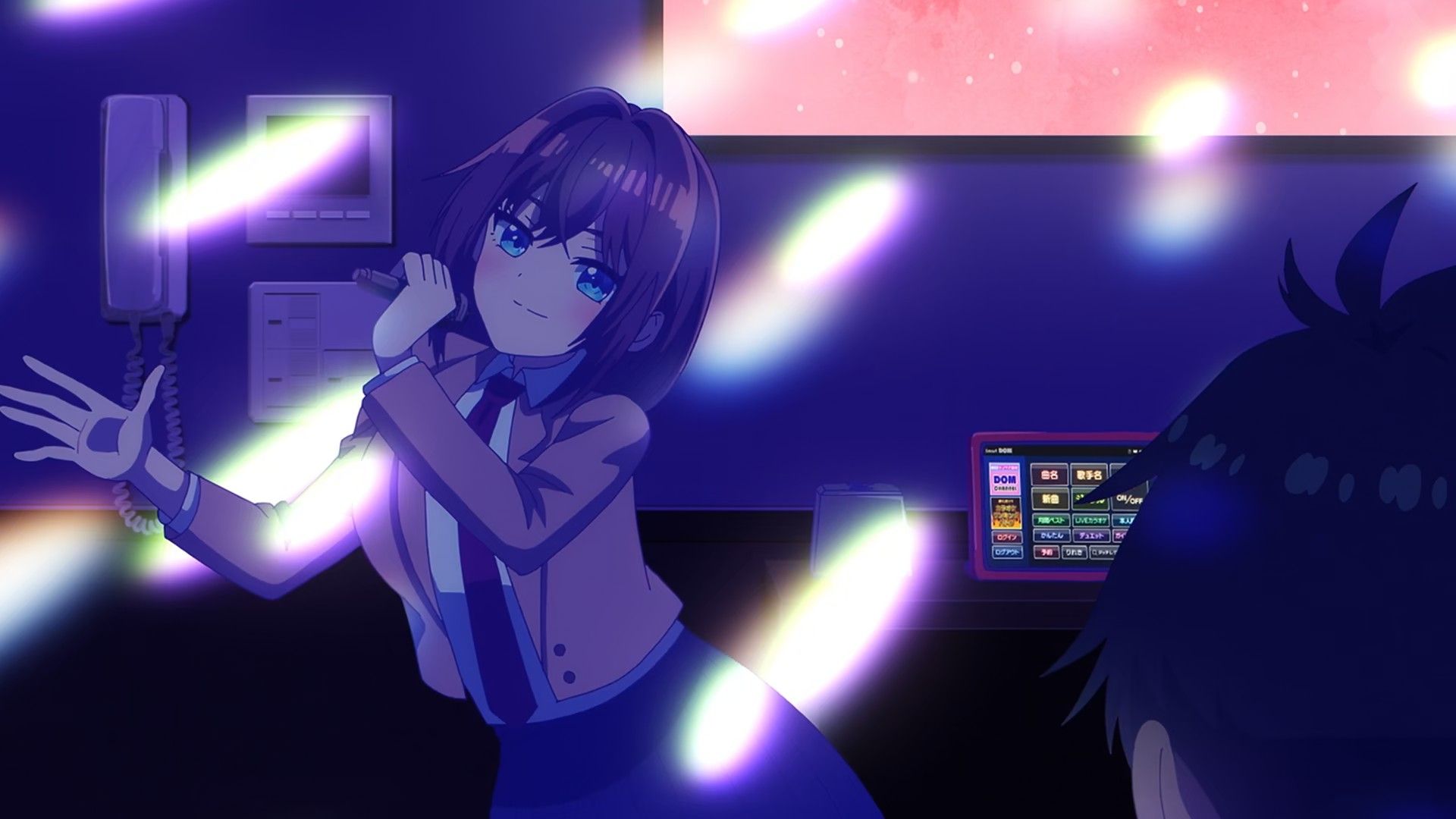
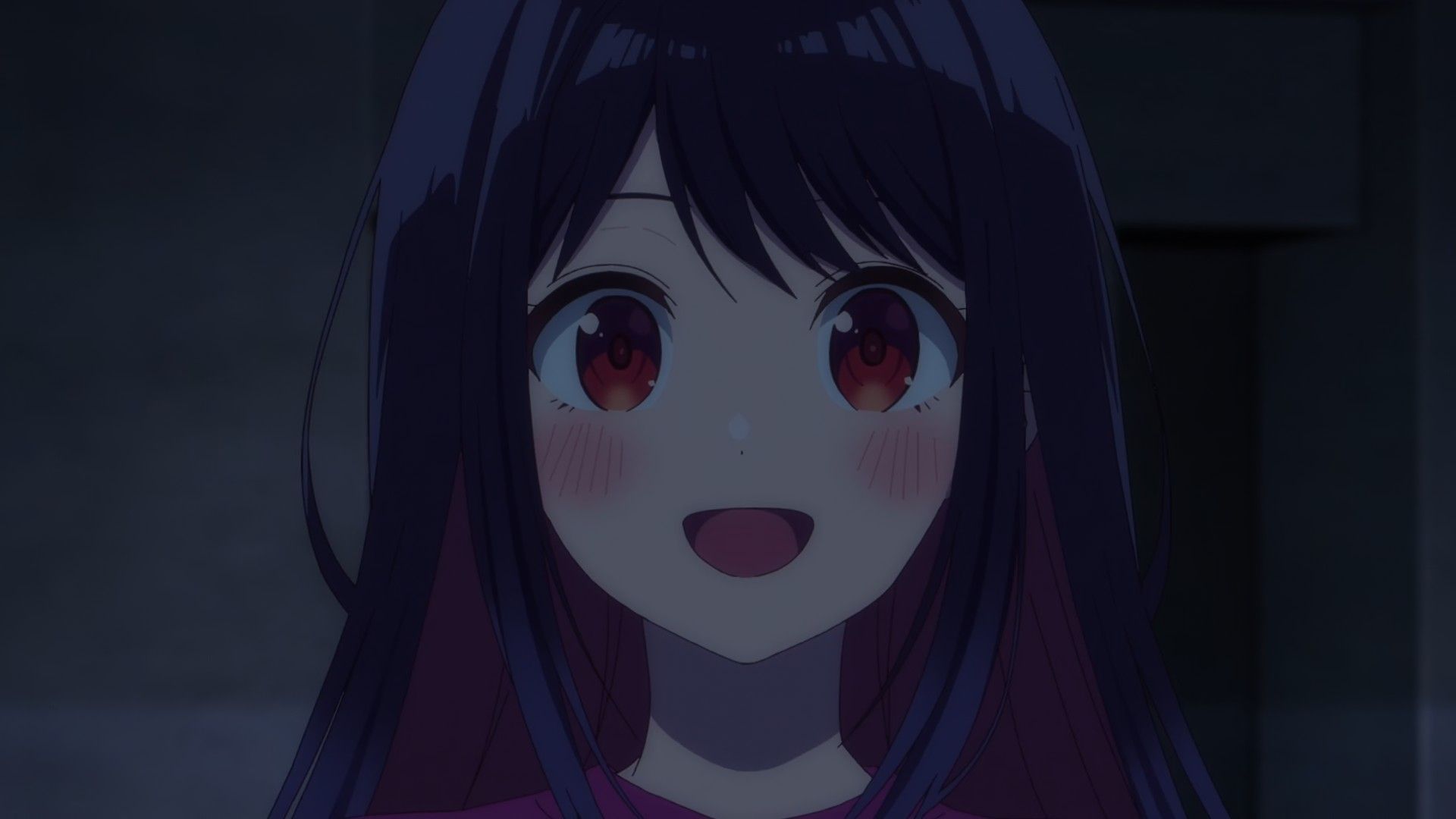
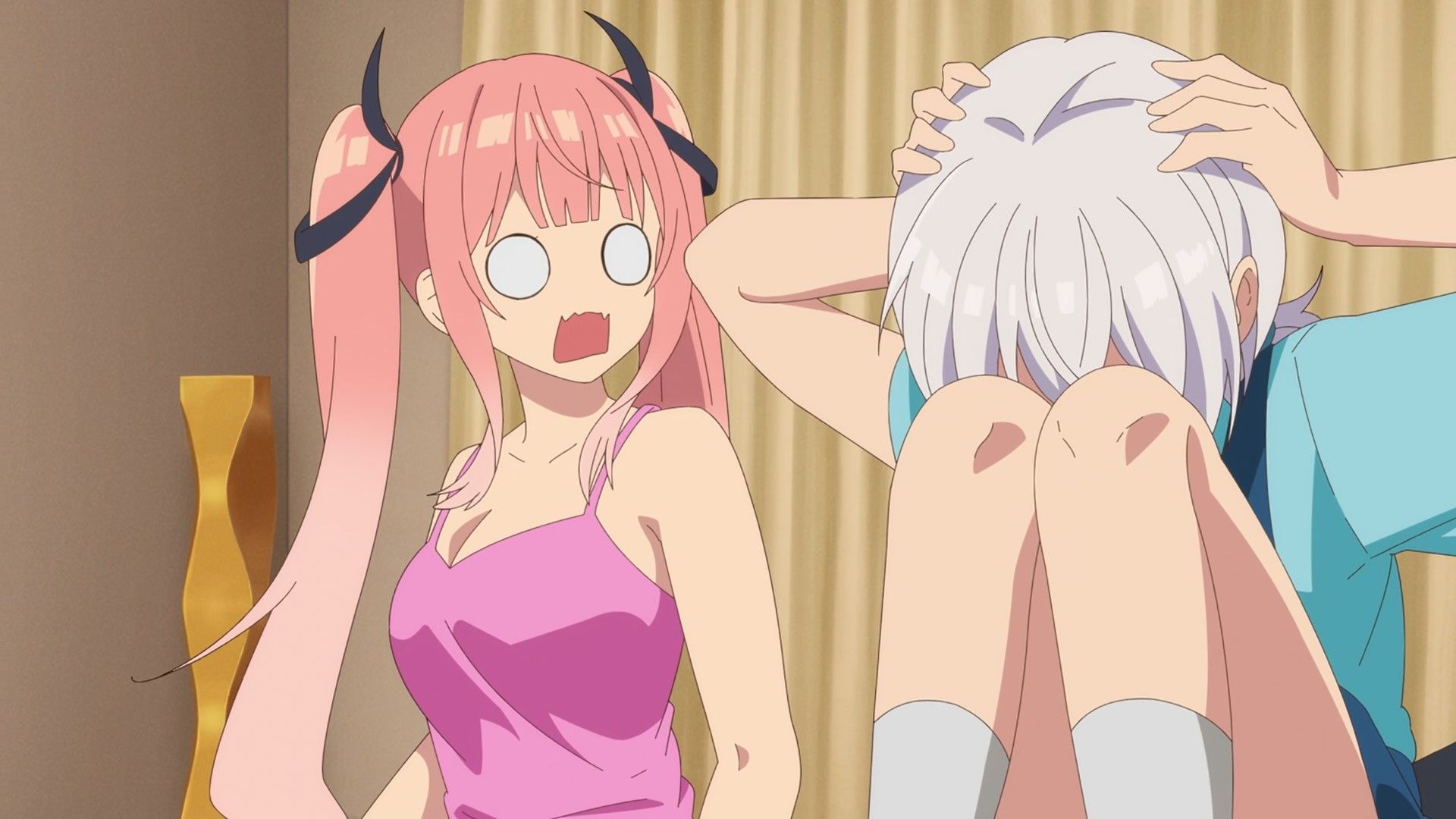
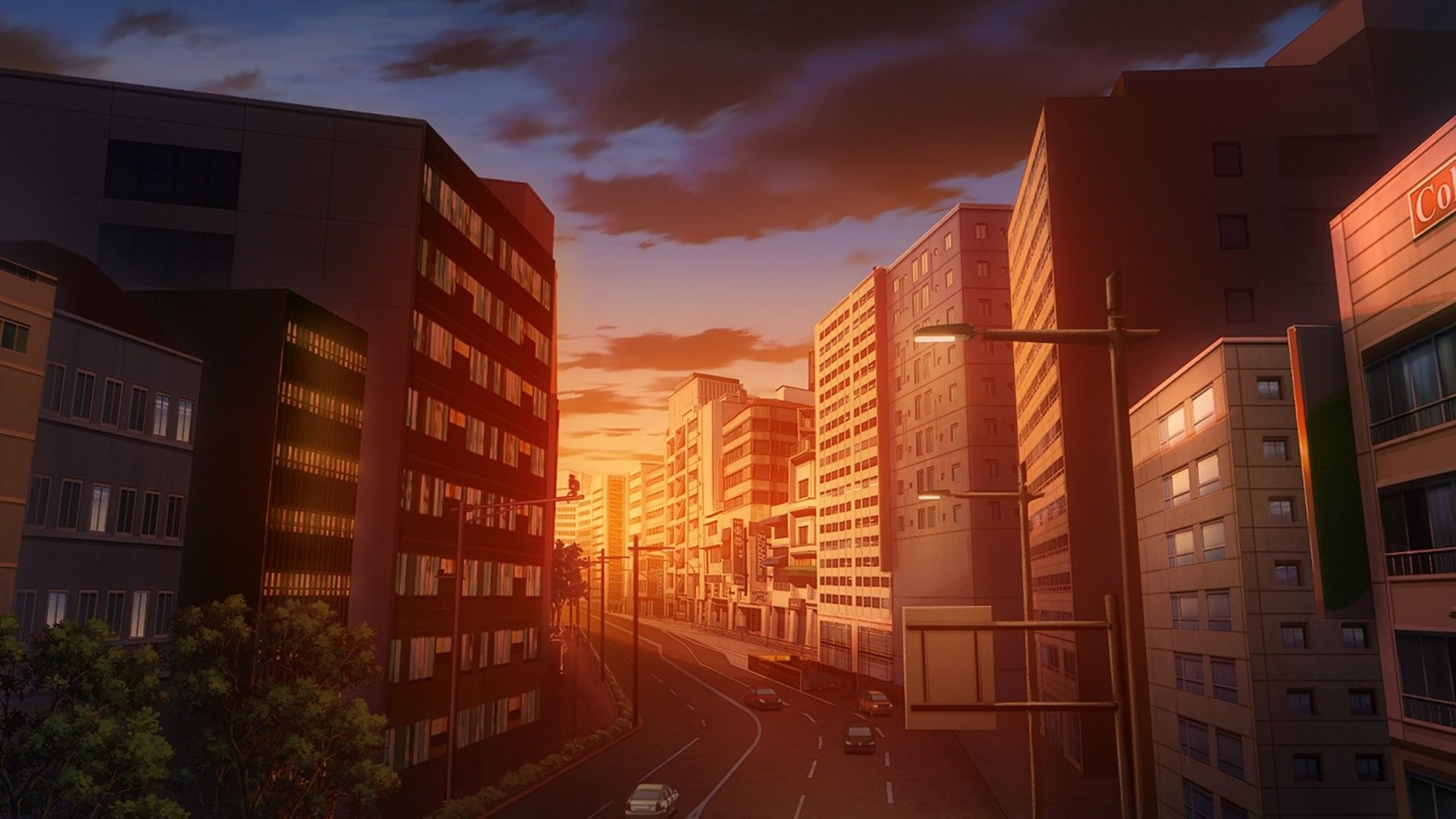
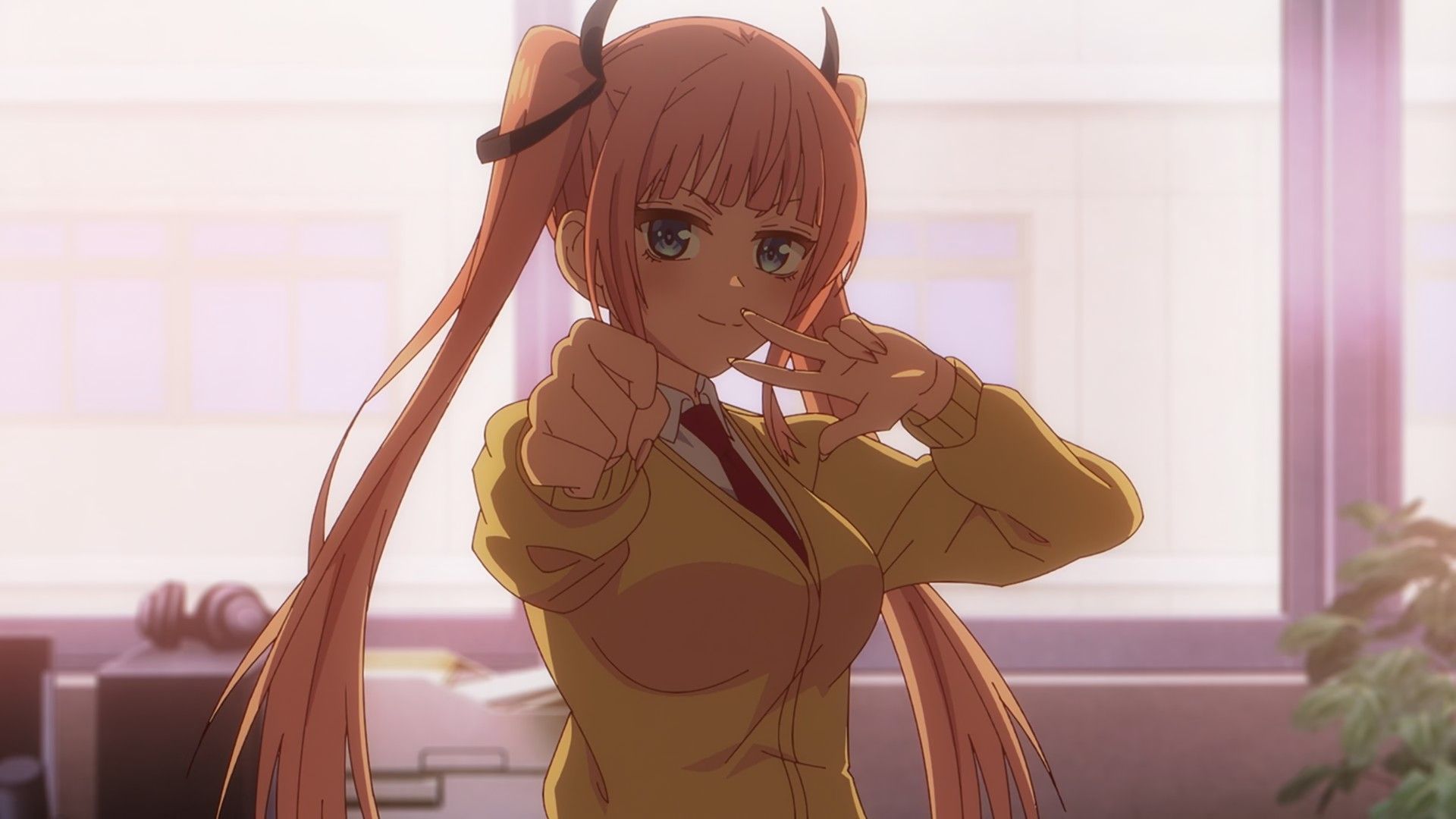
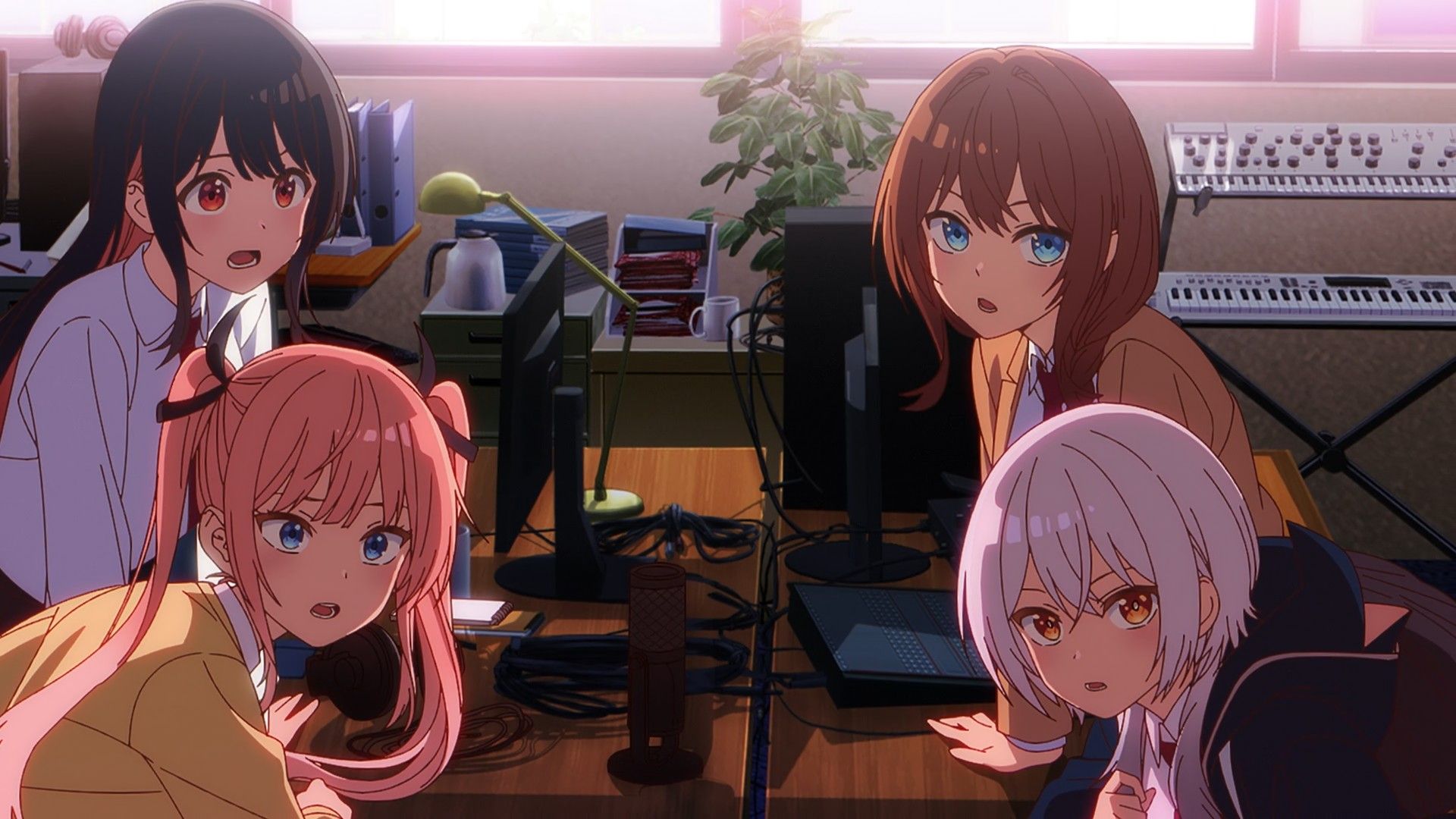
Visually, my feelings about Mayonaka Heart Tune are fairly mixed, though ultimately more positive than negative. I really liked the character designs themselves. The girls look clearly distinct from one another and are easy to remember. In still shots, they can look genuinely very pretty. I also liked the overall aesthetic and the way some scenes were lit, especially when the series allowed itself to lean into moodier framing.
At the same time, it is hard to pretend the production did not have its share of issues. Many scenes were simplified, there were moments when the characters went off-model, and the animation itself was hardly impressive. None of this completely ruined my enjoyment, but it was definitely noticeable. All the more so because this is a series built so heavily around emotion, expression, and performance. That is exactly why, at times, I felt a slight sense of dissatisfaction when the visuals failed to keep up with what was happening in the story and between the characters.
Audio
Mayonaka Heart Tune does not use voice work as mere decoration. The entire premise rests on the fact that the only real clue leading Yamabuki Arisu to Apollo is her voice. The four main heroines all dream of careers connected to it.
The seiyuu performances and sound direction had to be handled with unusual care. The series needed to capture the differences between a private voice, a stage voice, a radio voice, a streaming voice, an acting voice, and a singing voice — between what the heroines show the world and what they truly feel.
The voice cast is very well chosen here. Yamabuki Arisu is played by Yasuda Rikuya, Inohana Rikka by Seto Momoko, Himekawa Nene by Ookubo Rumi, Kirino Iko by Suzushiro Sayumi, Uzuki Shinobu by Itou Miku, Ando Lemon by Hanazawa Kana, Aiko by Wakai Yuuki, and Momotose Ao by Touyama Nao. With such an experienced and reliable lineup, it would have been very easy to turn the heroines into a set of simple archetypes. The creators did not stop there, though. Instead, each girl was given her own rhythm of speech and her own kind of expressiveness. That matters especially because the series keeps returning to the question of what a person’s true voice actually sounds like.
The sound direction deserves separate praise. In practice, you can really feel that the dialogue and performances were not treated as a routine technical layer. They were one of the most important parts of the storytelling. After all, Mayonaka Heart Tune is a series about people trying to reach others through their voices. If the seiyuu had failed to carry those nuances, the whole thing would have lost a lot of its meaning, even if it had still been technically and theatrically good. Fortunately, they carried it — and with a great deal of sensitivity.
Mayonaka Heart Tune (2026) – Plot and Characters
Introduction
Mayonaka Heart Tune is one of those series whose strength does not come solely from its basic premise, but above all from how quickly its characters begin to feel alive. The hook is very strong. Yamabuki Arisu transfers to a new school because he wants to find Apollo, the mysterious girl from a late-night broadcast who once meant something truly important to him. It would have been very easy to turn this into nothing more than a guessing game about which of the four heroines she is. Thankfully, the series quite quickly shows that it has more to offer. Instead of resting everything on the mystery alone, it builds a story about dreams, insecurities, talents, and how difficult it can be to truly stand in front of people and let them hear your own voice.
A Brief Overview of the Mayonaka Heart Tune (2026) Plot
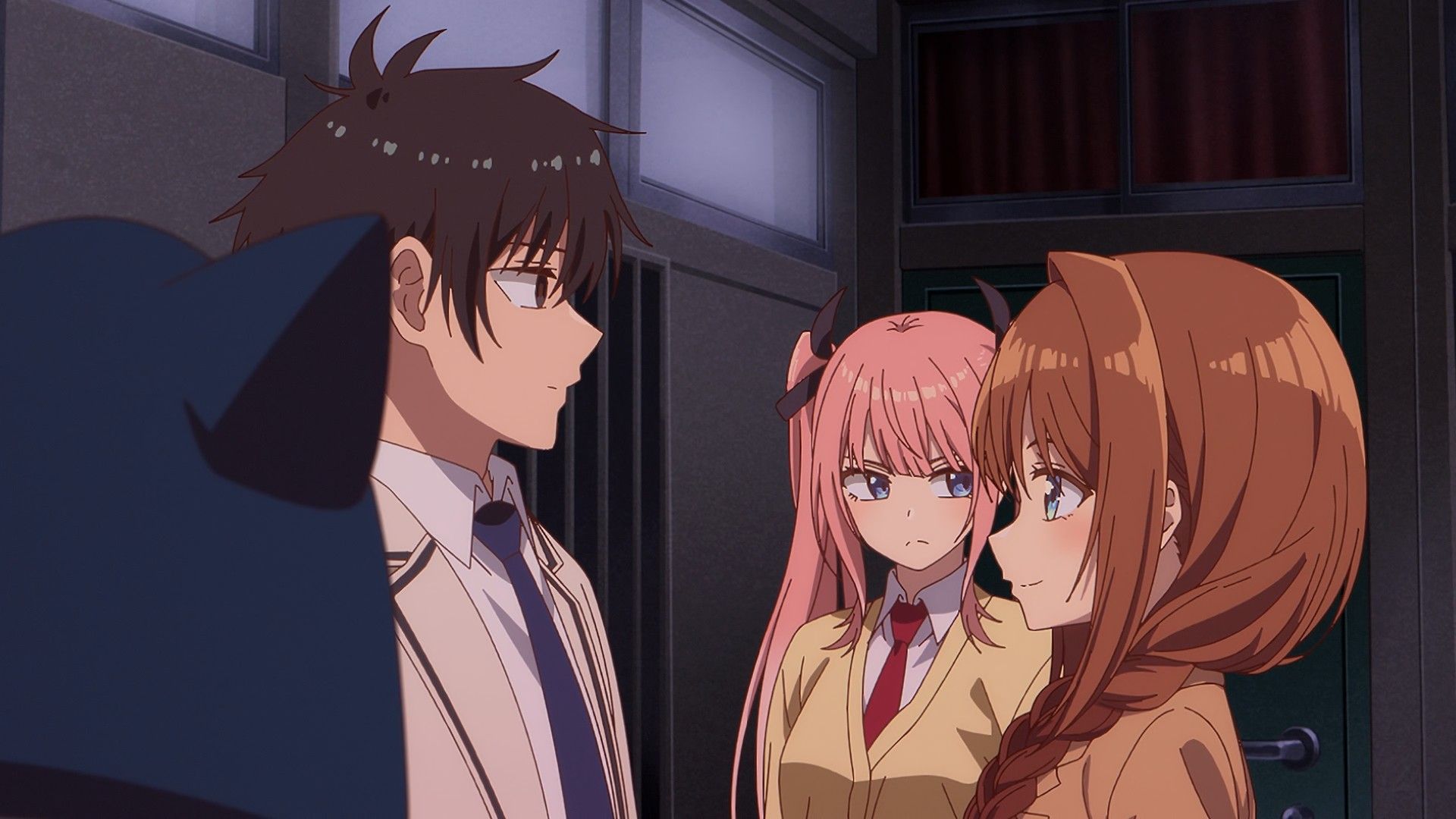
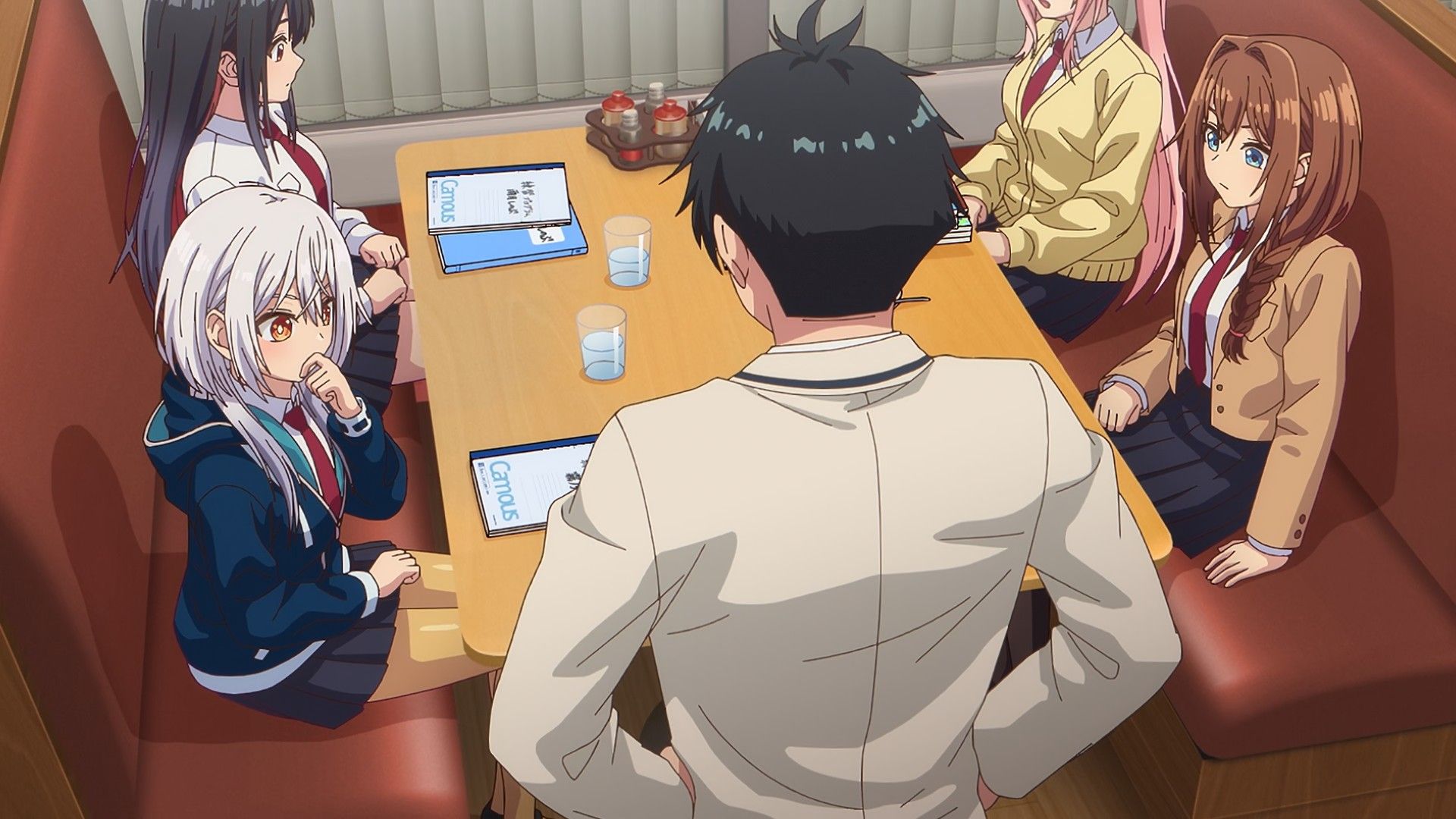
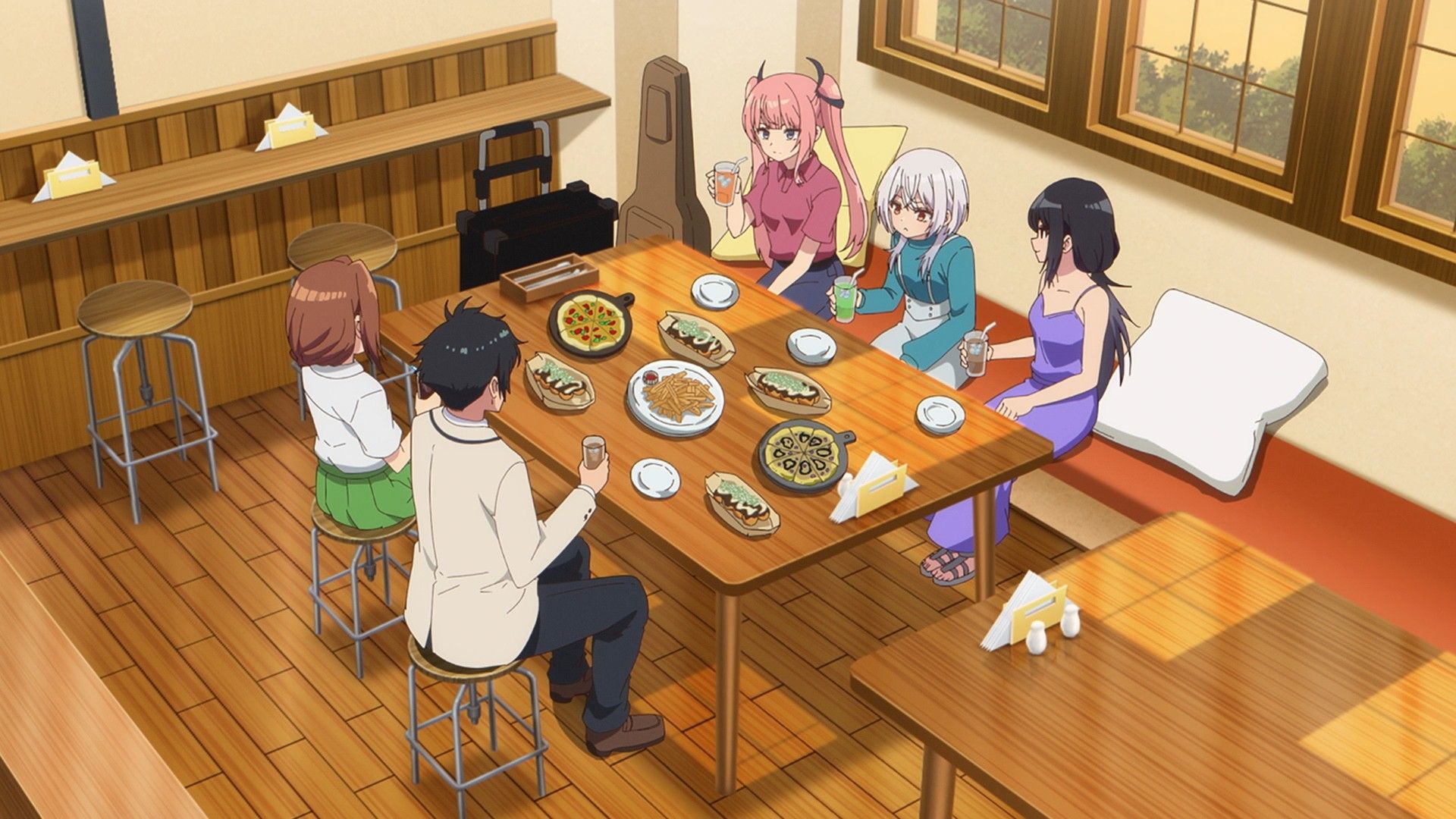
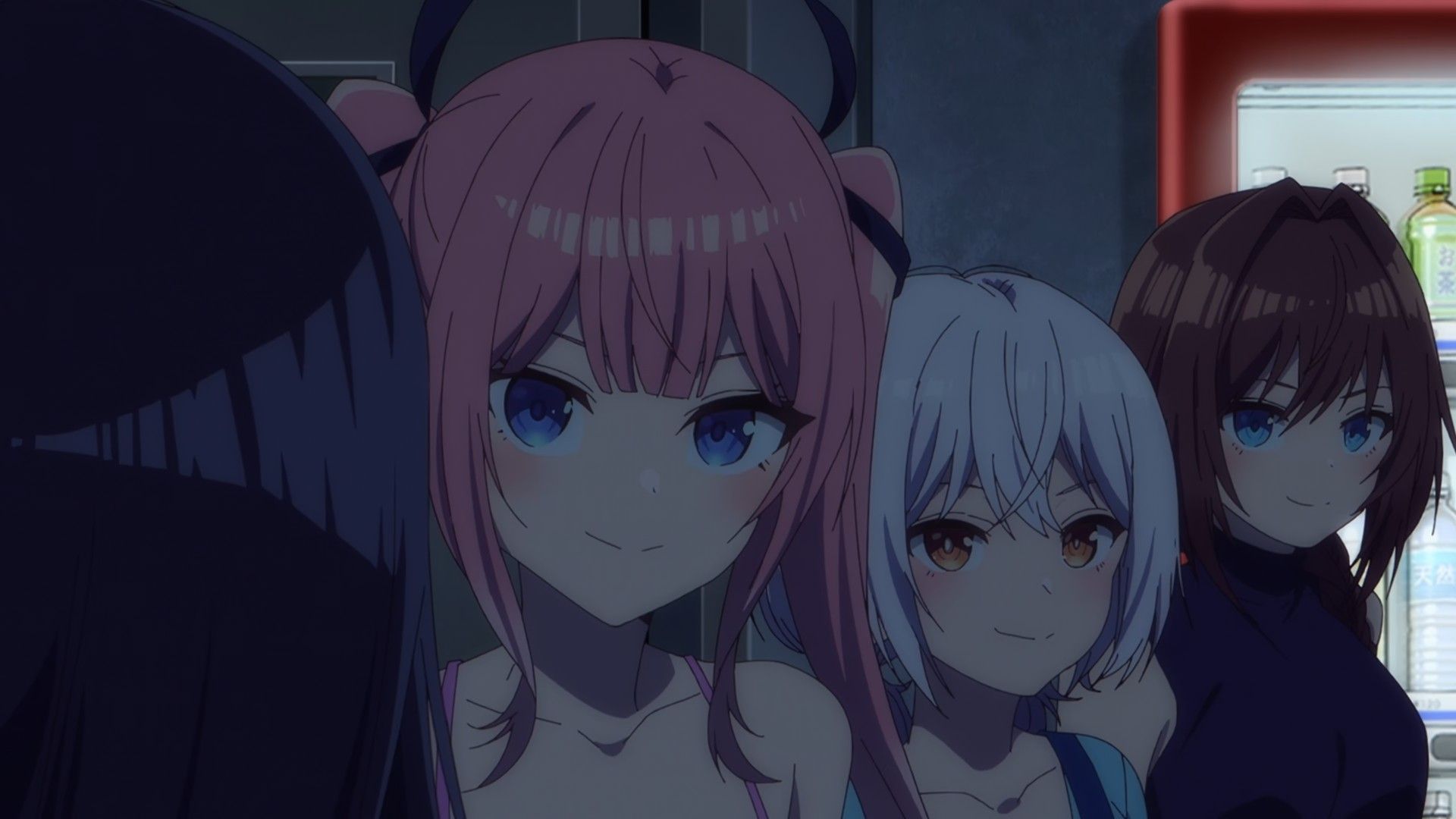
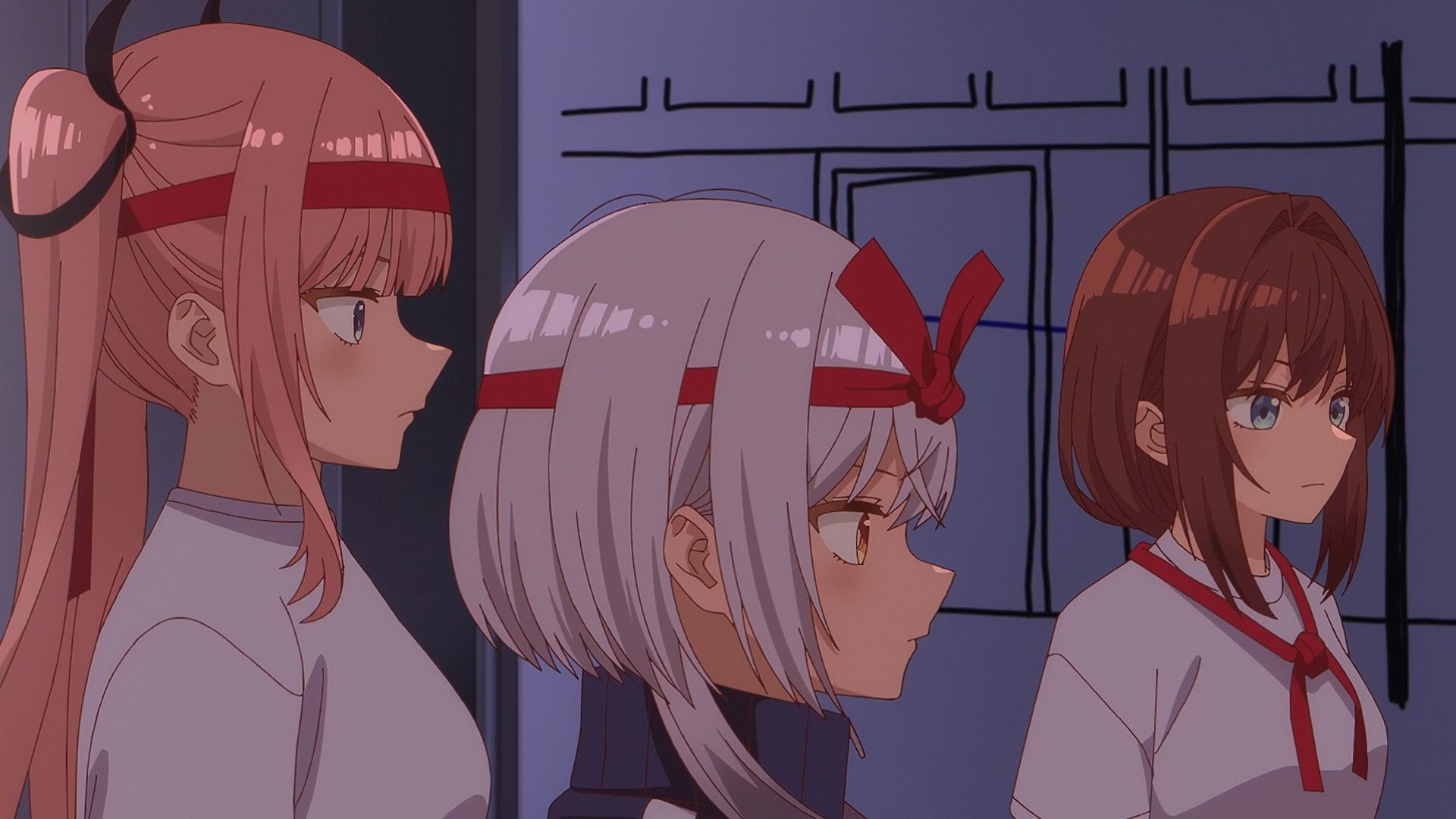
Before the story begins, Yamabuki Arisu spent a long time listening to a late-night broadcast hosted by Apollo. The girl suddenly disappeared, deleted the archives, and Arisu used his deductive skills to identify a place that might be connected to her. He ends up at Furin High and soon discovers the radio club, where Uzuki Shinobu, Himekawa Nene, Kirino Iko, and Inohana Rikka are active. The problem is that, because of the way Apollo sounded in the old recordings, each of them seems to him as if she could be the same person by voice. What is more, all four girls have tied their futures to voice work. From that point on, Arisu appoints himself their producer and promises to bring them up to a professional level.
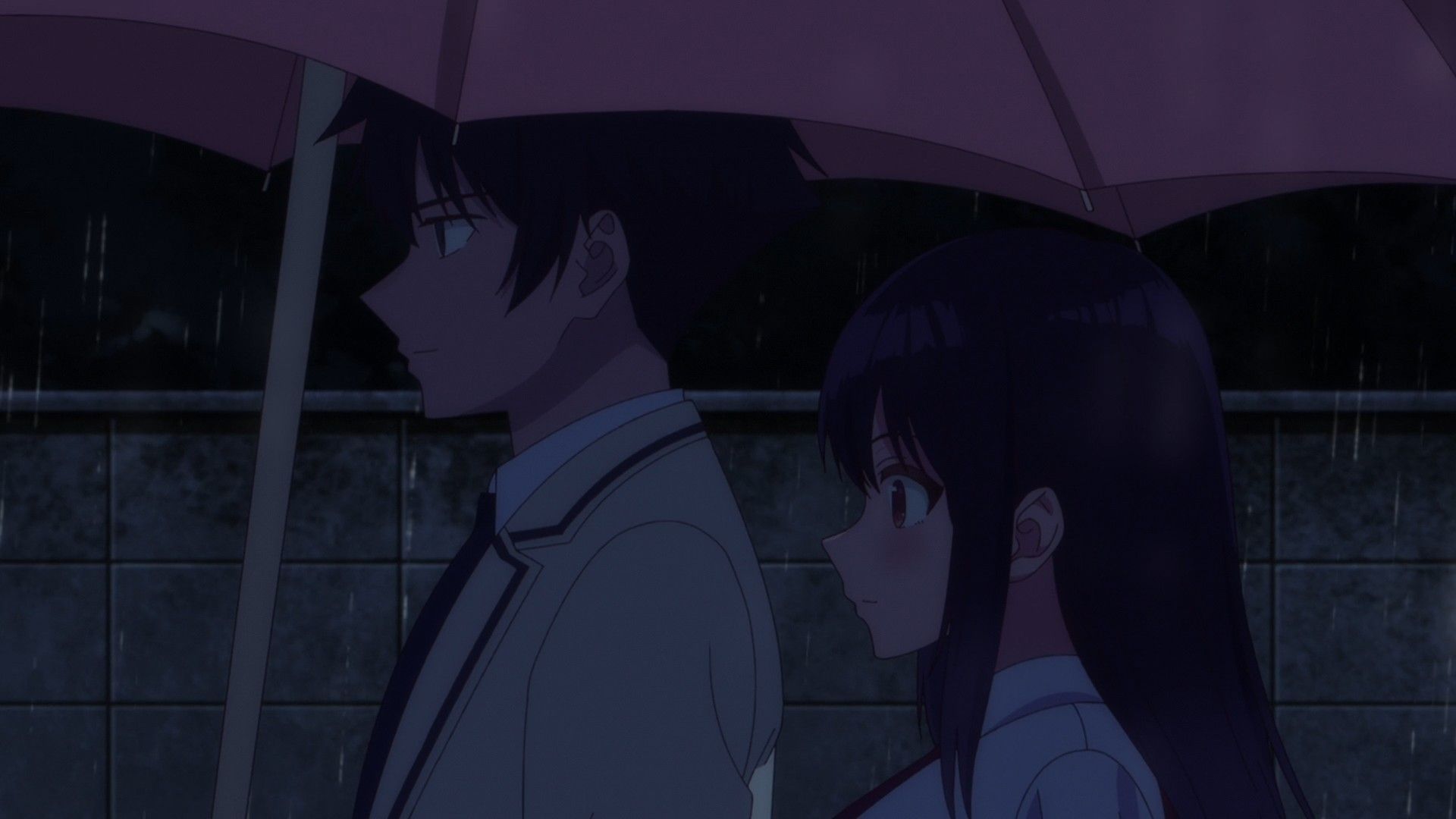
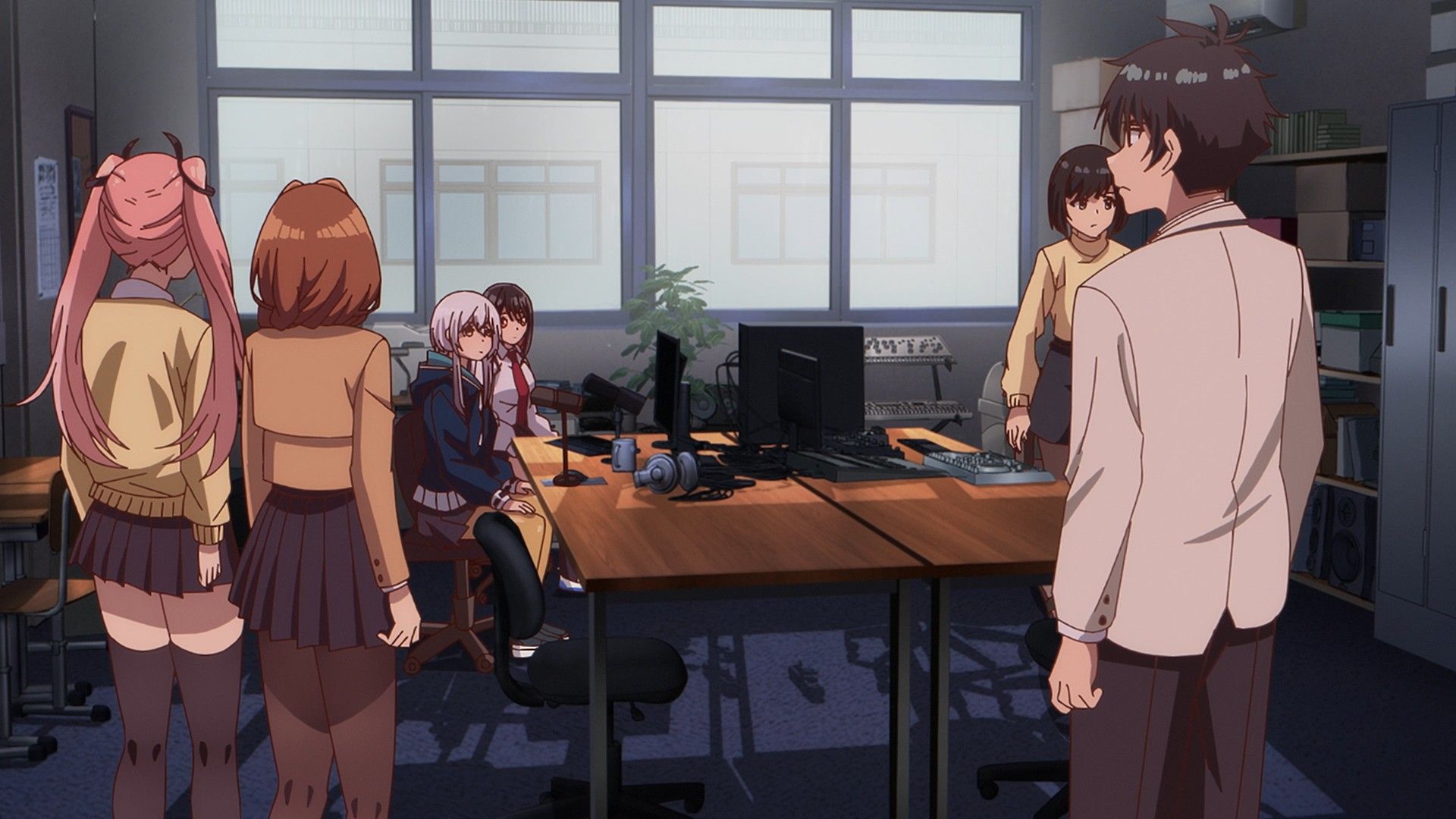
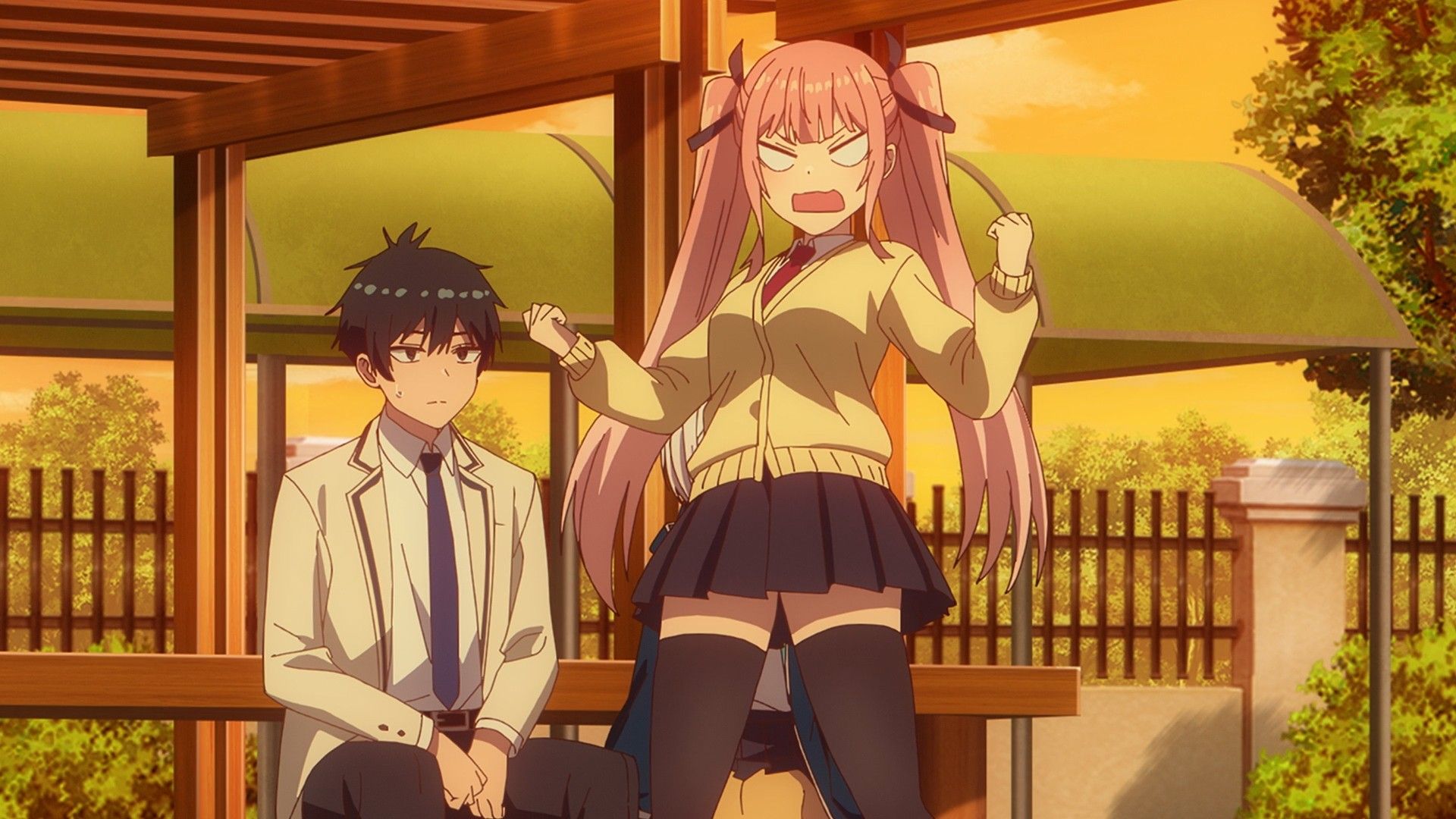
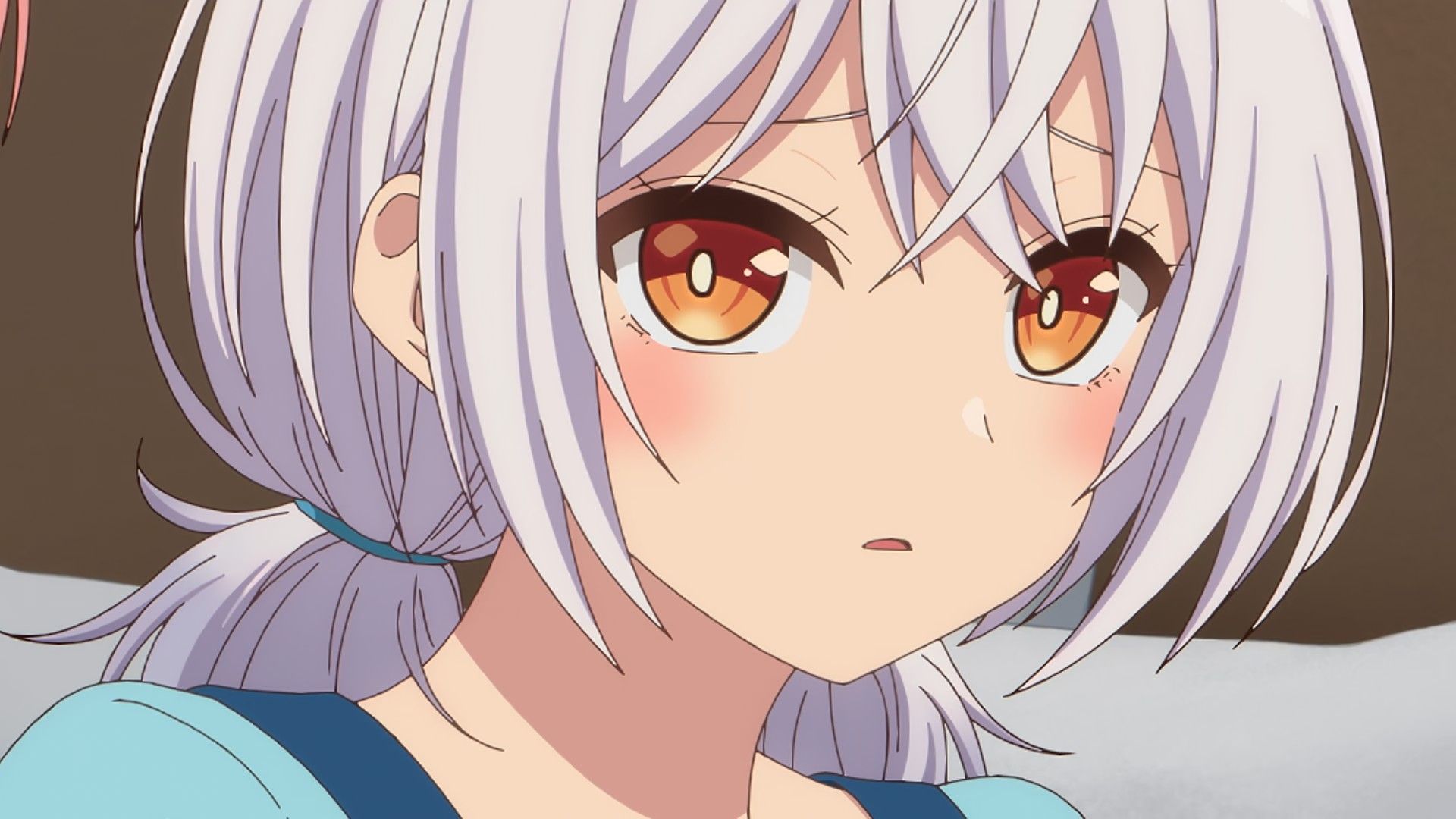

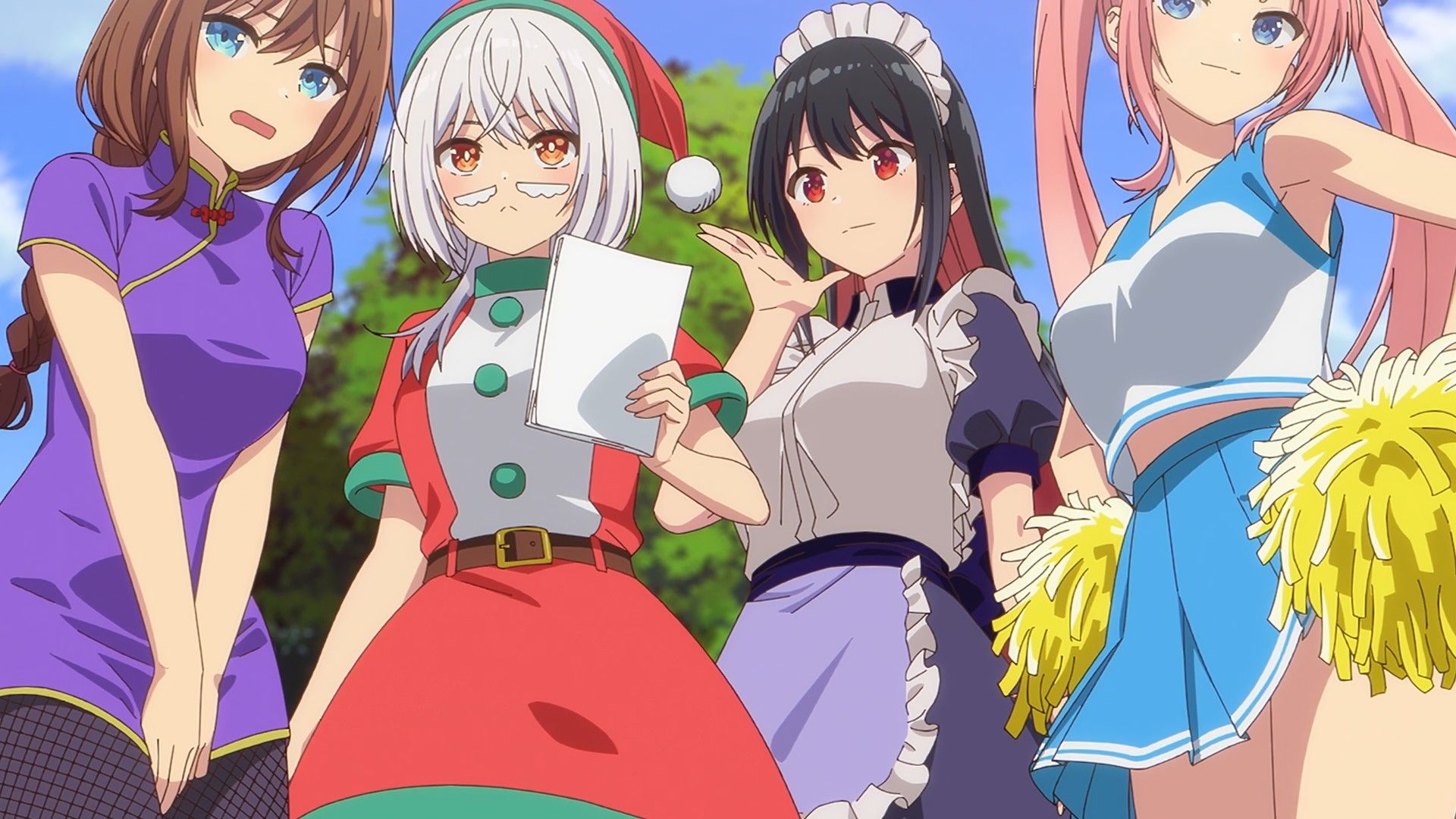
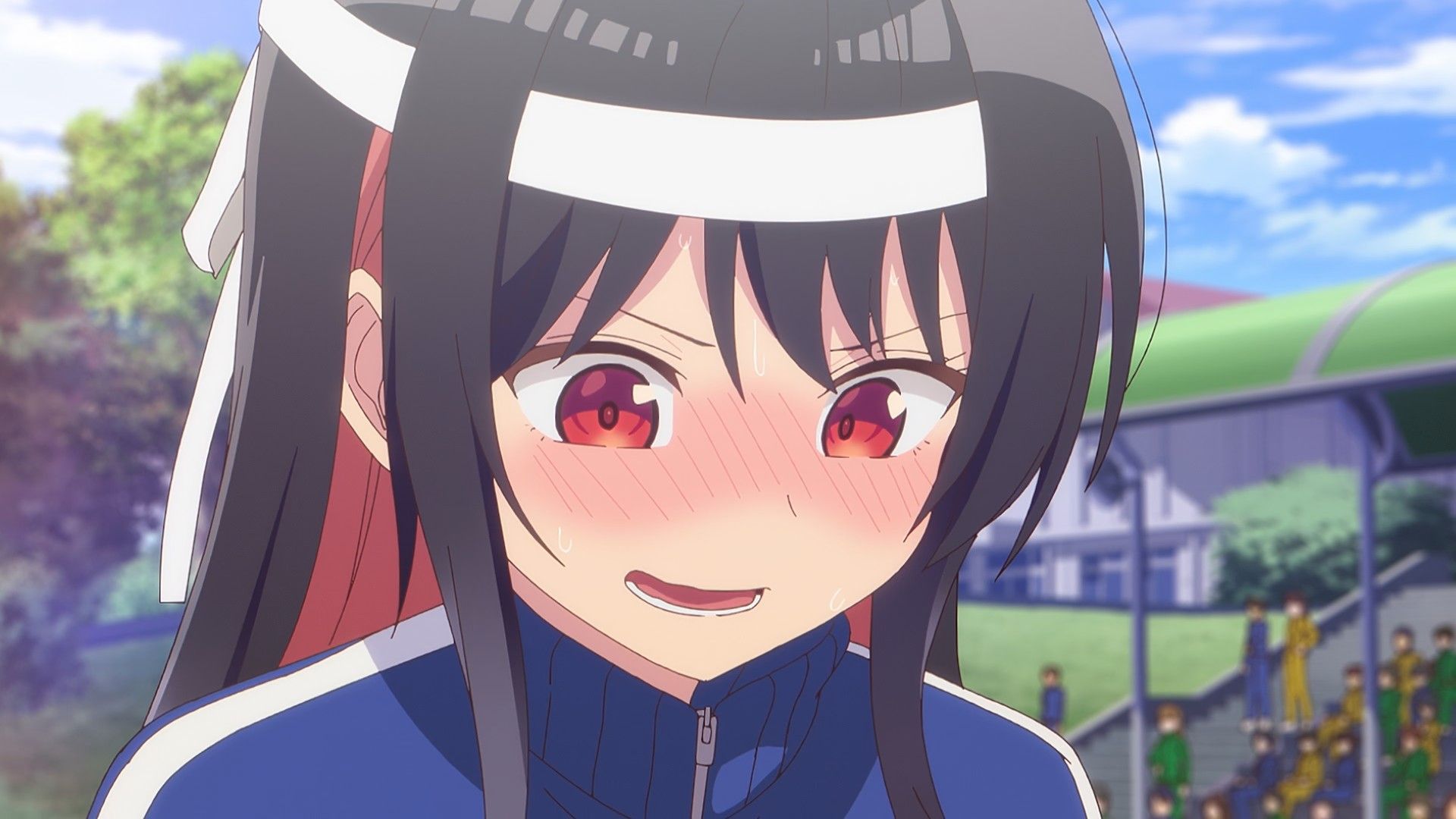
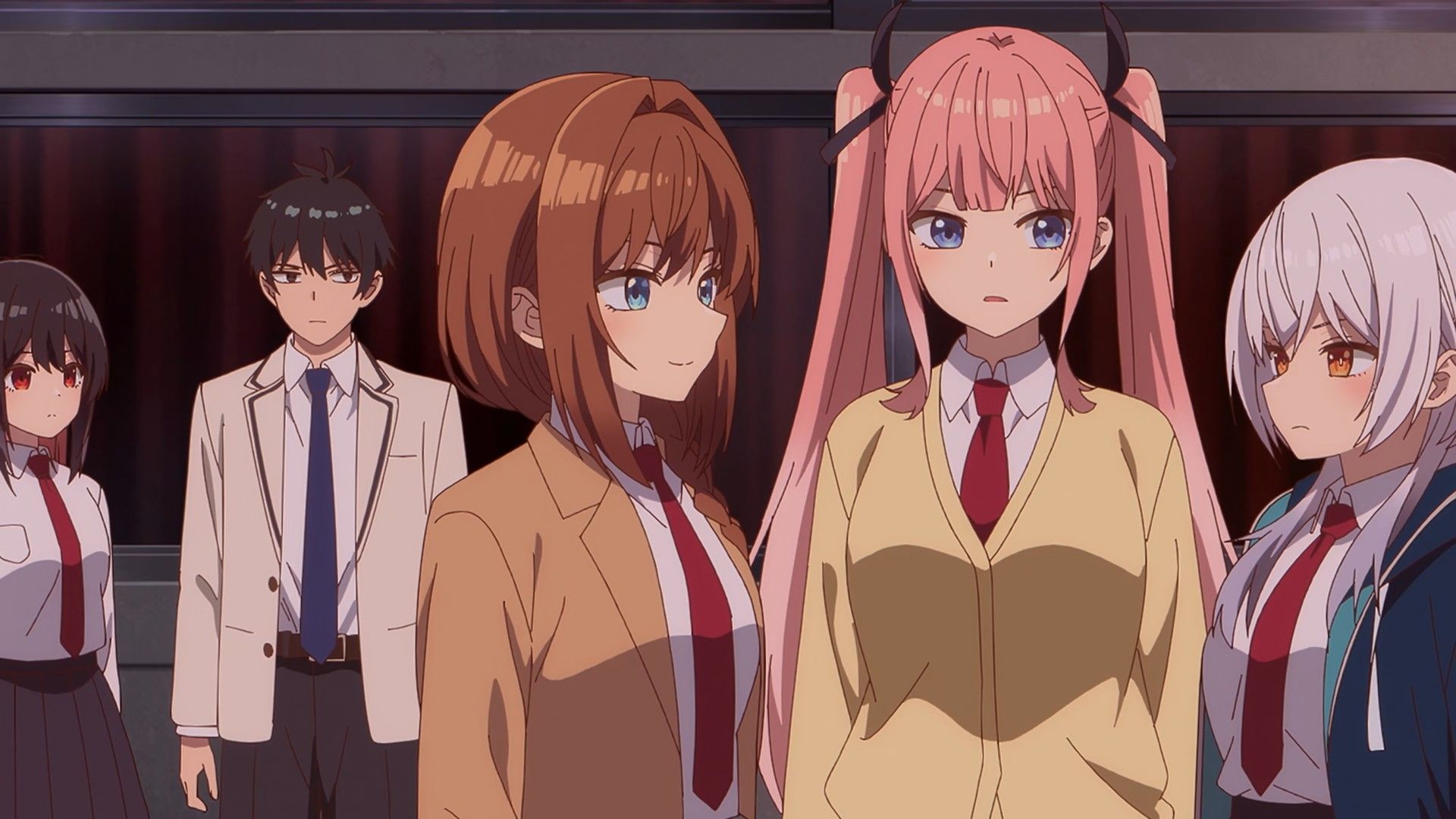
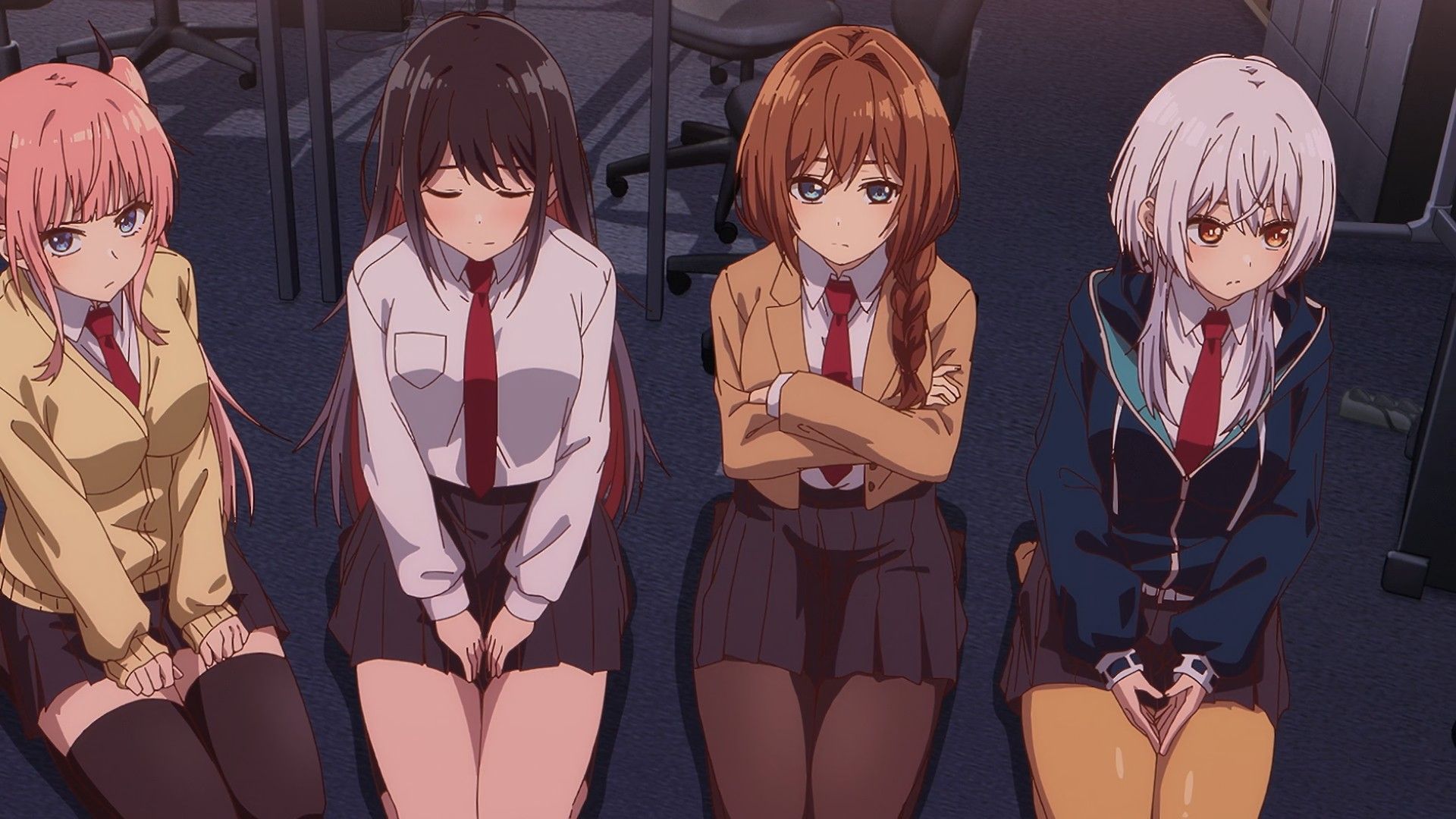
From there, the story is based less on the search for an answer itself and more on helping the heroines overcome one barrier after another. Himekawa Nene faces acting and the lack of life experience she needs to perform romantic scenes. Kirino Iko tries to break through as a VTuber and find a genuine way to express herself in front of a camera. Uzuki Shinobu struggles with the feeling that, compared with the other girls’ more vivid dreams, she herself is only the responsible, well-organized one. Inohana Rikka, meanwhile, carries a creative trauma within her and is terrified of presenting her own songs to other people. By the end, the bonds within the club have grown much stronger, but Apollo’s identity still remains a mystery.
What is the series about
For me, the greatest strength of Mayonaka Heart Tune is how naturally the series shifts its center of gravity. At first, it seems as though the most important question will be which of them is Apollo? Over time, however, it becomes increasingly clear that the far more important question is how can this group of four be helped to reach the place they dream of? The romantic tension here is not merely a function of a stock setup. It comes from time spent together, from watching each heroine’s weaknesses, and from the fact that Arisu begins to enter their lives very deeply.
Slow-Burn Feelings and Facing Fears
The following episodes introduce and develop the subplot of a second, supporting couple. Summer exams are approaching, and during group study sessions in the library, Yamada Kentarou enters the picture. This energetic extrovert decides to get closer to the painfully shy Nishi Natsumi. Using the excuse of creating a group chat, he manages to get her contact details. Nishi struggles with racing thoughts and feels a paralyzing fear of ruining the mood. Yamada, however, does not give up easily and uses her hobby as a pretext for a brief conversation.
The way the heroines’ dreams are grounded also works very well. These are not abstract declarations about fame, but specific paths: seiyuu work, VTubing, singing, hosting programs, and voice work in the broadest sense. Iko’s arc touches on reach, streaming, and building an image in front of viewers. Nene’s arc shows that talent alone is not always enough if you cannot draw out genuine emotions. Rikka faces the fear of showing her own creations, while Shinobu struggles with the feeling that she is not nearly as special as everyone around her assumes.
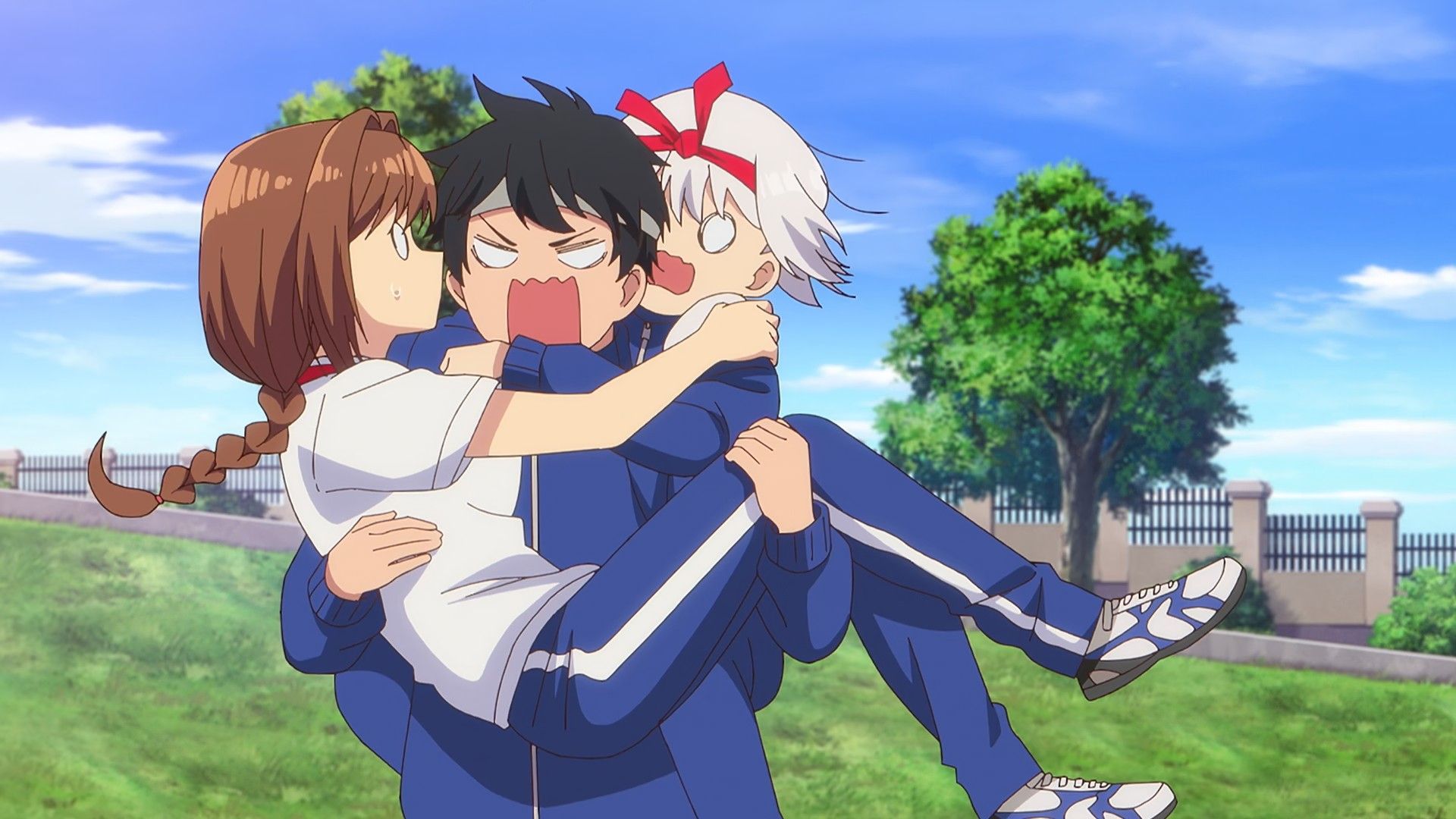
I also count the dynamics between the girls as a major plus. Even though all of them, in a sense, become rivals, their relationships never feel like empty decoration. Uzuki Shinobu keeps the club together, Himekawa Nene fiercely protects that space from intrusion, and when Inohana Rikka finally has to sing something of her own, the rest of the group genuinely supports her. The series does not forget that even with romantic tension in the air, the heroines can be real support for one another. That matters, because it is exactly what makes the radio club feel like more than just an excuse for more scenes with Arisu.
Not Just the Heroines
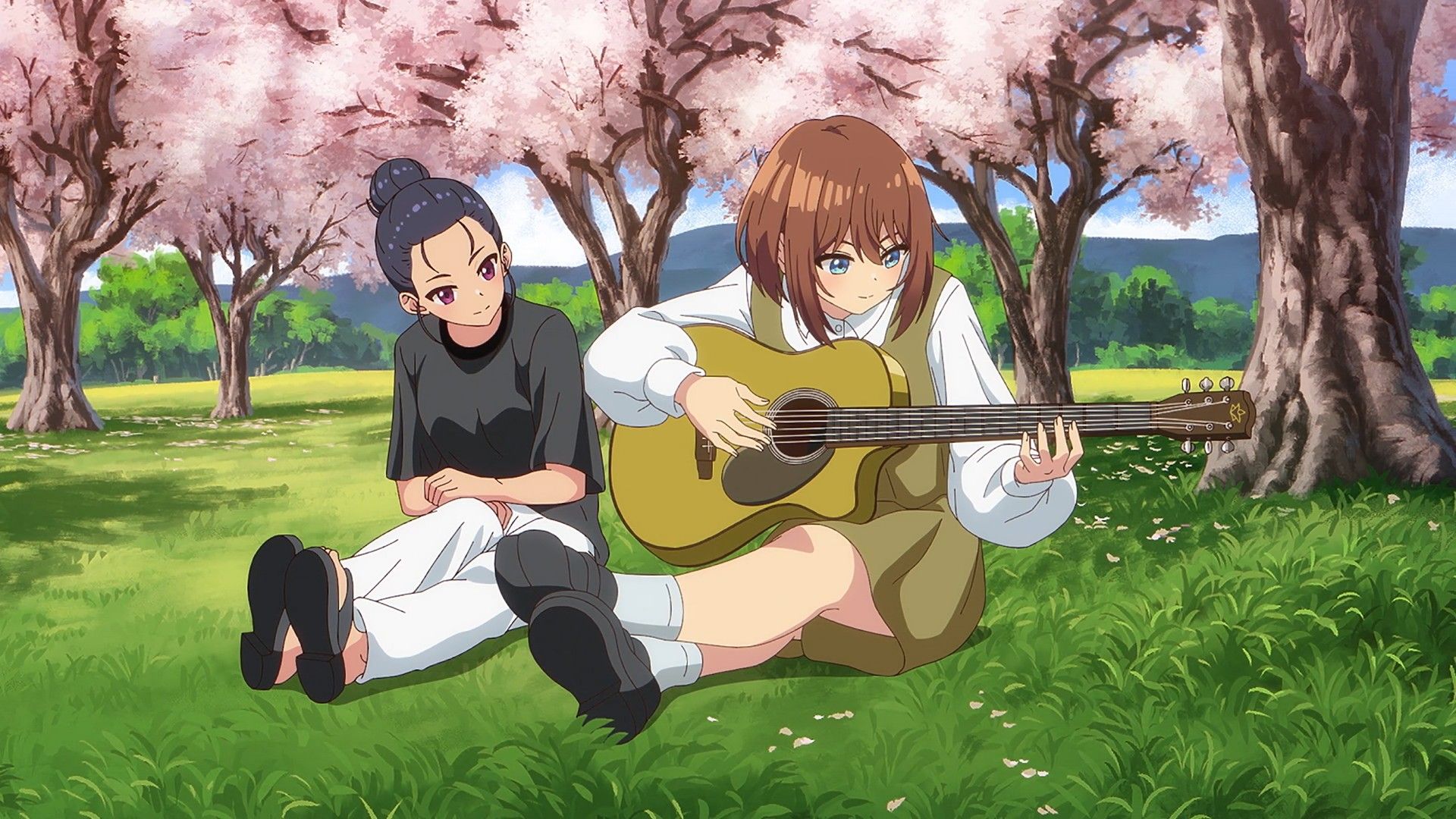
There is also no point pretending otherwise — Arisu himself does a tremendous amount of work here. He is a very specific kind of protagonist, but that is exactly why he comes across so well. His methods can be shameless, excessive, and sometimes downright absurd, yet there is almost always some logic behind them. When necessary, he learns to play guitar; when necessary, he tweaks a Live2D model; when necessary, he engineers a situation meant to draw real emotions out of someone. In all of this, he is part dictator, part eccentric, and part someone who simply refuses to let these girls stand still.
I also liked how strongly the series relies on the masks the heroines hide behind. It is a somewhat classic split between tatemae and honne, but presented in a very accessible way. Nene hides her insecurity behind aggression and tsundere reactions. Iko hides behind an on-screen persona. Rikka shelters behind covers because she does not want to expose her inner self. Shinobu, meanwhile, remains trapped in the role of the ideal, composed, and always dependable one. In practice, Arisu does everything he can to strip those layers away from them one by one. Thanks to that, the character development does not boil down to a simple “follow your dream,” but carries real emotional weight.
Characters
Yamabuki Arisu
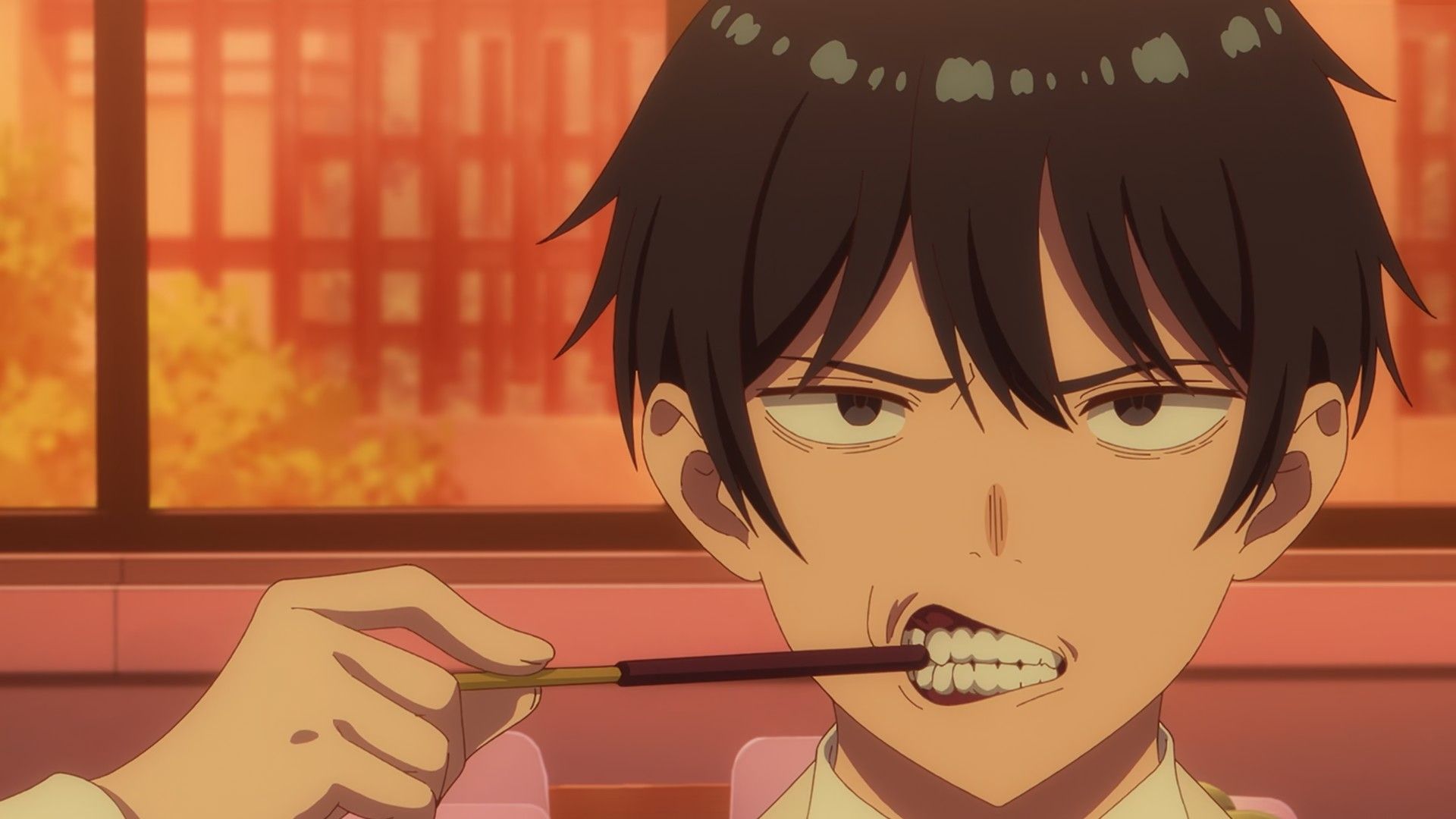
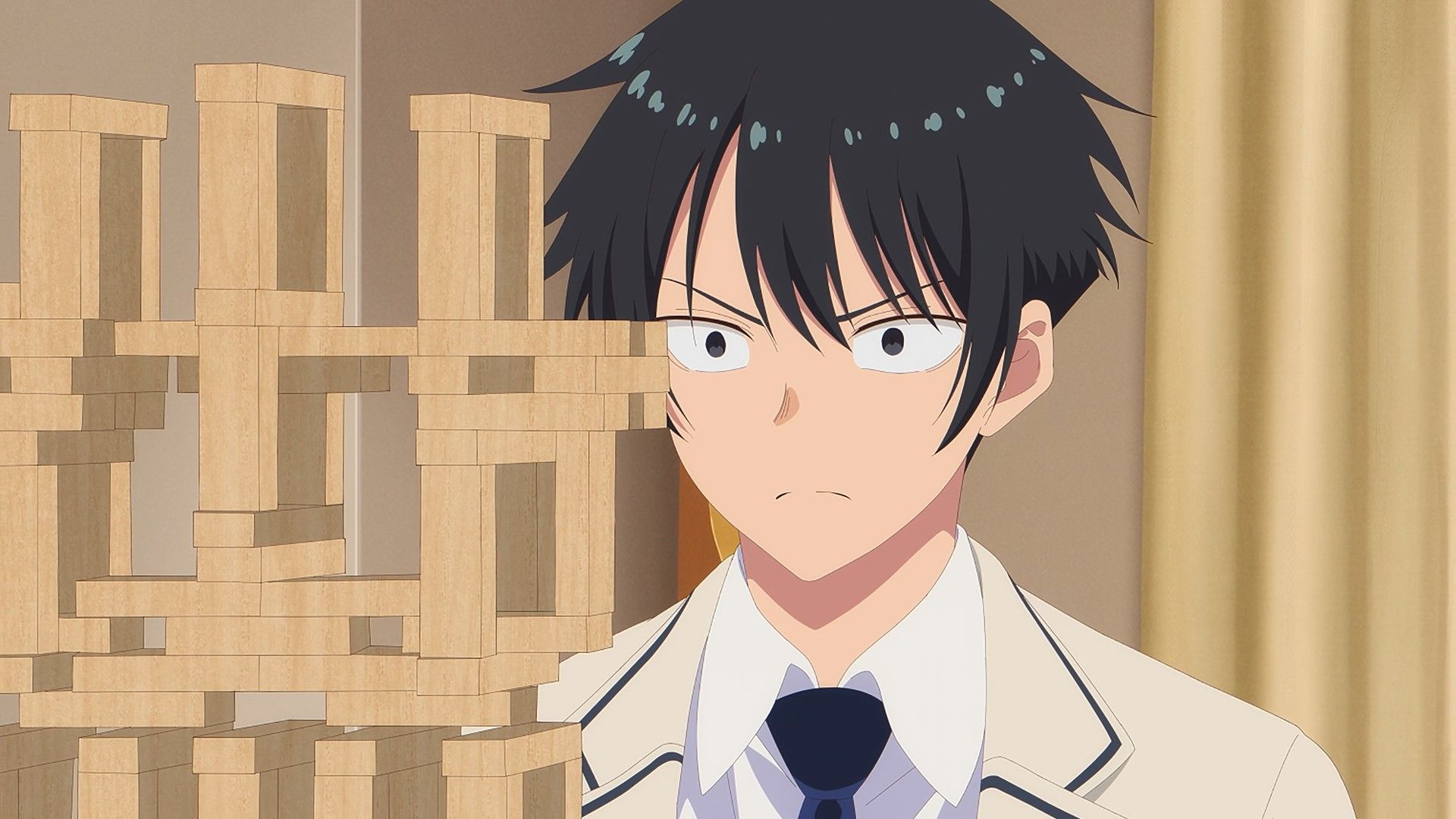
Without question, the heart of the entire puzzle. On the one hand, he is a perfectionist with an enormous ego, a boy convinced of his own exceptional nature, tossing around family principles and sometimes acting as if he existed half a step outside the normal world. On the other hand, it is hard not to appreciate how seriously he treats the promise he made to Apollo. He does not try to force out the truth or take shortcuts; instead, he decides that he first has to prove his worth through his actions. In similar series, the male lead is very often merely the center of the setup. Here, Arisu genuinely works for that status. He is funny, a little irritating, and simply satisfying to watch because he is always doing something. Even his blindness to the girls’ budding feelings is consistent with how he sees his own role. He genuinely treats most of that tension as part of a producer’s work.
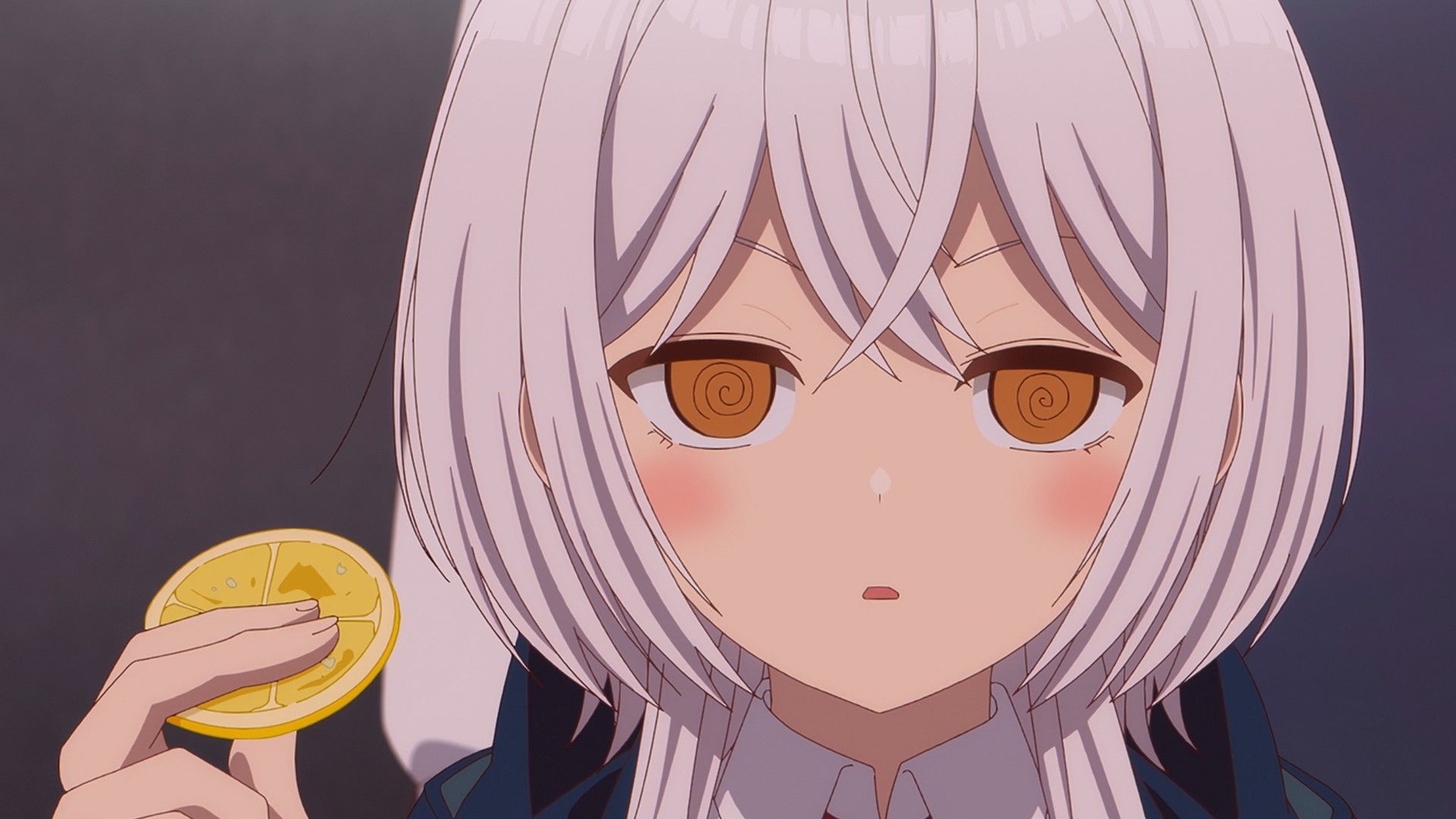
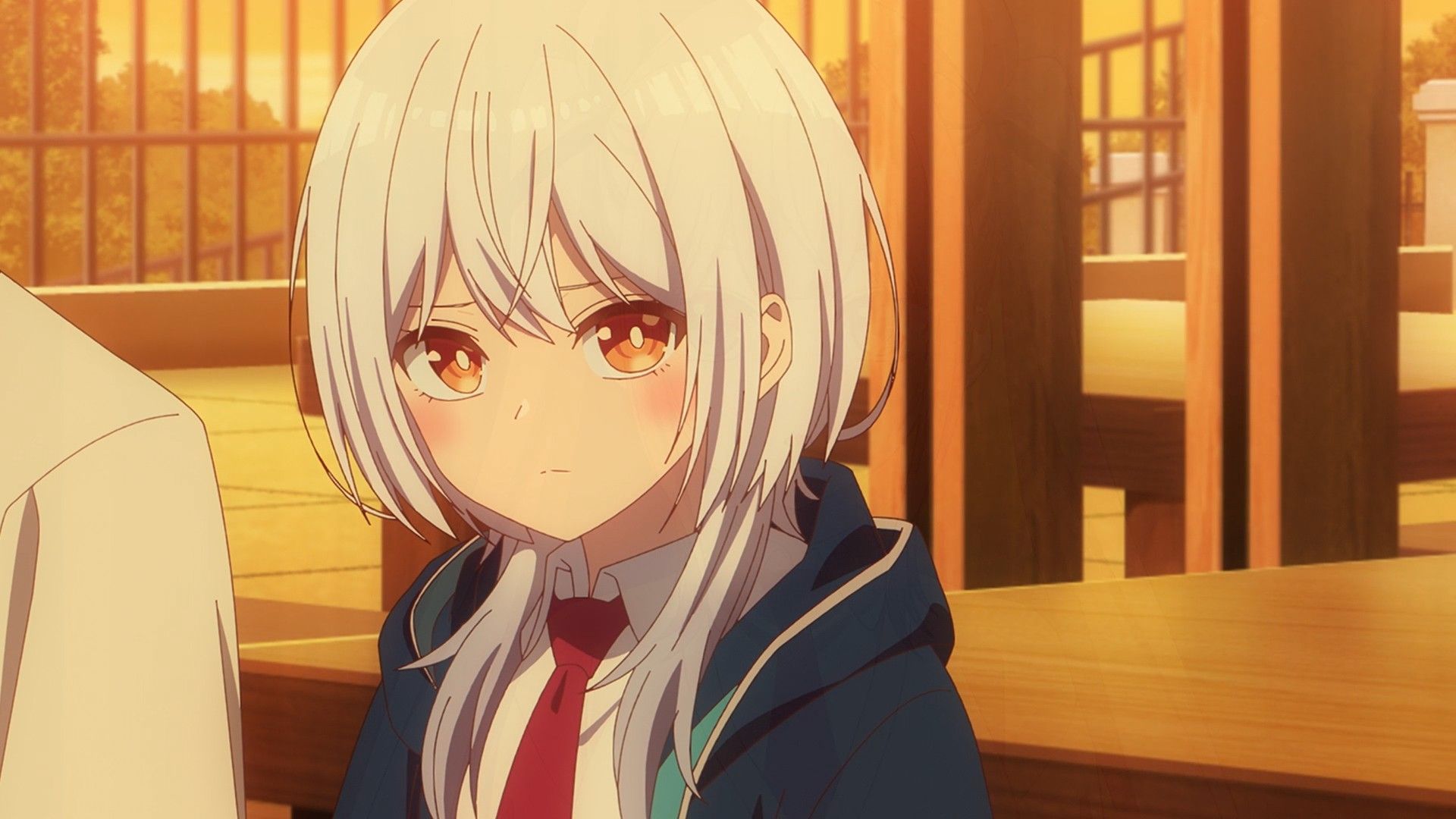
Uzuki Shinobu
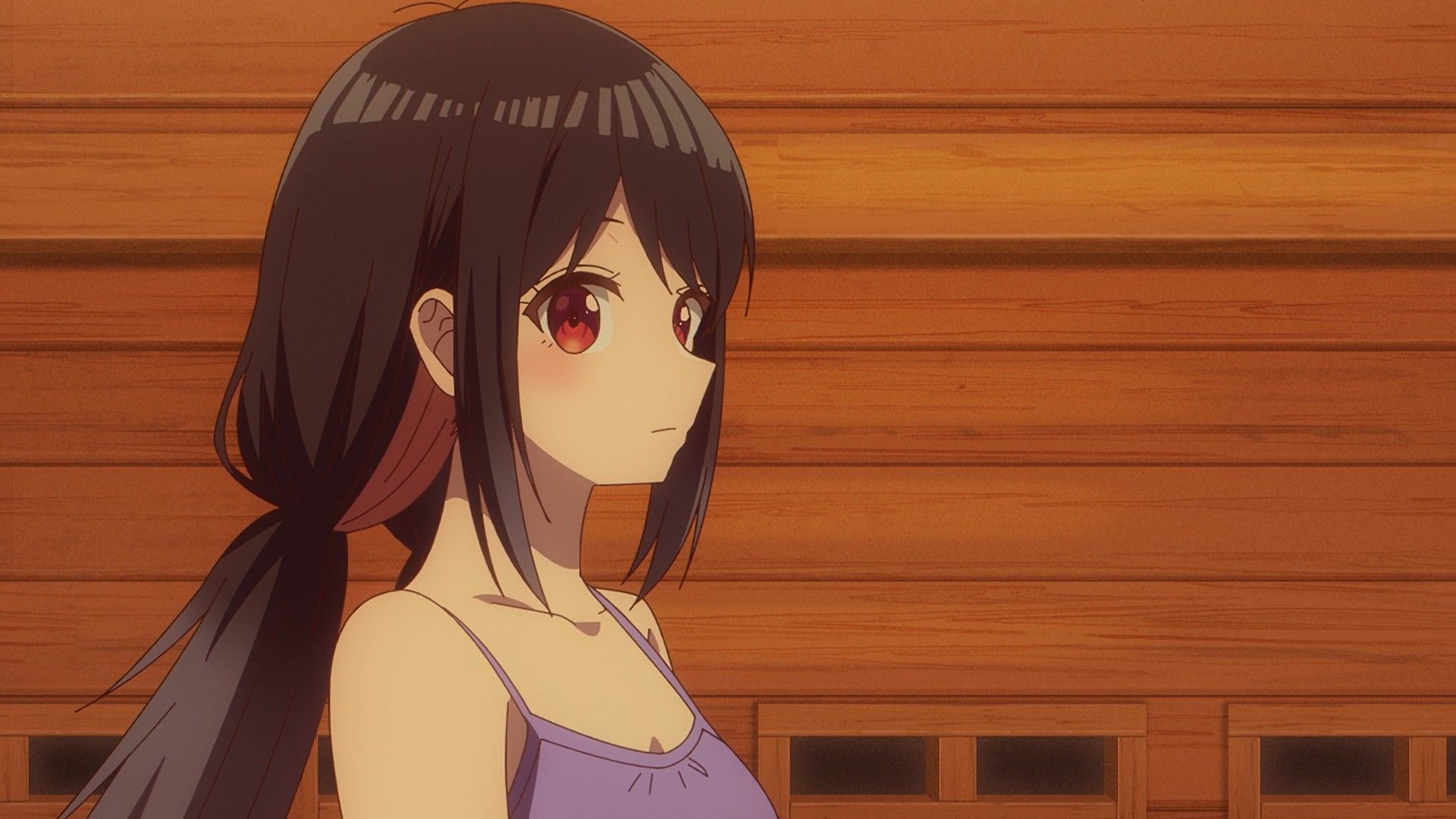
Probably the most subtle of the main heroines, but by no means the least interesting. At first glance, she fits the archetype of the yamato nadeshiko and the perfect student. She is polite, intelligent, beautiful, responsible, and essentially serves as the glue holding this rather chaotic group together. That is precisely why what she is hiding underneath works so well. Shinobu does not suffer because of some spectacular trauma, but because of a very ordinary — and therefore rather painful — sense of mediocrity. She sees three girls around her with clear talents and dreams. She starts to think of herself as someone who, at most, can clean up after others. The way her feelings come out in half-words and gestures hits surprisingly hard because of that.
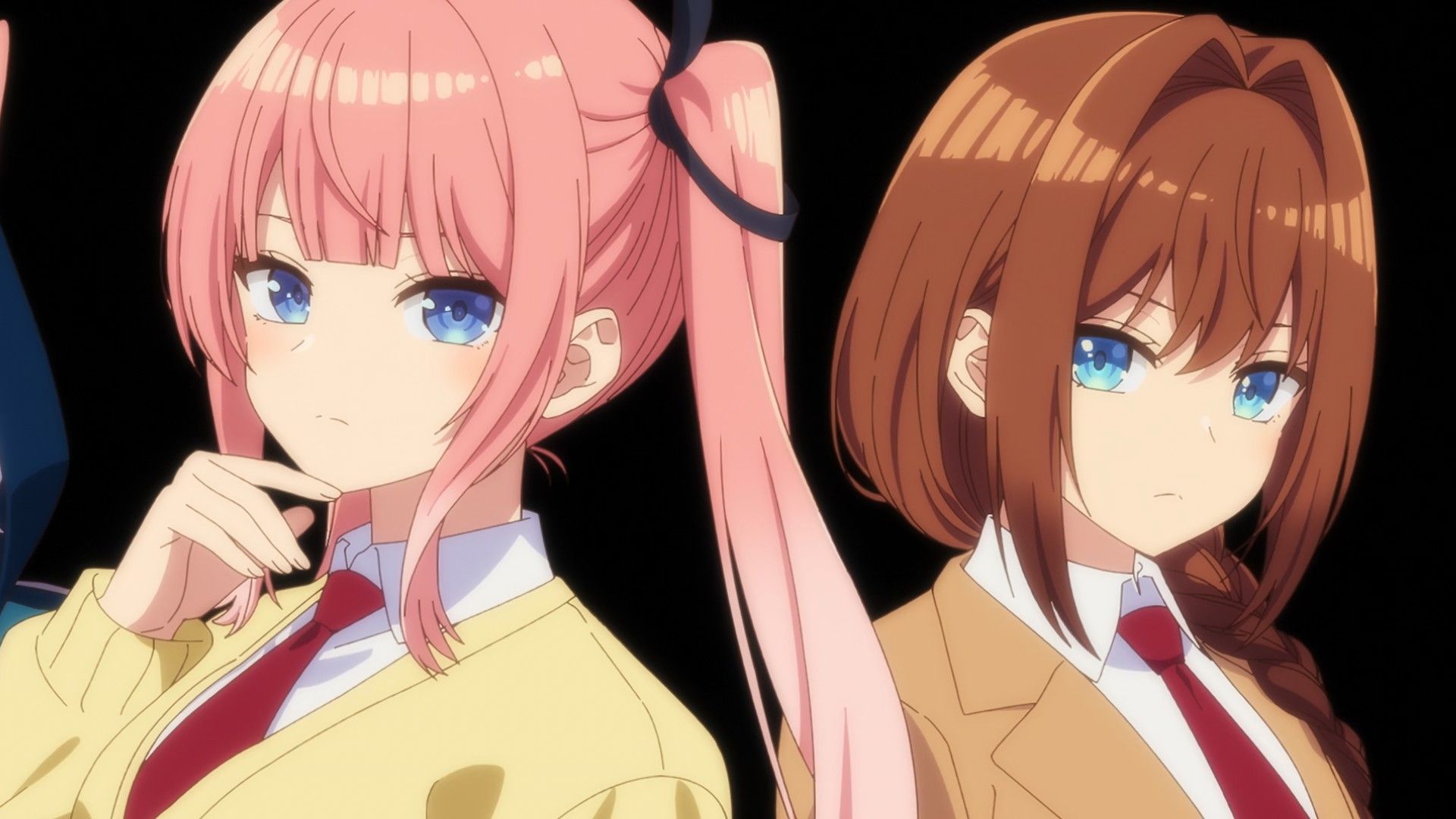
Himekawa Nene
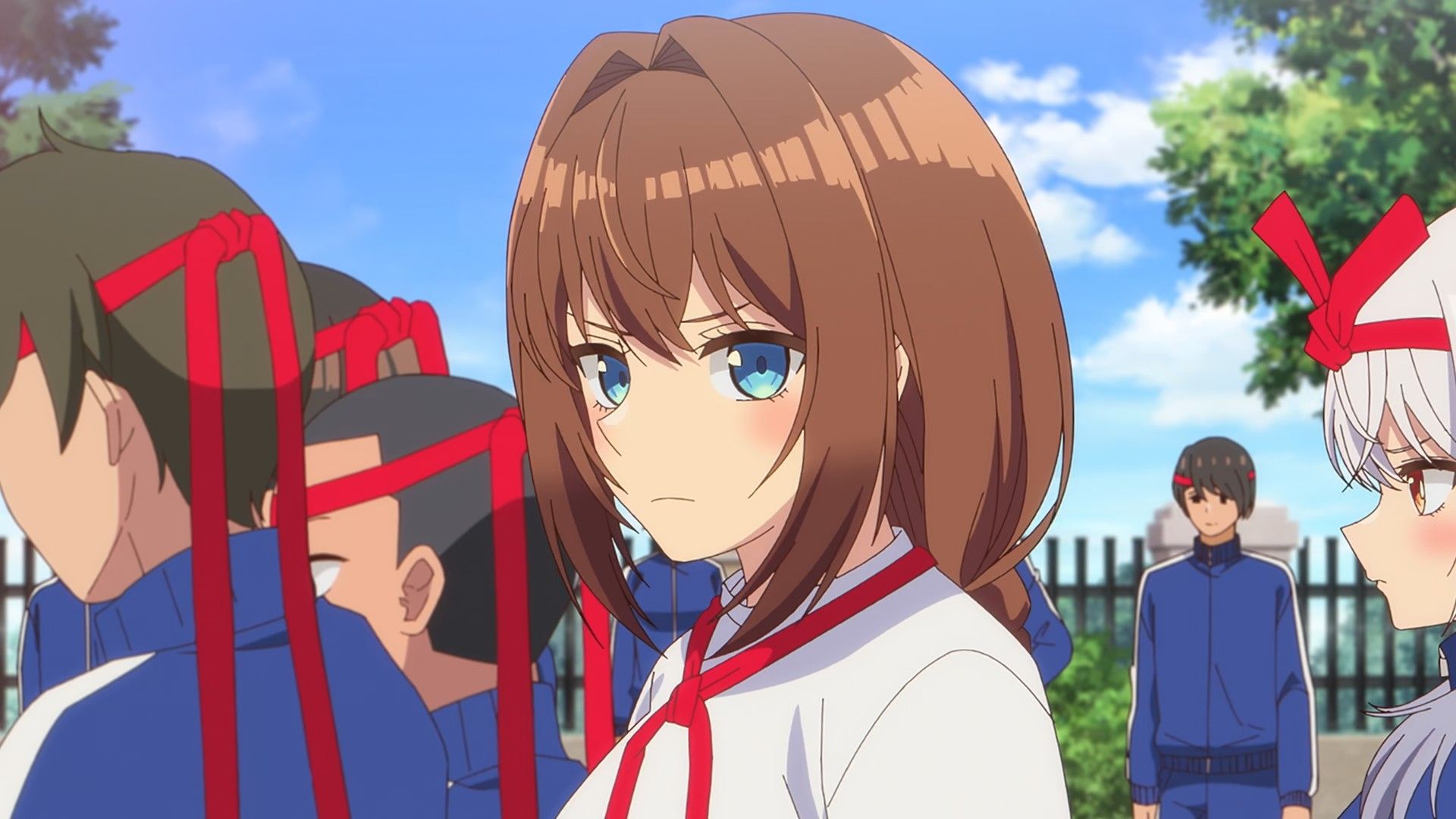
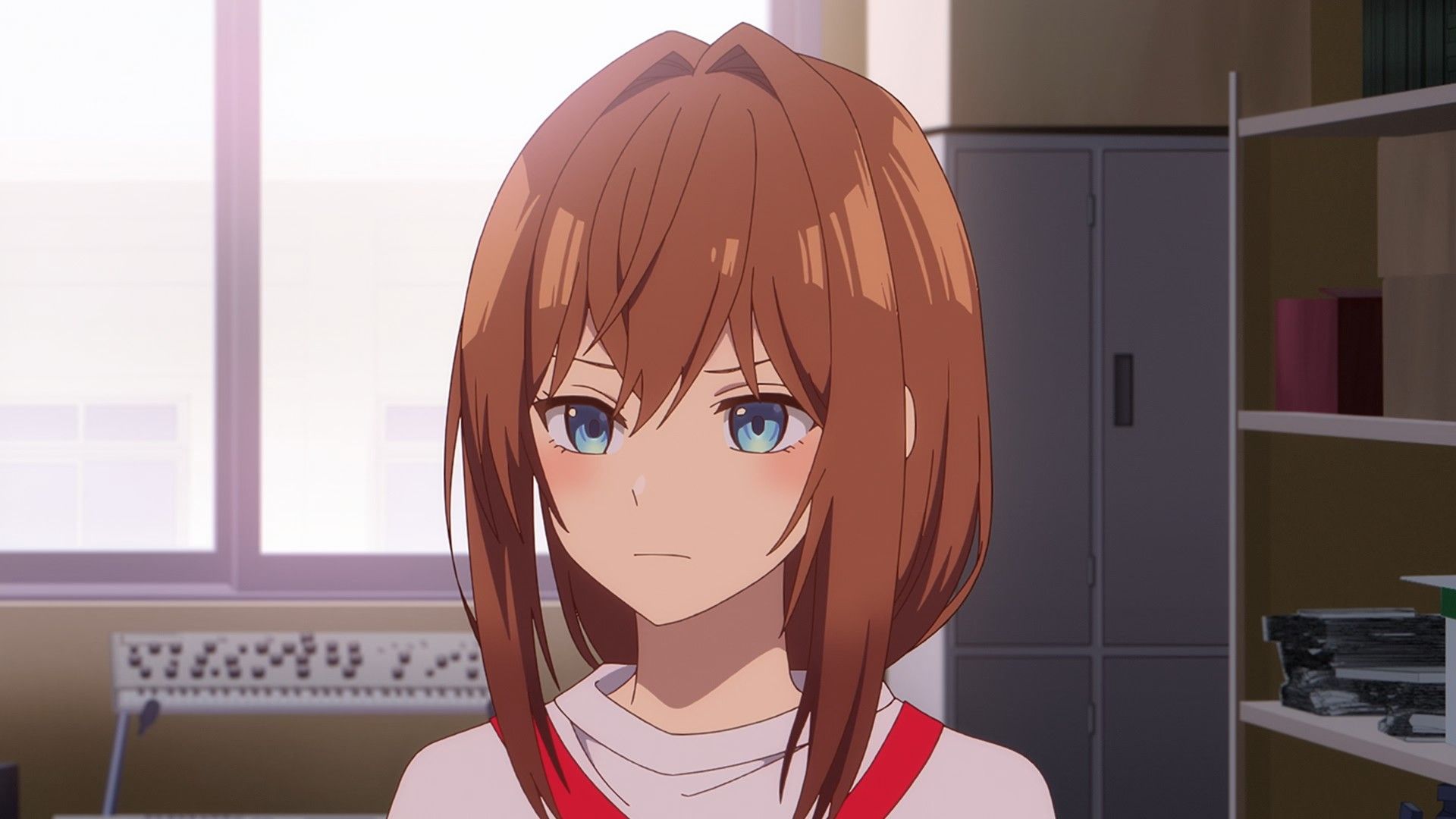
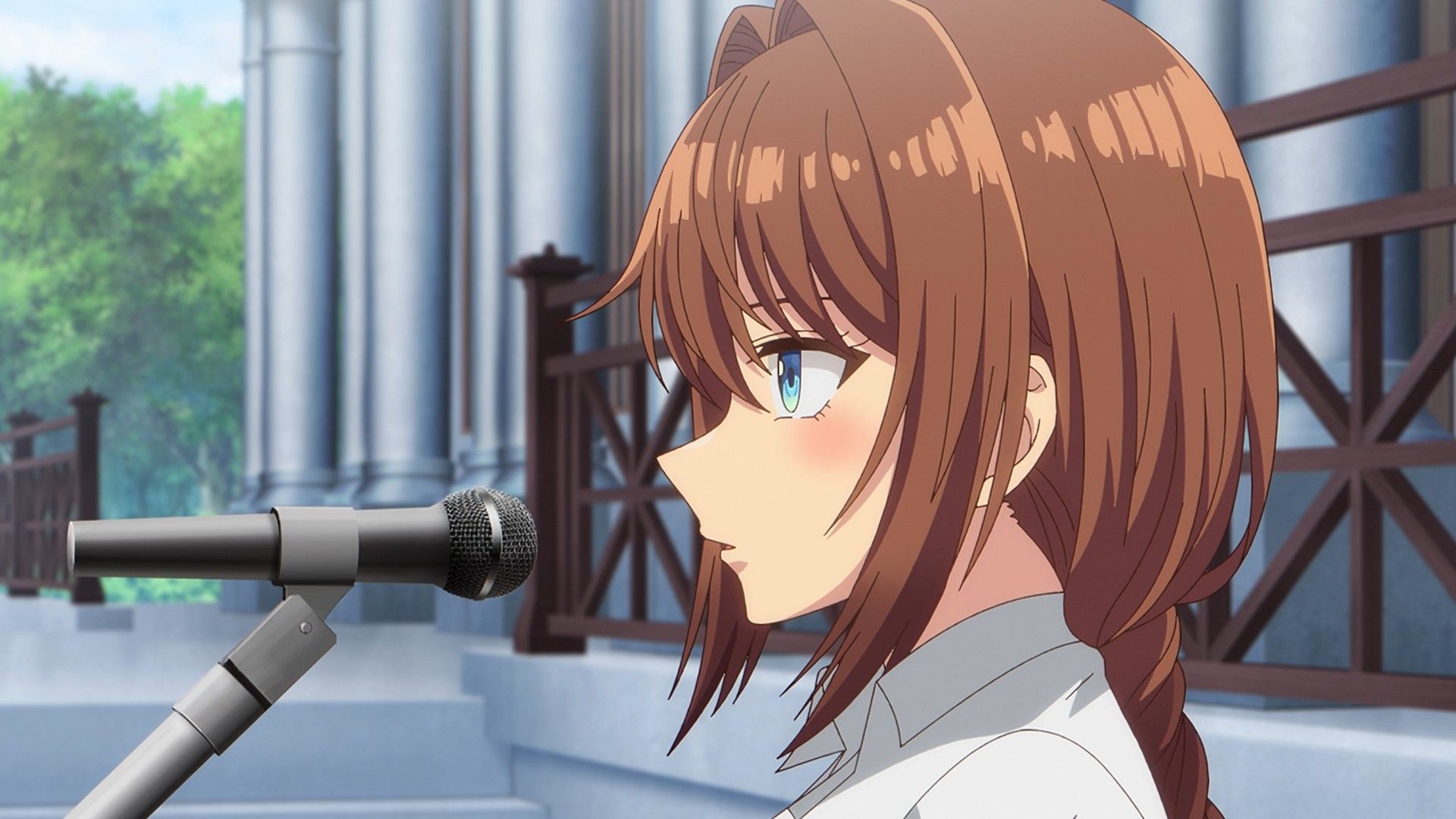
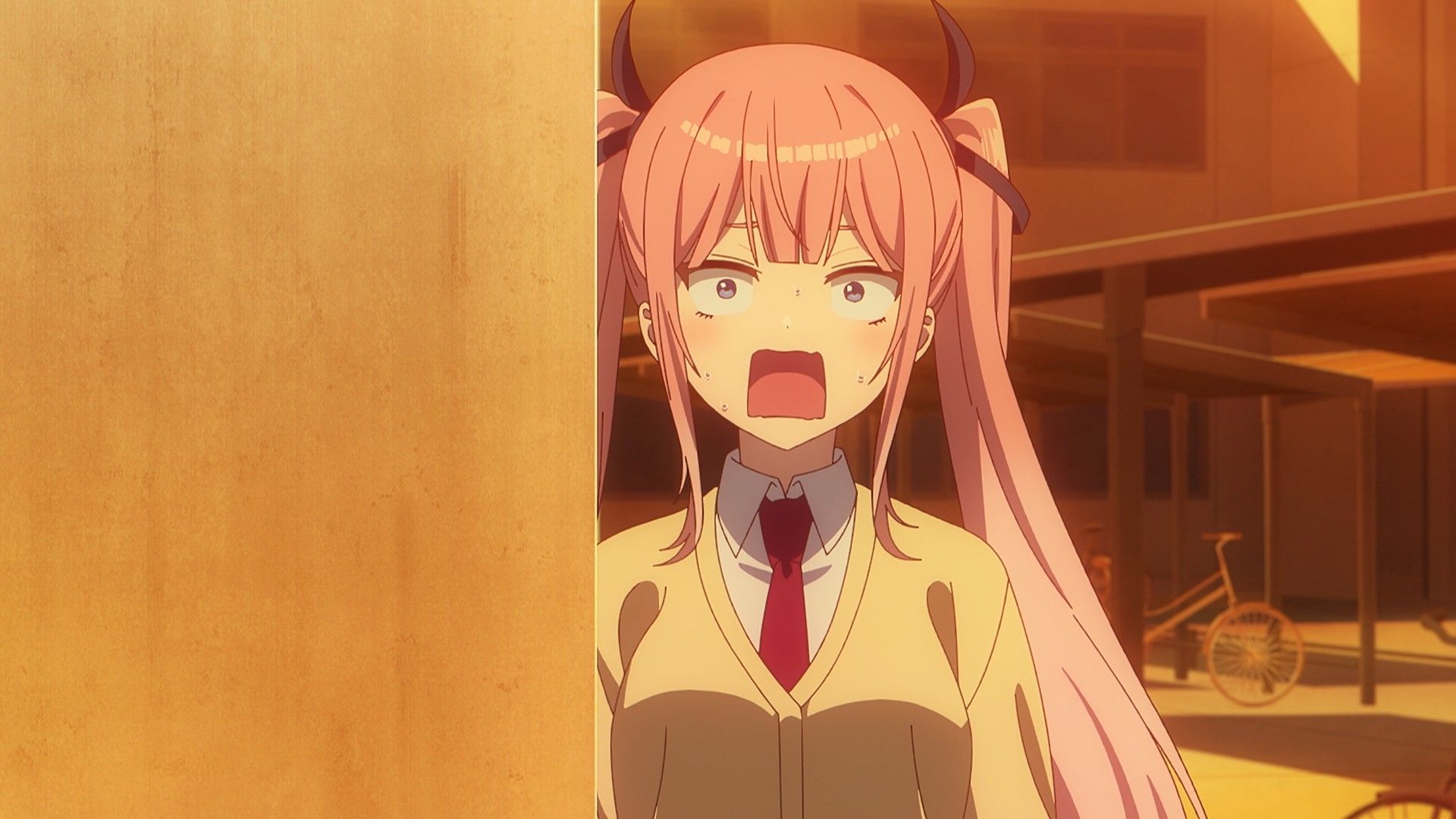
She is exactly the kind of heroine who could easily have been reduced to a simple tsundere template if the author had wanted to take the easiest route. Nene has a fiery temper, gets embarrassed easily, can be aggressive toward Arisu, and loves throwing sharp comments his way. The whole outer layer makes sense because it is tied to her biggest problem. Nene analyzes emotions too much instead of simply feeling them. As a future seiyuu, she needs not only technique, but also the ability to reach for something more impulsive and alive. Arisu very brutally, but effectively, forces her to stop breaking everything down into its smallest parts. Beneath all that aggression, as is usually the case with tsundere heroines, there is a girl who is very sincere in her feelings, but completely unable to name them calmly.
Kirino Iko
Technically gifted, she handles 2D models, streaming, and that entire digital side of things by herself. At the same time, deep down she remains very timid and insecure. Her on-screen persona, Sumeragi Ikon, has a carefully defined image. The real Iko turns out to be far more adorable precisely when that image begins to crack. Iko’s greatest asset is not a perfectly directed pose, but her genuine reactions. On top of that, there is also her fear of falling behind the other girls, which fits very well with the realities of online creation. I also like that she can be surprisingly bold and teasing toward Arisu. That gives her dynamic with him a slightly different flavor from his relationships with Nene or Shinobu.
Inohana Rikka
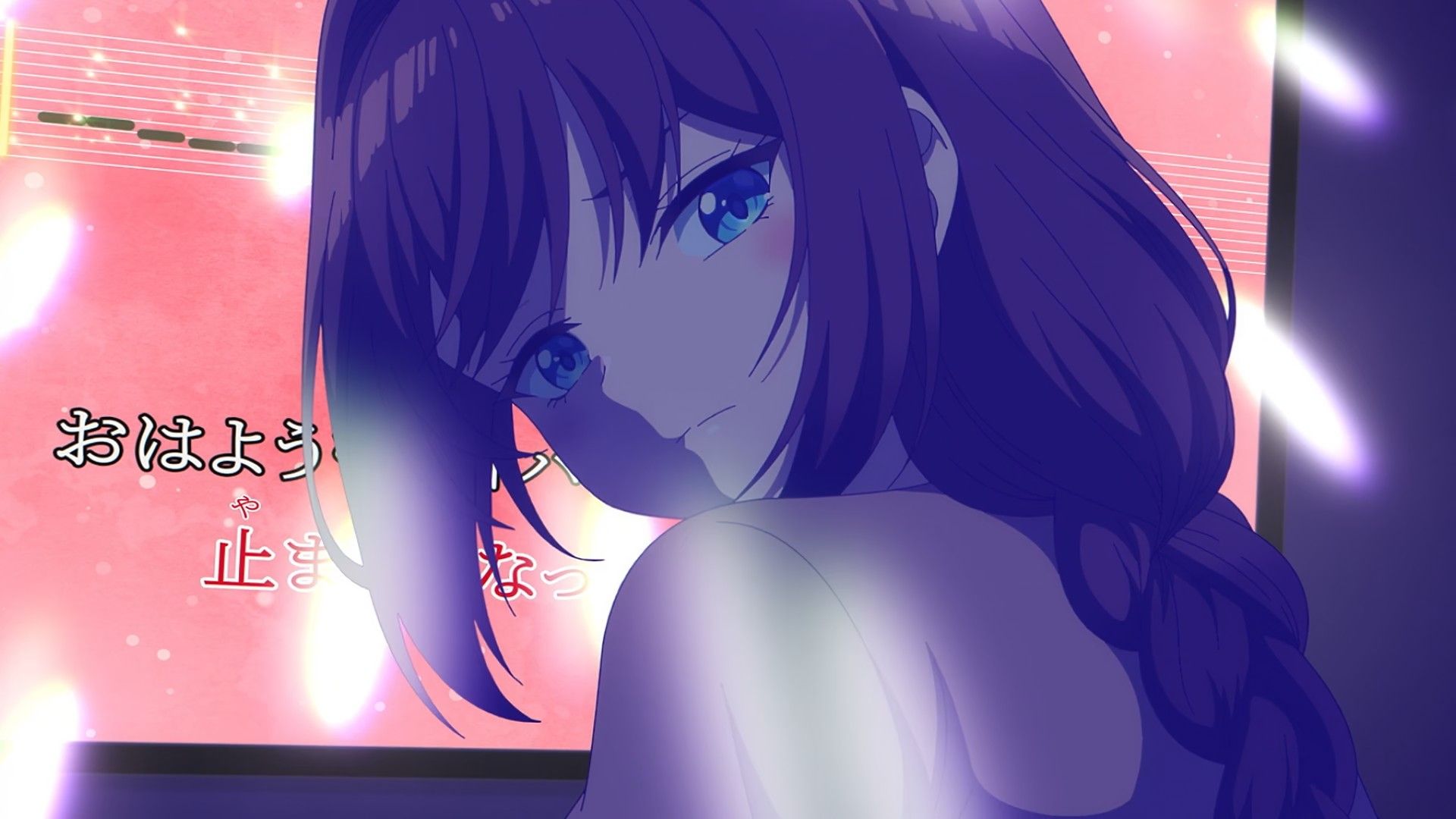
The most melancholic of the four, and at the same time one of the characters whose emotional core comes through most strongly. The basic idea of a girl singing in corners and out on the street could have been enough to build the right aura around her. The series goes further, however, and gives her very concrete baggage. A conflict with her friend, the rejection of the songs they wrote together by a label, and the awareness that her voice was considered the only valuable thing between them all left a huge mark on Rikka.
That is why she hides behind covers for so long. Not because she has nothing of her own to say. Because her own voice is the thing most vulnerable to being hurt. That is exactly why her relationship with Arisu works so well. He not only pushes her toward singing originals, but also gives her something like a point of support, thanks to which she no longer has to sing for everyone. She can sing for the people who truly matter to her. That shift in perspective does an enormous amount of work here.
More About the Characters
None of these main heroines feels like the lesser one or like someone treated purely as a required part of the lineup. Each has her own charm, her own kind of chemistry with Arisu, and her own problems. That is exactly why it would be very hard for me to choose a single favorite. Shinobu wins you over with her gentleness and hidden burden, Nene with her energy and sharpness, Iko with the authenticity breaking through from beneath her avatar, and Rikka with her artistic sensitivity.
The supporting characters are also worth appreciating, because they are not just filler between scenes with the main cast. Ando Lemon gives the series plenty of ease and comedy, Momotose Ao serves as an important point of reference for Iko in the world of VTubing, Oizumi Seira pushes Nene toward better acting in a brutal but accurate way, and Aiko is outright crucial to understanding Rikka. Thanks to this, the individual arcs do not feel sealed off in a vacuum. Even if the radio club remains the center, the world around it is not completely dead.

Mayonaka Heart Tune (2026) – Evaluation and Summary
Mayonaka Heart Tune works best exactly where it should — with its characters and their relationships. Apollo’s mystery is a very good hook, but it is not what stays in your head the most. What you remember most is the way Yamabuki Arisu enters the lives of these four girls, and how each of them begins to reveal to him something she had previously been unable to show the world.
The series quite neatly combines the atmosphere of romance, the motif of a producer guiding his talents, and very contemporary dreams of working with one’s voice. As a result, we get a story that can be light, funny, and cute, while still carrying a fair amount of emotional substance.
Finalny werdykt
Final evaluation

Which translation do I recommend to watch Mayonaka Heart Tune (2026)?
- Crunchyroll (official) — though not without some reservations. The translation was good enough not to overwhelm the viewer with tone changes, distorted dialogue, or attempts to impose the translator’s ego on the material. Still, there was quite a bit of unnecessary localization, attempts to reinvent the wheel, and very questionable, far-reaching, often clumsy interpretations of titles or idioms. It is certainly not a translation that will ruin the viewing experience, but it was still some way off from ideal.
Gallery