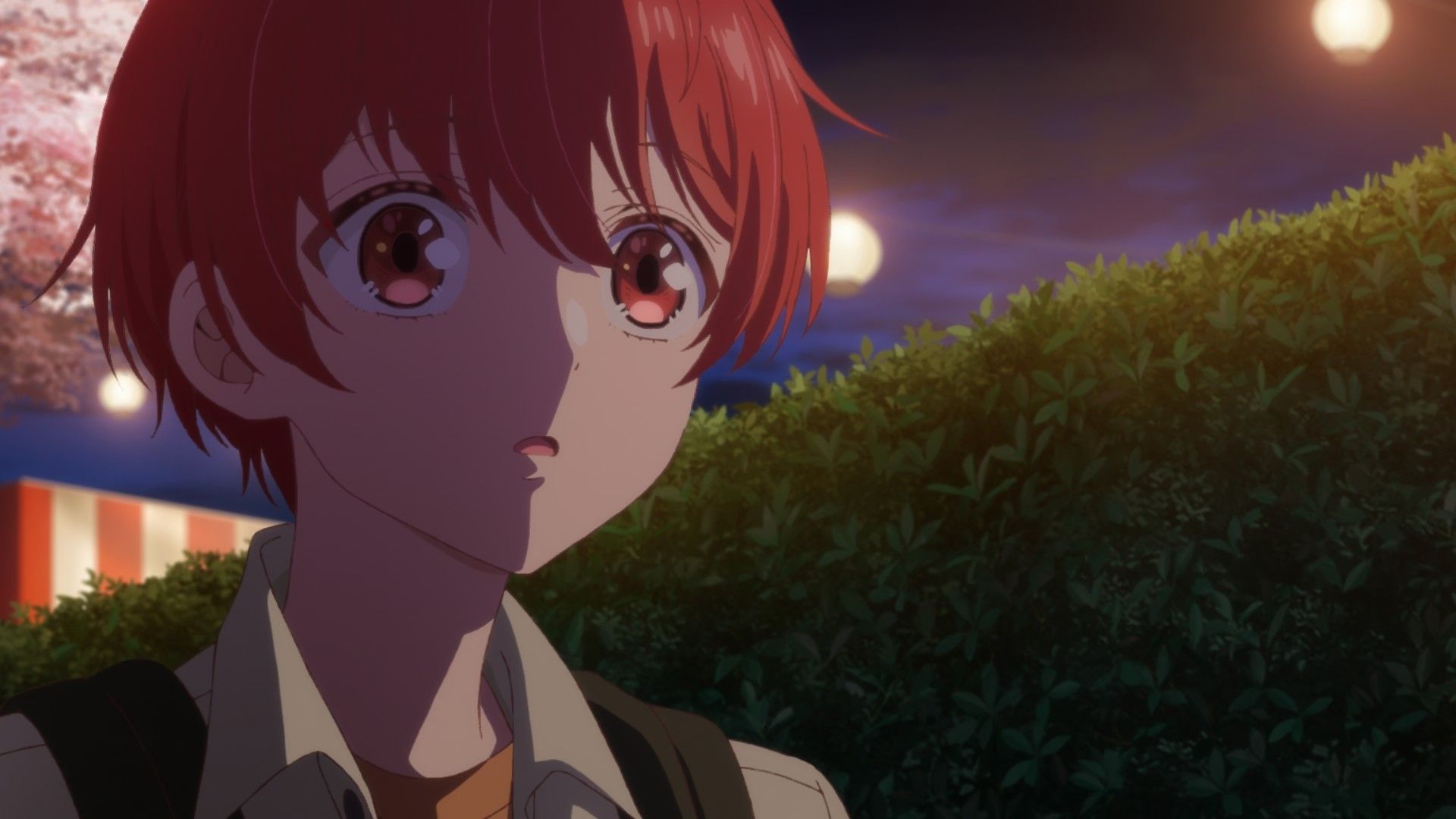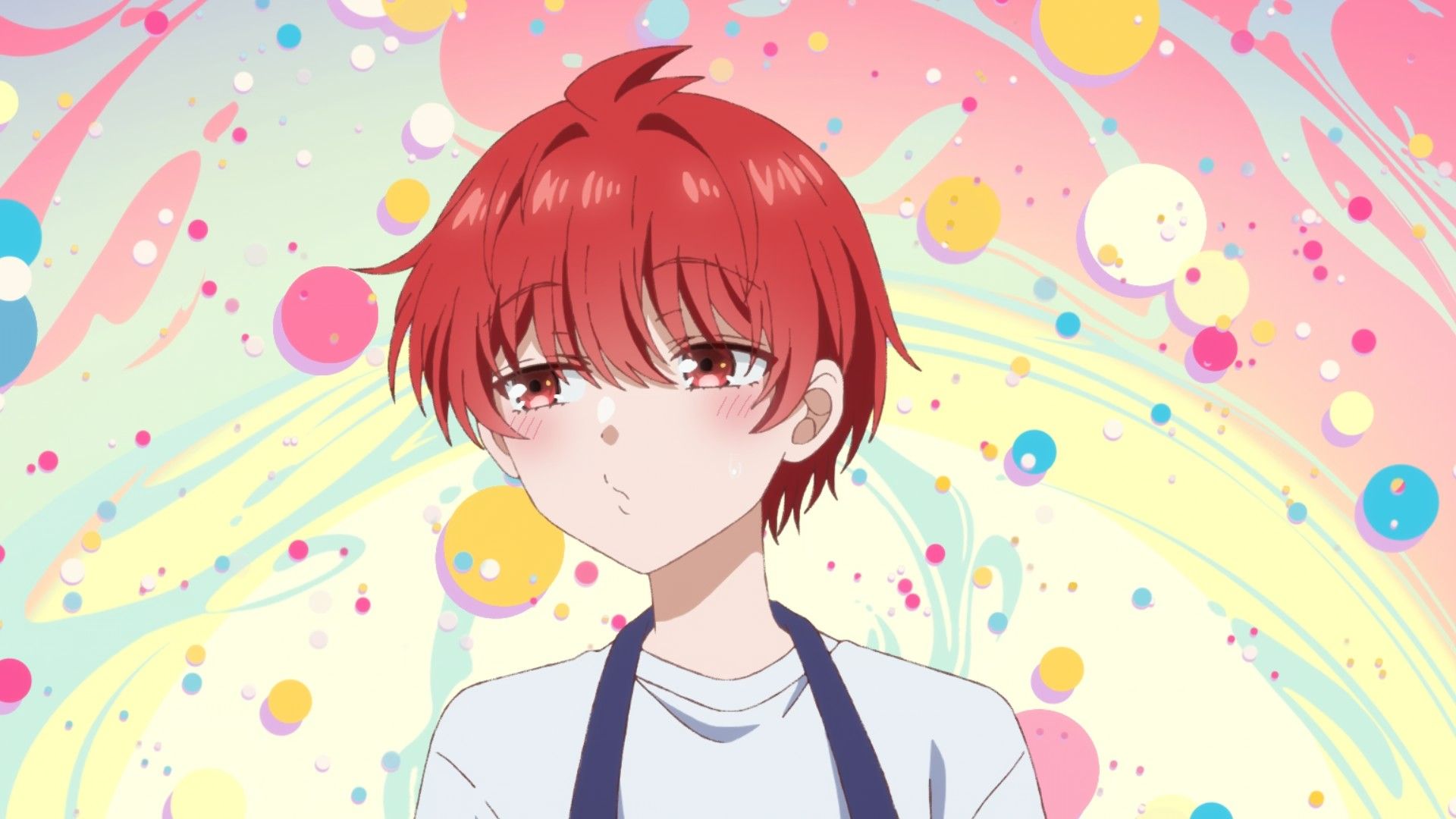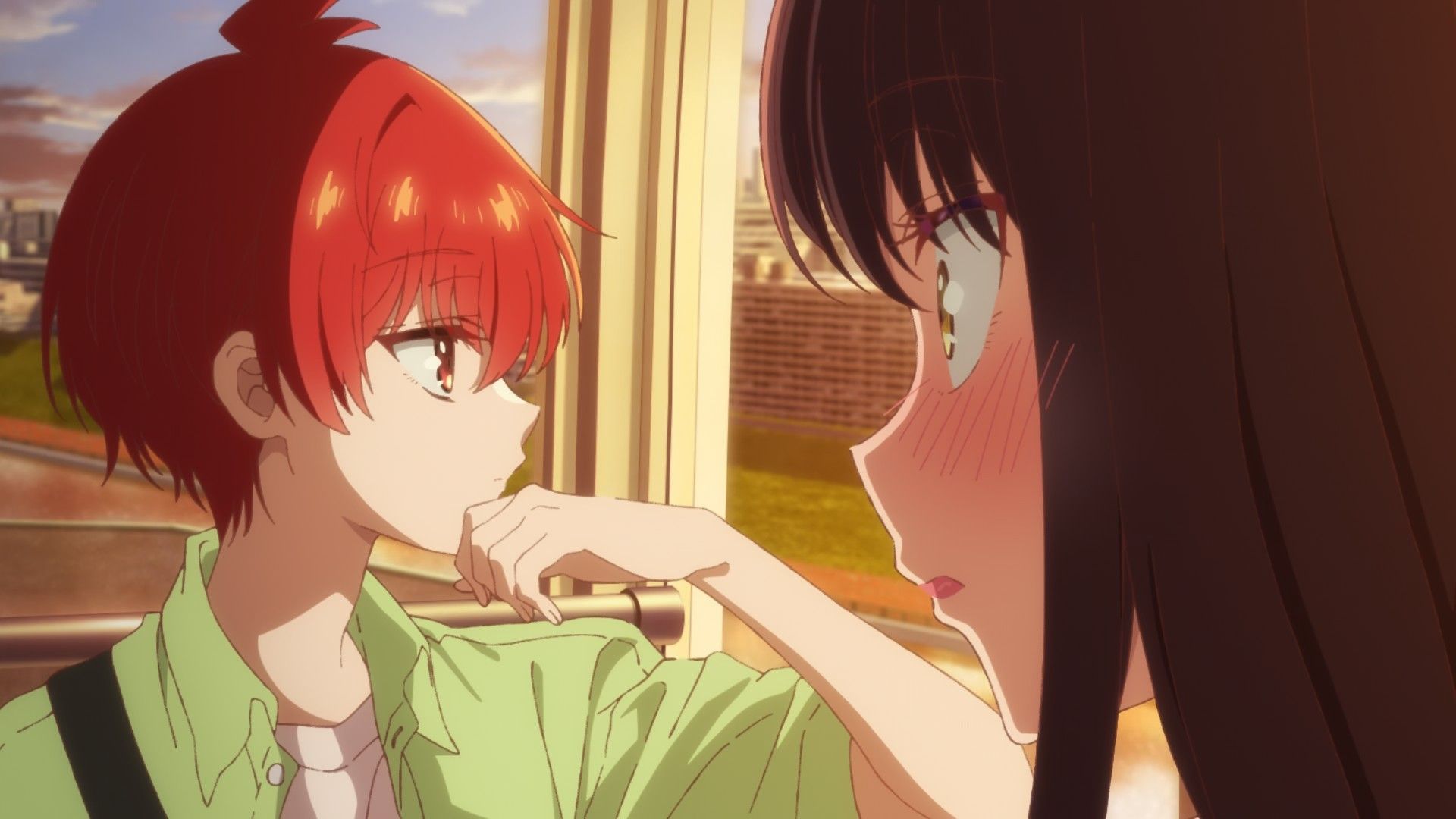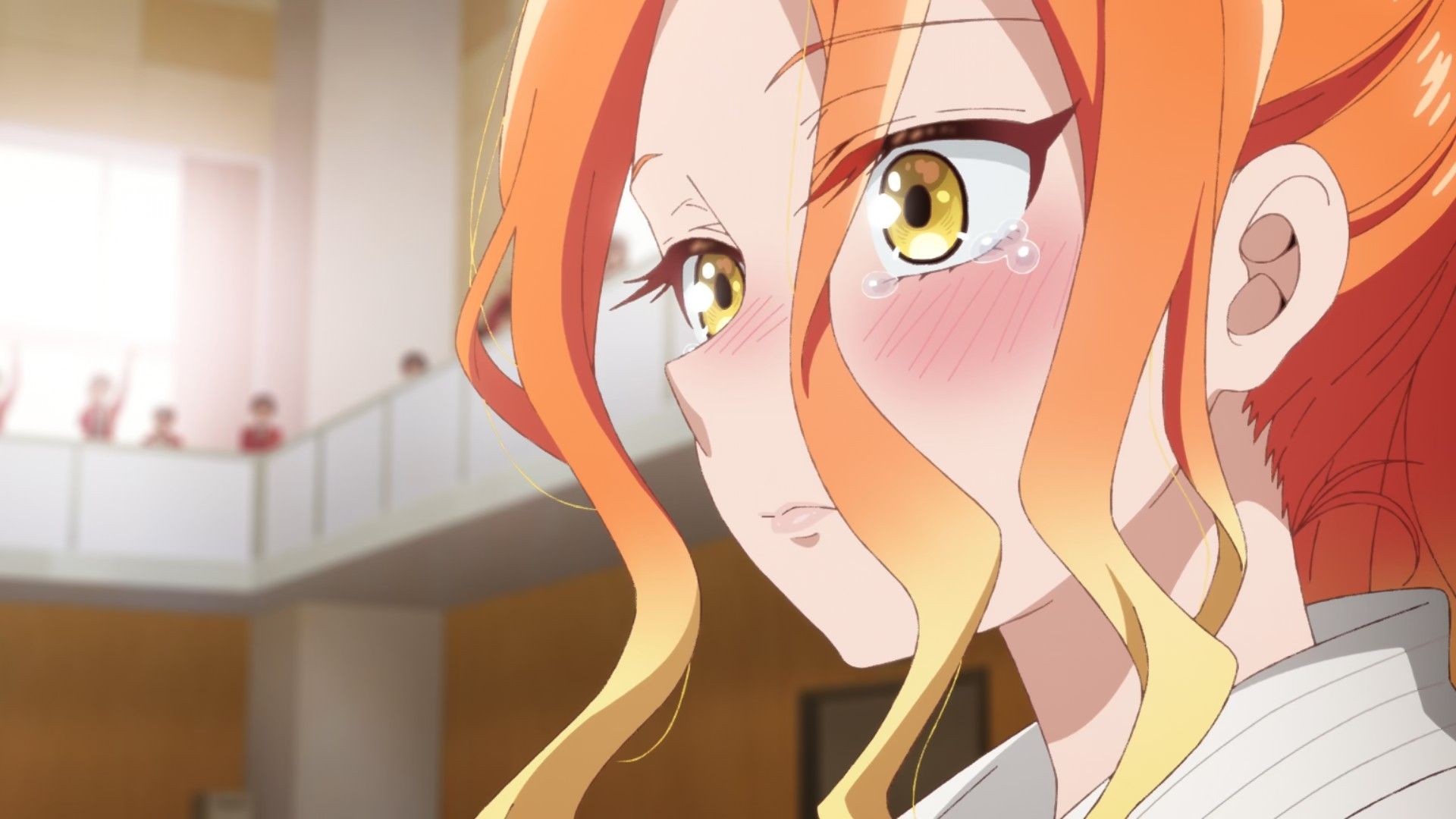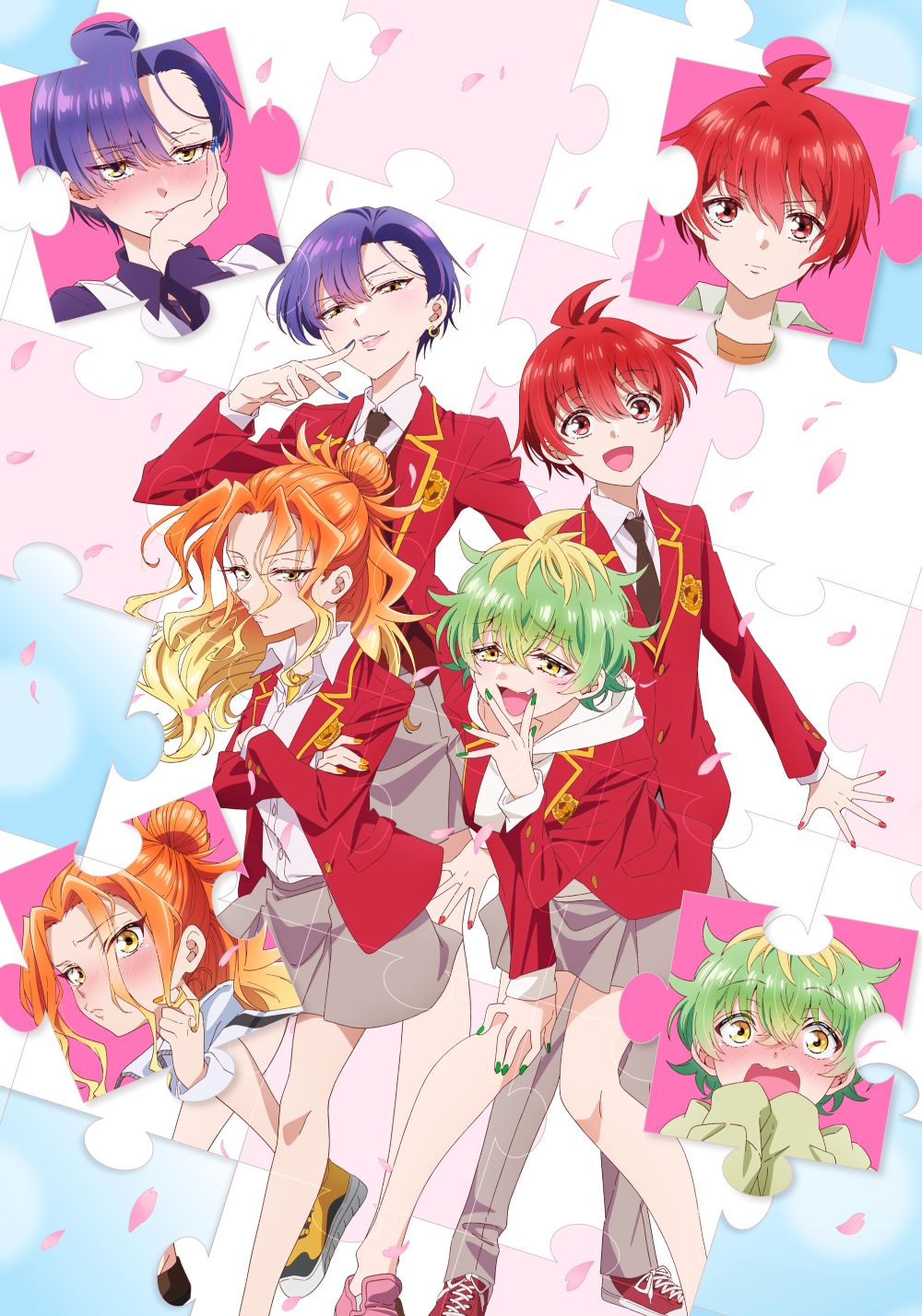
Ayase Yuu never lived up to his mother—a legendary actress whose talent and charisma captivated the entire country. Although people expected him to follow in her footsteps after her death, Yuu turned out to be a completely average boy, devoid of any special abilities. After transferring to the prestigious Saika School, known for educating elite individuals, he is quickly deemed insignificant. This is, in fact, stated by three outstanding students: Miwa, a master of shougi; Niko, a martial arts specialist; and Kazuki, who is rapidly gaining fame in the world of acting.
Following the last will of Yuu’s mother, who wished for her son to one day be able to create a true family (something she herself was never able to give him), Yuu comes under the care of her old friend. However, the boy expects this friend to be the father of the three extraordinary Mikadono sisters, whom he happened to meet on his first day at school.
Although the girls are initially absorbed in their talents and private ambitions and have no intention of forming a close relationship with him, Yuu slowly begins to fill the void in their home. His sincerity and kindness eventually earn him a place in the sisters’ hearts, and the boy, who possesses no special skills, becomes the one capable of bringing three brilliant personalities together, teaching them once again what family truly means.
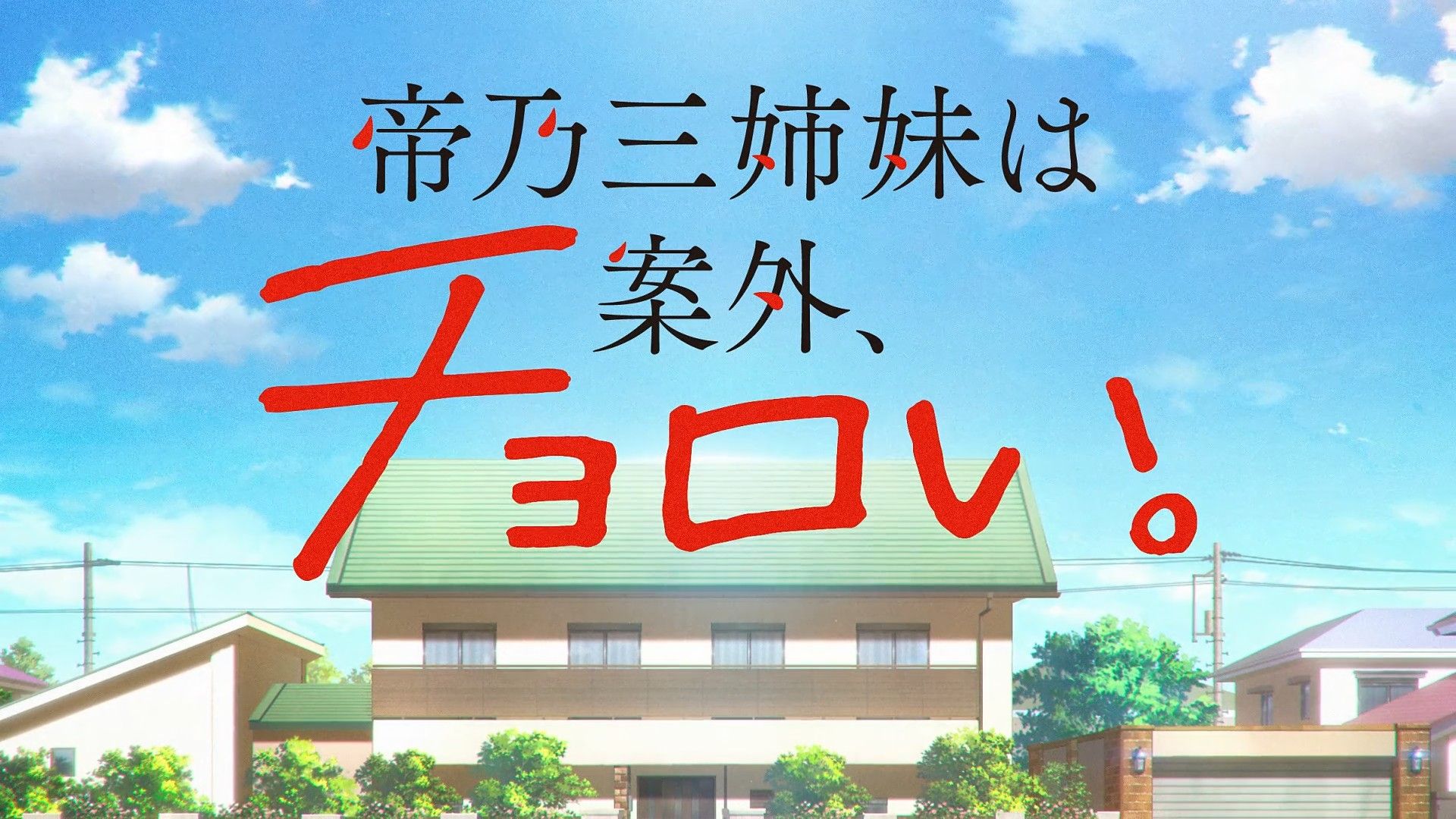
Mikadono Sanshimai wa Angai, Choroi. (2025) – Audiovisual Design
Video
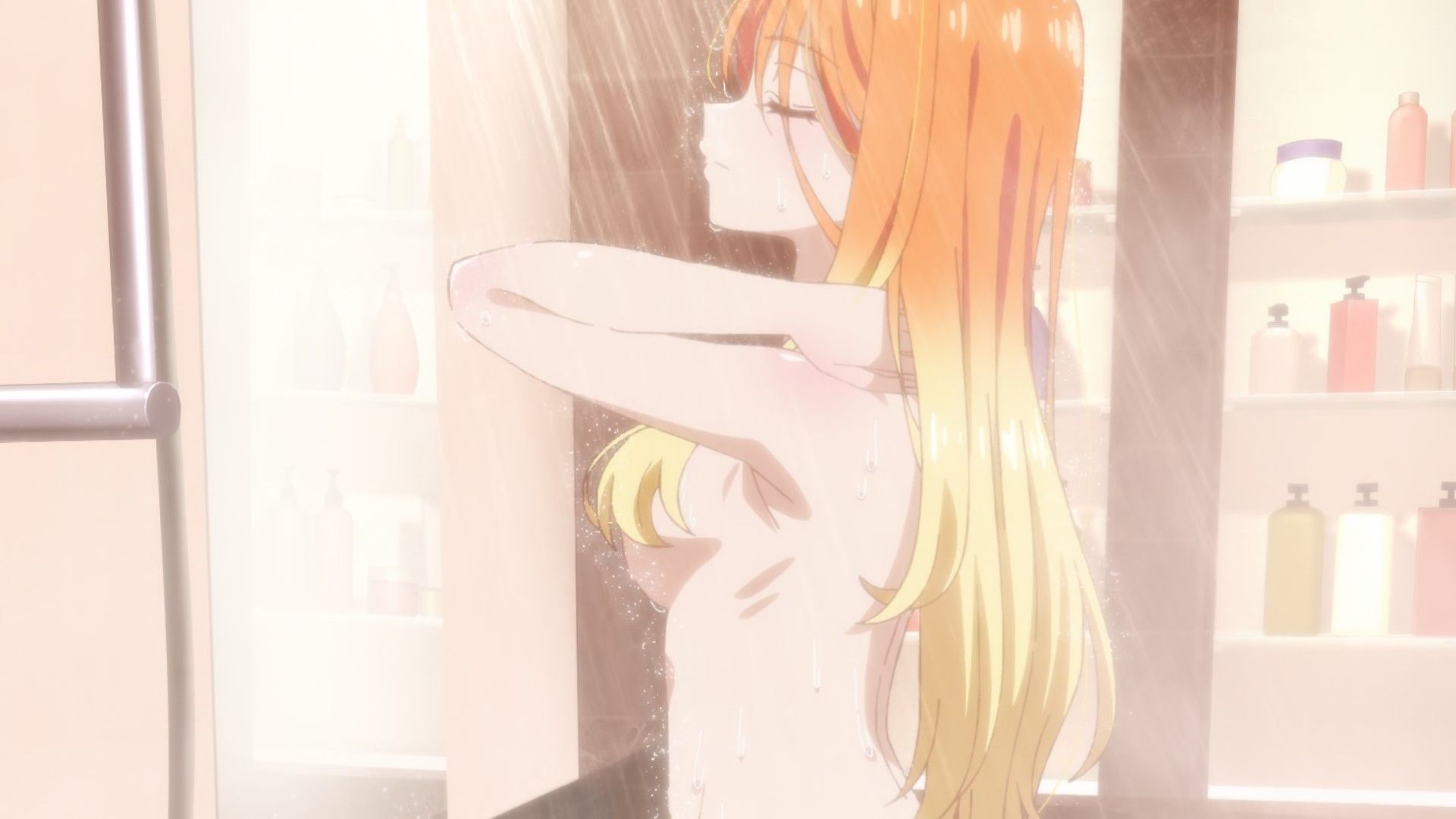
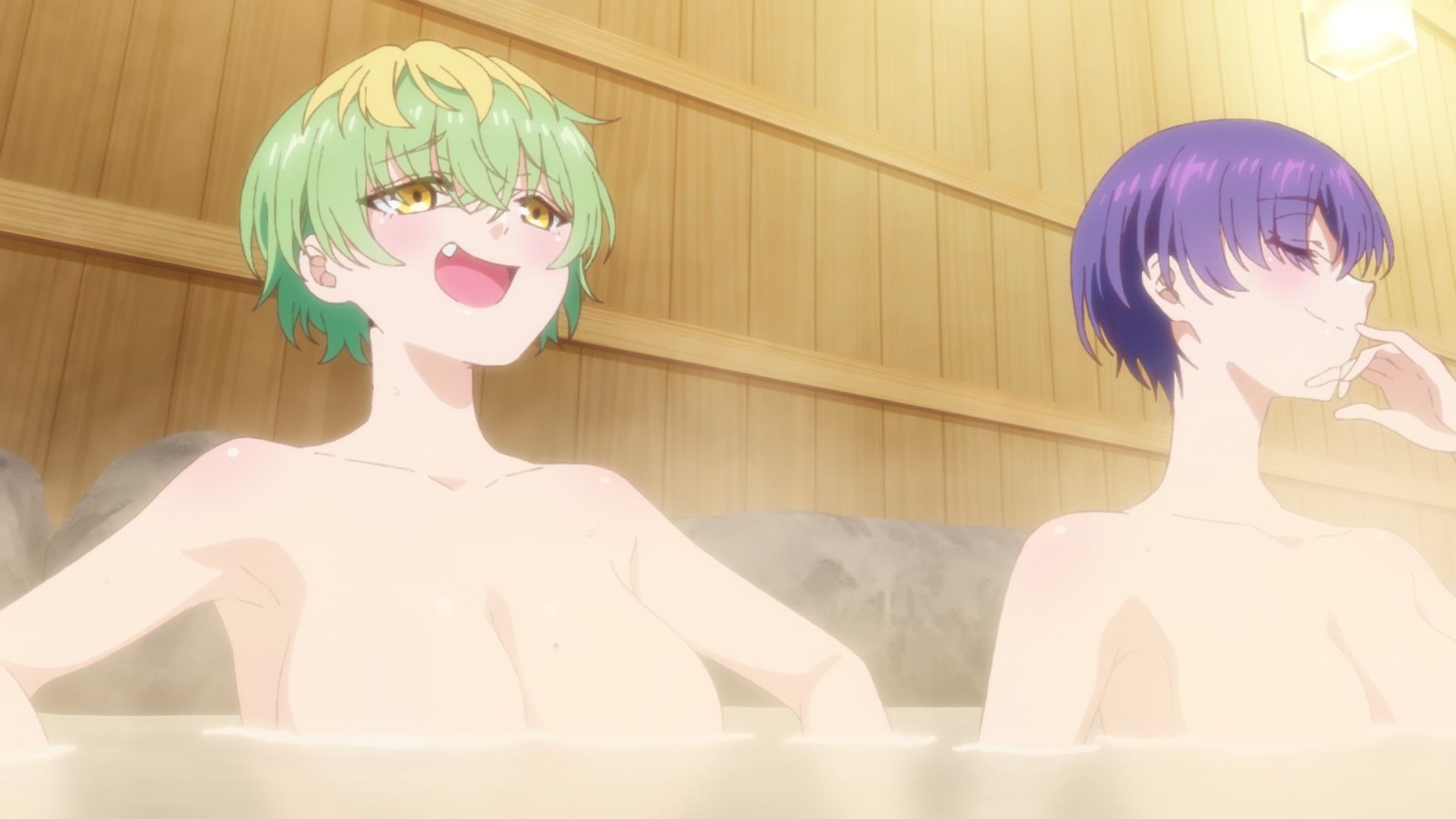
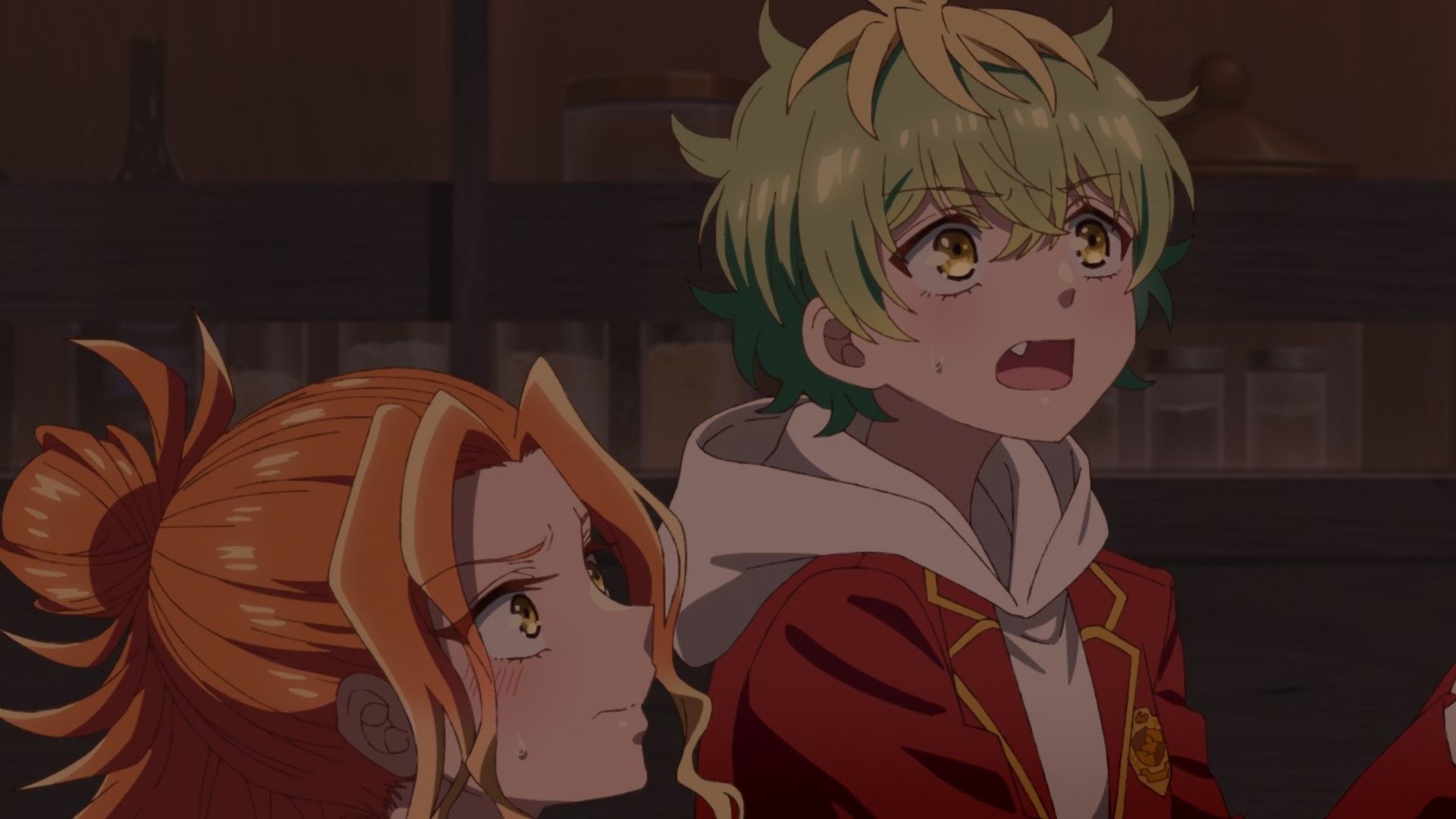
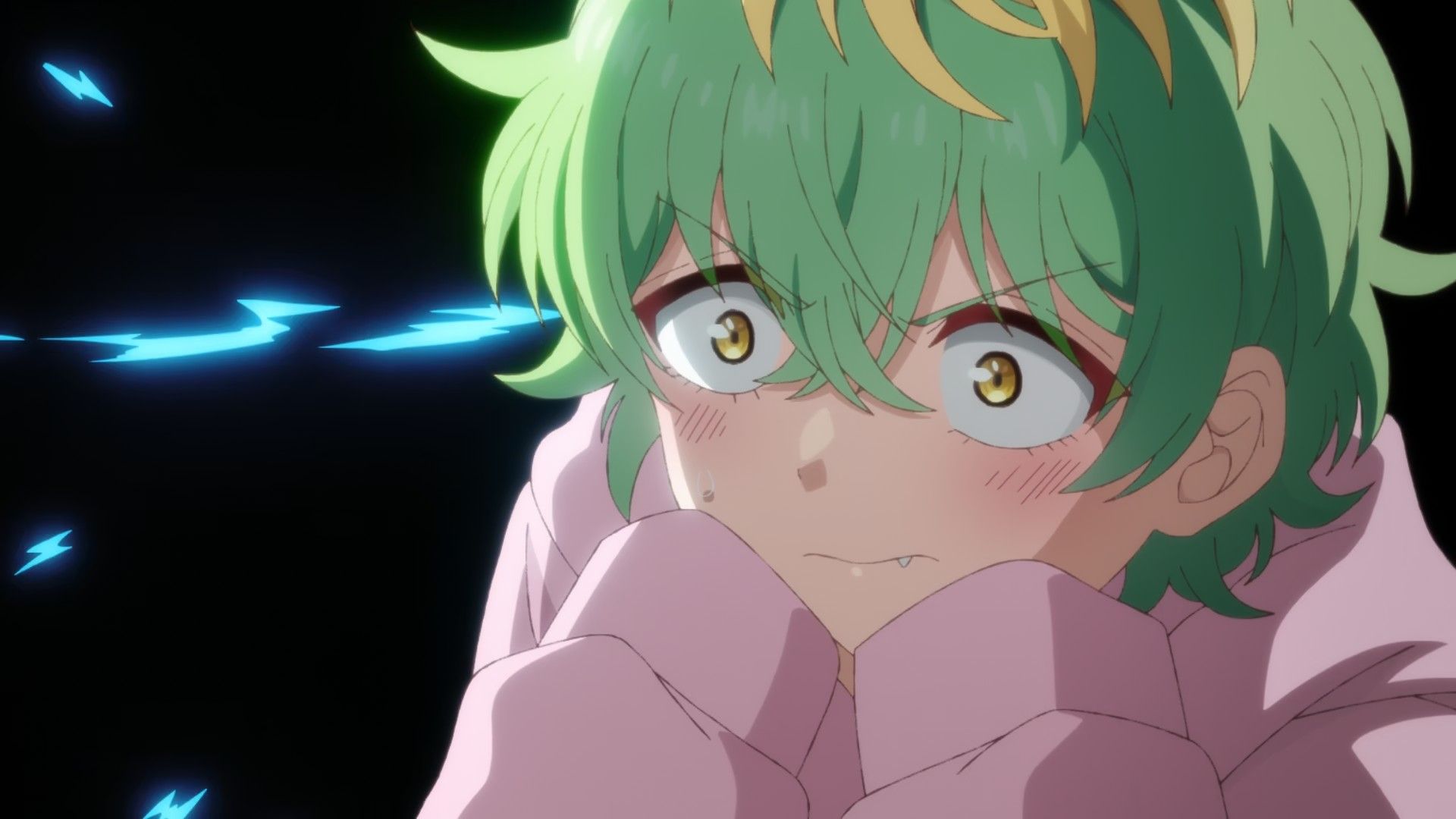
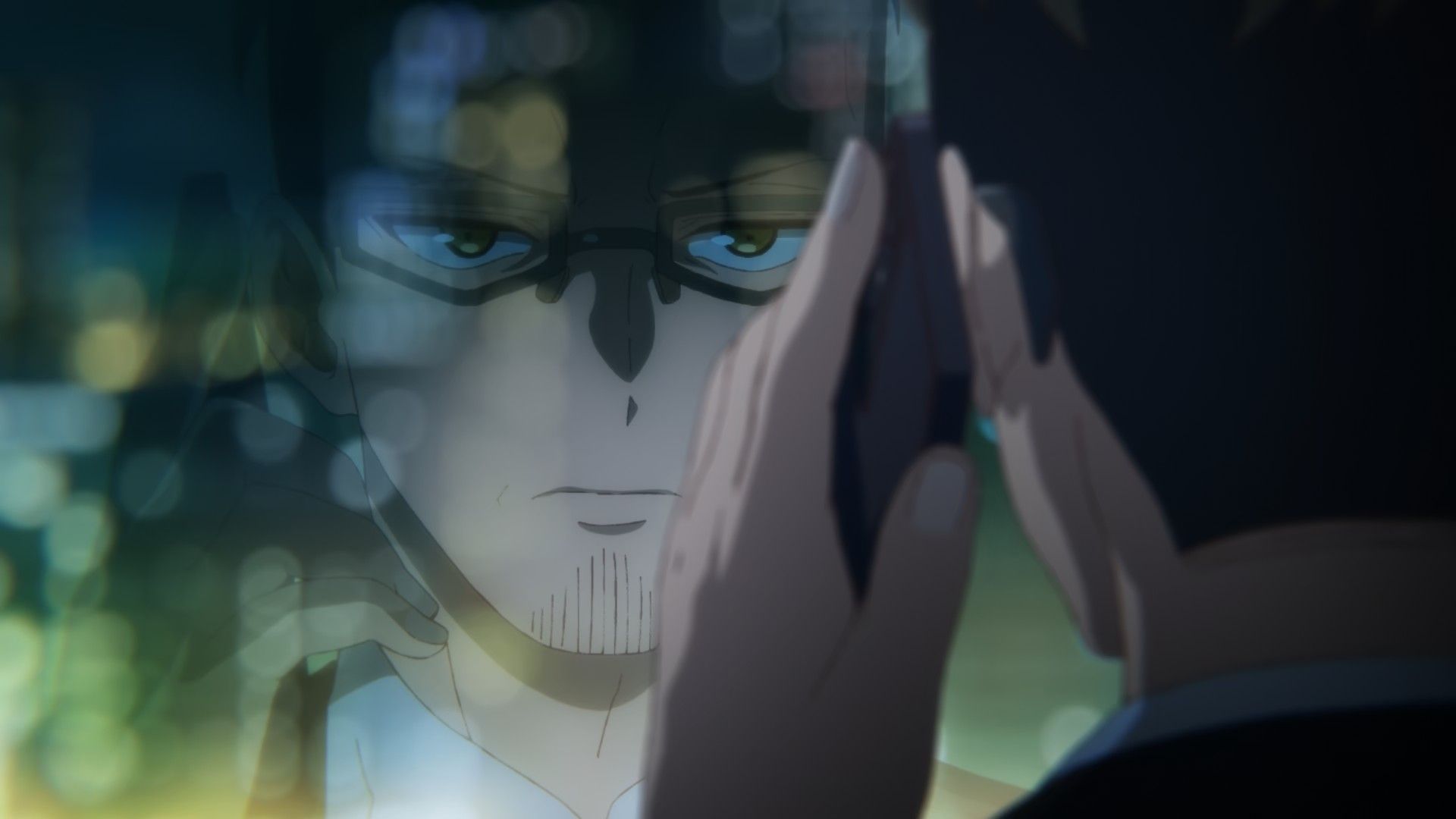
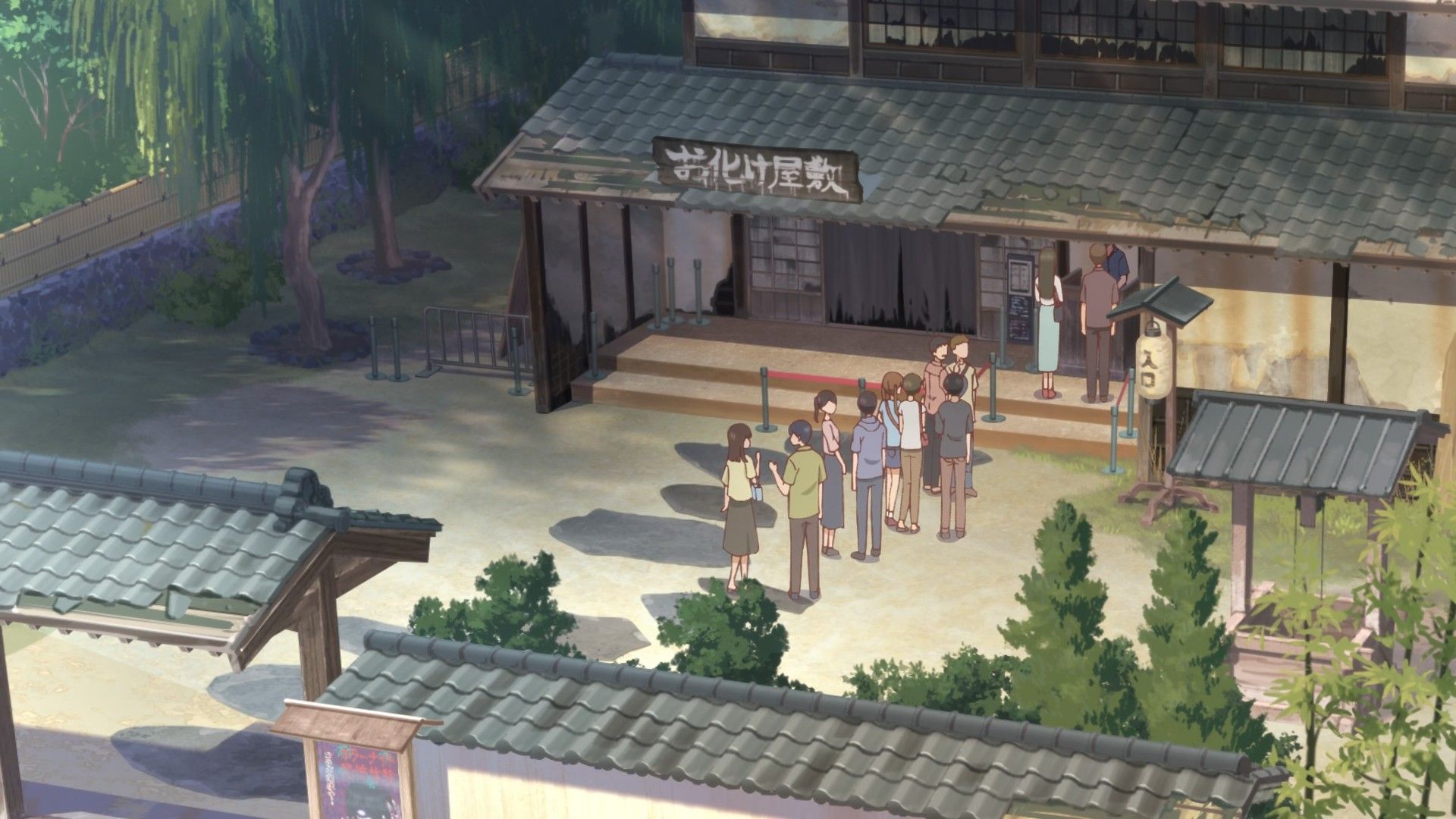
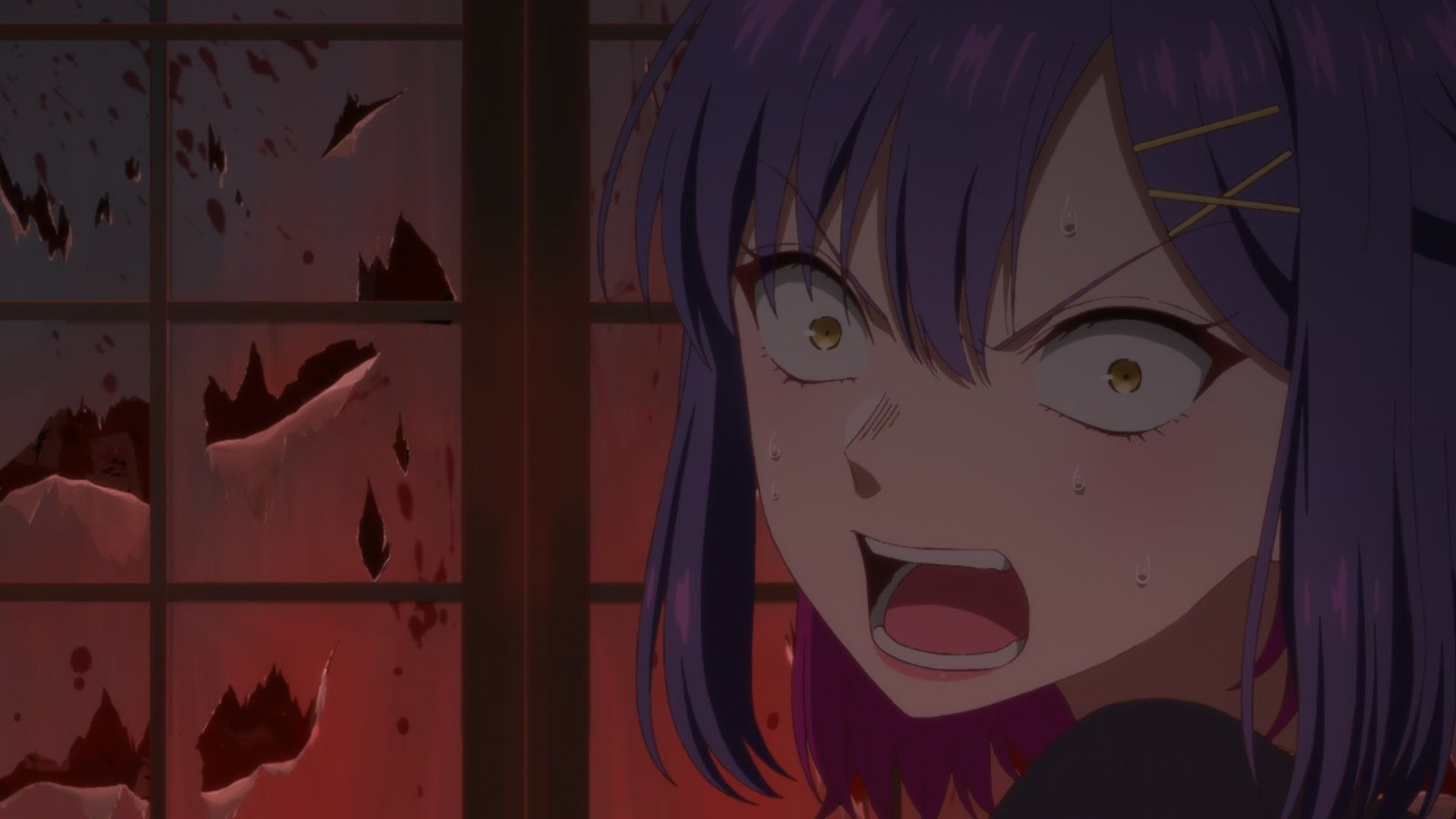
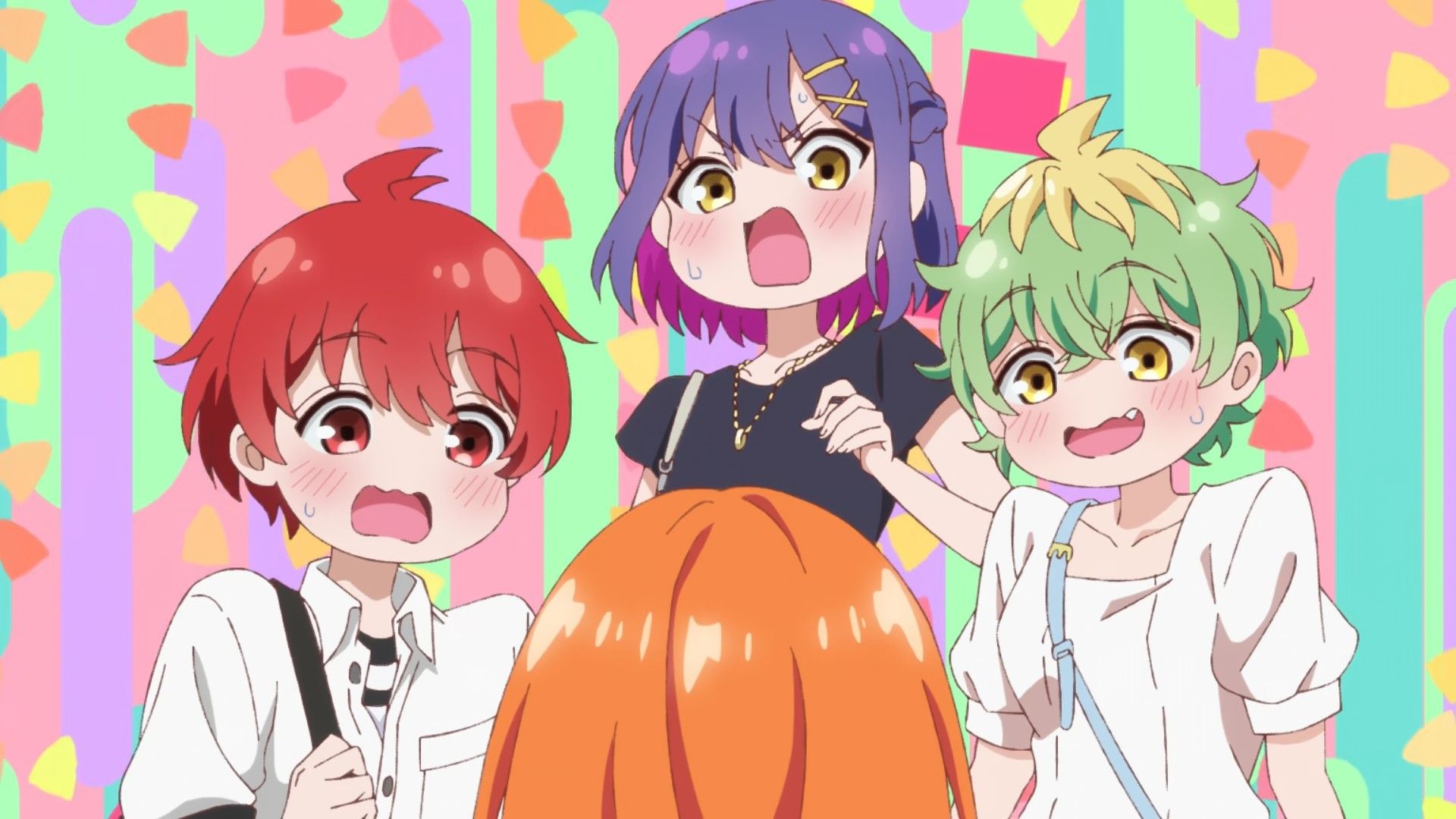
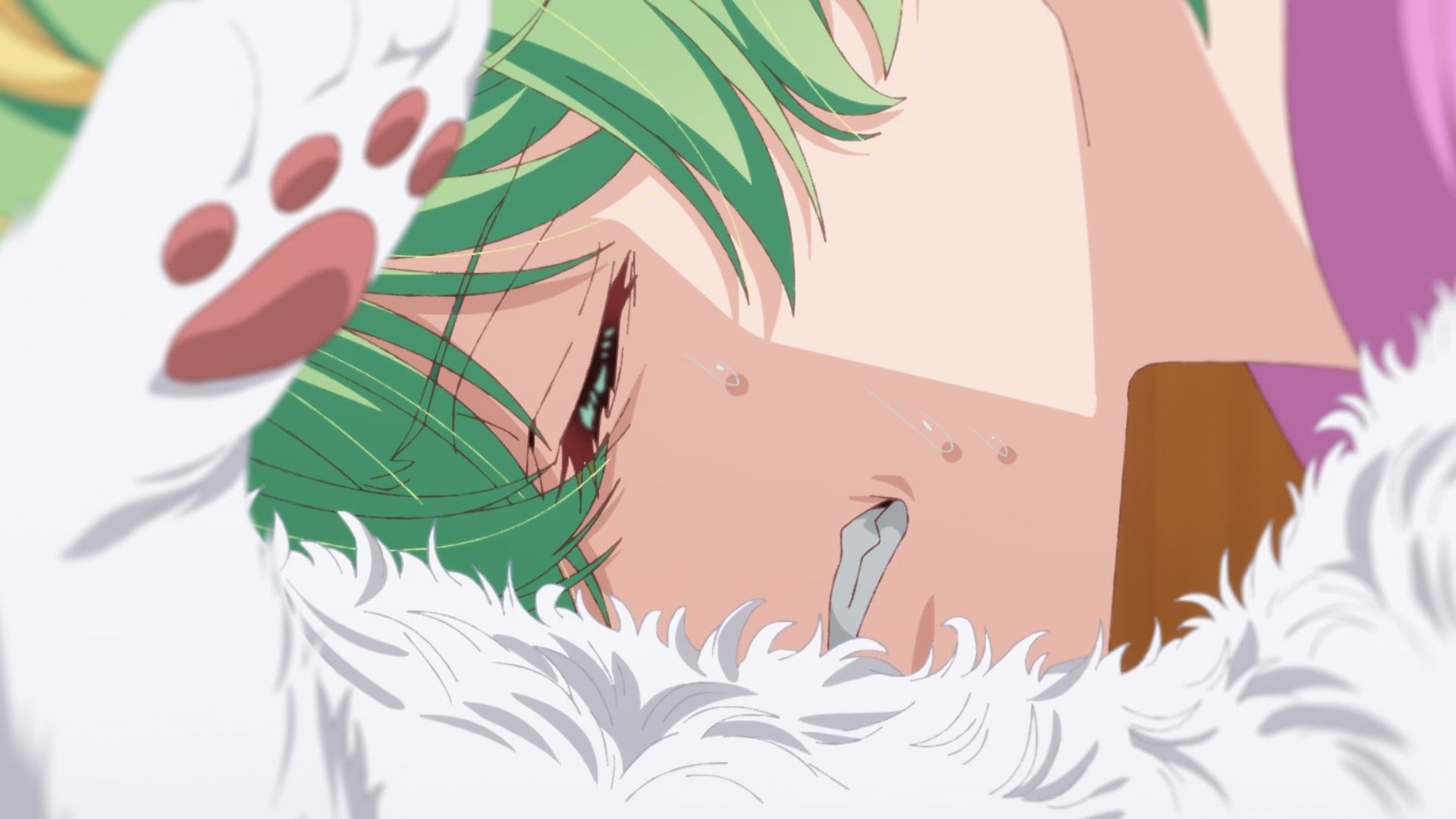
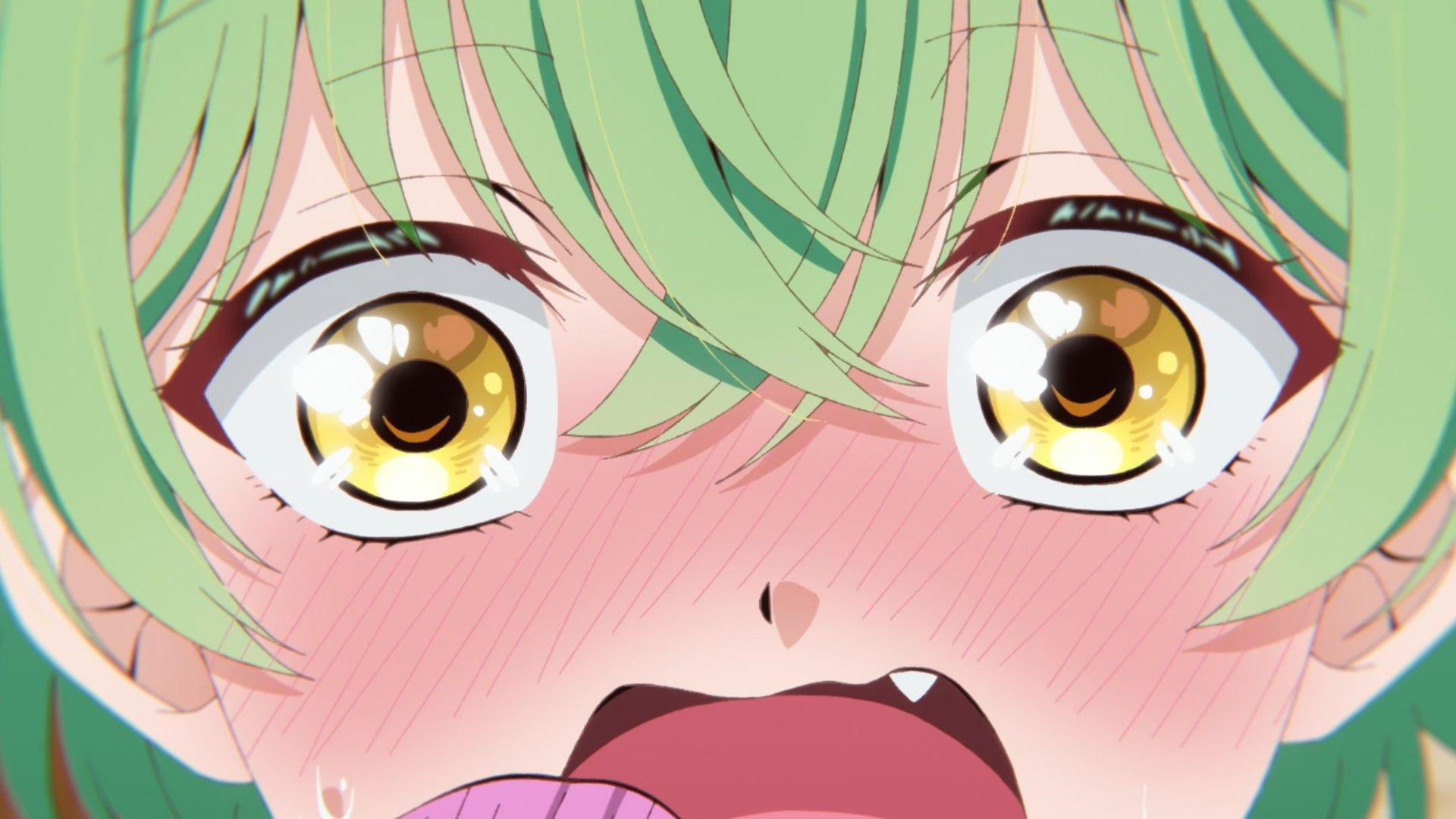
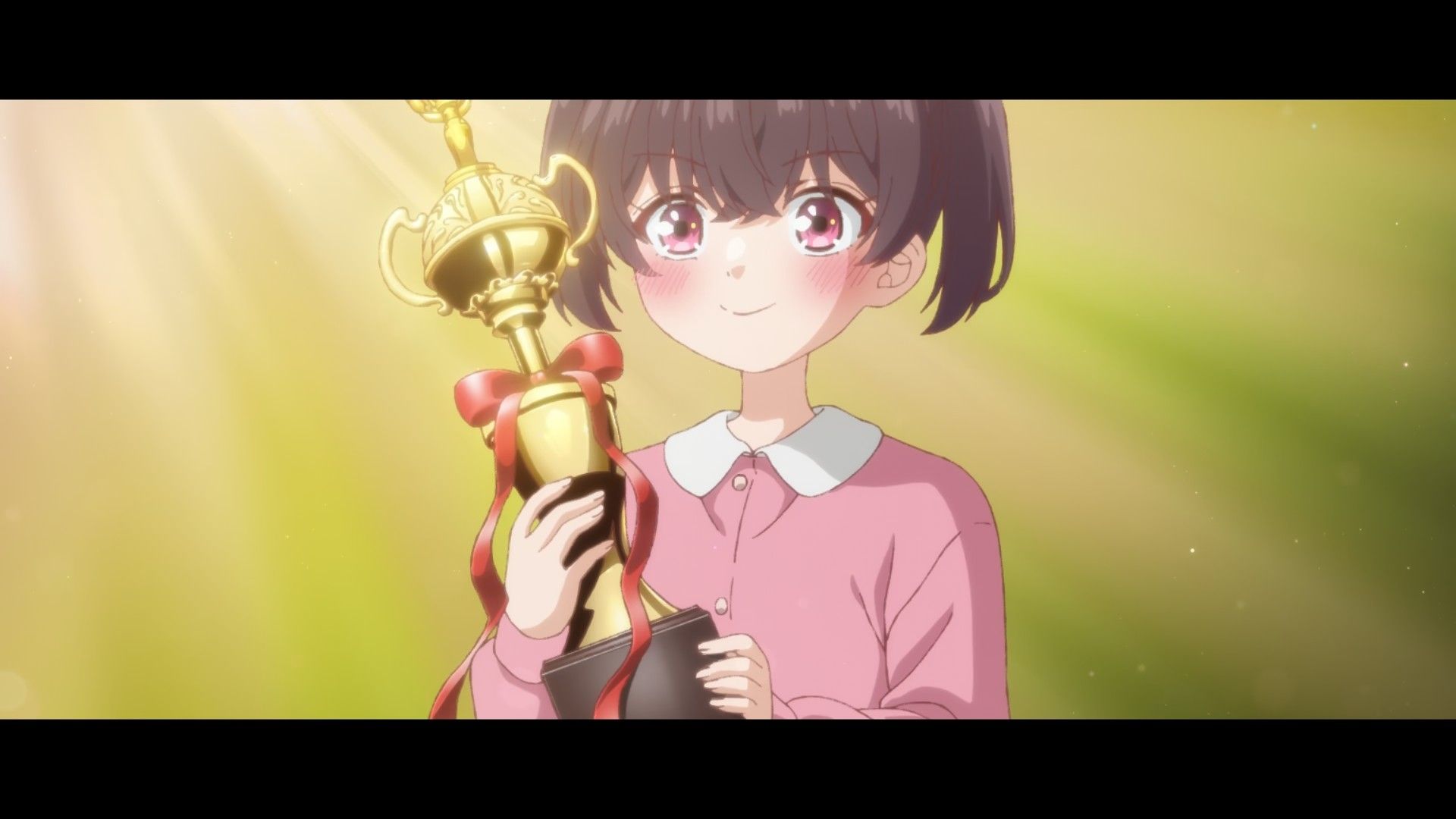
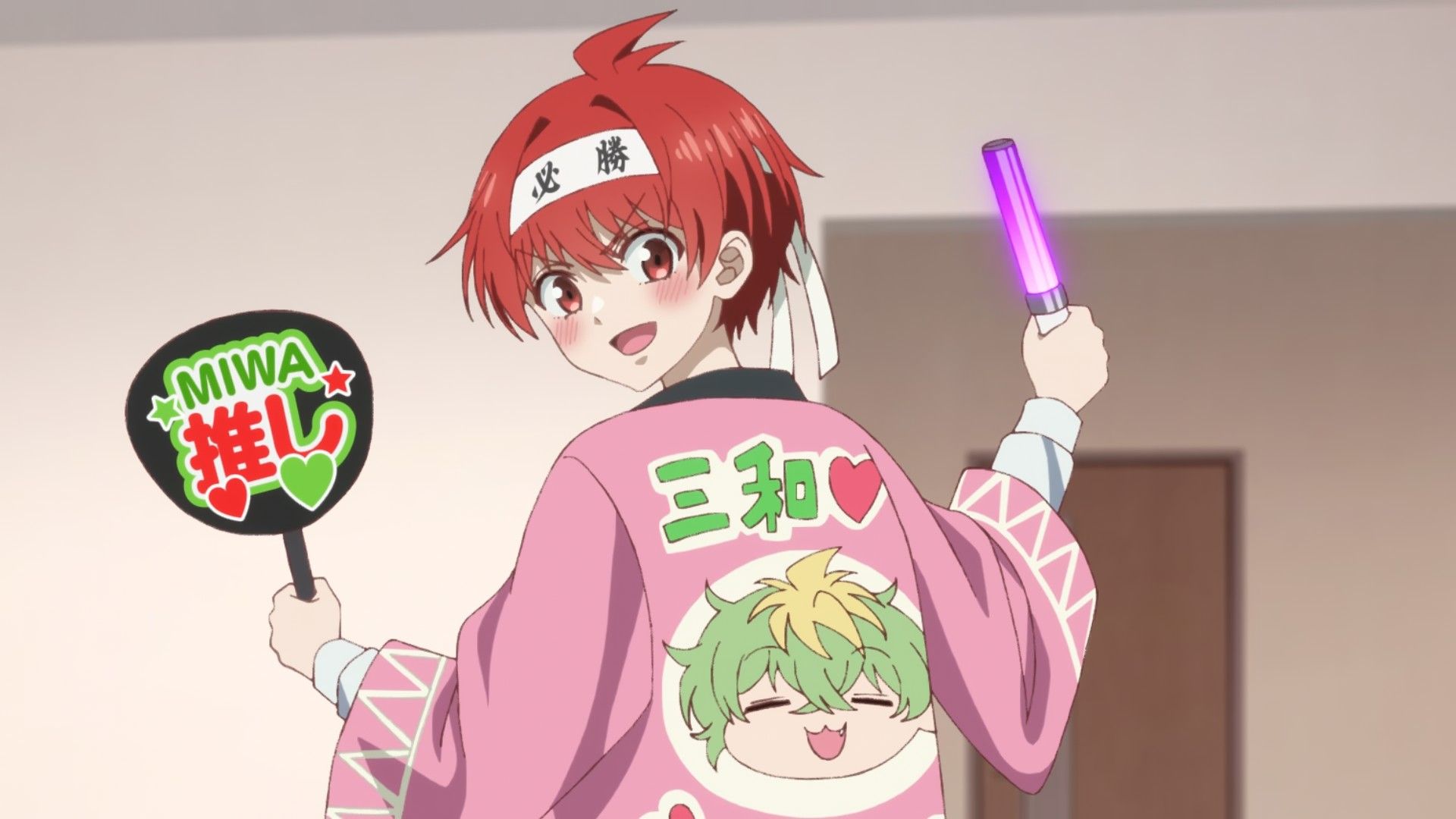
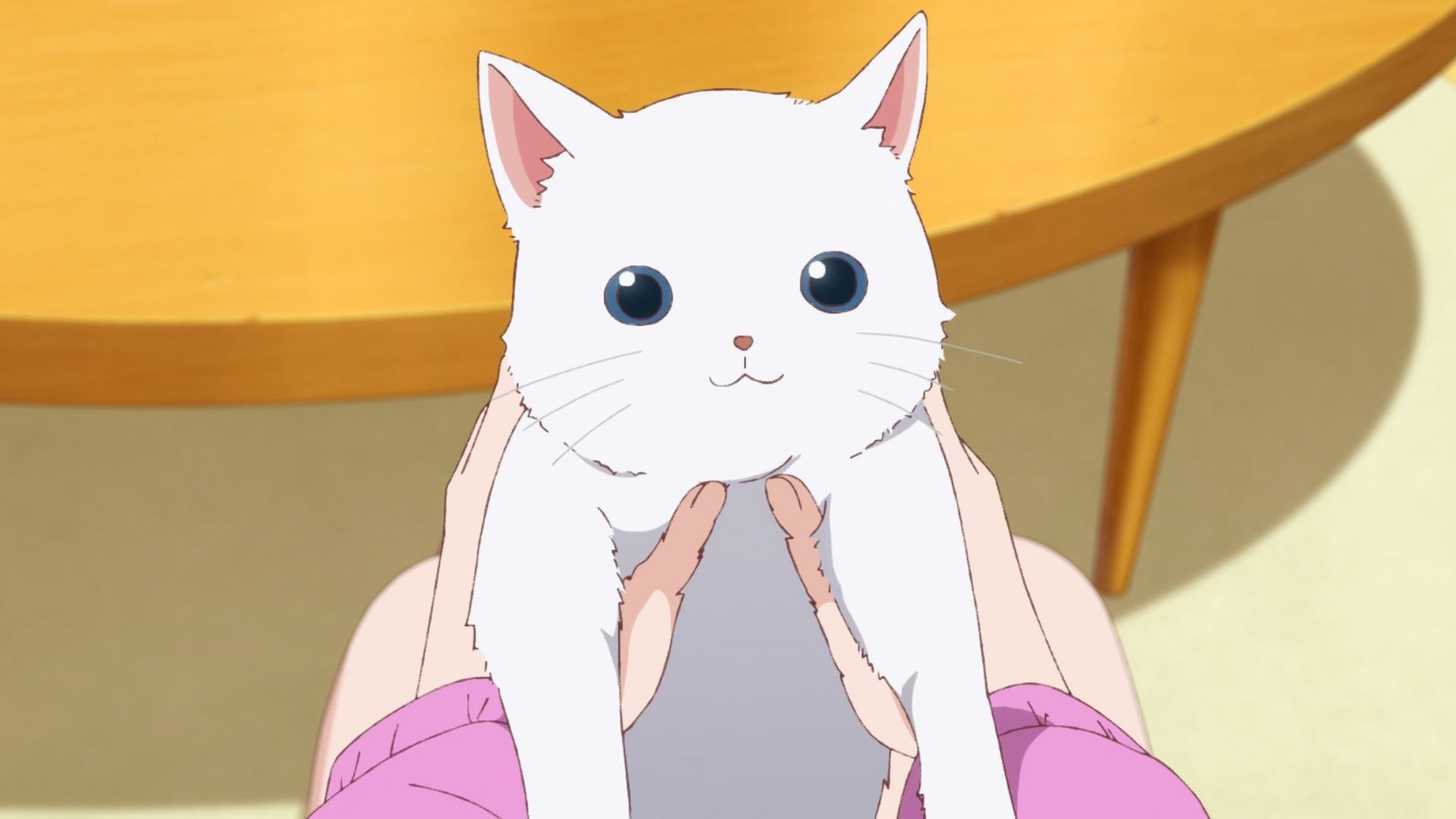
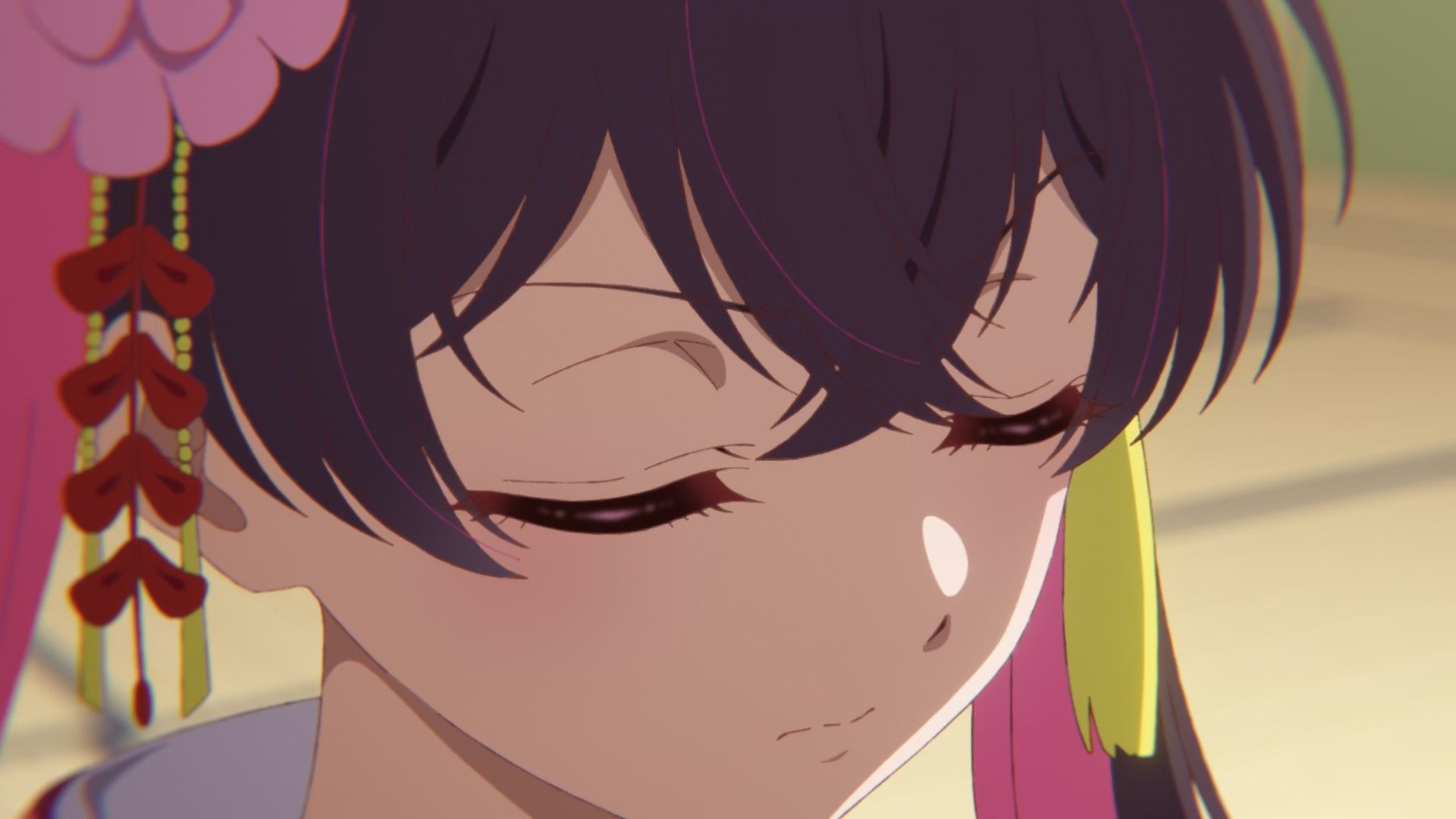
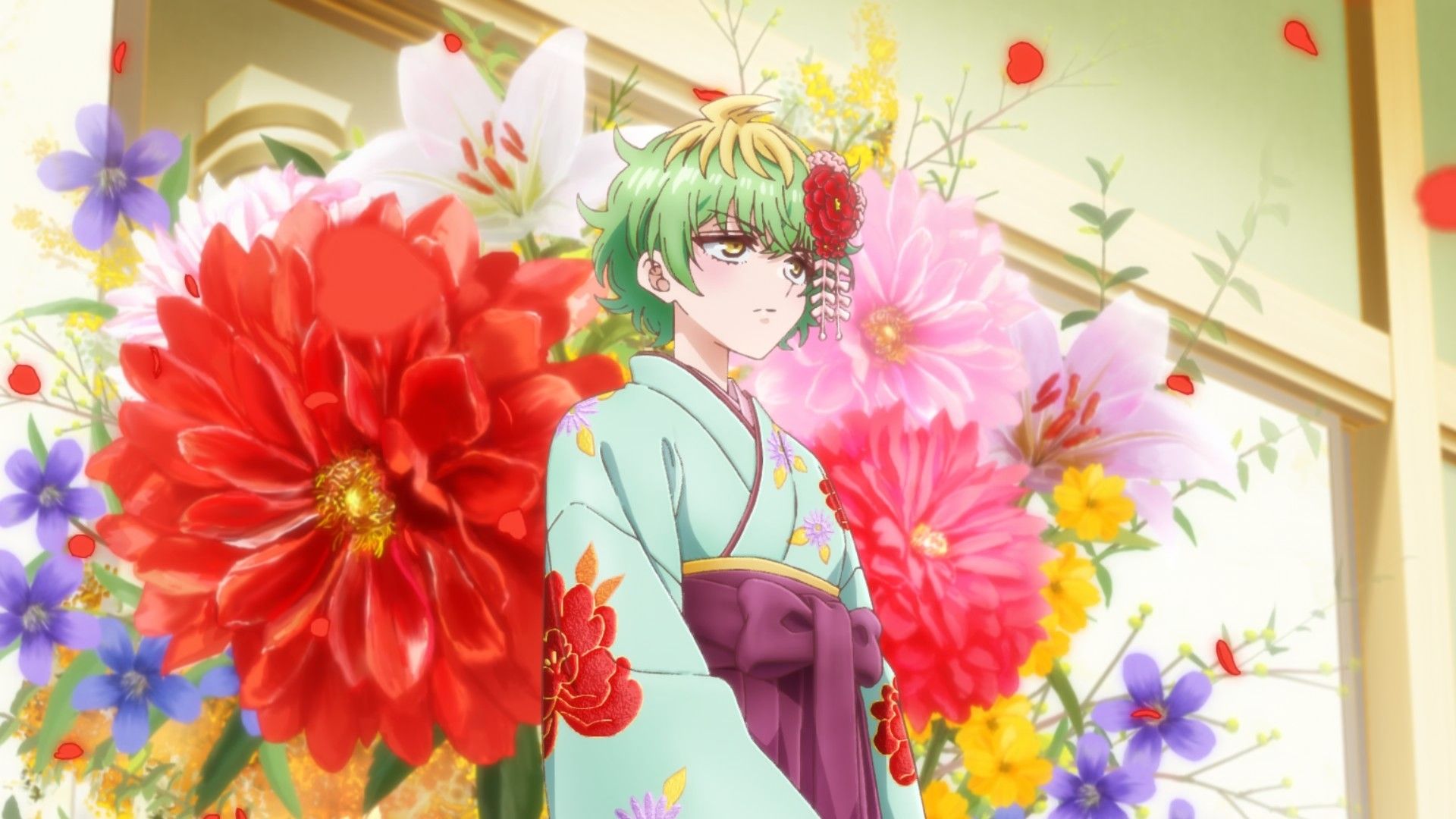
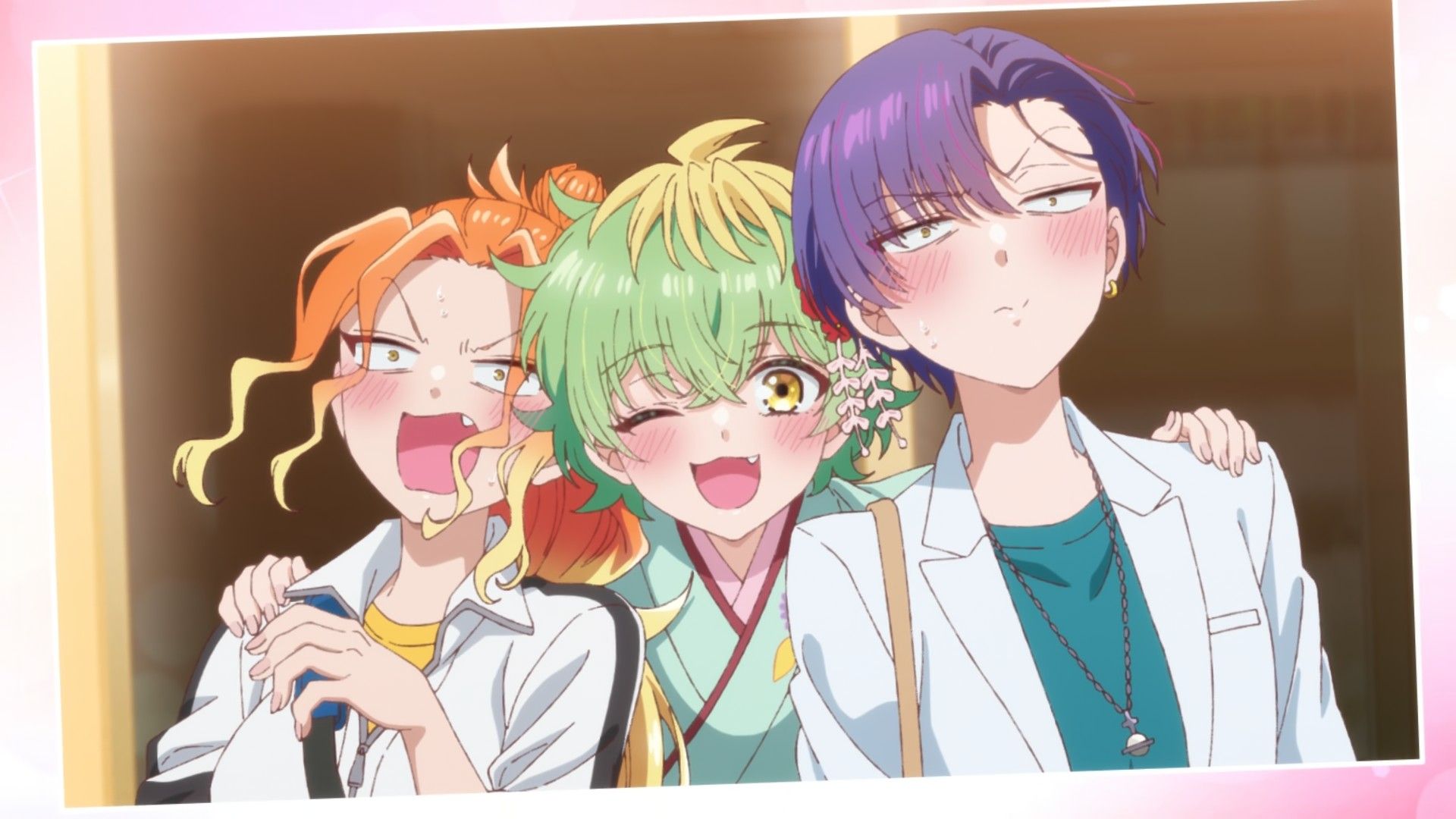
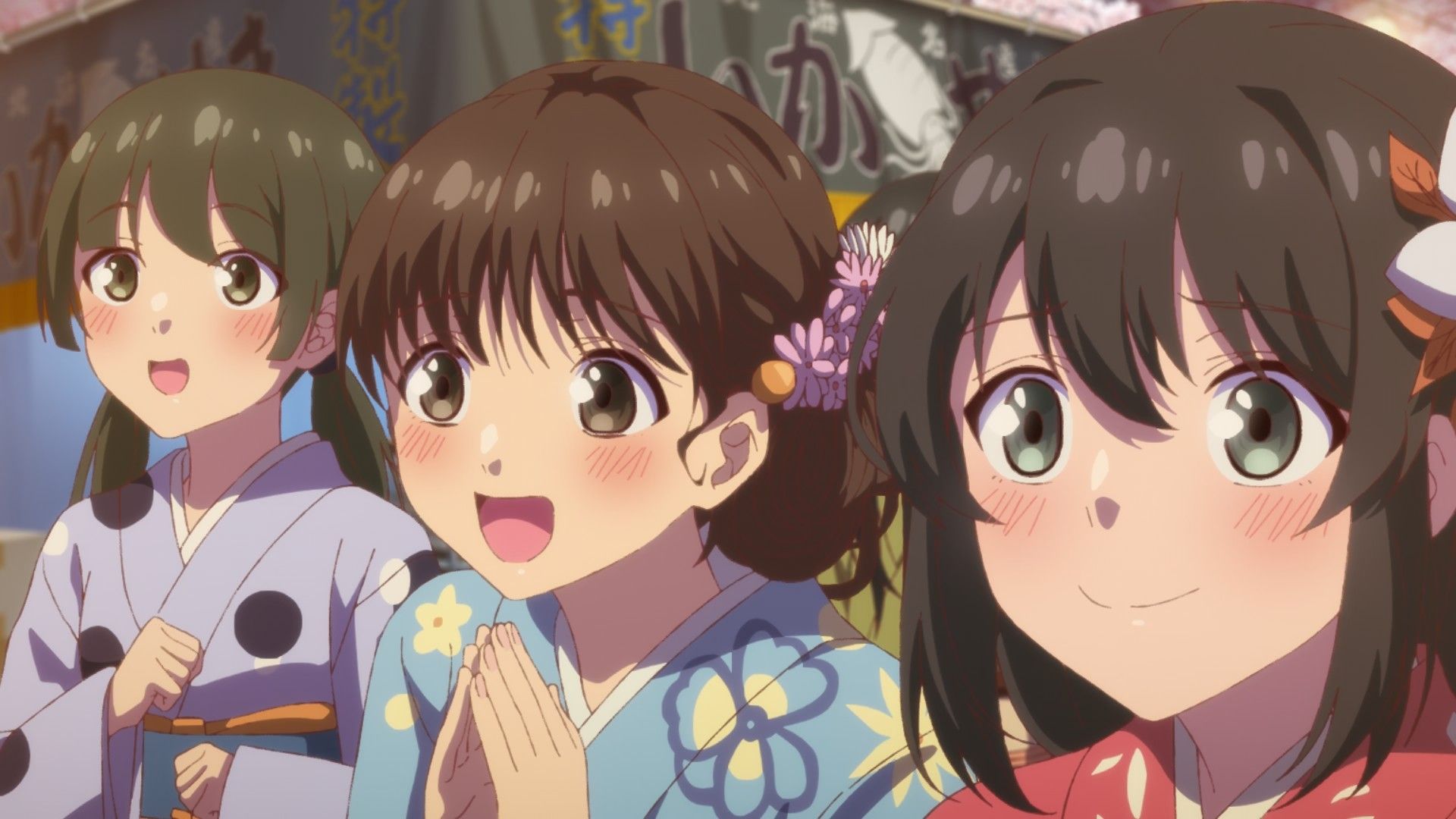
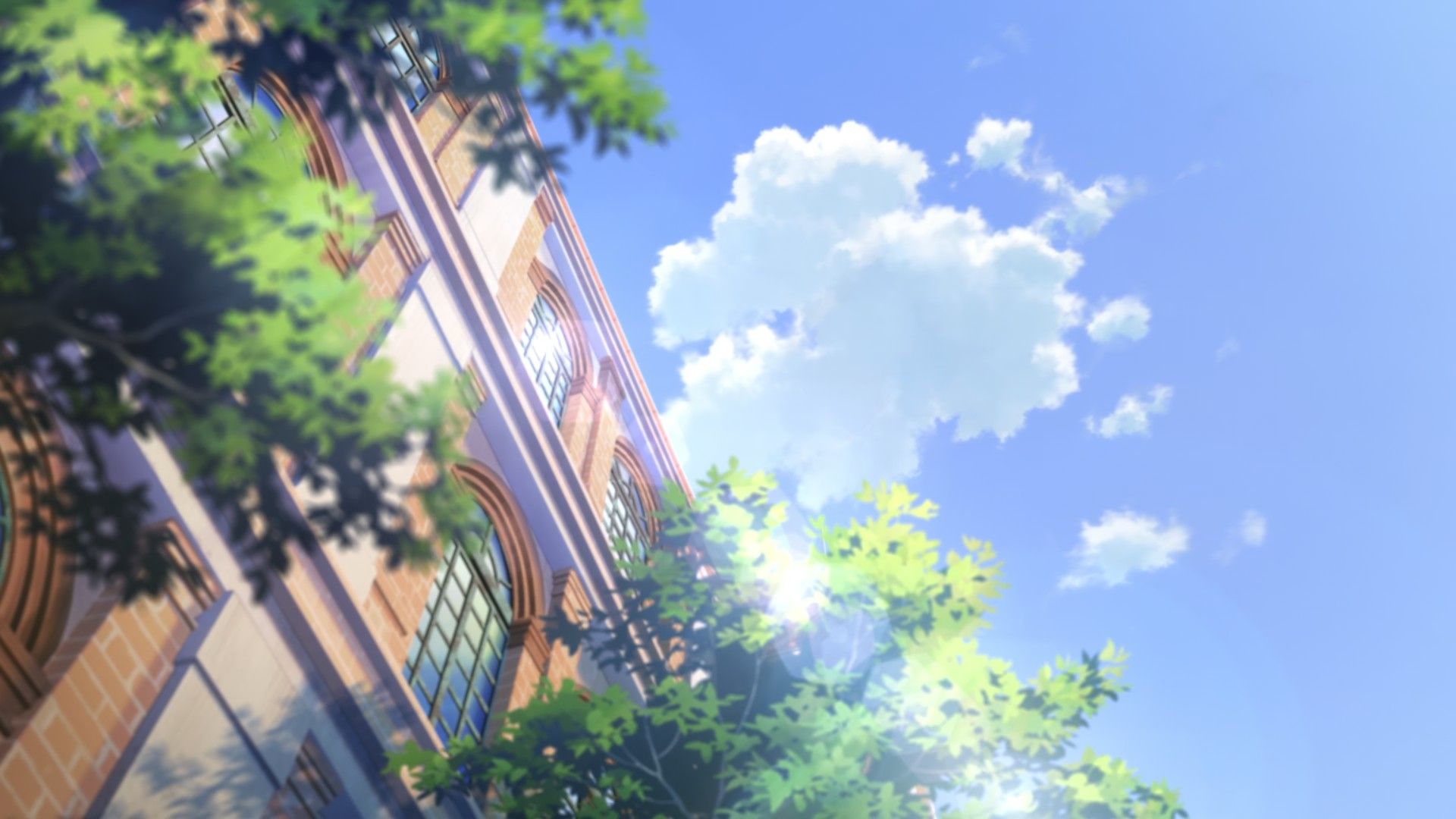
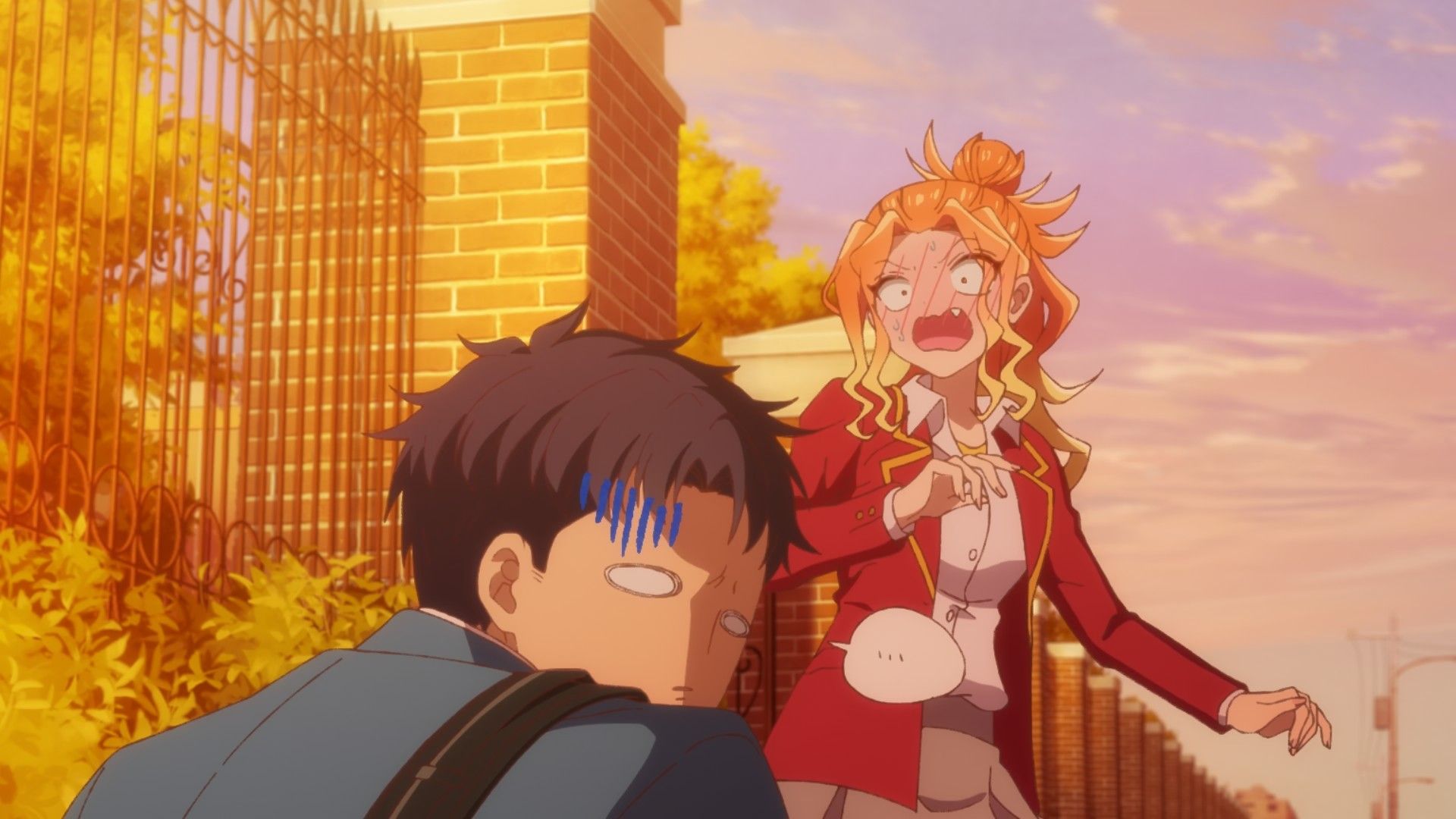
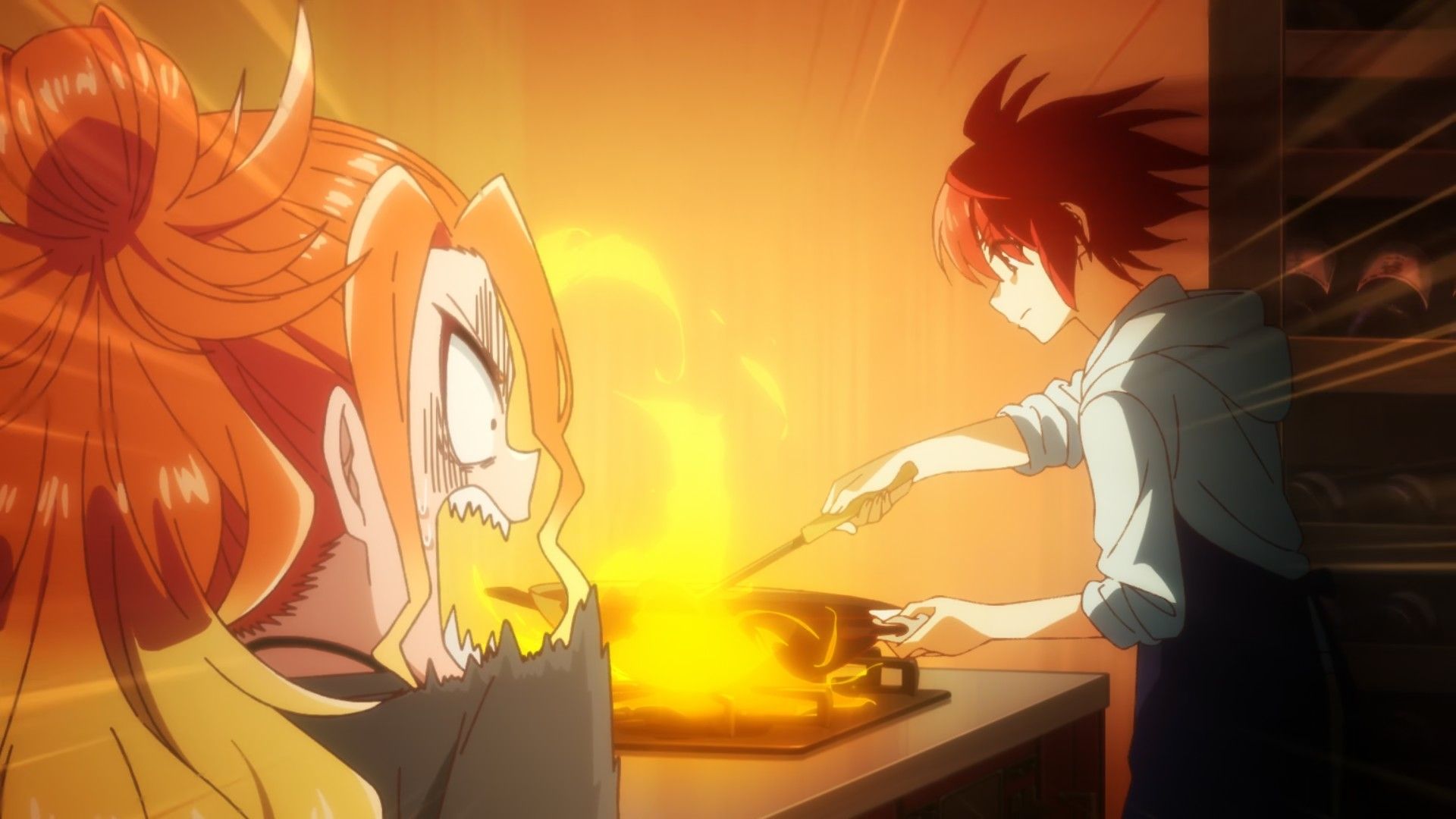
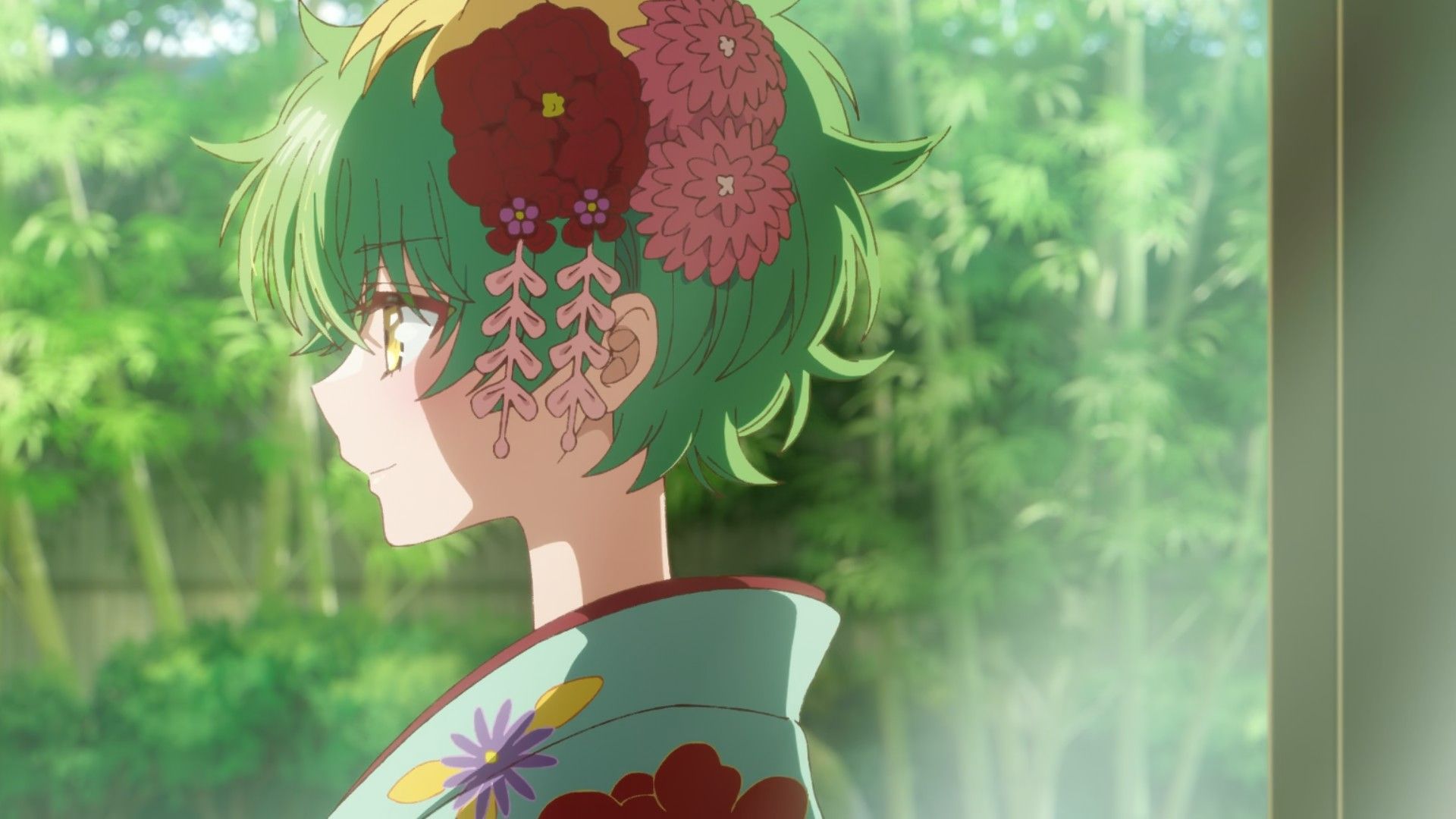
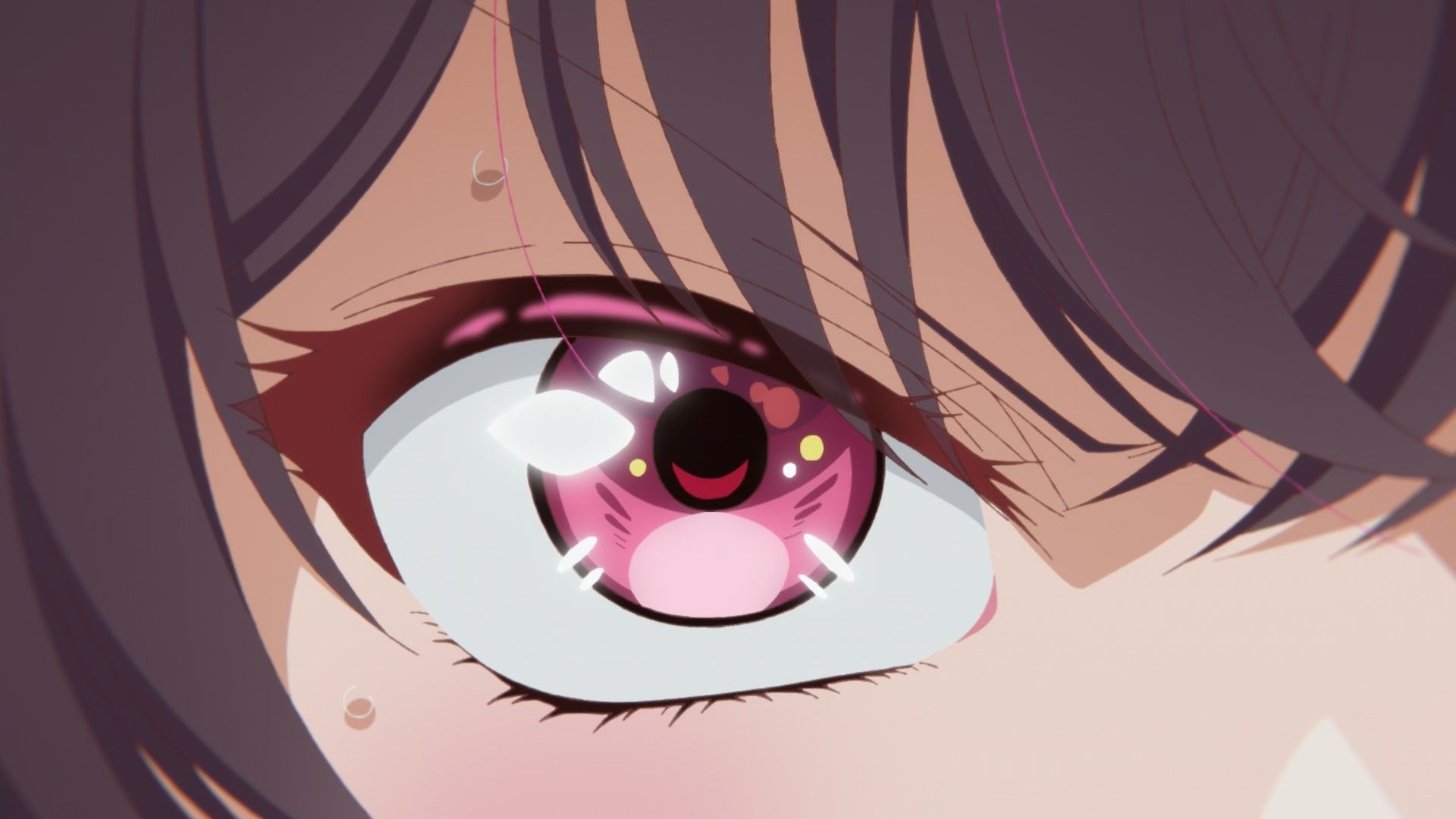
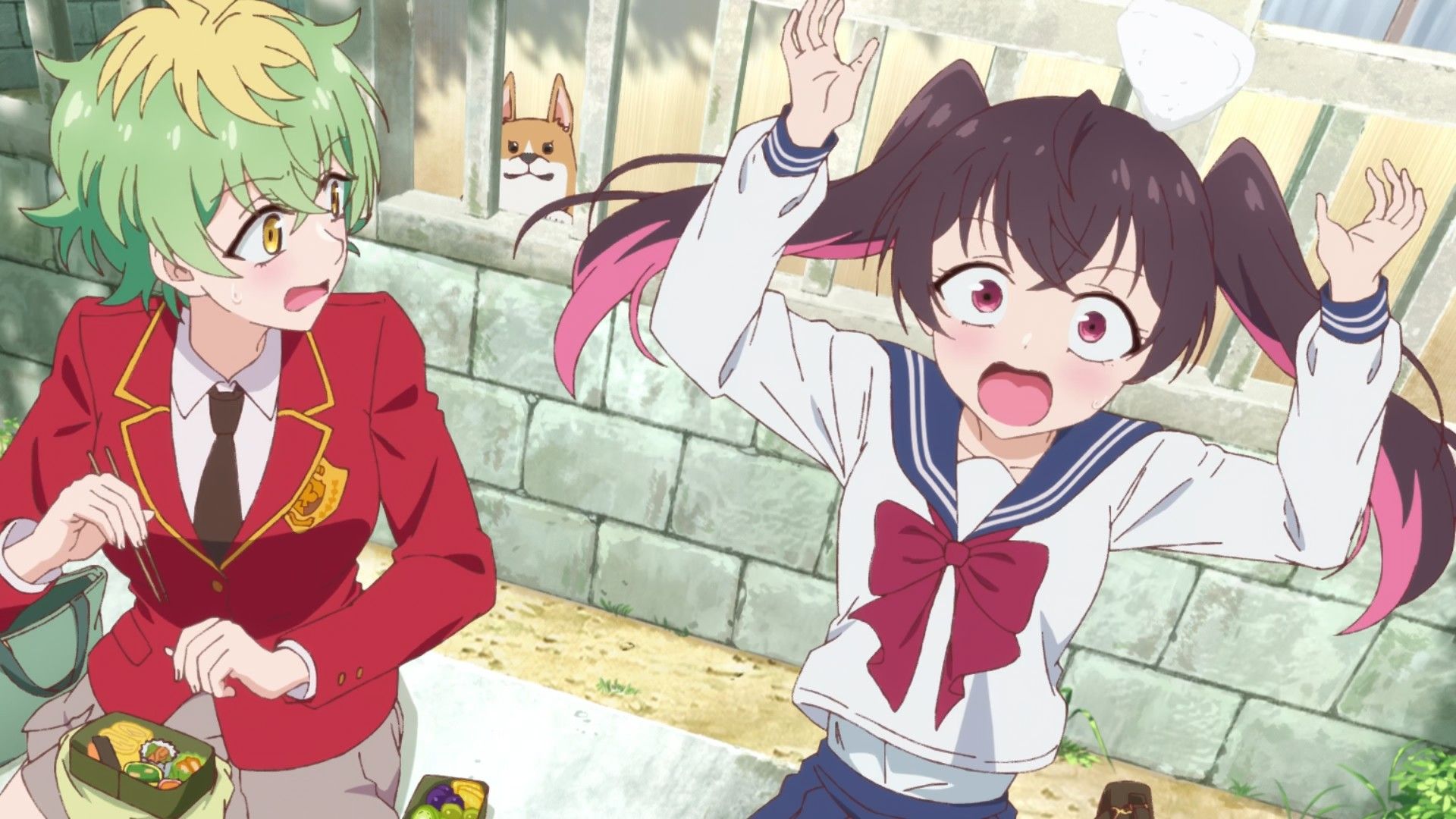
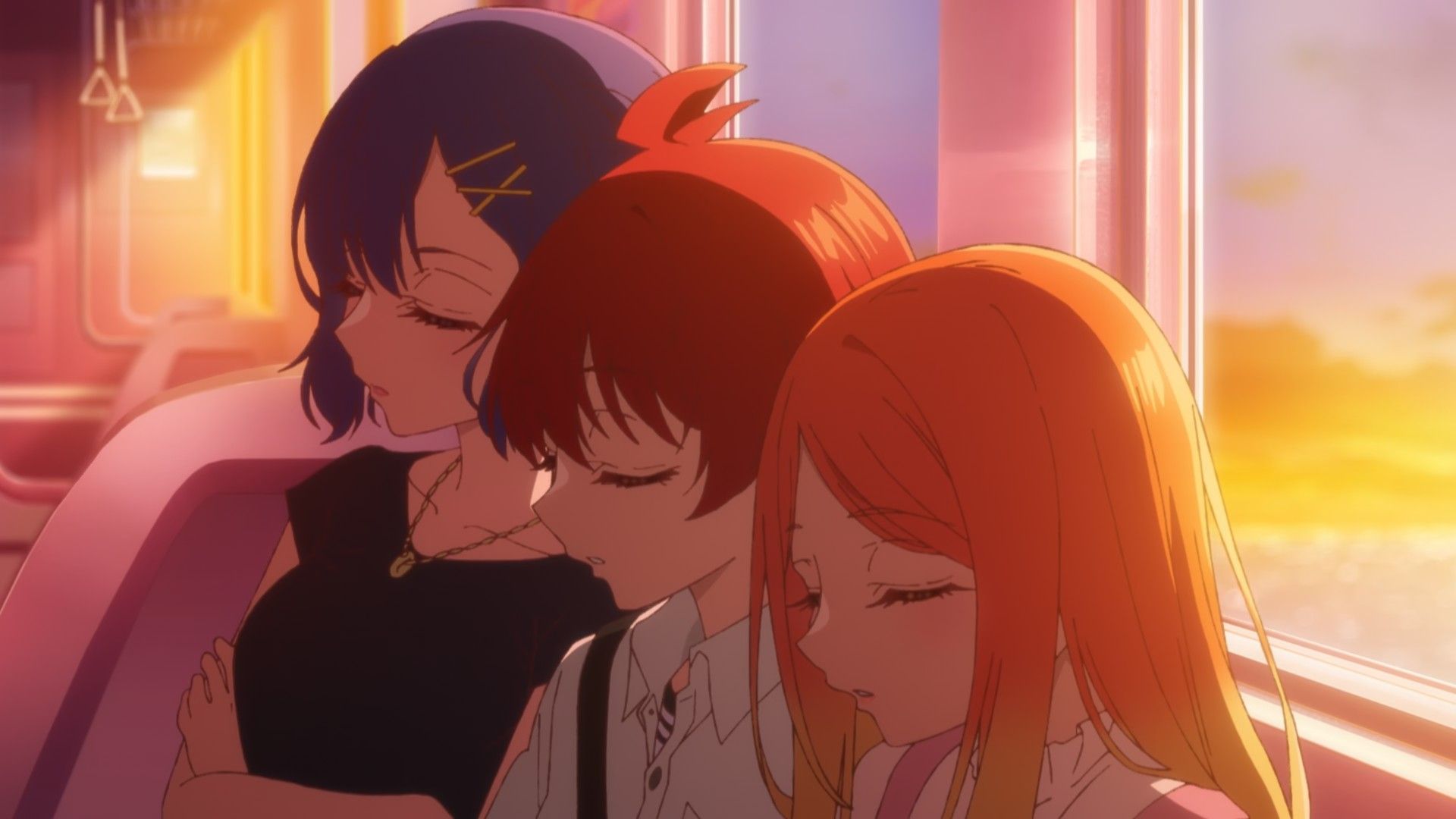
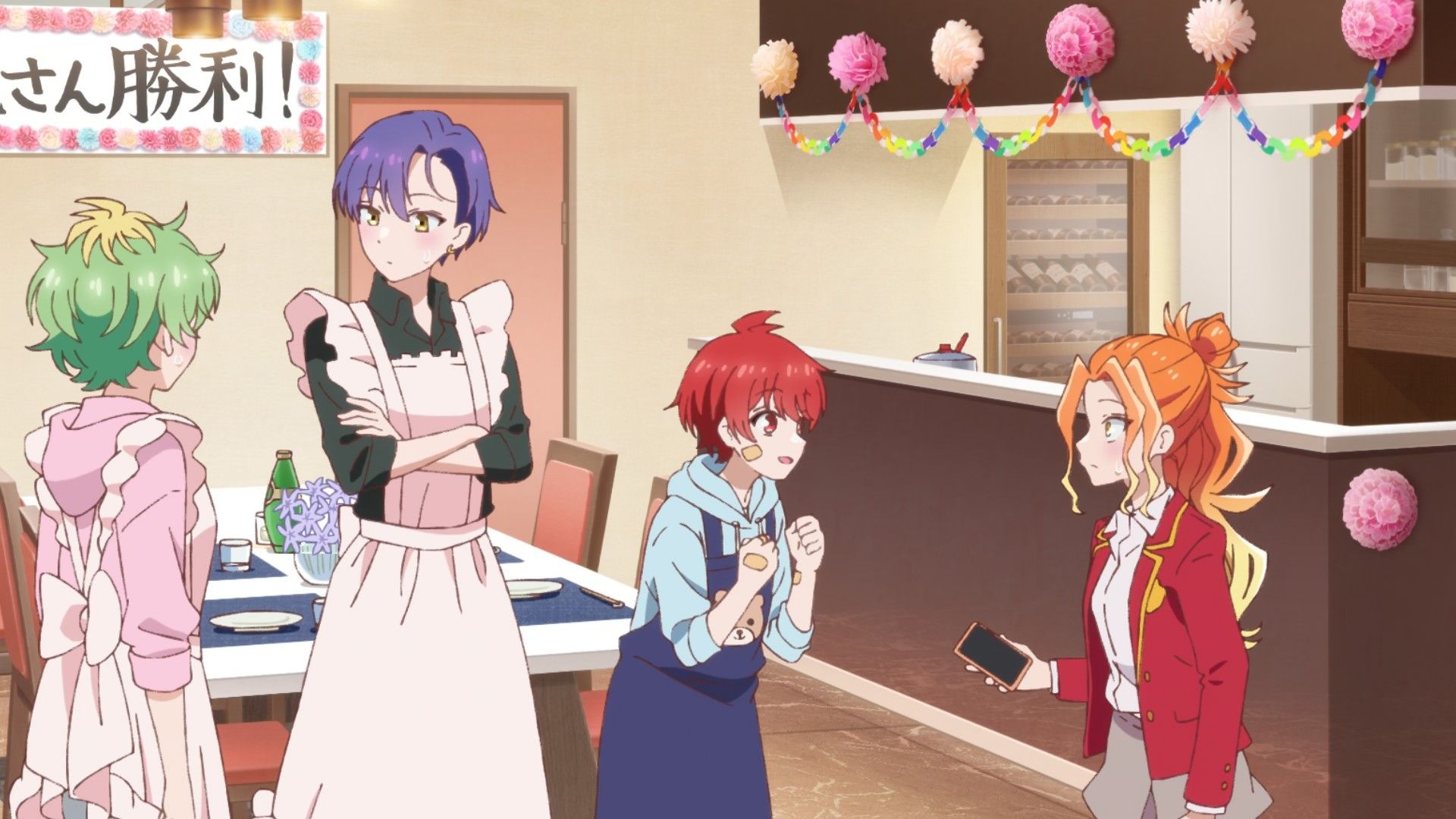
Studio P.A. Works is responsible for the series’ animation, which is evident from the very first scenes. Those familiar with the studio’s previous titles will recognize their characteristic style—attention to background detail, fluid and dynamic shots, and the skillful blending of comedic expression with more subdued, atmospheric moments. Mikadono Sanshimai might not be P.A. Works’ most beautiful production (from a purely artistic standpoint, the studio has had much more dazzling series—especially their original productions), but it still represents a high level of execution. The animation perfectly conveys the characters’ emotions through excellently realized facial expressions, the character designs are quite detailed, and the backgrounds are pleasing to the eye.
Audio
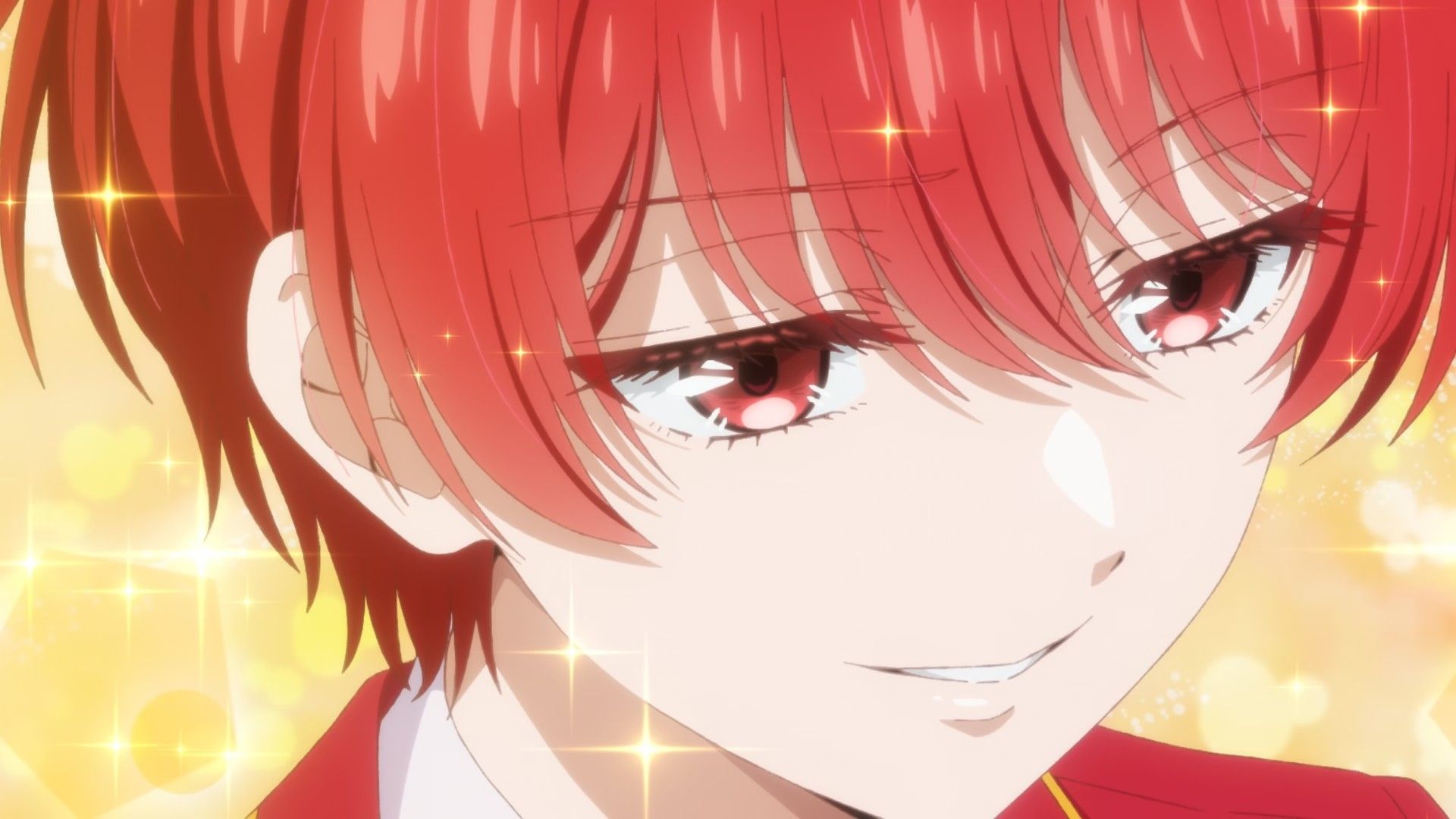
The cast did a great job, giving each sister a unique character. Koga Aoi, in particular, shines as Niko with energy and charisma, while Amami Yurina perfectly captures the two faces of Kazuki—the confident, masculine tone of a “prince” versus the delicacy of a lost girl.
The soundtrack underscores the atmosphere of individual scenes well, yet it doesn’t stand out with anything that would be particularly memorable. Unfortunately, neither the opening nor the ending appealed to me enough to find a place on my playlists.
Mikadono Sanshimai wa Angai, Choroi. (2025) – Plot and Characters
Introduction
When choosing series to watch in the summer of 2025, I expected a pleasant comedy. I didn’t have any particularly high expectations for this title. Furthermore, even the first episode didn’t provide enough reasons to have greater expectations. However, each subsequent episode added more building blocks to the characterization, the result of which is what I will write about in this review.
A Brief Overview of the Mikadono Sanshimai wa Angai, Choroi. Plot
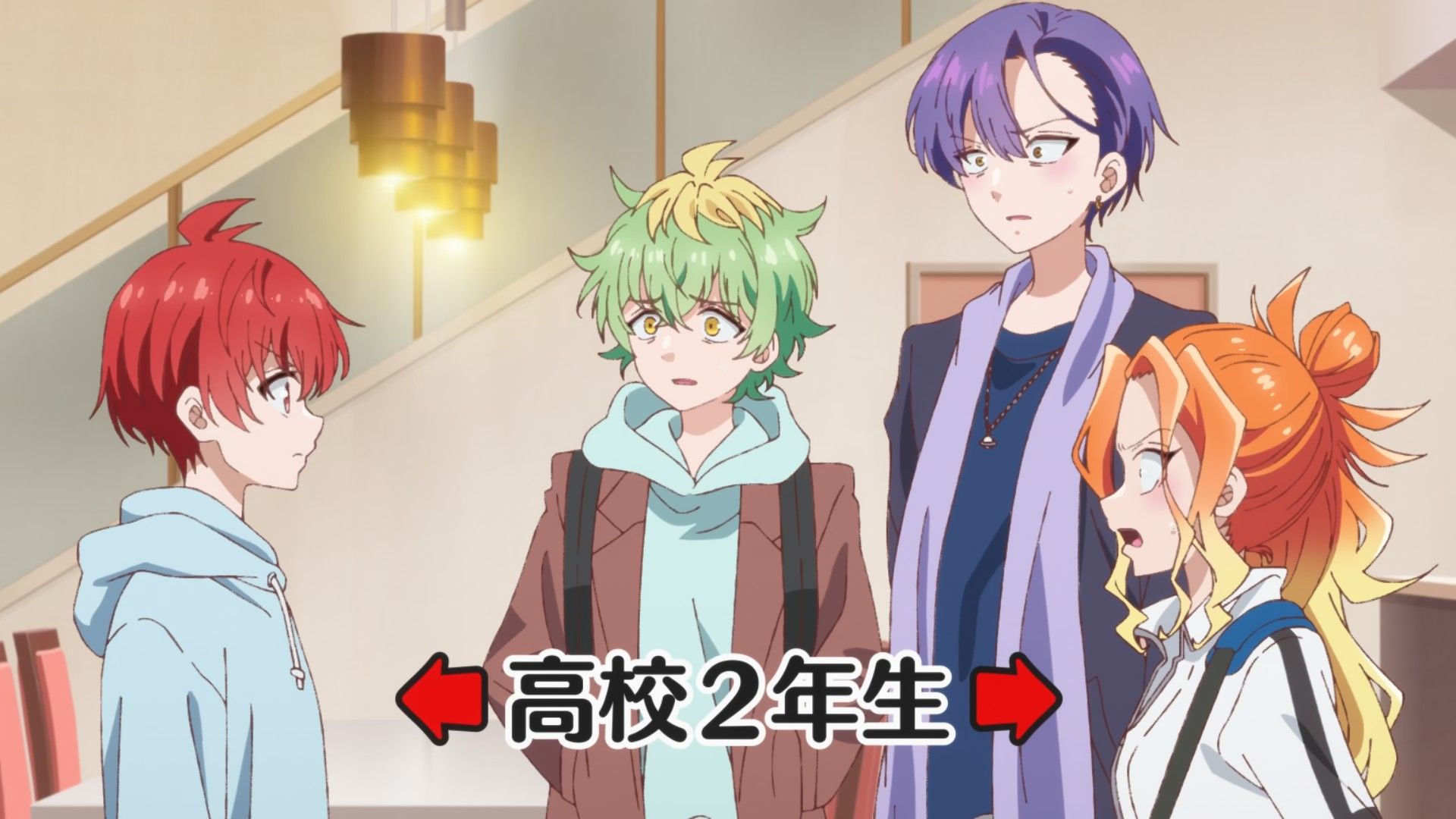
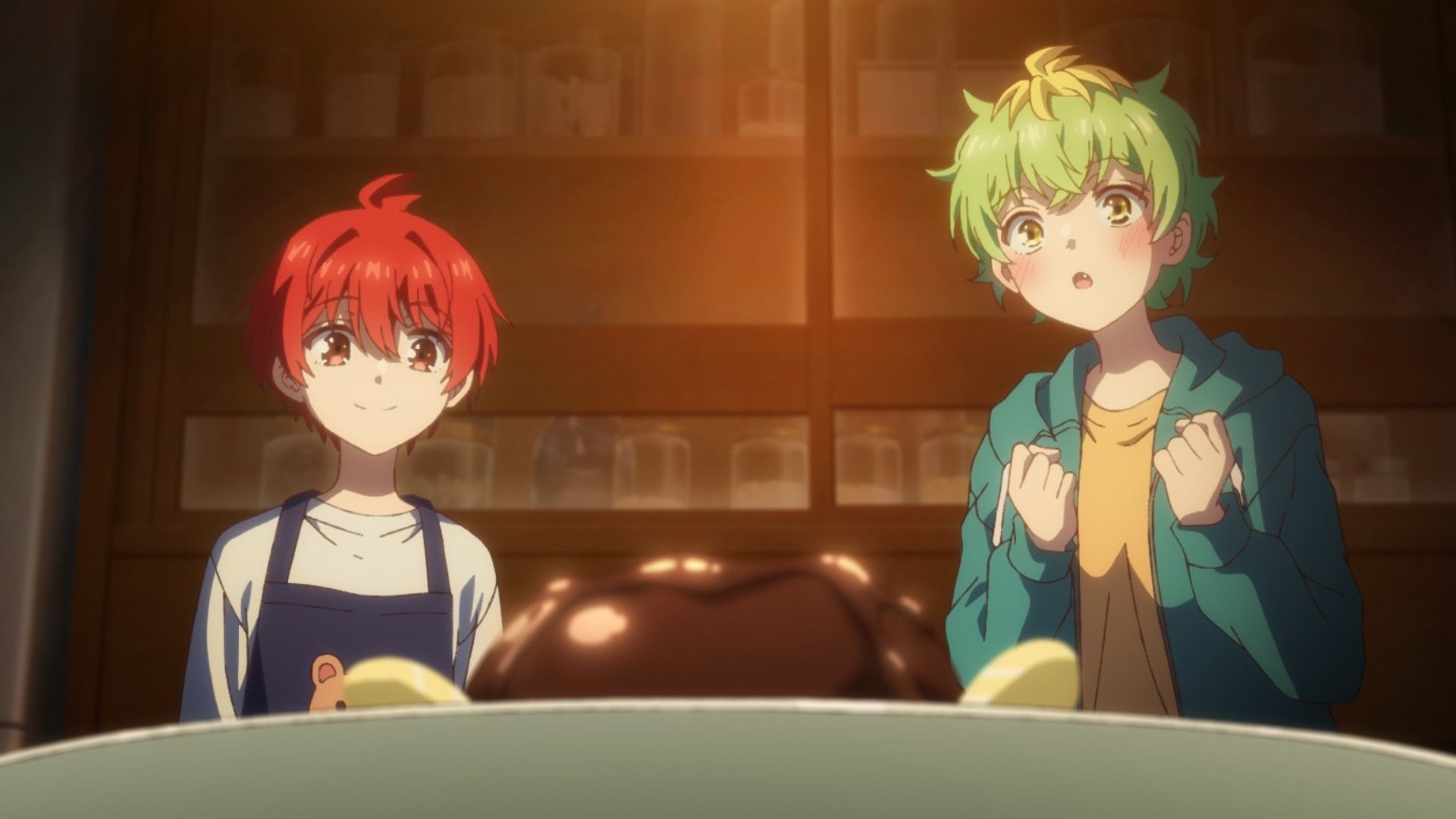
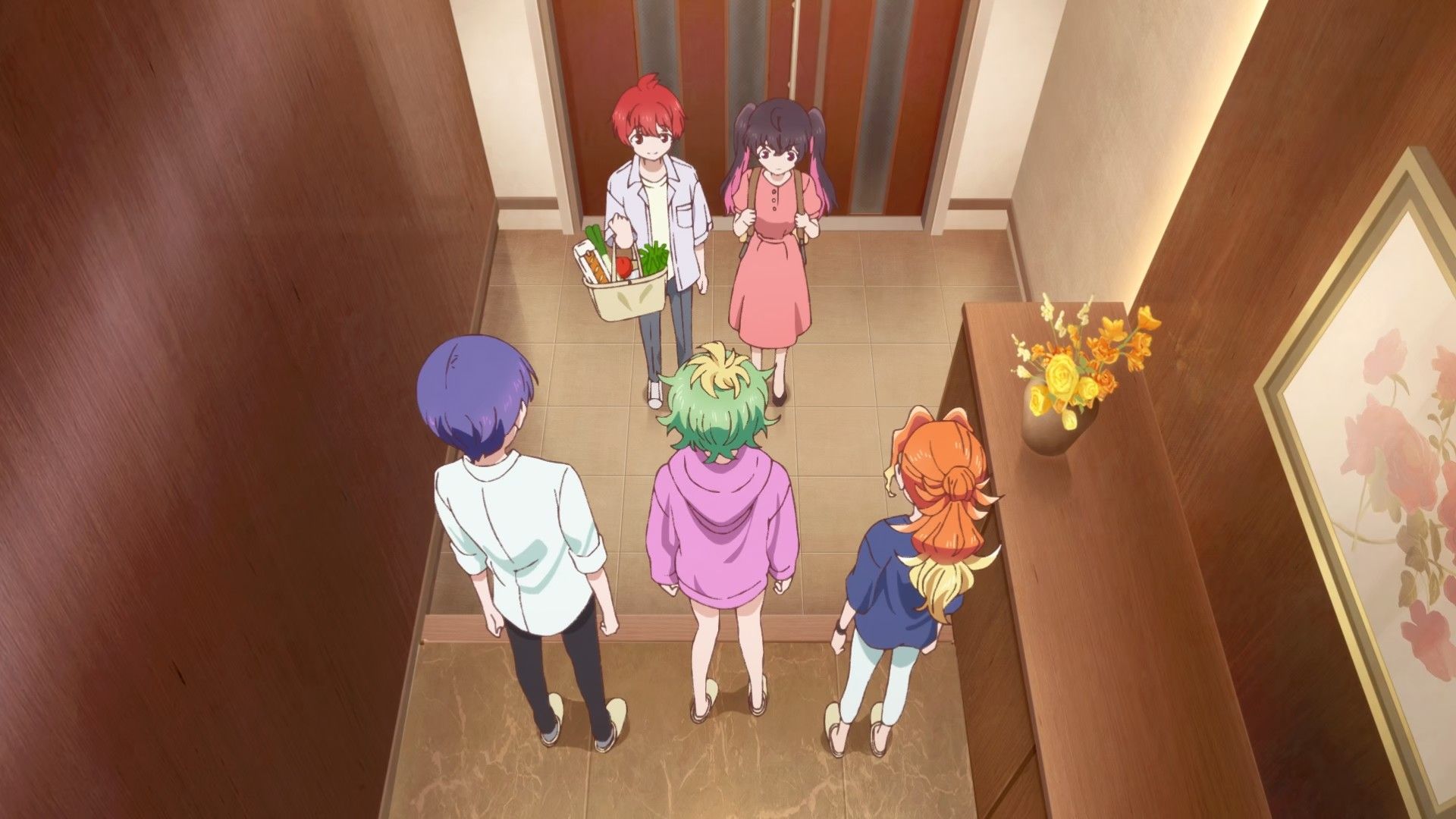
Ayase Yuu is an average high school student and the son of the late film star Ayase Subaru. After his mother’s death, the boy is invited to the Mikadono family home to live with three talented sisters, previously known to him only as school legends. Mikadono Kazuki, Mikadono Niko, and Mikadono Miwa are called the “Three Princesses” at Saika Academy—each dominating in her respective field. Kazuki shines on the theater stage like a prince from a musical, Niko is a national-level karate champion, and the youngest, Miwa, is a true shogi genius. However, the sisters are completely unable to handle the basics of daily life. The Mikadono house is a total mess—dirty dishes, clutter, and a fridge full of ready-made meals because none of the girls can cook or clean. Yuu quickly discovers that his only talent is a love for housework and cooking. He decides to become a support for the sisters and fulfill his mother’s last wish: to create a true, happy family for himself.
Trudne początki w nowej rodzinie
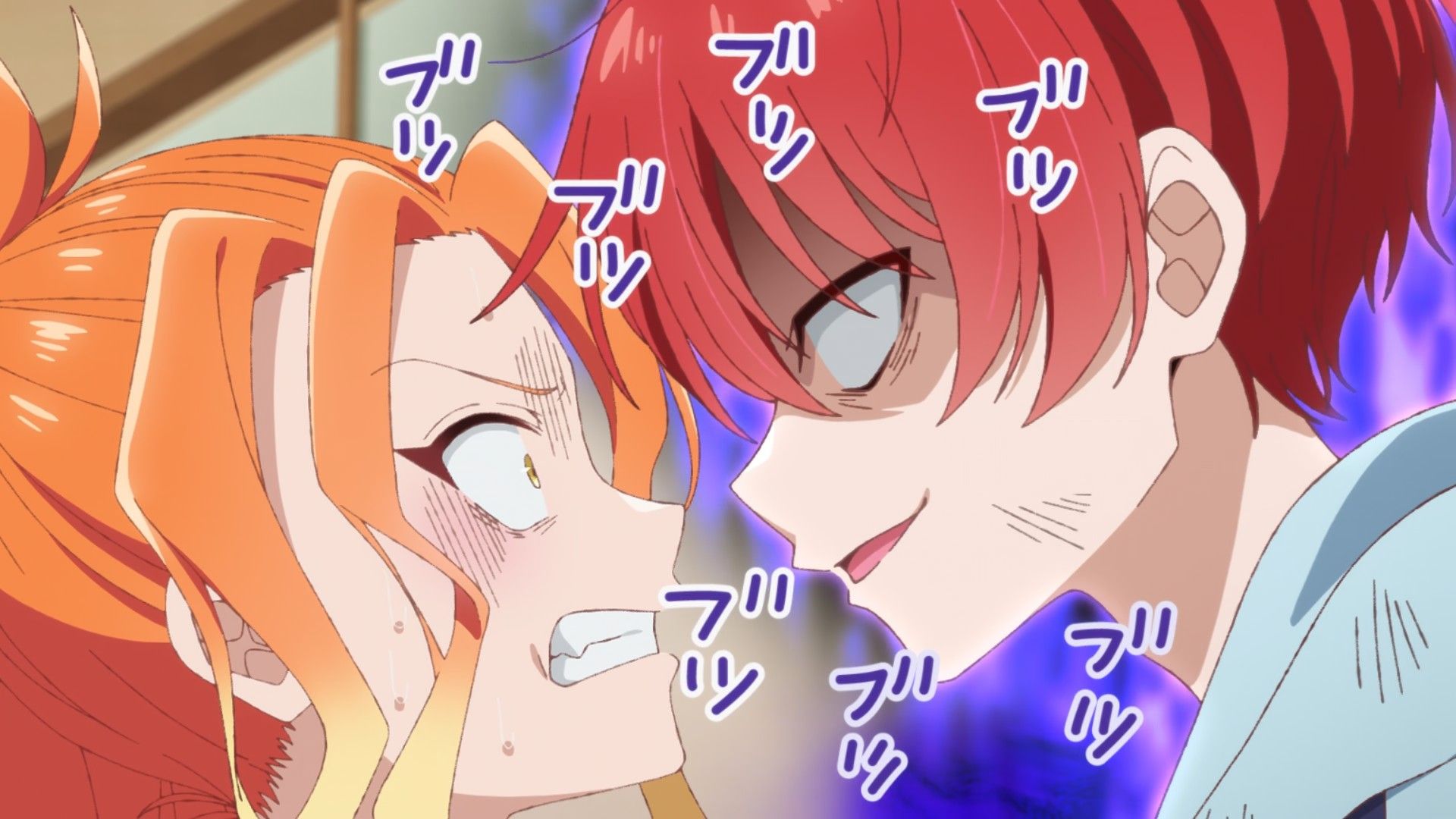
The sisters treat Yuu quite coldly. They see him as an intruder and a failure who doesn’t measure up to their level. Each of them lives in her own small, closed world of success and pressure. Thus, they have neither the time nor the inclination for “nonsense” like shared meals or family conversations. Yuu, however, step by step, with sincerity and determination, tries to break through their barriers. It quickly becomes clear that the title’s angai, choroi (meaning “surprisingly easy [to win over]”) didn’t come from nowhere.
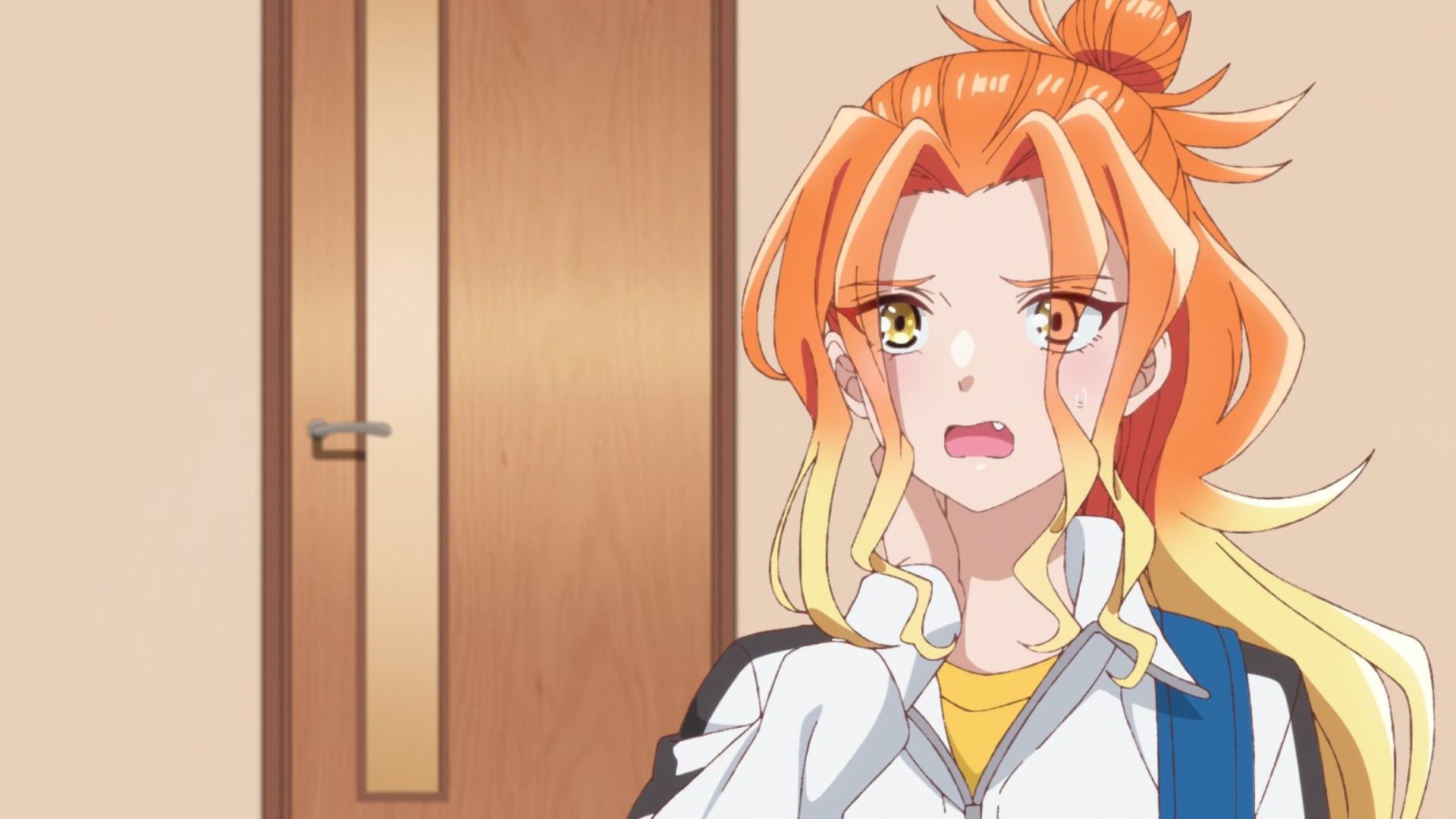
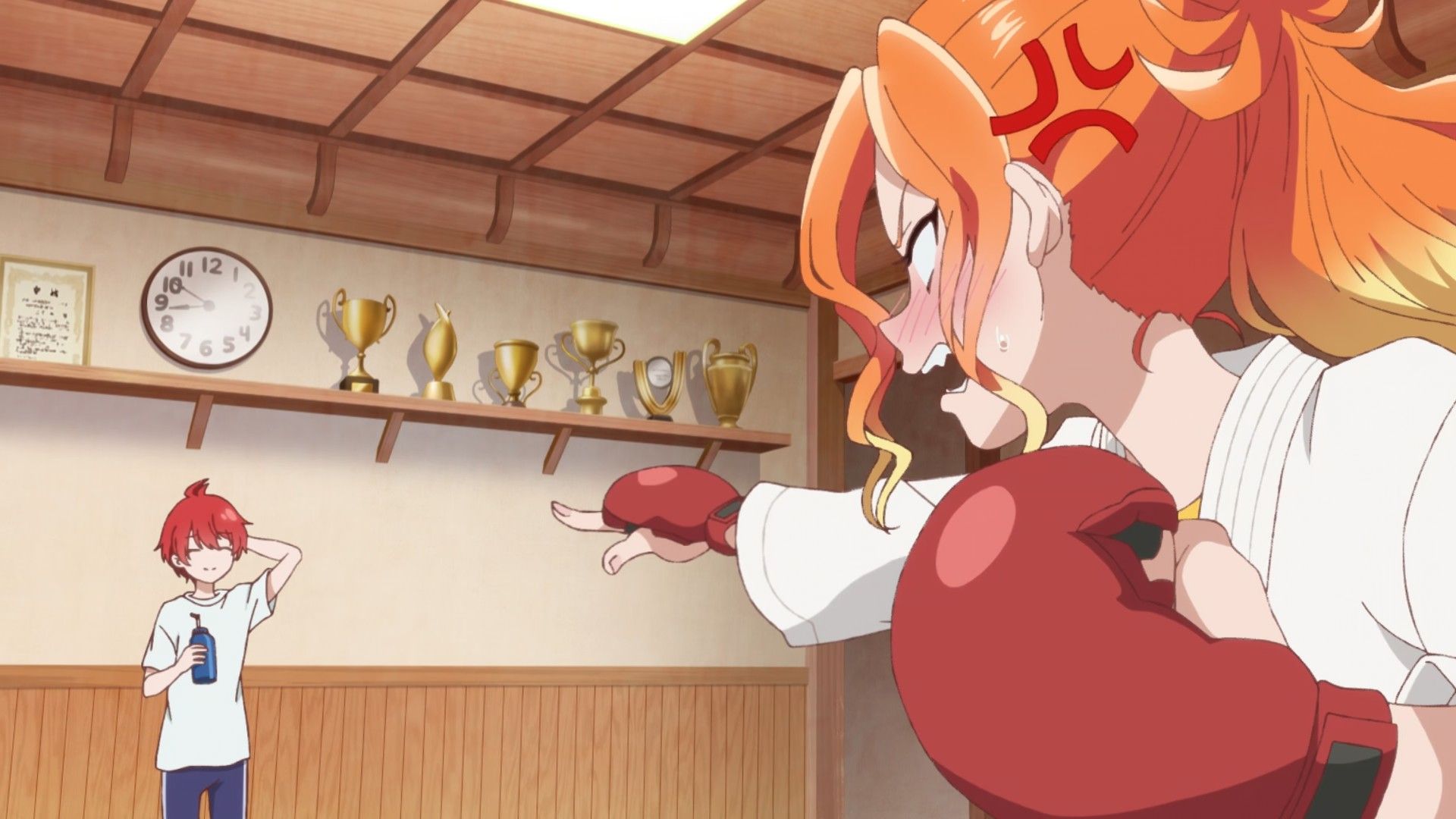
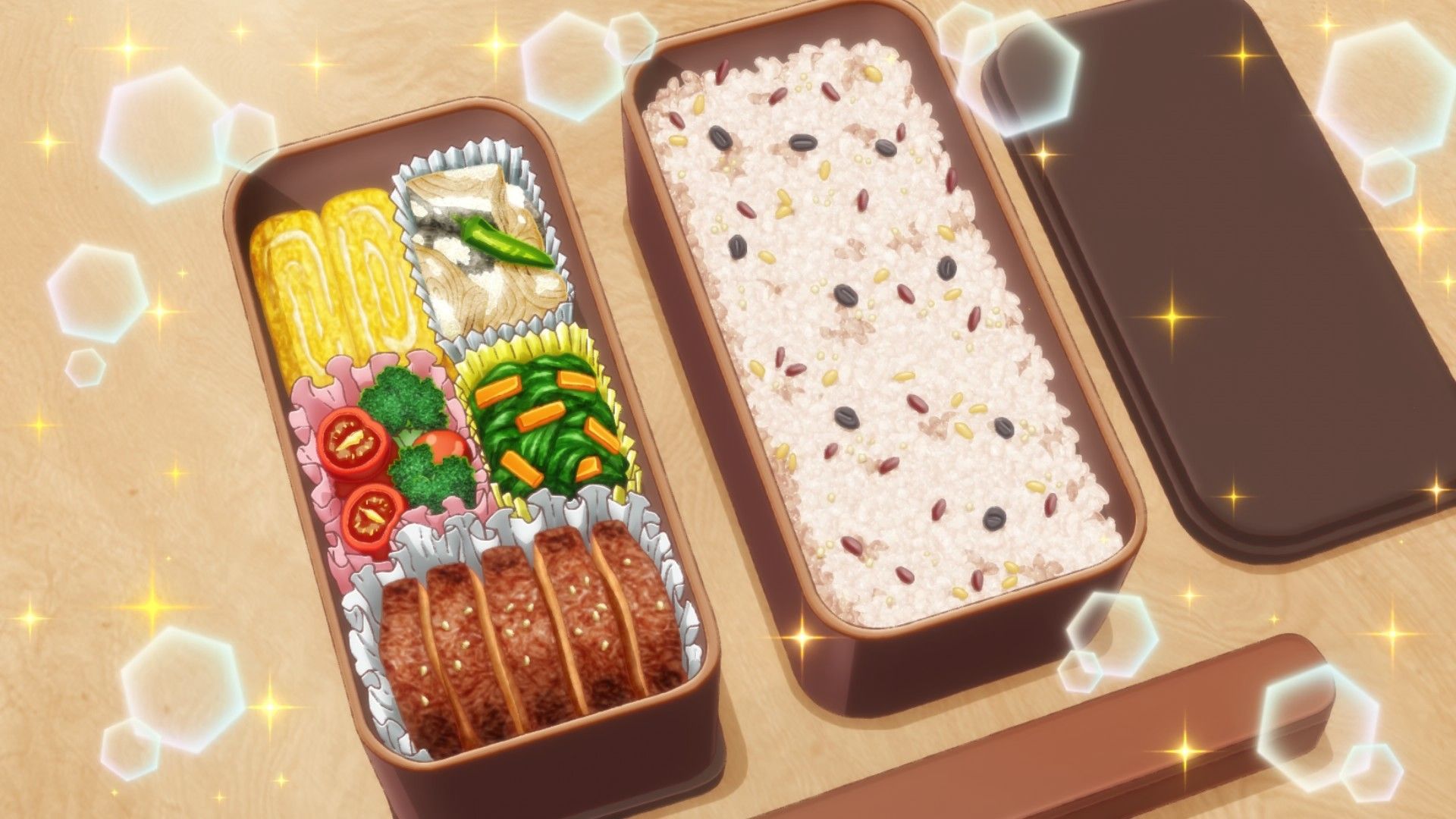
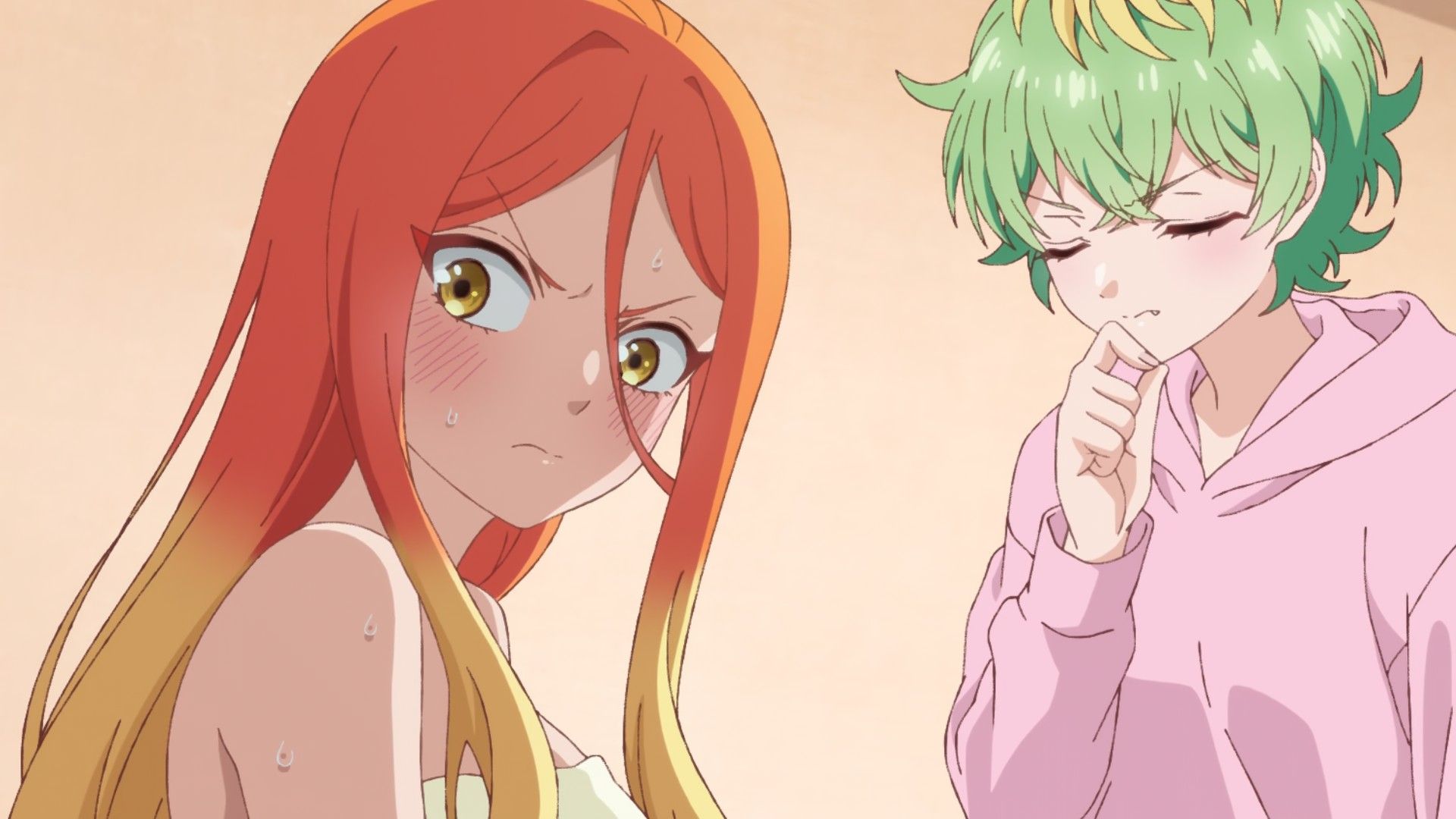
Each sister has her own hidden weakness or need, through which an ordinary boy can gain their sympathy. Kazuki, the eldest sister, though she plays charismatic male leads on stage, is deep down tired of perfection and even dislikes certain vegetables. Yuu thus wins her heart with a dinner perfectly tailored to her picky taste. Niko, the hot-headed sportswoman, hides a secret—she loves sweet, girly things that supposedly don’t fit her image.
Yuu is the first to notice and accept this, which crumbles her tough exterior. Miwa, on the other hand, the coolly calculating shogi master, falls into a crisis when she loses for the first time in her life. It is then that Yuu’s emotional support proves to be the key to her heart. She sees in him a warmth and acceptance that cannot be calculated by any logic.
What is the series about
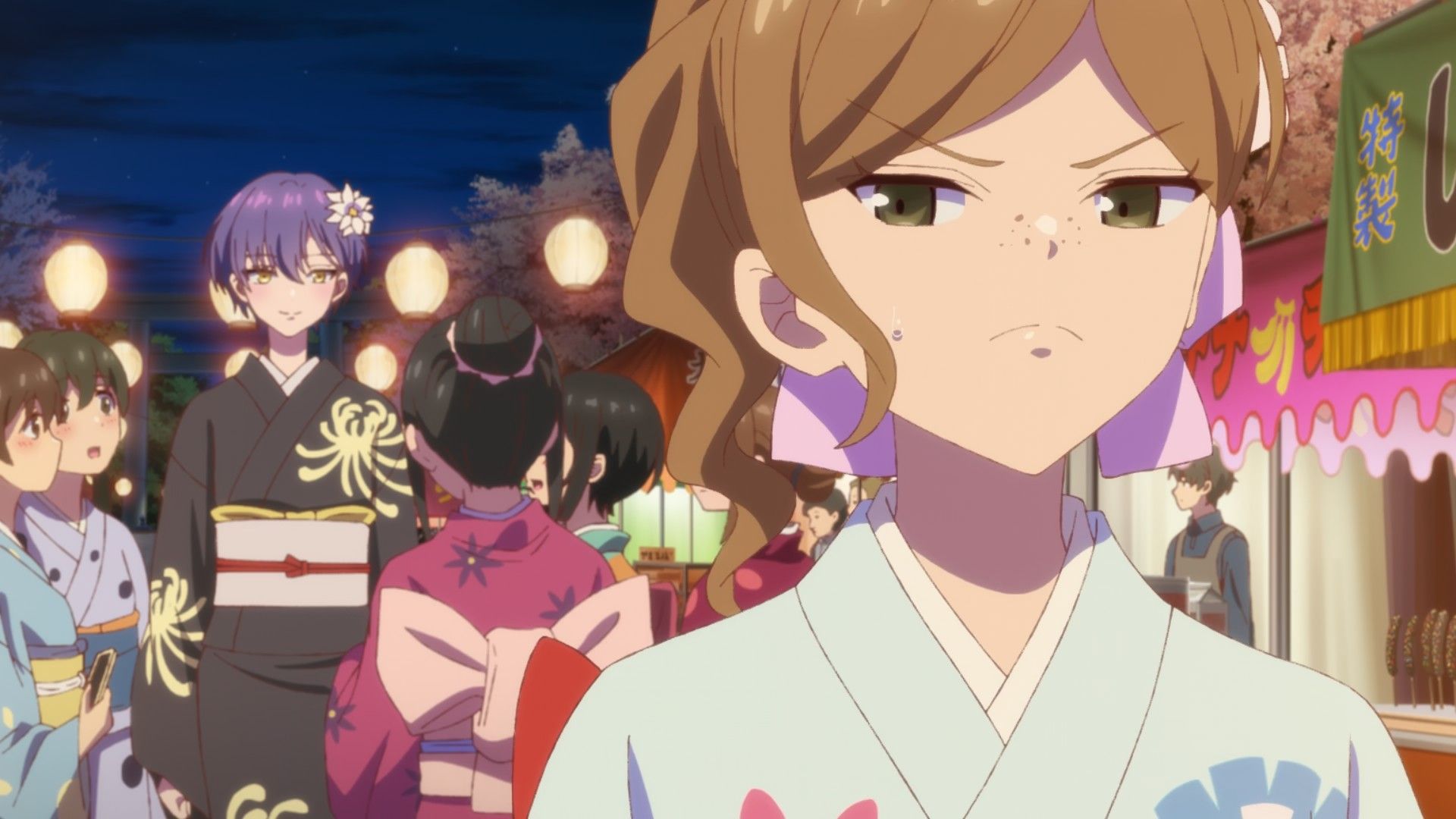
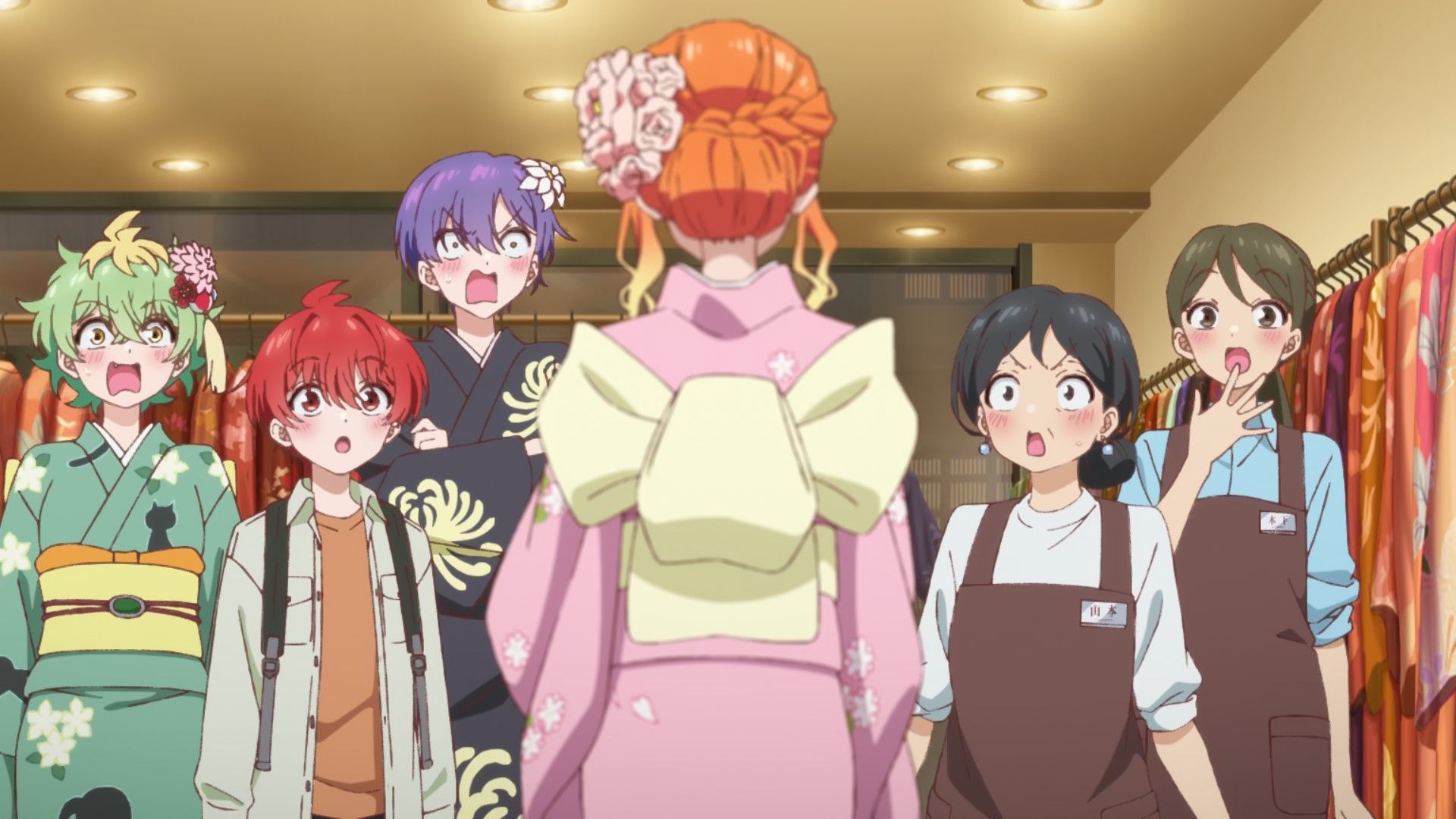
The series consists of episodic mini-stories in which Yuu gradually tames each sister, breaking their isolation. This is accompanied by a good deal of humor and scenes where the proud princesses experience ordinary, everyday pleasures for the first time—such as a shared meal at the kitchen table, a trip to a summer festival, or a visit to an amusement park. The culmination comes with the shogi tournament arc involving the youngest sister. Yaotome Sakura, Miwa’s fierce rival, appears. She embodies the theme of “hard work versus innate talent”—a girl who for years tried to match Miwa’s genius with her own persistence and passion. Their duel and Miwa’s personal crisis add a more serious tone and emotional stakes toward the end. Despite this, Mikadono Sanshimai remains primarily a warm story about a chosen family. In line with genre expectations, there is no shortage of romantic developments either. Each sister, in her own way, begins to develop feelings for Yuu. The series maintains this in a pleasant, unhurried tone without a definitive resolution.
Characters
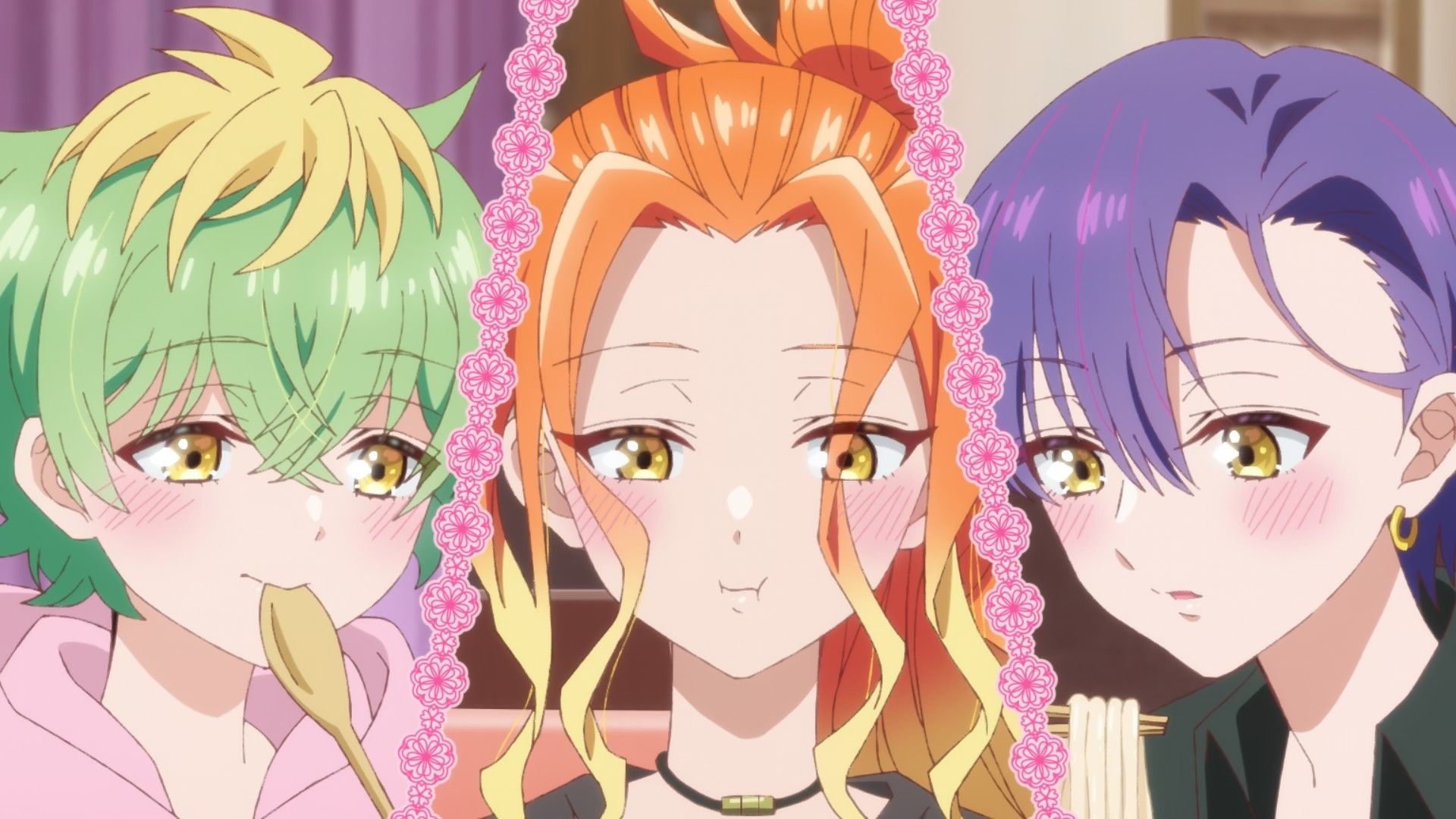
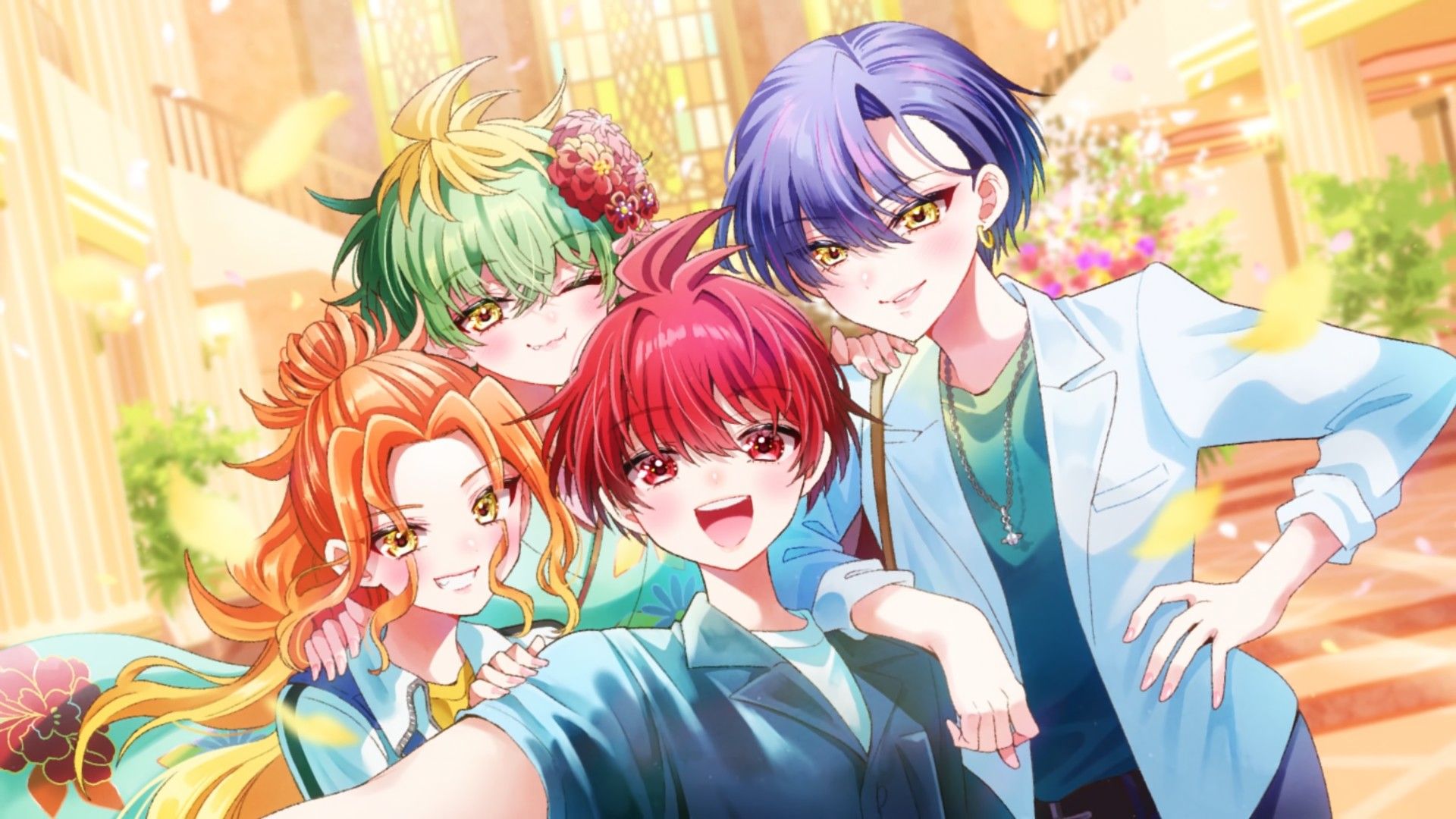
The three titular Mikadono sisters are quite distinct characters. We have a classic set of personalities here: Kazuki as the haughty ouji-sama (princely) stage star, Niko as the explosive tsundere with a heart hidden under armor, and Miwa as the icy kuudere genius looking down on everyone. However, the series devotes enough time to each of them to show what lies beneath the surface of the archetype. Their characters turn out to have depth and can positively surprise you. I was most surprised by Miwa, who transforms from a cold and arrogant queen into a lost girl looking for true motivation. Meanwhile, Niko quickly became my personal favorite, hiding a charmingly clumsy nature beneath her facade of pride.
Ayase Yuu
Although the boy considers himself average and a failure compared to the geniuses around him, he possesses a lot of warmth and empathy. He is excellent at sensing the feelings of others and actively tries to help each sister. His goal is not (at least initially) to win over one of the girls, but to build a family bond with them. It’s easy to root for him as he persistently breaks the ice—whether by cooking each sister’s favorite dishes or getting into comical situations just to bring a smile to their faces.
Mikadono Kazuki
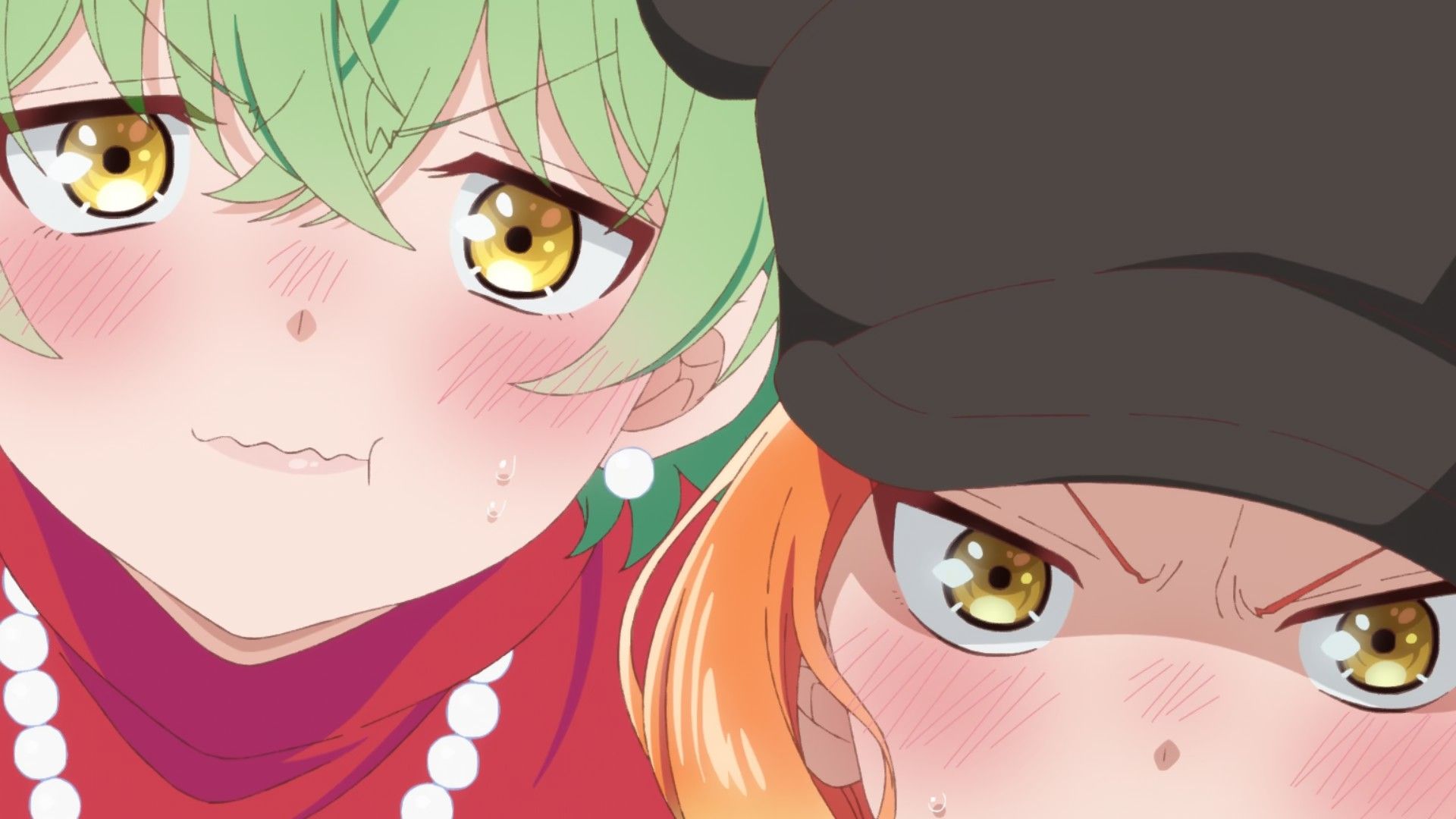
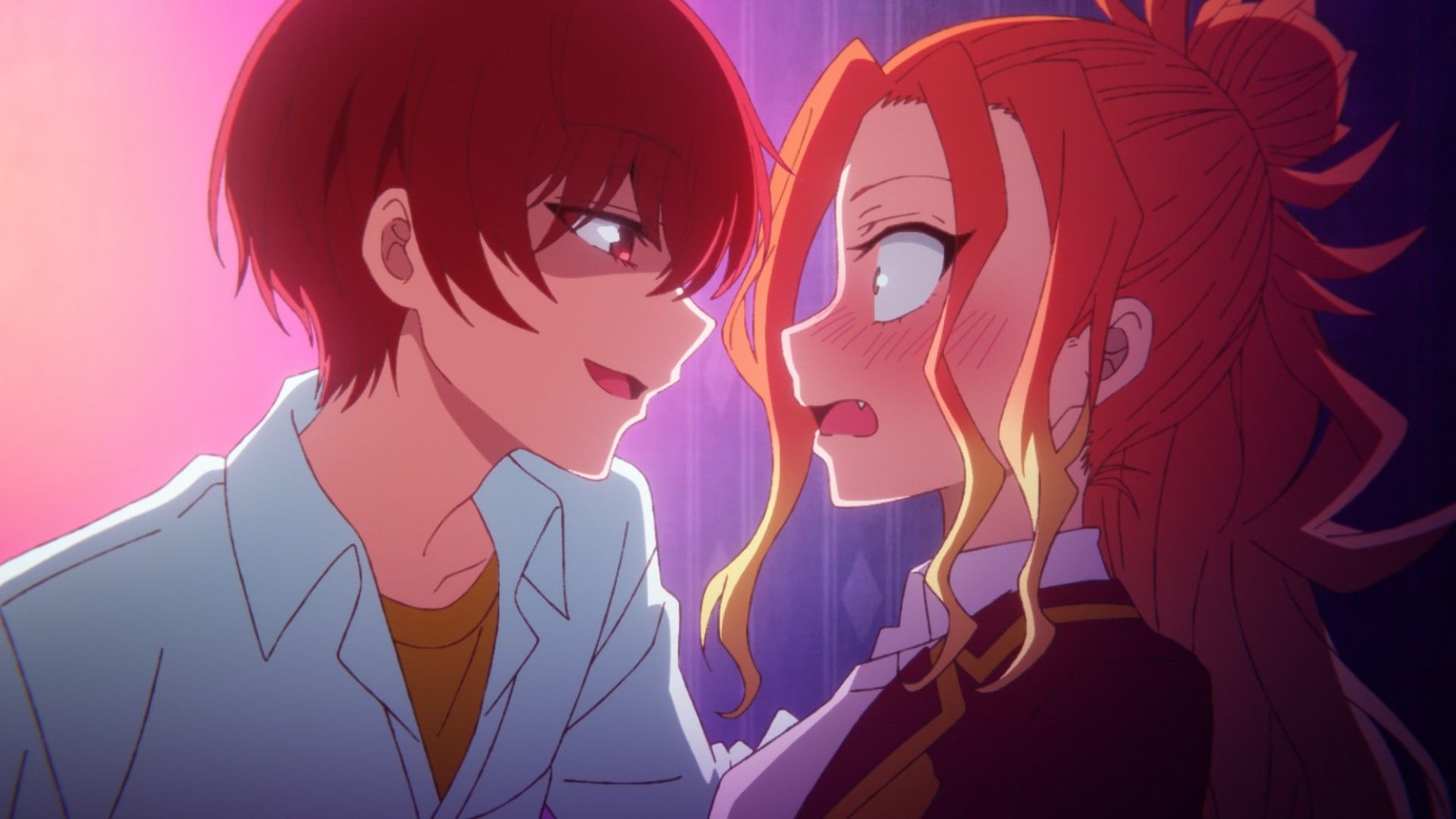
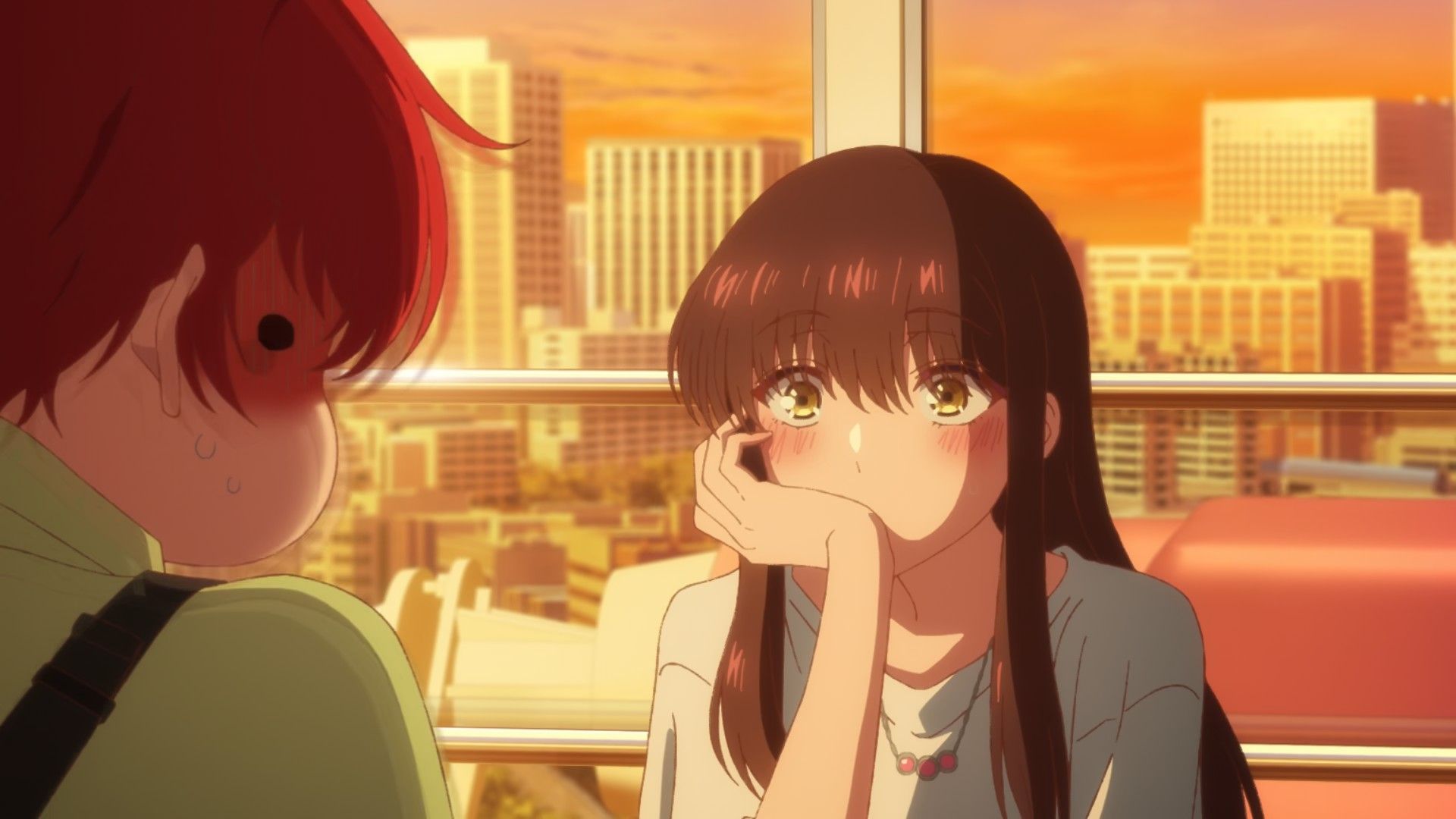
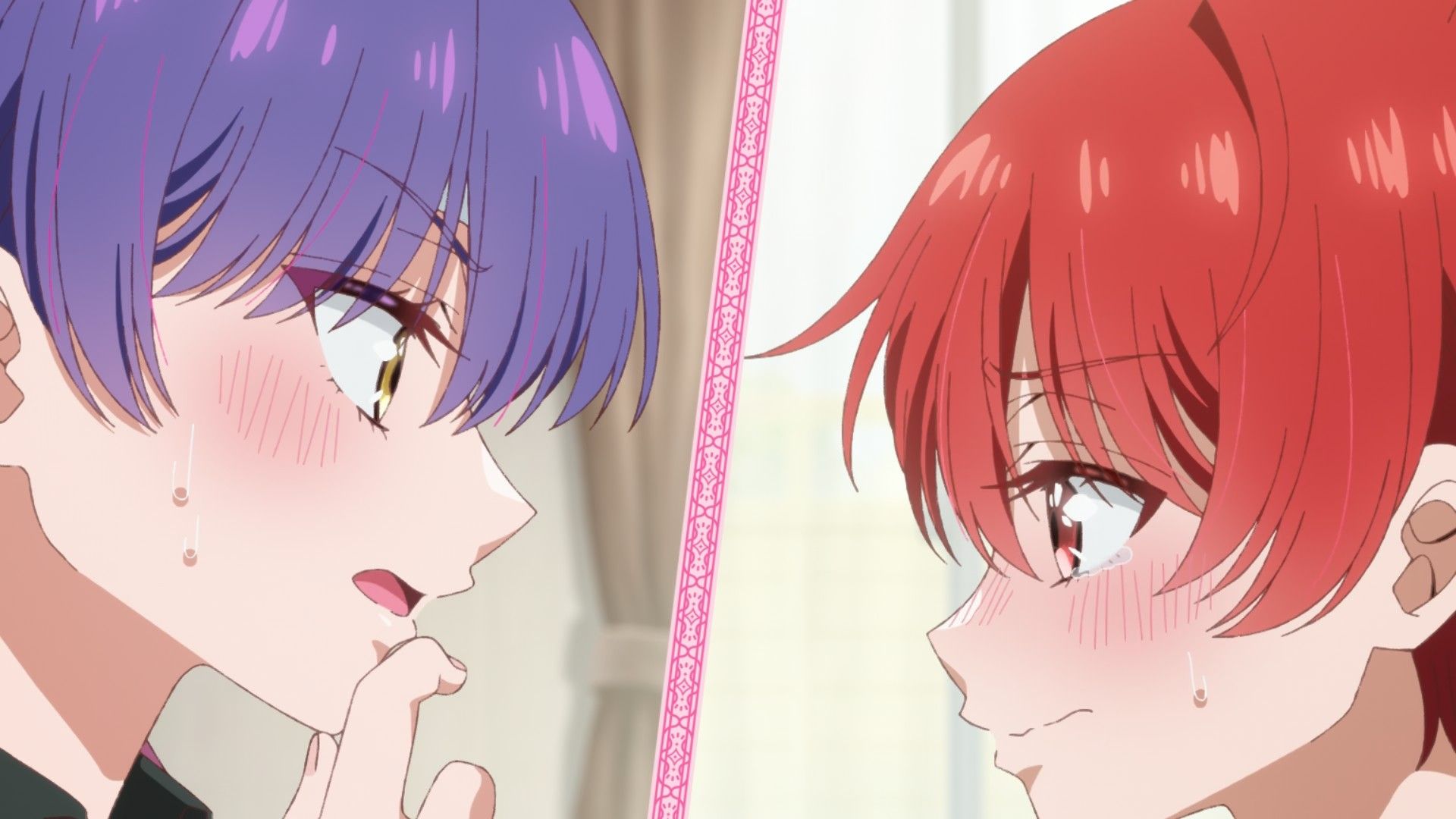
The eldest of the sisters. Initially cold, proud, and distant. As a rising star of the Takarazuka theater (she performs in the elite Tsukishiro Revue as an audience idol cast in male roles), she wears the mask of a perfect prince both on and off stage. However, beneath this image lies a person struggling with the immense pressure of expectations. Her arc shows how Kazuki learns to accept her own weaknesses, from the fear of failure to the very mundane fact that she dislikes certain foods. The scenes where Kazuki tries to play the role of a normal girl (for instance, by going on a “practice date” with Yuu) while simultaneously panicking because she doesn’t know how to take off her “princely armor” were truly funny and charming at the same time.
Mikadono Niko
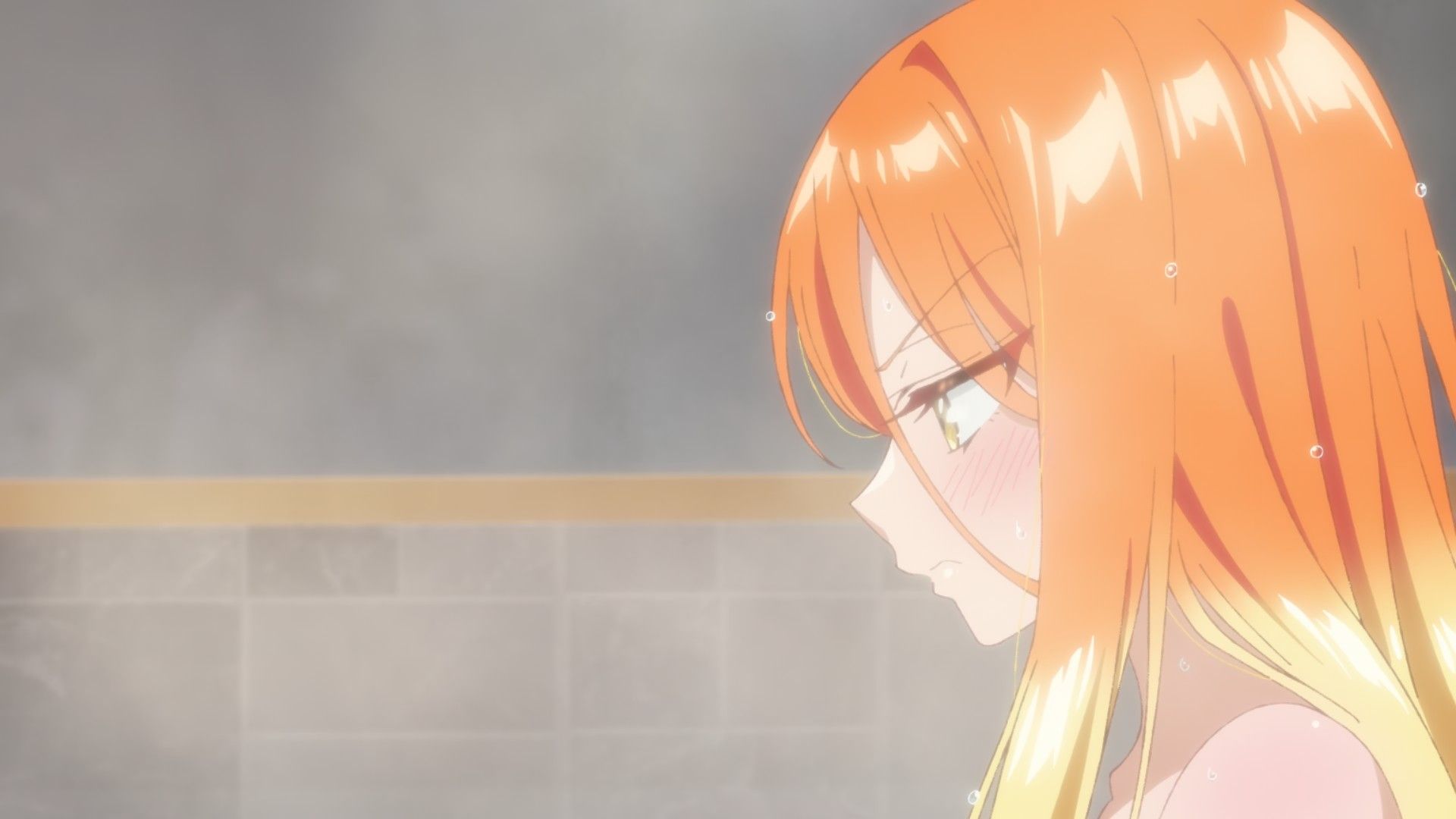
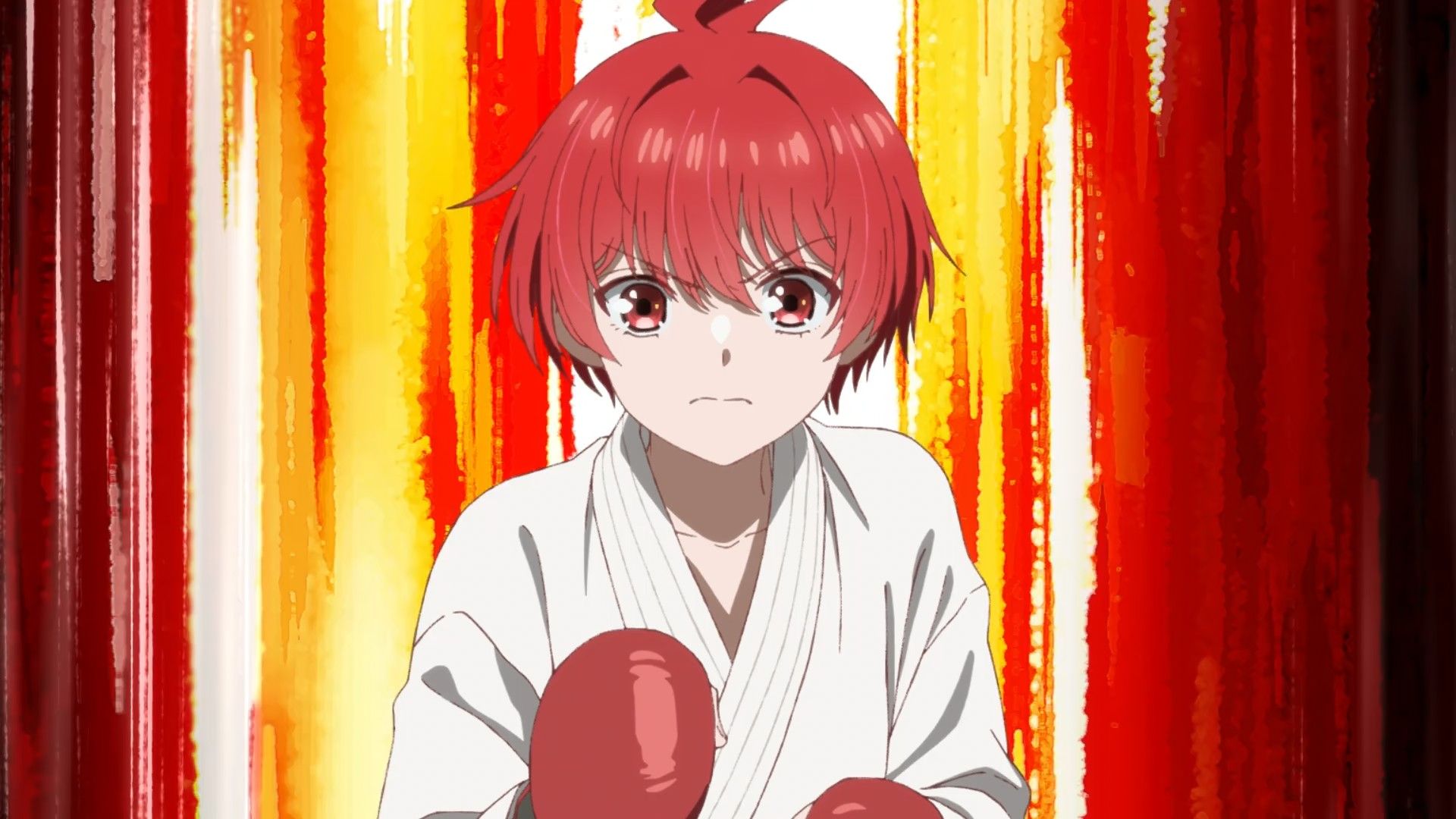
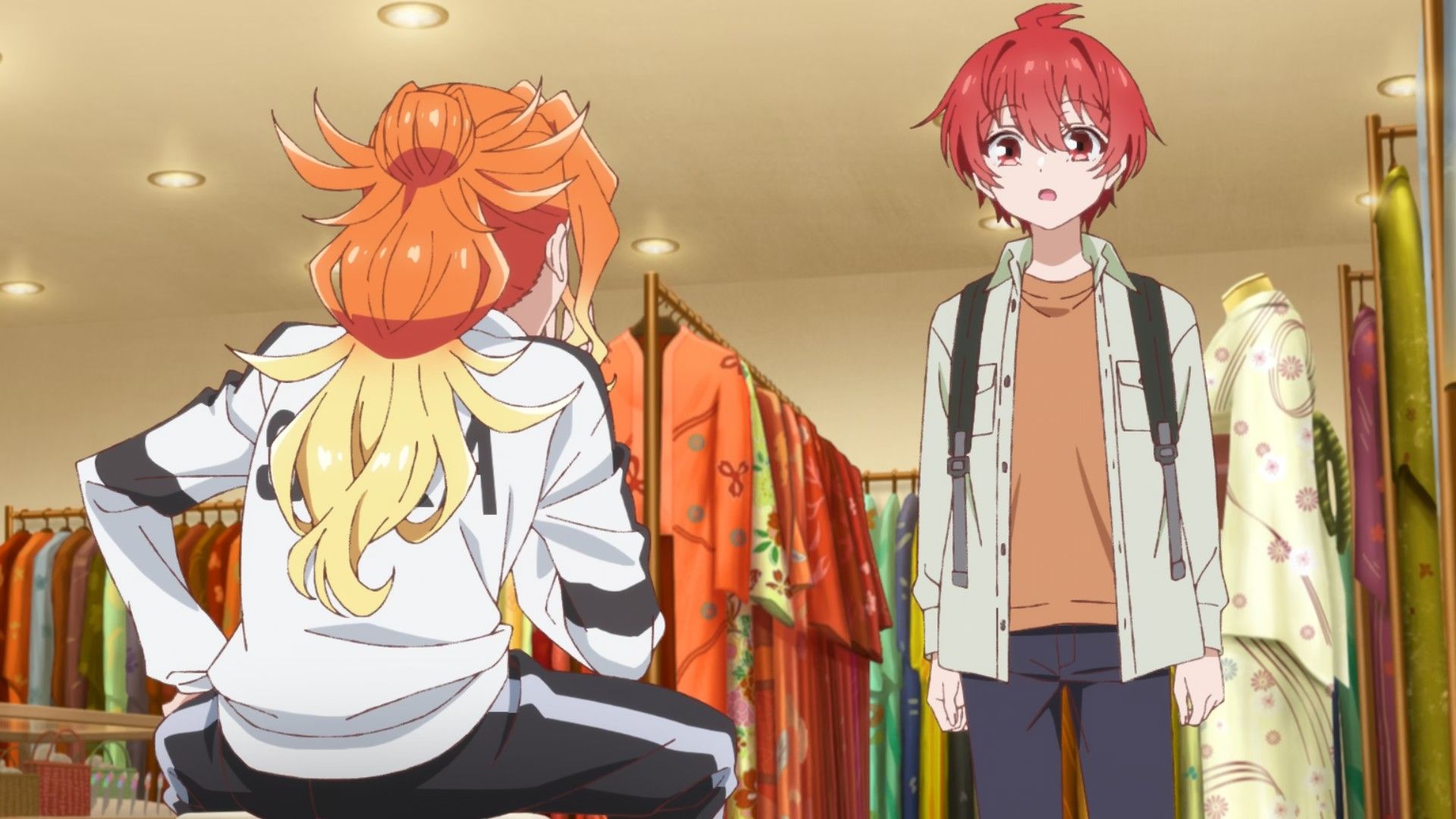
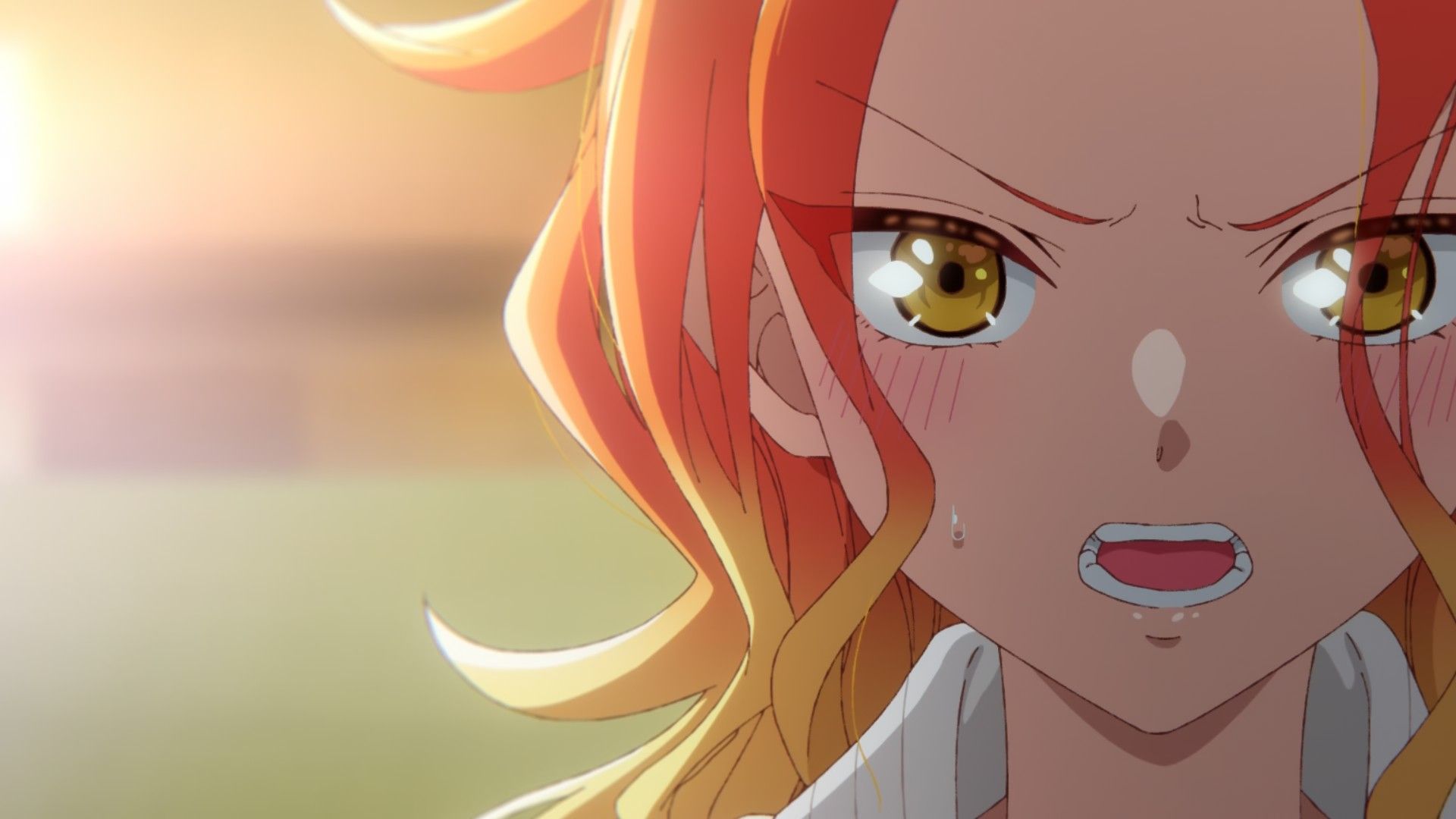
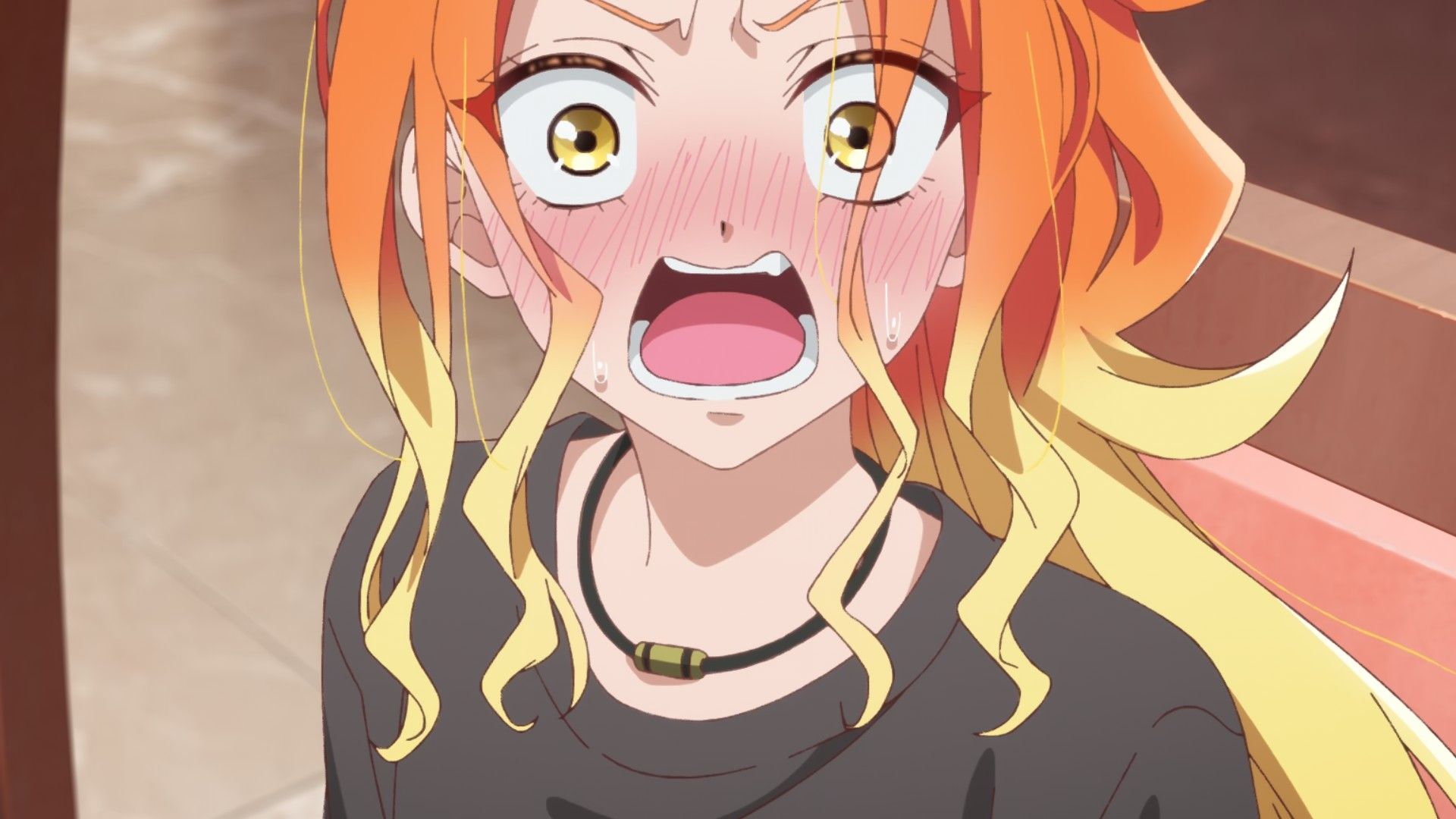
The middle sibling. Captain of the school karate team and a multi-time tournament champion, she proves at every turn that she has no equal in martial arts. She is stubborn, honorable, and hot-headed. Initially, she treats Yuu as a nuisance and a weakling not worth her attention. A classic tsundere, Niko nevertheless hides (as is usually the case) a soft interior. In her spare time, she pores over fashion magazines and sighs over sweet dresses, though she wouldn’t admit it for anything. Thanks to Yuu, Niko discovers that she can remain strong while also being herself—a girl who has the right to be vulnerable sometimes or to be interested in something cute. The culmination here is a mini-arc with Tatsumi Hayato (a senior from the karate club and Niko’s former idol). When her father tries to send Niko to a better karate club at Tatsumi’s suggestion, Yuu stands up in the girl’s defense.
Mikadono Miwa
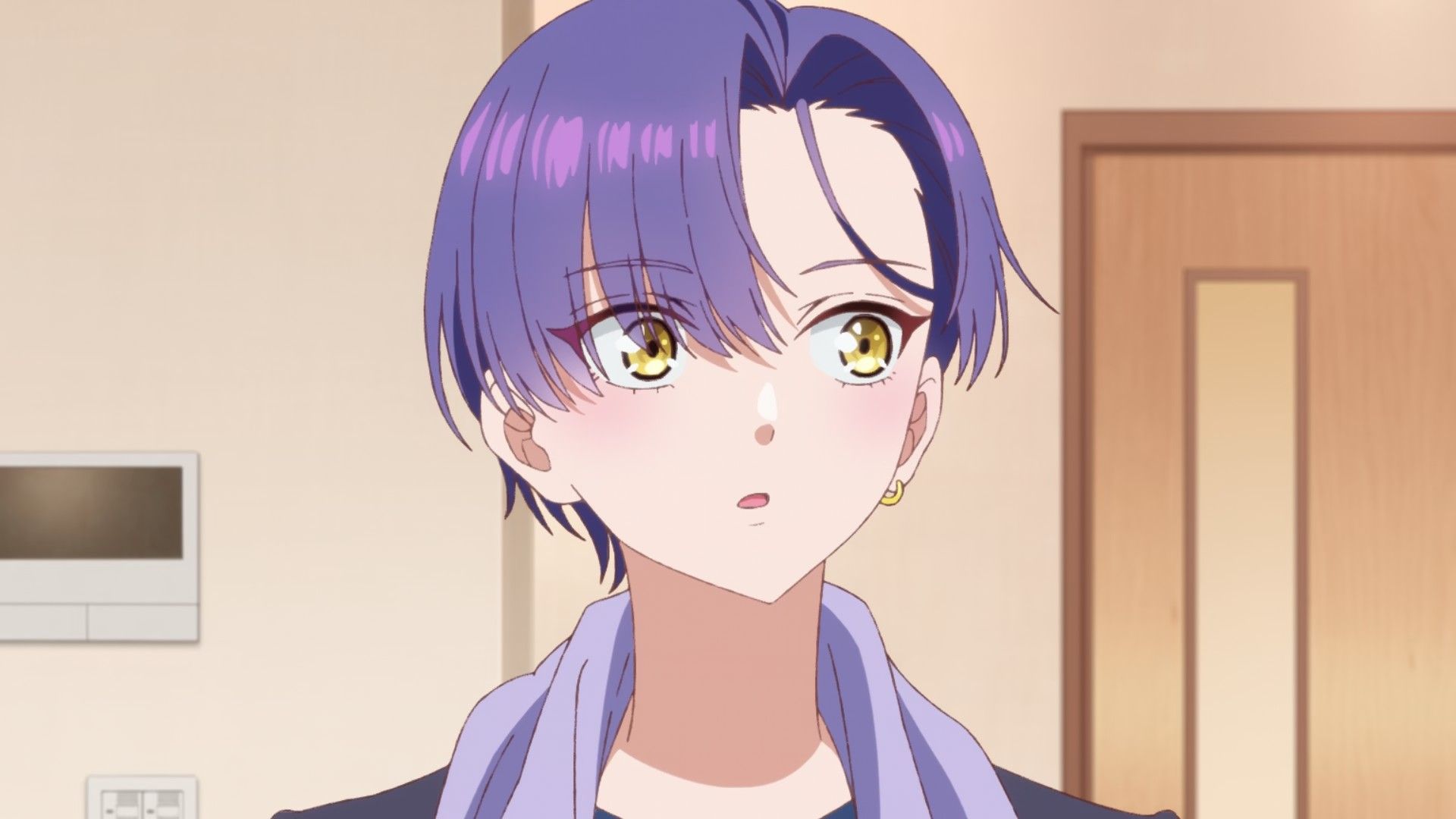
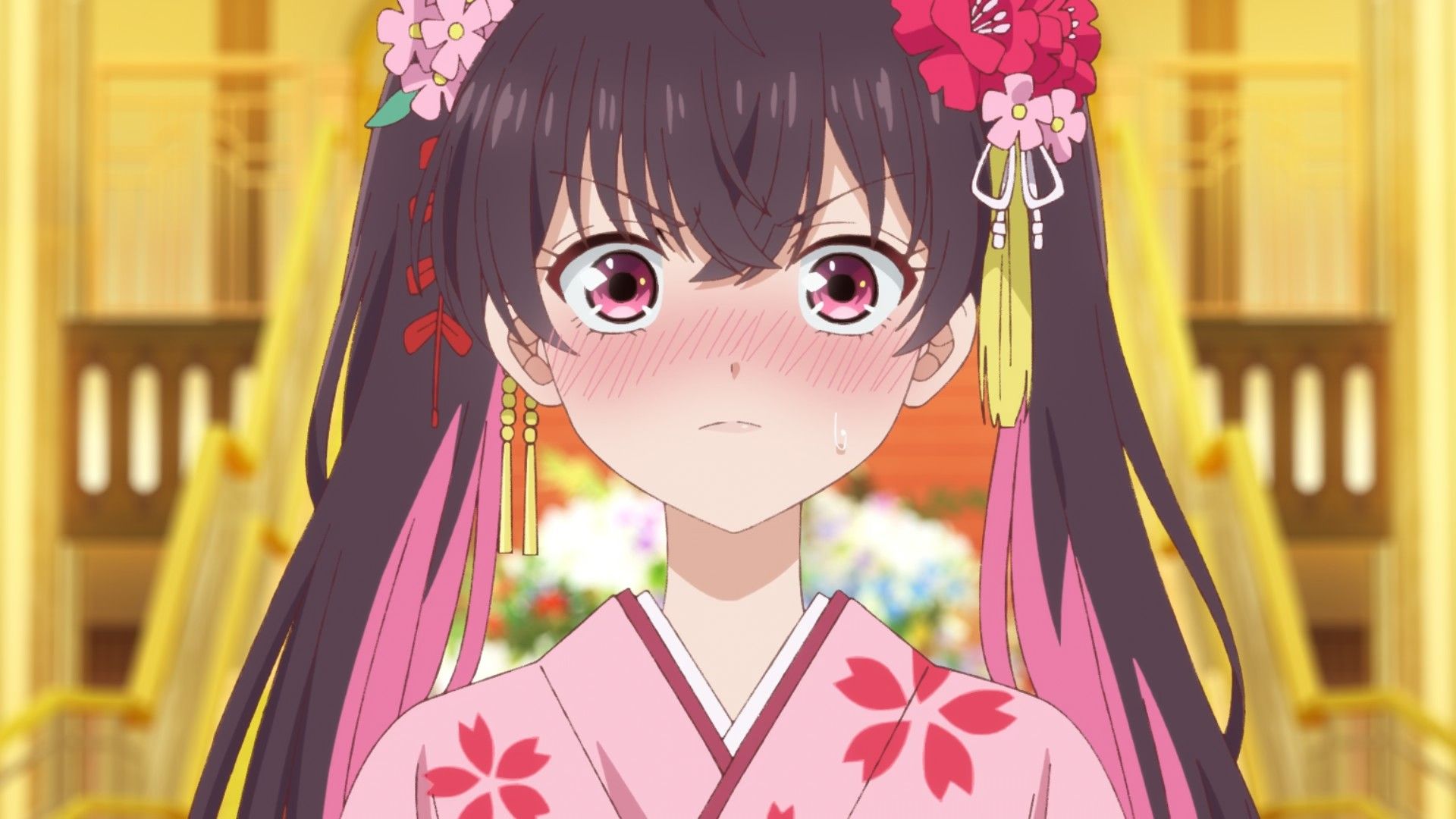
The youngest of the sisters. From the beginning, she appears as a cold genius for whom other people are a source of data rather than support. Miwa is a child prodigy of the shogi world, a mathematical ace, and a master of mind games. Everything she touches, she wins without effort. It’s no wonder she has no friends at school and everyone treats her like a being from another world. In the series, Miwa is the last to open up to Yuu and the warmth of the family. In truth, it is only when she loses an important game for the first time in her life that her suppressed emotions come to light. Her rival, Sakura, accuses Miwa of lacking passion—suggesting that the young genius doesn’t actually love the game, but only craves praise. This hits a sore spot. Yuu shows Miwa that playing for your loved ones is also a valuable reason. Her conversation with him completely changes Miwa’s approach.
Yaotome Sakura
She is worth mentioning separately because, although she appears as a supporting character, she brings a lot of emotion to the story. Sakura is Miwa’s perennial rival in the world of shogi—unlike her, she doesn’t have divine talent, but rather a titanic work ethic. She has lost countless games to Miwa but has never given up. One might think Sakura should hate her brilliant opponent, but the series pleasantly surprises by avoiding cheap drama. The rivalry between the girls is fierce, yet underpinned by mutual respect. It was Miwa who once praised Sakura for her tenacity and unique playstyle, giving her the motivation to keep fighting.
Mikadono Sanshimai wa Angai, Choroi. (2025) – Evaluation and Summary
Mikadono Sanshimai wa Angai, Choroi. turned out to be a positive surprise and delivered exactly what I expect from a series of this type—a comfortable, funny story with likable characters. I’ll admit that the PV didn’t particularly encourage me to watch it, but in the end, I absolutely do not regret deciding to view it. The series doesn’t try to pretend to be an ambitious epic or break genre tropes. Instead, it executes a proven formula with charm and confidence. A good-hearted boy gains the trust (and perhaps the hearts) of three girls. I certainly wouldn’t rank it as the pinnacle of P.A. Works’ capabilities; the gap between this and their best series is quite large. At the same time, under the guise of comedy, the anime conveys a simple but important message about family and acceptance.
The ending also leaves many threads open, hoping for a second season, which (if it ever receives an adaptation) I will also gladly watch.
Finalny werdykt
Final evaluation

Which translation do I recommend to watch Mikadono Sanshimai wa Angai, Choroi. (2025)?
- Crunchyroll (official) – a quite decent translation, where I could essentially only nitpick about cosmetics (why the Western name order?). Therefore, I can recommend the official translation with a clear conscience.
Gallery