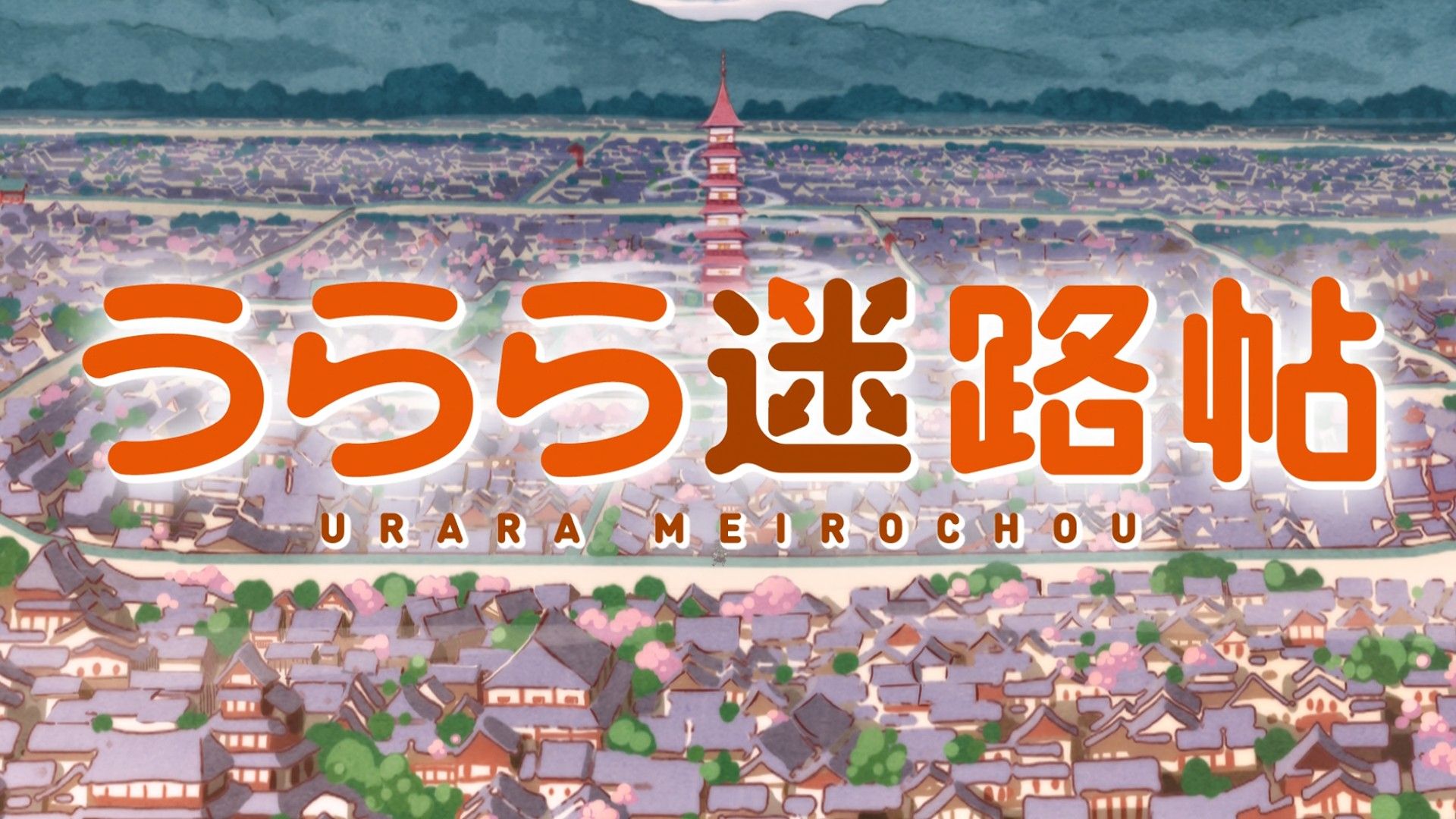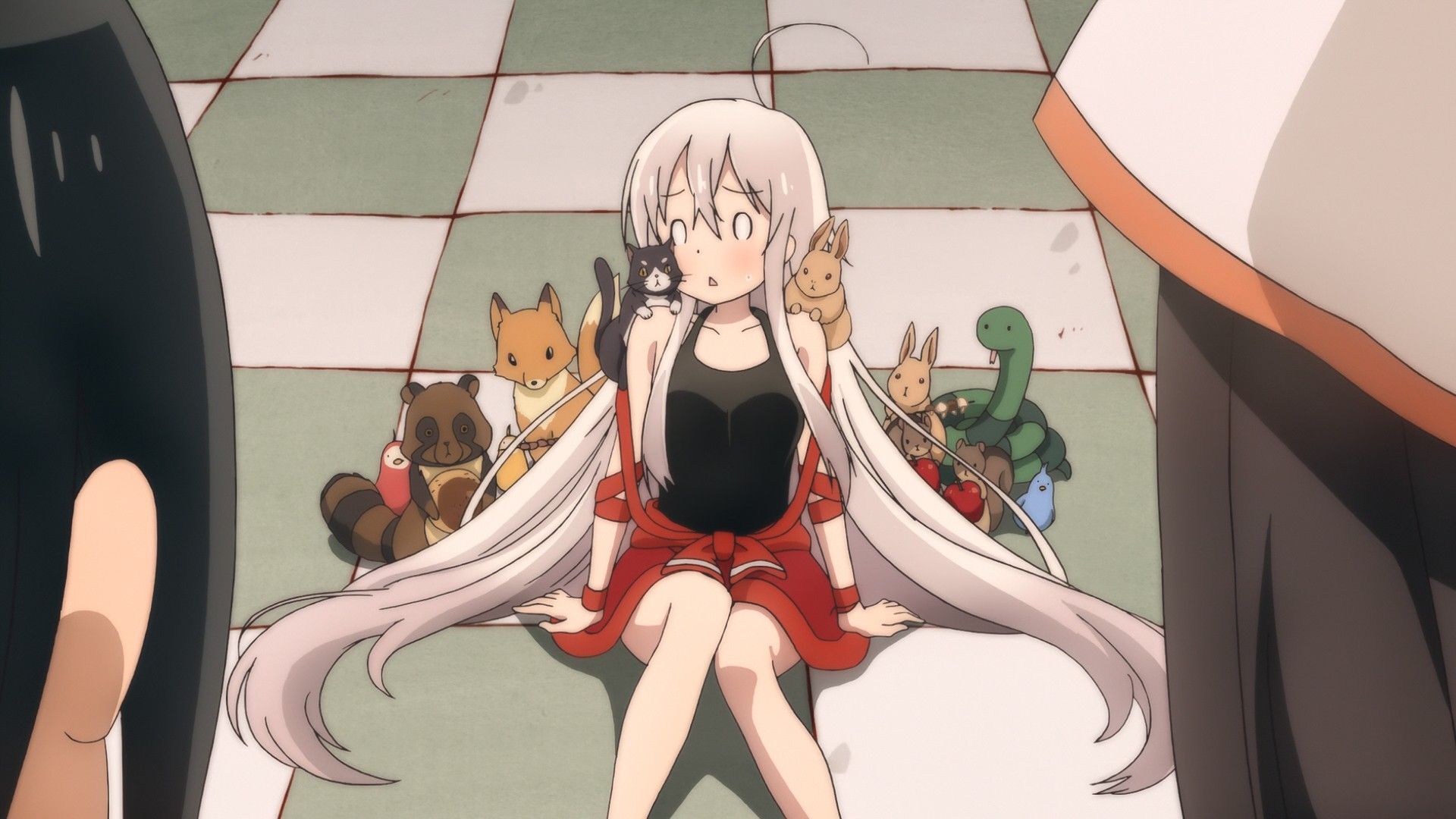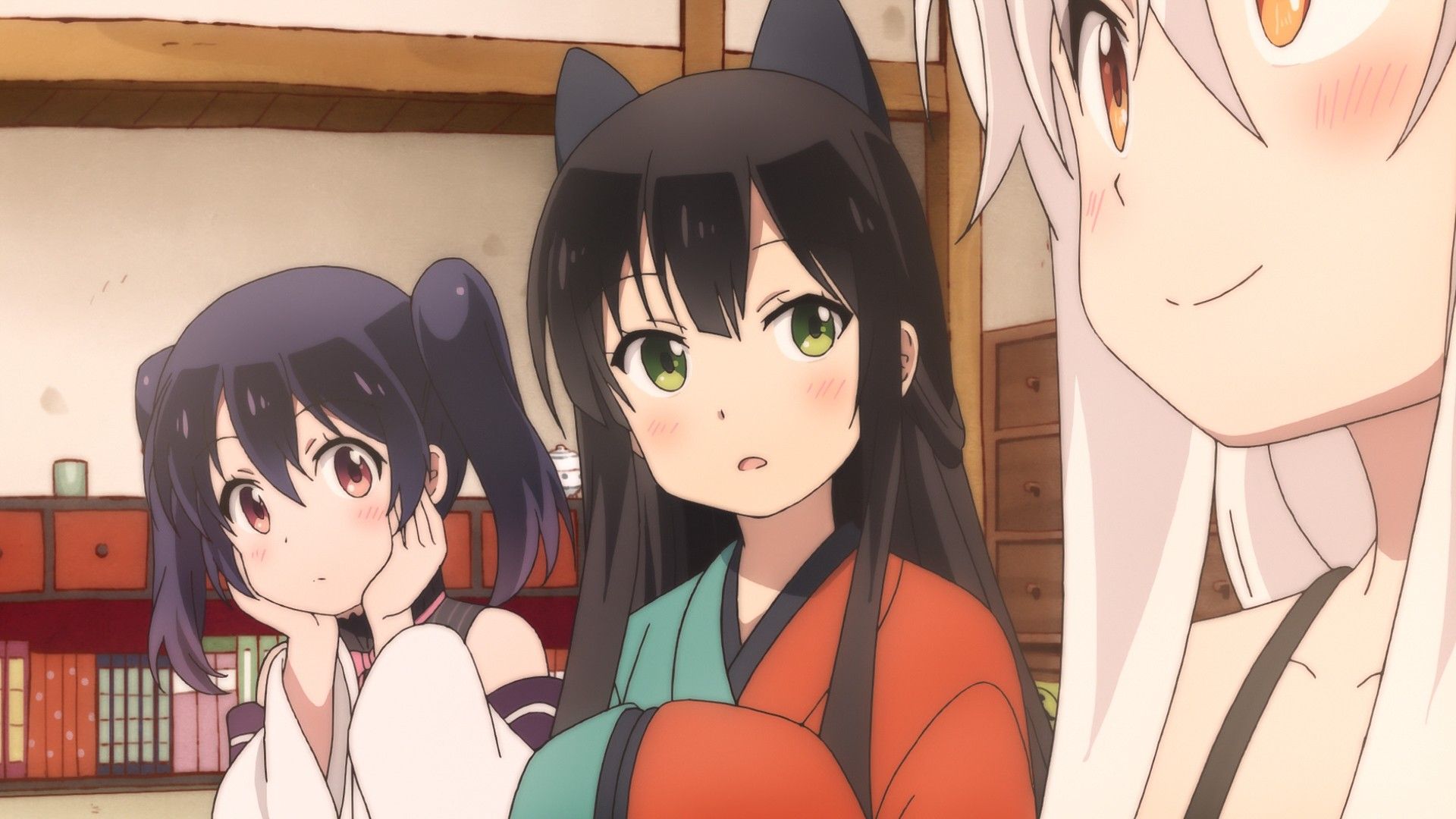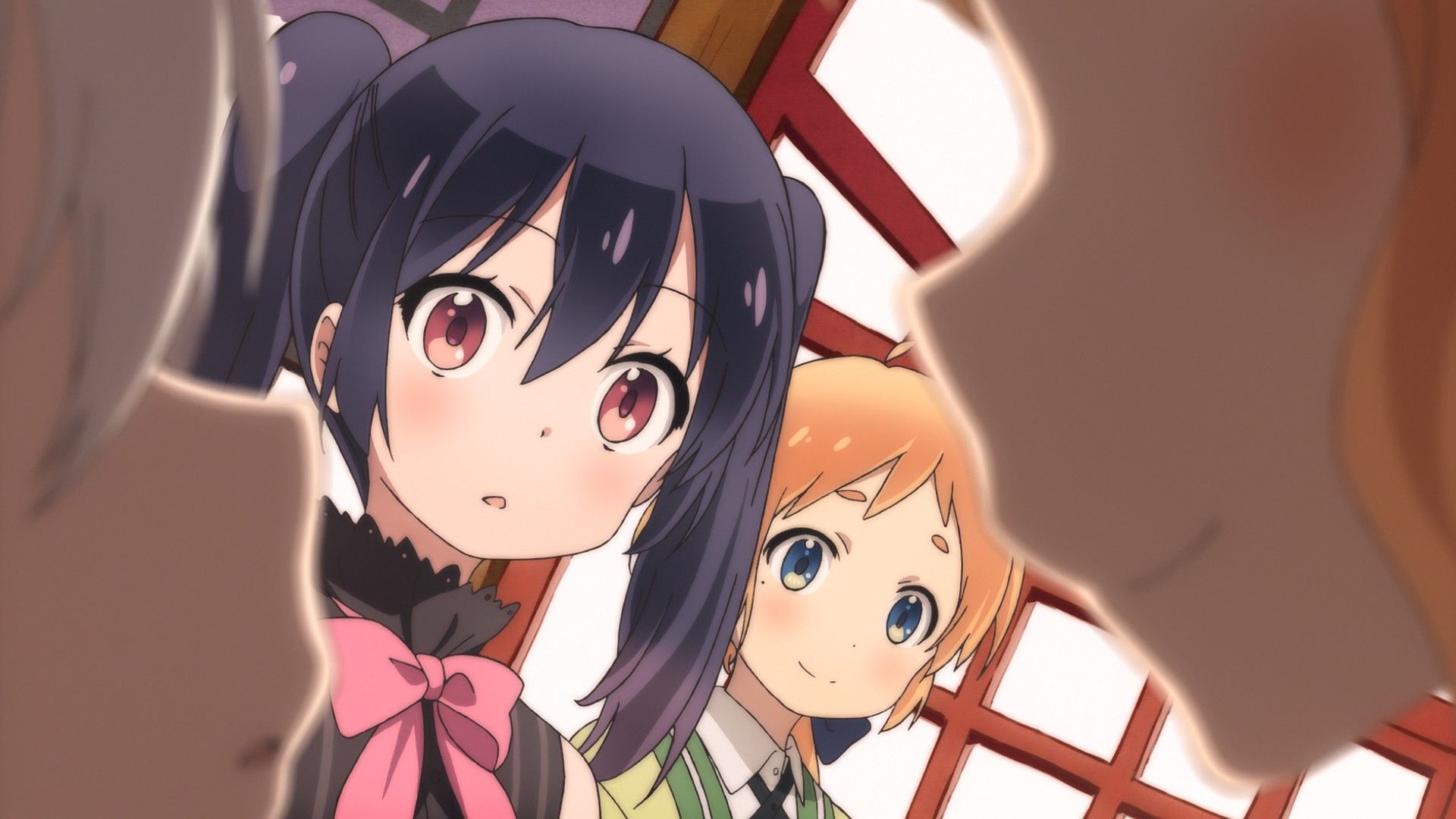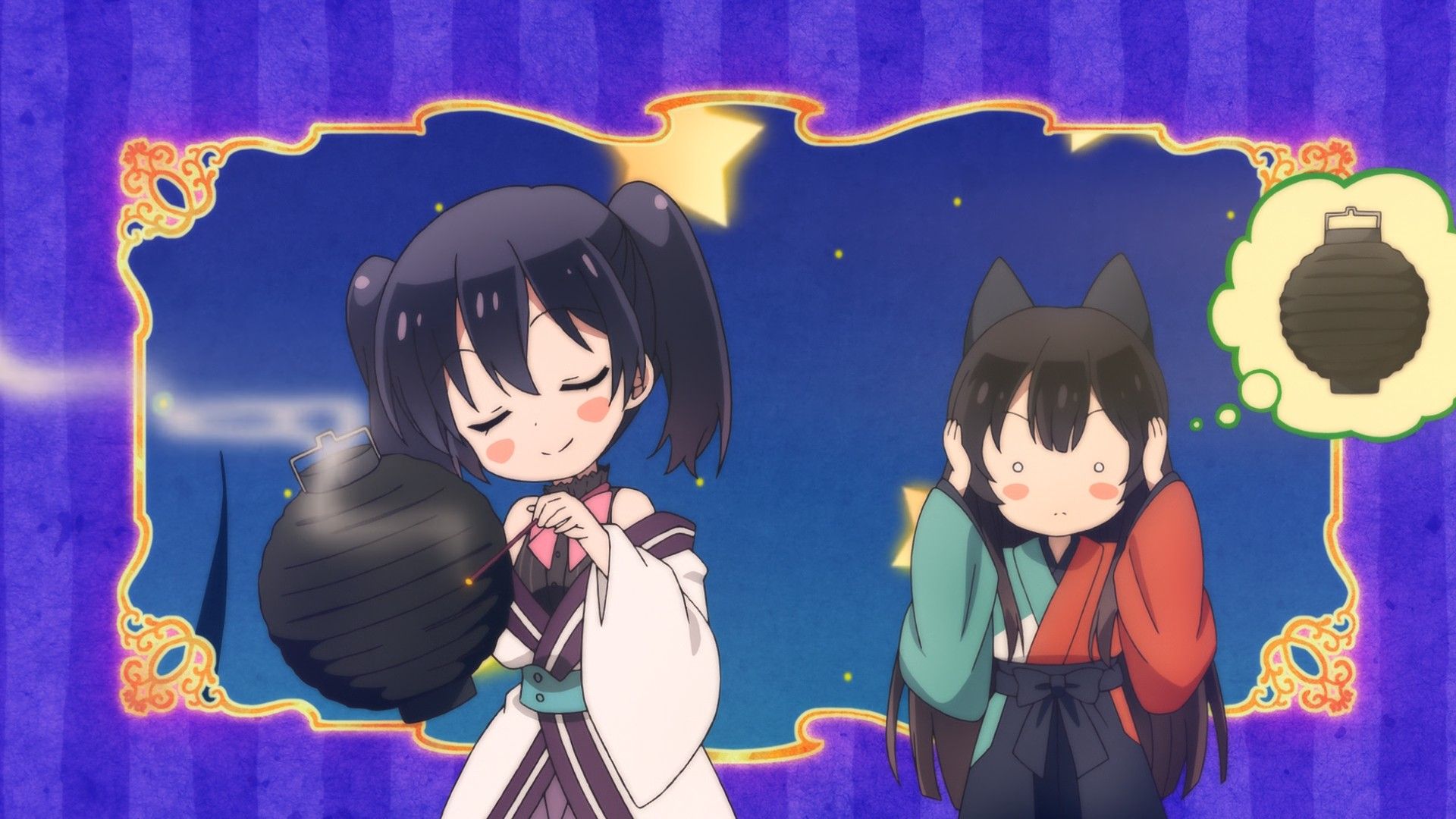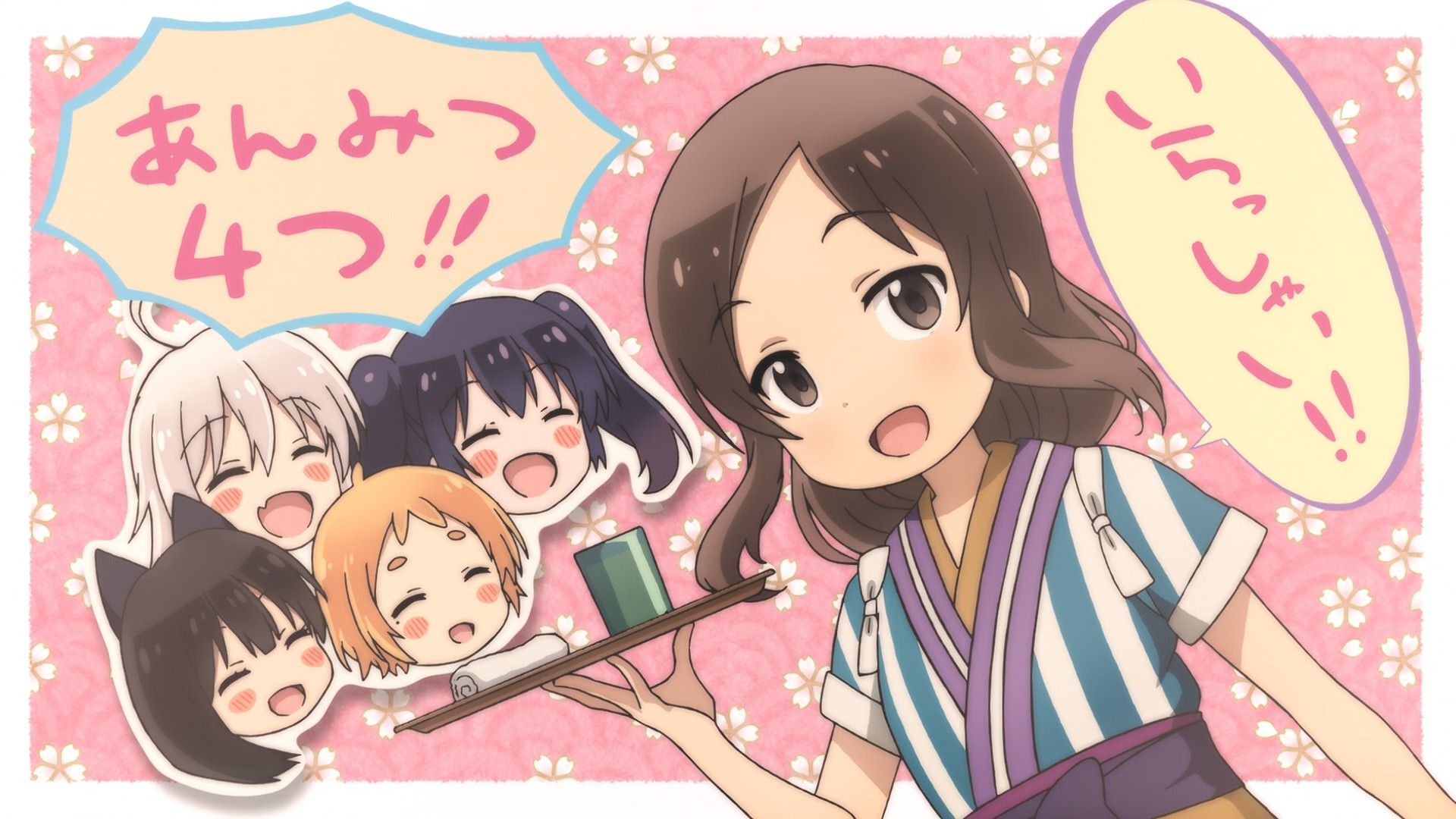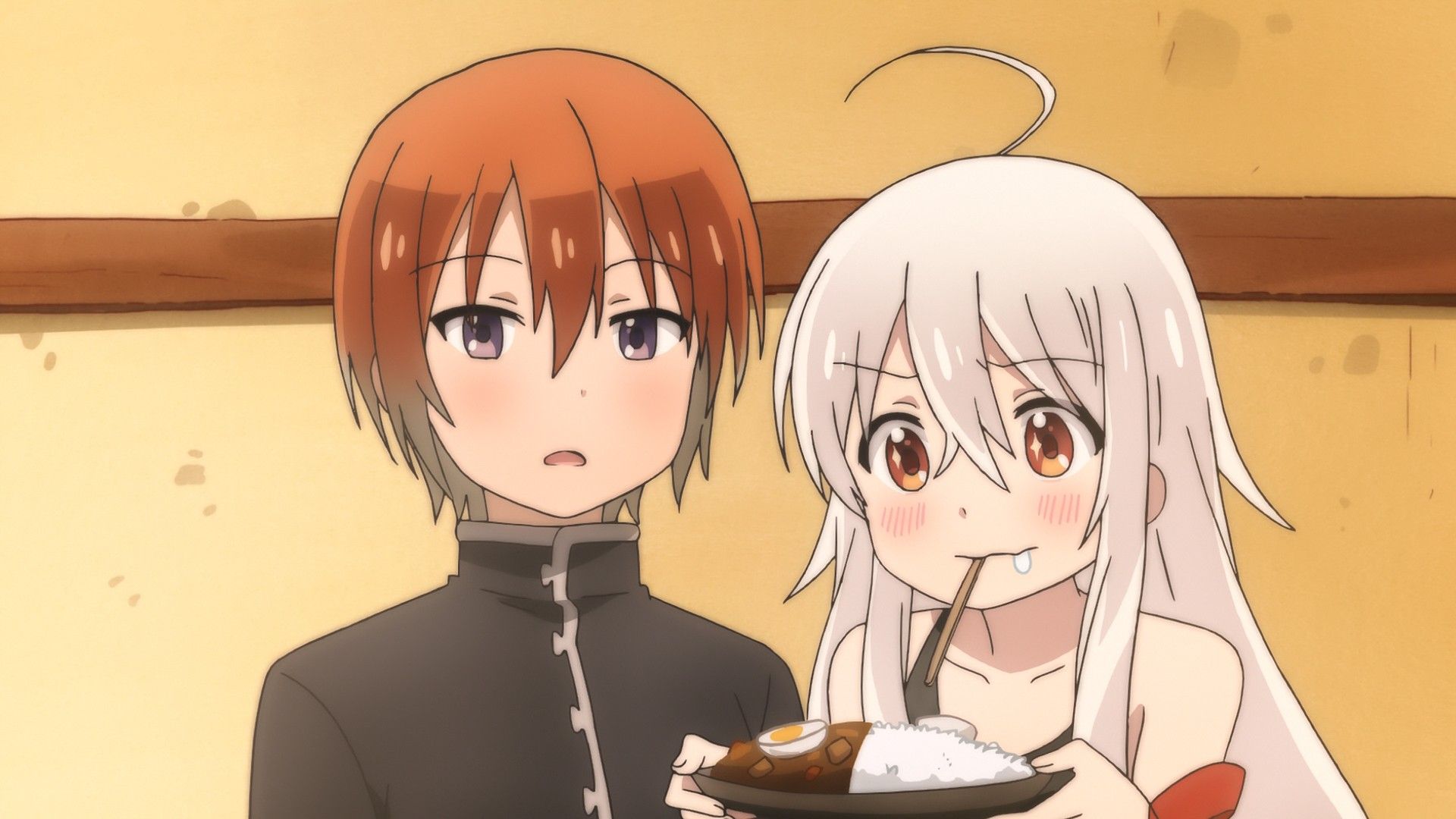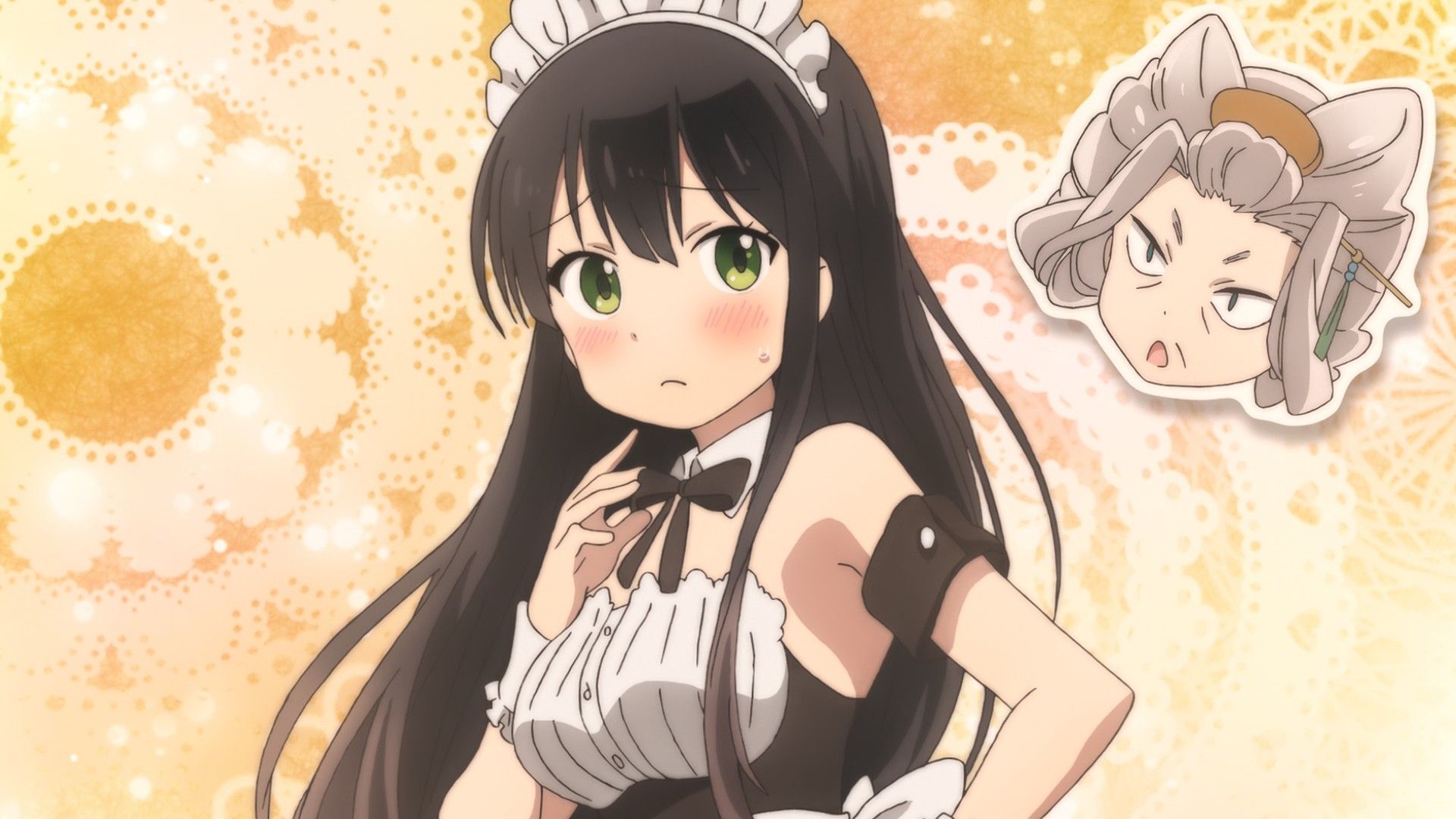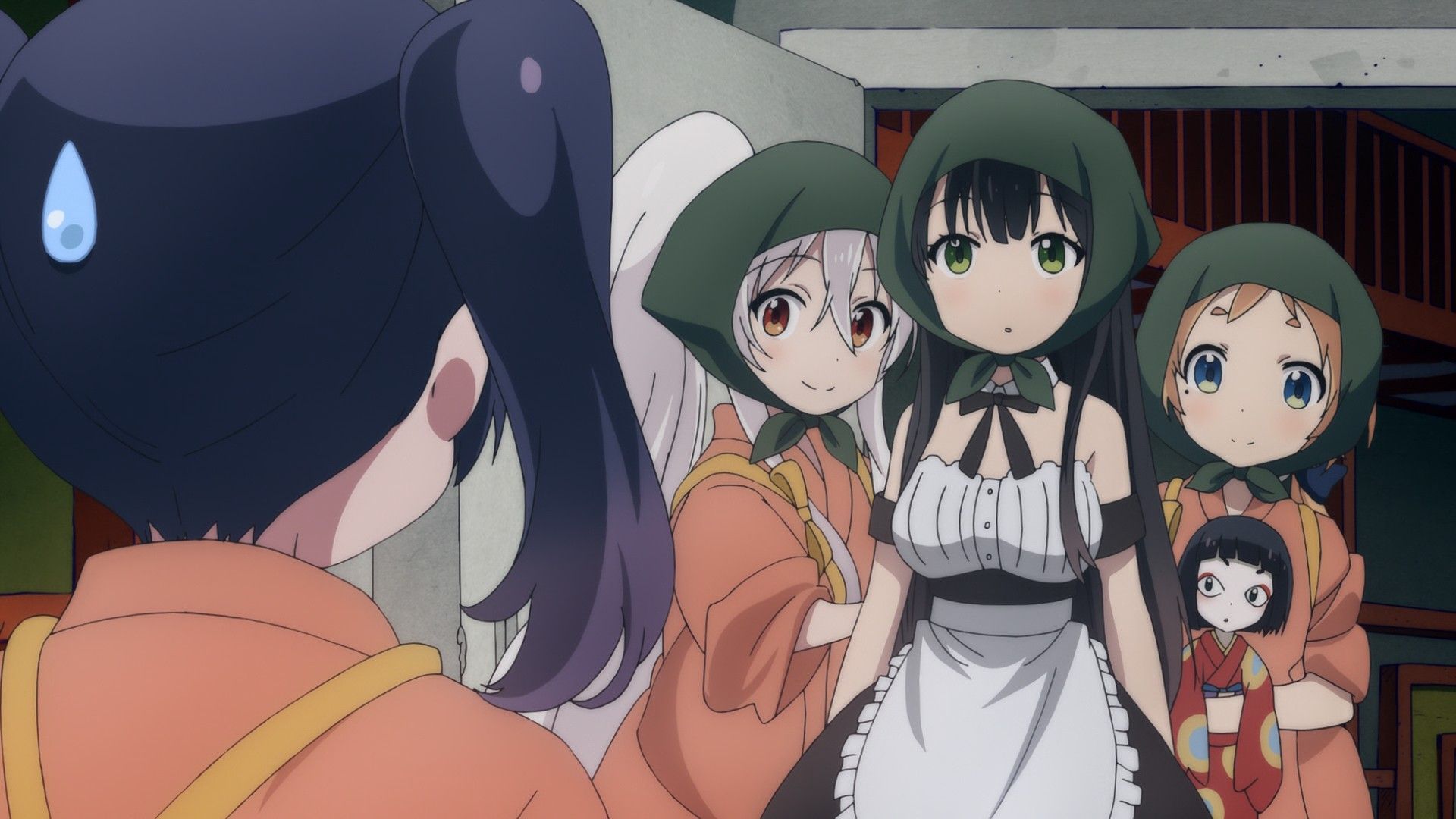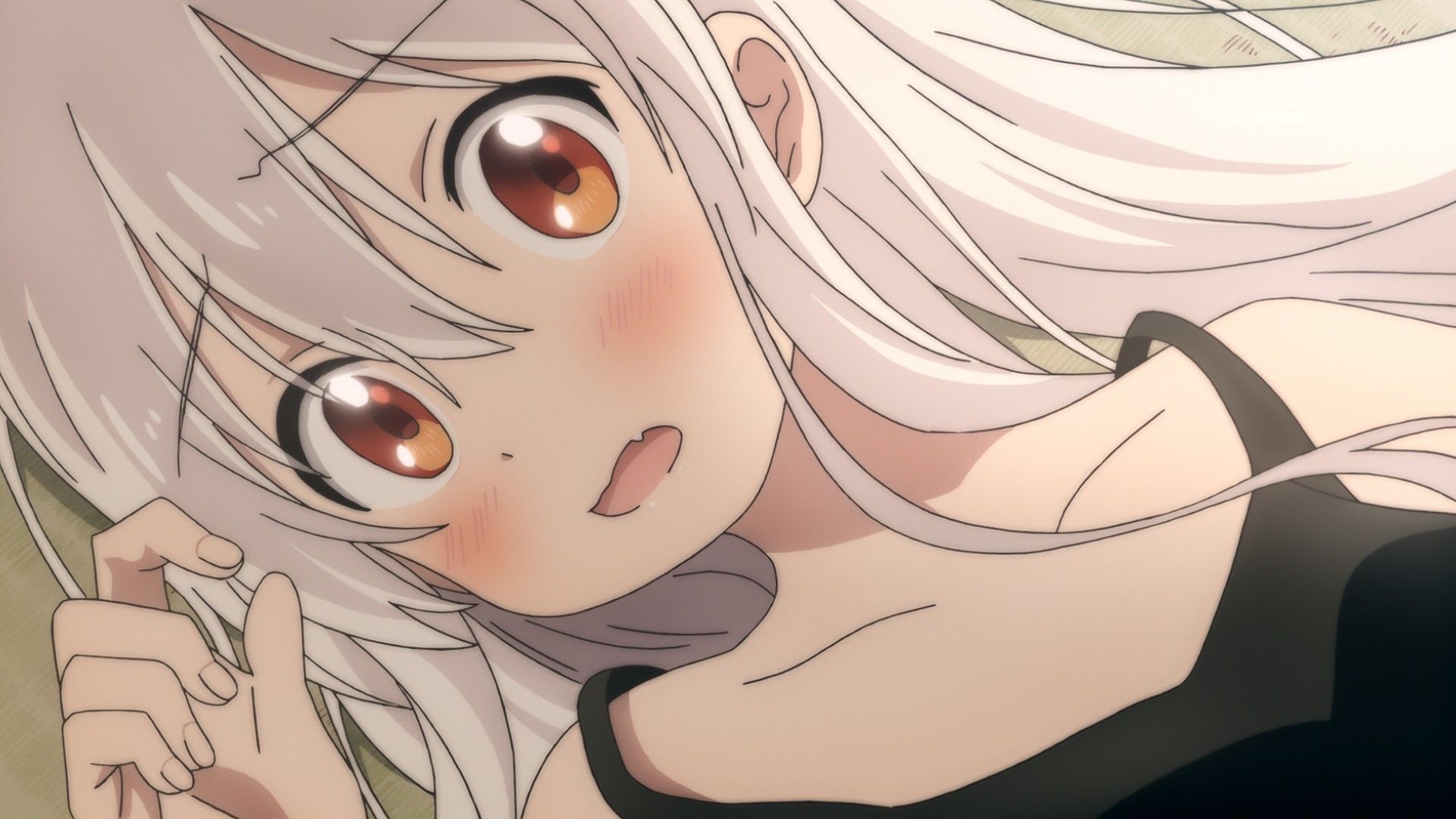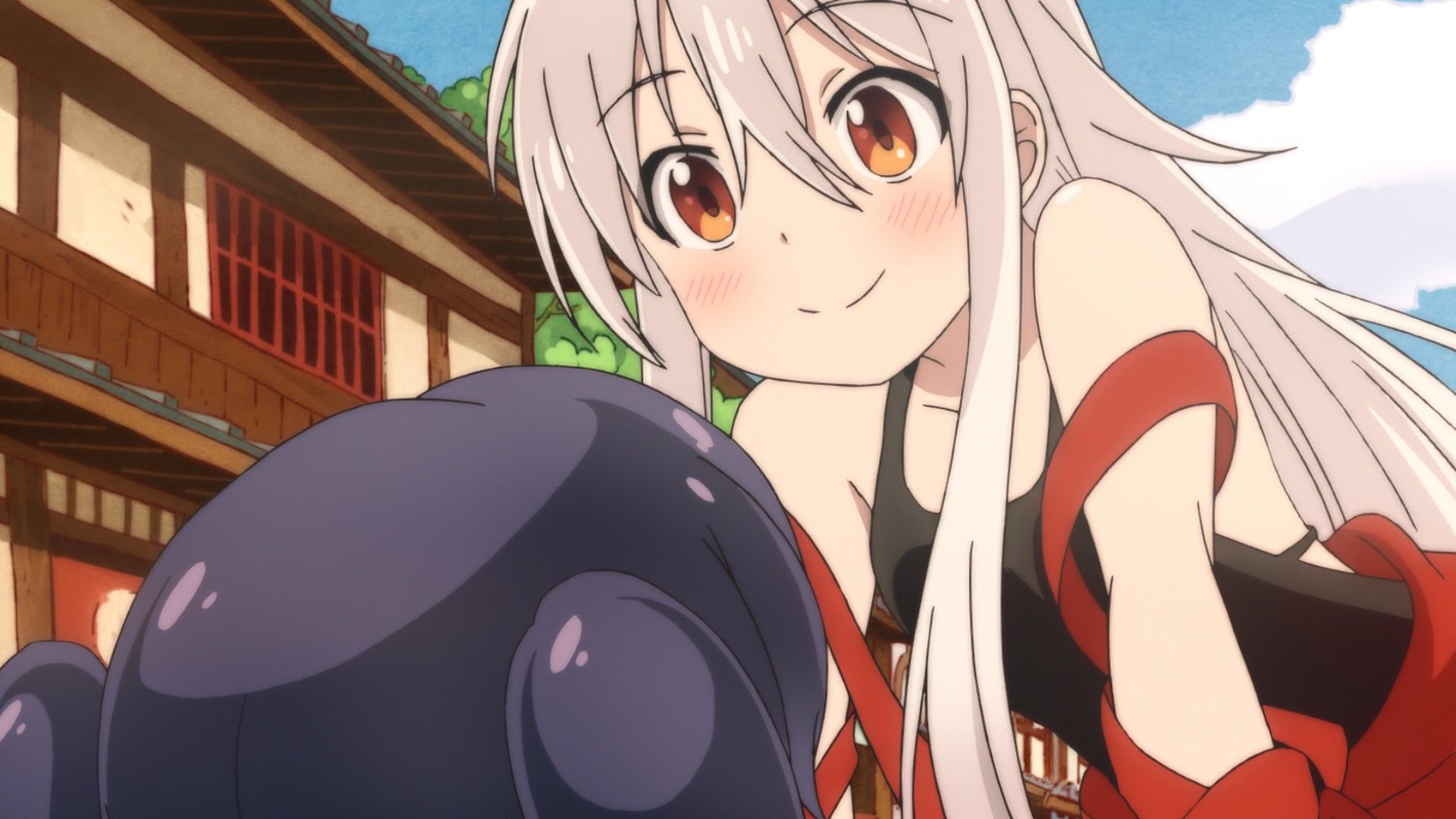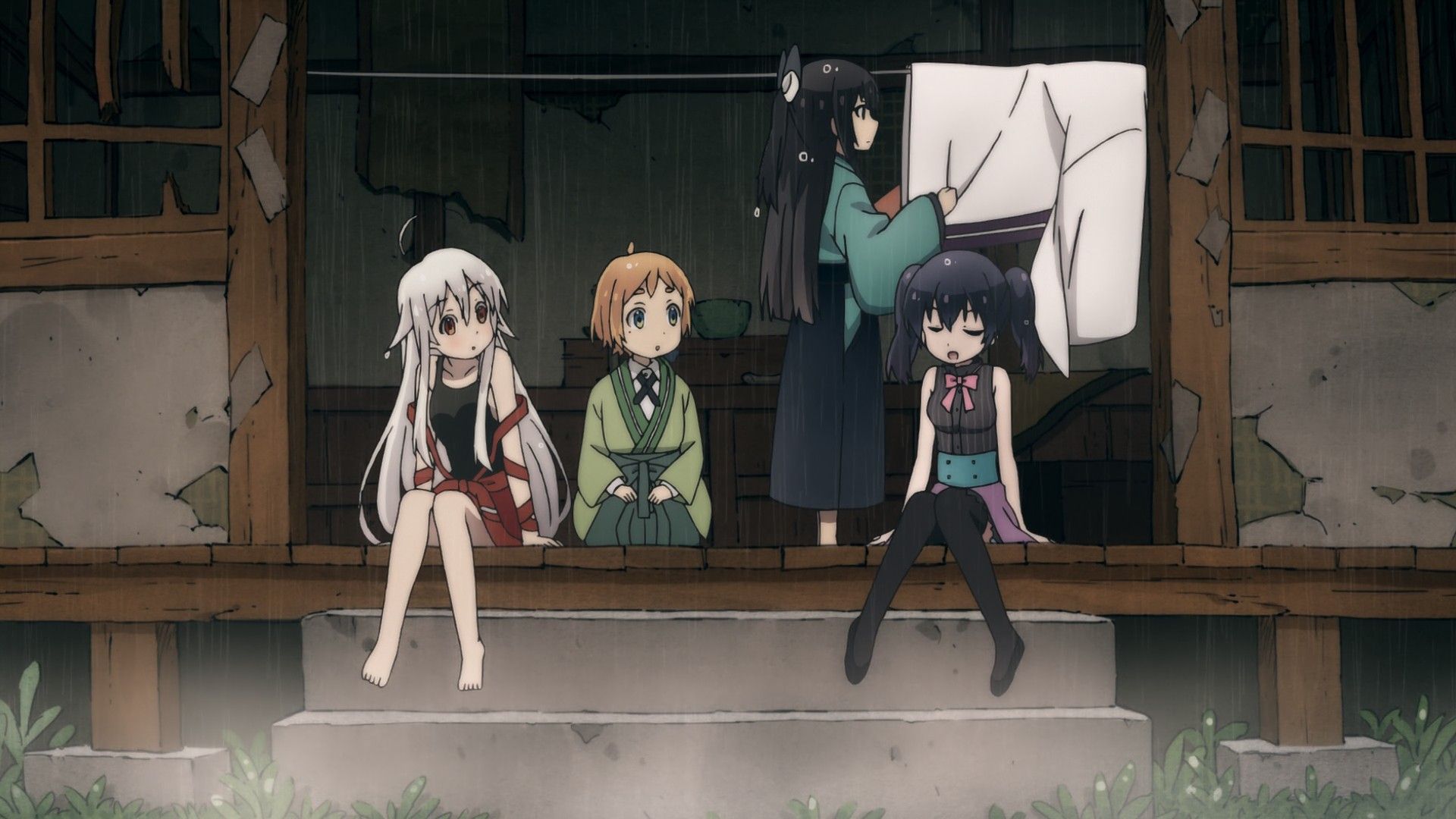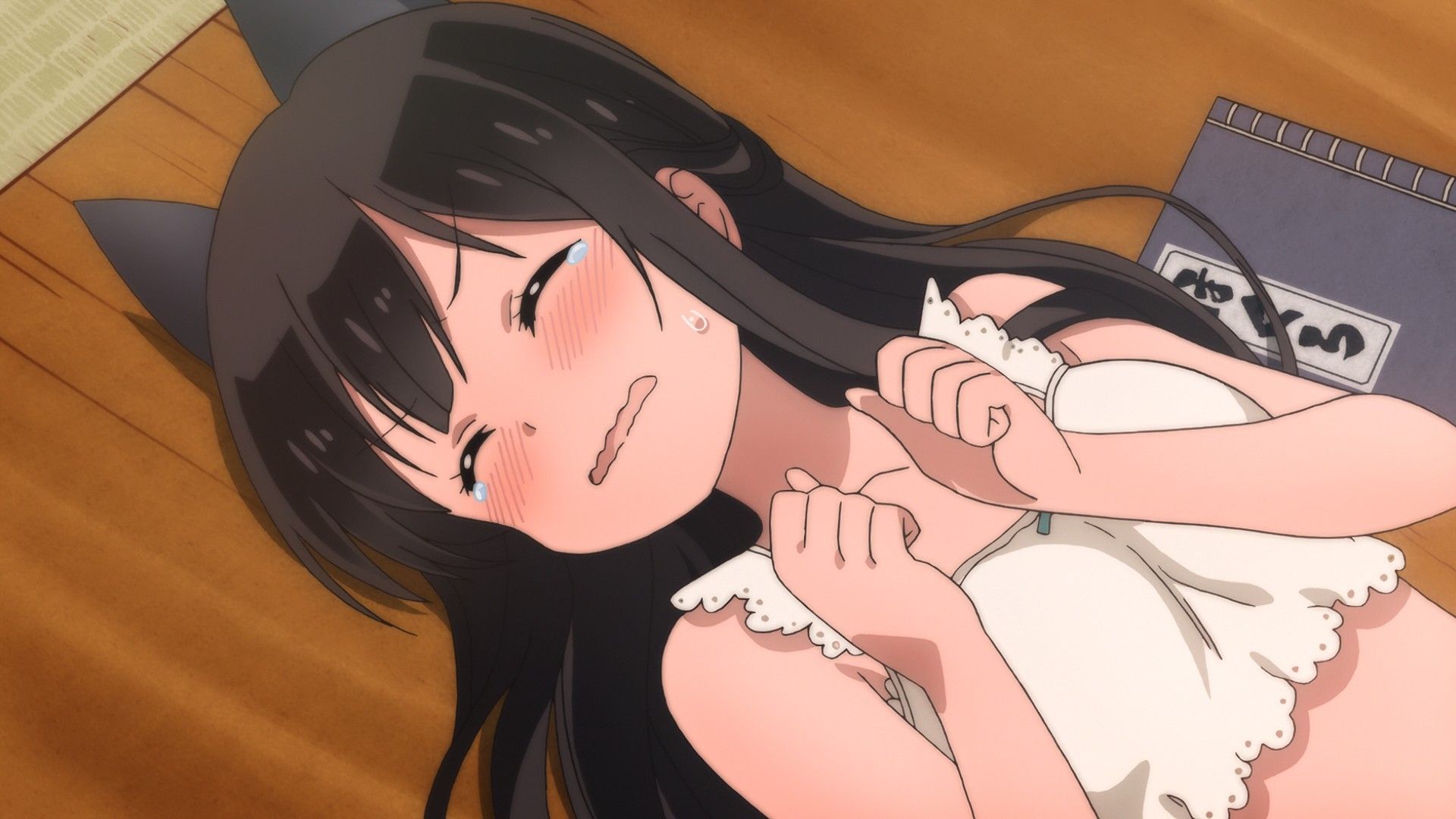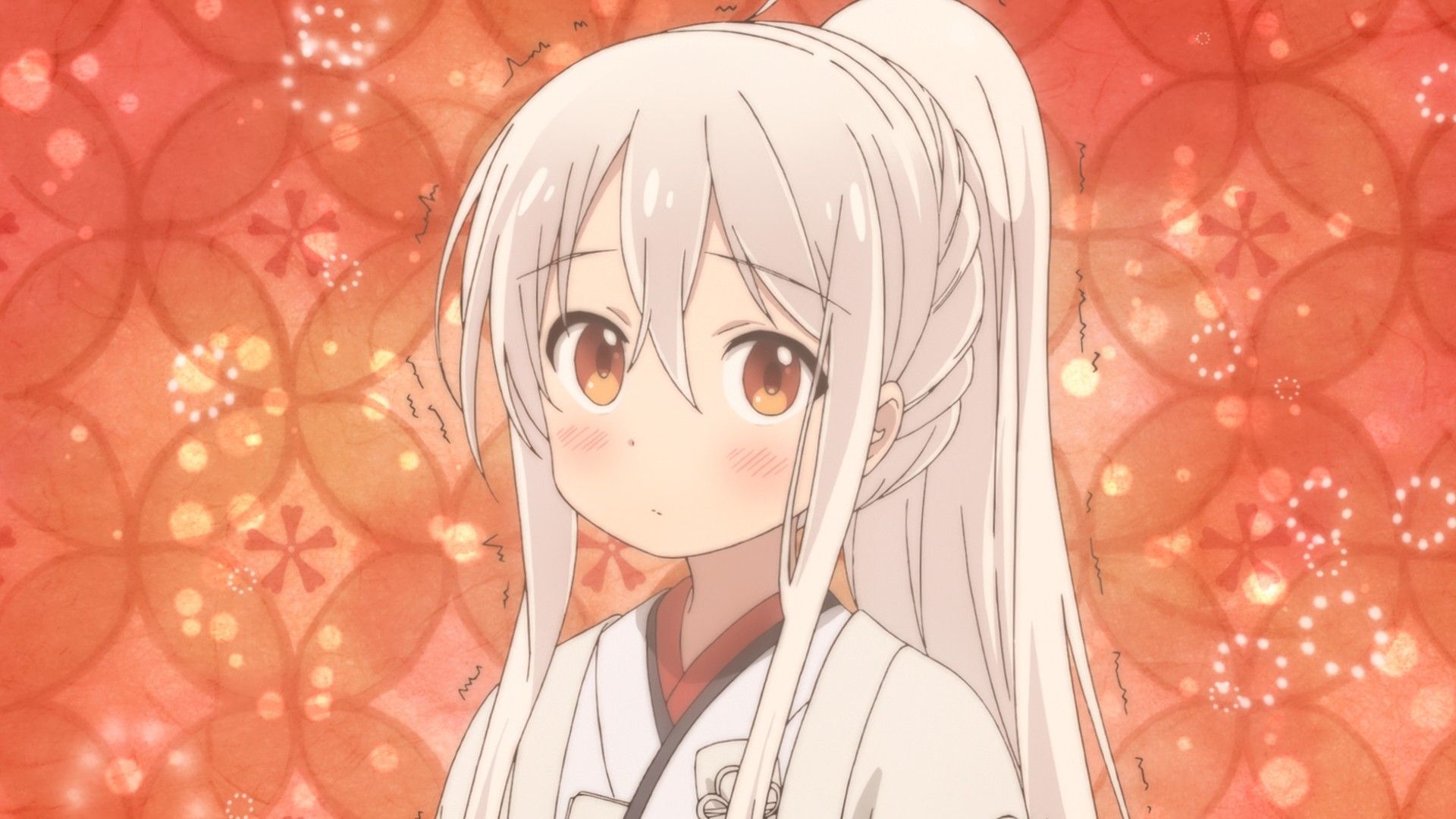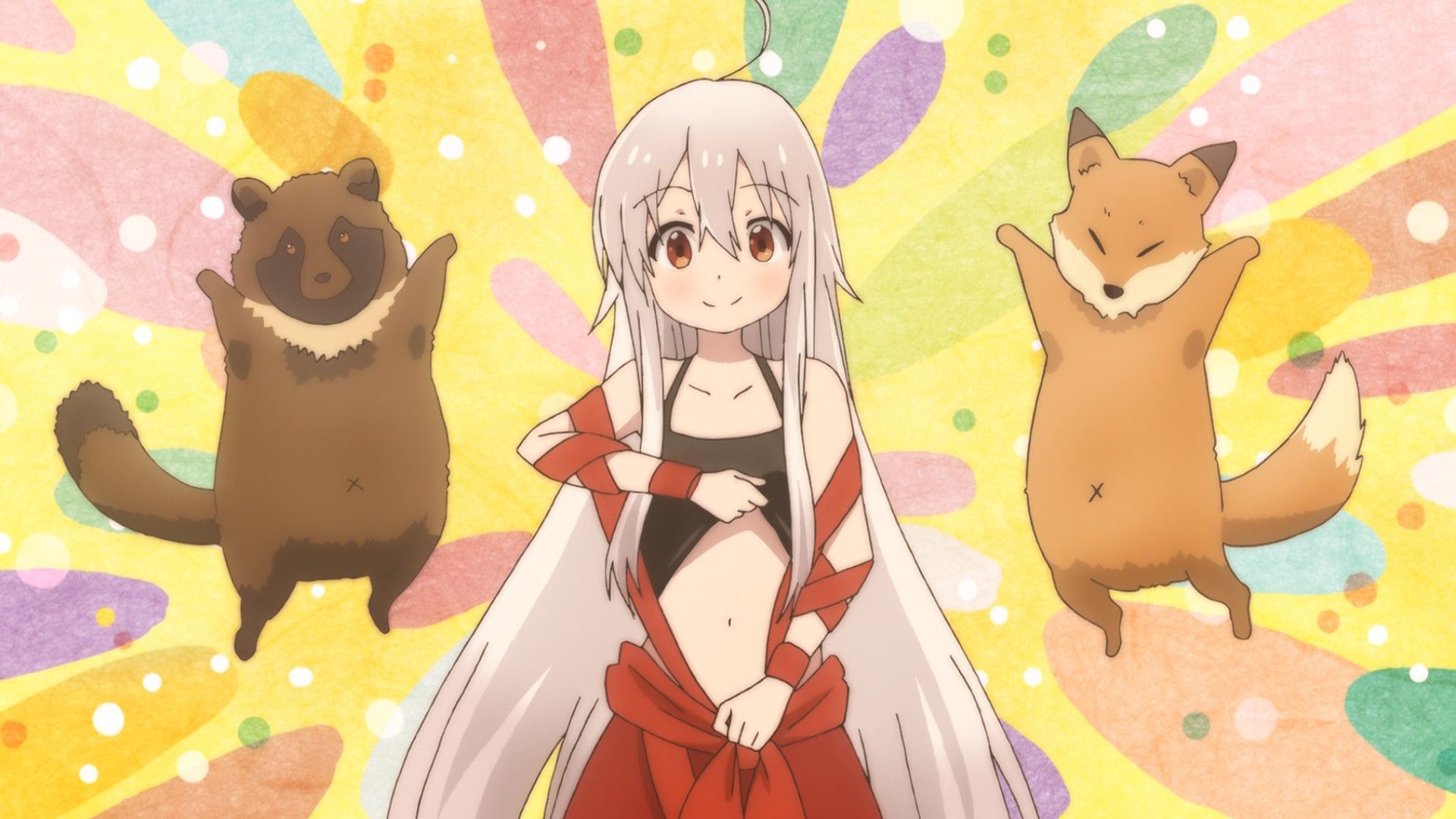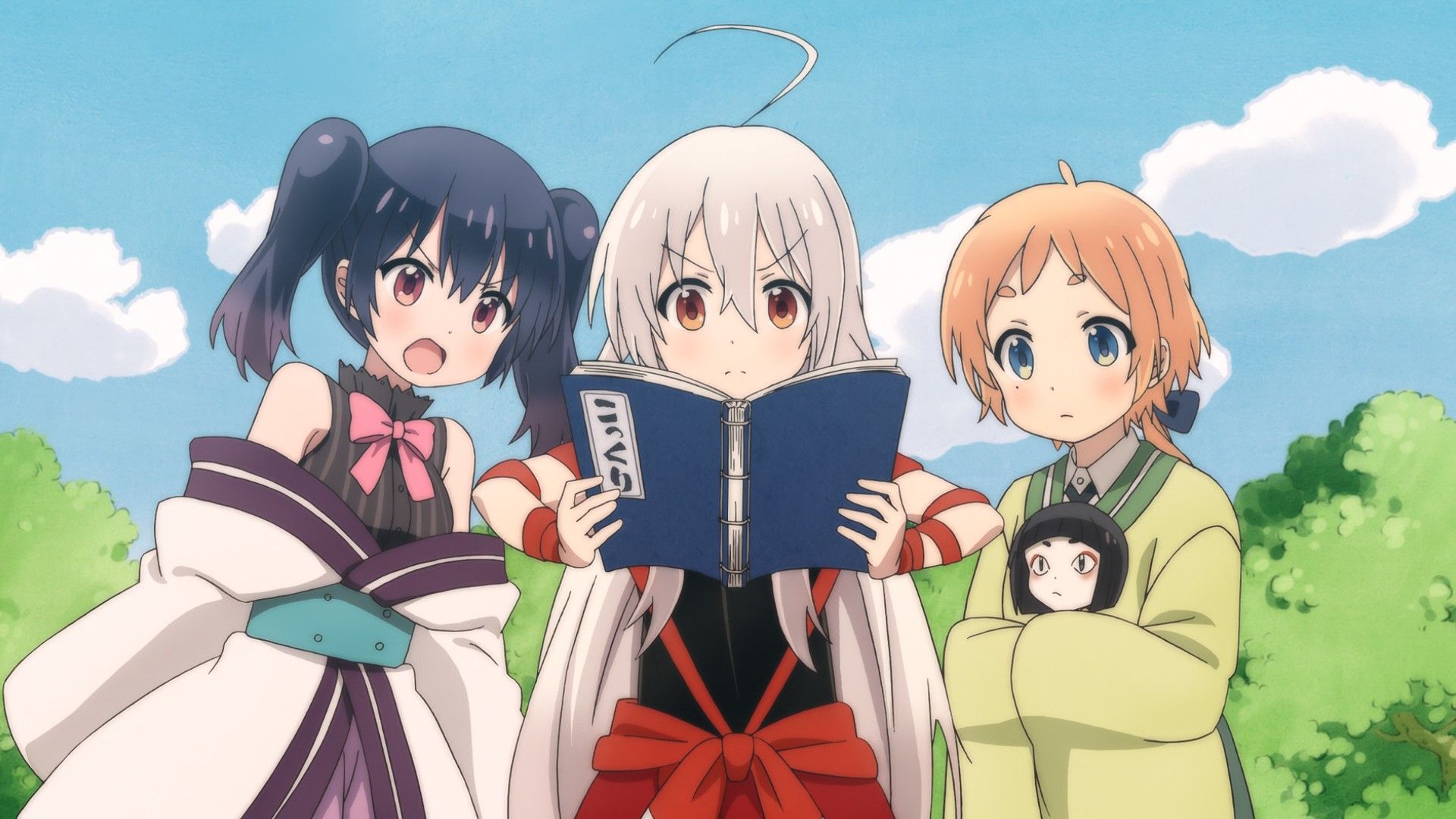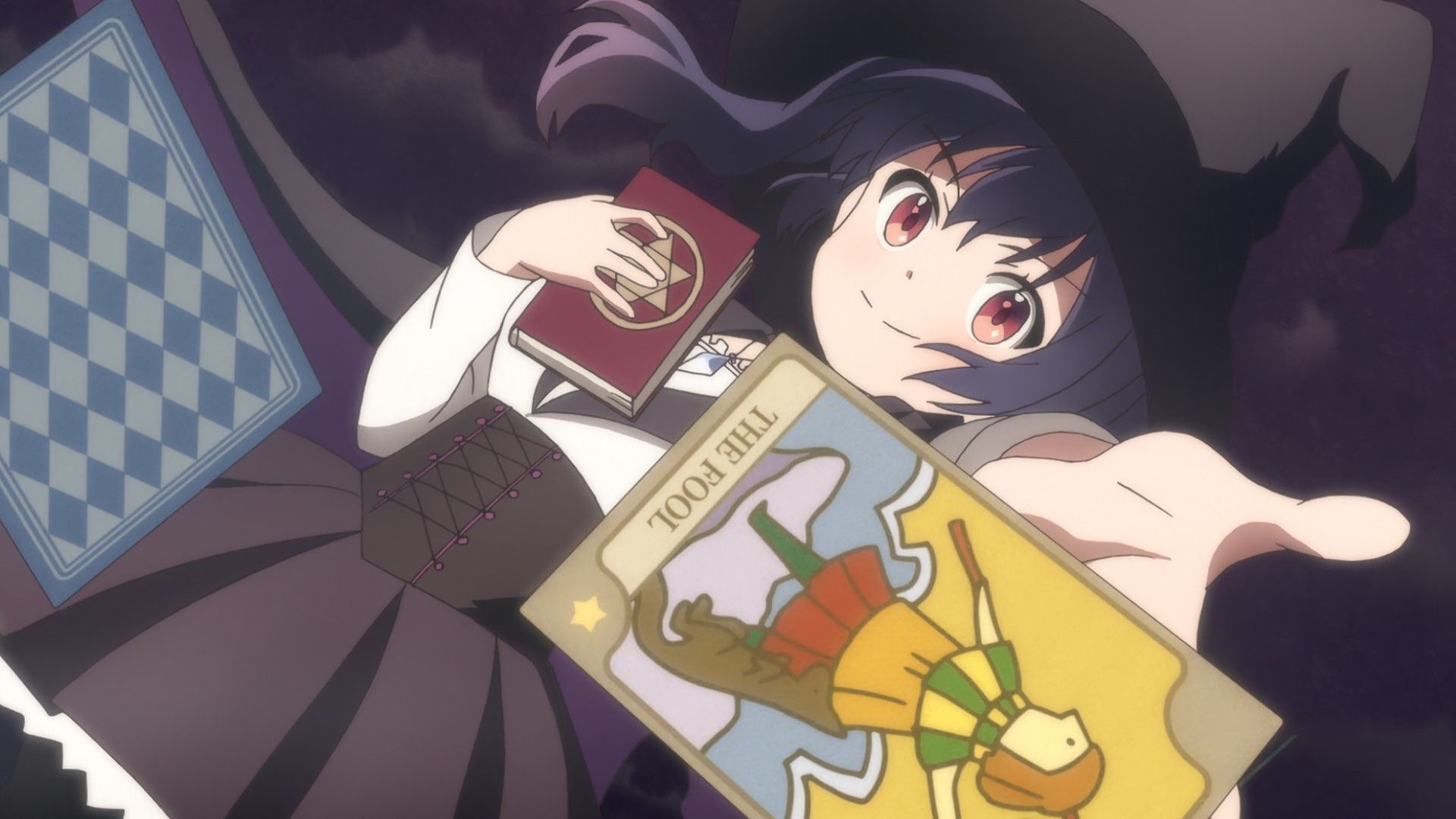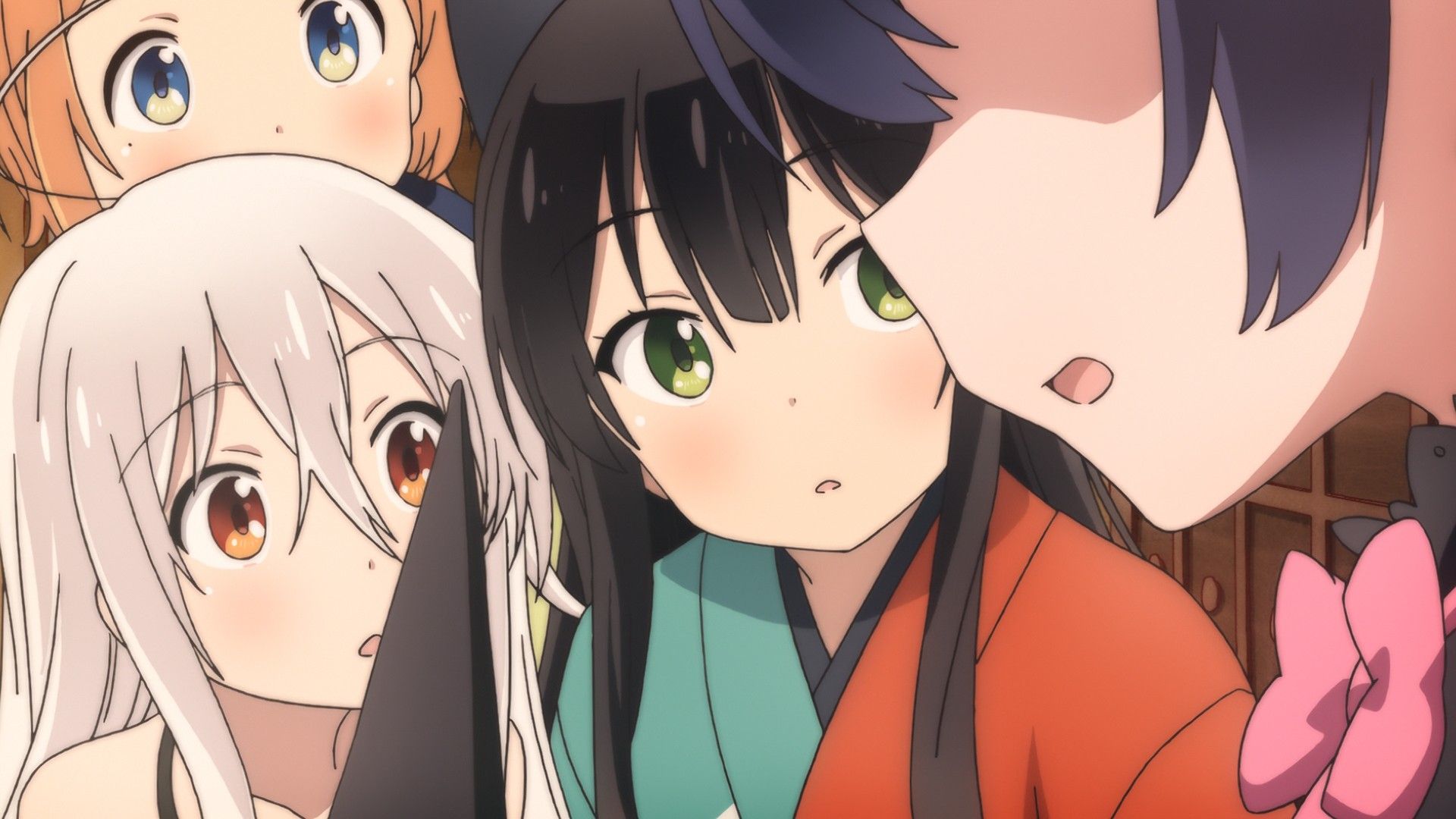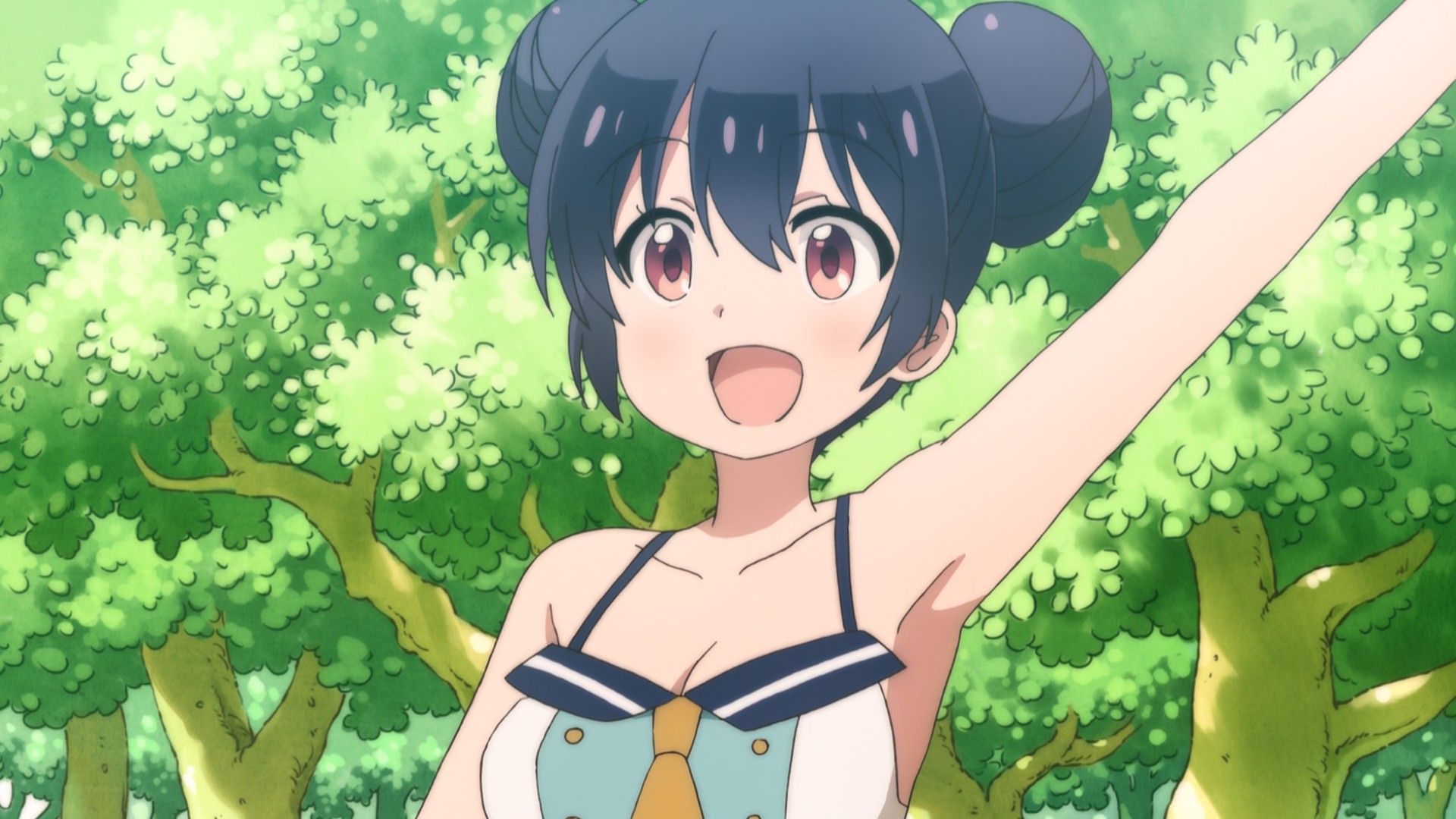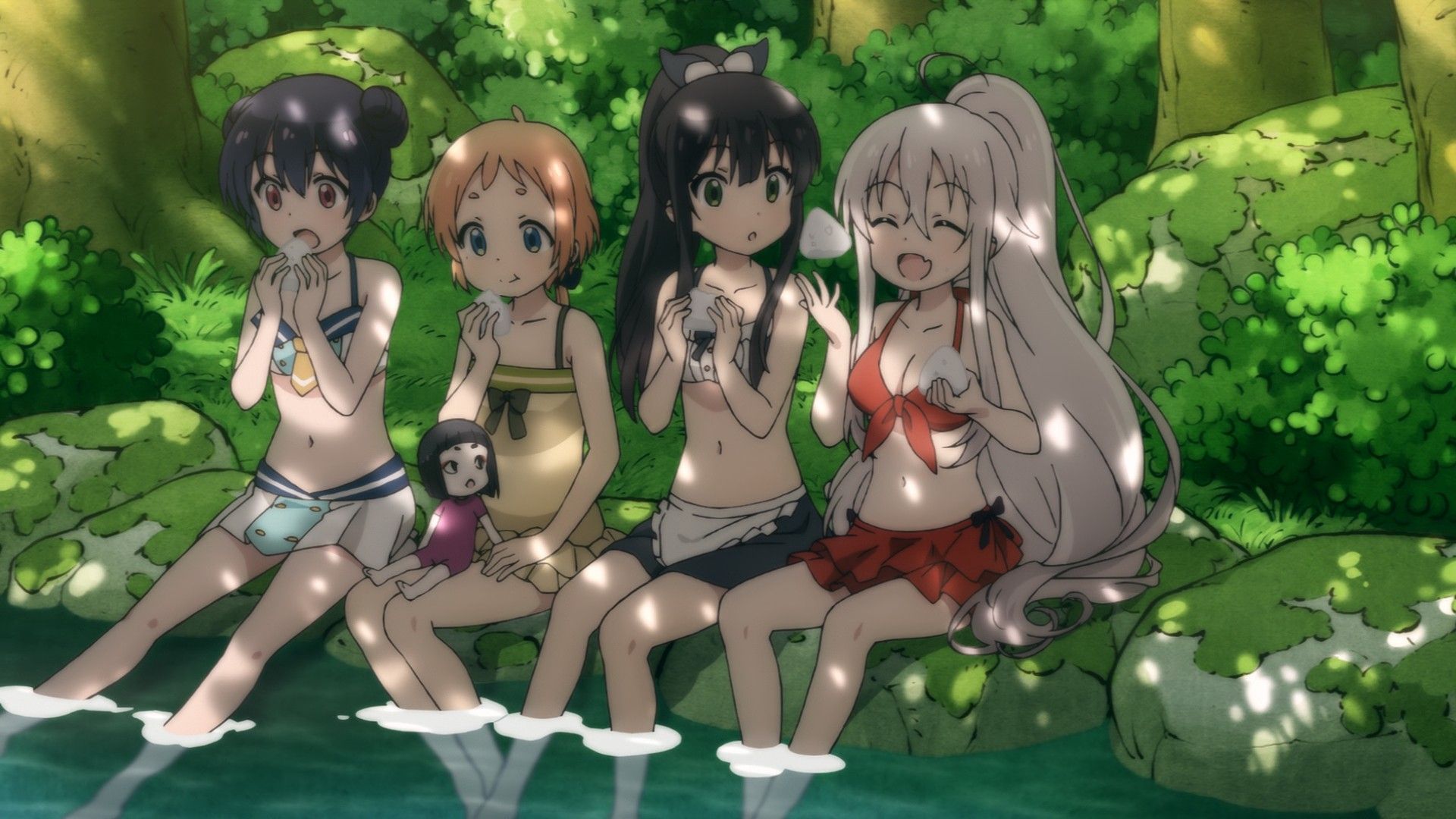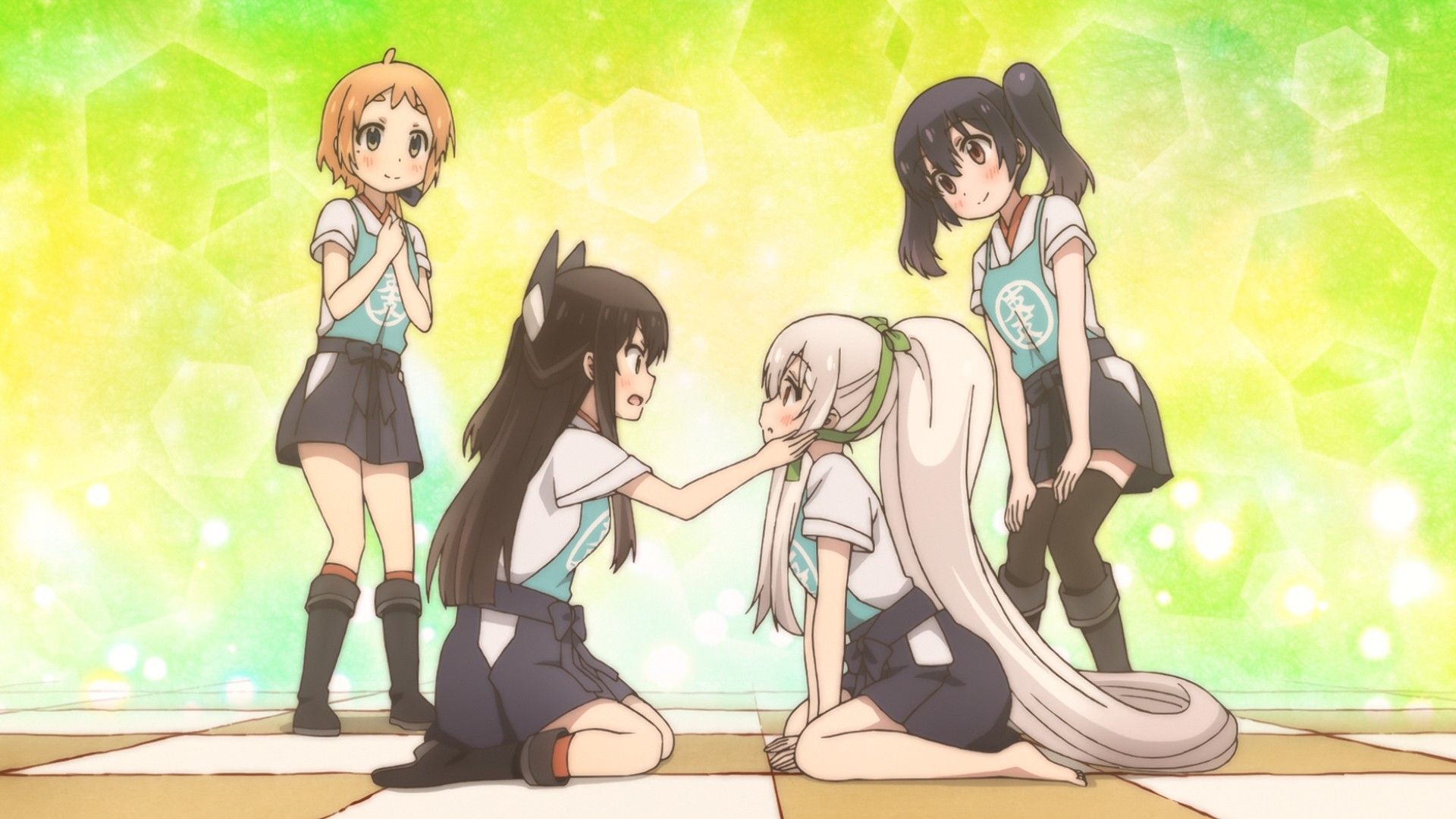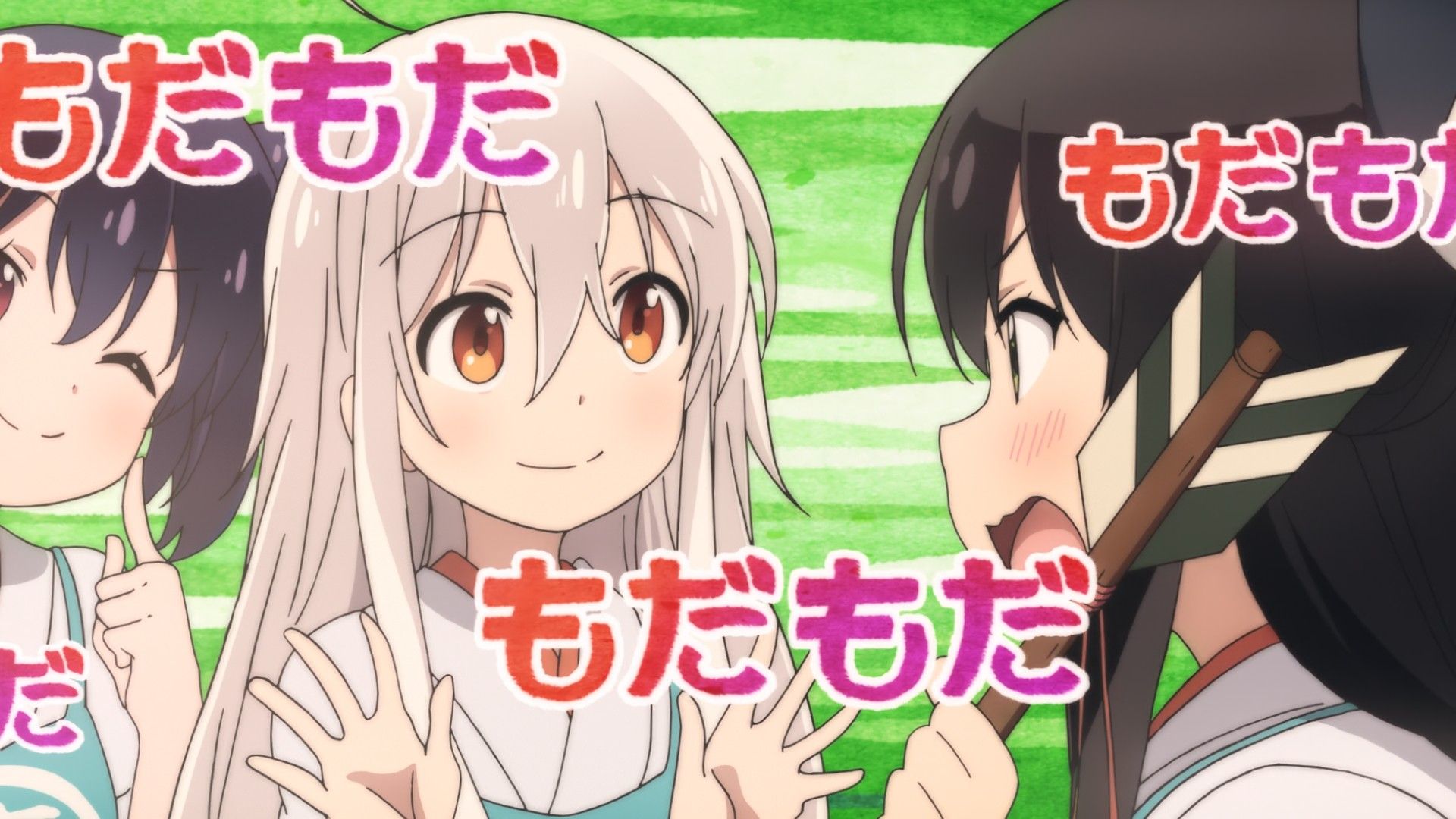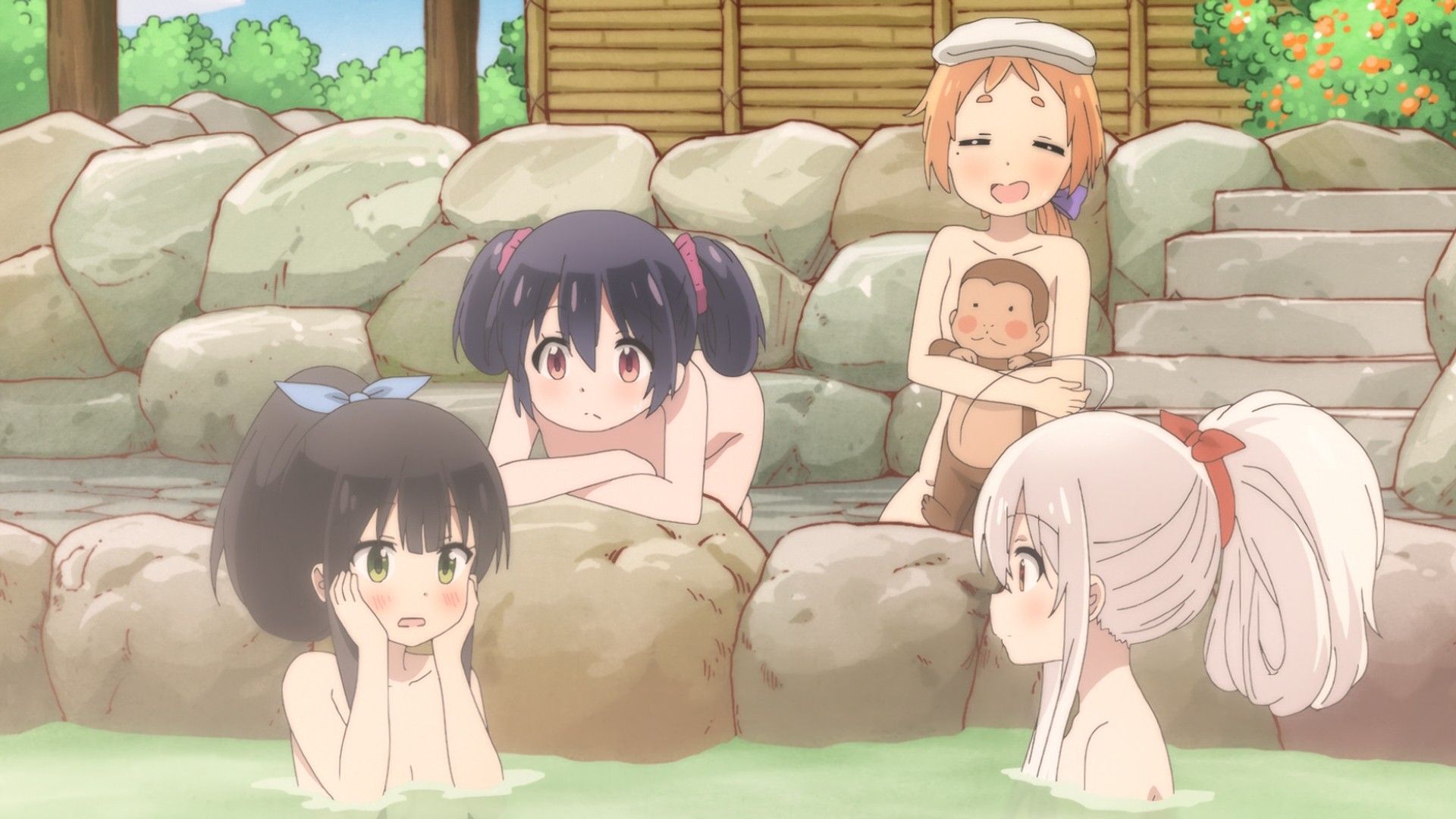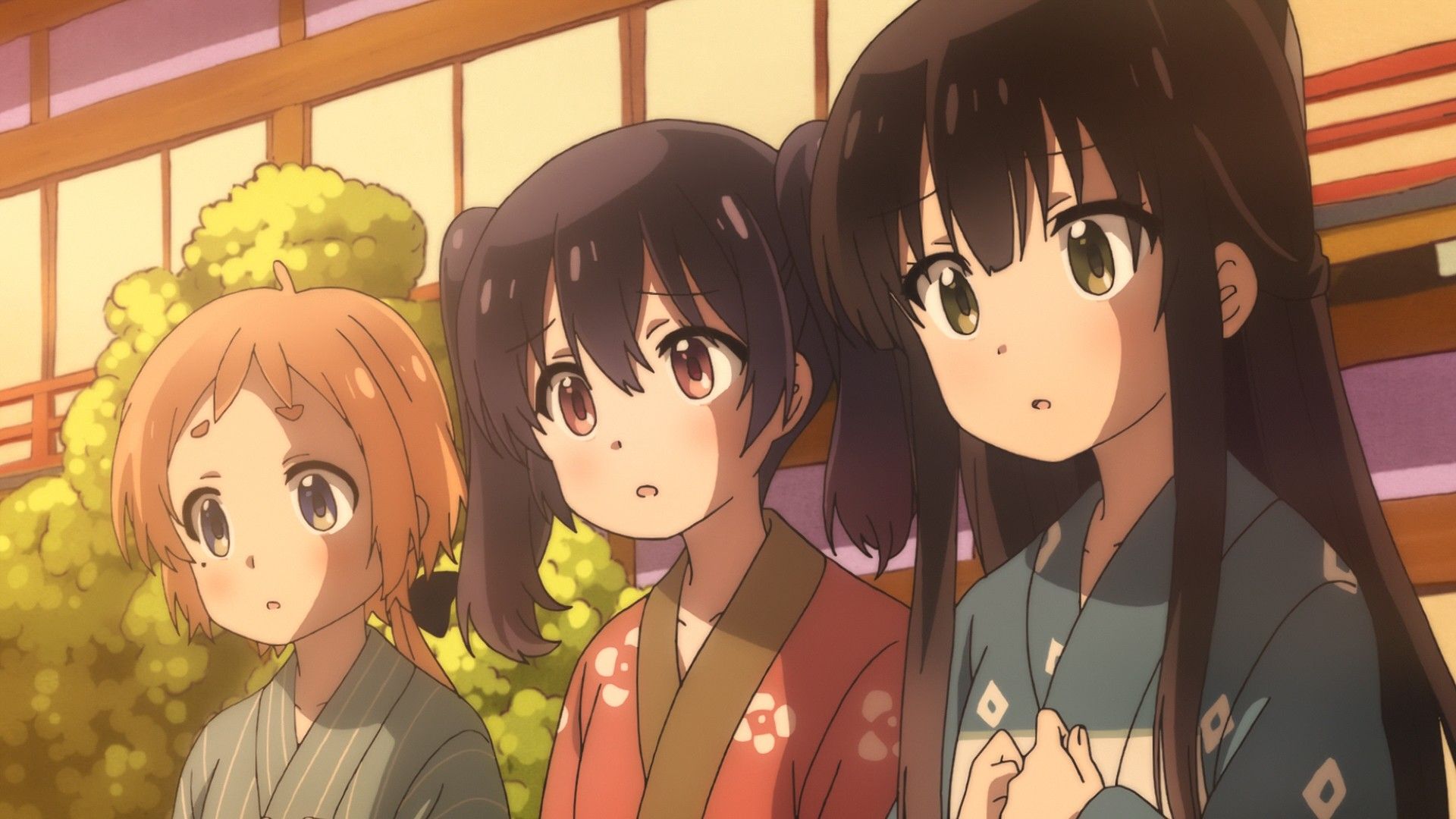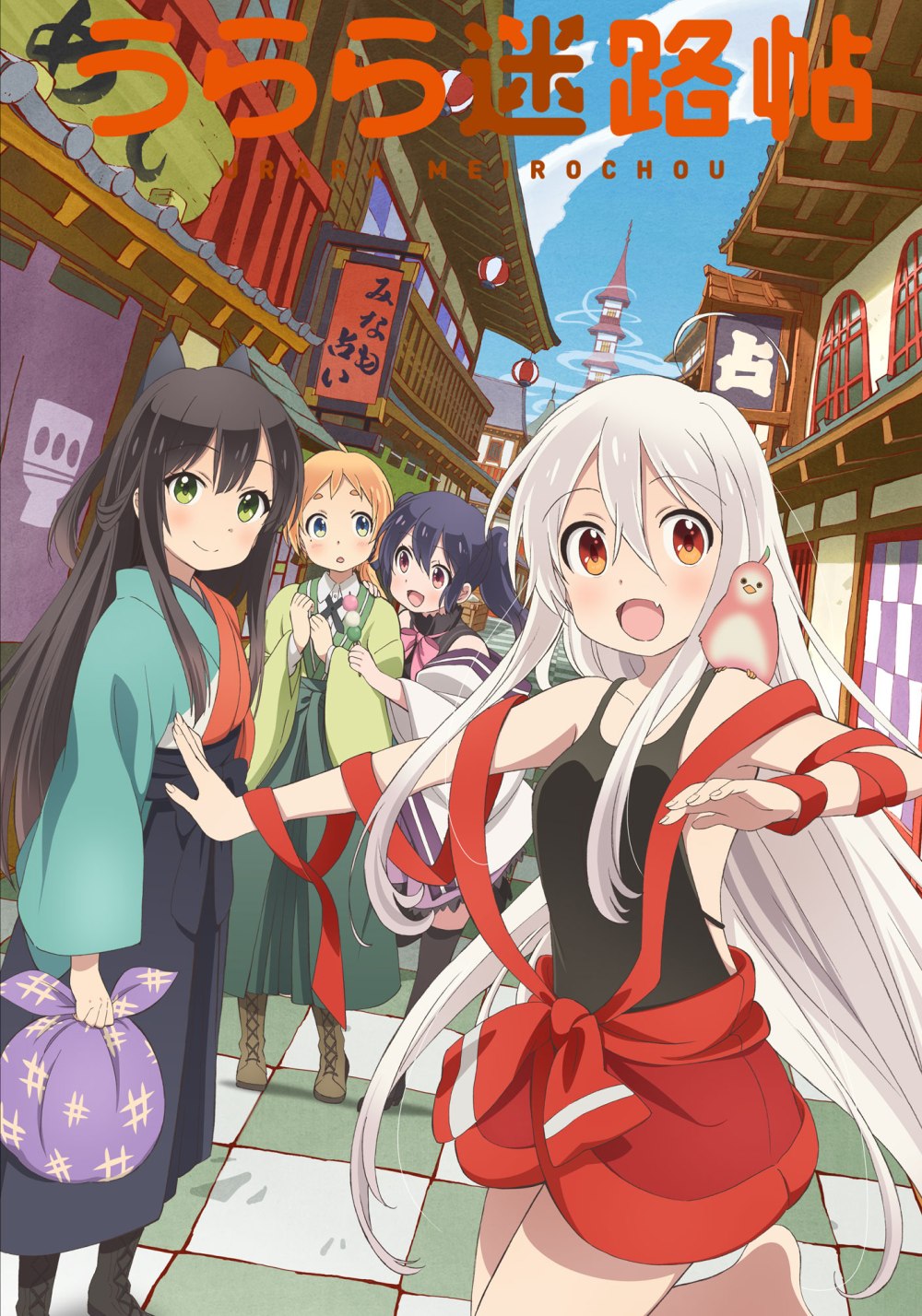
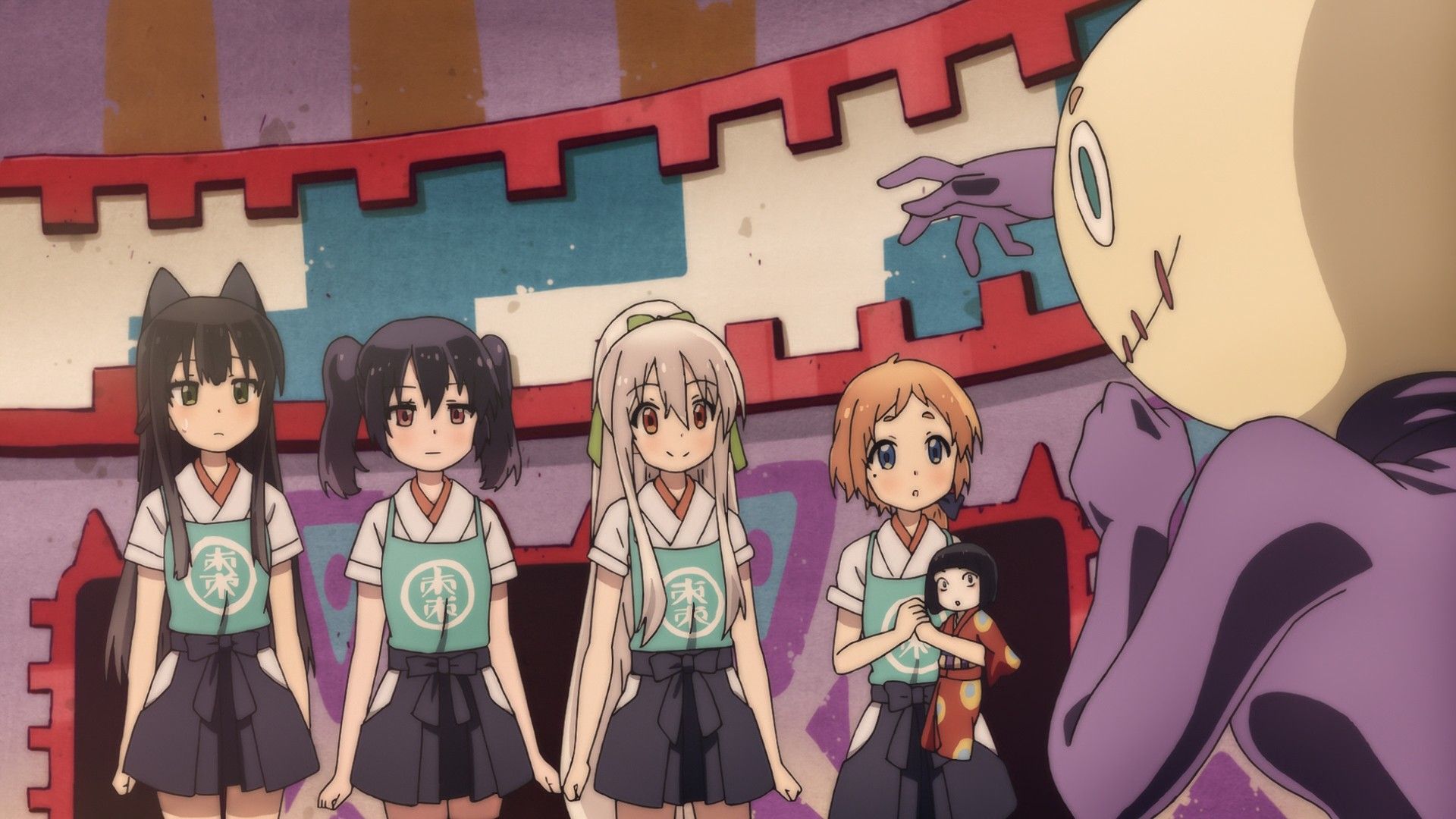
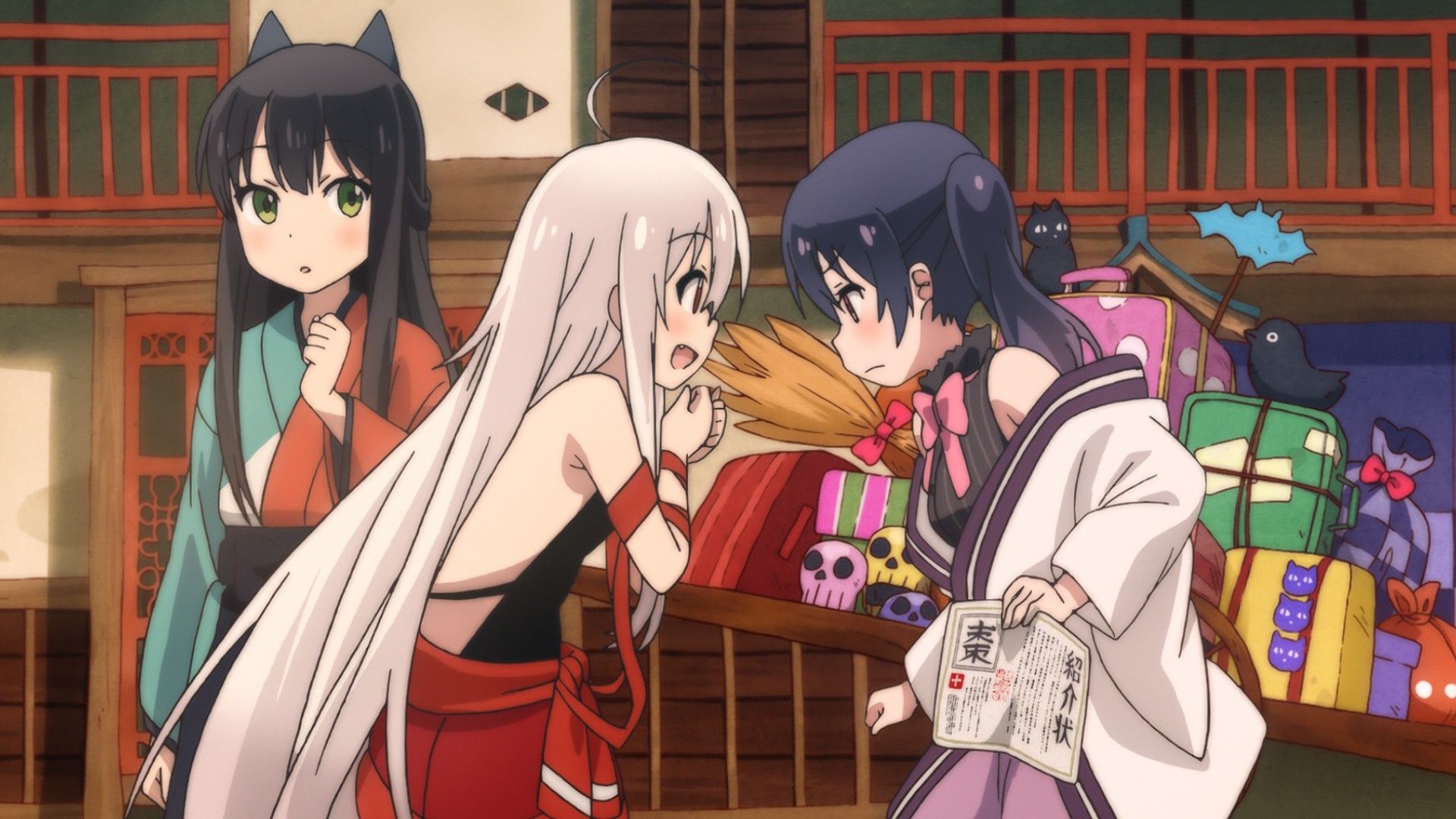
Chiya arrives in Meirochou and moves into Natsume-ya together with Kon, Koume, and Nono. The girls are novice urara apprentices. Each of them has her own reason for choosing this path. Chiya is searching for her mother and believes the answer is waiting somewhere high above, among the most powerful urara. Kon wants to become someone who has truly earned her place, rather than merely the daughter of a respected name. Koume tries to affirm her own image of herself and her dream of becoming a witch in a world that likes to mock such things. Nono, meanwhile, wants to do the hardest thing of all: simply step out of the shadows. The series takes them from daily life in the teahouse and the tenth rank all the way to the ninth-rank exam, but the bonds they build along the way, the small breakthroughs, and the act of facing their weaknesses together matter just as much as the promotion itself.
Urara Meirochou (2017) – Audiovisual Design
Video
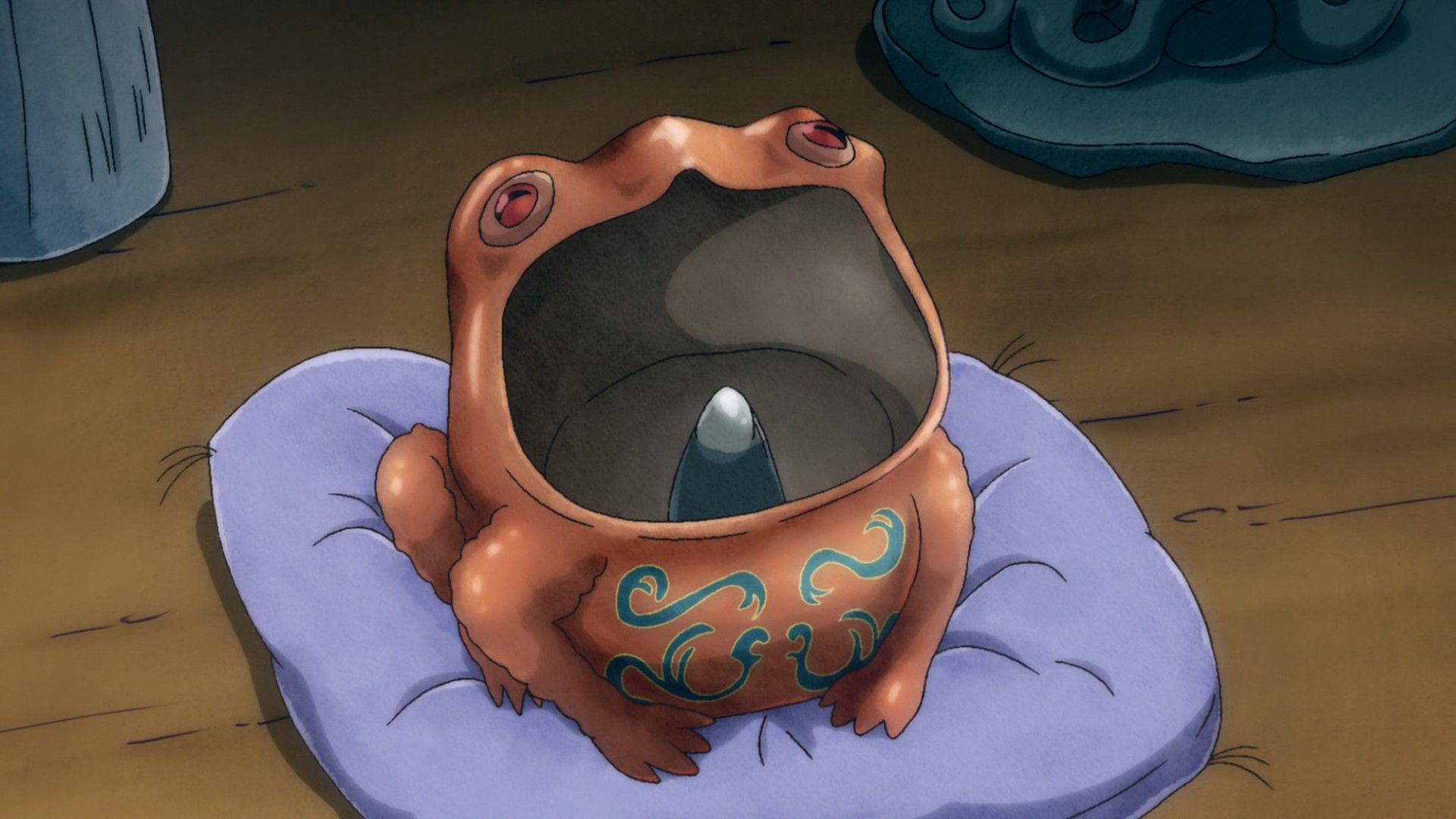
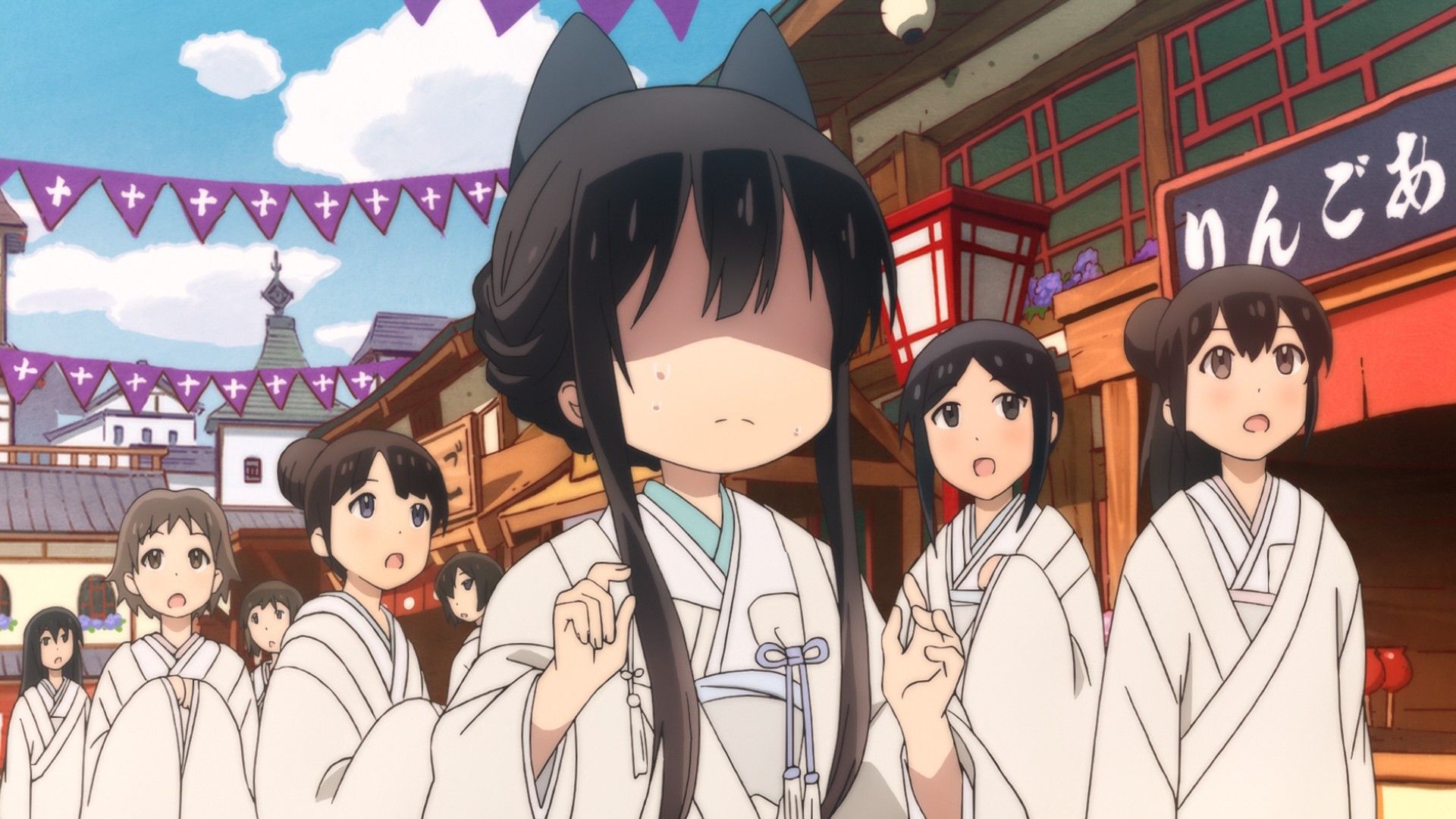
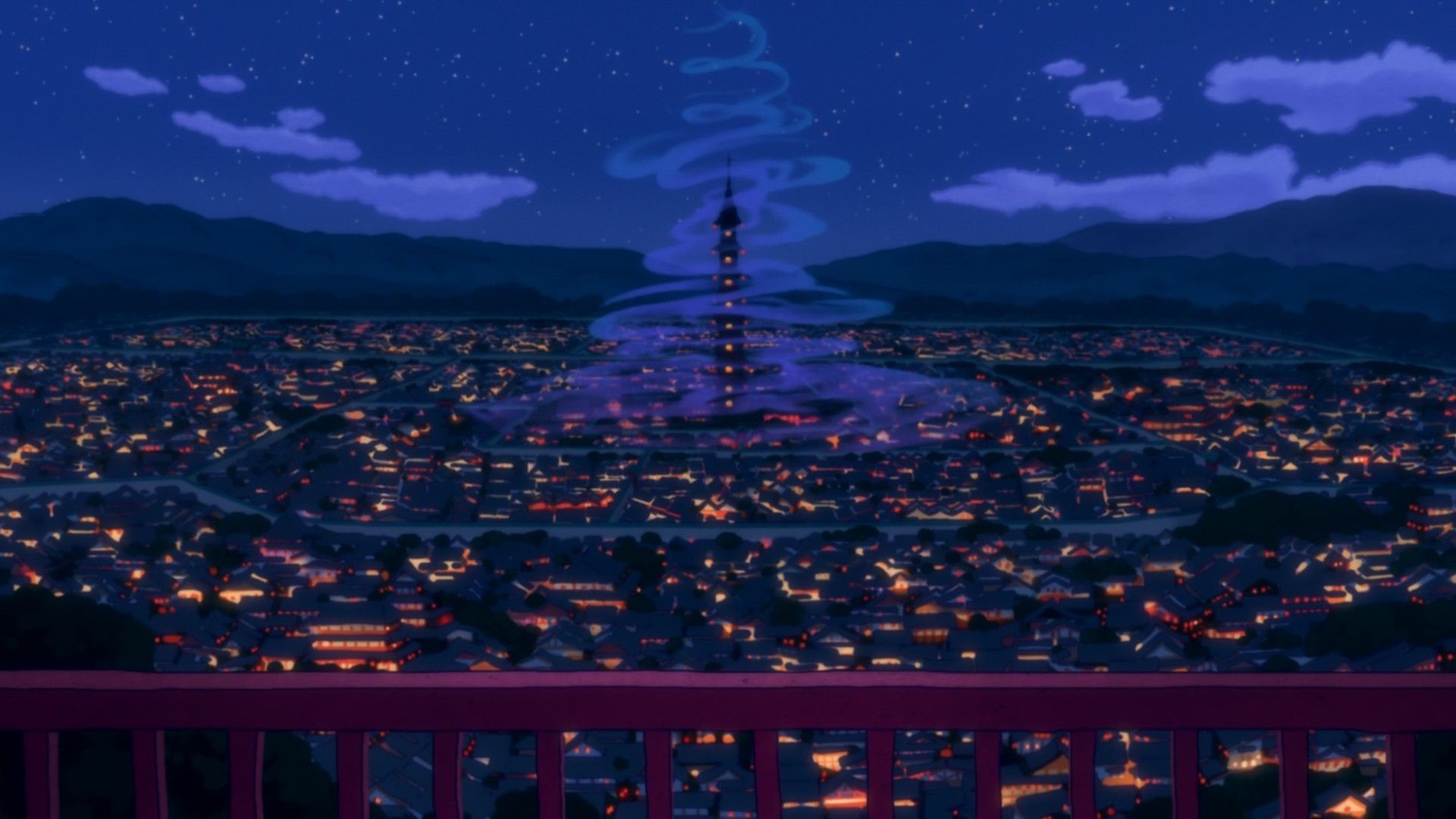
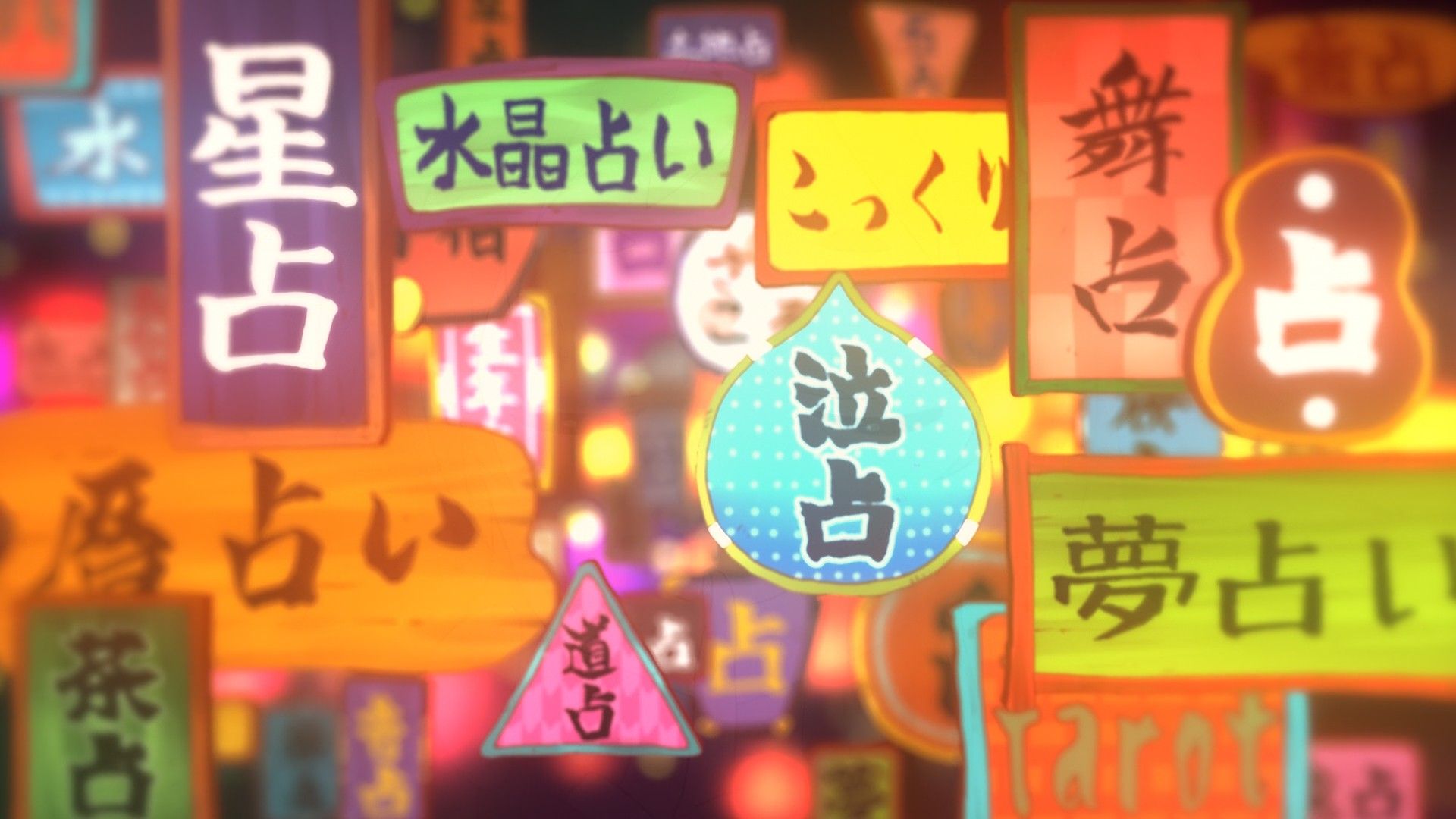
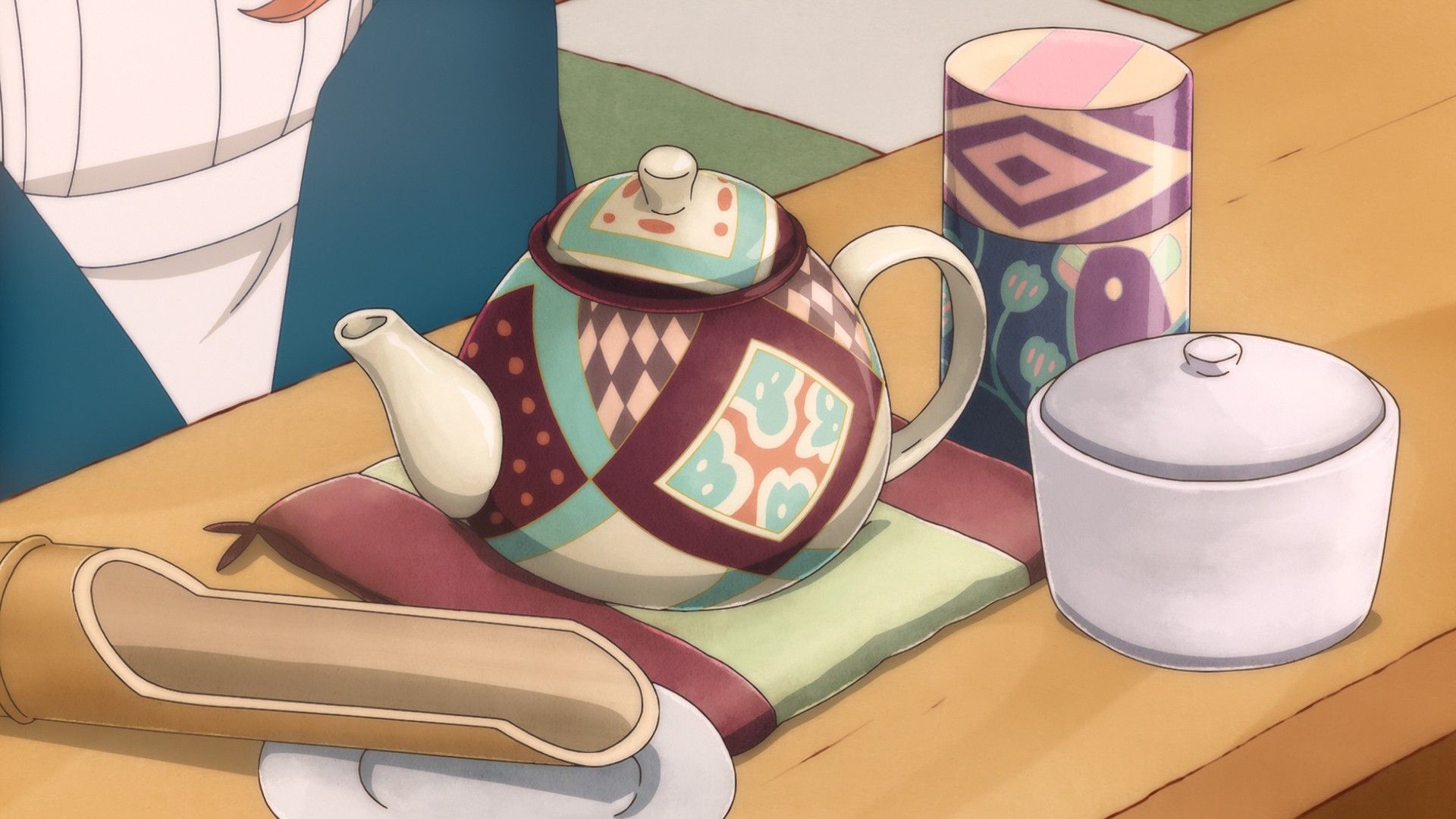
Urara Meirochou does not try to win the viewer over through the sheer cuteness of its character designs alone. From its very first scenes, it builds a fully realized sense of place. Meirochou does not look like an ordinary pretty fantasy town. It feels more like a space that truly lives by its own rhythm, its own rules, and its own idea of how humans come into contact with the supernatural. The series is carried by a pastoral atmosphere rooted in Japanese folklore. Tea-leaf readings, Kokkuri, signs, songs, festivals, superstitions, barriers between districts, and not entirely comprehensible rules for dealing with deities all give Urara Meirochou a mood that is very relaxed and, at the same time, mysterious.
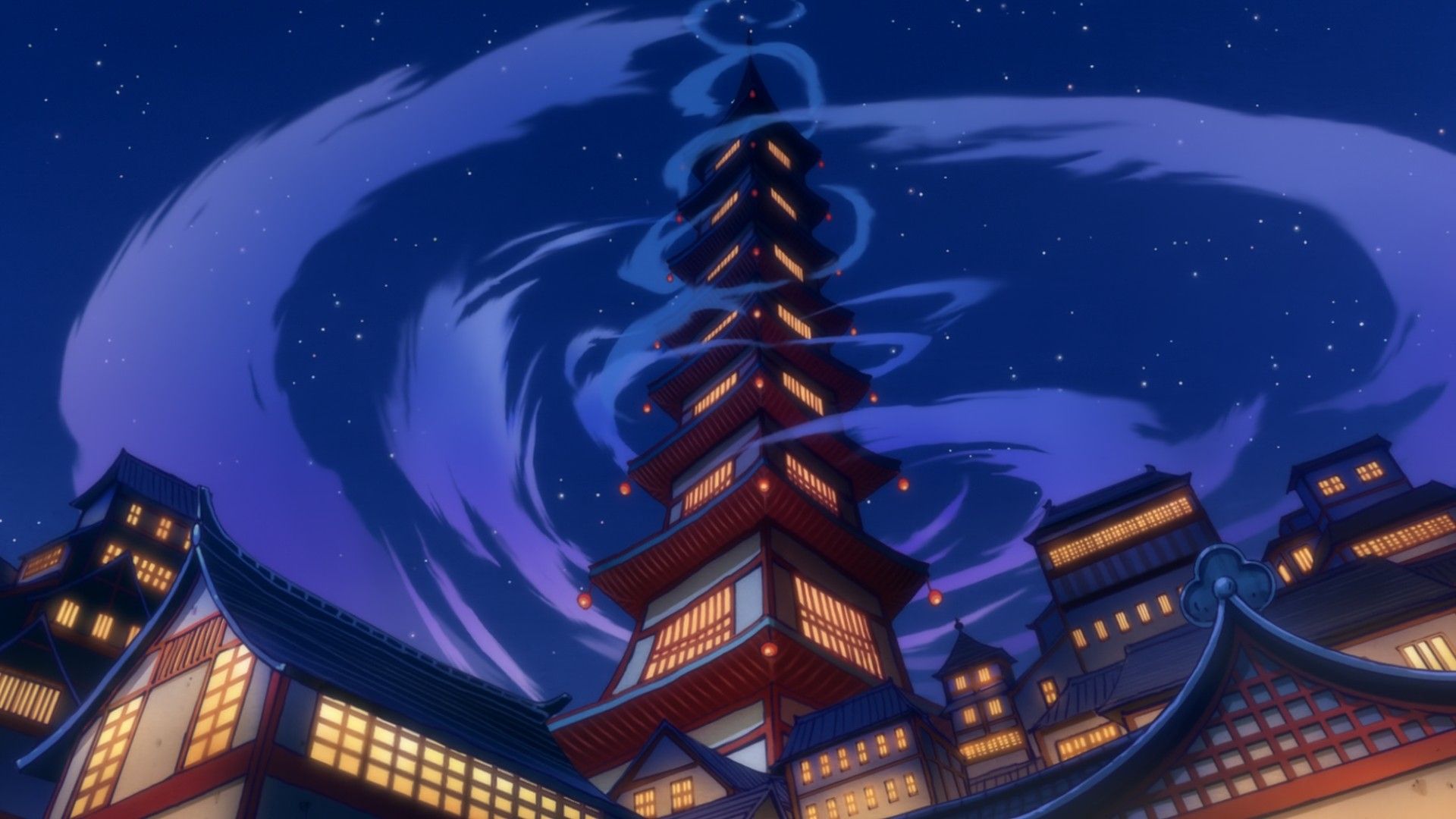
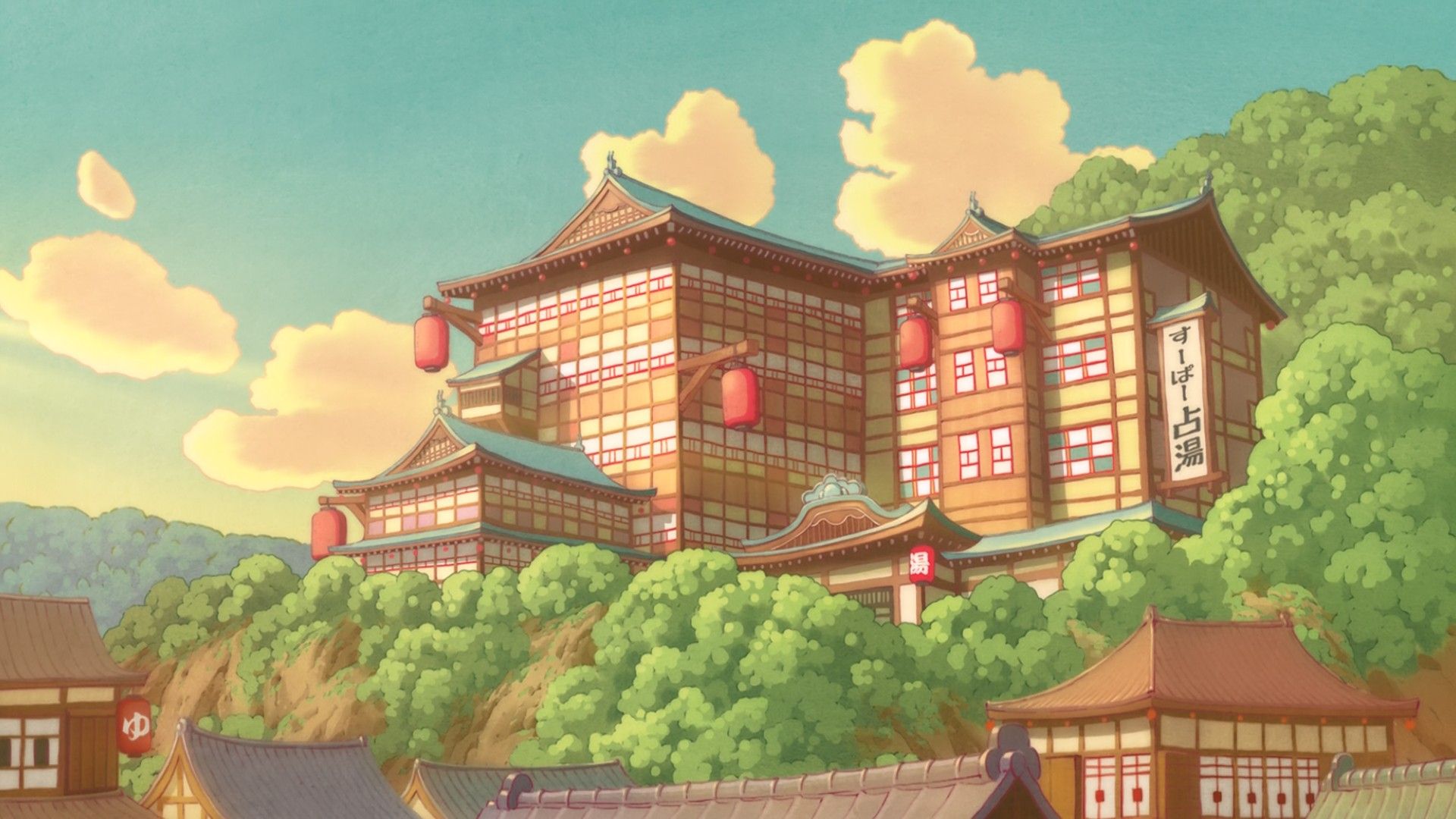
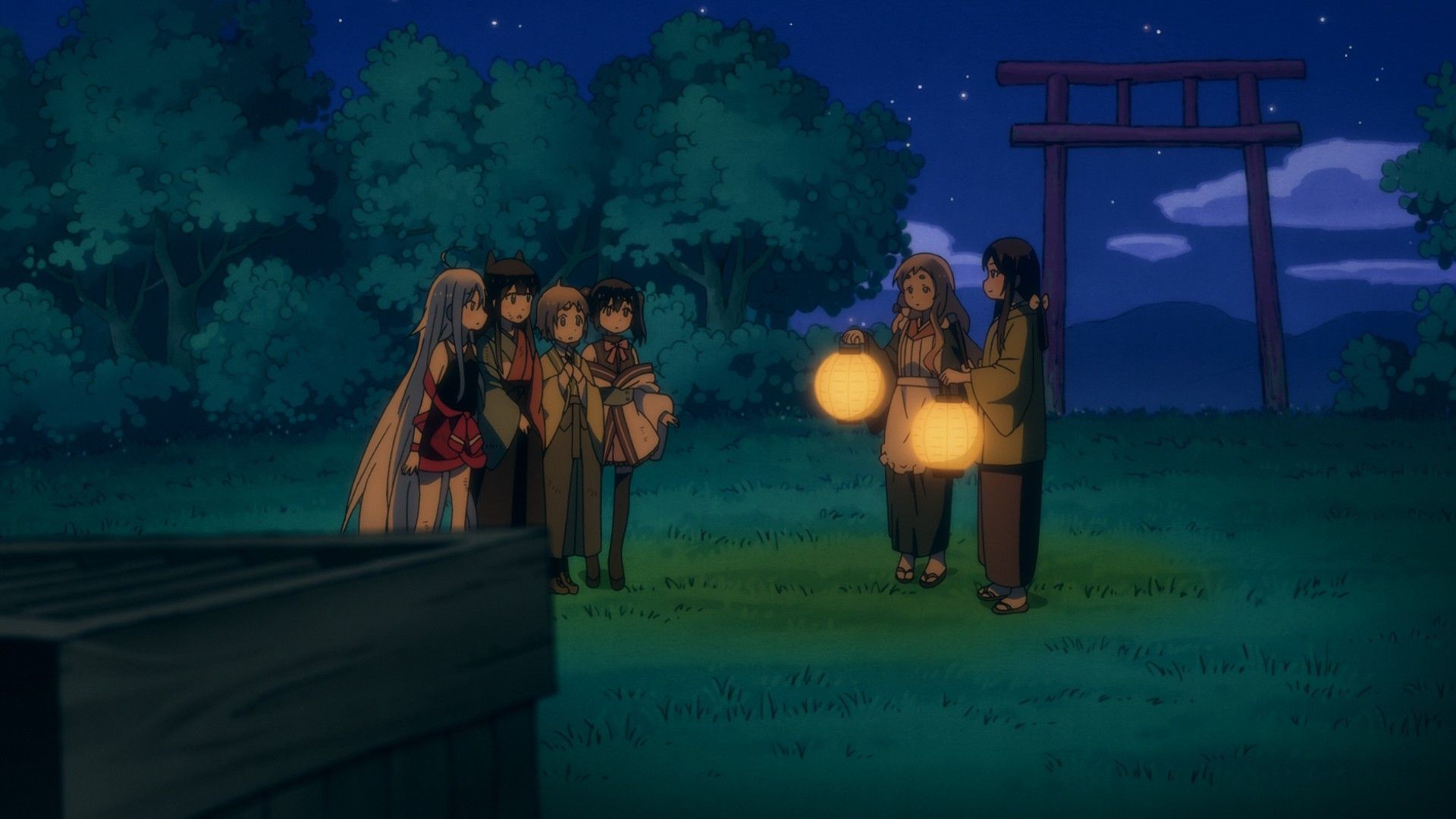
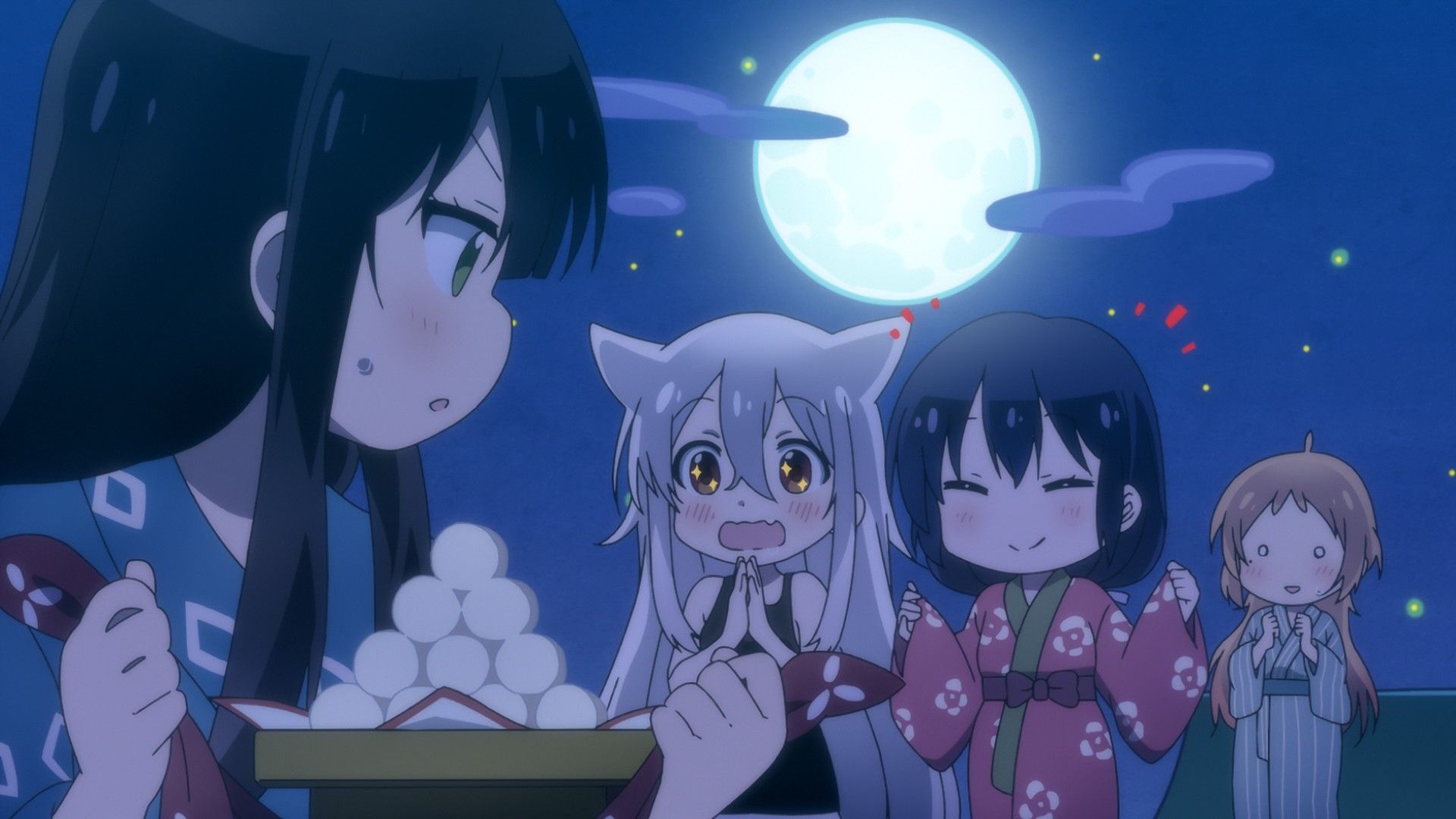
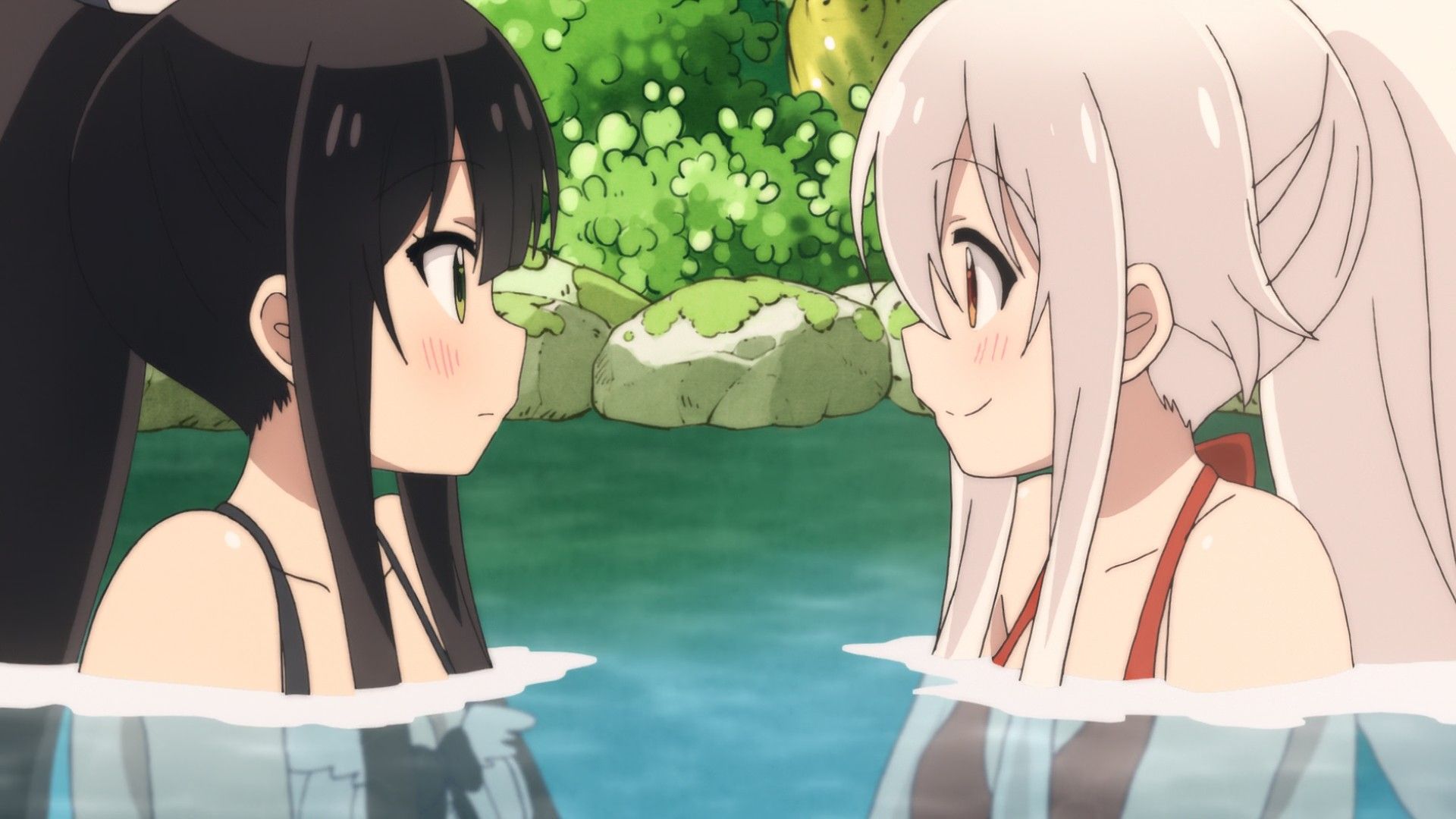
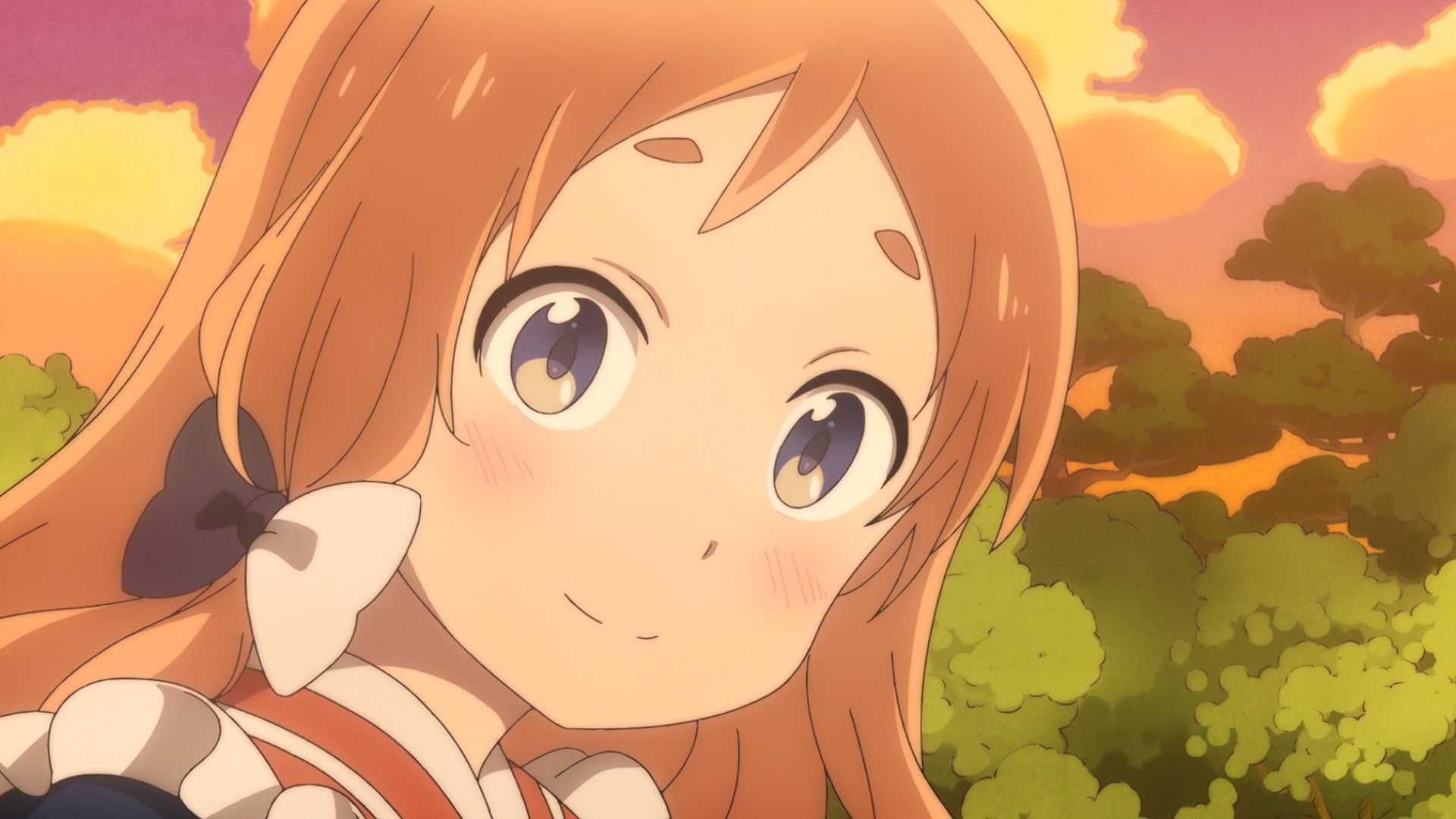
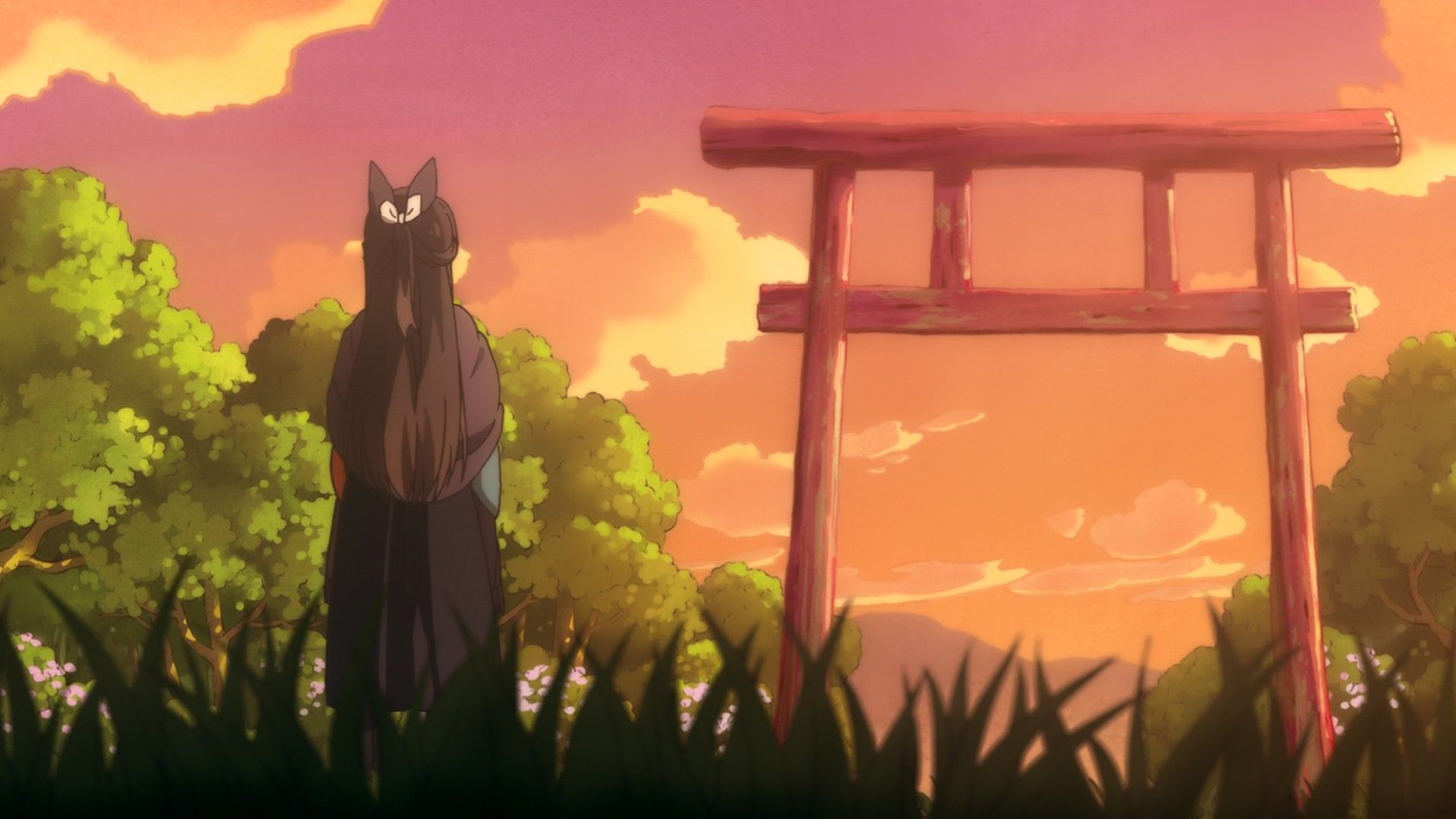
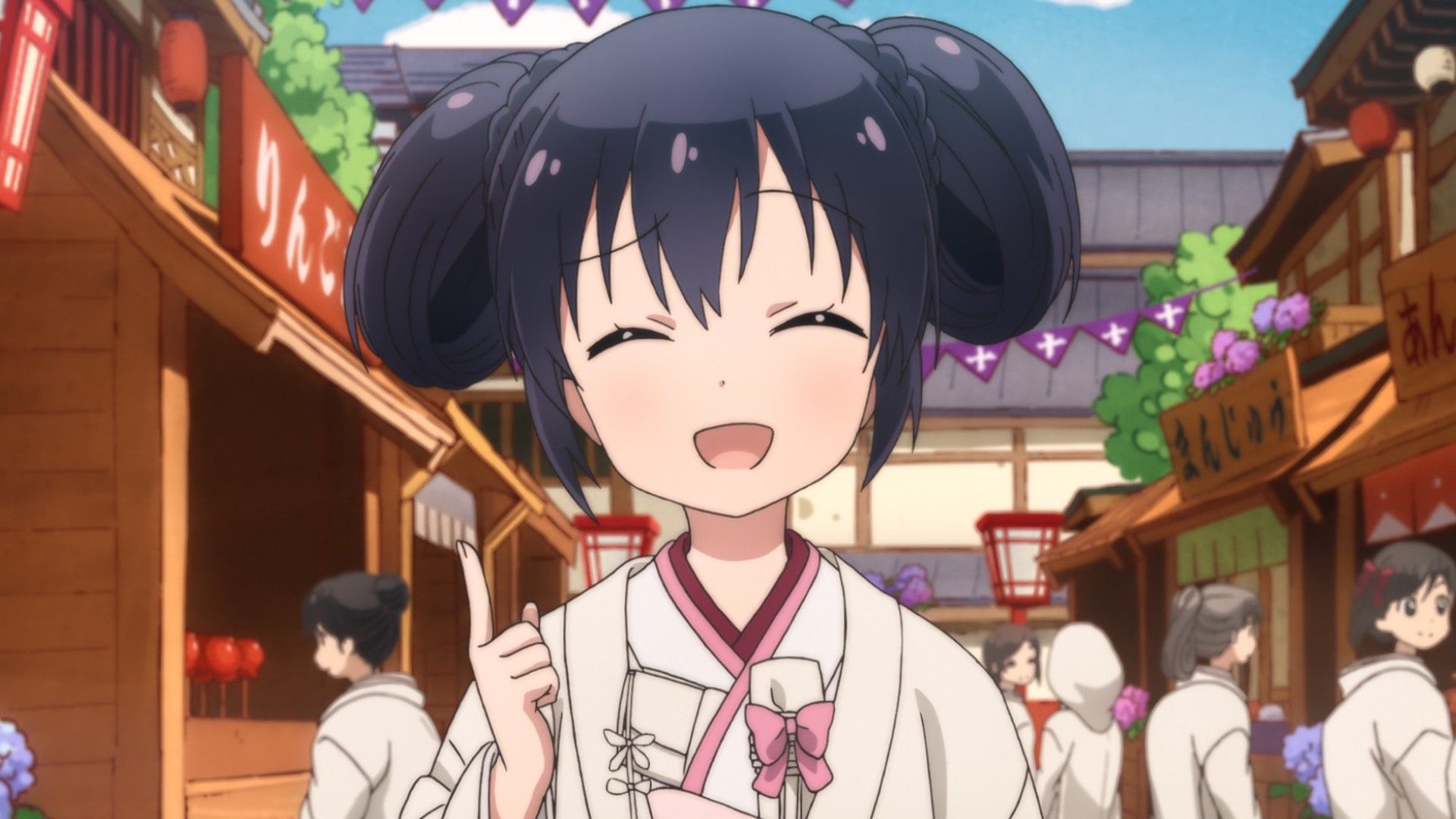
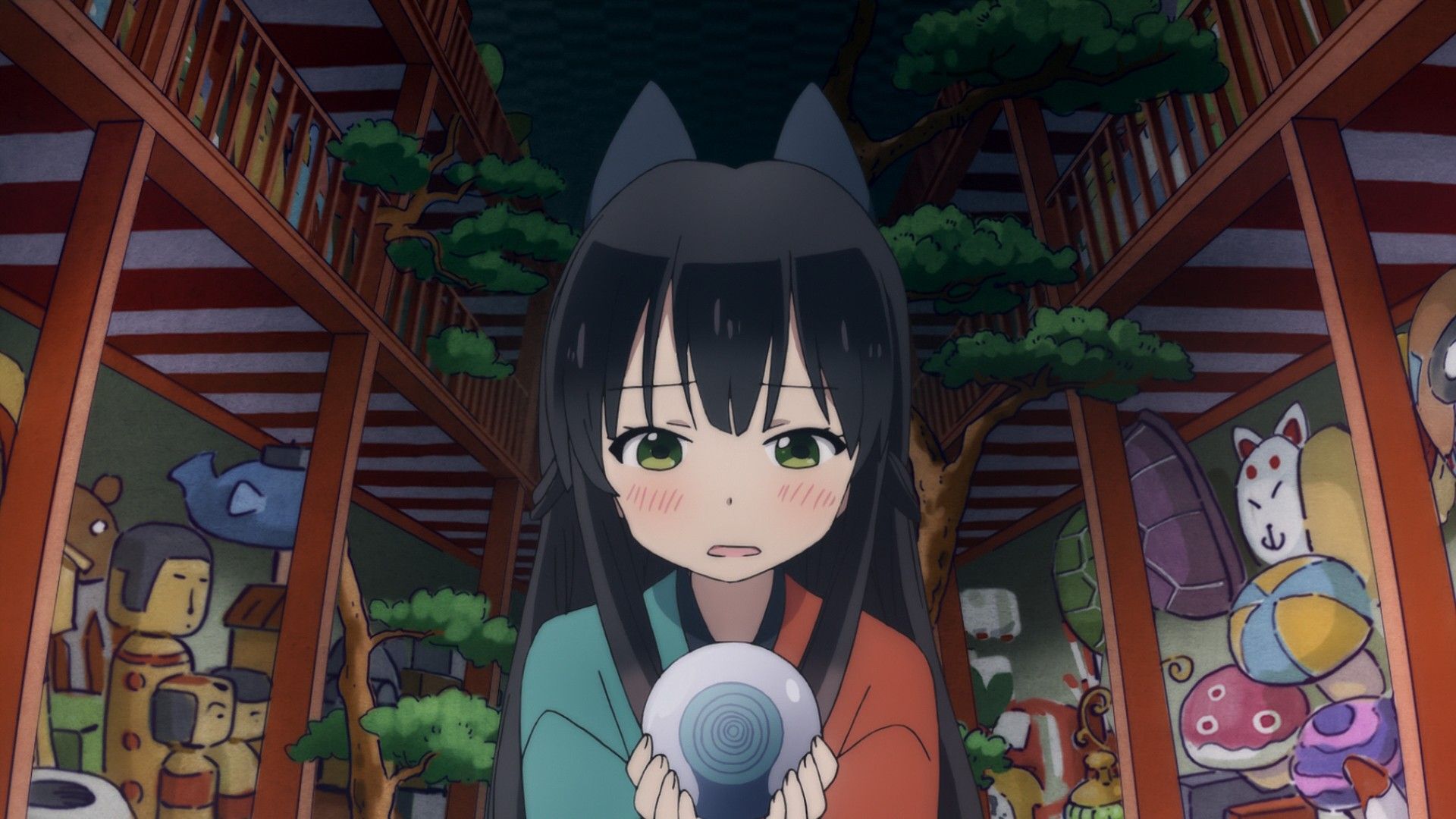
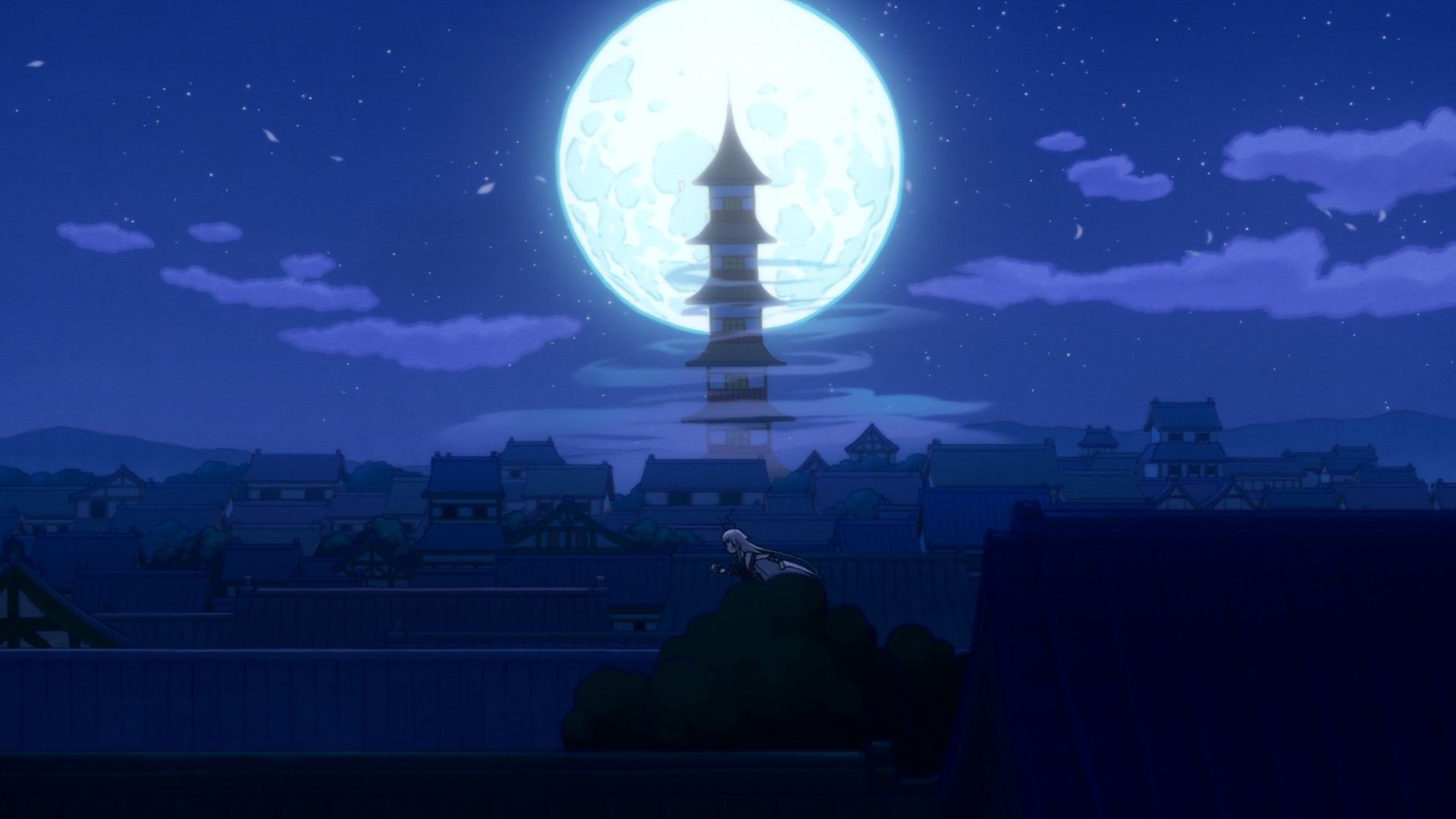
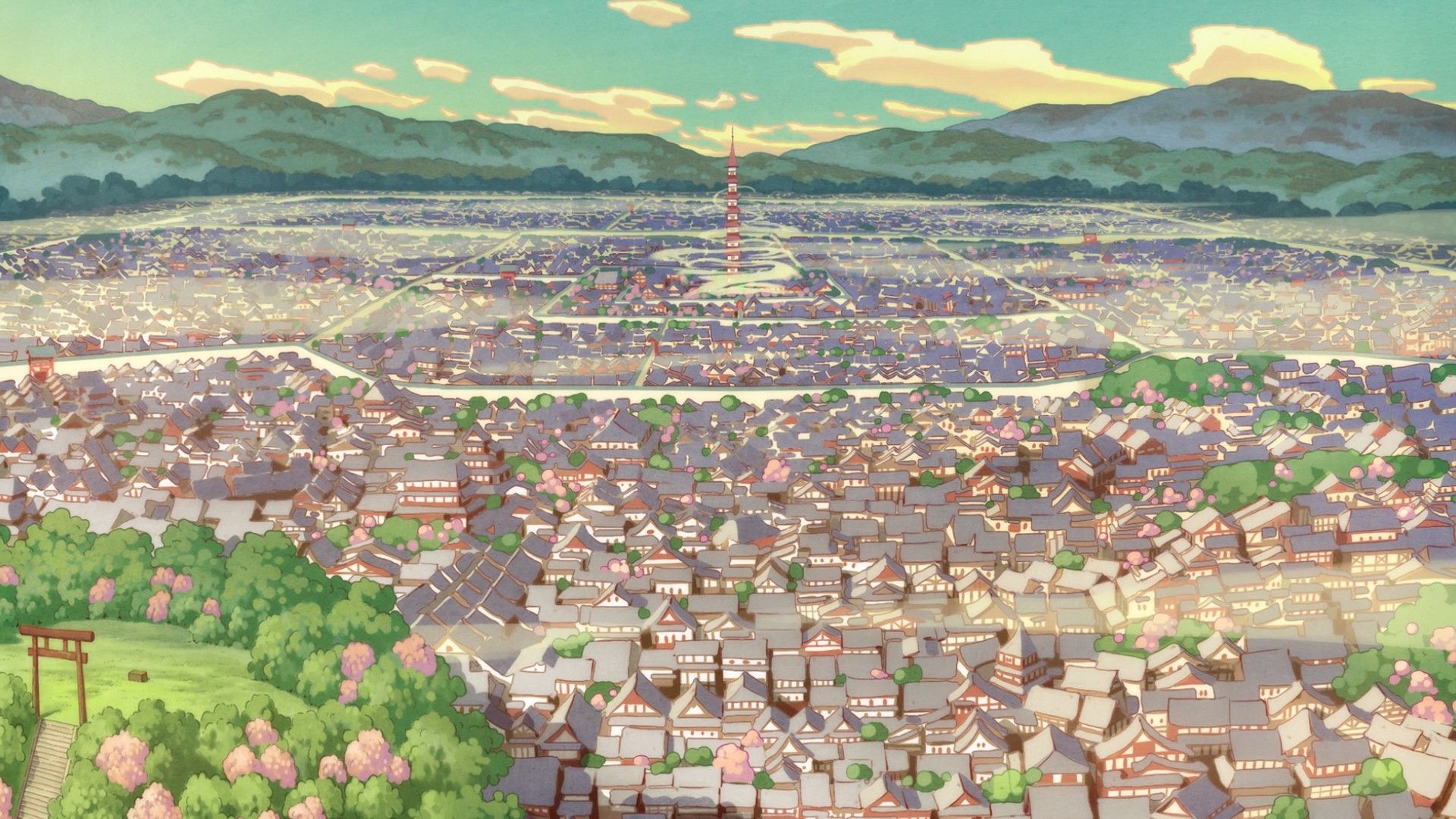
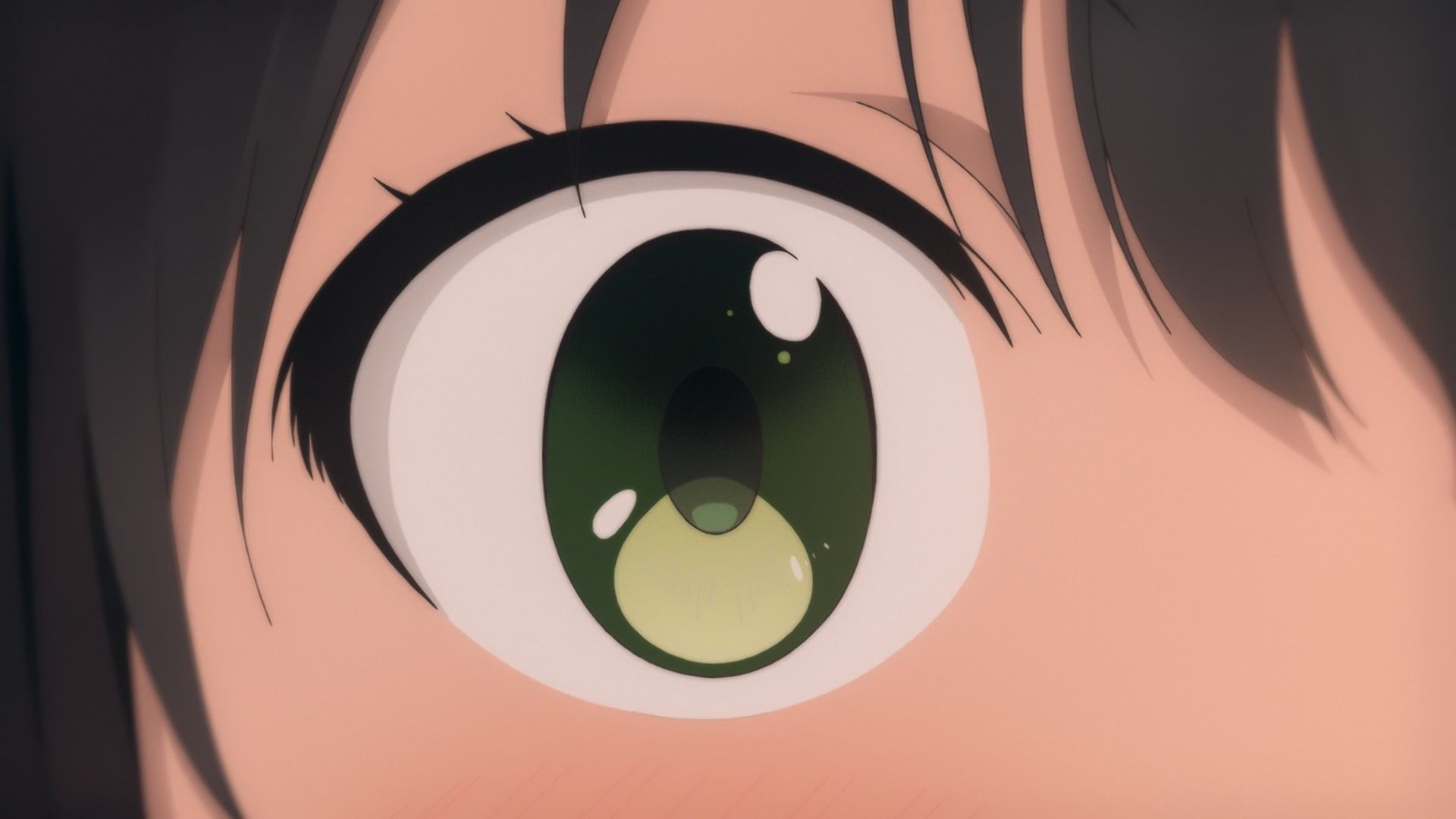
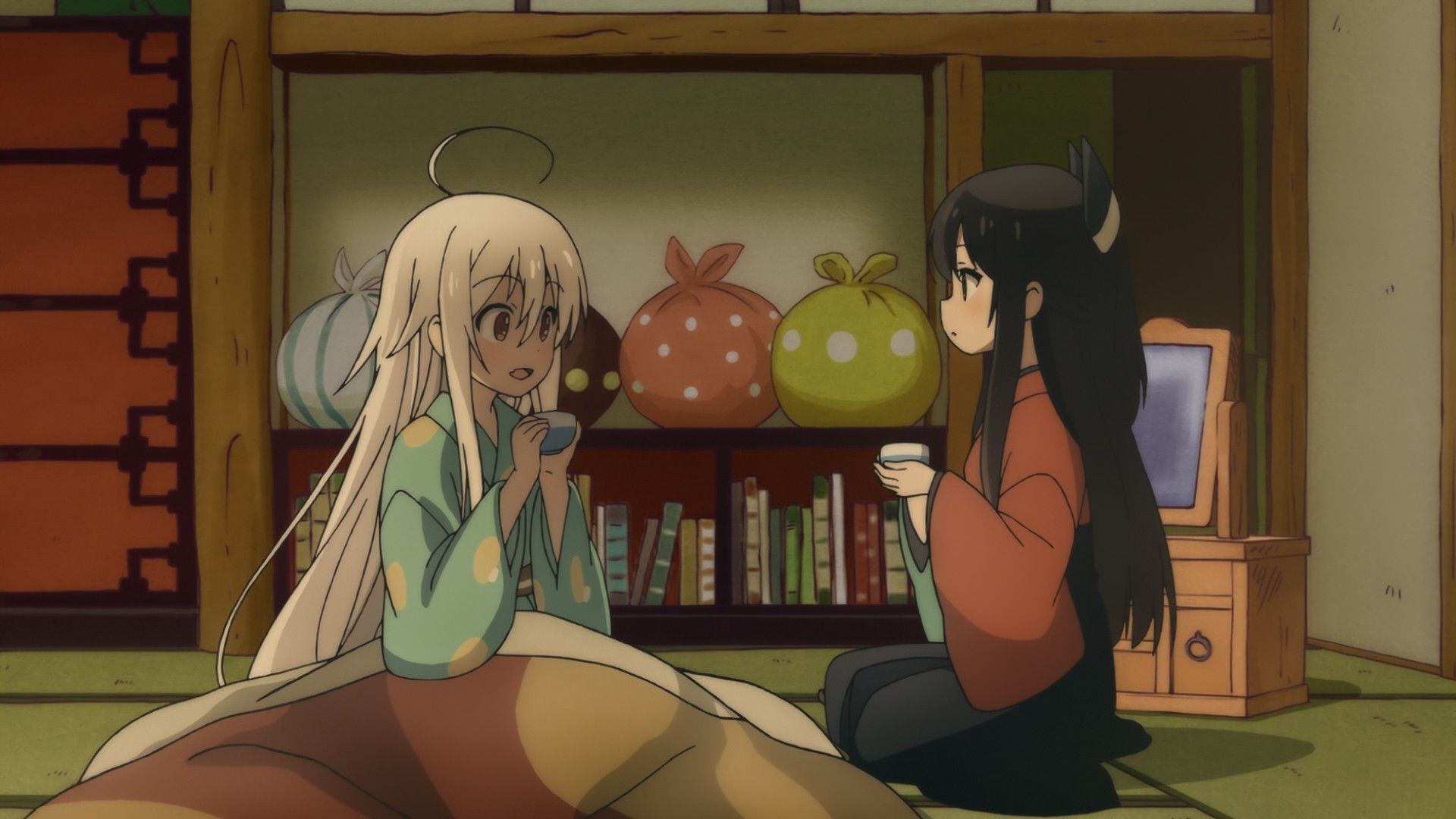
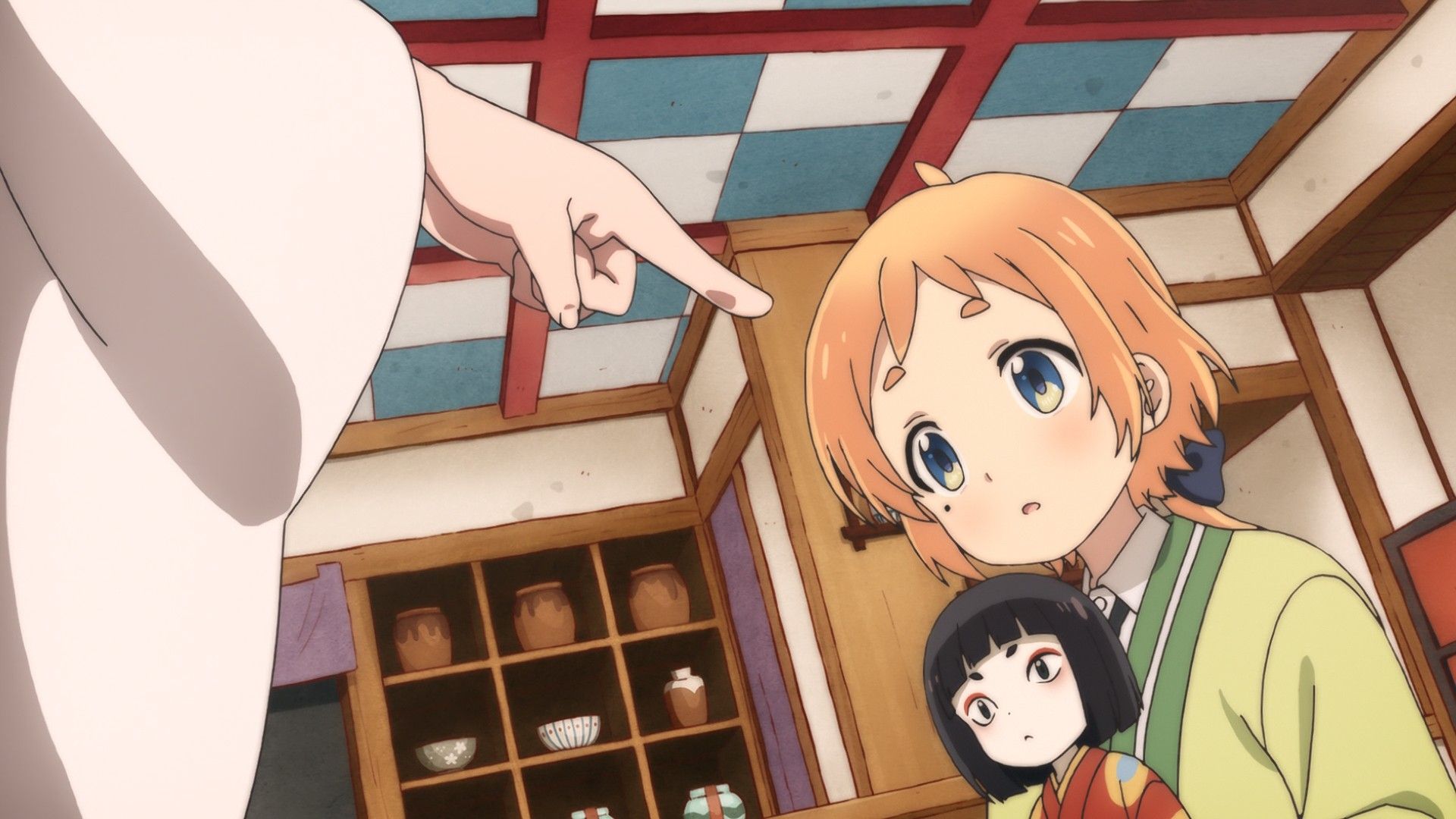
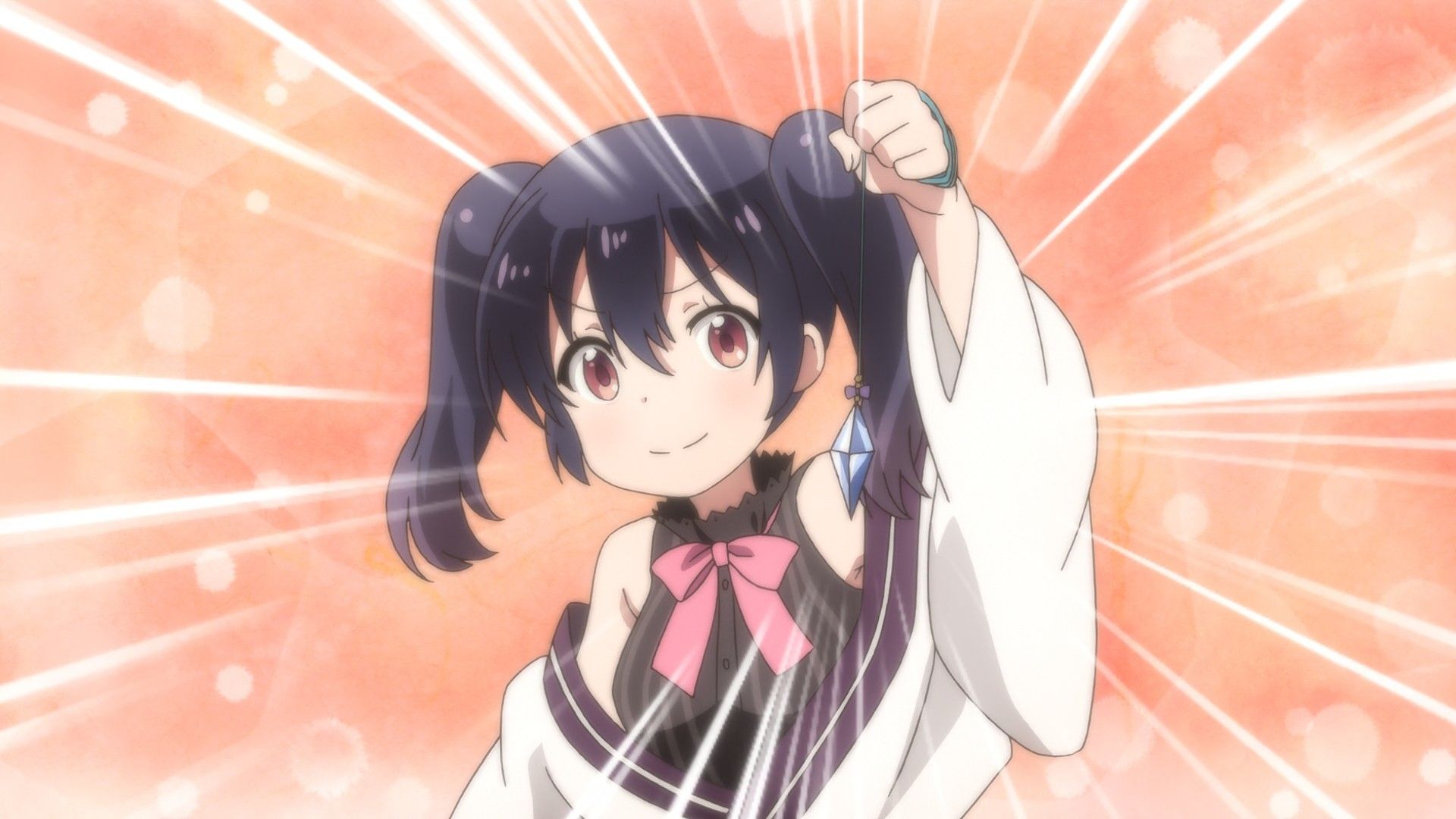
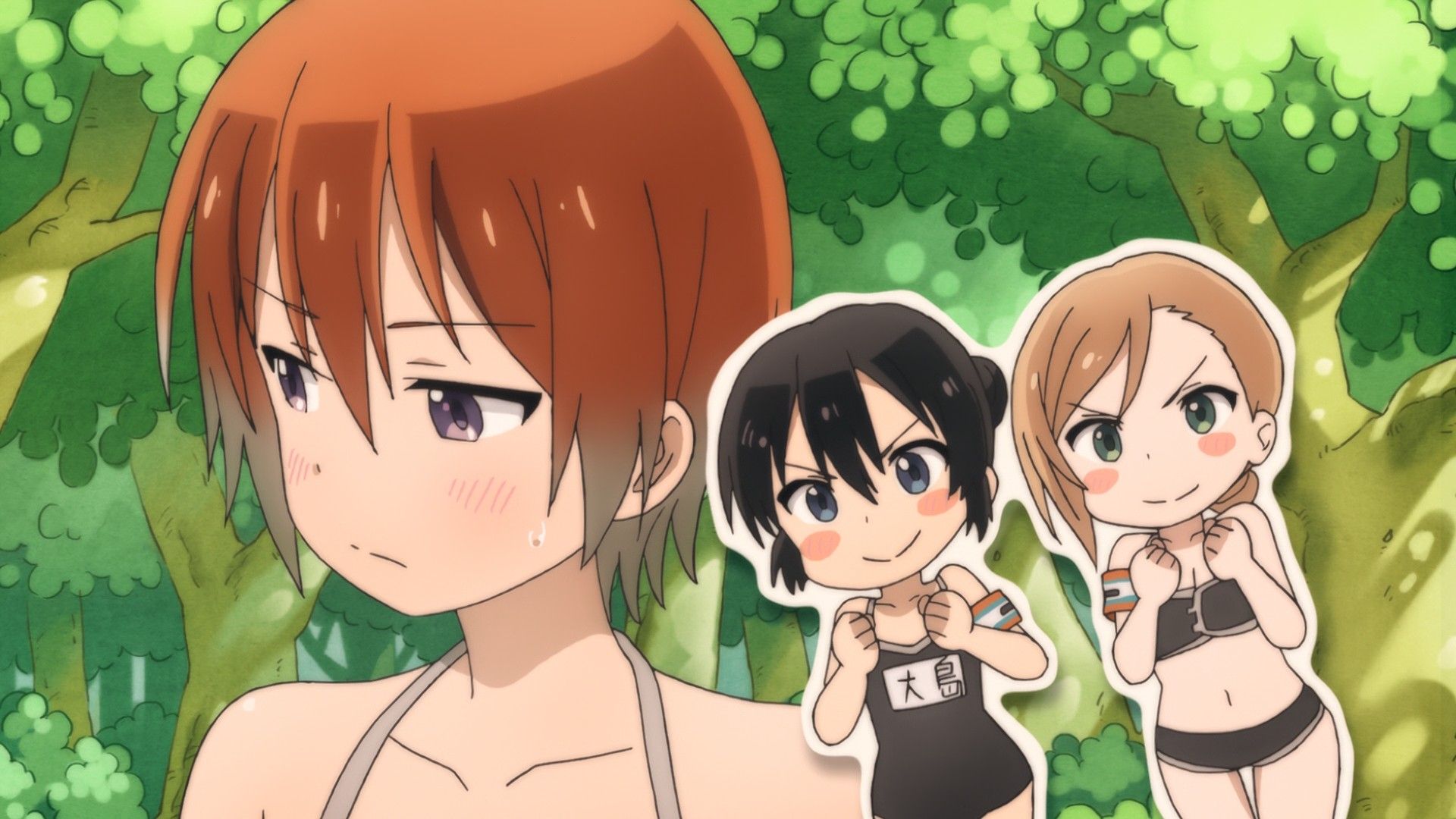
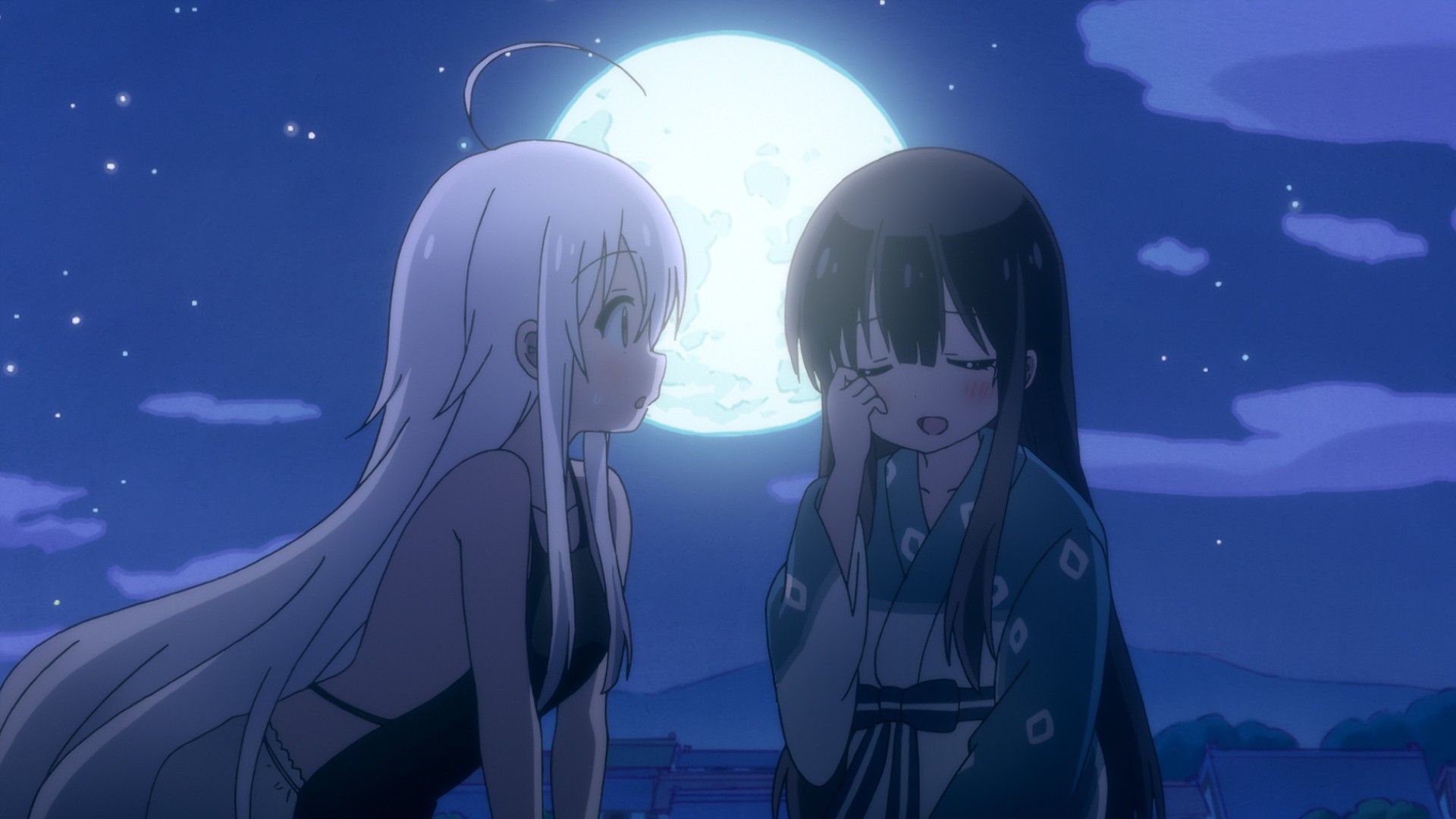
I also like that the visual layer is not showy in an aggressive way. This is not a series that keeps trying to prove how much sakuga it has (though the animation of the characters’ emotions is on a very high level). What matters far more are the shot composition, the colors, the play of light, and the simple ability to sell a heroine’s emotions through her face. On top of that, the backgrounds are very pretty, and the lighting is soft. Most importantly, however, all of it serves the characters.
Audio
As for the sound, this is where stronger words feel justified, because the absolutely masterful voice acting really is one of the pillars of the series. The initial observation is very apt: the voices are not merely well cast; they actively help shape the heroines’ personalities. Harada Sayaka performs Chiya in such a way that you can hear both her wildness and lack of restraint on one side, and her enormous warmth and vulnerability on the other. Thanks to this, Chiya never turns into a noisy genki girl stereotype. She is lively, spontaneous, sometimes completely untamed, but always approachable. Kubo Yurika and Yoshimura Haruka are similarly strong.
The series does not need to show off. It is enough for it to let the heroines be together, while the entire audiovisual side makes sure that every glance, every quiet moment, and every small shift in mood lands exactly as it should. As a result, even the simplest scenes carry weight, and the viewer very quickly begins to feel that this teahouse, these streets, and this group of girls are a place worth staying in for longer.
Urara Meirochou (2017) – Plot and Characters
Introduction
Urara Meirochou is one of those series that, at first glance, look very light. Later, however, it turns out to have far more emotional substance beneath its sweetness and humor. The axis of the story is not the urara hierarchy itself, nor a mechanical climb through the ranks, but the coming-of-age of four heroines, each of whom carries within herself a lack, a dream, and something she cannot yet name.
A Brief Overview of the Urara Meirochou (2017) Plot
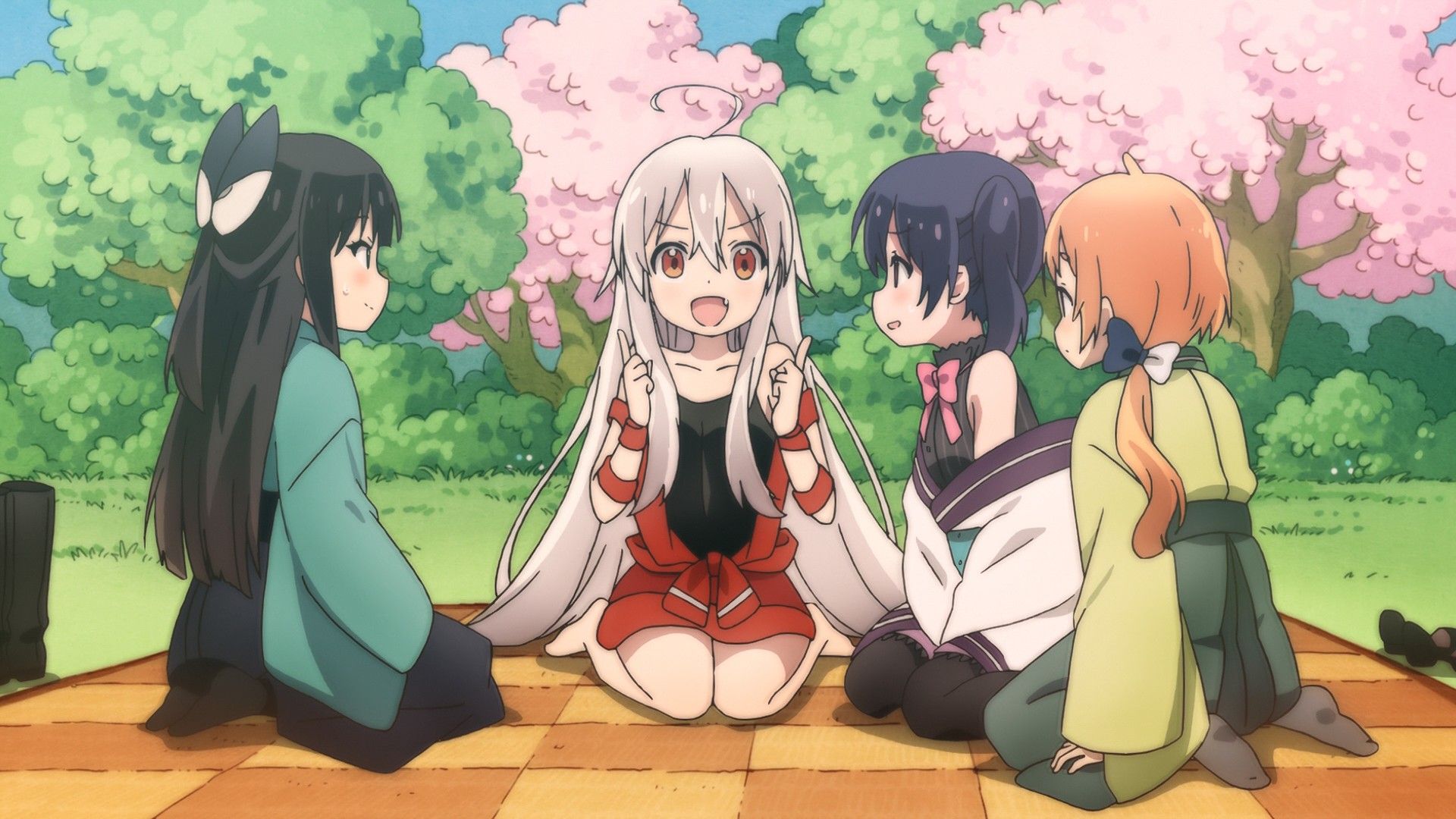
The starting point is Chiya’s arrival in Meirochou and her move into Natsume-ya together with Kon, Koume, and Nono. All four are novice urara apprentices, and all four have their own reasons for choosing this path. Chiya is searching for her mother and believes the answer is waiting somewhere high above, among the most powerful urara. Kon wants to become someone who has truly earned her place, rather than merely the daughter of a respected name. Koume tries to affirm her own image of herself and her dream of becoming a witch in a world that likes to mock such things. Nono, meanwhile, wants to do the hardest thing of all: simply step out of the shadows. The series takes them from daily life in the teahouse and the tenth rank all the way to the ninth-rank exam, but the bonds they build along the way, the small breakthroughs, and the act of facing their weaknesses together matter just as much as the promotion itself.
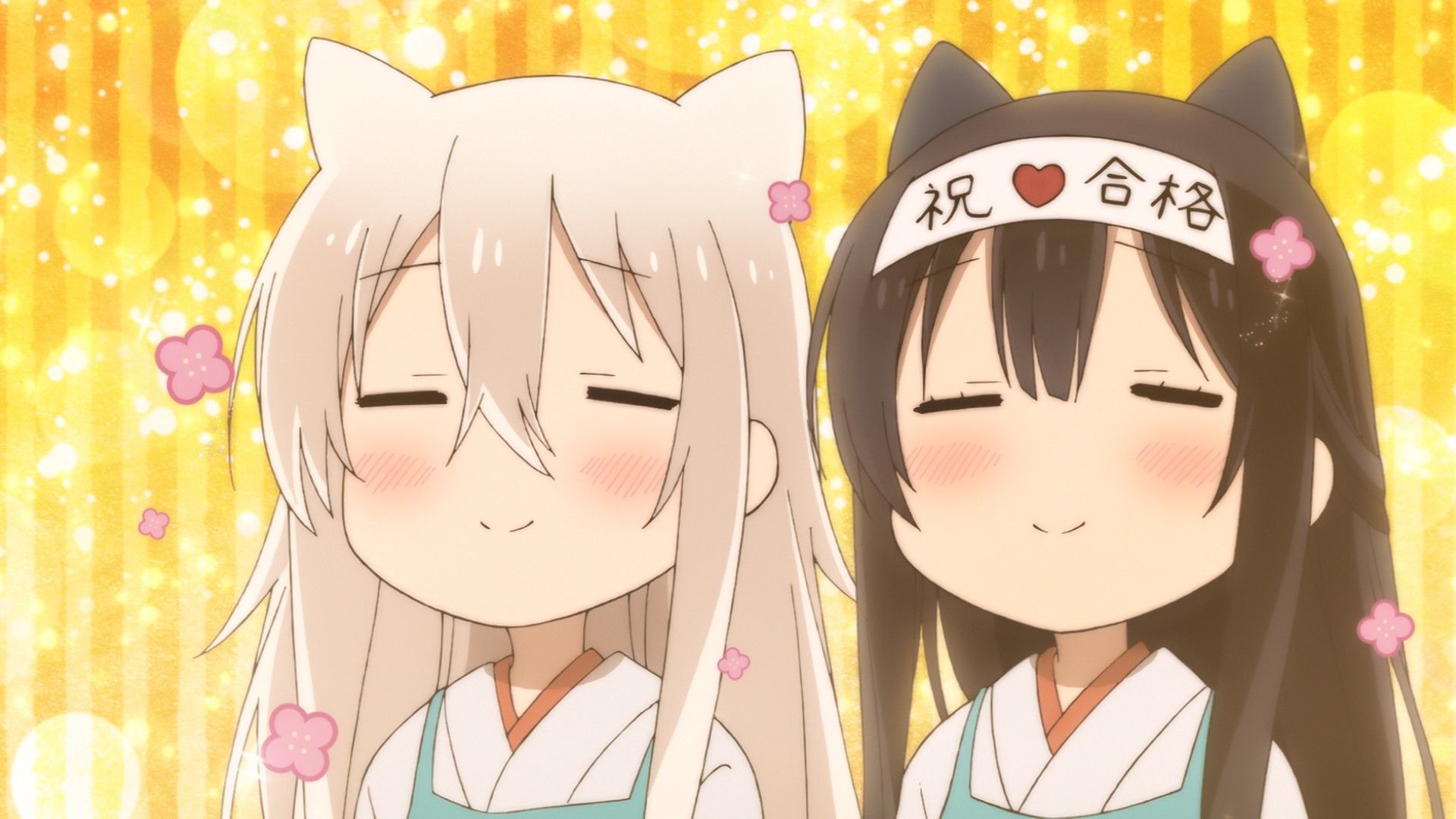
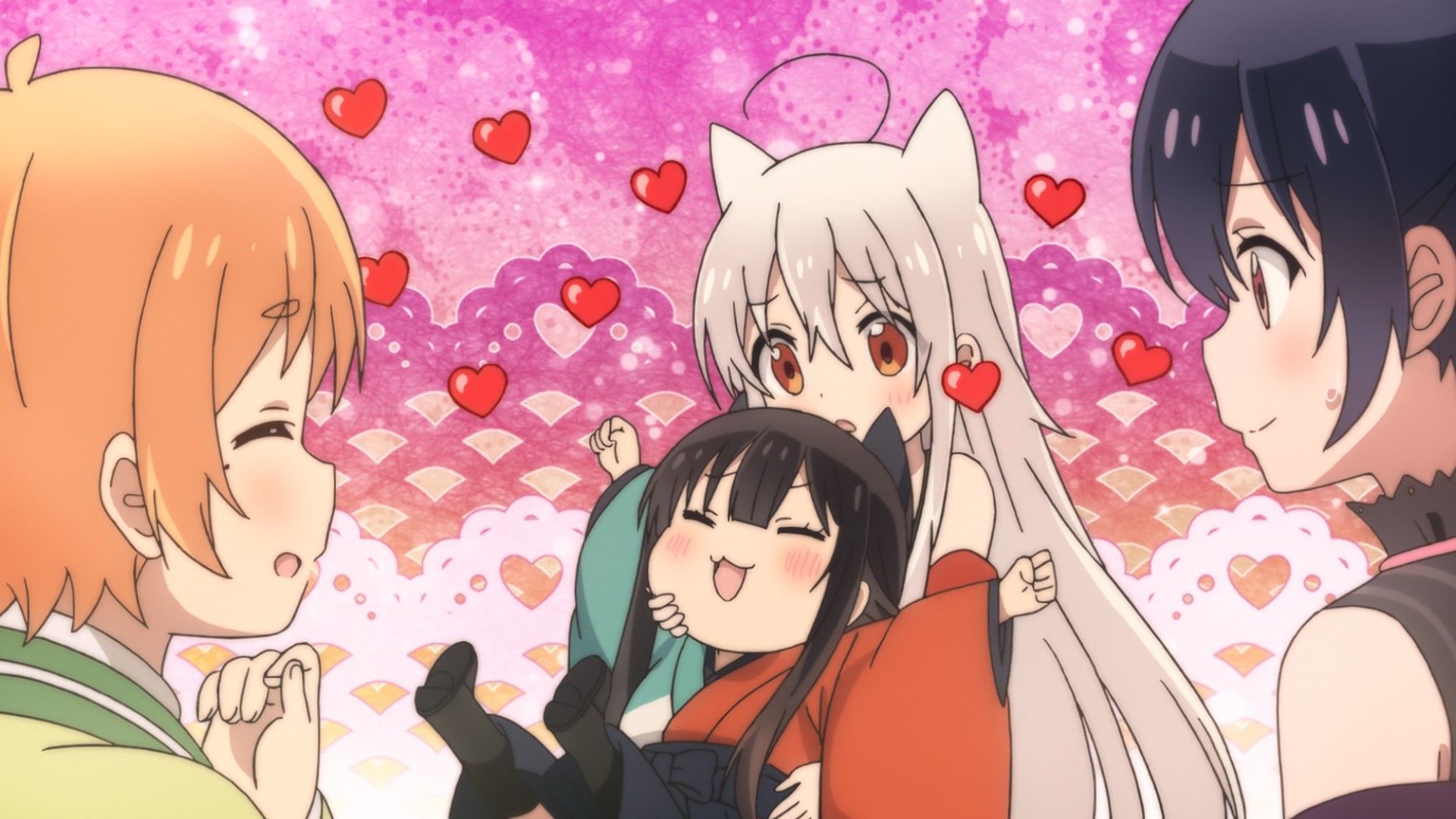
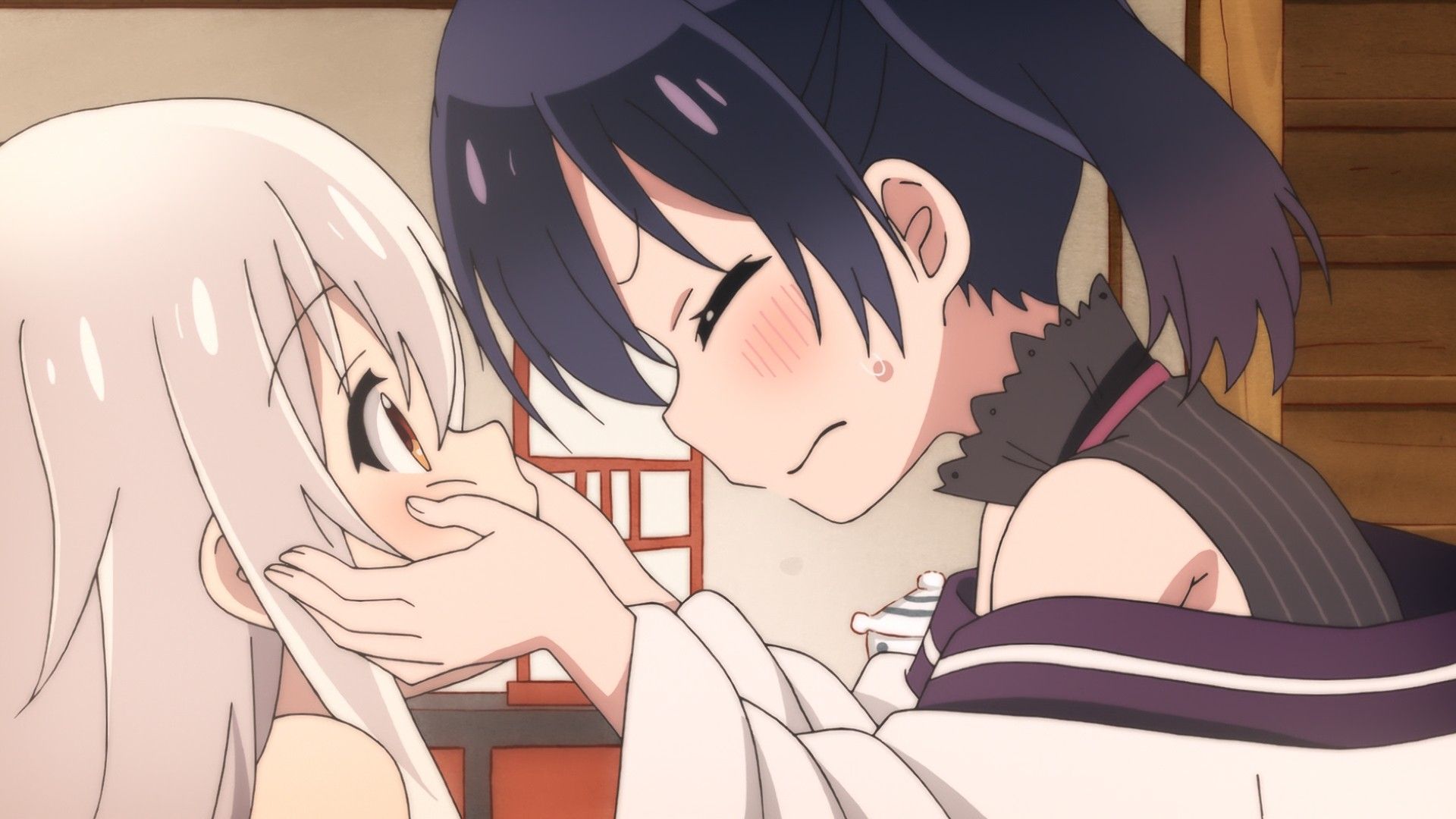
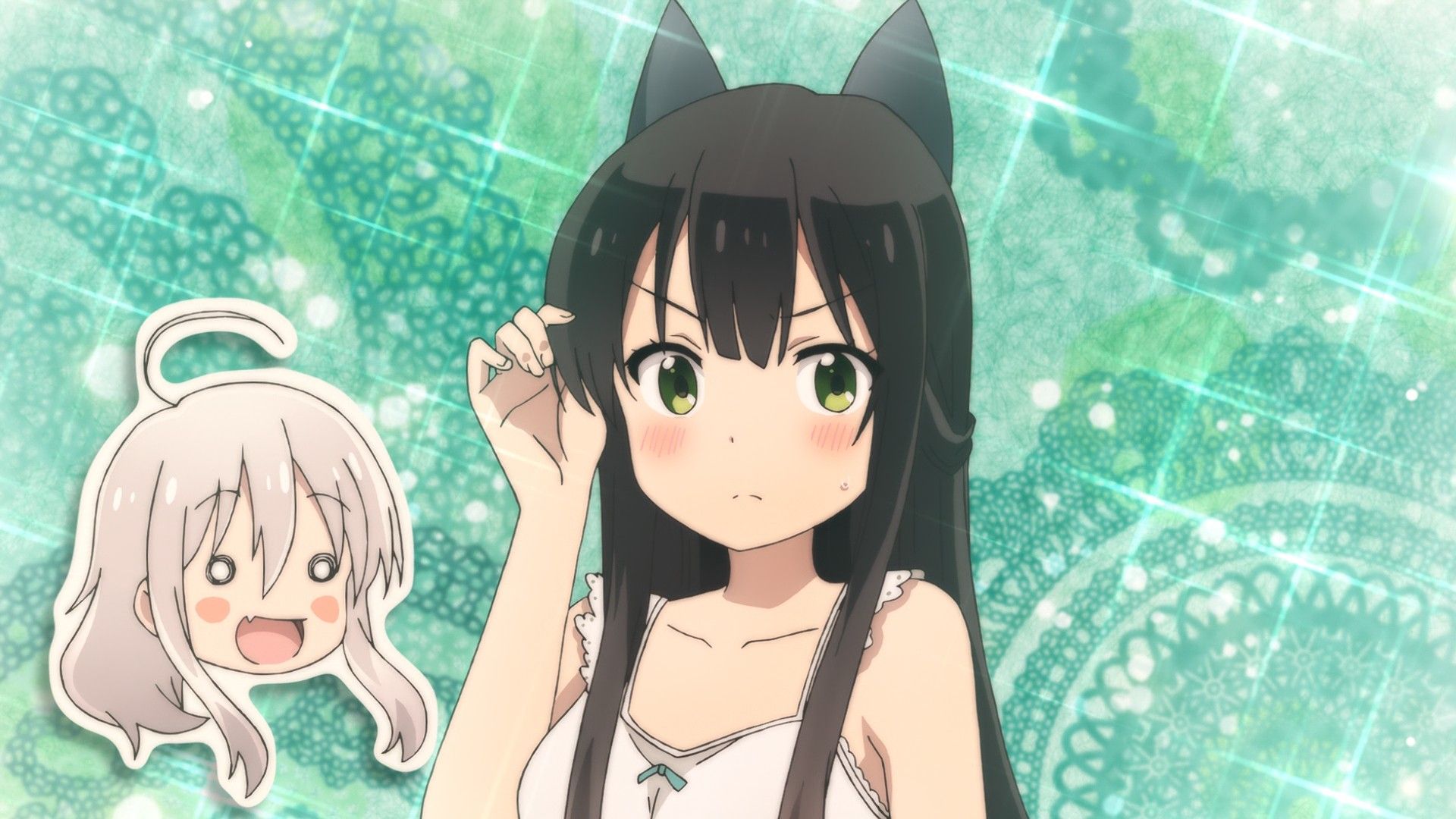
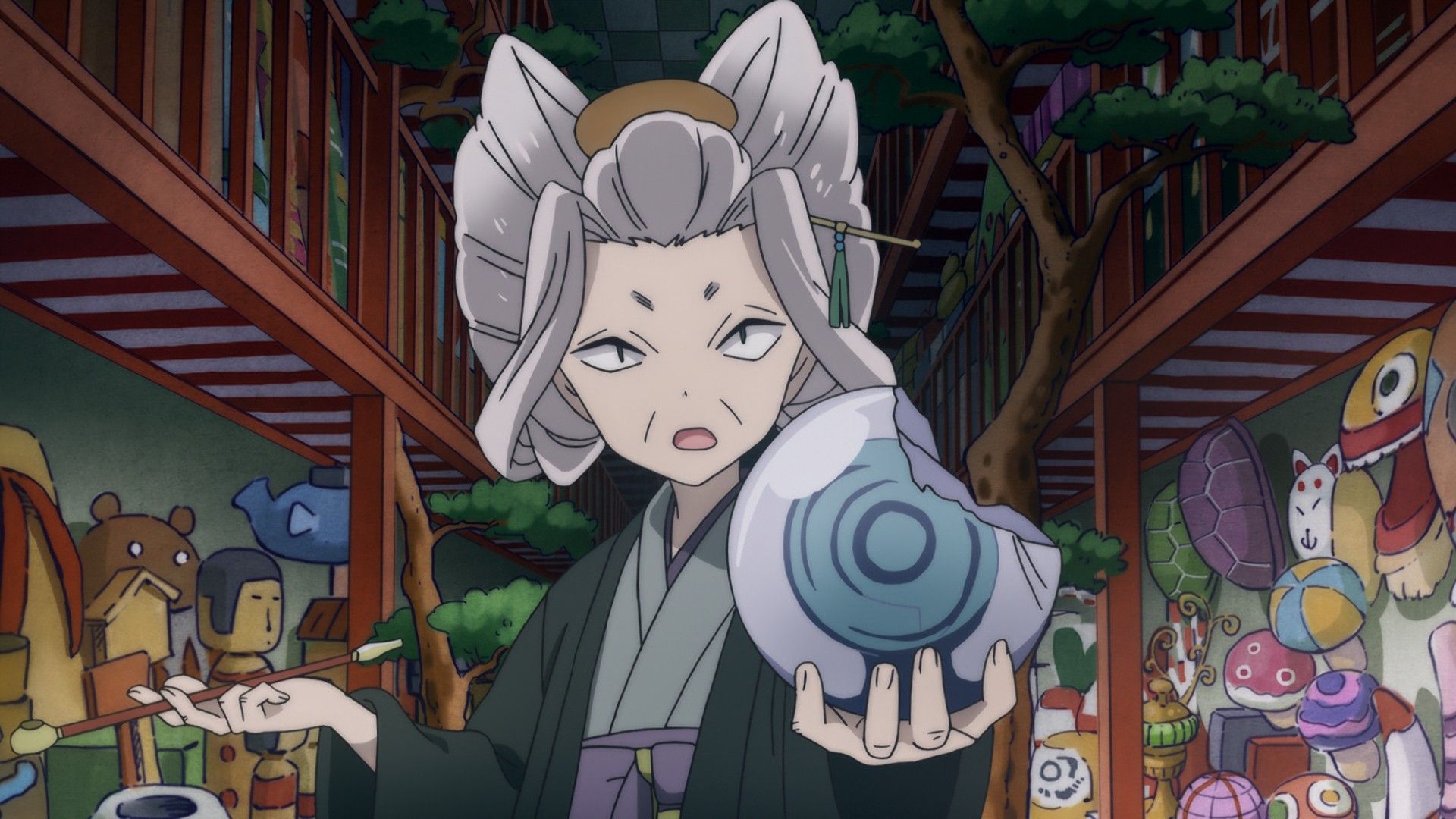
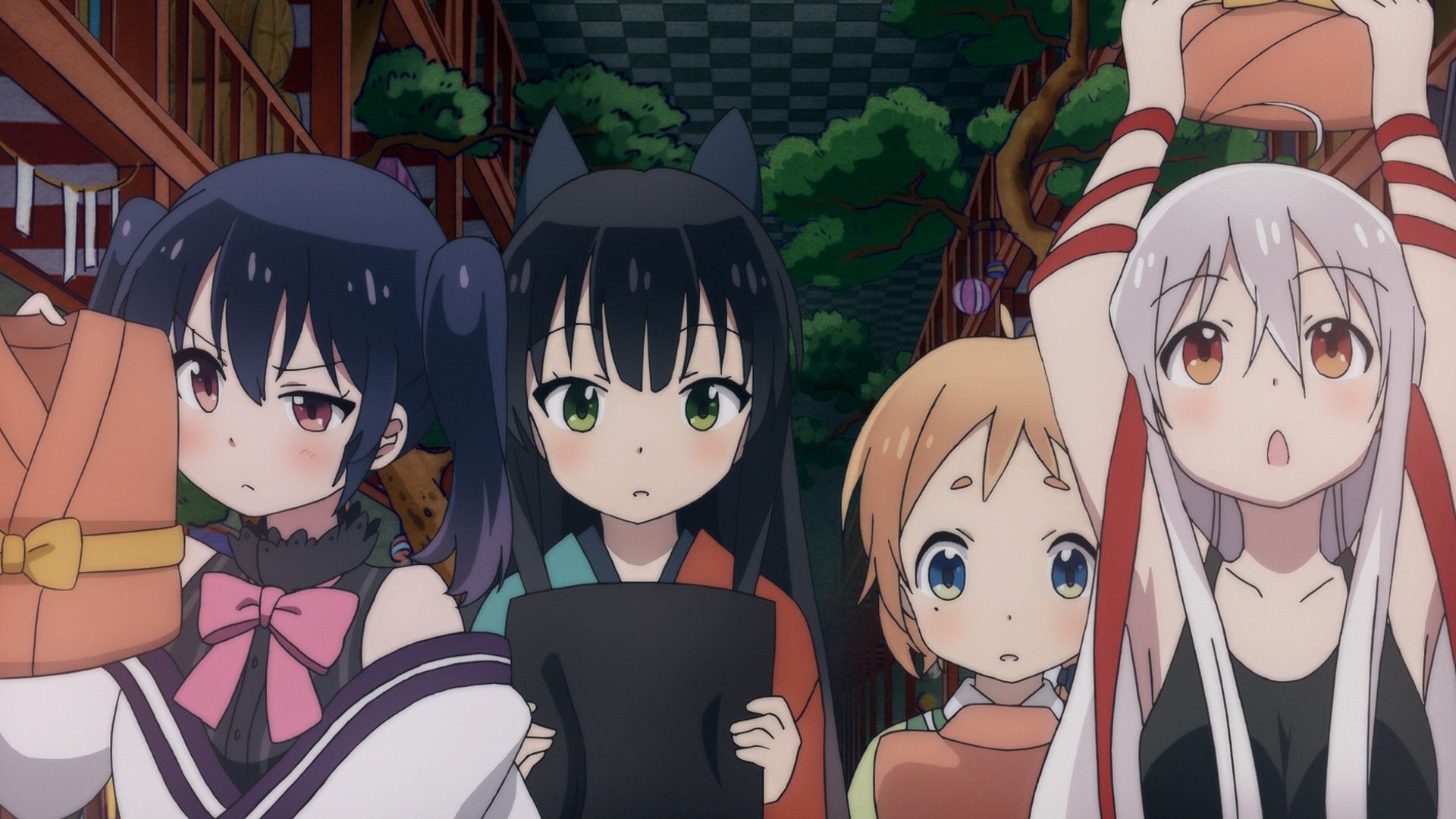
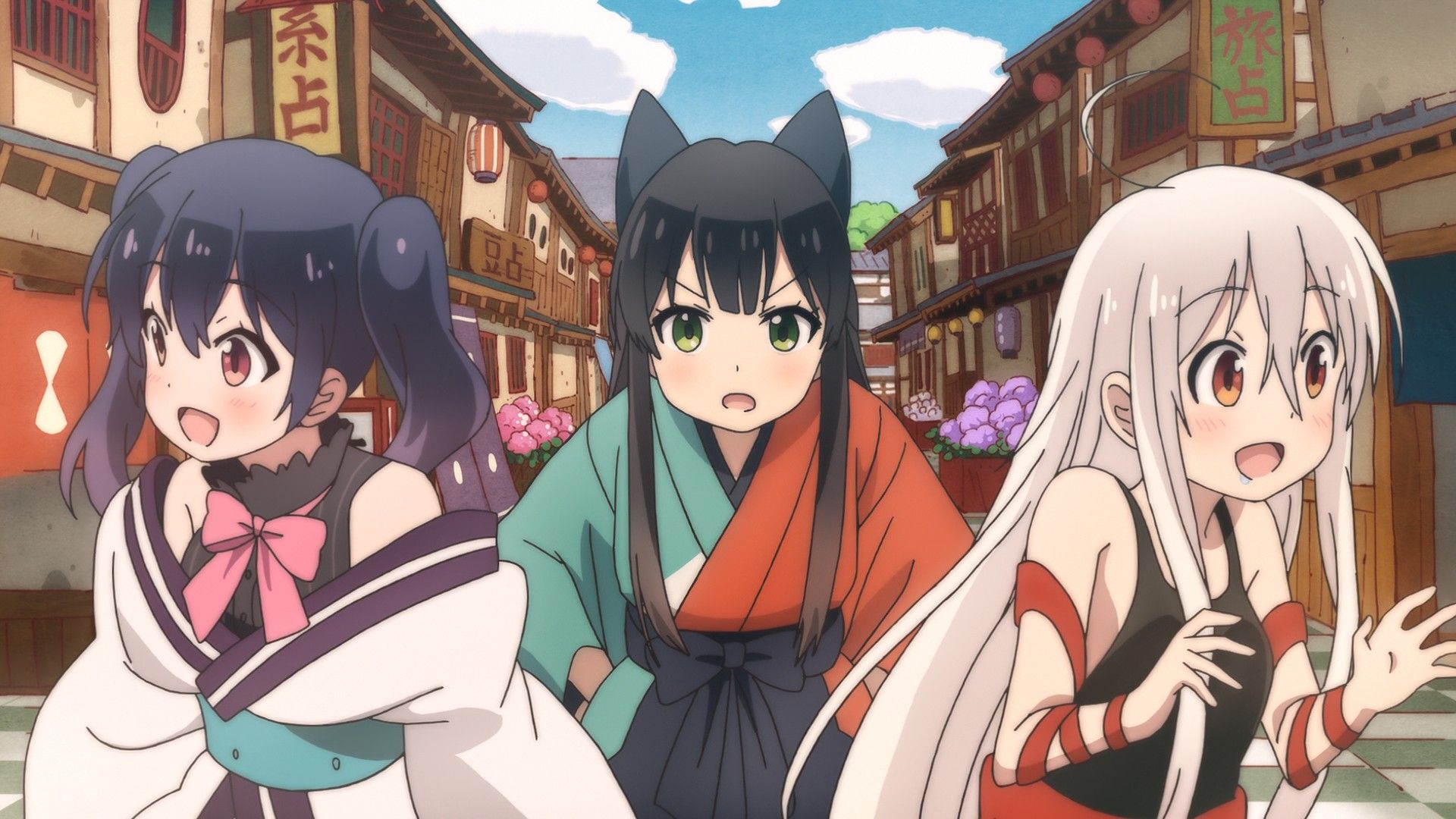
Urara Meirochou is a story about uncertainty that does not crush the characters, but pushes them forward. Divination is, in truth, a mirror for the heroines’ emotions. To read the signs, you have to open your heart. To ask the gods for help, you have to be able to name your own desire. To move forward, you have to admit that you cannot always carry everything on your own. That is precisely why this series, despite all its softness, leaves behind more than just the feeling of time pleasantly spent. It speaks well about how hard it is to trust others, and how much relief there is in the moment when you finally stop walking alone.
What is the series about
What works really well in Urara Meirochou is the way it handles everyday life. The series does not pretend to have a plot built around major turning points in every episode, and that is very much to its benefit. Instead, it gives the heroines time. Sometimes that means running around town, sometimes learning methods of divination, sometimes making a small mistake while carrying out a task, and at other times simply talking in a room, only for that conversation to suddenly become more important than the entire episode’s plot. It is in moments like these that the series most resembles good iyashikei, even though I personally would not classify it as iyashikei. The point is not that nothing happens. Rather, it is that every small event affects the relationships between the girls. That is why even the seemingly lighter episodes have consequences and leave behind something that will return later in a stronger moment.
Setting and Main Themes
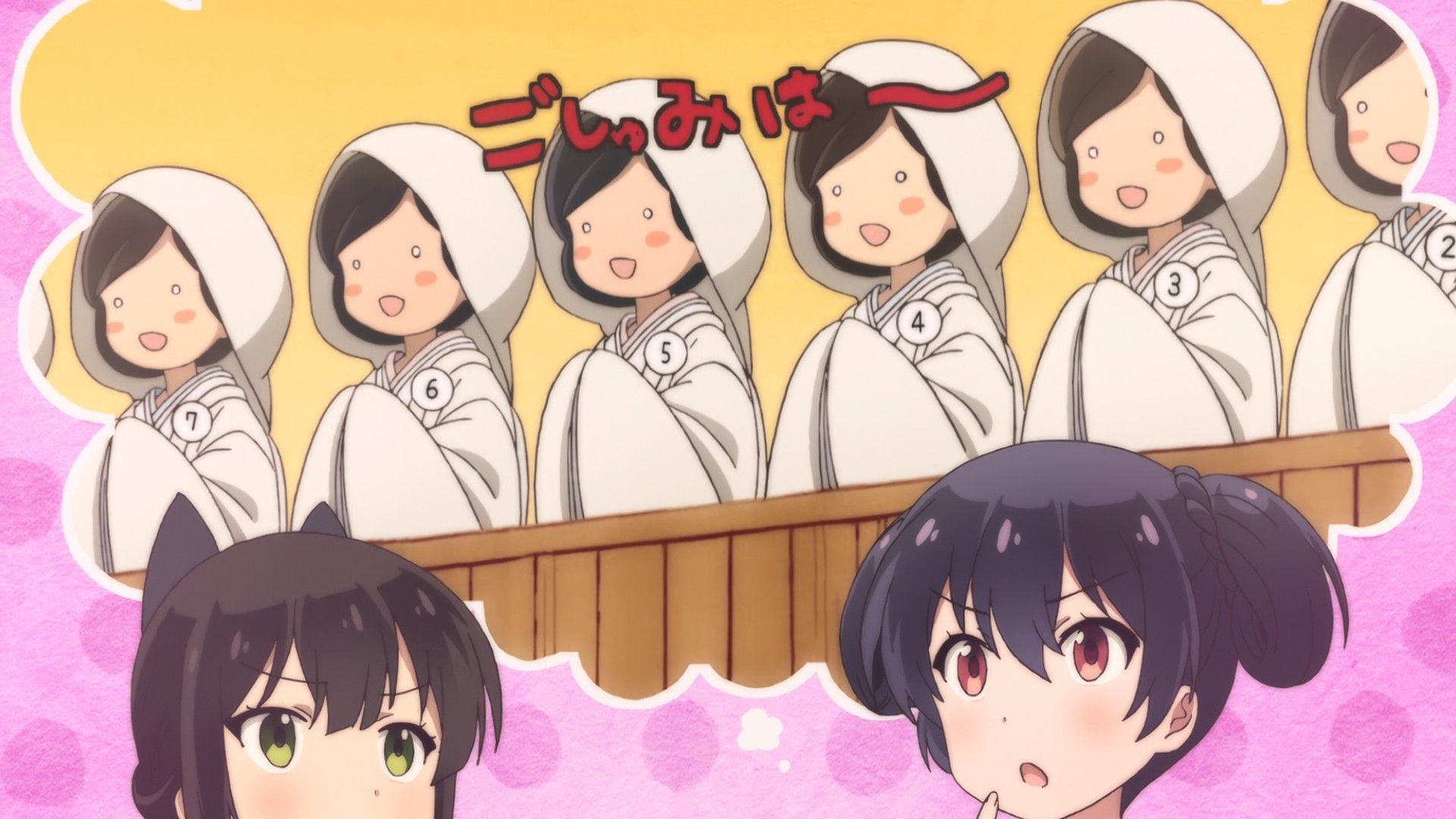
I also really liked how the series uses Japanese folklore. Not in an encyclopedic way, but organically. Kokkuri, divination through tea, stars, freckles, and hair, sacred springs, forbidden séances, the wedding kimono festival, and the very presence of gods all give this world its own spiritual logic. This is not fantasy built on a Western model, with a great rulebook and a fully laid-out mythology. Here, many things work more like tradition, ritual, local wisdom, or superstition that may be just as real as it is not entirely understandable. Thanks to this, Meirochou has the very pleasant flavor of a world immersed in Japanese culture.
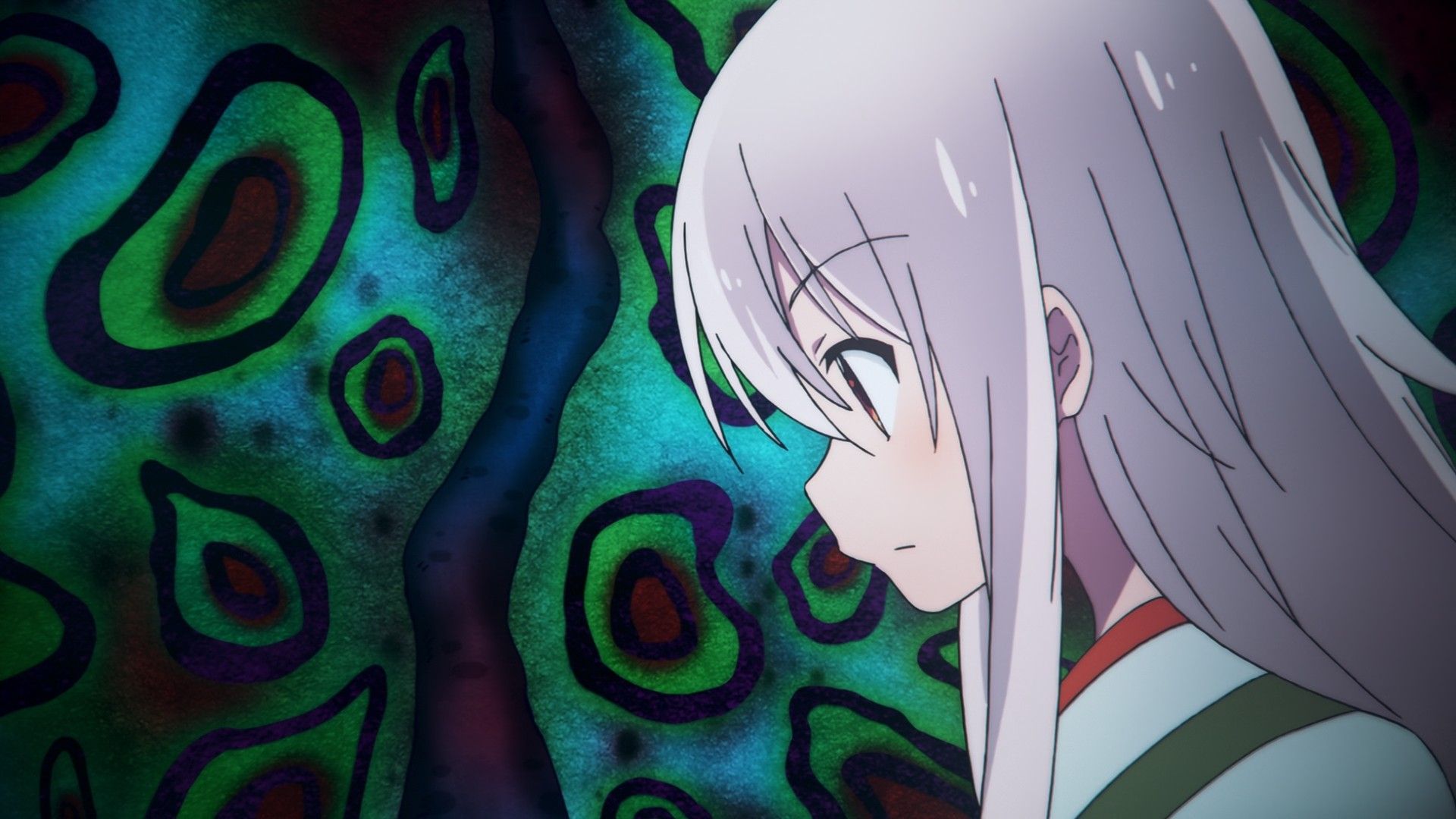
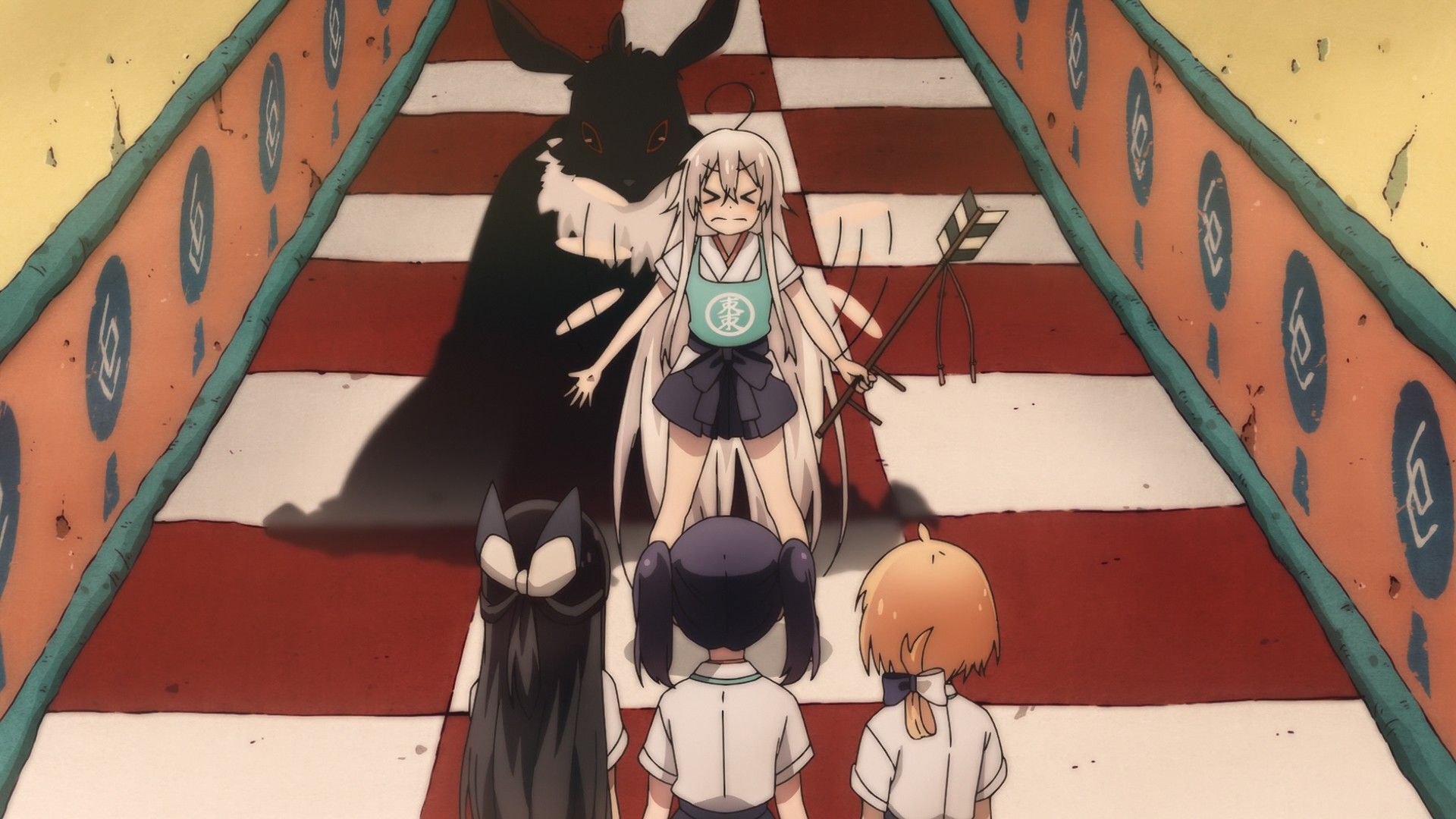
At the same time, Urara Meirochou does not get stuck in warmth alone. The further it goes, the clearer it becomes that a larger mystery is constantly working beneath everyday life. Chiya hears voices, sees things others should not see, and her contact with Kurou, as well as the shadow of her mother named Yami, gives the whole story considerably more weight. The series does not ruin its character with a sudden turn toward darkness; instead, it slowly thickens the atmosphere. So on one side we have tea, sweets, and small mishaps, and on the other the sense that the world of the gods is watching Chiya with hostility, and that her path to the truth may not be painless. Thanks to this, the plot does not lose its lightness.
The ending leaves behind a very pleasant sense of wanting more. Chiya learns her mother’s name, discovers something important about her place in this world, and crosses her first truly significant threshold, but not everything is closed off. Urara Meirochou ends at a point that completes one stage in the girls’ relationships, while also leaving the larger questions about Yami, Kurou, and the very nature of divine beings open.
Characters
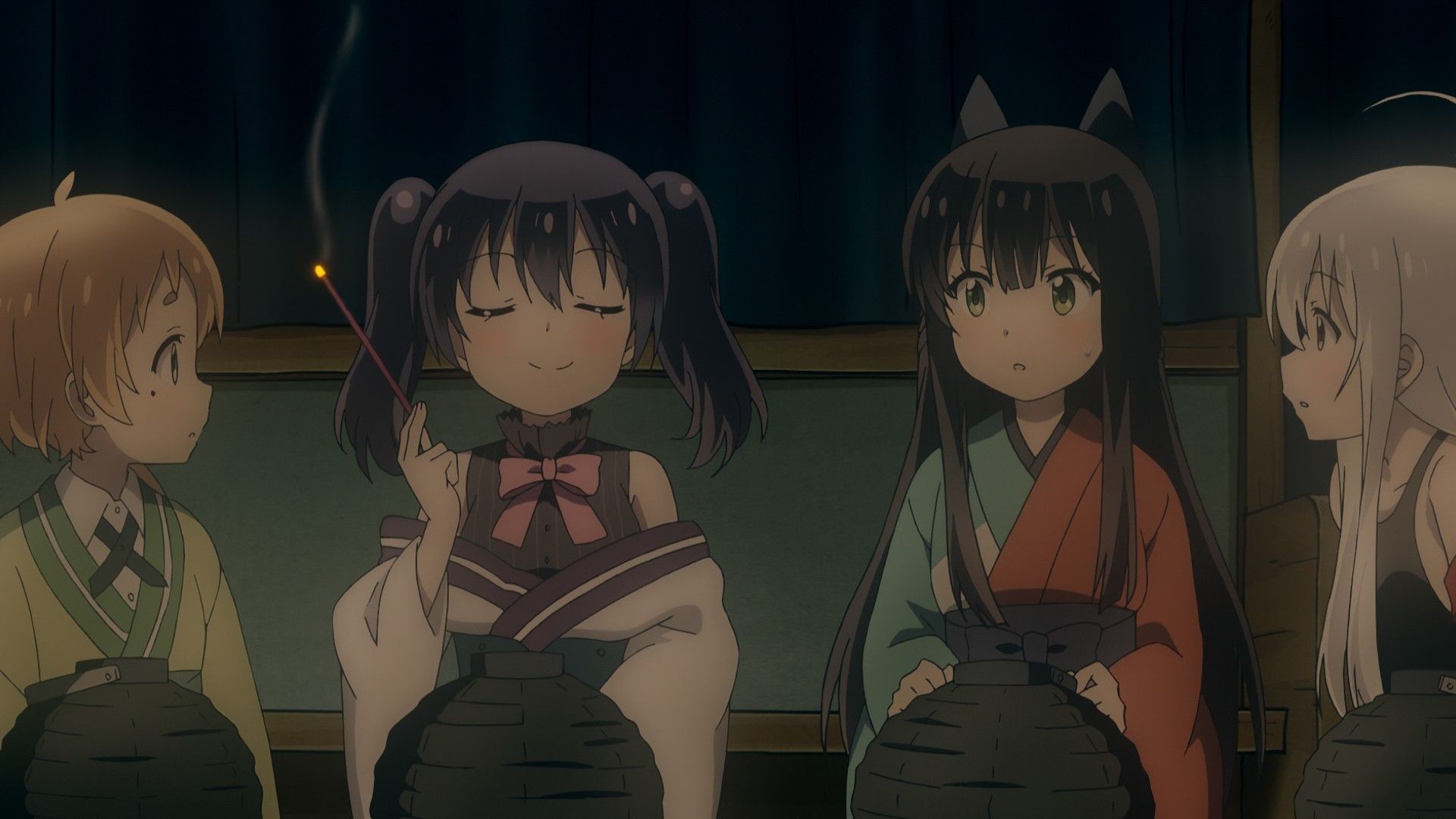
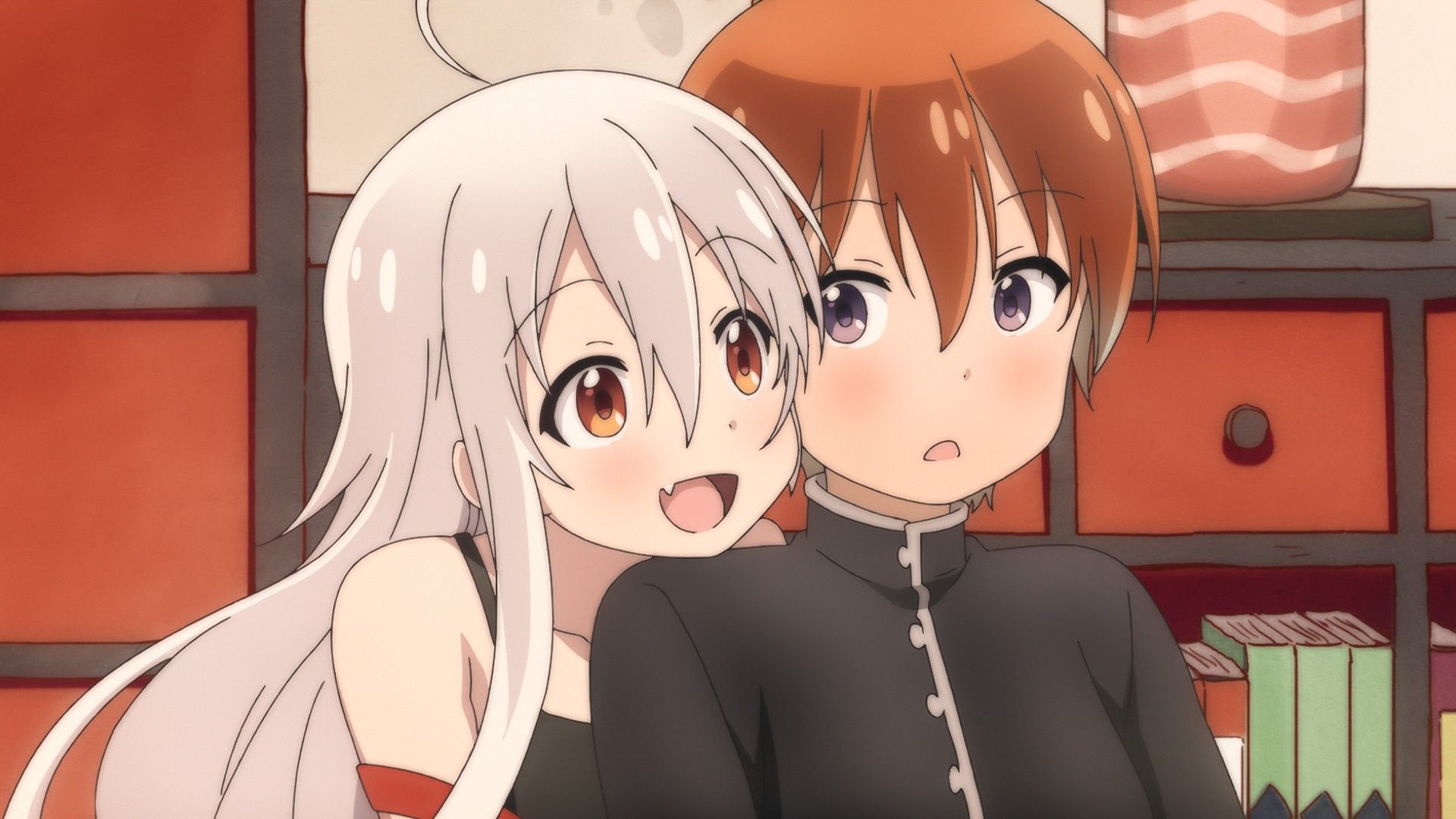
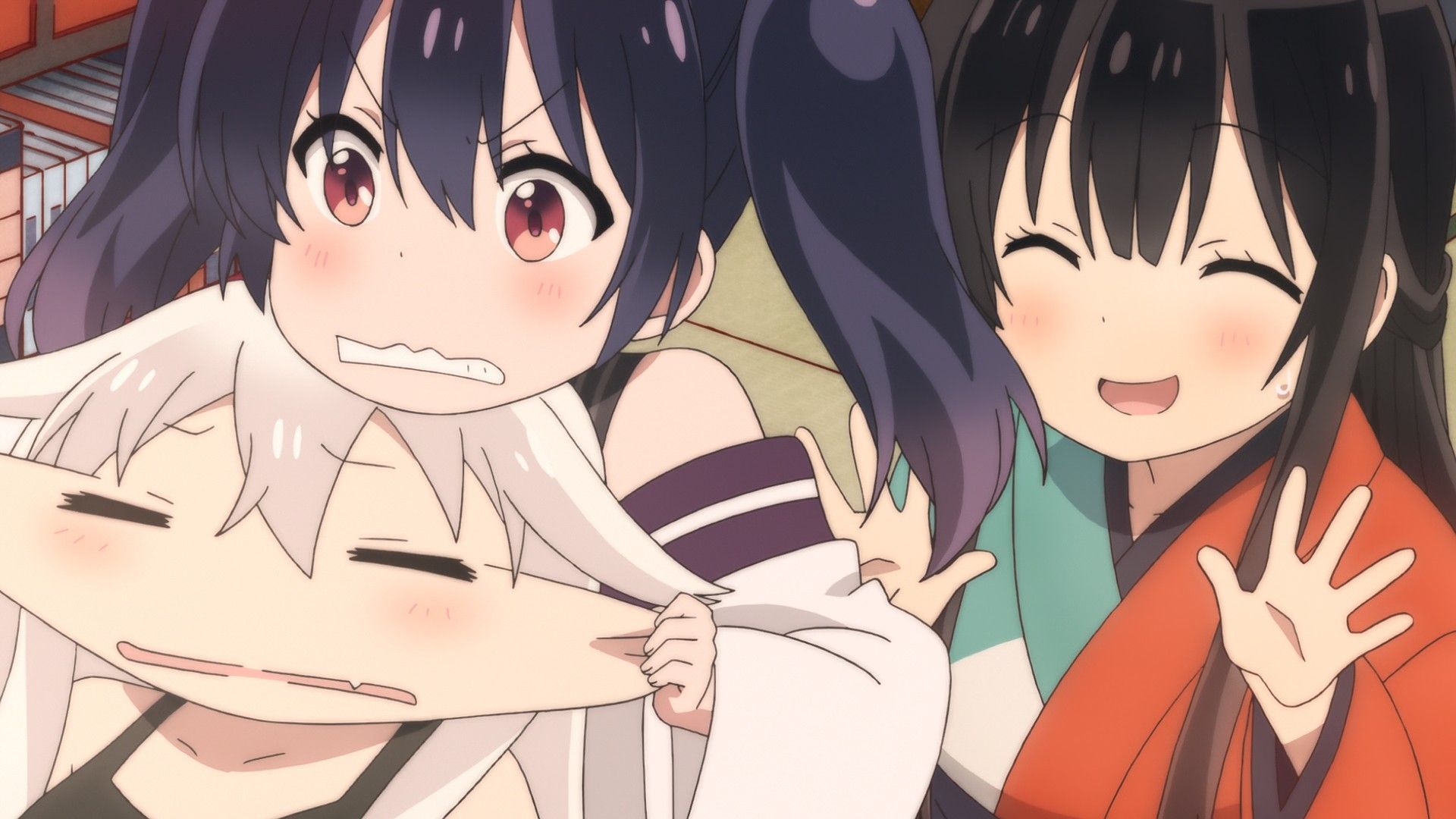
The greatest strength of Urara Meirochou remains its heroines, who are genuinely easy to grow attached to. And this is not only because each of them has a clear archetype. Anime has never lacked those, after all, and practically every fan who engages with Japanese storytelling loves it partly for its character archetypes. What also matters is how they interact with one another and how they deal with problems together.
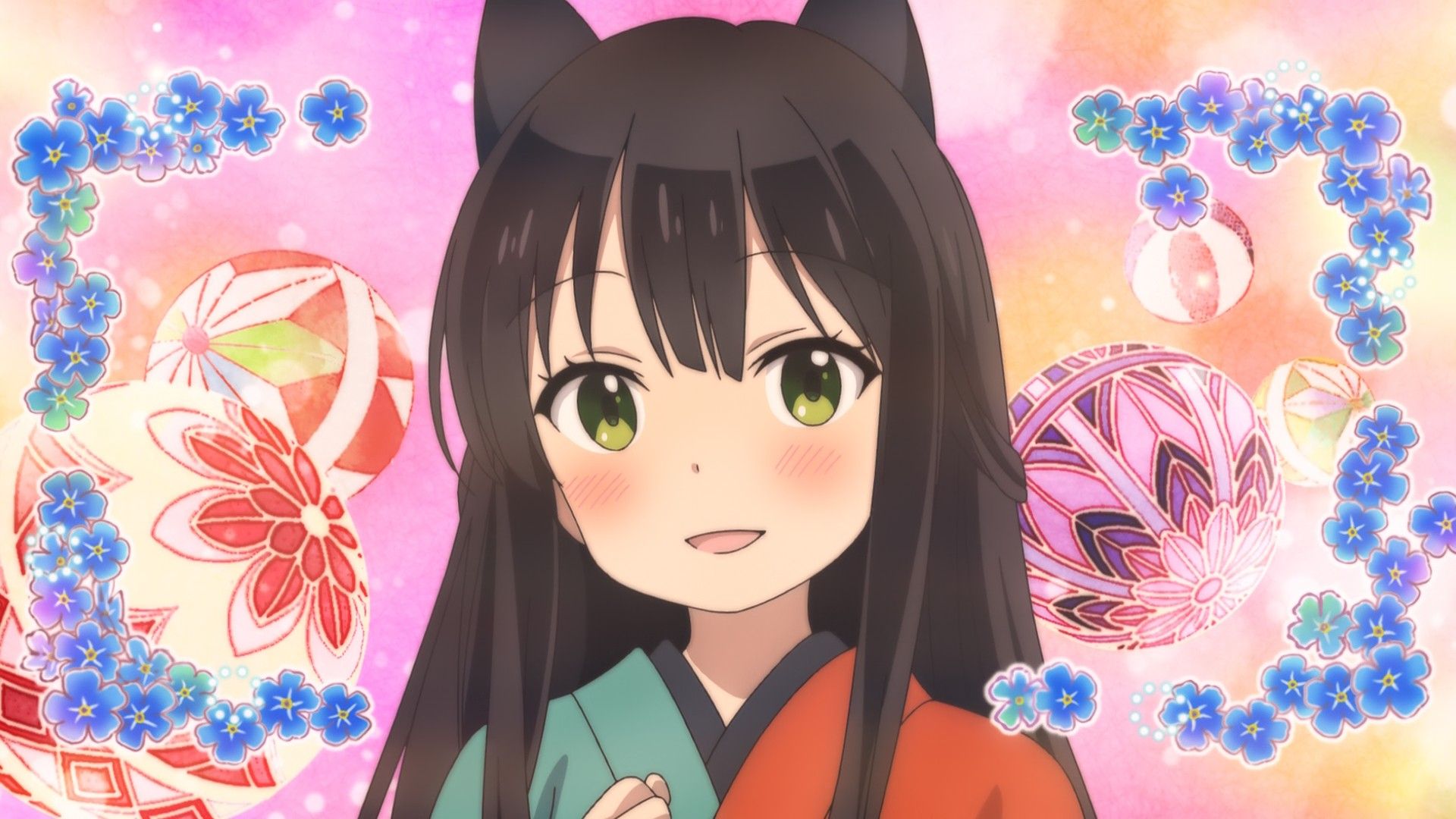
Chiya
The heart of the entire series. Wild, loud, constantly getting into trouble. Chiya, however, has far more to offer. Her lack of restraint, mountain upbringing, and complete unfamiliarity with social norms fuel a lot of the humor. But that is only one layer. Underneath is a girl who has carried the absence of her mother all her life, yet is not bitter. Quite the opposite: she responds to the world with curiosity, trust, and something I would almost call an instinct to embrace life, even when life answers her with something unsettling. I really like her emotional honesty. Chiya does not scheme, pose, or hide behind a mask. If she loves, she does so immediately. If she worries, she does so with her whole self. If she promises someone support, she does it without calculation.
Kon
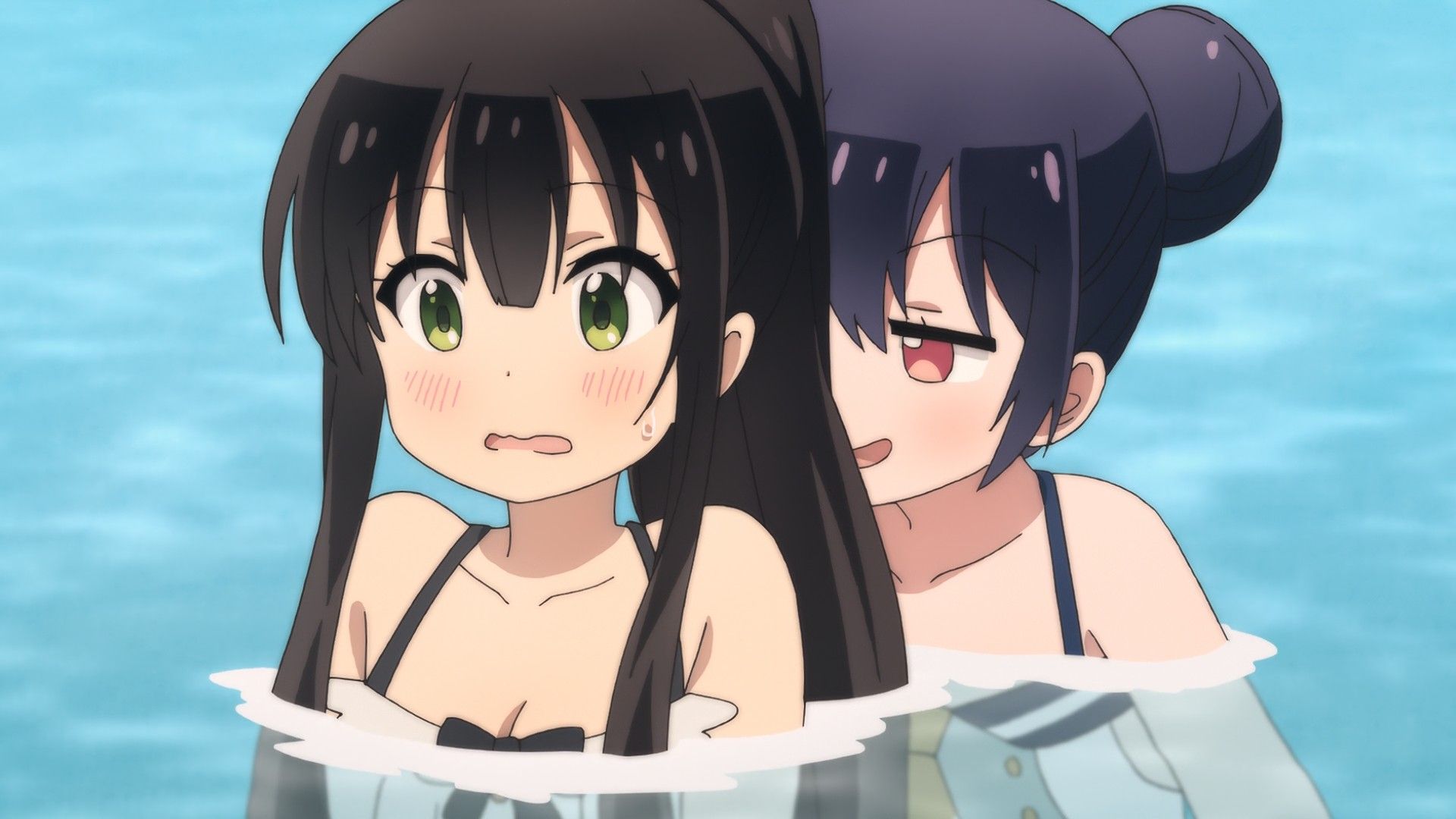
She is diligent, tense, responsible, extremely knowledgeable, and wants to be the best, but all of that is underpinned by loneliness and the fear that someone gifted with natural talent will rob her efforts of meaning. It is a very good conflict, because it makes her neither an evil rival nor a saintly hard worker. Her jealousy toward Chiya feels natural, as does the fact that she is ashamed of it. Caring for others comes to her almost instinctively. She organizes, explains, watches over things, and takes responsibility. That is her language of affection. And at the same time, it only takes one precise blow to her pride or one moment of tenderness for it to immediately become clear how fragile she really is.
Yukimi Koume
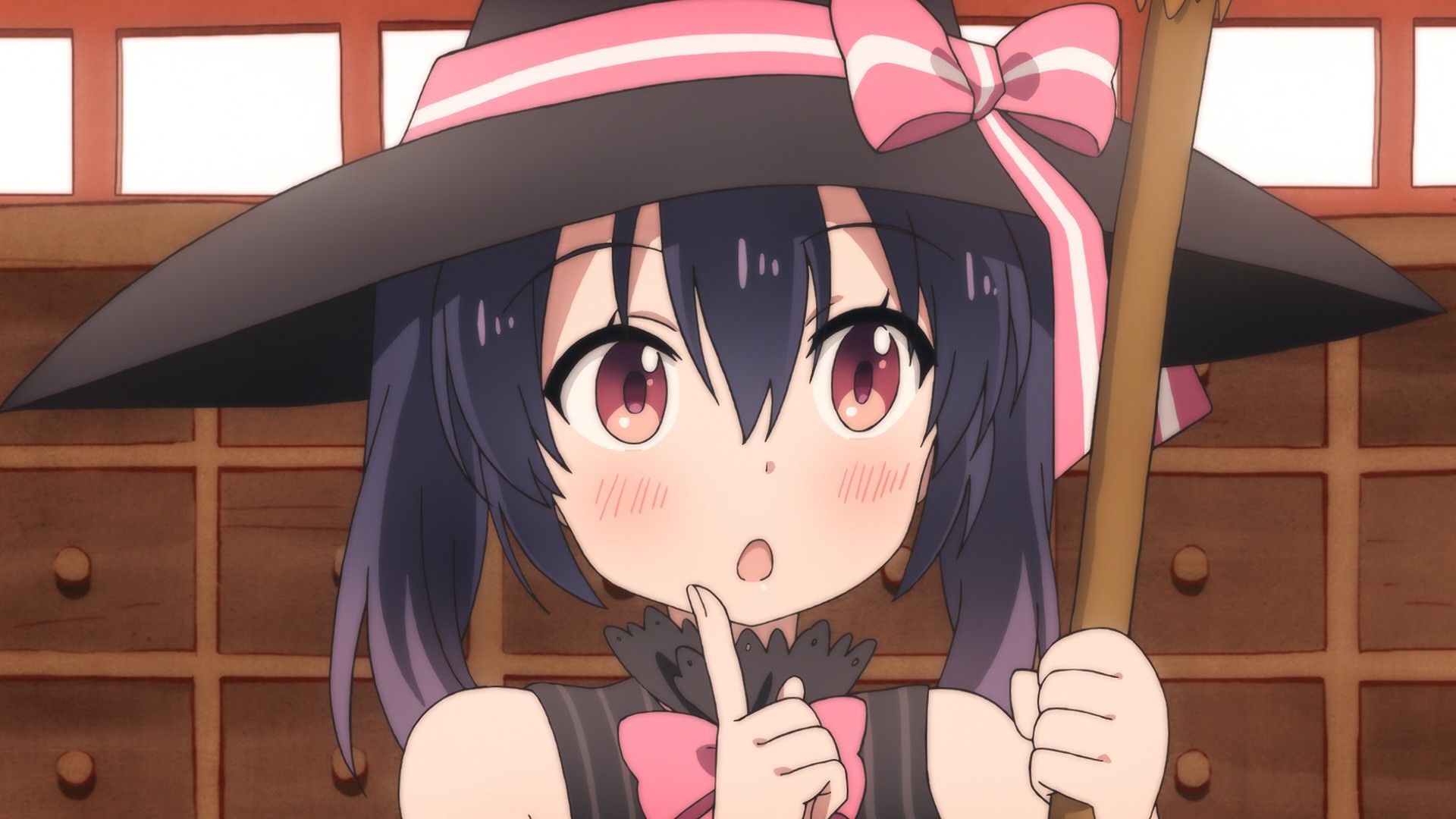
A character who brings a fantastic kind of energy to the series. At first glance, she could be read as decoration. Stylish, theatrical, a little ojou-sama, a little witch of her own imagination, always ready to make a bit of noise around herself. And yet Koume has a very strong emotional core. Her pose is not an empty mannerism, but a form of defense against ordinariness and being dismissed. This is not just the whim of a rich girl. It is the need to protect something others have deemed strange, silly, or unnecessary. That is why Koume fits this story so well. In a world where people live somewhere between ritual and superstition, she brings the clear voice of someone who wants to preserve wonder. I really liked that, the further the series went, the more often her grand stage gave way to ordinary care for her friends.
Natsume Nono
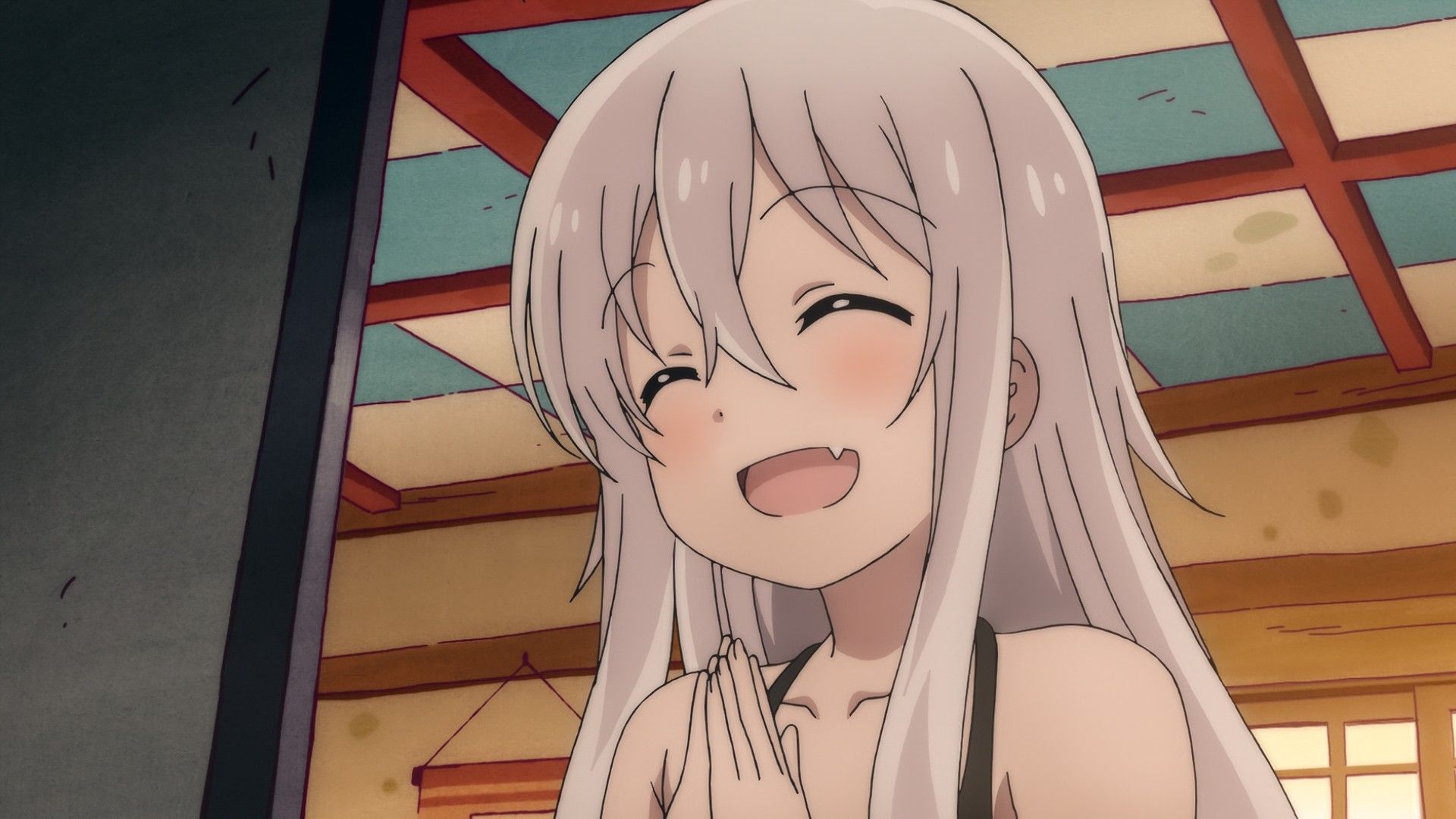
Among girls this expressive, she could very easily have disappeared, but the exact opposite happens. The further the series goes, the more she becomes the emotional backbone of the group. At the beginning, Nono almost vanishes behind her own embarrassment, behind her sister, behind the doll Matsuko-san, and behind her learned need to apologize for the very fact that she exists. It is a very well-written anxiety, too, because the series does not joke about her shyness in a cruel way. It treats it seriously. And that is exactly why Nono’s later, seemingly small acts of courage make such a strong impression. Her singing, her memory of her mother, her desire to be useful to others, and her later behavior during the ninth-rank exam all make Nono undergo one of the best quiet transformations in the entire series. She is not the type of heroine who suddenly becomes a completely different person. She simply learns that her gentleness, too, can be a strength.
Supporting Characters
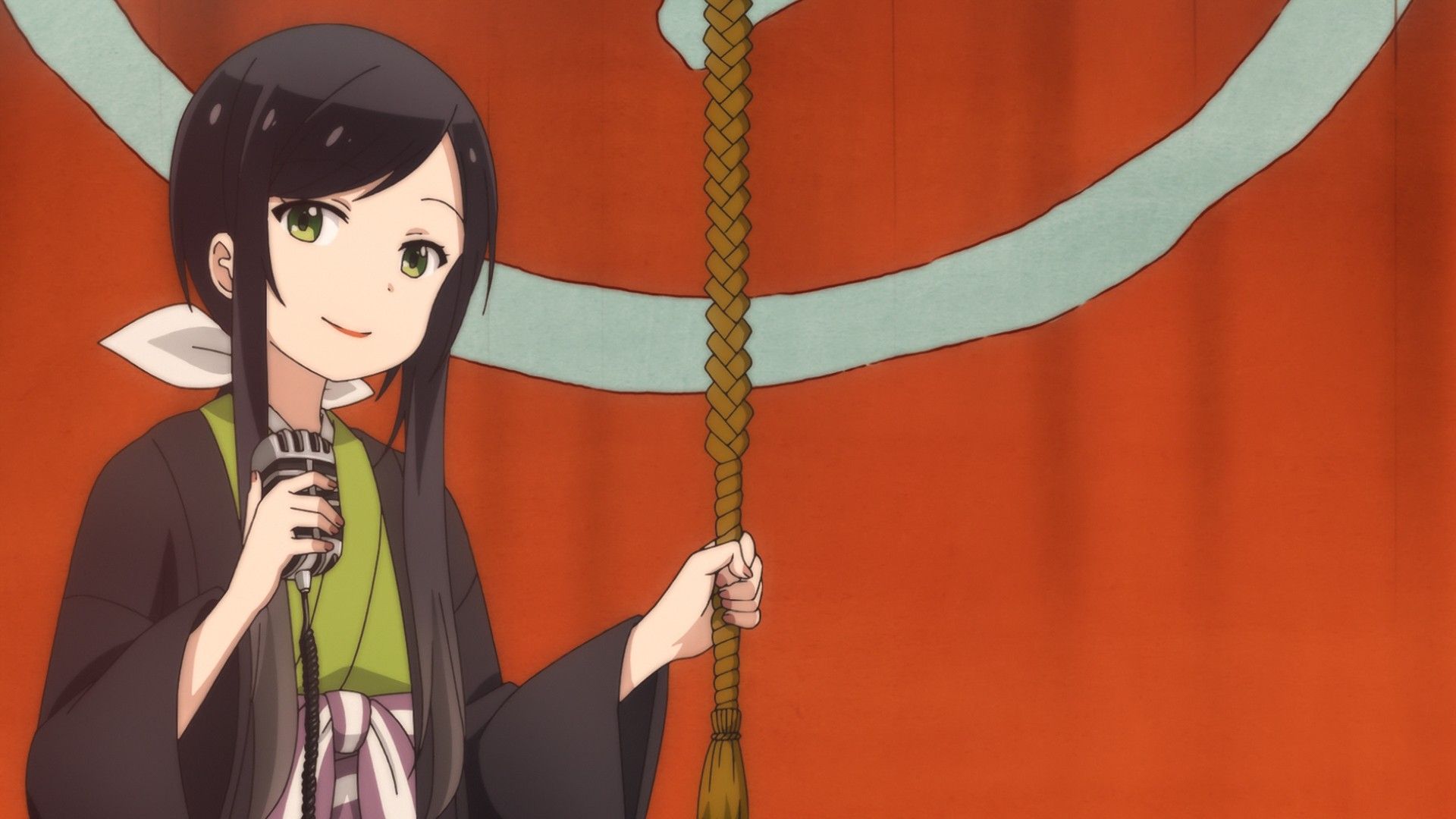
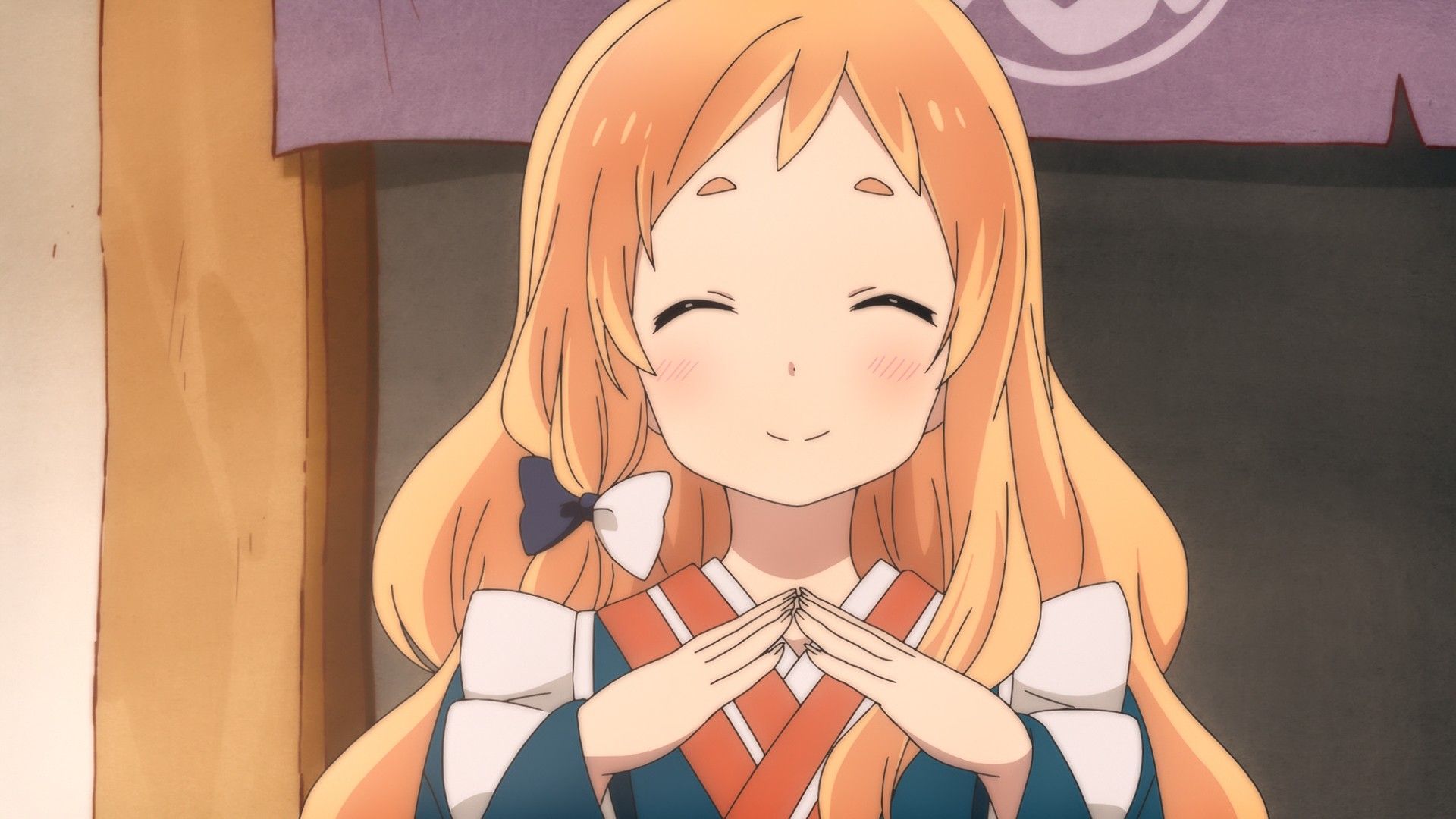
The supporting characters also work very well, especially Natsume Nina and Saku. Nina is exactly the kind of teacher you want to watch. Warm, a little eccentric, sometimes amusingly over-the-top, but never empty. She does not function as an adult exposition machine, but genuinely helps create an emotional home for the whole foursome. Her relationship with Nono is especially important, because it beautifully shows the tension between protection and the need to let someone grow up. Saku, in turn, is a guardian of the rules who officially keeps scolding the girls, while unofficially having long since stepped into the role of their older sister.
Tatsumi Tokie also deserves a separate mention. Tokie loves through demanding. She does not make allowances, does not soften her tone, and does not shield Kon from rivalry, but that is exactly why her presence carries weight. This is not an artificially cold mother created only so she can later melt in the finale.
Relationships Between the Heroines
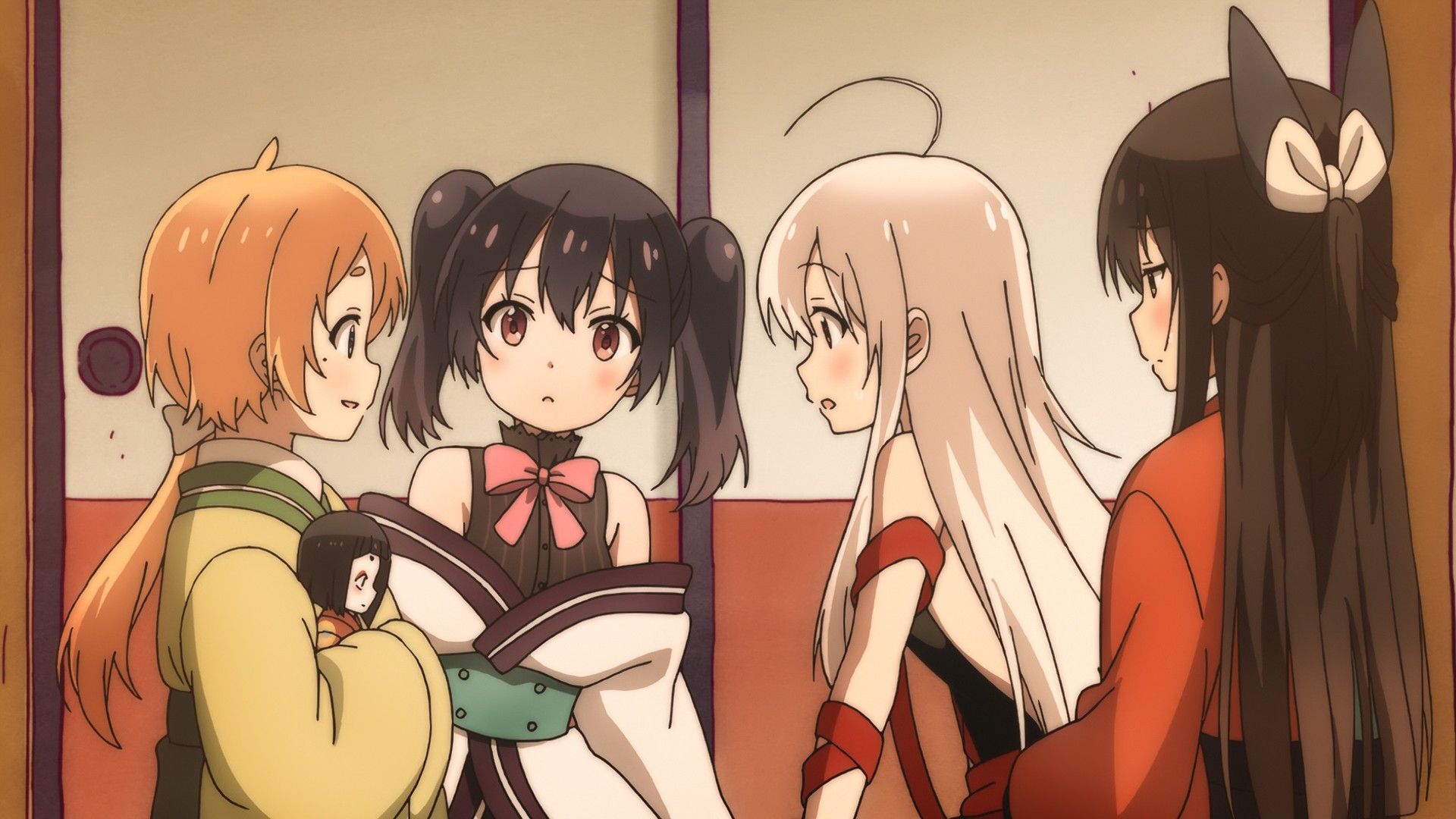
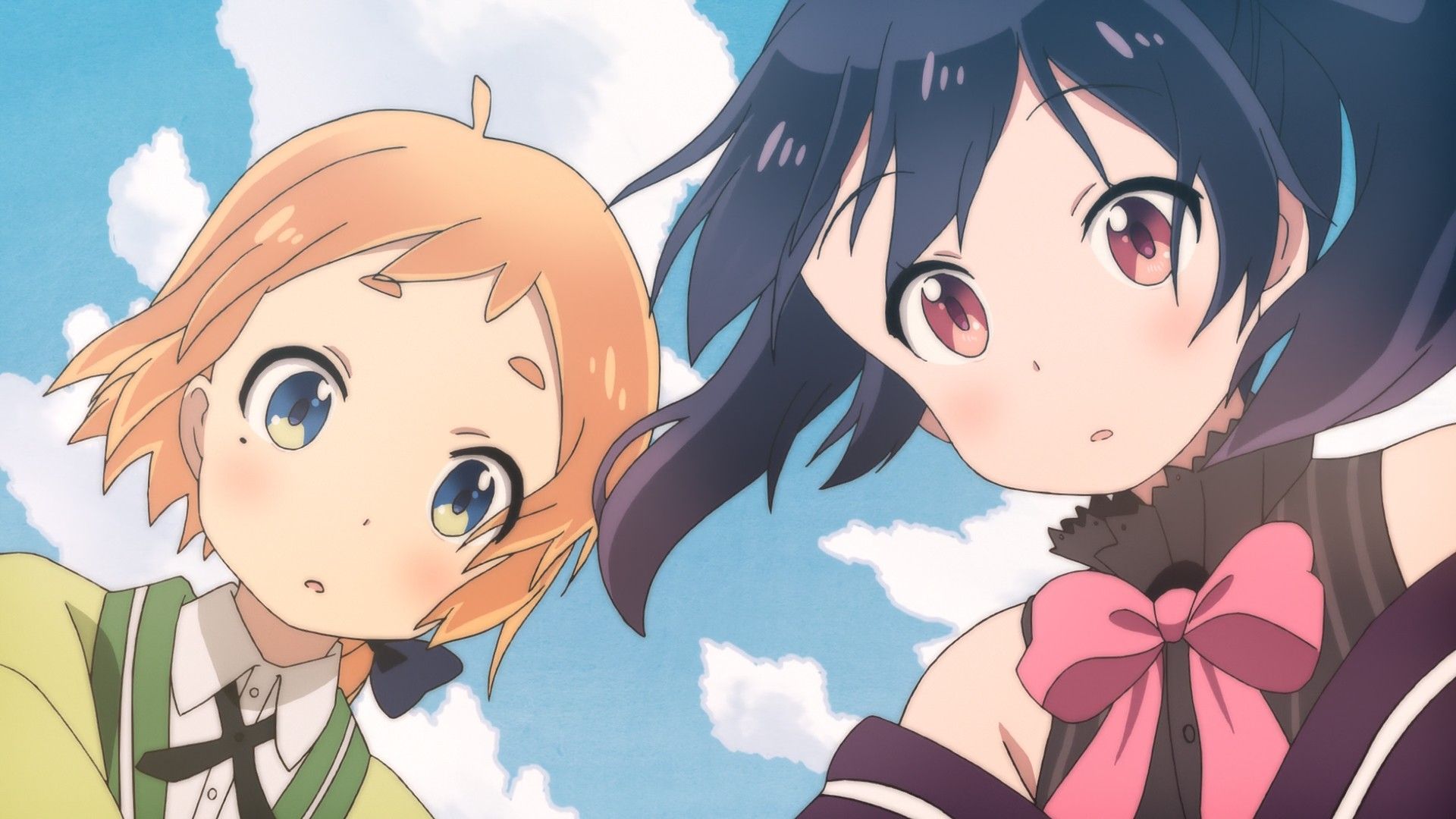
Even more than the individual character portraits, however, I value the group dynamic. Chiya and Kon very quickly build a relationship that becomes the emotional backbone of the series. This is not a banal case of opposites attract, but a bond based on something much more interesting. One has natural intuition and the courage of the heart; the other has knowledge, discipline, and a need for order. Separately, both would be incomplete. Together, they form a dynamic that pushes them to grow. Alongside that, the presence of Yukimi Koume and Natsume Nono also works wonderfully, because they are not add-ons to the main duo. Each of them brings her own kind of tenderness, humor, and weakness, so the group never loses its balance.

Urara Meirochou (2017) – Evaluation and Summary
The longer I think about Urara Meirochou, the more strongly I become convinced that this is a much better series than its surface might suggest. It is a very warm story about loneliness, about the need to be seen, about rivalry that does not destroy affection, and about friendship that finally lets you see the meaning of your own path. Its greatest strengths are consistent, too: a wonderful pastoral atmosphere rooted in Japanese folklore, beautiful visual design, and heroines you truly want to stay with until the end. On top of that, there is excellent seiyuu work, thanks to which even the smallest scenes carry emotion.
If I had to draw one key thought from this text, it would be this: Urara Meirochou works best when viewed not through the lens of CGDCT (though it is also wonderful in that regard), but through the lens of four girls who, for the first time in their lives, feel that their dreams do not have to be carried alone. Chiya, Kon, Yukimi Koume, and Natsume Nono are not just heroines for one gag after another, but four different ways of responding to uncertainty. One walks into it without fear, another tries to control it, the third theatrically tames it, and the fourth almost hides from it. Then all of them learn that the future does not have to be less frightening simply because it has been foretold.
Finalny werdykt
Final evaluation

Which translation do I recommend to watch Urara Meirochou (2017)?
- Tsundere – not a bad translation (even though it uses, as its base, work from a group I probably would never recommend). A better alternative than the official subtitles. It overinterprets a little in places, but remains tolerable.
Gallery