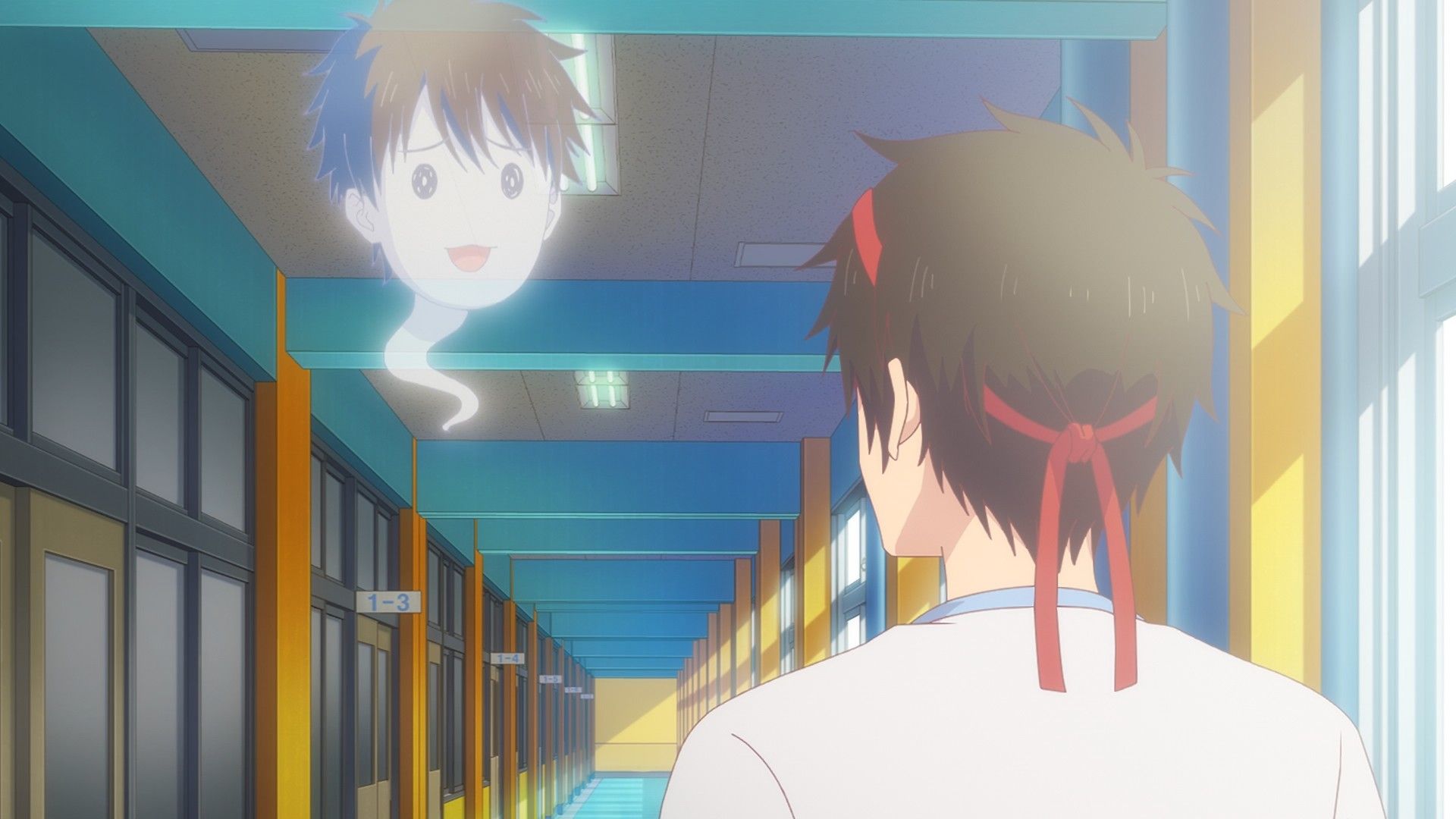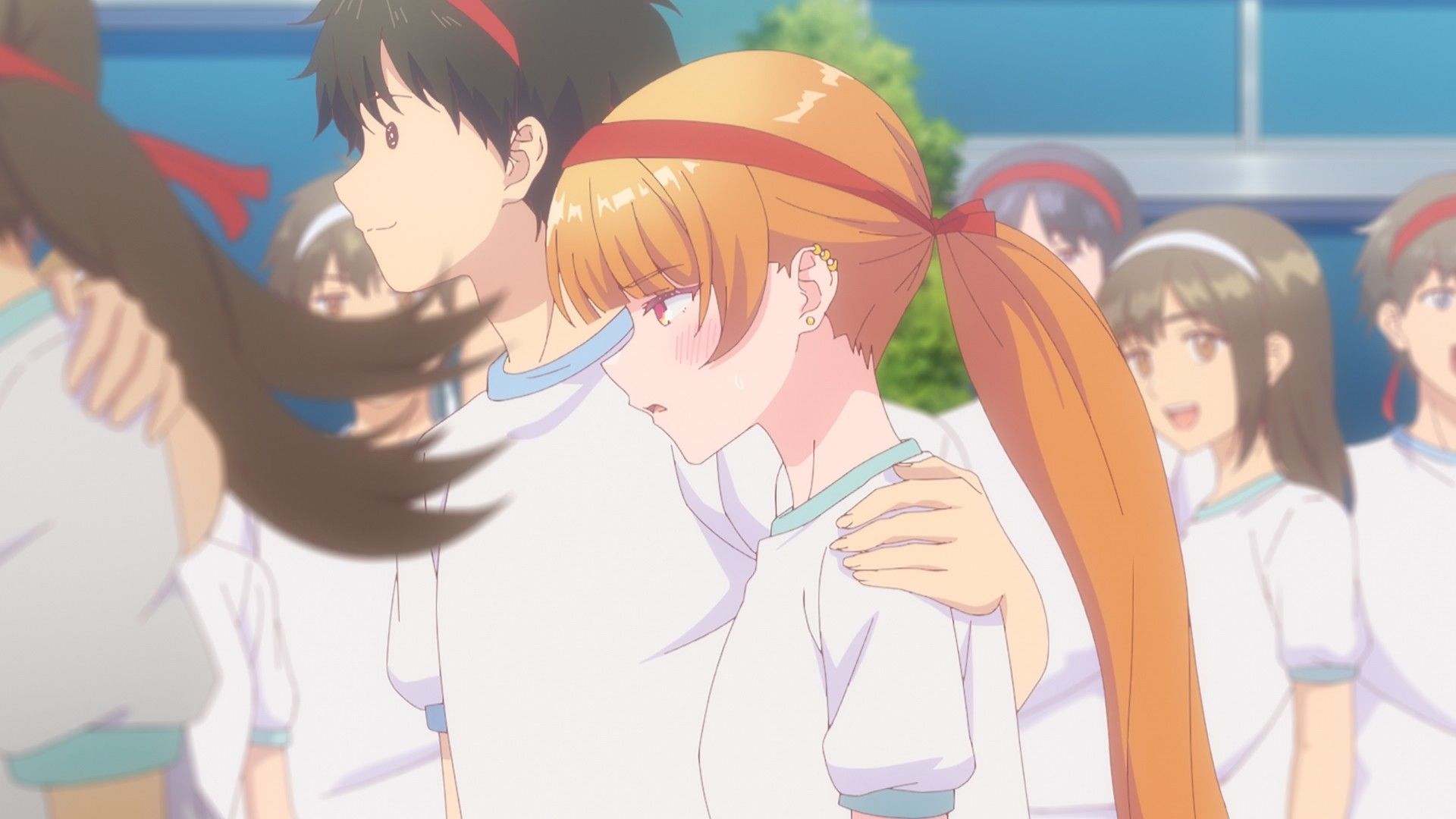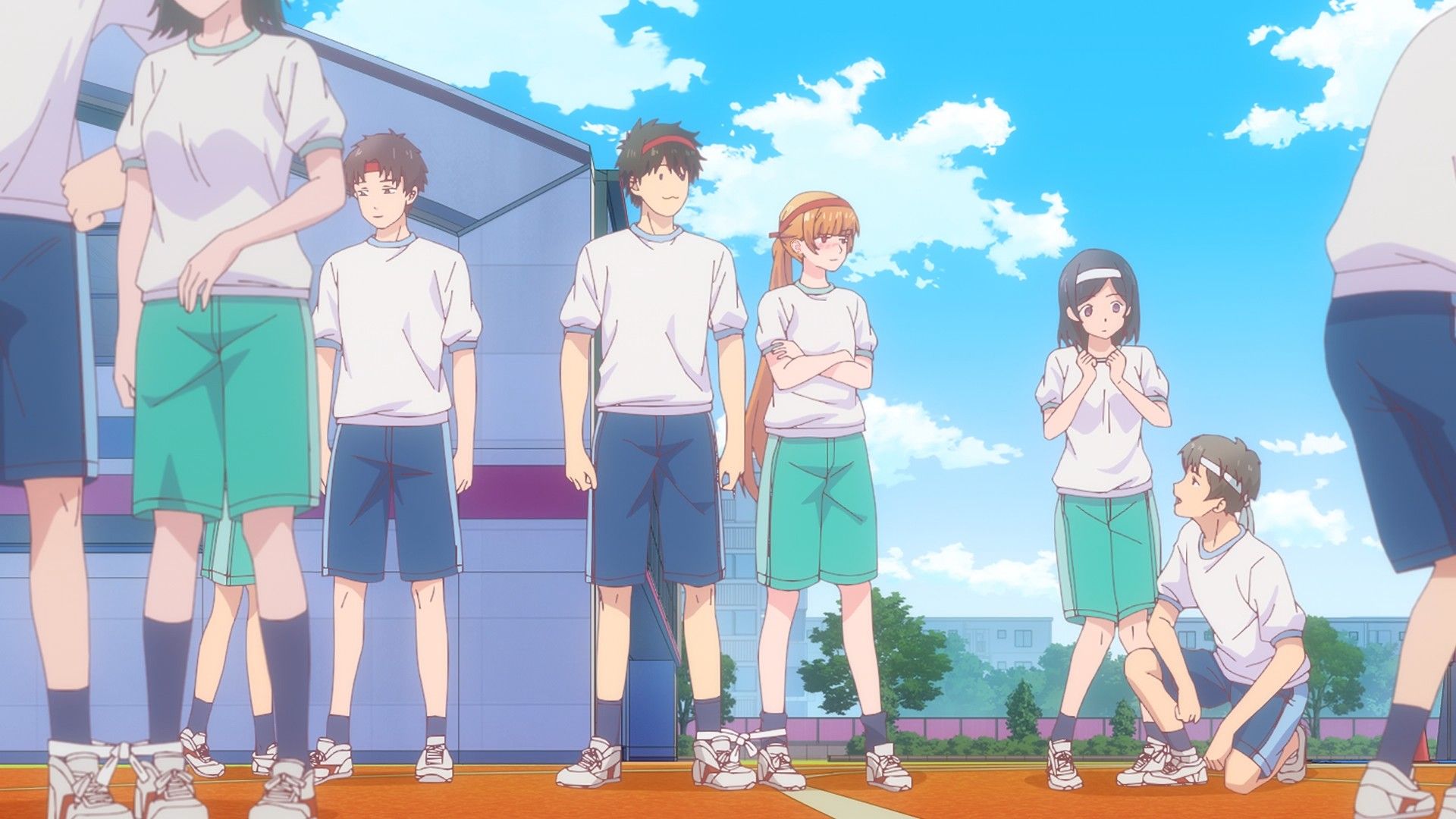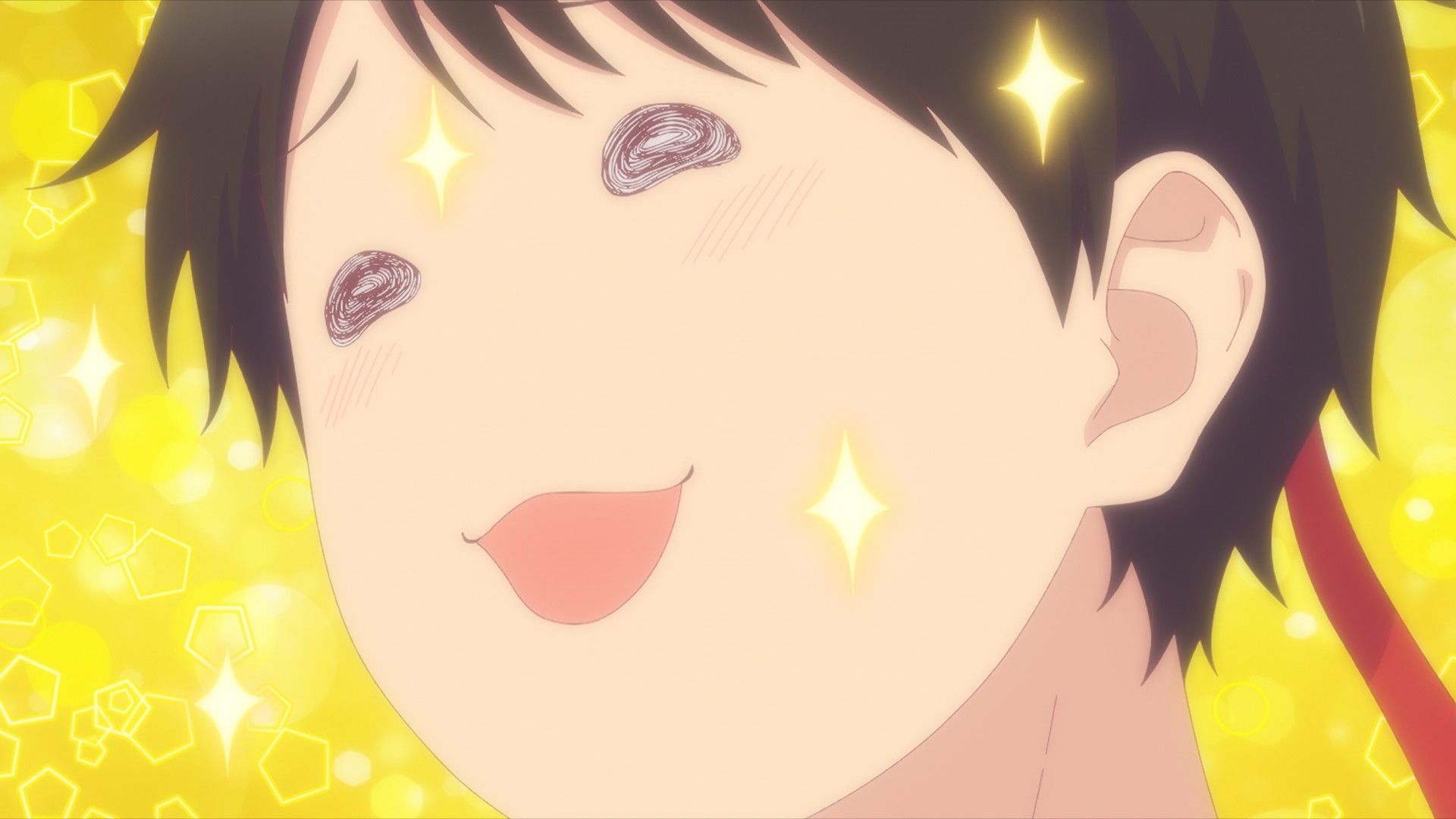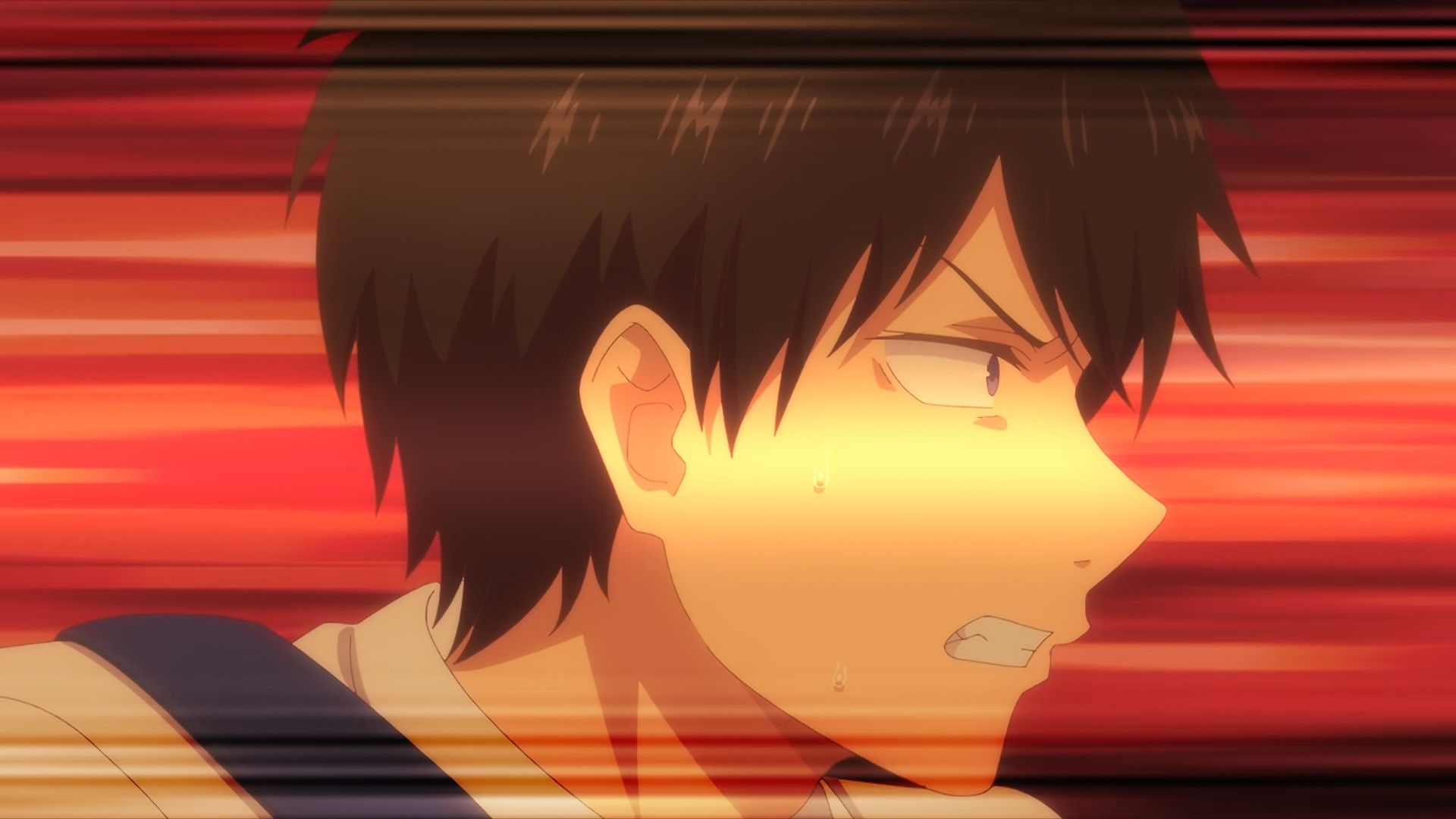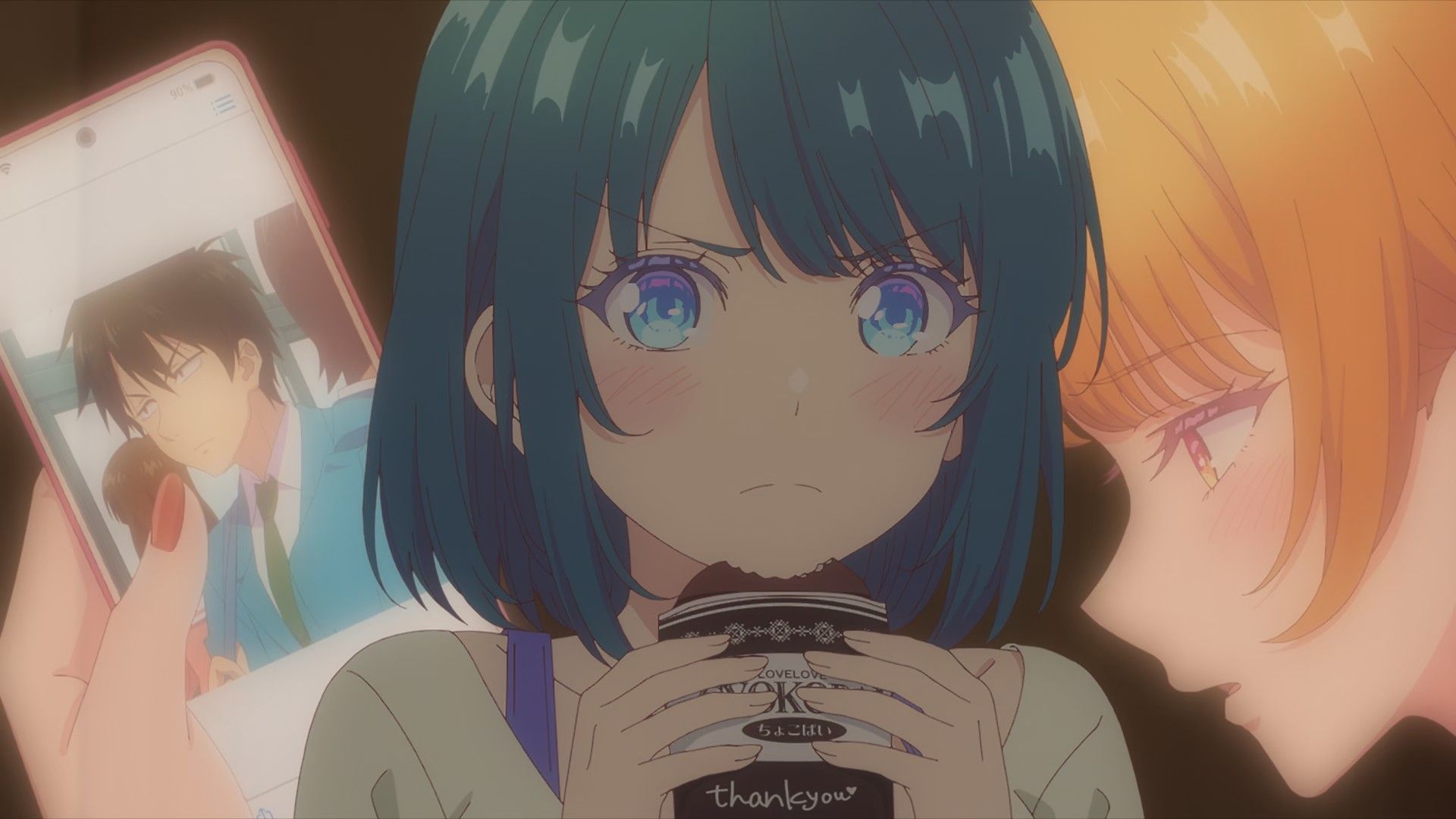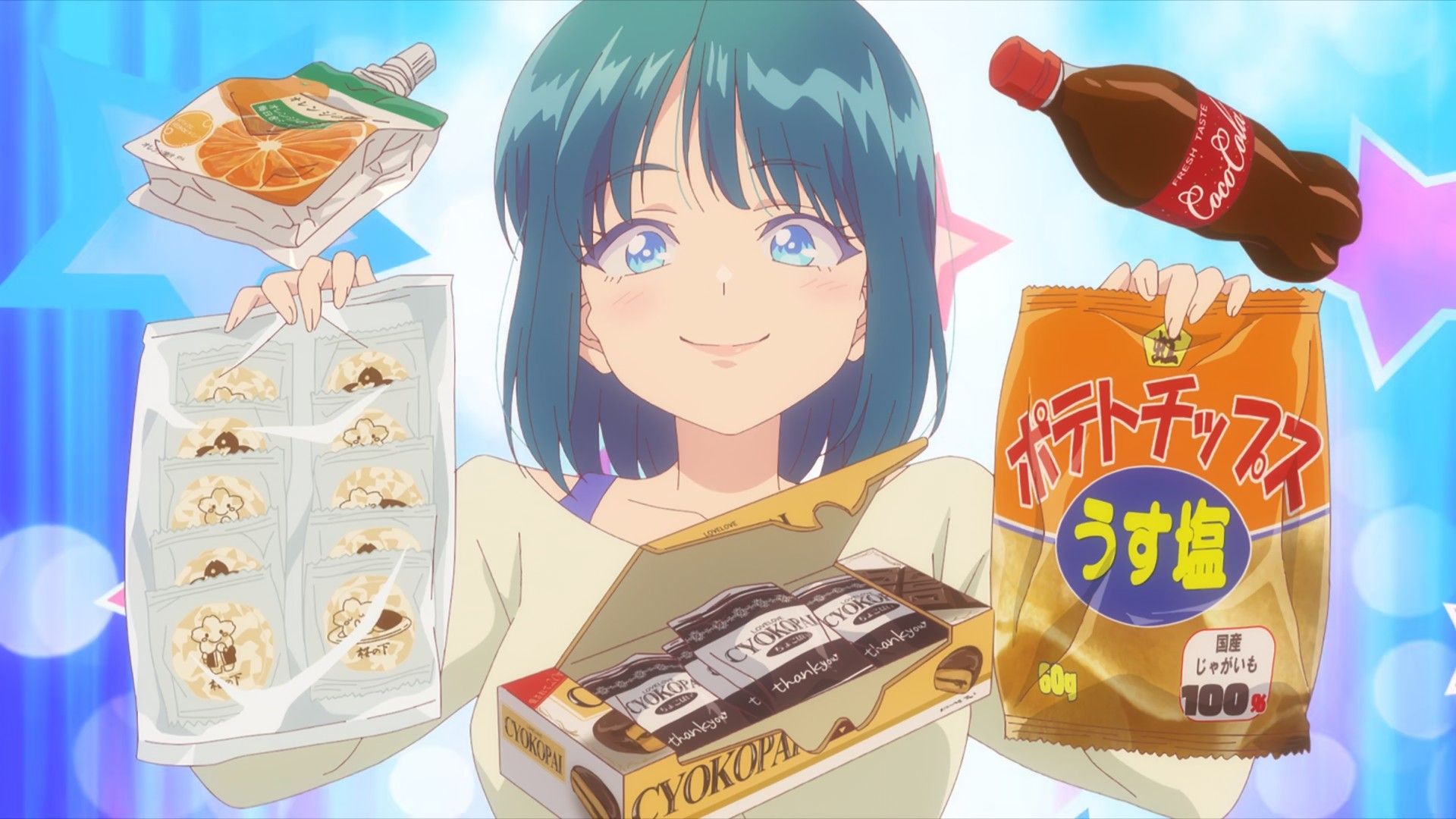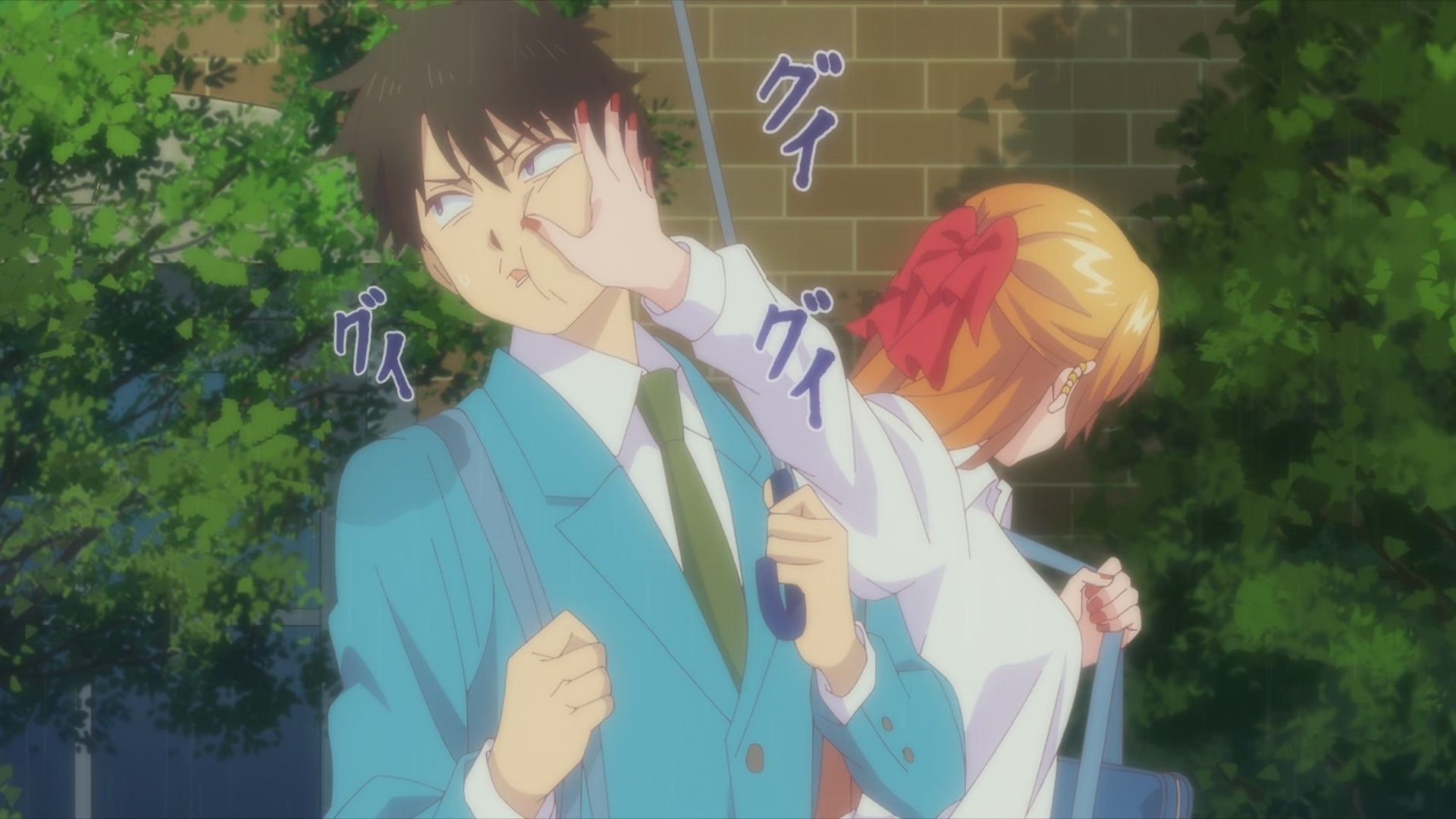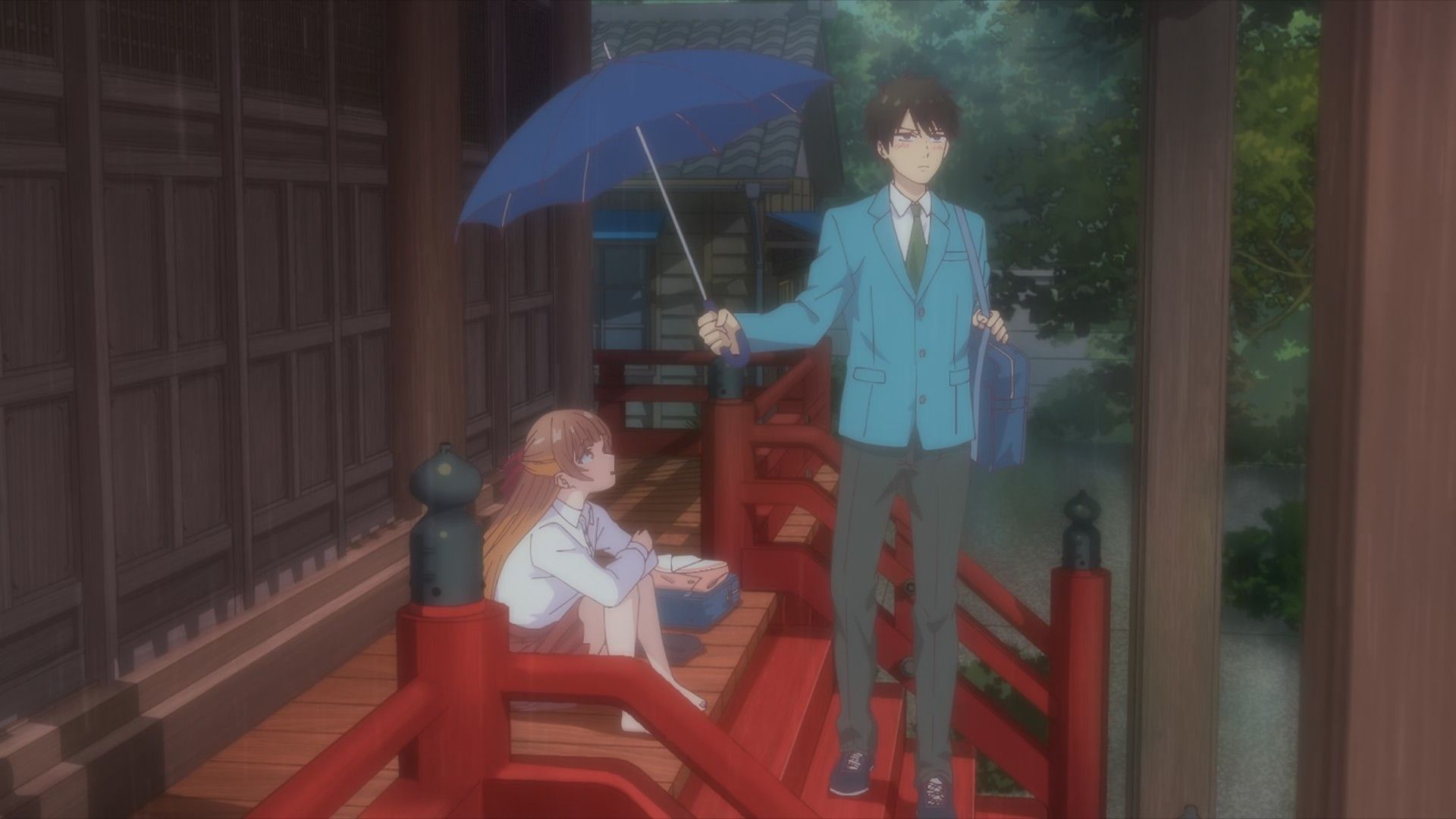
Sakai Yonosuke is a high school student who avidly reads romantic comedies but approaches reality with distinct cynicism. In his belief, the trope of a romance with a childhood friend is pure fiction. The boundary between him and the girls he grew up with will never be crossed. The problem is that his daily life constantly arranges itself into a series of textbook manga scenes, which the boy tries to ignore at all costs.
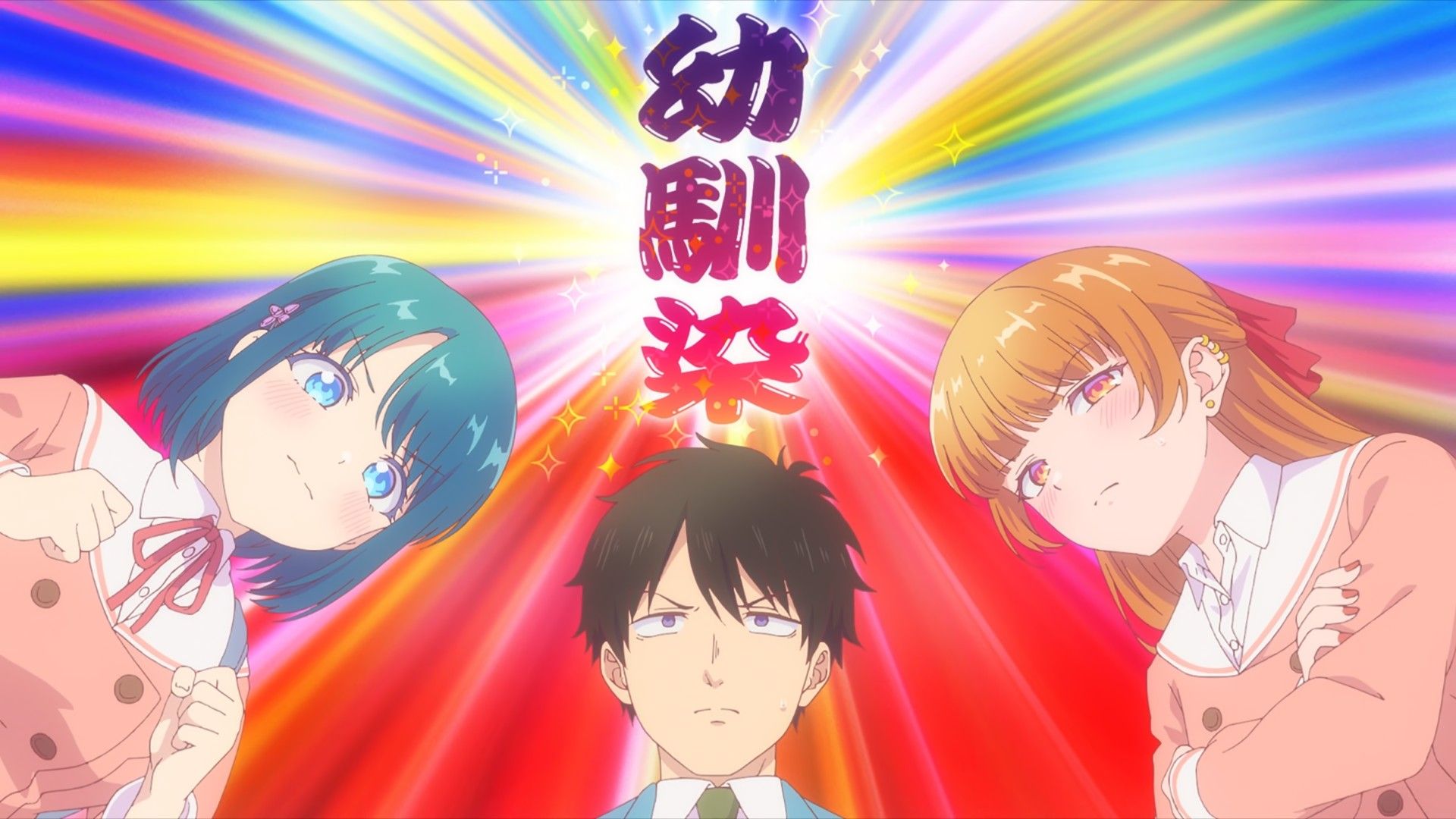
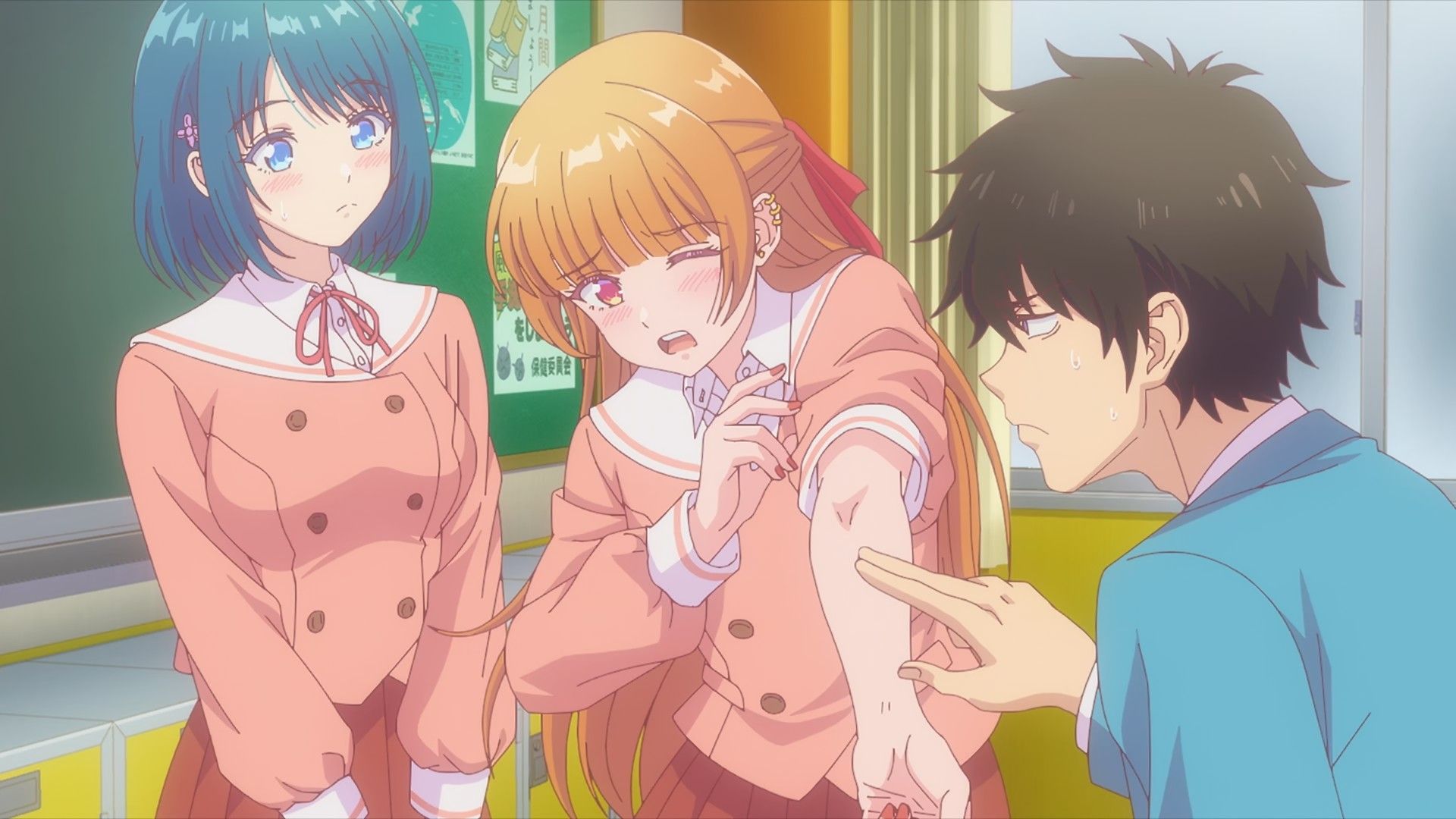
The biggest test for his nerves are two childhood friends who, over the years, have grown into attractive young women. Minamo Shio is an energetic, charming girl completely devoid of a sense of personal boundaries. Unannounced, she enters his room through the window and regularly orchestrates accidental situations of physical closeness, hoping for the development of a romantic relationship. On the other hand, Hiodoshi Akari, currently a fashionable and popular student, adopts the stance of a hostile tsundere towards Eiyuu on a daily basis. She unscrupulously calls him a creepy pervert. In reality, however, she desperately tries to draw his attention. She resorts to aggressive flirting and nervous attempts to force a first kiss.
Yonosuke tries to survive the ordinary way to school and a chaos-filled day in class. He clings desperately to his belief in a purely platonic relationship. However, his resistance gradually begins to crack. Despite his persistent assurances that they are just childhood friends, Shio and Akari do not intend to let go. Their goal is to make his heart beat faster and turn his life into a true romantic comedy.
Osananajimi to wa Love Comedy ni Naranai (2026) – Audiovisual Design
Video
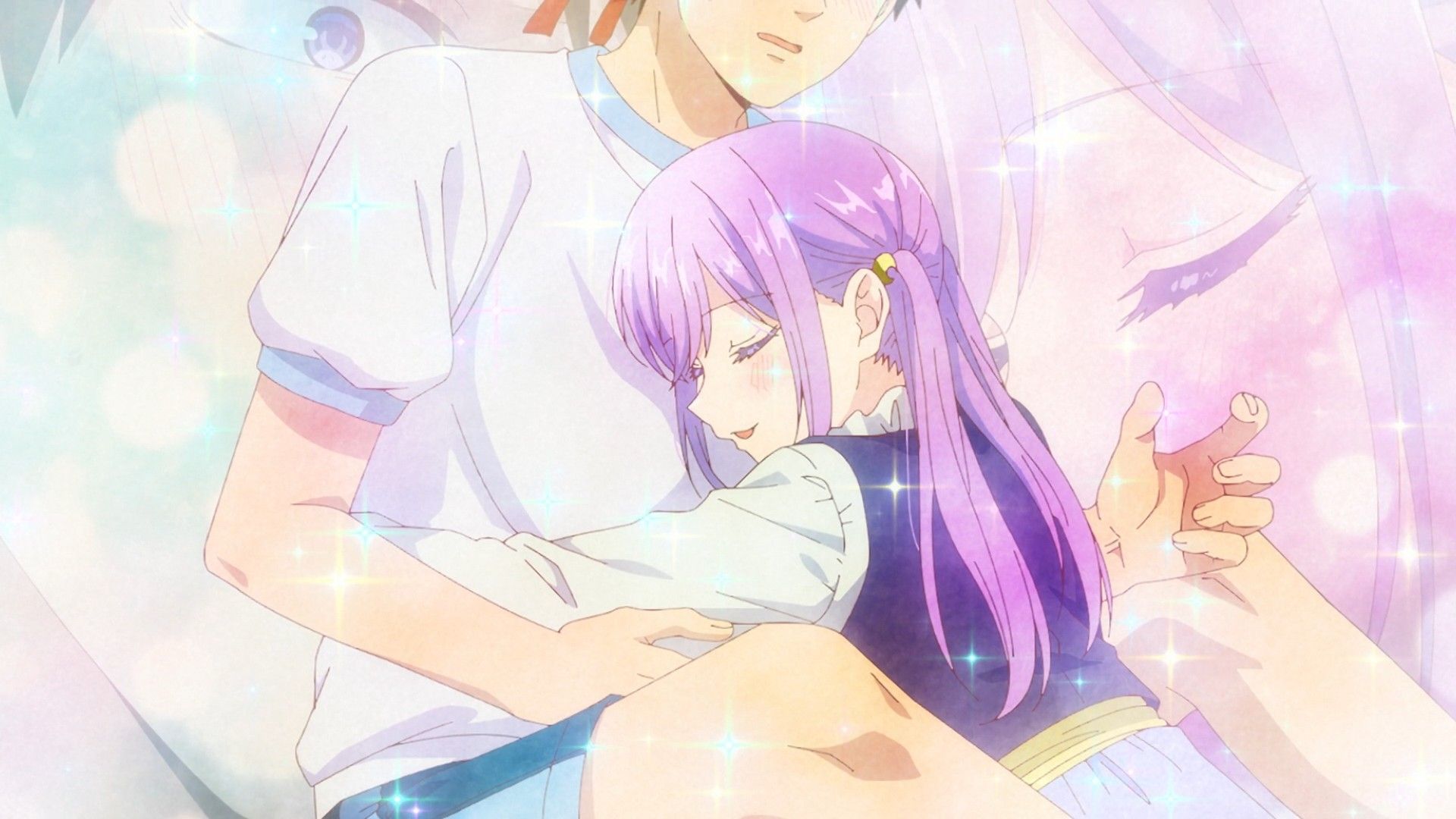
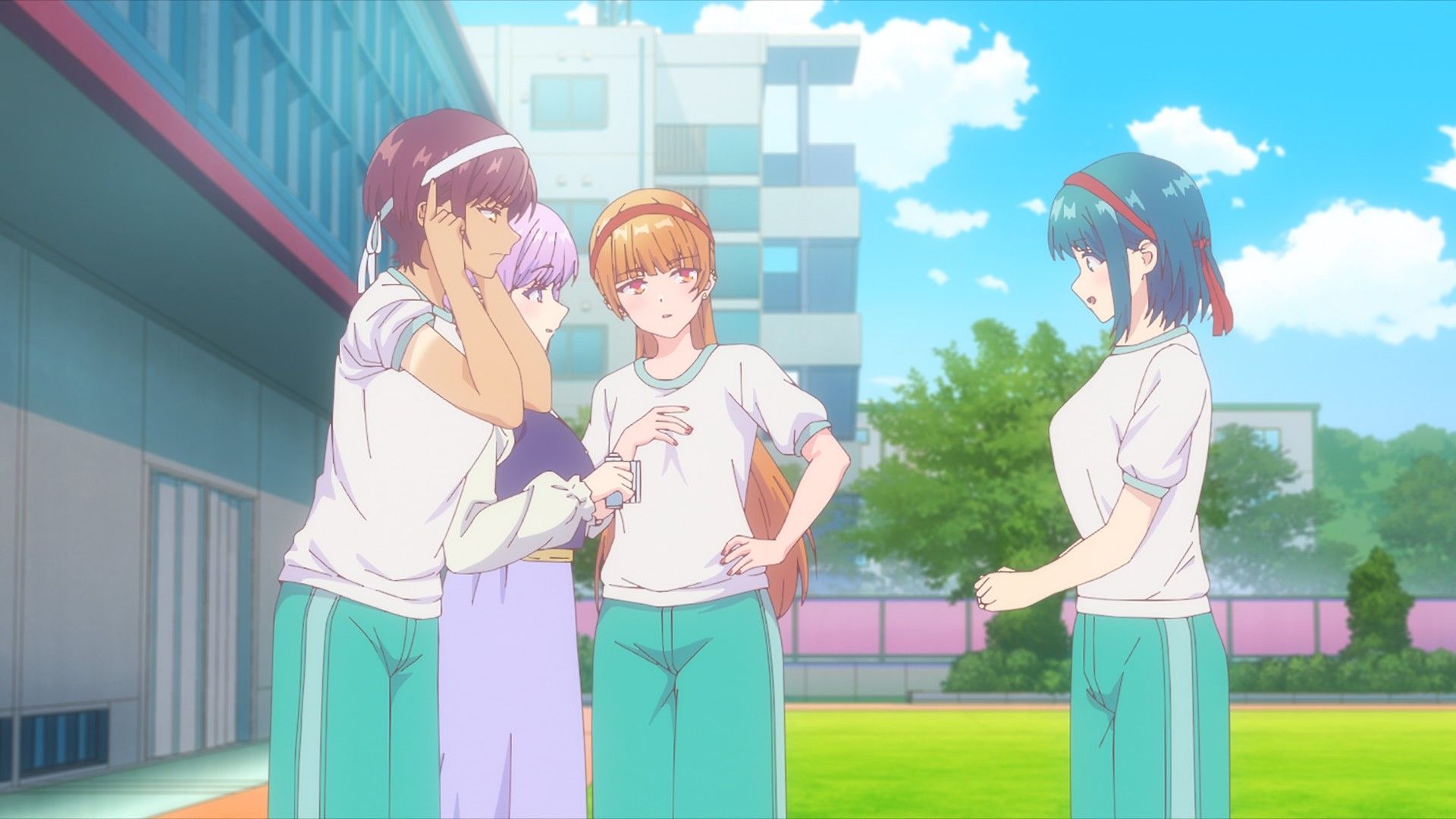
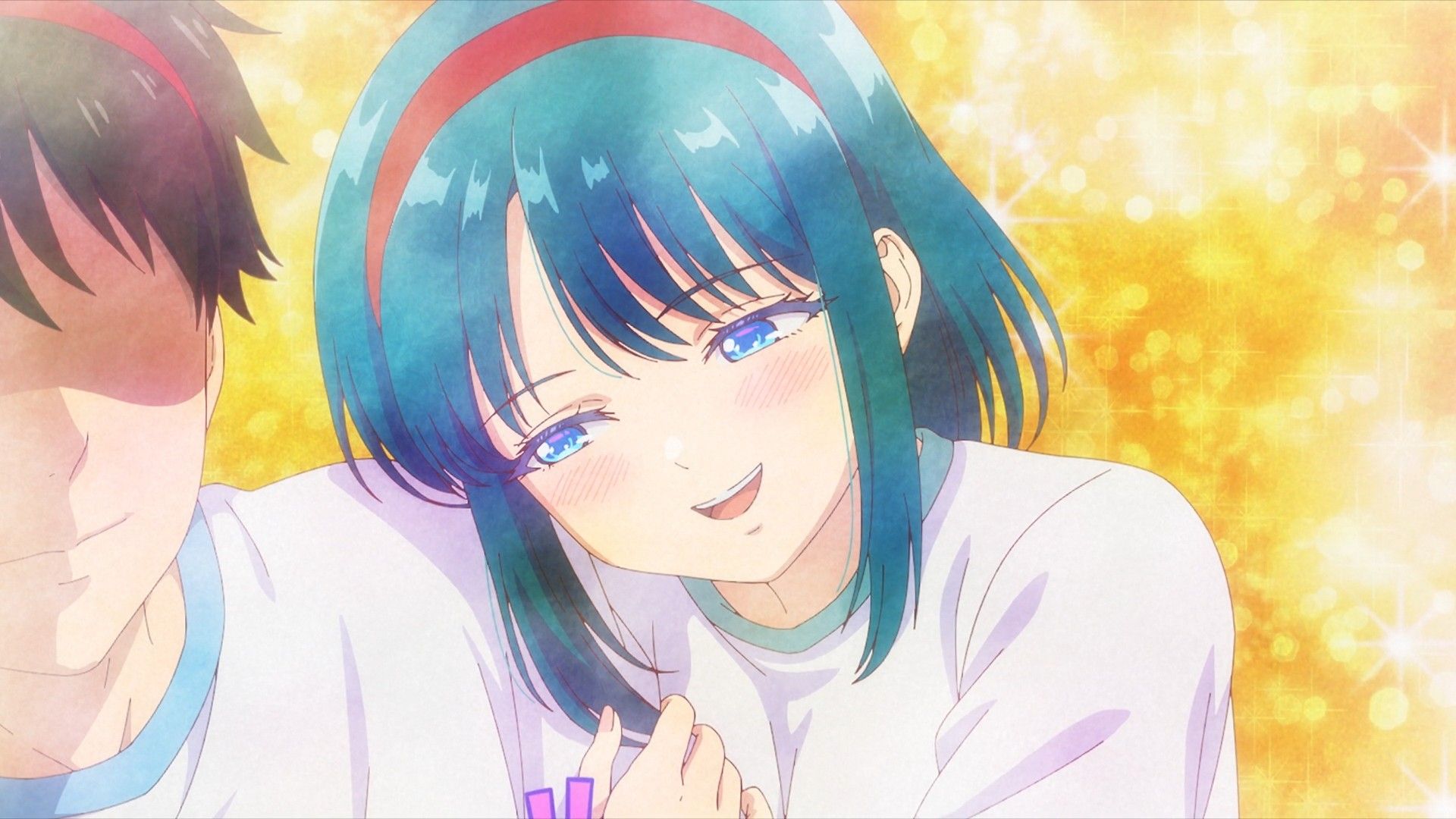
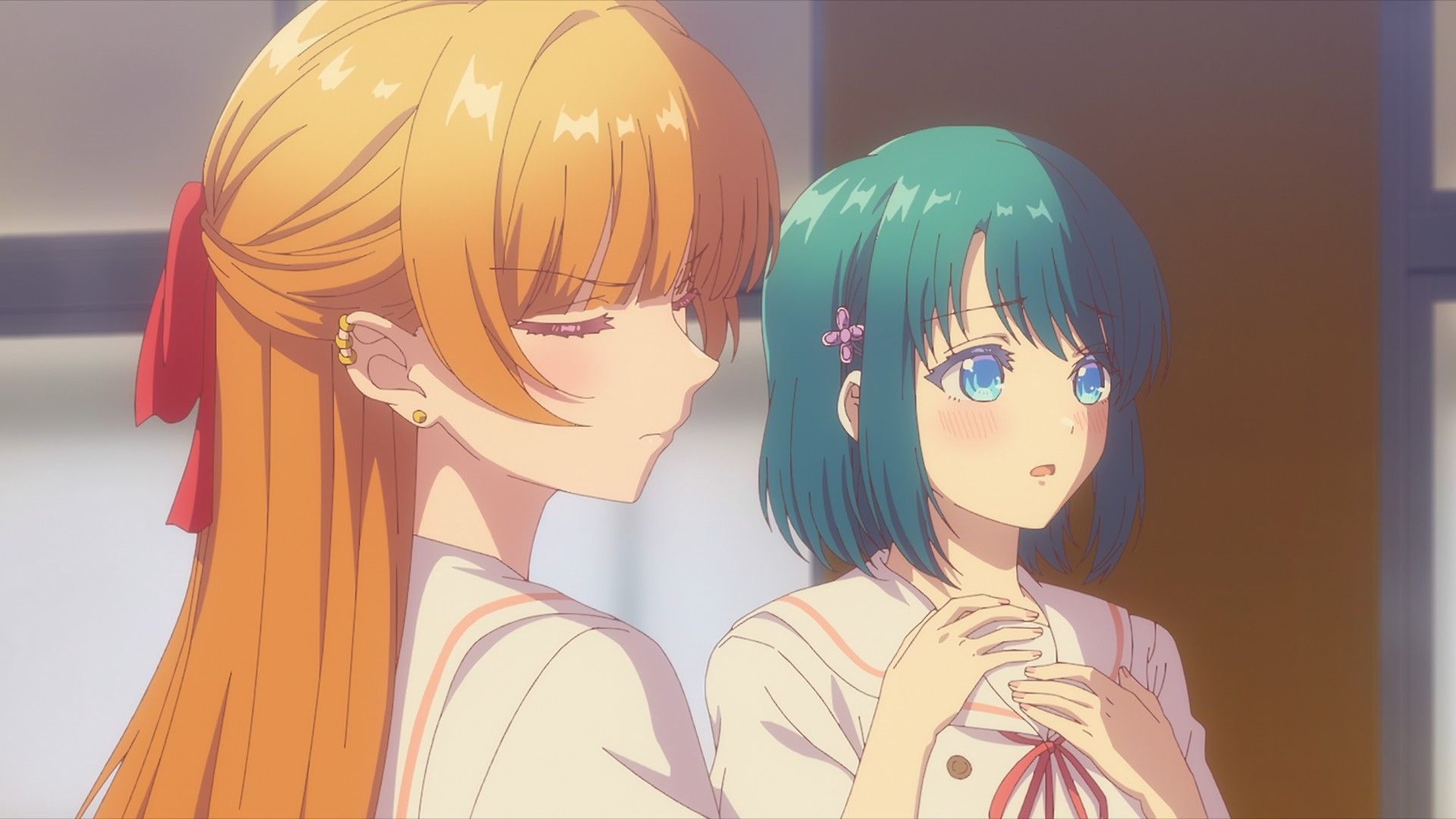
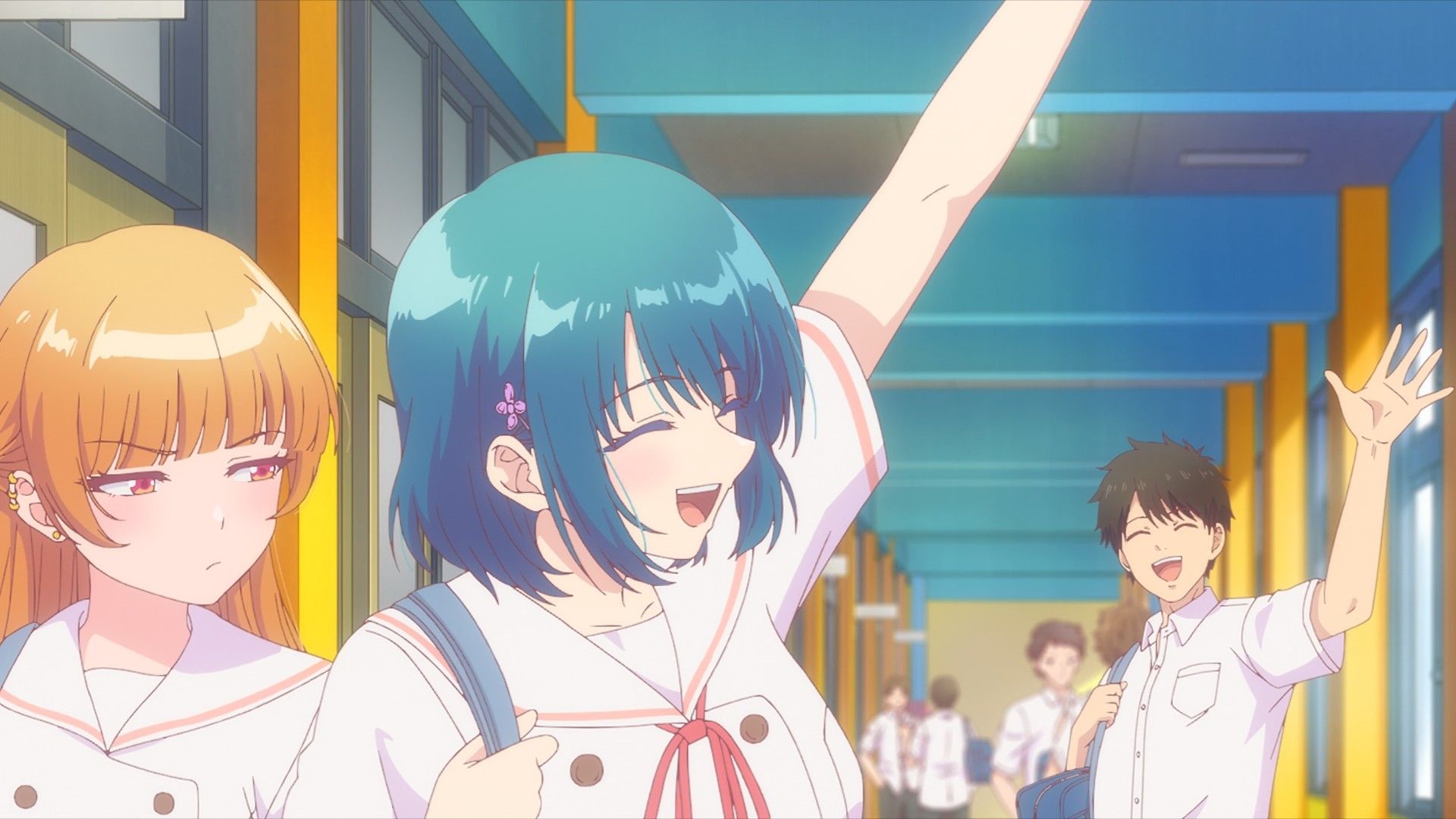
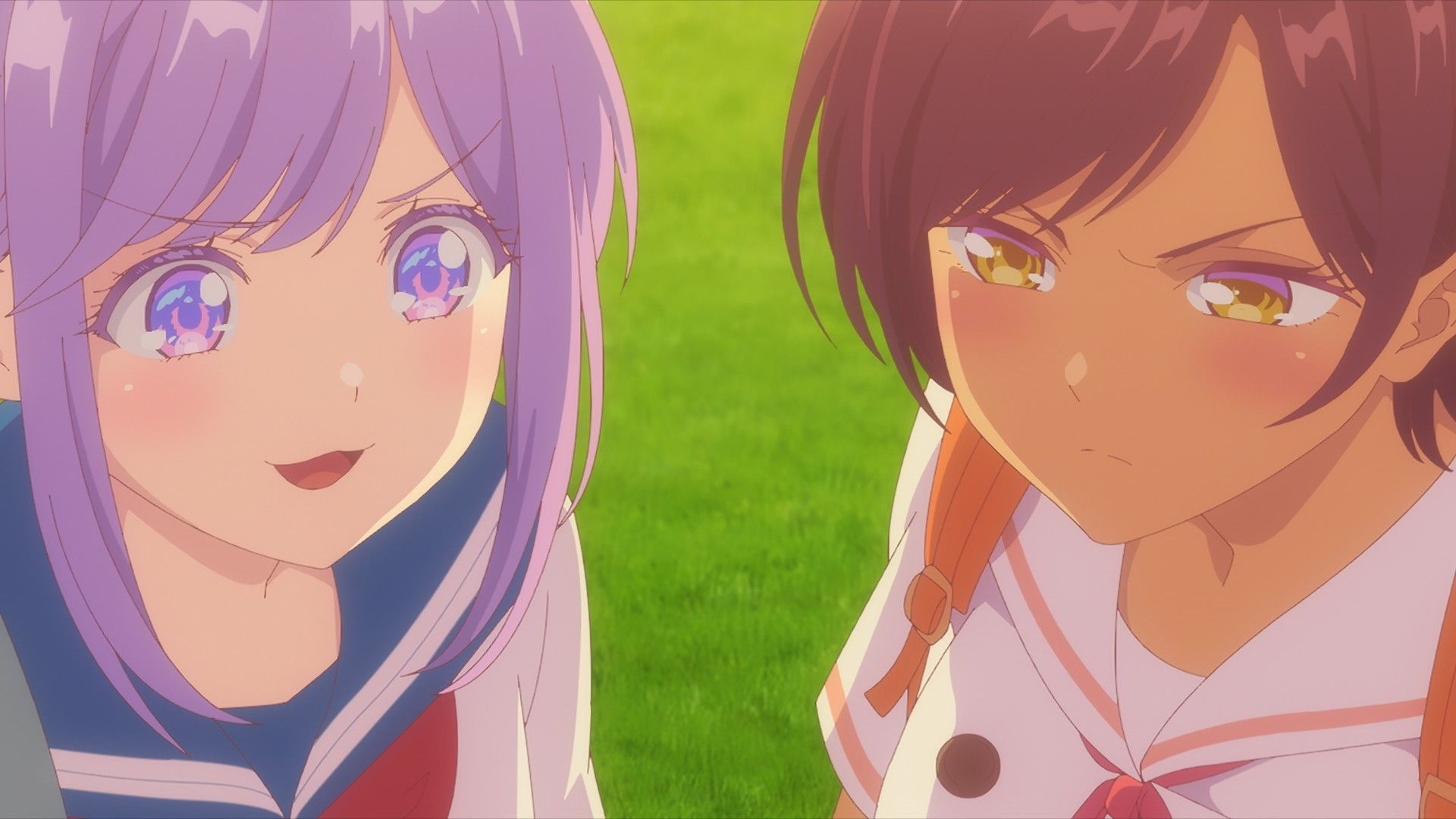
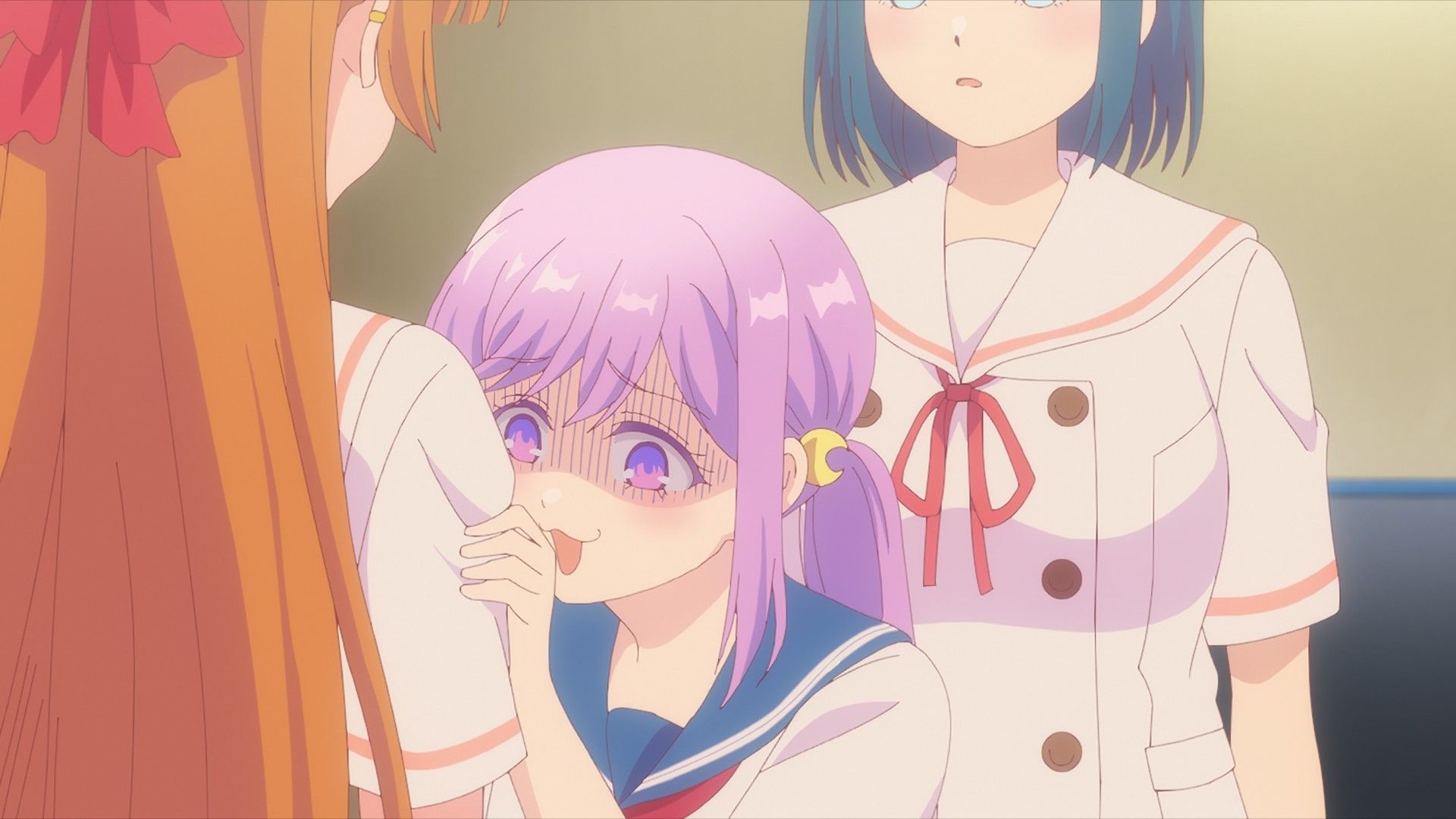
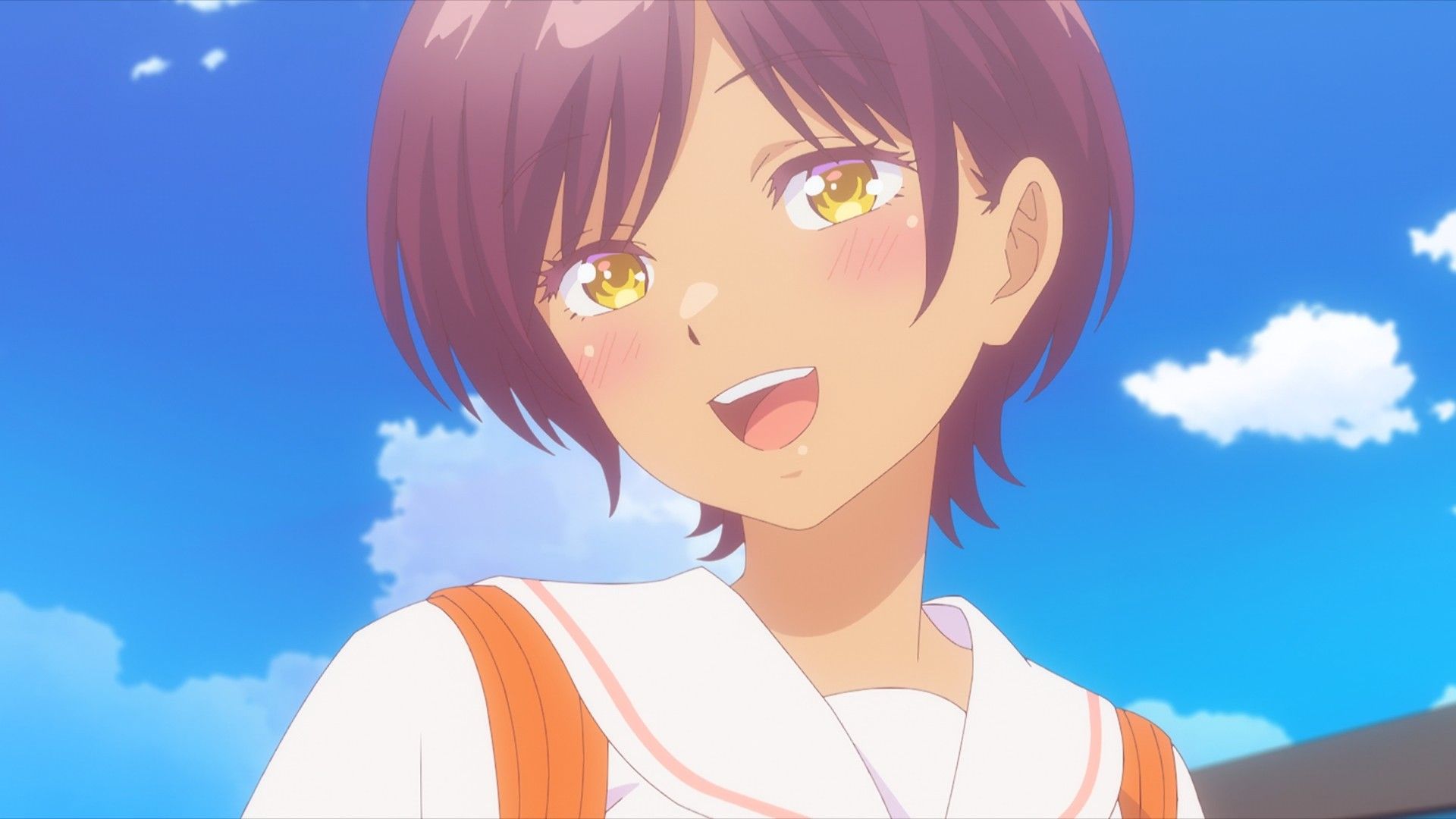
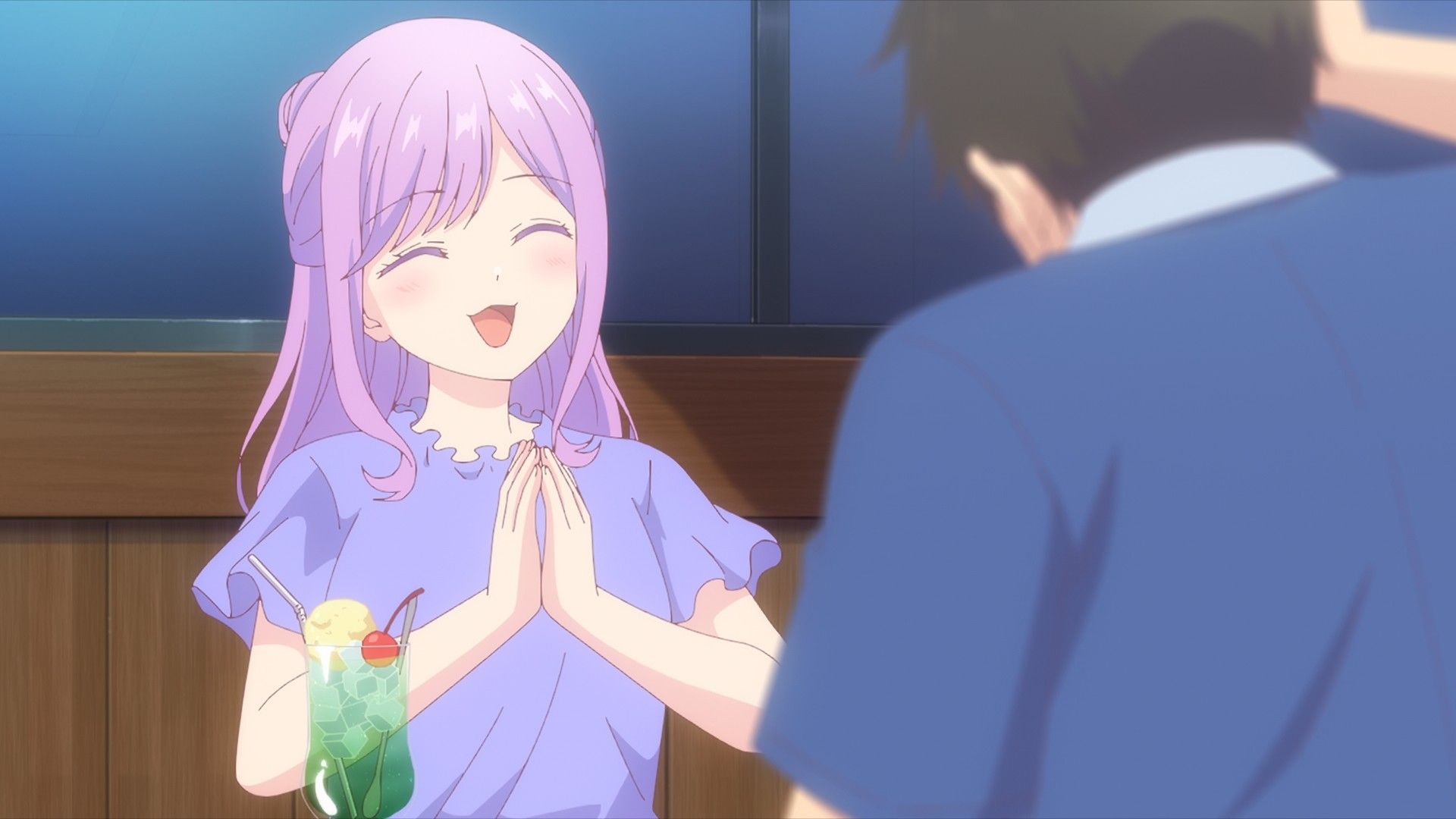
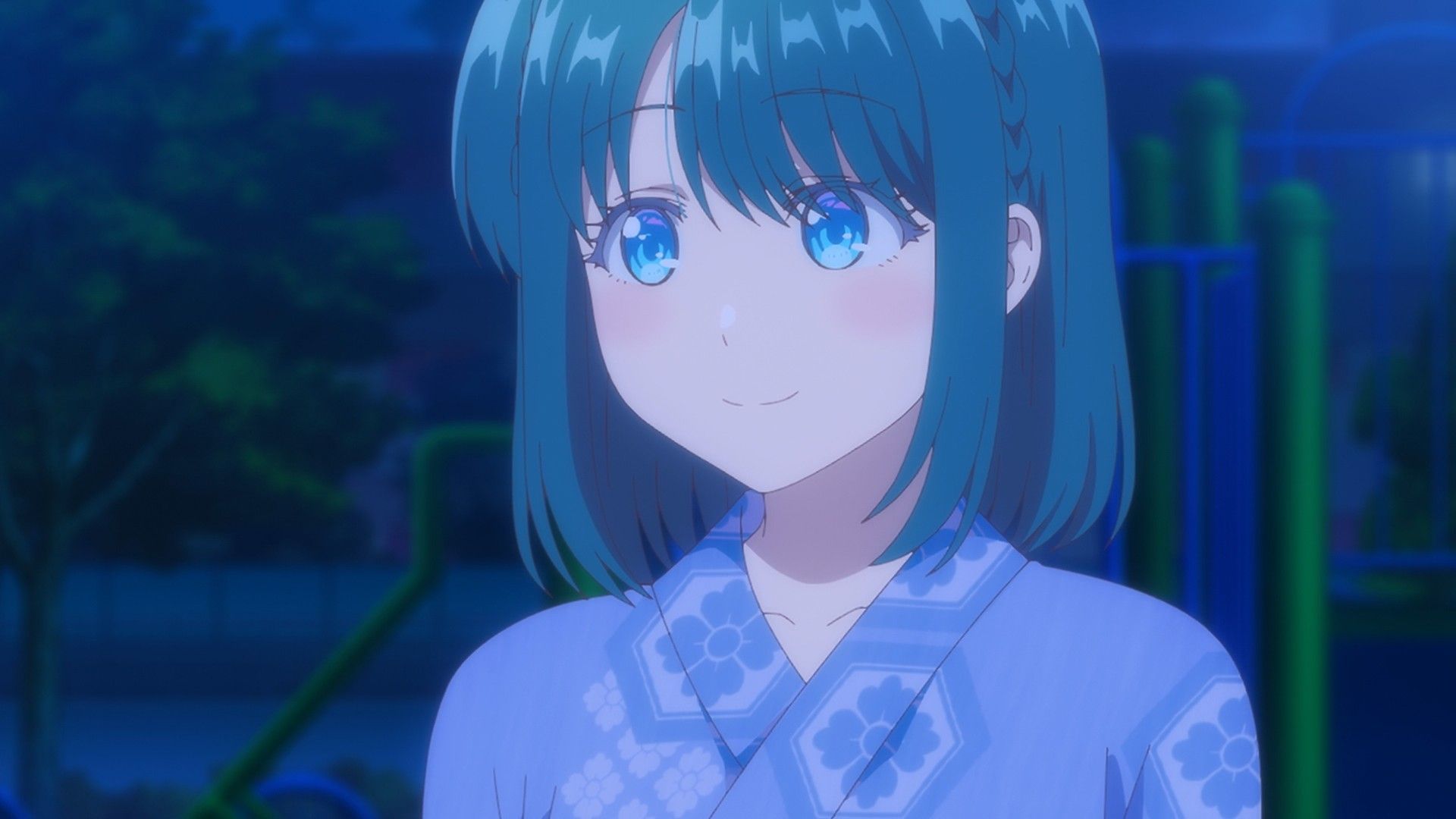
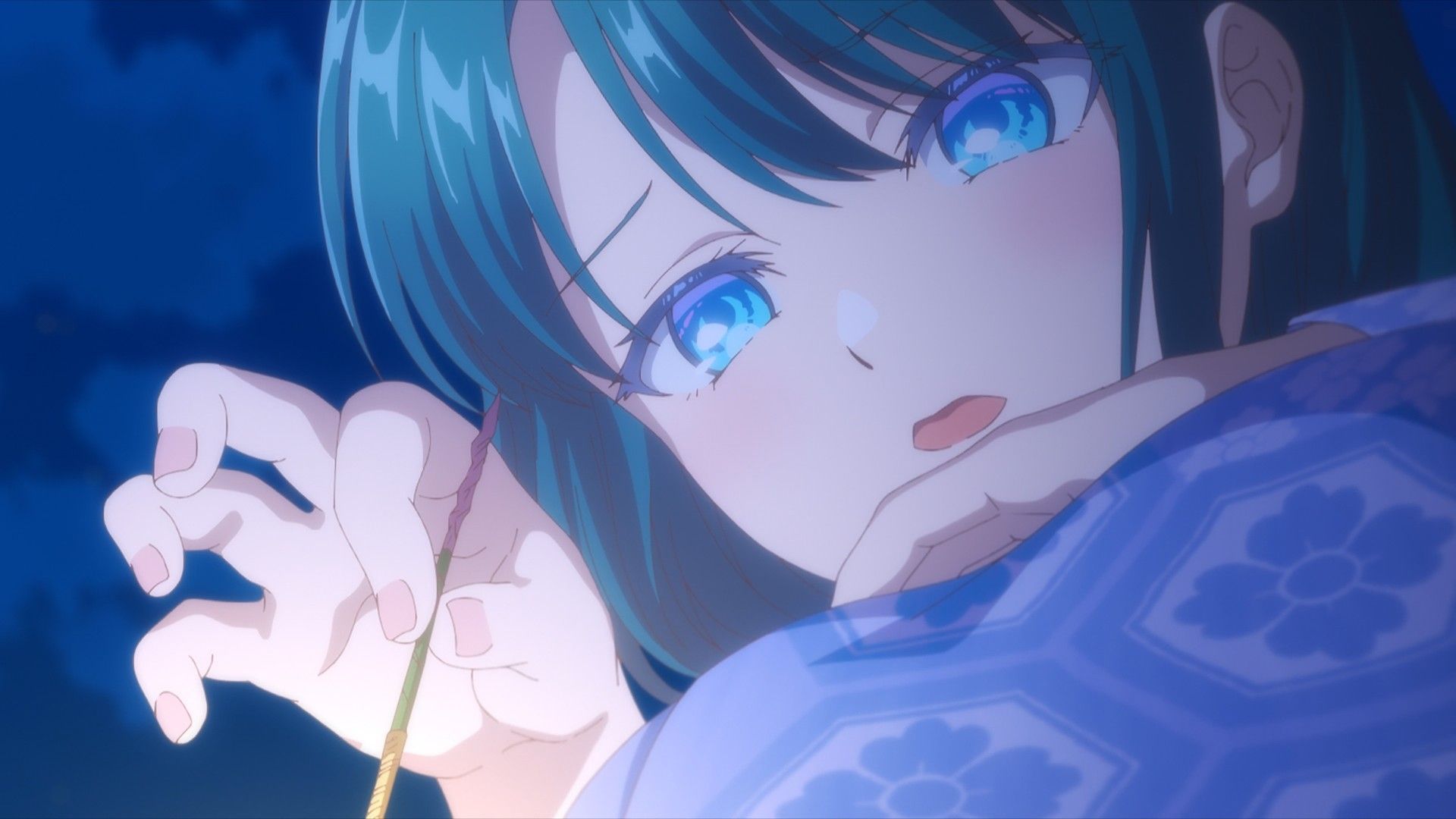
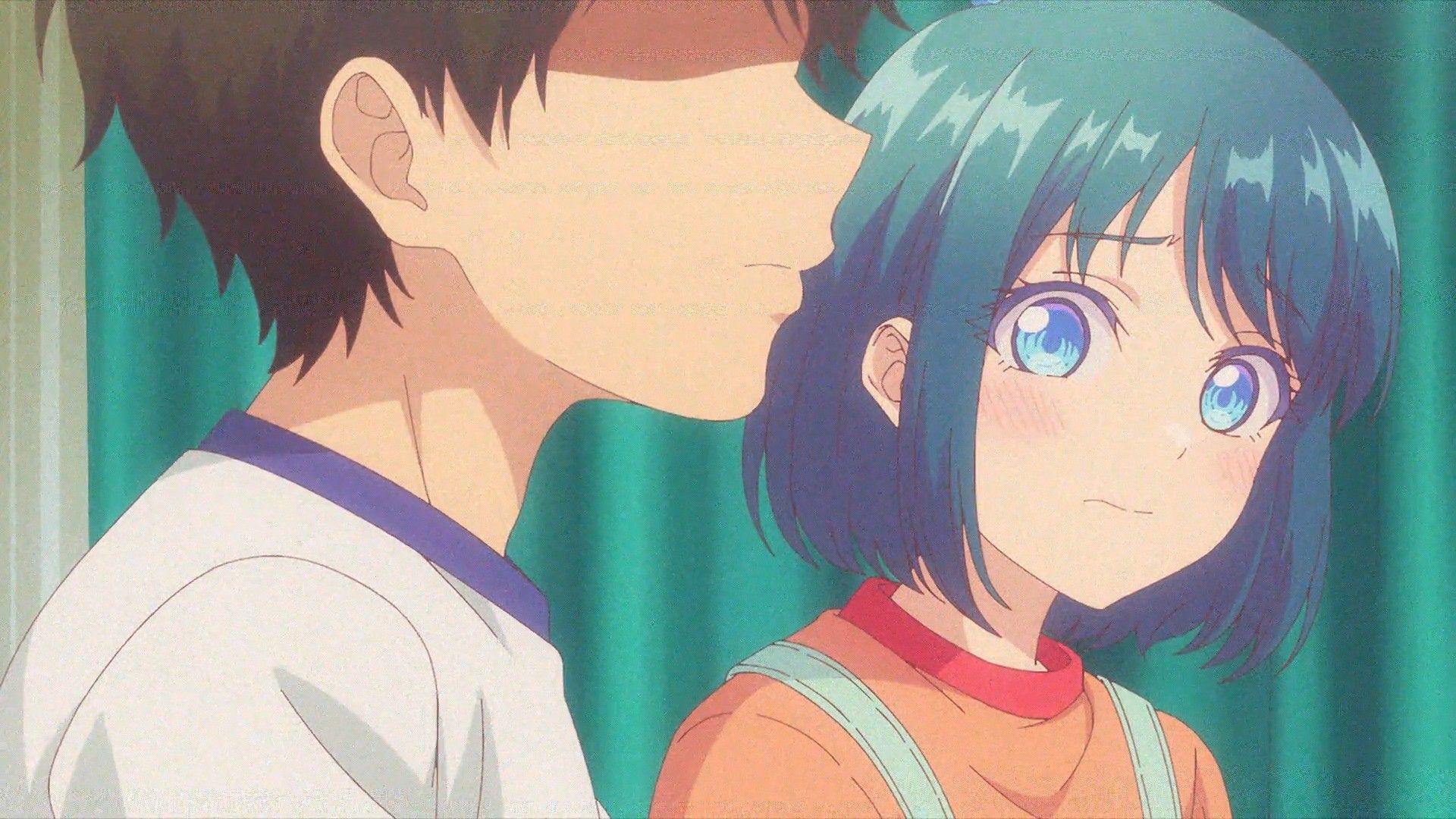
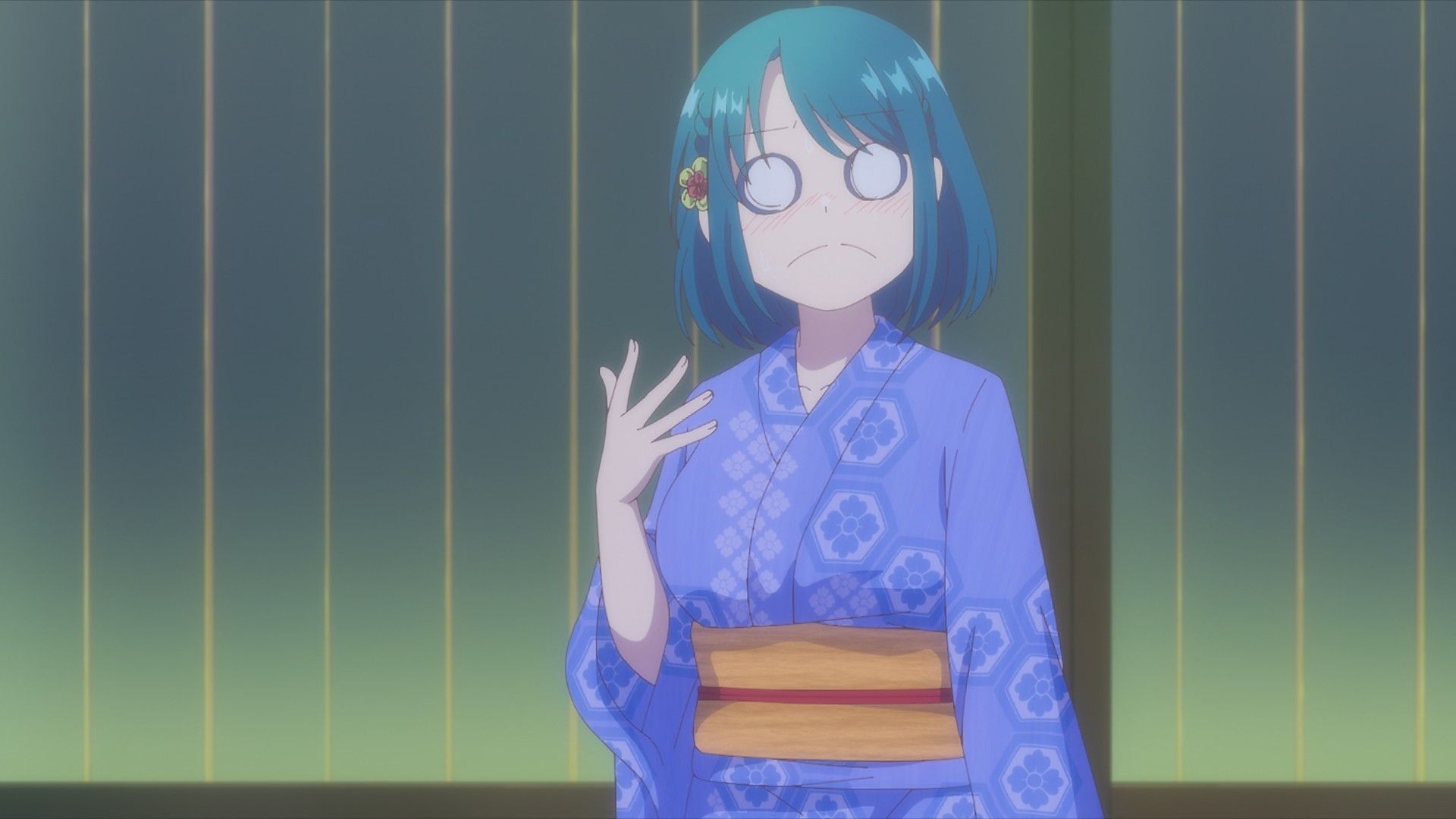
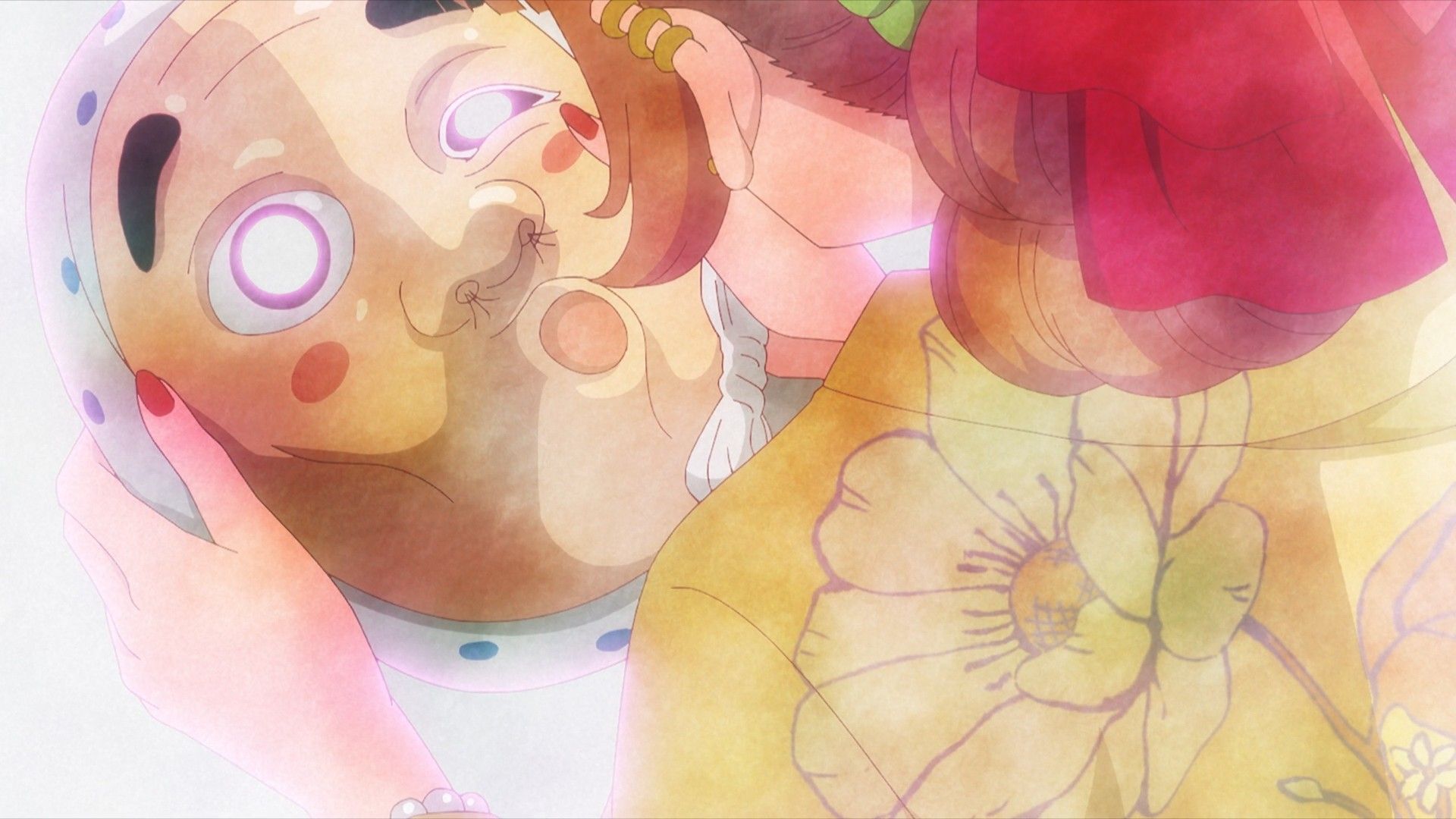
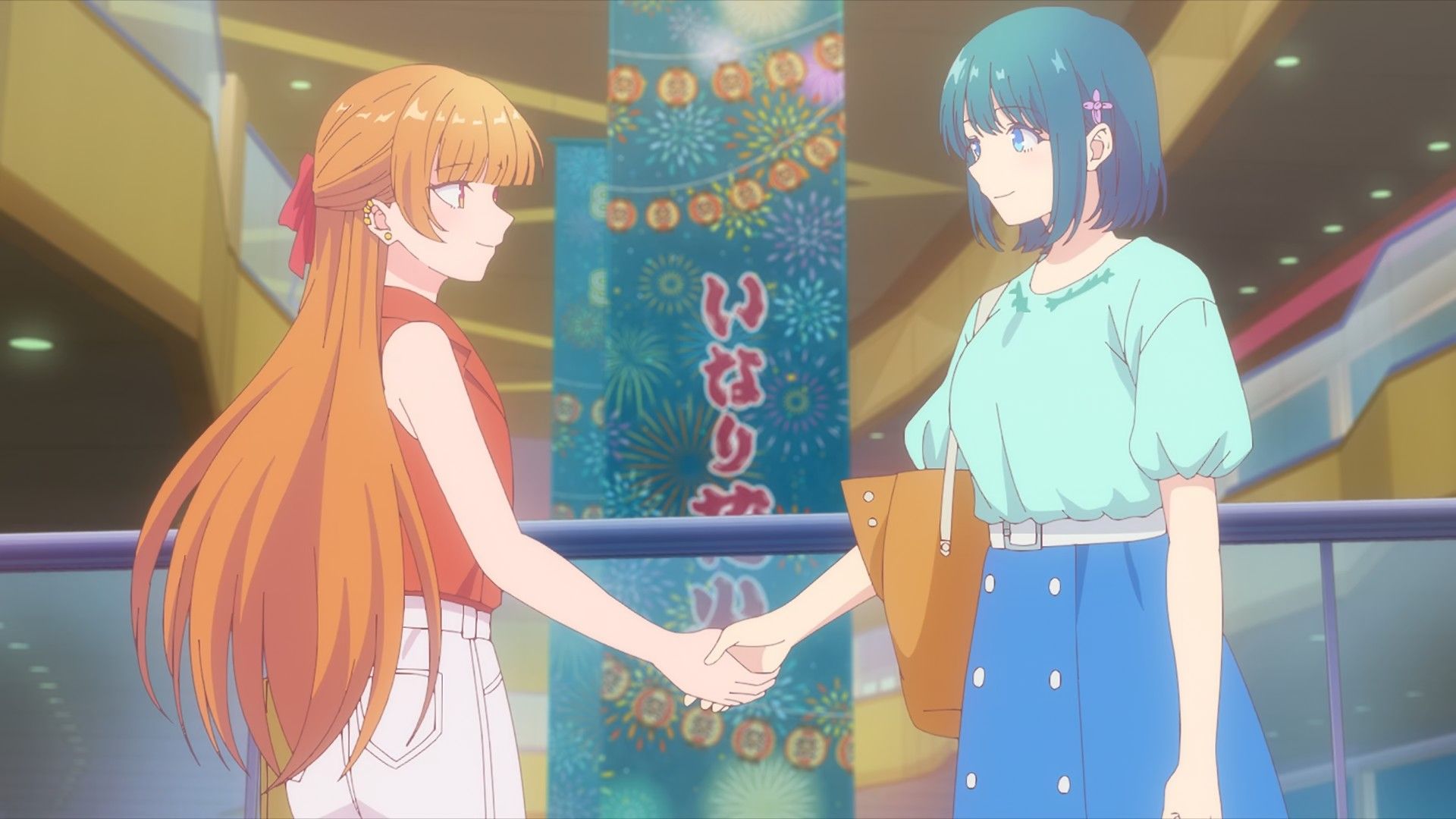
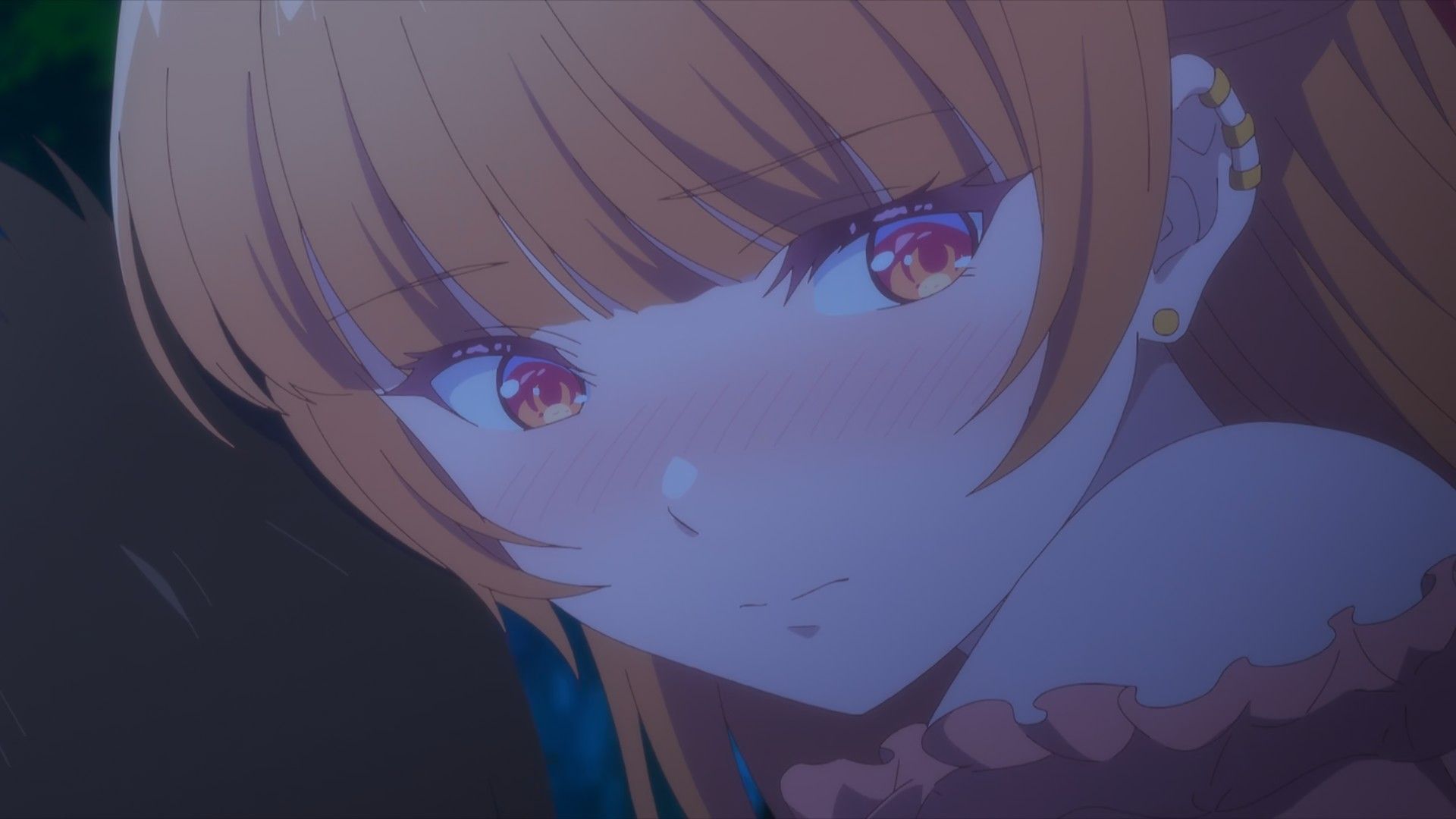
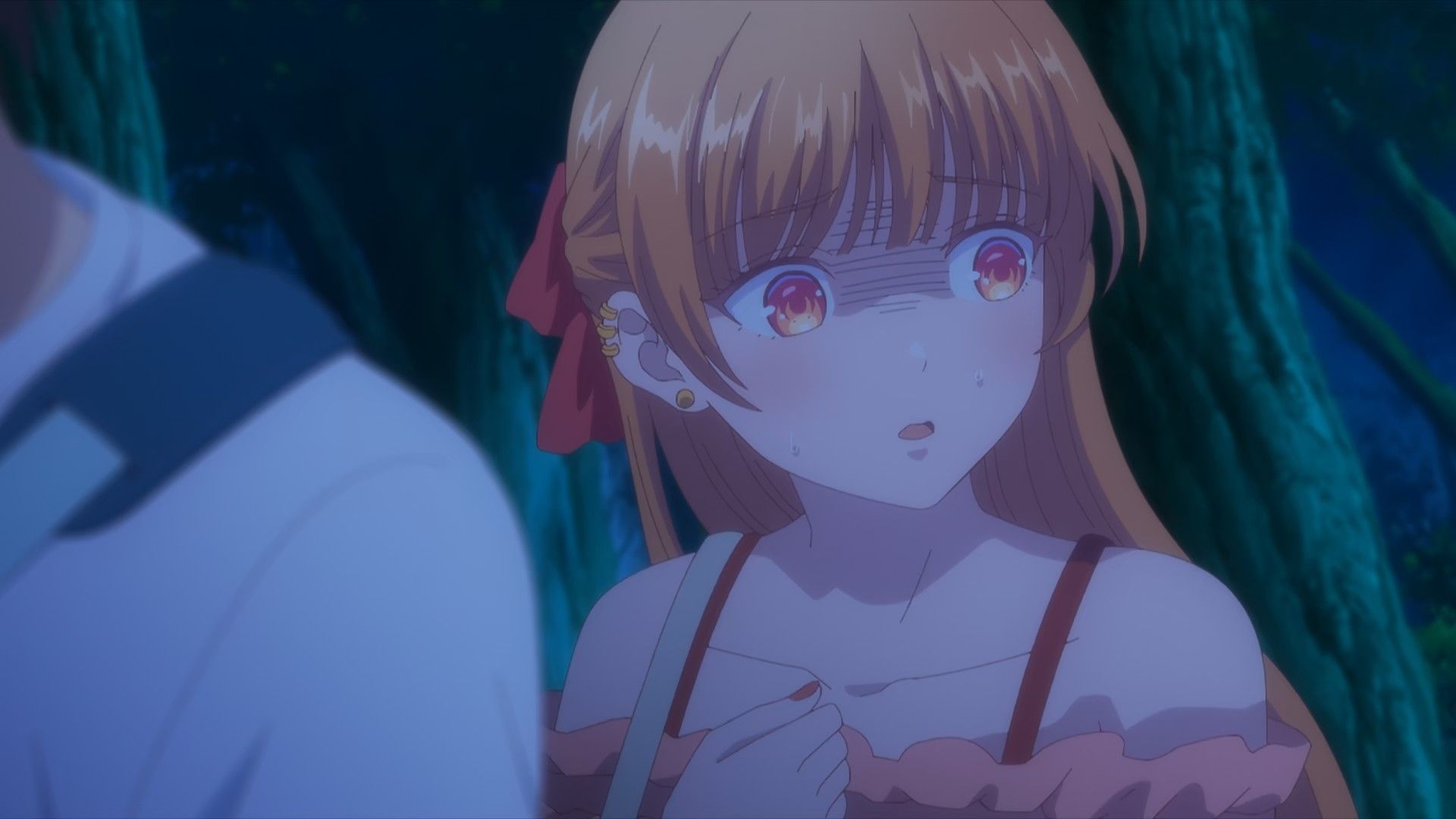
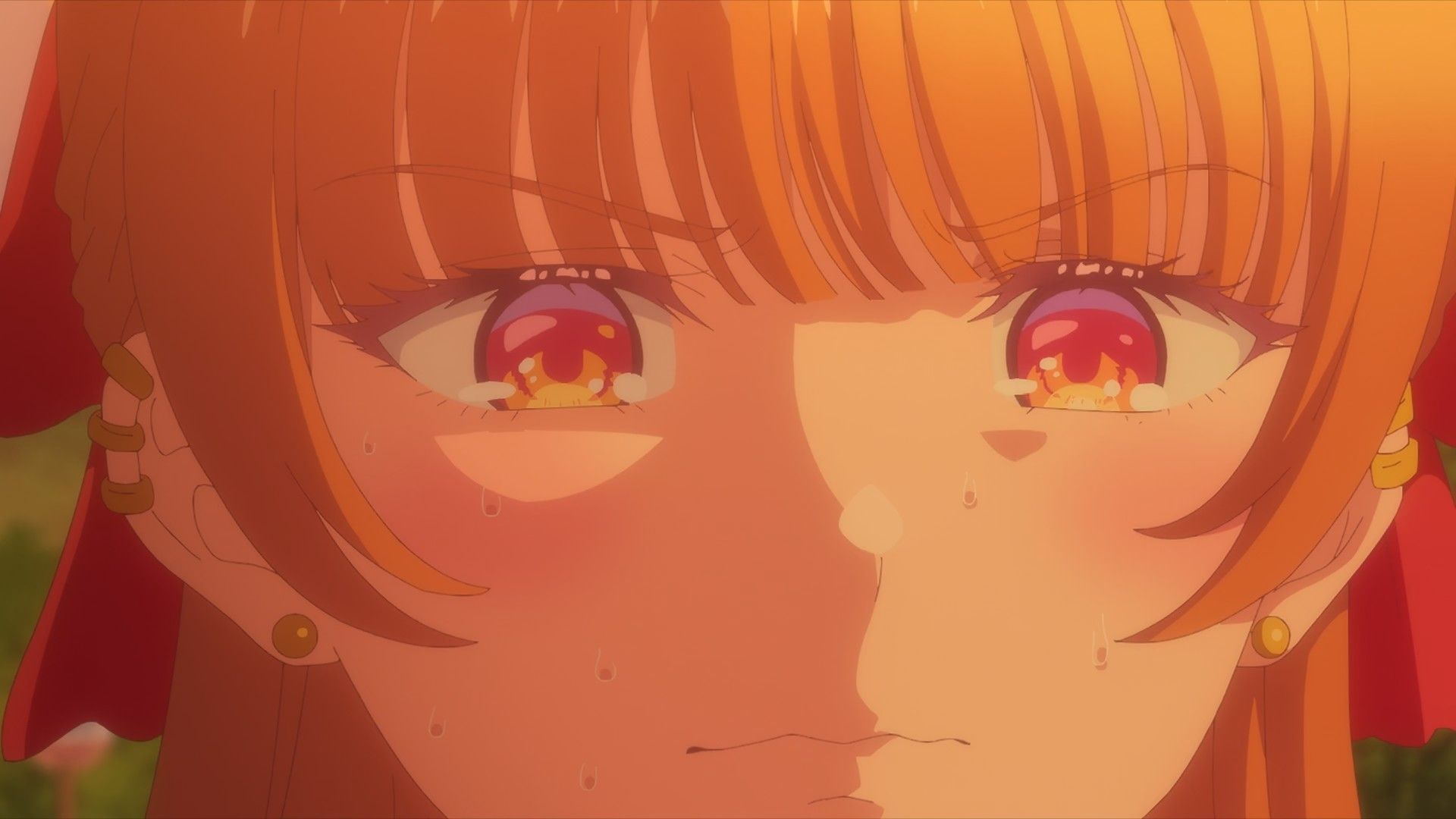
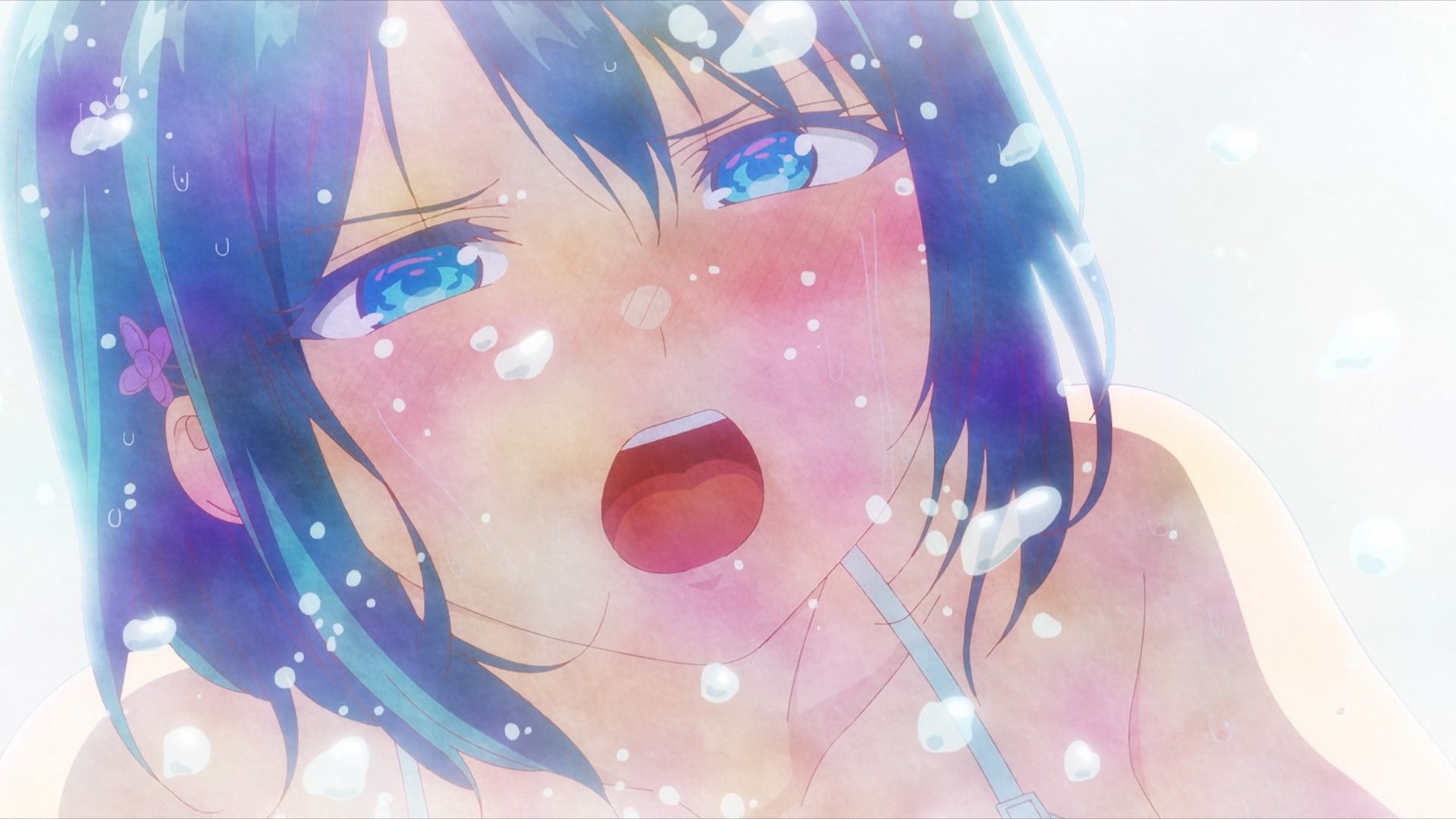
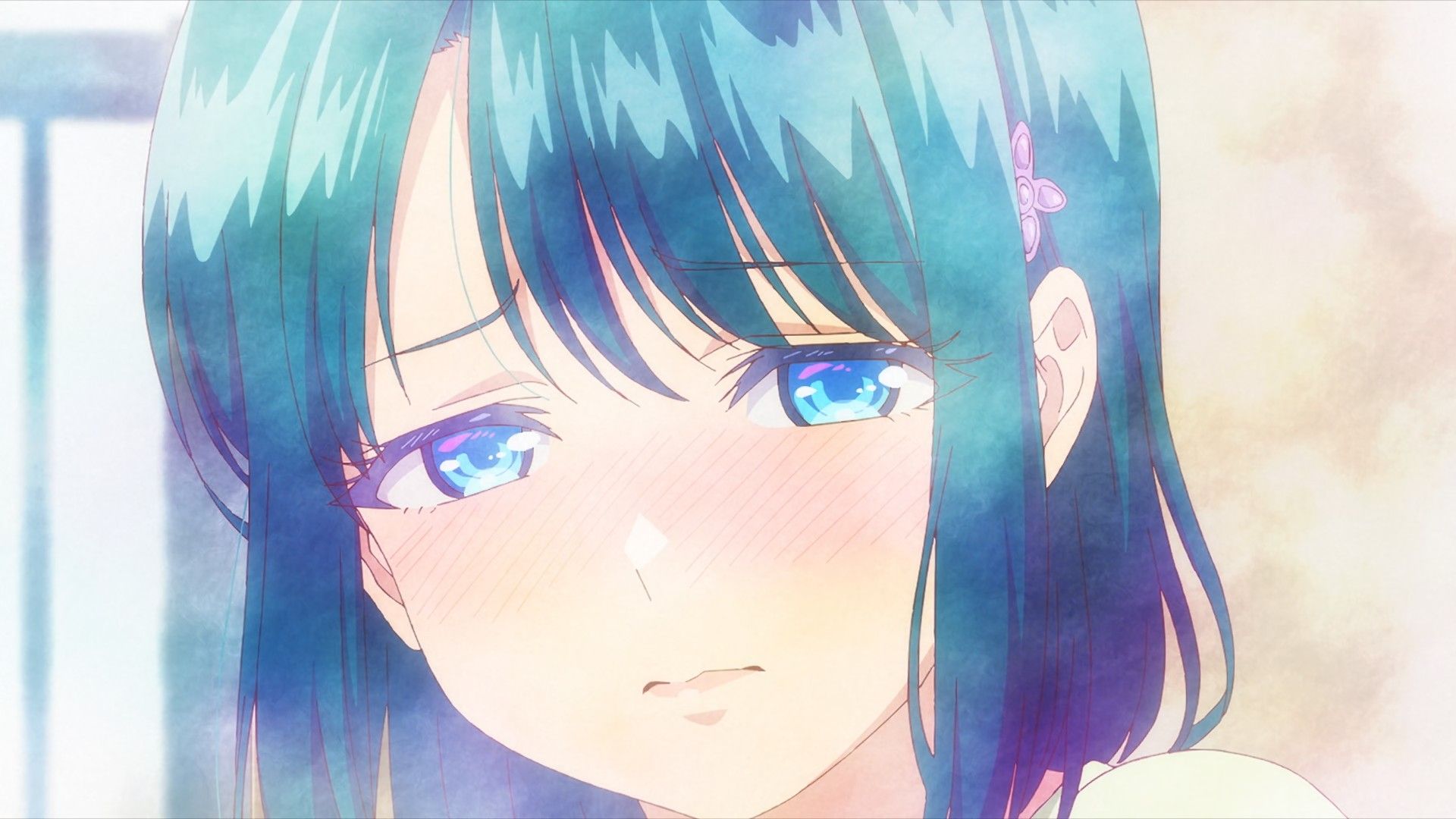
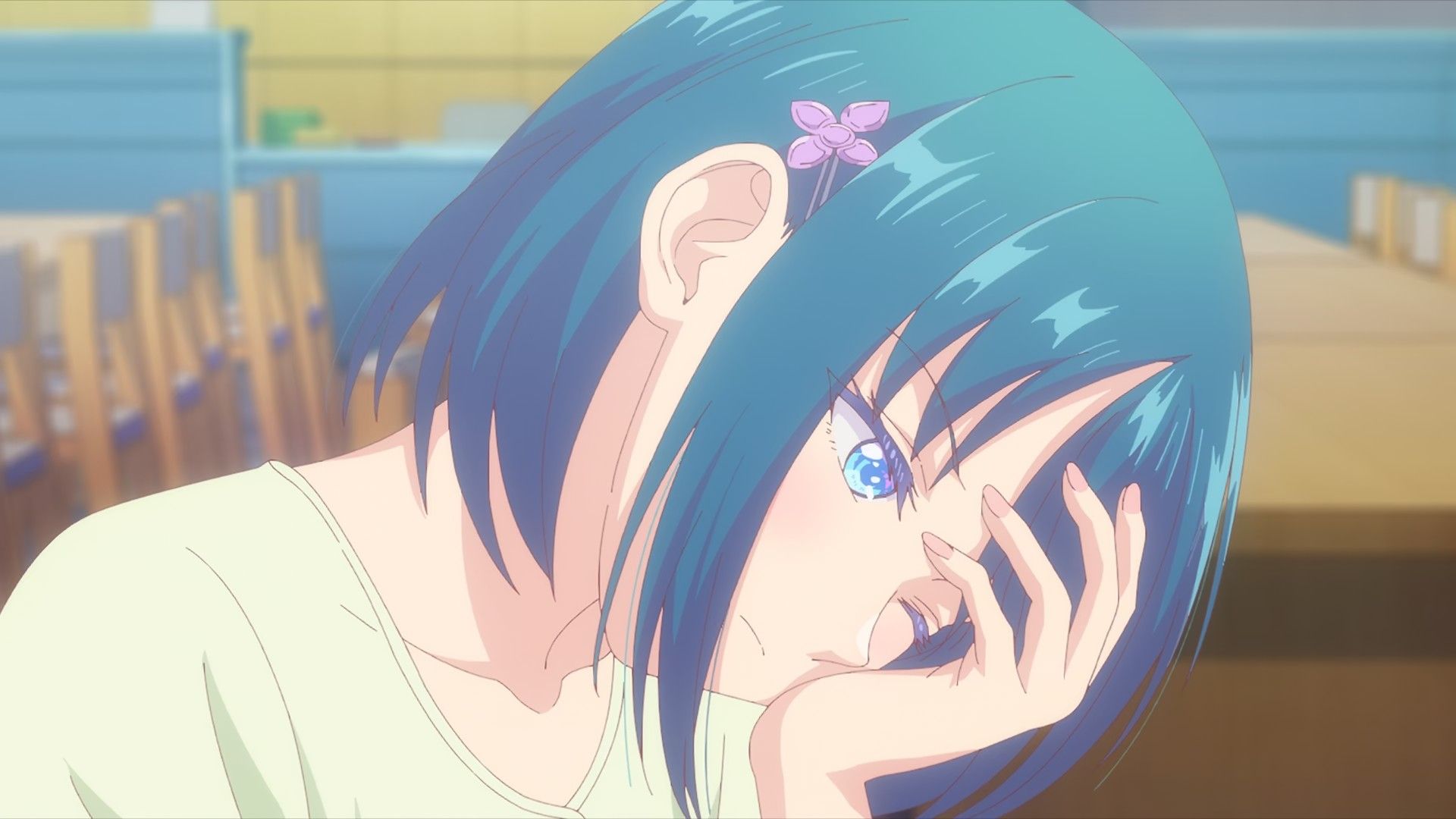
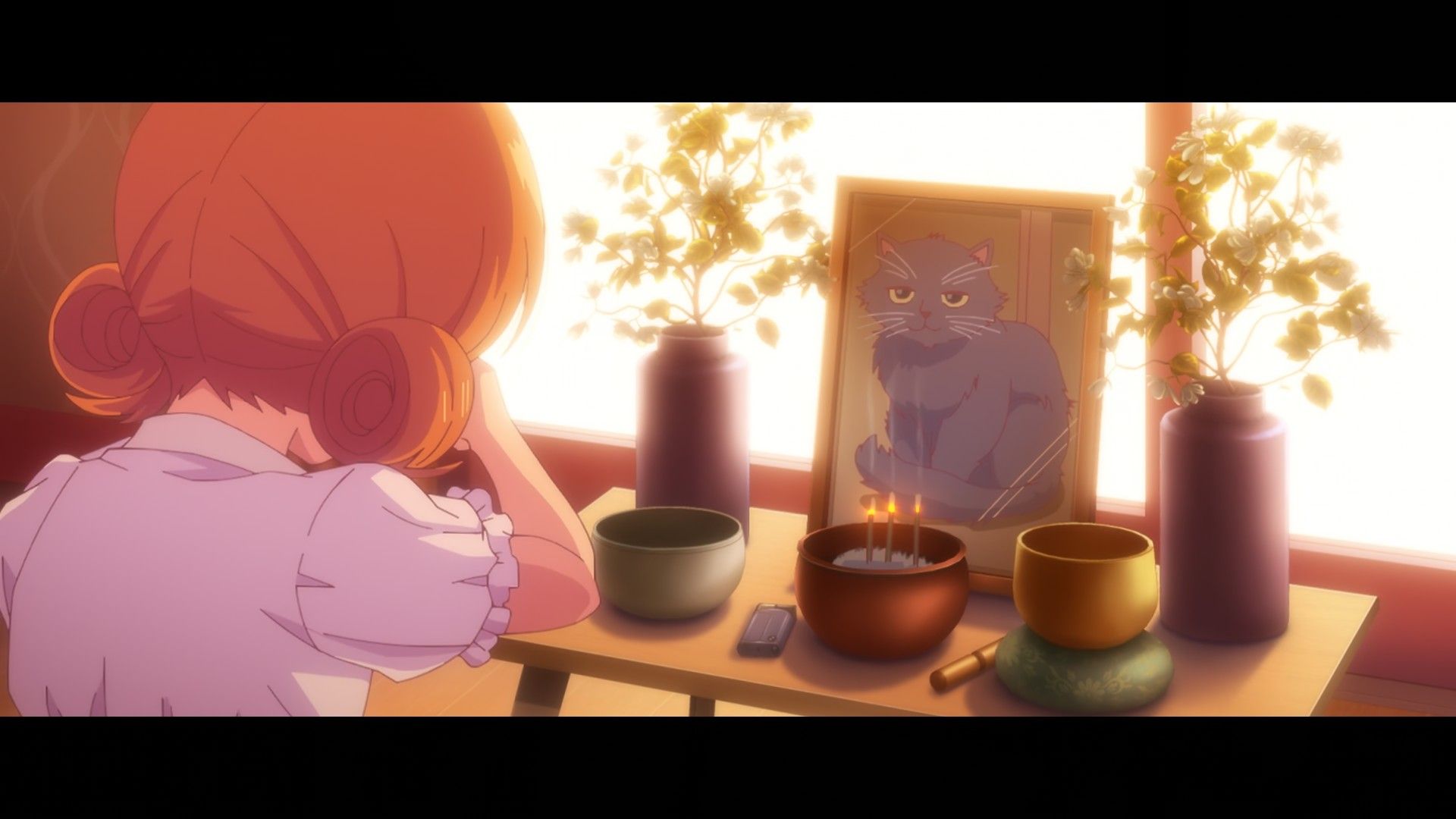
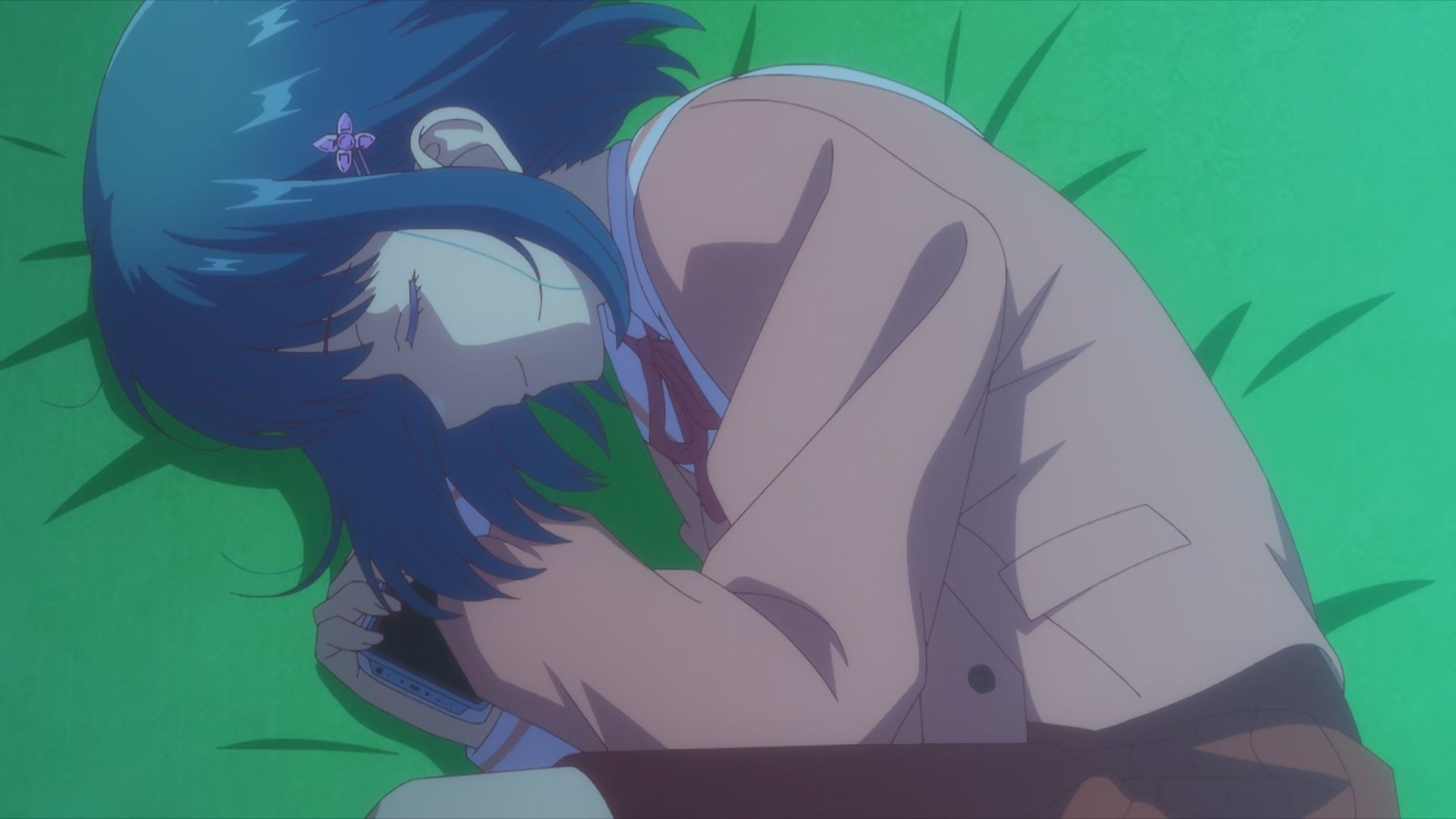
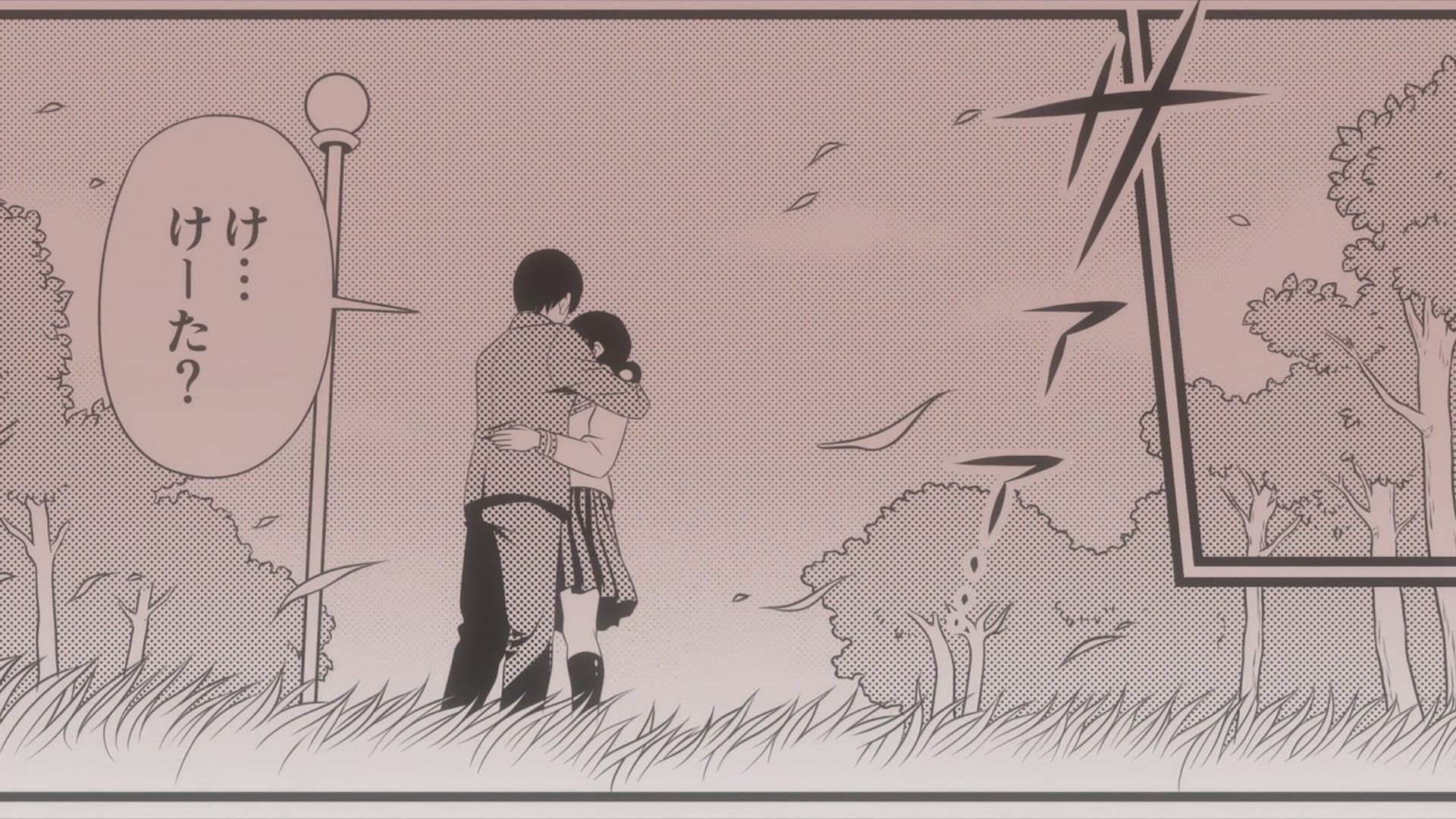
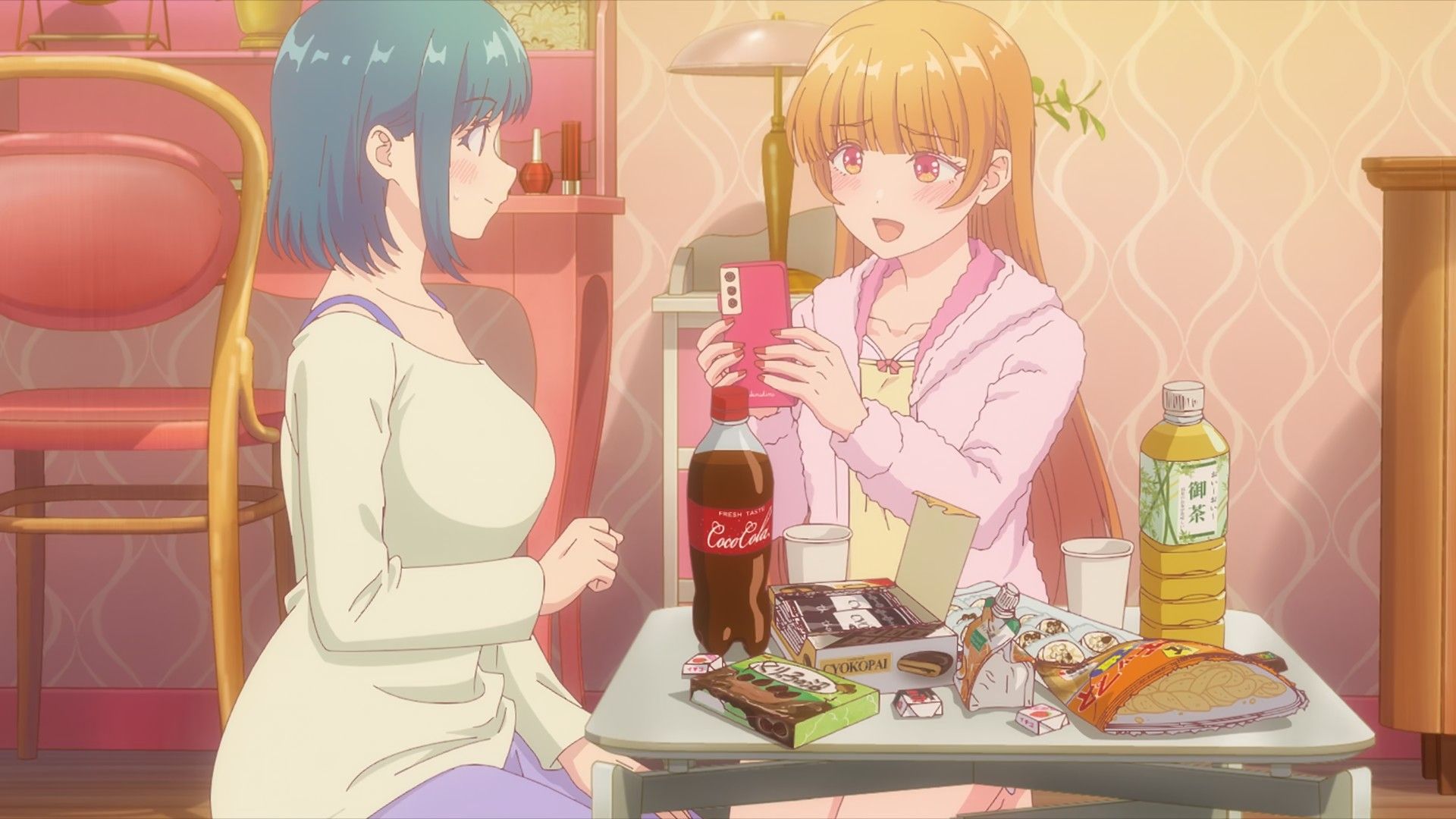
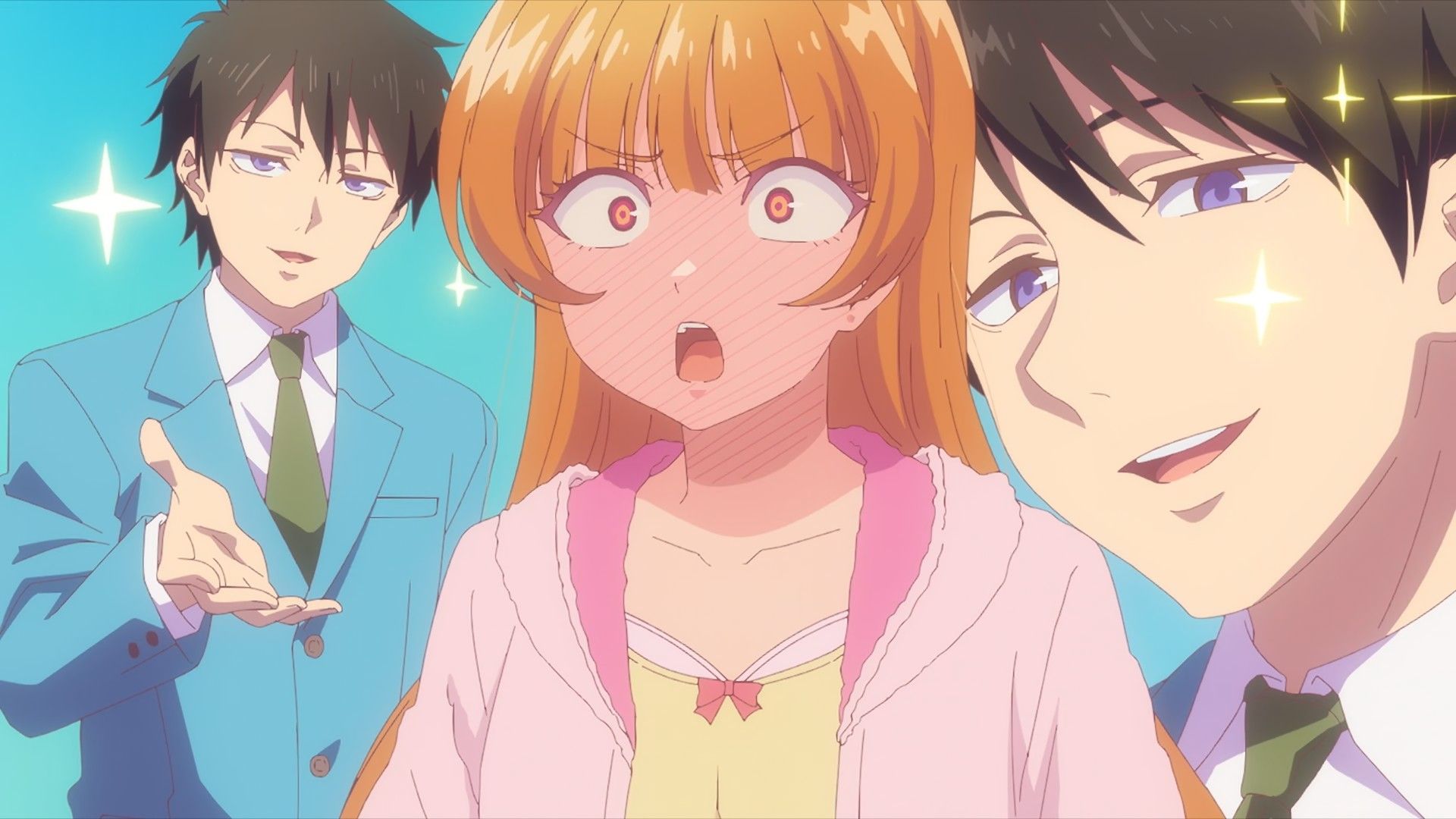
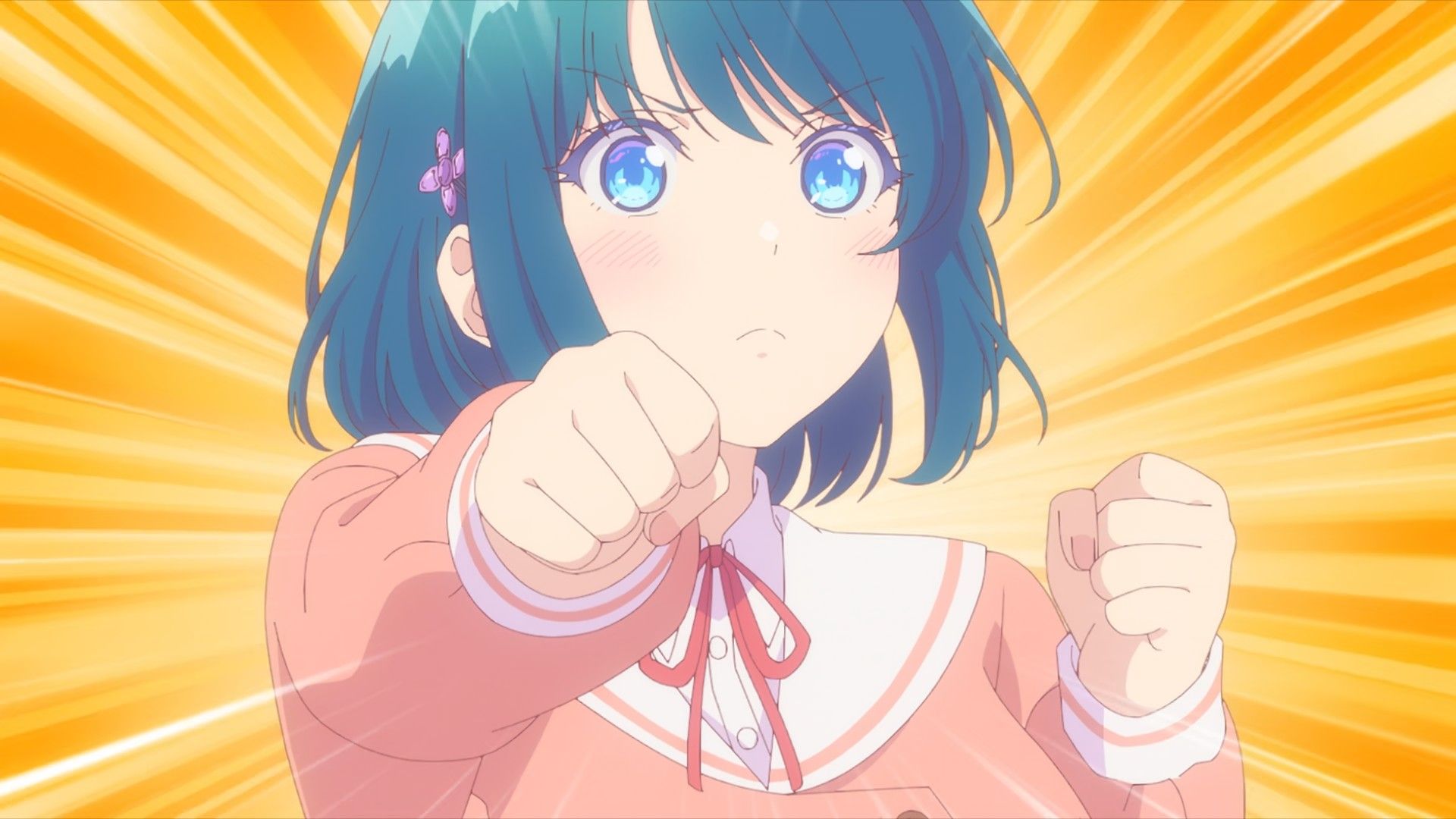
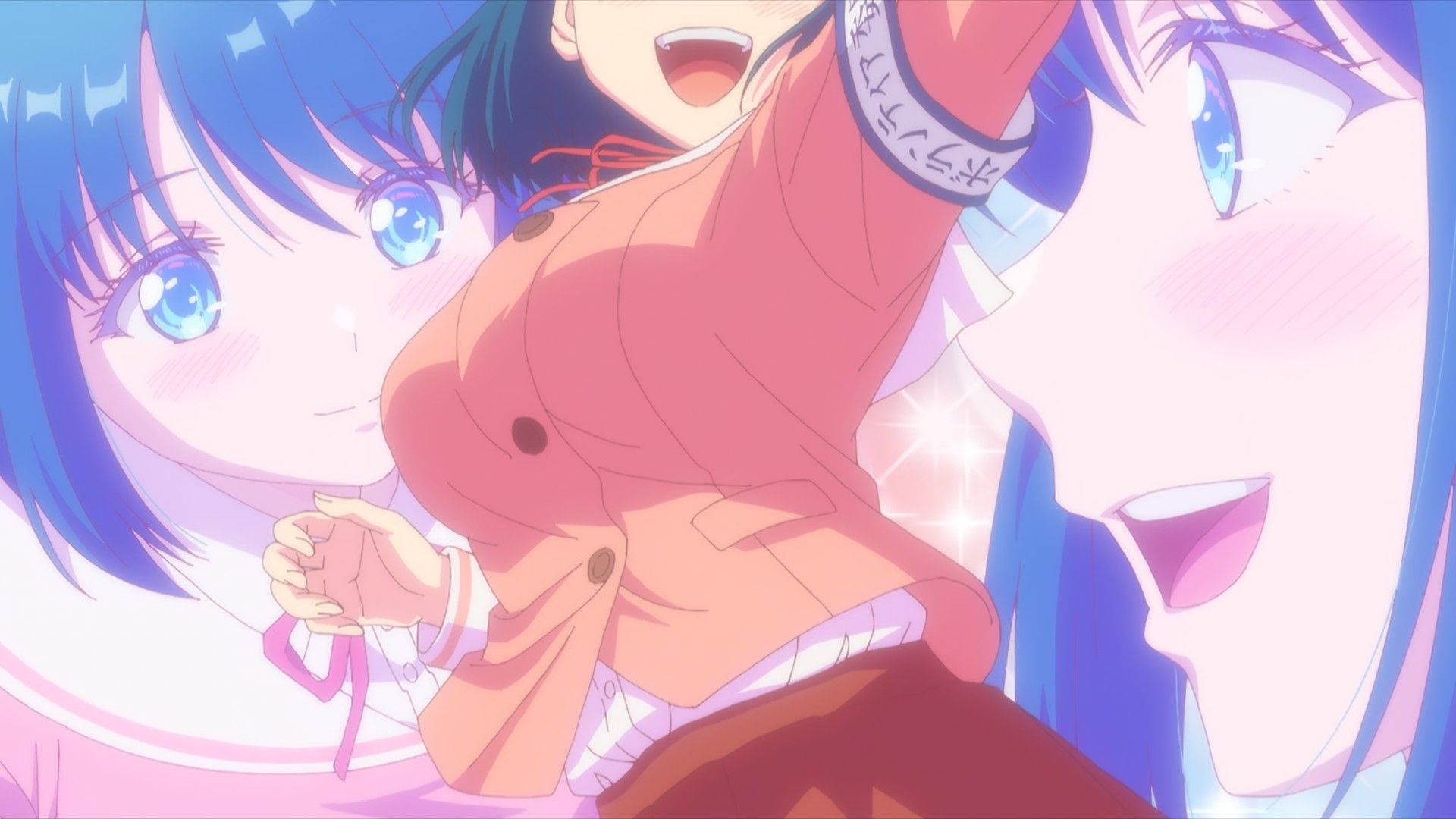
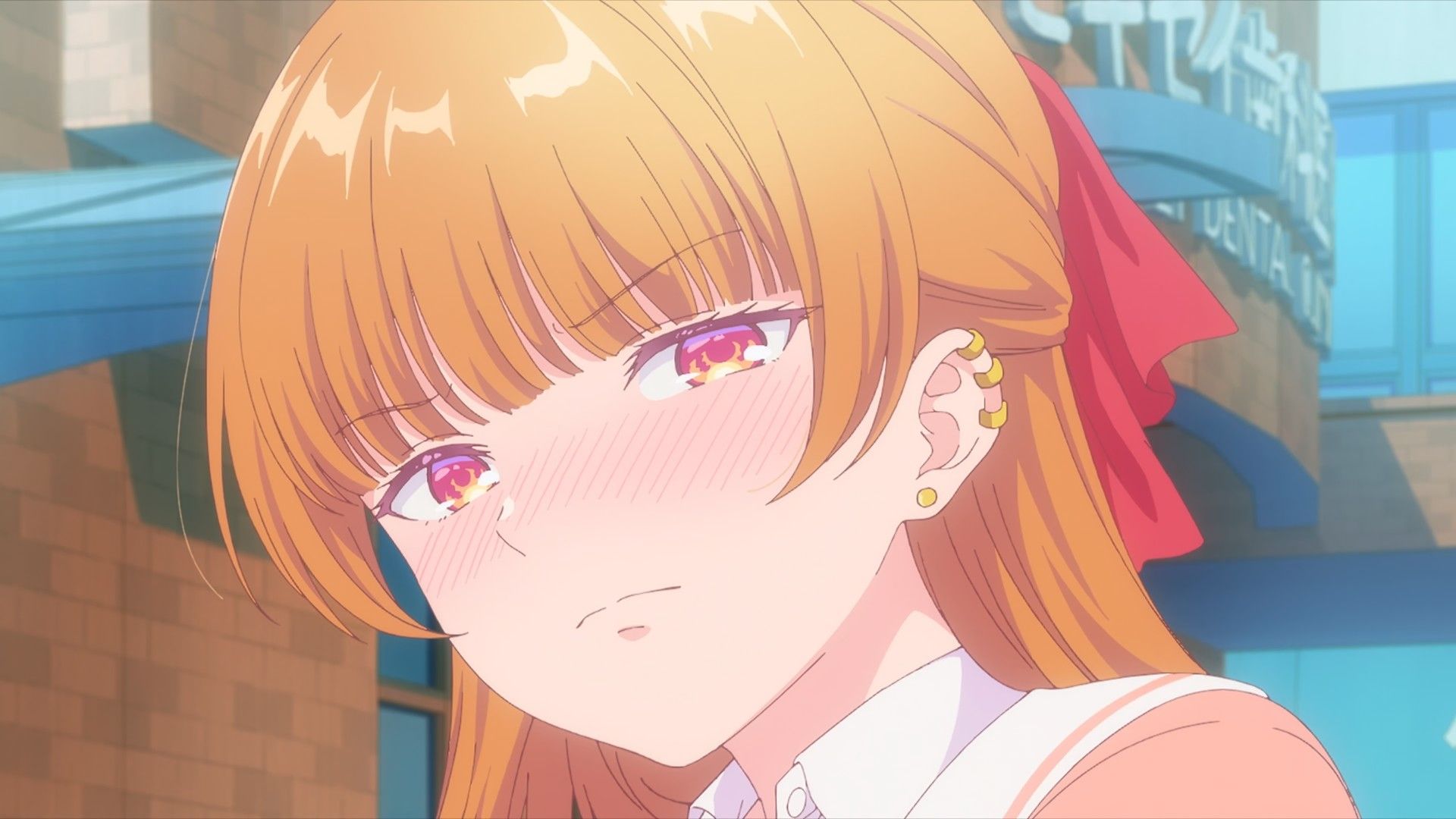
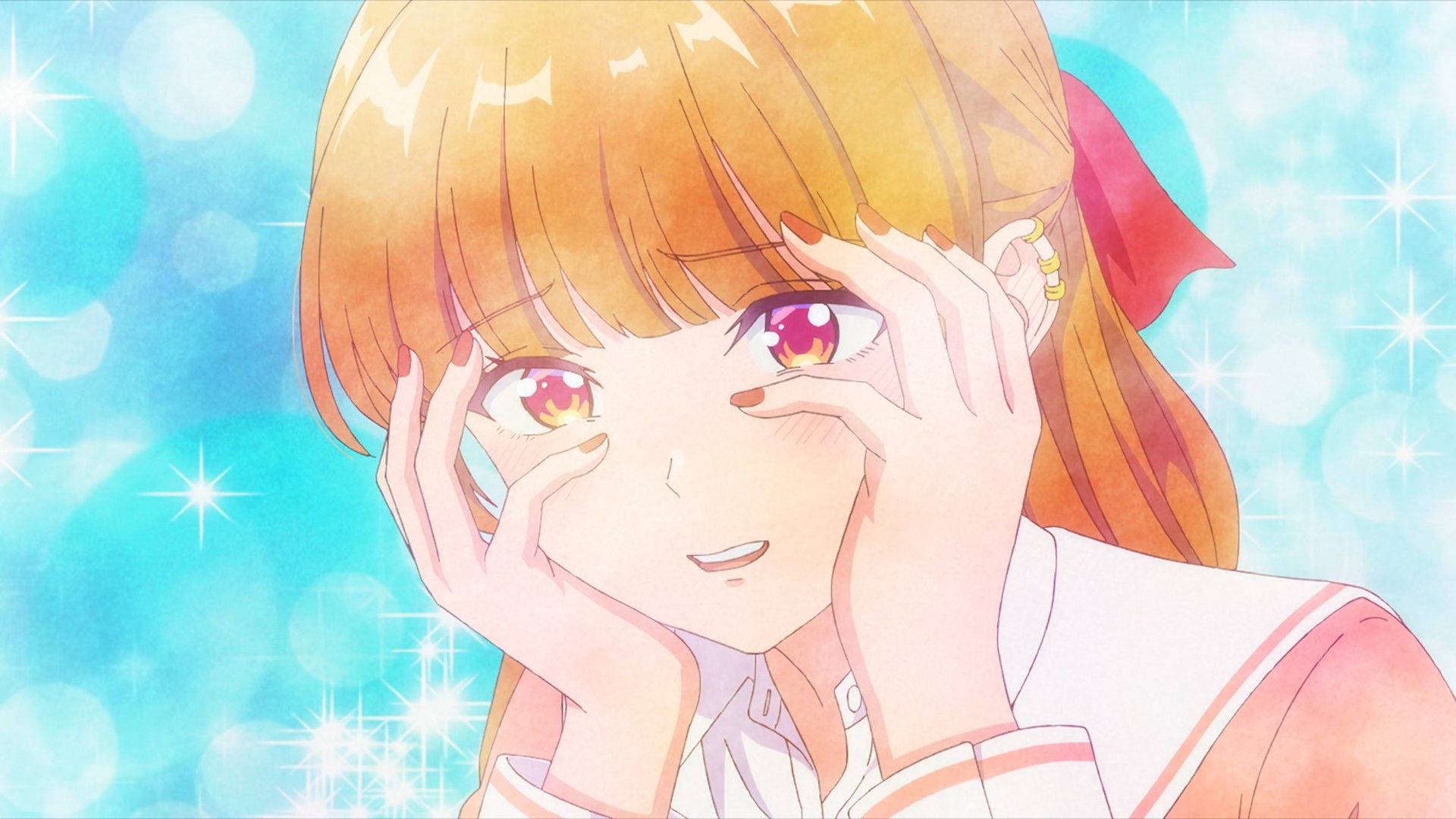
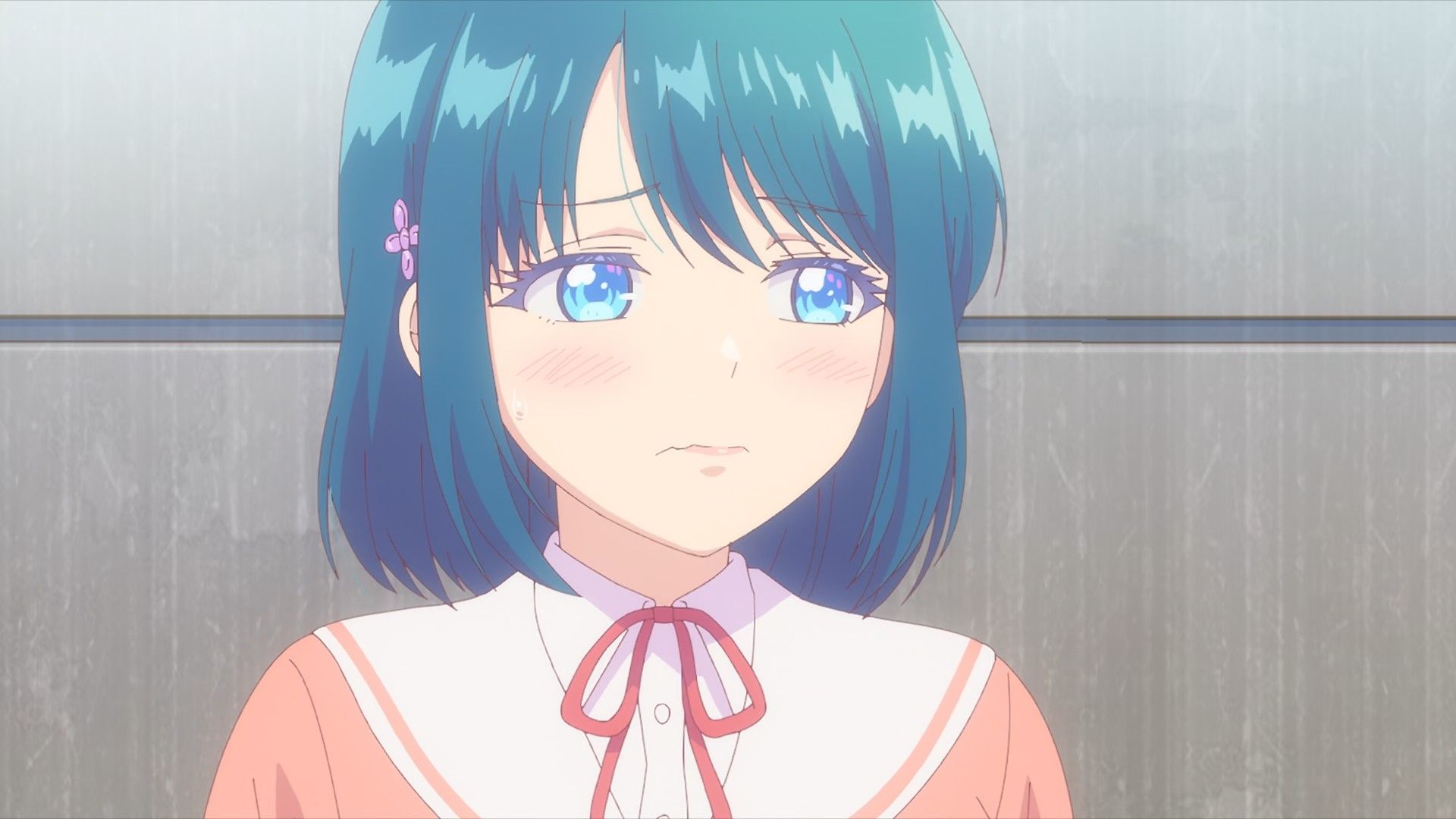
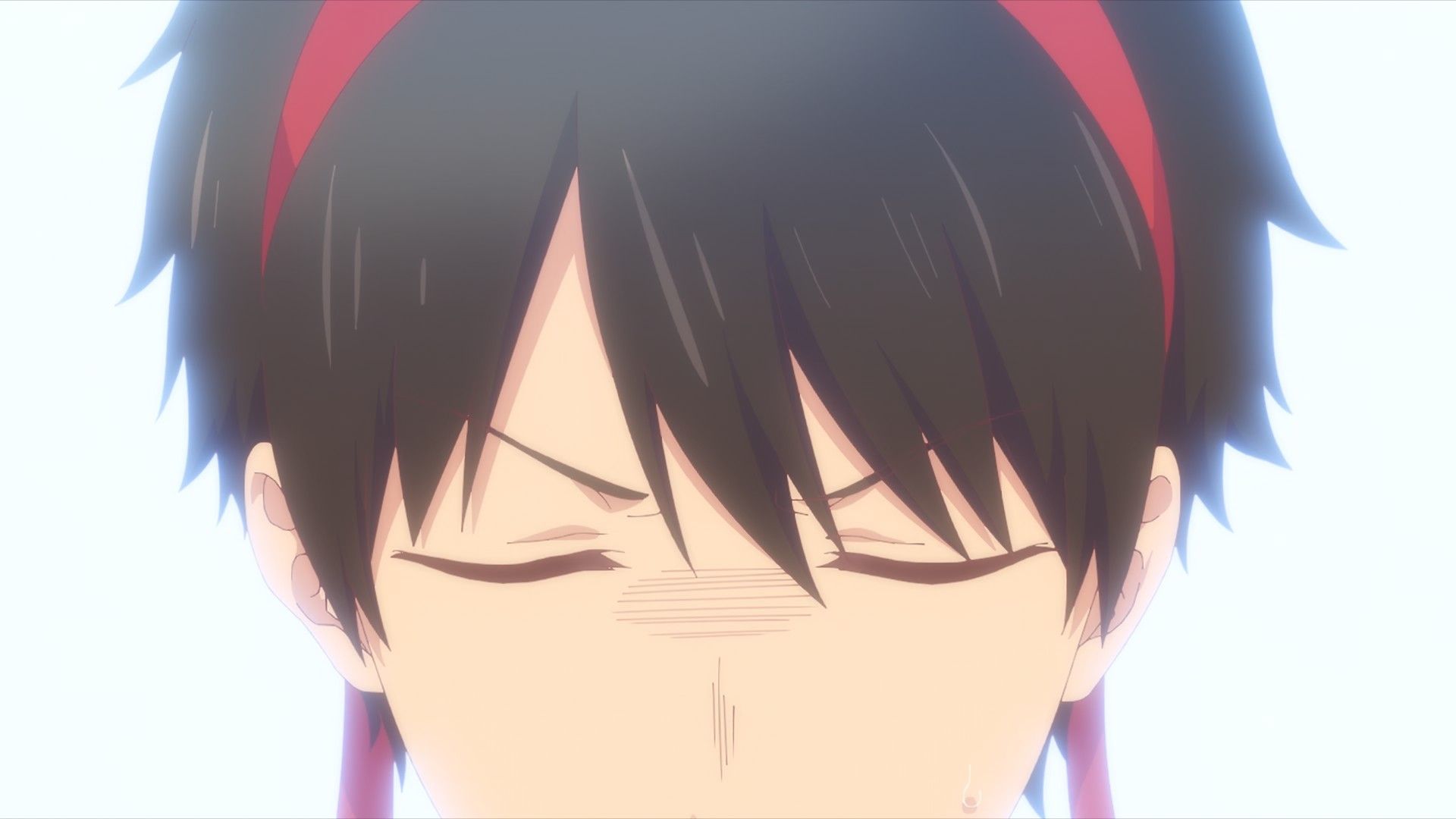
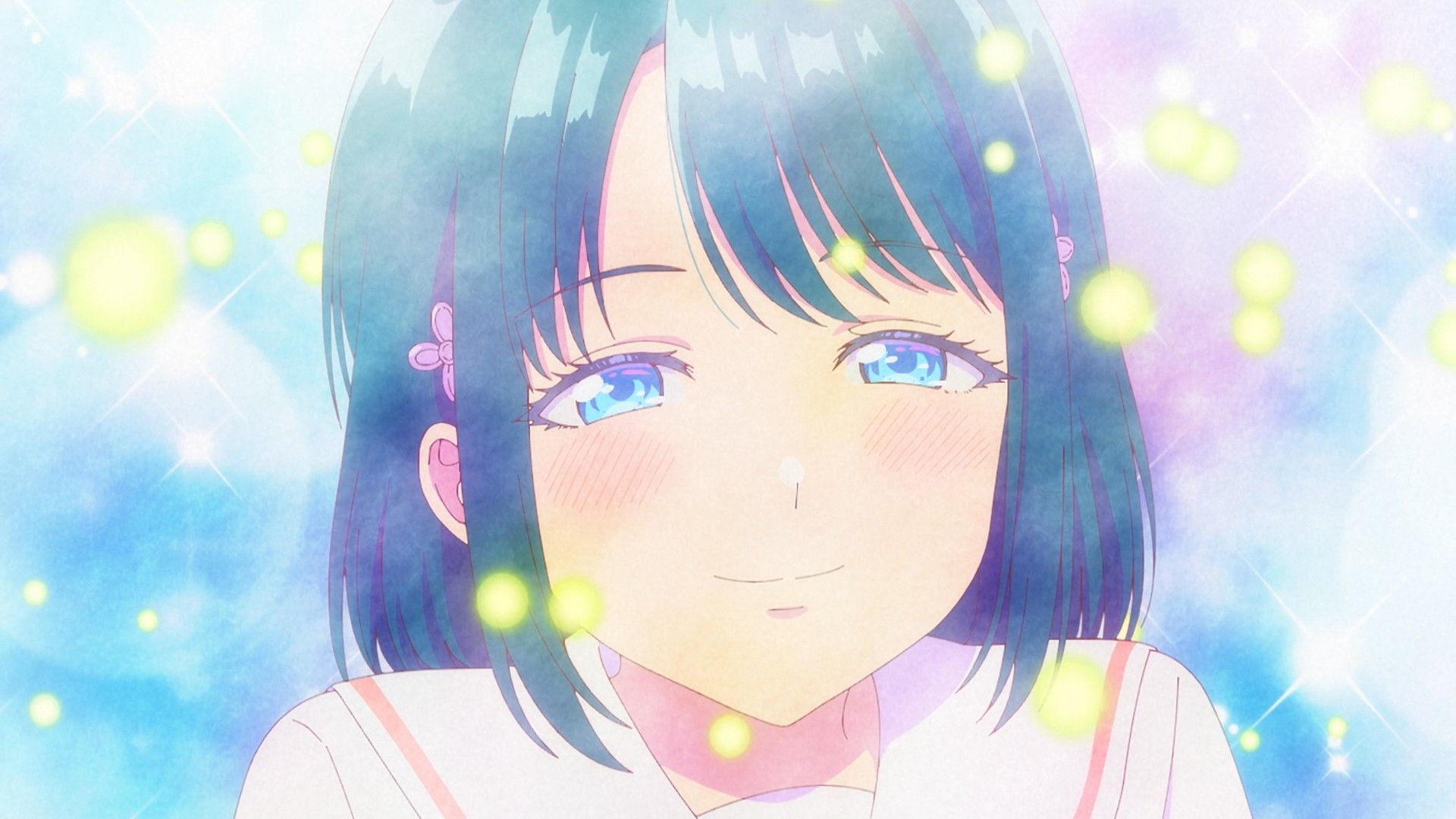
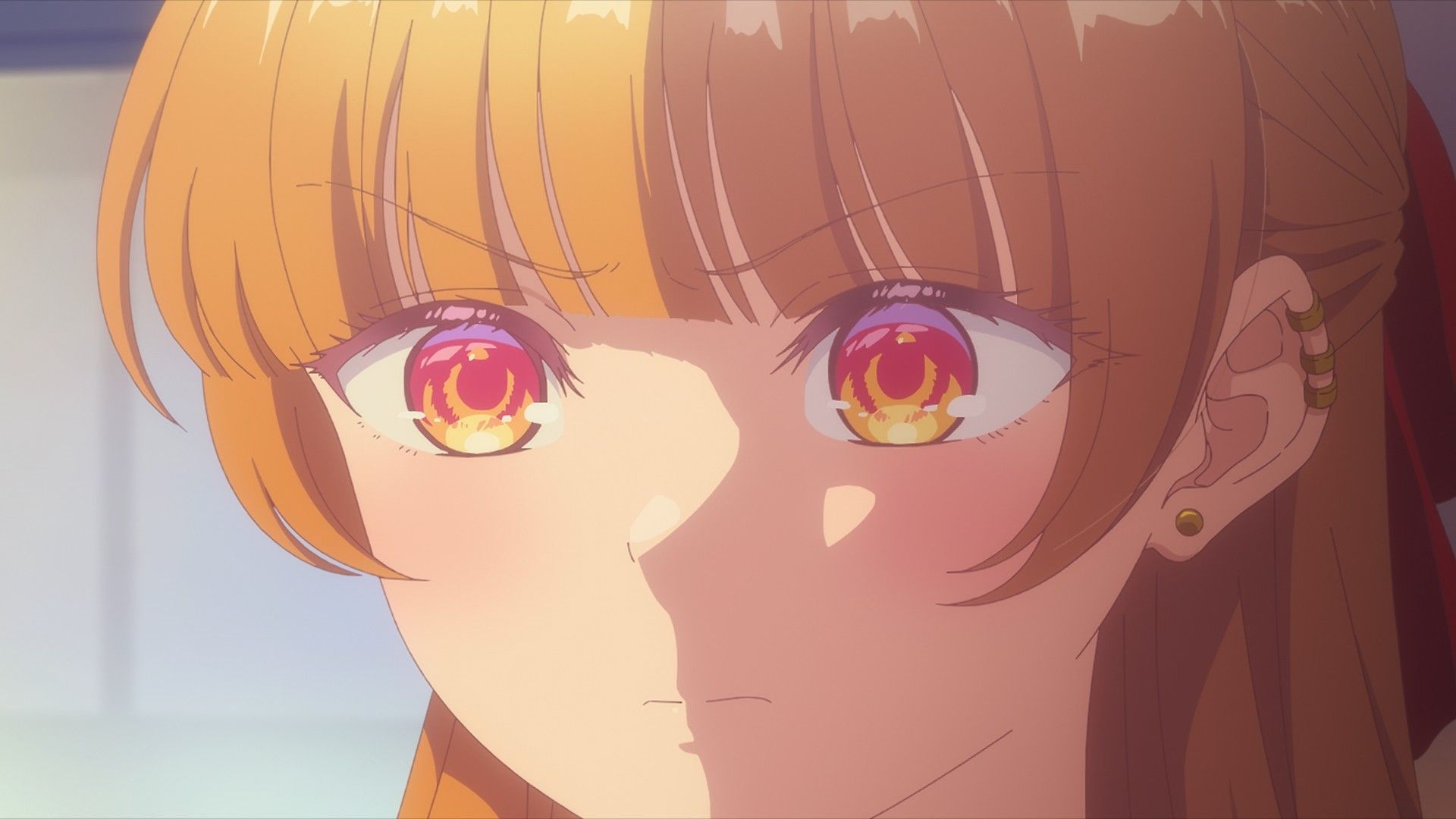
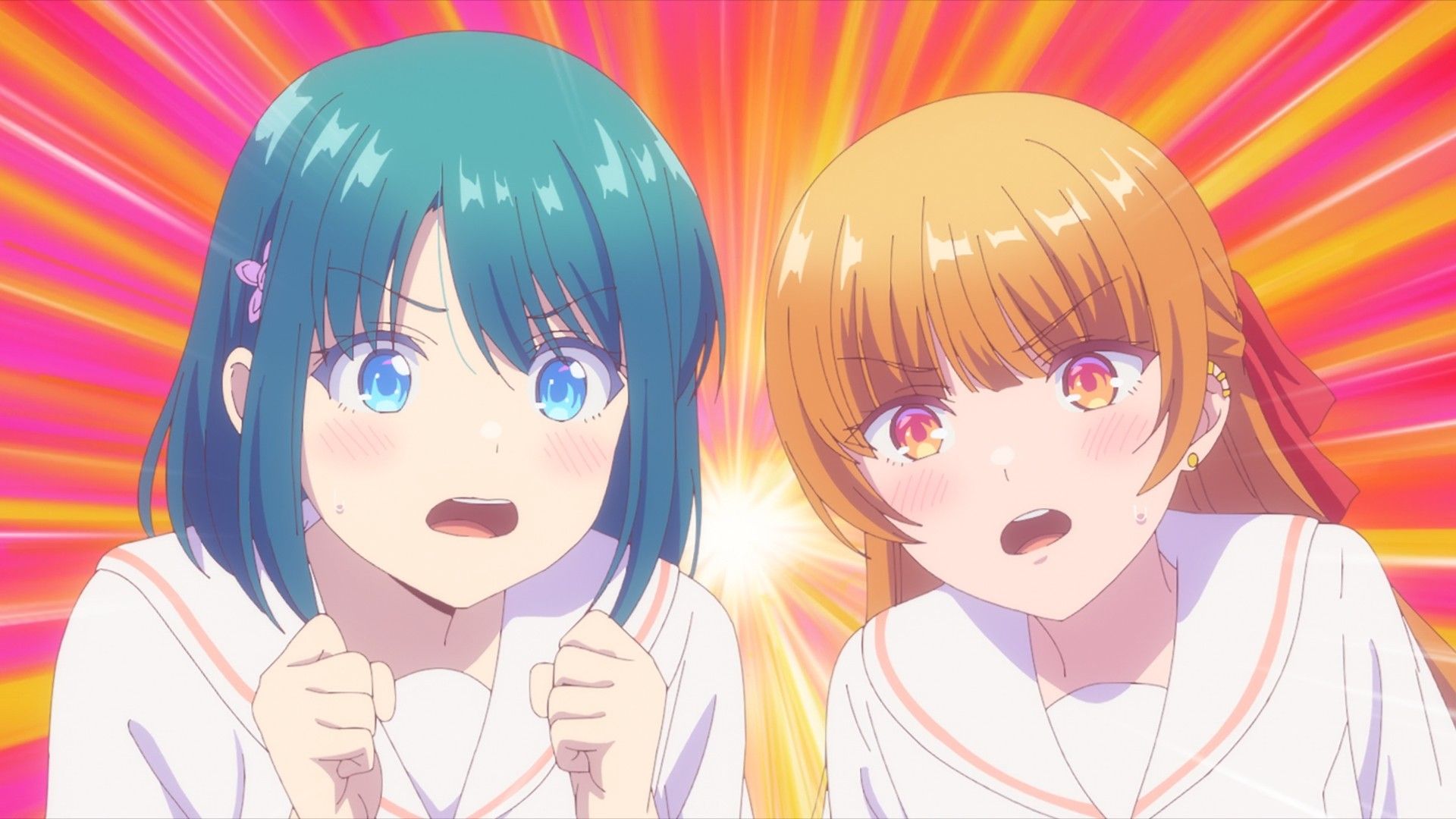
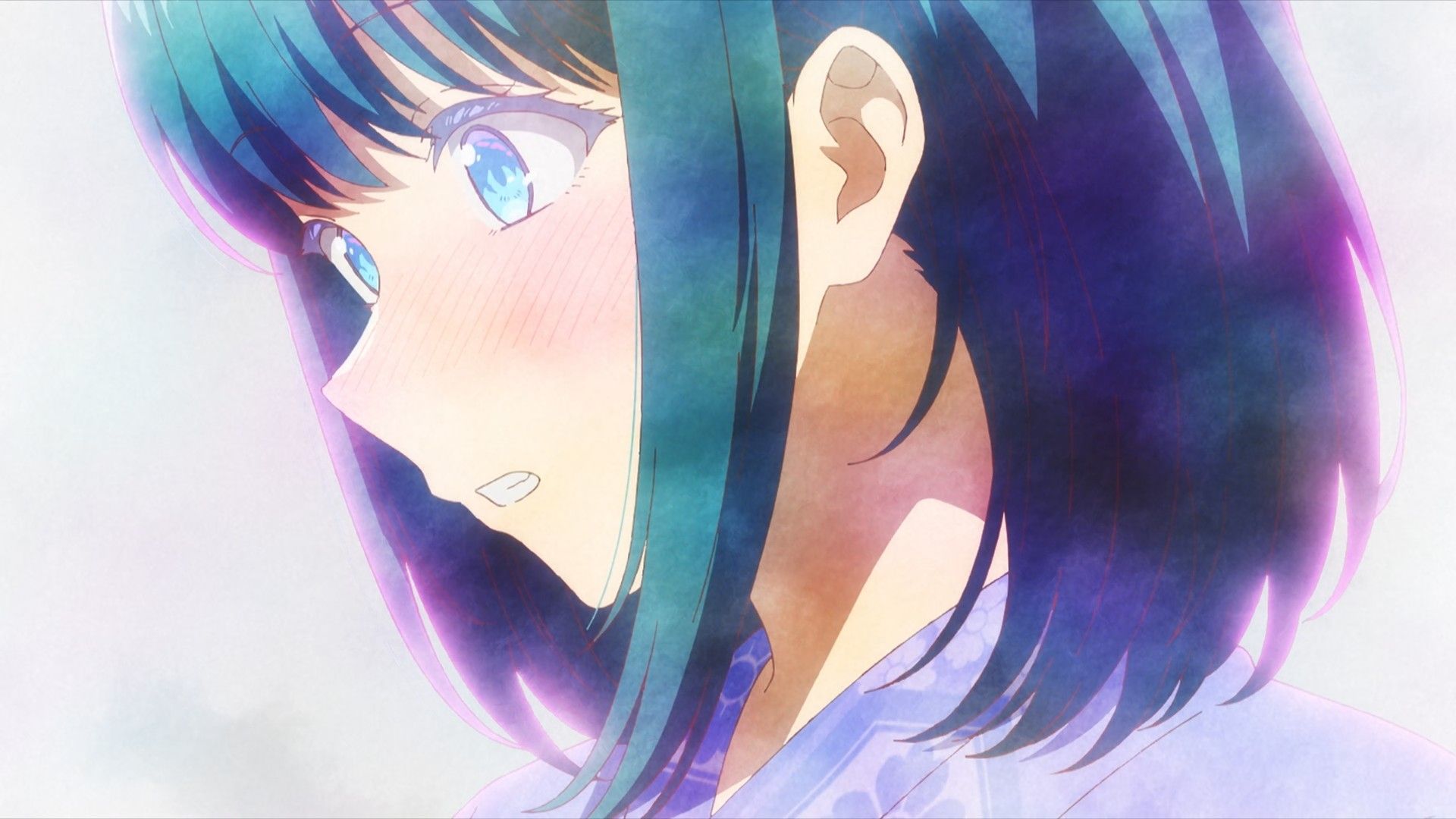
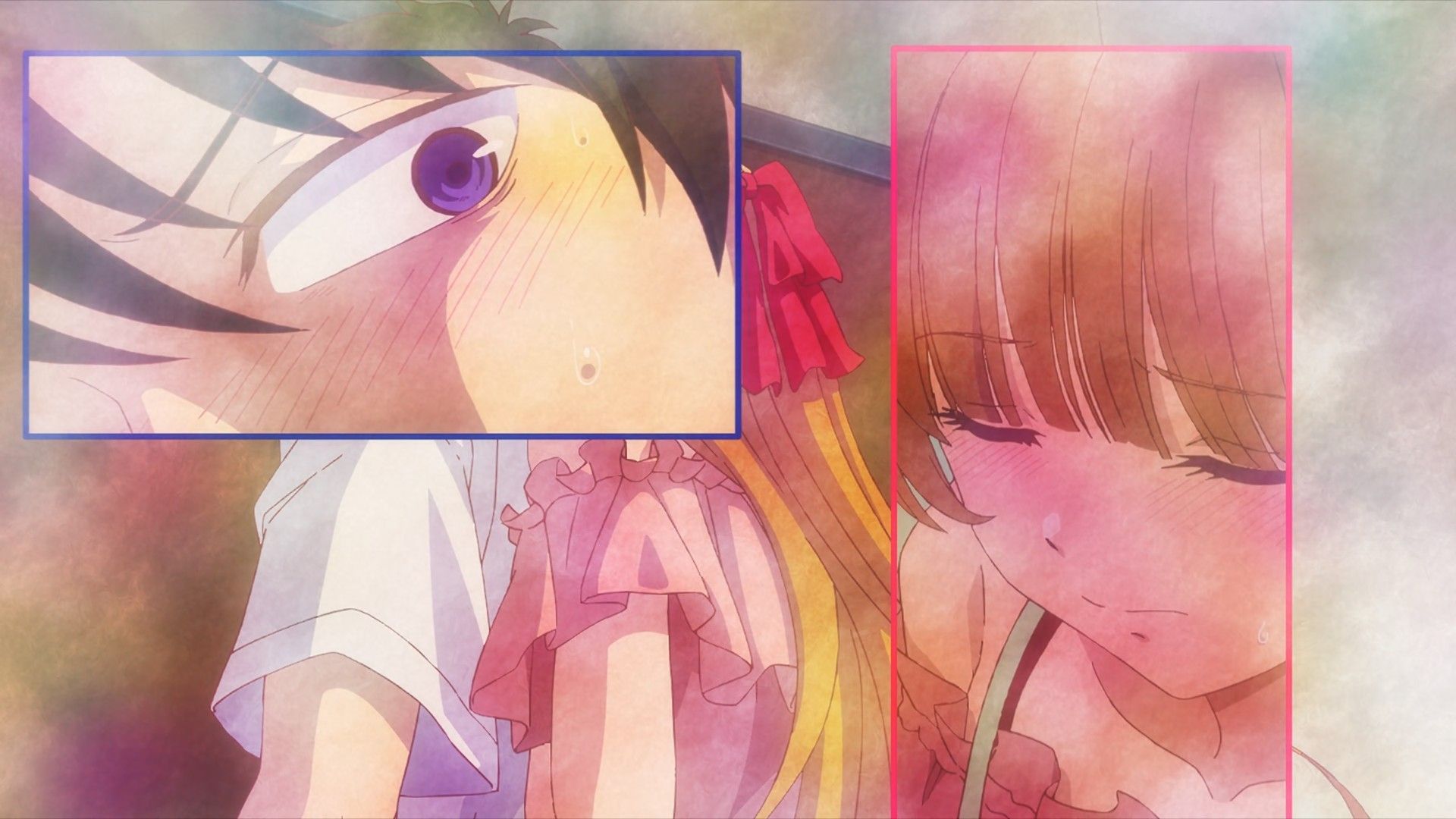
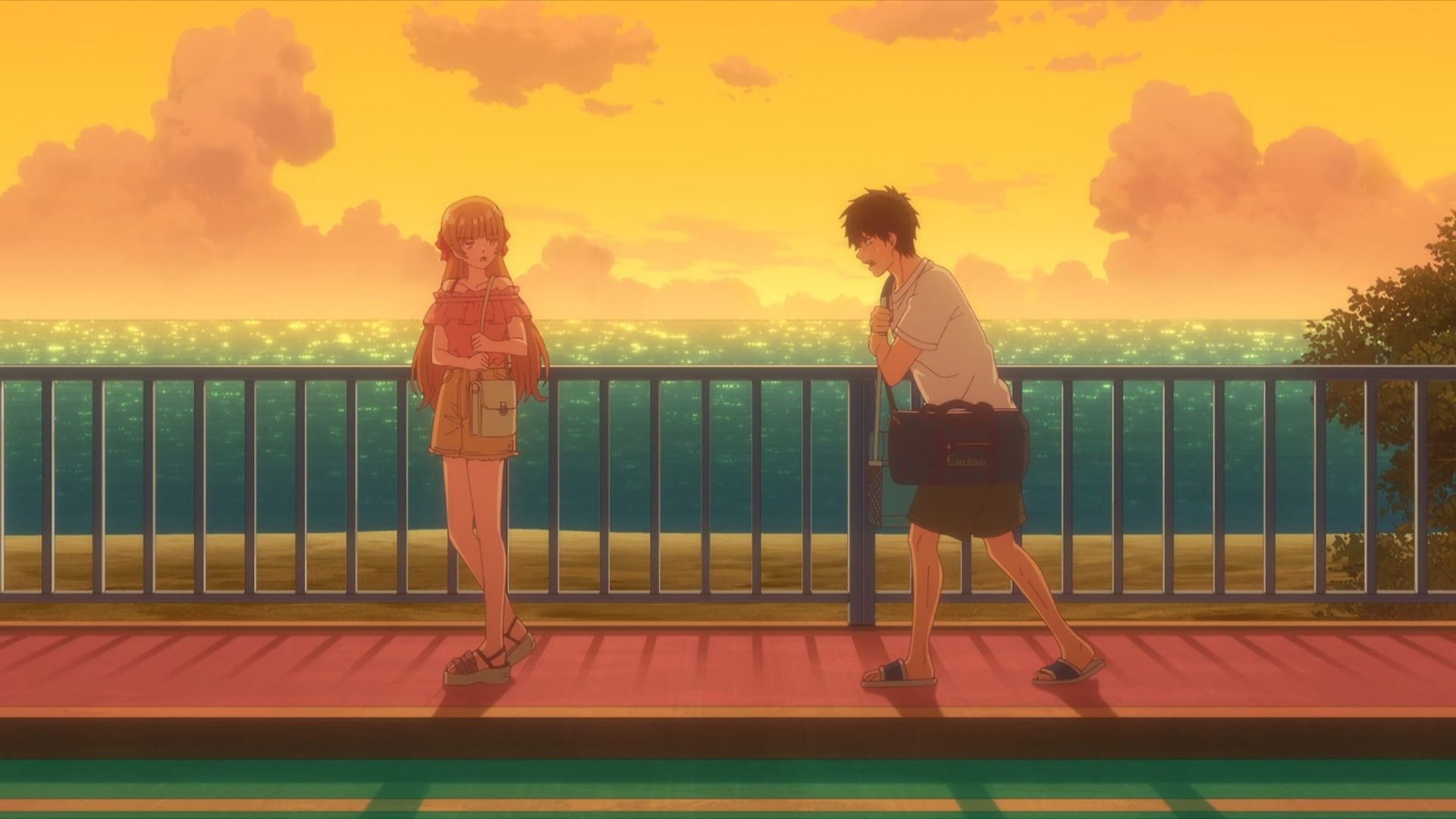
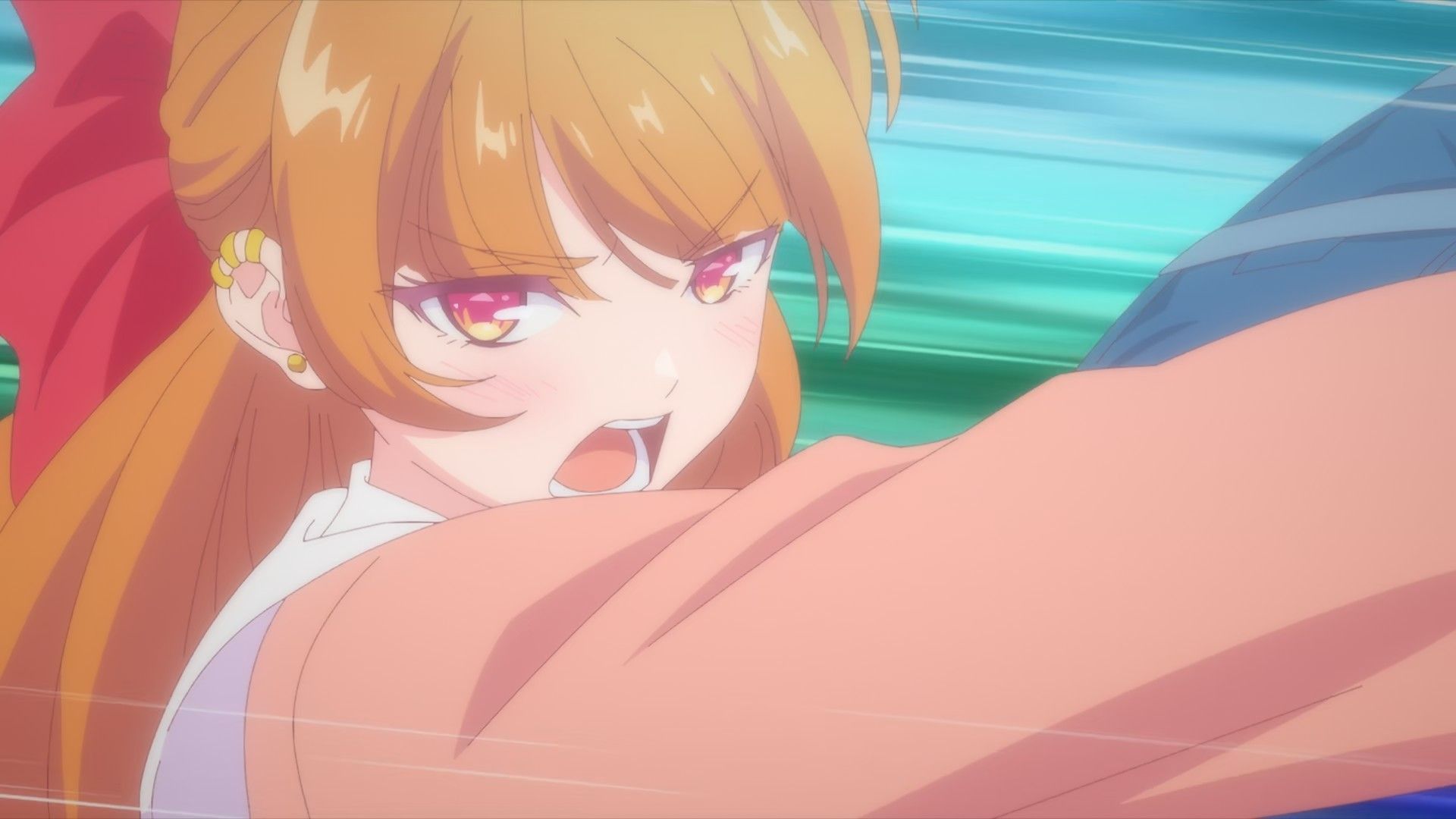
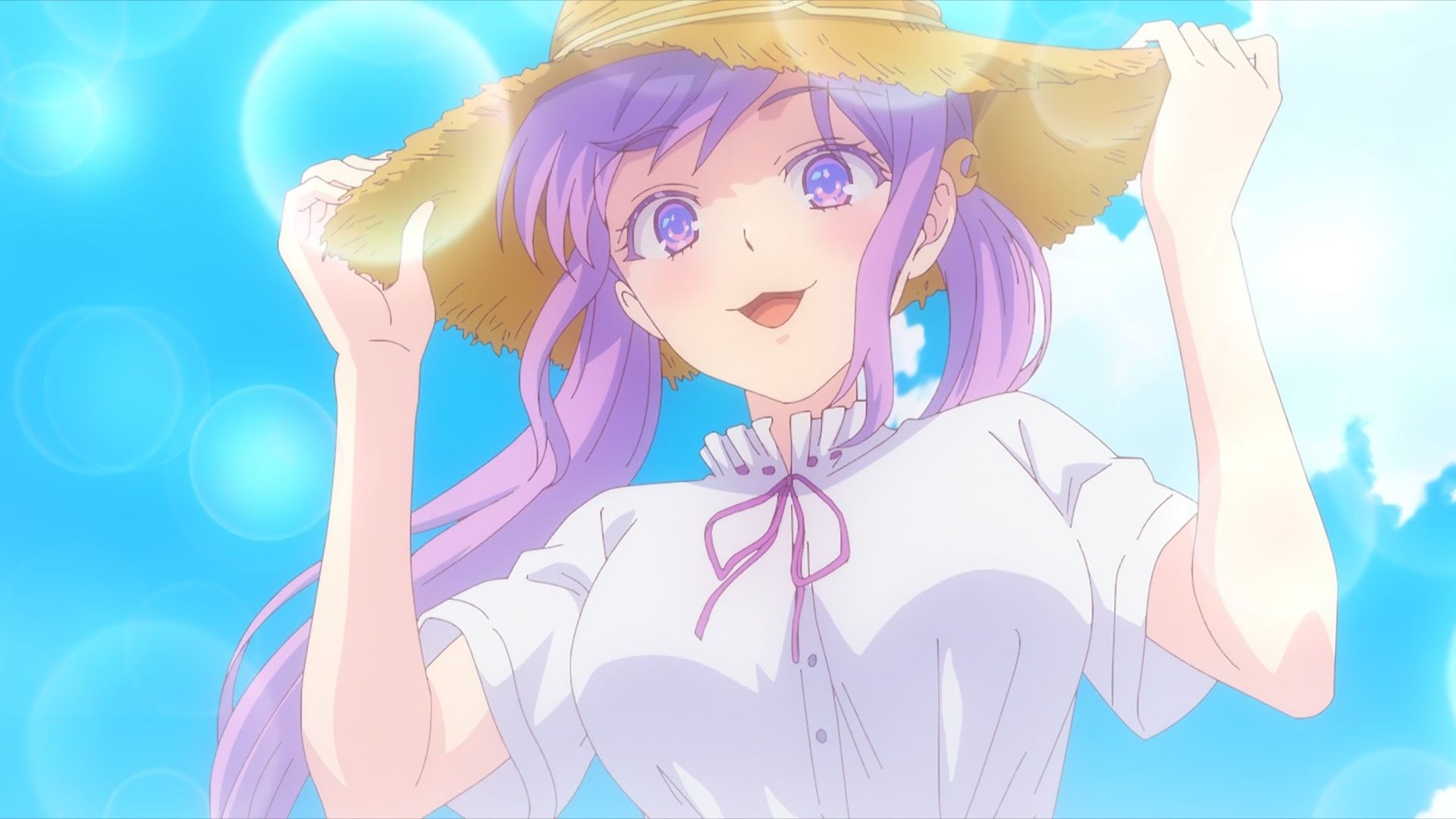
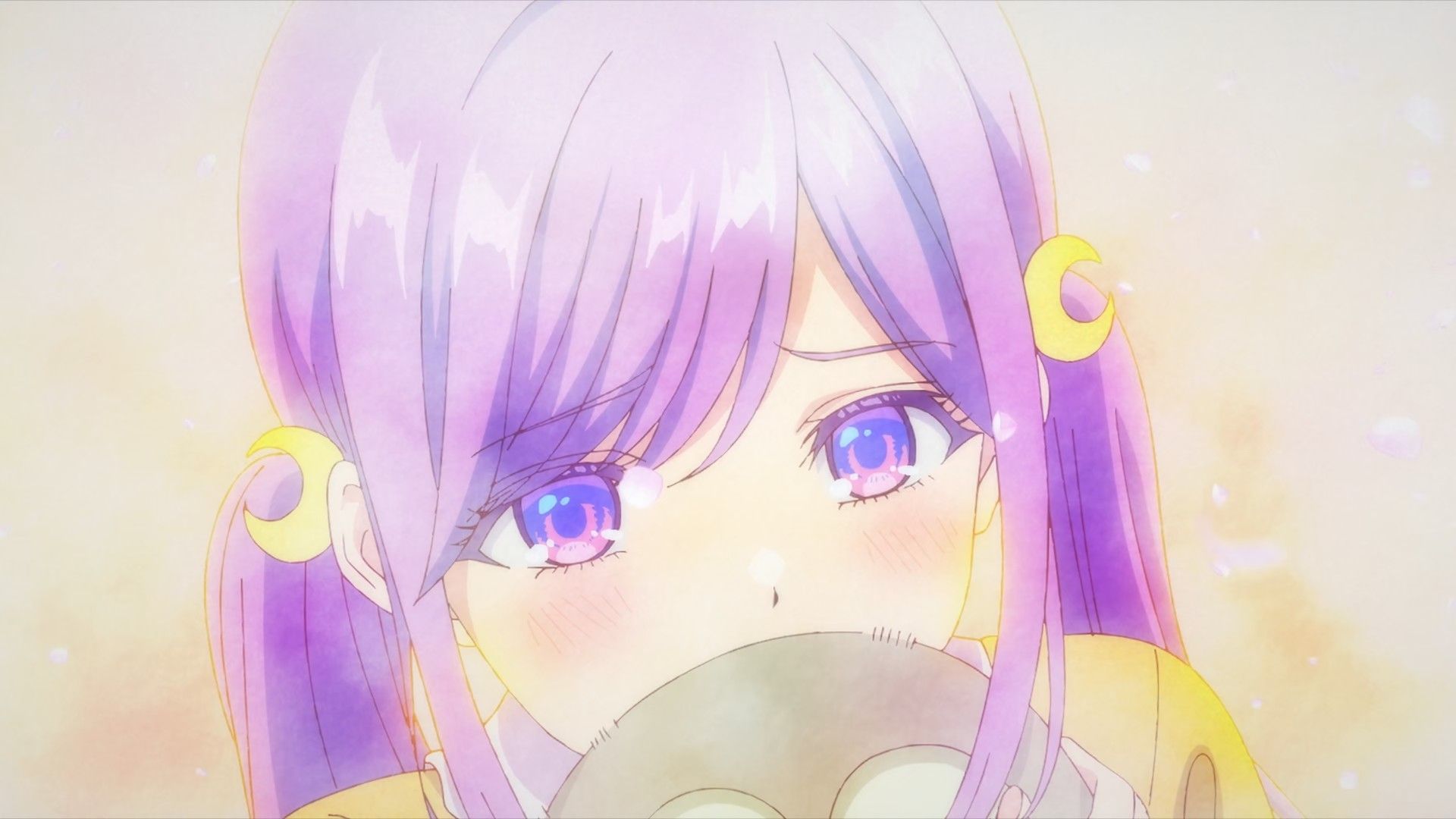
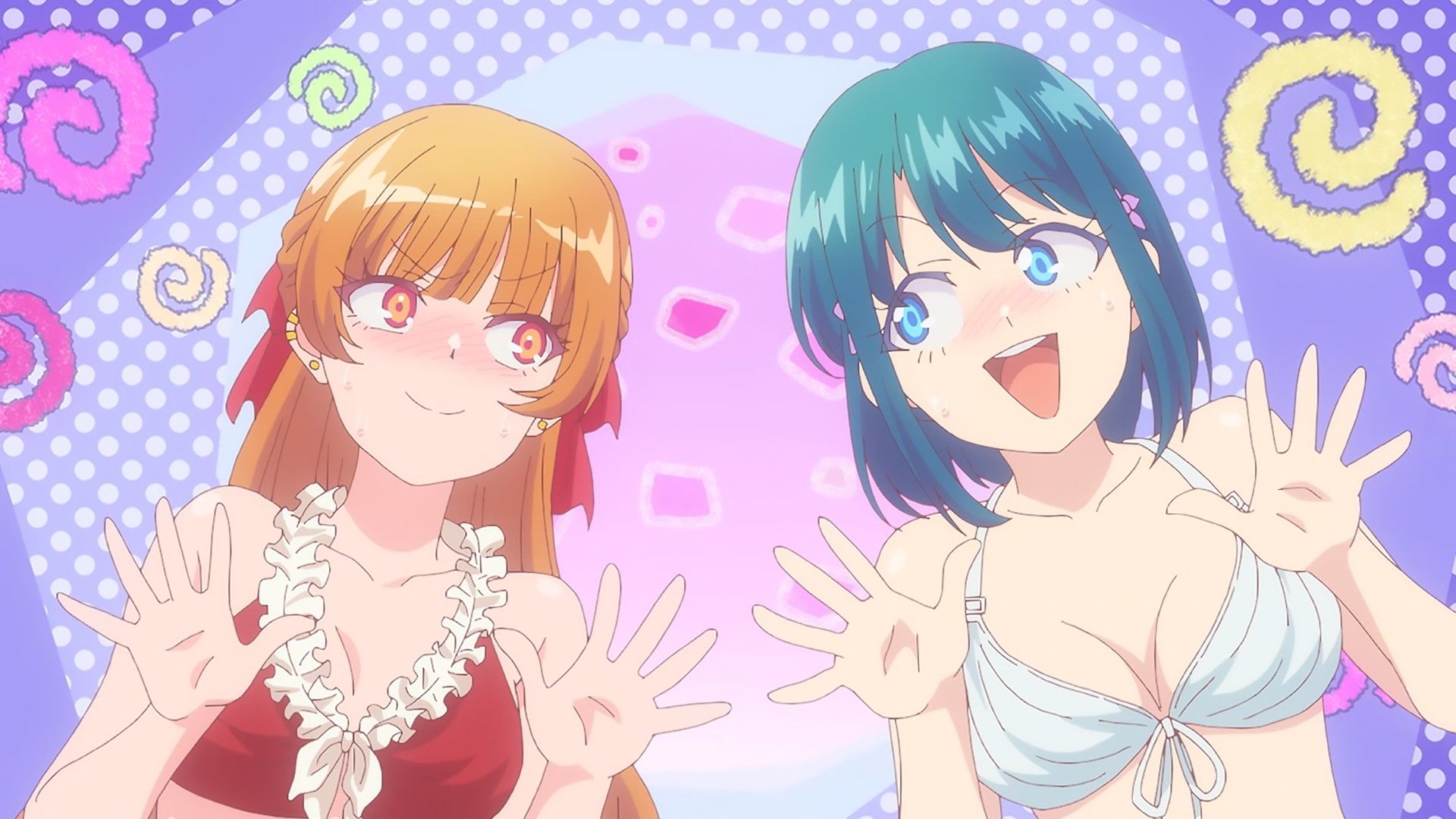
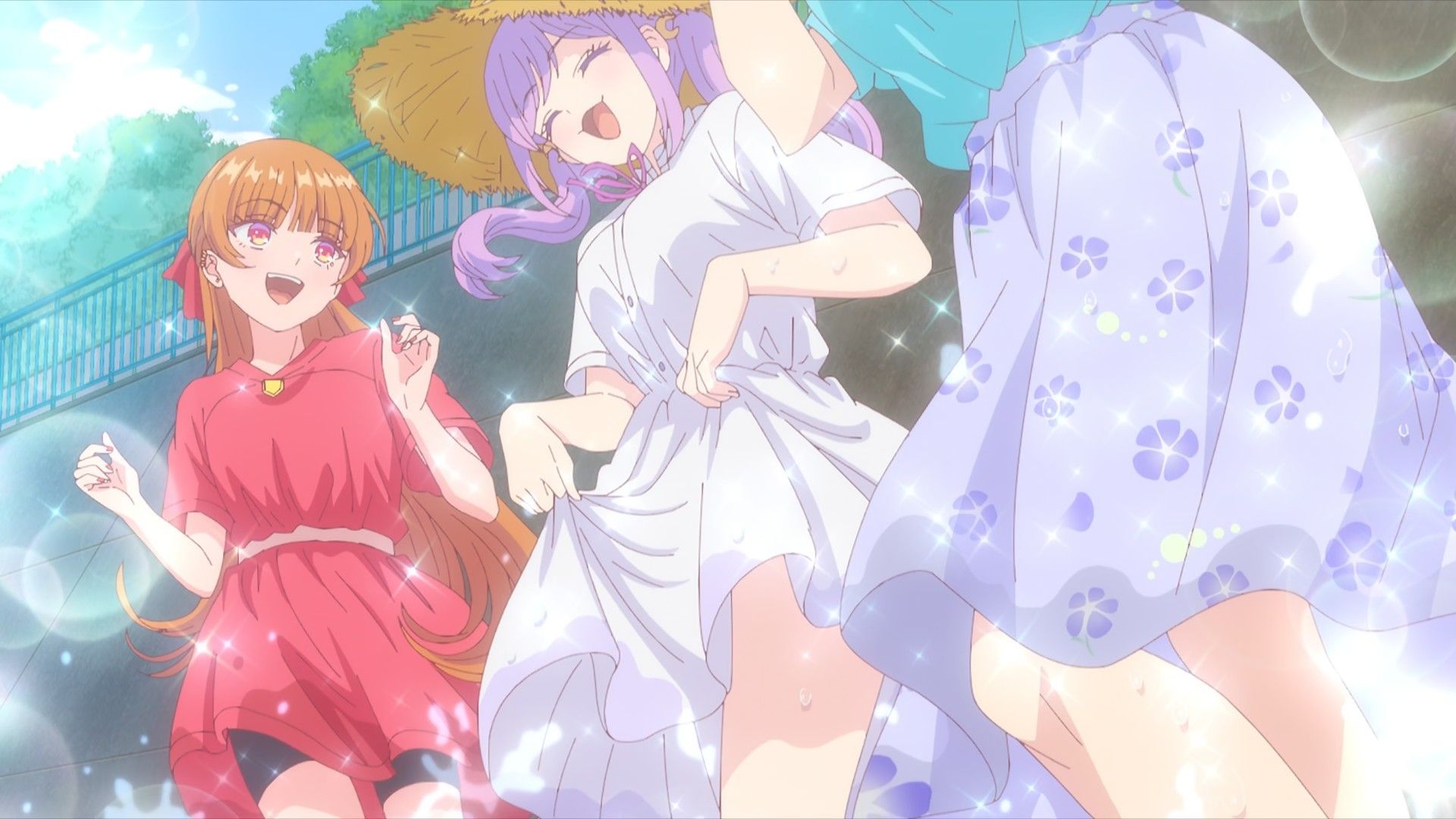
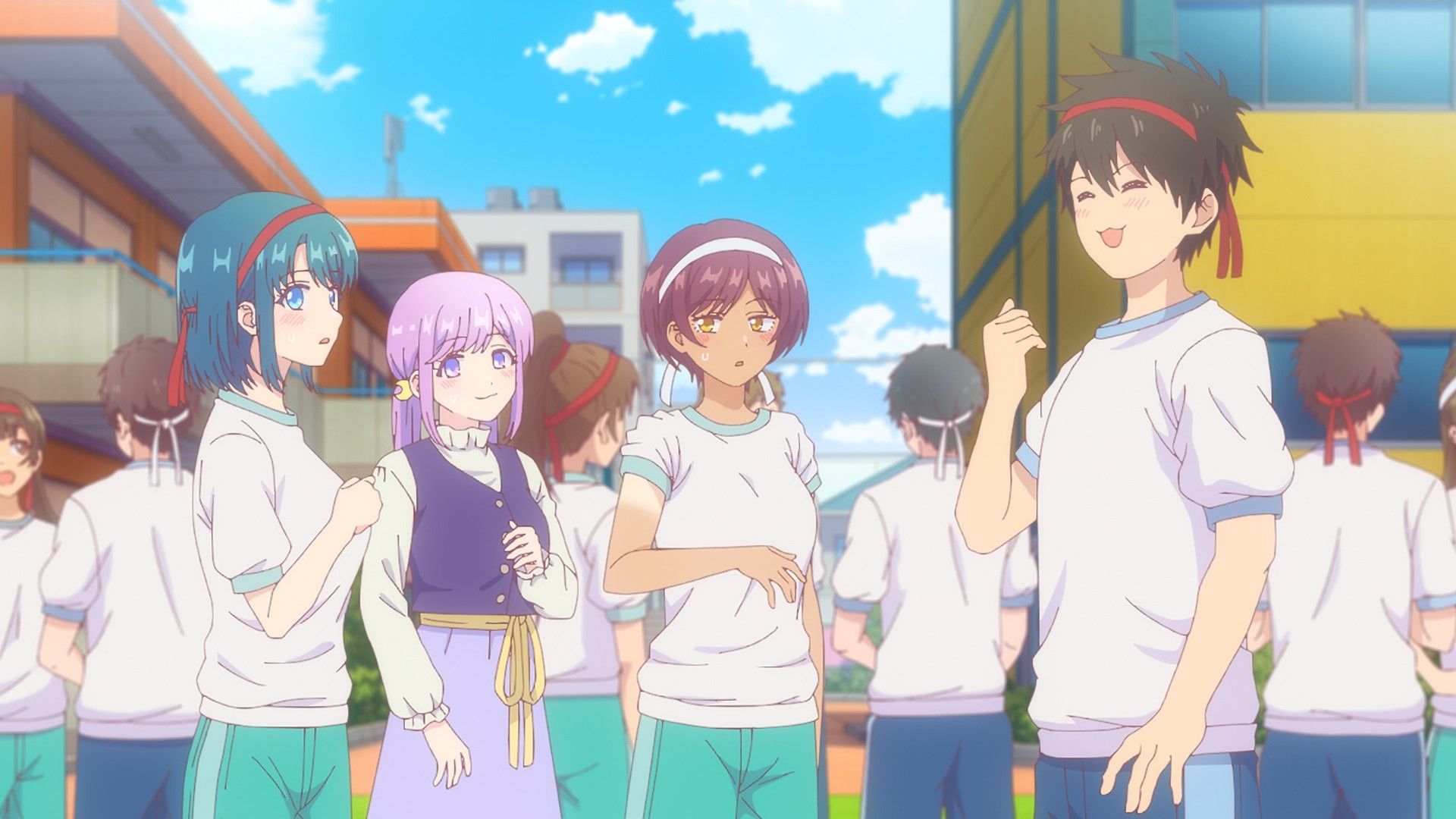
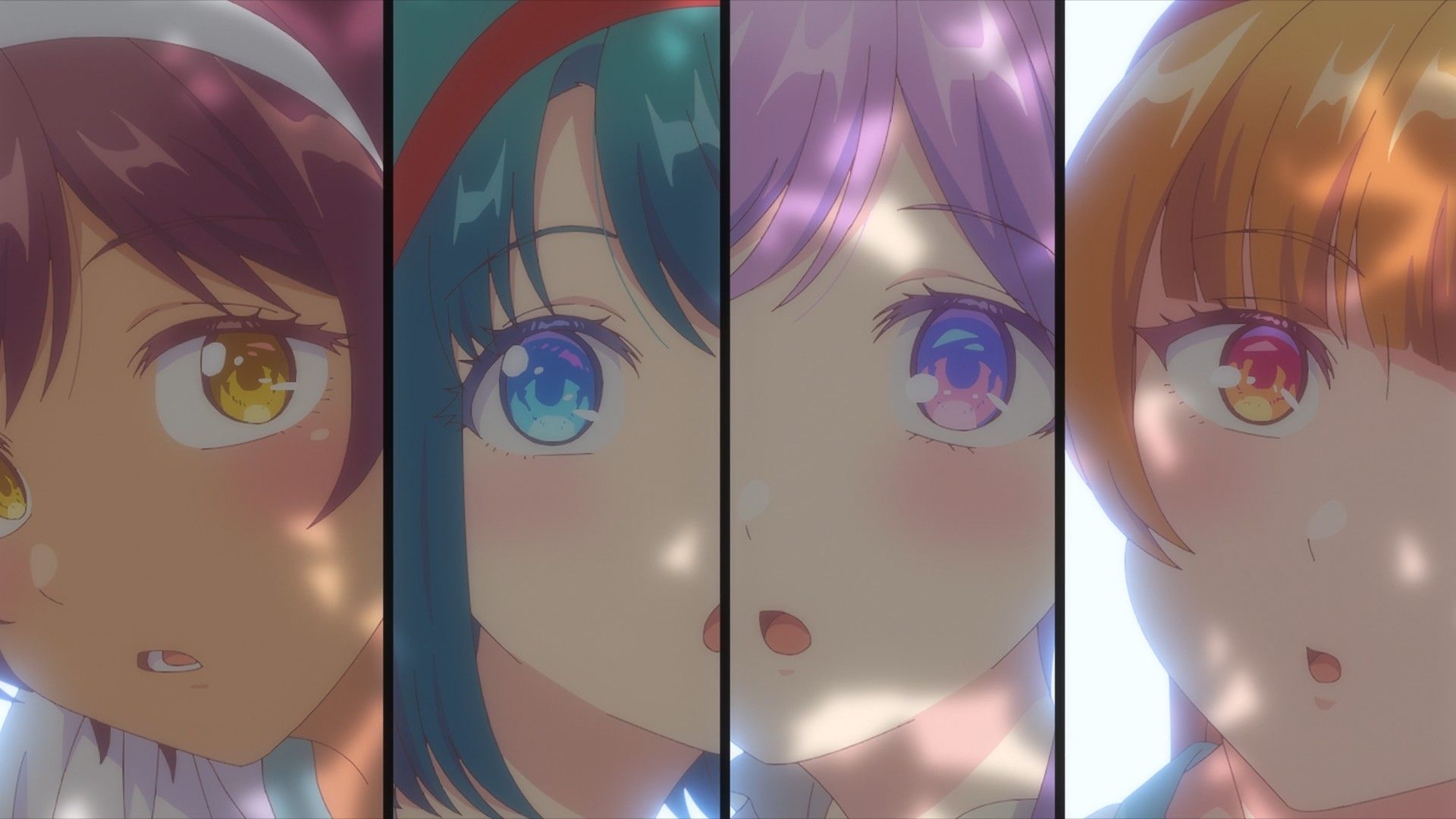
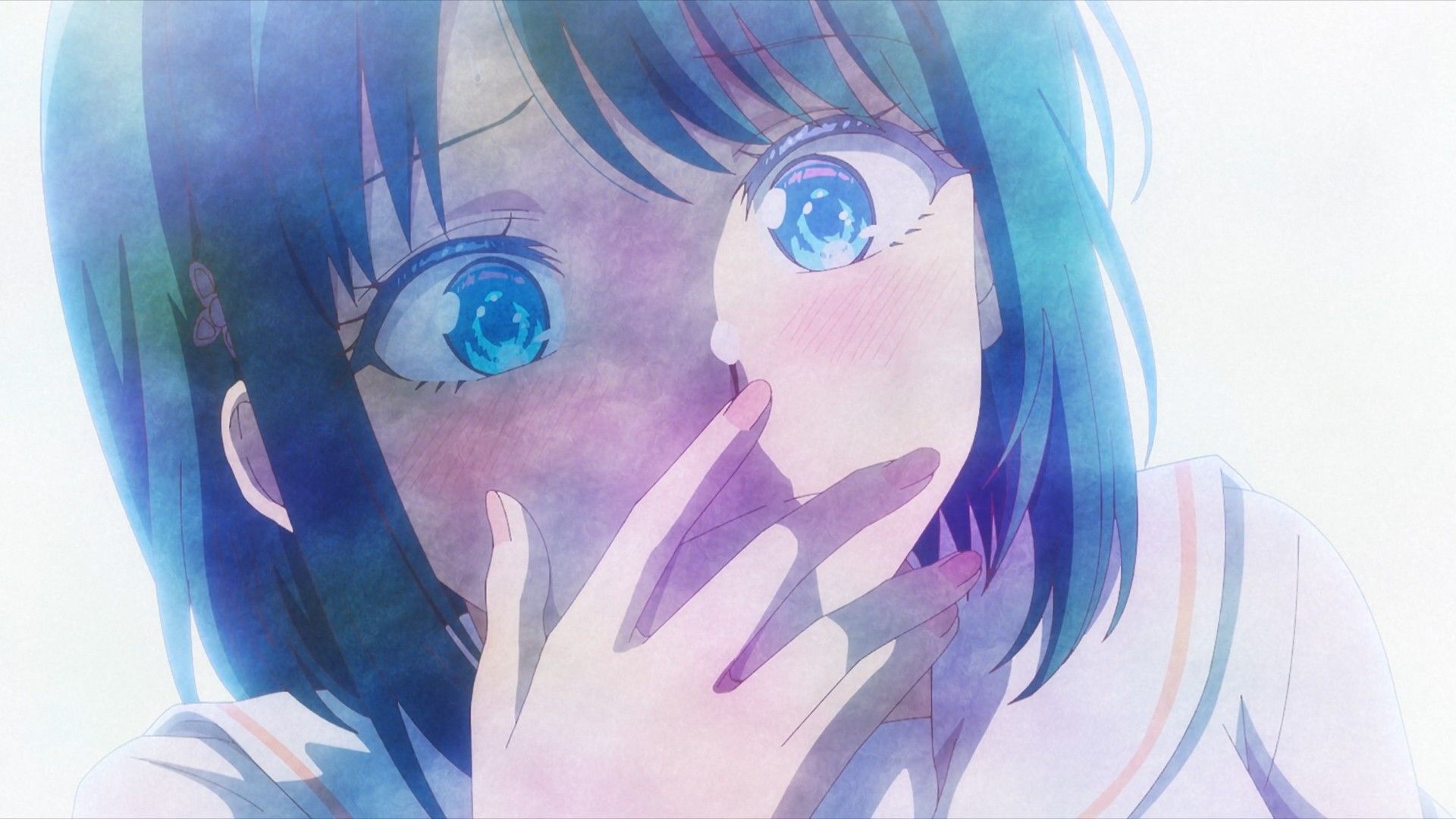
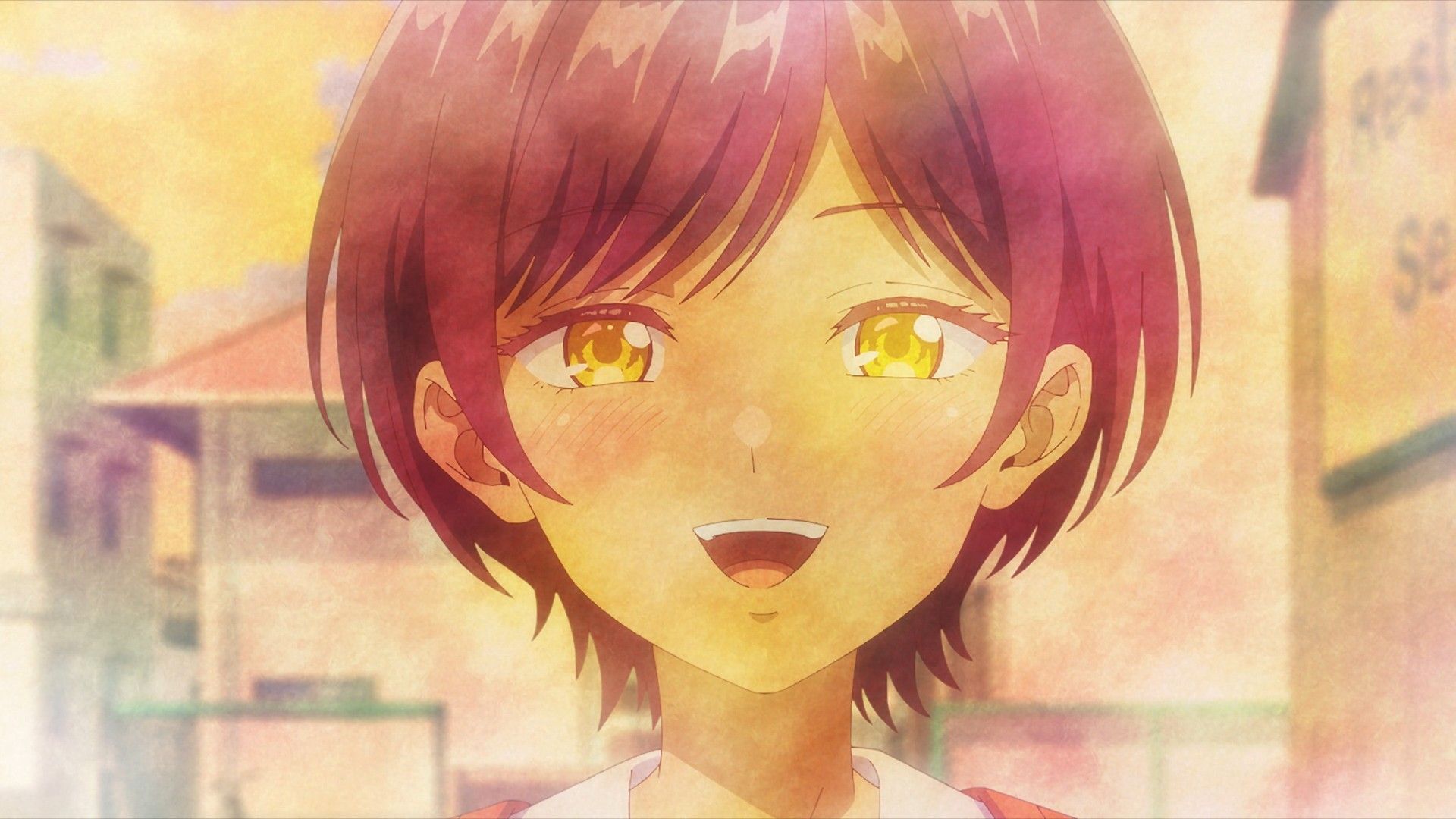
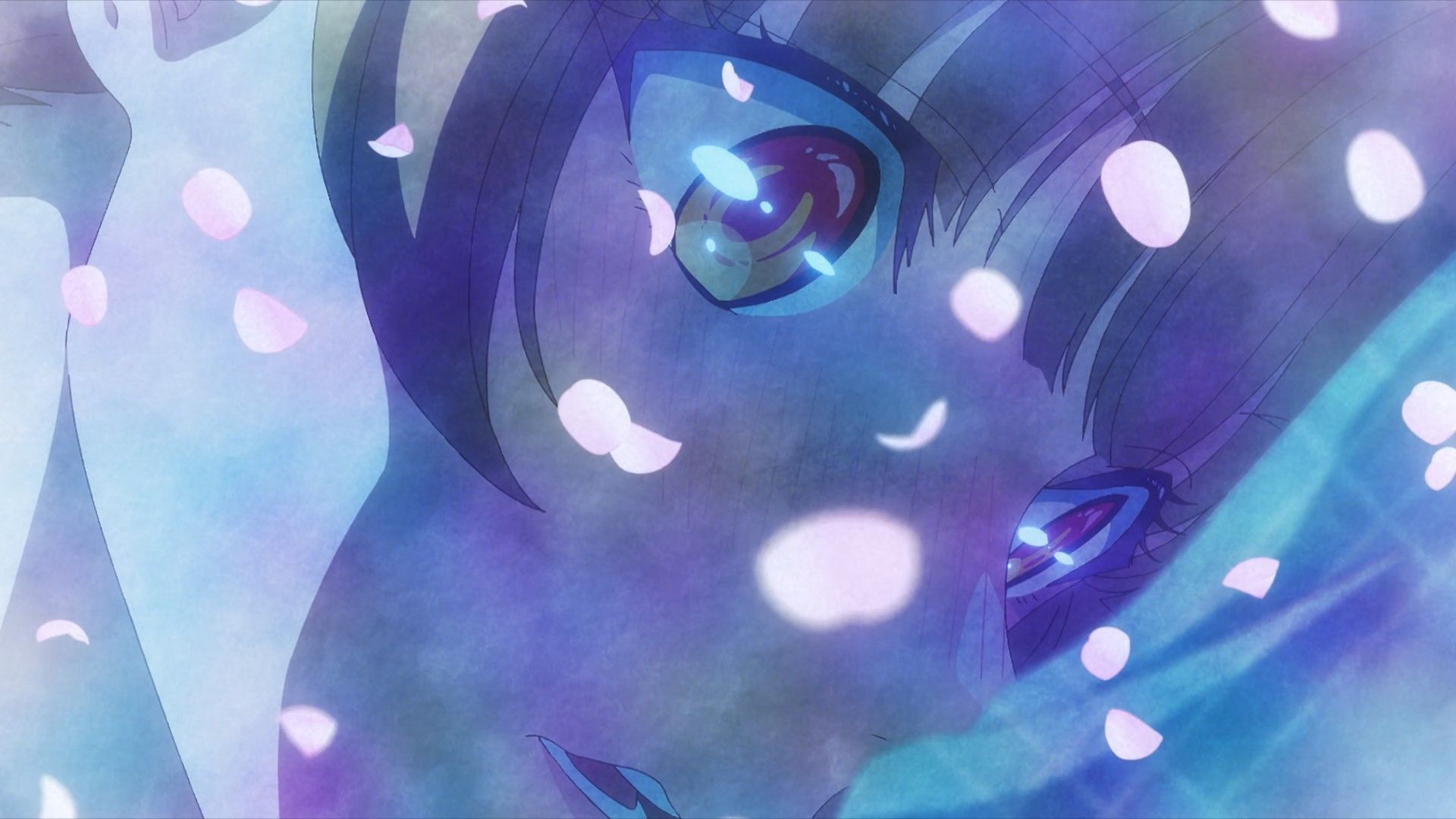
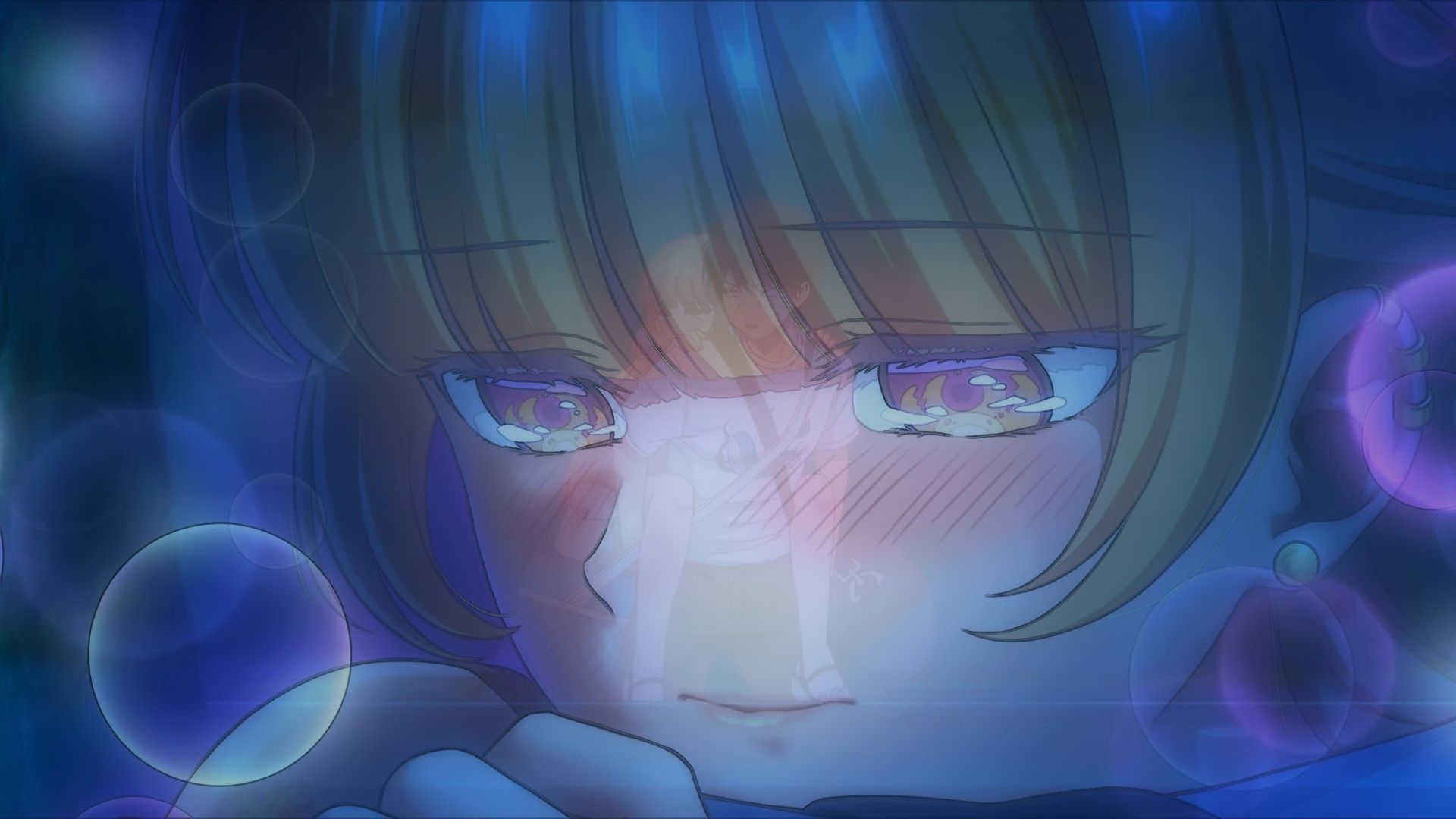
If there is one thing that will immediately catch your attention, it is the beautiful visual setting. As befits a solid production handled by Tezuka Productions under the direction of Kuwabara Satoshi, I absolutely couldn’t complain about anything. The whole thing perfectly captured the atmosphere full of pastel hues and saturated colors that visual novels and anime were famous for in the 2000s. The character design, handled by Iwasaki Reina, was simply a feast for the eyes, faithfully reflecting the personality of each heroine. The quality of the drawing itself was on a phenomenal level.
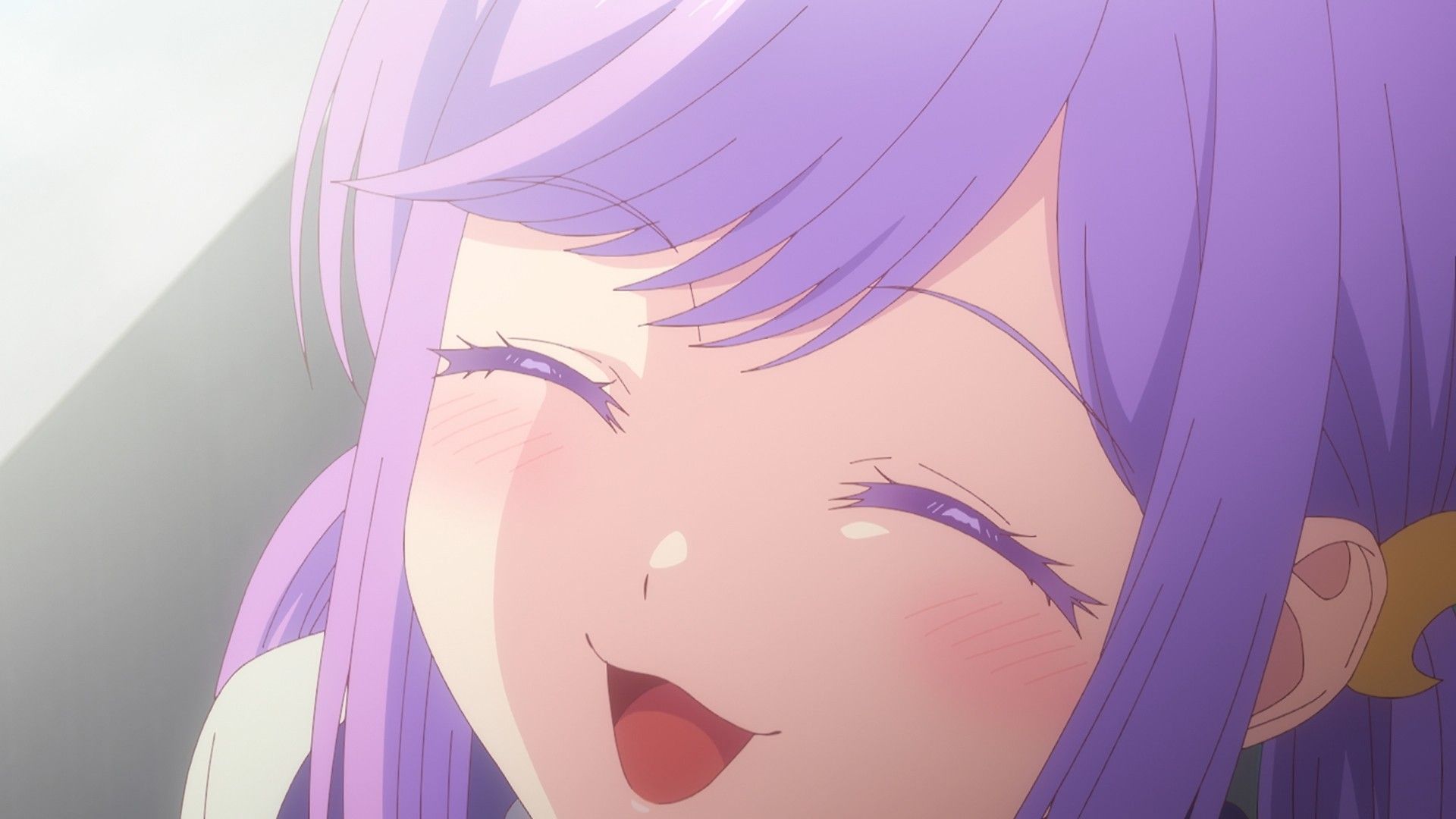
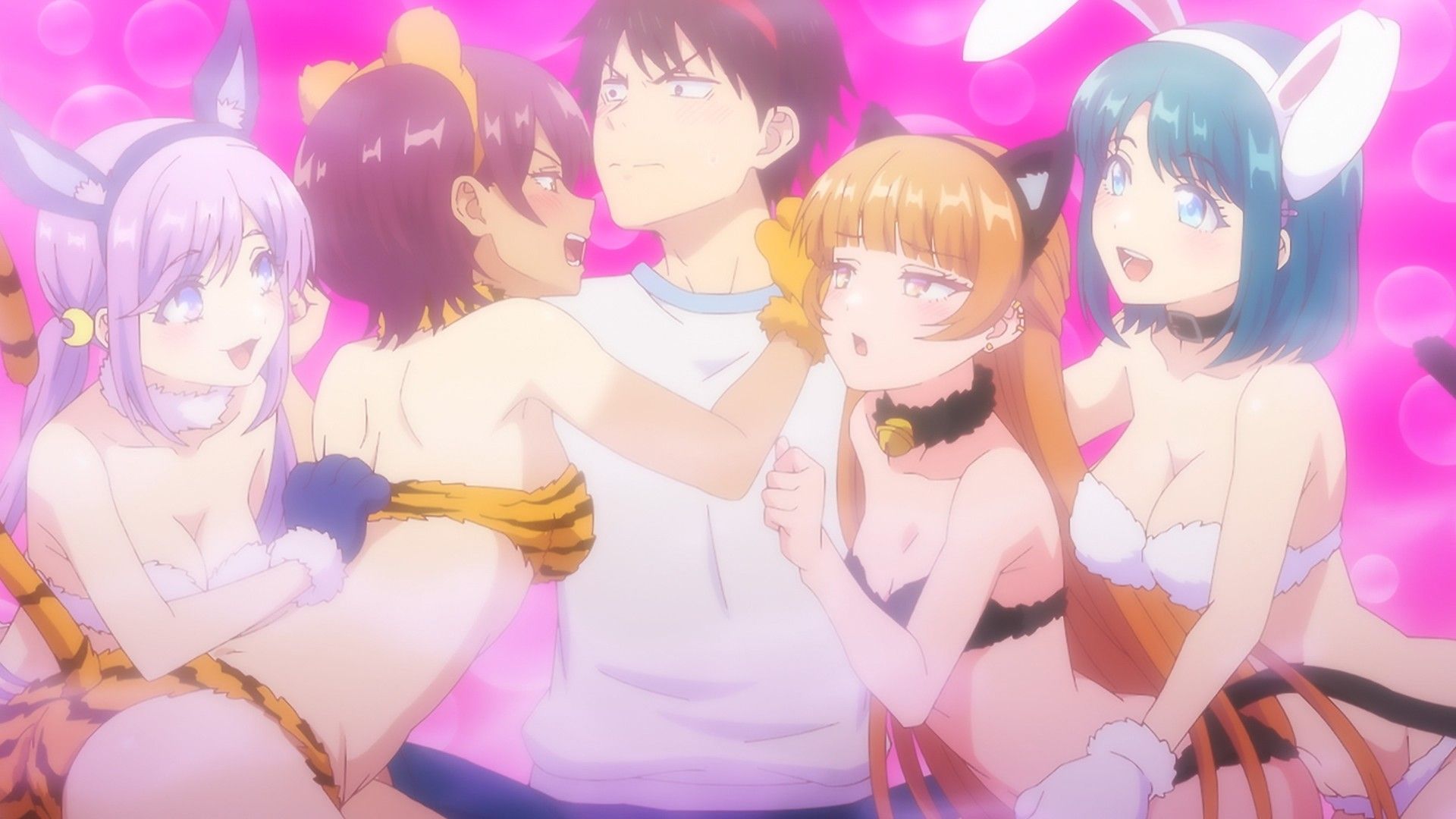
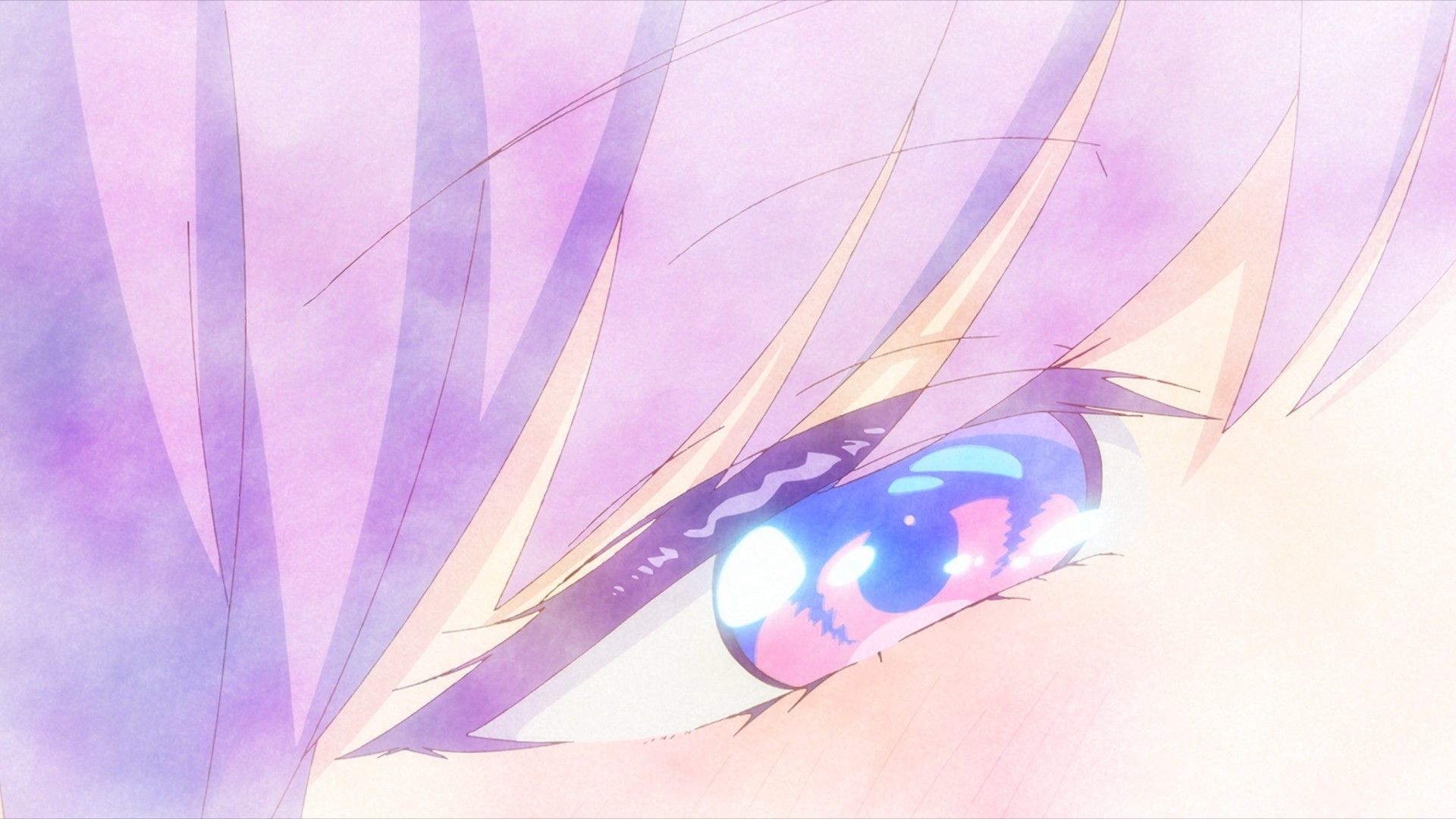
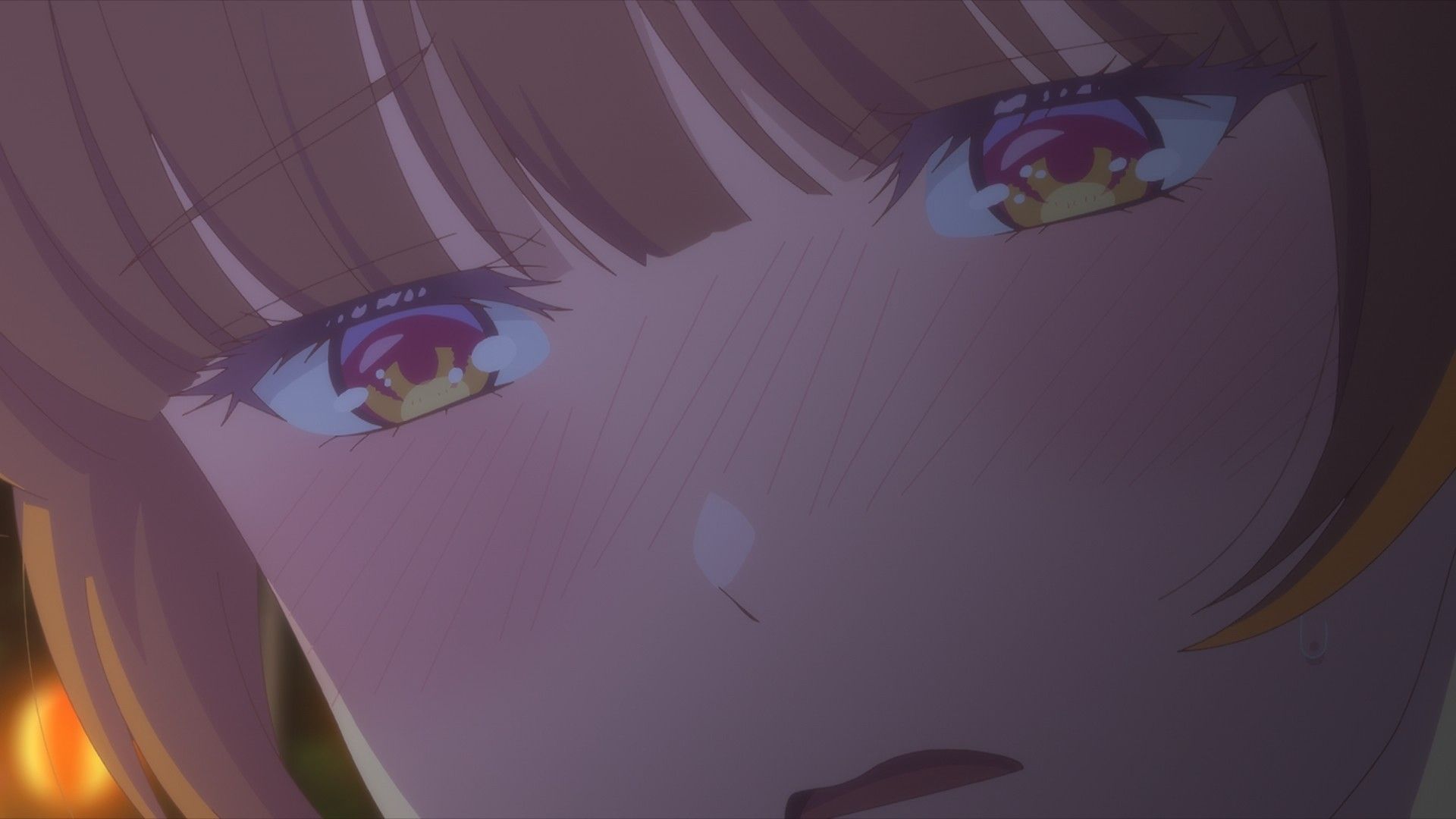
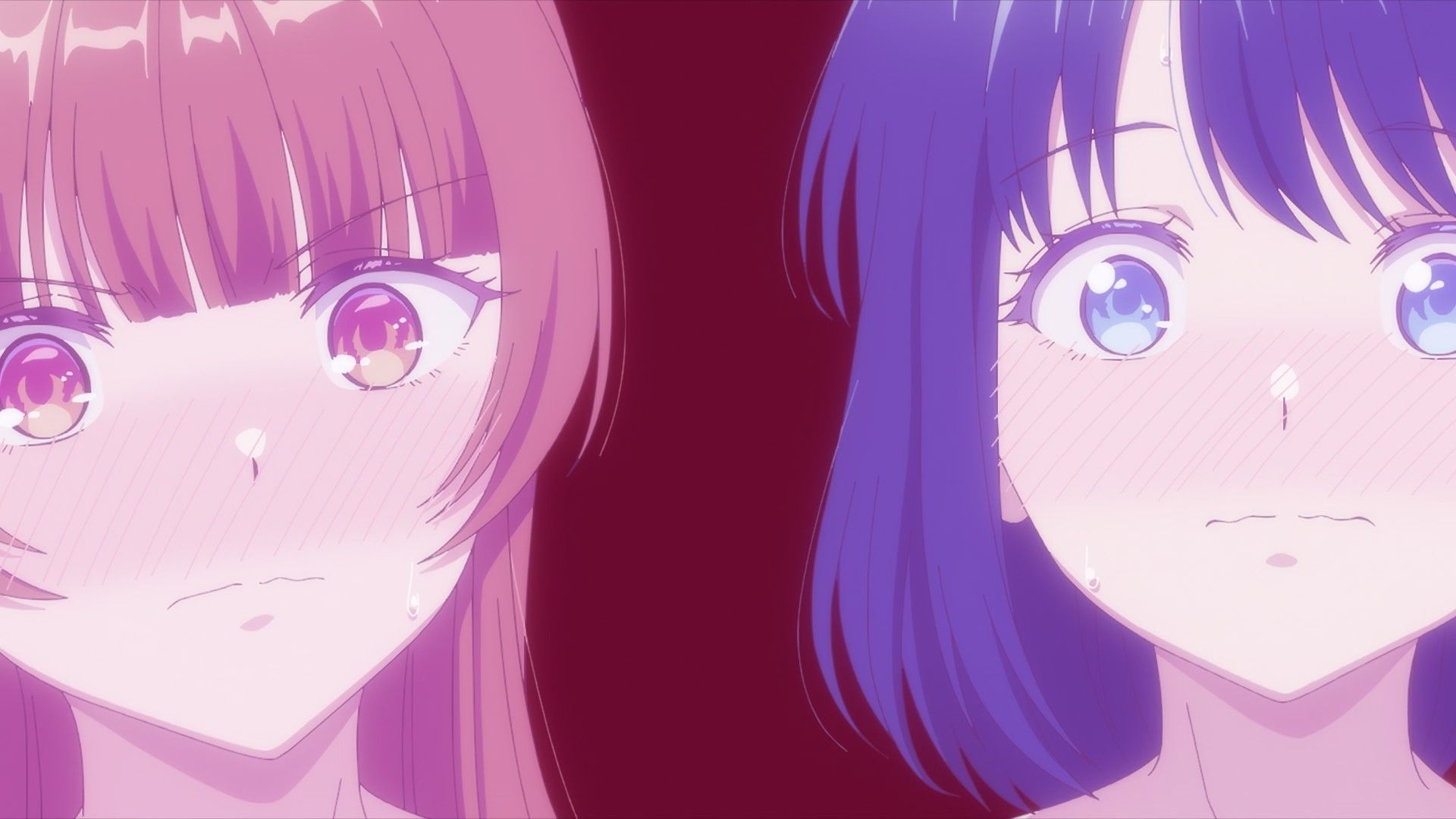
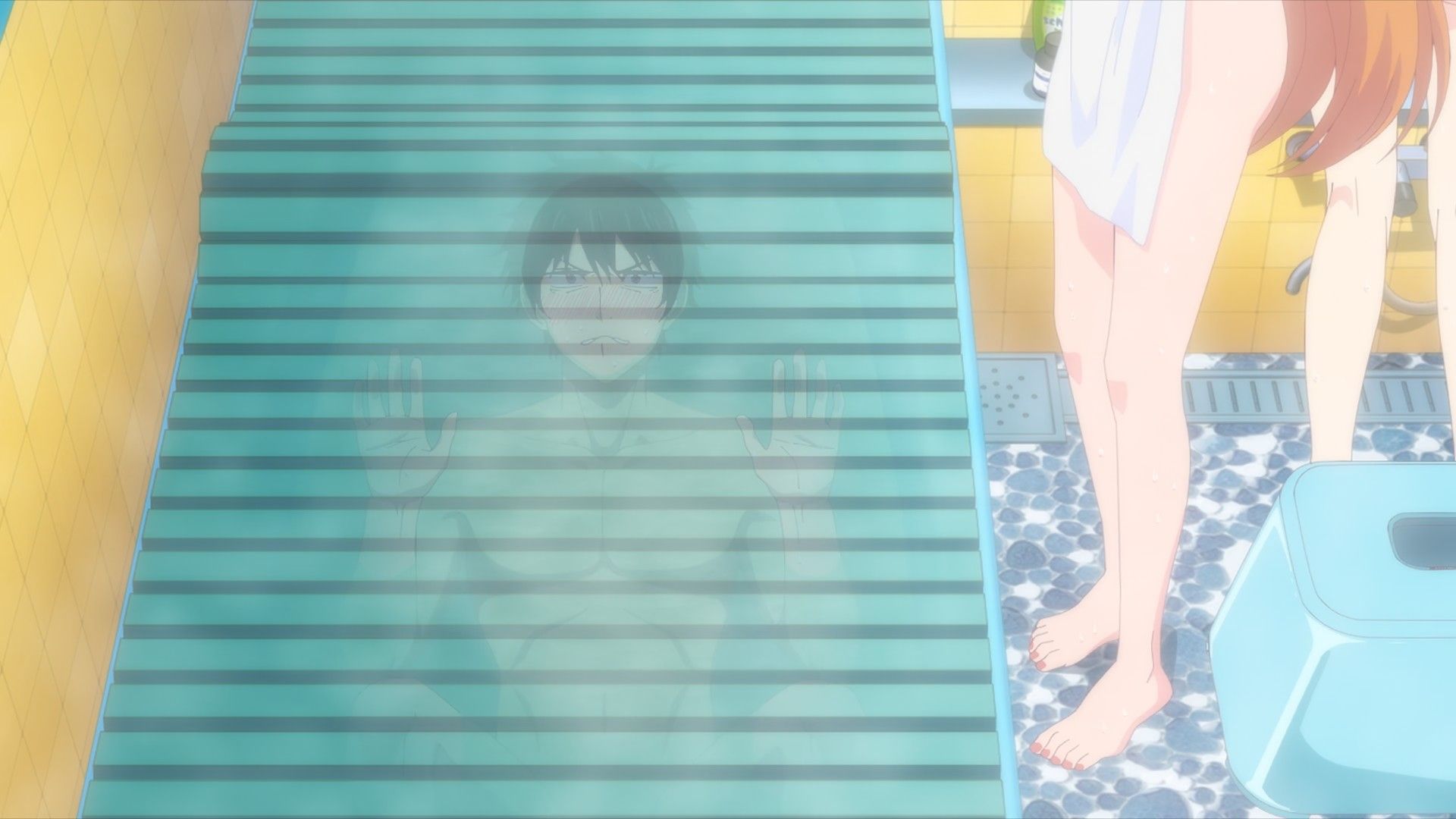
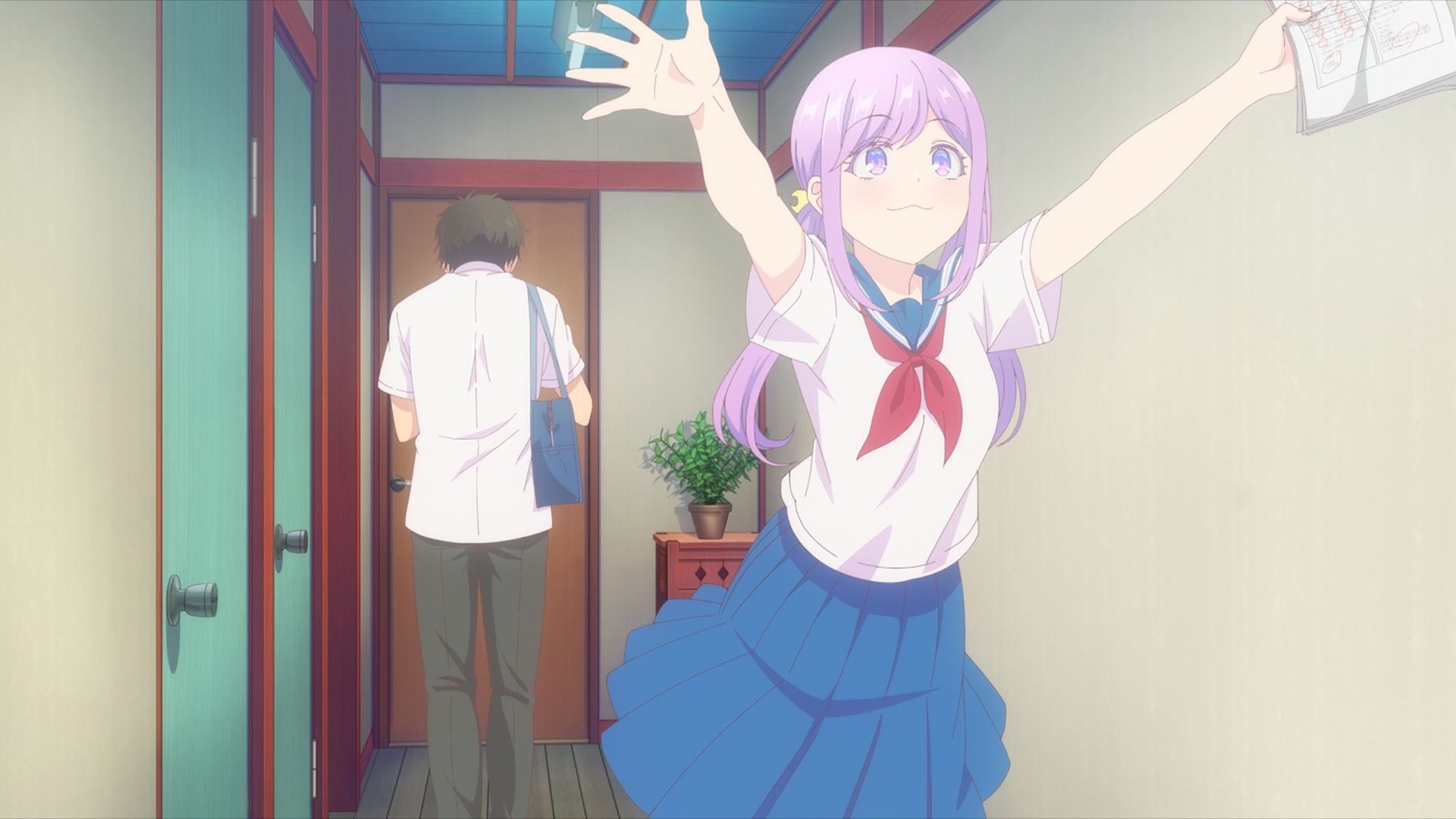
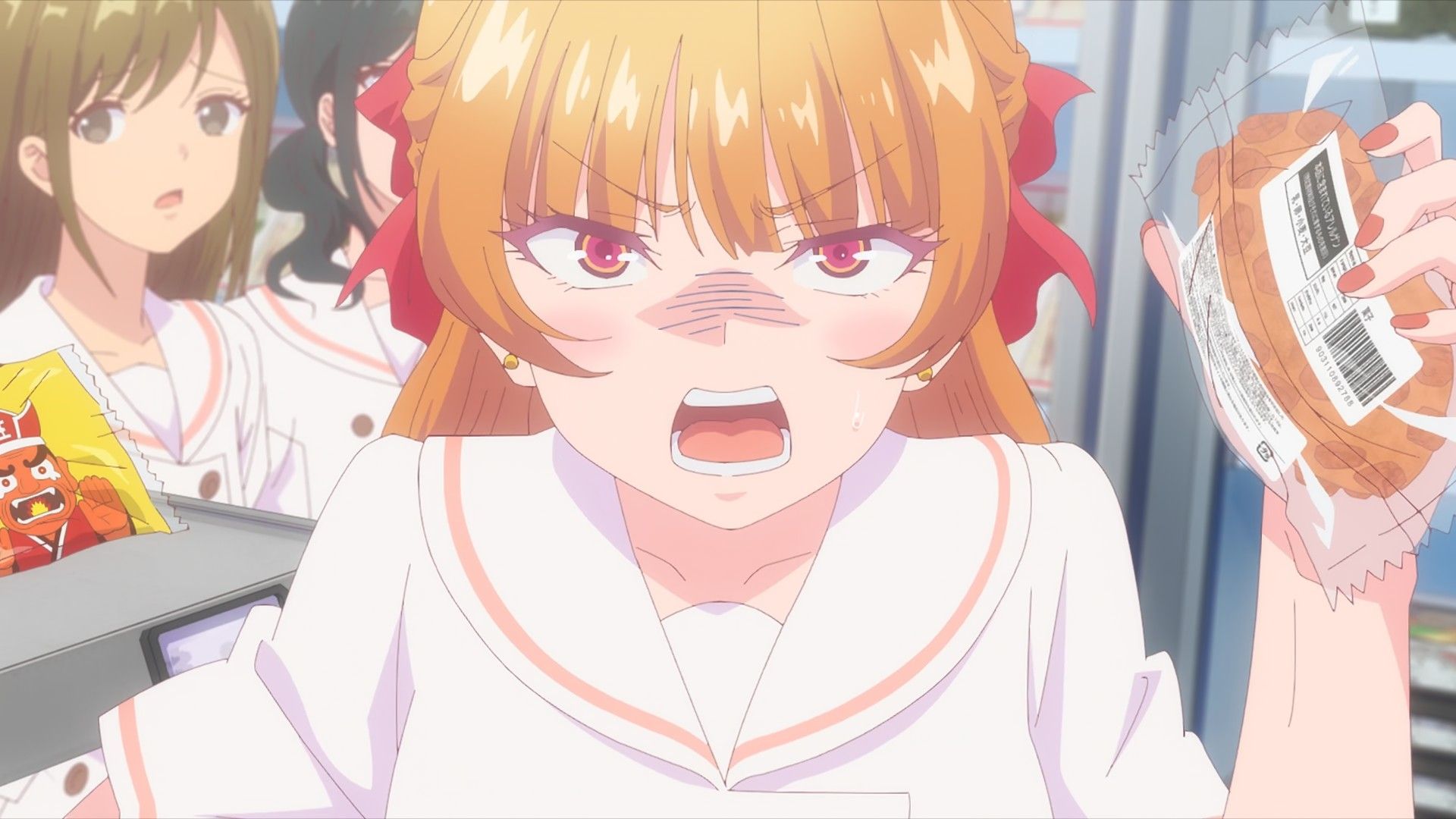
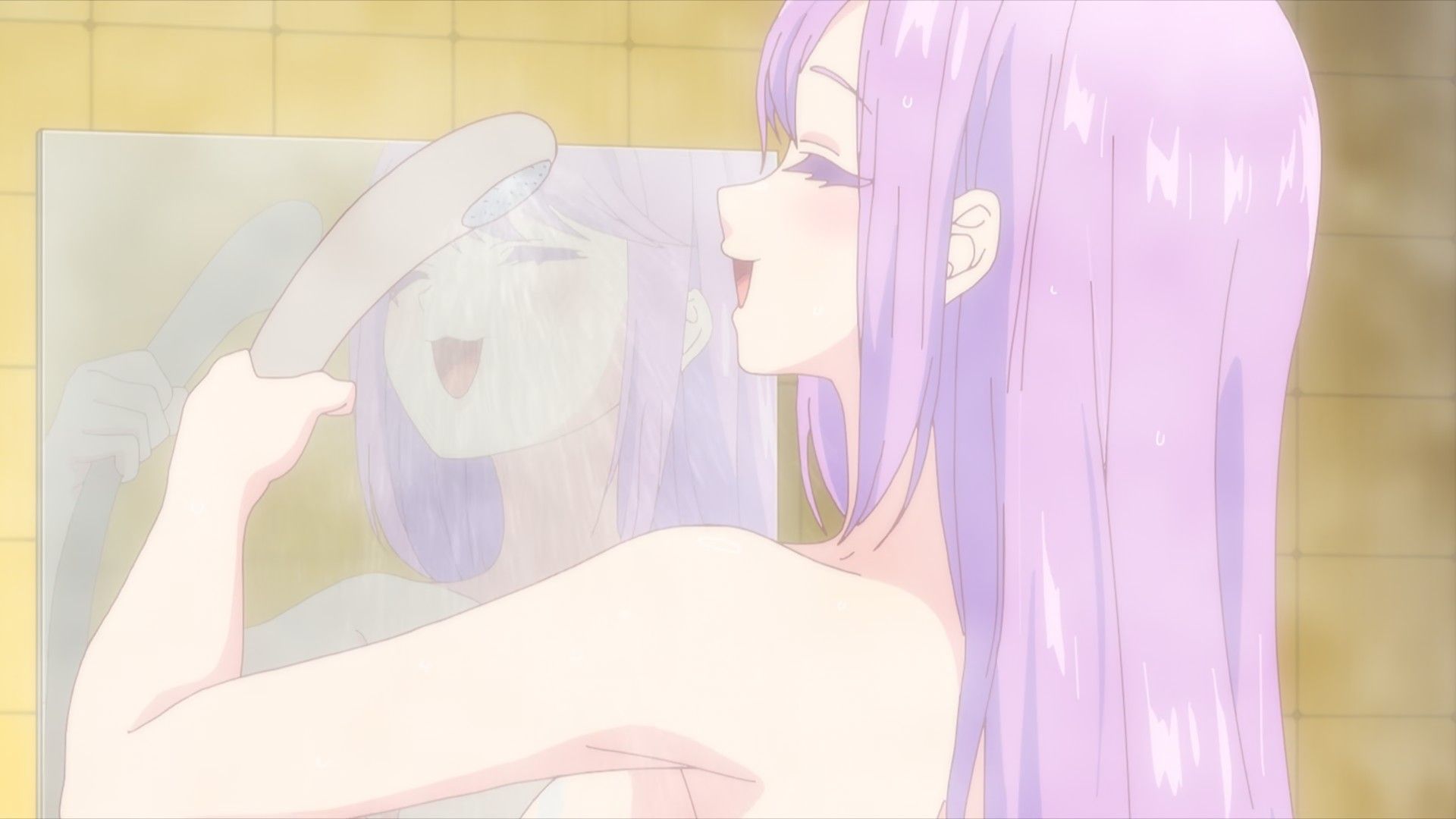
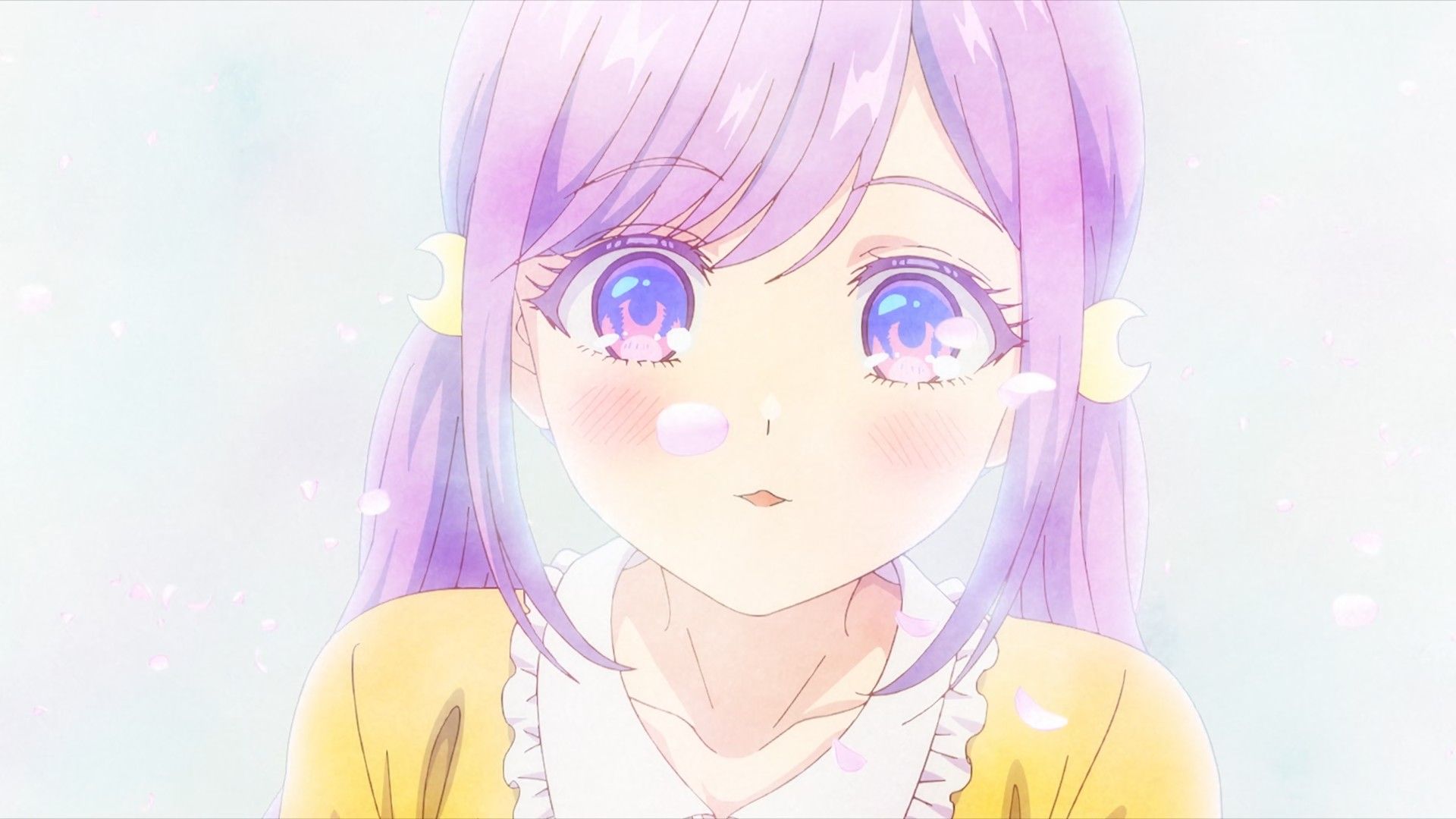
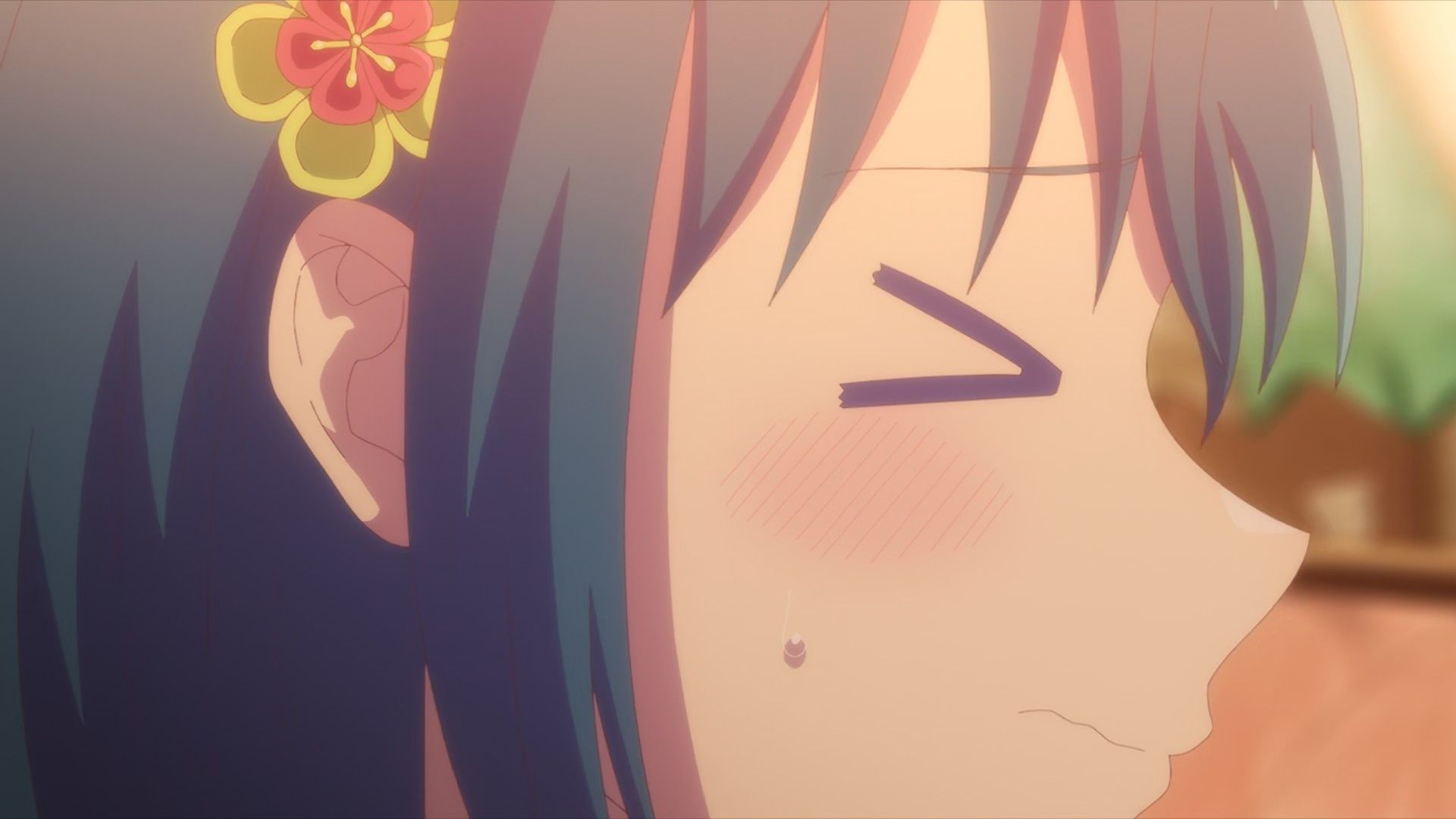
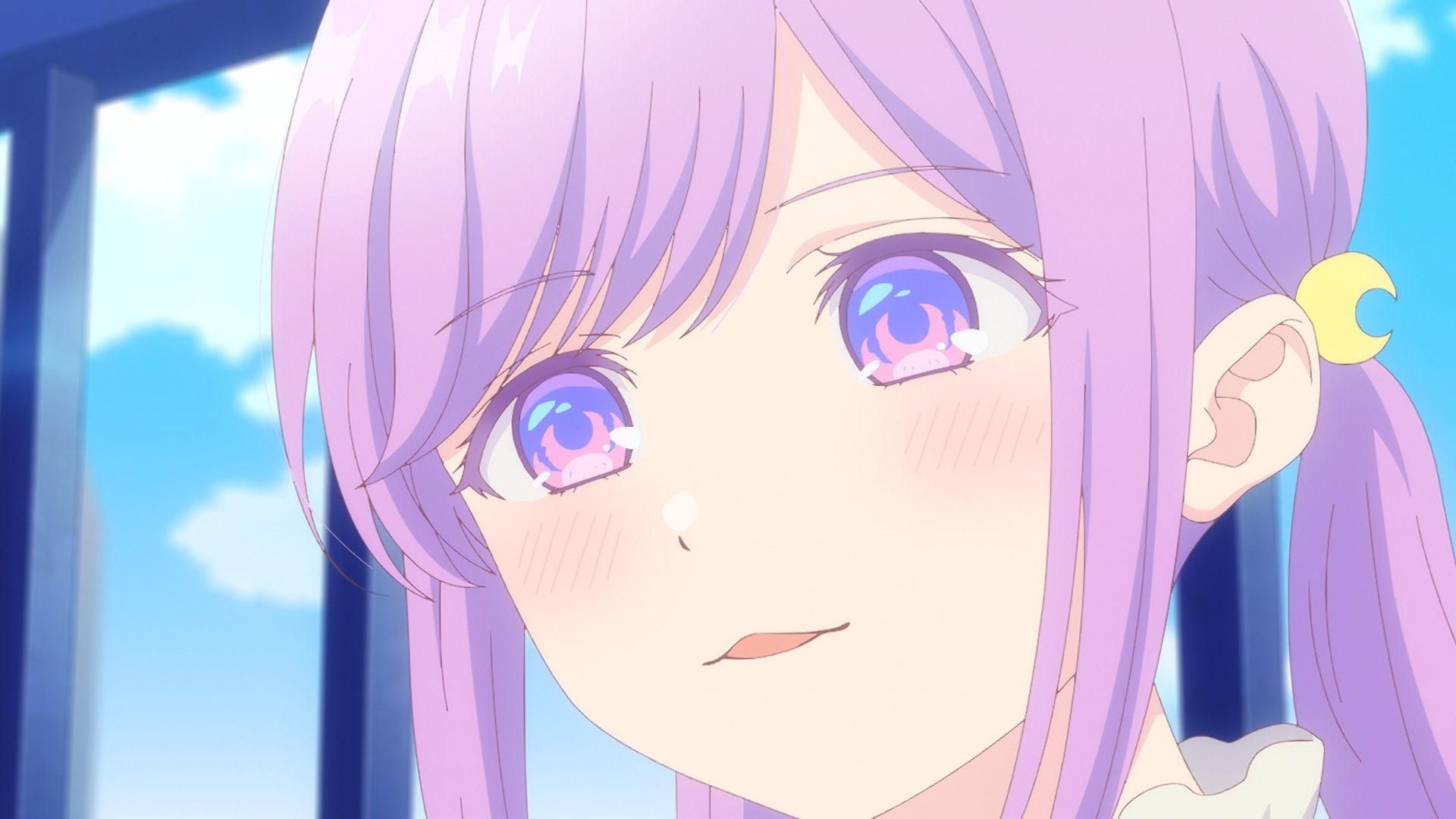
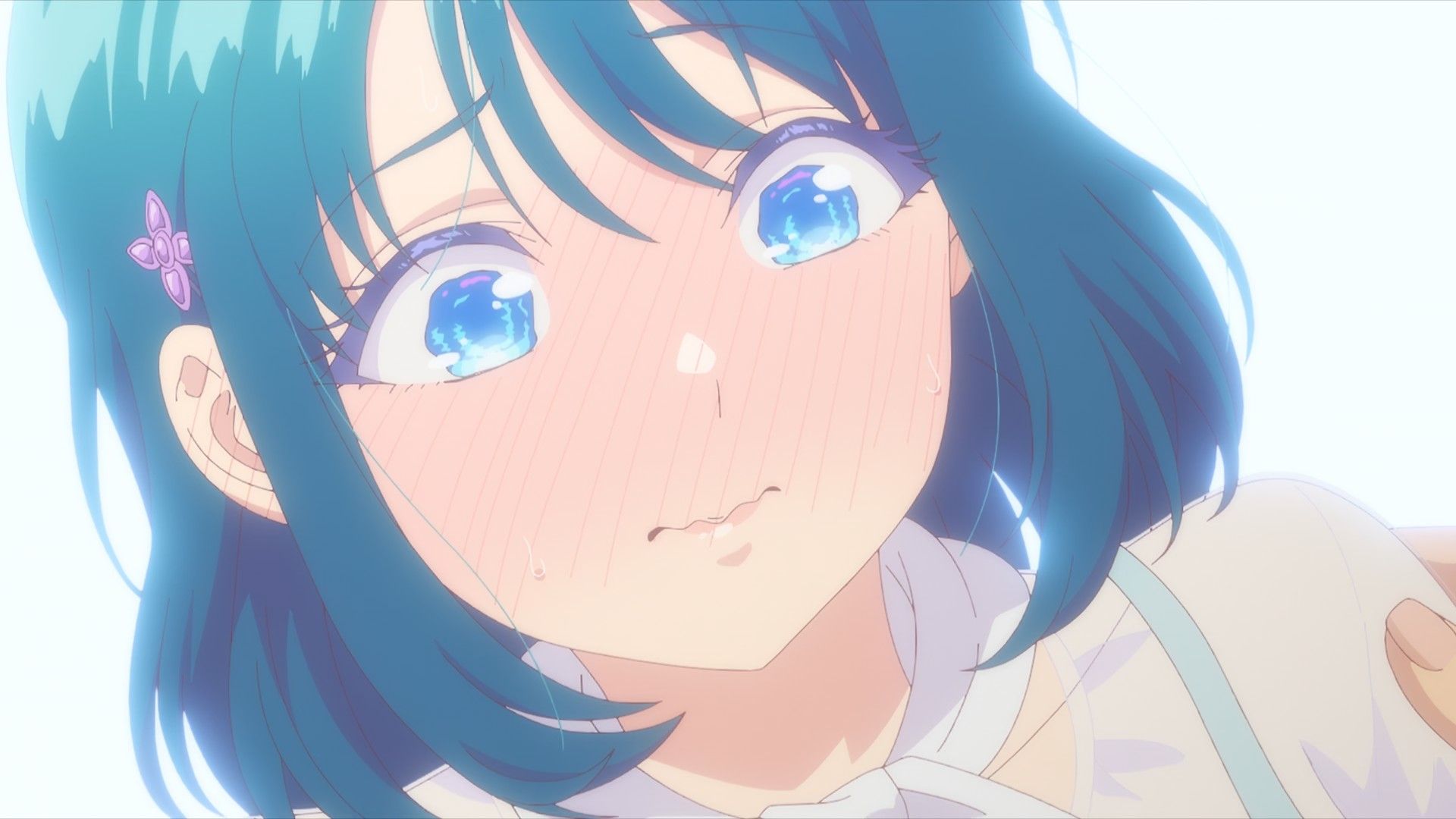
Special attention should be paid to how the characters’ eyes were drawn. Close-ups of the girls’ faces were remarkably detailed. The backgrounds were very aesthetic, and the creators manipulated light perfectly. The cherry on top was the really nicely presented fanservice.
Audio
Osananajimi to wa Love Comedy ni Naranai is a production where so many scenes rely on emotionally charged dialogue. Fortunately, what the seiyuu presented is an absolute feast for the ears, guided by the watchful eye of the sound director, Motoyama Satoshi. All the voice actors performed exceptionally well as standard, showcasing their capabilities.
The soundtrack might not contain tracks I would return to every day, but it fully served its purpose. The opening あいらびゅ♡ (Ai Love You) performed by the female cast themselves was one of my favorites in the winter of 2026.
Osananajimi to wa Love Comedy ni Naranai (2026) – Plot and Characters
Introduction
As soon as I read the description of this series while browsing the seasonal lineup, I knew I would spend many pleasant moments with it. What I received exceeded my expectations, revealing the creators’ extraordinary self-awareness and a phenomenal clash with the most overused clichés. Director Kuwabara Satoshi and scriptwriter Hirota Mitsutaka perfectly feel this material, bringing Misu Shinya’s manga to the screens in a way that doesn’t let you take your eyes off the screen.
The discussed series is a brilliant, fully self-aware love letter to the golden era of romantic comedies from the 2000s. The creators took every motif we know and love perfectly, polished it to perfection, and served it with a large dose of nostalgic warmth. As a longtime fan who has seen a lot in this medium, I must admit that I really miss such series nowadays.
A Brief Overview of the Osananajimi to wa Love Comedy ni Naranai Plot
Sakai Yonosuke is seemingly an ordinary high school student who obsessively reads romance manga with the childhood friend trope in his free time. The paradox of his life, however, lies in the fact that although he loves this motif in fiction, he is absolutely convinced that in reality, such deeply rooted, platonic bonds can never cross the line and turn into a romantic relationship. He is determined to maintain this comfortable status quo, fearing that any change will destroy their relationships.
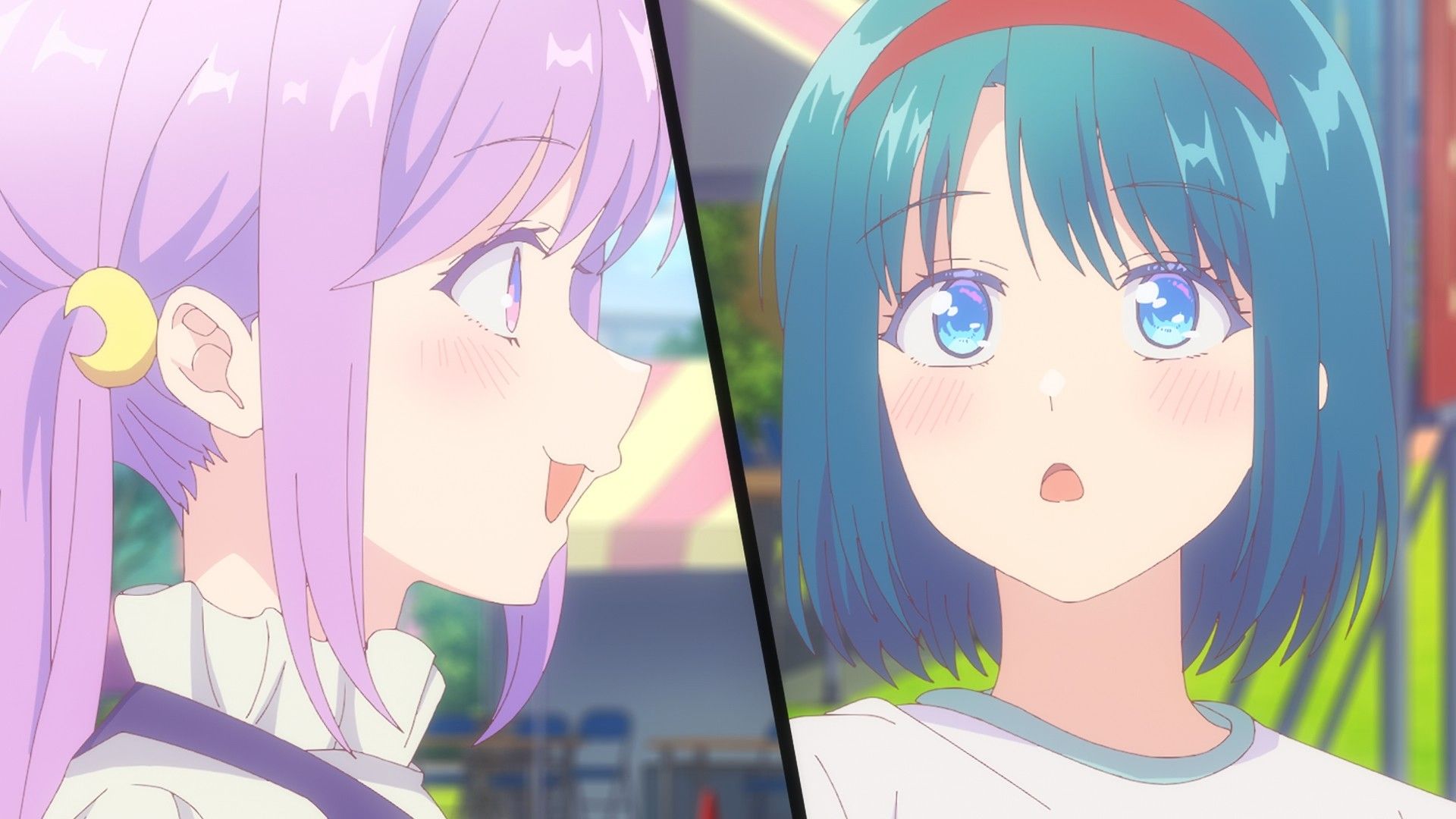
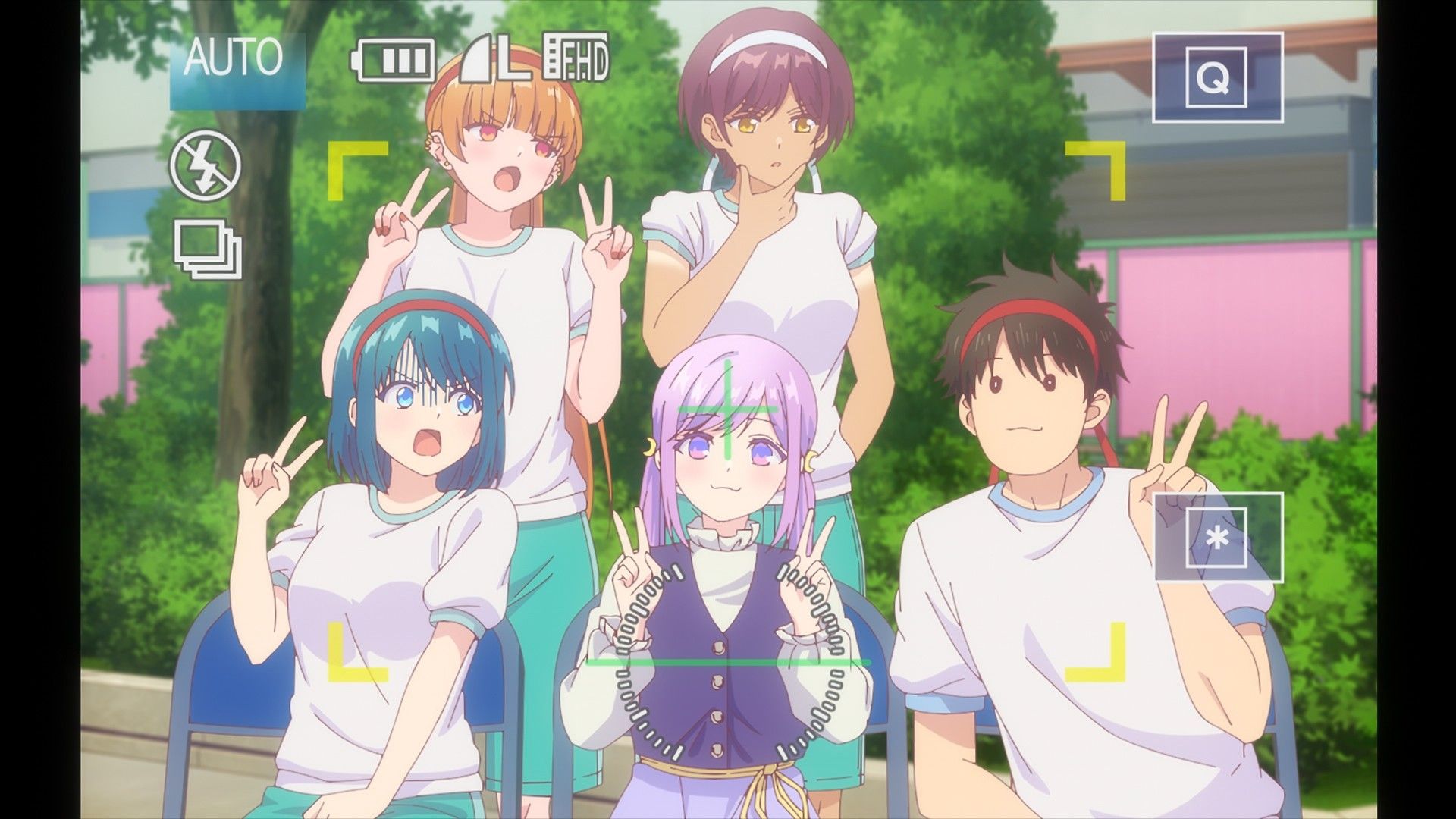
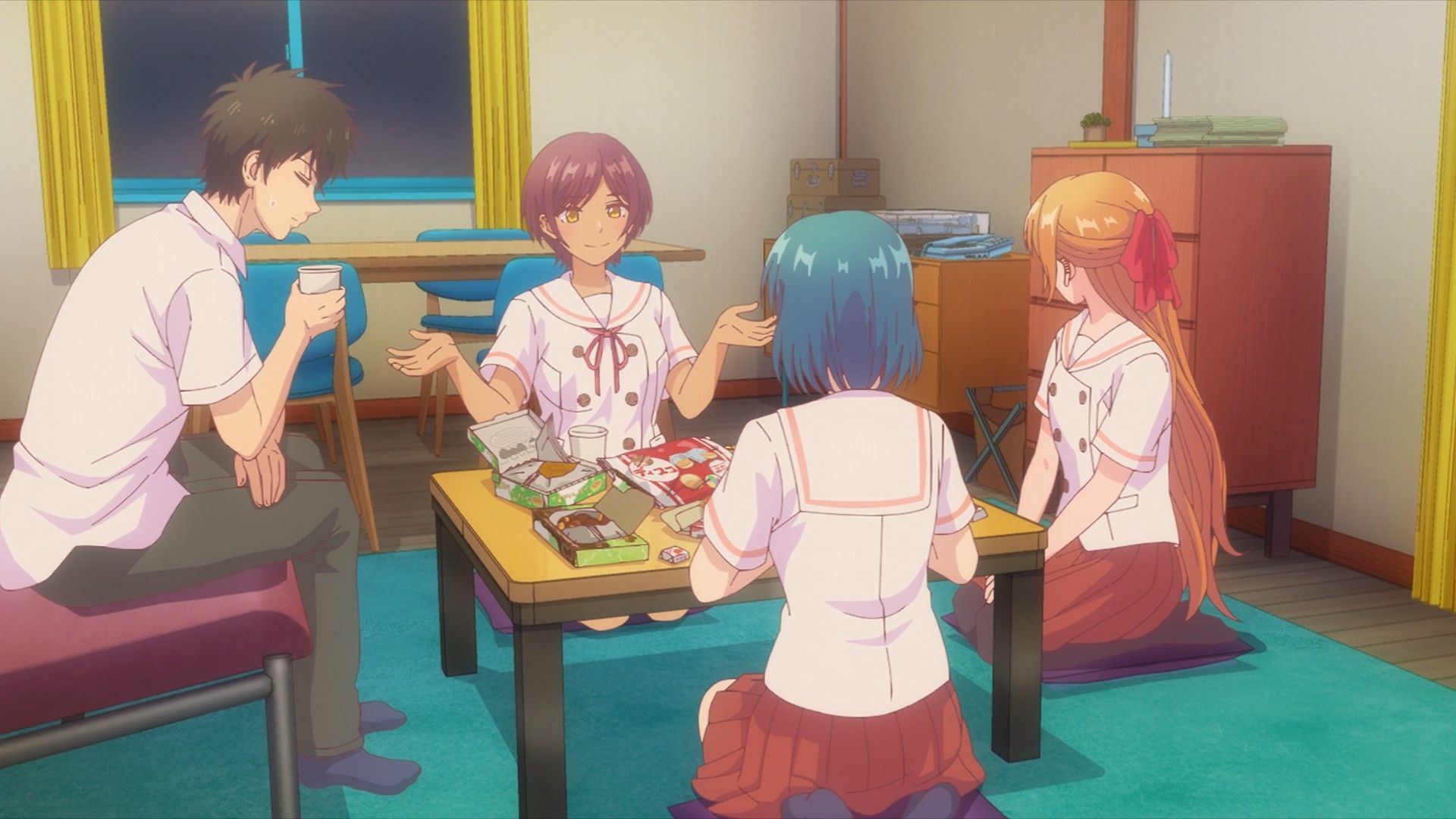
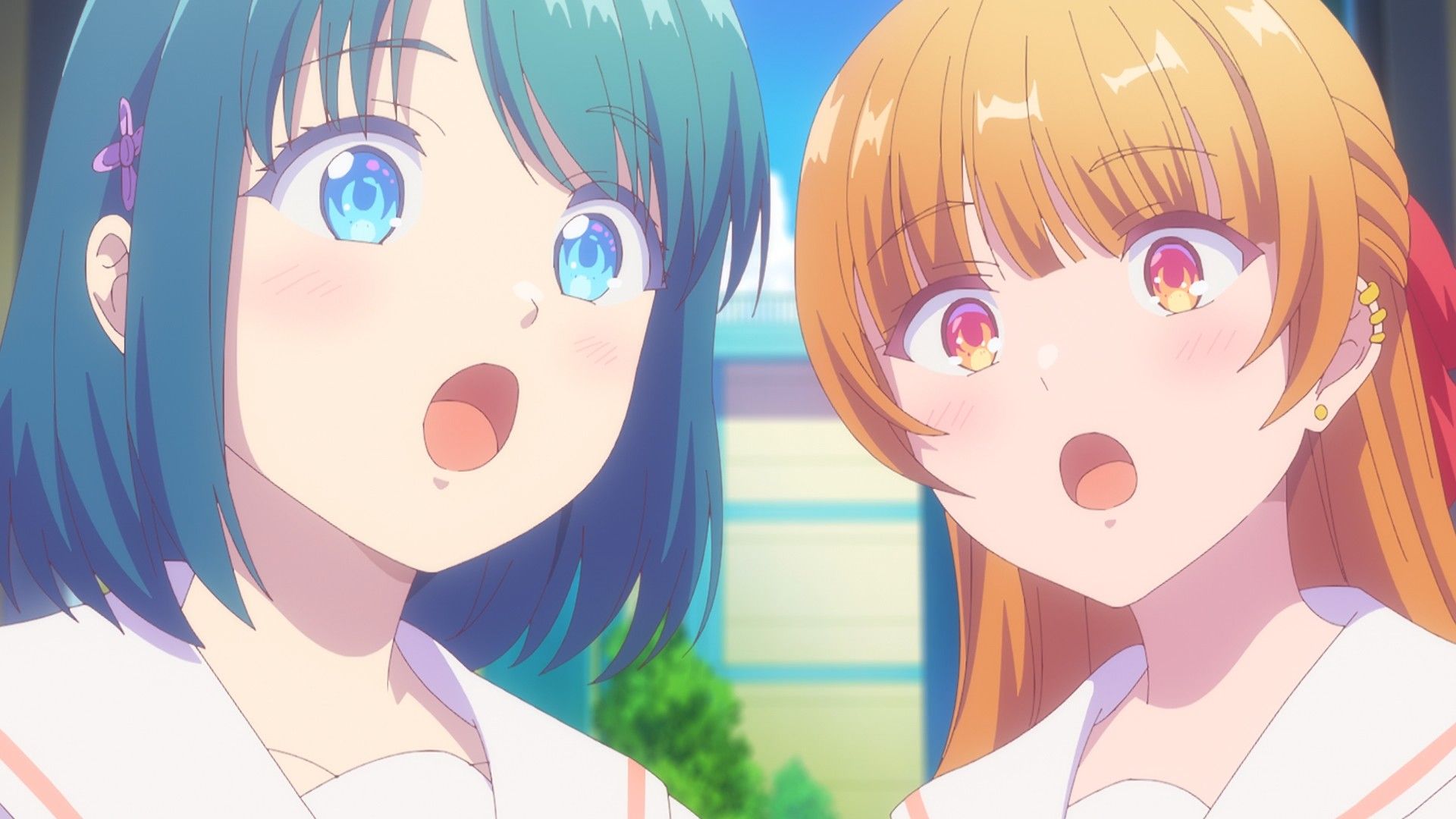
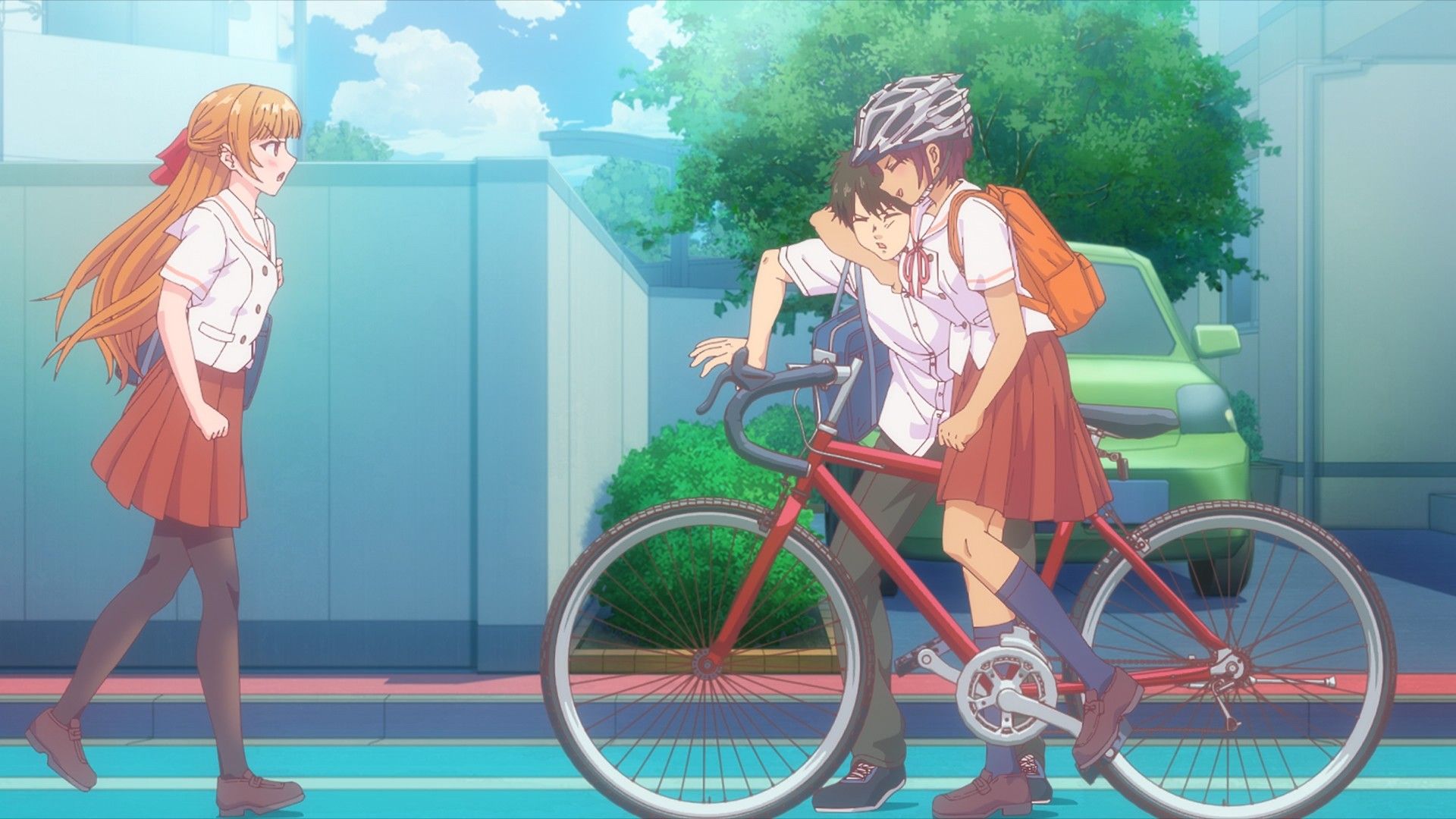
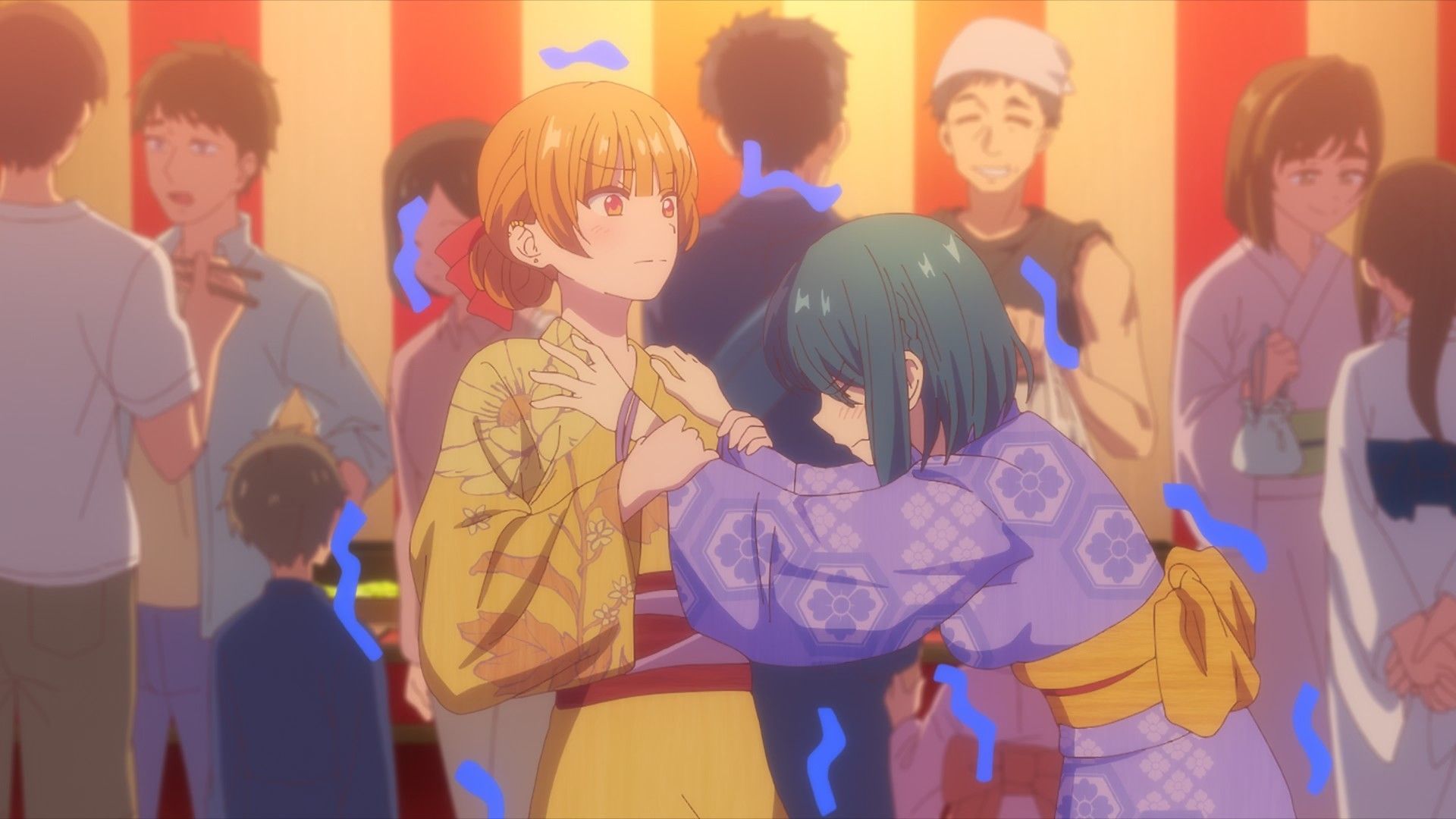
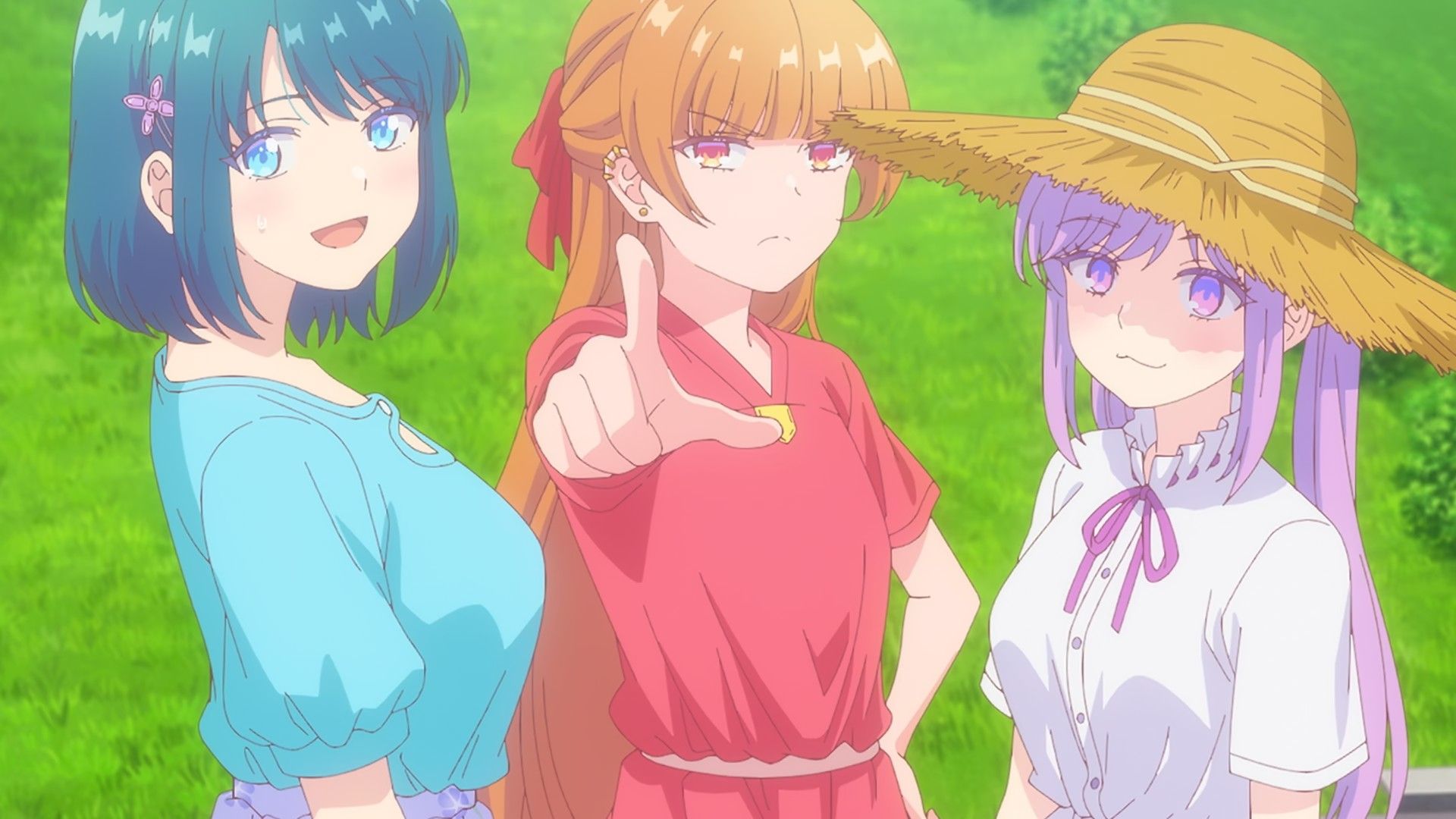
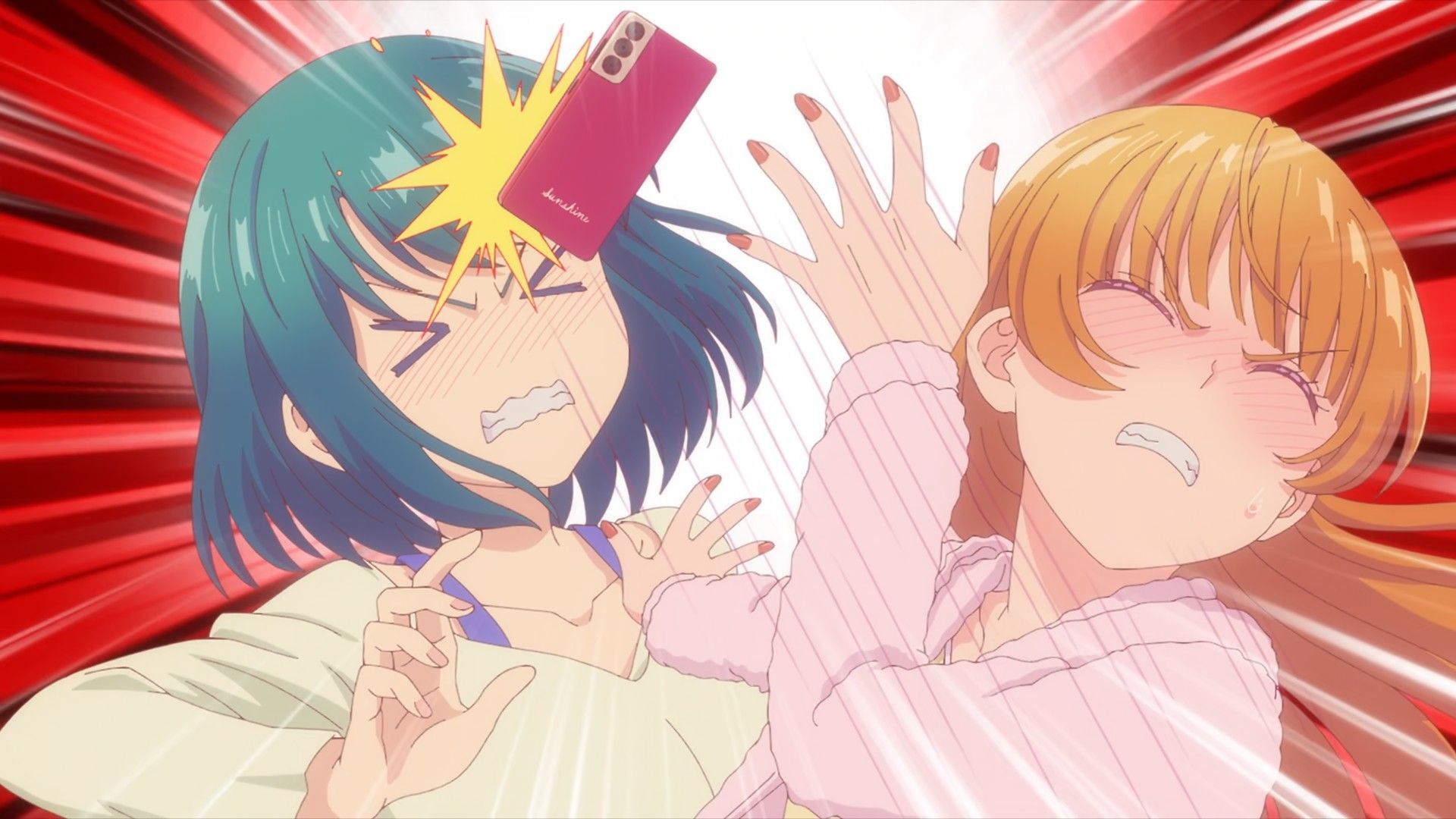
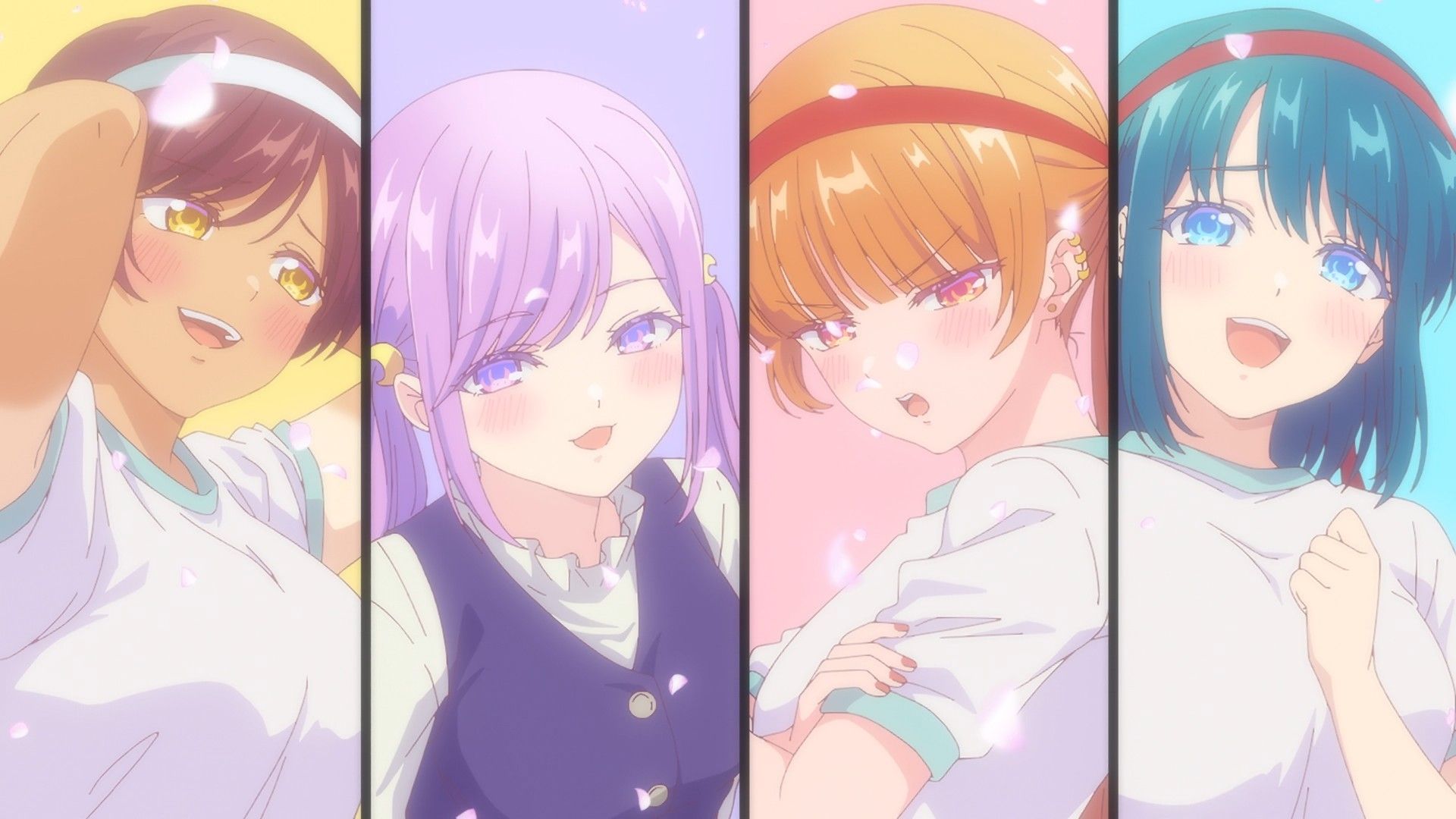
His daily life, however, is constantly tested by the girls around him. Minamo Shio, his energetic neighbor, is literally separated from him by only a window. At every turn, she tries to force situations straight out of the manga he reads. Hiodoshi Akari, a classic tsundere, hides her feelings behind a wall of insults and aggression, secretly hoping that Eiyuu will figure out her intentions himself. The balance completely collapses when, after five years, Tsukimi Runako (the younger sister archetype) returns to town. Without any scruples, she declares her desire to be in a relationship with Eiyuu. Add to all this Hinata Haru—a friend whom the main character considered a boy throughout their childhood. Throughout all twelve episodes, we watch Eiyuu try to ignore the feelings, running away from the inevitable transformation of their group into something completely different.
What is the series about
Osananajimi to wa Love Comedy ni Naranai is a narrative gem that, under the guise of a crazy classic comedy with multiple heroines harboring feelings for the protagonist, smuggles in an apt commentary on growing up and the concept of the osananajimi. In Japanese culture, a childhood friend is not just a sandbox buddy. It is an almost sacred bond, pure and untainted by the problems of adult life, social pressure, and the brutal awakening of puberty. This theme has been presented in all Japanese artistic creations for decades. The attempt to enter a romantic relationship means risking the loss of the only constant, safe haven. It is precisely this burden that the characters struggle with, and the creators show it in a brilliantly balanced, humor-filled way.
A Bit About the Narrative Structure
The series handles narrative pacing excellently. The initial episodes serve as exposition for Eiyuu’s defense mechanisms. We see here how the boy can cure Shio’s motion sickness in a crowded bus with a single, instinctive gesture, completely ignoring the romantic tension resulting from their physical closeness. On the other hand, we observe Akari trying to cheat in a word game (Shiritori) to force Eiyuu to say her name. The classic trope of locking two teenagers in a sports equipment storage room (which Shio tries to maneuver Eiyuu into herself) ends with her crying genuinely out of fear of the dark.
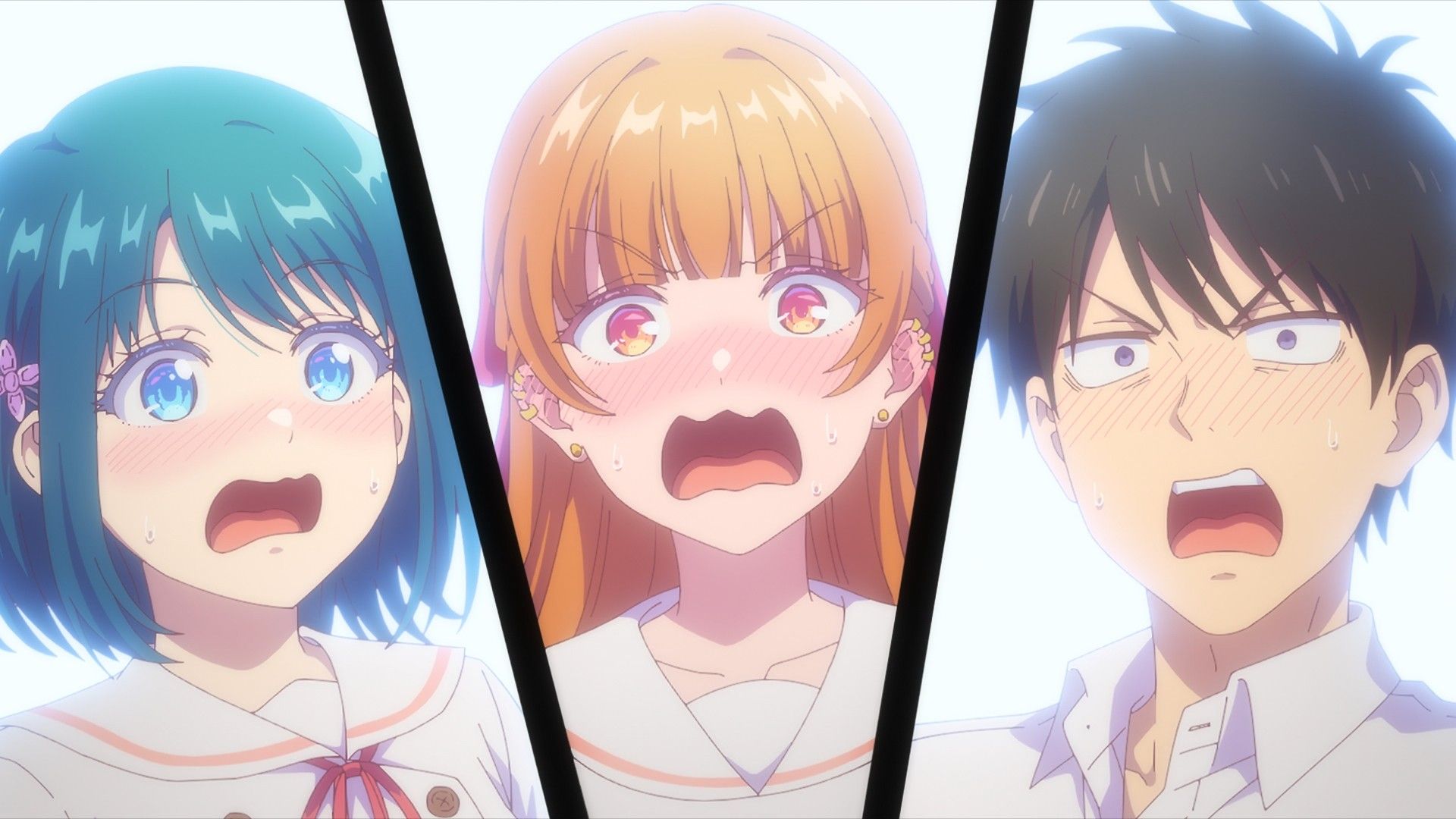
The appearance of Runako in the fourth episode escalates the entire narrative even further. Her explicit declarations regarding naughty things make the older girls, who previously preferred slower strategies to attract attention, suddenly have to close ranks and go on the offensive.
The authors brilliantly use cultural seasonal events as catalysts for plot development. The summer festival in Japanese media always symbolizes a moment of transition, when daily restrictions disappear and characters can express suppressed emotions. Shio and Akari realize that both intend to invite Eiyuu to the fireworks display. The tension reaches its zenith when Eiyuu receives an ultimatum from both girls to meet them at the same time in two different places.
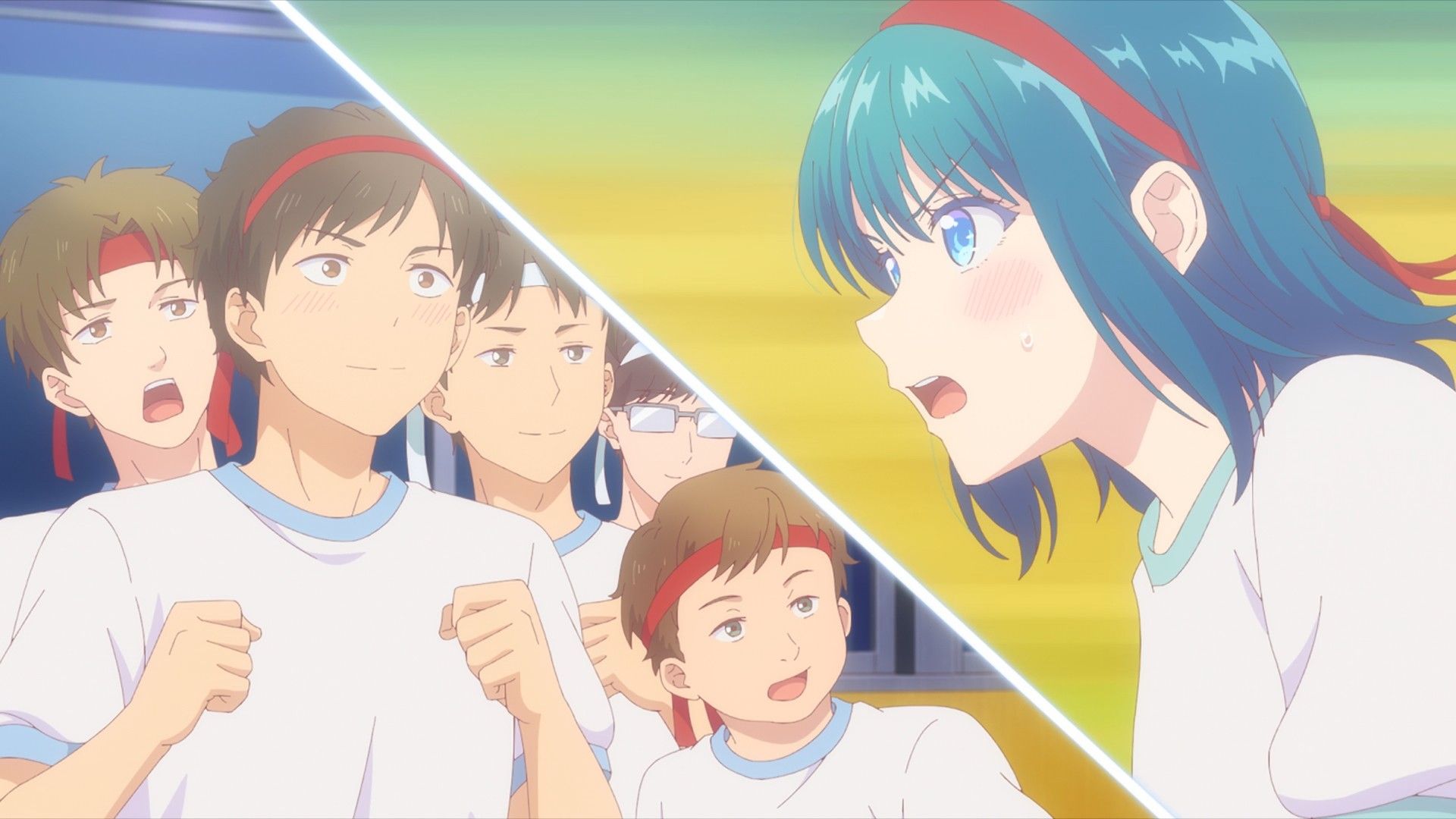
The introduction of Hinata Haru in the ninth episode adds another color. Her role isn’t just about the cheap shock value of actually being a girl. Haru acts as a reality check for Eiyuu. Through sports rivalry, she forces him to abandon his cowardice and admit to himself that his relationships with his friends have long ceased to be purely platonic.
Characters
Introduction
All the main characters appearing on screen received a massive amount of attention from the creators. Their motivations, fears, and desires are carefully outlined, and the bonds connecting them can be felt in every dialogue. No one is treated neglectfully here.
Sakai Yonosuke
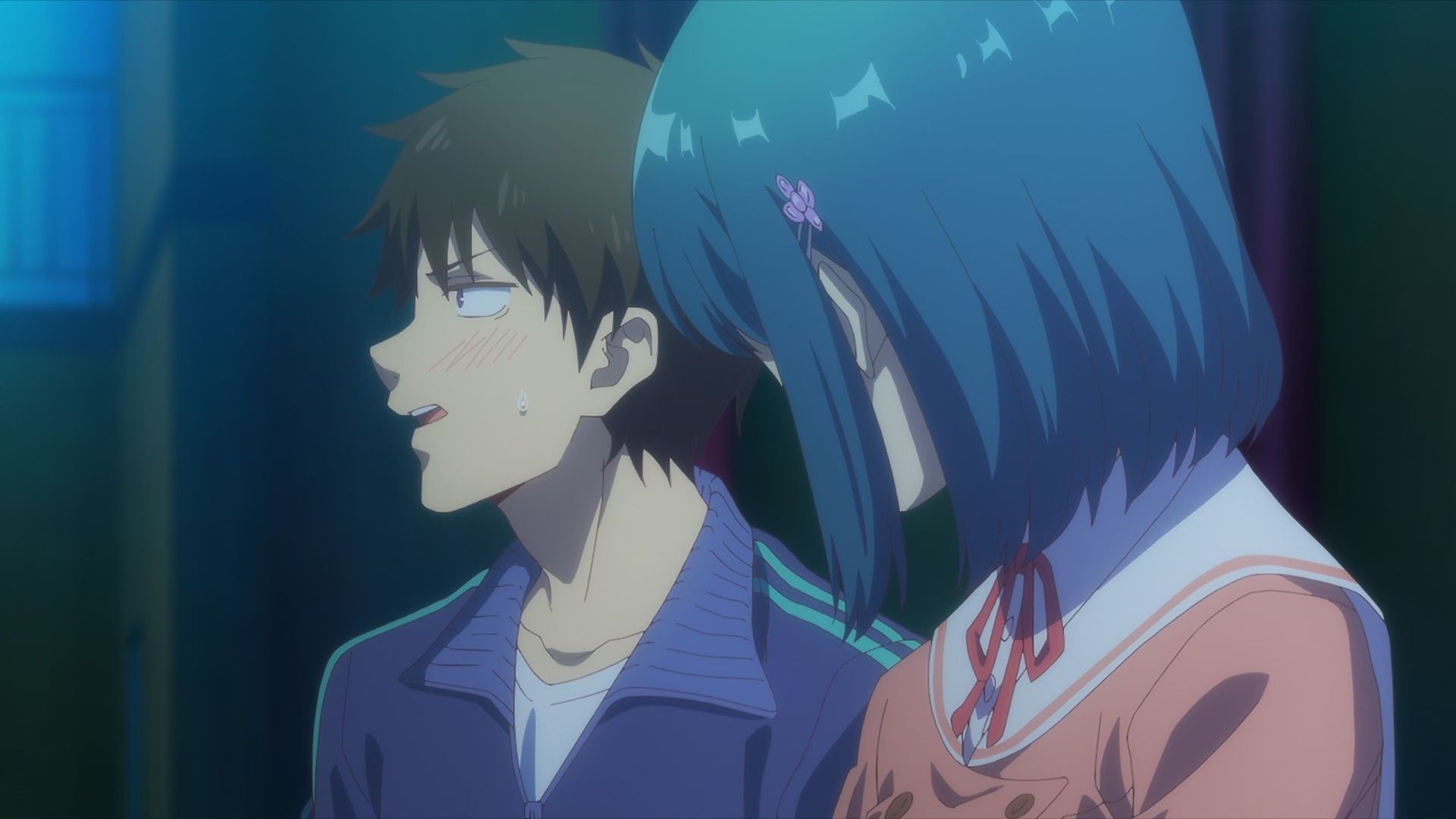
Called Eiyuu by his friends, he differs from his peers in other series in that his inability to read the atmosphere doesn’t stem from stupidity, but from deliberate denial. Eiyuu desperately wants to live in a romantic comedy that he reads about in the manga hidden under his bed, yet he consciously turns a blind eye to the signals sent by his friends, fearing the destruction of their current relationship. He uses the phrase we are just childhood friends as a defensive shield.
He is, however, extremely caring and incredibly observant. He knows the weaknesses of each girl and always shows up when they need it. His biggest flaw is the lack of acceptance that it is precisely these small acts of unconditional kindness that made his friends fall in love with him.
Minamo Shio
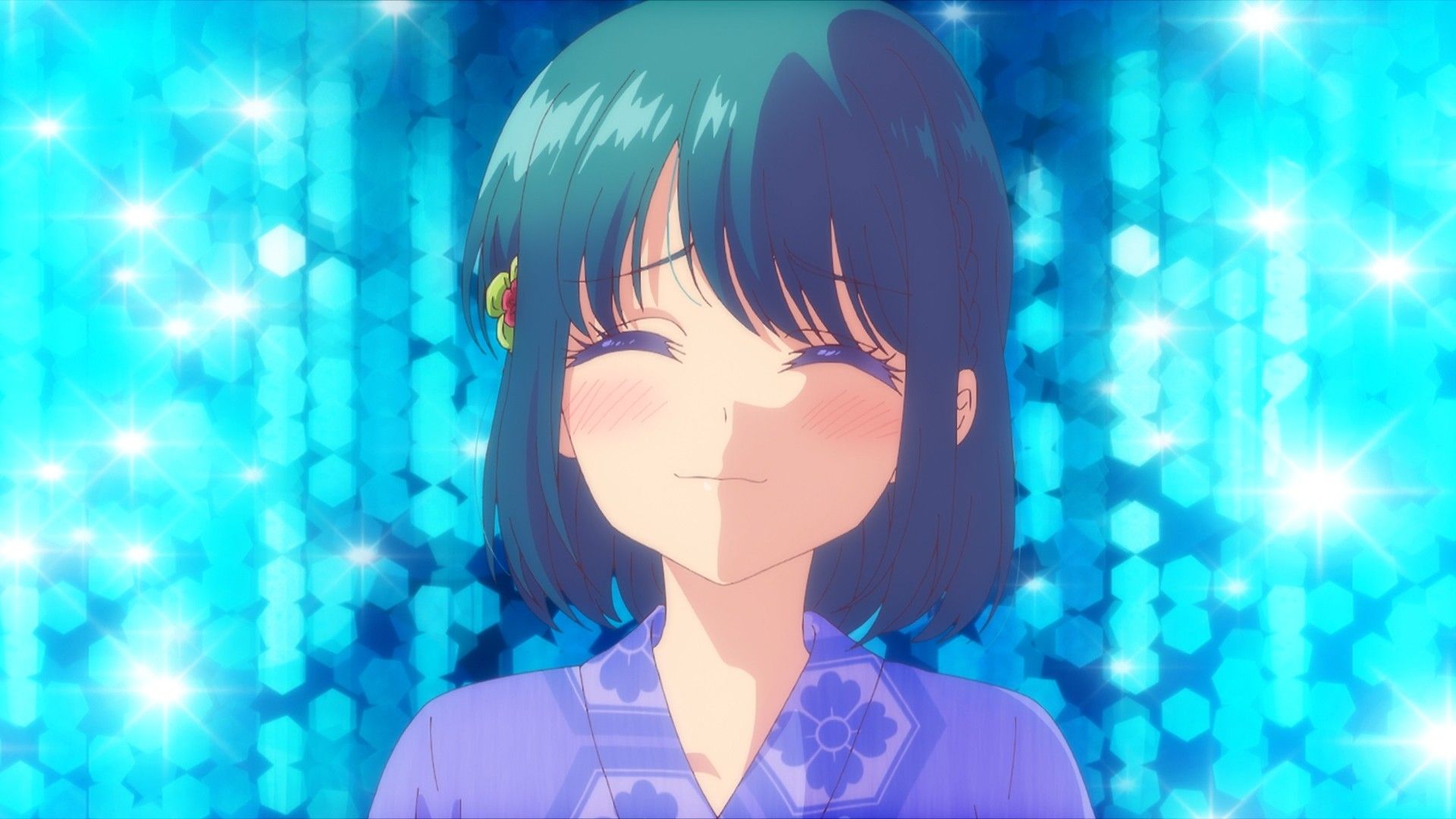
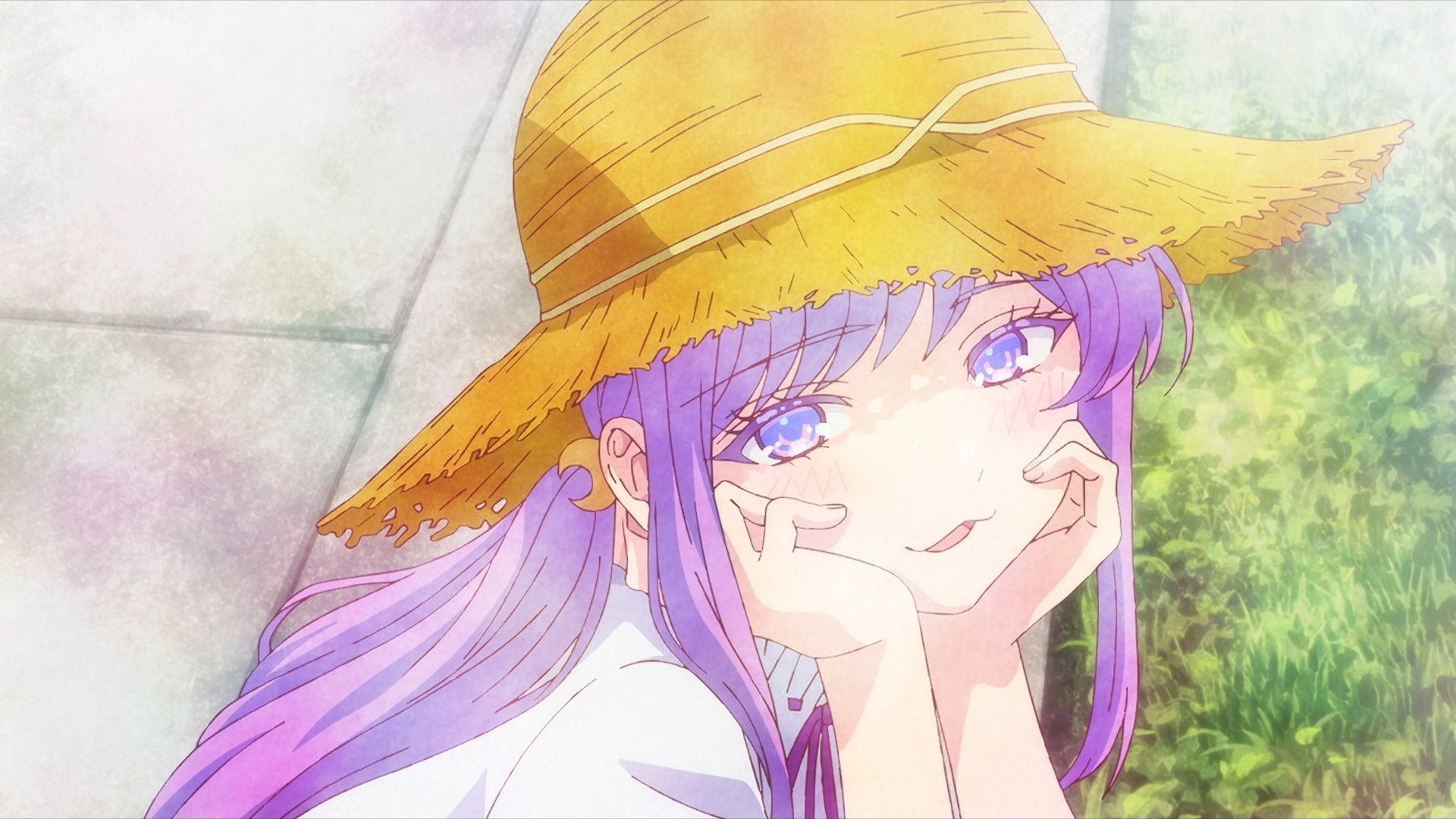
Shio initially seems to be just a carefree, lively girl next door (genki). She routinely breaks into his room through the second-floor window. She leans against him and allows herself an extreme closeness that is simply the norm for her. However, beneath this cheerful facade, Seo Kouji… excuse me, Misu Shinya (here a similar style to the masters of the genre is clearly visible) hides a girl paralyzed by fear of the future. Shio is terrified that growing up, going to university, and potential marriages will destroy their sacred, youthful bond. It is for this reason that she is so determined to force romantic situations. Gaining the status of being in a relationship with Eiyuu is a way for her to guarantee her place by his side forever. I must honestly admit that Shio is my favorite character out of the four, even though I would normally lean more towards the tsundere.
Hiodoshi Akari
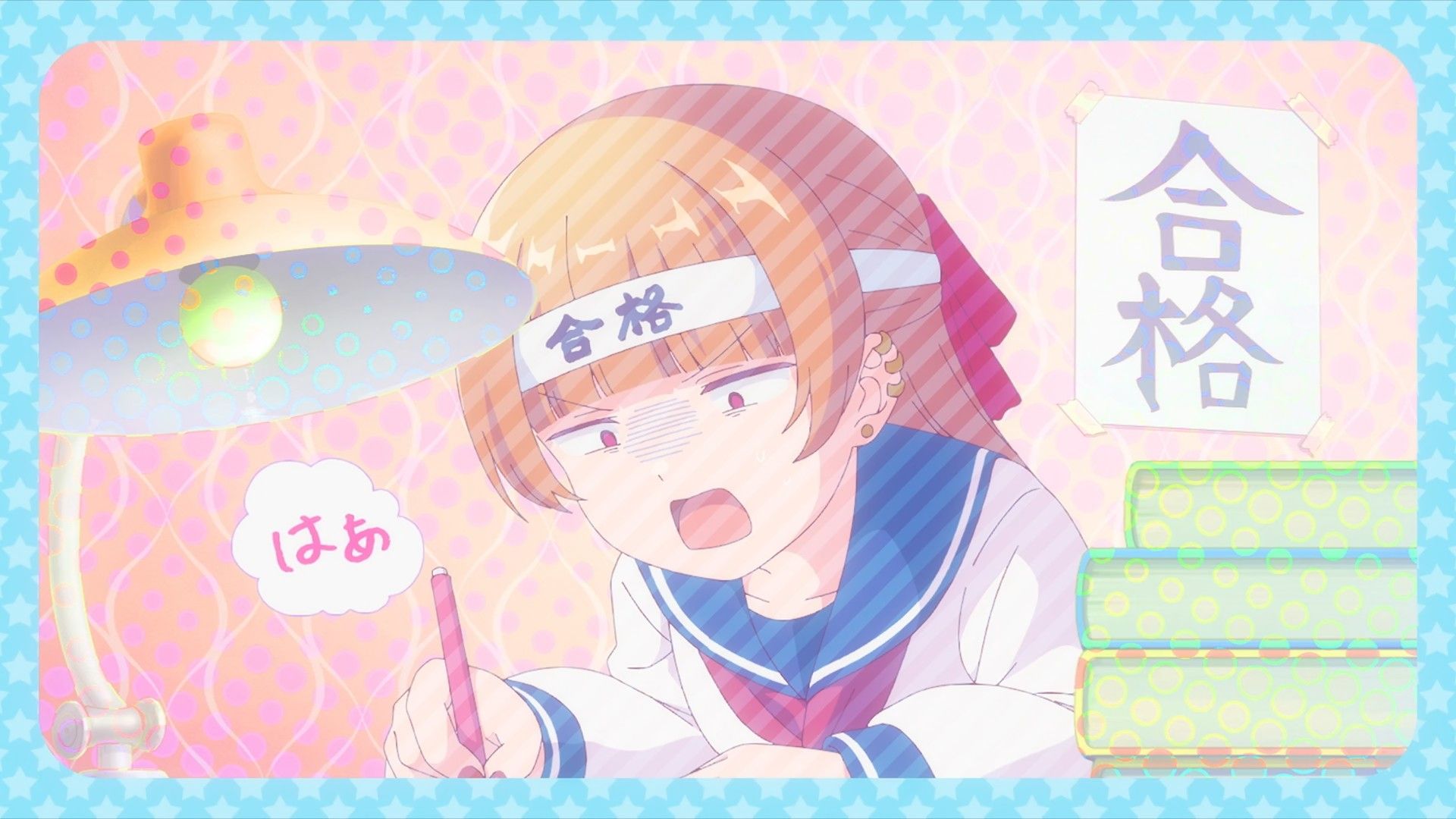
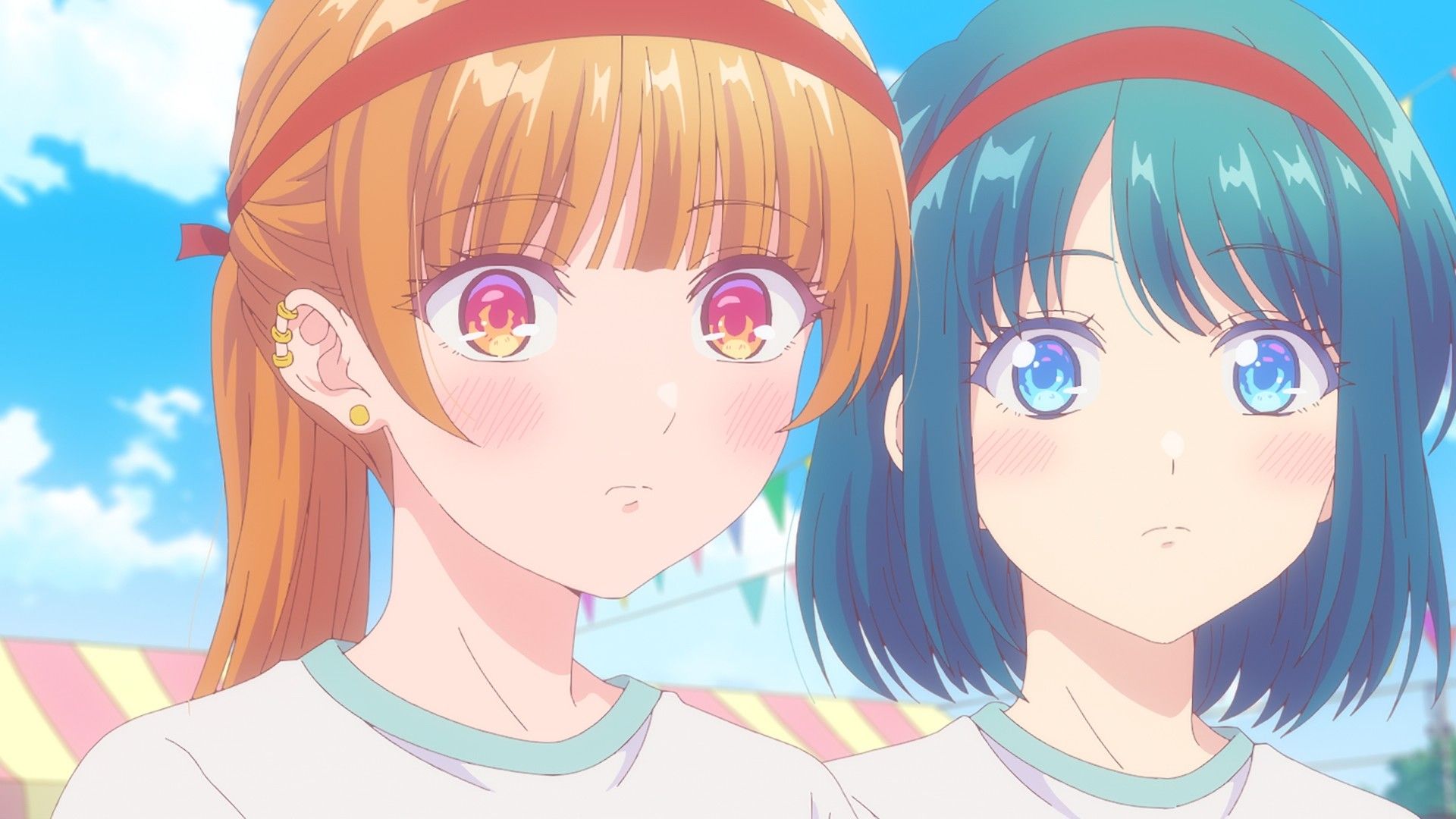
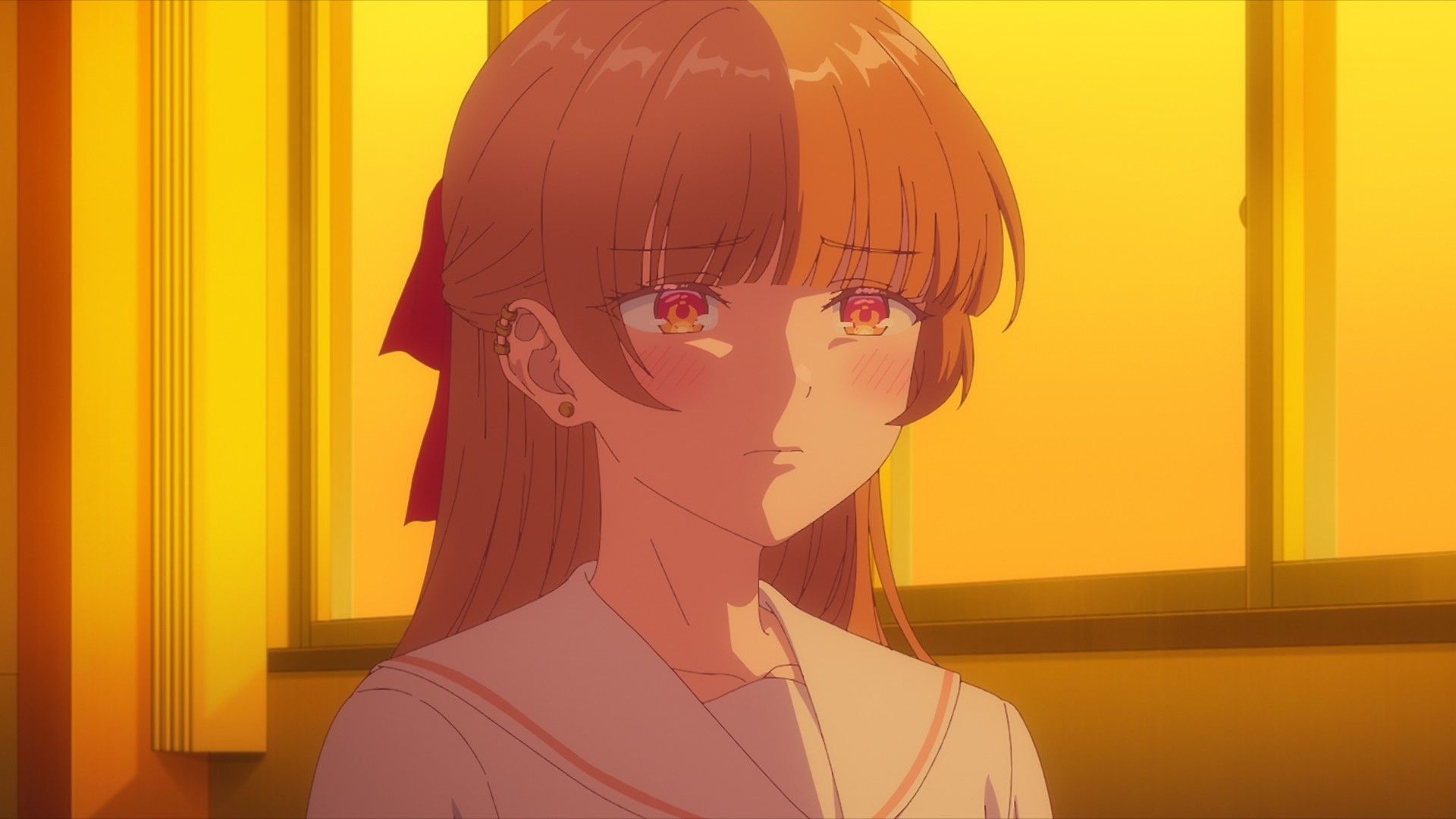
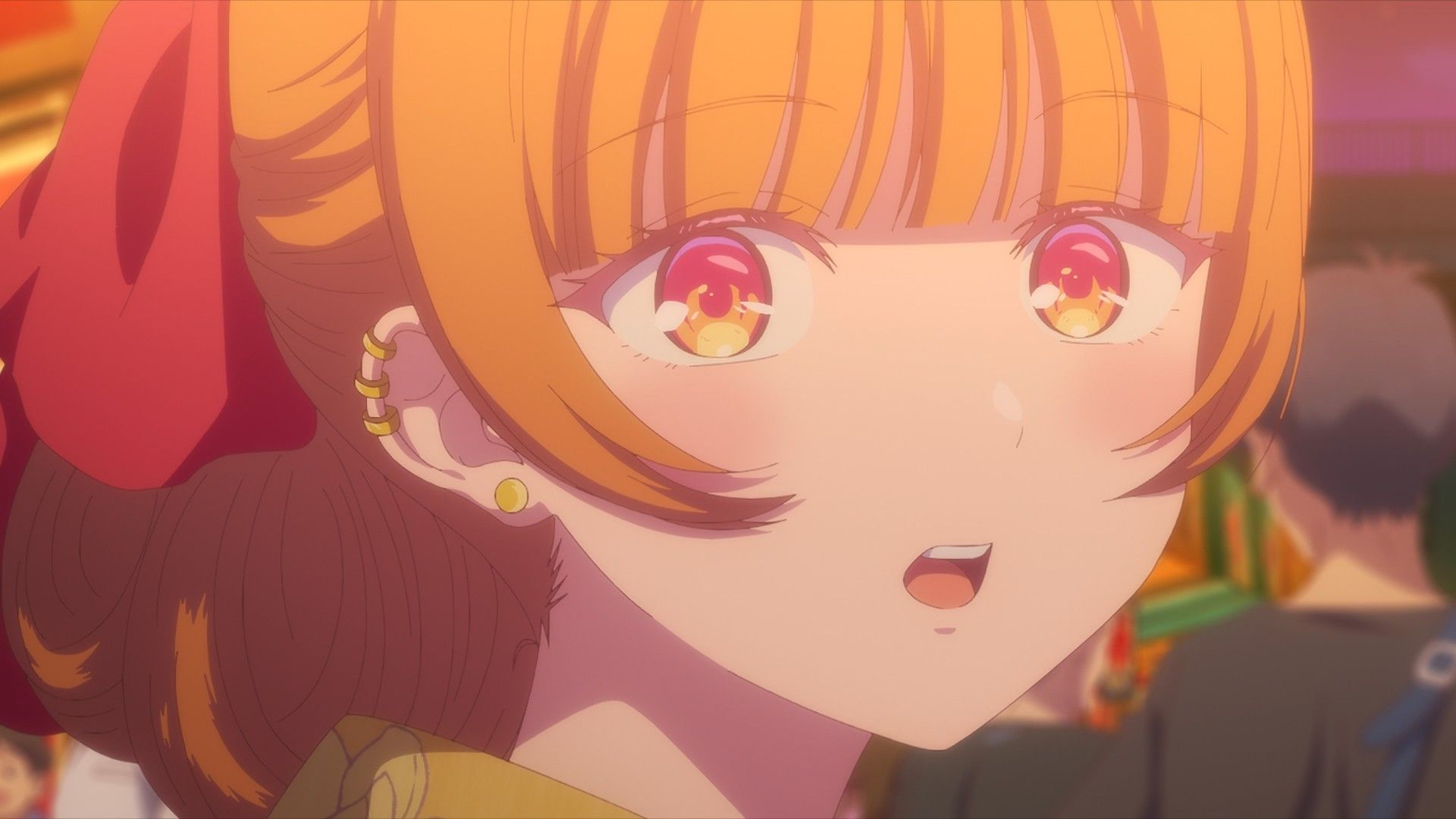
Akari, in turn, is the embodiment of the tsundere archetype. Fashionable, sharp-tongued, and stubbornly employing the tactic of avoiding or acting rudely towards the person she secretly adores. The viewer, however, has insight into her inner monologues from the beginning, which reveal something completely different. Akari worked hard to get into the same high school as Eiyuu. She spends a lot of time on makeup every day solely to please him and buys his favorite drinks to have an excuse for an indirect kiss from a shared bottle.
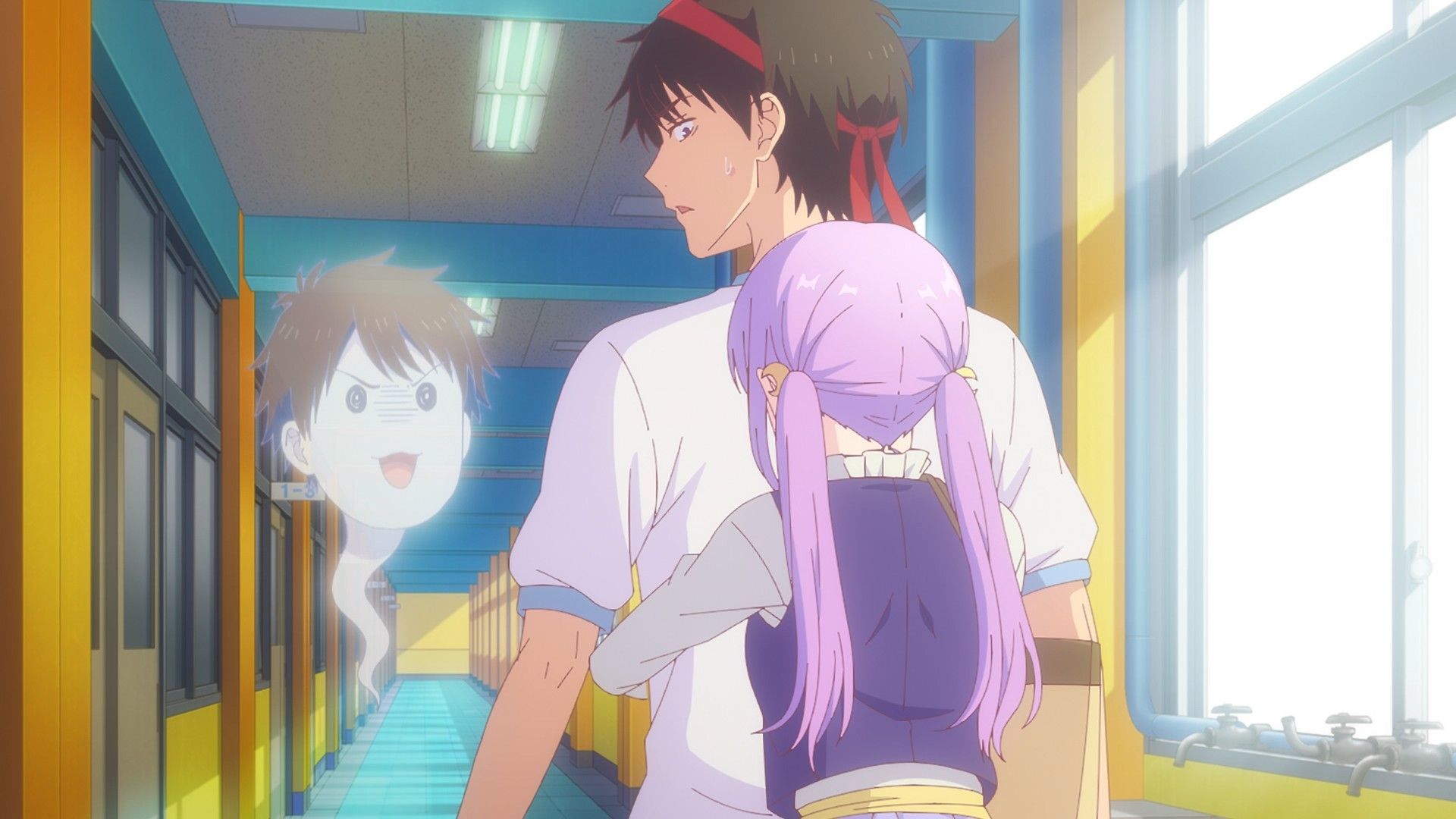
The girl struggles with considerable complexes. She feels tremendous insecurity regarding her smaller bust compared to Shio, and on top of that, she is terrified of the dark and ghosts. Her internal resistance and stubbornness constitute the biggest barrier in her relationship.
Tsukimi Runako
Runa serves the function of the ultimate trigger. As the younger sister archetype who returns to Eiyuu after five years, she doesn’t feel the slightest obligation to maintain the status quo. She is a year younger, lives with Eiyuu under the same roof (preparing for exams), and shamelessly communicates her desires from the very first seconds. Eiyuu considers her someone he has to take care of (he remembers her as a clumsy child). Runa deliberately exploits this fact, acting very maturely and provocatively on the one hand, and asking him in a sweet voice to dry her hair on the other. It is her directness and the threat she poses in terms of physical closeness that make Shio and Akari have to forget their disputes and join forces.
Hinata Haru
A girl who grew up in a house full of brothers and acted so boyishly that the rest of the gang simply considered her another buddy during childhood. Her revealing herself in high school as an attractive, athletic track and field competitor causes a huge shock to everyone. Haru steps into the group from the position of a cool, objective observer. She tries to be the best possible wingman for both sides. She challenges Eiyuu to basketball games and tests his nervous endurance through prolonged eye contact. However, this position is quickly forgotten when she realizes that Eiyuu’s gentleness affects her with the same power as the rest of the girls, pulling her into the vortex of feelings.
The Relationship Between Shio and Akari
The bond that connects, for example, Shio and Akari, is downright sisterly. When Shio confides in Akari about her plans for a love confession at the festival, Akari doesn’t try to stab her in the back. They make a pact and promise each other that no matter who Eiyuu chooses, they won’t let it destroy their friendship. When Runako begins her bold advances, the older girls immediately form an alliance.

Osananajimi to wa Love Comedy ni Naranai (2026) – Evaluation and Summary
Osananajimi to wa Love Comedy ni Naranai is not just a beautiful visual setting and really well-woven fanservice. This series proves once again that well-worn clichés often work really well to tell a story and present characters. This is exactly why fans love this type of series. The title does not shy away from typical tropes. On the contrary, it takes them into the workshop, polishes them, and uses them to create a story full of authentic warmth, comedy, and emotional relationship-building between the characters. I sincerely hope that I will be able to see a continuation in the future, because the ending practically begs for it.
Finalny werdykt
Final evaluation

Which translation do I recommend to watch Osananajimi to wa Love Comedy ni Naranai (2026)?
- Crunchyroll (official) – a quite good translation that I can’t really fault much.
Gallery