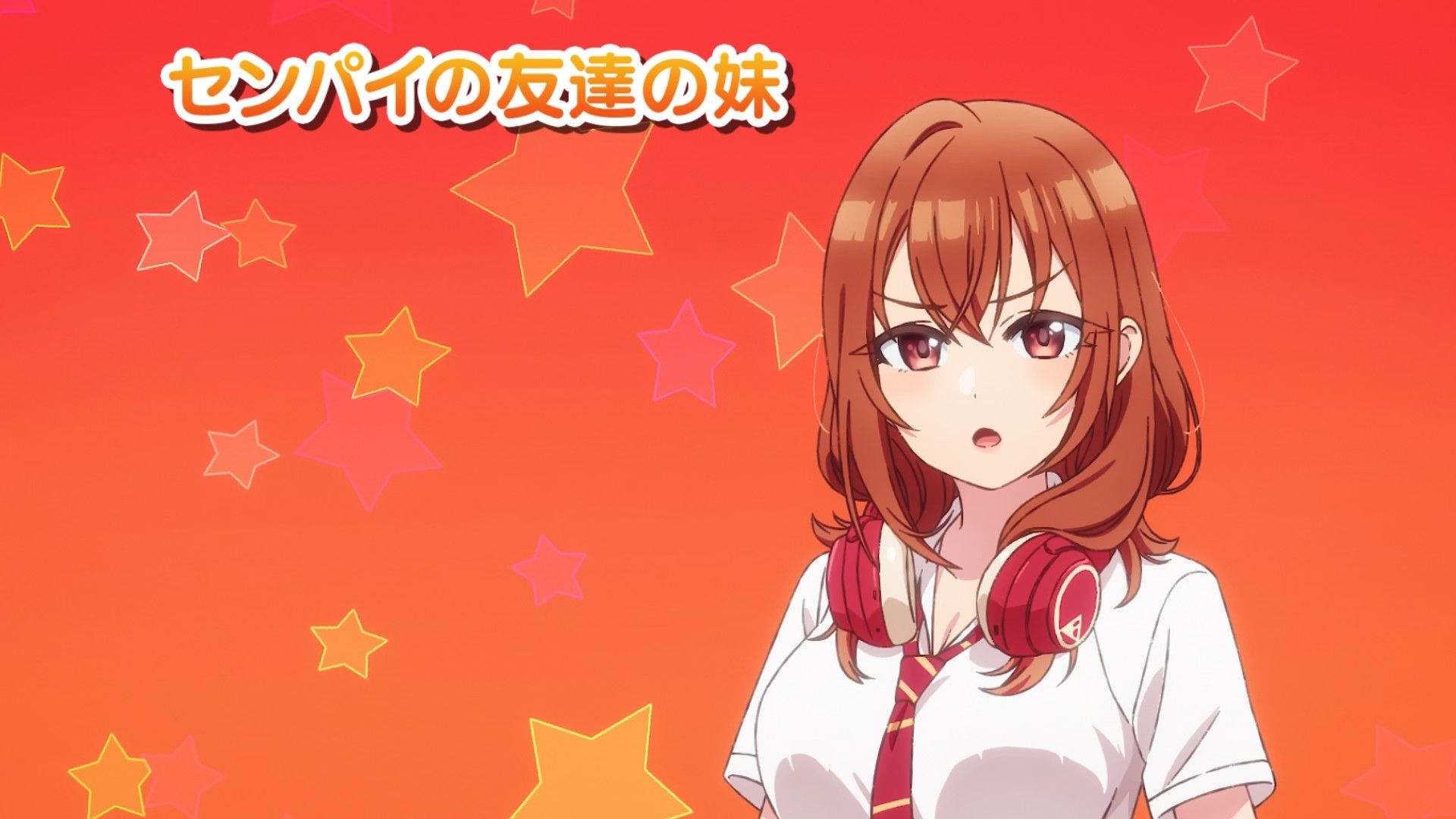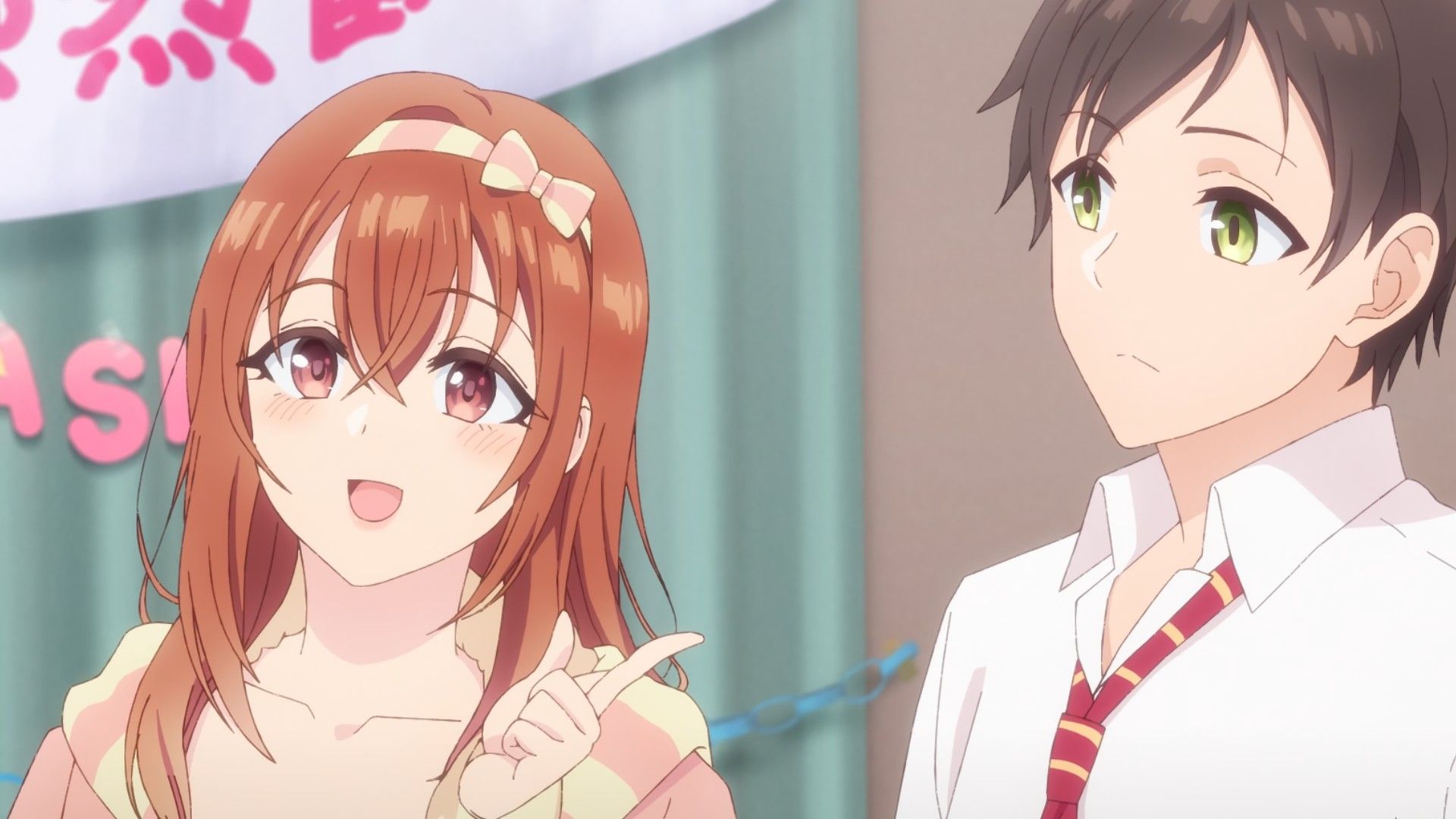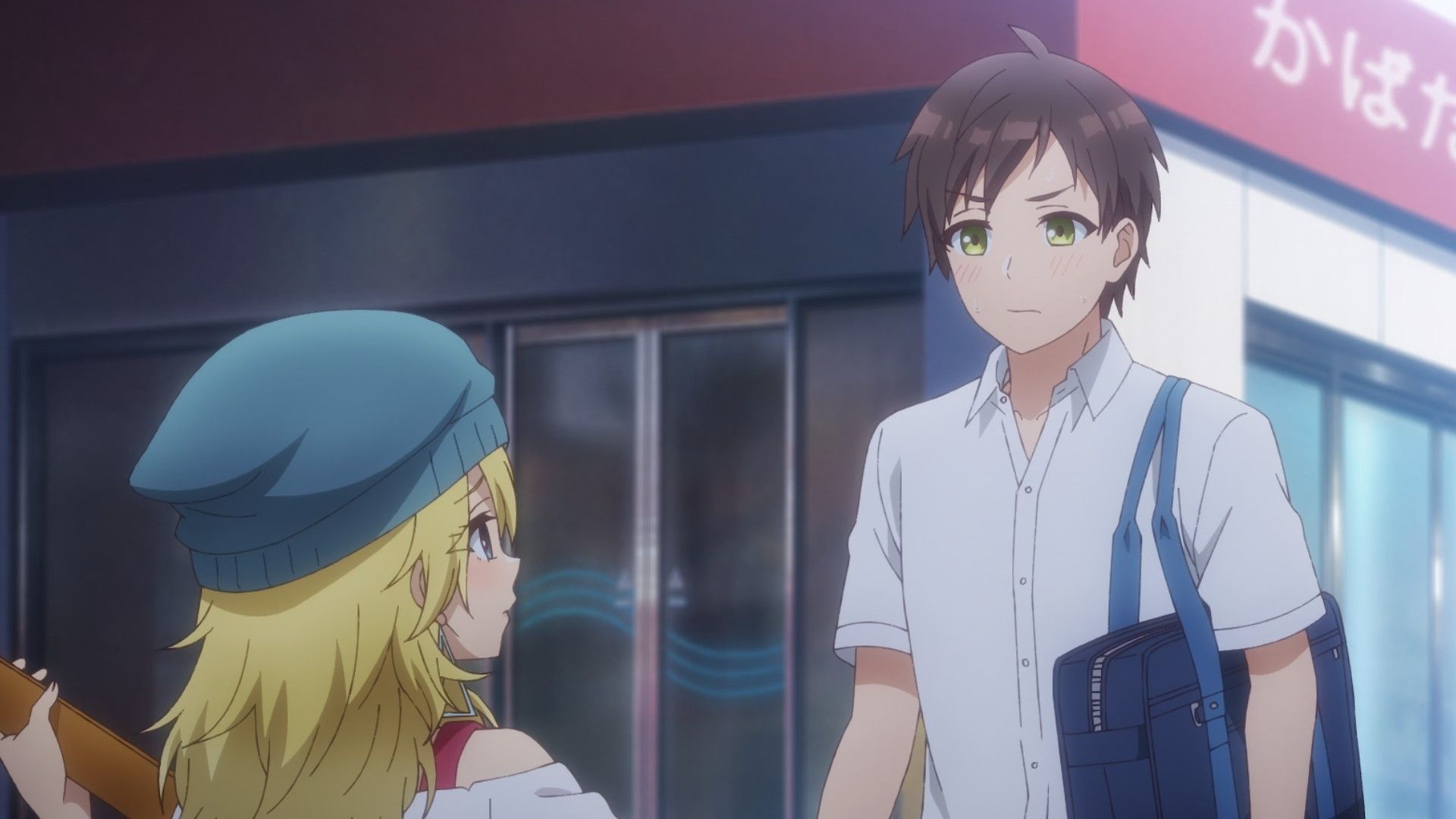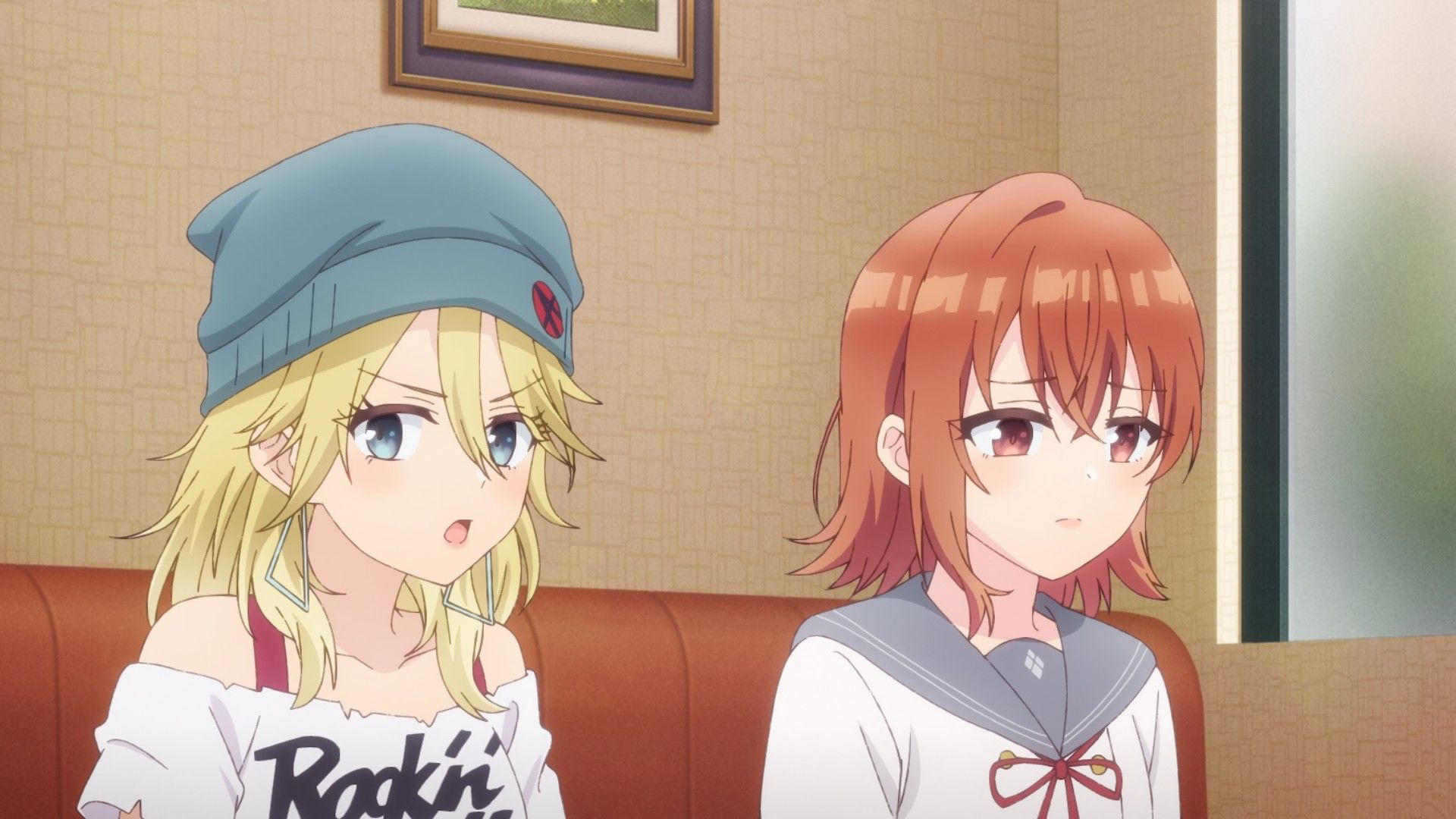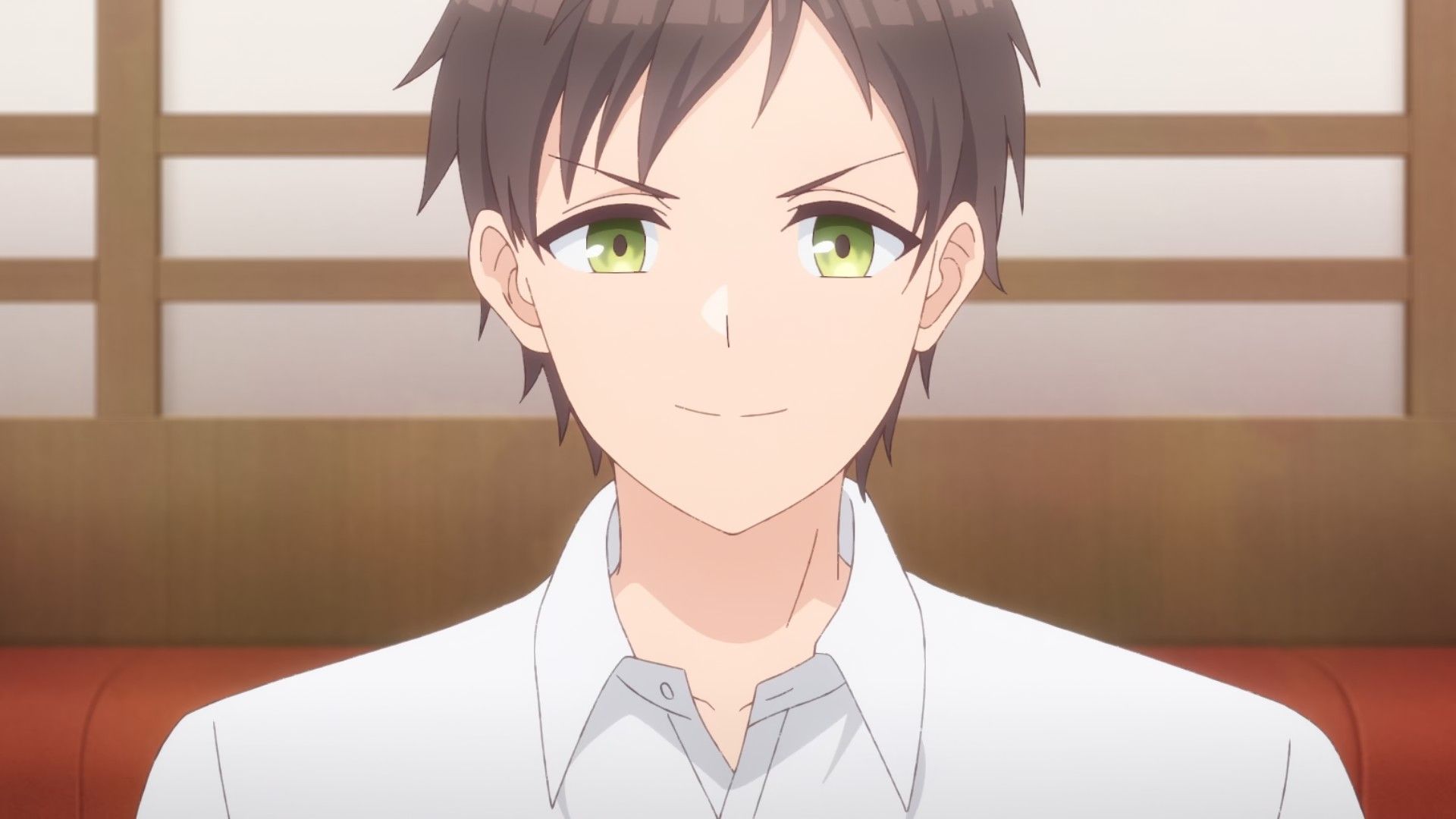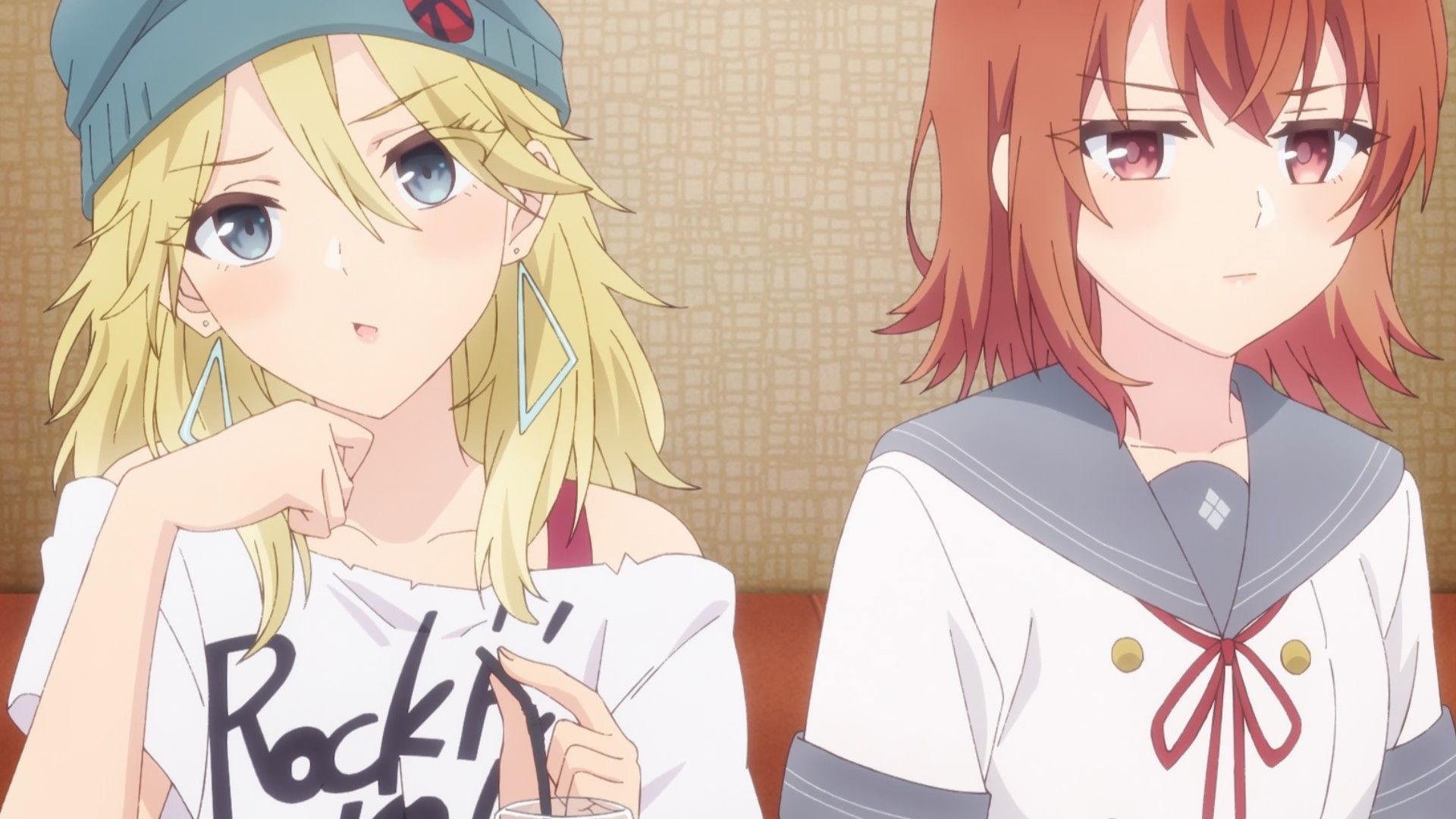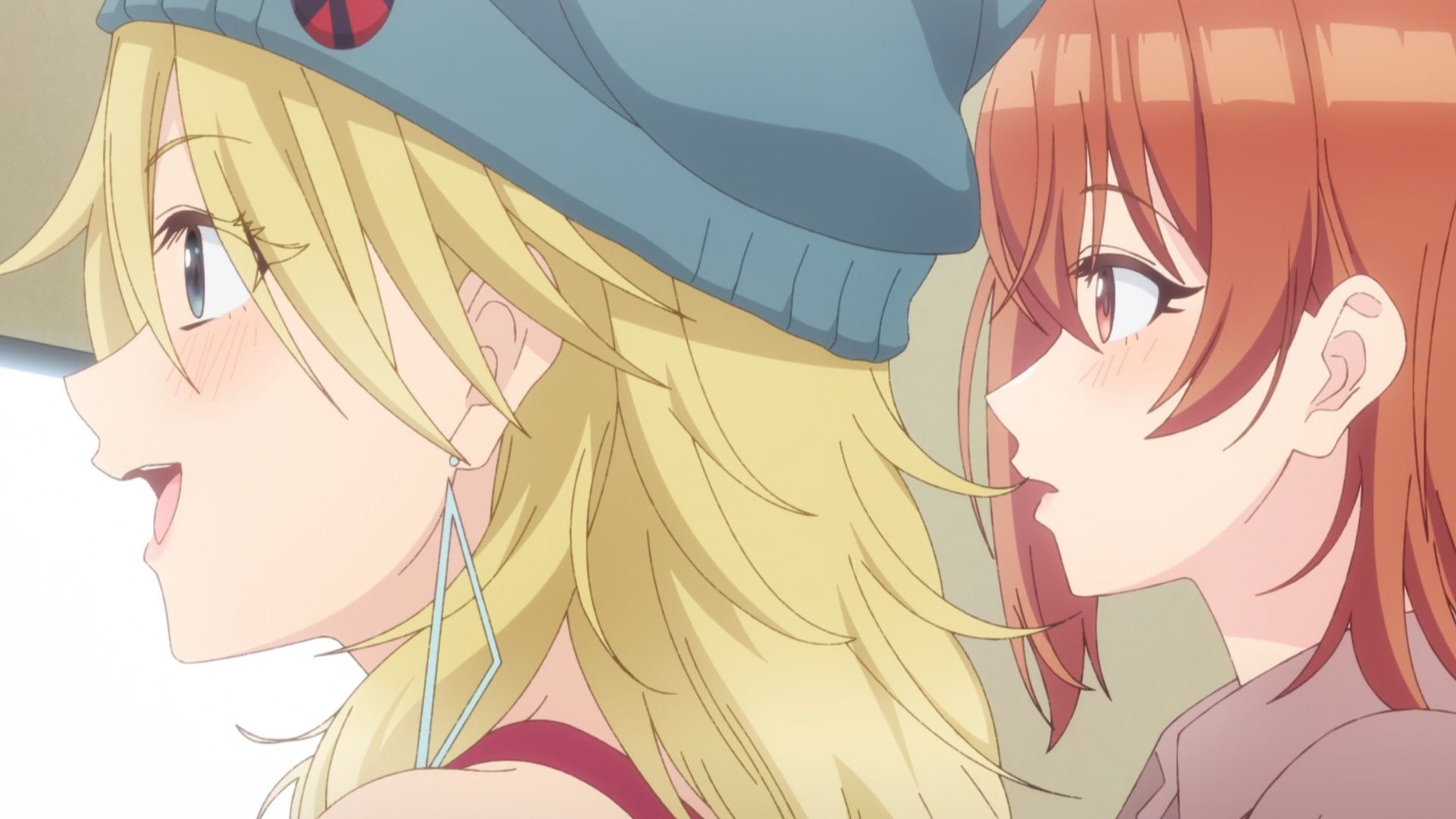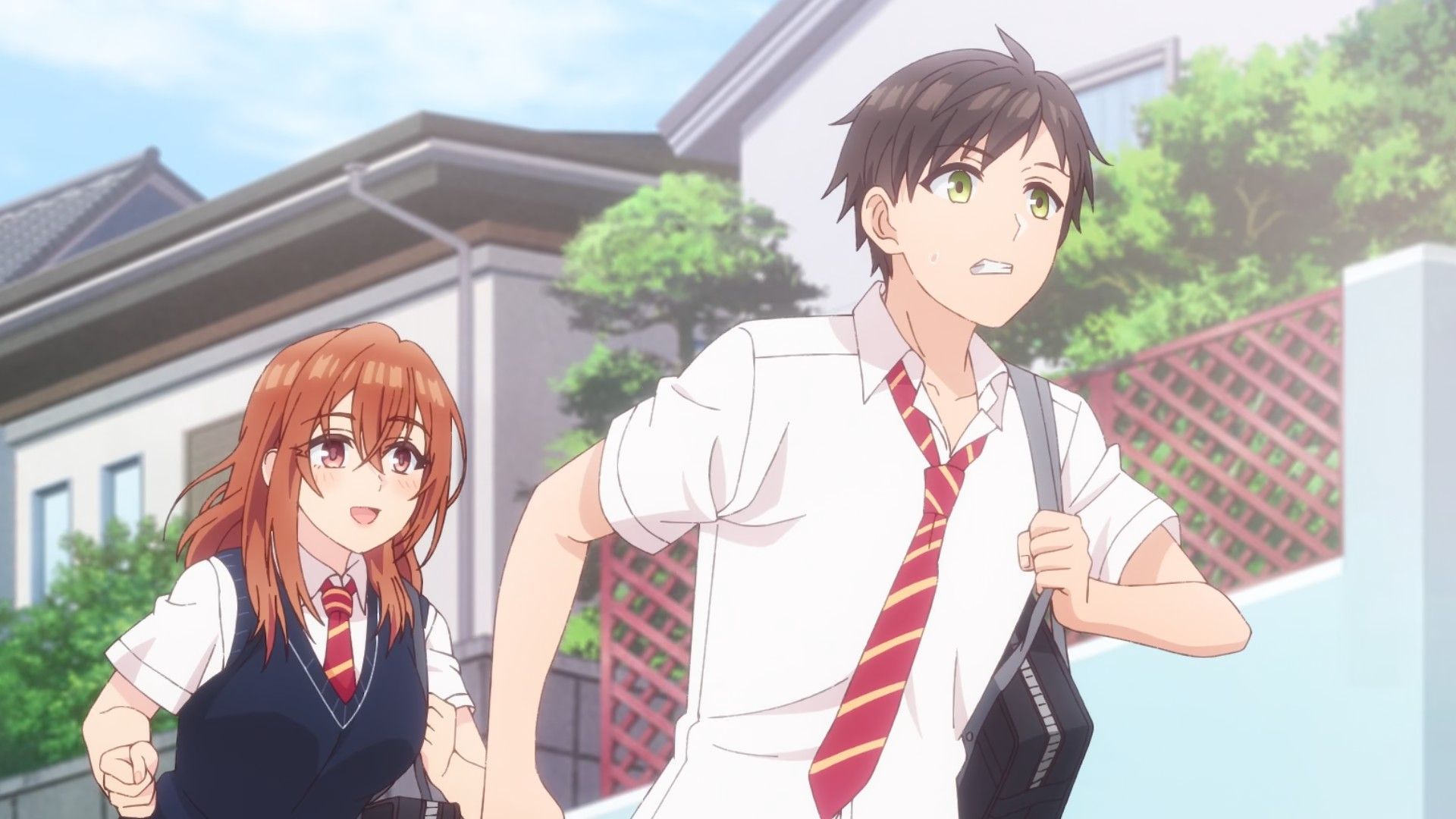
Ooboshi Akiteru is a high school student living by a simple, logical code. Efficiency counts above all else. Wasting time is a mortal sin to him—especially on illogical social games like “be mean to the person you like.” This pragmatism is constantly put to the test by one person: Kohinata Iroha, his friend’s younger sister.
To the rest of the world, Iroha is a polite, bright, virtually model student. But in private with Akiteru, she transforms into a relentless teaser. She invades his personal space, ruins his plans, and watches with clear satisfaction as he loses his composure. His best friend, Ozuma, suggests this is her specific way of showing affection. Akiteru dismisses it as a pure nuisance.
He focuses on the future of his independent game development team, the 05th Floor Alliance. He wants to secure a position at a major entertainment company run by his eccentric uncle. However, the condition of the offer is absurd and non-negotiable: he must become the fake boyfriend of his beautiful cousin, Tsukinomori Mashiro, who is transferring to his school to escape a troublesome past.
Thrust into a fictional relationship with a girl who openly despises him, while simultaneously fending off daily provocations from his buddy’s annoying younger sister, Akiteru quickly realizes that his logical, orderly world is descending into chaos.
Tomodachi no Imouto ga Ore ni dake Uzai (2025) – Audiovisual Design
Video
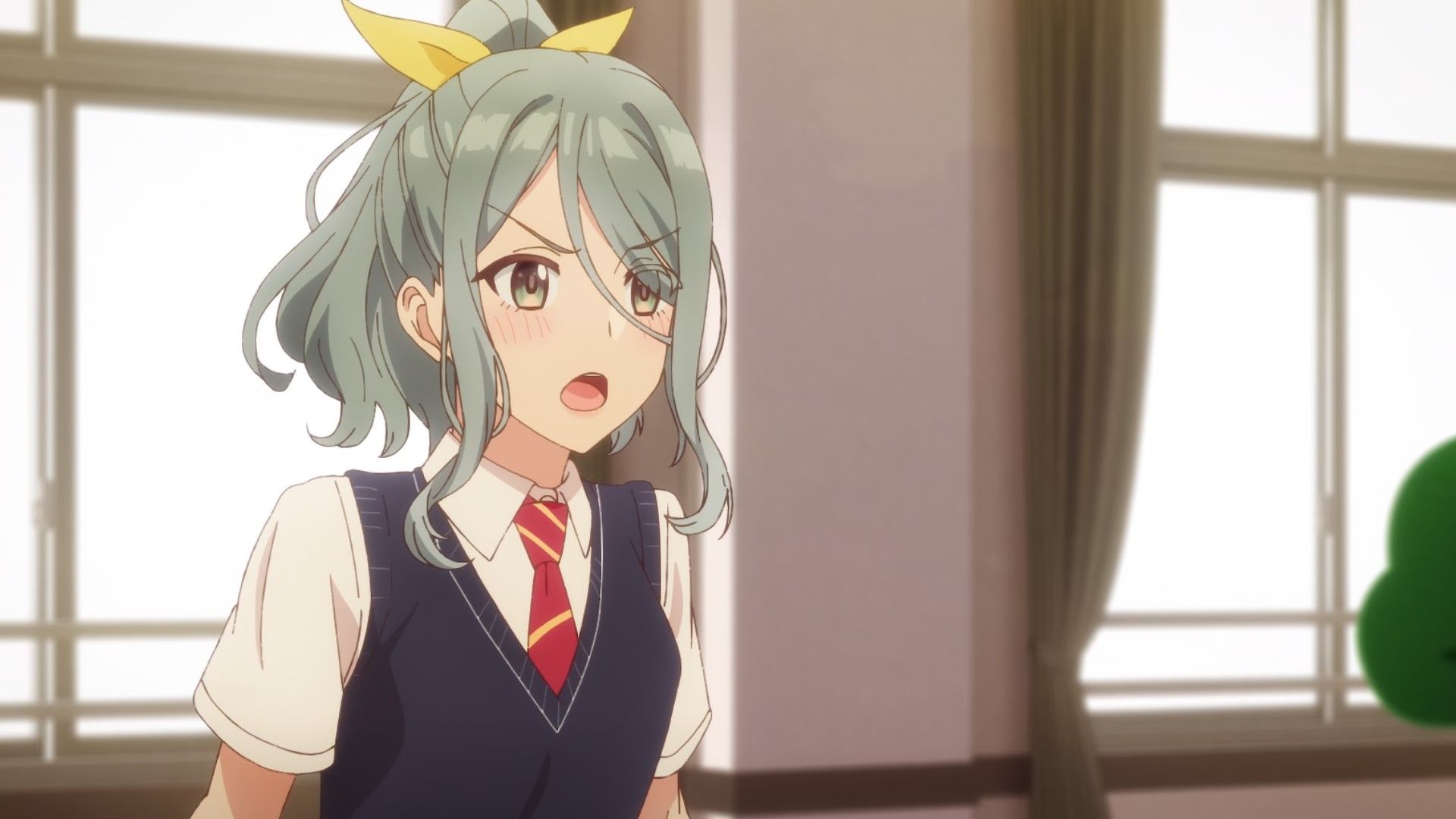
As befits a series intended to draw the eye with its heroines, Tomodachi no Imouto ga Ore ni dake Uzai looks simply great. Studio BLADE has done a solid piece of work. Direction was entrusted to Koga Kazuomi, a creator who cut his teeth on the genre, previously directing titles such as Kanojo, Okarishimasu and Kubo-san wa Mob wo Yurusanai. His experience is visible in every frame—he knows exactly how to frame scenes to bring out the best in the heroines.
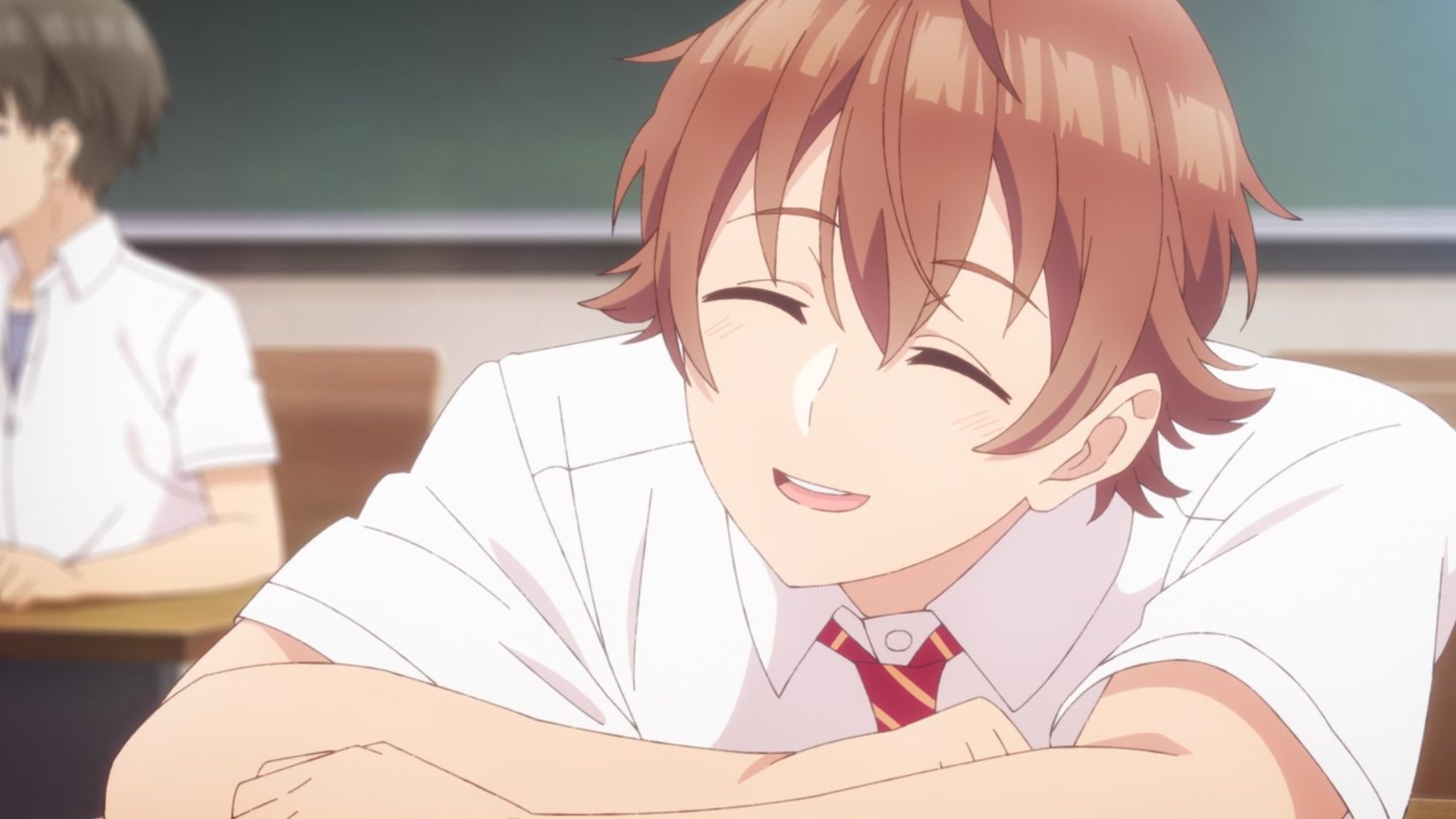
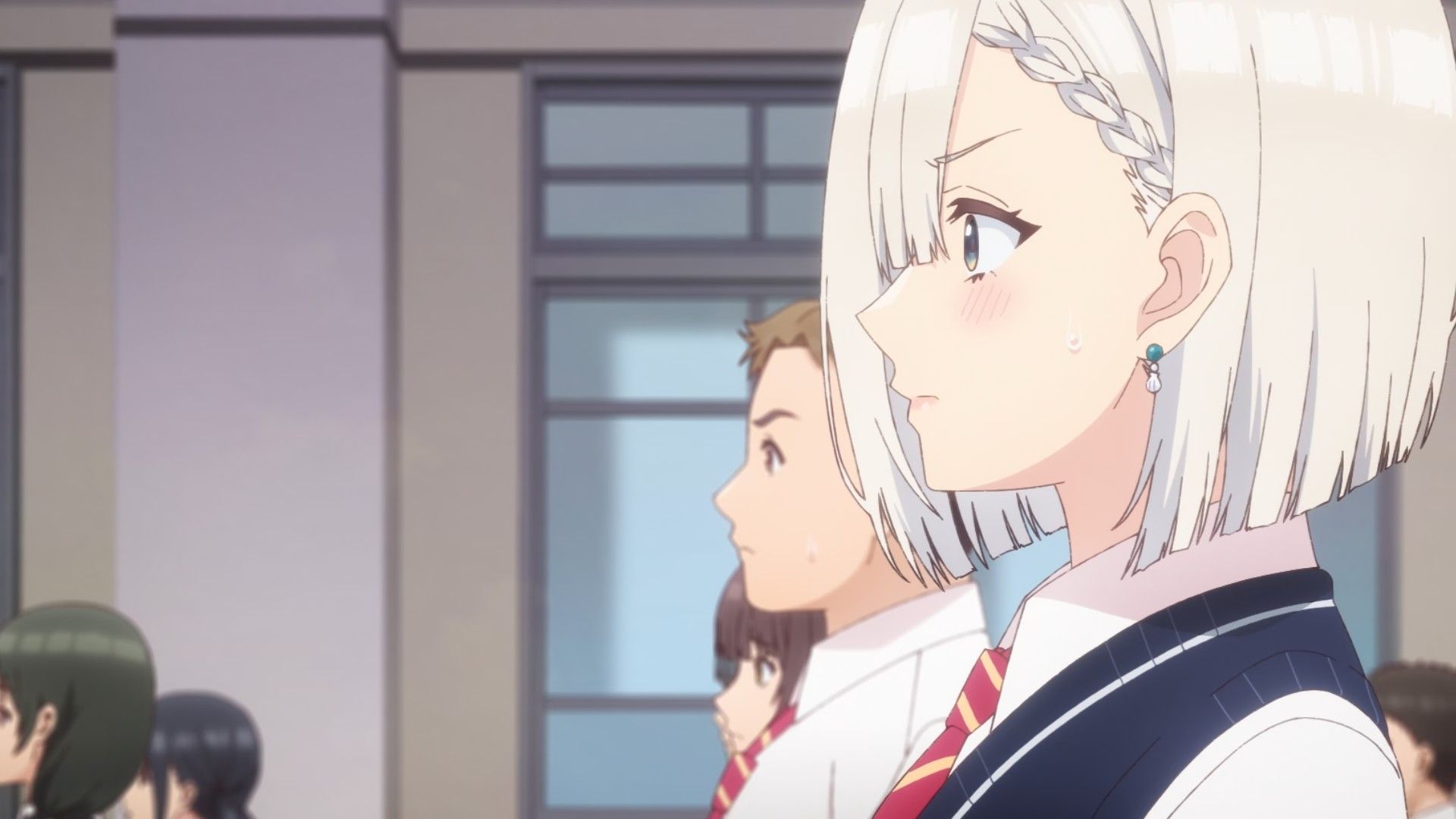
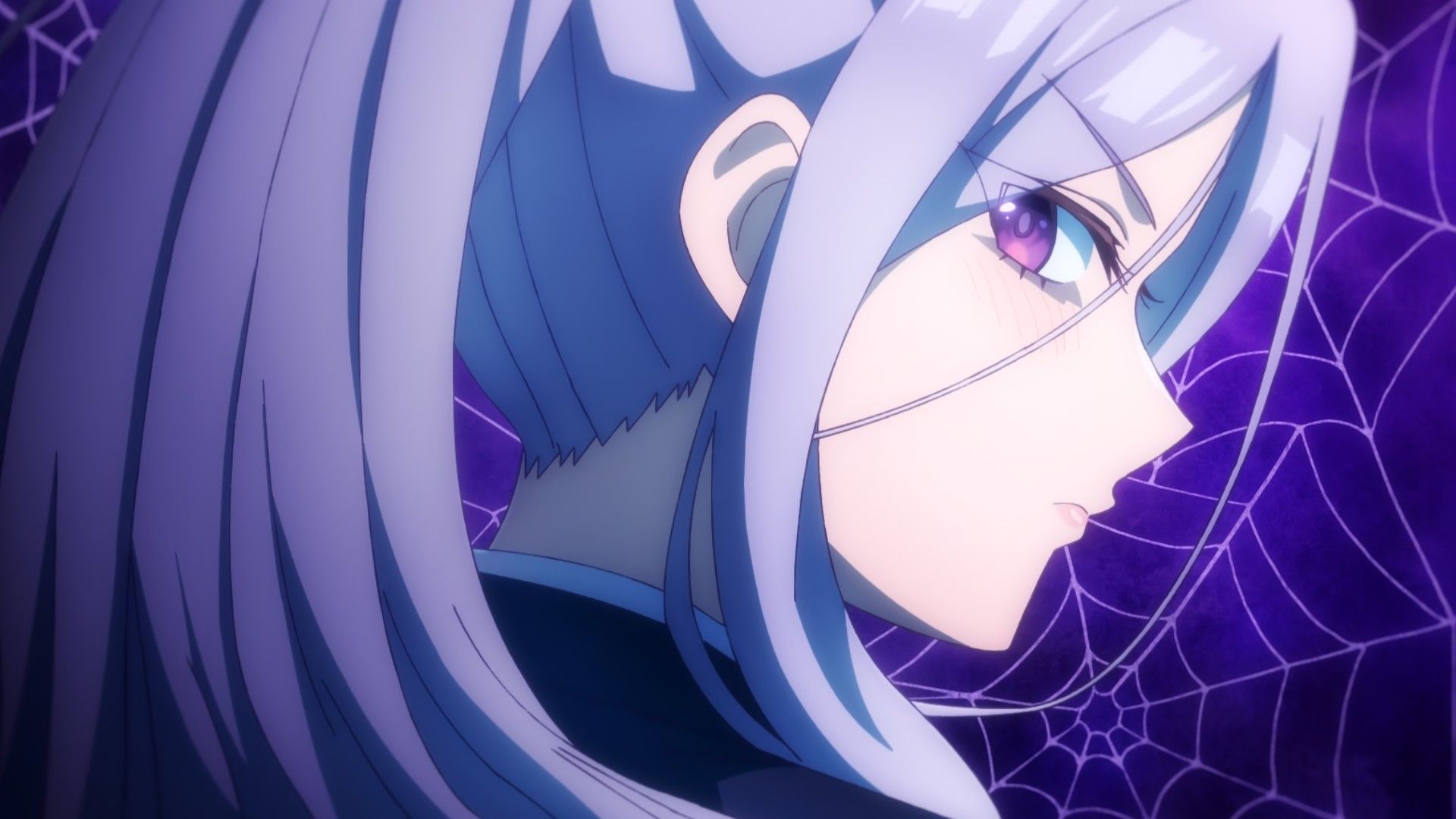
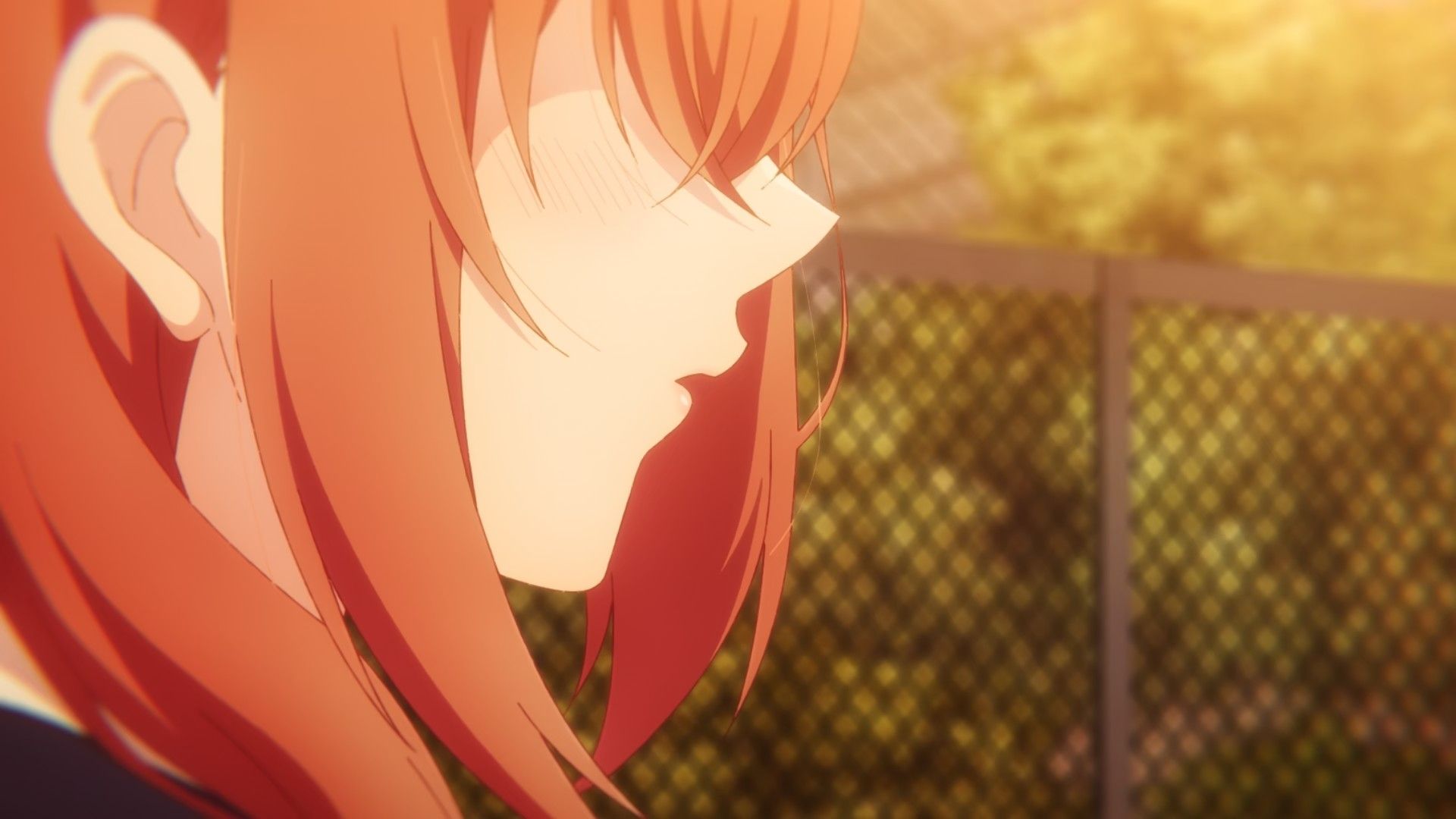
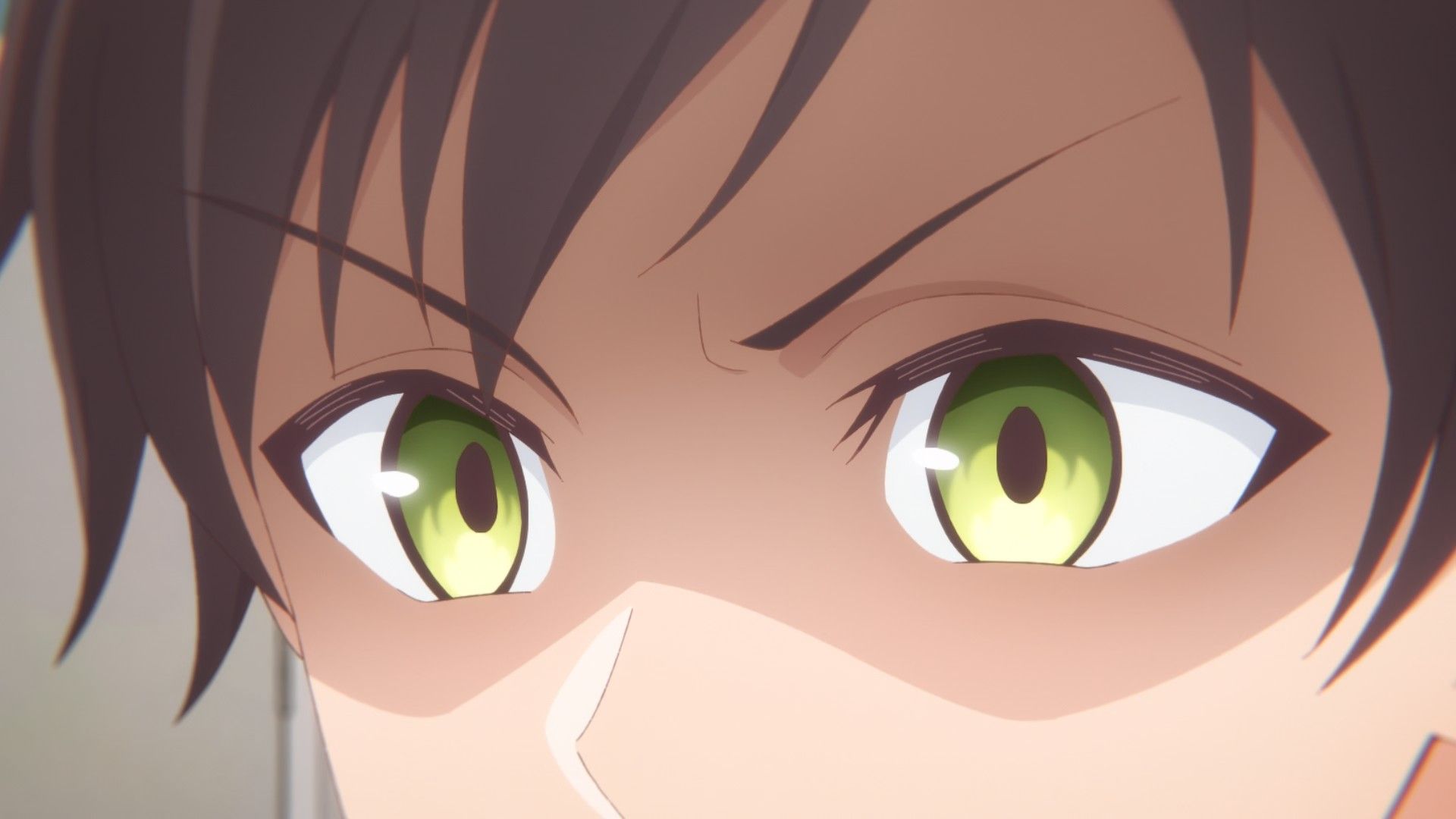
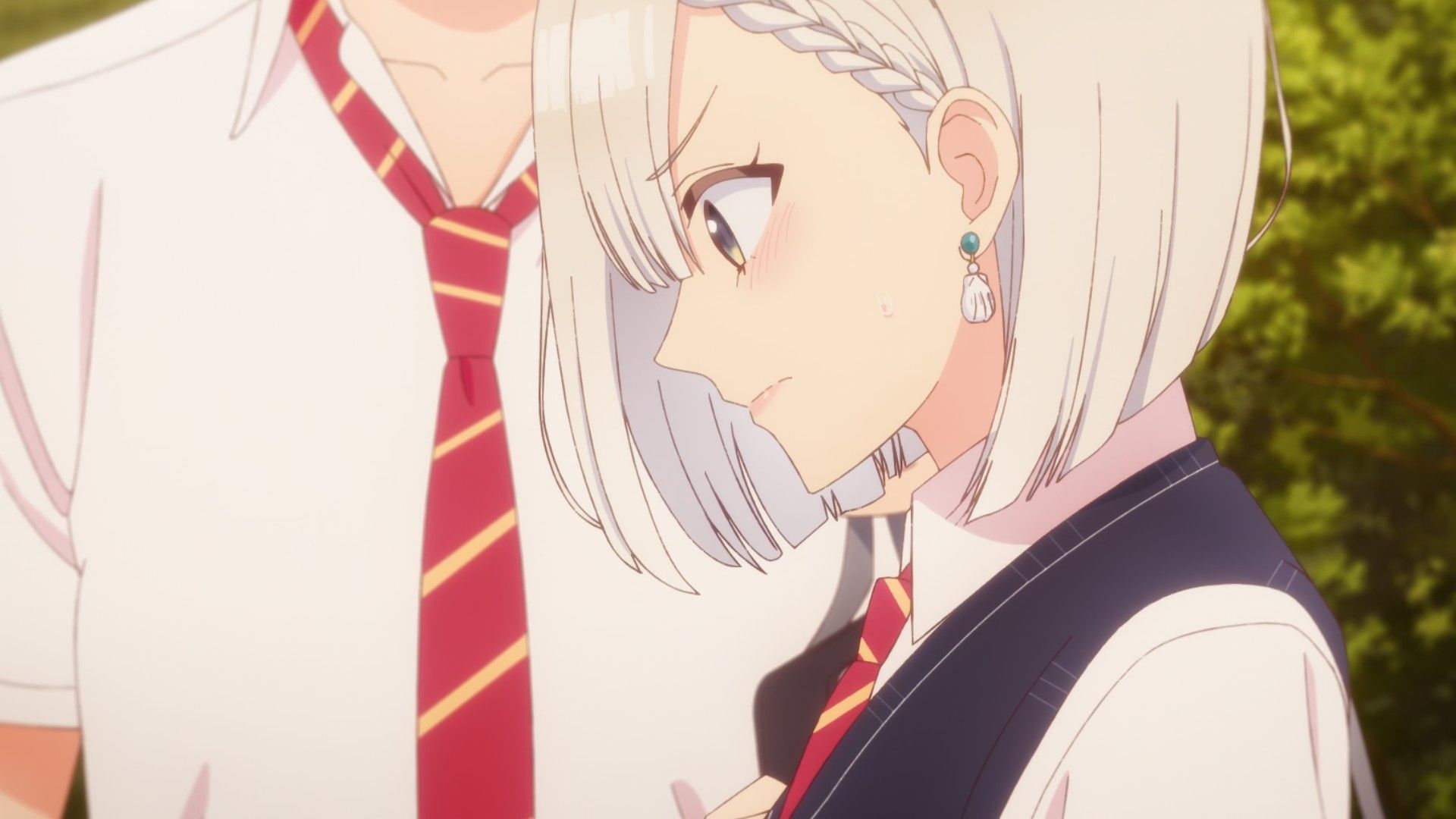
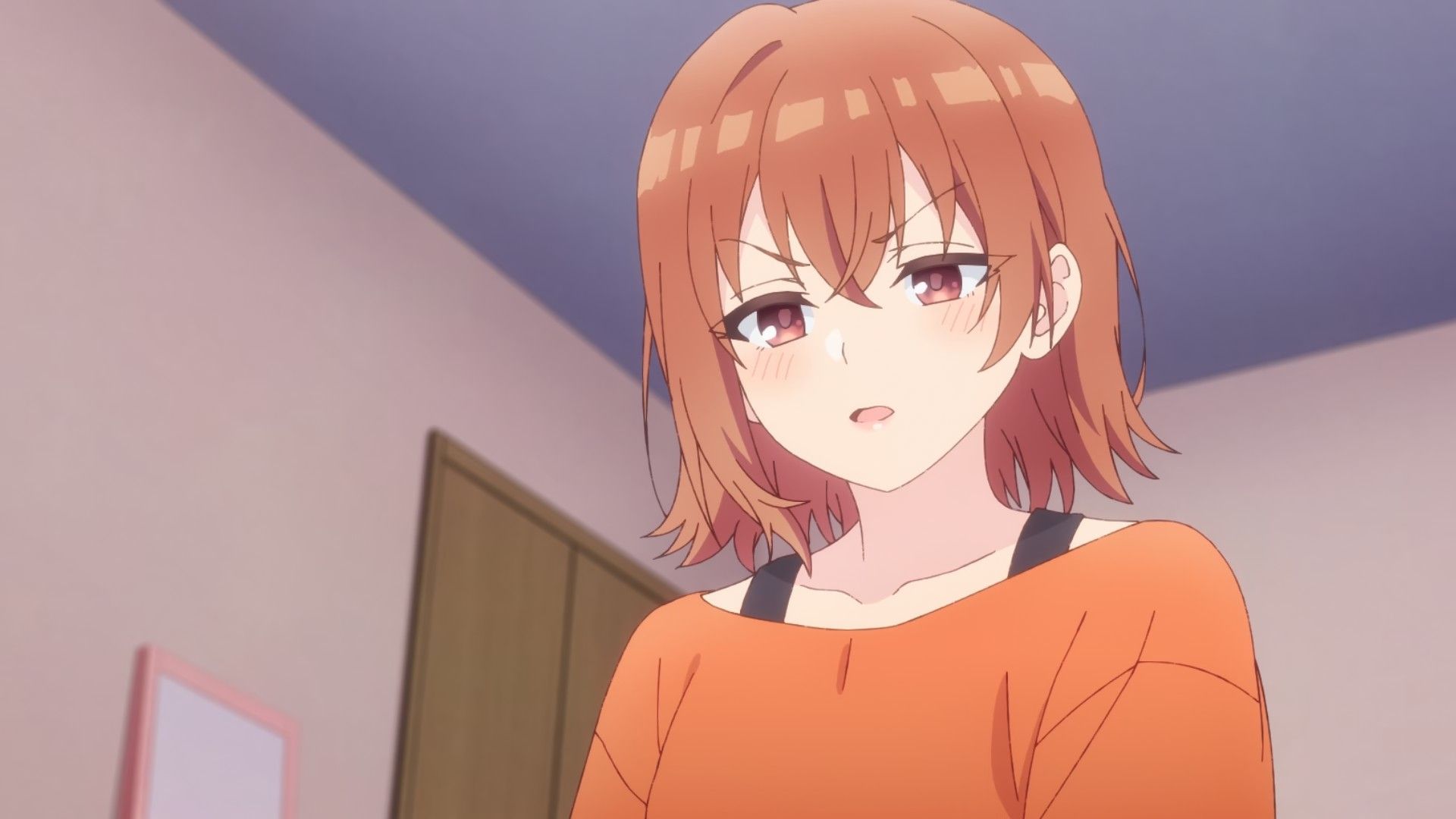
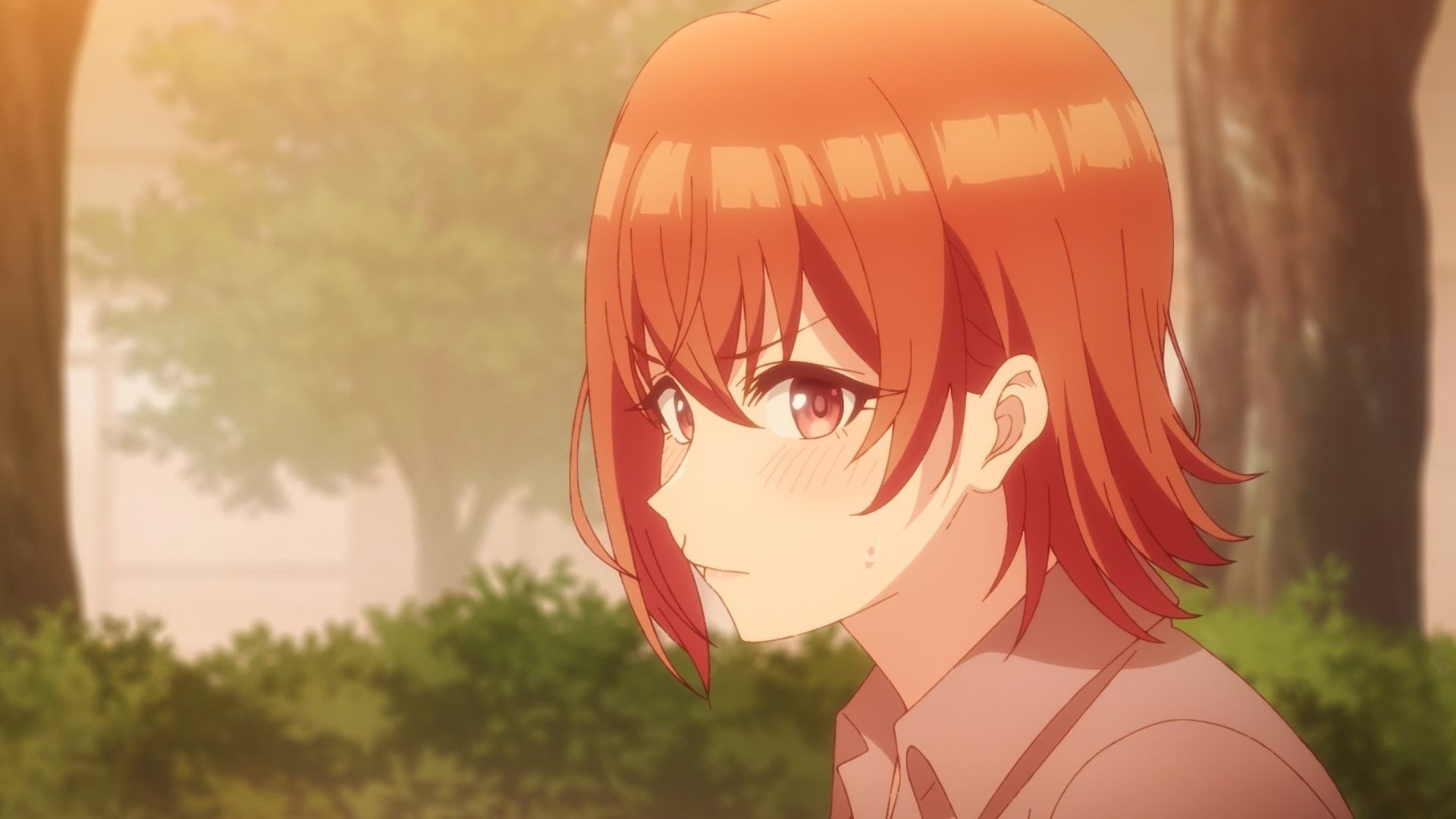
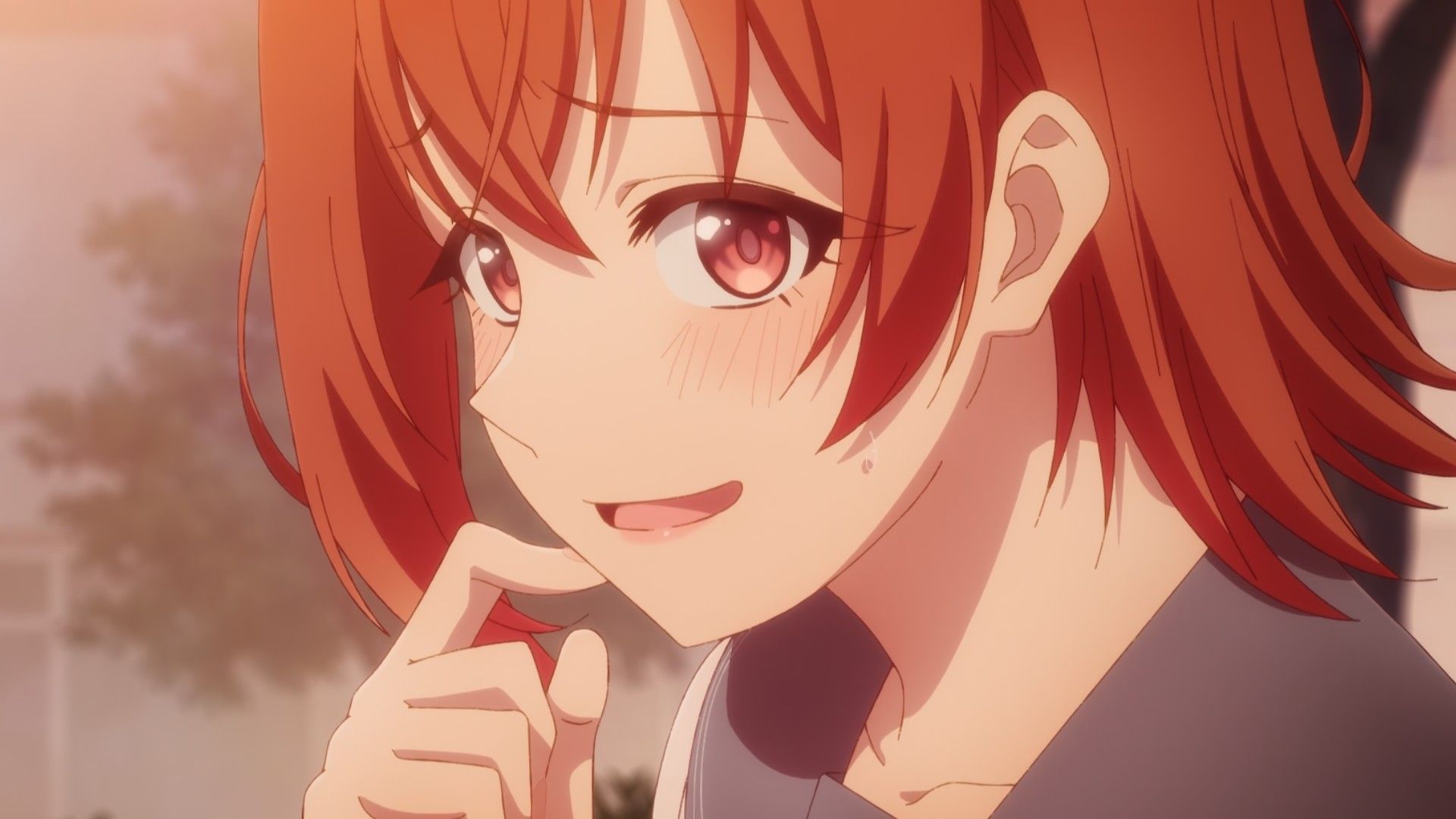
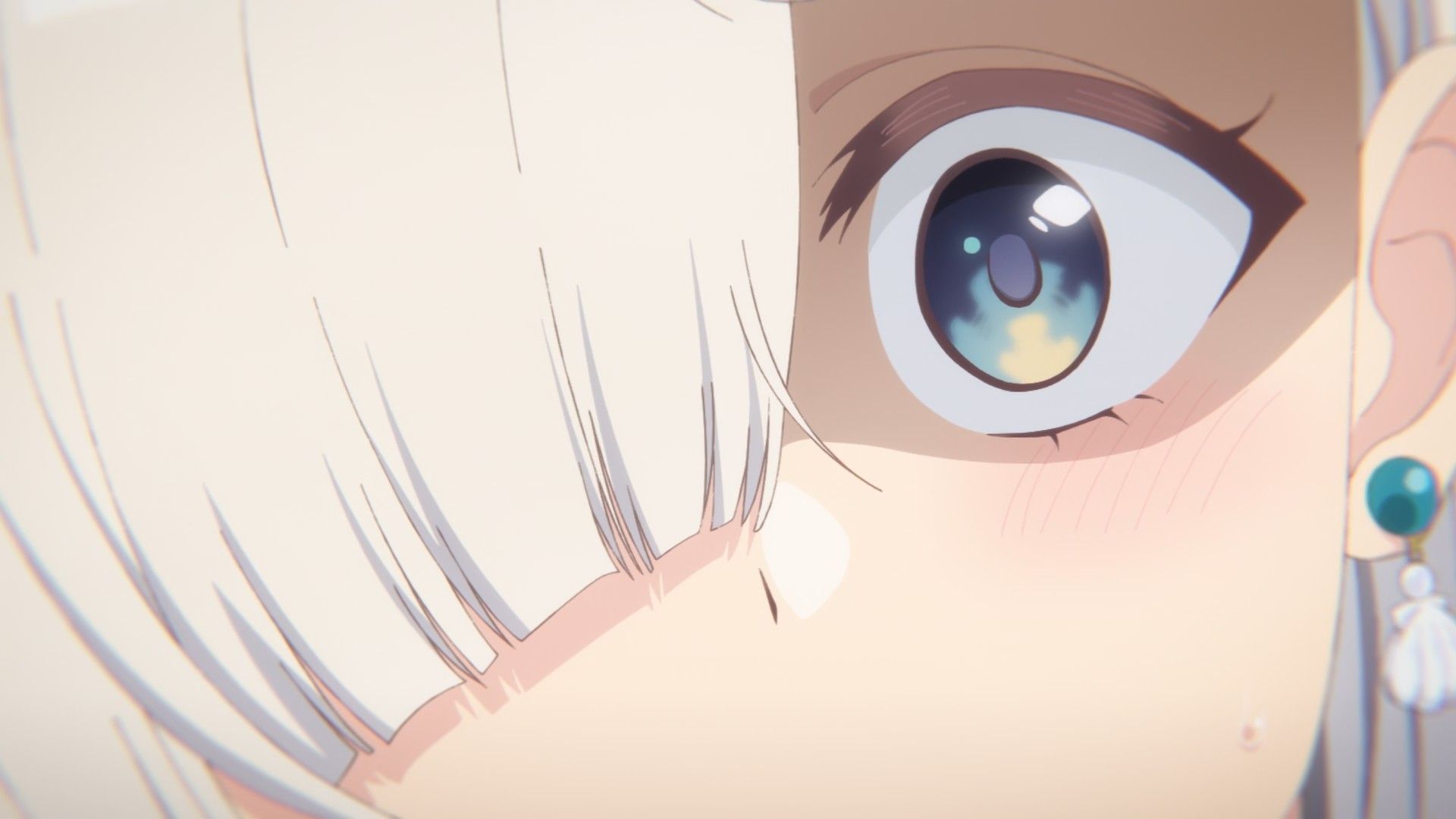
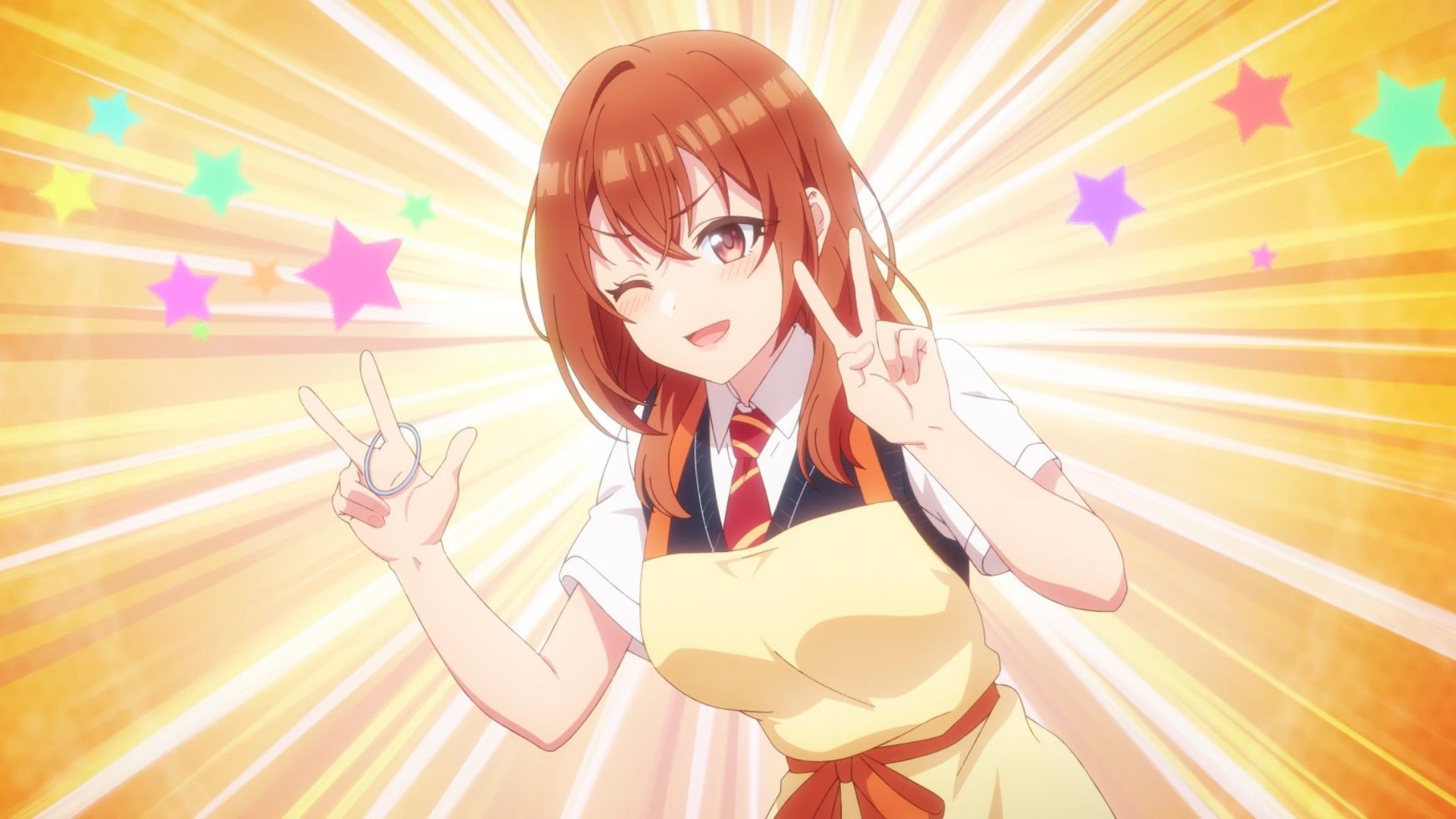
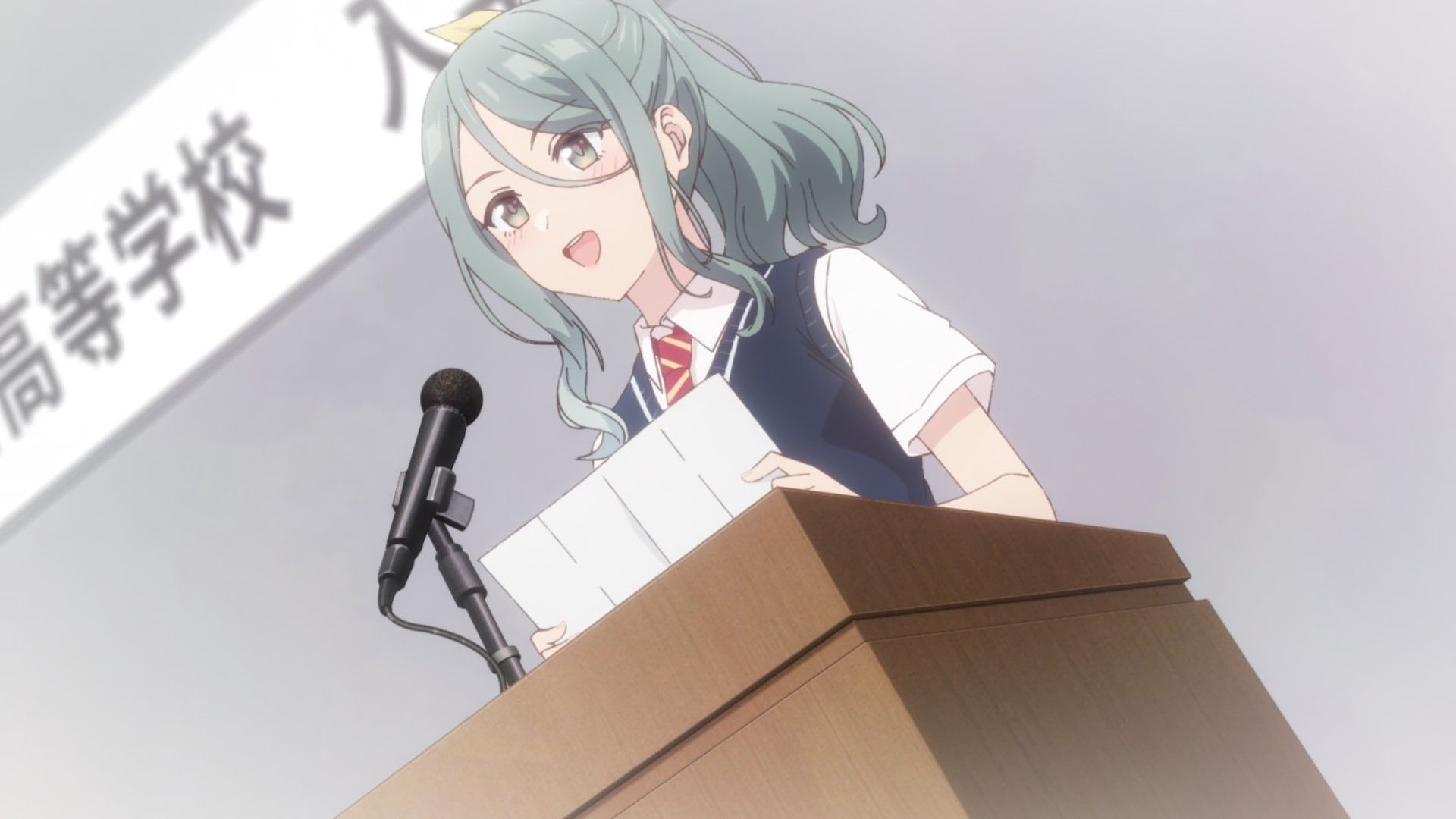
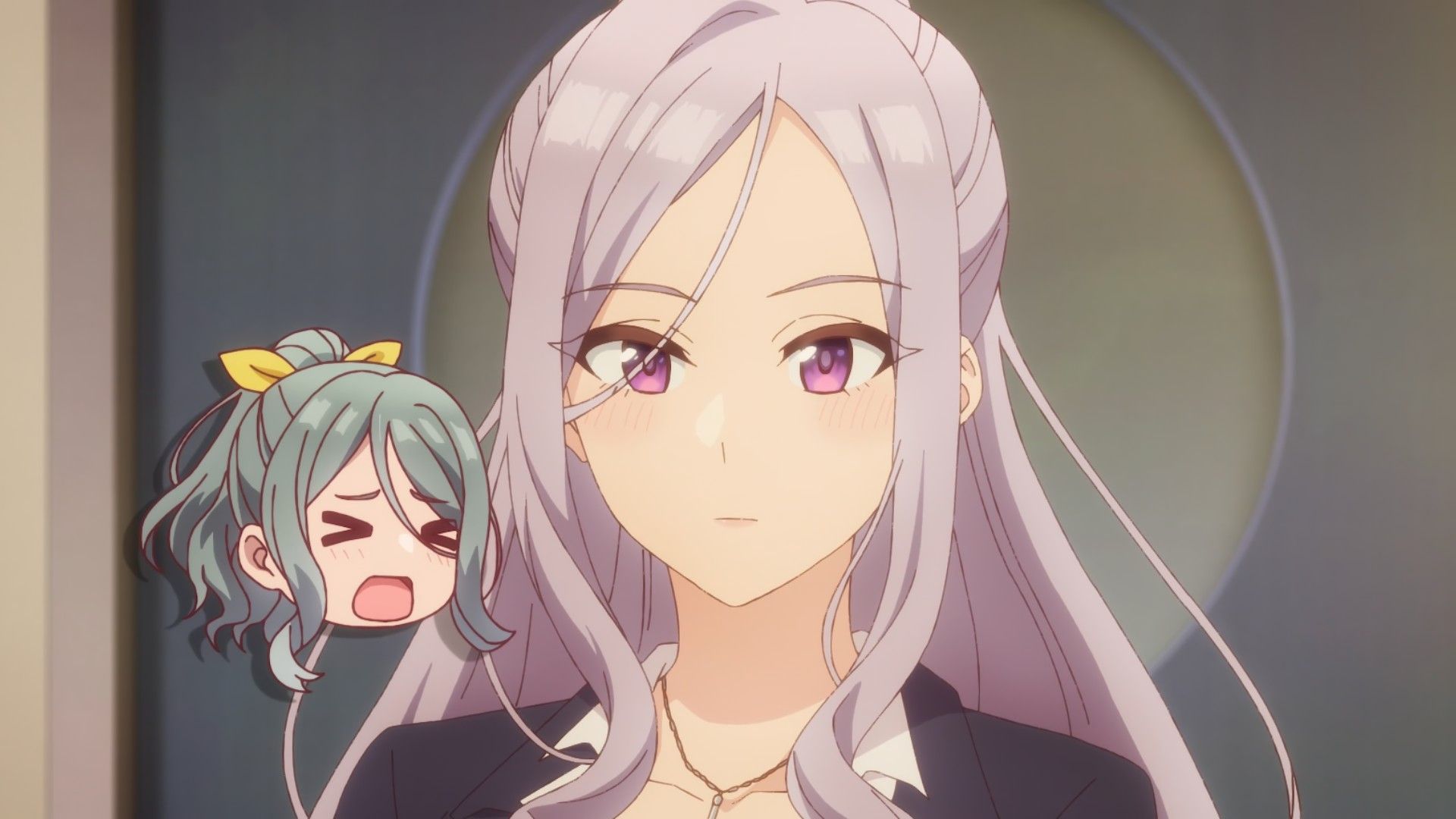
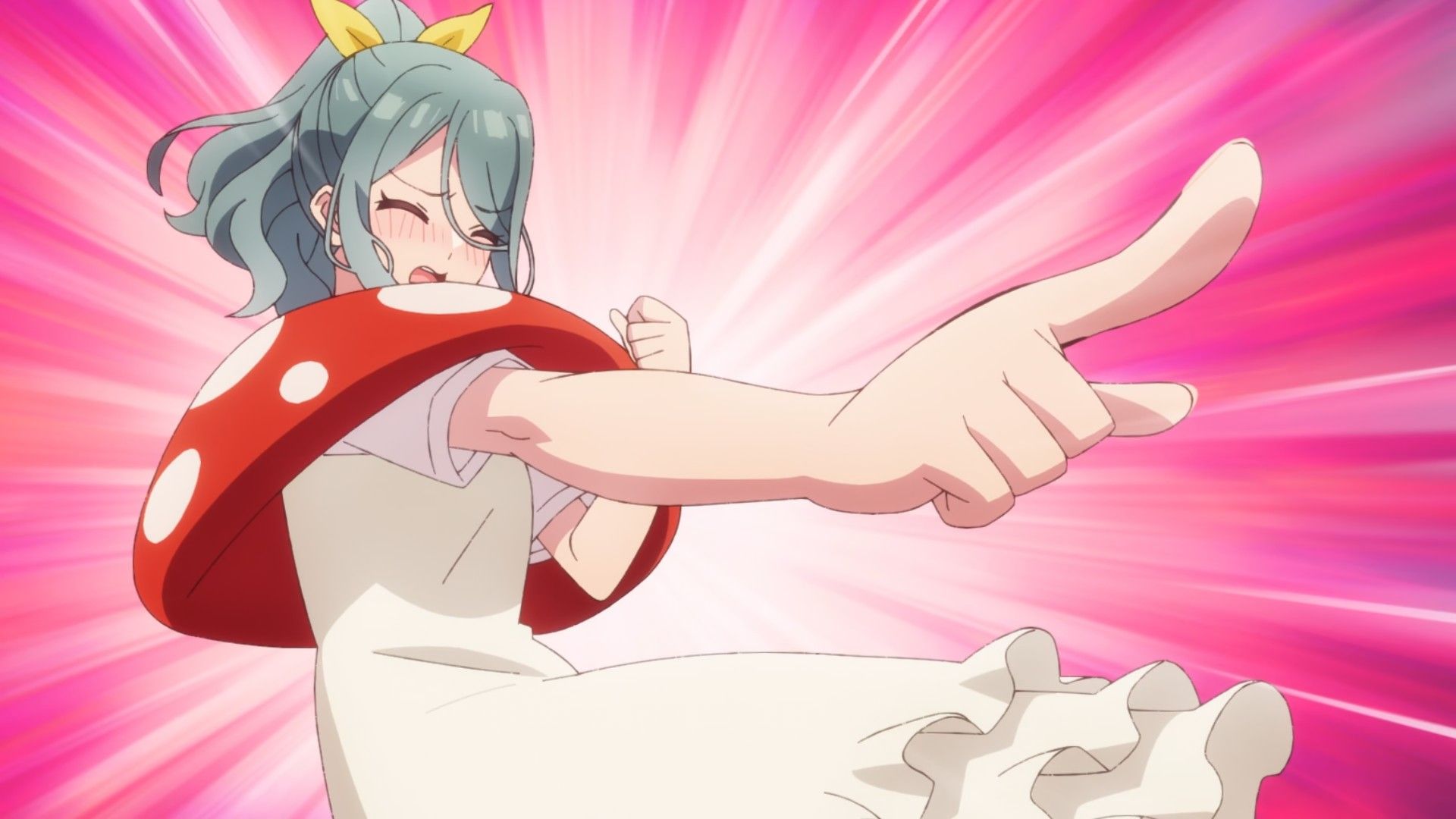
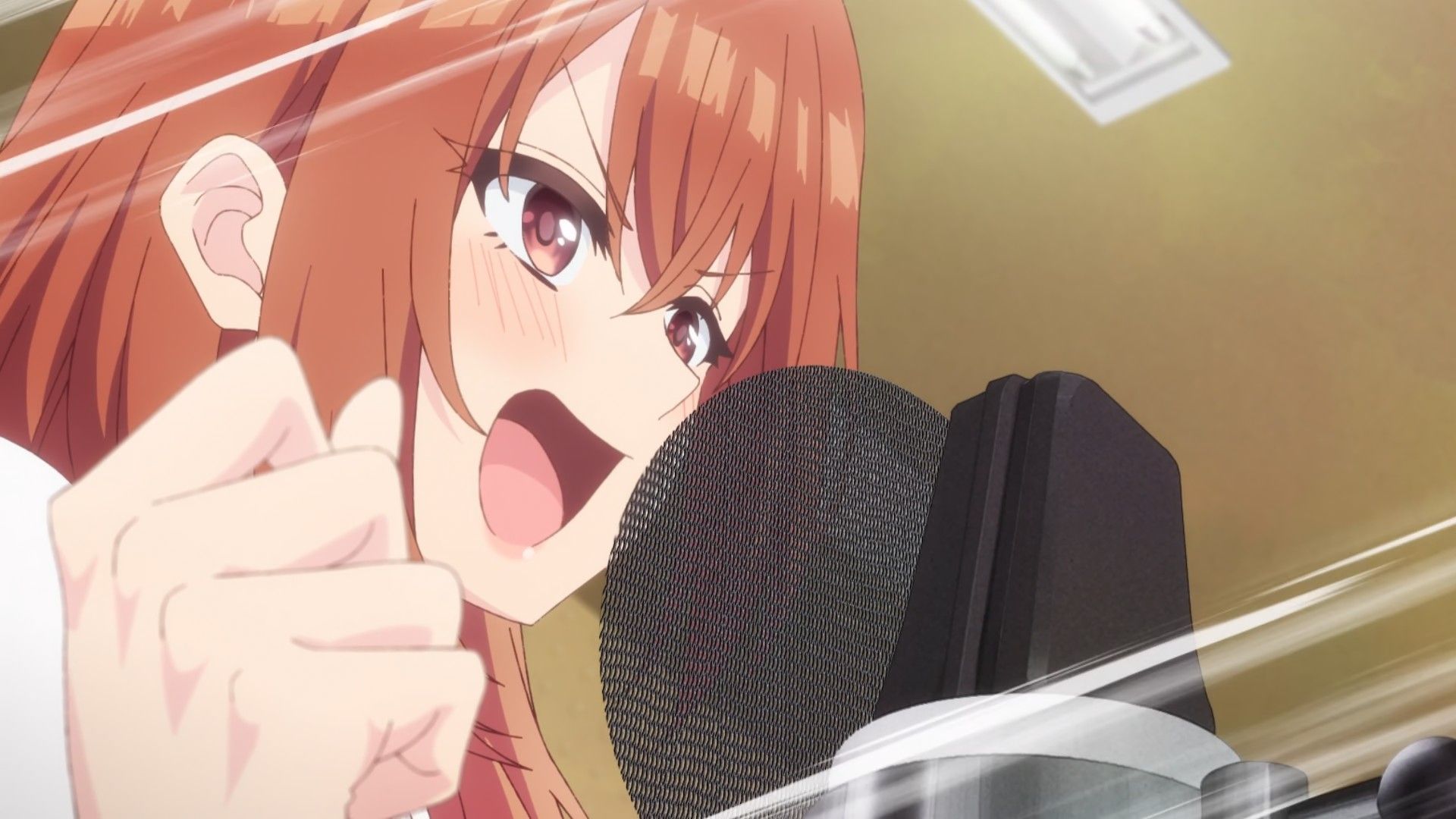
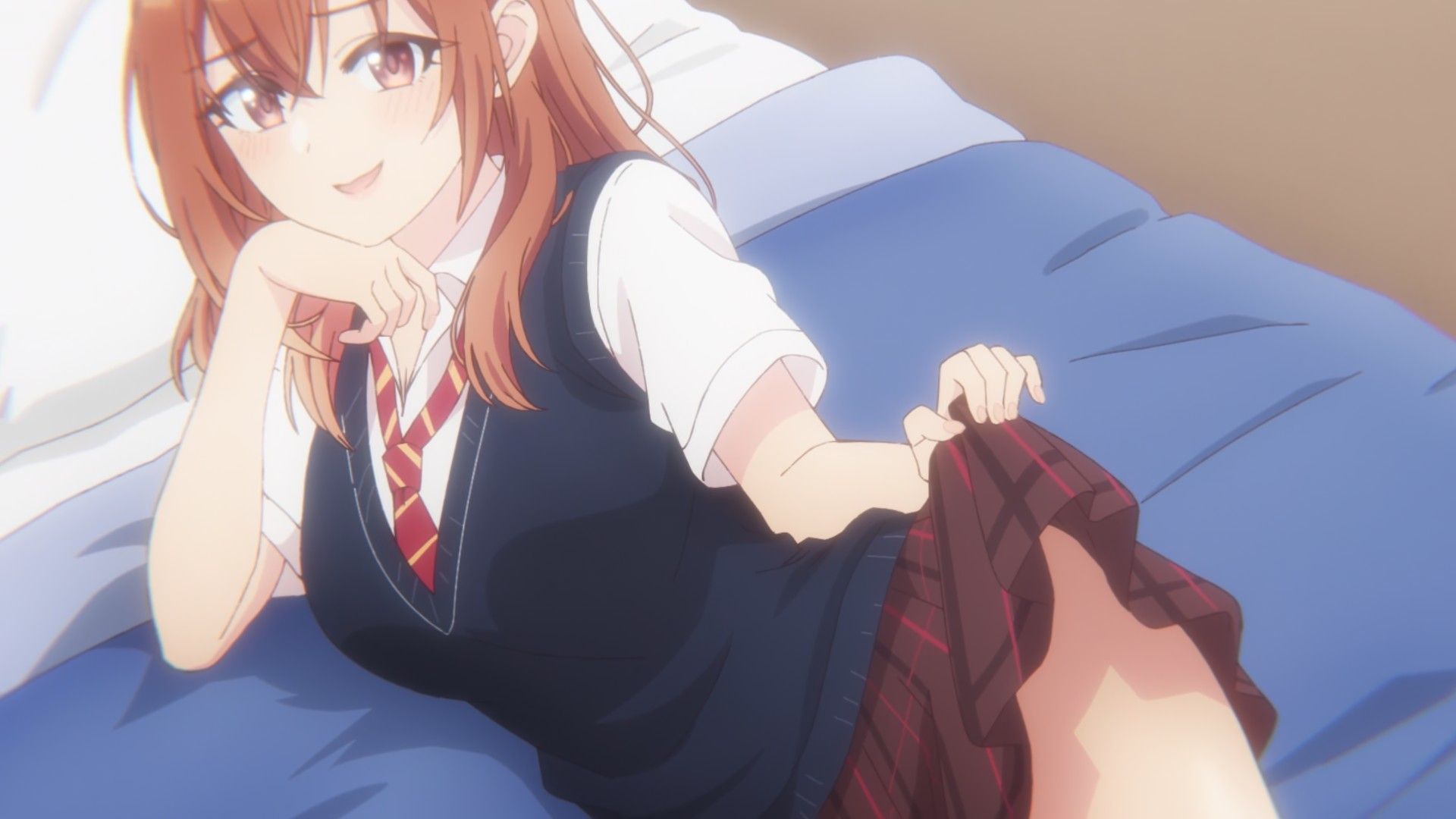
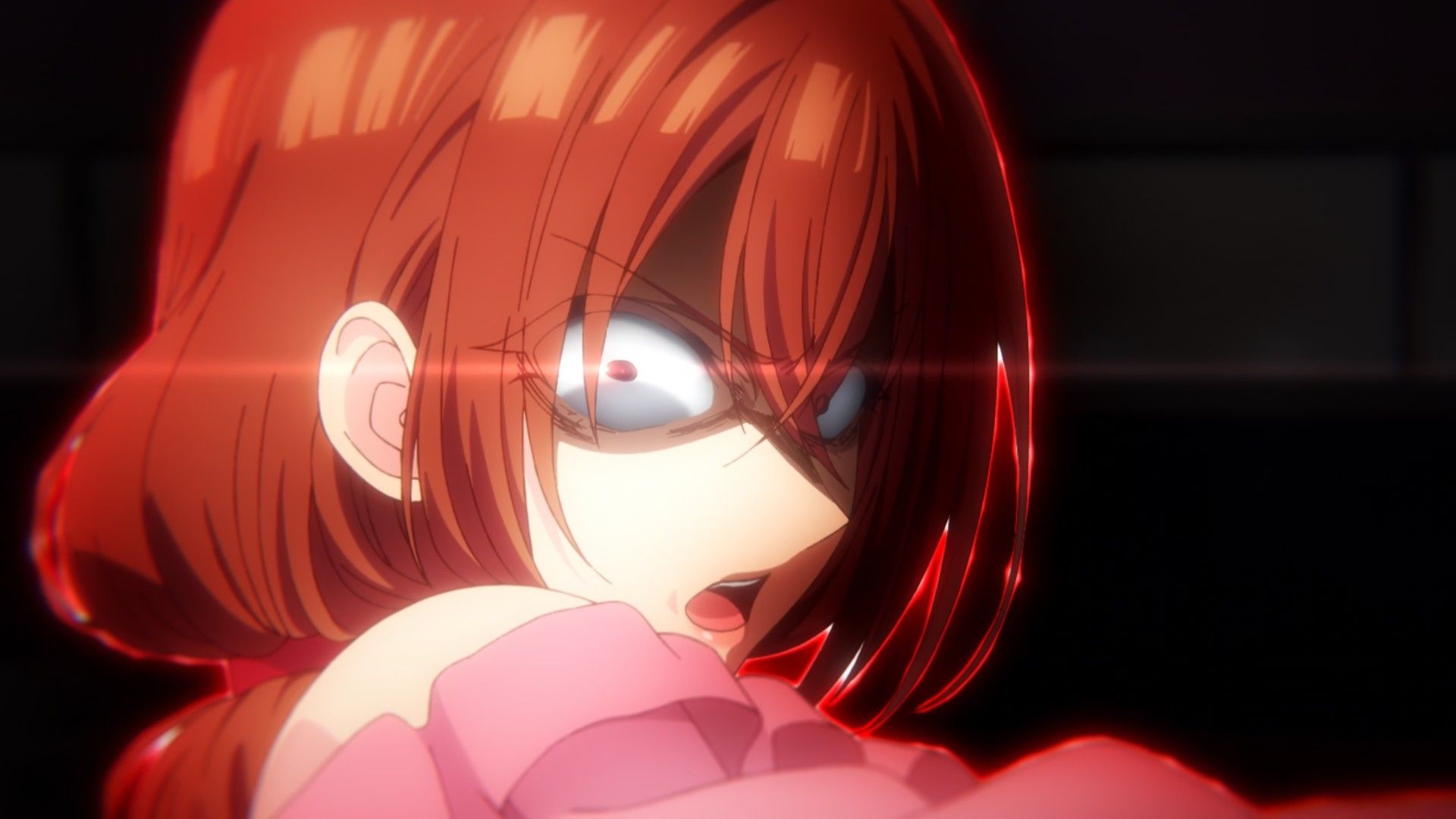
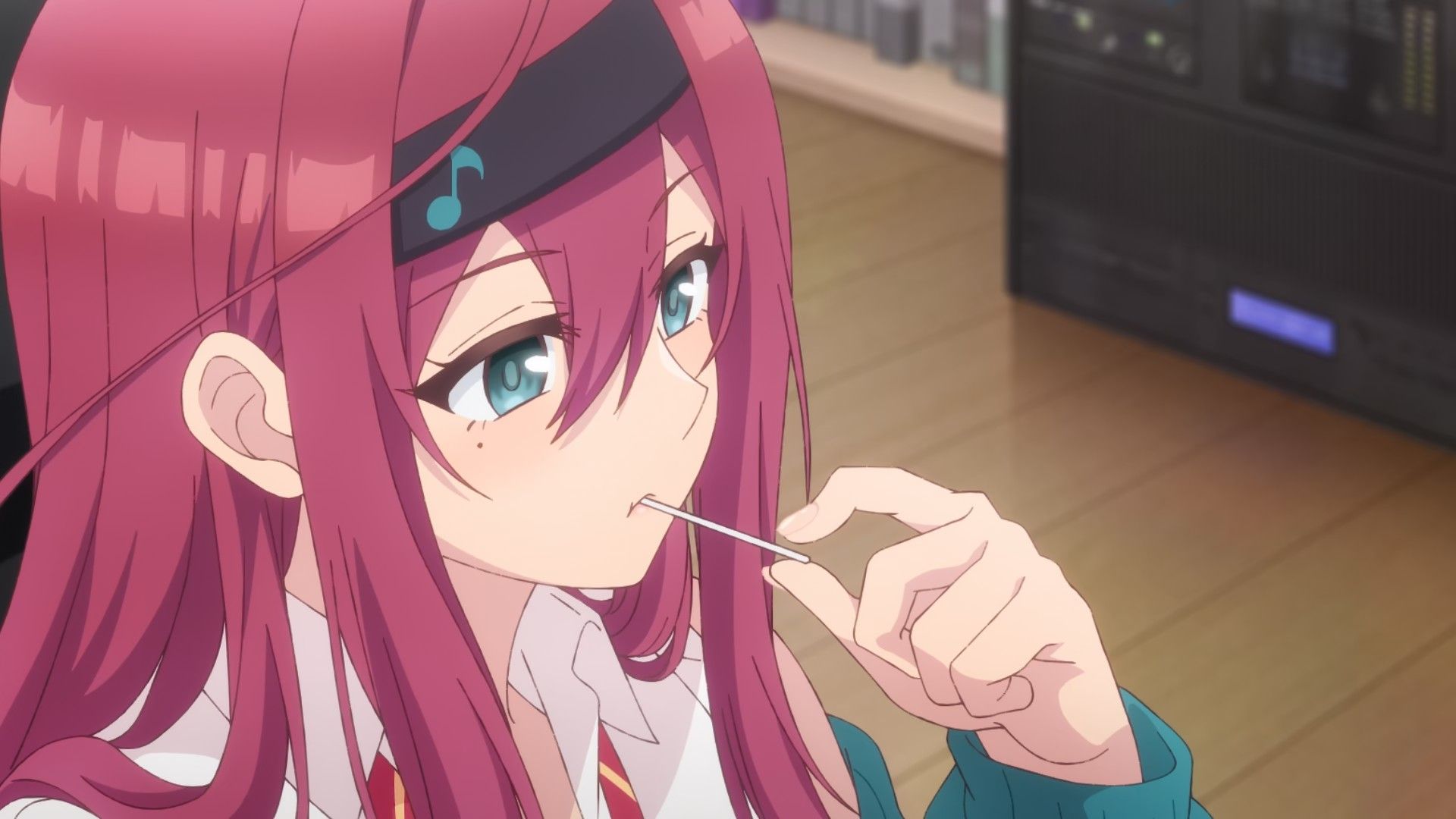
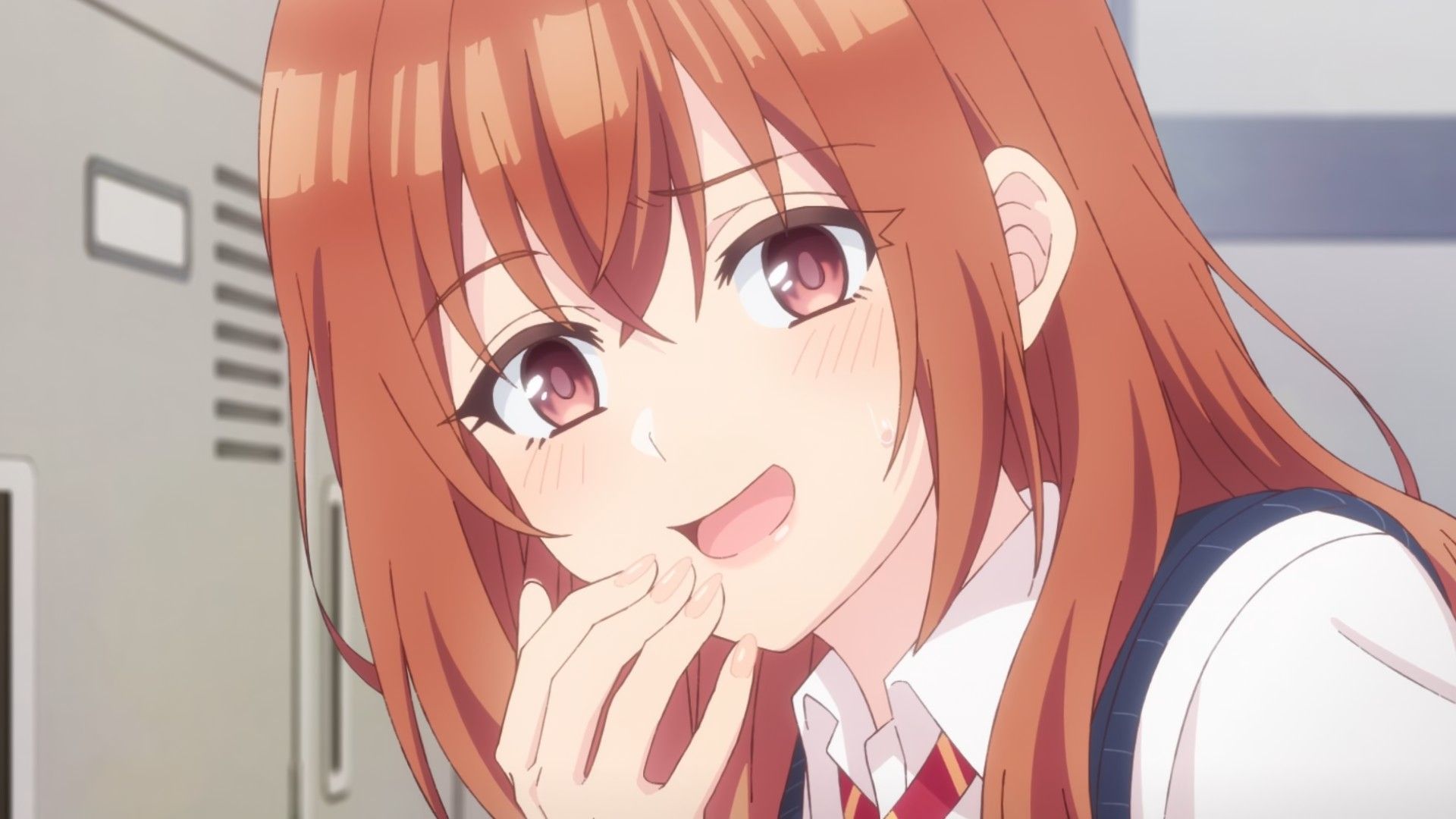
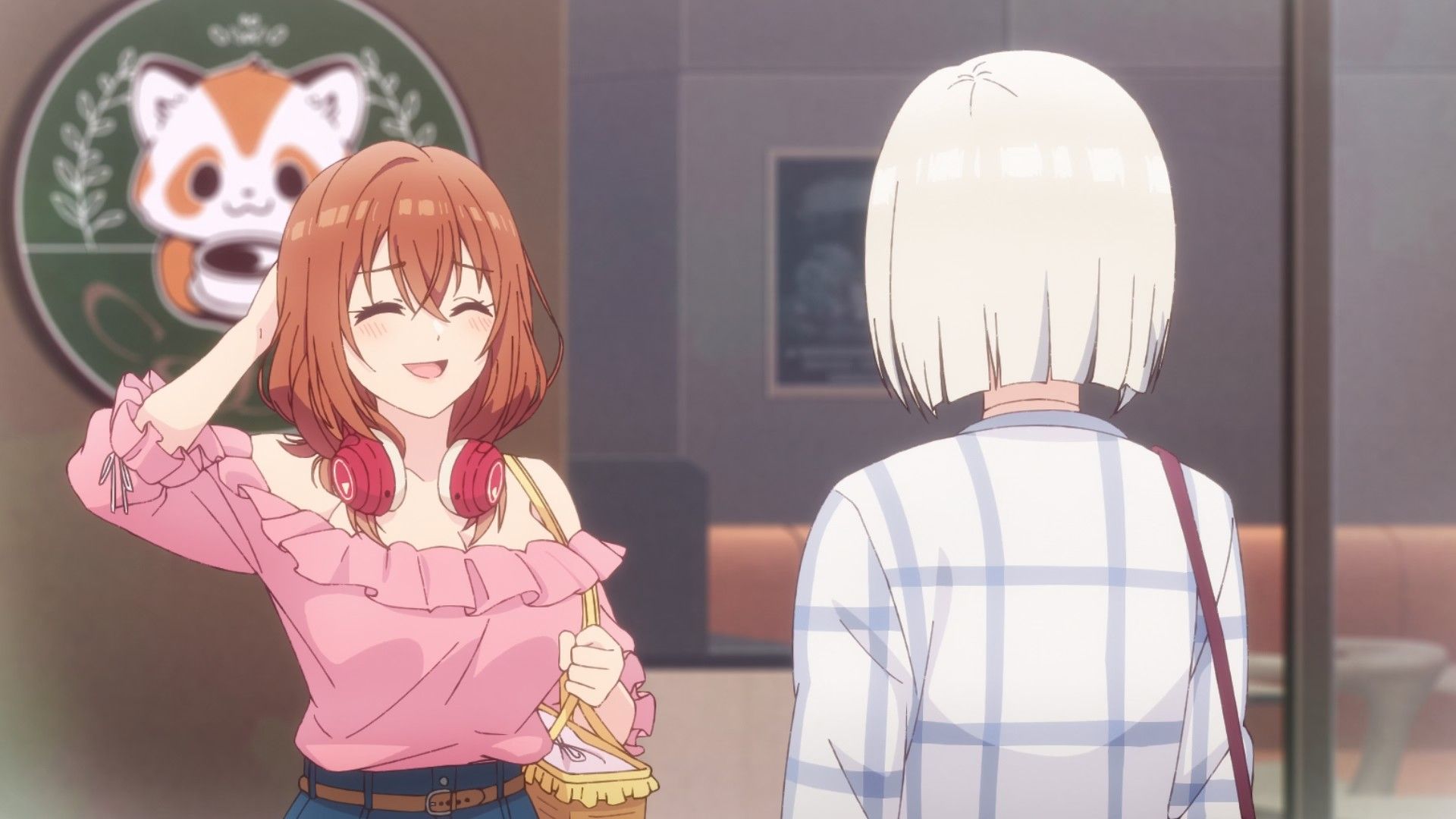
The character design, handled by Satou Katsuyuki, fairly faithfully reproduces the original illustrations by Tomari from the light novel. Translating Tomari’s specific, soft lines into animation is not easy, but the animators managed to preserve their charm. Kohinata Iroha, in particular, looks phenomenal. Her facial expressions are incredibly rich: from the sickly-sweet smile of an honor student, to a malicious grimace when she teases Akiteru, all the way to moments of genuine embarrassment. Details such as hair movement or the gleam in an eye are polished. Tsukinomori Mashiro looks equally good—her cold aura is almost palpable thanks to the appropriate color palette and light play.
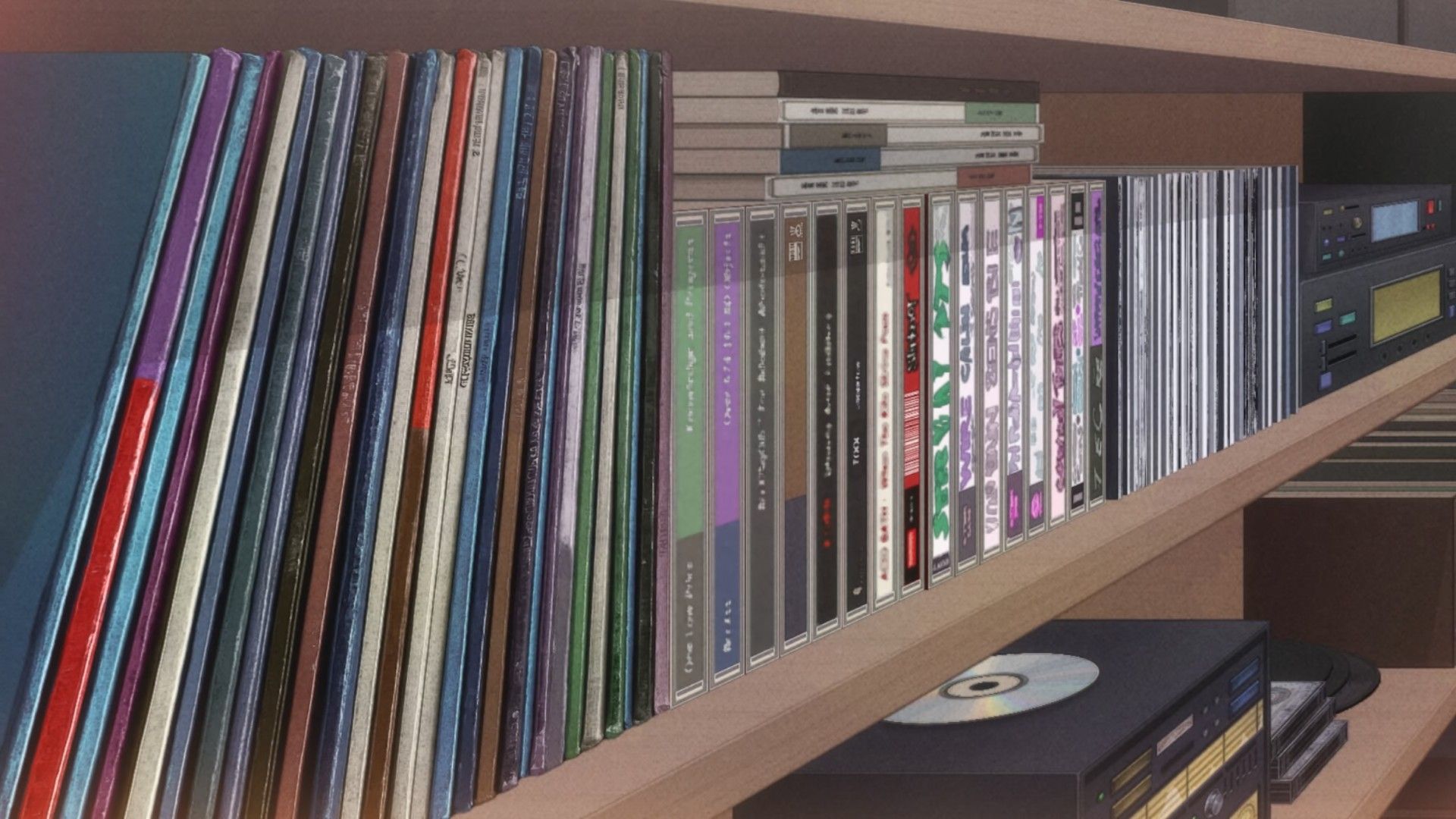
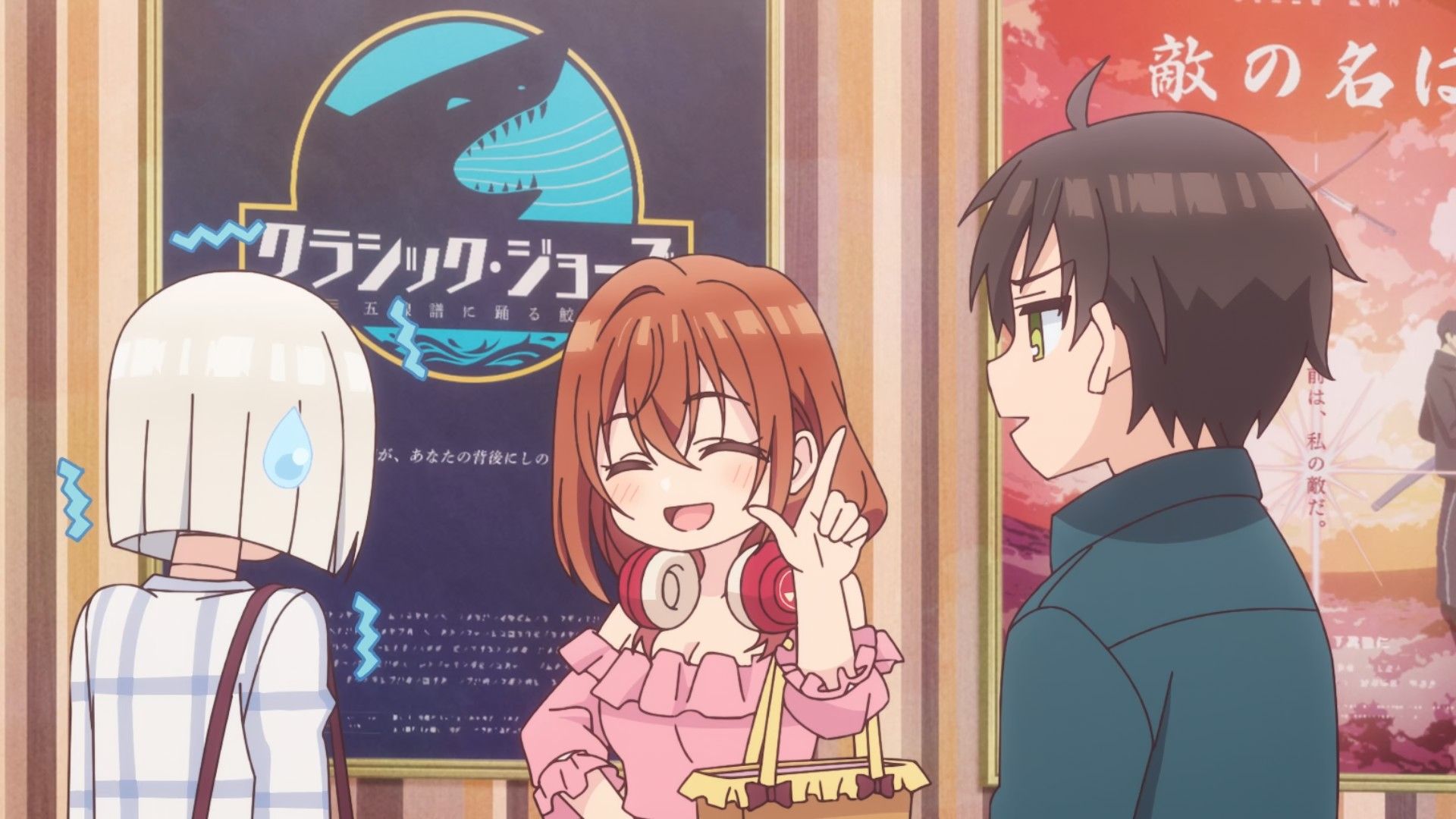
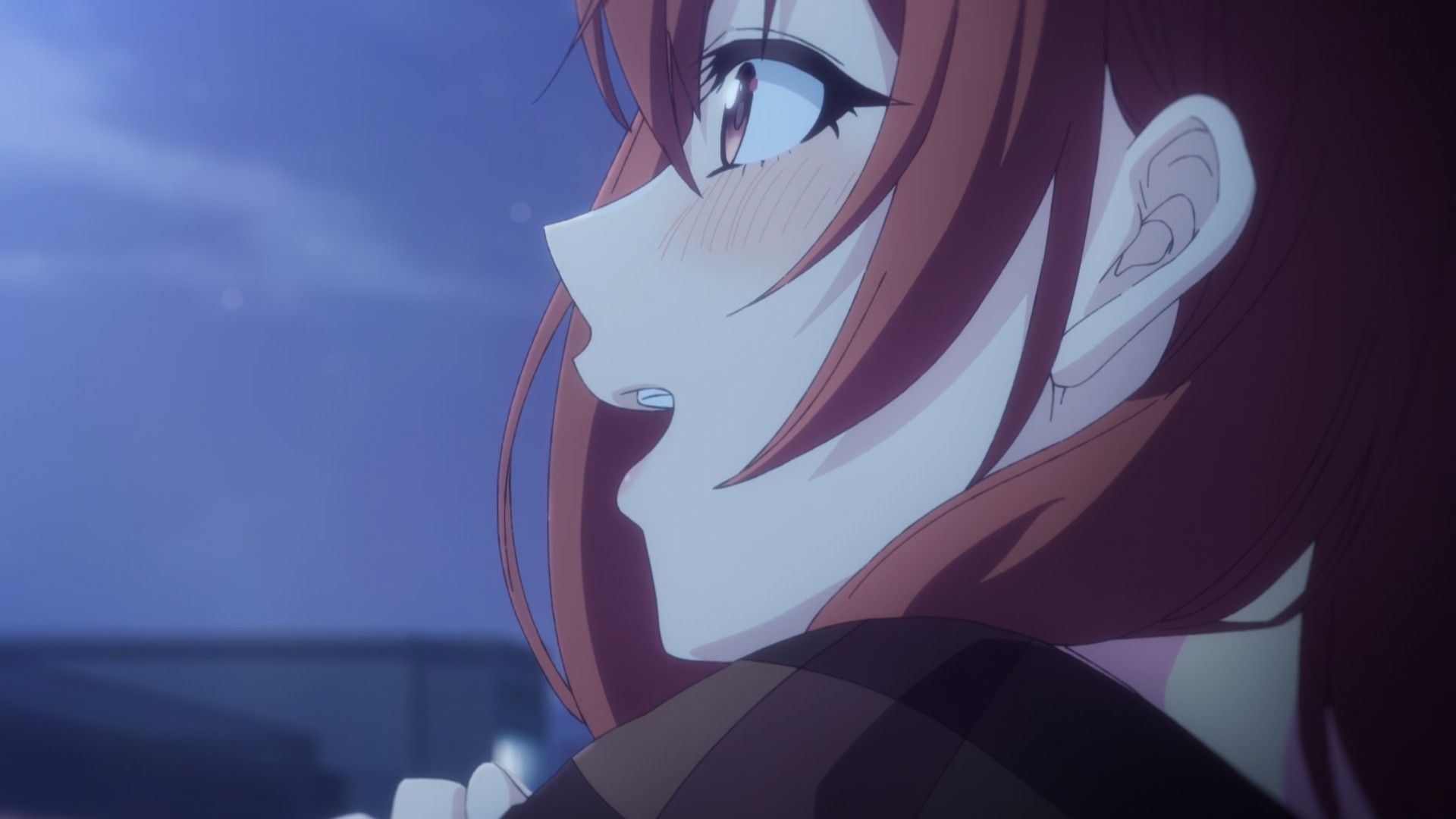
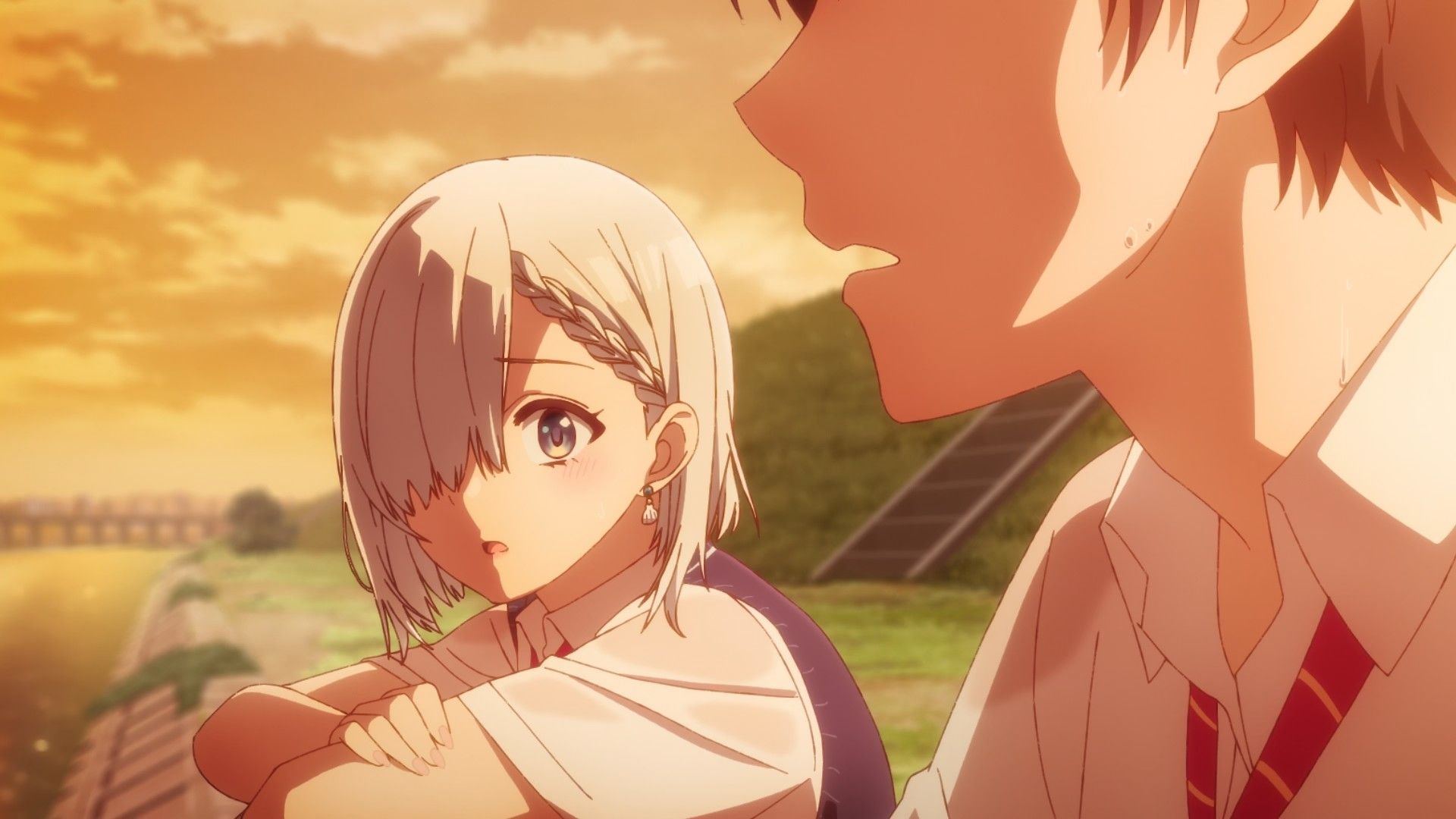
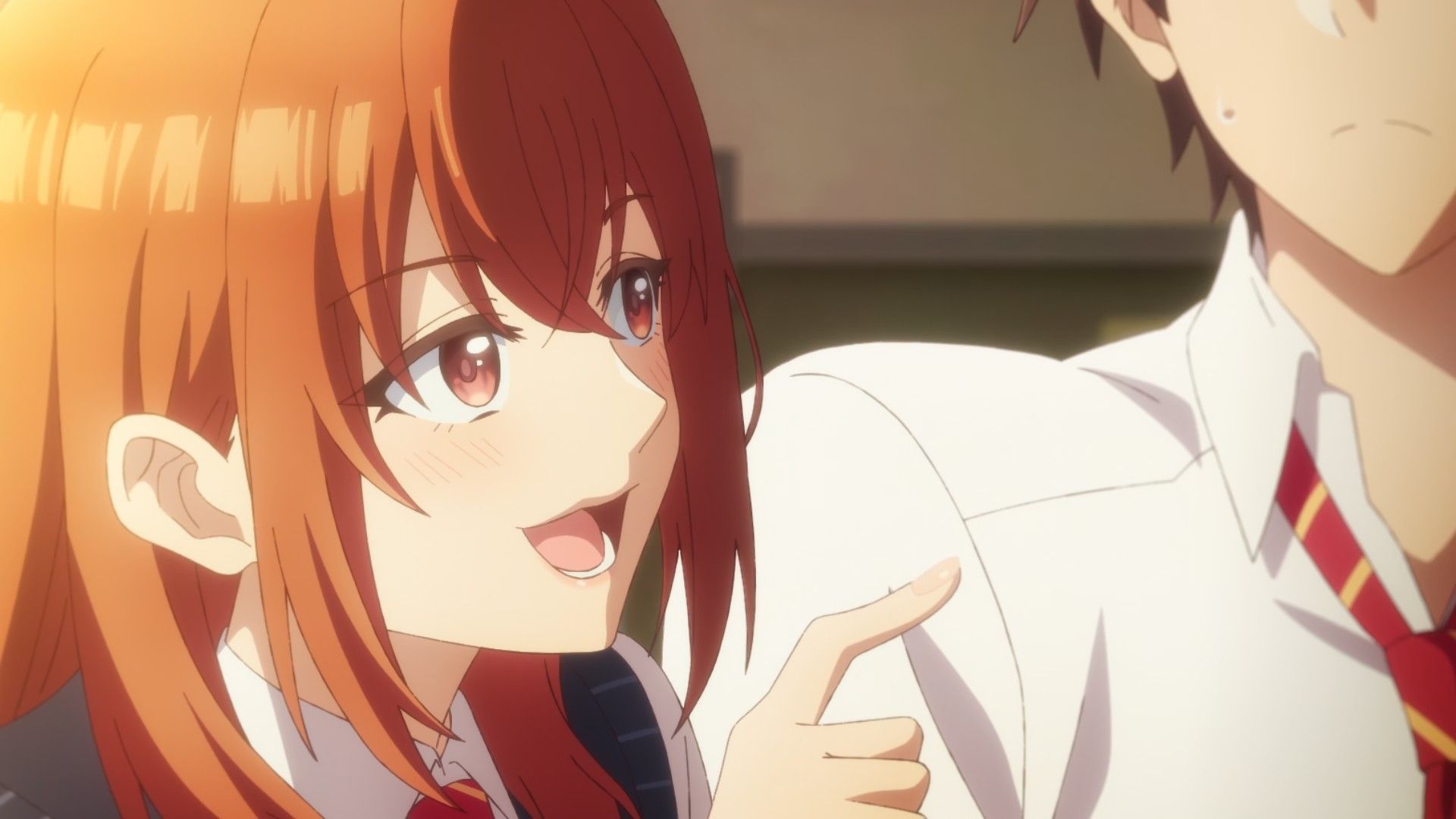
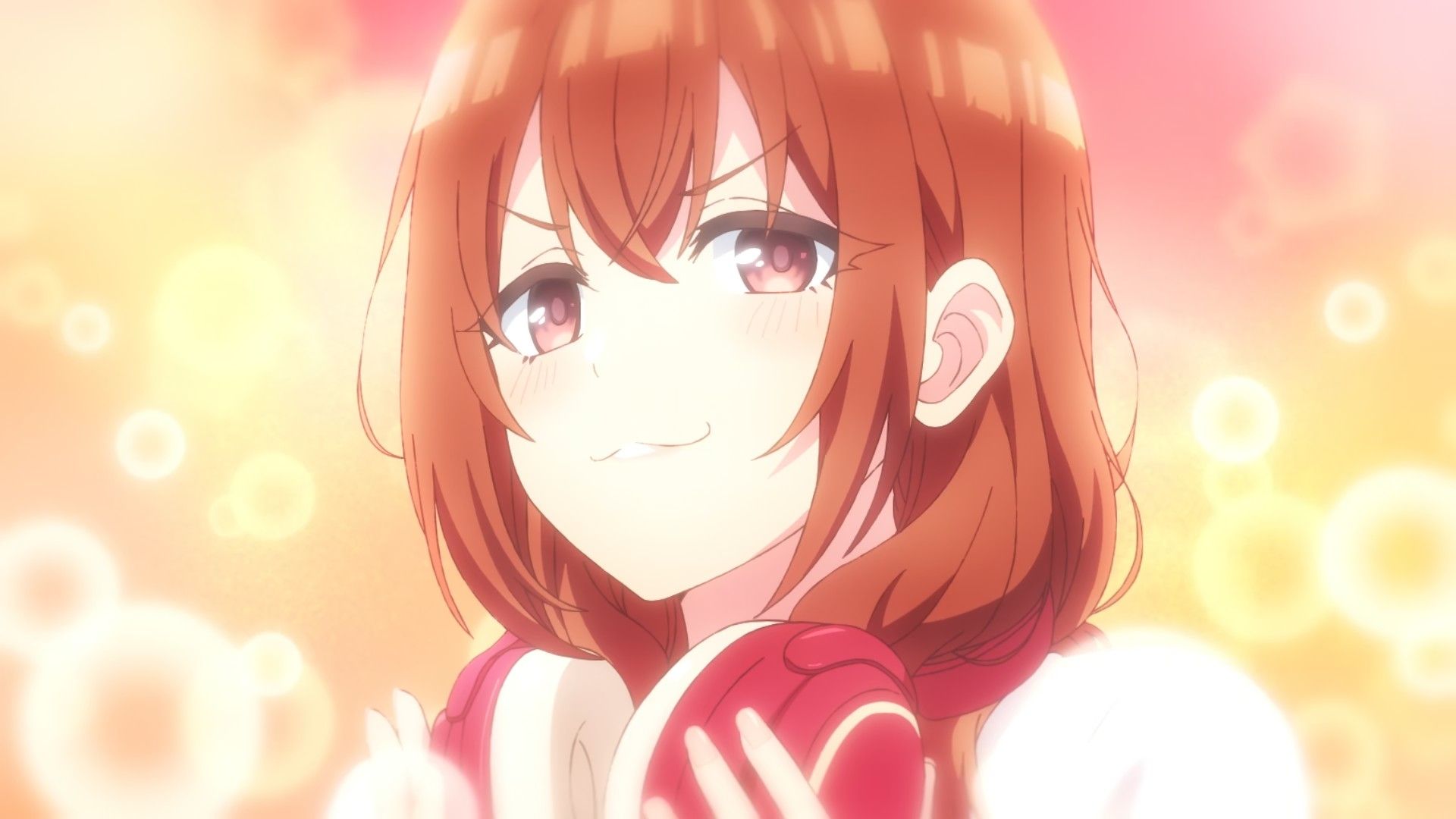
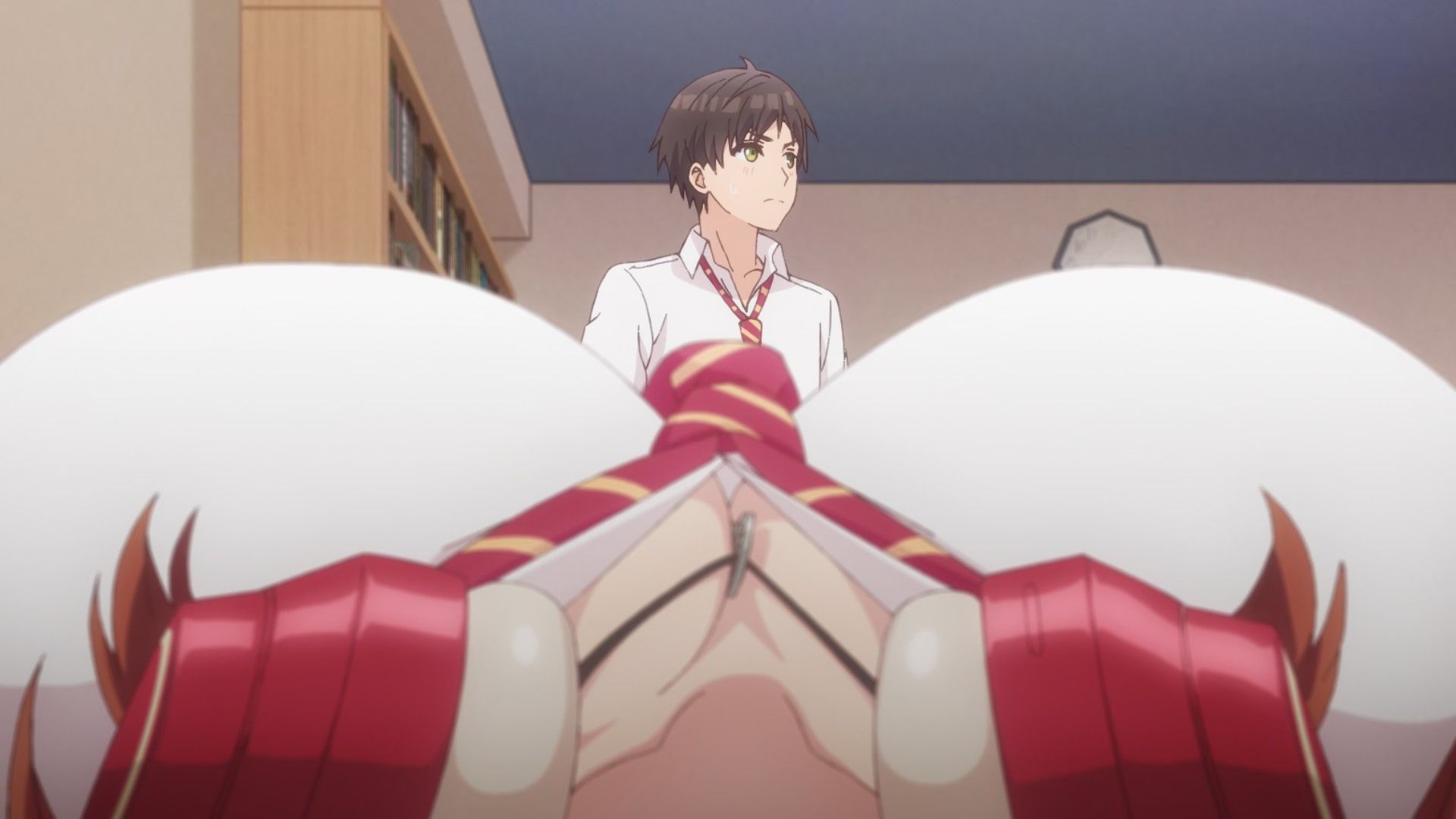
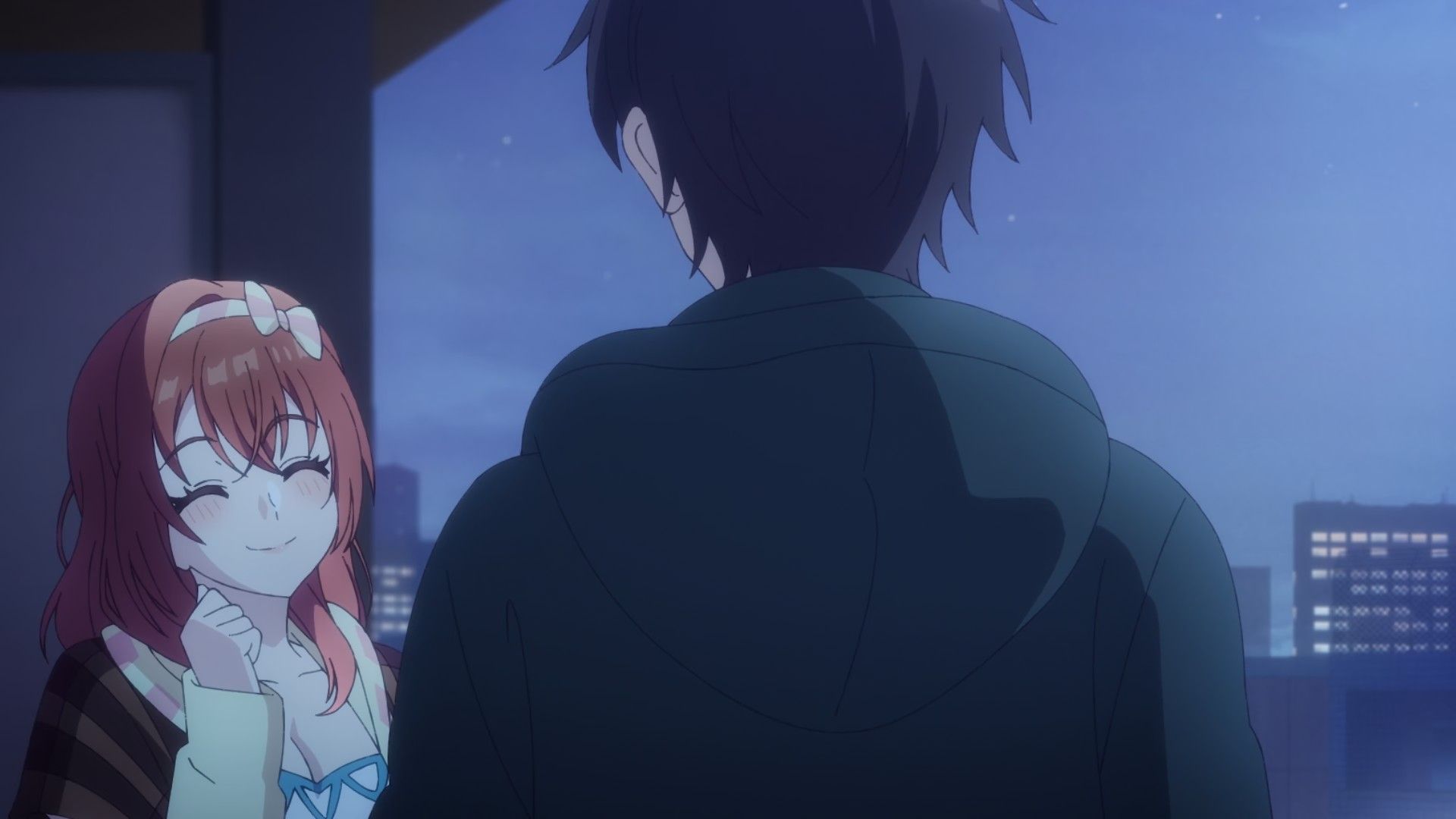
I was also pleased by how beautifully the shadows on the characters were rendered. This is particularly visible in scenes set in the late afternoon and evening, where the light created ideal conditions for shadowing. The backgrounds were very aesthetic and pleasing to the eye. The final theatrical performance in episode 12, utilizing projection mapping created by Ozuma, is a visual gem. Lighting effects and fluidity of movement in this sequence show that when the studio wants to, it can reach great heights.
Audio
The soundtrack handled by Tanaka Tsugumi, Sawada Kaho, Sakuma Kanade, and Nakamura Hanae, stands out. Background music perfectly highlights moments with bouncy, slightly annoying (in a positive sense) motifs, only to shift a moment later into atmospheric arrangements during dramatic or romantic scenes.
The Opening, Uza Kawaikute Nani ga Warui! (which can be translated roughly as “What’s wrong with being annoyingly cute?!”) performed by Akami Karubi, is an energy bomb that tunes the viewer into the series’ specific humor from the very first seconds. It is a track that drills into your brain and refuses to leave—exactly like Iroha. The Ending, Hoshi no Kodou, sung by Kohana Lam, serves as a distinct counterpoint. Calm, melancholic, and full of emotion, it allows one to calm down after the chaotic events of the episode and focus on the characters’ deeper feelings.
Seiyuu
ense, be treated as a showcase of Suzushiro Sayumi’s skills. Taking on the role of Iroha, the actress had to face the challenge of playing a character who is an actress herself. Iroha constantly changes masks. She is polite at school, annoying at Akiteru’s house, and on top of that, she works as a voice actress, taking on various roles in games.
The reason I consider her performance outstanding is obvious. Maintaining the character and tone of voice, while simultaneously having her character pretend to be other girls (including a delinquent or a younger sister), often also expressing hidden feelings, is a truly significant challenge. All of Iroha’s reactions—her laughter, malicious digs, as well as moments where her voice breaks in moments of honesty—were simply sensational. Suzushiro Sayumi’s role in ImoUza is definitely one of her best performances, placing her in the same rank as the best seiyuu of this generation.
Of course, the other actors didn’t disappoint either (which rarely happens anyway). The main protagonist, Ooboshi Akiteru, speaks with the voice of Ishiya Haruki. Ishiya perfectly captures that specific type of fatigue and cynicism that characterizes this figure. However, he is also able to bring out warmth in moments when Akiteru shows his protective nature.
One cannot overlook Kusunoki Tomori in the role of Tsukinomori Mashiro. Her interpretation of the kuudere character is masterful. Kusunoki can convey as much emotion with the single word “die” (shine) as others would with a whole sentence. When Mashiro begins to open up, the subtle change in Kusunoki’s tone of voice is noticeably distinct. The cast also shines with stars like Saitou Souma as Kohinata Ozuma (the ideal voice for a best buddy and genius). And the icing on the cake—the legendary Hanazawa Kana as Kageishi Sumire. She plays with the role of the teacher (quite an unusual role for her), transitioning from a queen of sadism to a tearful, lazy doujinshi author with a naturalness that can only come from years of experience. Her interactions with Akiteru are pure gold.
Tomodachi no Imouto ga Ore ni dake Uzai (2025) – Plot and Characters
Introduction
When I first heard about the adaptation of Tomodachi no Imouto ga Ore ni dake Uzai, my expectations were high. However, at the same time, it without a bit of reserve. Studio BLADE didn’t associate in my mind with top-tier visual productions (especially regarding the animation aspect itself), and the slice of life genre with romance elements featuring an “annoying” heroine (speaking of the title itself, as Iroha didn’t annoy me) can easily fall into the trap of repetitive jokes (as was the case with Uzaki-chan). After watching the PV, however, I knew that in this case, the series would hook me from the very beginning to the end.
A Brief Overview of the Tomodachi no Imouto ga Ore ni dake Uzai Plot
Ooboshi Akiteru is a high school student living by a simple, logical code. Efficiency counts above all else. Wasting time is a mortal sin to him—especially on illogical social games like “be mean to the person you like.” This pragmatism is constantly put to the test by one person: Kohinata Iroha, his friend’s younger sister.
To the rest of the world, Iroha is a polite, bright, virtually model student. But in private with Akiteru, she transforms into a relentless teaser. She invades his personal space, ruins his plans, and watches with clear satisfaction as he loses his composure. His best friend, Ozuma, suggests this is her specific way of showing affection. Akiteru dismisses it as a pure nuisance.
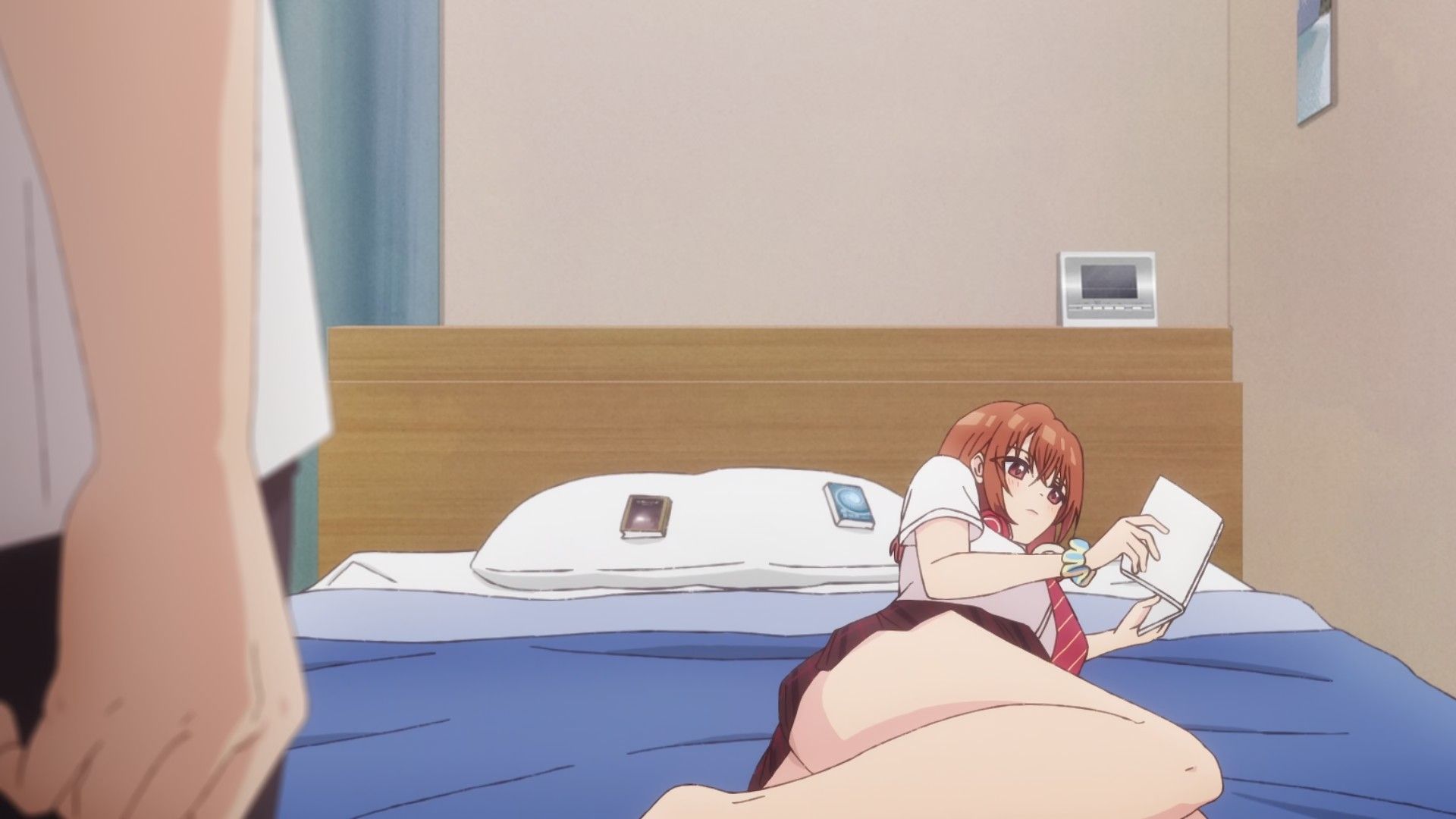
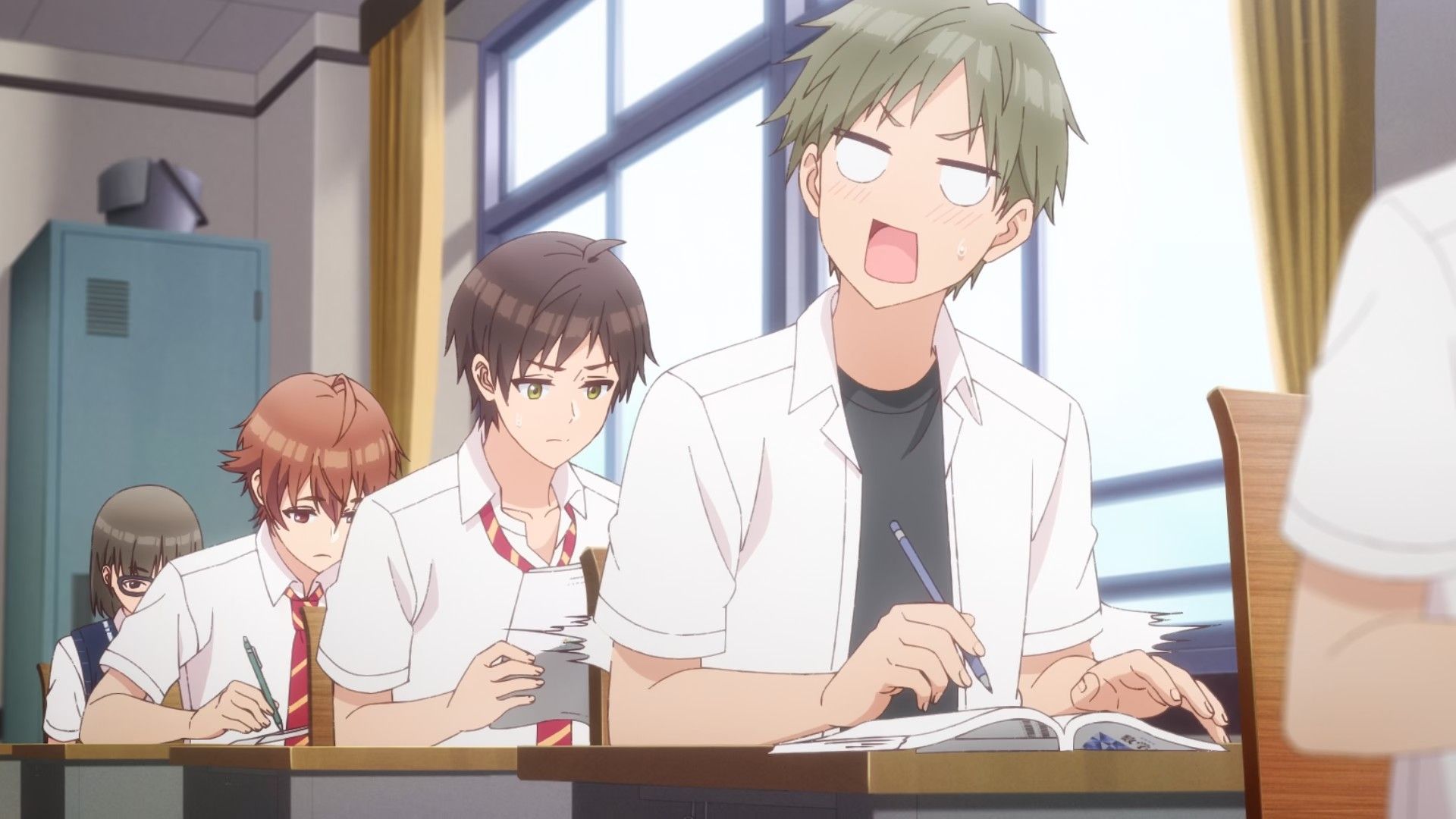
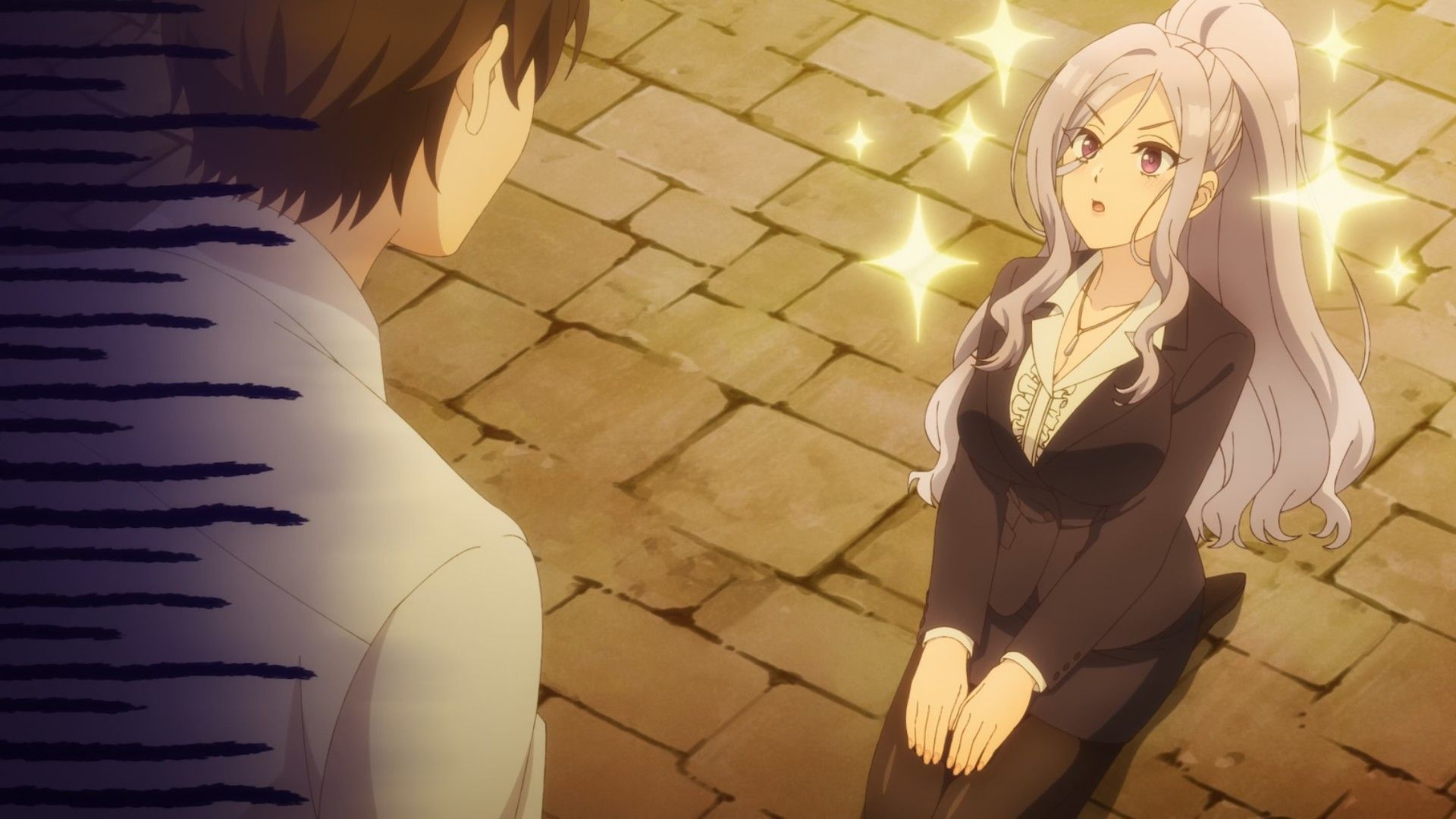
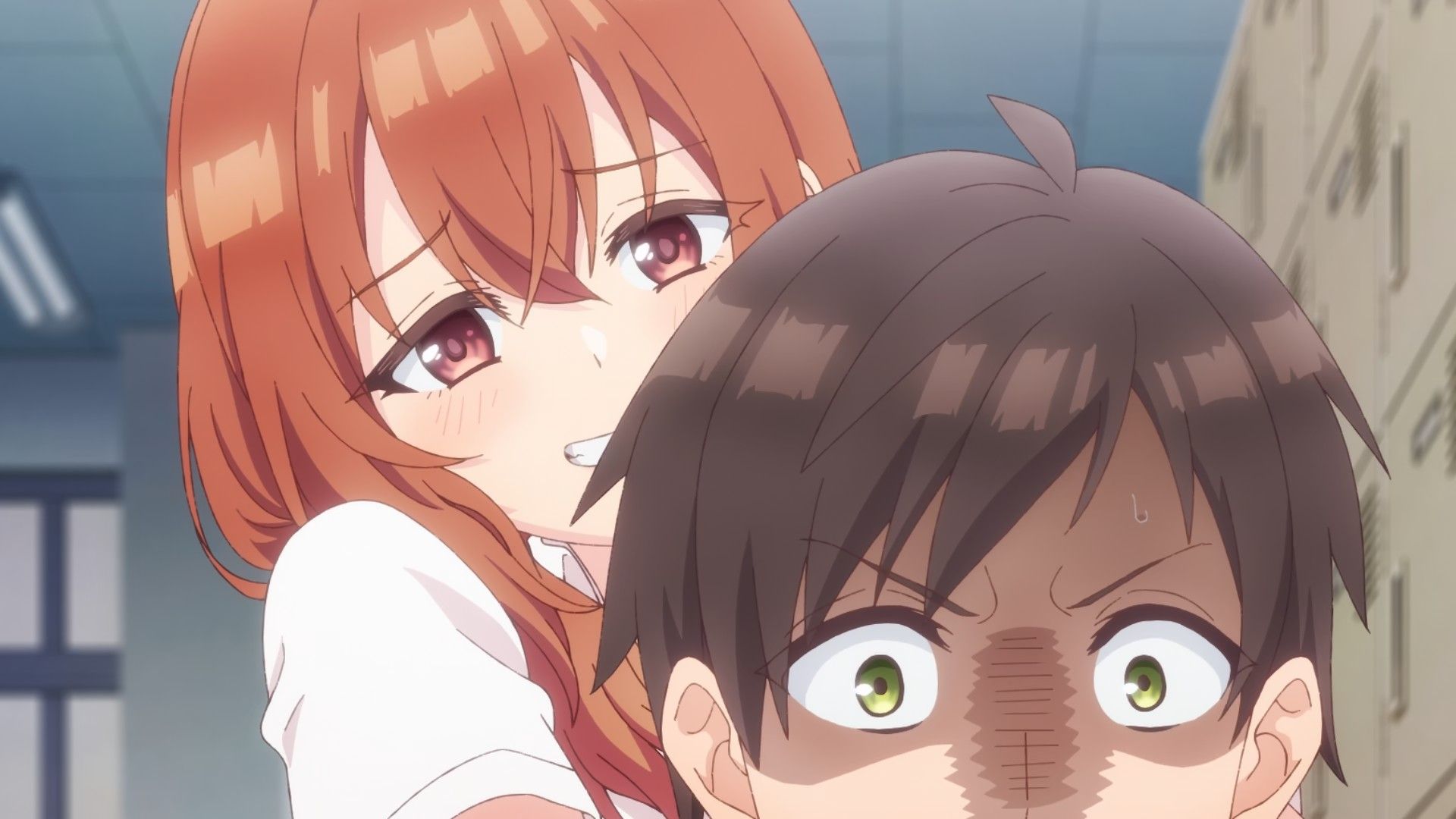
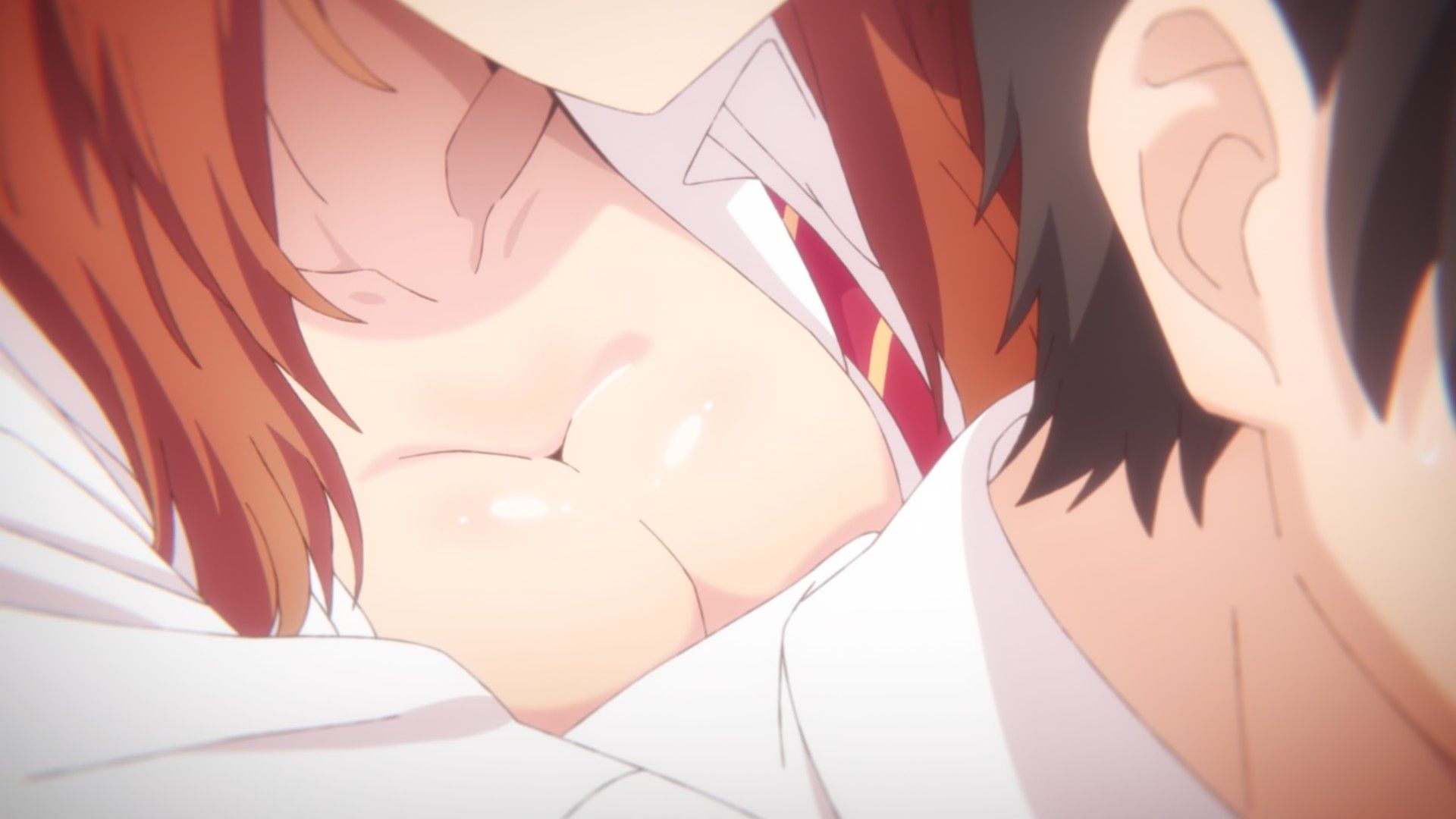

He focuses on the future of his independent game development team, the 05th Floor Alliance. He wants to secure a position at a major entertainment company run by his eccentric uncle. However, the condition of the offer is absurd and non-negotiable. He must become the fake boyfriend of his beautiful cousin, Tsukinomori Mashiro, who is transferring to his school to escape a troublesome past.
Thrust into a fictional relationship with a girl who openly despises him, while simultaneously fending off daily provocations from his buddy’s annoying younger sister, Akiteru quickly realizes that his logical, orderly world is descending into chaos.
What is the series about
Tomodachi no Imouto ga Ore ni dake Uzai is primarily a comedy, but beneath the layer of jokes and the titular uzai (annoyance), it smuggles in mature observations about social masks and the fear of rejection. Every character leads a sort of double life. The gimmick relying on the dualism of characters (Honor student vs. Annoying younger sister who is actually a long-time friend; Ice beauty vs. Passionate writer; Strict teacher vs. Lazy illustrator) was something that literally glued me to the screen week after week. I really liked that this didn’t just serve comedic purposes. Thanks to this, Iroha could test Akiteru’s boundaries while remaining safe behind her mask.
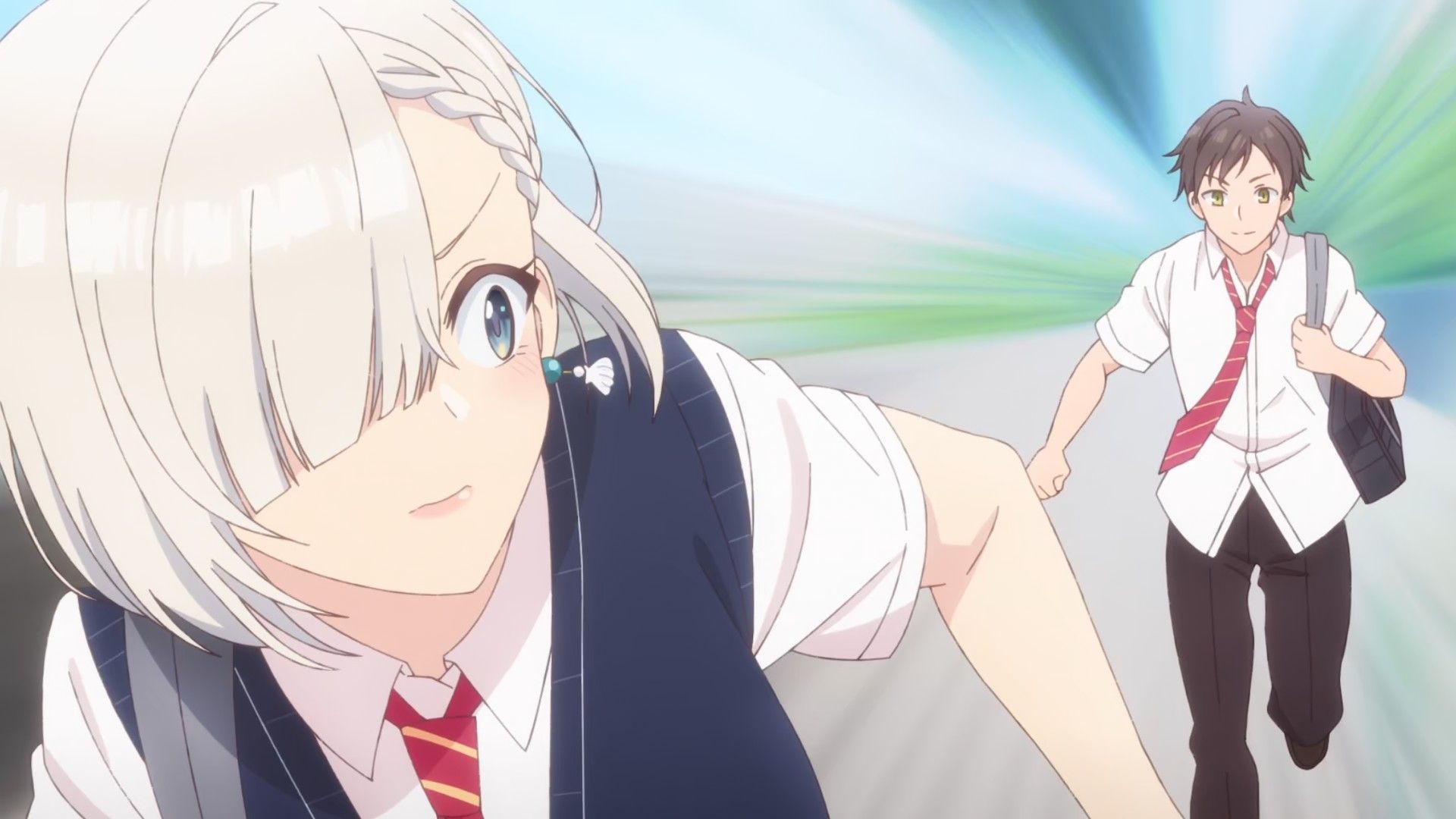
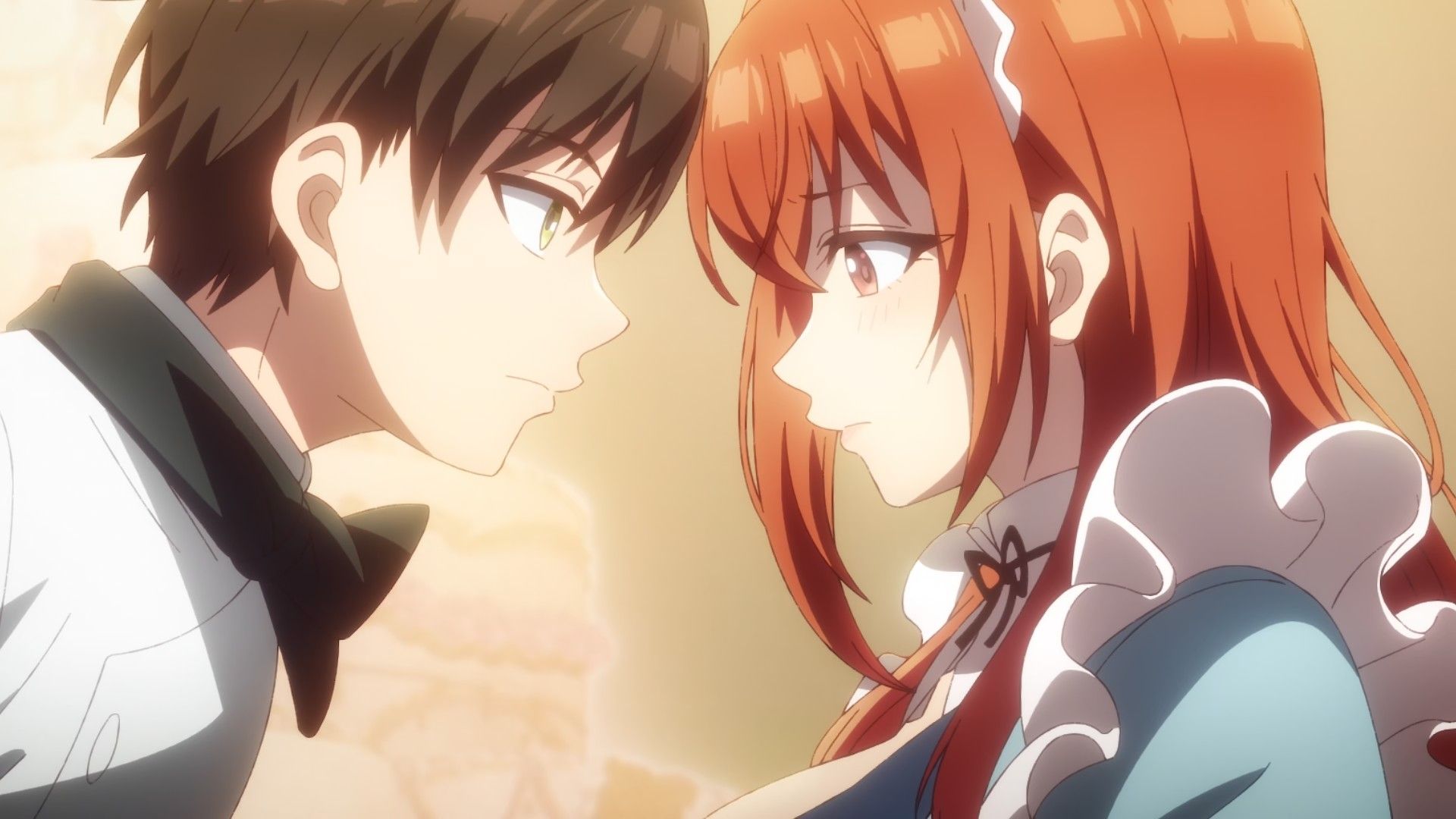
The main pair, Akiteru and Iroha, spend a ton of time together, and the chemistry between them is undeniable. Akiteru, despite his declared aversion to “blue spring” (aoharu, the days of youth), is actually incredibly caring and observant when it comes to the talents of others (though blind to their feelings for him). With each subsequent episode, there is clear progress in their mutual understanding, even if verbally they remain stuck in the “annoying friend’s sister vs. min-max protagonist” clinch.
The only thing I could complain about is the finale. Iroha is a great heroine, perhaps one of the best annoying characters in the genre, but her denial of feelings at the end is truly irritating. After such a powerful emotional rollercoaster, returning to the status quo feels like a step back. I understand the convention, but as a viewer who invested time in these relationships, I felt a slight dissatisfaction. I assume this is a problem of adapting material that is still ongoing, and the creators didn’t want to close off the path to a potential second season.
Plot Development
The plot develops quite smoothly. Starting from the introduction to Akiteru’s philosophy and his meeting with Iroha, through Mashiro’s arrival and the necessity of saving the school theater club, all the way to the final showdown on stage. Many episodes are based on events tasked with developing and bringing the viewer closer to individual characters. Every major plot twist leads to the next, naturally resulting from the previous one. The culmination of the series is ultimately the contest in which the theater club led by Sumire is to participate, where the president is her beloved younger sister. It is precisely this arc that binds the main characters together the most. It makes them realize their feelings, even though the main hero himself doesn’t believe that they could be reciprocated by Iroha.
Bohaterowie
Tomodachi no Imouto ga Ore ni dake Uzai lives and dies by its characters, which is basically a given since the vast majority of Japanese creative works are based on developing relationships between characters. Nevertheless, it is worth mentioning, because so many years have passed, yet many people still can’t seem to understand this.
Ooboshi Akiteru
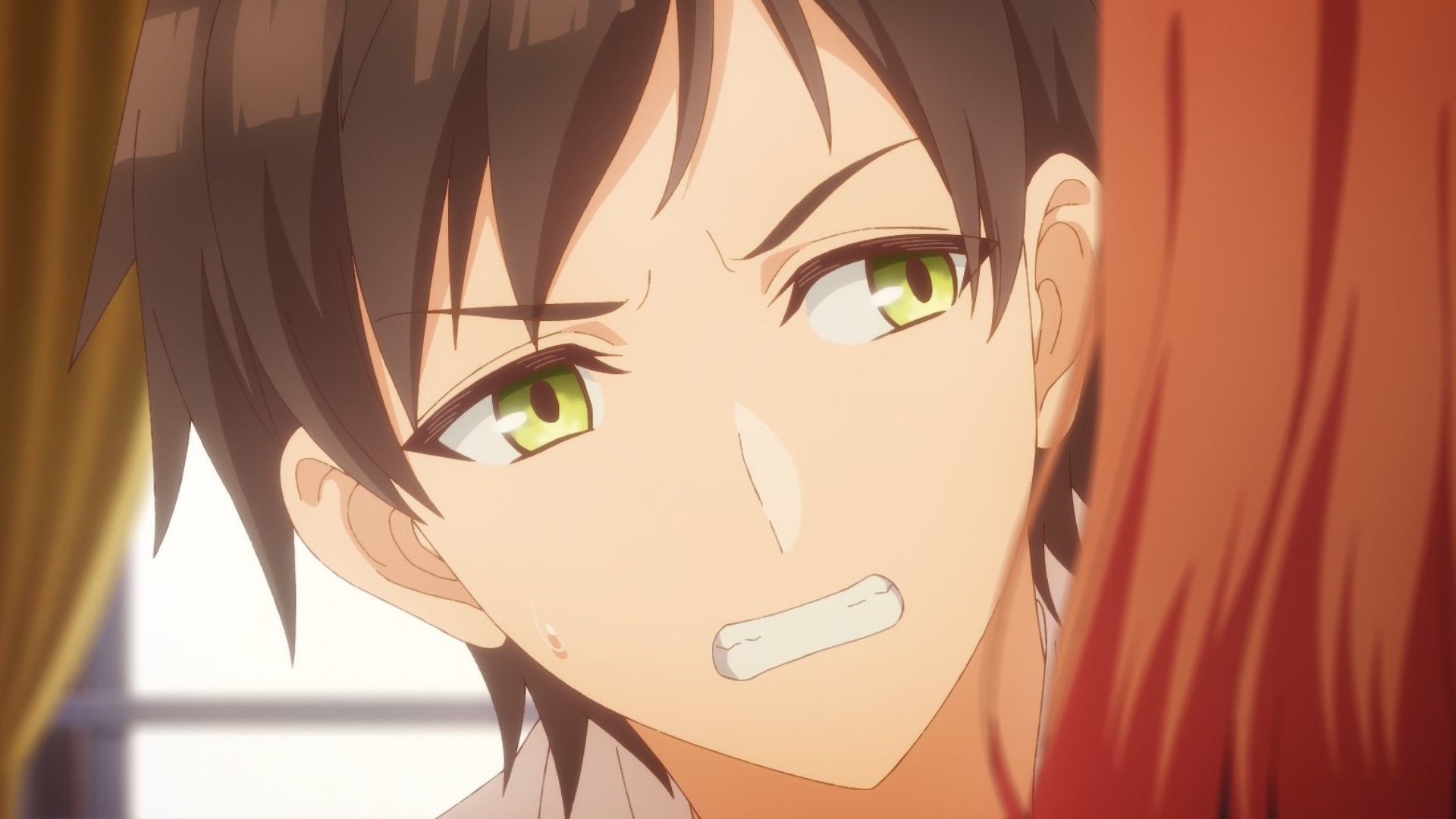
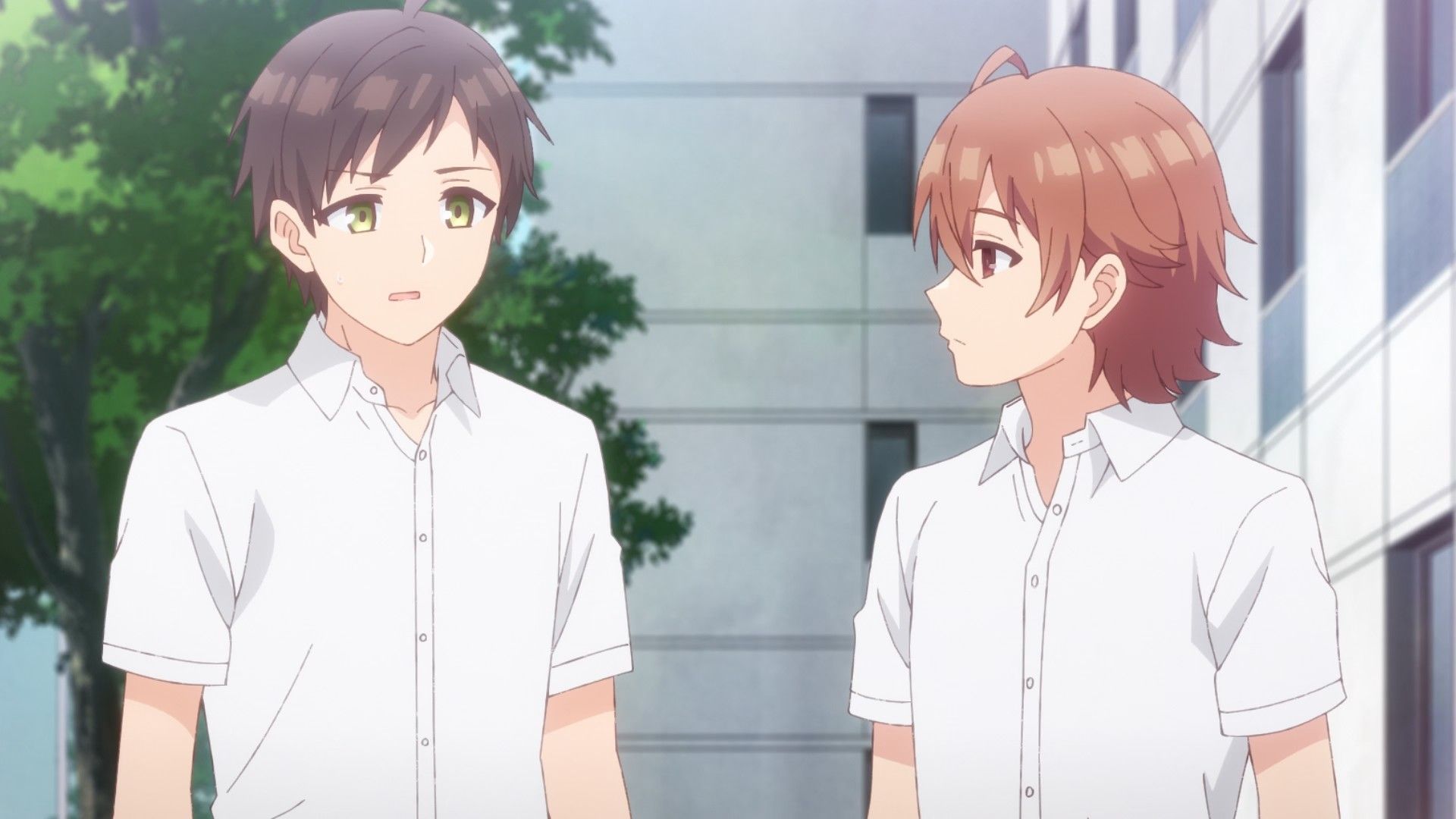
The protagonist and narrator of the series. A high school student who identifies as a min-maxer. He perceives time and emotional energy as capital. Akiteru seek the most effective path to his goals, which usually involves avoiding the pointless dramas of typical school life. He is the producer and director of the 05th Floor Alliance. Despite his declared cold logic, he is a meddler who cannot stand the sight of talented people wasting their potential in the wrong environment. While he often displays downright outstanding blindness to the romantic signals of the girls around him, his blindness is partly a deliberate defense mechanism to maintain professional efficiency. His relationship with Iroha is a constant battle of logic against chaos.
Kohinata Iroha
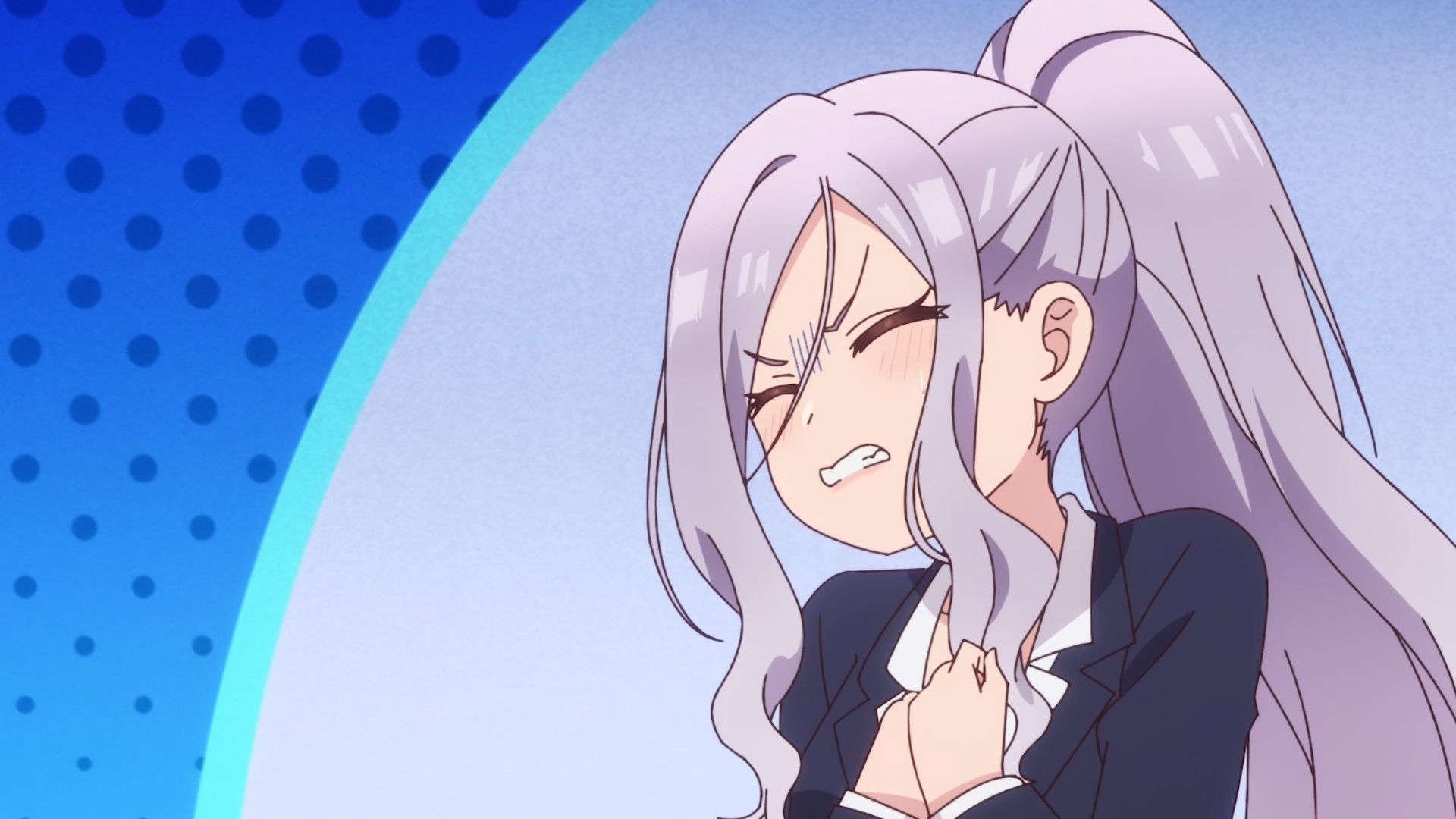
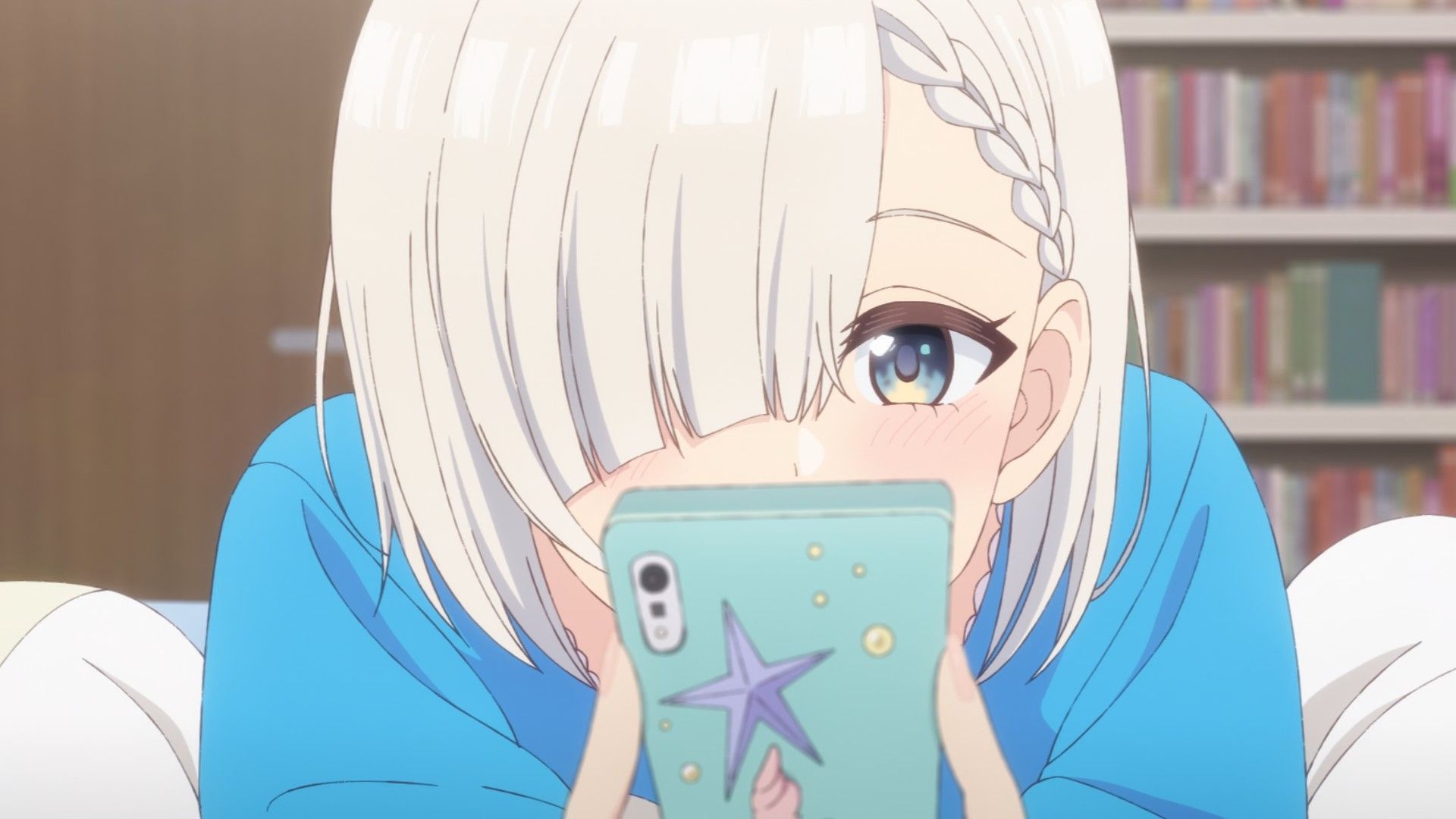
The central heroine and the younger sister of Akiteru’s best friend. At school, she is the perfect honor student—polite, elegant, and helpful. However, when she is alone with Ooboshi Akiteru, she becomes relentlessly uzai (annoying), teasing him with high-octane energy and suggestive comments. She is secretly the only voice actress for Akiteru’s games, capable of perfectly embodying any age, gender, or personality type. Her teasing is a mask for her sincere devotion. She views Akiteru as her star. The boy opened up a world for her where she could use her acting talent far away from her mother’s strict rules. She is an incredibly charismatic character whose nature, paradoxically, makes it impossible not to like her. Suzushiro Sayumi in this role is an absolute bullseye.
Tsukinomori Mashiro
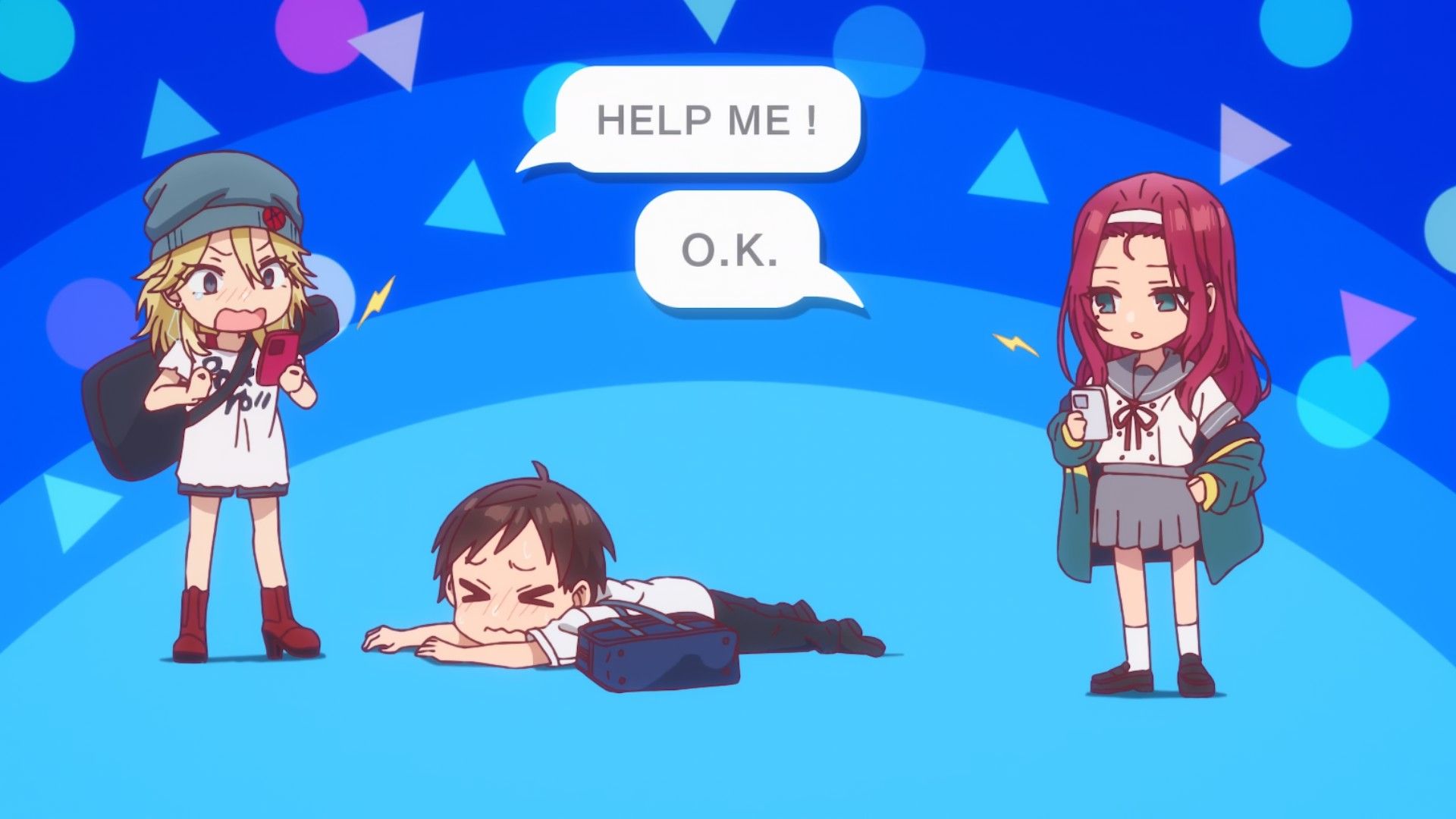
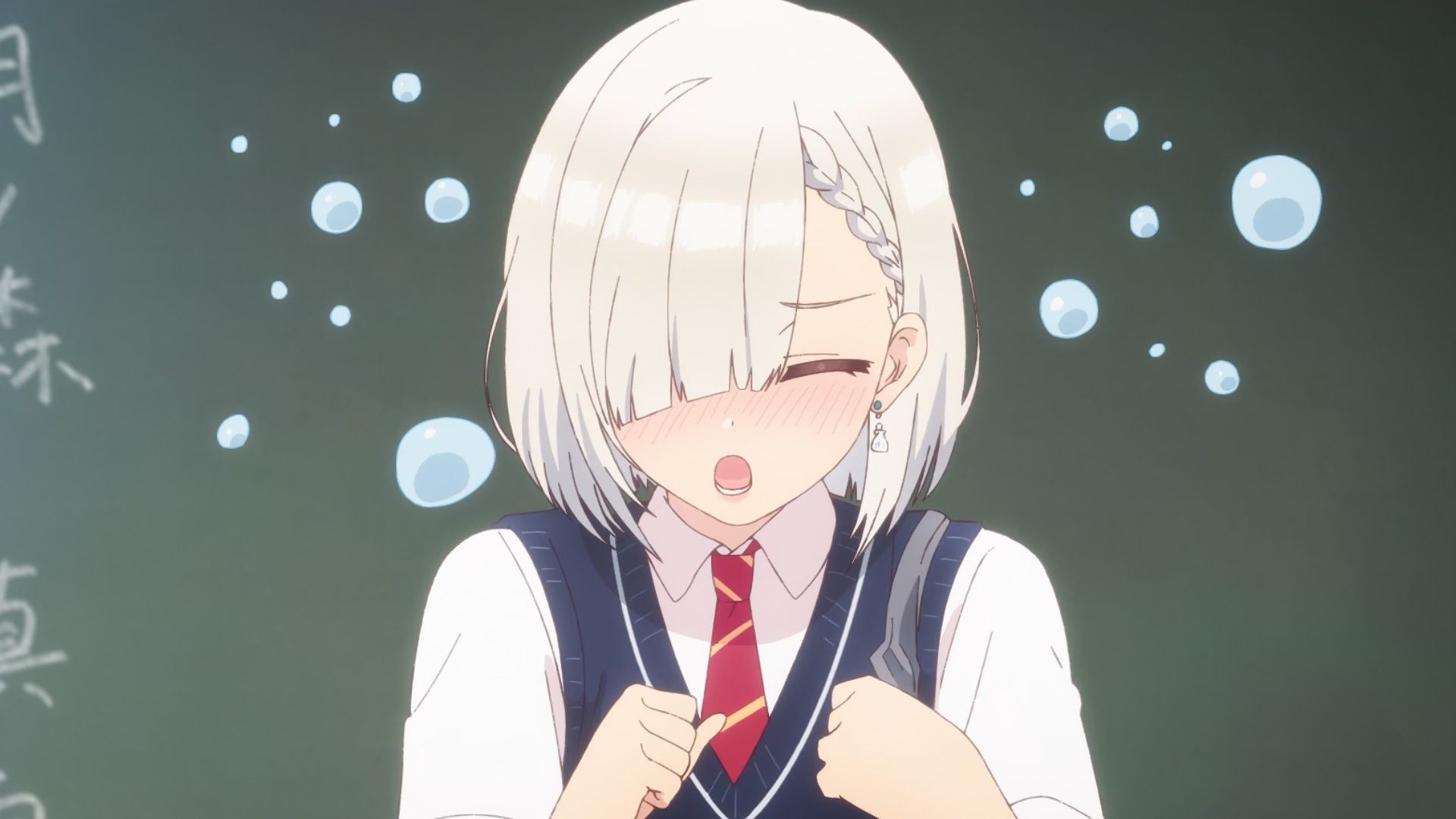
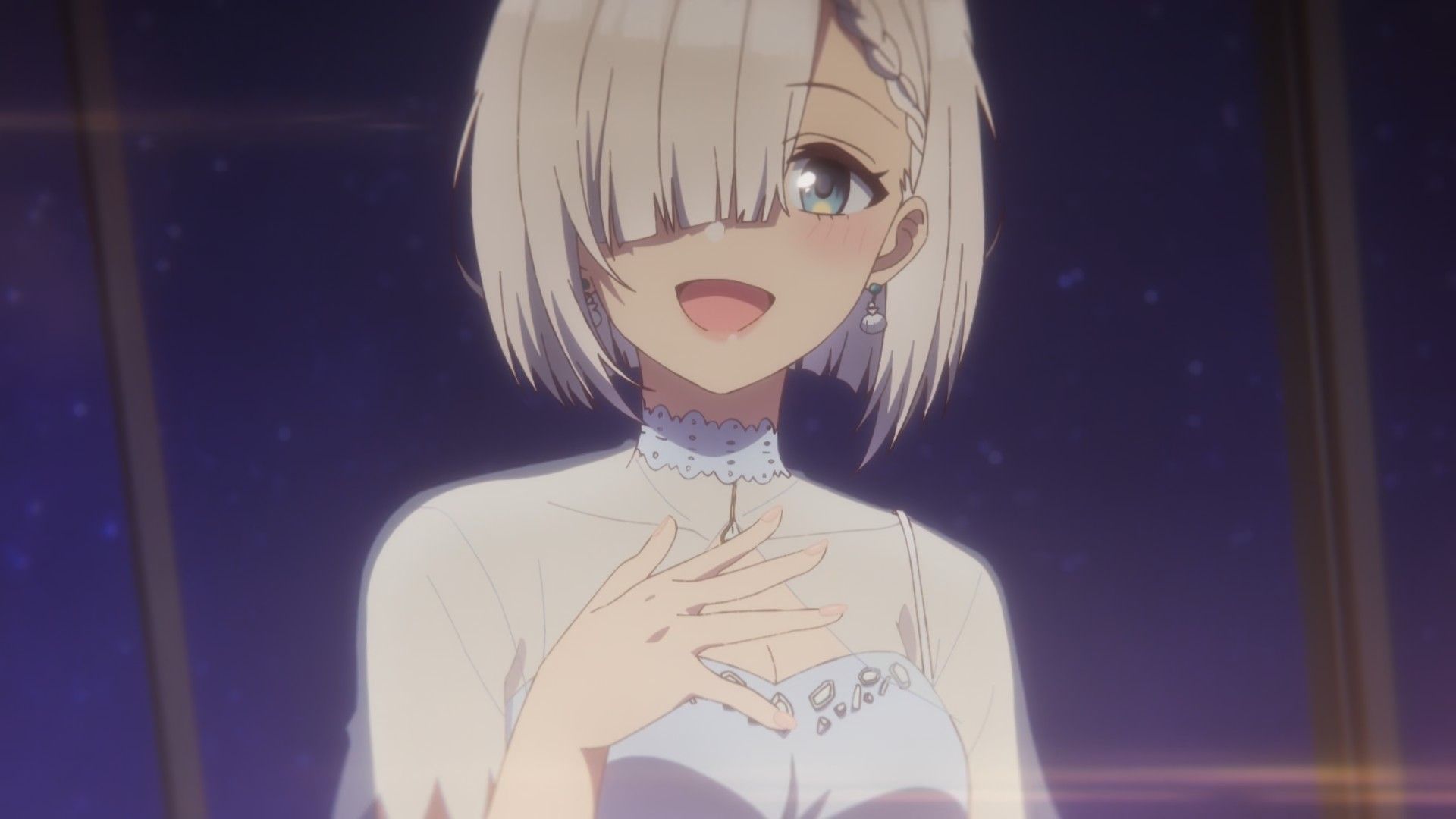
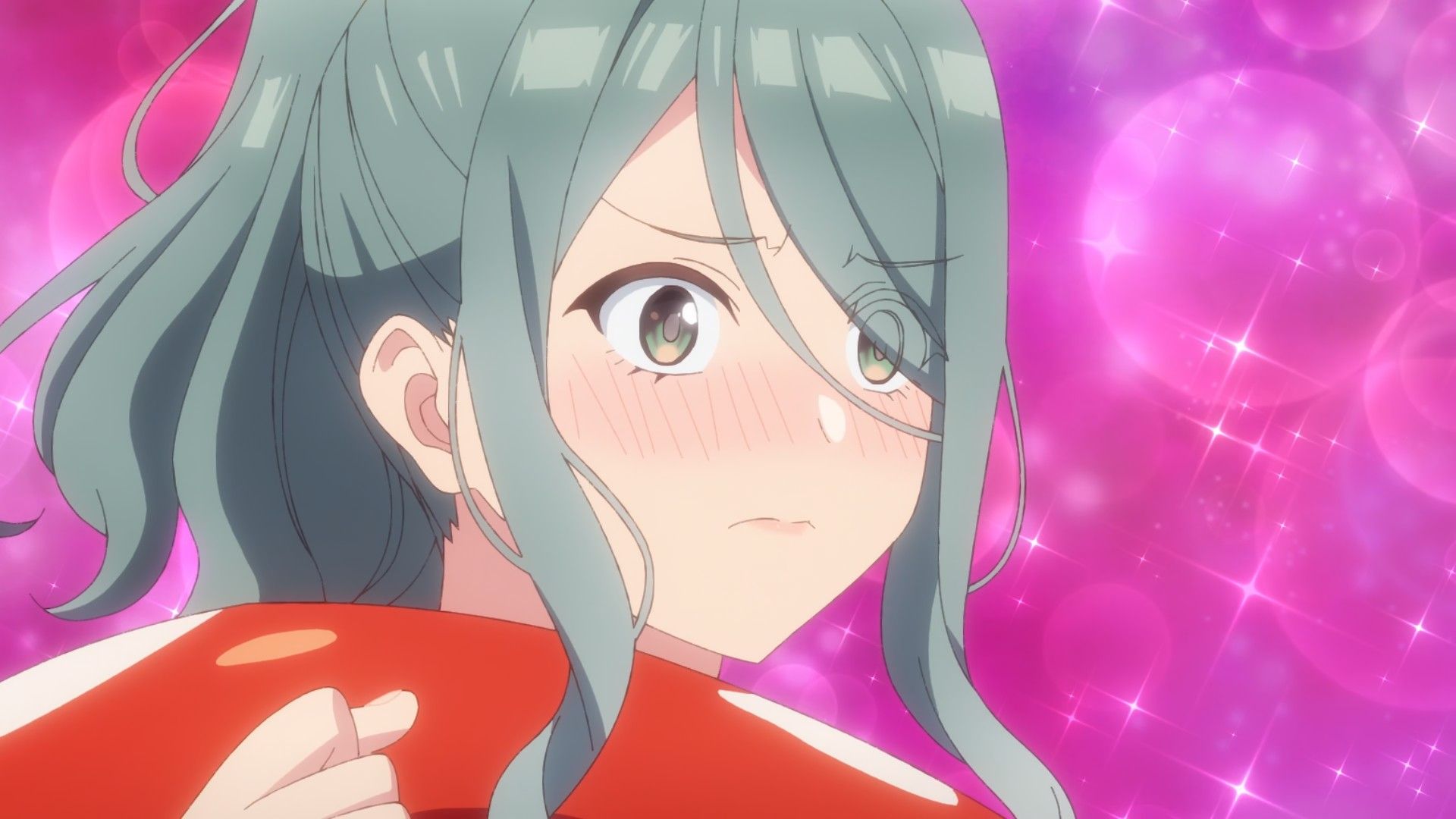
Akiteru’s cousin and a new student at his school. She is a classic kuudere—robotic and socially awkward on the outside, but deeply emotional and shy in her private messages. Despite this, she is the author of a best-selling light novel series. She entered into a sort of contract for a fake boyfriend with Akiteru in her father’s presence to avoid unwanted attention at school (due to the fact that she attracts particular interest because of her beauty), but she is genuinely in love with him and uses writing as a way to process her feelings.

Kohinata Ozuma
Akiteru’s best friend and Iroha’s older brother. Known by the alias Oz, he is a brilliant programmer capable of transforming any of Akiteru’s complex ideas into reality. He is calm, observant, and serves as Akiteru’s main emotional anchor. He claims not to have a sister complex, yet he is the ultimate wingman, often arranging situations to force Akiteru and Iroha into romantic scenarios. Sometimes using borderline terrifying technological means.
Kageishi Sumire
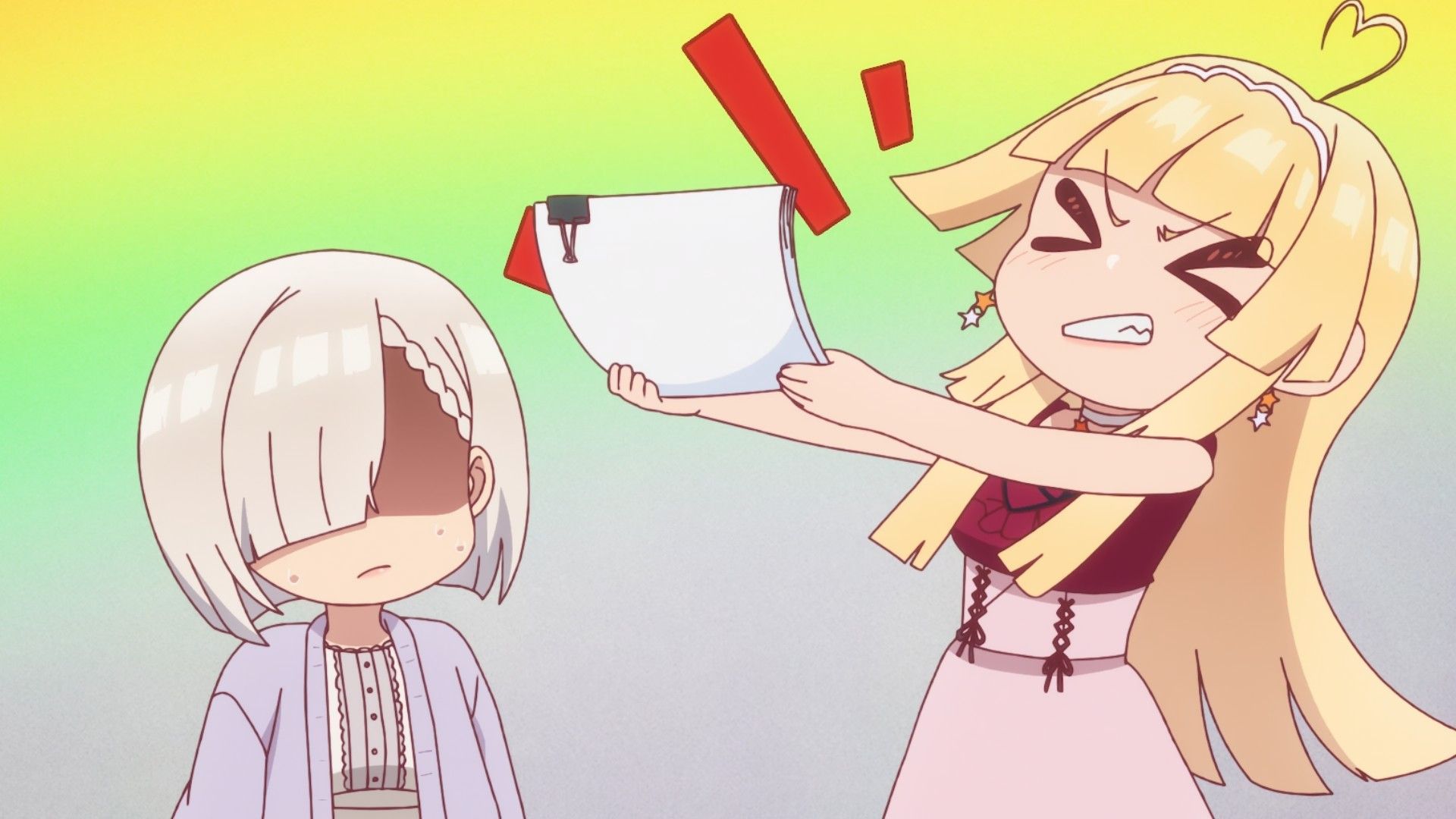
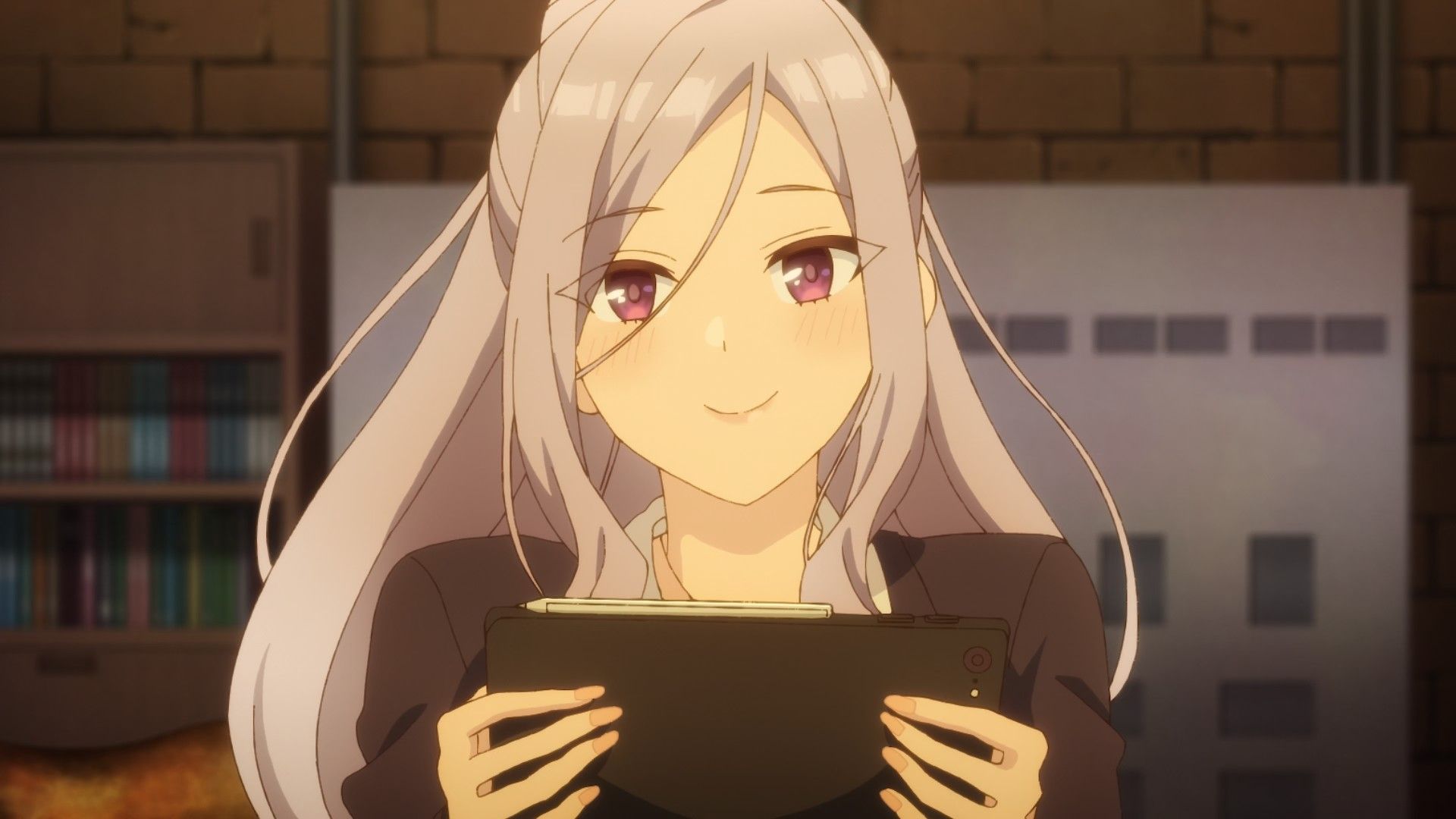
Homeroom teacher and supervisor of the theater club. Known in class as the “Venomous Queen,” inspiring fear among students with her strict, elitist, and patronizing attitude. In reality, she is an extreme gap-moe character. Under the alias Murasaki Shikibu, she is a doujinshi author specializing in one-shot fantasies. She is also the lead illustrator for the 05th Floor Alliance. Incredibly lazy, perpetually late with deadlines, she transforms into a sobbing, submissive pet when Akiteru presses her to work. She is deeply dependent on Akiteru to manage her professional and private failures. Hanazawa Kana in this role is simply a masterpiece. Further proof that there isn’t a character she couldn’t embody.
Otoi-san
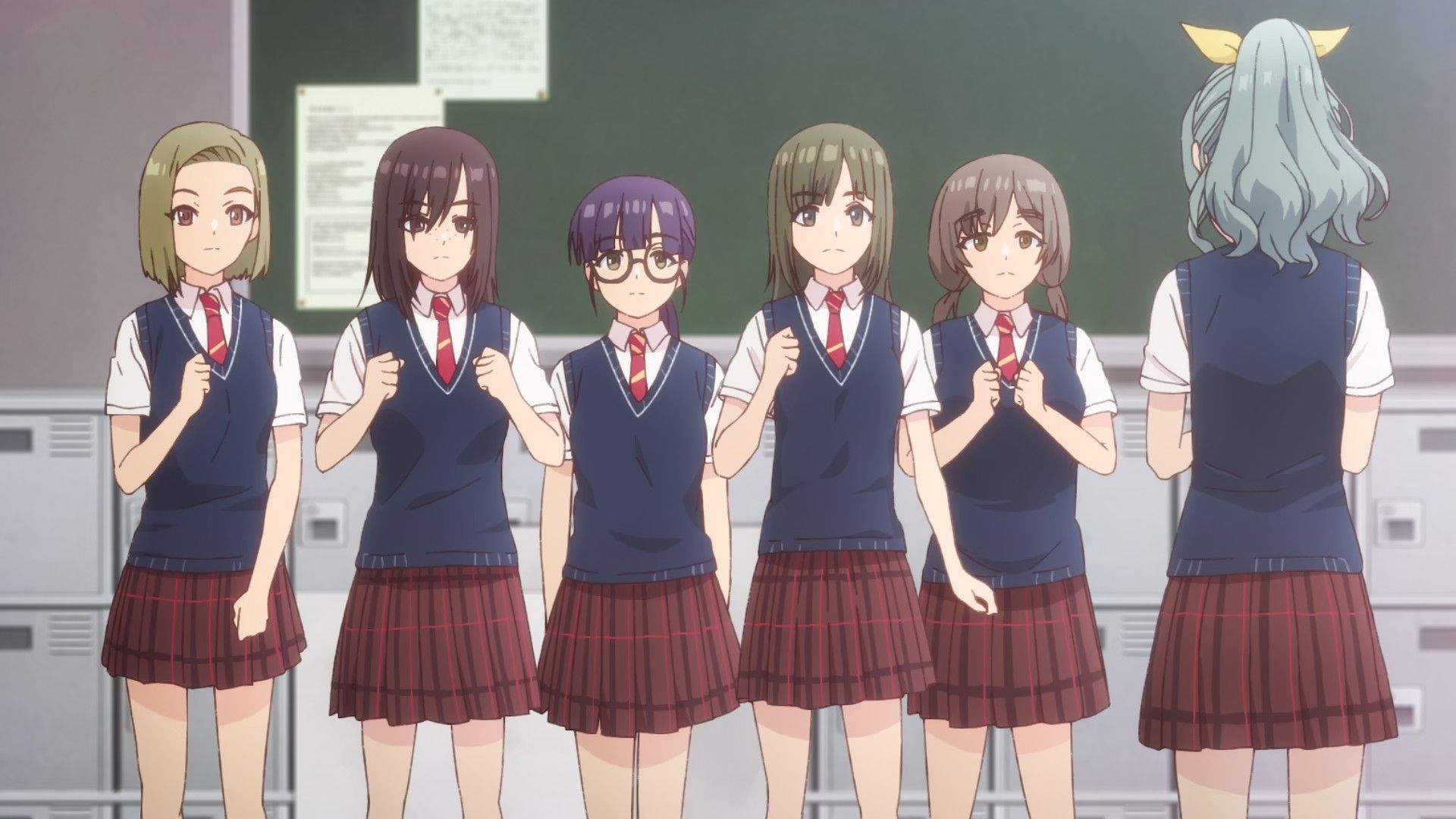
Sound engineer for the 05th Floor Alliance. A third-year student with a cool, mature aura, originally the leader of a group of school delinquents. She possesses perfect pitch and a deep passion for sound production, though she believes she lacks the specific spark to be an artist herself. For this reason, she dedicates herself to a supporting role, particularly wanting to nurture the talent she sees in Kohinata Iroha. She is often the most observant member of the group, giving Akiteru advice when his logic of efficiency fails him.
Tomodachi no Imouto ga Ore ni dake Uzai – Evaluation and Summary
Watching Akiteru’s struggles with the group of eccentric, talented women surrounding him brought me incredible joy in each of the twelve episodes. It is significant that with literally every moment, clear progress is visible in the relationships between them, even if the finale brings a certain regression.
The visual design and soundtrack stand at a high level. The role of the voice actors is also significant. They contributed heavily to bringing out the absolute best in the presented characters. At the same time, it was thanks to them that one could bond with the characters so quickly and strongly.
Iroha is a great heroine. Her energy, humor, and hidden sensitivity create a character that you simply want to root for. Although her denial of feelings at the end is annoying, paradoxically, it fits perfectly with her character and the series title. The characterization is sensational. Every character, from the main pair to supporting roles like Sumire or Otoi, has their moments.
ImoUza is a mandatory title for fans of the genre. I am waiting for the second season, hoping that Akiteru finally understands that efficiency isn’t everything, and Iroha dares to drop the mask permanently, without twisting every situation where she reveals even a fraction of her feelings.
Finalny werdykt
Final evaluation

Which translation do I recommend to watch Tomodachi no Imouto ga Ore ni dake Uzai (2025)?
- Crunchyroll (Official) – A quite good translation that I can’t really complain about too much, aside from really minor details, which are, however, cosmetic enough that they shouldn’t interfere in any way with the reception of the whole, nor the characters themselves.
Gallery