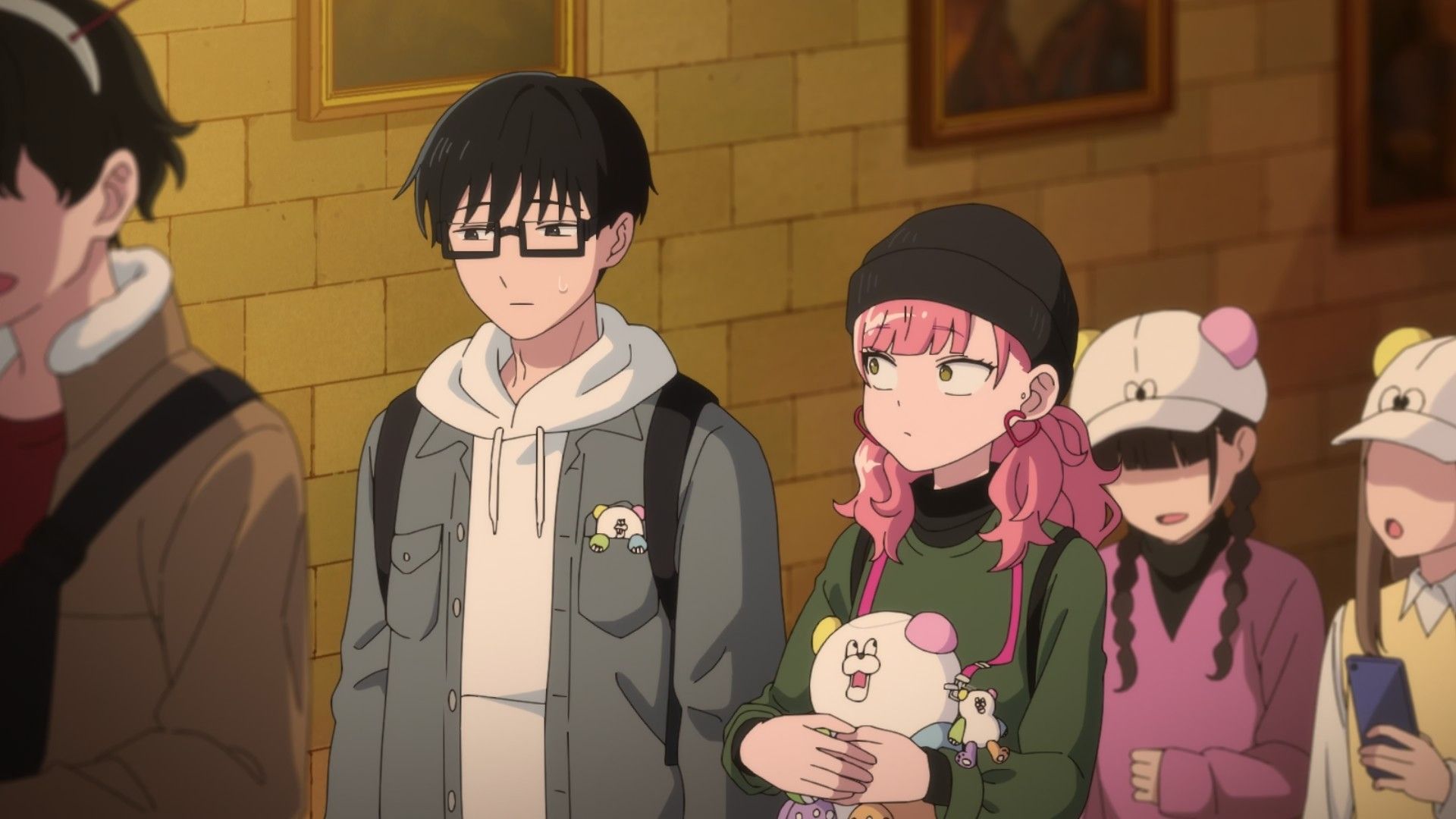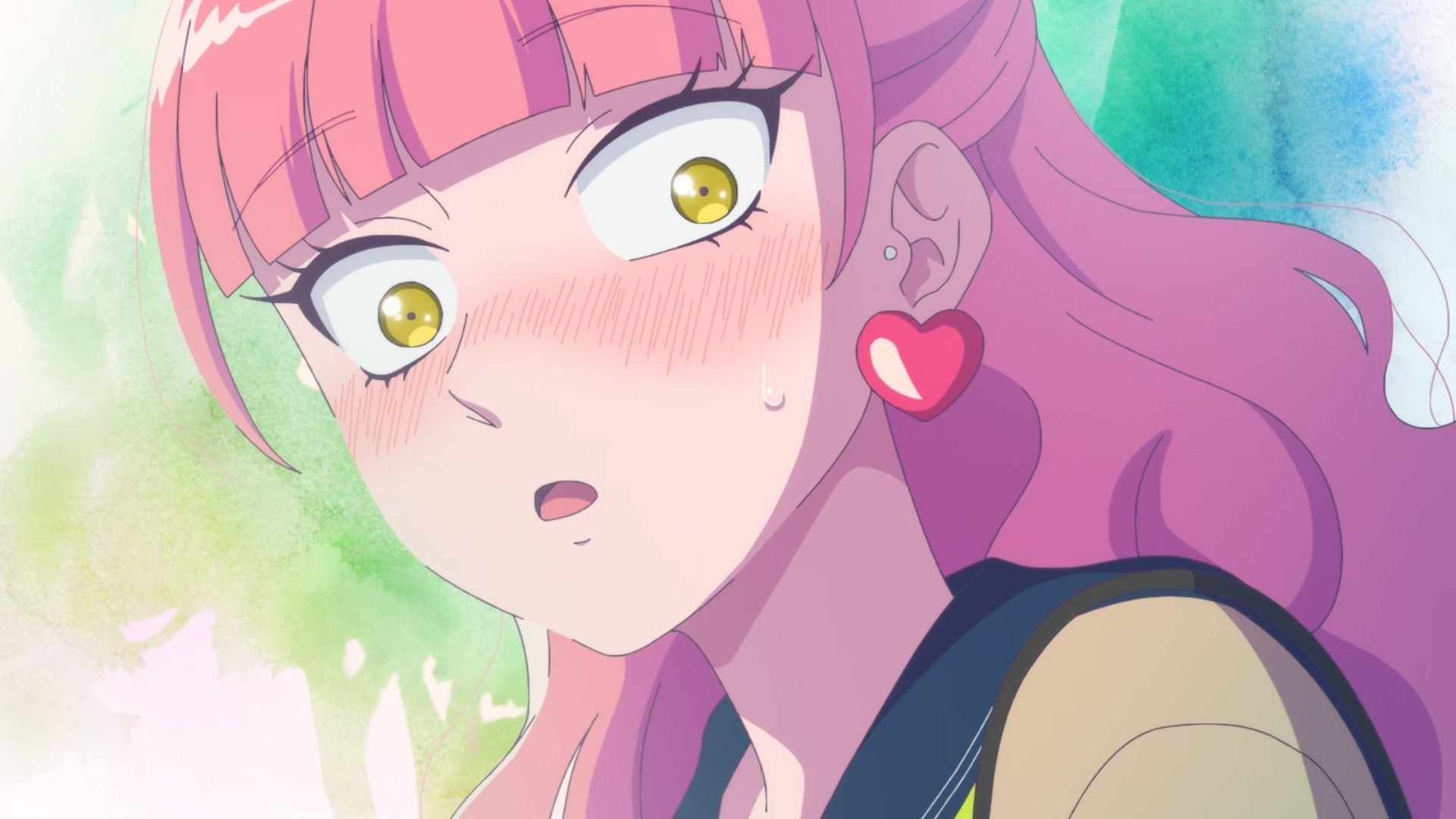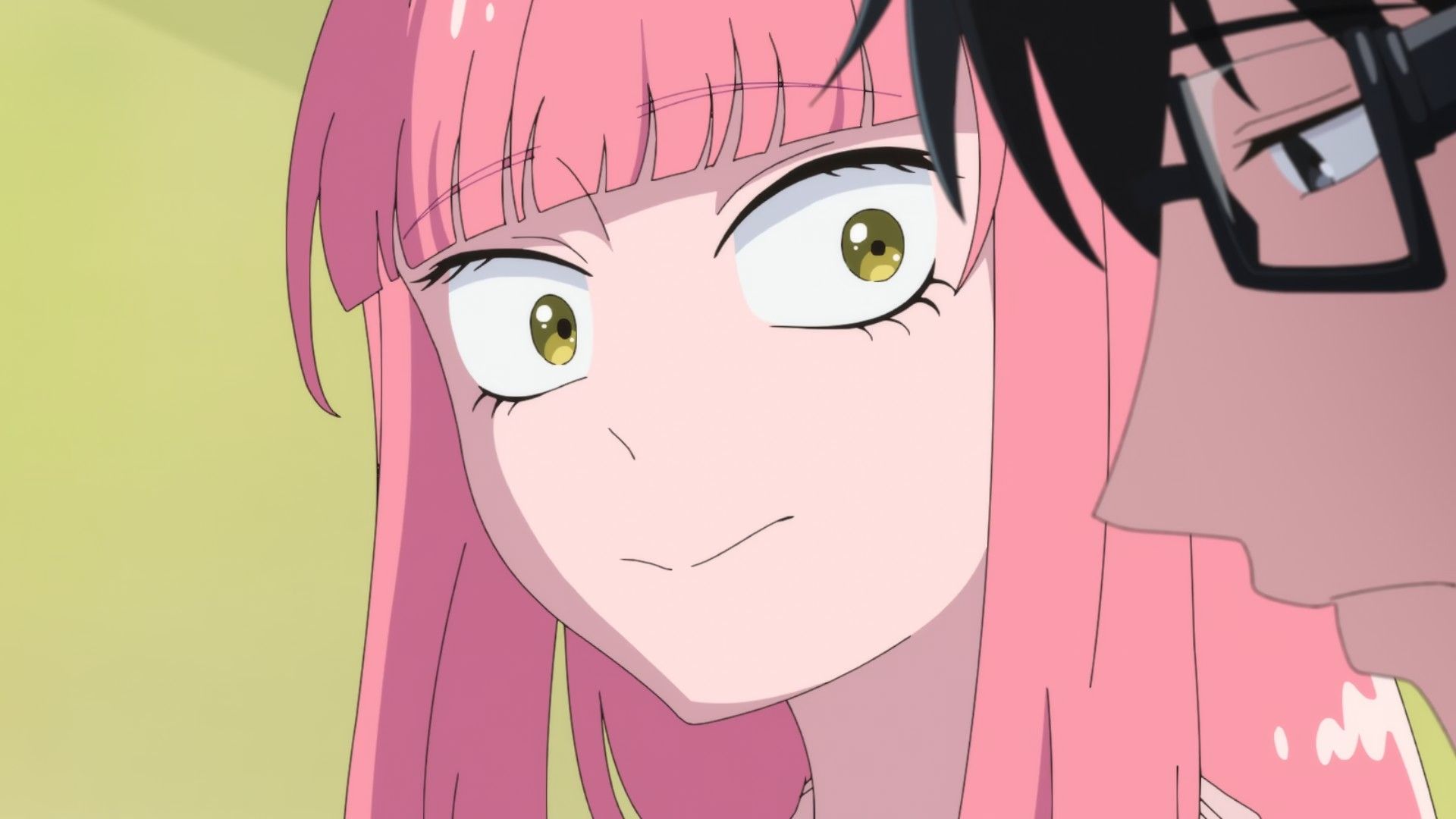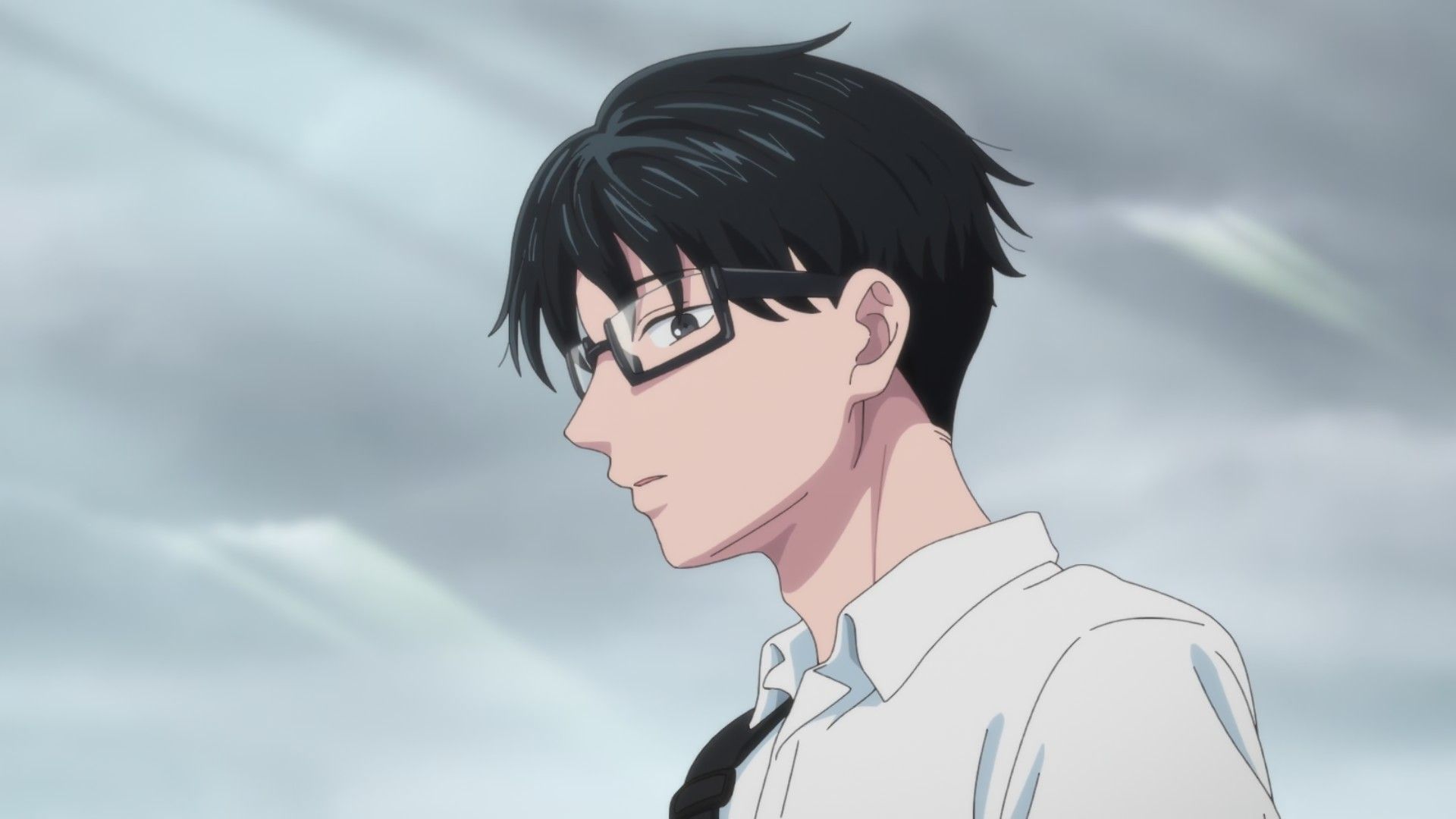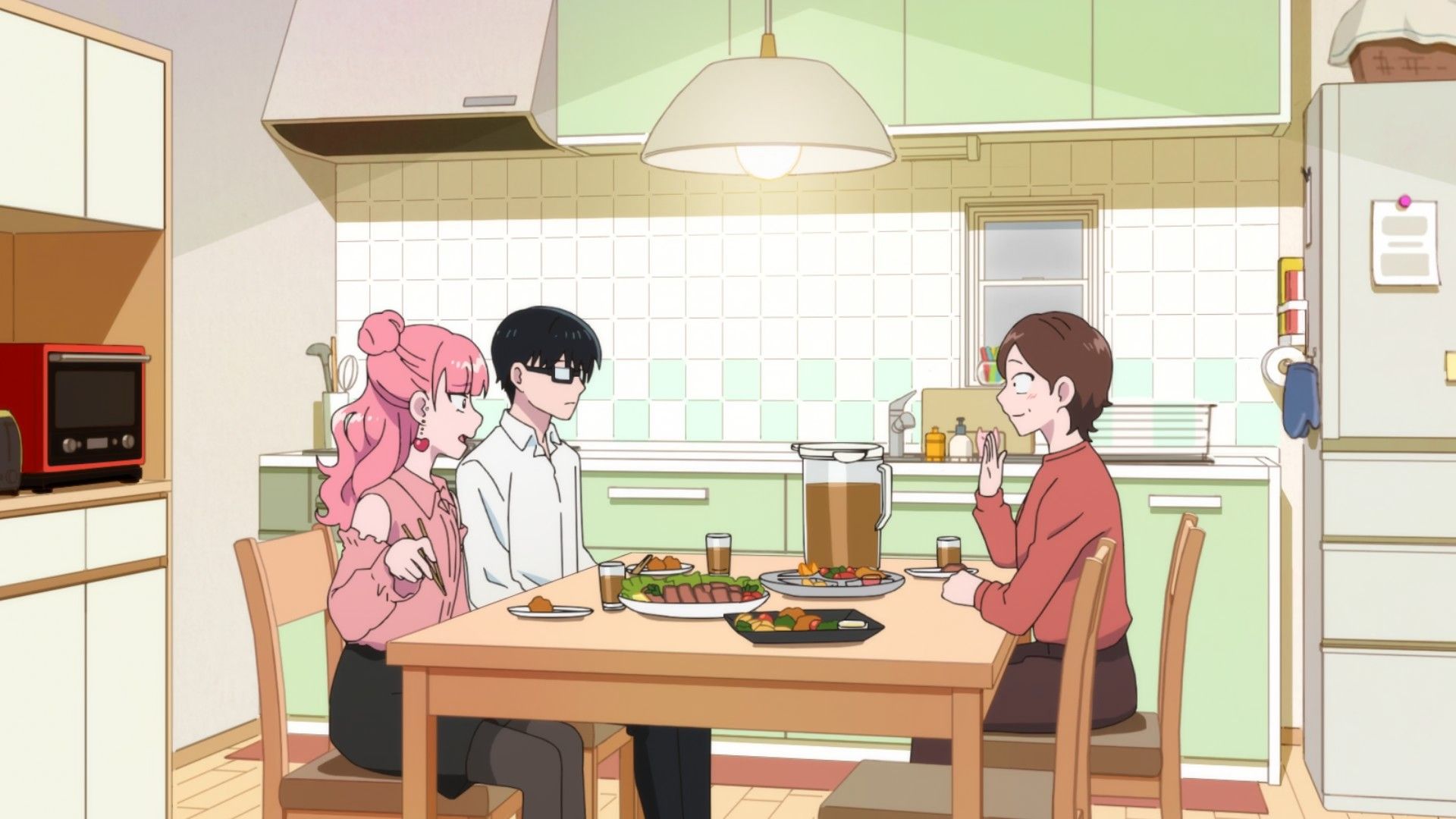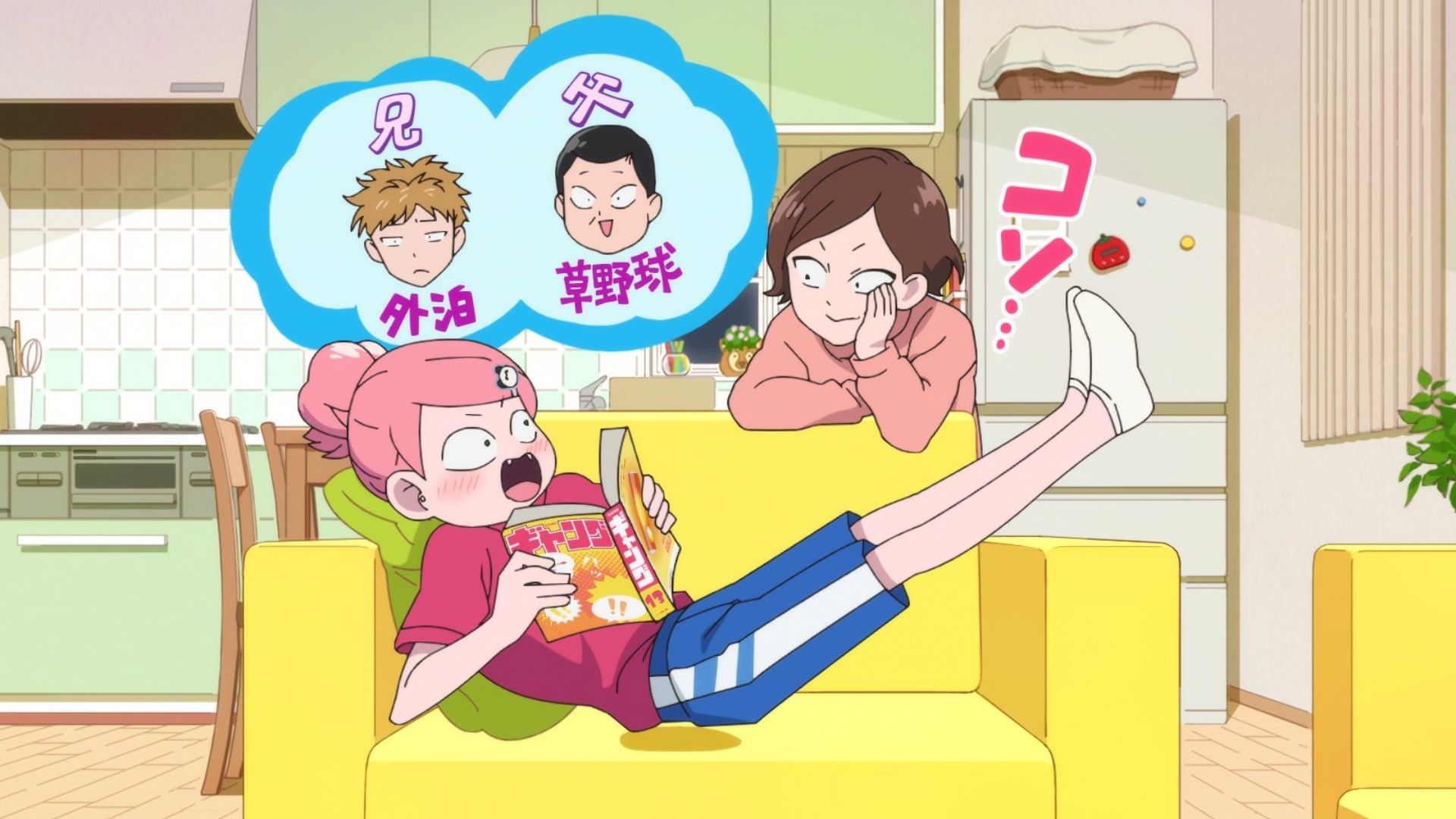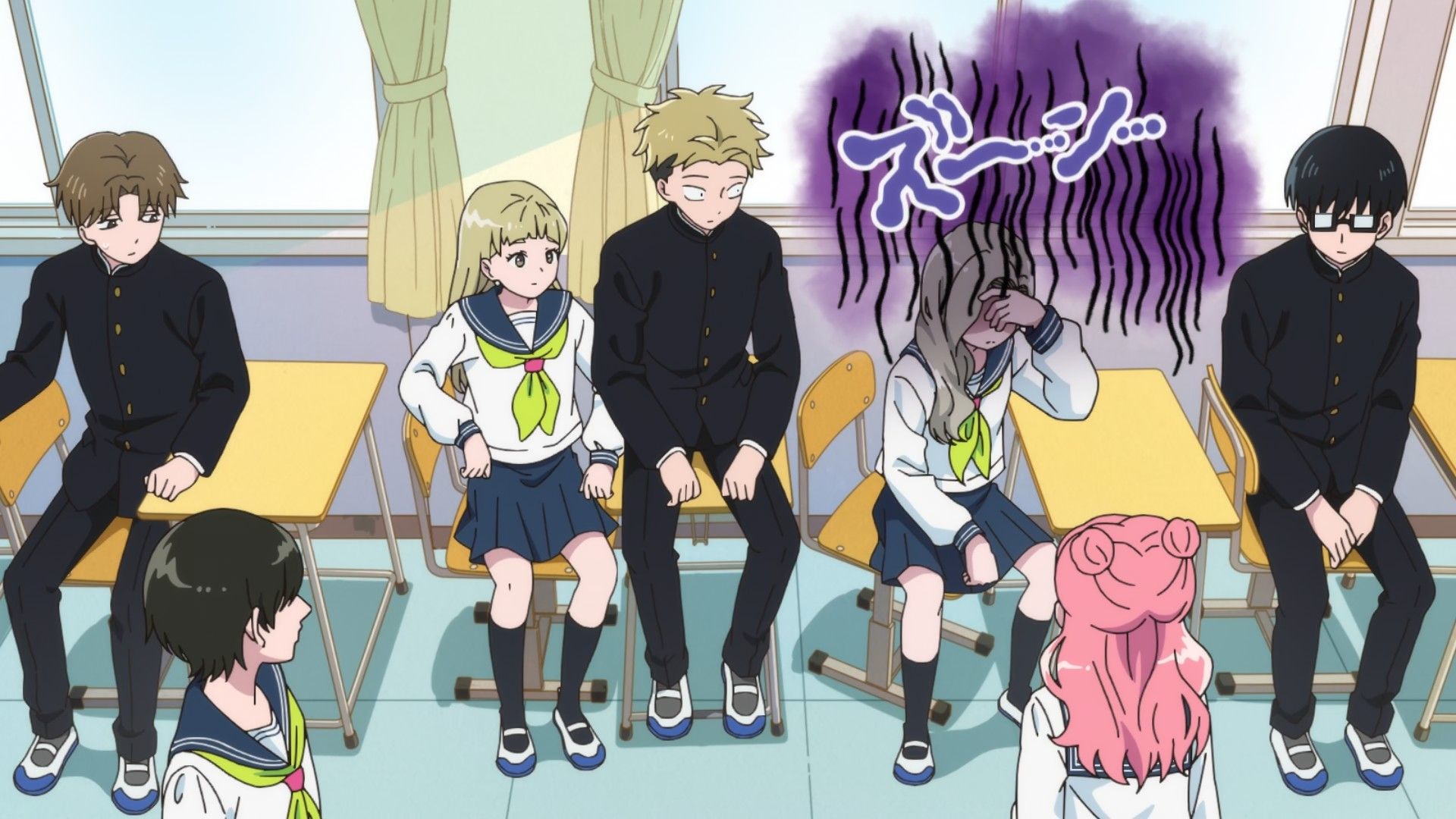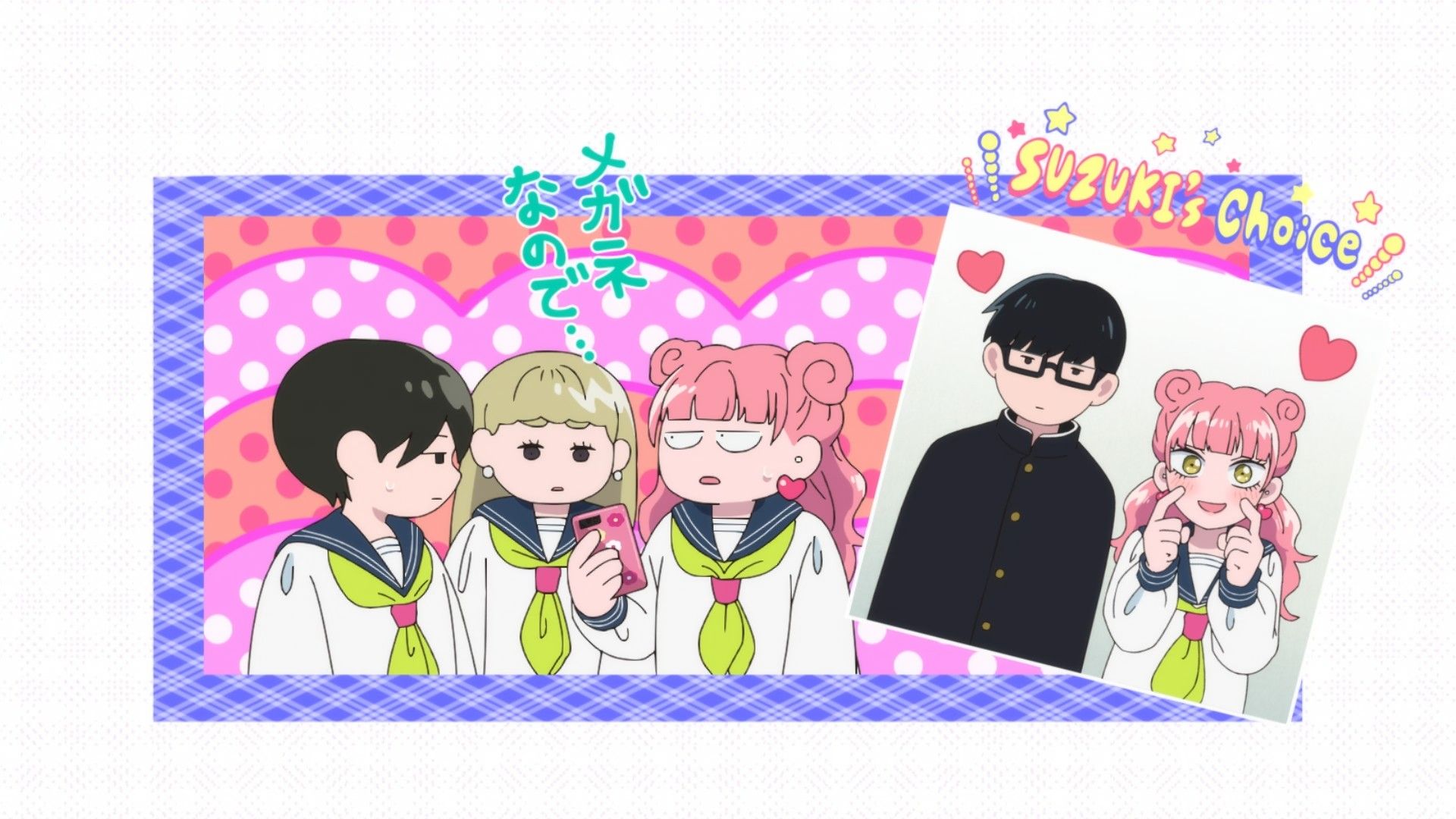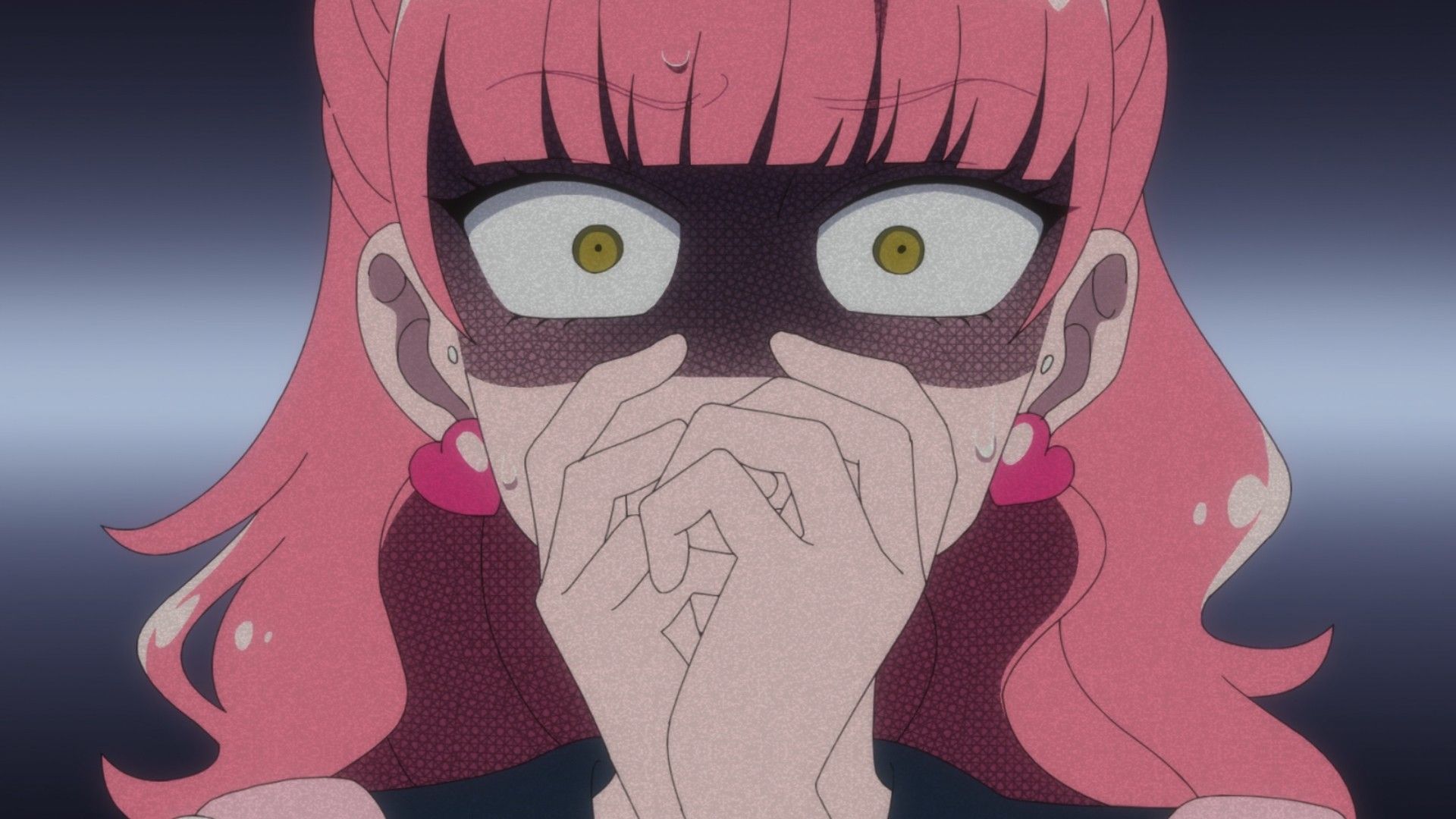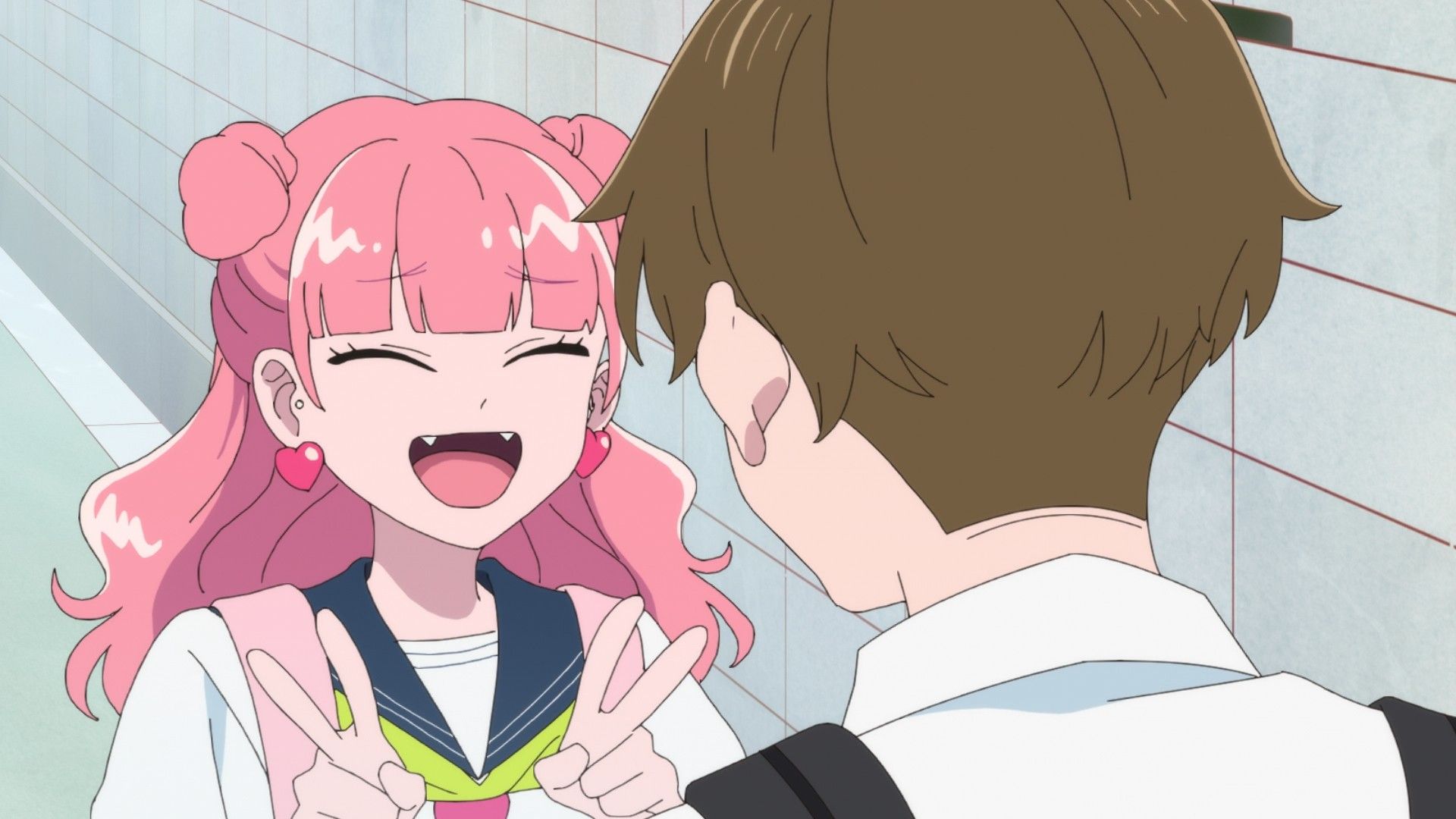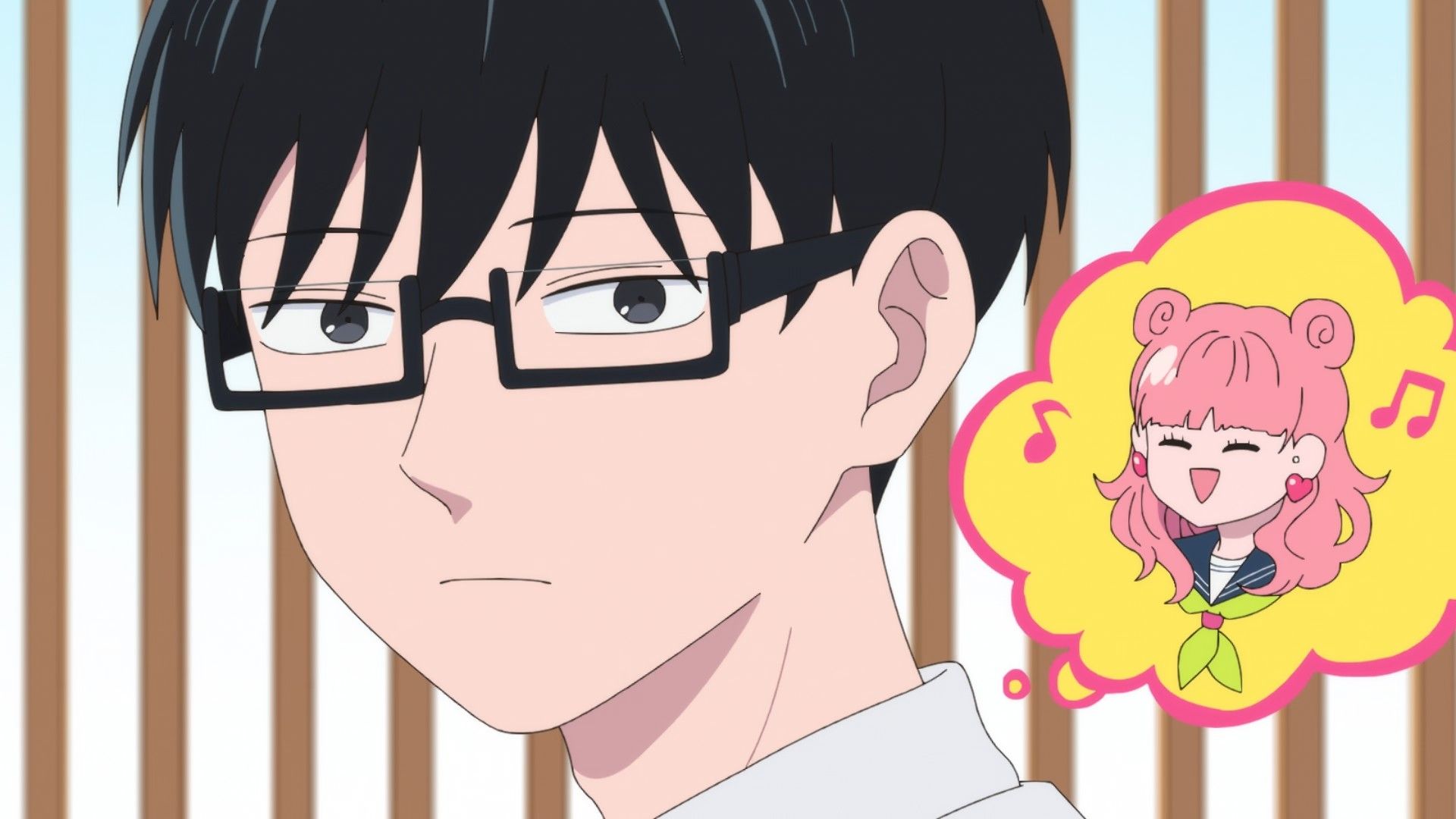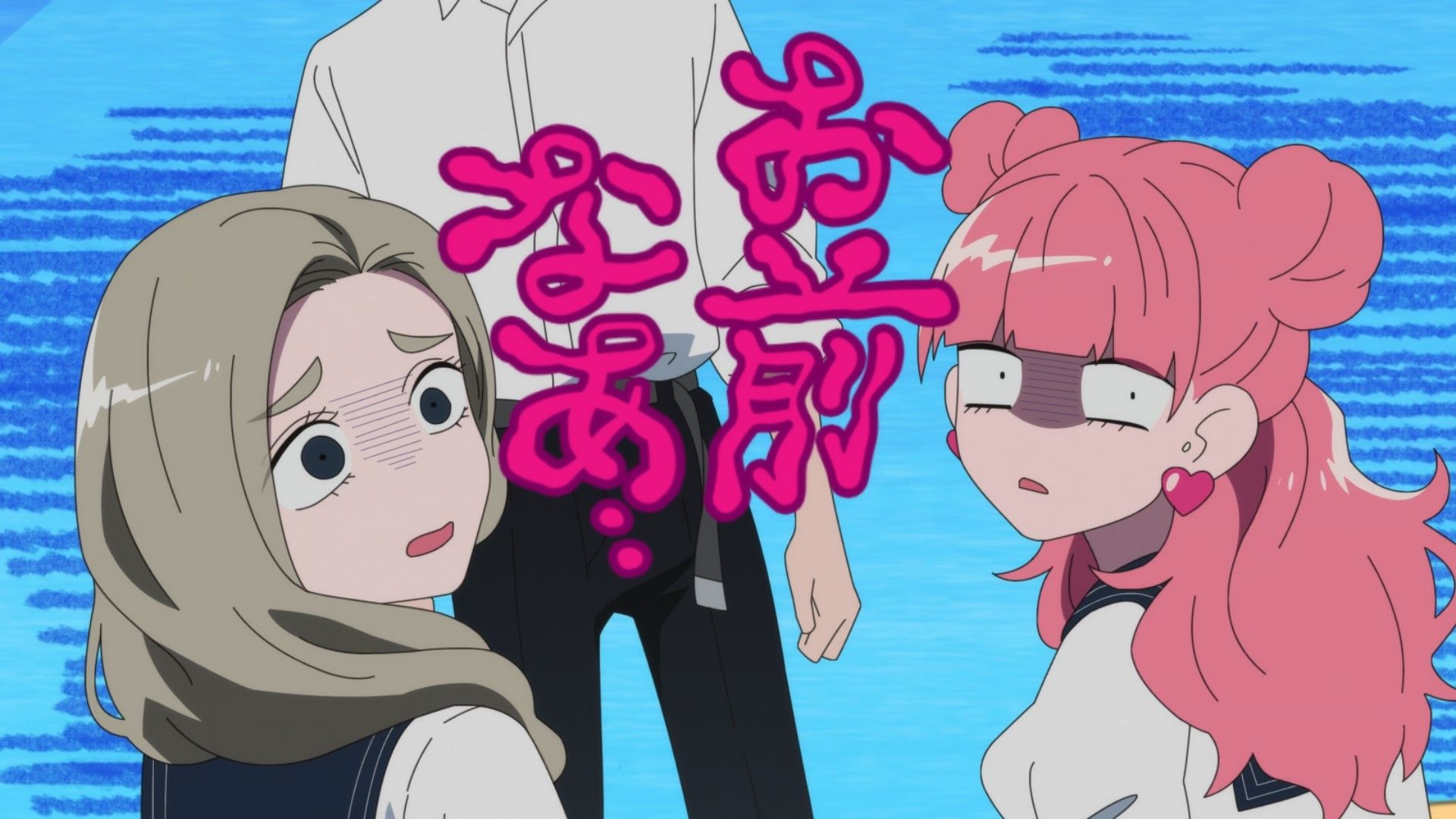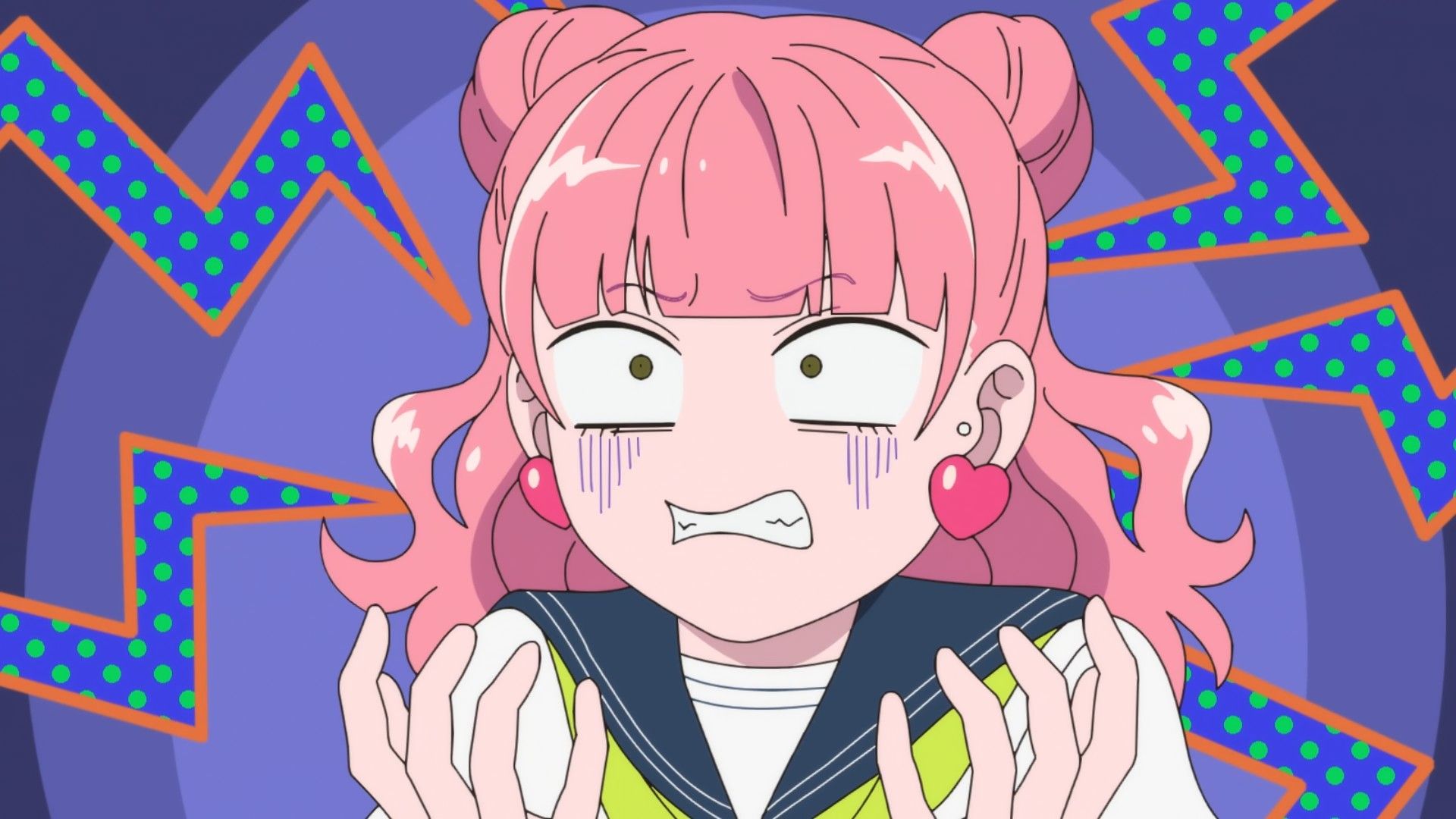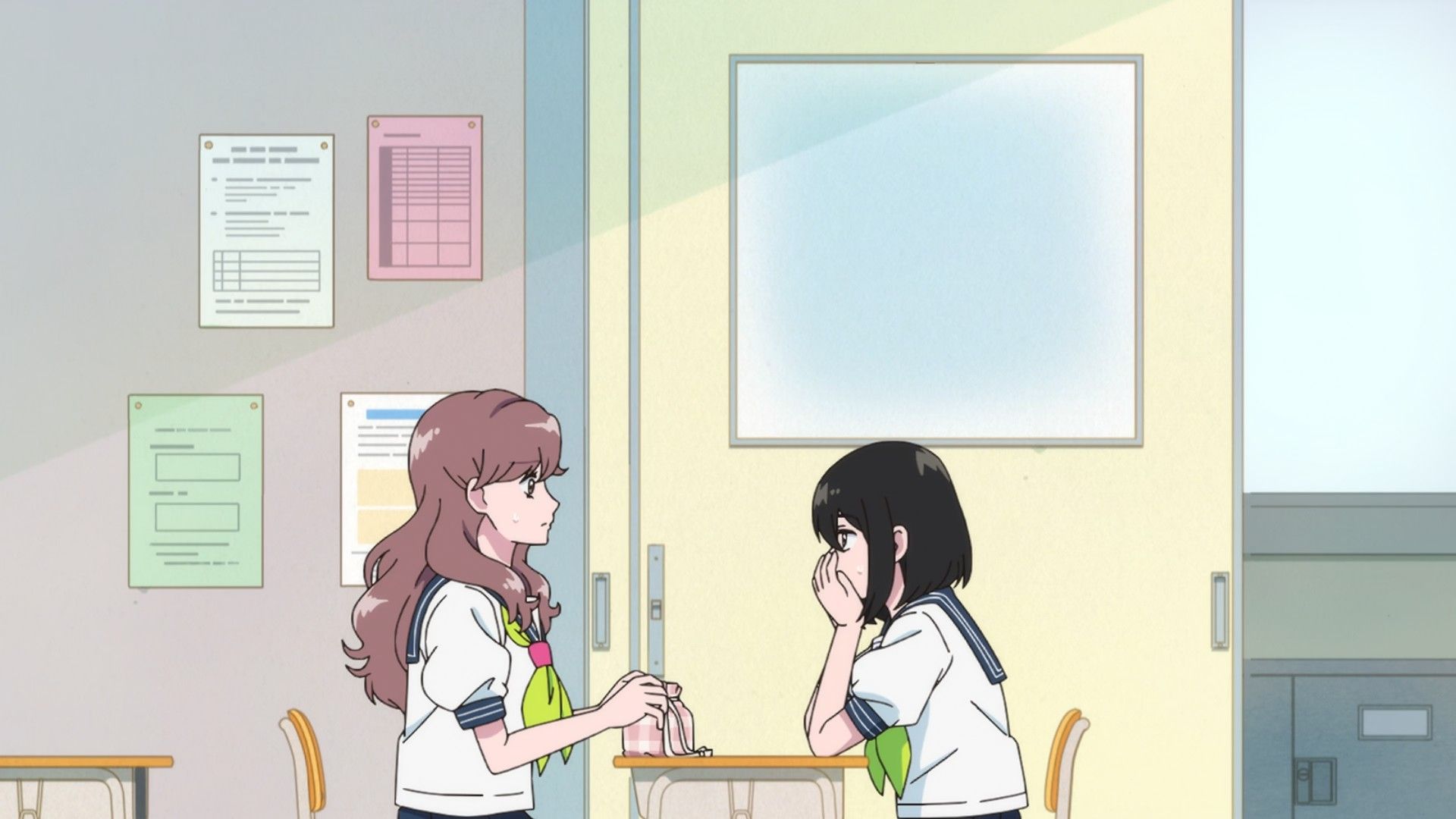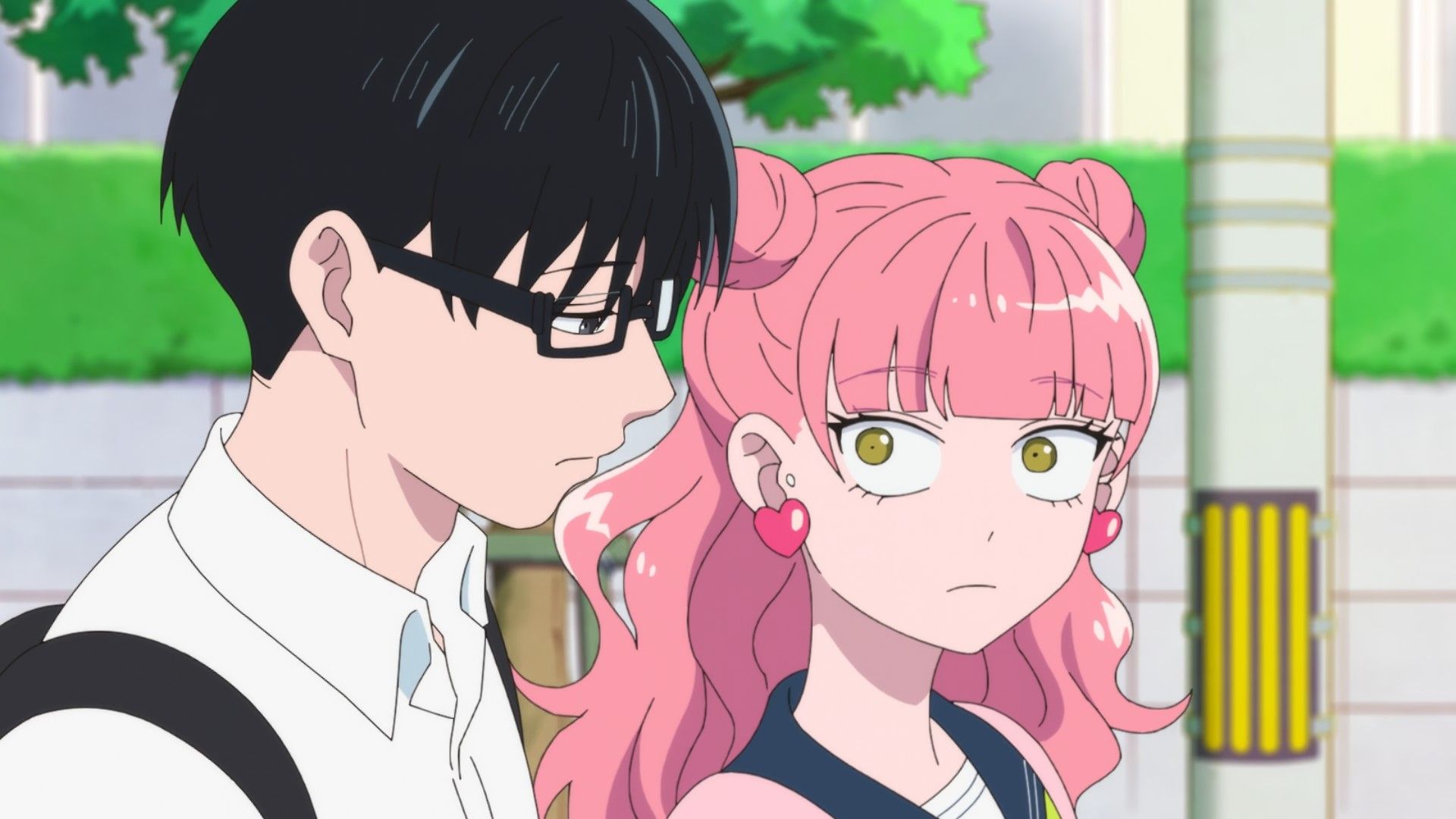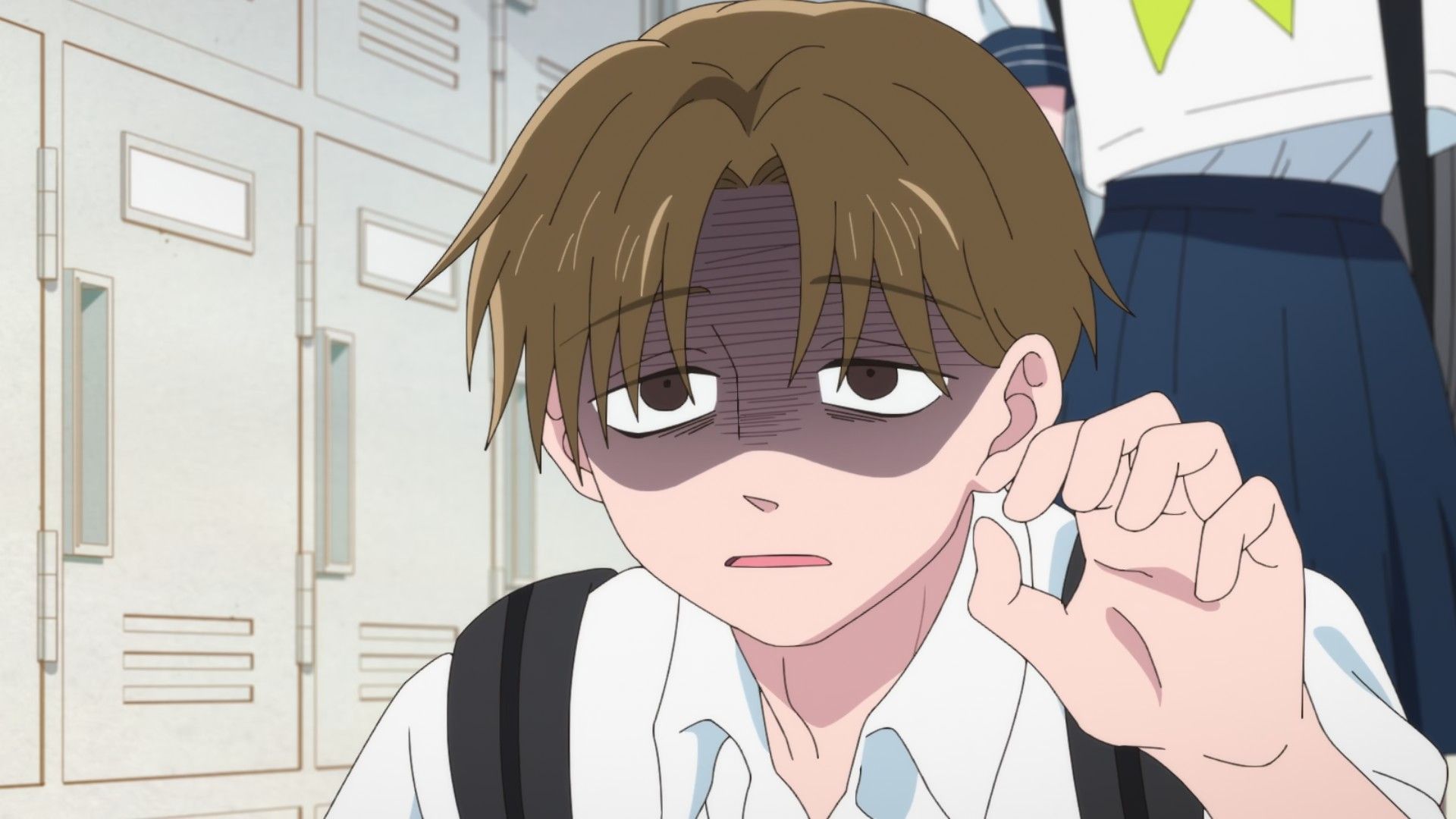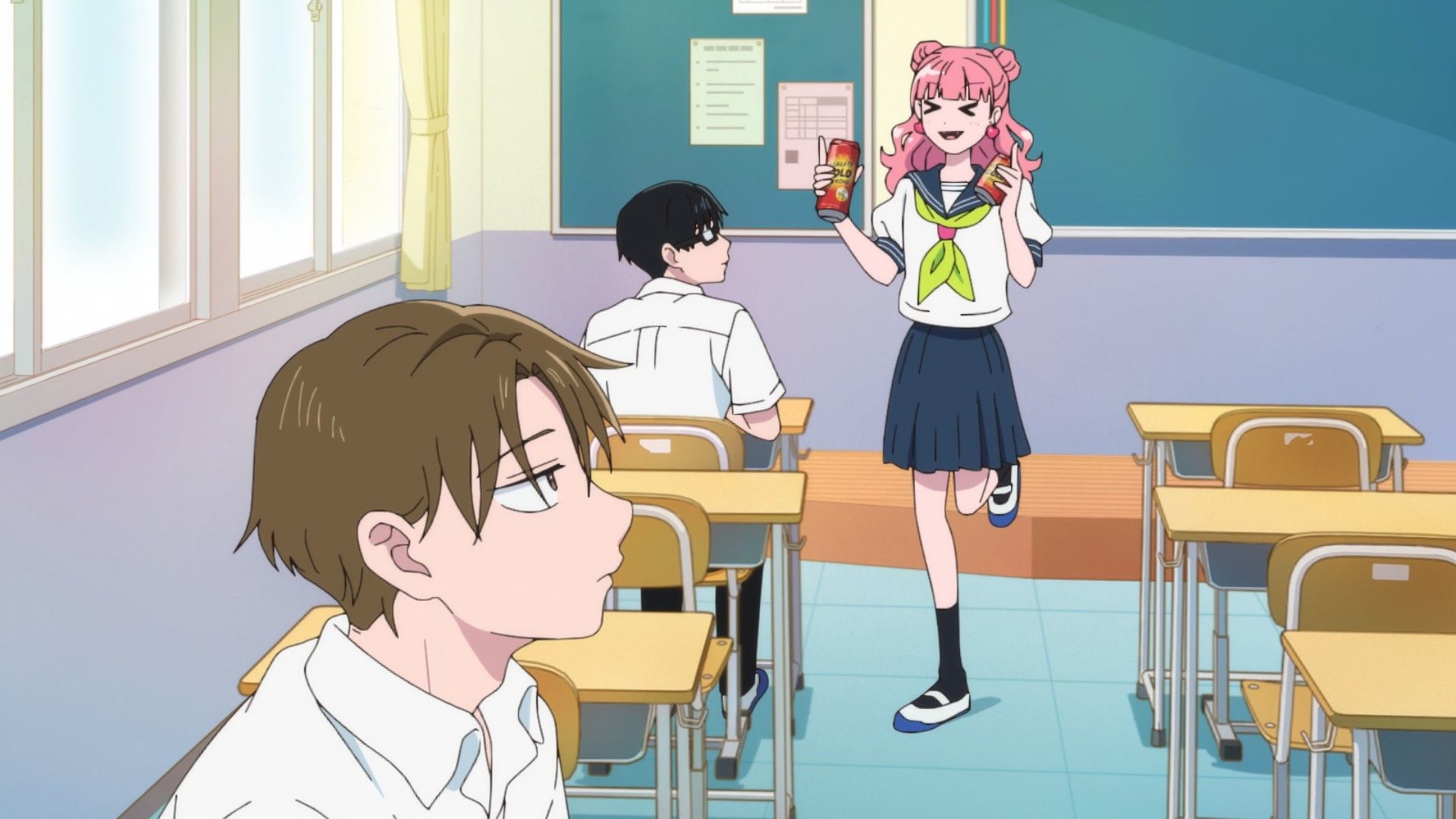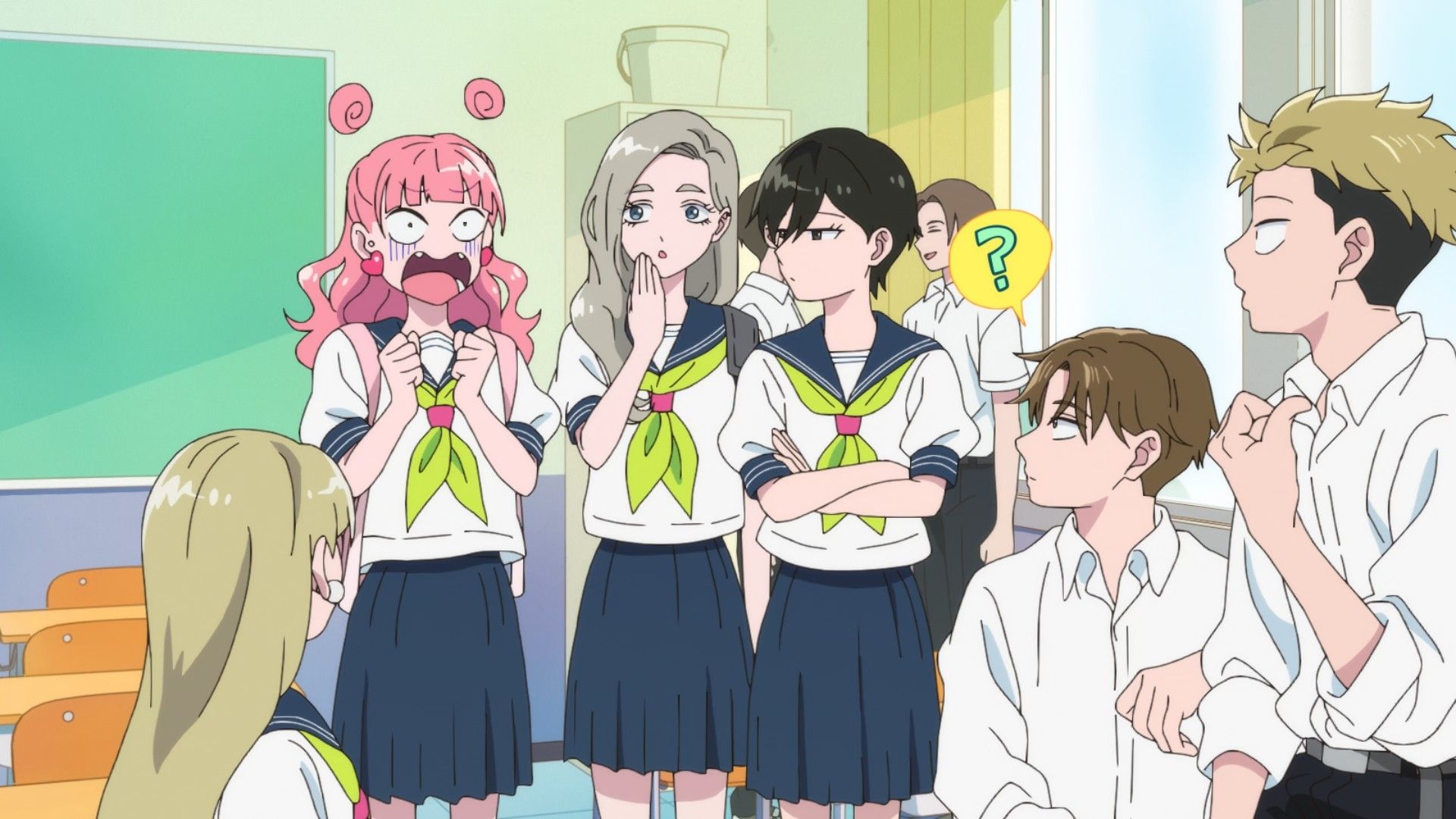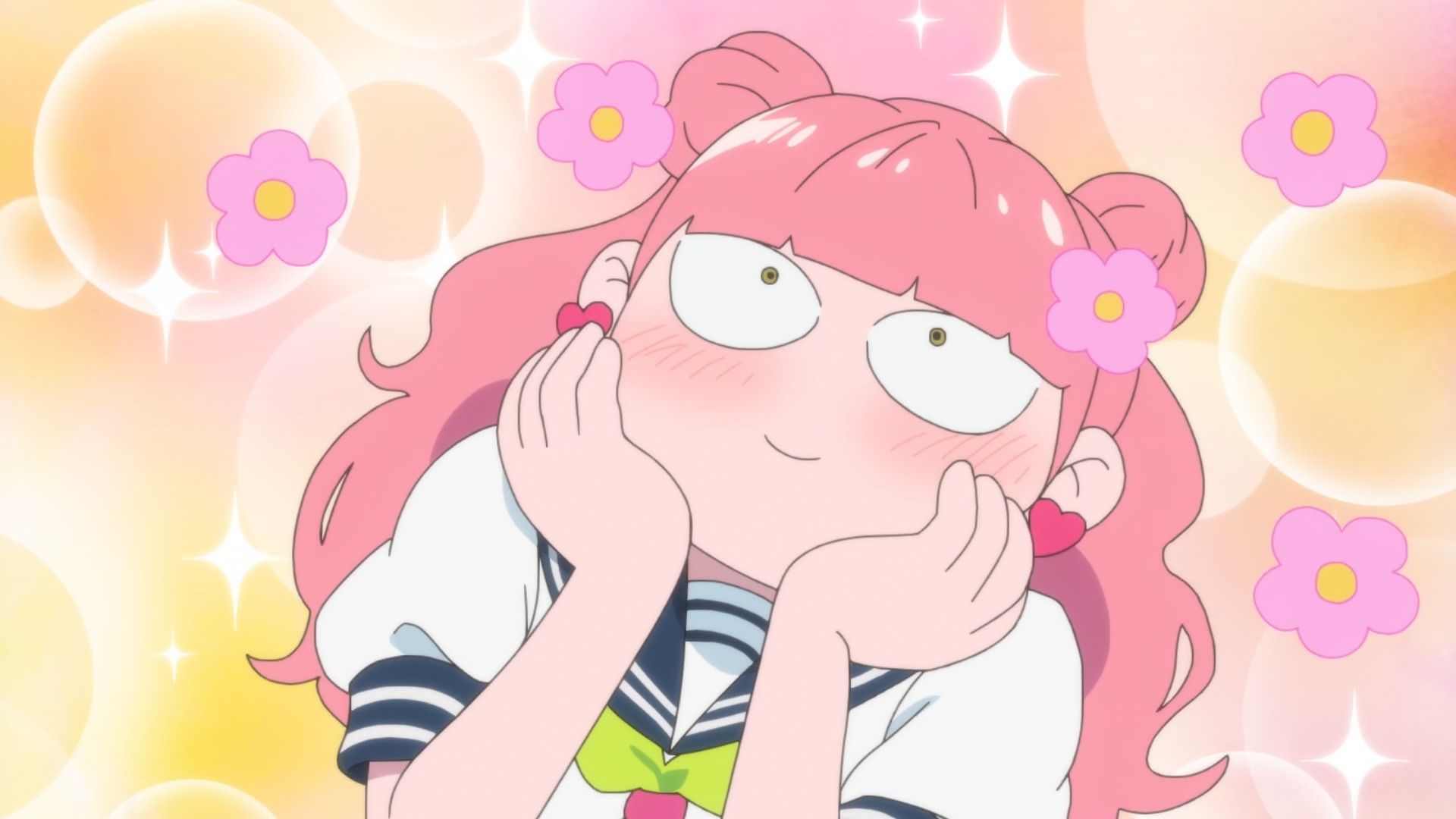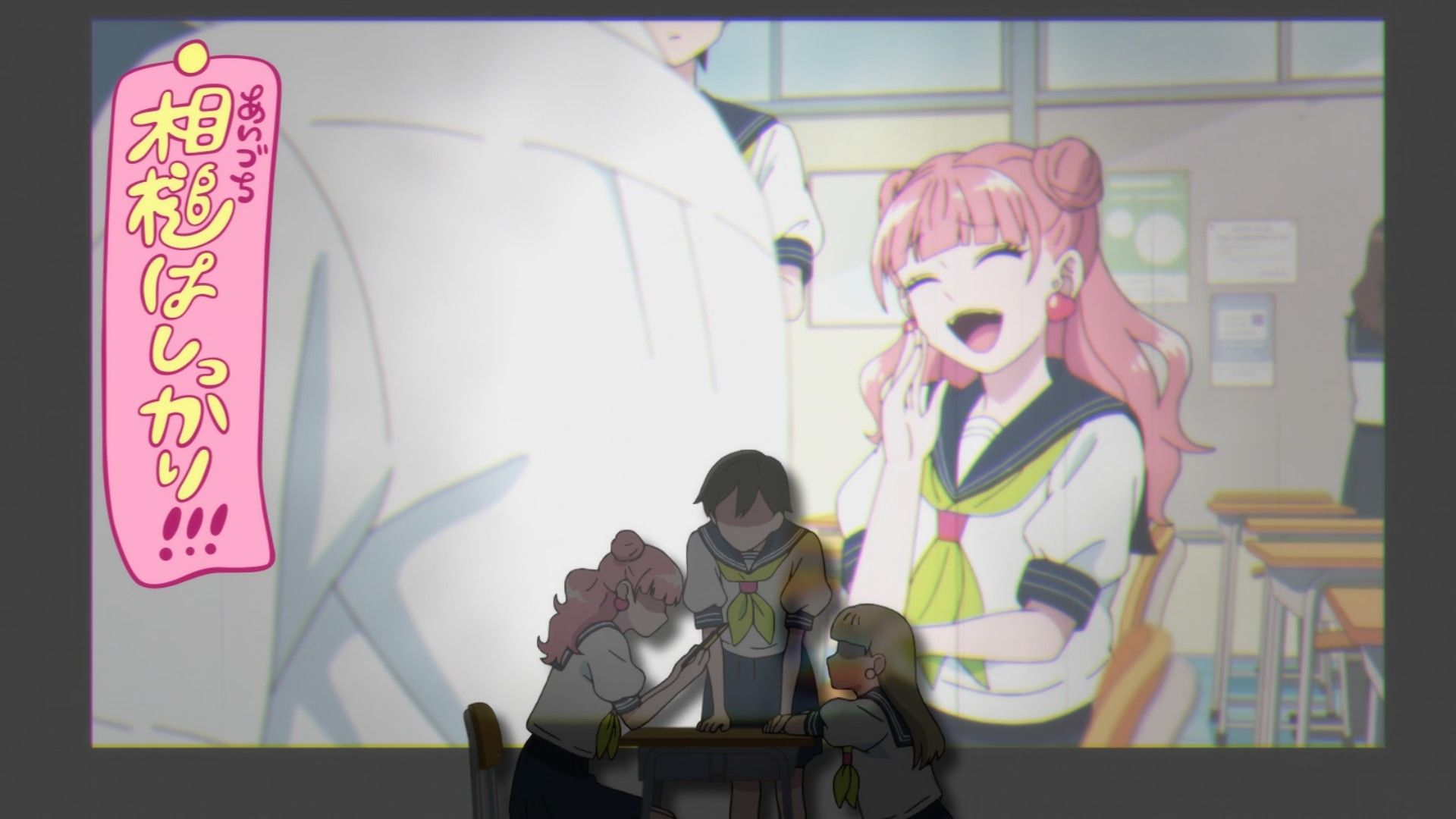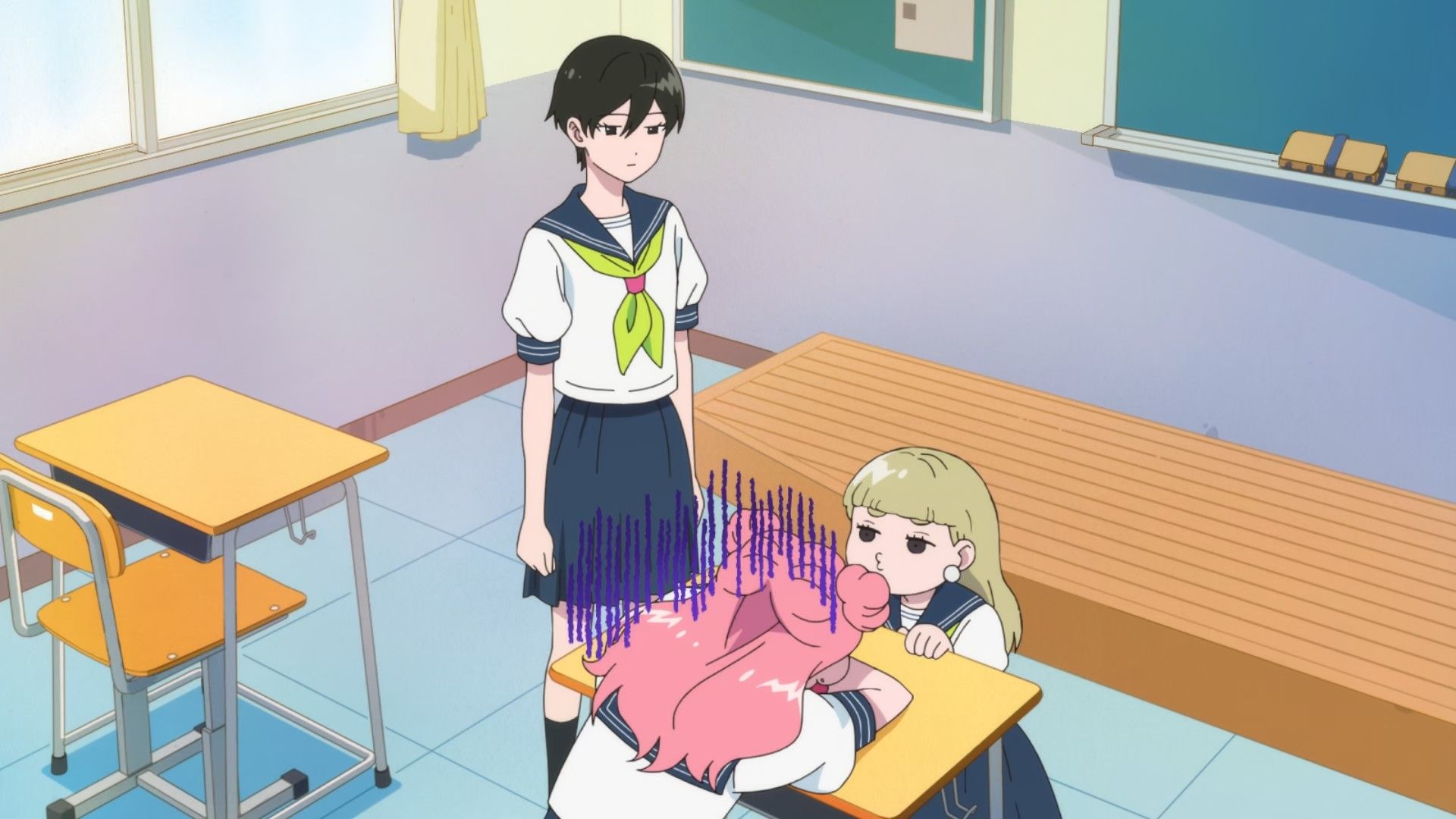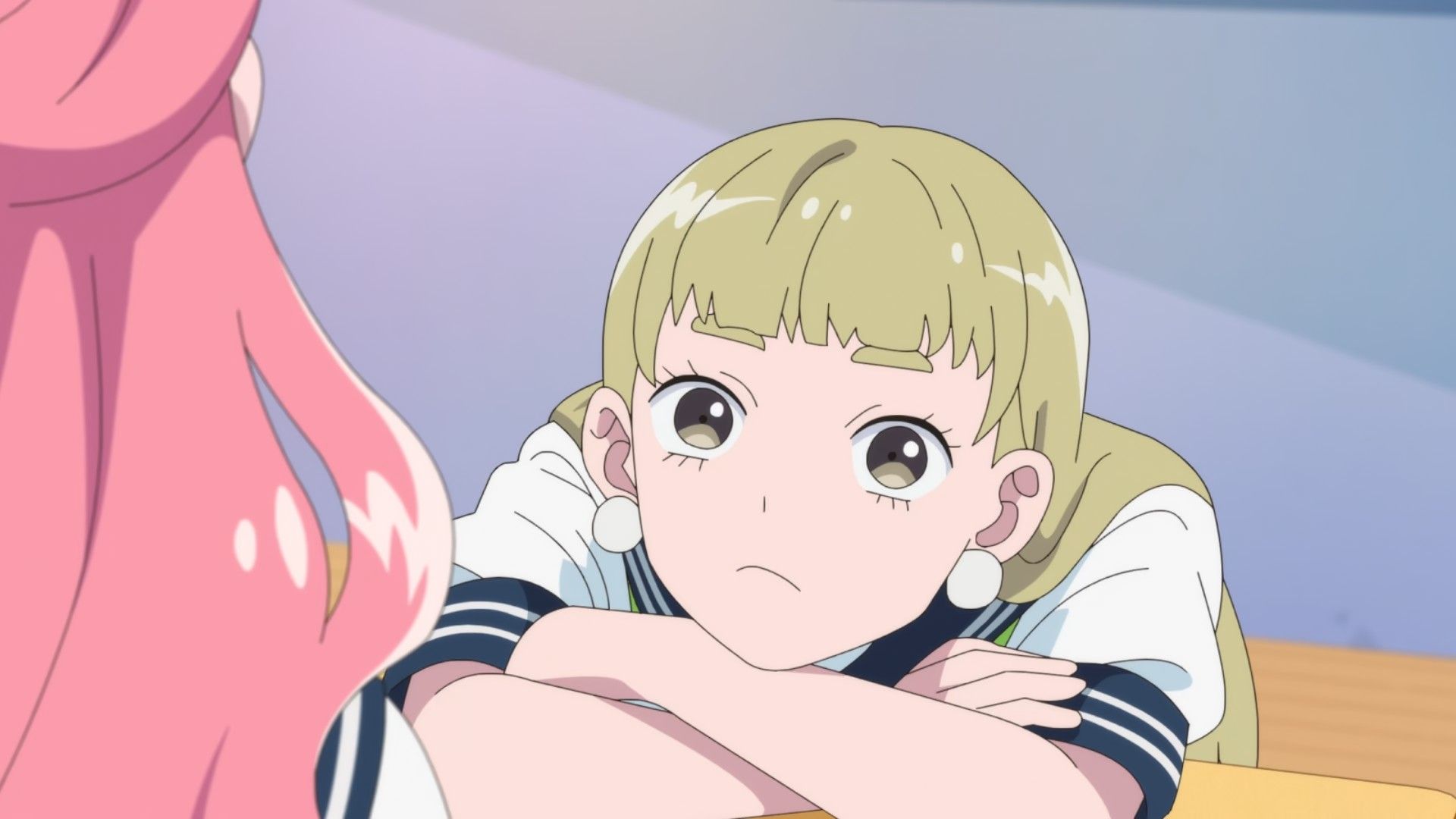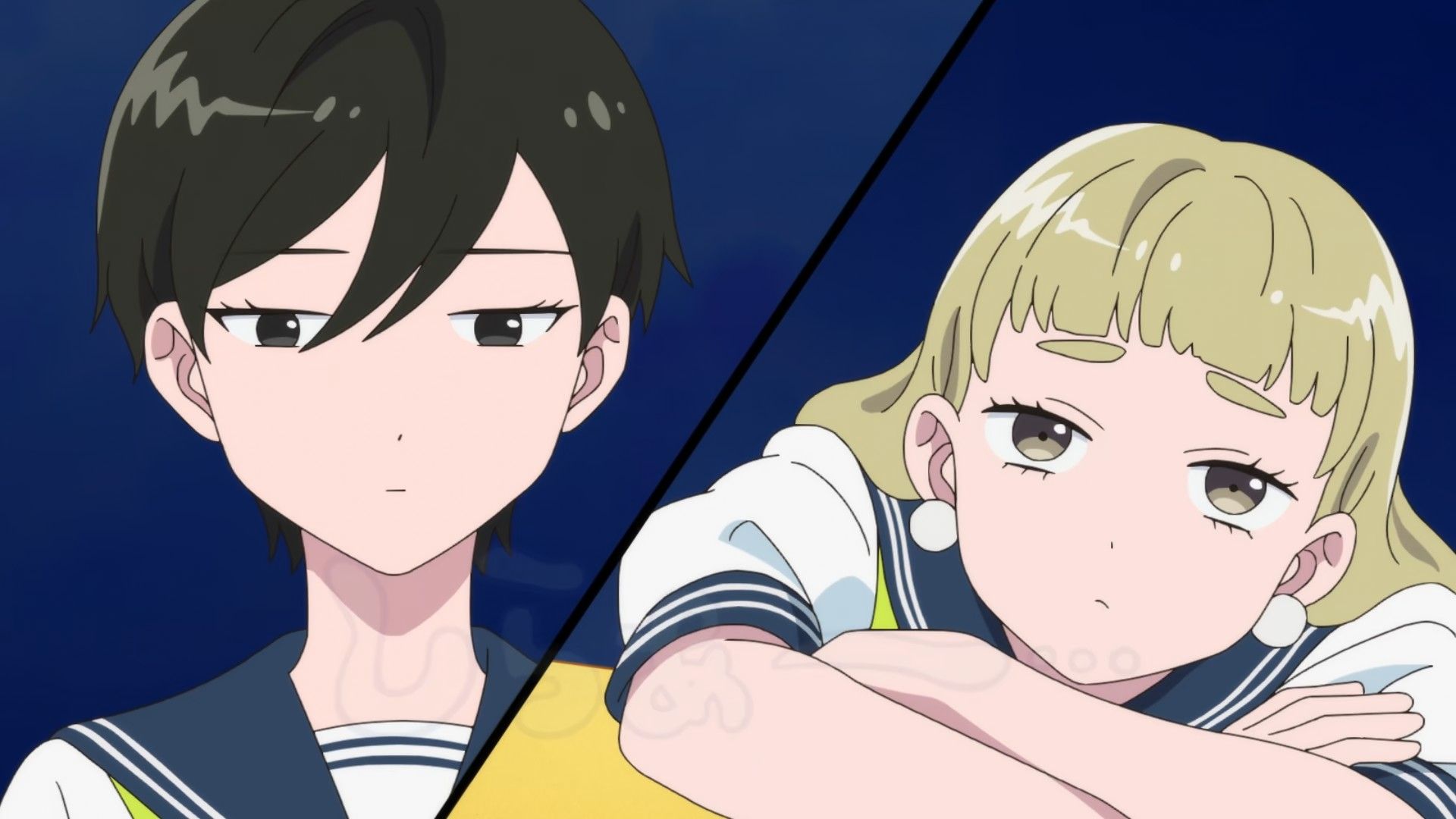
Suzuki is a loud and incredibly sociable high school student who is constantly surrounded by friends like Yamada, Watanabe, or Satou. Her complete opposite is Tani—a quiet boy with glasses who openly speaks his mind and refuses to read the room or pander to others.
Although in public Suzuki constantly pesters Tani with trivial questions—which he ruthlessly cuts short with a total lack of interest—deep down, she is desperately in love with him. She admires his ability to stay true to himself. She notices that he never changes his behavior without a valid reason, which earns her deep admiration, especially when contrasted with her own tendency to constantly worry about how others perceive her.
Seihantai na Kimi to Boku (2026) – Audiovisual Design
Video
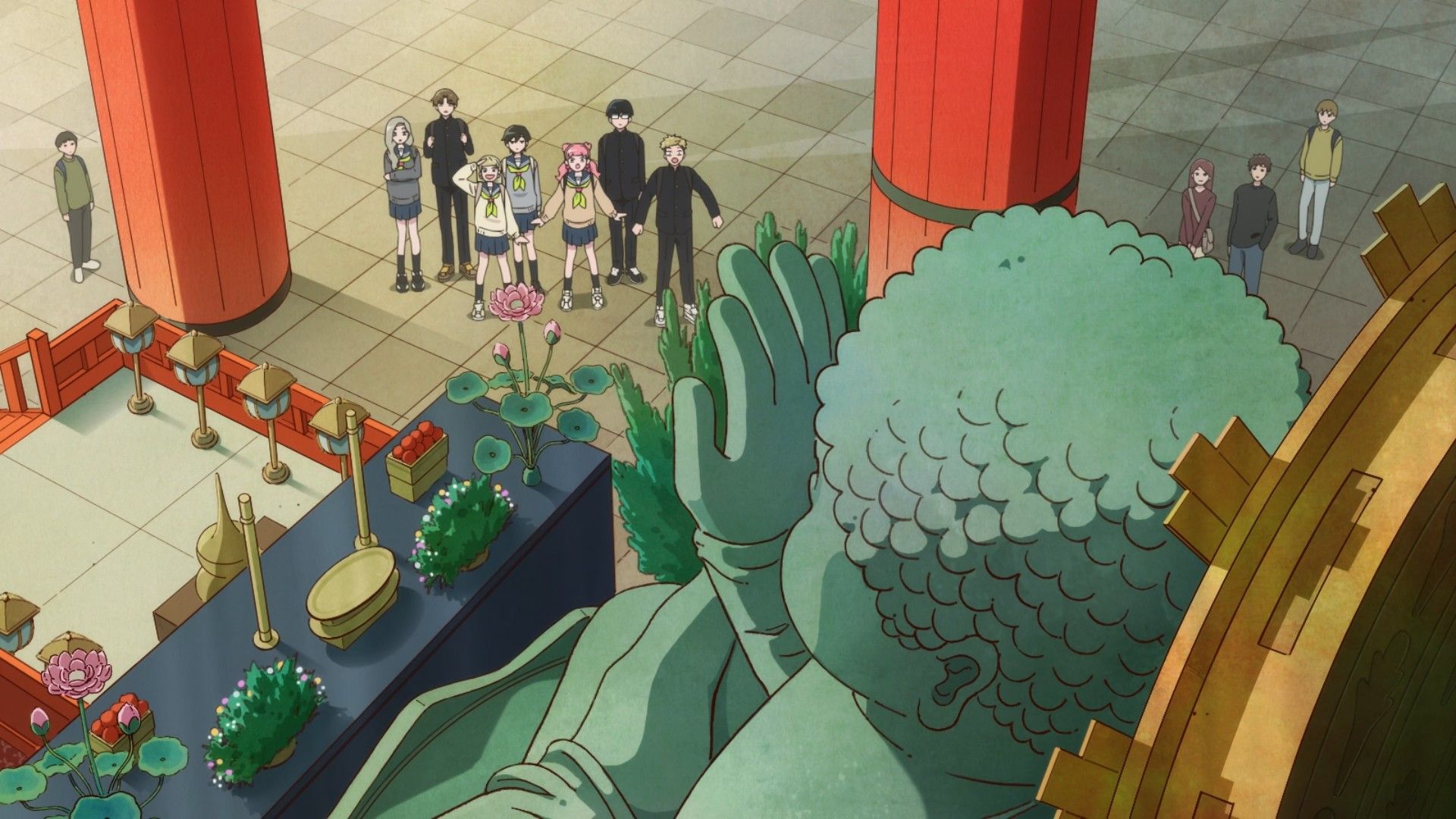
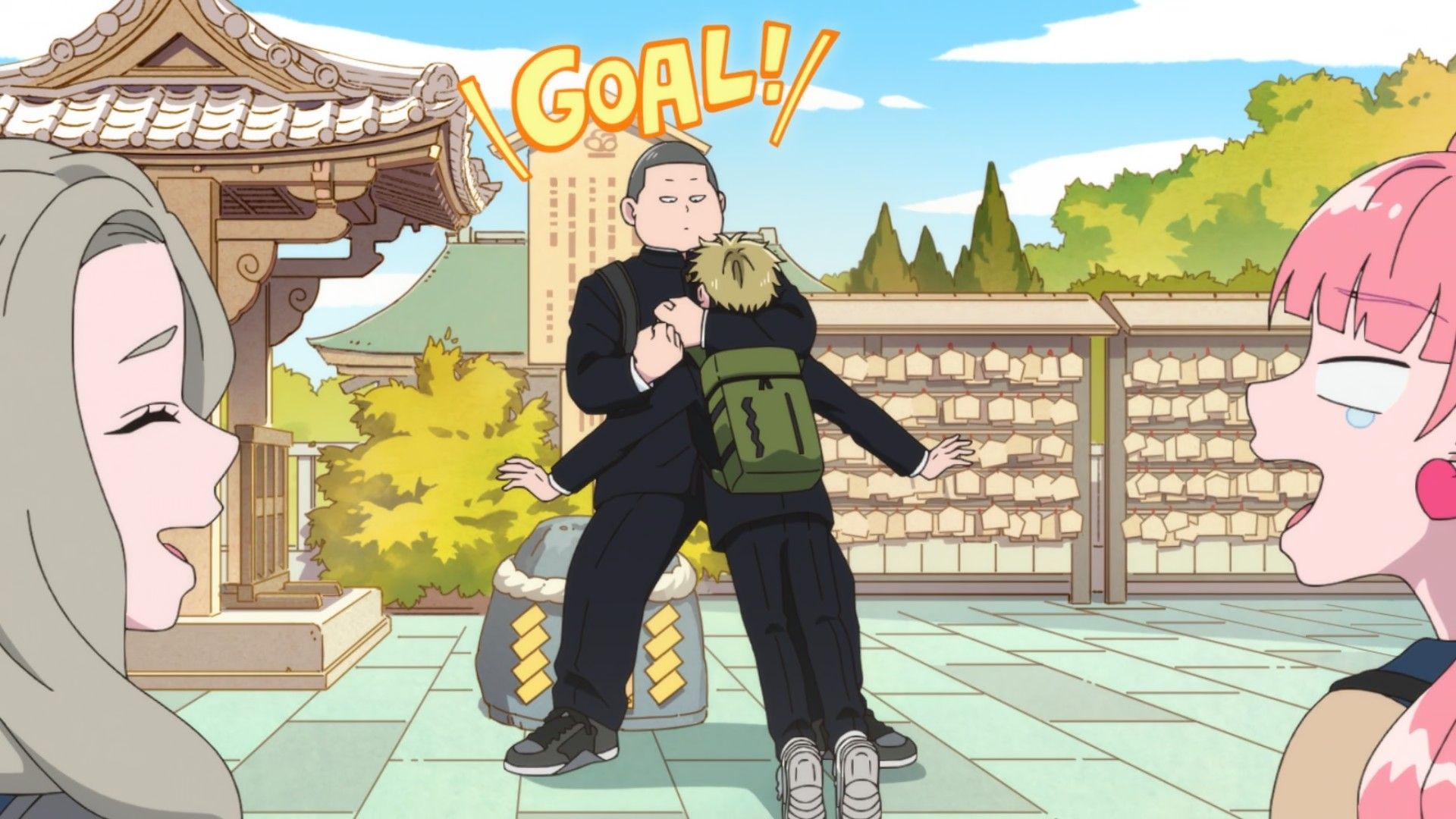
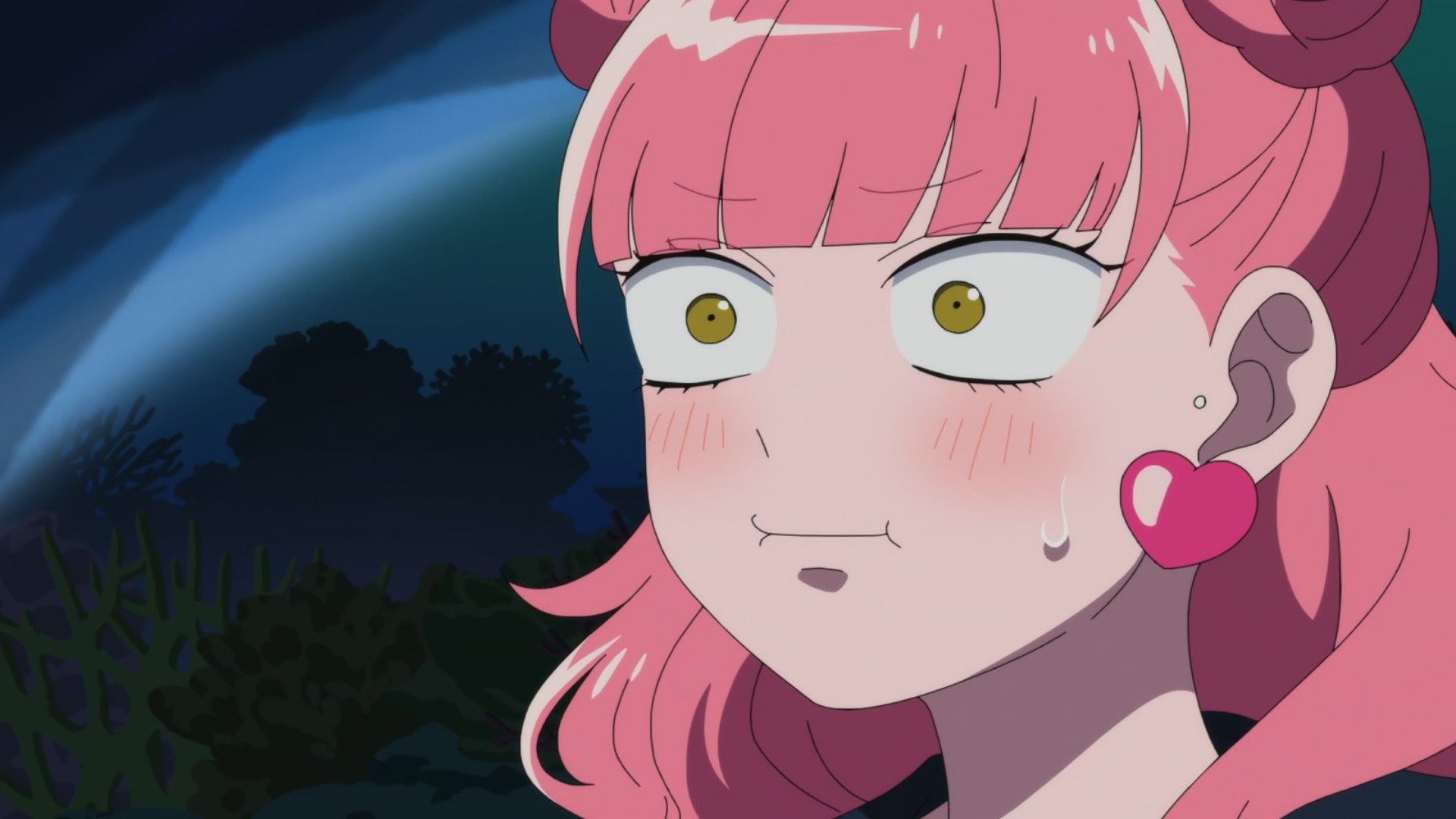
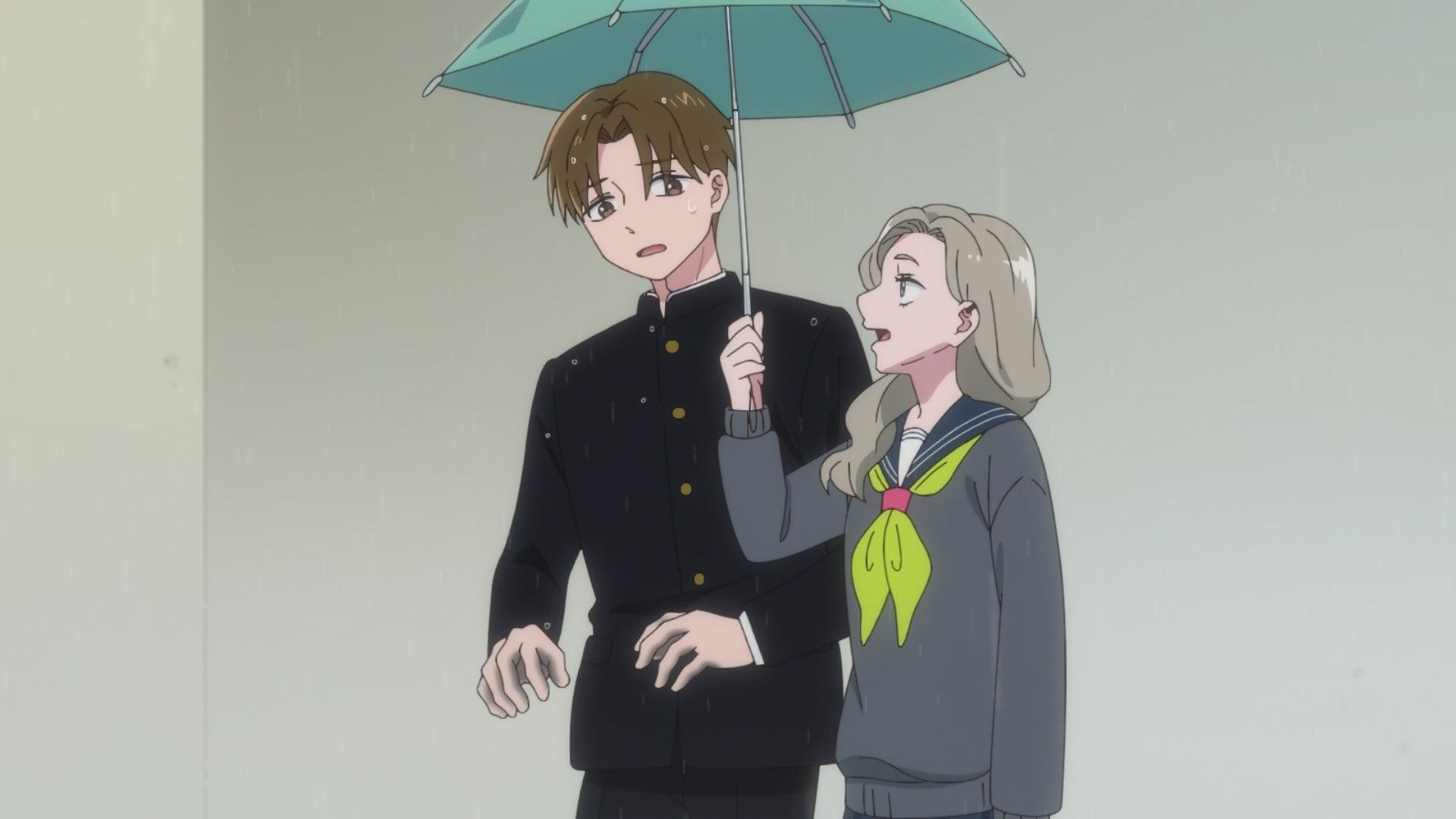
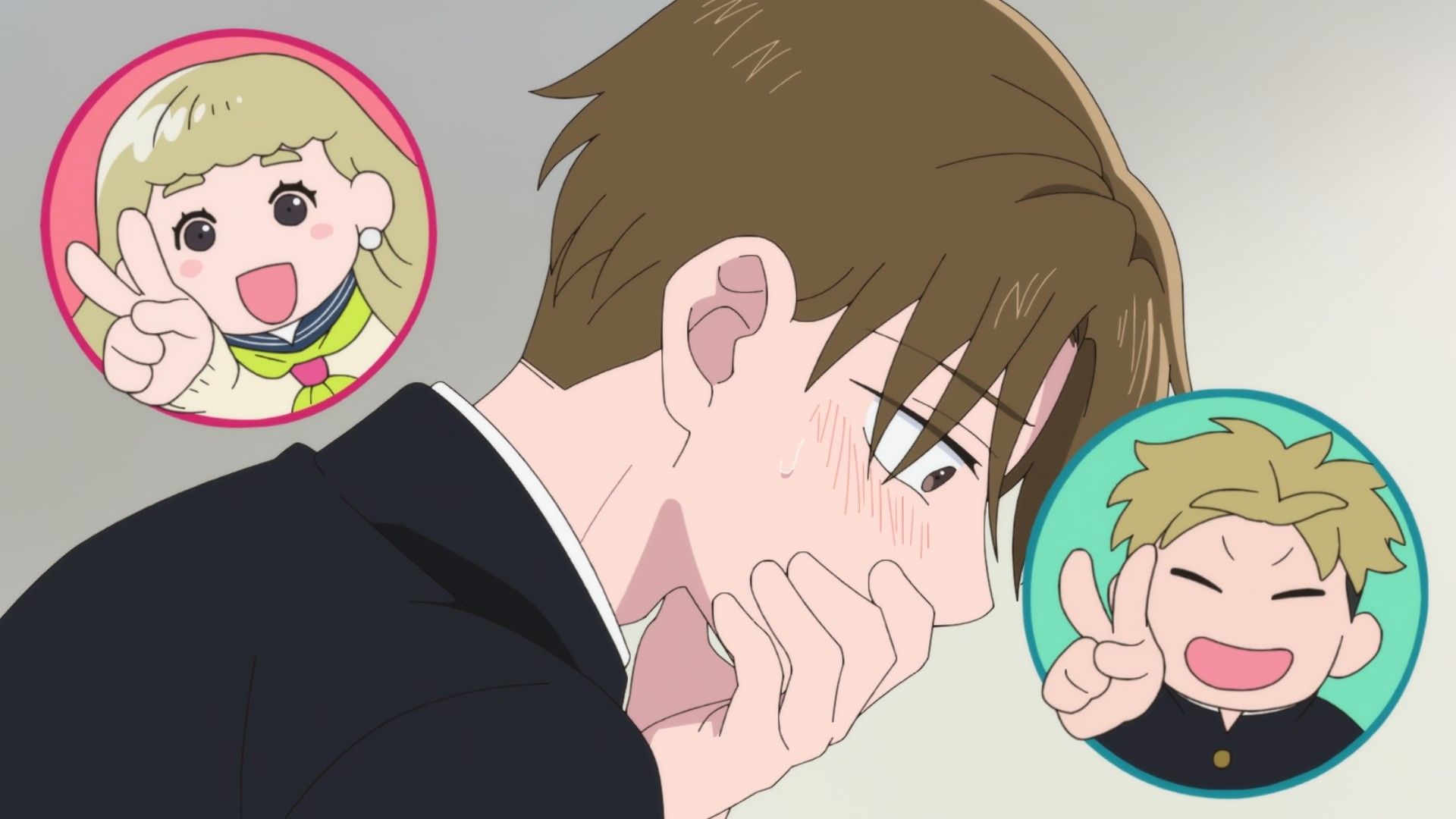
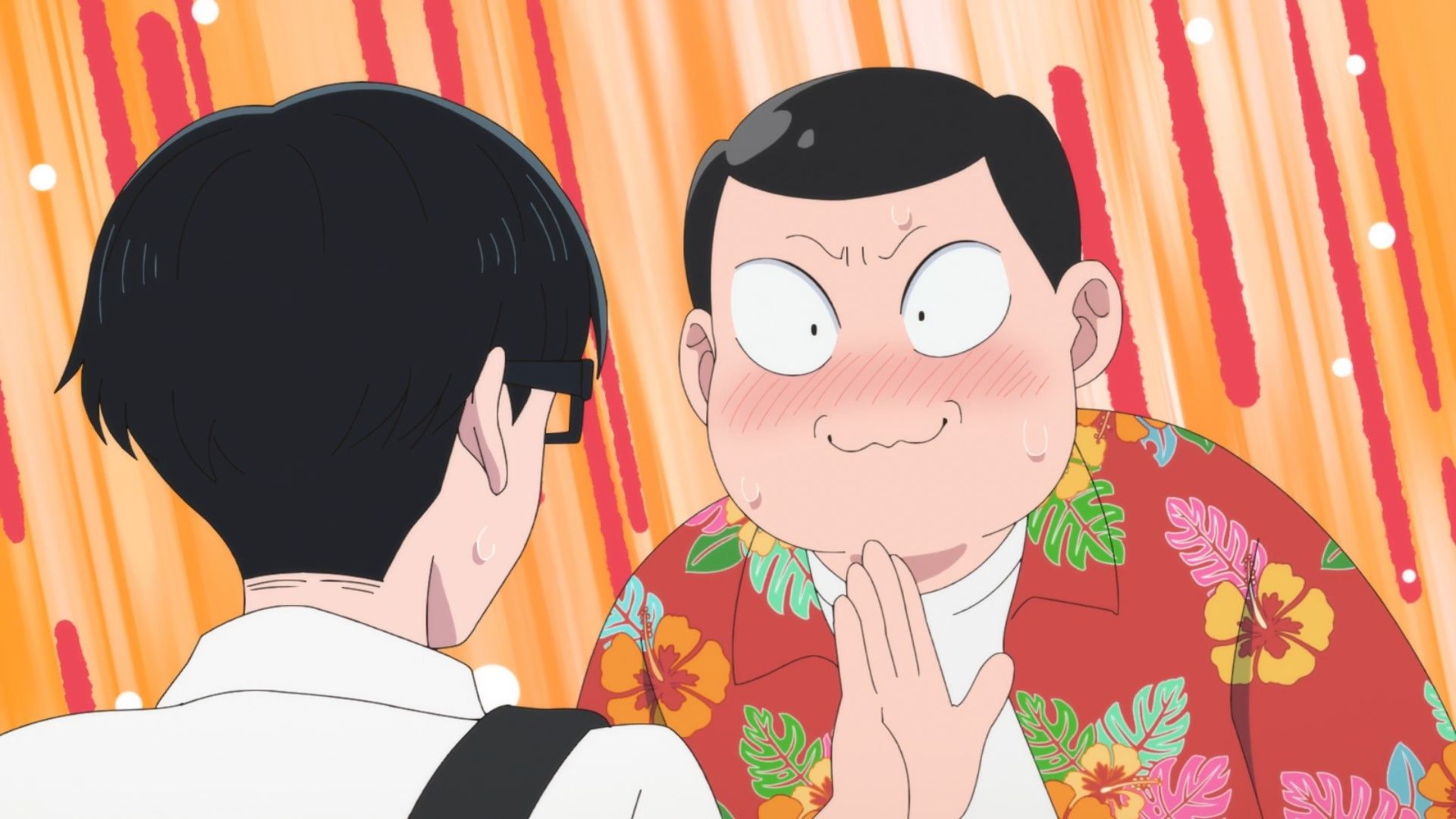
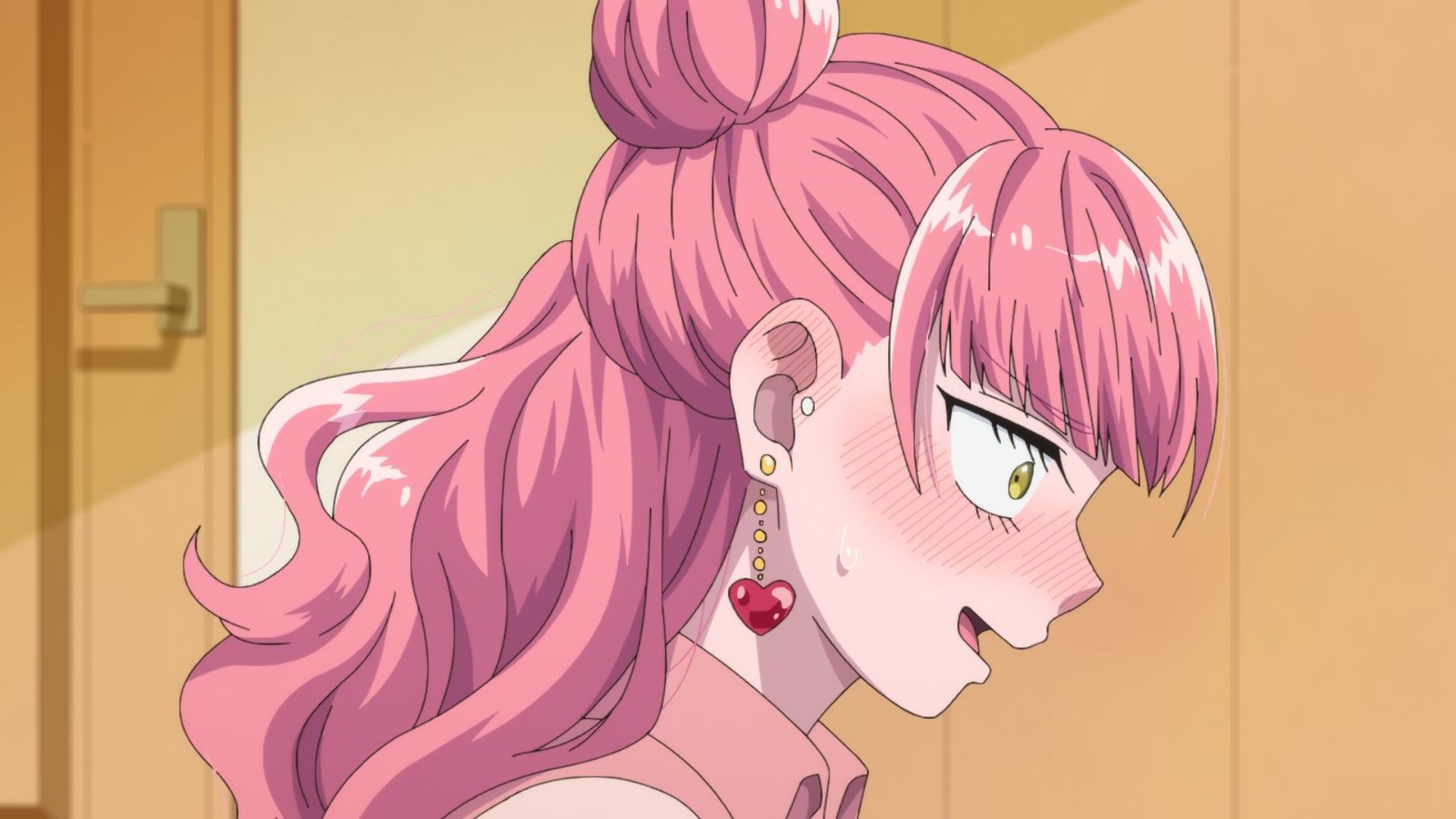
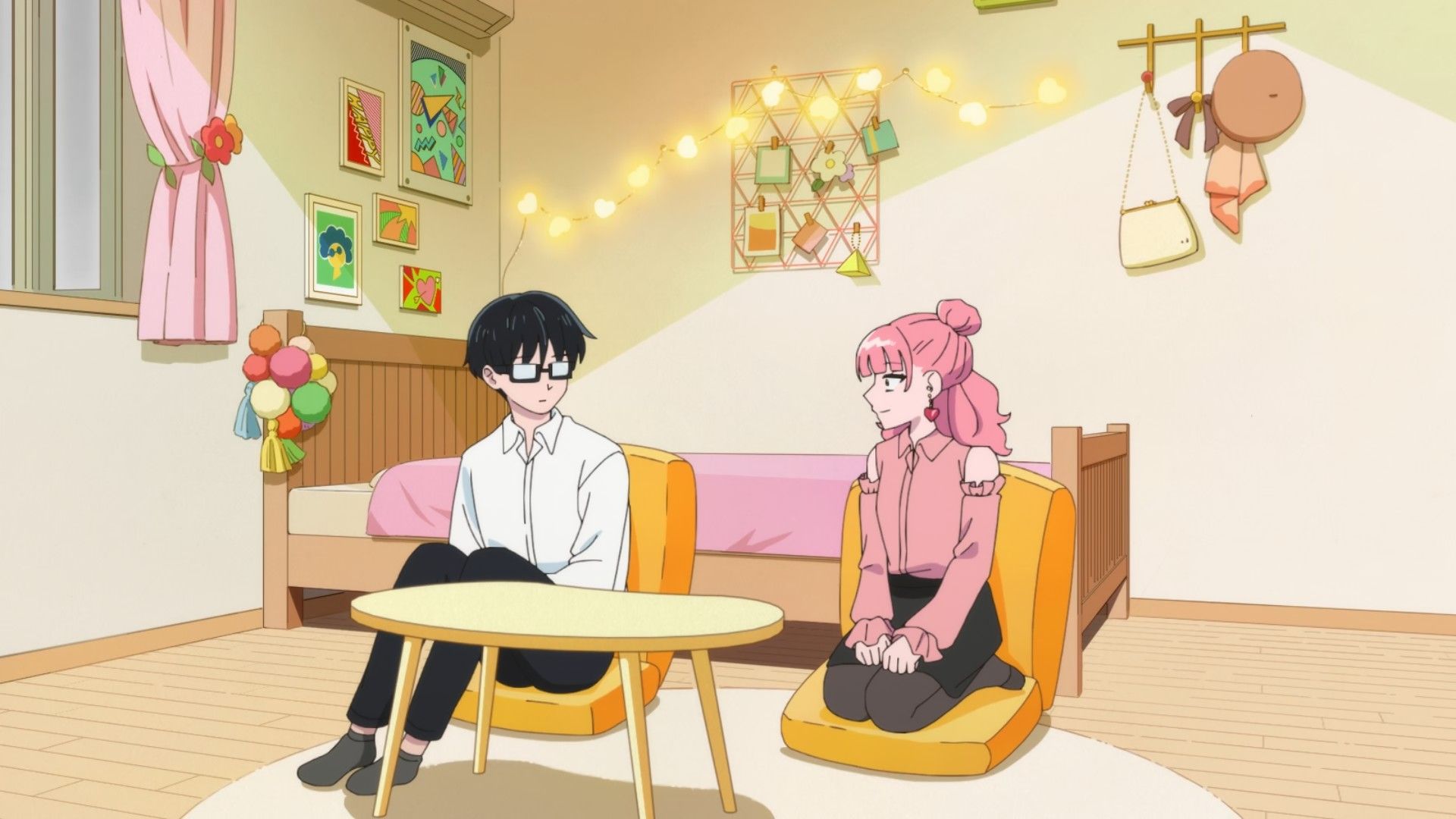
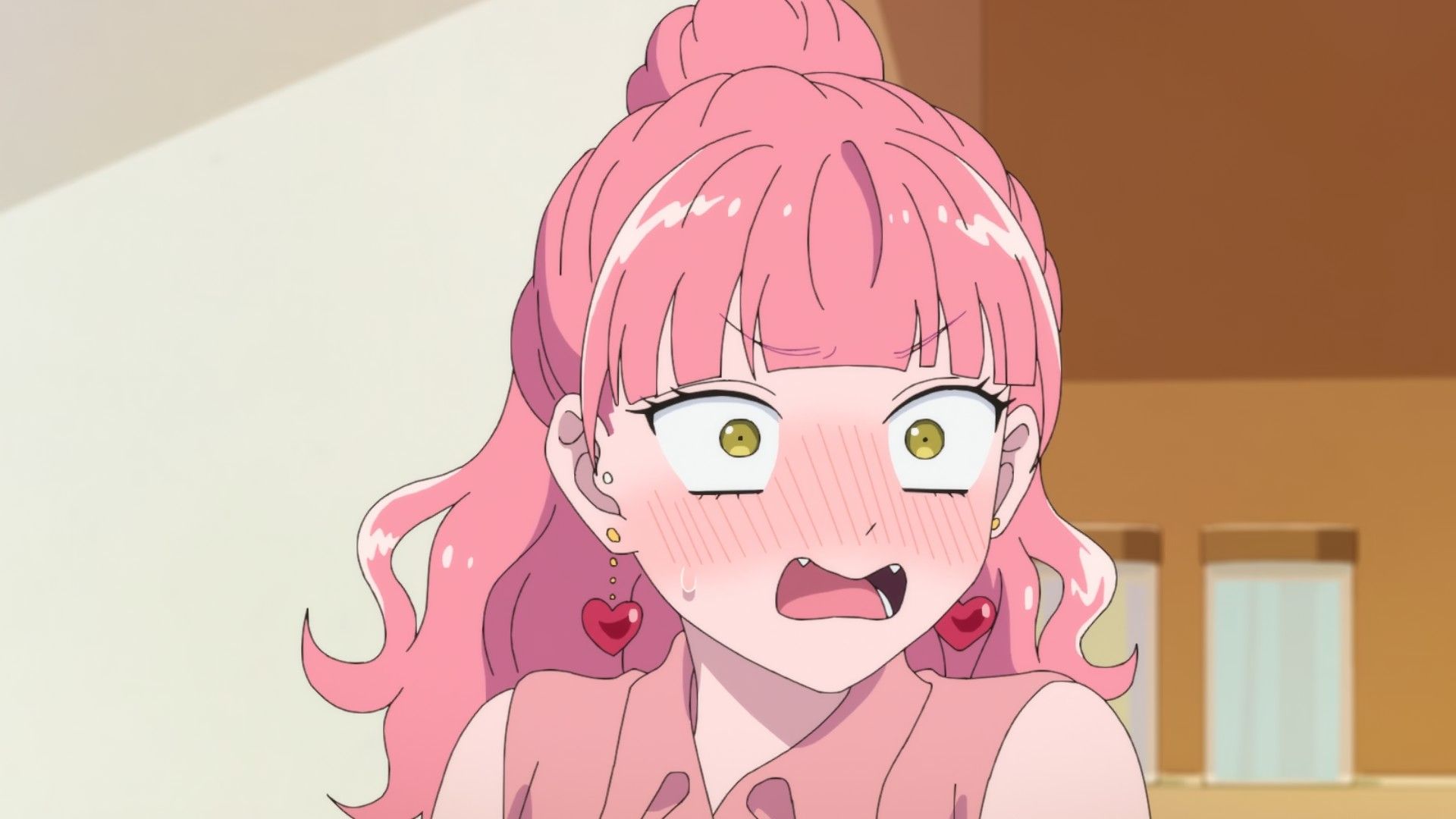
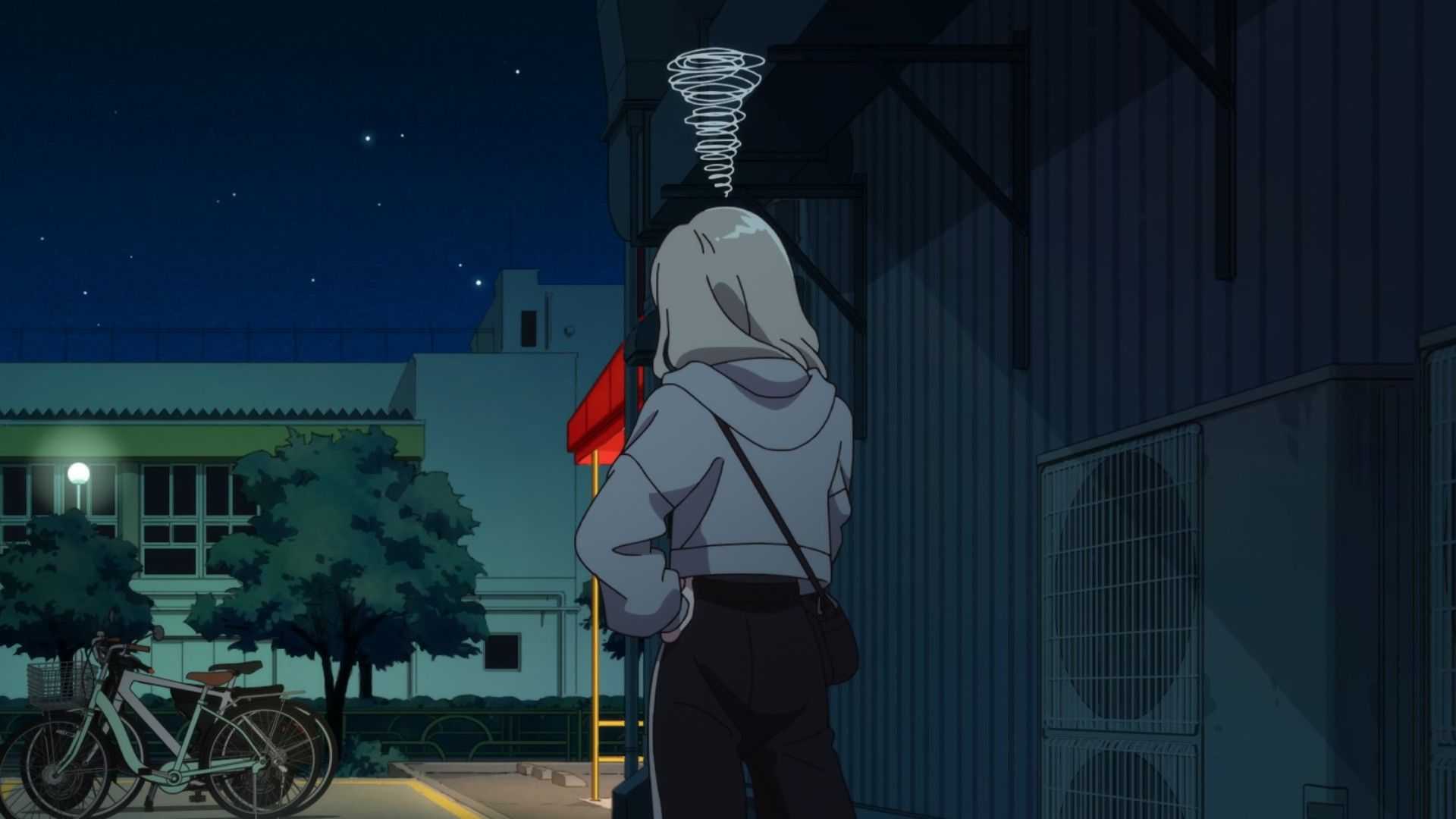
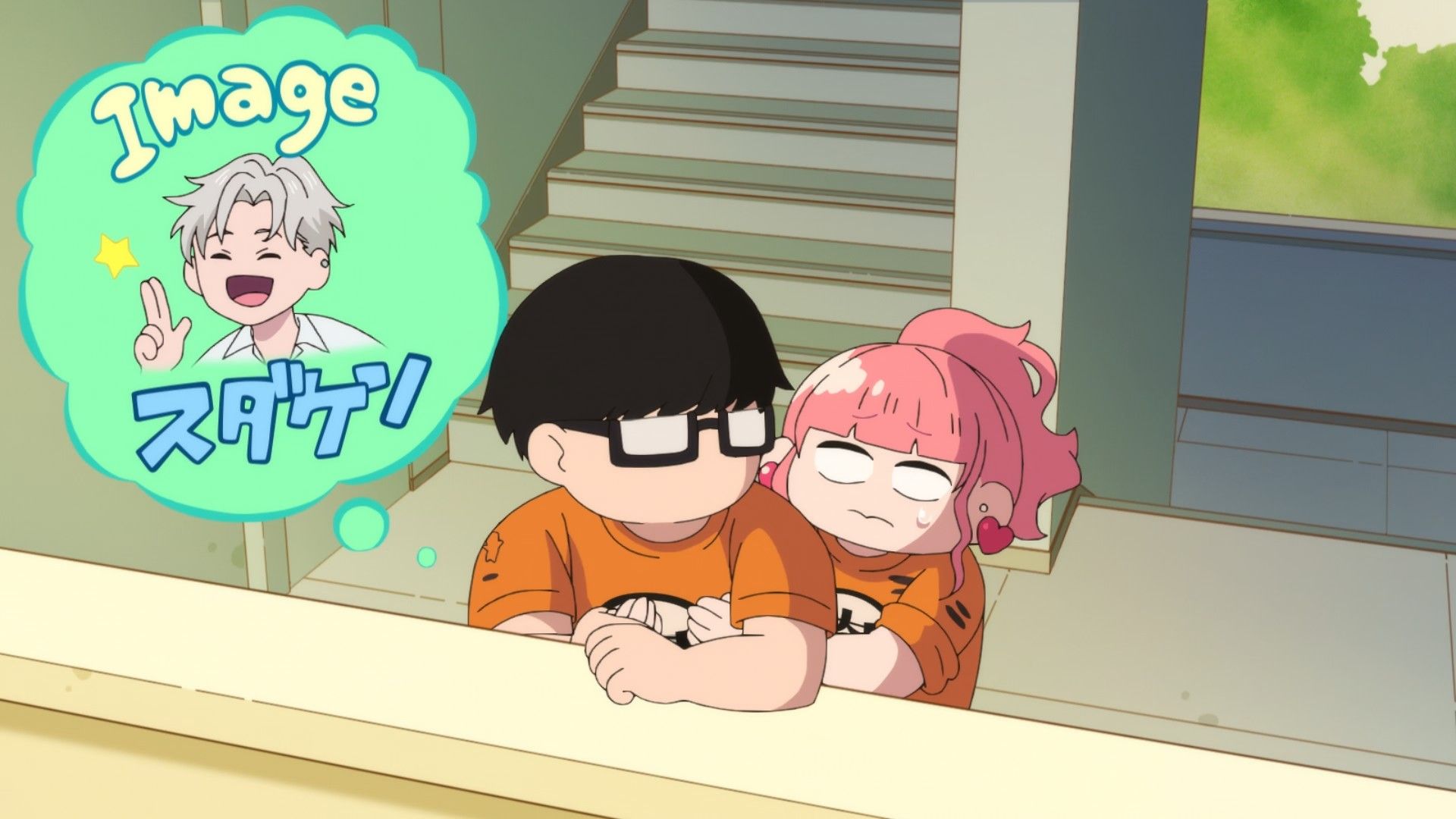
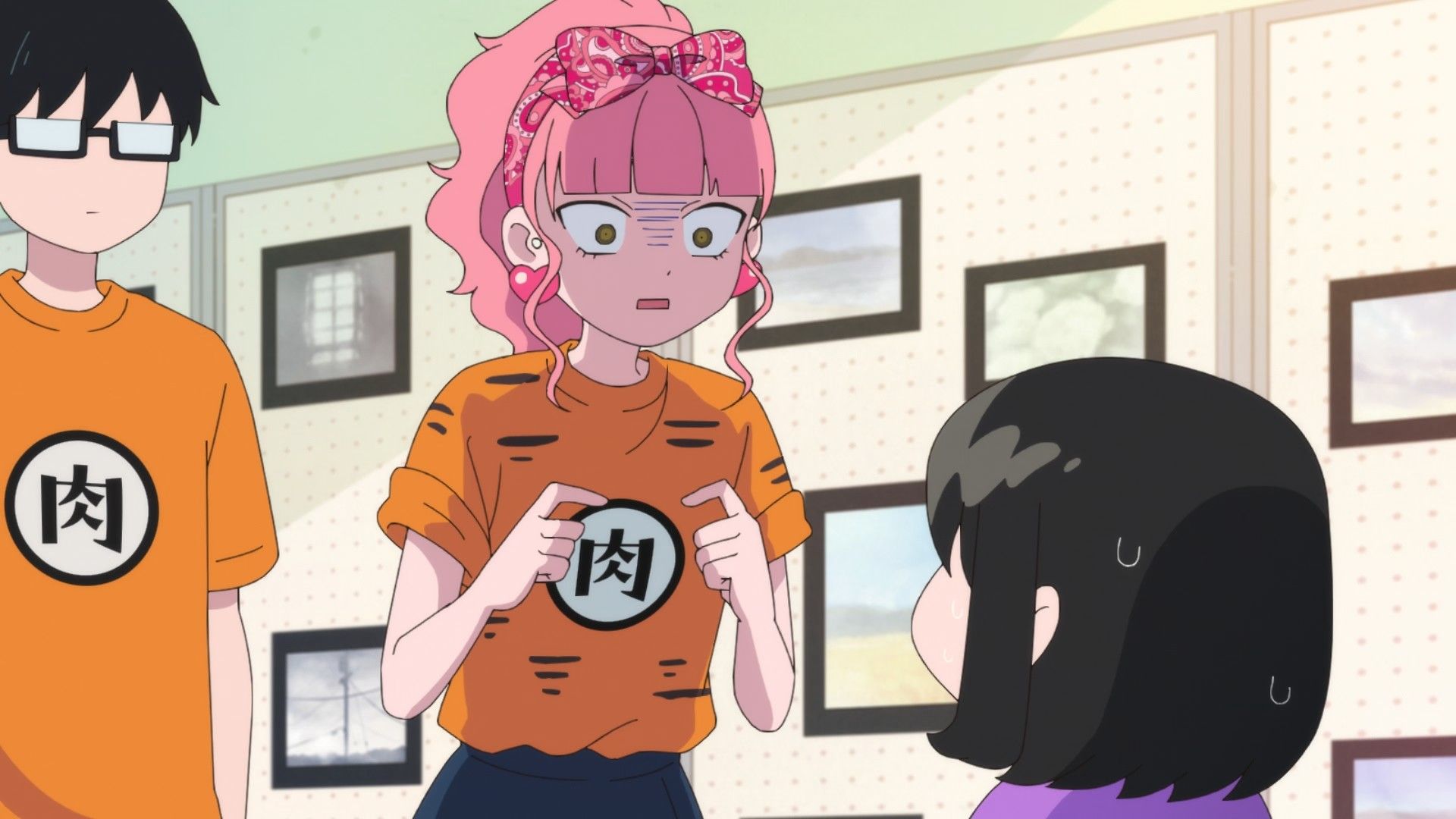
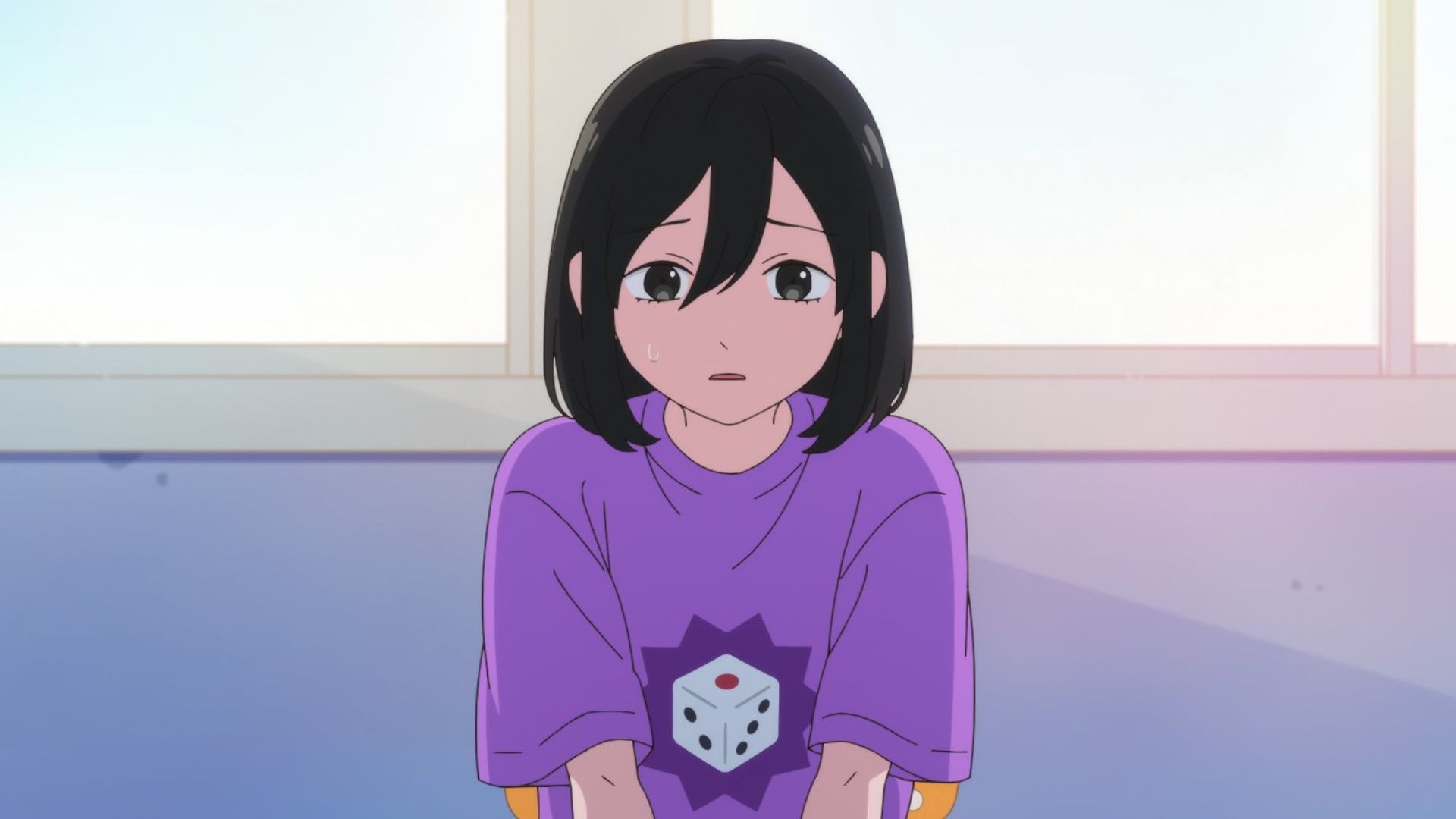
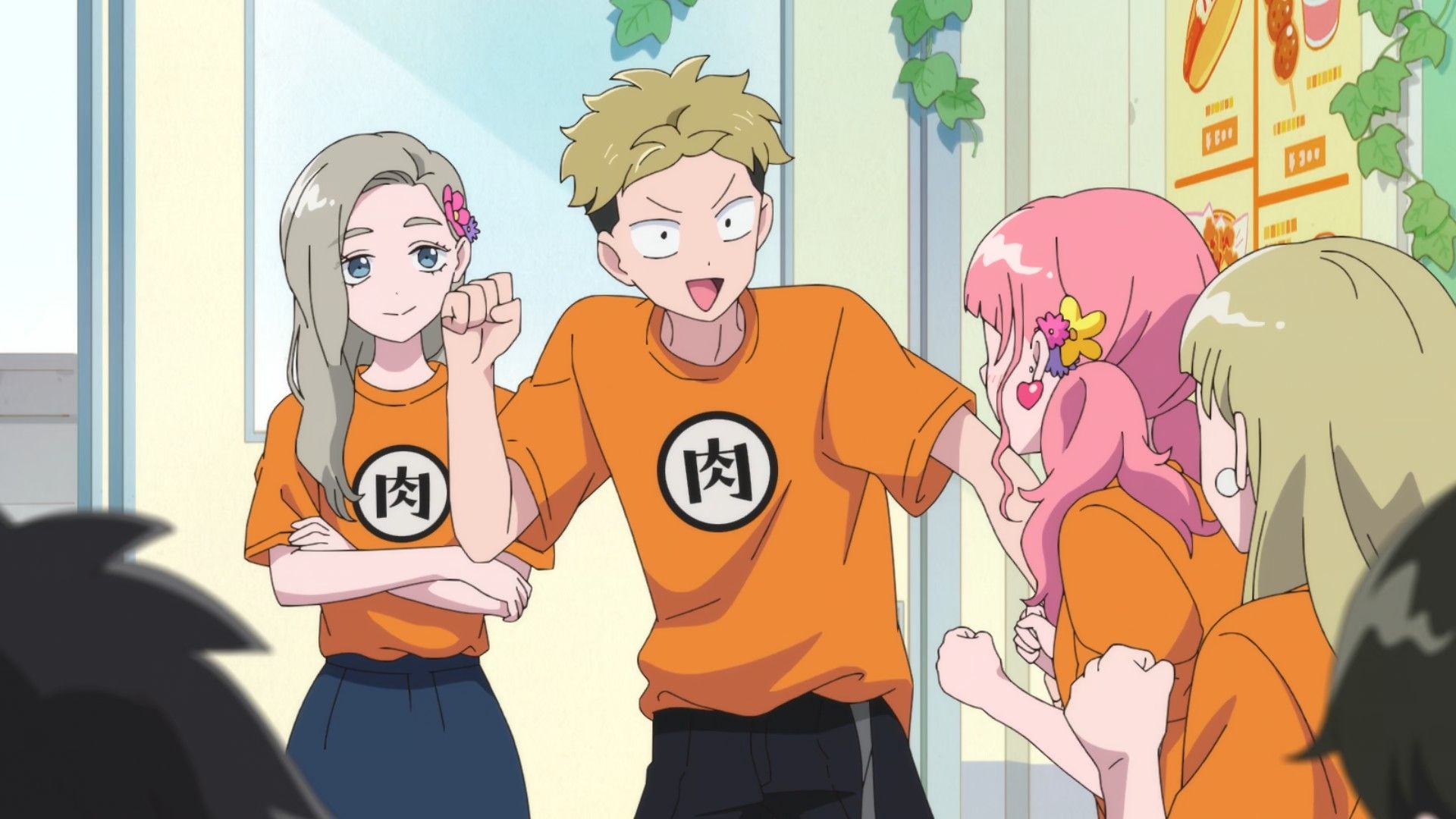
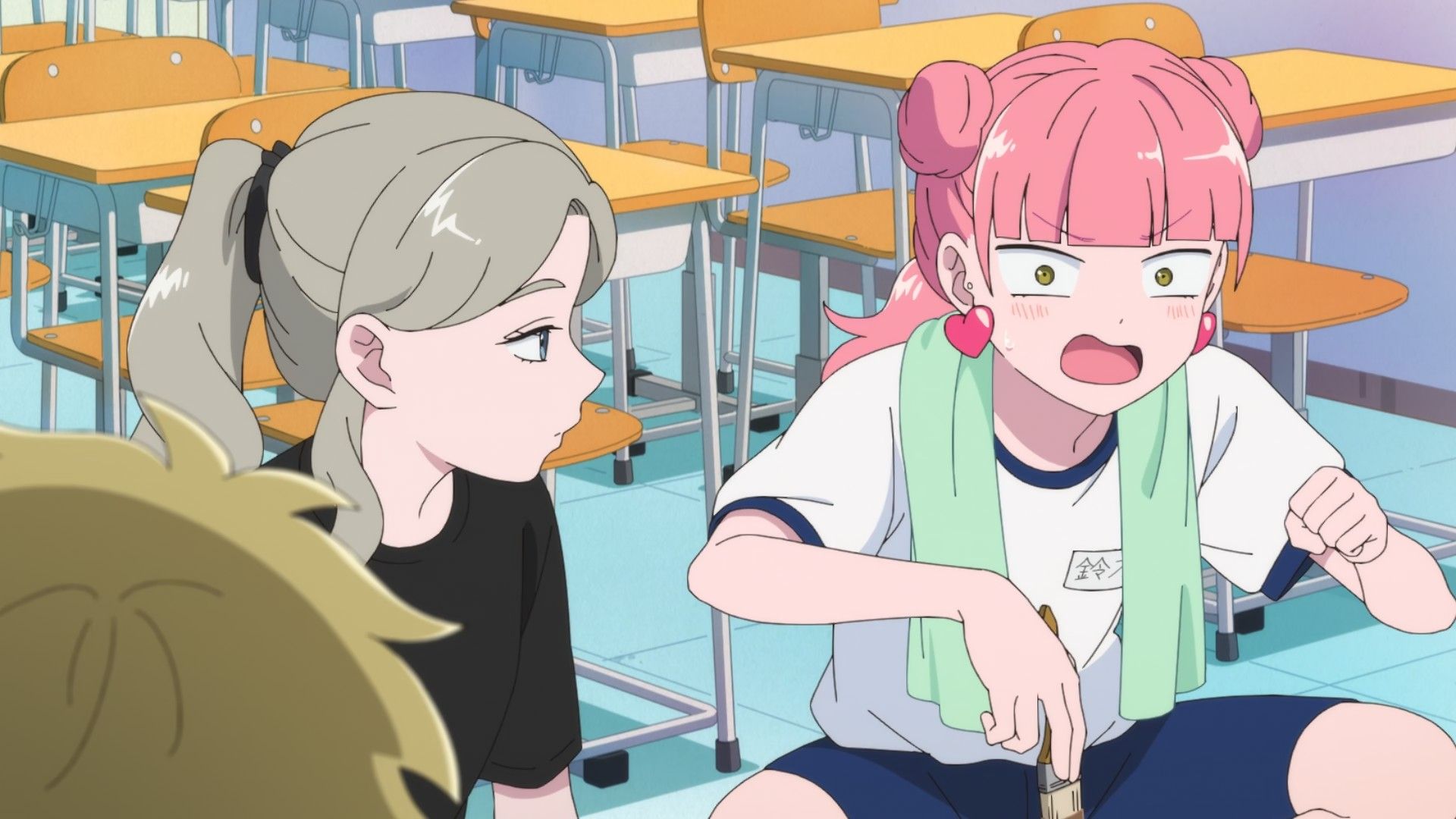
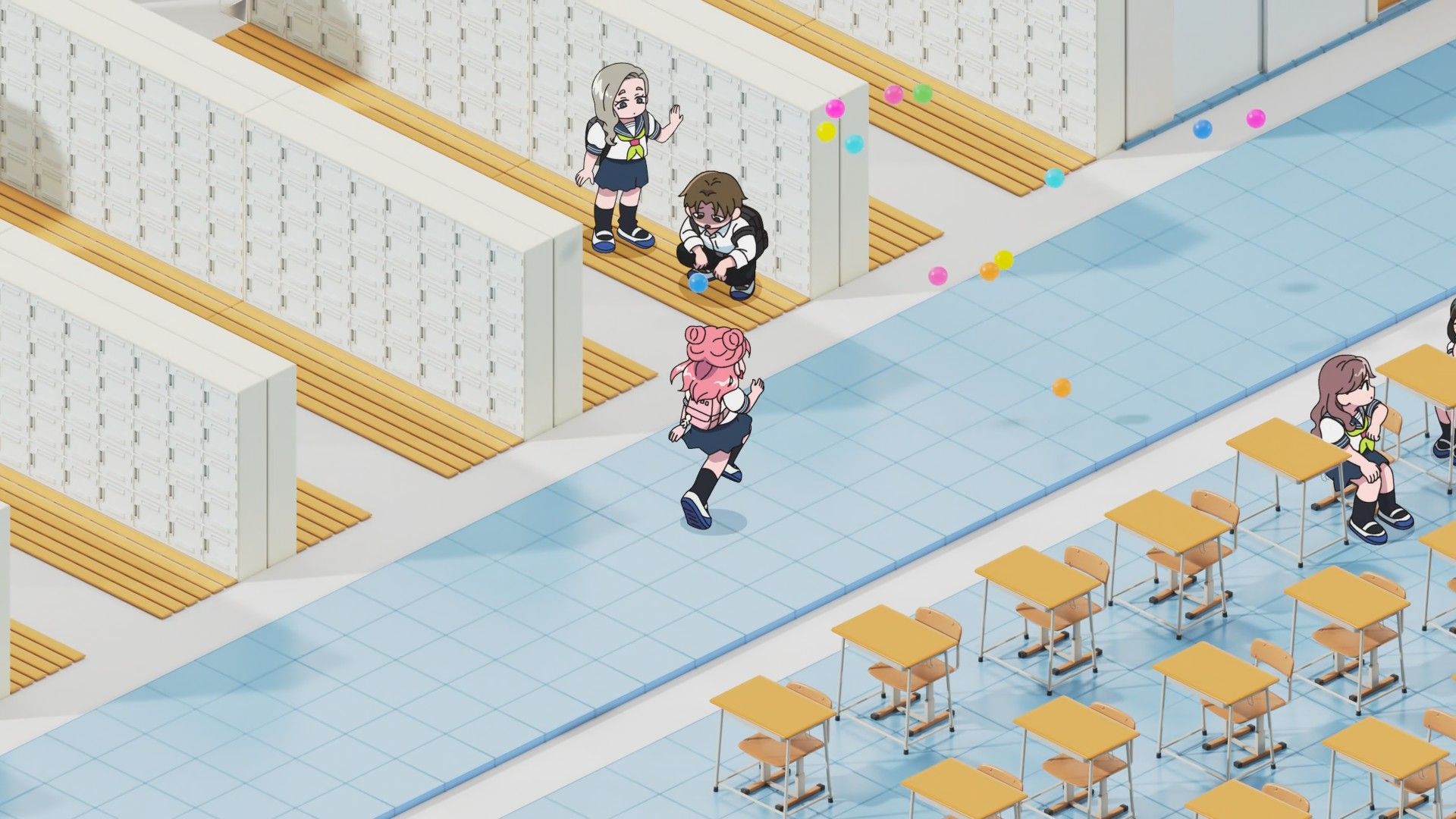
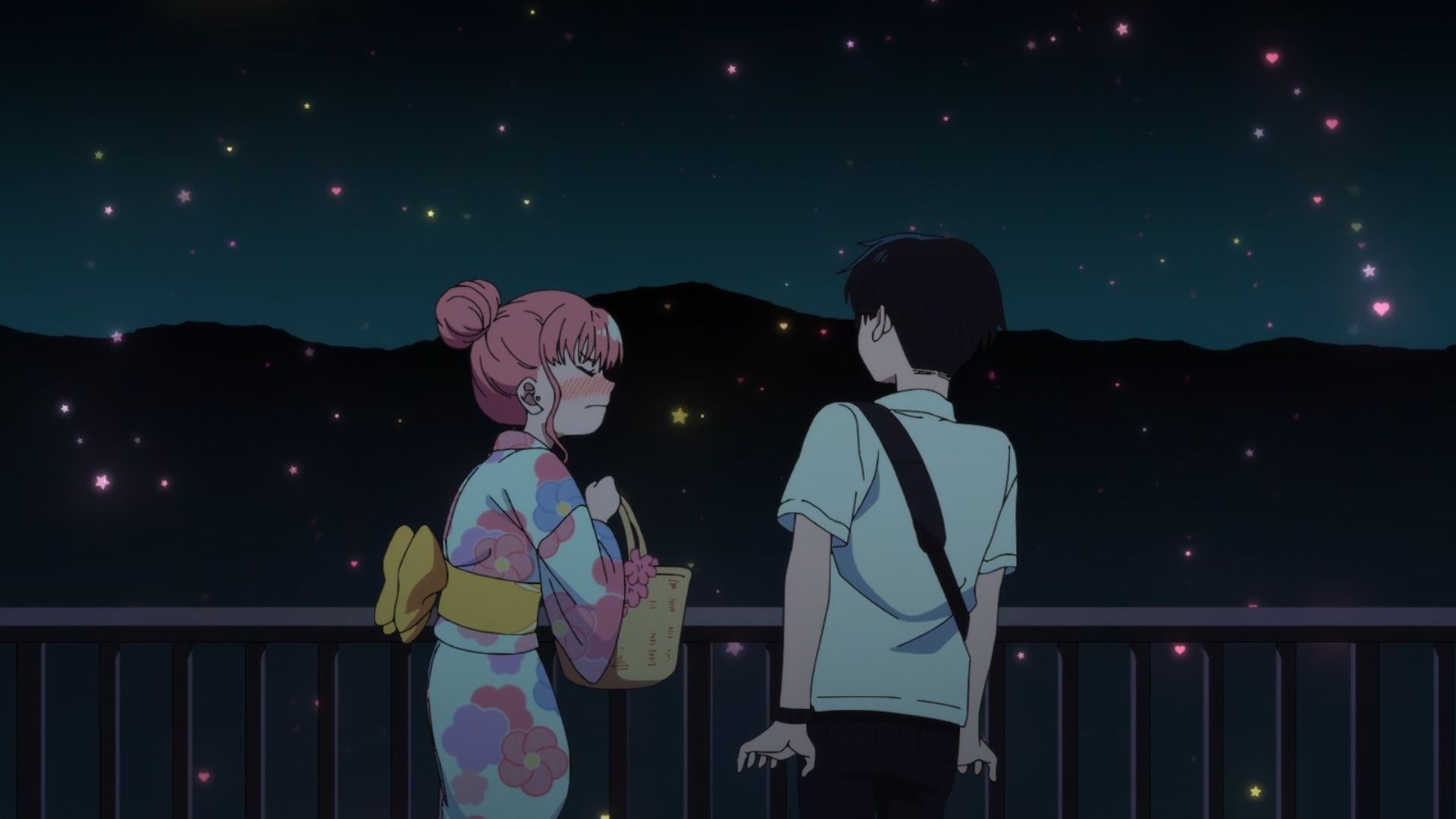
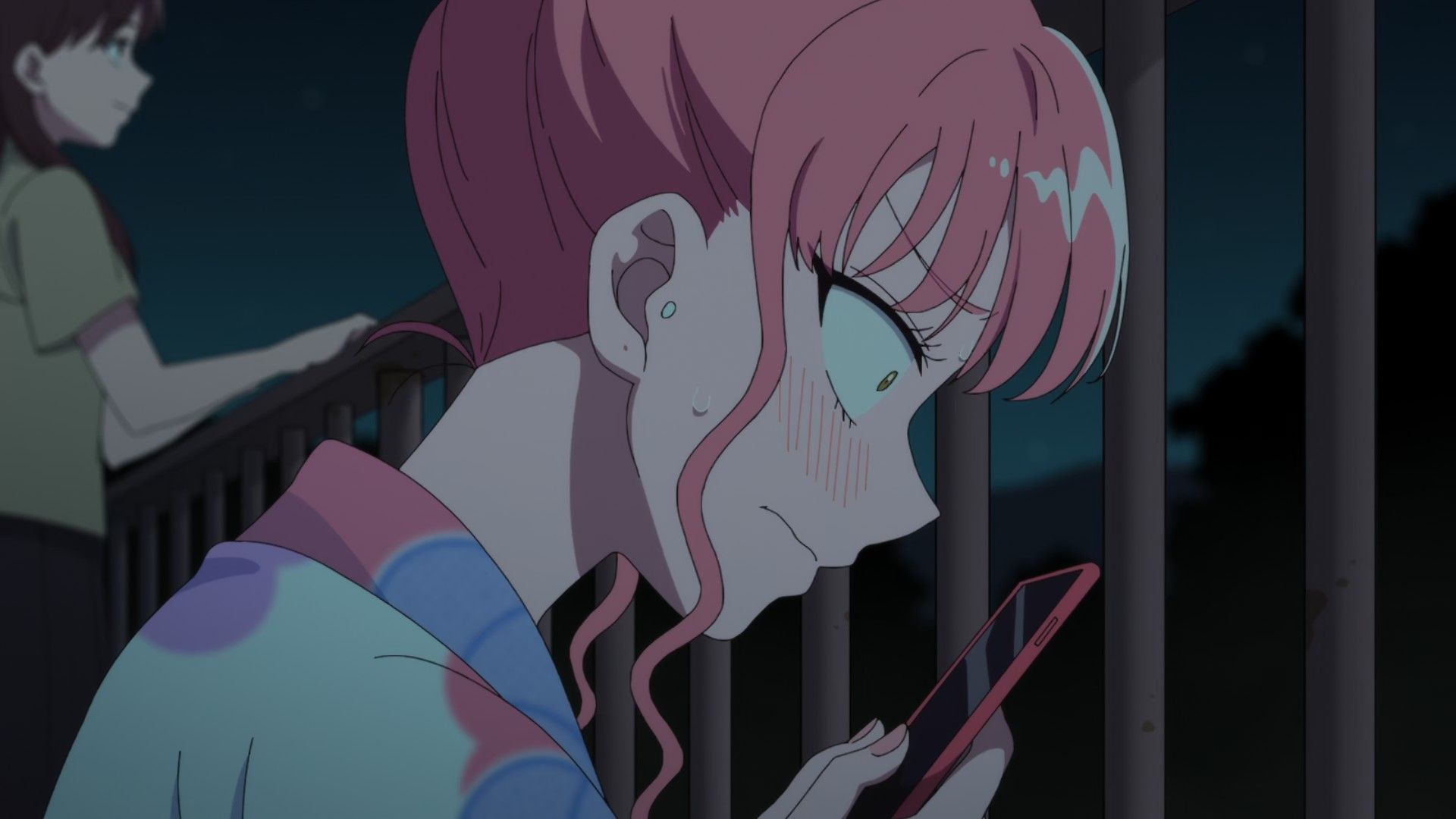
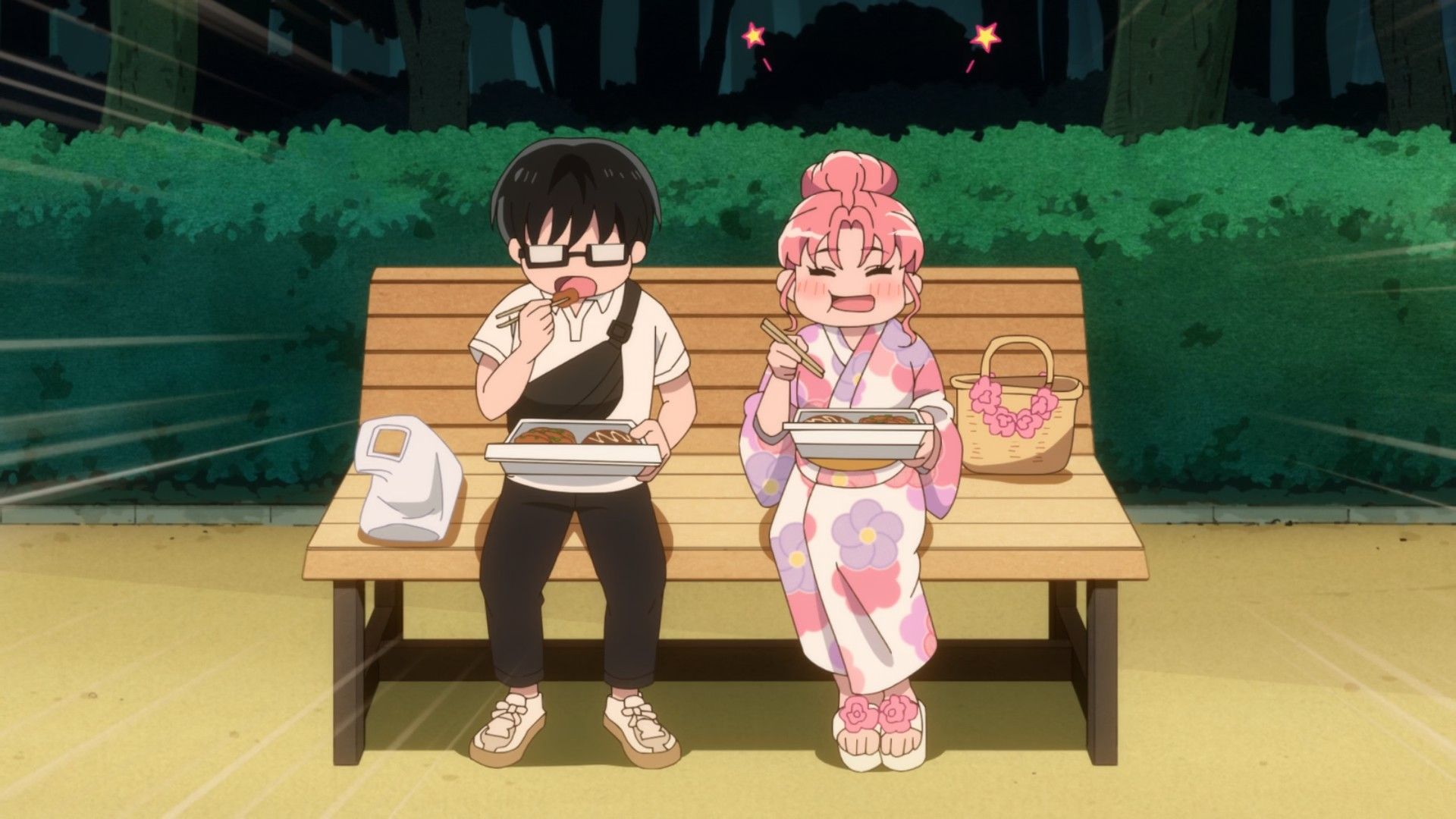
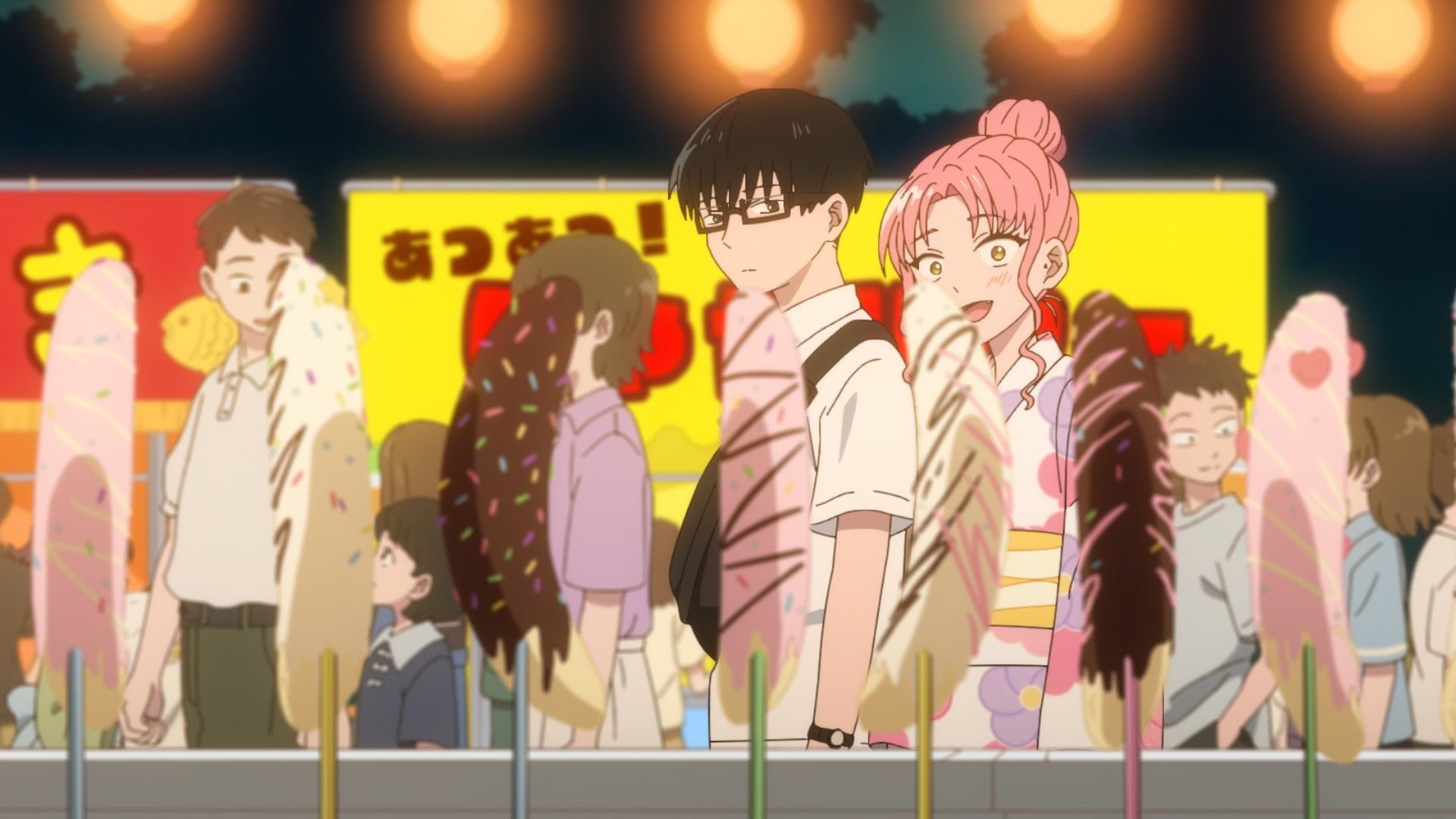
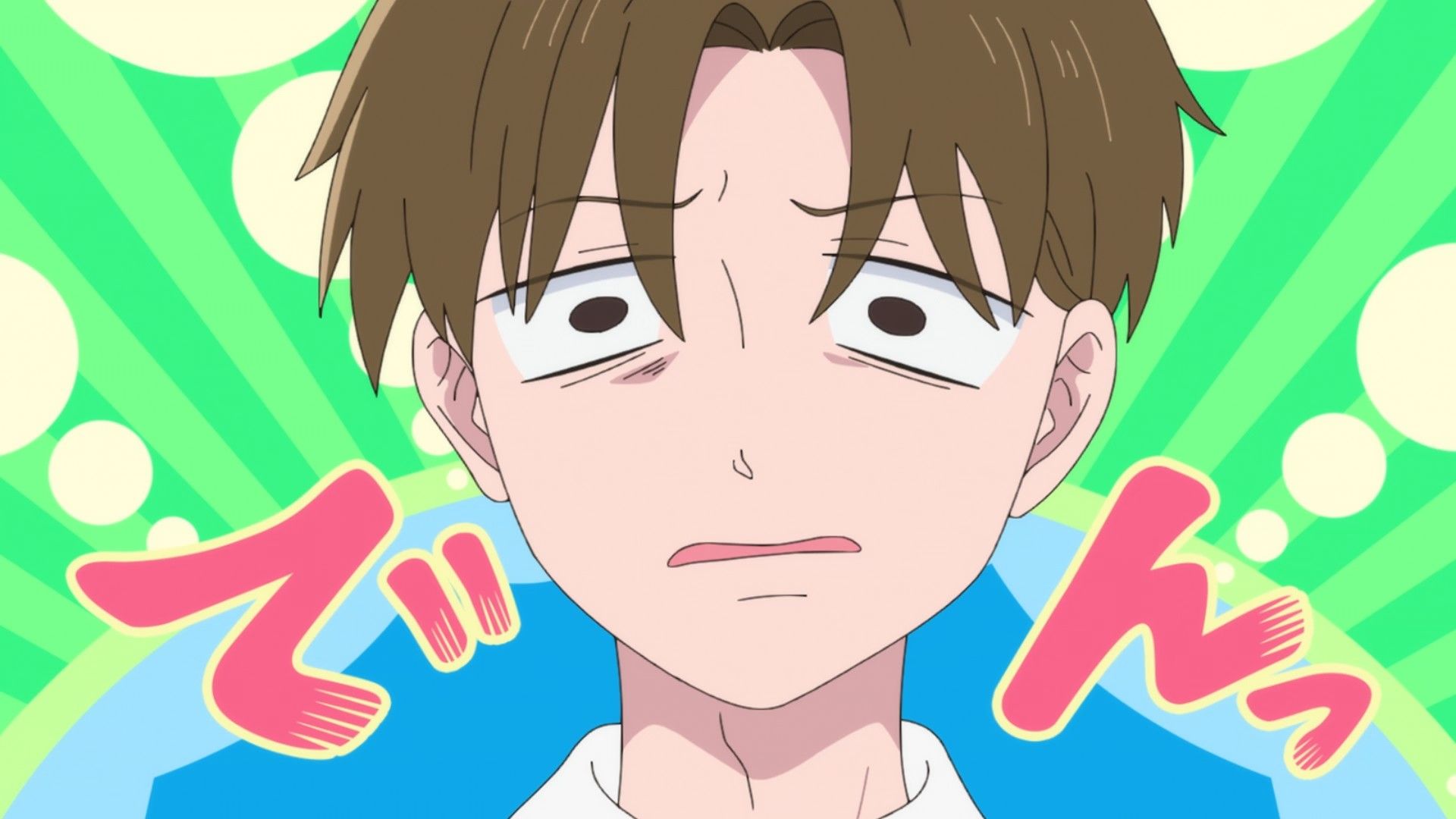
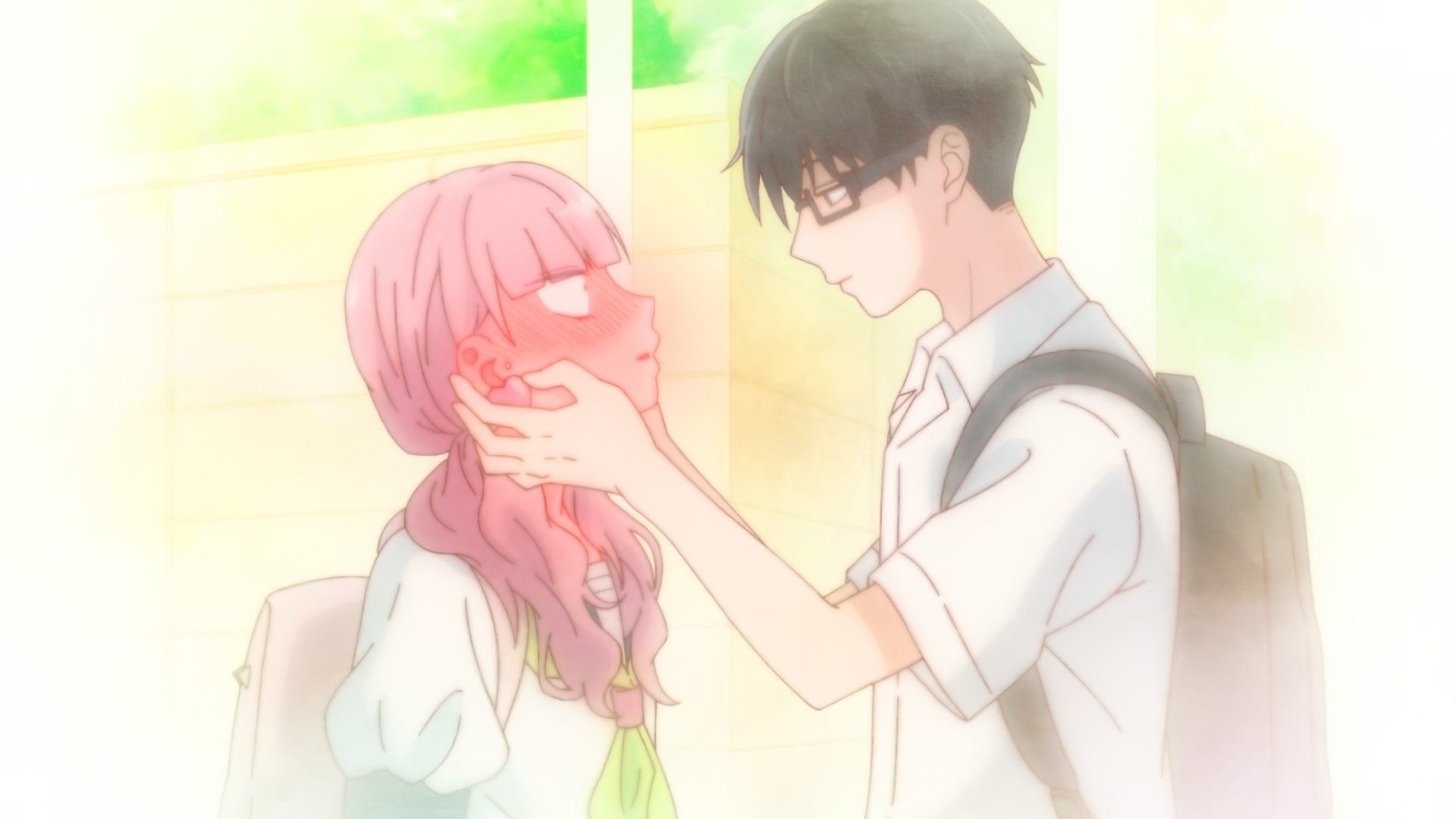
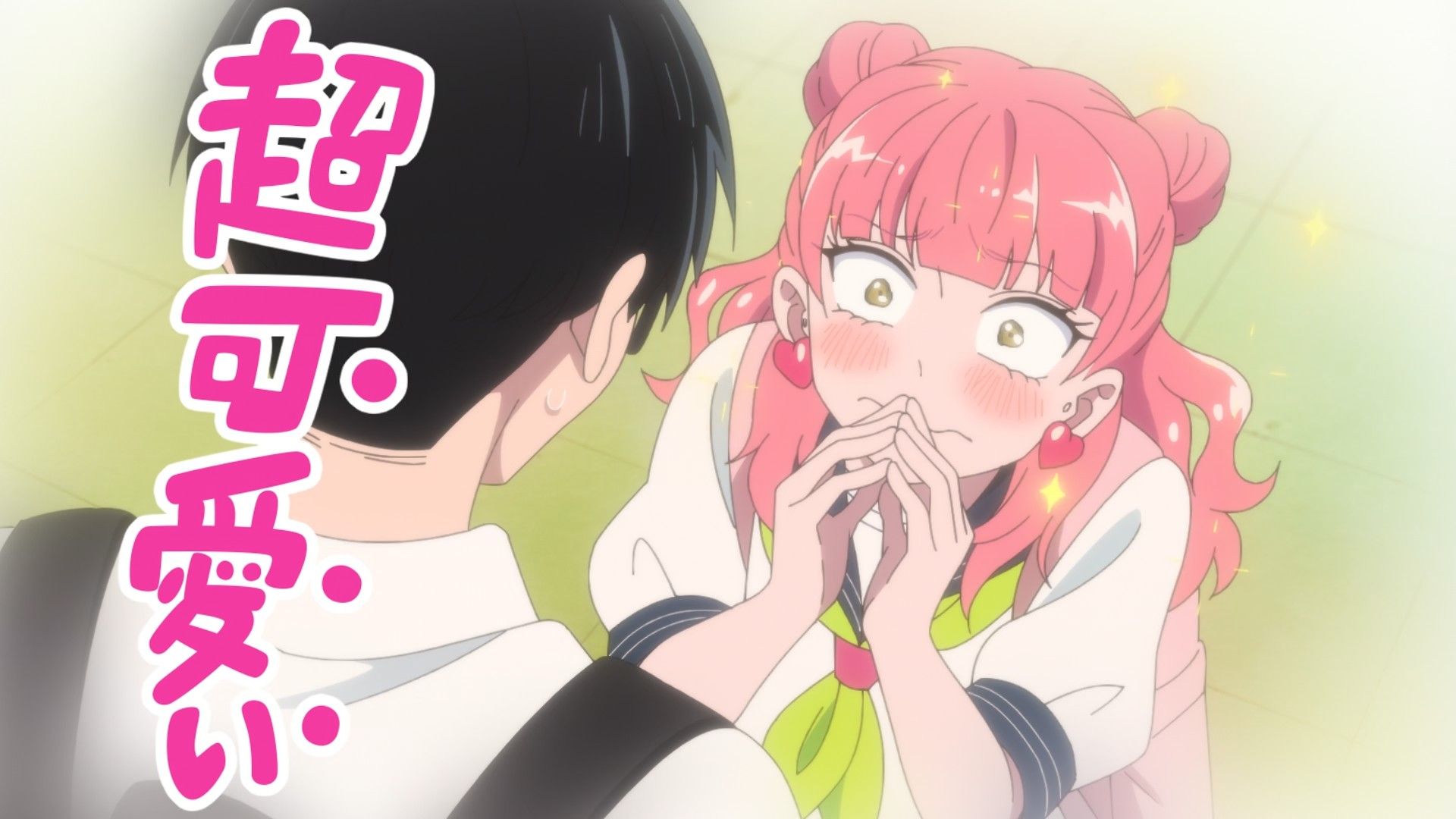
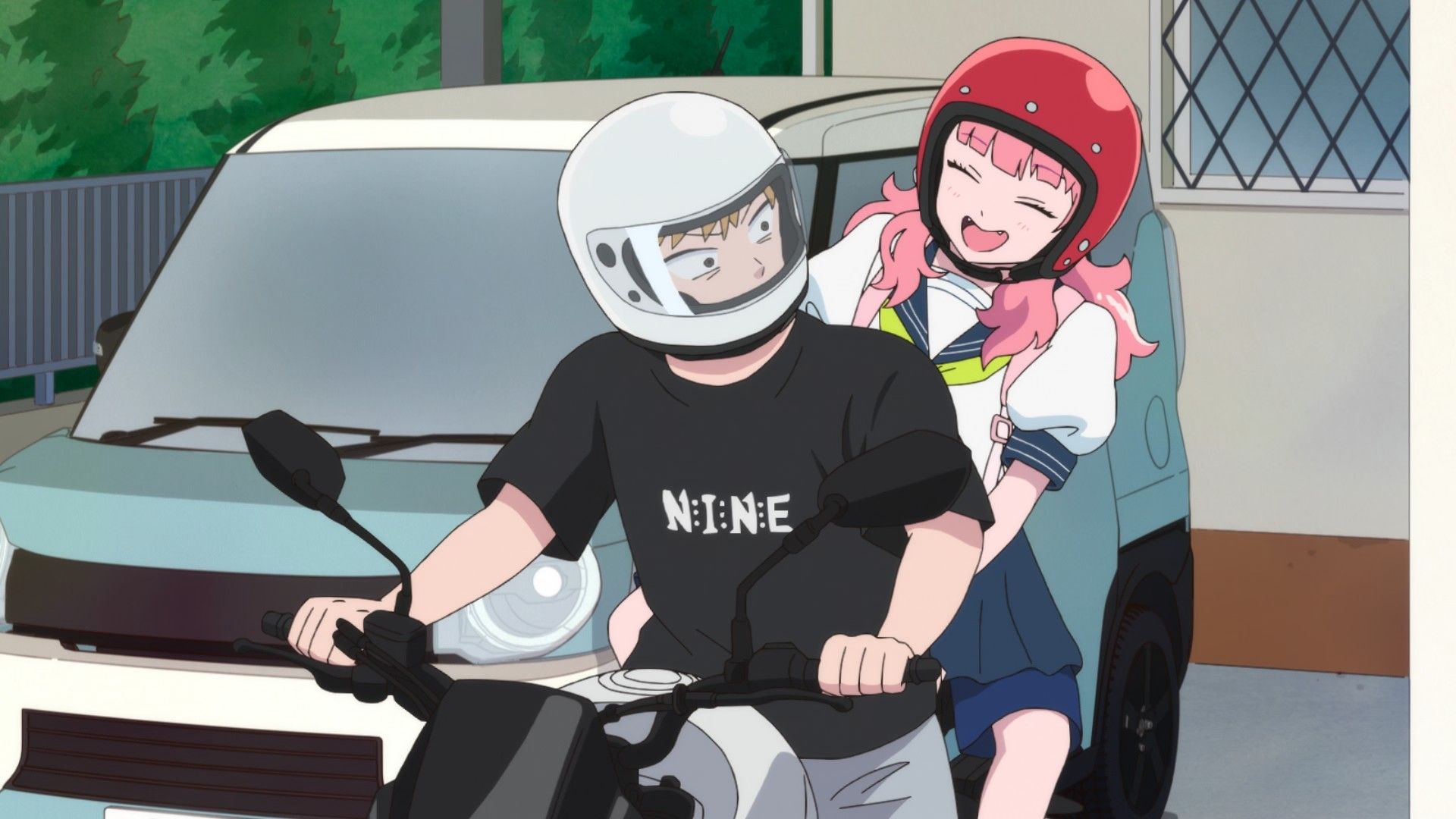
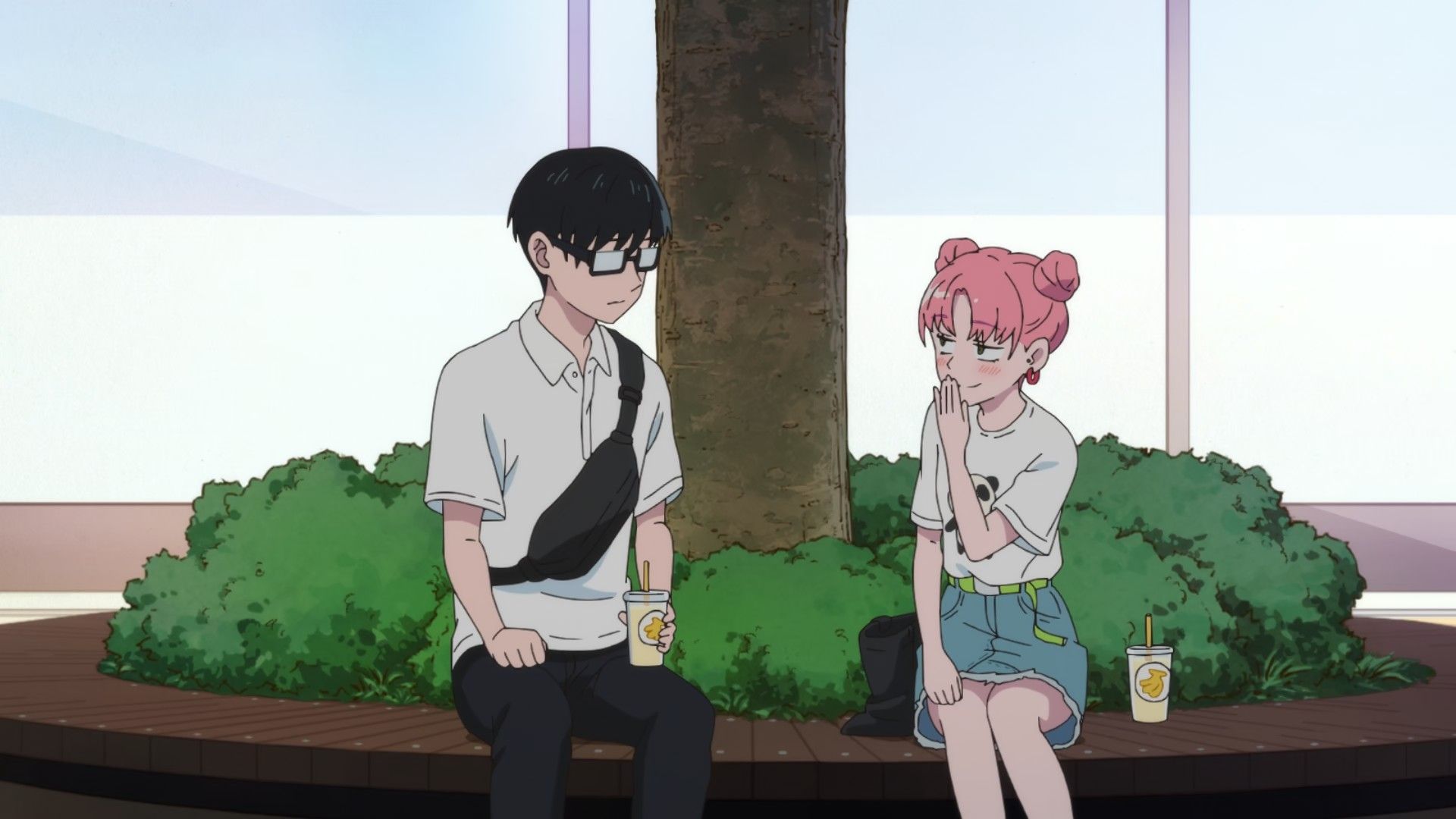
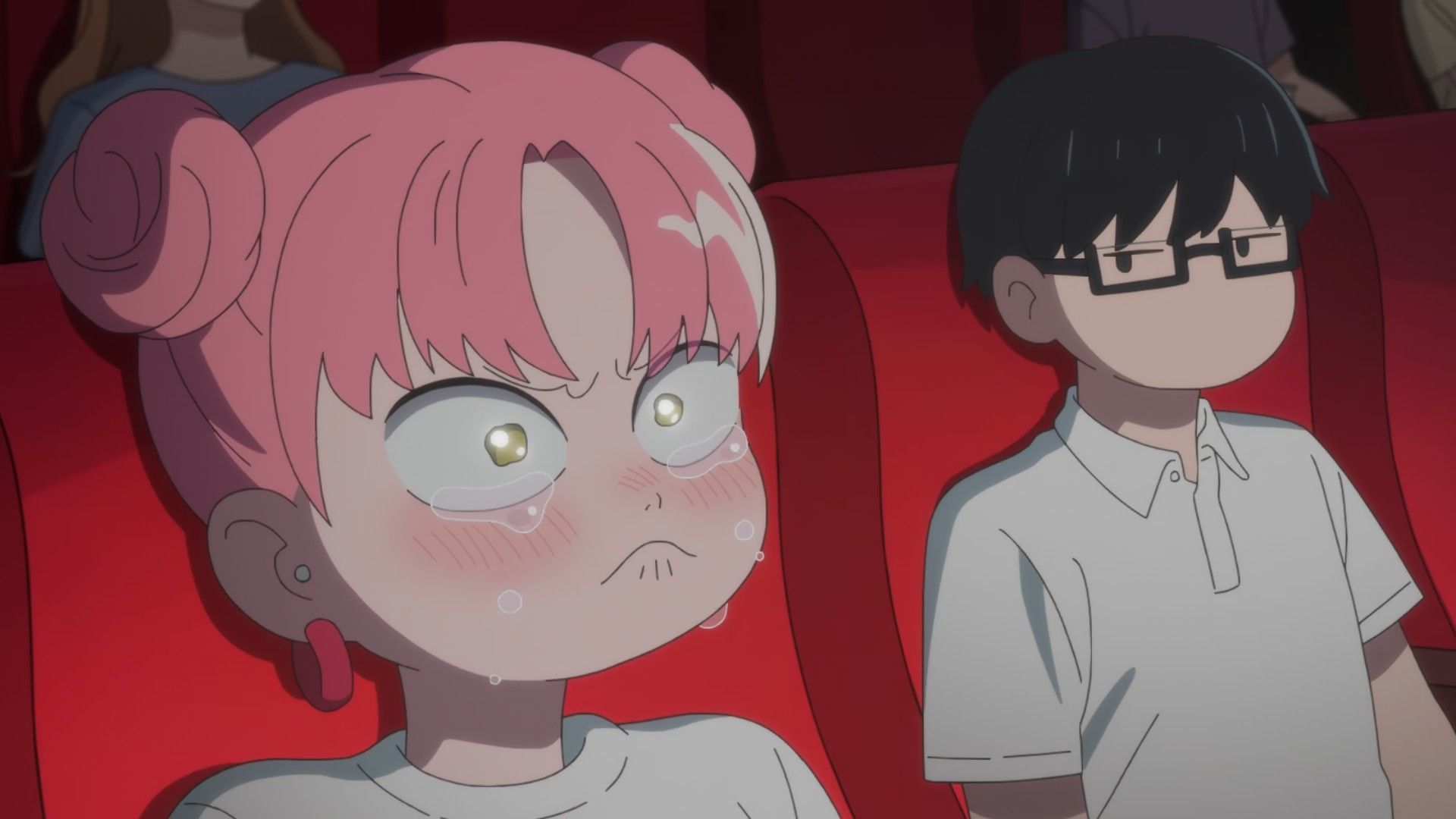
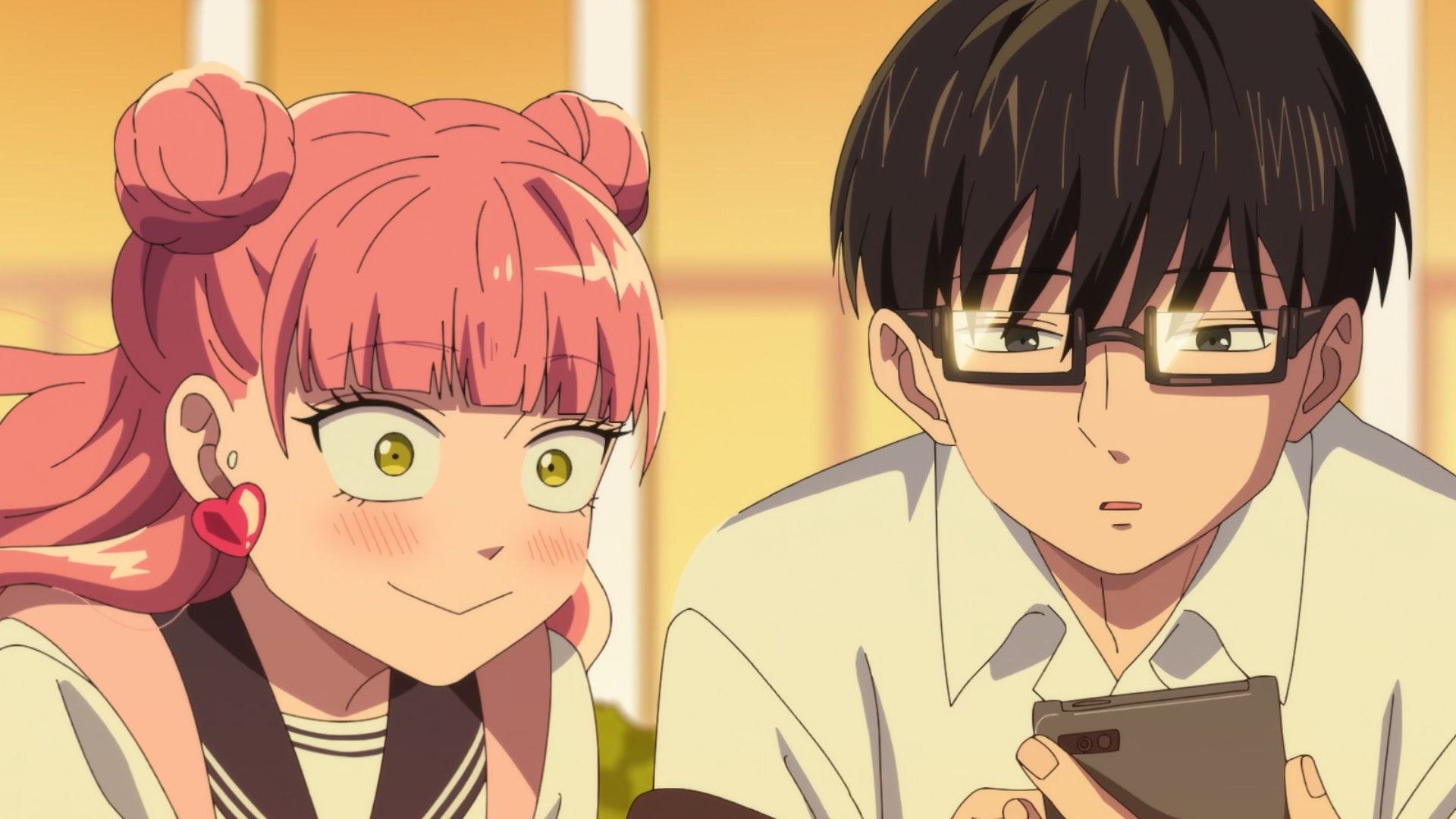
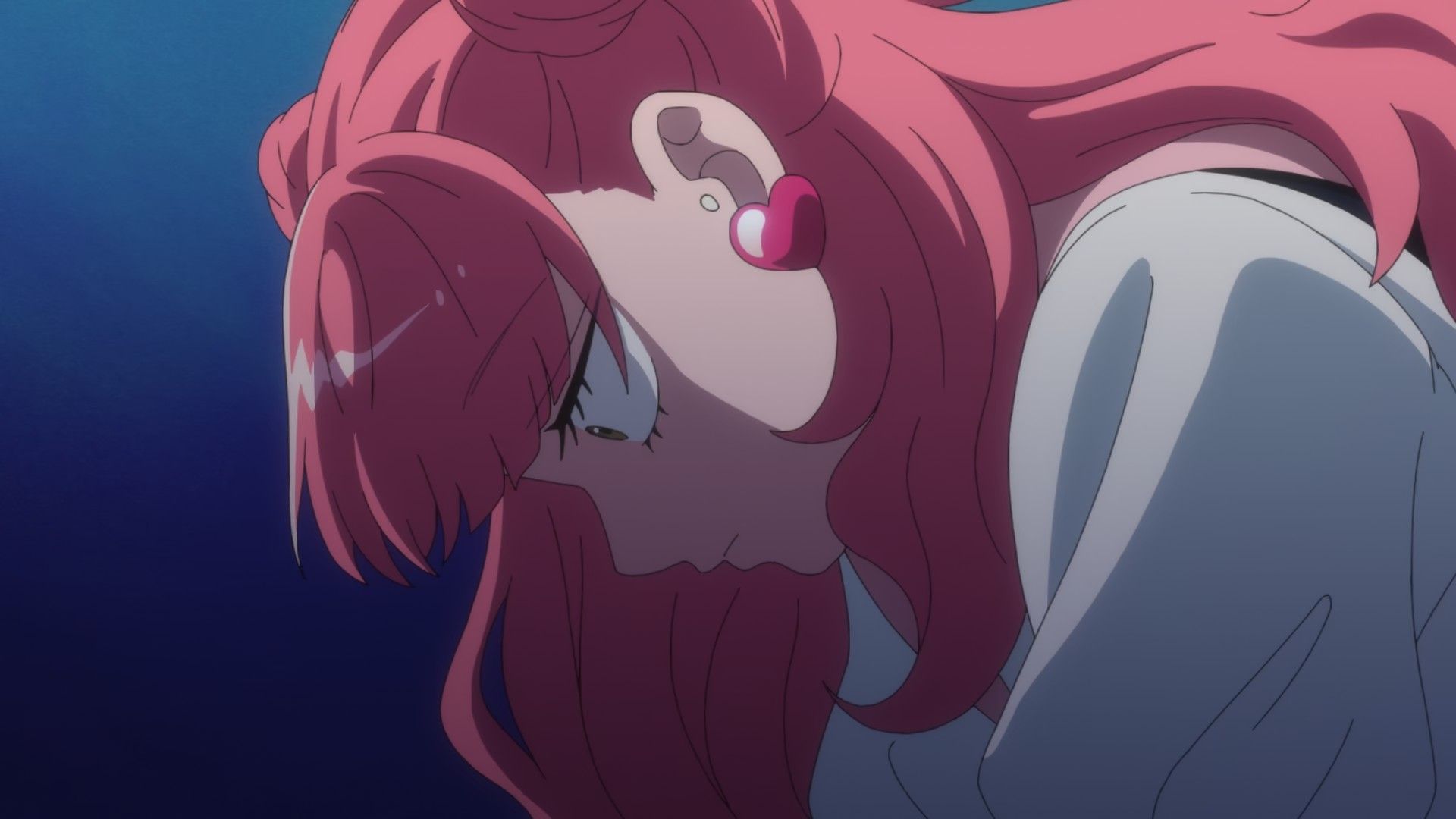
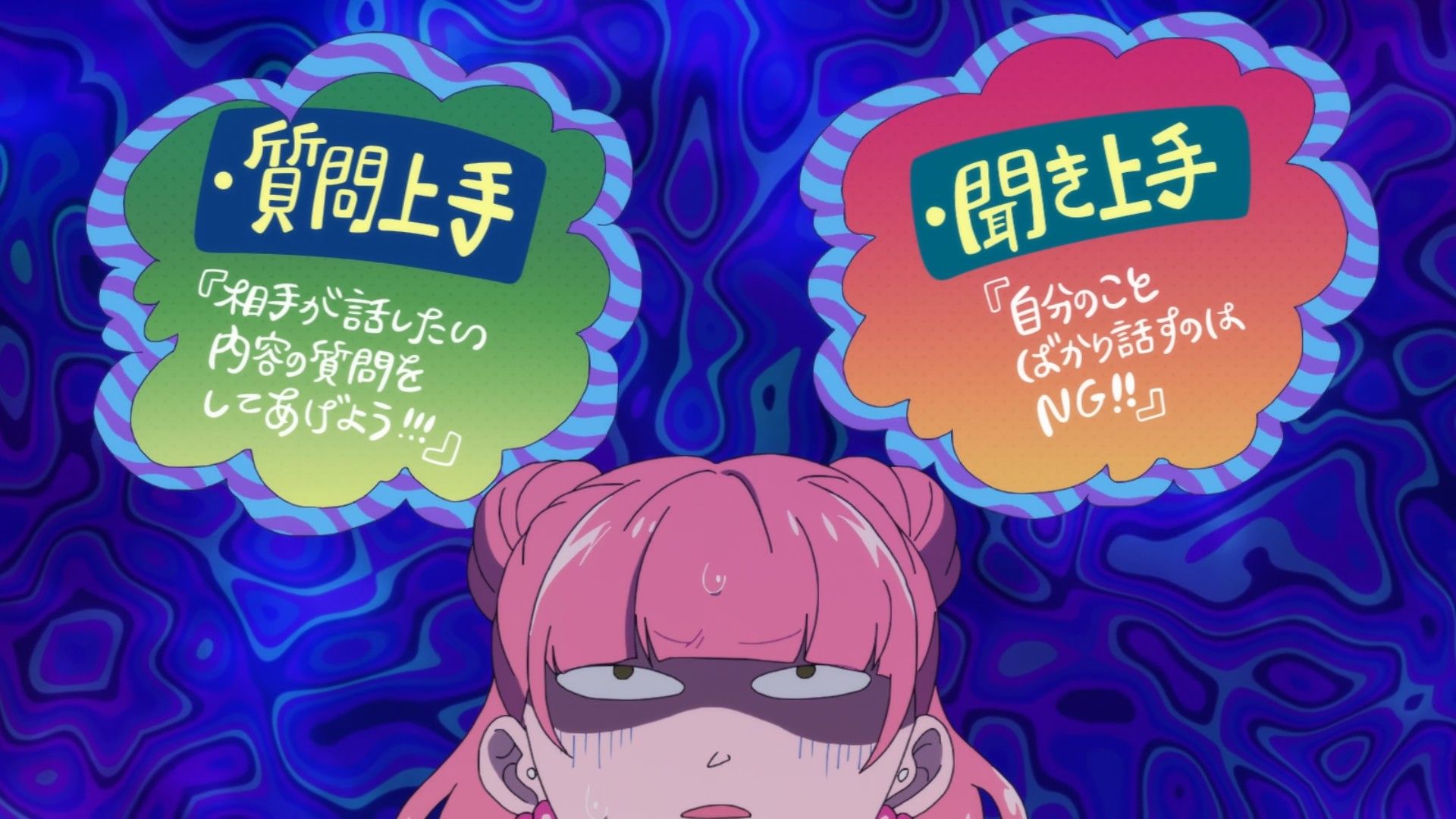
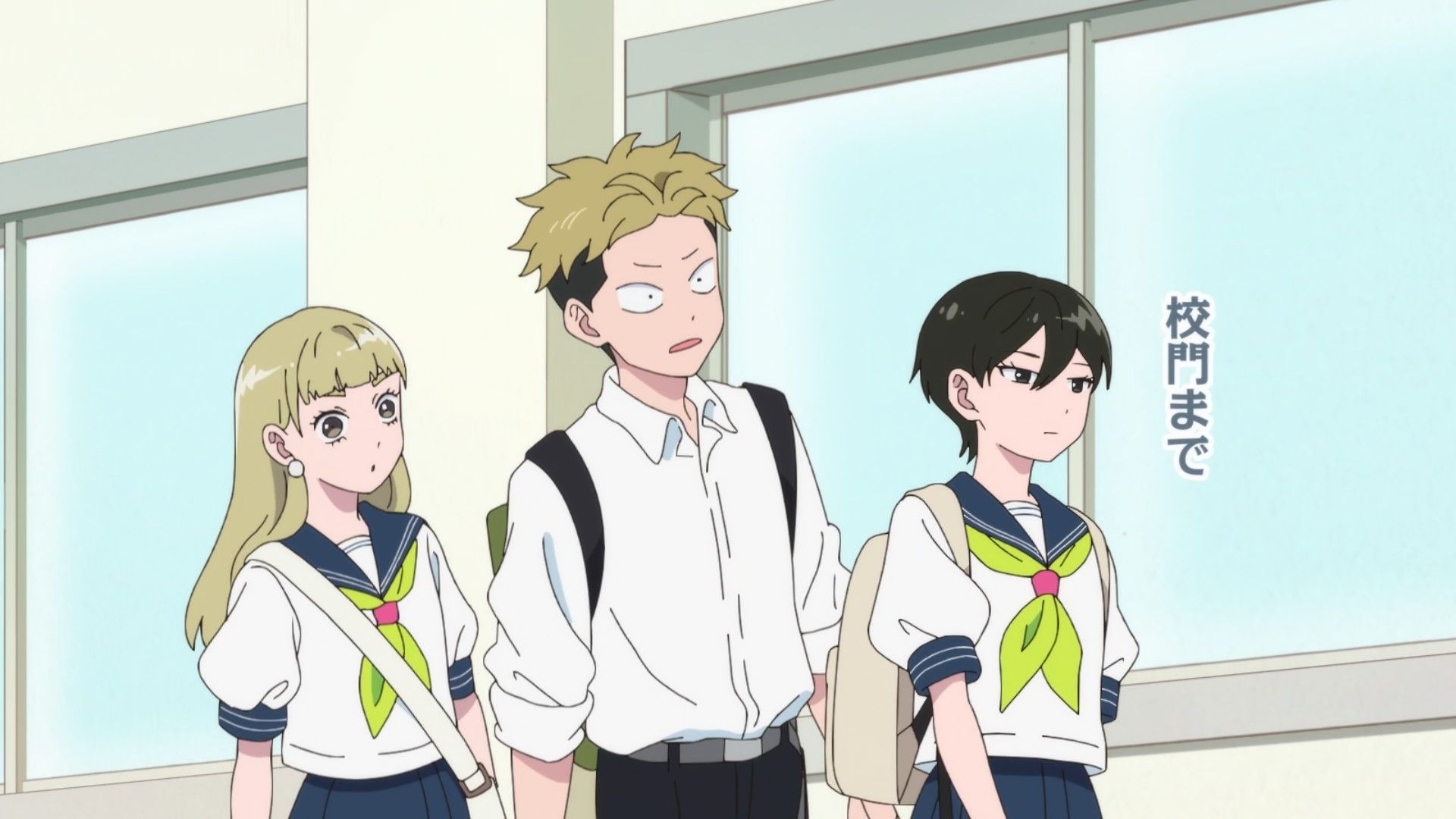
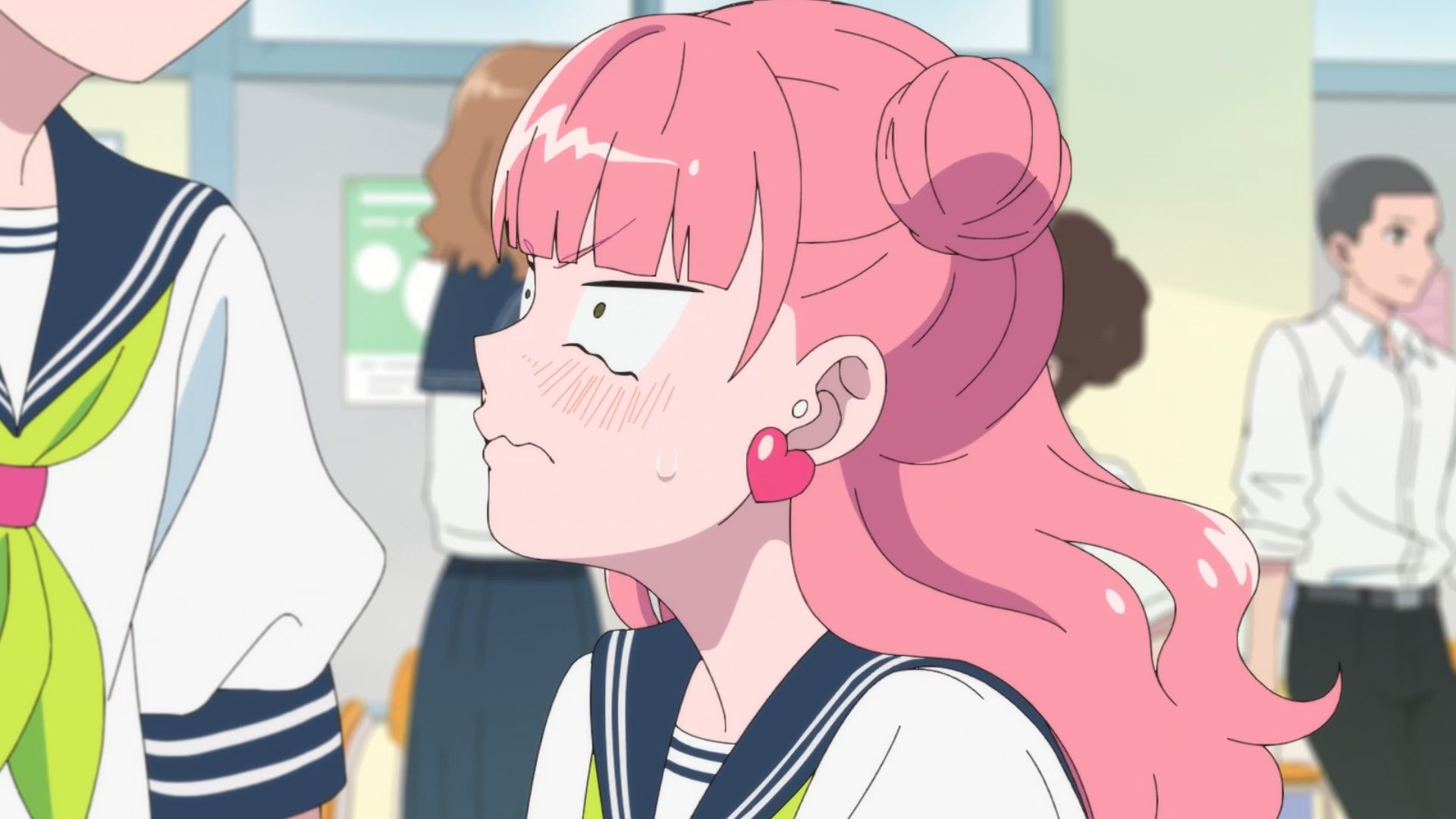
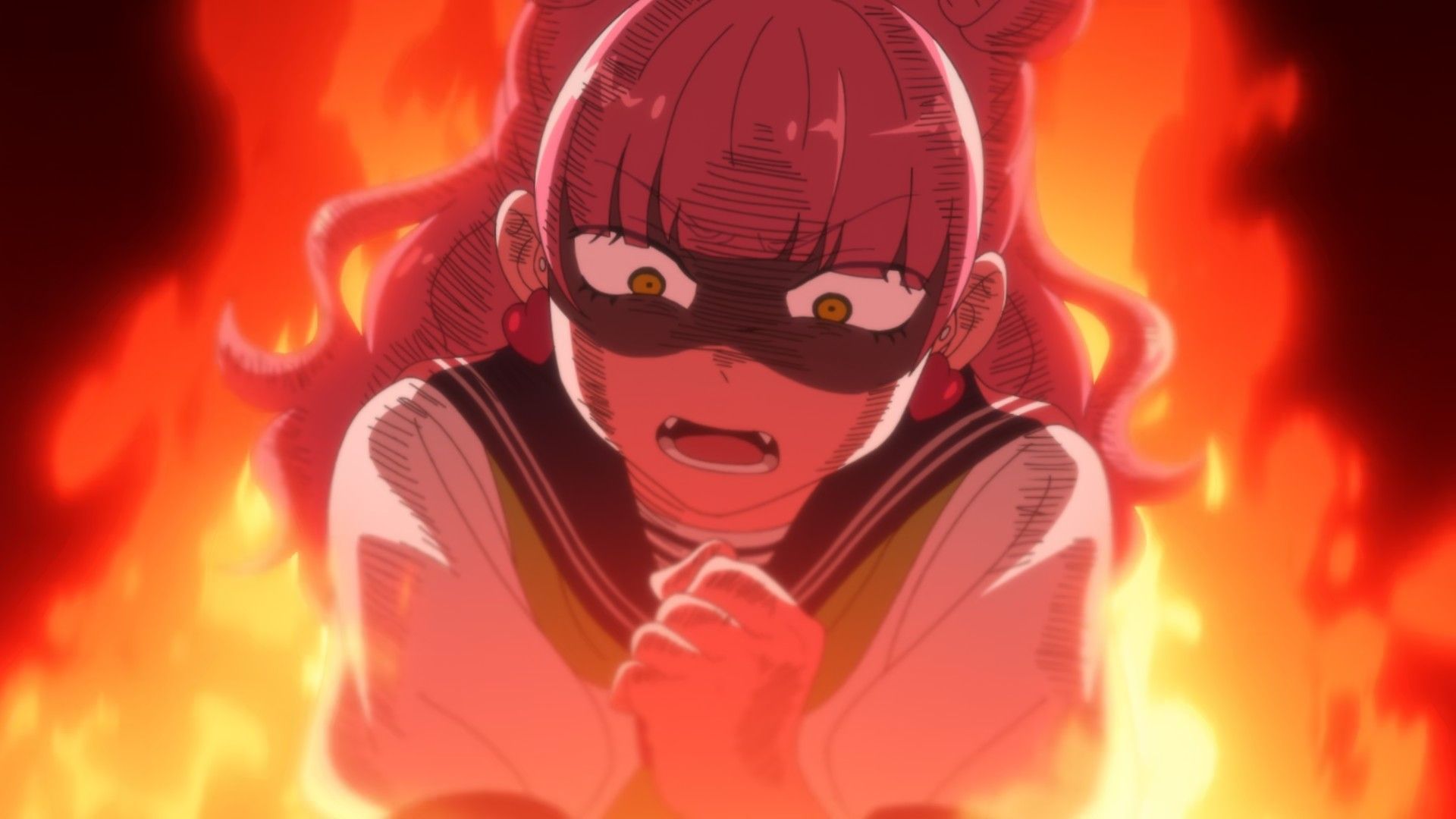
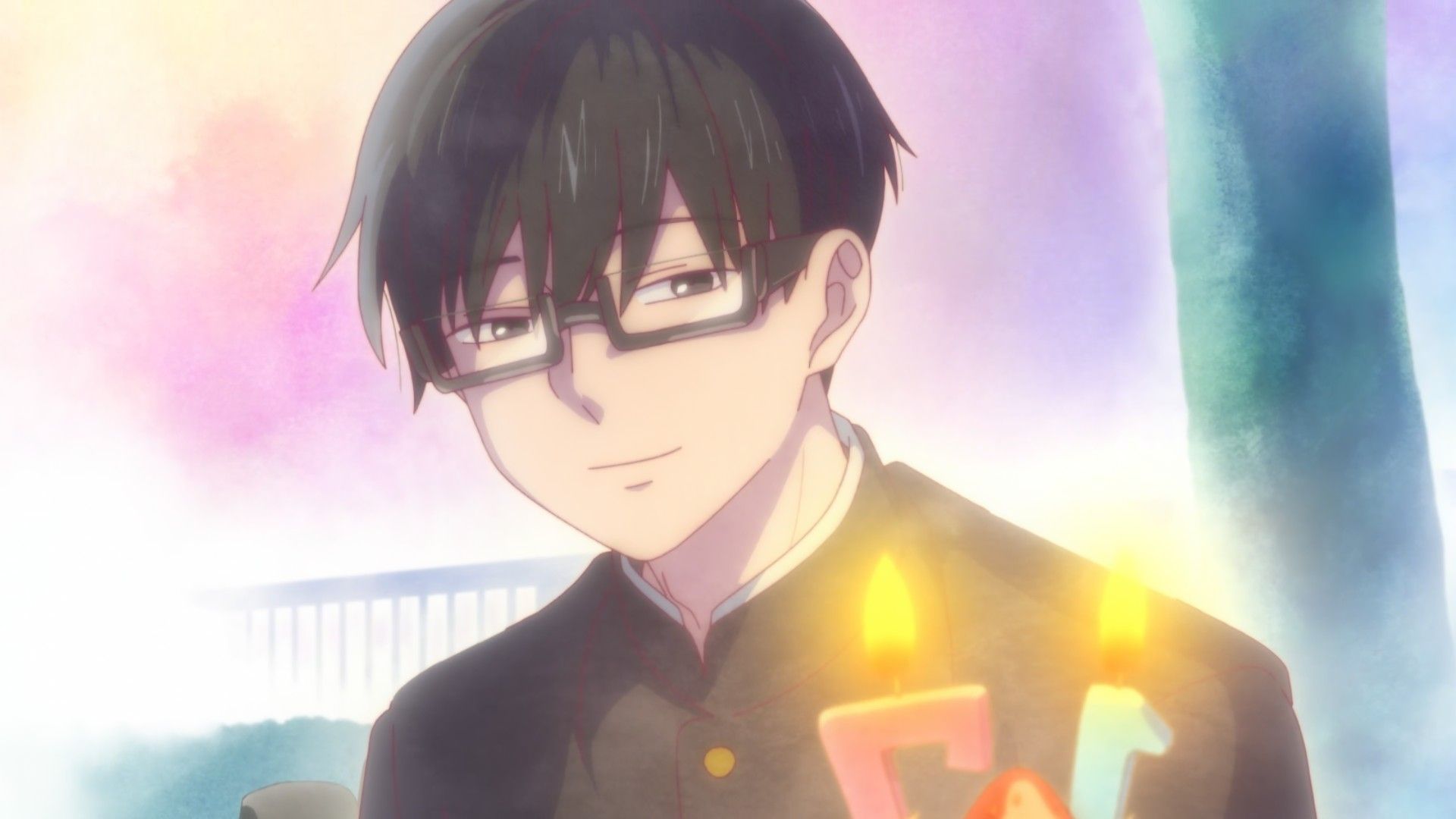
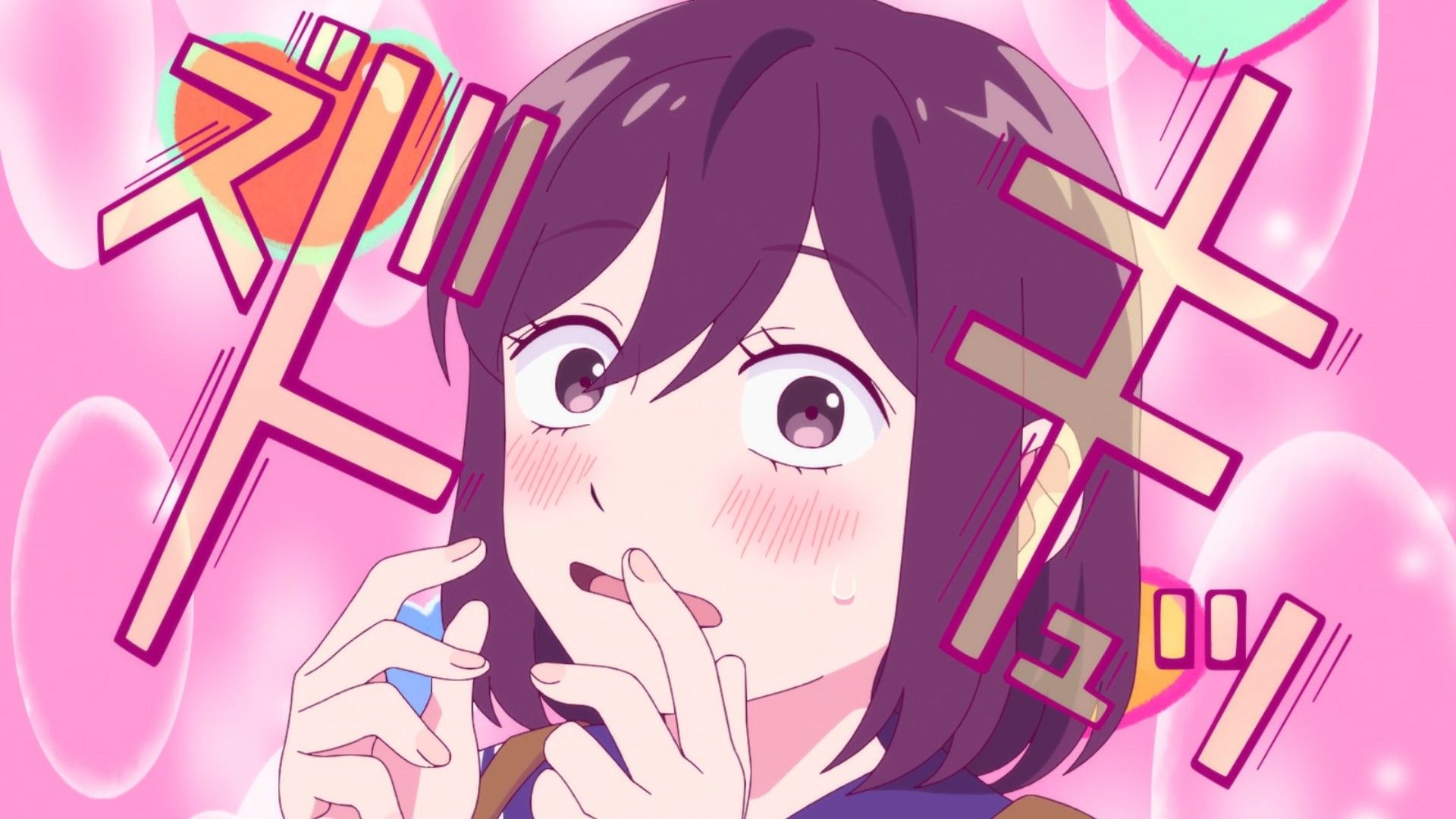
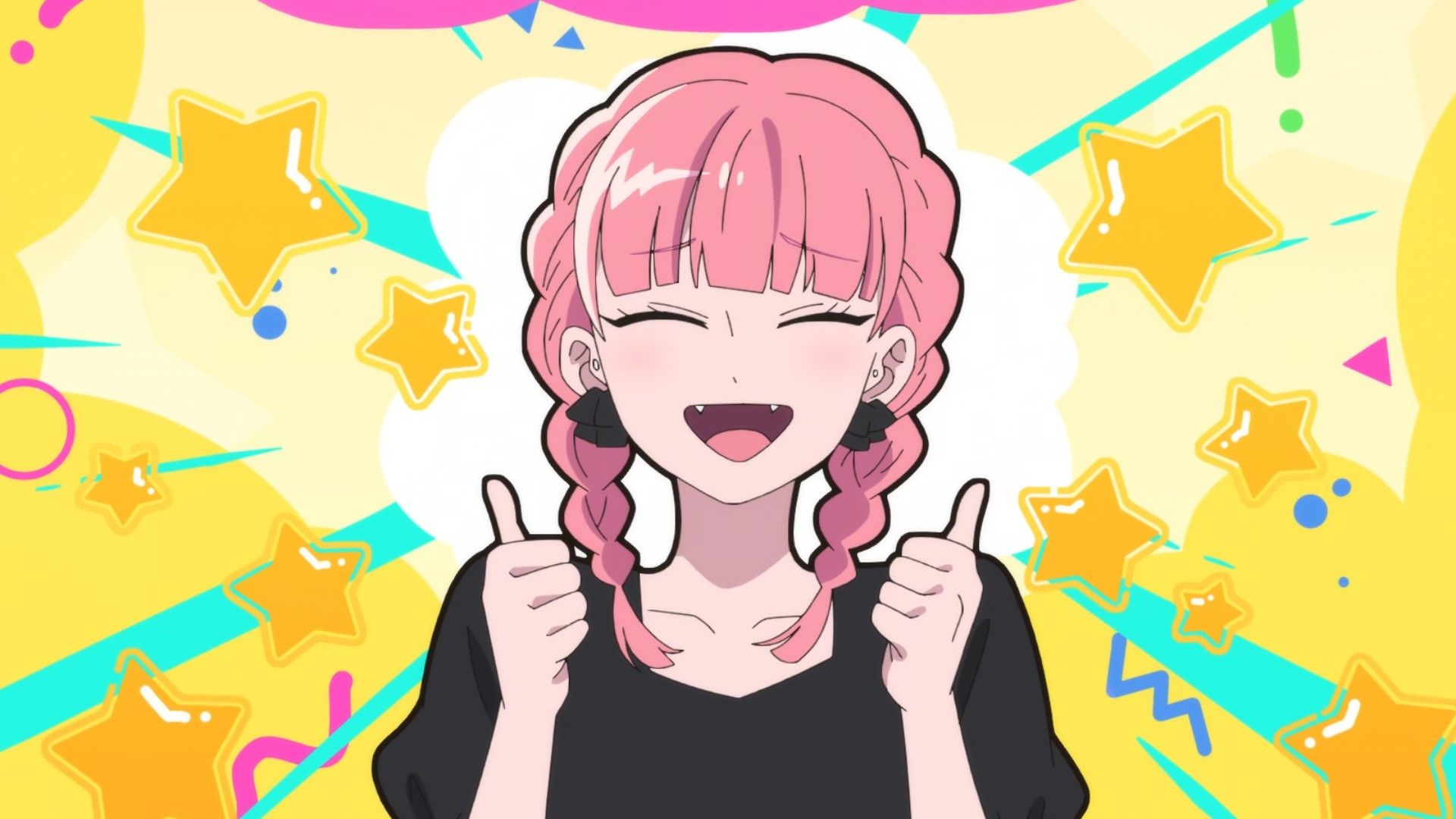
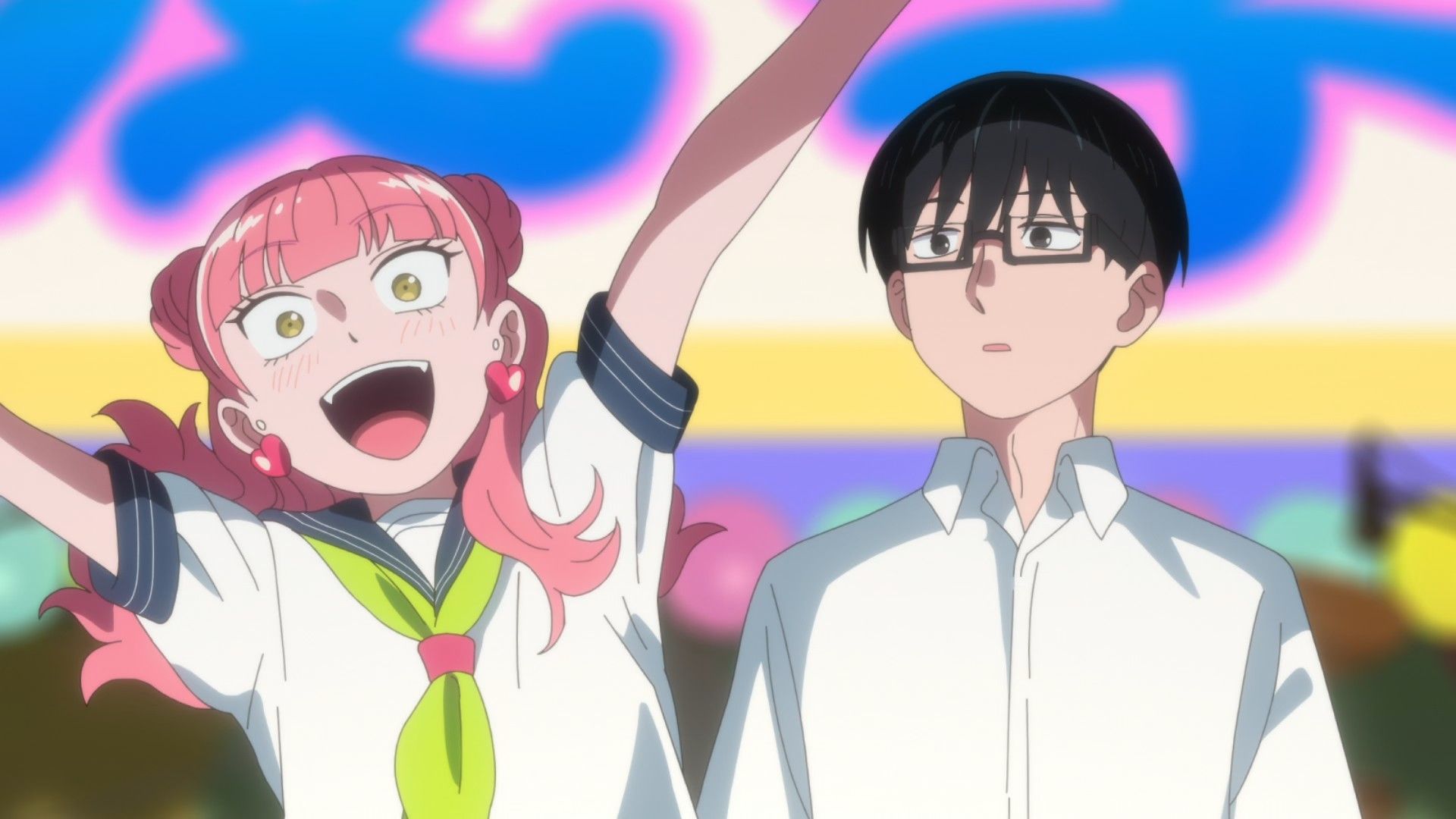
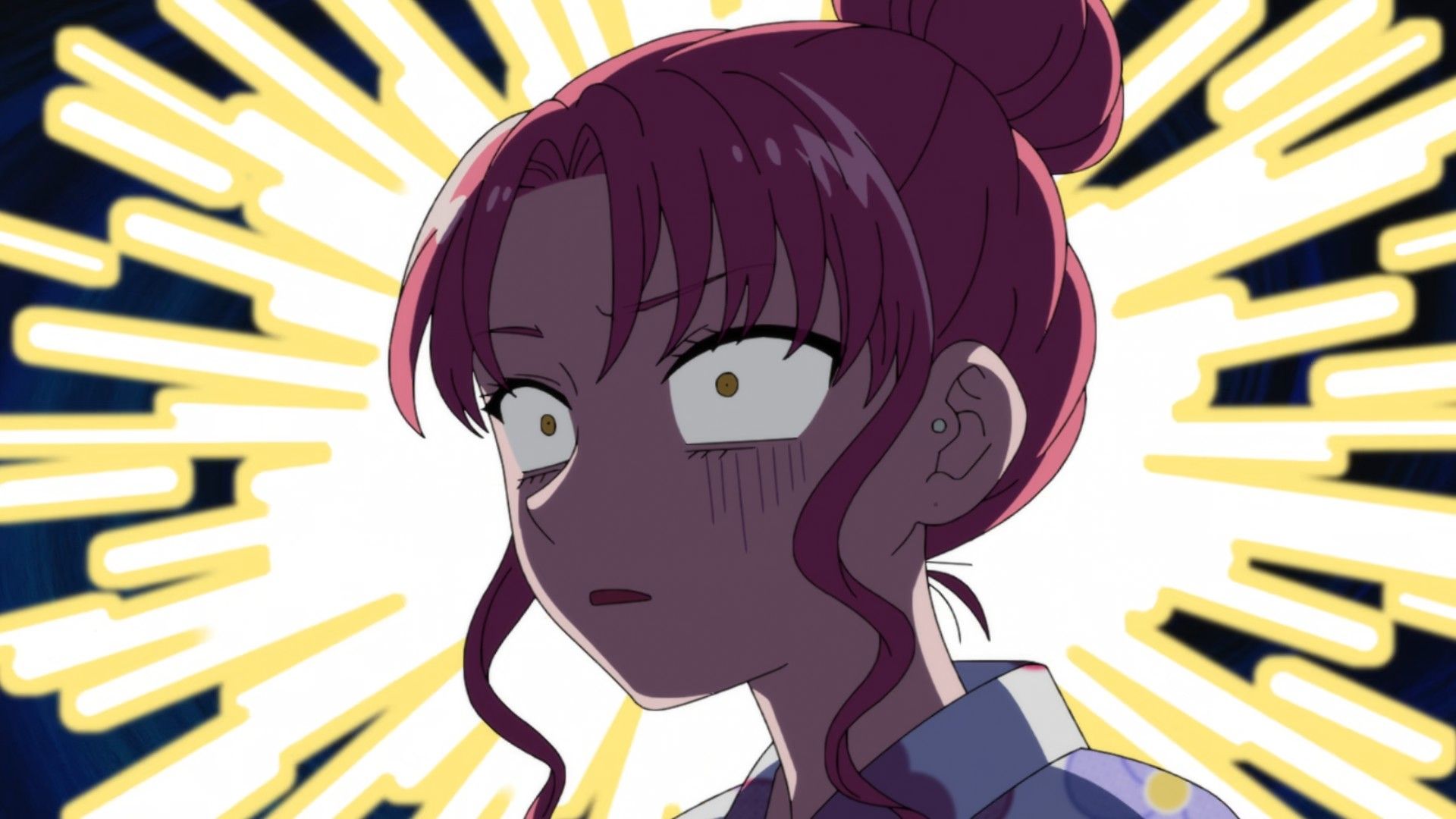
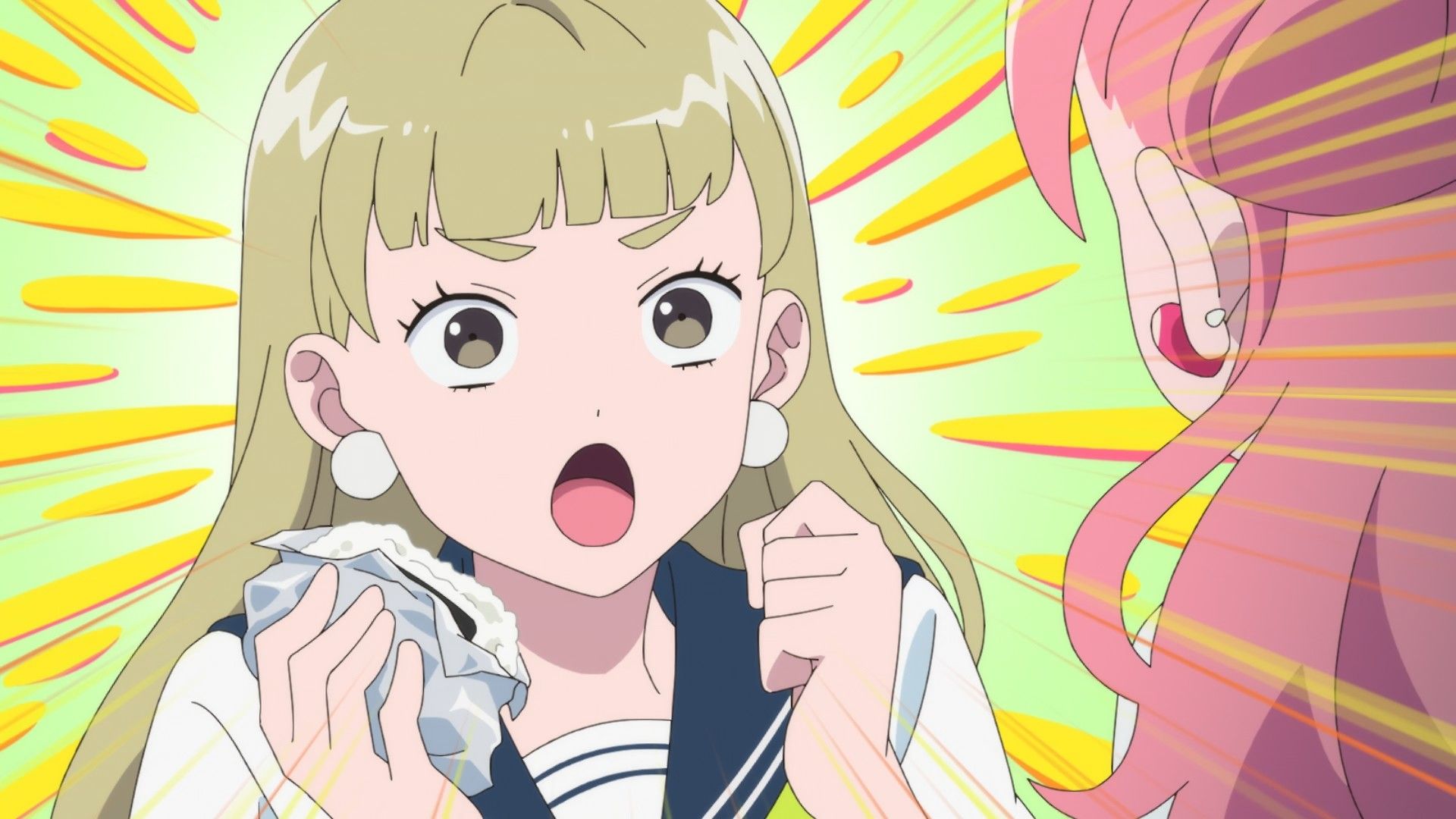
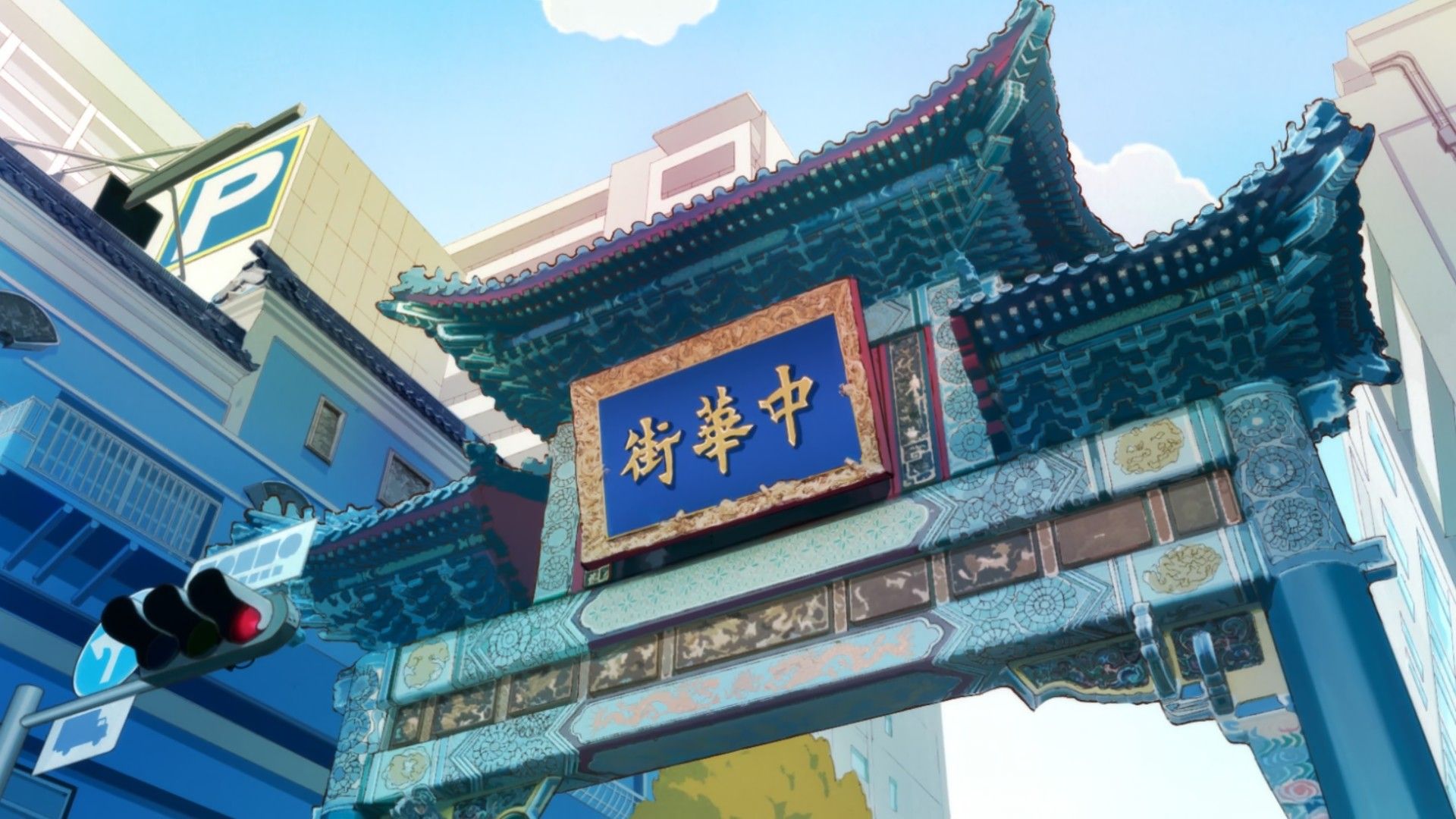
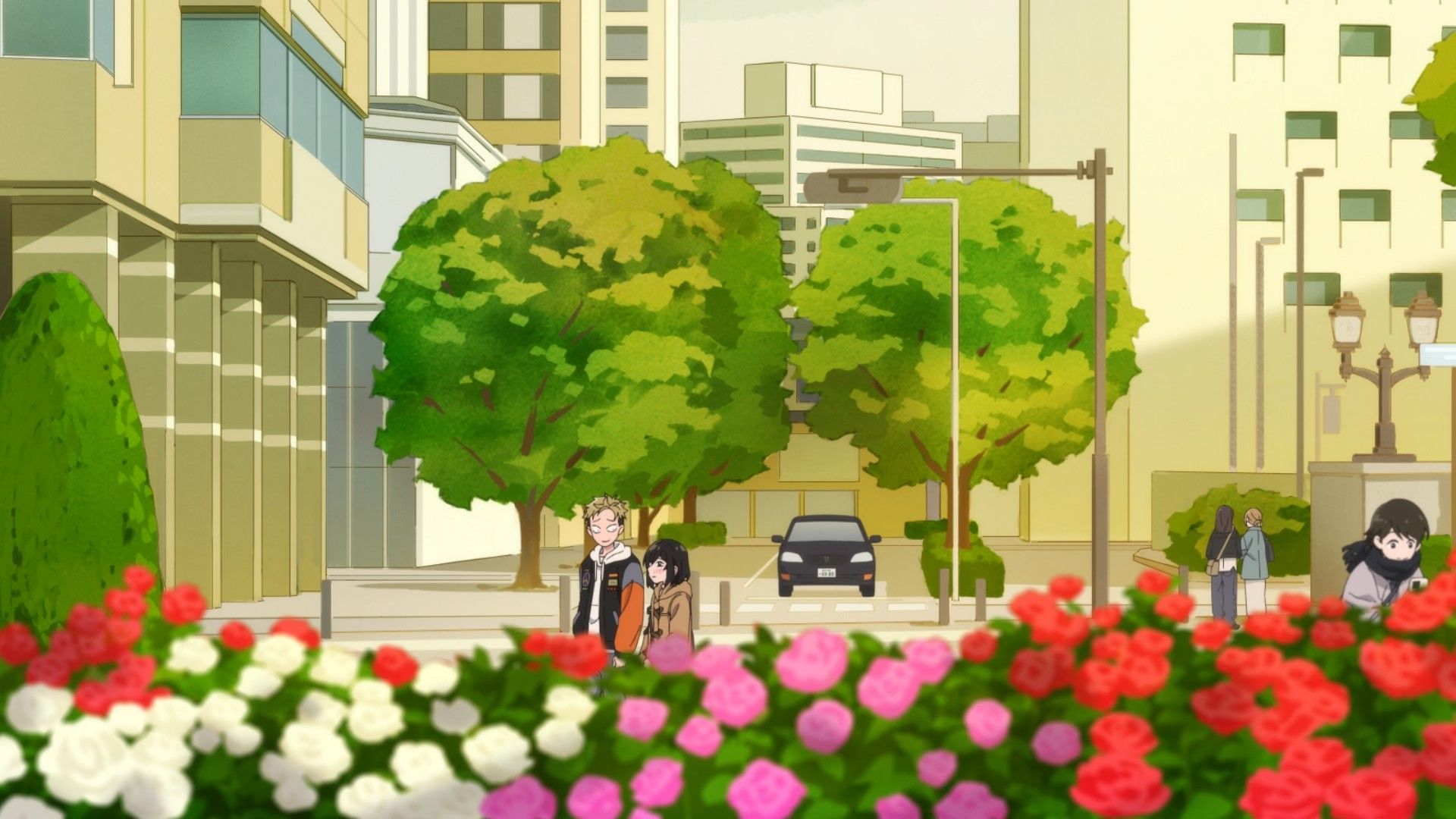
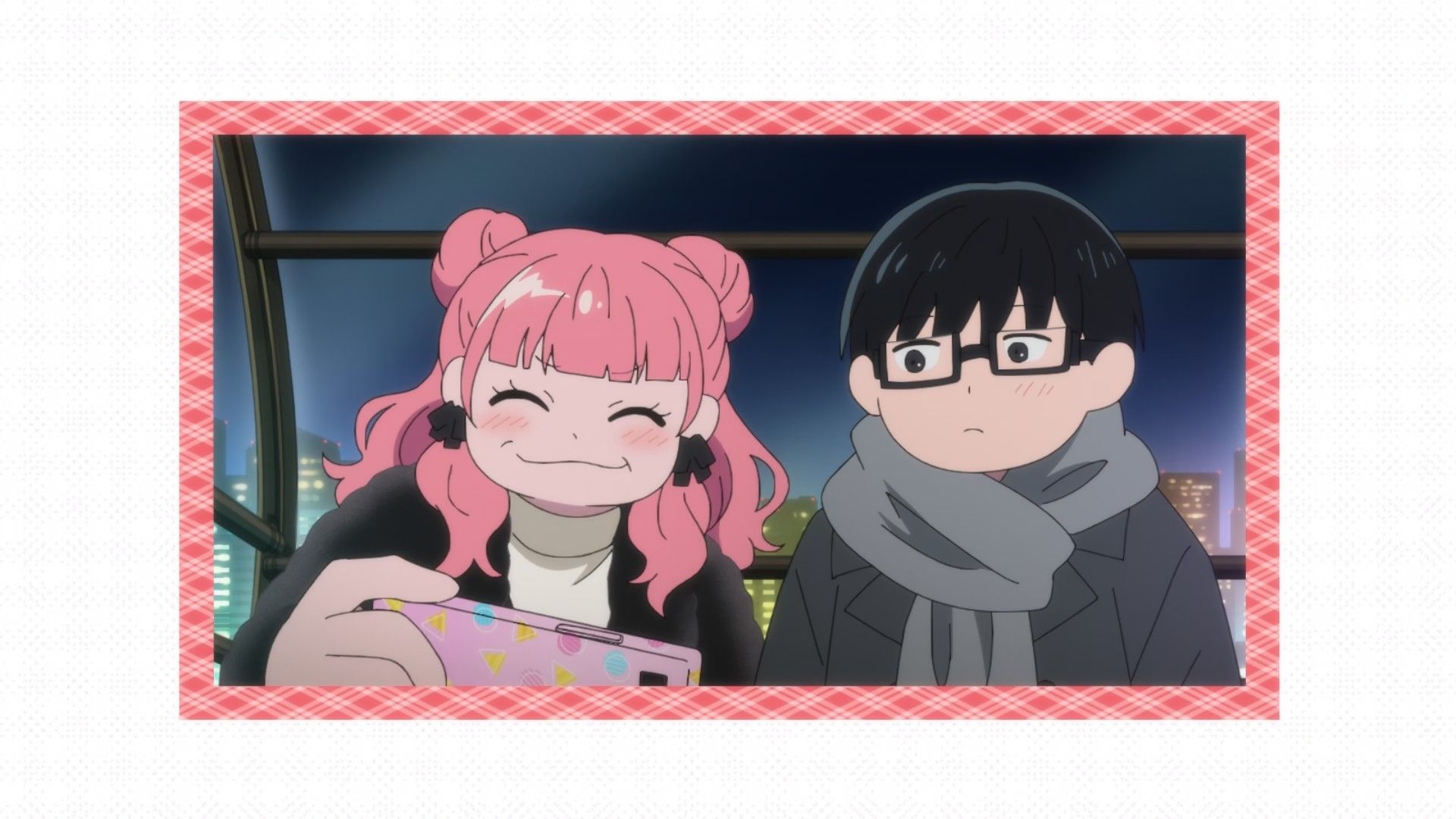
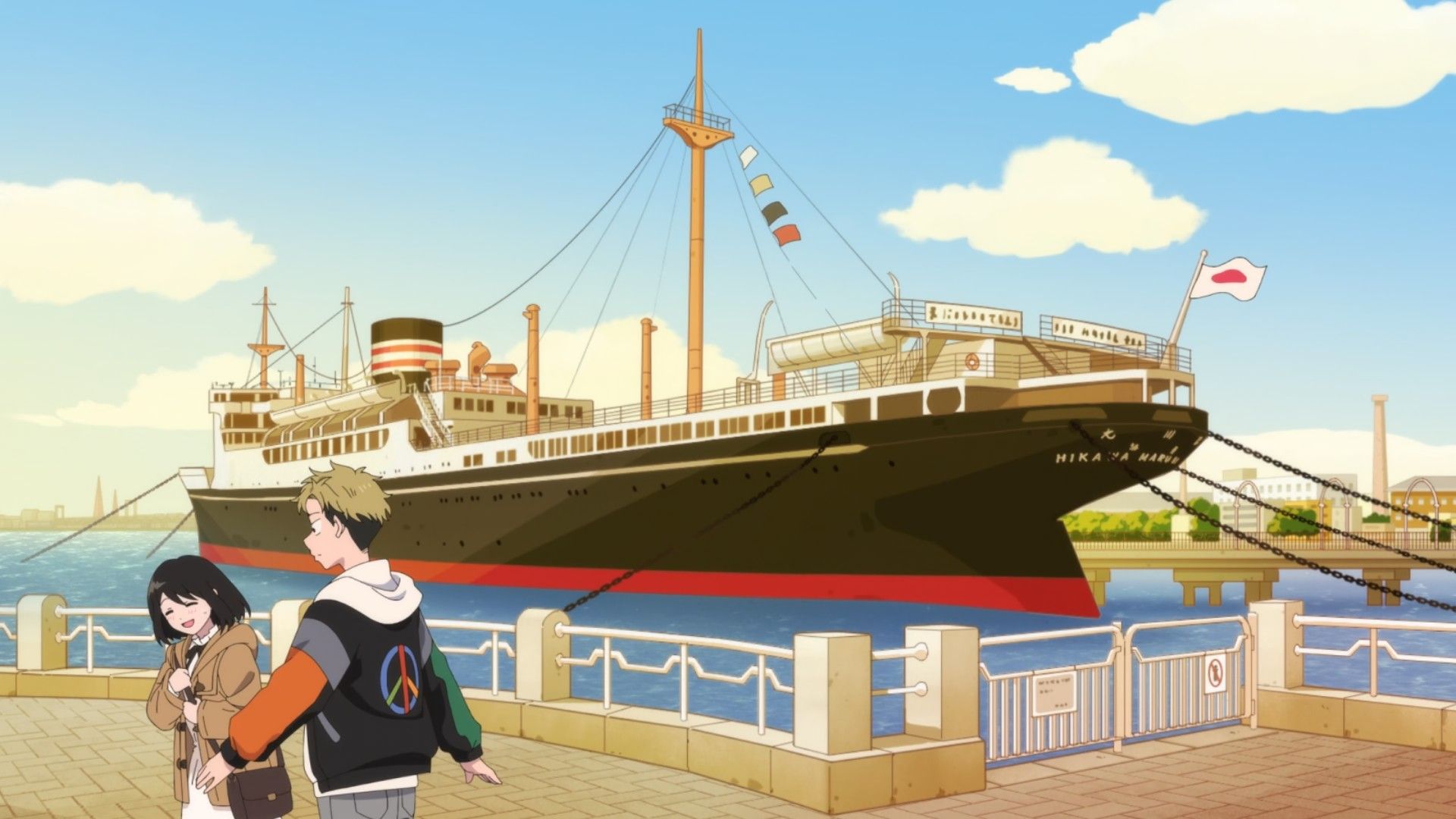
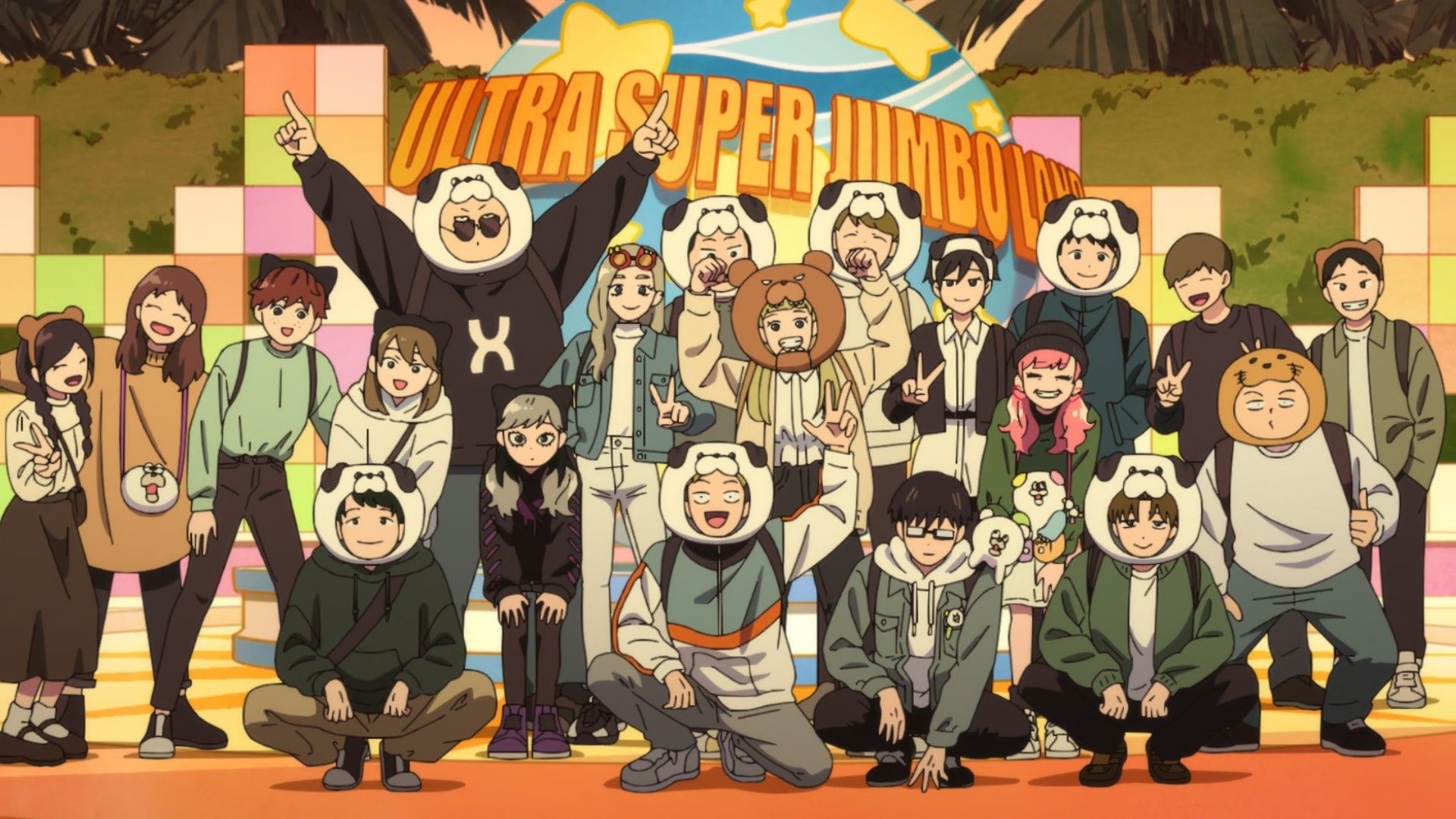
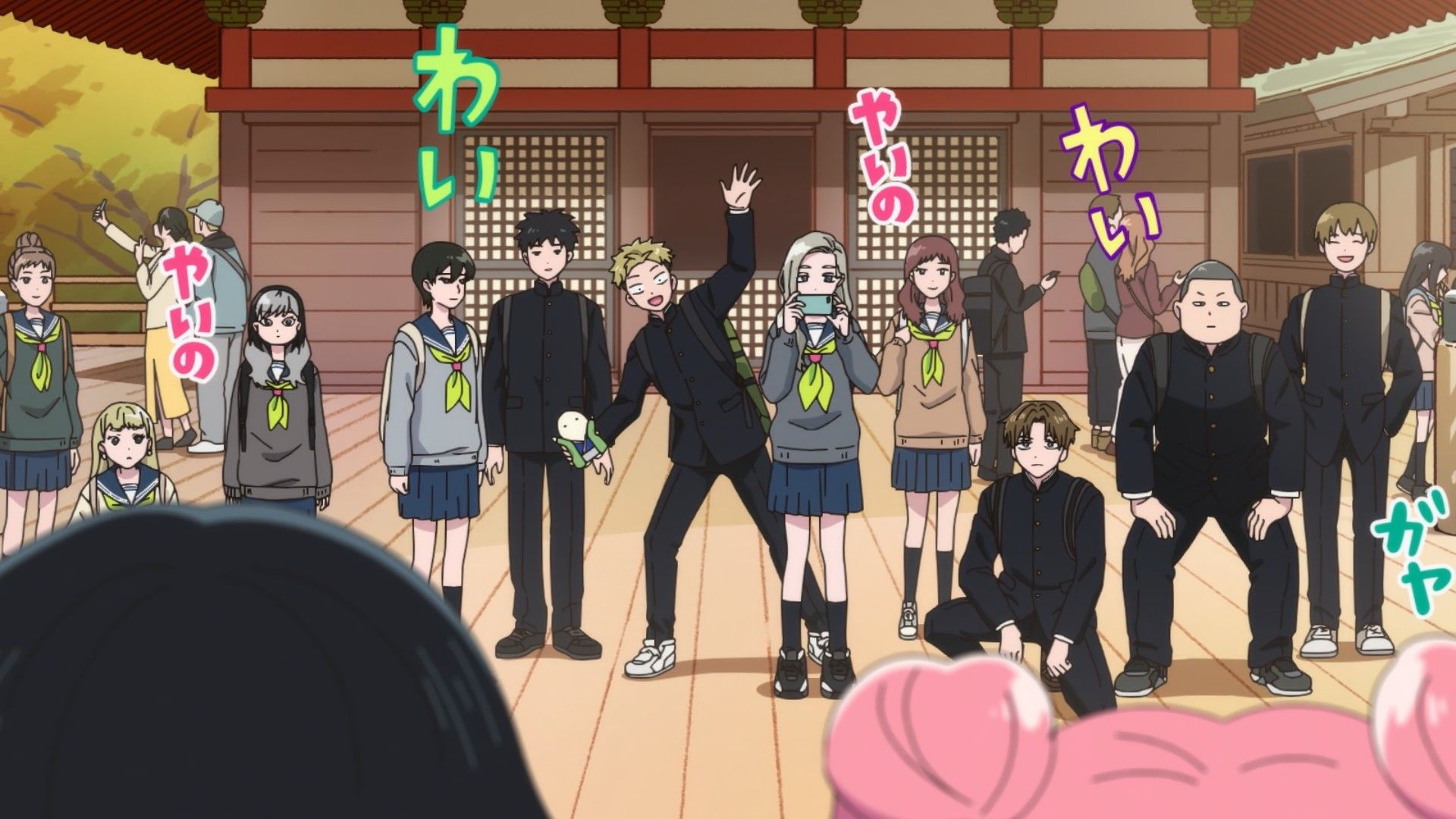
Looking at what was presented on the screen, I must say that studio Lapin Track really rose to the occasion. The entire production takes on pastel, highly vibrant colors, and quite a lot of detail. Director Nagatomo Takakazu and the person in charge of series composition and animation production, Utsumi Teruko, made sure that the visual side of the work perfectly harmonized with the warm tone of the story.
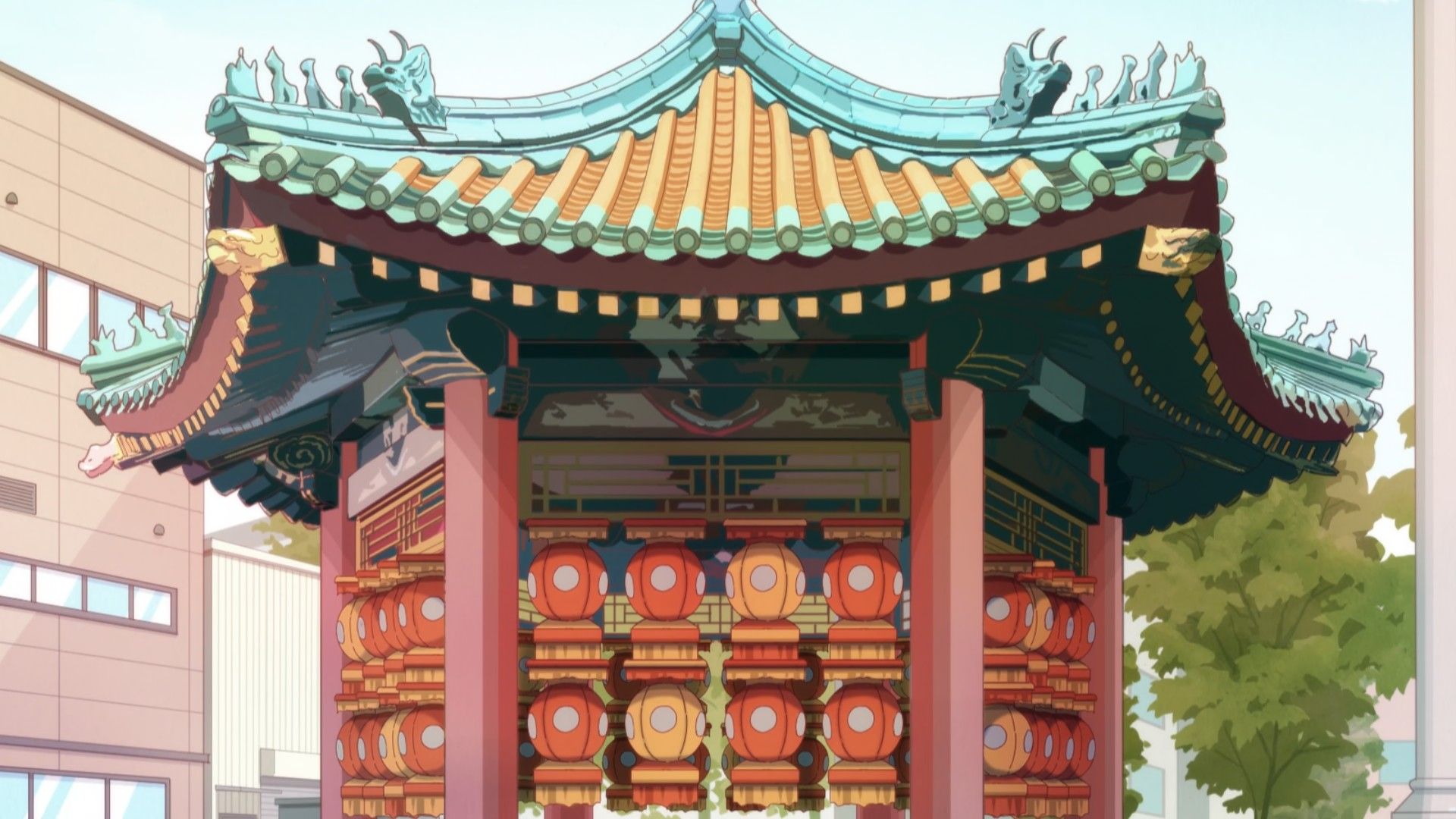
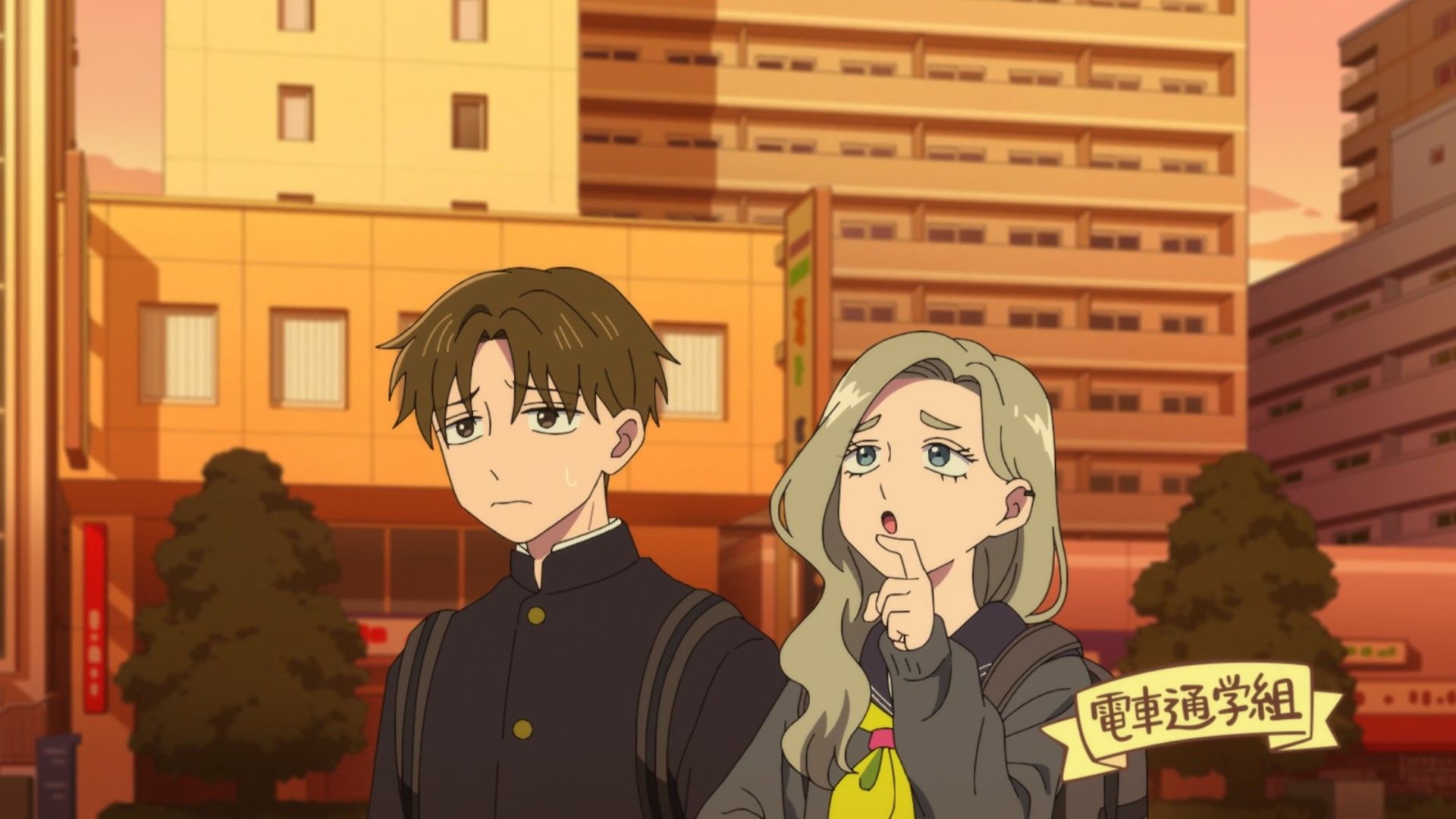
Character designs faithfully and charmingly capture the style of the manga (authored by Agasawa Koucha). The backgrounds in many scenes pleased the eye with their detail and color palette. The animation was expressive and flawlessly conveyed emotions, much like the voice actors.


Audio
The soundtrack of Seihantai na Kimi to Boku is an element that perfectly complements the visuals. The score was composed by an artist hiding behind the pseudonym tofubeats. His compositions brilliantly capture the atmosphere of the series, introducing a light, somewhat nostalgic, yet very modern vibe that resonates ideally with the events presented on screen.
At this point, the opening theme (as well as its highly creative animation) deserves immense praise. We are talking about Megane wo Hazushite performed by an artist under the pseudonym noa—an incredibly catchy track that stays in your head after just the very first listen.
However, the voice acting is the true masterpiece. The seiyuu gave it their all, and the perfect casting elevated the comedic and dramatic timing to a whole new level.
Suzushiro Sayumi’s performance as Suzuki Miyu is a display of absolute vocal artistry. The actress masterfully manipulates her vocal tone, seamlessly shifting from the loud, joyful shouts typical of a genki girl, through panicked, choking words, all the way to incredibly quiet lines full of affection and embarrassment. Her role is the comedic pillar of the entire series. On the other hand, Sakata Shougo as Tani Yuusuke executes the rather difficult task of giving emotional depth to a character who by design says little, has a low voice, and maintains a stoic calm. The rest of the cast doesn’t fall behind in the slightest. Iwata Anji as Yamada and Oomori Kokoro as Nishi flawlessly capture the dynamics of a lively extrovert and a girl paralyzed by social anxiety.
Seihantai na Kimi to Boku (2026) – Plot and Characters
Introduction
As soon as I read the description of this series while browsing the seasonal lineup, I knew I would spend many pleasant moments with it. The first episode alone provided me with enough reasons to know that this would definitely be one of my favorites of winter 2026.
A Brief Overview of the Seihantai na Kimi to Boku (2026) Plot
The starting point for the plot is the juxtaposition of two completely different personalities, which is reflected in the very title of the story. On one hand, we meet Suzuki Miyu, an incredibly fashionable, energetic girl who cares about everyone’s happiness and is characterized by a distinct gyaru aesthetic. She shares a desk with Tani Yuusuke—a quiet, stoic, seemingly entirely emotionless, and average-looking boy in glasses who helps out as an assistant in the school library.
Suzuki is secretly in love with Tani. Every day, the girl exhausts her energy reserves by constantly reading the moods of others and adapting to the expectations of her peers to maintain social harmony. Tani, in turn, possesses something she desperately lacks—a quiet, absolutely unwavering sense of his own identity. Tani does not yield to peer pressure, does not fake emotions, and always speaks his mind while maintaining immense respect for every interlocutor, regardless of their social status.
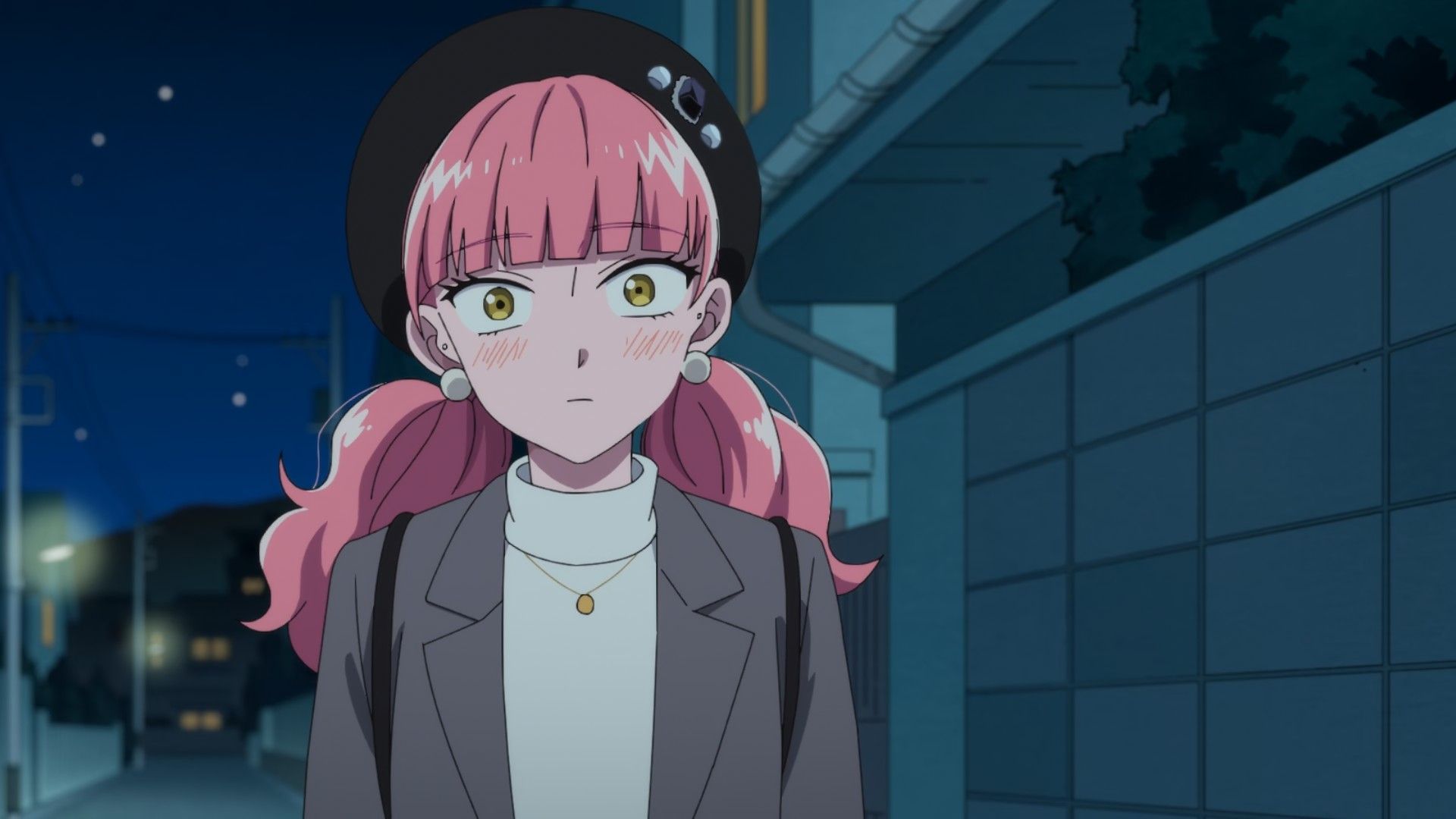
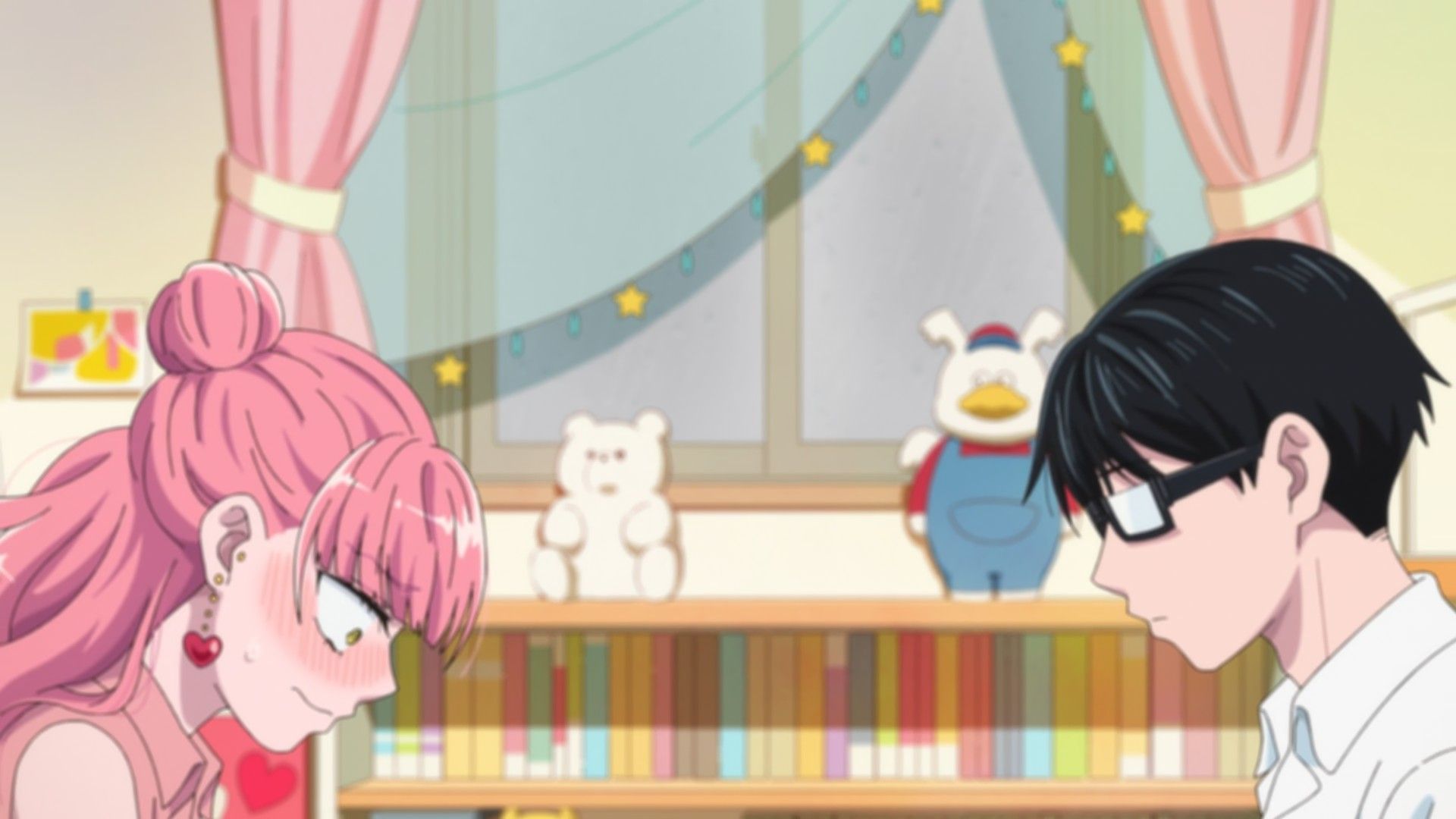
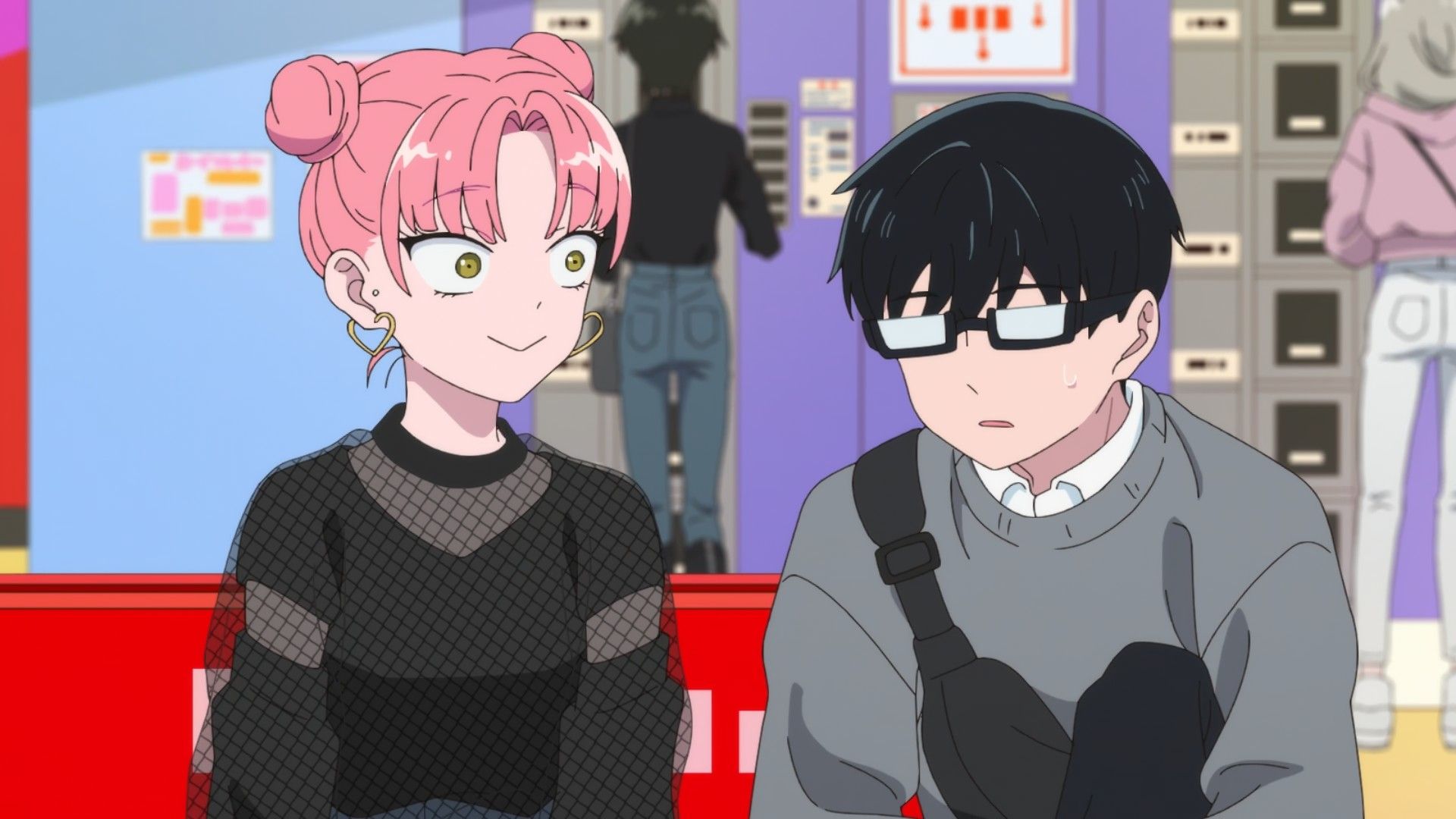
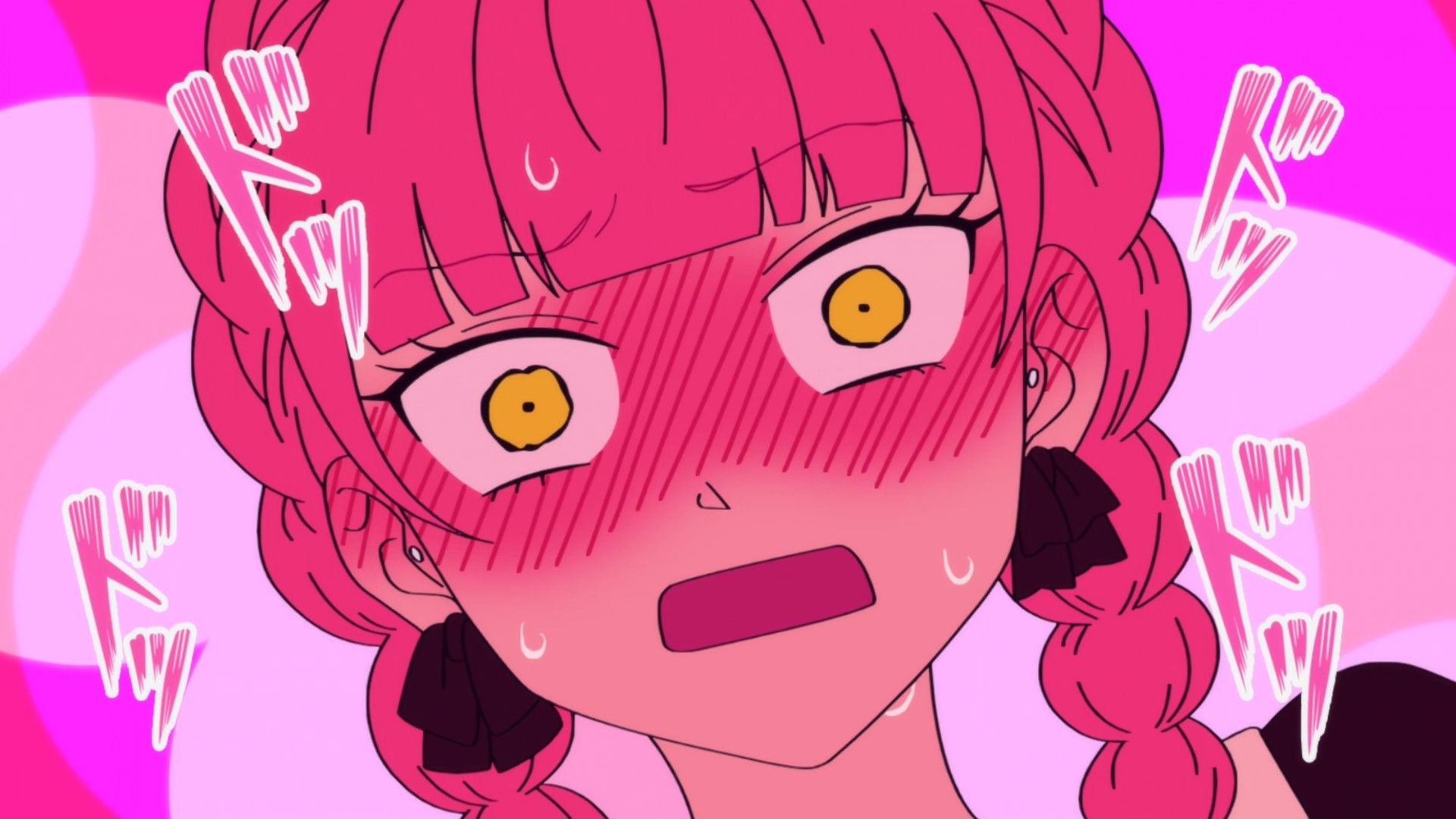
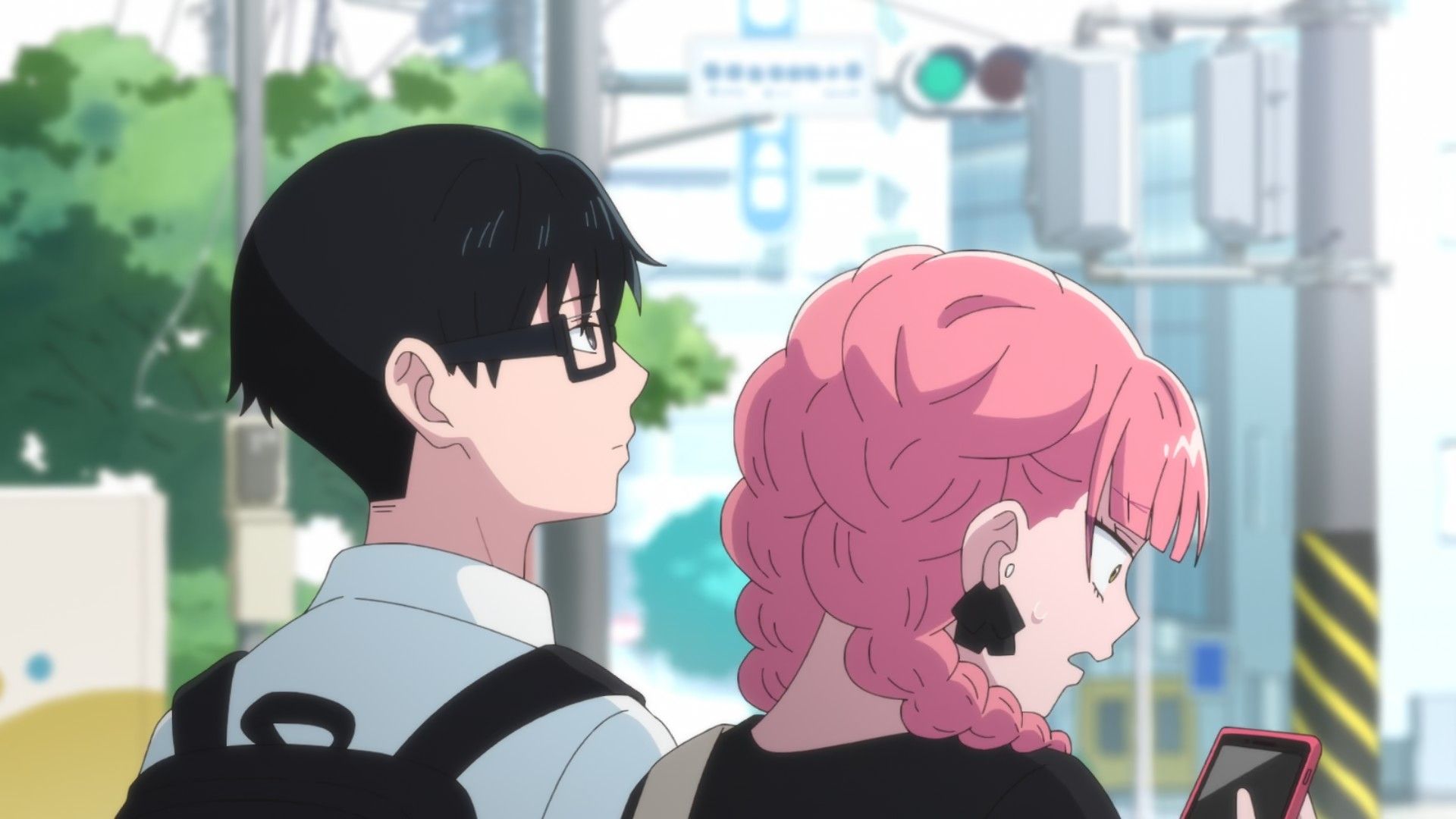
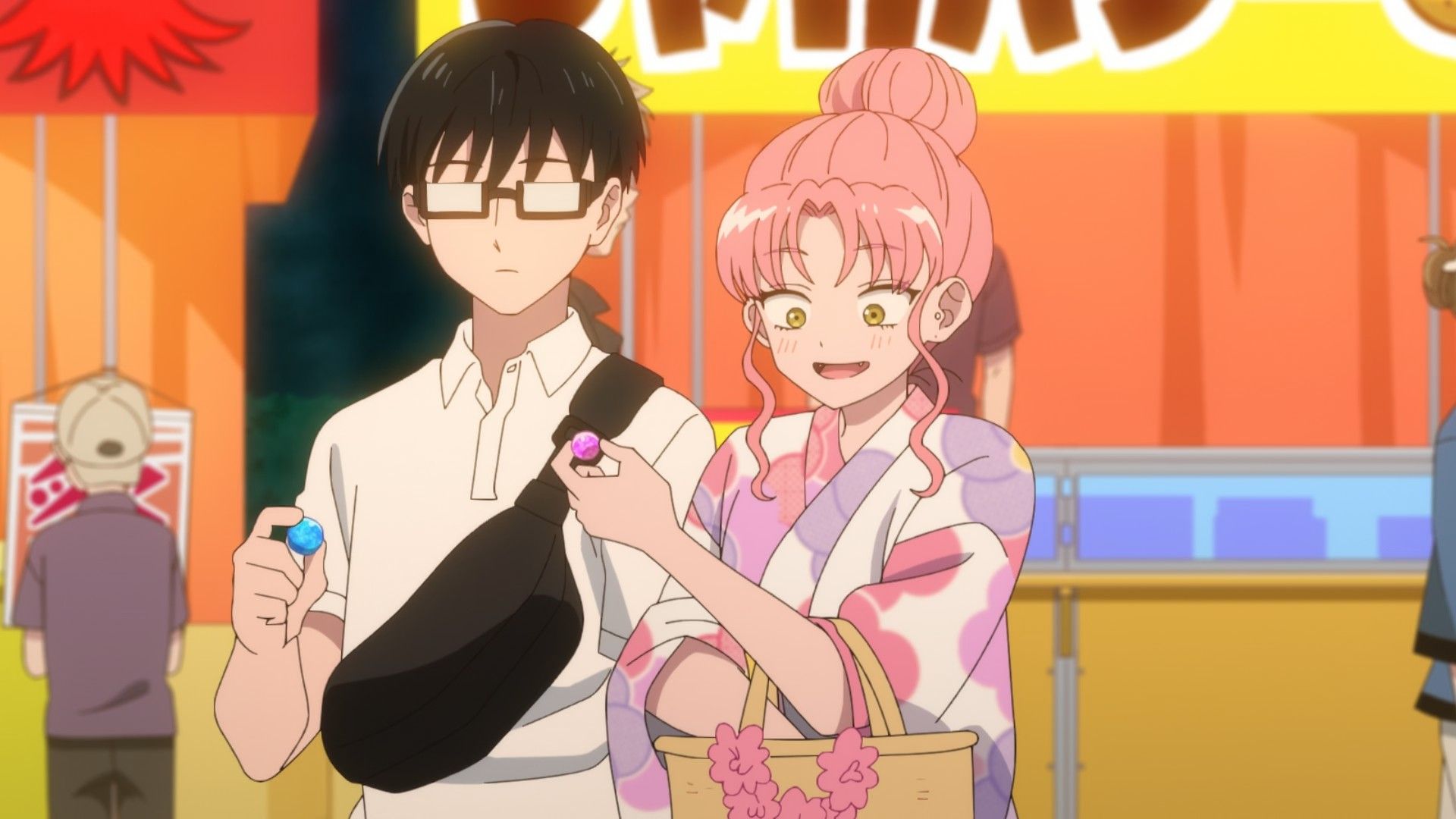
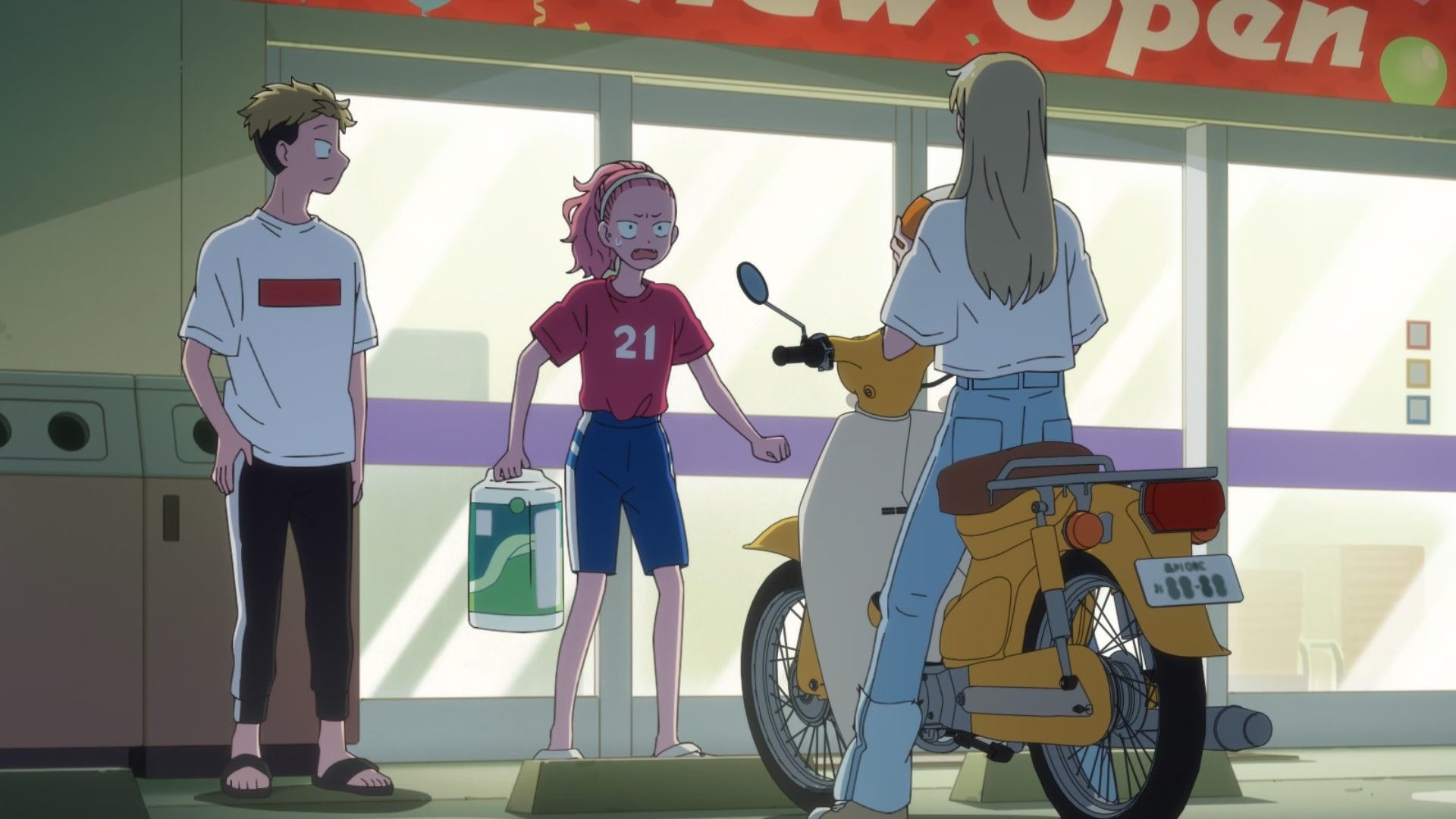
When one day after school Suzuki gathers the courage to suggest walking home together, she accidentally grabs Tani’s hand and runs away in panic. The next day, she too aggressively denies to her friends that there is anything going on between them, which inadvertently hurts the boy. This becomes a key turning point. The girl realizes she is repeating mistakes from the past, once again prioritizing the crowd’s opinion over her own genuine feelings. She decides to chase after Tani and, without beating around the bush, confesses her love to him. To her huge surprise, an astonished but pleased Tani admits that he too wants to spend more time with her. From that moment on, they officially become a couple, and the series smoothly transitions into its core content.
What is the series about
Seihantai na Kimi to Boku is a multi-threaded discourse on the art of communication and interpersonal vulnerability. Instead of building the plot around a frustrating wait for a love confession, the creators place it right in the first episode. This way, they shift the narrative weight to the question: how do you properly navigate a new romantic relationship when you are such fundamentally different people?
The main focus here is on psychology. The series very skillfully utilizes internal monologues, allowing the audience to see how easily innocent gestures can be misinterpreted through the lens of one’s own deeply rooted insecurities. However, honesty always remains the ultimate mechanism for resolving conflicts. The creators clearly prove that being complete opposites is not a barrier to true love, as long as both parties show a willingness to step out of their comfort zones and enter the other person’s world.
The discussed series progresses at a natural, incredibly engaging pace across twelve episodes, using classic school events and humor as a backdrop for character development. If you don’t want to read minor spoilers, skip the paragraphs below and go straight to the characters section.
First Steps and Dropping Masks
After the immediate confession of feelings in the first episode, we observe the first stumbling blocks of the main couple as early as the second episode. Suzuki, wanting to appear flawless, starts following advice from teen fashion magazines, trying to fit into the mold of an ideal girlfriend. Naturally, this completely stifles her wonderful, loud personality, leading to incredibly comical and awkward situations.
Slowly Building Feelings and Fighting Fears
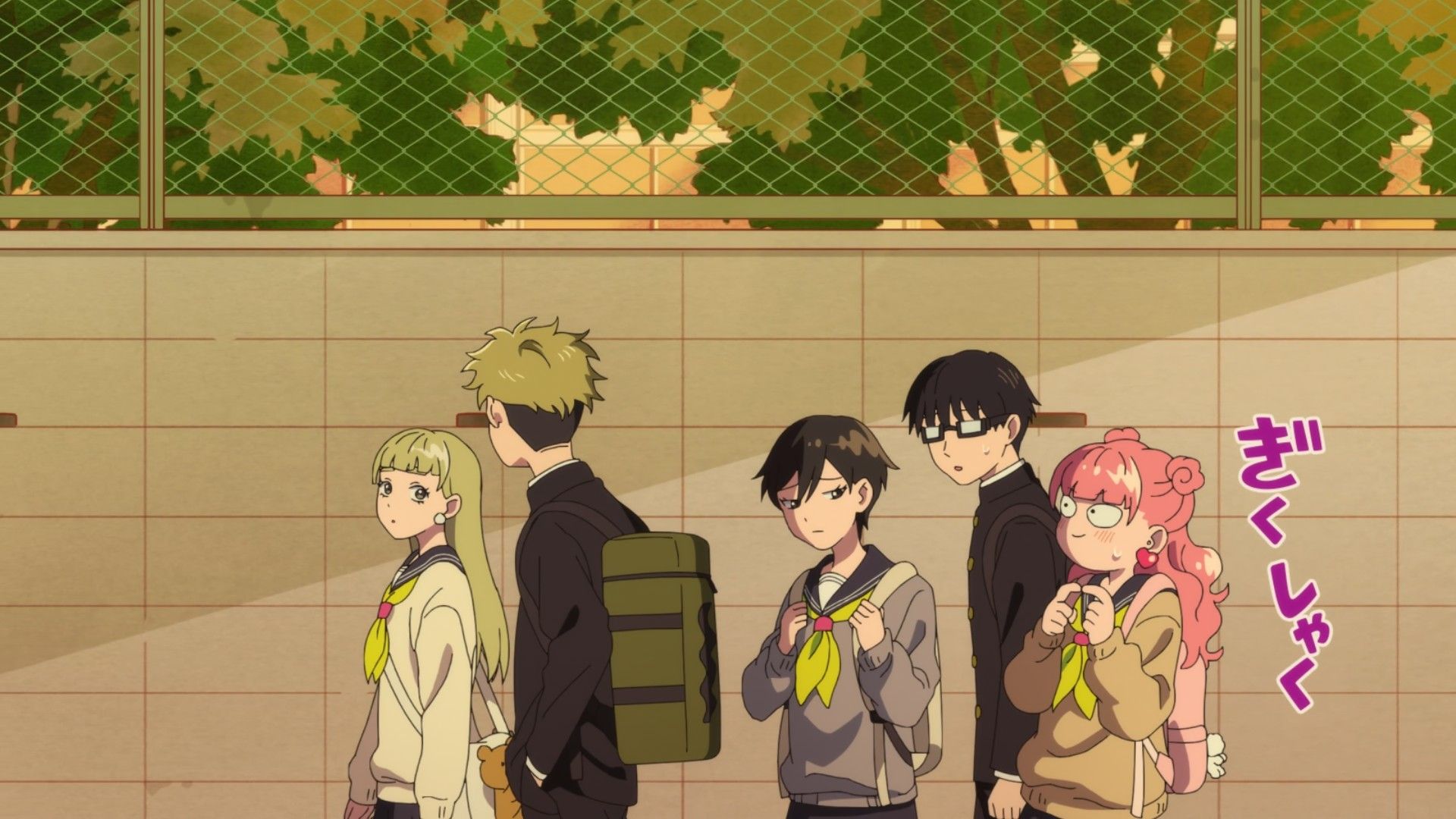
Subsequent episodes introduce and develop the storyline of the second, supporting couple. Summer exams are approaching, and during group study sessions in the library, Yamada Kentarou steps into action. This energetic extrovert decides to get closer to the morbidly shy Nishi Natsumi. Using the excuse of creating a group chat, he manages to get her contact info. Nishi struggles with a flood of racing thoughts, feeling a paralyzing fear of ruining the mood. However, Yamada doesn’t give up easily; he uses her hobby as a pretext for a brief conversation.
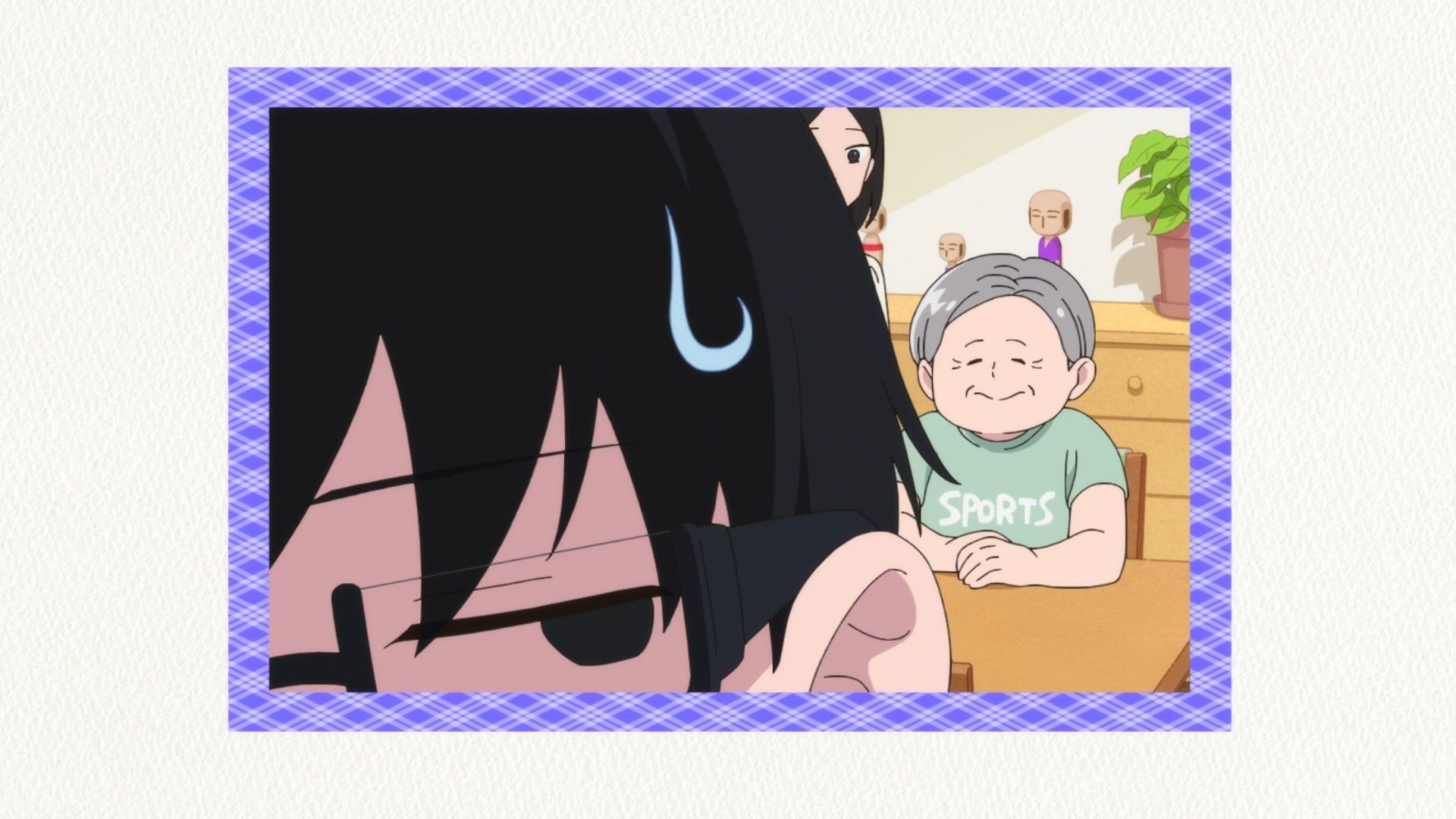
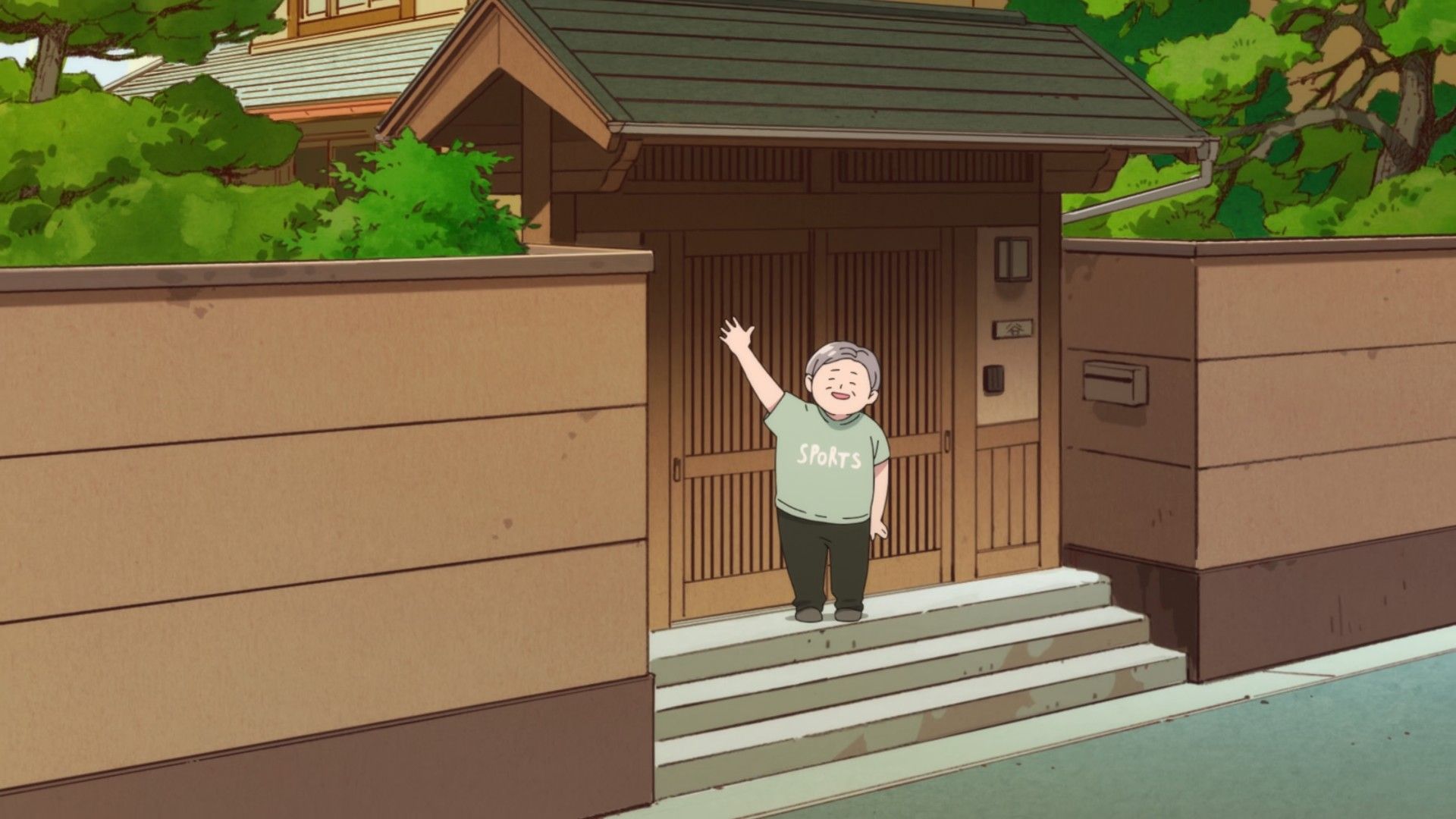
Meanwhile, the relationship of the main couple deepens on a level of intimacy. One rainy afternoon, Tani invites Suzuki to his home to wait out the downpour. This visit allows the girl to enter his private world—she meets his grandmother, takes in the austere, stoic decor of his room, and ultimately gathers a massive dose of courage to ask Tani for a simple, yet highly significant hug.
Festivals, Returns of the Past, and Jealousy
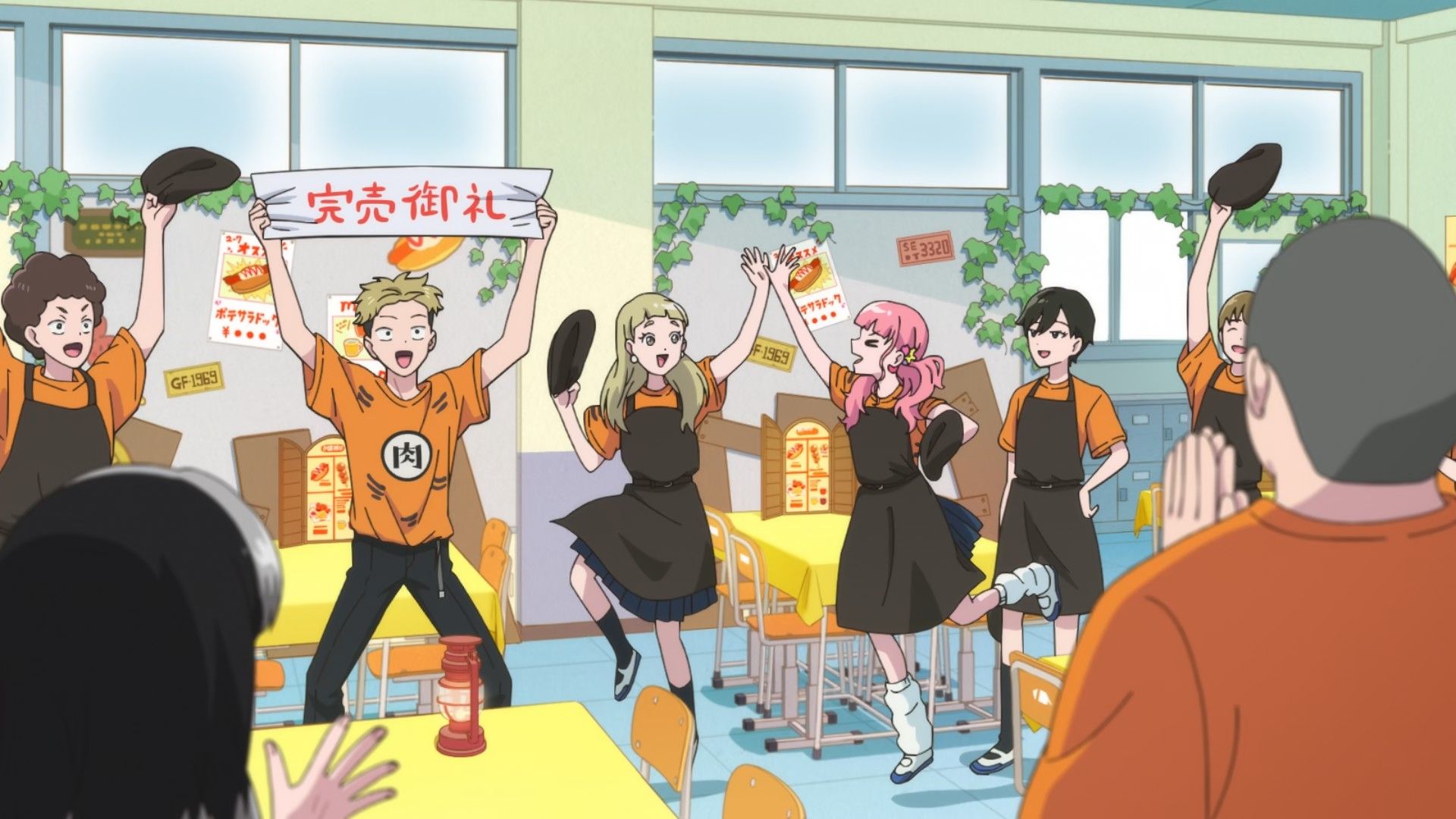
The arrival of the Culture Festival is a classic motif, which here serves as a catalyst for confrontation. Nishi finally musters the remaining scraps of her courage to apologize to Yamada for avoiding contact over the summer, directly explaining her fears of making mistakes. Yamada’s reaction is the gold standard of a healthy approach. He announces with a warm smile that since they are opposites, he absolutely doesn’t care if Nishi makes mistakes—she just needs to be herself.
Meanwhile, Suzuki must face a ghost from her past in the form of Oki Rihito, her ex-boyfriend from junior high school. Their relationship was born entirely out of peer pressure and ended awkwardly, ruining a natural friendship.
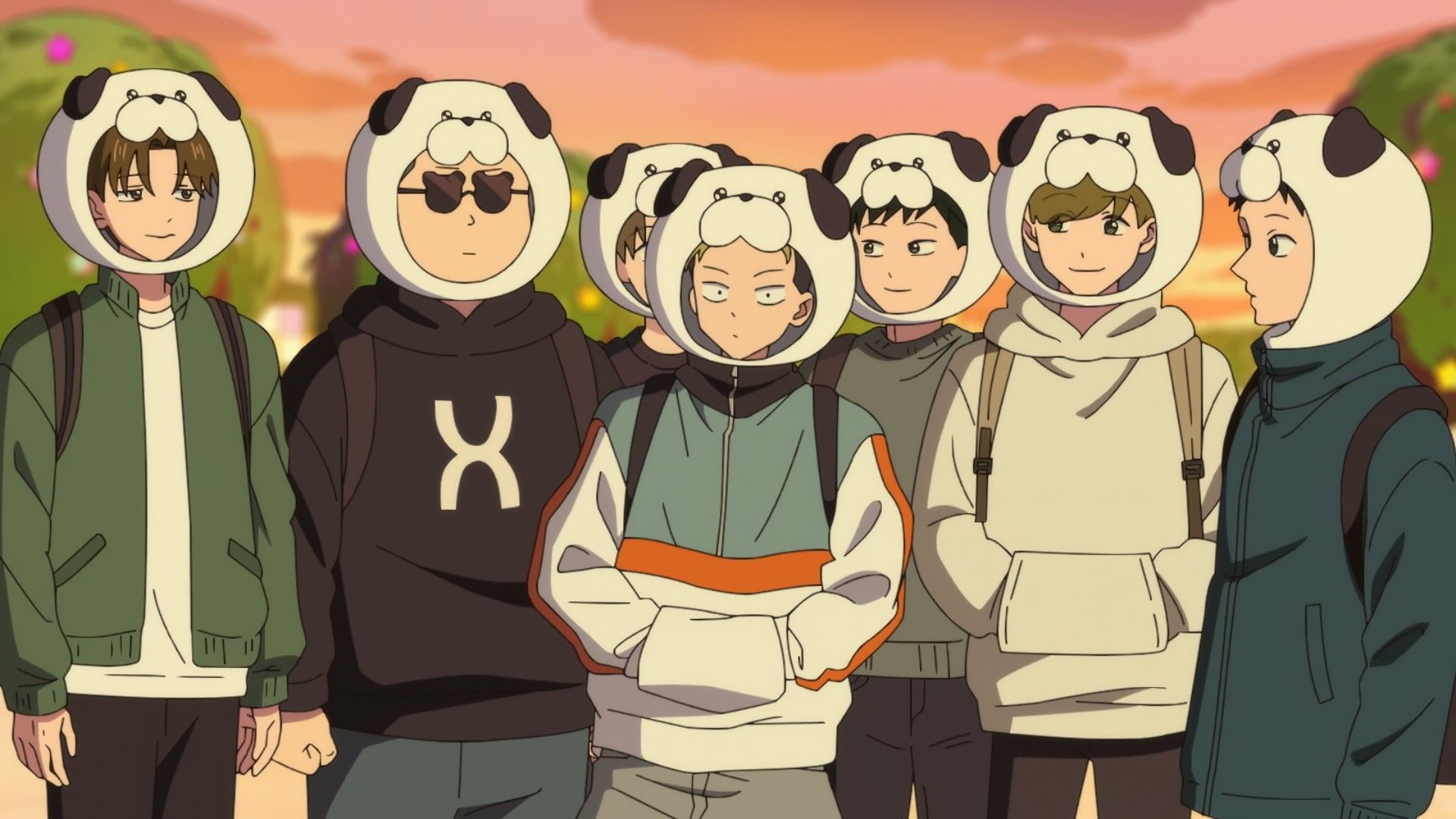
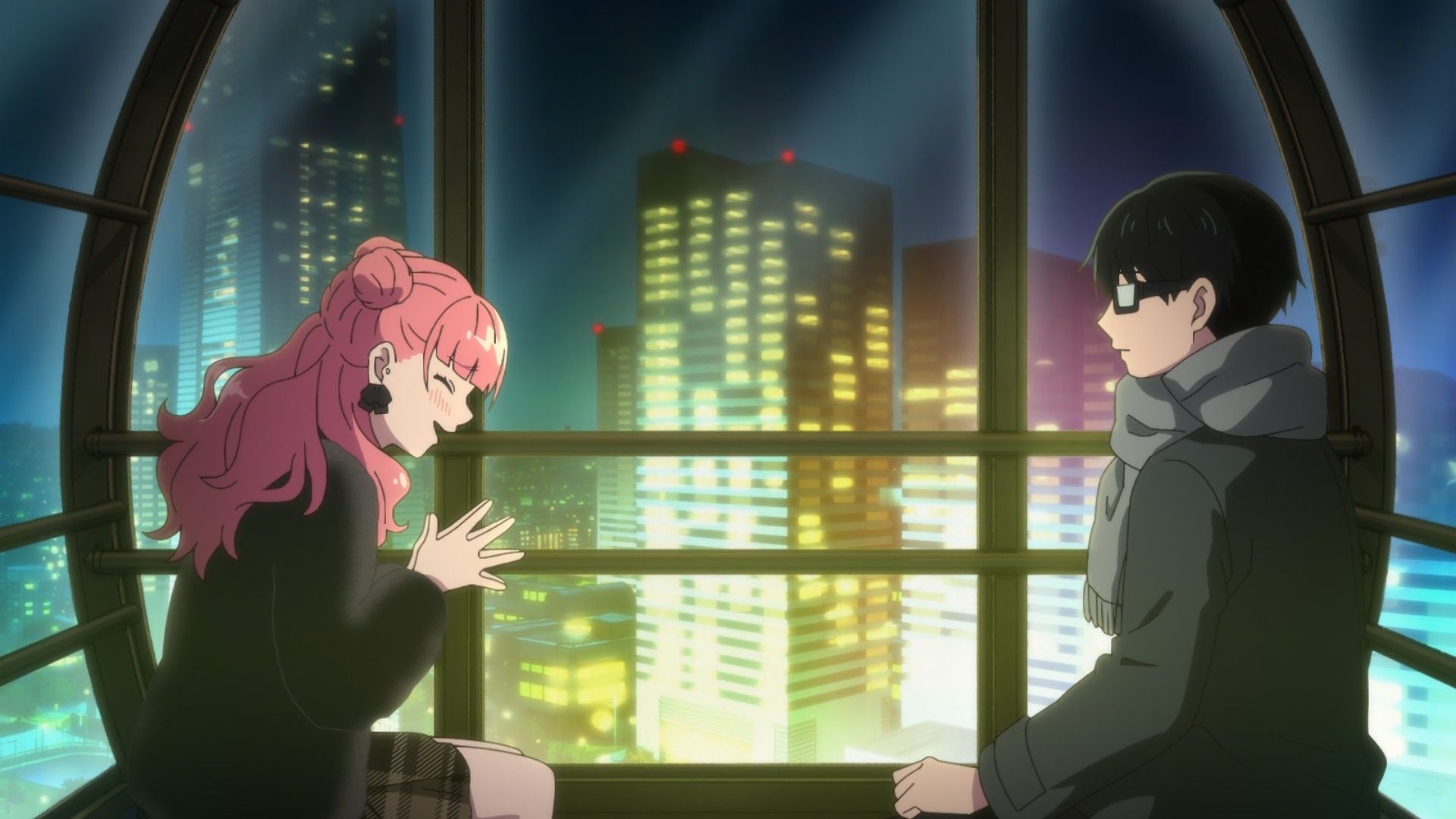
The couple’s autumn date in Chinatown and a visit to a seaside amusement park are the fulfillment of Suzuki’s deepest, shoujo-inspired dreams. Interestingly, Tani refuses to wear matching, tacky headbands because it’s simply not his style, which perfectly illustrates healthy boundary-setting. Ultimately, however, they ride the Ferris wheel together, and a chance encounter with Suzuki’s parents ends with an incredibly positive impression left on them by the polite boy.
School Trip and Final Conclusions
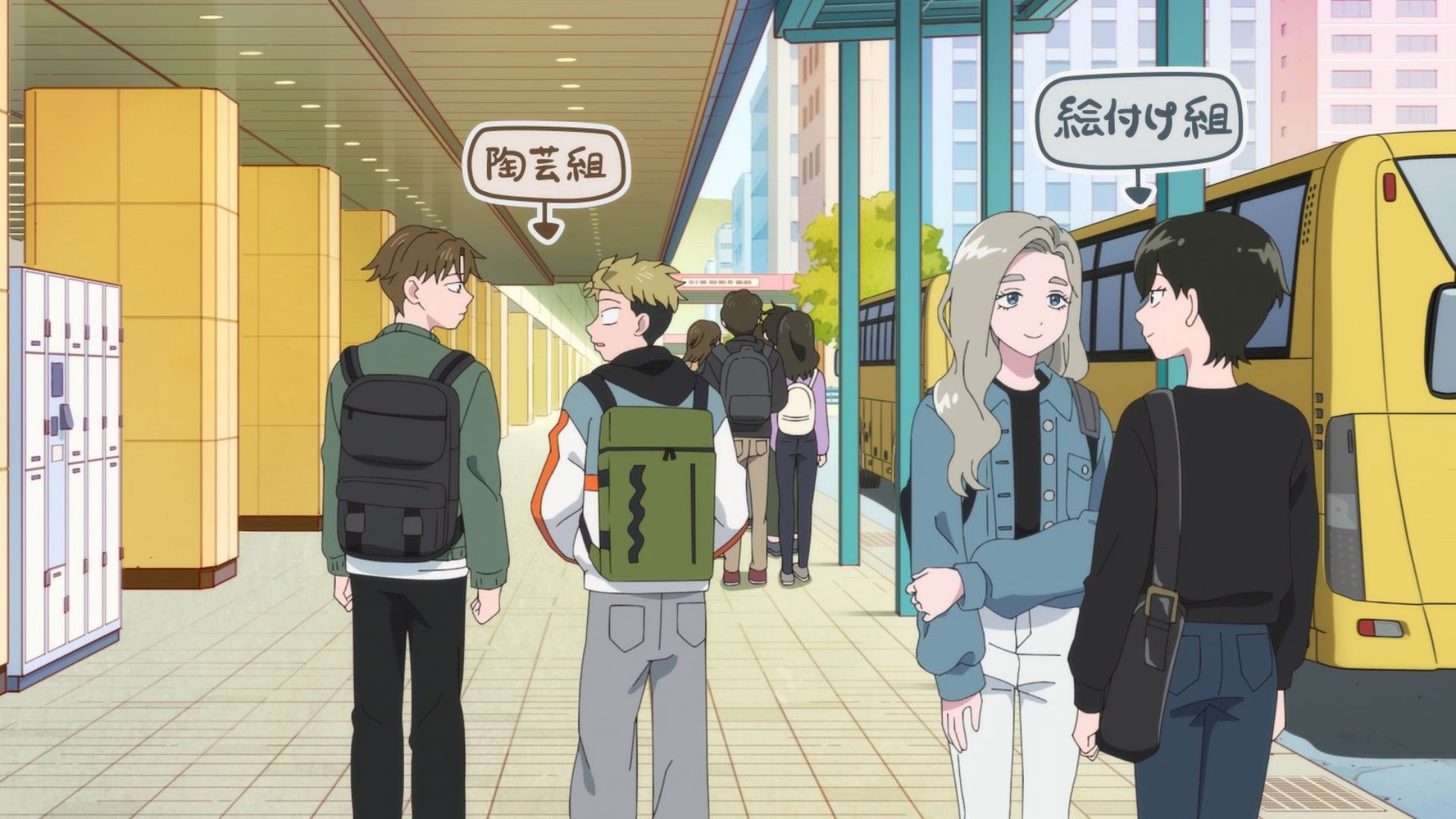
The final episodes focus on the big class trip to Kyoto, Nara, and Osaka—another staple of Japanese coming-of-age stories. The historical background and gorgeous architecture animation serve to wrap up the storylines of the supporting characters. Azuma Shino receives a dismissive message from her ex-boyfriend, who had previously treated her poorly. Taira, seeing this, flies into a rage on her behalf, brutally scolding Azuma for forgiving people who treat her like trash out of pure convenience.
Yamada and Nishi’s storyline reaches its highly anticipated climax during free time on the trip. Nishi sneaks out of the hotel in a carefully prepared, albeit anxiety-inducing, outfit to meet the boy. At first, Nishi is so terrified that she can’t even look Yamada in the eyes, but his steady, cheerful, and incredibly patient pace finally allows her to relax. Looking at him, the girl realizes with full force that she is in love.
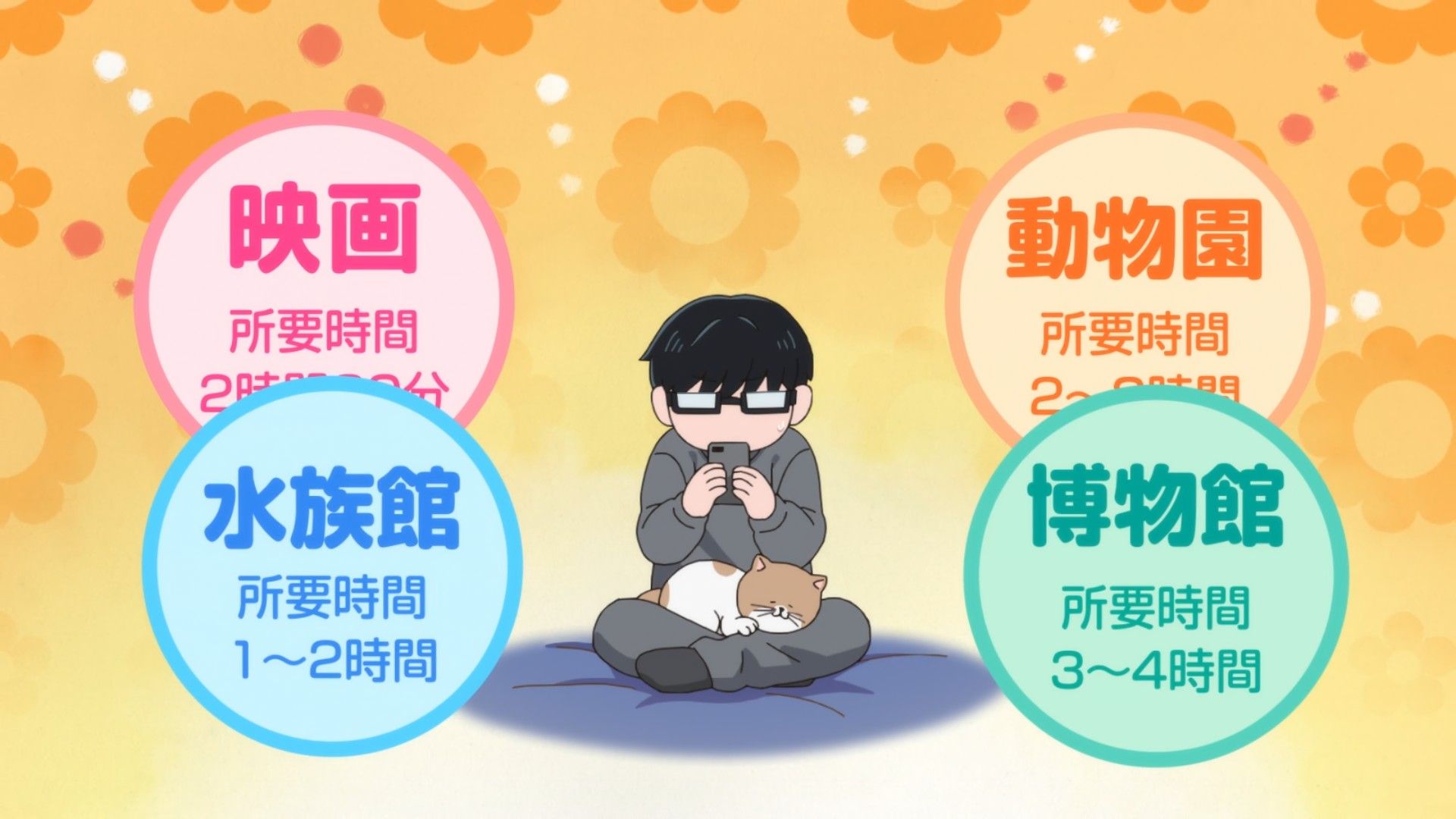
The series closes with a philosophical bracket. While visiting a museum during free time, Tani Yuusuke reflects on his own personal growth. Before meeting Suzuki, he was completely satisfied with a solitary, emotionally flat, and peaceful life. Now, however, he has to deal with anxiety about the future, jealousy, and a powerful desire to make another person happy. Despite this, he comes to the conclusion that he wouldn’t trade this wonderful complexity he has gained for a return to his former stagnation for anything in the world. As the trip comes to an end, all the characters return to their daily lives, but as more mature individuals who are much closer to one another.
Characters
Introduction
Even though the series clearly highlights the main couple and their storyline forms the foundation of the whole show, the other characters and couples were not treated as an afterthought either. A good balance has been maintained here between pushing Miyu and Yuusuke’s relationship forward and showcasing the supporting characters and pairings.
Suzuki Miyu
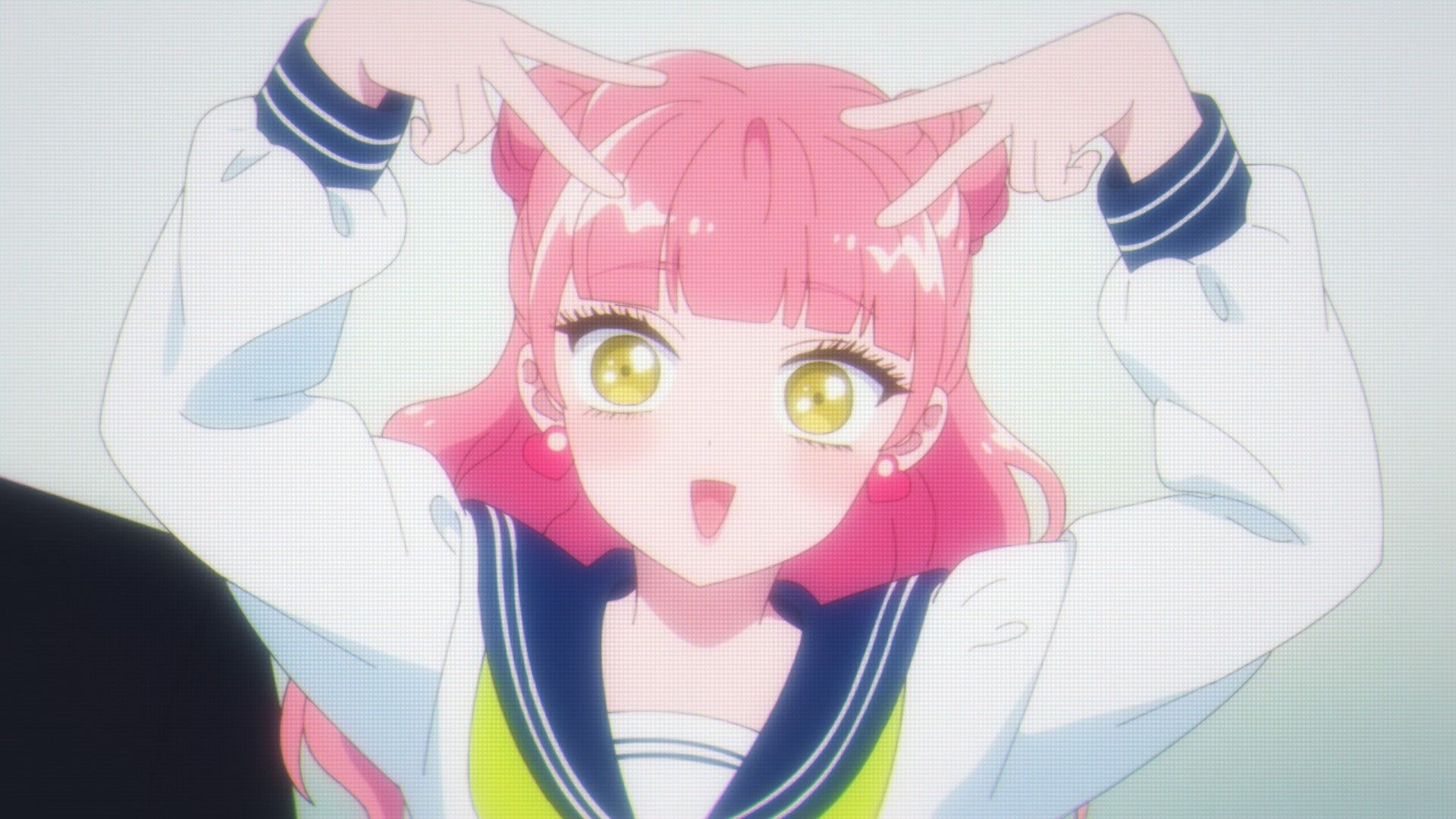
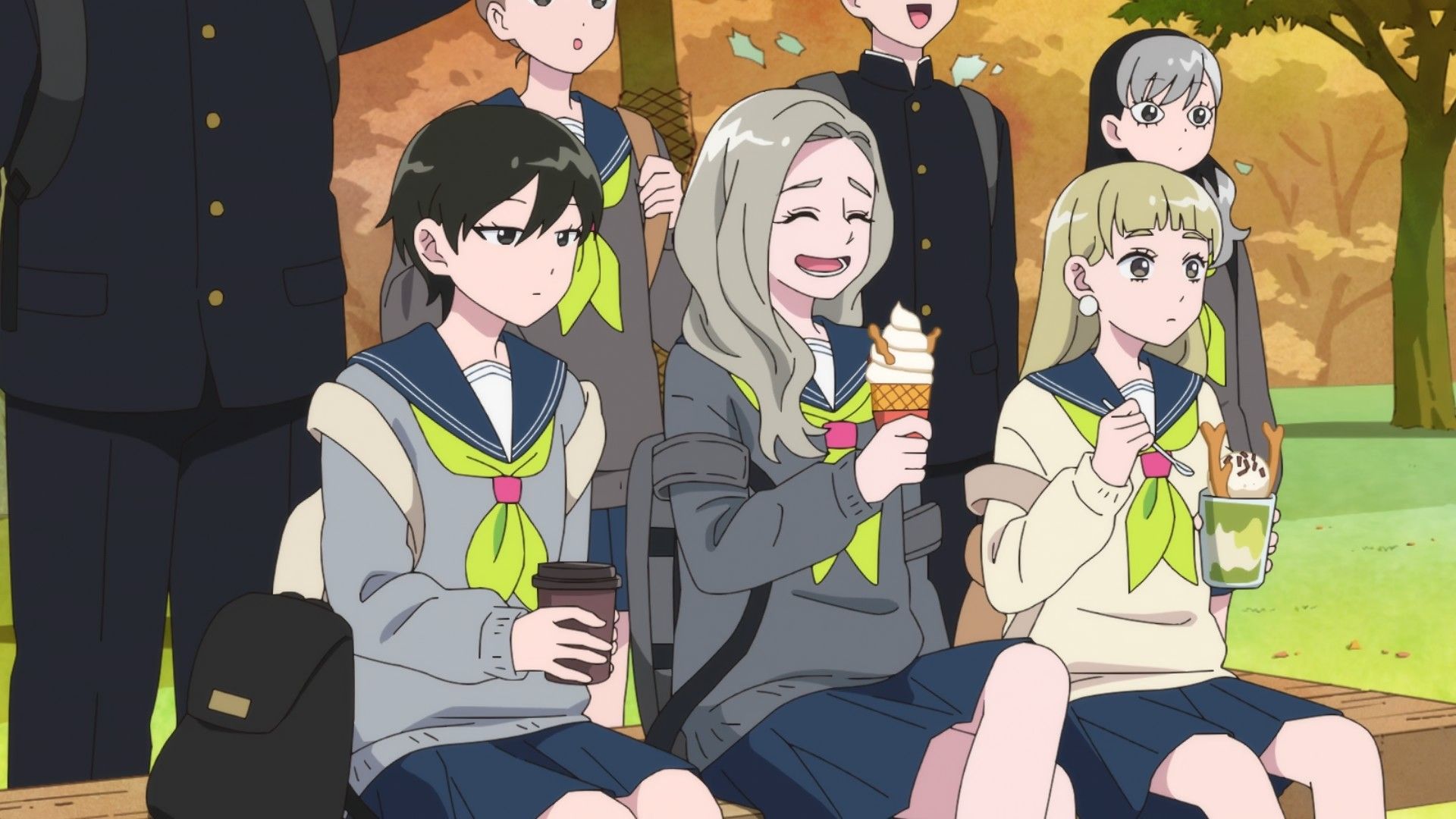
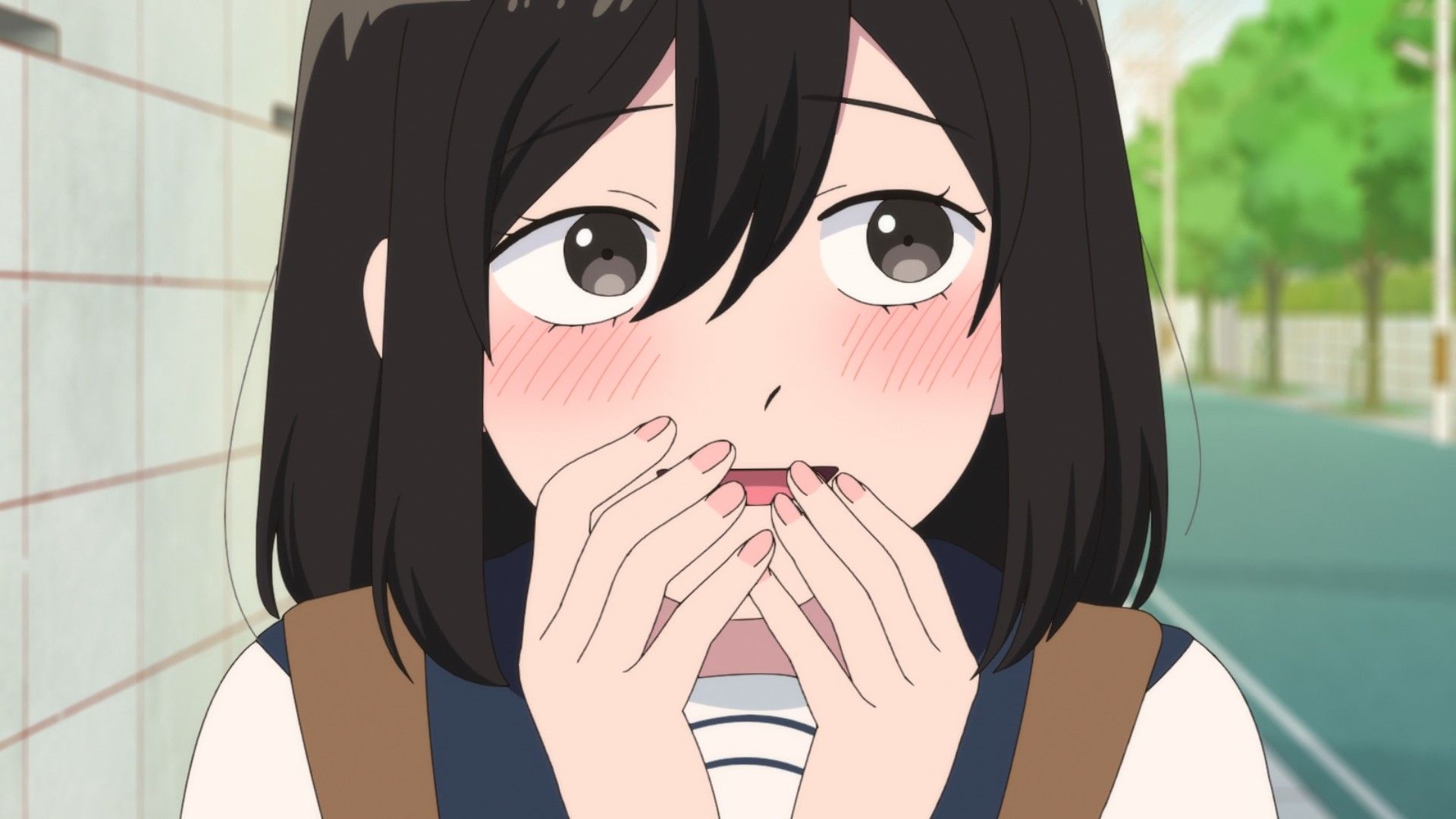
Suzuki is the main protagonist—the entire plot is written around her. She fits into the genki girl archetype, and her sweet and trendy aesthetic nods to the fashionable gyaru style. When she enters a relationship with her beloved, she becomes a deredere type character—showing extraordinary tenderness and full of affection. Suzuki holds the honorable yet exhausting role of mood-maker in her class. She is the person who ensures everyone is feeling good. However, this relentless optimism and loud extraversion are merely a facade concealing a deeper social issue.
Suzuki almost obsessively submits to kuuki wo yomu (reading the atmosphere). She is hyper-aware of group dynamics and mentally exhausts herself by adjusting her behavior to avoid any friction. She is a massive fan of classic shoujo manga and romantic live-action films, often escaping into daydreams of truly cinematic love scenes. Her insecurity about how she is perceived by her peers forms the core of her initial internal conflict. She falls in love with Tani precisely because she sees in him what she lacks herself—the ability to be oneself regardless of other people’s opinions.
Tani Yuusuke
The main protagonist who defines the kuudere archetype. Tani is a boy you could easily overlook in a crowd. He helps out as a library assistant, speaks rarely, quietly, and only when it actually makes sense. At first glance, he seems completely devoid of emotions, but his internal monologues reveal an observant, tactful, and intelligent nature.
Tani possesses his own identity. He doesn’t yield to peer pressure, refuses to fake reactions just to please someone, and treats everyone in the exact same direct and highly respectful manner. Before meeting Suzuki, he lived in a comfortable, solitary bubble. Suddenly, he has to face a hurricane of chaotic feelings, such as jealousy, fear, and stress.

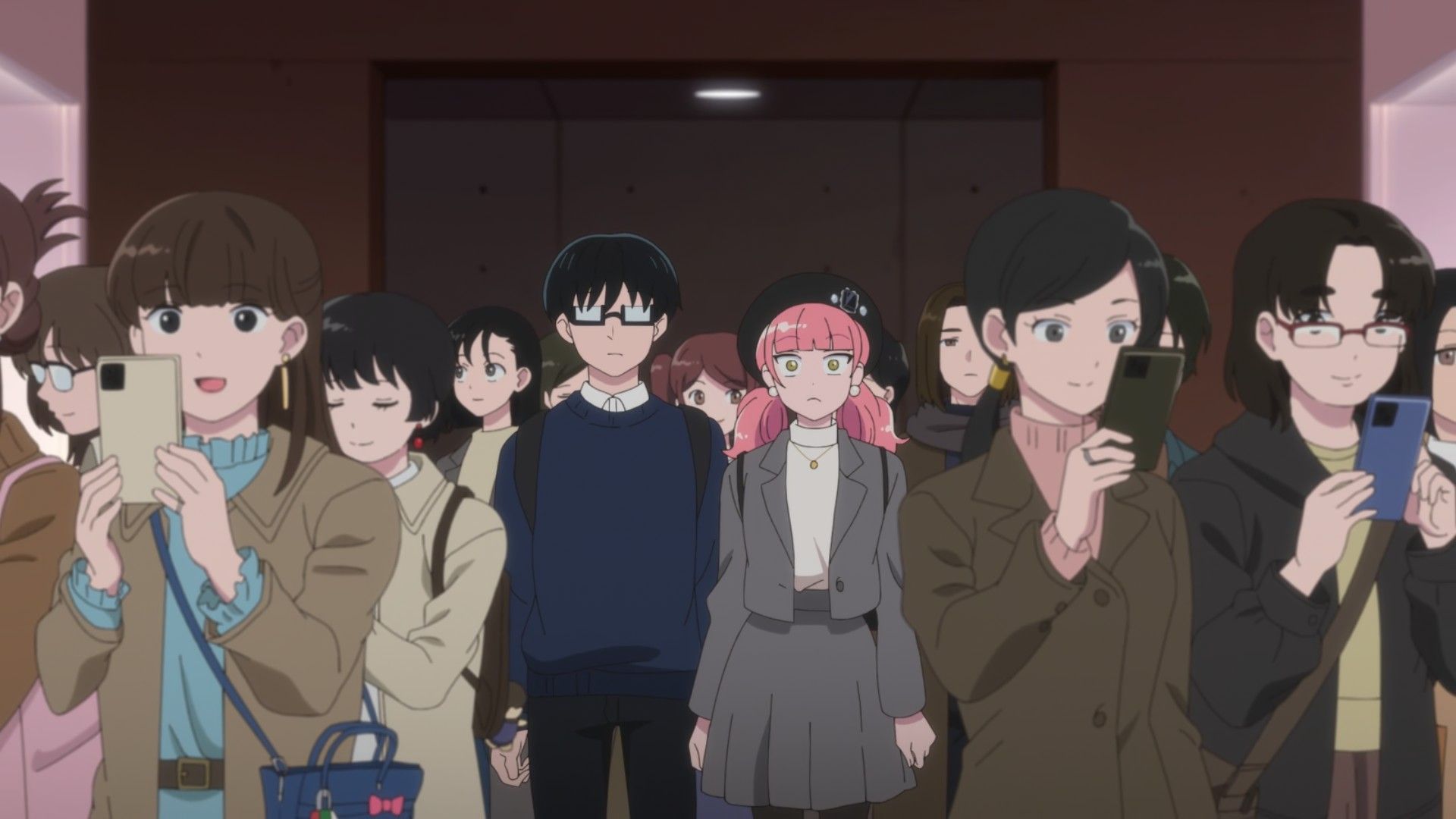
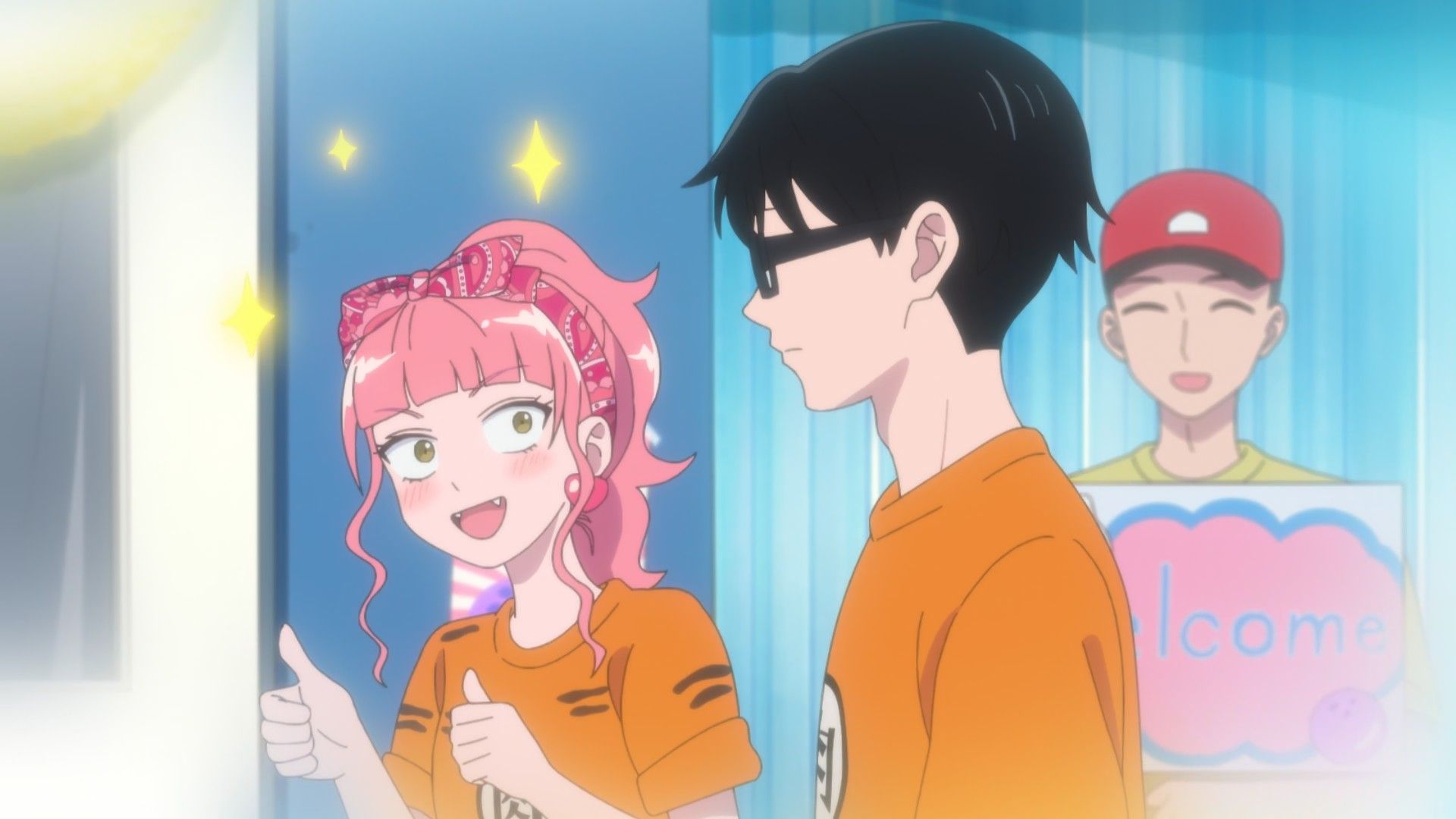
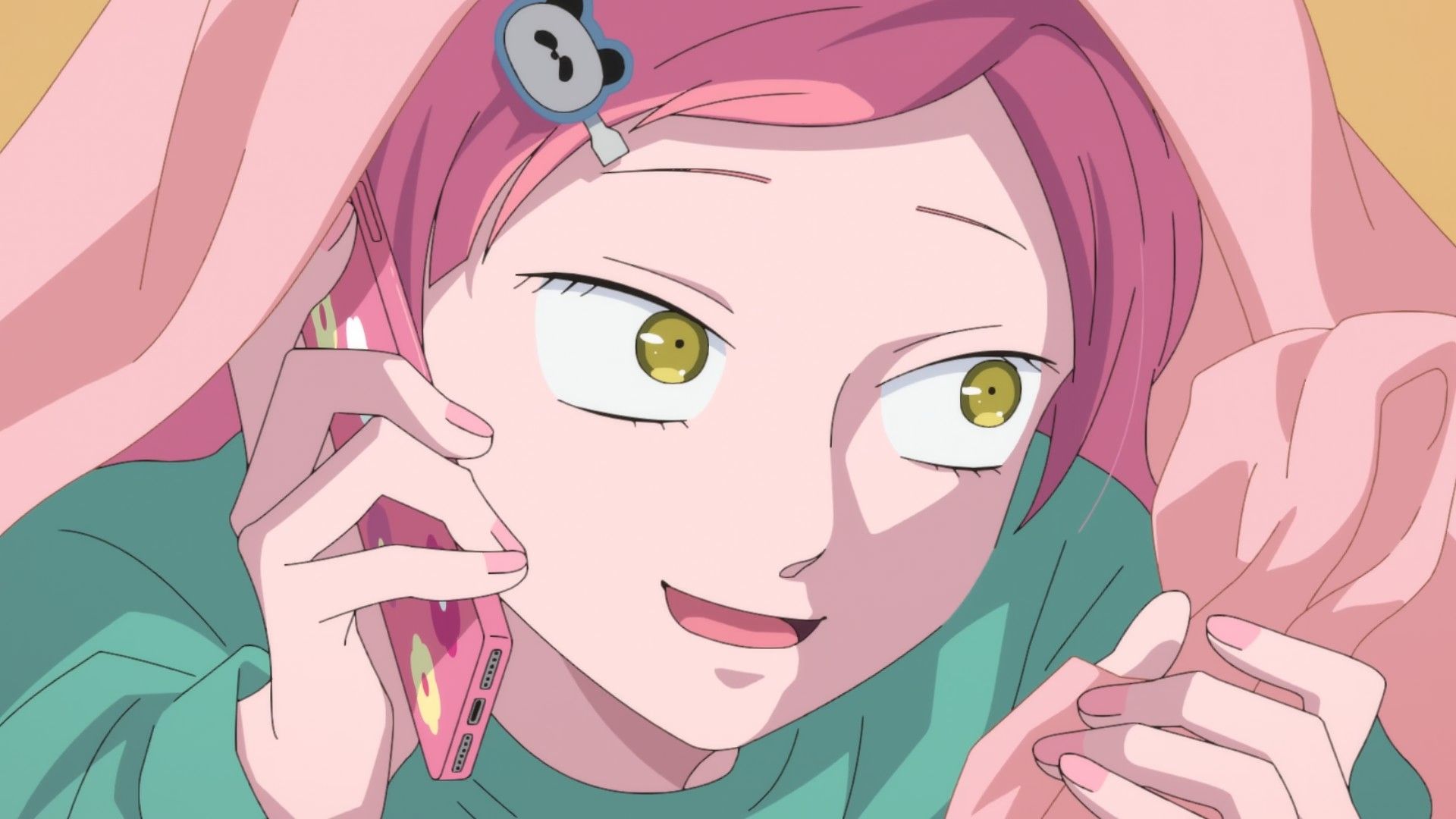
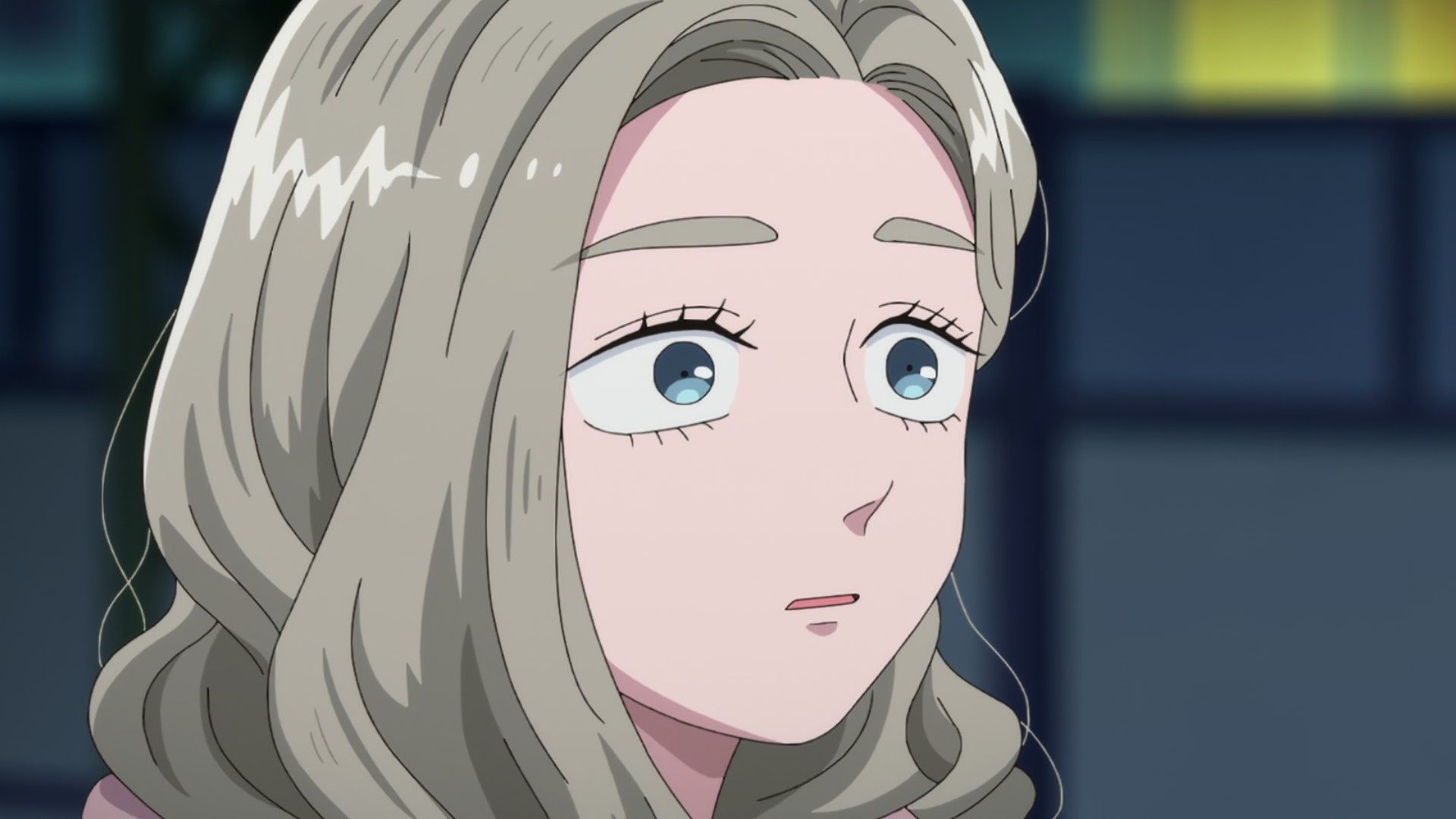
Yamada Kentarou
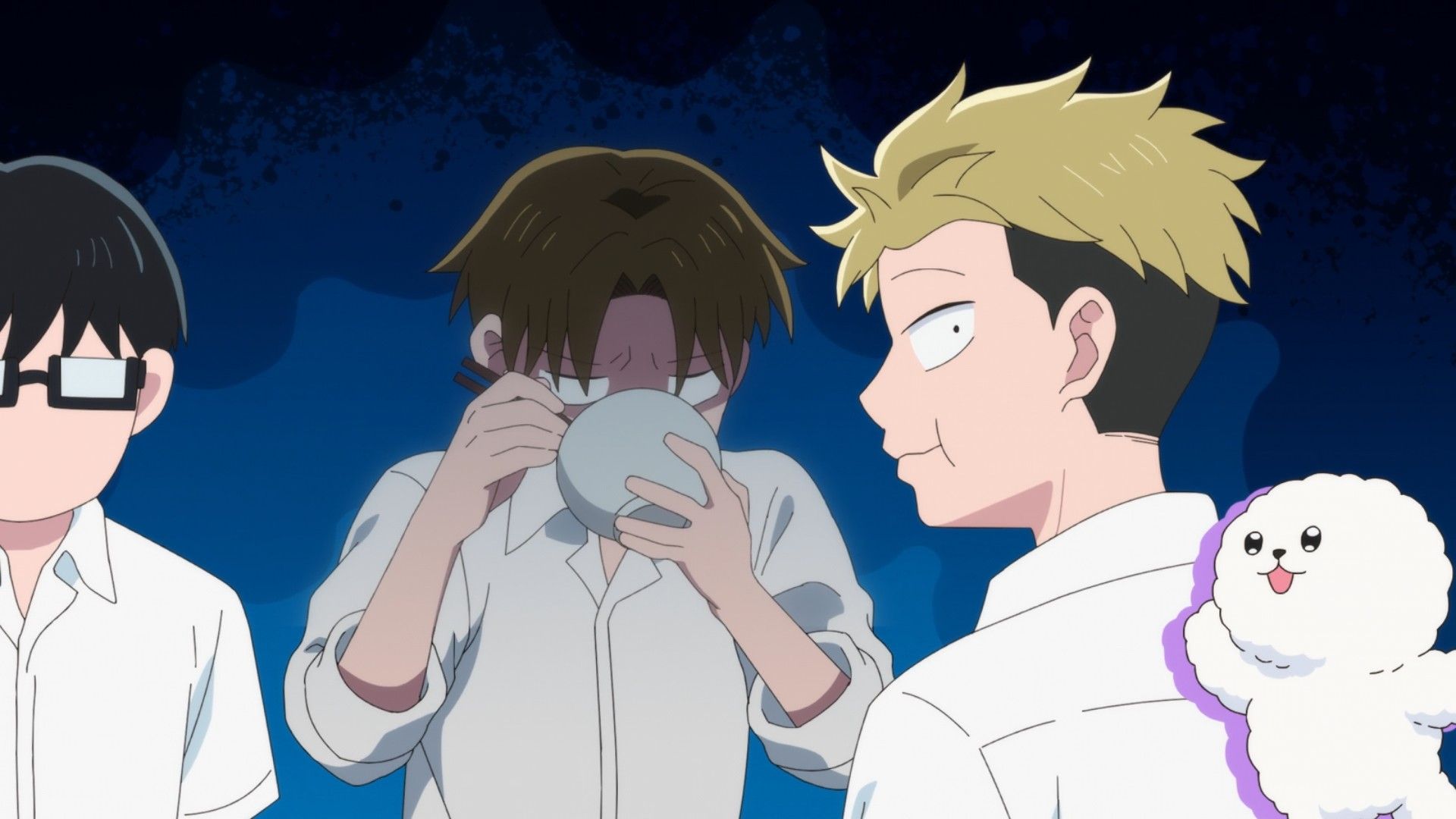
His motivations in love are very specific. Since his early school years, he has loved breaking through the thick walls of silent, serious, well-read girls to provoke a sudden outburst of genuine laughter from them. When Nishi Natsumi becomes his target, he displays almost incredible patience, yet he is never overbearing. Instead, he communicates using discreet messages and cute stickers.
Nishi Natsumi
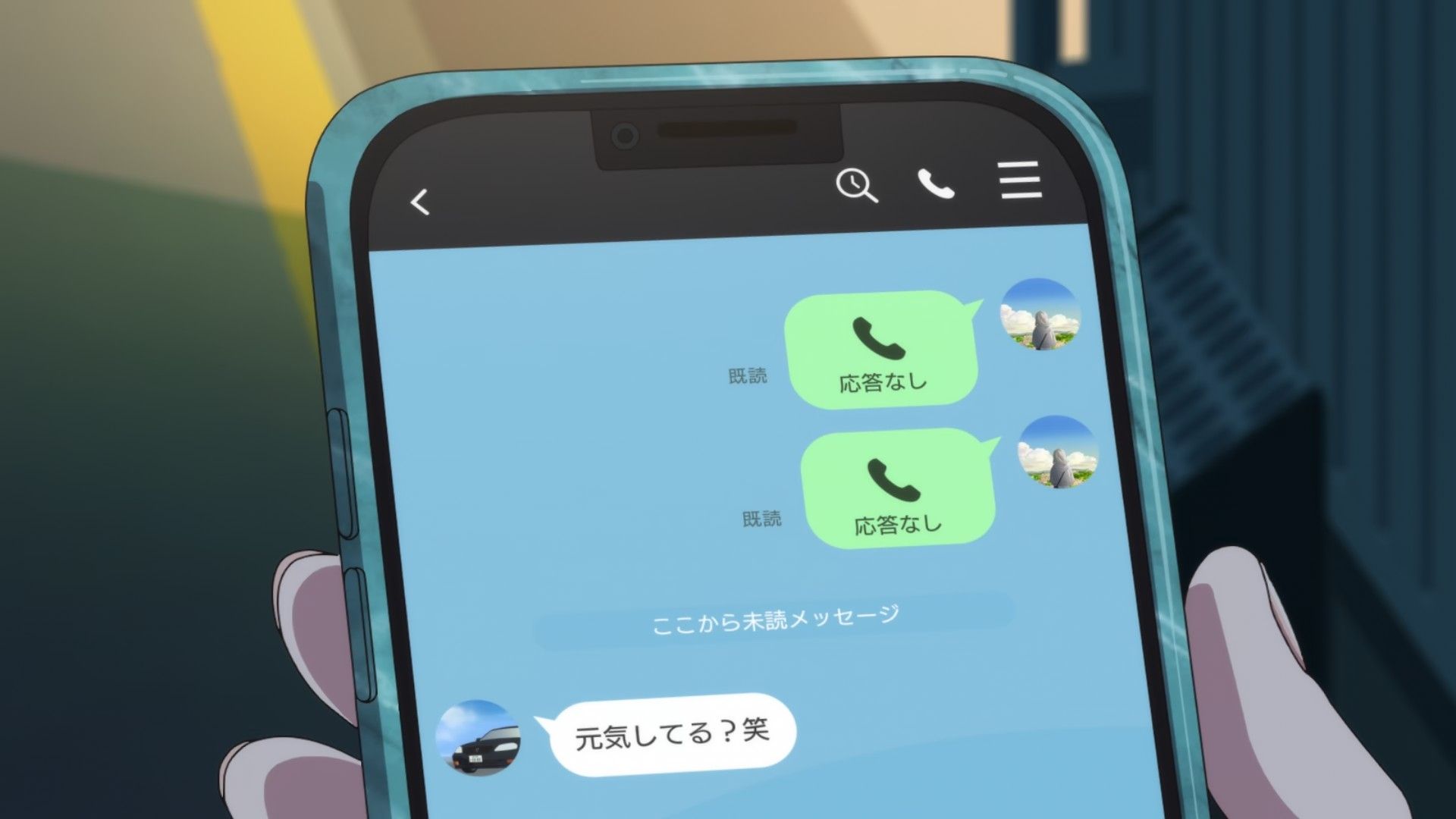
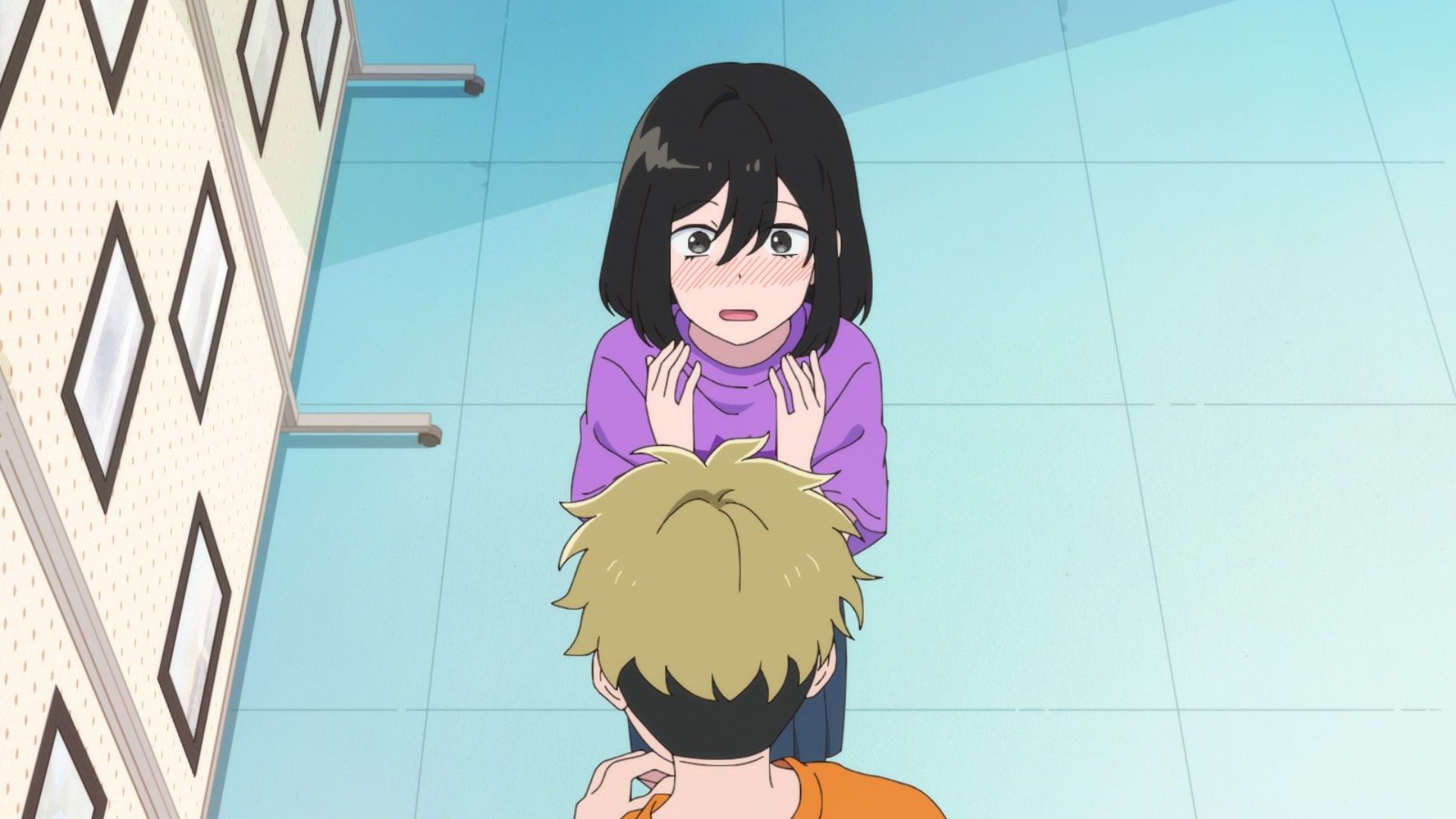
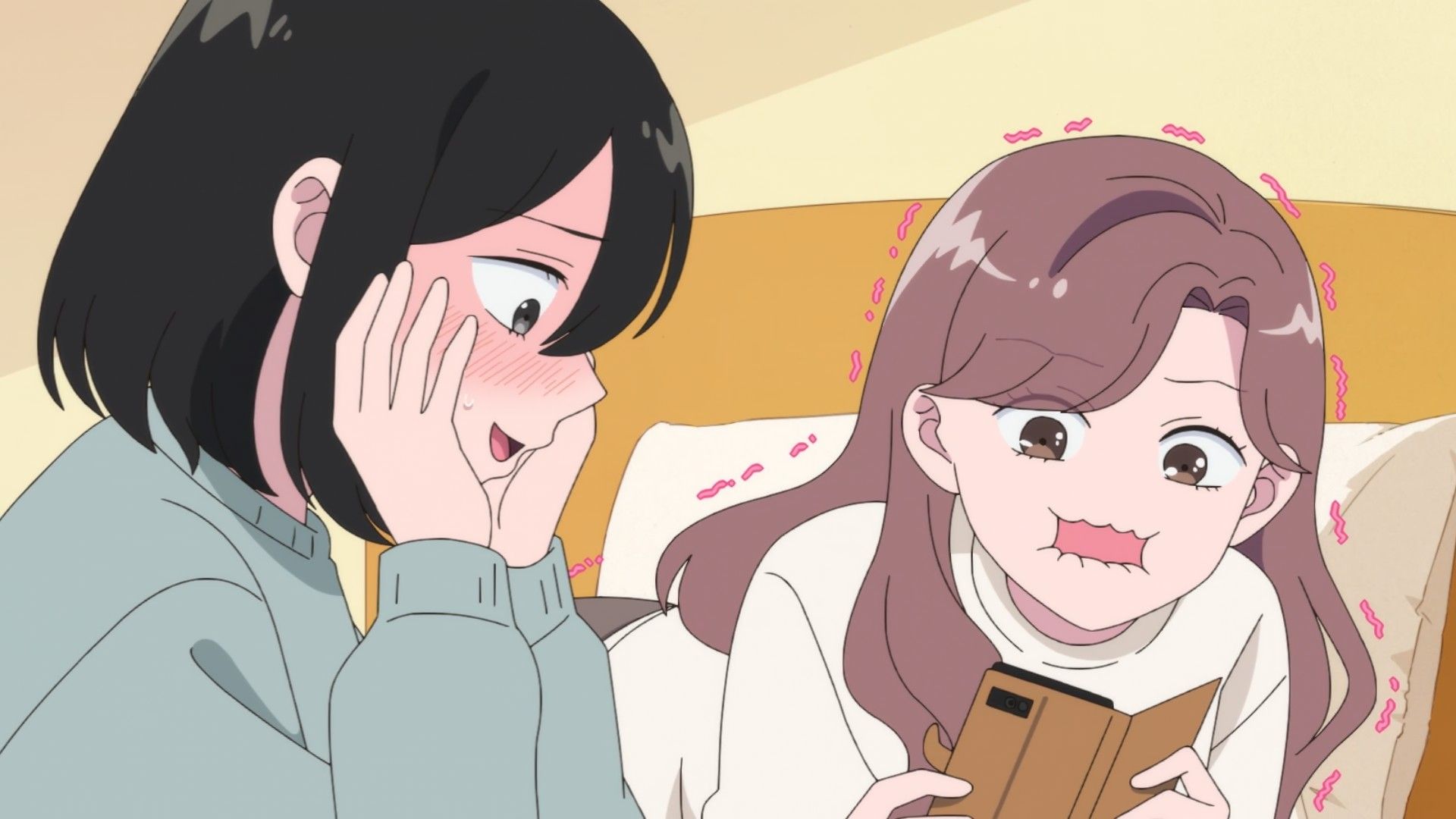
A charming girl representing the dandere archetype. Natsumi isn’t shy in a comedic way. Her fears are paralyzing. She analyzes every single tiny movement of her interlocutor, types out massive paragraphs in the messenger only to panic and delete everything and doesn’t answer phone calls because the need to react in real-time terrifies her.
For a very long time, she believes that her mere presence ruins the good mood of normal people. When she finds out that Kentarou, the class favorite, shows interest in her, she falls into a panic, convinced that the boy will immediately run away as soon as he gets to know her true, boring self.
Taira Shuuji
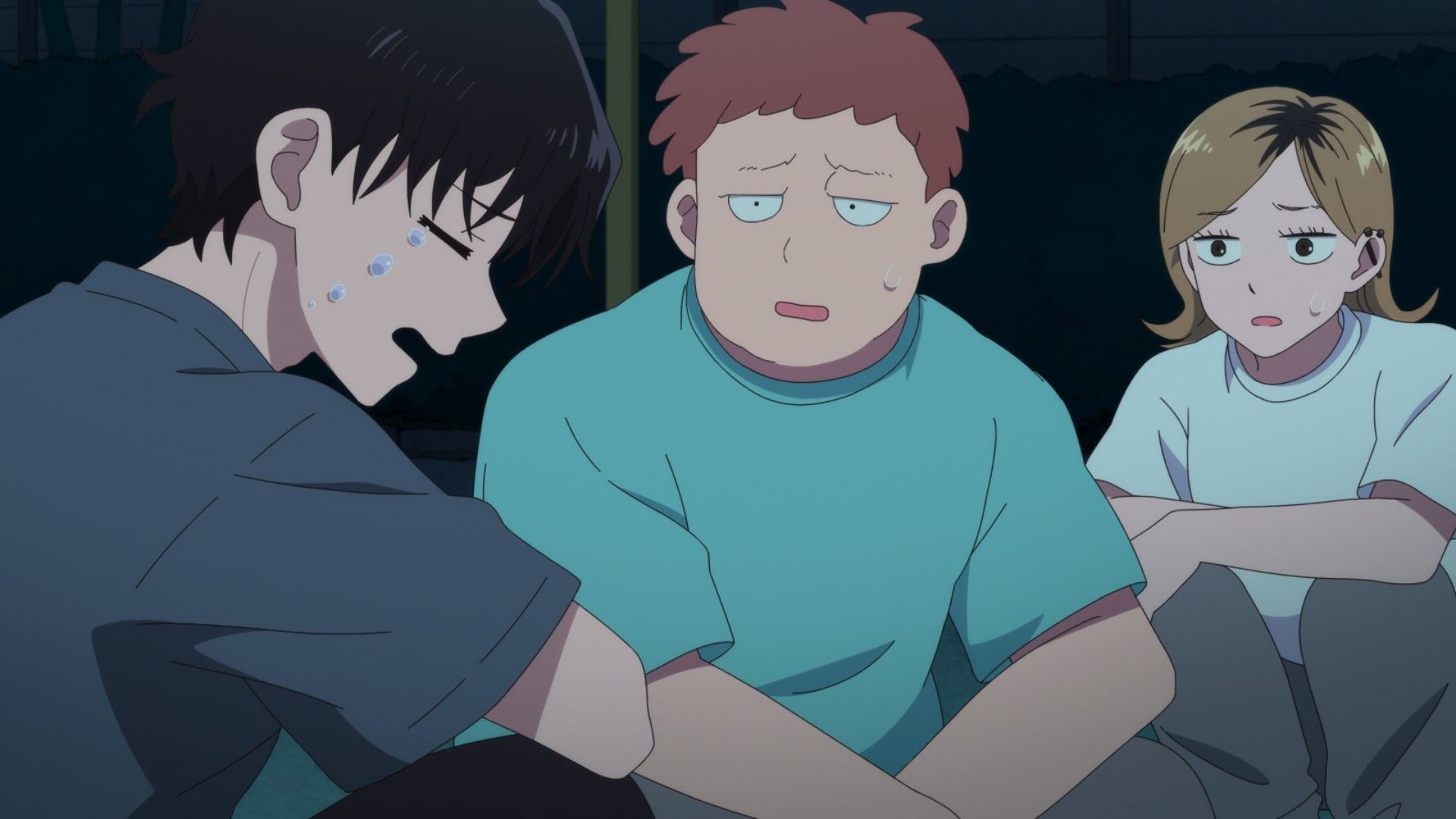
A cynical observer working part-time at a konbini, who perfectly fits the male variant of the tsundere archetype. He treats the school reality surrounding him through the lens of a rigid caste system. He despises the popular kids and considers Suzuki’s relationship a desire to show off by dating someone from the bottom.
However, the truth hits him very hard. Over time, it dawns on him that his endless complaining, criticizing, and coldness are merely a cover for his own lack of identity and courage, which he sees in Tani. Despite his flaws, he has a strong moral backbone. He acts as an incredibly sharp voice of brutal truth for his friends.
Azuma Shino
Introduced as a classic, mature, and laid-back beauty, who reveals her secret over time. Azuma suffers from a chronic inability to set her own boundaries. She has genuinely terrible taste in partners. To avoid any conflicts, she agrees to absolutely everything, allowing herself to be used by fake friends. Her passive attitude leads to Taira’s frustration, whose harsh criticism serves as a wake-up call for her. Thanks to him, Azuma slowly begins to regain her self-respect, deciding to cut herself off from her toxic environment.
Seihantai na Kimi to Boku (2026) – Evaluation and Summary
Seihantai na Kimi to Boku is distinguished by its organic directing style. The series is not afraid of classic tropes, does not try to be unique by force, respects its characters, and at the same time delivers a charming romantic comedy dressed up in very pretty, pastel visuals. It proves that you do not need darkness, misunderstandings, or cynical deconstructive tricks to create a work that will be remembered for a long time.
With every episode, an unconditional smile appeared on my face, and it didn’t fade until the very last second, all thanks to the warmth portrayed in the characters’ relationships and emotions. I already cannot wait for the second season, which, fortunately, has already been announced.
Finalny werdykt
Final evaluation

Which translation do I recommend to watch Seihantai na Kimi to Boku (2026)?
- Crunchyroll (official) – I can’t fault anything in this case. Very good translations that I can recommend with a clear conscience.
Gallery