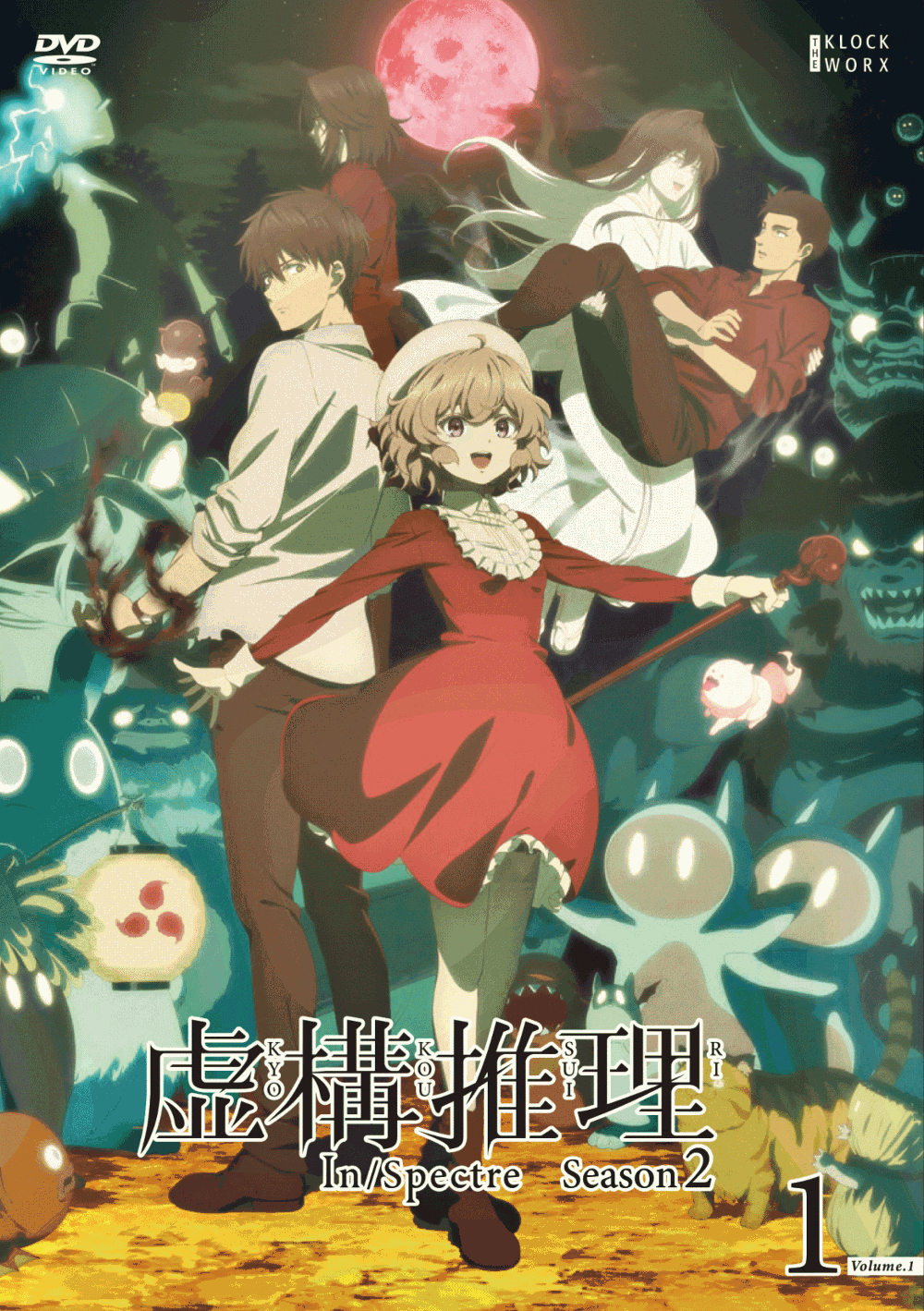
At the age of eleven, Iwanaga Kotoko is abducted by youkai for a period of two weeks. These creatures wanted her to become their queen and a judge to settle disputes between the spirit and human worlds. The girl agrees, but the cost of her decision is the loss of her right eye and left leg. Six years later, Kotoko meets a 22-year-old university student named Kurou, whom she helped avoid death in a hospital a few years earlier. It turns out he just broke up with his girlfriend after an encounter with a kappa. Seeing her chance to get closer to the boy, Kotoko confesses her love to him. Soon, however, she notices that Kurou is more than just an ordinary human.
Kyokou Suiri (2020) – Audiovisual Design
Video
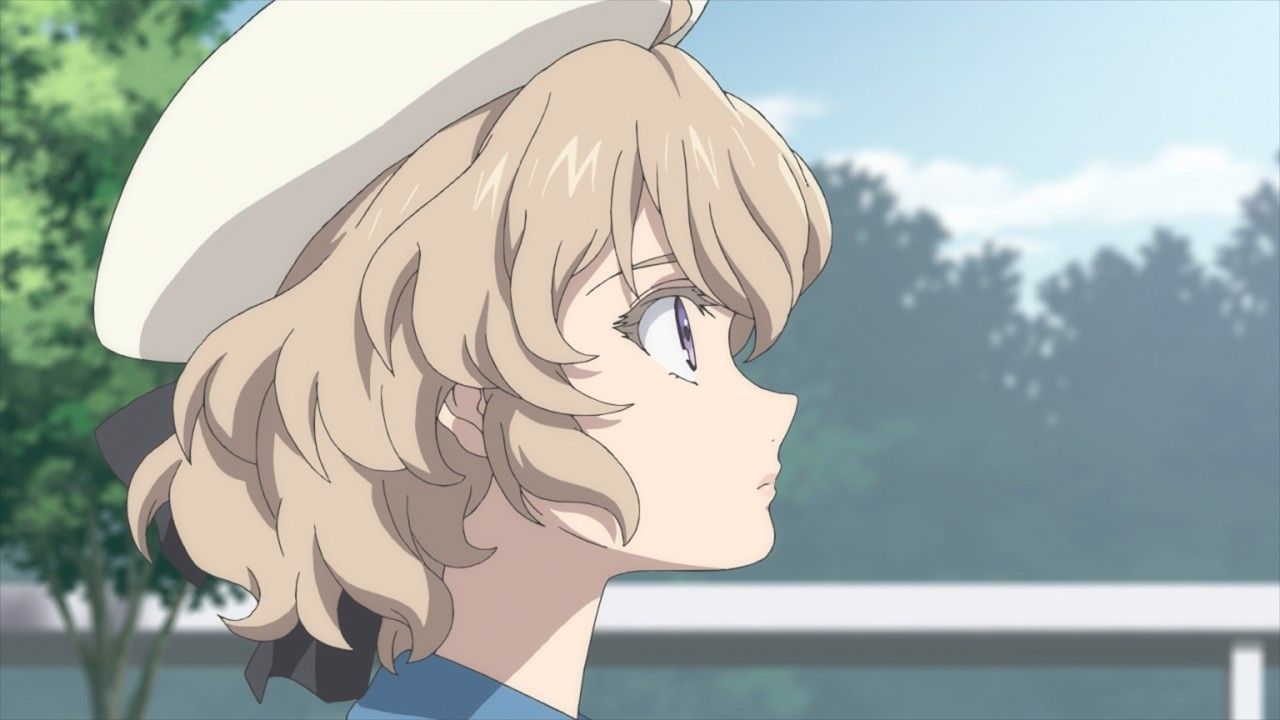
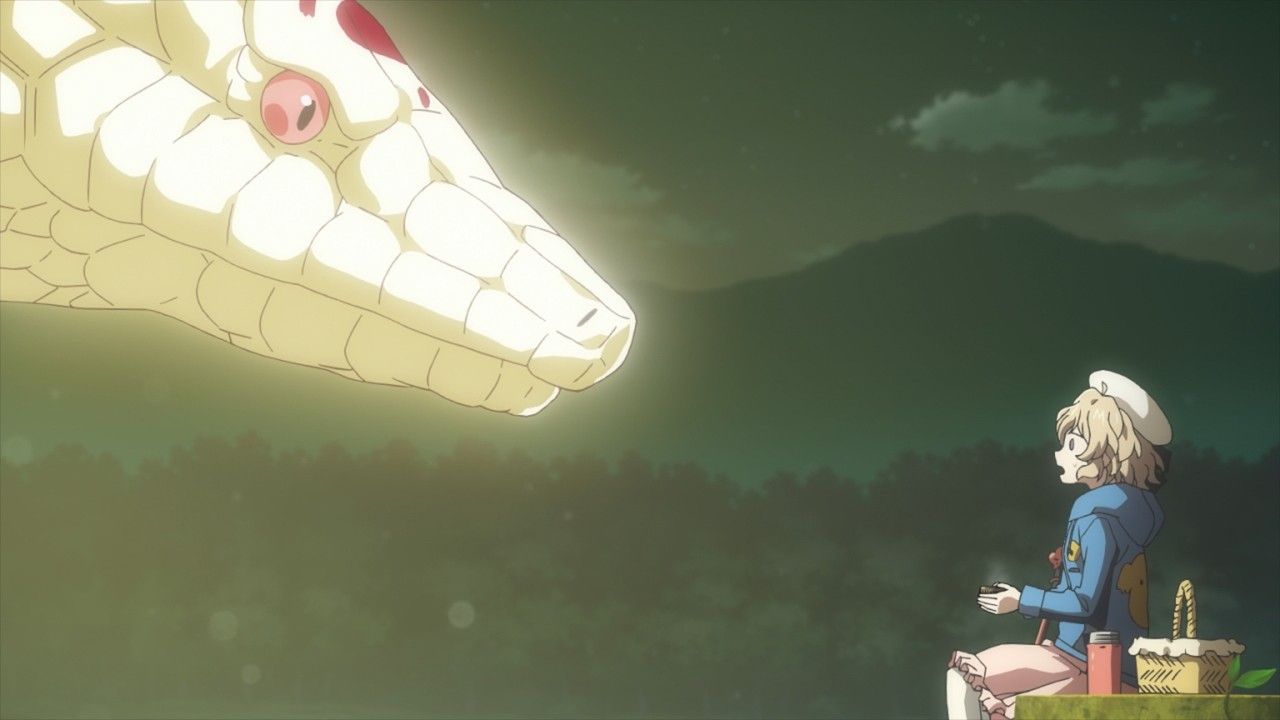
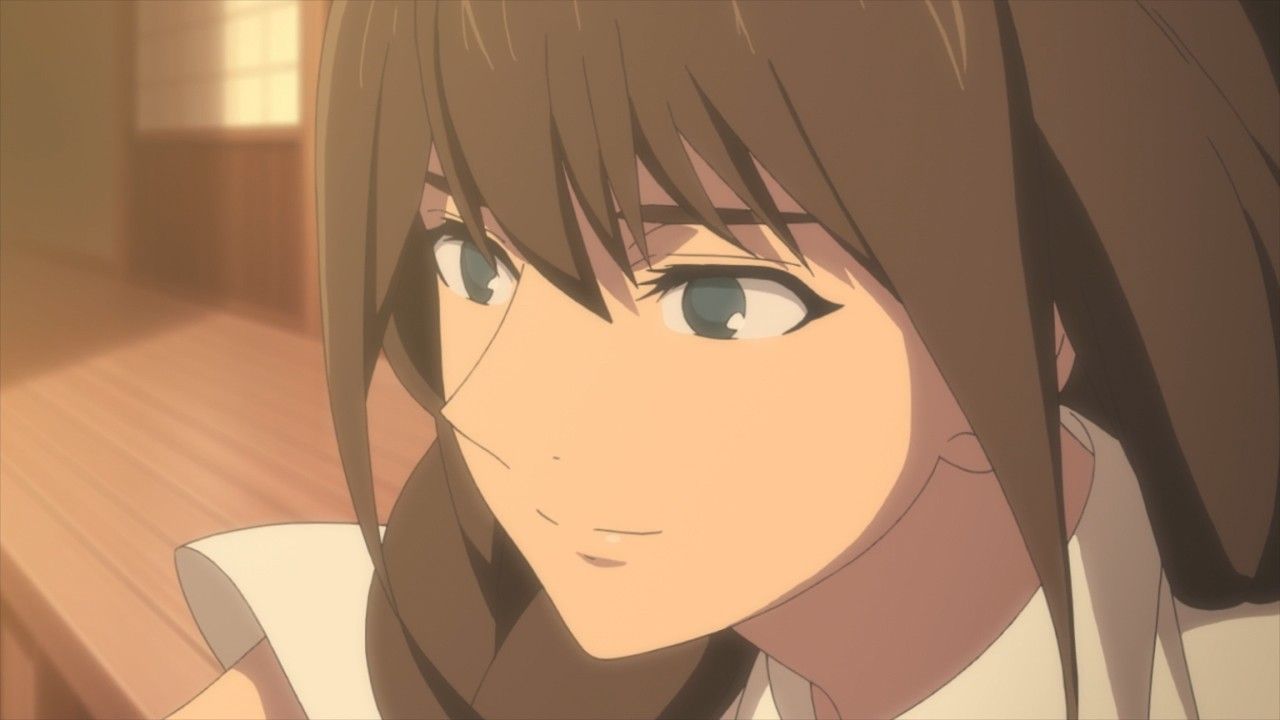
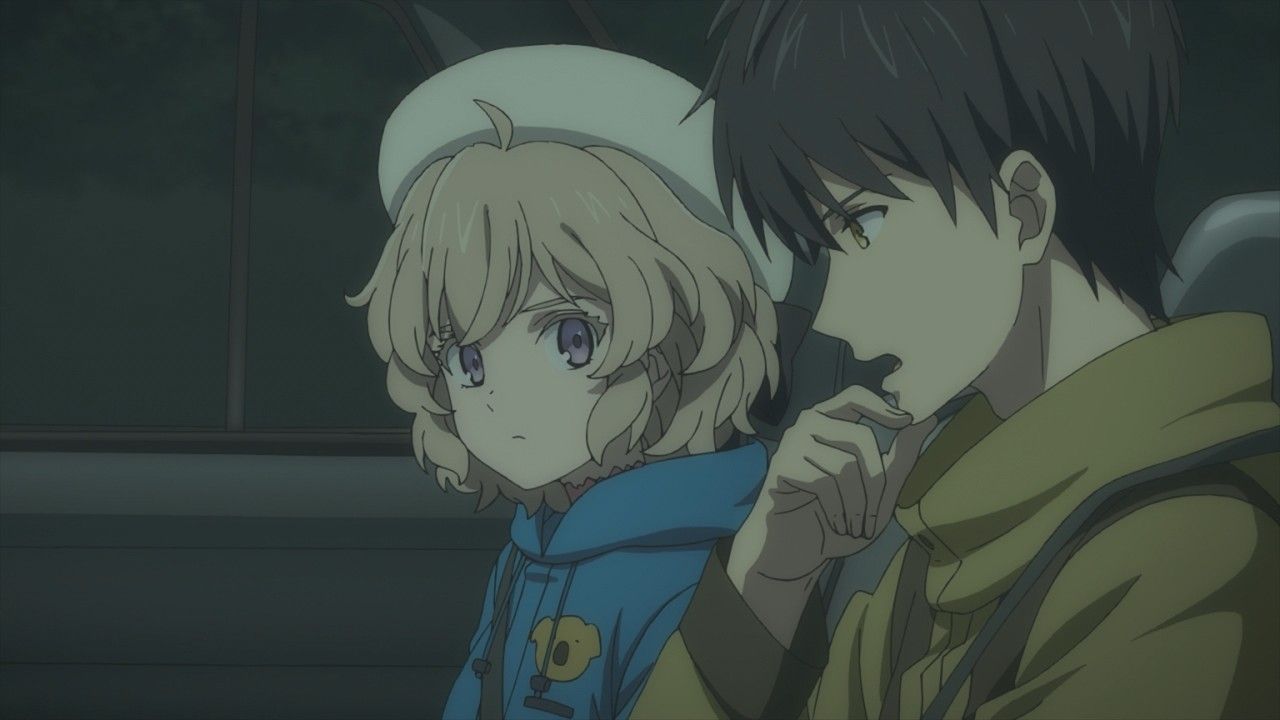
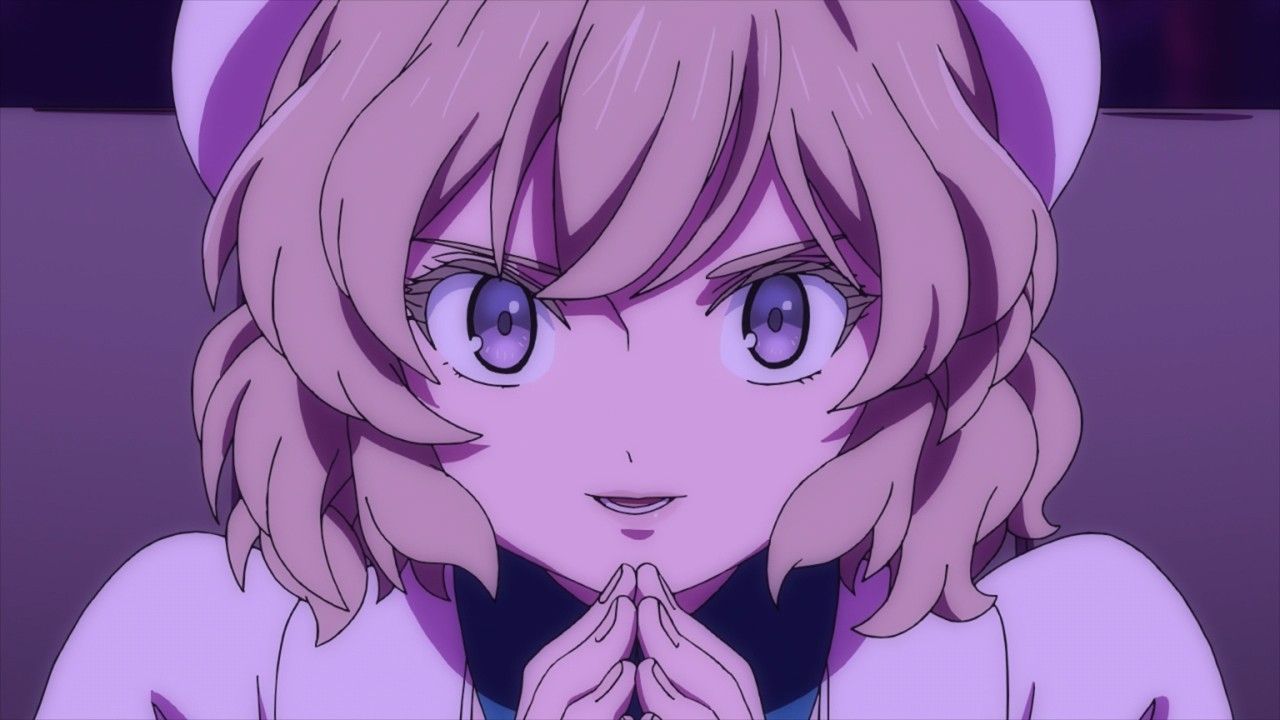
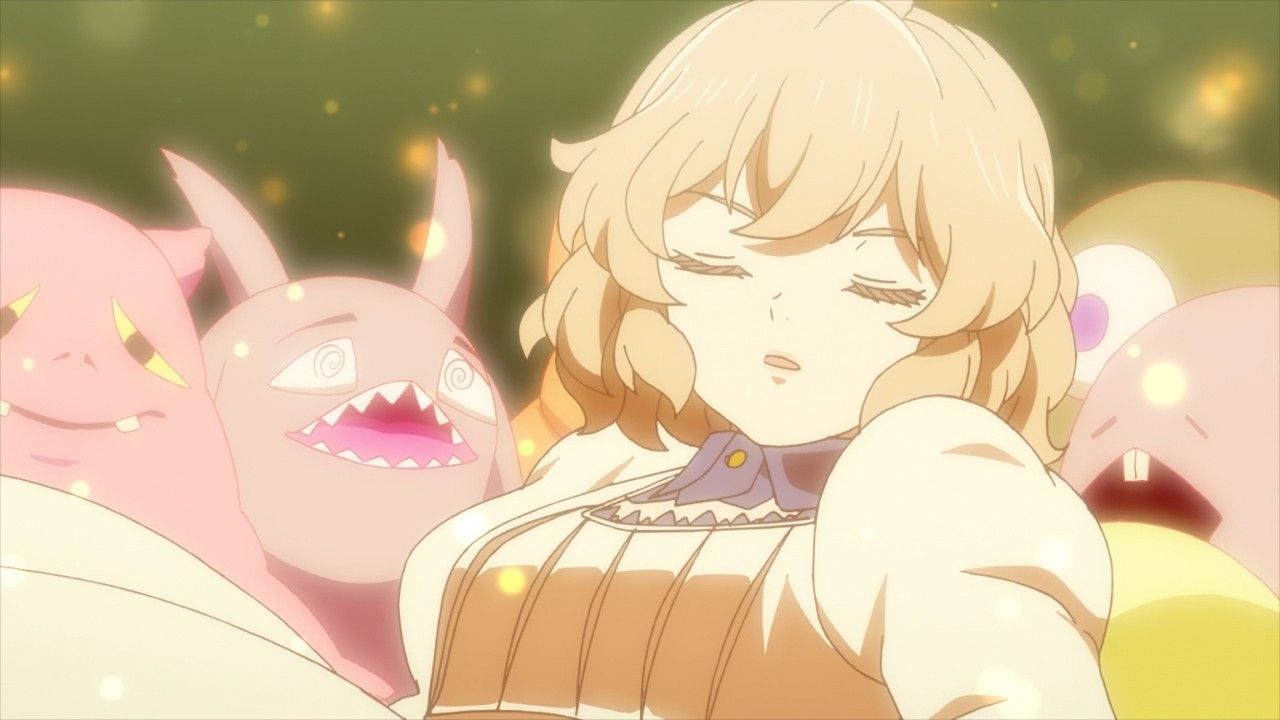
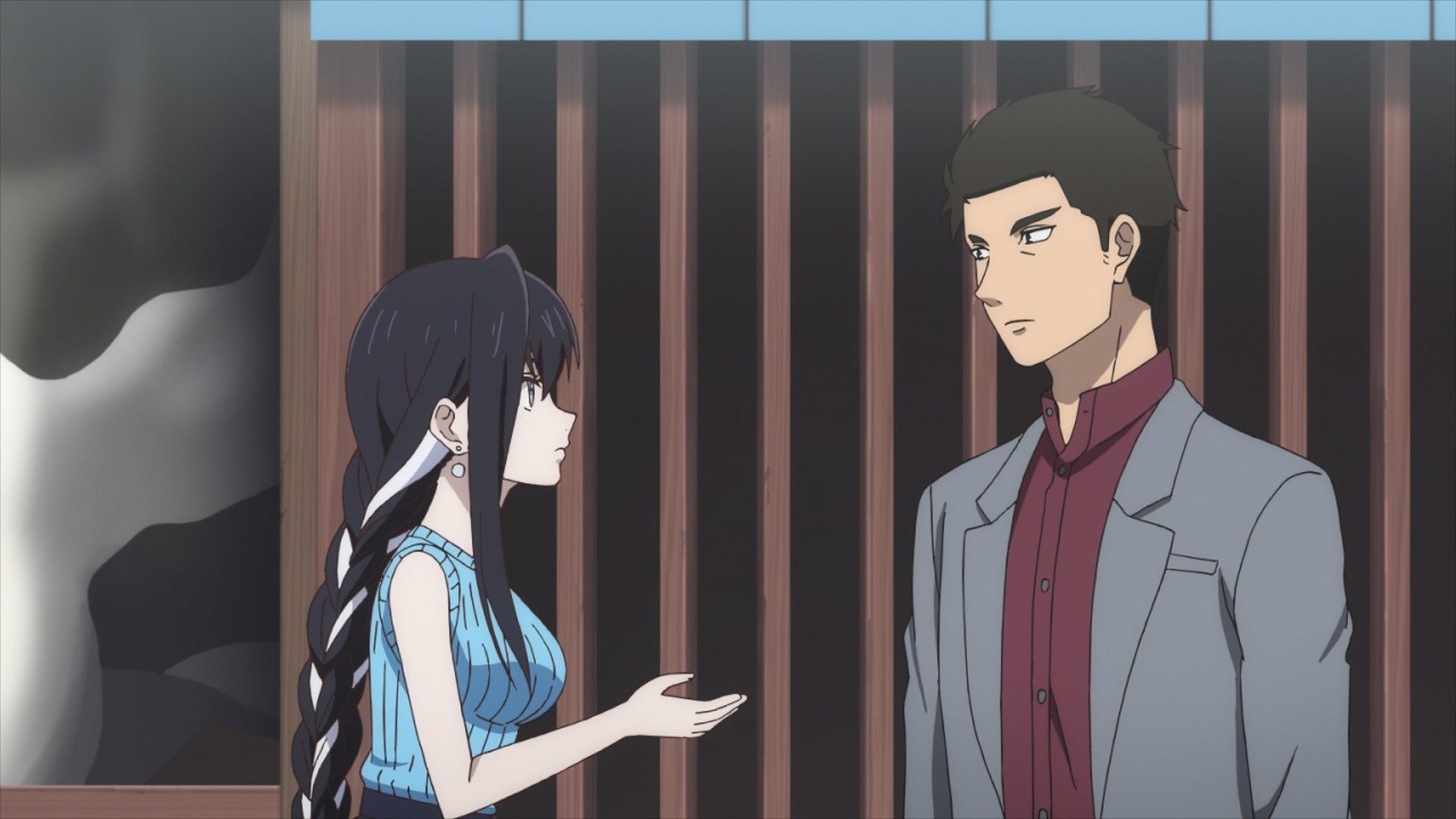
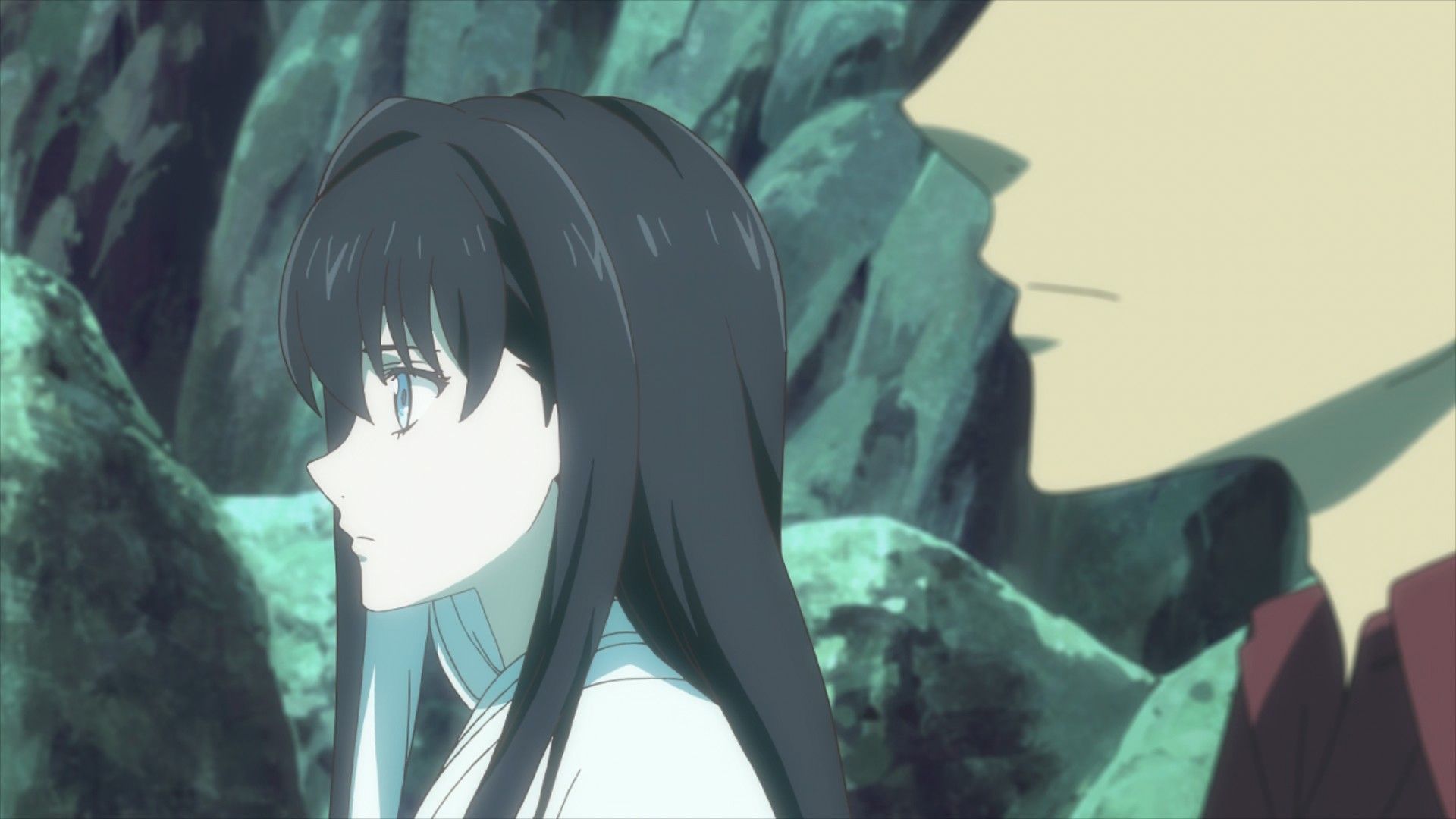
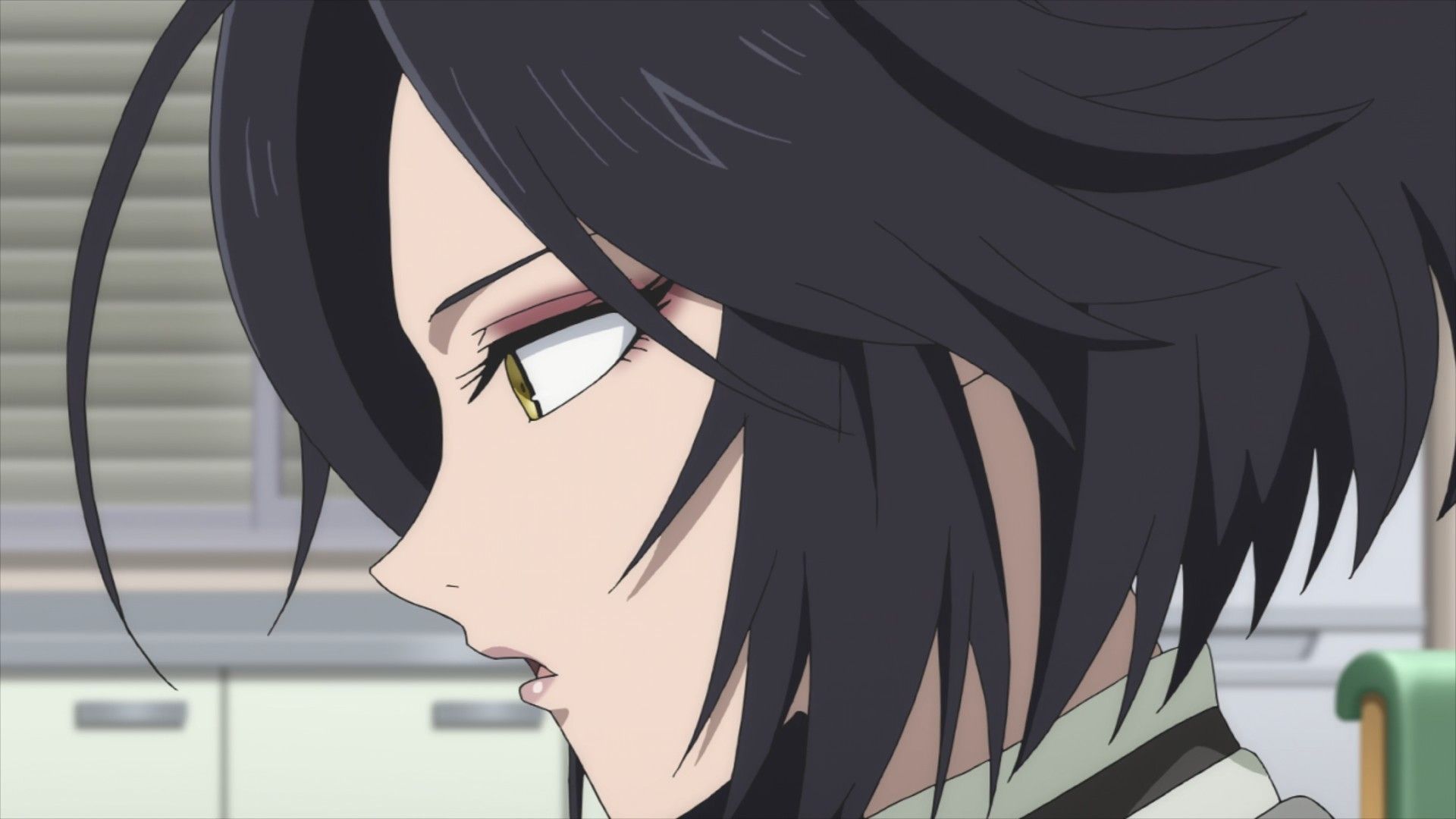
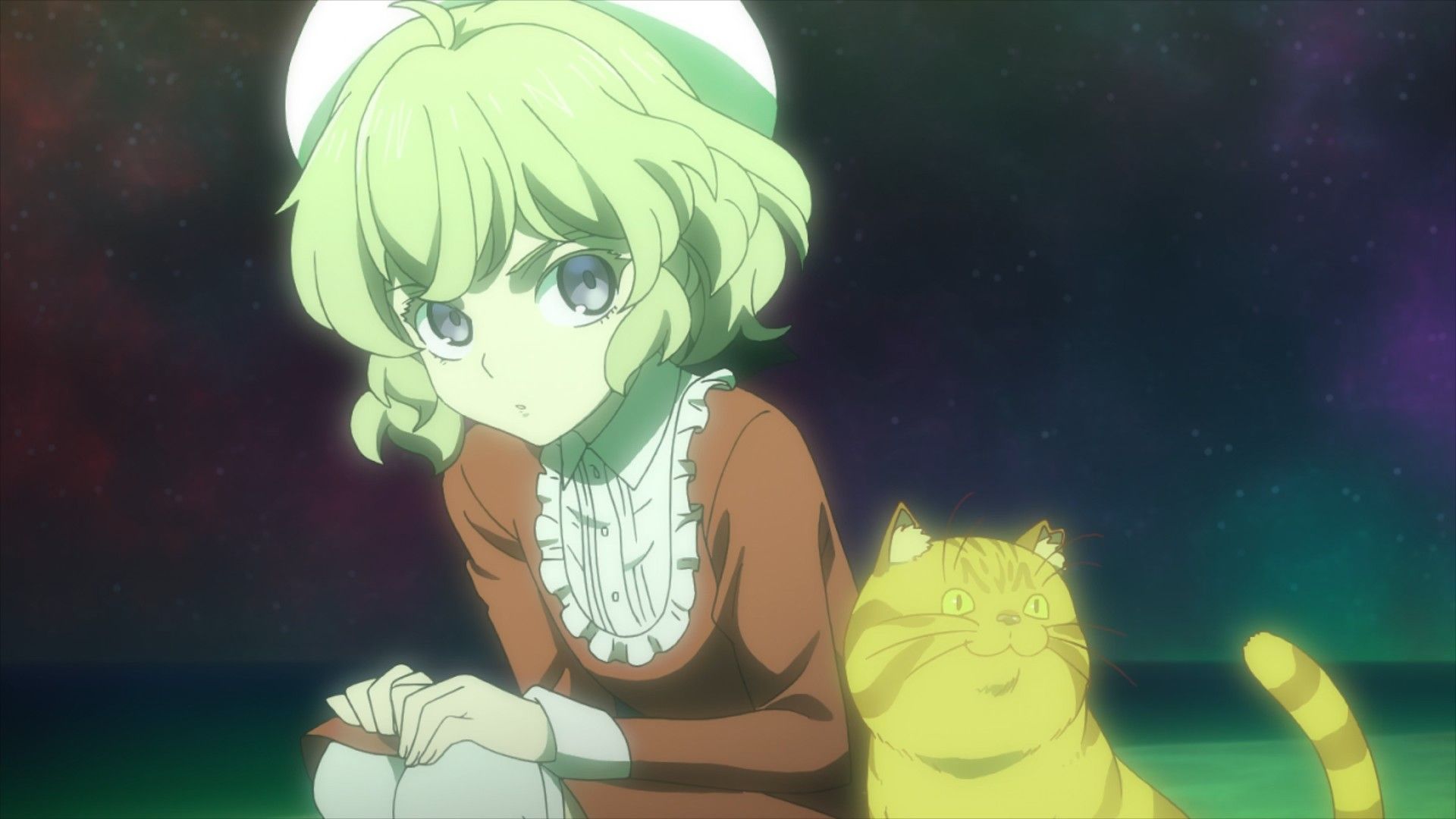
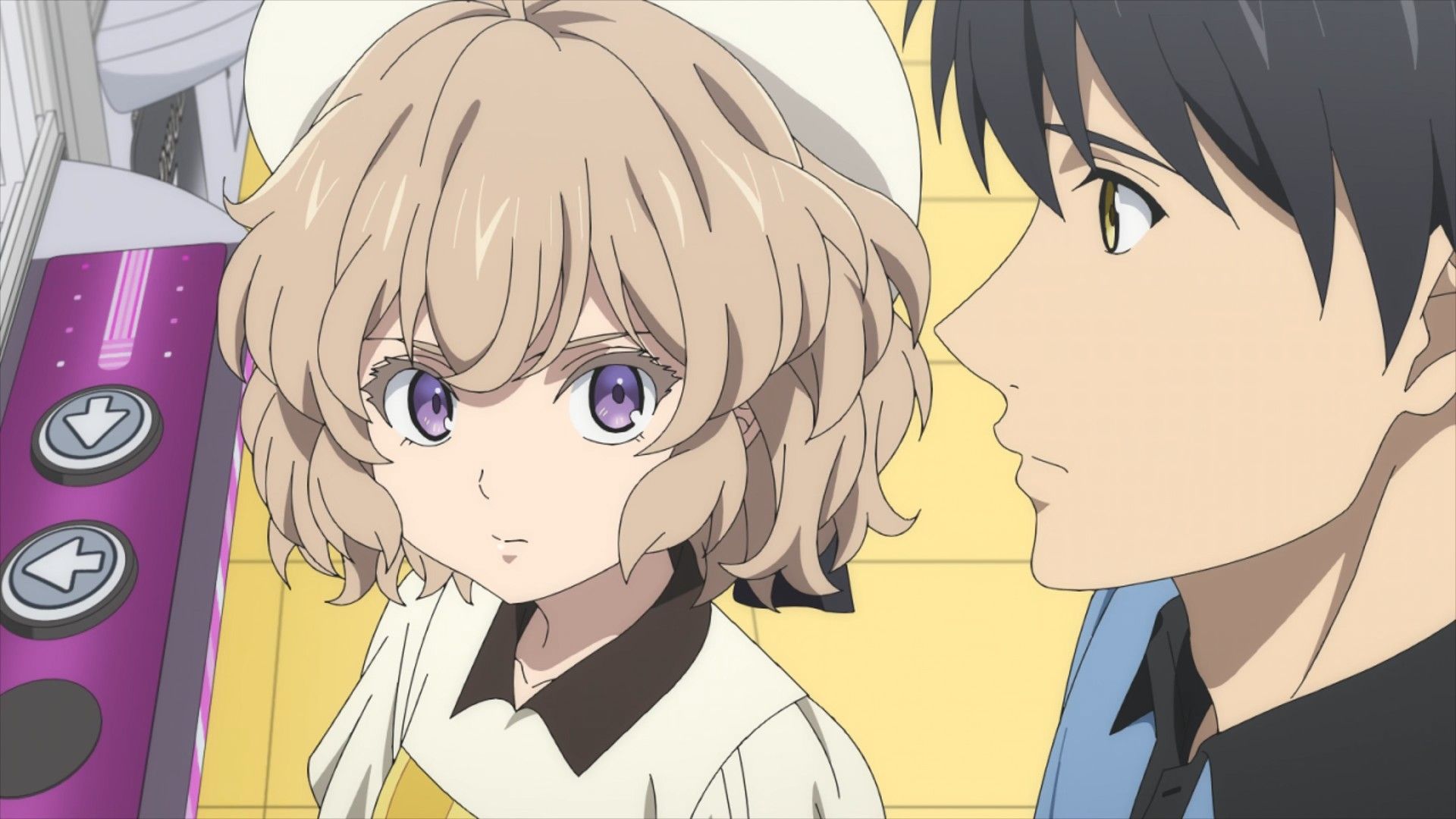
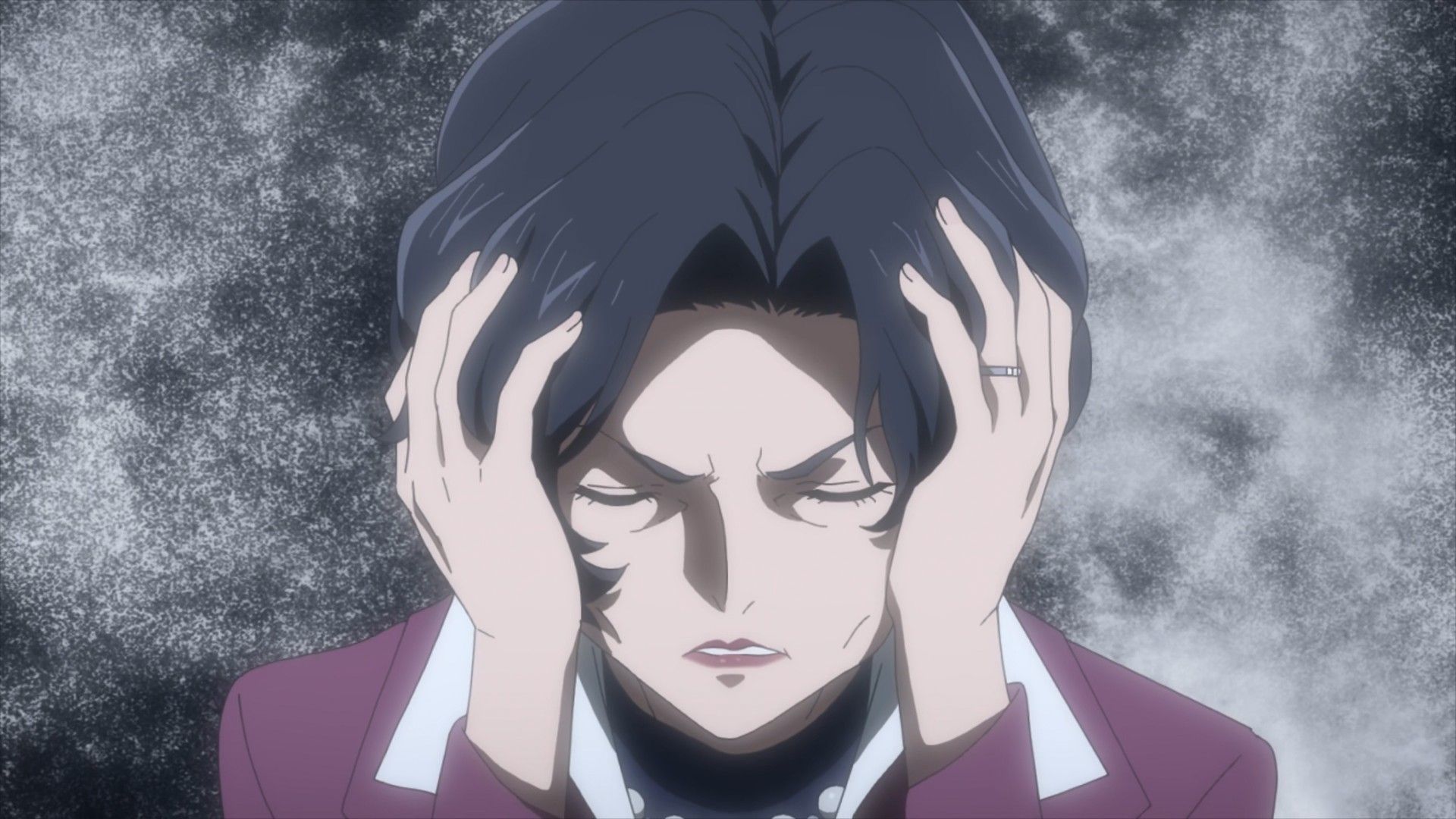
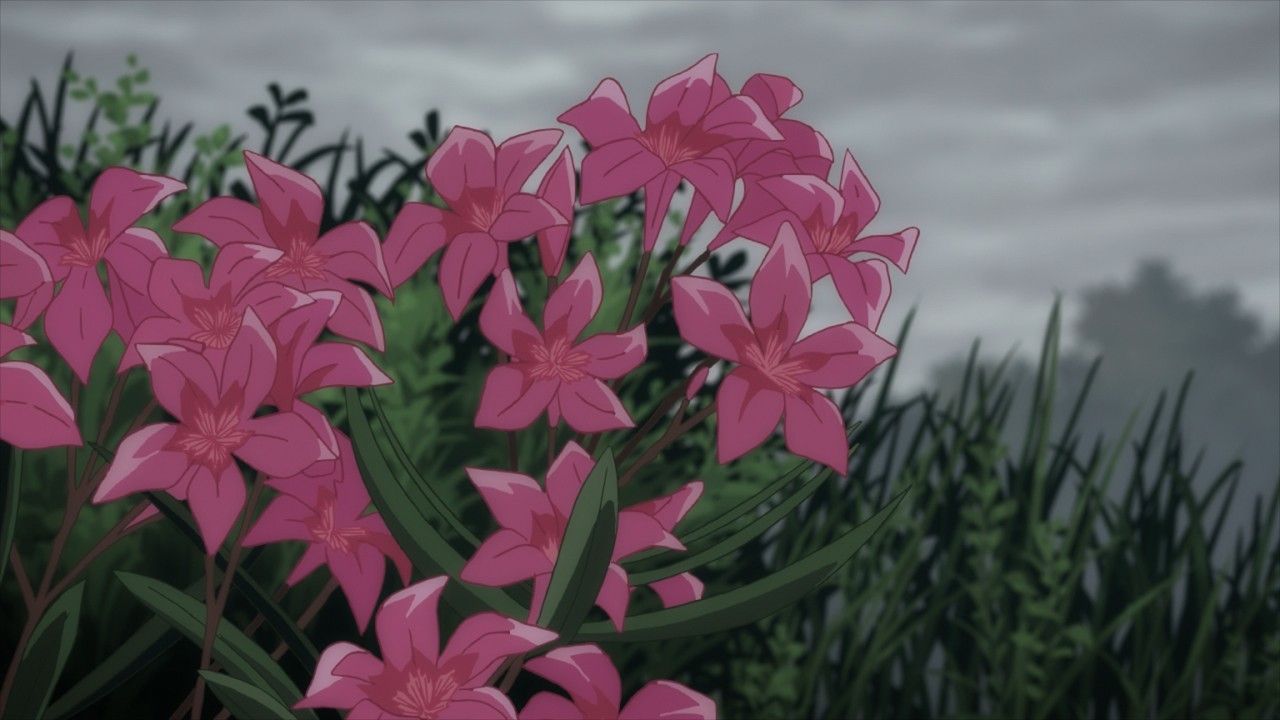
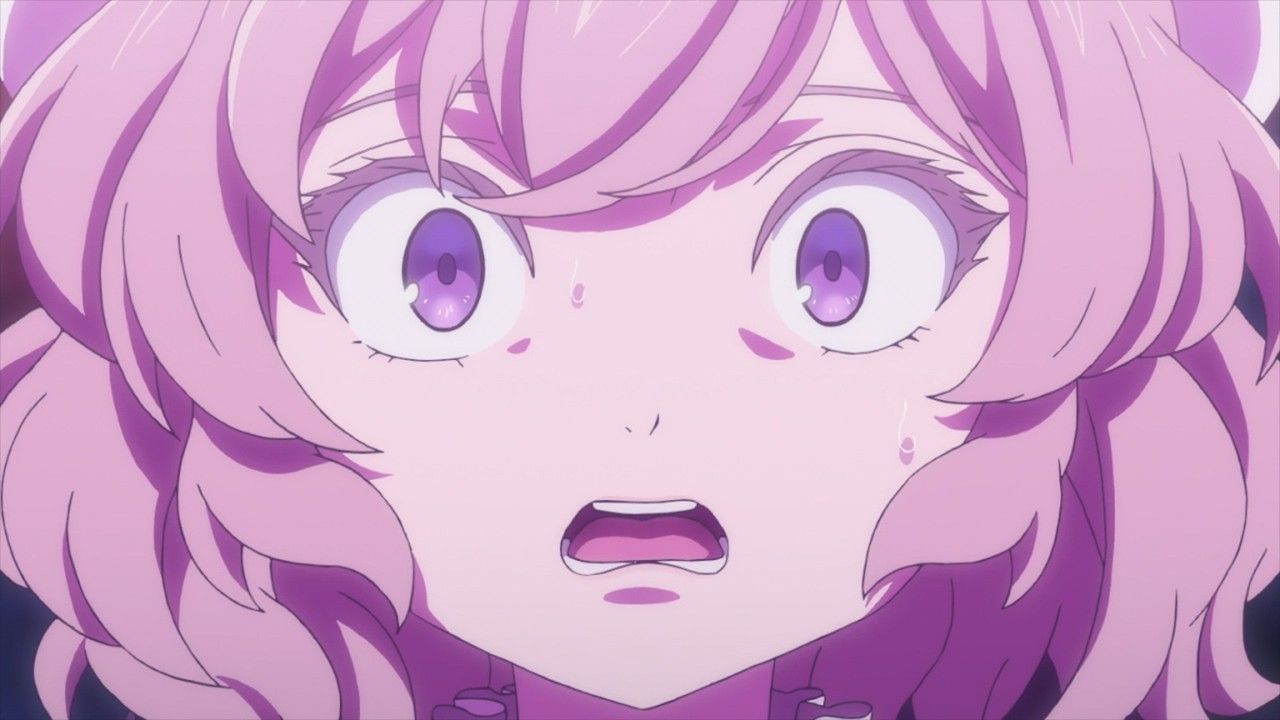
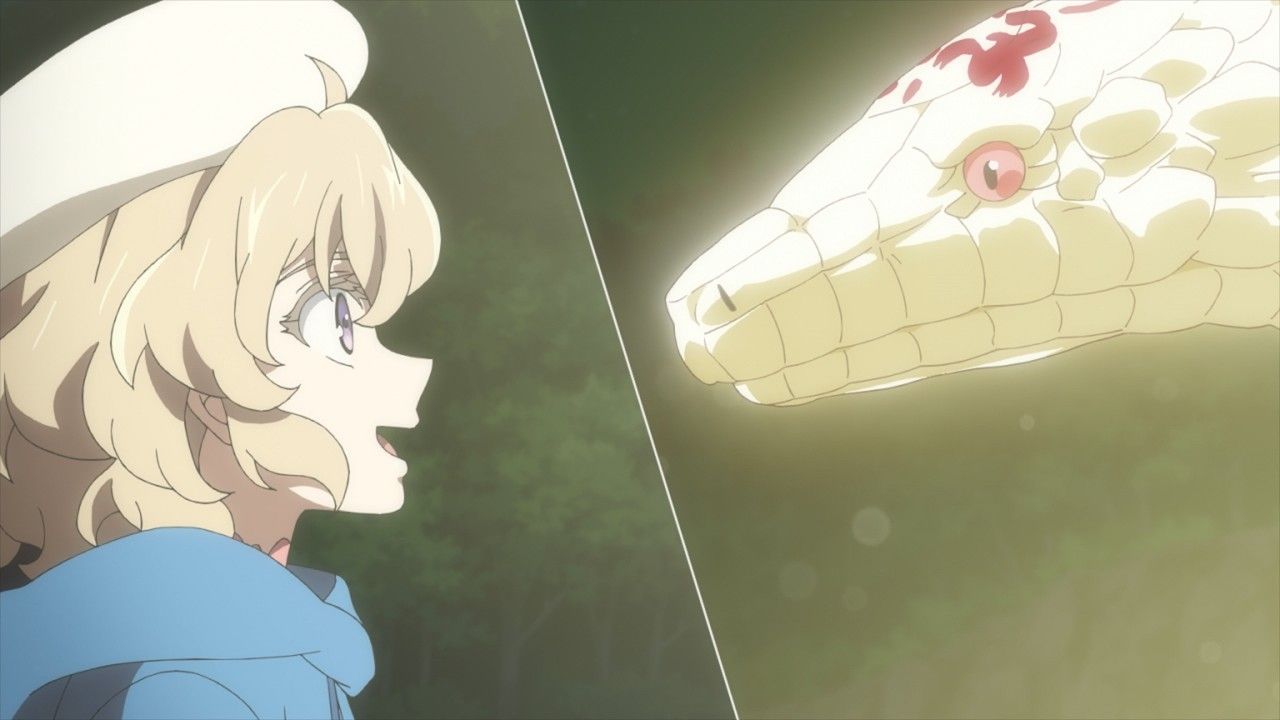
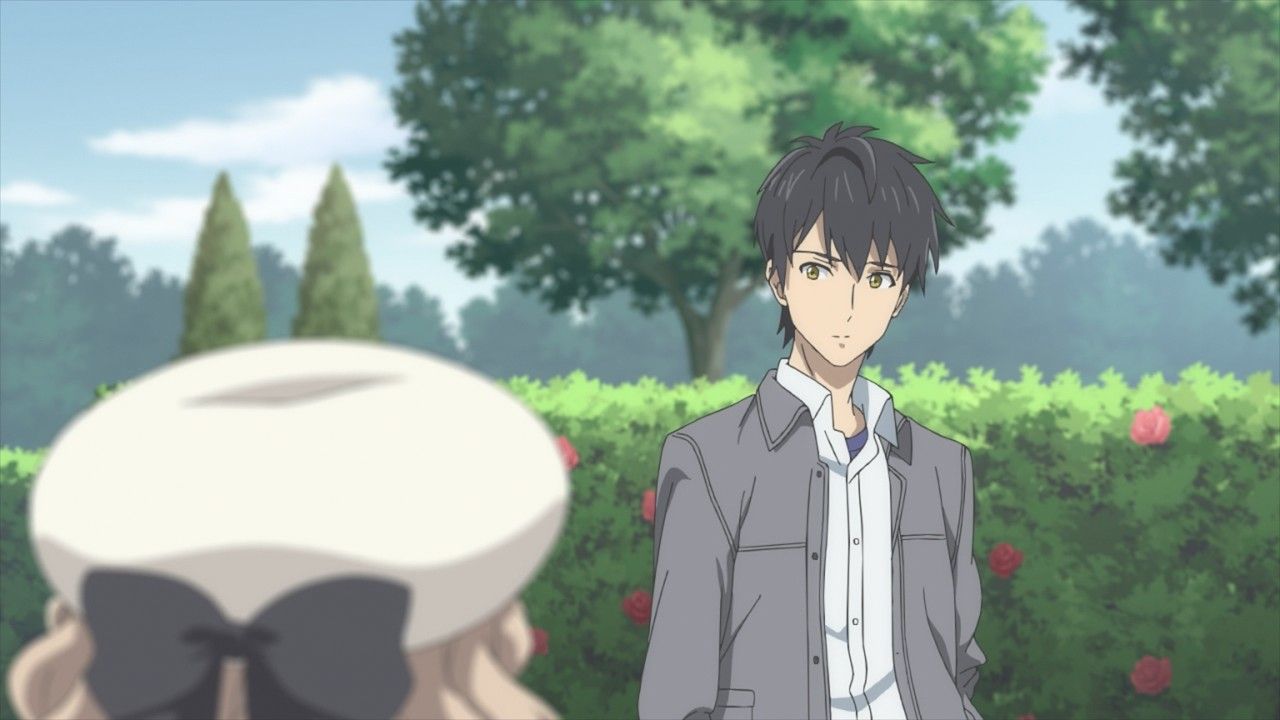
Kyokou Suiri looks very decent. The character designs are detailed, and the backgrounds in many places (especially during key scenes) are also intricate and pleasing to the eye. At times they feel a bit too sterile—particularly when the action takes place indoors—but this doesn’t significantly detract from the overall aesthetic of the series. It’s worth mentioning that, all things considered, the first season generally looked better than the second. It had more detail overall, and the animation was more dynamic. This might be due to the fact that the first season provided more opportunities to showcase the characters’ emotions, even though the plot could paradoxically feel a bit slower.



Dźwięk
The soundtrack was very interesting, and I still find myself returning to it from time to time. However, musically, both openings (from the first and second seasons) absolutely dominate the show. I’m talking about Mononoke in the Fiction (モノノケ・イン・ザ・フィクション) performed by Uso to Chameleon (嘘とカメレオン) and Yotogibanashi (ヨトギバナシ) performed by KanoeRena (カノエラナ). They are simply phenomenal and frequently feature on my playlists.
The voice cast, both in the main roles (Kitou Akari and Miyano Mamoru) and supporting ones (Yuuki Aoi, Uesaka Sumire, Sugita Tomokazu, Ichinose Kana, Iwami Manaka, Egawa Hisao, Hameda Kenji), is a star-studded ensemble. As is almost always the case, they flawlessly delivered their performances, sounding exactly how I imagined their voices while reading the manga source material.
Kyokou Suiri – Plot and Characters
Introduction
I must admit that Kyokou Suiri intrigued me the moment I saw the first PV. The anime blends supernatural motifs with a murder mystery and an unconventional romance, offering something akin to an urban detective legend. The main character is the goddess of wisdom of the youkai, and she intends to manage the affairs of the supernatural world on her own terms. She is accompanied by a seemingly ordinary student endowed with dark and superhuman powers.
Kyokou Suiri is an anime for viewers who prefer stories that prioritize dialogue and intellectual battles over pure action. The very title (Kyokou Suiri / 虚構推理) – literally hypothetical reasoning – suggests that we will witness a playful spin on the detective genre set within the world of Japanese folklore.
A Brief Overview of the Kyokou Suiri (2020) Plot
At the age of eleven, Iwanaga Kotoko is abducted by youkai for a period of two weeks. These creatures wanted her to become their queen and a judge to settle disputes between the spirit and human worlds. The girl agrees, but the cost of her decision is the loss of her right eye and left leg.
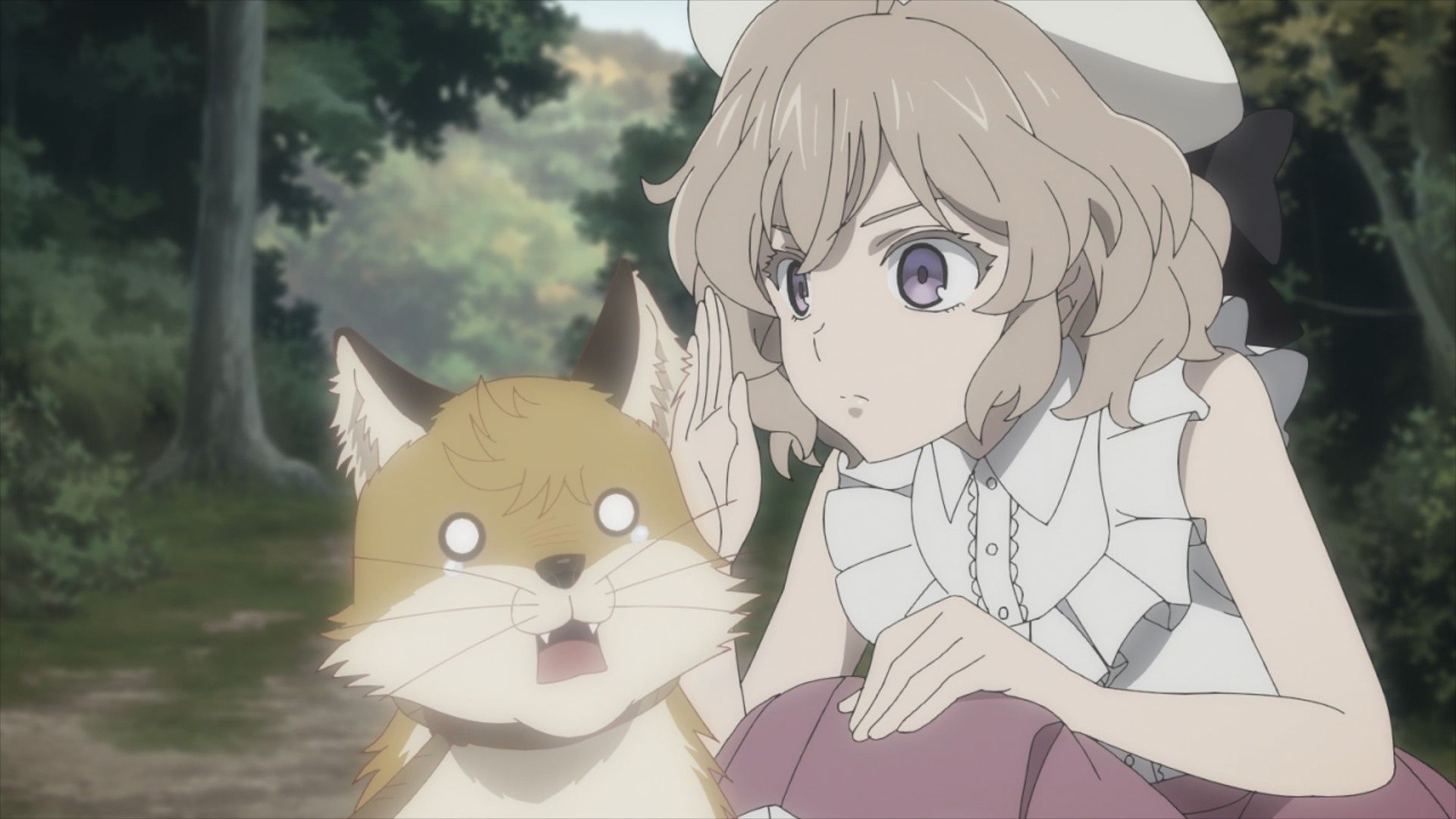
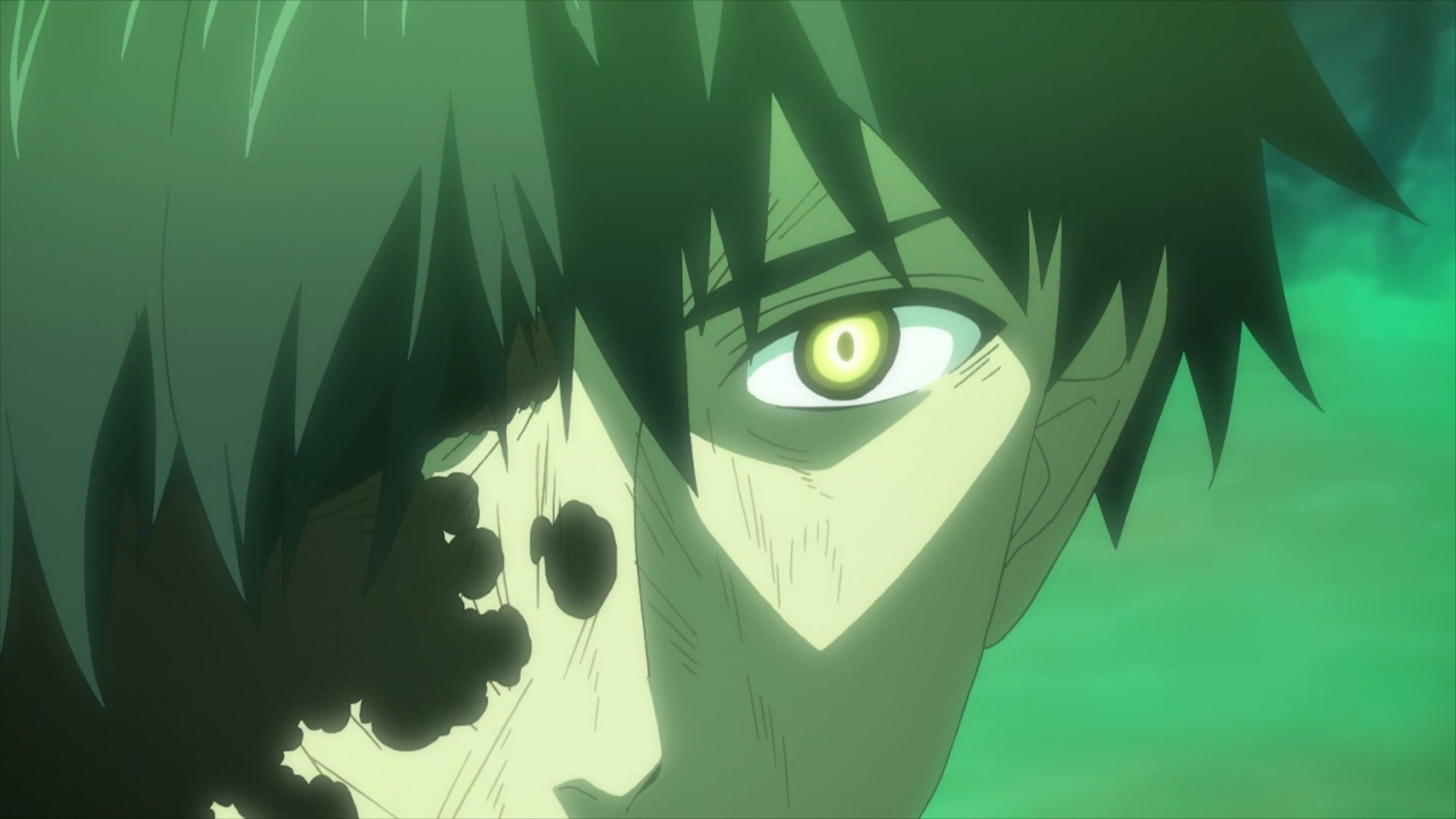
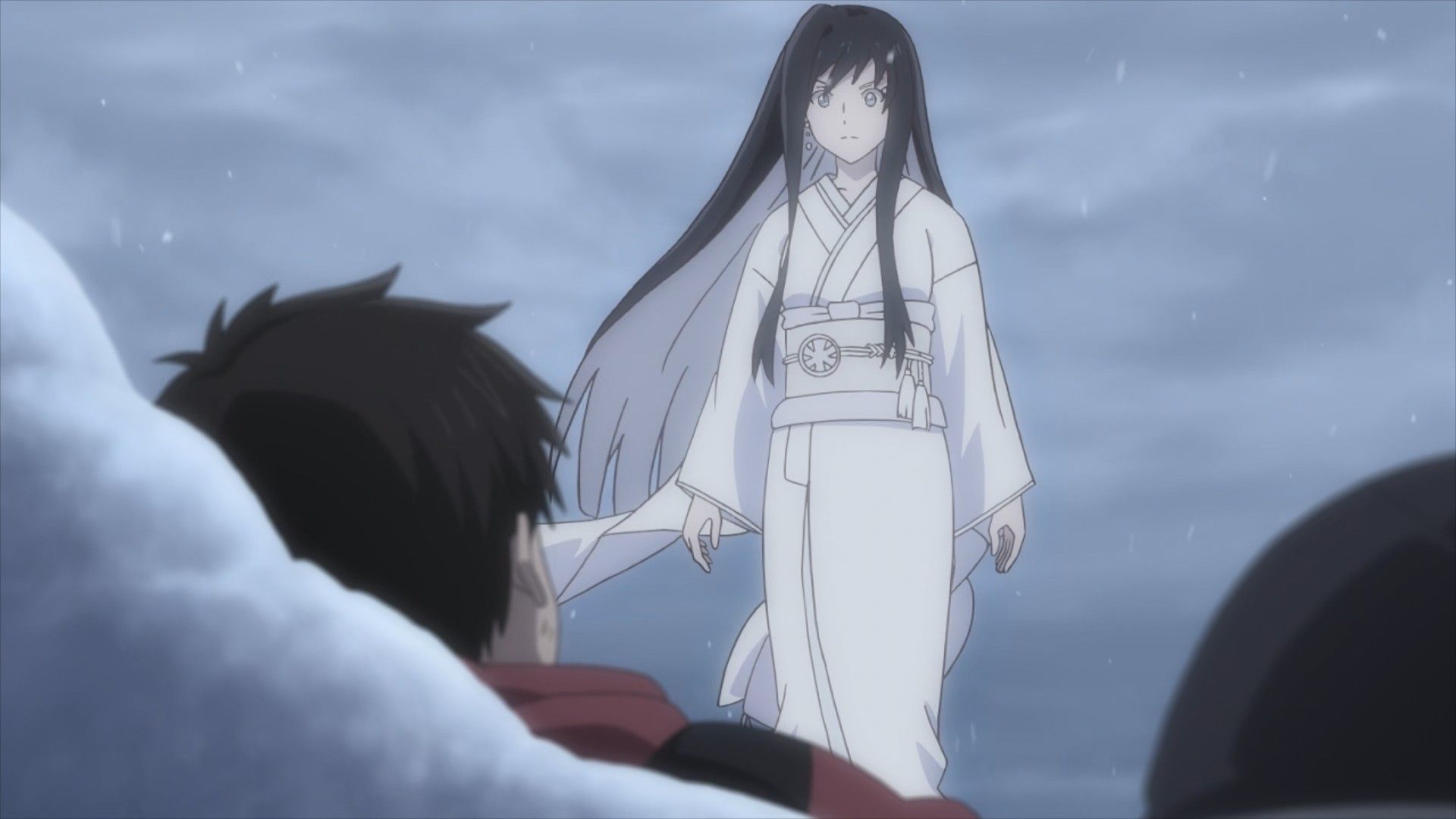

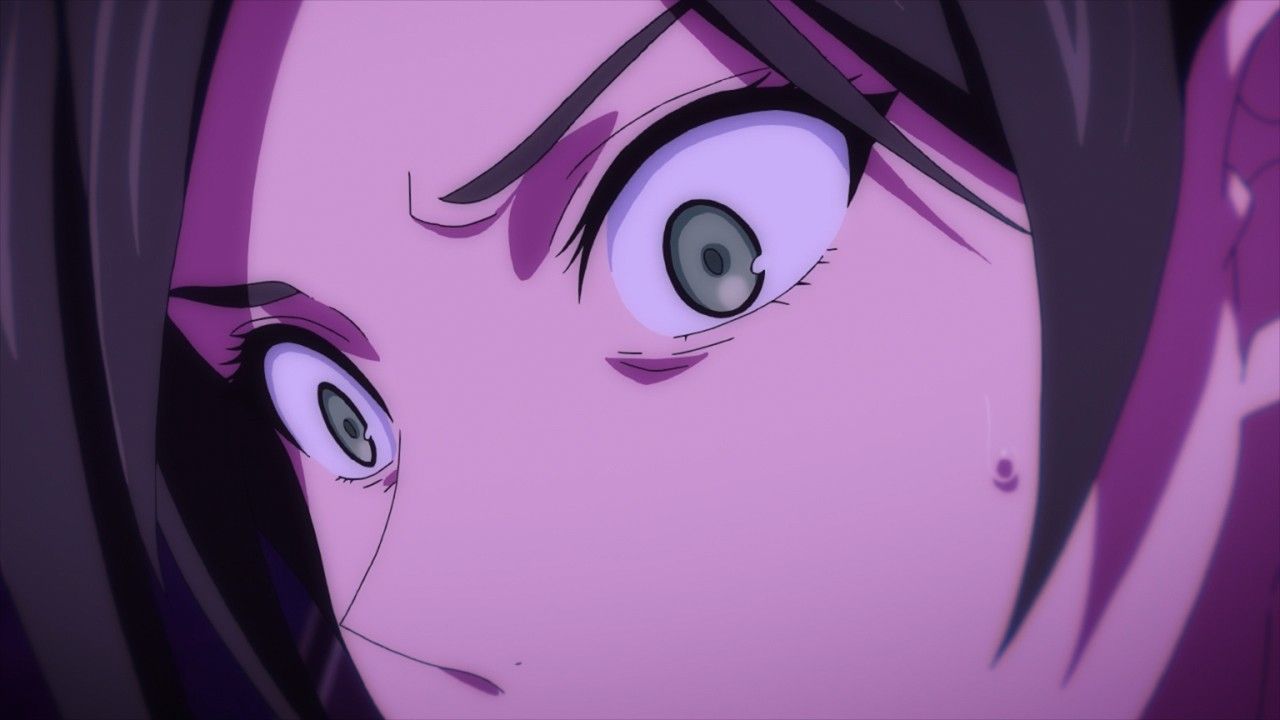

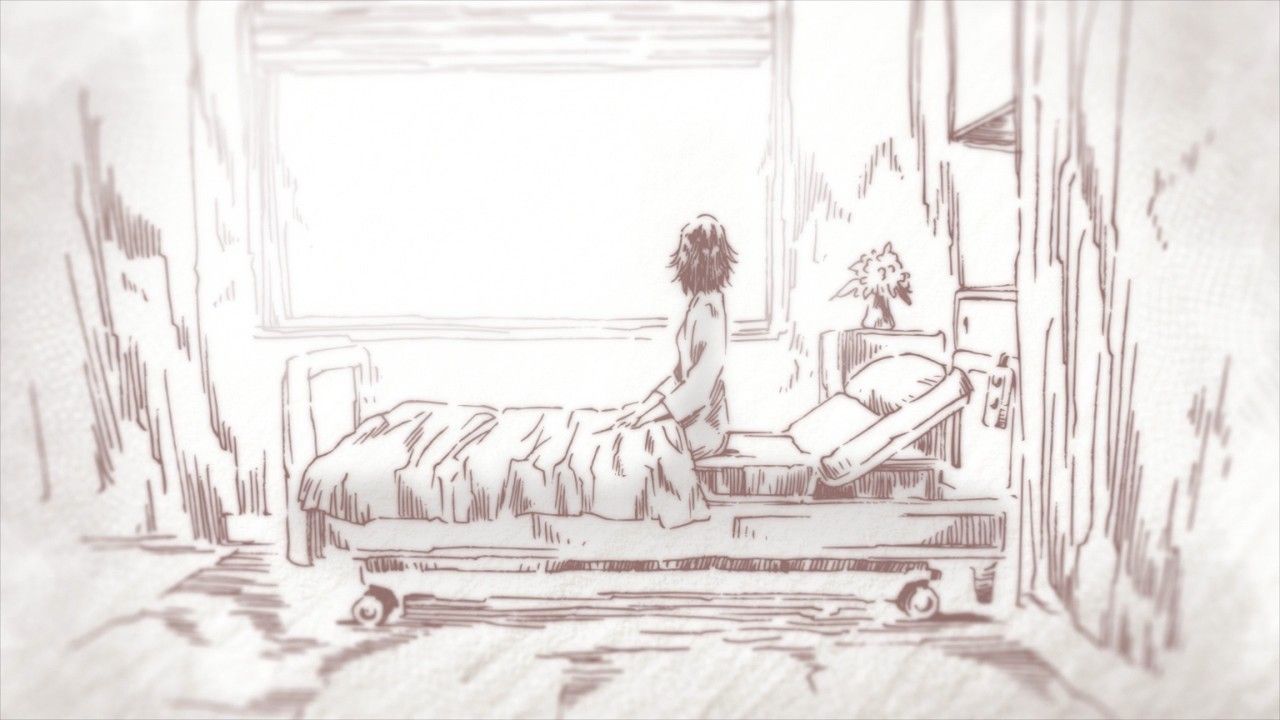
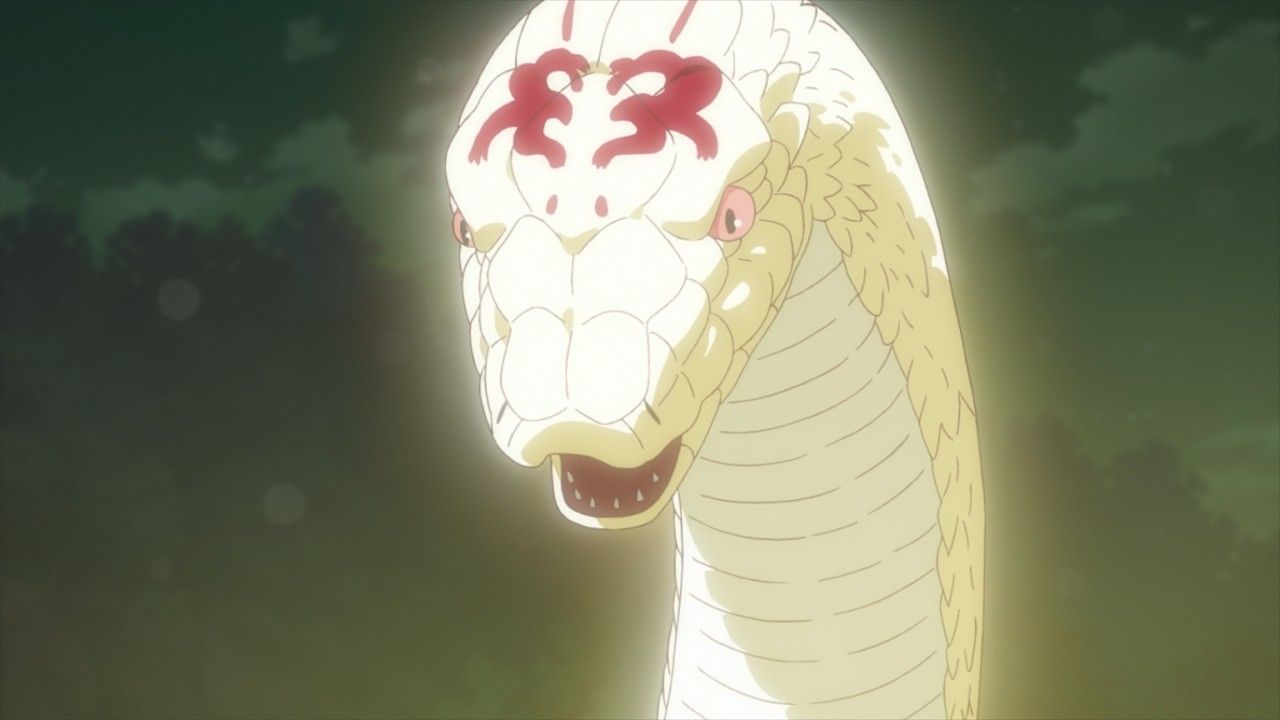
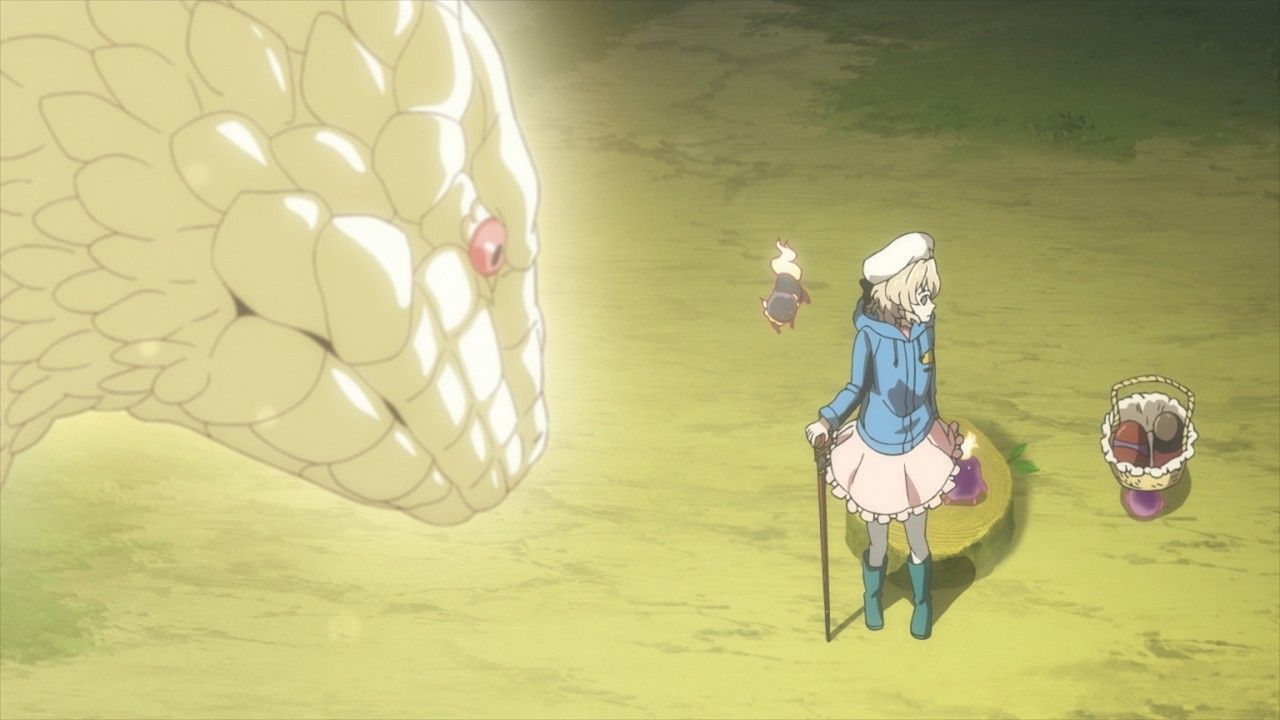
Six years later, Kotoko meets a 22-year-old university student named Kurou, whom she helped avoid death in a hospital a few years earlier. It turns out he just broke up with his girlfriend after an encounter with a kappa. Seeing her chance to get closer to the boy, Kotoko confesses her love to him. Soon, however, she notices that Kurou is more than just an ordinary human.
What is the series about
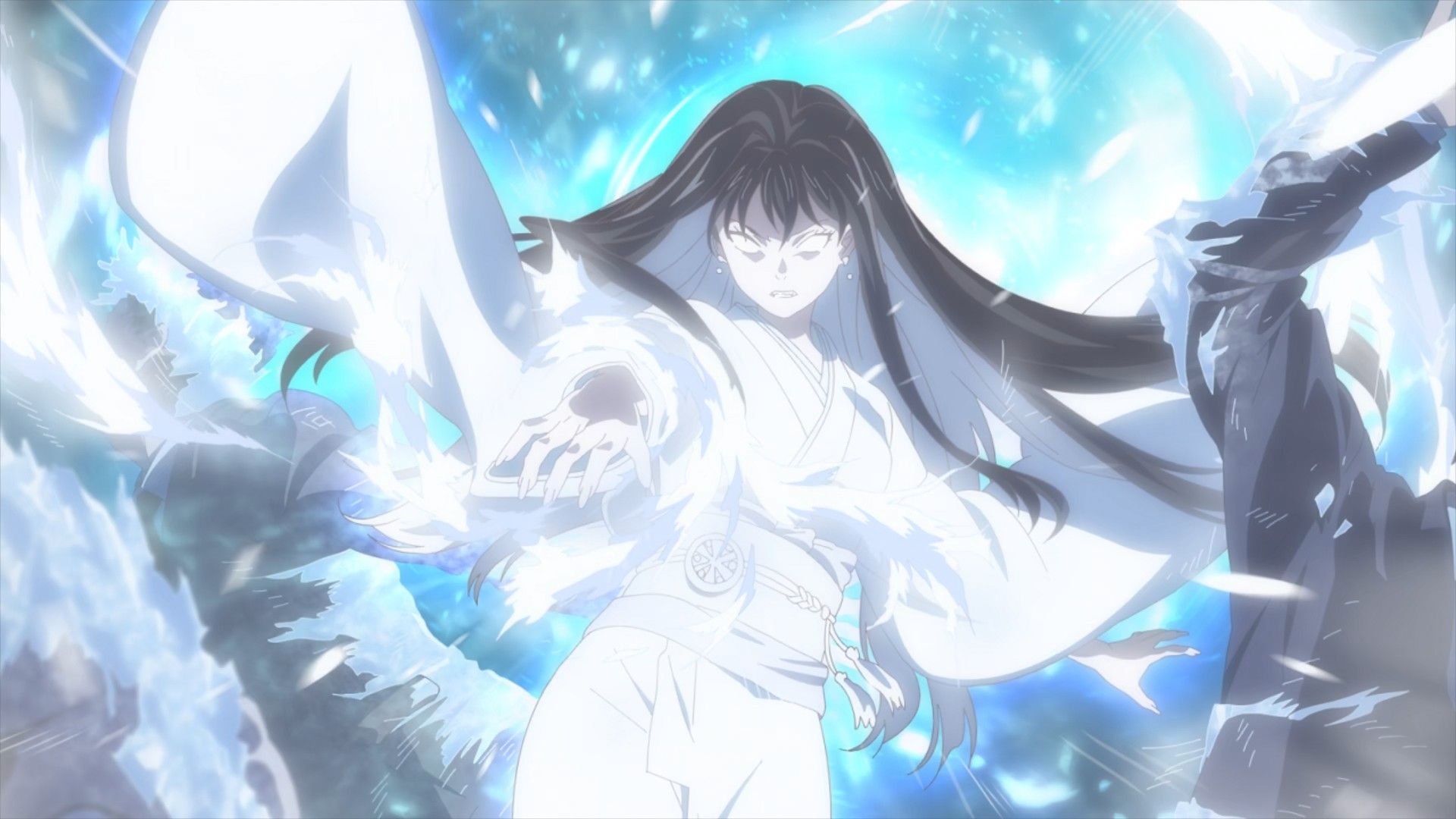
The plot of Kyokou Suiri is a blend of a crime mystery and folklore. Instead of a simple monster of the week formula or a linear adventure, we get a structure that resembles an inverted detective story. The mystery is supernatural, but the methods of solving it are surprisingly rational. The first few episodes serve to establish the partnership between Kotoko and Kurou and introduce us to the rules of the game. We learn what the role of the goddess of wisdom entails and what powers Kurou is hiding. After a brief introduction, the series shifts to the main plotline that dominates most of the season. The central thread turns out to be the Nanase case—the ghost of an urban legend who has taken the form of a faceless idol armed with a massive steel beam.
What sets the narrative structure of Kyokou Suiri apart is the dominance of dialogue and deduction over action. The climactic confrontation with the demonic idol is, in essence, a series of lengthy debates led by Kotoko. Instead of fighting the spirit directly (which would be doomed to fail anyway given Nanase’s incredible strength), the protagonist decides to defeat her with a much more subtle weapon: logic combined with controlled deception. Kotoko creates competing versions of events on internet forums, attempting to undermine the legend that granted the phantom its real power. The creators skillfully build the atmosphere of an intellectual thriller. Any of Kotoko’s hypotheses could save the day or ruin everything for everyone, and the stakes are not just about defeating the monster, but also convincing a crowd of anonymous netizens.
A Bit About the Narrative Structure
Naturally, such an unconventional structure comes with its own consequences. The pacing of the series can be uneven. The dynamic beginning is followed by a long game of chess between Kotoko and an invisible opponent. For me, however, this style of storytelling is highly appealing. Instead of culminating in an epic battle, we get something resembling a court trial in the spirit world, where Kotoko acts as both lawyer and witness. That being said, it must be stated clearly: Kyokou Suiri demands the viewer’s focus and an acceptance of its narrative pace. The reward is the profound satisfaction of unraveling the intrigue and watching all the little clues scattered along the way suddenly click into a logical whole.
In the second season, the creators opted for a more episodic format, delivering several smaller cases rather than one prolonged storyline.
Characters
Introduction
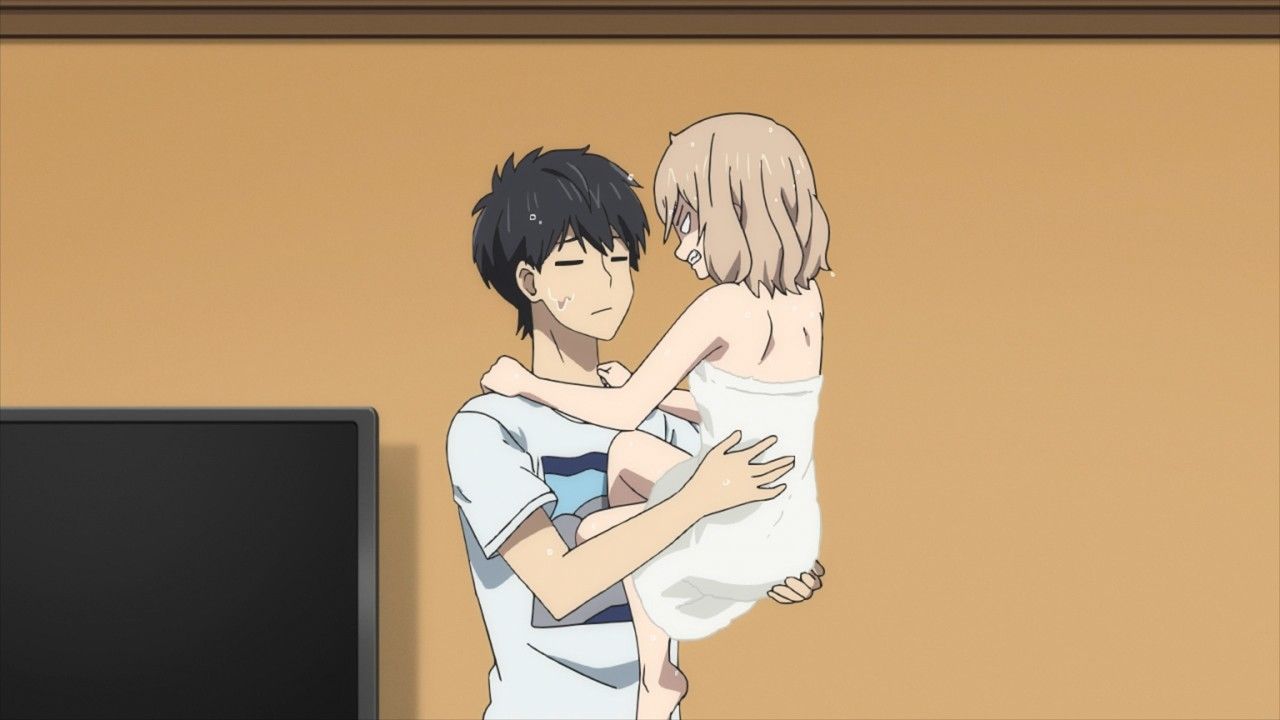
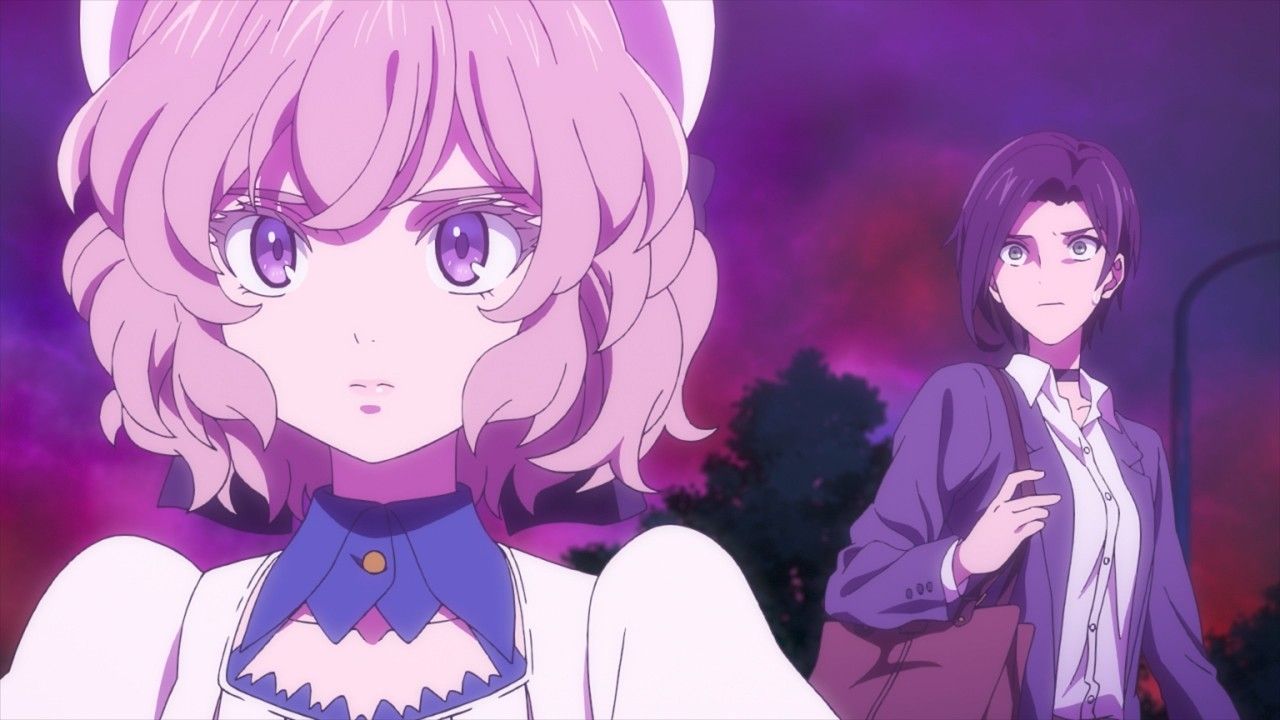
The central axis of Kyokou Suiri is undoubtedly its main characters: Iwanaga Kotoko and Sakuragawa Kurou. The dialogues between Kotoko and Kurou are one of the most compelling aspects of the series. Kotoko constantly flirts with Kurou in a manner so bold it’s almost hard to believe. Kurou usually responds to her teasing with cool composure or mild embarrassment. The dynamic romantic comedy seamlessly woven into the dark, youkai-filled background ensures that even when the plot slows down, the characters draw us in with their charm.
Iwanaga Kotoko
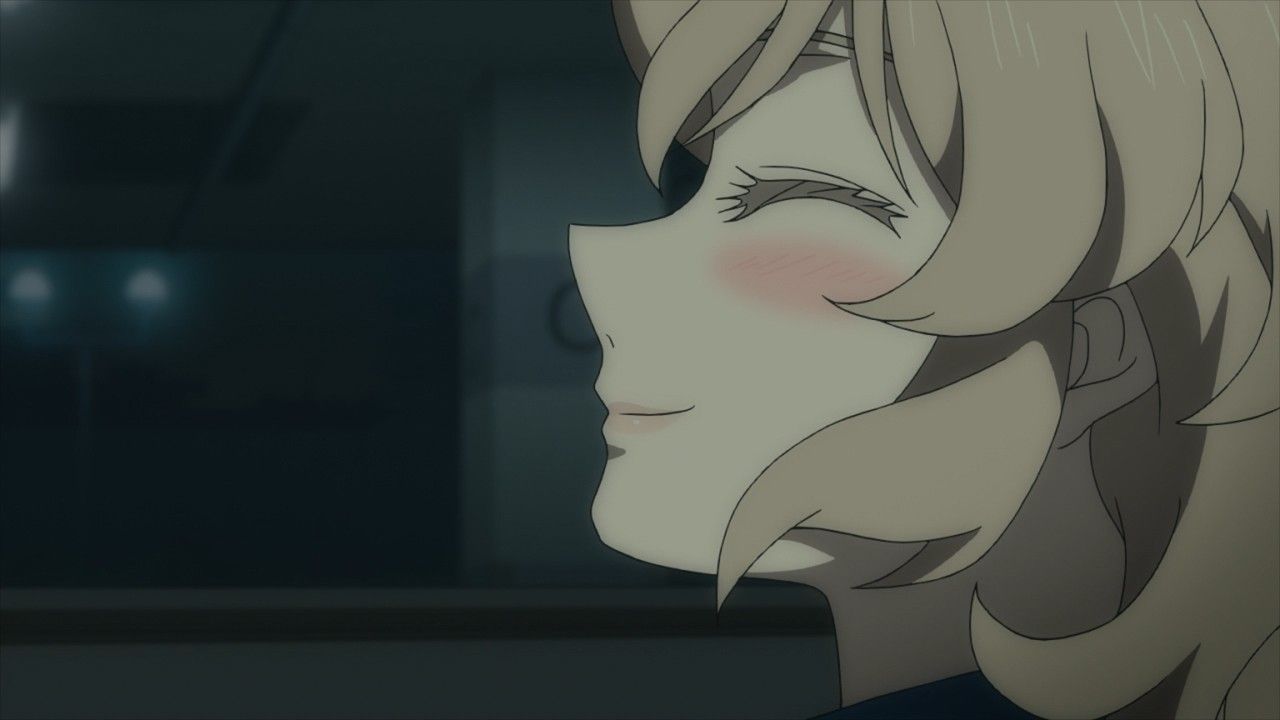
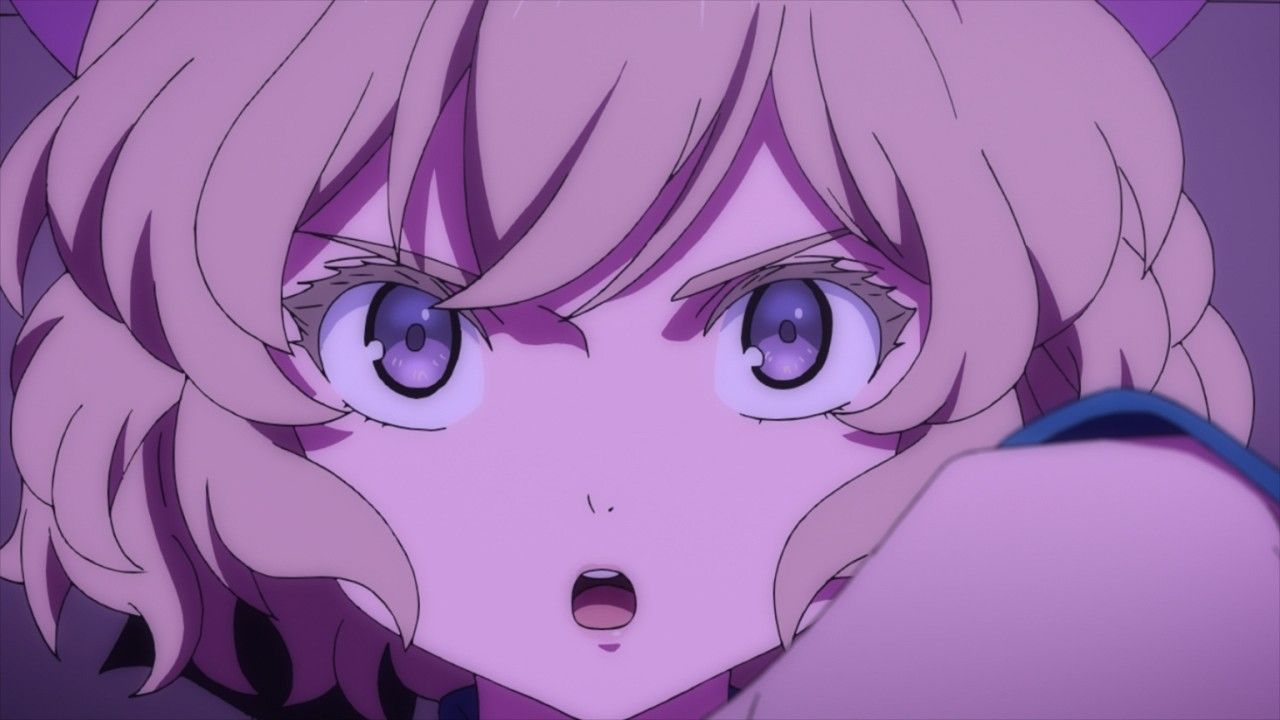
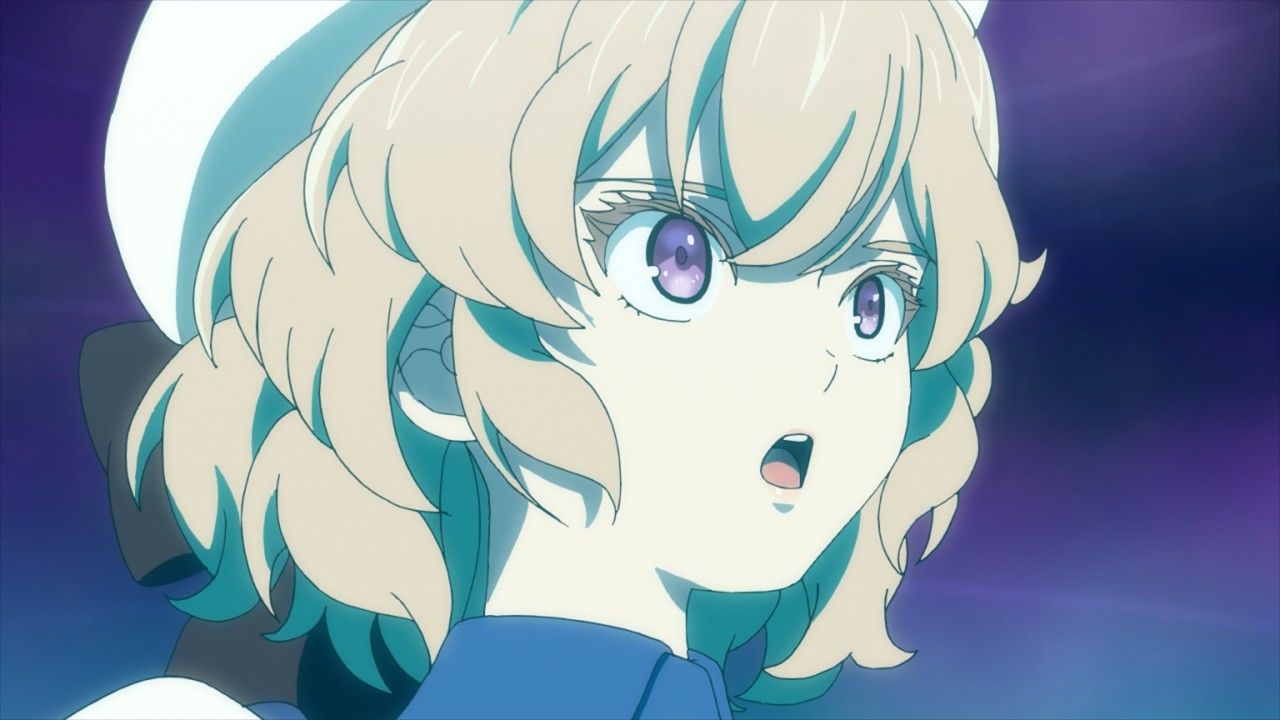
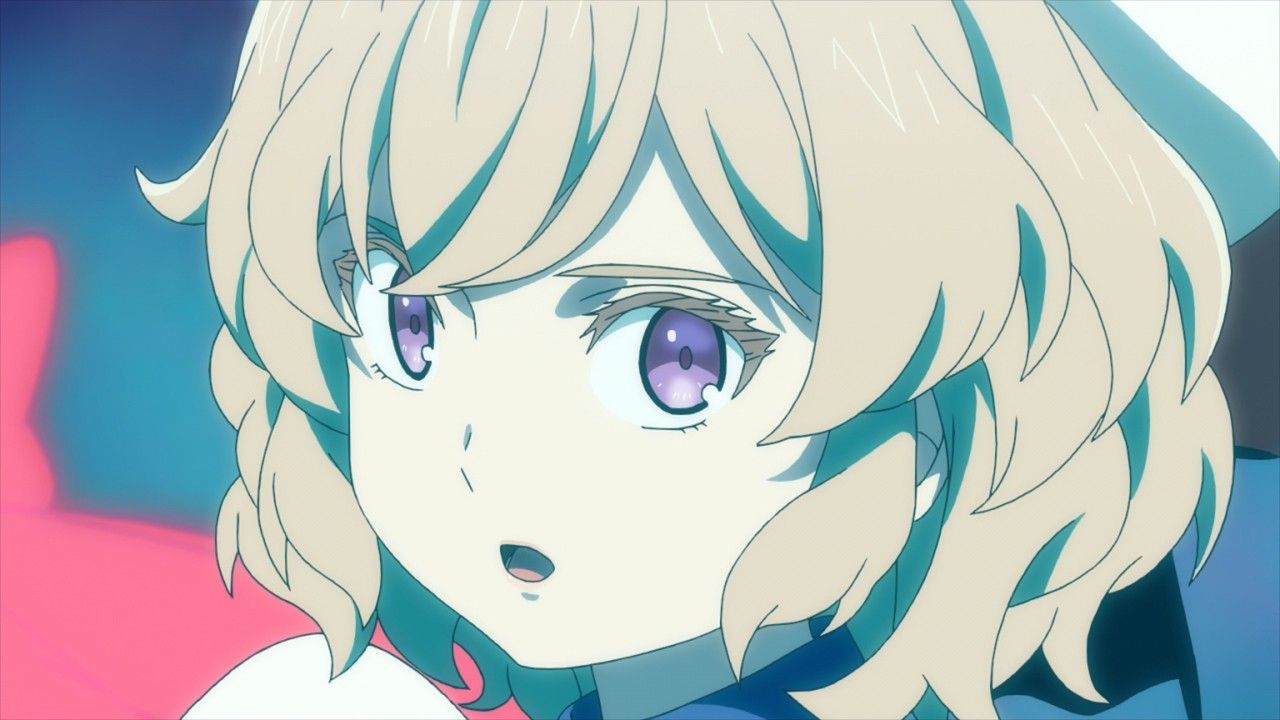
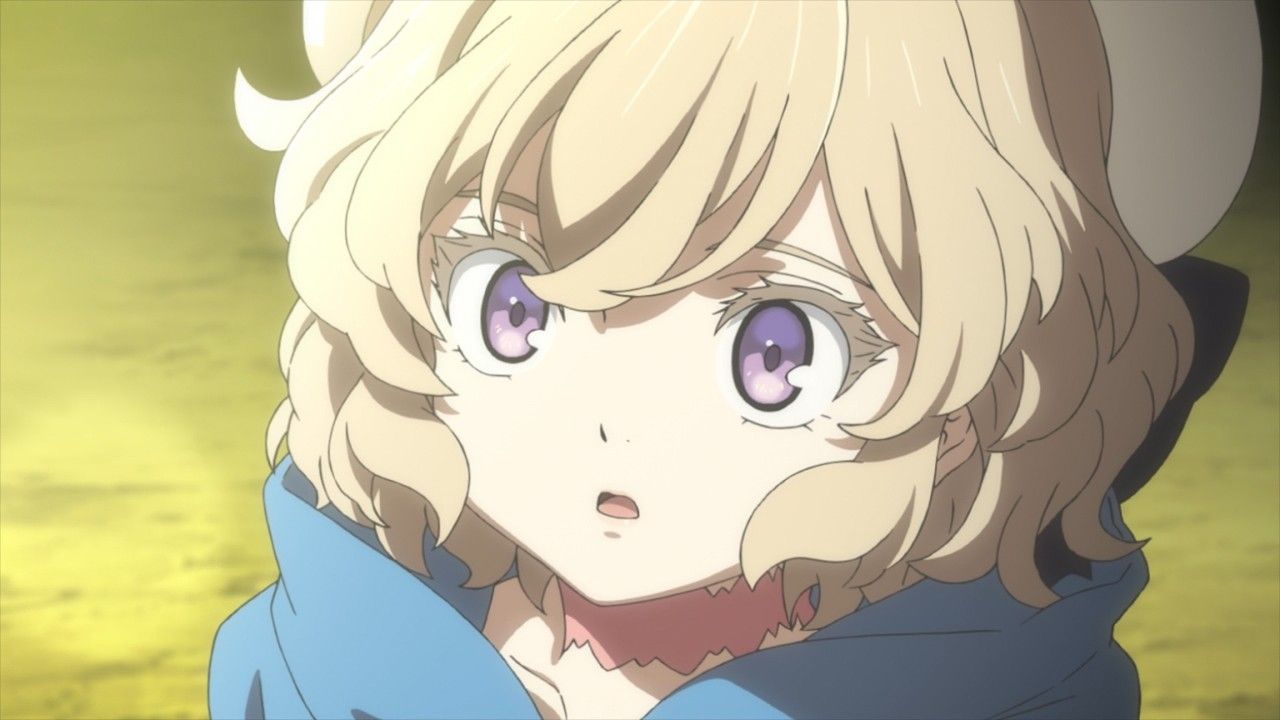
Kotoko is usually the initiator here; in fact, she aggressively adores the man she has chosen. Having been kidnapped by youkai in her childhood, she agreed to become their goddess of wisdom in exchange for sacrificing an eye and a leg. Kotoko throws absolutely no pity parties for herself. On the contrary, she is proud of her role, flaunting her position as a mediator between humans and mononoke like a badge of honor.
Her lively personality and sharp tongue inject energy into the story right from the opening scenes. Kotoko can deliver a brilliant retort in a split second or unceremoniously ask Kurou out on a date. Personally, I was captivated by Kotoko’s direct approach. She doesn’t beat around the bush and fights for what’s hers, openly declaring her feelings for Kurou in every sense of the word.
Sakuragawa Kurou
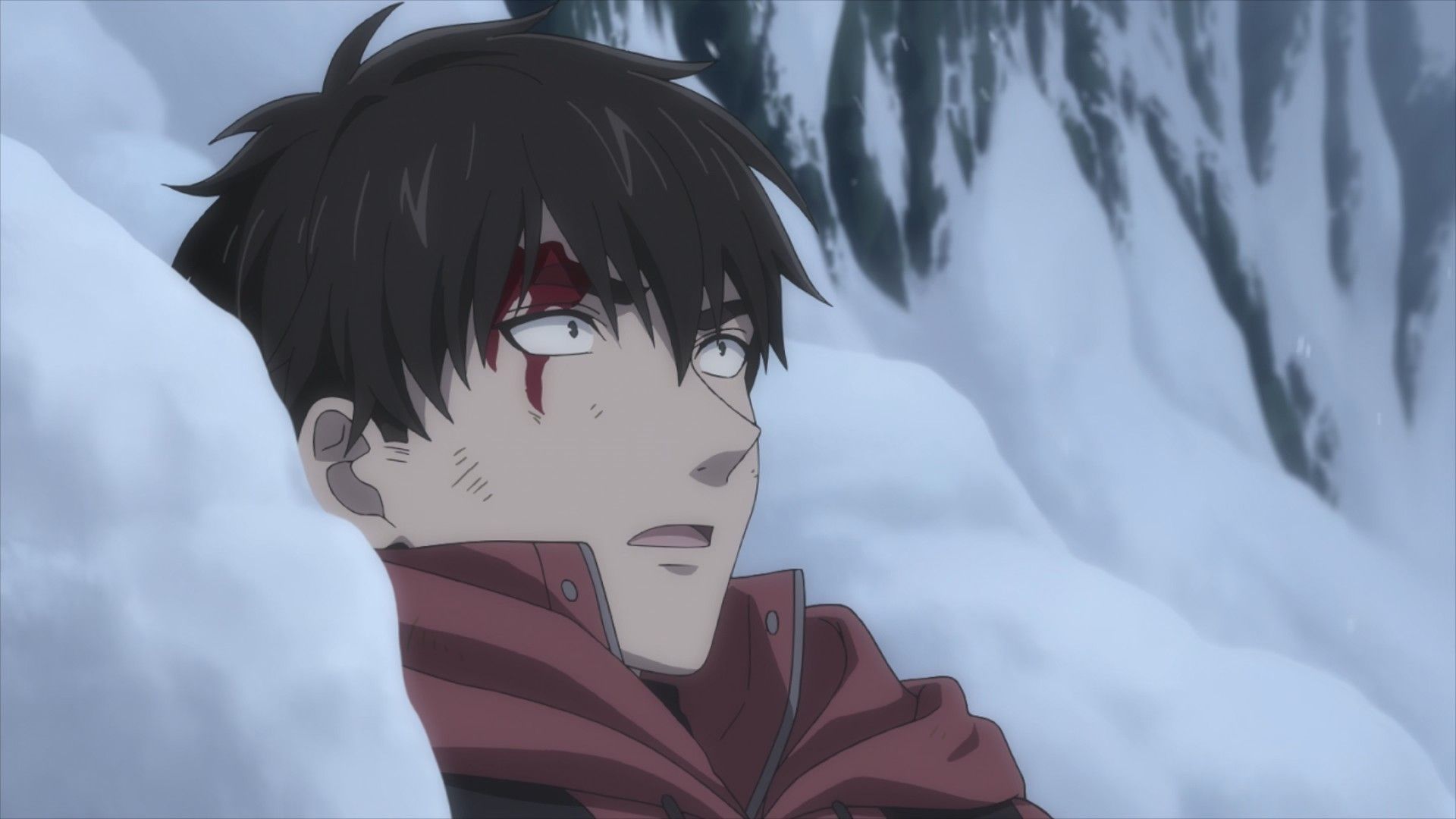
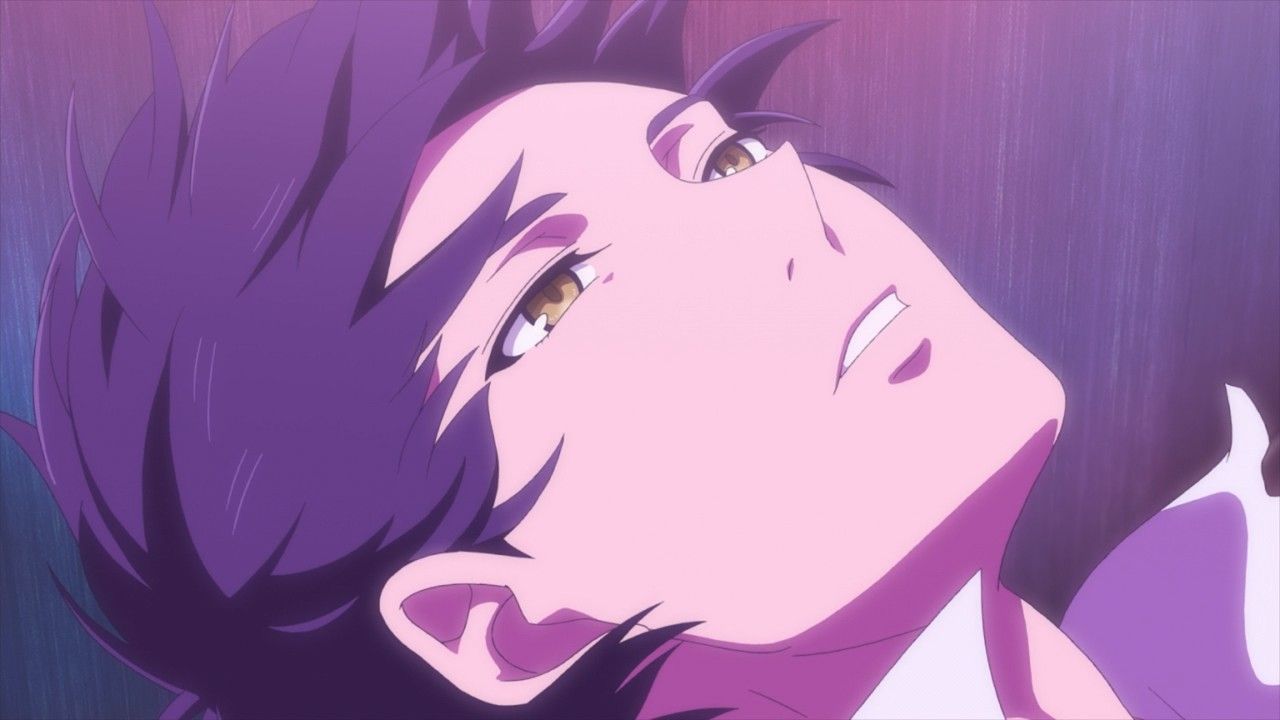
Introduced as a calm, withdrawn young man, Kurou initially seems to be nothing more than a passive observer of Kotoko’s eccentric antics. However, we quickly discover that beneath his facade of normality lies a being just as extraordinary as his companion. Sakuragawa Kurou possesses the gifts of immortality and precognition, and the source of these powers stems from his own grim past. Raised in a traditional Japanese family with mysterious practices, he was subjected to a cruel experiment as a child. He was fed the flesh of mystical creatures—Ningyo (mermaids) and Kudan—to create someone who will survive any blow and know the future. These macabre experiences explain his stoic calm and total indifference to his own fate. Kurou can genuinely afford to be fearless since, even when torn to shreds, he regenerates in the blink of an eye.
When Kotoko proposes that they team up, Kurou initially reacts with reserve. And no wonder. He has just broken up with his girlfriend, and suddenly a charming girl appears, declaring that witches and demons are her daily bread. However, circumstances quickly force him to engage in the relationship. His stoic composure and protective nature contrast beautifully with Kotoko’s exuberance, creating a mix that complements both of them perfectly. Kurou is the voice of reason and the shield protecting Kotoko from physical threats, while simultaneously allowing her to take the intellectual lead.


Supporting Characters
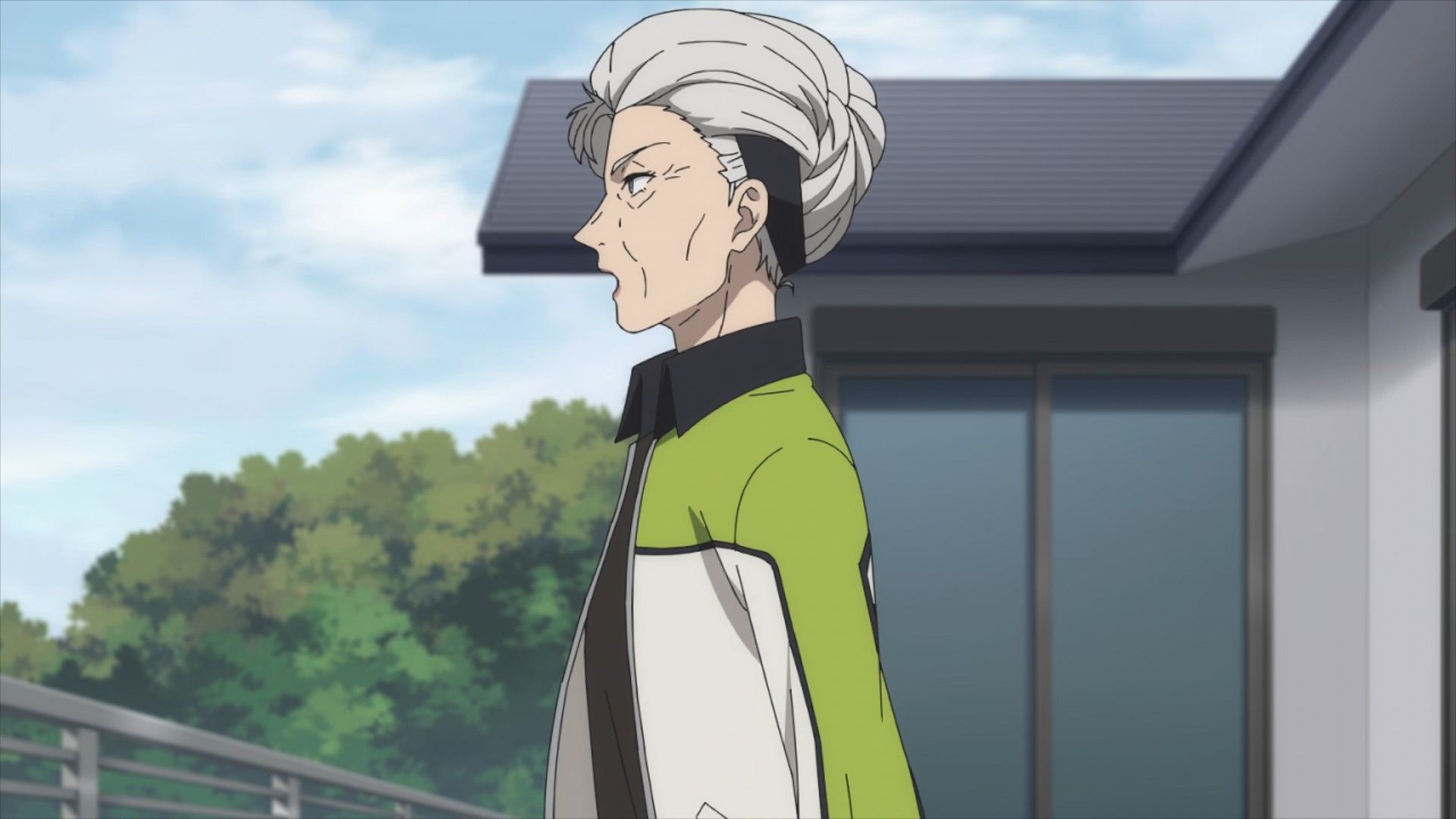
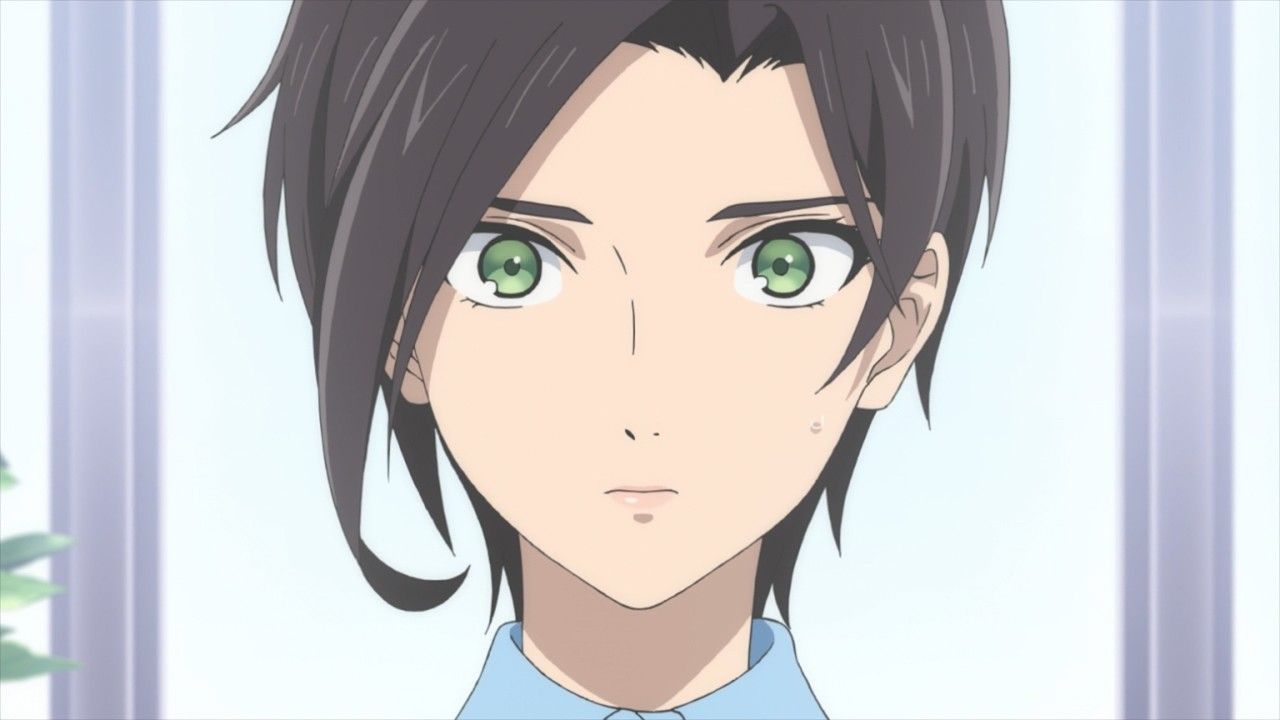
Although the Kotoko-Kurou duo steals the show, Yumihara Saki (Kurou’s ex-girlfriend) adds a fascinating layer of color to the story. Saki is a police officer struggling with her own trauma after coming into contact with Kurou’s powers. Initially, she represents the voice of reason from the human world. Paradoxically, the very fear of spirits that Kurou inadvertently planted in her is what motivates her to assist the protagonists in their investigation into the demonic idol. Saki is pragmatic and brave in her own unique way. She knows the official authorities won’t believe in a supernatural threat. Despite her fear, she stands shoulder-to-shoulder with Kotoko and Kurou against the unknown.
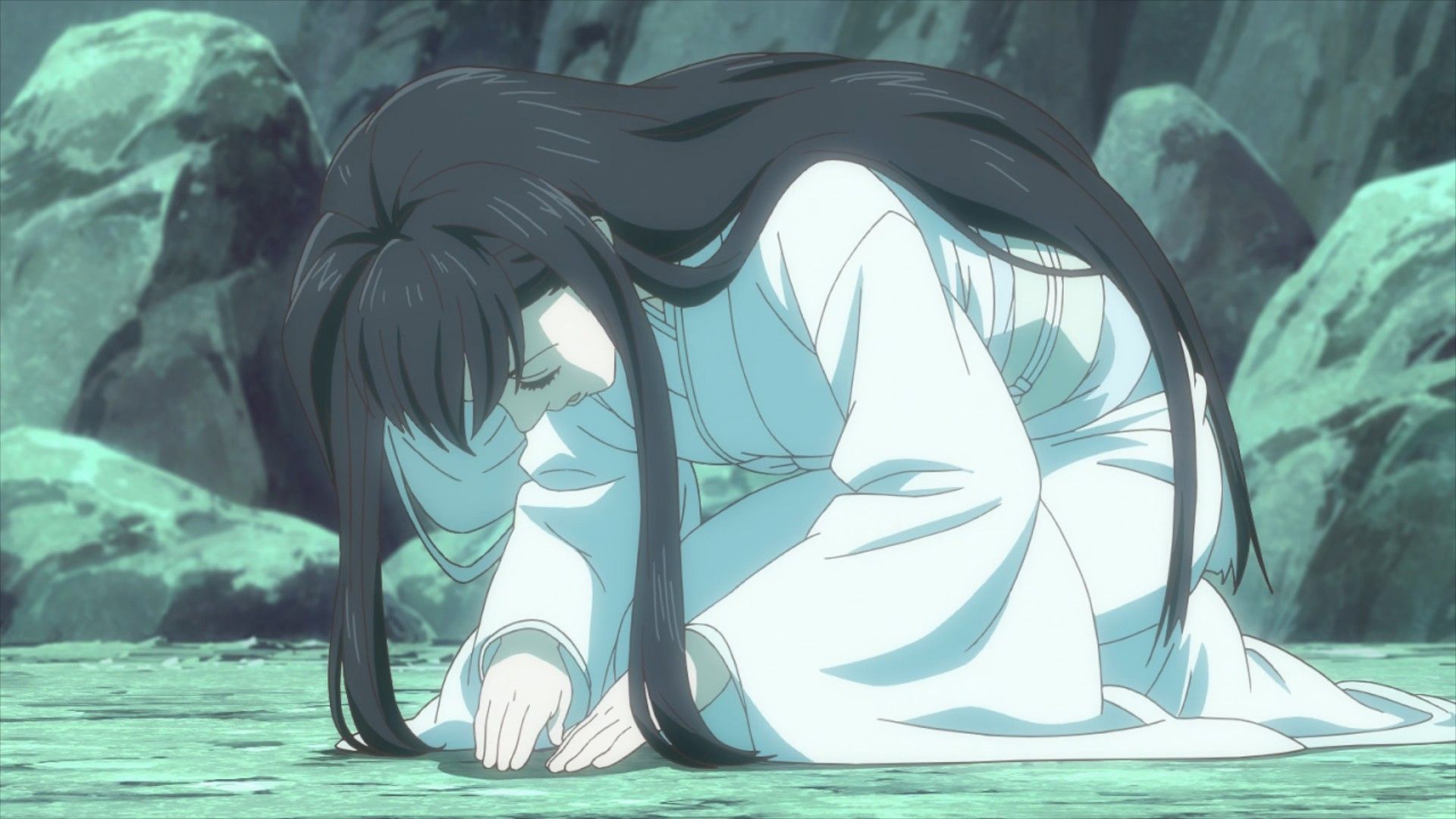
Her presence provides a brilliant contrast: an ordinary woman of the law trying to understand and accept a world she has been dragged into. This occasionally leads to humorous situations (especially when Kotoko teases Saki about her past with Kurou), but above all, Saki grounds the narrative. She illustrates how an average person reacts to phenomena that turn logic completely upside down. My absolute favorite supporting character, however, was the youkai yuki-onna, the heroine of one of the second season’s arcs who fell in love with a human. Yuuki Aoi, who played this role to perfection, definitely helped bring the character to life.
Symbolism
Kyokou Suiri operates on multiple symbolic levels, deftly weaving elements of Japanese culture into a modern narrative. The character of Kotoko herself symbolizes a bridge between two worlds. She is a young girl who literally sacrificed pieces of herself to bridge the gap between humans and youkai. The series frequently circles back to a central question: what is better—an uncomfortable truth or a soothing lie? Kotoko doesn’t hesitate to choose the latter if it means preventing a panic or a tragedy. It’s a fascinating commentary on the nature of myths and belief. In the youkai world, human belief literally brings monsters to life. To defeat a monster, simply destroying it physically isn’t always enough—you have to destroy the belief in it.
Portrayal of Youkai
The portrayal of the youkai themselves in the anime deserves its own praise. The creators approached the subject matter with immense respect for folklore, while simultaneously adapting it to modern realities. We encounter a whole constellation of classic entities here. From the kappa, famous from tales of drowning victims, through the serpentine lake deity, all the way to the yuki-onna (snow woman) and many others. Each of these beings retains their traditional characteristics. The kappa is curious and mischievous; the yuki-onna is melancholic and bound to the winter snow. Yet, at the same time, they are depicted as a fully functioning society existing parallel to our own.
The youkai in Kyokou Suiri have their own problems, conflicts, and fears, which are often surprisingly mundane despite their supernatural origins. These aren’t just anonymous little monsters to defeat, but fully-fledged characters who sometimes evoke sympathy and, at other times, dread. I appreciated that the anime steers clear of a black-and-white division between good and evil. Most of them are simply trying to exist, and if they do pose a threat, it is usually the result of a misunderstanding on the humans’ part or due to their own past grievances.
The series frequently winks at pop-culture connoisseurs and the fandom. Playful allusions are sprinkled throughout the dialogues, easily caught by those familiar with the genre. Kyokou Suiri doesn’t spoon-feed every Japanese concept to the viewer. Terms like youkai, ayakashi, or miko are used naturally, without intrusive exposition. For fans of the genre, this is a massive plus, as it prevents the narrative from bogging down in basic explanations. Furthermore, the symbolism of individual creatures often stems directly from cultural context. For instance, the mermaid Ningyo, whose flesh granted Kurou immortality, provides longevity in folklore but can also be a harbinger of misfortune; meanwhile, the Kudan, a miraculous calf that foretells the future, perfectly justifies Kurou’s gift of precognition. Such flavorful details are served up in passing, and discovering them brought me a great deal of joy. I appreciate that the anime (and the translators of the official English release) doesn’t talk down to its audience. If someone isn’t familiar with these legends, they will still fully grasp the plot, but a true enthusiast of Japanese folklore will find plenty of hidden meanings here.

Kyokou Suiri (2020) – Evaluation and Summary
After finishing Kyokou Suiri, I feel a profound sense of satisfaction, coupled with a slight hunger for more. Not because the anime left things unsaid, but because this world drew me in so deeply that I just wanted to keep exploring it. The style of the series might not be for everyone. If you go in expecting high-octane action and a simple battle between good and evil, you might find yourself fatigued by the lengthy dialogues. For me, however, this specific format proved to be the show’s strongest asset.
Kyokou Suiri is an anime for connoisseurs looking for something more in Japanese animation than just another mainstream, clichéd brawl with a demon. As a dedicated fan of youkai themes and murder mysteries, I feel completely satisfied. Moreover, the continuation provided by the second season proved that the series’ potential is far from exhausted. On the contrary, the Kyokou Suiri universe still offers many intriguing stories and continues to expand both its mythology and the relationships between its characters. In summary, Kyokou Suiri turned out to be exactly what I had hoped for.
Finalny werdykt
Final evaluation

Which translation do I recommend to watch Kyokou Suiri (2020)?
- Crunchyroll (official) – a very solid translation that I can’t really fault, aside from some incredibly minor details that are ultimately so cosmetic they shouldn’t negatively impact your enjoyment of the overall story or the characters themselves.
Gallery