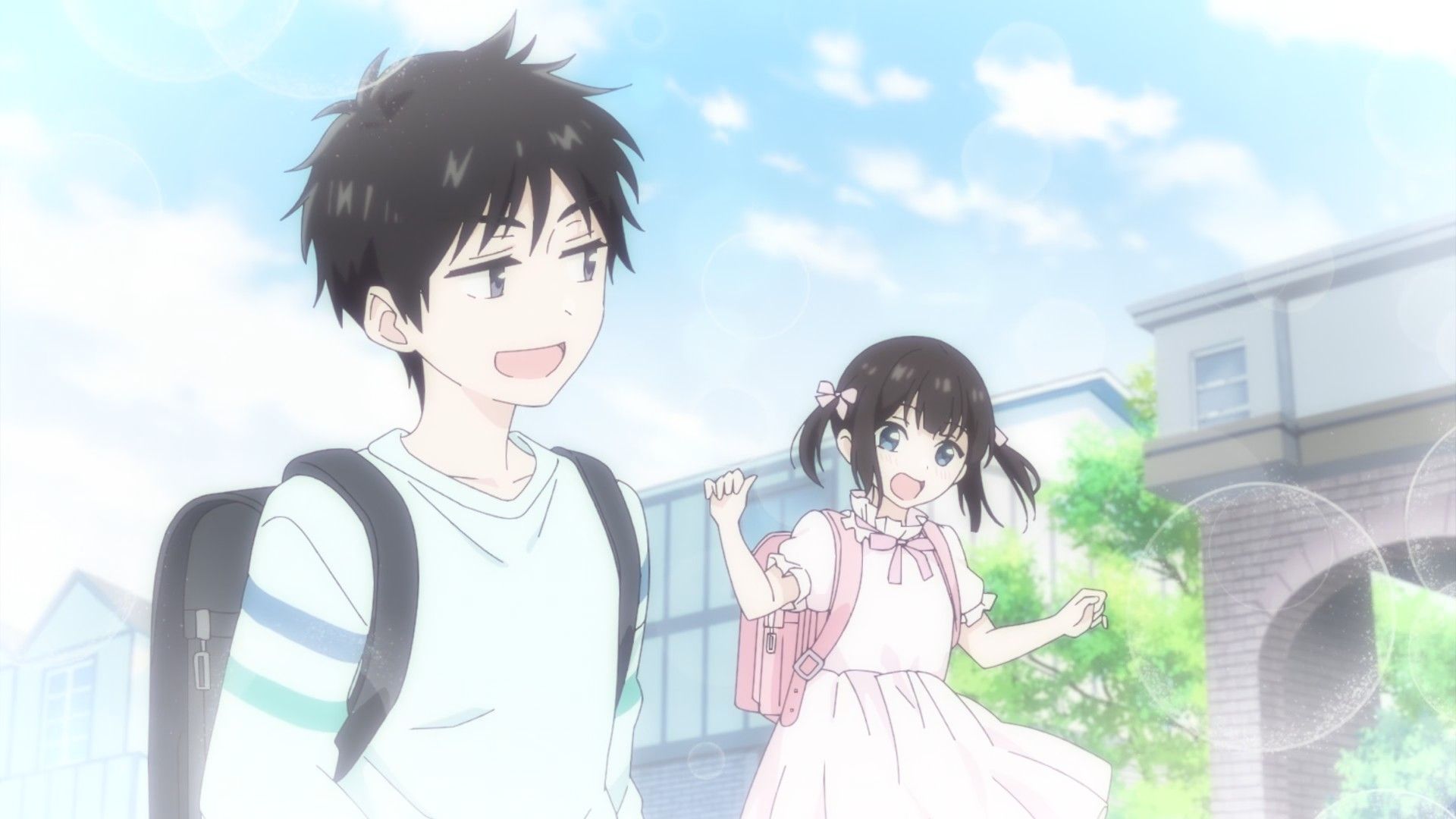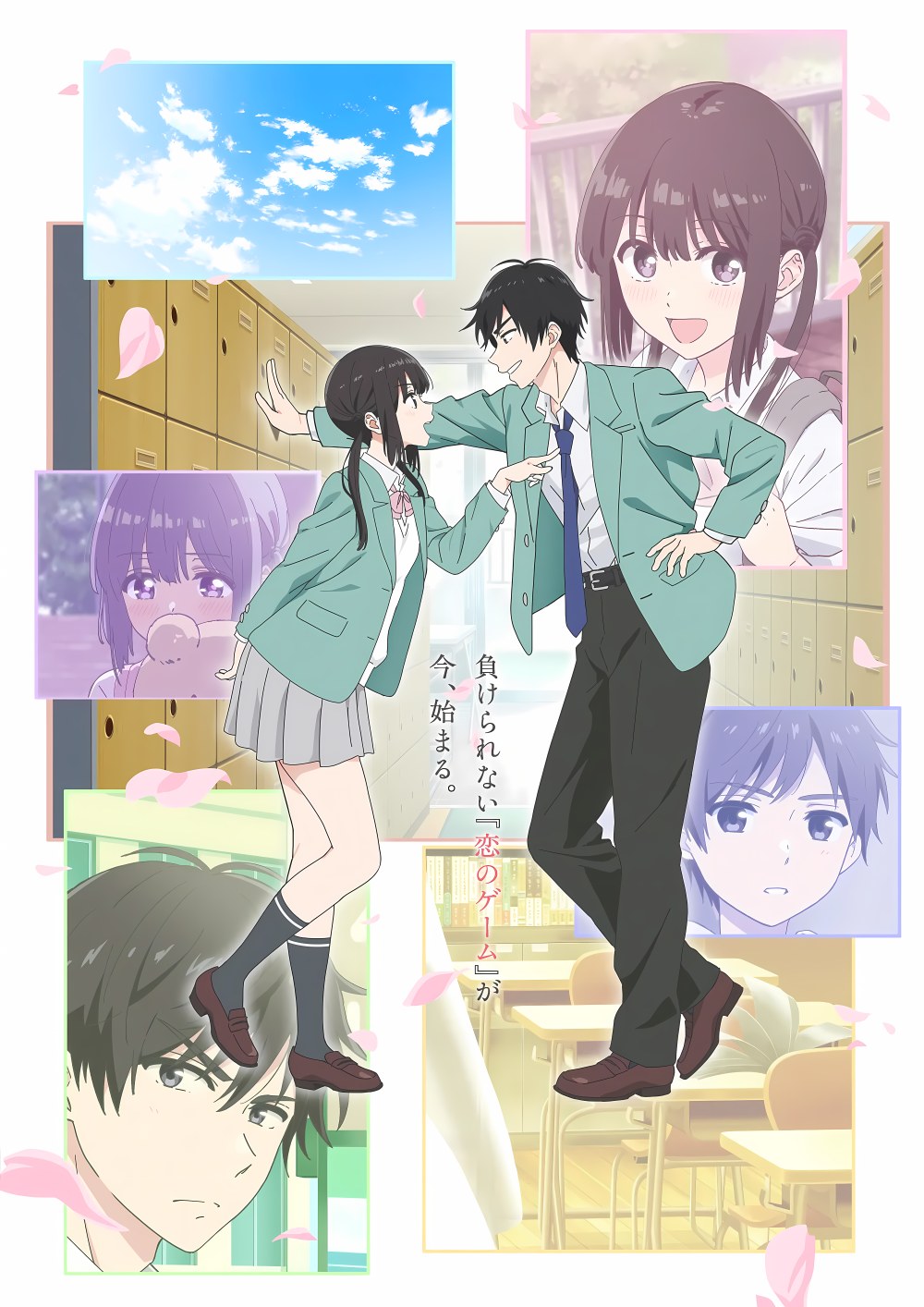
Since sixth grade, childhood friends Asagi Yukiya and Sakura Miku have been locked in a fierce, tension-filled contest they call the I love you game. At first, the rules were remarkably simple. They took turns confessing their love, and whoever blushed first lost. Yet four years later, neither has admitted defeat. The game itself has evolved into a battle of endurance in which absolutely nothing is off-limits.
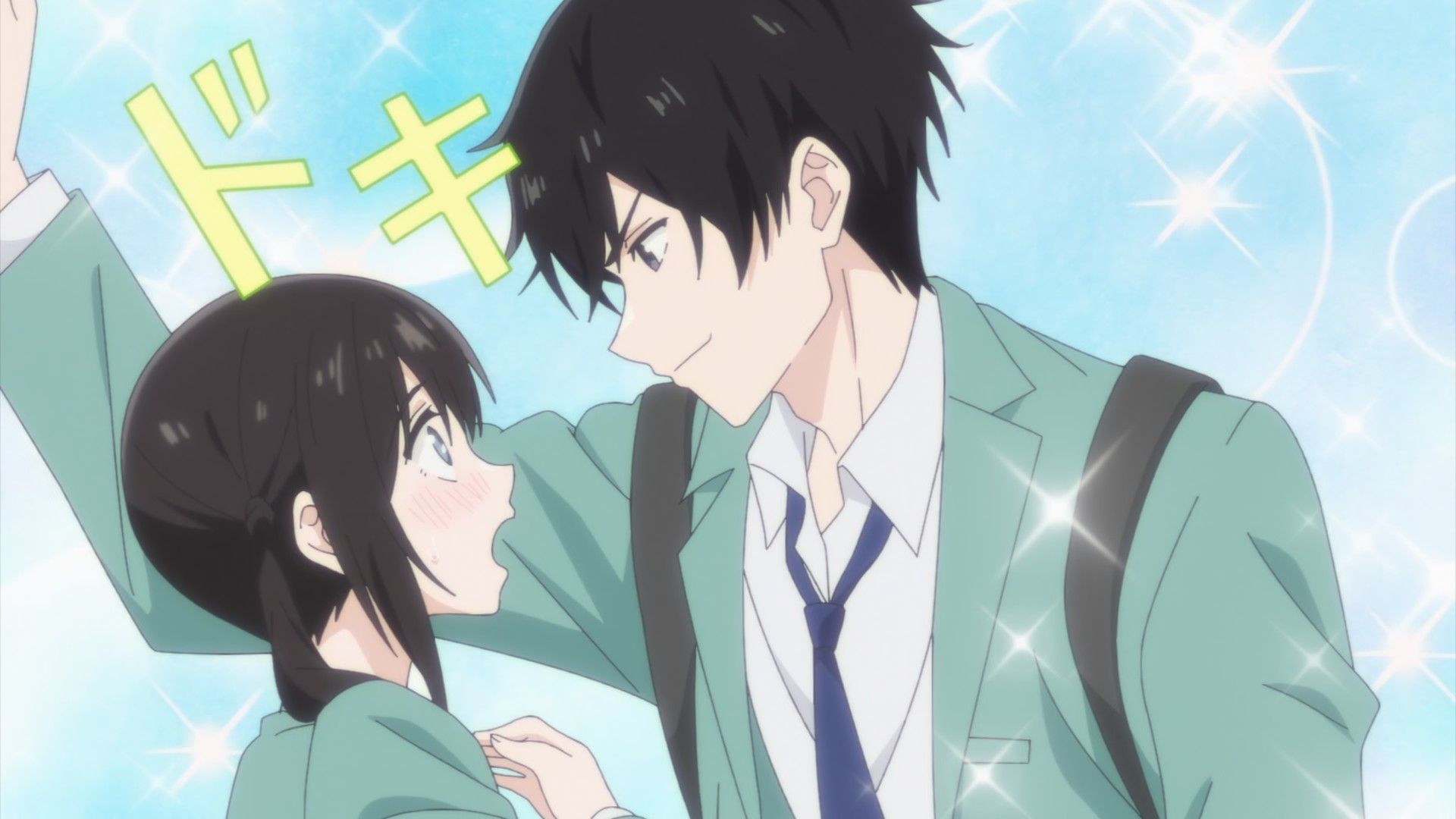
Now that both are beginning their first year at Shinju High School, the stakes are higher than ever. What began as innocent childhood teasing has grown into a genuine, extraordinarily powerful, mutual love. Deep down, Yukiya is crazy about Miku and desperately wants to prove that he has grown into a dependable man. To that end, he even studies romantic techniques straight out of shoujo manga, starting with the legendary kabedon, all in the hope of finally making her heart race. Miku, meanwhile, is completely in love with him and determined to make him notice her feminine charm. She turns her adorable new school uniform and daring physical closeness into weapons, hoping to break through his tough-guy facade.
Aishiteru Game wo Owarasetai (2026) – Audiovisual Design
Video
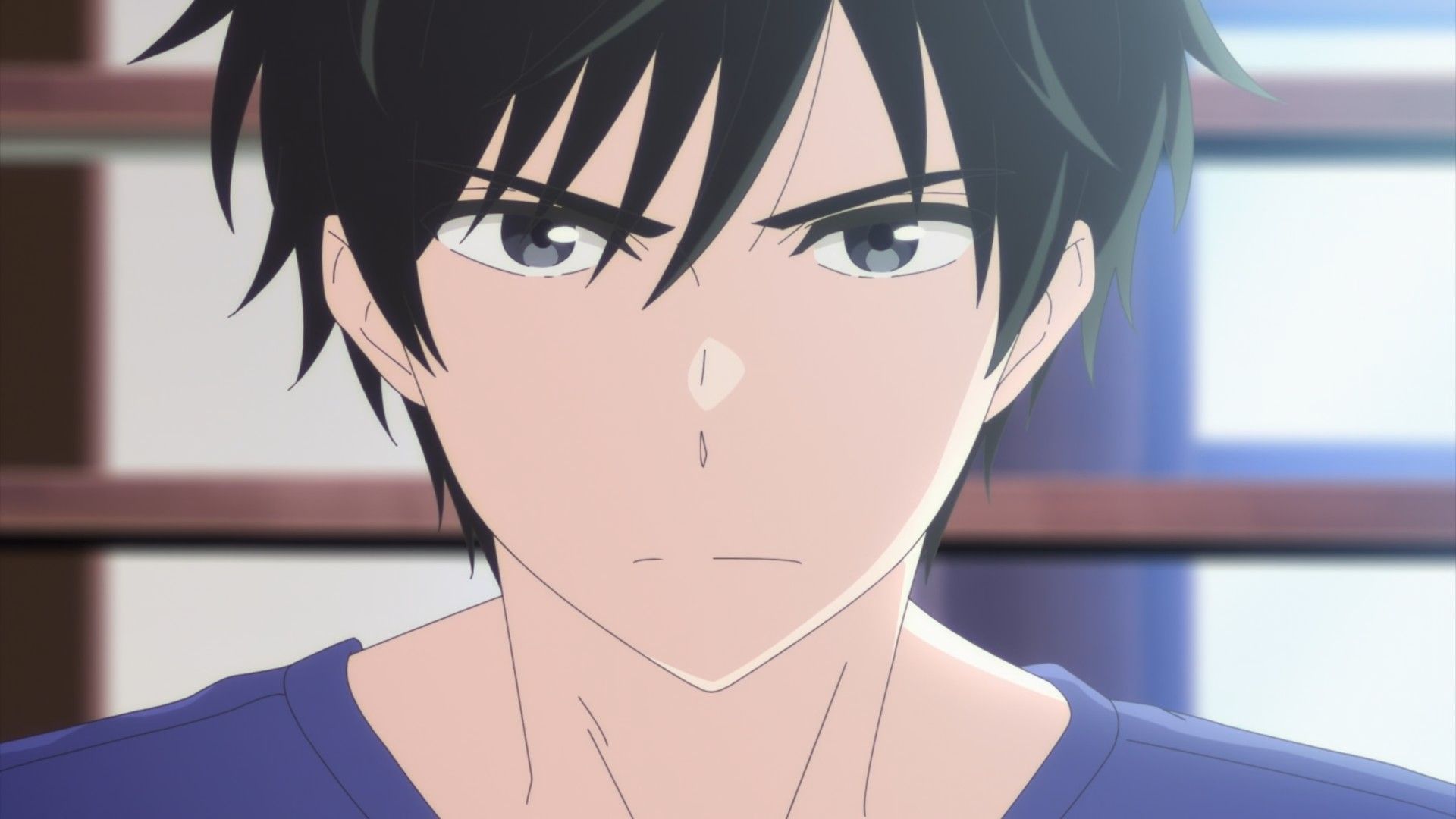
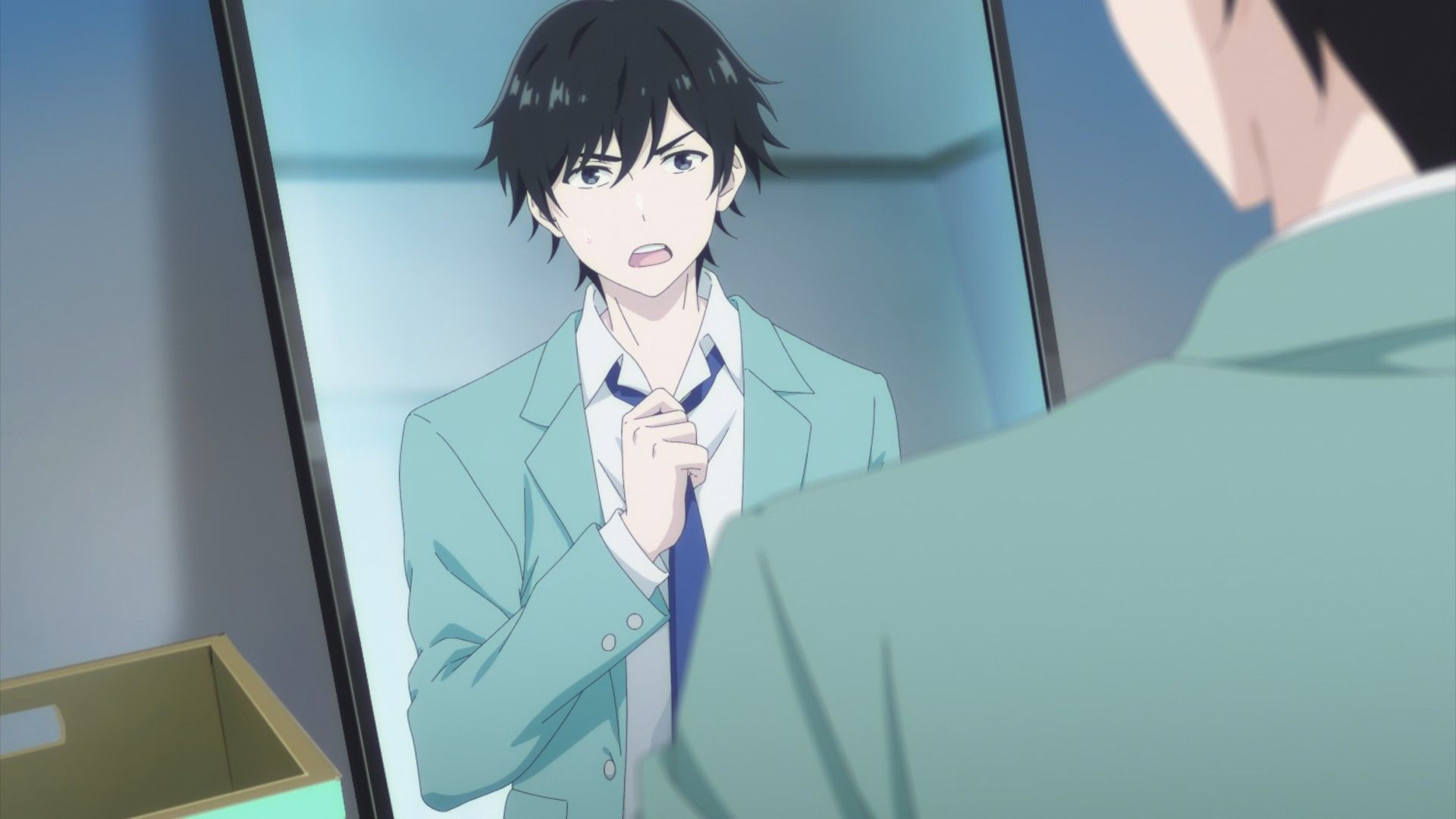
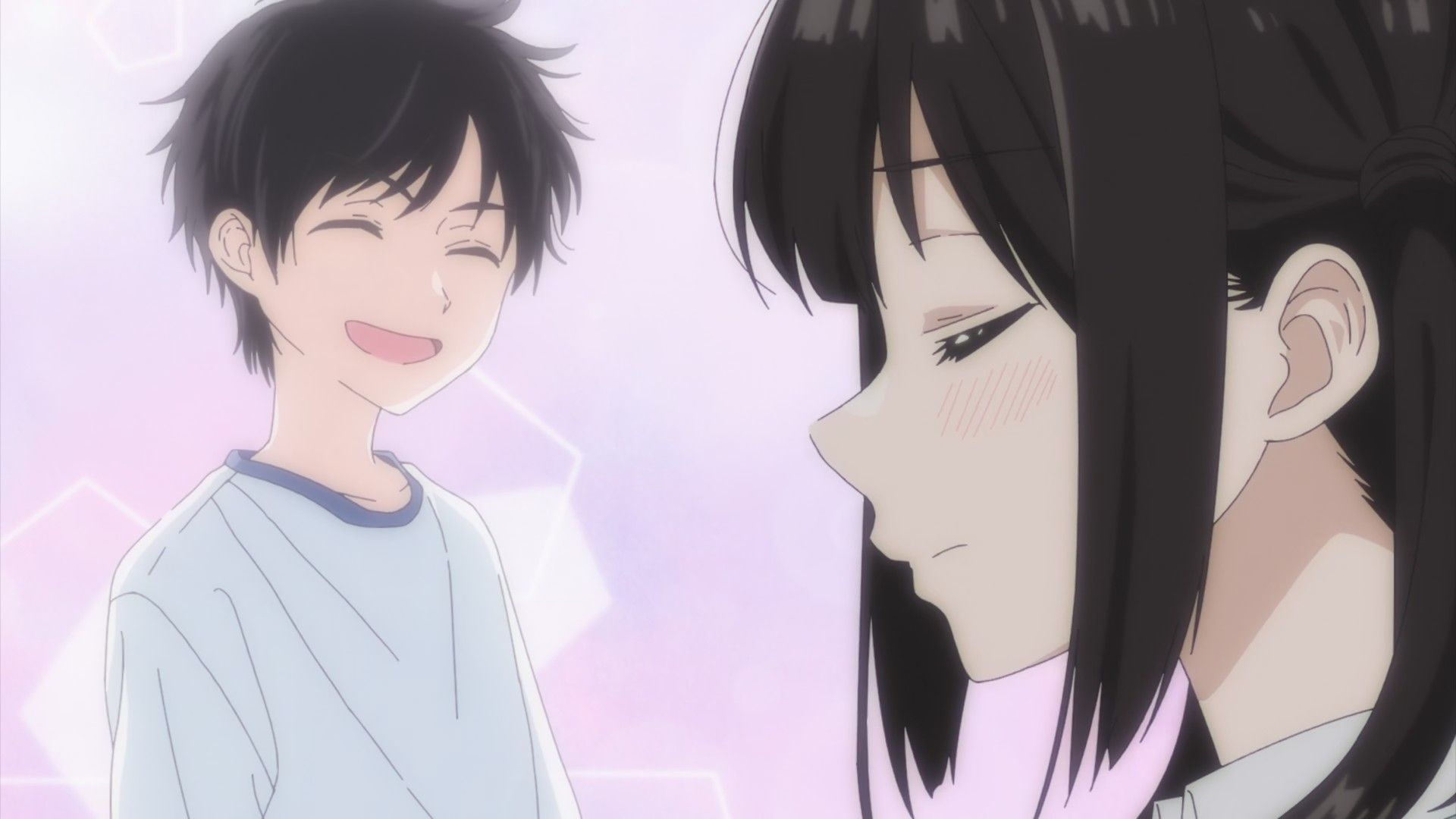
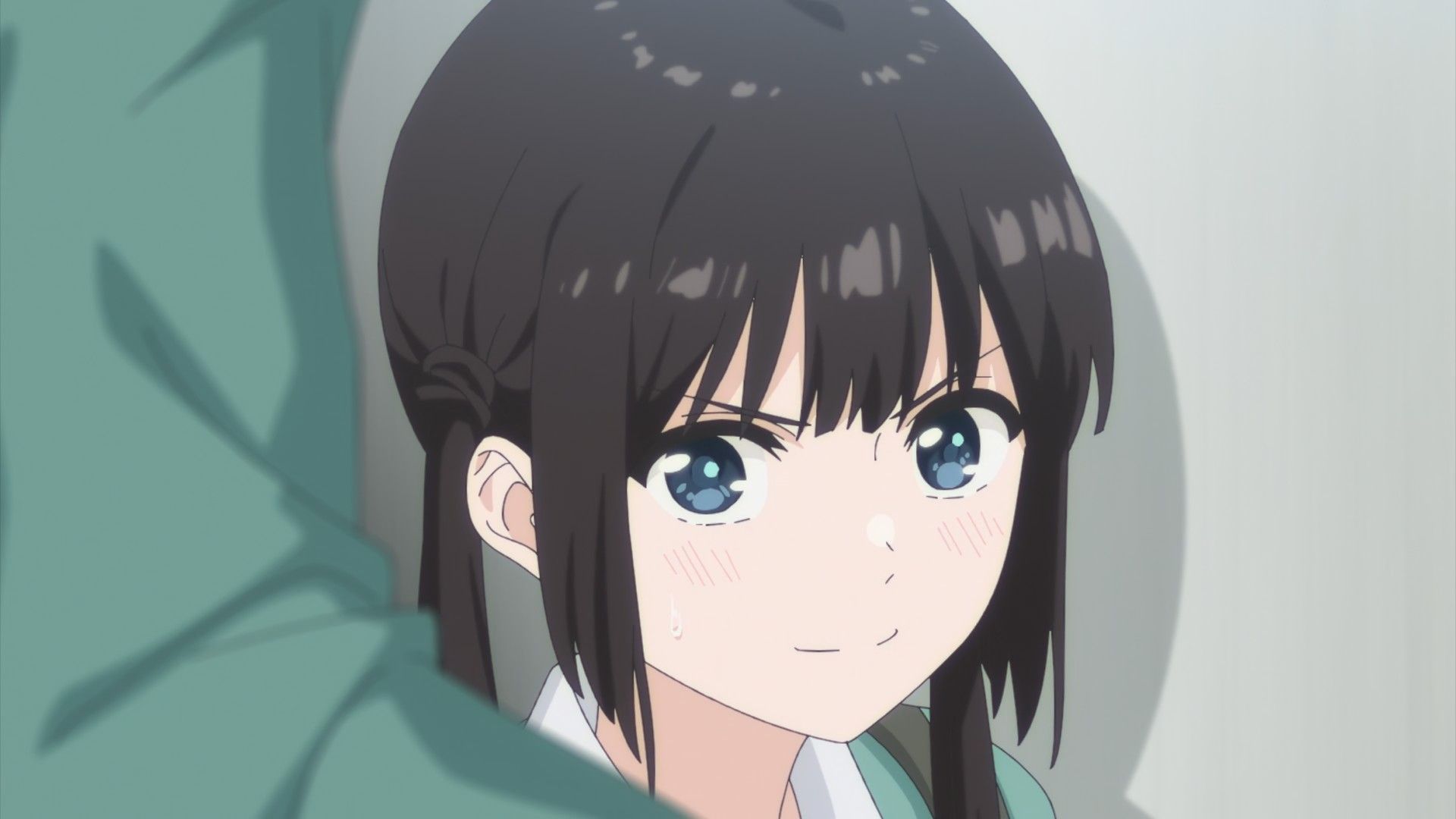
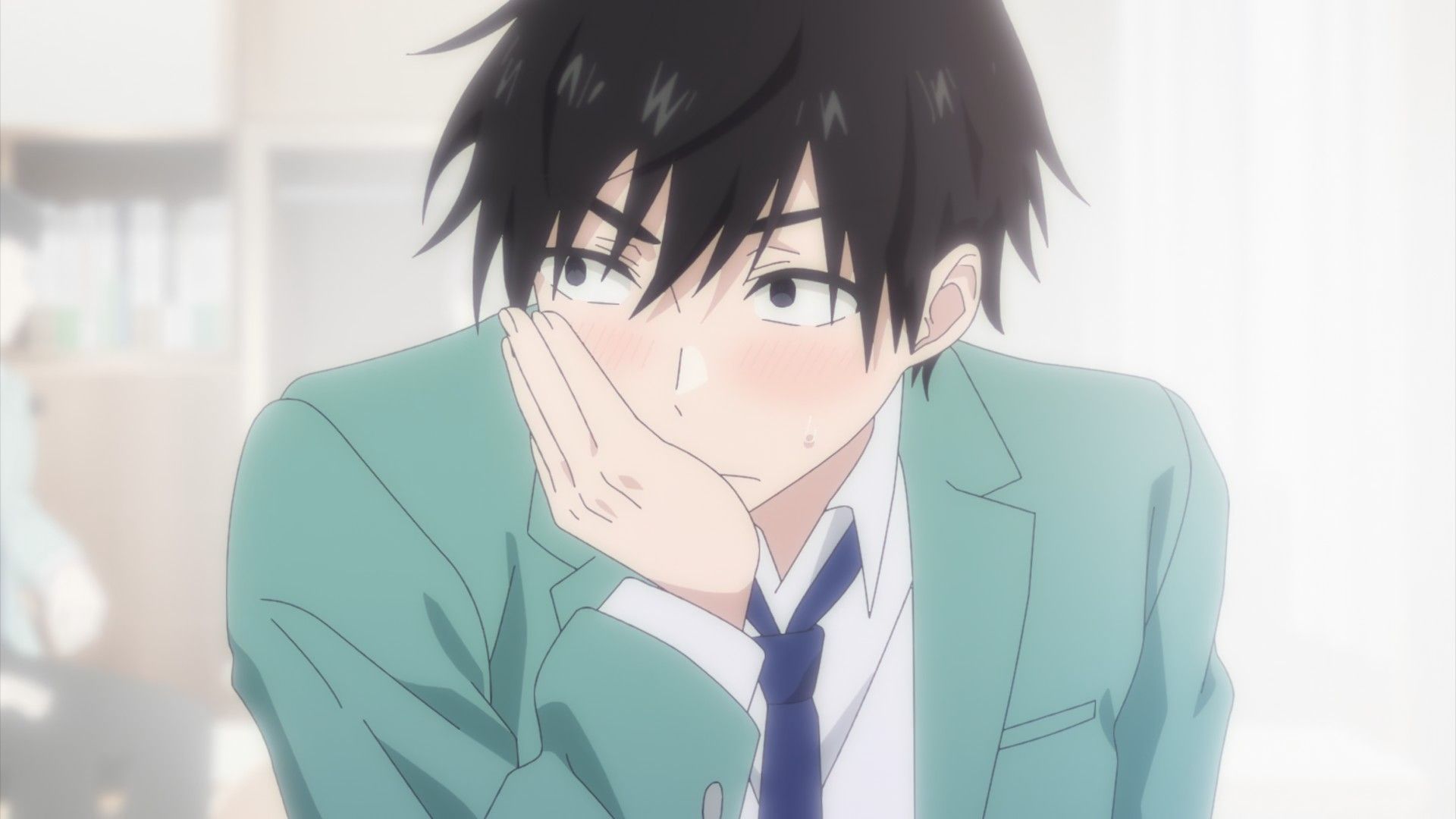
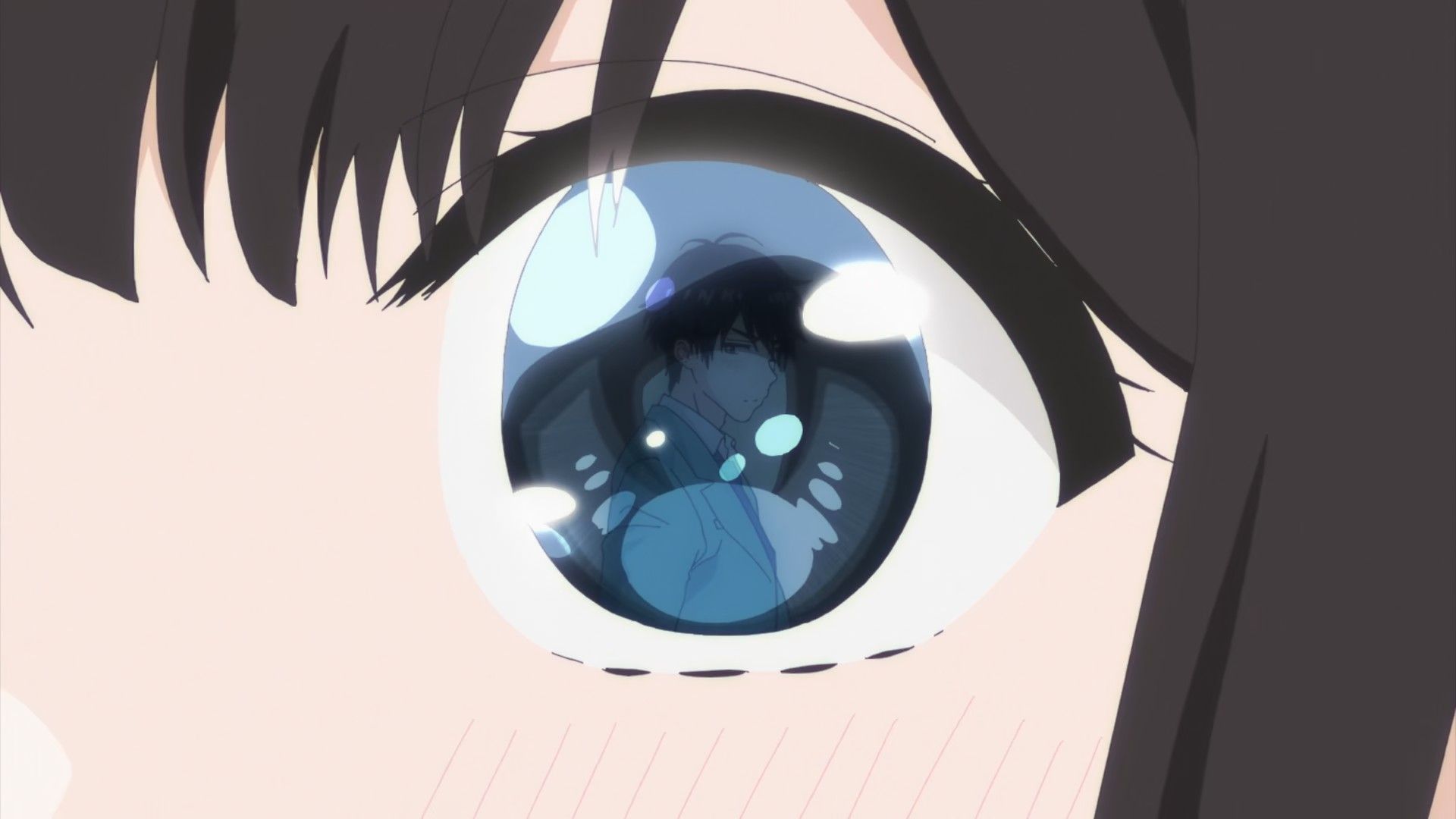
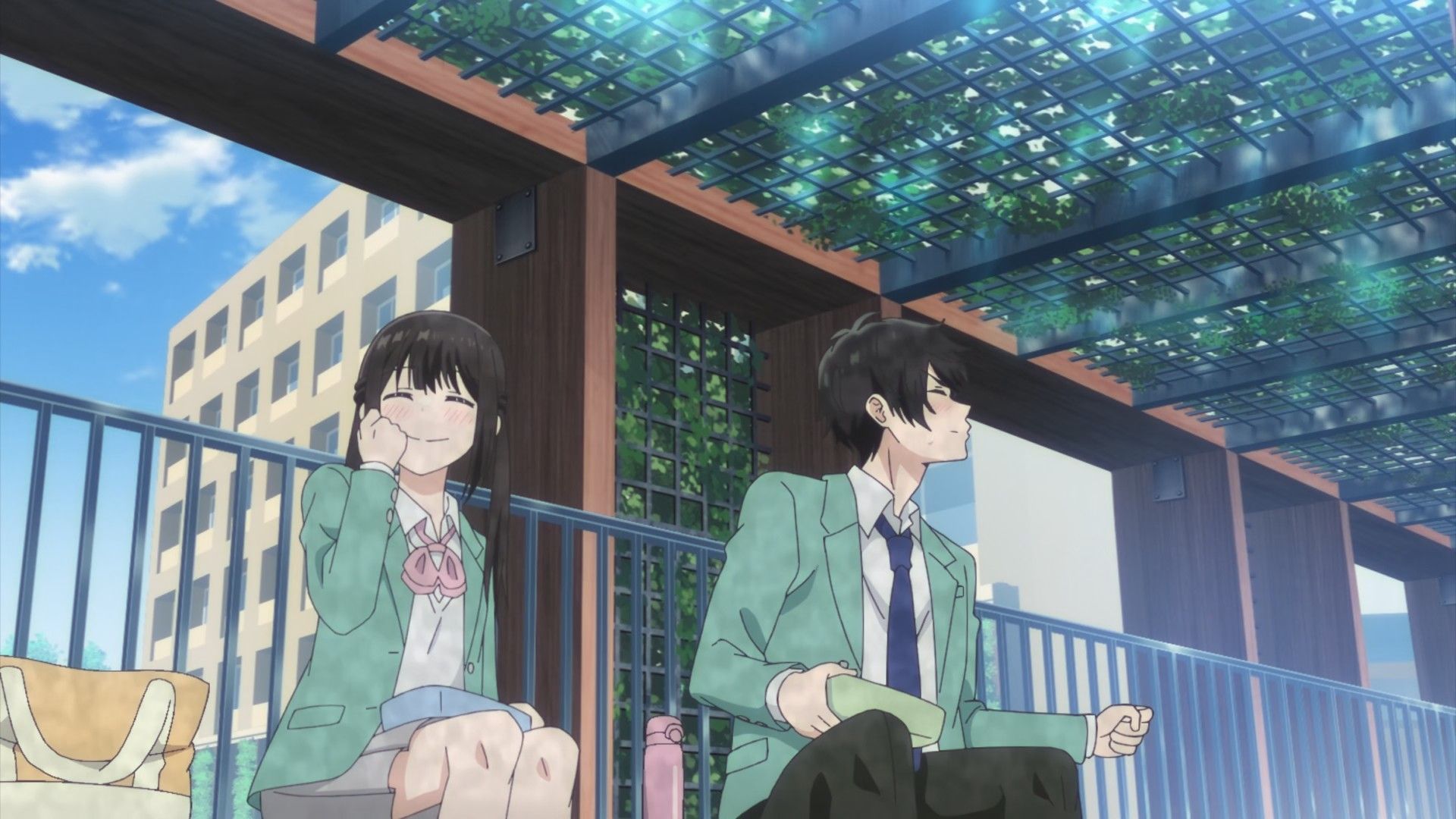
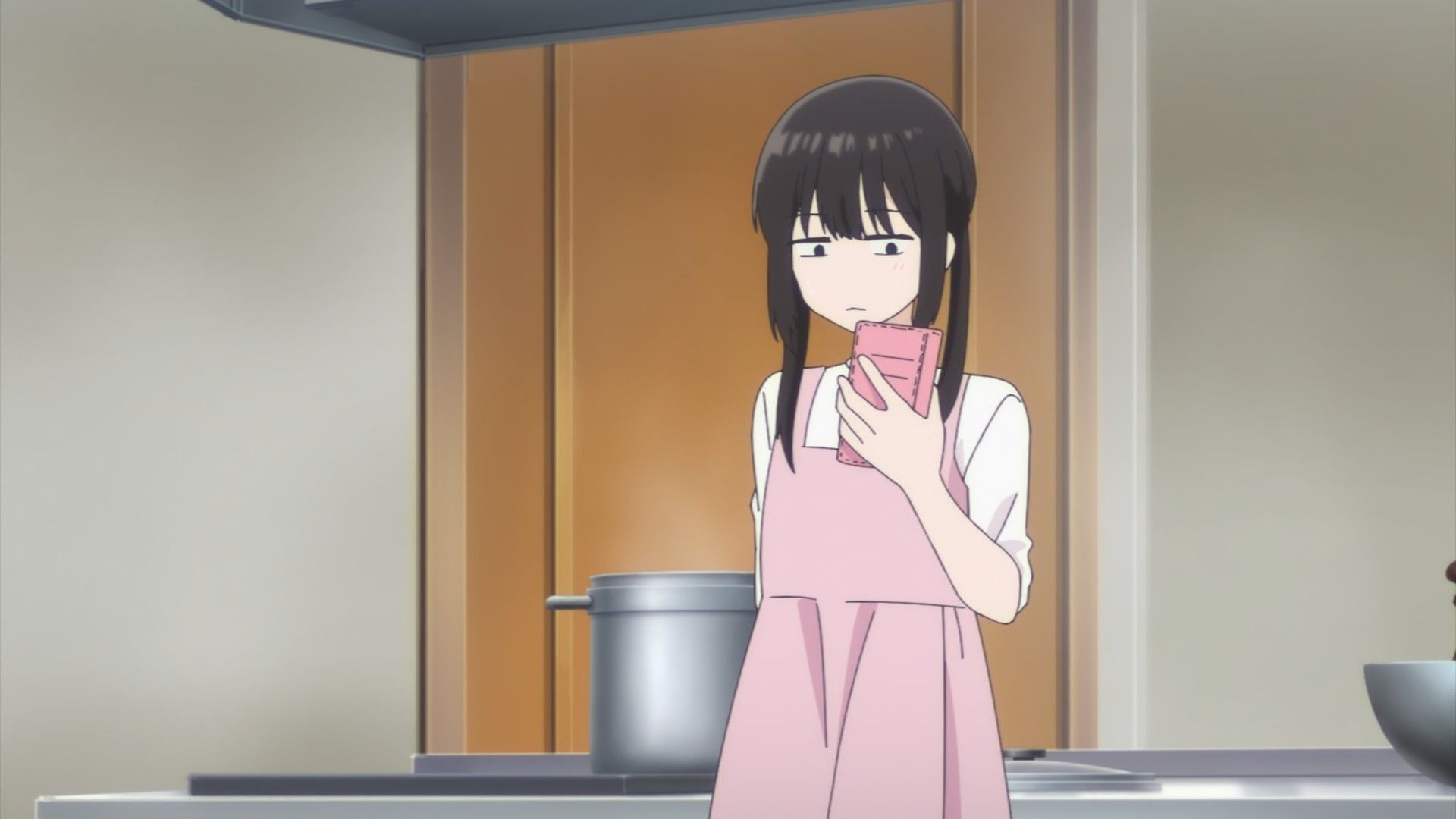
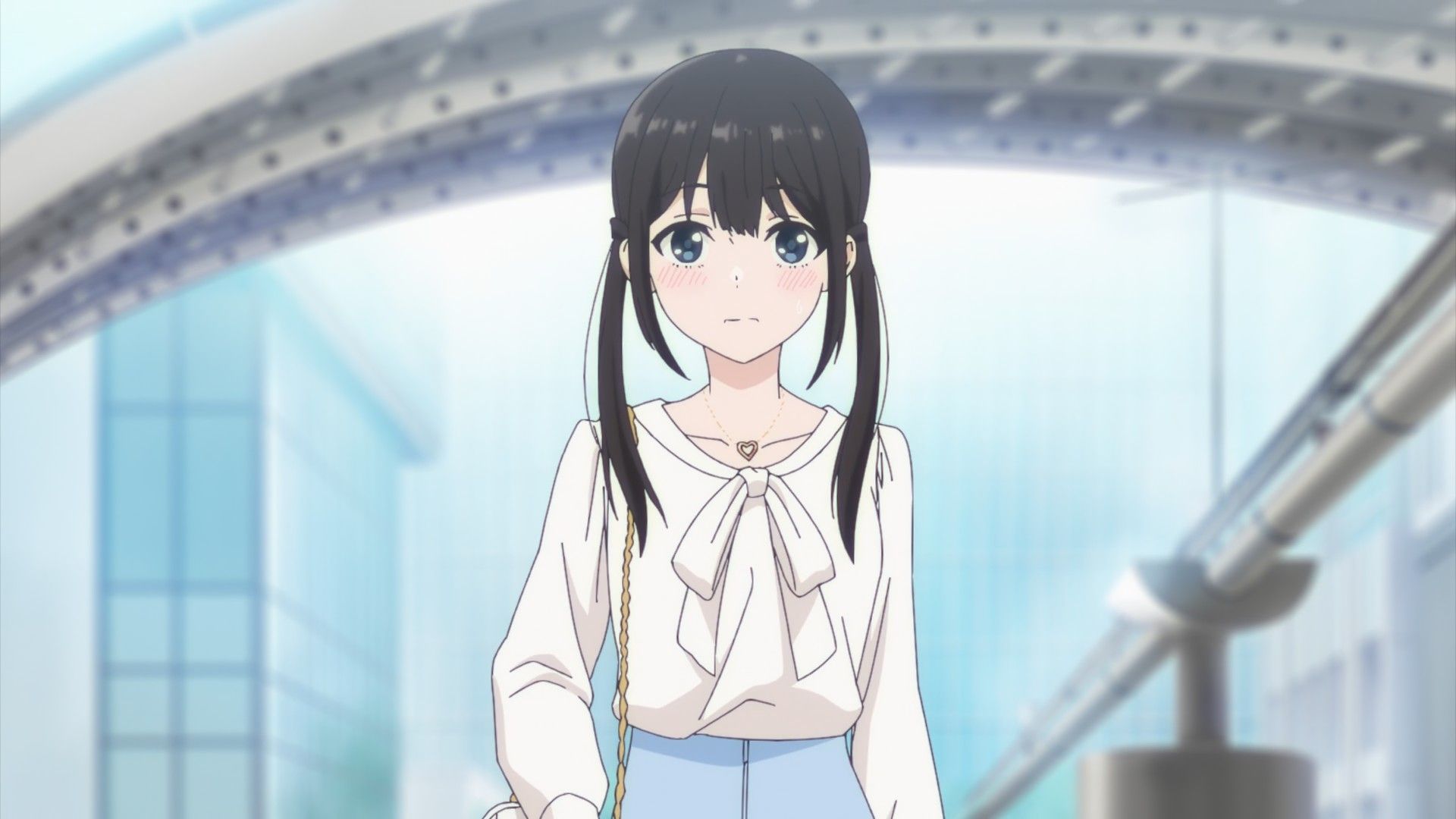
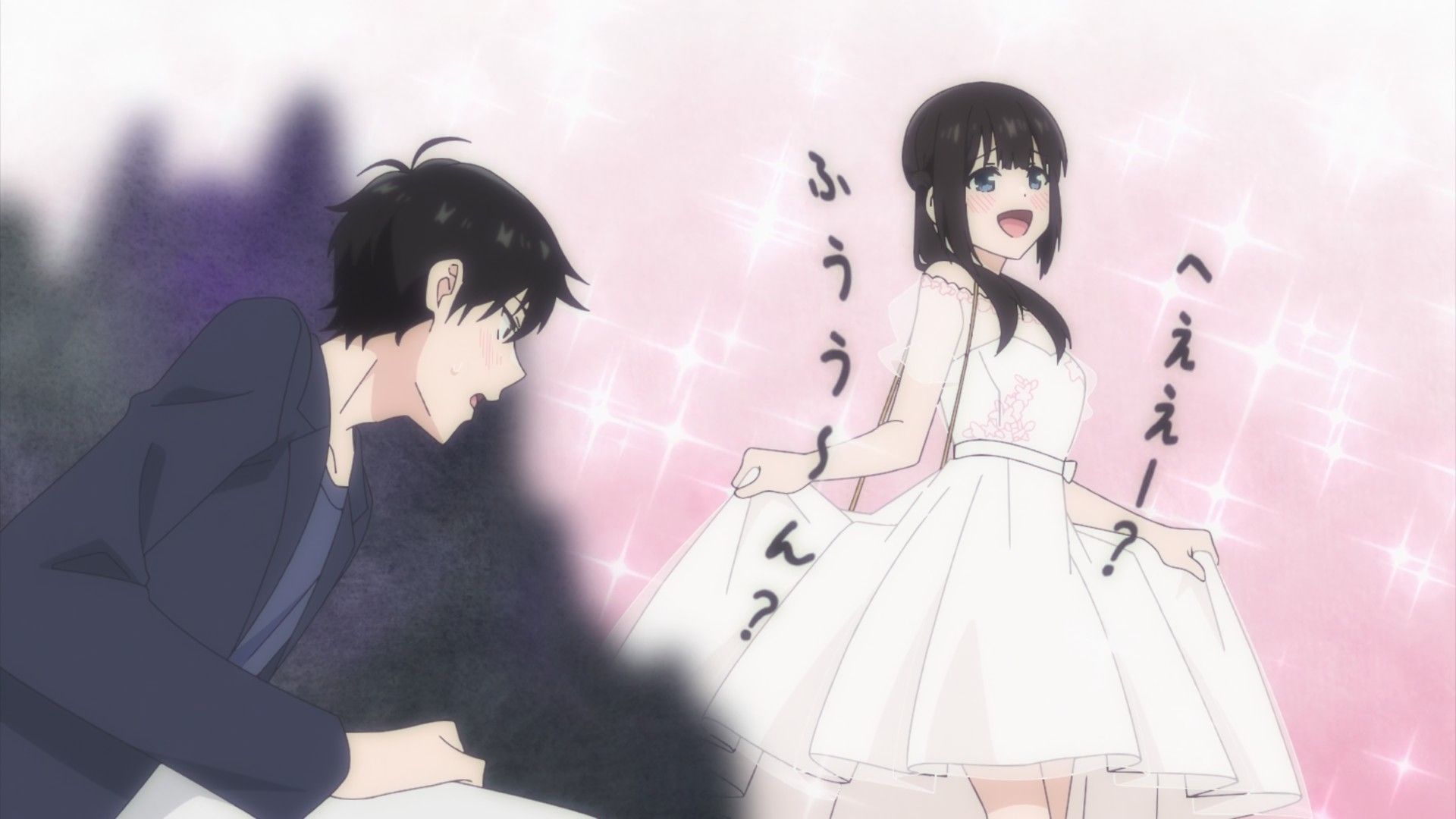
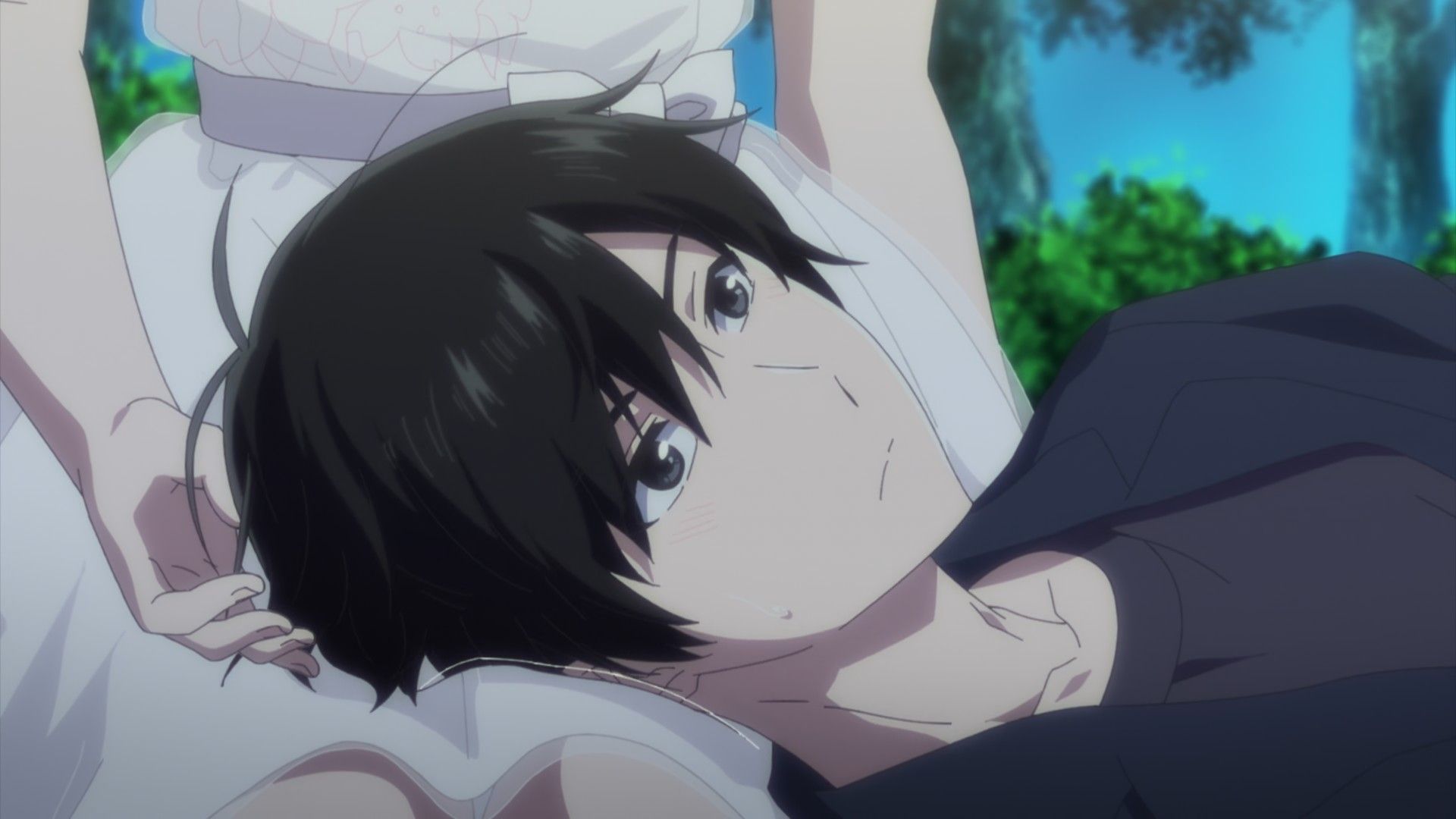
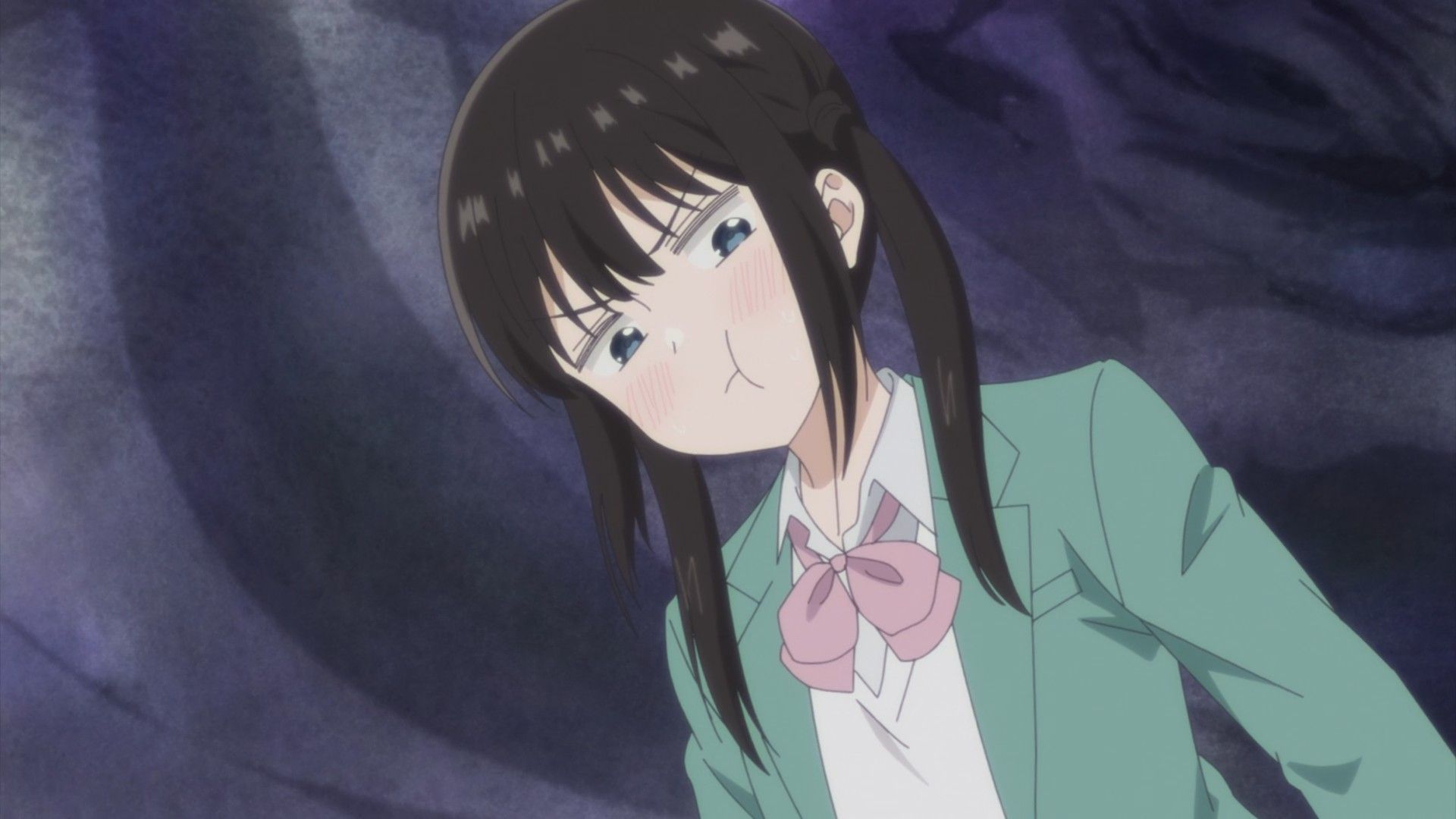
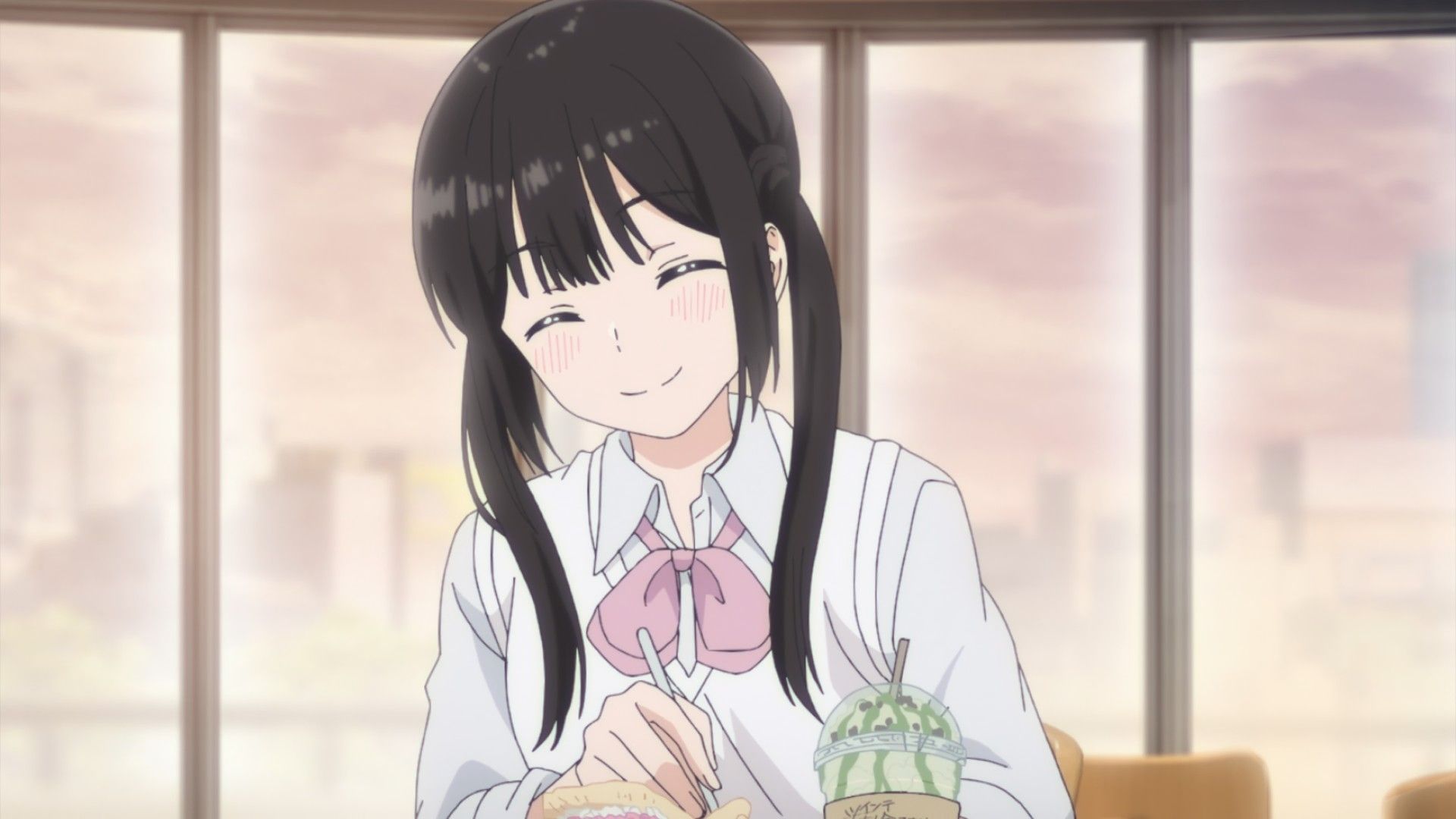
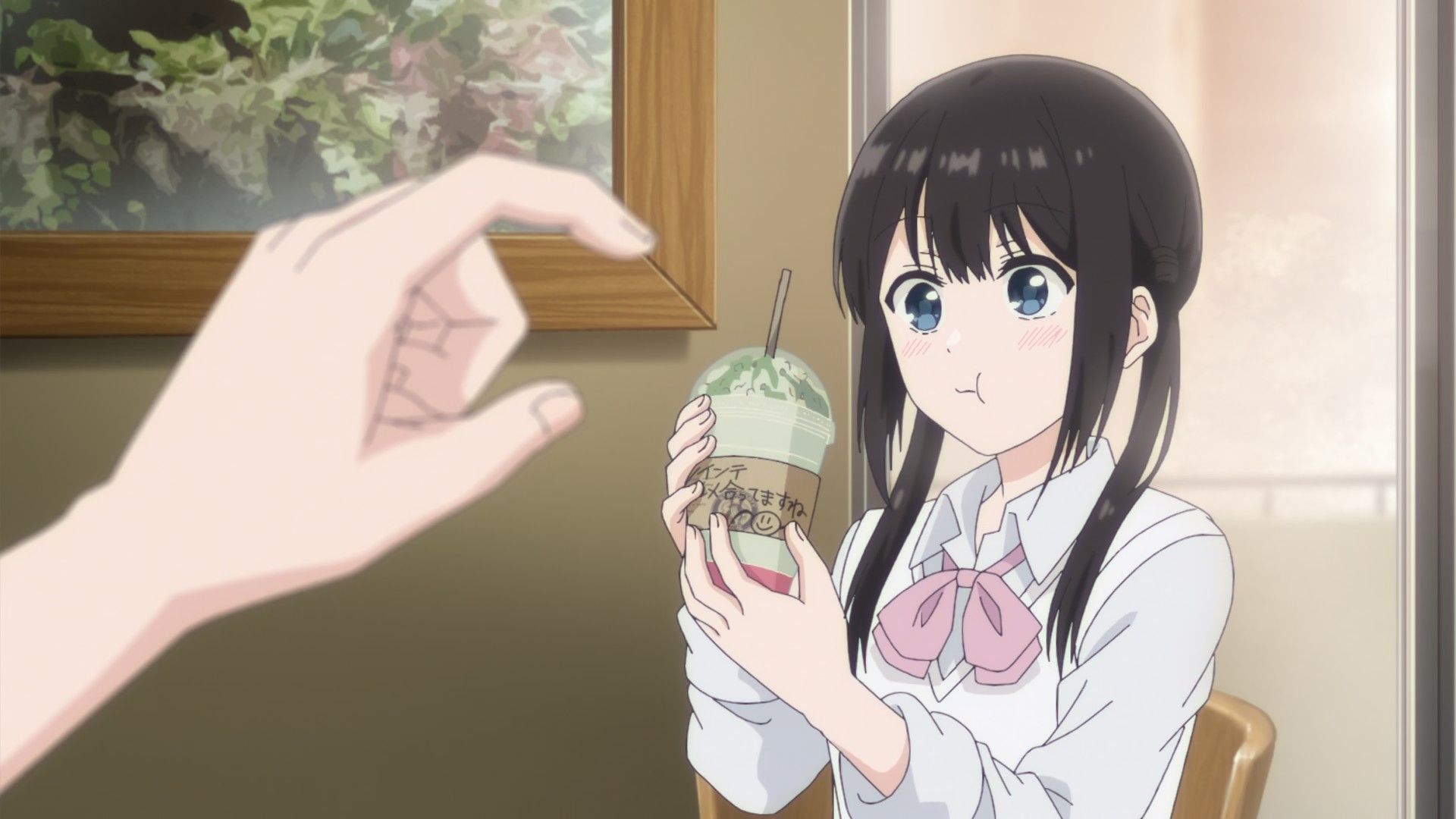
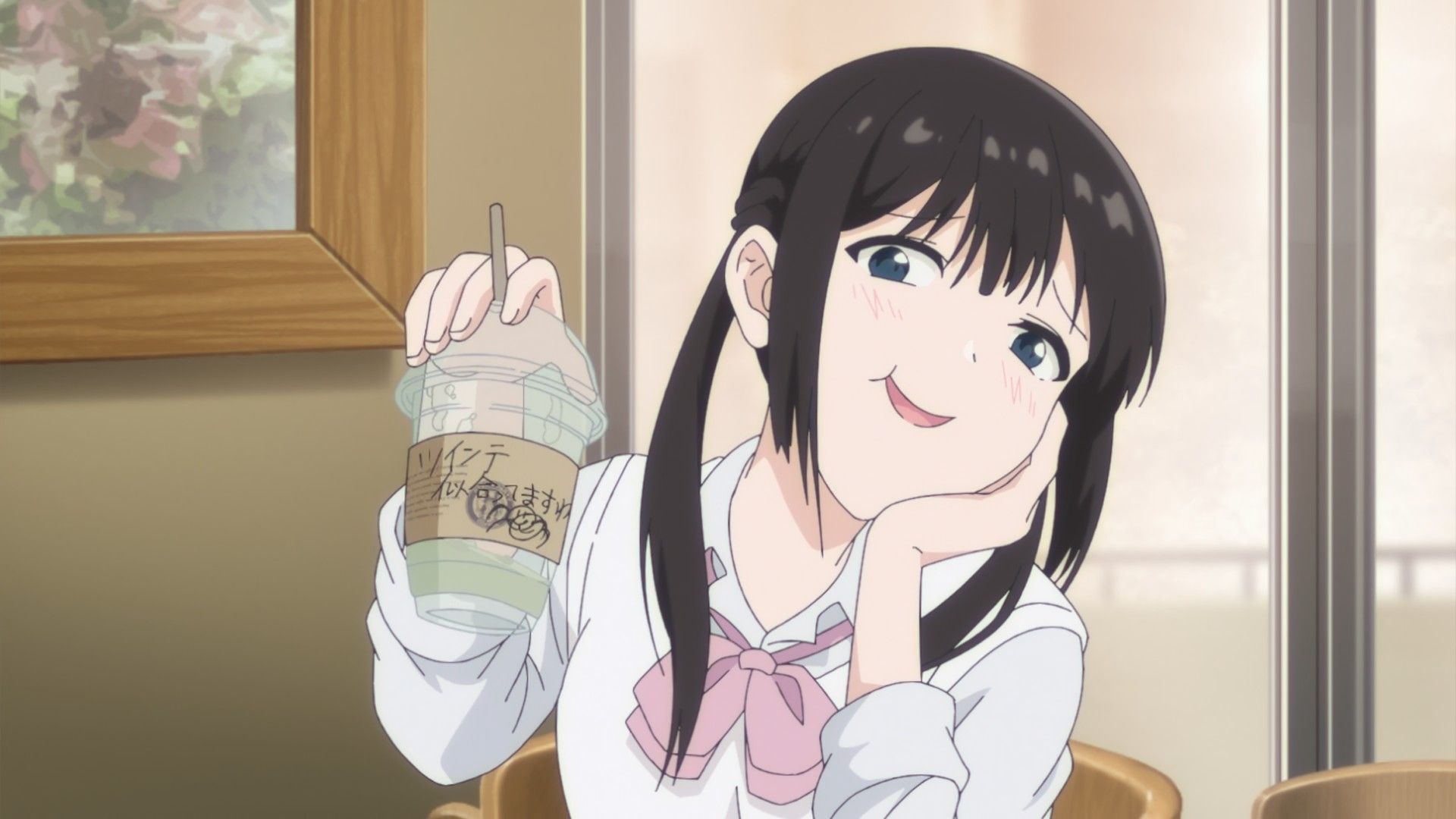
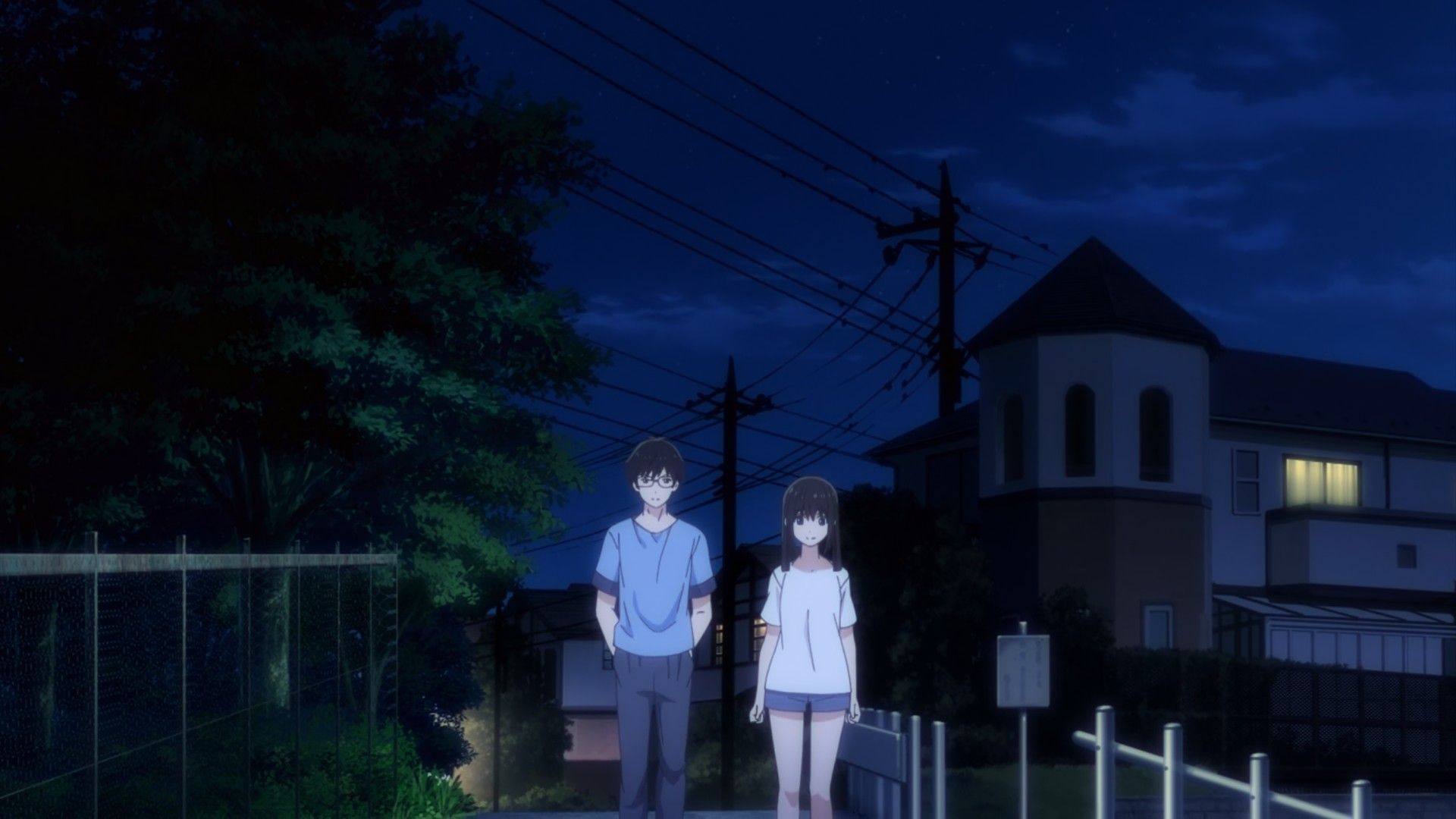
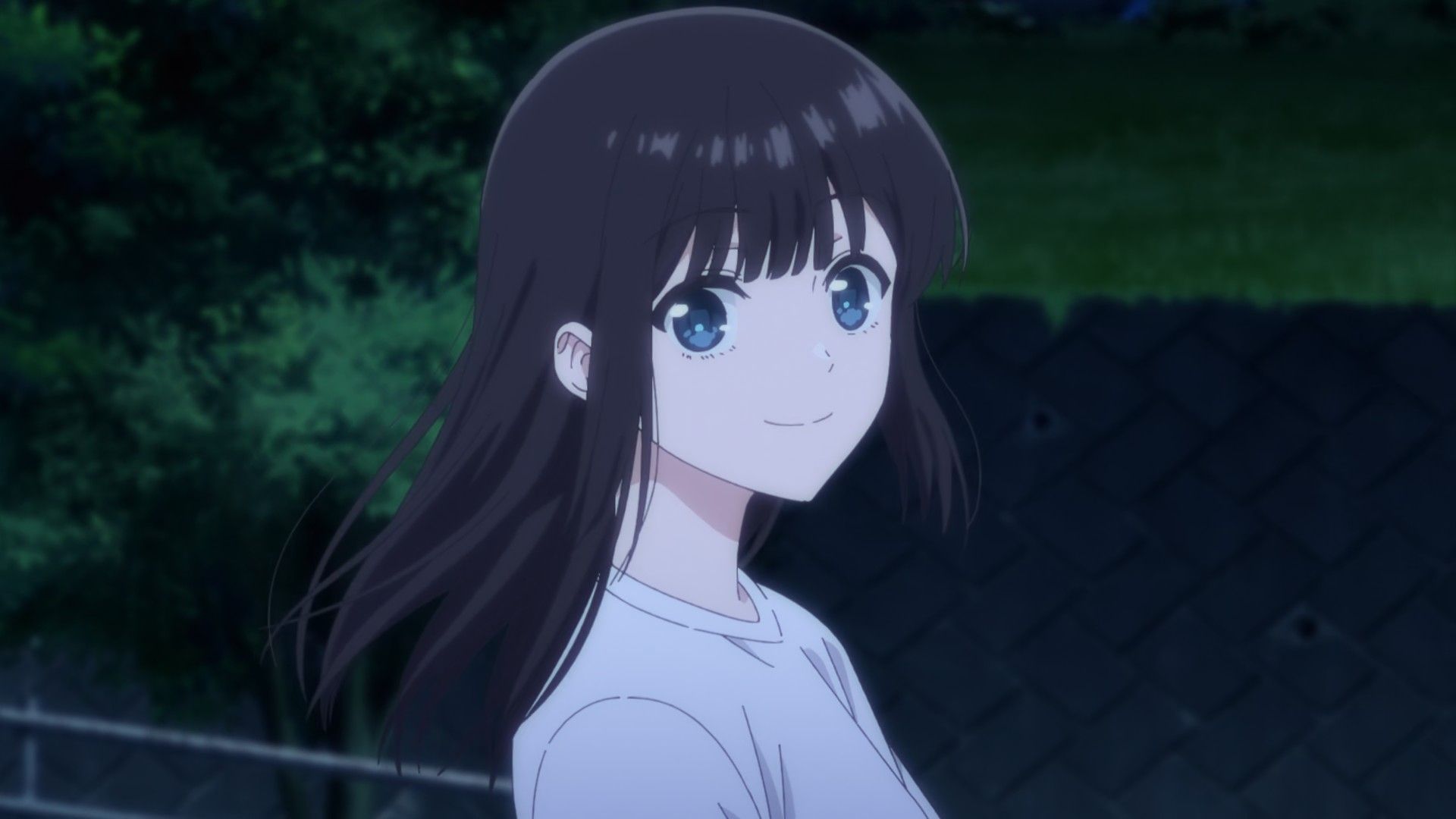
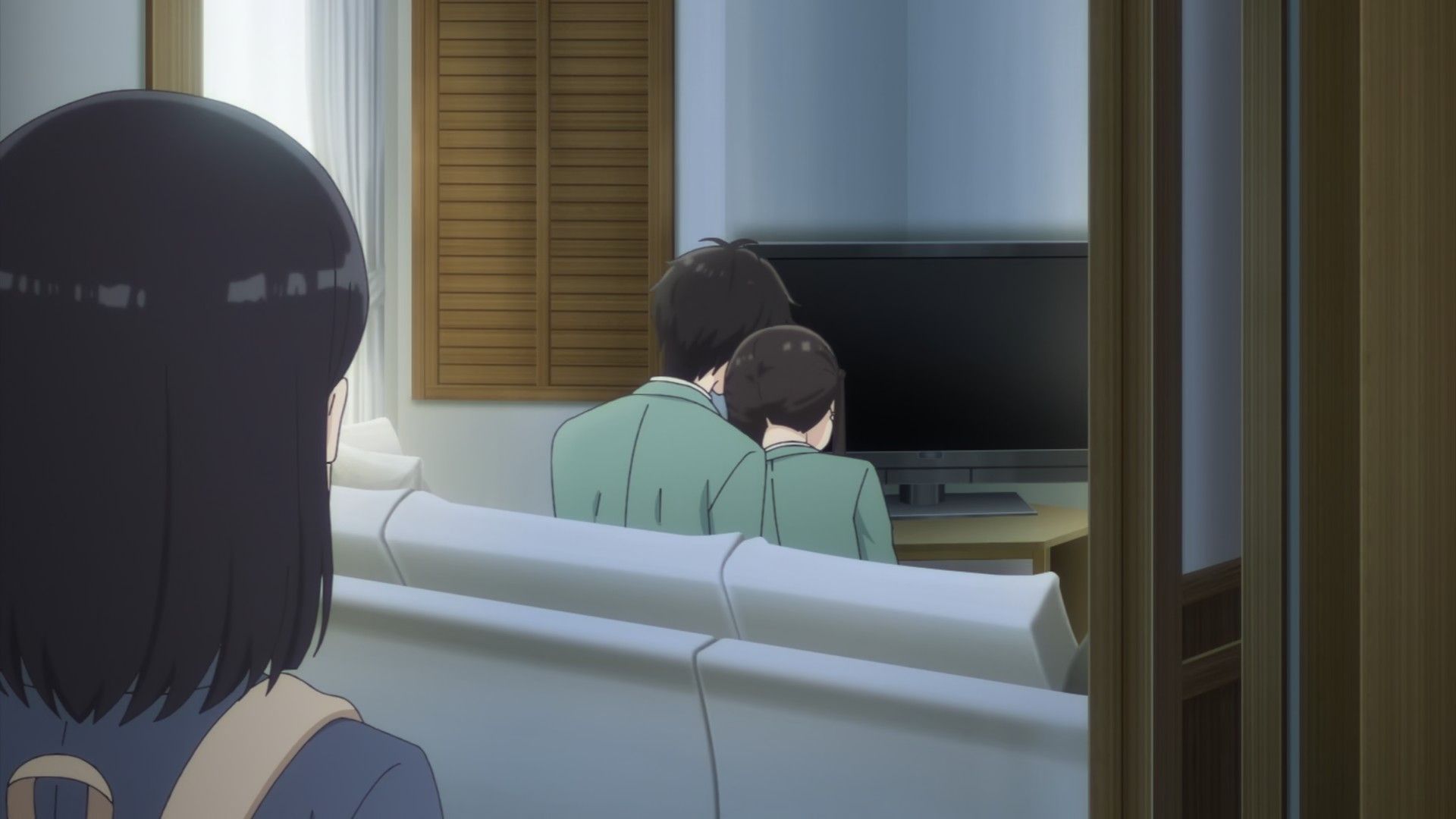
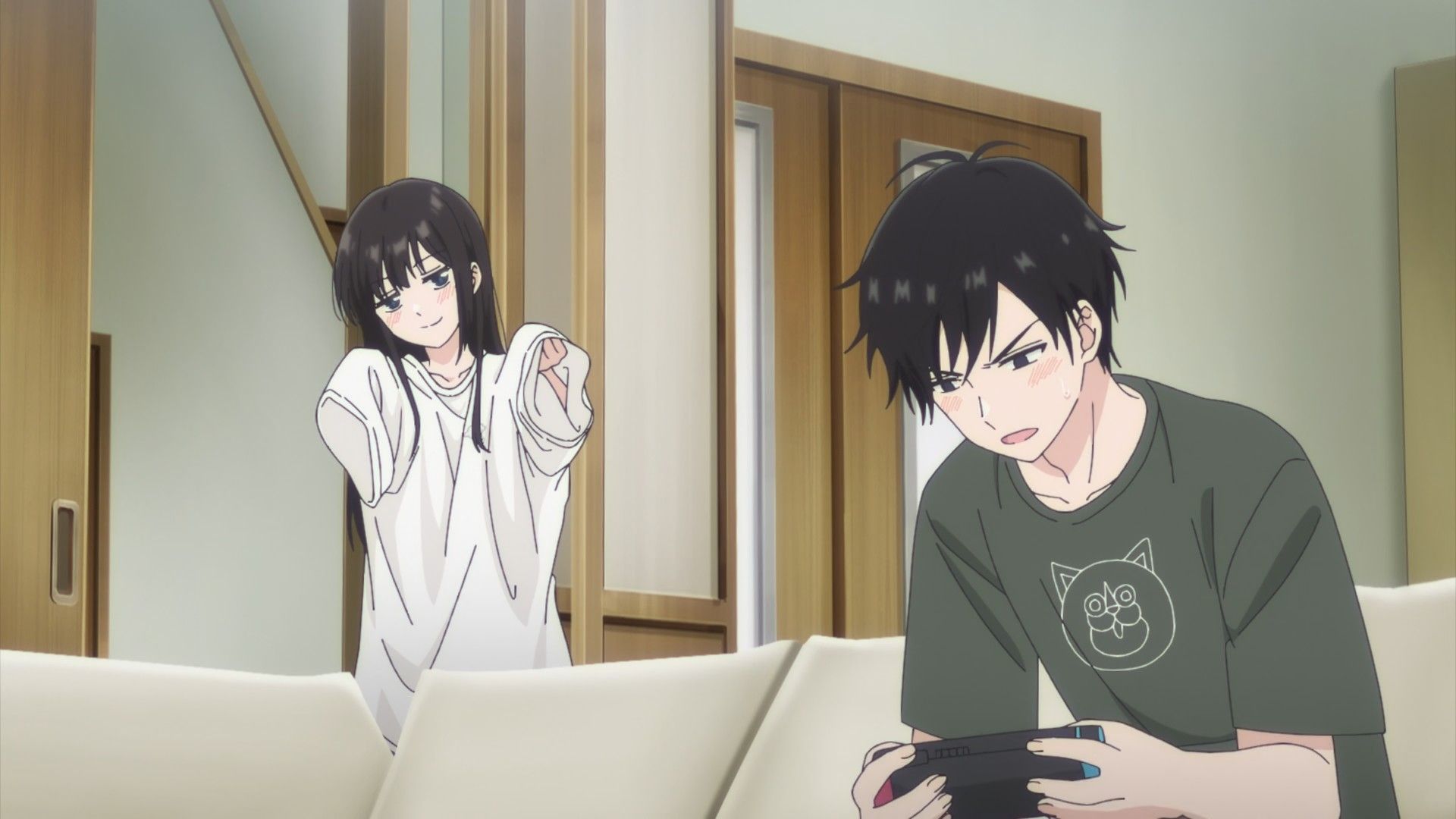
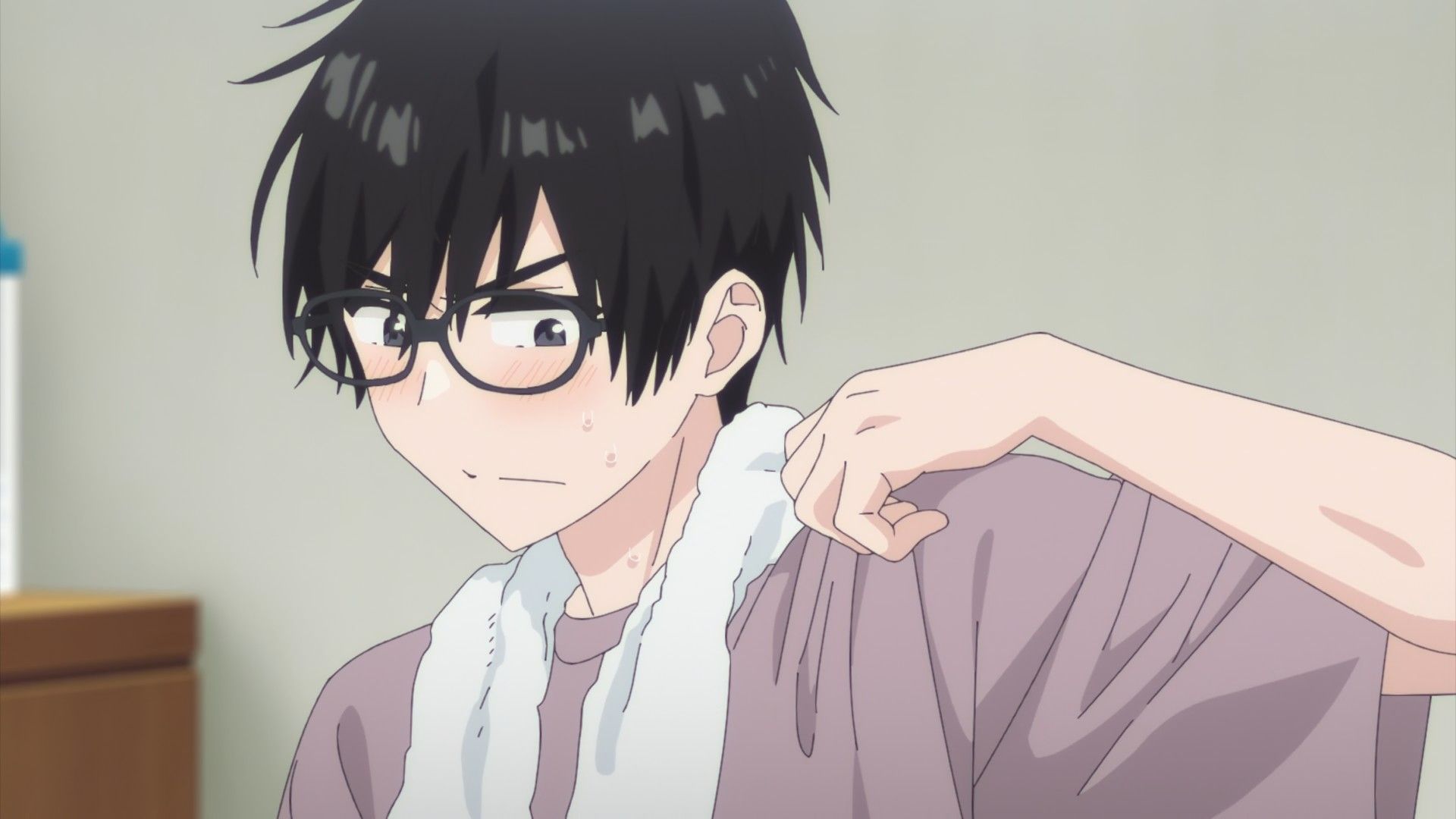
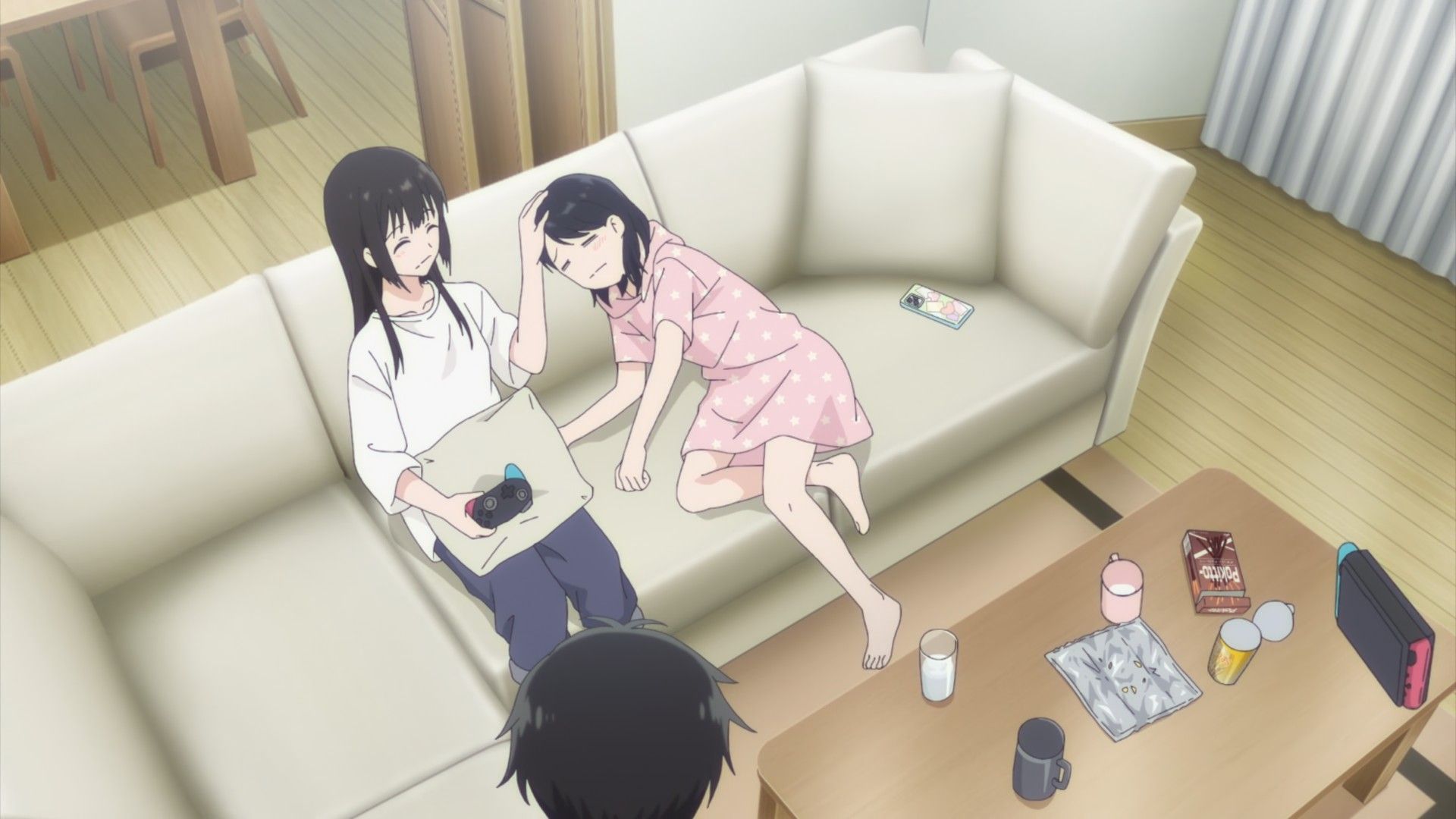
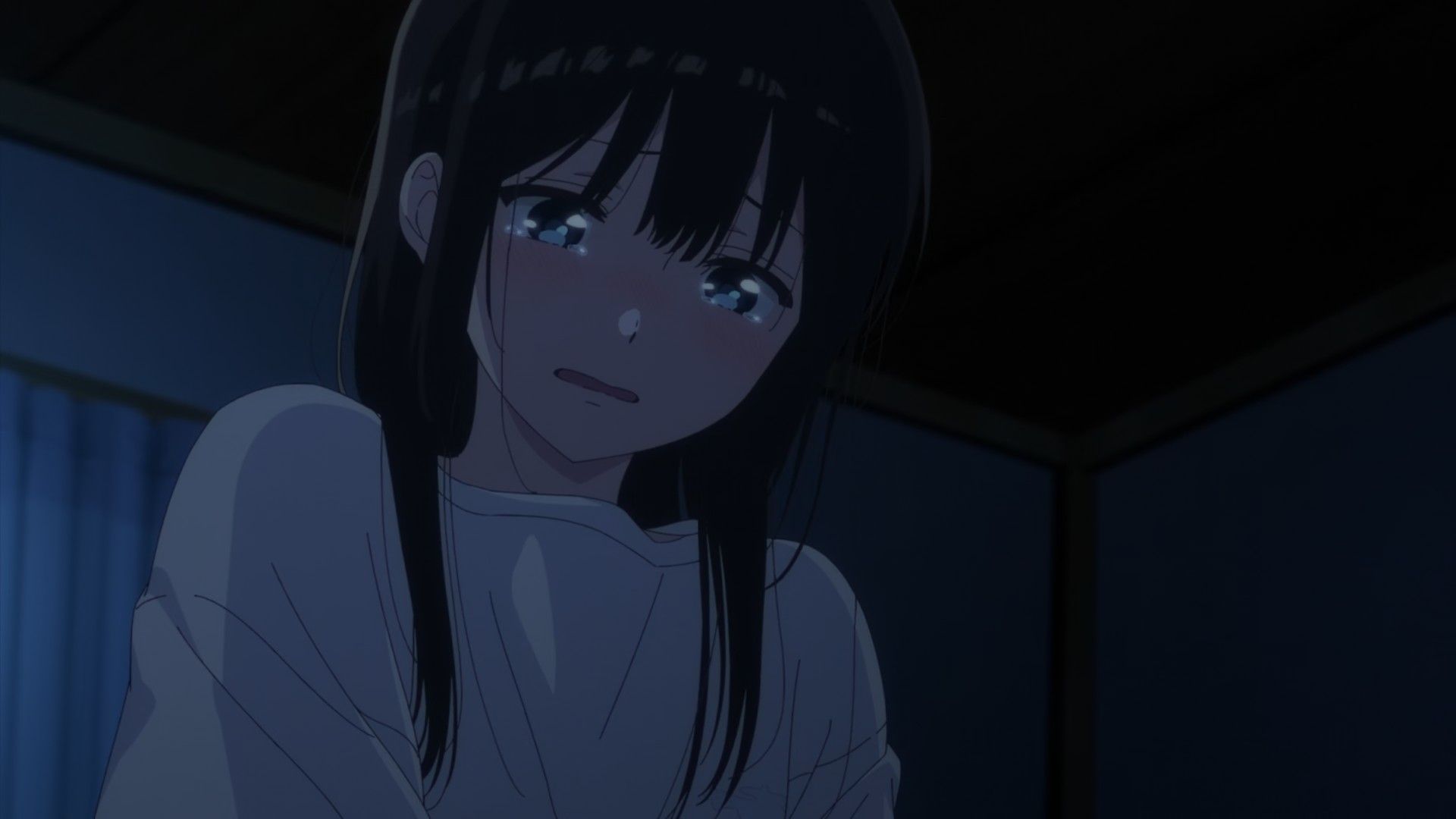
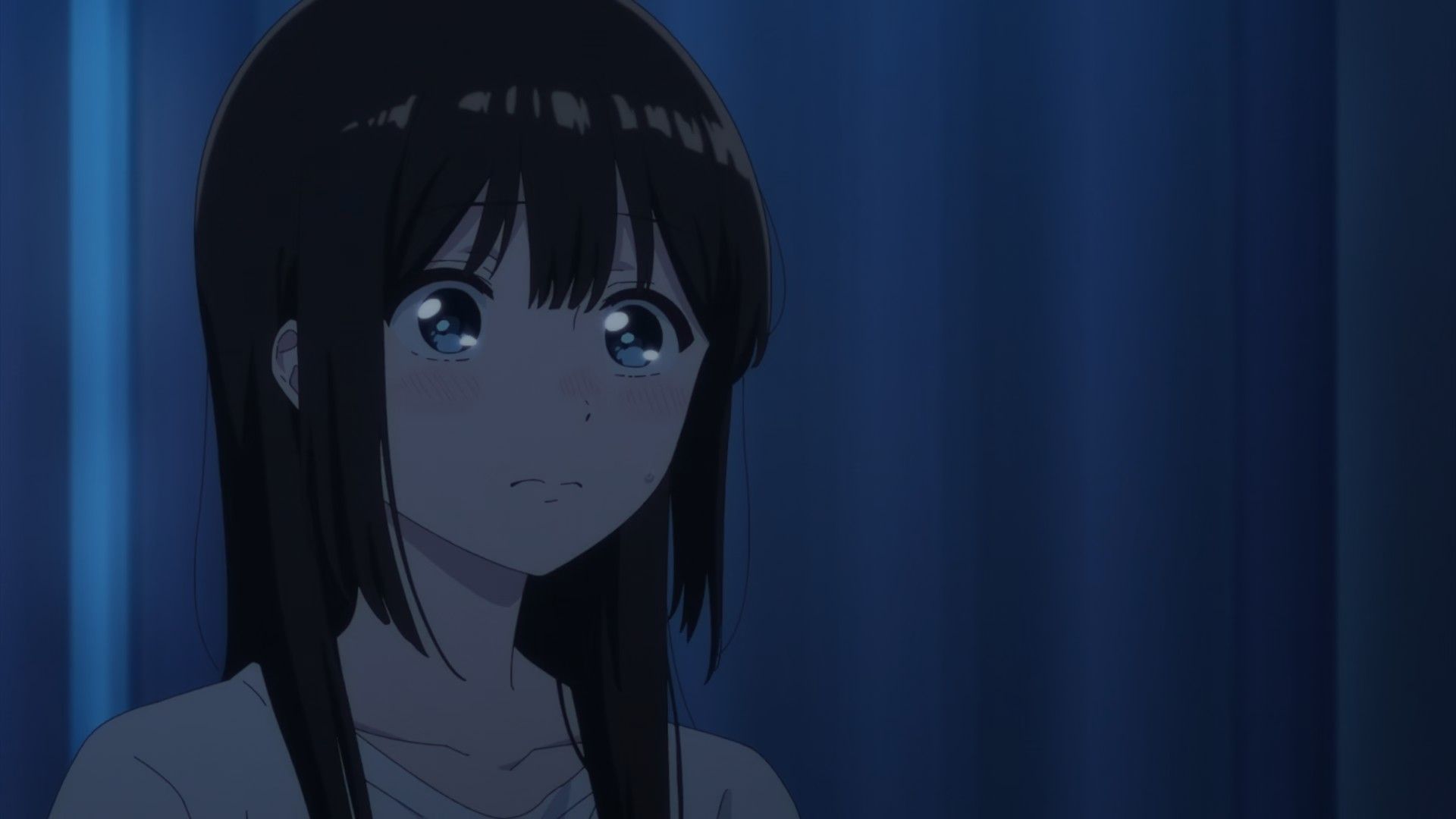
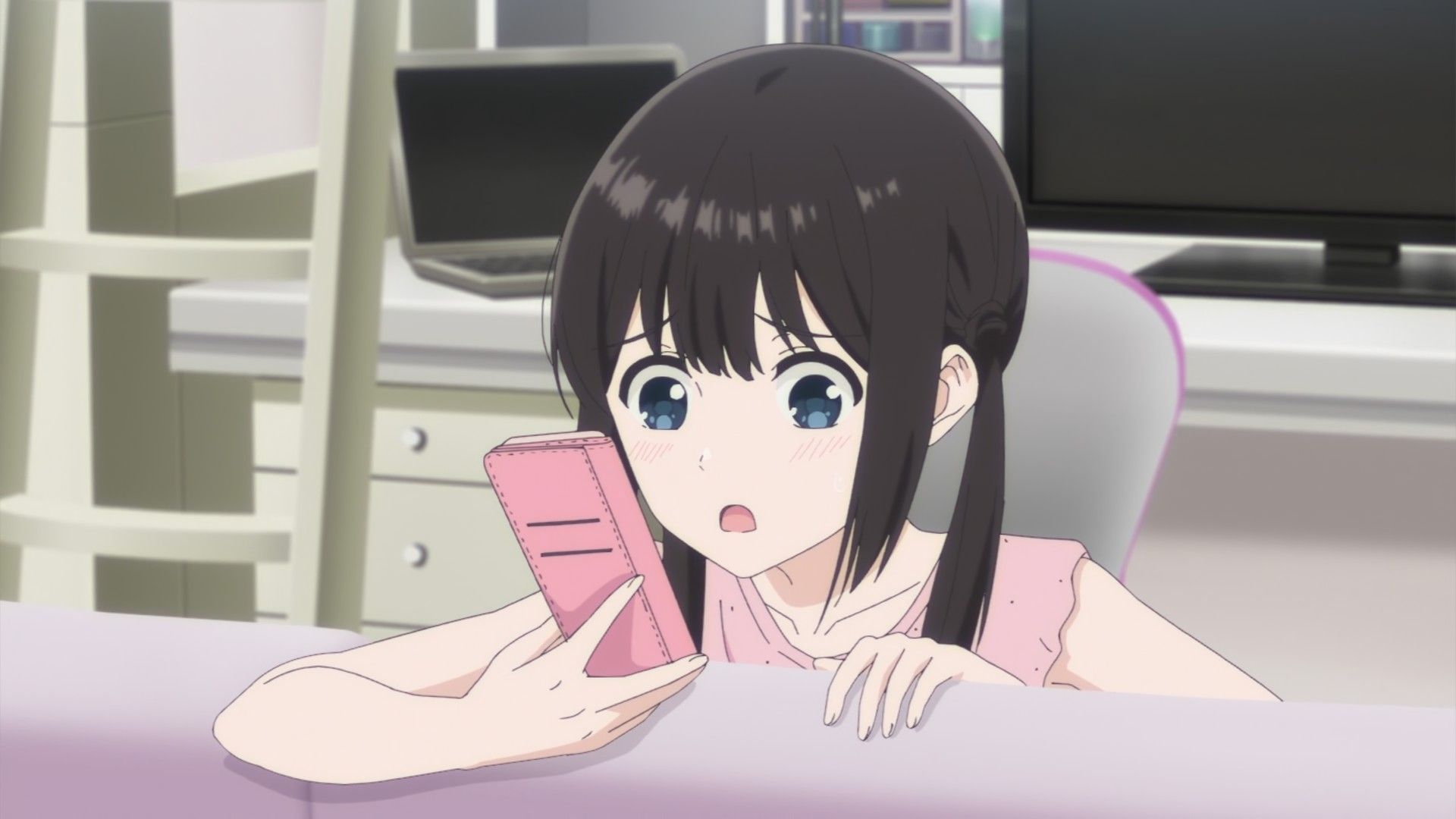
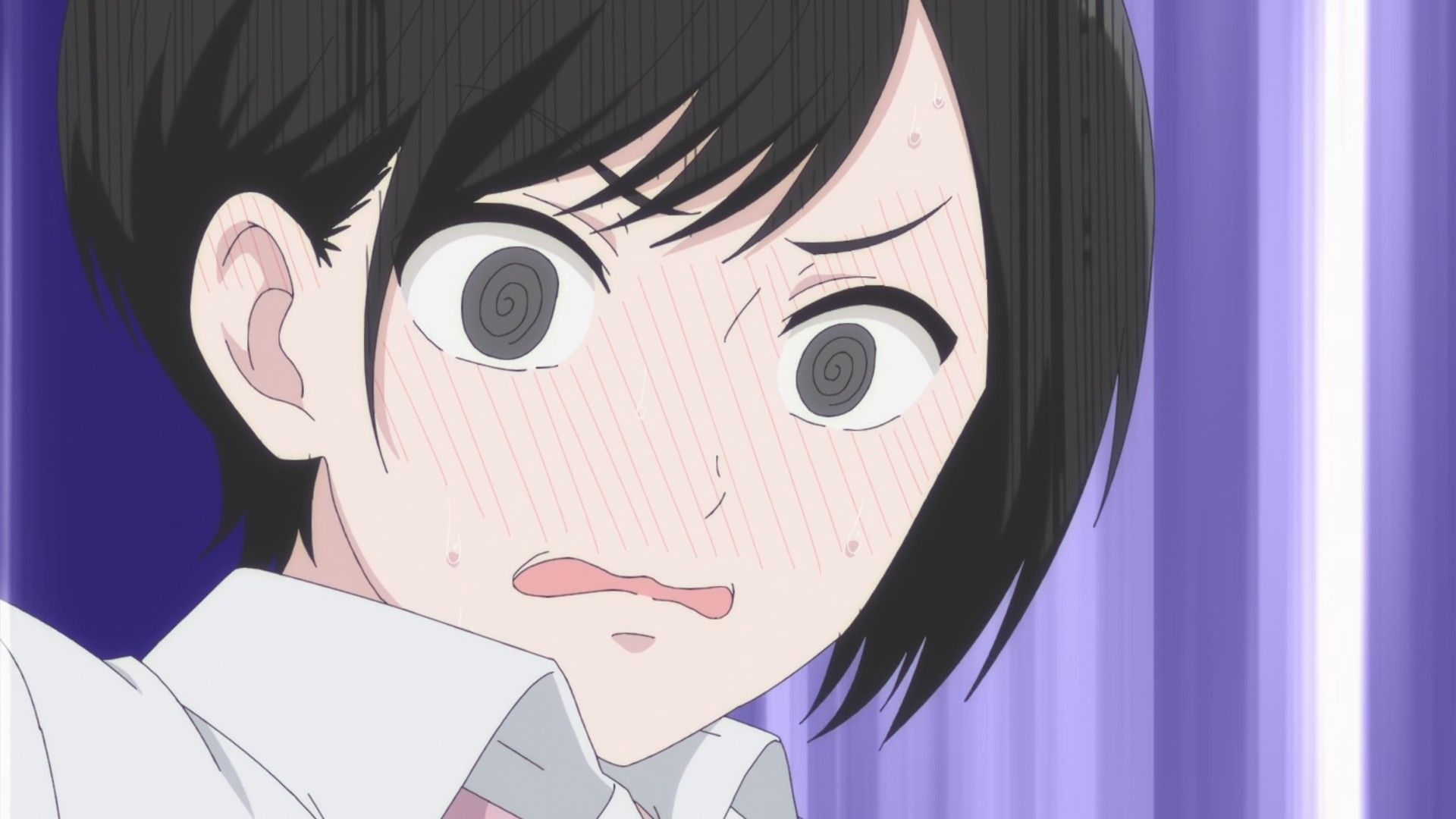
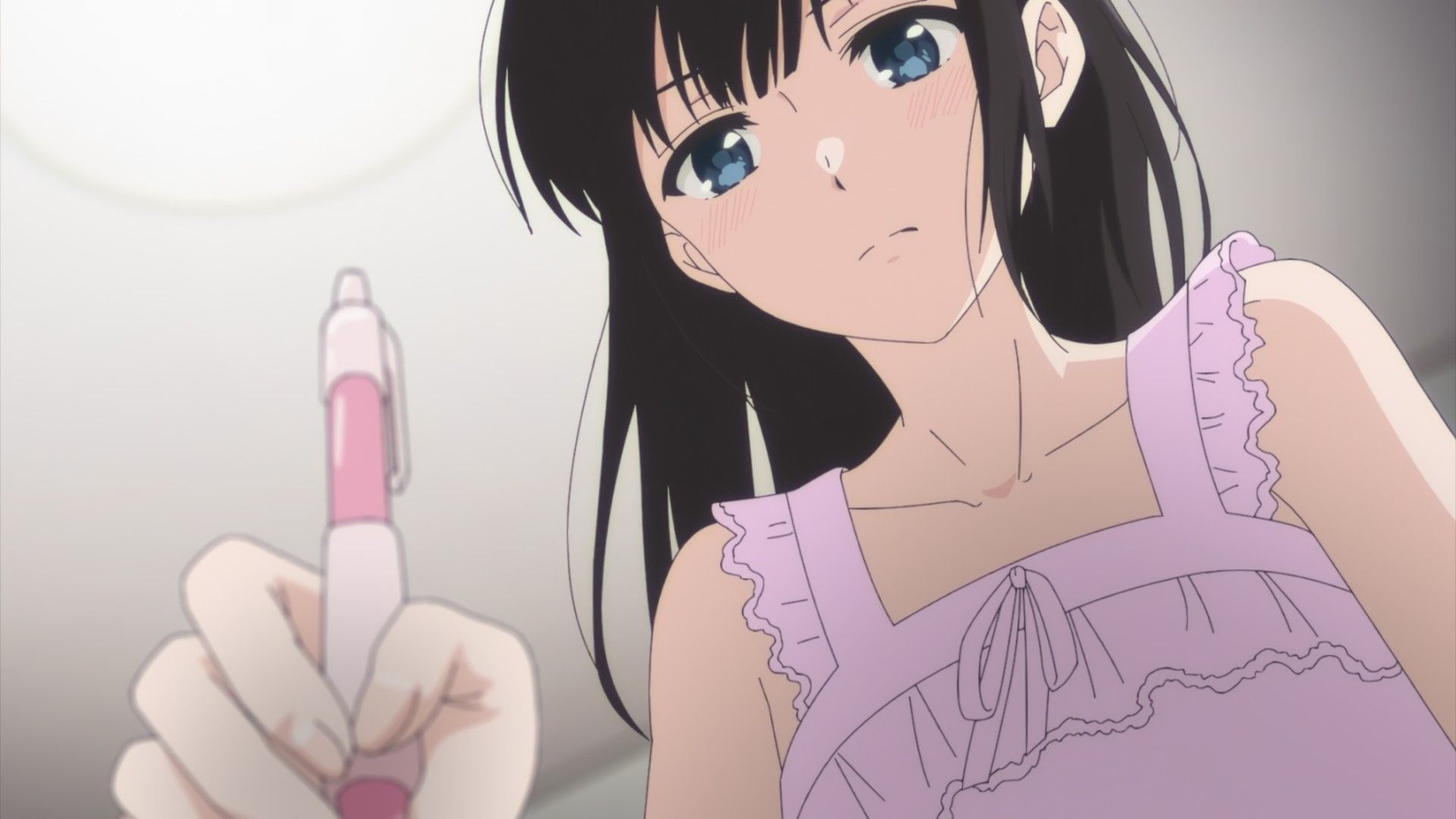
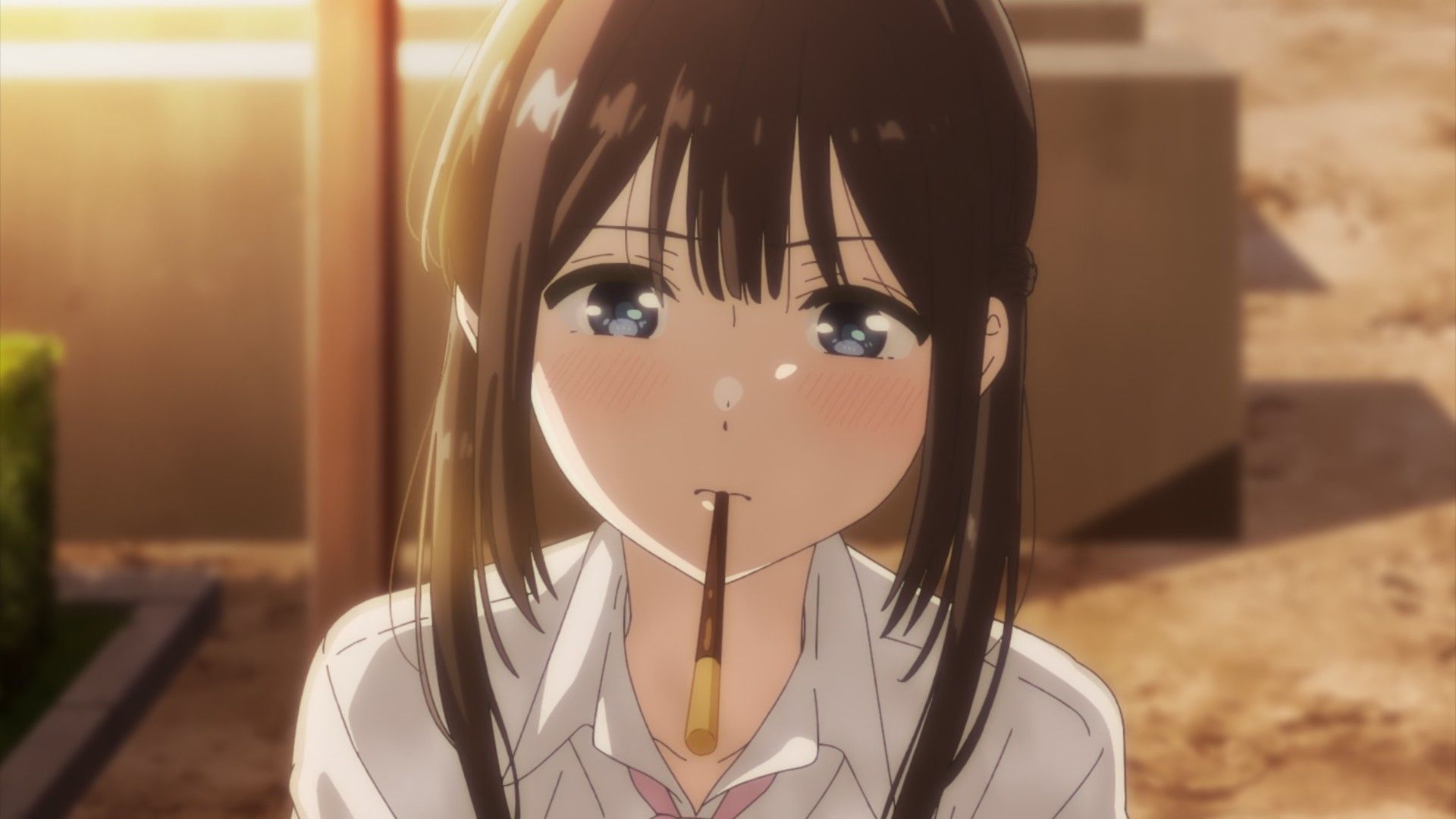
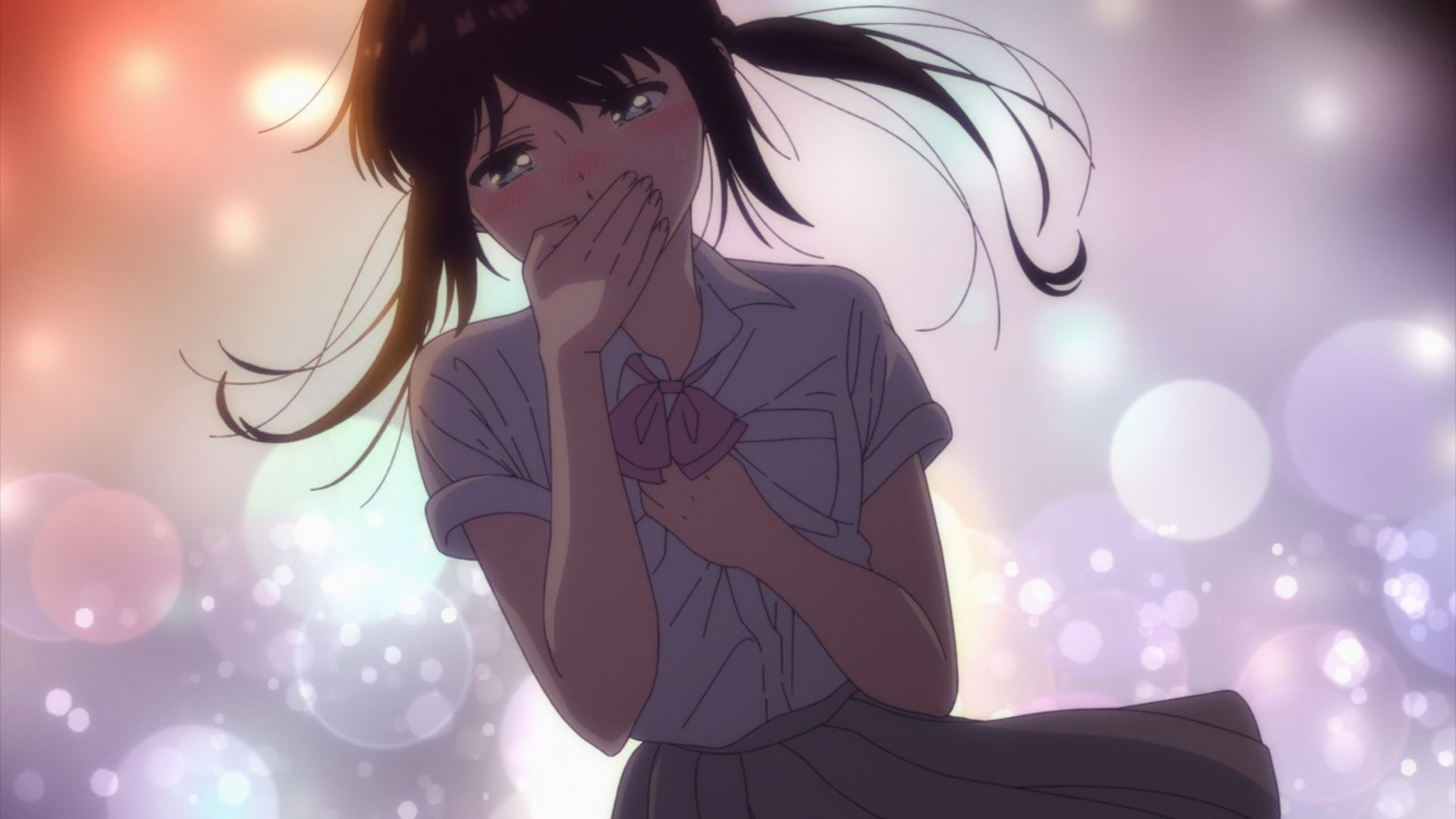
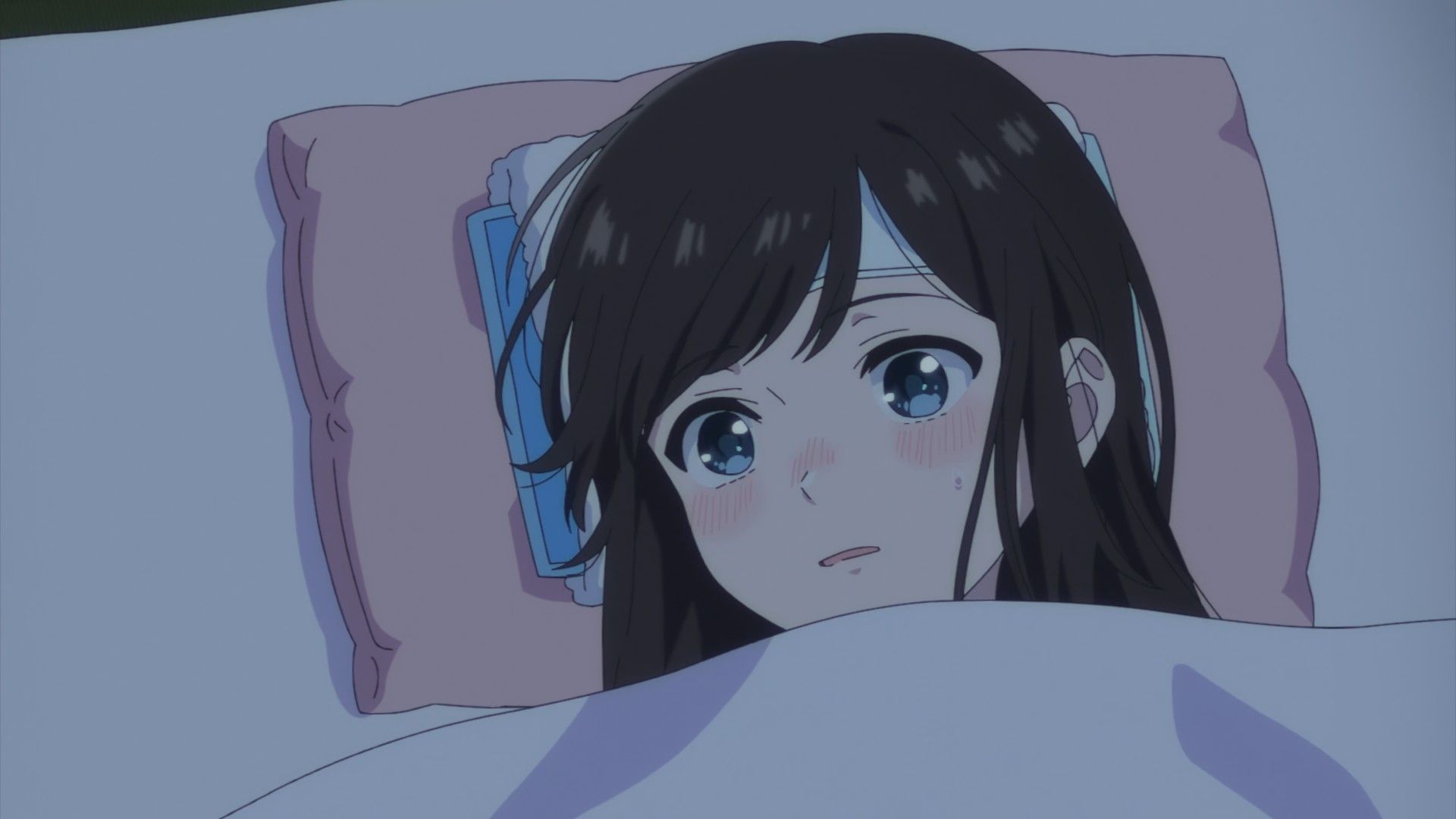
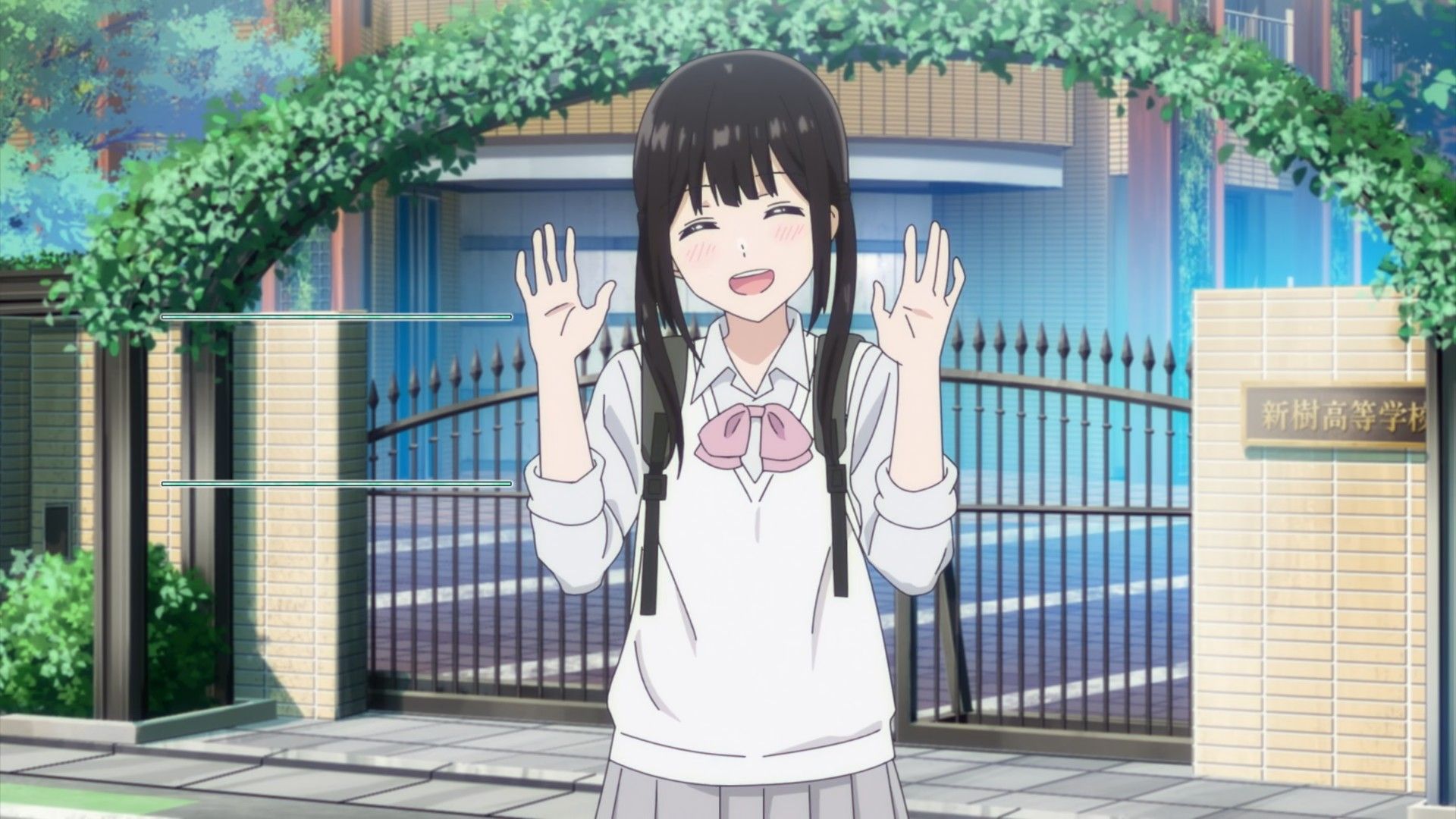
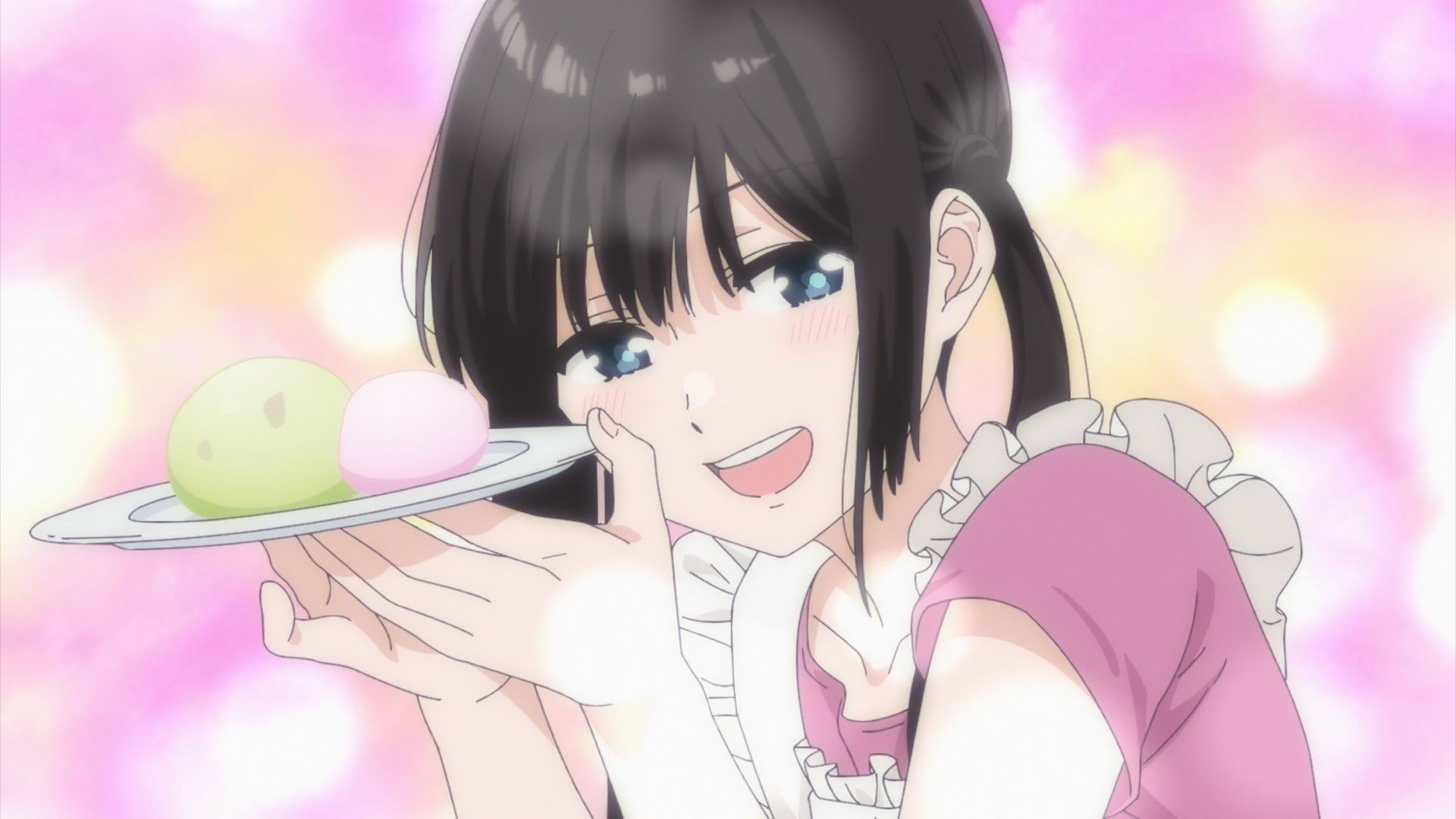
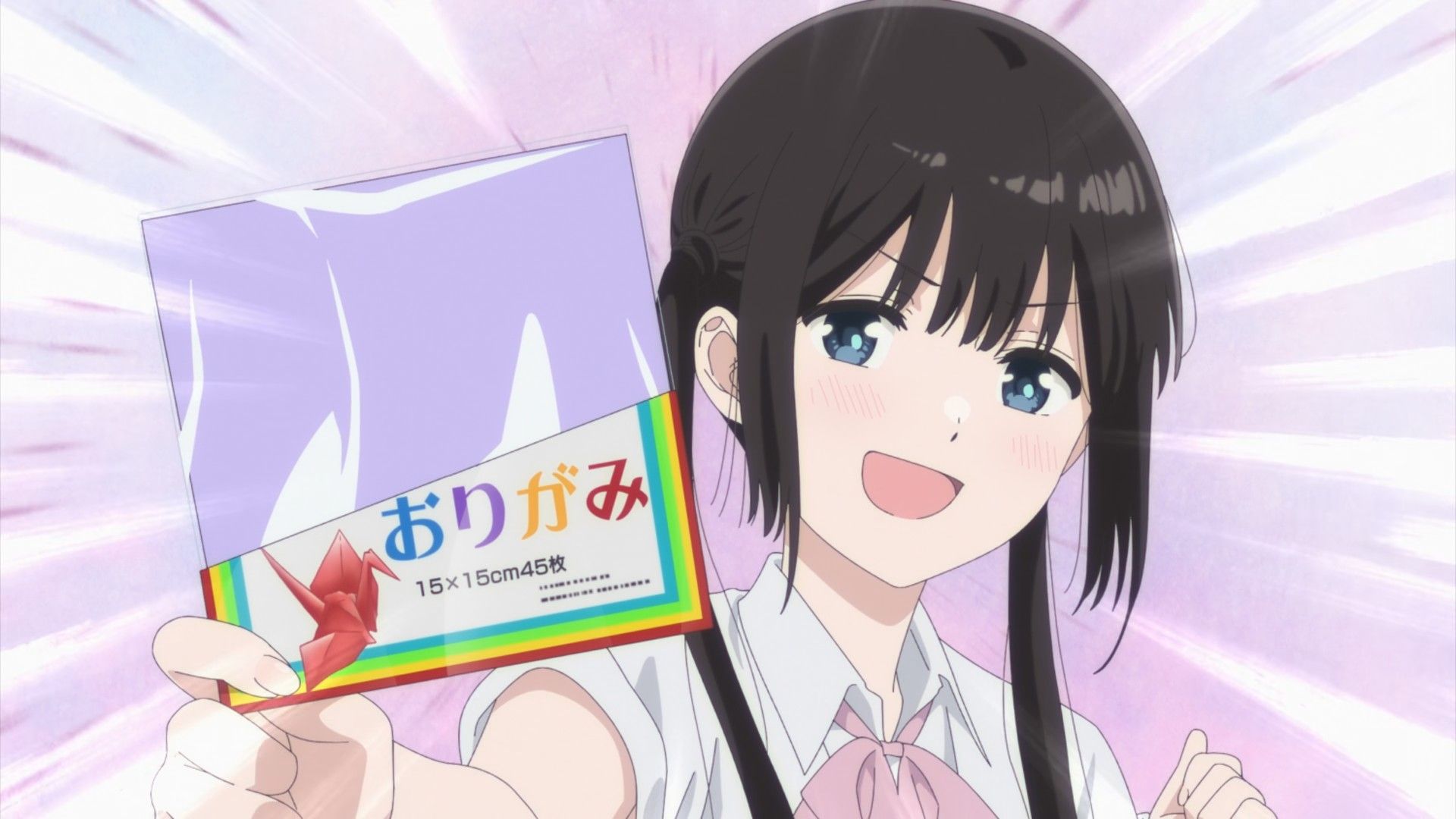
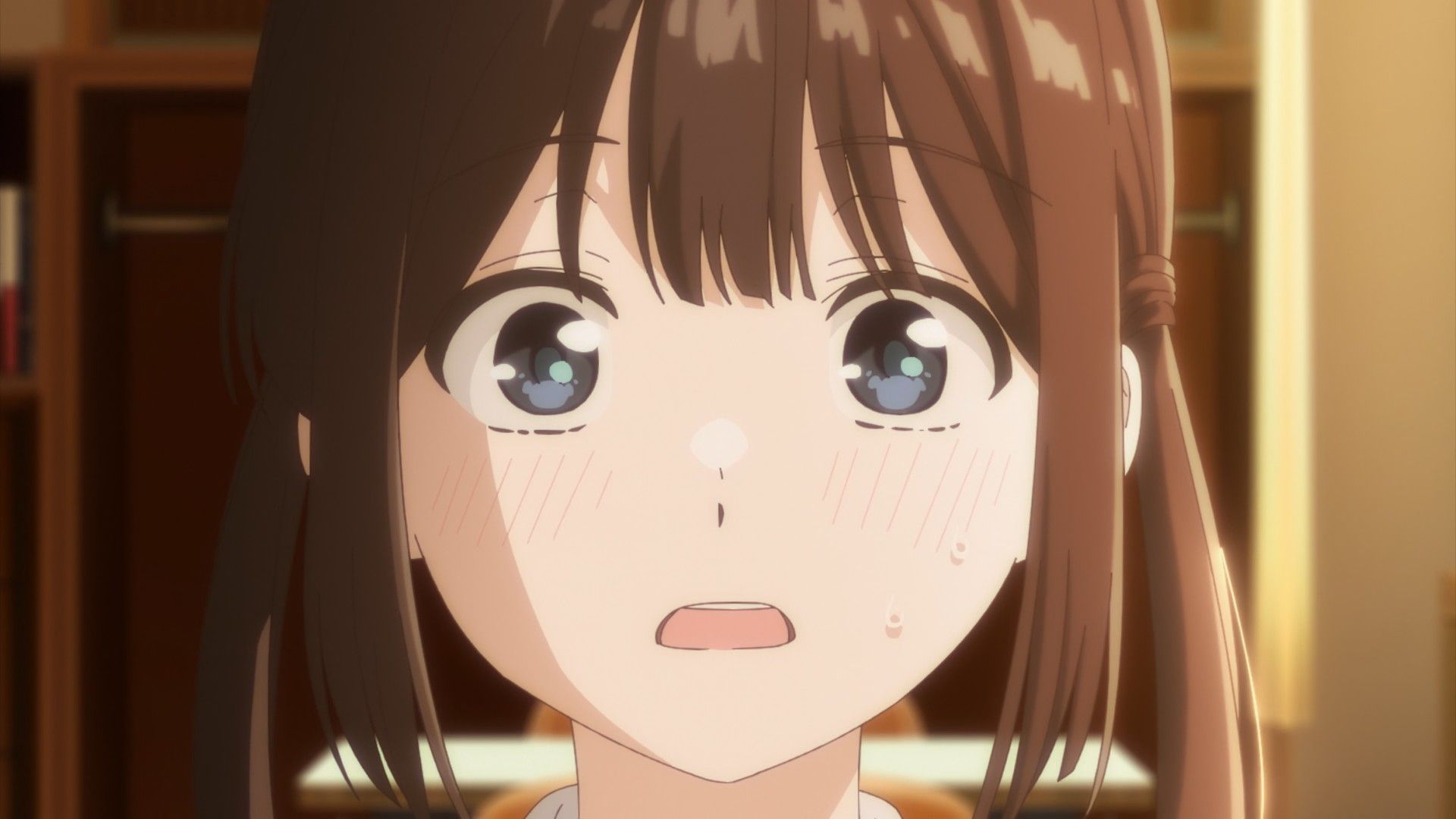
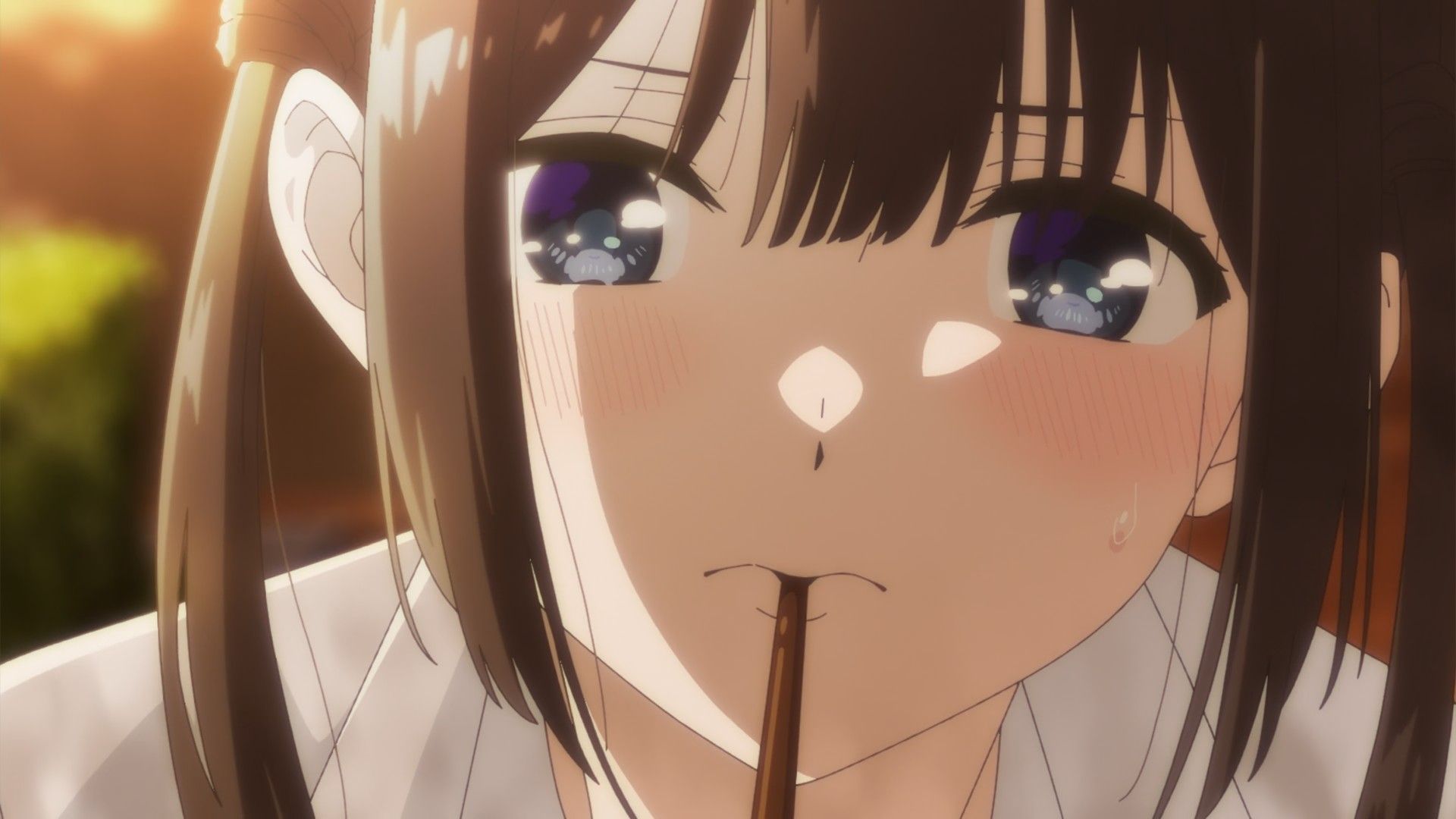
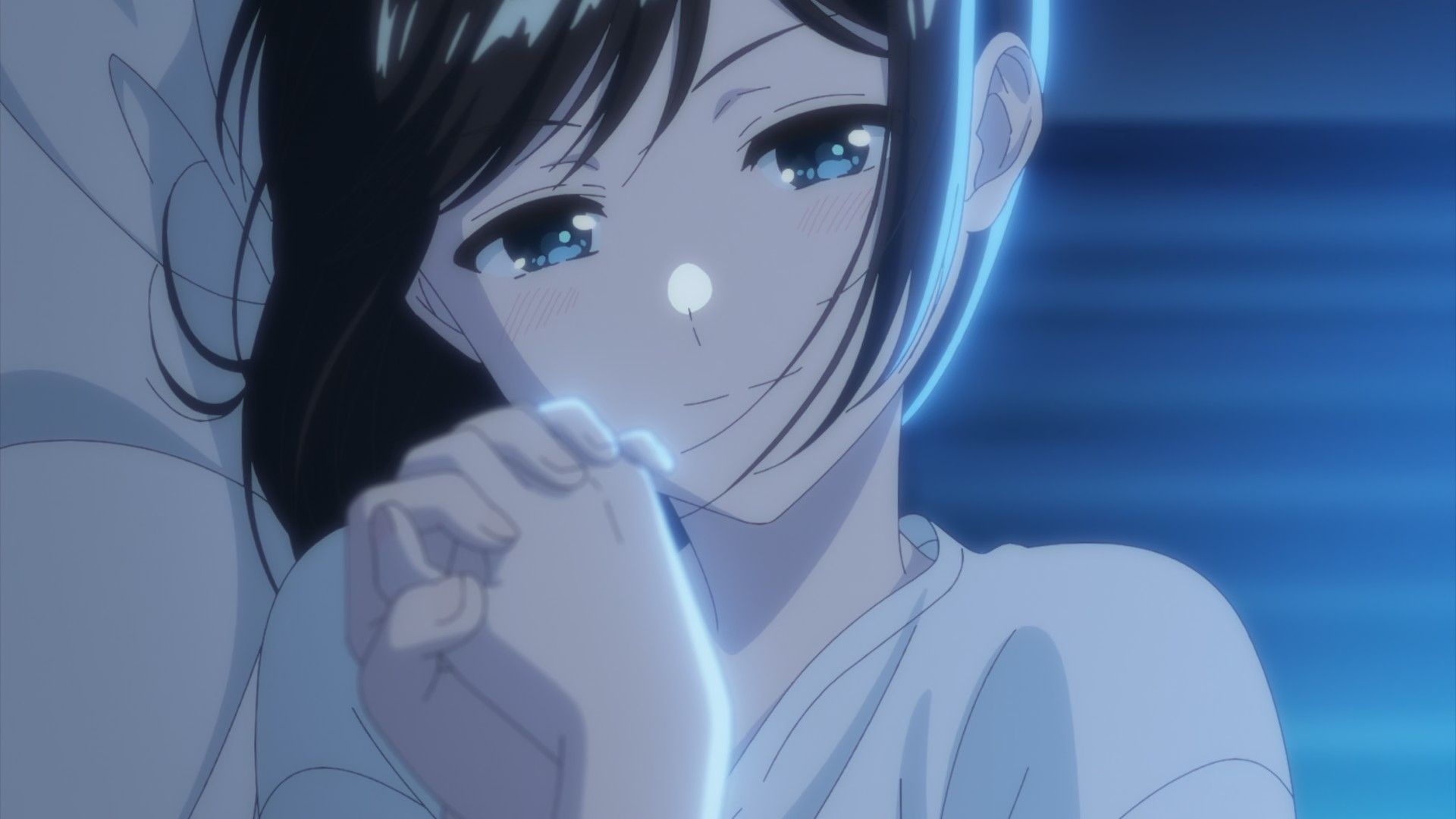
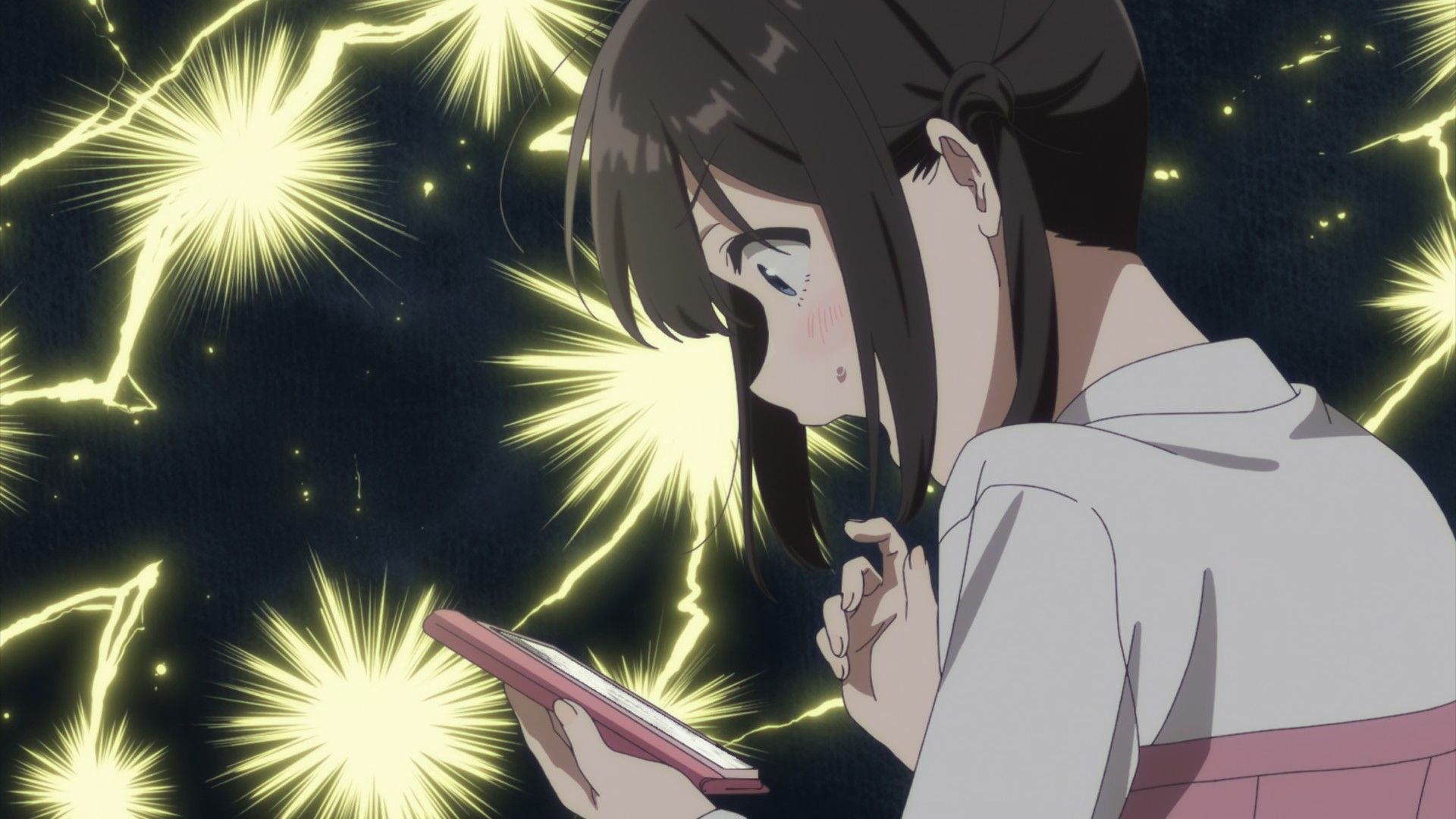
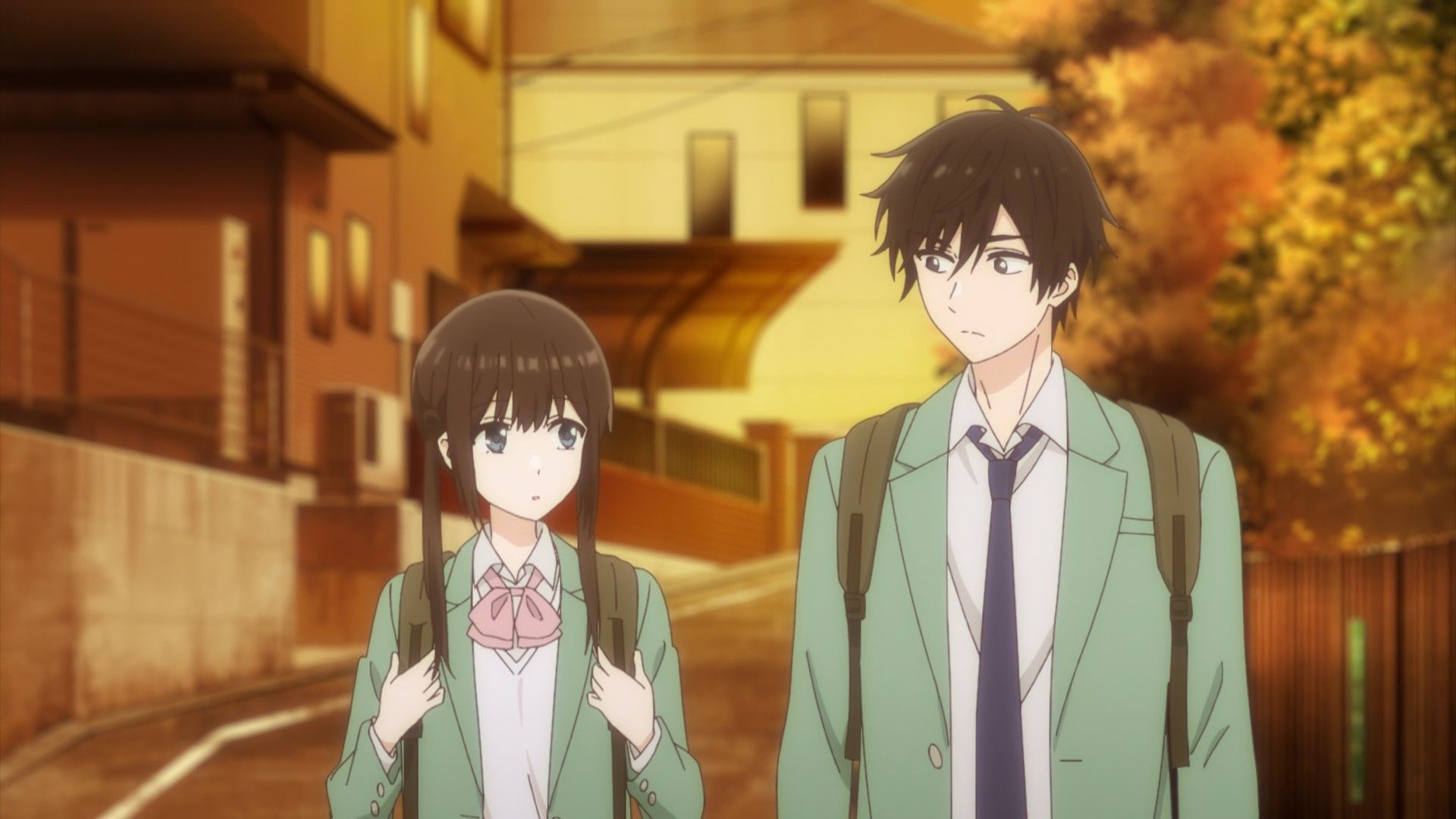
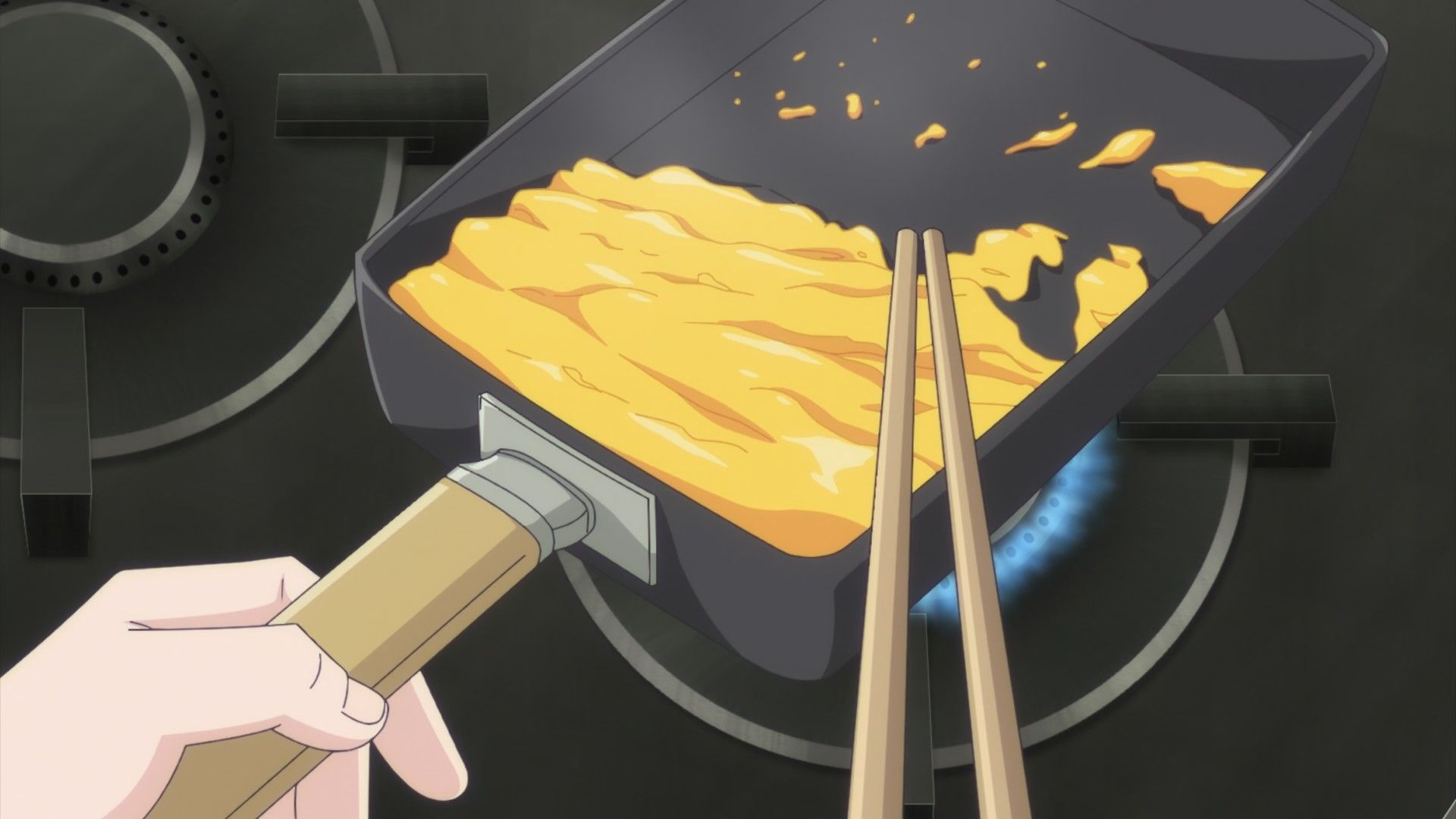
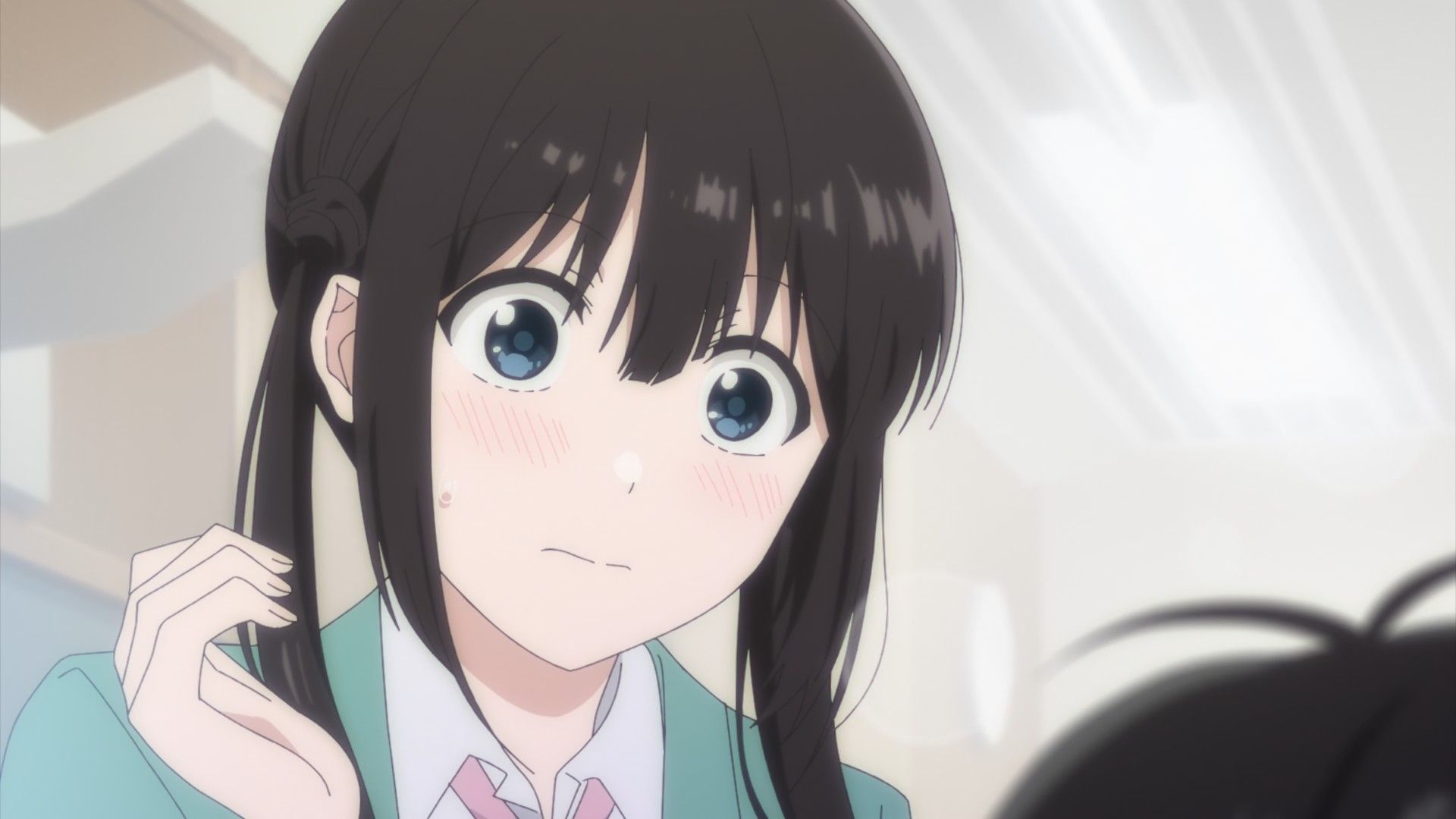
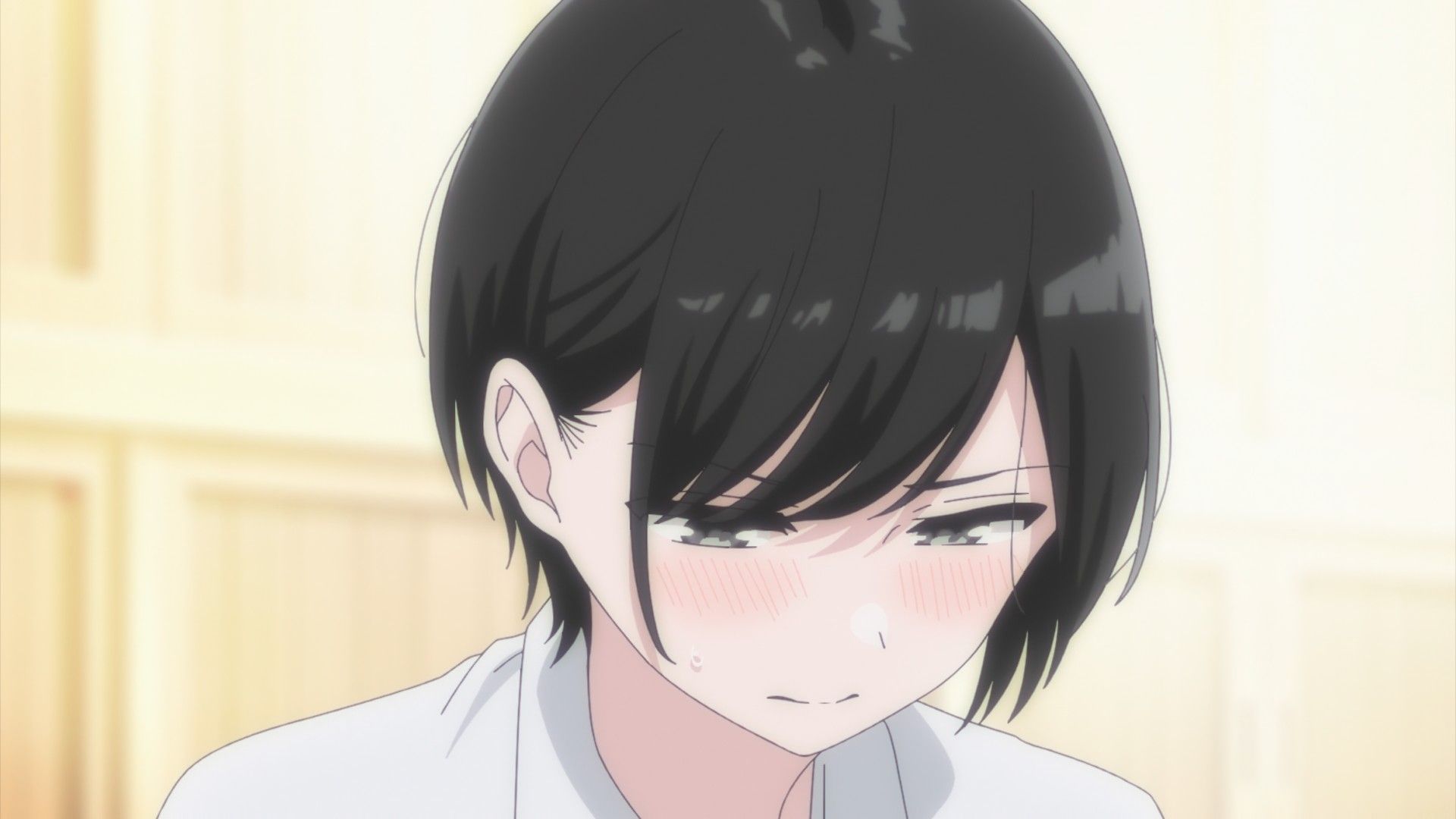
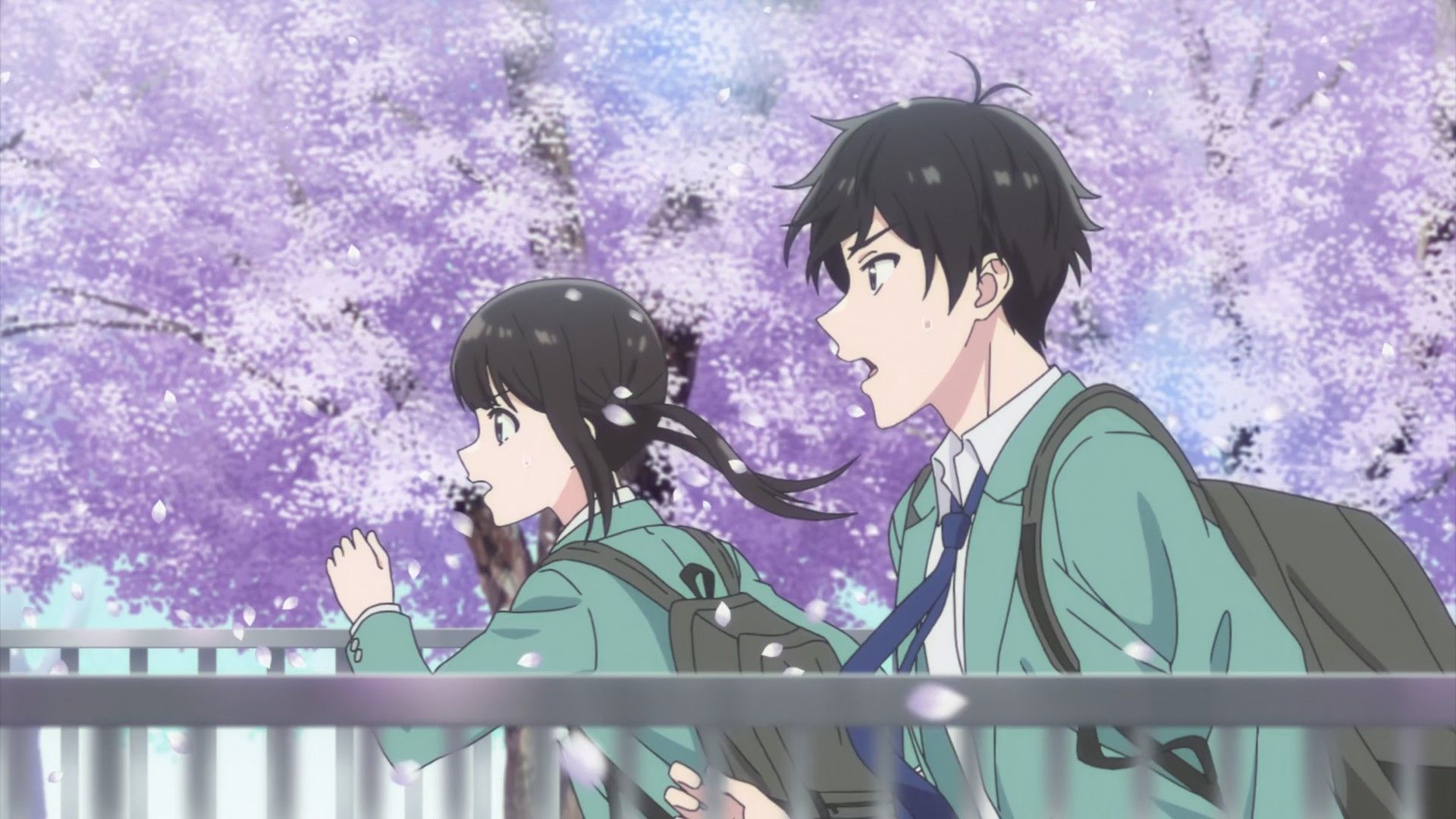
Visually, Aishiteru Game wo Owarasetai makes its strongest impression exactly where it matters most. The creators understand perfectly what matters most in this genre: faces, glances, moments of hesitation, and tiny shifts in expression. That is why the characters’ micro-acting does most of the work. The eyes, the blush, the shape of the mouth, whether someone looks away a second too early or too late. All of it builds tension and accomplishes more than any flashy technique that could have been forced into the series. The character designs are beautiful. Miku looks utterly adorable in every scene.
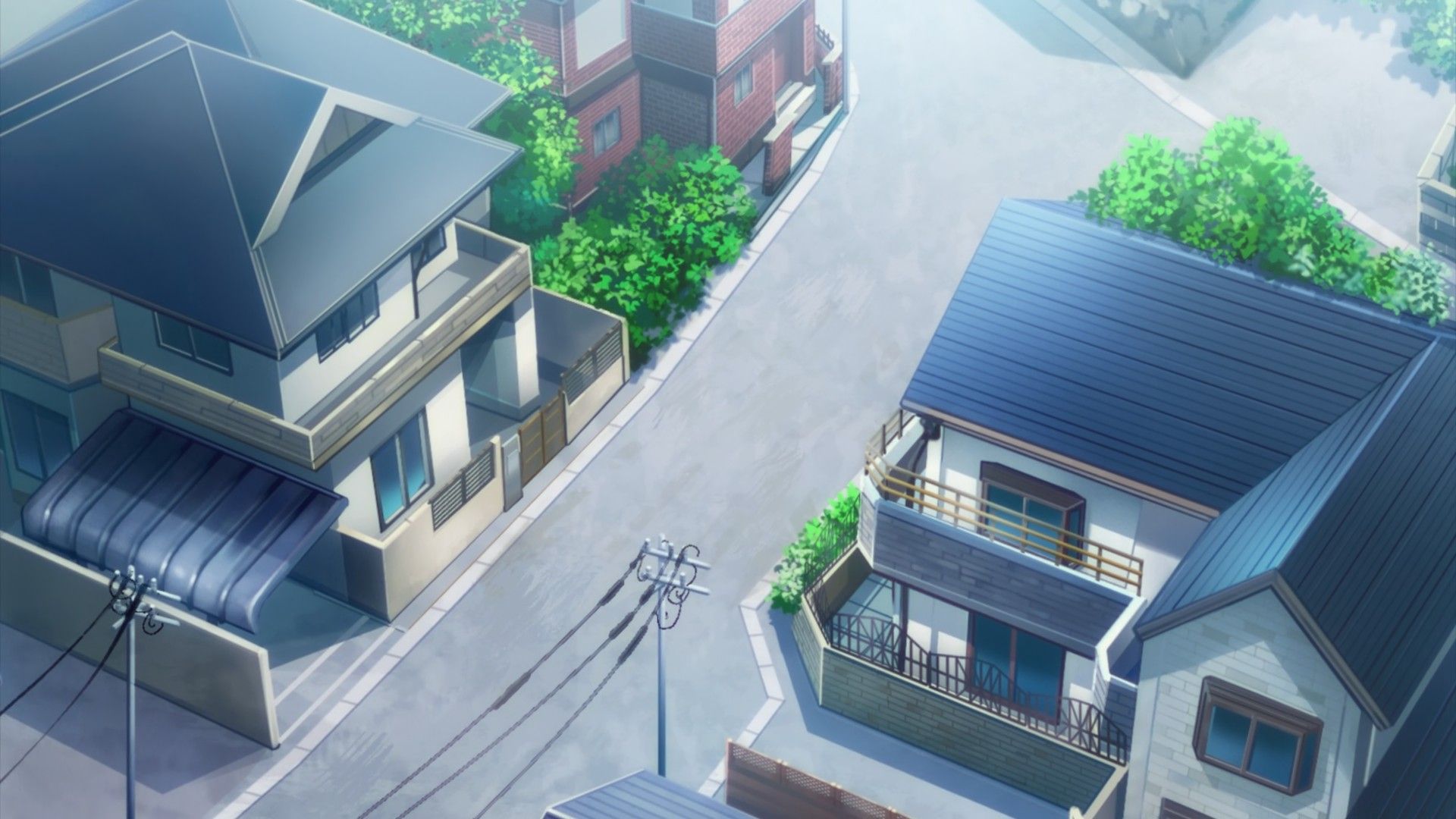
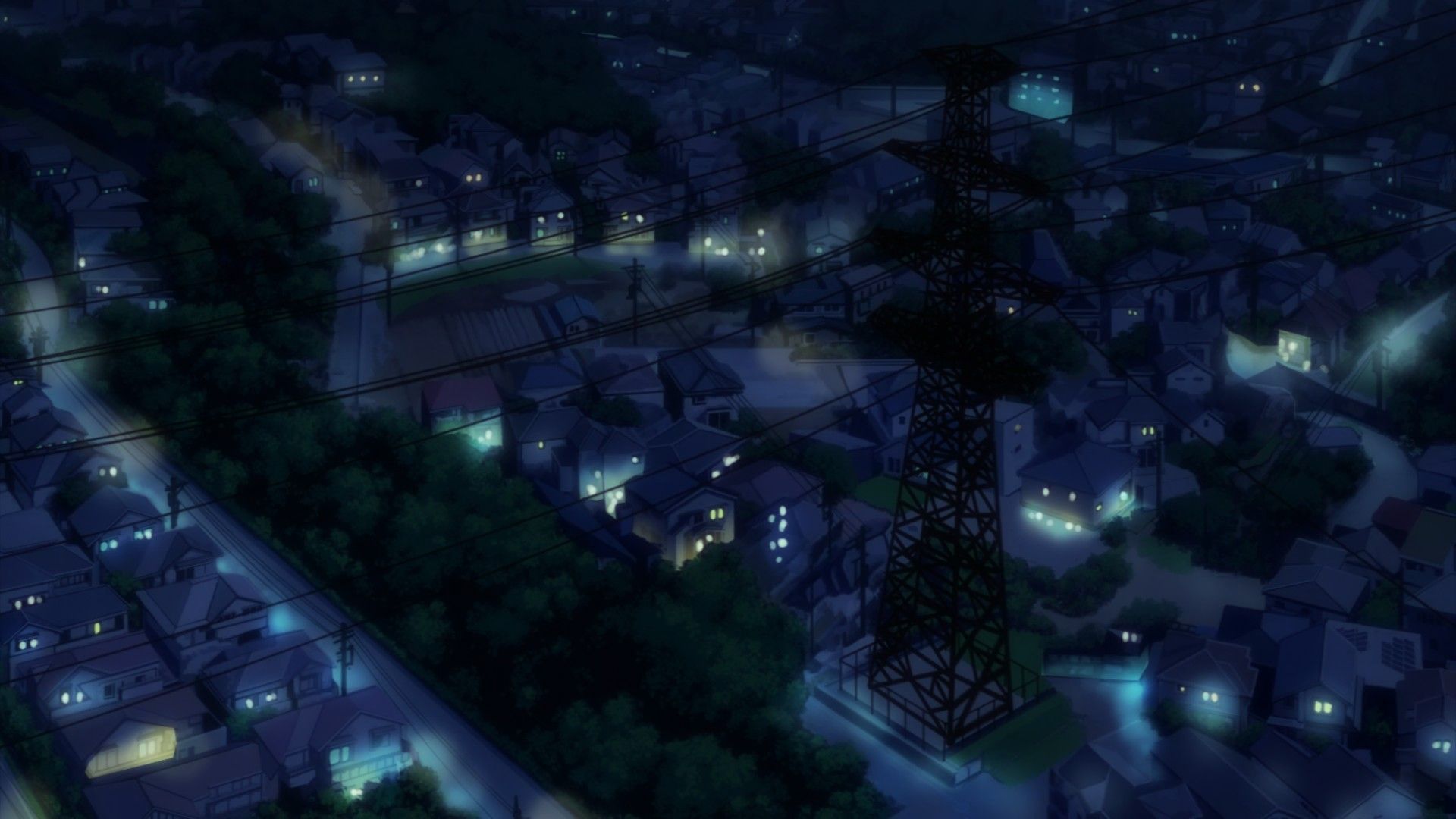
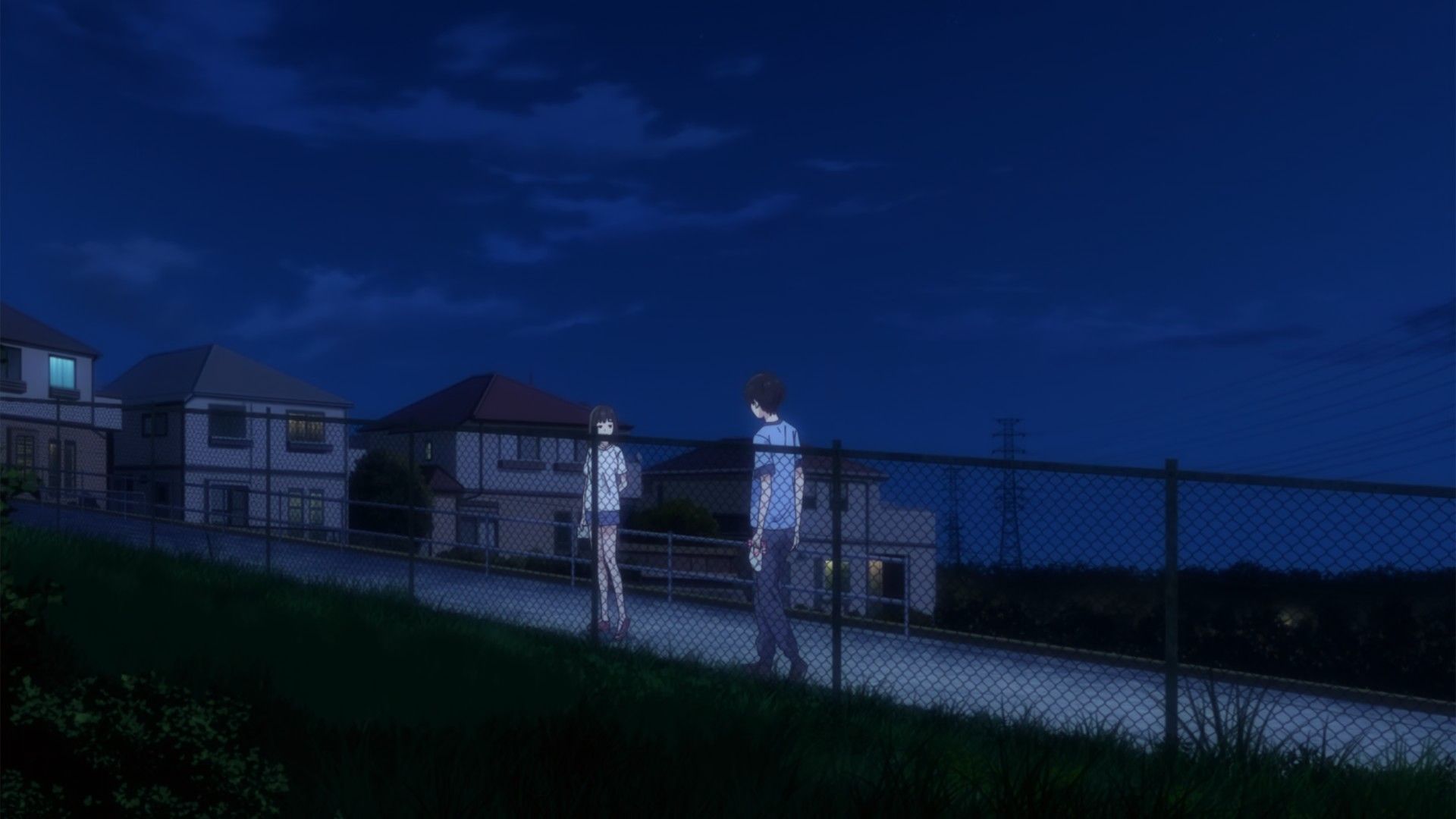
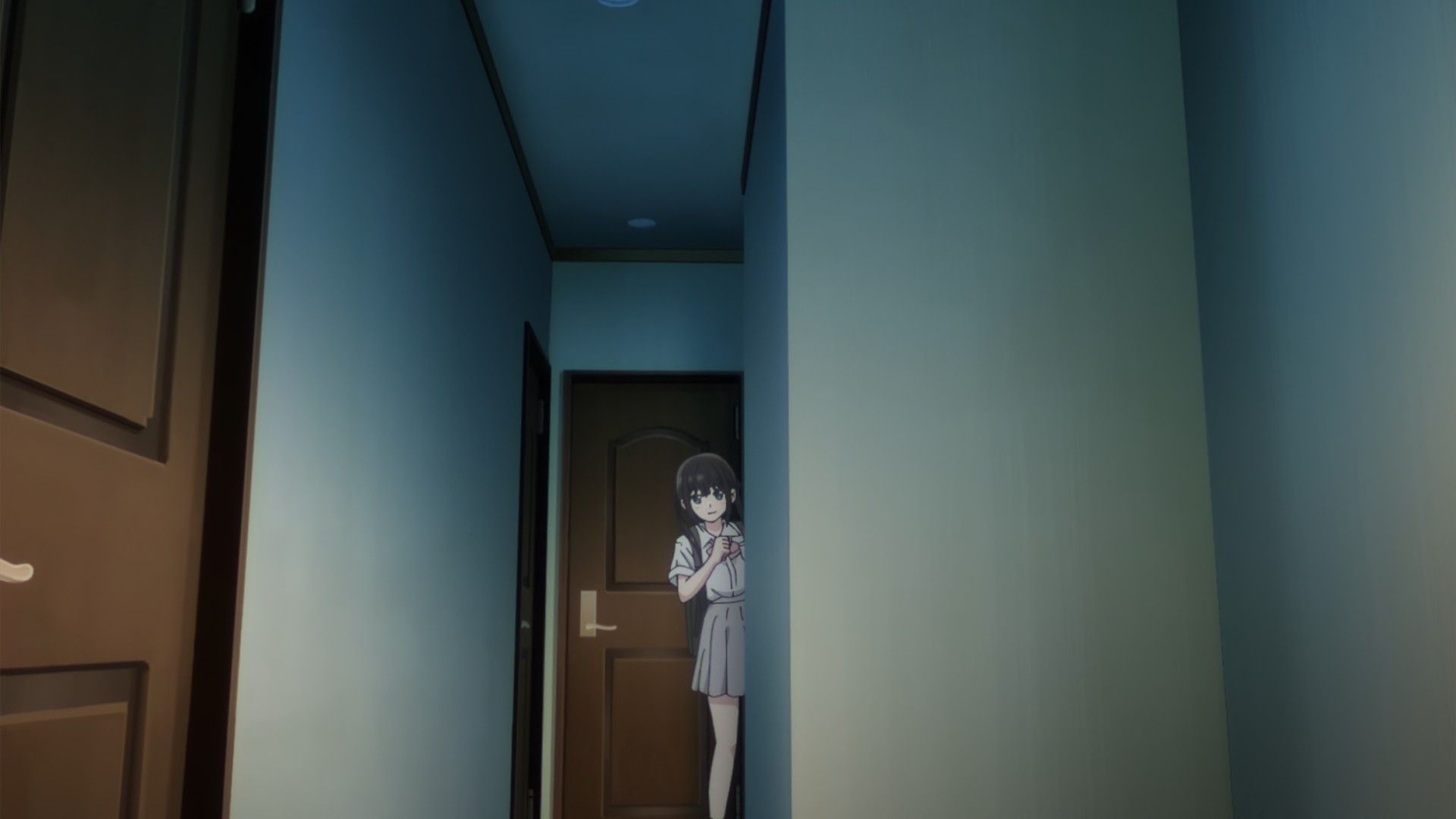
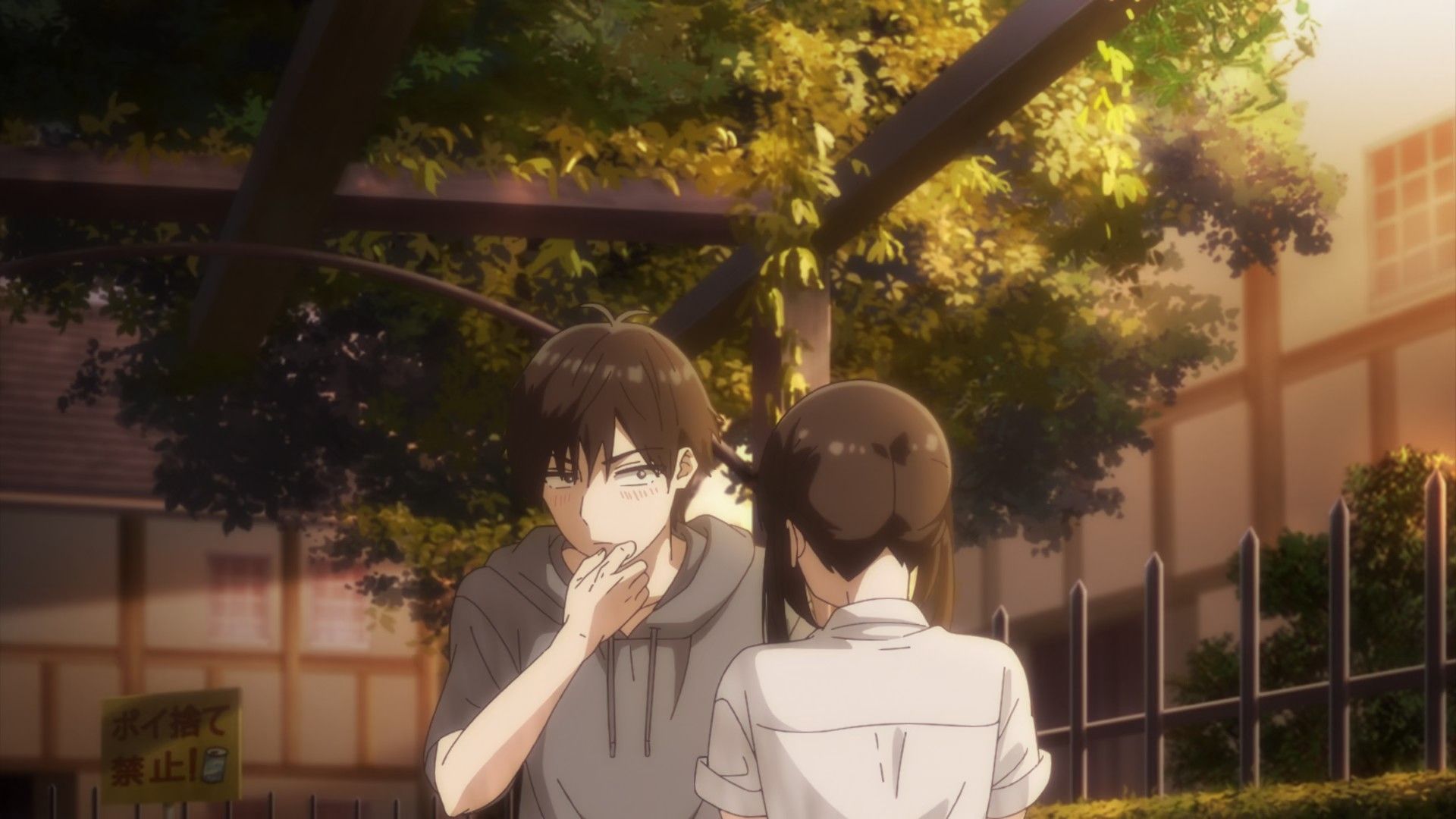
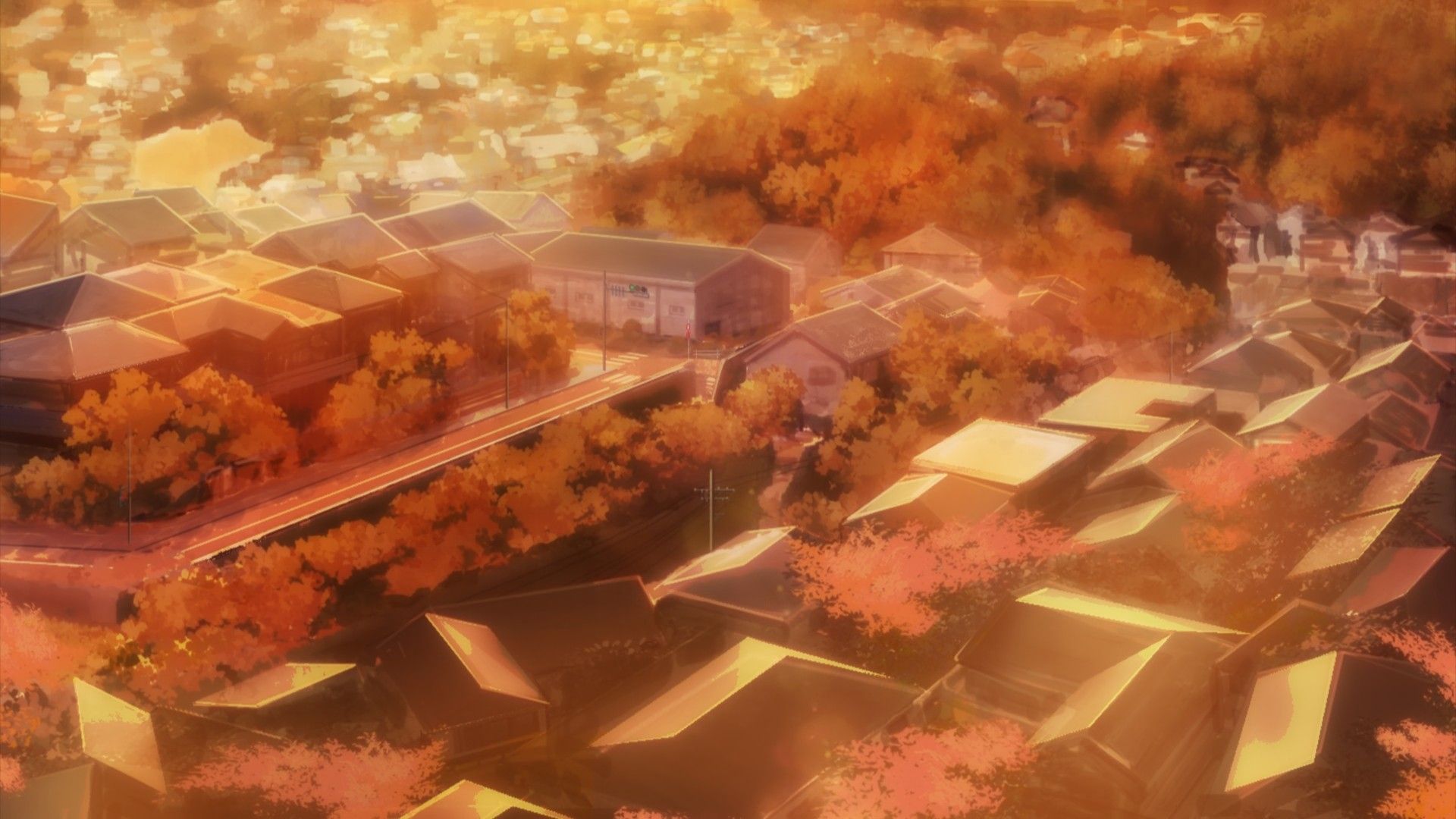
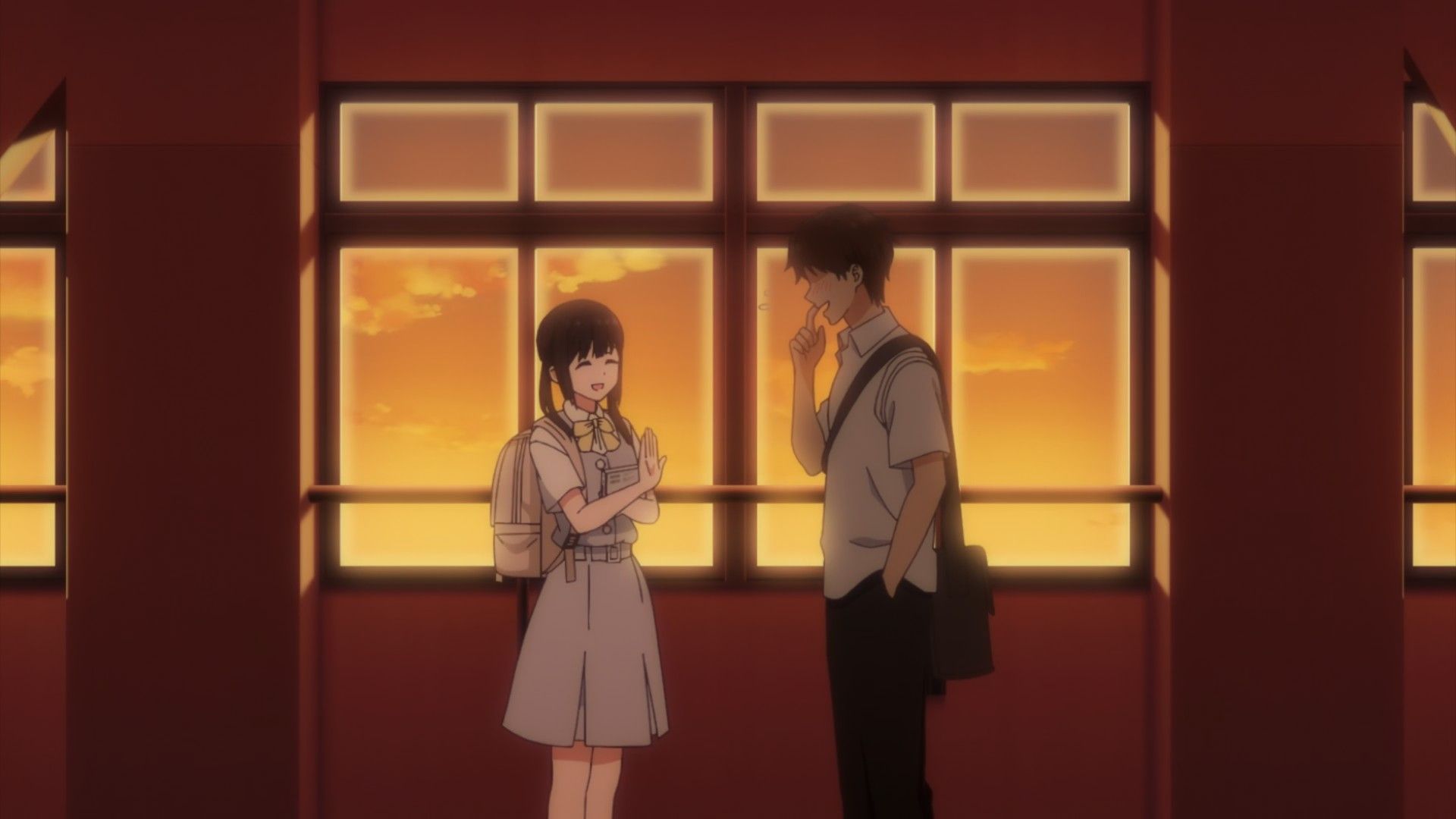
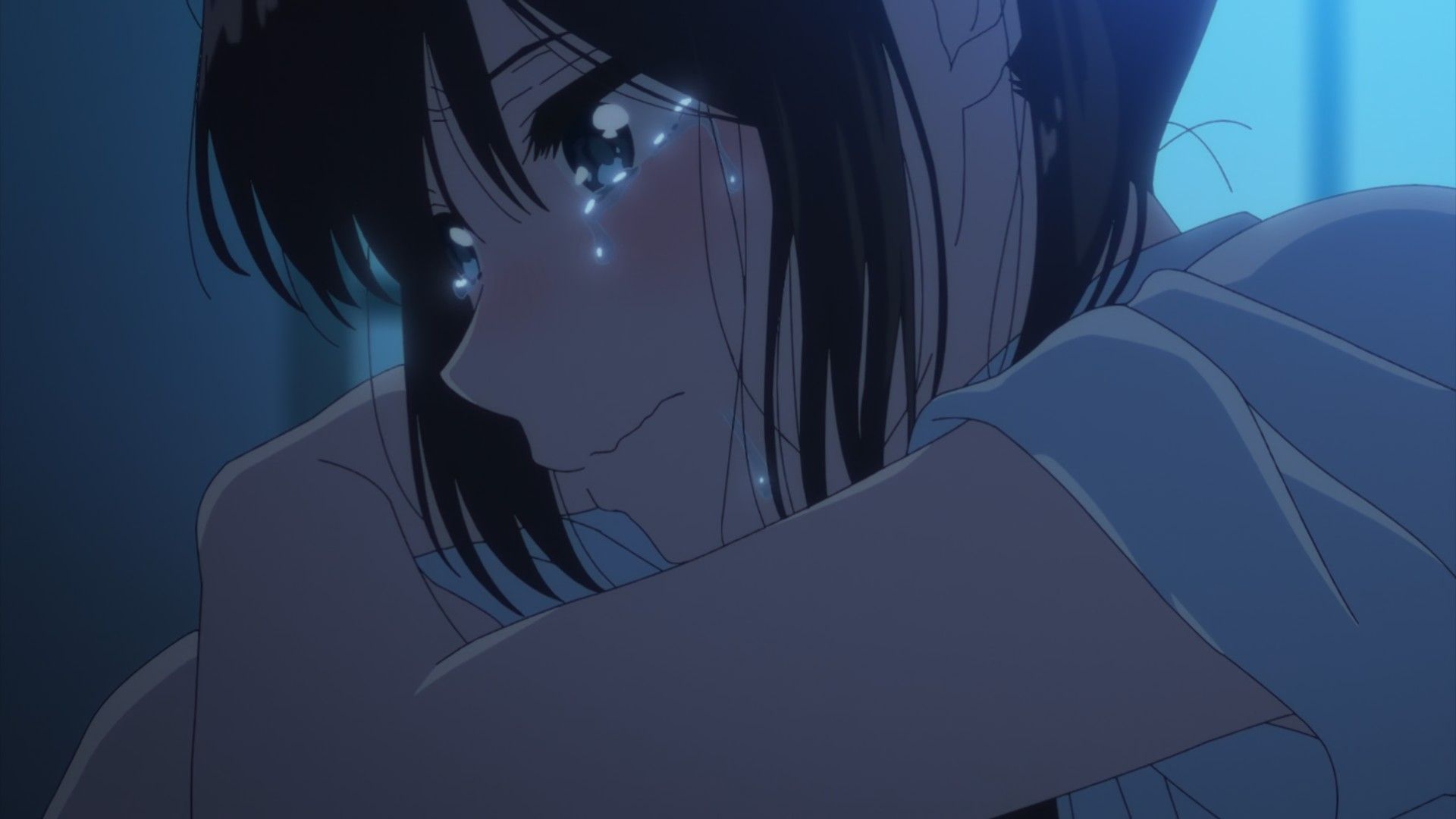
The series also handles mood with great skill. Warm, golden compositions and soft lighting in romantic moments, cooler blues and sharper shadows in more intimate or melancholic scenes, and the slightly polished look of contemporary digital animation all make it a pleasure to watch. The backgrounds deserve praise as well: they are detailed, blend beautifully with the foreground, and can be genuinely lovely to look at.


Audio
The seiyuu also play an enormous role. The central pair is voiced by Ishikawa Kaito as Asagi Yukiya and Itou Miku as Sakura Miku. Key supporting roles include Maruoka Wakana as Asagi Wakana, Koyasu Takehito as Shinonome Masaru, Ogura Yui as Hanaba Hinako, and Hondo Kaede as Moegi Natsuki. One look at those names makes it clear that the voice directors knew exactly whom to cast in each role. Every character’s performance is flawless.
The casting fits the nature of this story perfectly. Aishiteru Game wo Owarasetai needs performances that can convey not grand monologues, but subtle hesitation, embarrassment, tension, and all the shades of feeling between the words. What matters here is how a single short sentence is delivered, how a character’s breathing changes halfway through a line, and how the sound of a voice betrays emotions they do not want to reveal.
The soundtrack as a whole is not particularly distinctive, though its two main themes are still highly memorable.
Aishiteru Game wo Owarasetai – Plot and Characters
Introduction
The Spring 2026 Japanese TV anime season was packed with exceptionally successful romantic comedies. Among its many premieres, Aishiteru Game wo Owarasetai, which debuted on April 14 and was produced by FelixFilm under director Tani Azuma, stood out amid fierce competition from the very beginning. It builds its entire story around a single, deceptively simple idea. The I love you game sounds like a somewhat contrived gimmick. It quickly becomes clear, however, that the author knew how to develop it without letting it become stale or repetitive. The never-ending game becomes a shared space. It lets the two leads remain close while continuing to hide behind a convenient excuse.
The creator does not build tension by artificially keeping the leads apart. Asagi Yukiya and Sakura Miku have been close for years. They say things to each other that many people could not say even after entering a relationship. Yet they still cannot cross the line separating them from complete honesty. As a result, every glance, every gesture, and every subtle shift in tone during their conversations takes on meaning.
A Brief Overview of the Aishiteru Game wo Owarasetai (2026) Plot
The premise is brilliant in its simplicity. Since elementary school, Asagi Yukiya and Sakura Miku have played a game in which they compliment each other, act out scenarios, and tease one another affectionately; whoever gets flustered or lets a reaction slip first loses. Rather than fading over the years, the game becomes the very thing holding their relationship in a peculiar state of suspension. Both are now in high school, and both clearly have genuine feelings for each other. Even so, they continue pretending that this is merely another round of the same game.
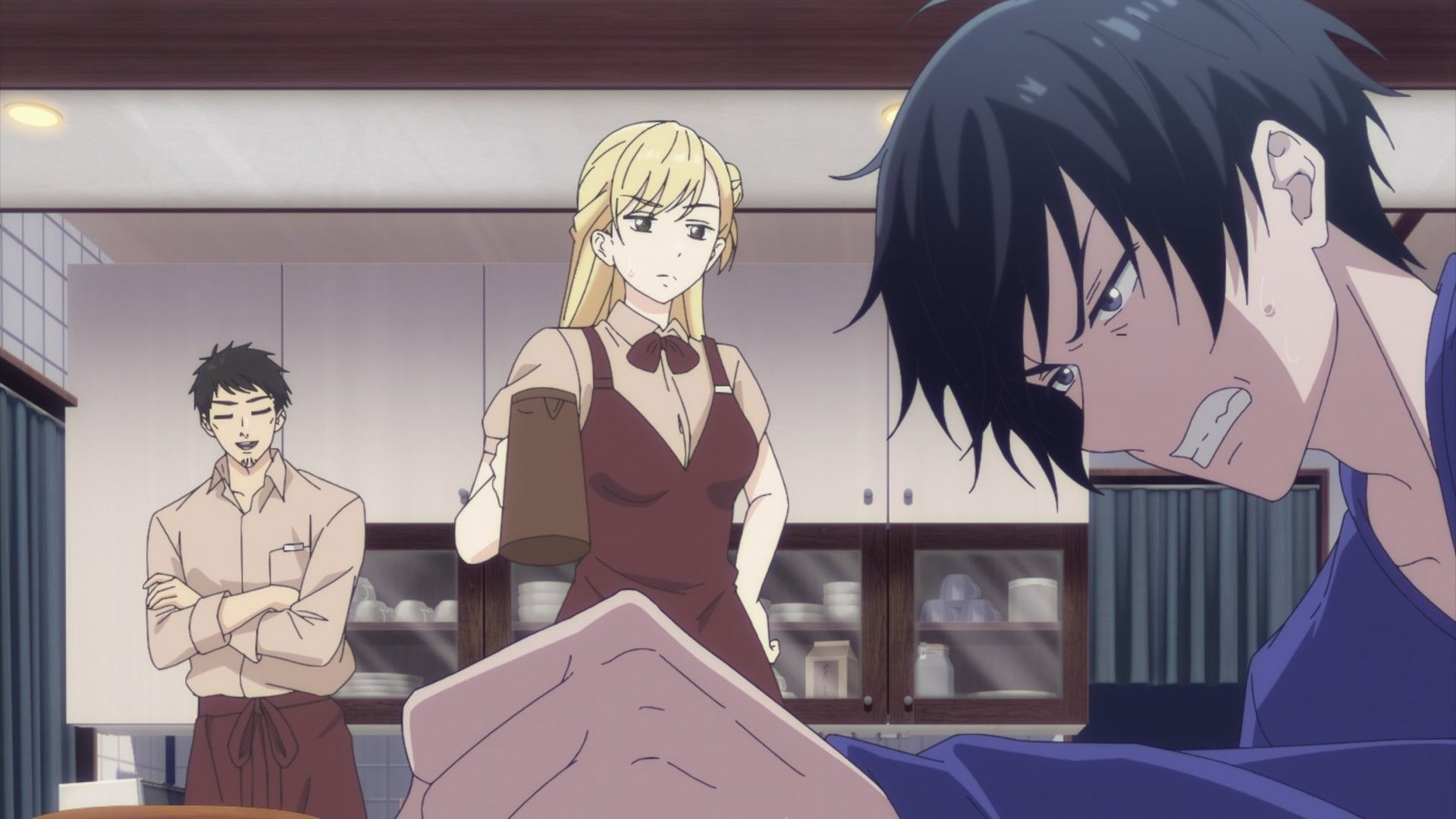
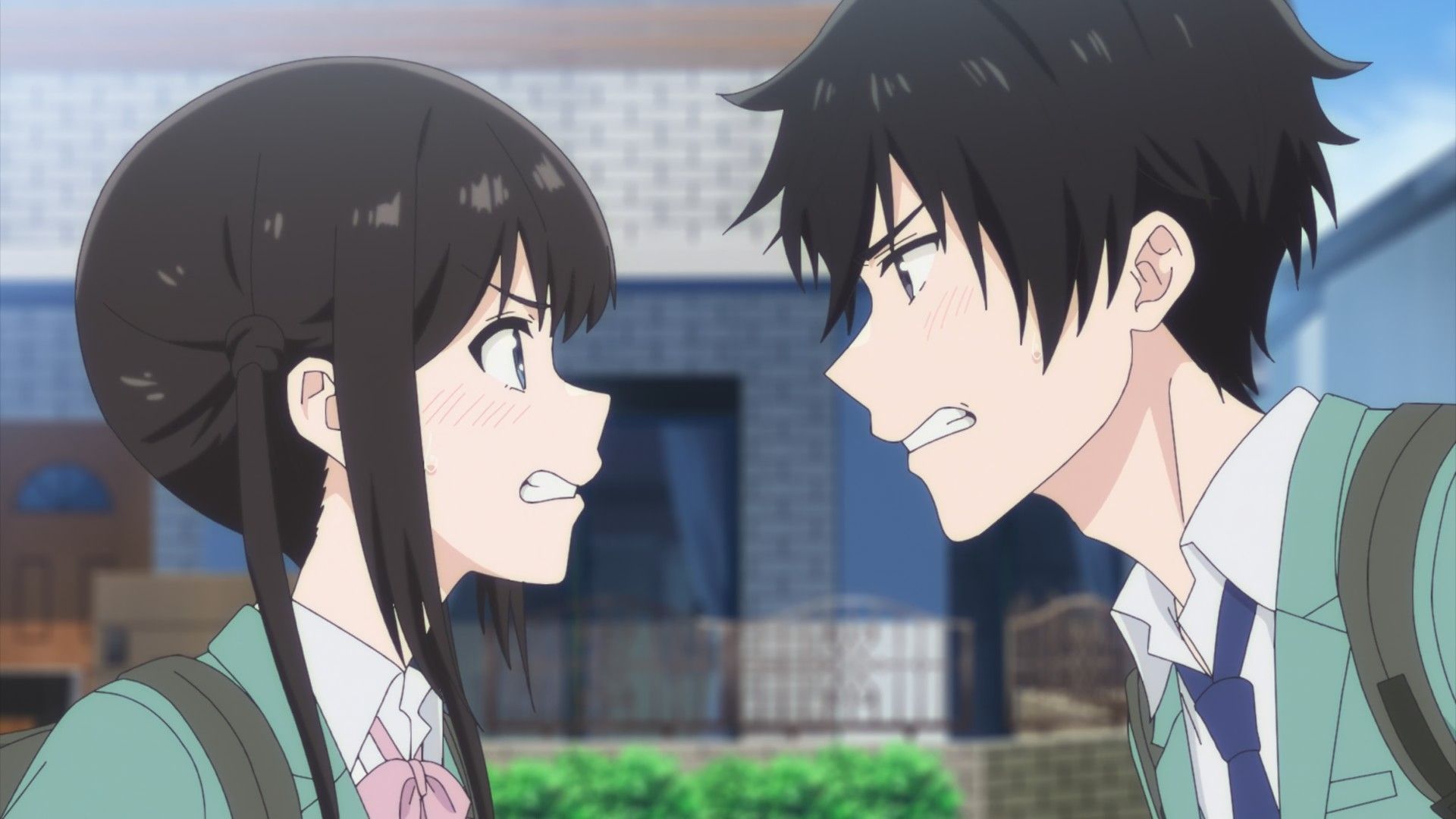


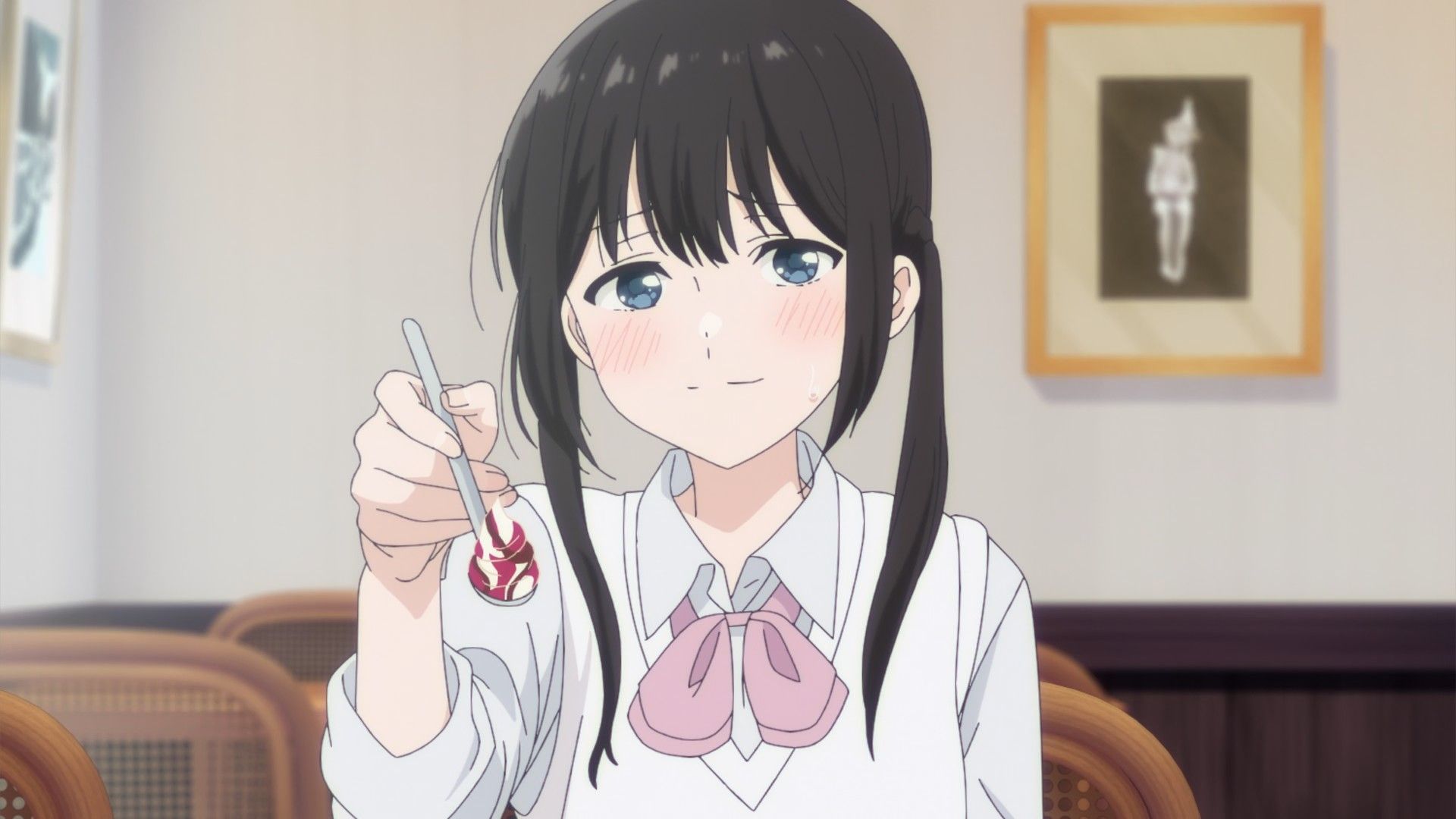
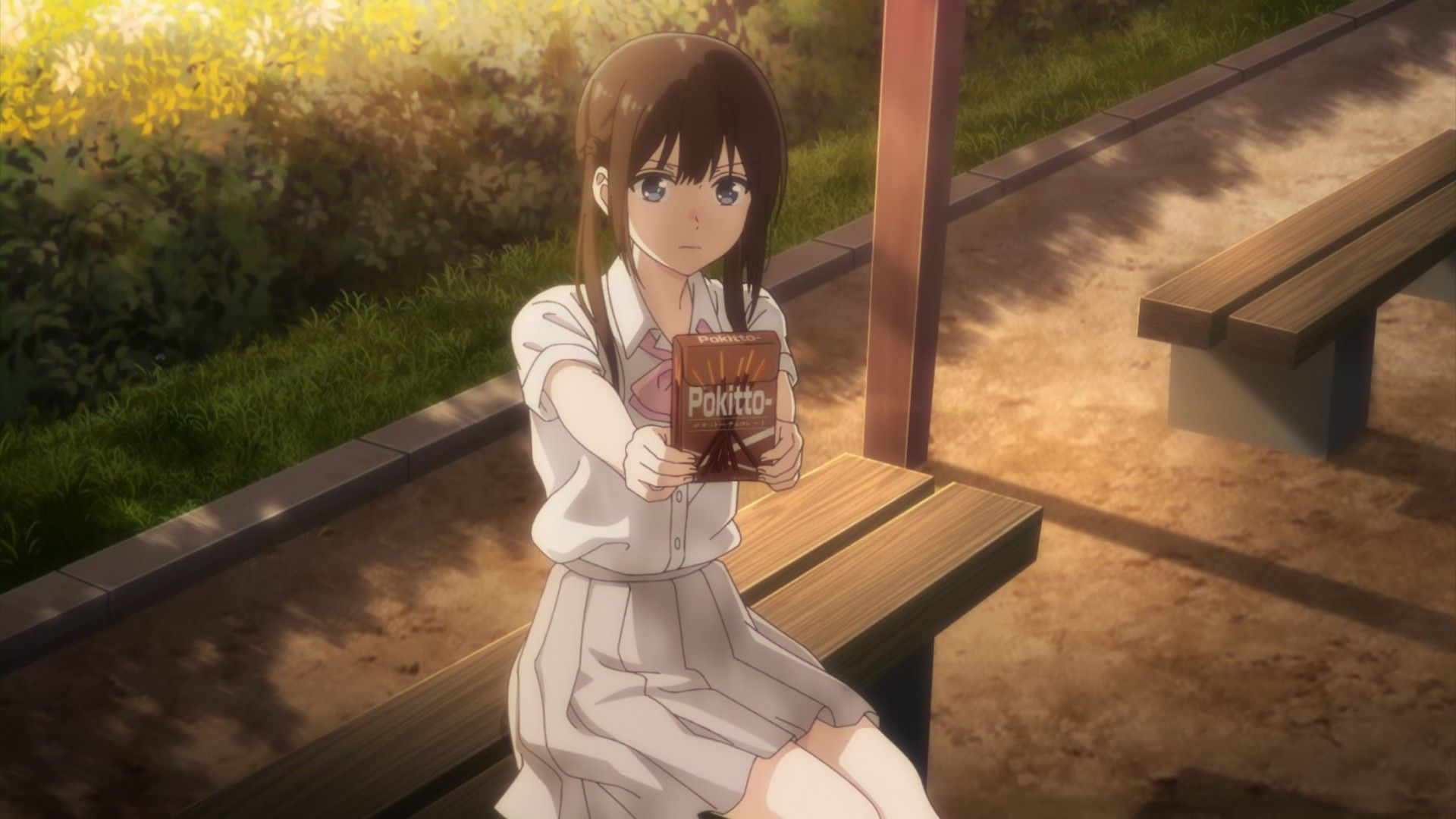
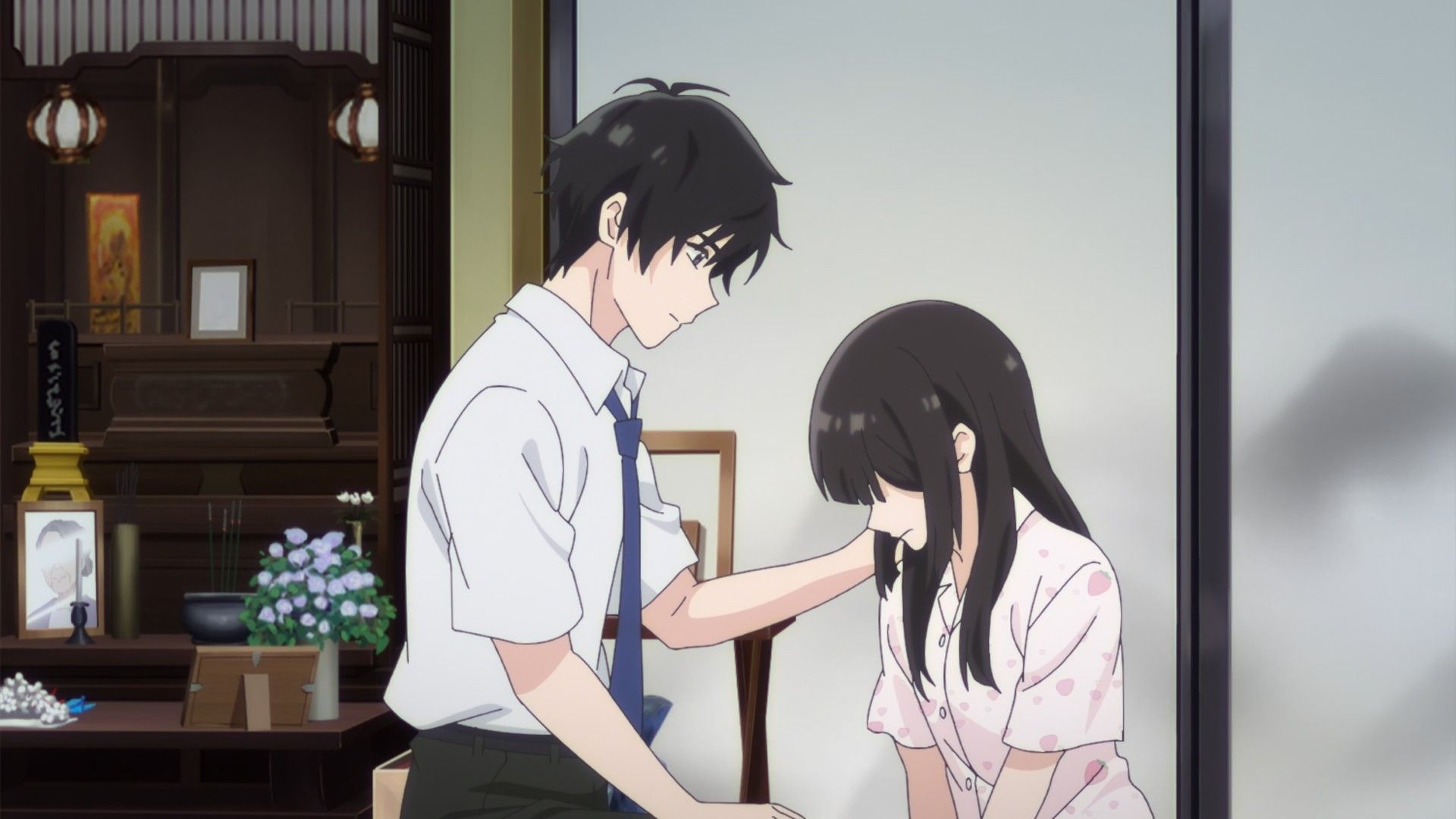
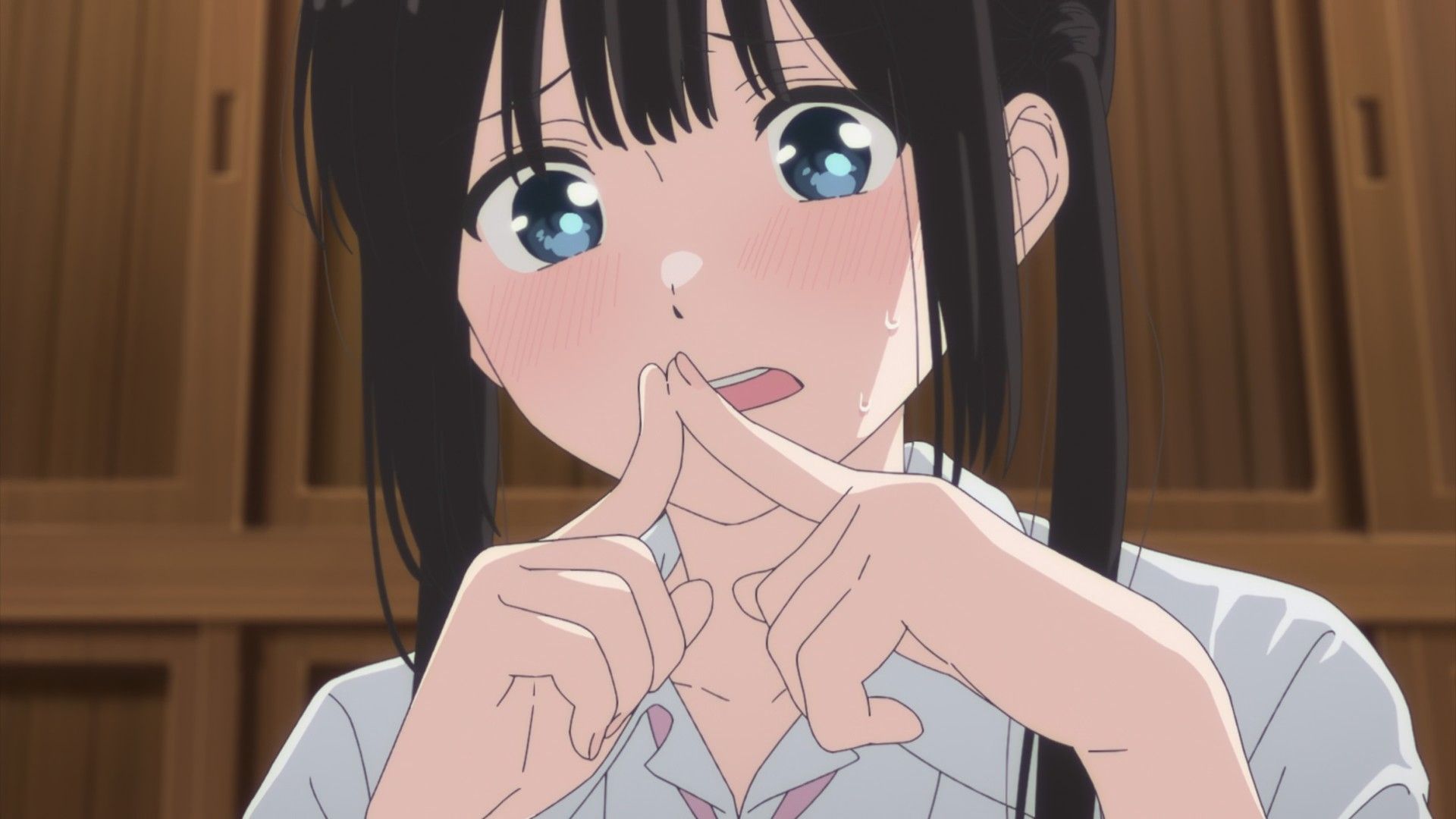
The series does not use this idea merely as a framework for comedy. The game draws them closer while simultaneously preventing them from moving forward. It allows them to say things they would never normally have the courage to voice, while also providing a convenient smokescreen behind which they can hide their real emotions. In practice, this creates a romance filled with constant confessions, yet the one that matters most has still never truly been spoken. That is where the story’s charm lies.
What is the series about
What I like most here is the way the relationship is developed. Aishiteru Game wo Owarasetai does not try to force the stakes higher in every episode. Instead, it patiently shows Asagi Yukiya and Sakura Miku’s feelings maturing through everyday life. This is one of those series in which progress does not need to be loud to feel deeply significant. The theme of low self-worth also resonates strongly. Most interestingly, this is not merely pride in the classic romantic sense. They both want to end the game, but they cannot. In their own way, each believes they are still not good enough for the other person. This is therefore not simply whoever admits it first loses. It is closer to do I even have the right to say it now, when I still have not become someone the other person could choose without hesitation? That foundation gives the story far more emotional weight than its premise alone might suggest.
In this respect, the series does one more thing very well: it never mocks what its characters are going through. There is plenty of comedy, of course, sometimes very sweet and sometimes almost ostentatiously awkward. Yet when it is time to portray fear, jealousy, shame, or a sense of inadequacy, the story suddenly becomes remarkably sincere. Scenes such as the date, the night they spend together, the crisis after the kiss, and their later quiet reconciliation therefore land much harder. They are not merely another romcom event, but logical consequences of how these characters have been written.
Aishiteru Game wo Owarasetai makes excellent use of osananajimi as its foundation, but does not stop at the archetype itself. This is not merely a simplistic story of childhood friends falling in love. It is about how difficult it can be to move from a relationship built on familiarity, comfort, and a thousand shared memories to something more direct. The series beautifully shows that the transition can be hardest precisely when the other person has already mattered to you for a very long time.
Narrative
Aishiteru Game wo Owarasetai is structured so that every subsequent episode deepens the couple’s feelings and relationship in a systematic, logical way. By using the rules of the game as a narrative catalyst, the creators elevate small, seemingly trivial details into major events. In coming-of-age stories typical of the medium, large-scale developments usually dictate the pace. Here, however, it is the microdynamics of gestures and glances that play the decisive role, weaving a dense web of intimacy.
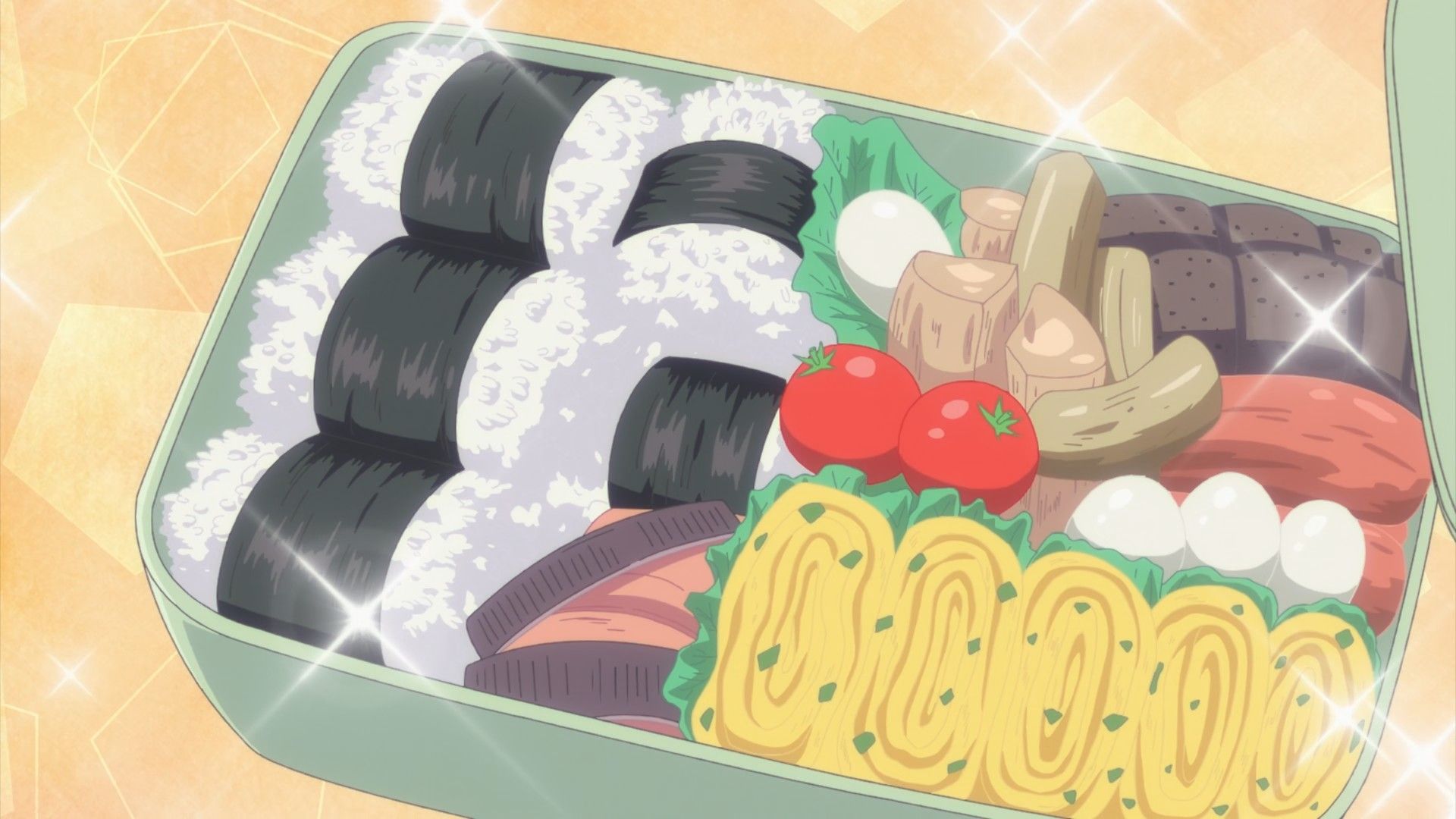
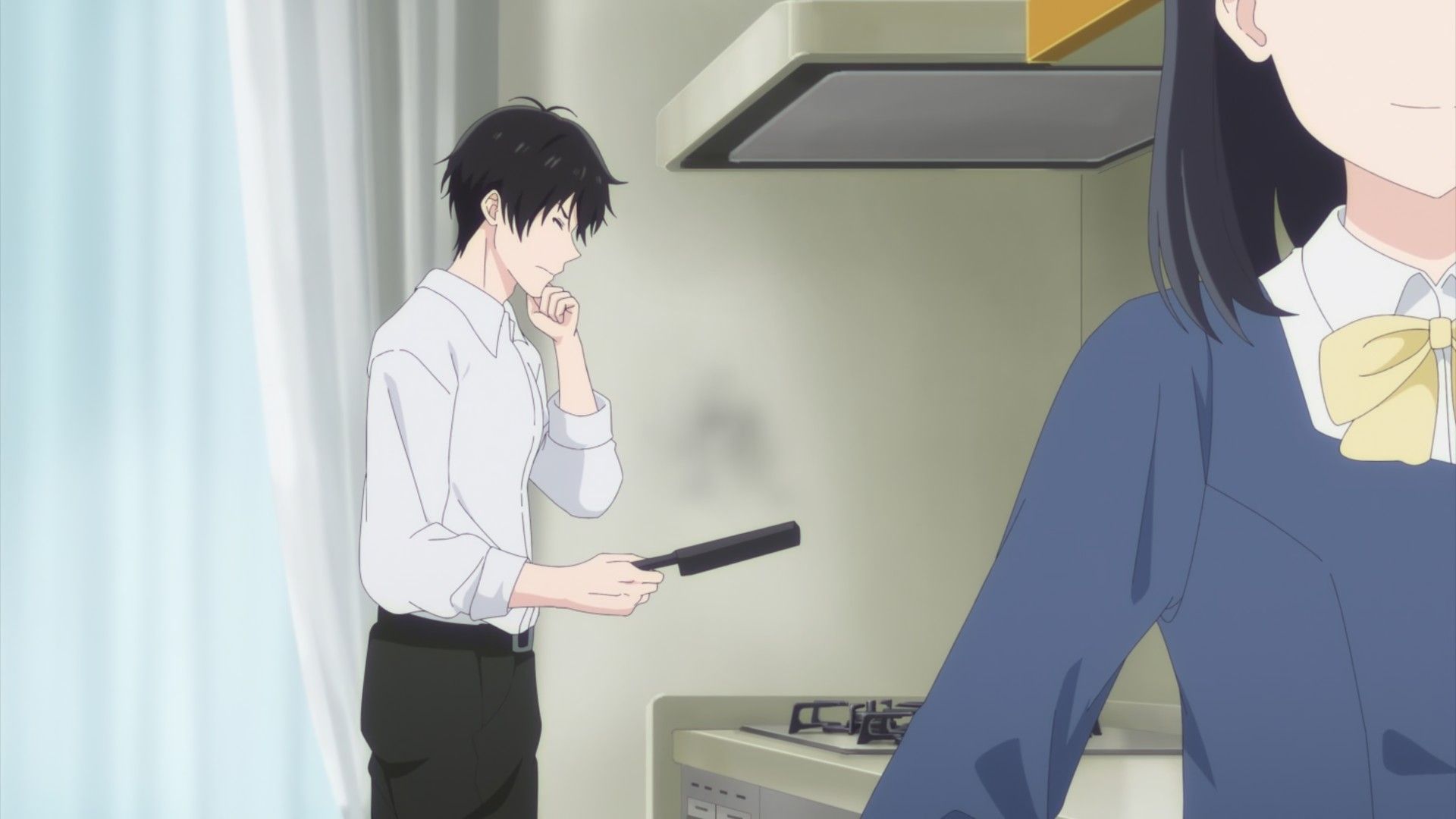
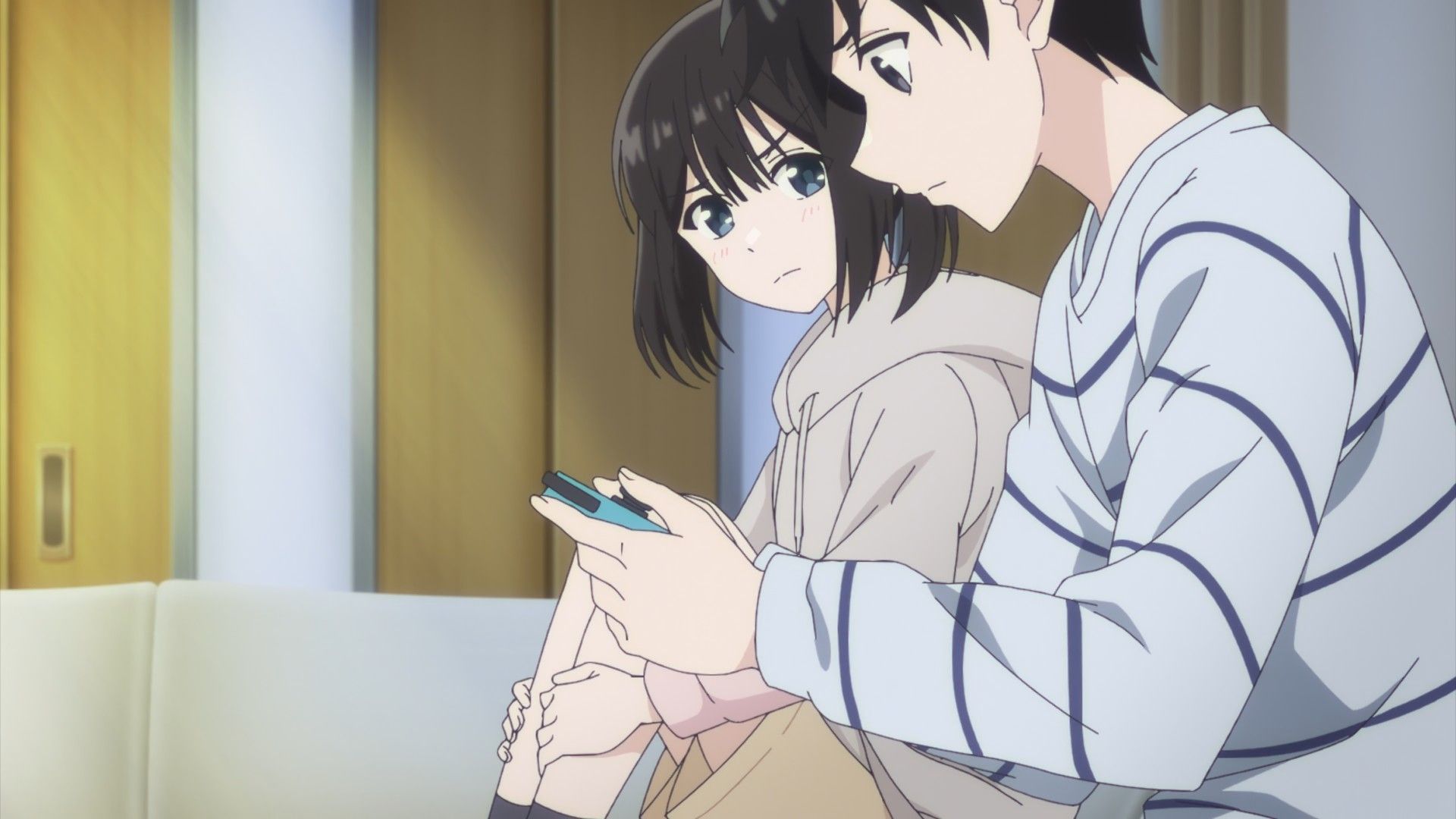
This evolution is especially clear in the construction of individual sequences. The early episodes establish the framework of their high-school dynamic. When Miku brings Yukiya a homemade bento in the second episode, it is more than a standard genre trope. It is a carefully calibrated emotional investment, with every portion and flavor tailored precisely to his preferences. The fifth episode, meanwhile, raises their physical intimacy to an entirely new level. Miku arrives at Yukiya’s home early in the morning and asks him to tie her hair, claiming that she has injured her finger. Although the scene lasts only a few minutes, it becomes a powerful vehicle for sensory tension. As Yukiya carefully ties her hair, he becomes acutely aware of her physical closeness, body heat, and distinctive scent while they recall habits from childhood. This seemingly trivial interaction shocks them both, proving that the nature of their bond has changed irreversibly, from childhood friendship into an attraction charged with erotic tension.
Relationship Microdynamics
The concept of the costs of love mentioned above becomes one of the series’ thematic pillars. Hanaba Hinako, an acquaintance from work who serves as Yukiya’s mentor, makes him realize that bringing another person happiness requires an investment: time, money, and serious thought. This seemingly trivial observation leads directly to the frantic amusement-park date in episode three. The season’s turning point, and the culmination of the idea that even small games can carry real gravity, arrives in the final episodes.
Spoiler
Miku technically wins the round, but the victory leaves her emotionally devastated. She convinces herself that she manipulated Yukiya and exploited his weaknesses. This strikes directly at her overwhelming lack of self-worth, driving her to fake an illness and hide from the world.
Characters
Most classic romantic comedies about childhood friends follow a formula in which the main obstacle to an intimate relationship is exaggerated youthful pride or complete ignorance of one’s own feelings. Aishiteru Game wo Owarasetai makes a brilliant shift in emphasis. Both leads want to end the farce, but they cannot. This is not because of pride, but because of a profound lack of self-worth. Both want to be someone special, someone utterly irreplaceable to the other. Yet both deeply believe that, as they are now, they are not worthy of entering a serious romantic relationship. Their supposed pride is merely a coping mechanism for their fear.
The narrative of Aishiteru Game wo Owarasetai is structured so that each episode systematically and logically deepens the pair’s feelings and relationship. By using the rules of the game as a narrative catalyst, the creators elevate small, seemingly trivial details into major, even formative events. In coming-of-age stories typical of the medium, large-scale developments usually dictate the pace. Here, however, it is the microdynamics of gestures and glances that play the decisive role, weaving a dense web of intimacy.
Asagi Yukiya
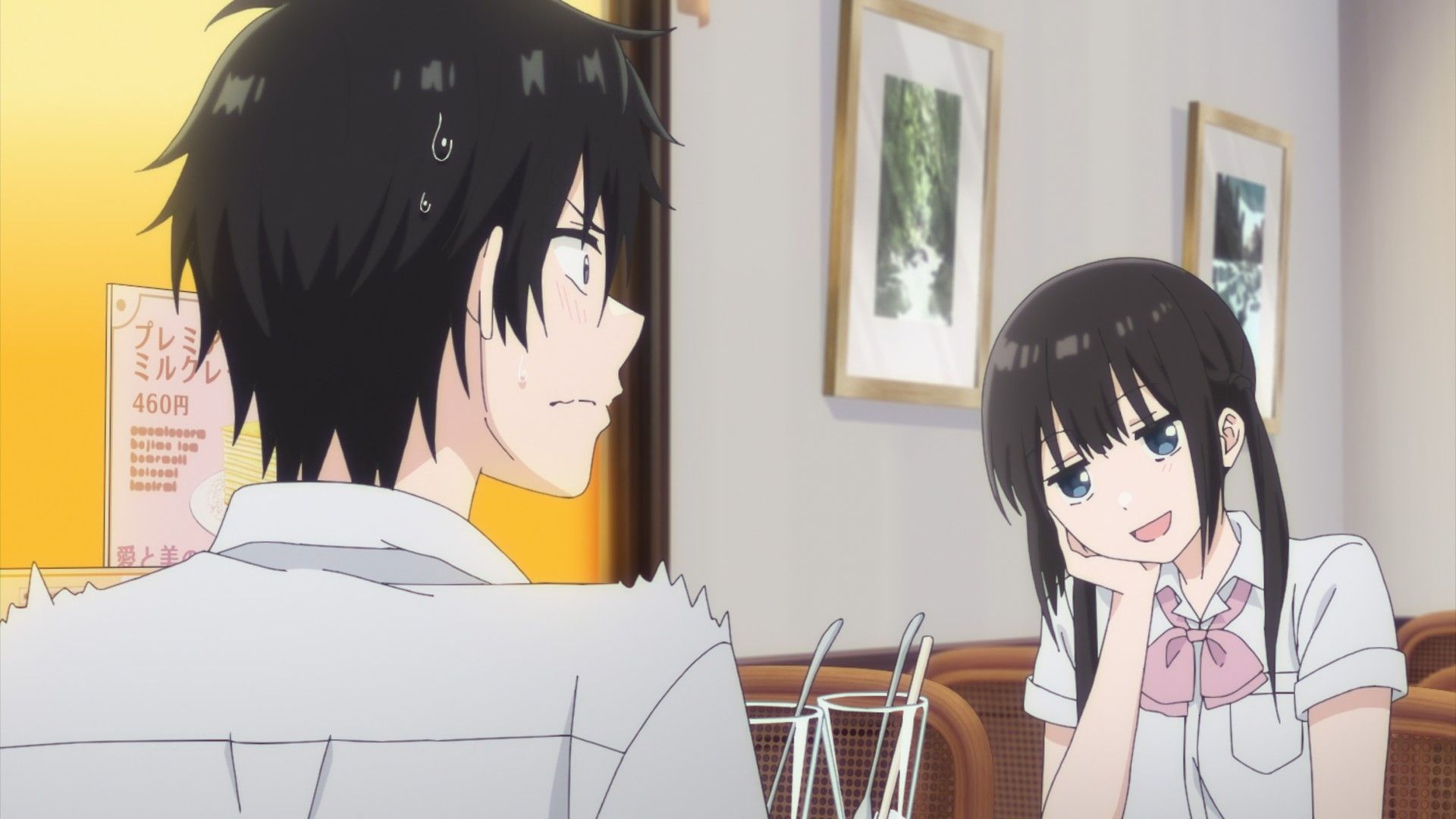
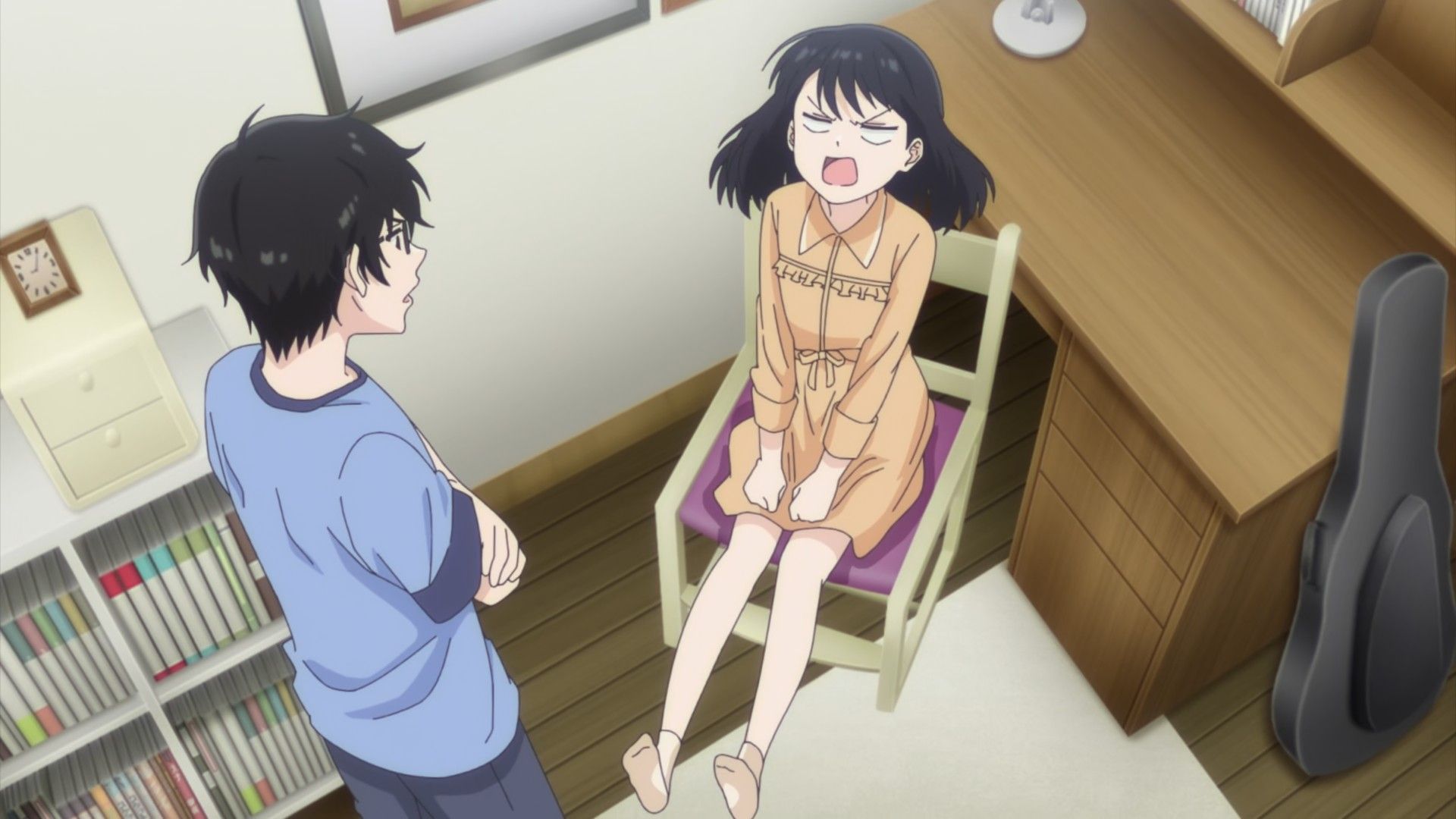
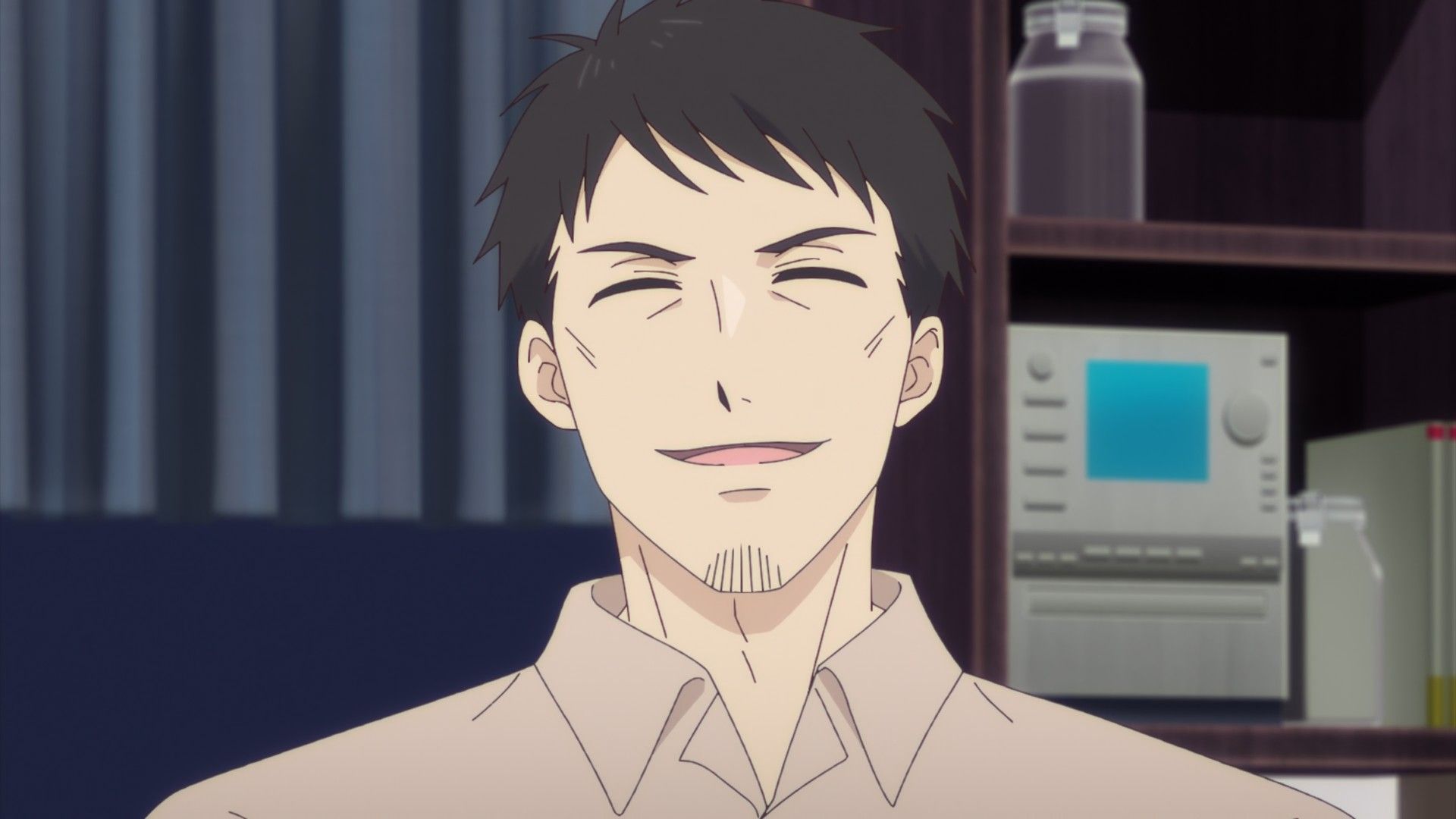
He never tries too hard to seem cool. Outwardly, he is somewhat ironic and always hiding behind something. He likes to act tougher than he really is, and for years he masked his feelings for Miku with barbs and teasing. The character’s entire strength, however, lies in the contrast between what he says and what he truly thinks. Deep down, he is a boy completely disarmed by one person, acutely conscious of every tiny detail connected to her and regularly defeated by his own emotions, even if he refuses to admit it.
His development is not about suddenly transforming into the perfect prince from a shoujo manga. On the contrary, whenever he tries to play that role, he usually comes across as a little awkward. At times, it is almost painful to see how much every such attempt costs him. The meticulously planned date, changing his appearance, learning to cook, and searching for a way to make Miku happy: none of this comes from posturing or a desire to show off. It grows out of his deeply sincere belief that he must become a better person before he can truly accept anything from her or give anything to her.
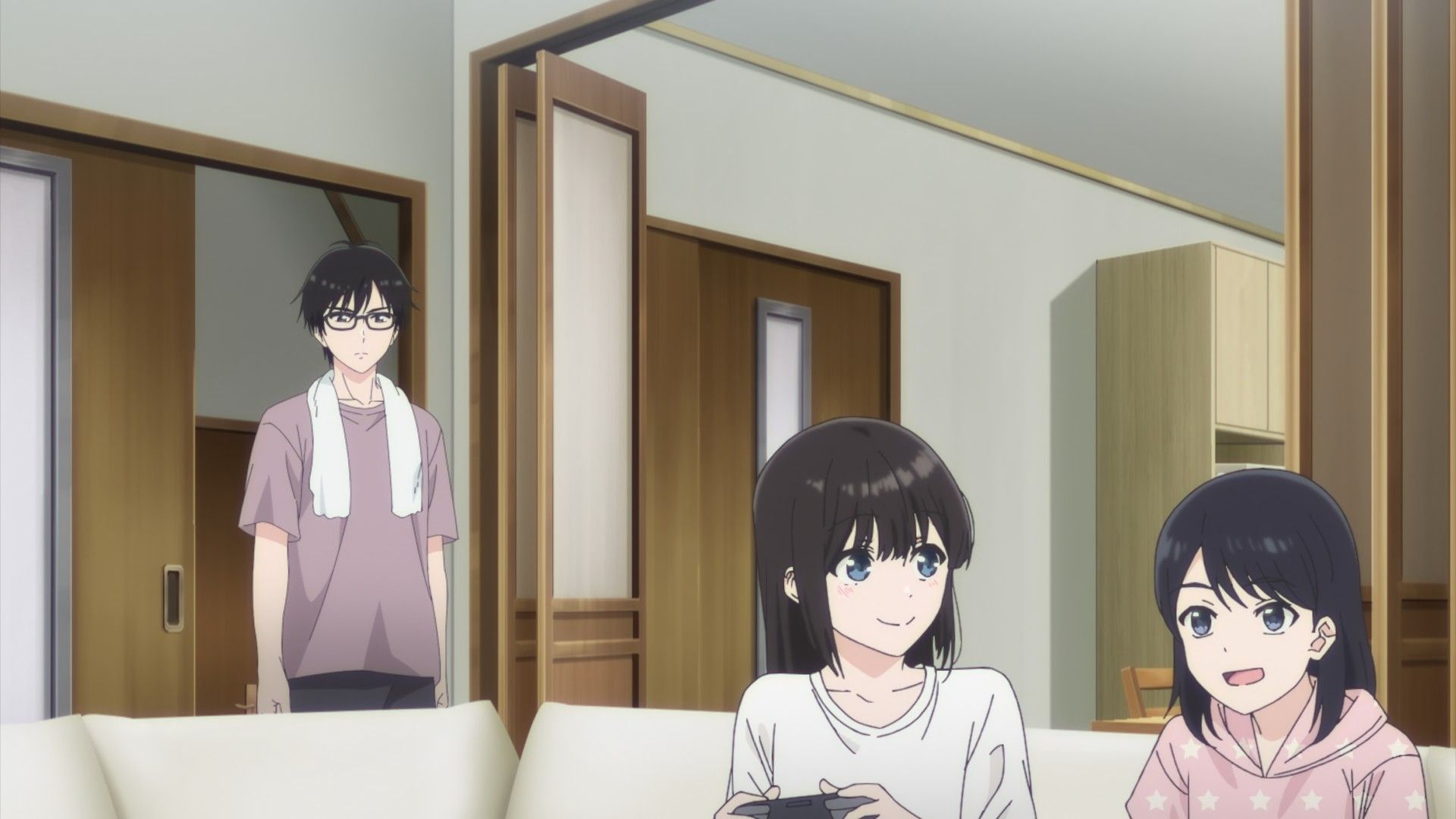
Asagi Yukiya is at his best when he briefly abandons the game and simply starts caring for Miku because of her illness. These moments reveal most clearly that his sarcasm and defensive tone are only a shell. When she genuinely needs someone beside her, he can be tender, attentive, and extraordinarily gentle. The series does not need to spell anything out. His presence, a few gestures, and the way the atmosphere changes once he stops fighting for the upper hand and starts acting out of pure concern are enough.
Sakura Miku
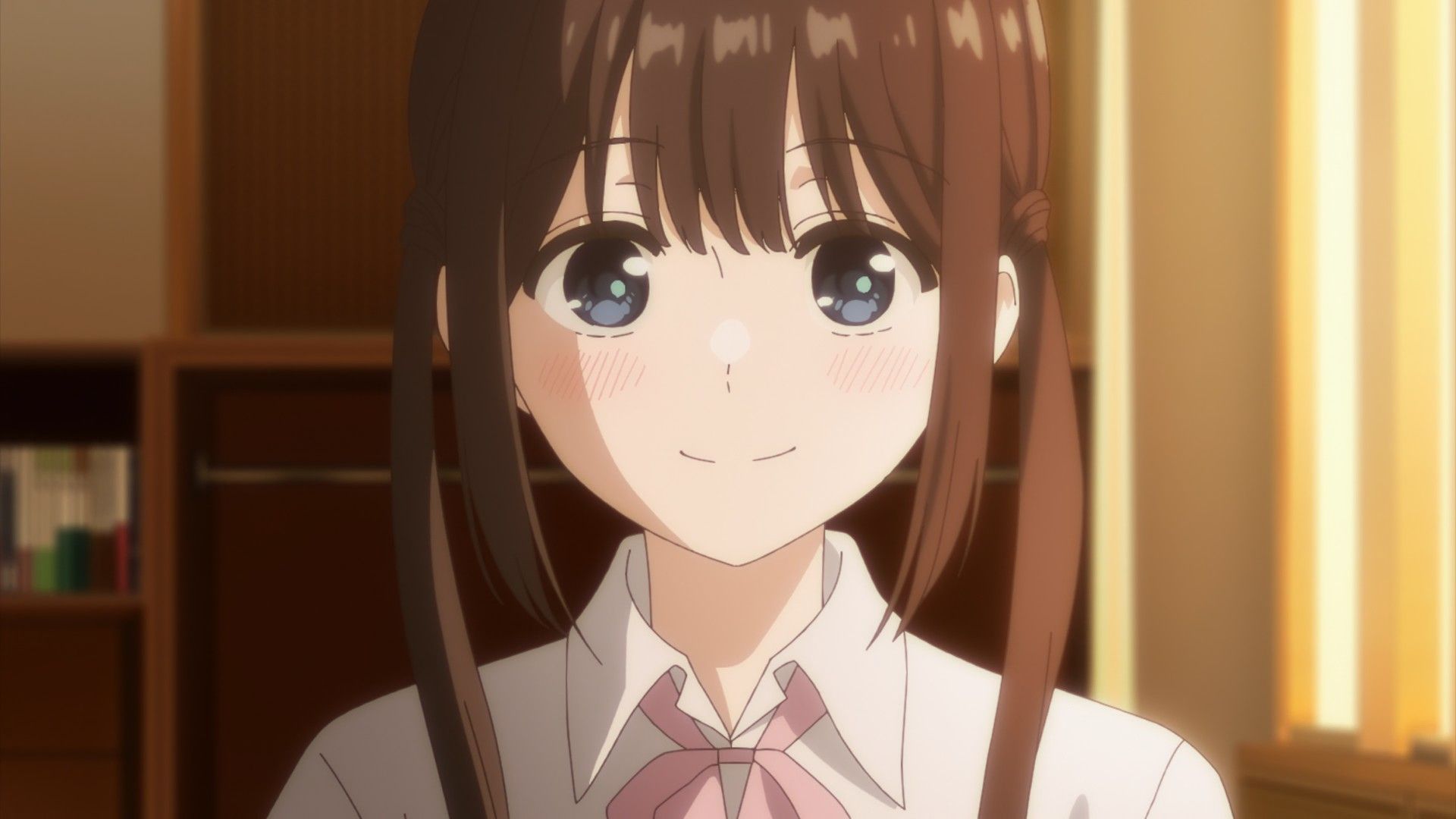
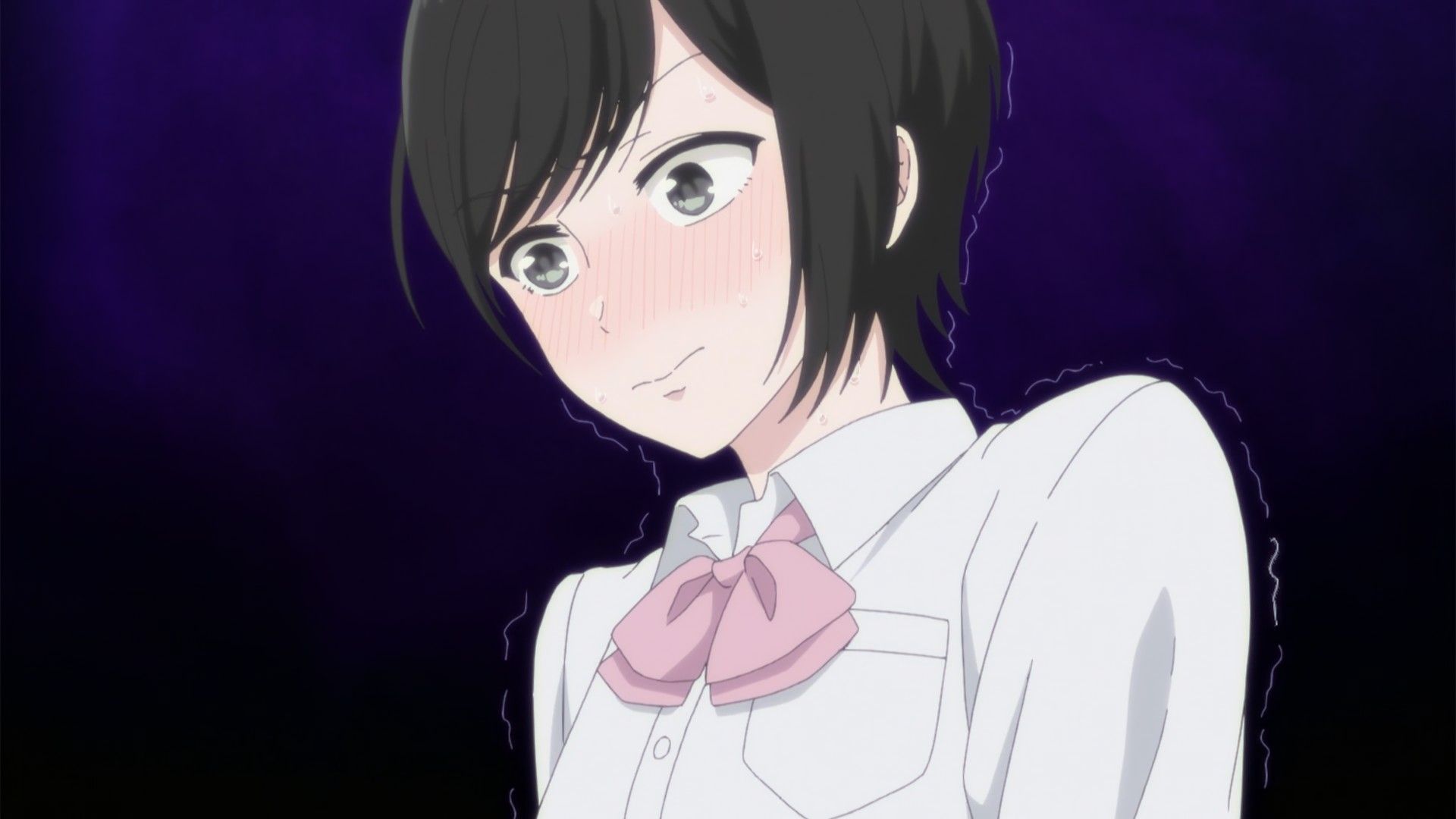
Sakura Miku may be an even more impressive character. It would have been very easy to reduce her to a simply adorable heroine who enjoys teasing and playfully picking on the protagonist. At first glance, she is cheerful, popular, energetic, and willing to take the initiative. Beneath all of that, however, lies a very specific need. She wants Yukiya to see her not merely as the childhood friend he has always known, but as a girl he can truly fall in love with. We quickly realize, then, that both sides are struggling with exactly the same problem, only in their own distinct ways.
Miku can be bold. She can take a step forward and even push their relationship into more intimate territory. Yet almost immediately she begins wondering whether she went too far, said the wrong thing, or came across as too forceful. She is not another heroine who simply knows what she wants and reaches for it without hesitation. She desperately wants to be noticed, but at the same time fears that trying too hard will strip her feelings of their authenticity.
Small things carry enormous weight for her. Jealousy, the need to hear one particular compliment, preparing food, taking care with her appearance, inconspicuous gestures performed for one person alone. Miku becomes a heroine whose emotions are exceptionally easy to read even when she cannot name them directly herself. The series brilliantly shows that her relationship with Yukiya is no school game or sweet ritual to her. Her sense of self-worth genuinely depends on it. That is why every setback or ambiguous reaction hurts her far more than one might expect.
That is also why Sakura Miku remains so memorable. Not only because she is adorable, although she undeniably is. Not only because she can disarm the viewer with a single expression or glance, although she certainly can. She leaves the strongest impression because her entire character is built around the simultaneous desire for closeness and fear of rejection. In Aishiteru Game wo Owarasetai, she is very often the one who gives scenes that distinctive bittersweet tension that makes you want to keep watching the relationship develop.

Supporting Characters
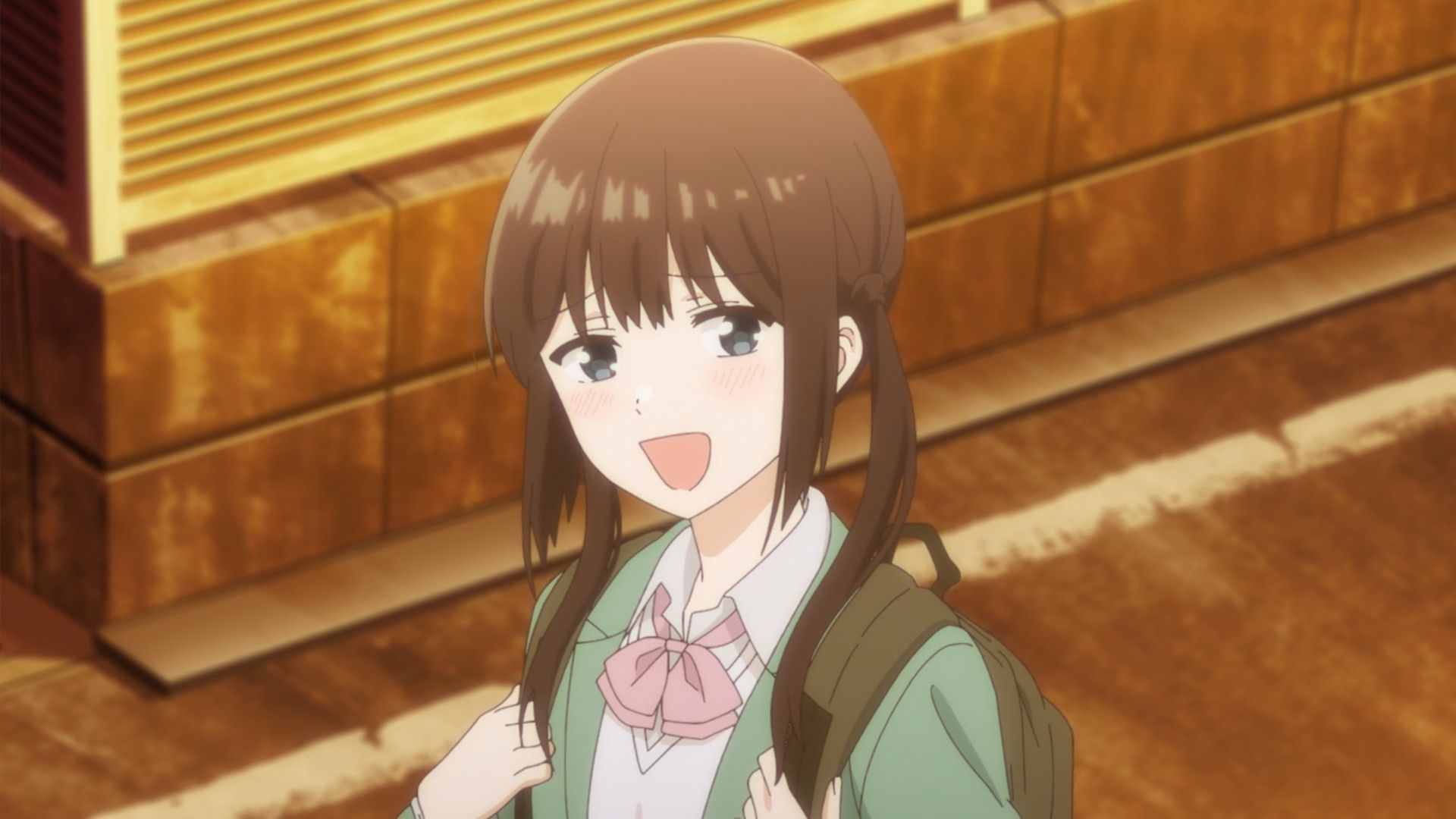
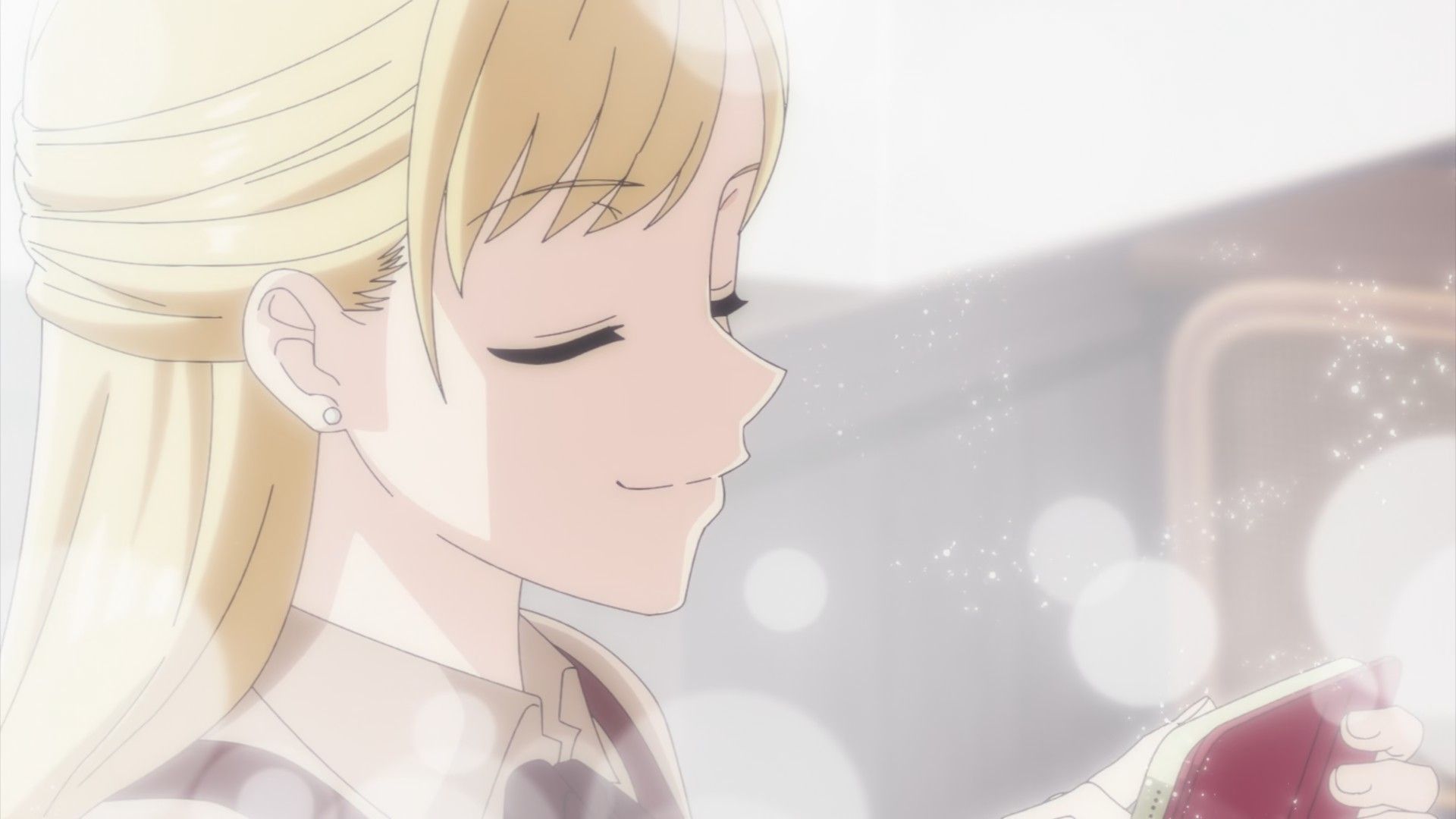
There is plenty of interesting material in the supporting cast as well. Most importantly, the secondary characters genuinely support the central couple rather than distracting from them. Asagi Wakana acts as an observer who sees all too clearly what is happening between her brother and Miku, while also contributing a great deal of humor. Hanaba Hinako and Shinonome Masaru, meanwhile, form a delightful pair of older characters who view the protagonists’ youthful struggles from a slight distance without ever diminishing their importance. Their presence gives the story room to breathe and provides an effective contrast to the state of suspension in which the leads remain.
The parallel pairing of Shirayuri Kazane and Chigusa Kakeru is also highly successful. Their subplot never steals time from the central couple, but effectively demonstrates that the difficulty of moving from osananajimi to romance is not unique to a single pair. Shirayuri Kazane is especially funny in this respect, as her more extreme tsundere personality makes her an interesting reflection of Miku. At the same time, she shows that despite all their uncertainty, the central couple has already come surprisingly far. It is a very effective device that makes Yukiya and Miku’s subtle progress even easier to appreciate.
Older characters play a fundamental role in shaping the story’s tone: Shinonome Masaru, Miku’s uncle and the owner of Café Kanade, and the previously mentioned university student Hanaba Hinako. They form a kind of Greek chorus for the unfolding adolescent drama, offering the perspective of patient adults. Masaru is the voice of reason, most clearly when he gives Yukiya the crucial advice to set aside what seems logical and correct and focus solely on what he selfishly wants. With his philosophical nature, Masaru embodies the creators’ gentle message. Struggles and emotional missteps are a natural, invaluable part of youth. The process of overcoming one’s own barriers matters just as much as the ultimate destination.
Aishiteru Game wo Owarasetai (2026) – Evaluation and Summary
Aishiteru Game wo Owarasetai is an indisputable masterpiece among romantic comedies built around the psychological weight of growing up. It stands as one of the brightest highlights of the Spring 2026 anime season. Led by FelixFilm, the creative team approaches this material with clear intent and uncommon grace, crafting a story that reaches far beyond the superficial mechanics of school teasing.
Unsurprisingly, the characters and their everyday lives leave the strongest impression. The series extracts the maximum possible impact from silence, a glance, embarrassment, or a seemingly minor shift in a relationship. As a result, everything that happens between Asagi Yukiya and Sakura Miku lingers in the mind. So much so that I would go as far as to say that the final episodes are among the most satisfying I have seen in any romance of this kind.
Yukiya and Miku are both utterly irreplaceable to each other. Neither treats that bond as something already secured. They genuinely want to become worthy of something more from each other. That is precisely what makes their relationship not only sweet, but deeply moving. It says a great deal about young people who love one another yet still cannot believe that they could truly be chosen. If a romance is meant to stand primarily on its characters and substance, Aishiteru Game wo Owarasetai does so magnificently.
Thanks to the absolutely brilliant visual direction, with its emphasis on subtle facial acting; the masterful, painfully authentic voice performances of Ishikawa Kaito and Itou Miku; and the flawless focus on the smallest, seemingly trivial moments of everyday life, elevated into monumental experiences, the result is an outstanding production. Sakura Miku herself, struggling with the paralyzing fear that she will be seen as a self-serving manipulator while searching for unconditional affirmation, unquestionably becomes the season’s most fascinating heroine, and one I would readily call the girl of the season.
Finalny werdykt
Final evaluation

Which translation do I recommend to watch Aishiteru Game wo Owarasetai?
- Crunchyroll (official) – an excellent translation that I would genuinely struggle to criticize, even if I tried very hard.
Gallery