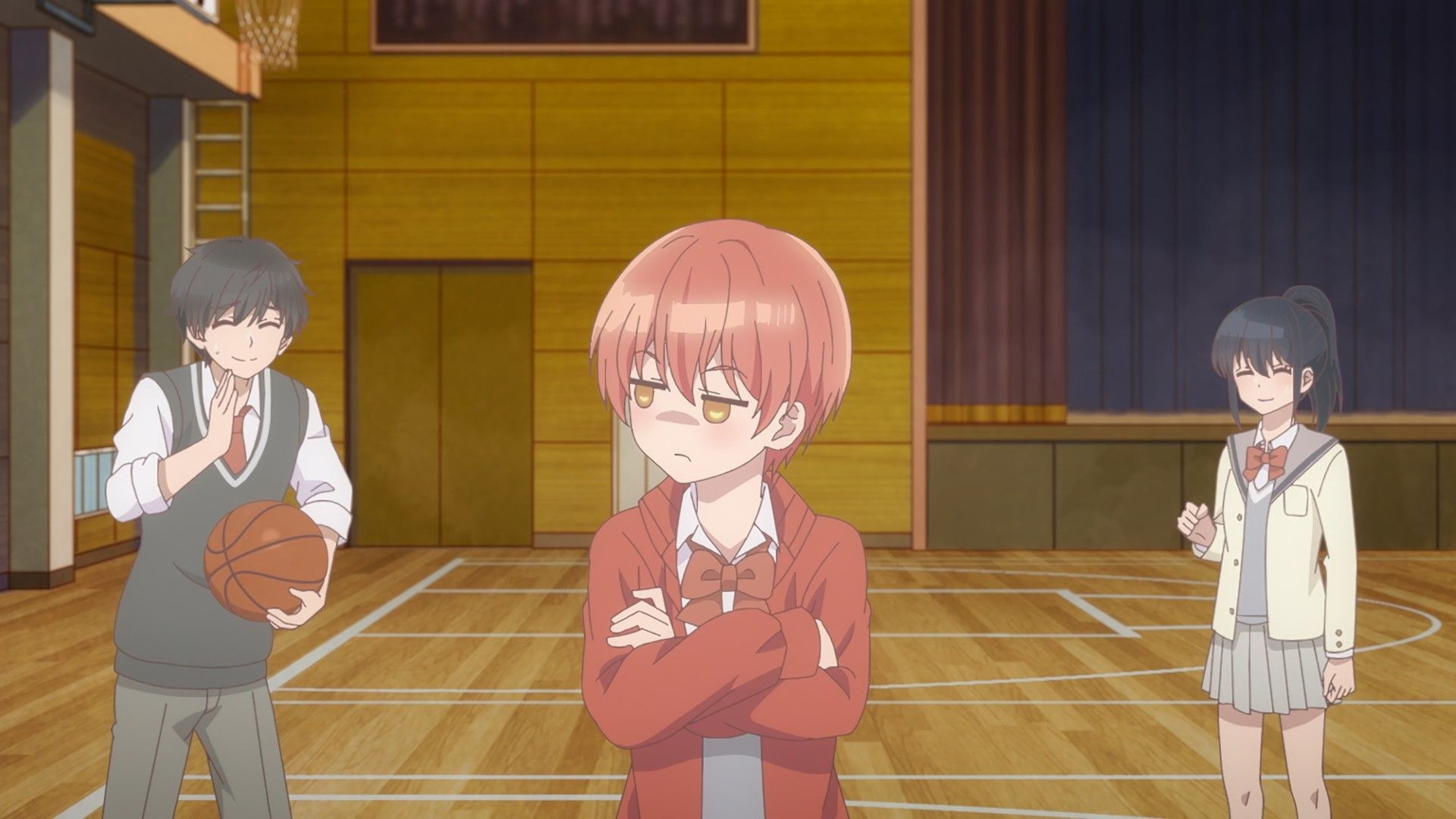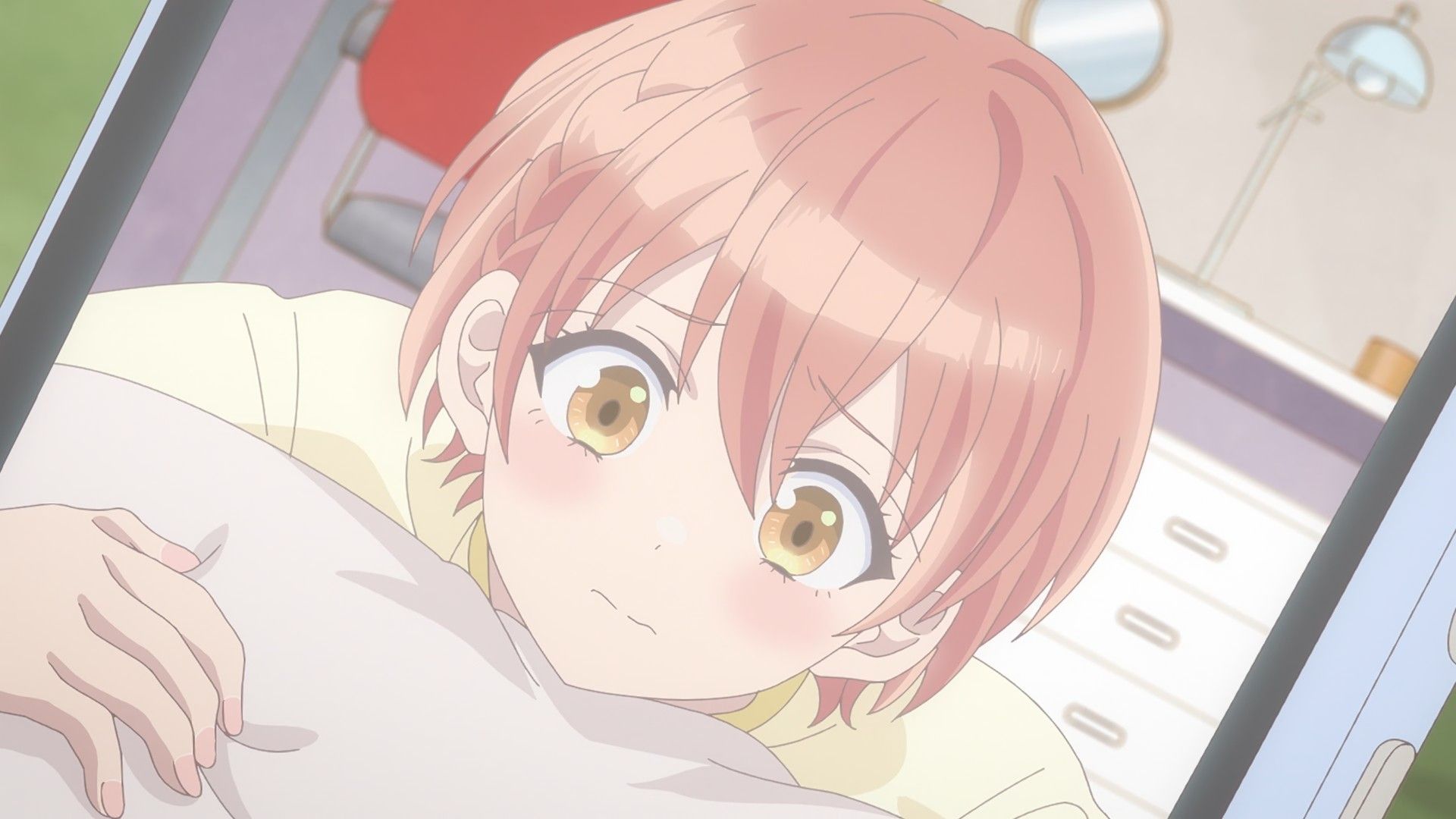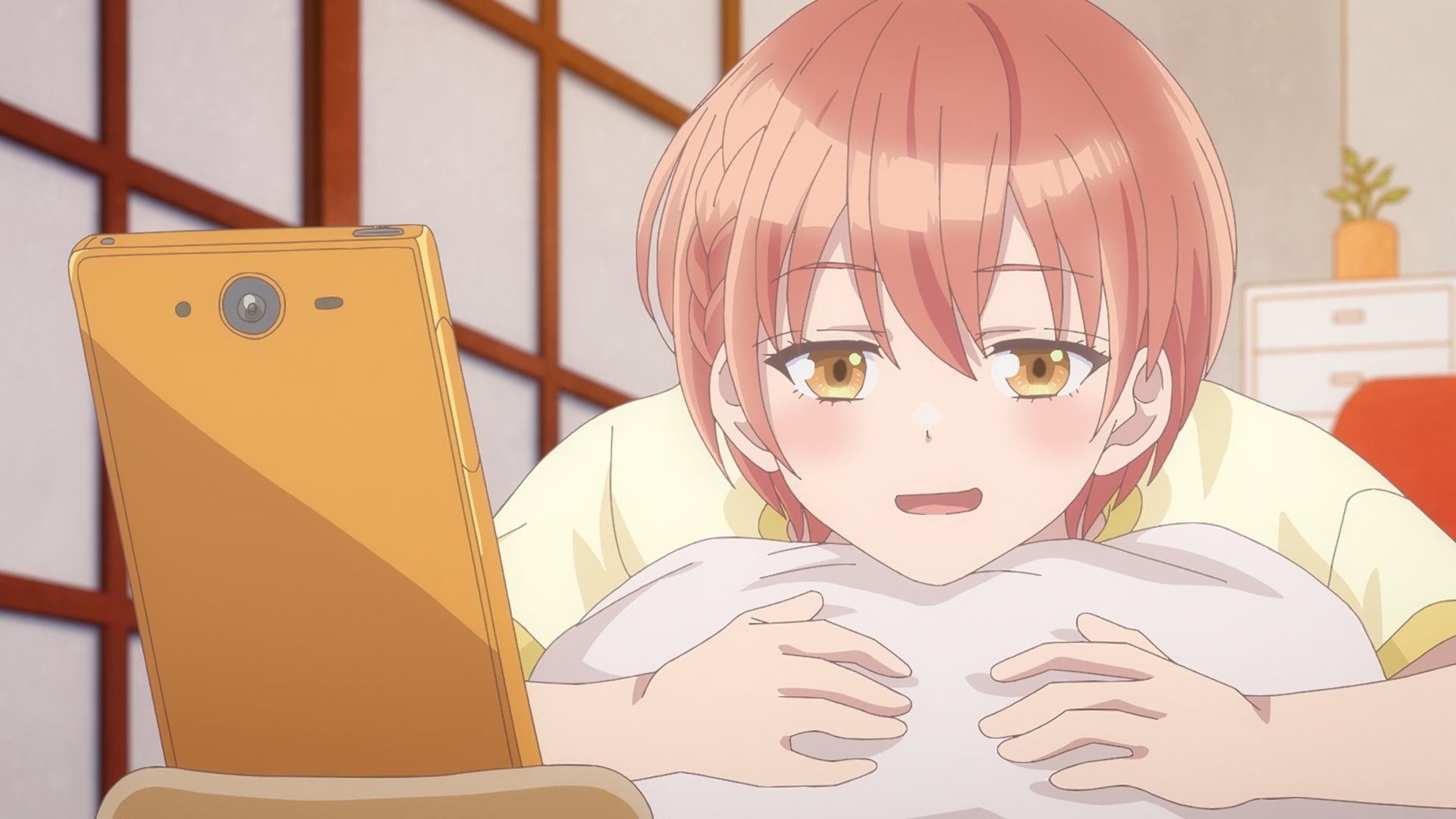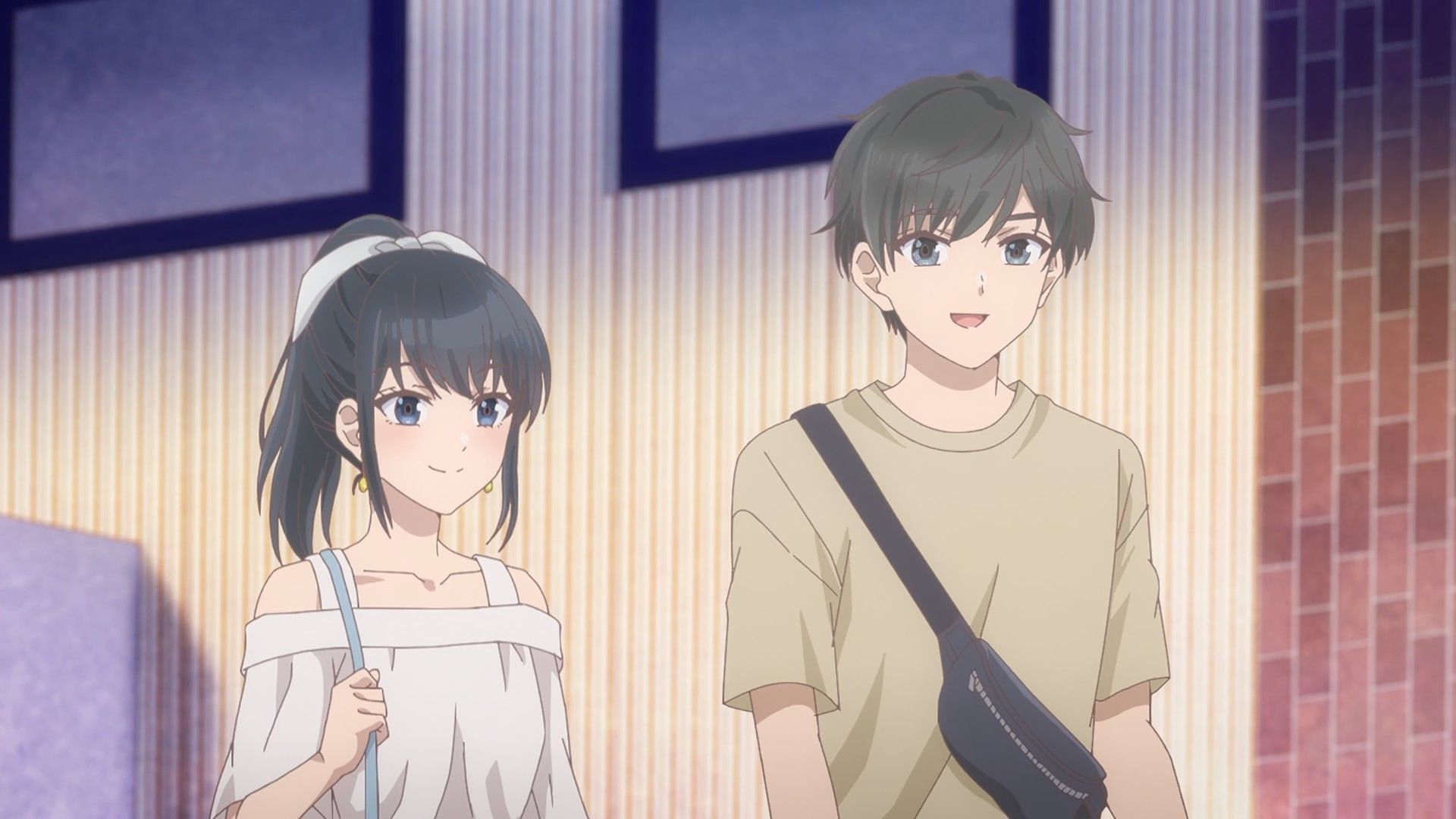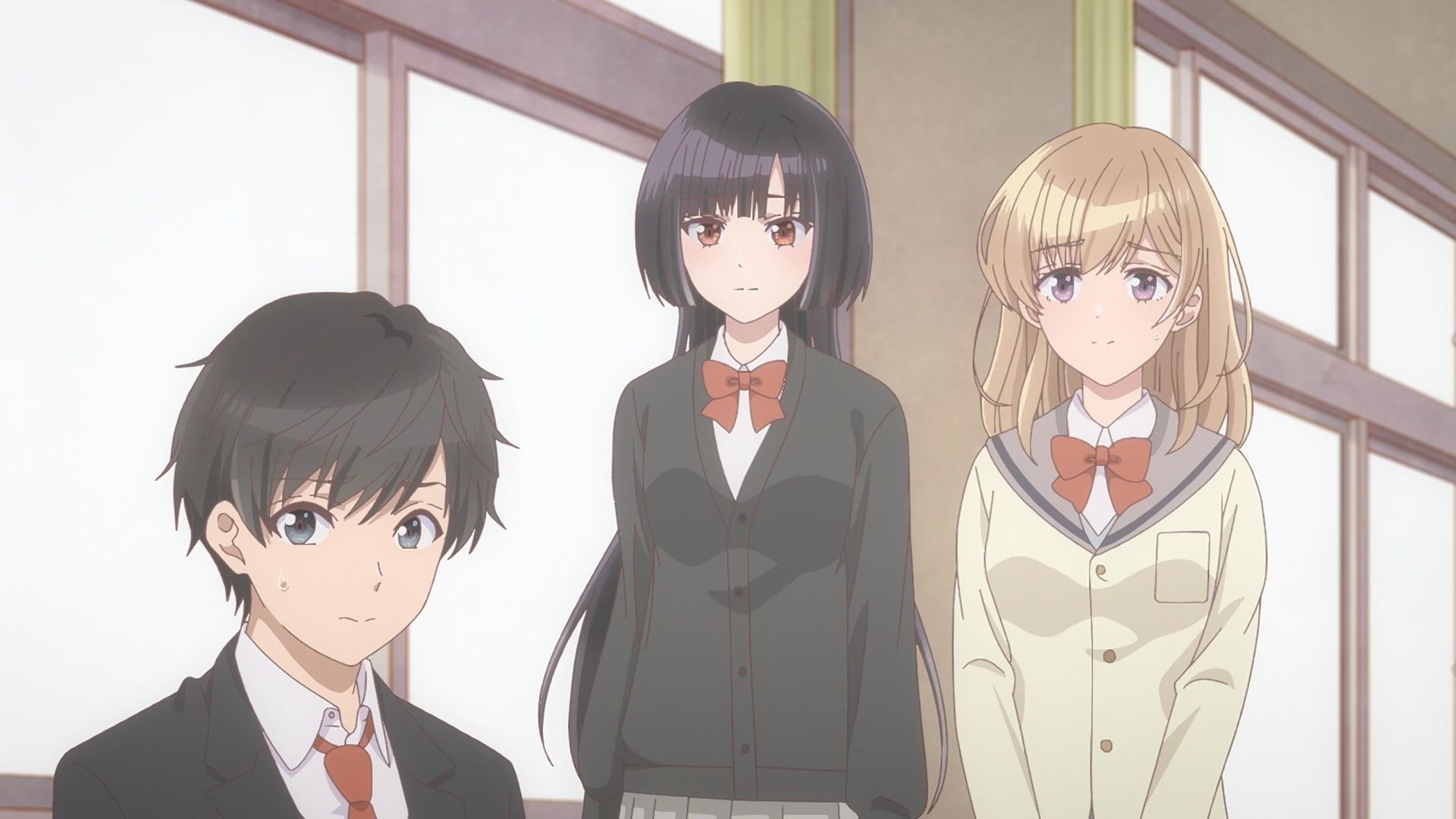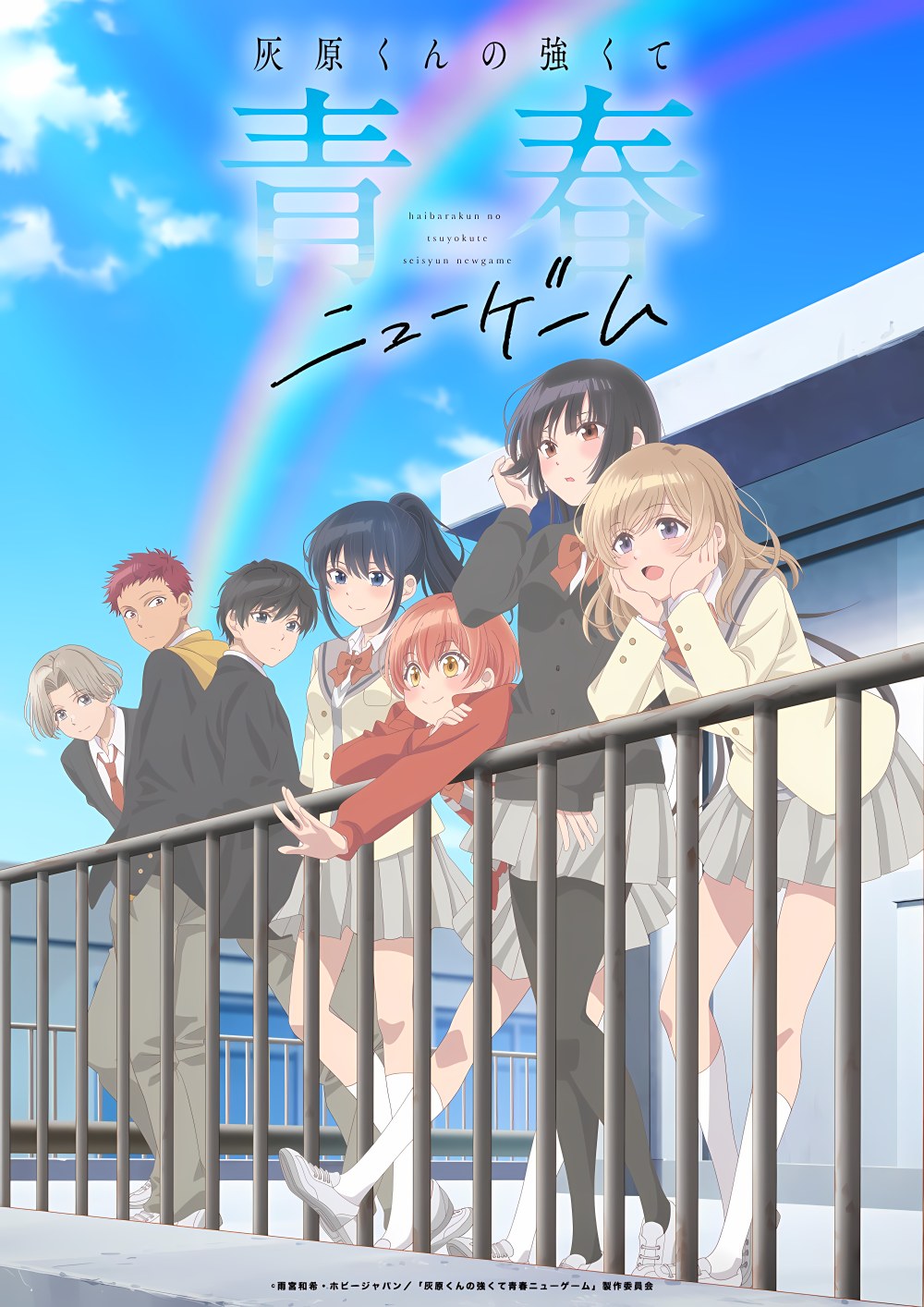
Final-year student Haibara Natsuki has his future planned out in detail: graduating from university, landing a stable corporate job, and living an ordinary life. Despite that certainty, he still cannot shake the bitter regret he feels over his colorless high school years. Back then, a failed debut turned him into an overweight, awkward outcast who was ultimately rejected by his great love, Hoshimiya Hikari.
When Natsuki thinks back on what might have been, he prays for the chance to redo those years. Suddenly, he wakes up to discover that he has gone seven years back in time. Exactly one month before his high school entrance ceremony.
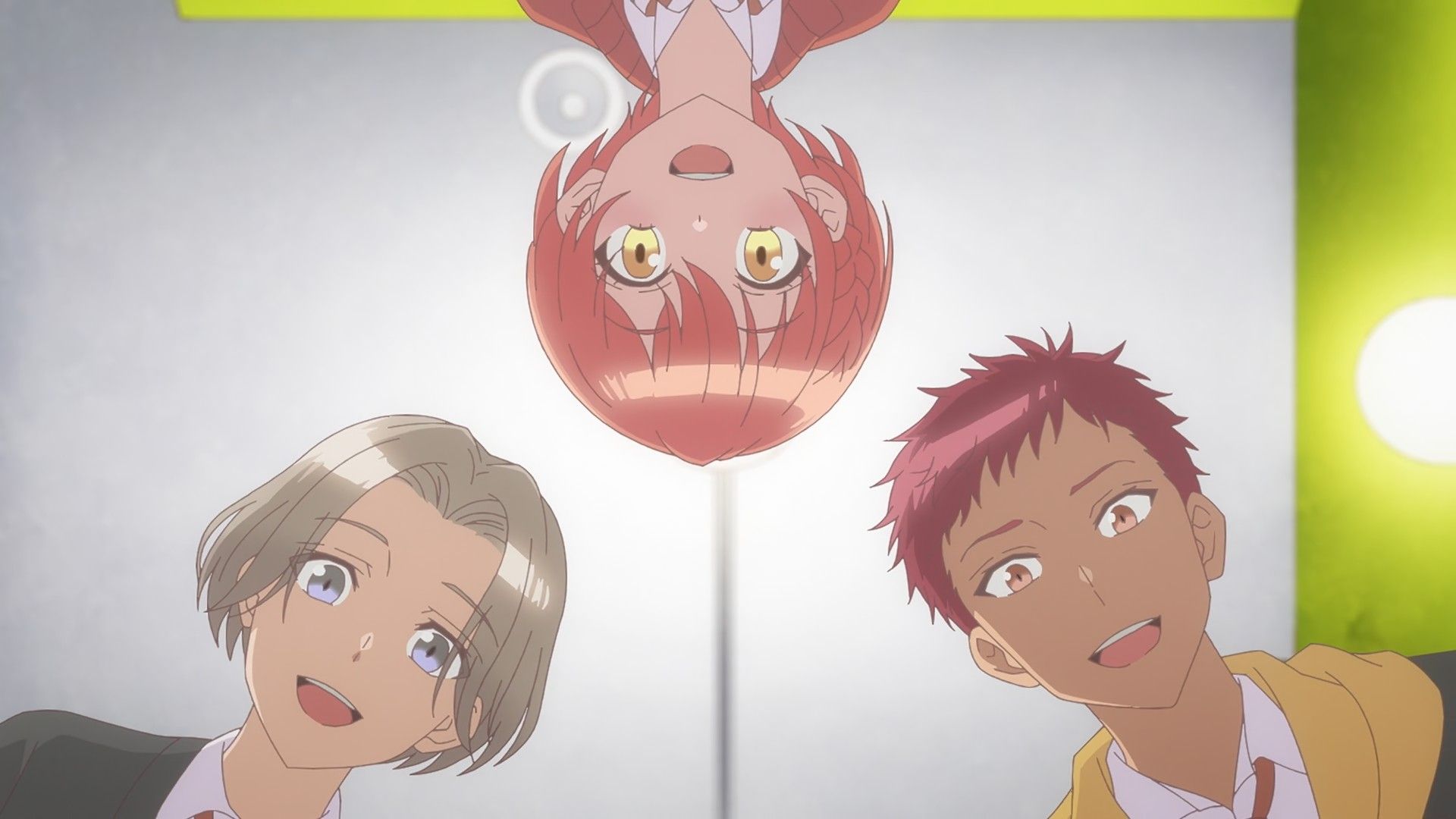
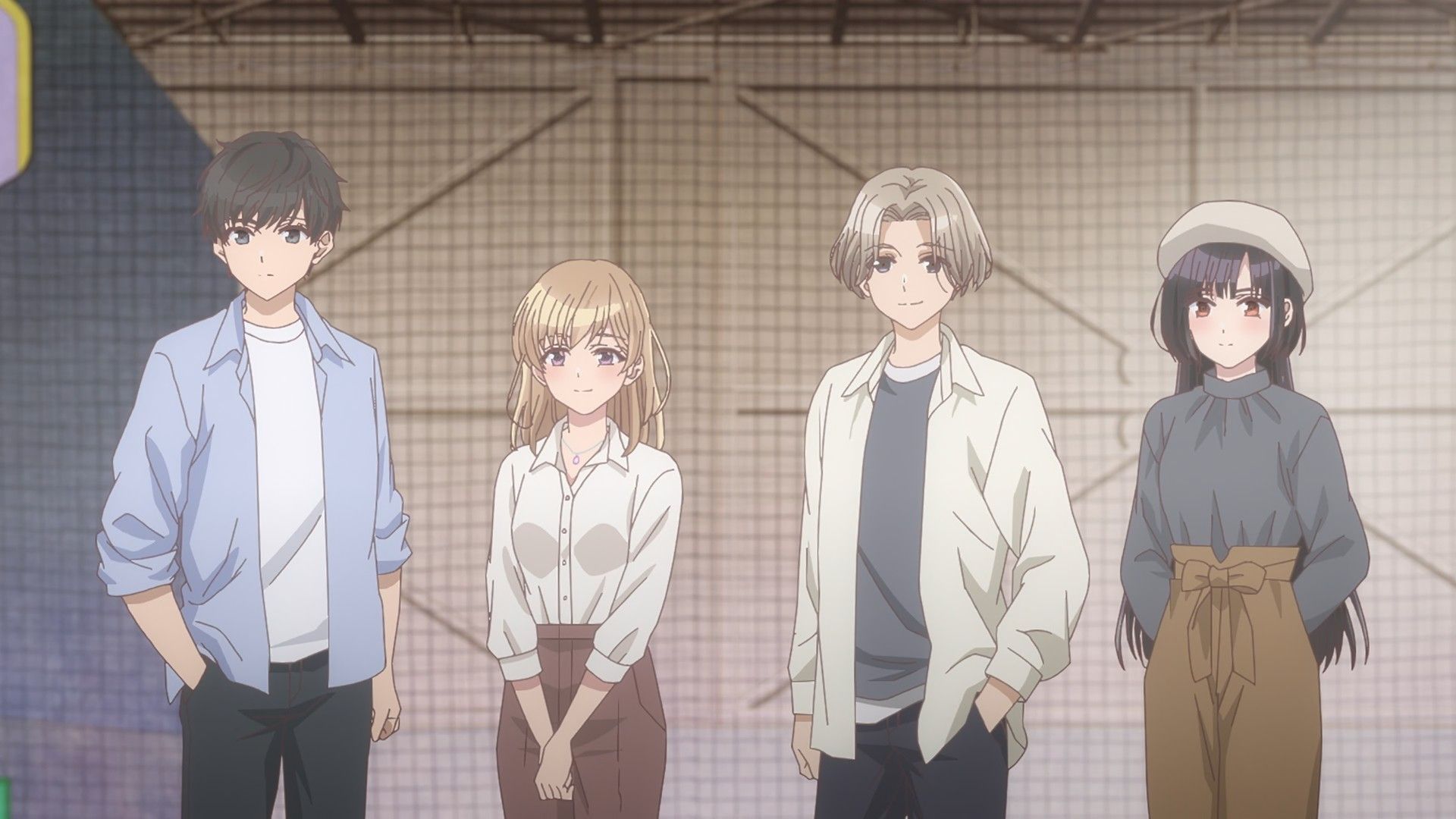
Realizing he has been given a new chance, he decides to do everything he can to avoid repeating his failures. He spends the next month training intensely, shedding his plump figure and carefully preparing a strategy for conquering his adolescence. His efforts pay off spectacularly when he successfully joins the most popular group in class 1-2, spending time with Shiratori Reita, the energetic Sakura Uta, the reserved Nagiura Tatsuya, and—most importantly—the girl of his dreams, Hoshimiya Hikari.
Haibara-kun no Tsuyokute Seishun New Game (2026) – Audiovisual Design
Video
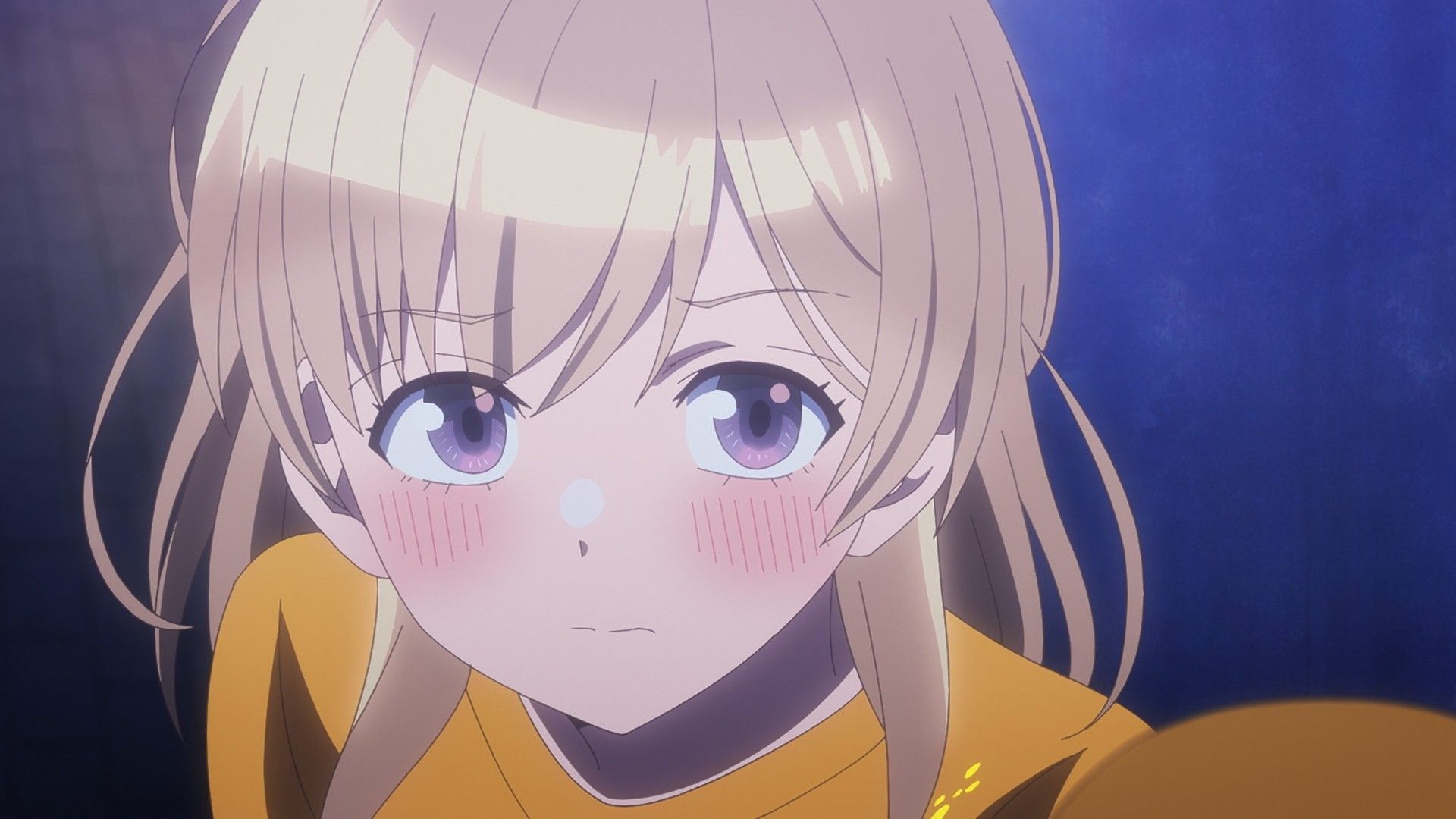
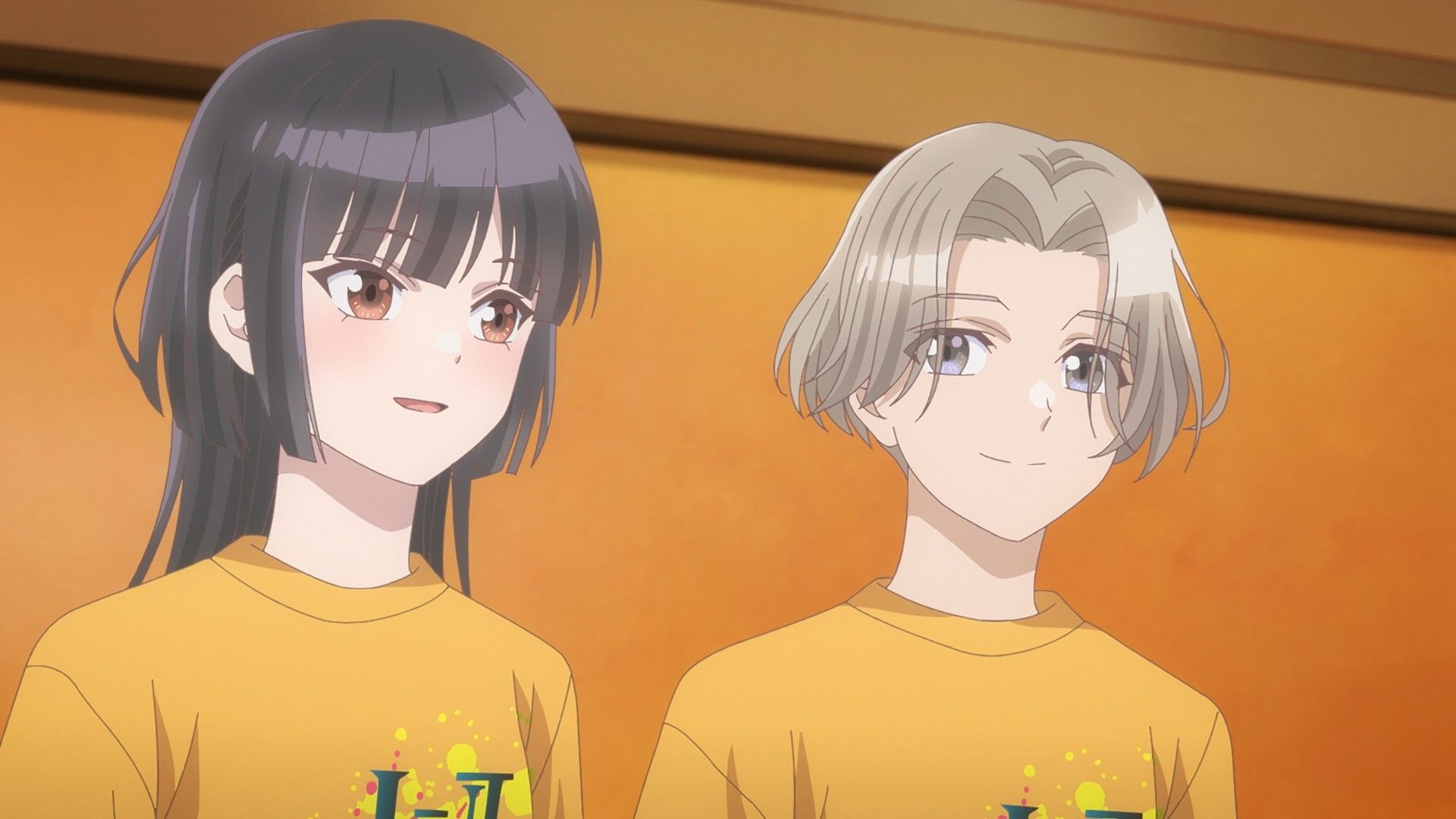
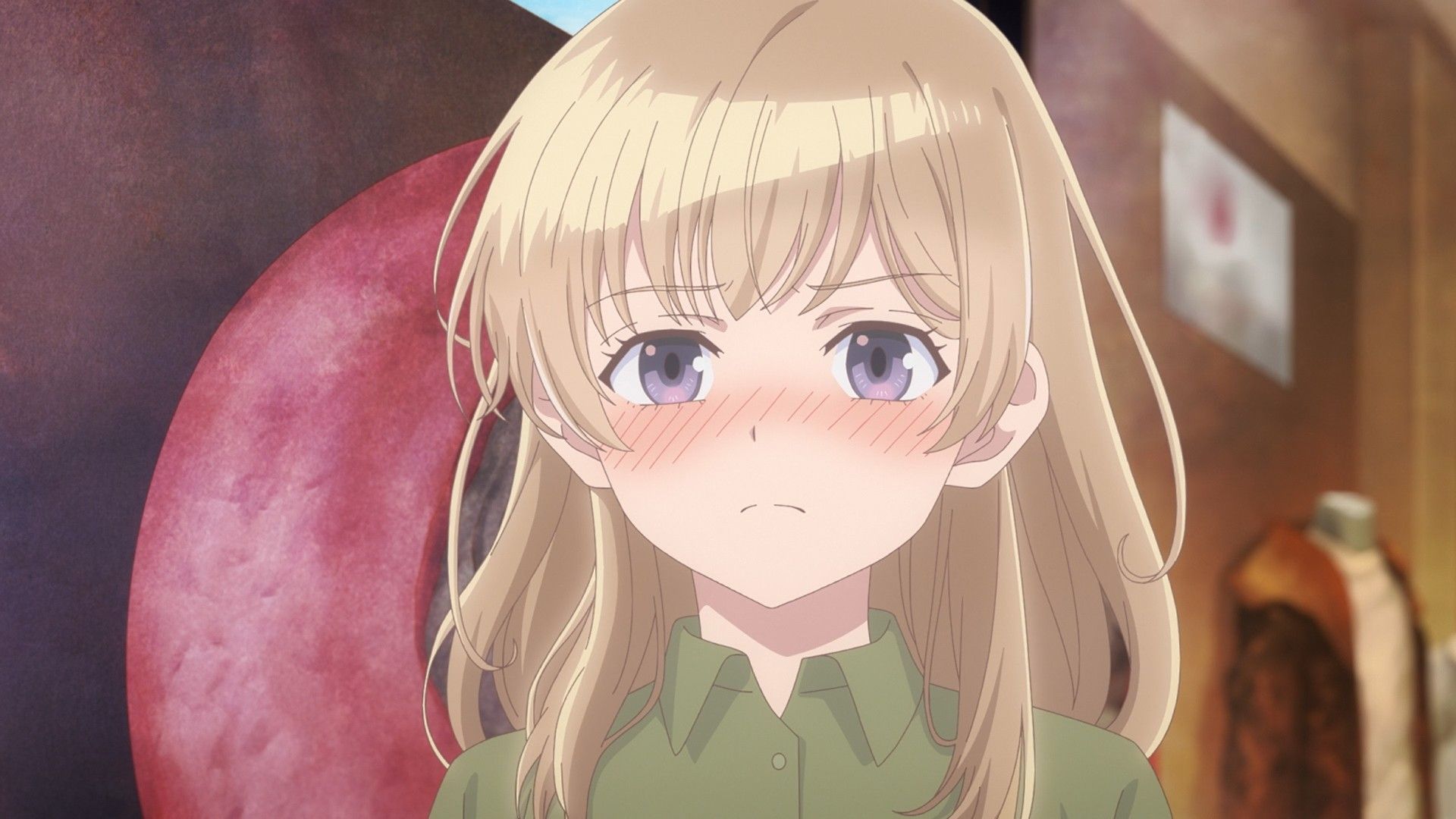
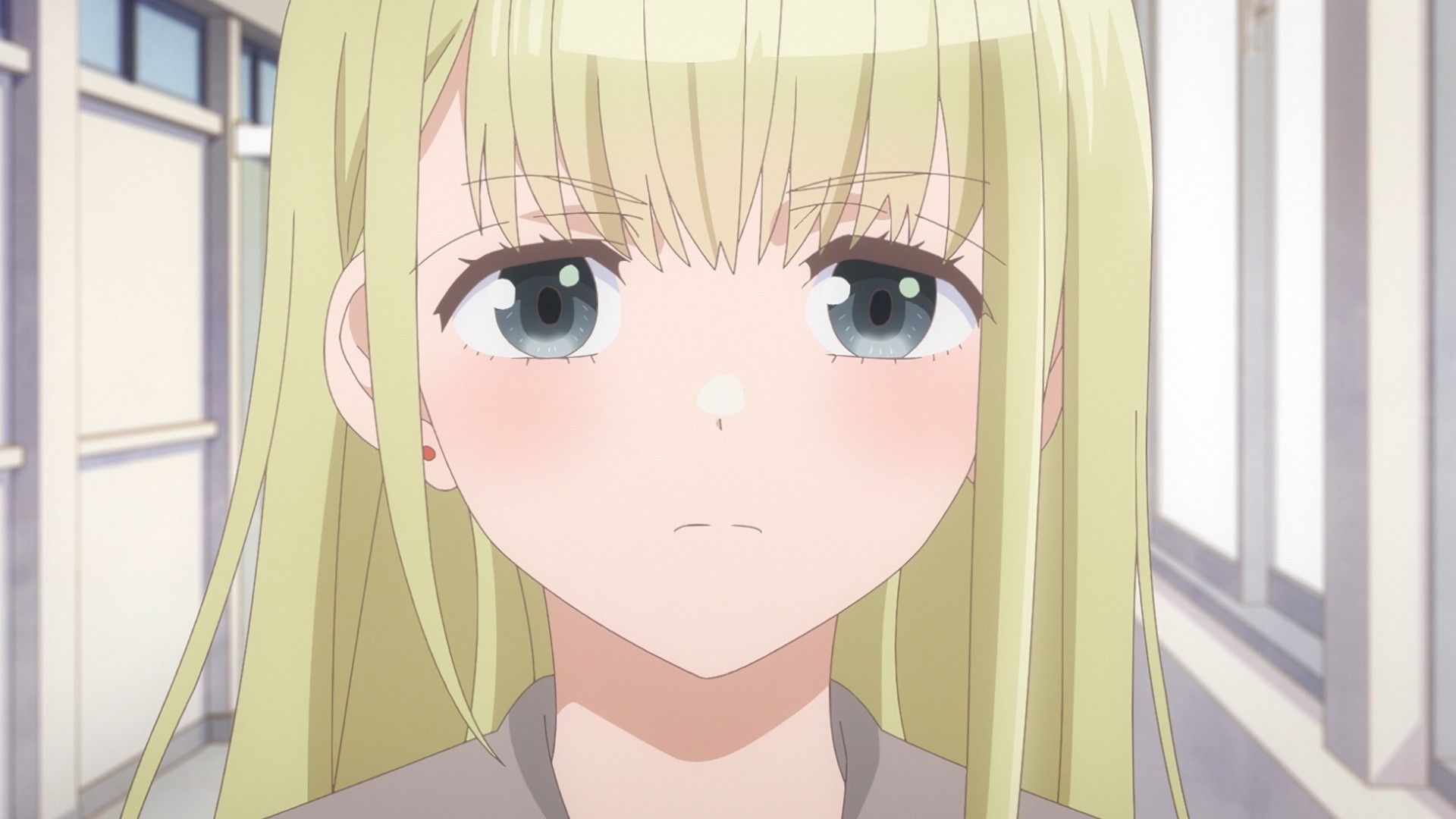
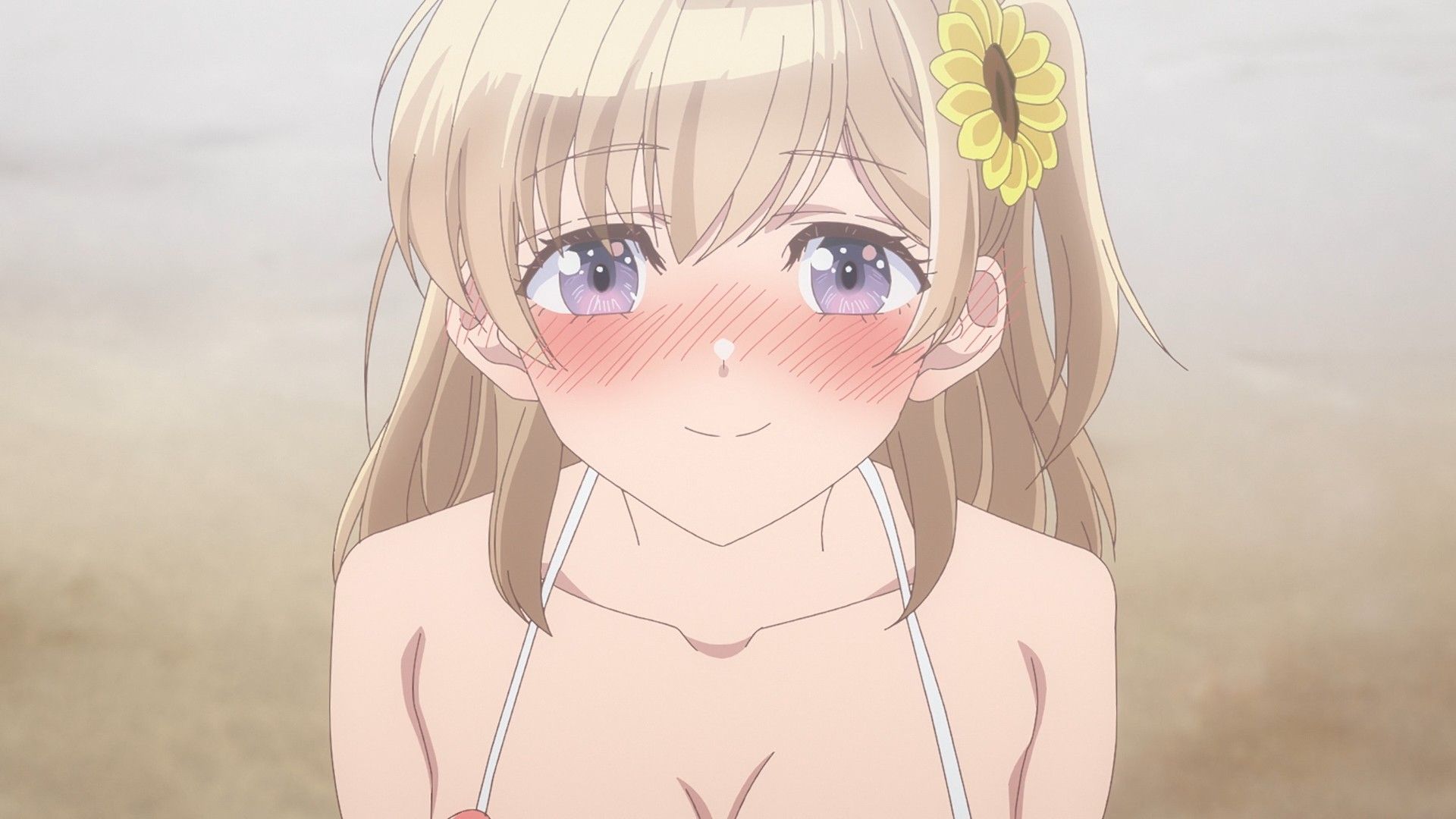
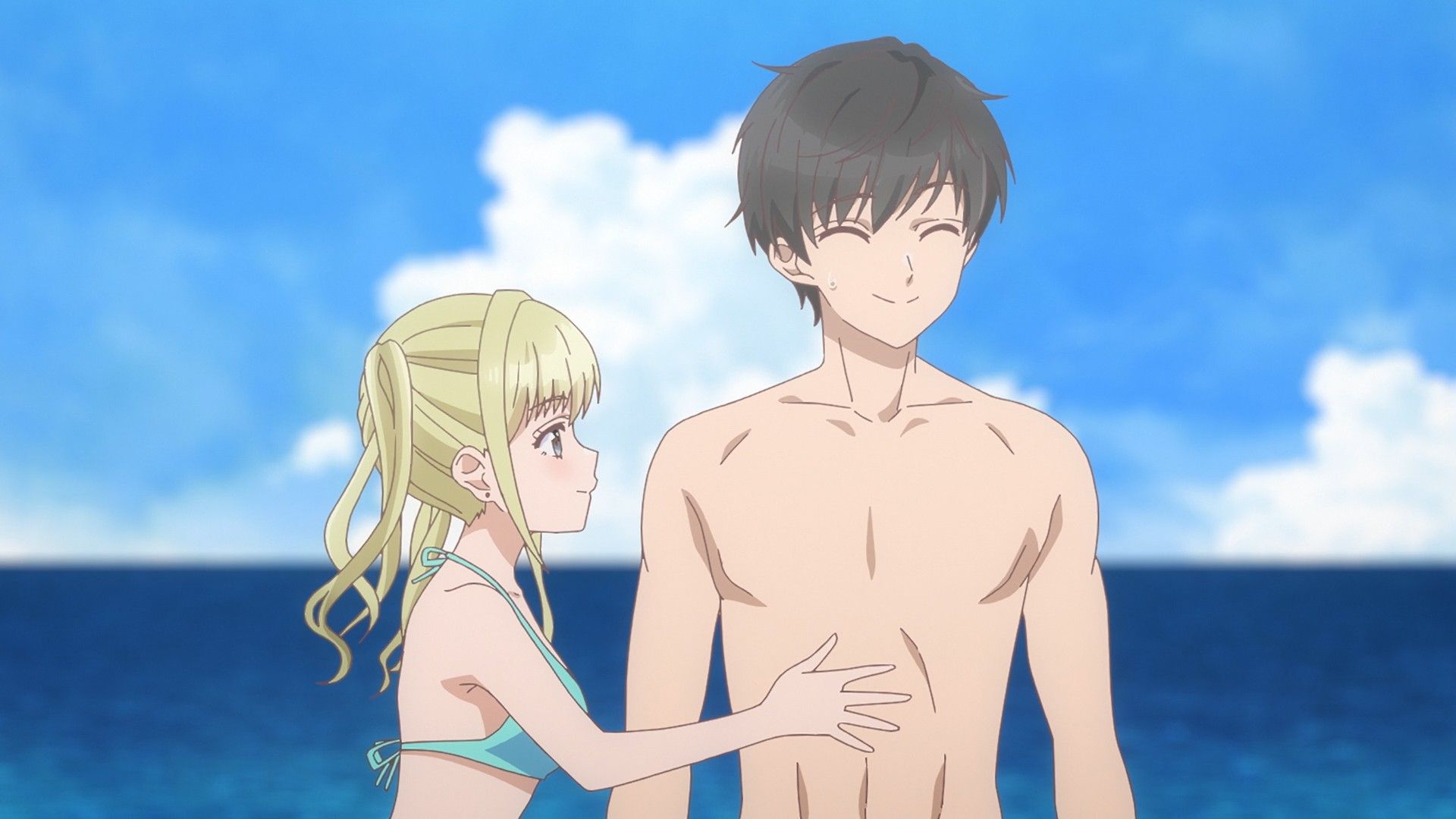
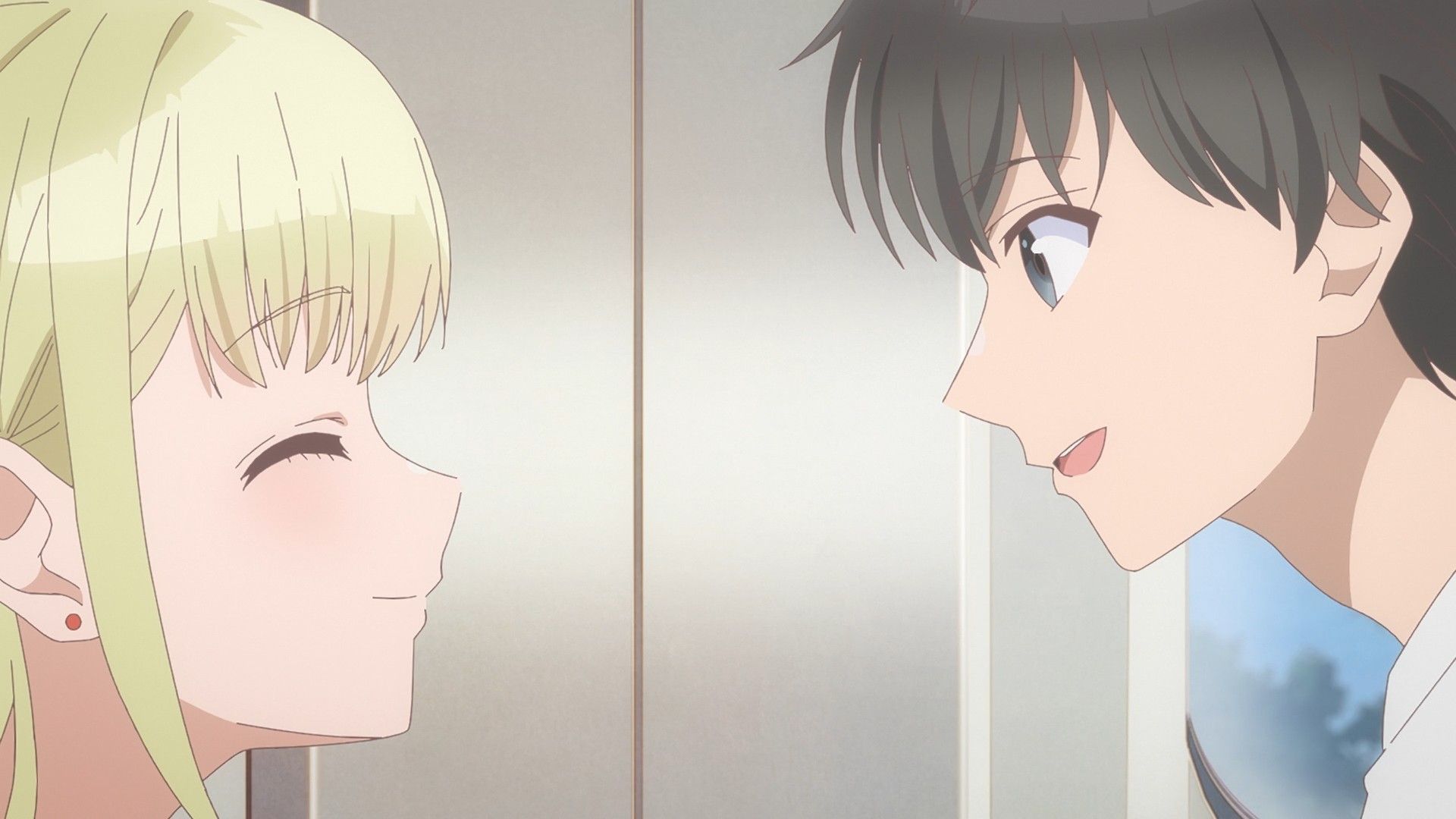
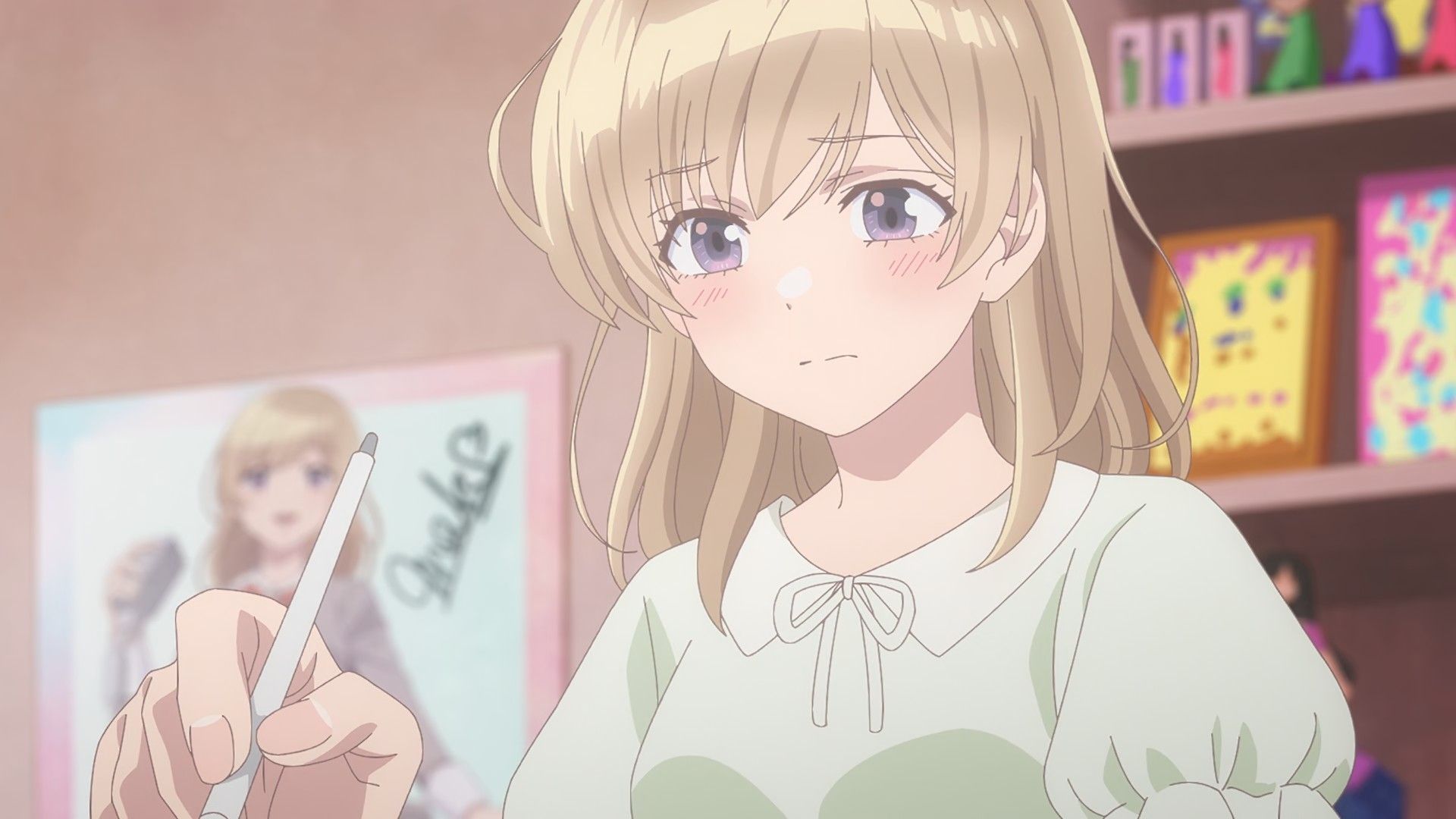
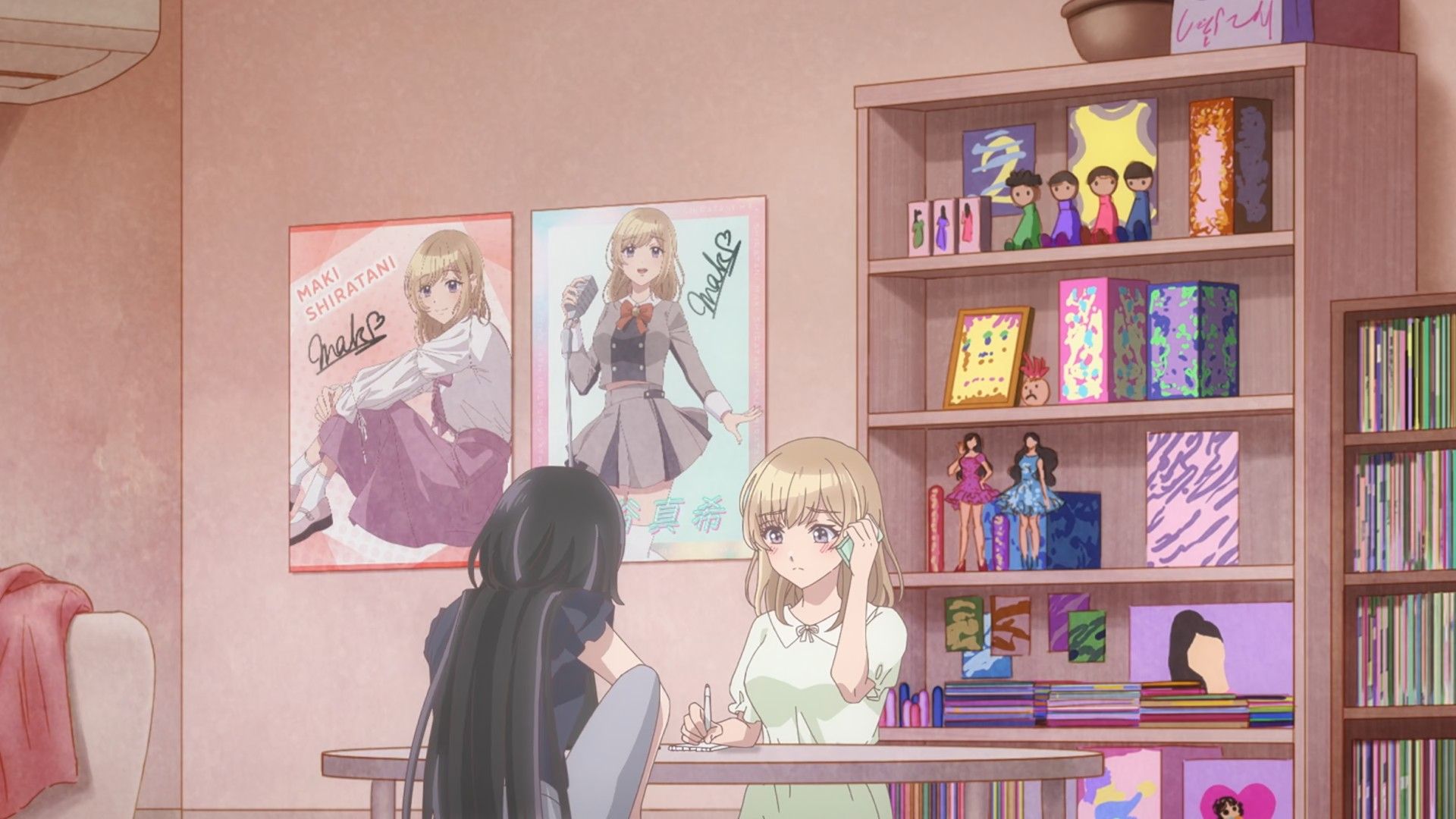
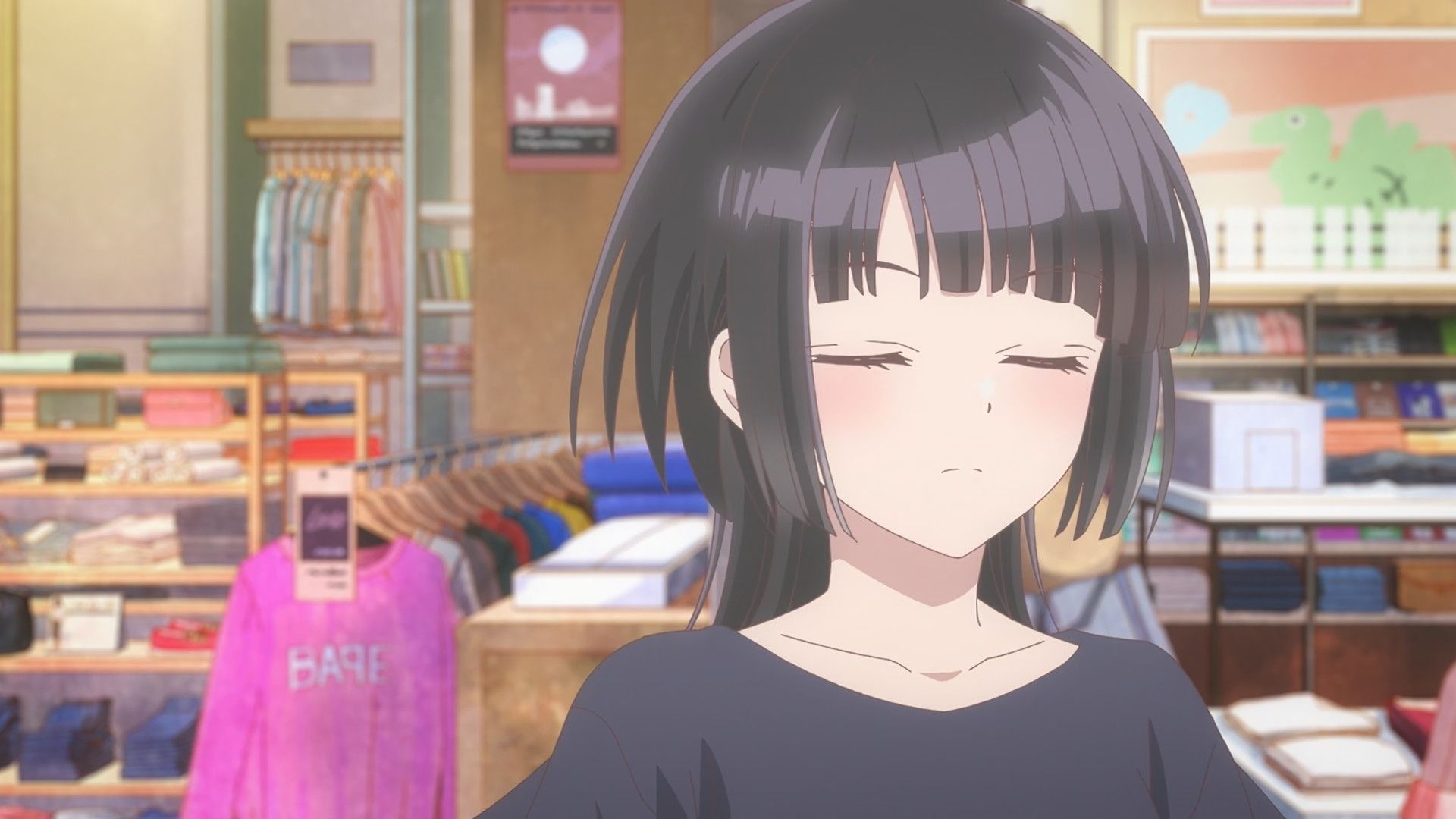
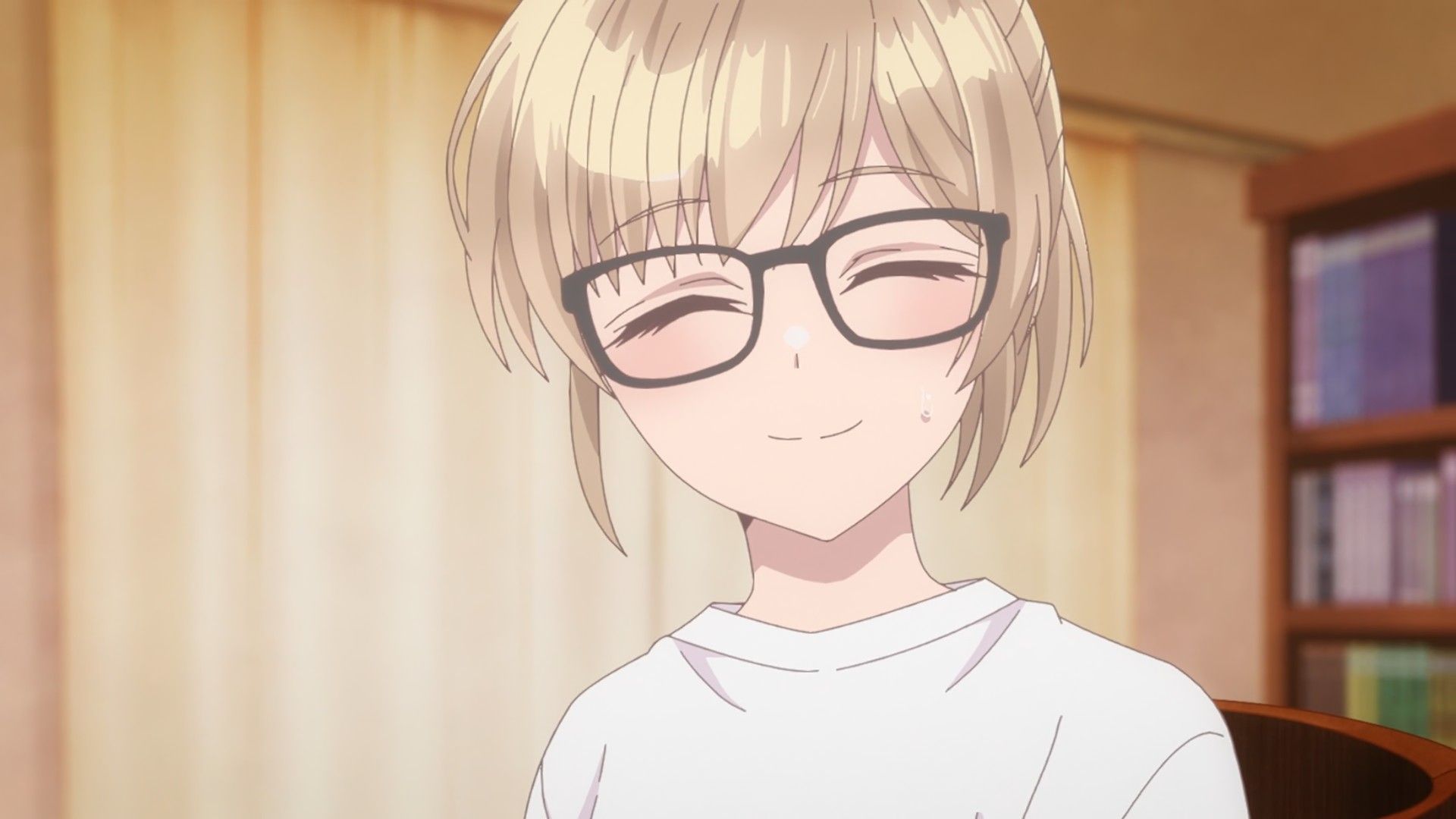
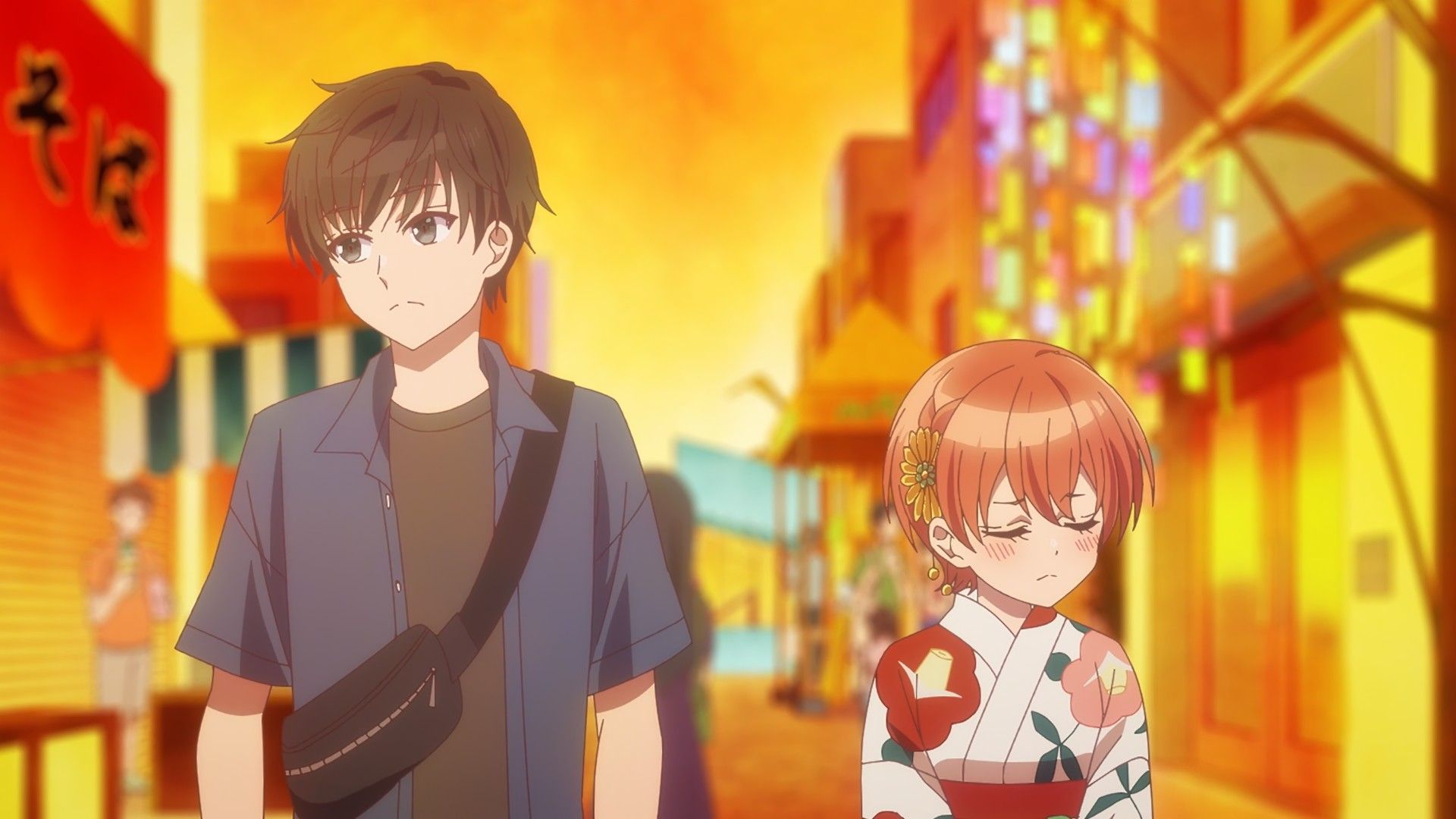
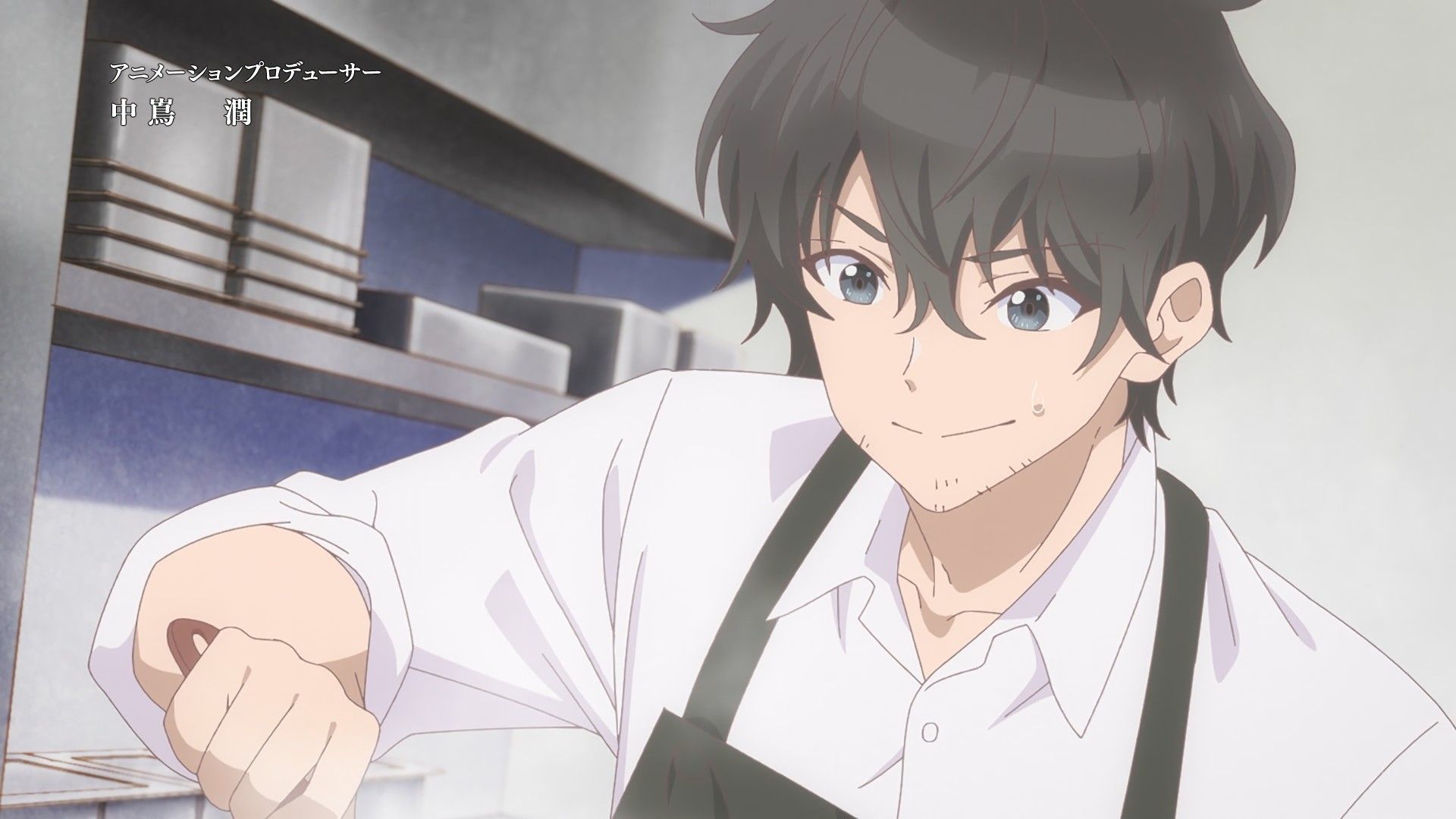
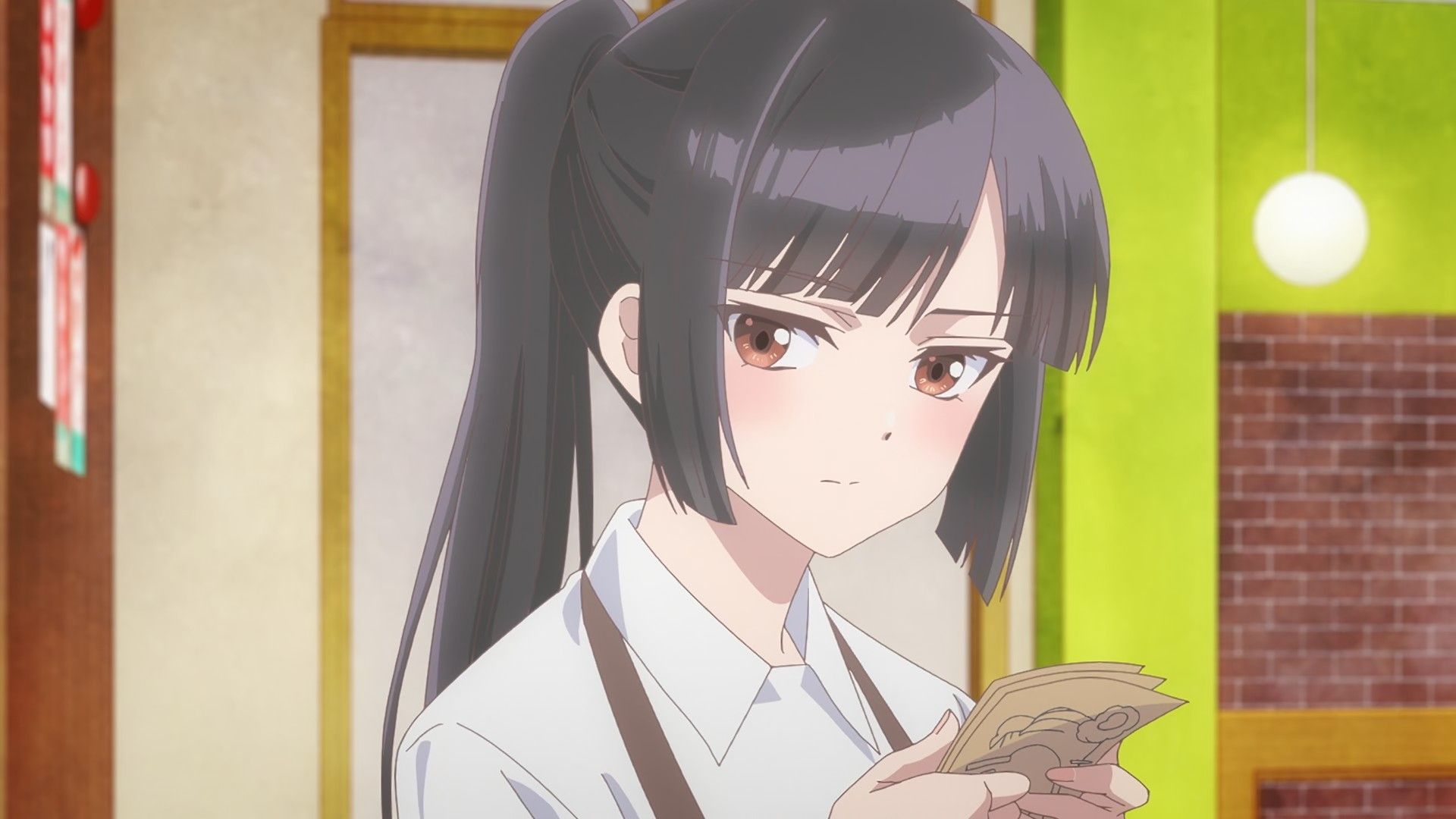
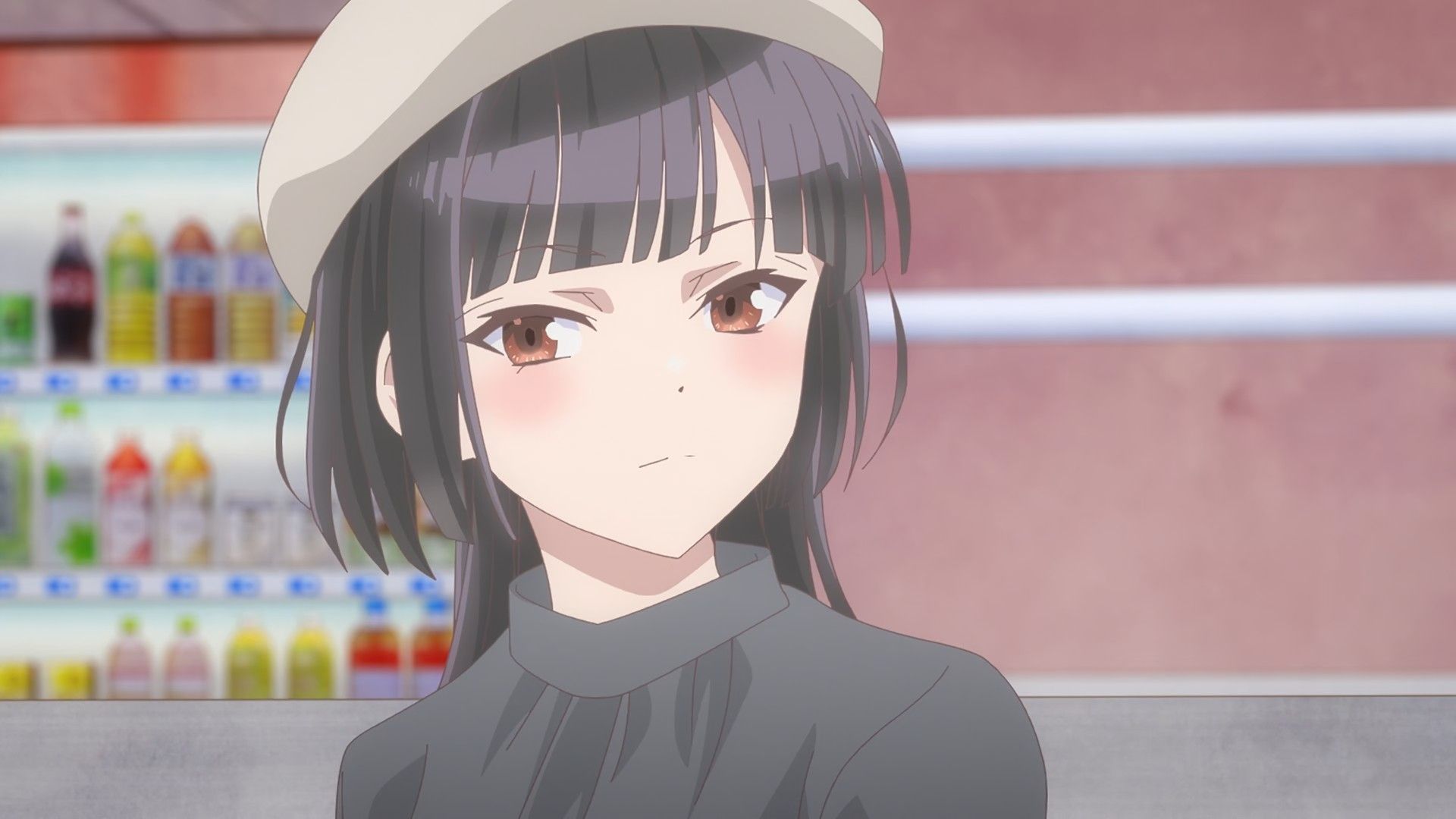
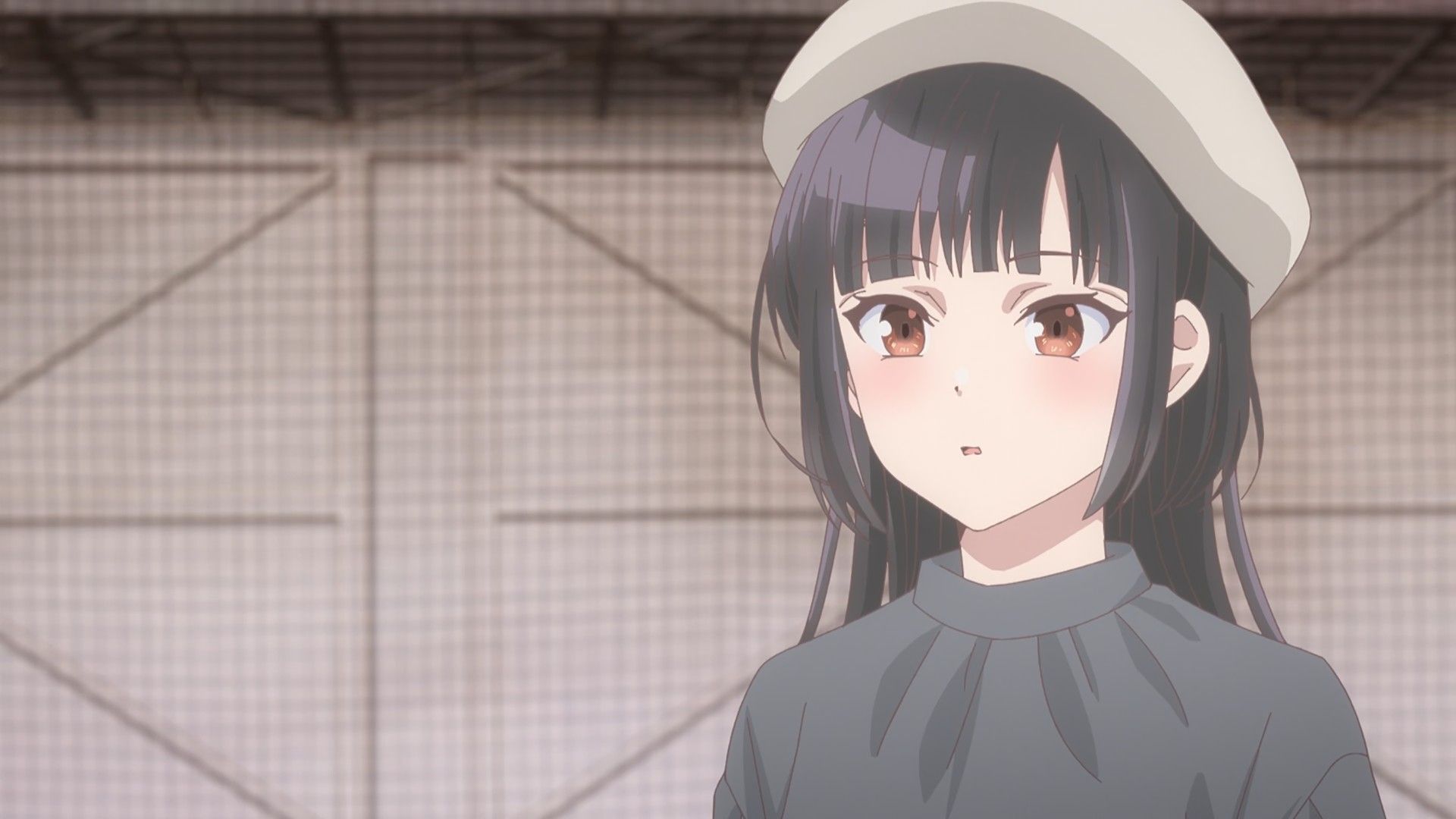
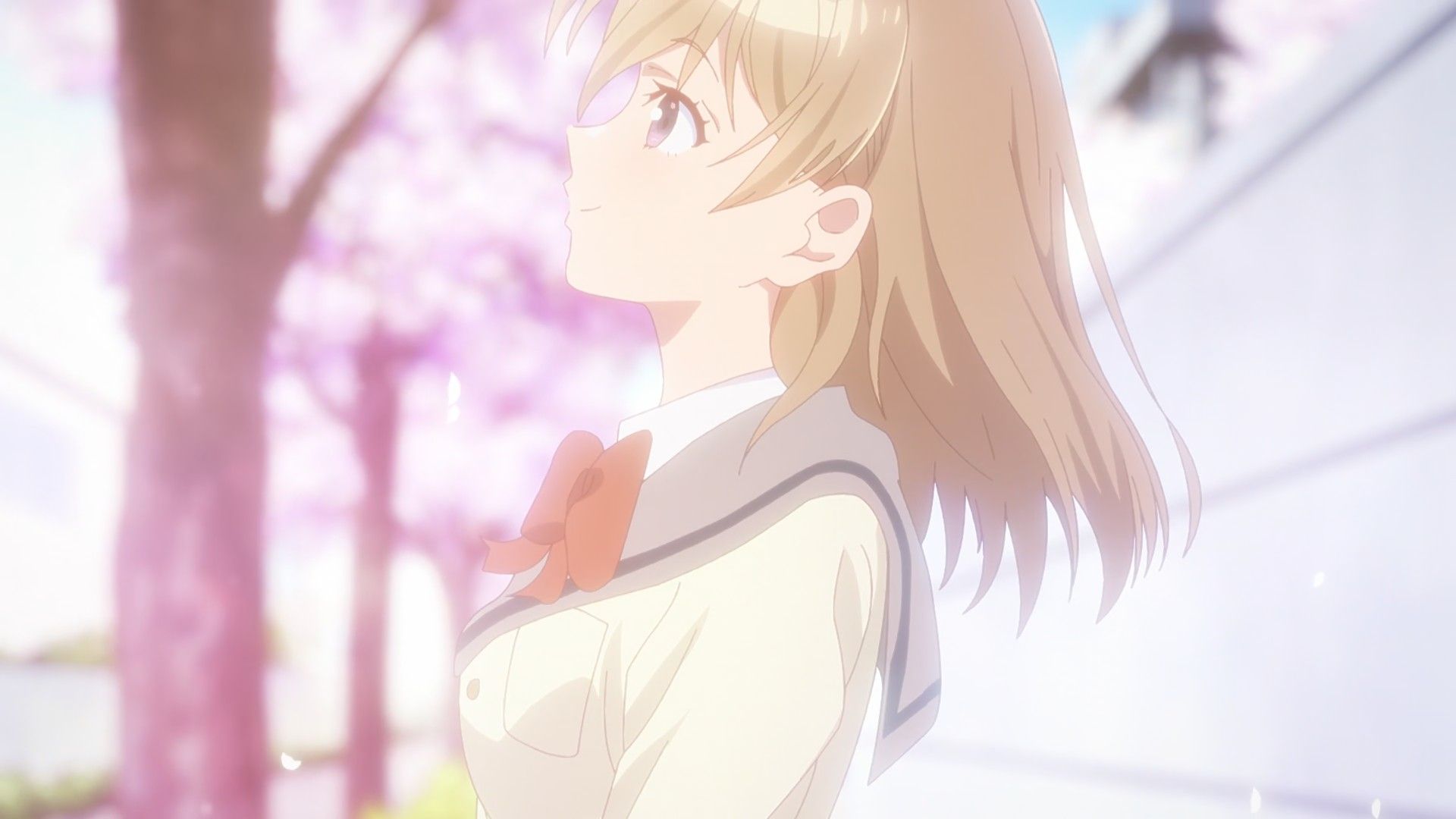
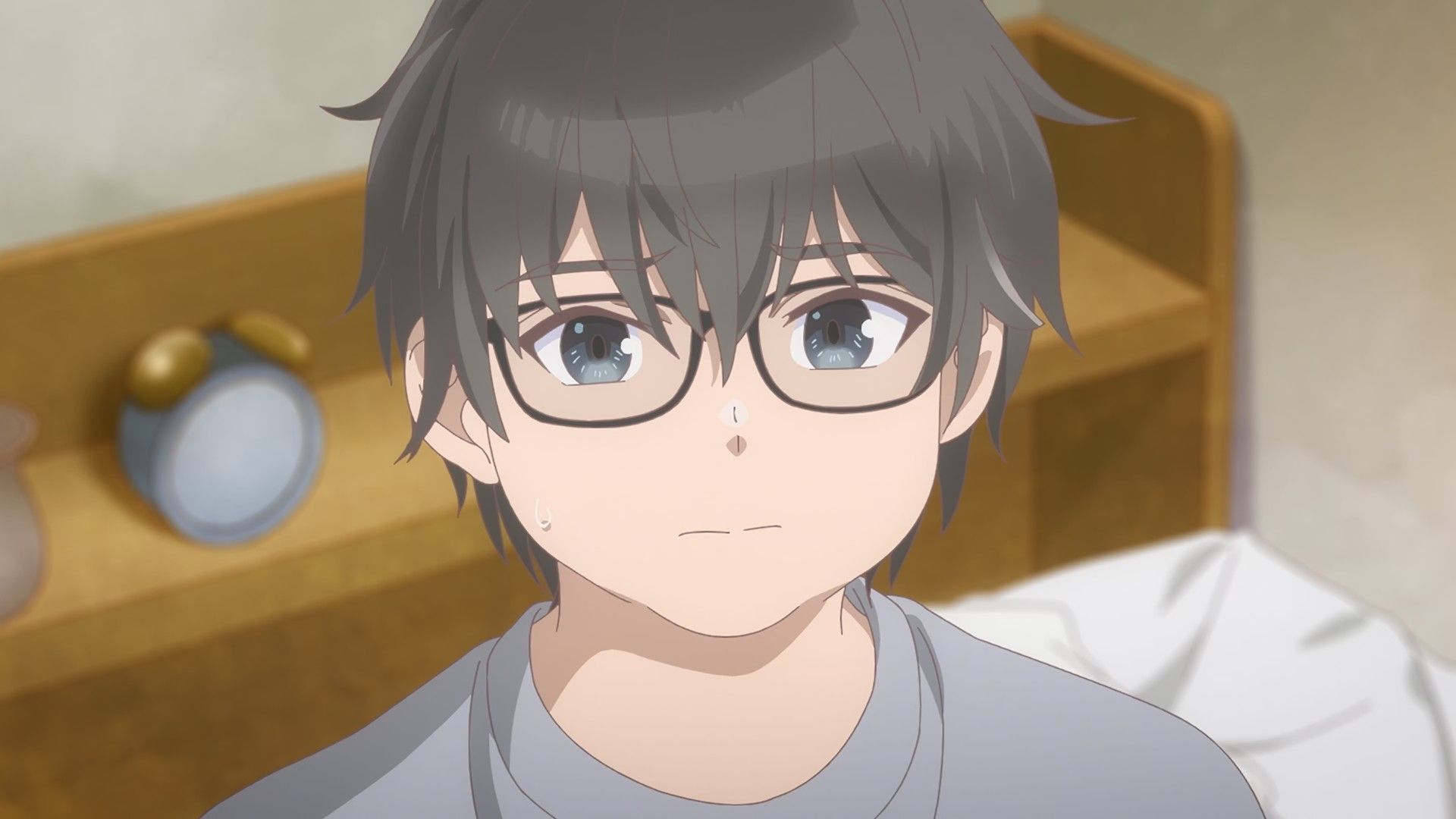
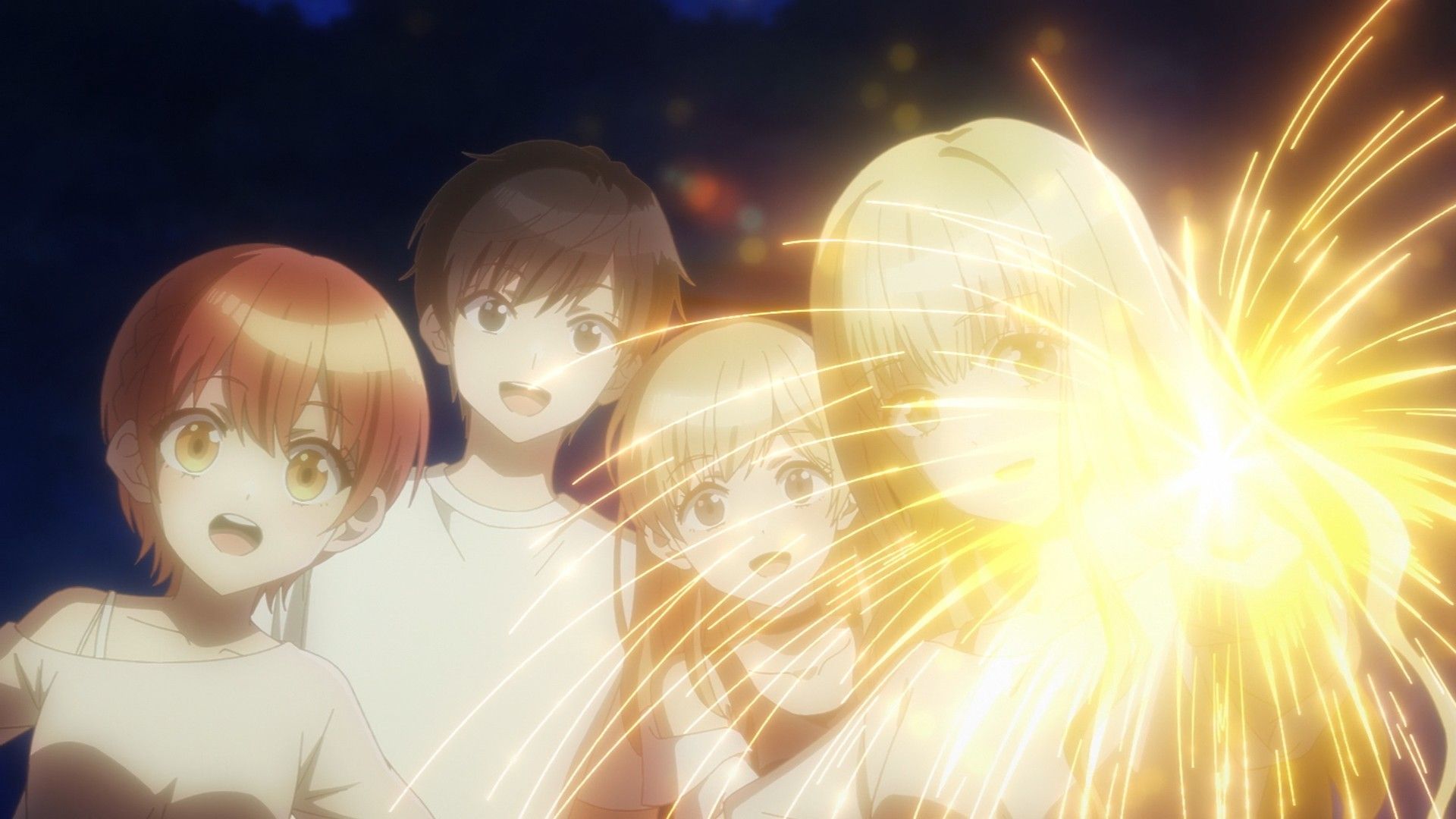
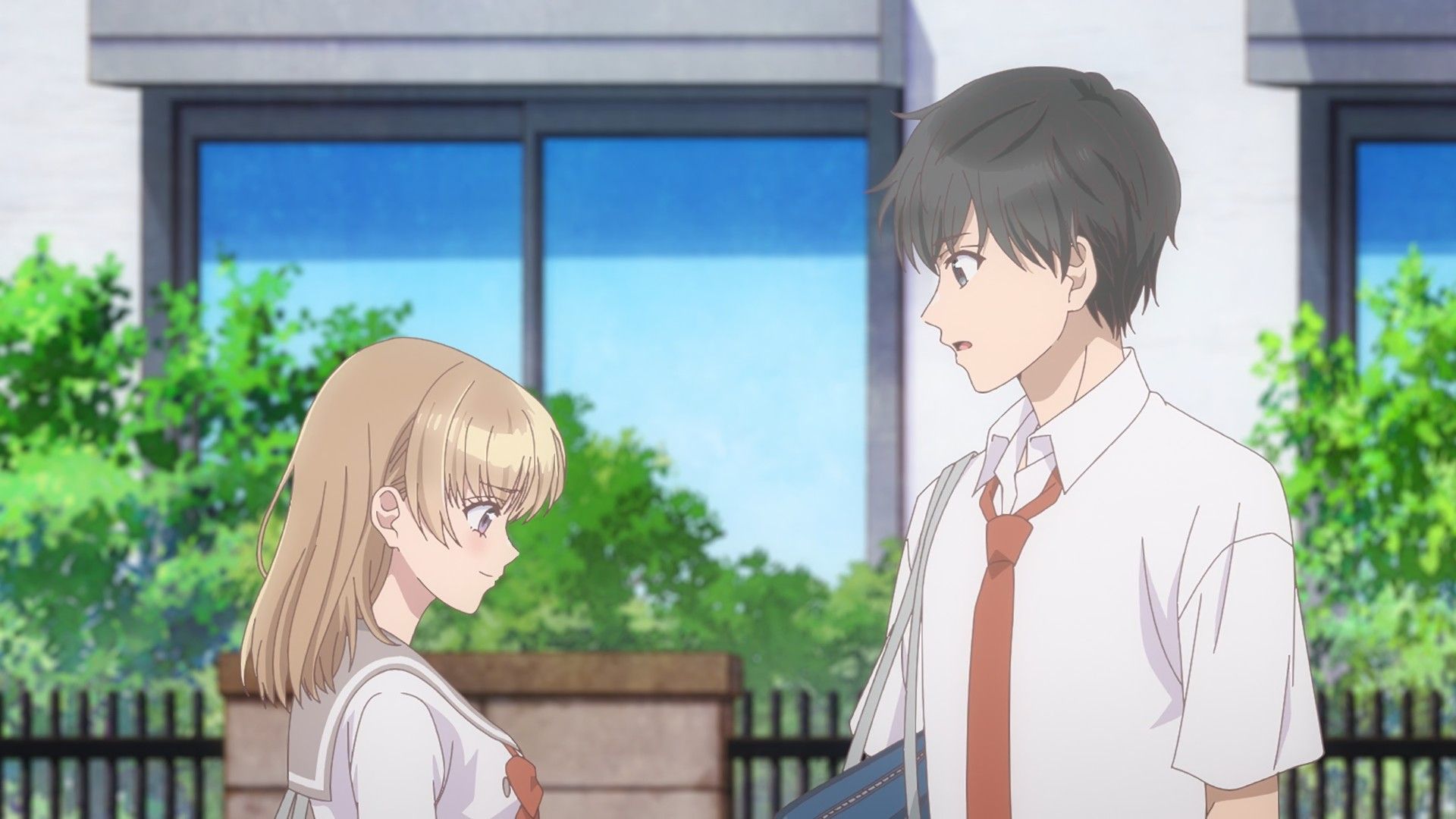
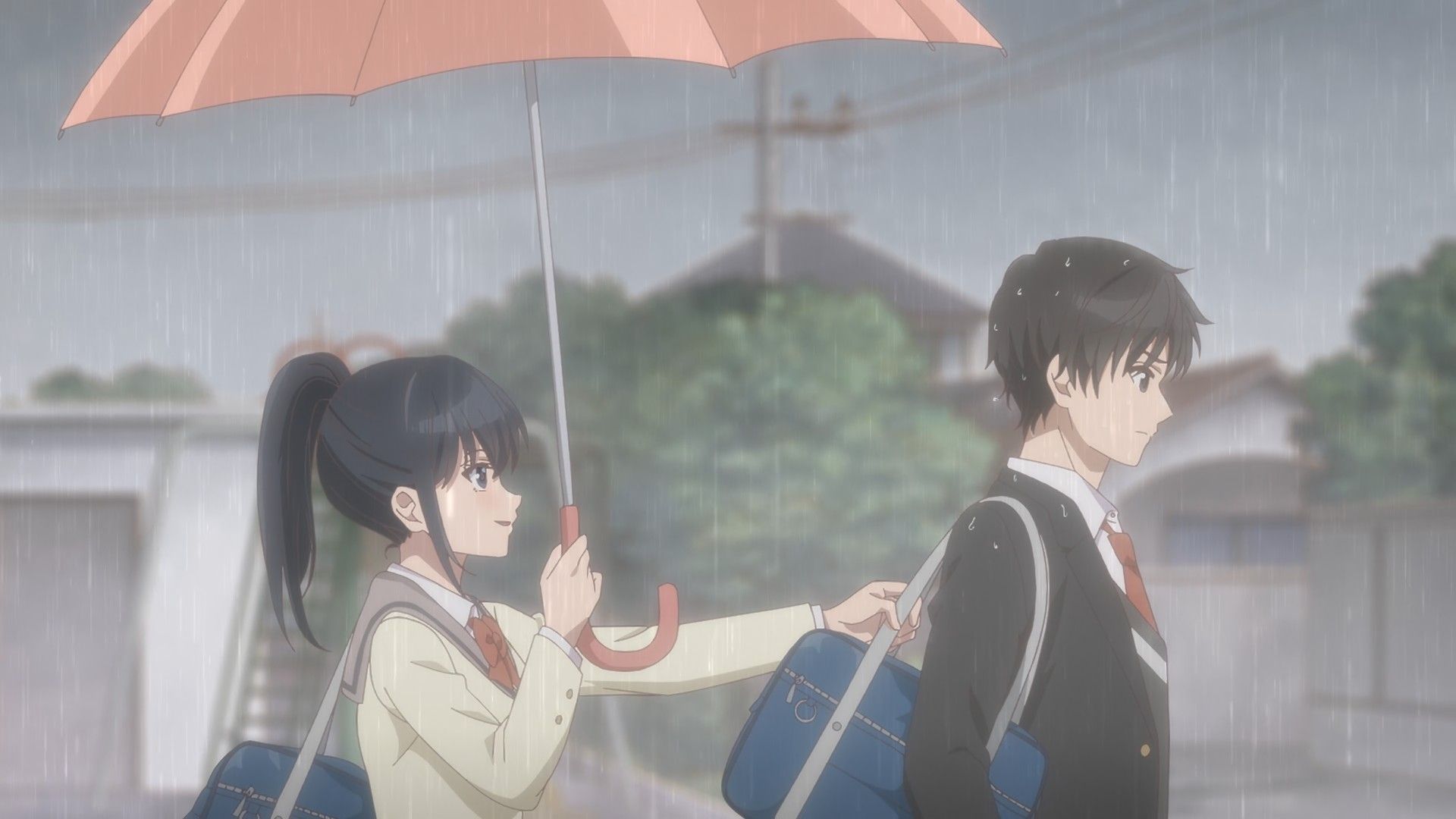
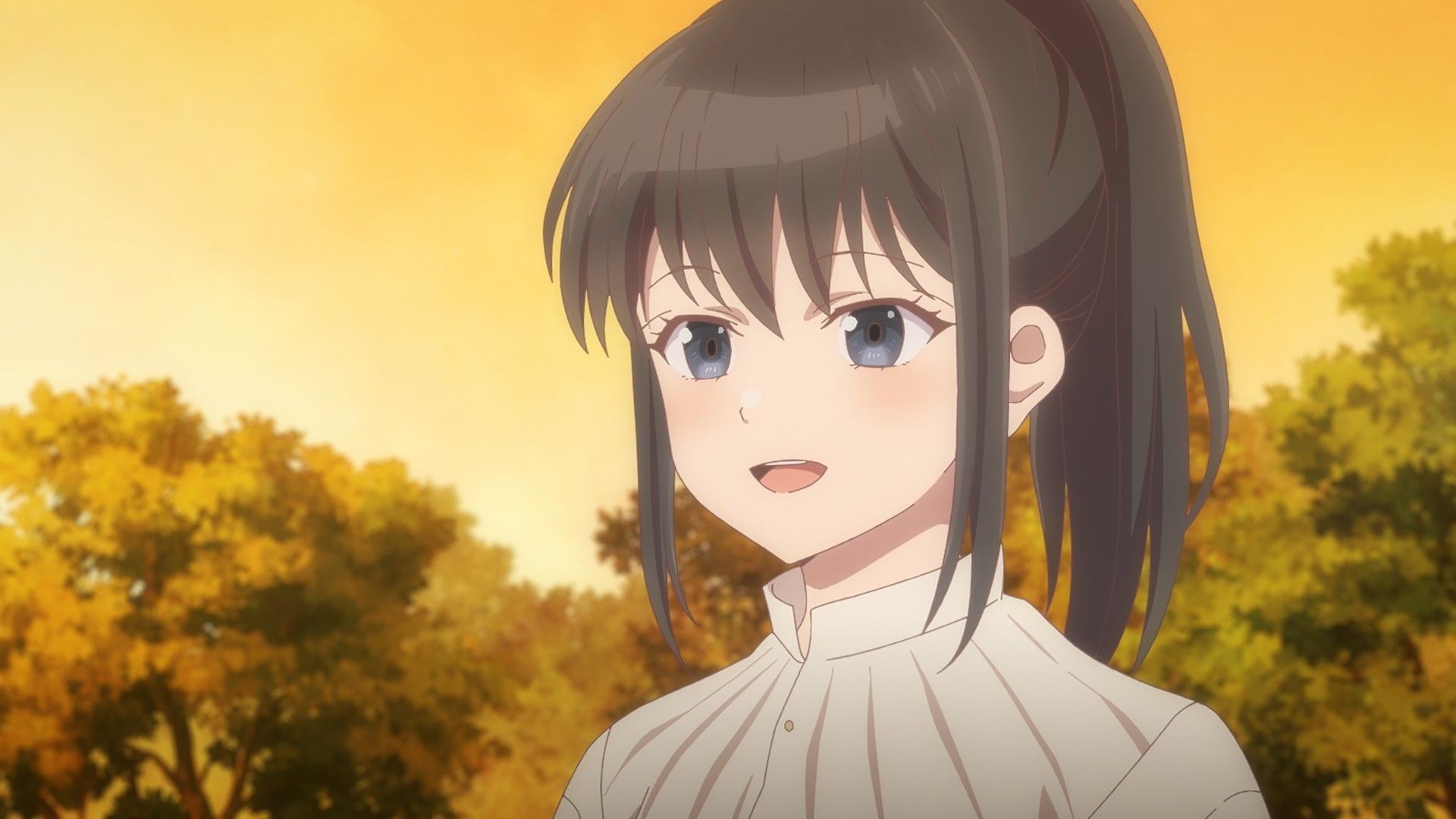
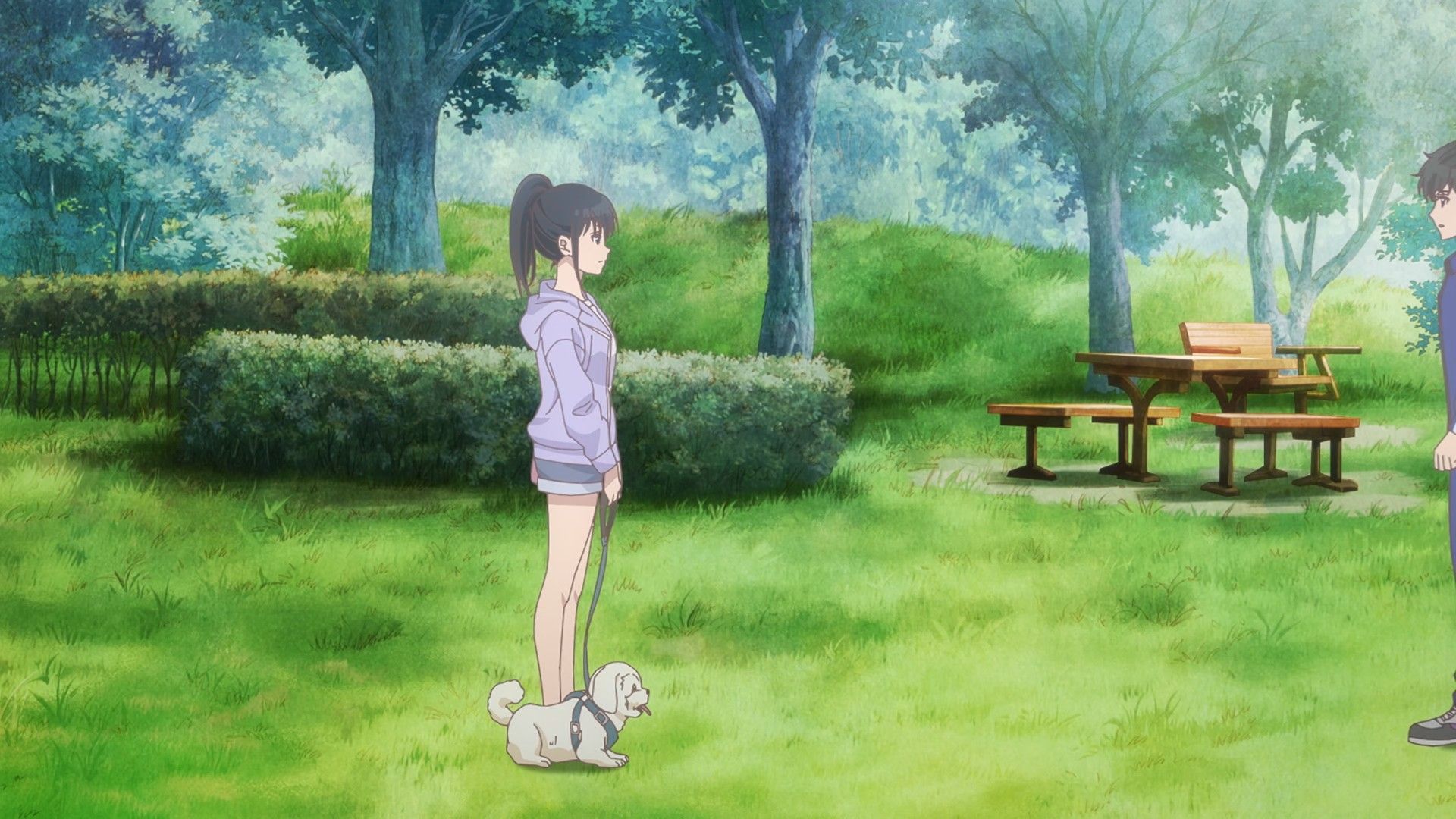
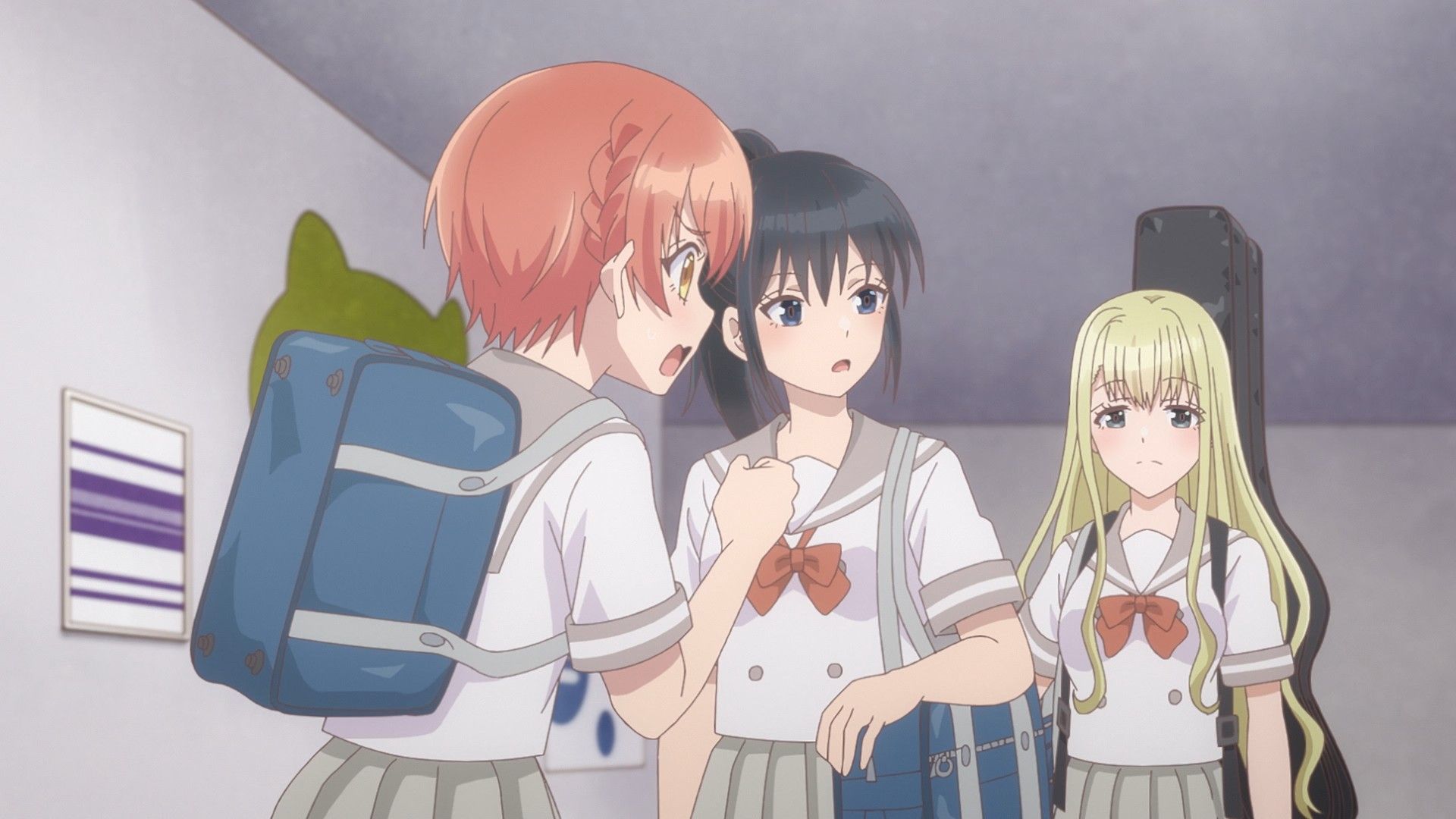
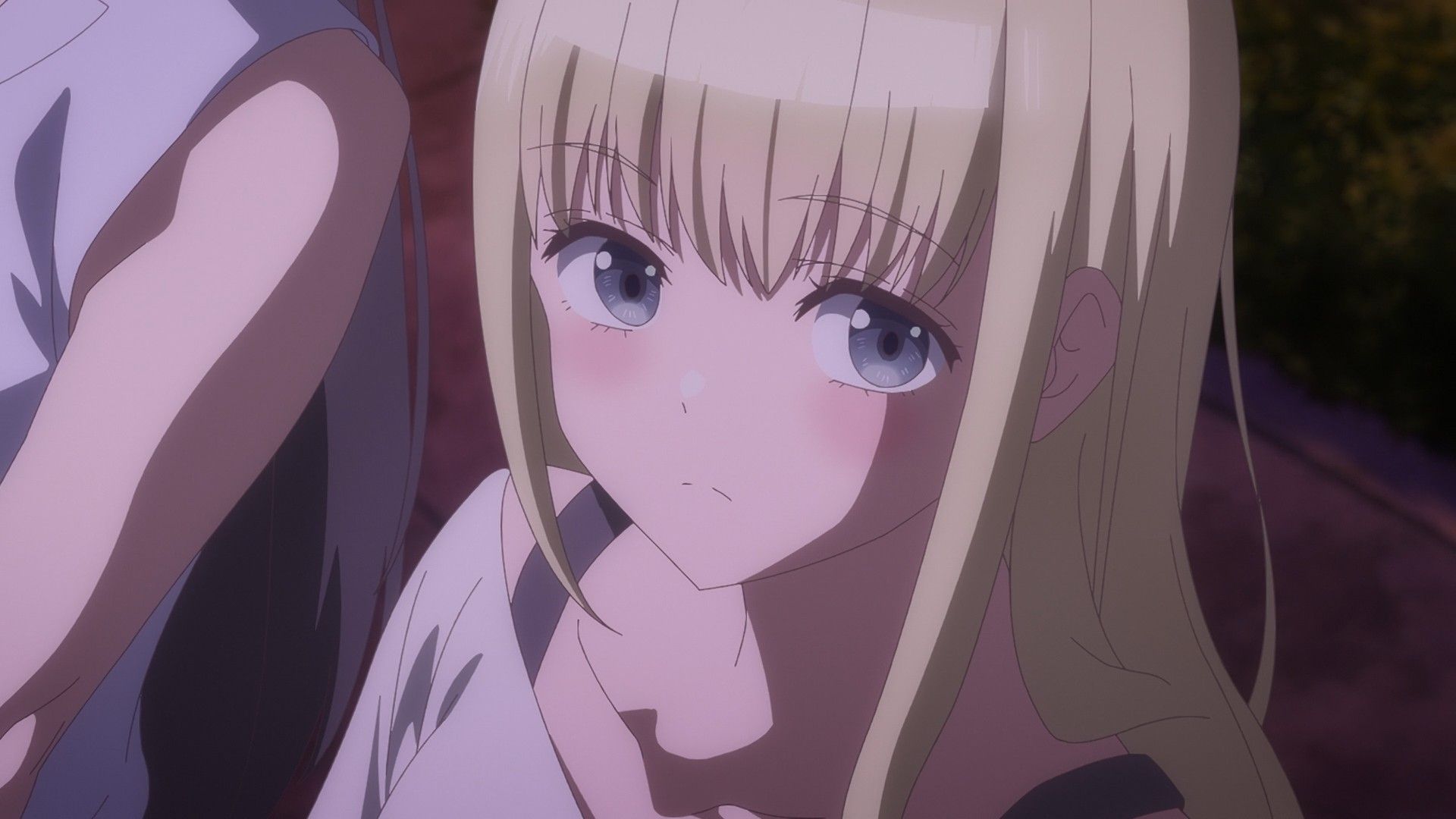
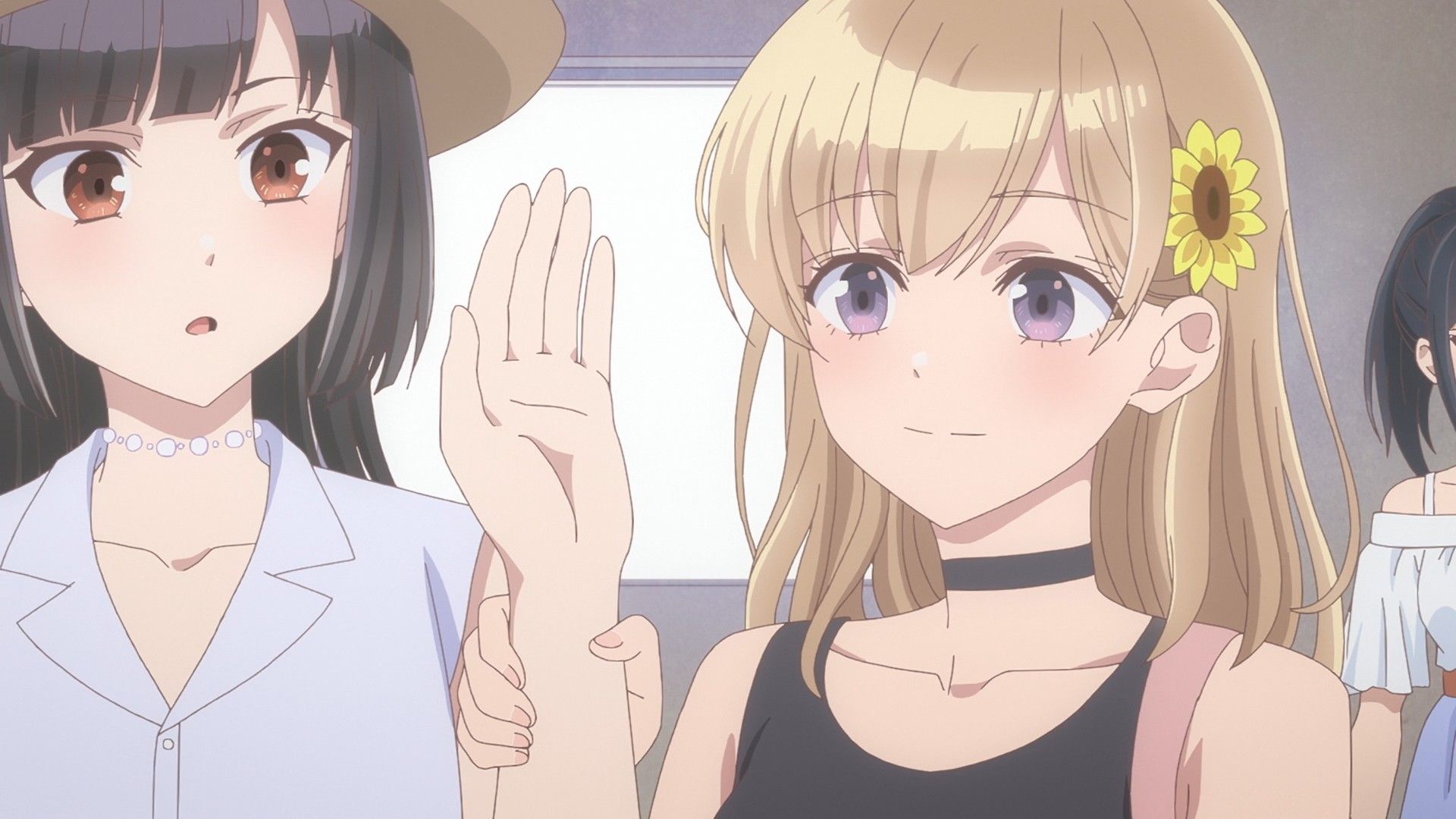
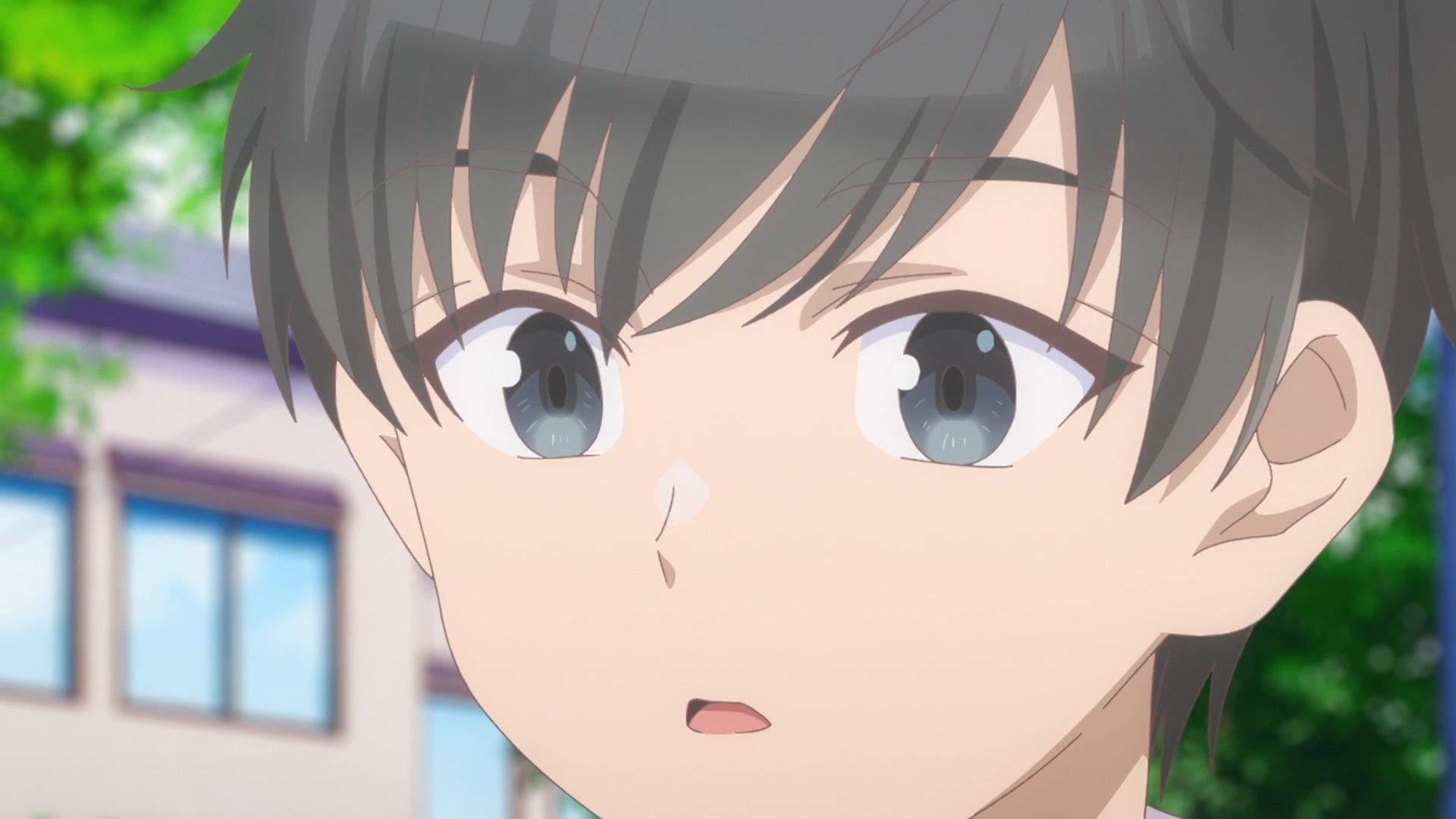
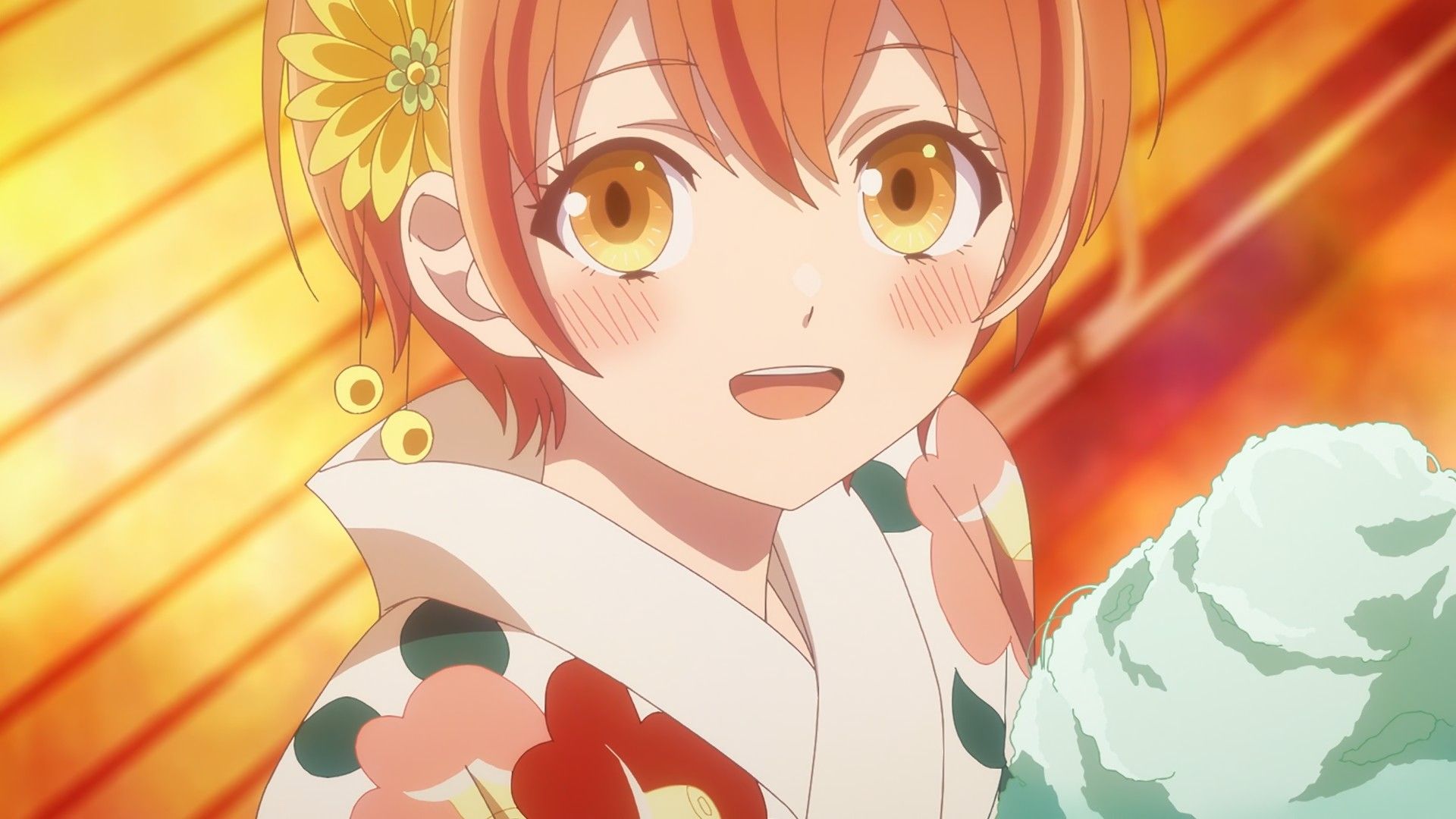
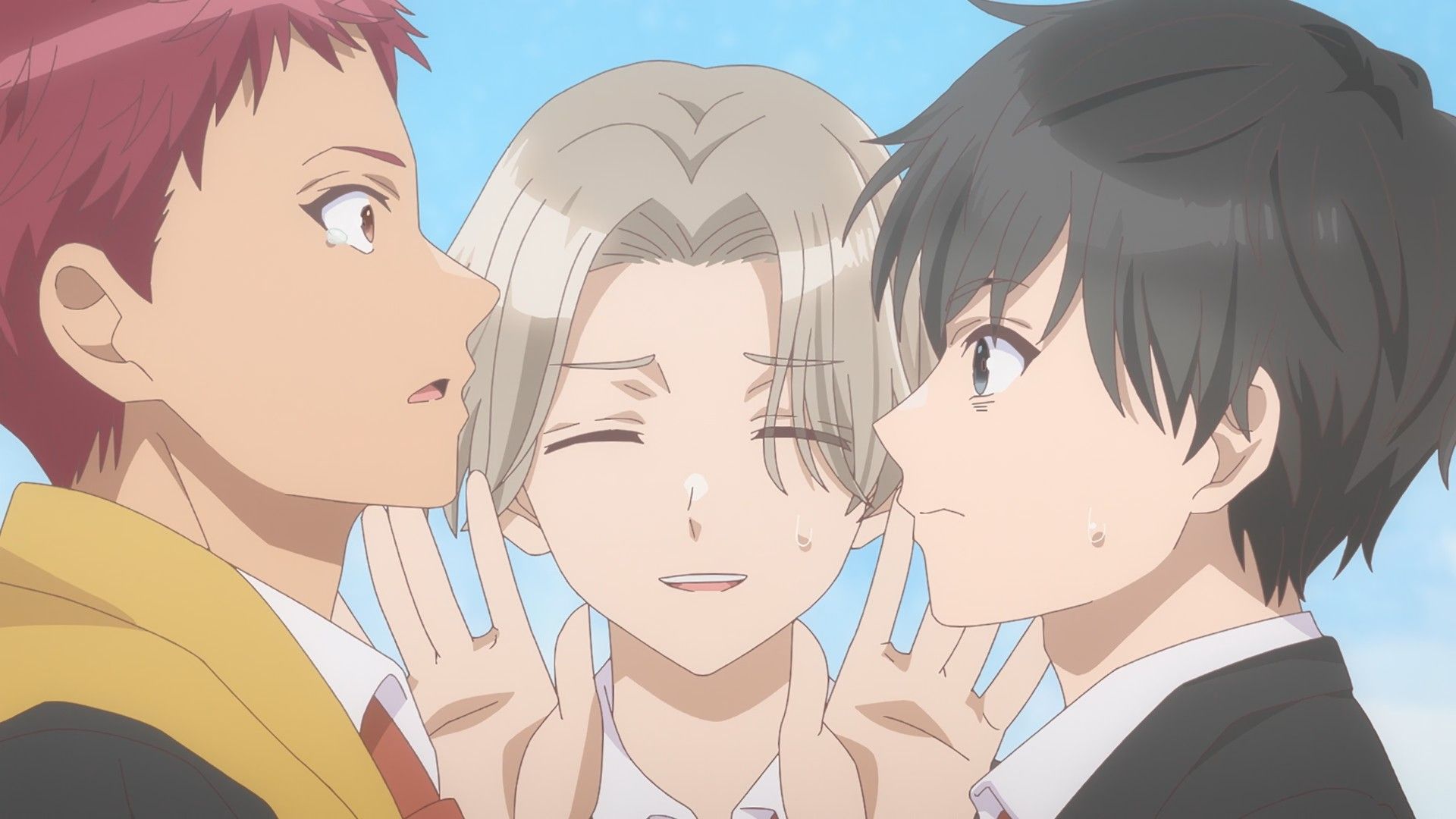
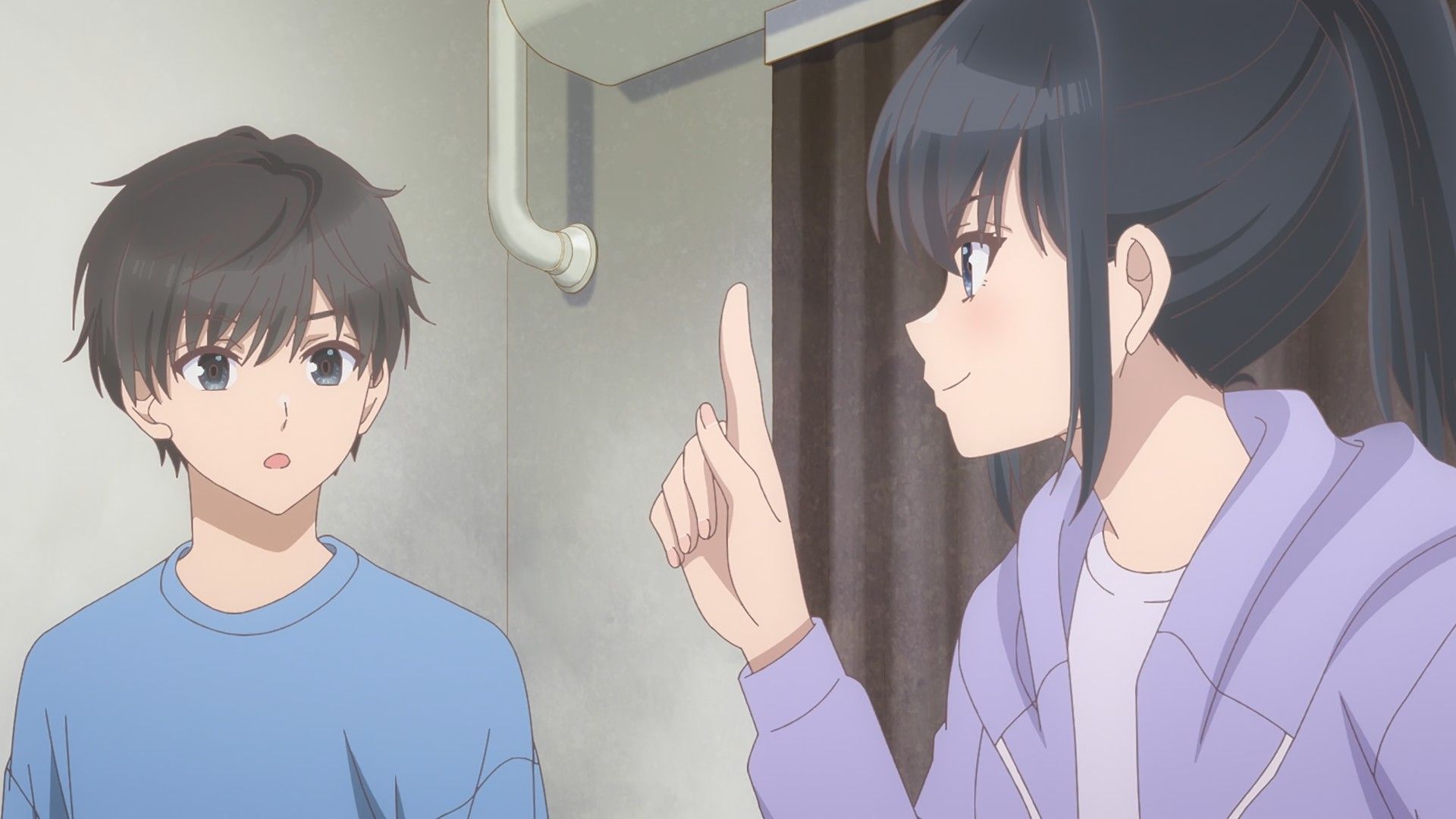
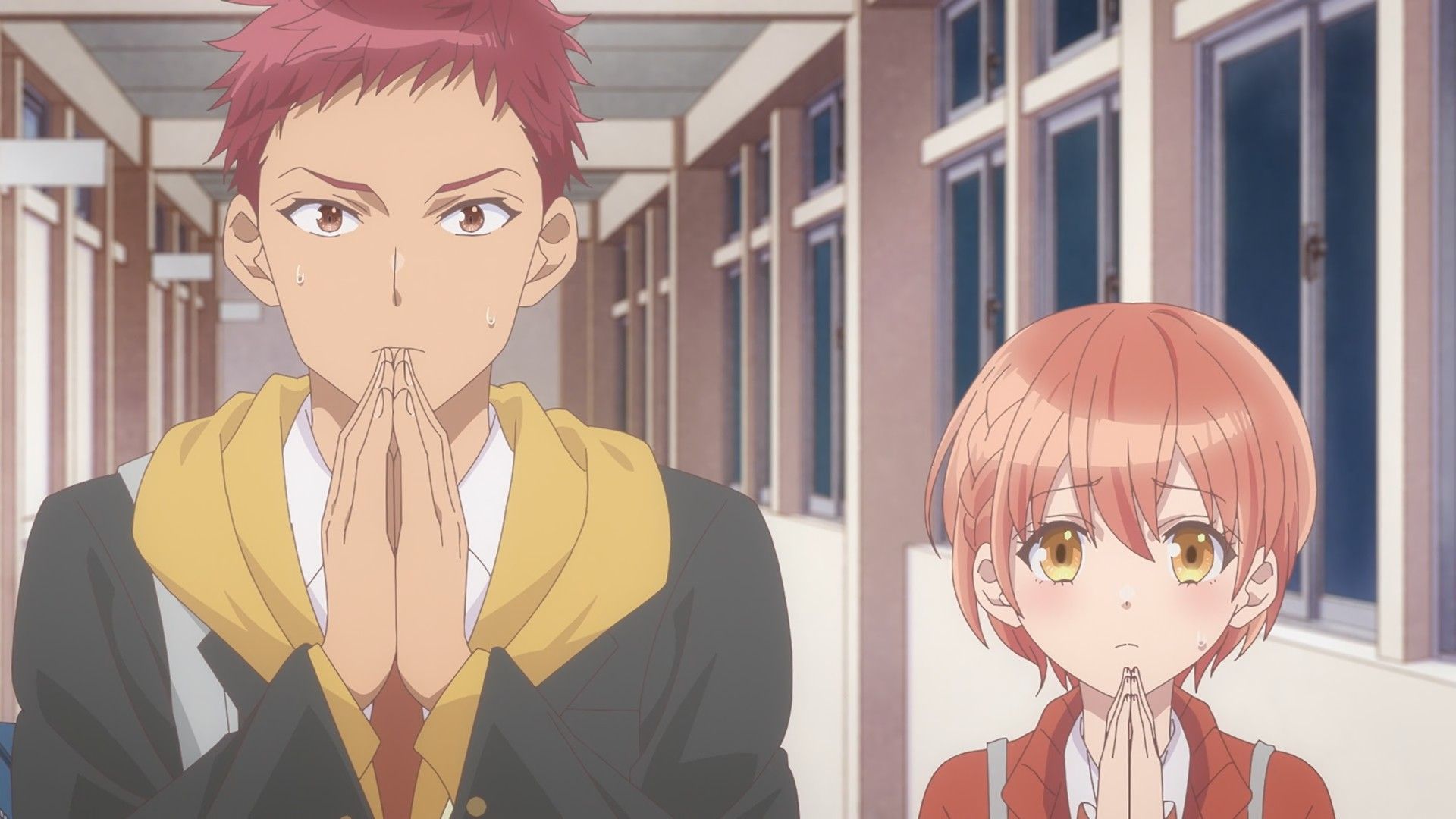
Visually, Haibara-kun no Tsuyokute Seishun New Game looks genuinely very good. The series uses a soft, gently luminous style that works beautifully with its story of youth, memories, and emotions. I really liked the character designs. They are neat, aesthetically pleasing, and simply easy on the eyes. The heroines, in particular, come across wonderfully. Their designs are attractive, but they are also backed by strong facial acting. The series handles small reactions, glances, hesitations, and all those tiny shifts in expression very well, and in a story about relationships, details like these matter a great deal.
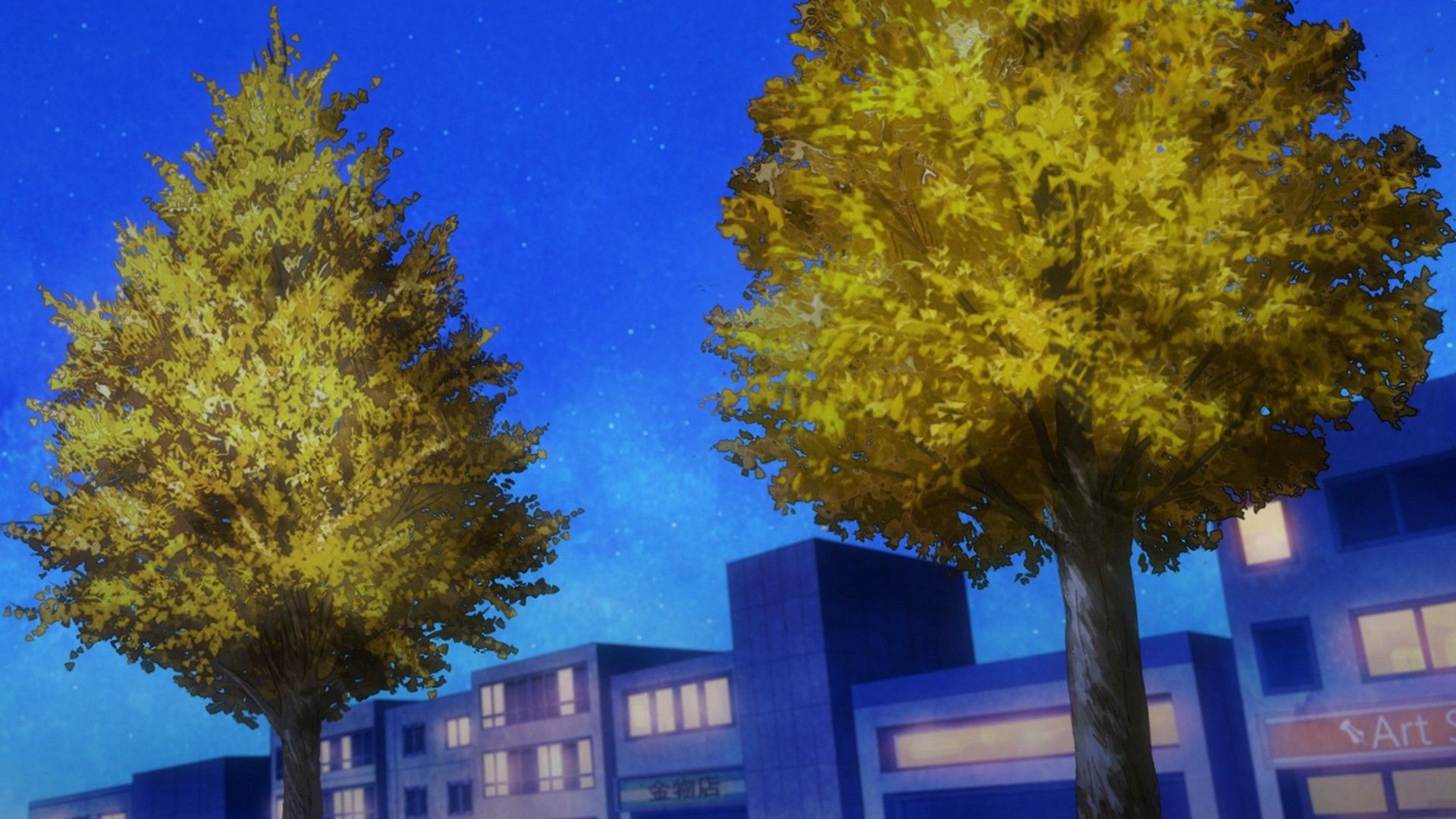
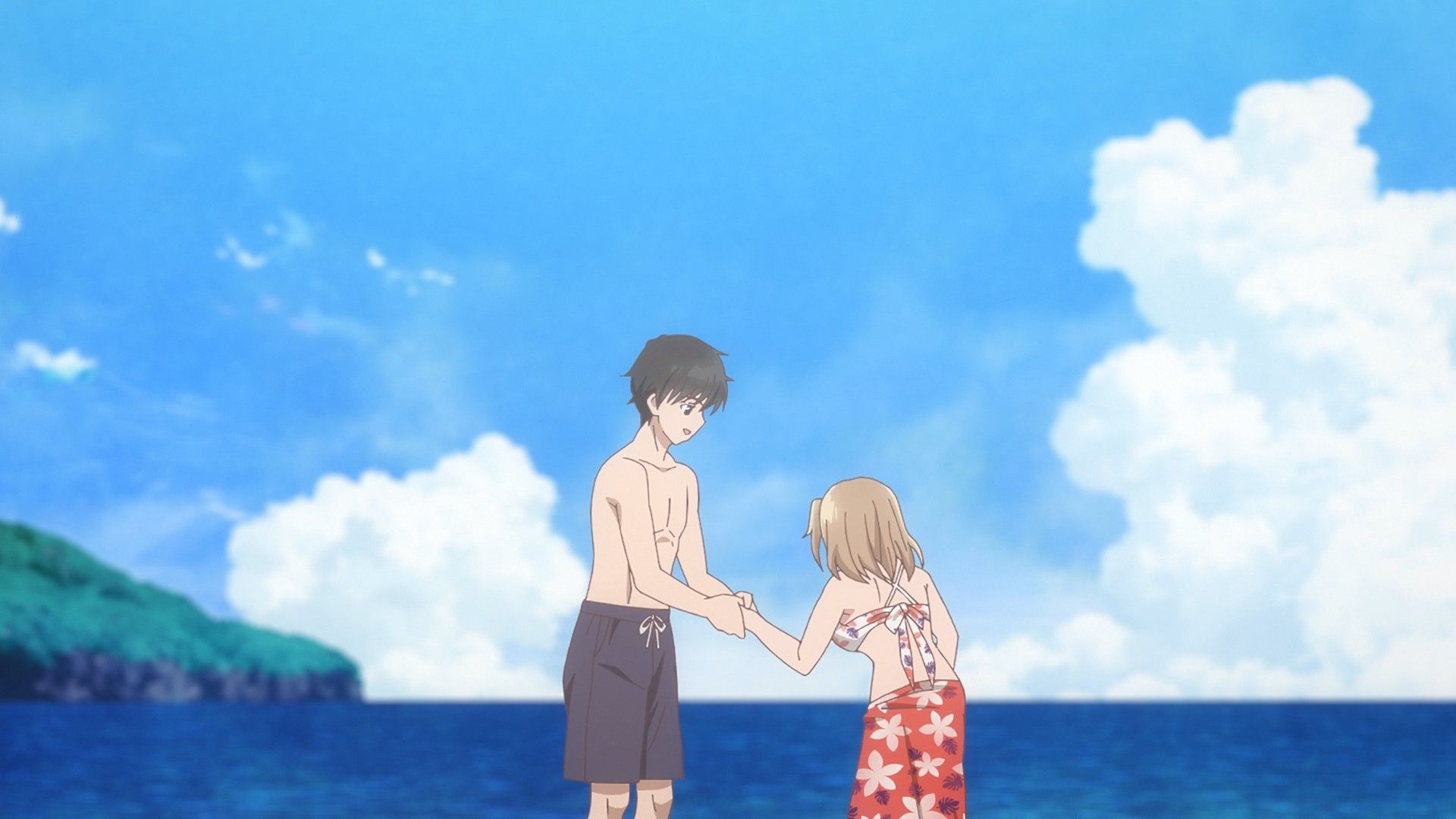
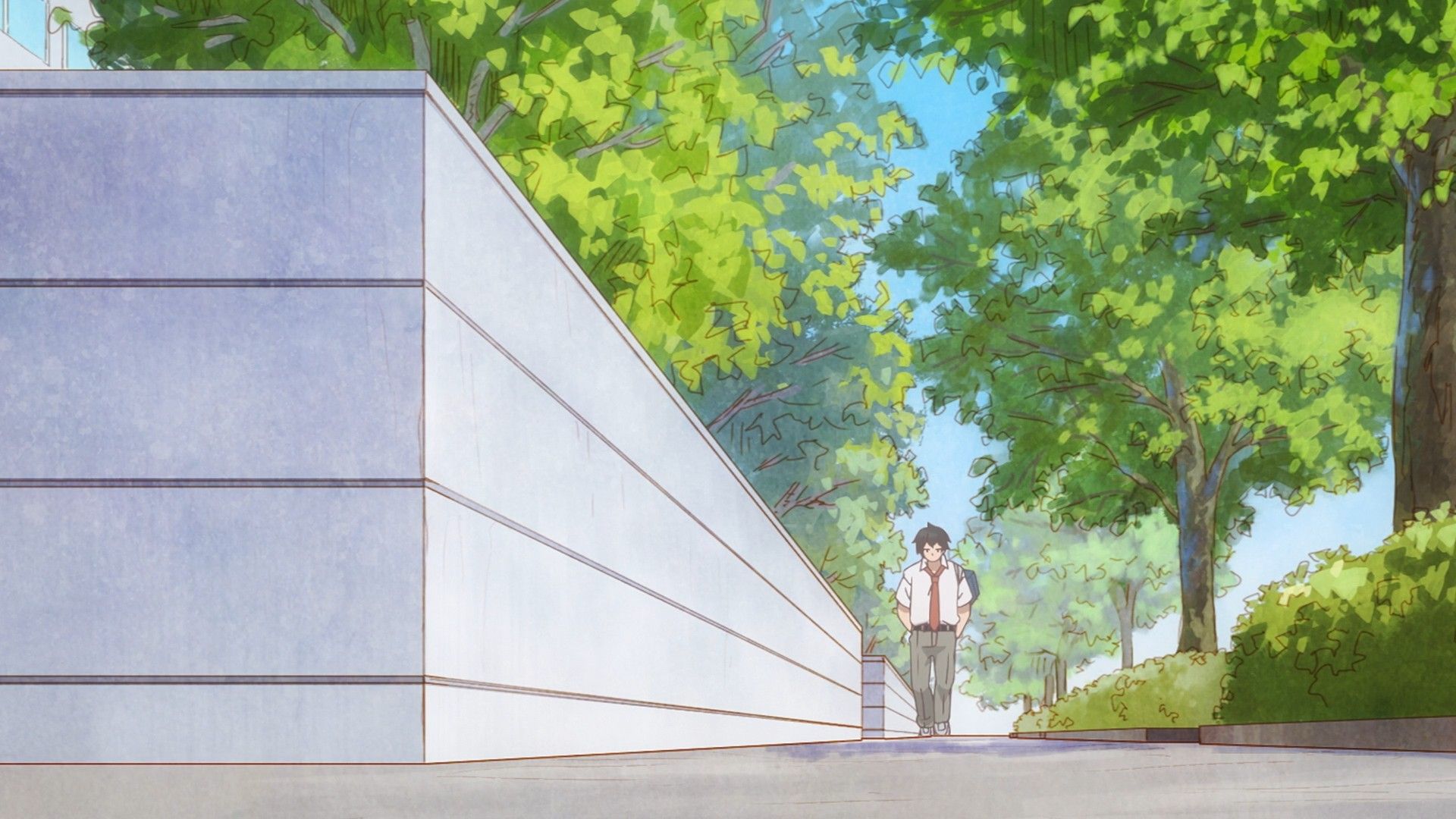
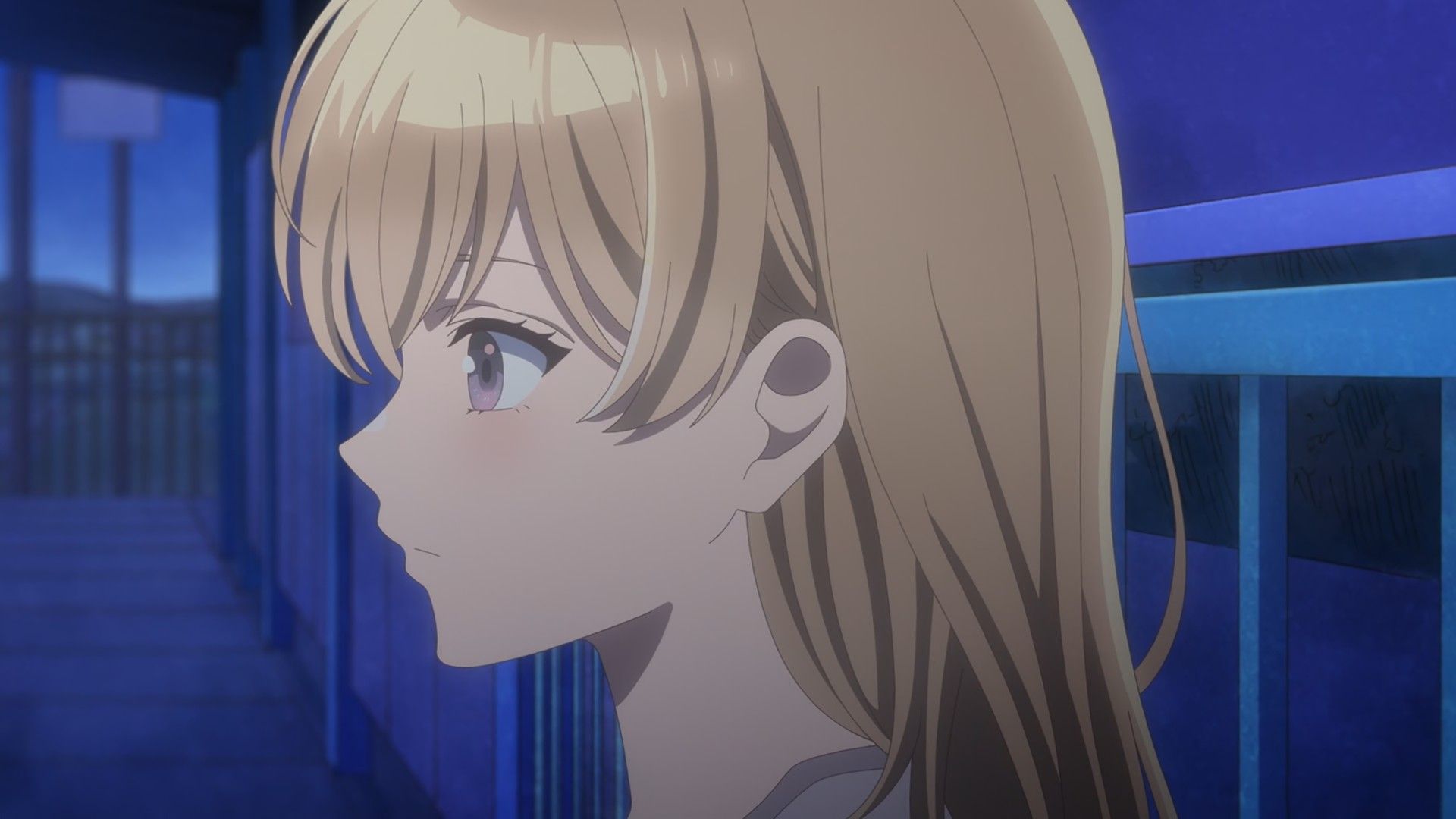
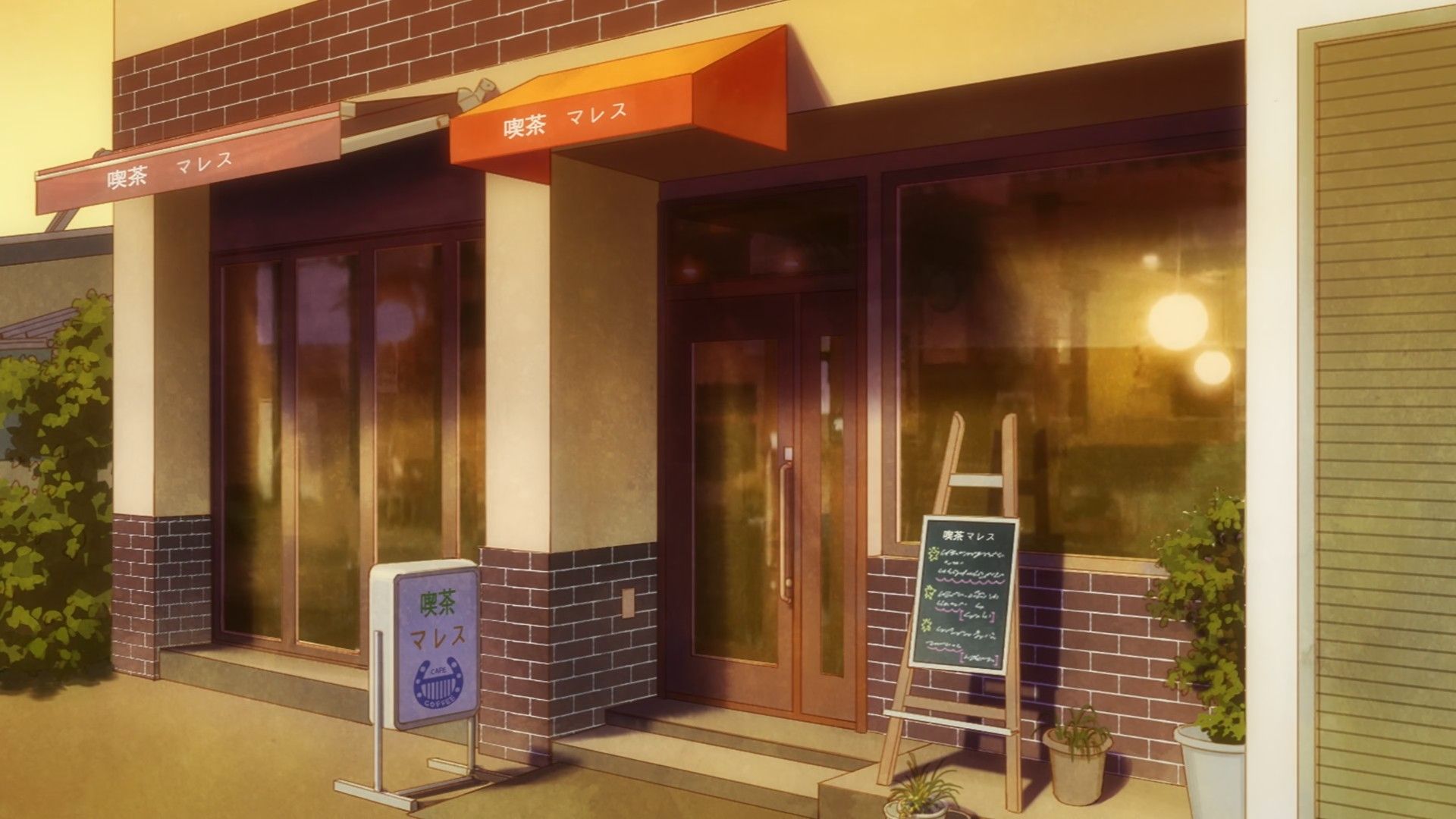
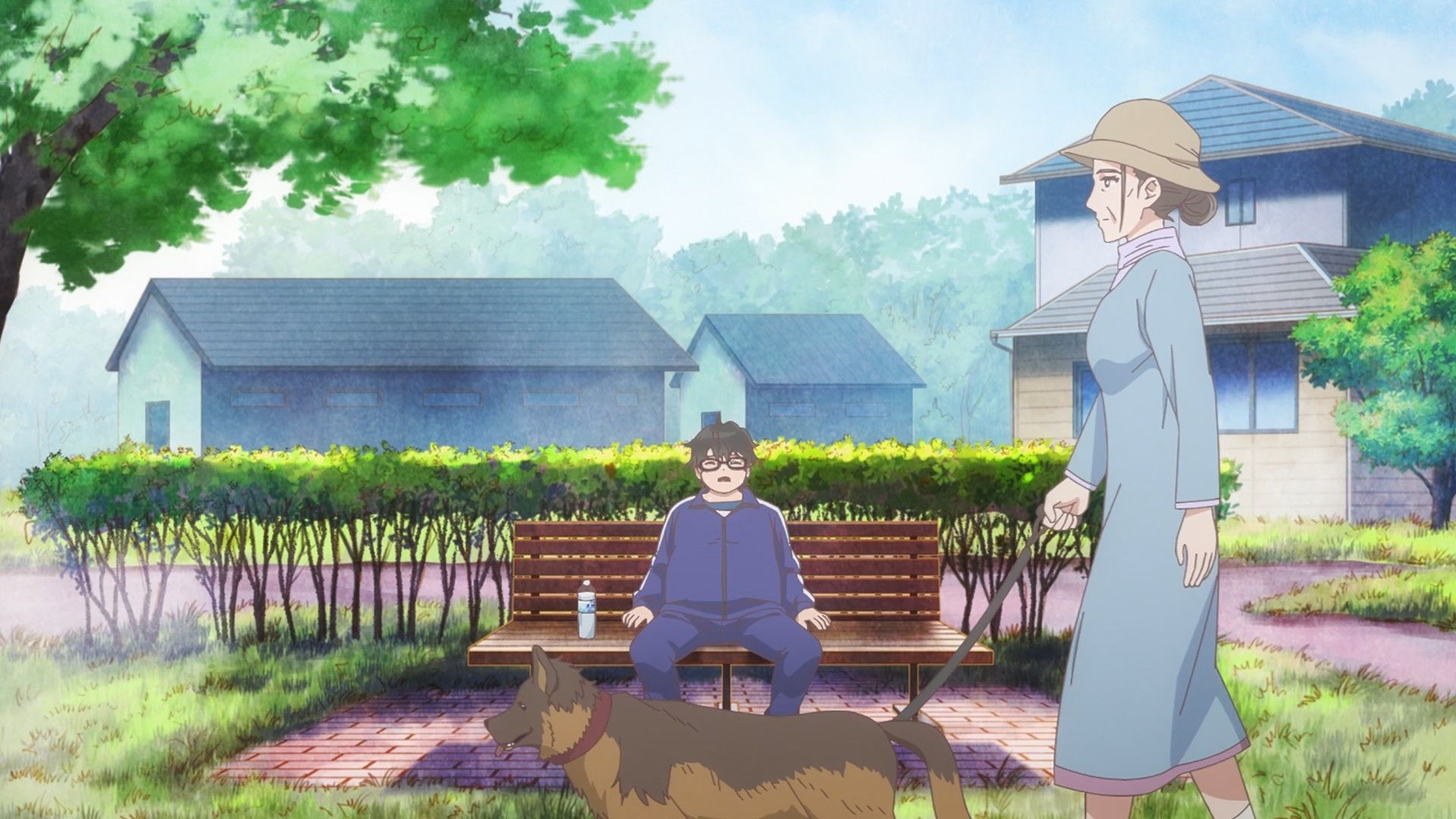
The backgrounds are also pleasing to the eye. Outdoor locations have an appealing, slightly painterly quality. The series also knows how to use light and color to heighten the mood of a scene. On the animation side, however, some shortcomings are visible. This is especially true in the final episode, during the stage performance—the whole thing did not quite come together.
Audio
The voice actors, unsurprisingly, performed exceptionally well. Every character sounded and expressed their emotions exactly the way you would expect—or even hope—they would. The cast is expressive, and even if I wanted to, I simply cannot nitpick a single detail. Their voices matched their personalities, the specific scenes, and their emotional states perfectly. The fact that the characters come across so well in this adaptation is, to a large extent, thanks to the seiyuu.
Musically, the soundtrack did not stand out in any particular way. It was simply well-chosen background accompaniment. That is not a flaw, but it is not a strength either. The opening and ending songs, however, will make it onto my playlist, because I liked both of them.
Haibara-kun no Tsuyokute Seishun New Game (2026) – Plot and Characters
Introduction
Stories about being given a second chance almost always contain something that is simply hard to ignore. The very idea of going back to a moment when everything could still have turned out differently works very well, but the value of a series like this is not decided by the premise alone. What matters most is what the creators do with it. In the case of Haibara-kun no Tsuyokute Seishun New Game, what resonated with me the most was that this is not merely a story about fixing the past, but above all a story about relationships, insecurities, and how difficult it is to truly let other people get close. It is the characters who do the heaviest lifting here.
I also really liked that the series does not move toward a cheap fantasy about a hero who suddenly has everything come easily to him just because he got a restart. Haibara Natsuki does, of course, use his chance, but he does so at the cost of enormous effort. He trains, studies, plans, analyzes, and tries to build a new life for himself piece by piece. Because of that, his transformation does not feel like empty wish fulfillment, but like something earned and paid for with many internal struggles.
A Brief Overview of the Haibara-kun no Tsuyokute Seishun New Game (2026) Plot
Haibara Natsuki is a boy who has lived through a gray high school life. One filled with loneliness, regret, and the feeling that those years were wasted. Then, suddenly, he is given an extraordinary opportunity: he returns to the summer break just before high school begins. He gains roughly a month to prepare himself to repair his gray years. Instead of passively accepting this miracle as something impossible to understand, he immediately gets to work and creates his own plan for a rainbow-colored youth. He wants not only to avoid his old mistakes, but above all to build the relationships he was unable to gain before.
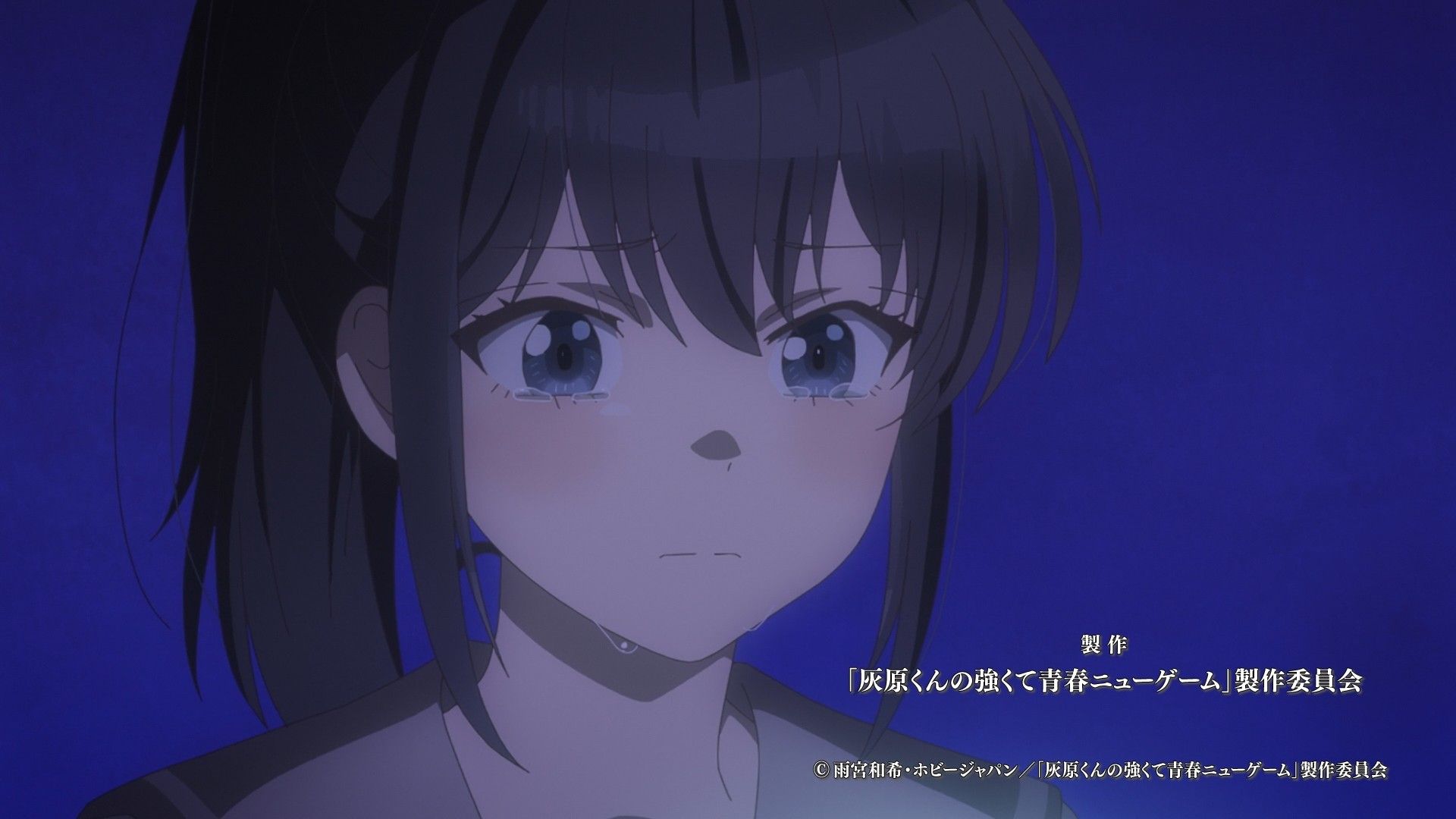
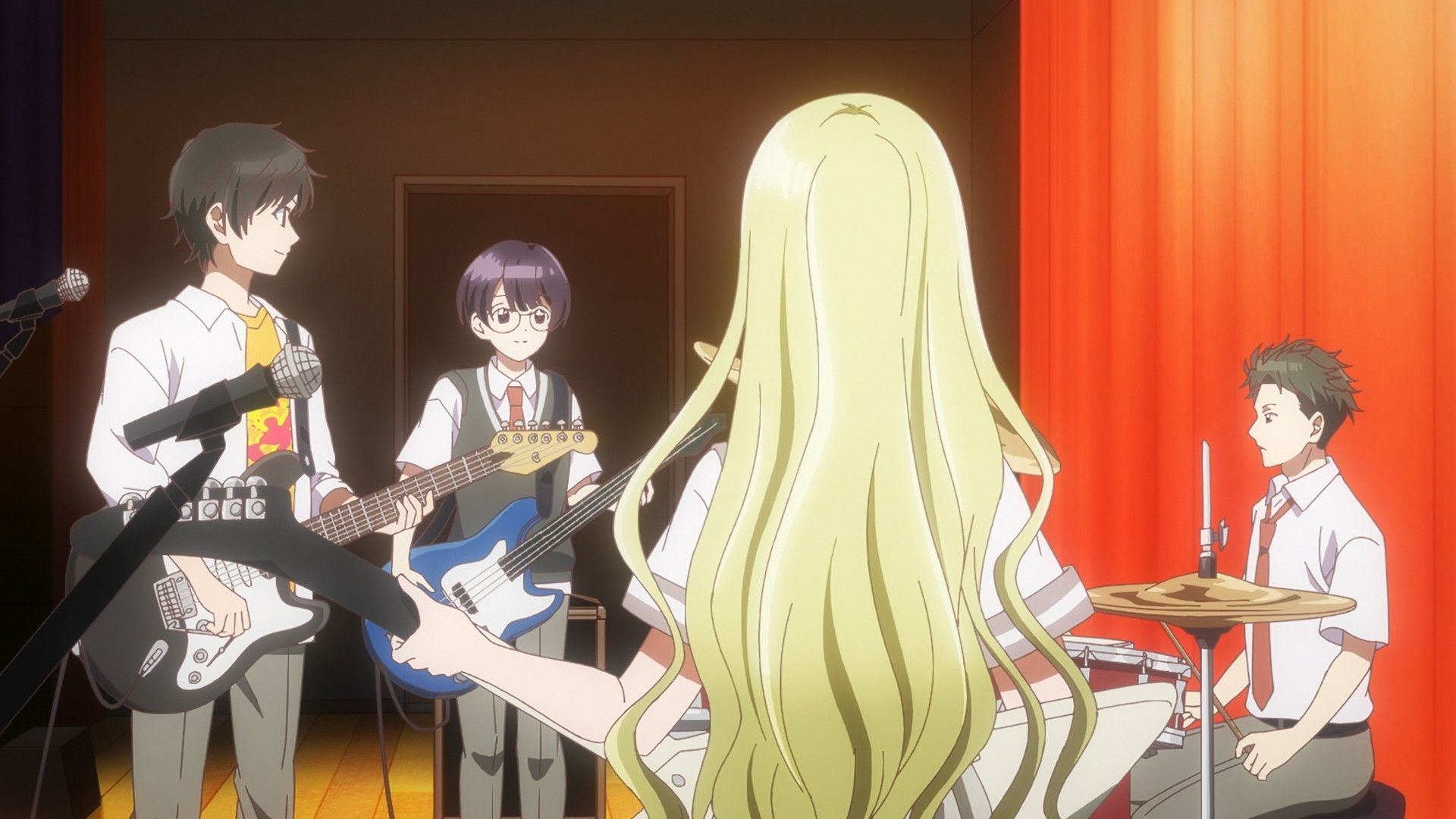
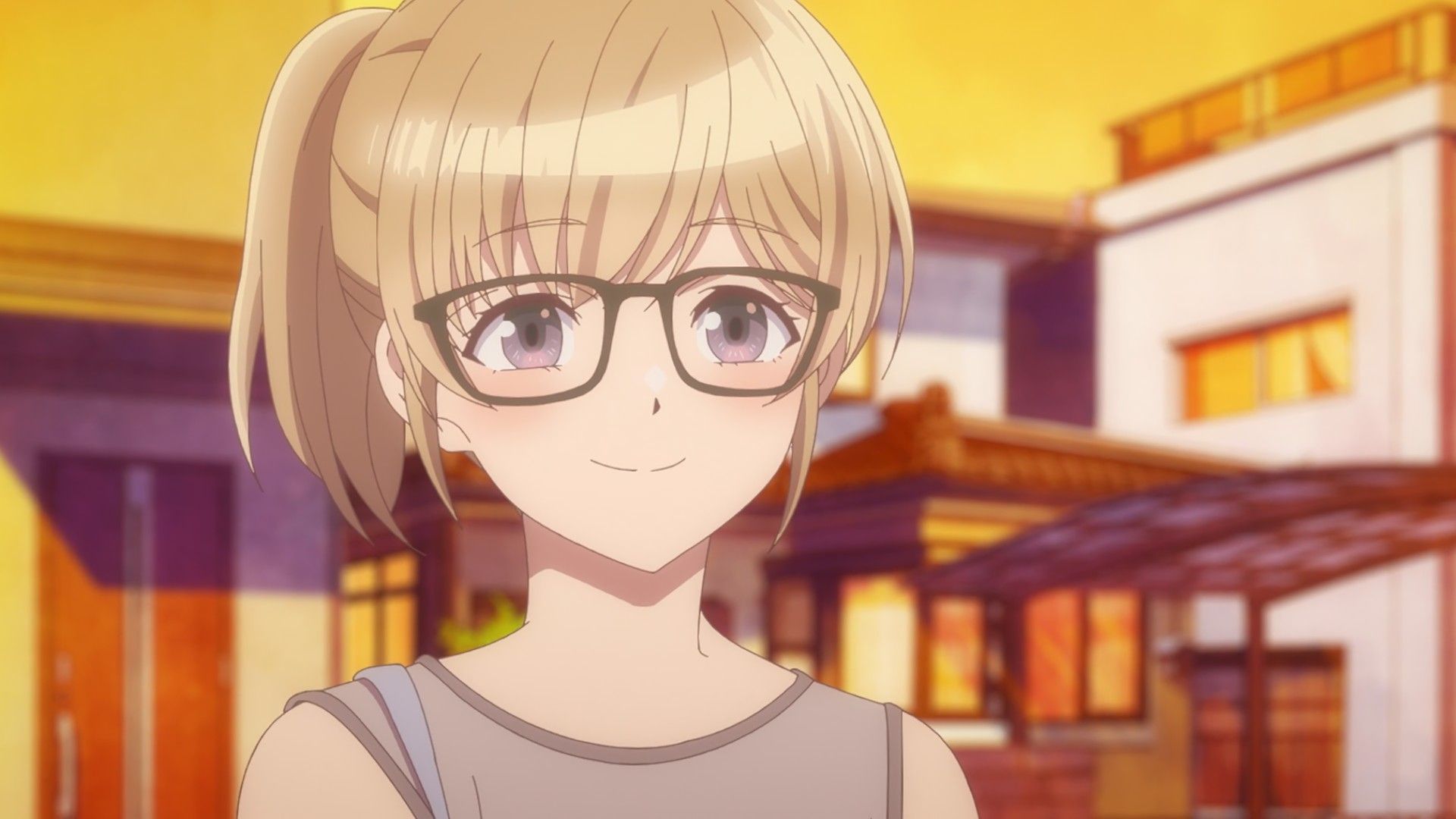
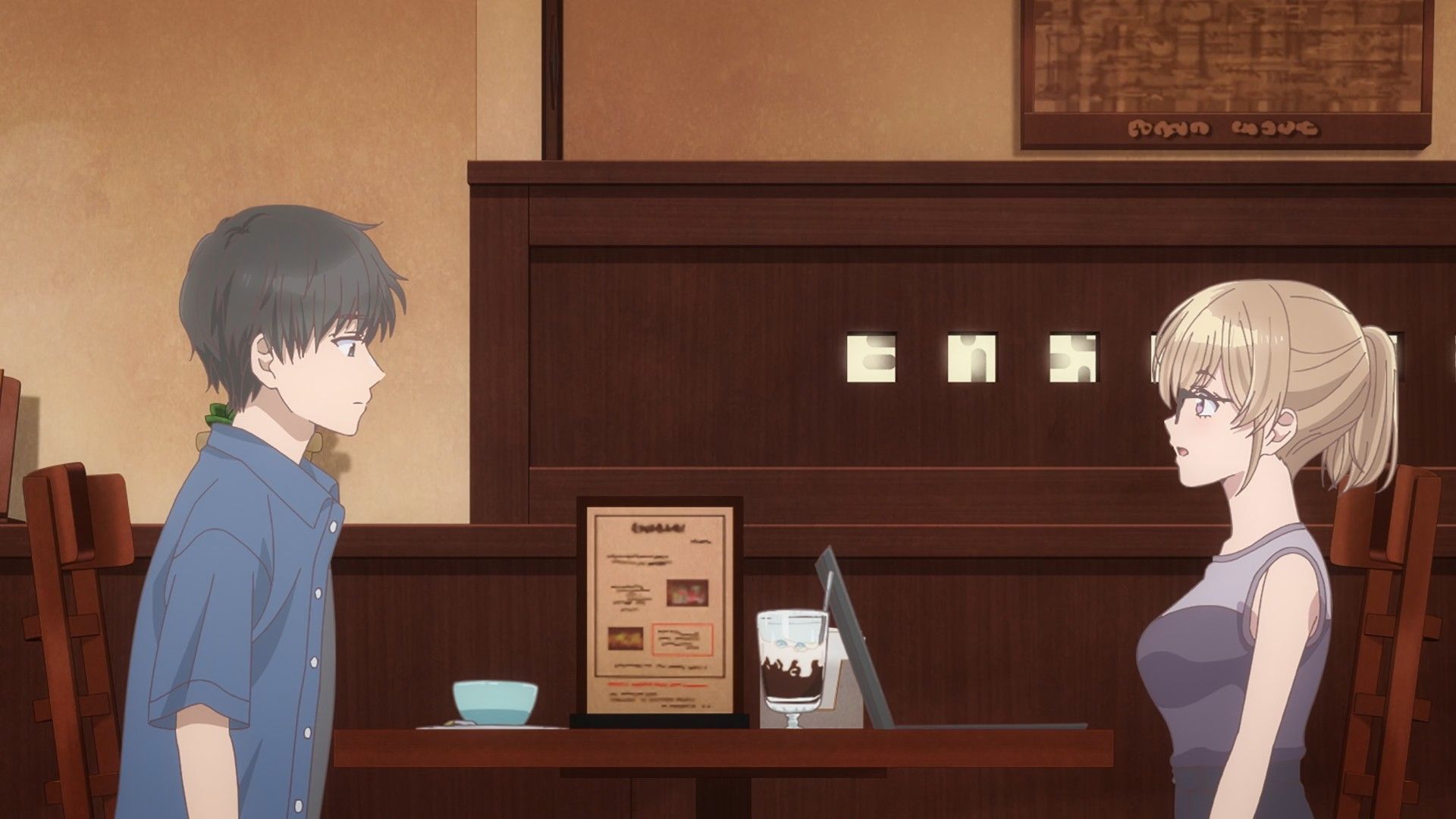
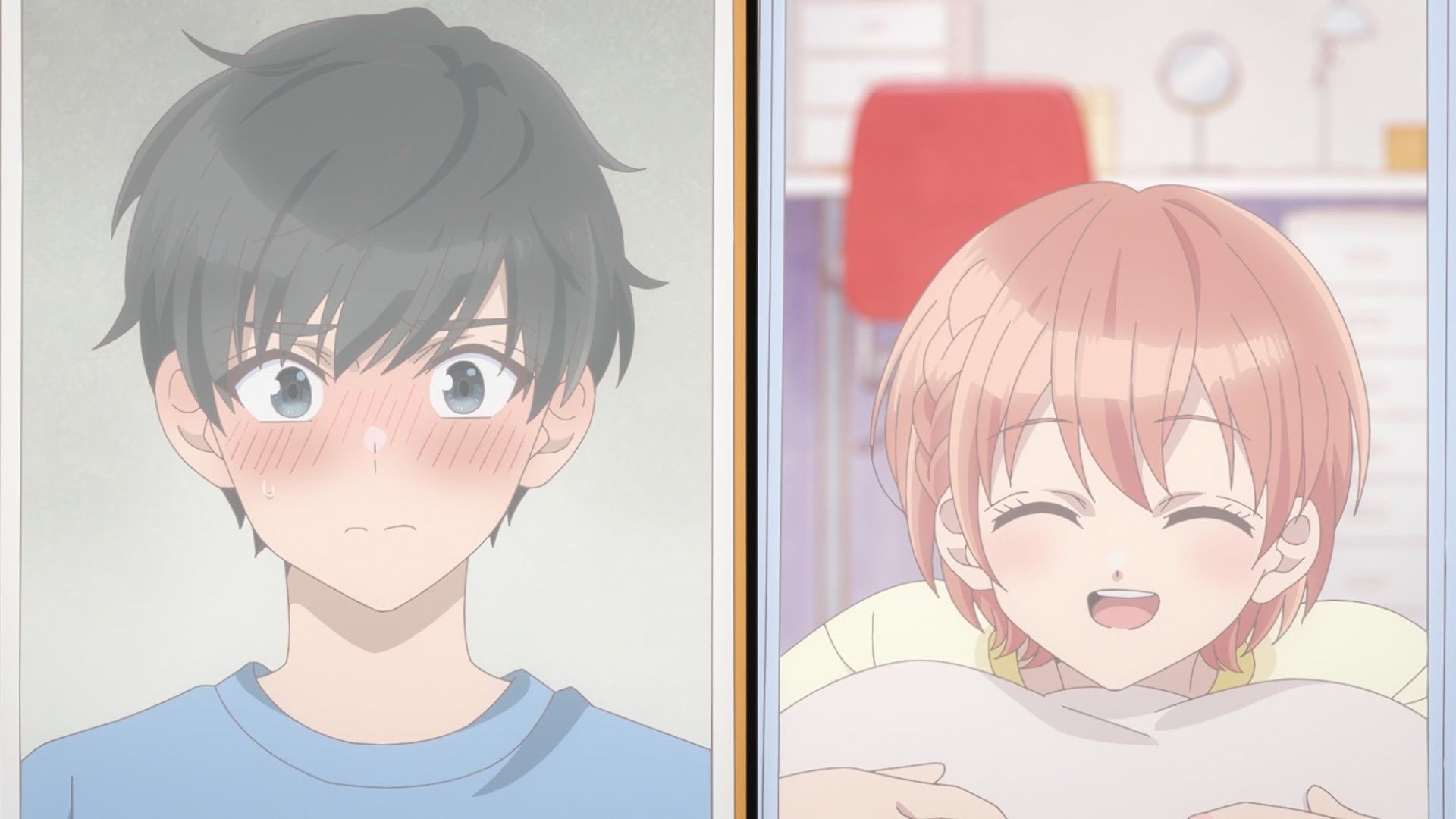
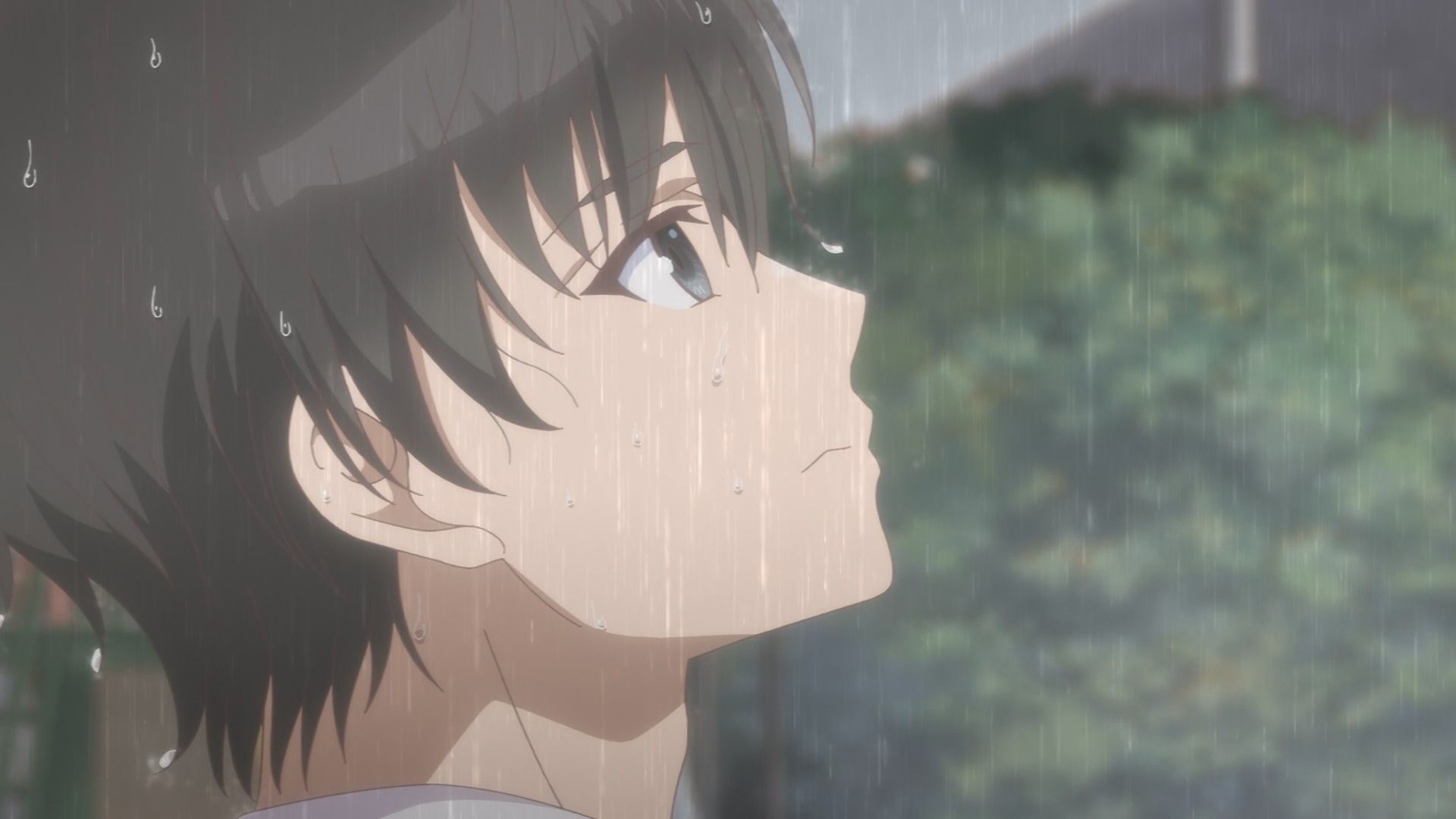
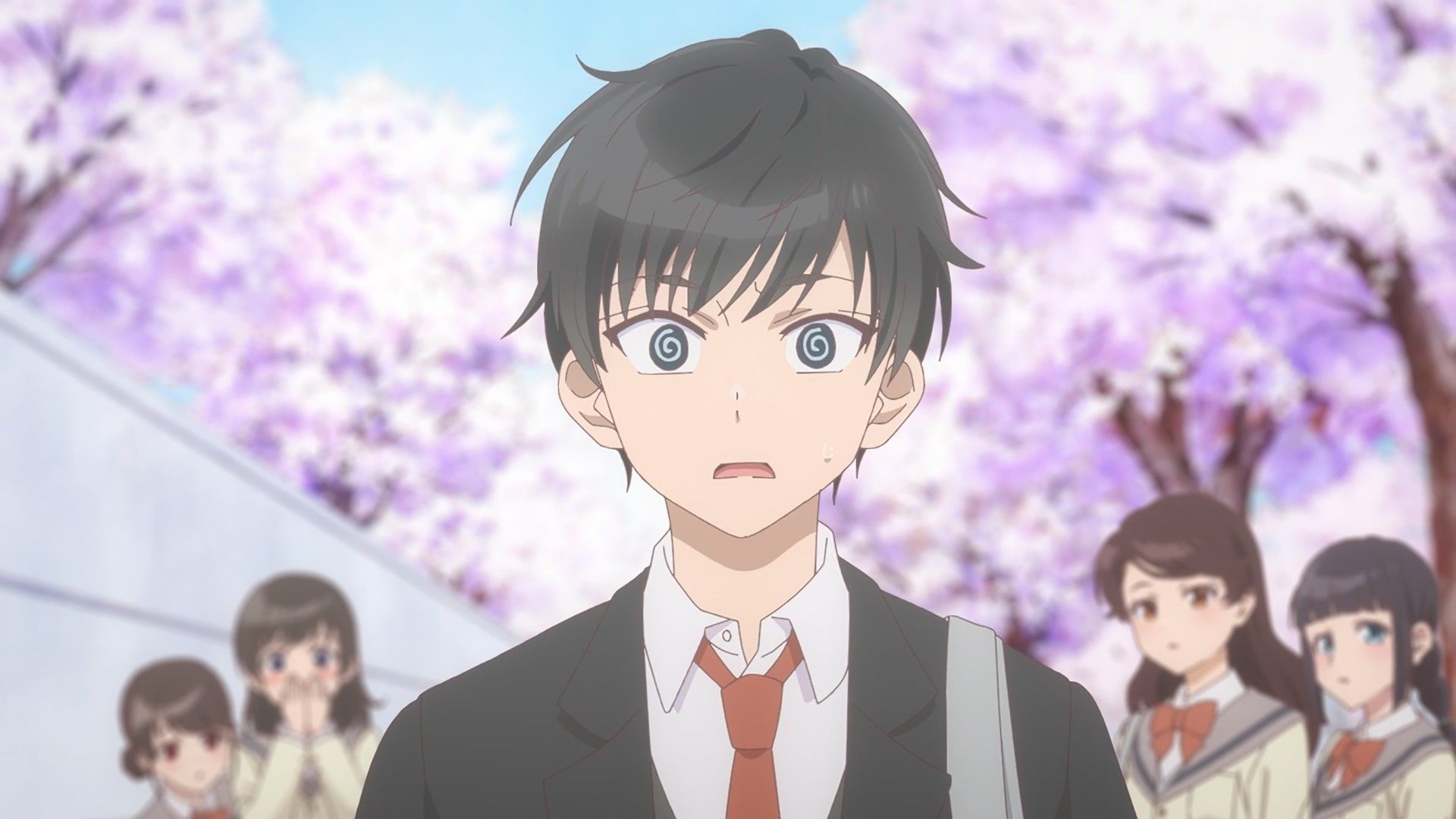
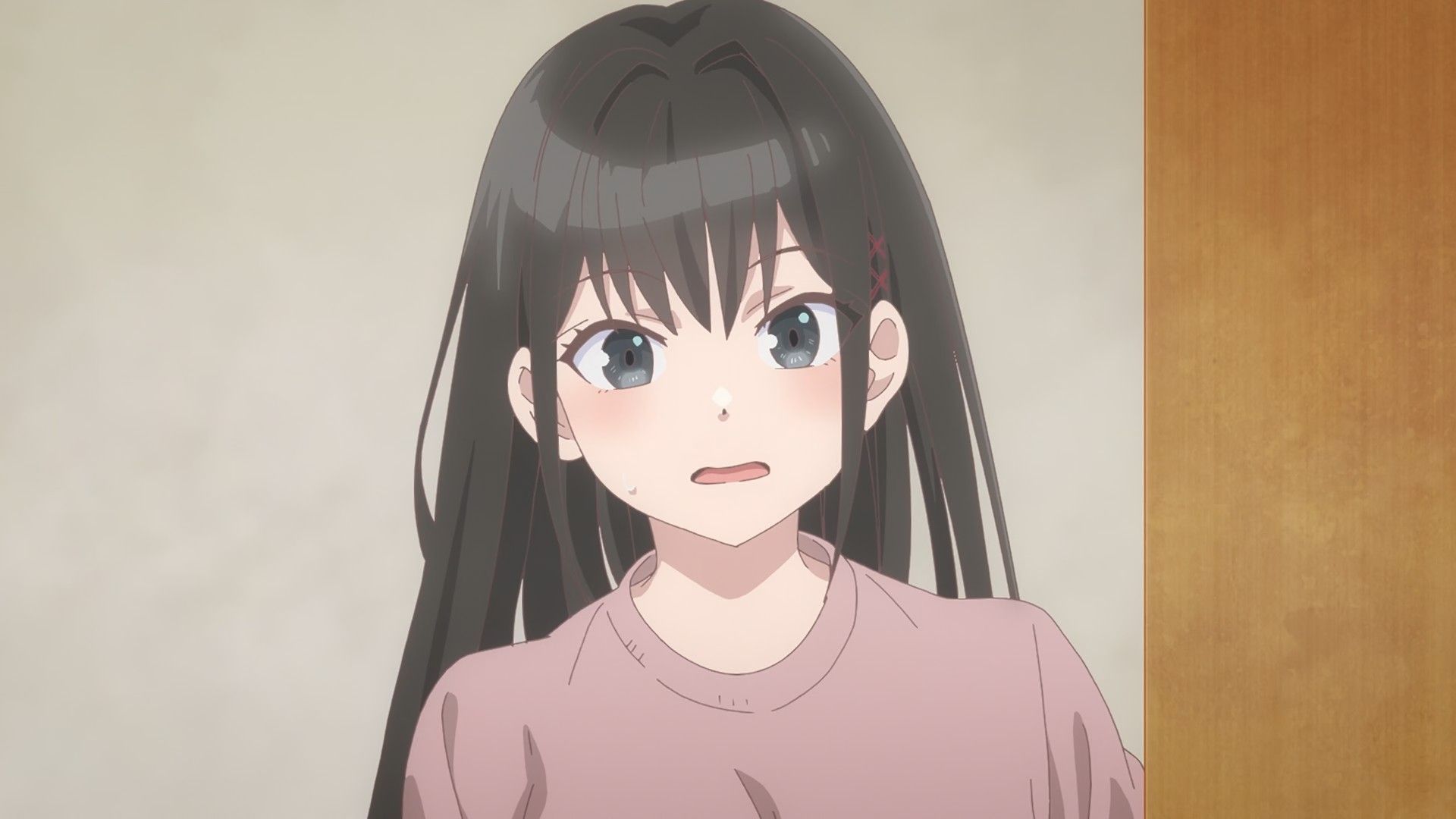
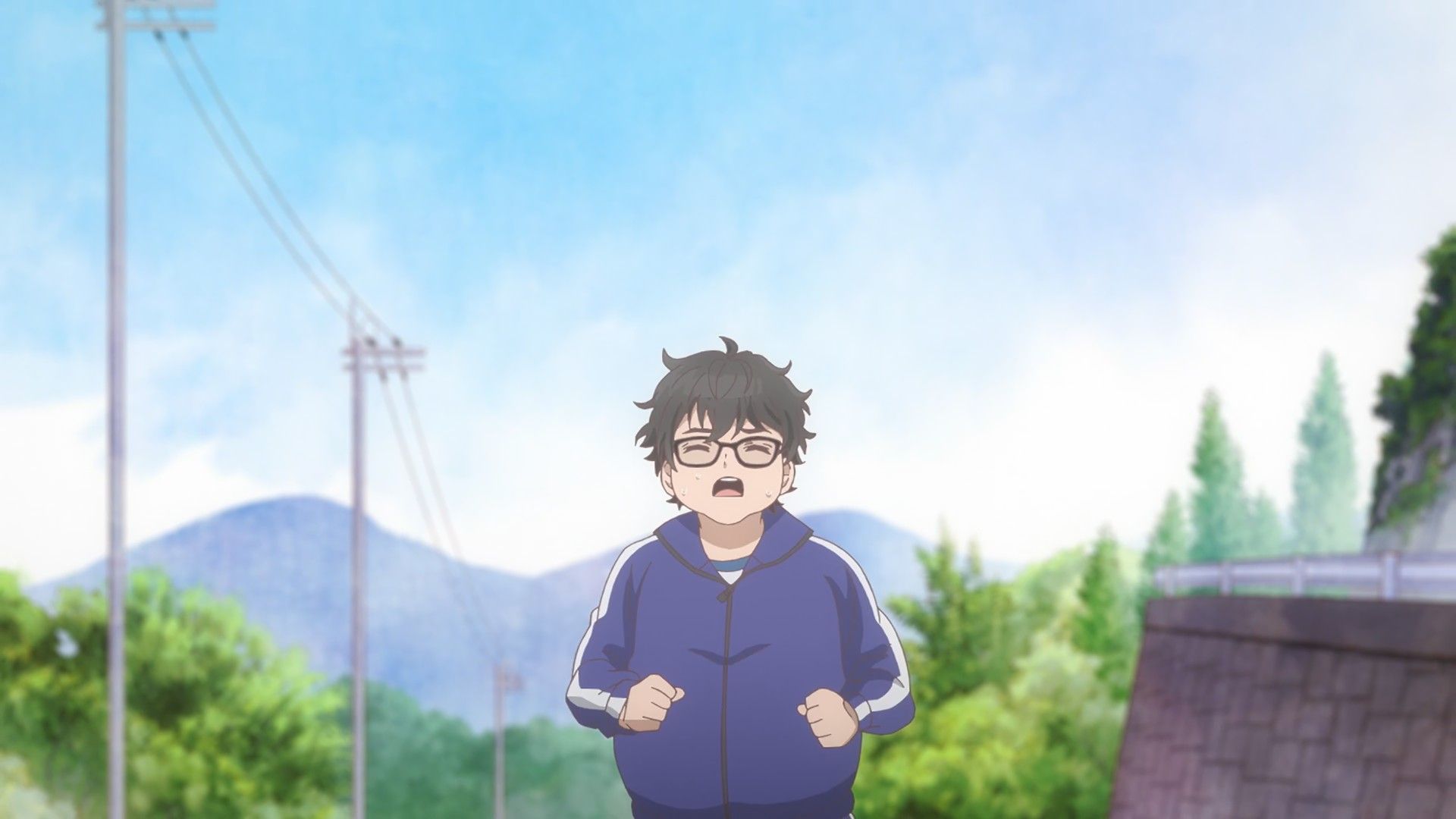
This is where the whole strength of the story lies. It is not about major plot twists, but about consistently watching someone who was once a rather gloomy, withdrawn boy try to become someone who can find his place in a group, make friends, and even fight for love. Naturally, this does not happen without problems. The further the story goes, the clearer it becomes that simply polishing his outward self is not enough. At some point, he still has to show who he truly is. For Natsuki, that turns out to be far more difficult than all the training, studying, or building of a new image.
What is the series about
The greatest strength of Haibara-kun no Tsuyokute Seishun New Game is that the story constantly revolves around people and their emotions. Of course, the foundation here is the second-chance motif. Very quickly, however, it recedes into the background as a mere gimmick, while the relationships between the characters move to the forefront. They are what give meaning to everything that happens. After all, Natsuki is not seeking success for its own sake. What he is really looking for is a place where he belongs, and people around whom he will not have to constantly fear being pushed back to the margins.
The story’s central theme also works very well: the clash between the performed version of oneself and one’s true inner self. Natsuki builds a new persona for himself, but over time it turns out that this carefully crafted perfection is precisely what starts creating distance between him and others. This highlights something often overlooked in similar stories. Even if someone does everything they can to make a better impression, that does not necessarily mean they will become closer to others. Sometimes, quite the opposite. Only when the protagonist begins to reveal his weaknesses, insecurity, and that old, awkward part of himself do his relationships gain real emotional weight.
I also liked how important creativity and music become here. The band subplot does not feel forcibly tacked on. Quite the opposite—it perfectly completes Natsuki’s path toward more honest self-expression. Writing lyrics is not just an extra plot element; it becomes something deeply personal. It is the moment when the protagonist stops merely calculating and finally begins to speak in his own voice. Both as a boy and as a person who wants to be truly understood by someone.
Another point in the series’ favor is that it can move smoothly from everyday school life, through tensions within the friend group, to more private and painful conflicts, such as issues connected to Hoshimiya Hikari’s family or Miori’s problems on the court.
Characters
Haibara Natsuki
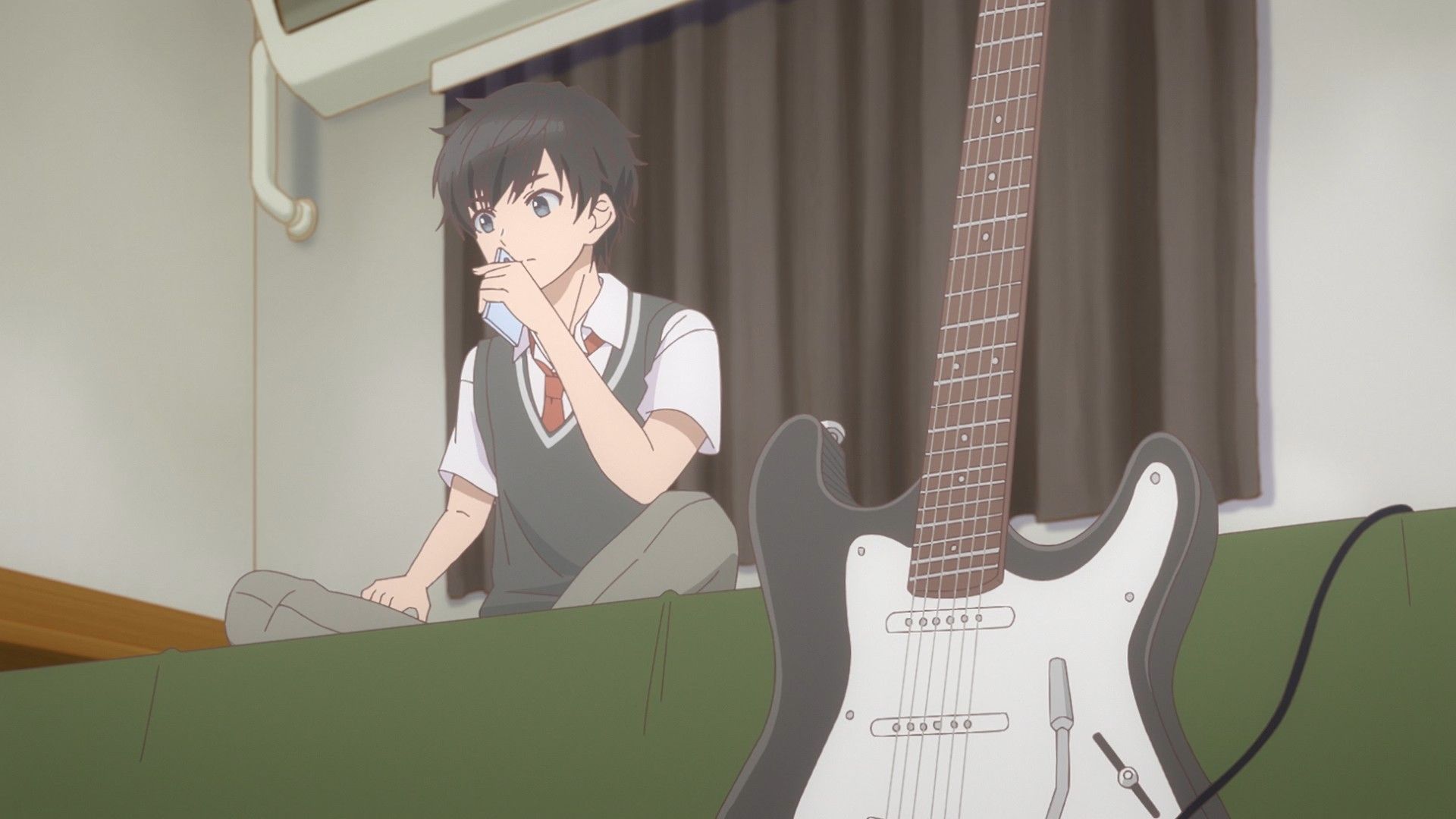
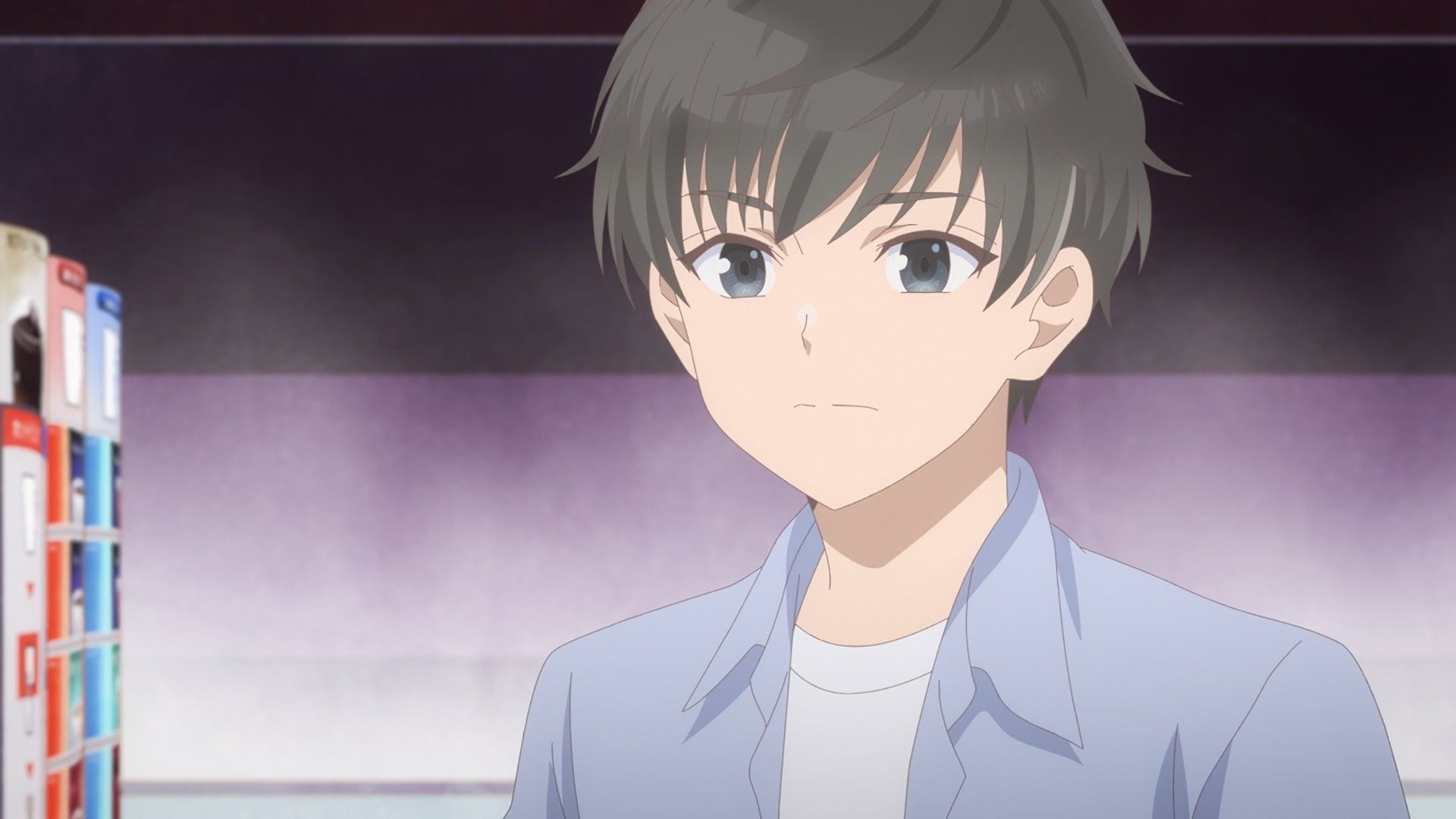
Haibara Natsuki definitely belongs to the kind of protagonists who are simply enjoyable to watch. Not because he is perfect, but because everything he does comes from a very specific fear and a very specific desire. Natsuki is an introvert, a boy with an analytical approach to life who, after a disastrous first version of his youth, gets the chance to play it again. Instead of instantly becoming the ideal hero of a second chance, however, he remains himself. Just himself after hard work, and with a strong determination not to lose at life this time because of his own withdrawal.
His transformation does not erase his old nature, however. Beneath the polished surface, he is still the same boy who loves light novels, anime, and games; who overanalyzes every glance; who replays embarrassing situations in his head; and who often fears that he is about to be seen as a weirdo. His problem is not a lack of ability or effort, but the fact that for a very long time he cannot believe that someone might accept not only his improved version, but also the real Natsuki.
His development in relationships with others is also excellent. At first, it is clear that he tries to control almost everything. Over time, however, his true self begins to come through more and more. It is also worth noting how well his romantic confusion works. This is not the classic protagonist’s indecision. Natsuki genuinely cannot handle his own emotions. For a long time, he himself is not ready to accept that someone might feel something more for him. His uncertainty toward Sakura Uta’s feelings and his increasingly deep bond with Hoshimiya Hikari are written with great sensitivity. Because of that, his decisions carry weight rather than feeling like mechanical box-ticking of genre formulas.
Hoshimiya Hikari
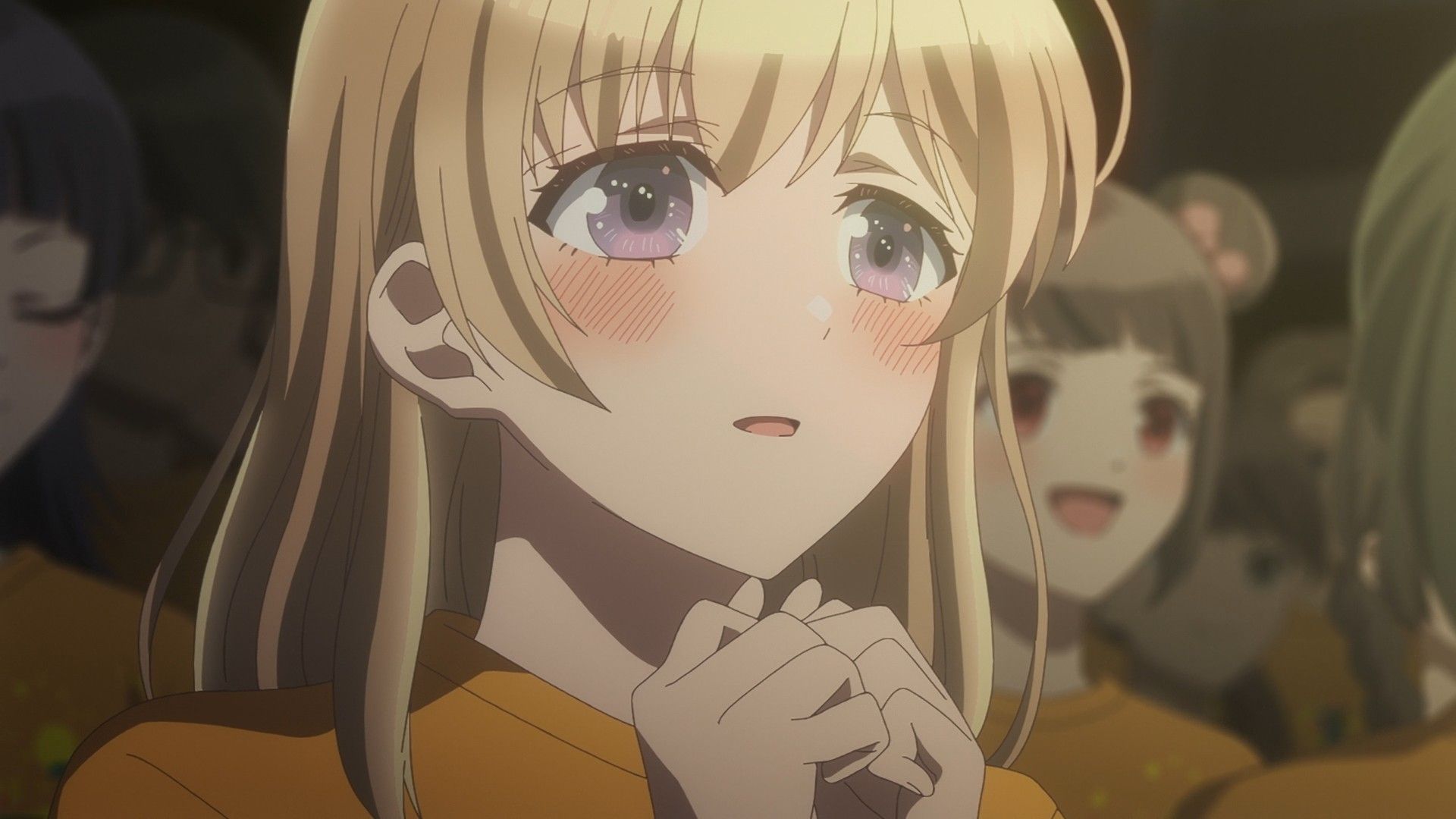
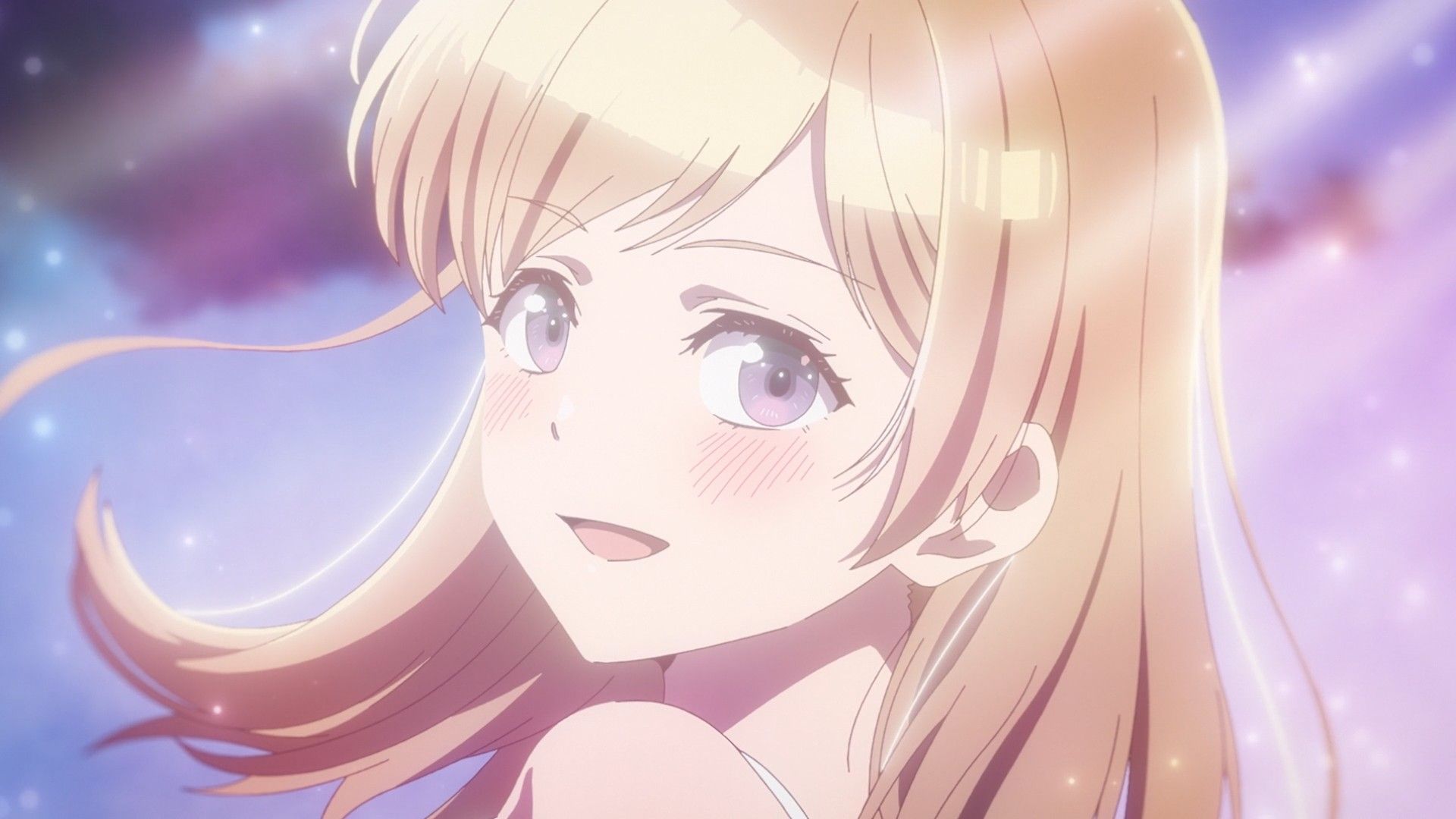
At first glance, Hoshimiya Hikari looks like an almost ideal beauty straight out of a top-tier school romance. Beautiful, kind, popular, cheerful, liked by everyone. It quickly turns out, however, that beneath this layer hides one of the most interesting characters in the entire series. Her smile and sociability are not as natural as they might seem. They are the result of years spent playing a role created under pressure from her father. Instead of accepting her true character, he forced her to create a convenient, proper version of herself.
That is what gives Hikari’s relationship with Natsuki something special from the very beginning. Both of them are people who, to some extent, perform their own lives and function around others thanks to personas they have built. Both of them are tired of pretending. Hikari does not fall in love with him solely because he is kind or capable. She recognizes a similar burden in him. She sees that behind his perfection there is also effort, tension, and fear of what will happen if that mask cracks.
Hikari is not confined to the passive role of the main ship. Once she becomes aware of her own feelings, she can be surprisingly assertive. She does not want to give up ground without a fight. She no longer intends to drift along with the current of other people’s expectations, and she finally decides to fight for her life in her own way. Her confrontation with her father has real power precisely because it is not a simple rebellion for rebellion’s sake. It is an attempt to reclaim her own identity: her right to write, to dream, to have her own relationships, and to be herself rather than someone’s well-behaved puppet.
Hikari also expresses herself through her novel, and it is through the words of that novel that her most important feelings are indirectly revealed. This motif works really well with her character.
Sakura Uta
Sakura Uta is one of those cases where a very familiar character type is written well enough to immediately rise above the formula. I will not pretend otherwise—she was definitely not my favorite. Still, I can appreciate how well her character was written. On one hand, we have all of her genki energy, spontaneity, directness, and natural affection toward people. She brings a great deal of life to the scenes. On the other hand, the series quickly shows that beneath this cheerful behavior there is a lot of sensitivity and a surprisingly high degree of emotional maturity.
Uta is not merely the losing heroine whom the plot orders to suffer. Her feelings for Natsuki develop in a very clear way, but they never feel desperate or artificial. She simply genuinely enjoys being in his company, seeks him out, opens up around him, and begins to care about him more and more. The Tanabata Festival brings out wonderfully how seriously she treats her own feelings, even if outwardly she remains cheerful and full of energy.
The girl is able to accept rejection without toxic drama, without destroying the relationship, and without taking offense at the entire world. Of course it is difficult for her, and she feels sadness, but at the same time she does not lose her class or warmth. Quite the opposite—in the decisive moment, she is even able to push Natsuki toward his own happiness. That kind of emotional strength is genuinely impressive and makes Sakura Uta remain in memory as a character far deeper than one might initially expect.
Motomiya Miori
Motomiya Miori is probably the most layered character in the entire main group. Her relationship with Natsuki has a unique weight from the very beginning, because as his childhood friend, she knew him before the whole transformation. She knows what he was like before he decided to build a new version of his life for himself. Thanks to that, she is one of the few people who immediately sees more than the rest and can mercilessly cut through his forced pose. Her sharp comments, malice, and jokes are not empty decoration here. They are part of a very specific dynamic built on closeness and trust that does not need to be built from scratch. Miori was definitely my favorite, though I had no illusions that she had any real chance as the main ship.
Miori herself is not free from her own problems. The thread about her difficulties on the basketball team and her mental block shows that all of her toughness is, to a large extent, a defense similar to Natsuki’s perfect facade. She also does not want to show weakness. She also has trouble asking someone for help normally. In that sense, the two of them are surprisingly similar; they simply express it in different ways.
It is also hard not to appreciate how important Miori is to the protagonist’s own development. She forces him to look at himself more honestly. She tells him things others would not say, and helps him understand that he does not have to choose between the old and new versions of himself. That is also why the ending of the first season, although seemingly happy, ironically leaves a void. Even if formally both of them achieve their goals, there remains a clear impression that for Miori, their arrangement of mutual help went far beyond ordinary friendly cooperation. The series leaves this half in shadow, but does so clearly enough that it is hard not to think about it.
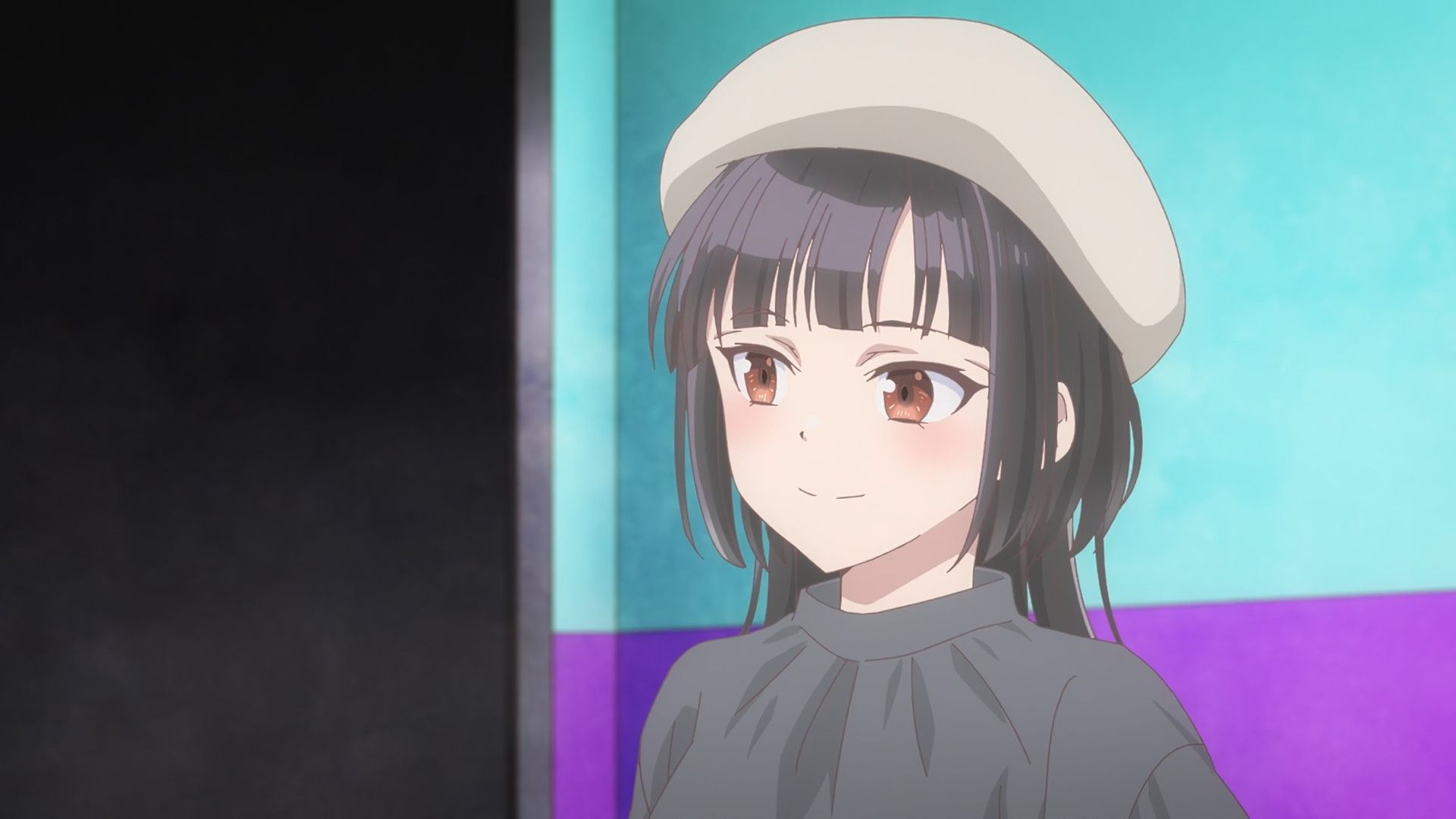
Nagiura Tatsuya and Shiratori Reita
Nagiura Tatsuya complements the group very well as someone who, at first glance, seems like nothing more than a loud, straightforward sports ace, but in practice turns out to be one of the more psychologically fragile people in the entire circle. His jealousy toward Natsuki is surprisingly well written. It does not come from him being a bad person, but from the painful feeling that someone who appeared out of nowhere is better than him in the areas that formed the foundation of his own self-worth. Add his feelings for Uta to that, and it becomes a genuinely sensible, human conflict.
Shiratori Reita, in turn, plays a very important role in the group as an observer and stabilizer. He is the type of character who does not need to be the loudest to be one of the most valuable. He is perceptive, emotionally mature, reads the atmosphere well, and often understands more than he says. Importantly, this is not merely the role of the sensible friend. Reita also has a laid-back side, knows how to joke, and at the same time truly knows how to care for others without getting in their way.
The Rest of the Group
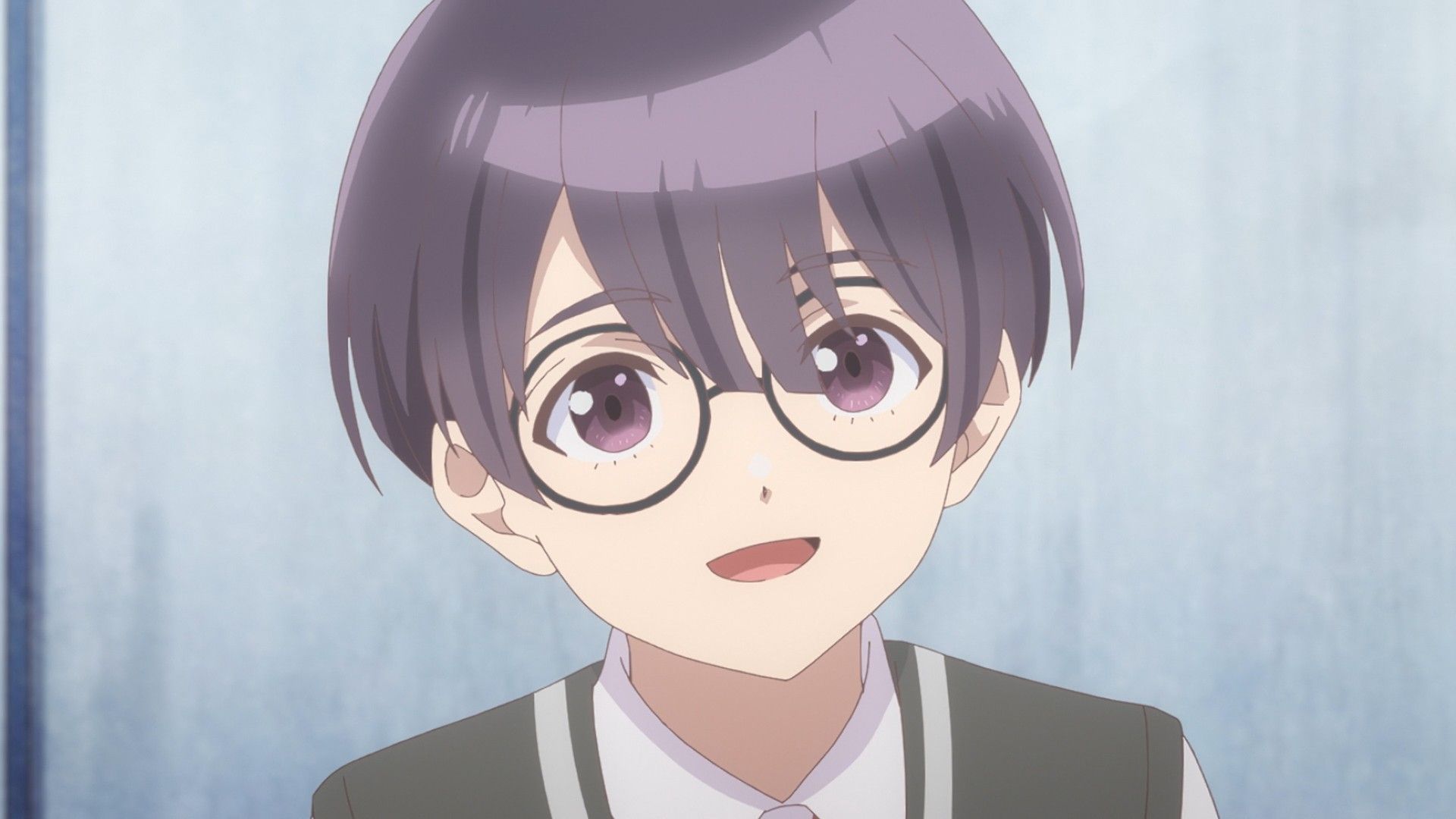
I really liked Nanase Yuino as a supporting character who does not try to shine at all costs, but is absolutely crucial to understanding Hikari. She is someone who has known her since childhood, knows what she was truly like, and understands perfectly just how deep her father’s influence runs. Because of that, Yuino is someone much more than the main heroine’s best friend.
The group connected to the band subplot deserves separate praise as well. Hondo Serika has a very specific charm. She does not show emotion in a straightforward way, but it is very clearly visible in her playing and in how seriously she treats her own dreams. Shinohara Mei comes across wonderfully as a quiet, almost invisible boy who is something of a reflection of the old Natsuki. Iwano Kengo, meanwhile, despite his more restrained presence, gives the band additional character thanks to his closed-off nature and his own motivation, which leads him to the final performance.

Haibara-kun no Tsuyokute Seishun New Game (2026) – Evaluation and Summary
For me, Haibara-kun no Tsuyokute Seishun New Game is above all a very successful story about characters. Not about the time-reversal motif itself, not about a simple romance, but precisely about people trying to reach one another despite their own masks, fears, and learned poses. The greatest strength of this series is that practically every more important relationship contributes something meaningful to the main theme.
I also greatly appreciate that the series does not confuse rainbow-colored youth with a superficial streak of successes. Here, youth only becomes truly colorful when real bonds, honest emotions, romantic misunderstandings, jealousy, the courage to confess feelings, and the willingness to show someone the less comfortable side of yourself all enter the picture.
I hope I get to see a continuation, because the final scene was clearly trying to suggest something.
Finalny werdykt
Final evaluation

Which translation do I recommend to watch Haibara-kun no Tsuyokute Seishun New Game (2026)?
- Crunchyroll (official) – an excellent translation, one I would have a very hard time nitpicking even if I tried really hard.
Gallery