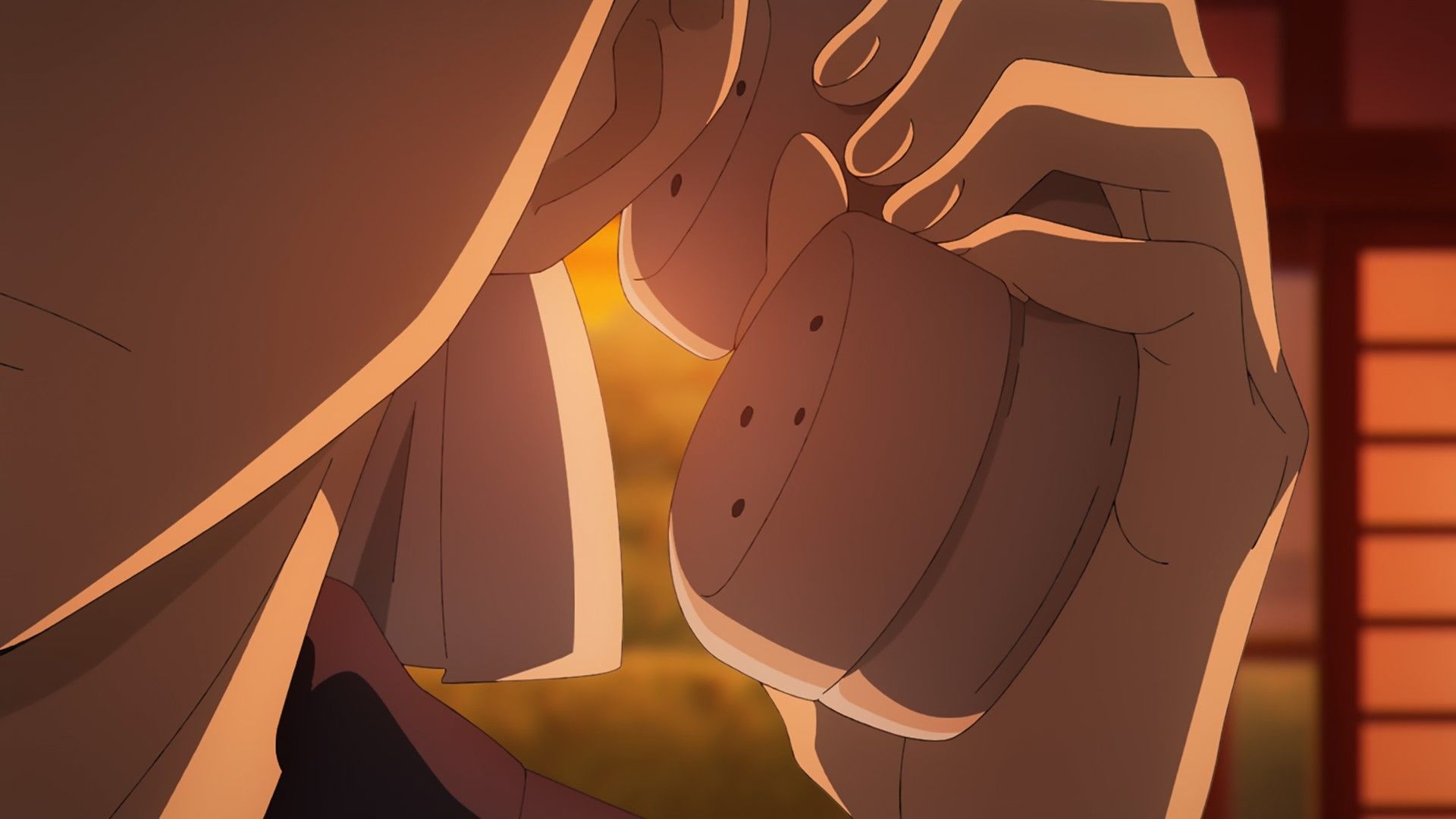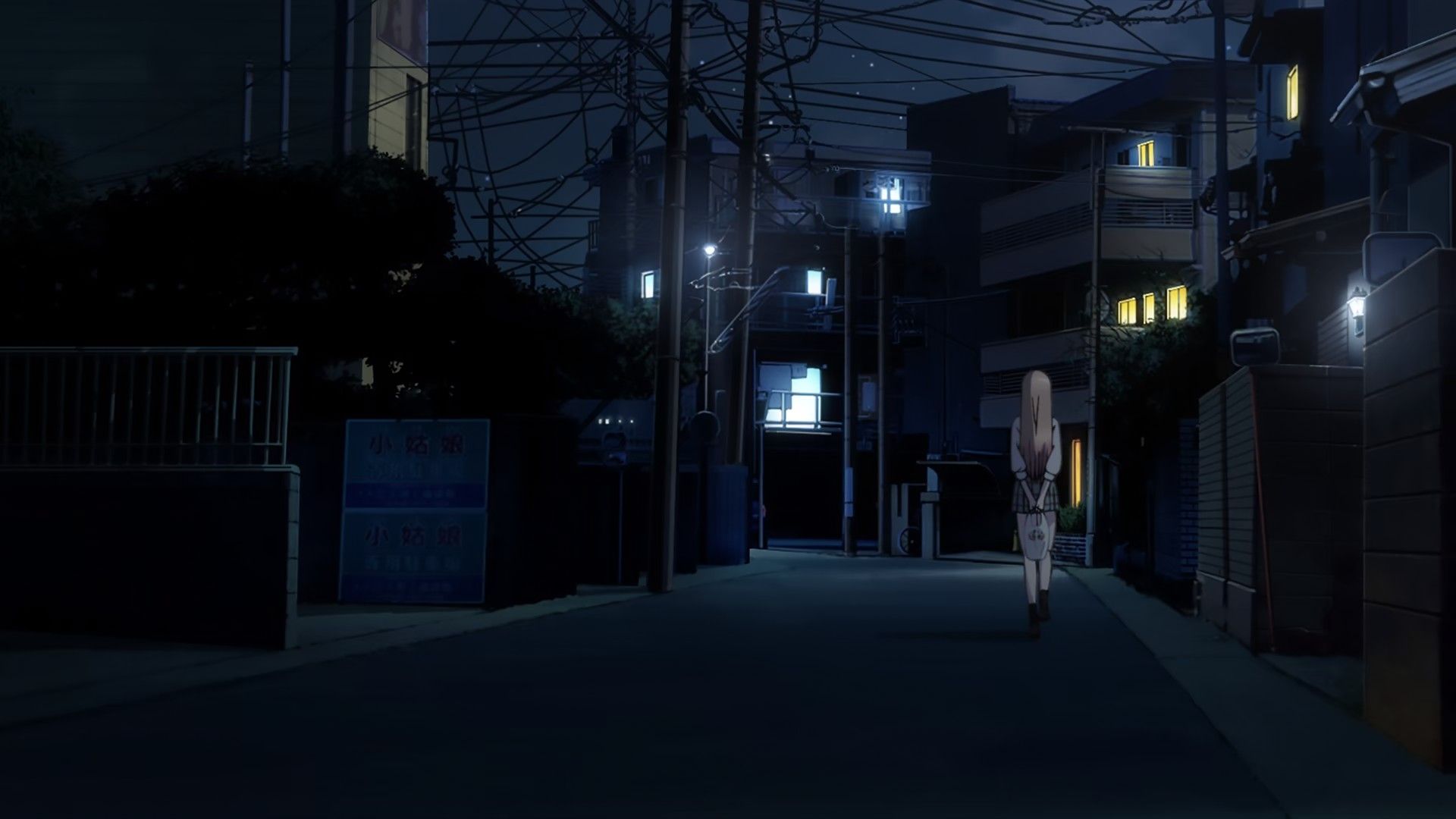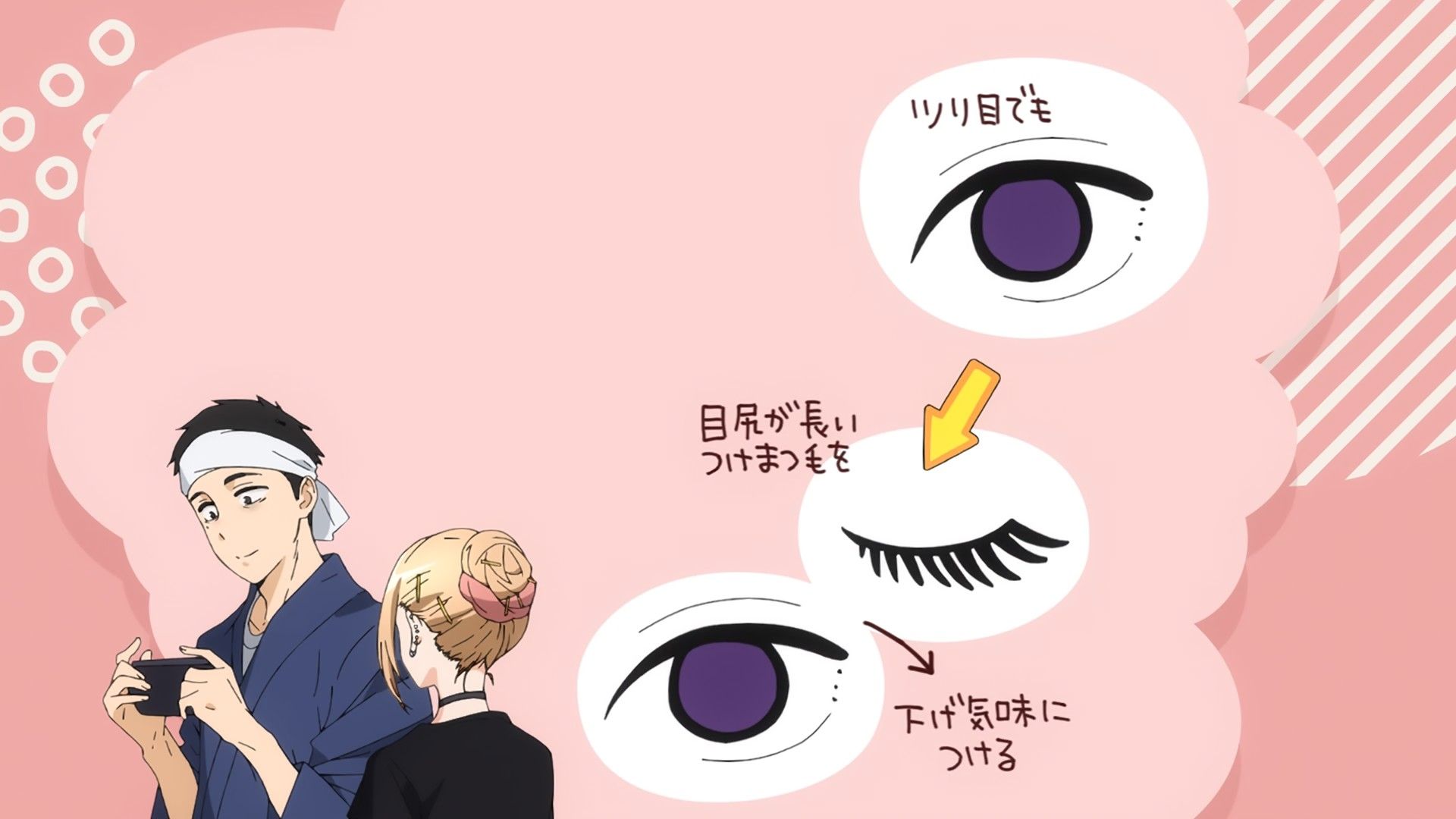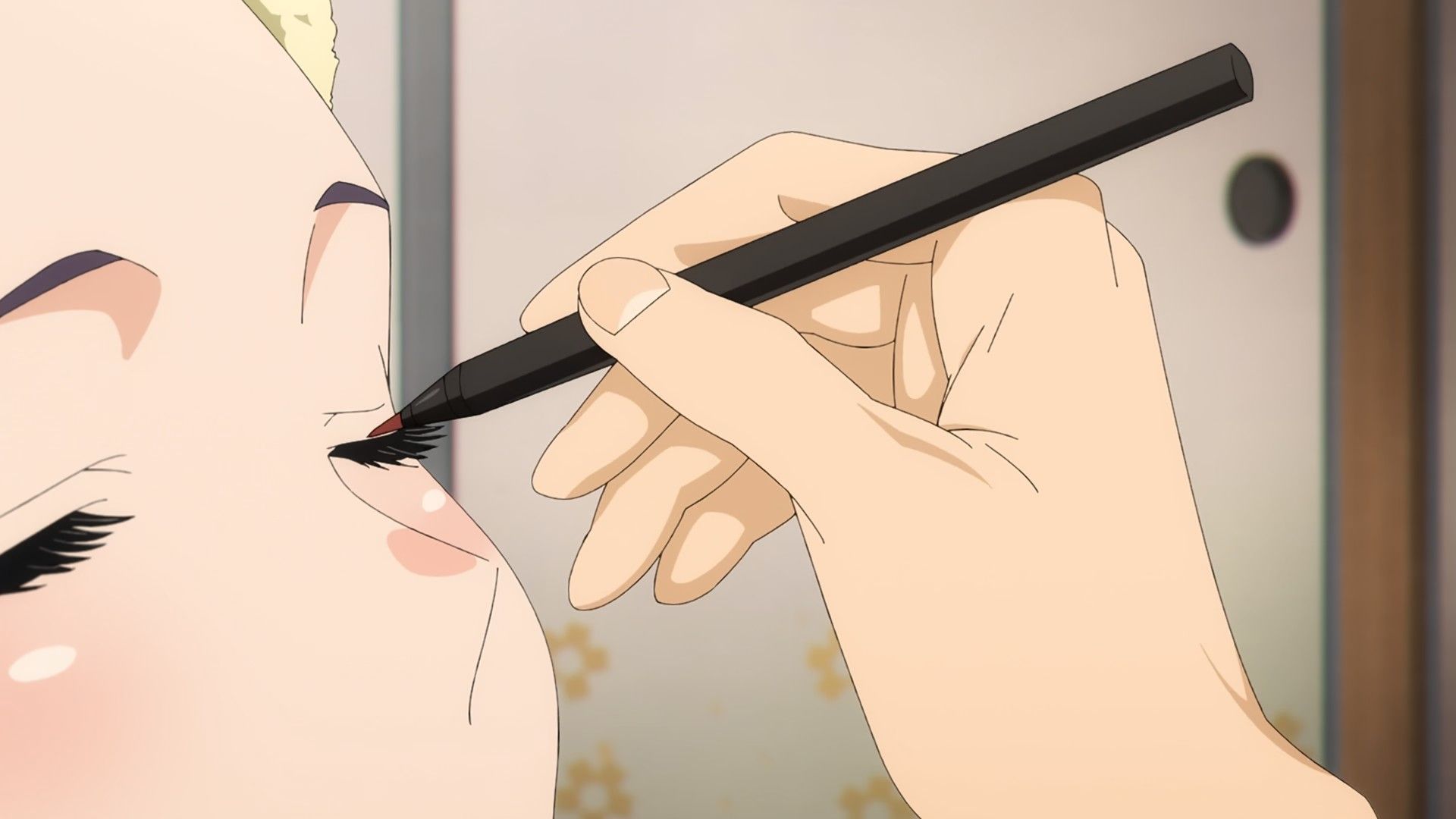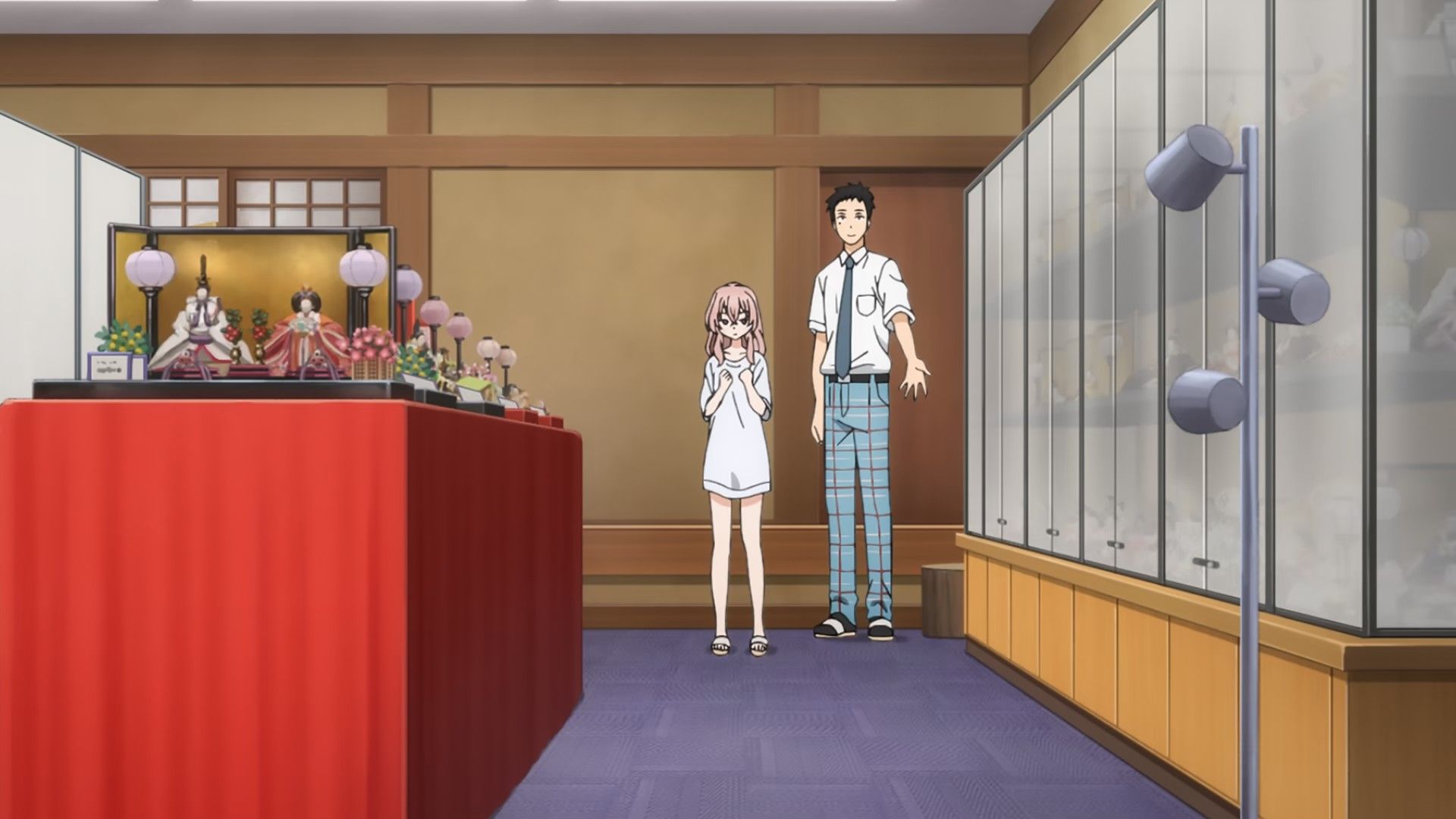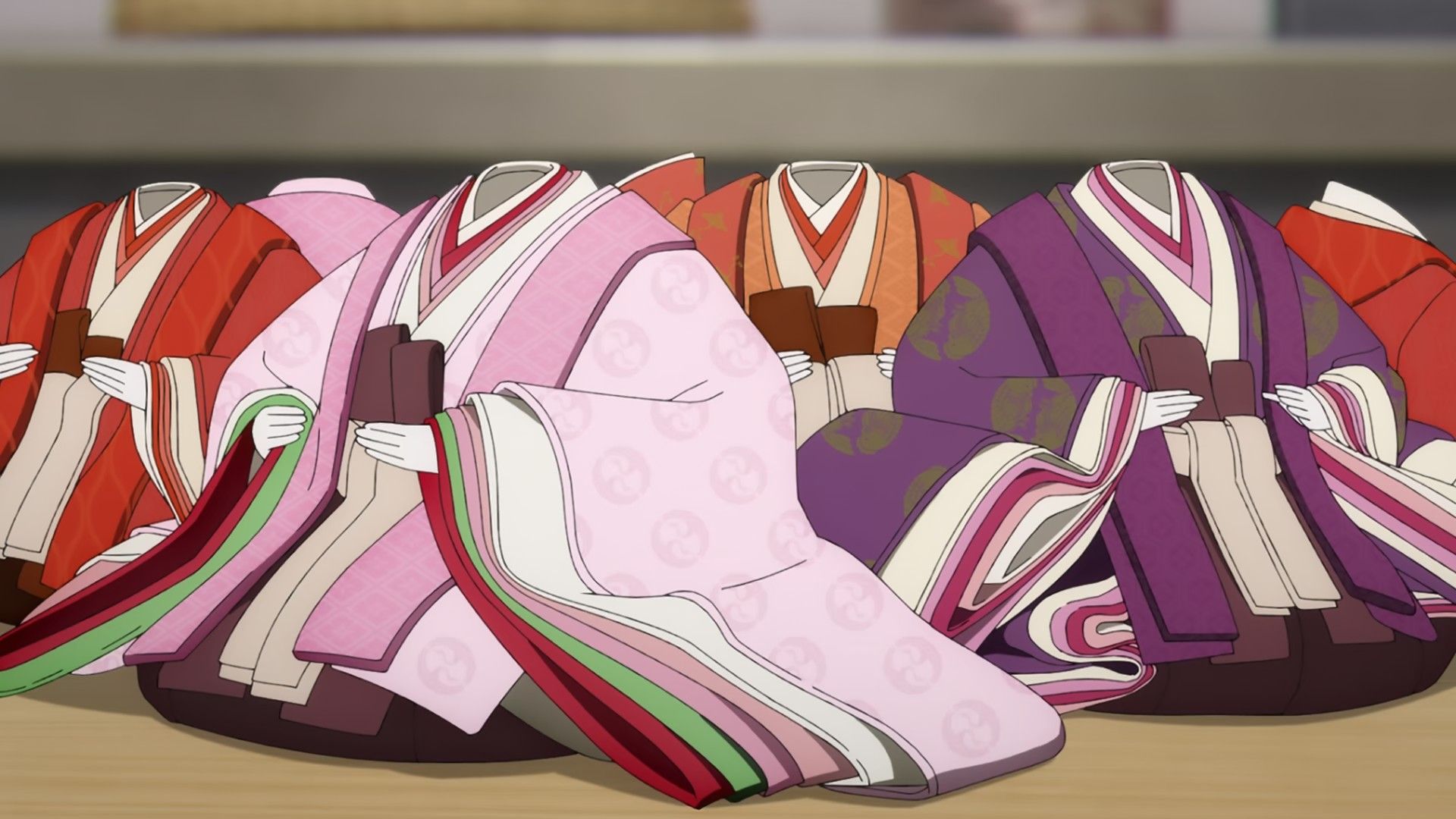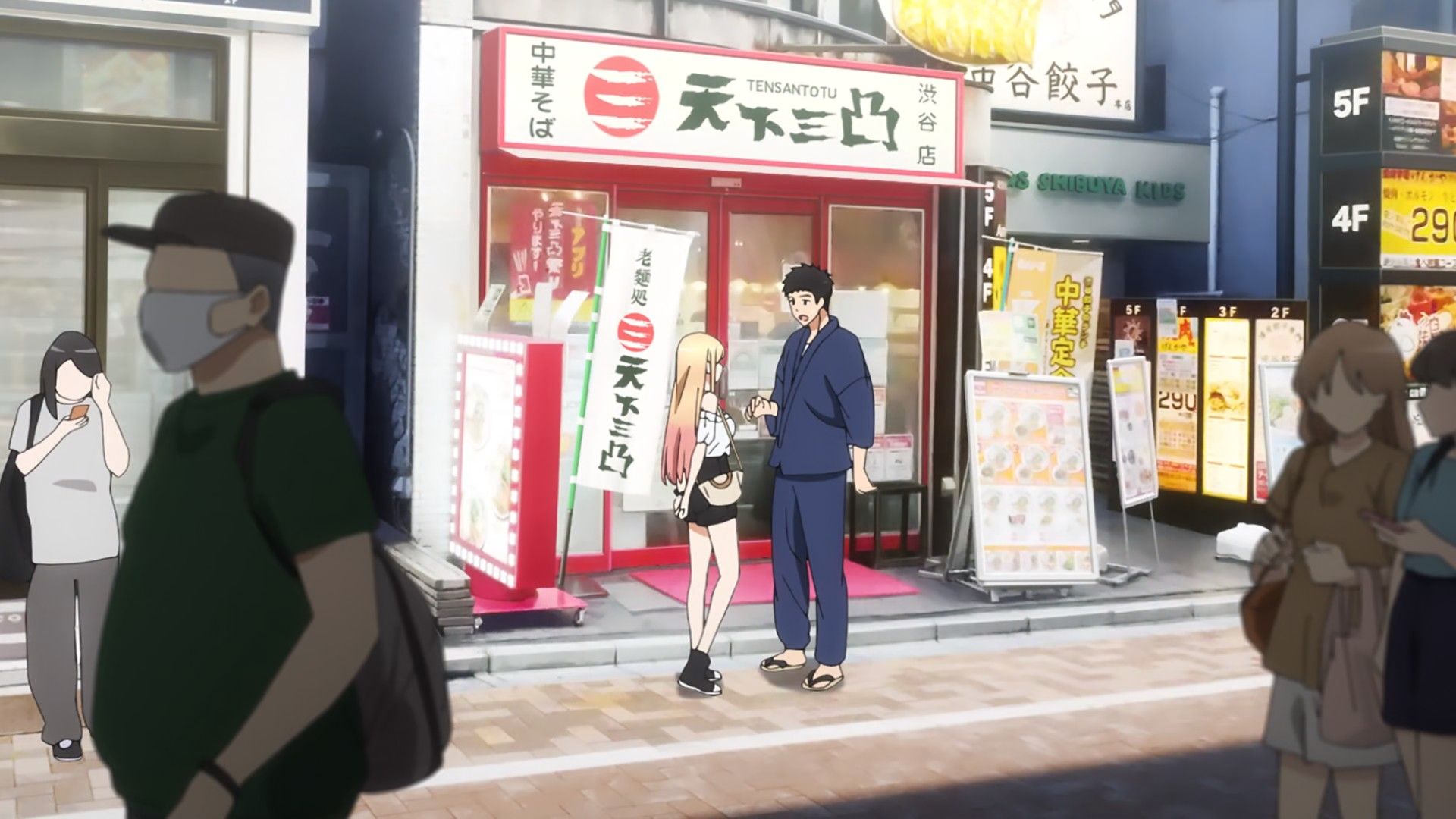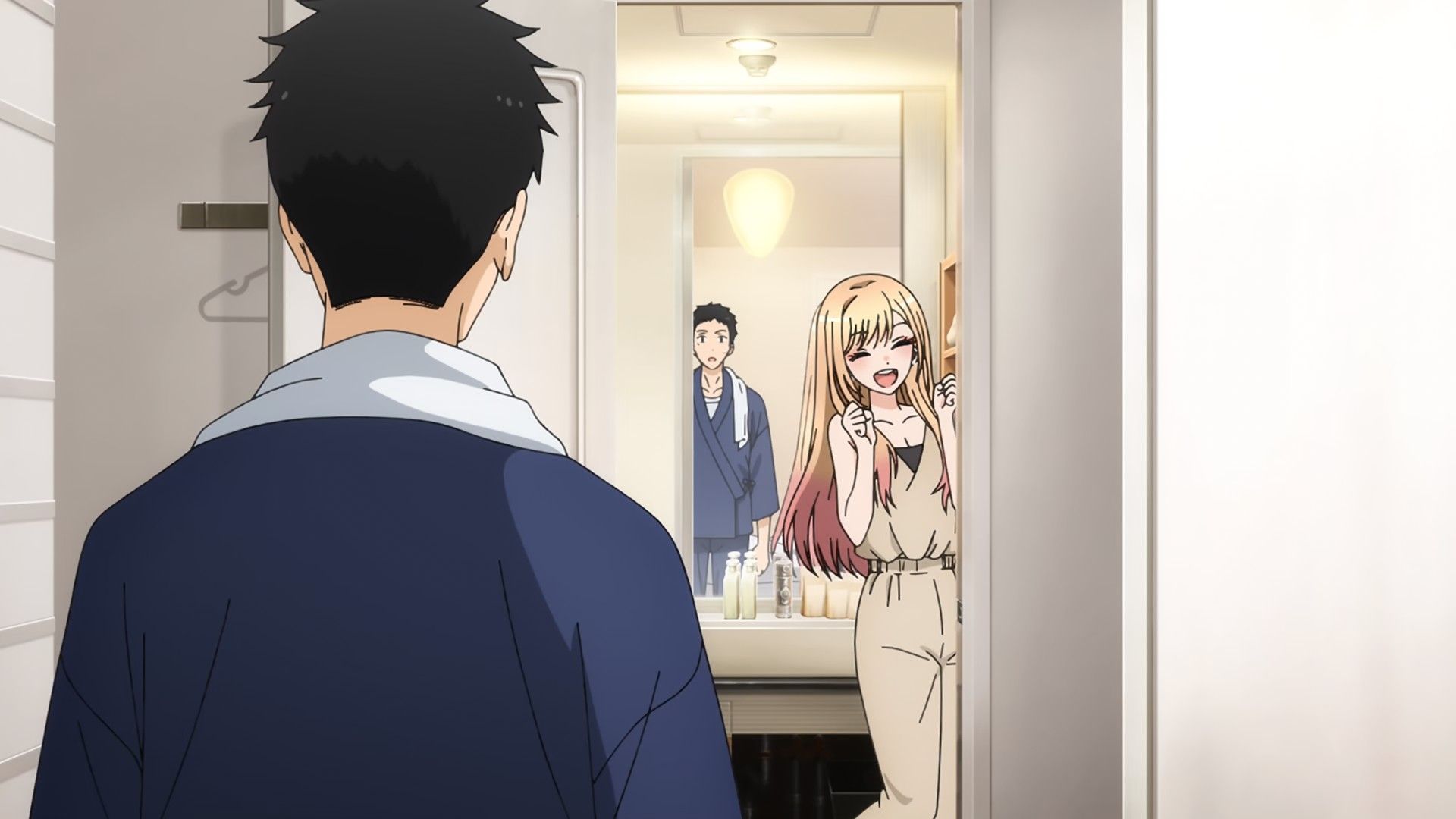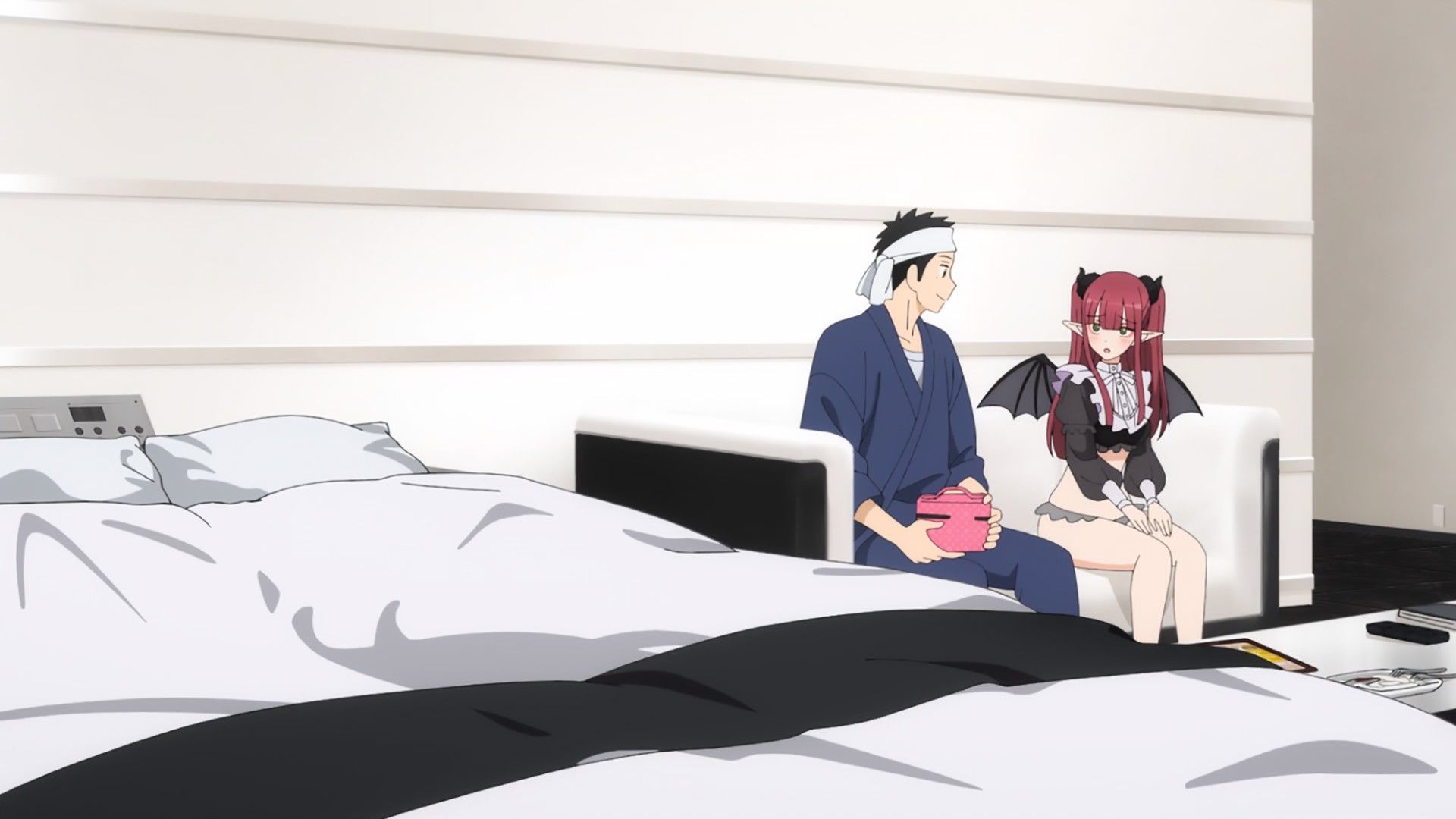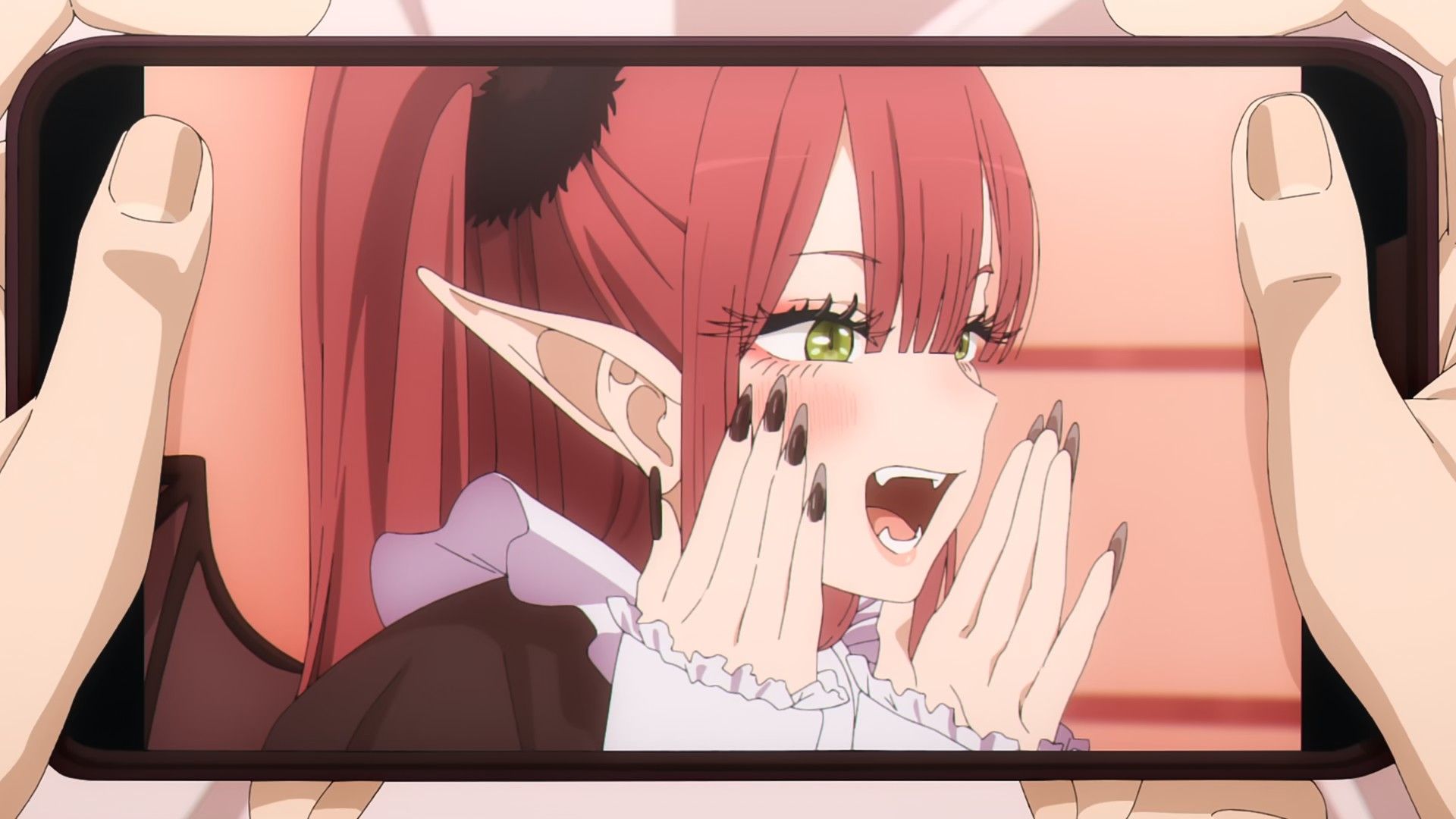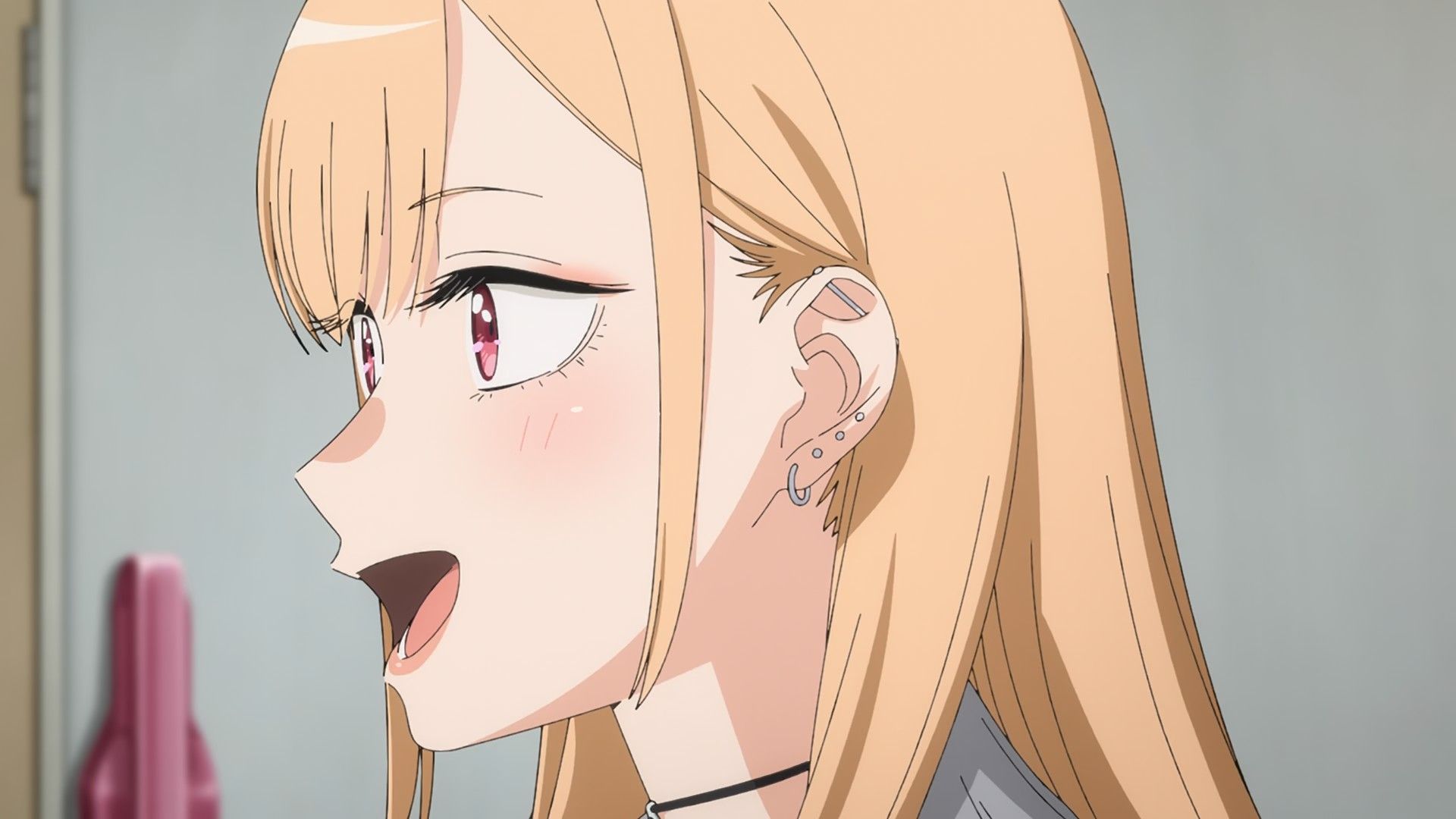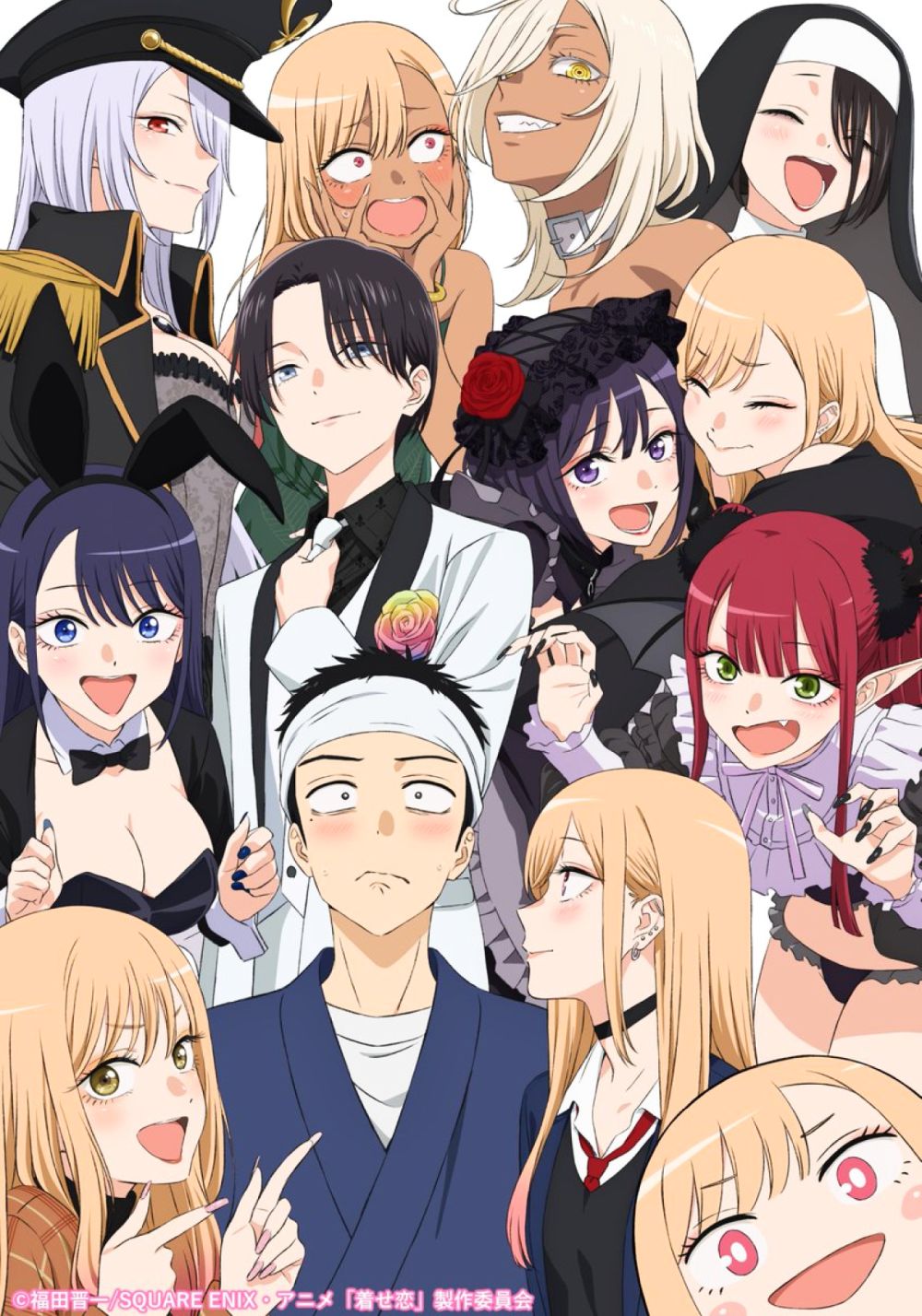
Gojou Wakana has been fascinated by the art of creating hina — traditional Japanese dolls — since he was a child. He inherited this passion from his grandfather, who taught him the craft. Unfortunately, it required total dedication, which is why he had no friends by the time he started high school. There are several girls in his class, and the beautiful Kitagawa Marin, around whom everyone else gathers, seems to lead the group. Wakana treated such people like visitors from another planet—at least until fate crossed their paths. One day, the sewing machine at his home broke down due to its age.
The boy decides to use the equipment available in the school sewing club to finish the latest outfit he has been working on for a long time. Suddenly, Marin opens the door, notices what Wakana is working on, and becomes delighted by his specific interest. When she finds out the boy knows how to sew clothes, she asks him for a favor: to sew an outfit of her favorite anime character, as she loves cosplay but is unfortunately limited by her own sewing skills…
Sono Bisque Doll wa Koi wo Suru – Audiovisual Design
Video
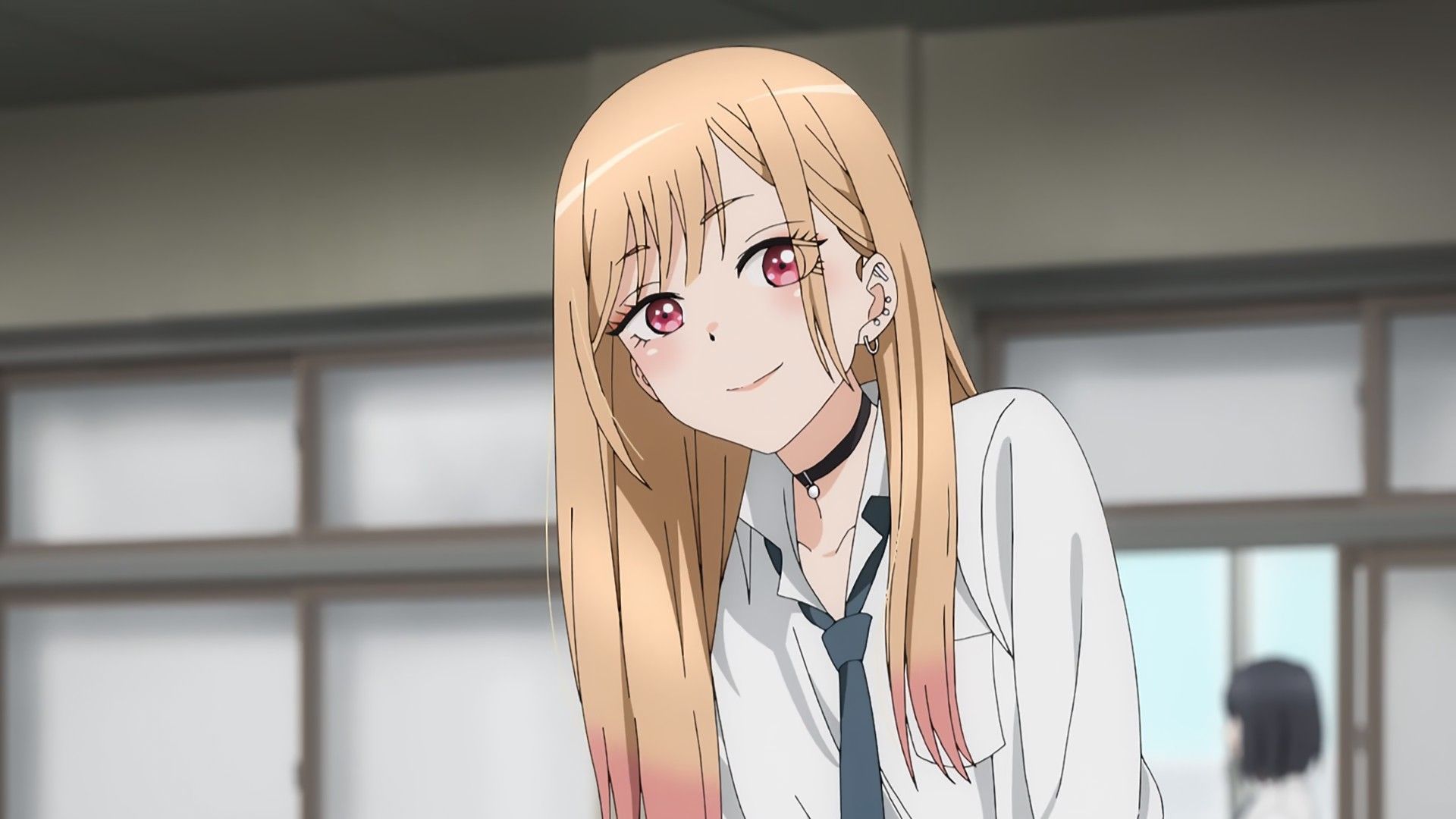
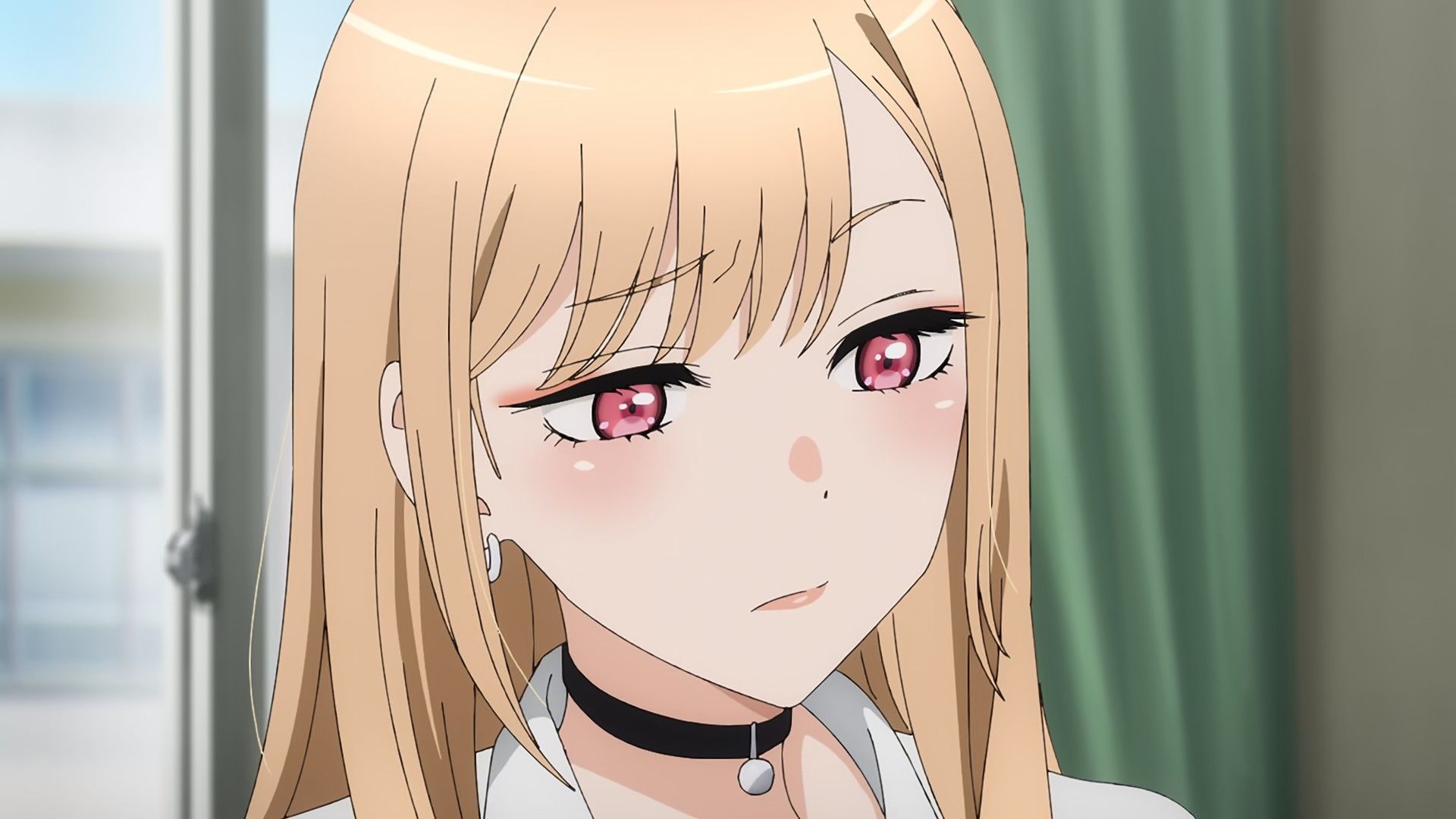
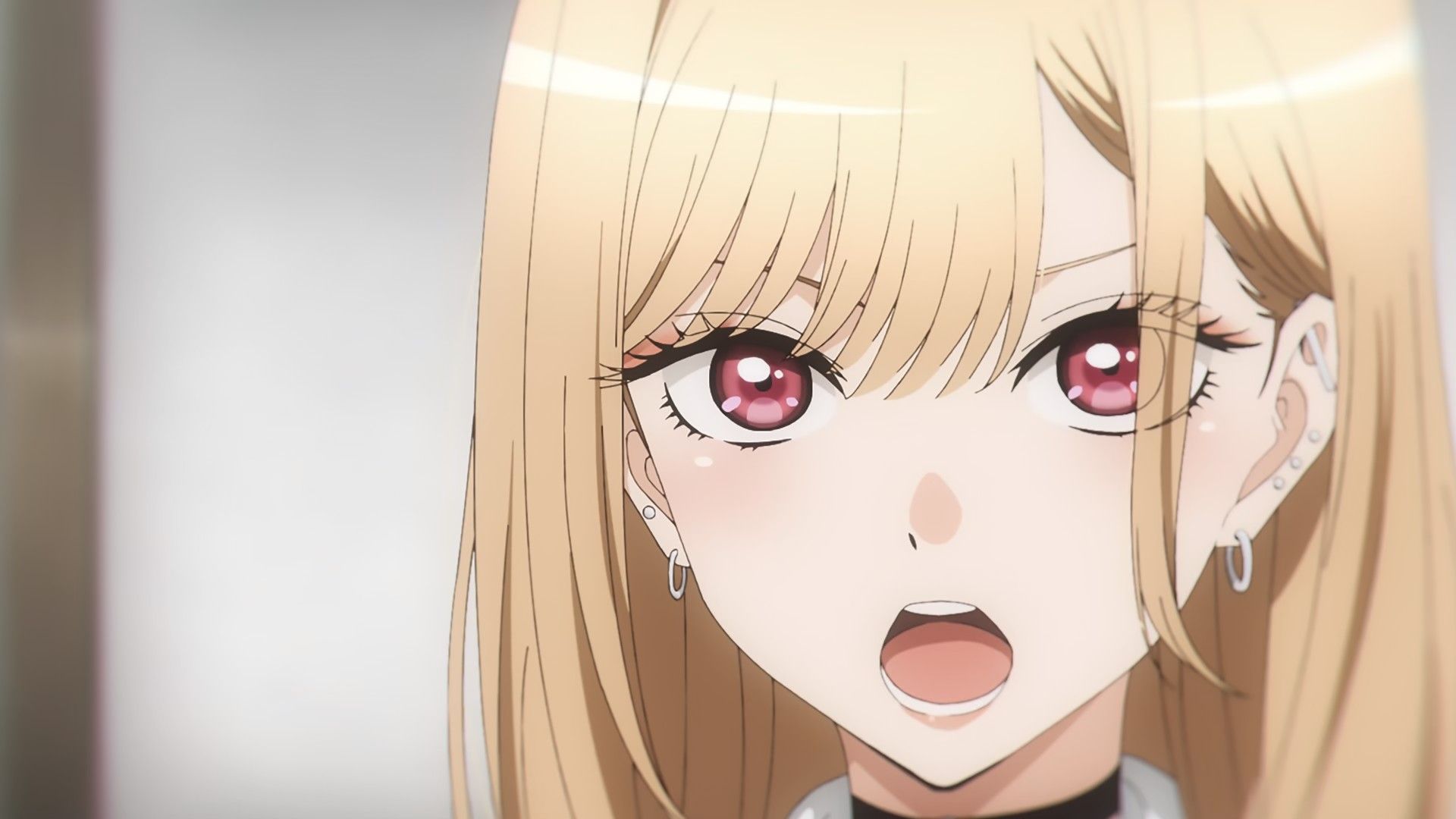
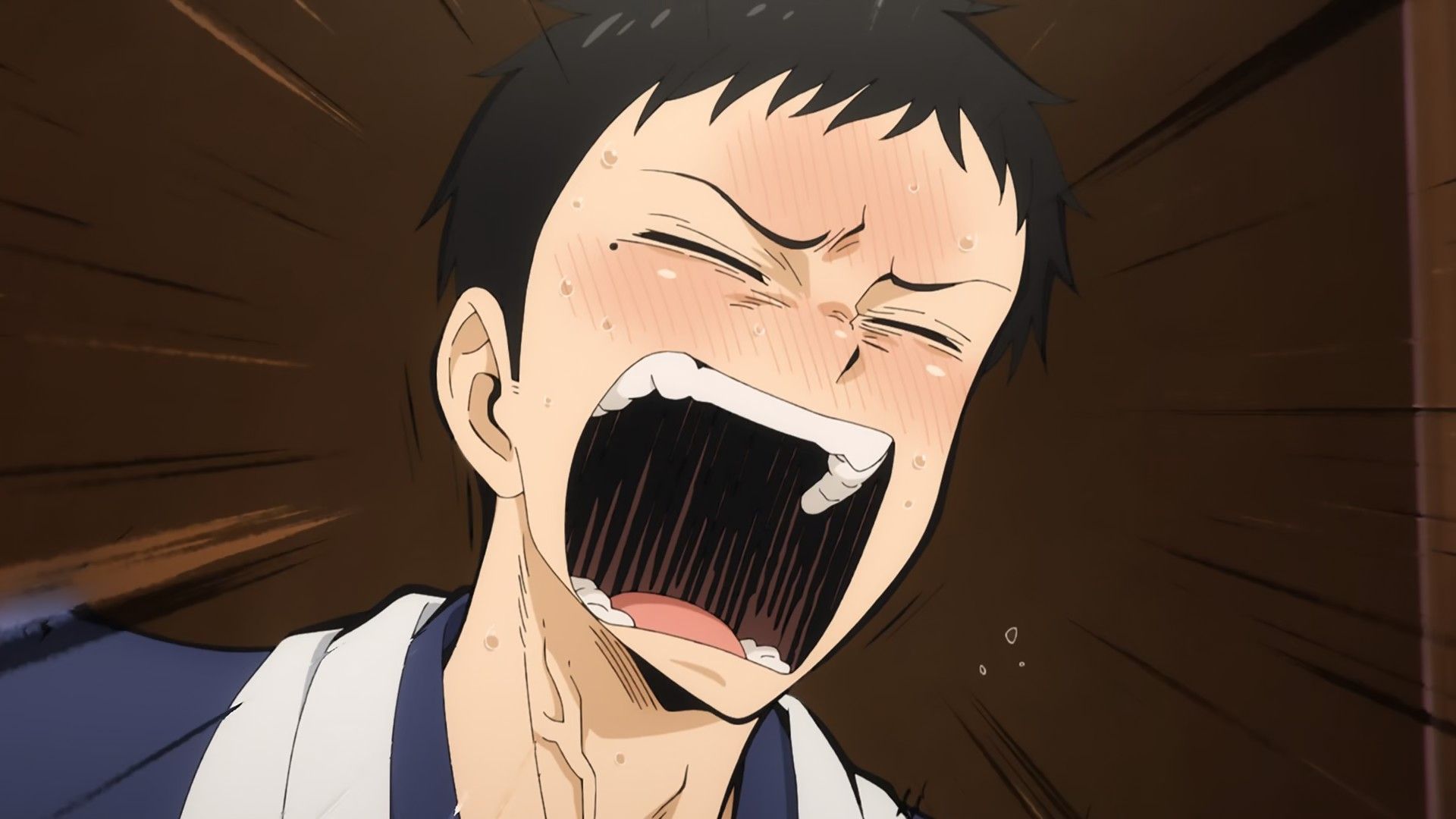
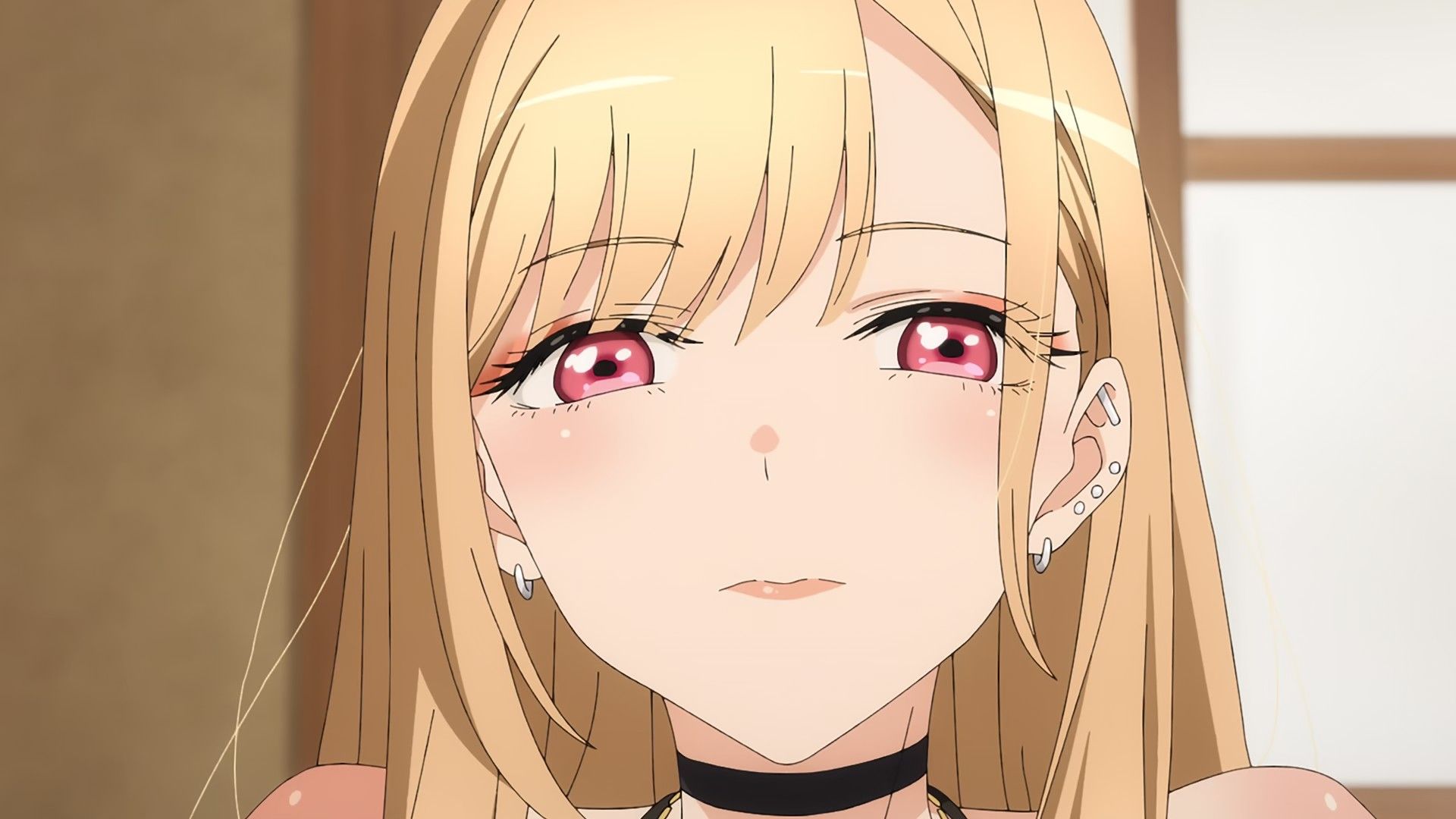
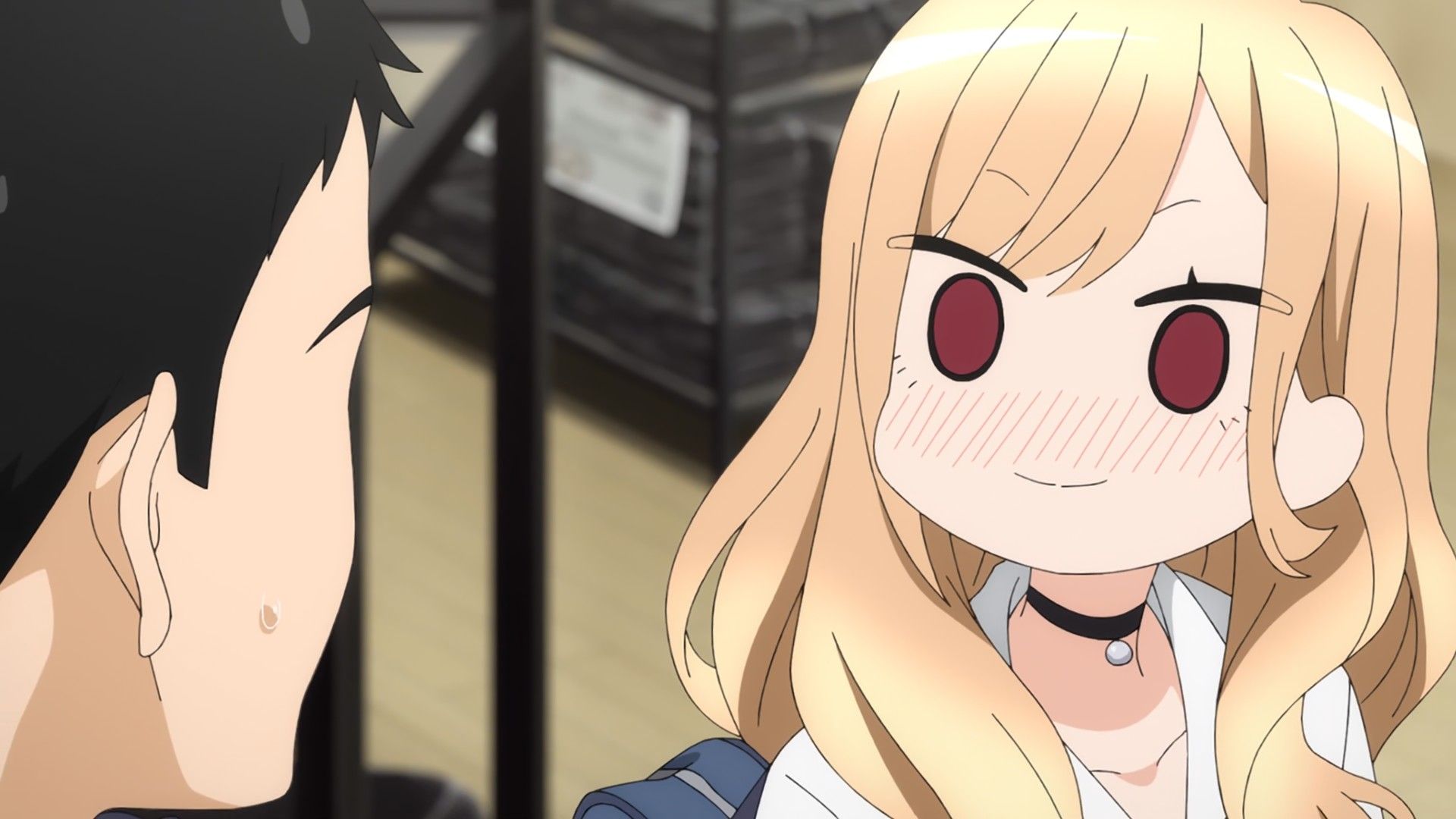
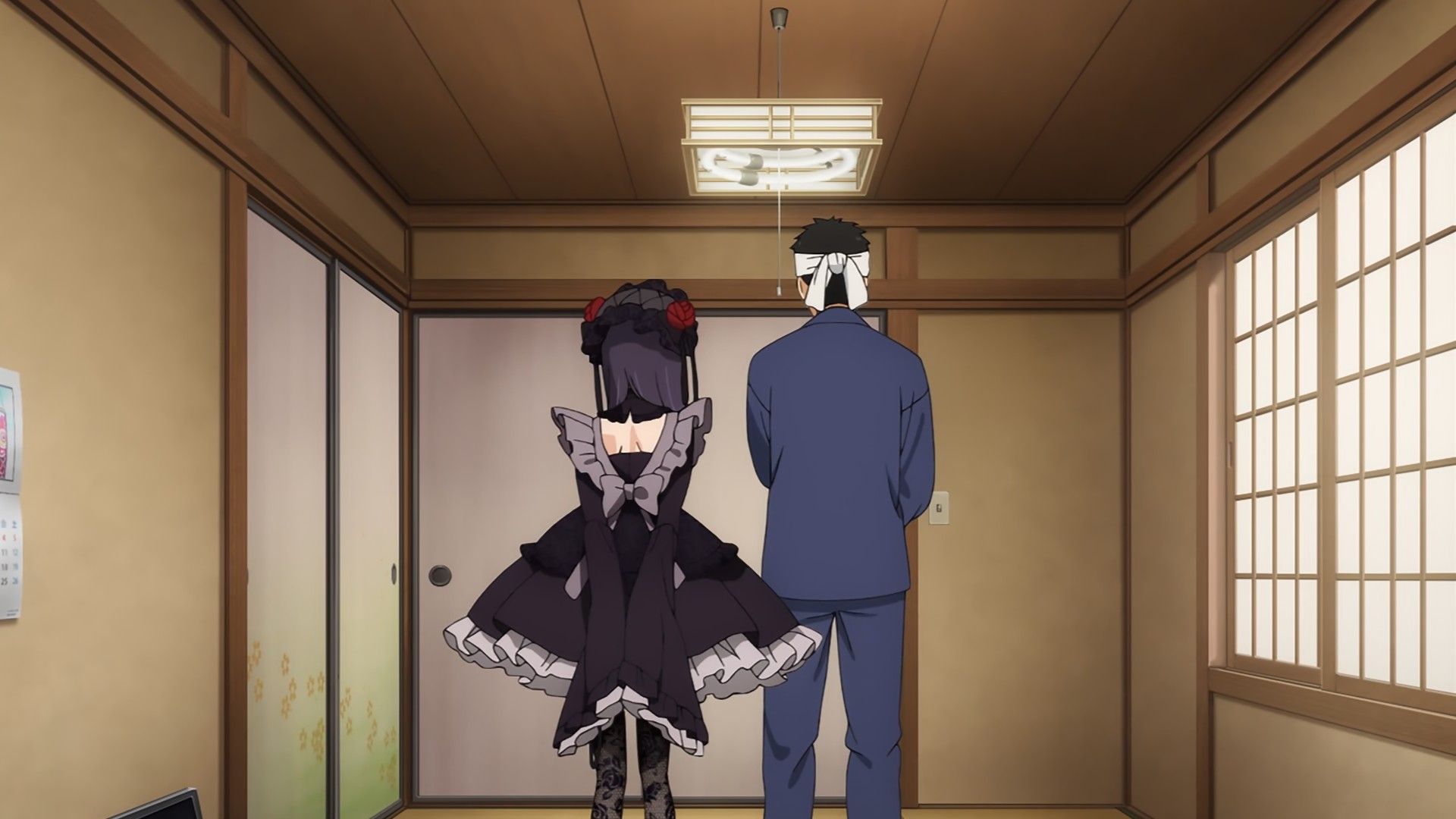
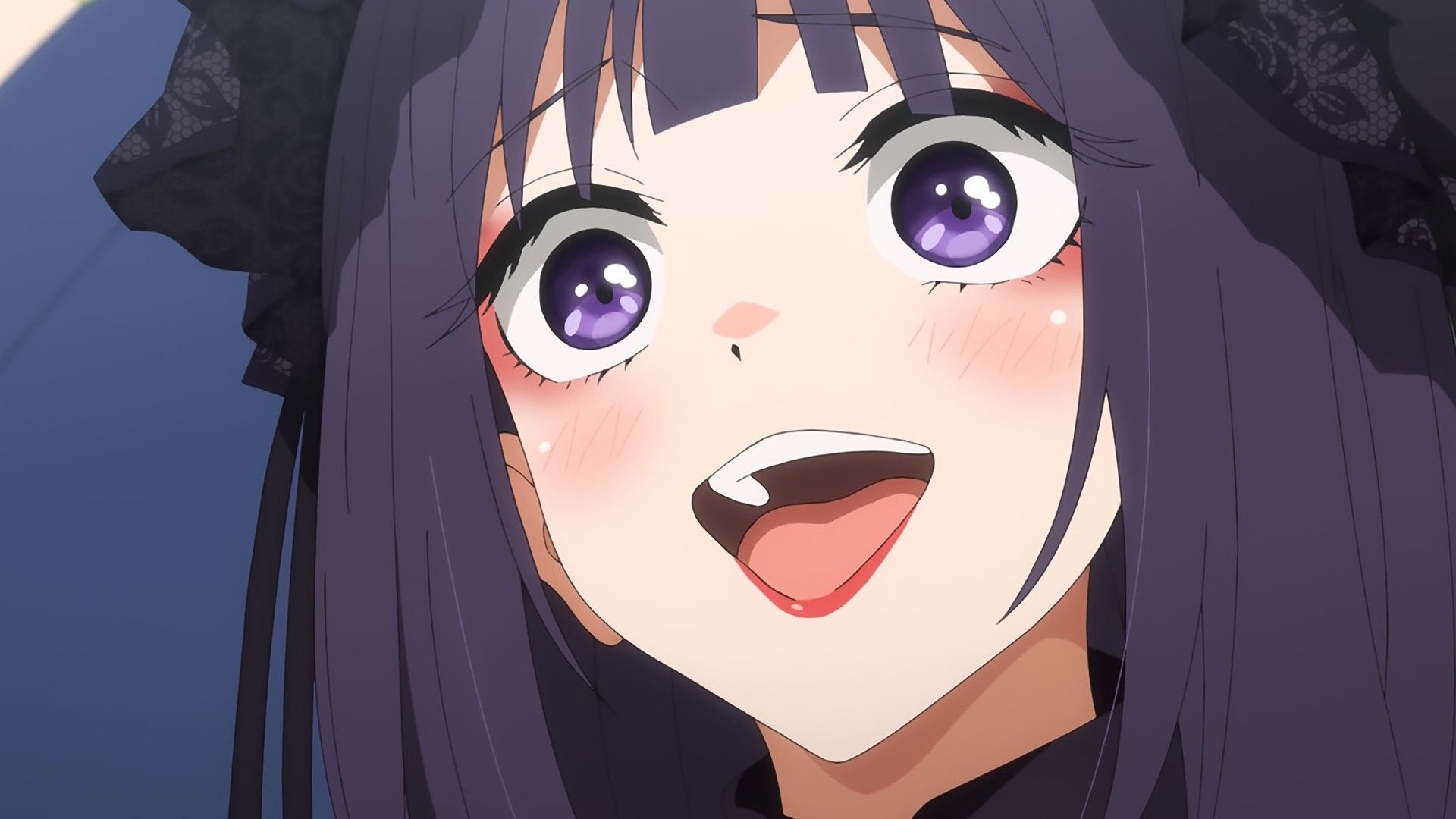
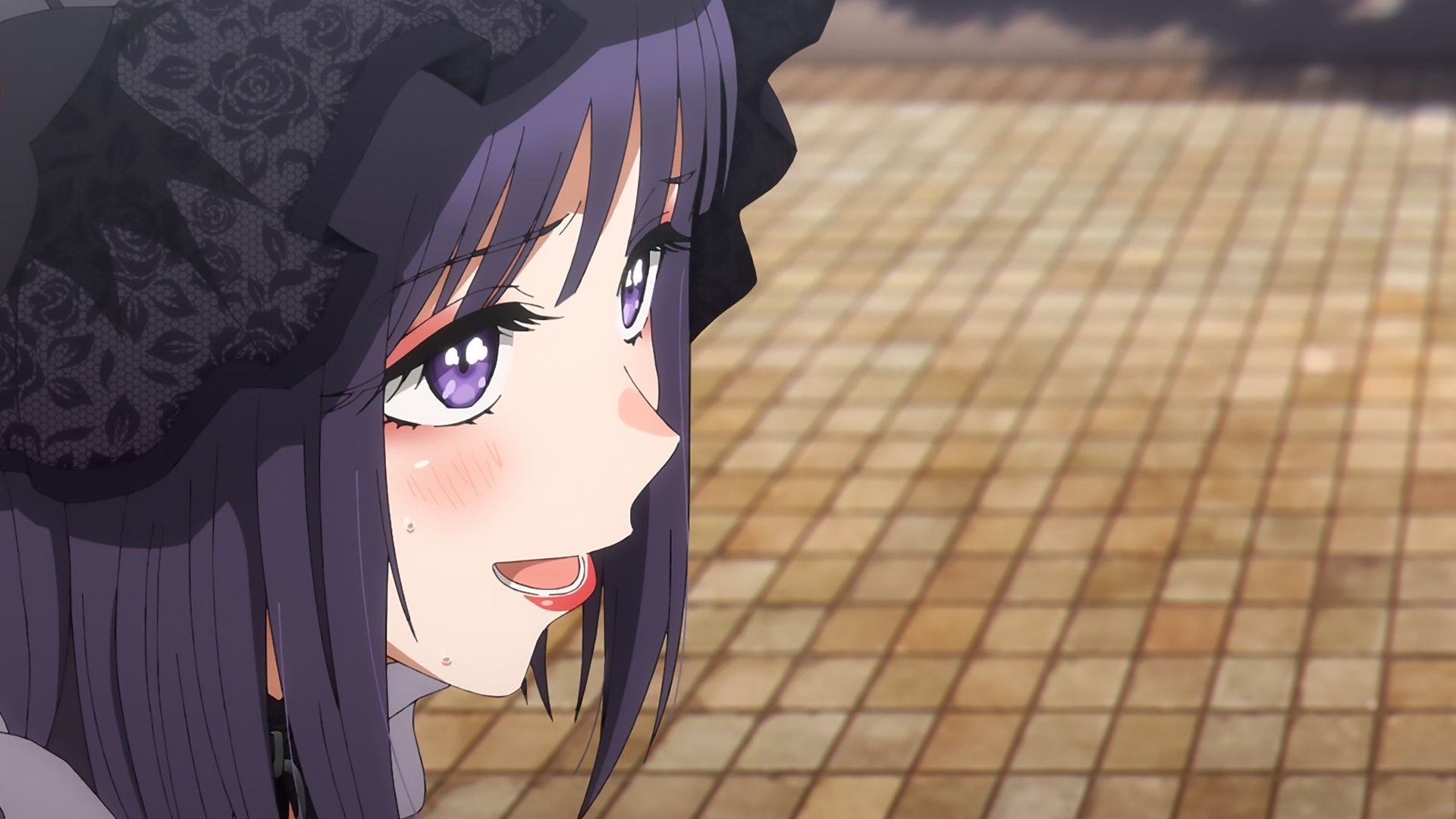
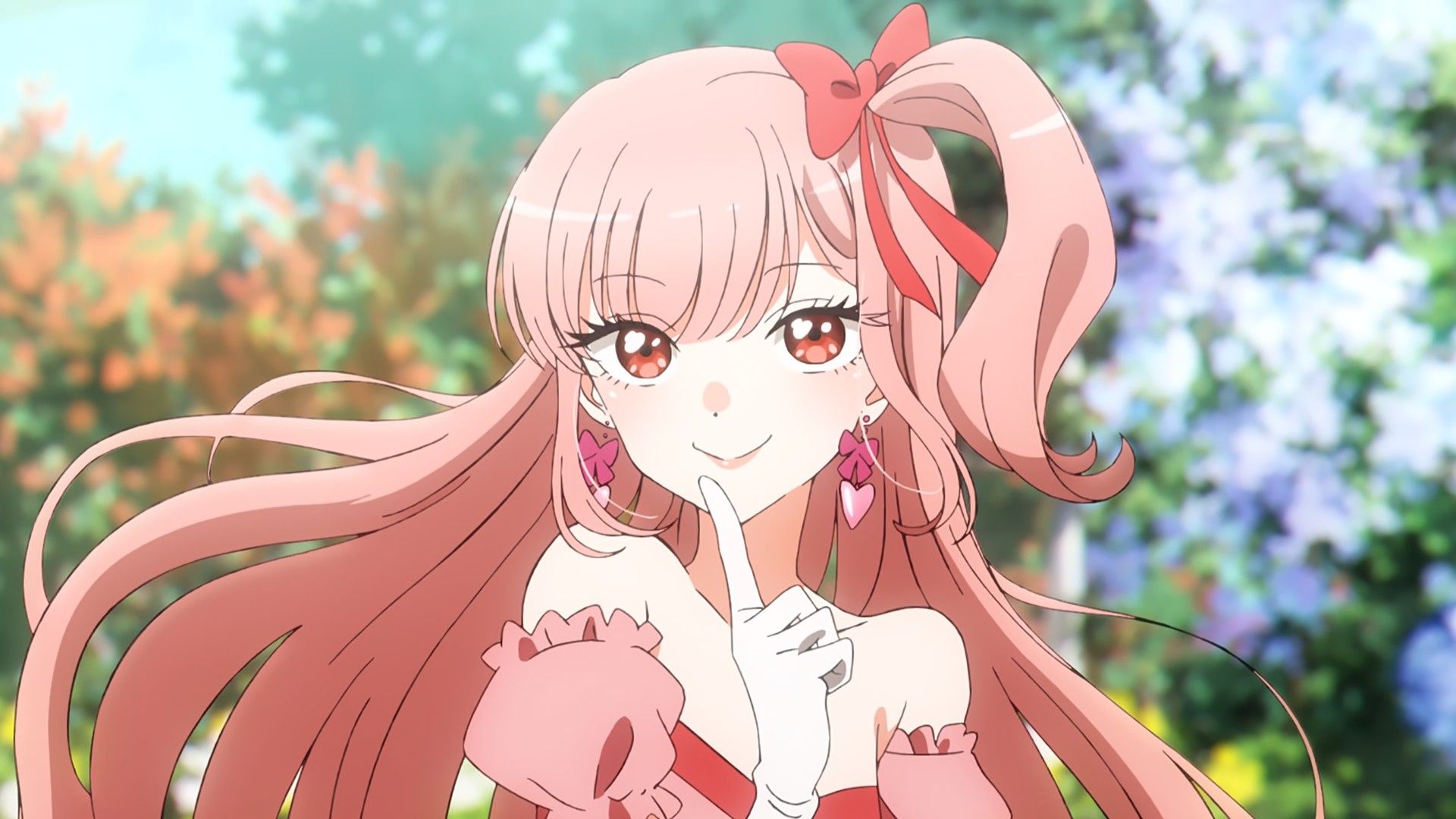
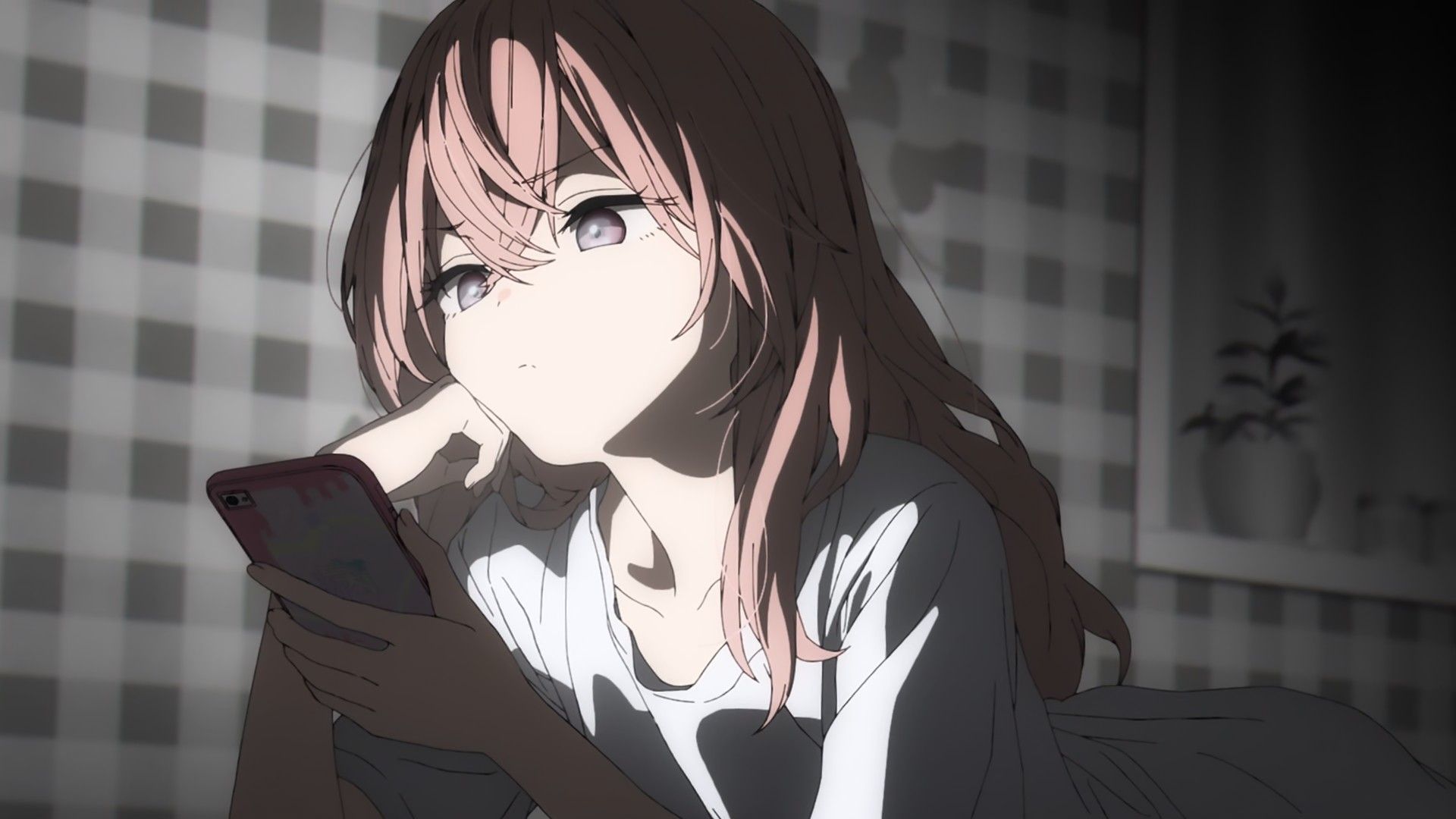
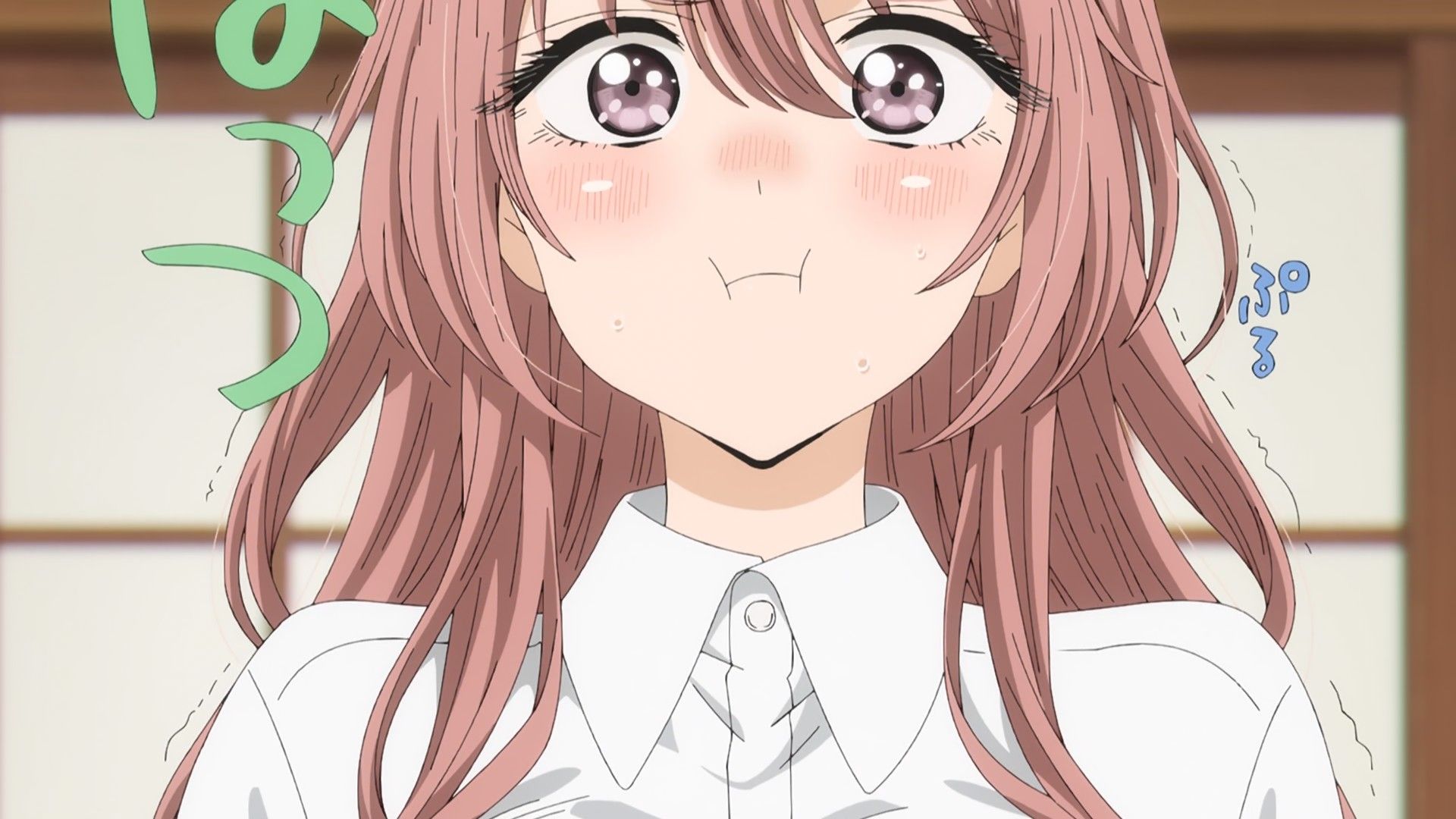
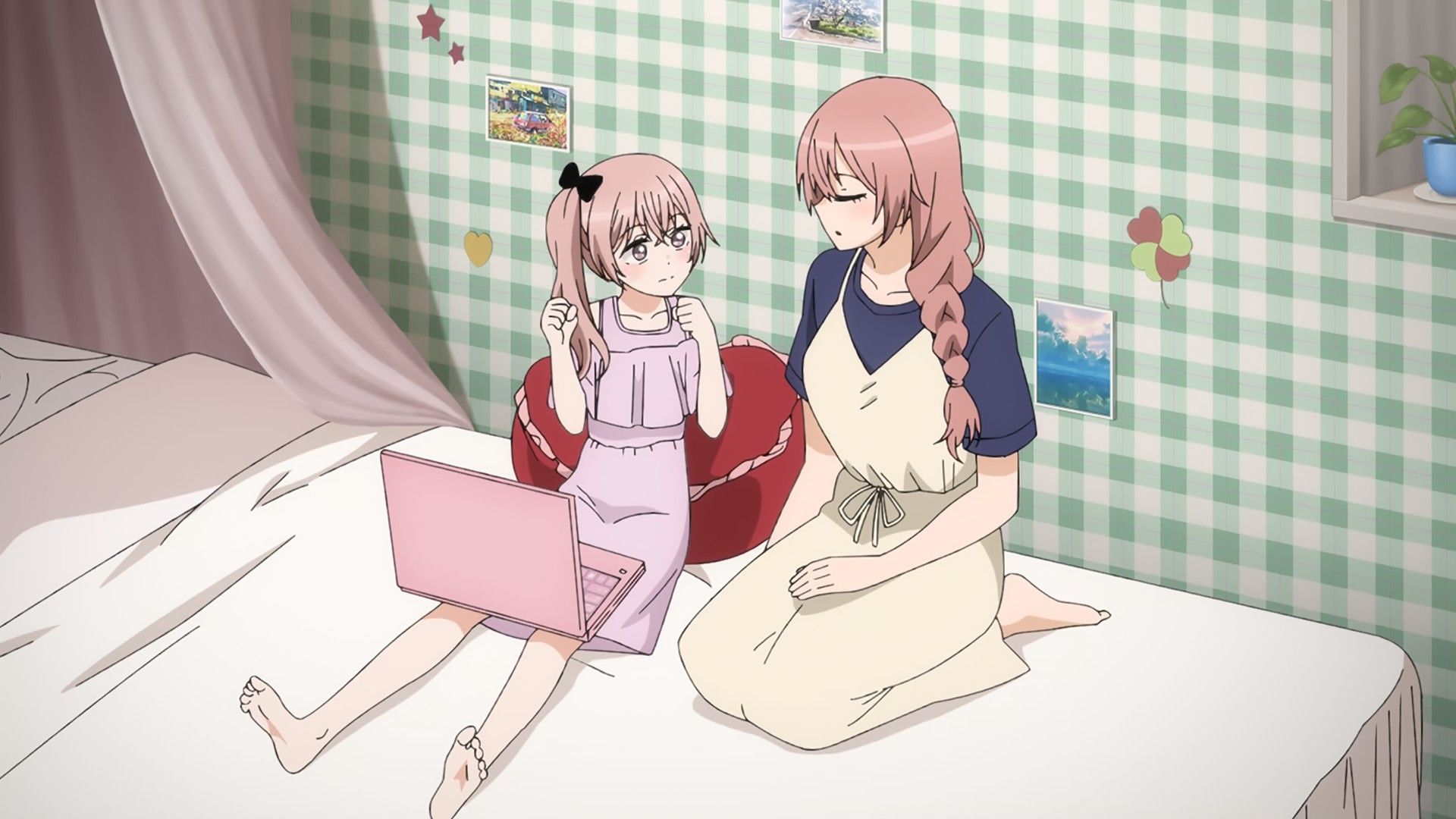
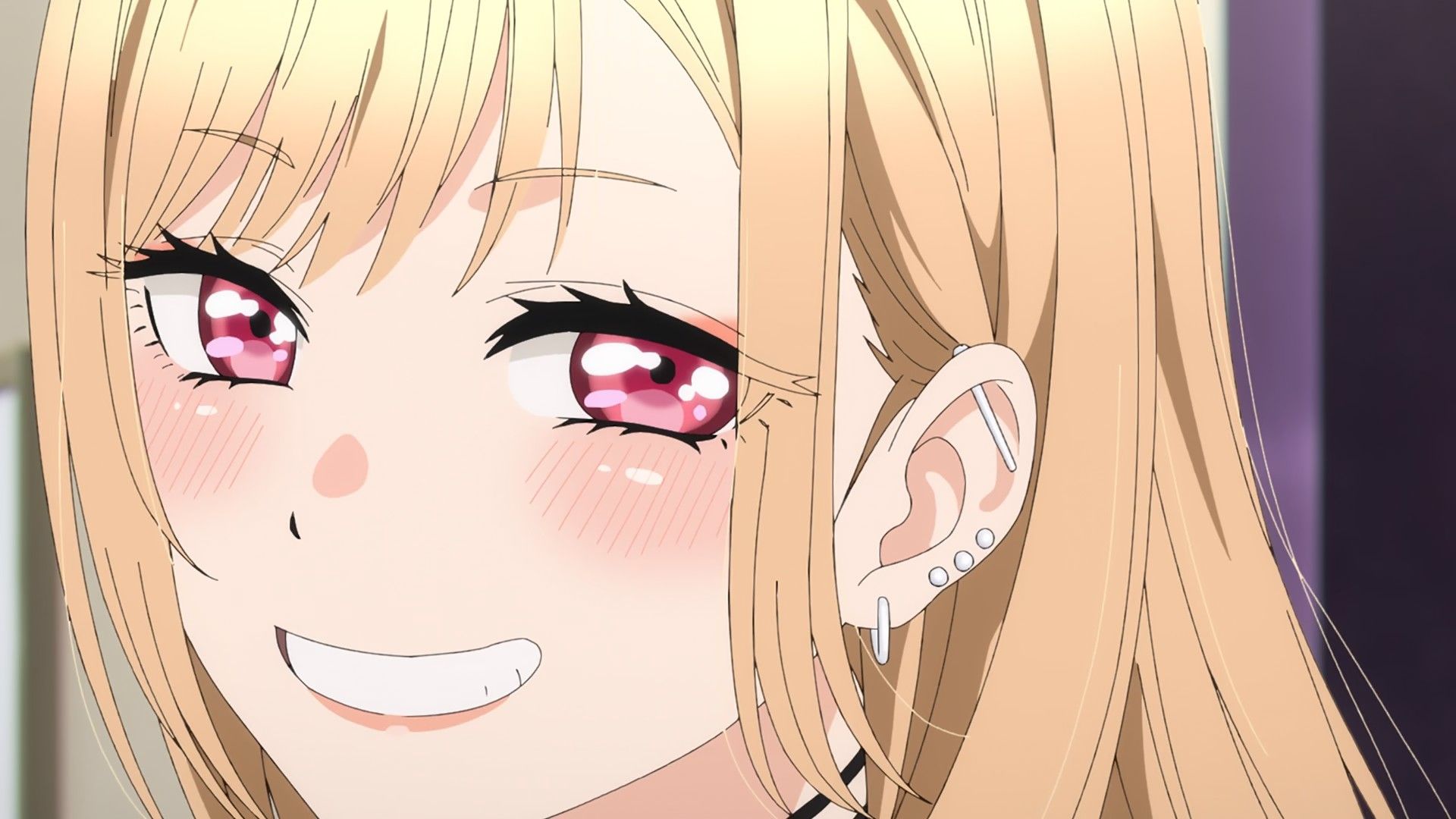
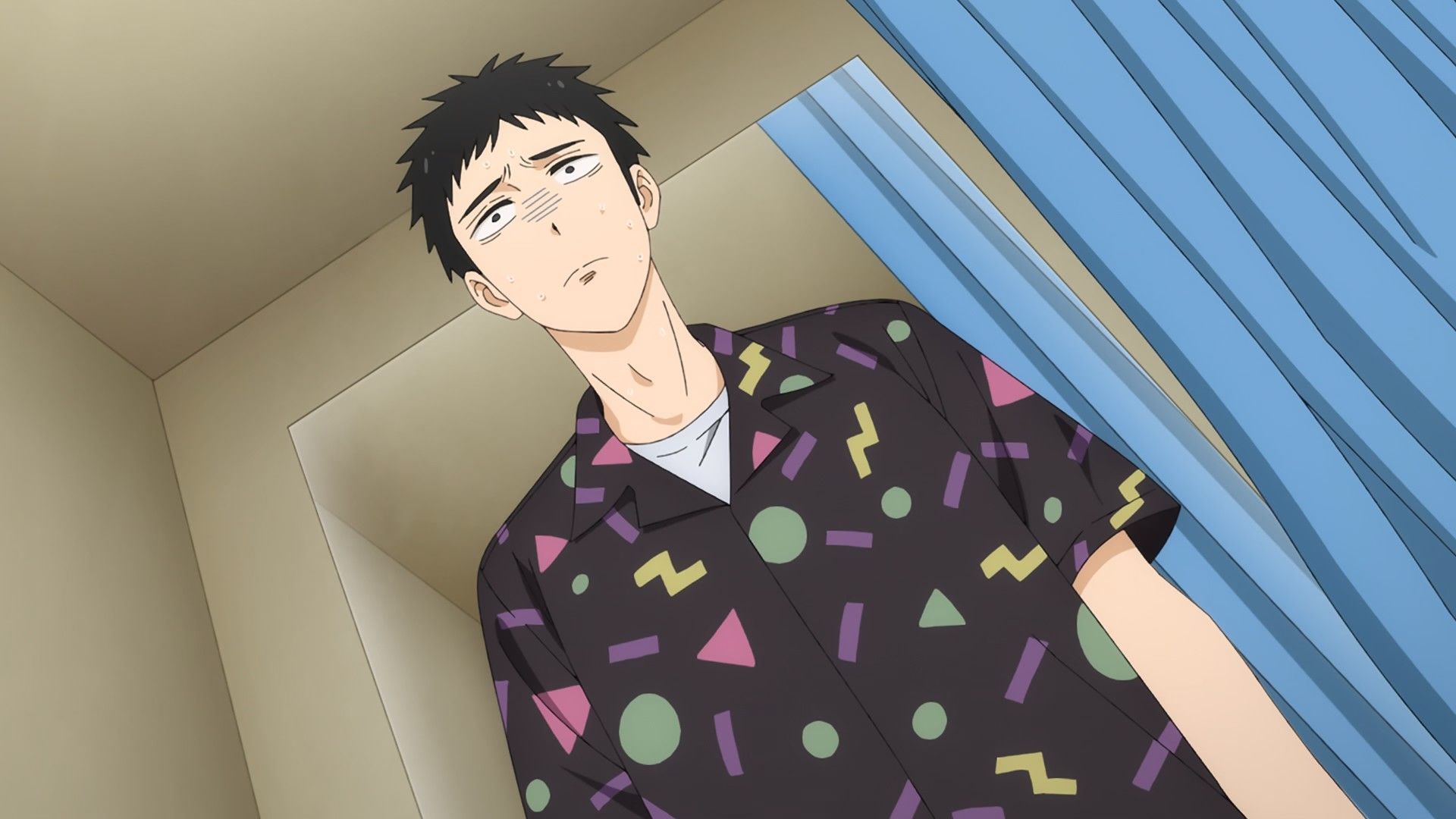
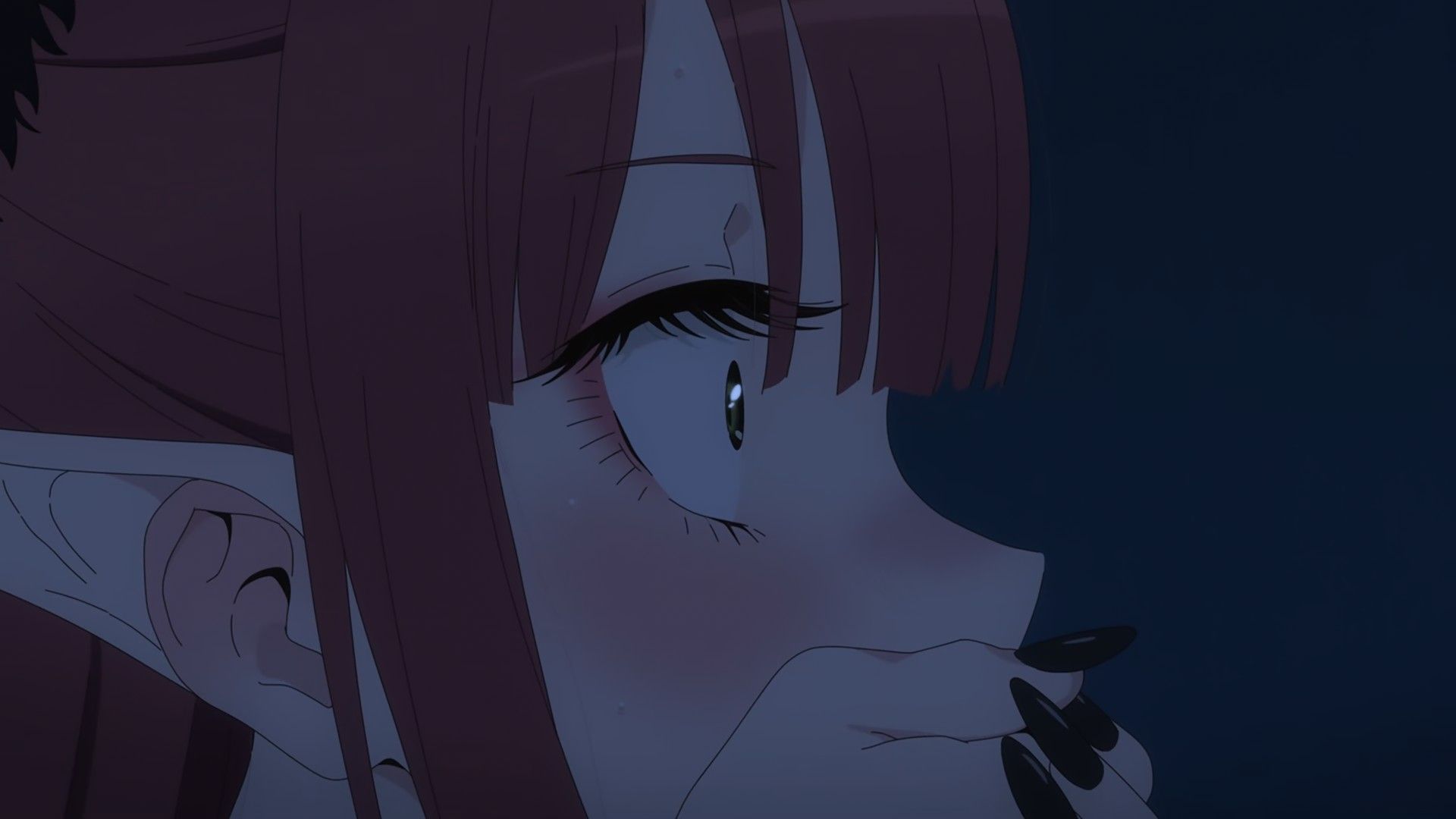
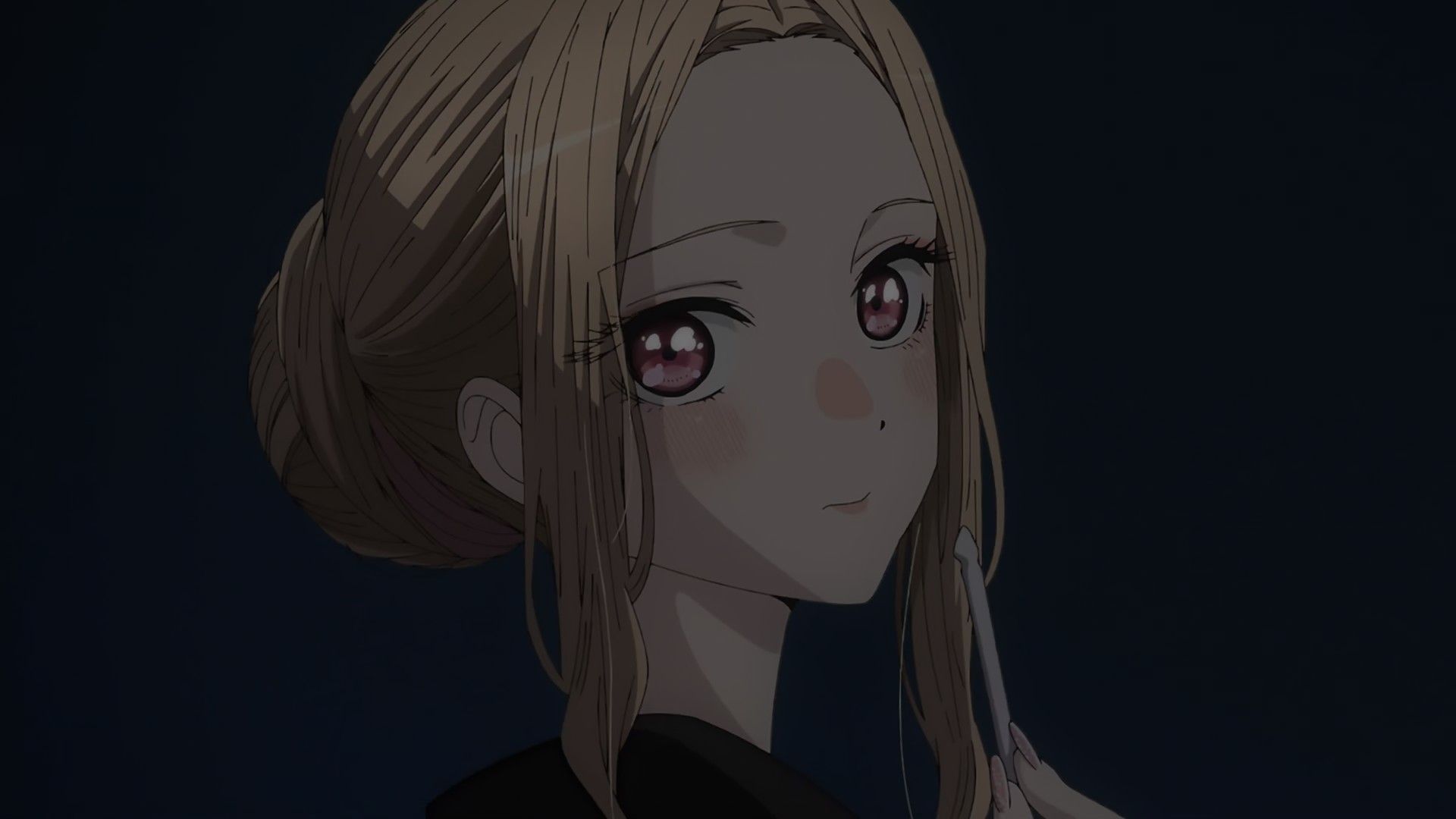
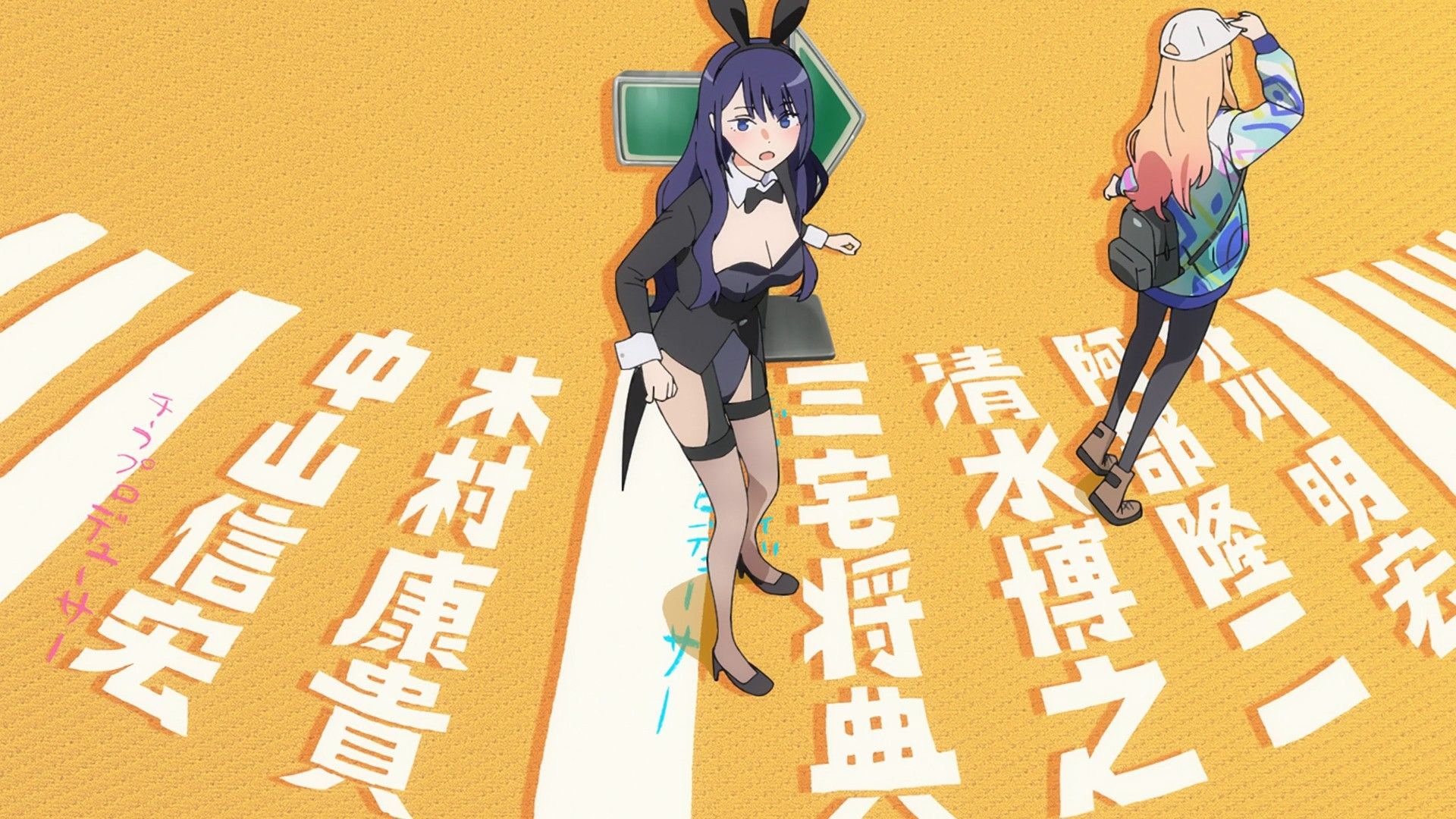
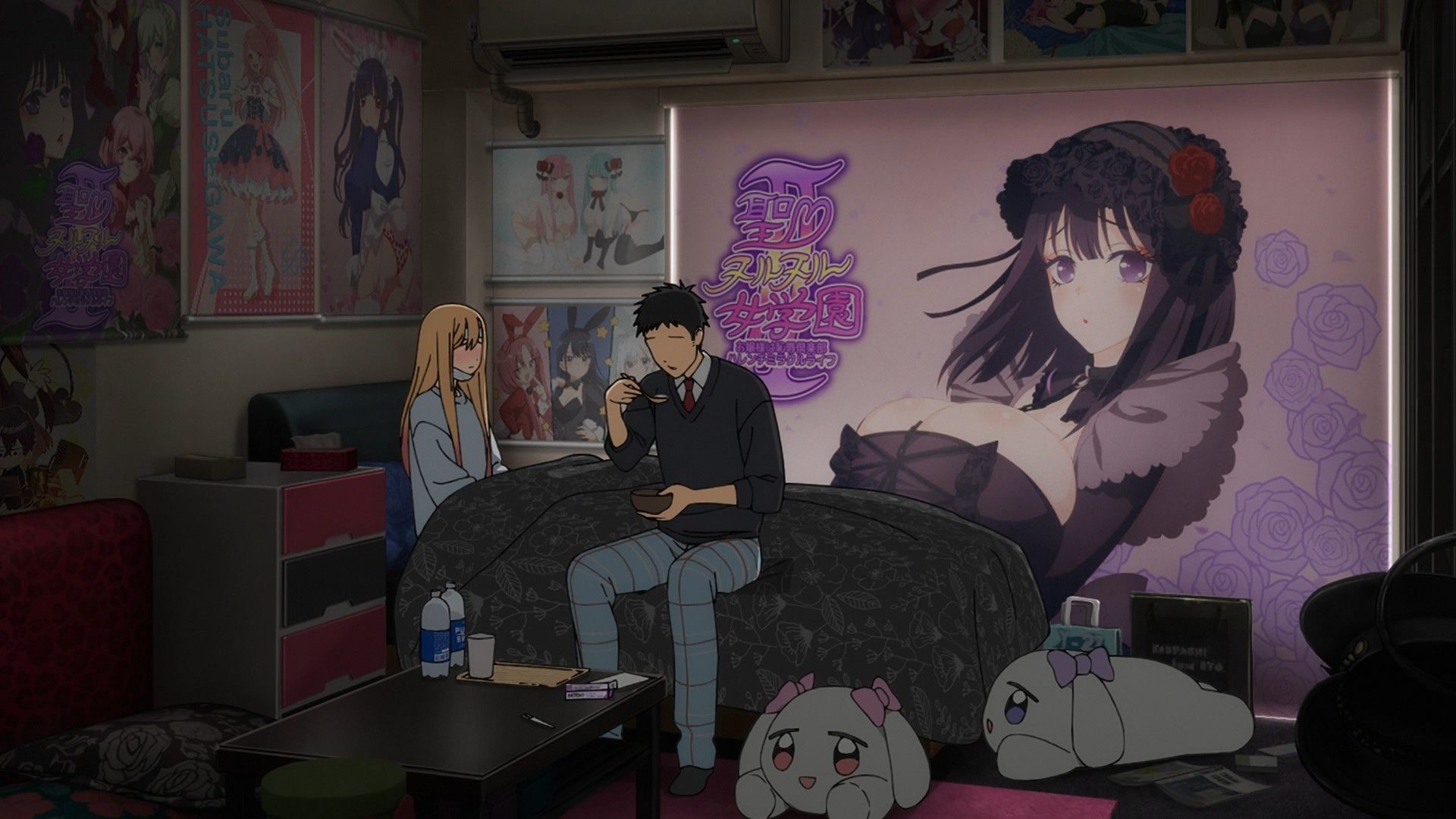
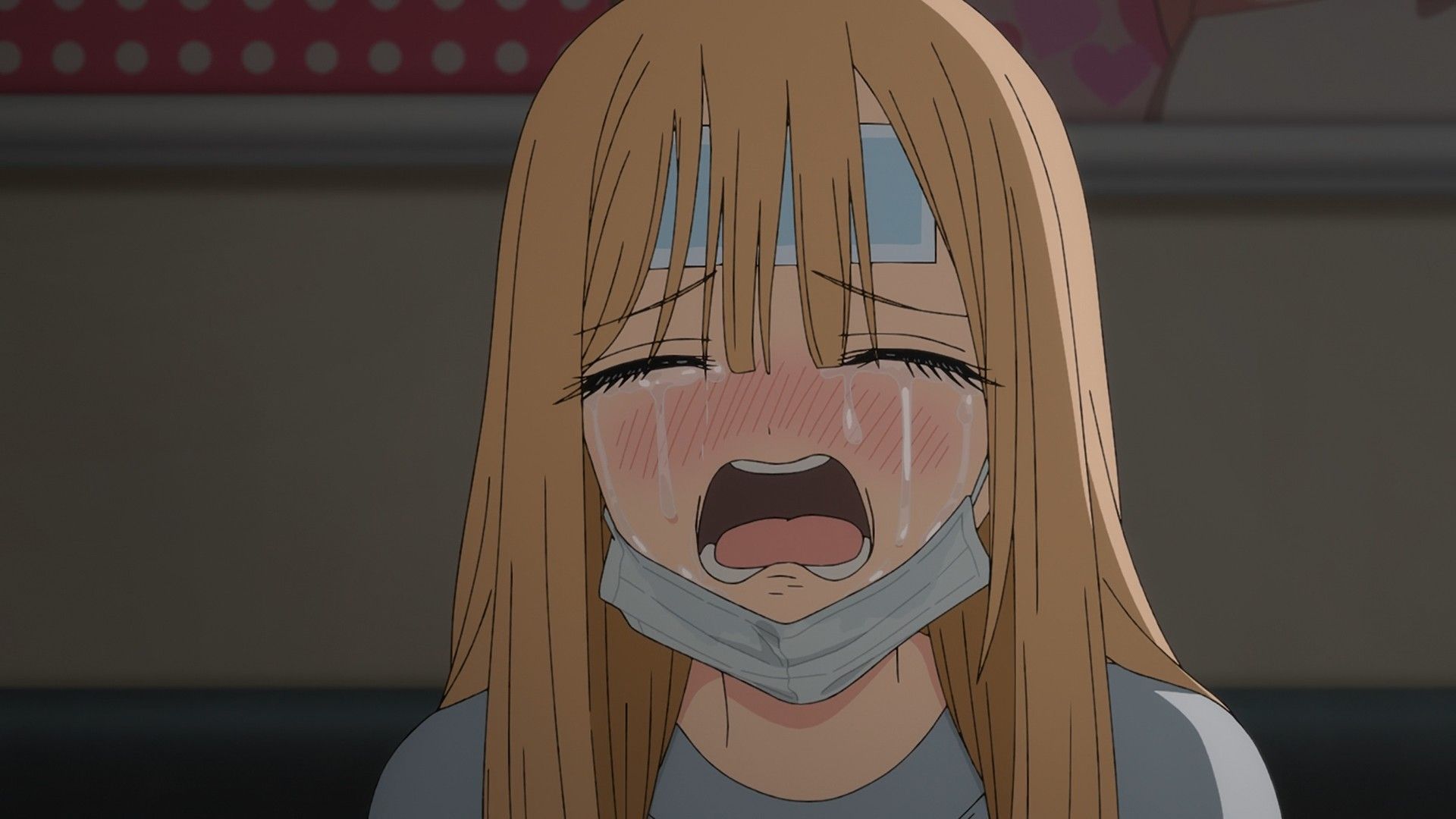
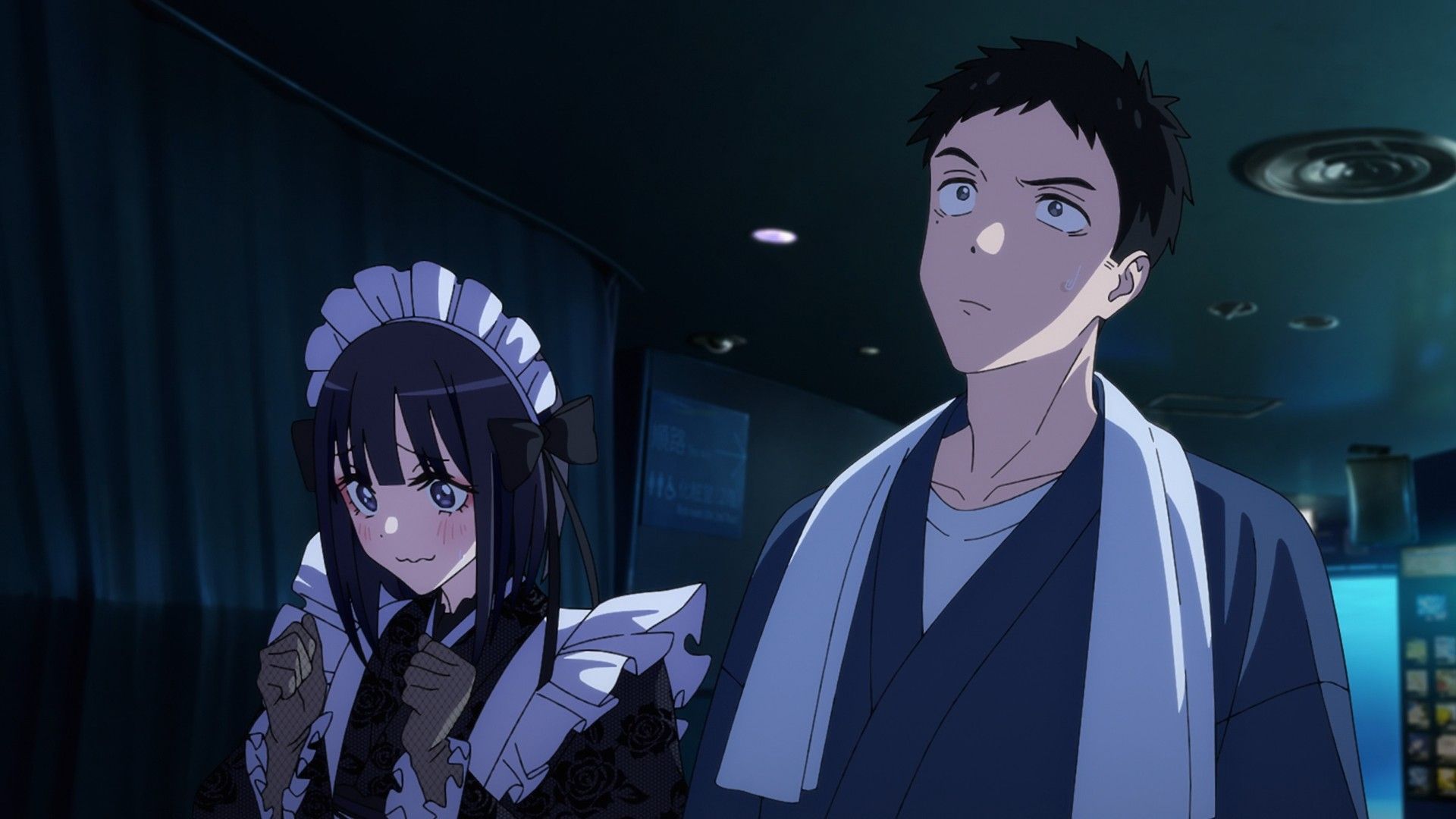
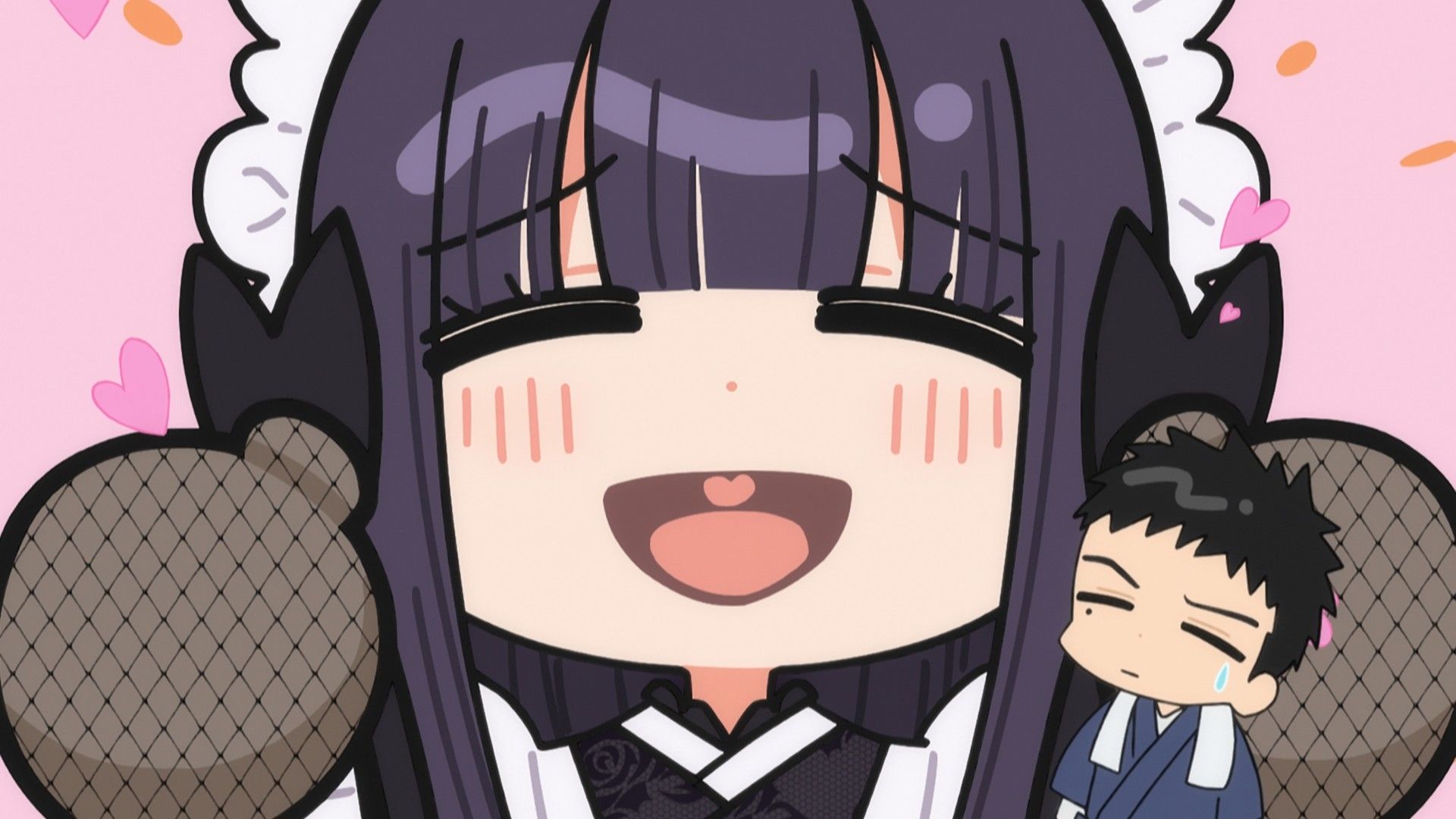
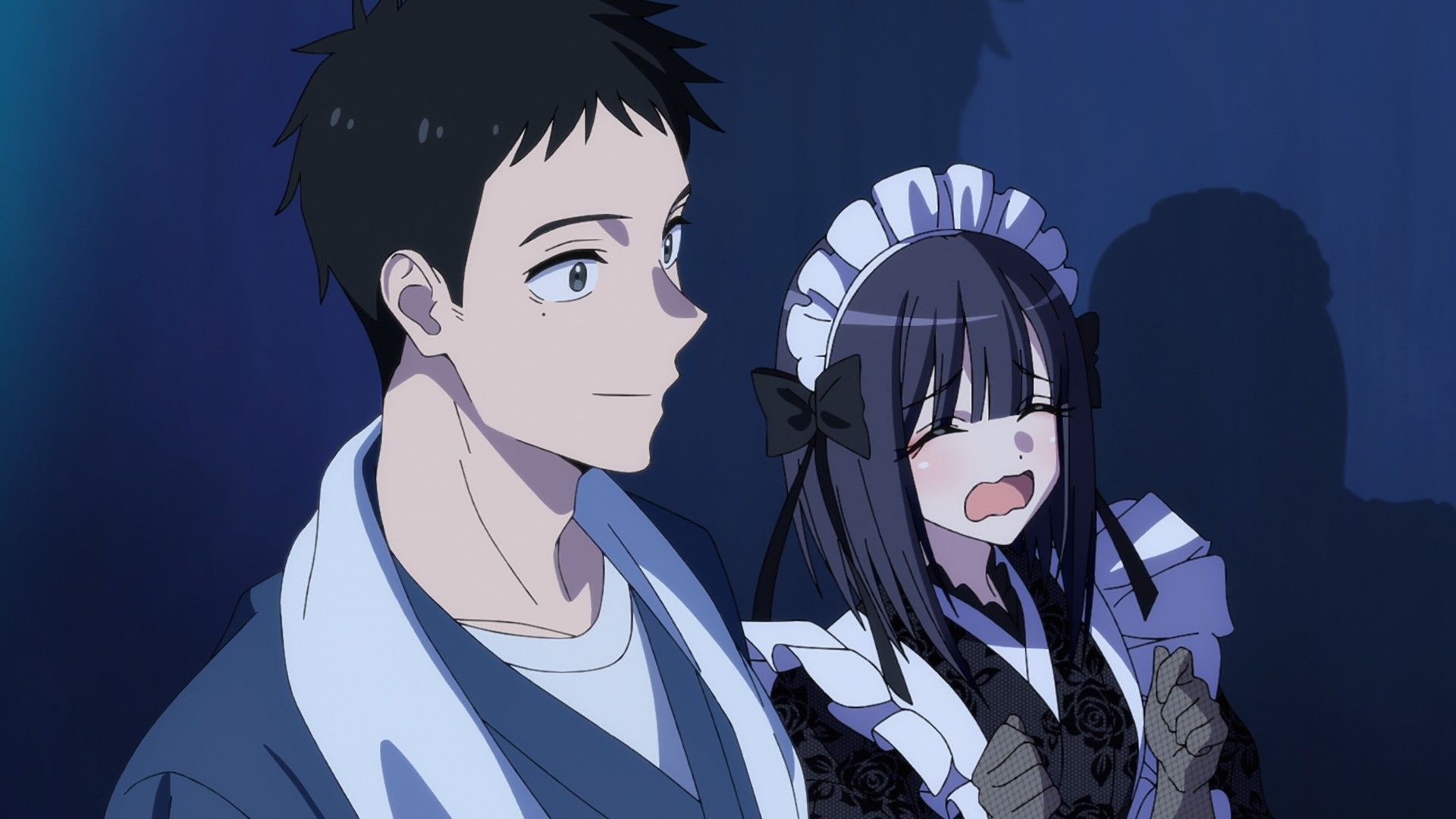
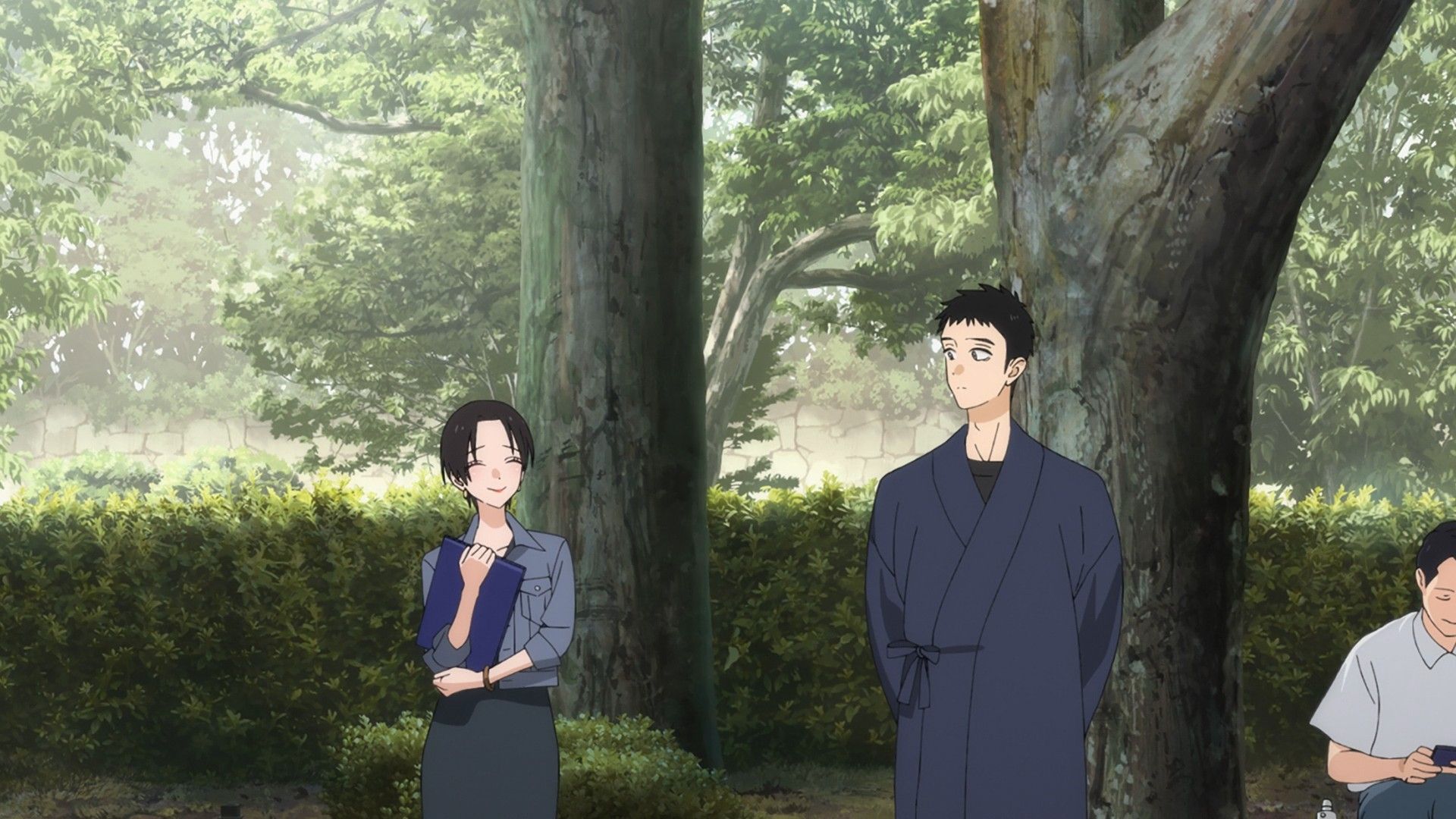
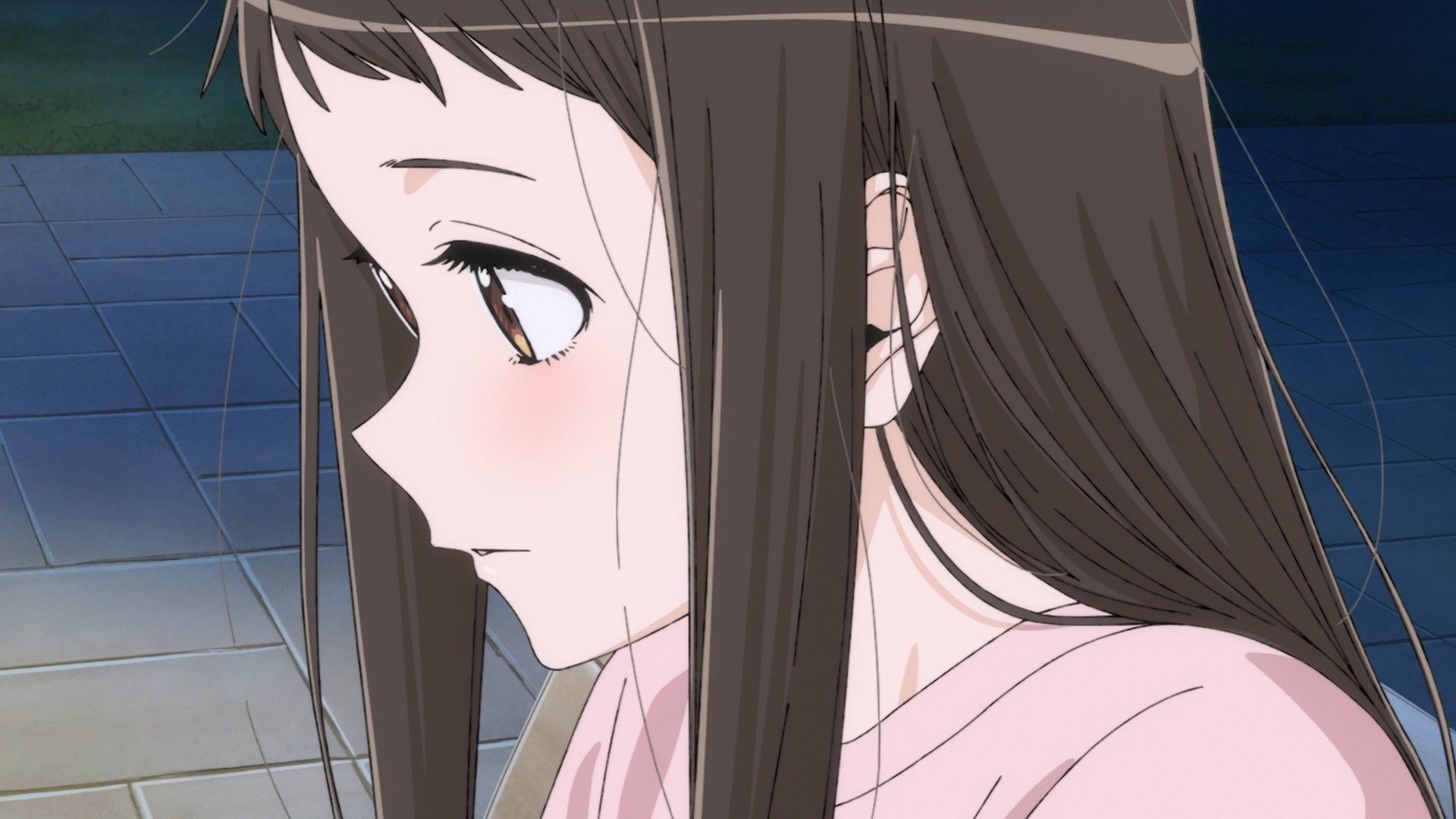
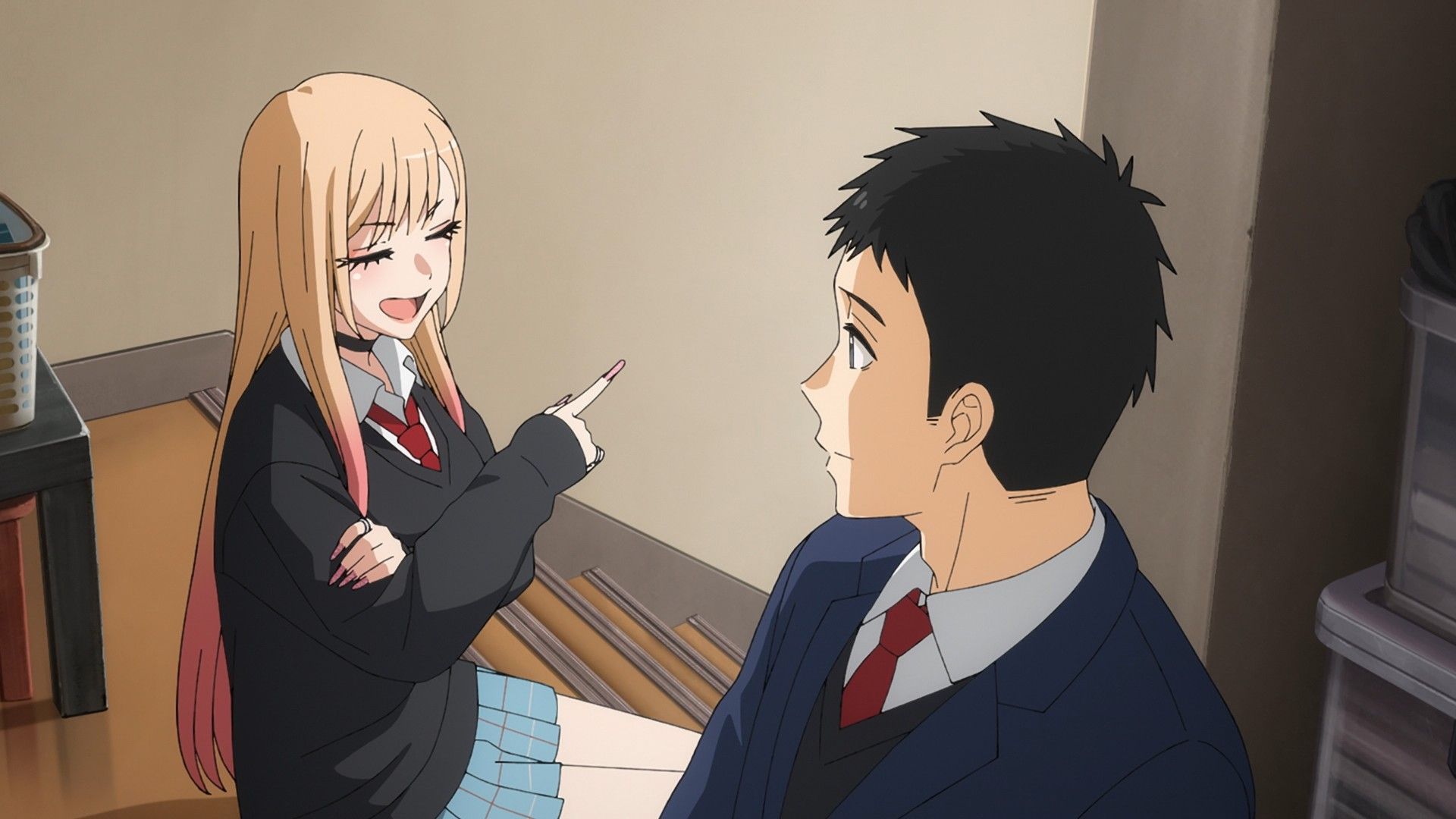
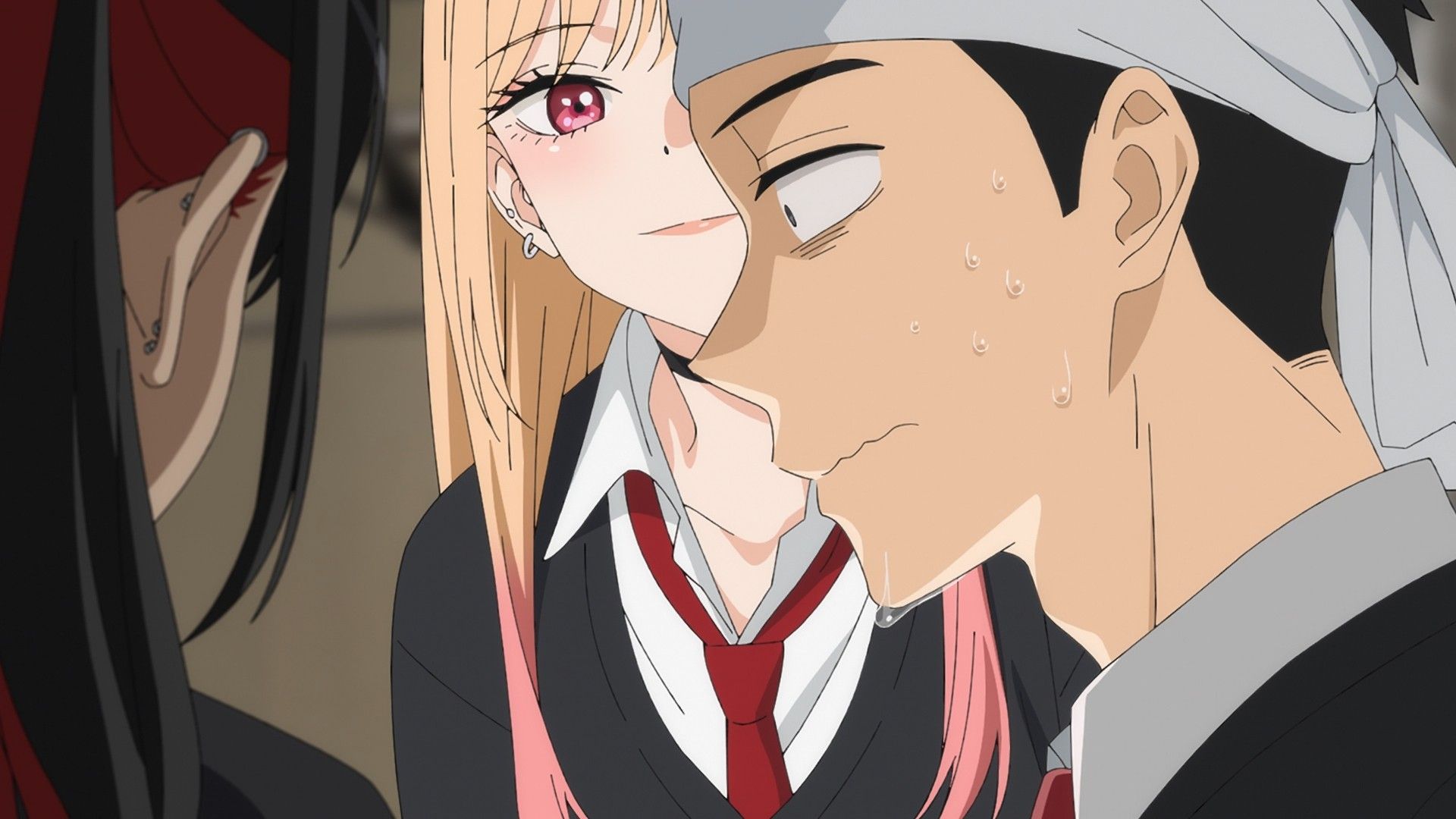
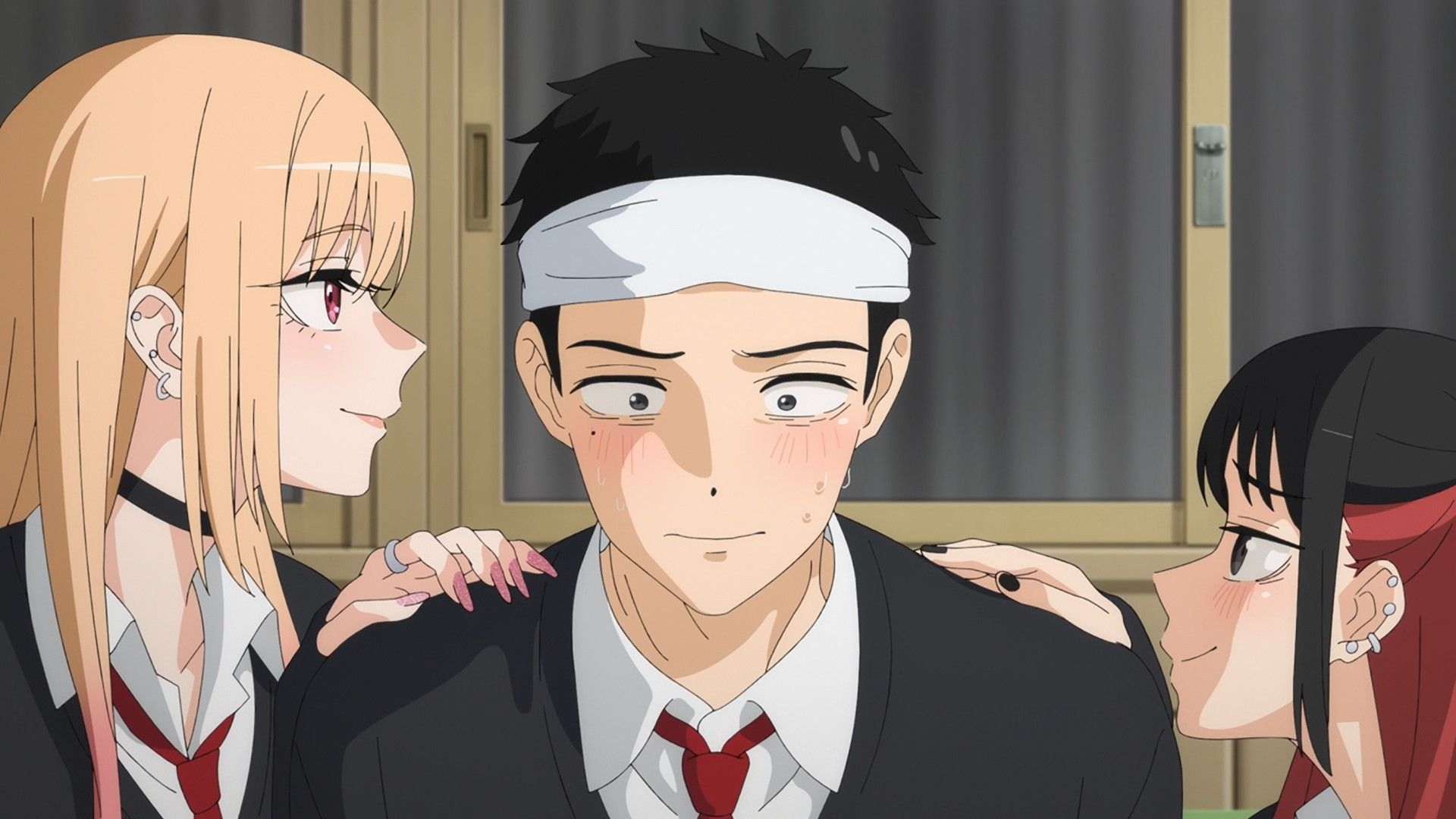
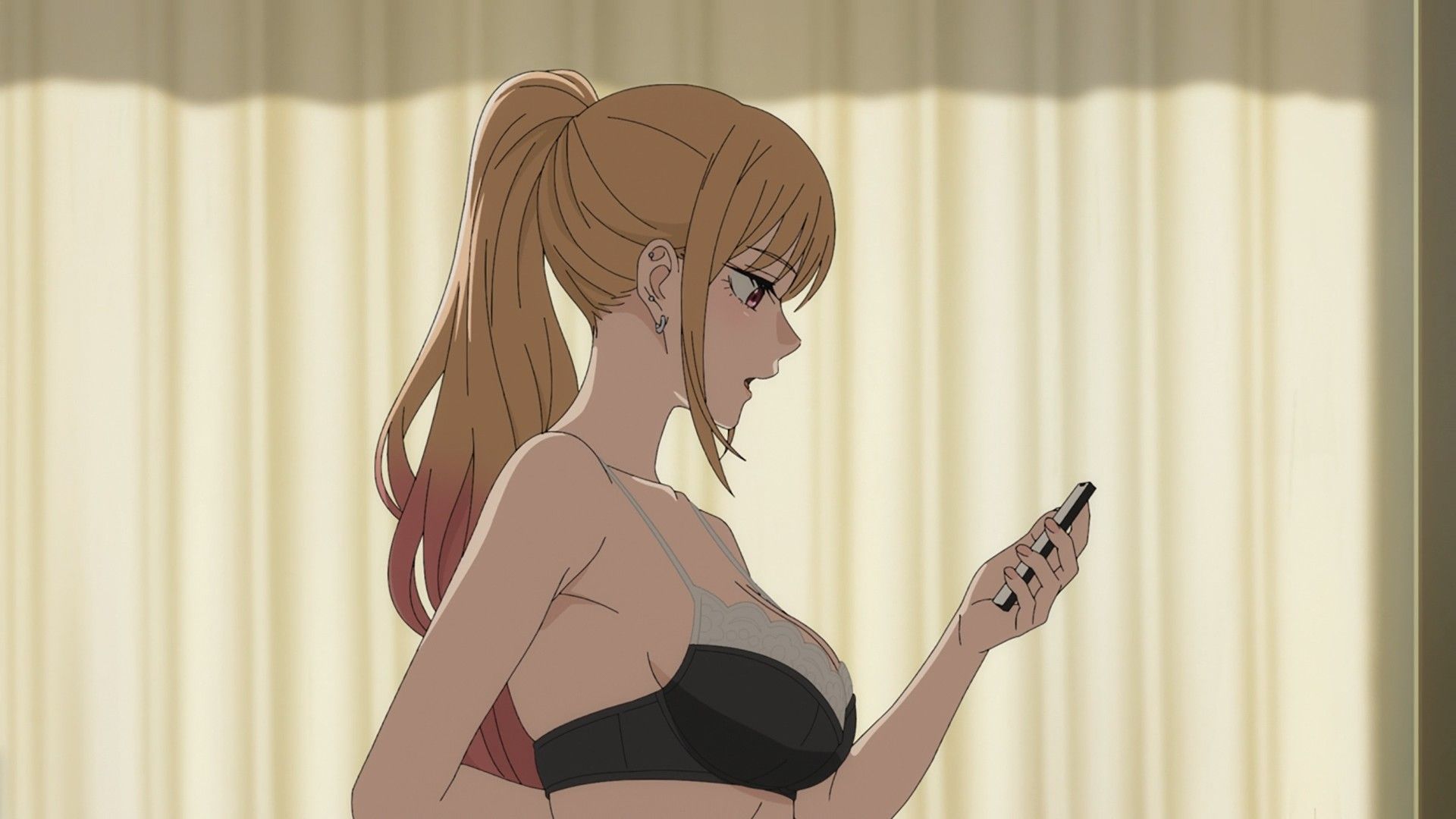
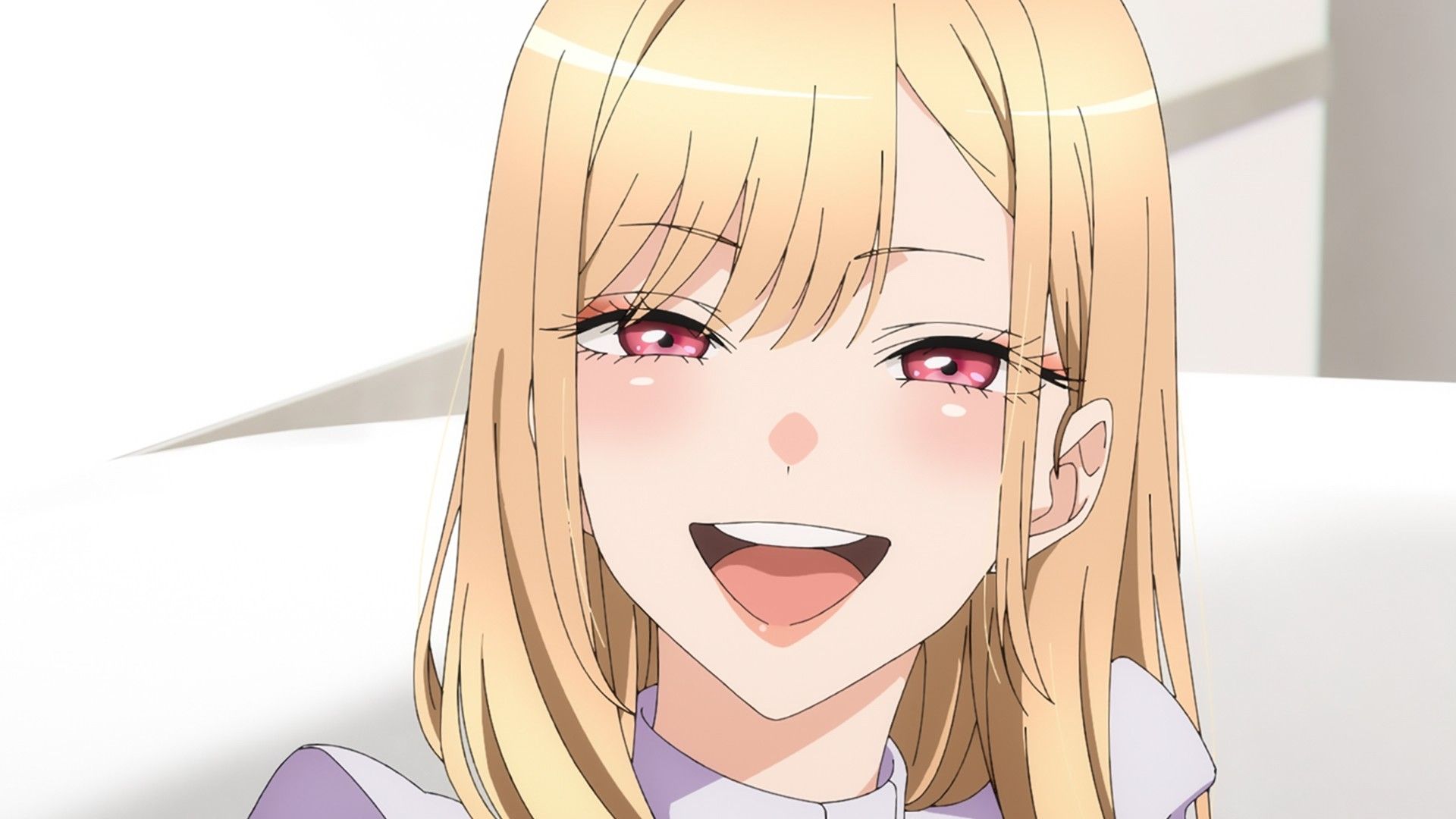
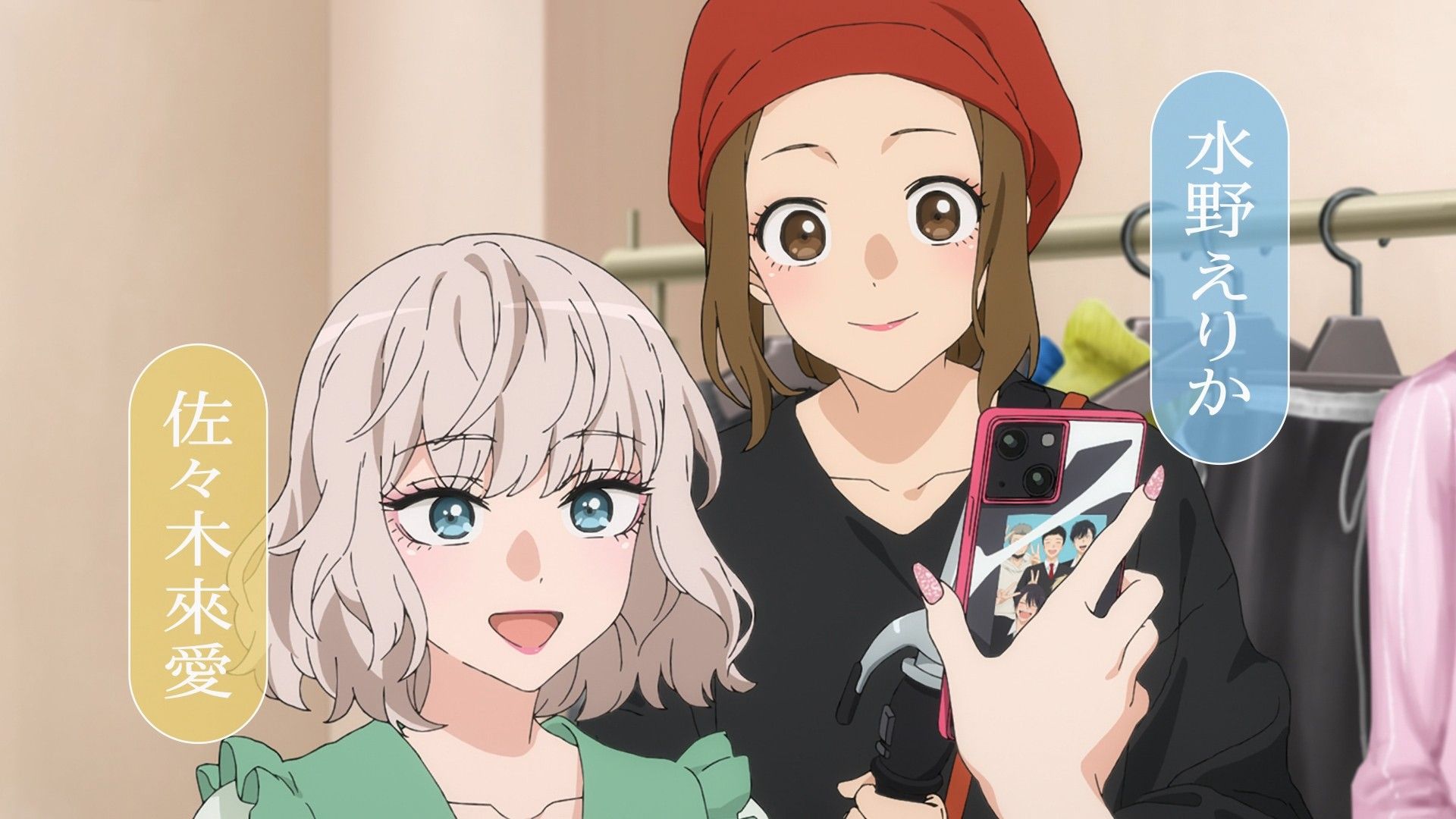
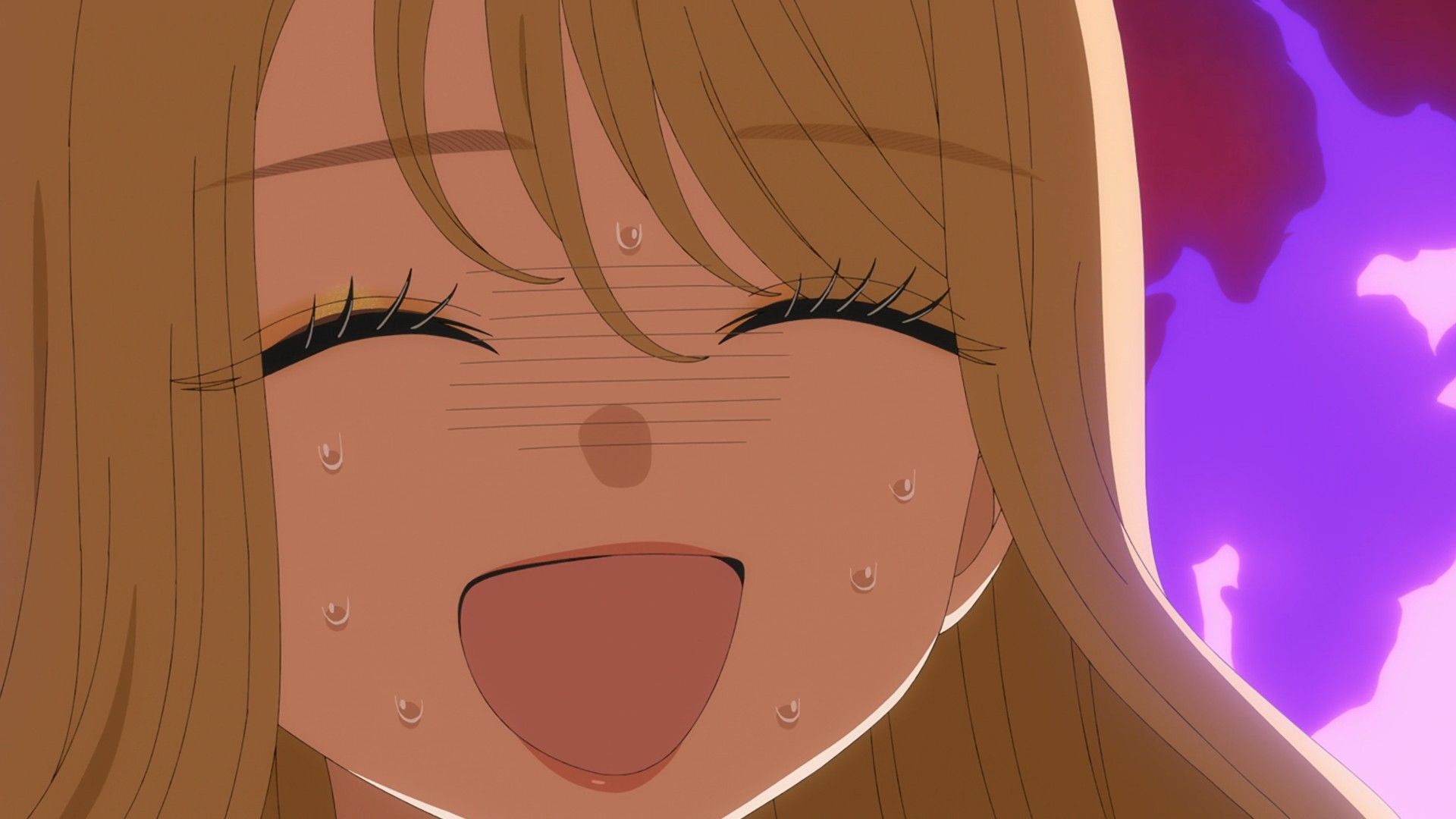
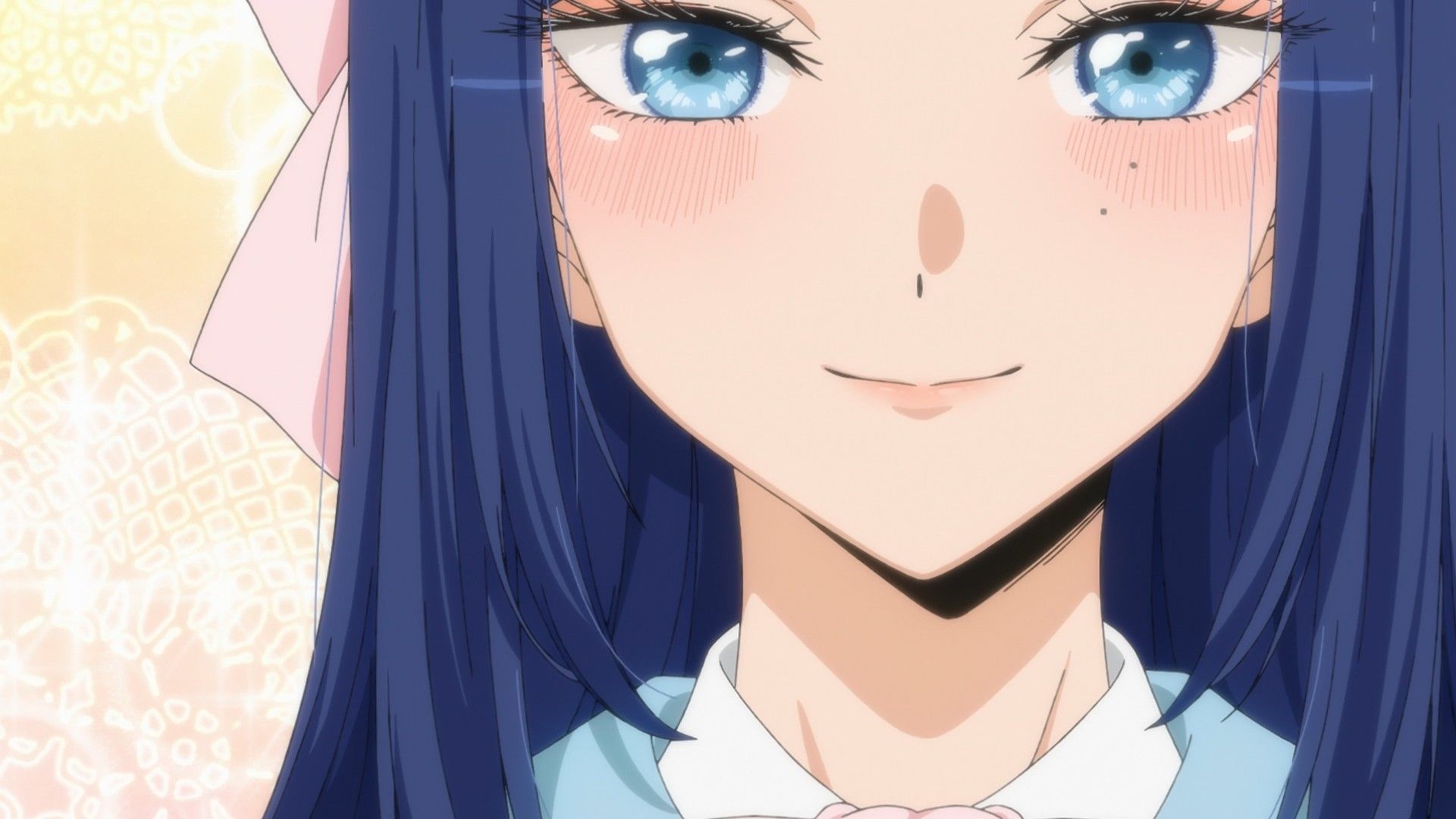
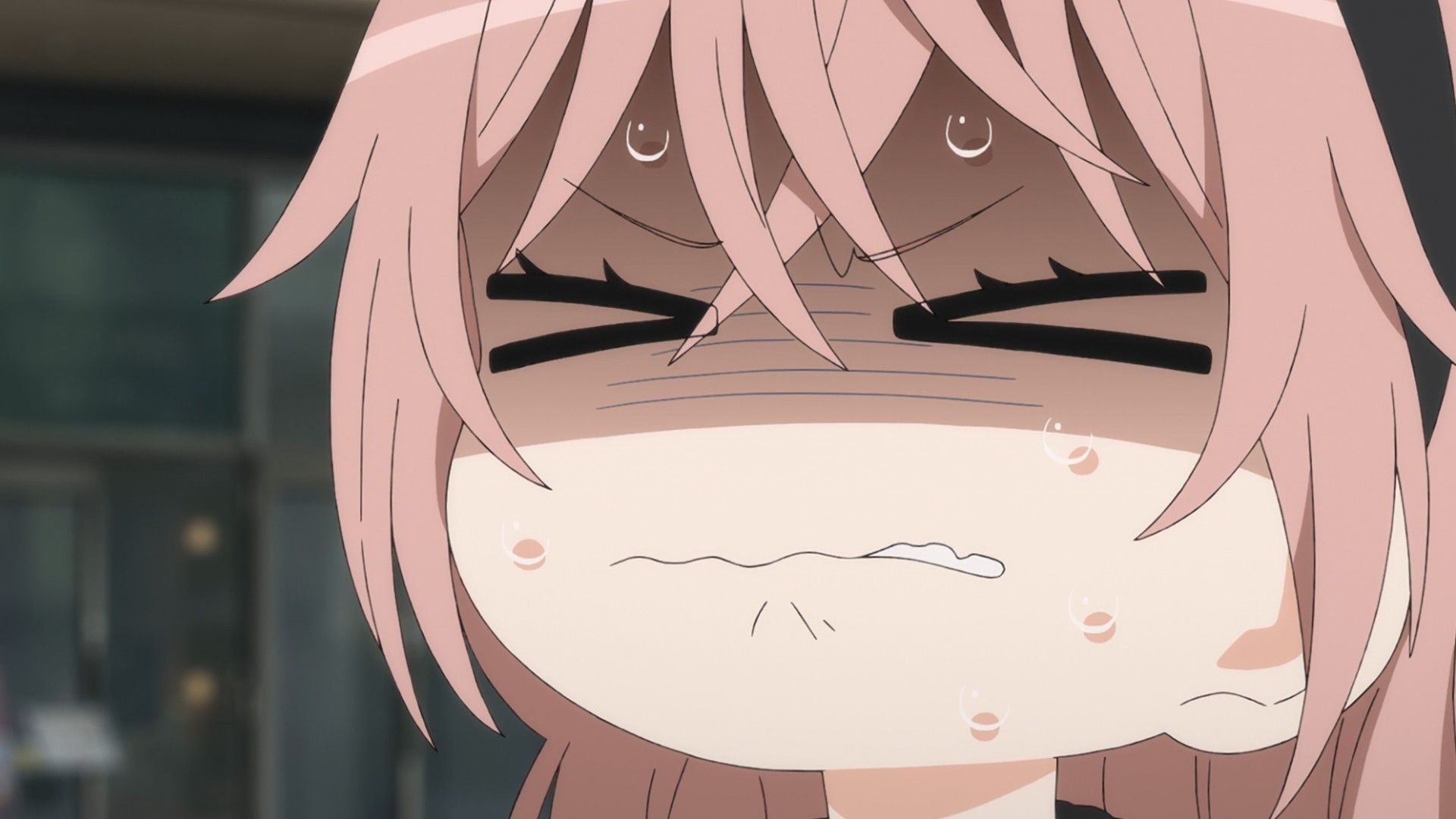
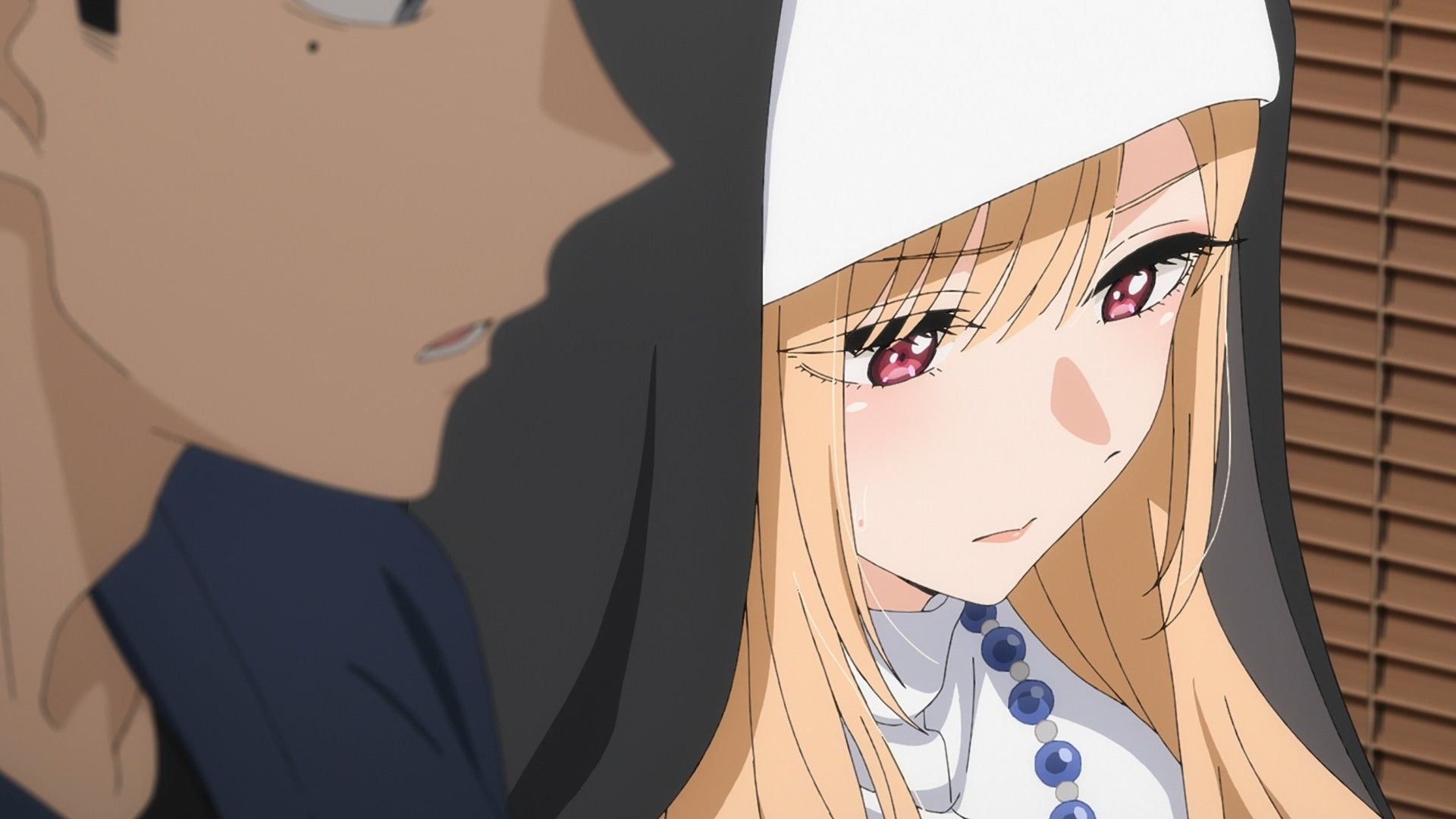
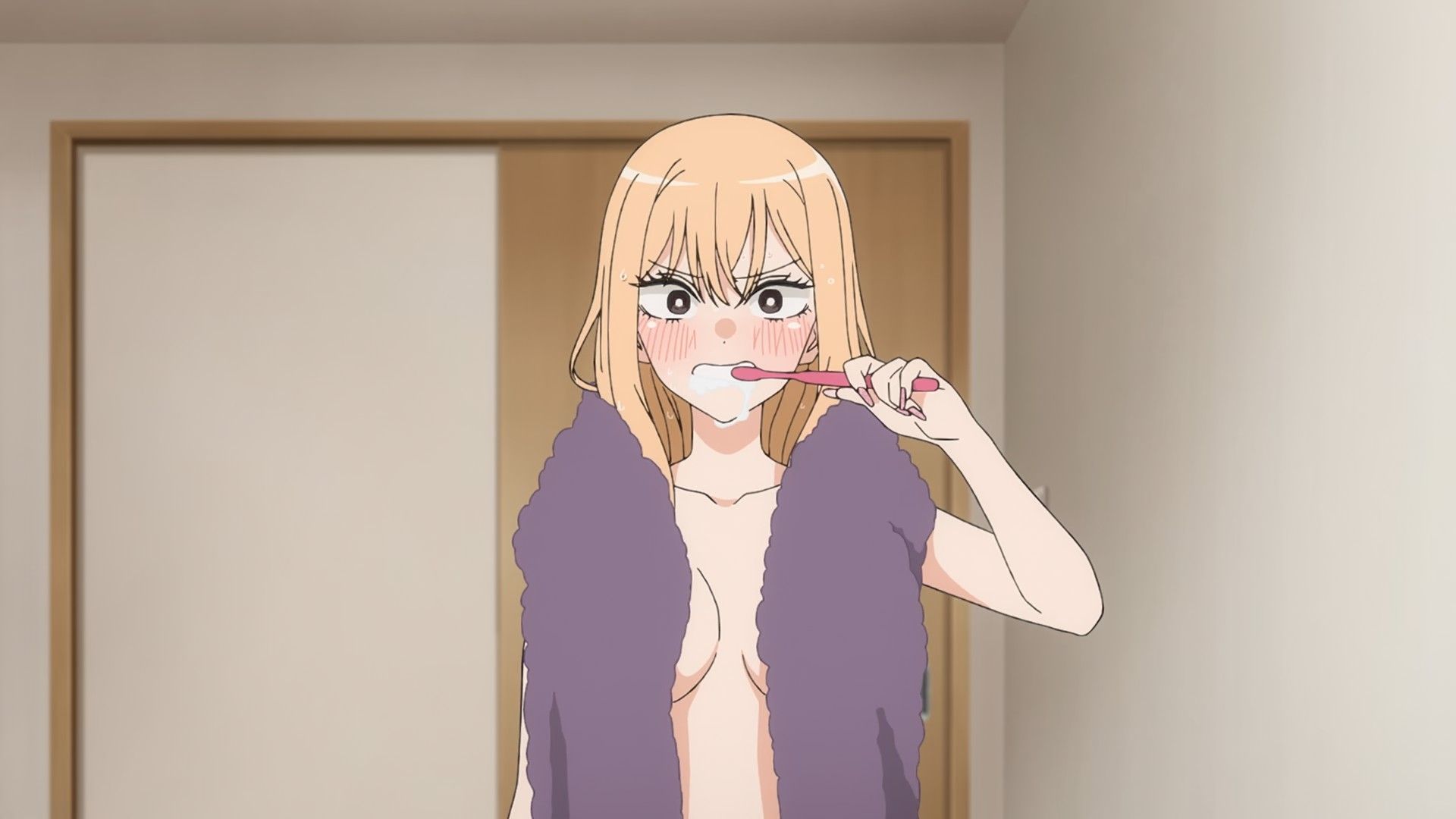
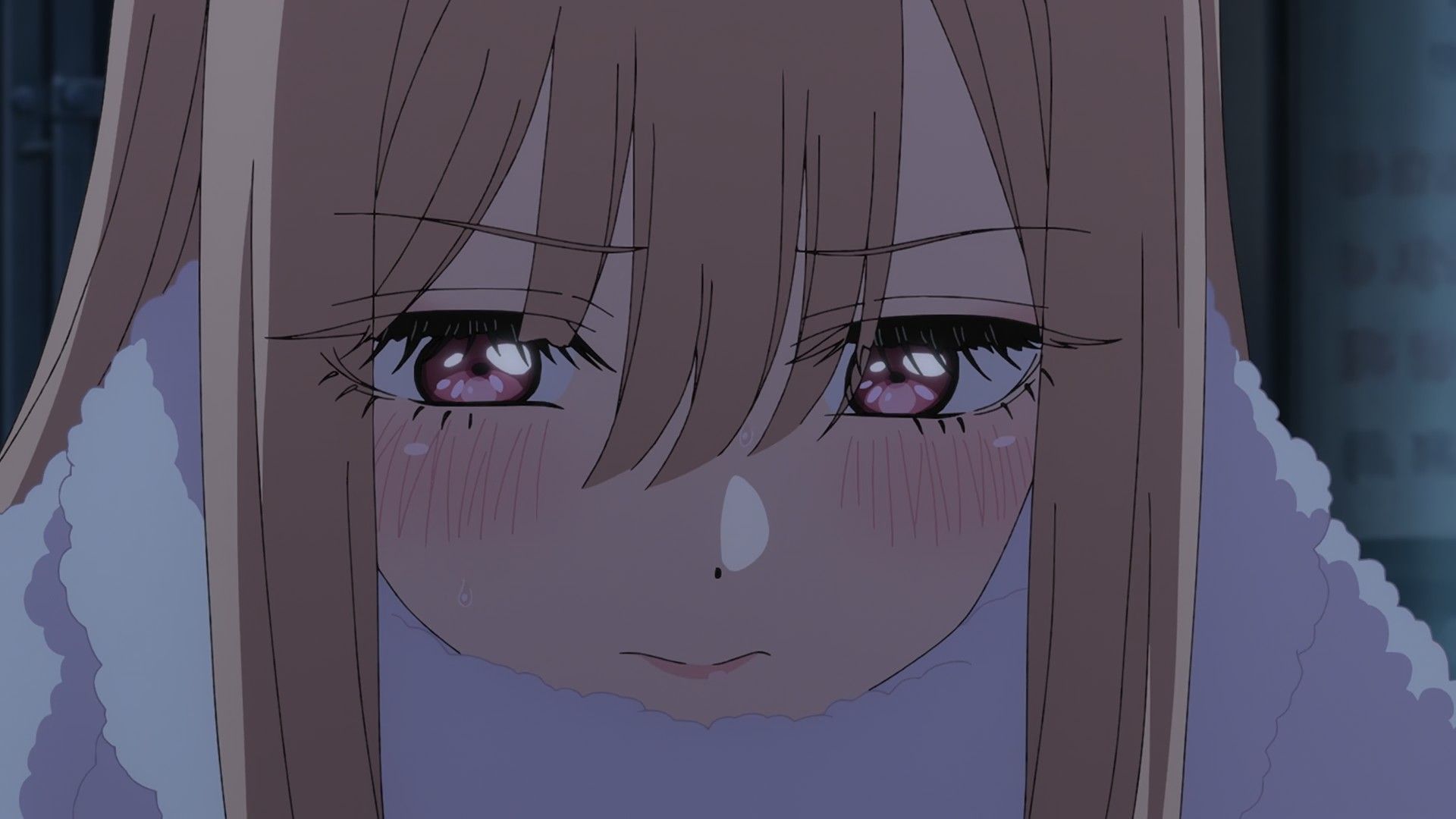
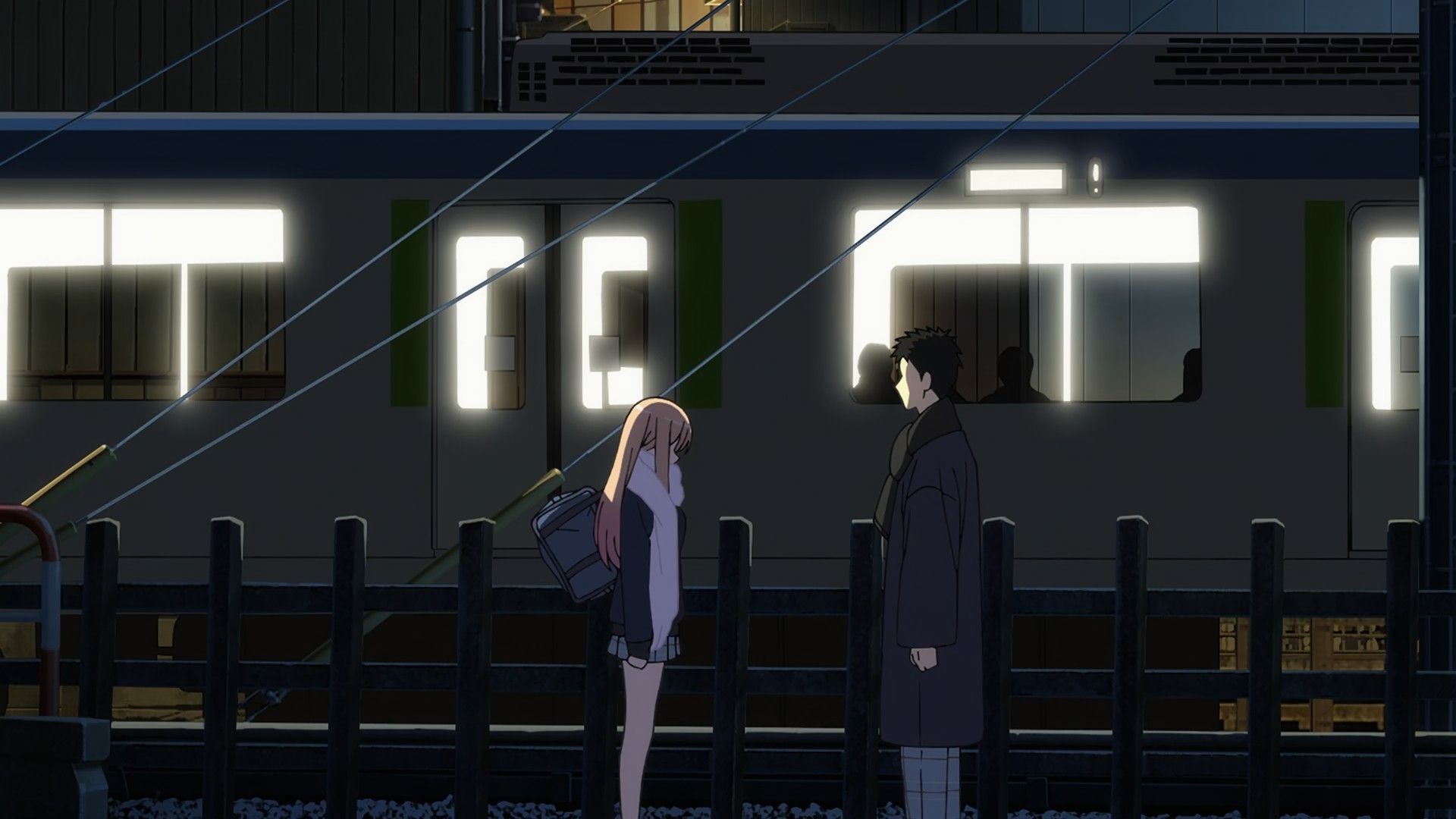
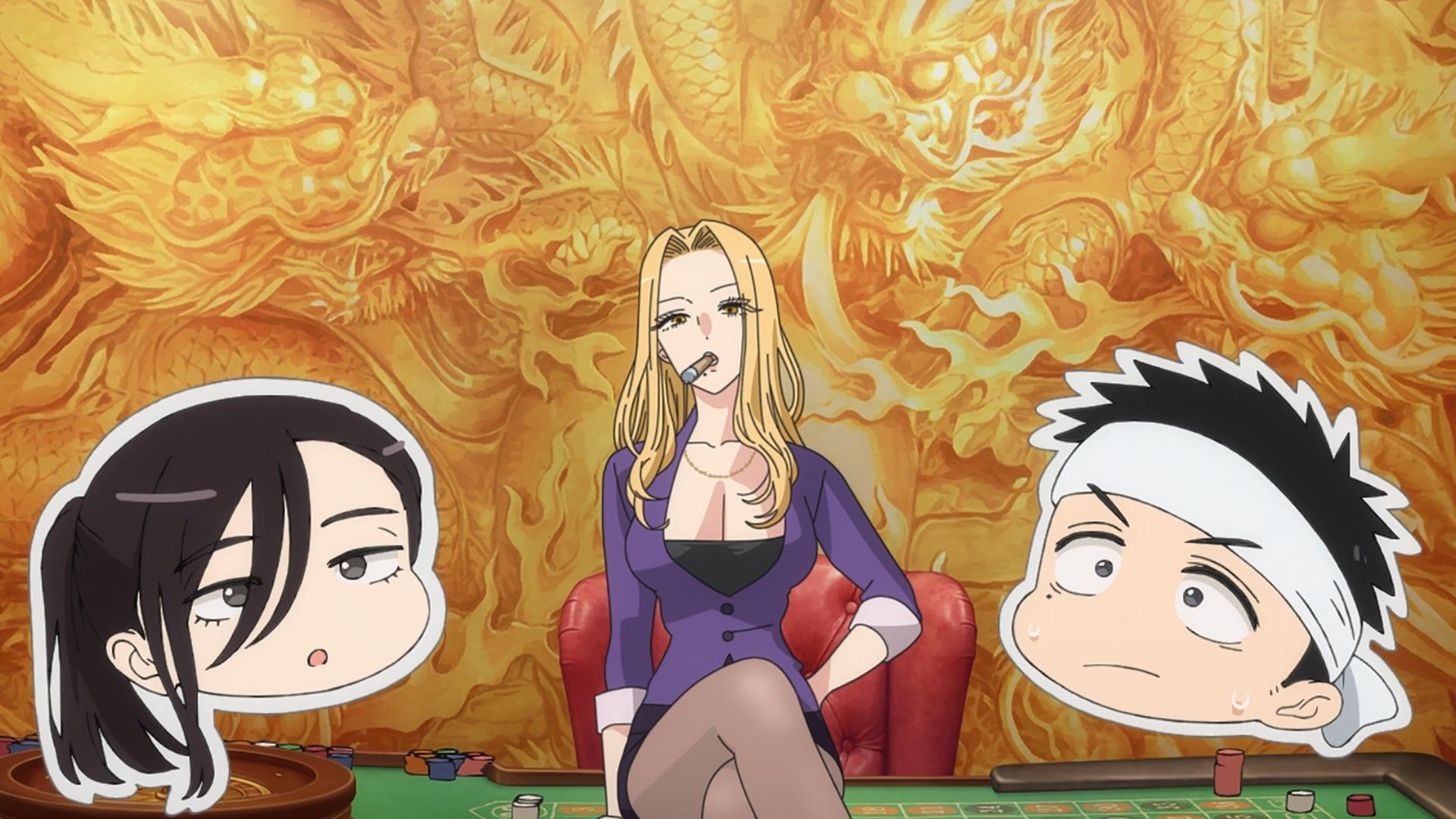
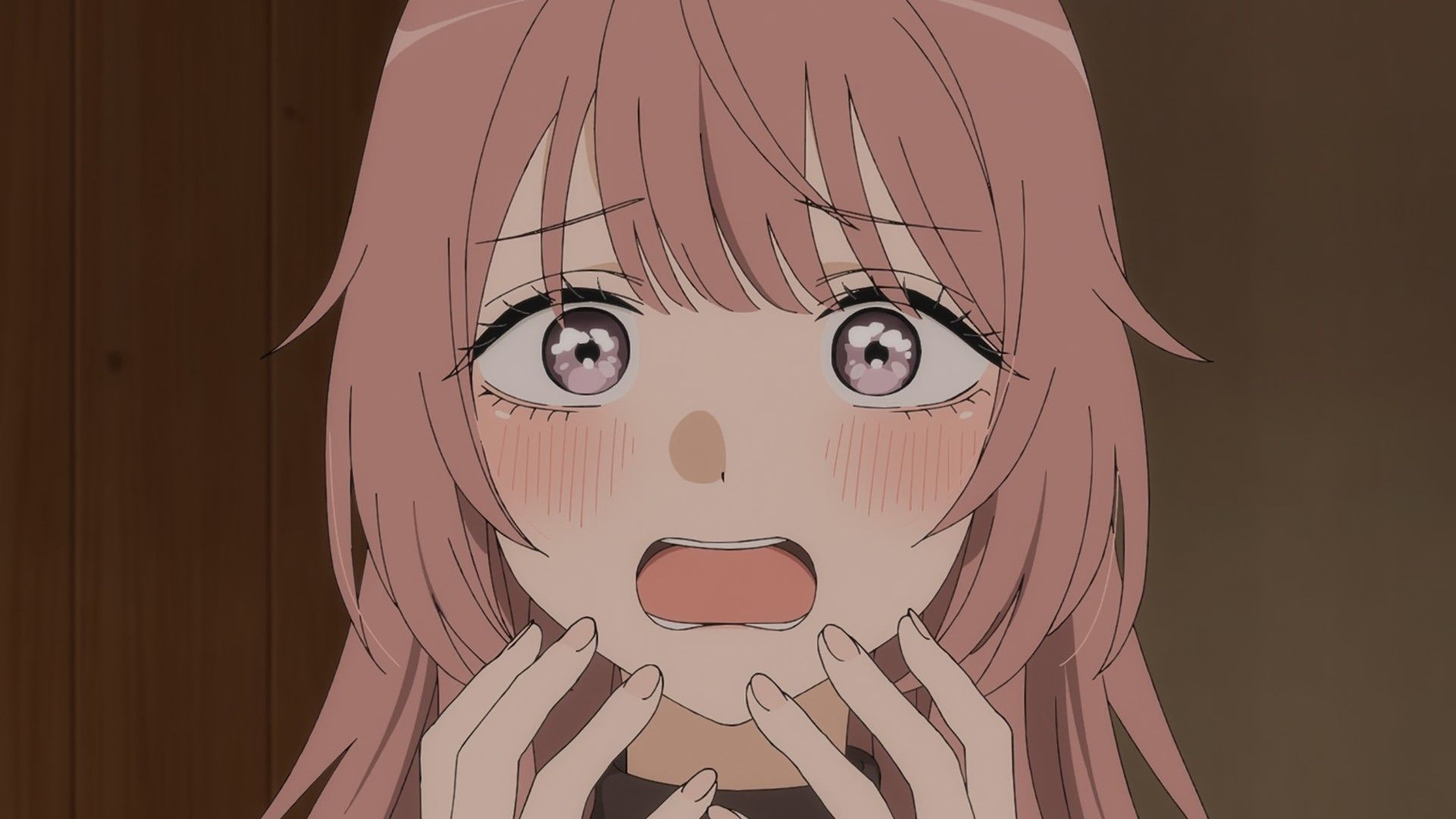
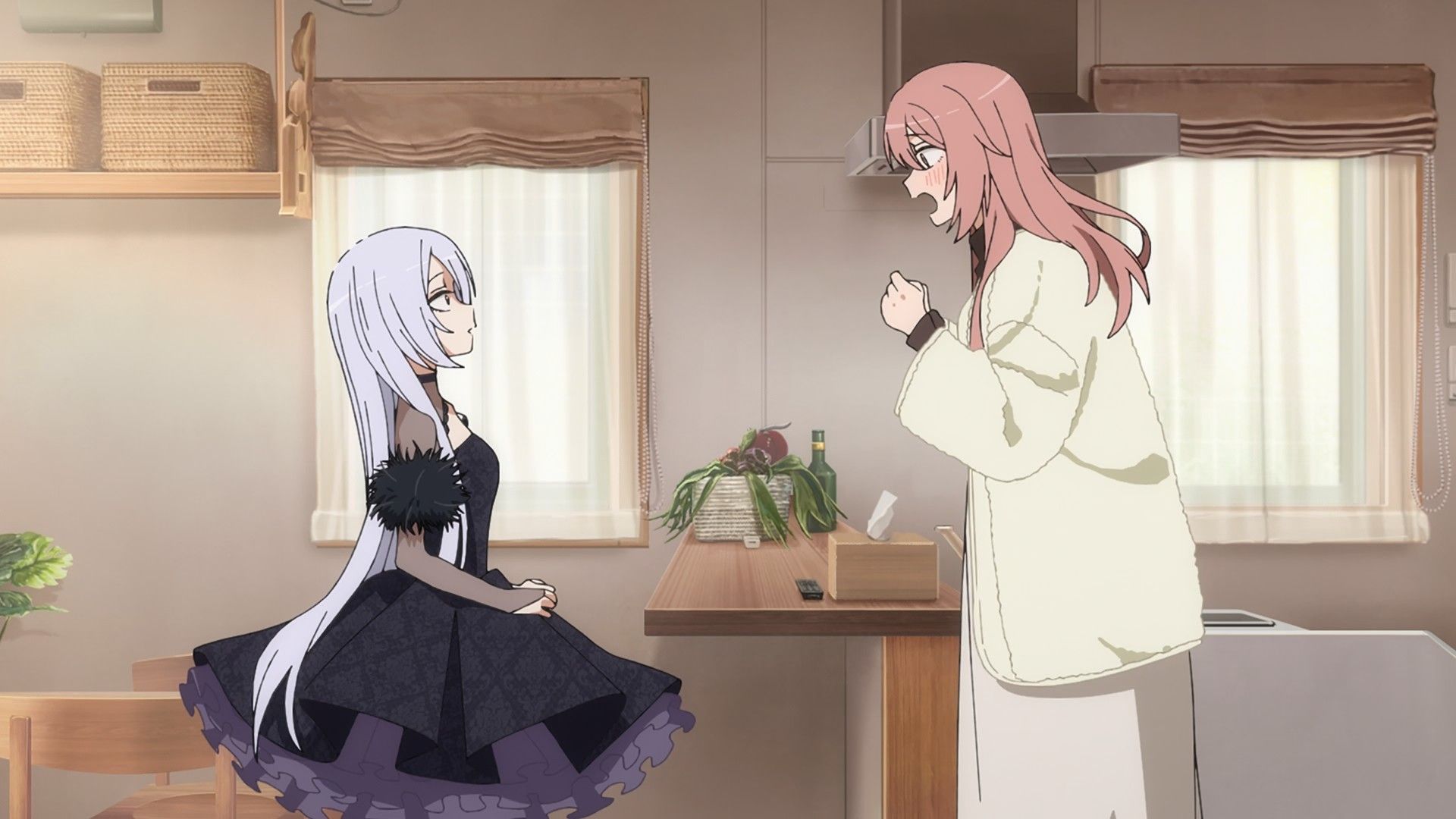
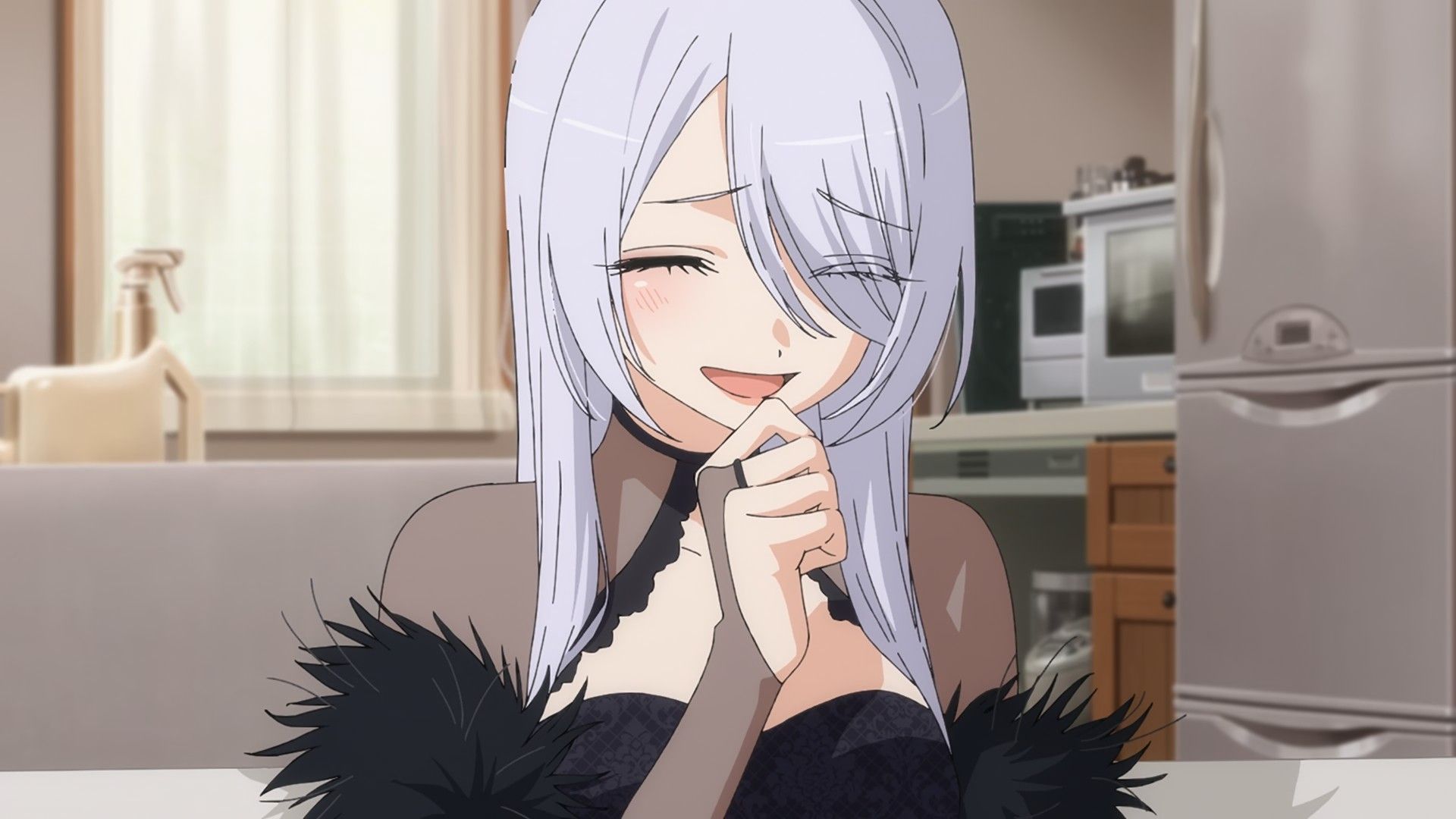
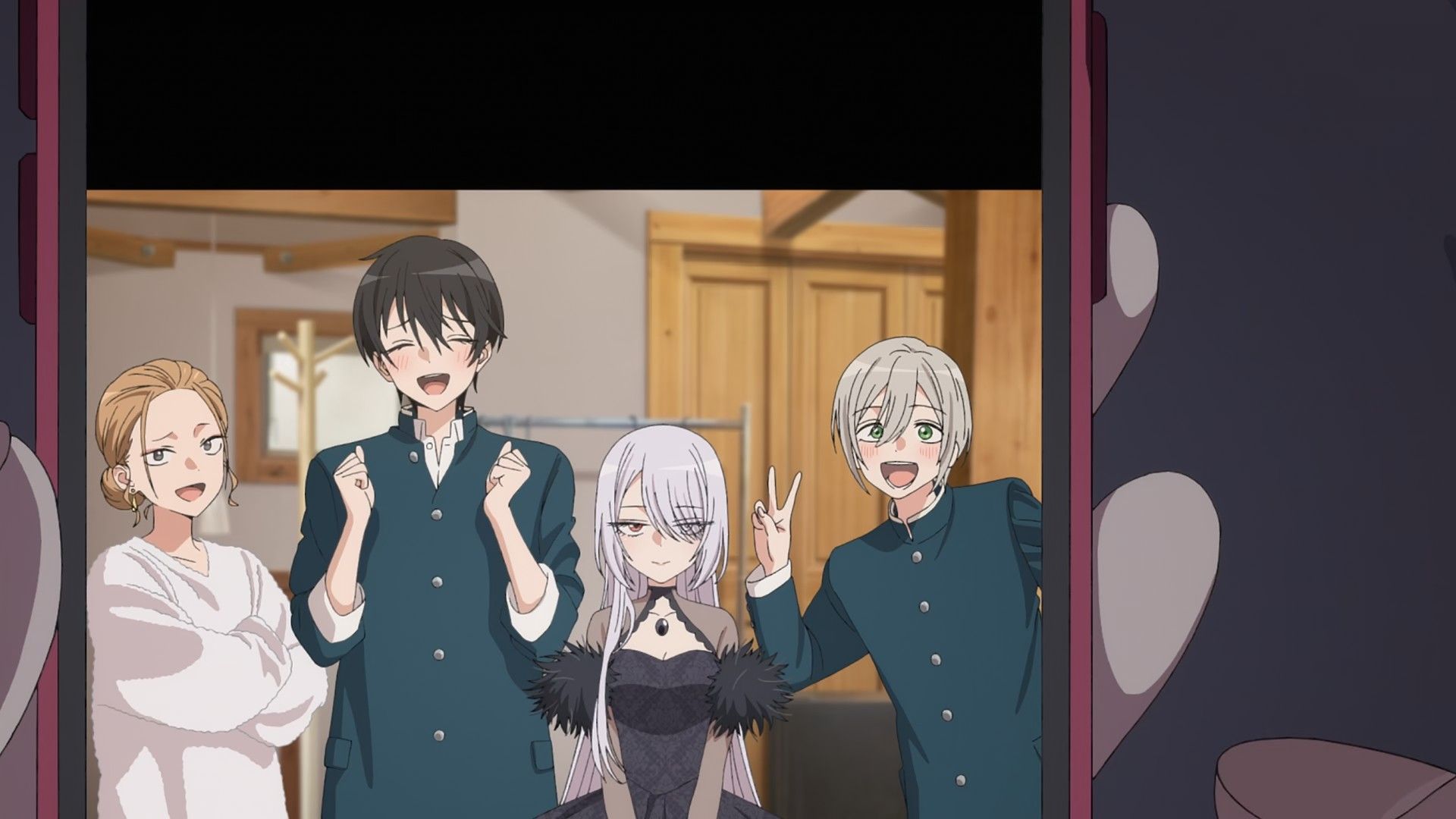
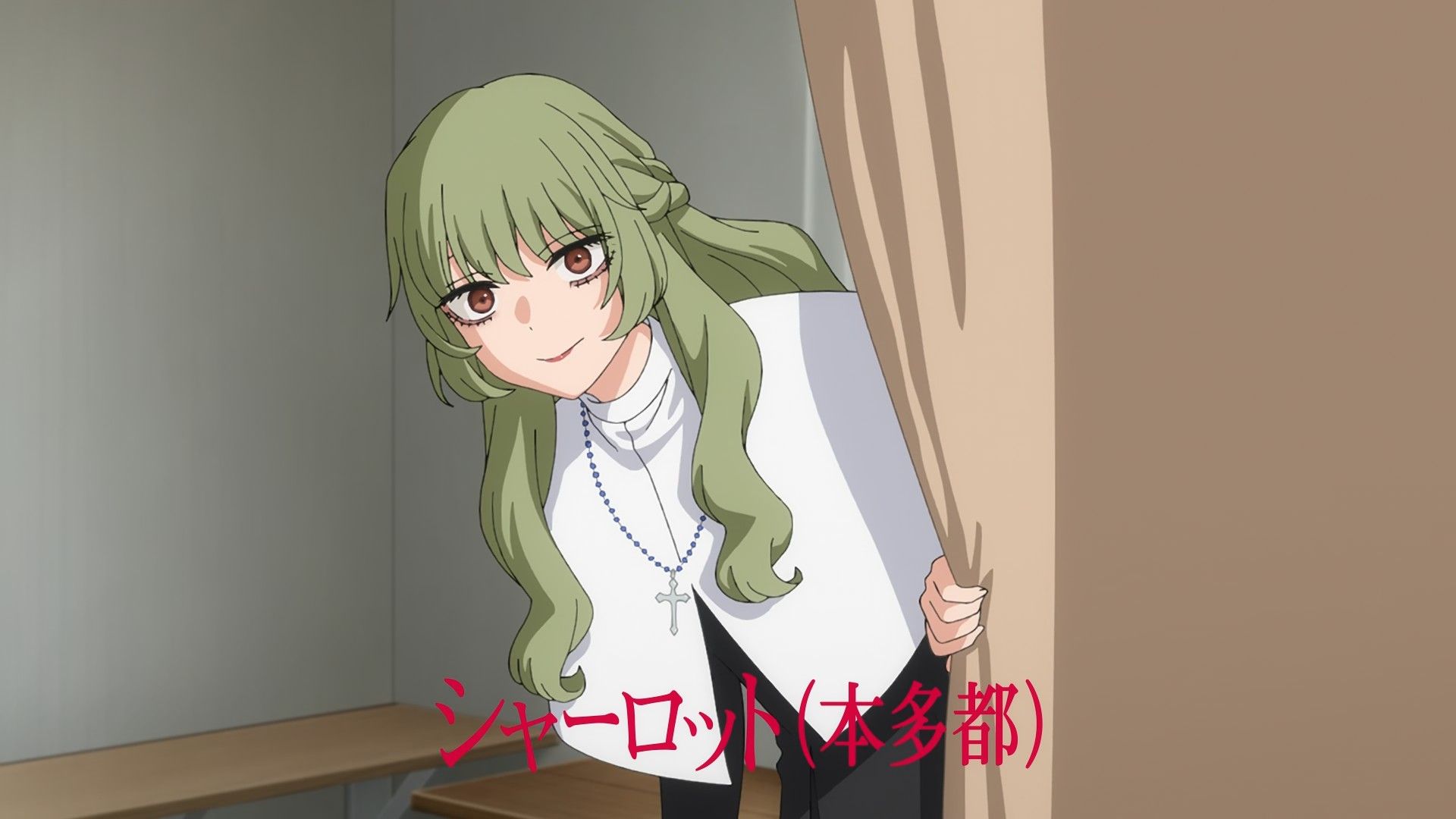
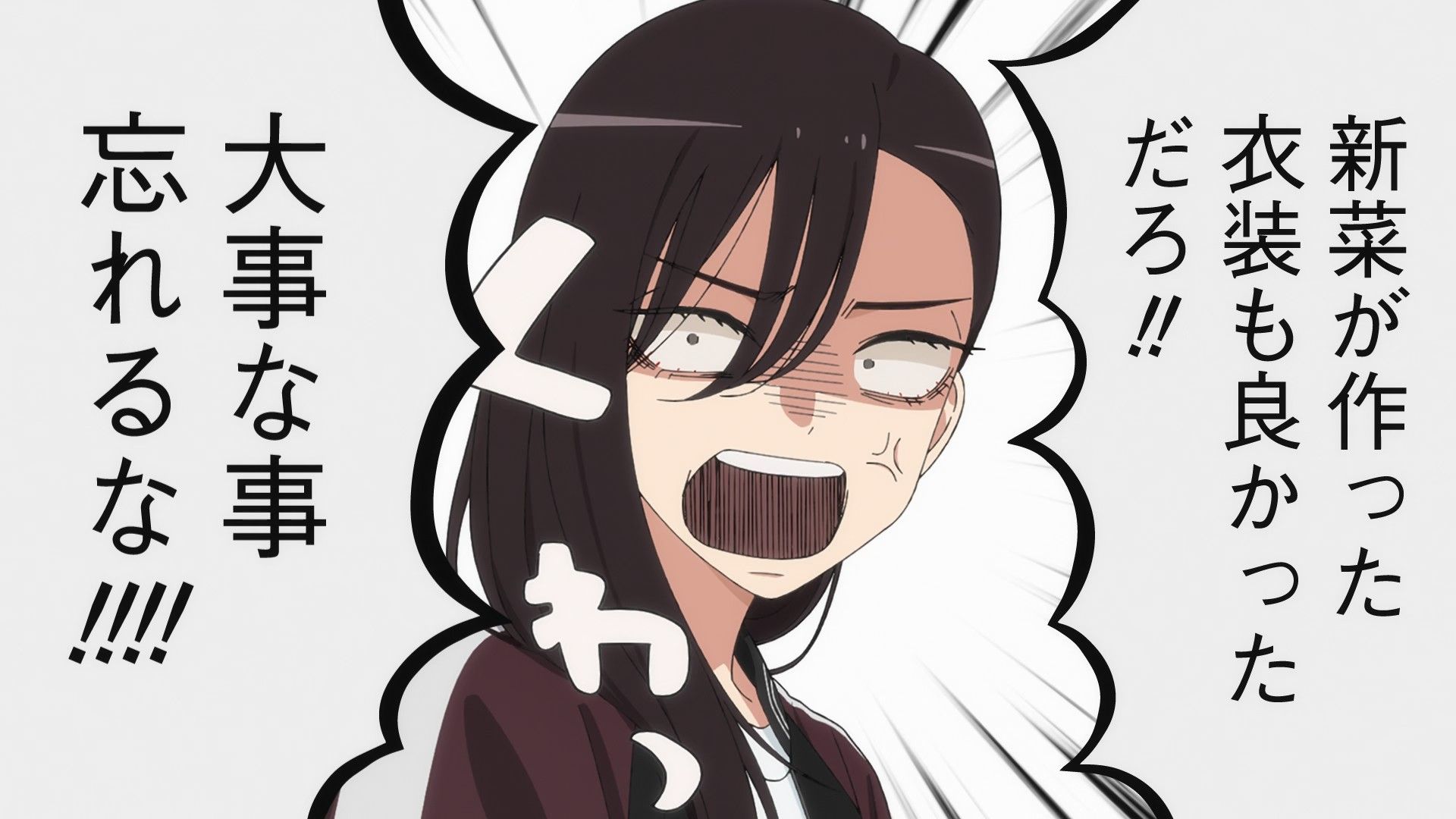
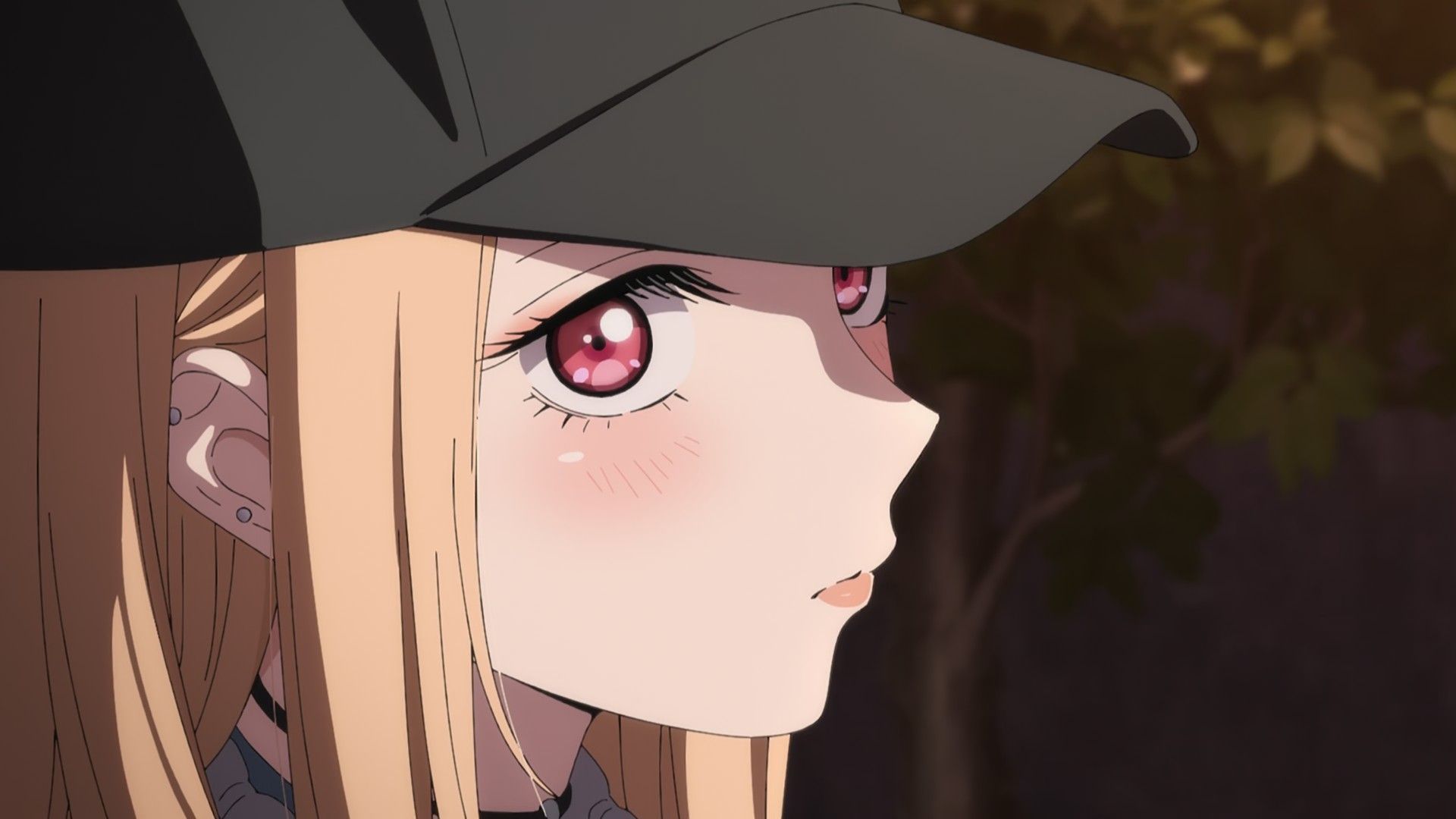
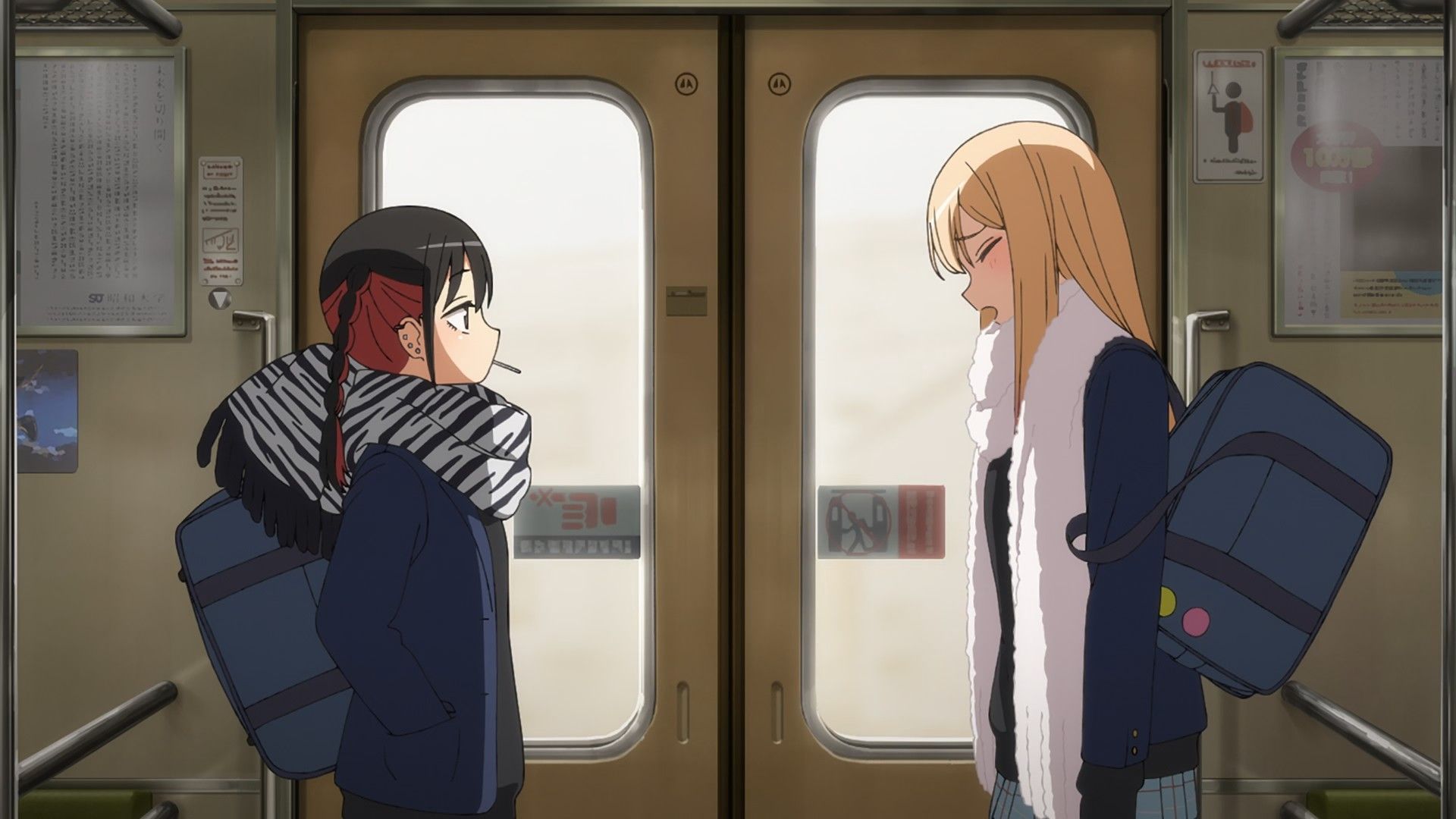
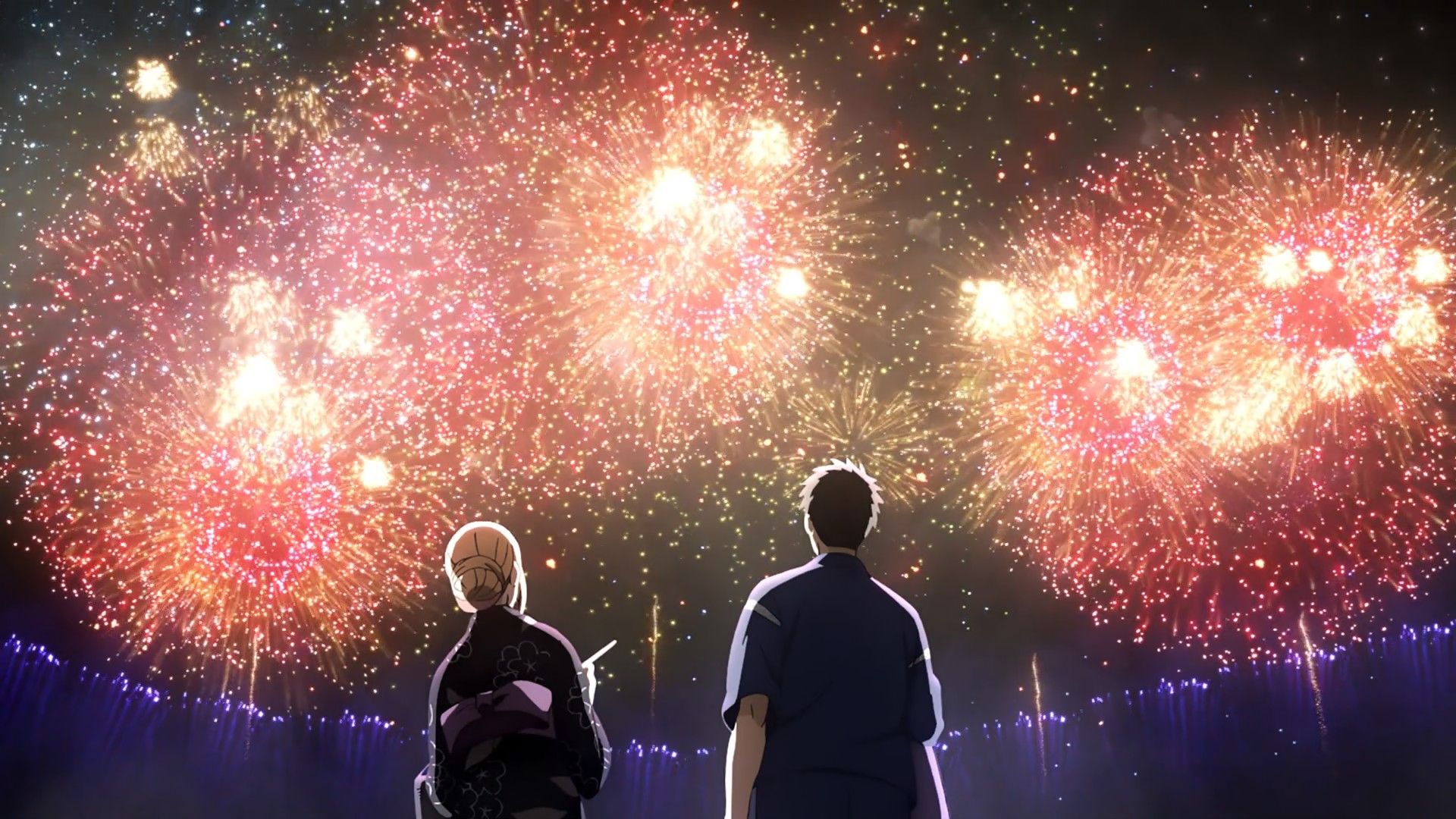
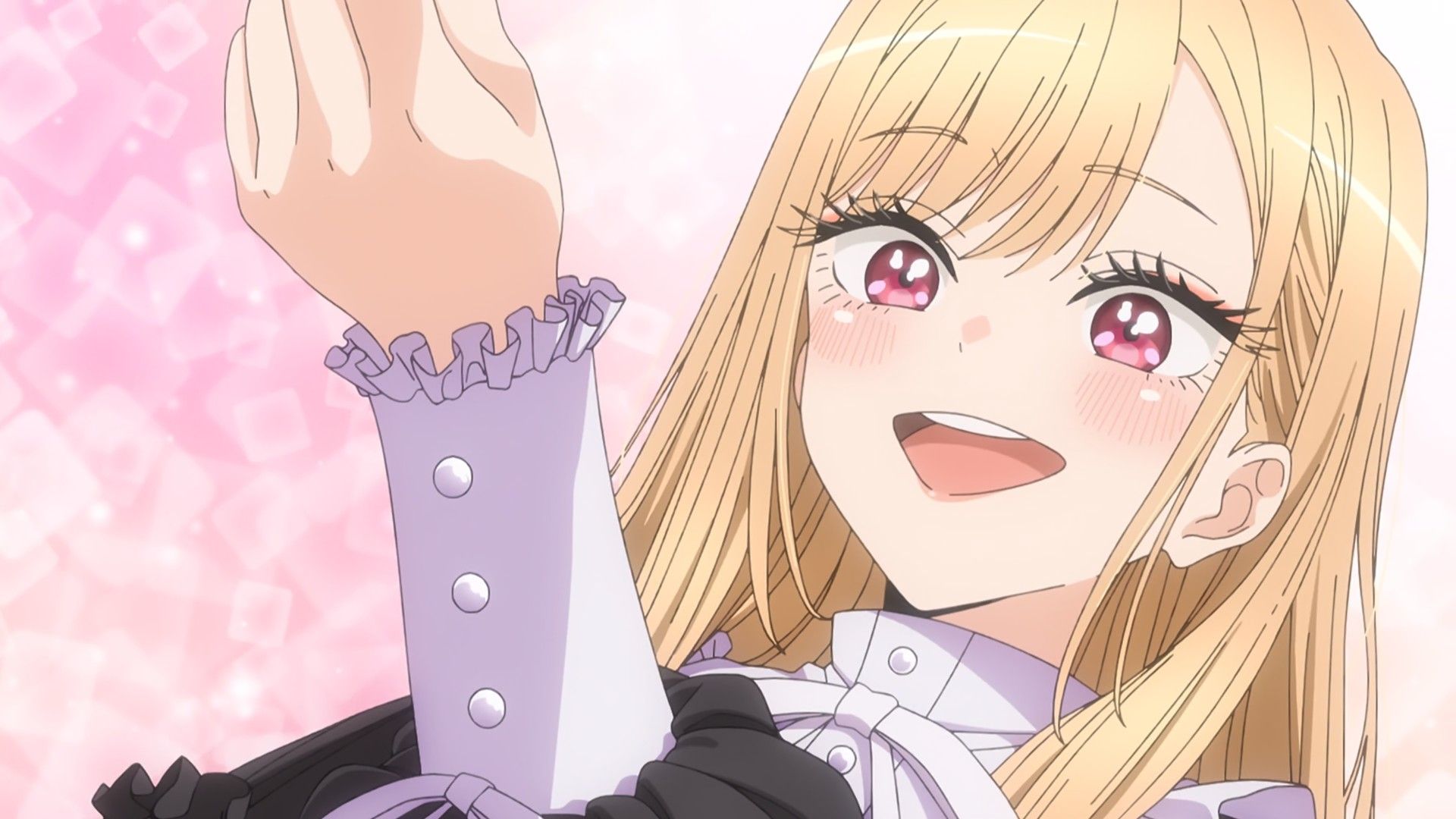
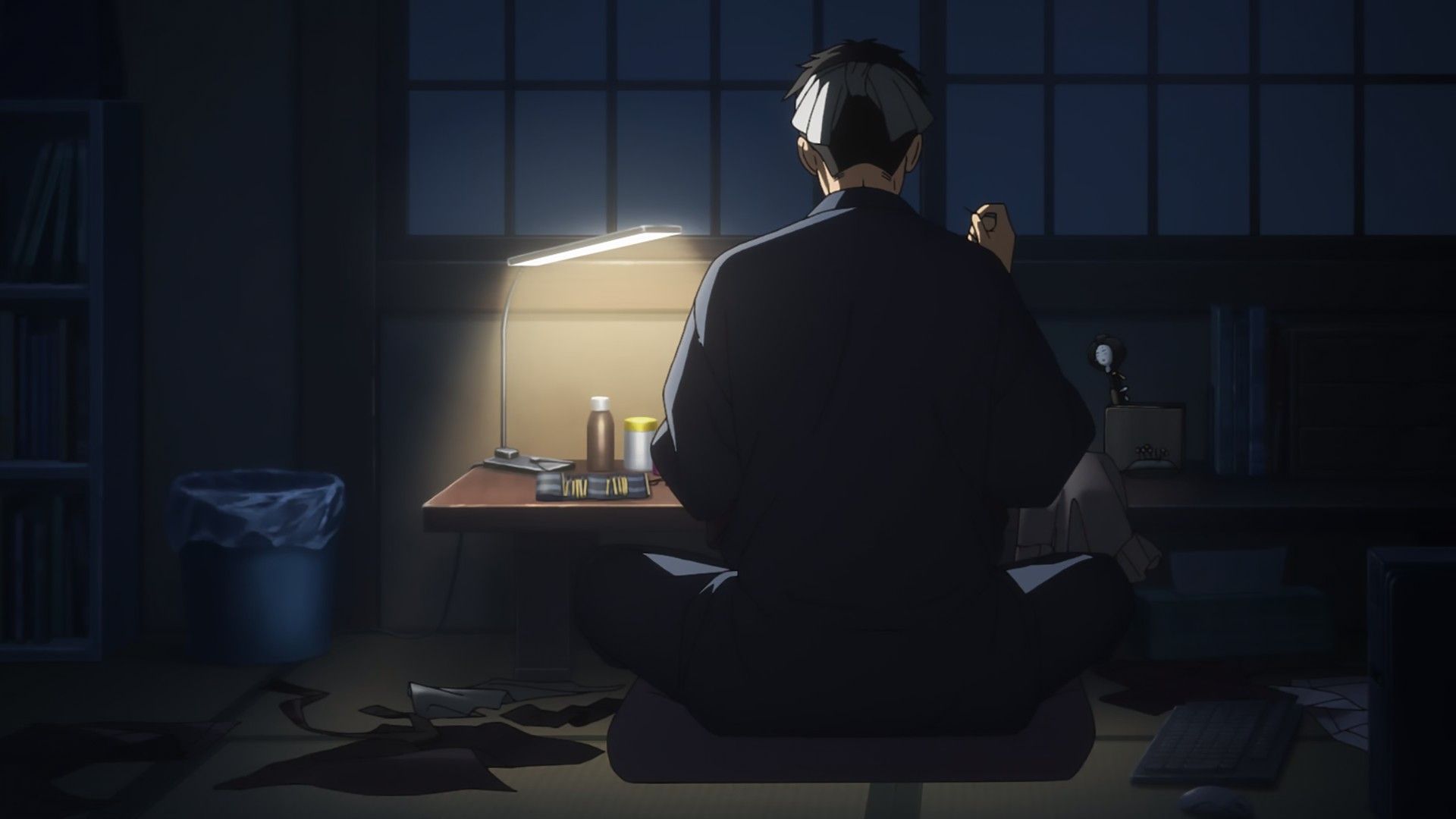
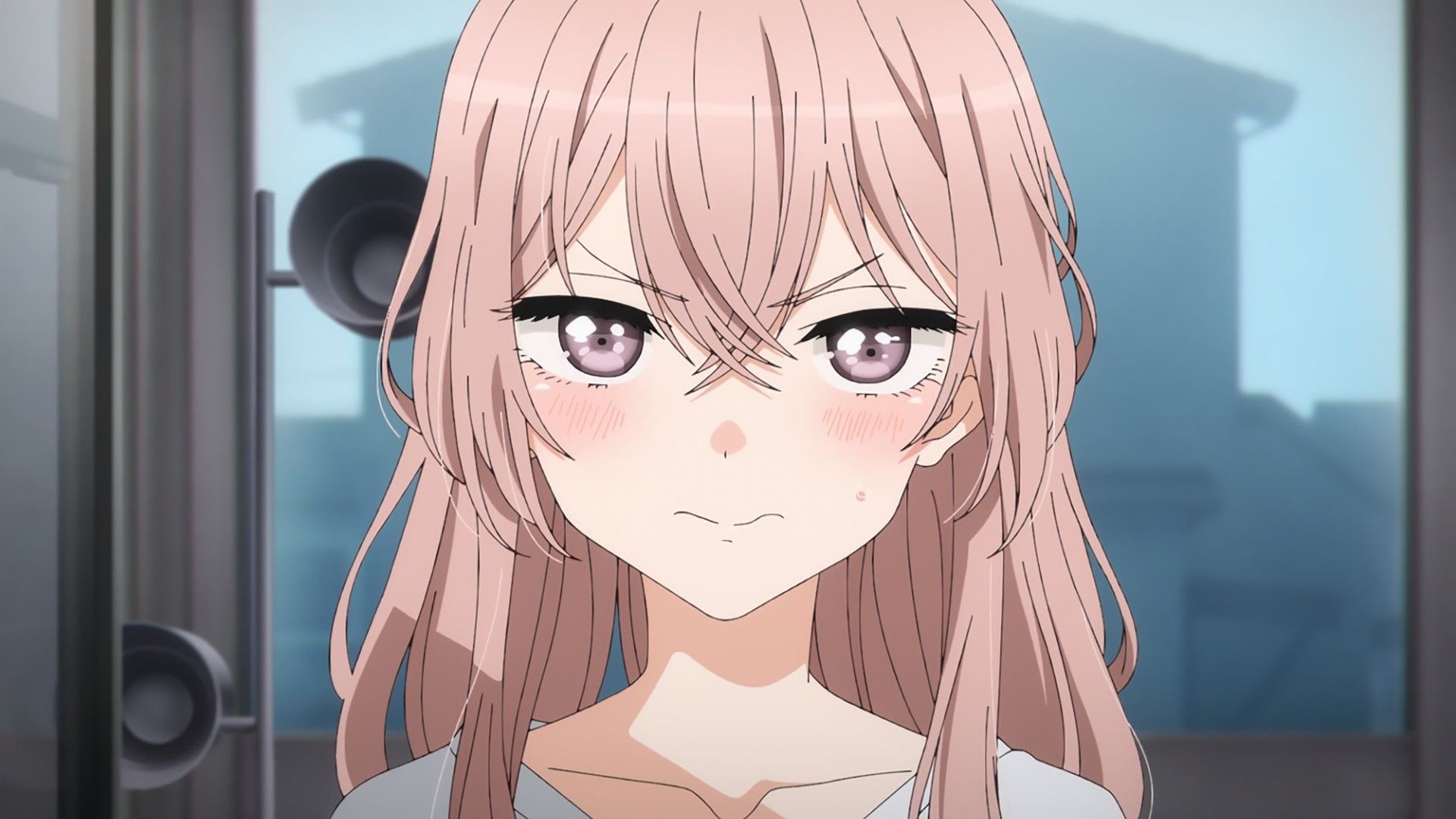
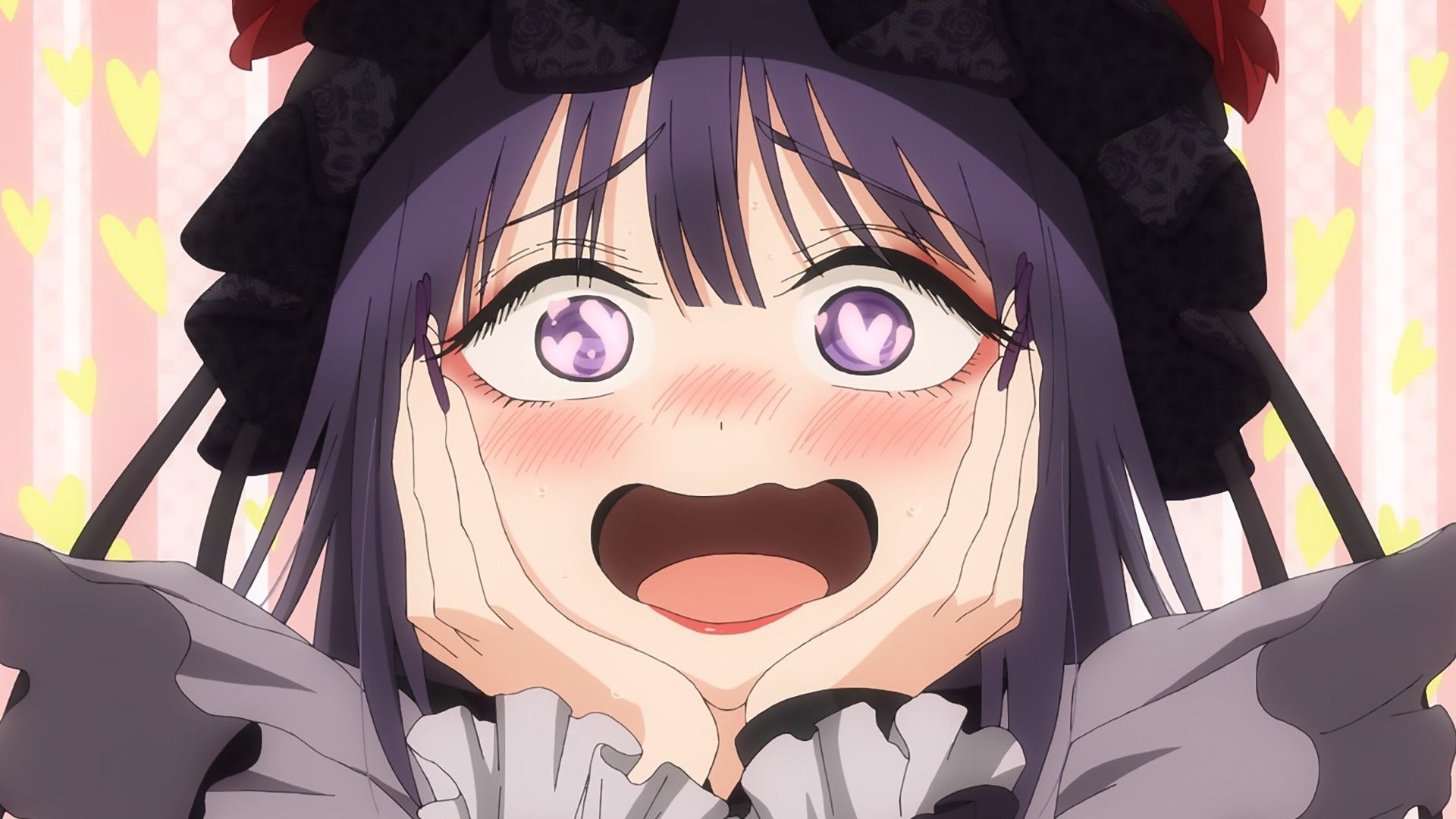
Studio CloverWorks rose to the challenge, delivering an anime with a very pleasing visual design. The character designs faithfully reflect the style of the manga’s author, Fukuda Shinichi. Kitagawa Marin looks beautiful as an energetic gyaru, while the shy Gojou Wakana retains his good-natured charm. The animation is fluid, detailed, and very expressive. The level of detail can truly impress. Key scenes, such as the final presentation of Marin’s first cosplay as Shizuku-tan or the emotional photo session in the hotel, were executed with great care to capture both the comedic and romantic atmosphere of those moments. The backgrounds and scenery are aesthetic and equally detailed, creating a believable environment for the characters’ passions. It’s clear that the creators put their hearts into the visual depiction of the world of Sono Bisque Doll wa Koi wo Suru.
Dźwięk
The sound design is of a high standard, especially regarding the voice acting. The relatively new actress Suguta Hina, in the role of Marin, perfectly captured the liveliness and charisma of her character. Her enthusiastic shouts, sweet embarrassment when falling in love, and overall style of expressing emotions delighted me in every episode. Accompanying her, Ishige Shouya as Gojou Wakana subtly portrayed the character’s uncertainty and kindness. Also, Tanezaki Atsumi as the experienced cosplayer Inui Sajuna and Yomiya Hina as the shy Shinju performed brilliantly, giving their characters unique personalities.
As for the soundtrack, it serves as a pleasant background. The instrumental tracks emphasize the light, joyful atmosphere of the series or build tension in more emotional scenes. While no musical theme is particularly memorable, the whole is consistent with the tone of the story. However, I don’t intend to return to it outside of the anime.
The openings and endings, however, deserve attention. The first ending — 恋ノ行方 / Koi no Yukue by Akase Akari — is really catchy. On the other hand, the ending of the second season — Kawaii Kaiwai performed by PiKi (written by Nakata Yasutaka, creator of the duo Capsule, who was also responsible for the Perfume album Nebula Romance I recently reviewed) — is on constant loop for me. The second season opening (アオとキラメキ / Ao to Kirameki) also appealed to me greatly and frequently appears on my playlists.
Sono Bisque Doll wa Koi wo Suru – Plot and Characters
Introduction
When choosing series to watch in Winter 2022, I expected a pleasant romantic comedy seasoned with a cosplay theme and a bit of fanservice. As it turned out, the anime not only met those expectations but surprised me in many aspects more than I could have anticipated. Here, CloverWorks showed once again that they really know what they’re doing.
A Brief Overview of the Sono Bisque Doll wa Koi wo Suru Plot
Gojou Wakana is an inconspicuous, withdrawn high school student. In his spare time, he devotes himself to upholding tradition by sewing clothes and painting the faces of traditional Japanese hina dolls. Due to a painful childhood experience, Wakana stays on the sidelines and hides his passion from the world. On the other hand, Kitagawa Marin is his complete opposite — a popular girl in class, adored by her peers. At the same time, she lives in her own world. She is a passionate otaku, loves anime, eroge, and above all — dreams of cosplay. Chance brings these two together. Marin discovers Wakana sewing in the clothing workshop after school one day.
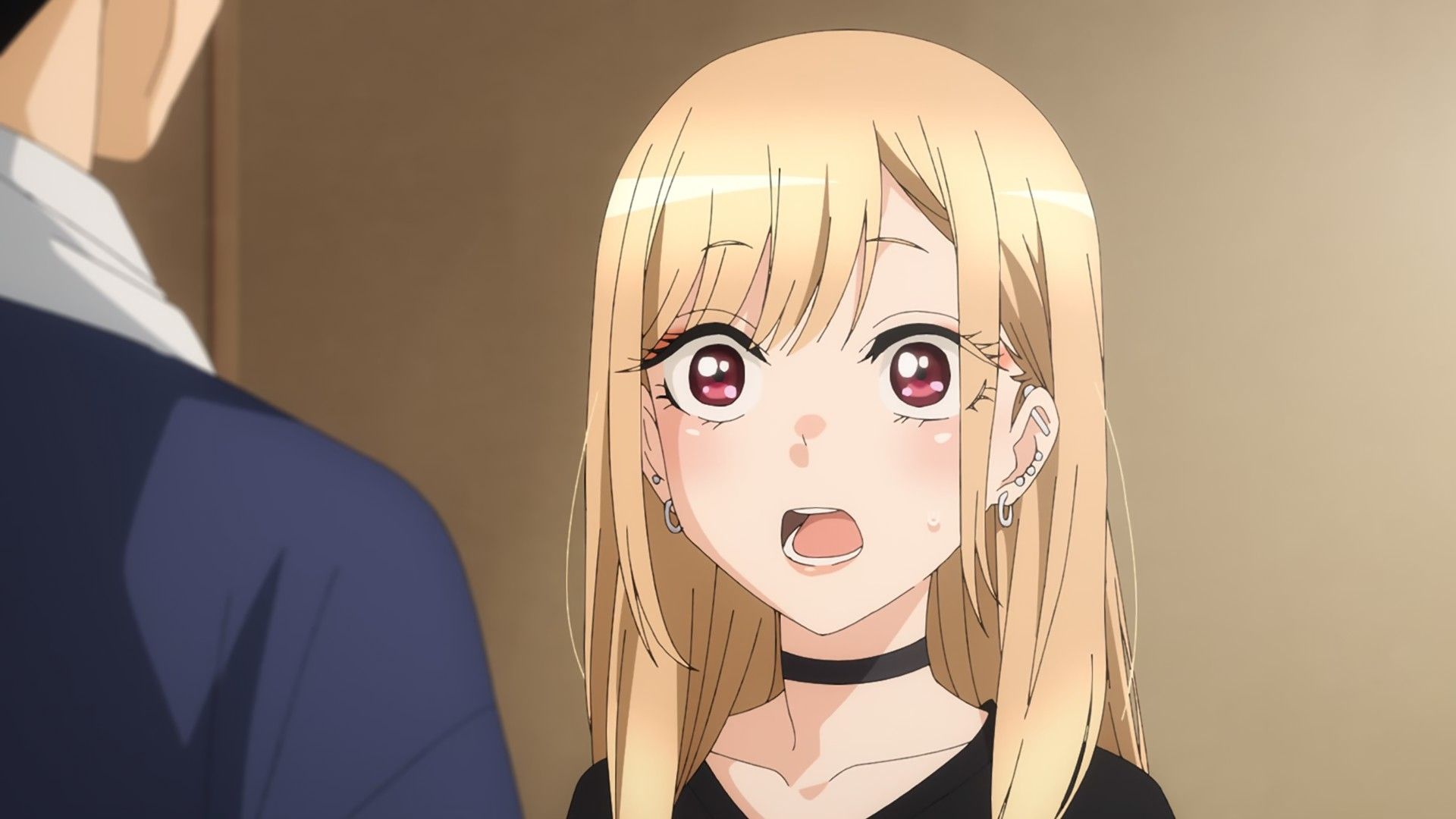
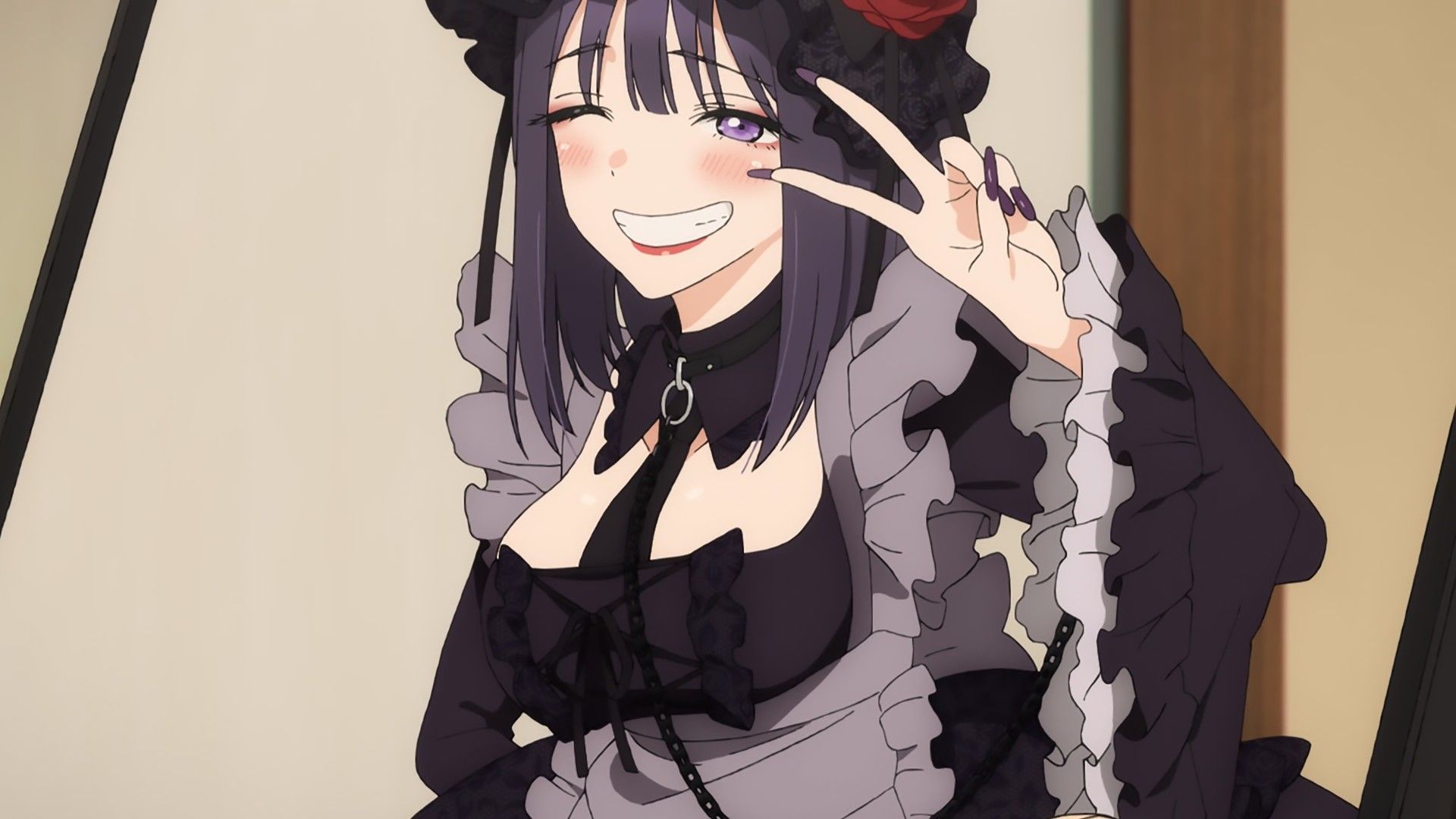
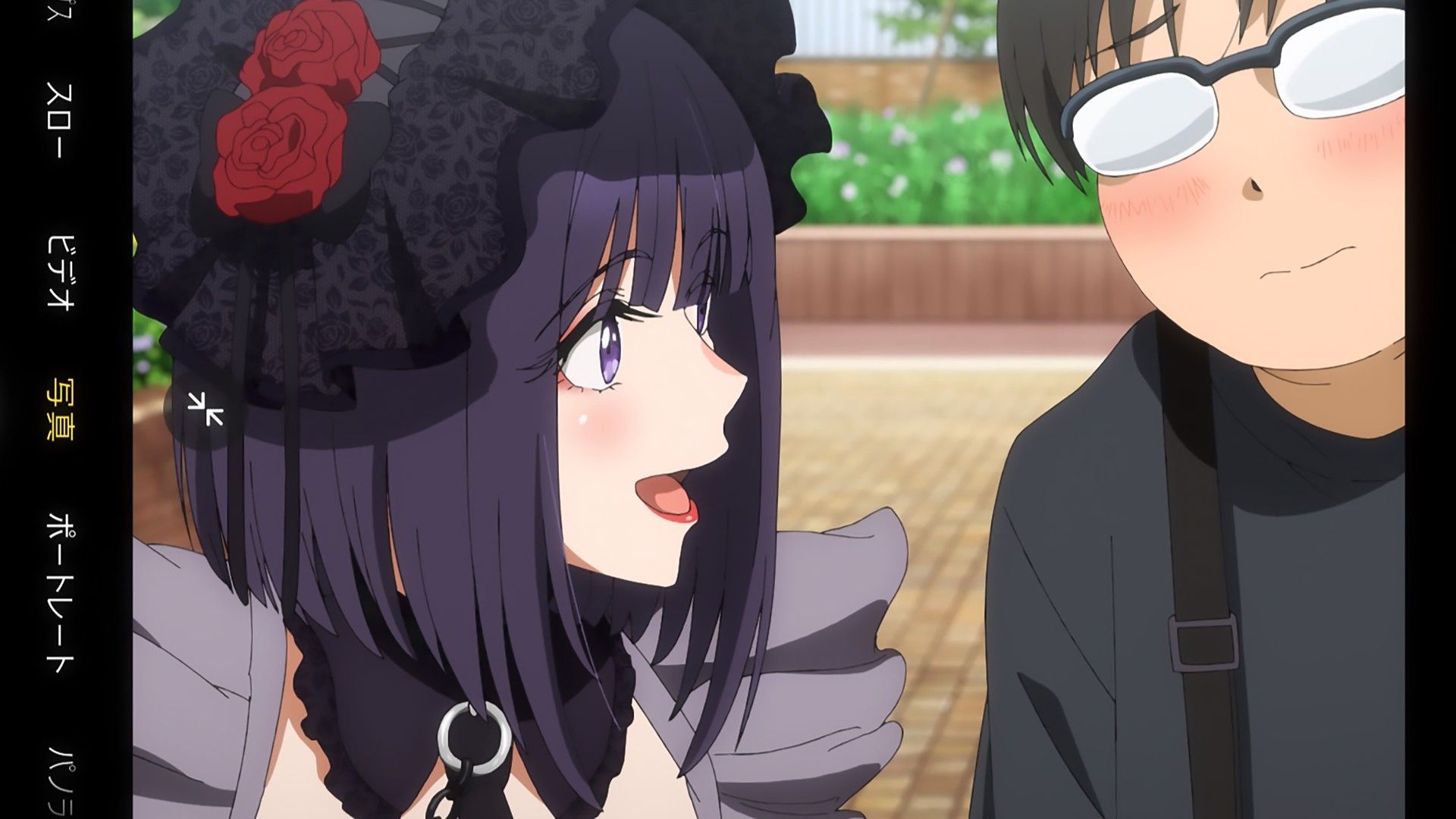
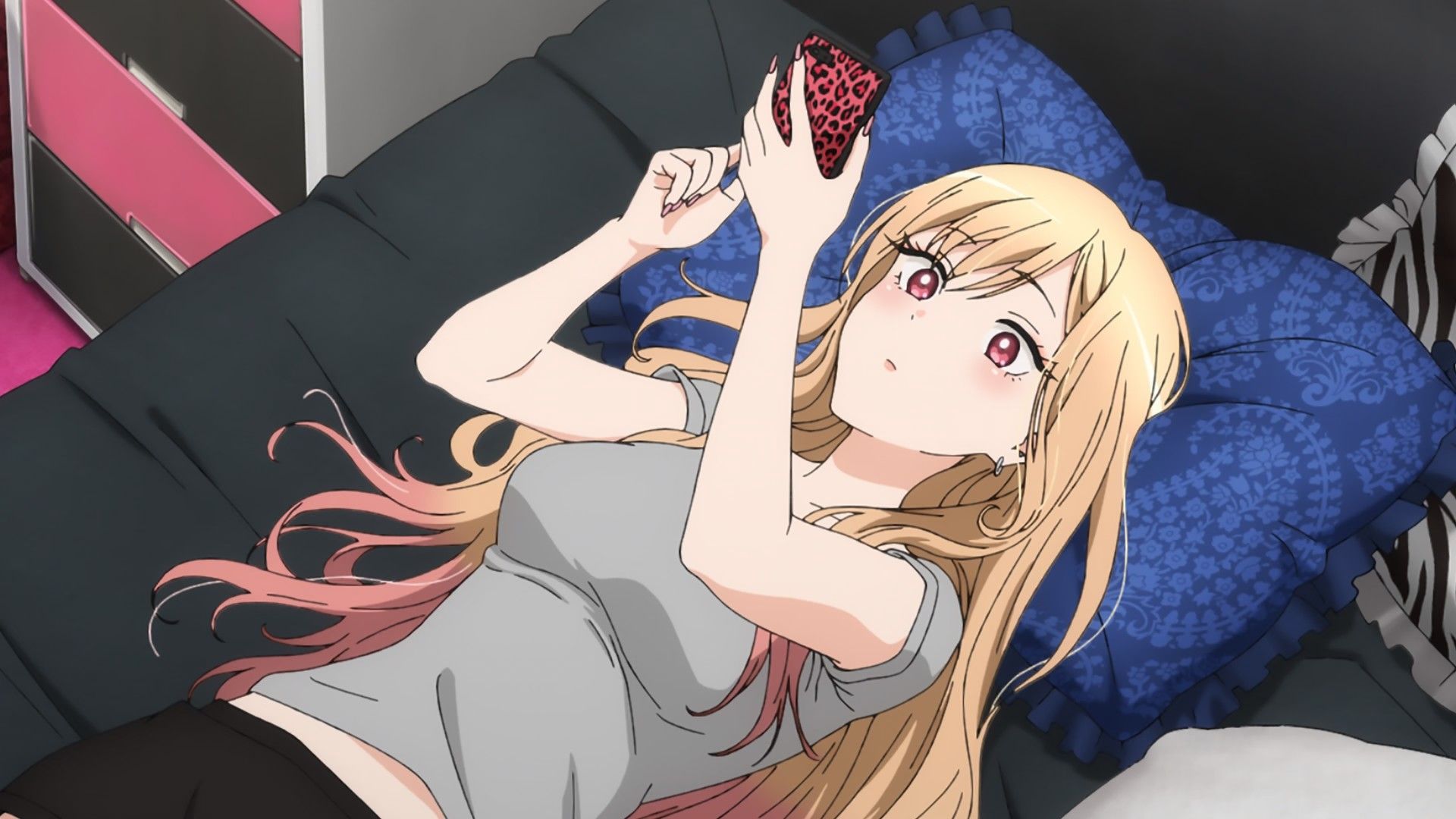
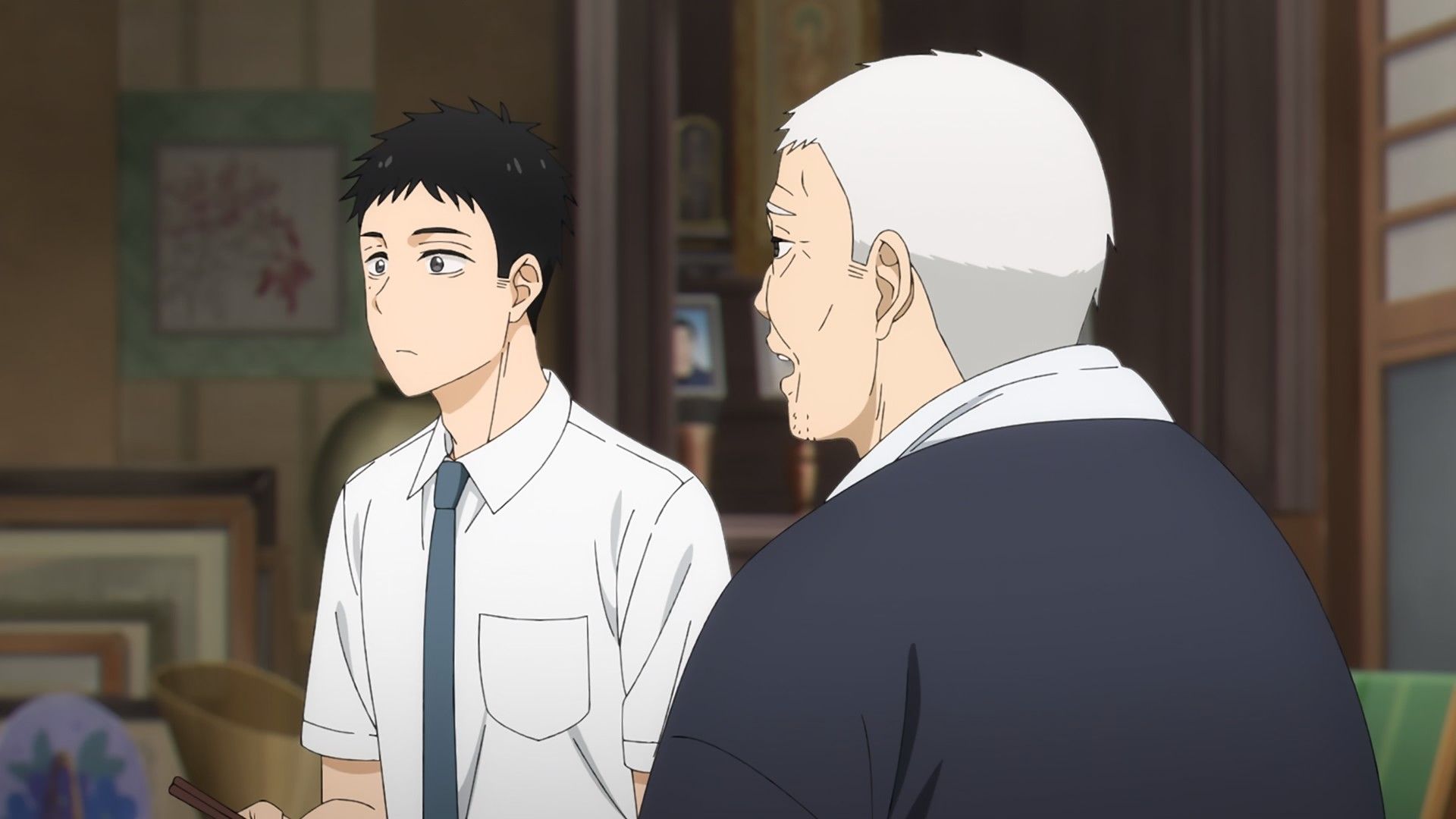
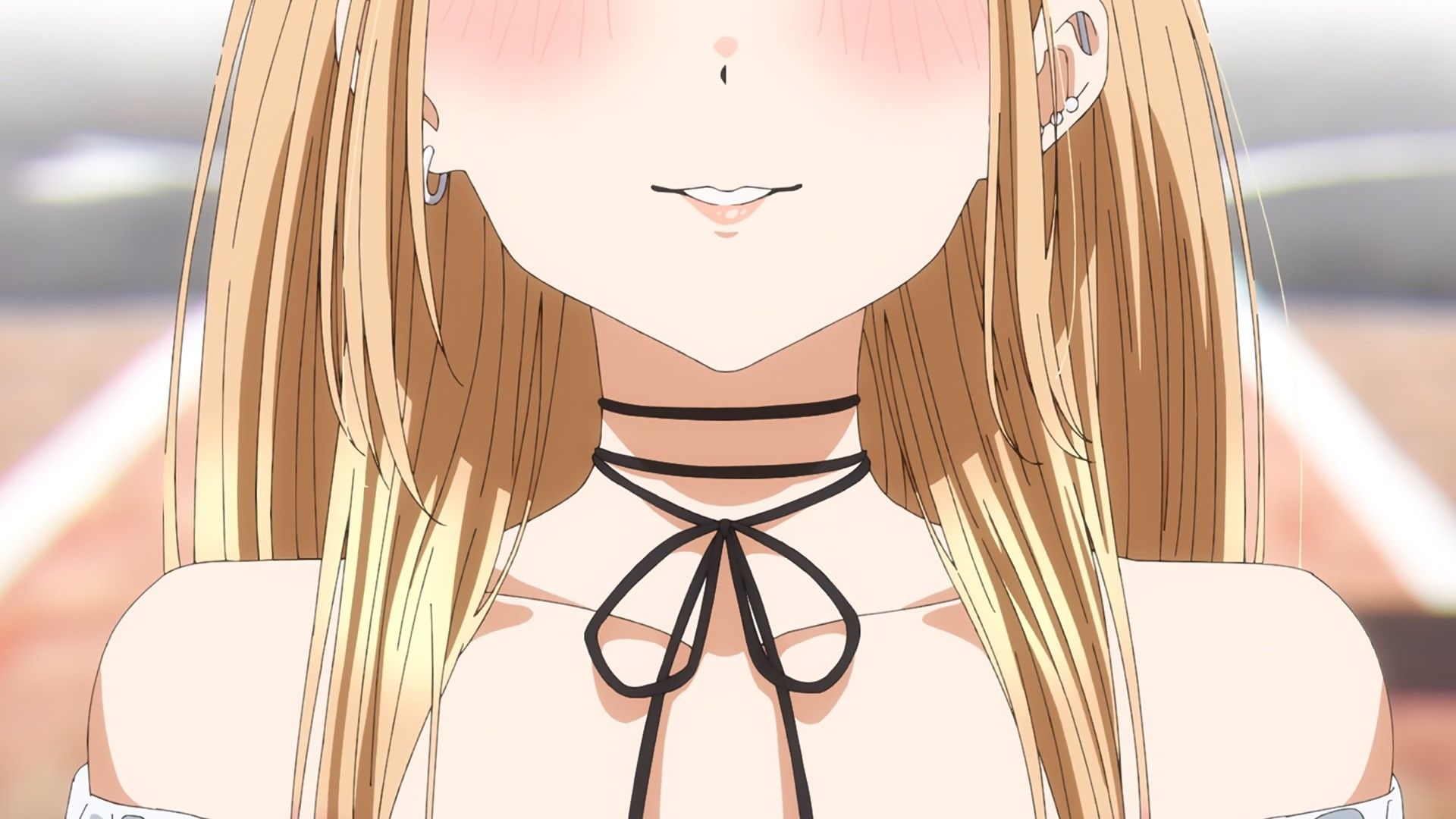
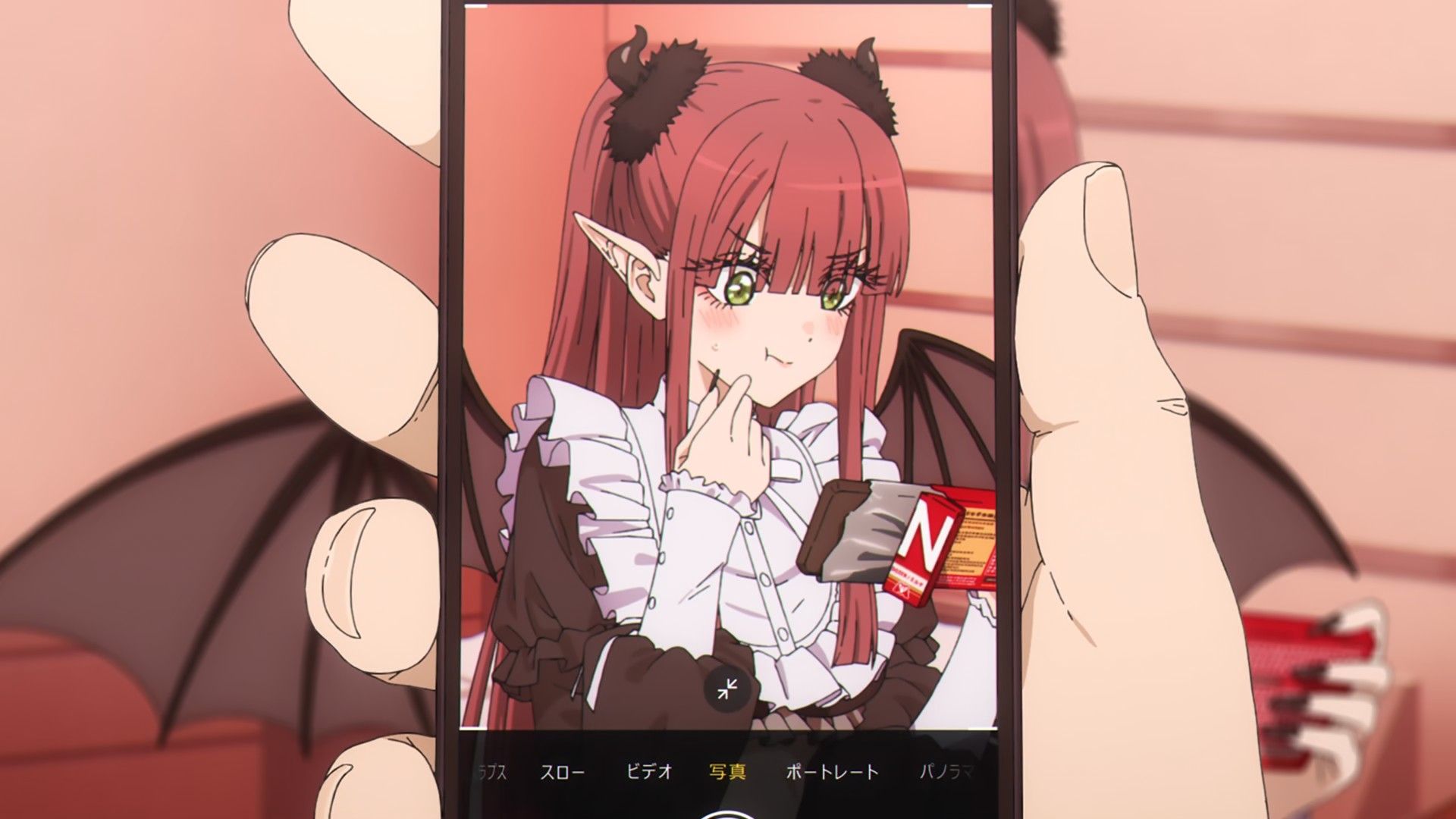
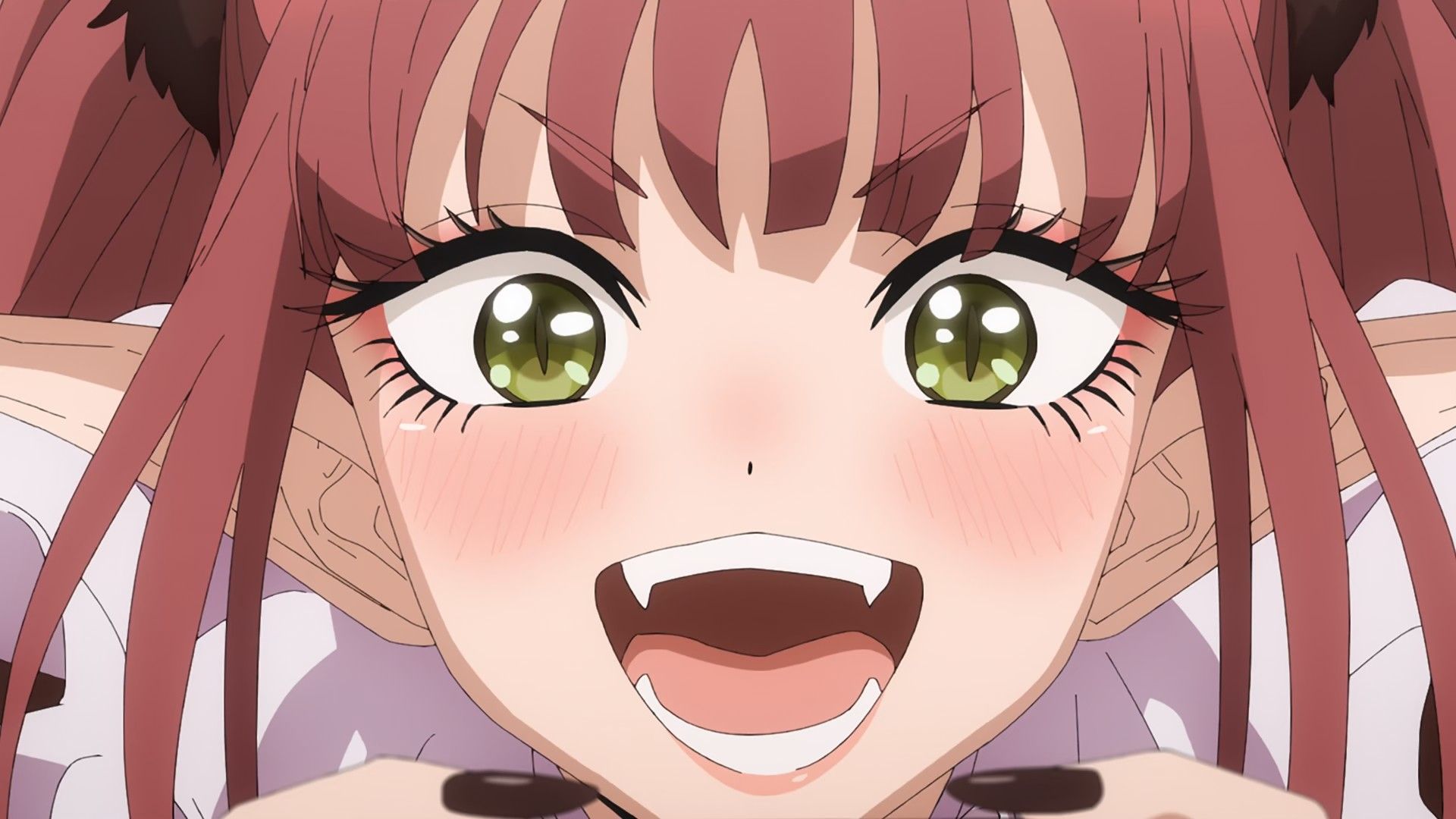
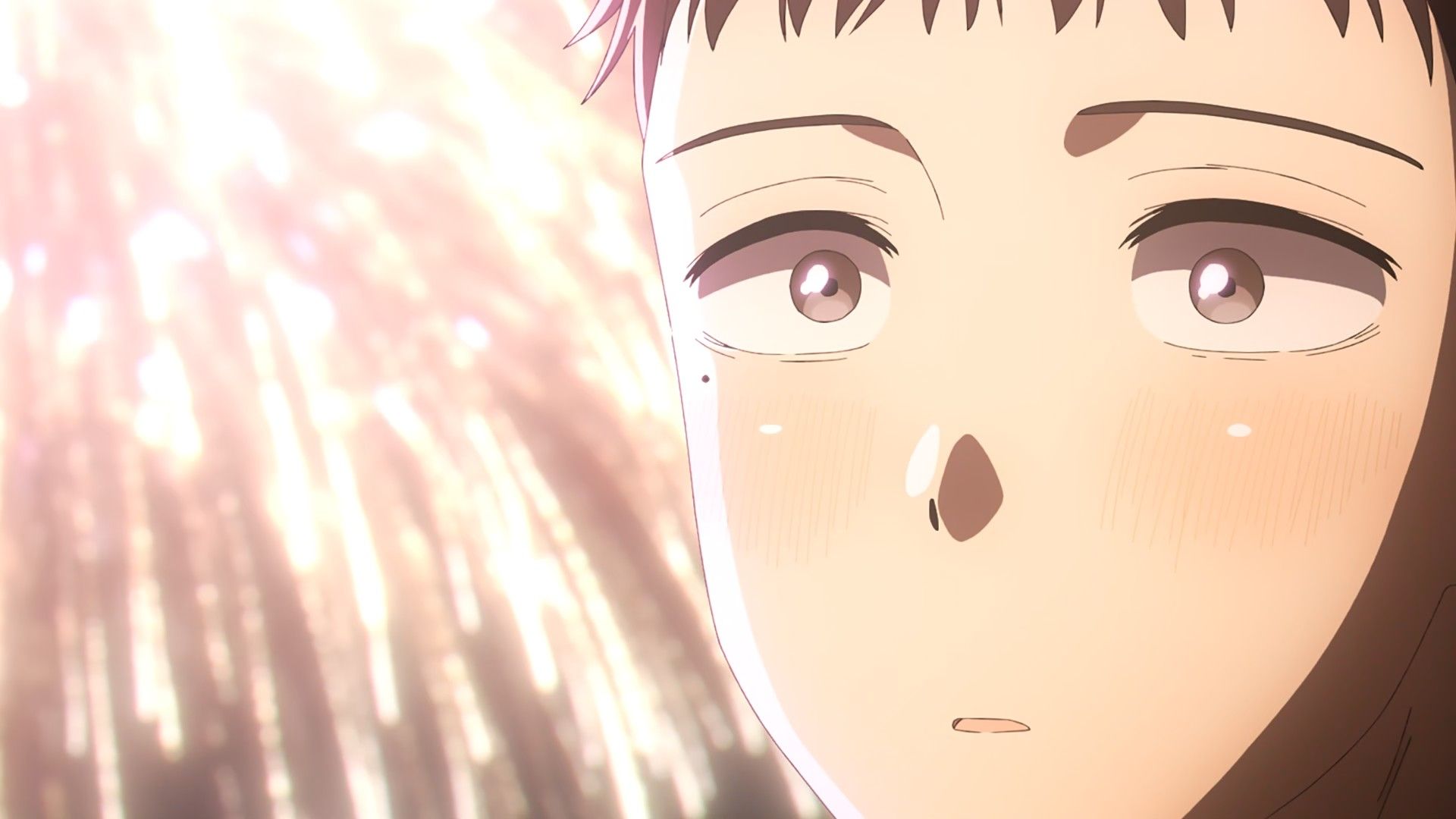
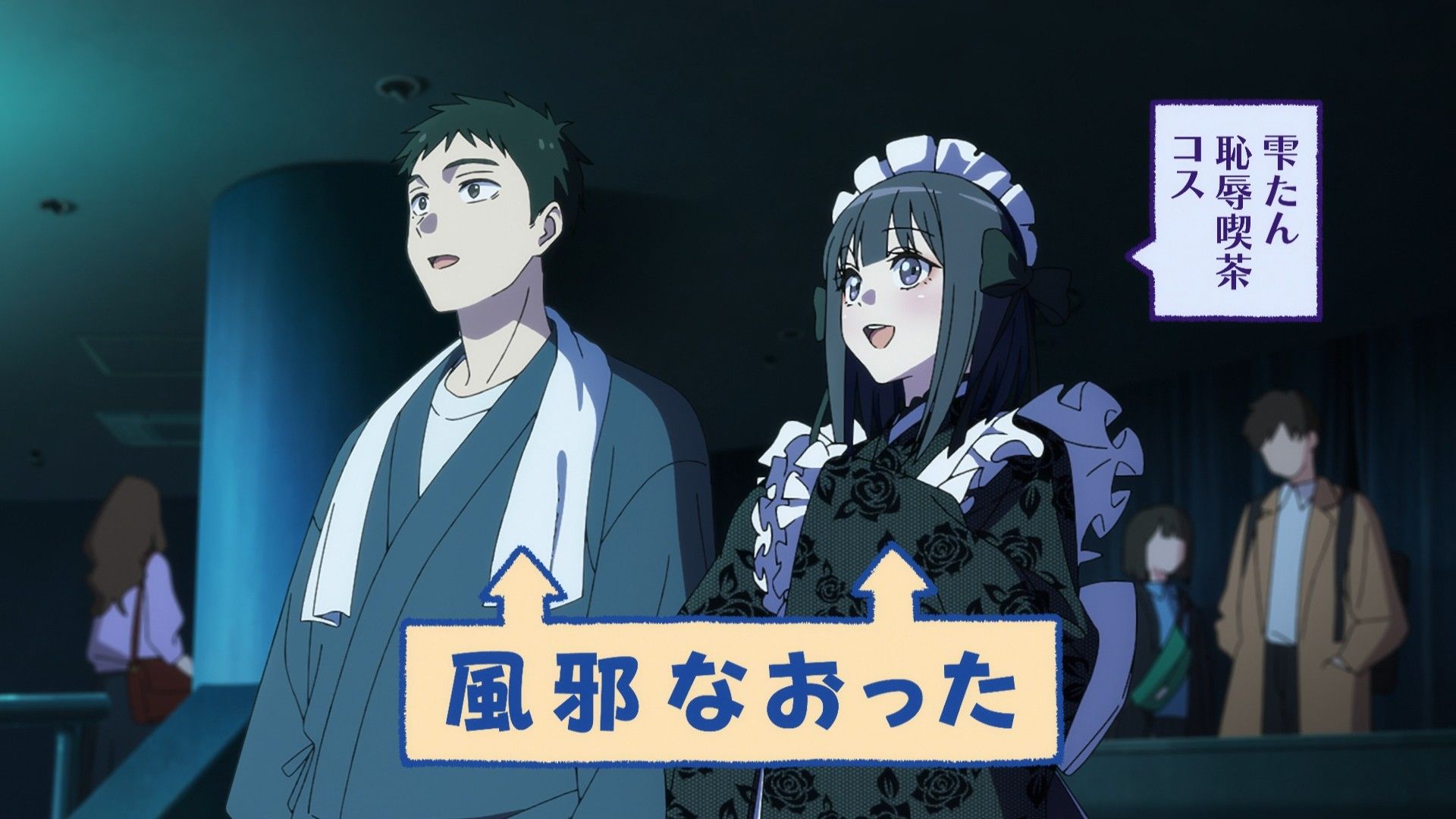
To the boy’s surprise, instead of mockery, he sees sincere admiration for his skills in her eyes. Marin quickly seizes the opportunity and, with her typical enthusiasm, asks Wakana to sew an outfit for a character from a game — the magical girl Shizuku-tan.
What is the series about
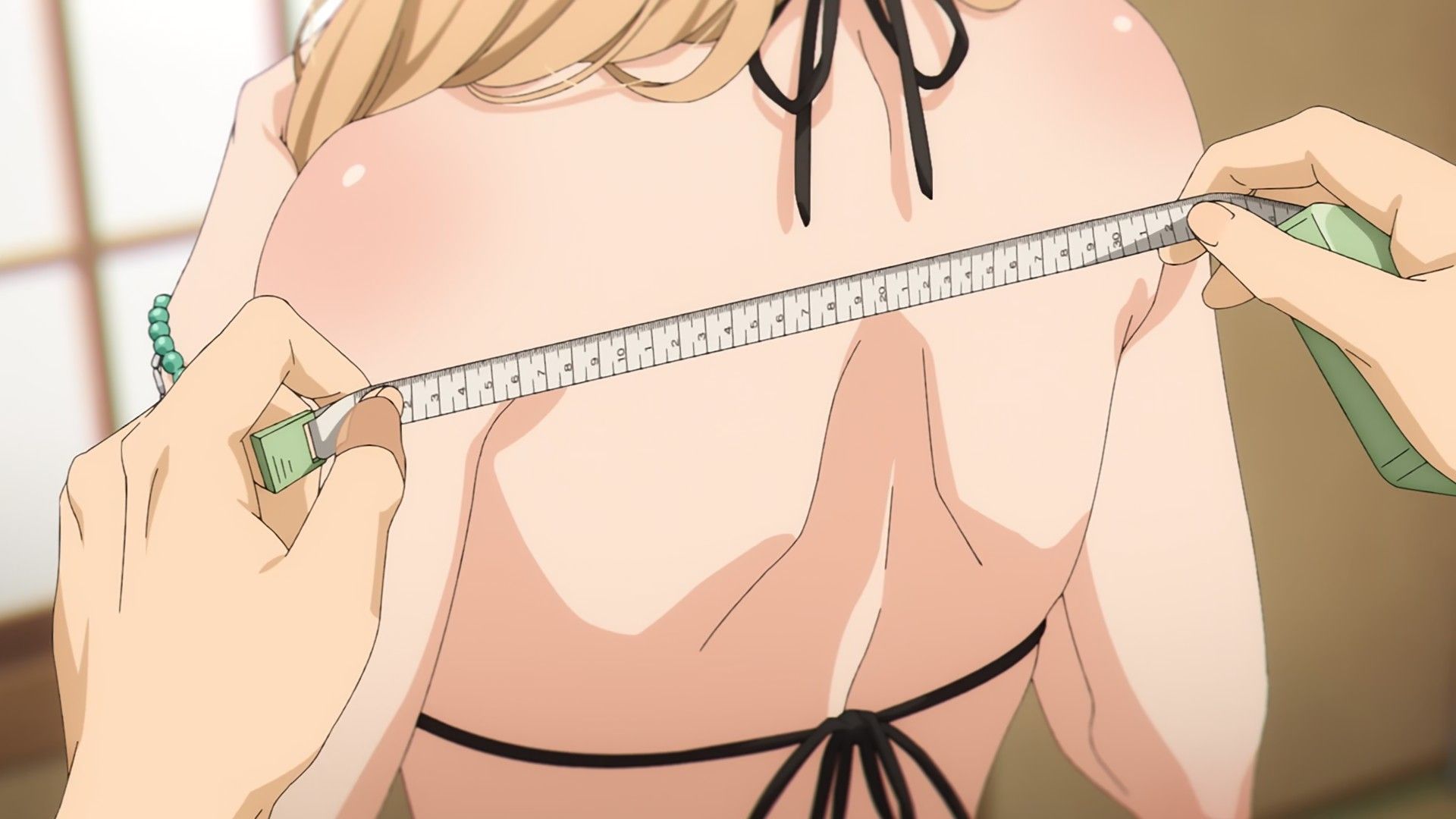
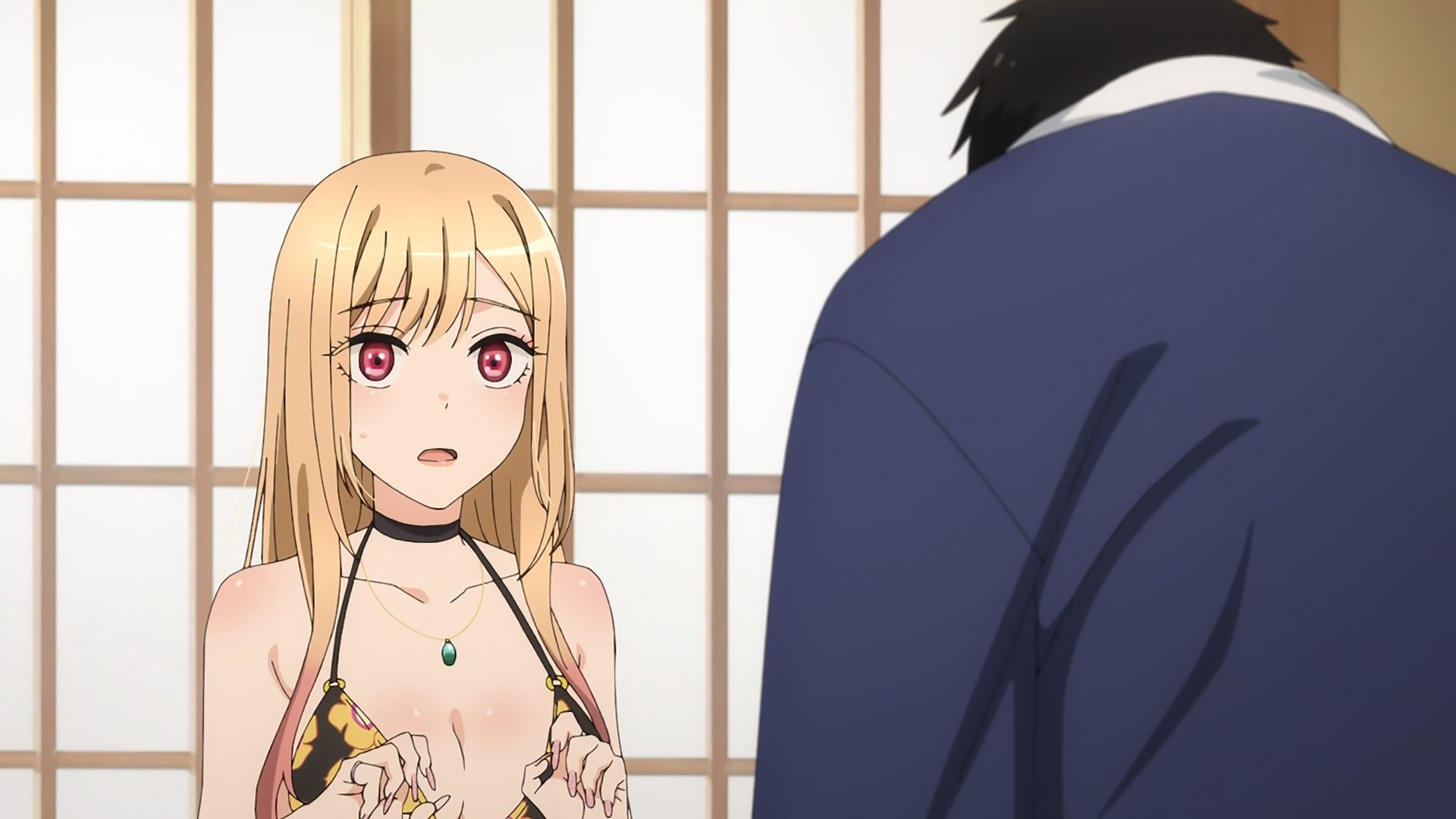
The action of the anime focuses on the subsequent stages of realizing Marin’s dream of becoming her favorite characters. Wakana, though initially unsure if he can handle sewing outfits on a human scale (up until now he had only sewn miniature kimonos), becomes infected by Marin’s passion and agrees to take on the challenge. The first episodes show with humor and warmth how the characters break down barriers. Shopping for materials together, measuring Marin, spending late nights at the sewing machine — it all brings them closer. Marin is delighted by Wakana’s dedication and talent, while he gradually gains self-confidence, seeing how much joy his work gives her. The culmination of the first half of the series is Marin’s appearance at a cosplay event as Shizuku-tan. Her outfit is a sensation, attracting crowds of photographers and fans. The sight of a happy Marin in a creation he made gives Wakana enormous satisfaction and, for the first time, makes him realize that his skills can make others happy.
After a successful debut, they don’t rest on their laurels. New characters join the story: Inui Sajuna (Juju), a professional cosplayer, and her younger sister Shinju, who acts as a photographer. Juju, charmed by the craftsmanship of the Shizuku-tan outfit, approaches Wakana with a request for help with her own costume. Preparing together becomes an opportunity for the further development of our protagonists’ relationship. Working alongside the talented Juju, Wakana polishes his tailoring skills even more and begins to understand that his passion can become something more than just a solitary hobby. Marin, meanwhile, gains a new colleague in Juju — initially a somewhat intimidating idol who, over time, becomes a sincere partner for conversations about favorite series and a healthy rival in her love for cosplay.
Type of story
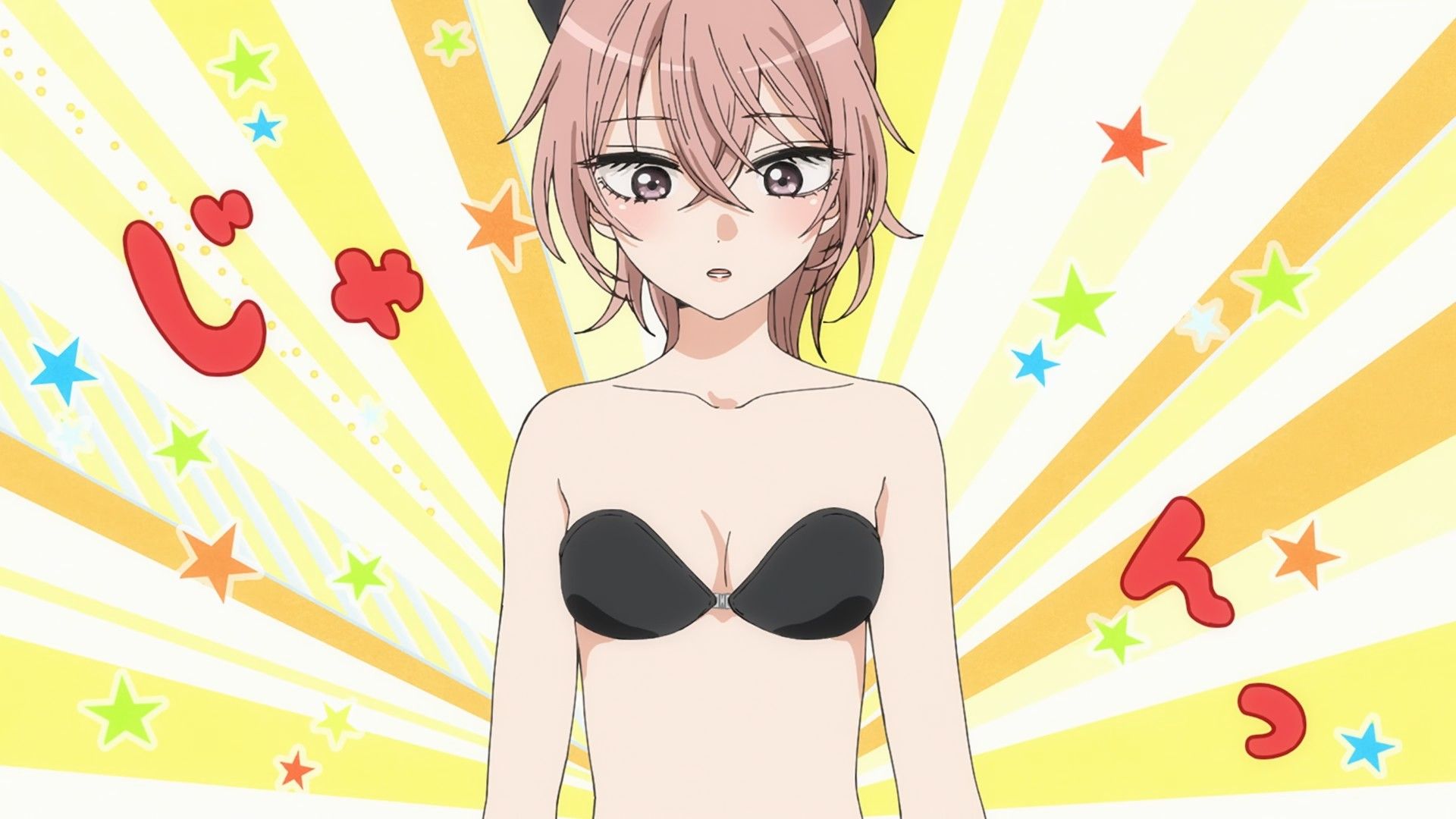
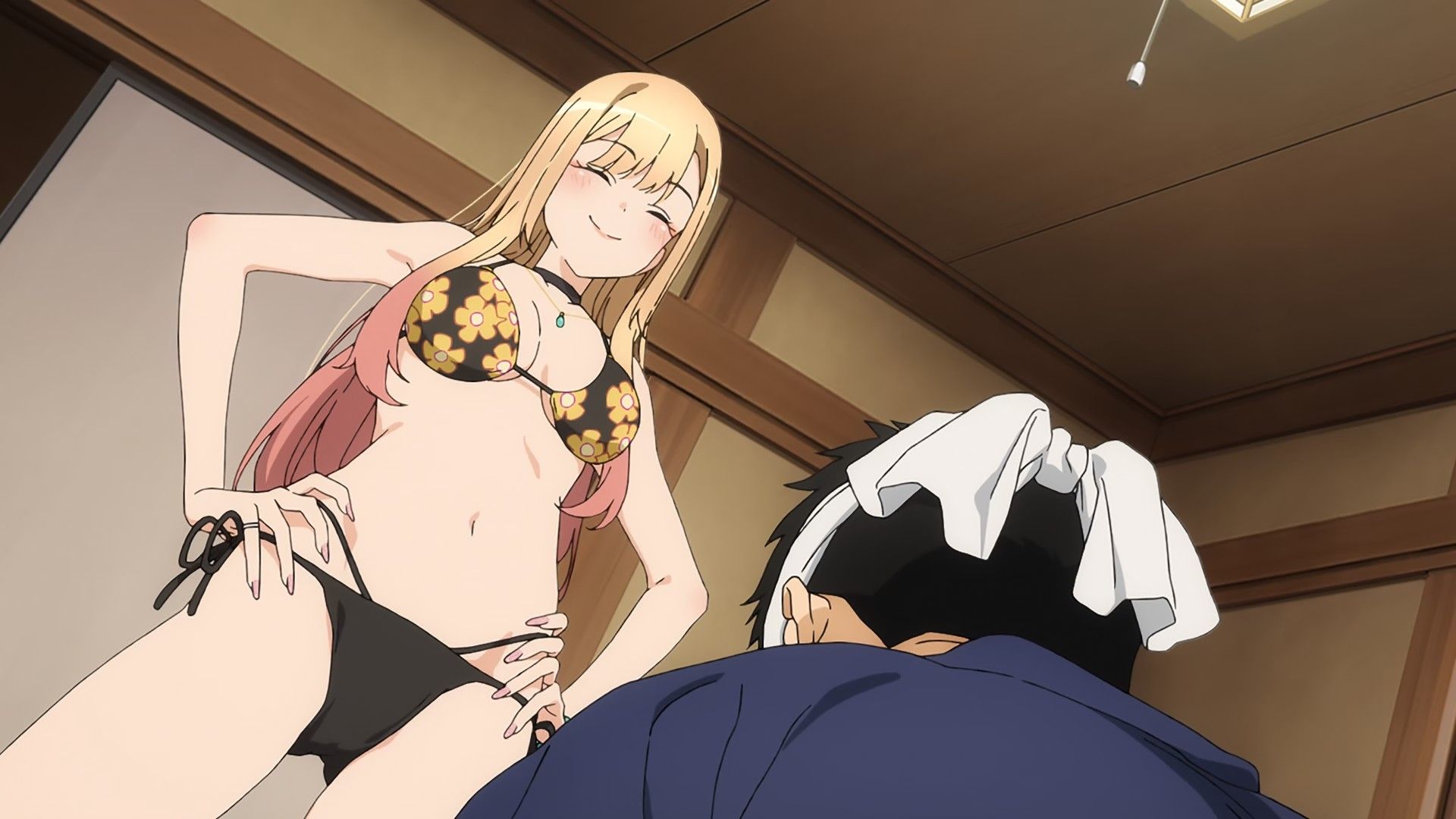
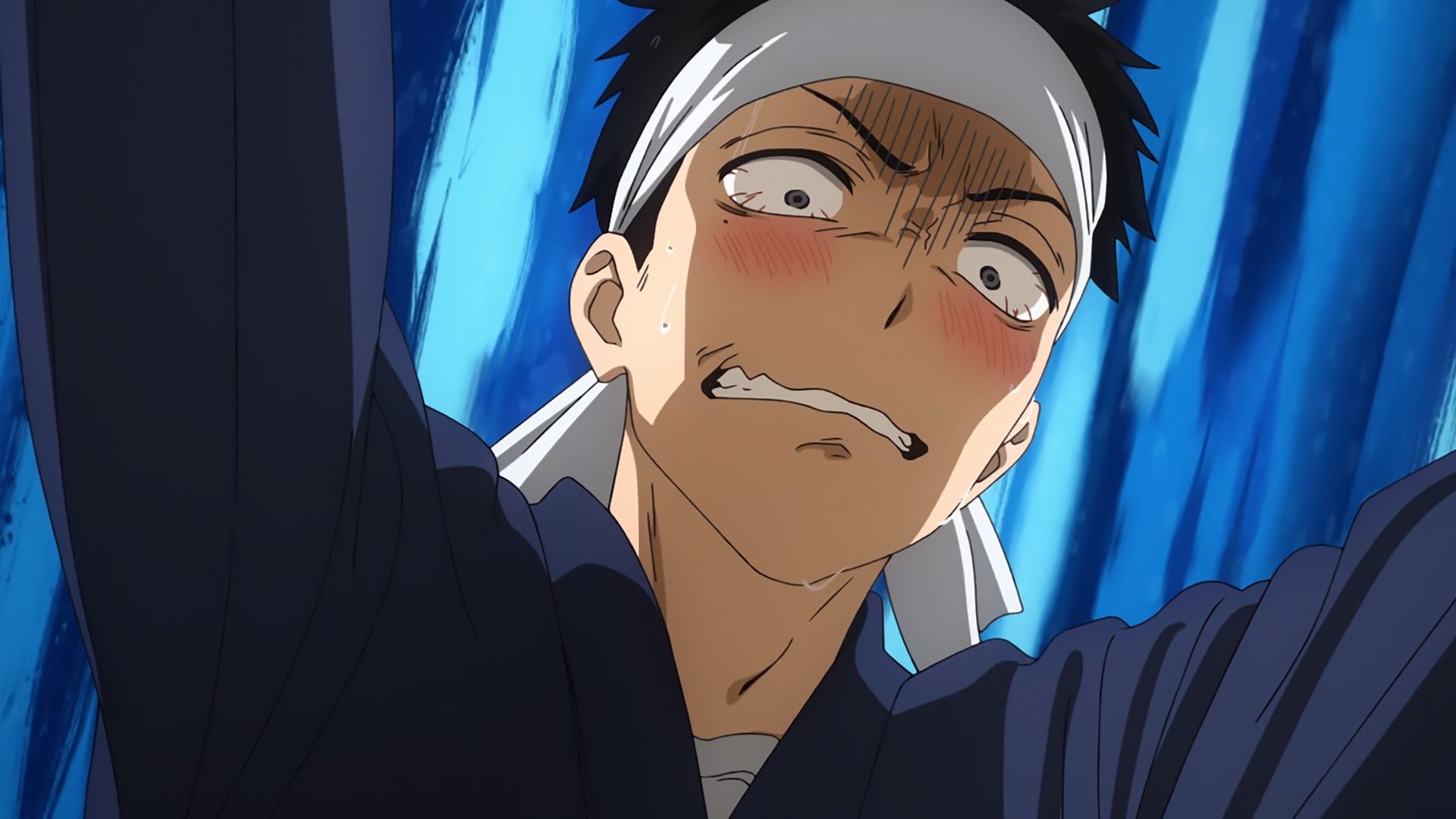
The anime skillfully balances comedic and romantic elements. In every episode, we find plenty of charming comedy. For instance, Wakana’s clumsy attempts to remain professional while measuring Marin (the girl carelessly parades in a skimpy swimsuit, and he nearly faints from embarrassment), or funny misunderstandings when outsiders discover their ambiguous props. However, the humorous scenes are intertwined with moments of pure sweetness and growing intimacy. Marin becomes increasingly aware of her feelings for Wakana. She blushes and gets nervous in his presence, while simultaneously cherishing every moment they spend together. The boy, on the other hand, though he doesn’t yet fully grasp what Marin is feeling, opens up to her like to no one else. The culmination of the season is a photo session in a love hotel, where Marin and Wakana recreate scenes from an eroge. This sequence, full of tension, becomes a breakthrough for their relationship.
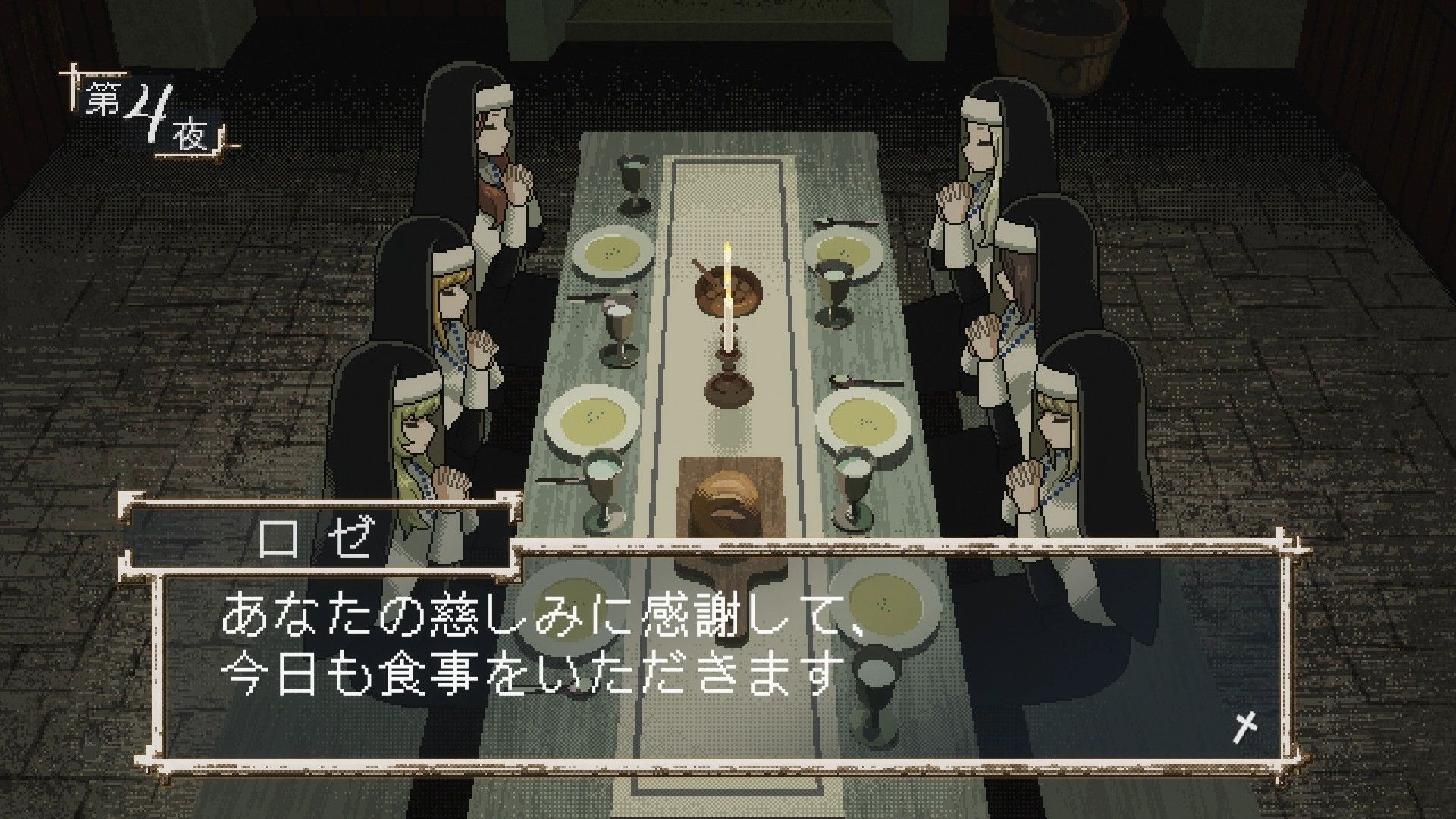
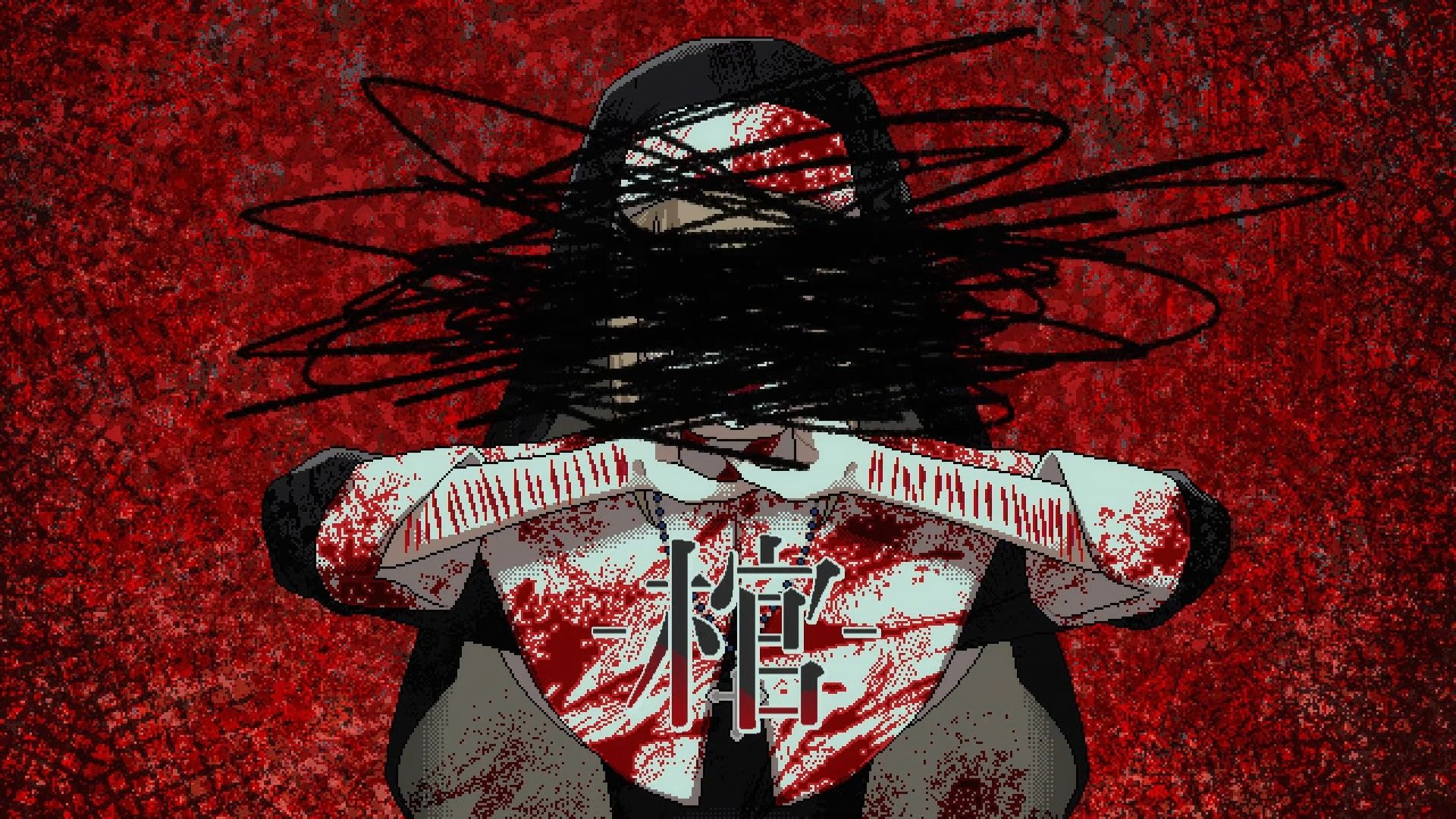
The second season is a continuation of what we have seen so far. Many new characters join, and the main couple becomes increasingly popular in cosplay circles. A significant part of the continuation is dedicated to the school culture festival. The second part, however, covers events related to a group cosplay project of characters from the horror visual novel Coffin.
Adaptation
The anime adaptation faithfully follows the manga original. The narrative pacing is well-balanced — there is no sense of rushing; each of the main scenes (from sewing and photo sessions to the characters’ outings) gets enough airtime. Although the creators omitted a few side episodes, it is really good in this regard. My main complaint concerns the second season, where the creators clearly decided to transform this title into a series for a broad audience. They toned down the source material quite a bit, omitting or altering the frames of most fanservice scenes. This contrasts sharply with the path taken in the first season. I don’t quite understand this decision — after all, no one is going to start watching the series from the second season. The first season was praised for its faithfulness to the events but also specifically for the fanservice, so I simply find it hard to understand exactly what happened and why it was decided to change the original author’s intent.
Characters
Kitagawa Marin
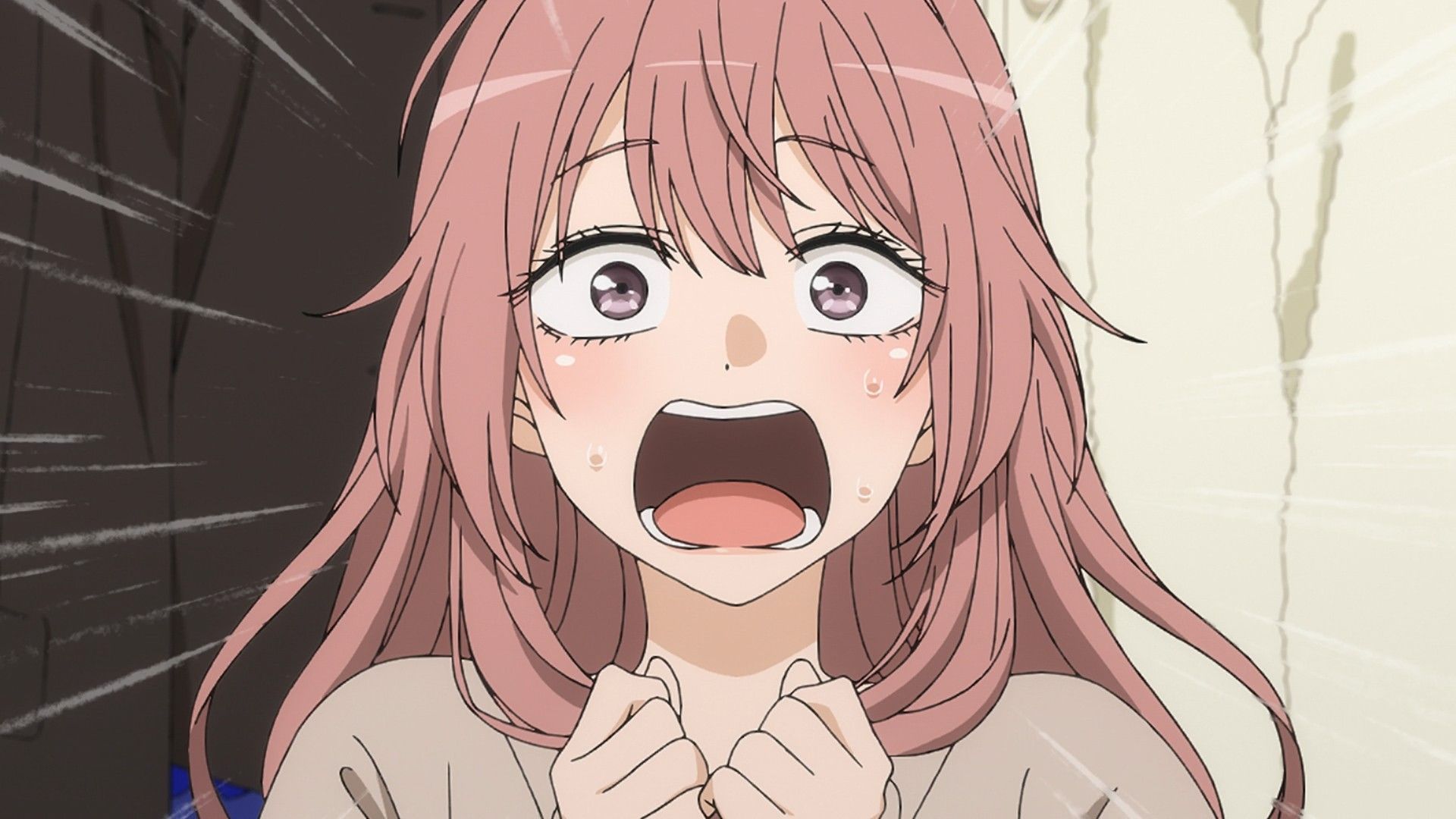
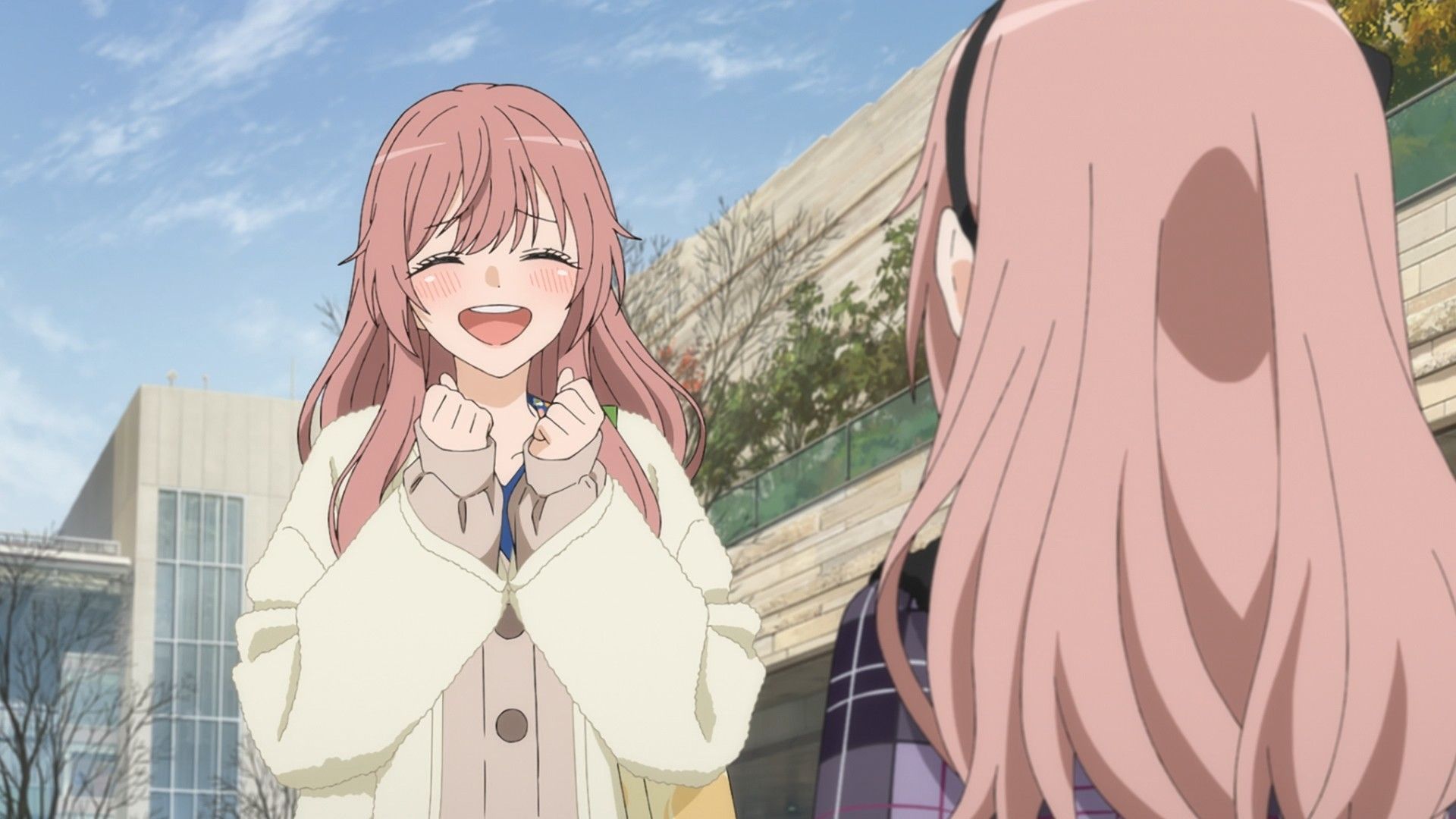
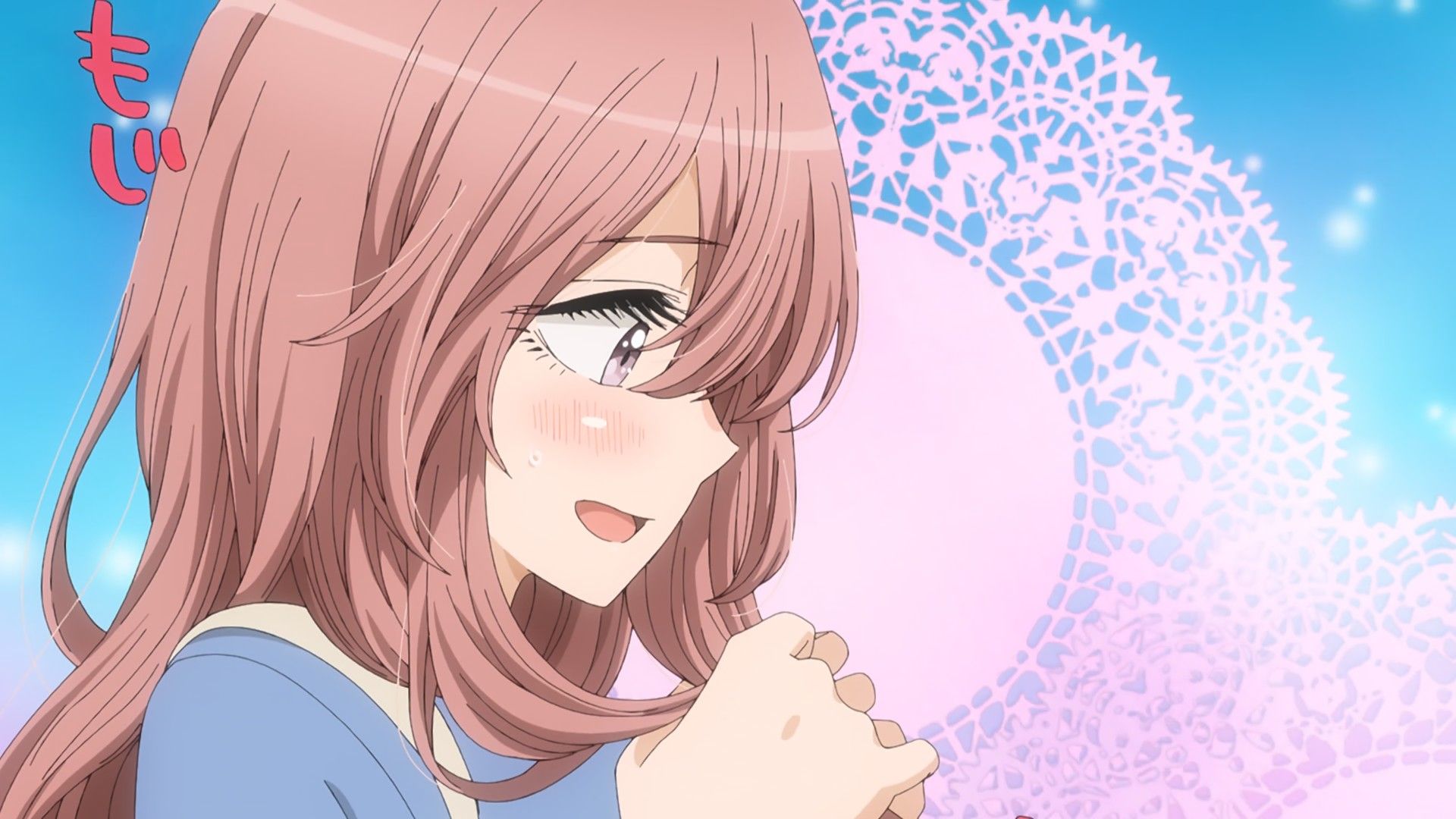
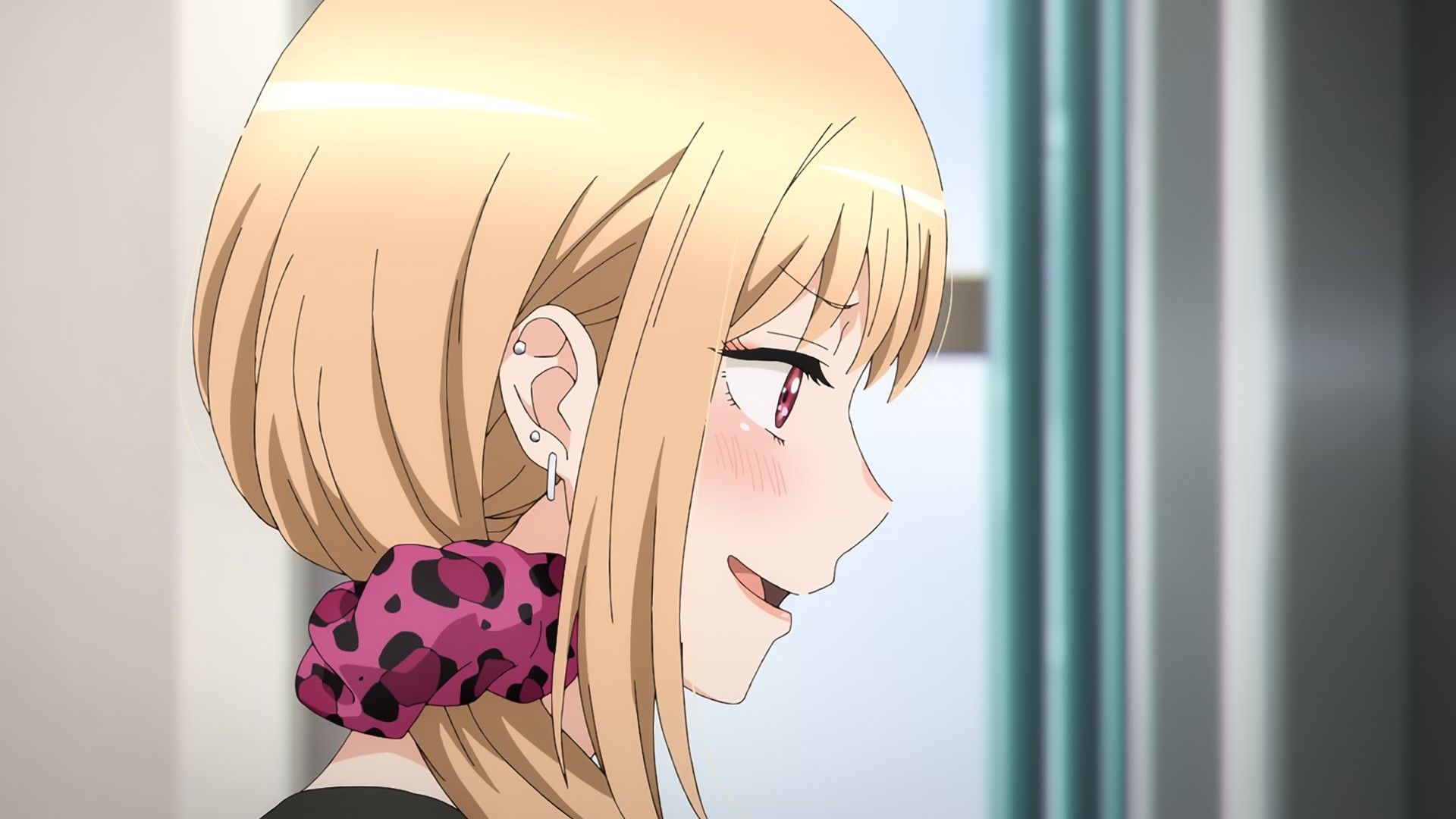
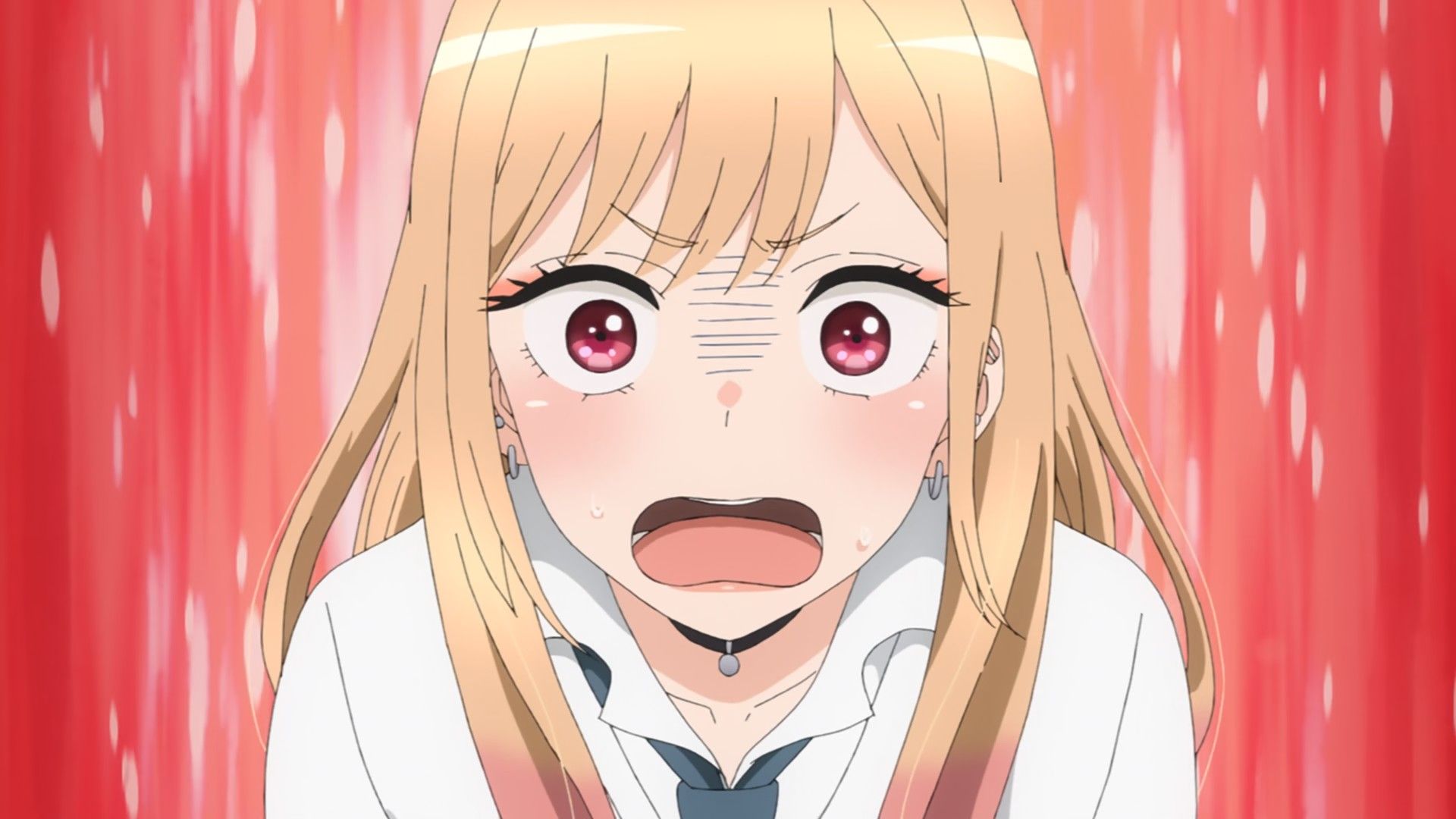
Undoubtedly the soul of this series. At first glance — a pretty, fashionable, and always smiling girl, surrounded by a group of friends and admirers. A typical gyaru who seems to live carelessly in a world of parties and trends. However, we quickly discover that Marin has another side. She is a passionate otaku. She loves the worlds of anime and games with all her heart. Her enthusiasm is infectious — when she talks about her favorite character, Shizuku-tan, her eyes sparkle, and her words are accompanied by lively gestures. Marin is not ashamed of her passions and can fiercely defend them against criticism.
Marin’s sincerity and acceptance make Wakana feel at ease around her. She was the first person who didn’t mock his hobby but instead found it admirable. Marin’s character combines courage and sensitivity. On one hand, she unreservedly parades in skimpy cosplay, talks about eroge, or throws out direct compliments that leave Wakana embarrassed. On the other — when she realizes she has fallen in love with him, she begins to experience completely new emotions: uncertainty, stage fright, and girlish shyness. The CloverWorks animators and Suguta Hina (her seiyuu), along with the dialogue director, truly breathed life into this character.
Gojou Wakana
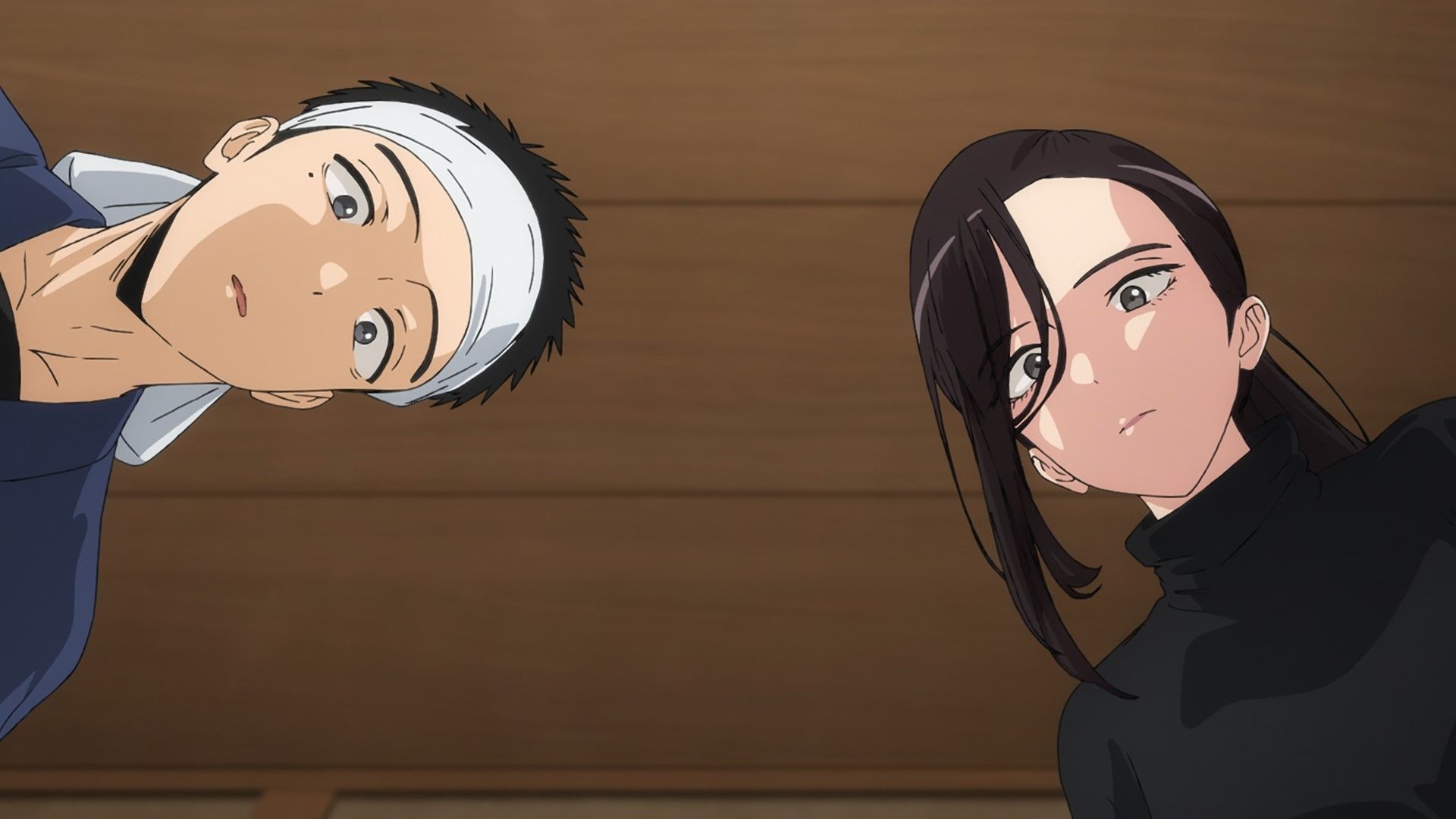
A protagonist who is very easy to like. At the beginning of the story, he is a loner steeped in complexes — convinced that people won’t understand his passion. He spends his days in his grandfather’s workshop (a professional hina maker), learning the traditional craft. Meeting Marin turns Wakana’s world upside down. For the first time, he finds someone his own age who not only accepts his passion but is delighted by it. This acts as a catalyst for his transformation. Although initially shy and terrified by the prospect of close contact with a girl of this personality type, Wakana opens up to her step by step. Working on projects together allows him to spread his wings. From episode to episode, you can see his skills and self-confidence grow. He learns not only new sewing techniques but also how to work in a team and present the results to an audience. His kindness and modesty make him a very positive character.
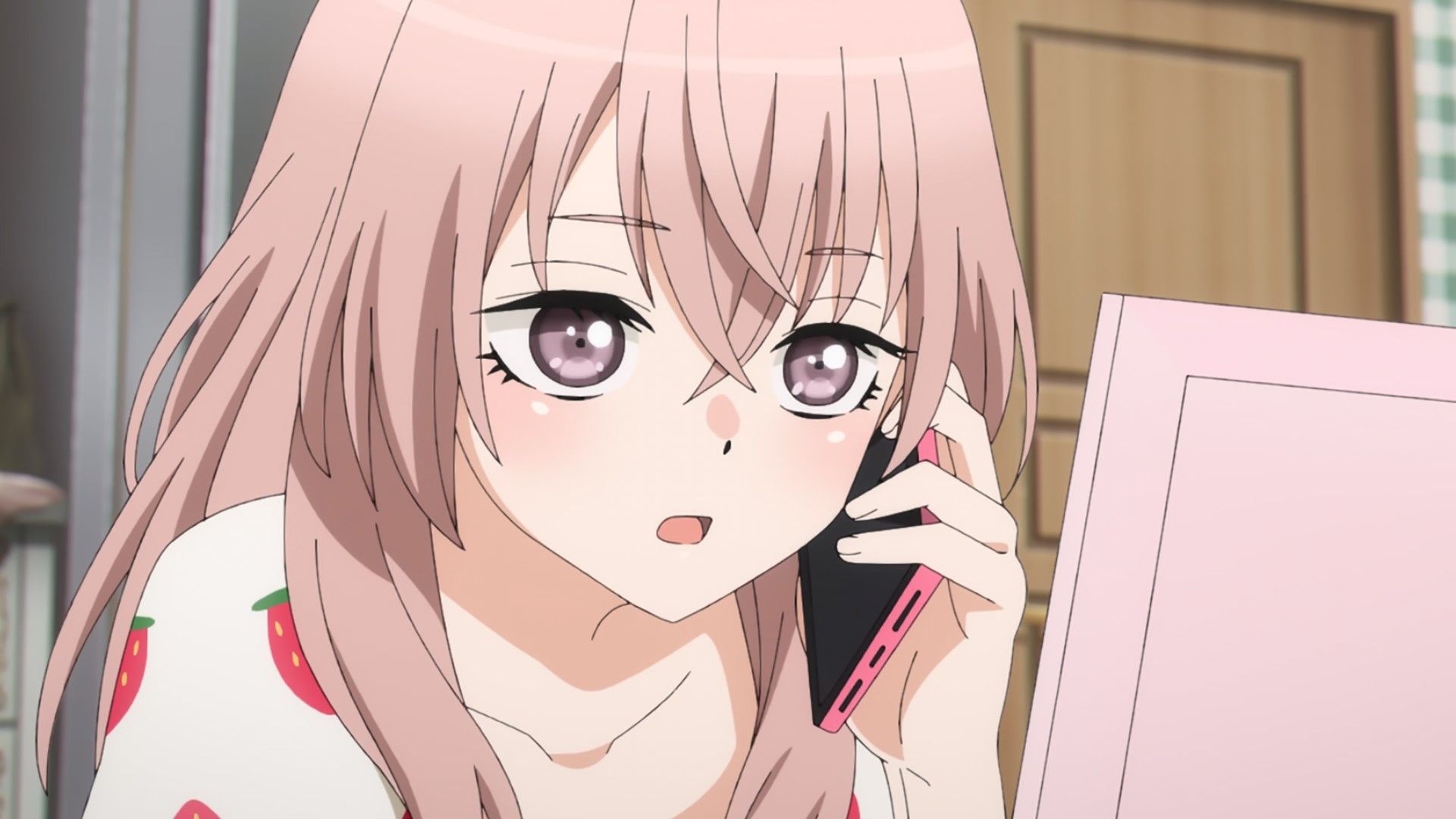
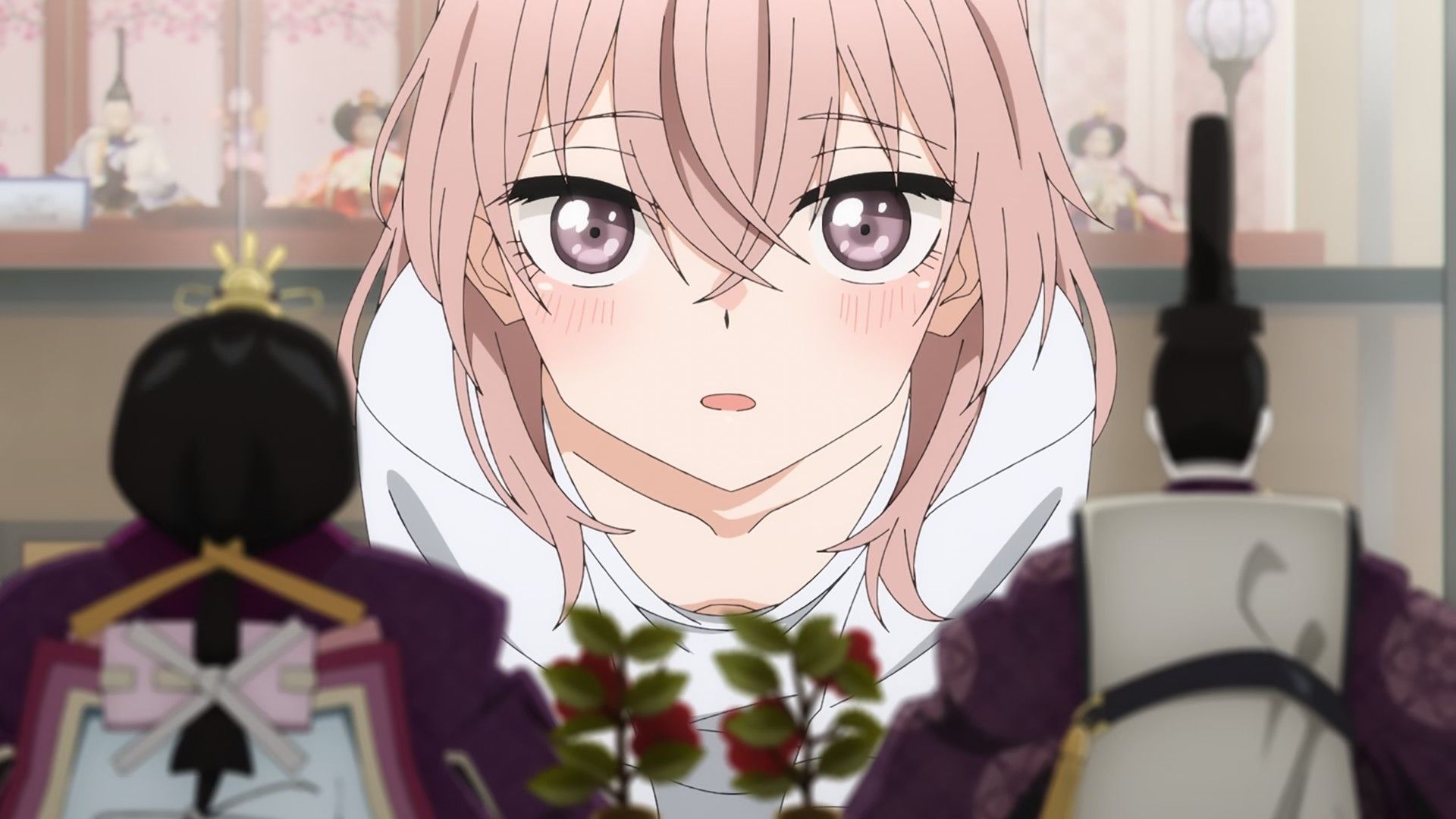
Supporting Characters
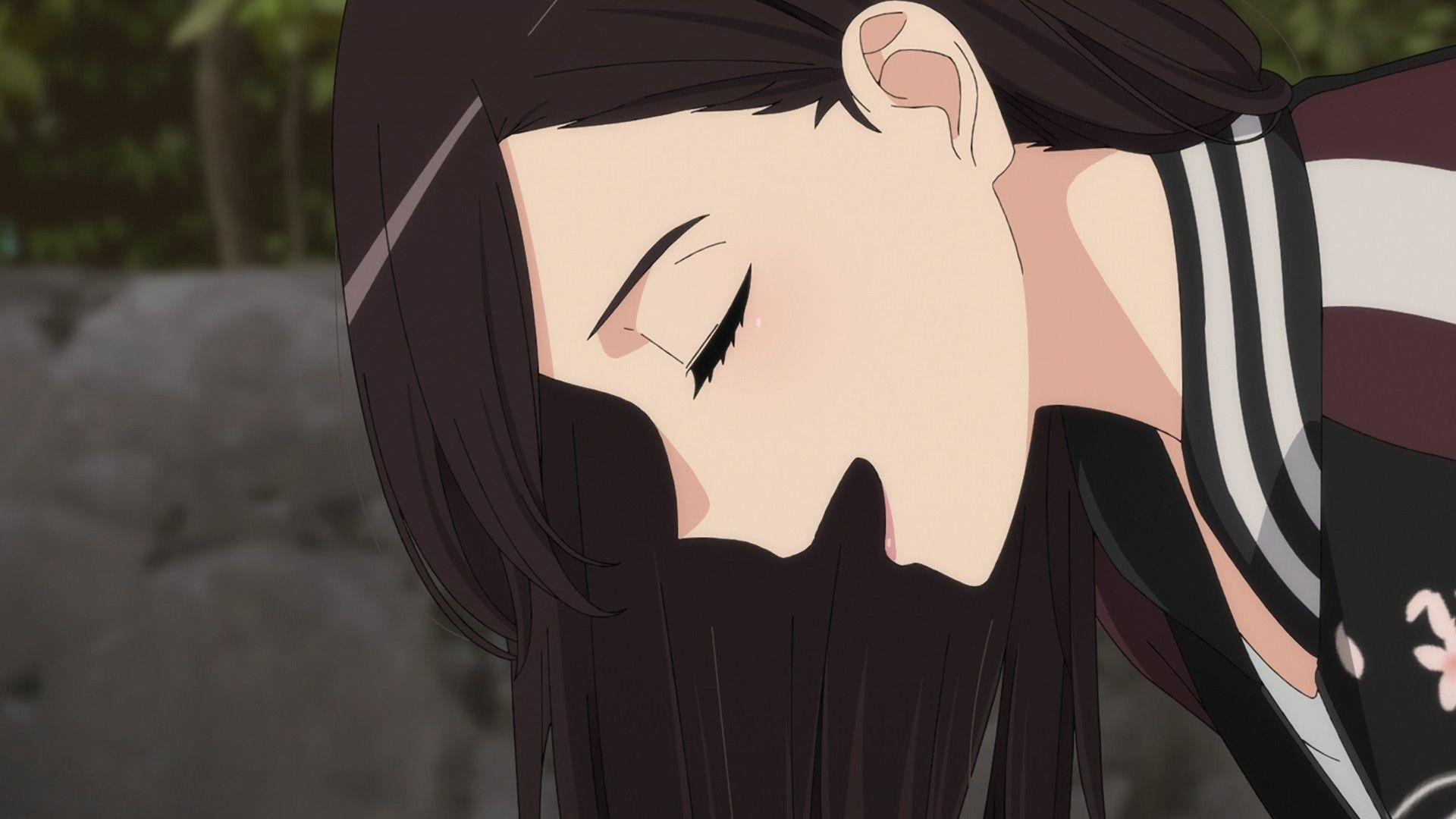
In Sono Bisque Doll wa Koi wo Suru, they mainly serve as support for the main duo, but they are also memorable. Inui Sajuna is an experienced cosplayer who initially seems distant and serious. However, it quickly comes to light that despite her idol status, she has her own insecurities and loves her passion immensely. Her relationship with Marin turns from formal cooperation into a sincere friendship based on a shared fascination with anime. Inui Shinju, Juju’s younger sister, is tall, shy, and has a complex about her appearance. She dreams of cosplay but fears the reaction of those around her. It is Wakana who encourages Shinju to try and fulfill her dream. He helps her create a male character outfit, which earns the admiration of everyone.
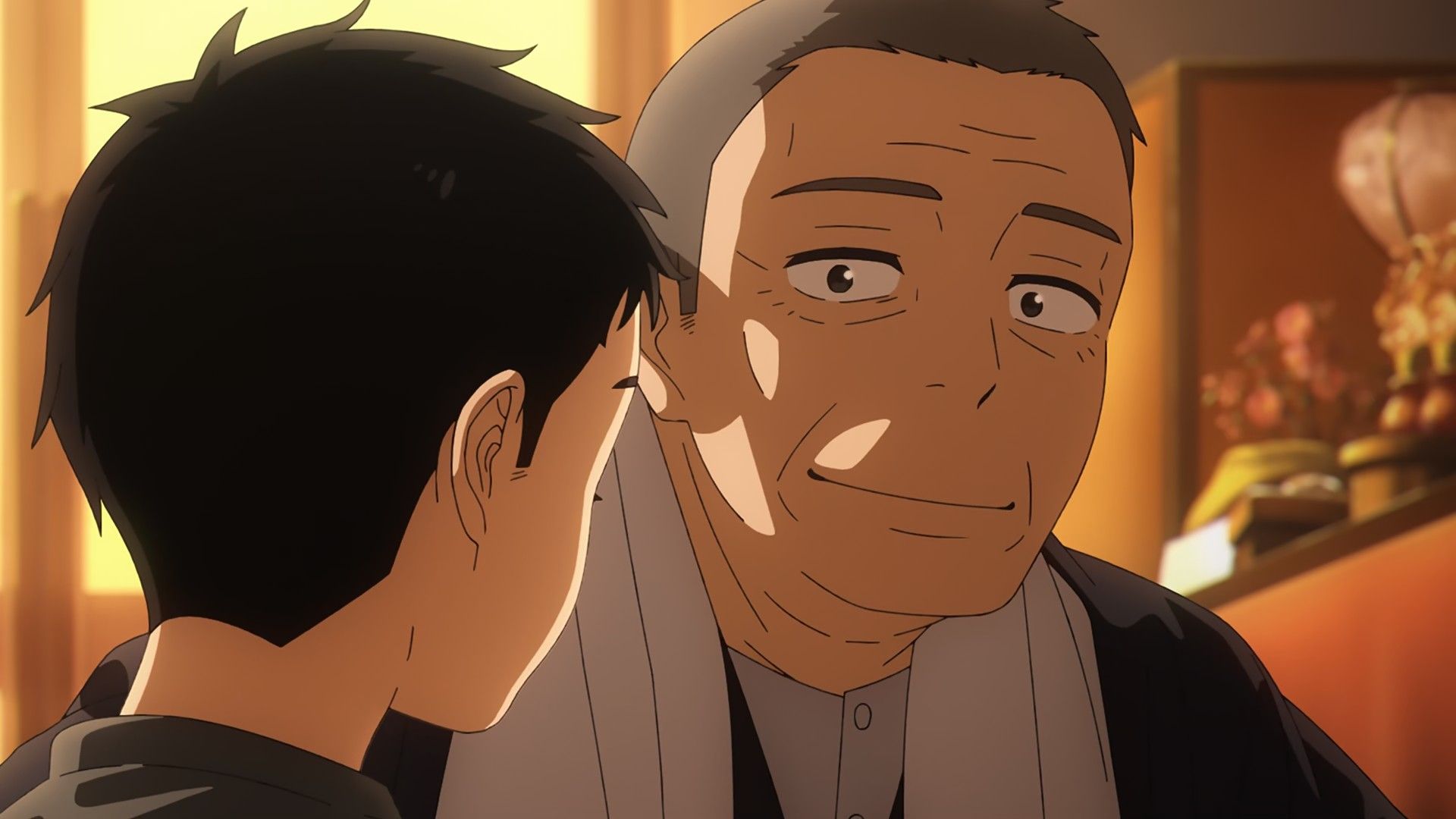
Gojou Kaoru deserves a mention as Wakana’s warm, caring grandfather. Although he initially worries about his grandson’s isolation, when he meets Marin, he immediately sees the positive influence she has on the boy. On Marin’s side, we have her classmates (Nowa, Daia, Rune), who, while they don’t share Marin’s otaku interests, are loyal and friendly. When Marin starts spending time with Wakana, the girls are initially surprised but quickly give them the green light. They are happy for their friend and watch the development of their relationship with curiosity.
I am intentionally not mentioning the numerous new characters we meet in the second season — I don’t want to spoil anything; however, nothing changes in the primary role of the secondary characters. They still serve as support for Marin and Wakana, helping them get closer and understand certain issues. This does not mean, however, that the supporting characters are empty shells. Each of the characters we meet has their own side story that is partially explored.

Sono Bisque Doll wa Koi wo Suru – Evaluation and Summary
Sono Bisque Doll wa Koi wo Suru is a charming tale that will surely become a staple of romantic comedies over time. Watching the adventures of Marin and Wakana gave me extraordinary pleasure during both seasons. The natural chemistry between the characters is one of its strongest assets.
The adaptation by studio CloverWorks deserves praise for its brilliant visual design and the excellent acting of the seiyuu, who breathed so much life into the characters. One also cannot understate the fact that the anime faithfully reflected the source material, preserving the characteristic scenes and the spirit of the original. It’s a shame, however, that the second season took the path of “toning things down.” If the creators of the adaptation had also remained consistent with the original in this aspect, the anime version would have been even better.
Finalny werdykt
Final evaluation

Which translation do I recommend to watch Sono Bisque Doll wa Koi wo Suru?
- Crunchyroll (official) – though in this case, I could nitpick a few things (furthermore, Crunchyroll almost certainly received this translation ready-made from Aniplex). First and foremost, the slang was quite heavily overdone. While it’s true that Marin expresses herself using typical gyaru expressions, the translators went a step too far, greatly exaggerating this aspect. While I’m on the subject of nitpicking — the Western name order is also irritating and creates an unnecessary dissonance. However, this translation is far from being something I would call unwatchable, so I can still recommend it despite everything.
Gallery