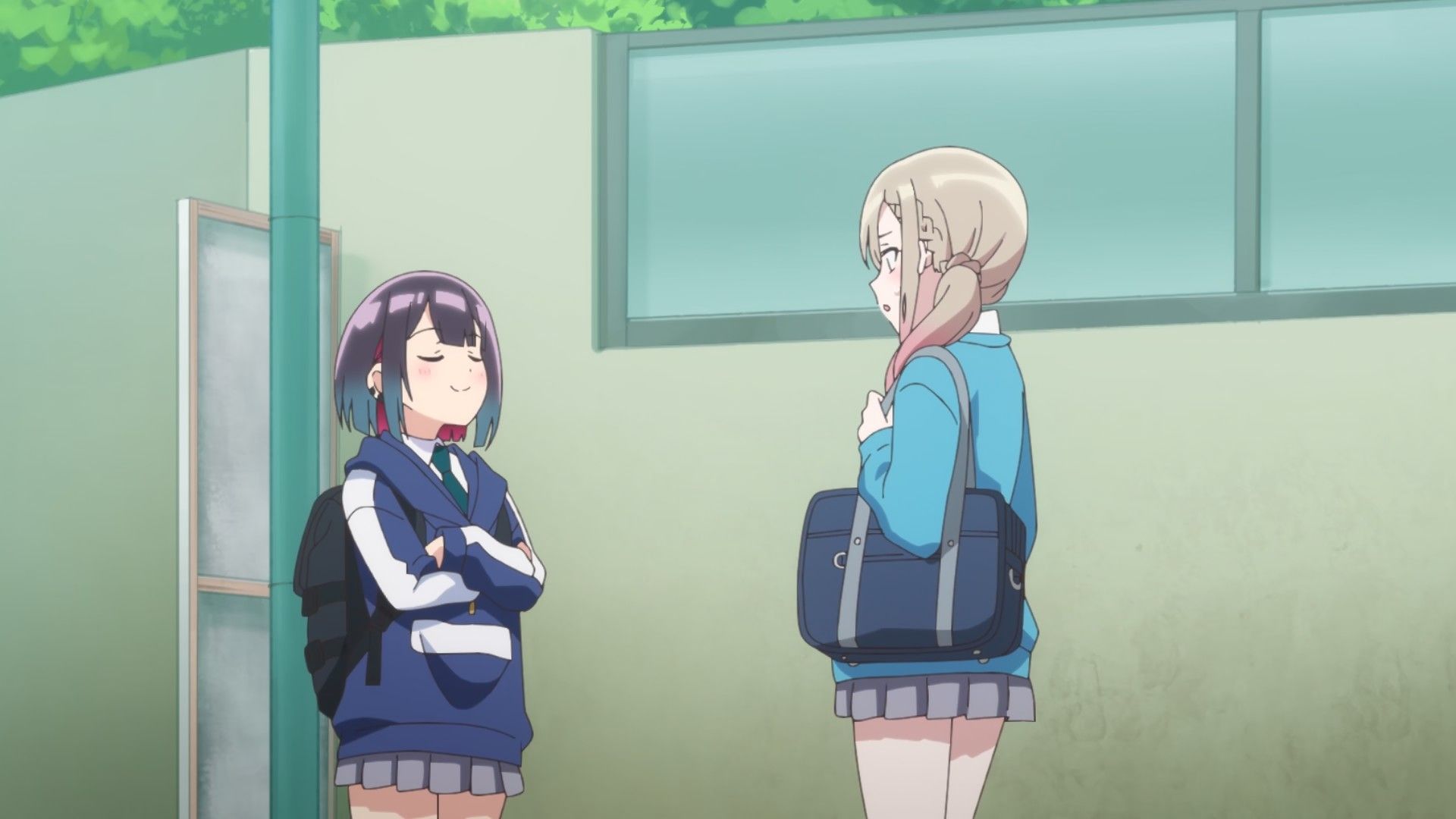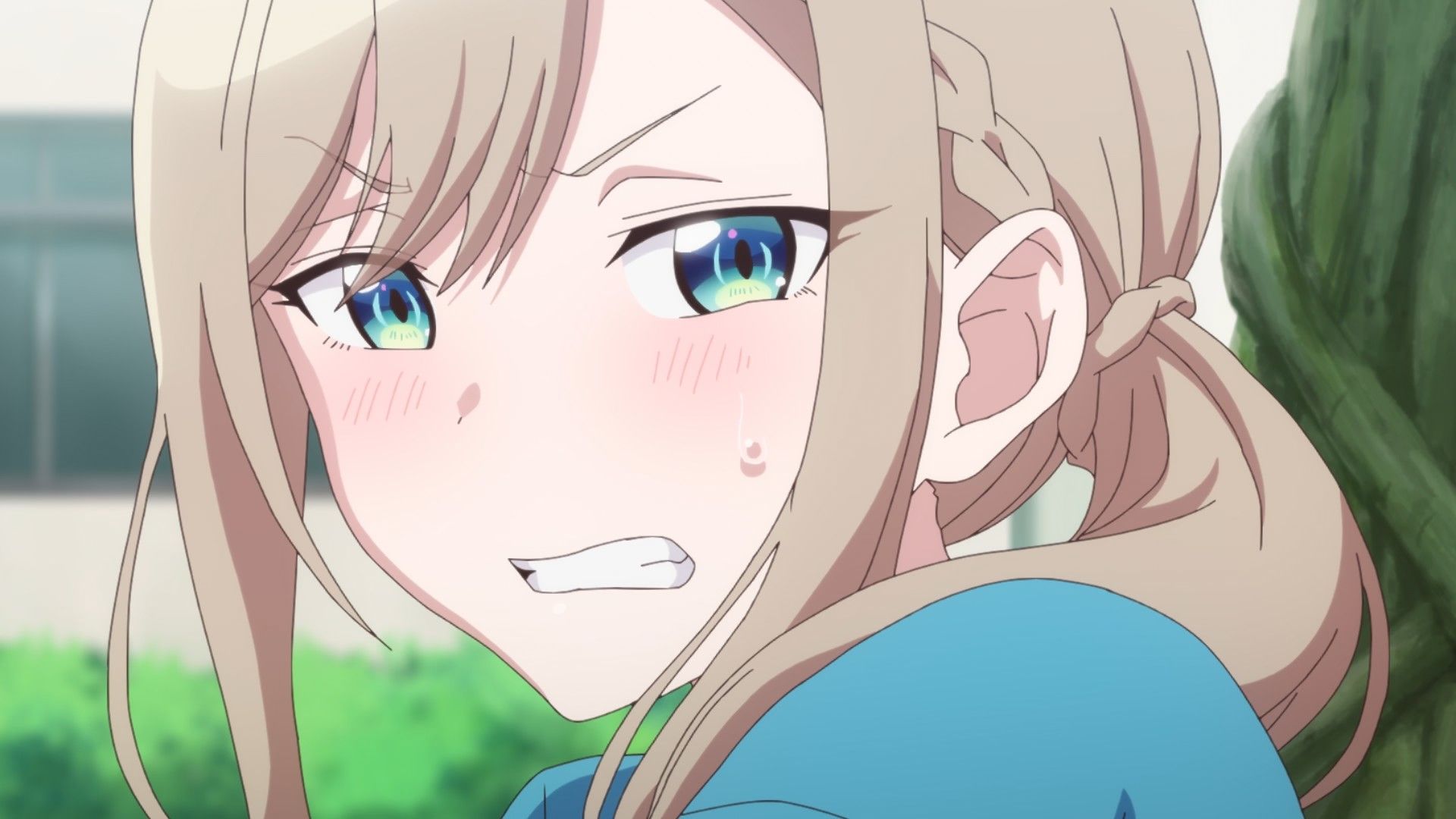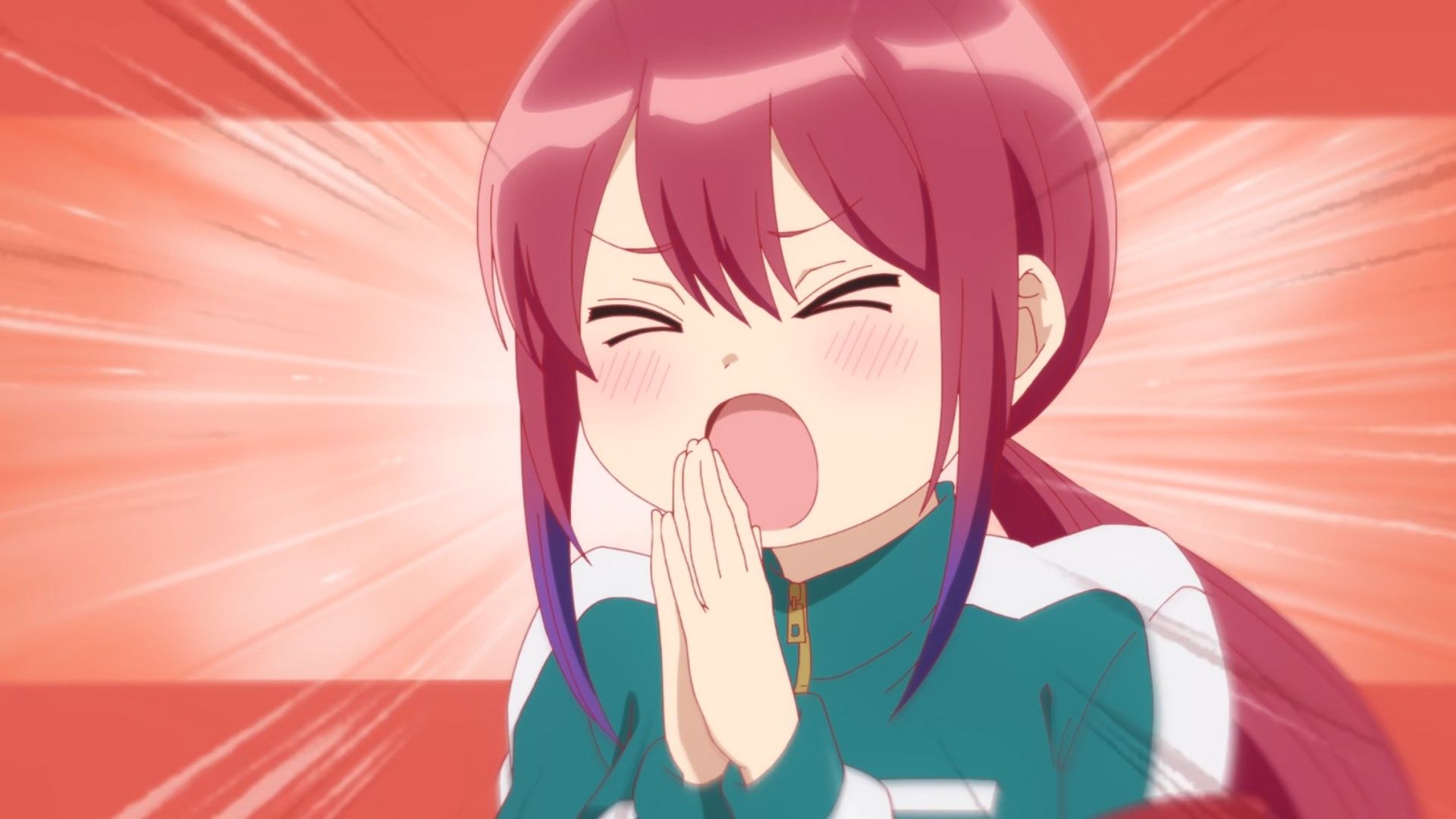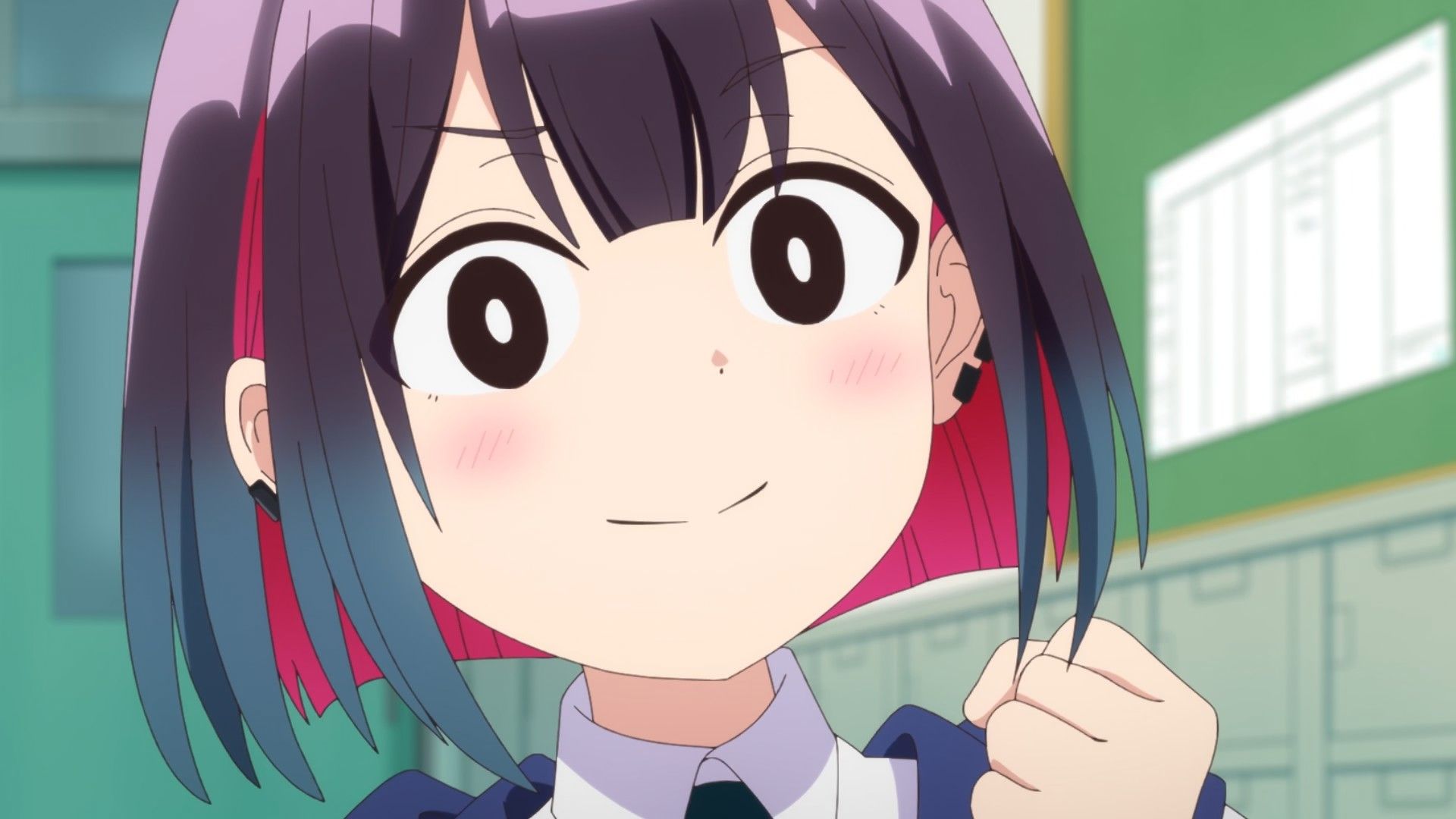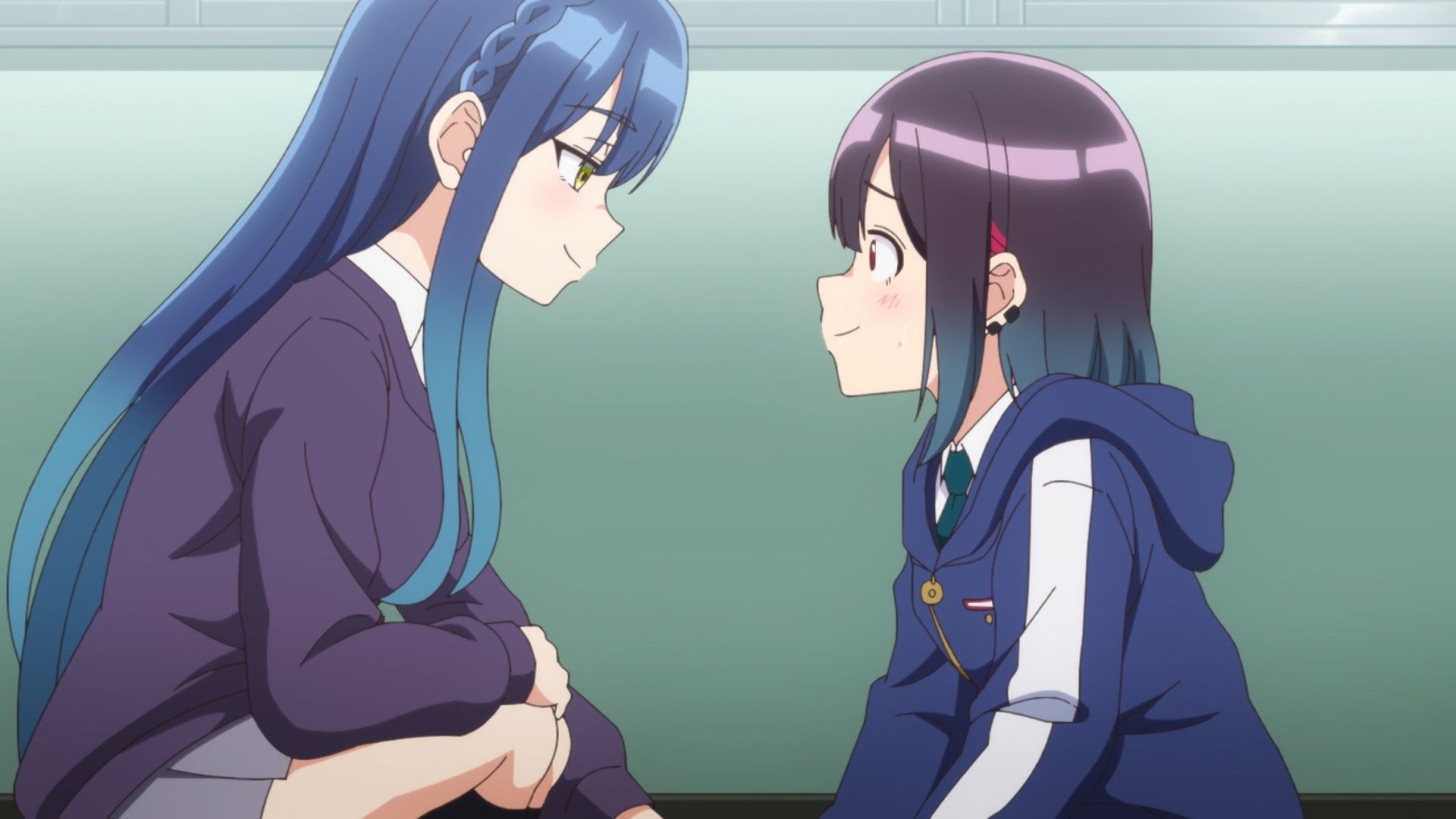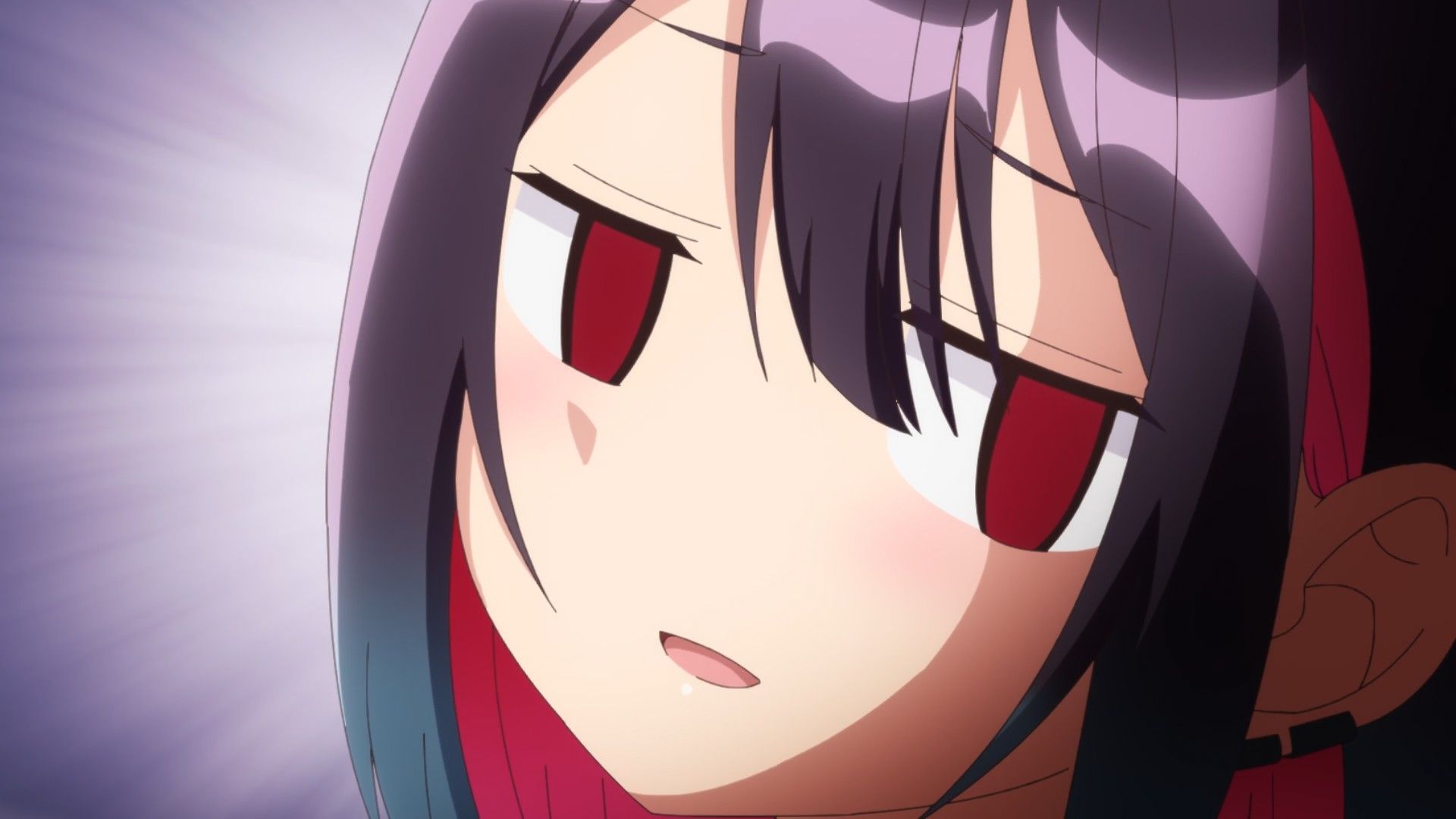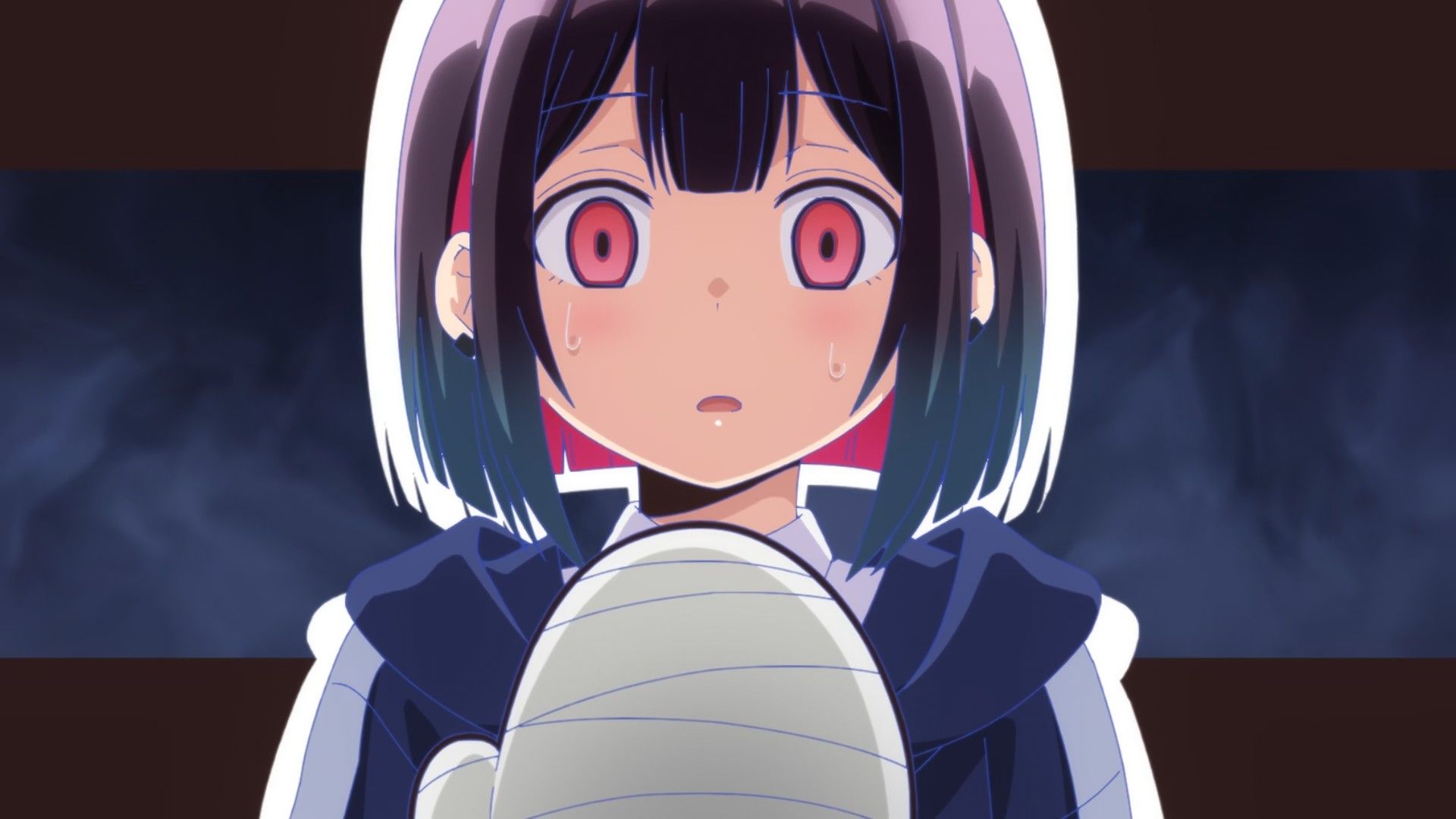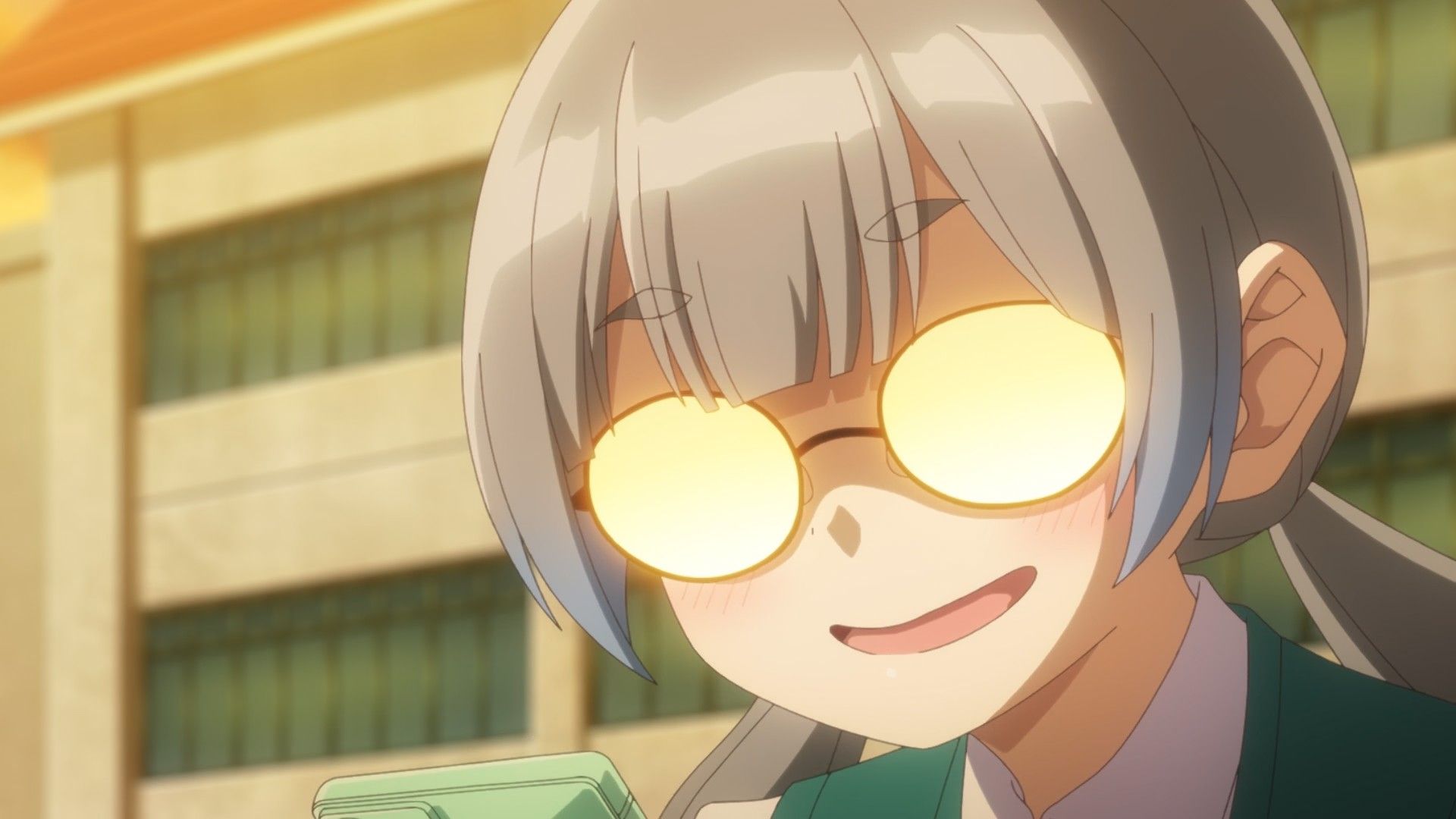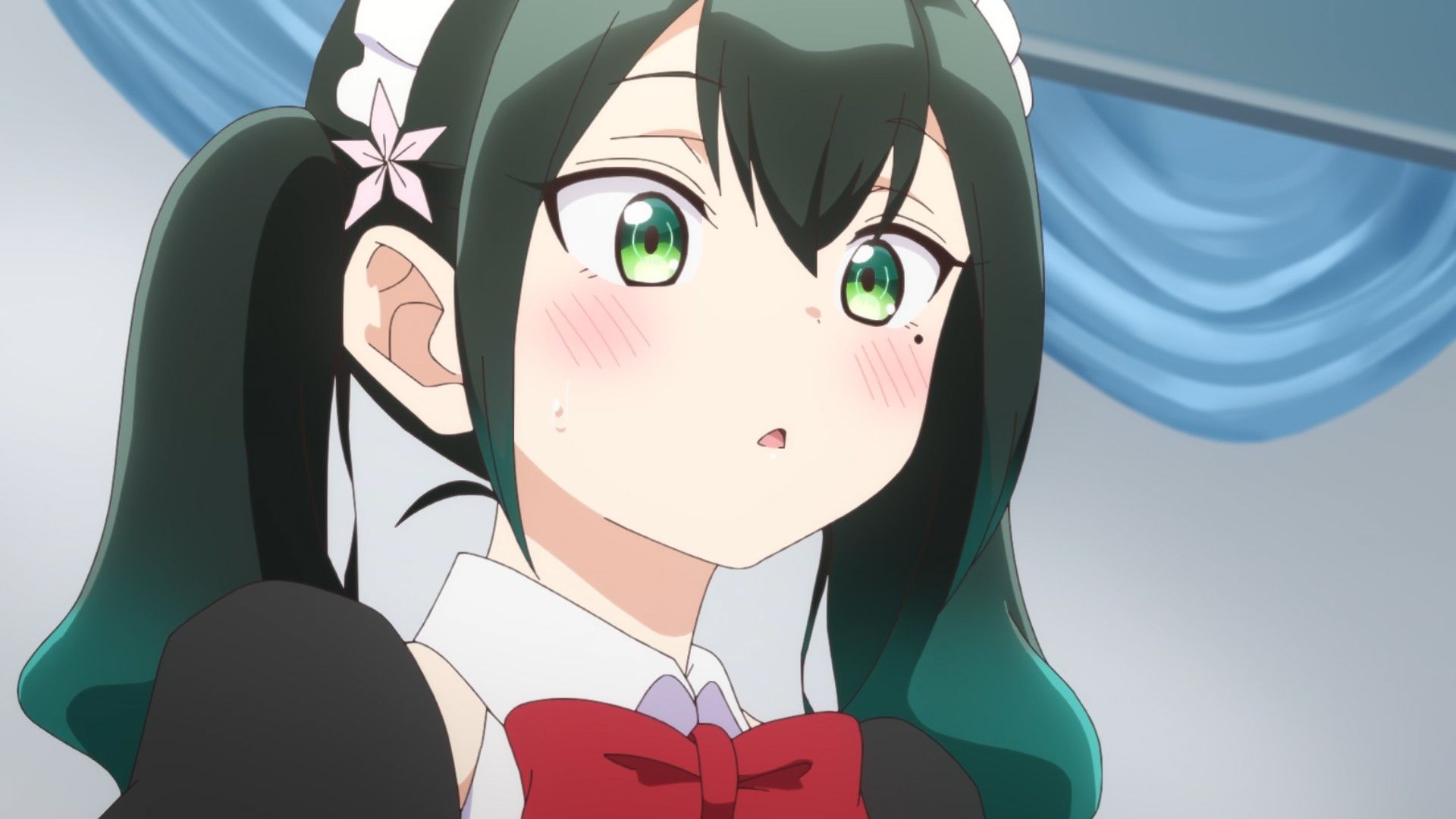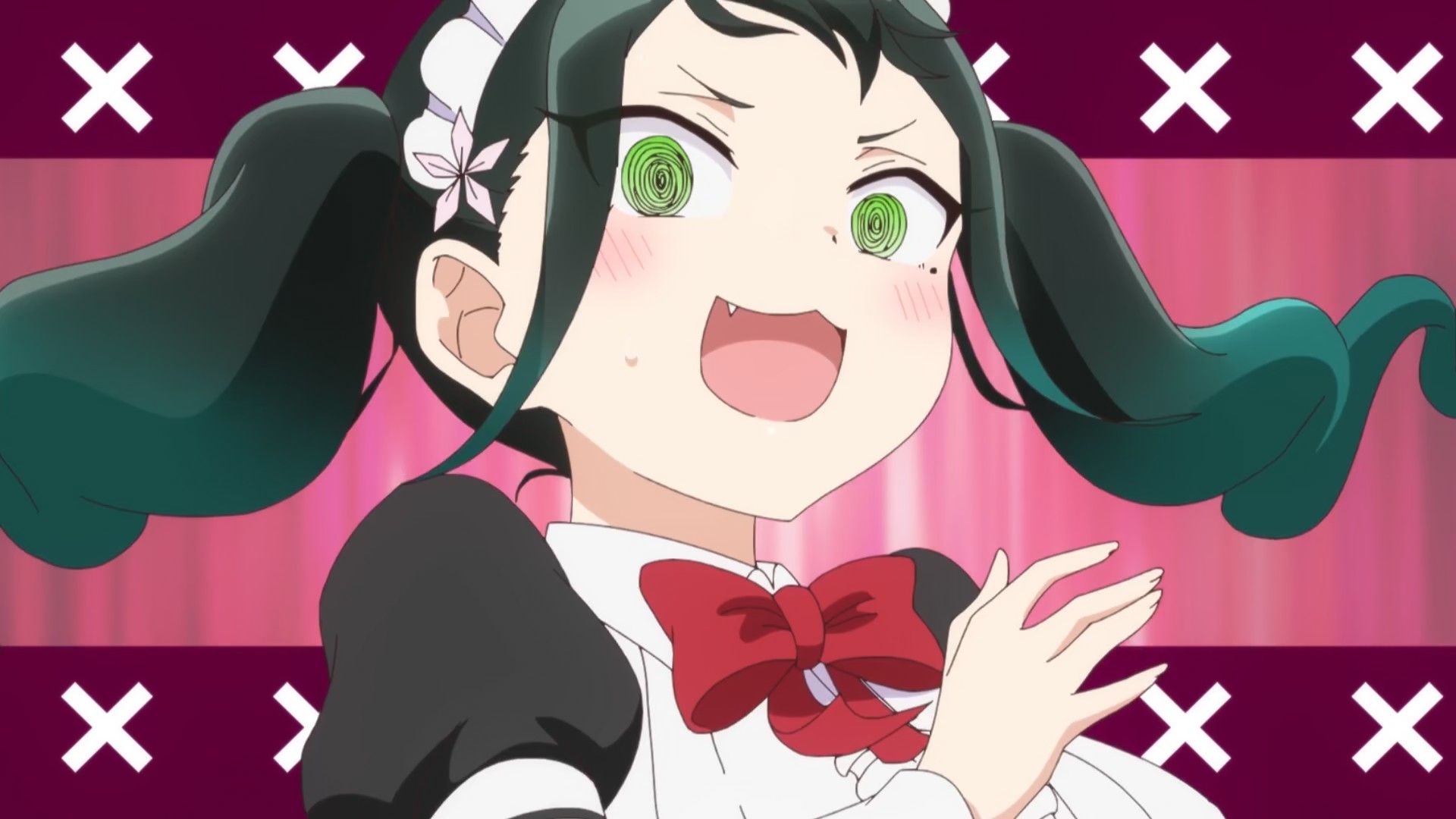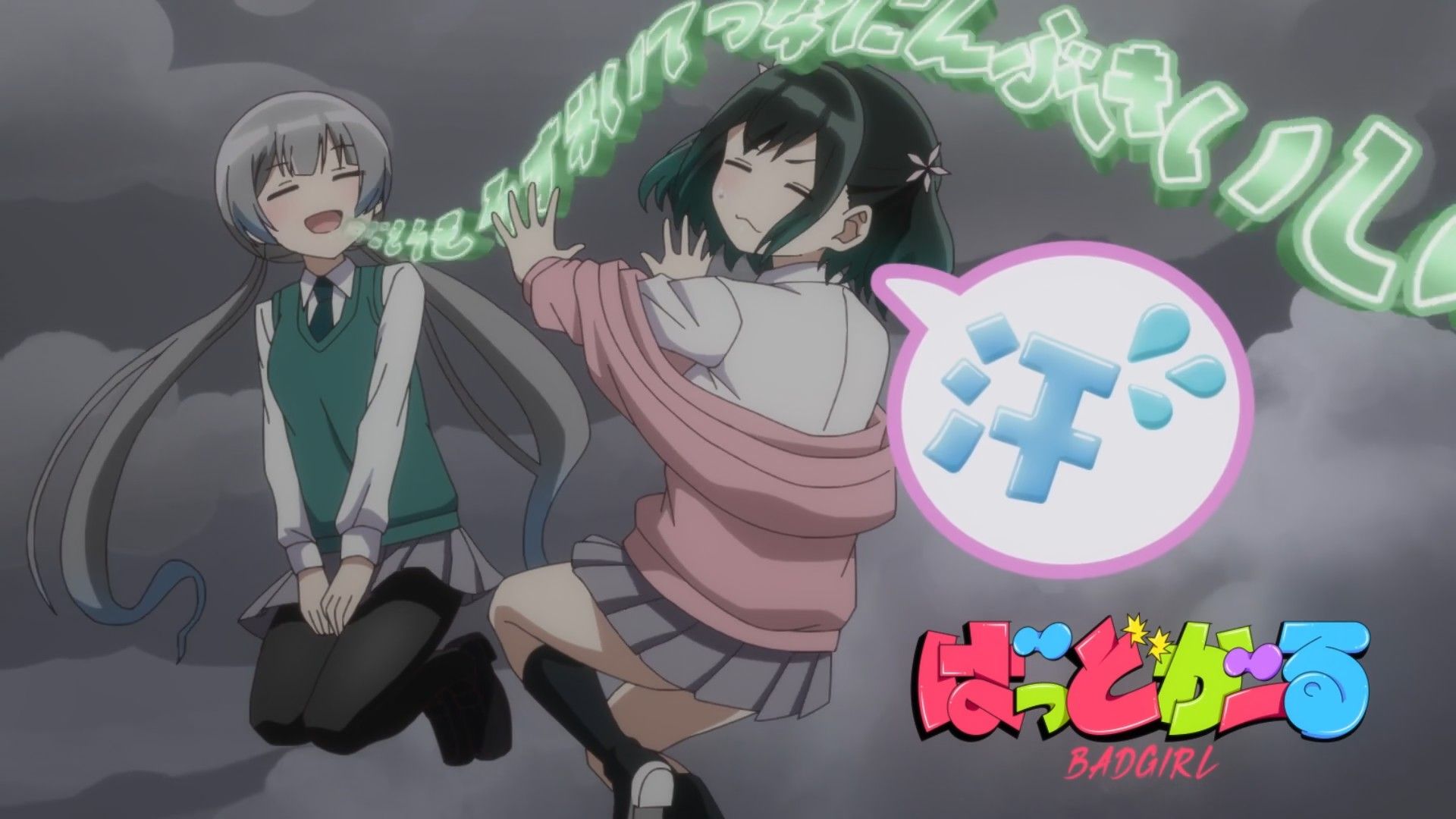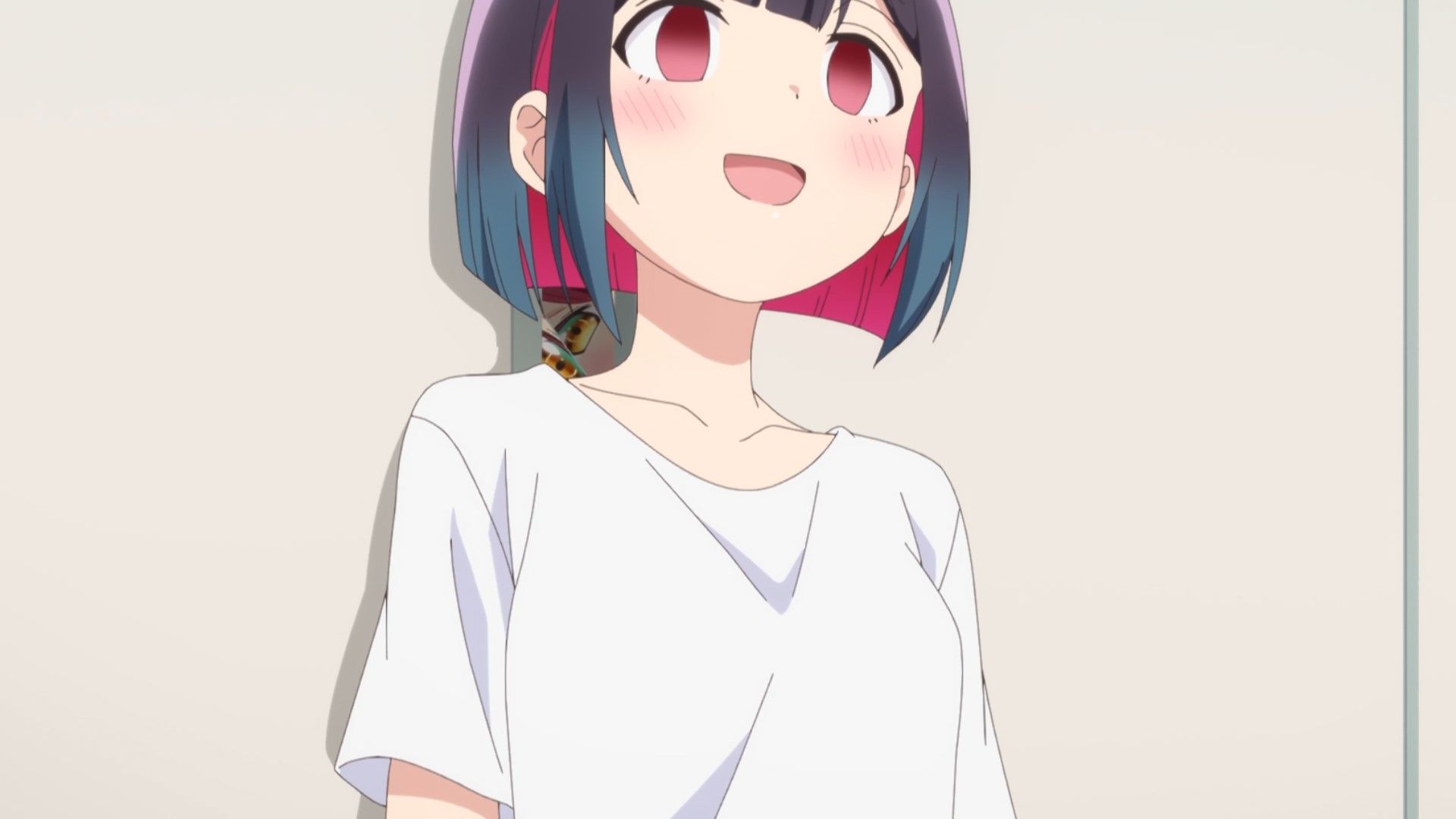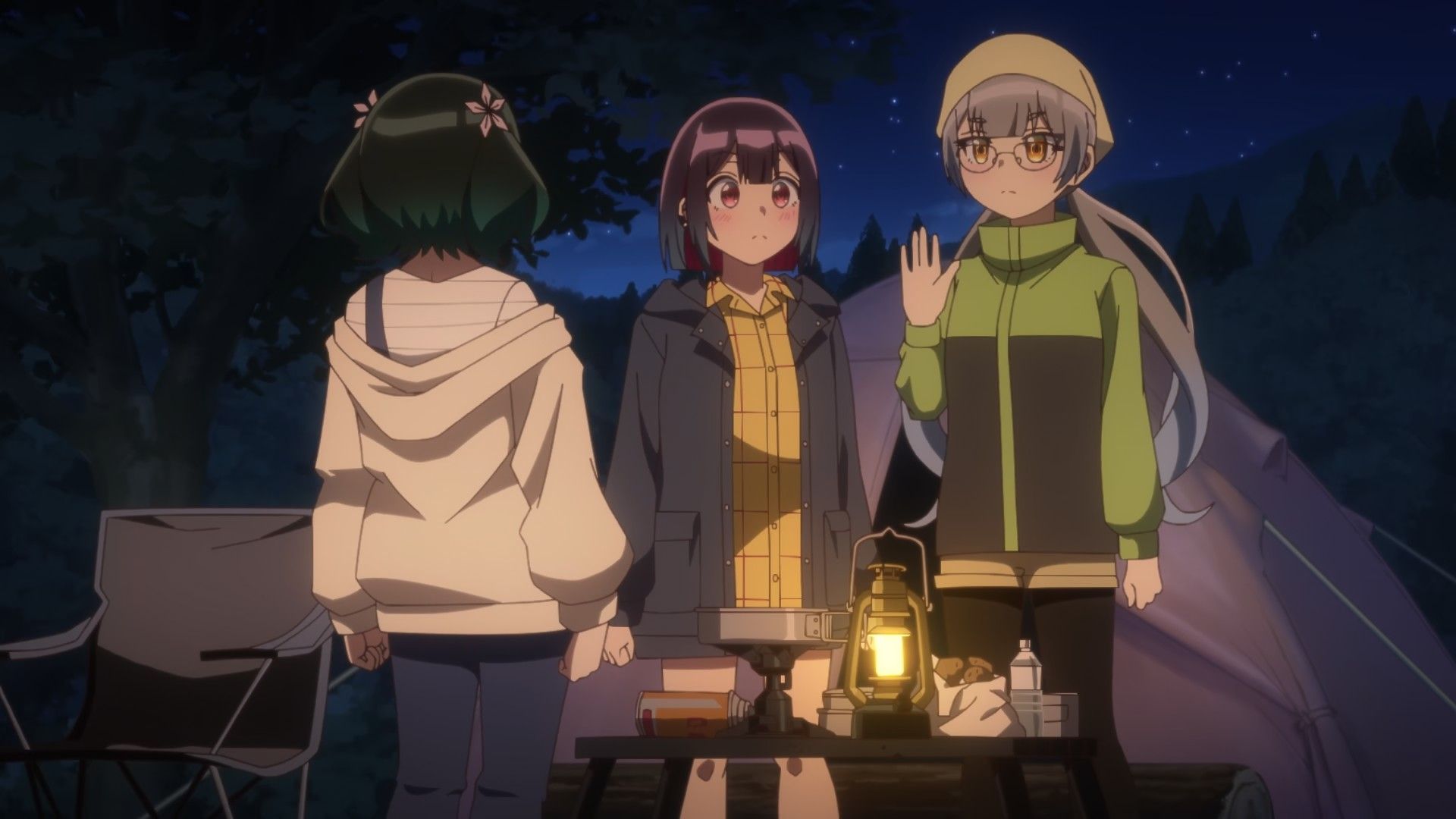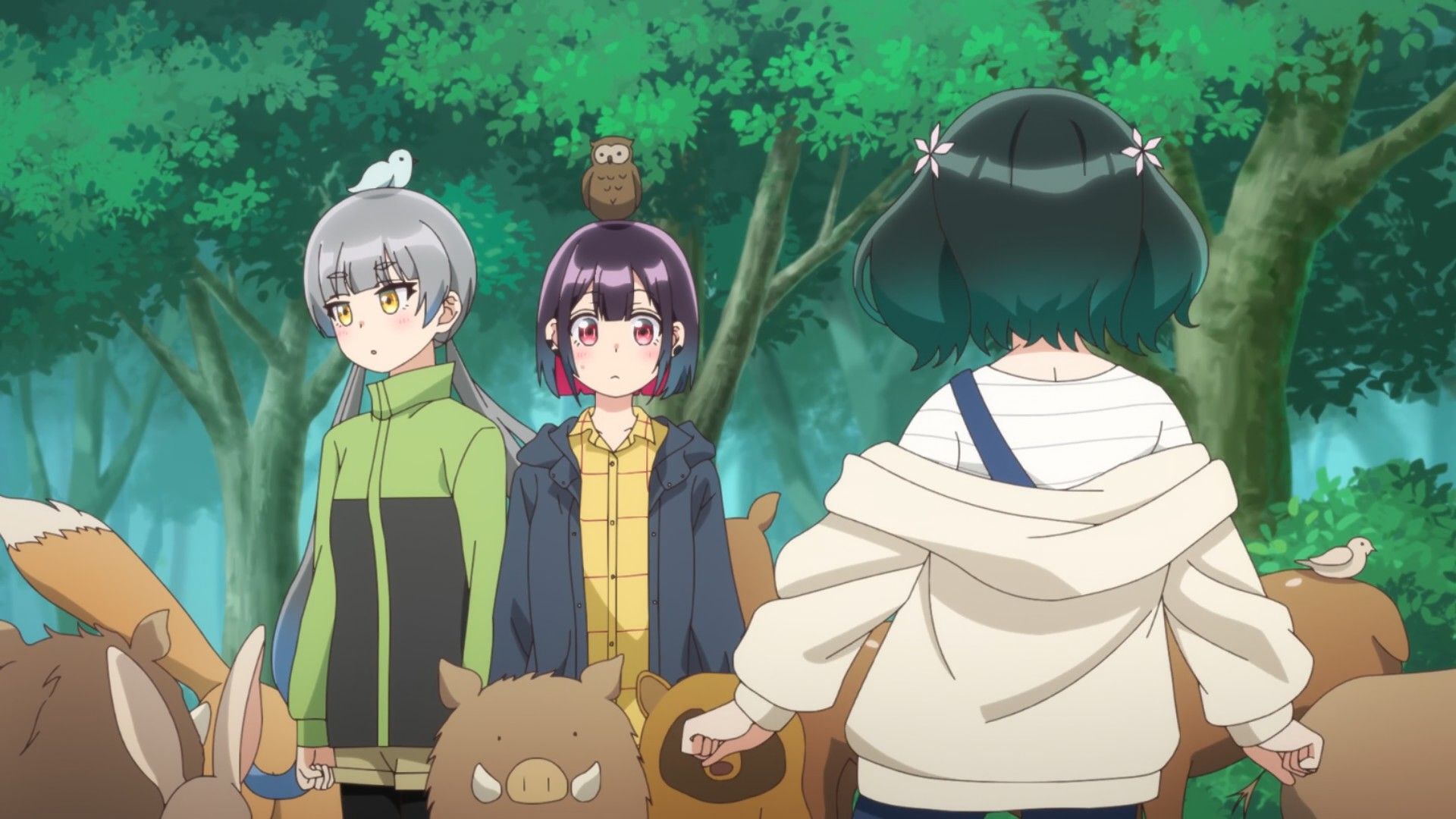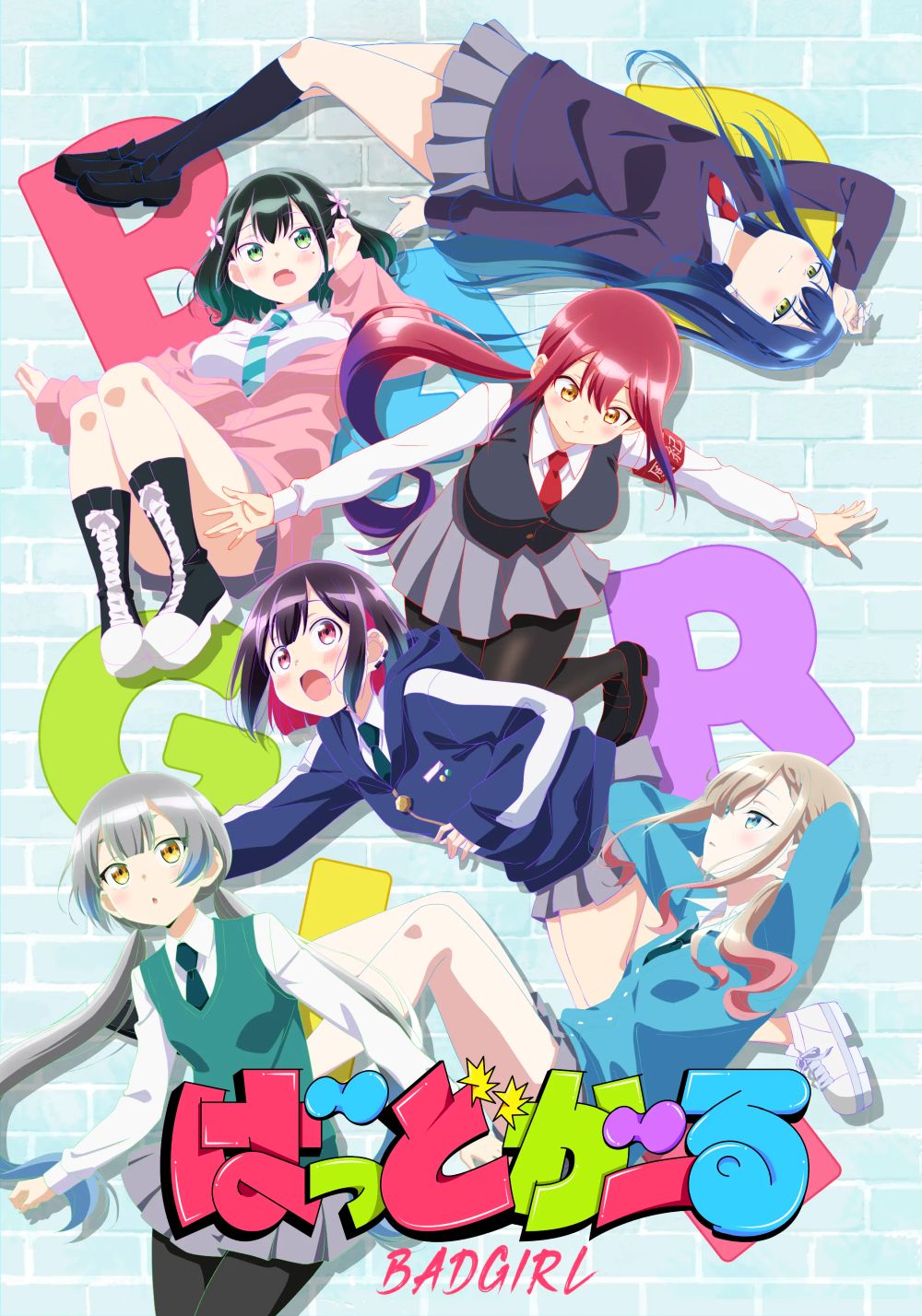
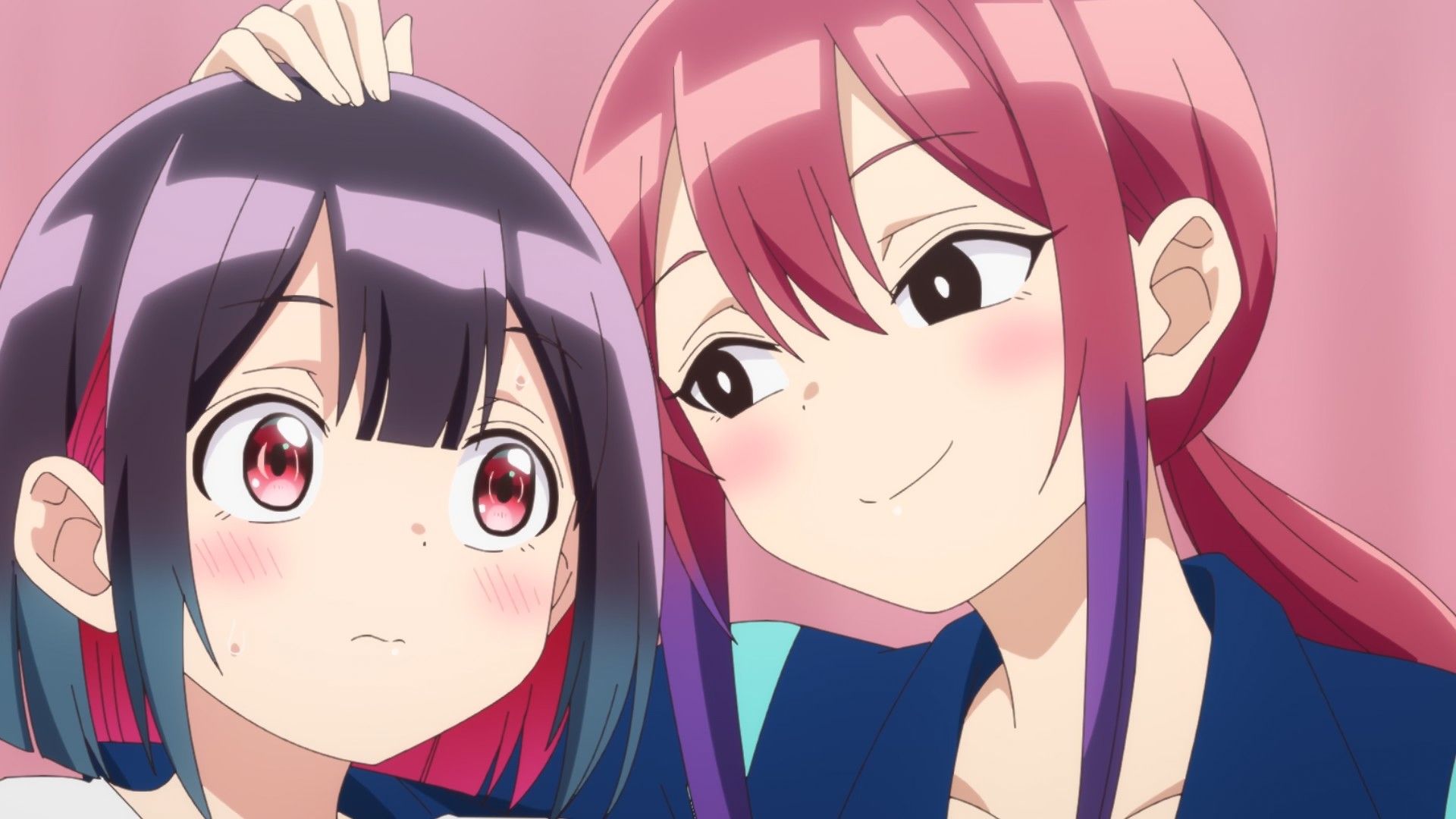
Yuutani Yuu, a first-year student at Fujigasaki Private High School. With her sharp gaze, large earrings, and flashy, two-tone hair, she looks like a genuine yankee, but the truth is entirely different. Deep down, she is a polite and helpful girl whose mind is occupied by only one person—the disciplinary committee chair, Mizutori Atori. To win her attention, Yuu abandons being a model student and decides to become a “bad girl.” The problem is that her attempts at “bad” behavior are as clumsy as they are adorable. On top of that, she is watched by the vigilant eye of her childhood friend, Suzukaze Suzu, who seems to be jealous.
Bad Girl (2025) – Audiovisual Design
Video
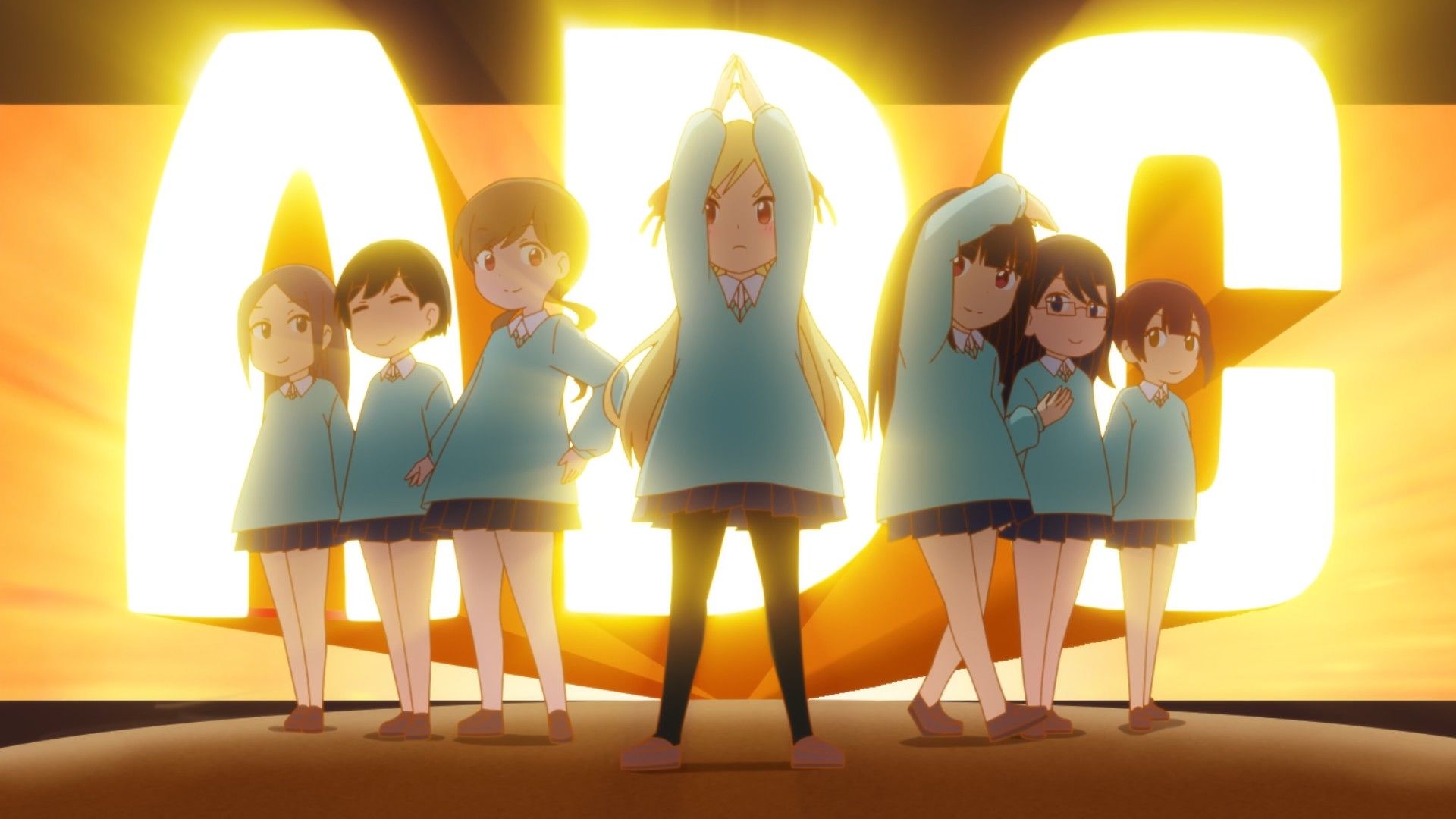
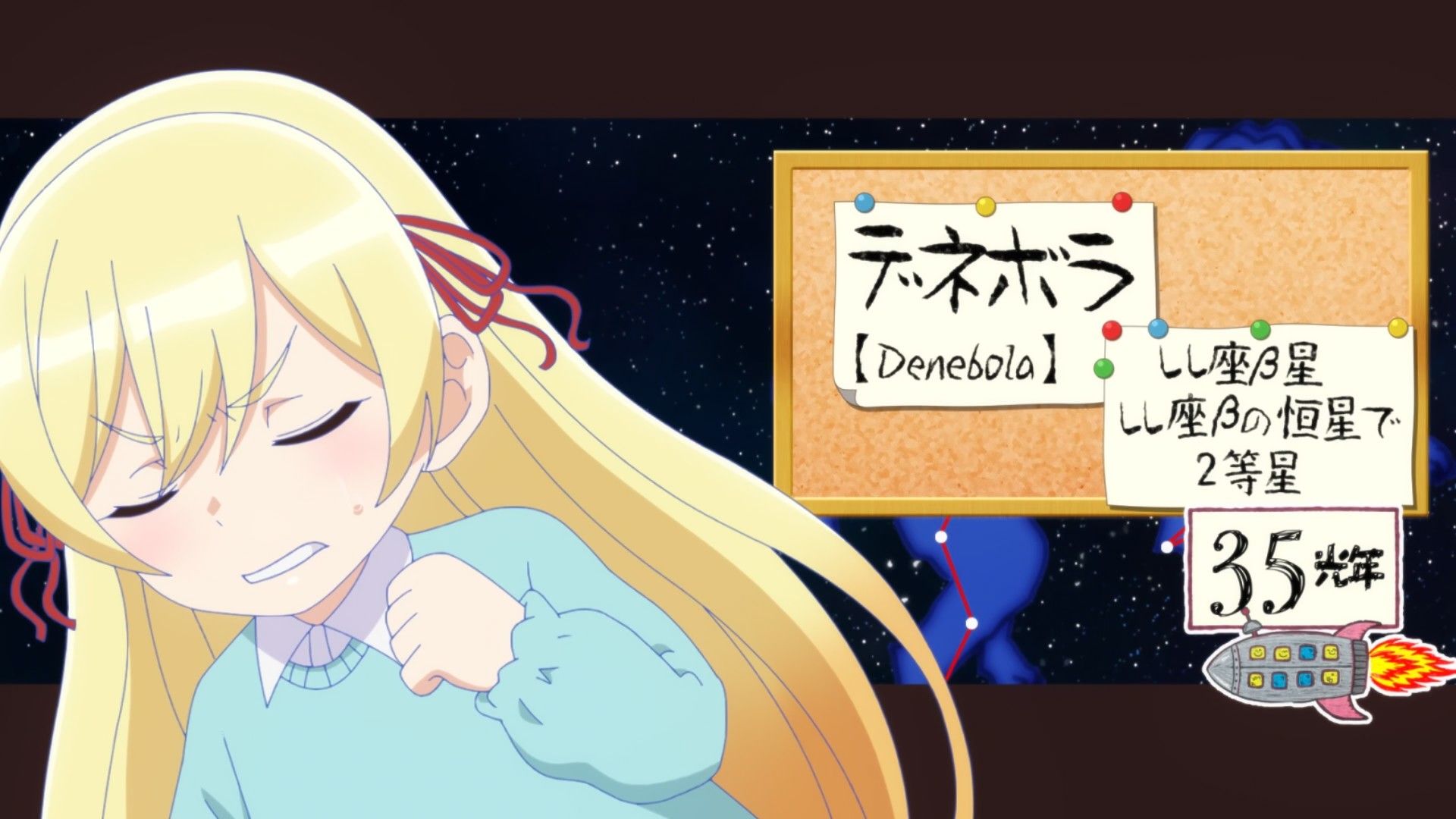
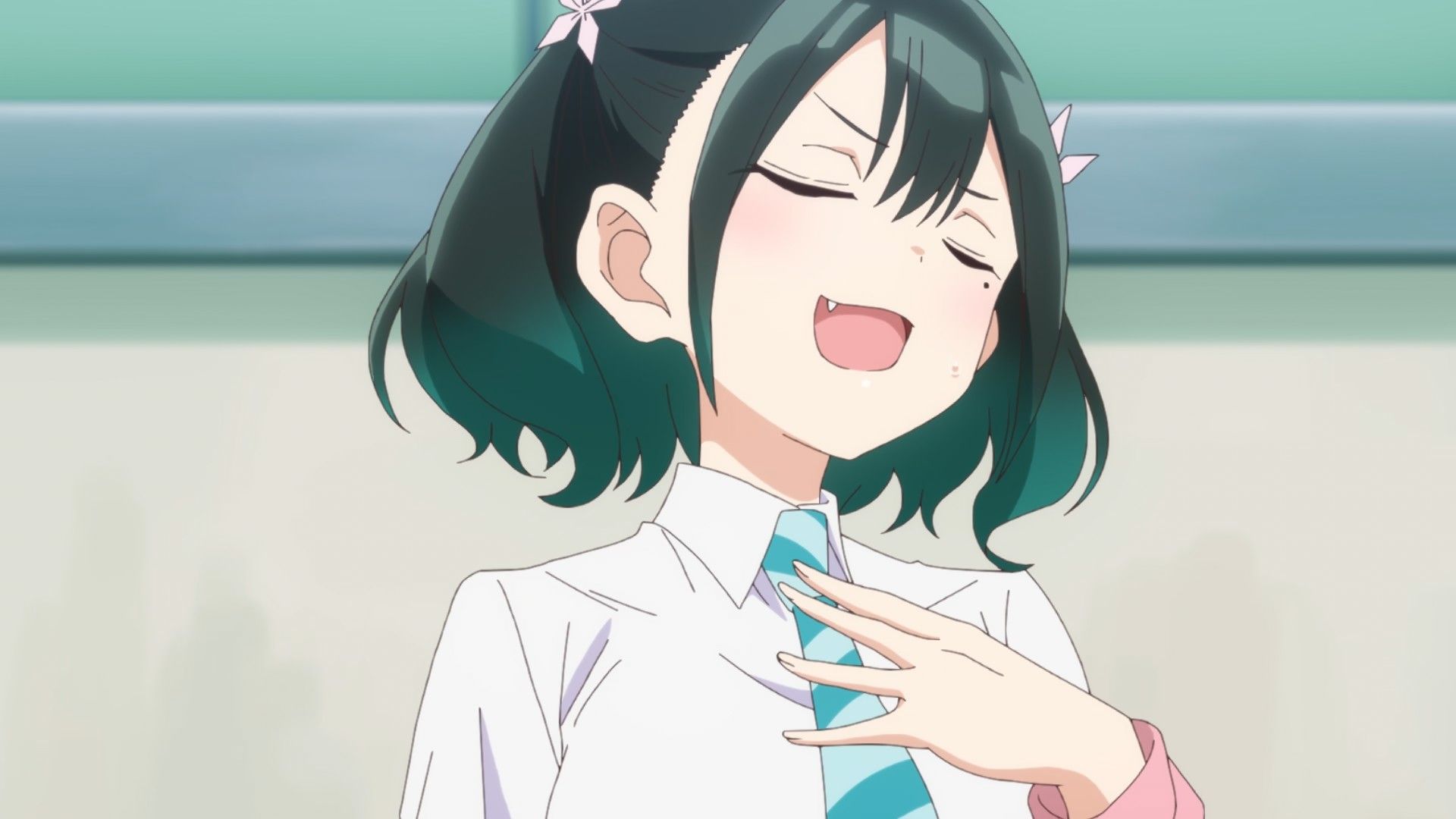
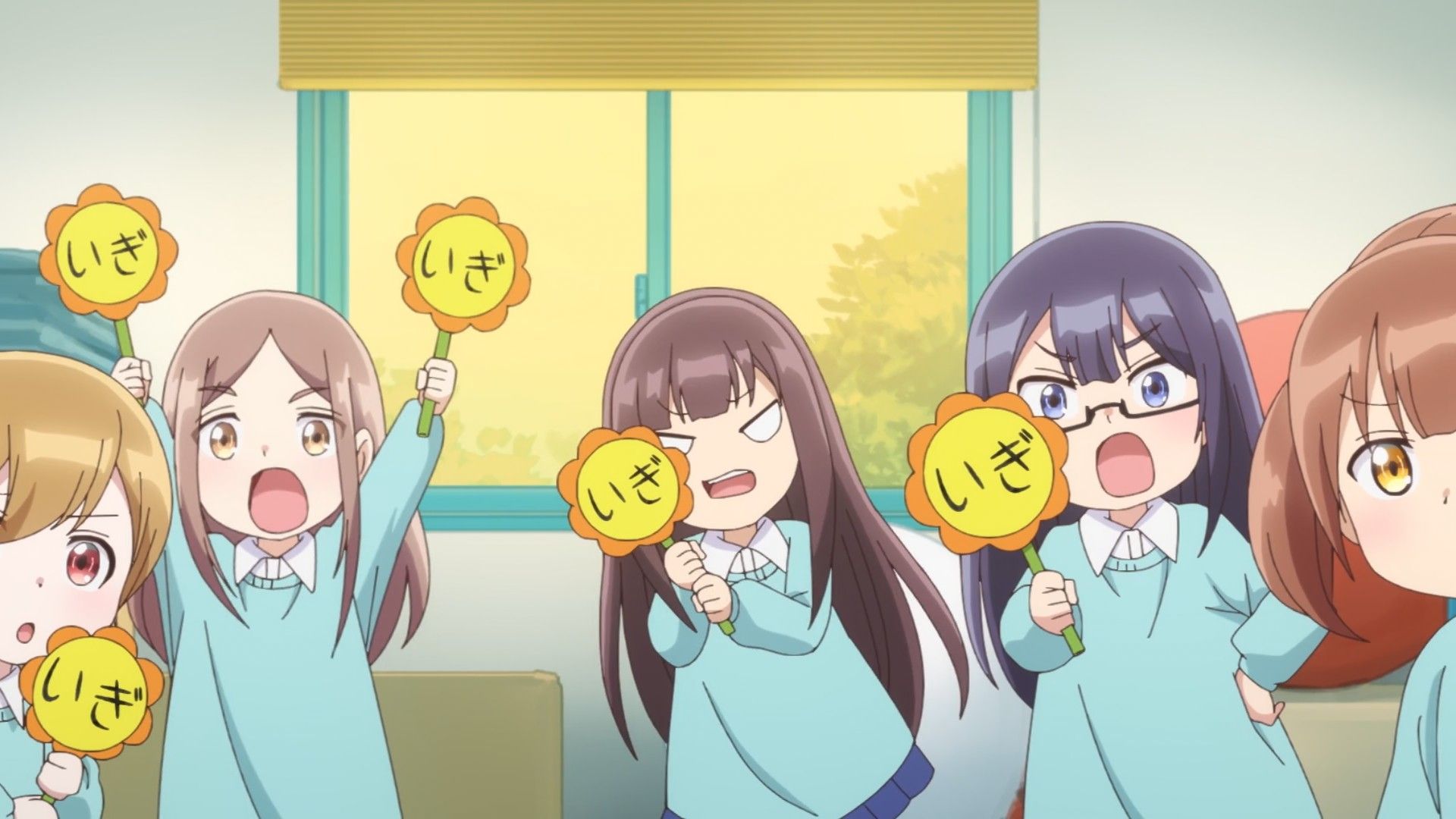
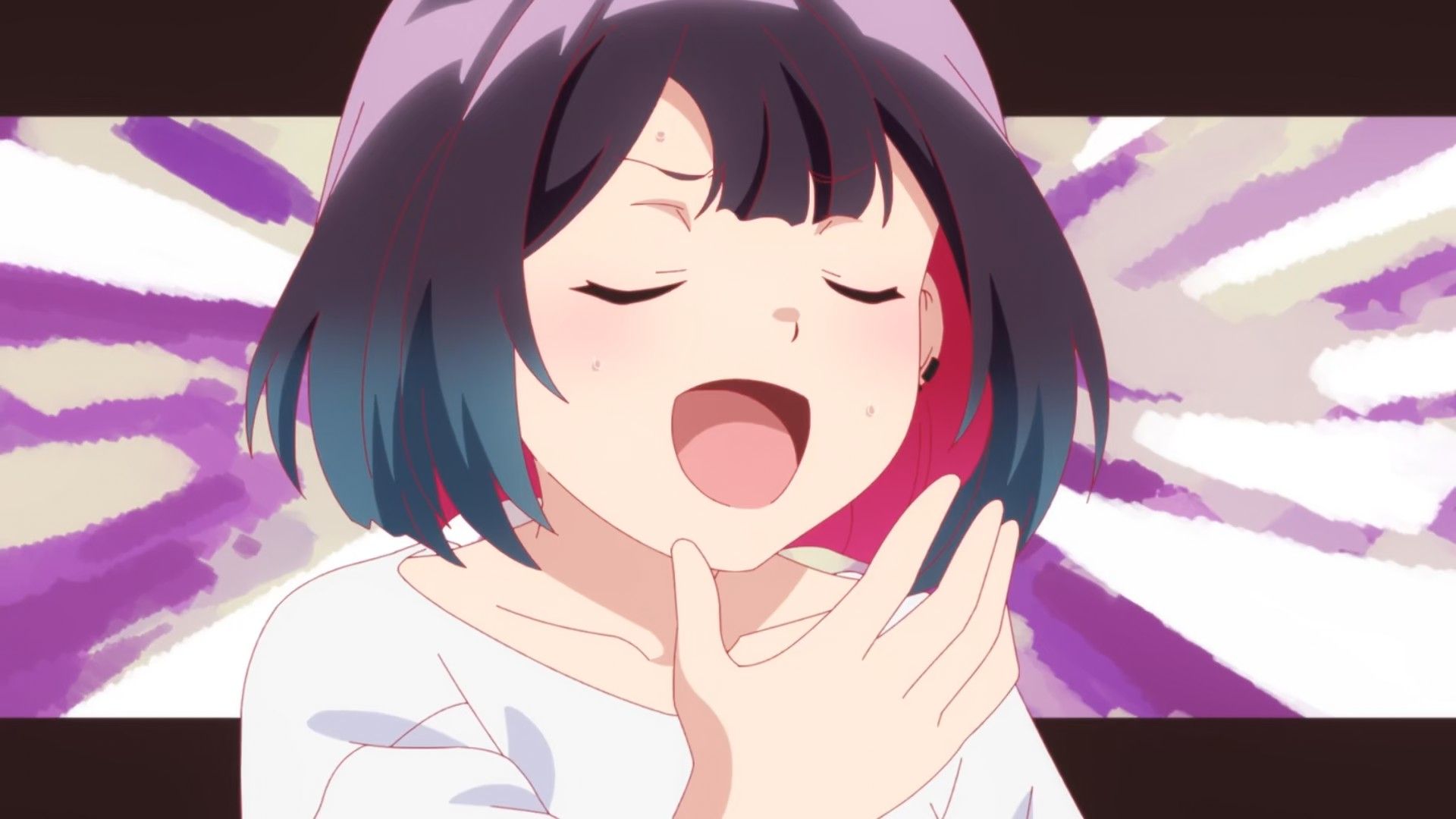
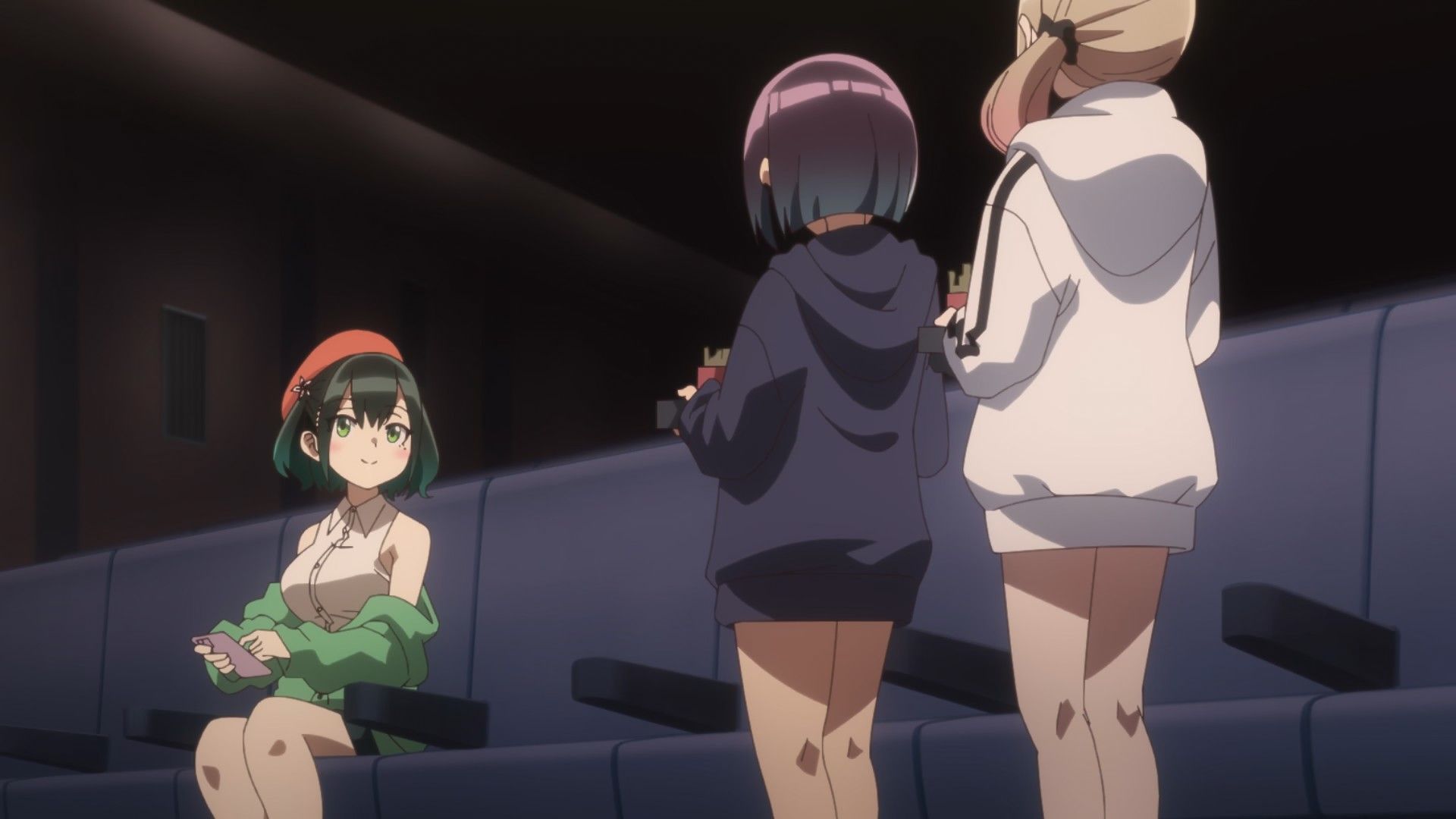
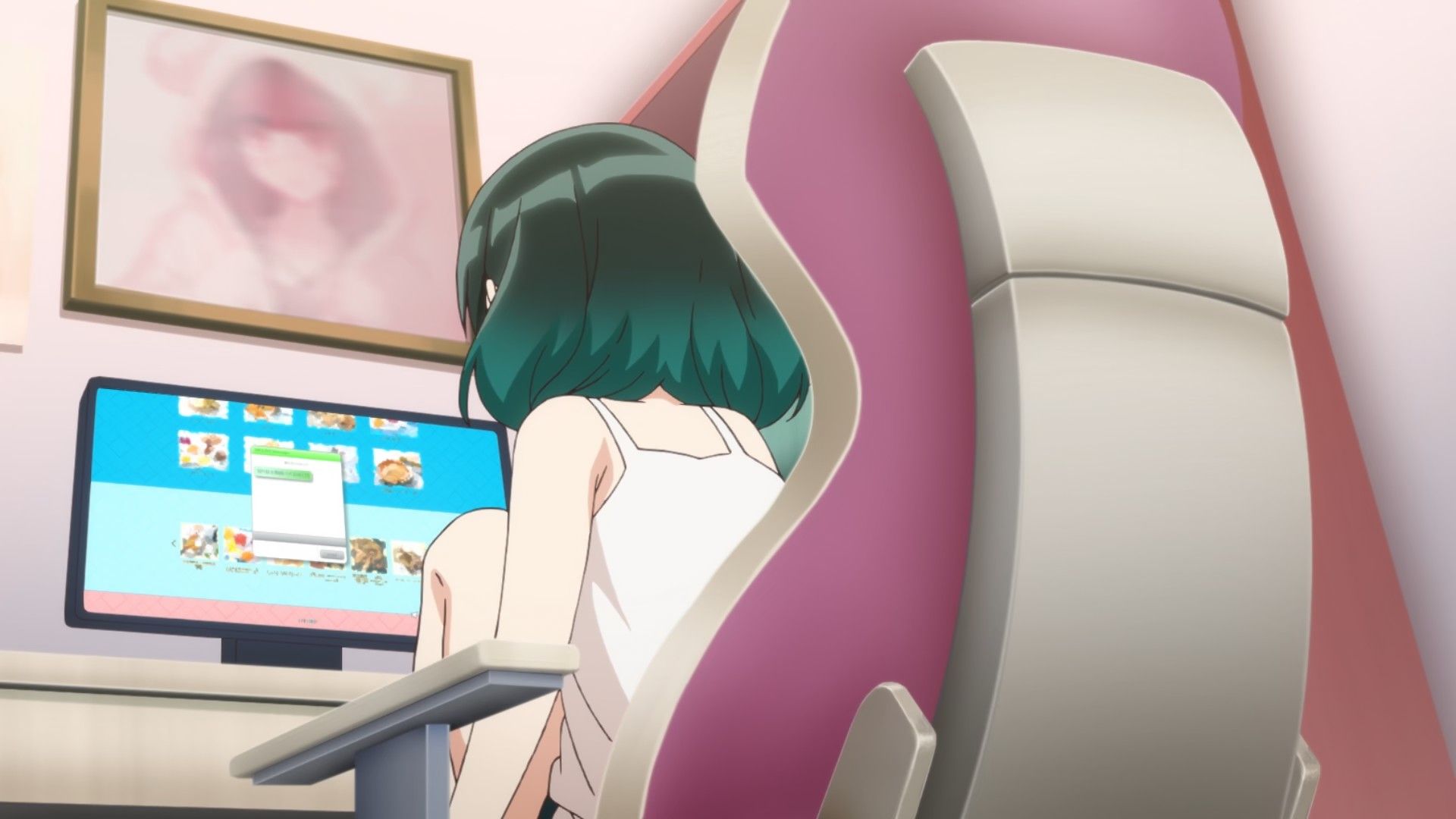
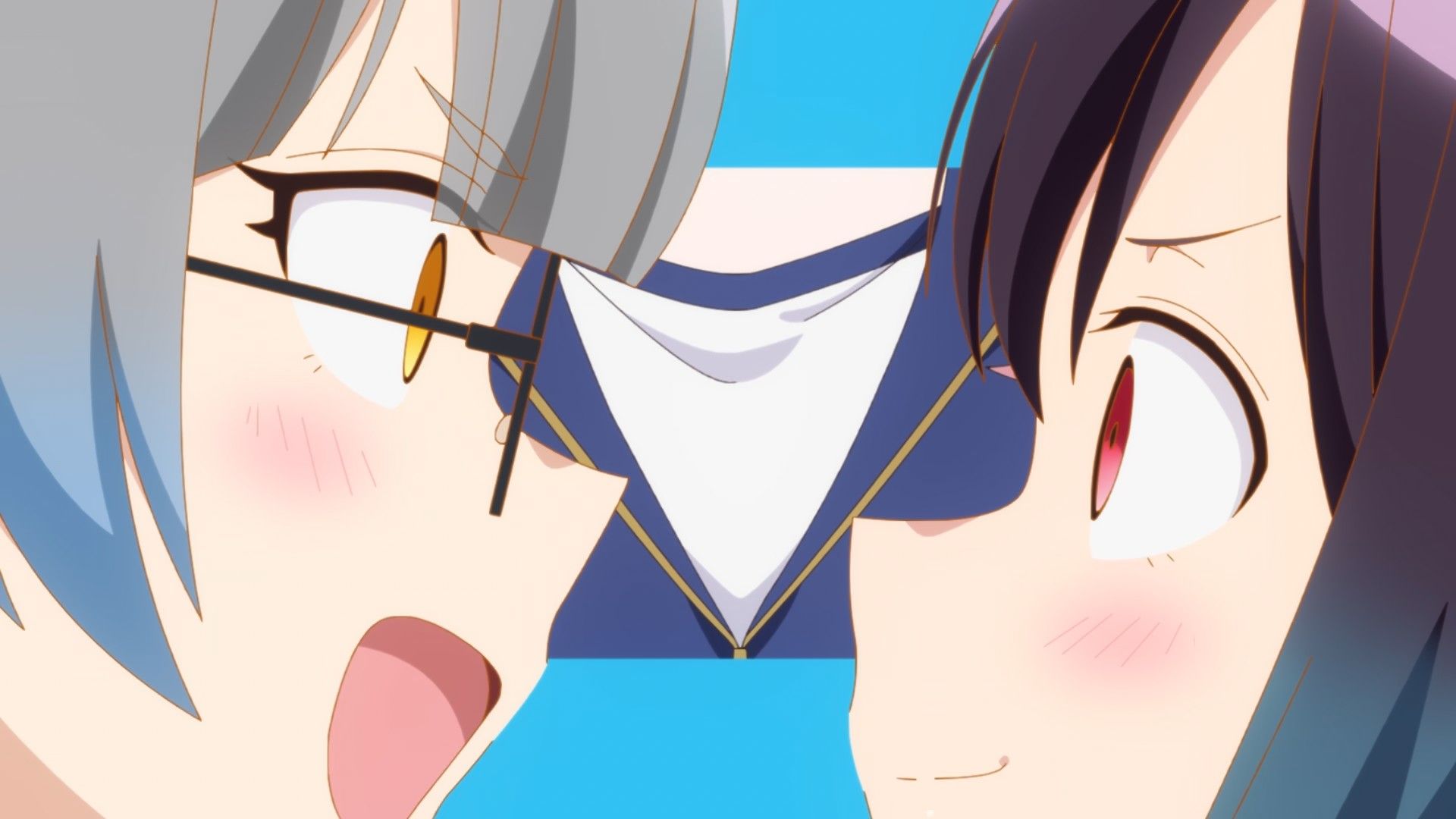
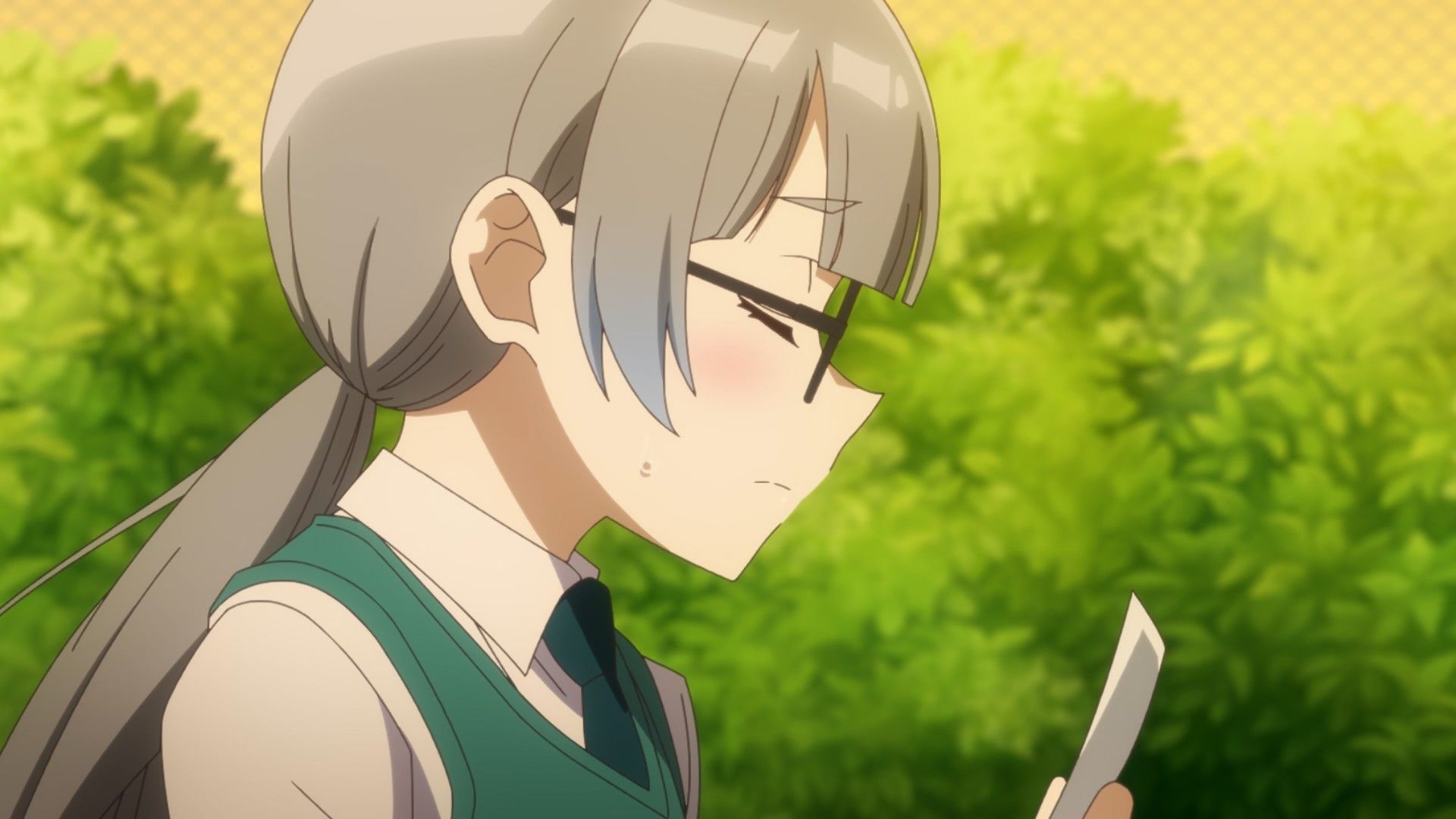
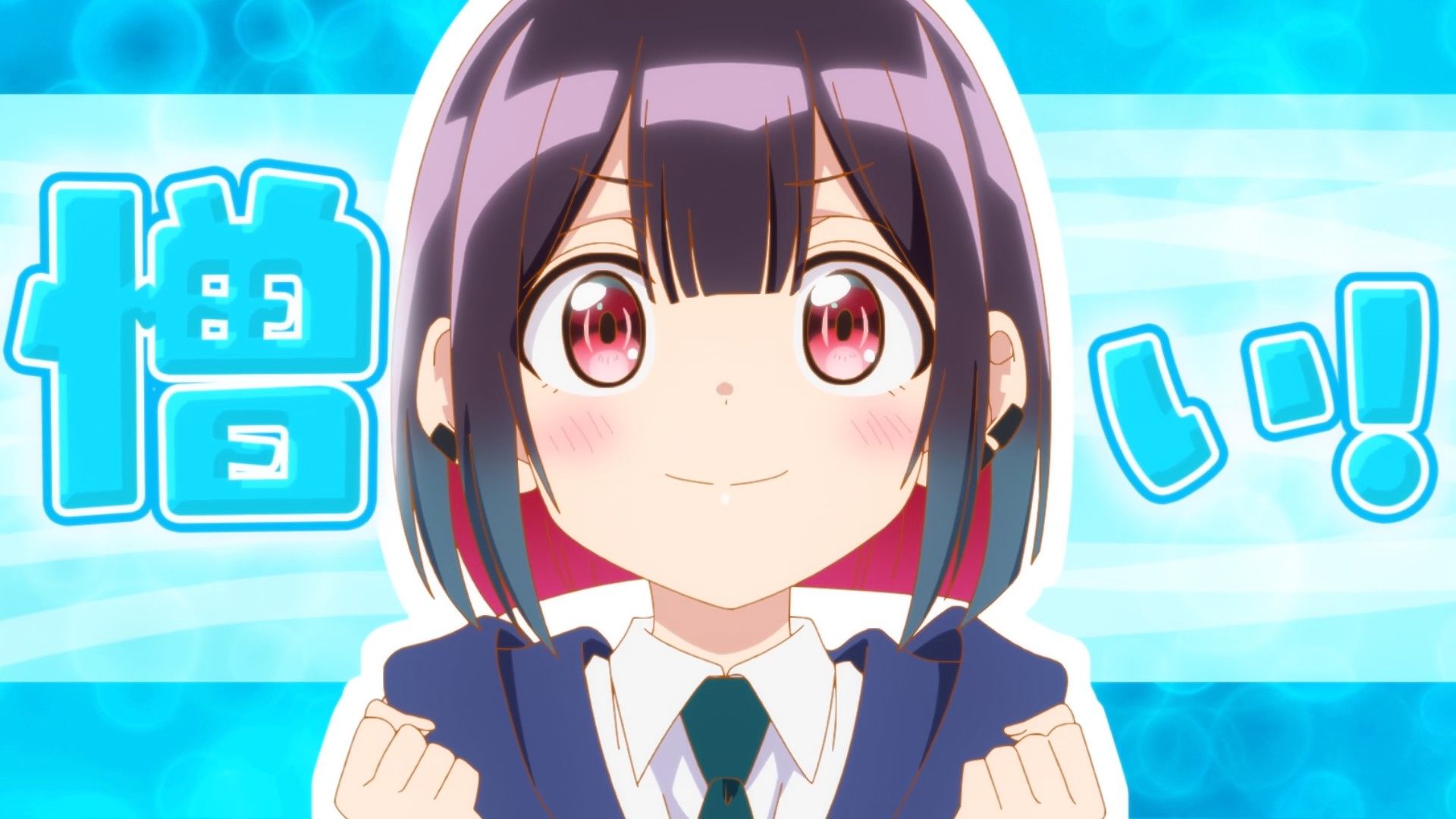
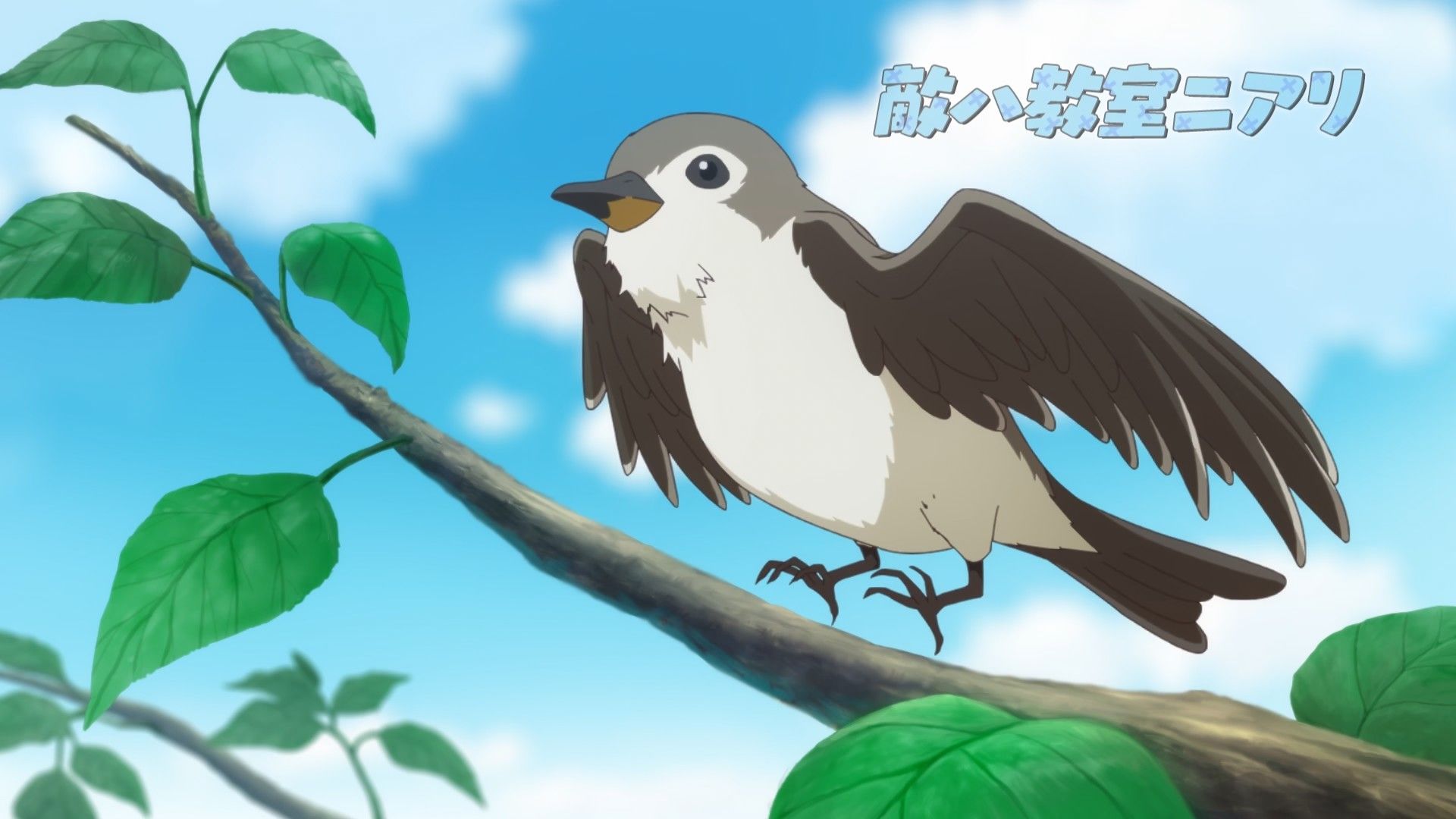
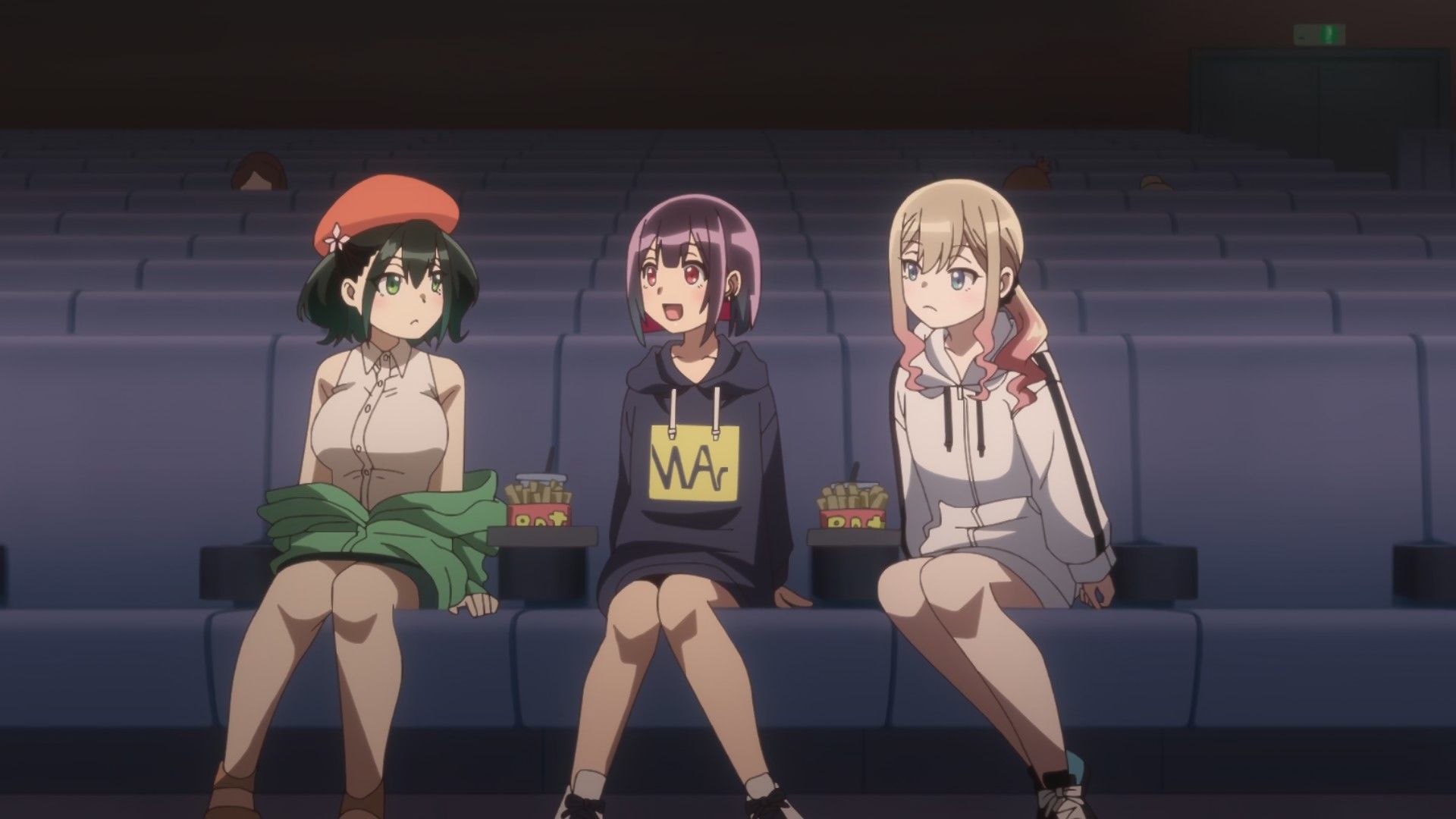
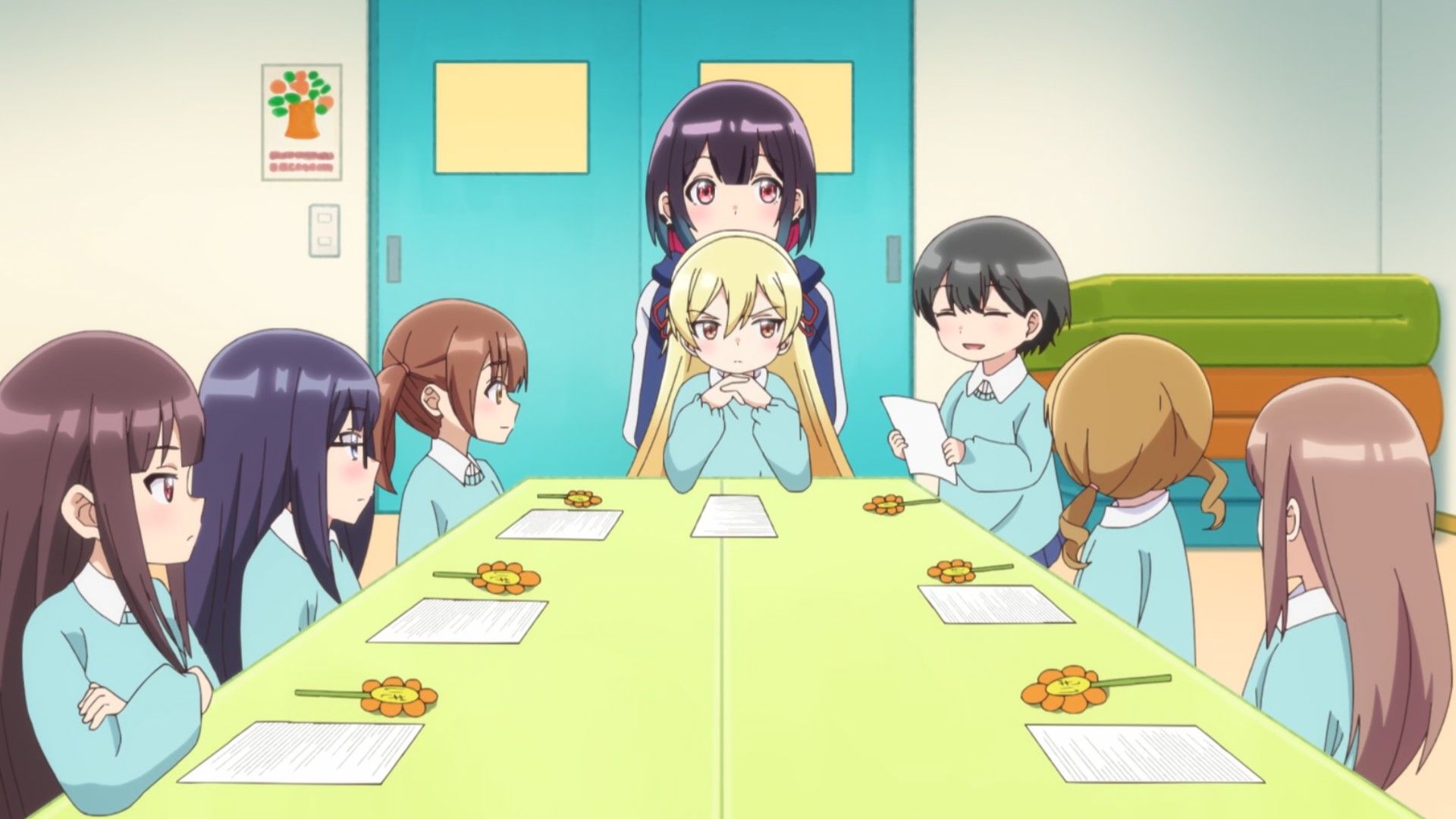
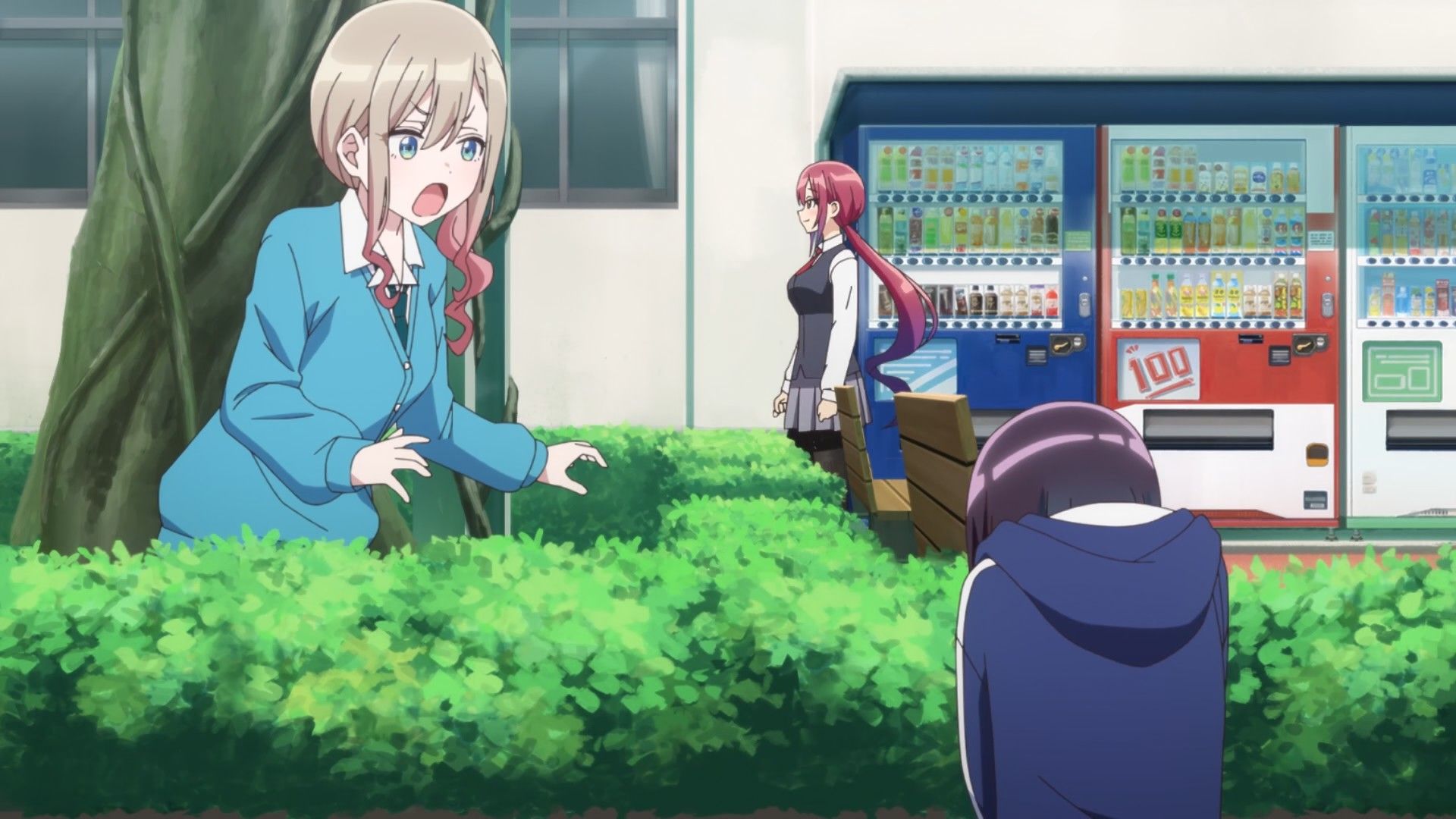
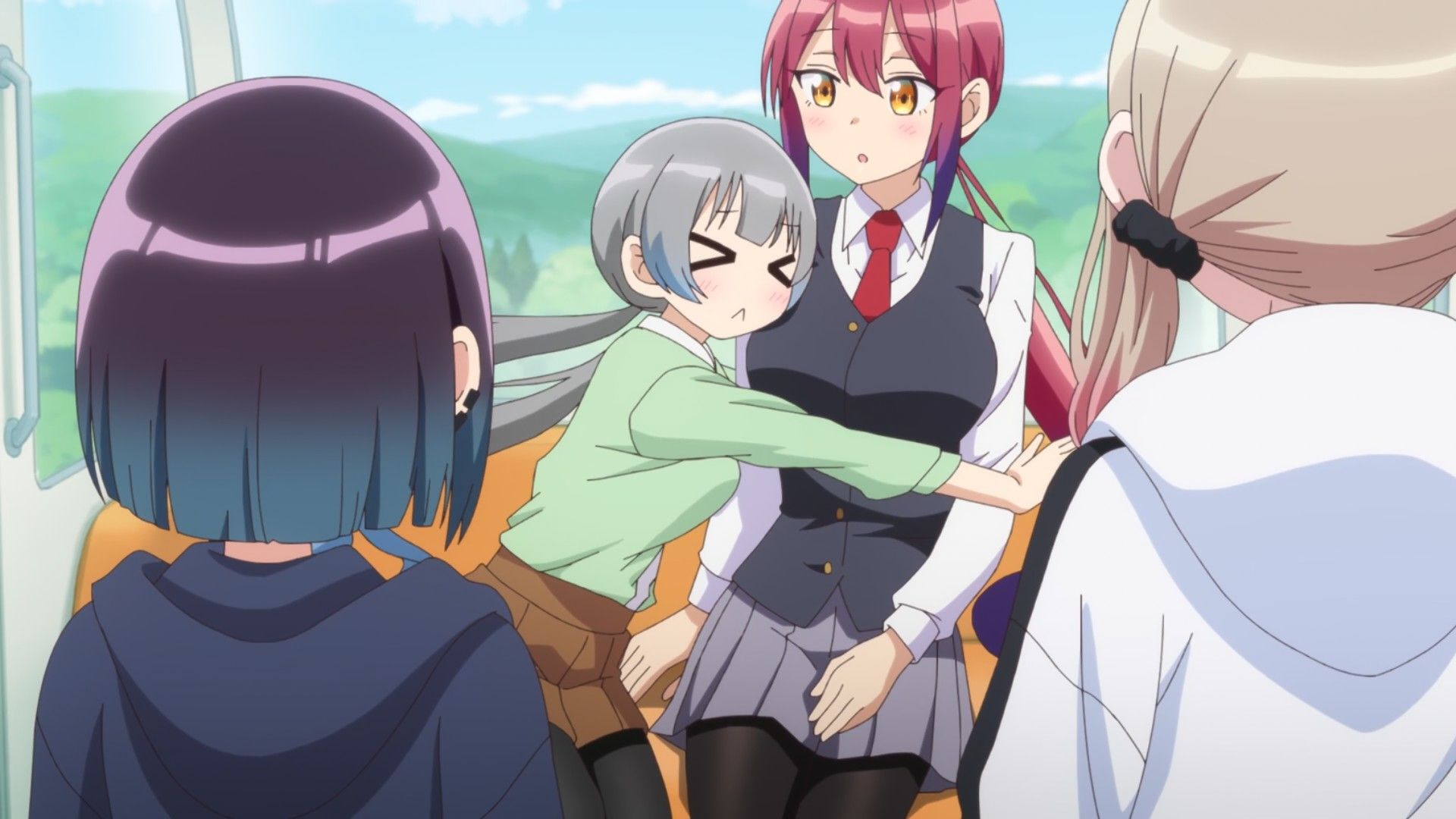
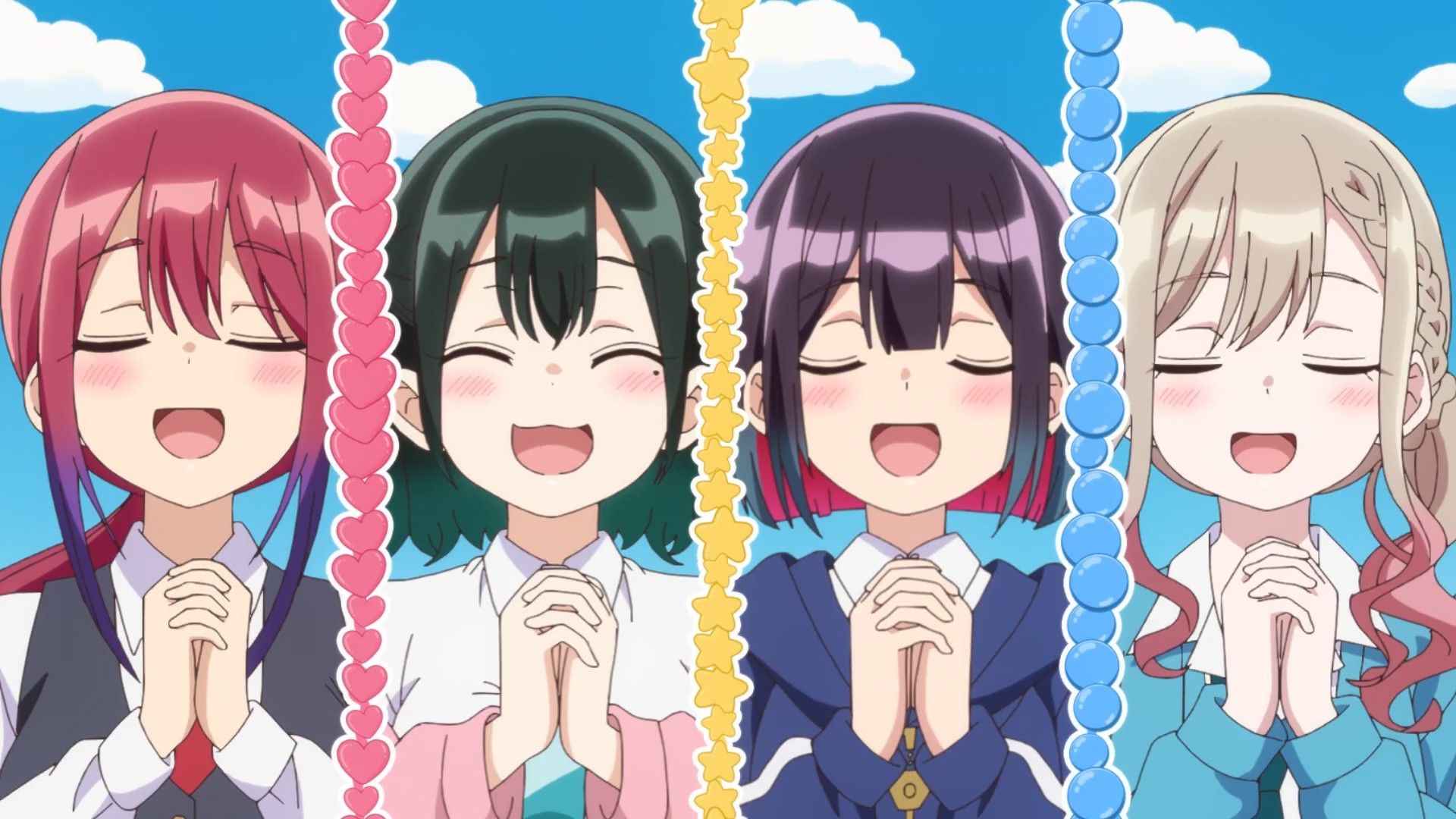
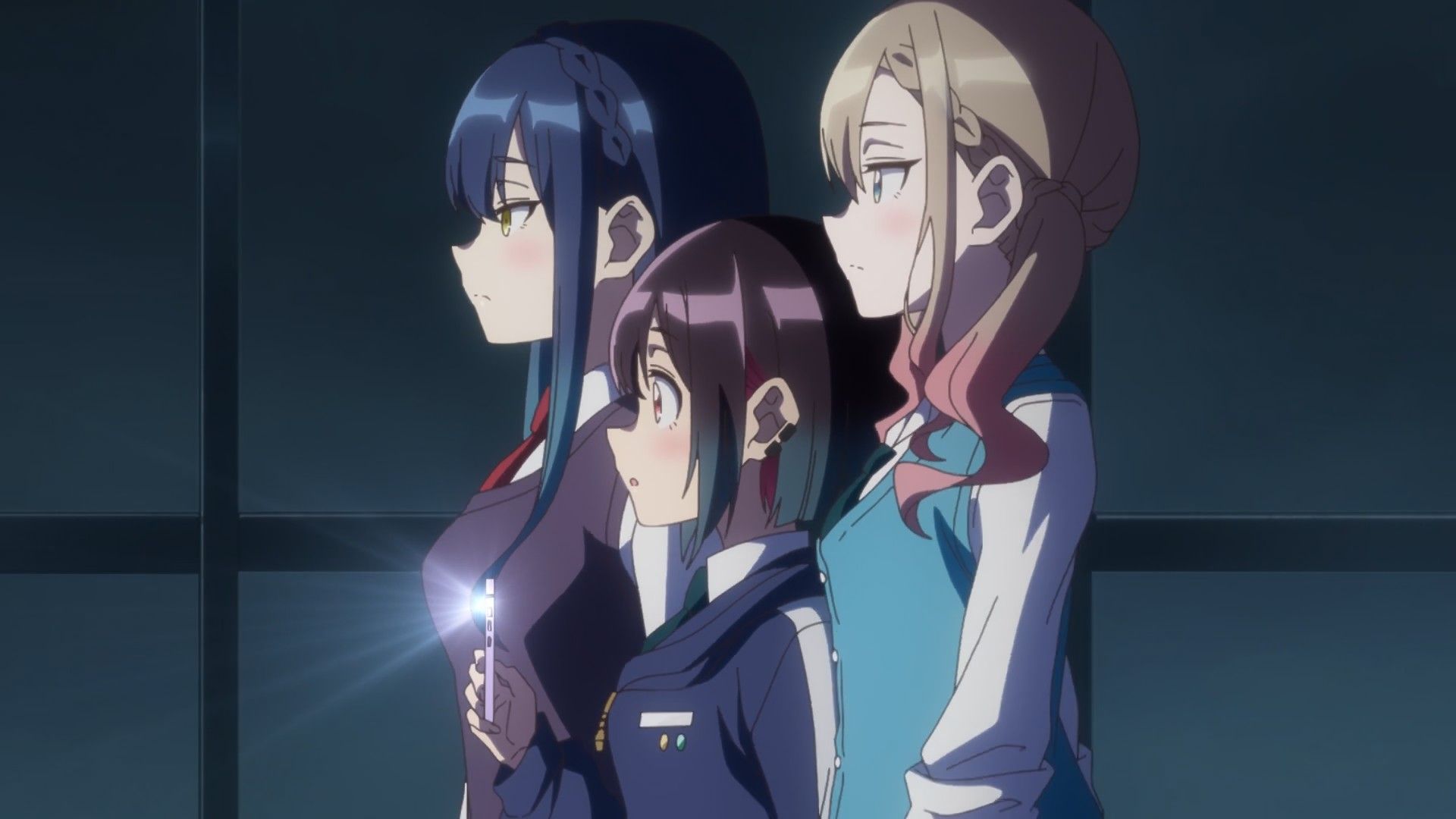
Even though the series’ main engine is verbal and situational humor, Bad Girl does not neglect the visual side. The whole production is maintained in a bright, vivid color palette, fitting the cheerful atmosphere of a school comedy. The character designs perfectly reflect their personalities and are simply precious. The animation effectively utilizes the typical charms of the genre. Highly expressive animation of emotions further emphasizes the characters’ natures. The tempo is fast. Visual jokes sometimes flash by for literally a fraction of a second, requiring the viewer’s alertness. This also ensures that the scenes never lose their momentum. Furthermore, the backgrounds are also quite pleasing to the eye.

Audio
A comedy of this type—based almost entirely on the characters’ personalities and their mutual collisions—would simply fall apart if the voice actors did not elevate the heroes at least to the level set by the script, or preferably beyond it. In Japanese productions, this condition is met with ironclad regularity. The seiyuu environment is a market of ruthless competition and high prestige. I would dare to say it is often higher than among film actors. It is a profession with tradition, a foundation of renowned schools, and a clear path for refinement.
The effect? Since the project was greenlit, there is no chance of a character falling flat. The cast is selected for the temperament and function of each role with surgical precision. The creators know exactly who can carry a certain character type and what nuances they can bring out of it. Thanks to this, the comedy truly lives. Not just because the text is witty on paper, but because the voices give it pulse, rhythm, and sharpness.
Of course—since I am writing about this, it is known in advance that the cast of Bad Girl literally squeezed everything possible out of every character. What’s more interesting—in the main cast, we won’t find very popular names; quite the opposite. Matsuoka Misato as Suzu, Tachibana Azusa as Yuu, Hanai Miharu as Rura, and Hanamiya Niina as Atori. Naturally, there is no shortage of established, outstanding, and even legendary actresses like Hayami Saori, Horie Yui, Uchida Maaya, Kitou Akari, Uesaka Sumire, Sakura Ayane, Yukana, Maeda Kaori, Amamiya Sora, or Lynn—however, they all portray supporting or even episodic characters.
Bad Girl (2025) – Plot and Characters
Introduction
When choosing series to watch in Summer 2025, I expected a pleasant CGDCT type comedy. However, I didn’t have any exceptional expectations for this title. What’s more—even the first episode didn’t provide enough reasons to have higher expectations. However, each subsequent episode added more bricks to building the characterization, the result of which is what I will write about in this review.
A Brief Overview of the Bad Girl Plot
Yuutani Yuu, a first-year student at Fujigasaki Private High School. She has a sharp gaze, large earrings, and flashy, two-tone hair, looking like a genuine yankee, but the truth is entirely different. Deep down, she is a polite and helpful girl whose mind is occupied by only one person—the disciplinary committee chair, Mizutori Atori.
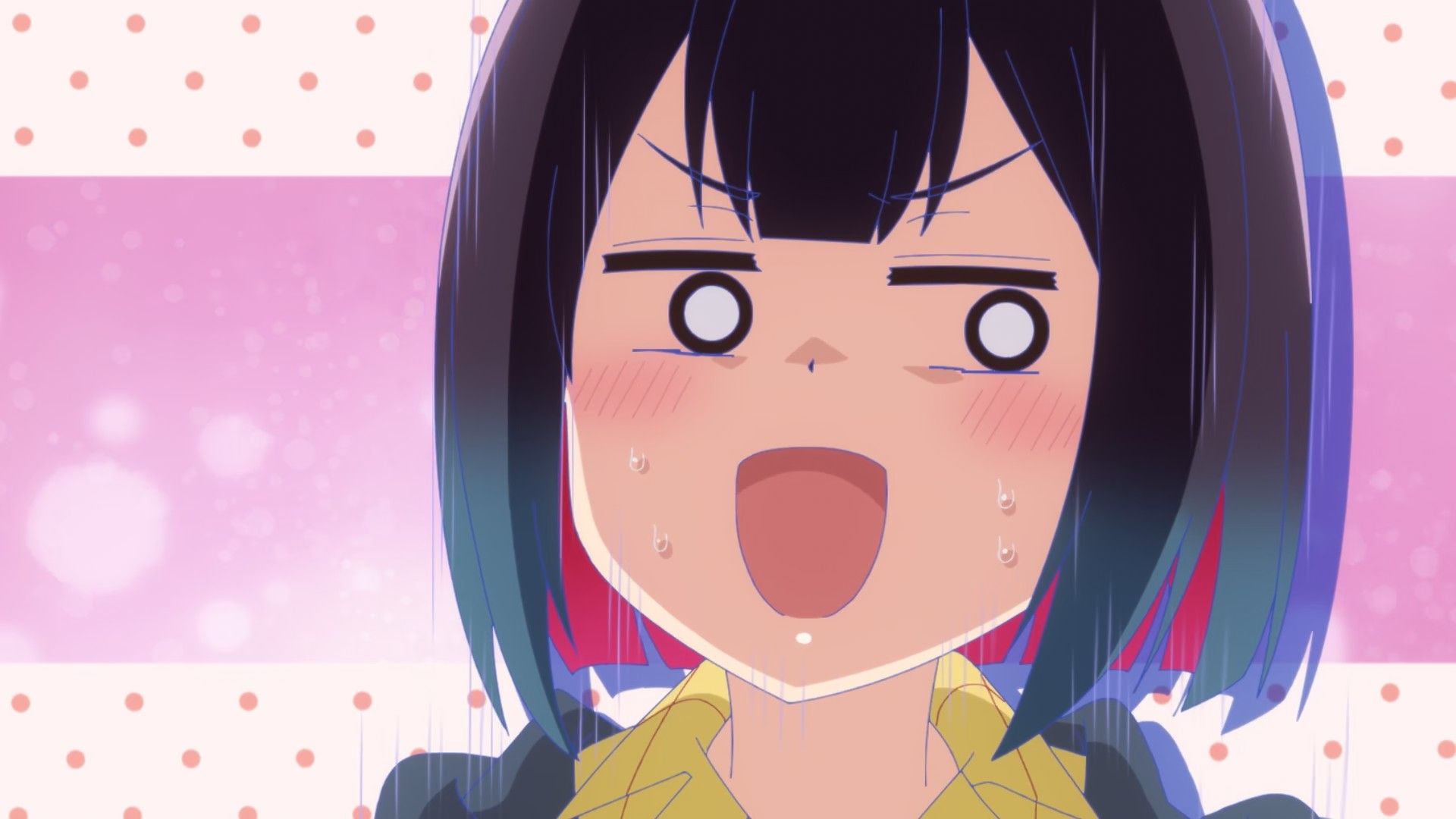
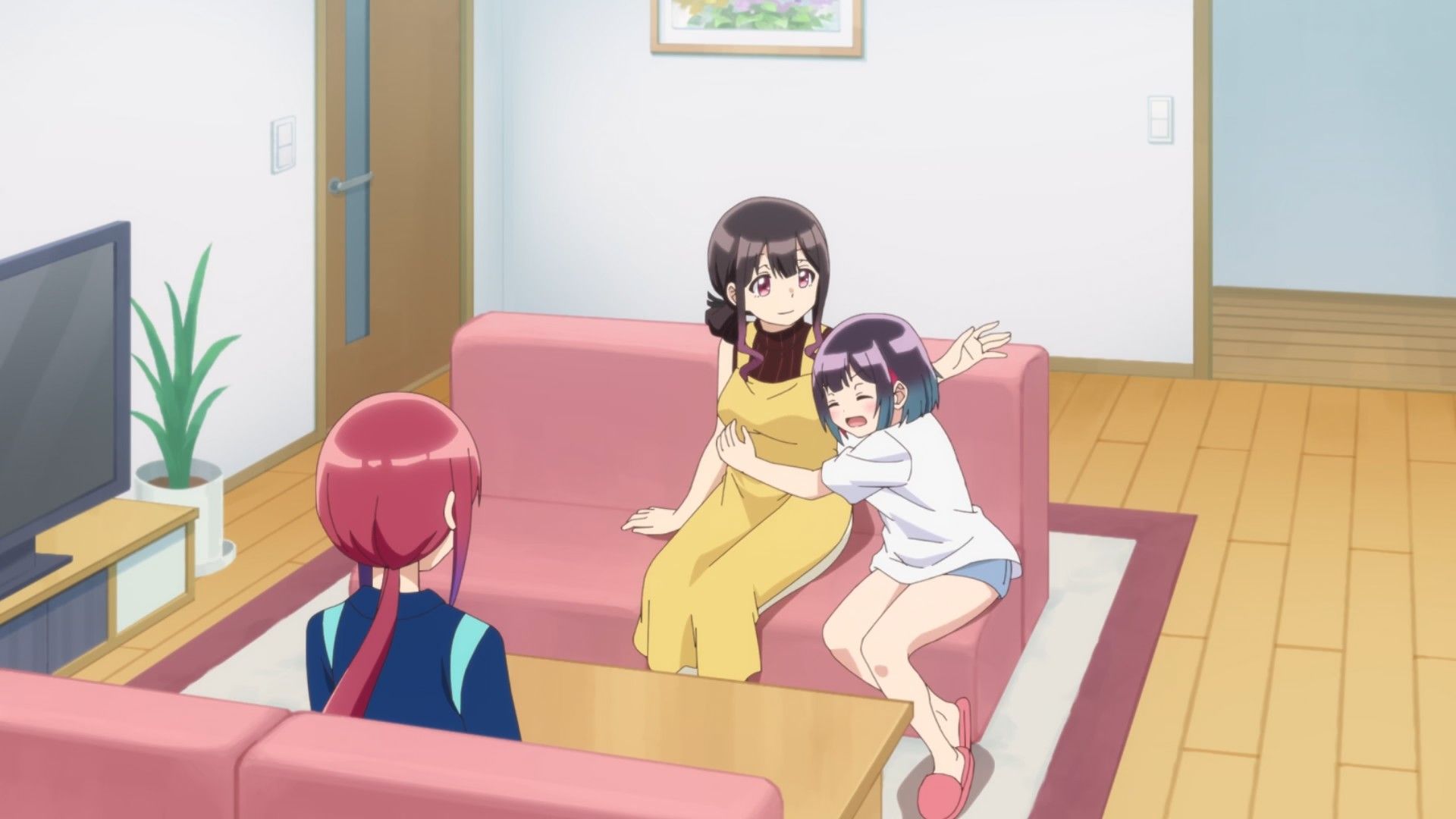
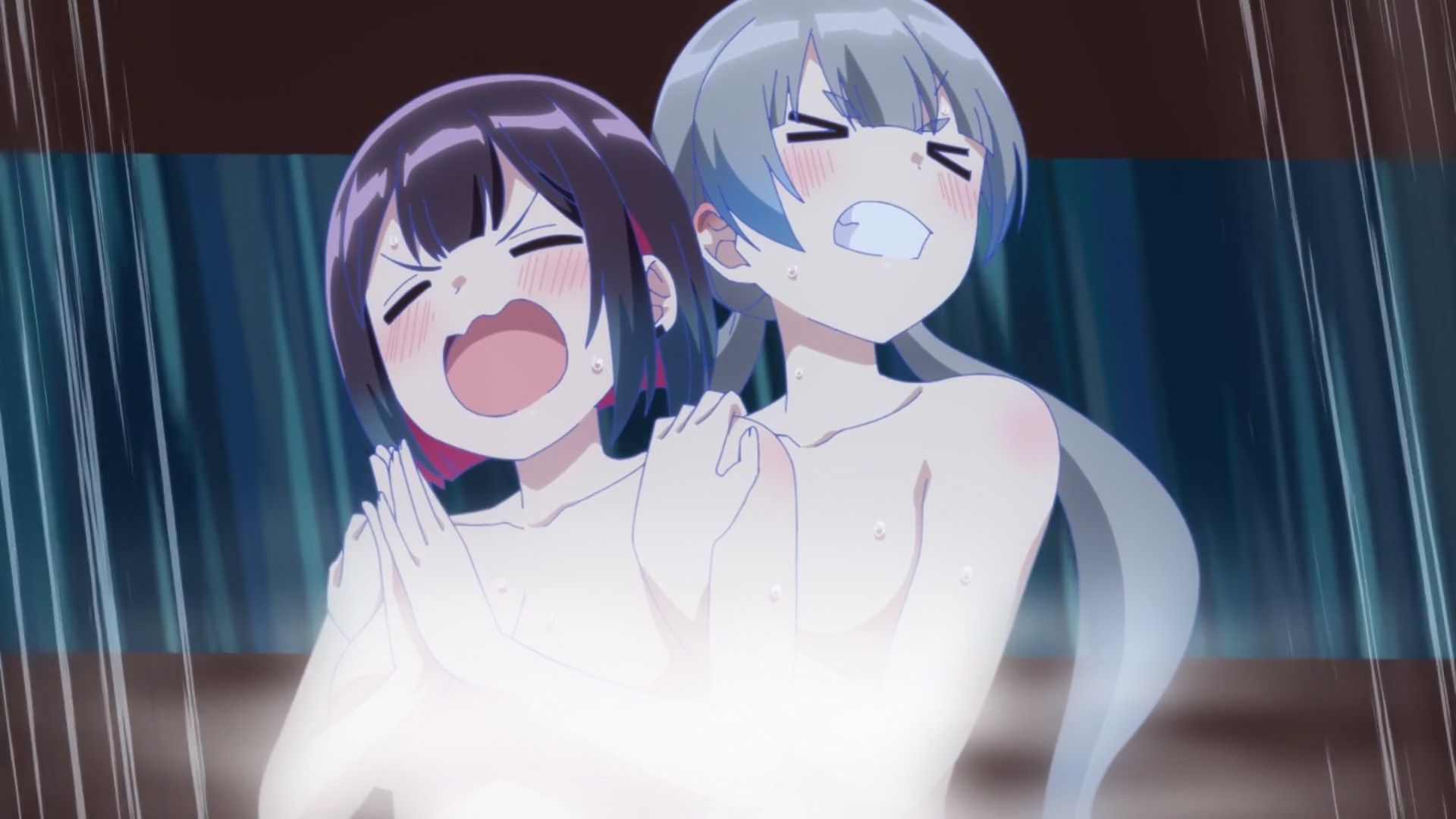
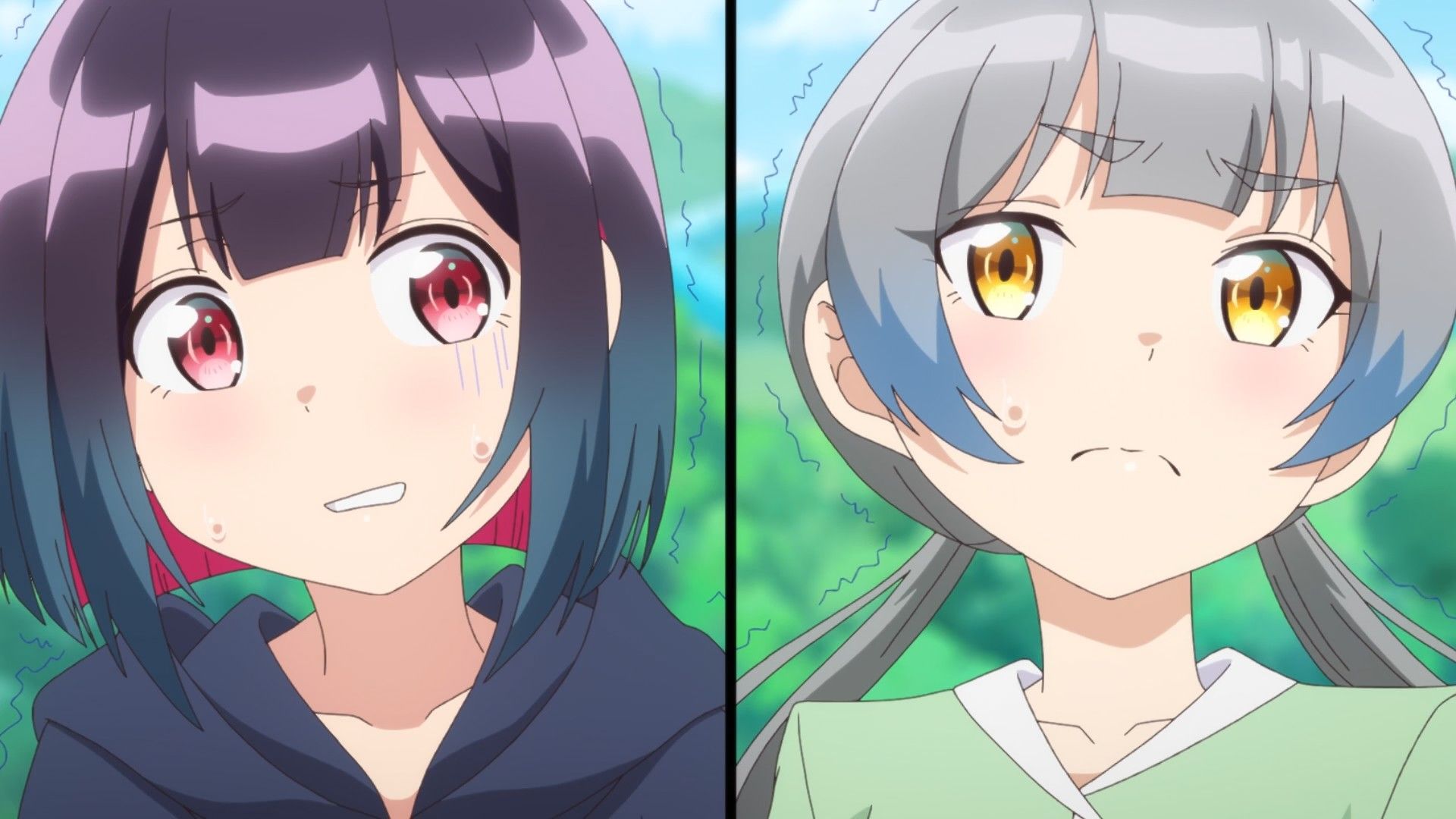
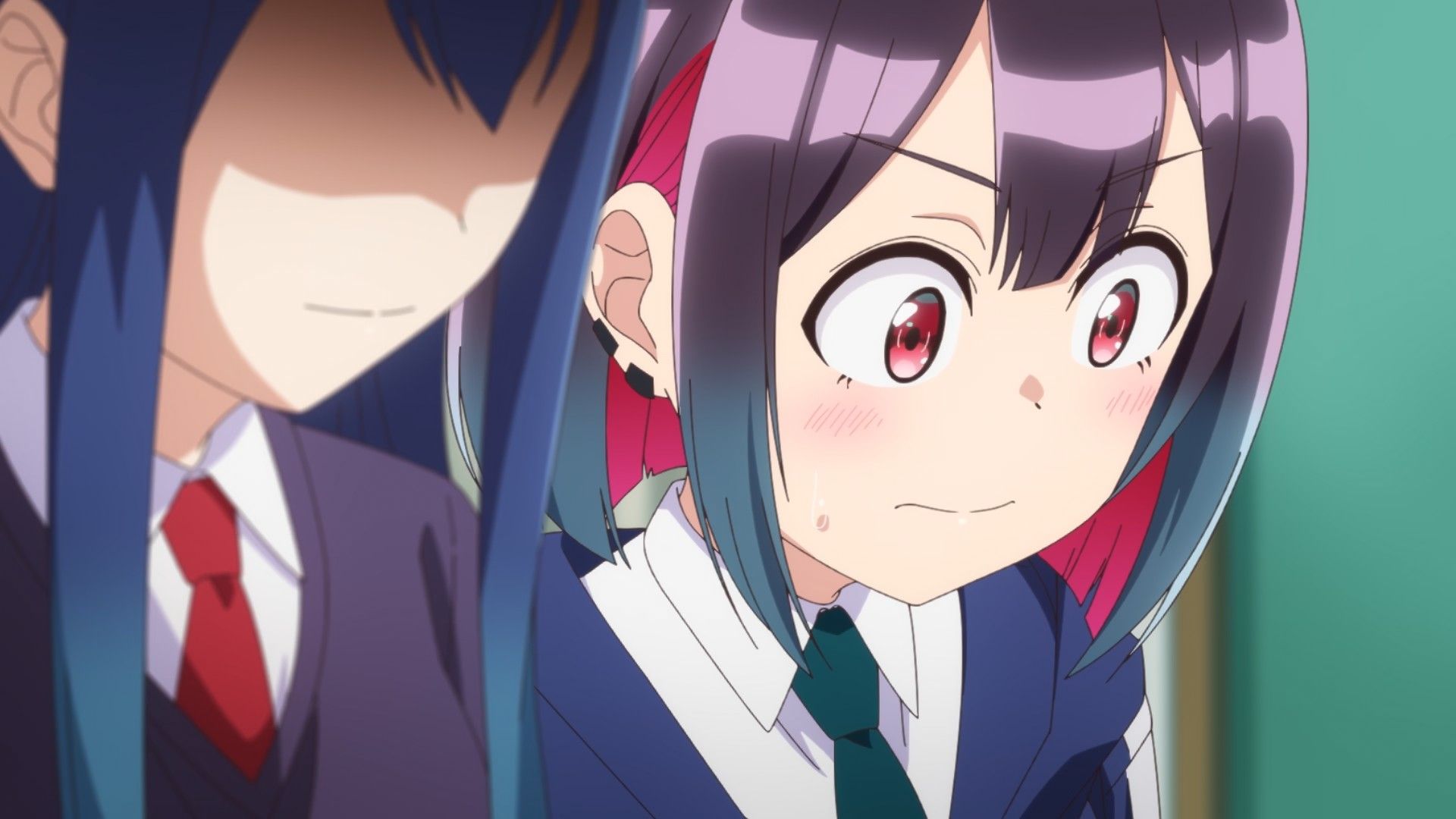
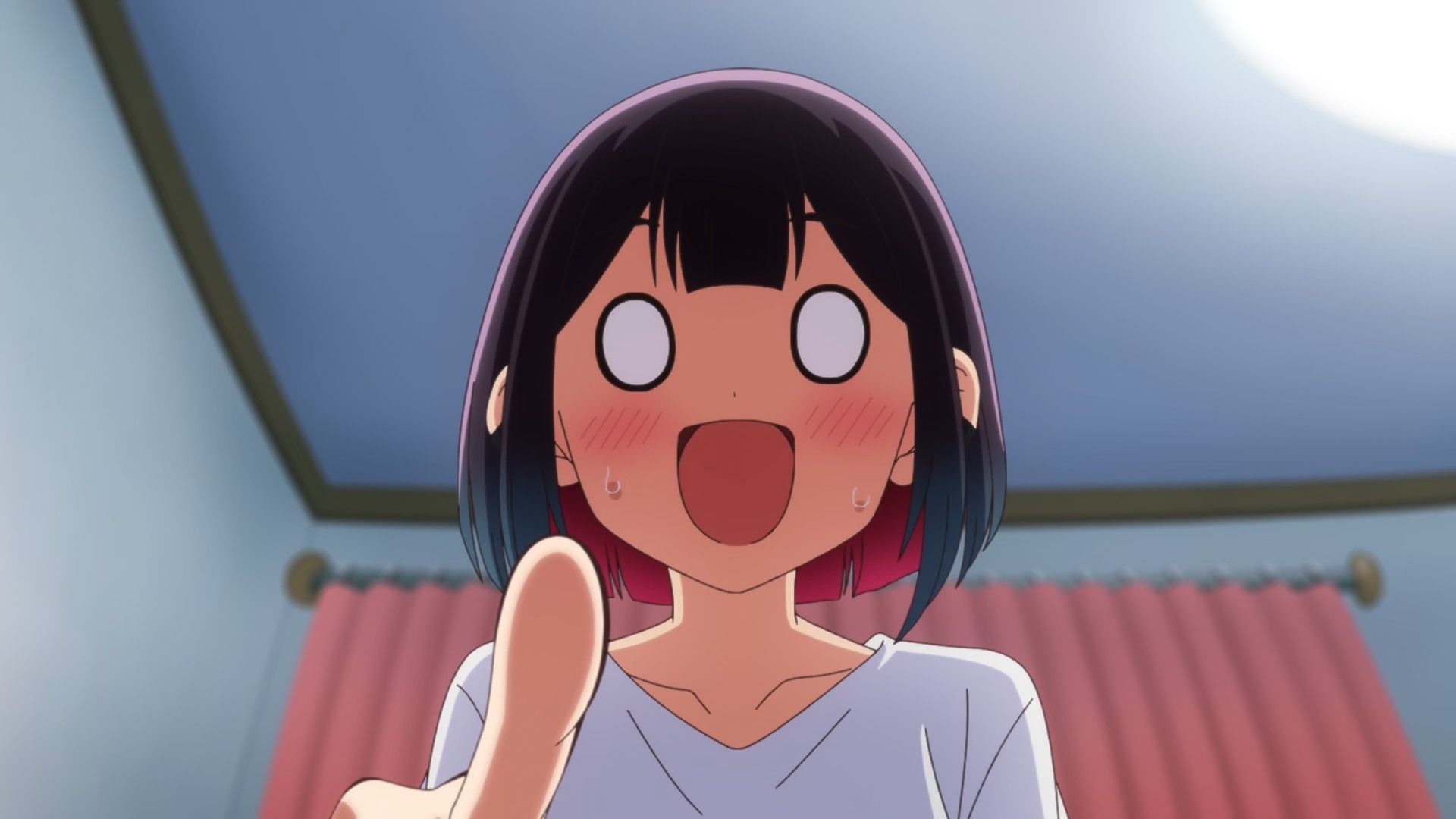
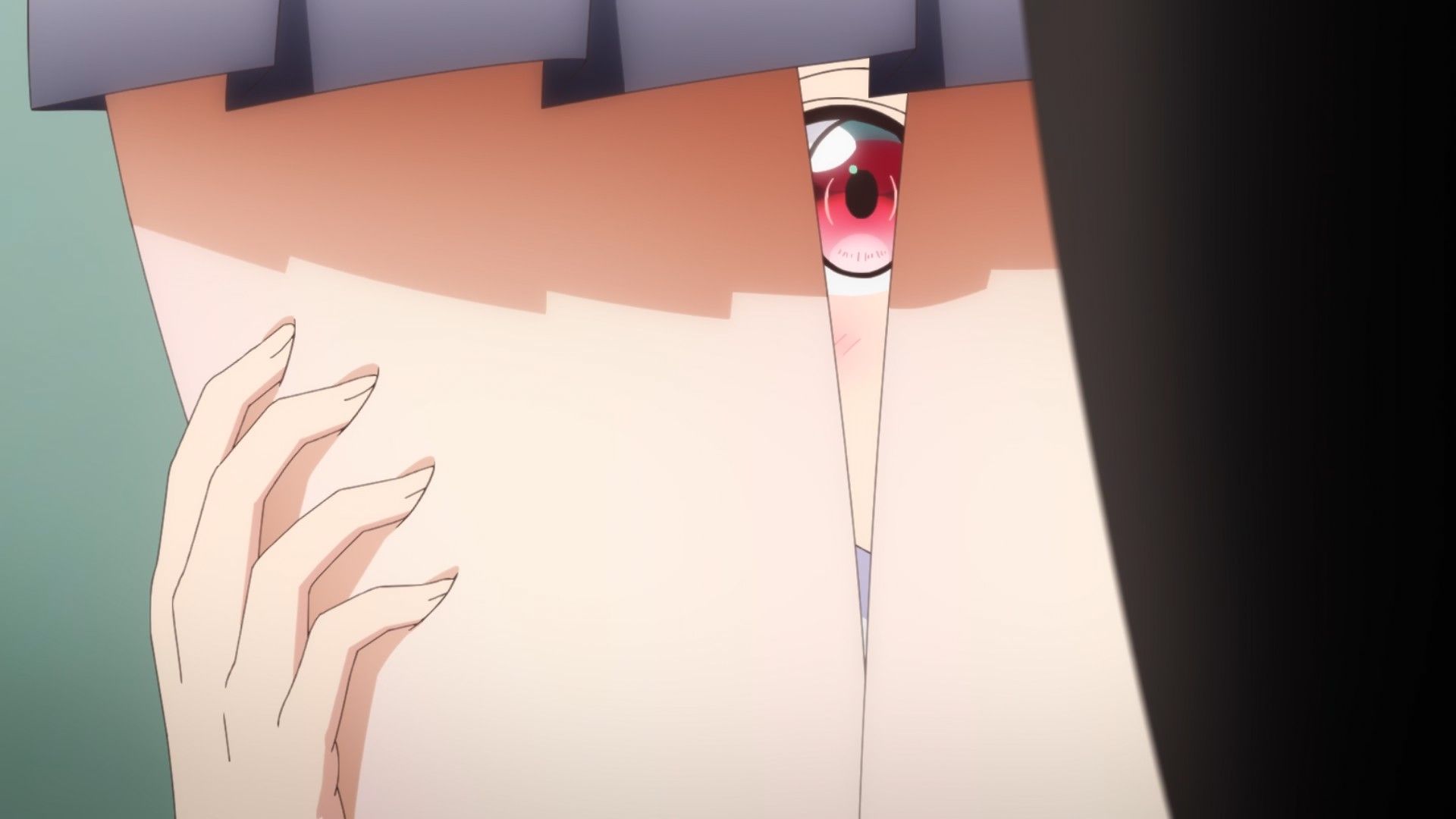
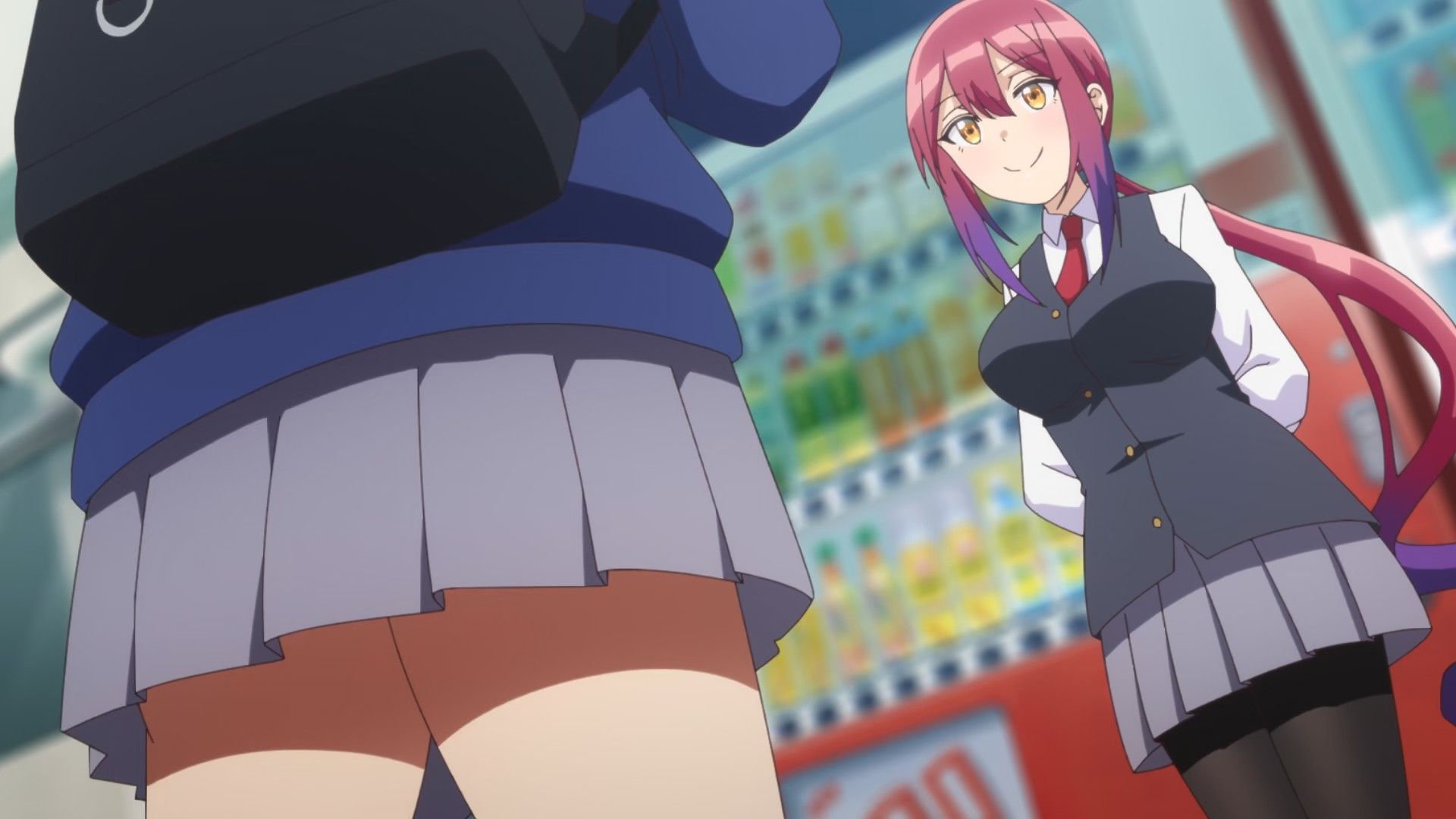
To win her attention, Yuu abandons being a model student and decides to become a “bad girl.” The problem is that her attempts at “bad” behavior are as clumsy as they are adorable. On top of that, she is watched by the vigilant eye of her childhood friend, Suzukaze Suzu, who seems to be jealous.
What is the series about
The plot of each episode revolves around the desperate attempts of Yuutani Yuu—a diligent and exemplary first-year student who decides to transform into a bad girl to draw the attention of her idol, the perfect Mizutori Atori. Naturally, her ideas about being a delinquent are based on absurdly innocent concepts bordering on chuunibyou. She believes that as a “good student,” she is as noticeable to Atori as a pebble on the side of the road. On the other hand, embodying a rebel will finally make her stand out from the crowd. Each episode is thus a series of comical misunderstandings and situations resulting from Yuu’s incompetent “criminal” plans. Already in the first episode, she puts on clip-on earrings, adds two-tone hair extensions, and stuffs her shoes with rubber bands. While this doesn’t actually give her the reputation of a real sukeban, it catches Atori’s attention with its charming absurdity.
Thus begins a kouhai-senpai relationship based on one big misunderstanding. Yuu wants to be seen as a tough rebel, while Atori sees her as a sweet mascot. The series skillfully uses this motif throughout the season, throwing in increasingly crazy subplots and new characters.
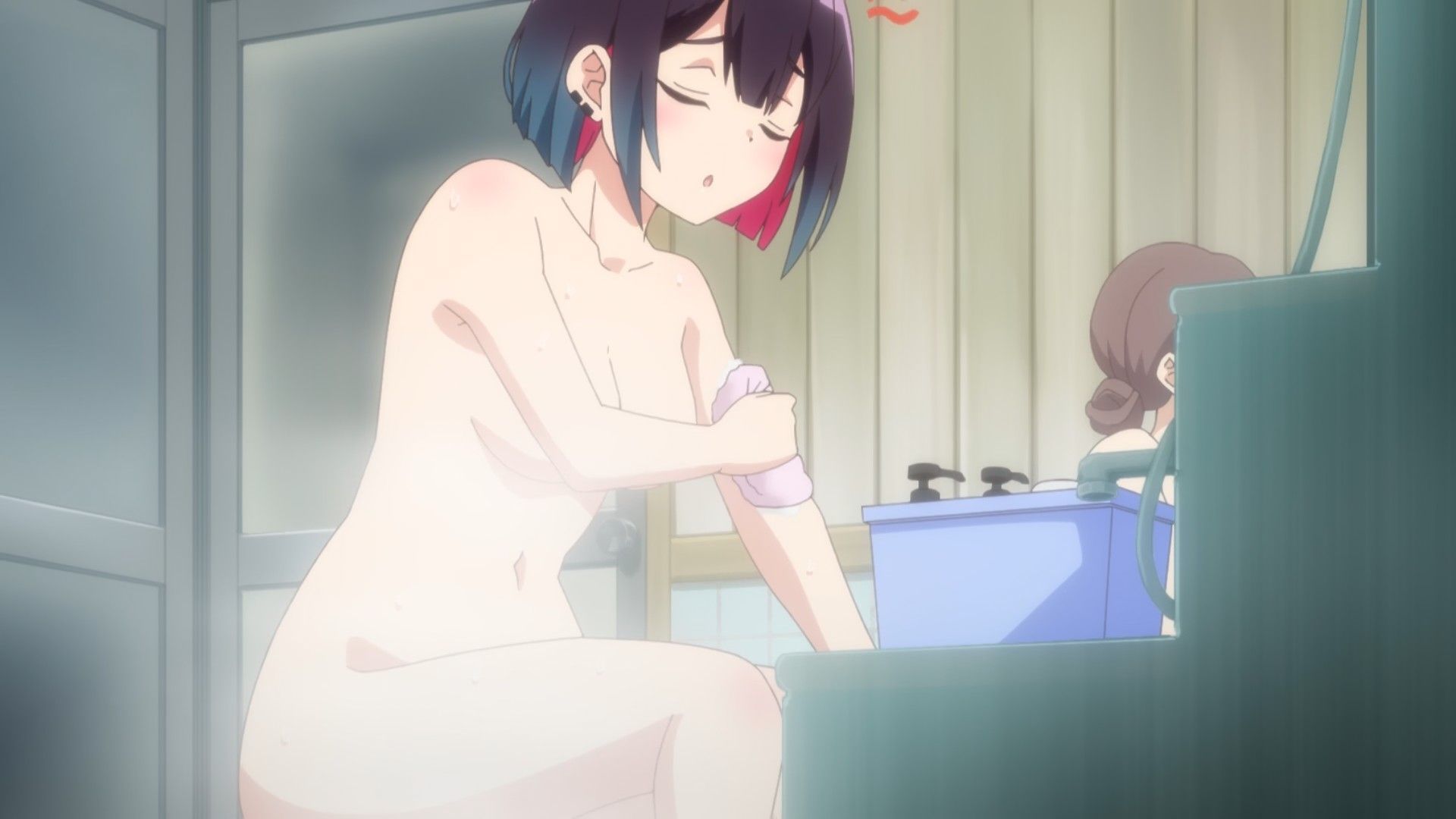
Despite the seemingly episodic structure, Bad Girl neatly develops the main thread of Yuu and Atori. Each subsequent episode adds new elements to their relationship. The culmination is a finale based on a classic, slightly dramatic grand misunderstanding. The series does not focus on fanservice, though we do get a few nice shots here and there.
Characters
The characters in Bad Girl are a range of exaggerated yet adorable personalities. Each adds their two cents to the comedic chaos.
Yuutani Yuu
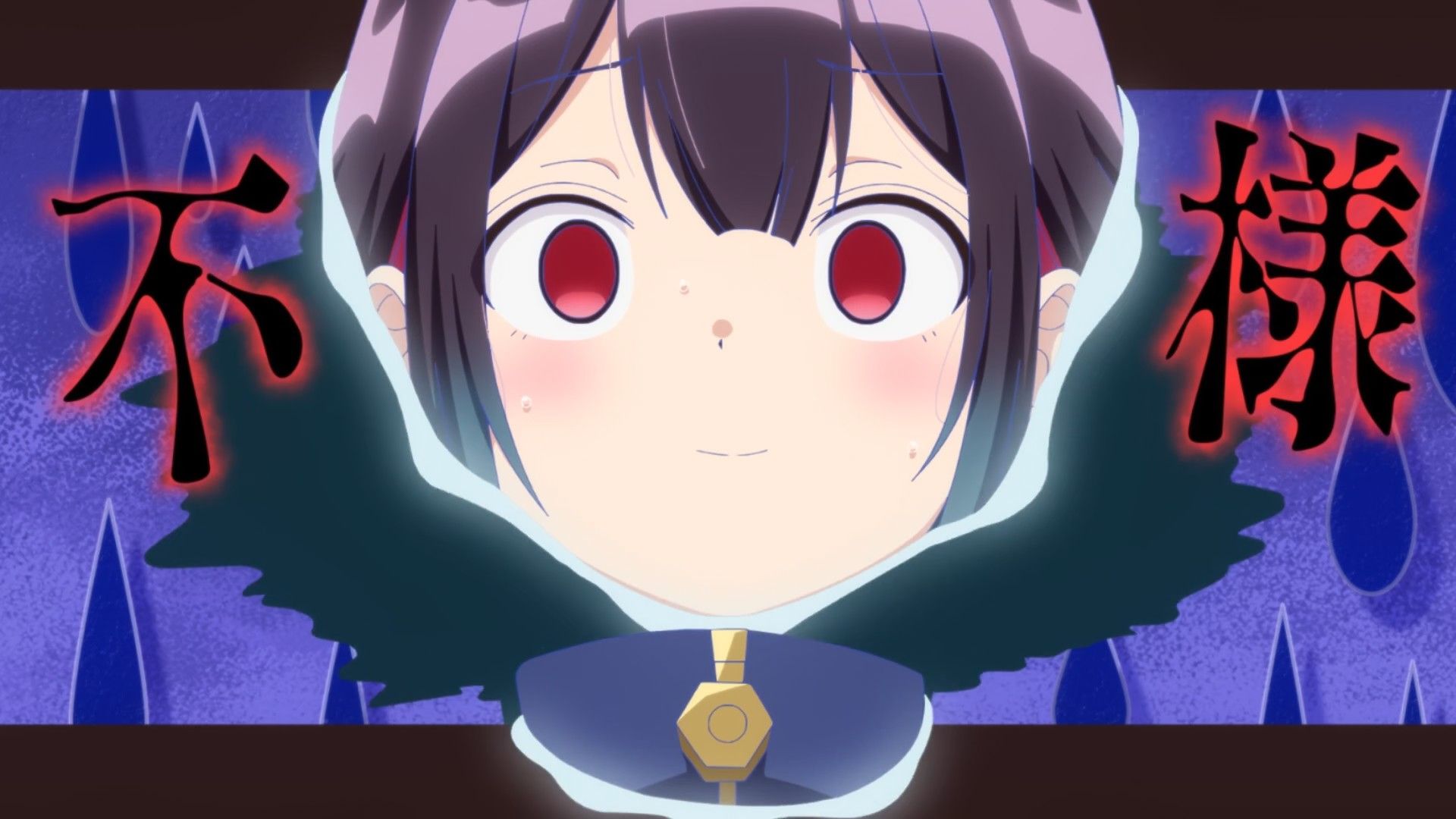
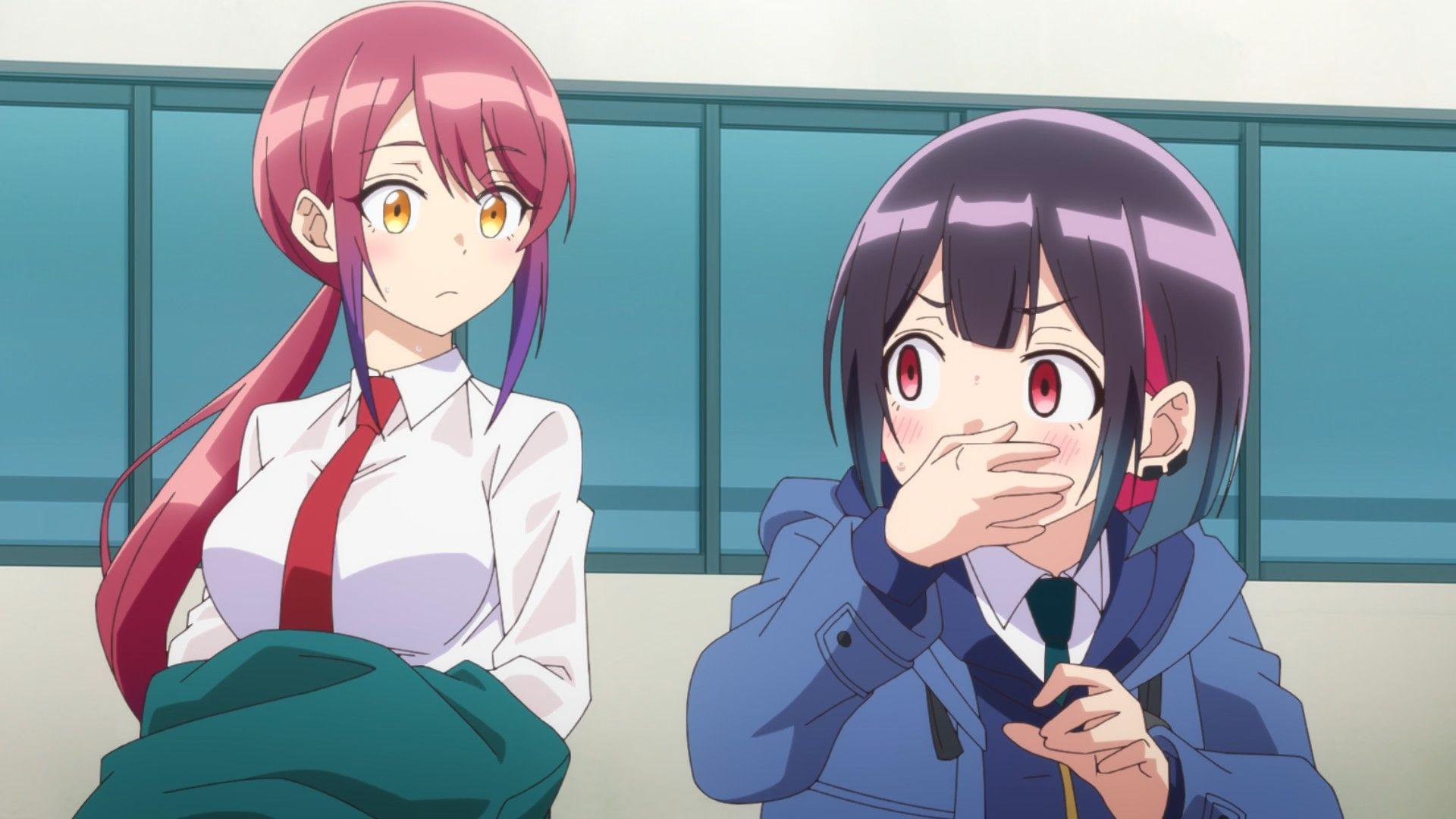
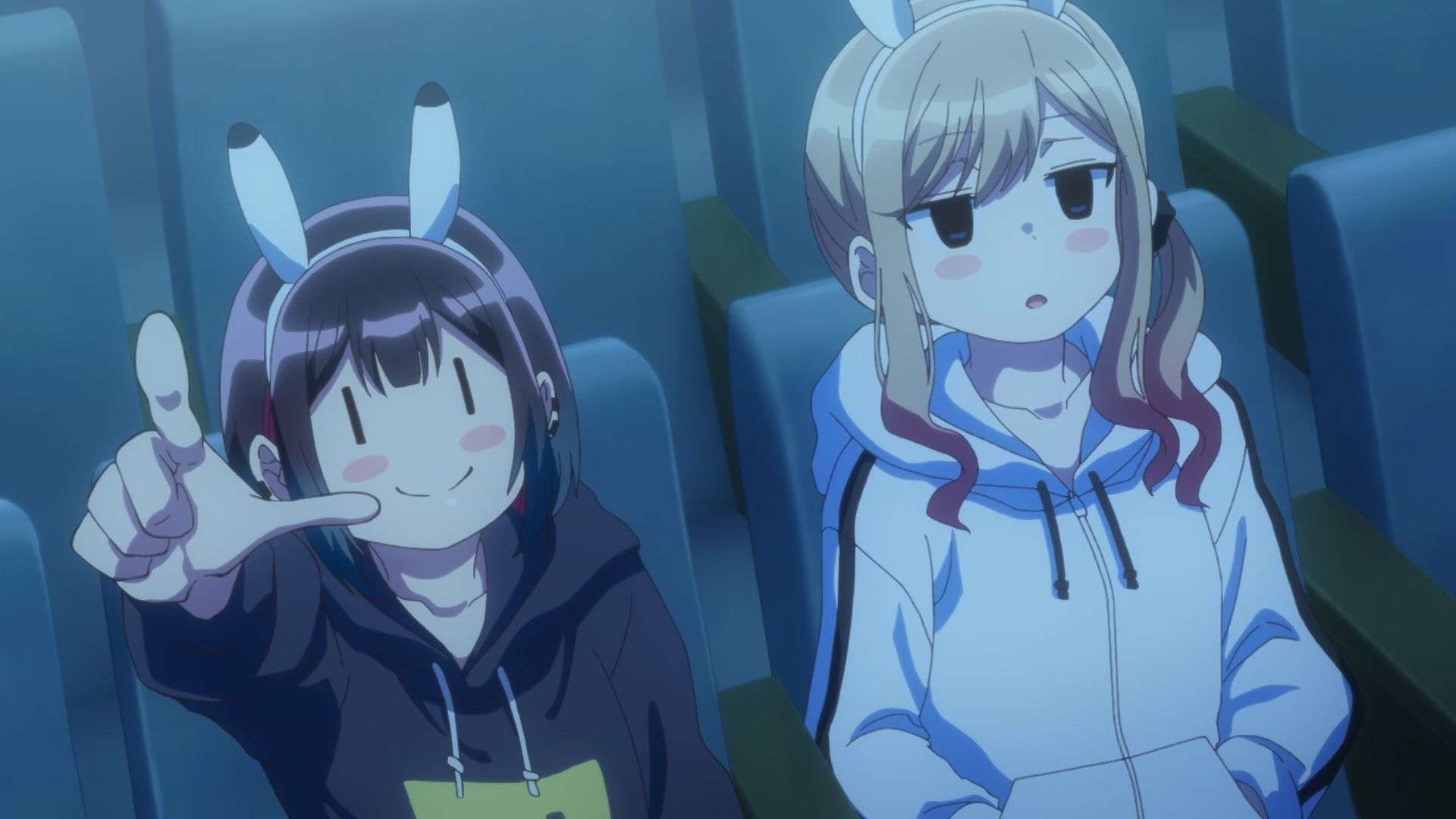
A full-blown bakadere. She is the type of heroine whose intellect and common sense evaporate the moment her beloved senpai appears on the horizon. Under normal circumstances, she is a model student, but in Atori’s presence, her thoughts are flooded by true silliness. She invents increasingly strange ways to earn the title of a bad girl. Every tiny smile or gesture from Atori triggers an explosion of joy in her. Her desperation goes to comical extremes. For instance, she might desire to turn into a piece of trash just so Atori would want to pick it up, or she keeps an ASMR recording on her phone of Atori’s voice whispering “I hate you, Yuu-chan” as her most precious memento. Despite her nature, Yuu is so charmingly committed and imaginative that it’s impossible not to root for her.
Mizutori Atori
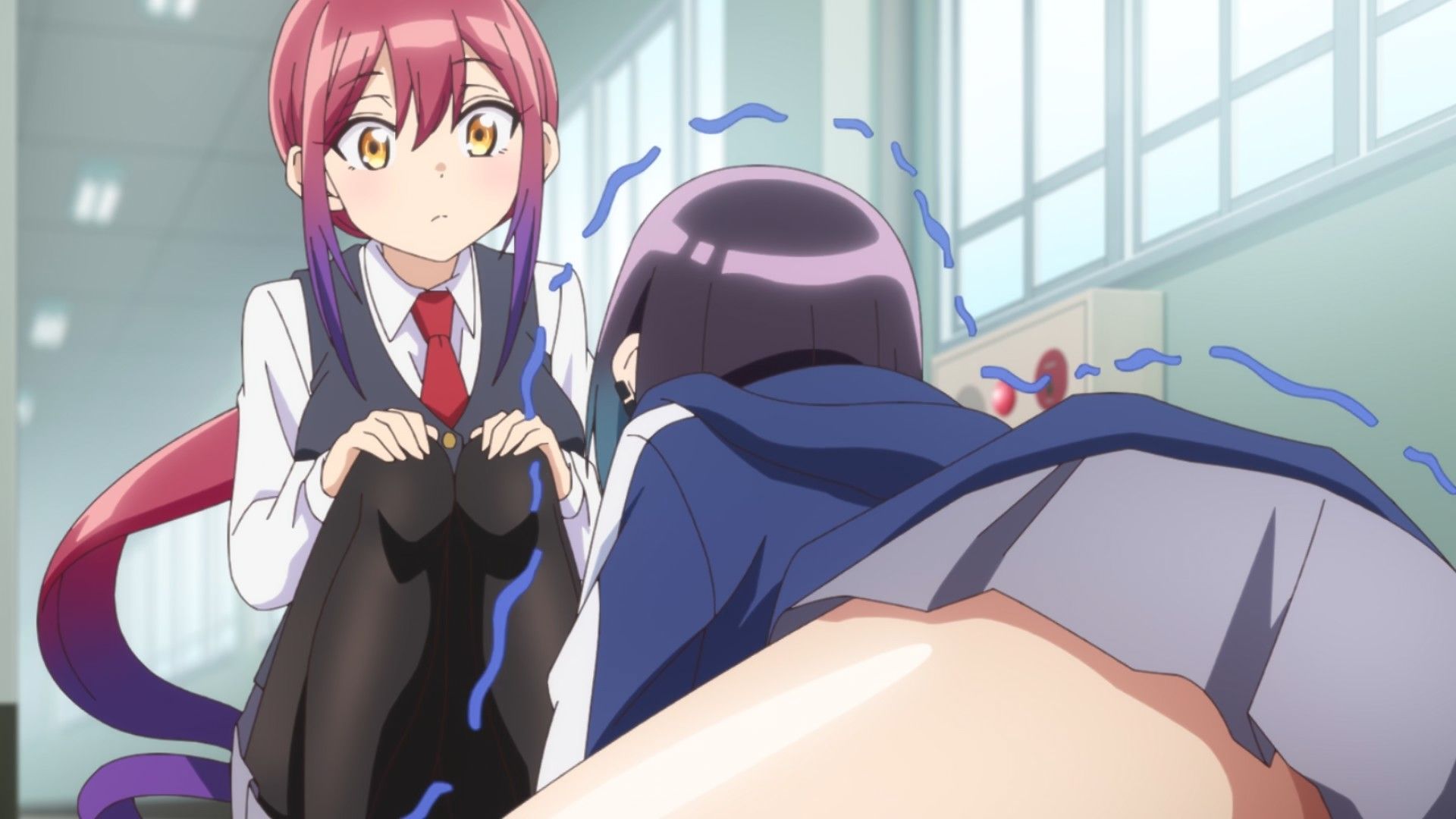
Obiekt westchnień Yuu. Przykład chodzącego ideału, który w praktyce okazuje się obdarzoną anielską aurą, naturalną, roztrzepaną gapą. Atori z pozoru spełnia wszystkie cechy perfekcyjnej onee-san. Jest piękna, uprzejma i dystyngowana. Starsza koleżanka z komisji moralności, do której wzdycha pół szkoły. Jej sposób myślenia funkcjonuje jednak na zupełnie innym poziomie absurdu. Atori jest wiecznie zamyślona i beztroska w uroczy, oderwany od rzeczywistości sposób. Kompletnie nie zdaje sobie sprawy, jakie spustoszenie sieje w sercu Yuu każdym niewinnym gestem czy słowem. Co więcej, sama dokłada do tego swoją cegiełkę. Z jej perspektywy Yuu to słodki szczeniaczek, którego można dla zabawy podrażnić. Atori potrafi nieświadomie prowokować Yuu tekstami w stylu zaaportuj, proszę albo pochylać się i szeptać Yuu do ucha rzeczy tak zaskakujące, że biedna kouhai o mało nie dostaje zawału serca.
Suzukaze Suzu
The object of Yuu’s sighs. An example of a walking ideal who, in practice, turns out to be a natural, scatterbrained airhead blessed with an angelic aura. Atori seemingly meets all the traits of a perfect onee-san. She is beautiful, polite, and dignified. An older colleague from the disciplinary committee whom half the school sighs for. Her way of thinking, however, functions on a completely different level of absurdity. Atori is perpetually pensive and carefree in a charming, detached-from-reality way. She is completely unaware of the havoc she wreaks in Yuu’s heart with every innocent gesture or word. Moreover, she adds her own bricks to the structure. From her perspective, Yuu is a sweet puppy who can be teased for fun. Atori can unconsciously provoke Yuu with lines like “fetch, please” or lean in and whisper things in Yuu’s ear so surprising that the poor kouhai nearly has a heart attack.
Ruriha Rura
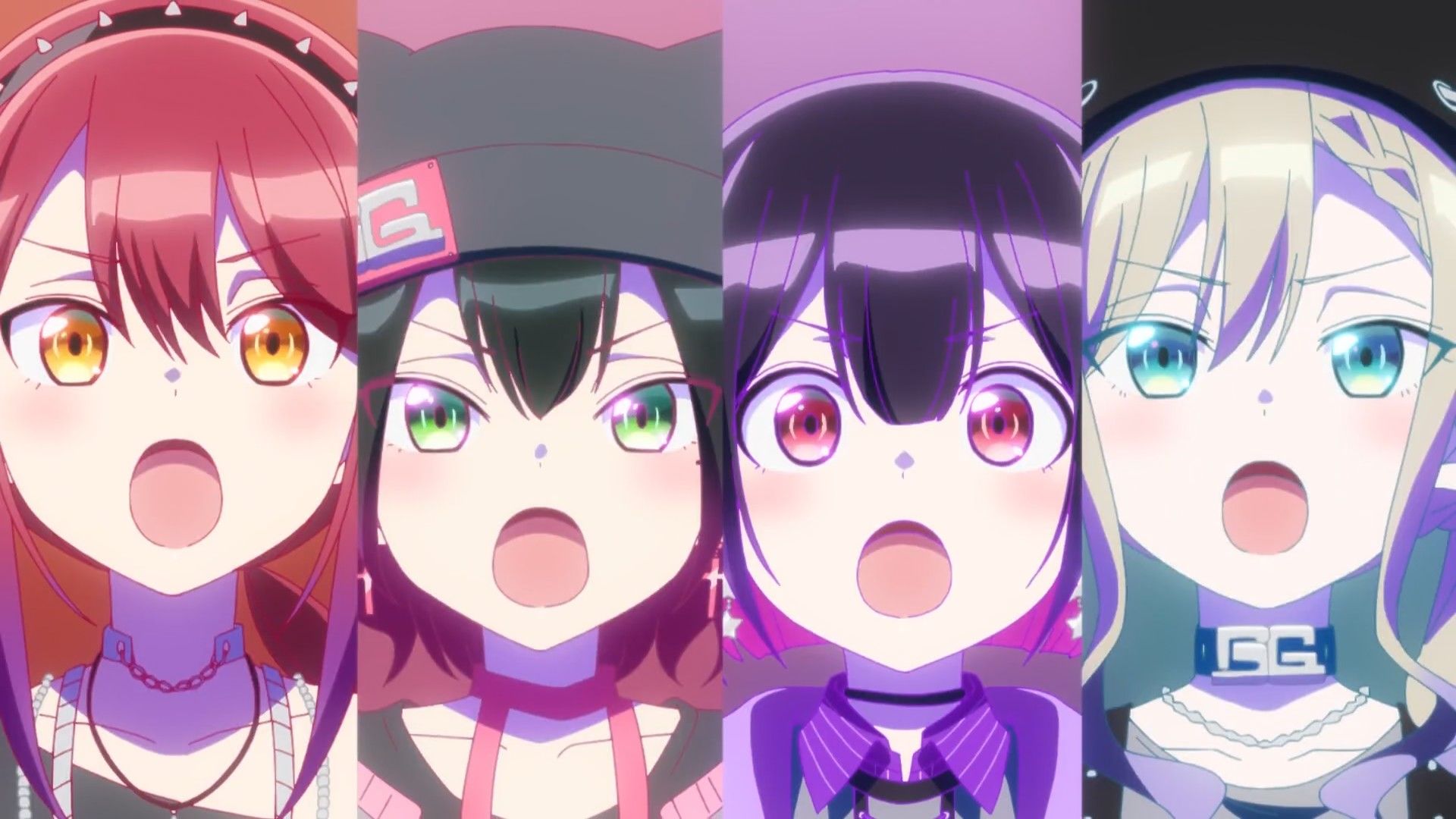
A school idol and aspiring Y-tuber who appears on the scene as Yuu’s self-proclaimed rival. At least in her own mind. Visually a dazzling beauty, but her character is a walking curiosity. Her entire worldview crumbles when Yuu casually announces that the cutest girl in the world is Mizutori-senpai, not some Rura. From that moment on, Ruriha vows to force Yuu to acknowledge her absolute wonderfulness, but she hits an impenetrable wall.
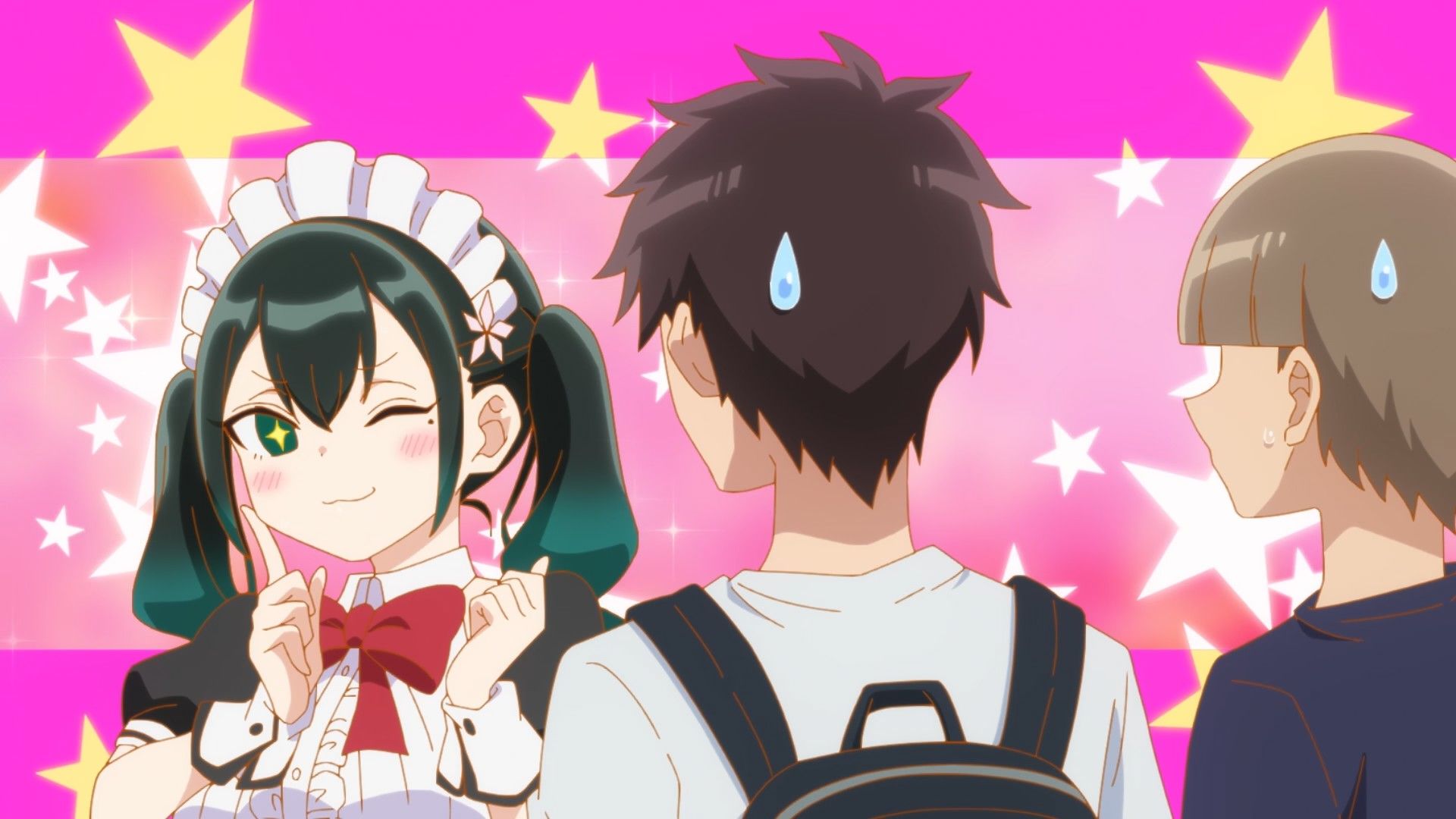
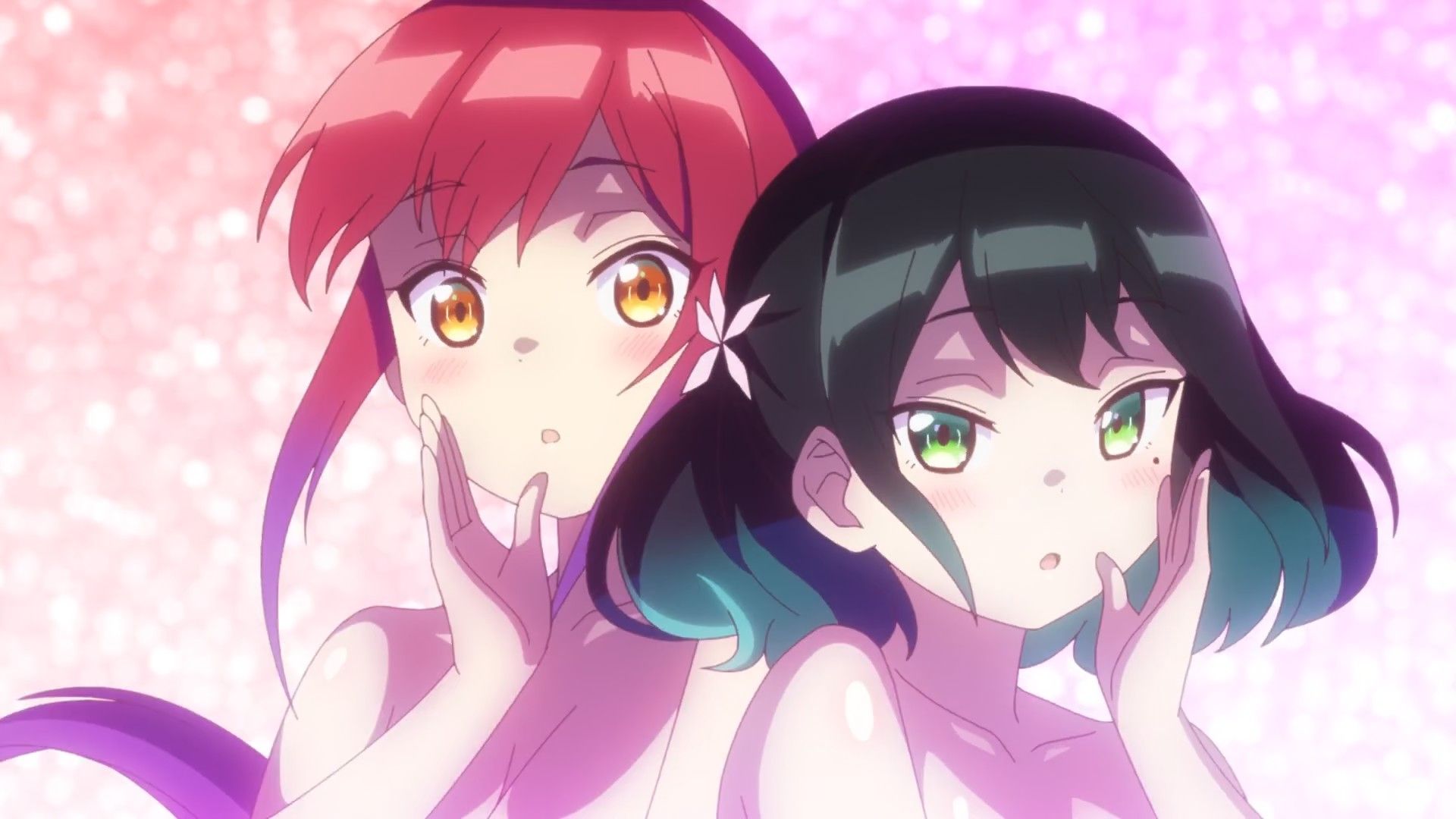
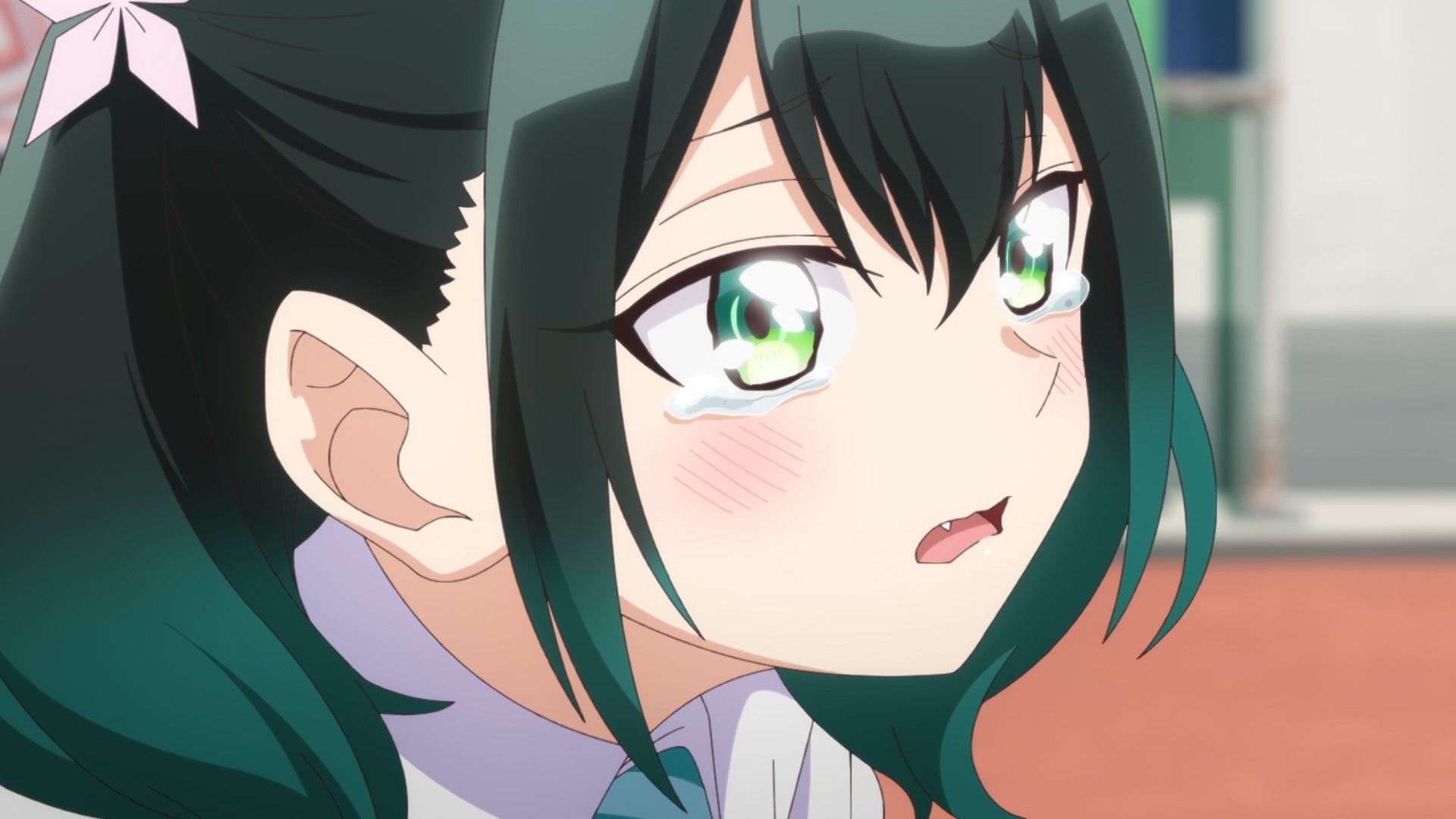
Yuu is so focused on Atori that she notices absolutely no one else. This gives rise to a hilarious, one-sided conflict. Ruriha bends over backwards to shine in front of Yuu, while Yuu either gets her name wrong or ignores her completely. Best of all, over time, Ruriha—willy-nilly—begins to hang out with Yuu and her friends. In the maid cafe episode, Ruriha is forced to serve her rival while pretending to be a professional waitress, which drives her to the brink of a breakdown. Ruriha’s slow transformation from a pompous antagonist into an almost full-fledged member of the group is, unsurprisingly, quite cute. Rura is probably my favorite character in the series.
Sumiki Kiyoraka
Atori’s trusted friend and the chair of the library club, who hides a truly diabolical nature behind the mask of a dignified lady. Sumiki is a true manipulator in the haraguro style. On the surface sweet and polite, but inside a playful schemer who loves pulling strings for her own amusement. She has a hobbyist-like approach to observing the yuri-dramas between Atori and her numerous admirers. It is Sumiki who discreetly goads Yuu, informing her about someone who is supposedly taking Atori to an amusement park, which ignites a massive wave of jealousy in Yuu. Sumiki is always one step ahead of the rest, pulling strings with a shadow of amusement on her face. However, she does this without malice, rather like a stage director wanting to see the craziest performance. Her presence guarantees that when the situation starts to get too calm, a controlled explosion of drama is about to occur.
Mizutori Mizuka
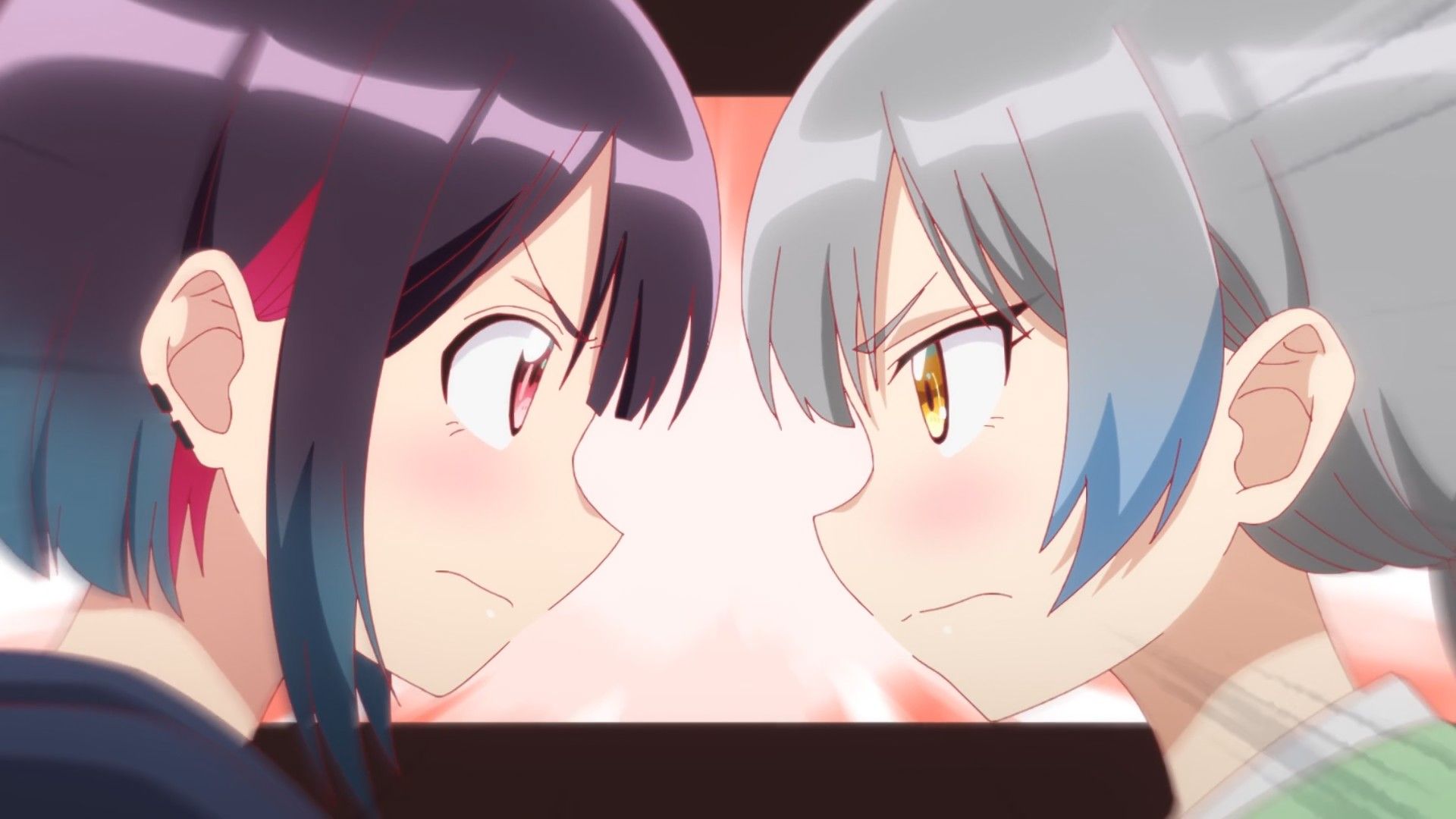
Atori’s younger sister, who brings an extra dose of absurdity to the story. Mizuka is totally obsessed with her older sister. As soon as she appears on the scene, she immediately perceives Yuu as enemy number one, trying to steal her beloved sister. Yuu and Mizuka’s rivalry initially takes the form of comical scuffles, but it soon turns out that these two obsessives have more in common than they initially thought. Both secretly snap photos of Atori from hiding, know her daily schedule, and her favorite snacks. They behave like a pair of stalkers in the name of love. When they are caught in the act by Atori herself, they reach an agreement. Since they have a common goal, it’s better to cooperate than to fight each other.
Humor
If I were to describe the humor in Bad Girl simply, it would be—absurdity at its best. The serial draws heavily from the traditions of comedy anime, serving a fast pace of jokes, exaggerated character reactions, and situations so ridiculous that a viewer can truly cry with laughter while simultaneously bowing in appreciation for the creators’ ingenuity. We have everything here—the classic boke and tsukkomi duo, a parody of sukeban school stereotypes, and several yuri-baits.
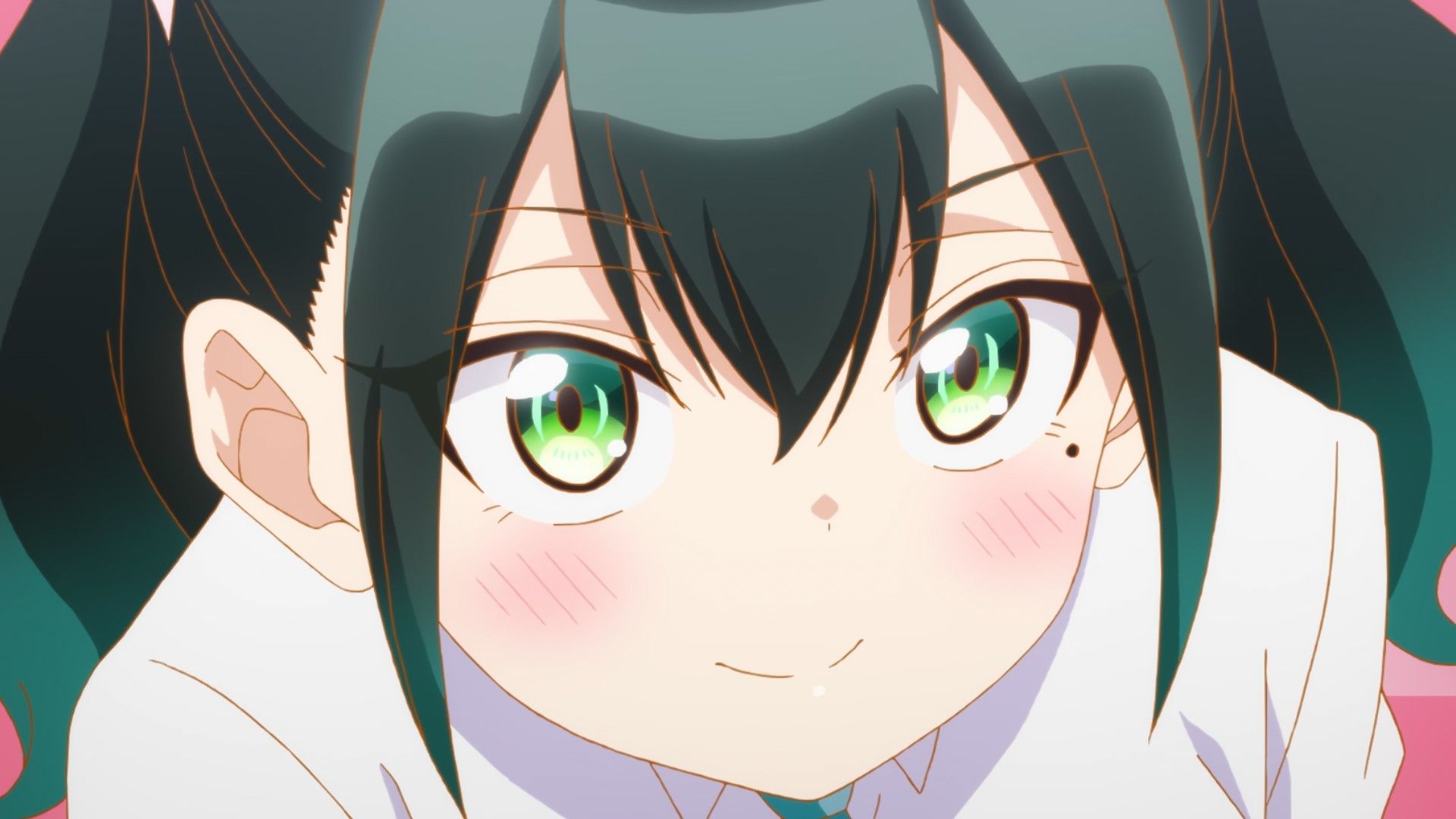
The humor in Bad Girl is strongly rooted in the characters. It is the heroes and their crazy personalities that drive the subsequent gags. Each character has their trademark set of personality traits. Yuu disarms with a combination of extreme adoration and total incompetence at being a “bad girl,” Atori delights with her carefree sowing of chaos, Suzu adds sarcastic punchlines, sometimes almost breaking the fourth wall, Ruriha constantly falls into the traps of her own vanity, Sumiki arranges situations straight out of yuri dramas, and Mizuka treats her absurd vendettas with Yuu over her sister’s favors with deadly seriousness. The jokes are never forced here—they arise naturally from who the characters are and how they interact with each other.
The series also plays excellently with recurring motifs and gags that only gain strength from episode to episode. Bad Girl doesn’t try for a moment to be realistic or subtle—on the contrary, the humor here is purely exaggerated and at times even excessively blunt (in a positive sense), but never malicious or distasteful. You can feel that the creators love their characters and would rather give them a playful flick on the nose for a joke than ridicule them.
Bad Girl (2025) – Evaluation and Summary
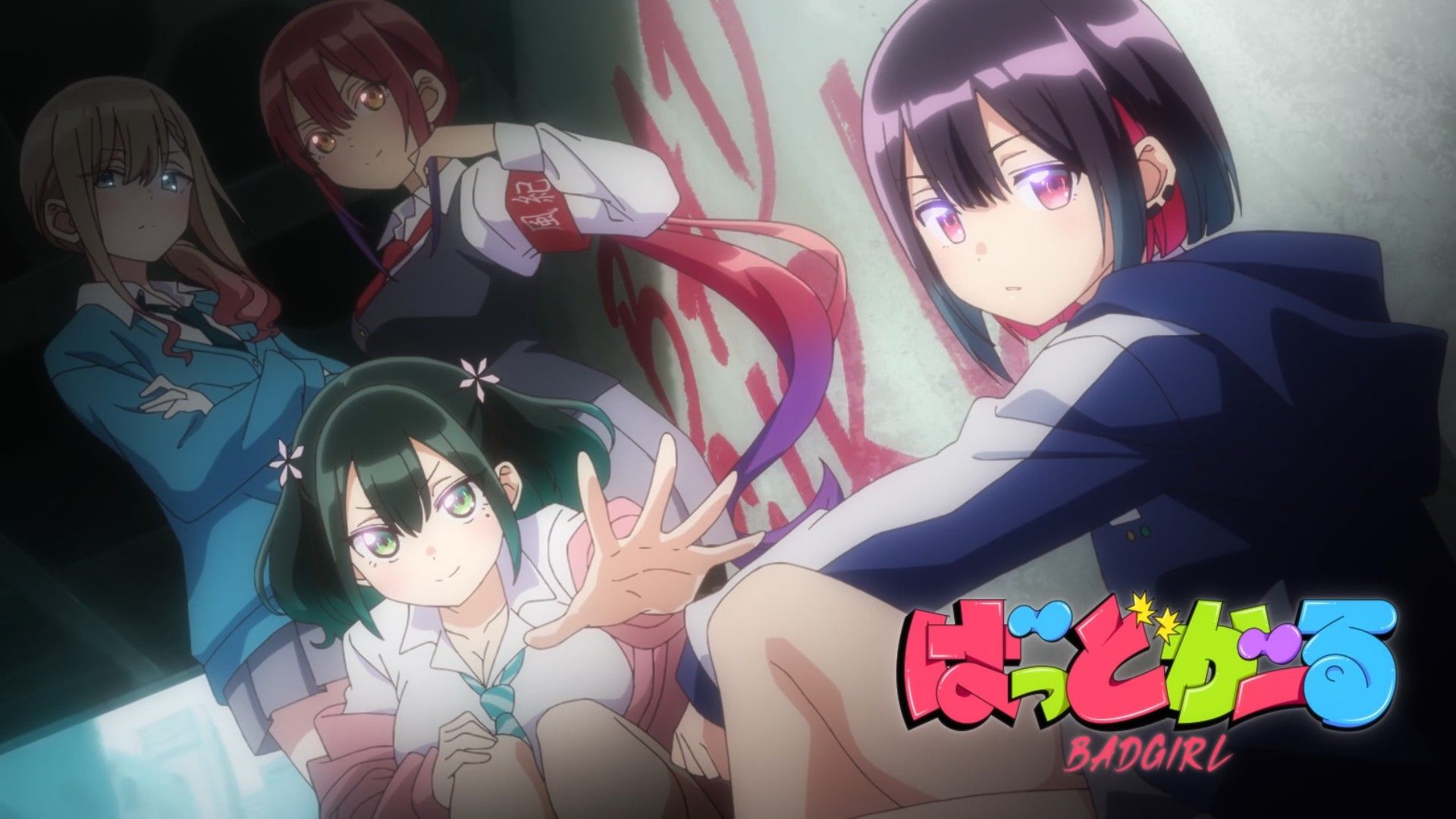
Bad Girl turned out to be a bullseye for me. A very pleasant, hilarious series that simultaneously parodies established genre tropes and celebrates them with love. This is undoubtedly an anime created for viewers well-versed in the genre’s formula—spotting all the references and clichés provides a lot of satisfaction. Even such a small thing as the characters pronouncing the title of the series by syllables on a screen in the middle of the episode, where the “ru” in ba-do-gaa-ru (phonetic Bad Girl) is always pronounced by Ruriha, who refers to herself in the third person as “Ruu,” was able to make me exceptionally happy. As a fan of such stories, I felt truly pampered by the number of winks to the audience. This doesn’t mean, however, that Bad Girl is hermetic—the humor stands on its own thanks to a great sense of timing, charismatic characters, and their capital chemistry on screen.
Special recognition goes to the fact that, despite all its madness, the series remains very kind to both the characters and the viewer. The ending of the first season left me with a huge smile on my face. The creators closed the most important threads in great style. I recommend Bad Girl with a clear conscience to anyone who has “cut their teeth” on this type of comedy.
Unfortunately, you can rarely sees this type of comedy nowadays, and even more rarely realized so well. Therefore, it is all the more worth giving the series a chance.
Finalny werdykt
Final evaluation

Which translation do I recommend to watch Bad Girl (2025)?
- HIDIVE (official) – Fortunately, the series was assigned one of the better HIDIVE translators, which is truly a rarity. I can therefore recommend the official translation with a clear conscience (which is very good by HIDIVE standards).
Gallery